Bull Fighting in the 1890s (Post No.3523)

Compiled by London swaminathan


Date: 7 January 2017


Time uploaded in London:-  20-41


Post No.3523


Pictures are taken from different sources; thanks.


contact; swami_48@yahoo.com


“There are several other kinds of amusement, some of them of a vulgar character, Bull fighting is one of them.

The bull fighting must not be regarded as like the familiar bull-fighting in Spain, or any other western country. This fight is called ‘sallikattoo’, and takes place during the day.


A large plain is chosen for the purpose and the villagers collect money among themselves with which to meet the necessary expenditure. They send out invitations to the people of other villages and inform them of the fixed day for bull-fight. This news spreads abroad among all classes of the people who come in numbers in bands and parties, both men and women to the spot appointed. The people of the village who have arranged the bull fight erect temporary sheds at their own cost in order to accommodate their visitors. As it is a public meeting place, the sellers of various articles flock to it with their different kinds of goods.
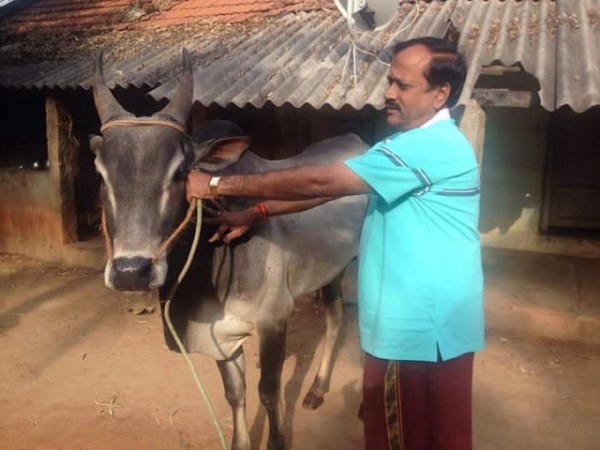
At about eight O clock in the morning all assemble in the plain. Sometimes there are thousands of people met on such occasions. Several fighting bulls will be brought by the villagers from different districts. The owner of each bull ties a new cloth around its neck. In  some cases the owner puts money in a corner of the cloth. He takes the bull to the headman of the assembly and bows his head to him. Then the headman inquiries concerning the parentage and name if he does not happen to know him. Then be asks the herald or the crier to beat his drum three times. This is a sign for the people to understand that a fighting bull will be let loose in the midst of the assembly. This is a signal also to the men who have come to fight the bull, and take the cloth and the money its neck that they must hold themselves in readiness. The owner of the bull takes him to the centre of the assembly, and there be lets him loose by warning the bult to take cate of and to make his way through the crowd to his shed.


As soon as ever the bull is set free, ten or fifteen men come to the front of the assembly without either stick or knife, and they face the bull manfully. Some of the clever bulls defend themselves hours together, hurting many of those men, and sometimes killing one or two; at last they escape from their hands and go home, leaping and frisking for joy. There are many bulls who are known to be great fighters and who allow anyone to take the cloths from their necks. Whoever takes the cloth considered to be a is hero. The bullocks are brought in to fight, one after another, the whole day through, and sometimes this terrible struggle between man and beast will be continued for two or three days. Some of the owners of the bulls offer a large sum of money to anyone who can arrest their bulls before the assembly.


These beasts are very knowing and clever in their fighting; they stand quietly before the assembly, and do not run or jump but if anyone approaches them, they hit him with their horns or legs as quickly as a flash of lightning. The people who come to witness the fight occupy the ground for half a mile in a crescent form. Some will sit and some will stand, just as they may please, and most of them will be exposed to the wind and the sun; but this they consider as nothing compared with the pleasure they derive from watching the bull-fight. The public do not pay a penny on occasions of this kind.


–Subham–
சாயம்காலத்தில் செய்யக்கூடாத ஐந்து செயல்கள் (Post No.3522)

9311b-cocnut2bsunset

Translated by London swaminathan


Date: 7 January 2017


Time uploaded in London:-  5-56 am


Post No.3522


Pictures are taken from different sources; thanks.


contact; swami_48@yahoo.com


பொழுது சாயும் நேரத்தில் செய்யக்கூடாத 5 கரியங்கள் என்ன?

வெறுக்கத்தக்க ஐந்து பேர் யார், எவர்? ஐந்து சாட்சிகள் யார்?


1.எல்லோருக்கும் பொதுவான ஐந்து பொருள்கள்

வாபீ = ஏரி

கூப= கிணறு

தடாக = குளம்

தேவாலய= கோவில்

குஜன்மா= மரம்


வாபீகூபதடாகானாம் தேவாலயகுஜன்மானாம்

உத்சர்காத்பரத: ஸ்வாம்பயமபி கர்தும் ந சக்யதே

–பஞ்சதந்திரம் 3-92

d426d-lochness2blake252clatha

xxx

2.வெறுக்கத்தக்க ஐந்து வகையினர்


அன்யவாதீ = தவறான விடை/பதில் அளிப்பவர்

க்ரியா த்வேஷி = வேலை செய்வதை வெறுப்பவர்

நோபஸ்தாதா= கூட்டத்துக்கு வராதவர்

நிருத்தர-= பதில் சொல்லாமல் மவுனம் சாதிப்பவர்

ஆஹூதப்ரபலாயீ= கூப்பிட்டவுடன் ஓடிப்போகும் ஆசாமி


அன்யவாதீ க்ரியத்வேஷீ நோபஸ்தாதா நிருத்தரஹ

ஆஹூதப்ரபலாயீ ச ஹீனஹ பஞ்சவிதஹ ஸ்ம்ருதஹ

நாரத ஸ்ம்ருதி 2-33


xxx

3.சாயங்காலத்தில்– சூரிய அஸ்தமன நேரத்தில்- செய்யக்கூடாத ஐந்து செயல்கள்:


ஆஹாரஹ= உணவு

மைதுன= உடலுறவு

நித்ரா= தூக்கம்

சம்பாட= வேத சாஸ்த்ரப் படிப்பு

அத்வனி கதிஹி = பயணம்


ஆஹாரம் மைதுனம் நித்ராம் சம்பாடம் கதிமத்வனி

ஏதானி பஞ்சகர்மாணி சந்த்யாயாம் வர்ஜயேத் புதஹ


xxxx

document

4.ஐந்து சாட்சிகள் யார்?

லிகித:ஸ்மாரிதஸ்சைவ யத்ருச்சாபிக்ஞ ஏவ ச

கூடஸ்சோதர ச சாக்ஷீ பஞ்சவித: க்ருத:

–நாரத ஸ்ம்ருதி: 1-27

லிகிதஹ= எழுத்துமூலமான பத்திரம்

ஸ்மாரிதஹ= வாக்குமூலம்

யத்ருச்சாபிக்ஞா =எதிர்பாராமல் வந்தவர்

கூடஹ = உளவாளி

உத்தரசாக்ஷீ = சாட்சிகள் கூறுவதைக் கவனிப்பவர்


–subham–


அதிசய புத்த துறவி ஸு யுன்! – 26 (Post No.3521)

Written by S NAGARAJAN


Date: 7 January 2017


Time uploaded in London:-  5-14 AM


Post No.3521


Pictures are taken from different sources; thanks.


Contact: swami_48@yahoo.com


100 வயது வாழ்ந்த பெரியோர்


120 வயது வாழ்ந்த அதிசய புத்த துறவி ஸு யுன்! – 26


by ச.நாகராஜன்


ஸு யுன்னுக்கு இப்போது வ்யது 87. இந்த வருடம் யூனான் மாகாணத்தில் ஏராளமான பிரச்சினைகள் வெடித்தன. இராணுவ வீரர்கள் நினைத்த வீடுகளுக்குளெல்லாம் நுழைந்து அட்டகாசம் செய்தனர். மக்கள் அறுவடை செய்ய வயல்வெளிகளுக்குச் செல்லவே பயந்தனர்.


ஸு யுன் நேராக ராணுவ கமாண்டரின் அலுவலகத்திற்குச் சென்றார். மக்களின் துன்பங்களை எடுத்துச் சொன்னார். உடனே பிட்சுக்களுடன் தங்கள் வயல்வெளிகளுக்குச் செல்லும் எந்த விவசாயிகளையும்  ராணுவ வீரர்கள் அநாவசியமாக தொந்தரவு செய்யக் கூடாது என்று கமாண்டர் உத்தரவைப் பிறப்பித்தார். இதன் விளைவாக ஆயிரக்கணக்கான விவசாயிகள் ஆலயத்திற்கு வந்து விட்டனர். அங்கு அரிசி, க்ஞ்சி ஆகியவை பகிர்ந்து கொள்ளப்பட்டது.


கையிருப்பு தீர்ந்தவுடன் வெறும் தண்ணீரிலேயே வாழ வேண்டிய அவசியம் ஏற்பட்டது. பிட்சுக்களுக்கும் நீரே ஆகாரம்.. தங்களால் பிட்சுக்களும் வெறும் தண்ணீரை மட்டும் ஏற்பதைப் பார்த்து விவசாயிகள் அழுதனர்.


நிலைமை சீரானவுடன் தான் அவர்கள் வீட்டிற்குத் திரும்பினர். இந்த அனுபவத்தால் பல விவசாயிகள் மடாலயத்தை எப்படியேனும் பாதுகாப்பது என்ற உறுதியுடன் தன்னார்வத் தொண்டர்களாக மாறினர்.


மடாலயத்தின் தலைமைப் பொறுப்பில் ஸு யுன் இருந்ததால் சூத்ரங்களை அவர் ஓதி வந்ததோடு, சான் தியானத்தையும் பல வாரங்கள் சொல்லித் தந்தார்.


இந்த கால  கட்டத்தில் பட்டுப் போன் பல மரங்கள் தீடீரென்று தழைத்து பசுமையாயின! அவற்றில் தாமரை போன்ற மலர்கள் அரும்பின. ஆலயத் தோட்டத்திலோ அனைத்துக் கறிகாய்களும் அபரிமிதமாக விளைந்தன. அங்கு  மல்ர்கள் பச்சைத் தாம்ரை வண்ணத்தில் தோன்றின. நிற்கும் நிலையில் உள்ள புத்தரைப் போல அந்த ம்லர்கள் விகசித்ததால் அது பார்ப்பதற்கு அருமையாக இருந்தது.


இந்த அபூர்வமான நிகழ்வை உபாசகர் ஜாங் ஜூ ஜியான் ஒரு கதையாக வர்ணித்து கல்வெட்டில் பொறித்தார். அது மடாலயத்தில் வைக்கப்பட்டது.


ஸு யுன்னுக்கு இப்போது வயது 88. இந்த வருடம் சூத்ரங்களின் விளக்கம் ஸு யுன்னால் வழக்கம் போல விவரிக்கப்பட்டன. அத்துடன் சான் தியானமும் நடத்தப்பட்டது. பல்வேறு கூடுதல் ஹால்களும் கட்டிடங்களும் கட்டி முடிக்கப்பட்டன. மணி வைக்கப்பட்டிருந்த கோபுரமும் புதுப்பிக்கப்பட்டது.

ஸு யுன்னுக்கு இப்போது வ்யது 89. இந்த வருடம் புத்தரின் சிலைகளைப் புதிதாகச் செய்வதற்காக உபாசகர் வாங் ஜியூ லிங்குடன் ஸு யுன் ஹாங்காங்கிற்குப் பயணமானார். குவாங் டாங் மாகாண கவர்னரான ஜெனரல் சென் ஜென் ரு ஹாங்காங்கிற்கு தனது பிரதிநிதி ஒருவரை அனுப்பி ஸு யுன்னை காண்டன் நகருக்கு விஜயம் புரியுமாறு அழைப்பு விடுத்தார். அங்கு யி யாங் யுவான் சானிடோரியத்தில் ஸு யுன் தங்கலானார். அங்கு கவர்னருடன் நெங் ரெப் மடாலயத்திற்கு ஸு யுன் சென்றார். காவோ சி என்ற இடத்தில் இருந்த  மடாலயத்தின் தலைமைப் பொறுப்பை ஏற்குமாறு ஸு யுன்னை கவர்னர் வேண்டினார். ஆனால் ஸு யுன் அந்த அழைப்பை மறுத்தார்.பல இடங்களுக்கும் சென்ற ஸு யுன் அசோகர் ஆலயத்திற்கும் சென்றார். பின் அங்கிருந்து மாஸ்டர் வென் ஷியுடன் ஷாங்காய் நகர் சென்றார். புது வருடமும் வந்தது.


ஸு யுன்னுக்கு இப்போது வ்யது 90 வருடத்தின் முதல் மாதத்தில் ஷாங்காயிலிருந்து ஸு யுன் மவுண்ட் கு-வுக்குத் திரும்பினார். கப்பற் படை மந்திரியான யாங் ஷு ஜுவாங் ஸு யுன்னைச் சந்தித்து  கு ஷான்  மடாலயத்தின் தலைமைப் பொறுப்பை ஏற்குமாறு வேண்டினார். சங்கத்தில் சேரும் போது முதன் முதலில் அங்கு தான் ஸு யுன் தன் தலையை மழித்துக் கொண்டார். அந்த நினைவு அவருக்கு வந்தது. அந்த நீங்காத நினைவுகளுடன் தனது குருவின் அபாரமான குணங்கள் அவர் மனதில் நிழலாடின. அந்த அழைப்பை எப்படி மறுக்க முடியும்?

ஸு யுன் தனது பொறுப்பை உதறி விடத் தயாரில்லை. உடனே அந்தப் பொறுப்பை ஏற்றுக் கொண்டார்.

-தொடரும்

**********


Stone cutters of Tamil Nadu and the Story behind Madurai Temple (Post No.3520)

Incomplete Raya Gopuram of Madurai in Tamil Nadu

Compiled by London swaminathan


Date: 6 January 2017


Time uploaded in London:-  17-14


Post No.3520


Pictures are taken from different sources; thanks.


contact; swami_48@yahoo.com


The village stone cutter belongs to the five artisans of the village. He generally lives where there is solid rock which will suit his purposes. He opens his workshop under the burning sun on the open rock. He has a few chisels of different kinds and some iron hammers. With these simple tools he turns out some really good and useful work. He makes the stone for grinding curry materials; the mortar in which to pound rice and the mills– which are primitive in style– for grinding the flour. He can also make stone steps, pillars, beams, doorposts, jars, stands, troughs for watering the cattle and other useful articles that are required for domestic use.


He is not a monthly or annually paid artizan, but he receives suitable payment from the people for all the articles with which he supplies them. He does not go about to collect grain and vegetables from the villagers. If any villager chooses to give him a gift in the form of grain or fruit, of course, he is only too happy to accept it.


The skill of the famous Indian stonemasons has been displayed in the erection of the temples of India. The remarkable way in which groups of animals and human figures are carved out of the solid rock in some of the most famous ancient Hindu temples, speaks volumes for the skilfulness of the Indian stonemason. There is a temple (consecrated to the Hindu god Subramanian, the second son of the god Siva) at Kalugumalai, in the Tinnevelly district of Southern India, which is noted for its singular situation under a solid rock. The cave itself is well worth a visit and the carvings in solid rock are simply marvellous.


In the temple of Srirangam, in the Trichinopoly district, there are several indications of the skill of the stonemason. There are many beautiful pagodas, which shoot up into the sky to a lofty height, in the midst of hundreds of palm-trees and mango-trees, between the two great rivers, the Kavery and the Kollidam. The beautiful and attractive stone pillars, which stand in some of the temple mandapam(cloisters) were first conceived in the mind of the stonemason and then fashioned into shape by his skilful hands. At the bottom of the pillar is the figure of a bear ten feet in height; in the middle of the pillar is a horse about eight feet in height; on the back of the horse there is a hero holding a long spear in his hand, which is passing through the bear that holds up the pillar. On the top of the pedestal there hangs different kinds of Indian fruits. There are several pillars of this kind, and they differ only in the form given to the animals.


The stonecutters also make innumerable gods and goddesses for the people. They make gods with human bodies and animal heads, or with animal bodies and human heads. Their fingers have formed images of all the living creatures of India and placed them in the sacred buildings of the Hindu community.


It is a general complaint that the ancient Indians did not leave any proper record of the history of their land. The stonecutters have to some extent made up for this deficiency. They have told the histories and mysteries in the works of their bands. The inscriptions carved by them in various temples some two to three thousand years ago are still read with interest, and they are often used in deciding the disputes as to the rights of the peasants, the priests, and the princes of the land.

Story behind the Madurai Temple Tower

There are many stories connected with the scientific knowledge of the stonemasons. There is a beautiful and even magnificent temple in the historical and ancient city of Madurai. This temple was built by the founders of the Pandyan dynasty, and afterwards much improved by Terumal Naick (Thirumalai Nayakar), the latest Hindu ruler of Madura. In this temple there is a royer gopuram (the great pagoda) which was built by Terumal Naick. There are two large stone pillars in this royer (Rayar) gopuram. A certain stonemason, by order of the king, brought the stones from the mountain, and placed them in the pagoda, and then died. His son came, and attempted to follow in the footsteps of his father in erecting the royal monument to the goddessMeenatchi, and then he died. By-and-by his son came to the temple to pay his vows. As he entered the royer gopuram saw the great stone pillars. As he looked at them he thought that his grandfather had made a mistake in bringing of the stones and placing it in the sacred place, and he gave expression to his feelings while he was standing in the temple, saying that the temple was polluted according to building science, inasmuch as in one of the two huge pillars a frog was still alive at a certain spot towards the top of the pillar. This statement was brought to the notice of the king, and the man was summoned at once into his presence. The king asked the stonemason, “Have you said that my temple is polluted on account of one of the pillars being placed in the main entrance of the temple?”

“Yes, Your hHghness,’”politely said the man.

“If you cannot prove your statement to be true, remember your head will be severed from your body,” said the king in a very severe tone of voice.


Having placed his life as the pledge for the truth of his the stonemason boldly asked the king to follow him to the temple. The king and his courtiers went. The stonemason requested one of the servants of the king to place a ladder beside the pillar and to go up to the top, and break off a certain portion of the pillar with a hammer. When several small pieces had been broken off a stone frog actually fell down to the great surprise of the king and the advisers. The king immediately ordered his servants to bring gifts from the palace, and these be presented to the stonemason, and he even bestowed upon him royal honours.


Source: Indian Village Folk, T B Pandian, London Year 1897
-Subham-

‘இருப்பது பொய், போவது மெய்’ -பட்டினத்தார் பொன்மொழிகள்– Part 2 (Post No.3519)

Compiled by London swaminathan


Date: 6 January 2017


Time uploaded in London:-  9-03 am am


Post No.3519


Pictures are taken from different sources; thanks.


contact; swami_48@yahoo.com


முதல் பகுதி நேற்று “செத்தாரைப் போலத் திரி” என்ற தலைப்பில் வெளியானது. இது இரண்டாம் பகுதி

23.வாதுற்ற திண்புயர் அண்ணாமலையர் மலர்ப்பதத்தைப்

போதுற்று எப்போதும் புகலு நெஞ்சே இந்தப் பூதலத்தில்

தீதுற்ற செல்வம் என் தேடிப் புதைத்த திரவியமென்

காதற்ற ஊசியும் வாராது காணும் கடை வழிக்கே

xx


24.ஒன்றென்றிரு தெய்வம் உண்டென்றிரு உயர் செல்வமெல்லாம்

அன்றென்றிரு பசித்தோர் முகம் பார் நல்லறமும் நட்பும்

நன்றென்றிரு நடு நீங்காமலே நமக்கிட்டபடி

என்றென்றிரு மனமே உனக்கே உபதேசம் இதே

xx

25.பேய் போற்றிரிந்து பிணம்போற் கிடந்திட்ட பிச்சையெல்லாம்

நாய்போல் அருந்தி நரிபோல் உழன்று நன் மங்கையரைத்

தாய்போல் கருதித் தமர்போல் அனைவர்க்கும் தாழ்மை சொல்லிச்

சேய்போல் இருப்பர் கண்டீர் ஞானந் தெளிந்தவரே

xx


26.ஊரீர் உமக்கோர் உபதேசம் கேளும் உடம்படங்கப்

போரீர் சாணைக் கழுவேற்று நீற்றைப் புறந்திண்ணையில்

சாரீர் அனதலைச் சுற்றத்தை நீங்கிச் சக்நகைக்க

ஏரீர் உமக்கவர் தாமே தருவர் இணையடியே

xxx


27.ஓம்காரமாய் நின்ற வத்துவிலே ஒரு வித்து வந்து

பாங்காய் முளைத்த பயனறிந்தால் பதினால் உலகும்

நீங்காமல் நீங்கி நிறையா நிறைந்து நிறையுருவாய்

ஆங்காரமானவர்க்கு எட்டாக் கனி வந்தமர்ந்திடுமே


xxx


28.நாய்க்குண்டு தெண்டு நமக்குண்டு பிச்சை நமனைவெல்ல

வாய்க்குண்டு மந்திர பஞ்சாட்சரம் மதியாமல் அரும்

பேய்க்குண்டு நீறு திகைப்புண்டு நின்ற பிறவிப்பிணி

நோய்க்குண்டு தேசிகன் தன் அருள் நோக்கங்கள் நோக்குதற்கே


xxx

29.வானத்தின் மீனுக்கு வந்தூண்டில் இட்ட வகையது போல்

போனத்தை மீள நினைக்கின்றனை என்ன புத்தியிதே

xx

30.நேமங்கள் நிட்டைகள் வேதங்கள் ஆகம நீதிநெறி

ஓமங்கள் தர்ப்பணம் சந்தி செப மந்த்ர யோக நிலை

நாமங்கள் சந்தனம் வெண்ணீறு பூசி நலமுடனே

சாமங்கள் தோறும் இவர் செய்யும் பூசனைகள் சர்ப்பனையே


xx

31.மையாடு கண்ணியும் மைந்தரும் வாழ்வும் மனையும் செந்தீ

ஐயாநின் மாயை யுருவெளித்டோற்றம் அகிலத்துள்ளே

மெய்யாய் இருந்தது நாட்செல நாட்செல வெட்ட வெறும்

பொய்யாய்ப் பழங்கதையாய் கனவாய் மெல்லப் போனதுவே

xxx

32.உளியிட்ட கல்லையு ஒப்பிட்ட சாந்தையும் ஊத்தையறப்

புளியிட்ட செம்பையும் போற்றுகிலேன் உயர் பொன்னெனவே

ஒளியிட்ட தாளிரண்டுள்ளே இருத்துவது உண்மையென்று

வெளியிட்டடைத்து வைத்தேன் இனிமேல் ஒன்றும் வேண்டிலனே

xxx

33.முன்னையிட்ட தீ முப்புரத்திலே

பின்னையிட்ட தீ தென்னிலங்கையில்

அன்னையிட்ட தீ அடிவயிற்றிலே

யானும் இட்ட தீ முள்க மூள்கவே!


xxx


34.அத்தி முதல் எறும்பீறான உயிர் அத்தனைக்கும்

சித்தம் மகிழ்ந்தளிக்கும் தேசிகா – மெத்தப்

பசிக்குதையா பாவியேன் பாழ்வயிற்றைப் பற்றி

இசிக்குதையா காரோணரே

xxx

35.ஒன்பது வாய்த் தோல்பைக்கு ஒருநாளைப் போலவே

அன்பு வைத்து நெஞ்சே அலைந்தாஞ்சாயே! – வன்கழுக்கள்

தத்தித் தத்திச் செட்டை தட்டிக்கட்டிப் பிட்டுக்

கத்திக் குத்தித் தின்னக் கண்டு

xxx

36.முதல் சங்கு அமுதூட்டு மொய்குழலார் ஆசை

நடுச்சங்க நல்விலங்கு பூட்டும் — கடைச் சங்கம்

ஆம்போது அது ஊதும் அம்மட்டோ விம்மட்டோ

நாம் பூமி வாழ்ந்த நலம்

xxx

37.இருப்பது பொய் போவது மெய்யென்று எண்ணி நெஞ்சே

ஒருத்தருகும் தீங்கினையென்னாதே – பருத்த தொந்தி

நம்மதென்று நாமிருப்ப நாய்நரிகள் பேய் கழுகு

தம்மததென்று தாமிருக்க தான்


xxx

38.எத்தொழிலைச் செய்தாலும் ஏதவத்தைப் பட்டாலும்

முத்தர் மனமிருக்கு மோனத்தே— வித்தகமாய்க்

காதி விளையாடி இருகைவீசி வந்தாலும்

தாதி மன நீர்க்குடத்தேதான்

xxx

39.நாப்பிளக்கப் பொய்யுரைத்து நவநிதியம் தேடி

நலமொன்றும் அறியாத நாடியரைக் கூடிப்

பூப்பிளக்கப் பொய்யுரைத்துப் புற்றீசல் போலப்

புலபுலெனக்  கலகலனப் புதல்வர்களைப் பெறுவீர்

காப்பதற்கும் வழியறியீர் கைவிடவும் மாட்டீர்

கவர் பிளந்த மரத்துளை யிற் கால் நுழைத்துக் கொண்டே

ஆப்பதனை அசைத்துவிட்ட குரங்கதனைப் போல

அகப்பட்டீர் கிடந்துழல அகப்பட்டீரே


xxx


40.பாவலன் ஒருவன் செந்தமிழ்க்கு இரங்கிப்

பரவையார் உடலை மாற்ற

ஏவலராகி இரவெலாம் உழன்ற

இறைவனே ஏகநாயகனே


–சுபம்-


புத்துலகம் காண விழையும் வித்தகர்கள் – 1 (Post No3518)

Picture of Paul Watson


Written by S NAGARAJAN


Date: 6 January 2017


Time uploaded in London:-  6-21 AM


Post No.3518


Pictures are taken from different sources; thanks.


Contact: swami_48@yahoo.com


30-12-2016 தேதியிட்ட பாக்யா வார இதழில் அறிவியல் துளிகள் பகுதியில் 309ஆம் அத்தியாயமாக வெளியிடப்பட்ட கட்டுரை


 புத்துலகம் காண விழையும் வித்தகர்கள் – 1

ச.நாகராஜன்

t

“நீரும், காற்றும் மிகவும் இன்றியமையாத இரண்டு செல்வங்கள். அவற்றைச் சார்ந்தே உயிரினங்கள் இருக்கின்றன. அவை இப்போது உலகின் மிகப் பெரிய குப்பைத் தொட்டிகளாக மாறி விட்டன!” – ஜாக்கஸ் வெஸ் காஸ்டோ


நாளுக்கு நாள் மோசமாகி வரும் உலகின் சுற்றுப்புறச் சூழ்நிலை பற்றி, ஐ,நாவின் உலக சுகாதார நிறுவனம் அவ்வப்பொழுது தன் கவலையைத் தெரிவித்து வருகிறது.

நம்முடைய அடுத்த தலைமுறைக்கு நல்ல காற்றையும் நல்ல நீரையும் தர மாட்டோம் என்பதோடு பல உயிரினங்களை அழித்த பாவத்திற்கும் நாம் ஆளாவோம் என்பதை உணர வேண்டிய கடைசி கட்டத்திற்கு நாம் வந்து விட்டோம்,


    அந்த அளவிற்கு கார்பன் நச்சுப் புகை வளி மண்டலத்தைச் சூழ்ந்துள்ளது. இதற்கு முக்கிய காரணம் டீஸல் வாகனங்கள். ஃபாஸில் ஃப்யூயல் எனப்படும் படிம எரிபொருள்களால் ஓடும் வாகனங்கள் நாம் உயிர் வாழத் தகுதியற்ற நச்சுச் சூழ்நிலையை உருவாக்கி விட்டன,


     இந்த நிலையில் சில உத்வேகமுள்ள உத்தமர்கள் தங்கள் தலைப் பொறுப்பாக சூழ்நிலையைப் பாதுகாக்க விழைந்துள்ளனர்.


புத்துலகம் படைக்க விழையும் இவர்களைப் பற்றி அறிந்து கொள்வதோடு அவர்களுடன் இணைந்து நாமும் நம்மாலான பணிகளைச் செய்தால் உலகை நல்ல விதமாகக் காத்த நல்லவர்களின்  பட்டியலில் நாமும் இணைவோம்,
சில நல்லவர்களின் உத்வேக மூட்டும் பணிகளைப் பார்ப்போம்:


அமோரி லோவின்ஸ்


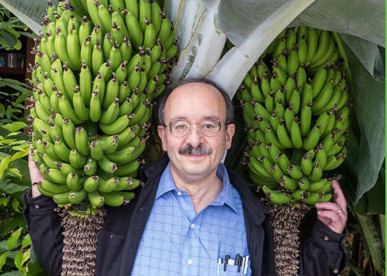
கார்,லாரி போன்ற வாகனங்கள் டீஸலை உபயோகிக்காத ஒரு உலகத்தைப் பற்றிக் கனவு காணும் அமோரி லோவின்ஸ் ஒரு இயற்பியல் விஞ்ஞானி. இவருக்கு வயது 70. அமெரிக்கரான இவரை பிரபல டைம் பத்திரிகை 2009ஆம் ஆண்டு உலகின் செல்வாக்குள்ள நூறு பேர்களில் ஒருவராகத் தேர்ந்தெடுத்தது!


    “மின்சார பவர் ஸ்டேஷன்கள் வேண்டாம். கட்டிடங்களும் நிறுத்தி வைக்கப்படும் வாகனங்களும் உருவாக்கும் ஆற்றலே தொழிற்சாலைகளை நடத்தப் போதுமானதாக இருக்கும். மின்சாரத்தை உருவாக்காத எந்த ஒரு வீட்டையும் காண முடியாது. கார்பன் நச்சுப்புகையே வெளியேறாது.

தொழிற்சாலைகள் கழிவாக எதையும் வெளியேற்றாது.”


     இப்படியெல்லாம அதிரடியாகச் சொல்லும் லோவின்ஸ் அதற்கான தனது திட்டத்தையும் விவரிக்கிறார்.


ஹைப்பர் கார் என்ற இவரது திட்டத்தின் படி உருவாக்கப்படும் கார்கள் கார்பன் ஃபைபர் ஹைப்ரிட் பெட்ரோலையும் மின்சக்தியையும் கொண்டு கார்களை இயக்கும். இதனால் கார்பன் புகை வெளிவராத சூழ்நிலை உருவாகும்.


     இந்தக் காரை கவனமாக ஓட்டுவதன் மூலம் இரு மடங்கு திறனைப் பெறலாம். காரின் எடையை மிகவும் குறைத்து விட்டு அதில் பயோ எரிபொருளையும் பயன்படுத்தினால், ரீ சார்ஜ் செய்து கொள்ளக் கூடிய பாட்டரிகளையும் பொருத்தி எங்கெல்லாம் முடியுமோ அங்கெல்லாம் மின்சக்தியை சார்ஜ் செய்து கொண்டால் இன்னும் அதிக லாபத்துடன் வண்டியை இயக்கலாம் என்கிறார் அவர்.


   அவரது அறிவுரையை ஏற்று டொயோடா நிறுவனம் புது வித கார்களை வடிவமைத்து வருகிறது. அமெரிக்க ராணுவத்தின் ஏராளமான வாகனங்களுக்கு பல லட்சம் டாலர்களை செலவழிக்கும் பெண்டகனும் கூட அவரை அழைத்து ஆலோசனை கேட்டு அதன் படி நடந்து வருகிறது.


காப்டன் பால் வாட்ஸன்.


கடலில் வாழும் உயிரினங்களைக் காக்கும் காப்பாளராகத் தன்னைத் தானே நியமித்துக் கொண்ட காப்டன் பால் வாட்ஸன் ஒரு அதிரடி வீரர். 66 வயதாகும் இவர் நேரடியாக களத்தில் இறங்குபவர். தனக்கே சொந்தமான இரண்டு கப்பல்களை உலகின் பெருங்கடல்களில் உலவ விட்டு திருட்டுத்தனமாக திமிங்கிலம் சுறாமீன் உள்ளிட்ட கடல் வாழ் உயிரினங்களைக் கொல்பவர்கள் மீது நேரடித் தாக்குதல் நடத்துகிறார்,

இதனால்  மிரண்டு போன பல உலக நாடுகள் இவரைக் கடல் தீவிரவாதி என்று திட்டுகின்றன. ஆனால் கடல் பற்றிய விதிகளை நன்கு அறிந்த இவர், அநியாயத்திற்கு எதிராகத்தானே நான் செயல்படுகிறேன் என்கிறார்.


    ஈக்வடார் நாடு இவரைத் தனது அதிகாரபூர்வமான கடல் காப்பாளராக அறிவித்துள்ளது. ஆகவே கடல் வாழ் உயிரினங்களை அநியாயமாகக் கொல்வோரையும் கடலை மாசுபடுத்துவோரையும் இவர் கைது செய்கிறார். உலகின் கடல் வளத்தையும் சுற்றுப்புறத்தையும் பாதுகாக்க சுற்றுப் புறக் காவல் படை என்று ஒரு படை தனியாக வேண்டும் என்பது இவரது வேண்டுகோள்.


    இவர் காக்கும் கடல் வாழ் அரிய உயிரினங்களின் எண்ணிக்கை ஒரு வருடத்தில்  மட்டும்  ஒரு லட்சத்தையும் தாண்டுகிறது. இவரை சுற்றுப்புறச் சூழல் ஆர்வலர்கள் பெரிதும் மதித்து நேசிக்கின்றனர்.


குறிப்பிடத் தகுந்த இன்னும் சிலரையும் அடுத்துப் பார்ப்போம்..


அறிவியல் அறிஞர் வாழ்வில .. ..


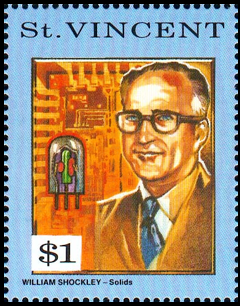
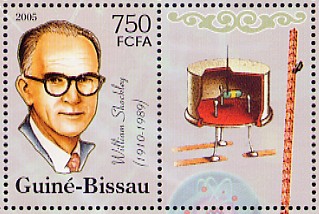
அமெரிக்க இயற்பியல் விஞ்ஞானி.யான வில்லியம் ப்ராட்ஃபோர்ட் ஷாக்லி (William Bradford Shockley) ஜங்ஷன் டிரான்ஸிஸ்டரைக் கண்டு பிடித்ததற்காக நோபல் பரிசை 1956ஆம் ஆண்டு பண்டீன் மற்றும் ப்ராட்டெய்ன் ஆகிய விஞ்ஞானிகளோடு இணைந்து பெற்றுக் கொண்டவர். அவருக்கு கறுப்பர் பற்றிய விசித்திரமான கொள்கைகள் உண்டு.


   கறுப்பு அமெரிக்கர்கள் மரபணு ரீதியாகவே தாழ்த்தப்பட்டவர்கள் என்று அவர் கருதினார். அவர்களின் ஜனத்தொகையைக் கட்டுப்படுத்தாவிடில் மொத்த அமெரிக்காவின் அறிவு கூர்மையே சேதமாகி விடும் என்று சொல்லத் தொடங்கினார். இதனால் ஆயிரத்தி தொள்ளாயிரத்து அறுபதுகளில் அனைவரின் வெறுப்புக்கும் எதிர்ப்புக்கும் ஆளானார்.ஆனால் அவர் இதையெல்லாம் பொருட்படுத்தவில்லை.


     அவரை எதிர்த்து ஆங்காங்கே கூட்டங்கள் நடந்தன. அவரை வழி மறித்து எதிர்ப்பைத் தெரிவிப்பதும் தொடர்ந்தன. ஆனால் இதற்குக் கூட அவர் அசரவில்லை.


    ஒரு நாள் அவரை எதிர்த்து கோஷம் போட்டவர்களின் மைக் செட்டுடன் இணைக்கப்பட்டிருந்த ஒலிபெருக்கிகள் வேலை செய்யவில்லை. என்ன செய்வதென்று அவர்கள் திகைப்பில் ஆழ்ந்தனர்.

     ஷாக்லியோ நேராக அந்த ஒலிபெருக்கிகளின் அருகே சென்று அதை ரிப்பேர் செய்ய ஆரம்பித்து கச்சிதமாக அதைச் சரி செய்து விட்டார்.\


    ஷாக்லியின் இந்த ஷாக் ட்ரீட்மெண்டைக் கண்டு அவர்கள் அதிர்ந்து போயினர்.ஆனால் அவரோ தன் வழியில் வழக்கம் போலச் சென்றார்.


     கொள்கை மாறுபட்டிருந்தாலும் உதவி செய்வது என்பது ஒருவரின் கடமை என்பதை அந்த விஞ்ஞானி நிரூபித்துக் காட்டி விட்டார்.

*******.

Who are the Despicable Five? What are the Five Things to be Avoided? (Post No.3517)

Compiled by London swaminathan


Date: 5 January 2017


Time uploaded in London:-  15-29


Post No.3517


Pictures are taken from different sources; thanks.


contact; swami_48@yahoo.com


Five Despicable People

anyavaadii =who gives wrong answer

kriyaa dvesii = who hates to work

nopasthaataa = who is not present

niruttara = who does not answer

aahuta prapalaayii = who runs away after being called


anyavaadii kriyaa dvesii nopasthaataa niruttara:

aahuta prapalaayii ca hiina: panchavidhasmrta:

Naradasmrti: 2-33


xxx

Five Things to avoid during Twilight (Sandhyaakaala)

aahaara = food

maithuna = copulation

nidraa = sleep

sampaatha = studying scriptures

adhvani gati = travel


aahaaram maithunam nidraam sampaatham gatimadhvani

etaani pancha karmaani sandhyaayaam varjayet budhah

xx


Five Witnesses

likhitah = written document

smaaritah = narrated/ recounted

yadrcchaabhijna = unexpected and unobstructed intruder

guudhah = spy

Uttara saakssii = listener of witness’s statements


likhitah smaaritas caiva yadrcchaabhijna eva ca

guudhah Uttara saakssii ca saakshii panchavidha krtah

Naradasmrti: 1-27

xx


Five that belongs to Everyone (universal)

vaapi = lake

kuupa = well

tadaaka = tank

devaalaya = temple

kujanmaa = tree

vaapikuupatadaagaanaam devaalayakujanmanaam

utsargaatparatah svaamyamapi kartum na sakyate

–Panchatantra 3-92


xxx


Five to be Remembered:

(from my previous post)

You must always remember the following Five:-

Janani – Mother

Janmadaataa- Father

Vidyaadaataa – Teacher

Raastra – Motherland

Dharmopadestaa – Teacher of Dharma


Janani Janmadata ca suvidyam pradadati yah

Raastram Dharmopadestaa ca pancakam santatam smaret


–subham–

செத்தாரைப் போலத்திரி – பட்டினத்தார் பொன்மொழிகள்- Part1 (Post No.3516)


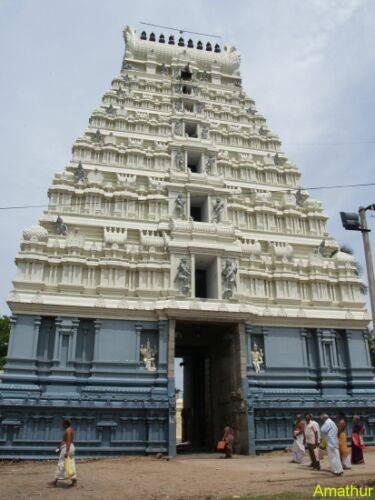
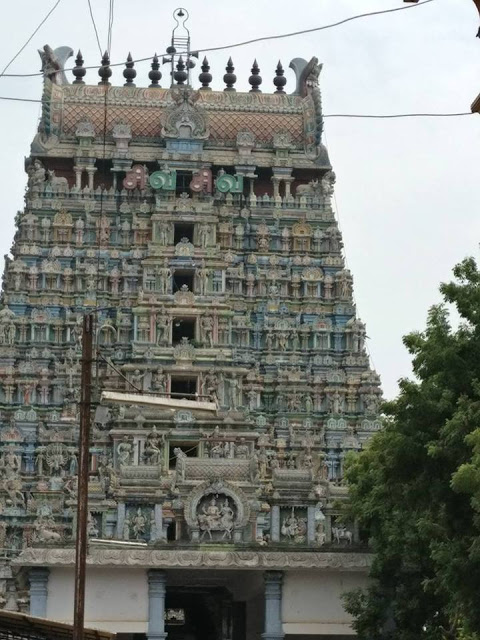
Amathur Temple, Picture by C.Vedanarayanan

Compiled by London swaminathan


Date: 5 January 2017


Time uploaded in London:-  12-42


Post No.3516


Pictures are taken from different sources; thanks.


contact; swami_48@yahoo.com


Golden Sayings of Tamil saint Pattinathar- Part 1

முடிசார்ந்த மன்னரும் மற்றுமுள் ளோரும் முடிவில் ஒரு

பிடிசாம்பராய் வெந்து மண்ணாவதும் கண்டு பின்னும் இந்தப்

படிசார்ந்த வாழ்வை நினைப்பதல்லால் பொன்னின் அம்பலவர்

அடி சார்ந்து நாம் உய்யவேண்டுமென்றே அறிவாரில்லையே


xx


பிறந்தன இறக்கும் இறந்தன பிறக்கும்

தோன்றின மறையும் மறைந்தன தோன்றும்

பெருத்தன சிறுக்கும் சிறுத்தன பெருக்கும்

உணர்ந்தன மறக்கும் மறந்தன உணரும்

x


வாளால் மகவரிந்து ஊட்டவல்லேன் அல்லன் மாதுசொன்ன

சூளால் இளமை துறக்கவல்லேன் அல்லன் தொண்டுசெய்து

நாளாறில் கண்ணிடத்து அப்பவல்லேன் அல்லன் நான்  இனிச் சென்று

ஆளாவதெப்படியோ திருக் காளத்தி அப்பருக்கே

xx

மந்திக் குருளையொத் தேனில்லை நாயேன் வழக்கறிந்தும்

சிந்திக்குஞ் சிந்தையை யானென் செய்வேன் எனைத் தீதகற்றிப்

புந்திப் பரிவிற் குருளையை ஏந்திய பூசையைப் போல்

எந்தைக் குரியவன் காணத்தனே கயிலாயத்தானே

(மற்கட நியாயம், மார்ஜர நியாயம் பாடல்)

xx

வீடு நமக்கு திருவாலங்காடு விமலர் தந்த

ஓடு நமக்குண்டு வற்றாத பாத்திரம் ஓங்கு செல்வ

நாடு நமக்குண்டு கேட்டதெல்லாம் தர நன்நெஞ்சமே

ஈடுநமக்குச் சொலவோ ஒருவரும் இங்கில்லையே

xx

அம்பலத் தரசனை யானந்தக் கூத்தனை

நெருப்பினில் அரக்கென நெக்கு நெக்குருகித்

திருச்சிற்றம்பலத் தொளிரும் சிவனை

நினைமின் மனமே, நினைமின் மனமே

x

ஆசைக் கயிற்றிலாடும் பம்பரம்

ஓயா நோய்க்கிட மோடு மரக்கலம்

மாயா விகாரம் மரணப் பஞ்சரம்

சோற்றுத் துருத்தி கானப் பட்டம்

x

ஆசைக் கயிற்றிலாடும் பம்பரத்தைக்

காசிற் பணத்திற் சுழலுங் காற்றாடியை

மக்கள் வினையின் மயங்கும் திகிரியைக்

கடுவெளியுருட்டிய சகடக் காலை


x

மனையாளும் மக்களும் வாழ்வும் தனமும் தன்வாயில் மட்டே

இனமான சுற்றம் மயானம் மட்டுமே வழிக்கேது துணை

தினையா மன வெள்ளளவாகினும் முன்பு செய்த தவம்

தனை யாளவென்றும் பரலோகம் சித்திக்கும் சத்தியமே

(வீடு வரை மனைவி, வீதி வரை உறவு, காடு வரை யாரோ?)

xx

பாவச் சரக்கொடு பவக் கடல் புக்குக்

காமக் காற்றொடுத் தலைப்பக்

கெடுவழிக் கரைசேர் கொடுமரக் கலத்தை

இருவினை விலங்கொடு இயங்கும் புற்கலனை

x

Amirthakateswarar Temple

எண்சாணுடம்பு மிழியும் பெருவழி

மண்பாற் காமம் கழிக்கும் மறைவிடம்

நச்சிக் காமுக நாய்தானென்றும்

இச்சித் திருக்கும் இடைகழி வாயில்

திங்கட் சடையோன் திருவருள் இல்லார்

தங்கித் திரியும் சவலைப் பெருவழி


xx

அண்டரண்டமும் அனைத்துள புவனமும்

கண்ட அண்ணலை கச்சியிற் கடவுளை

ஏகநாதனை இணையடி இறைஞ்சுமின்

போக மாதரைப் போற்றுதல் ஒழிந்தே

xx

கட்டி அணைத்திடும் பெண்டீரும் மக்களும் காலத் தச்சன்

வெட்டி முறிக்கும் மரம்போல் சரீரத்தை வீழ்த்திவிட்டால்

கொட்டி முழக்கி அழுவார் மயானம் குறுகி  அப்பால்

எட்டி அடி வைப்பரோ இறைவா கச்சி ஏகம்பனே


xx

நன்னாரில் பூட்டிய சூத்திரப் பாவைதன் நார்தப்பினால்

தன்னாலும் ஆடிச் சலித்திடுமோ அந்தத் தன்மையைப் போல்

உன்னாலி யானும் திரிவதல்லால் மற்றுனைப் பிரிந்தால்

என்னாலிங் காவதுண்டோ இறைவா கச்சி ஏகம்பனே

xx

பிறக்கும் பொழுது கொடுவந்ததில்லை பிறந்து மண்மேல்

இறக்கும்பொழுது கொடுபோவதில்லை இடை நடுவில்

குறிக்கும் இச்செல்வம் சிவன் தந்தது என்று கொடுக்க அறியா

திறக்குங் குலாமருக் கென்சொல்லுவேன் கச்சி ஏகம்பனே


xx

கல்லாப் பிழையும்  கருதாப் பிழையும்   கசிந்துருகி

நில்லாப் பிழையும்   நினையாப் பிழையும்   நின் அஞ்செழுத்தைச்

சொல்லாப் பிழையும்  துதியாப் பிழையும்  தொழாப் பிழையும்

எல்லாப் பிழையும்  பொறுத்தருள்வாய் கச்சி ஏகம்பனே


xx


ஆவியொடு காயம் அழிந்தாலும் மேதினியில்

பாவி என்று நாமம் படையாதே — மேவிய சீர்

வித்தாரமும் கடம்பும் வேண்டாம் மடநெஞ்சே

செத்தாரைப் போலே திரி

xx

பருத்திப் பொதியினைப் போலே வயிறு பருக்கத் தங்கள்

துருத்திக்கு அறுசுவை போடுகின்றார் துறந்தோர் தமக்கு

இருத்தி அமுதிட மாட்டார் அவரை இம்மாநிலத்தில்

வருத்திக்கொண்டேன் இருந்தாய் இறைவா கச்சி ஏகம்பனே

xx

ஈயா மனிதரை ஏன் படைத்தாய் கச்சி ஏகம்பனே

xx

கொன்றேன் அநேகம் உயிரை எல்லாம் பின்பு கொன்றுகொன்று

தின்றேன் அதன்றியும் தீங்கு செய்தேன் அது தீர்க என்றே

நின்றேன் நின் சந்நிதிக்கே அதனால் குற்றம் நீ பொறுப்பாய்

என்றே உனை நம்பினேன் இறைவா கச்சி ஏகம்பனே

xx

ஊட்டு விப்பானும் உறங்கு விப்பானும் இங்கொன்றோடொன்றை

மூட்டு விப்பானும் முயங்கு விப்பானும் முயன்றவினை

காட்டு விப்பானும் இருவினைப் பாசக் கயிற்றின் வழி

ஆட்டு விப்பானும் ஒருவனும் உண்டே தில்லை அம்பலத்தே

xx

பிறவாதிருக்க வரந்தரல் வேண்டும் பிறந்துவிட்டால்

இறவாதிருக்க மருந்துண்டு கானிது எப்படியோ

அறமார் புகழ்த் தில்லை அம்பலவாணர் அடிக்கமலம்

மறவாதிரு மனமே அதுகாண் நன் மருந்துனக்கே

–Subham–
 

அதிசய வரலாற்று ஆய்வாளர் பி.என்.ஓக் (Post No. 3515)

Written by S NAGARAJAN


Date: 5 January 2017


Time uploaded in London:-  6-27 AM


Post No.3515


Pictures are taken from different sources; thanks.


Contact: swami_48@yahoo.com


by ச.நாகராஜன்


இந்திய வரலாறு – பி. என். ஓக்கின் புதிய கண்ணோட்டம்


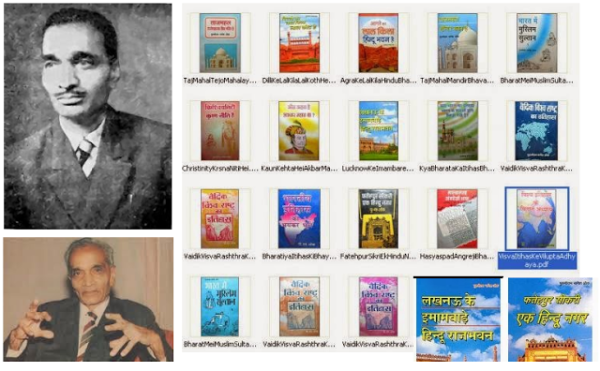
இந்திய வரலாற்றை அதிசயக்கத்தக்க முறையில் ஆய்வு செய்து ஏராளமான புத்தகங்களை எழுதிய அதிசய வரலாற்று ஆய்வாளர் பி.என்.ஓக் ஹிந்து தர்மத்தின் புகழையும் பெருமையையும் உலகறியச் செய்தவர்களில் ஒருவர்.


1917ஆம் ஆண்டு  மார்ச் மாதம் இரண்டாம் தேதி பிறந்து 2007ஆம் ஆண்டு டிசம்பர் மாதம் 4ஆம் தேதி மறைந்தார்.


90 வயது நிறைவாழ்வு வாழ்ந்த புருஷோத்தம நாகேஷ் ஓக்கை பி.என், ஓக் என்றே உலகம் அறிந்தது.


ஹிந்து வரலாறு சின்னாபின்னாபடுத்தப்பட்டு திரித்து, மாற்றி, சிதைத்து எழுதப்பட்டிருப்பதைக் கண்டு மனிதர் கொதித்தெழுந்தார். முறையாக வரலாற்றை ஆய்வு செய்யத் தொடங்கினார். இன்ஸ்டிடியூட் ஃபார் ரீ ரைட்டிங் இண்டியன் ஹிஸ்டரி என்ற ஒரு அமைப்பை நிறுவித் தன் ஆய்வு முடிவுகளை உலகினருக்கு அறிவித்தார். இதிஹாஸ் பத்ரிகா என்ற வரலாற்று இதழ் ஒன்றையும் நடத்த ஆரம்பித்தார். மதத்திற்கெல்லாம் தாய் மதமாக ஹிந்து மதம் இலங்கியது என்பதே இவர் வரலாற்று ஆய்வின் உயிரோட்டமான தத்துவமாக இருந்தது.


வேத நாகரிகத்தின் வரலாறு


ஏசு கிறிஸ்து, வாடிகன் சிடி, காபா,வெஸ்ட் மினிஸ்டர் அப்பே, தாஜ்மஹால் பற்றிய இவரது ஆய்வு முடிவுகளும் கண்டுபிடிப்புகளும் பலரை அதிர்ச்சிக்குள்ளாக்கின. ப்லரை கோபம் கொள்ள வைத்தன.


வோர்ல்ட் வேதிக் ஹெரிடேஜ்  – எ ஹிஸ்டரி ஆஃப் ஹிஸ்டரிஸ் (World Vedic Heritage – A History of Histories) என்ற இவரது புத்தகம் மிக அருமையான புத்தகம். 92 அத்தியாயங்களில் 1312 பக்கங்களில் பல்வேறு அதிசயமான தகவல்களைத் தொகுத்து இதில் அவர் தந்திருக்கிறார்.


இதில் இவர் கூறும் முக்கிய செய்திகளில் இரண்டை மட்டும் இங்கு சுருக்கமாகப் பார்ப்போம்.


ஏசு கிறிஸ்து என்று ஒருவர் இல்லை


ஏசு கிறிஸ்து என்று ஒருவர் இல்லை

Did Jesus Ever Lived  என்ற (76ஆம்) அத்தியாயத்தில் ஏசு பற்றிய பல்வேறு தகவல்களை முறையாக இவர் ஆய்வு செய்கிறார்.

பின்னர் அவர் முத்தாய்ப்பாகக் கூறுவது இது தான்:


“Thus from beginning to end the Jesus story is one big fiction which developed as a mushroom growth gathering heterogeneous elements in its meandering course over centuries after it had acquired a head-start with the grouse of an ambitious, short- tempered, angry man called Saus alias Paul expelled from the management of the Christ cult.


It is hoped that the above details would help people who believe in logic to realize how the whole foundation of Christianity is entirely fictious despite its colossal spread and size.” (Page 1003)


தாஜ்மஹல் ஒரு ஹிந்து ஆலயமே


தாஜ்மஹல் ஒரு ஹிந்து ஆலயமே

தாஜ்மஹல் உண்மையில் தேஜோ மஹாலயம் என்ற ஹிந்து ஆலயம் என்று கூறும் இவர் அதற்கான் ஆதாரங்களை அள்ளித் தருகிறார்.


பிரம்மாண்டமான தாஜ்மஹாலில் பார்வையாளர்கள் குறிப்பிட்ட சில பகுதிகளை மட்டுமே இன்று பார்க்க அனுமதிக்கப்படுகின்றனர். உண்மையில் அனைத்துப் பகுதிகளையும் பார்க்க அனுமதித்தால் இந்த உண்மையை எளிதாகப் புரிந்து கொள்ளலாம் என்பது இவரது வாதம்

இவரது கூற்று:


“The marble Taj Mahal in Agra (India) is surrounded by numerous such palatial, red stone pavilions which escapes visitor’s attention, being misled by the concoted Shahjahan-Mumtaz legend. The Taj Mahal is Tejo-Mahalaya a Hindu temple-palace complex built several centuries before the 5th generation. Mogul ruler Shahjahan, (Reference, our research book titiled – THE TAJ MAHAL IS A TEMPLE PALACE). Shajahan requisioned the edifice, robbed it of its costly fixtures and furniture (such as silver doors, gold-railings, gems stuffed in the  marble grill, strings of pearl hanging on the Shivling amd the  legemdary  peacock throne) and misused it recklessly as a Muslim cemetery. Thus history has been turned so topsy turvy as to credit the very person who robbed, ravaged and descrated the Taj Mahal with having built it. Such is the appalling state of history all the world over,” (Page  1246)


இப்படிப்பட்ட ஏராளமான செய்திகள் பக்கத்திற்குப் பக்கம் தரப்படுகின்றன; நம்மை பிரமிக்க வைக்கின்றன.


சரியான ஹிந்து நாகரிக வரலாற்றுக்காக உழைத்தவர்


ஷெர்லாக் ஹோம்ஸ் துப்பறியும் சர் ஆர்தர் கானன் டாயிலின் நாவலில் வரும் லாஜிக், அகதா கிறிஸ்டியின் நாவலில் வரும் மர்மம், இர்விங் வாலஸ் நாவல்களில் வரும் எதிர்பாரா திடுக்கிடும் திருப்பங்கள் போன்றவற்றை இந்திய வரலாற்றில் காண முடியும் என்பதை ஓக் நிரூபிக்கிறார்.


நேதாஜி சுபாஷ் சந்திரபோஸின் உதவியாளராக சில காலமும், பத்திரிகையாளராக சில காலமும், இந்திய தகவல் ஒலிபரப்புத்துறை அதிகாரியாக நீண்ட காலமும் பணியாற்றிய இந்திய வரலாறு எப்படி திரிக்கப்பட்டிருக்கிறது என்பதைக் கண்டு பிடித்து, அதன் உண்மையான வரலாறு என்ன என்பதை ஆய்வு செய்து தருவதிலேயே ஓக் தனது வாழ்நாள் முழுவதையும் செல்வழித்து அர்ப்பணித்தார்.


போற்றுதலுக்கும் தூற்றுதலுக்கும் இலக்கான மகத்தான வாழ்வு வாழ்ந்த அவர் வேத நாகரிகத்தை வெளிச்சம் போட்டுக் காட்ட வந்த பெரும் மேதை என்றே சொல்லலாம்!


********


Bhagavad Gita Simile used by Ancient Tamil Poets! (Post No.3514)

Research Article written by London swaminathan


Date: 4 January 2017


Time uploaded in London:-  20-56


Post No.3514


Pictures are taken from different sources; thanks.


contact; swami_48@yahoo.com


If one studies the similes used by ancient Sanskrit poets and Tamil poets one will find out that Indians had a unique culture spreading over a vast landmass, that was the largest country in the world 2000 years ago. The simile used by Lord Krishna in Bhagavad Gita is found in the oldest Tamil book Tolkappiam and Sangam Tamil literature. Kalidasa and other Sanskrit poets also used the simile in umpteen places. This explodes the divisive Aryan- Dravidian Race Theory. Hundreds of similes are unique to Tamil and Sanskrit literature which are not found in any other literature or culture in the world.


Lord Krishna says (Sutra Manigana Iva) :

There is nothing whatsoever higher than Me, O Dhanjanjaya. All this strung in Me, as clusters of gems on a string 7-7


Commenting on this couplet Swami Chinmayananda says: “To show that the Self is one and the same in all forms, it has been said that the Lord is the common factor in all forms in the universe. He holds them all intact as the string holds all the pearls in a necklace. These words have deep significance. Not only is it beautiful in its poetic suggestion, but it has also a very exhaustive philosophical implication. The pearls in the necklace are necessarily uniform and homogenous, and its thread, which is generally unseen, passes through the central core of every pearl, and holds them all, the big and the small, into a harmonious ornament of beauty. Here is an instance wherein we see Shri Veda Vyasa typically expressing himself as the poet-philosopher of the world.


Tolkappaiam written by Tolkappiar, is considered the oldest book available in Tamil. It is dated around First Century BCE. Definitely later than Bhagavad Gita. We find the simile in Tolkappiam as well. Like Sanskrit, Sutra means a book and a thread in Tamil also; in Tamil the word used is Nuul= Thread or Book.


Tolkappiar used the word Sutra following Panini. He never hesitated to use a Sanskrit word. In the Sutra 1426:

Like orderly arranging the gems in a string, arranging the same types is called Othu.


Tamil Veda Tirukkural written by Tiruvalluvar also used the Bhagavad Gita simile:-

There is something that is implied in the beauty of this woman, like the thread that is visible in a garland of gems.


Thus Krishna’s “Sutra Manigana Iva” simile has become popular 2000 years ago. Avadhutopanishad also has this.

Kalidasa used this imagery in His Raghuvamsam and Vikrama Urvaseeyam:-

Though a dunce, I have a way in through the epic already rendered by Valmiki like the thread that easily goes through the diamonds already bored- (Raghuvamsa 1-4)


This King of Anga made the wives of his enemies to throw off their ornaments and weep for their husbands shedding tears larger than pearls on to their breasts which appeared like pearl necklaces. The king took the real necklace and gave them tear necklace- Raghu.6-28


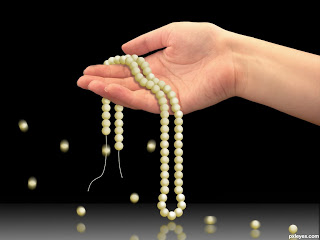
A lady was halfway through her stringing of gems for her girdle. The thread was tied to her thumb. When she came to know about Aja’s visit she rushed to the window to see him. All the gems fell and scattered leaving only the thread still knotted to her thumb 7-10


These women engrossed at splashing water on each other are unable to give a thought to the severance and slithering of their pearl necklaces from their bosom, for the water drops as large as pearls are hopping on their bosoms which they think necklace of pearls – 16-62

These similes of Raghuvamsa were used by Tamil poets in Sangam literature.

Sangam Tamil poets used the similes in the following places:


Kudavayil Keerathanar has used this imagery twice in his poems in Akananuru (289 and 315)


Eyinanthai Ilankeeranar (Akam.225) used the broken pearl necklace image in his verse.


Kurunthokai Poets Kundriyanar and Kavan Mullai Poothanar and  Marudan Ilanagan of Marudakkali also followed his predecessors.   All of them used the unstringed or broken necklace images.


Thus, we see One Thought- One Culture from Kanyakumari to Kashmir. Before the foreigners came they didn’t know any divisions in the community such as Aryan or Dravidian races.

-Subham-