Drama, Puppet Show, Folk Theatre in Tamil and Sanskrit Literature (Post No.3608)

43187-krishna2bsandhana2bdrama2bmysuru2bnew2bie

Research article written by London swaminathan


Date: 5 FEBRUARY 2017


Time uploaded in London:-  15-52


Post No. 3608


Pictures are taken from different sources; thanks.


contact; swami_48@yahoo.com


Literary references in ancient Tamil and Sanskrit literature show that the people of India had wonderful entertainment for at least 3000 years continuously. We have references to drama, folk theatre and puppet show from Bhagavad Gita to Tamil saint Manikkavasagar’s Tiruvasagam. Though Bharata’s Natyasastra is about dance and drama, it is interesting to see similes of dance and drama from the olden days.


Following are the references: –

iisvarah sarvabhuutaanaam hrddase’rjuna tisthati

bhraamayan  sarvabhuutaani yantraaruudhaani maayayaa _Bhagavad Gita 18-61)

Arjuna, God abides in the hearts of all creatures, causing them to revolve according to their karma by His illusive power as if they were mounted on a machine.


I think this is a reference to Puppet show. Puppeteers mount the puppets on a wheel or a circular disc and show them dance. In Indian puppet show the operator sits behind a white curtain on which the shadow of the puppets are projected from behind the screen.

Ramakrishna Paramahamsa used to say Ami Yantram and You are Yantri (I am a machine, You (god) are the operator.


5fa4c-siva2buma2bdance252c2bfb

Adi Sankara in his Viveka Chudamani, says

yatsatyabhutam nijarupamadhyam

chiddhayanandamaruupamakriyam

tadetya mithyaavapurutsrujeta

sailuushavadveshamupssttamaatmanah (292)


That which is real and one’s own primeval Essence, that Knowledge and Bliss Absolute, the One without a second, which is beyond form and activity – attaining That, one should cease to identify with one’s false bodies like an actor giving up his assumed mask.


When the actor has played his part, he is simply a man. So the man of realization is one with Brahman, his real Essence.

false bodies: The gross, subtle and casual bodies, which are super impositions upon the Atman.

(Translation of Vevekachudamani by Swami Madhvananda, Advaita Ashrama, Calcutta)


Sangam Tamil Literature

In Purananuru verse 29, Mudukannan Sattanar says, “Oh King, our life is like dance drama where the actors come and dance and go. (The life is so impermanent)”


Tiruvalluvar, author of the Tamil Veda Tirukkural refers to the drama in three couplets:-


“Fortune coming to one and its departure are likened to the assembling of a crowd to witness a drama and its dispersal respectively” (332)


“The men who do not possess sensitiveness to shame in their hearts are like the wooden dolls operated by strings (puppets)” (`1020)


“The great cool world will be  moving like a lifeless puppet show if none asks for help” (1058)

In later Tamil and Sanskrit literature, we have lots of similes for puppets shows.

049bf-dace2blike2bsiva2buma

Manikkavasagar’s Tiruvasagam

Tamil saint Manikkavasagar who lived 1500 years ago also used the Sanskrit word Nataka (drama) in three places:

In the Tirusatakam song of Tiruvasagam, he refers to drama in three places (verses 11, 15 and 99)

In verse 11, he sings about the dance of Siva n the crematorium with the ghosts.


Amidst your devotees, I acted like one of them

to gain entrance (to get leberated) –15


and in 99

Thou Whom the lords of heaven themselves know not!

Thy source and end the Vedas cannot trae!

Thou Whom in every land men fail to know

As Thou hast sweetly made me Thine hast called

This flesh to dance on stage of earth

me to enjoy Thyself with melting soul

in mystic drama , too, hast caused to move

pining on earth, Thou Lord of Magic power.


Of virtue void, of penitential grace

devoid, undisciplined, untaught

As leathern puppet danced about, giddy,

I whirling fell, lay prostrate there!

-643

(Souce: The Tiruvacagam by Rev. G U pope, Oxford, 1900)


Dhammapada

Buddha says in Dhammapada (147), “Consider this body! A painter puppet with jointed limbs, sometimes suffering and covered with ulcers,full of imaginings, never permanent, forever changing.(147)


513e7-dance2bvaranasi252c2bvasanta2bpanchami

Last but not the least is Shakespeare whose quotation on world as a drama theatre has become a very popular quote:-


All the world’s a stage,
And all the men and women merely players;
They have their exits and their entrances,
And one man in his time plays many parts,
His acts being seven ages. At first, the infant,
Mewling and puking in the nurse’s arms.
Then the whining schoolboy, with his satchel
And shining morning face, creeping like snail
Unwillingly to school. And then the lover,
Sighing like furnace, with a woeful ballad
Made to his mistress’ eyebrow. Then a soldier,
Full of strange oaths and bearded like the pard,
Jealous in honor, sudden and quick in quarrel,
Seeking the bubble reputation
Even in the cannon’s mouth. And then the justice,
In fair round belly with good capon lined,
With eyes severe and beard of formal cut,
Full of wise saws and modern instances;
And so he plays his part. The sixth age shifts
Into the lean and slippered pantaloon,
With spectacles on nose and pouch on side;
His youthful hose, well saved, a world too wide
For his shrunk shank, and his big manly voice,
Turning again toward childish treble, pipes
And whistles in his sound. Last scene of all,
That ends this strange eventful history,
Is second childishness and mere oblivion,
Sans teeth, sans eyes, sans taste, sans everything.

–As You Like It

 770d1-dance2bof2bsix

Conclusion

Drama and Puppet show were so popular that even Krishna and Buddha used them as similes.

Every town had a drama or puppet show on Hindu religious them during the local temple festival. It continued until recent days.

Most of the drama quotations are from religious sources which show the nature of the puppet shows and dramas.

Even before Shakespeare made this theme popular, Hindus used it to show the instability and impermanence of life and its pleasures.

World is a drama theatre and we all players!


–Subham–


நாடகமே உலகம்: அமீ யந்த்ரம், துமீ யந்த்ரீ (Post No.3607)

Research article written by London swaminathan


Date: 5 FEBRUARY 2017


Time uploaded in London:-  9-09 am


Post No. 3607


Pictures are taken from different sources; thanks.


contact; swami_48@yahoo.com


உலகம் நிலையற்றது; நம் வாழ்வும் நிலையற்றது. நமக்கு வரும் சுக போகங்களும் நிலையற்றன. இவை அனைத்தும் நாம் நாடகத்தில் பல வேடங்களைப் போட்டுவிட்டு வேடம் கலைந்தபின் உண்மை நிலையை உணருவதற்குச் சமம் என்பதைப் பல்வேறு கவிஞர்களும் பாடி வைத்துள்ளனர்.


கீதையில் கண்ணன்


கீதையில் கண்ணன் கூறுகிறான் (18-61):இயந்திரத்தில் ஏற்றிவைக்கப்பட்ட பொம்மைகள் போல எல்லாப் பிராணிகளையும் கடவுள் ஆட்டிவைக்கிறான்.


ஈச்வர: ஸர்வ பூதானாம் ஹ்ருத்தேசேஅர்ஜுன திஷ்டதி

ப்ராமயன் ஸர்வபூதானி யந்த்ராரூடானி மாயயா (18-61)


பொருள்:-

அர்ஜுனா! தேகமாகிய இயந்திரத்தில் ஏற்றிவைக்கப்பட்ட பொம்மைகள் போன்ற எல்லாப் பிராணிகளையும் மாயையயினால் ஆட்டிவைத்துக்கொண்டு ஈச்வரன் எல்லாப் பிராணிகளின் இருதயத்துள்ளும் நிற்கின்றான்.


இங்கே இயந்திர பொம்மைகள் என்பது நாடகத்தில் அல்லது பொம்ம லாட்டத்தில் பயன்படுத்தும் பொம்மைகள் ஆகும்

ராமகிருஷ்ண பரமஹம்சர் தம் உடலைச் சுட்டிக்காட்டி, வங்காளி மொழியில்,

அமீ யந்த்ரம், துமீ யந்த்ரீ என்பார். இதன் அர்த்தம் நான் யந்திரம்,  நீ/கடவுள் யந்த்ரீ.


புறநானூற்றில் நாடகம்


இதையே முதுகண்ணன் சாத்தனாரும் கூறுகிறார்: விழாவிலே ஆடும் கூத்தரைப் போல வகை வகையாக ஆடிக் கழிவதுதான் இவ்வுலக வாழ்வு.


.

கோடியர் நீர்மை போல முறை முறை

ஆடுநர் கழியும் இவ்வுலகத்து, கூடிய

நகைப்புறன் ஆக நின் சுற்றம்!

–(புறம் 29, முதுகண்ணன் சாத்தனார்)


திருவள்ளுவர்


திருவள்ளுவர் குறள்களிலும் இக்கருத்தை எடுத்தாளுகிறார்:-

கூத்தாட்டு அவைக்களத்தற்றே பெருஞ்செல்வம்

போக்கும் அது விளிந்தற்று (332)


பொருள்:- கூத்தாடும் அரங்கில் (நாடக அரங்கில்) மக்கள் சிறிது சிறிதாக வருவது போல செல்வம் சிறுகச் சிறுக சேரும். நாடகம் முடிந்த பின்னர் எல்லோரும் ஒரே நேரத்தில் வெளியே போவது போல செல்வமும் போய்விடும்.

காமத்துப் பாலிலும் திருவள்ளுவர் பொம்மலாட்டத்தைக் குறிப்பிடுகிறார்.

நாண் அகத்தில்லார் இயக்கம் மரப்பாவை

நாணால் உயிர்மருட்டி யற்று (1020)


நாணம் மனத்திலே இல்லாதவர், உலகத்தில் செயல்படுவது, மரத்தாலான பொம்மைகளை கயிற்றினால் கட்டி இயக்கி உயிருள்ளது போலக் காட்டி மக்களை மயக்குவதற்கு சமம்.


இரப்பாரை இல்லாயின் ஈர்ங்கண்மா ஞாலம்

மரப்பாவை சென்றுவந்தற்று (1058)


குளிர்ந்த நீரால் சூழப்பட்ட இந்தப் பெரிய உலகில், பிச்சை எடுப்போர் இல்லாமற் போனால், உலகம் பொம்மலாட்டப் பொம்மைகள் வந்து போவதைப் போல, உணர்ச்சியற்ற மக்களைக் கொண்டதாக இருந்திருக்கும்.


திருவாசகம்


திருவாசகம், திருக்கோவையார் நூல்களைத் தந்த மாணிக்க வாசகரும் நாடக நடிப்பு பற்றிப் பாடுகிறார்.

திருவாசகம், ஆனந்த மாலையில்,


சீலமின்றி நோன்பின்றிச்

செறிவேயின்றி அறிவின்றித்

தோலின் பாவைக்கூத்தாட்டாய்ச்

சுழன்று விழுந்து கிடப்பேனை

மாலும் காட்டி வழிகாட்டி

—–

-பாடல் 643


தோல் பாவை கூத்தாடுவதைப்போல இன்ப துன்பங்களில் சுழன்று மயங்கி விழுந்து கிடப்பதைப்போல உள்ளேன்- என்கிறார்.


திருச்சதகத்தில் (பாடல் 11)

நாடகத்தால் உன்னடியார்

போல் நடித்து நானடுவே

வீடகத்தே புகுந்திடுவான்

—–


உன் மெய்யடியார்களைப் போலவே நடித்து நானும், முக்தி உலகில் புக விரைகின்றேன் என்பார்.


திருவாசகம், திருச்சதகம் பாடல் 11-ல்


கழுதொடு காட்டிடை நாடக

மாடிக் கதியிலியாய்


என்ற இடத்தில் சிவபெருமான், சுடுகாட்டில் பேயோடு ஆடும் நாடகக் கூத்தை வருணிக்கிறார்.


அக்காலத்தில் தோல் பாவைக்கூத்து, பொம்மலாட்டம், நாடகம் முதலியன எல்லாம் ஊர்தோறும் விழாக்கள் தோறும் நடந்துவந்தன.


ஆதிசங்கரர்


ஆதிசங்கரர், விவேக சூடாமணியிலும் இந்த உவமையைப் பயன்படுத்துகிறார்:


யத் சத்யபூதம் நிஜரூபமாத்யம்

சித்தத்வயானந்த ரூபமக்ரியம்

ததேத்ய மித்யாவபுருத்ஸ்ருஜேத

சைலூஷவத்வேஷமுபாத்தமாத்மன: (292)


பொருள்:-  ஒரு நடிகன் எப்படி தனது வேஷத்தைக் கலைத்தபின்னர், தன் உண்மை சொரூபத்தை உணர்கிறானோ, அது போல நாமும் நம்முடைய உண்மை சொரூபத்தை உணர வேண்டும்; உடல் என்பது நாமல்ல என்பதை உணர வேண்டும். எது தனக்குவமை இல்லாததோ, எது ரூபம், செயல்களுக்கு அப்பாற்பட்டதோ, சத்யமோ, ஞானமோ ஆனந்தமோ அதை அடைய வேண்டும்..

கீதை முதல் திருக்குறள் வரை கூத்து, பொம்மலாட்டம், நாடகம் முதலிய எடுத்துகாட்டுகள் வருவது அக்காலத்தில் இக்கலைகள் எவ்வளவு உன்னத நிலையில் இருந்தன என்பதை அறிய உதவுகிறது.


அது மட்டுமல்ல. இமயம் முதல் குமரி வரை ஒரே பண்பாடு, ஒரே உவமை 3000 ஆண்டுகளுக்கும் மேலான கால எல்லைக்குள் வழங்கிவந்ததையும் நிரூபிக்கிறது.


தம்மபதம்

தம்மபதம் (147) என்னும் நூலில் புத்தர் கூறுகிறார்:

இந்த உடலைப் பாருங்கள். பொம்மலாட்டப் பொம்மை உறுப்பு, உறுப்பாக சேர்த்துக் கட்டப்பட்டு, வர்ணம் பூசப்பட்டது போல இருக்கிறது. சில நேரங்களில் நோய்வாய்ப்படுகிறது. நிலையாக இல்லாமல் மாறிக்கொண்டே இருக்கும்.


Shakespeare

சுமார் 400 ஆண்டுகளுக்கு முன்னர் ஆங்கில நாடகாசிரியன் ஷேக்ஸ்பியரும் இதைப் பயன்படுத்தியுள்ளார்.

நாடகமே உலகம் என்பதை As You Like It நாடகத்தில் கூறுகிறார்:–


All the world’s a stage,
And all the men and women merely players;
They have their exits and their entrances,
And one man in his time plays many parts,
His acts being seven ages. At first, the infant,
Mewling and puking in the nurse’s arms.
Then the whining schoolboy, with his satchel
And shining morning face, creeping like snail
Unwillingly to school. And then the lover,
Sighing like furnace, with a woeful ballad
Made to his mistress’ eyebrow. Then a soldier,
Full of strange oaths and bearded like the pard,
Jealous in honor, sudden and quick in quarrel,
Seeking the bubble reputation
Even in the cannon’s mouth. And then the justice,
In fair round belly with good capon lined,
With eyes severe and beard of formal cut,
Full of wise saws and modern instances;
And so he plays his part. The sixth age shifts
Into the lean and slippered pantaloon,
With spectacles on nose and pouch on side;
His youthful hose, well saved, a world too wide
For his shrunk shank, and his big manly voice,
Turning again toward childish treble, pipes
And whistles in his sound. Last scene of all,
That ends this strange eventful history,
Is second childishness and mere oblivion,
Sans teeth, sans eyes, sans taste, sans everything.

நாடகமே உலகம் (also Posted on March 30, 2012 in brief)


–subham–


Let Us Salute the Great American, Sanskrit Scholar Ludwik Sternbach!

Written by S NAGARAJAN


Date: 5 February 2017


Time uploaded in London:-  6-24 am


Post No.3606


Pictures are taken from different sources; thanks.


contact: swami_48@yahoo.com


Santhanam Nagarajan

Sanskrit literature is vast, all comprising, varied and ancient. It is impossible to master all the Sanskrit works as it would take very many years whereas the human life is very short.


There are hundreds of scholars who willingly jumped into this vast sea of Sanskrit literature to explore the gems available.


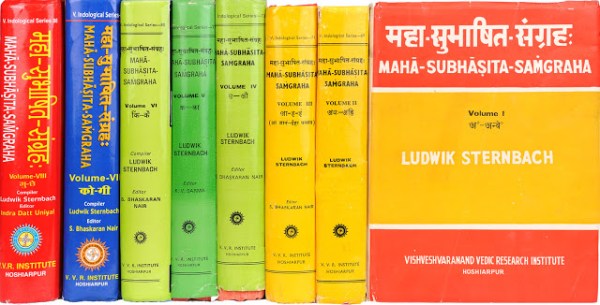
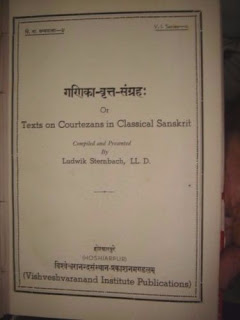
Among the great scholars L.Sternbach stands tall by his wonderful and dedicated work. He was very much attracted by the Sanskrit Subhasita verses and dedicated his entire life in collecting them.  The entire Sanskrit world admired him and he was awarded the title ‘Subhasitavidwan’.

His life aim was to publish all the Subhasitas with English translation with detailed notes. So he was in search of a suitable scholar and found Mr Bhaskaran Nair, Director-Professor of the Vishveshvaranand Vedic Research Institute, Hoshiapur, India. So he requested in 1966 Head of the Sanskrit department Jagannath Agarwal to persuade Acharya Vishwa Bandhu to spare the scholar for this valuable cause. It is to be mentioned here that Acharya Vishwa Bandhu, during the days of partition, in 1947, came from Lahore, with huge Sanskrit literature, to conceal it in big gunny bags, taking a big risk. He founded the great Vishweshvaranand Vedic Research Institure at Hoshiapur.


Six years passed. In 1972 he wrote to the Acharya that the work Maha-Subhasita Samgraha was for him like a child and he intended to bequeath the whole of his fortune after his and his mother’s death to the Institute which will take up the publication of this work.

As promised he has given his all for this great cause leaving a small amount to take care of his aged mother. Perhaps this is a unique event of a foreign scholar to sacrifice his entire life and wealth for Subhasita verse publication.


Accordingly the team headed by Bhaskaran Nair has brought out eight volumes of the great work containing about 14000 verses.

Sternbach has written many books. One among them is, ‘Aphorisms and Proverbs in the Katha-Sarit-Sagara’. From Katha-Sarit Sagara, the Ocean of Streams of Stories, which contains nearly thousand such aphorisms and proverbs, he has selected about 697 wise sayings.


His English translation is always superb. He is also famous for his foot-notes and his friends would comment that his work contain often more footnotes than text!

For a sample, we may quote the following:

No one is able, even by doing the utmost.., to overcome the incalculable freaks of marvellously working Destiny.

No one can calculate the caprices of Fate or the waves of the sea.

Good and evil done by a man is made to return upon himself.


Think for a moment, an American by birth has given his everything for the sake of Sanskrit. At the same time he did not forget his duty towards his mother.

Sanskrit Lovers worldwide and Indians in particular will ever remember this great soul.

Let Us Salute the Great American, Sanskrit Scholar Ludwik Sternbach!

***

This article first appeared in www.ezinearticles.com on 26-1-2017

Please follow the link       http://ezinearticles.com/?Let-Us-Salute-the-Great-American,-Sanskrit-Scholar-Ludwik-Sternbach&id=9629427


கங்கை ஆடிலென்? காவிரி ஆடிலென்? அப்பர் கேள்வி; பட்டினத்தார் முத்திரை (Post No.3605)

Written by London swaminathan


Date: 4 FEBRUARY 2017


Time uploaded in London:-  15-41


Post No. 3605


Pictures are taken from different sources; thanks.


contact; swami_48@yahoo.com


ராமகிருஷ்ண பரமஹம்சர் உபதேச மஞ்சரியில் ஒரு அழகான பொன்மொழி உள்ளது.


“கங்கை நதி புனிதமானதே. ஆனால்க ங்கையில் நீந்தும் மீன்கள் எல்லாம் சுவர்க்கத்துக்குப் போவதில்லை”


ஏன்? என்று சிந்திப்போம்.


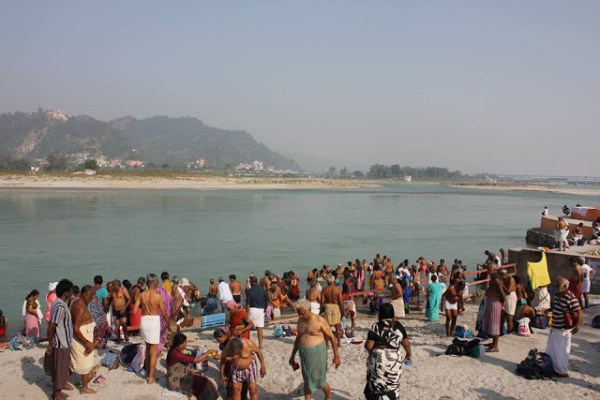
இறந்த சடலத்தை கங்கையில்  வீசி எறிந்தாலும், காசியில் சடலத்தை எரித்தாலும் சுவர்கத்துக்குப் போய்விடலாம் என்று குறுக்கு வழியில் சிந்திப்போர் உண்டு. இது உண்மையானால் கங்கையில் வாழும் நண்டு, முதலை, தவளை, மீன்கள் எல்லாம் சுவர்கத்துப் போகவேண்டுமே! போகாது ஏனெனில் அவற்றின் மனதோ லட்சியமோ அதுவல்ல. இது போலவே எத்தனை புனித நீர்த்தலங்களுக்குச் சென்று நீராடினாலும் மனம், மொழி, மெய் மூன்றிலும் கடவுளை அடையும் நாட்டம் இருந்தால்தான் சுவர்கத்தின் கதவுகள் திறந்து இருக்கும்.


தமிழ் சங்க இலக்கியத்திலும், சிலப்பதிகாரத்திலும், அதற்கெல்லாம் முந்தைய சம்ஸ்கிருத இலக்கியஙகளிலும் ராமாயண மஹாபாரத இதிஹாசங்களிலும் 18 புராணங்களிலும் தீர்த்த யாத்திரை பற்றிய குறிப்புகளும் மகிமையும் உள்ளது. உண்மைதான். ஆனால் அதன் உட்பொருளை உனர்ந்து செயல்படுவோருக்கே கை மேல் பலன்.


இதை யார் சொல்கிறாரர்கள்? ஏராளமான தலங்களுக்குச் சென்று தரிசித்த ஆழ்வார்களும் நாயன்மார்களும் ஏனைய அடியார்களும் சொல்கிறார்கள்.

புனித யாத்திரை செய்தவர்களே சொல்லும்போது அதை நம்பாமல் இருக்க முடியுமா?


இதோ அப்பர் வாக்கு:-

கங்கை யாடிலென் காவிடி யாடிலென்

கொங்கு தண்குமரித்துறை யாடிலென்

ஓங்கு மாகடல் ஓத நீராடிலென்

எங்கும் ஈசனெனா தவர்க்கில்லையே

–ஐந்தாம் திருமுற


இதில் வேறு ஒரு விஷயத்தையும் அறிய முடிகிறது. ஆயிரத்து நானூறு ஆண்டுகளுக்கு முன்னரே தமிழர்கள் கங்கை, காவிரி முதலிய நதிகளிலும் கடலிலும் நீராடியதும், கொங்கு, கன்யாகுமரி முதலிய இடங்களுக்குப் போனதும் தெரிகிறது. மாஹாபாரதப் போரில் ஈடுபடாத பலராமன் நாடு முழுதும் வலம் வந்ததையும் ஆதிசங்கர, மத்வர், ராமனுஜர், குரு நானக் முதலியோர் நாடு முழுதும் சுற்றி பல இடங்களைத் தரிசித்ததையும் நாம் அறிவோம். இந்துக்களில் புனித நீராடாத மஹான்கள் வெகு சிலரே! ஆயினும் அதன் உட்பொருளை அறியா,மல்– சுற்றுலா போவது போல –செல்பவருக்கு பலன் ஒன்றும் இல்லை.


இதைப் பட்டினத்தாரும் அழகாகச் சொல்லி, அப்பர் சொன்னது சரியே என்று முத்திரை குத்துகிறார்.


பட்டினத்தார் திருவாரூருக்குத் தரிசிக்கச் சென்றார். இவர் திருவாரூரை நோக்கி நடக்கையில் மக்கள் எல்லோரும் அரோஹரா அரோஹரா என்று கோஷமிட்டுக் கொண்டு  எதிர் திசையில் சென்றனர். எதற்காக?  வேறு ஊரில் உள்ள இறைவனுக்கு நடக்கும் திருவிழாக்களில் கலந்து கொள்வதற்காக!!


பட்டினத்தாருக்கு அழுவதா சிரிப்பதா என்றே தெரியவில்லை. அடக் கடவுளே! திருவாரூரில் பெரிய இறைவன் குடி இருக்கையில் இவர்கள் வேறு ஊருக்கு செல்வது ஏனோ என்று வியக்கிறார். மக்களில் பெரும்பாலோர் யாத்திரை போவது, சுற்றுலா போவதாகும். தங்களிடம் உள்ள நகை நட்டு, புடவைகளை மற்றவர்களிடம் காட்டுவதற்காகவும் அல்லது புதிய இடங்களில் புதிய பொருட்களை விலைக்கு வாங்கி வீண் பெருமையும் பகட்டும் பாராட்டுவதற்காகவும் — என்பது பட்டினத்தாருக்குத் தெரியாமல் இல்லை. இதோ அவரது பாடல்:-


ஆரூரர் இங்கிருக்க

அவ்வூர்த் திருநாளென்

றூர்கள்தோறும்

உழலுவீர்; — நேரே

உளக்குறிப்பை நாடாத

ஊமர்காள்! நீவீர்

விளக்கிருக்கத் தீத்தேடுவீர்


கையில் வெண்ணையை வைத்துக் கொண்டு நெய்க்கு அலைந்தானாம் என்பது ஒரு தமிழ்ப் பழமொழி. இதே போல விளக்கு எரிந்து கொண்டிருக்கையில் அடுத்த வீட்டுக்குச் சென்று நெருப்பு கேட்பவரும், தீப்பெட்டி கேட்போரும் உண்டு!


திருவாரூர் தியாகேசனை விட்டுவிட்டு வேறு இடத்திற்குச் செல்வோர் ஏன் செல்கிறார்கள் என்பது நம் எல்லோருக்கும் தெரிந்ததே. அவர்கள் அனைவரும் விளக்கிருக்கத் தீத்தேடுவோரே!


–Subham–


Poverty due to Charity in Kalidasa and Sangam Tamil Literature (Post No.3604)

Written by London swaminathan


Date: 4 FEBRUARY 2017


Time uploaded in London:-  9-03 am

Post No. 3604


Pictures are taken from different sources; thanks.


contact; swami_48@yahoo.com


Charity begins at home is a popular saying. We have an equivalent proverb (Thanakkum minjitnthaan daana darmam) in Tamil . But it can be interpreted in two ways

Dharma / Charity is what you do beyond your means/ capacity

Dharma is what you do after spending for your family


Though the Tamil construction allows both the explanations, the fact of the matter is that those do charity always do it till they become poor. We have supporting evidence in Sanskrit and Tamil literature.  This shows that the culture is same from Kanyakumari to Kashmir.


When Kalidasa listed the special qualities of the Raghu Dynasty, he said that the Kings levied a tax, only to return them to the people, thorugh a beautiful simile in Raghuvamsa.

“That king DilIpa takes only one sixth part of peoples income as tax, that too for the sake of a welfare state, indeed, like the sun taking earthly water-drops only to indemnify her with multiples of raindrops thereof. [1-18]”

King left with earthen Pots!


“Then that celebrated king Raghu who possessed of an inestimable career and of a hospitable nature has kept all the guest-worshipping material like water, sacred grass, flowers etc in an earthen vessel, because all the golden vessels of Raghu have been donated in the Vedic ritual, and then welcomingly gone forward with that earthen pot to receive that enlightened soul in Veda-s, namely the young guest Kausta, (RV5-2).

–o)0(o–


In another couplet (Raghuvamsa 5-15),

“Oh, king of men, thou who hast given away all thy wealth to the deserving appearest with only thy body left to thee like a stalk of niivaara-wild-rice plant in the buff after foresters have gleaned away its grain… [Rv.5-15]


There is a pathetic picture of the greatest of kings who reduced himself to poverty by unparalleled charity. The poet imagines this state of the King as a Nivara plant, with a single stalk left to it , being shorn of all its corns by the foresters.


Kalidasa says Poor became Philanthropists

“Extremely poor righteous men, who themselves were expectants at one time reached the status of donors by approaching that king for munificence as are the clouds by their coming in contact with the ocean as supplicants of water, in turn become the donors of water. [Rv.17-72]”


Sangam Tamil Poets


We have similar images in Tamil as well. Uraiyur Enicheri Mudamosi is one of the few famous poetesses of Sangam period. She says in Purananuru (127)

“There are few people who don’t provide good food to others. They live for themselves. They are infamous and compassionless kings But you are so great that you gave all the elephants you had. What is left with you now is just the Mangalasutra of your wife. The bards took all of your property as gifts. Oh, generous Ay, let your name and fame spread ahead of others’ fame and name”


In scores of verses Tamil poets emphasize that the Tamil kings donate only to eradicate poverty and not expecting anything in the ‘other world’ (heaven).


Tamil poet Tiru Valluvar also emphasizes the need for charity:

“Wealth is of a transitory nature. Therefore, one should seize the opportunity to do charity when one gets it. (Tirukkural 333)


Before the pangs of death approach and one loses the power of speech and gasps for breath one should hasten to do charity”.  (Tirukkural 335)


source: Raghuvamsa translation from sanskritdocuments.org;thanks

–subham–


அதிசய புத்த துறவி ஸு யுன்! – 29 (Post No.3603)

Written by S NAGARAJAN


Date: 4 February 2017


Time uploaded in London:-  6-37 am


Post No.3603


Pictures are taken from different sources; thanks.


contact: swami_48@yahoo.com


100 வயது வாழ்ந்த பெரியோர்


120 வயது வாழ்ந்த அதிசய புத்த துறவி ஸு யுன்! – 29

ச.நாகராஜன்


98ஆம் வயது (1937-1938)


ஸு யுன்னுக்கு இப்போது வ்யது 98. வசந்த காலத்தில் சூத்ரங்களை இசைத்த பிறகு காண்டனிலிருந்து குவாங்டாங் மடாலயத்திலிருந்து ஸு யுன்னுக்கு அழைப்பு வந்தது. அங்கும் சூத்ரங்கள் ஓதப்பட்டன. அங்கு திபெத்திலிருந்து வந்த லாமாக்களை ஸு யுன் வரவேற்றார். அருகிலிருந்த ஃபூஷான் என்ற நகரைச் சேர்ந்த மக்கள் ரென் ஷோ ஆலயத்தில் நிறுவப்பட்ட ஸ்தூபத்தைத் திறந்து வைக்குமாறு ஸு யுன்னை வேண்டினர்.. பின்னர் நான் ஹூவா மடாலயம் திரும்பிய அவர் அங்குள்ள ஆலய கும்பாபிஷேக பணிகளைக் கவனிக்கலானார்.


99ஆம் வயது (1938-1939)

ஸு யுன்னுக்கு இப்போது வ்யது 99. வசந்த காலத்தில் சூத்ரங்களை இசைத்த பிறகு ஸு யுன் காண்டன் நகருக்குச் சென்றார்.பிறகு அங்கிருந்து மஹாகருணா சடங்குகளைச் செய்ய ஹாங்காங் நகருக்குச் சென்றார். டாங் ஜியான் மற்றும் ஜூ யுவான் ஆலயங்களில் முறையாகச் செய்யப்பட்ட சடங்குகளைத் தொடர்ந்து அவர் நான் ஹூவா மடாலயம் திரும்பினார்.


100ஆம் வயது (1939-1940)

ஸு யுன்னுக்கு இப்போது வ்யது 100. வசந்த காலத்தில் சூத்ரங்களை இசைத்த பிறகு பெரிய அளவில் மக்கள் மடால்யத்தில் திரண்டனர். வடக்கில் பெரும் கல்வரம் நடக்க ஆரம்பித்திருந்தது. ராணுவ வீரர்களும் மக்களும் பெருமளவில் கொல்லப்பட்டிருந்தனர். கலவரம் சீக்கிரம் முடிவுறவும் இறந்தவர்களின் ஆன்மா சாந்தியடையவும் தினமும் புத்தரின் வழி நடக்கும் சீடர்கள் இரண்டு மணி நேரம் தவம் இருக்க வேண்டும் என்று ஸு யுன் அறிவுறுத்தினார். நிவாரண நிதிக்கு நிதி அளிப்பதற்காக ஒவ்வொருவரும் சற்றுக் குறைத்துச் சாப்பிட்டு அதில் சேமிக்கப்படும் நிதியைத் தரலாம் என்றும் அவர் அறிவுறுத்தினார். அந்த யோசனைகளை அனைவரும் மனமுவந்து ஏற்றுக் கொண்டு அதன்படி நடந்தனர்.


101ஆம் வயது (1940-1941)

ஸு யுன்னுக்கு இப்போது வ்யது 101. வசந்த காலத்தில் சூத்ரங்கள் இசைக்கப்பட்டன. காண்டன் நகரத்தை ஜப்பானிய ராணுவம் தன் வசப்படுத்தியது.சிவில் மற்றும் ராணுவப் பிரிவுகள் குவிஜாங் நகரை நோக்கி நகர்ந்தன. அங்கு எல்லா நகர்களிலிருந்து பெருமளவு புத்த பிட்சுக்கள் திரண்டனர். அங்குள்ள ‘பெரும் கண்ணாடி’ என்று பொருள்படும் டா ஜியான் ஆலயத்தை ஸு யுன் புனருத்தாரணம் செய்தார்.அங்கு விருந்தாளிகள் வந்து தங்க ஏற்பாடுகளும் செய்யப்பட்டன. இதே நோக்கத்தில் சந்திர மலர் என்று பொருள்படும் யு ஹூவா ஆலயமும் புனருத்தாரணம் செய்யப்பட்டது.


102ஆம் வயது (1941-1942)

ஸு யுன்னுக்கு இப்போது வ்யது 102. வசந்த காலத்தில் சூத்ரங்கள் இசைக்கப்பட்டன. பின்னர் முந்தைய இரண்டு வருடங்களில் பக்தர்களால் தரப்பட்ட காணிக்கையான இரண்டு லட்சம் டாலர்களை ஸு யுன் அரசுக்கு அளித்தார். இலையுதிர் காலத்தில் குவாங்டாங் புத்த அசோசியேஷன் ஸு யுன்னை தலைவராகவும் உபாசகர் ஜாங் லியானை உபதலைவராகவும் தேர்ந்தெடுத்தது.


103ஆம் வயது (1942-1943)

ஸு யுன்னுக்கு இப்போது வ்யது 103. வசந்த காலத்தில் சூத்ரங்கள் இசைக்கப்பட்ட போது ஒரு மரத்தில் குடியிருந்த ஆவி ஒன்று தன் விடிவுக்காக சூத்ரங்களை ஏந்த வந்தது. அதிசயமான இந்த நிகழ்ச்சியைக் கண்ணுற்ற ஆலயத்தின் சூபரிண்டெண்டெண்ட் மாஸ்டர் குவான் பென் இதை பின் வருமாறு பதிவு செய்தார்:


சூத்ரங்கள் இசைக்கப்பட்ட போது ஒரு பிட்சு வந்து ‘பிட்சு சூத்திரங்களைக்’ கேட்டார். தனது பெயர் ஜாங் என்றும் குஜியாங்கில் தான் பிறந்ததாகவும் அவர் தெரிவித்தார். அவருக்கு வயது 34. அவரது தலையை மழிக்க யாரும் கிடைக்கவில்லை. அந்த சடங்கிறகாக வர வேண்டிய சம்பிரதாய உடையுடனும் அதற்கான பாத்திரங்களுடனும் அவர் வந்துள்ளாரா என்று கேட்கப்பட்ட போது இல்லை எனறு பதில் வந்தது. அவர் வெளிப்படையாக அனைத்தையும் பேசியதால் அவருக்கு வேண்டிய உதவிகள் அளிக்கப்பட்டன. அவருக்கு புதிய பெயராக் ஜாங் யு என்ற தர்ம நாமமும் அளிக்கப்பட்டது. அவருக்கு நாமகரணம் அளிக்கப்படும் முன்னர் வெகு தீவிரமாக உழைத்து மடாலயத்தை அவர் சுத்தப்படுத்தினார்.யாருடனும் அவர் பேசுவதே இல்லை. வினய ஹாலுக்கு அவர் அழைக்கப்பட்ட போது அனைத்து சடங்கு விதிமுறைகளையும் அப்பழுக்கின்றி அப்படியே கடைப்பிடித்தார். போதிசத்வர் உபதேசம் அளிக்கப்பட்ட பின்னர் அவரைக் காணவே இல்லை. ஆகவே அவரது ஆடையும் நற்சான்றிதழும் வினய ஹாலிலேயே வைக்கப்பட்டன. அதன் பின்னர் அவரைப் பற்றிய நினைவே இல்லாமல் போனது. அடுத்த ஆண்டு சூத்ரங்கள் இசைக்கப்படும் சமயத்தில் ஸு யுன் கனவில் அவர் தோன்றி தனது நற்சான்றிதழைத் தருமாறு கேட்டார். அவர் இதுவரை எங்கே போயிருந்தார் என்று ஸு யுன் கேட்டபோது தான் எங்கும் போகவில்லை என்றும் பூமி தேவியிடம் இருந்ததாகவும் அவர் தெரிவித்தார். பின்னர் அவரது நற்சான்றிதழ் எரிக்கப்பட்டு அவருக்குக் காணிக்கையாகத் திருப்பி அளிக்கப்பட்டது.


டா ஜியான் ஆலயம் கட்டப்பட்டு விட்டது. ஆனால் நான் ஹுவா ஆலயப் பணி இன்னும் முடியவில்லை. எல்லா ம்டாலயங்களும் ஸு யுன்னை அணுகி ஆலோசனைகளைக் கேட்ட வண்ணம் இருந்தன. ஜப்பானிய குண்டு விமானங்கள் தினமும் மடாலயம் மீது பறந்து கொண்டே இருந்தன.


காண்டன் நகரம் வீழ்ச்சியுற்ற பின்னர் ஜப்பானிய ராணுவத்தின் உளவுப்பிரிவு,  ஆலயமானது சீன அதிகாரிகள் கூடி விவாதிக்கும் இடமாக இருப்பதாக அறிந்தது.ஏழாம் மாதத்தில் எட்டு எதிரி பாம்பர்கள் ஆலயத்தைச் சுற்றி வளைத்துப் பறந்தன. அவர்களது எண்ணத்தை அறிந்த ஸு யுன் எல்லா பிட்சுக்களையும் தங்கள் தங்கள் இருப்பிடத்திற்குள் உடனே செல்லுமாறு கூறினார். பின்னர் பிரதான ஹாலுக்குச் சென்று ஊதுபத்திகளை ஏற்றினார். ஒரு குண்டு வீசும் விமானம் மடாலயத்தின் அருகில் இருந்த ஆற்றுப் படுகையில் ஒரு  குண்டைப் போட்டது. பின்னர் எல்லா விமானங்களும் ஆலயத்தைச் சுற்றின. திடீரென்று அவற்றில் இரண்டு ஒன்றுடன் ஒன்று மோதி  த்ரையில் விழுந்து நொறுங்கின. அதிலிருந்த விமானிகளும் வீரர்களும் கொல்லப்பட்டனர், அதிலிருந்து எதிரி விமானங்கள் ஆலயத்தின் அருகில் வரவே இல்லை.


குளிர் காலத்தில் பதினொன்றாம் மாதத்தில் பிரஸிடெண்ட் லின் ஷென் உபாசகர் சூவையும் ஷாங் ஜி லியன்னையும் அனுப்பி ஸு யுன்னை போர்க்காலத் தலைநகரான சோங்கிங் நகருக்கு வந்து ஒரு பிரார்த்தனை நடத்தித் தருமாறு வேண்டினார். அங்கு சென்று ஸு யுன் ஹெங் ஷான் என்ற புனித மலையில் பிரார்த்தனையை நடத்தினார். பின்னர் அங்கிருந்த பல்வேறு இடங்களுக்கும் அவர் சென்ற போது மக்களும் இராணுவ அதிகாரிகளும் திரளாக வந்திருந்து அவரை தரிசித்தனர். பிரஸிடெண்ட் லின் ஷென்னைப் பார்த்த பிறகு இரண்டு தர்ம சபைக் கூட்டங்கள் நடத்தப்பட்டன.

ஆண்டும் முடிந்தது.


-தொடரும்

அனிச்சம் பூவும் சீரிஷம் பூவும் ஒன்றா? (Post No.3601)

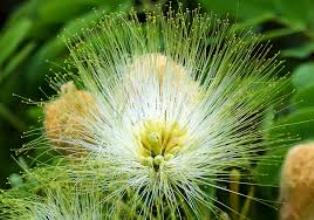
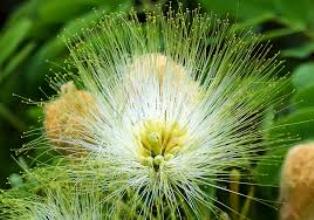
சீரிஷம் பூவின் படம் (from Ayurveda website)


Written by London swaminathan


Date: 3 FEBRUARY 2017


Time uploaded in London:-  6-41 am


Post No. 3601


Pictures are taken from different sources; thanks.


contact; swami_48@yahoo.com


சம்ஸ்கிருத இலக்கியத்தில் மிகவும் மென்மையான பூ சீரிஷம் என்றும் தமிழ் இலக்கியத்தில் மிகவும் மென்மையான பூ அனிச்சம் என்றும் கவிகள் பாடி வைத்துள்ளனர். இரண்டையும் ஒப்பிட்டுப் பார்த்ததில் இருவரும் ஒரே மலரைத்தான் குறிப்பிடுகிறார்கள் என்று முடிவுசெய்தேன். எனது ஆராய்ச்சியின் பலனே இக்கட்டுரை.


சங்க இலக்கியத்தில் குறிஞ்சிப் பாட்டிலும் கலித்தொகையிலும் அனிச்சம் பற்றிக் குறிப்பிடுகின்றனர். சங்க காலத்துக்குப் பின்னர்   வந்த திரு வள்ளுவர் அனிச்ச மலரை நான்கு இடங்களில் உவமையாகக் காட்டுகிறார்.


இலக்கியங்களில் மென்மைக்கு இலக்கணம் இந்தப் பூக்களே. கடினத்தன்மைக்கு வைரத்தை (வஜ்ரம்) உவமையாக காட்டுவது போல மென்மைத் தன்மைக்கு உவமை அனிச்சம் அல்லது சீரிஷம்.


உலகப் புகழ்பெற்ற காளிதாசன் குமார சம்பவத்திலும் ரகுவம்சத்திலும் சீரிஷ மலரின் மென்மைத் தன்மையை  எடுத்துக்காட்டுகிறார்.


பார்வதியை வருணிக்க முனைந்த கவிஞன் காளிதாசன், பார்வதியின் கைகள் சீரிஷ மலரைவிட மென்மையானவை என்பான்(குமார 1-41)


இன்னொரு அருமையான உவமை பார்வதியின் தவத்தைப் பற்றியது. சீரிஷ மலரானது தேனீக்களின் கால்களைத் தாங்குமேயன்றி, ஒரு பறவையின் கால்களைத்  தாங்க முடியுமா? அது போல பூப்போன்ற உடல்படைத்த பார்வதியின் உடலை கடுமையான தவசு தாங்குமா – என்பது காளிதாசனின் உவமை(குமார 5-4)

ரகுவம்ச காவியத்தில் சுதர்சன மன்னனின் உடல் சீரிஷ மலரைப் போல மென்மையானது என்று சொல்கிறான் (18-45).


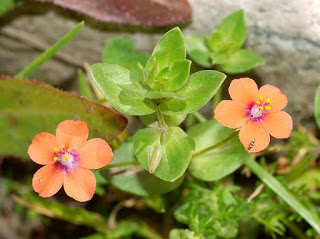
அனிச்சம் பூ (according to Wikipedia)


தமிழ் இலக்கியத்தில்

மகளிர் சேகரித்த 99 மலர்களில் அனிச்சம் என்ற மலரையும் சேர்த்து கபிலர் பாடியுள்ளார் (குறிஞ்சிப் பாட்டு, வரி 62)


கலித்தொகையில் (91-1) அனிச்சம் மலர் சூடியது, மாலை சூடியது பற்றி மருதன் இளநாகன் பாடியுள்ளார்.


இதன் பிறகு கம்பராமாயணம் முதலிய பிற்காலக் காவியங்களிலும் இம்மலர் இடம்பெறுகின்றது.


வள்ளுவர் 4 குறள்களில் தெரிவிக்கும் கருத்துகள்:


மோப்பக்குழையும் அனிச்சம்(90)– முகர்ந்து பார்த்,,,,,லேயே வாடிவிடும்.


அனிச்சமே நின்னினும் மென்னீரள் யாம் வீழ்பவள் (1111)– , அனிச்சம் பூவே! என் காதலி உன்னைவிட மென்மையானவள்.


(இதைக் காளிதாசன் பார்வதி பற்றிச் சொன்னதோடு ஒப்பிடலாம்)


அனிச்சப்பூ கால்களையாள் பெய்தாள் (1115)– காம்போடு அனிச்சம் பூவைச் சூடிவிட்டாள் என் காதலி. எடை தாங்காமல் வள் இறந்து போய்விடுவாள்.


அனிச்சம்…. மாதர் அடிக்கு நெருஞ்சி பழம் (1120)– அனிச்சம் பூவும் அன்னத்தின் இறகும் கூட  இப்பெண்ணின் பாதங்களில் நெருஞ்சிப் பழம் போலக் குத்தும்!


அனிச்சம் பூ எது? என்று சிலர் ஆராய்ச்சி செய்து சில படங்களை வெளியிட்டுள்ளனர். அவை சரி என்று எனக்குத் தோன்றவில்லை. இன்னும் சிலர் சீரிஷ மலர் எது என்று படம் போட்டுள்ளனர். அதுவே சரி என்று தோன்றுகிறது. இதற்கு நான் முன் வைக்கும் காரணங்கள்


  1. அனிச்ச மலர் என்று இவர்கள் குறிப்பிடும் மலர் முகர்ந்தால் வாடுவதில்லை

2.இது மற்ற பூக்களைப் போலவே மென்மை படைத்தது. உண்மையில் இதைவிட மென்மையான தமிழ் மலர்கள் உண்டு

  1. சீரிஷ மலரின் படம் ஓரளவுக்கு தமிழ்ப் பாடல் வருணனைக்கு அனுசரணையாக உளது. களிதாசன் சொல்லுவது போல தேனீக்கள் மட்டுமே உட்கார முடியும்

4.கபிலரும் இளநாகனும் சொல்லக்கூடிய அனிச்சம் தலை யில் அணிவது; மாலையாகச் சூடுவது. ஆனால் WEBSITE வெப்சைட் காட்டும் அனிச்சம் அணியப்படுவதுமில்லை; பூஜைக்கு உதவுவதுமில்லை

5.மேலு வெப்சைட் WEBSITE காட்டும் அனிச்சம் தமிழ்நாட்டில் அதிகம் காணப்படுவதில்லை.

6.எல்லாவற்றிற்கும் மேலாக சீரிஷம் படத்தையும் அனிச்சம் படத்தையும் அருகருகே வைத்துப் பார்த்தால் சீரிஷமே மென்மை என்பது தெரிகிறது

  1. சீரிஷம் என்ற பெயரை இன்றும் வட இந்தியப் பெண்கள் பெயரில் வைக்கின்றனர். தமிழர்களோவெனில் மற்ற மலர்களின் பெயர்களை பெண்களுக்குச் சூடுகின்றனர். ஆனால் அனிச்சம் என்று பெயர் வைப்பதில்லை.


  1. கடைசியாக அனிச்சம் என்பது தமிழ் சொல்லா என்று ஐயுற வேண்டியுள்ளது. அந்த ஒலியை ஒட்டிய தமிழ்ச்சொல் எதுவும் (அனி) சங்க இலக்கியத்தில் இல்லை. அனிச்சம் மட்டுமே உள்ளது. இது ஒரு பெரிய புதிரான மலர்தான்.


வள்ளுவன் சொன்னது போல அனிச்சமே! நீ வாழி! (“நன்னீரை வாழி அனிச்சமே”-குறள் 1111)


Botanical name of both the flowers as identified in the websites:

Sirisham – Albizia lebbek (East Indian Walnut); Family-Mimosaceae

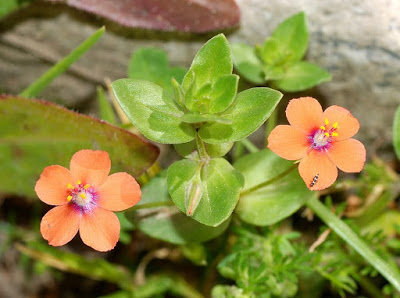
Anicham- Anagallis arvensis (Scarlet Pimpernel); Family- Primulaceae


–சுபம்–

Inspiring Anecdotes in the Life of Swami Chinmayananda Saraswati (Post No.3600)

Written by S NAGARAJAN


Date: 3 February 2017


Time uploaded in London:-  6-10 am


Post No.3600


Pictures are taken from different sources; thanks.


contact: swami_48@yahoo.com


by Santhanam Nagarajan

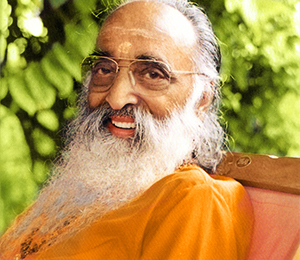
Swami Chinmayananda Saraswati (Birth 8-5-1916 Samadhi 3-8-1993) was one of the greatest Hindu spiritual leaders of our times.

He was in Himalayas. One day there was a sudden call! He himself narrated what had happened thus: “Mother Ganga in her incessant hurry seemed to tell me, ‘Son, don’t you see Me? Born here in Himalayas, I rush down to the plains taking with me both life and nourishment. Fulfilment of any possession, is in sharing it with others.’ I decided. I was encouraged. I felt reinforced. The urge became irresistible.”

Then he came down to the plains and started meeting people. He travelled length and breadth of the whole world and attracted thousands of followers. His Gita discourses were very famous. He founded Chinmaya Mission on 8th August 1953. The Chinmaya movement was born out of love and rooted in the wisdom of Truth.

His eloquence in English is very famous. Once when one devotee told him that he was always in the midst of troubles he immediately retorted saying, “When troubles come to trouble you, don’t trouble to stop the troubles, but allow the troubles to trouble the troubles, so that no trouble is free to trouble you. Trouble not at troubles; let the troubles trouble the trouble”. Everybody laughed. The questioner understood the point and was cleared of his doubt. The great Tamil Poet Thiruvalluvar said in his poem, “When trouble comes laugh at it”

He delivered several lectures in America.  At the end of the first talk in Palo Alto, one of the listeners asked him, “What is your technique?”

“What is my technique? My technique is to stand on my nose and meditate” said Swamiji. “But I only practice it in private”.


He gave a mischievous laugh, and then thundered seriously, “If you are looking for shortcuts in spirituality or instant psychedelic happenings, you have made a mistake today. But don’t repeat it – don’t come tomorrow.”

His words were straight.  Everyone got the message. They turned every day to hear the discourses.

Once, a young boy asked Swamiji, “What made you renounce the world? You were a postgraduate in English Literature and Law, and a very successful journalist:

Swamiji asked him in return, “when will you spit that thing out?” referring to the chewing gum in the boy’s mouth. “Oh! I am just about to spit it out. There is no juice left in it,” said the boy. “Ah! I, too, did just that,” laughed Swamiji. “I had chewed the world sufficiently and did not find any more juice in it.”

One skeptic asked him, “Whatever you teach is there in the books. What do I need a Guru for?” He replied, “Why don’t you ask the question to the books.”

How to inspire the young children imbibing the idea of God in them? In Manila, some children gathered around him.

He asked them, “What is the color of the milk?”

“White” answered all the children.

“What color is the cow?”

“Black.”

“What does it eat?”

“Grass.”

“What color is the grass?”

“Green.”

“What makes the green grass eaten by a black cow to come out as white milk?”

The children were silent.

He said “Krishna! It is the Lord who makes the impossible possible.”

His unique way of teaching is incomparable.  Devotees used to narrate hundreds of interesting anecdotes happened in his life.

Once, Mr Manian, the famous Tamil writer, journalist and editor of many magazines in his welcoming address at Madras said: “ We find in Swamiji a Good Teacher, a Popular Preacher, a Religious Leader, a Philosopher, a Rational Thinker, a Scientist, an Artist, a communicator, a Journalist, and Educationist and above all a Guiding Spirit. In him we see the wisdom of Vasishta, the vigour of Viswamitra, the knowledge of Brigu, the thought process of Veda Vyasa, the power of Kasyapa, the determination of Gautama and pardom me Swamiji, the anger and humour of Durvasa,”

Verily he was a great saint who propagated the glory of Hinduism.  His life was his message!

This article first appeared in www.ezinearticles.com on 26-1-2017

Peasel follow the link :   http://ezinearticles.com/?Inspiring-Anecdotes-in-the-Life-of-Swami-Chinmayananda-Saraswati&id=9628890


Sirisam and Anicham flowers in Tamil and Sanskrit literature (Post No.3599)

Written by London swaminathan


Date: 2 FEBRUARY 2017


Time uploaded in London:-  6-26 am


Post No. 3599


Pictures are taken from different sources; thanks.


contact; swami_48@yahoo.com


Sirisham is the softest flower in Sanskrit literature. We see girls named after as Sirisha. In Tamil Sangam and post Sangam literature Anicham is the softest flower. My research shows that both the flowers are one and the same.


In the Kumarasambhava, Kalidasa compared the arms of Parvati to the delicate Sirisa flower. The arms of Parvati are imagined to be more delicate than even the Sirisa flower– KS 1-41


The soft delicate Sirisa flower can stand only the footing of a bee on it but not that of a heavy bird. Similarly the Sirisa like delicate frame can tolerate delicate handling and not the rough handling as in penances –KS 5-4


The image imparts grace and charm to the delicacy of Parvati’s body.

In the Raghuvamsa the body of Sudarsana is said to be as tender as the delicate Sirisa flower– RV18-45


What is Sirisam or Anicham?

According to Tamil books, Anicham is the softest flower. Like diamond is used to compare the hardness of any object, Sirisham or Anicham flower is used by all the Indian poets to compare the softness of any part of the body or an object.


Anicham flower is referred to in Sangam Tamil literature at least in two places in Kalitokai and Kurijipattu. In later works Tirukkural has got four references to Anicham flowers. They are as follows:

Anicham picture from Wikipedia


Even as the Anicham flower fades when smelt, so also are guests, so also are guests hurt when the host puts to a vary face. (Kural 90)


Blessed art thou, Anicha, tenderest of flowers; more tender than thee is my beloved (1111) (This is similar to the Kumarasambhava couplet of Kalidasa, where he says the same about Parvati)


Even the flower Anicha and the down of the swan are ripe nettles to the feet of this maiden (1120)


With stems she wears the Anicha flower. The weight may break her waists and sad drums blare (1115)


Reasons for my conclusion:

The flower identified as Anicham previously by some people, is not a common flower in Tamil Nadu. Moreover, that is not the softest flower where as Sirisam shown in the picture fits in all the descriptions. Anicham identified does not fade when smelt. Anicham may not be a Tamil word at all. We have no word with that sound (ani) in Sangam literature except Anicham mentioned In Kurinjipattu and Kalitokai. Sirisham is used in naming girls. But Anicham is not used in naming or Puja or decoration or making garlands. It looks very artificial. So we may conclude that Sirisham was known as Anicham in some parts of ancient Tamil Nadu.

Botanical name of both the flowers as identified in the websites:

Sirisham – Albizia lebbek (East Indian Walnut); Family-Mimosaceae

Anicham- Anagallis arvensis (Scarlet Pimpernel); Family- Primulaceae


–Subham–


அஷ்டாவதானம் செய்த அதிசய முதலியார் – பகுதி 3 (Post No.3598)

Compiled by London swaminathan


Date: 2 FEBRUARY 2017


Time uploaded in London:-  5-40 am


Post No. 3598


Pictures are taken from different sources; thanks.


contact; swami_48@yahoo.com


“அதிசய முதலியார் செய்த அற்புதங்கள்” என்ற தலைப்பில் கடந்த இரண்டு நாட்களில் முதல் இரண்டு பகுதிகள் வெளியாகின. இது மூன்றாம் பகுதி.


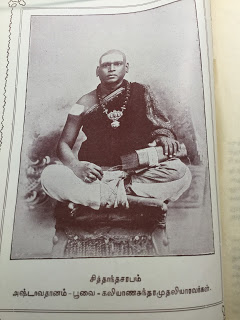
1878-ஆம் ஆண்டு திருக்கழுக்குன்ற மலை அடிவார மஹா மண்டபத்தில் தசாவதானி ஜெகநாதபிள்ளை முன்னிலையில் கலியாண சுந்தர முதலியார் அஷ்டாவதானம் செய்து காண்பித்தார்.


அவ்வமயம் செங்கல்பட்டு வக்கீல் சுந்தர முதலியார் கேள்விக் கணை தொடுத்தார்– எங்கே புத்தகத்துக்கும் கரத்துக்கும் சிலேடை வைத்து செய்யுள் இயற்றுங்கள் பார்ப்போம் என்றார்.


மூடித் திறத்தலினால் மொய்ரேகையேயுறலால்

நாடியெவரு நண்ணுகையால்– கோடலினால்

வித்தகர்  கணத்துகின்ற வேதகிரி தண்பதியில்

அத்தமது புத்தகமுமாம் 


-என்று முதலியார் சிலேடை—(இரு பொருள்படும்படி செய்யுள்) — செய்தார்.


(அத்தம்=ஹஸ்தம்=கை=கரம்)


சிவக்கொழுந்து பண்டாரம் என்பவர், பால் என்னும் சொல் பத்து இடங்களில் வருமாறு கவி செய்க என்றார்.


பற்றுங்கொடிக்ககனும் பங்கயனும் காணாவும்

பற்றோலுரித்த வன்னப் பாலே பால் — மற்றப் பால்

மாட்டுப் பால் பூப்பால் மரப்பால் வனிதையர்பா

லாட்டுப் பாலப் பாலிப்   பால்


-என்று முதலியார் பாடினார்.

செய்யூர் ஜமீந்தார் வைத்தியநாத முதலியார் எழுந்து, நாடு என்று துவங்கி ஊர் என்று முடியுமாறு ஒரு கவி புனையுங்கள் என்றார்.


நாடுசேரன் சோழ நற்பாண்டியன் முதலோர்

தேடு பொருள் யாவுஞ்சிறக்குமா –னீடு தொண்டை

மண்டலத்திற் கோர்திலகன் வைத்தியநாதச் சீமா

னொண்டி   றலோடே வாழ்செய்யூர்


என்று முதலியார் பாடி, அனைவரையும் வியப்பில் ஆழ்த்தினார்.


அஷ்டாவதானத்தில் வெறும் கவி பாடுதல் மட்டுமல்ல. பலர் கூட்டல், கழித்தல் போடச சொல்லுவர். மற்றும் சிலர் முதுகில் கற்களையோ, விதைகளையோ வீசி எத்தனை கற்களைப் போட்டென் என்று கேட்பார். தமிழ் இலக்கியத்தில் கேள்விகள் கேட்பர்.  இது போல எட்டு செயல்களை ஒரே நேரத்தில் செய்ய வேண்டும். இவை எல்லாம் முடிந்தவுடன் செய்யூர் ஜமீந்தார் பரிசளிக்க முயன்றதைக் குறிப்பால் உணர்ந்து


காசுதனி லெனக்குக் கவலையில்லை பொற்சரிகைத்

தூசுதனிலேதுந் துயரிலை — வீசுபுக

ழீகட்டும் வள்ளா லியகற்றுக வென்னாசிரியர்

வீடுகட்டி வாழ்ந்திடவே –என்று பாடி முடித்தார்.


இதன் பொருளாவது: எனக்கு காசு பணம் வேண்டியதில்லை. என்னுடைய ஆசிரியரான தசவதானியாருக்கு வீடுகட்டிக் கொடுக்கவும் என்பதாகும். உடனே தசாவதானியார் ஜெகநாத பிள்ளைக்கு வீடு கட்டத் தேவையான பொருட்களை ஜமீந்தார் அனுப்பி வைத்தார்.


இதற்குப் பின்னர் ஜமீந்தாரின் வேண்டுகோளை ஏற்று திரிபுரசுந்தரி மாலை இயற்றினார்.


முதலியார், இடைகழி நாட்டுக்கு வந்திருக்கும் செய்தி கேட்டு ஜமீந்தார், யானையை அனுப்பி அவரை அழைத்துவர ஏற்பாடு செய்தார். ஆனால் அவர் ஒரு சீட்டுக் கவி மூலம் சின்னாட்களுக்குப் பின்னர் வருவதாக அறிவித்து சேயூரில் ஒரு வாரம் தங்கினார். அப்போது அவருக்குக் கிடைத்த பரிசுகள் அனைத்தையும் தன்னுடைய  ஆசிரியரான தசாவதானியாருக்கே கொடுத்துவிட்டார்.


திருவாவடுதுறை சுப்பிரமணிய தேசிகரைத் தரிசித்து கமலபந்தமியற்றிப் பரிசு பெற்றார்.

பாம்பு கடித்தது


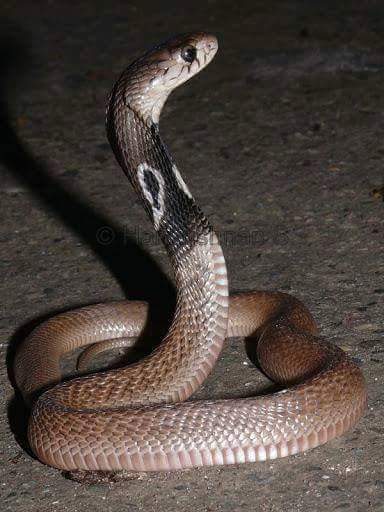
1879 ஆம் ஆண்டில் செங்கல்பட்டிலிருந்து திருப்போரூருக்குச் செல்லுகையில் ஒரு பாம்பு இவரைக் கடித்துவிட்டு படம் எடுத்து ஆடியது. இவர் தாம் இறந்து போய்விடுவோமென்றெண்ணி கையிலிருந்த கமலபந்தத்தின் பின்னால் தனது பெயர் முதலியவற்றை எழுதிவிட்டு தியானத்தில் மூழ்கி திருமுருகாற்றுபடையை ஜெபிக்கத் தொடங்கினார். அந்த    கமலபந்தம் திருப்போரூர் சிவசங்கரத் தம்பிரான் மீது இவர் இயற்றியதாகும். அப்போது அவ்வழியாக வந்த ஒரு தொட்டியன், பாம்பு கடித்த செய்தி கேட்டு அவருக்கு ஒரு மூலிகையைக் கொடுத்துச் சாப்பிடச் சொன்னான். இவரும் குணமடைந்து தொட்டியனைத் தேடவே அவனைக் காணவில்லை. முருகப்பெருமானே வந்து உதவியதாக முதலியார் எண்ணினார். தம்பிரானிடம் நடந்த செய்திகளைச் சொல்லவே அவர் அன்று முருகனுக்கு விசேஷ அபிஷேக ஆராதனைகளைச் செய்து முதலியாரை மகிழ்வித்தார்.


1879-ல் மேடவாக்கம் வெங்கடாசல முதலியார் குமாரத்தி பார்ப்பாத்தியம்மாளுக்கும் முதலியாருக்கும் திருமணம் நடந்தேறியது. காலப்போக்கில் ஒரு பெண் குழந்தையும் பிறந்தது. எஞ்சினீயர் அலு வலகத்தில் கிளர்க் உத்தியோகமும் கிடைத்தது.  பரங்கி மலைக்கு மாற்றப்படவே சென்னையில் மைத்துனர் கடையில் இருந்து கொண்டு சுதந்தர விருத்தியில் இறங்கினார். பல நூல்களை அச்சிட்டு வெளியிட்டார். பெரியபுராணம் முதலிய நூல்கள் பற்றி உபந்யாசம் செய்தார். நடராஜ சபை என்ற பெயரில் சமயப்  பணிகள் தொடர்ந்தன.


முதலியாரவர்கள், சிதம்பரத்தில் பாஸ்கர சேதுபதி மஹாராஜவைச் சந்தித்து வார்த்தை சொல்லிக்கொண்டிருந்த சமயத்தில் சித்திரகவி சடாதர நாவலர் அவரைச் சந்த்க்க வந்தார். நாவலர், தான் கவிபாடும் வல்லமை படைத்தவர் என்று சொல்லவே, மெய்கண்டநாதன் என்பதை வைத்து அஸ்வபந்தம் பாடும்படி சொல்லிவிட்டுப் போஜனத்திற்கேகினார் பாஸ்கர சேதுபதி.


நாவலருக்கோ ஒரு சொல் கூட வரவில்லை. மஹாராஜா வந்தபின்னரும் மவுனமா இருந்து விட்டார். முதலியாரோவெனில் ஒரு செய்யுளை எழுதி ராஜா கையில் கொடுக்க, அது அஸ்வபந்தத்தில் அடைபட்டது. நாவலர் சென்றவுடன் முதலியாருக்கு பரிசுகள் கிடைத்தன. ஒரு சால்வையும் போர்த்தினர். வெளியே காத்துக் கொண்டிருந்த நாவலர், தனது இயலாமையைச் சொன்னவுடன் அவருக்கு முதலியார் அஸ்வபந்த இலக்கணம் கற்பித்து, அந்தச் சால்வையையும் அவருக்கே போர்த்தி அனுப்பினார். கலியாண சுந்தர முதலியார் மிகவும் கருணை உள்ளம் படைத்தவர்.


முதலியார் இயற்றிய நூல்கள், தனிப்பாடல்களின் பட்டியல் மிக நீண்டது. வாழ்நாள் முழுதையும் சைவ சமயத்துக்கும் தமிழ்ப் பணிக்கும் பயன்படுத்தியவர். 1914-ஆம் ஆண்டில் மணவழகு கலியாண சுந்தர முதலியாரின் சஷ்டியப்த பூர்த்தியின் போது அவருடைய மாணவர்கள் ஒரு மலரை வெளியிட்டு அவரது சாதனைகள், திருப்பணிகளைத் தொகுத்து வெளியிட்டனர். அதன் சுருக்கத்தை மட்டுமே நான் மூன்று கட்டுரைகளில் தந்தேன்.


–சுபம்–