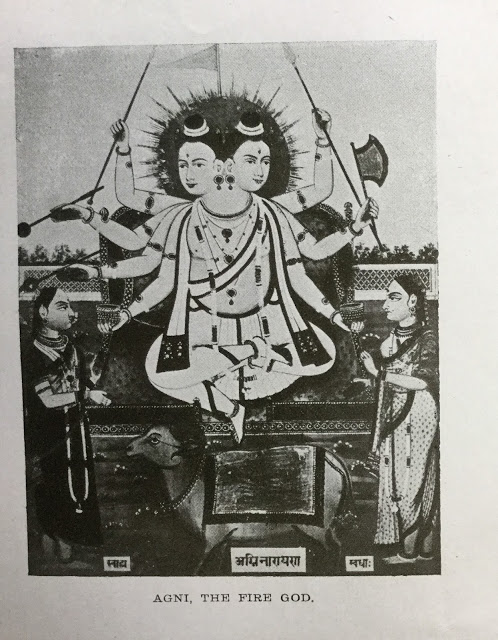
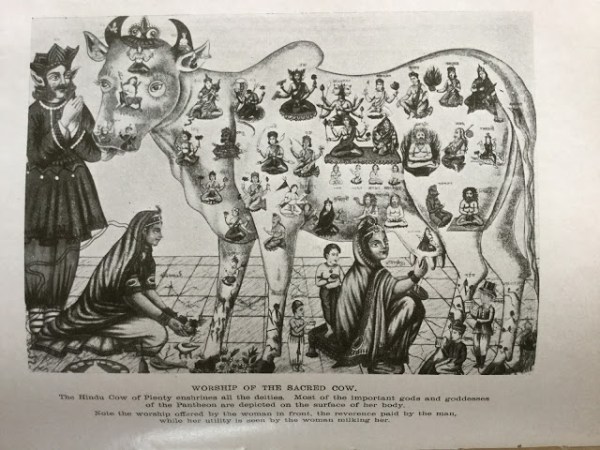
What did the Vedic Hindus pray for? (Post No. 4209)

Written by London Swaminathan


Date: 13 September 2017


Time uploaded in London- 16-14


Post No. 4209


Pictures are taken from various sources; thanks.


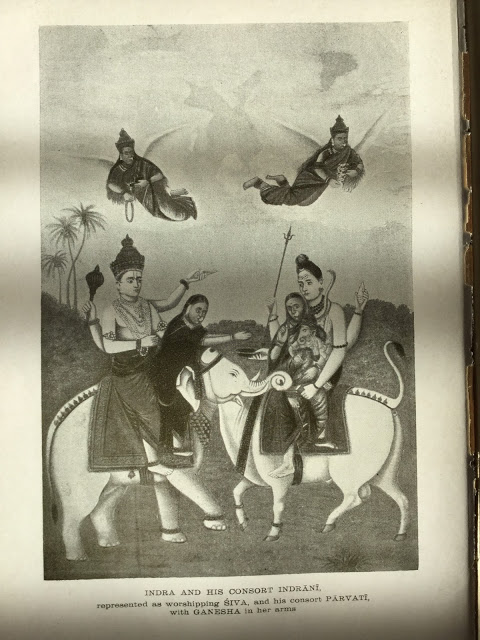
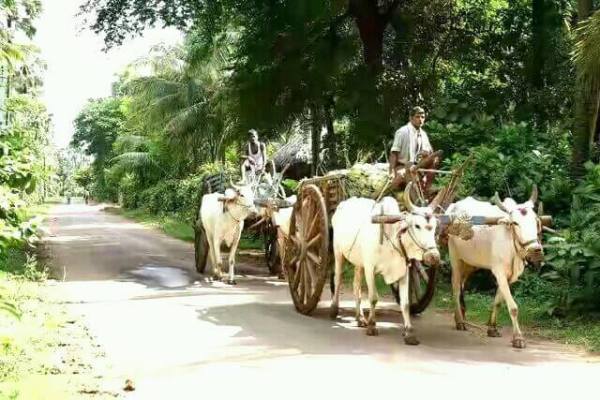
Vedic Hindus prayed for wealth, long life, good and heroic sons, cows and horses. They prayed to destroy internal enemies ( violent atheists- violent non believers). They always aimed high; they asked hundred fold and thousand fold of everything; they talk of gold; they were very well organised and organised ploughing ceremonies with golden plough. They were great agriculturalists. They talk of paddy, barley, sugar cane ,sesame seeds etc. They were sons of the soil. Most of the plants and herbs they mentioned are tropical plants. They did not come from cold places. Rice and sesame seeds were part of their ceremonies. They were great mathematicians who always used decimal system in their prayers. The wonder of wonder is that they always prayed for ‘us’ not ‘me’. They conducted group prayers. Highly intelligent, well organised and heroic people were the Vedic Hindus. Their prayers are echoed in simple Sanskrit and Tamil hymns of today.

They even fixed the human life span as 100 years! A healthy and prosperous people were they!


Their three great contributions to the human race are


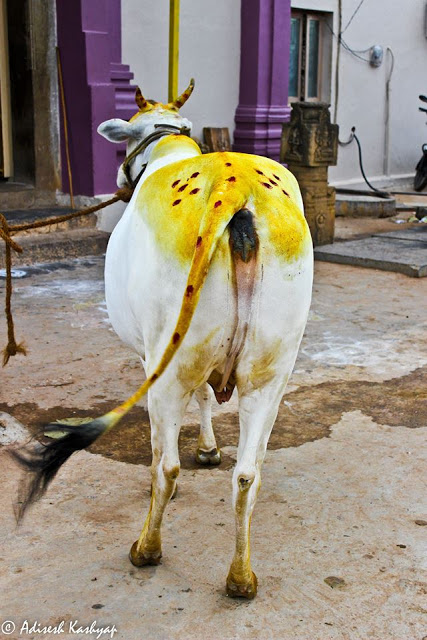
Cows

Horses and

Decimal system


No other – Egyptian, Babylonian, Mayan, Chinese- ancient books have such clear cut, venerable references to the above three. All these happened between 1500 BCE and 6000 BCE. Rig Veda is the most wonderful book in the world.


Following are few examples from over 1000 hymns and 10,000 mantras of the Rig Veda.


PRAYER FOR WEALTH

Bring us the wealth for we long 8-45-42


O Soma drinker, ever true, utterly hopeless though we be,

Do thou, O Indra, give us hope of beauteous horses and of kine in thousands, O most wealthy one


O Lord of strength, whose  jaws are strong, great deeds are thine, the powerful;

Do thou, O Indra,

give us hope of beauteous horses and of kine in thousands, O most wealthy one 1-29


O Indu, Soma, send us now great opulence from everyside.

Pour on us treasurers thousand fold 9-40-40

Pour out on us abundant food, when thou art pressed, O Indu, wealth

In kine and gold and steeds and strength 9-41-4


will ye then, Maruts, grant us riches, durable, rich in defying onslaught

A hundred, thousand fold, ever increasing 1-64-15


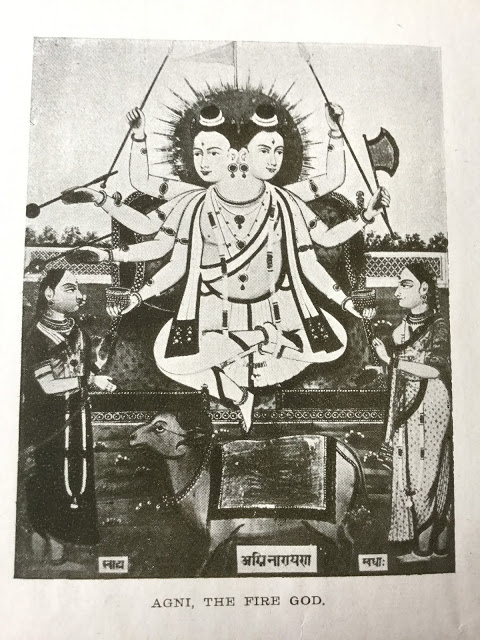
Knowing our chief felicity, O Agni bring hither ample riches to our nobles 7-1-24


O wondrous Indra, bring us wondrous riches 7-20-7


At he commencement of Ploughing, the following verse was repeated with an offering of fire:


Auspicious sita, come thou near; we venerate and worship thee

That thou mayst bless and prosper us and bring us fruits in abundantly 6-57-6


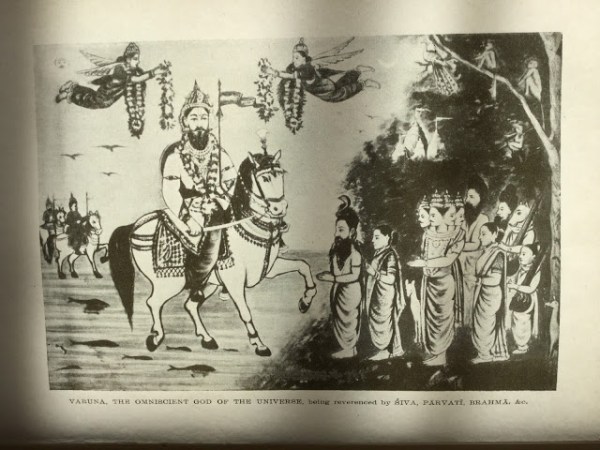
A hymn to Varuna, in which deliverance from sin is sought ends with,

“King, may I never lack well-ordered riches 2-2-8

PARDON FOR SINS


Sons, long life, wealth and victory over enemies are  frequent requests of Vedic Hindus. There are, however, scattered prayers for spiritual blessings, especially in hymns to Varuna. The Rig-Veda, v. 85, contains the following


“If we have sinned against the man who loves us, have ever wronged a brother, friend, or comrade,

The neighbour ever with us, or a stranger, O Varuna, remove from us the trespass. 5-85-7


If we, as gamesters, cheat at play, have cheated, done wrong unwittingly or sinned of purpose,


Cast all these sins away like loosened fetters, and, Varuna, let us be thine own beloved.”


“Absolve us from the sins of our fathers, and from those which we committed with our own bodies, It was not our own will, O Varuna, but some seduction which led us astray–an intoxicating draught, passion, dice, thoughtlessness. The stronger perverts the weaker even sleep brings un- righteousness. (Rig-Veda, 7- 86.)


Prayers of this nature chiefly occur in the hymns to Varuna, the principal of which have been quoted. A few other extracts may be given.


Aditi, Mitra, Varuna, forgive us however we have erred and sinned against you. 2. 27.14.


Prolong our days of life (ye Asvins), wipe out our trespasses.1-157-4


Most, youthful god (Agni) whatever sin through folly, here in the world of men we have committed.


Before  great Aditi make thou us sinless remit entirely, Agni our offences. 4-12-4


Let us not suffer for the sins of others, nor do the deed which ye. O Vasus, punish.” 6, 51. 7.


“What secret sin or open stirs their (Maruts) anger, that we implore the swift to forgive us.7 58. 5.


That he, the bounteous god (Brihaspati) may find us sinless, who giveth at a distance like a father.” 7- 97, 2


“Save us (Visvedevas) from uncommitted and committed sin, preserve us from all sin to-day for happiness 10-63-8


FUTURE WORLD


The references to this are few, and chiefly found in the Ninth and Tenth Books the Rig Veda. The great desire of the Hindus was to enjoy the present life.


“The givers of rich meads are made immortal; the givers of rich fees prolong their life time.” I. 125, 6


“May I attain to that his well loved mansion when men devoted to the gods are happy


We pray for rain, your boon (Mitra varuna) and immortality.” 5-63-2


“When I and Indra mount high up to the bright one’s place and home

We, having drunk of Meath, will reach his seat whose friends are three times seven.” 8-38-7


We have drunk Soma and became immortal; we have attained the light, the gods discovered.” 8- 48- 3.


High up in heaven abide the guerdon-givers; they who give dwell with the Sun for ever. They who give gold are blest with life eternal: they who give robes protect their lives, o Soma. 10. 107, 2.


xxx

PRAYER FOR RAINS


Lift up the mighty vessel; pour down water, and let the liberated streams rush forward


Saturate both the earth and heaven with fatness, and for the cows let there be drink abundant. 5. 83. 8


XXX


Sons


The following are a few examples


“ Men yearn for children to prolong their line, and are not disappointed in their hope.1-68-4


May the wealth giver (Agni) grant us wealth with heroes (sons)

May the wealth giver grant us food with offspring.” I, 96, 8


Help us to wealth, exceeding good and glorious, abundant, rich in children and their progeny 2-2-12


To us be born a son and spreading offspring 1-96-8


Brihaspati, may we be lords of riches, with noble progeny, and store of heroes 4. 50. 6.

xxx


LONG LIFE


Hindus reckoned their years by winters Probably in later hymns autumns are substituted. ( Hindus are most scientific; even today in North India and European countries, old people die more during winter. So Hindus prayed that they must survive the hard and cold winter)


Grant unto us to see a hundred Antumns; ours be the happy life of our forefathers.” II, 27, 10


Long let our life, O Agni, be extended 4, 12, 6.


Accept, o Maruts, graciously this hymn of mine that we may live a hundred winters through its power 5- 54, 15


Be gracious, Indra, let my days be lengthened

6, 47, 10


xxx


Preservation from Danger.


Amidst constant wars with the atheists, this request frequently occurs in the hymns.

But safety is also sought from other dangers, as snake bites.


In thy kind grace (Indra) find favour may we still be strong to expose not to any foe’s  attack.


With manifold assistance guard and succour us, and bring us to felicity.” 8-3- 2.


May  weathy Indra as our good protector, Lord of all treasures, favour us with succour


Baffle our foes, and give us rest and safety.6. 47, 12.


Savitar, god, send far away all sorrows and calamities


And send us only what is good.” 5. 82, 5


Give us not up to any evil

creature, as spoil to wolf or she- wolf, O ye holy 6, 51,6


May they, Earth, Aditi, Indra, Bhaga, Pushan increase our land, increase the fivefold people.

Giving good help, good refuge, goodly guidance, be they our good deliverers, good protectors 6-51-11

Not to the fanged that bites,not

to the toothless give not us up, thou conqueror to the spoiler 1-190-5


xxx


DESTRUCTION OF ENEMIES


Next to wealth, this is one of the most frequent petitions; some prayers include all who are unfriendly; others single out individuals


Destroy this ass, O Indra, who in tones discordant b rays to thee


Slay each reviler, and destroy him who in secret injures us.” 1-29-5


0 Agni,radiant one, to whom the holy oil is poured, burn up enemies whom fiends protect.1-12-5


Cast thy dart knowing, thunderer, at the Dasyu I. 103, 3


Whatever mortal with the power of demons fain would injure us.


May be impetuous, suffer harm by his own deeds, 8. 18.3


Crunch up on  everyside the dogs who bark at us slay ye our foes, O Asvins. I. 182, 4.


Consume for ever all demons and sorcerers, consume thou each devouring fiend. I. 36, 20.


Drive from us with thy tongue, o god, the man who doeth evil deeds


The mortal who would strike us dead.” 6, 16, 32.


  1. Annihilate the fools, slay them and burn them up. Chase them away from us, pierce the voracious ones.
  2. Against the foe of prayer, devourer of raw flesh, the vile fiend, fierce of eye, keep ye perpetual hate.


  1. The fiend O Agni, who designs to injure the essence of our food, kine, steeds, of bodies,

May he, the adversary, thief, and robber, sink to destruction both himself and offspring.


  1. “May be he swept way, himself and children. May all the three earths press him down beneath them.


May his fair glory, O ye gods, be blighted, who in the day or night would fain destroy us. VII 104


Quotations have been given from Hymn 87 Book X. addressed to Agni, the Slayer of Rakshasas.


–SUBHAM–
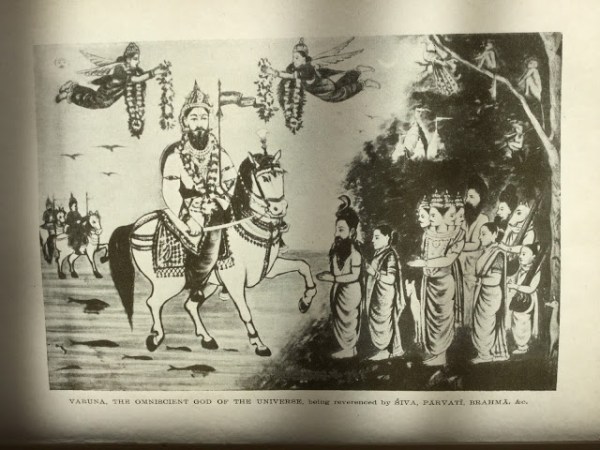
ரிக்வேதத்தில் பாவ மன்னிப்பு துதிகள் (Post No.4208)

Written by London Swaminathan


Date: 13 September 2017


Time uploaded in London- 6-54 am


Post No. 4208


Pictures are taken from various sources; thanks.


மனிதன் செய்யும் பாவங்களுக்கு மன்னிப்பு கேட்பது இந்துக்களின் தினசரி வழிபாட்டிலேயே இடம்பெற்றுள்ளது. எல்லா  பூ ஜைகளும் முடிந்தபின்னர் யானிகானிச பாபானி… என்ற மந்திரத்தைச் சொல்லி ஆ த்ம  ப்ரதக்ஷிணம் (தன்னையே சுற்றிக் கொள்ளல்) செய்வது வழக்கம். பிராமணர்கள் தினமும் 3 முறை செய்யும் சந்தியாவந்தனத்திலும் பாவ மன்னிப்பு கோரும் மந்திரம் வருகிறது. ஆண்டுதோறும் வரும் உபாகர்மா (ஆவணி அவிட்டம்-பூணூல் மாற்றும் நிகழ்வு) மந்திரத்தில் பாபங்களின் நீண்ட பட்டியல் வருகிறது; பெரிய பாவவங்கள், சின்ன பாவங்கள் முன் ஜன்மங்களில் செய்த பாவங்கள் ஆகிய எல்லாவற்றையும் சொல்லி மன்னிப்பு கேட்பர். இந்த மாதிரியான அற்புத மந்திரம் உலகில் வேறு எந்த நூலிலும் இல்லை.


கிறிஸ்தவமதம் போன்றவற்றில் பாவ மன்னிப்பு இருந்தாலும் அவை எல்லாம் ஒரு பெட்டிக்குள் ஒளிந்து கொண்டு பக்கத்துப் பெட்டியில் நிற்கும் பாதிரிமாரிடம் சொல்லுவதோடு நின்றுவிடும். இந்துமதத்தில் தினசரி பிரார்த்தனையில் இருப்பது அதன் சிறப்பு. எல்லோரும் சொல்லும் கந்த சஷ்டி கவசம் போன்றவற்றிலும்  “எத்தனை குறைகள்,எத்தனை பிழைகள் எத்தனையடியேன் எத்தனை செயினும் பெற்றவன் நீ குரு பொறுப்பது உன் கடன்” என்று வேண்டுகிறோம்.


ஆனால் இந்தக் கட்டுரையில் உலகின் மிகப் பழைய நூலான ரிக் வேதத்தில் (கி.மு1500 முதல் கிமு.6000) உள்ள சில பாவ மன்னிப்பு துதிகளைக் காண்போம்.


நாங்கள் எங்களை அன்பாக நேசிக்கும் மனிதனுக்கு எதிராகவோ சகோதரனுக்கு எதிராகவோ, நண்பனுக்கு எதிராகவோ, சகாவுக்கு (கூட்டாளி) எதிராகவோ, எங்களுக்குப் பக்கத்தில் வசிப்பவனுக்கு எதிராகவோ, முன்பின் தெரியாத ஒருவனுக்கு எதிராகவோ பாவம் (தீங்கு) செய்திருந்தால், ஓ வருண பகவானே அவைகளை நீக்கு வாயாக.


விளையாட்டில் யாரையாவது ஏமாற்றி இருந்தாலோ தெரிந்தோ தெரியாமலோ பாவம் செய்திருந்தாலோ  அவற்றையும் நீக்குக


இந்த எல்லா பாவங்களையும், கட்டுகளை அவிழ்ப்பது போல அவிழ்த்துவிடு; ஓ வருண பகவானே என்றைக்கும் உன் அன்புக்குப் பாத்திரமானவர்களாக நாங்கள் இருக்க வேண்டும்- 5-85-7/8


எங்கள் தந்தையர் செய்த பாவவங்களில் இருந்து எங்களை விடுவிப்பாயாக; எங்கள் தேகத்தினால் செய்த பாவங்களிலிருந்தும் விடுவி.


நாங்கள் திட்டமிட்டு செய்த பாவம் இல்லை; ஓ வருணா! நாங்கள் குடித்த பானமோ, உணர்ச்சிவசமோ, சூதாட்டமோ, சிந்திக்க மறந்ததாலோ தவறான வழியில் செலுத்தப்பட்டுவிட்டோம்; வலுவானவர், பலவீனமானவரை தீய வழிகளில் செலுத்துகின்றனர்; தூக்கம் கூட அதர்மத்துக்கு வழிகோலுகிறது – 7-86


அதிதி, மித்ரா, வருணா எவ்வளவு பாவங்களை உங்களுக்கு எதிராகச் செய்தாலும்  எங்களை மன்னித்து விடுக 2-27-14


அஸ்வினி தேவர்களே! எங்கள் வாழ்நாட்க ளை நீட்டியுங்கள் பாவங்களை துடைத்து அழியுங்கள் 1-157-4


அழகிய இளம் கடவுள் அக்னி தேவனே! இந்த மானுட உலகத்தில் அறிவீனத்தால் நாங்கள் இழைத்த பாவங்களை


பெருமைமிகு அதிதிக்கு முன்னால் அடியோடு அகற்றிவிடு; நாங்கள் செய்த கொடுமைகளைத் துடைத்தொழி 4-12-4


மற்றவர் செய்த பாவங்களுக்காக எங்க ளை  வருத்தாதீர்கள் வசுக்களே: எங்க ளைத் தண்டிக்காதீர்கள் 6-51-7

மருத் தேவதைகளே! நாங்கள் ரஹசியமாகவோ பகிரங்கமாகவோ செய்த எந்த பாவச் செயல்கள் உங்கள் கோபத்தைத் தூண்டிவிட்டது? விரைவாக அவைகளை அழிப்பாயாக -7-58-5

அந்த எல்லையற்ற வ ளம்பெற்ற பிருஹஸ்பதி எங்களைப் பாவமற்றவர்களாகச் செய்யட்டும்; ஒரு தந்தை போல எங்களைக் கவனிக்கட்டும் 7-97-2


செய்த பாவவங்களில் இருந்தும் செய்யாத பாவங்களில் இருந்தும் எங்களைப் காப்பாற்றுங்கள் விஸ்வே தேவர்களே! இன்று எங்களை எல்லாப் பாவங்களில் இருந்தும் விடுவித்து மகிழ்ச்சியை அருளுக 10-63-8


எவ்வளவு நேர்மையான முறையீடுகள்!

எவ்வளவு அழகான சொற்கள்;

அடிமனத்தின் ஆழத்திலிருந்து வருந்தி வெளியிட்ட மனக்குமுறல்கள்!


உலகில் பாபிலோனிய, எகிப்திய கிரேக்க நாகரிகங்களிலும் அங்கொன்றும் இங்கொன்றுமாக பாவ மன்னிப்பு துதிகள் உண்டு.


ஆயினும் கி.மு 3100ல் வியாசரால் நான்காக வகுக்கப்பட்ட வேதங்களில் பழமையான ரிக் வேதத்தில் கோர்வையாக, தொகுப்பாக துதிகள் இருப்பது போல வேறு எங்கும் காணக்கிடைக்கில!


சுபம்


TAGS: வேதம், பாவ மன்னிப்பு, துதிகள்


கண்ணழகை வர்ணிக்கும் சொல்லழகுப் பாடல்! (Post No.4207)

Written  by S.NAGARAJAN


Date: 13 September 2017


Time uploaded in London-5-14 am


Post No. 4207

Pictures shown here are taken from various sources such as Facebook friends, Books, Google and newspapers; thanks.


கண்ணழகை வர்ணிக்கும் சொல்லழகுப் பாடல்!


ச.நாகராஜன்


வள்ளுவரின் காமத்துப் பாலில் தகையணங்குறுத்தல் அதிகாரத்தில் வரும் குறள் இது:

கூற்றமோ கண்ணோ பிணையோ மடவரல்

நோக்கம் இம்மூன்றும் உடைத்து      (குறள் 1085)


உயிரை எடுக்க வருவதால் யமனோ?

கூர்மையாகப் பார்ப்பதால் கண்ணோ?

மருண்டு பார்ப்பதால் மானோ?

இம்மூன்றின் தன்மையும் இப்பெண்ணின் கண்களில் உள்ளன.


பெண்களின் கண்களுக்குள்ள சக்தியை வள்ளுவர் அழகுற வர்ணித்து விட்டார் ஒரே குறளில்.

அழகிய பெண் ஒருத்தியைப் பார்க்கிறார் புலவர் ஒருவர்.

அவள் கண்ணழகில் அசந்து போகிறார்.

விளைவு ஒரு பாடல்.

பாடியவர் நமச்சிவாயப் புலவர்.

பாடல் இது தான்:


மஞ்சுமஞ் சுங்கைப் பரராஜ சேகர மன்னன்வெற்பில்

பஞ்சுமஞ் சும்பதப் பாவைநல் லாய்படை வேள்பகழி

அஞ்சுமஞ் சுங்கய லஞ்சுமஞ் சுங்கட  லஞ்சுமஞ்சும்

நஞ்சுமஞ் சும்வெற்றி வேலோ வுனது நயனங்களே

              (தனிப்பாடல் திரட்டுப் பாடல்)


சொற்கள் கொஞ்சிக் கொஞ்சி விளையாடும் இப்பாடலின் பொருளைப் பார்ப்போமா:


மஞ்சும் – மேகமும்

அஞ்சும் – அஞ்சும்படியான

கை –  கொடைக் கையினை உடைய

பரராஜ சேகர மன்னன் வெற்பில் – பரராஜ சேகரன் என்னும் அரசனது மலையில் உள்ள

பஞ்சும் – செம்பஞ்சும்

அஞ்சும் – அஞ்சும்படியான

பதம் – பாதங்களை உடைய

பாவை நல்லாய் – பிரதிமை போன்ற பெண்ணே

படை – சேனையை உடை

வேள் – மன்மனது


பகழி அஞ்சும் அஞ்சும் – பாணங்களும் அஞ்சும் அஞ்சும்

கயல் அஞ்சும் அஞ்சும் – சேல் மீன்களும் அஞ்சும் அஞ்சும்

கடல் அஞ்சும் அஞ்சும் – கடலும் அஞ்சும் அஞ்சும்

நஞ்சும் அஞ்சும் – விஷமும் அஞ்சும்

உனது நயனங்கள் – உனது கண்கள்

வெற்றி வேலோ – வெற்றி வேல்களோ?!!


பாடலில் அஞ்சும் என்ற சொல் ஒன்பது இடங்களில் வருவதோடு மஞ்சு, பஞ்சு, நஞ்சு போன்ற சொற்கள் வேறு இணைந்து வ்ருவதால் சொல்லழகும் பொருளழகும் ஓசை நயமும் கூடி இன்பம் தருகின்றது.

பெண்ணின் கண்ணழகை வர்ணிக்க வந்த புலவரின் பாடலின் சொல்லழகில் சொக்கிப் போகிறோம் நாம்!

***

நீண்ட ஆயுளுக்கு வேதப் பிரார்த்தனை! (Post No.4206)

Written by London Swaminathan


Date: 12 September 2017


Time uploaded in London- 17-35


Post No. 4206


Pictures are taken from various sources; thanks.


வேத கால நிஷிகள் என்ன வேண்டினர் என்று ஒரு கட்டுரையில் கண்டோம். உலகின் பழமையான நூலில் மனிதனின் ஆயுள் 100 ஆண்டு சொல்லப்பட்டிருக்கிறது. எந்த அளவுக்கு ஒரு சமுதாயம் முன்னேறியிருந்தால் இந்த அளவுக்குப் பாட முடியும் என்று சிந்திக்க வேண்டும். கி.மு 1400 முதல் கி.மு 6000 வரை தேதி குறிப்பிட்ட வேதத்தில் என்ன அற்புதமான சிந்தனை! உலகின் எந்த பழைய நூலிலும் இப்படி ஆயுள் நிர்ணயிக்கப்படவில்லை.

ரிக்வேதத்துக்குப் பின்னர் வந்த யஜுர் வேதத்தில் நூறாண்டுக் காலம் வாழ்க, நோய் நொடியில்லாமல் வாழ்க, மகிழ்ச்சியுடன் வாழ்க என்று பெரிய மந்திரமே உள்ளது.

(பஸ்யேம சரதஸ்சதம், ஜீவேம சரதஸ்சதம் சரதம், நந்தாம சரதஸ்சதம், மோதாம சரதஸ்சதம், ப்ரப்ரவாம சரதஸ்சதம்)


“100 சரத்காலங்களைக் காண அருள்வாயாக; எங்கள் முன்னோர்கள் வாழ்ந்ததுபோல இன்ப வாழ்வைத் தருக (2-27-10)

எங்களுக்கு நீண்ட ஆயுளைத் தா, ஓ அக்னி! 4-12-6

ஓ மருத் தேவர்களே, என்னுடைய இந்த அன்பான பாடலைக் கேள்; இந்தப் பிரார்த்தனை மூலம் நாங்கள் 100 குளிர் காலங்களைக் காண்போமாக 5-54-5


இந்திரா, அன்பு காட்டுக! என்னுடைய வாழ் நாட்கள் நீடிக்கட்டும் 6-47-10


இவ்வாறு மண்டலம் தோறும் நீண்ட ஆயுளுக்கான பிரார்த்தனைகள் இருக்கின்றன. மேலே கூறியவை சில எடுத்துக்காட்டுகளே.

நல்ல பிள்ளைகளை அருளுக!


“தங்கள் வம்சக் கொடி தொடர்வதற்காக மனிதர்கள் பிள்ளைகளுக்காக ஏங்குகிறார்கள்; அவர்கள் நம்பிக்கை பொய்ப்பதில்லை 1-68-4


செல்வம் தரும் அக்னிதேவன் செல்வத்தையும் வீரர்களையும் (வீர மகன்கள்) அளிக்கட்டும் 1-96-8

செல்வம் தருவோன் எங்களுக்கு உணவையும் பிள்ளைகளையும் அருளட்டும் 1-96-8


செல்வம், மிக நல்ல நல்ல, புகழ் வாய்ந்த அளவற்ற பிள்ளைகளையும் வம்ச விருத்தியையும் உதவுவாயாக 2-2-12

எங்களுக்கு ஒரு பிள்ளை பிறக்கட்டும், அவன் மூலம் வம்சம் பெருகட்டும். அக்னியே! இவ்வாறு அருள் செய்க.


பிருஹஸ்பதியே! நங்கள் செல்வங்களுக்கு அதிபதிகளாகட்டும்; நல்ல வம்சம் வளரட்டும் பல குதிரைகள் கிடைக்கட்டும் 4-50-6


இவ்வறு செல்வம், நீண்ட ஆயுள், நல்ல வம்சம் இவைகள் வேத கால ரிஷிகளின் பிரார்த்தனையில் அடக்கம்.


பெரும்பாலான மந்த்ரங்கள் எங்களுக்கு என்று பன்மையிலேயே (plural) இருக்கும். சில மந்திரங்களே எனக்கு என்று ஒருமையில் இருக்கும்.


ஆகையால் அவர்கள் கூட்டுப் பிரார்த்தனை செய்வதே வழக்கம். இது நாகரீக முன்னேற்றத்தைக் காட்டும். வேறு எந்த நூல்களிலும் 3500 ஆண்டுகளுக்கு முன் இத்தகைய பிரார்த்தனைகள் இல்லை


எல்லோரும் கோவணாண்டிகளாக நாகரீகமற்ற நிலையில் ஓடிச் சாடிய போது வேத கால மக்கள் பாஸிட்டிவ் எண்ணங்க ளைப்( Positive thoughts) பரப்பும் கூட்டுப் பிரார்த்தனையில் அதுவும் டெஸிமல் சிஸ்டம் தெரிந்த (100, 1000, 10,000…. என்று) கணக்குப் புலிகளாகப் பிரார்த்தித்தனர்.


அடுத்த கட்டுரையில் எதிரிகள் ஒழிப்பு, பாவ மன்னிப்பு, ஆபத்திலிருந்து காத்தல் ஆகிய துதிகளைக் காண்போம்.


மந்திரங்களின் எண்கள் முழுதும் உலகின் மிகப் பழைய நூலான ரிக்வேத மண்டல, மந்திர எண்கள் ஆகும்

ரிக்வேதத்தில் பத்து மண்டலங்கள் உண்டு. ஆயிரத்துக்கும் மேலான துதிகளும் 10,000க்கும் மேலான மந்திரங்களும் உண்டு.

TAGS: வேத துதிகள், நீண்ட ஆயுள், நல்ல பிள்ளைகள், வீர மகன்கள்


–SUBHAM–
Brahui Theory Incorrect? (Post No.4205)

Research Paper written by London Swaminathan


Date: 12 September 2017


Time uploaded in London- 12-09


Post No. 4205


Pictures are taken from various sources; thanks.


(This is the fourth and the last part)


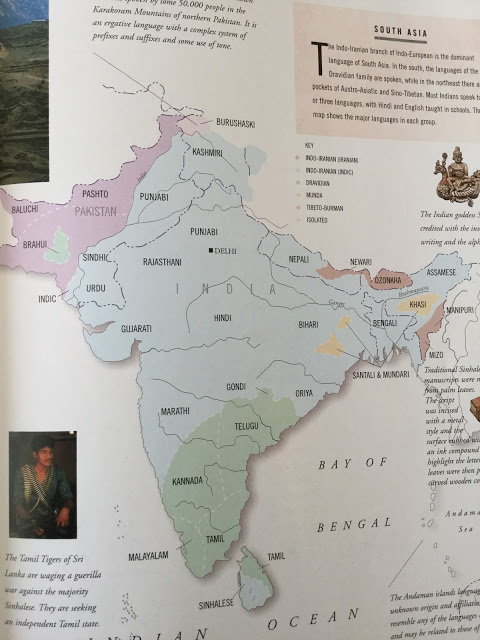
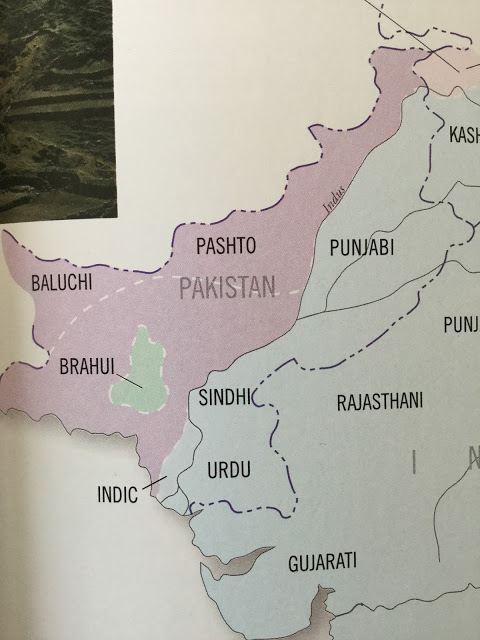
From 1844, there is some incorrect information circulated among scholars about Brahui language and Dravidian invasion/migration of India via Afghanistan. Foreigners used this “Dravidian” Brahui to show the Dravidians entered India through the north west route. But all this information is not correct. Until today no KEY Tamil words are found in Brahui.


A language must have body parts, numbers, personal pronouns etc to show some affinity with another language. No such things are found except two numbers.


Andropov tried very hard to show some relationship with Dravidian languages. He found an escape route to justify his findings by using PROTO DRAVIDIAN. He used ‘may and might’ in his article which shows all these are just guesses

(ref. Notes on Brahui, M Andropov, Institute of Oriental Studies, Moscow; 6 page article appeared in Journal of Tamil Studies, Volume 1, October 1969)


I threw a challenge to a girl who studied lost languages to come with at leaest 10 Tamil words from Brahui speakers. No response until today. The fact of the matter is no one can even produce a few Tamil words!


Brahui speakers are not of Dravidian stock; they are of Indo-Aryan stock

no Dravidian word will have beginning ‘BRA’, which is Sanskrit.

Currently Brahui language is full of Indo Aryan words (Baluchi etc)

Even if we find two Tamil numbers, we can explain that Tamil businessmen were there at one time using these numbers. Tamils presence in North West and beyond is confirmed; but all those are just visits not from permanent settlements. Some fanatics tried to hide under the guise of Indus valley civilization.


What do others say?

The derivation of the word Brahui from personal name IBRAHIM frequently met with among Brahuis themselves, is nothing more than a popular etymology invented after the adoption of Islam. The Iranian etymology ‘borohi’ a mountaineer is dobted for many reasons- Andropov

So no one knows the origin of the word ‘Brahui’)!


xxx

Dictionary of languages by Andrew Dalby gives the following information:

BRAHUI

1500,000 speakers

Pakistan

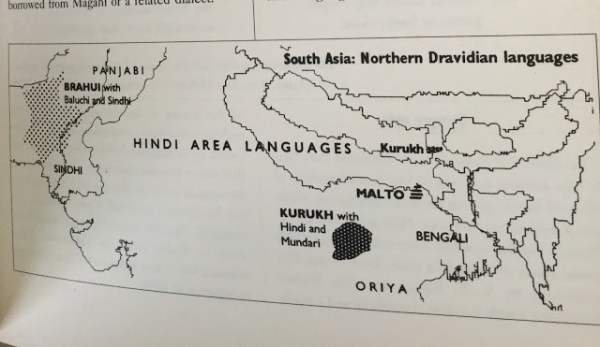
“Brahui, major language of western Pakistan, is an astonishing survival – utterly different from the Iranian languages that surround it. Most Brahui speakers are bilingual in Baluchi. There is no doubt that that Brahui belongs to the family of Dravidian languages of South India, though it is separated from the nearest of them by many hundreds of miles (see map at KURUKH).


The relationship was pointed out by German linguist Christian Lessen in 1844.


ONE COMMON GUESS IS THAT EARLY DRAVIDIAN SPEAKERS MIGRATED SOUTHWARDS IN TO INDIAN PNINSULA THOUSANDS OF YEARS AGO, AND THE BRAHUI (AND PERHAPS ELAMITE) REMAIN AS A CLUE TO SHOW THE ROUTE THEY FOLLOWED.

(MY COMMENTS: THE PEOPLE HAVE NO PHYSICAL SIMILARITY TO DRAVIDIANS. BRAHUIS ARE OF INDO-ARYAN STOCK!!!! FOREIGNERS WANTED TO SHOW ALL INDIANS CAME FROM OUTSIDE INDIA!!!!!!!!!!!!!)


But it cannot be as simple as this; Brahui shares some innovations with northern Dravidian languages such as KURUKH so must have separated from other Dravidian languages before they them themselves began to differentiate. IN REALITY THE EARLY HISTORY OF BRAHUI IS QUITE UNKNOWN.

(My comments: building sand castles as big as possible to be washed away by every wave! No single Tamil word found yet!!!)


It is at least certain that the speakers of Brahui and Baluchi have long lived side by side. Tradition tells of Hindu rule in medieval Kalat, the centre of Brahui and Baluchi culture, followed by a Brahui dynasty, followed by Mughal rule as elsewhere in India, followed by renewed Brahui domination. This last period contains a date 1660—the accession of Mir Ahmed as Khan of Kalat, ruling both Brahui and Baluchi tribes.


The pastoralist Brahuis traditionally migrate in large numbers in winter, the people called Sarraavaan to Kachi, the people called Jhalawaan to Sind, where they have hereditary winter quarters.

IT HAS BEEN SUGGESTED THAT THEIR NOMADIC ROUTES USED TO BE WESTWARDS TOWARDS AFGHANISTAN IN EARLIER CENTURIES AND THIS EXPLAINS WHY THER ARE SOME 20,000 BRAHUI SPEAKERS NOW SETTLED IN AFGHANISTAN WITH A FEW FURTHER NORTH IN TAJIKISTAN. AT ALL EVENTS, BRAHUI IS HEAVILY INFLUENCED BY BALUCHI AND SINDHI LANGUAGES IN WHICH MANY BRAHUI SPEAKERS ARE NECESSARILY BILINGUAL.

(My comments: There is no Brahui language; it is nothing but Sindhi and Baluchi for ever!!!)


BRAHUI NOW HAS RATHER FEW INHERITED DRAVIDIAN WORDS IN ITS LEXICON; Iranian and Baluchi words predominate. ITS SOUND PATTERN IS MOST LIKE THAT OF INDO ARYAN LANGUAGES SUCH AS SINDHI, WITHOUT THE SHORT E AND O AND THE MULTIPLE R SOUNDS TYPICAL OF DRAVIDIAN.

(My comments: There is no Brahui; it is just Indo-Aryan language; so far everything is guess; in reality everything is Baluchi and Sindhi—Indo-Aryan languages!!!!!!)

The first ten numerals in Brahui are

asit

irat

musit

chaar

panch

shash

haft

hasht

noh

dah

only 1 to 3 are Dravidian- the higher numbers are borrowed from Baluchi or Persian


(my comments: so all  these sand castles were built on Irat and musit!!!!!!!!!!!!!!!!!!!!!! is ASIT, Tamil???????)


O hilaarki daun e ki gingishk tuutaki = he is as fond of dates as a sparrow is of mulberries

CAN YOU FIND A SINGLE TAMIL WORD OR TAMIL SOUND IN THE BRAHUI SENTENCE?


So cunning linguist frauds have developed this Dravidian Brahui theory.


In fact Tamil has more similarity with English than Brahui:

One= ondru

Two= randu

Eight= Ettu


Let us compare it with Turkey (1400 BCE)!

Following is not a guess work or reconstruction like Brahui; It is based on inscriptions!

The oldest horse training manual found in Turkey has Sanskrit words for numbers!
The MItannian (Syria/Turkey) rulers’ names were in Sanskrit:
Biridaswa=Brhat Asva= possessing great horses
Sattawaza = Sapta Asva= Prize Winner in Seven horse races.
Kikkuli (1400 BCE) trained people on horses in Turkey and Syria. His manual used Sanskrit words:

KIKKULI SANSKRIT MEANING
Wartanna Vartana a turn
Aika Eka One turn
Tera Tri Three turns
Panza Panca Five turns

Satta Sapta Seven turns
Na (artanna) Nava Nine turns

Those who studied Tamil grammar wouldn’t be surprised to see Satta becoming Sapta. In Tamil also we follow the same rules to change Sanskrit sounds in to Tamil sounds. Raja becomes Arasan in Tamil. Rajaraja becomes Iraasa rasan in Tamil. Damayanthy in Sanskrit is written as Tamayanti, YogaRaja becoming Yokarasa in Tamil, Shakespeare changing to Sekappiriyar or seksupiyar, Homer changing to Omar and Harrypotter changing to Karipaattar!! There is no S or H or J or Sh or Ksha in pure Tami!!

 
In the same way Kikuli changed Sanskrit words to suit his students in the Hittite empire (Syria/Turkey)!
Maryannu is a word for warrior used by Kiikuli. This comes from the Sanskrit word Marya. Egyptians borrowed this Sanskrit word and Egyptianized like Tamils and wrote M(a)-ar-ya-na in 1470 BCE in Papyrus Anastasi I. They used this for Chariot warrior.

P= V
Asva in Sanskrit is written as Aspa by the Persians.
By 1500 BCE Sanskrit words were used from the Plains of River Ganges to the Plains of the River Nile and in between Mesopotamia!!!

Zend Avesta of Zoroastrians had Old Sanskrit or Persian words
Dravaspa =Devi Asva = Goddess for horses
Vist aspa (a king of Bactri) Visva Asva? = All powerful Horse?
Pourus Aspa = father of Zarathustra = one who possess many horses
Arbataspa =Master of war like horses
Huaspa =Su Asva= having good horses
Bactria’s capital was known as Zariaspa= land of golden horses! This is because they used gold coloured bronze coat.

Even when we have such proper evidence we did not build sand castles!


-subham–


இரஸவாதக்கலை நிபுணர்கள்? – 1 (Post No.4204)

Written  by S.NAGARAJAN


Date: 12 September 2017


Time uploaded in London-6-36 am


Post No. 4204

Pictures shown here are taken from various sources such as Facebook friends, Books, Google and newspapers; thanks.


அறிவியல் துளிகள் தொடரில் பாக்யா 8-9-17 இதழில் வெளியாகியுள்ள கட்டுரை

இரஸவாதத்தால் தங்கமாக்கியோர்!


இரஸவாதக்கலை நிபுணர்கள்? – 1

 ச.நாகராஜன்


“புலமைவாதம் என்பது என்ன? நுட்பமாக வாதிடுவது தான். இறையியல் என்பது என்ன? தெளிவற்ற சொல்நடை தான்! ஜோதிடம் என்பதோ சிக்கலான பரந்த ஒரு சாஸ்திரம். இவை எல்லாம் இரஸவாதத்திற்கு முன்னர் சிறுபிள்ளைத்தனமான குழந்தை விளையாட்டுக்களே! – ஆல்பர்ட் பாய்ஸான் (இரஸவாதக்கலை நிபுணர்)


           இரஸவாதம் என்று கூறியவுடனேயே நமக்கு நினைவுக்கு வருவது பா சித்தர்கள் மற்றும் யோகிகளே!


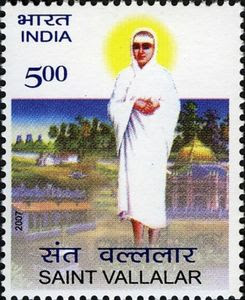
   சமீப காலத்தில் நன்கு வரலாற்று ஆவணங்களுடன் கூடிய மாபெரும் அவதார சித்தர் ராமலிங்க சுவாமிகள் எனலாம். வள்ளலார் என்று நாடு போற்றும் அவரை உரிய விதத்தில் தமிழர்கள் உலகளாவிய விதத்தில் அறியச் செய்து மரியாதை செய்யத் தவறி விட்டார்கள் என்பது துரதிர்ஷ்டவசமான ஒரு விஷயம்.


அவதாரம் என்றால் மேலிருந்து கீழிறங்கல் என்று பொருள். விண்ணிலிருந்து அபூர்வமாக வந்துதித்த ராமலிங்க சுவாமிகள், “கடைவிரித்தோம்; கொள்வாரில்லை என்ற ஏக்கத்துடன் ‘உடலுடன் மறைந்தார் என்பது அனைவரும் அறிந்ததே. இப்படி ‘உடலுடன் மறைந்தவர் சமீப கால வரலாற்றில் இவர் ஒருவரே!

   சுவாமிகளின் வாழ்க்கையில் தண்ணீரால் விளக்கு எரிந்தது உள்ளிட்ட ஏராளமான அற்புதங்கள் நடந்துள்ளன. அவரது அணுக்கத் தொண்டரான தொழுவூர் வேலாயுத முதலியார் அவரது வரலாற்றை மிகவும் அழகுற எழுதியுள்ளார். அவர் வள்ளலாரை  ஒரு பெரிய இரஸவாதி (He is a great Alchemist) என்று குறிப்பிட்டிருக்கிறார்.


பொன் செயல் வகையை இறைவனே தனக்கு உணர்த்தியதாக சுவாமிகளே கீழ்க்கண்ட தனது பாடலில் கூறியுள்ளார் இப்படி:


“ என்செயல் அனைத்தும் தன் செயல் ஆக்கி

    என்னை வாழ்விக்கின்ற பதியைப்

பொன் செயல் வகையை உணர்த்தி என் உள்ளத்தே

   பொருந்திய மருந்தையென் பொருளை

வன்செயல் அகற்றி உலகெலாம் விளங்க

   வைத்த சன்மார்க்க சற்குருவைக்

கொள்செயல் ஒழித்த சத்திய ஞானக்

    கோயிலில் கண்டு கொண்டேனே

“பொன் செயல் வகையை உணர்த்திதனக்கு அருள் செய்தது இறைவனே என்று அவர் குறிப்பிட்டிருப்பது அவரது ரஸவாதக் கலை நிபுணத்வத்தை ஐயமின்றி உணர வைக்கிறது.

   அத்துடன் இறுக்கம் இரத்தின முதலியார்க்கு வரைந்த கடிதத்தில் பொன் உரைக்கும் உரைகல்லும் வெள்ளி உரைக்கின்ற உரைகல்லும் வாங்கி அனுப்பும்படி கேட்டிருக்கிறார். அவை வந்து சேர்ந்ததை இன்னொரு கடிதத்தில் அடிகளார் தெரிவிக்கிறார்.


இரஸவாத வித்தையை வள்ளலார் செய்து காண்பிக்கவே அதைத் தாமும் பெற பலரும் அவரை அணுகினர். அவர்களிடமெல்லாம், “இச்சையற்றவனுக்கே இதைச் செய்ய இயலும். ஆகவே இதில் இறங்க முயற்சிக்க வேண்டாம் என்று அவர் அருளுரை பகர்ந்தார்.


தூய மனதுடன் ஆசையற்றவர்களுக்கே இரஸவாத வித்தை கைகூடும் என்பது பெரியோர் வாக்கு.

(ஊரன் அடிகள் எழுதிய இராமலிங்க அடிகள் வரலாறு 450 – 452 ஆம் பக்கங்களில் இந்தக் குறிப்பைக் காணலாம்.)


    இன்னும் பழைய வரலாற்றை உற்று நோக்கினால் ஆதி சங்கரர் கனகதாரா ஸ்தோத்திரத்தைப் பாடி பொன்னாலான நெல்லிக்கனிகளை ஒரு ஏழைக்கு அளித்ததையும், வித்யாரண்யர் இறைவி அருளால் தங்கம் பெற்று விஜயநகர சாம்ராஜ்யத்தை நிறுவ உதவியதையும் பார்க்கிறோம்.


    ஏராளமான சித்தர்கள் தாமிரத்தை தங்கமாக்கிய கதைகள் தமிழகத்தில் நிறைய உண்டு.

இதே போல மேலை நாட்டிலும் இரஸவாத நிபுணர்களைப் பற்றிய பல வரலாறுகள் உள்ளன.

ஜன் பாப்டிஸ்ட் வான் ஹெல்மாண்ட (Jan Baptista Van Helmont – பிறப்பு 12-1-1580 மறைவு 31-12—1644) தெற்கு நெதர்லாந்தைச் சேர்ந்த விஞ்ஞானி மற்றும் மருத்துவர். இரசாயன வல்லுநரான அவர் கார்பன் டை ஆக்ஸைடைக் கண்டுபிடித்தார். ஜீரணம் பற்றிய ஆராய்ச்சியை மேற்கொண்டு பல உண்மைகளைக் கண்டறிந்தார்.


தான் செய்த மருத்துவத்திற்குப் பணம் வாங்க மறுத்த அபூர்வ மனிதர் அவர். தாவரக் கலையில் அசாத்திய நிபுணர்.

மனித உடலையும் மனிதன் வாழும் உலகையும் நன்கு அறிவதற்கான ஆரம்பம் இரஸவாதமே என்று அவர் திடமாக நம்பினார்.


ஆகவே அதை ஆராய ஆரம்பித்தார். எல்லா மூலகங்களுக்கும் ஆதி மூலம் ஒன்று உண்டு என்று அவர் நினைத்தார். அவர் இரஸாவாதக் கலையில் வெற்றி பெறவில்லை என்றாலும் கூட ஒரு இரஸவாதக்கலை நிபுணர் அப்படி தங்கம் ஆக்கியதைத் தான் நேரில் பார்த்ததாகக் கூறியுள்ளார். தங்கமாக ஆக்கும் மாயப் பொடி காவிக் கலரில் இருப்பதாக அவர் கூறினார். பாதரஸத்தை இந்தப் பொடியின் மூலமாக 200 கிராம் தங்கமாக ஆக்கியதாக அவர் கூறியுள்ளது குறிப்பிடத்தகுந்தது!


இன்னொரு குறிப்பிடத்தகுந்த ரஸவாதி சீனாவைச் சேர்ந்தவர்.

 ஜீ ஹாங் (Ge Hong) என்ற பெயரைக் கொண்ட அவர் நான்காம் நூற்றாண்டைச் சேர்ந்த ஒரு ரஸவாதி.

எல்லோரும் இறவாமல் அமரத்தன்மை எய்தலாம் என்பது அவரது முக்கிய நம்பிக்கை. எல்லாமே ஒன்றாக “ஏகம் என்ற நிலையில் இருப்பதாக அவர் கருதி அந்த “ஏக நிலையை அடைய பெரும் உள்மன சாந்தியையும் தெளிவையும் அடைய வேண்டும் என்றார் அவர்.


இரஸவாதத்தால் மூலிகைகள் மற்றும் கூட்டுபொருள்களால் அந்த ஆற்றலைக் கூட்ட முடியும் என்று கூறினார்.

 இரஸவாதம் மூலமாக உருவாக்கப்படும் தங்கம் அழியாது, எரியாது, மறையாது, “இறக்காது என்பது அவர் கொள்கை.

இந்த அனைதது நலன்களையும் அந்தத் தங்கம் உடலுக்குத் தந்து விடும் என்பது அவர் கொள்கை. கந்தகத்தையும் வெடியுப்பையும் பற்றி முதன் முதலில் அவரே எழுதியுள்ளார். இதுவே பின்னால் கன் பவுடர் செய்ய உதவியது என்பது குறிப்பிடத்தகுந்த ஒரு விஷயம்.


நீடித்த ஆயுளைத் தரும் இளமைப் பொடியைக் கண்டுபிடிக்கப் போனவர் அதற்கு எதிராக யுத்தத்திற்குப் பயன்படும் கன் பவுடரைக் கண்டுபிடித்தது ஒரு விசித்திரமே!

இன்னும் சிலரை அடுத்துப் பார்ப்போம்.


அறிவியல் அறிஞர் வாழ்வில் .. ..


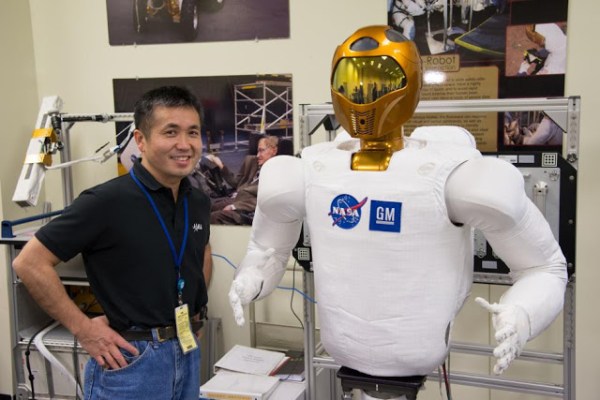
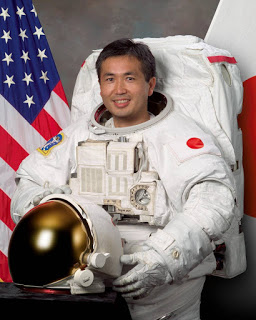
    பன்னாட்டு விண்வெளிநிலையத்தில் ஜப்பானிலிருந்து சென்ற முதல் கமாண்டரான கோயிச்சி வகாடாவுடன் (Koichi Wakata) துணையாகச் சென்றது யார் தெரியுமா?

ஜப்பானின் ரொபாட் அஸ்ட்ரானட்டான கிரோபோ (Kirobo robot) என்னும் ரொபாட் தான்! டோக்கியோ பல்கலைக்கழகம் வடிவமைத்த இந்த ரொபாட் விண்வெளிநிலையத்திற்கு 2013இல் ஆகஸ்ட் 13ஆம் தேதி வந்து சேர்ந்தது. கிரோபோ என்றால் நம்பிக்கை என்று பொருள்.


கிரோபோவின் உயரம் 13 அங்குலம் தான். 7.1 அங்குலம் அதன் அகலம். 5.9 அங்குலம் அதன் கனம். அதன் எடையோ ஒரு கிலோகிராம் தான். அது ஜப்பானிய மொழியில் பேச வல்லது.

அது மற்றவர் பேசுவதைப் புரிந்து கொள்ளும். முகத்தைப் பார்த்து ஆளையும் புரிந்து கொள்ளும்; வீடியோ ரிகார்டிங் செய்யும்.


விண்வெளியில் ஜீரோ கிராவிடி நிலை இருக்கும் என்பதால் அதற்குத் தகுந்தாற் போல கிரோபோ வடிவமைக்கப்பட்டது.

 7-11-2013 முதல் 13-5-2014 முடிய விண்வெளி நிலையத்தில் இருந்த வகாடாவிற்கு அது நன்கு துணை செய்தது.முதன் முதலாக வகாடாவுடன் ரொபாட்டான கிரோபோ ஜப்பானிய மொழியில் உரையாடியது.


மனிதனும் ரொபாட்டும் எப்படி ஒருவருக்கொருவர் துணையாக அனைத்து வேலைகளையும் செய்ய முடியும் என்பதை ஆராய்வதற்காக அது விண்வெளி நிலையத்திற்கு அனுப்பப்பட்டது.


18 மாத காலம் விண்வெளியில் இருந்த கிரோபோ இரண்டு கின்னஸ் சாதனைகளைச் செய்தது. ஒன்று, அது தான் விண்வெளியில் மனிதனுக்குத் துணையாகச் சென்ற முதல் ரொபாட்.


இன்னொன்று அதுவே அதிக உயரத்தில் பேசிய ரொபாட்!

விண்வெளிவீரரான வகாடாவிற்கு கிரோபோவினால் ஏக பெருமை. கிரோபோ ரொபாட்டை வைத்து உலகில் ஏராளமான ஜோக்குகள் உண்டு. அனைவரும் படித்து மகிழலாம்.

****


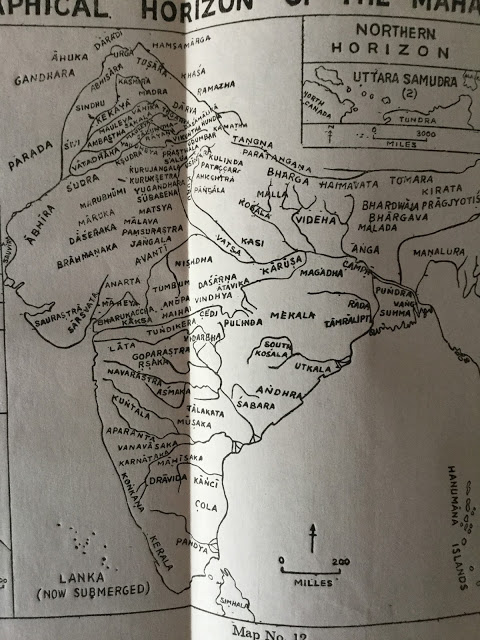
Interesting Geographical Details in the Mahabharata-4 (Post No.4203)

Written by London Swaminathan


Date: 11 September 2017


Time uploaded in London- 14-48


Post No. 4203


Pictures are taken from various sources; thanks.


(This is the fourth and the last part)


My comments: The geographical details in the MBH gives lot of scope for research; it is amazing that Vyasa or his disciples have accumulated so much information in an epic. Modern approach will give a better picture. We can divide them into different categories such as 100% sure, 755 certain etc.

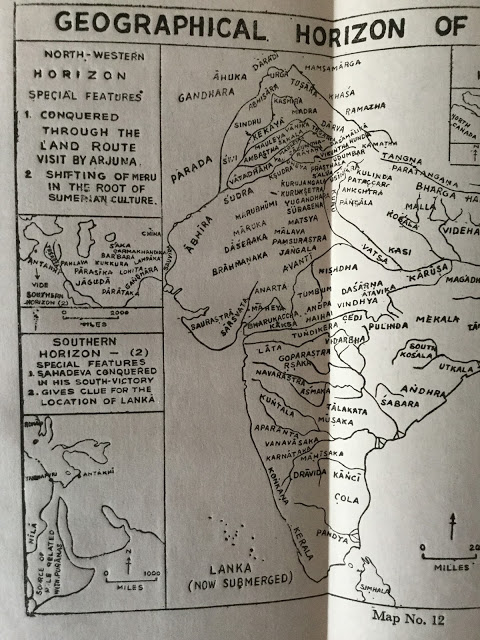
Janapadas of the East

1.ANDHAKA: Mathura area

2.ANGA: area between Videha and Magadha;modern Bihar

3.ANTARGIYA: Badri-Kedara region

4.ATREYA: Garwala region

5.BHADRA:Bhadranagara of Rajasthan

6.BHARGA: State of Vatsas; between Vaisali and Sravasti

7.BHARGAVA: West of Assam

8.GAYA: modern Bihar

9.KALAKUUTA:Kulinda region

10.KASI:Region between rivers Ganga and Gomati

11.KIRATA:Ladakh area

12.KUNTI: Gwalior area

13.KURU:Meerut area

14.KOSALA: Sarayu river area.

15.MATSYA:Bharatapura, Jaipura area

16.MALLA:Deoria district of UP

17.MAGADHA: Patna area; Bihar

18.MALADA: Malda of West Bengal

19.MAADHYAMIKA: Nagari area of Chittoor

20.MANAVARJAKA:Vardhamana in West Bengal

21.NAIMISA: Sitapura of UP

22.PATACCARA: Pataidi near Gugaon

23.PRAYAGA: Allahabad, Triveni Sangam

24.PANCALA:Punjab

25.PRAGJYOTISA: Gauhati in Assam area

26.PUNDRA: Rangpur, Rajasahi, Bogra in Bangladesh

27.STRI RAJYA: Western tip of the Buddhist Majjimadesa

28.SUHMA:Tamralipti and Medhinipura of Bangladesh

29.SASAKA: Murshidabad of West Bengla

30.Surasena: area around Mathura

31.TAMRALIPTA:Midnapur District of West Bengal

32.VANGA:Dacca and Mymensingh of Bangladesh

33.VATSA: Allahabad area

34.VAHIGIRYA:Mussori, Nainital areas

35.VIDEHA: Mithila area of Bihar


xxx


JANAPADAS OF THE WEST

1.APRAANTA:also Kuttapraanta Kalyana, Supara districts

2.ARBUDA: Abu mountain area

3.AANARTA:  Southern part of Ahmedabad, Baroda

4.AABHIRA: Ophir of the Bible; Averia of the Greeks;Sindhu delta

5.AARATTA: pancanada state

6.KAAKSA: Inner Narmada area; Bharukacca port

7.KUKKURA: western Vindhyas

8.KONKANA: Ratnagiri district

9.KOLVAGIRYA: Colaba area of Mumbai

10.KSUDRAKA:Montgomery area


11.GOPARAASTRA: area around Nasik

12.JANGALA: Bikaneer area

13.TUNDIKERA: Chindwada area of MP

14.TUMBUMA: Guna District of MP

15.DVAIPEYA: Island Diu

16.NAVARAASTRA: Maharashtra state

17.BRGHU: around ancient AAnarta

18.MARU BHUMI: Desert area of Jodhpur

19.MAAHEYA: river Mahi basin

20.SUUDRA: identified with State Abhira

21.LAATA: modern Gujarat

22.VITIHOTRA:  south of Avanti

23.SURASSTRA: Kathiawad region

24.SAMUPTA NIKUTA: island area of Kathiawada

25.SAARASWATA: river Saraswati basin, west of Ahmedabad

26.SINDHU: river Indus area

27.SAUVIRA modern Rodj in Pakistan


–Subham–

பிரம்மானந்தம் என்றால் என்ன? சிருங்கேரி சுவாமிகளின் அற்புத விளக்கம் (Post No.4202)

Written by London Swaminathan


Date: 11 September 2017


Time uploaded in London- 9-30 am


Post No. 4202


Pictures are taken from various sources; thanks.


ப்ரஹ்லாத போஷகத்வம் தவ ஸித்தமஹோ ஹிரண்ய வைரித்வம்,

தஸ்மாத் நரஸிம்மகுரோ ஹ்ருத்ஸ்தம்பம் மே விபித்யபுர ஏஹி


“இந்த ஸ்லோகத்தில் நம் குருநாதர் பரமகுருநாதரை நேரில் பார்த்துக் கேட்பதுபோல் கேட்கிறார். ஹே நரஸிம்ம குரோ என்று அந்த அபிநவ நரஸிம்மபாரதீ என்ற குருவை வணங்கிப் பிரார்த்திக்கிறார்.

ஹே குரோ, உங்களுக்கும் நரஸிம்ம மூர்த்திக்கும் பலவிதத்திலும் ஸாம்யமே காணப்படுகிறது. எவ்விதமென்றால் ‘ப்ரஹ்லாத போஷகத்வம்’, ‘ஹிரண்ய வைரித்வம்’ என்ற முக்கியமான தர்மங்கள் இரண்டும் ஸமமாகவே உங்கள் இருவரிடமும் பொருந்தி இருக்கின்றன. உக்ர நரஸிம்மர் ப்ரஹ்லாதன் என்ற அசுர பாலகனை அபயம் கொடுத்து அனுக்ரஹம் செய்தபடியால் அவனைப் போஷித்தார், காப்பாற்றினார். அதனால் ப்ரஹ்லாத போஷகரானார்.


சாந்த நரஸிம்ம ரூபமான தாங்களோ ‘ப்ரக்ருஷ்டோ ஹ்லாத: ப்ரஹ்லாத:’ என்ற வ்யுக்தத்தின்படி பக்தர்களுக்குப் பலவிதத்திலும் உத்கிருஷ்டமான ஆனந்தத்தைக் கொடுக்கிறீர்கள். ‘ஹ்லாதம்’ என்றால் ‘ஆனந்தம்’ என்று பொருள் கொள்ளலாம்.

ஆனந்தம் என்பது பொதுவாக விஷயானந்தத்தையே குறிக்கும். அதுவோ விஷயங்களின் மாறுபாடுகளை அனுசரித்து மாறுபடக்கூடியது.தைத்ரீயத்திலும், பிருஹதாரண்ய உபநிஷத்திலும் இந்த ஆனந்தங்களைப் பற்றி விரிவாகக் கூறியிருப்பதை இந்த ஸந்தர்ப்பத்தில் கொஞ்சம் சுருக்கமாகக் குறிப்பிட்டால்தான் வாசகர்களுக்கு குருநாதரது சுலோகத்தில் அர்த்தம் நன்கு விளங்குமாதலால் அதைக் கொஞ்சம் காண்பிக்கிறோம்.


சுலோகத்திலுள்ள ‘ப்ரஹ்லாத’ பதத்திதிற்கும் ‘ஹ்லாத’ பதத்திற்கும் அர்த்தத்தில் எவ்வளவு வேற்றுமை இருக்கிறது என்பதையும் வாசகர்கள் இந்த விளக்கத்தின் மூலம் உணரலாம்.


தைத்ரீயோபநிஷத்தில் ‘தஸ்யேயம் ப்ருதிவீ ஸர்வா வித்தஸ்ய பூர்ணாஸ்யாத் . ஸ ஏகோ மானுஷ ஆனந்த:’ என்று கூறப்பட்டிருக்கிறது அதாவது பூமண்டலத்துக்கே சக்ரவர்த்தியாயிருப்பவனுக்கு ஏற்படும் ஆனந்தம்தான் மானுஷாநந்தம் எனப்படுகிறது. அந்த சக்ரவர்த்தி நல்ல ஆரோக்யமும் தேஹதிடமும் பலமும் யௌவனமும் நல்ல கீர்த்தியும் படிப்பும் குறைவில்லாமல் பெற்றிருக்க வேண்டும். தர்மபுத்திரர்போல் ஏகச் சத்ராதிபதியாகவும் இருக்க வேண்டும் அப்படியிருந்தால்

ஓர் ஆனந்தம் அவனுக்கு  இருப்பதாகக் கூறலாம். ஆனால் அவன் தேவலோக ஸுகங்களில், காமனை உள்ளவானாயிருந்தால் அவ்வித காமனையில்லாத சுரோத்திரனுடைய ஆனந்தத்தில் நூற்றில் ஒரு பங்காகத்தான்  அந்த சக்ரவர்த்தியின் ஆனந்தம் இருக்கக்கூடும்.


இப்படியே ஹிரண்யகர்பானந்த்தம் வரையில் ஒவ்வொரு படியிலும் நூறு மடங்கு ஆனந்தம் விருத்தியாகிக் கொண்டே போனா லும் அந்த ஹிரண்ய கர்ப்ப ஆனந்தம்  வரையிலுள்ள எல்லா ஆனந்தங்களும்  நிஷ்காமனான பிரஹ்மம்மவித்தின்  ஆனந் தத்தில் ஒரு பாகமேயாம். ஆகவே காமனையில்லாத ப்ரஹ்மவித்தின்  ஆனந்தம்தான் எல்லாவற்றையும் விட மேன்மையானது. அதைத்தான் பிரஹ்மானந்தம் என்று சாஸ்திரங்களில் பாஷ்யகாராதிகள் வர்ணிக்கிறார்கள்.

அதைத்தான் முன்கூறிய ப்ரஹ்லாத போஷகத்வம் என்ற சுலோகத்திலுள்ள ப்ரஹ்லாத பதத்தால் நம் குருநாதர் குறிப்பிடுகிறார்.

ஹ்லாதம் என்றால் ஆனந்தம் ப்ரஹ்லாதம் என்றால் உத்க்ருஷ்டமான ஆனந்தம். உத்க்ருஷ்டம் என்றால் எதைவிட உத்க்ருஷ்டம் என்ற கேள்வி வருகிறது.


மானுஷானந்தத்தை விட மனுஷ்ய கந்தர்வ ஆனந்தம் நூறு மடங்கு உயர்ந்தது.

அதைவிட தேவ கந்தர்வானந்தம் நூறு மடங்கு சிறந்தது.

இப்படியே பித்ருக்கள், ஆஜான தேவர்கள், கர்ம தேவர்கள், தேவர்கள், இந்திரன், பிருஹஸ்பதி, ப்ரஜாபதி என்ற முறையில் ஒன்றைவிட ஒன்று 100 மடங்கு உயர்ந்தது என்று சொல்லிக் கடைசியாக ஹிரண்ய கர்ப்பானந்தம்  எல்லாவற்றையும் விட உயர்ந்தது. ஆனால் பிரஹ்மவித்தானவன் ஆனந்தமோ எல்லை இல்லாதது.  நிரதிசயமானது என்று தைத்ரீய உபநிஷத்திலும் பிருஹதாரண்யகம்  முதலியவற்றிலும் தீர்மானிக்கப்பட்டிருக்கிறது.


அப்பேற்பட்ட நிரதிசய ஆனந்தத்தைதான் ப்ரஹ்லாத பதத்தால் குருநாதர் குறிப்பிட்டிருக்கிறார். அதாவது எல்லை இல்லாத ஆனந்தமாகிய  பிரஹ்மானனதந்தத்ததையே  தம் பக்தர்களுக்கு அளிக்க வல்லமையுள்ளவர் குருநாதர்.”

xxxx

இதுபோன்ற நிறைய பொக்கிஷங்கள் அடங்கிய இப்புத்தகம் இல்லம்தோறும் இரு க்க வேண்டும். வாங்கிப் பயன் பெறுக.

ஆதாரம்: ஸ்ரீ குருகிருபா விலாஸம்

ஸ்ரீ சிருங்கேரி ஜகத்குரு ஸ்ரீ சந்திரசேகர பாரதீ மஹாஸ்வாமிகளின் திவ்ய மஹிமைகளை எடுத்துக் காட்டும் கட்டுரைகளின் தொகுப்பு, எழுதியவர்– ஸ்ரீ பாஷ்ய ஸ்வாமிகள், முதல் பாகம், 2011


–SUBHAM–
அமிழ்தினிய பா ரதியே! தினமுனைப் பணிவோம் பாரதியே! (Post No.4201)

Written  by S.NAGARAJAN


Date: 11 September 2017


Time uploaded in London-5-51 am


Post No. 4201

Pictures shown here are taken from various sources such as Facebook friends, Books, Google and newspapers; thanks.


பாரதியாரின் நினைவுக்கு அஞ்சலி!


அமிழ்தினிய பா ரதியே! தினமுனைப் பணிவோம் பாரதியே!


ச.நாகராஜன்


இருளகற்றும் இனிய தமிழ் பெருமையினை நிலை நாட்டினாய்

மருளகற்றும் விதமெனவே வெள்ளையரை விரட்டி ஓட்டினாய்

****

நல்லோர்கள் புகழ்தம்மை நாளும் சொல்லிக் கவி பாடினாய்

அல்லோர்கள் அரக்கர்தமை இனம் காட்டிச் சாடினாய்

**                        தெய்வ பக்தி தேசபக்தி இரு கண் என இனிய மொழி கூறினாய்

செய்வதறியா மக்களுக்கோர் வழிகாட்டிப் புகழேணியில் ஏறினாய்

***

தமிழ்க்கவியே! சொற்கள் எனும் தேர் ஓட்டும் சாரதியே!

அமிழ்தினிய பா ரதியே! தினமுனைப் பணிவோம் பாரதியே!

***


இந்துக்களின் மூன்று உலக மஹா கண்டுபிடிப்புகள்!!! (Post No.4200)

Written by London Swaminathan


Date: 10 September 2017


Time uploaded in London- 17-10


Post No. 4200


Pictures are taken from various sources; thanks.


வேதத்தில் இந்துக்கள் கேட்பது என்ன?


ரிக் வேதத்தில் ஆயிரத்துக்கும் மேலான துதிகள் உண்டு. சில துதிகளைப் படித்தால் அவர்கள் (ரிஷிகள்) என்ன வேண்டினார்கள் என்பது தெரியும்:


ஒவ்வொரு துதியும் இறைவனின் மகத்தான சக்தியைப் போற்றும் . இறைவனின் சாதனைகளைப் பட்டியலிடும். பின்னர் செல்வம், நோயற்ற வாழ்வு, நீண்ட ஆயுள், நல்ல பிள்ளைகளை வேண்டும். சில நேரங்களில் பாவ மன்னிப்பு, நோயிலிருந்து விடுதலை ஆகியனவும் இடம்பெறும்; இதோ சில எடுத்துக் காட்டுகள்:–

இந்திரனுக்கு (கடவுளுக்கு) துதி:

ஓ இந்திர த்யௌஸ் அசுரன் உனக்கு அடி பணிந்தான்; நீண்ட நிலப்பரப்புடைய பிரம்மாண்டமான பூமி உன் வசமாயின.


எல்லா கடவுளரும் இந்திரனை முன்னிலையில் வைத்தனர்-1-131-1


உனக்கு இரண்டாவது (ஈடு, இணை) என்பதே இல்லை 1-32-12


முப்பது சால்களில் இந்திரன் சோமபானம் குடித்தான்.7-66-4

பின்னர் இந்திரன் சொல்கிறான்:

நான் ஆகாயத்தையே தூக்கினேன்; மஹா பலசாலிகளில் மிகப்பெரியவன்; நான் சோம பானத்தைப் பருகவில்லையா?


சோமபானத்துக்கு அவ்வளவு சக்தி! (சுரா பானம் என்பது மதுபானம்; அதை வேதம் நிந்திக்கிறது)


அக்னிக்கு ஒரு துதி:


அக்னியே! நீ ஒரு தூதன்; நன்மை செய்பவன்; கருணையின் வடிவம்;  பலத்தின் மகன்; உனக்கு உயிர்வாழும் அனைத்தையும் தெரியும்.

அக்னிக்கு, நான் ஒரு புதிய சக்திவாய்ந்த துதிப் பாடல் பாடுவேன்; என்னுடைய சொற்களையும் பாடலையும் கொண்டுவருகிறேன்.

விலை மதிப்புடைய பொருட்களை உடைய தண்ணீரின் மகனே!

நீ பூமியின் மீது உரிய பருவத் தி ல் அமர்ந்து இருக்கிறாய். 1-143-1


மருத் (காற்று) தேவனுக்கு ஒரு துதி:

மின்னலைச் சுமக்கும் தேர்களில் விரைந்து வருவாயாக; குதிரைகளில் ஈட்டிகளை ஏந்தி, இனிய பாடல் பாடிக்கொண்டு வருக  1-88-1


கடவுளின் அழகையும் ரிஷிகள் போற்றினர்:

இந்திரனின் ஒரு அடைமொழி சுசிப்ரா= அழகான கன்னம்/ மூக்    குடையோன்


அக்னியின் ஒரு அடைமொழி= அழகிய தோற்றம் உடையோன்

சீனிவாலி என்னும் தேவி மீதான துதி:

அழகிய விரல்கள், அழகிய கைகள், பல மகன்களை ஈன்றெடுத்த தாயே! அகலமான கூந்தல் உடையோய்! ஆண்களின் ராணியே! அந்த சீனீவாலிக்கு புனித அன்பளிப்புகளைத் தருவோம் 2-32-7


செல்வம் வேண்டும்1

எல்லோரும் விரும்புவது செல்வமே.

இதோ சில துதிப்பாடல்கள்


எங்களுக்குச் செல்வத்தைக் கொணர்க; அதையே விரும்பி நிற்கிறோம் 8-45


இந்திரனுக்கு ஒரு துதி:

ஓ, சோமபானப் பிரியனே! உங்கள் உண்மையுள்ள, ஆனால் ஒன்ர்ருக்கும் உதவாதவர்கள் நாங்கள்

ஆயிரக்கணக்கில் அழகான குதிரைகளை அளிப்பாயாக! ஓ செல்வச் சீமானே!

பலத்தின் தேவதையே! உனது தாடைகள் வலுவானவை; சக்திவாய்ந்தவன் நீ.

ஆயிரக்கணக்கான அழகான குதிரைகளையும் பசுமாடுகளையும் அருள்வாயாக 1-29

மேலும் ஒரு துதி

ஓ!இந்து, சோமா! எல்லா பக்கங்களிலும் செல்வத்தைக் குவிப்பாயாக

ஆயிரக்கணக்கான மடங்கு பொக்கிஷங்களை அள்ளித் தருக–9-40

அளவற்ற தனத்தை அருள்க; ஓ இந்து செல்வத்தைத் தா.

தங்கத்தையும் குதிரைகளையும் பசுக்களையும் தா 9-41-4


ஓ மருத்துக்களே! செல்வத்தை அருள்க; நிலயான, குன்றாத செல்வத்தை அருள்க

நூறு ஆயிரம் படங்கு, இன்னும் எப்போதும் பெருகட்டும் 1-64-15


ஓ அக்னி எங்கள் பிரபுக்களுக்கு அதிகம் செல்வத்தைக் கொடு 8-1-24

அற்புத இந்திரனே! அற்புதமான செல்வத்தை எங்களுக்குக் கொண்டு வா 7-20-7


நிலத்தை உழுவதற்கு முன் சொல்லும் மந்திரம்:

சுபமான உழுகலனே( சீதாவே), அருகில் வருக; உன்னை மதிக்கிறேன்; உன்னை வணங்குகிறேன்


நீ எங்களை ஆசீர்வதி; எங்களுக்கு வளத்தைக் கொடு; அளவற்ற உணவுதானியங்களை அள்ளிக் கொடு 7-57-6

வருணனுக்கு ஒரு துதி:

பாவத்திலிருந்து எங்களை விடுவி

அரசனே! எனக்கு என்றும் திடமான செல்வம் குறையவே கூடாது 2-2-8


வேதங்களில் உள்ள துதிகள் இந்துக்களின் மகத்தான மூன்று கண்டுபிடிப்புகளைக் காட்டும்!

மனித இனத்தின் முன்னேற்றத்துக்கு அடித்தளமிட்ட அரிய பெரிய கண்டு பிடிப்புகள் அவை!

வேதத்தின் எல்லா துதிகளிலும் இவை இழையோடி நிற்கும்!


மனித இனத்தையே மாற்றிய மூன்று இந்துக்களின் கண்டு பிடிப்புகள்

1.பசு மாடு

காட்டில் எவ்வளவோ மிருகங்கள் பால் கொடுத்தும் தாய்ப்பாலுக்கு நிகரான ஒரே மிருகம் பசு என்பதைக் கண்டுபிடித்து அதற்கு வேத காலத்திலேயே கோ மாதா, காம தேனு என்று பெயரிட்டு மனித குலத்துக்கு அளித்தான்

உலகில் எகிப்திய, பாபிலோனிய, மாயன் நூல்களில் எங்குமே இப்படி ஒன்றைக் காண இலயவில்லை.

2.குதிரை

காட்டில் வேகமாகச் செல்லும் சிறுத்தை முதலியன இருந்தும் சாக பட்சிணியான குதிரையே மனிதனுக்குப் பயன் படும் என்று அதை வசமாக்கி தேரில் பூட்டி உலகிற்கு அளித்தவன் இந்து!

வேதத்தில் துதிக் குத் துதி பசுவும் குதிரையும் பாய்ந்தோடும்!

உலகில் எந்த நாட்டு பழைய நூல்களில்ம் இத் தகைய போற்றுதலைக் காண இயலவில்லை.


3.டெசிமல் சிஸ்டம்! தசாம்ச முறை


மனித குல அறிவியல் முன்னேற்றத்துக்கு, ராக்கெட்டுகள் பறந்ததற்கு, கம்ப்யூட்டார்கள் செயல்பாட்டூகு எல்லாம் அடித்தளமிட்டது தசாம்ச முறை! இந்துக்கள் உலக மஹா மேதாவிகள்! அதி சூர கணிதப் புலிகள்! வேதத்தில் துதிக்குத் துதி 100, 1000, 10000, 1000000, கோடி என்று அடுத்தடுத்து வரும்.

உலகம் காணாத விந்தை இது. நாம் இல்லாவிடில் உலகம் விஞ்ஞானத்தில் ஒரு அங்குலம் கூட முன்னேறியிராது.


இன்றுவரை உலகில் பசும்பாலோ, பால் பொருட்களோ இல்லாவிடில் மனித இனம் மறு நிமிடமே நோயில் வாடி அழியும்.


இந்துக்கள் வாழ்க! வேதங்கள் வெல்க!!

NUMBERS IN SANSKRIT

एकं सत् विप्रा बहुधा वदन्ति

एकम् = 1

दशकम् = 10

शतम् = 100

सहस्रम् = 1000

दशसहस्रम् = 10000

लक्षम् = 100000

दशलक्षम् = 10^6

कोटि = 10^7

अयुतम् = 10^9

1010 से अधिक परिमाण

नियुतम् = 10^11

कंकरणम् = 10^13

विवर्णम् = 10^15

परार्धः = 10^17

निवाहः = 10^19

उत्संगः = 10^21

बहुलम् = 10^23

नागबलः = 10^25

तितिलम्बम् = 10^27

व्यवस्थान – प्रज्ञापतिः = 10^29

हेतुहीलम् = 10^31

कराहुः = 10^33

हेतविन्द्रीयम् = 10^35

सम्पत-लम्भः= 10^37

गणनागतिः= 10^39

निर्वाद्यम्= 10^41

मुद्राबलम्= 10^43

सर्वबलम्= 10^45

विषमग्नागतिः= 10^47

सर्वाग्नः= 10^49

1050 से अधिक परिमाण

विभूतांगम्= 10^51

तल्लाक्षणम्= 10^53

ஏகம் = 1

த³ஸ²கம் = 10

ஸ²தம் = 100

ஸஹஸ்ரம் = 1000

த³ஸ²ஸஹஸ்ரம் = 10000

லக்ஷம் = 100000

த³ஸ²லக்ஷம் = 106

கோடி = 107

அயுதம் = 109

1010 ஸே அதி⁴க பரிமாண

நியுதம் = 1011

கங்கரணம் = 1013

விவர்ணம் = 1015

பரார்த⁴​: = 1017

நிவாஹ​: = 1019

உத்ஸங்க³​: = 1021

ப³ஹுலம் = 1023

நாக³ப³ல​: = 1025

திதிலம்ப³ம் = 1027

வ்யவஸ்தா²ன – ப்ரஜ்ஞாபதி​: = 1029

ஹேதுஹீலம் = 1031

கராஹு​: = 1033

ஹேதவிந்த்³ரீயம் = 1035

ஸம்பத-லம்ப⁴​:= 1037

க³ணனாக³தி​:= 1039

நிர்வாத்³யம்= 1041

முத்³ராப³லம்= 1043

ஸர்வப³லம்= 1045

விஷமக்³னாக³தி​:= 1047

ஸர்வாக்³ன​:= 1049

1050 ஸே அதி⁴க பரிமாண

விபூ⁴தாங்க³ம்= 1051

தல்லாக்ஷணம்= 1053

-Mahabharat according to Kurukkal

एकं पङ्क्तिशतं सहस्रमयुतं लक्षंप्रपूर्वायुतं

कोटिश्चार्बुदकञ्च पद्मकमधो खर्वंनिखर्वं तथा |

बृन्दञ्चैव महासरोजमपरश्शङ्खस्समुद्रोन्तिमो

मद्ध्यञ्चैव वरार्द्ध संज्ञकमिमा संख्यां विदुः पण्डिताः ||1.25

एकं पङ्क्तिशतं सहस्रमयुतं लक्षंप्रपूर्वायुतं

कोटिश्चार्बुदकञ्च पद्मकमधो खर्वंनिखर्वं तथा |

बृन्दञ्चैव महासरोजमपरश्शङ्खस्समुद्रोन्तिमो

मद्ध्यञ्चैव वरार्द्ध संज्ञकमिमा संख्यां विदुः पण्डिताः ||1.25

ekam1

dasam 10

satam 100

sahasram 1000

ayutham10,000

laksham 100000

parapurvayutham10,00,000

koti 10000000

arpudham 100000000

padmakam 1000000000

karvam 10000000000

nikarvam 100000000000

bruntham 1000000000000

mahasarojam 10000000000000

sangam 100 00 00 00 00 00 000

avaramahasanagam

samudram 1 00 00 00 00 00 00 00 00

madhyam

parartham

samnjak imam sankhyaam vidhu: Pandithaa;

–SUBHAM—