கின்னஸ் சாதனை நிகழ்த்திய விண்வெளி வீராங்கனை! (Post No.4427)

Written by S.NAGARAJAN


Date: 24 NOVEMBER 2017


Time uploaded in London- 6-09 am


Post No. 4427

Pictures shown here are taken from various sources such as Facebook friends, Books, Google and newspapers; thanks. Pictures may not be related to the story. They are only representational.


அறிவியல் துளிகள் தொடரில் பாக்யா 24-11-2017 இதழில் வெளியாகியுள்ள (ஏழாம் ஆண்டு 40வது) கட்டுரை


கின்னஸ் சாதனை நிகழ்த்திய விண்வெளி வீராங்கனை! 

 ச.நாகராஜன்


 “இன்னும் பல உலகங்களுக்கு நான் செல்ல விரும்புகிறேன். சந்திரன், செவ்வாய் ஏன் இன்னும் பல இடங்களுக்கும் நான் செல்ல விரும்புகிறேன். – 2017, ஏப்ரல் 13ஆம் தேதி விண்வெளியிலிருந்து பெக்கி விட்ஸன் கொடுத்த பேட்டியில் கூறியது


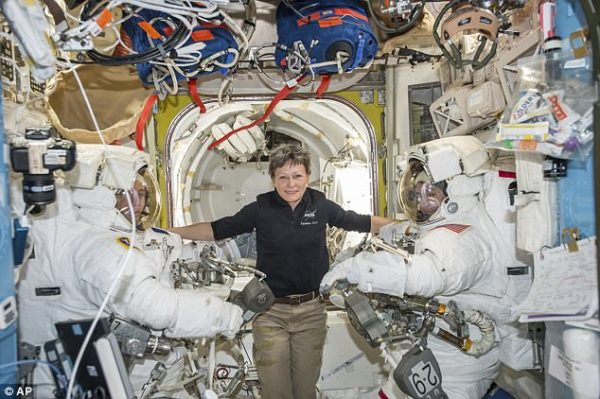
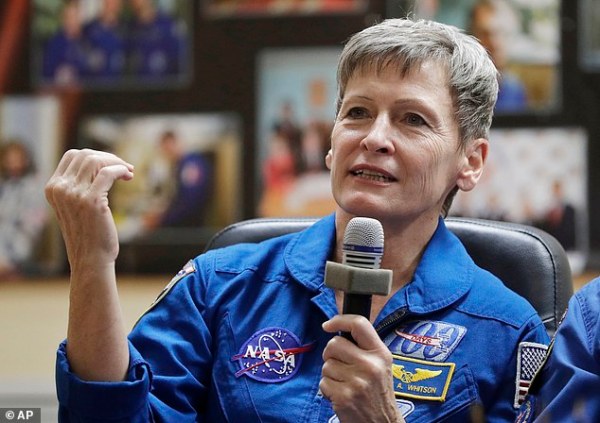
அமெரிக்க விண்வெளி வீராங்கனையான பெக்கி விட்ஸன் (Peggy Whitson)  மற்ற எல்லா அமெரிக்க விண்வெளி சாதனையாளர்களையும் விஞ்சி அதிக நேரம் விண்ணில் இருந்து சாதனை படைத்திருக்கிறார். அமெரிக்க விண்வெளி ஆய்வு நிறுவனமான நாஸாவில் இன்னும் பணி புரிவதால் இன்னும் பல சாதனைகளைப் படைக்க முடியும் என்று அவர் நம்புகிறார்.


அமெரிக்காவில் ஐயோவா மாகாணத்தில் 1960ஆம் ஆண்டு பிப்ரவரி 9ஆம் தேதி பிறந்த பெக்கிக்கு இப்போது வயது 56.

உயிரியலிலும் இரசாயனத்திலும் பட்டப் படிப்பு படித்த பின்னர் அவர் நாஸாவில் ஸ்பேஸ் ரிஸர்ச் செண்டரில் சேர்ந்தார்.

தனது 29ஆம் வயதில் 1989,மே, 6ஆம் தேதி சாம்ஸ் என்பவரைத் திருமணம் செய்து கொண்டார்.

1992இல் அனுபவமிக்க அவரை மிர் ஷட்டில் திட்டத்திற்கு திட்ட விஞ்ஞானியாக நாஸா நியமித்தது.


1996இல் அவர் விண்ணில் செல்லத் தகுதியானவர் என்பதை நாஸா அறிவித்து அவருக்கு பயிற்சி கொடுக்க ஆரம்பித்தது.

இரண்டு வருட காலம் கடுமையான பயிற்சிக்குள்ளானார். பின்னர் விண்வெளி வீரருக்கான அலுவலகத்தில் 1998-99இல் விண்வெளியில் செல்பவர்களுக்கான உதவிக் குழுவில் தரையில் இருந்தே பணி புரிய ஆரம்பித்தார்.


பன்னாட்டு விண்வெளி நிலையத்திற்கு அவரை அனுப்ப நாஸா முடிவு செய்தது. 2002இல் ஜூன் மாதம் 5ஆம் தேதி அவர் விண்ணில் பயணமானார். ஆறு மாதங்கள் விண்வெளி நிலையத்தில் இருந்தார். மனித வாழ்க்கை சம்பந்தமான 21 ஆய்வுகளை அவர் அங்கு வெற்றிகரமாக முடித்தார்.


     2002, டிசம்பர் 7ஆம் தேதி பூமிக்குத் திரும்பினார். அப்போது அவர் விண்ணில் இருந்த நேரம் 184 நாட்கள்,22 மணி 14 நிமிடங்கள்.


எக்ஸ்பெடிஷன் 16இல் அவர் மீண்டும் விண்வெளிக்கு 2008, அக்டோபர், 10ஆம் தேதி சென்றார்.

பமீலா மெல்ராய் என்ற பெண்மணியும் அவரோடு இணைந்து சென்றார். ஆக விண்வெளியில் முதல் ஜோடிப் பெண்மணிகளாக இவர்கள் திகழ்ந்தனர். இது ஒரு சாதனை.


    விண்வெளி நிலையத்தில் இருந்தபோது நிலையத்தின் விரிவாக்கத்திற்காக அவர் கடுமையாக உழைத்தார்.

191 நாட்கள்,19 மணி 18 நிமிடங்கள் விண்வெளியில் இருந்த பிறகு, 2008, ஏப்ரல் 19ஆம் தேதி பூமிக்குத் திரும்பினார்.

இந்தக் கால கட்டத்தில் பல ஸ்பேஸ் வாக் எனப்படும் விண்வெளி நடைப் பயிற்சியைச் செய்து அதுவரை அதிகமாக விண்வெளி நடை நடந்த சுனிதா வில்லியம்ஸின் சாதனையை முறியடித்தார்.


2009 முதல் 2012 வரை மூன்று ஆண்டுக் காலம் விண்வெளி   வீ ரர்களின் தலைவியாகப் பணியாற்றி இந்தப் பதவியை வகித்த முதல் பெண்மணியாகச் சாதனை படைத்தார்.

விண்வெளியில் செல்லும் முன்னர் அதற்கான ஆயத்தங்களைச் செய்வது,  அவர்க்ள் விண்வெளியில் ஓடுபாதையில் சுற்றும் போது அவர்களுக்குத் தேவையான உதவிகளைச் செய்வது , விண்வெளி நிலையத்திற்குத் தேவையான அனைத்தையும் செய்து உதவுவது போன்ற பணிகளைத் தலைவியாக இருந்து ஆற்றுவது என்பது கடுமையான வேலை மட்டுமல்ல; பொறுப்பான வேலையும் கூட. ஒவ்வொரு திட்டத்தின் வெற்றிக்கும் இவரே காரணமாக அமைந்தார்.


எக்ஸ்பெடிஷன் 50/51இல் 2016 நவம்பர் 17ஆம் தேதி அவர் விண்ணுக்குப் பறந்தார். 56ஆம் வயதில் விண்வெளிக்குச் சென்ற மிக அதிக வயது கொண்ட பெண்மணி என்ற சாதனையைப் படைத்தார்.


மூன்று மாதம் தங்குவதற்காகச் சென்றவர் அங்கு ஆறு மாதங்கள் தங்கிப் பணி புரிந்தார்.


289 நாட்கள், 5 மணி, 1 நிமிடம் விண்வெளியில் இருந்து, இந்த 2017இல் செப்டம்பர் மாதம் 2ஆம் தேதி பூமிக்குத் திரும்பினார்.

  அமெரிக்க வீரர்களில் மிக அதிக காலம் – (தங்கி இருந்த நாட்களை மொத்தமாகக் கூட்டிப் பார்க்கும் போது) – இருந்தவர் என்ற சாதனையை இப்போது படைத்திருக்கிறார்.

கின்னஸ் புக் ஆஃப் வோர்ல்ட் ரிகார்ட்ஸ் அவரைச் சாதனையாளராக அறிவித்தது. கின்னஸுக்கு விண்வெளியில் இருந்தவாறே ஜுலை 26இல் அவர் பேட்டி கொடுத்த போது,சரியான அணுகுமுறை இருந்தால் நீங்கள் எவ்வளவு காலம் வேண்டுமானாலும் விண்வெளியில் சந்தோஷமாக, திருப்திகரமாக விண்ணில் இருக்கலாம் என்றார்.


    விண்வெளியில் அவர் நடந்த ஸ்பேஸ் வாக் மொத்தம் 10.

இது அதிகமாக ஸ்பேஸ்வாக் செய்த பெண்மணி என்ற சாதனையோடு அதிகமான நேரம் விண்வெளியில் நடந்த பெண்மணி என்ற சாதனையையும் அவரை சாதிக்க வைத்தது.

அவர் படைத்த சாதனைகளின் பட்டியல் :-

எக்ஸ்பெடிஷன் 16


  • ஒரே நேரத்தில் ஜோடிப் பெண்மணிகளில் ஒருவராக விண்ணில் இருந்தது.
  • 2008, அக்டோபர், 10 – பன்னாட்டு விண்வெளி நிலைய முதல் பெண் கமாண்டராக இருந்தது
  • 2008, டிசம்பர், 16 – ஐந்தாவது ஸ்பேஸ் வாக்கை முடித்து, ஸ்பேஸ் வாக்கில் மொத்தம் 32 மணிகள்,36 நிமிடங்கள் நடந்து சாதனை படைத்தது

விண்வெளி அலுவலகத்தில் :-

  • 2009 – ராணுவத்தில் பணிபுரியாதவராக இருந்தும் விண்வெளி அலுவலகத் தலைவியாக ஆனது


எக்ஸ்பெடிஷன் 50/51 இல் :-

  • 2016,நவம்பர், 17 – 56 வயதில் மிக அதிக வயதான பெண்மணியாக விண்ணுக்குச் சென்று பன்னாட்டு விண்வெளி நிலையத் தலைமைப் பொறுப்பை இருமுறை ஏற்றது
  • 2017, மார்ச், 30 – மொத்தம் கூட்டிப் பார்க்கையில் அதிகமான நேரம் விண்வெளியில் நடந்தவராக ஆனது
  • 2017, ஏப்ரல், 24 – அமெரிக்காவைச் சேர்ந்தவர்களில் மிக அதிகமாக விண்வெளியில் இருந்தது. அனைத்து நாடுகளையும் எடுத்துக் கொண்டு பார்த்தாலும் அதிக நேரம் விண்ணில் இருந்த பெண்மணியானது ( 534 நாட்கள், 2 மணிகள், 48 நிமிடங்கள்; பூமிக்குத் திரும்பியபோது அவர் விண்ணில் இருந்த மொத்த நாட்கள் 665)
  • 2017,மே, 23 – பத்தாவது ஸ்பேஸ் வாக்கில் மைக்கேல் லோபரஸுடன் நடந்தது


     2017, நவம்பர், 17 – 665 நாட்கள் இருந்து சாதனை படைத்த போது விண்வெளியில் தாக்குப் பிடித்து இருக்க முடிவோரின் பட்டியலில் எட்டாவது இடத்தில் இருக்கிறார்.


  உலகெங்கும் வாழும் அனைத்து மங்கையருக்கும் உத்வேகமூட்டும் ஒரு பெண்மணியாகத் திகழும் இவரைப் பற்றி இந்தியப் பெண்கள் அறிவது அவசியம்.

பெண்களால் எதையும் மண்ணில் மட்டுமல்ல, விண்ணிலும் சாதிக்க முடியும் என்று நிரூபித்த ஒரே சாதனையாளர் பெக்கி தான்!


அறிவியல் அறிஞர் வாழ்வில் . . .


40 டாலர் விலையில் (சுமார் 2600 ரூபாய்) இப்போது வெளியாகியுள்ள ‘வியூ ஃப்ரம் எபவ் (View From Above) என்ற புத்தகத்தை விண்வெளி வீரரான கமாண்டர் டெர்ரி விர்ட்ஸ் (Commaner Terry Virts) எழுதியுள்ளார்.


அதில் விண்வெளியில் சென்ற போது எப்படியெல்லாம் அதை அனுபவித்து உணர்ந்து கொண்டார் என்பதை அழகுற எடுத்துக் கூறுகிறார்.


நூலில் உள்ள சில சுவையான குறிப்புகள் இதோ:-

“நான் என் வாழ்நாளில் அது போன்ற ஒரு நீலச் சாயையை பார்த்ததே இல்லை. கறுப்பு-வெள்ளை உலகத்திலிருந்து மிக மிக உயர்ந்து ஒரு வண்ணத்தை முதன் முதலில் பார்ப்பது போல இருந்தது. என் மகளின் நீலக் கண்களை முதன் முதலில் பார்த்தது போல இருந்தது.


“ஒரே நாளில் உலகத்தைப் பற்றிய எனது கருத்து முற்றிலுமாக மாறிப் போனது.

200 நாட்கள் விண்வெளியில் கழித்த அவர் 2015ஆம் ஆண்டில் ஜனவரி மாதம் நடந்த ஒரு திடுக்கிடும் சம்பவத்தை நினைவு கூர்கிறார்.


திடீரென்று விண்வெளி நிலை அபாய எச்சரிக்கை மணி ஒலிக்க ஆரம்பித்தது. அந்த எச்சரிக்கை ஒலி அம்மோனியா லீக் ஆகிக் கொண்டு இருக்கிறது என்பதை அறிவிக்கத் தான்!

அலறிப் புடைத்துக் கொண்டு விண்வெளி ஸ்டேஷனில் இருந்த அனைவரும் ரஷிய பகுதிக்கு ஓடினார்கள். பல மணி நேரம் அங்கு ஆய்வை நடத்தினார்கள்! ஆனால் கடைசியில் தான் தெரிந்தது அது ஒரு “ஃபால்ஸ் அலார்ம் (தவறான எச்சரிக்கை மணி ஒலி) என்று!


நாஸாவிலிருந்து ஓய்வு பெற்று விட்ட அவர் பூமியின் சுற்றுப் பாதையையும் தாண்டிச் செல்லும் எதிர்கால விண்வெளிப் பயணம் பற்றிய ஆராய்ச்சியில் ஈடுபட்டுள்ளார். செவ்வாய் கிரகத்திற்குச் செல்லும் ஃபாஸ்ட் ட்ராக் பயணங்களும் இதில் அடக்கம்.

***


LOVE ALL, TRUST A FEW, DO WRONG TO NONE! SHAKESPEARE IN TIRUKKURAL- 2 (Post No.4426)

LOVE ALL, TRUST A FEW, DO WRONG TO NONE! SHAKESPEARE IN TAMIL VEDA TIRUKKURAL- 2 (Post No.4426)


Written by London Swaminathan 


Date: 23 NOVEMBER 2017


Time uploaded in London- 20-46


Post No. 4426

Pictures shown here are taken from various sources such as Facebook friends, Books, Google and newspapers; thanks.


I have posted the first part yesterday with a brief introduction to Tirukkural and Shakespeare.

This is the second part. Shakespeare and Tamil poet Tiruvalluvar see eye to eye on many issues.


Shakespeare says,

Love all, trust a few, do wrong to none.

-All’s Well that Ends Well

Al the three points are in Tirukkural, Pancha tantra, Vidura Neeti and the Hindu epics. Let us look at what Tiruvalluvar says in the Tamil Veda Tirukkural

Tiruvalluvar has done ten couplets on Love or Affection (couplets 71 to 80)

LOVE

Of what avail are all the external features to those who have no love in the depths of their heart (Kural 79)

Even as the sun scorches the boneless body, so does the god of virtue torture the loveless man (77)

TRUST

About trust Valluvar says,

Never trust a man without testing him; when the test is over

decide what you can entrust with him (Couplet 509)

Even among deep scholars of spotless hearts , it is difficult to find one perfectly free from ignorance (503)

DO WRONG TO NONE

Do not wish for another’s ruin even absent mindedly. If you do, your own rain is certain to befall (204)

The man who does not want to be consumed by evil, as by a burning disease,

Shall not ever think or do evil to others (206)


INGRATITUDE

This is a very big topic in Hindu scriptures. We see it all the didactic works in Tamil and Sanskrit.

Shakespeare says,

blow, blow, thou winter wind

Thou art not so unkind

as men’s ingratitude

–As You Like It

And in Julius Caesar drama Shakespeare says  Et tu Brute through the mouth of Caesar, when he was stabbed by his dearest friend Brutus.

Tiruvalluvar says,

There may be salvation for those who have killed all other virtues

But not for the one who has killed gratitude (Kural 110)

Tiruvalluvar has sung nine more couplets on the same virtue- Gratitude.


PERSEVERANCE

OUR REMEDIES OFT IN OURSELVES DO LIE WHICH WE ASCRIBE TO HEAVEN- says Shakespeare in All’s Well That Ends Well.

Valluvar says,

Though god of fate stands in the way, strenuous efforts yield ready fruit. Labour compensates what fate denies (Kural 619)

Effort will produce success; indolence brings poverty and disgrace (616)

–to be continued…………………..

–Subham–


தலைகளை இழந்த இந்துக் கடவுள்கள்! (Post No.4425)

Written by London Swaminathan 


Date: 23 NOVEMBER 2017


Time uploaded in London- 18-30


Post No. 4425

Pictures shown here are taken from various sources such as Facebook friends, Books, Google and newspapers; thanks.


விஷ்ணு ஏன் தலையை இழந்தார்?


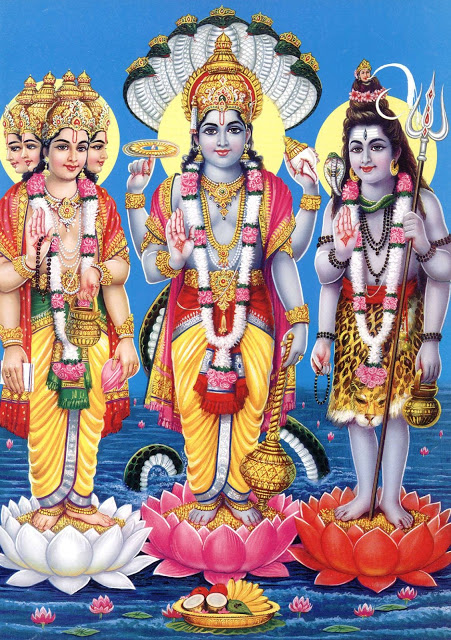
பிரம்மா ஏன் தலையை இழந்தார்?


பிருகு ஏன் தலையை இழந்தார்?


தக்ஷன் ஏன் தலையை இழந்தார்?


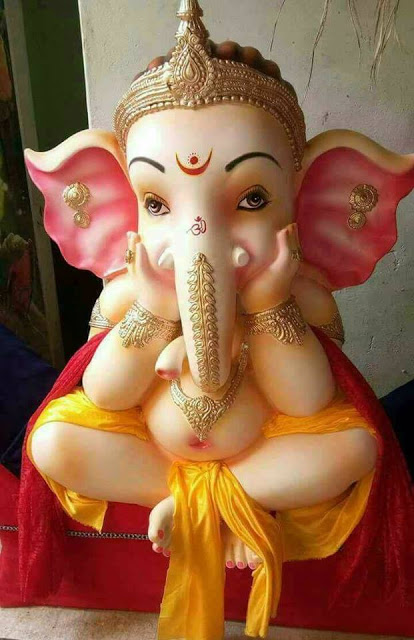
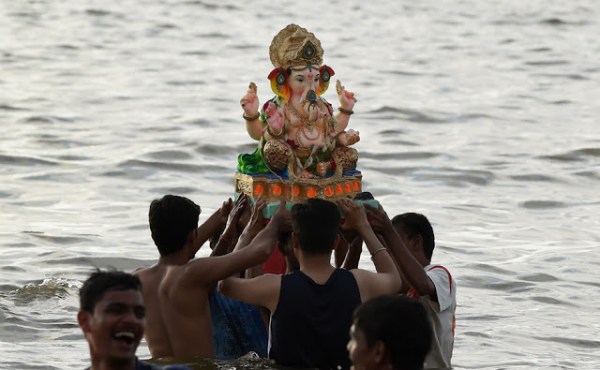
கணபதி ஏன் தலையை இழந்தார்?


புராண,  இதிஹாசங்களில் சுவையான கதைகள் உள்ளன. ஆனால் அவைகளுக்குப் பின்னுள்ள தத்துவங்கள் மறைந்து விட்டன. அவைகளை பின்னொரு சமயம்  தனிதனியாகக் காண்போம். முதலில் தலை இழந்த கடவுளரின் கதைகளைச் சுருக்கமாகக் காண்போம். விஷ்ணுவுக்குத் தலை போன கதை சதபத பிராமணம் முதலிய நூல்களில் மட்டும் உள்ளது; வேறு எங்கும் காணக் கிடைக்கில.

முதலில் கணபதி!

முழு முதற் கடவுளான விநாயகப் பெருமானுக்குத் தலை கழன்று, யானைத் தலை வந்து, ஆனைமுகன் ஆனதற்கு இரண்டு வரலாறுகள் உண்டு. பார்வதி தேவி குளியல் அறைக்குள் நுழைந்த சமயம் ‘மகனே! எந்த ஆண்மகன் வந்தாலும் இந்தப் பக்கம் வராமல் பார்த்துக்கொள்’ என்று கண

பதியைக் காவல் வைவத்தாள் தேவி.

அவரும் ‘தாய் சொல்லைத் தட்டாதே’ என்று வழி மேல் விழி வைத்துக் காத்திருந்தார். அப்போது சிவ பெருமான் அங்கே வரவே அவரையும் தடுத்தார் கணபதி; யாரென்று பாராமல், அல்லது மகன் என்றும் பாராமல்– அவர் தலையைச் சிரச் சேதம் செய்தாராம் சிவ பெருமான்.

‘முப்புரம் எரிசெய்த அச்சிவன் உறை ரதம் அச்சது பொடிசெய்த அதிசூரனுக்கே’ இந்த கதி. பிள்ளைக்கு ஒரு குறை என்றால் தாய் வாளாவிருப்பாளா? சிவனைக் கோபித்தார்; உடனே தலை வேண்டும் என்றார். சிவனும் அருகில் இருந்த ஆனைத் தலையைத் தூக்கி அவர் தலையில் பொருத்தினார்.

அந்தக் காலத்தில் தலை அறுவைச் சிகிச்சை எல்லாம் சர்வ சாதாரணமாக நடந்தது போலும்! கண்ணை மாற்றி ஆபரேஷன் செய்த கண்ணப்ப நாயனாரை அறிவோம்; ஆயிரம் தாமரை மலரில் ஒன்று குறைந்ததே என்று சிவனுக்கு கண் தாமரையால் பூஜித்த விஷ்ணுவை அறிவோம்; பின்வரும் கதைகளில் தலை ஆப்ரேஷன் பற்றியும் அறிகிறோம்.


கணபதி பற்றிய இரண்டாவது கதை:-

சனைச்சரனைக் கண்டால் எல்லோருக்கும் பயம்; இந்துக் கடவுள்களுக்கும் பயம்! “டேய், சனியனே! அந்தப் பக்கம் சனைச்சரன் வருகிறான்; அவனைப் பார்த்து, கீர்த்து தொலைத்து விடாதே; பொல்லாத பயல்; அவனவன் கர்ம வினைக்கு ஏற்ப பலன் தருபவன்; பெரிய வீட்டுப் பிள்ளை என்றும் பார்க்க மாட்டான்” என்று எச்சரித்திருந்தாள் உமை;  கணபதி சிறு பிள்ளைதானே! தீராத விளையாட்டுப் பிள்ளை! சனைச் சரனைப் பார்த்துவிட்டார்; உடனே விநாயகப் பெருமானின் தலை சாம்பலாகப் போயிற்றாம்; ஒவென்று உமையம்மை கதற, அந்தப் பக்கம் வந்த பிரம்மதேவன் அம்மையாரே! உடனே வேறு தலையைப் பொருத்துங்கள்; மாற்று அறுவைச் சிகிச்சை செய்யும் உறுப்புகள் எல்லாம் ஒரு சில மணி நேரத்துக்குள் கிடைக்க ஆஸ்பத்திரிகள் விமானம் ஹெலிகாப்டர், அதி வேக டாக்ஸி எல்லாவற்றையும் பயன்படுத்துவதை நீர் அறியீரா? என்று பிரம்மதேவன் சொல்ல, அவரும் அருகில் கிடைத்த யானையின் தலையை அவசரம் அவசரமாகப் பொருத்தினாராம்.

கதை கேட்க வேடிக்கையாக இருக்கிறது. ஆனால் யானைக்குள்ள முழு அறிவும் சிறு வயதிலேயே பிள்ளையாருக்குக் கிடைத்ததைக் காட்ட இப்படி ஒரு கதை போலும்.

என்ன இருந்தாலும் அந்த ஆனைமுகத்தைக் காணும் போது நமக்கு ஆனந்தம் பெருகுகிறது.

ஒரு வேளை யானை வேட்டை பெருகி தந்தங்களை ஏற்றுமதி செய்தவுடன் உலக நிறுவனங்கள் யானை வேட்டைக்கும் தந்த ஏற்றுமத்திக்கும் தடை விதித்தது போல அந்தக் காலத்திலும் யானை வேட்டை அதிகரிக்கவே இப்படி கடவுள் தலையில் யானையை வைத்து அந்த வேட்டையைத் தடுத்தனர் என்று சொன்னாலும் பொருத்தமே. தசரதர் யானை வேட்டைக்குப் போய் முனிவர் மகனைக் கொன்ற கதைதான் நமக்குத் தெரியுமே.

இன்று லண்டன் முதலிய நகர்களில் யானைப் பாதுகாப்புக்காக, சிலை வைத்து நிதி சேகரிக்கின்றனர் வெள்ளைக்காரர்கள்; நாமோ சின்னக் கதை மூலம் யானை வேட்டையைத் தடுத்துவிட்டோம்!


லக்கி (Lucky) கடவுள் விஷ்ணு!


அடுத்ததாக விஷ்ணுவுக்குத் தலைபோன கதையைக் காண்போம்:-

கடவுளரிலும் ‘லக்கி’ கடவுள் உண்டாம். எல்லாக் கடவுள்களையும் விட விஷ்ணுதான் அதிர்ஷ்டசாலி என்று பிராமண நூல்கள் புகழ்கின்றன. அவரை சிரேஷ்ட (இதிலிருந்து வந்த தமிழ்ச் சொல் சிறப்பு) — சிறப்பான கடவுள் என்று அவை பகரும். ஒரு போட்டியில்     விஷ்ணு வெற்றி பெற்றார். இதனால்  இந்திரனுக்கு அவர் மீது பொறாமையாம். விஷ்ணுவின் தலையை சிரச் சேதம் பண்ணி விட்டாராம். இதற்கு முன் ரிக் வேதம், தமிழ் வேத மான திருக்குறள் ஆகியவற்றில் வாமானாவதாரம் மட்டுமே பேசப்பட்டது (அடி அளந்தான் என்பான் வள்ளுவன்) மூன்றடியால் உலகளந்தவன் என்று வேதம் கூறும். ஓங்கி உலகளந்த உத்தமனுக்கு இங்கோ தலையே போயிற்று; இது பற்றி தைத்ரீய ஆரண்யகம் முதலியவற்றில் இன்னும் ஒரு கதையும் உண்டு.

போட்டியில் விஷ்ணு வெற்றி பெறவே தேவர் தலைவனான இந்திரனுக்குப் பொறாமைத் தீ எழுந்ததாம்; உடனே ஒரு சதித் திட்டம் தீட்டப்பட்டது. ஜேம்ஸ் பாண்டு ஸ்டைலில் ஒரு புதிய திட்டம் தீட்டினர் தேவர்கள்; எறும்புகளை அனுப்புவோம் அவை விஷ்ணுவின் வில்லில் உள்ள நாணைச் சாப்பிடட்டும் . அப்பொழுது வில் ‘டமார்’ என்று விலகும்; அதை வைத்திருக்கும் விஷ்ணுவும் தலை சாய்ப்பார் என்று.


அவர்கள் திட்டப்படியே நடந்தது! எறும்புகள் அரிக்க, நாண் கயிறு அறுந்து போக, வில்லின் மீது சாய்ந்து நின்று கொண்டிருந்த பெருமாள் மீது வில் தெறிக்க, அவர் தலை உருண்டதாம். சதபத பிராமணத்தின் 14ஆவது பிரிவில் உள்ள கதை இது.


பிராமண நூல்கள் நிறைய தத்துவ கதைகளை  மறை மொழியில் மொழியும்; அது போன்ற ஒரு கதை இது.

தலை என்பது ஒருவரின் மதிப்பு, பெருமை என்ற பொருள் உடைய ஒரு சொல். ஒருவரைத் தலைவன் என்று சொன்னால் அவருக்கு மட்டும் தலை இருக்கிறது, தொண்டர்களுக்கு எல்லாம் தலை இல்லை என்று பொருளல்ல ; மந்திரி சபையில் பல தலைகள் உருண்டன என்றால் பலர் பதவி இழந்தனர் என்று பொருள்; அலுவலத்தில் நாளை மாற்றங்கள் வரப் போகிறதாம்; யார் தலை உருளப் போகிறதோ என்கிறோம்– ஆகவே தலை போதல் என்பதன் உட்பொருளைக் காண்பதே பொருத்தம்.

பிரம்மா, தக்ஷன் கதைகளை இன்னும் ஒரு பகுதியில் காண்போம்.

TAGS:– தலை போன, தலை இழந்த கடவுள், விஷ்ணு தலை, யானைத் தலை

–தொடரும்

விஜயா பாரதி குடும்பத்தினர் எழுதியுள்ள கட்டுரைகள் (Post No.4424)

Written by S.NAGARAJAN


Date: 23 NOVEMBER 2017


Time uploaded in London- 6-29 am


Post No. 4424

Pictures shown here are taken from various sources such as Facebook friends, Books, Google and newspapers; thanks. Pictures may not be related to the story. They are only representational.


பாரதி இயல்

இந்தத் தொடரில் 15வது கட்டுரையாக விஜயா பாரதி எழுதிய ‘பாரதியாரின் Annotated Biography (With a National Historical Background) என்ற கட்டுரை பற்றிப் பார்த்தோம். அவரது ப்ளாக் பாரதியாரைப் பற்றிய முக்கிய செய்திகளைத் தரும் ஒன்று.


மஹாகவி பாரதியார் பற்றிய நூல்கள் – 43

விஜயா பாரதி குடும்பத்தினர் எழுதியுள்ள கட்டுரைகள்


ச.நாகராஜன்

1

மஹாகவி பாரதியாரின் மூத்த புதல்வி தங்கம்மா பாரதி அவர்களின் பெண் விஜயா பாரதி. அண்ணாமலை பல்கலைக் கழகத்தில் பாரதி பற்றிய் ஆய்வைச் செய்து பிஹெச்.டி. பட்டம் பெற்றவர். கடந்த 40 ஆண்டுகளாக கனடாவில் வசித்து வருகிறார்.

இவரது கணவர் (காலம் சென்ற) பேராசிரியர் திரு பி.கே. சுந்தரராஜன் பாரதி பற்றிய கட்டுரைகளை எழுதியவர். இவர்களது பெண் மீரா சுந்தரராஜனும் பாரதியார் பற்றிய கட்டுரைகளை எழுதியுள்ளார்.

இவர்களின் கட்டுரைகளை விஜயா பாரதியின் ப்ளாக்கில் படிக்கலாம்.

http://subramaniabharati.com/2013/01/18/reputation-of-bharati-2/
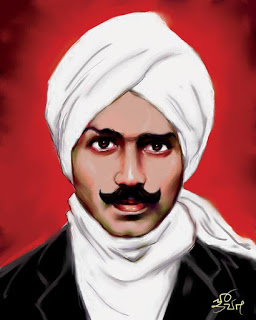
இந்தக் கட்டுரையில் கொடுக்கப்பட்டுள்ள குறிப்புகள் கீழ்க்கண்ட கட்டுரைகளின் சில பகுதிகளே. முழுக் கட்டுரையையும் படிக்க விரும்புவோர் அணுக வேண்டிய தொடுப்பு இது:

Click to access reputation-of-cs-bharati.pdf

http://subramaniabharati.com/2013/02/02/bharatis-works-not-by-bharati/

இந்தக் கட்டுரைகளைப் படிக்க வேண்டியதன் அவசியம் இவை பாரதியாரின் வமிசாவளியினரால் எழுதப்பட்டுள்ளது; அது மட்டுமின்றி, பாரதியை முறையாக ஆய்வு செய்வோரால் சிரத்தையாக எழுதப்பட்டுள்ளது என்பதே காரணம்.

2

முழுக் கட்டுரையையும் இங்கு தர முடியவில்லை; சில முக்கிய விஷயங்களை மட்டும் பார்ப்போம்.

பாரதியாரின் இறுதி ஊர்வலத்தில் 13 பேர்களே கலந்து கொண்டனர். இதன் காரணம் என்ன?

The practical considerations given by my aunt make sense.  But they leave some unanswered questions.  After all, Madras was the epicenter of British South India. Would there not have been many, many people – politicians, journalists, and the intellectual elite – living in Madras who knew about Bharati and his work?

This is a more troublesome issue. I believe that Bharati’s funeral procession reflected the prejudices of his society. In particular, why was Bharati neglected by the elite of his times?

As far as Bharati is concerned, everybody talks about the great “poverty” in which he lived (rather like James Joyce!). My grandmother, Chellamma, says in her book, Bharatiyar Charithiram:

“Sometimes, there was no rice to cook in the house.  Bharatiyar would be upstairs, immersed in discussions with his disciples. …. If we had four annas in our hands, we would buy some bananas and satisfy our hunger.  We would receive milk from the milk woman in advance, without payment. …We spent two or three months like this.”

Apparently Bharati did not even want to hear the word illai (“there is not”). There was a strict rule in the house that his family should not even mention the words, “There is no rice in the house.”  Instead, he said jokingly, “say Aharam Iharam,” to signify arisi illai.

Bharati talks about the miseries of poverty in his poem, Lakshmidevi Saranpuguthal.  What concerned him was the demoralizing nature of poverty: “the mind that hates even the Vedas, the demeaning behavior of the lowly, association with the unworthy, all the efforts that go to waste (like a lamp that is submerged in a well), gaining nothing even if you cross the ocean,” and so on.

*

In her book, my aunt, Shakuntala, says that Bharati’s close friend Surendranath Arya gave a speech at the poet’s funeral, and that this speech resembled the famed speech given by Marc Antony in Shakespeare’s Julius Caesar. I have always wondered why she compared Arya’s speech with Marc Antony’s.  Nobody has a record of Arya’s speech.  But, I wonder if the speech was cleverly presented, in the sense that he had to repeat certain facts, in order to clarify certain points, and yet avoid an open condemnation of certain facts, people, or experiences that happened in Bharati’s life!

*
3

பேராசிரியர்  திரு P.K. சுந்தரராஜன் எழுதியுள்ள கட்டுரையில் ஒரு பகுதி:

It was shortly after Bharati’s death in 1921 that people who had known him began to write short accounts about him and their memory of the contact. A group of Bharati acquaintances – S. Somasundara Bharati, V Sakkarai Chettiar, and Parali Su Nellaiyappar – published a Bharatiyar Charithiram by Bharati Prachuralayam, the company that owned by members of the Bharati family. Bharati’s half-brother, C Visvanathan, a Manamadurai schoolteacher, wrote in 1929, his book, Bharati and His Works, also published by Bharati Prachuralayam. Similar books were published by Suddhananda Bharati, Akkur Ananthachari, Ku Pa Rajagopalan, Pe Ko Sundararajan (Chitty), Sakthidasan Subramanian, Thi Ja Ranganathan and a few others. This publishing activity lasted through 20 years roughly, until 1940. In 1941, Bharati’s widow,

Chellammal, published her 1Bharatiyar Charithiram,which has remained a Classic in Bharati Studies. And Va. Ra. (Va Ramaswamy Iyengar,) a close disciple of C Subramania Bharati, published his 2Mahakavi Bharatiyar three years later, in 1944. Va. Ra. had known Bharati in person, a credential which has nothing to do with skills or training in literary criticism. His book, like many another of this genre, is simply gushy, expresses uncritical admiration for the poet, and focuses on stray events of the poet’s eventless life, much of it hearsay. Bharati’s wife, Chellammal’s book describes the poet’s brief life story, the intricacies of his family life, his relationships with his wife and children, and his many relatives and friends and associates; we will be hard put to find another equally authentic source. Then there is the style of her book, which emanates from the heart!

Soon after India attained her freedom from British rule, the poet who sang,

Aduvome pallu paduvome

Ananda sudanthiram adainthuvittom enru

began to be paid attention to, and there is a whole range of writing on Bharati during the 1950s and the 1960s. Every educated Indian, regardless of how badly educated, had to write on C. Subramania Bharati’s writings, in English and in Tamil. If you were a High Court judge, with time hanging on your hands, you used up your life with a learned treatise on the poetry of Bharati. Books by K S Ramaswami Sastriyar, P Thirukoota Sundaram, M P Sivagnanam, known  popularly as Ma. Po. Si, Pa Mi Sundaram, M S Subramania Iyer, P Mahadevan, Sami Palaniappan, and scores of others repeated the same stuff about Bharati being a great patriotic poet, who “gave his life for the country.” In any case, not a single piece of writing on Bharati, during the 1950s and the 1960s, shows any understanding of how the words work, and why his poetry created the Renaissance in 20th century Tamil literature. Yadugiri Ammal’s book ,Bharati

Ninaivugal is an atrocious book, with many errors of fact, the objective of the writer being to establish herself as a dearer person to C Subramania Bharati than his own two children, 1 Bharatiyar Charithiram, Chellamma Bharati, Edited by S. Vijaya Bharati (Chennai: Amudha Surabi Publications,

2003;originally published by Shakti Karyalayam, 1941).

2 Mahakavi Bharatiyar Va Ra Chennai: Shakti Karyalayam, 1944

3 Bharati Ninaivugal Yadugiri Ammal Chennai: Amudha Nalayam, 1954

*
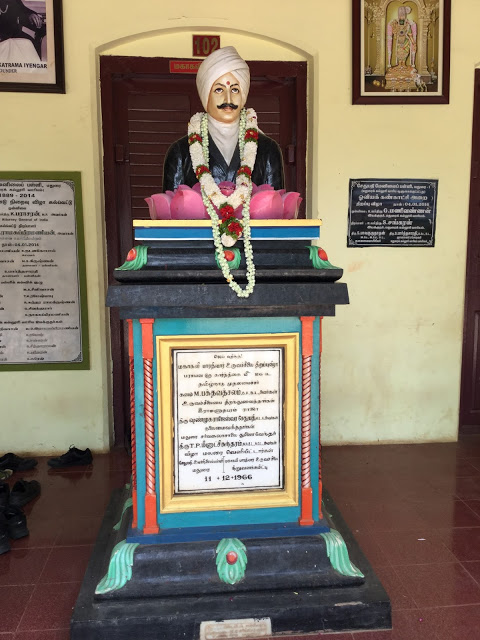
பாரதியார் பற்றி எழுதப்பட்ட பல புத்தகங்களை விமரிசனம் செய்து இப்படி எழுதியுள்ளார் திரு சுந்தரராஜன்.

*

The Hindu, under the title, 4This Day that Age writes about the following news that happened onMarch 11, 1954:

“The poems of Subramania Bharat(h)i have been brought out by the Madras Government and copies are available with the Publications Depot in Madras city. Giving this information in the Madras Legislative Council on March 10, Mr. C. Rajagopalachari, Chief Minister, showed the House a sample set. . . . . Mr. V. Chakkarai Chettiar enquired if the family of the poet would get a share of the proceeds of sales or profits. The Chief Minister replied: we provided for certain benefits to the family when when we took up this business. There is no profit likely to be made by Government on the publication.” Notice the ignorant assertion of the then Chief Minister of Madras, that Bharati’s books are not likely to be profit-making! ***

It is against this background that the poet’s granddaughter, S Vijaya Bharati, produced the firstever systematic study of C Subramania Bharati’s Works. This was a thesis submitted to Annamalai University for a PhD degree in Tamil, written in English; and it was examined by Professor L. P. KR. Ramanathan Chettiar, and her guide, Mu Varadarasanar, the Tamil scholar of this time, and externally, by Kamil Zvelebil of Czechoslovakia’s Charles University.

***

*** S. Vijaya Bharati’s comment: When the copyright of Bharati’s writings was bought from C. Viswanatha Iyer, the Government paid Bharati’s wife and two daughters a sum of Five Thousand rupees (Rs. 5,000); at that time, Bharati’s family did not get any additional benefits other than that. Neither the Government nor the agreement that

Chellamma made with Bharati Proachuralayam did recognize that any share of the profit would be paid to the family in the future. The Chief Minister’s reply to Chakkarai Chettiar’s question that the Government had already paid some “benefits” was not true; and the Chief Minister’s expectation that there was no profit to be made on the publication of Bharati’s works is totally unacceptable.

*
4

தஞ்சாவூர் பாரதி பதிப்பு பற்றி மீரா சுந்தரராஜனின் கட்டுரையில் ஒரு பகுதி:

Thanjavur Research Edition

Many of these cases are illustrated by the Thanjavur “research” edition of Bharati’s works.

When Bharati’s birth centenary was celebrated in 1982, the Chief Minister of Madras called for the preparation of a “special edition” of Bharati’s works. 3 lakhs of rupees (Rs 300,000) were allotted for this work, and the project was given to Tanjavur University. The Editorial group chosen  for this work included Chu. Chellappan, Pa. Chidambaram, Chini Vishwanathan, T.N. Ramachandran, and T.V.S. Mani. The Editor of the book was Ma. Ra. Po. Gurusamy. The first edition of this book was published in 1987; the second in 1989; and the “corrected,” third edition appeared in 2001. As far as I am aware, no further editions have appeared since then.

I am deeply troubled by this book, which raises various, serious concerns. The sources for the Thanjavur edition include all of the questionable items that I have listed above. They were not the original publications, from Bharati’s own lifetime, Bharati Ashramam, Bharati Prachuralayam, or the first Government editions. As a result, poems of questionable authorship are included in this book, and appear alongside those which are certainly Bharati’s (the book is organized chronologically). Overall, there are about 50 such poems in the book.

The establishment of the text of Bharati’s poems, as it appears in this edition, also presents certain grave problems. The authoritative sources of Bharati’s poems are not given priority in the establishment of the text. Rather, these sources are indicated only in the footnotes to specific poems. For example, a given poem might be reprinted in the Tanjavur edition as it appeared in a journal (eg. Swadesamitran): the text would not be taken from Bharati’s own book publication, or from any of the authoritative publications brought out after his death. As the editor  of the Thanjavur edition says: “The first  version in which the work is published is the one that has been used. Even if Bharati himself has corrected it, those corrections are only indicated in the footnotes” (“Specialty of the Edition,” in the Front Matter of the Thanjavur Edition, 3rd edition 2001).

The editor also says that he has done this in order to give researchers the opportunity to read various versions of the poem, and “choose” whichever ones they think are “best.” He notes: “In order to accomplish this goal, it is sure that the edition will be helpful.”

…From the point of view of the rightful attribution of Bharati’s authorship, this is a nightmare! This attitude will only promote the proliferation of works wrongfully attributed to Bharati, and doubtful judgements about Bharati’s works. If we give researchers the opportunity to “select” versions of Bharati’s works, the original versions are likely to be lost. Each researcher will favor his or her own “findings.” In my opinion, this should absolutely not be allowed. It interferes fundamentally with the establishment of authenticity in Bharati’s texts. What is needed, is just the opposite: a “standard” version of Bharati’s works, based on accurate principles of establishing their authorship and authenticity. Otherwise, the publications are based on, and promote, the false attribution of works not by Bharati to him, and the persistence of words and phrases not approved by him – an inaccurate and shameful situation.  I find some of the poems “atrocious;” and I am absolutely sure that they harm Bharati’s  reputation.  Adding insult to injury, the text of the Thanjavur book is full of mistakes, so that Bharati’s poems are presented to the public flaunting wrong words and other lamentable errors.

*
 

5

தஞ்சாவூர் பதிப்பு பற்றி சீனி. விசுவநாதன் அவர்களும் தன் மனக்குறையைத் தெரிவித்துள்ளார்.

இப்படி பல தகவல்களைத் தருகிறது விஜயா பாரதி அவர்களின் ப்ளாக்.

இத்துடன் பாரதியாரின் கவிதைகள் பற்றிய அவரது ஆய்வு நிச்சயமாக பாரதி ஆர்வலர்களால் படிக்கப்பட வேண்டிய ஒன்று. பல முக்கியமான சுவையான செய்திகளைத் தெரிந்து கொள்ள இது உதவும்.

விஜயா பாரதி அவர்களின் ப்ளாக் தரும் தகவல்கள் பல கேள்விகளை நம்முள் எழுப்புகிறது.

பாரதி ஆர்வலர்கள் ஒவ்வொரு கவிதையாக எடுத்து வைத்துக் கொண்டு அதைப் பற்றிய பல்வேறு குறிப்புகளையும் படித்து, பின்னர் தனது நோட்புக்கில் கவிதையைப் பதிவு செய்து கொள்வது ஒன்றே சாலச் சிறந்தது  என்ற முடிவுக்கு நாம் வர வேண்டியிருக்கிறது!

****
SHAKESPEARE IN TAMIL VEDA TIRUKKURAL- Part 1 (Post No.4423)

Written by London Swaminathan 


Date: 22 NOVEMBER 2017


Time uploaded in London- 20-58


Post No. 4423

Pictures shown here are taken from various sources such as Facebook friends, Books, Google and newspapers; thanks.


WHAT IS TIRUKKURAL?

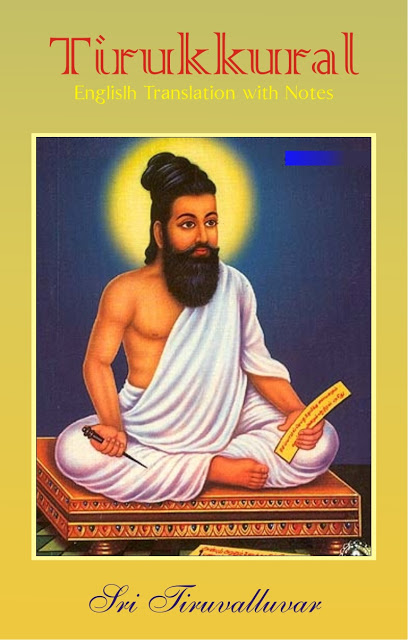
Tirukkural is a book of ethics in Tamil. Tirukkural means a ‘book of sacred couplets’. It has 1330 couplets divided into 133 chapters. It is divided into three sections dealing with Dharma (Virtue), Artha (wealth) and Kama (Love between man and woman). It was written by Tiruvalluvar, who lived approximately 1500 years before our time. The book is praised as Tamil Veda by his contemporaries. All the Hindu ideals are incorporated into the book. Some of the couplets can be compared with the sayings of Shakespeare.


Who is Shakespeare?

Shakespeare (1564-1616) was an English dramatist and poet. He wrote 37 plays and over 150 poems. His quotations are used very often in English essays and other literary articles. Tiruvalluvar and Shakespeare agree on many issues. When one reads them one thinks that the famous saying ‘Great men think alike’ is proved once again.

Here are some comparisons culled out from various books:

Compassion and Mercy

Tiruvalluvar says

Those who are merciful are really the men of virtue

because they have compassion for all living creature (Kural 30)

In the Merchant of Venice, Shakespeare say that people with mercy are the real sages of the world.


The quality of mercy is not strain’d,

It droppeth as the gentle rain from heaven

Upon the place beneath: it is twice blest;

It blesseth him that gives and him that takes:

‘Tis mightiest in the mightiest: it becomes

The throned monarch better than his crown;

His sceptre shows the force of temporal power,

The attribute to awe and majesty,

Wherein doth sit the dread and fear of kings;

But mercy is above this sceptred sway;

It is enthroned in the hearts of kings,

It is an attribute to God Himself;

And earthly power doth then show likest God’s

When mercy seasons justice. Therefore, Jew,

Though justice be thy plea, consider this,

That in the course of justice, none of us

Should see salvation. We do pray for mercy;

And that same prayer doth teach us all to render

The deeds of mercy. I have spoke thus much

To mitigate the justice of thy plea;

Which if thou follow, this strict court of Venice

Must needs give sentence ‘gainst the merchant there.


(Portia in The Merchant of Venice, Act 4, Scene 1)

Chastity

Tiruvalluvar says

Of what avail is watch and ward? A woman’s will

is the best safeguard of her honour (Kural 57)

Prison walls, pad-locks and chastity belts are absolutely of no use to ensure a woman’s chastity. Her own conscience and inner strength will alone keep her really pure.

Sakespeare says,

“My chastity is the jewel of our house bequeathed down from many ancestors”

DIANA.
I see that men make hopes in such a case,
That we’ll forsake ourselves. Give me that ring.

BERTRAM.
I’ll lend it thee, my dear, but have no power
To give it from me.

DIANA.
Will you not, my lord?

BERTRAM.
It is an honour ‘longing to our house,
Bequeathed down from many ancestors;
Which were the greatest obloquy i’ the world
In me to lose.

DIANA.
Mine honour’s such a ring:
My chastity’s the jewel of our house,
Bequeathed down from many ancestors;
Which were the greatest obloquy i’ the world
In me to lose. Thus your own proper wisdom
Brings in the champion honour on my part
Against your vain assault.

All is well that ends well, Act 4, Scene 2


Wife,The Helpmate

Tiruvalluvar says,

If a man’s wife does not bring him credit and honour, he cannot walk

with proud leonine gait in the face of his distractors- (Kural 59)


Shakespeare says,

‘A light wife doth make a heavy husband’

-The Merchant of Venice, Act 5, Scene 1


It is a sarcastic remark.

It’s a pun (a play on words to make a joke) because “light” and “heavy” have many meanings.

“A light wife” is an adulteress.
We also say someone is “heavy” if they carry an emotional burden, e.g. an unfaithful wife.

Light and heavy most commonly refer to the weight of something and are opposites, as are husband and wife, as are an unfaithful and faith spouse.

Enter BASSANIO, ANTONIO, GRATIANO, and their Followers.
  Bass.  We should hold day with the Antipodes,
If you would walk in absence of the sun.
  Por.  Let me give light, but let me not be light;         145
For a light wife doth make a heavy husband,
And never be Bassanio so for me:
But God sort all! You are welcome home, my lord.
  Bass.  I thank you, madam. Give welcome to my friend:
This is the man, this is Antonio,         150
To whom I am so infinitely bound.


–to be continued


–Subham–

மனு தர்மத்தில் விலங்கியல், தாவரவியல்; மனு நீதி நூல் -4 (Post No.4422)

Written by London Swaminathan 


Date: 22 NOVEMBER 2017


Time uploaded in London- 19-03


Post No. 4422

Pictures shown here are taken from various sources such as Facebook friends, Books, Google and newspapers; thanks.


கீழேயுள்ள ஸ்லோகங்கள் குறித்த எனது கருத் து:—-

இந்த ஸ்லோகங்களில் மிகவும் முக்கியமானது 49-ஆவது ஸ்லோகம்; தாவரங்களுக்கு உள்ளறிவு உண்டு, அவைகள் சுக துக்கங்களை அனுபவிக்கின்றன என்ற பேருண்மையை, அறிவியல் கருவிகள் இல்லாத காலத்தே உலகிற்கு அறிவித்த மாபெரும் விஞ்ஞானி மனு!

மனுதர்ம நூல் ஒரு சட்டப் புத்தகம்; அதில் தாவரங்கள் பற்றிய இப்படியொரு விஷயம் இருப்பது வியக்கத்தக்கது!


அதற்கு முன்னர் தாவரங்களை, பூக்கும் தாவரம், பூக்காத தாவரம், கொடிகள், புல் வகைகள் என்றெல்லாம் பிரிக்கிறார். தாவரங்களை வகைப்படுத்துவது காலம்தோறும் மாறிவருகிறது. லின்னேயஸ் என்பவர் தாவரங்களை குடும்பங்களாகவும் உப குடும்பங்களாகவும் அதில் தனித்தனி பெயர் உடையனவாகவும் (Family, Genus, Species) பிரித்ததை உலகம் இப்போது பின்பற்றி வருகிறது. இவை எல்லாம் 300, 400 வருடங்களுக்குள் வந்தவை. அதற்கு முன்னரே மனு முதலானோர் தாவரம்,பி  ராணிகளை வகைப்படுத்த முயன்றதே அவர்களின் அறிவியல் அணுகுமுறைக்குச் சான்று பகர்வனவாக உள்ளன!


உயிருள்ளவைகளை  நான்கு வகையாக பிரிக்கிறார் மனு. விலங்கியல் தாவரவியலைப் பொருத்த பொதுவான பிரிவினை இது.

(1)ஸ்வேதஜ= வேர்வையிலிருந்து பிறந்தவை (ஸ்வெட் என்னும் ஆங்கிலச் சொல் ஸ்வேத என்ற சம்ஸ்கிருதச் சொல்லிலிருந்து பிறந்தது; இந்த இடத்தில் ஸ்வேத என்பதை ஆவி, நீராவி என்னும் பொருளுடைத்தாய் உரைகாரர்கள் கருதுவர்),

(2)அண்டஜ (முட்டையிலிருந்து   தோன்றுபவை),

(3)ஜராயுஜஹ= கர்ப்பப்பையில் தோன்றுபவை, (4)உத்பீஜ = பூமியிலுள்ள விதையிலிருந்து   மேல் நோக்கி எழும் மரம், செடி, கொடி வகையறா.


அந்தக் காலத்தில் இவைகளைப் பிரிக்க வேண்டும் என்று எண்ணி அதை வகைப் படுத்தியதே இவர்கள், கைபர் கணவாய் வழி வத நாடோடிகள் அல்ல, மாபெரும் அறிவு படைத்த உலகத்தின் முதல் அறிவுள்ள குடிமகன்கள் என்பதைக் காட்டும்.


இன்னும் 50 ஆண்டுகளில் நாம் படித்த விலங்கியல் தாவர இயல் நூல்களைக் குப்பைத் தொட்டியில் எறிந்துவிட்டு புதிய டி,என்.ஏ. பிரிவினை (D N A Classification; Genetic mapping) வந்தாலும் ஆச்சரியப் படுவதற்கில்லை. ஆக, காலம் தோறும் மாறும் விஞ்ஞானத்தை முதலில் துவக்கி வைத்தவர்கள் நாமே. அந்தக் கால மக்களுக்கு எப்படிப் புரிய வைக்க முடியுமோ அந்த மொழியில் எழுதப்பட்டது மானவ தர்ம சாஸ்திரம் எனப்படும் மனு நீதி நூல் என்பதை அறிக; உணர்க; தெளிவு பெறுக.

ஆரிய மாயை- திராவிட மாயை


கீழேயுள்ள ஸ்லோகங்களில் இரண்டு முக்கிய விஷயங்கள் உள்ளன. ஆரிய- திராவிட என்னும் பிரிவினை சங்கத் தமிழ் நூல்களி லோ, சமுத்திரம் போலக் கரை காண முடி யாத அளவுப் பெருகிக் கிடக்கும் சம்ஸ்கிருத நூல்களிலோ எங்கும் இல்லை; ஆனால் மதத்தைப் பரப்பி நாடு பிடிக்க வந்த பிரித்தாளும் சூழ்ச்சியினர் பரப்பிய திராவிடர்- ஆரியர் என்ற புதிய இனப்பாகுபாட்டை நாம் பள்ளிக்கூடத்தில், கல்லூரியில் கற்பித்து வருகிறோம். ஆனால் மனுவோ புற நானூற்றிலும், புராண இதிஹாசஙகளிலும் உள்ள பிரிவை சொல்கிறார். நாகர், கந்தர்வர், யக்ஷர், தேவர், மானுடர் இராக்ஷசர், அசுரர் என்று. இப்படி 18 வகையாகப் பிரித்த பிரிவே நம் இலக்கியத்தில் உள்ளன. அதை விட முக்கியமான உண்மை அசுரர்களும், ராக்ஷஸர்களும், மானுடரும் தேவரும் ஒரே மனுக்குலத்தில் உதித்தவர்கள் என்பதை மனுவே சொல்லும் ஸ்லோகங்களை இங்கே கொடுத்துள்ளேன்.


வெளி நாட்டு  “அறிஞர்கள்” (???) ம றைத்து வரும் விஷயம் இது. அவர்களே நம்மை திராவிடர்- ஆரியர் என்று பிரித்ததற்கு தமிழில், சம்ஸ்கிருதத்தில் ஆதாரமே இல்லை.


ஜாதிகள் உண்டு அடி பாப்பா!

ஜாதிகள் உண்டு என்பதை ரிக்வேதத்தில் உள்ள புருஷசூக்தம் (10-90) தெளிவாகச் சொல்லுகிறது; ஆனால் அவை பகவத் கீதை சொல்லுவது போல குணத்தின் அடிப்படையில் வகுக்கப்பட்டவை. ஆதிகாலத்தில் அப்படித்தான் இருந்தது. நாலு வகைச் சாதிகளை 4000 வகைச் சாதிகளாகப் பிரித்ததும் நாம்தான். புராண,  இதிஹாசங்களில் வேதத்தில் ஆதாரம் இல்லை. அறிவு உடைய எல்லோரும் பிராம ணர். நாட்டைக் காப்போர் எல்லோரும் க்ஷத்ரியர்; வணிகம் செய்வோர் எல்லோரும் வைஸ்யர்; உடலுழைப்பு செய்வோர் அனைவரும் சூத்திரர். இந்த தொழில் முறைப் பாகுபாட்டை பல்லாயிரம் ஜாதிகளாகப் பிரித்தது நாம்தான்.


அதிலும் “இந்தியாவில் இரு வகை மக்களே உண்டு ஒன்று பிராமணர்; மற்றொன்று சூத்திரர்; அவர்களில் பிராமணர் எல்லோரும் ஆரியர்; மற்ற எல்லோரும் சூத்திரர்” என்று பிரித்தது வெளி நாட்டு பிரித்தாளும் சூழ்ச்சியினர்; அவர்களுக்குத் துணை போனவர்கள் நம்மூர் அரசியல்வாதிகள்; மார்கஸீய வாதிகள்!


சுருங்கச் சொன்னால், மக்கள் இனம் ஒன்று- வசுதைவ குடும்பகம்- யாதும் ஊர், யாவரும் கேளிர் – என்பதை மனு தர்மத்தின் முதல் அத்தியாயத்திலேயே காண்கிறோம்.


கால்டுவெல்களையும் மாக்ஸ்முல்லர்களையும் படிப்பதற்கு முன்னால் மனுவைப் படித்து, ‘கொள்ளுன எது?, தள்ளுவன எது?’ என்பதை நாமே கற்கலாம்; காட்டலாம்.

மாநிலத்துக்கு மாநிலம் வேறு வேறு சட்டம்; நாட்டுக்கு நாடு வேறு சட்டம் உள்ள விநோத உலகத்தில் மனுவை மட்டும் கோபிப்பதில் பொருள் இல்லை.

முதல் அத்தியாயம்


ஸ்லோகம் 31

உலகம் வளர்ச்சி அடைவதற்காக தன்னுடைய முகத்திலிருந்து பிராமணனையும், தோளிலிருந்து க்ஷத்ரியனையும், தொடையிலிருந்து வைஸ்யனையும், காலிலிருந்து சூத்திரனையும் உண்டு பண்ணினார்.


  1. அந்த பிரம்மாவானவர் தனது உடலை இரண்டு துண்டமாக்கி, ஒன்றை ஆணாகவும், ஒன்றைப் பெண்ணாகவும் உண்டாக்கினார். அந்த ஆண் பெண் சேர்க்கையாலே விராட புருஷனை படைத்தார்.


33.அந்த விராட புருஷன் தவம் செய்து, இந்த உலகத்தைச் சிறப்பாக படைப்பதற்காக யார் ஒருவனை உருவாக்கினாரோ அவர்தான் நான் (மனு)


34.நானும் அனேக உயிரினங்களைத் தோற்றுவிப்பதற்காக, செயற்கரிய தவம் செய்து, பிராணிகளைப் படைக்கும் வல்லமை படைத்த பத்து மகரிஷிகளைப் படைத்தேன். அவர்கள் பிரஜாபதிகள் ஆவர்.

  1. அந்த ரிஷிகளின் பெயர்கள்:- மரீசி, அத்ரி, அங்கீரஸ், புலஸ்தியர், புலகன், கிரது, பிரசேதஸ், வசிஷ்டன், பிருகு, நாரதன்


36.மிகுந்த ஒளிபடைத்த இந்தப் பிரஜாபதிகள் ஏழு மனுக்களையும், தேவர்களையும், சுவர்க்காதி லோகங்களையும், காந்தர்வர்களையும், தவ சீலம் உடைய மஹா முனிவர்களையும் உண்டாக்கினார்கள்


37.இந்தப் பிரஜாபதிகள் யக்ஷர்கள், வாசுகி முதலிய நாகர்கள்,  ரத்தவெறி கொண்ட காட்டுமிராண்டிகள், சர்ப்பங்கள், கருடன், இராக்ஷசர்கள்,  பைசாசர், அப்சரஸ்கள், அசுரர்கள், பறவைகள், பித்ருக்கள்


38.மின்னல், இடி, மேகம், இந்திர தனுசு எனப்படும் வானவில், தூமகேது (வால் நடசத்திரம்), பூகம்பம் (நில அதிர்ச்சி) முதலான இயற்கைச் சீற்றங்கள்

39.கின்னரர், வானரர் , மீன்கள், பலவகைப் பட்சிகள், பசுக்கள், மிருகங்கள்,  மனிதர்கள், இரண்டு பக்கத்தில் பற்களுள்ள புலி முதலிய விலங்குகள்.


40.புழு, உலண்டுப்பூச்சி, விளக்கணைப் பூச்சி (விட்டில்), எட்டுக்கால் பூச்சி (சிலந்தி) ஈ, முகடு,  கொசு, பலவகையான மரங்கள்

  1. இவை அனைத்தையும் பிரஜாபதிகள், என்னுடைய கட்டளைப்படி, தவம் செய்து, பிராணிகளின் தொழிலுக்கு ஏற்ப, தாவர, ஜங்கமத்தை (அசையும் பொருட்கள், அசையாப் பொருட்கள்) உருவாக்கினர்.

42அடுத்ததாக பிராணிகளின் உற்பத்தி வரிசையும் அவற்றின் செய்கைகளையும் சொல்கிறேன்

43.பசுக்கள், மிருகங்கள், இரு புறம் பற்களை உடைய புலி முதலிய விலங்குகள், இராக்கதர் (ராக்ஷஸர்), பைசாசர் (பிசாசு), மனிதர்கள் ஆகியோர்  சராயு என்னும் கர்ப்பப் பையில் உண்டாகி   கர்ப்பப் பையுடன் பிறக்கின்றனர்.

44.பலவித பறவைகளும், நீரில் வாழும் முதலை, ஆமை, மீன், கரையில் வசிக்கும் ஓணான் ஆகியனவும் முட்டையில் இருந்து பிறக்கின்றன


45.கொசு, சிலந்தி, ஈ, மோட்டுப் பூச்சிகள் இவை புழுக்கதால், வேர்வையால் உண்டாகின்றன. இவைகளைப் போன்ற புழு, எறும்பு முதலியன உஷ்ணத்தால் உண்டாகின்றன.


  1. மரங்கள் விதைகளால், கிளைகளால் பூமியைப் பிளந்து மேல் நோக்கி வளர்கின்றன. இந்த மரங்களில் இருந்து வேறுபட்ட புடலை முதலிய கொடி, நெல் முதலிய பயிர்களும் பலன் கொடுத்தவுடன் அழிந்து போகின்றன.
  2. பூவாமல் காய்க்கும் அத்தி முதலிய மரங்களுக்கு வனஸ்பதி என்று பெயர். பூக்கும் மற்றுப் பூத்துக் காய்க்கும் மரங்கள் என மரங்கள் இரண்டு வகைப்படும்.

(பூவாது காய்ப்பன வனஸ்பதி= காட்டு ராஜாக்கள்; பூத்துக் காய்ப்பன = சாதரண மரங்கள்)


48.சில செடிகள் கொத்துக் கொத்தாயும் சில செடிகள் தூறாகவும் உண்டாகின்றன. புற்கள், கோரைகள், கொடிகள் இவைகள் விதைகளாலும் கொடிகளாலும் உண்டாகின்றன.

49.பாபகர்மத்துக்குக் காரணமாகிய பலவகை உருவம் படைத்த, தமோ குணத்தினால் சூழப்பட்ட இந்த தாவர ஜாதிகளுக்கு உள்ளறிவும் சுக துக்கங்களும் உண்டு.

50.பிரம்ம உற்பத்தி முதல், மரங்களின் உற்பத்தி வரை கோரமான சம்சார சாகரத்தின் உற்பத்தி சொல்லப்பட்டது.


  1. But for the sake of the prosperity of the worlds he caused the Brahmana, the Kshatriya, the Vaisya, and the Sudra to proceed from his mouth, his arms, his thighs, and his feet.
  2. Dividing his own body, the Lord became half male and half female; with that (female) he produced Virag.
  3. But know me, O most holy among the twice-born, to be the creator of this whole (world), whom that male, Virag, himself produced, having performed austerities.
  4. Then I, desiring to produce created beings, performed very difficult austerities, and (thereby) called into existence ten great sages, lords of created beings,
  5. Mariki, Atri, Angiras, Pulastya, Pulaha, Kratu, Praketas, Vasishtha, Bhrigu, and Narada.
  6. They created seven other Manus possessing great brilliancy, gods and classes of gods and great sages of measureless power,
  7. Yakshas (the servants of Kubera, the demons called) Rakshasas and Pisakas, Gandharvas (or musicians of the gods), Apsarases (the dancers of the gods), Asuras, (the snake-deities called) Nagas and Sarpas, (the bird-deities called) Suparnas and the several classes of the manes,
  8. Lightnings, thunderbolts and clouds, imperfect (rohita) and perfect rainbows, falling meteors, supernatural noises, comets, and heavenly lights of many kinds,

39 (Horse-faced) Kinnaras, monkeys, fishes, birds of many kinds, cattle, deer, men, and carnivorous beasts with two rows of teeth,

  1. Small and large worms and beetles, moths, lice, flies, bugs, all stinging and biting insects and the several kinds of immovable things.
  2. Thus was this whole (creation), both the immovable and the movable, produced by those high-minded ones by means of austerities and at my command, (each being) according to (the results of) its actions.
  3. But whatever act is stated (to belong) to (each of) those creatures here below, that I will truly declare to you, as well as their order in respect to birth.
  4. Cattle, deer, carnivorous beasts with two rows of teeth, Rakshasas, Pisakas, and men are born from the womb.
  5. From eggs are born birds, snakes, crocodiles, fishes, tortoises, as well as similar terrestrial and aquatic (animals).
  6. From hot moisture spring stinging and biting insects, lice, flies, bugs, and all other (creatures) of that kind which are produced by heat.
  7. All plants, propagated by seed or by slips, grow from shoots; annual plants (are those) which, bearing many flowers and fruits, perish after the ripening of their fruit;
  8. (Those trees) which bear fruit without flowers are called vanaspati (lords of the forest); but those which bear both flowers and fruit are called vriksha.
  9. But the various plants with many stalks, growing from one or several roots, the different kinds of grasses, the climbing plants and the creepers spring all from seed or from slips.
  10. These (plants) which are surrounded by multiform Darkness, the result of their acts (in former existences), possess internal consciousness and experience pleasure and pain.
  11. The (various) conditions in this always terrible and constantly changing circle of births and deaths to which created beings are subject, are stated to begin with (that of) Brahman, and to end with (that of) these (just mentioned immovable creatures).

31 to 50

ं१।३१अ/ लोकानां तु विवृद्ध्यर्थं मुखबाहूरुपादतः ।

ं१।३१च्/ ब्राह्मणं क्षत्रियं वैश्यं शूद्रं च निरवर्तयत् ॥ 31॥


ं१।३२अ/ द्विधा कृत्वाऽत्मनो देहमर्धेन पुरुषोऽभवत् ।

ं१।३२च्/ अर्धेन नारी तस्यां स विराजमसृजत् प्रभुः ॥ 32॥


ं१।३३अ/ तपस्तप्त्वाऽसृजद् यं तु स स्वयं पुरुषो विराट् ।

ं१।३३च्/ तं मां वित्तास्य सर्वस्य स्रष्टारं द्विजसत्तमाः ॥ Bछ्.Sछ्॥


ं१।३४अ/ अहं प्रजाः सिसृक्षुस्तु तपस्तप्त्वा सुदुश्चरम् ।

ं१।३४च्/ पतीन् प्रजानामसृजं महर्षीनादितो दश ॥Bछ्.Sछ्॥


ं१।३५अ/ मरीचिमत्र्यङ्गिरसौ पुलस्त्यं पुलहं क्रतुम् ।

ं१।३५च्/ प्रचेतसं वसिष्ठं च भृगुं नारदमेव च ॥ Bछ्.Sछ्॥


ं१।३६अ/ एते मनूंस्तु सप्तान् यानसृजन् भूरितेजसः ।

ं१।३६च्/ देवान् देवनिकायांश्च महर्षींश्चामितोजसः ॥ 36॥

ं१।३७अ/ यक्षरक्षः पिशाचांश्च गन्धर्वाप्सरसोऽसुरान् ।

ं१।३७च्/ नागान् सर्पान् सुपर्णांश्च पितॄणांश्च पृथग्गणम् ॥ Bछ्.Sछ्॥ %[ं।


ं१।३८अ/ विद्युतोऽशनिमेघांश्च रोहितैन्द्रधनूंषि च ।

ं१।३८च्/ उल्कानिर्घातकेतूंश्च ज्योतींष्युच्चावचानि च ॥ Bछ्.Sछ्॥


ं१।३९अ/ किन्नरान् वानरान् मत्स्यान् विविधांश्च विहङ्गमान् ।

ं१।३९च्/ पशून् मृगान् मनुष्यांश्च व्यालांश्चोभयतोदतः ॥ Bछ्.Sछ्॥


ं१।४०अ/ कृमिकीटपतङ्गांश्च यूकामक्षिकमत्कुणम् ।

ं१।४०च्/ सर्वं च दंशमशकं स्थावरं च पृथग्विधम् ॥ 40॥


ं१।४१अ/ एवमेतैरिदं सर्वं मन्नियोगान् महात्मभिः ।

ं१।४१च्/ यथाकर्म तपोयोगात् सृष्टं स्थावरजङ्गमम् ॥ Bछ्.Sछ्॥

ं१।४२अ/ येषां तु यादृशं कर्म भूतानामिह कीर्तितम् ।

ं१।४२च्/ तत् तथा वोऽभिधास्यामि क्रमयोगं च जन्मनि ॥ Bछ्.Sछ्॥


ं१।४३अ/ पशवश्च मृगाश्चैव व्यालाश्चोभयतोदतः ।

ं१।४३च्/ रक्षांसि च पिशाचाश्च मनुष्याश्च जरायुजाः ॥ Bछ्.Sछ्॥ %[ंंअनुषाश्च ]

ं१।४४अ/ अण्डजाः पक्षिणः सर्पा नक्रा मत्स्याश्च कच्छपाः ।

ं१।४४च्/ यानि चैवं।प्रकाराणि स्थलजान्यौदकानि च ॥ Bछ्.Sछ्॥


ं१।४५अ/ स्वेदजं दंशमशकं यूकामक्षिकमत्कुणम् ।

ं१।४५च्/ ऊष्मणश्चोपजायन्ते यच्चान्यत् किं चिदीदृशम् ॥ Bछ्.Sछ्॥


ं१।४६अ/ उद्भिज्जाः स्थावराः सर्वे बीजकाण्डप्ररोहिणः ।

ं१।४६च्/ ओषध्यः फलपाकान्ता बहुपुष्पफलोपगाः ॥ Bछ्.Sछ्॥


ं१।४७अ/ अपुष्पाः फलवन्तो ये ते वनस्पतयः स्मृताः ।

ं१।४७च्/ पुष्पिणः फलिनश्चैव वृक्षास्तूभयतः स्मृताः ॥ Bछ्.Sछ्॥


ं१।४८अ/ गुच्छगुल्मं तु विविधं तथैव तृणजातयः ।

ं१।४८च्/ बीजकाण्डरुहाण्येव प्रताना वल्ल्य एव च ॥ Bछ्.Sछ्॥


तमसा बहुरूपेण वेष्टिताः कर्महेतुना ।

अन्तस्संज्ञा भवन्त्येते सुखदुःखसमन्विताः ॥ 49॥


एतदन्तास्तु गतयो ब्रह्माद्याः समुदाहृताः ।

घोरेऽस्मिन् भूतसंसारे नित्यं सततयायिनि ॥ 50॥


Tags: மனுநீதி நூல் -4, பிராணிகள் தாவரங்கள் பிரிவு, தாவரவியல்,விலங்கியல் அறிவு, திராவிடர், ஆரியர் பிரிவினை


–Subham–


சம்ஸ்கிருதச் செல்வம்: பேரழகியின் வர்ணனை! (Post No.4421)

Written by S.NAGARAJAN


Date: 22 NOVEMBER 2017


Time uploaded in London- 7-46 am


Post No. 4421

Pictures shown here are taken from various sources such as Facebook friends, Books, Google and newspapers; thanks. Pictures may not be related to the story. They are only representational.


சங்கிலிருந்து எழும் கலாநிதி மண்டலம் : பேரழகியின் வர்ணனை!


ச.நாகராஜன்


ஒரு பேரழகி. அவளை எப்படி வர்ணிப்பது.கவிஞர் ஒருவர் முயன்று பார்க்கிறார். அதன் விளைவாக அவர் நாவிலிருந்து உதிக்கிறது ஒரு பாடல்.

அது இது தான்:


உதயதி தடிச்சித்ரம் மித்ரம் ரதே: கமலத்வயி

குஸுமிதநவஸ்தம்பே ரம்பே விதாய தனோரத: I

தடிதி வலதி வ்யோம வ்யோமாஸ்ரயம் ச கிரித்வயம்

கிரிபரிசிரே கம்பு: கம்பௌ கலாநிதிமண்டலம் II


சூக்தி முக்தாவளி என்ற நூலில் காணப்படும் இந்தப் பாடல் ஹரிணி சந்தத்தில் அமைந்துள்ளது.


பாடலின் பொருள்:-

இதோ எழுகிறது ஒரு புதிய மின்னல் (கால்கள்), காதலின் தோழி, மேலும் இரு தாமரை (பாதங்கள்) மலரும் புதிய இரு வாழைத்தண்டுகளுக்குக் கீழே வைக்கப்பட்டுள்ளன (தொடைகள்), மின்னலைச் சுற்றி (கைகள்) வட்டமான ஆகாயம் உள்ளது (மெல்லிய இடை), இதைத் தாங்குகின்ற வானத்தில் இரு மலைகள் உள்ளன (கொங்கைகள் அல்லது மார்பகங்கள்), மேலும் மலைகளின் அருகேயே ஒரு சங்கும் (கழுத்து) அந்த சங்கிலிருந்து எழுகிறது வட்டமான சந்திரன். (அழகியின் முகம்)


இதை ஆங்கிலத்தில் அழகுறத் தருகிறார் திரு ஏ.ஏ.ராமநாதன் இப்படி:-

Here rises a novel lightning (legs), the friend of love, and two lotuses (feet), being placed below two plantain stems (thighs) that are fresh and flowering, and encircling is the flash of lightning (hands) round the sky (thins waist), supported by the sky are two hills (breasts) and a conch (neck) in the vicinity of the hills and the round orb of the moon (the face of the damsel) rises from the conch. (Translation by A.A.R)


இன்னொரு வர்ணனைப் பாடல்:


உத்க்ருஹா வோடோக்ரதனம் நதம்ரூர்

ஆச்சாத்ய வக்ஷ:ஸ்தலமஞ்சலேன I

உத்தாரயந்தி நிவிடம் நிசோலம்

மனோபவஸ்யாபி மனோ மினோதி II


வேணிதத்தரின் பத்யவேணி என்ற நூலில் வரும் பாடல் இது.


உபஜாதி சந்தத்தில் அமைந்துள்ள பாடல் இது. (இந்த்ரவ்ரஜம் மற்றும் உபேந்த்ரவஜ்ரம் இணைந்த சந்தம்)

இதன் பொருள்:-


அழகிய புருவத்தை உடைய அந்த அழகி, தனது மார்புக் கச்சை உயர்த்தி, தனது ஆடையின் நுனியால் மார்பகங்களை மூடிக் கொண்டு, தனது முகத்திரையைச் சற்றே உயர்த்தி, மனதிலே பிறந்த காதல் கடவுளின் மனதைக் கூடச் சலனப்படுத்துகிறாள்!


Holding high the knot of her bodice, the charming-browed one, having covered her bosom with the end of her garment, and raising her thick veil, she measures (agitates) the mind of even the mind-born (god) of love.

(Translation by A.A.R)


இப்படி ஆயிரக் கணக்கில் அழகிகள் பற்றிய வர்ணனைகளைக் கொண்ட அற்புதமான பாடல்கள் சம்ஸ்கிருதத்தில் உள்ளன.

தெய்வ மொழி சம்ஸ்கிருதம் என்பர் சிலர்.

காதல் மொழி சம்ஸ்கிருதம் என்பர் சிலர்.

இரண்டுமே சரி தான்!


பாடல்களைப் படியுங்கள். காதலையும் பக்தியையும் போற்றி கவிஞர்கள் பாடிய அழகை ரஸியுங்கள்!

***

Why did Hindu Gods lose their Heads? (Post No.4420)

Written by London Swaminathan 


Date: 21 NOVEMBER 2017


Time uploaded in London- 21–04


Post No. 4420

Pictures shown here are taken from various sources such as Facebook friends, Books, Google and newspapers; thanks.


Why did Lord Ganesh lose his head?

 Why did Lord Vishnu lose his head?

Why did Lord Brahma lose his head?

Why did Daksha lose his head?

Why did Bhrigu lose his head?

Daksha got goat’s head!

We have various versions of Daksha’s fire sacrifice in the Puranas and epics. In one of the versions Bhrigu loses his head. In another version Daksha himself lost his head. All this happened when he refused to invite Lord Siva for the sacrifice. Siva married Daksha’s daughter Sati.  Siva became angry and destroyed the Yaga. He decapitated Daksha and threw his head into fire. Later Siva was propitiated and he couldn’t find Daksha’s head. So he replaced it with that of a goat.

(We have goat headed figures in Indus valley civilisation)


Ganesh got Elephant’s Head

Ganesa is the god of wisdom and remover of obstacles. There is a variety of legends accounting for his elephant’s head. When his mother Parvati proudly asked Saturn to look at him he looked at him. Immediately Ganesa’s head was burnt to ashes. Brahma told Parvati in her distress to replace the head with  whatever she finds in the first place. Since she found only an elephant’s head , it was fixed on Ganesa’s head.

Another story is that Ganesh was guarding the bath room door of Parvati. Siva was refused permission. In his rage he cut off the head . When Parvati felt sad, Siva replaced it with an elephant’s head just to pacify her.


Brahma lost his head for lying

Again there are different versions about Brahma losing his head. One point is common in all these stories. Brahma had five heads and Siva also had five heads. And Brahma lost one. When Parvati got confused and went near Brahma thinking it was Siva, Lord Siva became angry and cut off one of the five heads to avoid future confusion.


Another version is Siva decapitated one of the 5 heads of Brahma, because he spoke disrespect fully. Now Brahma has only four heads.


Another version is that he was looking at his daughter Satarupa with bad intention and his head was cut off as a punishment.


All these Head losing stories are symbolic. They were told to illustrate certain points.

Why did Vishnu lose his Head?

There is a strange story of Vishnu losing head in Satapata Brahmana:

Satapata Brahmana (SB) belongs to the White (Sukla) Yajur Veda (Vajasaneyi Samhita). It consists of 100 sections (sata+path) and so it is known as the Satapata Brahmana. This is the most important Brahmana (SB) because it deals with various fire sacrifices, both minor and major. Most of the stories told in the Brahmana re symbolic. One of the stories is about Vishnu and ants.

The 14th book contains a legend concerning a contention among the gods in which Vishnu came off victorious. So it is customary to say ‘Vishnu is the luckiest (Sreshta) of the gods’ or ‘Vishnu is the most excellent of the gods’. Vishnu has brought into prominence for the first time. Earlier the legend of his three strides was known. The three stride episode is mentioned in the Satapata Brahmana also. Later the Puranas shifted this to the Vamana (Trivikrama) Avatar.


When Indra came to know that Vishnu won, he struck off his (Vishnu’s)  head in jealousy, says the SB. There is another version :-


The gods sent forth ants to gnaw the bow string of Vishnu. They did it out of jealousy. When Vishnu was standing leaning on the bended bow they sent the ants. They thought once the ants cut off the string, the bow will strike on Vishnu and knock him down. The string snapped as expected and sprang upwards, severed his (Vishnu’s) head from the body. The same legend appears in Taittiriya Aranyaka as well.


–Subham–


கடல் போல புத்தகங்கள்! அம்மாடியோவ்வ்வ்வ்வ்! (Post No.4419)

Written by London Swaminathan 


Date: 21 NOVEMBER 2017


Time uploaded in London- 8-16 am


Post No. 4419

Pictures shown here are taken from various sources such as Facebook friends, Books, Google and newspapers; thanks.


சம்ஸ்கிருதத்திலுள்ள நீதி நூல்கள் கடல் போலப் பெருகி இருக்கின்றன. தமிழில் திருக்குறள் முதலிய 18 நூல்களில் நீதிகள் குவிந்து கிடப்பதை நாம் அறிவோம். அவ்வையின் ஆத்திச் சூடி, கொன்றை வேந்தன், அதி வீரராம பாண்டியனின் வெற்றி வேற்கை, முனைப்பாடியாரின் அறநெறிச்சாரம், பெயர் தெரியாமல் அழிந்துபோன் ஆசிரியர்கள் யாத்த விவேக சிந்தாமணி, நீதி வெண்பா, குமரகுருபரின் நீதி நெறி விளக்கம், பாரதியாரின் புதிய ஆத்திச் சூடி– இப்படி அடுக்கிக் கொண்டே போகலாம். ஆனால் சம்ஸ்கிருதத்தில் உள்ள நீதி நூல்களை அடுக்க முடியாது; தொகுக்க முடியாது; வகுக்க முடியாது; பகுக்க முடியாது!! அவ்வளவு இருக்கின்றன. சுபாஷித ரத்ன பாண்டாகாரத்தில் பலசுவைப் பாடல்கள் இடையே நீதி ஸ்லோகங்கள் காணப்படுகின்றன; மஹாபாரதத்தில் அனுசாசன பர்வத்திலும், சாந்தி பர்வத்திலும் ஆயிரக் கணக்கில் நீதிகள் , பொன் மொழிகள் காணப்படுகின்றன. பஞ்ச தந்திரம், ஹிதோபதேசம் போன்ற கதைகள், சிறு வயதிலிருந்தே நீதிகளை போதிக்க உதித்த நூல்கள். இது தவிர நீதிக்காகவே — அதாவது நீதி நெறி பற்றிய ஸ்லோகங்கள் மட்டுமே அடங்கிய நூல்களின் பட்டியல்– நீண்ண்ண்ண்ண்ண்ண்ட பட்டியல்:-

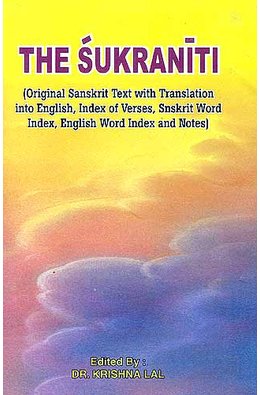
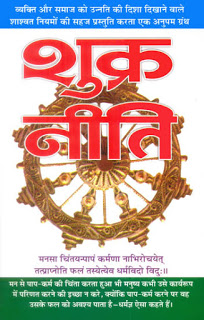
சுக்ர நீதி

சாணக்ய  நீதி

விதுர நீதி

பர்த்ருஹரியின் நீதி சதகம்

காமாந்தகீய நீதிசார

வரருசி நீதிசார


கடகாபரண நீதிசார


வேதாளபட்ட நீதிப்ரதாப

பல்லட சதக (வல்லாளன்)

பில்ஹணரின் சாந்தி சதக

சம்புவின் அன்யோக்திமுக்தலதா சதக

குசுமதேவனின் த்ருஷ்டாந்த சதக

குமானியின் உபதேச சதக

நாகராஜாவின் பாவசதக

சங்கரரின் சதஸ்லோகி

சாணக்ய நீதி

சாணக்ய சதக

சாணக்ய ராஜநீதி

வ்ருத்த சாணக்ய

லகு சாணக்ய

சாணக்ய சார சங்ரஹ ராஜநீதி சாஸ்திர

கௌடில்யரின் அர்த்த சஸ்திரம் (சாணக்ய)


சதகம் என்றால் நூறு ஸ்லோகங்கள் என்று பொருள்; பதிகம் என்றால் பத்து பாடல்கள் கொண்டது.

இவைகளிலுள்ள விஷயங்களைக் காணும் முன் ஒரு ஆறு நூல்களின் தொகுப்பை மட்டும் காண்போம்.

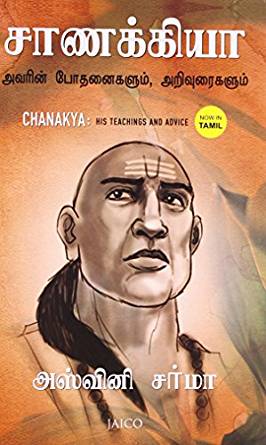
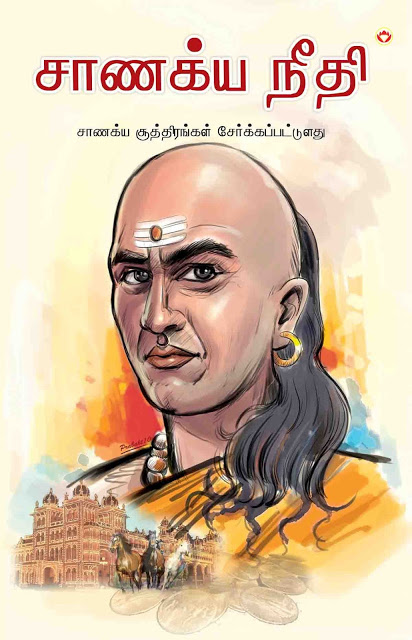
சாணக்யர், கௌடில்யர், குடிலர் என்ற பெயரால் அழைக்கப்படும் பிராமணன் ஒரு பெரிய சாம்ராஜ்யத்தையே ஸ்தாபித்துவிட்டு குடிசையில் போய் அமர்ந்து கொண்டார். இவ்வளவுக்கும் அவர் அலெக்ஸாண்டரை நடுங்க வைத்த மௌரியப் பேரரசின் — மகத சாம்ராஜ்யத்தின் மந்திரி — பிரதம மந்திரி!


நந்த வம்ச அரசர்கள் — இந்து மத வேள்விகளைக் கிண்டல் செய்து, அவைகளுக்குத் தடை போட்டு வந்தனர்; விடை ஏதும் கிடைக்காமல் நாடு தவித்தது. ஒருநாள் ஐயர் குடுமியுடன், சாணக்கியர் நடந்து கொண்டிருந்தார். புல்லோ கல்லோ தடுக்கியவுடன் தடுமாறினார். கெக்கெக்கென்று சிரித்தனர் நந்த வம்ச அரச குடும்பத்தினர். தடுமாற்றத்தில் ஐயருக்கு குடுமி வேறு அவிழ்ந்து போயிற்று.!


உங்கள் வம்சத்தை வேரறுக்கும் வரை இந்தக் குடுமியை முடிய மாட்டேன் என்று சபதம் செய்தார். (துரியோதனனின் ரத்ததைக் கூந்தலில் தடவும் வரை தலை முடியைப் பின்ன மாட்டேன் என்று சபதம் செய்து வெற்றி கண்ட திரவுபதி போல).


மயில்களை வளர்க்கும் முரா வம்சத்தில் உள்ள சில வீரர்களுக்கு பஞ்ச தந்திரங்களையும் சாம,தான பேத, தண்ட அணுகுமுறைகளையும் கற்பித்தார். நவ நந்தர்களை நடு நடுங்க வைத்தார். சாம்ராஜ்யம் ஆட்டம் கண்டது. மௌரியப் பேரரசு உதய சூரிய ன் போலத் தொடுவானத்தில் தோன்றியது. அசோகன் காலம் வரை இந்தியாவின் பெரும்பகுதியை ஆண்டது.

அந்த சாணக்கியர் 2300 ஆண்டுகளுக்கு முன்னர் எழுதிய அர்த்த சாஸ்திரம்தான் உலகில் தோன்றிய முதல் பொருளாதார நூல். வரி விதிப்பு, எவ்வளவு வரி என்பது முதல் படை அமைப்பு வரை அவர் பேசுகிறார்.


அவர் பேசாத பொருளாதார விஷயம், அரசியல் கொள்கை ஏதுமில்லை. ஐயர் குடுமியை முடிந்து கொண்டு நீதி வாக்கியங்களை உதிர்த்தார்; பின்னர் மொழிந்தார்; இறுதியில் மழை போலப் பொழிந்தார். அவர் எழுதியதாக அவர்  பெயரிலுள்ள ஆறு நூல்களை ஒரு வெளிநாட்டு அறிஞர் ( Ludwik Sternbach லுட்விக் ஸ்டேன்பாக்) ஆங்கில மொழி பெயர்ப்புடன் வெளியிட்டார்.


சாணக்கிய சபதம் என்னும் நாடகம் தமிழ்நாட்டில் பலரால் இயற்றப்பட்டு, பலரால் நடிக்கப்பட்டும் இருந்தது; நூறு ஆண்டுகளுக்கு முன் வரை; வெள்ளைக்காரனுக்கு எதிராக போராட்டம் பெருகியவுடன் அவை எல்லாம் மறையத் தொடங்கின. பல தமிழ் நாடகங்கள் இன்றும் லண்டன் பிரிட்டிஷ் லைப்ரரியில் கிடைக்கின்றன.

சாணக்கியர் பெயரில் உள்ள ஆறு நீதி நூல்கள்:-

  1. வ்ருத்த சாணக்ய

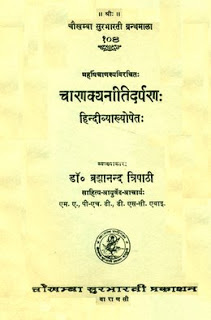
எளிய நடையில் உள்ளதை சாணக்ய நீதி தர்பண என்பர் (தர்பண= கண்ணாடி)

2.வ்ருத்த சாணக்ய

கடின நடையில் உள்ள நூல்

3.சாணக்ய நீதி சாஸ்த்ர

இதில் 109 கவிகள் உண்டு; வேறு ஒருவர் இதைத் தொகுத்து அளிப்பதாக முதல் ஸ்லோகத்திலேயே சொல்லிவிடுகிறார்.

4.சாணக்ய சார சம்க்ரஹக

இதில் 300 ஸ்லோகங்கள் காணப்படுகின்றன. இதுவும் வேறு ஒருவரால் தொகுக்கப்பட்டதே.  கங்கையையும் காசியையும் புகழ்வதால் அந்தப் பகுதியைச் சேர்ந்தவர் என்று தெரிகிறது.


5.லகு சாணக்ய

எட்டு அத்தியாயம் உடையது; ஒவ்வொன்றிலும் 10 முதல் 13 ஸ்லோகங்கள் வரை உள்ளன. இதை ஒருவர் கிரேக்க மொழியில் மொழிபெயர்த்து வெளியிட்டதால் ஐரோப்பா முழுதும் பிரபலமாகியது.

6.சாணக்ய ராஜ நீதி சாஸ்த்ர

எட்டு அத்தியாயங்களில் 534 ஸ்லோகங்கள் இருக்கின்றன. திபெத்திய மொழியிலும் மொழி பெயர்க்கப்பட்டுள்ளது

இவை அனைத்தும் சாணக்யரால் எழுதப்பட்டவையா, சொல்லப்பட்டவையா என்று எவராலும் சொல்ல முடியவில்லை. ஆனால் சாணக்யர் என்றால் ‘ராஜ தந்திரம்’, ‘நீதி’ என்ற பொருள் வந்துவிட்டது

இவை தவிர ஏராளமான நீதி நூல்கள் சம்ஸ்கிருதத்தில் உண்டு. ஆன்மீக விஷயம் பற்றிச் சொல்லும் நீதி வாசகங்கள் அடங்கிய நூல்களும் உள்ளன. அவைகளைப் பொதுவாக இதில் சேர்ப்பதில்லை.


அடுத்த சில கட்டுரைகளில் சாணக்ய நீதியிலுள்ள விஷயங்களை தமிழ் நீதி நூல்களுடன் ஒப்பிட்டுக் காட்டுகிறேன்.


TAGS:– சாணக்கியர், நீதி நூல்கள், கௌடில்யர், நீதி சாஸ்திரம்


–சுபம், சுபம்–

கம்பன் பாட்டால் கல்லெலாம் மணி! ( Post No.4418)

Written by S.NAGARAJAN


Date: 21 NOVEMBER 2017


Time uploaded in London- 5-39 am


Post No. 4418

Pictures shown here are taken from various sources such as Facebook friends, Books, Google and newspapers; thanks. Pictures may not be related to the story. They are only representational.


கம்பன் கவி இன்பம் :கே.என்.சிவராஜ பிள்ளையின் கம்பராமாயண கௌஸ்துப மணிமாலை (கட்டுரை எண் 8)

24-9-17 அன்று வெளியான கட்டுரை எண் 4239; 5-10-17- 4272; 12-10-17 -4293; 13-10-17-4296; 14-10-17-4299; 30-10-17- 4349 ; 7-11-17 – 4373 ஆகிய கட்டுரைகளின் தொடர்ச்சியாக இந்தக் கட்டுரையைப் படிக்கவும்.


கம்பன் பாட்டால் கல்லெலாம் மணியேயான! கனியெலாம் கனகமான!


ச.நாகராஜன்


கம்ப ரஸிகர் கே.என்.சிவராஜ பிள்ளையின் இனிய பாக்களைத் தொடர்ந்து பார்ப்போம்:.


Ram Navami in Kolkata

பாடல் 41

சைவம் வைணவம் மென்றிரு சமையத்தின் னிலையிற்

கைவந் தமத நூல்களோ கணக்கில கவியின்

மெய்வந் தேவிக சிக்குமிந் நூல்விர கறியார்

பொய்வந் தேறிடம் பொதிந்தனர் கவிப்புல னில்லார்


பாடல் 42

விரிந்த சாத்திரத் தொகை,கலைத் தொகுதி, வேற் றுமையே

தெரிந்தி லார்பலர், தெரிந்தவர் கலையினும் பிரிவாய்ப்

பொருந்தெ ழிற்கலை தொழிற்கலை வேற்றுமை பூட்டாரே

திருந்து சித்திர கலையுருங் கவிக்கலைத் தெரியார்


பாடல் 43

ஓவியம் சிற்ப மெனுமுயர் கலையினுள்

காவிய மென்னுங் கலைபயப் பதோகவி னின்பம்

தீவு காவியக் கலைவரு வேற்றுமை தெரிப்பின்

பாவி கத்துரு மொழிகொடு பண்ணலே மன்னி


பாடல் 44

இன்னும் வேறொரு வேற்றுமை காவியத் தியலும்;

முன்னங் கூறிய சிற்பமோ வியமமை முறையும்

முன்னும் பாவிக வுருவொரு கணநிலைத் தொகுக்கும்;

மன்னுங் காவியப் பொருளிறப் பெதிர்வினான்


பாடல் 45

காவிய மென்னுங் கடற்படு நூனிரை கணிப்பார்

ஓவி யக்கலை யுள்ளுறை நோக்குண ராதே

கூவிக் காட்டிய கொள்கையுங் கொள்கையாக் கொள்ளேம்;

மேவும் சித்திரம் விழியிலான் மதித்திடின் வினையென்?


பாடல் 46

ஆயினு மிஃதறிந்த் திலார் கித்தம் மதிமார்

தீய னுங்கிய சிந்தைய ராய்ச்செவிச் செறுத்தே

வாய னுங்கிய வாறுரை மதித்தனர் தமிழெந்

தாயு நுங்கிய தனியமு தலையெறி கடலை


Ram Navami in Bengaluru

பாடல் 47

கம்பன் பாவருங் கனிவினைக் கனிதா வியலா:

கம்பன் பாவருங் கடிமணம் மலர்தந்து கமழா;

கம்பன் பாவருங் கவினுரு கலைதந்து நிலையா;

கம்பன் பாவருங் கண்டிசை எண்டிசை காட்டா;

வேறு

பாடல் 48

அளப்பரு மான்ற தன்மை யாழ்ந்துகீழ் போகு நீர்மை

கிளப்பரு நளிர்மை யின்ன கெழுமிய குணத்தி நாலும்

களைப்பற வுயிர்கட் கோசைக் களிப்பையே யளிப்ப தாலும்

வளைப்புறு கடலுங் கம்பன் கவியென மருவிற் றன்றே


பாடல் 49

சவியுறத் தெளித லாலும் தவழ்நயம் தழைத் தலாலும்

புவியுறு முயிர்க்கு மேலாம் புலம்நின்று விளங்க லாலும்

கவினுறு பொருட்கோ ரெல்லை கதுவுறா விதுப்பி னாலும்

கவியுறு விசும்புங் கம்பன் கவியெனக் காட்டிற் றன்றே


பாடல் 50

தொல்லையிற் றொடர்ந்த ஞானத் தொகைவயின் வருத லாலும்

வல்லையில் வரம்பி லின்பம் மக்கட்கு வகுத்த லாலும்

ஒல்லையி லொன்றே யாகி யொப்புயர் வின்மை யாலும்

எல்லையிற் பொருளுங் கம்பன் கவியென இலகிற் றன்றே


பாடல் 51

சொல்வளம் பெரிதென் கோயான்? சொல்லினுட் டுளும்பு ஞான

எல்வளம் பெரிதென் கோயான்? நவையறு மணிகள் வீசும்

வில்வளம் பெரிதென் கோயான்! வியங்கியம் விழுமி தென்கோ?

பல்வளம் செறிந்து பண்ணாம் பரிமள மியன்ற பாவில்!


Ram Ram Seva Sangham in Chennai

பாடல் 52

அழகினை முடியக் காண வகிலத்துப் புலவ ரெல்லாம்

பழகிய நூலின் பண்பே பற்றியொன் றொன்றே  கண்டார்

பழையவா சனையிற் கம்பன் பைந்துணர் பூத்த பாவிற்

குழகெலா மொருங்கே கூடிக் குடியிருப் பதையுங் கண்டார்


பாடல் 53

பூவிடைப் பொலிவு நோக்கிப் பொற்றிரு நளினஞ் சார்ந்தாள்

சேவுடை சிவனார் சோதி திகழவே யுமையுஞ் சேர்ந்தாள்

நாவினின் றொலிக்குஞ் சொல்லி னயமெலா மடுத்த கம்பன்

பாவிலில் விருபண் பொன்றப் பாரதி பருகி வென்றாள்


பாடல் 54

வம்பவிழ் மலரில் வந்தோன் வகுத்தவர் கோடி யேனும்

கம்பனார் உதித்த பின்றான் கறுவிய கதமும் கொண்டான்

கொம்பெறும் வாணி தன்னாக் குடிச்செய ணீக்கி யன்னார்

பம்பிசை நாப்புக் காங்கே பணிசெய்து நிற்றல் கண்ட


பாடல் 55

கல்லெலாம் மணியே யான; கனியெலாங் கனக மான;

அல்லெலாம் ஒளியே யான; ஆறெலா மமுத மான;

புல்லெலாம் புலமே யான;  புகழெலாம் புகுத லான

சொல்லெலாம் தொகுத்துக் கம்பன் சூழ்ரச வாதச் சீரால்


பாடல் 56

வேறு

பல்வளத்தின் மாரிவான்ப டர்ந்துதாரை சோரலோ

எல்வளத்தி னெல்லிநூ றெழுந்துசோதி வீசலோ

பல்வளத்தி ராமன்வில் வழங்குமீனி வானிலோ

சொல்வளத்தின் பெற்றி முற்றச் சொல்லலாக வற்றதோ!


பாடல் 57

ஓடலாலு லாவலாலுள் ளோய் வுலைத் துற் சாகமே

மூடலால்மு ணுங்கலால்மு ழங்கலால்மு கந்தணி

சூடலால் சொலித்தலால் தொனித்தலாலுள் ளம்நெகிழ்

பாடலாலின் பத்துனாரிப் பாருளாரில் யாருளார்?

*
அழகிய இப்பாடல்கள் ஆழ்ந்த பொருளைக் கொண்டுள்ளதைக் கம்பனை நன்கு கற்றோர் உணர முடியும்.

கம்பனின் சொற்களை வைத்தே கம்பனின் இன்பத்தைக் காண்பிக்கும் பாடல்கள் இவை.

எளிதில் பொருள் விளங்கக் கூடியவை!

கோதாவரியைக் கண்ட கம்பன் சவியுறத் தெளிதலால் என்று ஆரம்பித்துக் கவிதையின் இலக்கணத்தைப் பகர்வான். அதே சவி (ஒளி) கம்பனின் கவிதையில் இருக்கிறது என்கிறார் கவிஞர் சிவராஜ பிள்ளை.

சொல் வளம் பெரிதா? சொல்லினுள் துளும்பும் ஞான ஒளி பெரிதா?

நமக்கும் விடை சொல்லத் தெரியவில்லை!

கல் மணியாக மாற, கனியெல்லாம் தங்கமாக மாற,இருட்டெலாம் ஒளியாக மாற, ஆறெல்லாம் அமுதமாக மாற, புல்லெலாம் புலமாக மாற, புகழ் எல்லாம் ஓடி வந்து  கம்பன் தன் பாட்டில்!

கம்பனைச் சுவைத்து மகிழும் கம்ப ரஸிகர் சிவராஜ பிள்ளை அவர்களின் பாடலை மேலும் சுவைப்போம்!

                                          -தொடரும்

***