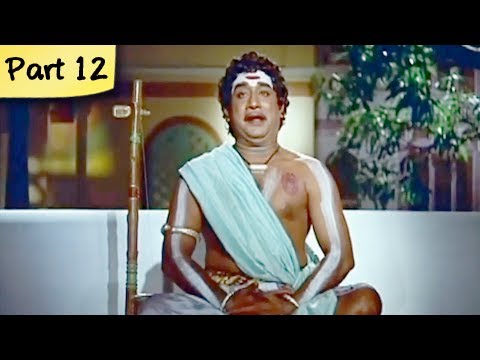
சுட்ட சட்டி சட்டுவம் கறிச்சுவை அறியுமோ! (Post No.4819)

Written by London Swaminathan 


Date: 15 MARCH 2018


Time uploaded in London – 16-22


Post No. 4819

Pictures shown here are taken from various sources such as Facebook friends, Books, Google and newspapers; thanks.


WARNING: PLEASE SHARE MY ARTICLES; BUT DON’T SHARE IT WITHOUT AUTHOR’S NAME AND THE BLOG NAME. BE HONEST; OTHERS WILL BE HONEST WITH YOU.


நட்ட கல்லைத் தெய்வம் என்று நாலு புட்பம் சாத்தியே


சுற்றி  வந்து முணுமுணுத்துச் சொல்லும் மந்திரம் ஏதடா


நட்ட கல்லும் பேசுமோ நாதன் உள்ளிருக்கையில்


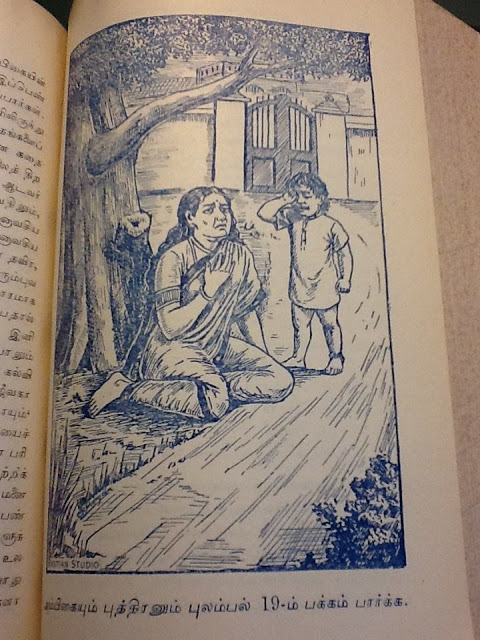
சுட்ட சட்டி சட்டுவம் கறிச்சுவை அறியுமோ


என்று தமிழ்ப் பெரும் சித்தர் சிவவாக்கியர் பாடினார். இது 2300 ஆண்டுகளாகப் பாரதத்தின் தென் குமரி முதல் வட இமயம் வரை நிலவிய கருத்து என்பது சாணக்கிய நீதியைப் படித்தோருக்கு விளங்கும்.

சாணக்கியன் சொல்கிறான்,

படந்தி சதுரோ வேதான் தர்மசாஸ்த்ராண்யனேகசஹ

ஆத்மானம் நைவ ஜானதி தர்வீ பாகரஸம் யதா


மக்கள் நான்கு வேதங்களையும் தர்ம சாஸ்திரங்களையும் மீண்டும் மீண்டும் படித்தும் தன்னை அறியும் அறிவில்லாவிடில் என்ன பயன்? சுவையான உணவைப் பரிமாறும் கரண்டிக்கு அந்த உணவின் சுவை தெரியுமா?

–சாணக்கிய நீதி 16-12


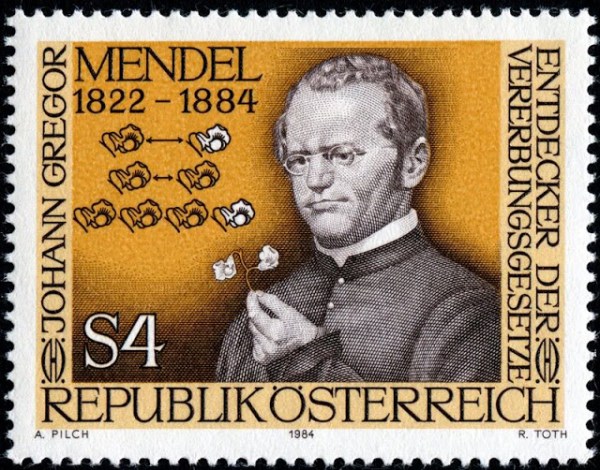
சாணக்கியன் சொல்லும் மரபியல் விஞ்ஞானம்

சாணக்கியன் உலக மஹா அறிவாளி; அலெக்ஸாண்டர் காலத்தில் வாழ்ந்தவன்; 2300 ஆண்டுகளுக்கு முன்னரே அவன் மரபியல் பற்றிப் பேசுகிறான்; கருவிலேயே திரு உற்றதாக நாயன்மார்கள் பாடினர்; மாணிக்க வாசகரோவெனில் திருவாசகத்தில் ஒரு கருவின் பத்து மாத வளர்ச்சியைப் பாடினார்.


சாணக்கியன் பகர்வதாவது,


கருவில் இருக்கும்போதே கீழ்க்கண்ட ஐந்து விஷயங்கள் தீர்மானிக்கப்படுகின்றன– அவனது ஆயுள், வேலை, செல்வம், படிப்பு, மரணம்.

என்ன அதிசயம்!

இதைப் பார்க்கையில் ஜோதிடம் உண்மையே என்பது விளங்கும்.


இந்துக்கள் குழந்தை பிறந்த ஓராண்டுக்குப் பின்னர் குடும்ப ஜோதிடர் மூலம் ஜாதகத்தை எழுதி வாங்குவர்; அதில் அவர் அக்குழந்தையின் படிப்பு, ஆயுள், வேலை, செல்வ வளம் முதலியன குறித்து எழுதி விடுகிறார். இது 2300 ஆண்டுகளாக இருப்பது சாணக்கிய நீதி மூலம் தெரிகிறது:–

ஆயுஹு கர்ம ச வித்தம் ச வித்யா நிதனமேவ ச

பஞ்சைதானி ஹி ஸ்ருஜ்யதே கர்பஸ்தஸ்யைவ தேஹினஹ

4-1


ஒரு தாயின் கரு பத்து மாத வளர்ச்சியில் நோக்கும் ஆபத்துகளை போற்றித் திரு அகவல் என்னும் திருவாசகப்   பகுதியில் மாணிக்க வாசகர் பாடுகிறார். அவர் தேவாரம் அருளிய மூவர்க்கும் முதல்வர்.


யானை முதலா எறும்பீ றாய
ஊனமில் யோனியி னுள்வினை பிழைத்தும்
மானுடப் பிறப்பினுள் மாதா வுதரத்
தீனமில் கிருமிச் செலவினிற் பிழைத்தும்

  1. ஒருமதித் தான்றியின் இருமையிற் பிழைத்தும்
    இருமதி விளைவின் ஒருமையிற் பிழைத்தும்
    மும்மதி தன்னுள் அம்மதம் பிழைத்தும்
    ஈரிரு திங்களிற் பேரிருள் பிழைத்தும்
    அஞ்சு திங்களின் முஞ்சுதல் பிழைத்தும்
  2. ஆறு திங்களில் ஊறலர் பிழைத்தும்
    ஏழு திங்களில் தாழ்புவி பிழைத்தும்
    எட்டுத் திங்களில் கட்டமும் பிழைத்தும்
    ஒன்பதில் வருதரு துன்பமும் பிழைத்தும்
    தக்க தசமதி தாயொடு தான்படும்
  3. துக்க சாகரத் துயரிடைப் பிழைத்தும்
    ஆண்டுகள் தோறும் அடைந்தஅக் காலை
    ஈண்டியும் இருத்தியும் எனைப்பல பிழைத்தும்
    காலை மலமொடு கடும்பகல் பசிநிசி
    வேலை நித்திரை யாத்திரை பிழைத்தும்

(யாரைக் கடவுள் காப்பாற்றுவான்பிளாக்குகளிலும்ஃபேஸ்புக்கிலும் வரும் கட்டுரைகளைத் திருடாமல் — எழுதியவர் பெயருடன் வெளியிடுபவர்களைக் கடவுள் காப்பாற்றுவார். யாருக்கு அரசியல்சமூக விஷயங்களில் கருத்துச் சொல்லவும்குறை கூறவும்கண்டிக்கவும் உரிமை உள்ளதுமற்றவர் படஙகளையும் படைப்புகளையும் திருடாதவனுக்கு பேஸ்புக்கிலும் பிளாக்குகளிலும் கருத்துச் சொல்ல உரிமை உண்டு)


–சுபம்–

Genetics and other Sciences in Chanakya Niti (Post No.4818)

Written by London Swaminathan 


Date: 15 MARCH 2018


Time uploaded in London – 14-47


Post No. 4818

Pictures shown here are taken from various sources such as Facebook friends, Books, Google and newspapers; thanks.


WARNING: PLEASE SHARE MY ARTICLES; BUT DON’T SHARE IT WITHOUT AUTHOR’S NAME AND THE BLOG NAME. BE HONEST; OTHERS WILL BE HONEST WITH YOU.


Chanakya, one of the greatest geniuses of India, lived 2300 years ago. He was a statesman and an economist. Though he was not a scientist he has composed slokas on various subjects including science. Here are some slokas/couplets:

GENETICS

While  a being is still in womb the following five are created for him—

Life span, action, wealth, knowledge and death.

Chanakya Niti 4-1


aayuh karma ca vittam ca vidhyaa niddhanameva

pancaitaani hi srujyante garbastarayaiva dehinah


This sloka points out that astrology is true. One year after the birth of a baby, the horoscope of that baby is cast in Hindu houses. The family astrologer used to write the education, job, money matters and the life span of that child. So, we know that this type of belief existed 2300 years ago!


Manikkavasagar, one of the four great Saivite Tamil saints, also describe the development of foetus in the womb. He lived 1500 years ago in Tamil Nadu.

GEMMOLOGY

Hindu knowledge about gem stones is found in all the Tamil and Sanskrit books. Here is what Chanakya says,

Ruby is not found in every mountain, pearl is not met with in every elephant, good people are not found everywhere, sandal wood is not found in every forest.

2-6

saile saile na maanikyam mauktikam na gaje gaje

saadhavo nahi sarvatra candanam na vane vane


The belief about gem stones is same in Sanskrit and Tamil books. They believed that in addition to oysters, pearl is ‘born’ in bamboos, elephants and scores of plants and animals!


Hindus knew that ruby, sapphire, diamonds are available in certain places only. They knew the fauna and flora of the country. Even Kalidasa, who lived 2000 years ago (see my research article on Kalidasa’s age), sings about the sandal wood available In Tamil Nadu. This sloka points out that beliefs were same even 2300 years ago in a vast land mass. So foreign rulers were not the people who united India.

PHILOSOPHY

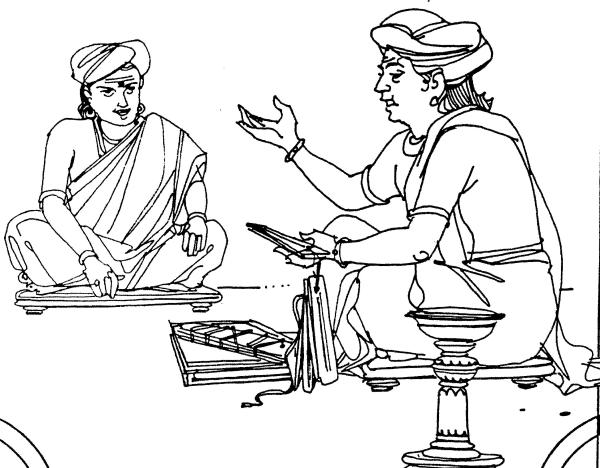
Will the ladle know the taste of the food it serves?

A Tamil Siddha sang ,

Will the ladle know the taste of the curry it serves?


Chanakya also says the same!

People who go through the four Vedas and Darmasastras (Law books) time and again, still they do not know their own self like a ladle the taste of the cooked food.

patanti caturo vedaan dharmasaastraanyanekasah

aatmaanam naiva jaananti darvii paakarasam yathaa

15-12


It is amazing to see that for 2300 years the same simile is used by Tamils and Sanskrit scholars to illustrate the same point.


TIME

Time brings close to death, it destroys them. It keeps awake while others are asleep. It is difficult to overstep time

6-6


kaalah pacati bhutaani kaalah samharate prajaah

kaalah supteshu jaagarti kaalo hi duratikramah


–subham–


ஜோதிடம் பலிக்குமா? குட்டிக்கதை (Post No.4817)

Pictures are from Facebook; posted by Lalgudi Veda

Written by London Swaminathan 


Date: 15 MARCH 2018


Time uploaded in London – 6-08 am


Post No. 4817

Pictures shown here are taken from various sources such as Facebook friends, Books, Google and newspapers; thanks.


WARNING: PLEASE SHARE MY ARTICLES; BUT DON’T SHARE IT WITHOUT AUTHOR’S NAME AND THE BLOG NAME. BE HONEST; OTHERS WILL BE HONEST WITH YOU.


மதியால்  விதியை வெல்லலாம்

(யாரைக் கடவுள் காப்பாற்றுவான்? பிளாக்குகளிலும், ஃபேஸ்புக்கிலும் வரும் கட்டுரைகளைத் திருடாமல் — எழுதியவர் பெயருடன் வெளியிடுபவர்களைக் கடவுள் காப்பாற்றுவார். யாருக்கு அரசியல், சமூக விஷயங்களில் கருத்துச் சொல்லவும், குறை கூறவும், கண்டிக்கவும் உரிமை உள்ளது? மற்றவர் படஙகளையும் படைப்புகளையும் திருடாதவனுக்கு பேஸ்புக்கிலும் பிளாக்குகளிலும் கருத்துச் சொல்ல உரிமை உண்டு)


விதியை மதியால் வெல்லலாம். இதற்கு ஒரு நல்ல கதை உண்டு.


திருமூலர் சொல்கிறார்:

கடவுள் அருளால் முன்னை வினையின் முடிச்சை அவிழ்க்கலாம்-


தன்னை அறிந்திடும் தத்துவ ஞானிகள்

முன்னை வினையின் முடிச்சை அவிழ்ப்பர்கள்

பின்னை வினையைப் பிடித்துப் பிசைவர்கள்

சென்னியில் வைத்த சிவன் அருளாலன்றே

— திருமந்திரத்தில் திருமூலர்


பொருள்:

தன்னை உணர்ந்து அறிந்தவர்கள் தத்துவ ஞானிகள். இந்த மெய்ஞானிகள், பூர்வ ஜன்ம தீவினைப் பயனை தவிர்ப்பர். இனி வரும் வினைகளையும் தகர்த்து விடுவர்; அதாவது வினைக்கான கர்மங்களைச் செய்ய மாட்டார்கள். இவை அனைத்தும் சிவன் அருளாலே கிட்டுவதாகும். அதாவது இறைவன் அருள் இருந்தால் விதியை வெல்லலாம்.

நாயன்மார்களும் — குறிப்பாக அப்பர் சம்பந்தர், சுந்தரர்—, மேலும் மாணிக்கவாசகரும், ஆண்டாள் உள்ளிட்ட ஆழ்வார்களும் இறையருளால் தீய வினைகள் பொடிபடும், தீயினில் தூசாகும் என்று பாடினர். மார்க்கண்டேயன், சத்தியவான் சாவித்திரி போன்ற புராணக் கதைகளும் அப்படியே மொழிகின்றன.


ஒரு ஊரில் ஒரு ஏழை வசித்து வந்தான்; எவ்வளவோ முயற்சி செய்தும் வேலை கிடைக்கவில்லை. எல்லையில்லாத வறுமையில் வாடினான். எல்லோரும் அருகிலுள்ள கிராமத்தில் இருக்கும் பிரபல ஜோதிடனைப் பார்க்கும்படி யோஜனை கூறினர். அவனும் அதற்குச் சம்மதித்தான்.

பக்கத்து ஊர் ஜோதிடனைப் போய்ப் பார்த்தான். அவன் ஏழையின் ஜாதகத்தைப்  பார்த்தவுடன்  முகத்தில் ஈயாடவில்லை’ -ஒரே திகில்; ஆயினும் அதை வெளிக்காட்டாமல் அந்த ஏழையைப் பார்த்து ”முடிந்தால்” நாளைக்கு வந்து பாருங்கள் என்றான்.

அவனும் கட்டாயம் வருகிறேன் என்று செப்பிச் சென்றான்; ஜோதிடனுக்கோ மனதுக்குள் ஒரே நகைப்பு! ஏனெனில் ஜாதகப்படி அந்த ஏழையின் வாழ்வு முடிந்துவிட்டது; அவன் எந்த நேரமும் இறக்க நேரிடும். மறுநாள் அவன் வரவே முடியாது என்பது ஜோதிடத்தில் தெரிந்த உண்மை.


அந்த ஏழை வீட்டுக்குத் திரும்புகையில் பேய் மழை கொட்டியது. அவன் ஒரு பாழடைந்த கோவிலில் தங்கினான். மழை நிற்கவே இல்லை. அவன் ஏழையானாலும் ஒரு பக்தன். ஆகவே அவன் மனத் திரையில் பல காட்சிகள் ஓடின. அட டா ! நான் பாழடைந்த கோவிலில்   அல்லவா நிற்கிறேன். கடவுளுக்கும் இவ்வளவு கஷ்டமா? நாளை நான் ஒரு லாட்டரிச் சீட்டு வாங்குவேன். எனக்கு மட்டும் பரிசு விழுந்தால், முதலில் இந்தக் கோவில் மண்டபத்தைப் புதுப்பிப்பேன்; பின்னர் தமிழ்நாட்டிலேயே உயர்ந்த ராஜ கோபுரம் கட்டுவேன்; சிதம்பரம், மதுரை, ஸ்ரீரங்கம், திருப்பதி போல பொற்கூரை போட்டு தங்க கோவில் ஆக்குவேன்; அதற்கும் பின் பணம் மிச்சம் இருந்தால் என்னைப் போன்று வறுமையில் வாடும் ஏழைகளுக்கு அன்ன தானம் செய்வேன் என்று எண்ணிக் கொண்டே போனான். மழையும் நின்றது. வீட்டுக்குச் சென்றான்.


மறு நாள் பொழுது புலர்ந்தது; ஆவலோடு ஜோதிடர் வீட்டுக்குச் சென்றான்; ஜோதிடருக்கு முன்னை விட திகில்!! வந்தவன் நேற்று வந்த ஏழையா? அல்லது அவனது ஆவியா? என்று.


ஒருவாறு தன்னை சுதாரித்துக் கொண்டு அவனை அமரச்  சொன்னார். பின்னர் அந்த ஏழைதான் வந்திருக்கிறான், அவனது ஆவி அல்ல என்று பேச்சைத் துவக்கினான்; மனதுக்குள் ‘இவன் நேற்றே இறந்திருக்க வேண்டுமே ! எப்படி இன்னும் உயிரோடு இருக்கிறான்’ என்று வியப்பு.


ஜோதிடர்– ஏழை சம்பாஷணை


தம்பி; நேற்று நீ வீட்டிற்குச் சென்றது முதல் இன்று வரை நடந்ததைச் சொல் என்றான் ஜோதிடன்.


ஏழை:-

நான் வீடு திரும்பியபோது பேய் மழை கொட்டியது. ஒரு பாழடைந்த கட்டிடத்தில் ஒதுங்கிவிட்டு வீடு திரும்பினேன்.


ஜோதிடன்:–

அது என்ன கட்டிடம்?


பாழடைந்த கோவில்


ஓ அங்கே யாராவது சாது சந்யாசியைப் பார்த்தாயா?


இல்லை என்னைத் தவிர அங்கு ஒரு ஈ எறும்பு கூட இல்லை.


அப்படியா? ஆச்சர்யமாக இருக்கிறதே! வேறு ஏதாவது நடந்ததா? ஏதேனும் அற்புதம் ஆச்சர்யம்……


இல்லவே, இல்லை.


பின்னர் எப்ப டிப் பொழுதைக் கழித்தாய்?


ஓ அதுவா? நான் ஒரு மனக் கோவில் கட்டினேன்- என்று சொல்லி முழு எண்ணக் க் கோர்வையயும் சித்தரித்தான்.


ஜோதிடரின் ஆர்வம் அதிகரிக்க, அதிகரிக்க அவன் ஒரு துளி விடாமல் அப்படியே தான் எண்ணியவற்றை நுவன்றான்.


ஜோதிடருக்கு விஷயம் புரிந்துவிட்டது. அப்பனே, உனது ஜாதகப்படி நேற்றே நீ இறந்திருக்க வேண்டும். அதனால்தான் “முடிந்தால்” நாளைக்கு வா என்றேன். நீ வந்தது பெரிய அதிசயம்தான். உன்னைப் போலவே பூசலார் நாயனார் என்பவர் மனதிலேயே கோவில் கட்டி இறைவனைக் கண்டார். நீயும் மனம், மொழி, மெய் (மனோ, வாக், காயம்) என்று த்ரிகரண சுத்தியுடன் எண்ணியதால் இறைவன் உன்னையும் மார்க்கண்டேயன் போல என்றும் 16 வயது என்று சொல்லிவிட்டார். இனிமேல் உனக்கு நல்ல காலம்தான் என்று சொல்லி வீட்டுக்கு அனுப்பினார்.

அவனும் சுக போக வாழ்வு அடைந்தான்

எண்ணத்துக்கே இவ்வளவு நல்ல பலன் என்றால் நல்ல செயலுக்கு எவ்வளவு பலன் கிடைக்கும்!!


சுபம்–


பாரதி போற்றி ஆயிரம் – 63 (Post No.4816)

Picture posted by Vidhya Subramanian in Facebook

Date: MARCH 15,  2018


Time uploaded in London- 5-07 am


Compiled by S NAGARAJAN


Post No. 4816


PICTURES ARE TAKEN from various sources. PICTURES  MAY NOT BE RELATED TO THE ARTICLE; THEY ARE ONLY REPRESENTATIONAL.


WARNING: PLEASE SHARE MY ARTICLES; BUT DON’T SHARE IT WITHOUT AUTHOR’S NAME AND THE BLOG NAME. BE HONEST; OTHERS WILL BE HONEST WITH YOU.


  பாடல்கள் 455 முதல் 463


கவிதை இயற்றியோர்: பல்வேறு கவிஞர்கள்

தொகுப்பு : ச.நாகராஜன்


கலைமாமணி கவிஞர் கே.பி.அறிவானந்தம் பாடல்கள்

பாரதி பத்துப்பாட்டு

நூலில் பத்து அத்தியாயங்கள் உள்ளன. இங்கு மூன்றாம் அத்தியாயமான பராசக்தி பார்வையில் பாரதி ஆரம்பிக்கப்படுகிறது

மூன்றாம் அத்தியாயம்: பராசக்தி பார்வையில் பாரதி

1 முதல் 9 வரை உள்ள பாடல்கள்


பராசக்தி என்றாலே பாரதம் முழுவதும்

   பக்தியுடன் போற்று மன்றோ?

பராசக்தி யாலேதான் இகவாழ்வின் நலம்யாவும்

   பாங்குடனே அமையு மன்றோ?

பராசக்தி தானிங்கு மூலசக்தி யாய்த்தோன்றி

   பரிணமித்த சக்தி யன்றோ?

பராசக்தி தானிங்கு புவனங்கள் உயிரினங்கள்

   பார்க்கின்ற யாவு மன்றோ?


ஆயிரம் பெயர்கொண்டு அழைத்தாலும் ஆதாரம்

   ஆதிபரா சக்தி யன்றோ?

ஆயிரம் வடிவினில் அமர்ந்தாலும் அவையாவும்

   அன்னையென் வடிவ மன்றோ?

ஆயிரம் பணிகளைச் செய்தாலும் வலிமையை

   அருள்பவள் யானே யன்றோ?

ஆயிர மாயிரம் கோயில்க ளிலென்றும்

    அமர்ந்ததிச் சக்தி யன்றோ?


புவனங்கள் அனைத்தும்தன் வடிவாகக் கொண்டதால்

   புவனேச்வ ரியென்று ரைப்பர்

அவமற அகிலத்தைக் காத்துவாழ் விப்பதால்

   அகிலாண்டேச் வரியே என்பார்

கவல்கின்ற நிலைமாற்றி கவினுறவாழ் விப்பதால்

   காமாட்சி என்று சொல்வார்

விவரிக்க வொண்ணாத பேரரசு கண்டதால்

   மீனாட்சி எனப்பு கழ்வார்


இமயத்தின் பார்வதியாய் இருப்பினும் வங்கத்தில்

   இகல்காளி யென்றி ருப்பேன்

அமர்வென்ற மராட்டிய பவானியாய் இருக்கும்நான்

    ஆந்திரத் துர்கை யாவேன்

குமரியாய் தென்கடலில் நிற்கும்நான் பாரதக்

   கோயிலெங் கணுமி ருப்பேன்

சமயஒற் றுமையோடு தேசியஒற் றுமைகாண

   சார்ந்தவள் நானே யன்றோ?


இத்தனைச் சிறப்புகள் எனக்கிருந்தும்

எனைப்பற்றிப் பாடல்கள் அதிகமில்லை

இத்தினம் அதனை நினைத்தாலும்

என்னதான் காரணம் புரியவில்லை


ஆலயங் கள்தமிழ் நாட்டினிலே

யாருக்கு அதிகம் எனப்பார்த்தால்

சாலவும் எனக்கே பலகோயில்

சான்றிடும் நூல்களோ சிலவேதான்


இடபா கத்தில் என்னை ஏற்ற

   ஈசன் புகழ்பாட

அடல்சார் மூவிழி எனமுப் புராணம்

   அழகாய் அமைந்தனவே

திடமார் நால்வர் பாவுடன் பன்னிரு

   திருமு றையானதுவே

கடல்போல் பரந்த சிற்றிலக்கியங்கள்

   கணக்கி லடங்காவே


எந்தன் தமையன் திருமால் பெருமை

   என்றும் நிலைபெறவே

சிந்தை துள்ளும் சந்தக் கவியில்

    திவ்ய பிரபந்தம்

அந்த மில்லாமல் அதற்குப் பின்னும்

   அட்ட பிரபந்தம்

எந்த நாளும்ரா மாயண பாரத

    இதிகா சம்உளவே


முருகன் எந்தன் அருமை மைந்தன்

   முத்த மிழின்தலைவன்

பெருமை உரைக்க எத்தனை எத்தனைப்

    புலவர் நாடிவந்தார்

திருமு ருகாற்றுப் படைமு தலாகத்

    திருப்பு கழுந்தொடர

அருள்பெற் றவனைப் பாடிய நூல்கள்

   அளவி டயியலாதே


         பராசக்தி பார்வையில் பாரதி தொடரும்


தொகுப்பாளர் குறிப்பு:
கவிஞர் கே.பி. அறிவானந்தத்தைக் கடிதம் மூலம் தொடர்பு கொண்ட போது, பாரதிப் பத்துப்பாட்டை வெளியிட மகிழ்ச்சியுடன் அனுமதி தந்தார். அவருக்கு எமது நன்றி

***

Short Story-Fate can be changed by Good Action! (Post No.4815)

Written by London Swaminathan 


Date: 14 MARCH 2018


Time uploaded in London – 16-40


Post No. 4815

Pictures shown here are taken from various sources such as Facebook friends, Books, Google and newspapers; thanks.


WARNING: PLEASE SHARE MY ARTICLES; BUT DON’T SHARE IT WITHOUT AUTHOR’S NAME AND THE BLOG NAME. BE HONEST; OTHERS WILL BE HONEST WITH YOU.


Great Tamil Hindu saints like Alvars and Nayanmars say that one’s fate can be changed to good by God. Manikkavasagar, Andal, Tirumular,  Sambandar and Appar say it in very clear words that the previous Karma (action and reaction) will be powdered or  will be burnt to ashes. Hindus generally believe that Karma/action done by one will have definite after effect. Good Karma (action) will bring good things and bad karma will bring bad things to the doer. But one’s intense devotion to god can change one’s fate. There is a short story to illustrate this point.

It is similar to Pusalar Nayanar story who built a temple mentally.

There was a poor man in a village. All his efforts to earn his livelihood failed miserably. One day his close friend asked him to see an astrologer in a nearby village. When he went to see him, the astrologer looked at his horoscope and was shocked. But he did not show it to the customer. He asked the poor man to come tomorrow, ‘if it is possible’. The poor man told the astrologer that he would come next day. Astrologer was laughing inside and pitied that man.


When the villager was returning to his home town, heavy rains poured down. He ran to a dilapidated building and took shelter. To his surprise it was an ancient but disused temple. He felt very sorry to see the condition of the temple. Various thoughts ran into his mind. He thought, “If I win a lottery prize tomorrow, first I will build a huge hall and then I will build a tall tower on top of it. Then I will install the golden statues of the gods inside and celebrate the consecration. If there is money, I will do Anna Dhanam to all the poor people (Anna Dhanam= Food donation). When the rain stopped, he returned home and felt very happy. He slept thinking of the temple.

Next day he went back to the astrologer according to the plan. The astrologer was greatly surprised to see him. He asked what he did in the past 24 hours. he said that he went back home after taking shelter in the huge rain previous night. The astrologer was not satisfied with his answer; so he asked to relate minute by minute account. Then he told the astrologer he stayed in a temple. Even then astrologer wasn’t satisfied. He asked him whether anything happened like seeing a holy man or any miracle. The poor man said, N I was only thinking about renovating the temple.

At the point the astrologer got a grip over the matter and asked the poor man about everything he thought. Then the astrologer realised that he built a golden temple in his mind and that only saved him; because according to his horoscope he should have died already. That is why the astrologer told him the first place “to come tomorrow, if possible”.


Then the astrologer explained to him everything that should have happened to him astrologically, but God changed his fate. Even Yama would fail in his arithmetic if God interferes!


One can change his bad days into good days with good thoughts.


Purity in mind, word and deed (Three way purity= Mano, Vak, Kayam) is called Tri Karana suddhi. If one has it permanently one can do miracles.


–Subham–

ஆஹிரி ராகம் பாடினால் ஆகாரம் கிடைக்காது! (Post No.4814)

Written by London Swaminathan 


Date: 14 MARCH 2018


Time uploaded in London – 6-35 am


Post No. 4814

Pictures shown here are taken from various sources such as Facebook friends, Books, Google and newspapers; thanks.


WARNING: PLEASE SHARE MY ARTICLES; BUT DON’T SHARE IT WITHOUT AUTHOR’S NAME AND THE BLOG NAME. BE HONEST; OTHERS WILL BE HONEST WITH YOU.


ஆஹிரி ராகம் பாடினால் ஆகாரம் கிடைக்காது! (Post No.4814)


ஒவ்வொரு ராகம் பற்றியும் ஒரு நம்பிக்கை உண்டு. மழை பெய்விக்கும் ராகம், தீயை உண்டாக்கும் ராகம், உறக்கத்தைத் தரும் ராகம், உற்சாகத்தை ஊட்டுவிக்கும் ராகம், நோய் தீர்க்கும் ராகங்கள், மாடுகளை அதிகம் பால் கறக்க வைக்கும் ராகம், மன நோய் தீர்க்கும் ராகம் எனப் பல பல.


ஆஹிரி ராகம் பாடினால் உணவு கிடைக்காது என்றும், அதைக் காலை நேரத்தில் பாடக்கூடாது என்றும் சொல்லுவர்; இது பற்றிய சுவையான கதை இதோ!


ஒரு பாகவதருக்கு ஆஹிரி ராகம் என்றால் உயிர் போல; அதைப் பாடிப் பாடி ஆனந்தம் அடைந்தார்; அதைக் கேட்ட ஒருவர் சொன்னார்:

“ஐயா, உமக்குத் தெரியாதா?ஆஹிரி  பாடினால் ஆகாரம் கிடைக்காது; அது மட்டுமல்ல அதைப் பகல் நேரத்தில் பாடக்கூடாது.”


“பாகவதர் சொன்னார்: அது எல்லாம் தவறான நம்பிக்கை; நானே அதைப் பொய்ப்பித்துக் காட்டுவேன்; அடுத்த ஊரில் நாளை முதல்  கோவில் திருவிழா நடக்கிறது. அங்கே சென்று கச்சேரியில் ஆஹிரிராகப் பாடல்களைப் பாடி உங்கள் கூற்றைப் பொய் என்று காட்டுகிறேன்” என்று சவால் விட்டர். அவரும் இசைவு தெரிவித்தார்.


அவரோ தேங்காய் மூடி பாகவதர்; அதிக வருமானம் இல்லாமல் அன்றாடக் கஞ்சிகே தாளம் போடுபவர்; அவர் கச்சேரியில் வாசிக்கப்போகும் செய்தி கேட்டவுடன் அவருடைய மனைவிக்கு ஆனந்தம்.


“நாதா, நான் கட்டுச் சோறு கட்டித் தருகிறேன்; கூஜாவில் தண்ணீரும் கொண்டு செல்லுங்கள்; கோவில் விழாவில் கண்டதைச் சாப்பிட்டு சரீரமும், சாரீரமும் கெட்டுவிடக்கூடாது” என்றாள்; அவருக்கு பரமானந்தம் சரி என்று சொன்னார்.


கட்டுச் சோற்றுக் கூடை, கூஜா தண்ணீர், குடை சகிதம் பயணம் ஆனார்.


பாதி தூரம் சென்றவுடன் களைப்பு மிகுதியால் ஒரு மரத்தடியில் அமர்ந்தார். கூடை சோற்றை நாயோ மாடோ சாப்பிட்டுவிடக் கூடாது என்பதற்காக அங்கே வளைந்து இருந்த ஒரு மூங்கில் மரத்தின் முனையில் கட்டித் தொங்க விட்டார்.  அழகிய குரலில் ஆஹிரி  ராகத்தை ஆலாபித்தார். அப்போது நண்பகல் நேரம்; ஒரு மணி நேரம், இரண்டு மணி நேரம் என்று பாடி சாதகம் செய்தார். மணி இரண்டு ஆனவுடன் பசி வயிற்றைக் கிள்ளியது. சரி, சாப்பிடப் போவோம் என்று எழுந்தார். ஆனால் ஆகாரக் கூடையயைக் காணவில்லை.

அடக் கடவுளே! பகல் நேரத்தில் ஆஹிரி இசைத்தால், உணவு கிடைக்காது என்பது உண்மைதானோஎன்று பயந்தார்; சுற்று முற்றும் தேடினார்;  மரத்தின் மீது இருந்த ஒரு பறவை காச்சு மூச்சென்று கத்தியது;  தலையை நிமிர்ந்து பார்த்தார்.


மூங்கில் மரம் நிமிர்ந்து நின்றது. அதன் உச்சியில் சோற்றுக் கூடை தொங்கிக் கொண்டிருந்தது. அதை எடுக்க முடியாமல் பரிதவித்தார். ஒரு கிராமத்தான் அதைப் பார்த்து, “ஓ, சுவாமி! மூங்கில் மரம் இரவில், குளிரில் வளைந்து பூமியைத் தொடும்; வெய்யில் ஏற, ஏற அது நிமிர்ந்துவிடும் என்பது உமக்குத் தெரியாதா? இரவு வரை காத்திருந்தால் சோற்று மூடை கீழே வரும்” என்றான்.

அவருக்கு இரவு வரை காத்திருக்க முடியாது என்பது புரிந்தது; பக்கத்து ஊருக்குச் சென்று பாசி ஆறுவோம் என்று நடந்தார். ஒரு தெருவின் முனையில் இருந்து கம கம வென அறுசுவை உண்டியின் வாசனை அடித்தது. அந்தத் தெருவுக்குள் நடந்து சென்றபோது ஒரு வீட்டின் வாசலில் ஒரே கூட்டம்; கல்யாண தோரணங்களும், வாழை மரமும் அலங்கரித்த பந்தல் வேறு இருந்தது.விசாரித்துப்  பார்த்த்ததில் அன்று கிராமம் முழுவதற்கும அங்கே இலவச விருந்து என்பதை அறிந்து உள்ளே சென்றார். பந்தியில் அமர்ந்தார்.


மரியாதையின் பொருட்டு பெண்ணின் தாய் , தந்தையரே எல்லோருக்கும் இலையில் பாயசம் முதலிய இனிப்புகளைப் பரிமாறிக்கொண்டு வந்தனர். அந்த நேரத்தில் பாகவதருக்கு உற்சாகம் மிகவே ஆஹிரி ராகத்தைப் பாடுவோம்; பகலில் பாடக்கூடாது; ஆகாரம் கிடைக்காது என்ற இரண்டு பழமொழிகளையும், நம்பிக்கைகளையும் தகர்போம் என்று எண்ணி பாகவதர் பேசத் துவங்கினார்:


“அன்பர்களே! ஆஹிரிதான் எவ்வளவு அழகு; ஆரபியின் அழகை ரசிக்காதவர்களும் சுவைக்காதவர்களும் உலகில் உண்டா? பகலிலும் ரசிக்கலாம்; இரவிலும் ரசிக்கலாம்; இதோ ஆஹிரியை ……….’’

—என்று பேசிக்கொண்டு இருந்த போது அவர் முதுகில் அடியும் குத்தும் விழுந்தன. அப்போதுதான் மணப் பெண்ணின் தாயார் பாயசம் பரிமாறிக் கொண்டு இருந்தாள். அவளும் பாயசக் கரண்டியால் அவர் தலையில் ஒரு போடு போட்டார்; பாகவதருக்கு ஒன்றுமே புரியவில்லை கண்கள் இருண்டன.


நான் என்ன தவறு செய்தேன்? என்று கேட்டுக் கொண்டு இருந்தபோதே நாலைந்து பேர் அவரை தர,தரவென இழுத்துக் கொண்டு போய் வெளியே தெருவில் நிறுத்தி திட்டத் துவங்கினர்:

“அடே பாவி உண்ட வீட்டிற்கு இரண்டகம் நினைக்கலாமா? மணப் பெண்ணின் தாயை பட்டப் பகலில் அவமானப் படுத்துகிறாயே!” என்று சொல்லி மேலும் இரண்டு அடி போட்டனர். நான் அப்படி ஒன்றும் செய்யவில்லையே, உங்கள் கண்களுக்கு முன் பந்தியில் வாழை இலை முன் அல்லவா உட்கார்ந்து  இருந்தேன்” என்று சொல்லி அழுதார்;

அட, நீ மணப் பெண்ணின் தாயார் ஆஹிரியை ‘’அழகி, ருசி, ரசி’’ என்று சொன்னாயே! என்றவுடன்தான் அந்த வீட்டுப் பெண்மணியின் பெயர் ‘ஆரபி’ என்று விளங்கியது. பின்னர் அவர்களிடம் ஆஹிரி பற்றிய முழுக் கதையையும் சொல்லி, தனது மகத்தானா  ஆஹிரி ராக விளக்கத் திட்டம் பற்றியும் சொன்னார்; பின்னர் எல்லோரும் பரிதாபப்பட்டு அவரை உள்ளே அழைத்துச் சென்று அறுசுவை உணவு அளித்தனர்.


வீட்டுக்குத் திரும்பிச் சென்றவுடன் அவர் மனைவி ஆவலுடன் கேட்டாள்: “என்னங்க ஆஹிரி பாடினீர்களா? நல்ல சன்மானம் கிடைத்ததா?”


சன்மானமா, தன் மானத்தைக் காப்பாற்றிக் கொண்டதே பெரும்பாடு; ஆஹிரியைப் பகலில் பாடினால் ஆகாரமும் கிடைக்காது என்பது மட்டும் அல்ல; அடி உதையும் கிடைக்கும் என்று தன் கதை  முழுவதையும் விளக்கினார்!


எனது இரண்டு பிளாக்குகளிலும் உள்ள முந்தைய சங்கீதக் கட்டுரைகள்:—


சாவேரி சோக ராகமா? | Tamil and Vedas

https://tamilandvedas.com/…/சாவேரி-சோக-ராகம…

மூட நம்பிக்கைகள் தோன்றுவது எப்படி? 4 கதைகள். Post No. 978 ; Date 14th April 2014. By London Swaminathan. பேராசிரியர் ராமானுஜ சீனிவாசன் இந்திய கலாசாரம் பற்றி எழுதிய புத்தகம் ஒன்றில் இசையில் மூட நம்பிக்கைகள் வளர்ந்தது பற்றி நான்கு கதைகள் சொல்லுகிறார். இவை இசைக்கு மட்டுமின்றி …


பாடப்பாட ராகம் | Tamil and Vedas

https://tamilandvedas.com/tag/பாடப்பாட-ராகம்/

Written by London Swaminathan. Date: 29 NOVEMBER 2017. Time uploaded in London- 9-38 am. Post No. 4444. Pictures shown here are taken from various sources such as Facebook friends, Books, Google and newspapers; thanks. ஆஸ்திரியாவில் பிறந்த புகழ்பெற்ற வயலின் கலைஞர் பிரெடெரிக் க்ரைஸ்லர் Frederic (Fritz) Kreisler (1875-1962) ஆவார். அவர் வாழ்வில் ஒரு சுவையான சம்பவம் …


ராகங்கள், தான்சேன், ராக தேவதை | Tamil and …

https://tamilandvedas.com/…/ராகங்கள்-தான்சேன…

பாரத சாம்ராட் என்று கவிஞர்கள் அக்பரைப் புகழ்ந்த போது தான்ஸேனை சங்கீத சாம்ராட் என்று அவர் அழைத்தார். அவர் மேக மல்ஹார் ராகத்தைப் பாடினால் மழை பொழியும்! (தான்ஸேன் தீபக் ராகம் பாடிய போது தீ ஜுவாலை எழுந்ததையும் குருநாதர் ஹரிதாஸைப் பார்க்க அக்பர் …


பைரவி ராகம் | Tamil and Vedas

https://tamilandvedas.com/tag/பைரவி-ராகம்/

… எழுதியுள்ளார். அதில் பல்வேறு இசை வகைகளைக் கேட்டால்கிடைக்கும் நன்மைகளையும் விவரித்துள்ளார். … பைரவிராகம் பக்க வாத நோயைத் தீர்க்கும், காய்ச்சலைப் போக்கும்; எப்போதும் உடனடி சுறுசுறுப்பை ஏற்படுத்தும் என்று கண்டுபிடிக்கப்பட்டுள்ளது. தனது ‘ராக …


ராகங்கள்- தமிழ்,வடமொழிப் பெயர்கள் | Tamil …

https://tamilandvedas.com/…/ராகங்கள்-தமிழ்வடம…

7 Jun 2014 – பழந்தக்க ராகம் = ஆரபி /சுத்த சாவேரி இந்தோளம் = மாய மாளகௌளம் புறநீர்மை = பூபாளம் /ஸ்ரீகண்டி நட்டராகம் = பந்துவராளி நட்டபாடை = நாட்டை கொல்லி = பிலஹரி கொல்லி கவ்வாமை = நவரோகி தக்கேசி = காம்போதி தக்கராகம் = ஏகதேச காம்போதி நேரிசை = சிந்து கன்னடா


கல்யாணி ராகம் | Tamil and Vedas

https://tamilandvedas.com/tag/கல்யாணி-ராகம்/


23 Jul 2016 – Article Written S NAGARAJAN Date: 23 July 2016. Post No. 2996. Time uploaded in London :– 5-26 AM ( Thanks for the Pictures). DON’T REBLOG IT AT LEAST FOR A WEEK! DON’T USE THE PICTURES; THEY ARE COPYRIGHTED BY SOMEONE. (for old articles go to tamilandvedas.com OR swamiindology.blogspot.com). சுகமான கல்யாணி , ராகங்களின் ராணிக்கு வந்த ஒரு அற்புதமான கடிதம்! (எனது …


Music | Tamil and Vedas | Page 5

https://tamilandvedas.com/category/music/…:/tamilandvedas…/5/

7 Jun 2014 – தற்போது இன்னிசை நிகழ்ச்சிகளுக்குச் செல்வோரிடம் தமிழ் பண்களின் (ராகம்) பெயரைச் சொன்னால் அவர்களுக்கு என்ன ராகம் என்று தெரியாது. ஏனெனில் தேவாரம் … பழந்தக்க ராகம் = ஆரபி /சுத்த சாவேரி இந்தோளம் ….. https://tamilandvedas.wordpress.com/2013/02/16/hindu-eagle-mystery-deepens/. Four Birds in One …


Pancharatna Kritis | Tamil and Vedas

https://tamilandvedas.com/tag/pancharatna-kritis/

திருவையாற்றிலுள்ள உங்கள் சமாதியில் ஆண்டுதோறும் ஜனவரி மாதம் ஆராதனையில் பாடப்படும் (ஐந்து) பஞ்ச ரத்தின கீர்த்தனைகள் எவை? நாட்டை ராகத்தில்– ஜகதாநந்த காரக. ஆரபி ராகத்தில் – சாதிஞ்செனே, ஓ மனசா. கௌளைராகத்தில் – துடு குகல நன்னே தொர. வராளி ராகத்தில் – கன கன …

–Subham–


க்ராஸ் டாக்கில் உதயமானது கண்ணதாசனின் அர்த்தமுள்ள இந்துமதம் (Post No.4813)

Date: MARCH 14,  2018


Time uploaded in London-4-41 am


WRITTEN by S NAGARAJAN


Post No. 4813


PICTURES ARE TAKEN from various sources. PICTURES  MAY NOT BE RELATED TO THE ARTICLE; THEY ARE ONLY REPRESENTATIONAL.


WARNING: PLEASE SHARE MY ARTICLES; BUT DON’T SHARE IT WITHOUT AUTHOR’S NAME AND THE BLOG NAME. BE HONEST; OTHERS WILL BE HONEST WITH YOU.


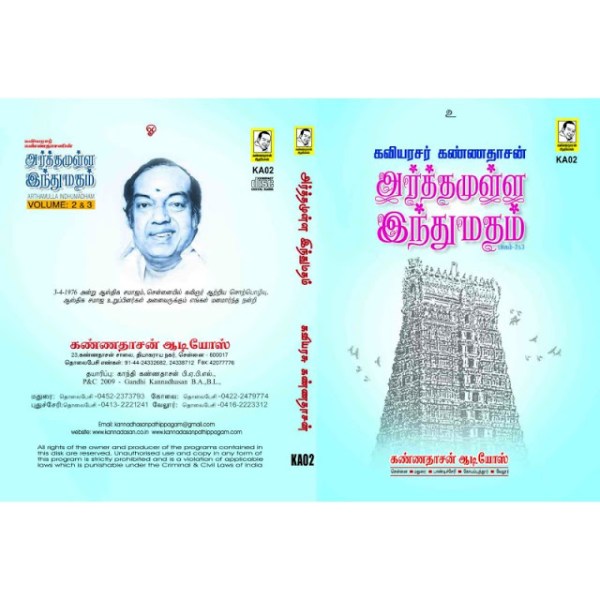
க்ராஸ் டாக்கில் உதயமானது கண்ணதாசனின் அர்த்தமுள்ள இந்துமதம்; ராஜாஜியின் தூண்டுதலால் உதித்தது கடைசிப் பக்கம்! -1


ச.நாகராஜன்


அர்த்தமுள்ள இந்துமதம் உருவானது ஒரு க்ராஸ் டாக்கினால் என்றால் ஆச்சரியமாயில்லை.

ஒரு நாள் கண்ணதாசன் நண்பர் ஒருவருடன் பேசிக் கொண்டிருந்தார். அப்போது இடையில் க்ராஸ் டாக் ஒன்று வந்தது. நண்பர் அப்புறம் பேசுகிறேன் என்று போனை வைத்து விட்டார்.


கண்ணதாசன் தொடர்ந்தார்: “யாருங்க நீங்க?”

“நான் தான் தினமணி கதிர் ஆசிரியர் சாவி பேசுகிறேன். நீங்க யாரு?”

“நான் தான் கண்ணதாசன் பேசறேன்.”

“நீங்கள்ளாம் நம்ம பத்திரிகையிலே எழுதுவீங்களா?” சாவி ஆதங்கத்துடன் பேசினார்.


“ஏன் எழுத மாட்டேன். எழுதறேனே!”

சாவி உற்சாகக் குரலில் உடனே சொன்னார்: “தலைப்பை மட்டும் சொல்லுங்கள். இந்த வாரமே அட்வர்டைஸ் பண்ணிடறேன்.
சற்றும் தயங்காமல் பதில் சொன்னார் கண்ண்தாசன் : “அர்த்தமுள்ள இந்து மதம்!”

இப்படி  உருவானது தான் அர்த்தமுள்ள் இந்துமதம்!

ஏறத்தாழ ஒரு மஞ்சள் பத்திரிகை ஆகி விட்ட தினமணி கதிர் பிழைத்தது. மக்கள் கண்ணதாசனின் ஒரு புதிய பரிமாணத்தைக் கண்டனர்; களி கொண்டனர்!


அருகிலிருந்த கண்ணதாசனின் உதவியாளர் இராம. கண்ணப்பன் வியந்து போனார். தன்னைக் கேட்காமல் எந்தத் தலைப்பையும் சொல்லாத கண்ணதாசன் அர்த்தமுள்ள இந்துமதம் என்று தலைப்பைச் சொன்னது ஆச்சரியமாக இருந்தது.

இந்தத் தலைப்பு எப்படித் தோன்றியது?


“சென்ற வருஷம் கற்பகாம்பாள் கோவில்ல நடந்த கவியரங்கத்தில் பாடின கவிதையில் இருக்குதடா இந்தத் தலைப்பு.” என்று கண்ணப்பனிடம் கூறிய கவிஞர் அந்தக் கவிதையைப் பாடினார்.


“காடுபொடி யாகநட மாடுசிவன் தேவியர்கள்

காவல்கொள் வந்த நாடு

காசிமுதல் கன்னிவரை காணுமிடம் அத்தனையும்

கன்னிவிசா லாட்சி வீடு

ஆடவரில் தேவியர்கள் பாதியெனும் தத்துவமும்

ஆக்கியவ ரென்று பாடு

ஆதிமுதல் அந்தம்வரை அர்த்தமுள்ள இந்துமதம்

ஆசையுடன் தந்த ஏடு!”


மறுநாள் காலை அலுவலகத்தில் அர்த்தமுள்ள இந்துமதம் ஆரம்பமானது.

தன் அனுபவத்தைக் குழைத்துப் புதுவிதமாக இந்து மதத்தை அவர் அறிமுகப்படுத்திய விதம் அனைவரது பாராட்டையும் பெற்றது.

பல தொகுதிகளாக மலர்ந்தது அர்த்தமுள்ள இந்து மதம்!

அர்த்தமுள்ள இந்து மதத்தைப் படித்த ராஜாஜி மலர்ந்தார்.

ஆனால் அவருக்குக் கோபம் வந்தது. கல்கி ஆசிரியரிடம் இப்படிப்பட்ட் அருமையான கட்டுரைகள் நமது பத்திரிகையில் அல்லவா வரவேண்டும். ஏற்பாடு செய்யுங்கள்”

கல்கி ஆசிரியர் கி.ராஜேந்திரன் சற்று திகைத்துப் போனார்.

ஏனெனில் கண்ணதாசன் ராஜாஜியைக் கடுமையாகத் தாக்கி வந்த காலம் அது!

ஆனால் ராஜாஜி பெருந்தனமையாக கவிஞரைக் கல்கியில் எழுத ஊக்குவிக்கிறார்.

(அடுத்த கட்டுரையில் முடியும்)


ஆதாரம் : கண்ணதாசனின் அர்த்தமுள்ள அநுபவங்கள்

இராம கண்ணப்பன் வெளியீடு: கங்கை புத்தக நிலையம் தி.நகர். சென்னை – 17

***


பதில் சொல்லடா, தமிழா! Tamil Q & A (Post No.4812)

Written by London Swaminathan 


Date: 14 MARCH 2018


Time uploaded in London – 3-56 am


Post No. 4812

Pictures shown here are taken from various sources such as Facebook friends, Books, Google and newspapers; thanks.


WARNING: PLEASE SHARE MY ARTICLES; BUT DON’T SHARE IT WITHOUT AUTHOR’S NAME AND THE BLOG NAME. BE HONEST; OTHERS WILL BE HONEST WITH YOU.


கீழ்கண்ட கேள்விகளுக்குப் பதில்/ விடை சொல்லி உங்கள் தமிழ் அறிவினைச் சோதித்துக் கொள்ளுங்கள்


1.வில்லால் அடிக்க செருப்பால் உதைக்க வெகுண்டு ஒருவன்

கல்லால் எறியப்பிரம்பால் அடிக்க இக்காசினியில்

அல்லார் பொழில் தில்லை அம்பலவாணற்கு ஓர் அன்னைபிதா

இல்லாத தாழ்வுஅல்லவோ இங்ஙனேஎளிது ஆனதுவே


2.வெள்வாய்க் கழுதைப் புல் இனம் புரட்டி

வெள்ளிஅ வரகும் கொள்ளும் வித்தும்

வைகல் உழவ! வாழிய பெரிது


3.மறுஇல மாக்கதை கேட்பவர் வைகுந்தம்

பெறுவர் என்பது பேசவும் வேண்டுமொ


  1. அம் செஞ்சீறடி அணி சிலம்பு ஒழிய

மெந்துகில் அல்குல் மேகலை நீங்கக்

கொங்கை முன்றில் குங்குமம் எழுதாள்

மங்கல அணியின் பிறிது அணி மகிழாள்


  1. முயல்விட்டுக் காக்கைப்பின் போனவாறே


  1. நல்லறம் நாடிய மன்னரை வாழ்த்தி

நயம்புரிவாள் எங்கள் தாய்- அவர்

அல்லவராயின் அவரை விழுங்கிப் பின்

ஆனந்தக் கூத்திடுவாள்


  1. ஆர்க்கும் இடுமின் அவர் இவர் என்னன்மின் பார்த்து

இருந்து உண்மின் பழம்பொருள் போற்றன்மின்


  1. அறத்தான் வருவதே இன்பம்


  1. பொருளற்ற பாட்டுக்களை – அங்குப்

புத்தமுதென்றனர்; கைத்தாளமிட்டனர்

இருளுக்குள் சித்திரத்தின் – திறன்

ஏற்படுமோ இன்பம் வாய்த்திடக்  கூடுமோ?


  1. வினையைப் பொடியாக்கித்

தணியார் பாதம் வந்தொல்லைதாராய்

பொய்தீர் மெய்யானே


11.காலில் அணியும் ஒரு நகையின் பெயர் வரும் காவியம்/காப்பியம் எது?


12.கையில் அணியும் ஒரு நகையின் பெயர் வரும் காவியம்/காப்பியம் எது?


13.காதில் அணியும் ஒரு நகையின் பெயர் வரும் காவியம்/காப்பியம் எது?


14.இடையில் அணியும் ஒரு நகையின் பெயர் வரும் காவியம்/காப்பியம் எது?


  1. நினைத்ததை அளிக்கும் ரத்தினக் கல்லின் ( தலையில் அணியும் ஒரு நகையின்) பெயர் வரும் காவியம்/ காப்பியம் எது?

xxxxxxxxxxxxxxxxxxxxxxxxxxxxxxxxx

விடை/ ANSWERS

1.காளமேகம்,  தனிப்பாடல்கள், 2. சங்க கால அவ்வையார்

புறநானூறு, 3. கம்பன், கம்ப ராமாயணம், 4. இளங்கோ, சிலப்பதிகாரம்,

  1. அப்பர் தேவாரம், நாலாம் திருமுறை, 6. பாரதி, பாரதியார் பாடல்கள், 7. திருமூலர் எழுதிய திருமந்திரம், 8. திருவள்ளுவர் எழுதிய திருக்குறள், 9. பாரதிதாசன் பாடல்கள், 10. மாணிக்கவாசகர், திருவாசகம்
  2. சிலப்பதிகாரம், 12.வளையாபதி,13.குண்டலகேசி, 14. மணிமேகலை, 15.சீவக சிந்தாமணி


Veda is the root of Dharma! (Post No.4811)

Sri A V Swaminatha Sivacharya of Mayuram addressing the conference

Research Article written by London Swaminathan 


Date: 13 MARCH 2018


Time uploaded in London – 16-07


Post No. 4811

Pictures are taken by London swaminathan


WARNING: PLEASE SHARE MY ARTICLES; BUT DON’T SHARE IT WITHOUT AUTHOR’S NAME AND THE BLOG NAME. BE HONEST; OTHERS WILL BE HONEST WITH YOU


—Research article written by Santanam (London) Swaminathan—

ARTICLE FOR SAIVA CONFERENCE SOUVENIR which was held in Vaishnava College at Arumbakkam, Chennai on 8,9,10 and 11th March 2018)This article is about the Date of the Vedas; Poets and Poetesses of the Vedas; Higher thoughts in the Vedas; Vastness of the Vedas; Mystery about the Vedas; Linguistics and Numbers in the Vedas; Secret Language of the Vedas; Maturity of thoughts in the Vedas; World Welfare in the Vedas; Vedas and other civilizations; Importance of Preserving the Vedas.)
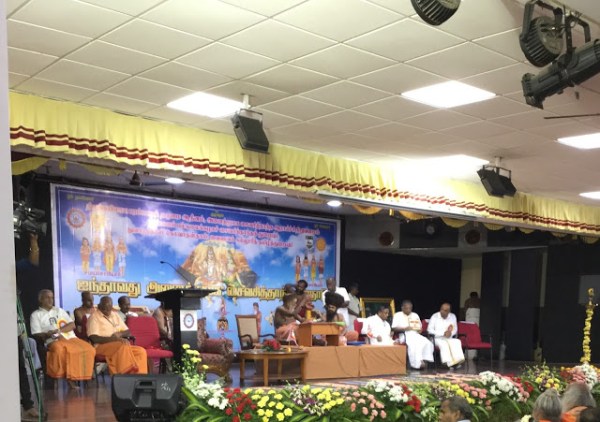
 

Chief of Dharmapura Adeenam with his junior


MANU’S QUOTE ON VEDAS

वेदोऽखिलो धर्ममूलं स्मृतिशीले च तद्विदाम् ।

आचारश्चैव साधूनामात्मनस्तुष्टिरेव च ॥ Manu 2-6


“The whole Veda is the (first) root of the righteousness/ dharma/ religion and sacred law, next the tradition and the virtuous conduct of those who know the Veda further, also the customs of holy men, and finally self-satisfaction”- MANU 2-6

पितृदेवमनुष्याणां वेदश्चक्षुः सनातनम् ।

अशक्यं चाप्रमेयं च वेदशास्त्रमिति स्थितिः ॥ Manu12-94॥


“The Veda is the eternal eye of the ancestors, gods and humans; the teachings of the Vedas are impossible to master and impossible to measure; this is an established fact”- Manu 12-94


Rig Veda is the oldest religious book and the oldest anthology in the world. It is amazing to see a galaxy poets associated with the Rig Veda (RV). We have the names of over 430 poets in the Vedic Anukramani; another wonder is that we find over 20 poetesses in the Rig Veda.


There are two more interesting things about the RV

  1. a) the way it was preserved through the word of mouth for several thousand years and
  2. b) the method with which every word was preserved intact through Gana patam, Jata parayanam etc.


Manu has beautifully described the importance of the Vedas in two bullet points:

1.Root of Dharma/ Hindu Religion

2.Vedas are immeasurable; eye of the gods, human beings and our ancestors.


How beautifully he has described it in two couplets!


Dr R Nagasamy, eminent historian and london swaminathan with Ilaya Sannidhanam of Dharmapura Adheenam

Age of the Vedas

150 years ago, Westerners dated Vedas around 1200 BCE; but Hindus believed that they are eternal and ‘heard’ by the Rishis or seers like we hear radio broadcasts. If you tune to a frequency you listen to Chinese or Russian broadcast; Vedic Rishis also ‘saw’ the Vedic mantras like we see the TV broadcasts and so the seers are called ‘Mantra Dhrustas’. Since they heard the Mantras, the Vedas are called Sruti (tat which is heard). The meaning is Vedas contain eternal truths; we know the laws of gravity existed even before Issacs Newton wrote it in a book; we know that the Theory of Relativity existed even before Albert Einstein published it. Similarly, the Vedic truths existed even before the seers told us.


What are they?

Satyam Vada= Speak the Truth

Dharmam chara = Be charitable

Satyameva Jayate = Truth alone triumphs

Ekam Sat Vipraahaa Bahudaa vadanti = Truth is one; scholars call them differently


These are common to any religion; they are eternal truths; It will exist even after the disappearance of human race like the Laws of Physics.


We all know that all the languages have ‘A’ as the first letter. Lord Krishna in the Bhagavad Gita, Jesus in the Bible, Thiruvalluvar in the Tamil Veda Tirukkural repeated this universal truth. It is in the Rig Veda. The first hymn begins with the word Agni and the last one finishes with Agni. Even if we take Aum as the first word in any mantra that is also formed of A U M. I can list hundreds of eternal truths like this in the Rig Veda.


DATE OF RIG VEDA

After the research done by the scientists of the Atomic Energy Commission in the Sarasvati river basin, we come to know that the mighty river existed before or around 2000 BCE. Vedas praise the mighty river in scores of verses. That places the age of Vedic hymns around or before 2000 BCE. Before the Sarasvati River Research, we had some archaeological evidence from Bogazkoy in Turkey. We have the names of the Vedic gods in a treaty in the Mitanni civilization and the treaty is clearly dated 1380 BCE. Apart from this we have astronomical evidence to show that the Vedas can be dated between 4000 BCE and 6000 BCE. No one has challenged the dates put forth by the German scholar Herman Jacobi and the Hindu scholar and freedom fighter Bala Gangadara Tilak.
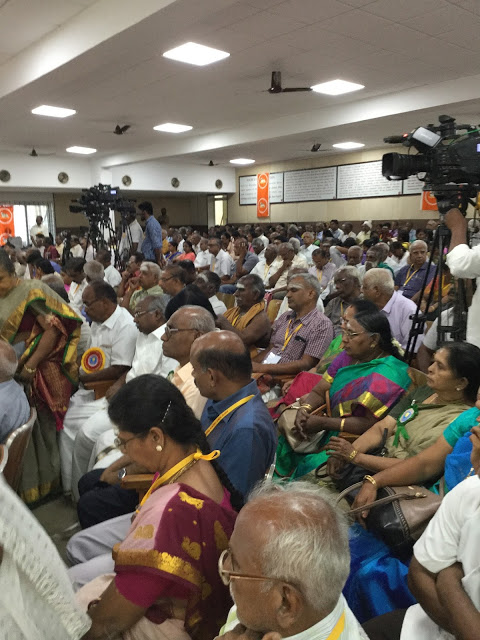
Big Crowd on the very first day, inaugural session.

VASTNESS AND MATURITY

There are other ways of measuring the age of a community or a society or a civilization. The vastness of the Vedic literature point out to a very matured and long lived society. Even before the Greeks started writing a book (Iliad and Odyssey by Homer)  the Vedic seers produced four Vedas and immeasurable Brahmanas , Aranyakas and Upanishads. The Vedic verses alone count over 20,000 verses. To produce such enormous quantity of verses with quality is possible only when a society lives for a long period.


It is true that there are 60,000 clay tablets in Babylonia and it is true the ancient Egyptians have the Book of Dead and hieroglyphic writings on the walls of Egyptian Pyramids and papyrus rolls. But they can’t even come nearer to Vedas in matured thoughts and scientific approach.


The decimal system, the Vedic grammar, the prosody, the metres, the number symbolism, the linguistic references, the Divisions of speech, the cosmological enquiries etc show that the Vedic Hindus were highly educated, highly advanced, and part of a well matured civilization. The number of poets and poetesses around 2000 BCE also point in this direction.


Above all, we have very clear evidence of Guru Parampara- the lineage of teachers– in the Brhad Aranyaka Upanishad. We have over 50 generations of teachers around 850 BCE. Even if we give 30 years per Guru we will get 1500 years before 850 BCE! Greek writers mentioned that Hindus talked about 140 generations of king before Megatheres. That will give 3500 years before Third Century BCE, that is at least 5800 years! We have the list of kings enumerated in all the Puranas.
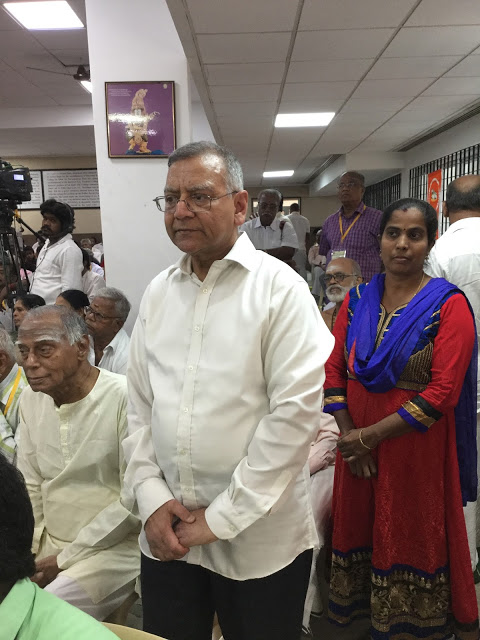
Dr R Nagasamy, famous archaeologist and london swaminathan in the conference


WORLD WELFARE

The last hymn of the RV beautifully summarises the very purpose of the Vedic recitation: it prays for the welfare of the society. We fought two world wars before creating one UNO with such welfare thoughts. One would wonder to see such higher thoughts in the RV thousands of years before our time!

Read the verse below:


Common be your Prayers


Common be your End


Common be your Purpose


Common be your Deliberations


Common be your Desires

United be your Hearts

United be your intentions

Perfect be the Union amongst you

RV 10-191


We have the root of democracy in the Vedas. The Sabhas and Samitis elected the kings.
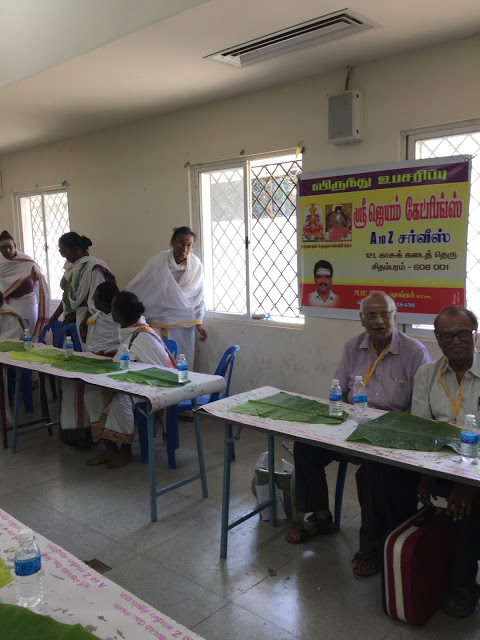
Lalgudi Veda and Dr Subramaniam in the dining hall.


VEDAS- FULL OF MYSTERIES

Tamils are the people who understood the Vedas very well. They named the Vedas ‘Marai’ meaning secret. Vedas are full of mysteries. The poets themselves said that Gods love secret or coded language. Tamils also described the Vedas as unwritten chastity; once it is written it loses its chastity or sanctity. Karikal Cholza did a fire sacrifice by constructing a fire altar in the shape of an eagle. Choza Perunarkilli did Rajasuya Yagna; Pandya Mudukudumi Peru valuthi’s country was full of Yupa/ Vedic sacrificial pillars according to 2000 year old Tamil Sangam literature.


The geographical area that the Vedas covered 2000 years ago was very vast- the whole of Asia. We have Vedic names from Iran to Vietnam; from Turkey to Indonesia. No ancient culture had such a spread over the vast land mass.


NUMBER SYMBOLISM

The secret language of the Vedic seers became complicated with the number symbolism they used. Dirgatamas’ one hymn (RV 1-164) is a good example to show how advanced they were in languages. The linguistic passages, the prosody, the number symbolism all these place the Vedic civilization above other ancient cultures.


Dr R Nagasamy, Research scholar Ramadevi in the conference


SCIENCE IN THE VEDAS


Questions concerning the beginning and origin of all things were asked and answered by the Vedic Rishis. Thus, in the hymn 10-121 Hiranyagarbha (golden egg) is described as existing in the beginning of the creation, the sole Lord of beings, supporting heaven and earth. This developed in to Big Bang theory in cosmology.


In 10-90 hymn popularly known as Purushasukta, the idea that the whole world is one being, the Virat purusha, who having pervaded the world from all sides, still remained over and above it, is dealt with.


In the hymn 10-82, waters are spoken of as being the first substance or prime cause, which is a scientific fact.

In hymn 10-125, Vak (speech) is represented as the companion and upholder of the gods and as the foundation of all religious activity and its attendant boons.


Hymn 10-129 is a typical hymn in this connection. It is called the Creation hymn. Deussen says of this hymn: “In its noble simplicity, in the loftiness of its philosophic vision, it is possibly the most admirable bit of philosophy of olden times… No translation can ever do justice to the beauty of the original”

Nasadiya Suktam (10-190) in the Rig Veda shows that the Vedic Hindus were well advanced in Astronomy and cosmology. They were great mathematicians and used decimal system in almost all the hymns 6000 0r 7000 years ago! Now if anyone says that the Vedic Hindus were primitive nomads and pastoral people we can have a good laugh.


The Nasadiya Hymns (RV 10-129) traces the creation of the existent to the non-existent. One must read much between the lines to fit it in a true metaphysical pattern. But from the text itself it is obvious that the poet succeeded in stretching his imagination to a point of time when creation had not yet come into being ( before the Big Bang!). He can visualize the primal darkness of non-existence and the complete void in Time and Space. He has a dim misty vision – but a powerful and gripping one all the same – of being slowly emerging of non being. The power of the hymn lies in this vision.

Such thoughts can’t come from a primitive culture; unless they are highly civilized they can’t sing such songs.
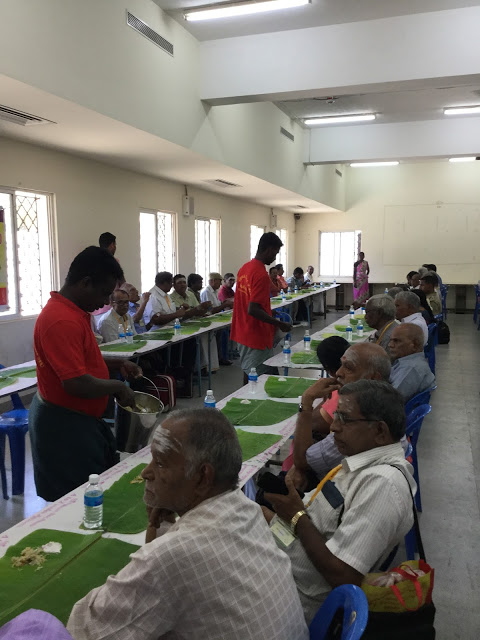
Hundreds of people attended the conference

WHY SHOULD WE PRESERVE IT?

Kanchi Paramacharya emphisized the need of preserving the Vedas with a story. A blind man was holding a lamp and walking in the dark streets. People were wondering why should a blind man hold a lamp when he can’t see anything. When people asked him the reason, he told them that it was true that he couldn’t see the difference between light and darkness but it would definitely help others walking in the dark (they wouldn’t bump on him) . Similarly, we may be blind about the meaning of Vedas or the significance or the greatness of Vedas, but if we carry the Vedic torch in our hands it would definitely help the future generations. There may be another Veda Vyasa or Adi Sankara or Thiru Jnana Sambandar or Nammaalvar in the future who can enlighten us with the same Vedic truths. All the Tamil scriptures sung by Nayanmars and Alvars and hundreds of Tamil saints praised the Vedas sky high.


The whole Sangam literature has got hundreds of references to Vedas and Vedic themes in its 2500 plus poems. If we don’t preserve the Vedas our future generations would struggle to find the true meanings of those poems and a Hiranyakasipu or a Ravana can misinterpret them. Like Manu pointed out, our Dharma is rooted in the Vedas. We need to preserve our culture and religion. All our modern missiles (Agni, Varun etc) in the military, motto of all our government institutions, the state governments including the Tamil Nadu government have Vedic themes (Vaimaiye Vellum = Satayameva Jayate in Government of India and Tamil Nadu Government emblems). To understand them better we need the knowledge of the Vedas. Hundreds of words found in the RV are in our day to day vocabulary.

Let us preserve the Vedas like the great Tamil poet Bharati said:

Vetri Ettu Thikkum Etta Kottu Murase

Vedam endrum Vazka enru Kottu Murase


“Let the Vedic drum make sound in all the eight directions; let the Vedas long live!”


Let us sing the glory of the Vedas in Tamil like our great poet Bharati said,

Tamilzil Paza Maraiyaip paaduvom.

“Let us sin the glory of the Vedas in Tami”l.


We will repeat what Tirumular said,

“Vedas and Agamas are true; they are sacred; some debate which one is superior. The fact is Vedas are for common knowledge and Agamas are for specialised knowledge. Wise see both as one” (Vethamoodu aaagamam meyyaam……………..)


–Subham–
பாரதி போற்றி ஆயிரம் – 62 (Post No.4810)

A scene from Bharati Drama

Date: MARCH 13,  2018


Time uploaded in London-15-01


COMPILED by S NAGARAJAN


Post No. 4810


PICTURES ARE TAKEN from various sources. PICTURES  MAY NOT BE RELATED TO THE ARTICLE; THEY ARE ONLY REPRESENTATIONAL.


WARNING: PLEASE SHARE MY ARTICLES; BUT DON’T SHARE IT WITHOUT AUTHOR’S NAME AND THE BLOG NAME. BE HONEST; OTHERS WILL BE HONEST WITH YOU.


  பாடல்கள் 442 முதல் 454


கவிதை இயற்றியோர்: பல்வேறு கவிஞர்கள்

தொகுப்பு : ச.நாகராஜன்


கலைமாமணி கவிஞர் கே.பி.அறிவானந்தம் பாடல்கள்

பாரதி பத்துப்பாட்டு

நூலில் பத்து அத்தியாயங்கள் உள்ளன. இங்கு இரண்டாம் அத்தியாயம் தொடர்கிறது

இரண்டாம் அத்தியாயம்: பாரதமாதா பார்வையில் பாரதி

31 முதல் 43 வரை உள்ள பாடல்கள்


சொந்த மண்ணை விட்டு வந்து

   சோர்ந்து வாழ்தல் வாழ்க்கையோ?

இந்தி யாவில் சிறையி லென்னை

   இட்ட போதும் தாழ்ச்சியோ?

இந்த வாழ்வு தேவை யில்லை

   என்று வந்து சிறையிலே

தந்த துன்பம் ஏற்று மீண்டாய்

   சார்ந்த நட்பால் விரைவிலே


வறுமை யுன்னை கடையம் தன்னில்

   வாட்டி வதைத்த நாளிலும்

சிறுமை செய்து சுற்ற மெல்லாம்

   சீறி விழுந்த போதிலும்

உறுதி யோடு சென்னை வந்து

   உற்ற இதழின் பணியேற்றே

இறுதி வரையில் எழுதி எழுதி

   எனக்கெ னவுயிர் தந்தாயே


சுதந்திர ஆடை நெய்திட நூலை

   சேர்த்திடும் அந்நாளே – அங்கு

அதையவர் அன்றே அணிந்திட் டாற்போல்

   ஆடுவோ மேயென்றாய் – உலகில்

இதனிலும் தீர்க்க தரிசனம் என்பதை

   எங்கும் பார்த்ததில்லை – பின்னர்

அதன்படி சுதந்திர பூமியில் மக்கள்

    ஆடியே பாடினரே!


இறந்த காலச் சிறப்புகள் பாடி

   இறும்பூ தெய்தினையே! – ஆனால்

பிறங்கும் நிகழ்கா லத்தின் நிலையை

   பிழையற உரைத்தனையே – அன்றே

சிறந்த எதிர்கா லத்தின் மேன்மையை

   சீருற மொழிந்தனையே – அதனால்

கறங்கும் திரிகா லமும்மொழி ஞானக்

   கவியாய் திகழ்ந்தனையே!


புதிதாய் மலர்ந்த ருஷியப் புரட்சியின்

    பெருமையை உணரவைத்தாய் – மேலும்

மதித்தற் குரிய பெல்ஜிய வாழ்த்து

    மாஜினி சபதமுடன் – நாளும்

விதியது வோயென பீஜித் தீவினில்

   வேதனைப் படும்பெண்கள் – கொண்ட

கதியையும் பாடி எல்லையில் உலகக்

   கவியாய் உயர்ந்தனையே!


வந்தே மாதரம் என்பார் – அது

   தந்திடும் பொருளுணராமலே மொழிவர்

வந்தே மாதரம் என்றால் – எங்கள்

    மாநிலத் தாயை வணங்குத லென்றே

சிந்தை தெளிந்திட உரைத்தாய் – பொருள்

    செம்மையாய் உணர்ந்திட வேமொழி பெயர்த்தாய்

இந்த நாளிலும் இன்னும் – அதை

    இகழ்வாய் பேசிடும் ஈனருள ரன்றோ?


தாயின் மணிக்கொடி என்றே – நான்

   தாங்கிடும் துவசத்தின் சிறப்பை வடித்தாய்

சேயிவர் உயிரினைத் தந்தும் – அதன்

   செம்மையை உதிரத்தால் காப்பாரென் றுரைத்தாய்

ஆயினும் நிகழ்வது என்ன? – இன்று

    அவரவர்க் கெனதனிக் கட்சிகள் கண்டே

ஏயின கொடிகள்கிழ் நின்றார் – அதில்

    எனக்குள தேசியக் கொடியினை மறந்தார்


பொன்விழா கண்டஎன் நாட்டில் – இன்னும்

   பஞ்சமும் பசியும் தீர்ந்திட வில்லை

அன்றுநீ உணவைப் பறிக்கும் – மனிதர்

   அகன்றிடு வாரென அகமிக மகிழ்ந்தாய்

இன்றுமந் நிலையே அமைத்தார் – பலர்

    ஏழைக ளாகிட சிலர்யாவும் பறித்தார்

 என்றிவர் வறுமைகள் நீங்கும் – பாரதி

    அன்றுதான் நீ சொன்ன பாரதம் ஓங்கும்


முப்பது கோடி மக்களுக் கோருயிர்

முன்னம் உரைத்தனையே – இன்று

செப்பரும் நூறு கோடி யாயிவர்

சிதைவுற்று நின்றனரே


அறுபது கோடி தடக்கை களாமென

அகம்மிக மகிழ்ந்திருந்தாய் – ஆனால்

இருநூறு கோடி கரங்க ளிருந்தும்

ஏதும்முன் னேற்றமில்லை


மேவினர்க கின்னருள் செய்பவள் தாயென

மேன்மை யுறவுரைத்தாய் – இங்கே

மேவிய பற்பல பேதங்க ளால்பகை

மூண்டுள தென்செய்வேன்?


அல்லவ ராயின் அவரை விழுங்குவள்

அன்னையென் றேவுரைத்தாய் – என்ன

சொல்லுவேன் இவர்கள் மாறுபட் டுத்தம்மைத்

தாமே விழுங்கினாரே


அடிமை விலங்கினை உடைத்திட அந்நாள்

   அரியநற் கவிதைகள் தீட்டிவிட்டாய்

முடிவே இல்லாத மதஇன சாதியாம்

   விலங்குகள் இந்நாளில் பூட்டிவிட்டார்

கடின முயற்சிகள் அதனிலும் தேவையாய்

   கழற்ற முடியாமல் திணறுகின்றேன்

விடிவினைக் காணவே மீண்டும் நீவந்தால்

    விடுதலை பெறுவேன் வாழியவே.


பாரதமாதா பார்வையில் பாரதி முற்றும்

தொகுப்பாளர் குறிப்பு:
கவிஞர் கே.பி. அறிவானந்தத்தைக் கடிதம் மூலம் தொடர்பு கொண்ட போது, பாரதிப் பத்துப்பாட்டை வெளியிட மகிழ்ச்சியுடன் அனுமதி தந்தார். அவருக்கு எமது நன்றி

2003ஆம் ஆண்டு இந்த பாரதி பத்துப்பாட்டு காவியத்தை இயற்றியுள்ளார் இவர்.

இவரைப் பாராட்டி மகிழ விரும்பும் அன்பர்கள் கடிதம் அனுப்ப வேண்டிய முகவரி: கவிஞர் கே.பி.அறிவானந்தம், 14, நல்லீஸ்வரர் நகர், வெங்கடாபுரம், குன்றத்தூர், சென்னை 600 069

நன்றி: கவிஞர் கே.பி.அறிவானந்தம் நன்றி: சந்தனத் தென்றல் பதிப்பகம், சென்னை.

****