ON WEALTH- THE RIG VEDA AND TAMIL VEDA (Post No.4924)

ON WEALTH- THE RIG VEDA AND TAMIL VEDA (Post No.4924)


WRITTEN by London Swaminathan 


Date: 17 April 2018


Time uploaded in London –  14-49 (British Summer Time)


Post No. 4924


Pictures shown here are taken from various sources such as Facebook friends, Books, Google and newspapers; thanks. Pictures may be subject to copyright laws.


WARNING: PLEASE SHARE MY ARTICLES; BUT DON’T SHARE IT WITHOUT AUTHOR’S NAME AND THE BLOG NAME. BE HONEST; OTHERS WILL BE HONEST WITH YOU.


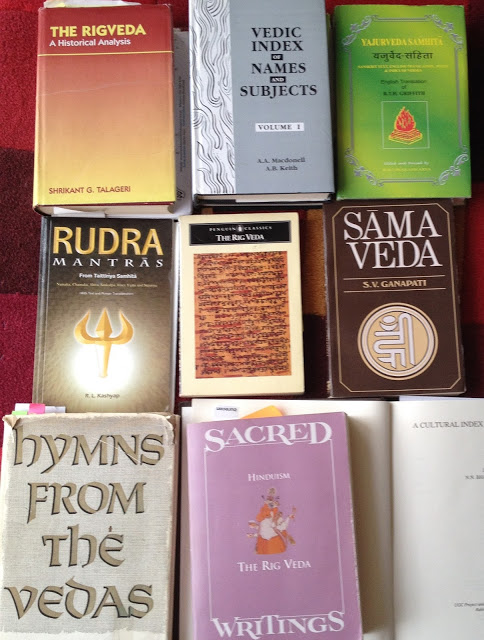
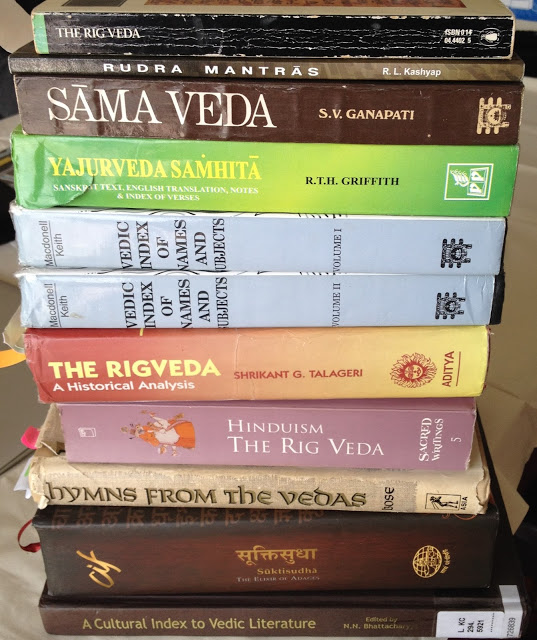
Rig Veda is the oldest book in the world. Tamil Veda is Tirukkural written by Tiruvalluvar, the greatest of the Tamil poets, who lived around 5th century CE. Tamil Nadu government placed him in 30 BCE.

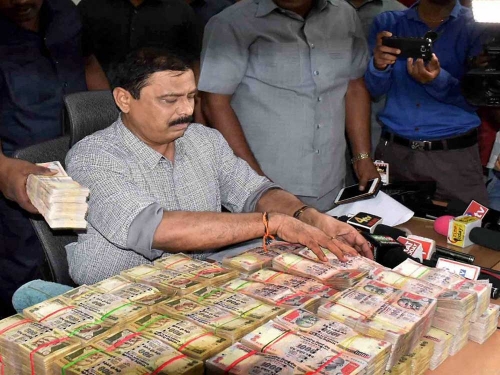
Tiruvalluvar, Kavasa Ailushan and Grtsamada- all the three poets praise wealth (money). They know the importance of wealth. Tamil poet Tiruvalluvar makes it very clear that this world in not for the poor.


Let us look at a few verses from both the Rig Veda and the Tamil Veda Tirukkural.

“As those without money (wealth) can have no enjoyments in this world so also are those without compassion denied the blessings of the world above (heaven)”—Kural/couplet 247


The poor may sometimes (by winning a lottery prize, finding a treasure trove)  prosper, but those without compassion will be ruined without redemption – Kural 248


It is interesting to note that Valluvar insists one should have money but money may come and go, but compassion once gone, gone for ever, no redemption.

Money and wealth are compared with the wheel of a cart, elsewhere in the Rig Veda. It goes up and down.


Now look at what the Vedic poets say about wealth: –

The Right Way to Wealth

Rishi- Kavasha, son of Elusha

Rig Veda 10-31-2

Let a man think well of wealth, and try to

win it by the path of Law and by worship;

and let him consult his own intellect

and grasp with his mind greater ability


And in another hymn,

Rishi Gritsamada

RV 2-21-6


Bestow on us, Indra, the best of treasures;

the efficient mind and great brilliance

the increase of wealth, the health of bodies

the sweetness of speech and the fairness of days.


Bring thou to us wealth with the power to strike – says another rishi/seer in RV3-46-4

xxx


But the Brihadaranyaka (Big Forest Upanishad) Upanishad warns money wont help a person in the other world:-

Through wealth there is no hope of immortality

–Br.U. 4-5

What should I do with worldly wealth by which I cannot become immortal?


–Maitreyi to Yajnavalkya in Br.Up. 2-4-3


That is the reason Hindu seers erected the Hindu building on the four pillars of Dharma, Artha , Kama, and Moksha ( Virtue, Wealth, Pleasure and Salvation.)

Seers insist that one should find a balance between the four and they say one should have one or two  without affecting the others in the four.

Tirukkural followed the same pattern and Valluvar divided his book into three chapters: Virtue, Wealth and Pleasure.

It is also interesting to note that the same order is recited in the oldest Tamil book Tolkappiam in at least two or three verses.


–Subham–


பணம், பணம், பணம்– ரிக் வேதமும் தமிழ் வேதமும் புகழ்மாலை (Post No.4923)

பணம், பணம், பணம்– ரிக் வேதமும் தமிழ் வேதமும் புகழ்மாலை (Post No.4923)


WRITTEN by London Swaminathan 


Date: 17 April 2018


Time uploaded in London –  13-53 (British Summer Time)


Post No. 4923


Pictures shown here are taken from various sources such as Facebook friends, Books, Google and newspapers; thanks. Pictures may be subject to copyright laws.


WARNING: PLEASE SHARE MY ARTICLES; BUT DON’T SHARE IT WITHOUT AUTHOR’S NAME AND THE BLOG NAME. BE HONEST; OTHERS WILL BE HONEST WITH YOU.


‘பணம் என்றால் பிணமும் வாய் திறக்கும்’ – என்பது தமிழ்ப் பழமொழி. ரிக் வேதமும், தமிழ் வேதமாகிய திருக்குறளும் பணத்தைப் போற்றுகின்றன. தமிழ் வேதம் என்று திருவள்ளுவமாலை போற்றும் திருக்குறளை விடப் பல்லாயிரம் ஆண்டுகள் பழமையுடைத்து ரிக் வேதம் . ஜெர்மன் அறிஞர் ஹெர்மன் ஜாகோபி சுமார் 6000 முதல் 8000 ஆண்டுகளுக்கு முந்தையது என்று வானியல் குறிப்புகளை வைத்து மொழிந்தார். அவர் உரைத்ததை இன்று வரை தகர்த்தார் எவருமிலர். நிற்க


பணம் ஜிந்தாபாத்! பணம் வாழ்க! ஏன்? ஏன்?

அருள் இல்லார்க்கு அவ்வுலகம் இல்லை பொருள் இல்லார்க்கு

இவ்வுலகம் இல்லாகியாங்கு (குறள் 247)


பொருள்

பணம் இல்லாதவர்களுக்கு இந்த உலகத்தில் நல்ல வாழ்வு இல்லை; அது போல அருள் (கருணை) இல்லாதவர்களுக்கு சுவர்க்கத்தில் இடம் இல்லை.


தொல்காப்பியரும் திருவள்ளுவரும் அதி தீவிர இந்துக்கள். ஆர். எஸ். எஸ்.காரர்கள் தோற்றுப்போவார்கள்!!


ஸம்ஸ்க்ருதத்தில் சொன்ன தர்ம, அர்த்த , காம என்ற வரிசையில் தீவிர இந்துத்வவாதியான திருவள்ளுவர் திருக்குறளை அமைத்தார். த்ருண தூமாக்கினி என்னும் தொல்காப்பிய ரிஷியோ இதைப் பல இடங்களில் அதே வரிசையில் செப்பிச் சென்றார்.


ஆக பொருள் (பணம்) என்பதன் முக்கியத்துவத்தைத் தொல்காப்பிய ரிஷியும் வள்ளுவ முனியும் வலியுறுத்துவர்.


இன்னொரு குறளில் வள்ளுவன் விளம்புவது யாதெனின்,

பொருளற்றார் பூப்பர் ஒருகால் அருள் அற்றார்

அற்றார் மற்று ஆதல் அரிது (248)


உலகில் பணம் இல்லாதவர்களுக்கு திடீரென லாட்டரிப் பரிசு அடிக்க வாய்ப்பு உண்டு; ஆனால் கருணை இல்லாதவர்களுக்குப் பாவம் சேர்வதால் மீண்டும் வளம்பெறுவது கடினமே.


இவ்வாறு பல இடங்களில் வள்ளுவன் நுவல்வதோடு, வாணிகம் என்ற ஸம்ஸ்க்ருதச் சொல்லை  அப்படியே வள்ளுவத்தில் கையாளுவதால் அவர் நல்ல பிஸினஸ்வாதி என்றும் தெளிவு பெறலாம்.


சாணக்கிய நீதியில் சாணக்கியன் பகர்வான்-


கெட்ட வழியில் சம்பாதித்த பணம் பத்து ஆண்டுகளுக்கு இருக்கும். பதினோராவது ஆண்டு துவங்கும் போது அடியோடு, வேரோடு பிடுங்கிக் கொண்டு போய்விடும்.


செல்வம்  என்பது சக்கரம் போல. அது மாறி மாறி வரும் என்று ரிக் வேதம் புகலும். அதை மேற்கூறிய (248) குறளில் கண்டோம்.

15-6

அன்யாயோபார்ஜிதம் வித்தம் தச வர்ஷாணி திஷ்டதி

ப்ராப்தே சைகாதசே வர்ஷே ஸமூலம் தத் வினஸ்யதி


அழக்கொண்ட எல்லாம் அழப்போம் இழப்பினும்

பிற்பயக்கும் நற்பாலவை – குறள் 659


பிற மக்களை அழ, அழ வைத்து சம்பாதித்த பொருள் எல்லாம், அந்த மனிதனை அழ அழ வைத்துவிட்டுப் போய் விடும்; உண்மையாக உழைத்து சம்பாதித்த பணம் போனாலும், அதில் ஒரு நன்மையே ஏற்படும்.

இனி ரிக் வேதத்துக்குள் நுழைவோம்:-


எங்களுக்குச் செல்வத்தைக் கொடு; அதன் மூலம் தாக்கும் சக்தியையும் கொடு- என்று வேத மந்திரம் சொல்கிறது (ரிக் வேதம் 3-46)


பணம் இருந்தால்தான் எதிரிகளைத் தாக்கும் சக்தியும்  கிடைக்கும்.


ஆயினும் பணம் என்பது மோட்ச சாம்ராஜ்யத்துக்கு வழி இல்லை என்பதை பிருஹத் ஆரண்யக (பெருங்காட்டு உபநிஷதம்) உபநிஷத் தெளிவுபடுத்தும்:-

‘செல்வம் மூலம் முக்தி பெற முடியாது’- நாலாவது அத்யாயம், ஐந்தாவது பிராஹ்மணம், பிரு. உபநிஷத்.


xxx


கவச ஐலூஷன் என்ற ரிஷி பாடுகிறார் (10-31-2)

மனிதர்கள் செல்வம் பற்றி சிந்திக்கட்டும்

சட்டபூர்வ வழிகளிலும் வழிபாட்டின் மூலமும் வெல்லட்டும்

நன்கு சிந்தித்து விவேகத்துடன் செயல்படட்டும்

சுய சிந்தனையால் திறமையுடன் செயல்படட்டும்.


க்ருத்ஸமடர் என்ற ரிஷியும் செல்வம் பற்றிப் பாடுகிறார் (2-21-6)


இந்திரா! எங்களுக்கு நல்ல புதையல்கள் கிடைக்கட்டும்

திறமையான சிந்தனையையும் பிரகாசமான புத்தியையும் கொடு

செல்வம் அதிகரிக்கட்டும், உடல் ஆரோக்கியம் பெருகட்டும்

இனிமையான பேச்சு அமையட்டும், நாட்கள் நல்லதாக இருக்கட்டும்.


ஆக செல்வத்திதை வேண்டுவது, உலகின் பழமையான புஸ்தகத்தில் இருப்பது குறிப்பிடத் தக்கது. உலகில் இந்துக்கள் மட்டுமே இப்படி அறம்- பொருள்- இன்பம்- வீடு (மோக்ஷம்) என்று வாழ்க்க்கைக்கு நான்கு தூண்கள் நிறுவியவர்கள். வேறு எந்த ஒரு மதத்திலும் இவ்வாறான தெளிவான வரையறை இல்லை!


MY OLD ARTICLES ON THE SAME THEME

பண மோசடி பற்றி வள்ளுவன், சாணக்கியன் …

https://tamilandvedas.com/…/பண-மோசடி-பற்றி-வள…

Translate this page

1 Mar 2018 – அழக்கொண்ட எல்லாம் அழப்போம் இழப்பினும். பிற்பயக்கும் நற்பாலவை – குறள் 659. பிற மக்களை அழ,அழ வைத்து சம்பாதித்த பொருள் எல்லாம், அந்த மனிதனை அழ அழ வைத்துவிட்டுப் போய் விடும்; உண்மையாக உழைத்து சம்பாதித்த பணம் போனாலும், அதில் ஒரு நன்மையே …

பாவங்கள் | Tamil and Vedas

https://tamilandvedas.com/tag/பாவங்கள்/

Translate this page

அழக்கொண்ட எல்லாம் அழப்போம் இழப்பினும். பிற்பயன் நற்பாலவை (659). பிறரை அழவைத்து பிடுங்கிய பணம்எல்லாம், உன்னை அழ அழச் செய்துவிட்டு ஓடிப்போகும். உனக்கு பொருளே நஷ்டமானாலும், புண்ணியம் செய்தால் அது பிற்காலத்தில் பலன் தரும். இடுக்கட் படினும் இளிவந்த …

அஜீரணம் | Tamil and Vedas

https://tamilandvedas.com/tag/அஜீரணம்/

Translate this page

அழக்கொண்ட எல்லாம் அழப்போம் இழப்பினும். பிற்பயன் நற்பாலவை (659). பிறரை அழவைத்து பிடுங்கிய பணம்எல்லாம், உன்னை அழ அழச் செய்துவிட்டு ஓடிப்போகும். உனக்கு பொருளே நஷ்டமானாலும், புண்ணியம் செய்தால் அது பிற்காலத்தில் பலன் தரும். இடுக்கட் படினும் இளிவந்த …

குறள் உவமை | Tamil and Vedas

https://tamilandvedas.com/category/குறள்-உவமை/

Translate this page

அன்யாயோபார்ஜிதம் வித்தம் தச வர்ஷாணி திஷ்டதி. ப்ராப்தே சைகாதசே வர்ஷே ஸமூலம் தத் வினஸ்யதி.அழக்கொண்ட எல்லாம் அழப்போம் இழப்பினும். பிற்பயக்கும் நற்பாலவை – குறள் 659. பிற மக்களை அழ,அழ வைத்து சம்பாதித்த பொருள் எல்லாம், அந்த மனிதனை அழ அழ வைத்துவிட்டுப் …


–subham–


Why does my child do Sanskrit? (Post No.4922)

COMPILED by S NAGARAJAN


Date: 17 April 2018


Time uploaded in London –  7-13  AM  (British Summer Time)


Post No. 4922


Pictures shown here are taken from various sources such as Facebook friends, Books, Google and newspapers; thanks. Pictures may be subject to copyright laws.


WARNING: PLEASE SHARE MY ARTICLES; BUT DON’T SHARE IT WITHOUT AUTHOR’S NAME AND THE BLOG NAME. BE HONEST; OTHERS WILL BE HONEST WITH YOU


S.Nagarajan’s Note:

We have presented in four parts the Tamil translation of Rutger Kortenhorst’s wonderful speech. He is a Sanskirt Scholar and teacher. Readers who want to read the original text may be benefitted by the following text.

Thanks to many net sites.

Why does my child do Sanskrit?
by Rutger Kortenhorst


Rutger Kortenhorst, a Sanskrit teacher in John Scottus School in Dublin, speaks on the value of teaching Sanskrit to children, based on his own experience with the language.

Good evening Ladies and Gentlemen, we are going to spend an hour together looking at the topic ‘Why does my child do Sanskrit in John Scottus?’ My bet is that at the end of the hour you will all have come to the conclusion that your children are indeed fortunate that this extraordinary subject is part of their curriculum.

Firstly, let us look at Why Sanskrit for my child? We are the only school in Ireland doing this language, so this will need some explaining. There are another 8 JSS-type schools around the world that have made the same decision to include Sanskrit in their curriculum (they are all off-shoots from the School of Philosophy).

Secondly, how is Sanskrit taught? You may have noticed your son or daughter singing Sanskrit grammar songs in the back of the car just for the fun of it on the way home from school. I’ll spend some time telling you HOW we approach teaching Sanskrit now since my year in India.
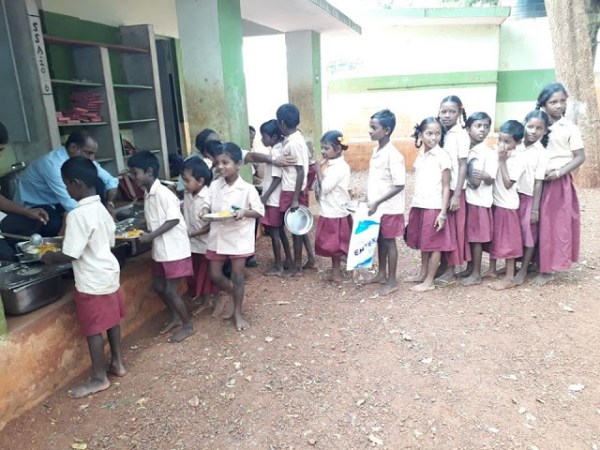
Why Sanskrit?

But first of all: why Sanskrit? To answer that we need to look at the qualities of Sanskrit. Sanskrit stands out above all other languages for its beauty of sound, precision in pronunciation and reliability as well as thoroughness in every aspect of its structure. This is why it has never fundamentally changed unlike all other languages. It has had no need to change being the most perfect language of Mankind.

If we consider Shakespeare’s English, we realize how different and therefore difficult for us his English language was although it is just English from less than 500 years ago. We struggle with the meaning of Shakespeare’s English or that of the King James Bible. Go back a bit further and we don’t have a clue about the English from the time of Chaucer’s ‘Pilgrim’s Progress’ from around 700 AD. We cannot even call this English anymore and now rightly call it Anglo-Saxon. So English hadn’t even been born! All languages keep changing beyond recognition. They change because they are defective. The changes are in fact corruptions. They are born and die after seven or eight hundred years –about the lifetime of a Giant Redwood Tree- because after so much corruption they have no life left in them. Surprisingly there is one language in the world that does not have this short lifespan. Sanskrit is the only exception. It is a never-dying constant. The reason for the constancy in Sanskrit is that it is completely structured and thought out. There is not a word that has been left out in its grammar or etymology, which means every word can be traced back to where it came from originally. This does not mean there is no room for new words either. Just as in English we use older concepts from Greek and Latin to express modern inventions like a television: ‘tele [far] – vision [seeing]’ or ‘compute –er’. Sanskrit in fact specializes in making up compound words from smaller words and parts. The word ‘Sams – krita’ itself means ‘completely – made’.

So what advantages are there to a fundamentally unchanging language? What is advantageous about an unchanging friend, say? Are they reliable? What happens if you look at a text in Sanskrit from thousands of years ago?

The exceptional features of Sanskrit have been recognised for a few centuries all over the world, so you will find universities from many countries having a Sanskrit faculty. Whether you go to Hawai, Cambridge or Harvard and even Trinity College Dublin has a seat for Sanskrit –although it is vacant at present. May be one of your children will in time fill this position again?

Although India has been its custodian, Sanskrit has had universal appeal for centuries. The wisdom carried by this language appeals to the West as we can see from Yoga and Ayurvedic Medicine as well as meditation techniques, and practical philosophies like Buddhism and most of what we  use in the School of Philosophy. It supports, expands and enlightens rather than conflicts withlocal traditions and religions.


The precision of Sanskrit stems from the unparalleled detail on how the actual sounds of the alphabet are structured and defined. The sounds have a particular place in the mouth, nose and throat that can be defined and will never change. This is why in Sanskrit the letters are called the ‘Indestructibles’ [aksharáni]. Sanskrit is the only language that has consciously laid out its sounds from first principles. So the five mouth-positions for all Indestructibles [letters] are defined and with a few clearly described mental and physical efforts all are systematically planned: [point out chart]After this description, what structure can we find in a, b, c, d, e, f , g…? There isn’t any, except perhaps that it starts with ‘a’, and goes downhill from there.

Then there is the sheer beauty of the Sanskrit script as we learn it today. [Some examples on the board]

You may well say: ‘Fine, but so why should my son or daughter have yet another subject and another script to learn in their already busy school-day?’ In what way will he or she benefit from the study of Sanskrit in 2010 in the Western world?

The qualities of Sanskrit will become the qualities of your child- that is the mind and heart of your child will become beautiful, precise and reliable.

Sanskrit automatically teaches your child and anybody else studying it to pay FINE attention due to its uncanny precision. When the precision is there the experience is, that it feels uplifting. It makes you happy. It is not difficult even for a beginner to experience this. All you have to do is fine-tune your attention and like music you are drawn in and uplifted. This precision of attention serves all subjects, areas and activities of life both while in school and for the rest of life. This will give your child a competitive advantage over any other children. They will be able to attend more fully, easily and naturally. Thus in terms of relationships, work, sport– in fact all aspects of life, they will perform better and gain more satisfaction. Whatever you attend to fully, you excel in and you enjoy more.
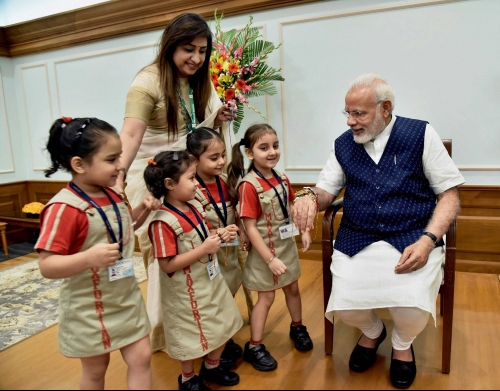
 

By studying Sanskrit, other languages can be learnt more easily; this being the language all others borrow from fractionally. The Sanskrit grammar is reflected in part in Irish or Greek, Latin or English. They all have a part of the complete Sanskrit grammar. Some being more developed than others, but always only a part of the Sanskrit grammar, which is complete in itself.

What Sanskrit teaches us that there is a language that is ordered, following laws unfailingly and as they are applied your child gets uplifted, not only when they grow up, but as they are saying it! This means they get an unusual but precise, definite and clear insight into language while they are enjoying themselves.

They learn to speak well, starting from Sanskrit, the mother language of all languages. Those who speak well run the world. Barack Obama makes a difference because he can speak well. Mahatma Gandhi could move huge crowds with well-balanced words. Mother Theresa could express herself with simple words which uplift us even now. The language of the great Master Teachers of mankind from times past is all we have got after centuries and millennia, but they make all the difference. We can enter the remarkable mind of Plato through his words. If your daughter or son can express themselves well through conscious language they will be the leaders of the next generation.

Sanskrit has the most comprehensive writings in the world expressed through the Vedas and the Gítá. The Upanishads –translated by William Butler Yeats have given people from all over the world an insight into universal religious feelings for more than one century now. To know these well expressed simple words of wisdom in the original is better than dealing with copies or translations as copies are always inferior to originals. We really need clear knowledge on universal religion in an age faced with remarkable levels of religious bigotry and terrorism arising from poorly understood and half-baked religious ideas.


Culture

Vivekananda, a great spiritual leader from India revered by all in the World Religious Conference of 1880 said:

You can put a mass of knowledge into the world, but that will not do it much good. There must come some culture into the blood. We all know in modern times of nations which have masses of knowledge, but what of them? They are like tigers; they are like savages, because culture is not there. Knowledge is only skin-deep, as civilization is, and a little scratch brings out the old savage. Such things happen; this is the danger. Teach the masses in the vernaculars, give them ideas; they will get information, but something more is necessary; give them culture.

 
Sanskrit can help your child to express universal, harmonious and simple truths better. As a result you will really have done your duty as a parent and the world will reap the benefits in a more humane, harmonious and united society. Sanskrit can do this as it is the only language that is based in knowledge all the way. Nothing is left to chance.

Just think for the moment how confusing it is for a child to learn to say ‘rough’, but ‘dough’. And why does the ‘o’ in ‘woman’ sound like an ‘e’ in ‘women’? How come the ‘ci’ in ‘special’ is different from the ‘ci’ in ‘cinema’? Teachers may well say ‘Just learn it’ as there is no logical explanation, but it only demonstrates to a child that it is all a bit of a hit-and-miss affair. What else does this randomness in the fundamental building-blocks of language teach a child about the world? That it’s just a confusing, random chance-event? How can this give anyone any confidence?


Now go to a language where everything is following rules. Where nothing is left to chance from the humble origin of a letter to the most sophisticated philosophical idea. How will that child meet the world? Surely with confidence, clarity and the ability to express itself?
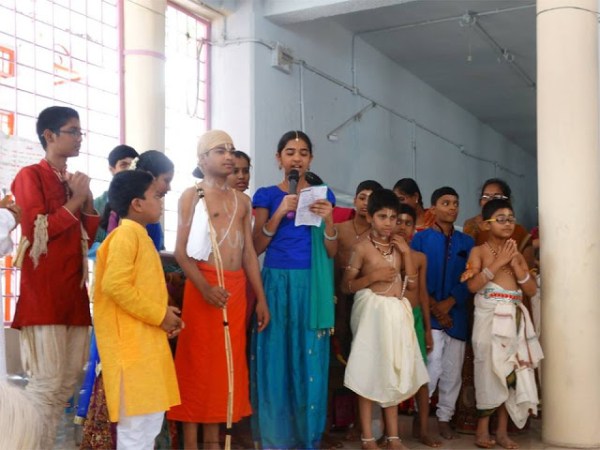
I have seen myself and others growing in such qualities, because of our contact with Sanskrit. I have just spent a year in India. Though it felt a bit like camping in a tent for a year, it was well worth it. For many years, we taught Sanskrit like zealots i.e. with high levels of enthusiasm and low levels of understanding, to both adults in the School of Philosophy and children in John Scottus School. We did not perhaps inspire a lot of our students and may have put a number of them off the study of Sanskrit. It felt to me like we needed to go to the source. Sanskrit teachers worth their salt need to live with people whose daily means of communication is in Sanskrit. I had already spent three summers near Bangalore doing just that and becoming less of an amateur, but it really needed a more thorough study. So I moved into a traditional gurukulam for the year. This meant living on campus, eating lots of rice  and putting up with a few power-cuts and water shortages, but by December 2009, I made up my mind that I would step down as vice-principal of the Senior School and dedicate myself to Sanskrit for the rest of my teaching life. It felt like a promotion to me as quite a few could be vice-principal but right now which other teacher could forge ahead in Sanskrit in Ireland? [Hopefully this will change before I pop off to the next world.] With Sanskrit I’m expecting my mind to improve with age even if my body slows down a little. Sanskrit is often compared to the full-time teacher, who is there for you 24/7 whereas the other languages are more like part-timers. The effects of studying Sanskrit on me have been first and foremost a realistic confidence. Secondly, it meant I had to become more precise and speak weighing my words more carefully. It also taught me to express myself with less waffle and therefore speak more briefly. My power of attention and retention has undoubtedly increased.
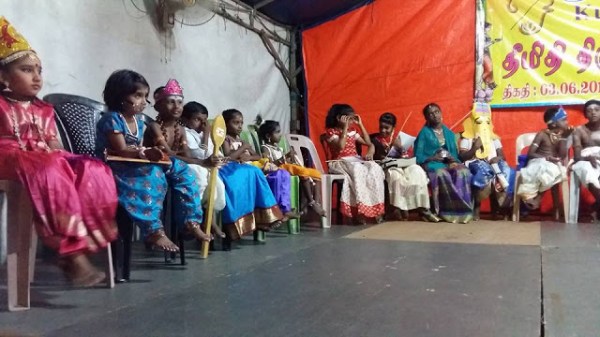
 

Teaching method

Now, let me explain for a few minutes, HOW Sanskrit is taught. To my surprise it is not taught well in most places in India. Pupils have to learn it from when they are around age 9 to 11 and then they give it up, because it is taught so badly! Only a few die-hards stick with it, in time teaching the same old endings endlessly to the next generation. This is partly due to India having adopted a craving to copy the West and their tradition having been systematically rooted out by colonialism.

For learning grammar and the wisdom of the East, I was well-placed in a traditional gurukulam, but for spoken Sanskrit I felt a modern approach was missing.

Then I found a teacher from the International School belonging to the Sri Aurobindo Ashram in Pondicherry. His name is Narendra. He has developed a novel, inspiring and light method to teach grammar, which doesn’t feel like you do any grammar at all. At the same time it isn’t diluted for beginners so you don’t end up with partial knowledge. I also followed a few Sanskrit Conversation camps, which all brought about more familiarity.

Narendra says he owes his method to Sri Aurobindo and his companion The Mother who inspired him to come up with the course we now follow in Dublin. This is one of the many things The Mother said to inspire him:“Teach logically. Your method should be most natural, efficient and stimulating to the mind. It should carry one forward at a great pace. You need not cling there to any past or present manner of teaching.”
This is how I would summarize the principles for teaching Sanskrit as we carry it out at present:
1. Language learning is not for academics as everyone learns to speak a language from an early age before they can read and write and know what an academic is. So why insist in teaching Sanskrit academically?

  1. The writing script is not the most fundamental thing to be taught. A language is firstly made of its sounds, words and spoken sentences. [The script we use -though very beautiful- is only a few hundred years old.]
  2. Always go from what is known to what is new.
  3.  Understanding works better than memorisation in this Age. Learning by heart should only take up 10 percent of the mental work, rather than the 90 percent rote learning in Sanskrit up to the recent present.
  4. Don’t teach words and endings in isolation; teach them in the context of a sentence as the sentence is the smallest meaningful unit in language.
  5. Any tedious memory work which cannot be avoided should be taught in a song.
  6. Do not teach grammatical terms. Just as we don’t need to know about the carburetor, when we learn to drive a car.
  7. The course should be finished in two years by an average student according to Narendra. This may be a little optimistic given that we are a little out of the loop not living in India, which is still Sanskrit’s custodian. At present I would say it is going to be a three-year course.
  8. Language learning must be playful. Use drama, song, computer games and other tricks to make learning enjoyable.
    We have started on this course since September and it has certainly put a smile on our pupils’ faces, which makes a pleasant change. I now feel totally confident that we are providing your children with a thorough, structured and enjoyable course. Our students should be well prepared for the International Sanskrit Cambridge exam by the time they finish –age 14/15- at the end of second year. We will also teach them some of the timeless wisdom enshrined in various verses. At present we are teaching them: “All that lives is full of the Lord. Claim nothing; enjoy! Do not covet His property”-in the original of course.

The future

Let us look at the 500 – year cycle of a Renaissance. The last European Renaissance developed three subjects: Art, Music and Science to shape the world we live in today. It had its beginning in Florence. The great Humanist Marsilio Ficino made Plato available to the masses by translating it from Greek to Latin. We live in exciting times and may well be at the beginning of a new Renaissance. It also will be based on three new subjects: Some say that these will be Economics, Law and Language.

Language has to become more universal now as we can connect with each other globally within seconds. NASA America’s Space Program is actively looking at Sanskrit in relation to I.T. and artificial intelligence.

Sri Aurobindo said “…at once  majestic and sweet and flexible, strong and clearly-formed and full and vibrant and subtle…”.


What John Scottus pupils have said:

It makes your mind bright, sharp and clear.

It makes you feel peaceful and happy.

It makes you feel BIG.

It cleans and loosens your tongue so you can pronounce any language easily.


What Sanskrit enthusiasts have said:

It gives you access to a vast and liberating literature.

It can describe all aspects of human life from the most abstract philosophical to the latest scientific discoveries, hinting at further developments.

Sanskrit and computers are a perfect fit. The precision play of Sanskrit with computer tools will awaken the capacity in human beings to utilize their innate higher mental faculty with a momentum that would inevitably transform the mind. In fact, the mere learning of Sanskrit by large numbers of people in itself represents a quantum leap in consciousness, not to mention the rich endowment it will provide in the arena of future communication. NASA, California

After many thousands of years, Sanskrit still lives with a vitality that can breathe life, restore unity and inspire peace on our tired and troubled planet. It is a sacred gift, an opportunity. The future could be very bright.

Rick Briggs [NASA]

You may well have a few questions at this stage after which I would like to introduce you to a plant in the audience. A parent turned into a blazing ball of enthusiasm over Sanskrit grammar: John Doran. I would like him to wrap up.

I’ll give NASA’s Rick Briggs the last word from me:

One thing is certain; Sanskrit will only become the planetary language when it is taught in a way which is exiting and enjoyable. Furthermore it must address individual learning inhibitions with clarity and compassion in a setting which encourages everyone to step forth, take risks, make mistakes and learn.

Rick Briggs [NASA]


–SUBHAM-


MILTON AND RIG VEDA ON LIGHT (Post No.4921)

WRITTEN by London Swaminathan 


Date: 16 April 2018


Time uploaded in London –  15-51 (British Summer Time)


Post No. 4921


Pictures shown here are taken from various sources such as Facebook friends, Books, Google and newspapers; thanks. Pictures may be subject to copyright laws.


WARNING: PLEASE SHARE MY ARTICLES; BUT DON’T SHARE IT WITHOUT AUTHOR’S NAME AND THE BLOG NAME. BE HONEST; OTHERS WILL BE HONEST WITH YOU.


GAYATRI Mantra/hymn is the most powerful mantra in the Rig Veda and it is found in other Vedas as well. It is a great wonder that mantra which reverberated on the banks of River Sarasvati and later Sindhu (Indus) and Ganges is still chanted by millions in India. While Brahmins only were chanting in those days and in recent years, great saints like Chinmayananda and Sathya Sai baba made it popular among other communities as well.


The meaning of the Mantra is

Let us meditate on that excellent glory of the divine vivifying Sun (light) and May He enlighten us.

There are lot of Mantras/hymns on Ushas (the dawn):

Immortal Ushas, please by praise

What mortal may enjoy they days!

Who, mighty one, can reach thy place!

Rig Veda 1-30-20


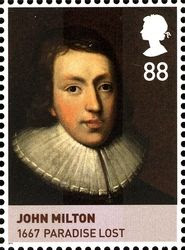
The parallelism of thought is very remarkable, between the general Vedic concept of Ushas with the lines of blind poet Milton.


Compare the following lines on Ushas (Dawn)


English poet, though blind, sings about light in the following lines:


“Hail, holy light, offspring of Heaven first born,

Or of the eternal, co-eternal beam

May I express thee unblamed? since God is light,

And never but unapproached light

Dwelt from eternity, dwell thou in me,

Bright effluence of bright essence increate

Or hear’st thou rather, pure ethereal stream,

Whose fountain who shall tell? Before the sun

Before the heavens thou wert, and at the voice

Of God, as with a mantle, didst invest

The rising world of waters dark and deep

Won from the void and formless infinite.

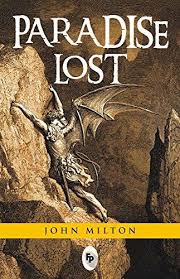
Paradise Lost, Book 3


The Rig Veda says

Fair as a bride embellished by her mother thou showest forth thy form that all may see it

Blessed art thou, O dawn. Shine yet more widely. No other Dawns have reached what thou attainest.


Rich in cattle, horses, and all goodly treasurers, in constant operation with the sunbeams,


The Dawns depart and come again assuming their wonted forms that promise happy fortune.

Obedient to the reins of Law Eternal give us each thought that more and more shall bless us.

Sine thou on us today, Dawn, swift to listen. With us be riches and with chiefs who worship.

RV 1-123


Upanishads say,

To the illumined soul the Self is all. For Him, who sees everywhere oneness, how can there be delusion or grief?

–Isha Upanishad 7

The whole world is illumined by His ilight.

–Sveteshvatara Upanishad 6-14


Milton also said God is Light (see above)


–Subham–


யூத மத ‘ரப்பை’ ஜோக்குகள்! (Post No.4920)

யூத மத ரப்பை ஜோக்குகள்! (Post No.4920)


WRITTEN by London Swaminathan 


Date: 16 April 2018


Time uploaded in London –  11-03 am (British Summer Time)


Post No. 4920


Pictures shown here are taken from various sources such as Facebook friends, Books, Google and newspapers; thanks. Pictures may be subject to copyright laws.


WARNING: PLEASE SHARE MY ARTICLES; BUT DON’T SHARE IT WITHOUT AUTHOR’S NAME AND THE BLOG NAME. BE HONEST; OTHERS WILL BE HONEST WITH YOU.


இது பழைய ப்ரஷ்யாவில் (ஜெர்மனி, போலந்தின் பகுதிகள் கொண்ட நாடு) நடந்தது. Frederic the Great பிரெடெரிக் தெ க்ரேட் (1740-86) என்று அழைக்கப்படும் மன்னரிடம் ஒரு ப்ராடெஸ்டன்ட்  (protestant bishop) பிஷப் சென்றார்.

“மன்னரே எனது சமயத்துக்கு ஒரு அலுவலகம் தேவை”.

“அடக் கடவுளே! இப்பொழுதுதானே அந்த இடத்தை வேறு ஒரு பிரிவுக்குக் கொடுத்தேன். ஆனால் கத்தோலிக்க மதப் பிரிவுக்கான ஆபீஸ் இடம் காலியாக இருக்கிறது.

அப்படியா! என்று சொல்லிவிட்டு ப்ராடெஸ்டன்ட் சமயப் பிரிவு பிஷப் போய்விட்டார்.


ஒரு வாரம் கழித்து அவர் திரும்பி வந்தார்.

“மன்னரே! உண்மைக் கடவுளைக் கண்டு விட்டேன். நான் இப்பொழுது கத்தோலிக்க குருவாக மாறிவிட்டேன். நீங்கள் சொன்னீர்கள், கத்தோலிக்கப் பிரிவு அலுவலகம் காலியாக இருப்பதாக. அடியேனுக்கு அருள்கூர்ந்து அதைக் கொடுக்கலாமே.”

மஹா ப்ரெடெரிக் சொன்னார். “என்ன துரதிருஷ்டம் உங்களுக்கு! அதுவும் போய்விட்டதே. ஆனால் ஒரு நல்ல செய்தி. நேற்று யூதமத ரப்பை (சமய குரு, அறிஞர், யூத சட்ட நிபுணர்) இறந்து விட்டார். இப்பொழுது அவர்களுடைய சைனகாக் (கோவில்) என் கையில் உள்ளது.


ஒருவேளை நீங்கள்  யூதமத………………………………


அவர் போய்விட்டார்.


xxx


Bronx Zoo ப்ரான்க்ஸ் நகர மிருகக் காட்சி சாலை


ஒருவர் ப்ரான்க்ஸ் நகர மிருகக் காட்சி சாலையில் வேலை கேட்டு வந்தார். அவர் ஒரு பருமனான ஐரிஷ்காரர். அவரிடம் வேலை வாய்ப்பு மனுவைக் கொடுத்து,

“அன்பரே, இதைப் பூர்த்தி செய்யுங்கள்; பின்னர் நிரப்பிய மனுவை எங்களிடம் கொண்டு வாருங்கள்” என்றனர் அதி காரிகள்.

அவரும் பூர்த்தி செய்தார்.

ஒரு கேள்வி ரபிஸ்(Rabies) என்றால் என்ன? அதை எப்படி தடுப்பீர்கள்?

அவர் எழுதினார்,

ரப்பைஸ் என்பவர் யூத சமய நிபுணர்; அவர் வந்தால் யாரும் தடுக்க முடியாது!


ரபிஸ் (Rabies) என்பது வெறிநாய்கள் மற்றும் மிருகங்களின் எச்சில் மூலம் பரவும் கொடிய வைரஸ் நோய்; மரணம் கூட வரும்; ரப்பைஸ் (Rabbis) என்பவர் யூத சமய சட்ட நிபுணர்கள்; சமய வித்தகர்)


விலங்கியல் பூங்காவின் மனுவை நிரப்புகிறோம் என்ற உணர்வே இல்லாமல் பொருத்த மற்ற பதிலை எழுதினார் ஐரிஷ்காரர்!!!


xxx


ஒரு யூத மத நபர் பின்ஸ்க் (Pinsk) நகரில் இருந்து மின்ஸ்க் (Minsk) நகருக்கு வேலைக்குப் போனார். ஆறு மாதம் ஆகிவிட்டது வெள்ளிக்கிழமை மாலை வேளை; நண்பரிடம் விடைபெற்றார்.

அடக்கடவுளே! நாம் யூதர்கள்! வெள்ளி மாலை முதல் சனி மாலை வரை Sabbath சப்பத் என்பது மறந்துவிட்டதா? நீ மின்ஸ்க் நகருக்குப்  பயணம் செய்தால், அது அபச்சாரம். என்னுடன் தங்கி விட்டு மெதுவாகப் போகலாம்.


அவர் சொன்னார்,

“இதோ பார், பிள்ளைக்குட்டி பெண்டாட்டியை விட்டு வந்து ஆறு மாதம் ஆகிவிட்டது. எனக்கு வார இறுதி விடுமுறைதான் பெரிது; சப்பத் அல்ல.

அட நீ ஒன்று ஆறு மாதம் பிரிந்து இருந்து விட்டாய்! 24 மணி நேரம் கூட இருந்தால் குடி முழுகிப் போய்விடுமா? பெரிய வீடு இருக்கிறது. இங்கே நல்ல யூத மத சம்ப்ரதாய உணவு கிடைக்கும்; வா, உள்ளே என்று தர தர என்று இழுத்து, அறைக்குள் விட்டார்.


அவரும் வேண்டா வெறுப்பாக அங்கே தங்கினார். 24 மணி நேரத்துப்பின் புறப்பட்டார். அவரது நண்பரோ உள்ளே மீண்டும் இழுத்துச் சென்று இன்னும் ஒரு நாள் தங்கிவிட்டுப் போ என்றார்.

மீண்டும் அதே பல்லவி; என் பிள்ளைக்குட்டி,பெண்டாட்டி…..


“சீ போ; ஒரே ஒரு நாள் இரு”.

அவரும் மிகவும் கஷ்டப்பட்டு ஒரு நாள் இருந்தார்.

மறு நாள் வீட்டை விட்டு ஓடிவிடத் தயாராக இருந்த அவர் நண்பரிடம்; இப்பொழுது திருப்திதானே?  நான் பின்ஸ்க் நகருக்குப் புறப்படுகிறேன் என்றார்.


கட்டாயம் போகலாம், நண்பா! இதோ பில்! இரண்டு நாள் சாப்பாடு, தங்குமிடச் செலவு!


அதைப் . பார்த்தவுடன் அவருக்குக் கோபம் பொத்துக் கொண்டு வந்தது. ஆகாஸத்துக்கும் பூமிக்கும் குதித்தார்


இது என்னையா அநியாயம்! நீ என்ன கொள்ளைக்கார பிஸினஸ் நடத்துகிறாயா?

ஊருக்குப் போக எத்தனித்த என்னை வலுக்கட்டாயமாக இழுத்து உள்ளே தள்ளினாய். மீண்டும் புறப்பட்டபோது இன்னொரு நாள் விருந்தினராக இரு என்றாய்? இப்பொழுது என்ன மூஞ்சிக்கு பில்?


இருவருக்கும் இடையே பயங்கர கார சார வாதம். அப்பொழுது இடம் கொடுத்து பில்லும் கொடுத்த நண்பர் சொன்னார். இரு நான் மின்ஸ் நகர ரப்பையைக் கூப்பிடுகிறேன் அவர் என்ன சொல்கிறார் என்று கேள்- என்றார்.

அவரும் சம்மதித்தார்; நியாயம் கிடைக்கும் என்ற நம்பிக்கையில்.


ரப்பையும் வந்தார்; நீண்ட தாடியைப் பல முறை உருவித் தடவிக் கொடுத்தார். சொன்னதையே திரும்பத் திரும்பக் கேட்டார். பல முறை கேட்ட பின்னர், நீ பணம் கொடுத்தே ஆக வேண்டும் என்றார்.

இவரோ மறுத்தார்; நியாயமே இல்லை என்று வாதாடினார்.

இறுதியில் மனைவிமக்களைக் காண வேண்டும் என்ற பேரவாவில், சரி நாசமாய்ப் போய்த் தொலை; இந்தா உன் பணம்; எழுத்து மூலம் ரசீது கொடு; என்றார்.

இடம் கொடுத்த நண்பரும் அதை வாங்கிக் கொண்டு, ரப்பை வெளியே போனவுடன் ரஸீதையும் பணத்தையும் திருப்பிக் கொடுத்தார்.

பின்ஸ்க் நகர நண்பருக்கு மேலும் ஆத்திரம் பொங்கியது.

என்ன மயி===== க்கு இவ்வளவு நேரம் என்னிடம் பணம் கேட்டாய்? ஏன் இப்பொழுது திருப்பித் தருகிறாய்?


அன்பரே! இந்த ஊர் Rabbi ரப்பை எவ்வளவு முட்டாள் என்பதை காட்டத்தான் இப்படிச் செய்தேன்.

இவருடன்தான் நாங்கள் தினமும் மாரடிக்கிறோம்.


நண்பருக்கு அழுவதா சிரிப்பதா- என்று தெரியவில்லை!


குட் பை Good Bye என்று சொல்லி விட்டு பின்ஸ்க் நகருக்கு ஓடினார்- ஓடினார்- ஓடிக்கொண்டே இருந்தார்.


சுபம்-

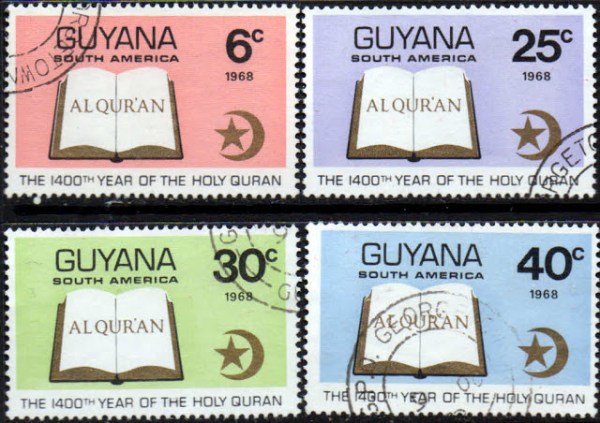
குரானில் உள்ள எழுத்துக்கள் 323015 அல்லது 330113! (Post No.4919)

WRITTEN by S NAGARAJAN


Date: 16 April 2018


Time uploaded in London –  8-07 AM  (British Summer Time)


Post No. 4919


Pictures shown here are taken from various sources such as Facebook friends, Books, Google and newspapers; thanks. Pictures may be subject to copyright laws.


WARNING: PLEASE SHARE MY ARTICLES; BUT DON’T SHARE IT WITHOUT AUTHOR’S NAME AND THE BLOG NAME. BE HONEST; OTHERS WILL BE HONEST WITH YOU


குரான் சிறப்பு


குரானில் உள்ள எழுத்துக்கள் 323015 அல்லது 330113!


ச.நாகராஜன்


இஸ்லாமியர்களுக்கு புனிதமான நூல் திருமறையான குரான். அதன் சிறப்பை முற்றிலுமாகச் சொல்ல முடியாது என்பதே இஸ்லாமிய அறிஞர்களின் ஏகோபித்த முடிவு.


சர் இ.ஏ.வாலிஸ் பட்ஜ் (Sir E.A.Wallis Budge, Kr) என்னும் அறிஞர் கேம்பிரிட்ஜில் பணியாற்றிய அறிஞர்.

அவர் குரானைப் பற்றித் தொகுத்துத் தரும் உண்மைகள் அதன் சிறப்பை விளக்குவனவாக அமைகின்றன.

அவரது ஆங்கில மூலத்தை இணைப்பாகத் தருகிறோம். அவர் கூறியுள்ளவற்றில் சில முக்கிய கருத்துக்கள் தமிழில் இதோ:

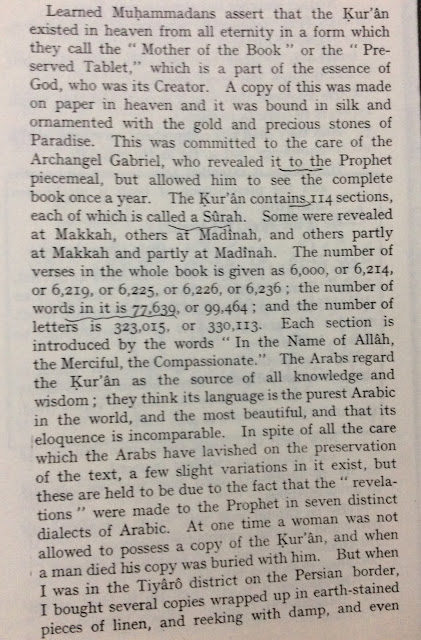
நன்கு கற்றறிந்த இஸ்லாமியர்கள் குரான் சுவர்க்கத்தில் எப்போதும் உள்ள ஒரு நூல் என்றும் அதுவே எல்லா நூல்களுக்கும் தாய் என்றும் கூறுகின்றனர்.

அது படைத்த கடவுளின் எஸன்ஸ் எனப்படும் சாரத்தில் ஒரு பகுதி.

இதனுடைய ஒரு பிரதி பேப்பரில் சுவர்க்கத்தில் உள்ளது. பட்டுத் துணியினால் பைண்ட் செய்யப்பட்டு தங்கம் மற்றும் இதர சுவர்க்கத்தில் உள்ள விலைமதிப்பரிய மணிகளால் அலங்கரிக்கப்பட்டிருக்கிறது.

இது ஆர்ச் ஏஞ்சல் காப்ரியலின் (Prophet Archangel Gabriel) பாதுகாப்பில் உள்ளது. இதை ப்ராபெட் பீஸ்மீலுக்கு (Prophet Piecemeal) அவர் தெரிவித்தார். வருடத்திற்கு ஒரு முறை அவர் முழு நூலையும் பார்க்க அவருக்கு அனுமதி உண்டு.

குரான் 114 பகுதிகளைக் கொண்டது.

ஒவ்வொரு பகுதியும் சுரா (Surah) என அழைக்கப்படுகிறது.

சில மக்காவில் வெளிப்படுத்தப்பட்டன.

சில மக்காவில் பகுதியாகவும் மதினாவில் பகுதியாகவும் வெளிப்படுத்தப்பட்டன.

குரானில் உள்ள மொத்த செய்யுள்களின் எண்ணிக்கை 6000 அல்லது 6214 அல்லது 6219 அல்லது 6225 அல்லது 6226 அல்லது 6236.

அதில் உள்ள வார்த்தைகளின் எண்ணிக்கை 77639 அல்லது 99464.

அதில் உள்ள எழுத்துக்களின் எண்ணிக்கை 323015 அல்லது 330115.

ஒவ்வொரு பகுதியும் In the Name of Allah , the Merciful, The Compassionate

கருணை வாய்ந்த, இரக்கமுள்ள அல்லாவின் பெயரால் – என்று ஆரம்பிக்கப்படுகிறது.

அராபியர்கள் எல்லா அறிவும் எல்லா ஞானமும் குரானிலிருந்தே வருகின்றன என்று நம்புகின்றனர்.

உலகில் அதில் உள்ள மொழியே சுத்தமான அராபிய மொழி, அது அழகிய மொழி, அதன் வார்த்தைத் திறன் எதனுடன் ஒப்பிட முடியாத ஒன்று என்று அவர்கள் கருதுகின்றனர்.

அதை மிகவும் பாதுகாப்பாக அராபியர்கள் பாதுகாத்து வந்தார்கள் என்றாலும் கூட சில சிறிய மாற்றங்கள் அதில் உள்ளன.

இது எதனால் என்றால் ஏழு தனித்தனியான பேச்சு வழக்கு மொழிகளில் அது தீர்க்கதரிசிக்கு வெளிப்படுத்தப்பட்டதால் தான் என்று காரணம் கூறப்படுகிறது.

ஒரு காலத்தில் எந்தப் பெண்களும் அதன் பிரதியை வைத்திருக்க அனுமதி இல்லாமல் இருந்தது. ஒரு ஆண் இறந்து விட்டால அவனுடன் அவன் வைத்திருந்த குரானும் புதைக்கப்பட்டது.

ஆனால் நான் பெர்ஸியன் எல்லையில் டியாரோ மாவட்டத்தில் இருந்தபோது  மண்ணுடன் கூடிய லினனால் சுற்றப்பட்டு சற்று ஈரமாகவும் இருந்த பல பிரதிகளை வாங்கினேன்.

பசியினால் வாடும் விதவைகள் தங்கள் கணவன்மாரின் கல்லறைகளைத் தோண்டி அதிலிருந்த குரான் பிரதிகளை அதை வாங்க முன்வருவோரிடம் விற்றனர்.

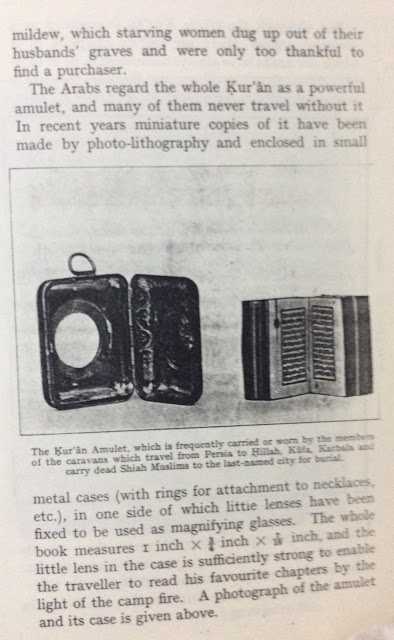
அராபியர்கள் குரான் முழுவதையும் ஒரு சக்தி வாய்ந்த தாயத்தாகக் கருதுகின்றனர்.

அதில்லாமல் பலர் வெளியூர் பயணம் மேற்கொள்வதில்லை.

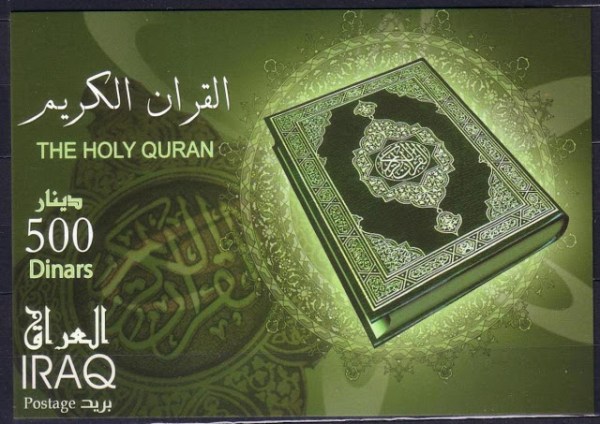
சமீப வருடங்களில் அதன் சிறிய அளவு பிரதிகள் போட்டோ லிதோகிராபி மூலம் எடுக்கப்பட்டு ஒரு சிறிய உலோகப் பெட்டியில் வைக்கப்பட்டு மோதிரம், நெக்லேஸ் ஆகியவை இணைக்கப்பட்டு அலங்கரிக்கப்பட்டு தயாரிக்கப்படுகின்றன.

அதன் ஒரு புறம் சிறிய பூதக்கண்ணாடியாகப் பயன்படும் லென்ஸ்களும் வைக்கப்பட்டுள்ளன.

முழு நூலும் ஒரு அங்குலம் உயரம் முக்கால் அங்குல அகலம் 7/16 அளவு கனமும் கொண்டதாக உள்ளது!

பயணிகள் கூடாரம் அடித்து தங்கும் போது இரவில் தங்களுக்கு விருப்பமான அத்தியாயங்களைப் படிக்கலாம்.

அதன் ஒரு போட்டோவை படத்தில் காணலாம்.


(இது 1930ஆம் ஆண்டு எழுதப்பட்டது)

***


JEWISH (RABBIS) JOKES ! (Post No.4918)

WRITTEN by London Swaminathan 


Date: 15 April 2018


Time uploaded in London –  21-54 (British Summer Time)


Post No. 4918


Pictures shown here are taken from various sources such as Facebook friends, Books, Google and newspapers; thanks. Pictures may be subject to copyright laws.


WARNING: PLEASE SHARE MY ARTICLES; BUT DON’T SHARE IT WITHOUT AUTHOR’S NAME AND THE BLOG NAME. BE HONEST; OTHERS WILL BE HONEST WITH YOU.


Converted to New Religion and yet No Office!


A place hunter in Prussia (part of Old Germany and Poland), having asked the Frederick the Great for the grant of some rich Protestant Bishopric (office), the king expressed his regret that it was already given away, broadly hinted that there was a Catholic abbacy at his disposal.


The applicant managed to be converted in a week and to be received in the bosom of the true church; after which he hastened to his friend, the king, and told him how his conscience has been enlightened.

“Ah”, exclaimed Frederick, “how terribly unfortunate! I have given away the abbacy. But the chief rabbi is just dead, and the synagogue is at my disposal; suppose you were to turn Jew?”


xxx

Rabbis in Zoo!

Applying for a post as keeper at the Bronx Zoo, a burly Irishman came to the question,

What is rabies and what can you do about it?

The applicant wrote: :Rabies is Jewish priests, and you cant do anything about it.”


(Rabies= a contagious and fatal viral disease of dogs and other mammals; transmissible to humans through the saliva to humans causing madness and convulsions;

Rabbis= Jewish religious leader, scholar, teacher).


xxx

Rabbi is Stupid!

A certain Jewish man had left Pinsk to go to work in Minsk. For six months, he had been away. He had a short vacation and was very anxious to get back home to see his wife and children It was late on a Friday afternoon, however, and his friend said,

Look, you shouldn’t travel on the Sabbath. It is against religion. Stay over with me until the Sabbath is over. Be my guest.”

No said the other, I am anxious to get back to Pinsk. Six months I have been away.

Six months, said his friend, so what is another day? You shouldn’t travel on the Sabbath. Stay with me. I have got a nice house. I will give you nice Jewish meals.

After much argument, the man yielded against his better judgement, and remained over the Sabbath. Even then his friend would not let him go ad insisted on detaining him yet another day, entertaining him practically to exhaustion. At last he announced his departure.

I can’t stay another minute. I am going right away.

All right, said his host at last, and as his friend was about to leave the house he presented him with a bill for food and lodging. Outraged, the man cried, What kind of a business is this? You make me stay against my will; you won’t let me go. You insist that I should be your guest. You keep me overtime – then you give me a bill! I won’t pay it.


Equally firmly, his host insisted that he must pay. Finally he said, All right. We will consult the Rabbi.

They sought out the Rabbi. He heard the whole story, stroked his beard and pored at length over the Books of Law. At last, after recapitulating, the whole case, he delivered his verdict: you must pay.


The victim flew into a rage. They thrashed the case back and forth many times. But the rabbi was adamant: you must pay.

At last, weary and desirous only of getting to Pinsk, the man drew out his wallet and paid the money, demanding a receipted bill. His friend took the money, receipted the bill, and then handed the money, receipted bill back again saying ‘Forget it!’


What! screamed the other in despair. You force me to be your guest; you wont take no for an answer; you keep me there; you give me a bill; you drag me to the rabbi; he tells me I must pay; I pay. Now you give me back the money. What is this?

Ah, said his fried, I just wanted you to see what kind of a stupid person we have got for a rabbi n Minsk.

–subham–


அனுமன் தோல்வி! ஆனைக்கும் கூட அடி சறுக்கும்! (Post No.4917)

அனுமன் தோல்வி! ஆனைக்கும் கூட அடி சறுக்கும்! (Post No.4917)


WRITTEN by London Swaminathan 


Date: 15 April 2018


Time uploaded in London –  16-36 (British Summer Time)


Post No. 4917


Pictures shown here are taken from various sources such as Facebook friends, Books, Google and newspapers; thanks. Pictures may be subject to copyright laws.


WARNING: PLEASE SHARE MY ARTICLES; BUT DON’T SHARE IT WITHOUT AUTHOR’S NAME AND THE BLOG NAME. BE HONEST; OTHERS WILL BE HONEST WITH YOU.


கம்பன் ஒரு உண்மைக் காட்சியை நமக்குப் படம்பிடித்துக் காட்டுகிறான். கும்ப கர்ணனுக்கு, ஒரு வீரன் போல அனுமன் சவால் விடுக்கிறான். கும்பகர்ணனும் அதை ஏற்று ஒரேயடியில் அனுமனை வீட்டுக்கு அனுப்புகிறான். பின்னொரு முறை கும்பகர்ணன் அனுமனே! உன் கூட சண்டை போட எனக்கு ஆசை. வாயேன் என்கிறான். அப்போது அனுமன் உண்மை பேசுகிறான். இதோ பார்! நான் ஒரு முறை உனக்குச் சவால் விட்டேன். தோற்றால் இனிமேல் உன்னுடன் சண்டை போட மாட்டேன் என்றேன்; நான் தோற்றதால் இனிமேல் எனக்கு போர் செய்ய நியாயம் இல்லை என்று ஒப்புக்கொண்டு போய் விடுகிறான். சொல்லுக்கு அவ்வளவு மதிப்பு? முன் ஒன்று பின் ஒன்று பேசுவார் அக்காலத்தில் இல்லை!


யுத்த காண்டத்தில் கும்ப கர்ணன் வதைப் படலத்தில் கம்பன் ( அனுமன் வாய் மொழி மூலம்) சொல்கிறான்:

எறிகுவென் இதனை நின்மேல் இமைப்புறும் அளவில் ஆற்றல்

மறிகுவது அன்றி வல்லை மாற்றினை என்னின் வன்மை

அறிகுவர் எவரும் பின்னை யான் உன்னொடு அமரும் செய்யேன்

பிறிகுவென் உலகில் வல்லோய் பெரும்புகழ் பெறுதி என்றான்


பொருள்

இந்த மலையை உன்மேல் எறியப் போகின்றேன். இமைப் பொழுதில் உன் சக்தி அழியும். ஆனால் நீ இந்த மலையைத் தடுத்துவிட்டால், உன் பலத்தை உலகமே தெரிந்து கொள்ளும். அப்படித் தடுத்துவிடால் நான் திரும்பிப் போய்விடுவேன். உன்னோடு சண்டை போட மாட்டேன். இந்தச் செயலைச் செய்து உலகப் புகழ் பெறலாமே! என்று அனுமன் கிண்டல் தொனியில் பேசுகிறான்.


அதற்குக் கும்பகர்ணன் சொன்னான்:–


மாற்றம் அஃது உரைப்பக் கேளா மலை முழை திறந்தது என்னக்

கூற்று உறழ் பகுவாய் விள்ள நகைத்து நீ கொணர்ந்த குன்றை

ஏற்றெனன் ஏற்ற காலத்து இறை அதற்கு ஒற்கம் எய்தின்

தோற்றனென்  உனக்கு என் வன்மை சுருங்கும் என்று அரக்கன் சொன்னான்


பொருள்

அனுமன் சொன்ன சொல்லைக் கேட்டு கும்பகர்ணன் நகைத்தான். மலைக் குகை போன்ற வாயைத் திறந்து சிரித்தான். நீ எறியும் மலையைத் தாங்கும் போது என் தோள்கள் சிறிது தளர்ந்தாலும் நான் தோற்றவன் ஆவேன் என்றான் கும்ப கர்ணன்.


அடுத்த இரண்டு பாடல்களில் அனுமன் மலையை எறிந்ததையும் அது கும்பகர்ணனின் தோளில் பட்டு நூறாகச் சிதைந்து போனதையும், அதைப் பார்த்து அனுமன், இவனை ராமனின் அம்புகள் மட்டுமே தாக்க முடியும் என்று எண்ணித் திரும்பிப் போனதையும் சொல்கின்றன.


அவ்வளவு வலிமை ராவணன் தம்பிக்கு!


இதே படலத்தில் பின் ஒரு காட்சி. சுக்ரீவன் மீது கும்பகர்ணன் எறிந்த சூலத்தை அனுமன் முறித்து விடுகிறான். அபோது கும்பகர்ணனும் அனுமனின் செயலை- ஆற்றலை — வியந்து என்னுடம் போருக்கு வா என்கிறான். அதற்கு அனுமன் சொன்ன பதில்:

முன் இனி எதிர்க்கிலேன் என்று முற்றிய

பின் இலை பழுது எனப் பெயர்ந்து போயினான்


பொருள்:

முன்பு இனிமேல் உன்னை எதிர்த்துப் போரிட மாட்டேன் என்று சொல்லி போரை முடித்துக் கொண்டேன். இனிமேல் உன்னுடன் போர் செய்வது பிழையாகும் என்று விளம்பிவிட்டு அனுமன்  அகன்றனன்.


சொன்ன சொல்லுக்கு அவ்வளவு மதிப்பு.

ஆனைக்கும் கூட அடி சறுக்கும்; அனுமனுக்கும் கூட தோல்வி வரும்!

(ஆயினும் இறுதி வெற்றி வானர சேனைக்கும் ராமனுக்கும் என்பதை மறத்தல் கூடாது– அறம் வெல்லும்- பாவம் தோற்கும் என்பது கம்பன் வாக்கு. தர்மோ ரக்ஷதி ரக்ஷிதஹ.


–சுபம்–

லெட்சுமணன் படித்த ‘ஸ்கூல்’ பற்றி கம்பன் தகவல் (Post No.4916)

லெட்சுமணன் படித்த ஸ்கூல் பற்றி கம்பன் தகவல் (Post No.4916)


WRITTEN by London Swaminathan 


Date: 15 April 2018


Time uploaded in London –  14-27 (British Summer Time)


Post No. 4916


Pictures shown here are taken from various sources such as Facebook friends, Books, Google and newspapers; thanks. Pictures may be subject to copyright laws.


WARNING: PLEASE SHARE MY ARTICLES; BUT DON’T SHARE IT WITHOUT AUTHOR’S NAME AND THE BLOG NAME. BE HONEST; OTHERS WILL BE HONEST WITH YOU.


நான் வாழும் லண்டனில் வேலைவாய்ப்பு பேட்டிகளில் எந்தப் பள்ளிக்கூடத்தில் ஒரு மாணவன் படித்தான் என்பதற்கும் மார்க் (mark) உண்டு. நேருஜி படித்த ஈடன் (Eton) பள்ளி, மற்றும் அரசியல் பேர்வழிகளின் பிள்ளைகள் படித்த கேம்பிரிட்ஜ், ஆக்ஸ்போர்டு (Cambridge, Oxford) பல்கலைக் கழகங்கள், பிரைவேட் ஸ்கூல் (மாதத்துக்கு 2000, 3000 பவுண்டு பீஸ்/fees) ஆகியவற்றுக்கு தனி மதிப்பு. அதிலிருந்தே அவர்களின் குணநலனும், அந்தஸ்தும், அறிவும் புலப்படும் என்ற ஒரு அசட்டு நம்பிக்கை.


ராமனின் தம்பி லெட்சுமணன் படித்த ஸ்கூலில் தியரி (theory) கிடையாதாம்; அதிகம் பிராக்டிகல் (practical) பாடங்கள்தானாம்! இதைக் கம்பனே இலக்குவன் வாய்மூலம் இயம்புகிறான். அதைப் படித்து கொஞ்சம் சிந்தித்துப் பார்த்தால், கம்பன் எவ்வளவு   நுணுக்கமாகப் பார்க்கிறான் என்பது புலப்படும்,


“நீ ராமன் தம்பி, நான் ராவணன் தம்பி, வா, கொஞ்சம் வீர வசனம் பேசுவோம்; அதில் யார் வெல்கிறார்கள் என்று முதலில் பார்ப்போம் என்கிறான்” கும்பகர்ணன்.


அதற்கு இலக்குவன் பதில் சொல்கிறான். “அப்பனே நான் படித்த பள்ளிக்கூடத்தில் எங்க வாத்தியார் சொல்லிக் கொடுத்த பாடம் வேறு; நீங்கள் சொல்லினால் பேசுவீர்கள்; நாங்கள் வில்லினால்தான் பேசுவோம்; அதுதான் நான் கற்ற பாடம்”.


முதலில் போர்க்களத்தில் வாக்குவாதம் நடத்துவது என்பதே இந்திய வழக்கு; பகவத் கீதை இதற்குச் சான்று. யுத்த காண்டத்தில் பல எதிர் எதிர் தரப்பு வீரர்கள் சொற் கணைகளைப் பெய்த பின்னரே விற்கணைகளைத் தொடுப்பர் என்பதைக் கம்பனும் காட்டுவான் .

இலக்குவன் மட்டும் எங்கள் ஸ்கூல் சிலபஸ் School syllabus வேறு என்று சொல்வதை கம்பன் கவி வழி சுவைப்போம்:


இராமன் தம்பி நீ இராவணன் தம்பி நான் இருவேம்

பொரநின்றேம் இது காணிய வந்தனர் புலவோர்

பராவும் தொல் செரு முறை வலிக்கு உரியன பகர்ந்து

விராவு நல் அமர் விளைக்குதும் யாம் என விளம்பா

யுத்த காண்டம், கும்ப கர்ணன் வதைப் படலம், கம்ப ராமாயணம்


பொருள்

நீ ராமனுக்குத் தம்பி; நான், ராவணனுக்குத் தம்பி. இருவரும் இப்போது போரிட நிற்கிறோம்.  இப்போரினைப் பார்க்க தேவர்களும் வந்தனர். புகழத் தக்க பழமையான போர் முறையில், நம் பலத்துக்கேற்ற வகையில் முதலில் கொஞ்சம் கதைப்போம்; பின்னர் கை கலப்போம் – என்று கும்ப கர்ணன் செப்பினான்.


இலக்குவன் பதில்


அல்லினால் செய்த நிறத்தவன் அனையது பகர்

மல்லினால் செய்த புயத்தவன் மாற்றங்கள் நும்பால்

வில்லினால் சொல்லின் அல்லது வெந்திறல் வெள்கச்

சொல்லினால் சொலக் கற்றிலம் யாம் எனச் சொன்னான்

பொருள்

இருளையே உருக்கி வார்த்து செய்தாற் போல இருந்த கும்ப கர்ணன் சொல்லினைக் கேட்ட (மல்யுத்தம் செய்ததால் உரம் ஏறிப்போன தோள் கொண்ட)  இலக்குவன் உரைத்தான்— “உனக்கு பதில் சொல்வது வில்லினால் மட்டுமே இயலும். வீரத்துக்கு இழுக்கு உண்டாக்கும் வகையில் சொல்லினால் சொல்ல யாம் கற்கவில்லை”.


என் வில்தான் பேசும்; சொல் வேண்டாம்; இதுதான் நான் கற்றது.

நல்ல அருமையான பதில்


சில கம்பன் பாட்டில் சொல் நயம் இருக்கும்; சில கம்பன் பாட்டில் பொருள் நயம் இருக்கும்; இன்னும் சில பாடல்களில் இரு நயமும் இருக்கும்.


படித்துச் சுவையுங்கள்.


-சுபம்–

பாரதி போற்றி ஆயிரம் – 78 (Post No.4915)

COMPILED by S NAGARAJAN


Date: 15 April 2018


Time uploaded in London –  7-04 AM  (British Summer Time)


Post No. 4915


Pictures shown here are taken from various sources such as Facebook friends, Books, Google and newspapers; thanks. Pictures may be subject to copyright laws.


WARNING: PLEASE SHARE MY ARTICLES; BUT DON’T SHARE IT WITHOUT AUTHOR’S NAME AND THE BLOG NAME. BE HONEST; OTHERS WILL BE HONEST WITH YOU


பாரதி போற்றி ஆயிரம் – 78

  பாடல்கள் 654 முதல் 665


கவிதை இயற்றியோர்: பல்வேறு கவிஞர்கள்

தொகுப்பு : ச.நாகராஜன்

                           பாரதி பத்துப்பாட்டு

நூலில் பத்து அத்தியாயங்கள் உள்ளன. இங்கு பத்தாம் அத்தியாயமான பாரதி பார்வையில் பாரதி இடம்பெறுகிறது.

பத்தாம் அத்தியாயம்: பாரதி பார்வையில் பாரதி

1 முதல் 12 வரை உள்ள பாடல்கள்


காலச்சக் கரத்தின் மேற்பகு தியெனில்

     காணுமு யிர்களின் பிறப்பாகும்

சீலமு றவது சுழல்கையில் கீழே

    சென்றிட லென்பது இறப்பாகும்

ஓலமிட் டழுவதில் பயனென் பிறந்தோர்

     ஒருநாள் மடிவது முறையாகும்

கோலமிட் டழித்தல் போல்பிறப் பிறப்பும்

    கோலம்மா றிவரல் இயல்பாகும்


எவரிறந் தாலும் மறுகணம் மறத்தல்

    இப்புவி மாந்தர் குணமாகும்

அவர்போல் எனையும் மறந்திடு வாரெனில்

    அதுவே வாழ்வின் நிலையாகும்

தவறா ததுவே நிகழும் எனயென்

    தமிழ்நாட் டினையும் நினைந்திட்டேன்

தவறாய் நினைத்தேன் எனும்படி என்றும்

    தமிழகம் என்னைப் போற்றிடுதே


என்பெய ராலே எண்ணிலா மன்றம்

    இருப்பதைக் கண்டு வியக்கின்றேன்

என்கவி தைகளை பலவடி வத்தில்

     எங்கணும் பாடக் கேட்கின்றேன்

என்னைப் பற்றிய ஆய்வுகள் பலவும்

     ஏடுக ளில்வரக் காண்கின்றேன்

என்தமிழ் நாட்டார் எனைமறப் பாரோ

    என்பதைக் கண்டு மகிழ்கின்றேன்


இந்நாள் எனையான் திரும்பிப் பார்க்கின்

     என்வாழ் வெனக்கே திகைப்பூட்டும்

அந்நாள் நடந்ததைச் சொல்கிறேன் எந்தன்

     ஆடையே பிறர்க்கு நகைப்பூட்டும்

எந்நா ளும்நான் நிம்மதி யாக

    இருந்தேன் என்றிட வாய்ப்பில்லை

இந்நாள் அதனை நினைத்துப் பார்த்தால்

    எனக்கே என்நிலை புரியவில்லை


சுயபுத்தி இல்லாமல் ஏதேதோ செய்வதாய்

     சூழ்ந்தவர் யாரும் சொல்ல

சுயசாதி வெறுப்புக்கு ஆளாகி அவரோடு

    சுற்றத்தால் ஒதுக்கப் பட்டேன்

சுயமாக எதனையும் செய்திட இயலாத

    சூழ்நிலைக் கைதி யானேன்

சுயசரி தம்எழுத முயன்றாலும் அதனையும்

    தொடராமல் நிறுத்த லானேன்


என்னிளம் பருவத்தின் பெருமைகள் ஈதென

     இயம்பிட ஏது மில்லை

சின்னஞ்சி றுவர்க்குள விளையாட்டில் கலந்திட

    சிறிதேனும் உரிமை யில்லை

இன்னுமோர் கொடுமையாய் சிறுமியைக் கொணர்ந்து

    என்மனைவி யாக்கி வைத்தார்

பின்னுமோர் சோதனை தந்தையார் மடிந்திட

    போகயிட மின்றி நின்றேன்


நிரந்தர மில்லாமல் ஊர்ஊராய் ஓடிநான்

     நிலையற்ற வாழ்வு வாழ்ந்தேன்

அரசனாம் தருமன்போல் அல்லல்கள் பலபட்டு

    அஞ்ஞாத வாசம் செய்தேன்

கரம்பிடித் திட்டநல் மனைவியொடு மக்களின்

     கடமையைச் செய்தி டாத

முரடனாய் வாழ்வியல் புரியாது முரண்படும்

    மூடனாய் தூற்றப் பட்டேன்


இத்தனைத் துயர்கள் இருப்பினும் கவிதை

     இயற்றுதல் மட்டும் நின்றதில்லை

எத்தனைத் தடைகள் குறுக்கிட்ட போதும்

     எழுதாமல் இருக்க இயலவில்லை

சித்தத்தில் ஒளிரும் சுடரென இருந்தென்னைச்

     சிறப்புறச் செய்தது தமிழன்றோ?

நித்தமென் சுவாசக் காற்றென இயங்கி

    நிலைபெறச் செய்தது கவியன்றோ?


வறுமையே தொடர்ந்தென்னைத் துரத்திய போதும்

    வடித்திடும் பாடலில் ஒருபோதும்

சிறுமையோ குறையோ நேர்ந்திட விடாமல்

     சீருடன் ஆய்ந்ததைப் படைத்திட்டேன்

பெறுமிச் சுதந்திரப் பயிரினை வளர்த்திட

    பாடுபட் டோரில் என்பெயரும்

உறுமென் பதுவே போதுமத னிலுமே

    உயர்நிலை எனக்குத் தந்திட்டார்


என்கவியைப் பாடாத மேடையில்லை எங்கும்

     என்புகழைப் பேசாத சபையுமில்லை

என்றாலும் நானன்று பாடியே மகிழ்ந்திட்ட

    இனிய பாரதமின்னும் தோன்ற வில்லை

என்சாதி என்மதம் என்னினம் என்மொழி

     எனமூளும் சண்டைகள் ஓய வில்லை

என்றுதான் இவையெலாம் தீருமோ அதுவரை

     என்பாடல் ஒலிப்பதில் பொருளு மில்லை


நல்லதோர் வீணையைச் செய்ததை மீட்டிட

     நல்லிசை அதனிலே கேட்க வில்லை

பல்லெழில் மிக்கதோர் ஓவியம் வாங்கியும்

    பார்த்திட விழிகளோ இரண்டு மில்லை

சொல்லழகு கொண்டதென என்கவியைப் பாடினார்

     சொல்பொருளை செயலாக்க முனைய வில்லை

அல்லல்கள் பலபட்டு அயராமல் இயற்றிய

    அருங்கவிகள் போல்நாடு அமையவில்லை


என்றென் தமிழ்மொழி உலகம் முழுதும்

ஏற்கும் செம்மொழி யாகிடுமோ

என்றென் பாரதம் எல்லா நலனும்

இருக்கும் நாடாய் உயர்வுறுமோ

என்றிவ் வுலகம் மாந்தர் யாவரும்

என்றும் சமமென இணைந்திடுமோ

அன்றென் கவிதைகள் உயிர்பெற் றிடுமே

அவற்றுள் நிலையாய் வாழ்வேனே!!!


பாரதி பார்வையில் பாரதி முற்றும்

பாரதி பத்துப்பாட்டு நூல் முற்றும்

தொகுப்பாளர் குறிப்பு:
பாரதிப் பத்துப்பாட்டை வெளியிட மகிழ்ச்சியுடன் அனுமதி தந்த கவிஞருக்கும் சந்தனத் தென்றல் பதிப்பக உரிமையாளர் கவிஞர் சி.காசிநாதன் அவர்களுக்கும் எமது நன்றி.

கவிஞரைப் பற்றிய குறிப்பு ஏற்கனவே தரப்பட்டுள்ளது.

***