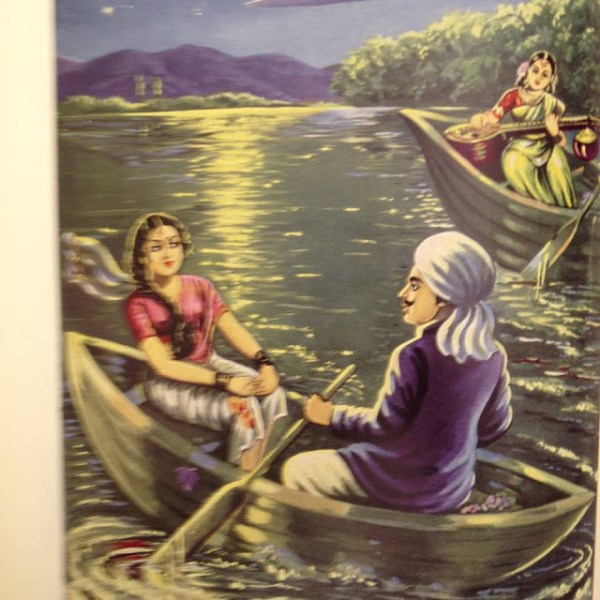
புதுமைப்புலவன் பாரதி’ -பாரதியார் நூல்கள் – 53 (Post No.5205)

Written by S NAGARAJAN


Date: 11 JULY 2018


Time uploaded in London –   6-37 AM (British Summer Time)


Post No. 5205


Pictures shown here are taken from various sources such as Facebook friends, Wikipedia, Books, Google and newspapers; thanks. Pictures may be subject to copyright laws.


பாரதி இயல்


மஹாகவி பாரதியார் பற்றிய நூல்கள் – 53

சுகி சுப்பிரமணியன் அவர்களின் ‘புதுமைப்புலவன் பாரதி


ச.நாகராஜன்


தமிழ் இலக்கிய உலகம் அறிந்த நூலாசிரியர் டி.என்.சுகி சுப்பிரமணியன் அவர்கள். பாரதியைப் போற்றி இவர் எழுதிய அழகிய விமர்சன நூல் புதுமைப்புலவன் பாரதி. கலைமகள் காரியாலயம் இதை வெளியிட்டதிலிருந்தே நூலின் அருமை பற்றி அறியலாம். முதற் பதிப்பு 1965ஆம் ஆண்டு மார்ச் மாதம் வெளியிடப்பட்டுள்ளது.  107 பக்கங்களைக் கொண்ட இந்த நூலில் 12 அத்தியாயங்கள் உள்ளன.

பாரதியார், பாரதியின் லட்சியங்கள், தமிழ் மொழிக் கவிதை, பெண்மை அல்லது சக்தி, பக்தன் பாரதி, கதையாசிரியன் பாரதி, இசையாசிரியன் பாரதி, நாடகாசிரியன் பாரதி, வசனவளம், பாரதி பாராட்டுகிறார், பாரதியைப் பாராட்டுகிறார்கள், தமிழால் பாரதியும் தமிழுக்குப் பாரதியும் என்ற இந்த அத்தியாயத் தலைப்புகளைப் பார்த்தாலேயே நூல் எத்தகைய கருத்து வீச்சைக் கொண்டிருக்கிறது என்பது விளங்கும்.

அத்துடன் நூலின் குறிப்பிடத்தகுந்த இன்னொரு அம்சம் அத்தியாயங்களில் உள்ள துணைத் தலைப்புகள். மிகத் தெளிவாக சொல்ல வரும் விஷயத்தை அழகுறச் சுருங்கச் சொல்லி விளங்க வைக்கின்றன இந்தத் தலைப்புகள்சூத்திர பாணியில்! ஓவியன் பாரதி, வைணிகன் பாரதி, கடவுளிடம் பெண்மை, மானுடத்தின் பெண்மை, கவிஞன் கடமை, பக்தியில் பாரதி வழி போன்றவை சில தலைப்புகள்!!

நூலின் முதல் அத்தியாயமே பாரதியின் பெருமையை அழகுறச் சித்தரிக்கிறது இப்படி:

மக்கள் சேவை என்றால் என்ன? அறிவை, ஆனந்தத் தேனில் குழைத்துத் தர வேண்டும்; சுருங்கச் சொல்லி விளங்க வைக்க வேண்டும்; கேட்பவருக்கு மட்டுமன்றி வருநாளில் கேட்கப் பிரியங்கொள்பவருக்கும் சேமநிதி யாக்கித் தரவேண்டும்.அறிவை ஆனந்ததேனில்  குழைத்துத் தருவது போல், அறியாமையைப் பொசுக்கிக் காற்றிலே கண்ணுக்குத் தெரியாமல் ஊத வேண்டும்; வீரமுள்ள நினைவுகளிலே மனம் கொடி சுற்றிப் படர வேண்டும் ……. அறிவுக்கு ஒளியும் உடலுக்கு உறுதியும் செவிக்கு இன்பமும் தருவதில் முன் நின்ற சேவகன் பாரதி. தனக்குப் பின்னால் பக்தகோடிகளான  பாராட்டுக்கள் தருவார் இல்லாத போதும் தமிழ்ச் சேவை, தேச சேவையெனும் நந்தாவிளக்கை ஏந்திச் செல்லும் மனத்துணிவும் நெஞ்சுறுதியும் உள்ள பெருமை பாரதியைச் சாரும்.

பாரதியின் இலட்சியங்கள் என்ற அத்தியாயத்தில் பாரதியார் ஆரிய ஸம்பத்து என்பதை விளக்கிய பாராவை மேற்கொள் காட்டி, மூவகைச் செல்வமான அறிவு, ஒழுக்கம், பொருள் யாவும் முப்பது கோடி மக்களின் முழுமைக்கும் பொதுமை என்றார் பாரதி என்பதை அழகுற இந்த நூலாசிரியர் விளக்குகிறார்.

தமிழ் மொழிக் கவிதை என்ற அத்தியாயத்தில், “ கம்பன், வில்லிப்புத்தூரார், இளங்கோ போன்ற கவிஞர்களுக்கு அப்பால், பாரதியிடம் தான் தமிழின் பெருமை, தமிழின் இனிமை யாவும் வந்து குதிபோட்டுக் கைகட்டி நிற்கின்றன என்பதை சான்றுகளுடன் நிறுவுகிறார் சுகி.

பெண்மை அல்லது சக்தி என்ற அத்தியாயத்தில் சிவன் சக்தியை தன் உடம்பில் கோத்ததையும், அயன் வாணிதனை தன் நாவில் அமர்த்தியதையும், திருவை மார்பில் மாதவன் ஏந்தியதையும் அழகுற பாரதி சொல்வதை எடுத்துக் காட்டி இவை உருவகங்கள் என்றும் அவர்கள் நினைவு தவிர வேறு நினைவு இல்லாதவர்கள் என்றும் பாரதி சுட்டிக் காட்டுவது விளக்கப்படுகிறது.

கதையாசிரியன் பாரதி என்ற அத்தியாயத்தில் குயில் பாட்டை ஆய்வு செய்யும் சுகி, மூன்று காரணங்களை கதைப் பொருளாக முன் வைக்கிறார். முதல் காரணம் : அன்றில் சிறுபறவை ஆண் பிரிய வாழாது என்ற தத்துவத்தை நிலைநிறுத்துவதும், பெண்மையின் பெருமையைச் சொல்வதும் குயில் பாட்டின் நோக்கம். அடுத்து இரண்டாவது காரணம் நாயகி பாவமாகக் கொண்டு குரங்கு போன்ற மனநிலையும் மாடு போன்ற பெரும் போக்கும் அழியும் என்பதும் உடலை நம்பி ஆனந்தப் படுவதை விட, நித்தியமான ஆண்டவனைப் பாடலாம் என்பது குயிற்பாட்டின் மற்றொரு தத்துவம். மூன்றாவது காரணம் : பாலப் பருவம், காளைப் பருவம், மனிதப் பருவம் இவற்றைக் கடப்பவர்களே ஆண்டவனை அடைய இயலும் என்பதை நாம் ஊகிப்பது மூன்றாவது காரணம்.
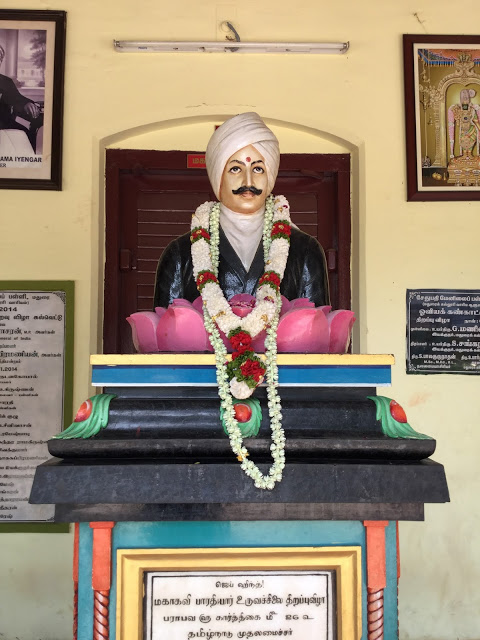
 

பாரதியாரின் வசனங்களையும் கதைகளையும் நூல் நன்கு ஆய்வு செய்கிறது.

“பாரதியாரின் பாவினங்கள் வடிவ அமைப்பிப்போல் பொருள் அமைப்பிலும் புதுமையானவை. தமிழ் மக்கள் அனைவரும் பாட வேண்டும் என்பது அவரது பாட்டுத் திறன். தமிழ் என்பது புலமைக்காக இருப்பதன்று. பொதுமைக்காக இருப்பதாகும் என்பது அவரது சித்தாந்தம்.” என்று இசையாசிரியன் பாரதி என்ற அத்தியாயத்தில் சுகி சுட்டிக் காட்டுகிறார்.

சீன யுத்தத்தில் (1962இல்) பாரதியாரின் பாடல்கள் உத்வேகம் ஊட்டியதைச் சுட்டிக் காட்டி, பாரதியாரின் பாடல்கள் துப்பாகியை விட வலுவுள்ளவை; பீரங்கியைப் போல பலம் தருபவை என்று நம்மை பெருமிதம் கொள்ள வைக்கிறார் இந்த நூலாசிரியர்.

பாரதி பாராட்டியவர்களின் பட்டியலும், பாரதியைப் பாராட்டியவர்கள் சிலரின் கவிதைகளும் இரு அத்தியாயங்களில் இடம் பெறுகின்றன.

முடிவாக பாரதியைப் பற்றி சுகி ரத்தினச் சுருக்கமாக நூலின் இறுதியில் கூறுவது சுவை தரும் ஒன்றாகும் :-

அவன் தொட்டதெல்லாம் இன்பம்; தொட்டதெல்லாம் தொன்மை பட நிற்கும். தொட்டவை துலங்கும். மனித ஜாதி மீது குன்றாத அபிமான உள்ள வள்ளல்! உலகம் காக்க வந்த உத்தமன். கம்பனுக்குப் பின் தோன்றிய கவின் நிலா!

இத் தெய்வமாக்கவிஞனை வாயுற வாழ்த்துவோம்; அவனையும் அவன் கவிதையையும் நாம் மனதில் இறுத்தி வந்தனை கூறுவோம்.

அழகான நூல்; சுகமான விமர்சனம். பாரதி அன்பர்கள் நூலைப் படித்து, பலருக்கும் இக் கருத்துக்களைச் சொல்லலாம்.

***
 

A STORY ON HOSPITALITY-RIG VEDA AND PERIYA PURANA (Post No.5204)

Written by London swaminathan


Date: 10 JULY 2018


Time uploaded in London – 14-24   (British Summer Time)


Post No. 5204


Pictures shown here are taken from various sources such as Facebook friends, Wikipedia, Books, Google and newspapers; thanks. Pictures may be subject to copyright laws.

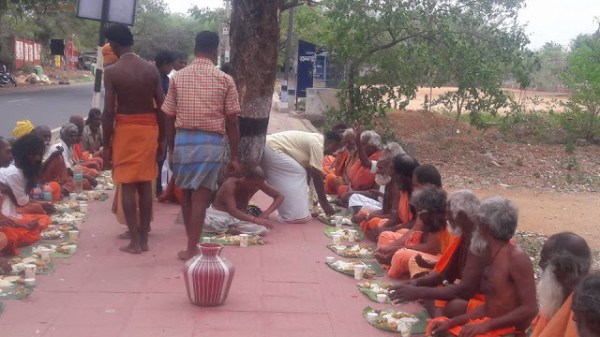
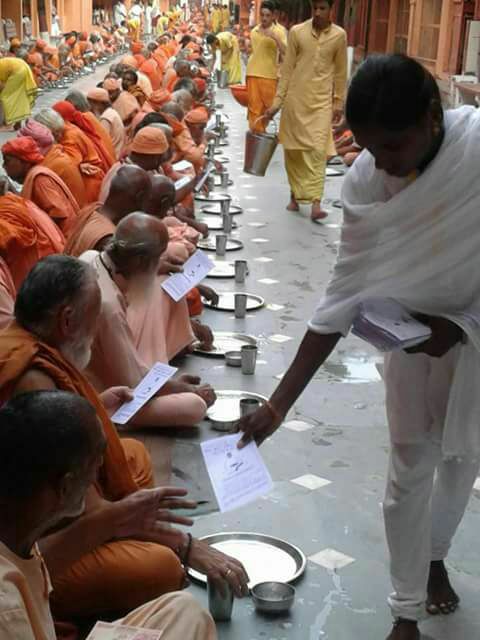
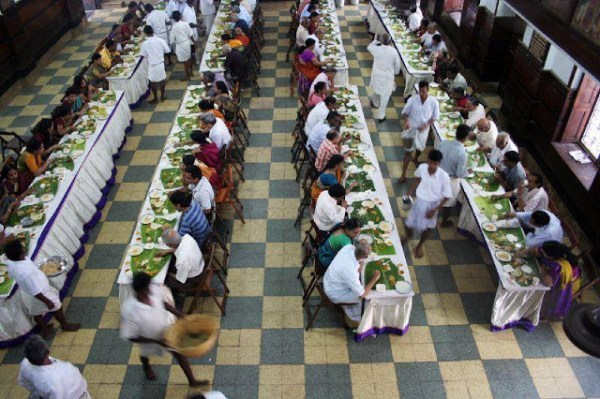
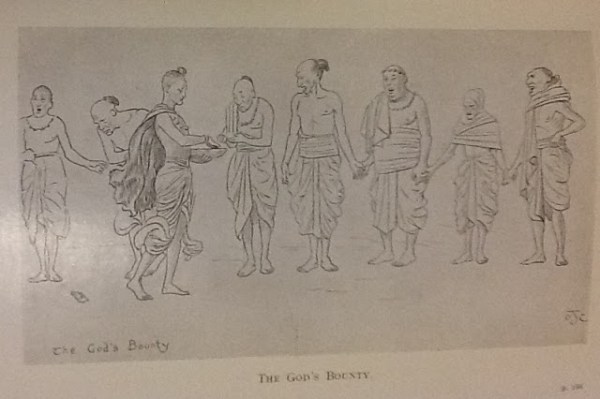
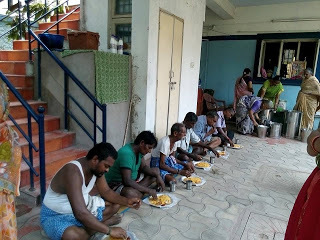
Hospitality is a virtue praised in the Rig Veda (10-117) and the  Sangam Tamil Literature. A Tamil verse in Purananuru ( verse 182) says that even if it is the ambrosia from Indra Loka, Tamils wouldn’t eat it alone, without sharing. From the oldest book in the world Rig Veda to the latest film songs, Hindus praise this virtue as an act which gives one religious merit (Punya). Tirukkural, the Tamil Veda has lot of verses on it. There are thousands of Choultries (Chatras) which have been giving free food for guests from the Vedic Days.

In Bhagavad Gita (3-13), Lord Krishna says that one who cooks for himself alone is a sinner.

There is a story in Tamil Periya Purana to illustrate this point:

Periapuranam written by Sekkizar , is a great Tamil literary master piece which gives the life stories of 63 Siva Devotees of Tamil Nadu in verses. Like Shakespeare had portrayed human nature in all its diverse subtle aspects in his dramas, Sekkizar  has given us  unrivalled picture of the myriad sided character of the human mind in the world of religious and mystic life. The only difference is that Shakespeare used the medium of drama for unfolding his ideas, while poet Sekkizar has chosen the narrative form of literature. We have about 4000 verses in the Periya Puranam. Sekkizar lived 500 years before Shakespeare.

Here is the story highlighting the virtue of hospitality:-

Ilayankudi was a small village in Tamil Nadu. There lived a farmer by name Maran. He was so philanthropic that he donated all his wealth or life earnings to the devotees of Lord Siva.

According to Periya puranam, Lord Siva wanted to show the world that Mara Nayanar was imbued with true love and service towards his devotees.

One day ,during the rainy season, a Siva devotee knocked at the door of Mara Nayanar at the dead of night. Nayanar received him with a smile in his face and asked him to wait in the front room. When he asked his wife to cook something for him, she told him that there was no rice in the house.  She remembered however one thing; they sowed the paddy that day in their land, and if they could be collected, she could prepare some food.

As he heard his wife’s words, he felt glad as though he had recovered a lost treasure. He started at once to bring the paddy seeds. It was pouring down and there was pitch darkness. Impelled by love and spirit of hospitality, he took a basket, covered his head and collected as much paddy as he could from the muddy field. The seeds were floating the rain water. His wife prepared food after cleaning them. She asked him to collect the greens (spinach) from the backyard and prepared different dishes with the same greens.

When the food war ready, hot and steaming, Maran went to the front of the house to invite his guest for dinner. But the guest suddenly disappeared and in place rose a Brilliance and the couple saw the Divine Presence of Lod Siva and Parvati.


This story illustrates two things: the respect shown to Siva’s devotees and the hospitality.

We have a beautiful hymn Rig Veda (10-117) about this virtue:


Guests in the Rig Veda (10-117)


The Devas have not given hunger to be our death,

even to the well-fed man death comes in many shapes

The wealth of the liberal never wastes away,

he who gives no protection finds no consoler.(1)


He who, possessed of food, hardens his heart against

the weak man, craving nourishment, and suffering,

who comes to him for help, though of old he helped him

surely such a one finds no consoler.(2)


He is liberal who gives to one who asks for alms

to the distressed man who seeks food, wandering; success comes to him in the challenge of battle

and for future conflicts he makes a friend for him. (3)


He is no friend who does not give to a friend

to a comrade who comes imploring for food;

let him leave such a man – his is not a home—

and rather seek a stranger who brings him comfort. (4)


Let the rich man satisfy one who seeks help

and let him look upon a longer pathway;

wealth revolves like the wheels of a chariot,

coming now to one, now to another. (5)


–Subham–


குறள் கதை — ‘உண்டிக்கழகு விருந்தோடுண்டல்’ (Post No.5203)

Written by London swaminathan


Date: 10 JULY 2018


Time uploaded in London – 11-59 am  (British Summer Time)


Post No. 5203


Pictures shown here are taken from various sources such as Facebook friends, Wikipedia, Books, Google and newspapers; thanks. Pictures may be subject to copyright laws.


‘உண்டிக்கழகு விருந்தோடுண்டல்’—வெற்றி வேற்கை, அதி வீர ராம பாண்டியன்


சாப்பாட்டிற்கு அழகு, விருந்தாளிகளுடன் பகுத்து உண்ணுதல் ஆகும். விருந்தோம்பல் என்னும் பண்பு பாரத நாட்டில் மட்டுமே உண்டு. இமயம் முதல் குமரி வரை ஒரே கலாசாரம் என்பதற்கு இது மிகப்பெரிய சான்று


வேறு எந்த நாட்டு இலக்கியத்திலும் விருந்தாளிக்குப் போட்டுவிட்டுத்தான் சாப்பிட வேண்டும் என்று சொல்லவில்லை. அதை ஒரு தர்ம கைங்கர்யமாகவும் சொல்ல வில்லை. அன்ன சத்திரங்கள் ஆயிரம் அமைக்கவுமில்லை. மநு ஸ்ம்ருதியும், சிலப்பதிகாரமும், திருக்குறளும் சங்க இலக்கியமும் மட்டுமே செப்பும் கருத்து இது.

பகுத்துண்டு பல்லுயிர் ஓம்புதல் நூலோர்

தொகுத்தவற்றுள் எல்லாம் தலை (குறள் 322)


பொருள்

தம்மிடமுள்ள உணவை எல்லோருக்கும் பகுத்துக் கொடுத்து தானும் உண்ண வேண்டும்; பிற உயிரினங்களையும் பாதுகாக்க வேண்டும்; நல்லோர் கூறிய எல்லா அறங்களிலும் இதுவே சிறந்த தர்மம்.

தனக்கு மட்டுமே சமைப்பவன் பாவி என்று பகவத் கீதையில்ன் கண்ணன் நுவல்கிறான்.

யஜ்ஞசிஷ்டாசினஹ சந்தோ முச்யந்தே சர்வகில்பிஷைஹி

புஞ்சதே தே த்வகம் பாபா யே பசந்த்யாத்மாமகாரணாத்

(பகவத் கீதை 3-13)


பொருள்

யக்ஞம் செய்து மிஞ்சியதை உண்ணும் சாதுக்கள் எல்லாப் பாவங்களிலிருந்தும் விடுபடுகின்றனர். ஆனால் எவர்கள் தமக்கெனவே சமைக்கின்றார்களோ அந்த பாபிகள் பாவத்தையே உண்கிறார்கள்.


இதற்குச் சிறந்த எடுத்துக் காட்டு பெரியபுராணத்திலுள்ள இளையான்குடி  மாற நாயனார் வரலாறு ஆகும்.

இளையான்குடி என்பது ஒரு சிறிய கிராமம். அங்கே ஒரு சிவ பக்தர் வாழ்ந்து வந்தார். அவர் பயிர்த் தொழில் செய்யும் வேளாளர் குலத்தில் உதித்த பெருந்தகை. வந்தோருக்கெல்லாம் விருந்தளிப்பவர். இதனாலேயே ஏழ்மை நிலை அடைந்தவர். இவர் புகழை உலகிற்கு அறிவிக்க இறைவன் ஒரு திருவிளையாடல் செய்தான்


ஒரு நாள் இரவில் மழை கொட்டித் தீர்த்தது. அப்போது ஒரு துறவி அவர் வீட்டின் கதவைத் தட்டினார். வந்தவர்க்கு நள்ளிரவானாலும் சாப்பாடு போட வேண்டுமே என்று எண்ணி மனைவியிடம் என்ன இருக்கிறது? என்று வினவினார். அவர் முகமே பதில் சொல்லிவிட்டது.

விருந்தினருக்கு உணவளிக்க பக்கத்து வீட்டுக்குக் கூட போக முடியாத மழை ஒரு புறம்; இருள் மறு புறம். திடீரென அவர் மனைவிக்கு ஒரு  விஷயம் ஞாபகம் வந்தது. அன்று காலையில்தான் நெல் வயலில் தானியத்தை விதைத்து இருந்தார்கள். கொட்டும் மழையில் கிடைத்த தானியங்களை அள்ளி வரும்படி மனைவி சொன்னவுடன் அவரும் தலையின் மீது துண்டைப் போட்டுக்கொண்டு வயல் வெளியில் சேற்றிலும் சகதியிலும் மிதந்த விதை நெல்லை பொறுக்கி எடுத்து வடிகட்டி வைத்து நெல்லை மட்டும் அரிந்து கழுவினார். அதை உலையில் ஏற்றி சோறு வைத்தார்.


இதற்குள் கறியமுது வேண்டுமே என்று சிந்திக்க கொல்லைப்புற கீரை செடிகள் நினைவுக்கு வந்தன. அவைகளையும் பறித்து தண்டு ஒரு கூட்டு இலை ஒரு கறியமுது என்று விதவிதமாகச் சமைத்துவிட்டு விருந்தாளியை அழைக்க திண்ணைக்கு வந்தார். ஆனால் விருந்தாளி மாயமாய் மறைந்து விட்டார்! வந்திருந்தவர் சிவ பெருமானே என்பதை அறிந்தார். அவரும் ஒளி வடிவில் ரிஷப ஆரூடனாகக் காட்சி தந்தார்.


யார் ஒருவன் பகுத்துக் கொடுக்காமல் சாப்பிடுகிறானோ அவன் குற்றம் புரிந்தவனே. அவன் தோழர்களுக்கு உணவு அளிக்காவிடில் அவனை நேசிப்போர் யாரும் இரார்– இது ரிக் வேத மந்திரத்தின் ஒரு பகுதி (10-117-4/6)


விருந்தினரை எப்படிக் கவனிக்க வேண்டும் என்று காசிக் காண்டம் என்னும் நூலில் அதிவீர ராம பாண்டியர் எழுதியுள்ளார். இதை ஒருவர் பின்பற்றினால் வந்தவரின் உள்ளத்தை வென்றுவிடலாம். சிலர் நன்றாகச் சாப்பாடு போடுவர். ஆனால் பேசத் தெரியாமல் பேசி, போட்ட சாப்பாட்டின் பலனைக் கெடுத்துவிடுவர்.

விருந்தினனாக ஒருவன் வந்தெதிரின்

வியத்தல் நன்மொழியினுரைத்தல்

திருந்துற நோக்கல் வருகென வுரைத்தல்

எழுதல்முன் மகிழ்வன செப்பல்

பொருந்து மற்றவன்றன் அருகுற விருத்தல்

போமெனிற் பின்செல்வதாதல்

பரிந்துநன் முகமன் வழங்கல்லிவ் வொன்பான்

ஒழுக்கமும் வழிபடு பண்பே


–SUBHAM–

புலவர்களின் தமிழைப் பார்த்தார்கள்; ஜாதியைப் பார்க்கவில்லை! (Post No.5202)

Written by S NAGARAJAN


Date: 10 JULY 2018


Time uploaded in London –   6-32 AM (British Summer Time)


Post No. 5202


Pictures shown here are taken from various sources such as Facebook friends, Wikipedia, Books, Google and newspapers; thanks. Pictures may be subject to copyright laws.


சங்க காலம் பொற்காலம்


புலவர்களின் தமிழைப் பார்த்தார்கள்; ஜாதியைப் பார்க்கவில்லை!


ச.நாகராஜன்


சங்க காலத்தில் ஜாதி பேதம் இன்றைய திராவிட கண்களின் விஷப்பார்வை போல பார்க்கப்படவில்லை என்பது ஒரு அருமையான செய்தி.


அந்தக்காலத் தமிழர்கள் தமிழைப் பார்த்தார்கள்; தமிழ் கூறும் கருத்துக்களைப் பார்த்தார்கள்.


பாடியவர் அந்தணரா, அரசரா, இடையரா, எயினரா, கூத்தரா, தட்டாரா, வணிகரா, வேளாளரா என்று பார்க்கவில்லை.

அனைவரையும் மதித்தார்கள் – தமிழுக்காக, தமிழில் அவர்கள் தந்த கருத்துக்களுக்காக.

எடுத்துக்காட்டாக அகநானூற்றில் வரும் புலவர்கள் சிலரின் ஜாதியை இங்கு சுட்டிக் காட்டலாம்- இன்றைய திராவிட இயக்கங்கள் தீய நோக்கில் பரப்பும் விஷ பிரசாரத்தைத் தடுக்கவே இது தரப்படுகிறது.


ஜாதி மட்டுமல்ல, ஆண், பெண் என்ற பாலின பேதம் கூட அந்த காலத்தில் பார்க்கப்படவில்லை. பெண்பாற் புலவர்களும் உண்டு.

தமிழின் முன்னால் அனைவரும் சமம் என்ற உயர் நோக்கைச் சங்க காலம் கொண்டிருந்தது என்பதை இதன் மூலம் உணரலாம்.

பாடிய புலவர்களின் ஒரு பட்டியல் இதோ:


அந்தணர்:

ஆமூர்க் கௌதமன் சாதேவனார்

கடியலூர் உருத்திரங்கண்ணனார்

கபிலர்

கோடிமங்கலம் வாதுளி நற் சேந்தனார்

செல்லூர்க் கோசிகன் கண்ணனார்

நக்கீரனார்

மதுரை ஆசிரியர் நல்லந்துவனார்

மதுரை இளங்கௌசிகனார்

மதுரைக் கணக்காயனார்

மதுரைக் கௌணியன் தத்தனார்

மாமூலனார்

இந்தப் பெயர்கள் மூலம் பொதுவாக ஊர்ப் பெயர்களை புலவர்கள் தம் பெயருக்கு முன்னால் சேர்த்துக் கொள்வதைக் காணலாம்.

எந்த கோத்திரத்தைச் சேர்ந்தவர்கள் என்பதையும் அவர்கள் குறிப்பிடுகிறார்கள். கவுண்டின்ய கோத்திரம், கௌசிக கோத்திரம், வாதூல கோத்திரம் என்று இப்படிப் பல கோத்திரங்களை அவர்கள் பெயருடன் இணைத்துக் கொண்டிருந்தனர்.


அரசர்

அண்டர்மகன் குறுவழுதியார்

அதியன் விண்ணத்தனார்

ஒல்லையூர்தந்த பூதப்பாண்டியன்

கோட்டம்பலத்துத் துஞ்சிய சேரமான்

சேரமான் இளங்குட்டுவன்

பாண்டியன் அறிவுடைநம்பி

பாண்டியன் உக்கிரப் பெருவழுதி

பாலை பாடிய பெருங்கடுங்கோ

மருதம் பாடிய இளங்கடுங்கோ

முடங்கிக் கிடந்த நெடுஞ்சேரலாதன்

வீரைவெளியன் தித்தனார்


இடையர்

இடைக்காடனார்

இடையன் சேந்தன் கொற்றனார்

இடையன் நெடுங்கீரனார்

இருங்கோன் ஒல்லை ஆயன் செங்கண்ணனார்

எயினர்

எயினந்தைமகன் இளங்கீரனார்

விற்றூற்று மூதெயினனார்


கூத்தர்

உறையூர் முதுகூத்தனார்

மதுரை இளம்பாலாசிரியன் சேந்தன்கூத்தனார்

மதுரைக் கூத்தனார்

மதுரைத் தமிழ்க்கூத்தன் கடுவன்மள்ளனார்

மதுரைத் தமிழ்க்கூத்தன் நாகன்றேவனார்


தட்டார்

தங்காற் பொற்கொல்லனார்

மதுரை பொன்செய்கொல்லன் வெண்ணாகனார்


மந்திரத்தலைவர்

ஏனாதி நெடுங்கண்ணனார்


வண்ணக்கர்

வடமவண்ணக்கன் டேரிசாத்தனார்


வணிகர்

காவிரிப்பூம்பட்டினத்துக் காரிக்கண்ணனார்

மதுரை அறுவைவாணிகன் இள வேட்டனார்

மதுரைக் கூலவாணிகன் சீத்தலைச் சாத்தனார்

மதுரைப் பண்டவாணிகன் இளந்தேவனார்

வேளாளர்

ஆர்க்காடுகிழார்மகனார் வெள்ளைக்கண்ணத்தனார்

ஆவூர்கிழார் மகனார் கண்ணத்தனார்

ஆவூர் மூலங்கிழார்

மேற்படியார் மகனார் பெருந்தலைச்சாத்தனார்

உமட்டூர்கிழார்மகனார் பரங்கொற்றனார்

காட்டூர்கிழார்மகனார் கண்ணனார்

கோடியூர்கிழார்மகனார் நெய்தற்றனார்

செல்லூர்கிழார்மகனார் பெரும்பூதங்கொற்றனார்

நல்லாவூர்கிழார்

நெய்தற்சாய்த்துய்ந்த ஆவூர் கிழார்

நொச்சியமங்கிழார்

பொதும்பில்கிழார் வெண்கண்ணனார்

மதுரைக் காஞ்சிப் புலவர்

மதுரை மருதங்கிழார்மகனார் பெருங்கண்ணனார்

மருங்கூர்கிழார் பெருங்கண்ணனார்

மாற்றூர்கிழார்மகனார் கொற்றங்கொற்றனார்

வடமோதங்கிழார்


அருந்தொடரால் பெயர் பெற்றோர்

அந்தியிளங்கீரனார்

இம்மென்கீரனார்

ஊட்டியார்

நோய்பாடியார்

வண்ணப்புறக்கந்தரத்தனார்

பெண்பாற்புலவர்

அஞ்சில் ஆந்தைமகள் நாகையார்

அள்ளூர் நன்முல்லையார்

ஒக்கூர் மாசாத்தியார்

ஔவையார்

கழார்க் கீரனெயிற்றியார்

குமிழிஞாழார் நப்பசலையார்

நக்கண்ணையார்

போந்தைப் பசலையார்

மதுரை நல்வெள்ளியார்

முள்ளியூர்ப் பூதியார்

வெள்ளிவீதியார்

வெறிபாடியகாமக்கண்ணியார்


75 புலவர்களின் பெயர்களை மேலே காணலாம். இந்தப் புலவர்கள் வெவ்வேறு ஜாதியினரைச் சேர்ந்தவராய் இருப்பினும் தமிழால் ஒன்றுபட்டவர்கள். சமமானவர்கள். மதிப்பைப் பெற்றவர்கள். ஆண், பெண் என்ற வேறுபாடும் சங்க காலத்தில் பார்க்கப்படவில்லை என்பதற்கும் இந்தப் பட்டியலே சான்று!

***


SANSKRIT WAS SPOKEN BY ALL! (Post No.5201)


Compiled by London swaminathan


Date: 9 JULY 2018


Time uploaded in London – 20-49  (British Summer Time)


Post No. 5201


Pictures shown here are taken from various sources such as Facebook friends, Wikipedia, Books, Google and newspapers; thanks. Pictures may be subject to copyright laws.


There is a good article written by S P Caturvedi of Nagpur in the Woolmer Commemoration Volume published in 1940. I am attaching the pages for verbatim report.

Following are the interesting points in the article:

1.Sanskrit was a Spoken language; even Sudras spoke Sanskrit.

2.Age of Panini is closer to Mahabharata; he lived before ninth century BCE.

3.Panini lists 2000 roots; but only 900 were used in Classical Sanskrit.

4.There is a big time gap between Panini and Patanjali.

  1. Panini did not use the word Samskrtam for the language.

6.Panini’s vocabulary was ancient.

  1. The vocabulary of Ashtadyayee was vast and rich; almost all conceivable topics in the world are covered.
  2. There is no force in the argument that Sanskrit was refined or adorned by Panini. Grammarians don’t create languages. They only write grammar for the existing language.

The article is very crisp and interesting: –


–Subham–

1916 வரை தமிழ் நாவல்கள், நாடகங்கள்! (Post No.5200)

Compiled by London swaminathan


Date: 9 JULY 2018


Time uploaded in London – 15-08  (British Summer Time)


Post No. 5200


Pictures shown here are taken from various sources such as Facebook friends, Wikipedia, Books, Google and newspapers; thanks. Pictures may be subject to copyright laws.


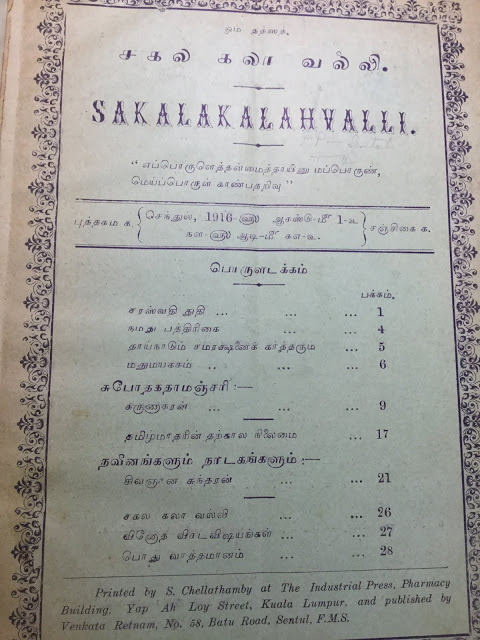
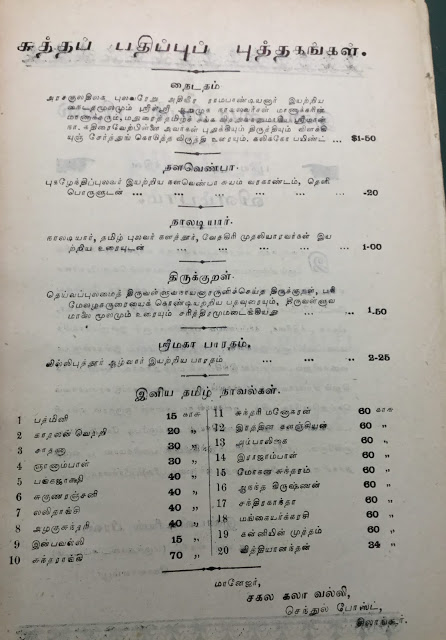
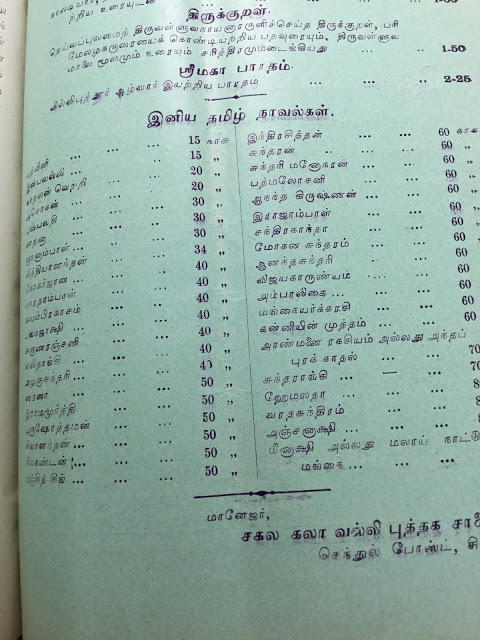
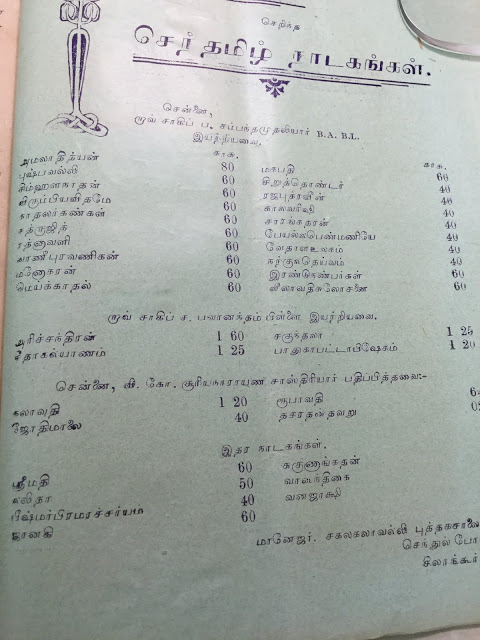
மலேயாவிலிருந்து வந்த சகலகலாவல்லி பத்திரிக்கை விளம்பரப்படி 1916 ஆம் ஆண்டு வரை வந்த தமிழ் நாவல்கள், நாடகங்களின் பட்டியல் கீழே உள்ளது. அக்காலத்திலேயே இத்தனை புஸ்தகங்களை எழுதி தமிழ்  வளர்த்தோரை நினைவுகூறுவது நம் கடமை.


இந்த நாவல்களைப் படிக்கையில் அக்கால எழுத்து நடை, மக்களின் விருப்பம், கலாசார வழக்கங்கள் ஆகிய தெளிவாகத் தெரியும் குறிப்பாக ஒருவருக்குத் திருமணம் செய்ய முனையும்போது பெண் வீட்டார் என்ன நினைக்கிறார்கள் மாப்பிள்ளை வீட்டார் பெண்ணைப் பற்றி என்ன பேசிக்கொள்கிறார்கள் என்பதெல்லாம் இன்று வேடிக்கையாகவும் விநோதமாகவும் இருக்கும்.

இதோ பட்டியல்:-


–SUBHAM–

Exaggeration Anecdotes (Post No.5199)

Compiled by London swaminathan


Date: 9 JULY 2018


Time uploaded in London – 14-08  (British Summer Time)


Post No. 5199


Pictures shown here are taken from various sources such as Facebook friends, Wikipedia, Books, Google and newspapers; thanks. Pictures may be subject to copyright laws.


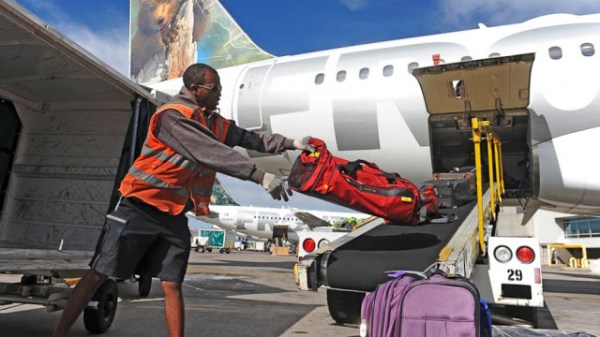
Mark Twain once asked a baggage handler in the railroad station in Washington,
“Is that satchel strong enough to go in the baggage car?”
The baggage man lifted the grip high above his head and smashed it to the ground with all his might.
That, said he, is what it will get in Philadelphia.
He picked it up and bashed it against the side of the car four or five times.
That is what it will get in Chicago, he continued.
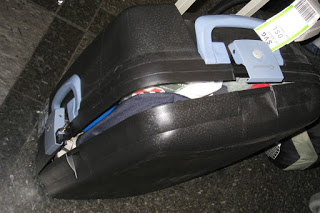
He next threw it high in the air and when it had landed, jumped on it vigorously. It split open and scattered its contents over the platform.
And that is what it will get in Sioux City, you would better take it in the Pullman with you.

Xxx


The Chase National Bank. Operating all over the world, receives from its clients some very strange letters.
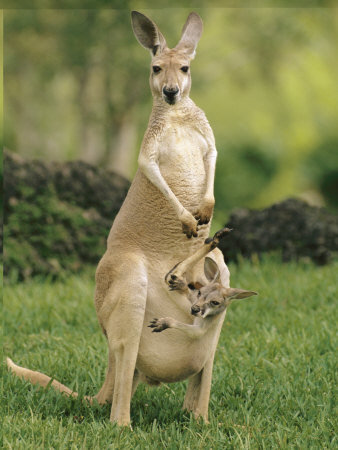
A short time ago, a dealer in fur from Australia wrote the following,
Dear Sirs,
“Am sending draft for a thousand pounds, with which please credit my account. Last year I crossed a kangaroo with a raccoon, and now I am raising fur coats with pockets”.

Xxx

Too much Ventilation!


Colonel Cody, Buffalo Bill , used to tell the story of an English visitor to the West. While riding The s Rocky Mountain canyon one day, a tremendous gust of wind swooped down and actually carried the English man off the wagon seat. After he had picked himself up and combed the sand and gravel out of his whiskers, he said,
“I say! I think you over do ventilation in the country!”
Xxx

Bill Nye, the humorist, was not given to mild statements. He had the following to say,
We have not  had more to say of the editor of the Sweet waters Gazette. Aside from the fact that he is a squint eyed, consumptive liar with a breath like a buzzard and a record like a convict, we don’t know anything about him. He means well enough, and if he can evade the penitentiary and the vigilance committee for a few more years, there is a chance for him to end his life in a natural way. If he don’t tell the truth a little more plentifully, however the Green River people will rise as one man and churn him up till there won’t be anything left of him but a pair of suspenders and a wart.

Xxxx


Bear stories are the stock in trade of the Alaskan sourdoughs.
One-of them told of his encounter with a giant a kadikak monster . He was all of two tons and he riz up and come at me. I didn’t manage to wound him just enough to make him mad. But then my rifle jammed. I headed for the nearest tree, but it only had one limb and that was thirty feet off the ground. I got there not more than a foot ahead of the bear and he took a swat at me as I gathered for the leap. He tore my Britches but didn’t quite getting me so badly I missed the limb.
What happened?
I caught it on my way down
Xxx

Col.John Cremony was a famous western figure and known as a yarn spinner. He told one story of a desperate flight from pursuing Indians,
“I had a fine horse and managed to keep far enough ahead so their arrows couldn’t reach me. I picked them off until my last cartridge was gone. Then I headed up a canyon and I will be doggoned if it didn’t end in a sheer wall I was trapped like a rat with a dozen Apaches closing in on me And me without as much as a penknife to defend myself.
What happened,Colonel?
Why, they killed me! Damn them, sir, they killed me!
Xxx SUBHAM xxx

க்ளோனிங் cloning- அதிசய ஹிந்து விஞ்ஞானம்! (Post No.5198)

Research Article Written by London swaminathan


Date: 9 JULY 2018


Time uploaded in London – 12-59  (British Summer Time)


Post No. 5198


Pictures shown here are taken from various sources such as Facebook friends, Wikipedia, Books, Google and newspapers; thanks. Pictures may be subject to copyright laws.


நான்கு ஆண்டுகளுக்கு முன் ஆண்களும் குழந்தை பெறலாம் என்று ஒரு ஆராய்ச்சிக் கட்டுரை எழுதினேன். மஹாபாரத்திலுள்ள அதிசயக் குழந்தை, சோதனைக் குழாய் குழந்தை போன்ற பத்து விஷயங்களை (26-3-2014) அதில் விளக்கி இரண்டு கட்டுரைகளாக (கீழே இணைப்புகளைக் காட்டியுள்ளேன்) தந்தேன்.

இப்போது மேலும் சில ஆதாரங்கள் கிடைத்துள்ளன. சுவையான செய்திகள்


‘க்ளோனிங்’ CLONING என்றால் என்ன?

மனிதனை அல்லது உயிரினங்களை அச்சு எடுப்பது ஆகும். அதாவது ஒரு உயிர் அணுவிலிருந்து அந்த உயிரினத்தையே உருவாக்கலாம். இப்படிச் சில ஆடுகளை உருவாக்கி உலகையே வியக்கவைத்தனர் விஞ்ஞானிகள்

உடனே அட! ஆயிரம் காந்திகளை அல்லது ஆயிரம் ஆதிசங்கரர்களை உருவாக்கலாம்; அவர்களுடைய ஒரு உயிருள்ள செல் கிடைத்தால் போதும் என்றனர். ஐய்யயோ, வேண்டாமப் பா; ஆயிரம் ஹிட்லர்களையும் எவனாவது ஒருவன் உருவாக்கி  விடுவான்; இத்தைகைய ஆராய்ச்சிகளுக்கு கட்டு திட்டங்கள் வேண்டும், வரம்பு முறைகள் வேண்டும் என்றெல்லாம் பத்திரிக்கைகளும் டெலிவிஷன்களும் அலறின; நிற்க


‘ஸப்ஜெக்டு’க்கு வருவோம்!

இந்து மத இதிஹாச புராணங்களில் பல அதிசய விஷயங்கள் உள்ளன. விஞ்ஞானம் வளர, வளர அவைகள் எல்லாம் விளங்குகின்றன.


விஷ்ணுபுராணத்தில் ஒரு கதை வருகிறது:

நிமி என்ற அரசன் விதேக நாட்டை ஆண்டு வந்தான் (தற்போதைய பீஹார்- தெற்கு நேபாளம்); அவன் ஒரு 1000 ஆண்டு யாகத்துக்குத் திட்டமிட்டான்; குல குருவான வசிஷ்டரை அ ணுகி, ‘ஐயனே, அருள் புரியும் என்றான். அவர் சொன்னார்: மன்னர் மன்னா! நான் இந்திரனிடம் ஏற்கனவே ‘அட்வான்ஸ்’ வாங்கிவிட்டேன்; அவன் என்னை 500 ஆண்டு யாகத்துக்கு ‘புக்’ பண்ணிவிட்டான்; அதனால் ஒன்றும் குறைந்து போகாது; முடித்தவுடன் ஓடோடி வருகிறேன்’.

நிமி இதைக் கேட்டு விட்டு ஒன்றும் பதில் சொல்லவில்லை. வசிஷ்டர் நினைத்தார் ‘மௌனம் சம்மதம்’ என்பது பழமொழி. ஆகியால் வந்துவிடுவோம் என்று சென்றுவிட்டார்.


ஆனால் நிமியோ வேறு ஒரு ரிஷியை அழைத்து யாகத்தை நடாத்திவிட்டார். அந்த ரிஷியின் பெயர் கௌதமர்.


ஆசையோடு ஓடி வந்த வசிஷ்டர் அரண்மனையின் கதவைத் தட்டினார்; மன்னர் உறங்கிக் கொண்டு இருப்பதாக வாயில் காப்போன் செப்பினான்.

வந்ததே கோபம், வசிட்டனுக்கு.

பிடி சாபம்! நிமி, நீ இன்று முதல் நிமிர முடியாது; நீ விதேகன் (வி+தேஹ) ஆகக்கடவது! அதாவது உடல் அற்றவன் ஆவாய்.


மன்னன் எழுந்தான். ஐயா வசிட்டரே! தூங்கும் போது ஒருவருக்கு சாபம் போட எந்த ஸ்ம்ருதியில் ( இந்துக்களின் சட்டப் புத்தகம்) ‘ரூல்’ இருக்கிறது? இது அநியாயம்; இந்தாரும், பிடி சாபம்!

நீரும் அழிந்து போகக் கடவது!


இருவரும் அழிந்தனர். வசிஷ்ட மஹா முனிவன்  ஒரு short cut ஷார்ட் கட் (குறுக்கு வழி) கண்டுபிடித்து வந்துவிட்டார். நிமி, விதேஹன் ஆனதால் அவன் ஆண்ட நாட்டுக்கு விதேஹ நாடு என்று பெயர் ஏற்பட்டது.


உடனே அறிஞர் பெருமக்கள் மஹாநாடு கூட்டி புதிய அரசன் யார் என்று தீர்மானித்தனர். நிமியைக் ‘கடைந்து’ ஒரு மன்னனை உருவாக்குவோம் என்று நிமியின் இறந்து கிடந்த உடலைக் ‘கடைந்து’ மிதி என்ற ஒரு மகனை உருவாக்கினர். அவன் ஆண்ட பட்டிணம் மிதிலை ஆகி, அங்கே ஜனகன் ஆண்டு, சீதையை வயல் வெளியில் கண்டு எடுத்து, ராமாயணம் உருவான கதை எல்லோரும் அறிந்ததே.

இங்கே நாம் கவனிக்க வேண்டிய விஷயம் ஸம்ஸ்க்ருதத்தில் உள்ள வினைச் சொல்லை அப்படியே ‘உடலைக் கடைந்து’ என்று எழுதிவிட்டனர். மொழிபெயர்த்த ஆங்கிலேயர்களும் இந்துக்கள் சரியான முட்டாள்கள் என்று நகைத்துக் கொண்டே  அப்படியே மொழி பெயர்த்து விட்டனர். ஆண்கள் குழந்தை பெறுவதா! என்று அங்கலாய்த்தனர். இப்பொழுது விஞ்ஞானம் வளர்ந்தவுடன் ‘கடைதல்’ என்பது க்ளோனிங்- அச்சு எடுத்தல் – படி எடுத்தல் – என்று விளங்குகிறது. மஹாபாரதத்திலுள்ள பத்து அதிசயங்களையும் இன்னும் பல அதிசயப் பிறப்புகளையும் ஒட்டு மொத்தமாகப் பார்க்கும்போதுதான் நான் சொல்வது விஞ்ஞானக் கற்பனைக் கதையோ அல்லது பிதற்றலோ அன்று என்பது தெள்ளிதின் விளங்கும்!


இன்னொரு கதை பார்ப்போம்; வேனன் கதை!


வேனன் என்றொரு மன்னன் இருந்தான் இவன் கதையும் பல புராணங்கள் மநு ஸ்ம்ருதியின் வியாக்யானம் ஆகியவற்றில் வருகிறது.

வேனன் சொன்னான்

பிராஹ்மனணர்களே!

நான்தான் யாக யக்ஞங்களின் ஆகுதிகளைப் பெற தகுதியுடையவன்; ஆகையால் இந்திரன் சந்திரன் என்று சொல்லி வீணடிக்காமல் எல்லாவற்றையும் எனக்கே நல்குக.


ஐயர்மார்கள் சொன்னார்கள்

“மன்னா; கோபித்துக்கொள்ளாது அப்படியெலாம் வழக்கமும் இல்லை; மேலும் நமக்கும் மேலே ஒருவன் உளன்.”

மன்னன், பிடிவாதம் பிடிக்கவே, சரி ‘நல்ல மாட்டுக்கு ஒரு சூடு; ஆடுற மாட்டை ஆடிக் கறக்கனும் பாடுற மாட்டைப் பாடிக் கறக்கனும்’ என்று கருதி பிராஹ்மண மஹாநாட்டு முடிவுப்படி மன்னனை தர்ப்பை புல்லைக் கொண்டே கொன்றுவிட்டனர்.


இந்து அகராதியில் ‘மன்னன் அற்ற’ (அ+ராஜக) என்றால் சட்ட ஒழுங்கற்ற ‘அ+ ராஅஜக’ என்று பொருள்; நாடு முழுதும் அராஜகம் தாண்டவ மாடியது. மீண்டும் ஐயர்கள் மஹாநாடு கூட்டி வேனனின் உடலைக் கடைந்து, பிள்ளையை உண்டாக்குவோம் என்று பணியைத் துவக்கினர் (ஹரி வம்ஸம் என்னும் நூல் வேனனின் உடலில் வலது கையைத் தேய்த்து……….என்று விளம்பும்). எல்லோரும் உடலைத் தேய்த்தவுடன் அல்லது கடைந்தவுடன் ஒரு கறுப்பு, குள்ள உருவம் வந்தது. நீ இங்கே அமர் நிஷத்த என்றனர். ஸம்ஸ்க்ருதத்தில் ‘நிஷத்த’. அவர்கள் நிஷாதர்கள் ( பழங்குடி வேடுவர்கள் ) ஆனார்கள். அவர்களை விந்திய மலைக்கு அனுப்பிவிட்டனர்.

அதாவது ஐயர்கள் செய்த முதல் க்ளோனிங் ஜ்ராஸ்ஸிக் பார்க் Jurassic Park கதை போல எதிரிடை விளைவை உண்டாக்கிவிட்டது. முதல் எக்ஸ்பெரிமெண்ட் தோல்வி.

பிராஹ்மணர்கள் மீண்டும் ஒரு மஹா நாடு கூட்டி இரண்டாவது முதல் தேய்தபோது—உடலை    கடைந்த போது– அற்புதமான, ஒளிவீசும் பிருது தோன்றினான். அவன் ஆண்டதால் பூமிக்கு ஸம்ஸ்க்ருதத்தில் ‘ப்ருத்வீ ‘என்ற பெயரும் நிலைத்தது.

கதையை நிறுத்திவிட்டு சிறிது ஆராய்ச்சி செய்வோம்; புராணங்கள் எவ்வளவு அழகாக உண்மையை உரைக்கின்றன என்று பாருங்கள். முதல் க்ளோனிங் பரிசோதனை தோல்வி அடைந்து அறிவற்ற ஒருவன் வரவே அவனைக் கொல்லாமல் விந்திய மலைக்கு அனுப்ப, அவன் நிஷாதர்களென்ற ஒரு இனத்தை உருவாக்க, பிறகாலத்தில் அவர்களில் ஒருவனாக வால்மீகி எனும் மாமுனிவன் உருவாக வழிவ கடைந்தனர்.


இரண்டாவது Kலோனிங் எக்ஸ்பெரிமெண்டில் ப்ருது தோன்ற, உலகம் உய்வு பெற்றது


உடலைத் தேய்த்து— உடலைக் கடைந்து- அதாவது செத்துப்போன ஒரு ஆணின் ‘ஸெல்’ (cell) லிலிருந்து ஒரு மனிதனை உருவாக்கினர். அதை அப்படியே எழுதியும் வைத்தனர். விஞ்ஞானம் வளராதபோது செத்துப்போன ஆண் உடலில் இருந்து ஒரு மனிதனா என்று நகைத்தோம்! இப்பொழுது வியக்கிறோம். இதிஹாச, புராணங்களில் உள்ள பெயர்கள் பல்லாயிரம்; அதில் இது போல அதிசயச் செய்திகள் விகிதாச்சரப்படி குறைவே; பெயர் தெரியாமல் இறந்த புராண மனிதர்கள் இன்னும் பல்லாயிரம்; அவர்களையும் கணக்கெடுத்தால் இந்த மாதிரி செய்திகள் குறைவே; ஆகவே இருக்கும் புராணக் கதைகளை அறிவியல் நோக்கில் நாம் பார்க்க வேண்டும்.


முன்னரே எழுதிவிட்டேன்; அகஸ்த்யர் கடலைக் குடித்தார் என்றால் அகஸ்த்யர் கடல் கடந்து தென் கிழக்கு ஆசிய நாடுகளுக்குச் சென்றார் என்று பொருள்

அகஸ்த்யர் விந்திய மா மலையை கர்வபங்கம் செய்தார் என்றால் முதல் முதலில் மலை வழியாக சாலை அமைத்து தென்னகம் வந்தார் என்று பொருள்.


அதற்கு முன் பஞ்ச பாண்டவர்கள் ராமன், ராவணன் முதலானோர் படகு அல்லது கடலோர வழிகலையே பயன்படுத்தி தென்னகம் வந்தனர்.பகீரதன், பல்லாயிரமாண்டு தவம் செய்து கங்கையைக் கொணர்ந்தான் என்றால் அவன் முன் னோர்கள் செய்ய முயன்று தோல்வியுற்ற கங்கை நதி திசை மாற்றுத் திட்டத்தில் வெற்றி பெற்றான் என்று பொருள்.


ஆக புராணக்காரர்களின் மொழிகளைப் புரிந்து கொண்டால் இனி வரப்போவதையும் சொல்ல  முடியும். அதை நான் ஏற்கனவே இரண்டு கட்டுரைகளில் தந்துவிட்டேன்.


கண்டு மகிழ்க


–சுபம், சுபம்-


  1. ஆண்களுக்குகுழந்தை | Tamil and Vedas

tamilandvedas.com/tag…

Posts about ஆண்களுக்கு குழந்தை … குழந்தை பெறலாம். … ஆண்களும் …

  1. ஆண்களுக்கும்குழந்தை | Tamil and Vedas

tamilandvedas.com/tag…

Posts about ஆண்களுக்கும் குழந்தை … ஆண்களும் … //tamilandvedas.com/2017/05/23/%e0%ae …

மஹாபாரத மர்மங்கள்: விஞ்ஞான விளக்கம் கிடைத்துவிட்டது!-பகுதி1 …

tamilandvedas.com/2014/03/26…

Gandhari, Draupadi, Kunti. கட்டுரையாளர்: லண்டன் சுவாமிநாதன் கட்டுரை எண் 934 தேதி …

Previous Post
பகுதி 2: – மஹாபாரத மர்மங்கள்: விஞ்ஞான விளக்கம் கிடைத்தது

கரூவூர் ஆநிலை- சுவையான வரலாறு! (Post No.5197)

Written by S NAGARAJAN


Date: 9 JULY 2018


Time uploaded in London –   7-34 AM (British Summer Time)


Post No. 5197


Pictures shown here are taken from various sources such as Facebook friends, Wikipedia, Books, Google and newspapers; thanks. Pictures may be subject to copyright laws.


கொங்குமண்ட  சதகம்

பிரமனின் படைப்புத் தொழிலை காமதேனு செய்த தலம் கருவூர் திரு ஆநிலை

.நாகராஜன்

கருவூர் என்பது கொங்கு நாட்டுத் தலங்களில் மிக முக்கியமான ஒன்றாகும்.

கரூவூர் ஆநிலை என்று வழங்கப்படும் இதன் வரலாறு சுவையான ஒன்று. இது பாடல் பெற்ற கொங்கு நாட்டுத் தலங்கள் ஏழினுள் ஒன்று. திருஞானசம்பந்தரின் பதிகம் பெற்ற தலம் இது.

கொங்கு தேசத்தில் இருபத்துநான்கு நாடுகள் உள்ளன.

அவையாவன: பூந்துறை நாடு, தென்கரை நாடு, காங்கேய நாடு, பொன்கலூர் நாடு, ஆறை நாடு, வாரக்கனாடு, திருவாவினன்குடி நாடு, மண நாடு, தலையனாடு, தட்டய நாடு, பூவாணியனாடு, ஆரையனாடு, ஒடுவங்க நாடு, வடகரை நாடு, கிழங்கு நாடு, நல்லுருக்கனாடு, வாழவந்தி நாடு, அண்ட நாடு, வெங்கால நாடு, காவடிக்கனாடு, ஆனைமலை நாடு, ராசிபுர நாடு, காஞ்சிக்கோயில் நாடு, குறும்பு நாடு ஆகியவையாகும்.

இவற்றில் கருவூர் ஆநிலை வெங்கால நாட்டில் உள்ளது.

திருஆநிலை என்று புகழப்படும் இது சோழ மன்னர்கள் முடிசூட்டிக் கொள்ளும் ஐந்து பதிகளுள் ஒன்றாகும். கருவூர்த் தேவர் பிறந்த இடம். இறைவனின் திருநாமம் பசுபதிநாதர். இறைவி : சுந்தரவல்லி.

காமதேனு வழிபட்டதால் கோவிலுக்கு திருஆநிலை என்று பெயர் ஏற்பட்டது

இதைப் பற்றி கொங்கு மண்டல சதகம் 11ஆம் பாட்டில் புகழ்ந்துரைக்கிறது இப்படி:-                                                            


வீழுஞ் சடையார் பசுபதி யீச்சுரர் வெண்ணெய்மலை                 

சூழும் புகழொடு தோற்றிய நாடொழு தர்ச்சிக்கநீ

ராழுங் கடல்புவி யண்டமெ லாமுற வண்டர்தொழ

வாழும் பசுவுற் பவமான துங்கொங்கு மண்டலமே


இதன் பொருள் : பசுபதி ஈஸ்வரரைப் பூஜித்து கடல் சூழ்ந்த பூமியையும் மற்றுமுள்ள அண்டங்களையும் பிரம்மாவைப் போல படைத்தல் தொழிலைச் செய்த காமதேனு பிறந்தது வெண்ணெய் மலை சூழ்ந்த கருவூர். அது உள்ளது கொங்கு மண்டலமே.


கருவூரின் வரலாறு : ஒரு காலத்தில் காமதேனு கருவூர்ச் சிவபெருமானைப் பூசித்து வணங்கி வந்தது. பிரம்மா படைப்புத் தொழிலைச் செய்வதால் கர்வம் மிகப் பெற்றார். அதை அடக்க,  பிரமதேவனைப் போல படைக்கும் ஆற்றலைப் பெறுவாய் என சிவபிரான் காமதேனுவிடம் திருவாய்மலர்ந்தருள, அவ்வாறே காமதேனு அந்த ஆற்றலைப் பெற்று சராசரங்களை முன்போலப் படைத்தது. அக்கருவூருக்கு வடதிசையில் புசிப்பு நிமித்தம் வெண்ணெய் மலையென ஒன்று வகுத்துப் பூசித்துக் கொண்டிருக்கிறது. இதனால் இந்த தலத்திற்கு திரு ஆநிலை என்று பெயர் வழங்கி வரலாயிற்று.


இந்தத் தலத்தைப் பற்றி கரூர்ப் புராணத்தில் வரும் பாடல் வருமாறு:-

வருதிநீ சுரபி தொல்லை மறையவன் போல வேலை        

பொருதிரை யாடை ஞாலத் தெமையருச் சனைபு ரிந்து                   

 தருகுதி சராச ரங்க ளனைத்தையு மென்முன் றாழா              

விரைமலர் தூவித் தேநு விடையோடும் போயிற் றன்றே               

  • கரூர்ப் புராணம்

கொங்கு மண்டலச் சதகம் போற்றும் திரு ஆநிலை இன்று கரூர் என்று புகழ் பெற்று விளங்குகிறது.

***


CLONING IN ANCIENT HINDU LITERATURE (Post No.5196)

Research Article Written by London swaminathan


Date: 8 JULY 2018


Time uploaded in London – 15-49  (British Summer Time)


Post No. 5196


Pictures shown here are taken from various sources such as Facebook friends, Wikipedia, Books, Google and newspapers; thanks. Pictures may be subject to copyright laws.


What is cloning?

an organism or cell, or group of organisms or cells, produced asexually from one ancestor or stock, to which they are genetically identical.


That is, you create a replica of a human being without sexual intercourse. In my 2014 articles about Ten Medical Mysteries in Mahabharata, I have listed the ancient techniques of Test Tube babies, cloning etc. (see the link below for the full article).

Apart from the cloning references in the Mahabharata we have more references in Devi Bhagavata, Vishnu Purana and Manu Smriti:-


Cloning through Blood

Rakta Bhija (blood Seed)’s story is in Devi Mahaatmya. The demon Rakta Bheeja has a strange power. No one can kill him because when his blood is shed, another demon will emerge from each  drop of his blood. He fought with the Goddess Chaamunda. Each drop of his blood as it fell on the ground produced a new Asura (demon). But Chamundaa Devi found a new technique to stop it. She drank his blood in full and devoured his flesh. No more demons came out.


This story is a clear proof of blood cloning. If we place all stories of cloning together found in Hindu literature and study them we will know they are not fancy stories or science fiction.


Churning the Body of MEN to produce children!

Mahabharata gives innumerable stories of strange births, particularly men giving birth to babies. Till cloning techniques were reported in news papers, people couldn’t understand such stories and they were either baffled or they ridiculed such stories.


Here are two more from two different sources:


A legend in Vishnu Purana says that King Nimi requested Vaishtha to perform a fire sacrifice which would last for 1000 years. The sage pleaded a prior engagement to Indra for five hundred years, but offered to come at the end of that period. The king made no remark and remained silent and so Vaishistha rushed to the Royal court of Nimi as soon as he finished 500 year Yaga (fire sacrifice). He took silence as Yes. In the meantime, Nimi had finished the Yaga with the help of another sage called Gautama.


Enraged by this Vaisishtha cursed Nimi to become ‘Body less’ (Vi+Deha). This curse was given to him while Nimi was sleeping. When he woke up he became angry saying that a sleeping person cannot be cussed according to Hindu law and he cursed Vasistha back. Vaisistha perished as per the curse and came back in another body. But in Nimi’s case he died because of the curse. And then the sages CHURNED HIS BODY AND PRODUCED A SON CALLED MITHI. The city of Mithila, Sita’s birth place got the name from this legendary King Mithi.


Here churning the body is a technical term for cloning.

This is proved in another story

Story of Vena

Vena, son of Anga and a descendant of Manu Swambhuva issued a proclamation regarding Fire Sacrifices:

“Men must not sacrifice or give gifts or present oblations. Who else but myself is the enjoyer of sacrifices? I am forever the Lord of the Offerings”.

The sages remonstrated him respectfully, but in vain. They admonished him in stronger terms; but when nothing worked, they slew him with blades of consecrated grass. After his death the sages beheld clouds of dust and inquiry  found that they arose from the bands of men who had taken to plundering because the country was left without a king.  A King less (A+rajaka)country is severely criticised in the Hindu epics and mythologies.


As Vena was childless, the sages after consultation, RUBBED the thigh ( in Hari Vamsa, they rubbed his right arm) of the dead king to produce a son. From it there came forth a man like, a charred log, with flat face and extremely short. The sages told him to sit down (Nishida). He did so and thus became a Nishida, from whom sprang the Nishaadas dwelling in the Vindhya mountains., distinguished by their wicked deeds.

(Nishada= hunters, Forest dwsellers)

(This shows that their first experiment of CLONING went wrong and wicked people were produced ; something like Jurassic Park film)

The sages then RUBBED the right arm of the dead body of Vena and from it sprang the majestic Prithu, resplendent in body, glowing like the manifested Agni/ Fire God. The story of Vena is found in Mahabharata, Manu Smrti commentary, Padma Pura and Hari Vamsa.

Here RUBBING stands for CLONING.

Prithu gave the name Prithvi to earth.


The Puranas faithfully reported that the cloning went wrong in the first experiment. Puranas never lie.


The ancient sages used technical jargon like RUBBING or CHURNING the dead body for CLONING.


As the science develops new techniques or make new inventions we understand our mythology better.


For Ten More Mysteries from the Mahabharata , please read my old article:


cloning | Tamil and Vedas

tamilandvedas.com/tag/cloning

Posts about cloning written by Tamil and … Cloning ( as we saw in Rakthabheeja demon story), … //tamilandvedas.com/2014/03/26/medical-science-solves-ten-mysteries …


–Subham–