Pictures shown here are taken from various sources including google, Wikipedia, Facebook friends and newspapers. This is a non- commercial blog.
குறைந்தது 24 புலவர்கள் இக்கட்டத்தில் மறைந்துளர். பல மொழிகளில் ராமாயணம் எழுதியோர், தேவாரம் திருவாசகம், திருப்பாவை பாடியோர், தமிழ் மூதாட்டி முதல், யாதும் ஊரே யாவரும் கேளிர் — பாடிய புறநானூற்றுப் புலவர்கள் உள்பட 24 பேர்! பெயரைப் படித்தாலேயே புண்ணியம் கிட்டும்.
Pictures shown here are taken from various sources including google, Wikipedia, Facebook friends and newspapers. This is a non- commercial blog.
I am not giving a comprehensive list of assassinations that happened in Indian history. Just to compare the less known assassination that happened in Tamil Nadu I am giving some known attacks. As far as we know it started in 73 BCE and went up to 1991. Tamil poet Tiruvalluvar and Vishnusarman of Panchatantra also mentioned such assassinations.
Devabhuti, the last of the Sunga emperors, who was a weak, dissipated and debauched monarch was assassinated in his bed in dark by a slave girl dressed as his queen. He was killed in 73 BCE on the orders of his minister Vasudeva.
Julius Caesar was assassinated in Rome around that time. And his own friend Brutus was part of the conspiracy. All of us know the ‘Et tu Brute?’ (You too Brutus!) exclamation of Julius Caesar.
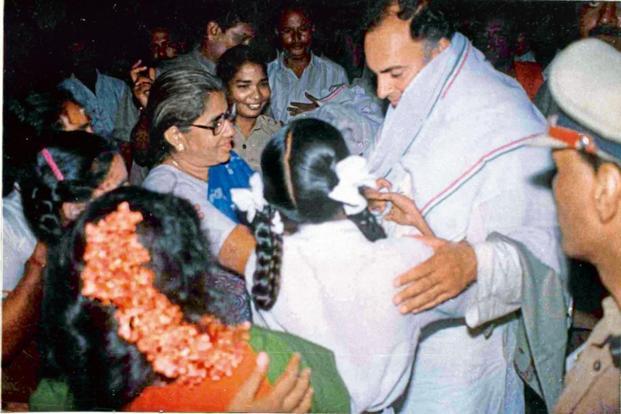
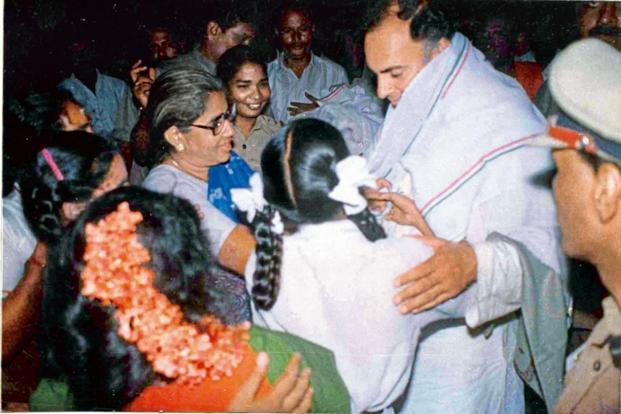
Mahatma Gandhi was assassinated by N Godse in 1948. In our own times Prime Minister Indira Gandhi was assassinated by her own bodyguard on 31 October 1984. Later her own son Rajiv Gandhi was assassinated by a LTTE girl from Si Lanka, near Chennai in 1991.
Tiruvalluvar, author of Tamil Veda, Tirukkural says,
An enemy will twist his words as he bends his bow;
Neither will forbade any good- 827
The meaning is
Do not be misled by the politeness or courtesy of language on the part of enemies. The enemy bends his words as he bends his bow, which is not for your good.
In the next couplet the poet says,
The enemy’s hands raised in salutation may conceal a weapon,
So too, his tears of sympathy are not to be trusted.
This is what happened in the case of Rajiv Gandhi’s assassination.
In Periya Puranam written around 12th century CE by Sekkizar, we have a similar story. It is a sad and heart breaking story.
Here is a summary:
There was a king by name Meyporul Nayanar ruling Chedi country from Tirukkovalur. He was a just king and conquered the nearby territories. He was a great Shiva devotee and respected any one coming with the Saivite symbols such as Vibhuti (holy ash), Rudraksha (holy garland) in saffron or white cloths.
Muthanathan, a near by king who was defeated several times by Meyporul, realised that he would never be able to defeat Meyporul by honest means. So he conspired and took the guise of Shiva devotee. He hid a dagger in a bundle of palm leaf manuscripts and approached the palace.
As usual all the gates were wide open for the ‘great devotee’ and he entered the palace room where the king was lying in bed with his wife. Knowing a person coming in an untimely hour, king’s body guard Dattan prevented him from entering the bedroom. But yet Muthanathan introduced himself as a great Guru and he had come with a rare manuscript to show it to the king. Datta could not stop him any more. When the ‘devotee/guru’ entered the bed room, the queen was surprised and got up suddenly. But the king showed all the respect due to any Shiva’s follower. When he asked the reason for his visit at the dead of night, disguised Muthanathan told the king that he had some rare Agama manuscripts and wanted to teach the king.
He also insisted that he should be alone without the queen to listen to the secret doctrines. The king readily obliged and came back all alone. Muthanathan opened the bundle and took the dagger and stabbed the king.
Hearing the commotion, his body guard Datta rushed into the room and caught hold of the assassin. But Meyporul told his bodyguard,
‘Datta, He is our man’. Please take him out of the town with full security and leave him alone; make sure that no one harms him! Datta did as he was commanded.
All this happened just because the respect for the external Saivite (religious) symbols! But Meyporul was made a saint among the 63 Famous Saivite Saints and worshipped in all the Shiva temples in Tamil Nadu.
We hear lot of stories even today that terrorists come in different disguises, particularly abusing religious faith and symbols. Since Tiruvalluvar also sings about hidden arms, he might have heard such stories.
Sekkizar, author of Periya Puranam, describes the appearance of Muthanathan in Saivite gear. ‘He appeared white outside (with smeared holy ash) but inside he was black. His mind was full of bad things’.
The world has not changed much from the days of Devabhuti. Even before Devabhuti, Manu gives a list of kings who were dethroned or killed. Vena was one of them who met a violent death from the revolting general public. Something like French Revolution must have happened and Vena was ‘guillotined’.
Pictures shown here are taken from various sources including google, Wikipedia, Facebook friends and newspapers. This is a non- commercial blog.
தற்காலத்தில் பயங்கரவாதிகளின் தாக்குதல் பற்றி பத்திரிக்கைகளில் நிறைய செய்திகளைப் படிக்கிறோம். அவர்கள் நேரடியாகத் தாக்கினால் ‘வீரர்கள்’ என்று புகழ்வோர் சிலர். ஆனால் பொய் வேடம் கொண்டு நண்பன் போல, சீடன் போல நடித்துக் கொன்றால் அத்தகையவரை கோழை என்று உலகமே இகழும். நமது காலத்திலேயே காங்கிரஸ் தலைவரும் முன்னாள் பிரதமருமான ராஜீவ் காந்தியை விடுதலைப் புலி இயக்கத்தைச் சேர்ந்த பெண் வணங்குவது போல வணங்கி வெடிகுண்டு வைத்து இருபதுக்கும் மேலானவர்களைப் படுகொலை செய்த வன் செயலை உலகமே கண்டித்தது.
ஷேக்ஸ்பியர் நாடகத்தில் ஜூலியஸ் ஸீஸரைக் கொல்ல வந்த நண்பன் ப்ரூட்ட,,,, ஸைப் பார்த்து ‘யூ டூ ப்ரூட்டஸ்’ (et tu Brute? You too Brutus?) என்று சீஸர் சொன்ன வரிகளை நாம் அறிவோம்.
காளிதாசன் காலத்திலும் இது நடந்தது. கி.மு.73-ல் சுங்க வம்ஸத்தின் கடைசி அரசனான தேவ பூதியை ஒரு அடிமைப் பெண், ராணி போல வேடம் அணிந்து, படுக்கை அறைக்குள் நுழைந்து கொன்றாள். அமைச்சன் வாசுதேவனின் சதியின் பெயரில் அது நடந்தது. பஞ்ச தந்திரமும் மன்னர்களின் படுகொலை பற்றிப் பேசுகிறது.
வள்ளுவர், சேக்கிழார், திருத்தக்க தேவரும் அத்தகைய சம்பவங்களைப் பாடி வைத்திருப்பது, இந்தப் படுகொலைகள் தொன்றுதொட்டு நிகழ்கின்றன என்பதை அறிய முடிகிறது.
சேக்கிழார் பாடிய பெரிய புராணத்தில் வரும்
மெய்ப்பொருள் நாயனார் சரிதம் மிகவும் உருக்கமானது.
கதையின் சுருக்கம் இதுதான்
சேதிநாட்டில், திர்க்கோவலூரில்,மலையமான் குலத்தில் வந்த அரசன் ஒருவன் ஆண்டு வந்தான். எப்பொழுதும் திருநீறு பூசி சிவனைப் பூஜித்து, மெய்ப்பொருள் காண்பதையே லட்சியமாகக் கொண்டிருந்ததால், அவர் பெயரே மெய்ப் பொருள் நாயனார் என்று ஆயிற்று. அவரிடம் பலமுறை போரில் தோற்றுப்போன முத்தநாதன் என்பவன், நேர் வழியில் வெல்லுவது அரிது என்று கருதி, பொய்யான தவ வேடம் பூண்டு வந்தான். சிவ குரு என்று சொல்லி எல்லாக் காவல் நிலைகளையும் தாண்டி வந்தபோதும் மெய்ப் பொருள் நாயனாரின் முக்கியக் காவல் அதிகாரி தத்தன் மட்டும் சந்தேகக் கண்ணுடன் பார்த்தான். படுக்கை அறையில் மனைவியுடன் இருப்பதையும் மீறி மெய்ப்பொருள் நாயனாரின் பள்ளி அறையில் நுழைய மஹா ராணி திடுக்கிட்டு எழுந்தாள். மன்னரோ முத்த நாதன் சிவனியார் வேடத்தில் வந்ததால் வணங்கி என்ன காரணத்தினால் வந்தீர்? என வினவ புதிய ஆகம நூல் கிடைத்து இருப்பதாகவும் அதை உபதேசிக்க வந்து இருப்பதாகவும் சொன்னான்.
முத்தநாதன் ‘மனதிலே கரு(று)ப்பு வைத்து’
முத்த நாதனின் வேடத்தை சேக்கிழார் வருணிக்கும் அழகே அழகு. உடம்பெல்லாம் வெண்மை நிறம். ஆனால் மனம் மட்டும் கறுப்பாம்:
மெய்எலாம் நீறு பூசி வேணிகள் முடித்துக் கட்டிக் கையினில் படைக ரந்த புத்தகக் கவளி ஏந்தி மைபொதி விளக்கே என்ன மனத்தின்உள் கறுப்பு வைத்துப் பொய்த்தவ வேடம் கொண்டு புகுந்தனன் முத்த நாதன்
மனைவி உடனிருந்தால் உபதேசிக்க முடியாது என்று சொல்லி அவளை அனுப்பச் செய்துவிட்டு, மன்னர் தனியாக வந்த போது புத்தக் கட்டை (ஏட்டுச் சுவடிக் கட்டு) அவிழ்ப்பது போல அவிழ்த்து ஏடுகளுக்குள் மறைத்து வைத்திருந்த கத்தியால் குத்தி அவரைக் கொலை செய்தான்.
சப்தம் கேட்டு தத்தன் உள்ளே வந்து, முத்த நாதனைக் கையும் களவுமாகப் பிடித்த போதும் சிவ சின்னங்களை அணிந்திருந்த ஒரே காரனணத்துக்காக அவரை, ‘தத்தா இவர் நமர் (நம்ம ஆள்)’ என்று சொல்லி ஊர் எல்லை வரை பாதுகாப்போடு அழைத்துச் சென்று விடுக என்று கட்டளையும் இடுகிறார். தத்தனும் அப்படியேசெய்தான்.
என்ற பாரதி பாட்டை நினைவுபடுத்துகிறது மெய்ப்பொருள் நாயனாரின் செயல்.
கைத்தலத்து இருந்த வஞ்சக் கவளிகை மடிமேல் வைத்துப் புத்தகம் அவிழ்ப்பான் போன்று புரிந்துஅவர் வணங்கும் போதில் பத்திரம் வாங்கித் தான்முன் நினைந்தஅப் பரிசே செய்ய மெய்த்தவ வேட மேமெய்ப் பொருள்எனத் தொழுது வென்றார்
நிறைத்தசெங் குருதி சோர வீழ்கின்றார் நீண்ட கையால் தறைப்படும் அளவில் தத்தா நமர் எனத் தடுத்து வீழ்ந்தார்
xxx
வள்ளுவன் வாக்கு
திருவள்ளுவரும் சொல் வணக்கம், வில் வணக்கம் பற்றி எச்சரிக்கிறார். தொழுத கைக்குள்ளும் ஆயுதம் இருக்கும் என்றும் எச்சரிக்கிறார். அவருக்கும் தேவ பூதி, ஜூலியஸ் சீஸர் கதைகள் தெரிந்திருக்க வாய்ப்பு உண்டு
சொல் வணக்கம் ஒன்னார்கண் கொள்ளற்க வில்வணக்கம்
தீங்கு குறித்தமையான்— குறள் 827
பொருள்
வில் வளைவது தீமை வரப் போவதைக் காட்டும். அதே போல பகைவர்கள் வணக்கத்தோடு சொல்லும் சொல்லை நன்மை என்று கருதி விடக்கூடாது ((வணங்குவது போல வணங்கி காலை வாரி விடுவர்; புலி பதுங்குது பாய்வதற்காகத் தானே)- 827
தொழுத கையுள்ளும் படை ஒடுங்கும் ஒன்னார்
அழுத கண்ணீரும் அனைத்து- 828
பொருள்
பகைவர் வணங்கும் கைகளுக்கு உள்ளும் கொலைக் கருவியை மறைத்து வைத்திருப்பர். அவர்கள் அழுது சொரியும் கண்ணீரும் அத்தகையதே-828
Pictures shown here are taken from various sources including google, Wikipedia, Facebook friends and newspapers. This is a non- commercial blog.
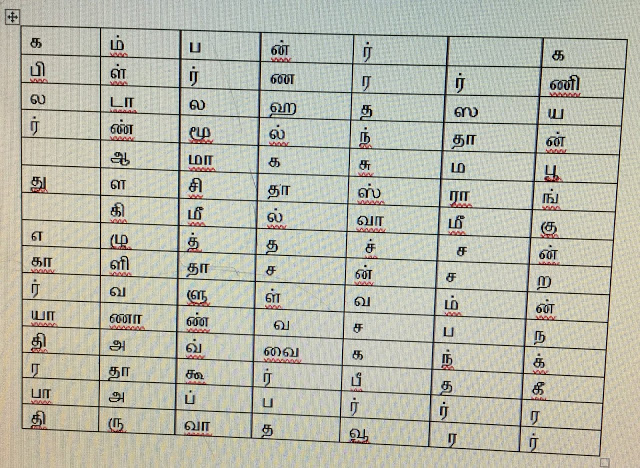
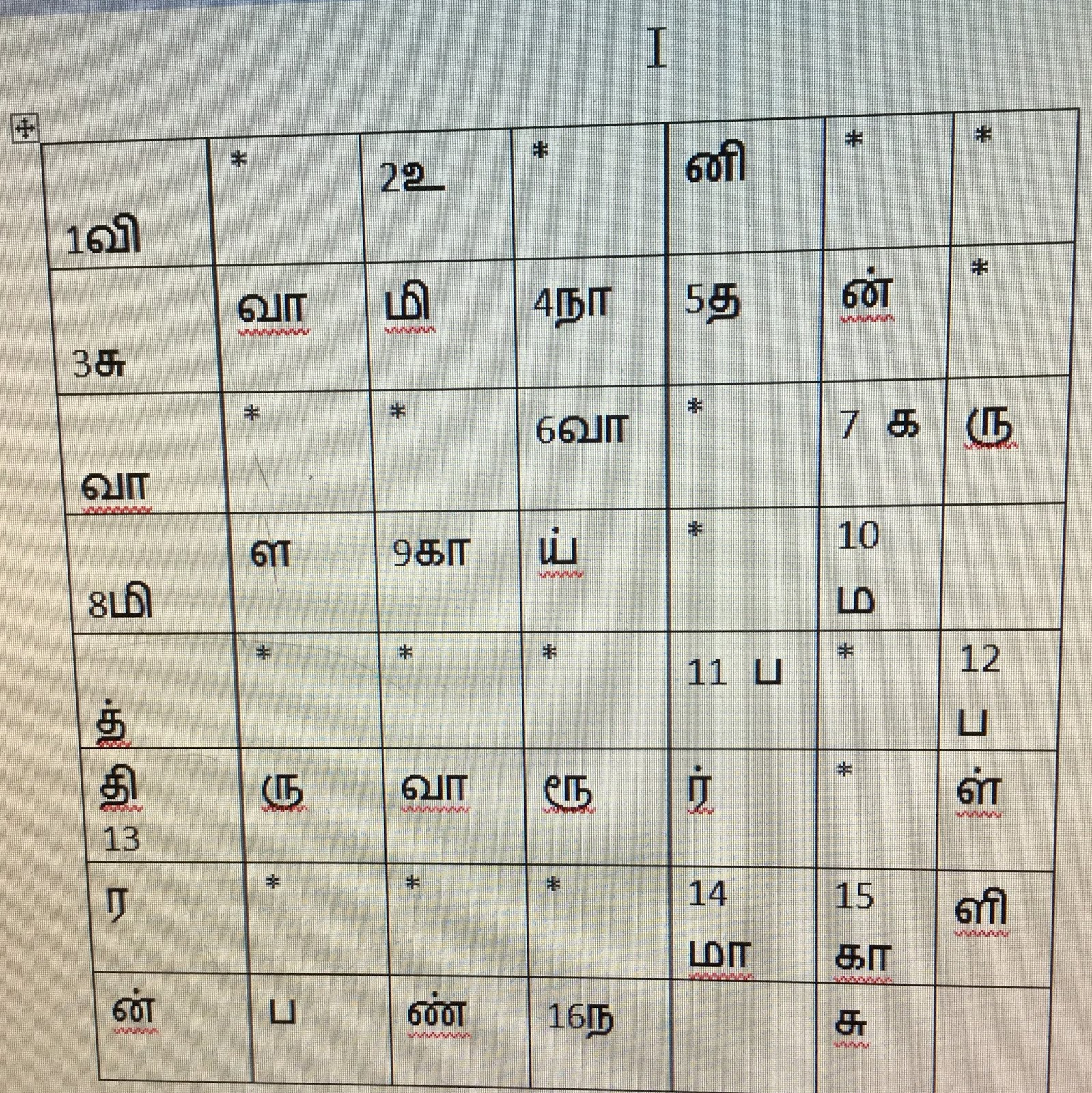
Tamil cross word 11-12-18
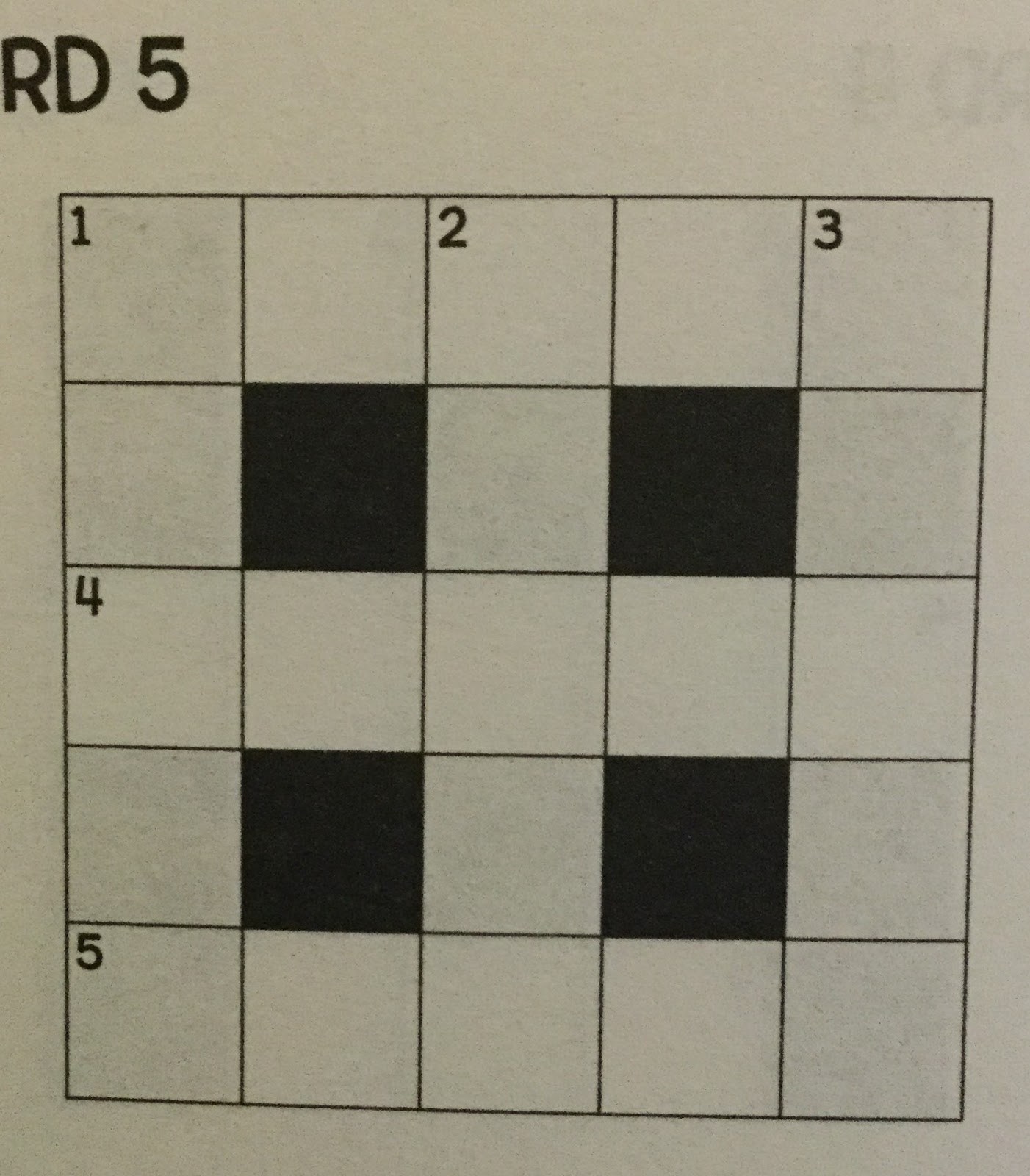
கட்டத்திலுள்ள 15+++ சொற்களைக் கண்டு பிடியுங்கள். இதோ உதவும்குறிப்புகள்; முயன்று பாருங்கள்; முடியாவிட்டால் விடை கீழேதரப்பட்டுள்ளது. அதைக் கண்டு மகிழுங்கள்.
குறுக்கே
3. தகப்பனுக்கு ஓம்கார ரகசியம் சொன்னவன்
7. குழந்தை உருவாவதன் முதல்படி
8. காரம் மிகுந்த காய்
9. பழத்தின் முதல்படி
13. பெரிய தேர் உடைய ஊர்
14. மலையில் விளயும் கிழங்கு; பார்வதியின் தாண்டவ ரூபம்
Pictures shown here are taken from various sources including google, Wikipedia, Facebook friends and newspapers. This is a non- commercial blog.
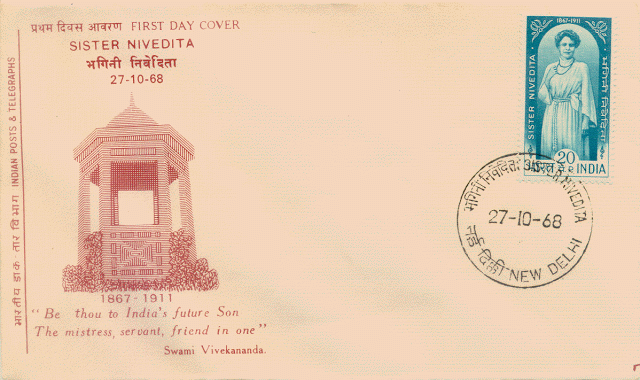
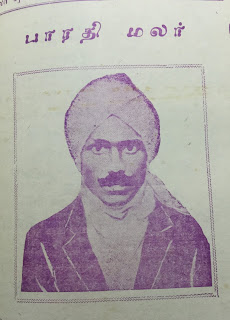
Greatest of the Modern Tamil Poets Subrahmanya Bharati met Sister Nivedita on his way back to Madras from the Benares Congress Conference. This brief meeting took place at Dum Dum, Calcutta in 1905. This meeting has changed Bharati’s life to a great extent.
Bharati went back via Calcutta with the intention of meeting great Bengali patriots. He was fortunate to meet Nivedita. Their conversation turned towards women’s upliftment. Sister Nivedita casually asked Bharati whether he was married. He replied in the affirmative and immediately Nivedita asked him whether his wife also came with him now. Bharati told her that it was not a normal practice to take women to social and public functions.
This reply made Nivedita very angry. She admonished him and said that we should give equal importance and equal participation for women. This awakened Bharati and opened his eyes. From that day onwards, he had vowed to work for women’s liberation. He came back to Madras (Chennai) and started a separate Tamil magazine (Chakravarthini) for the women.
Just before leaving Dum Dum , Sister Nivedita gave him a leaf which she brought from the Holy Himalayas. She touched his head and blessed him. Bharati preserved this leaf until his death in 1921.
K S Raman in an article writes,
“It may be of interest to know that Bharati had handsomely acknowledged his deep sense of gratitude to the great woman Nivedita by dedicating his two books to her in which he says, ‘in a flash without the aid of speech or reasoning thou revealed to me the sacredness of service to the Motherland and glory of renunciation. To you who by virtue of thy piety and excellence became the spiritual daughter of Swami Vivekananda, I dedicate this book’.
In one of his poems also he speaks of the Sister in most glowing terms, which reads as under, “An offering to Mercy A Temple of Love A sun to his spiritual darkness Rain to the withering country A fire to the scroll of meanness’
The enlightenment Bharati derived from the Sister can be gauged from the poems he sang in praise of women and their equal status. It was Bharati, more than anybody else in Tamil Nadu, who worked untiringly for the social uplift of women and the essays and poems he wrote on this question were legion.
About Sister Nivedita, K S Raman adds,
Born of an Irish parentage at Dungannon (Northern Ireland) in 1867, and despite her manifold pursuits, Margaret Noble (later Nivedita) had the growing consciousness of uncertainty and despair in respect of religion; neither Christian doctrines nor the tenets of Buddhism could provide panacea toher disturbed mental state. The visit of Swami Vivekananda to England in 1895 and his teachings kindled Margaret’s latent religious aspirations and desire to serve humanity selflessly. Therefore, she came to India in 1898, and lived in a cottage at Belur with Swamiji’s other two American disciples, was subsequently initiated into Brahmacharya and given the name of Nivedita (the dedicated). The rest of her life of thirteen years in India were devoted to the cause of Indian freedom and emancipation and upliftment of Indian women till her death in 1911.
Tags- Bharati, Nivedita, Women’s status, upliftment of women
Pictures shown here are taken from various sources including google, Wikipedia, Facebook friends and newspapers. This is a non- commercial blog.
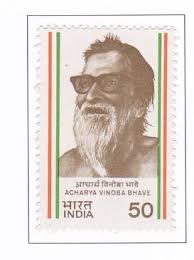
சர்வோதயத் தலைவர் டாக்டர் எம்.அறம் எழுதிய ஆங்கிலக் கட்டுரையின் சுருக்கத்தைத் தமிழில் வரைகிறேன். கல்கத்தா பாரதி தமிழ் சங்கம் வெளியிட்ட பாரதி பற்றிய ஆங்கில நூல்களின் மூன்றாவது தொகுதியில் இது உளது.
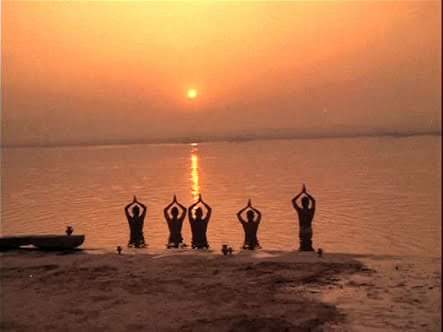
“நாங்கள் ஒரிஸ்ஸா மாநிலத்தின் சம்பல்பூர் – பார்கார் சாலையில் நடந்து கொண்டிருந்தோம். சிறிது நேரத்துக்கு முன்னால், சாலையின் ஓரத்தில், ஒரு ஒதுக்குப் புறத்தில் உட்கார்ந்து பிரார்த்தனை, தியானம் செய்தோம். கீழ் வானம் அற்புதமாக செக்கச் செவேல் என்று காட்சி தந்தது. அங்கே அமர்ந்து அதைப் பார்த்துக் கொண்டுதான் பிரார்த்தனை நடந்தது. பனி மூட்டமும் அழகு சேர்த்தது. கீழ் வானம் முழுதும் செந்நிறப் பிழம்பு. சற்று மேலே சிவப்பும் ஆரஞ்சு வர்ணமும் பட்டை பட்டையாக இருந்தன. சில நட்சத்திரங்கள் கூட இன்னும் தெரிந்தன. இரவு நேரம் விடை பெற்றுக்கொண்டு பகற் பொழுதுக்கு அழைப்புவிட்டுக் கொண்டிருந்த அற்புதமான காலைப் பொழுது அது.
மீண்டும் நடைப் பயணத்தைத் தொடர்ந்தோம். வினோபாஜி அழைத்ததால் நான் முதல் நாள்தான் அங்கே சென்றிருந்தேன். அந்த நாள் 1963 அக்டோபர் 9ம் தேதி. டில்லி- பீகிங் நட்புறவுப் பயணம் பற்றிய திட்டங்களை விவாதிக்கவே என்னை அழைத்திருந்தார். நான் ஏற்கனவே நிலமையை விளக்கி முழு அறிக்கை சமர்ப்பித்திருந்தேன். அது பற்றி மேற்கொண்டு விவாதிக்கவே இந்த சந்திப்பு.
கொஞ்சம் கொஞ்சமாக சம்பாஷணை, உலக நடப்புகளை நோக்கி நகர்ந்தது. திடீரென்று வினோபாஜி சொன்னார்:-
தக்ஷிண பாரதமே இப்பொழுது என்னோடு நடந்து கொண்டிருக்கிறது
நாங்கள் என்ன என்று நினைத்துப் பார்ப்பதற்குள் அவரே விளக்கமும் தந்தார்.
அதோ பாருங்கள் (சந்யாஸி உடையில் இருந்தவரைக் காட்டி), அவர் கேரளத்திலிருந்து வந்திருக்கிறார். வினோபாஜியின் ‘குரானின் சாராம்ஸம்’ என்ற நூலை சரிசெய்து கொடுக்க வந்திருந்த ஒரு வயதானவரைச் சுட்டிக்காட்டி, அந்த முதியவர் ஆந்திரப் பிரதேசத்திலிருந்து வந்திருக்கிறார். வினோபாஜியின் உதவியாளரான ஜயதேவ் பாயை நோக்கி அவர் கர்நாடகத்தைச் சேர்ந்தவர். நீங்களோ தமிழ் நாட்டைச் சேர்ந்தவர். தென் இந்தியாவே என்னுடன் நிற்கிறது என்றார் வினோபா பாவே.
எல்லோரும் அதைகேட்டு சிரித்து மகிழ்ந்தோம்.
பாரதி பற்றிக் கொஞ்சம் சொல்லுங்களேன் என்று நான் சொன்னேன். நாங்கள் சுமார் 25 பேர் அவரைச் சுற்றி நின்று கொண்டிருந்தோம். அப்பொழுது வினோபாஜி சொன்ன கருத்துக்கள் மிகவும் சுவையானவை.
ஒரிஸ்ஸாவின் முன்னாள் முதலமைச்சர் நவகிருஷ்ண சௌத்ரியும் அங்கே இருந்தார்.
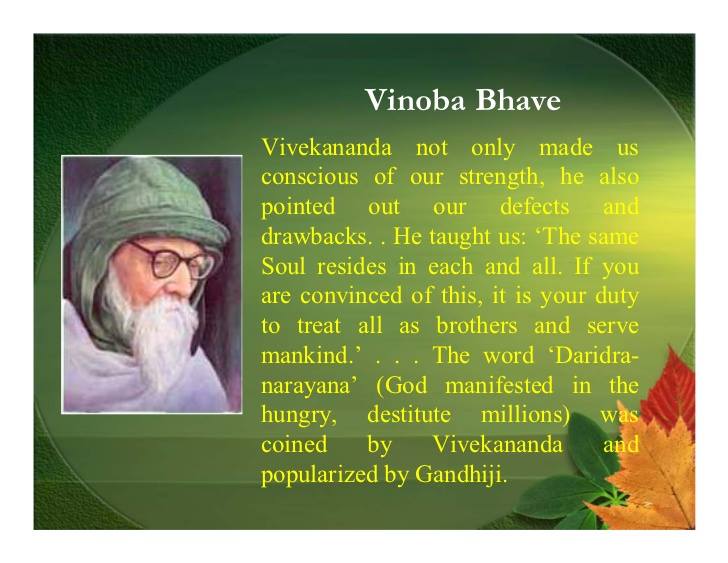
வினோபாஜி சொன்னார்,
முதலாவதாக,
நான் அப்பொழுது வேலூர் சிறைச் சாலையில் இருந்தேன். நான் பாரதியார் கட்டுரைகள் புஸ்தகத்தைப் படித்துக் கொண்டிருந்தேன். அவர் கல்வி பற்றி எழுதிய விஷயம். விஞ்ஞானமானது புதுப் புது கிருமிகள், சிற்றுயிர்களைக் கண்டுபிடித்து வருகிறது. காலரா, பிளேக் கிருமிகள் முதலியன. ஆனால் இந்த உயிரினங்களில் மனிதன்தான் மிகச் சிறந்தவன். அவன் எல்லா உயிர்களையும் விட முன்னேறிவன். பாரதியாரின் இந்தக் கருத்து– மனிதனே மிகச் சிறந்த படைப்பு– என் மனதில் ஆழப் பதிந்தது.
வினோபாஜி சற்று மவுனம் சாதித்தார்.
அந்த மவுனமானது அவர் சொன்ன விஷயத்தை எங்கள் மனதிலும் பதித்தது. பின்னர் அவர் தொடர்ந்தார்,
இரண்டாவதாக,
பாரதியார் இந்த பிரபஞ்சம் முழுவதையும் சொந்தபந்தமாக நினைக்கிறார். மனிதர்கள் பிராணிகளுடன் அவர் நிறுத்தவில்லை.
இதை வினோபாஜி தமிழில் சொல்லி விட்டு மற்றவர்களுக்காக இந்தியிலும் அவரே மொழி பெயர்த்தார்.
காக்கை குருவி எங்கள் ஜாதி
இப்படி உயிரினங்கள் மட்டுமின்றி
நீள் கடலும் மலையும் எங்கள் கூட்டம்.
இந்த பிரபஞ்சமே நமது உறவினரென்ற பாரதி கருத்து என்னை ஈர்த்தது.
பல மொழி பேசும் மக்கள் அந்தக் குழுவில் இருந்தனர். எல்லோரும் சபாஷ் போட்டு ரஸித்தனர்.
வினோபாஜி தொடர்ந்தார்,
மூன்றாவதாக,
பாரதியார் ஒரு தேசீயவாதி என்பது அறிந்ததே. அவருடைய தேசீயப் பற்று அஹிம்ஸையை அடிப்படையாக உடையது.
பகைவனுக்கருள்வாய் நன்னெஞ்சே,
பகைவனுக்கருள்வாய் நன்னெஞ்சே
…………………………………….
தின்ன வரும் புலி தன்னையும் அன்பொடு
சிந்தையில் போற்றிடுவாய்……………….
இதைக் கேட்டு மகிழ்ந்த
ஆந்திராக்காரர், எங்கள் தெலுங்கு மொழியிலும் ‘புலி’ என்றுதான் சொல்லுவோம் என்றார்.
இதைச் சொல்லி முடித்தவுடன் வினோபாஜி என்னைப் பார்த்து, கிண்டல் செய்யும் தொனியில் போதுமா? இன்னும் கொஞ்சம் வேணுமா? என்றார்.
அவரே பின்னர், அடுத்த முறை இன்னும் சொல்கிறேன் – என்று முடித்தார்.
இதற்கிடையில் கூடவே நடந்து வந்த வினோபாஜியின் உதவியாளர்/ காரியதரிஸி பாலுபாய், ‘நம் டி.பி. சுப்ரமணியம் (தமிழ் நாட்டு சாந்தி சேனை அமைப்பாளர்) அடிக்கடி சொல்லுவாரே, பயப்படாதே, பயப்படாதே என்ற கருத்துள்ள பாரதி பாடல். அது என்ன? மறந்துவிட்டதே’– என்று நினவுபடுத்திக் கொள்ள முயன்றார். வினோபாஜியே அந்தப் பாடலையும் நினைவுகூர்ந்தார்.
நான் மேற்கொண்டு அவருடன் பேசுகையில் பூதானத்தின் அடிப்படைக் கருத்துகளைப் பாரதி பாடல்களிலும் காணமுடிகிறது என்றேன்.
ஆமாம், உண்மைதான். இது பற்றி ஸர்வோதய பத்திரிக்கைகளில்
ஏற்கனவே எழுதியுள்ளோம் என்றார்.
(உலகில் அதிகமான மொழிகளைப் பேச வல்லோரில் பூதான இயக்கத் தலைவர் வினோபா பாவேயும் ஒருவர். அவர் பாரதியாரை எந்த அளவுக்குப் படித்து, அவரது கருத்துக்களை உள்வாங்கி இருக்கிறார் என்பது இந்த உரையாடல் மூலம் வெளிப்படுகிறது.)
Pictures shown here are taken from various sources including google, Wikipedia, Facebook friends and newspapers. This is a non- commercial blog.
பாரதியும் வானசாத்திரமும்! – 1
ச.நாகராஜன்
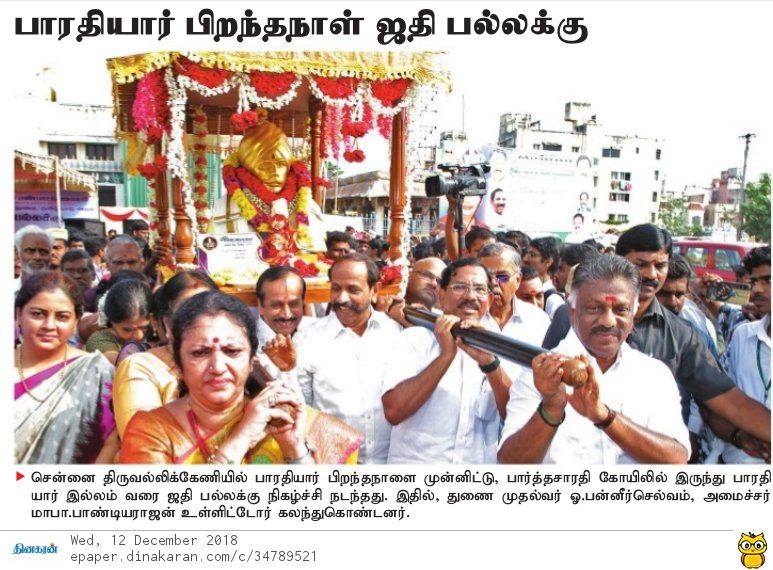
பாரதியார் பிறந்த நாள். அவரை வணங்கிப் போற்றுவோம்.
புண்ணியன் பிறந்த நாள்
பூவுலகம் சிறந்த நாள்
எண்ணிநின் றேத்து வோம்
இனியநாடு போற்று வோம்
நன்னிதிப் பாடல் கள்
நவின்றநா வாணி நா
உன்னியவை ஏற்று வோம்
உயிர்கலந்து பாடு வோம்
ச.நாகராஜன்
***
பாரதியாரைப் பலவிதமாக ஆராய்ந்து பார்த்து உவகை அடையலாம்.
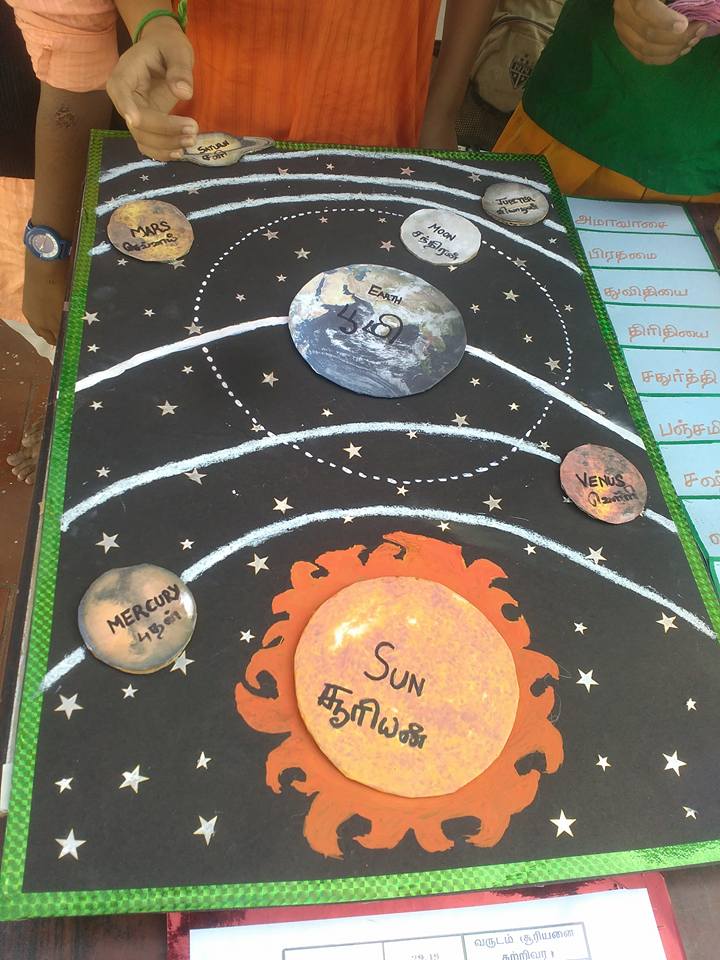
அவரை வானசாத்திரத்தின் மூலமாகப் பார்க்கும் பார்வையே இந்தக்
குறுந் தொடர்.
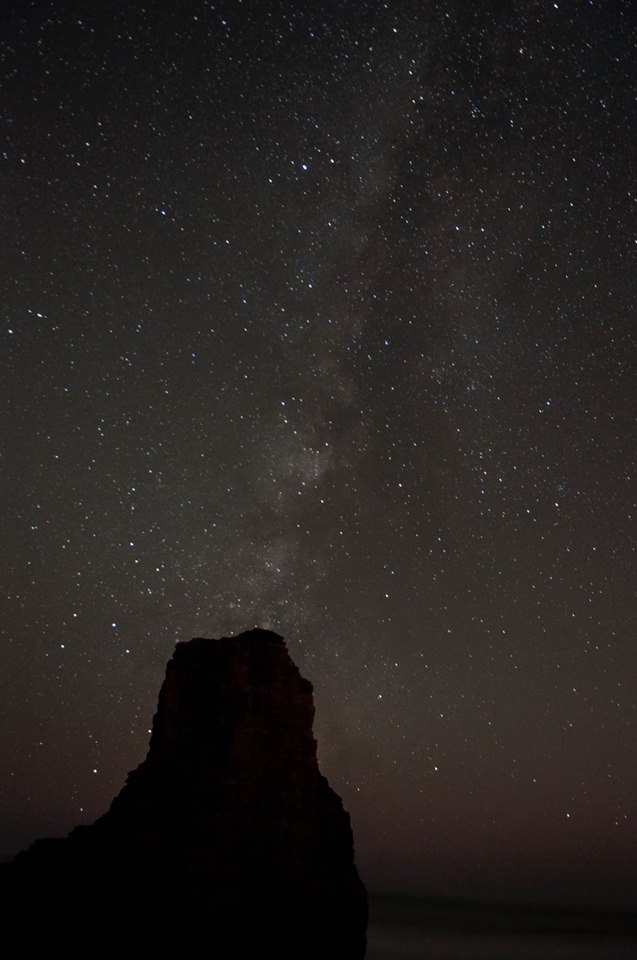
பாரதியார் வானக் காட்சிகளைக் கண்டு ரசித்து மயங்கி அவ்வண்ணங்களைக் கவிதைத் தேனெனப் பொழிந்திருக்கிறார். வசன நடையிலும் எழுதியுள்ளார். அவற்றையெல்லாம் பற்பல இடங்களிலிருந்து எடுத்துத் தொகுத்துப் பார்த்துள்ள ஒரு மாலையே இது.
*
பாரத தேசம் என்ற கவிதையில் ..
மந்திரம் கற்போம் வினைத் தந்திரம் கற்போம்
வானையளப்போம் கடல் மீனையளப்போம்
சந்திர மண்டலத்தியல் கண்டு தெளிவோம்
விநாயகர் நான்மணி மாலை (விருத்தம்)
வையந்தனையும் வெளியினையும்
வானத்தையுமுன் படைத்தவனே
விநாயகர் நான்மணி மாலை (விருத்தம்)
படர்வான் வெளியிற் பலகோடி
கோடி கோடிப் பலகோடி
இடறா தோடும் அண்டங்கள்
இசைத்தாய் வாழி, இறையவனே!
இறைவா, இறைவா!
எத்தனை கோடி இன்பம் வைத்தாய் – எங்கள் இறைவா, இறைவா, இறைவா
சித்தினை அசித்துடன் இணைத்தாய் – அங்கு
சேரும்ஐம் பூதத்து வியனுல கமைத்தாய்
அத்தனை யுலகமும் வண்ணக் களஞ்சிய
மாகப் பலபலநல் லழகுகள் சமைத்தாய்
மஹாசக்தி வெண்பா
எண்ணிற் கடங்காமல் எங்கும் பரந்தனவாய்
விண்ணிற் சுடர்கின்ற மீனையெல்லாம் – பண்ணியதோர்
சக்தியே நம்மைச் சமைத்ததுகாண் நூறாண்டு
பக்தியுடன் வாழும் படிக்கு
மஹாசக்தி
சந்திரனொளியில் அவளைக் கண்டேன்
சரண மென்று புகுந்து கொண்டேன்;
மீன்கள் செய்யும் ஒளியைச் செய்தாள்
வீசிநிற்கும் வளியைச் செய்தாள்
வான்கணுள்ள வெளியைச் செய்தாள்
வாழி நெஞ்சிற் களியைச் செய்தாள்
காளி ஸ்தோத்திரம்
வான கத்தி னொளியைக் – கண்டே – மனம கிழ்ச்சி பொங்கி
யானெ தற்கும் அஞ்சேன் – ஆகி – எந்த நாளும் வாழ்வேன்
ஞான மொத்த தம்மா – உவமை – நானு ரைக்கொ ணாதாம்!
வான கத்தி னொளியின் – அழகை – வாழ்த்து மாறி யாதோ?
ஞாயி றென்ற கோளம் – தருமோர் – நல்ல பேரொ ளிக்கே
தேய மீதோர் உவமை – எவரே – தேடி யோத வல்லார்?
வாயி னிக்கும் அம்மா! – அழகாம் – மதியின் இன்ப ஒளியை
நேயமோ டுரைத் தால் – ஆங்கே – நெஞ்சி ளக்க மெய்தும்
மஹாசக்தி பஞ்சகம்
எண்ணிலாப் பொருளும், எல்லையில் வெளியும், யாவுமாம் நின்றனைப் போற்றி மண்ணிலார் வந்து வாழ்த்தினுஞ் செறினும் மயங்கிலேன்
மஹாசக்தி வாழ்த்து விண்டு ரைக்க அறிய அரியதாய் விரிந்த வான வெளியென நின்றனை; அண்ட கோடிகள் வானில் அமைத்தனை; அவற்றில் எண்ணற்ற வேகஞ் சமைத்தனை; மண் டலத்தை அணுவணு வாக்கினால், வருவ தெத்தனை அத்தனை யோசனை கொண்ட தூரம் அவற்றிடை வைத்தனை, கோலமே!நினைக் காளியென் றேத்துவேன்.
கோடி யண்டம் இயக்கி யளிக்கும்நின் கோலம் ஏழை குறித்திட லாகுமோ?














 Tamil and Vedas