Pictures are taken from various sources for spreading knowledge.
this is a non- commercial blog. Thanks for your great pictures.
tamilandvedas.com, swamiindology.blogspot.com
I HAVE FOUND FIVE FROG MYSTERIES IN THE RIG VEDA, THE OLDEST BOOK IN THE WORLD, THE OLDEST ANTHOLOGY IN THE WORLD, FIRST REPORT OF HUMAN PROGRESS BY 400 POETS IN 1025+ HYMNS IN 10,552 MANTRAS AND THE ATHARVA VEDA WITH 6000 MANTRAS. I MAY FIND MORE BECAUSE I HAVE JUST FINISHED 4 BOOKS OUT OF 20 BOOKS IN THE ATHARVA DEDA. THERE ARE MORE MYSTERIS IN YAJUR VEDA.
xxx
So far I have explained three mysteries: –
1.Vaishtha’s beautiful poem in the seventh mandala/ book of RV is known to all scholars in the world (RV 7-103). Greek playwright Aristophanes copied it and adapted it in his comedy drama. (My article is in this blog). Thousands of years after Vaishtha appeared the Greek comedy. Later great Tamil poet Kamban also used it .(It is in my Tamil article)
xxx
2.Mystery 2: I have pointed out the frog in the cremation ceremonies of Hindus (RV.10-16). Since the 30+ translators of RV are not practising Hindus, actually anti Hindus, they could not explain several ceremonies in the Vedas; they just translated some literally and others according to their whims and fancies.
xxx
3.Mystery 3: A frog tied with red and blue thread and covered with Avakaa plant is placed in the canal behind gold, already placed in the ground. Then the water in the newly dug out canal is let. This is in the later Kausika Sutra book which explains all the rituals in the AV. (Ref.AV Book 3; Verse 13). But the Avakaa plant here is identified by Western translators with two different species in their translations. It shows they are confused.
xxxx
Now let us look at the New Mysteries:
4.Mystery Four
Interesting names of frogs are found in Atharva Veda (AV.Book 4; Hymn 15)
Mantra 15 (AV.4-15-15)
“Khanvakaa, ho! Khaimakha ho!
Thou in the middle, Taduree!
Fathers enjoy the rain from one who strives to win the Maruts Hearts”.
For this Mantra 15 the explanation given is Khanvakaa! Khaimakha! are onomatopoetic words! I don’t believe it. Whenever the Westerners don’t understand anything, they bluff. How do we know they are bluffing?
In another hymn six different species of SNAKES are given. They are not explained properly. Now we know Aligi and Viligi found in AV were Sumerian King Names ; Tiamath in Babylonia is also in our Vedas (Deva matha?). westerners never said it.
17 Jun 2012 — Atharva Veda also mentioned two snakes called Aligi and Viligi. Modern research by scholars showed that these were actually the names of two …
So I opine that Khaimukha, Khanvakaa, Taduree have some meanings and they not just funny sounds.
We have to go back to different cultures where the Naga kings ruled.
In Mahabharata we come across frog in several stories. AAYU, king of frogs, had a daughter by name Sushobana; she made King Parikshit go mad by her cheating. Parikshit started killing all frogs and then King Aayu brought her in front of Parikshit and requested not to massacre frogs out of anger. This shows clearly FROG was not frog but the people who used frog as totem symbol. So in Atharva Veda also we must look at snakes and frogs as totem symbols. They are the names of the clans or communities of people and not animals.
xxxx
Mystery Five
Now let us look at Mystery 5
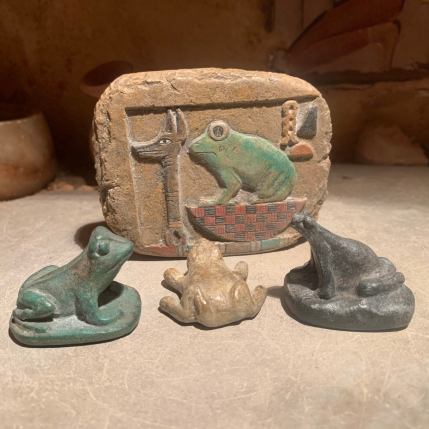
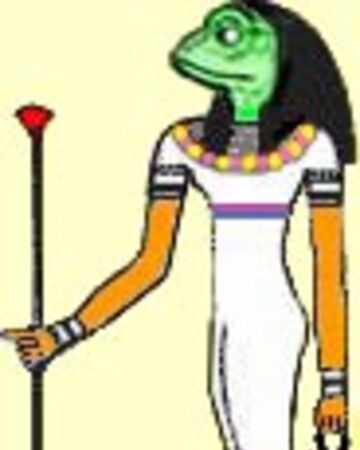
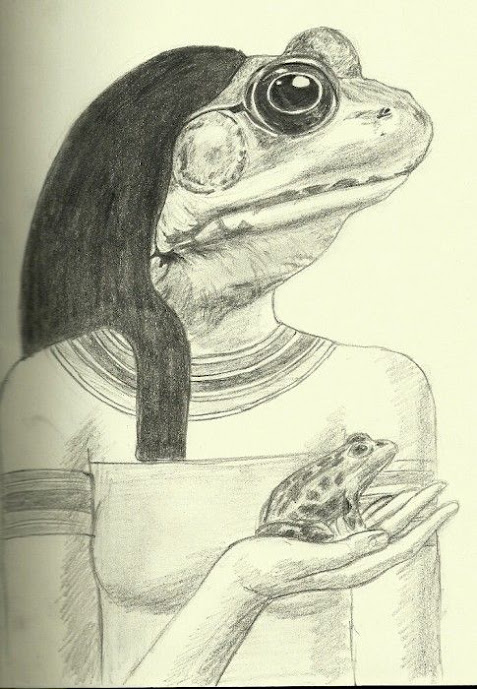
Egyptian Heqet /Hiqet/Hekek is Frog Goddess of Birth.
In ancient Egypt frog was the symbol of fertility. It has a strange phenomenon called metamorphosis. It changes into a tadpole from eggs and tadpoles develop into four legged frog which has the amazing ability to live in water and land. As toad it can live inside the rocks. All these are symbols of Hindus’ rebirth and reincarnation. This can explain why Hindus placed frog at the end of cremation ceremony. Chinese legend says frogs came from heaven with dew.
Egyptian plague of frogs found in Bible (Exodus 8:2-14) also not frogs, but may be frog people (see Aayu story of Mahabharata). Early Christians portrayed frogs as symbols of the devils or heretics. But later Coptic church of Egypt revived the ancient Egyptian belief and gave it a positive image. It appeared on oil lamps as symbol of Resurrection.
Hindu gods also go through the metamorphosis like frogs, when they are adopted by different cultures.
In Egypt we find Heqet as Goddess of child birth and midwifery. She came out of Ra’s mouth with Shu and they were the ancestors of the gods. In Hinduism Shakti and Aditi are ancestors or Mother of Gods. In Eastern India it becomes Shasthi who is always associated with Skanda who is associated with Number 6 (shashthi) and raised by six Krittikas.
So I guess that Egyptian Frog Goddess is none other than Shasthi , Goddess of Child birth and midwifery in Hinduism.
We know S in Sanskrit becomes H in other languages (Eg. Sindhu=Hindu). Thus Sakti or Shasthi becomes Heqet in Egyptian. Same goddess took different form in Greece as Hekate (H=S) = Sakti
Following is from my old article in this blog:-
Hekate in Greece
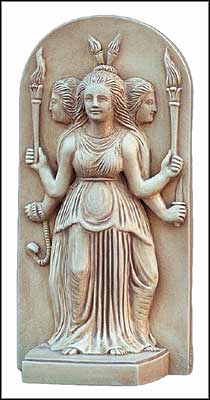
Hekate is the corrupted form of Sakti in Sanskrit. The goddess of sorcery, who resided in the Underworld. There she oversaw the ritual purifications as well as magical invocations. Witches, such as Medea, drew power from the goddess. Hekate would sometimes appear on earth at night time, especially at cross roads, accompanied by baying hounds.
(Hindus fear to cross junction of three roads, particularly at night time, and they believe evil spirits occupy those places. Greeks also believed in it)
Artistic representations show her carrying torches. Where paths met, a triple figure of Hecate rose from masks placed at the junction. Offerings were left at road side shrines and at junctions. In some parts of Greece she was worshipped by occult bands and moon worshippers.
(Vedic Hindus believed in Path way god Pushan. In South Indian villages lot of road side shrines are there for village gods and goddesses.)
xxx
Even if we look at it as Jagati it makes sense.
Jagati is temple platform at the bottom; Jagati is one of the 26 metres in Vedic prosody . Brahmins recite it everyday in their Sansdhyavandana thrice a day.
Jagati is also earth, floor, ground. Jagat becomes Geo/ Gaiya/jaya in Greece.
In short metamorphosis of Sanskrit words and metamorphosis of Hindu Gods led to different names.
மாண்டு அவத்தம் போகாதே வம்மின், எந்தை என் வணங்கப்படுவானை கணங்களேத்தும்
நீண்டவத்தைக் கருமுகிலை எம்மான் தன்னை நின்றவூர் நித்திலத்தைத் தொத்தார் சோலை,
காண்டவத்தைக் கனலெரிவாய்ப் பெய்வித்தானைக் கண்டது நான் கடல்மல்லைத் தல சயனத்தே
திருமங்கையாழ்வார் திருவடிகளே சரணம்!
ஆலயம் அறிவோம்! வழங்குவது பிரஹன்நாயகி சத்யநாராயணன்.
ஆலயம் அறிவோம் தொடரில் இன்று நமது யாத்திரையில் இடம் பெறுவது 108 வைணவ திவ்ய க்ஷேத்திரங்களுள் ஒன்றாகத் திகழ்வதும் பூசலார் நாயனாரின் பக்தியை விளக்கும் ஹ்ருதயாலீஸ்வரர் கோவில் அமைந்துள்ள தலமுமான திருநின்றவூர் திருத்தலம் ஆகும்.
திண்ணனூர் என்று இப்போது அறியப்படும் இத்தலம் சென்னையிலிருந்து வடமேற்கில் 32 கிலோமீட்டார் தூரத்தில் உள்ளது. இங்குள்ள பக்தவத்ஸல பெருமாள் கோவிலில் அருள் பாலிக்கும் மூலவர் திரு நாமம் :
ஸ்ரீ பக்தவத்ஸலப் பெருமாள்
தாயார் : என்னைப் பெற்ற தாயார்
விமானம் : ஸ்ரீநிவாஸ (உத்பல விமானம்)
தீர்த்தம் : வருண புஷ்கரணி விருத்த க்ஷீர நதி
இத்தலத்தைப் பற்றிய புராண வரலாறு பிரசித்தி பெற்ற ஒன்று. ஒருமுறை சமுத்திர ராஜனாகிய வருண பகவானுக்கும் லக்ஷ்மி தேவிக்கும் இடையே பிணக்கு ஏற்பட்டது. சண்டையில் கோபித்துக் கொண்டு வெளியே சென்ற லக்ஷ்மி தேவி இந்த ஊரின் அழகைப் பார்த்து இங்கேயே நின்றாள். சமுத்திரராஜன் அவளைச் சமாதானப் படுத்த எவ்வளவோ முயன்றும் முடியவில்லை. விஷ்ணு பகவானிடம் சென்று வேண்டவே அவர் பக்த வத்ஸலனாக லக்ஷ்மி தேவியிடம் வந்து சமுத்திர ராஜனுக்கு அருள் பாலிக்குமாறு கூறினார்.கடைசியாக ‘என்னைப் பெற்ற தாயே, அருள்வாயாக’ என்று சமுத்திரராஜன் வேண்டவே, மனமிரங்கிய தாயார் அருள் பாலித்தாள். ஆகவே இங்குள்ள தாயாரின் பெயர் ‘என்னைப் பெற்ற தாயார்’ ஆனது. லக்க்ஷ்மி நின்ற ஊர் என்பதால் இத்திருத்தலம் திரு நின்ற ஊர் என்ற பெயரைப் பெற்றது. இந்தக் கோவிலில் உள்ள
ஸ்ரீ சக்கரத்தாழ்வார் சந்நிதி மிகவும் விசேஷம் வாய்ந்தது. ஆண்டாள், ஆதிசேஷன், விஸ்வக்சேனர், ராமானுஜர், மணவாள மாமுனிகள் ஆகியோருக்கும் சந்நிதிகள் இந்த ஆலயத்தில் உண்டு.
இந்த ஊருக்கு வந்த திருமங்கையாழ்வார் தாயாரைப் பற்றிப் பாடவில்லை. நம்மைப் பற்றிப் பாடவில்லையே என்று தாயார் பெருமாளிடம் குறைப்பட்டுக் கொண்டு, அவரைப் பாடல் பெற்று வருமாறு அனுப்பினார். அதற்குள் ஆழ்வார் திருவிடந்தைத் தலத்தைத் தாண்டி திருக் கடல் மல்லையை அடைந்து விட்டார். பெருமாளுக்காக அவர் ஒரு பாடலைப் பாடினார். அதைக் கேட்ட தாயார் மற்ற தலங்களுக்குப் பல பாடல்கள் இருக்க, நமக்கோ ஒரு பாடல் மட்டும் தானோ என்று எண்ணி, ‘ஒரு பாடல் தான் பாடினாரா’ என்று கேட்டாள். அதற்குள் ஆழ்வார் திருக்கண்ணமங்கையை அடைந்து விட்டார். பெருமாள் திரும்பி வந்ததை ஓரக் கண்ணால் ஆழ்வார் கண்டு, அங்கிருந்தே இன்னொரு பாடலைப் பாடி பெருமாளையும் தாயாரையும் துதித்து மங்களாசாஸனம் செய்வித்தார்.
இந்தத் தலத்தில் அமைந்துள்ள பெரிய சிவாலயம் ஹ்ருதயாலீஸ்வரர் திருக்கோவில் ஆகும். இது பற்றிய அழகிய சரித்திர வரலாறு ஒன்று உண்டு.
பூசலார் நாயனார் பெரிய சிவபக்தர். இங்குள்ள சிவலிங்கம் மேற்கூரையின்றி வெயிலிலும் மழையிலும் இருப்பதைக் கண்ட அவர் மனம் நொந்தார். தன் உள்ளத்திலேயே இறைவனை நிறுவிக் கோவில் கட்டலானார் அவர். கும்பாபிஷேகத்திற்கு நாளையும் அவர் குறித்தார். அதே சமயம் தொண்டை நாட்டு மன்னனான ராஜசிம்ம பல்லவன் பெரிய சிவாலயம் ஒன்றைக் காஞ்சிபுரத்தில் கட்டிக் கும்பாபிஷேகத்திற்கென அதே நாளைக் குறித்தான். அவன் கனவில் தோன்றிய இறைவன் பூசலார் நடத்தும் கும்பாபிஷேகத்திற்குத் தான் செல்லப்போவதாகக் கூறினார். அதைக் கேட்டு வியந்த அரசன் அப்படிப்பட்ட கோவில் எது, எங்குள்ளது என்று அனைவரையும் விசாரிக்க அவன் பூசலார் நாயனார் பற்றி அறிந்தான். அவர் தனது உள்ளத்தில் கட்டிய அரும் கோவிலைப் பற்றி அறிந்து அவரது பக்தியைக் கண்டு பிரமித்து அவரை வணங்கினான். அவரது வேண்டுகோளுக்கு இணங்க அந்த இடத்தில் அரும் பெரும் கோவிலைக் கட்டினான். அதுவே ஹிருதயாலீஸ்வரர் கோவில் ஆகும். பூசலார் தனது இதயத்தில் கோவில் கட்டி அதன் மூலம் அனைவருக்கும் அருள் பாலிக்க இந்தக் கோவில் எழுந்ததால் அவர் பெயர் ஹிருதயாலீஸ்வரர் ஆனது.
இறைவன் கிழக்கு நோக்கி இருந்து அருள் பாலிக்கிறார்.
அம்மன் மரகதவல்லி தனி சந்நிதியில் தெற்கு நோக்கி இருந்து அருள் பாலிக்கிறார்.
இங்குள்ள விமானம் கஜபிருஷ்ட விமானம் என்ற அமைப்பில் தூங்கானை மாட வடிவில் அமைந்துள்ள ஒன்றாகும்.தக்ஷிணாமூர்த்தி, மஹாவிஷ்ணு, பிரம்மா ஆகியோரை தரிசிப்பதோடு, பிரதான வாயிலின் இருபுறங்களிலும் சூரிய சந்திரரைத் தரிசிக்கலாம். வெளி பிரகாரத்தில் விநாயகர் மேற்கு வாயிலப் பார்த்தபடி இருந்து அருள் பாலிக்கிறார். இங்கு சுப்ரமண்யர் வள்ளி தெய்வானையுடன் காட்சி அளித்து அருள் பாலிக்கிறார். நவகிரக சந்நிதியின் அருகே பல்லவ மன்னனான ராஜசிம்ம பல்லவனின் சிலையையும் காணலாம்.
இதய நோய் உள்ளவர்கள் இங்கு வந்து தரிசித்துத் தங்கள் நோய் தீரப் பெறுகின்றனர்.
18 பாடல்களில் பூசலார் நாயனார் புராணத்தை பெரிய புராணத்தில் அழகுற விவரிக்கும் சேக்கிழார் பிரான் இந்த வரலாற்றை,
நின்ற ஊர்ப் பூசல் அன்பன் நெடிது நாள் நினைந்து செய்த
நன்று நீடாலயத்து நாளை நாம் புகுவோம், நீ இங்(கு)
ஒன்றிய செயலை நாளை ஒழிந்து பின் கொளவாய் என்று
கொன்றைவார் சடையார் தொண்டர் கோயில் கொண்டருளப் போந்தார்
என்று சொல்கிறார்.
காலம் காலமாக ஆயிரக்கணக்கான பக்தர்களுக்கு அருள்பாலித்து வரும் பக்தவத்ஸலப்பெருமாளும் என்னைப் பெற்ற தாயாரும், ஹ்ருதயாலீஸ்வரரும், மரகதவல்லி தேவியும் அனைவருக்கும் சர்வ மங்களத்தைத் தர ஞானமயம் சார்பில் பிரார்த்திக்கிறோம்.
Pictures are taken from various sources for spreading knowledge;
this is a non- commercial blog. Thanks for your great pictures.
tamilandvedas.com, swamiindology.blogspot.com
வாரந்தோறும் ஞாயிற்றுக்கிழமை இந்திய நேரம் மாலை 6.30க்கு ஒளிபரப்பாகும் ஞானமயம் நிகழ்ச்சியில் 14-11-2021 அன்று ச.நாகராஜன் ஆற்றிய உரை.
எந்த நேரமும் ஞானமயம் நிகழ்ச்சிகளை யூ டியூபிலும் facebook.com/gnanamayam என்ற இணைய வழித் தொடுப்பிலும் காணலாம். இந்த உரை மூன்று பகுதிகளாகத் தரப்படுகிறது.
அன்பார்ந்த தமிழ் நெஞ்சங்களே, சந்தானம் நாகராஜன் வணக்கம், நமஸ்காரம்.
ஹிந்து வேதங்களின் மாண்பை மிக உயரிய விதத்தில் விளக்கிய மகான் ஸ்வாமி தயானந்த சரஸ்வதி. ‘இந்தியா இந்தியருக்கே’ என்ற ஸ்வராஜ்ய கோஷத்தை 1876ஆம் ஆண்டு முதலில் இந்தியருக்குத் தந்து உத்வேகம் ஊட்டியவர் அவர். பெரிய சீர்திருத்தவாதி. பெண்களின் உரிமைகளை வற்புறுத்தியவர். 1824ஆம் ஆண்டு பிப்ரவரி மாதம் 12ஆம் தேதி ராஜ்கோட்டில், கத்தியவார் மாவட்டத்தில் டங்கரா என்ற கிராமத்தில், பிராமண குலத்தில், கர்ஸன் ஜி திவாரி என்ற அரசு ரெவின்யூ அதிகாரிக்கும் யசோதாபாயி என்ற அம்மையாருக்கும் அவர் மகனாகப் பிறந்தார். தந்தையார் அவருக்கு மூல சங்கர் என்ற பெயரைச் சூட்டினார். இளமையிலேயே வேதங்களின் பால் அளவற்ற ஈடுபாடு கொண்ட மூல சங்கர் யஜூர் வேதம் முழுவதையும் ஓதி தனது அபாரமான நினைவாற்றலைக் காட்டி, ஆசிரியர்களையும் சக நண்பர்களையும் வியக்க வைத்தார்.
அவரது பதிமூன்றாம் வயதில் நடந்த ஒரு சம்பவம் அவரது வாழ்க்கையையே மாற்றியது. சிவன் கோவிலுக்குத் தந்தையுடன் இரவு நேரத்தில் சென்ற மூல சங்கர் சிவலிங்கத்திற்குப் படைக்கப்பட்ட நிவேதனப் பொருள்களை எலி ஒன்று சாப்பிடுவதையும் அருகில் இன்னும் பல எலிகள் ஊர்வதையும் கண்டு மனம் நொந்தார். உருவ வழிபாட்டை அன்றிலிருந்து ஒதுக்கி வைத்த அவர் வேதங்கள் கூறும் இறைவனைப் பற்றி அறிய அடங்காத தாகம் கொண்டார். தவத்தை மேற்கொண்டார். பல மகான்களை அவர் சந்திக்க ஆரம்பித்தார். 22ஆம் வயதில் அவருக்கு மணம் முடிக்க நடந்த முயற்சியை அவர் ஒதுக்கி ஒவ்வொரு ஊராகச் செல்லலானார். வேத வித்தான ஸ்வாமி விர்ஜானந்தரிடம் அவர் சீடராகச் சேர்ந்தார். அவருக்கு சந்யாச ஆஸ்ரமம் தரப்பட்டு தயானந்த சரஸ்வதி என்ற பெயரும் சூட்டப்பட்டது. வேதத்தில் வல்லவரான அவர் வேத பாஷ்யம், சத்யார்த்த ப்ரகாஷ், ரிக்வேத பாஷ்ய பூமிகா, ஸம்ஸ்கார் விதி உள்ளிட்ட அற்புதமான பல நூல்களைப் படைத்தார். வேத கோஷத்தை நாடெங்கும் முழங்கியவாறு ஊர் ஊராகச் சென்று வேத பிரசாரத்தை உரிய முறையில அவர் செய்யலானார். உறங்கிக் கிடந்த மக்களிடையே ஒரு விழிப்புணர்வு ஏற்பட்டது.
1875ஆம் ஆண்டு ஏப்ரல் மாதம் பத்தாம் தேதியன்று அவர் மும்பையில் உள்ள கிர்கானில் (Girgaon, Mumbai) ஆர்ய சமாஜத்தை நிறுவினார். ஆனால் ஜனநாயக வழியை பெரிதும் மதித்த அவர் ஆங்காங்கு உள்ளவர்களே ஆரிய சமாஜ நிர்வாகப் பொறுப்பை ஏற்க வலியுறுத்தினார். தான் நிறுவிய சமாஜத்தின் தலமைப் பொறுப்பையும் அவர் ஏற்கவில்லை. எந்த விதத்திலும் சட்டச் சிக்கல்களில் மாட்டிக் கொள்ளக் கூடாது என்று அவர் தன் சீடர்களுக்கு அறிவுறுத்தினார். இந்தக் கருத்தை வலியுறுத்தி இரு முறை அதை தனது உயிலில் அவர் எழுதியுள்ளார். மீரட்டில் முதல் தடவையும் இரண்டாவதாக உதய்பூரில் 1883ஆம் ஆண்டிலும் இதை அவர் குறிப்பிட்டுள்ளார். ஆனால் அதை மதிக்காத சிலரால் ஆர்ய சமாஜ இயக்கம் பல சங்கடங்களுக்கு உள்ளானது. உத்தரபிரதேச்ம மொரொதாபாத்தில் முன்ஷி இந்த்ராமணி என்பவர் முஸ்லீம்களின் அட்டகாசத் தாக்குதலை எதிர்த்து பல புத்தகங்களையும் கட்டுரைகளையும் எழுதினார். அதனால் கோர்ட் படி ஏறி நிற்க வேண்டியதாயிற்று.
அவருக்கு ஆதரவாக தயானந்தர் நிற்கவே இந்த்ராமணிக்கு உதவிகள் கிடைக்கலாயின. அப்பீலில் அவர் ஜெயித்தார்.
அவரது பிரம்மசரியம் வியத்தற்குரிய ஒன்றாக இருந்தது.
பிரம்மசர்யத்தை அவர் வெகுவாக வலியுறுத்தினார். அதன் சக்தியைத் தன் வாழ்வில் அவர் பல முறைகள் நிரூபித்தார். அவர் வாழ்க்கை முழுவதும் பிரமிப்பை ஊட்டும் பல சம்பவங்கள் நிகழ்ந்து கொண்டே இருந்தன.
அவர் பிரம்மசர்யத்தின் சக்தியை நிரூபித்த ஒரு சம்பவத்தை இங்குப் பார்ப்போம்.
குருதாஸ்பூருக்கு ஸ்வாமி தயானந்த சரஸ்வதி விஜயம் செய்தார். அங்கு சர்தார் விஜய் சிங் (Sardar Vijaya Singh) என்பவர் ஸ்வாமிஜியிடம் பிரம்மசர்யம் பற்றிய ஒரு சம்பாஷணையைத் தொடங்கினார்.
விஜய் சிங் : ஸ்வாமிஜி! நீங்கள் பிரம்மசர்யத்தைப் பற்றி மிகவும் சிலாகித்துப் பேசுகிறீர்கள். ஆனால் அதன் சக்தியை நாங்கள் கண்ணால் பார்த்தால் தான் நம்ப முடியும், இல்லையா!
ஸ்வாமிஜி : சர்தார்! இங்கே பாருங்கள்! சாஸ்திரங்கள் பிரம்மசர்யத்தை வெகுவாகப் புகழ்கின்றன. அவை சொல்பவை அனைத்தும் சரியே என்று நான் சொல்கிறேன்.
விஜய் சிங் : ஸ்வாமிஜி! நீங்கள் ஒரு பால பிரம்மச்சாரி. (குழந்தையிலிருந்தே பிரம்மசர்யத்தை அனுஷ்டித்து வருபவர்)
ஆனால் உங்களிடம் நான் எந்த ஒரு வீரியத்தையும் காணவில்லையே!
ஸ்வாமிஜி: சமயம் நேரும் போது அதை நீங்கள் பார்ப்பீர்கள்!
சம்பாஷணை முடிந்த பின் சற்று நேரம் கழித்து சர்தார் விடை பெற்றுச் சென்றார். குதிரைகள் பூட்டிய தனது கோச் வண்டியில் (Coach) ஏறினார். கோச் வண்டியை ஓட்டியவர் தன் சவுக்கை எடுத்து குதிரைகள் கிளம்ப ஒரு வீசு வீசினார். சாதாரணமாக இந்த சமிக்ஞையினால் உடனே வெகு வேகமாக ஓடும் குதிரைகள், அப்போது நகரவில்லை. கோச் அசையவே இல்லை. தனது சவுக்கை இன்னும் பலமாக வீசினார் கோச்சை ஓட்டும் சாரதி. ஊஹூம், வண்டி நகரவே இல்லை. சர்தாருக்கு என்ன நடக்கிறதென்றே புரியவில்லை. ஏன் குதிரைகள் நகரவில்லை?!
அவர் திரும்பிப் பார்த்தார் என்ன நடக்கிறதென்று!
அடடா! அவர் பார்த்தது அவரை பிரமிக்க வைத்தது. பிரம்மச்சாரி தயானந்தர் கோச்சைப் பிடித்துக் கொண்டிருந்தார். எவ்வளவு சக்தியைக் குதிரைகள் பிரயோகித்தாலும் வண்டி நகரவில்லை!
ஸ்வாமிஜி விஜய் சிங்கைப் பார்த்து புன்முறுவல் பூத்தார்.
“விஜய் சிங்! பிரம்மசர்யத்தின் சக்தி எப்படிப்பட்டது என்பதை இப்போது பார்க்கிறீர்களா? உணர்கிறீர்களா?
விஜய் சிங் மட்டுமல்ல; அனைவரும் இந்த சம்பவத்தால் பிரம்மசர்யத்தின் வீரியத்தையும் தயானந்தரின் சக்தியையும் உணர்ந்தனர்; அவரைப் போற்றினர்.
Pictures are taken from various sources for spreading knowledge.
this is a non- commercial blog. Thanks for your great pictures.
tamilandvedas.com, swamiindology.blogspot.com
ரிக் வேதம் முழுதும் ஒரு ரீடிங் READING கொடுத்துவிட்டேன். இப்போது அதர்வ வேதத்தில் நாலாவது காண்டத்தைப் படித்து வருகிறேன். மொத்தம் 20 காண்டங்கள். இன்னும் யஜுர் வேத அற்புதங்கள் வேறு பாக்கி இருக்கின்றன. இவ்வளவையும் சொல்ல ஒரு வாழ் நாள் போதாது. போகட்டும்; சப்ஜெக் subject டுக்கு வருகிறேன் .
வேதத்தில் இது வரை நான், 4 தவளை அற்புதங்களைக் கண்டு பிடித்து விட்டேன்.
முதல் அற்புதம் வசிஷ்டர் பாடிய உலகப் புகழ் பெற்ற தவளைப் பாட்டு. ( RV 7-103) அதை கிரேக்க நாட்டு எழுத்தாளர் அரிஸ்டோபனீஸ் காபி copy அடித்து கிரேக்க அர்சியல்வாதிகளை நக்கல் செய்தார். கம்பனும் அதை இமிடேட் imitate செய்தான் ; முன்னரே நான் அதைப்பற்றிக் கதைத்து விட்டேன் (கட்டுரையின் கடைசியில் இணைப்பைக் காண்க . அது ரிக் வேத 7-103 பாடல்)
மேலும் 3 அதிசயங்கள்
1.சுடுகாட்டில் நடக்கும் தகனக் கிரியையில் , சடலம் தகனம் செய்யப்பட இடத்தில், குளிர்ந்த பின்னர் ஒரு பெண் தவளையை வையுங்கள் என்று ரிக் வேதம் செப்புகிறது.
2.கால்வாய் திறப்பு விழாவில் ஒரு தவளையை விடுங்கள்; சிவப்பு; நீல நிற நூல்களால் சுற்றி அலங்கரியுங்கள் ; அதன் மீது அவக என்னும் நீர்த் தாவரத்தை வைத்து கால்வாயில் விடுங்கள் என்று அதர்வண வேத மந்திரம் உரைக்கின்றது .
3.இன்னொரு அதர்வண வேத மந்திரம் தவளையின் மூன்று விநோதப் பெயர்களை சொல்கிறது ; அதற்கு அர்த்தம் புரியாத அத்தனை வெள்ளைக்காரப்பயல்களும் அது ஒலி நயம் கருதி உருவாக்கப்பட்ட அர்த்தமற்ற சொற்கள் என்று சொல்லிவிட்டார்கள் . இதை ஆங்கிலத்தில் ஒனமோடோபியா ONOMATOPETIC என்பர். நாம் அலிபாபா கதைகளில் அப்ரகடப்ரா , அண்டாகா காசும் அபுல்கா காசும் என்பது போல.. ஆனால் நான் அதை நமபவில்லை; நமக்கு இன்று அர்த்தம் விளங்கவில்லை என்பதை ஒப்புக்கொள்ள வேண்டும்
இன்பம் தருபவளே! இன்பம் ஊட்டும் மரங்கள் நிறைந்தவளே! (பூமாதேவியே ).
பெண் தவளைகளோடு சேரட்டும் ; இந்த அக்னியை மகிழ்வியுங்கள்
இது பற்றி ப்ளூமபீல்ட்BLOOMFIELD என்ற மொழி பெயர்ப்பாளர் சொல்கிறார்:-
உடலைத் தீ எரித்த பின்னர் , அதன் மீது நீர் ஊற்றப்படுகிறது . பின்னர் அங்கே சில செடிகள் ஊன்றப்படுகின்றன .நெருப்பு அணைந்த இடத்தில் ஒரு பெண் தவளையோ ஆண் தவளையோ வைக்கப்படுகின்றது இவை நீரின் பிரதிநிதி. நீரானது தீயைத் தடுக்கவும் அணைக்கவும் பயன்படுகிறது.
ஆயினும் வெள்ளைக்காரன் (Bloomfield) விளக்கம் சரியாகத் தோன்றவில்லை .
இன்னும் சிலர் இது மீண்டும் பிறப்பதற்கான அறிகுறி; செழிப்பு என்பதன் சின்னம் தவளை என்பர்.
Xxx
கால்வாயில் தங்கமும் தவளையும்
அதர்வண வேதம் — மூன்றாவது காண்டம் ; துதி 13, மந்திரம் 7
ஜலங்களே ! இது உங்களது இருதயம்; புனிதம் நிறைந்தவர்களே ! இது உங்களது கன்று; இங்கே பாயுங்கள்; பிரவாகித்து எழும் நீங்கள் இந்த வழியாக வாருங்கள்.
இதற்கு முந்தைய ஆறு மந்திரங்கள் சொற்பிறப்பியல் ETYMOLOGY பற்றியது; அதை தனியாக எழுதுகிறேன்; அதில் குறள் 11 மற்றும் தமிழ்ச் சொல் வாரி/ மாரி உள்ளது
இப்போது ஏழாவது மந்திரத்தின் விளக்கத்தைக் காண்போம். எப்படி மதுரை பாரத்வாஜ கோத்திர பார்ப்பனனான
“உச்சிமேற் புலவர் கொள்” நச்சினார்க்கினியனின் உரை இல்லாமற் சங்க இலக்கியத்தை நாம் அறிய முடியாதோ, அது போல கெளசிக சூத்திரம் இல்லாமற் நாம் அதர்வண வேதத்தைப் புரிந்துகொள்ள முடியாது!
அந்த சூத்திரம் சொல்லும் விளக்கம்:-
இப்பாடல் கால்வாய் வெட்டும் சடங்கு பற்றியது ; முதல் பாடல் முடிந்தவுடன் சிறிது தங்கம் அங்கே வைக்கப்படுகிறது ; இரண்டாவது பாடலின் பொழு து தங்கத்துக்குப் பின்னால் ஒரு தவளை FROG வைக்கப்படும் . அதன் உடலின் மீது நீளமும் சிவப்பும் கலந்த வண்ண நூல்கள் கட்டப்படுகின்றன. மூன்றாவது பாடலின் போது அவகா AVAKAA என்னும் நீர்தாவரம் அதன் மீது வைக்கப்படவேண்டும் இதன் பொருள் புரியவில்லை. அநத சடங்கிற்குப் பின்னர் அங்கே பொன்னும், தவளைகளும், தாமரைப் பூவும் சிதறிக்கிடக்கும்.
உண்மைதான் ; இதன் பொருளை அறிய இயலாத அளவுக்கு இது பழமையானது. உதவாக்கரை வெள்ளைக்காரன்கூட அதர்வண வேததத்தை கி.மு 1000 என்பான். நாமோ நாலு வேதமும் உருவானது வியாசர் காலம் (கி.மு.3150) என்று நம்புகிறோம் தங்கத்தை வேதம் ஓதும் பிராமணன் எடுத்துக் கொள்வான் என்று எவனாவது கதை கட்டினாலும், எதற்கடா? தவளை மீது குறிப்பிட்ட கலர் நூல், எதற்கு குறிப்பிட்ட ‘அவகா’ தாவரம் என்று நாம் கேட்கலாம். அவகா தாவரத்தை மீன் வளர்ப்போர் இப்போதும் வாங்கி மீன் தொட்டிக்குள் வைக்கின்றனர். தண்ணீருக்கு அடியில் ஆக்சிஜன் இல்லாமல் வாழும் தாவரம் இது!
XXXX
நாலாவது அதிசயம்
கண்வகா , கைமுகா ததுரீ !!!
இவைகள் எல்லாம் தவளைகளின் பெயர்காளாம்.!!!
வெள்ளைக்காரப்பயல்களுக்கு விளக்கம் தெரியவில்லை.
இவை அர்த்தமற்ற ஒலி நயச் சொற்கள் என்று எழுதிவிட்டு தப்பித்துப் போய்விட்டான் . அவன் ‘முட்டாள்’ என்பது மற்ற மந்திரங்களைப் பார்க்கையில் நமக்குத் தெரிகிறது.
இப்படித்தான் பாம்புகளுக்கு ஆறு பெயர்கள் ஒரு மந்திரத்தில் வருகிறது. அவைகளில் அலிகி , விளிகி ALIGI, VILIGI என்ற பாம்புகளின் பெயர்கள் சுமேரியாவில் உளது. அதர்வண வேத பாம்புகள் எப்படிச் சுமேரியாவுக்குப் போயிற்று?
வெள்ளைக்காரனால் விளக்கம் சொல்ல முடியாது.
அது போல இந்த மூன்றுத் தவளைப் பெயர்களுக்கும் மர்ம அர்த்தம் இருக்கலாம்! ஒரு சங்கரனோ நச்சினார்க்கினியனோ பிறக்கையில் இவைகளுக்கு விளக்கம் கிடைக்கலாம். அதுவரை நாமும்
ஹிக்கறி டிக்கரி டாக் தி மவுஸ் ரன் அப் தி க்ளாக்
என்று நாமும் நர்சரி பாட்டுப் பாடலாம்
எப்படி?
கண்வகா , கைமுகா, ததுரீ FROGS ஃராக்ஸ்
கம் டு மை ஹவுஸ் டு ஸீ எ பாக்ஸ் TO SEE A FOX – என்று
KHANVAKHAA!! KAIMUKHAA!! TADUREE FROGS
COME TO MY HOUSE TO SEE A VERY GOOD FOX!
அடுத்த தவளைக் கட்டுரையில் எகிப்திய தவளை முக அரசி /கடவுள் ) இந்து மதத்தினரின் குழந்தைக் கடவுளே என்று காட்டுகிறேன் TO BE CONTINUED………………………………………
Pictures are taken from various sources for spreading knowledge.
this is a non- commercial blog. Thanks for your great pictures.
tamilandvedas.com, swamiindology.blogspot.com
உலகில் நல்லோருக்கு குறைவில்லை .கவசம் செய்யும் அற்புதங்கள் பற்றி நான் இந்த ‘பிளாக்’கில் எழுதிய கட்டுரைகளைப் படித்த பின்னர் திரு. வேணுகோபால் கிருஷ்ணமூர்த்தி கவச புஸ்தத்தை அச்சிட்டு இலவசமாக வழங்க முன் வந்துள்ளார்.
எதையும் இலவசமாகப் பெறக்கூடாது என்பது என் அப்பாவிடம் நான் கற்றுக்கொண்ட விஷயம் .மதுரை எழுத்தாளர் சங்கத் தலைவர் பதவி வகித்ததாலும், மதுரை தினமணி பொறுப்பு ஆசிரியர் (V SANTANAM, NEWS EDITOR, Dinamani, Madurai) பதவி வகித்தாலும் வீட்டிற்கும், தினமணி அலுவலகத்துக்கும் வந்து புஸ்தகங்களை வழங்குவார்கள். தினமணி மதிப்புரை பகுதிக்கு இரண்டு புஸ்தகங்கள் கொடுக்கவேண்டும். அதைக் கொடுக்கச் சொல்வார் .பிறகு எனக்குக் கொடுக்கும் புஸ்தகத்துக்கு இதோ பணம் என்று கொடுப்பார். அவர்கள் பதறிப் போய் காலைத் தொட்டுக்கும்பிட்டு உங்கள் கைகளில் எங்கள் புஸ்தகம் தவழ்வதே எங்கள் பாக்கியம் என்றெல்லாம் புகழ்வார்கள்; என் தந்தை வெ .சந்தானம் விடாப்பிடியாக கைகளில் பணத்தை திணித்துவிடுவார். அவர்கள் கண்களில் ஆனந்தக் கண்ணீர் வருவதை சில நேரங்களில் நான் பார்த்ததுண்டு .
இப்போது வேணுகோபால் கிருஷ்ணமூர்த்தி வெளியிட்ட புஸ்தகத்துக்கு லாப விலை தரவேண்டியதில்லை ;தபால் செலவு முதலியவற்றையாவது அளிக்க வேண்டும் என்பது என் சொந்தக் கருத்து
காலச் சுவடு பதிப்பகம் வெளியிட்ட , திரு கைலாச நாத குருக்கள் எழுதிய ‘சைவத் திருக்கோயில் கிரியை நெறி’ என்ற புஸ்தகத்தை லண்டன் வாழ் திரு பத்மநாத அய்யர் அனுப்பிவைத்தார். தபால் செல்வையும் சேர்த்து உடனே 15 பவுண்டுகள் அனுப்பினேன்.
ஐயரைத் தெரியாத இலங்கை புஸ்தக அன்பர்கள் யாரும் இருக்க முடியாது. அவர் வீட்டிற்குள் நுழைந்தால் புஸ்தகத்தை மிதிக்காமல் இருப்பதற்காக புஸ்தகக் கடல் மேல் நீச்சல் அடித்துதான் உள்ளே போக முடியும். வயது எண்பதைத் தாண்டிவிட்டதால் எல்லா புஸ்தகங்களையும் இலங்கை நூலகங்களுக்கு அன்பளிப்பாக அனுப்பி வருவதாகச் சொன்னார். அதைக் கப்பலில் அனுப்ப ஒவ்வொரு ‘லாட்’டுக்கும் 50 பவுண்ட் செலவாகிறது என்றார் . உடனே இந்த நற்பணியில் என் பங்கும் இருக்கட்டும் என்பதற்காக 50 பவுண்டு நன்கொடை அனுப்பினேன். இவை எல்லாம் ஒரிரு மாததங்களுக்குள் நடந்தது . ஆக புஸ்தத்துக்கு ஆதரவு தர வேண்டும் என்பதே நாம் சொல்லும் செய்தி.
இலவச புஸ்தகத்தை வெளியிட்டவர் நமக்காக தபால் செலவையும் செய்ய முன்வந்தாலும் நாமும் அவருக்கு உதவலாமே.
இதோ அற்புதம் நிகழ்த்தும் விநாயக கவசம் ,சிவ கவசம், சக்தி கவசம். சகல கலா வல்லி மாலை , மக்கட் பேறு நல்கும் மக்கட் செல்வ மாலை, இலக்குமி துதி , நல்கும் வேணுகோபால் கிருஷ்ண மூர்த்தியின் தொடர்பு டெலிபோன் எண் ; புஸ்தகத்தைப் பெறும் வழிமுறைகளை அவரே செப்புவார்
Venugopal Krishnamoorthi <venugpl60@gmail.com>
My mobile number for contact would be +91 94434 86117
இது ‘ஆகாச த்வனி’ யின் உலக இந்து சமய செய்தி மடல் நேயர்கள் அனைவருக்கும் வணக்கம்,
நமஸ்காரம் செய்திகள் வாசிப்பது VAISHNAVI ANAND
எங்கள் நிகழ்ச்சிகளை ஞாயிற்றுக் கிழமை தோறும் லண்டன் நேரம் பிற்பகல் 1 மணிக்கும், இந்திய நேரம் மாலை 6-30 மணிக்கும் FACEBOOK.COM/ GNANAMAYAM மற்றும் ZOOM வழியாக நேரடியாகக் கேட்கலாம்./காணலாம்.
XXXX
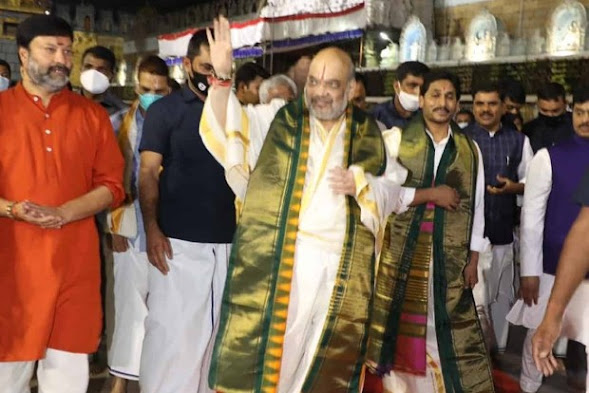
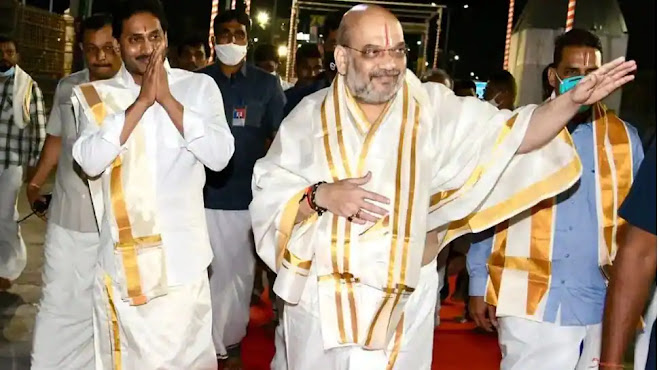
திருப்பதி பாலாஜி கோவிலில் அமித் ஷா
பாரம்பரிய உடை அணிந்து வந்திருந்த அமித் ஷாவுக்கு, ஆலயத்தை நிர்வகிக்கும் திருமலை திருப்பதி தேவஸ்தானத்தின் (TTD) உயர் அதிகாரிகள் உற்சாக வரவேற்பு அளித்தனர்.
திருப்பதியில் ஞாயிற்றுக்கிழமை நடைபெறும் தெற்கு மண்டல கவுன்சிலின் 29வது கூட்டத்துக்கு முன்னதாக, மத்திய உள்துறை அமைச்சர் அமித்ஷா சனிக்கிழமை இரவு திருமலை திருப்பதி கோயிலில் ஏழுமலையானை தரிசனம் செய்தார்.
அமித் ஷா திருப்பதி கோவிலுக்கு சென்ற போது ஆந்திர பிரதேச முதல்வர் ஒய்.எஸ்.ஜெகன் மோகன் ரெட்டியும் சென்றார்.
விமான நிலையத்தில் தரையிறங்கியதும், ஷா உடனடியாக சாலை வழியாக அருகிலுள்ள திருமலை மலைகளுக்குச் சென்று ஆலயத்தில் ஸ்ரீ வெங்கடாசலபதியை தரிசித்தார்
XXXX
சபரிமலை அய்யப்பன் கோவிலில் நாளை நடை திறப்பு
மண்டல, மகர விளக்கு சீசனை முன்னிட்டு, சபரிமலை அய்யப்பன் கோவில் நடை, நாளை திங்கட்கிழமை திறக்கப்படுகிறது. தொடர்ந்து புதிய மேல்சாந்திகள் பதவியேற்றுக் கொள்கிறார்கள்.
சபரிமலை அய்யப்பன் கோவிலில் மண்டல, மகர விளக்கு சீசனை முன்னிட்டு ஆண்டு தோறும் கார்த்திகை மாதம் 1-ந் தேதி முதல் 60 தினங்கள், சிறப்பு பூஜைகள் வழிபாடுகள் நடைபெறுவது வழக்கம். இதையொட்டி பக்தர்கள் விரதம் தொடங்கி, இருமுடி கட்டி சபரிமலை வந்து அய்யப்பனை தரிசனம் செய்து வழிபாடு நடத்தி வருவார்கள். நடப்பு மண்டல, மகர விளக்கு பூஜையை முன்னிட்டு சபரிமலை அய்யப்பன் கோவில் நடை நாளை திங்கட்கிழமை மாலை 5 மணிக்கு திறக்கப்படுகிறது. இதையடுத்து மறுநாள் அதிகாலை முதல் வழக்கமான பூஜைகள் தொடர்ந்து நடைபெறும்.
கோவில் தந்திரி கண்டரரு மகேஷ் மோகனரு முன்னிலையில் மேல்சாந்தி ஜெயராஜ் போற்றி கோவில் நடையை திறந்து வைத்து தீபாராதனை நடத்துவார்.
தொடர்ந்து 18-ம் படிக்கு கீழ் உள்ள நெருப்பு ஆழியில் கற்பூரம் வைத்து தீ மூட்டப்படும். அதனை தொடர்ந்து, புதிய மேல்சாந்திகள் பதவி ஏற்பு நிகழ்ச்சி சன்னிதானத்தில் நடைபெறும். முன்னதாக சபரிமலை அய்யப்பன் கோவில் மேல்சாந்தியாக தேர்ந்தெடுக்கப்பட்டுள்ள பரமேஸ்வரன் நம்பூதிரி, மாளிகப்புரம் கோவில் மேல்சாந்தியாக தேர்ந்தெடுக்கப்பட்டுள்ள சம்பு நம்பூதிரி ஆகியோர் இருமுடி கட்டி 18-ம் படிகளுக்கு கீழ் மேளதாளம் முழங்க அழைத்து வரப்படுவார்கள்.
டிசம்பர் 26-ந் தேதி மண்டல பூஜையும், அடுத்த ஆண்டு (2022) ஜனவரி 14-ந் தேதி மகர விளக்கு பூஜையும் நடைபெறும்.
திருவிதாங்கூர் தேவஸ்தானத்தின் தலைவராக இருந்த வாசு மற்றும் உறுப்பினர் கெ.எஸ்.ரவி ஆகியோரின் பதவி காலம் முடிவடைந்தது. இதை தொடர்ந்து புதிய தலைவராக கே.அனந்த கோபன் மற்றும் புதிய உறுப்பினராக வக்கீல் மனோஜ் ஆகியோர் நியமிக்கப்பட்டு உள்ளனர்.
xxxx
திருவண்ணாமலை தீப விழா; முன்னதாக குவியும் பக்தர்கள்
திருவண்ணாமலையில் வரும் 17ம் தேதி முதல் கிரிவலம் செல்லவும், சுவாமி தரிசனத்திற்கும் தடை விதிக்கப்பட்டுள்ளதால், முன்னதாகவே பக்தர்கள் வருகை அதிகரித்துள்ளது.
திருவண்ணாமலை அருணாசலேஸ்வரர் கோவிலில் 10ம் தேதி, கார்த்திகை தீப திருவிழா கொடியேற்றத்துடன் துவங்கியது. கொரோனா ஊரடங்கால், சுவாமி மாட வீதி உலா ரத்து செய்யப்பட்டு, கோவிலினுள் வலம் வரும் நிகழ்வு நடத்தப்பட்டு வருகிறது.கடந்த 10 முதல் வரும் 17ம் தேதி வரை, ‘ஆன்லைன்’ பதிவு மூலம், வெளியூர் பக்தர்கள் 10 ஆயிரம் பேர், உள்ளூர் பக்தர்கள் 3,000 பேர் என மொத்தம், 13 ஆயிரம் பேர் தரிசனத்துக்கு அனுமதிக்கப்படுகின்றனர்.
நகரில் உள்ள 250க்கும் மேற்பட்ட லாட்ஜ்கள் மற்றும் காலி வீடுகள், கல்யாண மண்டபங்கள் ஆகியவற்றை தேடி புக் செய்து வருகின்றனர்.
மஹா தீபம், அதாவது கார்த்திகை தீபம், நவம்பர் 19ம் தேதி மாலையில் ஏற்றப்படுகிறது
XXX
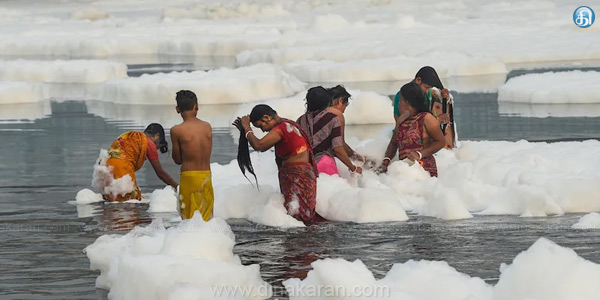
சாத் பூஜை!: யமுனையில் பொங்கி வழியும் ரசாயன நுரையை பொருட்படுத்தாமல் புனித நீராடிய மக்கள்
டெல்லியில் யமுனை ஆற்றில் பொங்கி வரும் ரசாயன நுரையை பொருட்படுத்தாமல் மக்கள் சாத் பூஜையை ஒட்டி நீராடி வருகின்றனர். வடமாநிலங்களில் கோலாகலமாக கொண்டாடப்படும் விழாக்களில் ஒன்று சூரியனை வழிபடும் சாத் பூஜை. சூரியனுக்கு நன்றி கூறும் இவ்விழா 4 நாட்கள் நடைபெறும். இந்த ஆண்டில் சாத் பூஜை தொடங்கியதை அடுத்து பல்வேறு மாநிலங்களில் நீர் நிலைகளில் மக்கள் புனித நீராடி வழிபாடு நடத்தி வருகின்றனர்.
டெல்லியில் கலிந்தி கஞ்ச் அருகே யமுனை ஆற்றில் ரசாயன நுரை பொங்கி வழிந்தது. இதனை பார்ப்பதற்கே அச்சம் ஏற்பட்ட நிலையில் ரசாயன நுரை பற்றி சற்றும் கவலைப்படாமல் மக்கள் யமுனை நதியில் புனித நீராடினர். சாத் பூஜையை பிகார், உத்திரப்பிரதேசத்தை சேர்ந்த மக்களே பெரும்பாலும் கொண்டாடுகின்றனர். கோவில் குளங்கள் மற்றும் நீர் நிலைகளில் பக்தர்கள் புனித நீராடி சூரியனை வழிபாட்டு வருகின்றனர்.
xxxx
குமரி மாவட்ட கோவில்களில் குருப்பெயர்ச்சி விழா
குருபகவான் ஒவ்வொரு ஆண்டும் ஒரு ராசியில் இருந்து மற்றொரு ராசிக்கு இடம் பெயர்வது வழக்கம். இந்த ஆண்டுக்கான குரு பெயர்ச்சி விழா சனிக்கிழமை நடந்தது. இப்போது மகர ராசியில் இருந்து கும்ப ராசிக்கு இடம் பெயர்கிறார். இதையொட்டி குமரி மாவட்டத்தில் உள்ள கோவில்களில் குருப்பெயர்ச்சி விழா நட ந்தது.
சுசீந்திரம் தாணுமாலய சாமி கோவிலில் சுசீந்திரம் தாளகுளம் பிள்ளையார் கோவில், ஆரல்வாய்மொழி மீனாட்சி சுந்தரேஸ்வரர் கோவில் மற்றும் குமரி மாவட்டத்தில் குருபகவான் சன்னதிகள் உள்ள கோவில்களில் குருப்பெயர்ச்சி விழா மற்றும் சிறப்பு வழிபாடுகள் சனிக்கிழமை நட த்தப்பட்டது
XXXX
இந்தியாவில், பாரதத்தின் முதல் பிரதமரான ஜவஹர்லால் நேரு பிறந்த தினமான நவம்பர் 14ம் தேதி, குழந்தைகள் தினமாகக் கொண்டாடப்பட்டுவருகிறது . இந்தியாவில் வசிக்கும் குழந்தைகள் அனைவருக்கும் குழந்தைகள் தின வாழ்த்துக்களை தெரிவிக்கிறோம்
XXXX
நவம்பர் 19-ம் தேதி கார்த்திகை பௌர்ணமி அன்று தீபத் திருநாளைக் கொண்டாடப்போகும் அனைத்து இந்துக்களுக்கும் இப்போதே கார்த்திகை வாழ்த்துக்களையும் தெரிவிக்கிறோம்.
பௌர்ணமி அன்று சந்திர கிரகணமும் வருகிறது. இது இந்தியாவில் தெரியாது. ஐரோப்பிய நகரங்களுக்கு உள்ளூர் பத்திரிக்கைகளில் வரும் செய்திகளைக் கவனிக்கவும்
XXXX
இத்துடன் லண்டனிலிருந்து வரும் செய்திகள் நிறைவடைந்தன………………………….. செய்திகளை உங்களுக்கு வழங்கியவர் VAISHNAVI ANAND
Pictures are taken from various sources for spreading knowledge.
this is a non- commercial blog. Thanks for your great pictures.
tamilandvedas.com, swamiindology.blogspot.com
Namaste , Namaskaram to Everyone
This is a weekly ‘HINDU NEWS ROUND UP’ from around the world.
Compiled from popular newspapers of India
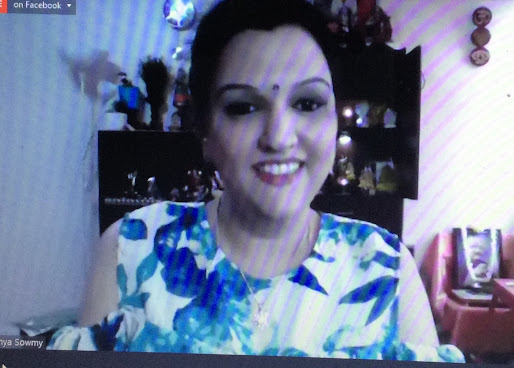
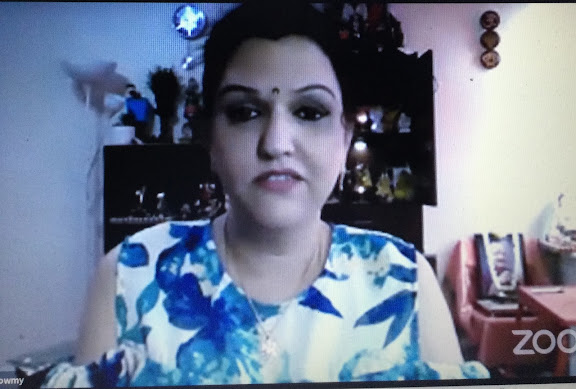
Read by NITHYA SOWMY
This is a broadcast coming through ZOOM and FACEBOOK.COM / GNANA MAYAM live at
ONE pm London Time and 6-30 PM Indian Time Every SUNDAY.
Even if you miss our live broadcast on SUNDAYS
you can always visit us on FACEBOOK.COM– slash- Gnana Mayam 24 hours a day.
Here is the WEEKLY HINDU NEWS BULLETIN from ‘Aakaasa Dhwani’
Read by NITHYA SOWMY
Xxx
Amit Shah offers prayers at Tirumala temple
AMIT Shah along with Andhra Pradesh Chief Minister Y.S. Jagan Mohan Reddy worshipped LORD BALAJI VENKATESWARA on Saturday at the temple and took blessings of the priests.
Tirumala Tirupati Devasthanam (TTD) chairman Subba Reddy and other officials felicitated the Union Home Minister and the Chief Minister and presented them mementos.
Earlier, Shah was welcomed by the Chief Minister at Renigunta Airport near Tirupati. They drove straight to the hill shrine.
Shah left for Venkatachalam in Nellore district on Sunday morning by a helicopter of the Indian Air Force.
He participated in the programs of Akshara Vidyalaya, Swarna Bharati Trust and Muppavarapu Foundation.
The Union Home Minister returned to Tirupati in the afternoon and attend Southern Zonal Council meeting.
XXXX
Delhi government installs bamboo structures, sprinkles water to remove froth from Holy River Yamuna
The four-day-long festival of Chhath Puja is mainly celebrated by ‘Purvanchalis’ from Bihar, eastern Uttar Pradesh and Jharkhand settled in Delhi.
A day after the Delhi government deployed 15 boats in the polluted River Yamuna to remove toxic froth at Kalindi Kunj banks, where people were gathering for Chhat puja despite restrictions, bamboo structures were installed and water sprayed from tankers on Wednesday to dissipate the foam.
As the administration faced flak for these ‘cover-up’ measures, officials admitted that the problem of frothing — a sign of the river’s hazardous water quality — will continue unless sewage treatment plants and common effluent treatment plants in Delhi are upgraded to meet the new standards and all unauthorised colonies are connected to the sewer network.
A Delhi Jal Board official said directions have been issued to sprinkle water to dissipate the froth as “no other short-term measure would work”.
An official of the Irrigation and Flood Control Department said bamboo nets have been installed on the stretch at Kalindi Kunj to capture the froth.
The pollution in the Yamuna in Delhi is once again in focus as Chhath festivities are underway.
Early on Wednesday, a number of devotees had gathered at the Yamuna Ghat in Kalindi Kunj, downstream of the Okhla Barrage, but were dispersed by the police.
The city government has set up 800 makeshift ghats across Delhi for devotees to perform Chhath rituals.
The four-day-long festival of Chhath Puja is mainly celebrated by ‘Purvanchalis’ from Bihar, eastern Uttar Pradesh and Jharkhand settled in Delhi.
During the festival, the devotees perform elaborate rituals by offering ‘Arghya’ to the Sun God and observing fast.
The Delhi Disaster Management Authority had earlier banned Chhath Puja celebrations on the banks of the Yamuna in view of the pandemic.
Vikas Rai, chairman of Chhath Puja Samiti, Kalindi Kunj, said the government wanted to “cover up its failure”.
According to experts, the primary reason behind the formation of foam in the Yamuna is high phosphate content in detergents used in dyeing industries, dhobi ghats and households in Delhi, Haryana and Uttar Pradesh.
When water falls from a height at a barrage, the turbulence agitates the phosphoric compounds in the river which leads to the formation of froth.
xxxx
NEWS FROM KARNATAKA
Karnataka to soon enact law on religious conversions
Sri Ram Sena IN KARNATAKA has warned that it would launch a statewide agitation if the ruling BJP government in Karnataka doesn’t enact a law to ban forceful conversions.
Sources in the BJP confirmed that the government is all set to make a law in this regard and the bill will be mooted in the coming winter session scheduled to be held in Suvarna Soudha at Belagavi next month.
Seers of various mutts have appealed to the state government for implementing the act.
Sri Ram Sena Chief Pramod Muthalik who met Chief Minister Basavaraj Bommai on Friday, warned that if the state government fails to enact the law, all Hindu religious seers in Karnataka would launch the agitation.
According to Muthalik, “religious conversions are taking place from the period of the British”.
Chief Minister Bommai responded positively to the demand, saying: “The Karnataka government is already studying the laws passed by some states in this regard. Karnataka would soon come out with its own act.”
He added that Constitution is clear against conversions by means of force and inducements. “I have spoken against this in the past too,” he maintained.
The issue of religious conversions was raised by Hosadurga BJP MLA Goolihatti Shekar during the Monsoon session.
He had claimed that thousands have been converted in his constituency and missionaries’ have foisted rape and atrocity cases on those who questioned conversion activities.
Later, he had organised a ‘Ghar wapsi’ programme in his constituency to bring back Hindus from Christianity.
XXXXX
NEWS FROM UTTAR PRADESH
15 Muslims return to Hindu Dharma 18 years after converting to Islam
15 individuals from the Muslim community hailing from four families, that had converted to Islam out of fear 18 years ago, have recently returned to the Sanatan Dharma through relevant rituals held at the Yashveerashram, an establishment known for the practice of yoga in Baghra in Uttar Pradesh’s Muzaffarnagar district.
All these four families are related to each other. Unlike their conversion to Islam, their return to Hindu Dharma, the original religion of these extended family members, has happened voluntarily. Yashveer Ji Maharaj, the director and founder of Yashveerashram Baghra, shares that these people had reached out to him for this ghar wapasi.
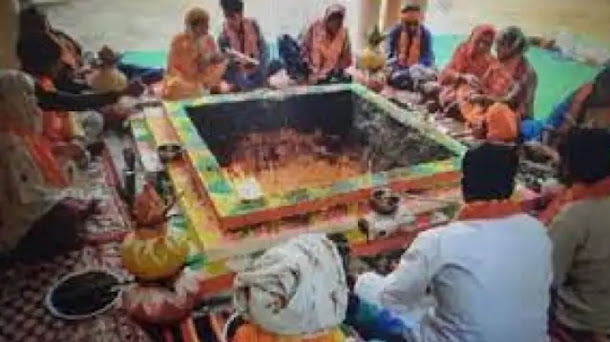
All the 15 members are residents of the Binoli area and arrived at the ashram where Maharaj ji had already made arrangements for performing a Shuddhi Havan for them which marked their return to Hindu Dharma. They also chanted the Gayatri Mantra and participated in the havan.
The Director of Yashveershram, Yashveerji Maharaj, has confirmed that new Aadhaar cards and ration cards will also be issued to all the individuals who have undergone the religious revert.
In the same way, 19 people from UP’s Kandhla region had been reconverted to Hindu Dharma and provided with new identities, ration cards and Aadhaar cards last year.
THIS IS A REPORT FROM HINDU POST NEWSPAPER
Xxxx
CHILDREN IN INDIA ARE CELEBRATING 14TH NOVEMBER AS CHILDREN’S DAY EVERY YEAR. WE WISH ALL THE CHILDREN A HAPPY CHILDREN’S DAY.
XXX
WE WISH ALL OF YOU A VERY HAPPY KARTIK PURNIMA DEEPA FESTIVAL WHICH FALLS ON 19TH NOVEMBER THIS YEAR.
ALREADY THOUSANDS OF DEVOTEES STARTED ARRIVING IN TIRUVANNAMALAI WHERE THE MOST FAMOUS LAMP FESTIVAL HAPPENS ON 19TH NOVEMBER.
HAPPY KARTIK PURNIMA. THOUGH THERE IS A CHANDRA GRAHANA/ LUNAR ECLIPSE , IT IS NOT VISIBLE IN INDIA. LUNAR ECLISES CAN HAPPEN ONLY ON POURNAMI DAYS .
FOR EUROPEAN DESTINATIONS PLEASE SEE LOCAL NEWS PAPERS.
That is the end of WORLD HINDU NEWS ROUND UP FROM AAKAASA DHWANI.
Pictures are taken from various sources for spreading knowledge;
this is a non- commercial blog. Thanks for your great pictures.
tamilandvedas.com, swamiindology.blogspot.com
ச.நாகராஜன் எழுதியுள்ள சுற்றுப்புறச் சூழல் சிந்தனைகள் பற்றிய பத்து உரைகள் ஆல் இந்தியா ரேடியே சென்னை வானொலி A அலைவரிசையில் (720 Hz) 11-11-2021 முதல் ஒலிபரப்பாகி வருகிறது. நேரம் தினமும் காலை 6.55 (மாநிலச் செய்திகள் முடிந்த பின்னர்). இதை ஆன்லைன் வாயிலாகவும் கேட்டு மகிழலாம்.
பிளாஸ்டிக் அபாயத்தைப் பற்றிய விழிப்புணர்ச்சி நமது நாட்டில் நாளுக்கு நாள் அதிகமாகி வருவது மகிழ்ச்சியூட்டும் ஒரு செய்தியாகும். தொழில் துறையினர், ஆட்டோ ஓட்டுநர்கள், பள்ளி ஆசிரியைகள், பொதுமக்கள் உள்ளிட்ட அனைவரும் முனைப்புடன் புதிய புதிய வழிகளைக் கடைப் பிடித்து அனைவருக்கும் எடுத்துக் காட்டாகத் திகழ்கின்றனர்.
மங்களூரு உள்ளிட்ட ஏராளமான நகர்களில் கழிவாக தூக்கி எறியப்படும் பிளாஸ்டிக் பொருள்களைப் பயன்படுத்தி கைவினைக் கலைப் பொருள்களை இயற்கை ஆர்வலர்களும் கைவினைக் கலைஞர்களும் உருவாக்கிக் காட்சிப்படுத்துகின்றனர். இதைப் பார்க்கும் அனைவரும் பிளாஸ்டிக் அபாயத்தை நன்கு உணர்ந்து விழிப்புணர்ச்சி பெறுகின்றனர்.
ஜாம்ஷெட்பூர், சென்னை, இந்தூர் ஆகிய நகரங்களில் மேம்பாட்டு மையங்கள், சாலை அமைக்கும் போது, பிளாஸ்டிக் கழிவுகளை அதற்கெனப் பயன்படுத்துகின்றன. இதைப் பார்த்து லக்னௌ நகரிலும் இது போலவே சாலை அமைக்க பிளாஸ்டிக் கழிவுகள் பயன்படுத்தப்படுகின்றன. எளிதில் அழிக்க முடியாத பிளாஸ்டிக் கழிவுகள் அழிக்கப்படுவதோடு நல்ல சாலைகளும் உருவாகின்றன.
சிக்கிமில் உள்ள ஒரு சிறு நகரம் லசுங் (Lachung). அந்த நகரைச் சேர்ந்த மக்கள் தாமாகவே ஒன்று கூடி பிளாஸ்டிக் தண்ணீர் பாட்டில்களை நகருக்குள் கொண்டு வரக் கூடாது என்ற தடையை ஏற்படுத்தியுள்ளனர். அந்த நகருக்கு உல்லாசப் பயணமாக வரும் பயணிகளிடம் ஆட்டோ மற்றும் டாக்ஸி டிரைவர்கள், இது பற்றிக் கூறி மினரல் குடிநீர் பிளாஸ்டிக் பாட்டில்கள் நகருக்குள் வருவதை அறவே தடுத்து விட்டனர்.
மனம் இருந்தால் மார்க்கம் உண்டு என்பது பழமொழி. இதை மனதில் கொண்டு உலகில் உள்ள இயற்கை ஆர்வலர்கள் அனைவரும் ஒவ்வொரு புது வழியைக் கடைபிடித்துக் காண்பித்து வழிகாட்டிகளாகத் திகழ்கின்றனர்.
நியூஜிலாந்தில் ஒரு பெண்மணி பிளாஸ்டிக் கழிவு பாட்டில்களை வைத்து காலணிகளைச் செய்து மலிவு விலையில் விற்கிறார். 10 டன் எடையுள்ள 30000 பிளாஸ்டிக் பாட்டில்களை வைத்து ஒரு படகு அமைக்கப்பட்டு கடலில் செல்கிறது.
தொழில்துறை வடிவமைப்பில் விற்பன்னராக உள்ள ஒருவர் நண்டு போன்ற கடலில் செல்லும் ரொபாட்டை வடிவமைத்திருக்கிறார். அது கடலின் உள்ளே சென்று அங்கு இருக்கும் பிளாஸ்டிக் கழிவுப் பொருள்களை சேகரித்து விடுகிறது. இதனால் பிளாஸ்டிக் கழிவுகளை ஜெல்லி மீன்கள் என நினைத்து சாப்பிட்டு உயிரிழக்கும் திமிங்கிலம் உள்ளிட்ட கடல் வாழ் உயிரினங்கள் ஏராளம் பிழைக்கின்றன.
இப்படி எண்ணற்ற வழிகள் ஏராளம் உள்ளன என்பதை அறியும் போது மகிழ்ச்சி பெறும் அனைவரும், தனது வழியில் ஒரு புதிய வழியை அறிமுகப்படுத்திச் சுற்றுப்புறச் சூழலைக் காக்கலாமே!






 Tamil and Vedas