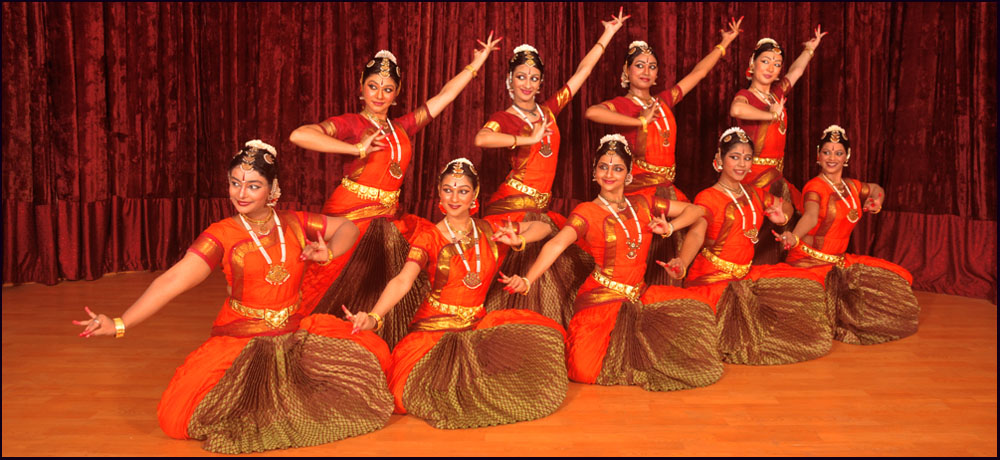
Was Ilango a Brahmana or a Sramana?

kannaki

Research paper written by London Swaminathan
Post No. 1202; Dated: 29th July 2014.

Ilango was the author of Silappadikaram, one of the five Tamil epics. The incidents mentioned in the epic took place in the second century CE. This is confirmed by reference to Gajabahu of Sri Lanka attending the consecration ceremony of Kannaki temple and other references to the Yavanas. The popular belief about Ilango and the epic are as follows:–

1.Ilango was the brother of King Cheran Senguttuvan
2. He was a Jain.
3.The Epic belongs to second century CE.

These are not in the epic. There is no evidence or slender evidence to support the above three statements; but there are lot of things against these assumptions.

1.The style and language of the epic do not belong to second century CE. Sangam literature belongs to first three centuries. So this must have followed the Sangam literature. It may be dated to 4th or 5th century CE on the basis of its style and the language. If anyone dates it to second century CE one has the go against all the linguistic rules. When Max Muller followed a very crude method to date the Vedas he gave at least two hundred years for every change in the language and style. Majority of the scholars accepted his dating till this day. If we apply the same rule, Silappadikaram may be dated to 4th or 5th century.

2.I have written elsewhere in my blog that Tirukkural, Silappadikaram and Tolkappiam – all the three books have the Sanskrit word Adikaram (chapter) and so they all came up at the same time; at least in its present format. Their style, vocabulary and grammar also support this view.
doll kannaki

3.Silappdikaram is 95% Hindu, 4% Jain and 1% Buddhist epic. In fact it is a Hindu encyclopaedia. Even if all the Hindu scriptures in Sanskrit disappear tomorro , Hinduism will survive with the help of two Tamil works Tirukkural and Silappadikaram.

4.If Ilango is a Jain he would not have praised God or praised the worship of a Chaste woman. Adoring a chaste woman is possible but not the worship. In his farewell address, he advised everyone to Worship God. Jains are atheists who don’t worship god.

5.It is true that he praised the Jain Tirtankaras and Buddists in one or two places. It may be due to the actual condition of Second Century Tamil Nadu. He had to write what prevailed at that time. More over the hero and heroine were helped by a Jain nun Kavunti Adikal for a brief time. In those days there was no clash or conflict between Hinduism, Jainism and Buddhism. Jain nun stayed in a Durga temple for the night. Hindu Kovalan (Gopal in Sanskrit) was helped by a Jain nun. Hindus visited temples of different faiths.

z_p-38-Silappadigaram

6.The commentators were not correct in all their commentaries. So their comments cannot be taken as true unless there is secondary evidence. What we have is a very slender evidence to see him as a Jain. If we take all the internal evidence we can see an over emphasize on the role played by the Brahmins. I will call Ilango a Brahmin or the epic, a Brahmin Epic for the following reasons:

7.Brahmins play a big and important role throughout the epic. At every available opportunit , the author introduced some new Brahmin characters. We see Brahmin pilgrim Madalan becoming more and more powerful than Chenguttuvan’s own ministers and commanders.

8.Chenguttuvan could go up to the Himalaya without any problem due to the support of mighty Brahmin rulers of India the Satavahanas (Satakarni/ Nutruvar Kannar in Tamil)

Puhar-KannagiInPandyaCourt

9.Vedic Fire God Agni appeared before the heroine Kannaki in the guise of a Brahmin. When Kannaki screwed and threw one of her breasts Fire God asked for her orderto burn the City of Madurai. She told him not to touch the Brahmins, chaste women, children, invalids and the cows. Rest are burnt down to ashes.

10. Reference to Agastya, a Brahmin sage who codified a grammar for Tamil was praised high in a few places.

11 An old Brahmin guides the couple Kannaki and Kovalan to Madurai (Katukan Katai). He was given lot of verses to describe some magical routes to Madurai.

12. Kovalan’s achievements are listed in another chapter. He saved an old Brahmin who came to get some donation. When he was caught by a mad elephant, Kovalan rescued him from the trunk of the elephant. In this verse the Brahmin gets more epithets than Kovalan!

tamil classics

13. A Brahmin lady (wife of Keeranthai) was given extra protection by the Pandya king, as a result of which the king lost his hand. He was fixed with an artificial hand in gold. I have already given this story in my post The Pandya King with a Golden Hand.

14. Another Brahmin lady was helped by the hero Kovalan, when she killed a mongoose by mistake. This story is in the Pancha tantra tales. But here Kovalan was shown as helping the lady when her husband left her in disgust (for killing the mongoose).

15.Brahmin Madalan plays a very big role in the epic. He is the link in the story. He narrated the missing bits now and then and he gets lot of gold – measure to measure from the king. He could even challenge the king on his non performance. Immediately the king orders several measures including an elaborate Vedic fire sacrifice.
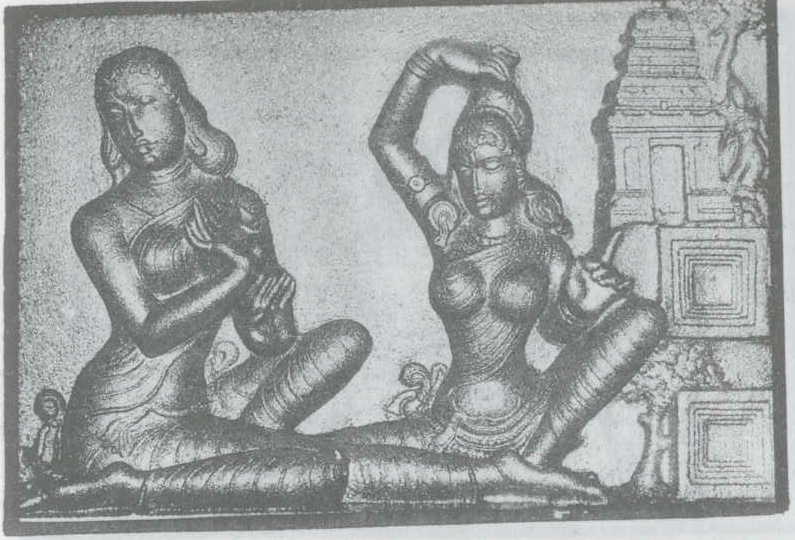
kannaki and Devanthy

16. Suddenly another sub story was introduced by the poet in the name of a Brahmin traveller Parasaran When he gave a big gift to a little boy for reciting Vedas with amazing memory, his dad was imprisoned under the excuse of stealing those ornaments (gifts). When Goddess Durga refused to open her temple doors, the innocent husband was released by the king.

17. When Senguttuvan reached the Himalayas, the first order he passed was to protects the interests of the Brahmins who do penance in the Himalaya.

18.Tevanti was another Brahmin lady who plays a key role in the epic.

19. Pandya king was praised as the one who hears only Vedic Chanting in the early morning and never a complaint bell sound. In those days every palace in India had a big bell tied at the Bell Tower. Anyone who felt injustice could come and ring the bell to lodge a complaint. (I have written about it in Why Do Hindus worship the Bell.

ilango adigal

20. In the very beginning of the epic, the author explains the Vedic rituals in the wedding of Kannaki and Kovalan. The Brahmin priests officiated this in front of Agni (Fire God).

21.Pasanda Sathan: Pasanda Sathan was a god who is born as a Brahmin boy to help Malathi.

22.Sakkaiyar Dance: Sajkkaiyar is a section of the Brahmins who kept the Sanskrit drama and classical dance alive in Kerala. One of them performed a beautiful dance in front of the king. They were praised as well versed in four Vedas.

23. Brahmin Messenger: Messengers and comedians in dramas are always Brahmins. A Brahmin messenger by name Kaushik brings the apology letter from Madhavi to Kovalan.

There are other references praising the Brahmins and the Vedas in general.
All these cast doubts on the claim that the author was a Jain. If he has replaced all the references to Brahmana to Sramana (Jain), I would have believed it.

kannagi

Readers also can judge it taking in to account the points discussed above.
(Tamil version of this article is in two parts with full references)

Contact swami_48@yahoo.com
Part 2: இளங்கோ அடிகள் சமணரா? பிராமணரா?

Puhar-KannagiInPandyaCourt

ஆராய்ச்சிக் கட்டுரையாளர் லண்டன் சுவாமிநாதன்
கட்டுரை எண்:— 1201; தேதி 29 ஜூலை 2014.

Part 1 of this article was published yesterday in this blog: swami

கட்டுரையின் முதற் பகுதி நேற்று வெளியானது. அதில் நான் கீழ்கண்ட 19 விஷயங்களைப் பட்டியல் இட்டிருந்தேன்:—

1)மா முதுபார்ப்பான் மறைவழி காட்டிட கண்ணகி கல்யாணம்
2)தெய்வ மால்வரைத் திருமுனி அருள (அகத்தியர், பிராமணர்)
3)தூய மறையோன் பாசண்டச் சாத்தன்
4)தேவந்தி என்னும் பார்ப்பனி
5)வழிகாட்டும் மாமுது மறையோன் (காடுகாண் காதை)
6)கோசிகன் (கௌசிகன்) தூது
7)நான்மறை முற்றிய நலம்புரி கொள்கை மாமறை முதல்வன் மாடலன்
8) வளைந்த யாக்கை மறையோன் தன்னை- யானையிடமிந்து கோவலன் காப்பாற்றிய பிராமணன்
9) கீரிப்பிள்ளை- பார்ப்பனி கதை/ கோவலன் சம்ஸ்கிருதக் கடிதத்தைப் படித்து உதவி
10) பார்ப்பன கோலத்தில் அக்னி பகவான்
11)பிராமணர்களை எரிக்காதே: கண்ணகி உத்தரவு
12)மறை நாஓசை அல்லது மணி நா ஓசை கேளா பாண்டியன்
13)பார்ப்பன கீரந்தை மனைவிக்கு பொற்கைப் பாண்டியன் உதவி
14)வலவைப் பார்ப்பான் பராசரன் வைத்த போட்டி
15)வார்த்திகன்/கார்த்திகை/தட்சிணாமூர்த்தி கதை
16)மாடனுக்கு துலாபாரம்: எடைக்கு எடை தங்கம்!!!
17)வடதிசை மருங்கின் மறைகாத்து ஓம்புநர்…போற்றிக்காமின்
18)சாக்கையர் (பிராமண நடனக் குழு) நடனம்
19)மாடலன் சொற்படி மாபெரும் வேள்வி
பிராமணர்களின் புகழும் சோழ நாட்டின் புகழும் சிலப்பதிகார காவியத்தில் தூக்கலாக இருகிறது. இளங்கோ பெயரில் எழுதியது சோழிய பிராமணனா?

இதோ விளக்கம்:–
1)மா முதுபார்ப்பான் மறைவழி காட்டிட கண்ணகி கல்யாணம்
கண்ணகி திருமணம்: இருவருக்கும் இடையே நடந்தது பால்ய திருமணம்; கண்ணகிக்கு வயது 12, கோவலனுக்கு வயது 16. இருவரும் இந்து முறைப்படி அக்னியை வலம் வந்து தாலி கட்டி பிராமணர்களைக் கொண்டு வேத முறைப்படி நடத்தியதாக இளங்கோ கூறுகிறார். அகநானூற்றில் இரண்டு தமிழர் கல்யாணங்கள் இடம் பெற்றிருப்பதை விரிவாக எழுதியுள்ளேன். அதில் கல்யாணத்தை, பிராமணர் நடத்தினரா இல்லையா என்ற விவரம் இல்லை.

2)தெய்வ மால்வரைத் திருமுனி அருள (அகத்தியர், பிராமணர்):
அகத்தியர் என்னும் பெயர் ரிக்வேதம் முதல் காணப்பட்டாலும் பொதிய மலை அகத்தியர் அவர் அல்ல. ஆனால் அந்த கோத்திரத்தில் வந்த பிராமணர். அவரை இளங்கோ திரு முனி எனப் போற்றுவார்.

3)தூய மறையோன் பாசண்டச் சாத்தன்
கனாத்திறம் உரைத்த காதையிலும் வரந்தரு காதையிலும் சாத்தனார் என்னும் தெய்வத்தையும் அவரை வேண்டிய மாலதி என்பவளையும் பிராமணனாகக் காட்டுகிறார் இளங்கோ. 2000 ஆண்டுகளுக்கு முன் மாலதி, மஹா சாஸ்தா (மாசாத்தன்), மஹா நாயகன் (மாநாய்க்கன்), கோபாலன் (கோவலன்), கண்ணகி (மீனாட்சி) என்னும் சம்ஸ்கிருதப் பெயர்கள் பூம்புகார் நகரில் இருந்ததையும் கவனிக்க வேண்டும்.

4)தேவந்தி என்னும் பார்ப்பனி
மாலதி கதையுடன் வரும் இன்னொரு பார்ப்பனி தேவந்தி. இரு காதைகளிலும் இவளது கதை வருகிறது.

5)வழிகாட்டும் மாமுது மறையோன் (காடுகாண் காதை)
காடுகாண் காதையில் கோவலனுக்கு மதுரைக்குச் செல்ல வழிகாட்டுவதும் ஒரு பார்ப்பனனே. அவர், நிறைய பூதக் கதைகள், மாயா ஜால மந்திரக் கதைகள் எல்லாம் சொல்கிறார். கிரேக்க பூதமும் தமிழ் பூதமும் என்ற கட்டுரையில் இது பற்றி விரிவாகக் கொடுத்து இருக்கிறேன்.

6.கோசிகன் (கௌசிகன்) தூது
பிராமணர்கள் மட்டுமே தூது செல்ல முடியும் என்பது தொல்காப்பியமும் வடமொழி நூல்களும் கூறும் மரபு. இங்கு மாதவியின் மன்னிப்புக் கடிதத்தைக் கொண்டுவரும் பிராமணன் கௌசிக கோத்திரத்தைச் சேர்ந்தவன். புறநானூற்றுப் புலவர்கள் சிலர் இதே கோத்திரத்தைச் சேர்ந்தவர்கள். நாடகத்தில் கோமாளி (விதூஷகன்) வேடம் போடுவதும் பிராமணர்களுக்கு என்றே ஒதுக்கப்பட்டது. சம்ஸ்கிருத நாடகங்கள் அனைத்திலும் பழைய இந்தி, தமிழ் திரைப்படங்கள் அனைத்திலும் காமெடி நடிகர்கள் உச்சுக் குடுமியுடன் வருவதைக் காணலாம் (புறஞ்சேரி இறுத்த காதை)

30FR_SILAPPADIKARAM_153503g

7)நான்மறை முற்றிய நலம்புரி கொள்கை மாமறை முதல்வன் மாடலன்
சிலப்பதிகார காவியத்தில் கண்ணகி, கோவலன், செங்குட்டுவன் ஆகிய மூவருக்கு அடுத்தபடியாக முக்கிய இடம் வகிப்பவன் மாடலன் என்னும் பார்ப்பனனே. செங்குட்டுவனையே தட்டிக் கேட்கும் உரிமை பெற்றவன். உன் மார்பில் எல்லாம் நரைமுடி தோன்றிவிட்டது. இன்னும் நீ போகும் வழிக்குப் புண்ணியம் தேடவில்லையே என்று மாடலன் சொன்னவுடன் மாபெரும் யாக யக்ஞங்கள் நடத்த செங்குட்டுவன் உத்தரவிடுகிறான். இமய மலை வரை சென்று வெற்றிக்கொடி நாட்டியதில் மமதை தலைக்கேறி கண்ணகி சிலையையே மறந்து விடுகிறான். மாடலன், வாழ்க்கை நிலையாமை பற்றிச் சொன்னவுடன் மங்கல நன்னீராட்டுக்கு நாள் குறிக்கிறான்.

கதை முழுவதும் ஒரு இணைப்பு (லிங்க்) கொடுப்பவன் இந்த பிராமணனே!! கோவலன் அம்மா, அப்பா, மாதரி, கவுந்தி அடிகள் இறந்தது எப்படி என்றும் பாண்டிய நாட்டில் புதிய மன்னன் வெற்றிவேற் செழியன் என்ன செய்தான் என்ன என்பதையும் மாடலன் வாய் வழியாக மொழிவார் இளங்கோ.

மூன்று செட்டிப் பெண்கள் மீது நீர் தெளித்து முன்பிறப்பில் நடந்ததைக் கூறி சேர மன்னனை வியக்க வைக்கிறார் இந்த பார்ப்பன மந்திரவாதி!!!
நூறுகிலோ தங்கத்தையும் சேர மன்னன் துலா பாரத்தில் பெறுகிறார்!!!.
இவரது செயல்கள் அடைக்கலக் காதை முதல் கடைசி காதை வரை செல்கிறது!!

நான்மறை முற்றிய நலம்புரி கொள்கை
மாமறை முதல்வன் மாடலன் என்போன்
மாதவ முனிவன் மலைவலம் கொண்டு
குமரியம் பெருந்துறை கொள்கையிற் படிந்து —- அடைக்கலக் காதை

8) “வளைந்த யாக்கை மறையோன்” தன்னை- யானையிடமிந்து கோவலன் காப்பாற்றிய பிராமணன்
கோவலனுடைய சாதனைகள் , அறச் செயல்கள் அத்தனையையும் விளக்க பல பார்ப்பன கதா பாத்திரங்களைப் படைக்கிறார் இளங்கோ. அடைக்கலக் காதையில் ஒரு கதை வருகிறது. ஒரு பிராமண தாத்தா, ஊன்றுகோலுடன் தானம் வாங்க வருகிறார். அப்போது அவரை மதம் பிடித்த யானை துதிக்கையில் தூக்கி நச்சென்று மிதிக்க இருக்கையில் கோவலன் அந்த யானை மீது ஏறி அதனை அடக்கி பிராமணனைக் கப்பாற்றுகிறார்!!

(தமிழ் திரைப்பட கதாநாயகர்கள், ஜேம்ஸ்பாண்ட் படங்கள் எல்லாம் தோற்றுப் போகும்!!!)

அதுமட்டுமல்ல. இந்த இடத்தில் அந்த முன் பின் தெரியாத பிராமணக் கிழவனை ஞான நன்னெறி நல்வரம்பு ஆகியோன், உயர் பிறப்பாளன் என்றெல்லாம் போற்றிப் புகழ்கிறார் — அதாவது காப்பாற்றிய கோவலனைப் புகழ்வதற்குப் பதிலாக, காப்பாற்றப்பட்ட கூன் முதுது ஐயரைப் புகழ்கிறார் இளங்கோ!!!!

ஞான நன்னெறி நல்வரம்பு ஆகியோன்
தானம் கொள்ளும் தகைமையின் வருவோன்
தளர்ந்த நடையின் தண்டுகால் ஊன்றி
வளைந்த யாக்கை மறையோன்— அடைக்கலக் காதை

9) கீரிப்பிள்ளை- பார்ப்பனி கதை/ கோவலன் சம்ஸ்கிருதக் கடிதத்தைப் படித்து உதவி
பஞ்ச தந்திரக் கதைகளில் உள்ள கீரிப் பிள்ளை— பார்பனப் பெண் கதை சிலப்பதிகாரத்திலும் உள்ளது. கீரியைக் கொன்ற மனைவியை வெறுத்த பார்ப்பனக் கணவன் வீட்டைவிட்டு வெளியேறுகையில் ஒரு சம்ஸ்கிருத கடிதத்தைக் கொடுத்து விஷயம் அறிந்த ஆளிடம் இதைக் கொடுத்து உய்வடை என்று சொல்லிவிட்டு வட திசை நோக்கிப் பயணமானான். அப்போது அந்தப் பார்ப்பனப் பெண் நடு ரோட்டில் கதறி அழுதாள். நீ போய் அந்த சம்ஸ்கிருத லெட்டரை வாங்கி அவளுக்கு பரிகாரம் செய்து உதவினாய் என்று புகழ்கிறார் இளங்கோ. நாடறிந்த ஒரு கதையில் கோவலனைப் புகுத்தியது சரியா என்பதை நாம் அறிய முடியவில்லை. பஞ்ச தந்திரக் கதைகள் சிலப்பதிகார காலத்துக்கு முந்தியது என்பதே பெரும்பாலோர் கருத்து (அடைக்கலக் காதை).

kannaki and Devanthy
Kannaki and Devanthy

10) பார்ப்பன கோலத்தில் அக்னி பகவான்
11)பிராமணர்களை எரிக்காதே: கண்ணகி உத்தரவு

ஒரு முலையைத் திருகி மதுரைத் தெருவில் எறிந்து நின்ற கண்னகி முன்னர், அக்னி பகவான் பிராமண கோலத்தில் வந்தார். உடனே பிராமணர்கள், பத்தினிப் பெண்கள், பசுக்கள், வயதானவர்கள், குழந்தைகள், முனிவர்கள் – இவர்களை விட்டுவிட்டு மற்றவர்களை எரிக்கவும் என்று கண்ணகி உத்தரவு இடுகிறாள்! (காண்க:வஞ்சின மாலை)
பார்ப்பார், அறவோர், பசு, பத்தினிப் பெண்டிர்
மூத்தோர், குழவி, எனும் இவரைக் கைவிட்டுத்
தீத்திறத்தார் பக்கமே சேர்க — வஞ்சின மாலை

12)மறை நாஓசை அல்லது மணி நா ஓசை கேளா பாண்டியன்
13)பார்ப்பன கீரந்தை மனைவிக்கு பொற்கைப் பாண்டியன் உதவி

“தென் தமிழ் நன்னாட்டுத் தீது தீர் மதுரை” — என்று இளங்கோவால் புகழப்படும் மதுரையில், புகார் மனு கொடுக்க மக்கள் அடிக்கும் ஆராய்ச்சி மணி ஒலித்ததே இல்லையாம். ஐயர்கள் ஓதும் வேத முழக்கம் மட்டுமே பாண்டிய மன்னன் காதில் தினமும் விழுந்ததாம்! (கட்டுரை காதை)

சங்க இலக்கியத்தில் வேறு ஒரு இடத்தில் பாண்டிய மன்னனைப் புகழ்கையில் மற்ற இடங்களில் மன்னர்கள் கோழி கூவி எழுவார்கள். மதுரை மக்களோ வேத ஒலி கேட்டு எழுந்திருப்பர் என்று பாடுகிறார்.

பொற்கைப் பண்டியன் கதையை தனியாக முன்னரே எழுதி அந்தக் காலத்தில் – மருத்துவ அறுவைச் சிகிச்சை எந்த அளவுக்கு தமிழ் நாட்டில் முன்னேறி இருந்தது என்று விளக்கி இருக்கிறேன். ஆபரேஷன் செய்து பாண்டியனுக்குத் தங்கத்தினால் ஆன கை வைத்தனர் தமிழ் வைத்தியர்கள். இவ்வளவுக்கும் காரணம் ஒரு பார்ப்பனனே.

கீரந்தை என்னும் பார்ப்பனன் வெளி நாடு செல்ல முடிவு செய்த போது அவன் மனைவி பயப்பட்டவுடன் நம் பாண்டியன் பார்த்துக் கொள்வான் என்கிறான். பின்னர் நடந்தது எல்லாம், கதையைப் படித்து அறிக. இந்தக் கதையையும் பார்ப்பனர் புகழ் சேர்க்க, பாண்டியர் புகழ் மணக்க, சேர்த்து இருக்கிறார் இளங்கோ. (கட்டுரை காதை)
மறை நா ஓசை அல்லது; யாவதும்
மணி நா ஓசை கேட்டதும் இலனே— கட்டுரைக் காதை

tamil classics

14)வலவைப் பார்ப்பான் பராசரன் வைத்த போட்டி
15)வார்த்திகன்/கார்த்திகை/தட்சிணாமூர்த்தி கதை

பராசரன் ஒரு பார்ப்பனன் பிராமணச் சிறுவர்கள் விளையாடும் இடத்திற்கு வந்து வேடிக்கையாக ஒரு போட்டி வைத்தார். தாய்ப் பால் மணம் மாறா வாயுடைய ஒரு குட்டிப்பயல் வேதம் முழுதும் கட கட என்று சொன்னவுடன் அவர் அசந்தே போனார். பெரும் பொருளைப் பரிசாகவும் கொடுத்தார். பொறாமை கொண்ட ஐயர்கள் மன்னனிடம் பற்றவவைத்தனர். இதெல்லாம் திருட்டுச் சொத்து, புதையல் சொத்து என்று கதை கட்டினர். அந்தப் பையன் பெயர் தட்சிணாமூர்த்தி. அப்பா பெயர் வார்த்திகன், அம்மா பெயர் கார்த்திகா. வார்த்திகனை சிறையில் அடைத்தனர் அதிகாரிகள். கார்த்திகா கதறி அழுதாள். துர்க்கை கோவில் கதவு மூடிக் கொண்டது, திறக்க முடியவில்லை. காரணத்தை அறிந்த மன்னன் வார்த்திகனை விடுதலை செய்து பெரும்பொருள் கொடுத்து மன்னிப்புக் கேட்டான். கோவில் கதவும் திறந்தது.

இங்கும் வலியச் சென்று ஐயர் புகழ் பாடுகிறார் இளங்கோ!! இரண்டாம் நூற்றாண்டு தமிழகத்தில் எத்தனை சம்ஸ்கிருத பெயர்கள் :– வார்த்திகன், கார்த்திகா, தட்சிணா மூர்த்தி (ஆலமர் செல்வன்), பராசரன் Interesting Brahmin Story in Tamil Epic என்ற தலைப்பில் ஜூன் மாதம் ஆங்கிலத்தில் மட்டும் இக்கதையைக் கொடுத்துள்ளேன்.

16)மாடனுக்கு துலாபாரம்: எடைக்கு எடை தங்கம்!!!
19)மாடலன் சொற்படி மாபெரும் வேள்வி
மாடலன் புகழ் தலைப்பு எண் (7) ஏழின் கீழ் கொடுத்து இருக்கிறேன்

17)வடதிசை மருங்கின் மறைகாத்து ஓம்புநர்…போற்றிக்காமின்
செங்குட்டுவன் இமய மலைப் பகுதிக்குச் சென்றவுடன் போட்ட முதல் உத்தரவு: வடதிசையில் வேதங்களைக் காத்து தினமும் ஓம் குண்டங்களில் மூன்று வகைத் தீ எழுப்பும் (தாட்சிணாக்னியம், கார்கபத்யம், ஆஹவனீயம்) பிராமணர்களைப் பாதுபாப்பீராக.
வட திசை மருங்கின் மறை காத்து ஓம்புநர்
தடவுத் தீ அறியா தண்பெரு வாழ்க்கை
காற்றூதாளரைப் போற்றிக் காமின் என — (கால் கோட் காதை)

18)சாக்கையர் (பிராமண நடனக் குழு) நடனம்
கேரளத்தில் சம்ஸ்கிருத நாடகத்தையும் நடனத்தையும் கட்டிக் காப்போர் சாக்கையர் என்ற பிராமணப் பிரிவினர் ஆவர். அவர்கள் செங்குட்டுவன் முன்னால் ஒரு அர்த்த நாரீ நடனம் ஆடி, அவனை அசத்தி விட்டனர். உடலில் ஒரு பகுதி சிவன், மற்றொரு பகுதி பார்வதி. அந்தப் பிராமண இளைஞன் ஆடிய ஆட்டத்தில் உடலின் பாதிப் பகுதி மட்டும் அசைந்து ஆடும். உமையம்மை இருக்கும் மறு பாதி அசையா நிற்கும். உலகில் யாரும் செய்ய முடியாத அற்புத நடனம்!!! (நடுநற்காதை)

நான்கு ஜாதிகளில் ஒரு ஜாதியை மட்டும் இளங்கோ தூக்கலாகக் காட்டியது காலத்தின் பிரதிபலிப்பா? இளங்கோவின் ஒரச் சார்பா? இளங்கோ பெயரில் ஐந்தாம் நூற்றாண்டில் இக்காவியத்தை எழுதியது ஒரு பிராமணனா?

வாசகர்களே ! நீங்களே எடை போடுங்கள்!!

Let Madurai Burn; But don’t Harm Brahmins!

alain danielou

More Quotations from Silappadikaram

Compiled by London Swaminathan
Post No.1200; Dated : –28th July 2014.

(Please read the First Part: ‘Quotations from Tamil Epic Silappadikaram’)
N.B. Madurai is the second largest city in Tamil Nadu. It has one of the world’s wonders– Meenakshi Temple. Please read my earlier post THE WONDER THAT IS MADURAI MEENAKSHI TEMPLE.

Divine Law
“Today we have seen evidence of the sage’s warning: The divine law appears in the form of death before the man who fails in his duty (said by Kannaki) —Canto 20, Vazakkuai Katai
((I am reminded of a similar quotation on page 71 of Swapnavasava data of Bhasa: “Surely fate does not go beyond the well tested declarations of the seers”; M R Kale’s Translation))

Fate is stronger
“Actions committed in the past lives always bear fruit. No amount of austerity or virtue can loosen the bonds of our actions.
Canto 23, Katturai Katai

Breast Destroyed Madurai!
“Suddenly, with her own hands, she (Kannaki) twisted and tore her left breast from her body. Then she walked three times round the city, repeating her curse at each gate. In her despair she threw away her lovely breast, which fell in the dirt of the street (Then God of Fire appeared before her and took her order to burn Madurai City) — Canto 20, Vazakkuai Katai
(Walking around temples etc. THREE TIMES is a Hindu custom. Senguttuvan also did this according to Ilango)

Don’t Touch Brahmins!
“Spare Brahmins, good men, cows, truthful women, cripples, old men, children. Destroy evildoers (Kannaki’s Order to God of Fire who came in the disguise of a Brahmin)
Canto 21, Vanjinamalai

KR VIJAYA as kanaki
Actress K R Vijaya as Kannaki in Malayalam film.

Special Air Plane from Heaven!
Fourteen days thus passed. On a divine chariot, seated beside Kovalan, who had been put to death in the royal city, Kannaki, with her hair profuse like a forest, ascended, happy, into heaven —- Canto 23, Katturai Katai

(Mourning for 13 days is a Hindu Funeral custom. From 14th day, the bereaved family starts their routine work; coming to the real world)

Shiva’s Sandals on Head, Vishnu’s prasad on Shoulder
The king (Senguttuvan) placed on his head the sandals of Shiva, upon whom the world rests, and who wears in his tangled hair the crescent of the moon. The king who never bowed down before a man, made the circuit of the temple and then prostrated before the himself before the image of the god.

Brahmins from the temple of Adakamadam (Sri Padmanabha Swamy Temple In Thiruvananthapuram), where the god Vishnu sleeps in yogic trance, came with temple offerings. Since he was already wearing in his crown the sandals of the god in whose tangled hair the Ganges is born, he placed the offerings of the other divinity on his handsome shoulder, loaded with splendid ornaments
–Canto 26 Kalkot Katai

(( I have written more about it in my earlier post WHY DO HINDUS WORSHIP SHOES?))

Spies in India !
All the kings of this rosewood continent (Jambudweepa) maintain spies in Vanji (capital city of Chera Nadu/modern Kerala), your great capital. They will themselves despatch the news to their own kings. We need only announce your expedition, to the sound of drums, throughout the city
Canto 25, Katchi katai
((Kautilya in his Arthasastra, deals with SPYING in detail. We see another spying episode in Purananauru. Kovur Kizar saved that “spy”.)

1000 Goldsmiths Massacred!
The victorious Verchezian, King of Korkai (Pandya King), sacrificed one thousand goldsmiths in a single day at the altar of the goddess of Faithfulness who tore away her breast, and by whose curse ancient Madurai was put to shame and overwhelmed by the misfortunes that usually follow when a king fails in his duty.
Canto 27, Nirpatu Katai
(( We know that 8000 Jains died in Pandya Nadu during Sambandhar’s time; it is said that they themselves sacrificed their lives as they promised. But with the goldsmiths, we did not know the truth though poet Ilango repeated this twice in his epic))

50 Tulams Gold to Brahmin Madalan
At these words of the wise Brahmin, the great monarch who bears a lance and wears a wreath of palms, was pleased and said, “Brahmin Madalan, take this gift”. And he gave him fifty Tulams of gold, a weight equal to his own.
Canto 27, Nirpatu Katai

(Senguttuvan who would have crossed 70 years must have weighed at least 100 kilos. So the Brahmin got 100 Kilos of gold. A few years ago a wealthy business man weighed himself in gold at Guruvayur temple. Vijayanagara Kings did this in several temples including Tirupati Balaji temple. This is considered one of the 16 important donations of a king (English word Donation came from the Sanskrit word Dhana)

tamilmani4

Strange dance !
To amuse the king, a Brahmin boy dancer from Paraiyur, famed for the art of its priests learned in the four Vedas, performed the dance of (Ardhanaree) hermaphrodite which the god Shiva once danced after uniting with Uma in a single body.
Canto 28, Natukar Katai

(This is a skilful act. A person will dress like half woman (Uma) and half man (Shiva). And his Shiva part only will move while the other half of the body will stay still!!)

Woman’s plight
Never can a woman survive her husband’s death (said by Pandyan Queen)
—Canto 20, Vazakkuai Katai

The virtue of women is of no use where the king has failed first to establish the reign of justice.
Canto 28, Natukar Katai
(Hindu scriptures are very clear about the role of women. King and chaste women are interdependent. Unless the king rules the country properly, chastity of the women won’t be safe. Unless the women are chaste there won’t be any rain and then drought, robbery and chaos will follow suit)

Poet Ilango’s Farewell address
Seek God and serve those who are near Him
Do not tell lies
Avoid slander
Avoid eating the flesh of animals
Do not cause pain to any living thing
Be charitable, and observe fast days
Never forget the good others done to you
Avoid bad company
Never give false evidence
Do not disguise the truth (Never depart from words of Truth)
Stay near who fear God (Do not fail to join assemblies of people learned in Dhaarma)
Avoid the company of atheists (Strive ever to escape meeting places of thr unrighteous)
Do not associate with other men’s wives
Care for the sick and the dying
Canto 30, Varantaru Katai

( I have given alternate translation of VRR Dikshitar in brackets).

Youth fades, wealth vanishes, this body is only a temporary dwelling
The days of your life are numbered
You cannot escape from your fate
Seek the help of everything that leads you to the ultimate goal of life
Canto 30, Varantaru Katai
((In his Farewell verse Poet Ilango summarises the values as projected in Hindu, Buddhist and Jain scriptures. Indian culture is same from the Himalayas to Kanyakumari. Foreign “Scholars” spread a lie that they united India. In fact they divided India into Aryan, Dravidian and Munda!!!))

Contact swami_48@yahoo.com

Translations from Shilappadikaram by Alain Daneilou, 1965. My personal views are within brackets

இளங்கோ அடிகள் சமணரா? பிராமணரா?

ilango adigal

ஆராய்ச்சிக் கட்டுரையாளர் லண்டன் சுவாமிநாதன்
கட்டுரை எண்:— 1199; தேதி 28 ஜூலை 2014.

எல்லோரும் ஏற்றுக் கொண்ட ஒரு விஷயத்தை மறுதலித்து காரசாரமான விவாதத்தைத் தோற்றுவிப்பதோ, இதன் மூலம் பிஎச்.டி பட்டம் பெறுவதோ என் நோக்கம் அல்ல. சிலப்பதிகாரம் என்னும் இளங்கோ அடிகளின் அற்புதமான காவியத்தை சிறு வயது முதலே படித்து ரசிப்பவன் நான். இப்போது திடீரென ஒரு உண்மை புலப்பட்டது. ஏராளமான இடங்களில் பிராமண கதா பாத்திரங்களை நுழைத்தும், அவர்களை வானளாவப் புகழ்வதும் எனக்கு பெரு வியப்பை ஏற்படுத்தியது. அதை உங்களுடன் பகிர்ந்துகொள்ள ஆசை பற்றி அறையலுற்றேன்

எல்லோரும் நம்பும் கொள்கைகள்

1.சிலப்பதிகாரத்தை எழுதியவர் இளங்கோ. அவர் சேரன் செங்குட்டுவனின் சகோதரர். அவர் சமண மதத்தைத் தழுவினார்.
2.சிலப்பதிகாரம் இரண்டாம் நூற்றாண்டில் எழுந்த காவியம்.

நான் இதை மறுப்பதற்கான காரணங்கள்:
1.இளங்கோ என்பவர் இதனுடைய கருப்பொருளைக் கொடுத்திருக்கலாம். ஆயினும் காவியம் எழுந்தது இரண்டாம் நூற்றாண்டில் அல்ல. நிகழ்ச்சி நடந்தது இரண்டாம் நூற்றாண்டில்தான் என்பது மறுக்க முடியாத விஷயம். ஆனால் மொழி நடையும் காவியத்தில் காணப்படும் விஷயங்களும் சங்க காலத்துக்கு மிகவும் பிற்பட்டது. ‘அதிகாரம்’ — என்னும் சம்ஸ்கிருதச் சொல் வரும் திருக்குறள், தொல்காப்பியம், சிலப்பதிகாரம் ஆகிய மூன்றும் நான்கு அல்லது ஐந்தாம் நூற்றாண்டில் எழுந்தவை என்பது என் கணிப்பு. வேத, உபநிஷத நூல்களுக்கு மாக்ஸ்முல்லர் கையாண்ட உத்தியை நாம் இதற்கும் பின்பற்றலாம். மொழி மாற்றத்துக்கு அவர் 200 ஆண்டுகள் ஒதுக்கி வேதத்தின் காலத்தை கி.மு 1200 க்கு முந்தியது என்று சொன்னார்.

2. சிலப்பதிகாரம் இந்துமதக் கலைக் களஞ்சியம். ஒரு வேளை நாளைக்கே சம்ஸ்கிருதத்தில் உள்ள எல்லா நூல்களும் மறைந்து போனாலும், திருக்குறளும், சிலப்பதிகாரமும் இந்து மதத்தைக் காப்பாற்றும் அளவுக்கு அவற்றில் விஷயங்கள் உள்ளன.

3. சிலப்பதிகாரம் 95% இந்துமதமும், 4% சமண மதமும் 1% புத்த மதமும் உள்ள காவியம். இதில் வியப்பான விஷயம் என்னவென்றால் பிராமண ஆதிக்கம் மேலோங்கி இருப்பதாகும். காவியத்துக்குள் எங்குமே இளங்கோவின் சமயம் எது என்பது பிரஸ்தாபிக்கப் படவில்லை. சில உரை அசிரியர்கள் செவிவழிச் செய்தியை எழுதியதில் இப்படி ஒரு விஷயம் வந்தது. உரைகாரர்கள் சொன்ன எல்லாவற்றையும் எல்லோரும் ஏற்பதில்லை. ஆகையால் ஒதுக்கும் உரிமை எமக்குளது.

4.சமண மதத்தினரும் புத்த மதத்தினரும் தெய்வ நம்பிக்கை உடையவர்கள் அல்ல. அவற்றைத் தோற்றுவித்தவர்கள் தெய்வங்களைக் கும்பிடு என்றோ, வேதங்களை ஆதரி என்றோ எழுத மாட்டார்கள். ஆனால் இளங்கோவோ வரந்தரு காதையில் தன் கருத்துக்களை முன் வைக்கையில் தெய்வத்தைக் கும்பிடுங்கள் என்கிறார். (காண்க எனது சிலப்பதிகாரப் பொன்மொழிகள்). யாக யக்ஞங்களைப் போற்றுகிறார்.

5. சமண நாமாவளி, புத்த விஹாரம், சமணர் பள்ளிகளை இளங்கோ விதந்து ஓதி இருப்பதை மறுக்க முடியாது. இது அக்காலத்தில் பூம்புகாரில் நிலவிய உண்மை நிலையை உணர்த்த எழுதி இருக்கலாம். காவியத்தில் வரும் கவுந்தி அடிகள் என்ற சமணப் பெண் துறவி உண்மையிலேயே கோவலன், கண்ணகிக்கு உதவி செய்ததாலும் இப்படி எழுதி இருக்கலாம்.கதைப் போக்கை மாற்ற யாருக்கும் உரிமை இல்லையே!!

6. இனி இளங்கோ அடிகள் நுழைத்த பத்துப் பதினைந்து பிராமண கதா பாத்திரங்களையும் மதுரையை எரிக்கும்போது பிராமண ஜாதியினரை மட்டும் எரிக்காதே என்று அக்னி தேவனுக்கு கண்ணகி உத்தரவு போட்டதையும், இமயமலைக்குப் போனவுடன் செங்குட்டுவன், பிராமணர்களுடைய யாகங்களுக்கு எந்த ஊறும் செய்யக்கூடாது என்று படைகளுக்கு உத்தரவு போட்டதையும் ஒவ்வொன்றாகக் காண்போம். இவர் மட்டும் சமணராக இருந்திருந்தால் பிராமண என்னும் இடத்தில் எல்லாம் ஸ்ரமண (சமண) என்று நுழைத்திருப்பார்.

kannagi

7. சிலப்பதிகாரத்தில் வரும் பிராமணர்கள்:
1)மா முதுபார்ப்பான் மறைவழி காட்டிட கண்ணகி கல்யாணம்
2)தெய்வ மால்வரைத் திருமுனி அருள (அகத்தியர், பிராமணர்)
3)தூய மறையோன் பாசண்டச் சாத்தன்
4)தேவந்தி என்னும் பார்ப்பனி
5)வழிகாட்டும் மாமுது மறையோன் (காடுகாண் காதை)
6)கோசிகன் (கௌசிகன்) தூது
7)நான்மறை முற்றிய நலம்புரி கொள்கை மாமறை முதல்வன் மாடலன்
8) வளைந்த யாக்கை மறையோன் தன்னை- யானையிடமிந்து கோவலன் காப்பாற்றிய பிராமணன்
9) கீரிப்பிள்ளை- பார்ப்பனி கதை/ கோவலன் சம்ஸ்கிருதக் கடிதத்தைப் படித்து உதவி
10) பார்ப்பன கோலத்தில் அக்னி பகவான்
11)பிராமணர்களை எரிக்காதே: கண்ணகி உத்தரவு
12)மறை நாஓசை அல்லது மணி நா ஓசை கேளா பாண்டியன்
13)பார்ப்பன கீரந்தை மனைவிக்கு பொற்கைப் பாண்டியன் உதவி
14)வலவைப் பார்ர்பான் பராசரன் வைத்த போட்டி
15)வார்த்திகன்/கார்த்திகை/தட்சிணாமூர்த்தி கதை
16)மாடனுக்கு துலாபாரம்: எடைக்கு எடை தங்கம்!!!
17)வடதிசை மருங்கின் மறைகாத்து ஓம்புநர்…போற்றிக்காமின்
18)சாக்கையர் (பிராமண நடனக் குழு) நடனம்
19)மாடலன் சொற்படி மாபெரும் வேள்வி
பிராமணர்களின் புகழும் சோழ நாட்டின் புகழும் சிலப்பதிகார காவியத்தில் தூக்கலாக இருகிறது. இளங்கோ பெயரில் எழுதியது சோழிய பிராமணனா?

((கட்டுரையின் இரண்டாம் பகுதியில் மேற்கண்ட 19 விஷயங்களையும் சுருக்கமாக வரைவேன்)

contact swami_48@yahoo.com
தொடர்பு முகவரி: சுவாமி_48 @ யாஹூ.காம்

Quotations from Tamil Epic Silappadikaram

silambu book1

Compiled by London Swaminathan
Post No.1198; dated 27th July 2014.

One of the great classics of Indian culture is Silappadikaram, a Tamil Epic. Silappadikaram means ‘The Story of Anklet’. It was composed by Ilango. The incidents mentioned in the epic took place around second century CE in Tamil Nadu. This is the most popular story of the five Tamil epics. This book gives us a vivid picture of early Indian life in all its aspects.

(Translations by V R Ramachandra Dishitar, Cilappadikaram, 1939; my comments are given within brackets: swami)

1.So we shall write a poem, with songs, illustrating the three truths that
a) Dharma will become the God of Death to kings who swerve from the path of righteousness
b) That it is natural for great men to adore a chaste lady of great fame
c) And that destiny will manifest itself and be fulfilled — (Patikam)

2.Praised be the Moon! Praised be the Moon, for, like the cool white umbrella of the king who wears the pollen spreading garland, He blesses our beautiful world.
Praised be the Sun! Praised be the Sun, for, like the commands of the Lord of the Kaveri lands, He revolves round the Golden peaked Meru — (Mangala Vazthu)

(This prayer in the very beginning of the book shows that Sangam Age Tamils followed the same Hindu culture that was practised in the North. White Umbrella and Meru circled by the Sun are in very ancient Sanskrit works)

3.That was the day on which the Moon moving in the sky approached the star Rohini, when Kovalan who walked round the holy fire in accordance with the scriptural injunctions as directed by the revered Brahmin priest, approached his bride, divinely fair, resembling the Star Arundhati — (Mangala Vazthu)

(Tamils believed in astrology and they got married on the day when moon approached Rohini (Aldebaran). It is in two more verses in Akananuru. This and marrying with circumambulation of Fire God (Agni) are typical Hindu customs followed until today. The same culture existed in the North and the South of India).
Puhar-ILango
Image of Ilango, author of the Epic.

4. The port city Pumpukar resembled Uttarakuru, the residence of great penance performers — (Mangala Vazthu)
(The reference to Uttarakuru, Arundhati, Mount Meru, Fire Worhip in the very first chapter shows that the Tamils were out and out followers of Vedic culture 2000 years ago).

5. Hero of the epic Kovalan praised his wife Kannaki:
O purest gold! O conch white pearl!
O faultless fragrance! O sugar-cane, honey!
Unattainable beauty, life giving nectar!
O noble child of nobly-born merchants! – (Maniyaram patutta Katai)
(Hero Kovalan and heroine Kannaki belonged to the wealthy merchant community of ancient Tamil Nadu. Kovalan is the Tamilized form of Gopala in Sanskrit and Kannaki is the Tamil translation of Meenakshi in Sanskrit. Author Ilango himself called Kannaki in several places ‘lady with fish like eyes’= Meenakshi)

6.They (Kovalan and Kannaki) resembled Kama and Rati – God and Goddess of Love —, enjoyed close embraces like smoke coloured serpents – (Maniyaram patutta Katai)

7.The great sage (Agastya) of the divine Potiyil hill once cursed Indra’s son (along with Urvaci), and the latter obtained redemption by displaying her skill on the stage — (Aranketru Katai)

pumpukar

8. When Kovalan, the hero of the epic fell for a dancing girl, his wife did not do certain things:
Her anklet was no more on her charming feet (Kannaki did no wear the anklet);
The girdle no longer graced her soft waists cloth;
Her breasts were no more painted with vermillion paste;
No jewel other than her sacred Tali – yellow thread – did she wear
No earrings were visible on her ears;
No perspiration adorned her shining moon like face;
Nor was there collyrium on her long fish like eyes;
No more was there tilak on her beaming fore head;
Her milk white teeth were not revealed to Kovalan in a loving smile;
Nor was her dark hair softened by oil (Anti Malai Sirappusey Katai)

(This is the same in Valmiki Ramayana and Megaduta. Wives won’t decorate themselves when their husbands are away; when they are fasting also, they do the same; which is confirmed by Andal a Tamil poetess of Seventh Century CE)

anklets

9.Then the auspicious drum was removed from the temple called Vajra Temple, placed on the nape of the elephant, and conveyed to the temple where the young white (Airavata) elephant stood. After this the auspicious tall flag (bearing the ensign of the white elephant) which stood in the Temple of Kalpaka Tree was hoisted aloft in the sky.

(The epic described Indra Festival in detail in this section. Indra Dwajam that was hoisted for 28 days is referred to in Valmiki Ramayana and other Sanskrit books. Indra Festival is celebrated even today throughout South East Asia as Water Festival. Airavata and Karpaka Tree are used in the flags of South East Asian Countries. Indra statues are found everywhere in South East Asian countries now)

10. Temples in Pumpukar:
Joy prevailed everywhere on account of Indra’s Festival in the
Temple of the Great Lord who was never born (Siva)
In the Temple of Six Faced Red Lord (Subramanya/Muruga)
In the Temple of Valiyon (Baladeva) whose complexion was like white conch shell
In the Temple of Netiyon – Vishnu – of the dark colour
And in the Temple of Indra of the victorious umbrella and the pearl garland.
On one side the Vedic sacrifices as ordained by Brahma, were faultlessly performed, and on another the festivals pertaining to the fur classes of the Devas (Vaus, Adityas,Rudras and Maruts) and the Eighteen Ganas and different gods, were separately and correctly conducted — (Indira Viazvu Etutta Katai)

(Foreign “scholars” divided Indians in to Aryas, Dravidas and Mundas. But Sangam Tamil (Pura Nanuru and Tiru Murukatru Padai) books and Sanskrit literature divided the living beings in to 18 groups. They never knew anything about Aryas, Dravidas and Mundas!!! The Eighteen divisions according to Tamils: Apsaras, Devas/celestials, Nagas, Siddhas, Gandharvas, Vidyadharas, Picasas, Tarakas, Bhogabumiyar, Kimpurusas, Senas, Asuas, Bhutas, Munis, Garudas, Raksasas, Yakshas and Caranas.

Author of the epic, Ilango, gives the list of temples in three more chapters in the epic. He has included the Buddhist Vikaras and Jain Shelters along with Hindu Mutts).
The above quotes are from the first five chapters of the epic. There are thirty chapters (Kaathai) in the epic.
29frSilappadikaram__736602g
Picture of students enacting Silappadikaram.

Silappadikaram is a Tamil Hindu Encyclopaedia with lot of information about the ancient music and dance. I have written about the “11 types of dances performed by Matavi”, the dancing girl, separately. All the dances performed by her at Pumpukar 2000 years ago were from the Puranas!! One full commentary and one incomplete commentary for the epic are available today. Even with those ancient commentaries, we could not understand the terms fully. No wonder we are not able to understand the Vedas which were composed (heard by the seers) several thousand years before the Tamil epic!

Contact swami_48@yahoo.com

சிலப்பதிகாரப் பொன் மொழிகள் – Part 2

16DFR_KANNAKI3_1894936g

தொகுத்தவர் – லண்டன் சுவாமிநாதன்
கட்டுரை எண்—1197; தேதி ஜூலை 27, 2014

ஆகஸ்ட் மாத (சிந்தனைச் சிற்பிகள்) காலண்டரில் —முக்கிய “சிலப்பதிகாரப் பபாடல்கள் 31” — என்று முதல் பகுதி ஜூலை 26ம் தேதி வெளி வந்துள்ளது. இது இரண்டாவது பகுதி. சில பாடல்கள் இதில் மீண்டும் முழு வடிவத்தில் இருக்கும்.

32.சிலப்பதிகாரத்தின் 3 முக்கிய கருத்துக்கள்:–
அரசியல் பிழைத்தோர்க்கு அறங்கூற்றாவதூஉம்
உரைசால் பத்தினிக்கு உயர்ந்தோர் ஏத்தலும்
ஊழ்வினை உருத்துவந்து ஊட்டும் என்பதூஉம்
சூழ்வினைச் சிலம்பு காரணமாகச்
சிலப்பதிகாரம் என்னும் பெயரால்
நாட்டுதூஉம் யாம் ஓர் பாட்டு உடைச் செய்யுள்’ என
–சிலப்பதிகாரப் பதிகம்

33.இளங்கோ அடிகளின் அறிவுரை:–
“பரிவும் இடுக்கணும், பாங்குற நீங்குமின்
தெய்வம் தெளிமின்; தெளிந்தோர்ப் பேணுமின்;
பொய்யுரை அஞ்சுமின்; புறஞ்சொல் போற்றுமின்;
ஊனூண் துறமின்; உயிர்க்கொலை நீங்குமின்;
தானம் செய்மின்; தவம்பல தாங்குமின்
செய்நன்றி கொல்லன்மின், தீ நட்பு இகழ்மின்
பொய்க்கரி போகன்மின், பொருள்மொழி நீங்கன்மின்
அறவோர் அவைக்களம் அகலாது அணுகுமின்
பிறவோர் அவைக்களம் பிழைத்தும் பெயர்மின்
பிறமனை அஞ்சுமின், பிழையுயிர் ஓம்புமின்
அறமனை காமின், அல்லவை கடிமின்
கள்ளும் களவும் காமமும் பொய்யும்
வெள்ளைக் கோட்டியும் விரகினில் ஒழிமின்
இளமையும் செல்வமும் யாக்கையும் நிலையா
உளநாள் வரையாது ஒல்லுவது ஒழியாது
செல்லும் தேஎத்துக்கு உறுதுணை தேடுமின்
மல்லன் மாஞாலத்து வாழ்வீர் ஈங்கென்”
(வரந்தரு காதை)

34.கண்ணகி கோவில் கும்பாபிஷேகத்துக்கு வந்த மன்னர்கள்:–
குடகக் கொங்கரும் மாளுவ வேந்தரும்
கடல் சூழ் இலங்கைக் கயவாகு வேந்தனும்
எந்நாட்டு ஆங்கண் இமைய வரம்பனின்
நன்னாள் செய்த நாளனி வேள்வியில் –(வரந்தரு காதை)

35.நல்லது செய்தால் சுவர்க்கம்:–
நற்றிறம் புரிந்தோர் பொற்படி எய்தலும்
அற்புளம் சிறந்தோர் பற்றுவழிச் சேறலும்
அறப்பயன் விளைதலும் மறப்பயன் விளைதலும்
பிறந்தவர் இறத்தலும், இறந்தவர் பிறத்தலும்
புதுவதன்றே ————(வரந்தரு காதை)

36.தமிழர் போற்றும் இமயமும் கங்கையும்
முடி மன்னர் மூவரும் காத்து ஓம்பும் தெய்வ
வடபேர் இமய மலையிற் பிறந்து
கடுவரல் கங்கைப் புனலாடிப் போந்த —- (வாழ்த்துக் காதை)

37.நல்லாட்சி இருந்தால் கற்பு நிலைக்கும்:–
அருந்திறல் அரசர் முறைசெயின் அல்லது,
பெரும்பெயர்ப் பெண்டிற்குக் கற்புச் சிறவாது என
பண்டையோர் உரைத்த தண்தமிழ் நல்லுரை —- (நடுநற் காதை)

tm_hindu-indian-jain-sculpture

38.ஒன்றே செய்க, நன்றே செய்க, இன்றே செய்க:–
“நாளைச் செய்குவம் அறம் எனின், இன்றே
கேள்வி நல்லுயிர் நீங்கினும் நீங்கும்” — (நடுநற் காதை)

39.யவனர் நாடு வரை சேரன் ஆட்சி
வன்சொல் யவனர் வளநாடு ஆண்டு
பொன்படு நெடுவரை புகுந்தோ ஆயினும் — (நடுநற் காதை)

40.மறுபிறப்பில் விலங்காகவும் வாய்ப்பு!!!
விண்ணோர் உருவின் எய்திய நல்லுயிர்
மண்ணோர் உருவின் மறிக்கினும் மறிக்கும்;
மக்கள் யாக்கை பூண்ட மன்னுயிர்
மிக்கோய்; விலங்கின் எய்தினும் எய்தும்— (நடுநற் காதை)

41.ஆயிரம் பொற்கொல்லர் பலி !! கண்ணகிக்கு காணிக்கை!!!
கொற்கையில் இருந்த வெற்றிவேற் செழியன்
பொன் தொழில் கொல்லர் ஈர் ஐஞ் ஞூற்றுவர்
ஒருமுலை குறைத்த திருமா பத்தினிக்கு
ஒருபகல் எல்லை உயிர்ப்பலி ஊட்டி
உரை செல வெறுத்த மதுரை மூதூர் – நீர்ப்படைக் காதை

42.சூரியனின் ஒரு சக்கரத்தேர்
ஒருதனி ஆழிக் கடவுள் தேர்மிசைக்
காலைச் செங்கதிர்க் கடவுள் ஏறினன் என
மாலைத் திங்கள் வழியோன் ஏறினன் – நீர்ப்படைக் காதை

silambu_for_dance

43.தமிழைத் திட்டிய கனக விசயன் கைது!!
வாய்வாள் ஆண்மையின், வண்தமிழ் இகழ்ந்த
காய்வேல் தடக்கைக் கனகனும் விசயனும்
ஐம்பத்திருவர் கடுந்தேராளரொடு
செங்குட்டுவன் தன் சினவலைப் படுதலும் – கால்கோட்காதை

44.தமிழர்களை எதிர்த்த சில்லறைப் பயல்கள்
உத்தரன், விசித்திரன், உருத்திரன், பைரவன்
சித்திரன், சிங்கன், தனுத்தரன், சிவேதன்
வடதிசை மருங்கின் மன்னவர் எல்லாம்
தென் தமிழ் ஆற்றல் காண்குதும் யாமென– கால்கோட்காதை

45.தமிழ் வீரம் அறியாமல் உளறிய கனக விசயர்கள்
காவா நாவிற் கனகனும் விசயனும்
விருந்தின் மன்னர் தம்மொடுங் கூடி
அருந்தமிழ் ஆற்றல் அறிந்திலர் ஆங்கு என – கால்கோட்காதை

46.ஜம்பூத்வீபத்தில் எங்கும் ஒற்றர் படை !!
நாவலம் தண் பொழில் நண்ணார் ஒற்று நம்
காவல் வஞ்சிக் கடைமுகம் பிரியா; — காட்சிக் காதை

47.சேரன் ஆட்சியில் நாடே அடக்கம்
கொங்கணர், கலிங்கர், கொடுங் கருநாடர்,
பங்களர், கங்கர், பல்வேற்கட்டியர்,
வட ஆரியரொடு வண்தமிழ் மயக்கத்து, உன்
கடமலை வேடம் என் கட்புலம் பிரியாது — காட்சிக் காதை

48.நீ நினைத்தால் உன்னை எதிர்ப்பவர் யார்?
இமிழ் கடல் வேலியைத் தமிழ் நாடாக்கிய
இது நீ கருதினை ஆயின், ஏற்பவர்
முது நீர் உலகின் முழுதும் இல்லை;
இமயமால்வரைக்கு எம்கோன் செல்வது
கடவுள் எழுதவோர் கற்கே; — காட்சிக் காதை

49.சேரன் மனைவியுடன் இயற்கைச் சுற்றுலா (பிக்னிக்)
துஞ்சா முழவின், அருவி ஒலிக்கும்
மஞ்சு சூழ் மலை காண்குவம் என
பைந்தொடி ஆயமொடு பரந்தொருங்கு ஈண்டி
வஞ்சி முற்றம் நீங்கிச் செல்வோன் — காட்சிக் காதை

anklets

50.மதுரைக்கு தீ வைத்த கண்னகியைப் பாடுவோம்:–
பாடுகம் வா, வாழி, தோழி! யாம் பாடுகம்
கோமுறை நீங்கக் கொடி மாடக் கூடலைத்
தீமுறை செய்தாளை ஏத்தியாம் பாடுகம் – குன்றக் குறவை
51.அறுபடை வீடு கொண்ட திரு முருகா!!
சீர்கெழு செந்திலும், செங்கோடும், வெண்குன்றும்
ஏரகமும் நீங்கா இறைவன் கை வேலன்றே —- குன்றக் குறவை

52.கண்ணகிக்கும், கோவலனுக்கும் ஸ்பெஷல் பிளேன்
நின்ற எல்லையுள், வானவரும்
நெடுமாரி மலர் பொழிந்து,
குன்றவரும் கண்டு நிற்பக்
கொழுநனொடு கொண்டு போயினார் ——- குன்றக் குறவை

53.விதி பலமானால் பழைய புண்யமும் உதவாது
உம்மை வினை வந்து உருத்த காலைச்
செம்மையிலோர்க்குச் செய்தவம் உதவாது — கட்டுரைக் காதை

54.மதுரை தீக்கிரையாகும் என்பது முன்னரே கூறப்பட்ட ஆருடம்
ஆடித் திங்கள் பேரிருள் பக்கத்து
அழல் சேர் குட்டத்து அட்டமி ஞான்று
வெள்ளி வாரத்து ஒள்ளெரி உண்ண
உரைசால் மதுரையோடு அரைசு கேடுறும் — கட்டுரைக் காதை

55.சிபியும், மனு நீதிச் சோழனும் என் முன்னோர்
புறவு நிறை புக்கோன், கறவை முறை செய்தோன்
பூம்புனல் பழனப் புகார் நகர் வேந்தன் — கட்டுரைக் காதை

56.பாண்டிய நாட்டில் வேதம் மட்டுமே ஒலிக்கும்
மறை நா ஓசை அல்லது; யாவதும்
மணி நா ஓசை கேட்டதும் இலனே— கட்டுரைக் காதை

57.அலைமகள்,மலைமகள்,கலைமகள்= மதுராபதி தெய்வம்
மா மகளும் நா மகளும் மா மயிலுடன் செற்றுகந்த
கோ மகளும் தான் படைத்த கொற்றத்தாள் நாம
முதிரா முலை குறைத்தாள்; முன்னரே வந்தாள்
மதுரா பதி என்னும் மாது —– அழற்படு காதை

58) 64 கலை தெரிந்தோர் வீதியும் எரிந்தது!
எண் நான்கு இரட்டி இருங்கலை பயின்ற
பண் இயல் மடந்தையர் பயங் கெழு வீதி—– அழற்படு காதை

59.ஒரு முலையால் மதுரை எரிந்தது!
இடமுலை கையால் திருகி, மதுரை
வலமுறை மும்முறை வாரா, அலமந்து,
மட்டார் மறுகின் மணிமுலையை வட்டித்து
விட்டாள் எறிந்தாள் விளங்கு இழையாள்– வஞ்சின மாலை

29frSilappadikaram__736602g

60.முற்பகல் செய்யின் பிற்பகல் விளையும்
முற்பகல் செய்தான் பிறன்கேடு தன்கேடு
பிற்பகல் காண்குறூ உம் பெற்றிய – காண்– வஞ்சின மாலை

61.பெண்கள் பேதைகள்: கண்ணகி
விழுமிய
பெண்ணறிவு என்பது பேதைமைத்தே என்றுரைத்த
நுண்ணறிவினோர் நோக்கம்; நொக்காதே எண்ணிலேன்– வஞ்சின மாலை

62.நான் தப்பு செய்துவிட்டேன்
பொன்செய் கொல்லன் தன் சொல் கேட்ட
யானோ அரசன்? யானே கள்வன்
மன்பதை காக்கும் தென்புலம் காவல்
என்முதல் பிழைத்தது கெடுக என் ஆயுள்— வழக்குரை காதை

63.பாண்டிமாதேவி வருத்தம்!
கணவனை இழந்தோர்க்குக் காட்டுவது இல் என்று
இணையடி தொழுது வீழ்ந்தனளே, மடமொழி— வழக்குரை காதை

64.மதுரையில் தெய்வம் இருக்கிறதா? கண்ணகி கேள்வி
தெய்வமும் உண்டு கொல்? தெய்வமும் உண்டு கொல்?
வைவாளின் தப்பிய மன்னவன் கூடலில்
தெய்வமும் உண்டு கொல்? தெய்வமும் உண்டு கொல்? — ஊர் சூழ் வரி

65.இது என்ன? புது தெய்வம்?
செம்பொற் சிலம்பு ஒன்று கை ஏந்தி, நம் பொருட்டால்
வம்பப் பெருந்தெய்வம் வந்தது! இதுவென் கொல்? – ஊர் சூழ் வரி

66.யாதவ மகளிர் பாடிய கண்னன் பாட்டு
கொல்லையெம் சாரல் குருந்தொசித்த மாயவன்
எல்லை நம் ஆனுள் வருமேல், அவன் வாயில்
முல்லையன் தீங்குழல் கேளாமோ, தோழீ
தொழுநைத் துறைவனோடு ஆடிய பின்னை –
அணி நிரம் பாடுகேம் யாம் — ஆய்ச்சியர் குரவை

Puhar-ILango
Image of Ilango

67.திருடர்களுக்கு தெரிந்த எட்டு விஷயங்கள்
மந்திரம், தெய்வம், மருந்து, நிமித்தம்,
தந்திரம், இடனே, காலம், கருவி, என்று
எட்டுடன் அன்றே – இழுக்கு உடை மரபின்
கட்டுண் மாக்கள் துணை எனத் திரிவது? (கொலைக்களக் காதை)

68.கற்றறிந்தோர் வினைப்பயன் பற்றி கவலைப்படார்
ஒய்யா வினைப் பயன் உண்ணுங் காலை
கையாறு கொள்ளார் கற்றறி மாக்கள் – ஊர்காண் காதை
69.மாதவியின் மன்னிப்புக் கடிதம்
அடிகள் முன்னர் யான் அடி வீழ்ந்தேன்
வடியாக் கிளவி மனங் கொளல் வேண்டும்
குரவர் பணி அன்றியும், குலப் பிறப்பு ஆட்டியோடு
இரவிடைக் கழிதற்கு என் பிழைப்பு அறியாது
கையறு நெஞ்சம் கடியல் வேண்டும்
பொய்தீர் காட்சிப் புரையோய் போற்றி — புறஞ்சேரி இறுத்த காதை

70.கோவலன் போன புகார் = ராமன் வெளியேரிய அயோத்தி
அருந்திறல் பிரிந்த அயோத்தி போல
பெரும்பெயர் மூதூர் பெரும்பேது உற்றதும் — புறஞ்சேரி இறுத்த காதை

71.மறவரின் துர்க்கை வழிபாடு
வம்பலர் பல்கி, வழியும் வளம்பட;
அம்புடை வல்வில் எயின் கடன் உண்குவாய் –
சங்கரி, அந்தரி, நீலி, சடைமுடிச்
எங்கண் அரவு பிறையுடன் சேர்த்துவாய்! – வேட்டுவ வரி

72.சூரியனுடன் சுற்றும் குள்ள வாலகீய முனிவர்
சுடர்தரு திரிதரு முனிவரும் அமரரும்
இடர்கெட அருளும் நின் இணை அடி தொழுதேம்’
அடல்வலி எயினர் நினடிதொடு
மிடறுகு குருதி; கொள்விறல்தரு விலையே — வேட்டுவ வரி

73.வேடர்களின் மஹிஷாசுரமர்த்தனி வழிபாடு
ஆனித்தோல் போர்த்துப் புலியின் உரிஉடுத்துத்
கானத்து எருமைக் கருந்தலை மேல் நின்றாயால் –
வானோர் வணங்க, மறைமேல் மறையாகி,
ஞானக் கொழுந்தாய், நடுக்கு இன்றியே நிற்பாய்!

74.சமணப் பெண்மணியுடன் துர்க்கை கோவிலில் அடைக்கலம்
கழிபோர் ஆண்மைக் கடன் பார்த்து இருக்கும்
விழிநுதற் குமரி, விண்ணோர் பாவை
மையறு சிறப்பின் வான நாடி
ஐயை தன் கோட்டம் அடைந்தனர் ஆங்கு என் – காடுகாண் காதை

75.கணிகையர் என்றால் எல்லோருக்கும் வெறுப்பா?
மேலோர் ஆயினும் நூலோர் ஆயினும்
பால்வகை தெரிந்த பகுதியோர் ஆயினும்
பிணி எனக் கொண்டு, பிறக்கிட்டு ஒழியும்
கணிகையர் வாழ்க்கை கடையே போனும் என– காடுகாண் காதை

pumpukar

76.எட்டெழுத்து, ஐந்தெழுத்து மந்திரம்
அருமறை மருங்கின், ஐந்தினும் எட்டினும்
வருமுறை எழுத்தின் மந்திரம் இரண்டும்
ஒருமுறையாக உளம் கொண்டு ஓதி — காடுகாண் காதை

77.தெய்வக் காவிரி
தெய்வக் காவிரித் தீதுதீர் சிறப்பும்,
பொய்யா வானம்புதுப்புனல் பொழிதலும் — நாடுகாண் காதை

78.சமண நாமாவளி
தரும முதல்வன், தலைவன், தருமன்
பொருளன், புனிதன், புராணன், புலவன்,
சினவரன், தேவன், சிவகதி நாயகன்— நாடுகாண் காதை

79.சமணர் பிரார்த்தனை
மொழிப் பொருள் தெய்வம் வழித்துணை ஆக எனப்
பழிப்புஅரும் சிறப்பின் வழிப்படர் புரிந்தோர் — நாடுகாண் காதை

80.மதுரைக்கு போக ஆசை: கோவலன்
தென் தமிழ் நன்னாட்டுத் தீதுதீர் மதுரைக்கு
ஒன்றிய உள்ளம் உடையேன் ஆகலின்
போதுவால் யானும்;போதுமின்— நாடுகாண் காதை

81.திருவரங்கநாதன் வலம் வந்து
அணிகிளர் அரவின் அறிதுயில் அமர்ந்த
மணிவண்ணன் கோட்டம் வலம் செயக் கழிந்து –— நாடுகாண் காதை

82.தீய கனவு: கண்ணகிக்கு அருகம் புல் பரிகாரம்
கண்ணகி நல்லாளுக்கு உற்ற குறை உண்டு என்று
எண்ணிய நெஞ்சத்து இனையளாய் நண்ணி;
அறுகு, சிறு பூளை, நெல்லொடு தூஉய்ச் சென்று;
பெறுக கணவனோடு என்றாள் – கனாத்திறம் உரைத்த காதை

Riverkaveri

83.கங்கைக்கும் மேலான காவிரி
திங்கள் மாலை வெண்குடையான்
சென்னி செங்கோல் — அது ஒச்சி
கங்கை தன்னைப் புணர்ந்தாலும்
புலவாய் வாழி காவேரி – கானல் வரி

84.நாரதன் வீணை, இந்திரன், ஊர்வசி சாபம்
நாரதன் வீணை நயம் தெரி பாடலும்
தோரிய மடந்தை வாரம் பாடலும்
ஆயிரம் கண்ணோன் செவியகம் நிறைய
நாடகம் உருப்பசி நல்காள் ஆகி
மங்கலம் இழப்ப வீணை– கடல் ஆடு காதை

85.பாவம் செய்வோர் பட்டியல்; பூதம் நையப் புடைக்கும்
தவம் மறைந்து ஒழுகும் தன்மை இலாளர்
அவம் மறைந்து ஒழுகும் அலவற் பெண்டிர்
அறைபோகு அமைச்சர், பிறர்மனை நயப்போர்
பொய்க்கரியாளர், புறங்கூற்றாளர், என்
கைக்கொள் பாசத்துக் கைப்படுவோர் எனக்– இந்திர விழவு ஊரெடுத்த காதை

86) 1008 பவுன் தங்க மாலை வாங்கினால் மாதவி பரிசு!!
நூறு பத்து அடுக்கி எட்டுக் கடை நிறுத்த
வீறு உயர் பசும்பொன் பெறுவது இம்மாலை
மாலி வங்குநர் சாலும் நம் கொடிக்கு என – அரங்கேற்றுக் காதை

silambu tamil book

87.தமிழகம்
இமிழ்கடல் வரைப்பின் தமிழகம் அறியத்
தமிழ் முழுது அறிந்த தன்மையன் ஆகி
வேத்து இயல், பொது இயல் , என்று இரு திறத்தின்
நாட்டிய நல் நூல் நன்கு கடைப்பிடித்து–அரங்கேற்றுக் காதை

88.அகத்தியன் சாபம்
தெய்வ மால்வரைத் திருமுனி அருள
எய்திய சாபத்து இந்திர சிறுவனொடு
தலைக்கோல் தனத்து, சாபம் நீங்கிய
மலைப்பு – அருஞ் சிறப்பின் வானவர் மகளிர் — அரங்கேற்றுக் காதை

89.கண்ணகிக்கு கோவலன் புகழ்மாலை
மாசறு பொன்னே! வலம்புரி முத்தே!
காசறு விரையே ! கரும்பே! தேனே!
அரும்பெறல் பாவாய்! ஆருயிர் மருந்தே!
பெருங்குடி வணிகன் பெரு மட மகளே!
மலையிடைப் பிறவா மணியே என்கோ?
அலையிடைப் பிறவா அமிழ்தே என்கோ?
யாழிடைப் பிறவா இசையே என்கோ?
தாழ் இருங் கூந்தல் தையல்! நின்னை! – மனையறம்படுத்தகாதை

90.பூம்புகார் மக்கள்= உத்தரகுரு புண்யவாசிகள்
அத்தகு திருவின் அருந்தவம் முடித்தோர்
உத்தர குருவின் ஒப்பத் தோன்றிய
கயமலர்க் கண்ணியும் காதற் கொழுநனும்
மயன் விதித்தன்ன மணிக்கால் அமளிமிசை
நெடுநிலை மாடத்து இடிநிலத்து, இருந்துழி –மனையறம்படுத்தகாதை

91.திருமண வயது: கண்ணகி 12, கோவலன் 16 !!!
ஈறு ஆறு ஆண்டு அகைவையாள் (கண்ணகி)
ஈர் எட்டு ஆண்டு அகவையான் (கோவலன்) –மங்கல வாழ்த்துப் பாடல்

silambu book1

92.சந்திரன், சூரியன், வருணன் வாழ்க!!!
திங்களைப் போற்றுதும்! திங்களைப் போற்றுதும்!
கொங்கு அலர்தார்ச் சென்னி வெண்குடை போன்று இவ்
அம் கண் உலகு அளித்தலான்

ஞாயிறு போற்றுதும்! ஞாயிறு போற்றுதும்!
காவிரி நாடன் திகிரிபோல், பொன் கோட்டு
மேரு வலந்திரிதலான்

மாமழை போற்றுதும் ! மாமழை போற்றுதும் !
நாம நீர் வேலி உலகிற்கு, அவன் அளி போல்
மேல் நின்று தான் சுரத்தலான் –மங்கல வாழ்த்துப் பாடல்

93.கண்ணாடியில் மலையையே காட்டலாம், சிலம்பில் எல்லாம் தெரியும்
ஆடிநல் நிழலின் நீடு இருங்குன்றம்
காட்டுவாற் போல் கருத்து வெளிப்படுத்து (நூற் கட்டுரை)

வாழ்க இளங்கோ !! வளர்க சிலம்பின் புகழ் !!!

–சுபம்–

A Jain Story in Tamil Epic

Tamilnadu_02
Jain Tirtankaras in Tamil Nadu

Compiled by London Swaminathan
Post No.1196; Dated 26th July 2014.

Silappadikaram is the most popular Tamil Epic written by Ilango. Of the five Tamil epics this is the one widely read by the Tamils. Ilango gives lot of information about the Jainism prevalent in Tamil Nadu around second century CE. One of the characters in the epic is Kavunti Adikal, a Jain nun who accompanied Kannaki and Kovalan, the heroine and hero of the epic, to Madurai.

Kavunti narrated a story which is not fund in any other book:

“Listen! However small the sum entrusted to your care by a saint, it multiplies a hundredfold. There was a Deva of great power in a town adjoining river Kaveri. Though the Deva was adorned with garlands made up of flowers and gems and gold, one of his hands resembled that of a monkey with black fingers.

Kalugulamalai
Kazukumalai Jain Caves

All the Savakas worshipped the Saranar and wanted to know the reason for the monkey hand, the god spoke as follows:

Once there was a merchant called Etti Sayalan. In his house many would gather who observed fasting. One day the lady of the house received a monk. At the same time a monkey from the village silently entered the house and worshipped the feet of the great monk. It was very hungry and ate all the leftover food. The monk was very happy and told the lady of the house, “Regard this monkey as one of your own sons”.

The lady agreed to the wise words of the saint. When the loving monkey died, the lady gave the property set apart for it to the assembled monks and prayed that it may be absolved of all its sins. Hence it was born as the only son of Uttaragutta at Varanasi. This son who was celebrated for his beauty, wealth and great wisdom, and noted for his great gifts died in his thirty second year. Later he attained the form of a Devakumara and has come here with the monkey’s hand as if to announce to all his followers, “ Please note that all my wealth and enjoyments were the outcome of the gifts of her who protected me with grace. Though in my previous birth a monkey, this change of form is due to the gifts of Sayalan’s wife”

jain_cave_3vallimalai
Valimalai Jain Caves

Jain nun Kavunti added, “Now that you have heard this account, accompany this lady (Kannaki) with the flower decked hair, without wasting any more time.

When Kavunti said this Matari, a woman from the cowherd’s community took Kannaki to her home
(Source Silappadikaram, Adaikkala Katai, Chapter 15)
kalika-hanuman1
Hindu saint in Ratlam, Madya Pradesh
kalika-hanuman3

முக்கிய சிலப்பதிகாரப் பாடல்கள்-31

old-tamilnadu

சிந்தனைச் சிற்பிகள் (ஜய வருடம்) 2014 ஆகஸ்ட் மாத காலண்டர்
(( முக்கிய 31 சிலப்பதிகார மேற்கோள்கள் ))

Post No. 1195 Date: 26 July 2014
Prepared by London swaminathan (copyright)
நெஞ்சை அள்ளும் சிலப்பதிகாரம் என்று பாரதி போற்றிய சிலப்பதிகாரக் காவியத்தில் இருந்து முக்கிய 31 பாடல்கள் இந்த ஆகஸ்ட் மாத காலண்டரை அலங்கரிக்கின்றன.

முக்கிய நாட்கள்: ஆகஸ்ட் 8 வெள்ளி-வரலெட்சுமி நோன்பு; 10 ஞாயிறு – ஆவணி அவிட்டம்/ ரக்ஷா பந்தன், பௌர்ணமி
ஆகஸ்ட் 11-காயத்ரி ஜபம்; 15 வெள்ளி- இந்திய சுதந்திர தினம்; 17 ஞாயிறு ஜன்மாஷ்டமி 19- கிருஷ்ண ஜயந்தி; 29 வெள்ளி- கணேஷ் சதுர்த்தி;
சுபமுஹூர்த்த நாட்கள்:– 20, 22, 29, 31; பௌர்ணமி – 10; அமாவாசை– ஆகஸ்ட் 24,; ஏகாதசி 7 & 21.

ஆகஸ்ட் 1 வெள்ளி
திங்களைப் போற்றுதும்! திங்களைப் போற்றுதும்!
கொங்கு அலர்தார்ச் சென்னி வெண்குடை போன்று இவ்
அம் கண் உலகு அளித்தலான்
ஞாயிறு போற்றுதும்! ஞாயிறு போற்றுதும்!
காவிரி நாடன் திகிரிபோல், பொன் கோட்டு
மேரு வலந்திரிதலான்–மங்கல வாழ்த்துப் பாடல்

ஆகஸ்ட் 2 சனி
தீது இலா வடமீனின் திறம் இவள் திறம் என்றும்
மாதரார் தொழுது ஏத்த வயங்கிய பெருங் குணத்துக்
காதலாள்; பெயர் மன்னும் கண்ணகி என்பாள் மன்னோ
–மங்கல வாழ்த்துப் பாடல்

ஆகஸ்ட் 3 ஞாயிறு
பொதியில் ஆயினும், இமயம் ஆயினும்
பதி எழு அறியாப் பழங்குடி கெழீ இய
பொது அறு சிறப்பின் புகாரே ஆயினும்
நடுக்கு இன்றி நிலைஇய என்பது அல்லதை- –மங்கல வாழ்த்துப் பாடல்

ஆகஸ்ட் 4 திங்கள்
வான் ஊர் மதியம் சகடு அனைய, வானத்துச்
சாலி ஒருமீன் தகையாளைக் கோவலன்
மாமுது பார்ப்பான் மறைவழி காட்டிட
தீவலம் செய்வத் காண்பார் கண் நோன்பு என்னை!
-மங்கல வாழ்த்துப் பாடல்
kannaki andkovalan

ஆகஸ்ட் 5 செவ்வாய்
மாசறு பொன்னே! வலம்புரி முத்தே!
காசறு விரையே ! கரும்பே! தேனே!
அரும்பெறல் பாவாய்! ஆருயிர் மருந்தே!
பெருங்குடி வணிகன் பெரு மட மகளே!– மனையறம்படுத்தகாதை

ஆகஸ்ட் 6 புதன்
குழல் வழி நின்றது யாழே; யாழ் வழித்
தண்ணுமை நின்றது தகவே: தண்ணுமைப்
பின்வழி நின்றது முழவே; முழவொடு
கூடி நின்று இசைத்தது ஆமந்திரிகை –அரங்கேற்றுக் காதை

ஆகஸ்ட் 7 வியாழன்
ஐம்பெருங் குழுவும், எண்பேர் ஆயமும்
அரச குமரரும் பரத குமரரும்
கவர் பரிப் புரவியர், களிற்றின் தொகுதியர்
இவர்பரித்தேரினர், இயைந்து ஒருங்கு ஈண்டி — இந்திர விழவு ஊரெடுத்த காதை

ஆகஸ்ட் 8 வெள்ளி
பிறவா யாக்கைப் பெரியோன் கோயிலும்
அறுமுகச் செவ்வேள் அணிதிகழ் கோயிலும்
வால்வளை மேனி வாலியோன் கோயிலும்
நீலமேனி நெடியோன் கோயிலும்
மாலை வெண்குடை மன்னவன் கோயிலும் – இந்திர விழவு ஊரெடுத்த காதை

ஆகஸ்ட் 9 சனி
சிமையத்து இமையமும், செழுநீர்க் கங்கையும்
உஞ்சை அம் பதியும், விஞ்சத்து அடவியும்
வேங்கட மலையும், தாங்க விளையுள்
காவிரி நாடும், காட்டிப் பின்னர் — கடல் ஆடு காதை

tolkappian katturai

ஆகஸ்ட் 10 ஞாயிறு
நெடியோன் குன்றமும் தொடிதோள் பௌவமும்
தமிழ் வரம்பு அறுத்த தண் புனல் நல் நாட்டு
மாட மதுரையும், பீடு ஆர் உறந்தையும்
கலிகெழு வஞ்சியும், ஒலி புனல் புகாரும்
அரைசு வீற்றிருந்த உரைசால் சிறப்பின் – வேனிற் காதை

ஆகஸ்ட் 11 திங்கள்
கரியவன் புகையினும், புகைக்கொடி தோன்றினும்
விரிகதிர் வெள்ளி தென்புலம் படரினும்
கால்பொரு நிவப்பின் கடுங்குரல் ஏற்றொடும்
சூன்முதிர் கொண்மூப் பெயல்வளம் சுரப்ப — நாடுகாண் காதை

ஆகஸ்ட் 12 செவ்வாய்
வடிவேல் எறிந்த வான் பகை பொறாது,
பஃறுளி யாற்றுடன் பன்மலை அடுக்கத்துக்
குமரிக் கோடும் கொடுங்கடல் கொள்ள
வடதிசைக் கங்கையும் இமயமும் கொண்டு
தென் திசை ஆண்ட தென்னவன் வாழி! — காடுகாண் காதை

ஆகஸ்ட் 13 புதன்
இவளோ கொங்கச் செல்வி; குடமலையாட்டி;
தென்றமிழ்ப் பாவை; செய்தவக் கொழுந்து;
ஒருமாமணி ஆய், உலகிற்கு ஓங்கிய
திருமாமணி எனத் தெய்வம் உற்று உரைப்ப — வேட்டுவ வரி

ஆகஸ்ட் 14 வியாழன்
கோள்வல் உளியமும் கொடும் புற்று அகழா
வால்வரி வேங்கையும் மான் கணம் மறலா;
அரவும், சூரும், இரைதேர் முதலையும்
உருமும் சார்ந்தவர்க்கு உறுகண் செய்யா –
செங்கோல் தென்னவர் காக்கும் நாடு — புறஞ்சேரி இறுத்த காதை
tamil-penkal

ஆகஸ்ட் 15 வெள்ளி
அருந்தெறல் கடவுள் அகன் பெருங் கோயிலும்
பெரும்பெயர் மன்னவன் பேர் இசைக் கோயிலும்
பால்கெழு சிறப்பின் பல் இயல் சிறந்த
காலை முரசக் கனைகுரல் ஓதையும்
நான்மறை அந்தணர் நவின்ற ஓதையும்— புறஞ்சேரி இறுத்த காதை

ஆகஸ்ட் 16 சனி
உலகு புரந்தூட்டும் உயர் பேர் ஒழுக்கத்து
புலவர் நாவிற் பொருந்திய பூங்கொடி
வையை என்ற பொய்யாக் குலக் கொடி —
‘புனல்யாறு அன்று; இது பூம் புனல்யாறு’ – – புறஞ்சேரி இறுத்த காதை

ஆகஸ்ட் 17 ஞாயிறு
நுதல்விழி நாட்டத்து இறையோன் கோயிலும்
உவணச் சேவல் உயர்த்தோன் நியமும்
மேழி வலன் உயர்த்த வெள்ளை நகரமும்
கோழிச் சேவற் கொடியோன் கோட்டமும் — ஊர்காண் காதை

ஆகஸ்ட் 18 திங்கள்
பெண்டிரும் உண்டியும் இன்பம் என்று உலகில்
கொண்டோர் உறூவும் கொள்ளாத் துன்பம் — ஊர்காண் காதை

ஆகஸ்ட் 19 செவ்வாய்
நான்மறை முற்றிய நலம்புரி கொள்கை
மாமறை முதல்வன் மாடலன் என்போன்
மாதவ முனிவன் மலைவலம் கொண்டு
குமரியம் பெருந்துறை கொள்கையிற் படிந்து —- அடைக்கலக் காதை

A_SCENE_FROM_SILAPADHIKARAM
ஆகஸ்ட் 20 புதன்
ஞான நன்னெறி நல்வரம்பு ஆகியோன்
தானம் கொள்ளும் தகைமையின் வருவோன்
தளர்ந்த நடையின் தண்டுகால் ஊன்றி
வளைந்த யாக்கை மறையோன்— அடைக்கலக் காதை

ஆகஸ்ட் 21 வியாழன்
கற்புக் கடம் பூண்ட இத் தெய்வம் அல்லது
பொற்புடைத் தெய்வம் யாம் கண்டிலமால்;
வானம் பொய்யாது; வளம் பிழைப்பு அறியாது;
நீள்நில வேந்தர் கொற்றம் சிதையாது;
பத்தினிப் பெண்டிர் இருந்த நாடு — அடைக்கலக் காதை

ஆகஸ்ட் 22 வெள்ளி
என்னொடு போந்த இளங்கொடி நங்கை – தன்
வண்ணச் சீரடி மண்மகள் அறிந்திலள்; — அடைக்கலக் காதை

ஆகஸ்ட் 23 சனி
“அறவோர்க்களித்தலும் அந்தணர் ஓம்பலும்
துறவோர்க்கு எதிர்தலும்,
தொல்லோர் சிறப்பின் விருந்தெதிர் கோடலும் இழந்த என்னை” (கொலைக்களக் காதை)

Riverkaveri
Picture of River Kaveri

ஆகஸ்ட் 24 ஞாயிறு
மடந்தாழும் நெஞ்சத்துக் கஞ்சனார் வஞ்சம்
கடந்தானை நூற்றுவர் பால் நாற்றிசையும் போற்றப்
படர்ந்தாரணம் முழங்கப் பஞ்சவர்க்குத் தூது
நடந்தானை ஏத்தாத நாவென்ன நாவே?
நாராயணா என்னா நாவென்ன நாவே?”
–சிலப்பதிகாரம், ஆய்ச்சியர் குரவை, இளங்கோ அடிகள்.

ஆகஸ்ட் 25 திங்கள்
பெரியவனை மாயவனைப் பேர் உலகம் எல்லாம்
விரிகமல உந்தியுடை விண்ணவனைக் கண்ணும்
திருவடியும் கையும் திருவாயும் செய்ய
கரியவனைக் காணாத கண்ணென்ன கண்ணே
கண்ணிமைத்துக் காண்பார் – தம் கண்ணென்ன கண்ணே? –ஆய்ச்சியர் குரவை

ஆகஸ்ட் 26 செவ்வாய்
மூ உலகும் ஈரடியால் முறைநிரம்பா வகைமுடியத்
தாவிய சேவடிசேப்பத் தம்பியொடும் கான் போந்து,
சோ அரணும் போர்மடியத் தொல் இலங்கைக் கட்டழித்த
சேவகன் சீர் கேளாத செவியென்ன செவியே!
திருமால் சீர் கேளாத செவியென்ன செவியே! — ஆய்ச்சியர் குரவை

ஆகஸ்ட் 27 புதன்
“வடவரையை மத்தாக்கி, வாசுகியை நாணாக்கி
கடல் வண்ணன்! பண்டொரு நாள் கடல் வயிறு கலக்கினையே;
கலக்கிய கை அசோதையார் கடை கயிற்றால் கட்டுண்கை!
மலர்க்கமல உந்தியாய்! மாயமோ மருட்கைத்தே! — ஆய்ச்சியர் குரவை
vaigai-river_6972
Picture of Vaigai River and Dam

ஆகஸ்ட் 28 வியாழன்
தேரா மன்னா ! செப்புவது உடையேன்
எள்ளறு சிறப்பின் இமையவர் வியப்பப்
புள்ளுறு புன்கண் தீர்த்தோன்; அன்றியும்
வாயிற் கடைமணி நடு நா நடுங்க
ஆவின் கடைமணி உகுநீர் நெஞ்சு சுடதான் தன்
அரும்பெறல் புதல்வனை ஆழியின் மடித்தோன்
பெரும்பெயர் புகார் என்பதியே— வழக்குரை காதை

ஆகஸ்ட் 29 வெள்ளி
அல்லவை செய்தார்க்கு அறங் கூற்றம் ஆம் என்னும்
பல்லவையோர் சொல்லும் பழுதன்றே — வழக்குரை காதை

ஆகஸ்ட் 30 சனி
பார்ப்பார், அறவோர், பசு, பத்தினிப் பெண்டிர்
மூத்தோர், குழவி, எனும் இவரைக் கைவிட்டுத்
தீத்திறத்தார் பக்கமே சேர்க — வஞ்சின மாலை

ஆகஸ்ட் 31 ஞாயிறு
தெய்வம் தெளிமின்; தெளிந்தோர்ப் பேணுமின்;
பொய்யுரை அஞ்சுமின்; புறஞ்சொல் போற்றுமின்;
ஊனூண் துறமின்; உயிர்க்கொலை நீங்குமின்;
தானம் செய்மின்; தவம்பல தாங்குமின்.
Silappathikaram-AG_12825
Pumpukar now.

Contact swami_48@yahoo.com

சேரன் செங்குட்டுவனுடன் சென்ற 102 நாட்டியப் பெண்கள் !!!

cheran senguttuvan

கண்ணகி சிலையுடன் செங்குட்டுவன் ஊர்வலம்

ஆய்வுக் கட்டுரை :– லண்டன் சுவாமிநாதன்
கட்டுரை எண்:-1193; தேதி:- 25 ஜூலை 2014.

“நெஞ்சை அள்ளும் சிலப்பதிகாரம் என்றோர் ஆரம் படைத்த தமிழ்நாடு: — என்று சுவைபடப் பாடினான் பாரதி. உண்மயிலேயே சுவையான காவியம் மட்டும் அன்று; தமிழ் கலைக் களஞ்சியமும் கூட!

தமிழ் மன்னர்களில் இமயம் வரை சென்று வெற்றிக் கொடி நாட்டியோர் சிலரே; அத்தகைய மாவீரர்களில் ஒருவன் சேரன் செங்குட்டுவன். இவன் செய்த சாதனைகள் பற்பல:–

1.இமயம் வரை சென்று புண்ய இமய மாமலையில் கல் எடுத்து, அதைப் புனித கங்கையில் நீராட்டி, பத்தினித் தெய்வத்துக்கு – கண்ணகி தேவிக்கு சிலை எடுத்தான்.

2. தமிழர்களை இகழ்ந்த கனக விசயன் என்ற சின்ன அரசர்களை தலையில் கல் சுமக்க வைத்தான.

3.மாபெரும் சாம்ராஜ்யம் அமைத்த சாதவாஹன பிராமண மன்னர்களுடன் நட்பு பூண்டான். இமயம் வரை எளிதில் செல்ல இது உதவியது.

4.கடற்கொள்ளையர்களை ஒழித்துக் கட்டினான்.

5. செங்குட்டுவன் தந்தை இமயவரம்பன் நெடுஞ்சேரலாதன் யவனர்களைச் சிறைப்பிடித்து தலையை மொட்டை அடித்து தலையில் எண்ணையை ஊற்றி அவமானப்படுத்தினான். செங்குட்டுவன் காலத்தில் அவர்கள் அடங்கி ஒடுங்கி சேவகம் புரிந்தனர்.

6. இவன் ஒரு தீவிர தமிழ் ஹிந்து; இமயம் ஏகுவதற்கு முன்பாக உலகப் புகழ்பெற்ற திருவனந்தபுரம் ஸ்ரீ பத்மநாப சுவாமி கோவிலை வலம் வந்தான். சிவனின் திருப்பாதங்களைத் தலையில் சுமந்தான். அந்த நேரத்தில் பெருமாள் கோவில் பட்டர்கள் ஓடிவந்து கொடுத்த பிரசாதத்தை தோள் மேல் வைத்து வலம் வந்தான். தலையில் சிவன் பாதம், தோளில் விஷ்ணு பிரசாதம். “அரியும் சிவனும் ஒன்னு, அரியாதவன் வாயில் மண்ணு” என்பதைச் சொல்லாமல் சொல்லிக் காட்டினான்!! அசல் தமிழ் ஹிந்து!!!

“குடக்கோக் குட்டுவன் கொற்றங் கொள் கென
ஆடகமாடத்து அறிதுயில் அமர்ந்தோன்
சேடம் கொண்டு, சிலர் நின்று ஏத்தத்
தெண்ணீர் கரந்த செஞ்சடைக கடவுள்
வண்ணச் சேவடி மணிமுடி வைத்தலின்,
ஆங்கது வங்கி, அணிமணிப் புயத்துத்
தாங்கினன் ஆகித் தகைமையின் செவ்வுழி”– கால்கோட்காதை

kannaki andkovalan

பூம்புகாரில் கண்ணகி, கோவலன் சிலைகள்

7.இமய மலை சென்றவுடன் அவன் போட்ட முதல் உத்தரவு:
“வடதிசை மருங்கின் மறைகாத்து ஓம்புநர்
தடவுத்தீ அவியாத் தண்பெரு வாழ்க்கை,
காற்றூதாளரைப் போற்றிக் காமியென” (சிலப். கால்கோட்காதை)

பொருள்:– வடதிசையில் வேதங்களைக் காத்தும், ஹோம குண்டத்தில் எரியும் முத்தீயை அணைந்து போகாத வாறு வளர்த்தும், அருள் பொங்கும் வாழ்க்கை நடத்தும் மக்களுக்கு இடையூறு ஏற்படாதபடி நடந்து கொள்ளுங்கள்— என்று படைகளுக்கு உத்தரவிட்டான்.

காற்றூதாளர்கள்= காற்றினும் விரைந்து செல்லும் தூதர்கள் மூலம் படைகளுக்கு இந்த உத்தரவு பறந்தது!!!

8.பிராமணனுக்கு 50 கிலோ+ தங்கம்: துலாபாரம்
“பெருமகன் மறையோர் பேணி, ஆங்கு, அவற்கு
ஆடகப் பெருநிறை ஐயைந்து இரட்டி,
தோடோர் போந்தை வேலோன், ‘தன்னிறை
மாடல மறையோன் கொள்க’ என்று அளித்து – ஆங்கு
ஆரிய மன்னர் ஐயிரு பதின்மரை,
சீர்கெழு நன்னாட்டுச் செல்க’ என்று ஏவி” (சிலப்ப. நீர்ப்படைக் காதை)

பொருள்:
மாடல மறையோனே! இவற்றை நீ கொள்க! என்று பனம்பூ மாலை ஏந்தியவனும், வேலை ஏந்தியவனுமான செங்குட்டுவன் தன்னுடைய எடைக்குச் சமமான 50 துலாம் தங்கத்தைக் கொடுத்தான். அங்கிருந்த பிராமண சாம்ராஜ்ய சாதவாஹனர்களை விடைகொடுத்து அனுப்பினான்.
ஆந்திரத்தில் இருந்துகொண்டு வட இந்தியாவை ஆண்ட நூற்றுவர்கன்னர் (சாதவாஹனர்) பிராமணர்கள்— உலகமே நடுங்கும் மகத்தான படை பலத்துடன் மாட்சிமை பொருந்திய ஆட்சி புரிந்தவர்கள்—- இவர்கள் ஆதரவுடன் தான் செங்குட்டுவன் வட இமயம் வரை சென்றான்— கடலுக்கு அப்பாலும் இவர்கள் ஆதிக்கம் பரவியதை இவர்களுடைய கப்பல் பொறித்த நாணயங்கள் மூலம் அறிய முடிகிறது!!

((ஒரு துலாம் என்பது ஆறு வீசை என்று வாய்ப்பாடு கூறும். செங்குட்டுவன் (50 x 6) 300 வீசை இருந்திருக்க முடியாது. ஒரு நூறு, நூறைம்பது கிலோ இருந்திருக்கலாம் என்பது என் கணிப்பு.))

9. நாட்டிய மகளிர், இசைவாணர் கூட்டம்

செங்குட்டுவனுடன் போனோர் பட்டியல் இதோ:–
தேர்கள் 100
யானைகள் 500
குதிரைகள் 10,000
வண்டிகள் 20,000
கஞ்சுகர் 1000
நாட்டியப் பெண்கள் 102
இசைக் கலைஞர்கள் 208
விகடகவிக்கள் 100

:நாடக மகளிர் ஈரைம்திருவரும்
கூடிசைக்குயிலுவர் இருநூற்று எண்மரும்
தொண்ணூற்று அறுவகைப் பாசண்டத்துறை
நண்ணிய நூற்றுவர் நகைவேழம்பரும்
கொடுஞ்சி நெடுந்தேர் ஐம்பதிற்று இரட்டியும்
கடுங்களி யானை ஓரைஞ்ஞூறும்
ஐ ஈ ராயிரம் கொய்யுளைப் புரவியும்
எய்யா வடவளத்து இருபதினாயிரம்
கண்ணெழுத்துப் படுத்தன கைபுனை சகடமும்
சஞ்சயன் முதலாத் தலைக்கீடுபெற்ற
கஞ்சுக முதல்வர் ஈர் ஐஞ்ஞூற்றுவரும்
சேயுயர் விற்கொடிச் செங்கோல் வேந்தே!
—(சிலப்பதிகாரம், கால்கோட்காதை)

((கஞ்சுகர்= போலீஸ், தூதர், அரசாங்க அதிகாரிகள், செக்யூரிட்டி கார்ட்ஸ்)

ஆதி காலத்தில் நாடகமும் நாட்டியமும் ஒன்றே. நாடக/ நாட்டிய வளர்ச்சிக்கு தமிழ் மன்னர்கள் ஆற்றிய அரும் பணி நாயக்கர் காலம் வரை நீடித்தது. சோழ மா மன்னன் ராஜ ராஜ சோழன் தஞ்சையில் 400 நாட்டிய மகளிர்க்கு வீடு கொடுத்து இருந்தான். ஒவ்வொருவர் வீட்டு எண் (டோர் நம்பர்) கொடுத்து அது யாருக்குச் சொந்தம் என்று கல்வெட்டு வெளியிட்டு இருக்கிறான். அந்தப் பெண்கள் அழகான தமிழ், சம்ஸ்கிருதப் பெயர்கள் வைத்துக் கொண்டிருக்கிறார்கள் — (டாக்டர் இரா நாகசாமி வெளியிட்ட தஞ்சைப் பெருவுடையார் கோவில் கல்வெட்டுகள் என்ற நூலில் மேல் விவரம் பெறலாம்).

contact swami_48 @ yahoo.com
–சுபம்–

Why did 102 Dancers accompany a Tamil King during Invasion?

AssamBihu

Research paper written by London Swaminathan
Post No.1190; Dated 23rd July 2014.

Cheran Senguttuvan ( also written as Cenkuttuvan) was a powerful Tamil king who ruled western part of Tamil Nadu 1800 years ago. That part of South India is called Kerala now and Malayalam is spoken in the state. He was so powerful that he destroyed all the sea pirates in the Indian ocean and his father Netuncheralathan captured the Yavanas (Ionians or Arabians) and shaved the heads of Yavanas and poured oil on their heads. It is ancient punishment. He had good friendship with the mighty Brahmin rulers Satavahanas. When he wanted to go to the holy Himalaya to bring a stone for the statue of a Chaste woman (Patni) Kannaki, Satavahanas helped him. He was successful in his expedition. He bathed the stone in Holy River Ganga and sculpted a beautiful statue for Kannaki. He invited kings from all over India and Sri Lanka. Tamil Epic Silappadikaram says that the consecration of Kannaki Temple was attended by Gajabahu of Sri Lanka. So we knew his age for sure. This happened in the second century CE.

thillana1

The interesting detail from the Tamil epic is that Senguttuvan was accompanied by 102 dancers!
Senguttuvan was accompanied by
Chariots — 100
Elephants — 500
Horses — 10,000
Carts and carriages — 20,000
Kancukar (Police) — 1000
Dancing girls — 102
Musicians — 208
Jesters — 100

There is nothing new about dancers in the royal entourage. Raja Raja Choza, a mighty Tamil King whose rule extended up to Indonesia, had donated lands and houses for 400 dancers in Thanjavur. Their beautiful names in Tail and Sanskrit are found in the inscriptions in Thanjavur Big Temple.
The dancers entertained the kings and the general public during festivals and royal events.

group dance

Senguttuvan was an ardent devotee of Lord Shiva. Just before the Himalayan expedition he went round Sri Padmanabha swamy Temple at Trivandrum. At the same time the priests from the nearby Vishnu temple brought him some Prasad which he put on the shoulder and walked to show respect. His head bowed only to the gods, says the Tamil epic.

As soon as he reached the Himalayas he ordered his soldiers:
“Go and courteously assure our support to all those who uphold the Vedas in the northern region and who led holy lives by keeping alive sacrificial fires”.

Source : Tamil Epic Silappadikaram, Canto 26– Lines 128-140

Senguttuvan came back to his capital after spending two and a half year in his Himalayan invasion.

50 kilo+ Gold for a Brahmin

In the chapter 27 — the Nirpatu katai—there is another incident of donating 50 tula (Over 50 kilo) to a Brahmin called Matalan.

The great king and wielder of lance, wearing the Palmyra garland, became mightily pleased, and saying, “O Brahmana Matalan, please accept”,he honoured him with a gift of fifty tulams of pure gold equal to his own weight.

This means Senguttuvan weighed 50 Tulam. Tula bharam is an ancient ritual and considered one of the 16 supreme gifts enjoined on all and on the king particularly. It is clear from the Vijayanagara inscriptions that its kings performed these sixteen gifts.

Pictures are taken from other websites;thanks.

Contact swami _48 @yahoo.com