14 Sep 2011 – Mohmed of Gazni invaded India 17 times just to plunder all the temples in North India. He came to know about the fabulous wealth of Hindu …
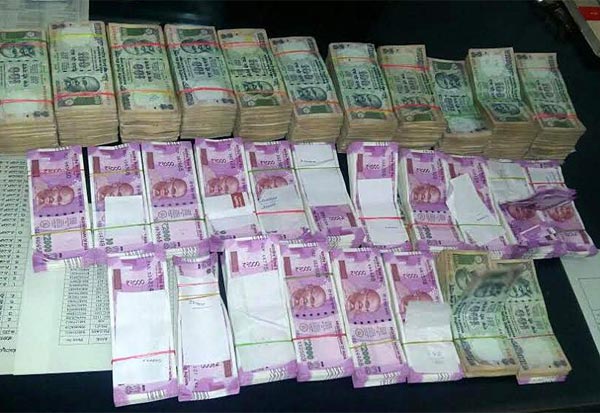
12 Sep 2011 – Knowing that India was the richest country in the world they all set an eye on India. But what about today’s India? Is still India a rich country?
12 Sep 2011 – Please note, this is the third part in a series on why India is the Richest country in the world. For the first part, click here. For the second part, …
18 Sep 2011 – By S Swaminathan Please note this is part of an ongoing series on Why India is the Richest Country in the World. See the links below for the …
India was the richest country in the ancient world. Until 1987 the largest gold coin was an Indian coin issued by the Mogul emperor Jahangir. Seventeenth …
பழங்காலத்தில்
பெயர்களைச் சொன்னால் ஏனையோர் மந்திர தந்திரங்களால் வசப்படுத்துவர் என்ற நம்பிக்கை
பல கலாசாரங்களில் இருந்தது.
இதனால்
குடும்பத்துக்கு மட்டுமே தெரிந்த ஒரு பெயரும் வெளியே கூப்பிடுவதற்கு வேறு ஒரு
பெயரும் வைத்திருந்தனர்.
எகிப்து, இந்தியா போன்ற நாடுகளில் மன்னர் முடி
சூட்டும்போது சொல்லப்படும் அபிஷேக நாமாவை மட்டுமே நாம் அறிவோம். உன்மைப் பெயர்
எவருக்கும் தெரியாது.
மாணிக்க
வாசகர் போன்றோரின் உண்மைப் பெயர் இன்றுவரை நமக்குத் தெரியாது.
அவருக்குஇறைவன் அளித்த மாணிக்க வாசகன் என்ற
பெயரும், திவாதவூர்க்காரர் என்ற பெயருமே
நமக்குத் தெரியும்.
XXX
ஆண்டுகளின்
வகைகள்
சாந்திரமாயன-
சந்திரனின் இயக்கத்தின் பேரில் அமைந்தது; சௌரமான-
சூரிய இயக்கத்தை அடிப்படையாக
உடையது; சாவன- சோம யாகத்தை அடிப்படையாக உடையது; நக்ஷத்ர – விண்மீன் உதயத்தை அடிப்படையாக உடையது ;பார்ஹஸ்பத்ய – பிருஹஸ்பதி என்னும் குரு
கிரஹத்தை அடிப்படையாக உடையது.
Few years
ago, I wrote in this blog that India is the land of highest number of food
items. It was part of my Deepavali Research article (the talk I gave at Harrow
Desis Diwali Festival). I counted over 160 sweet items/dishes. I gave the proof
for my research as well. Every week I used to go to Willesden Green Library in
London and visit the cookery section. The shelf on cookery books had more books
on Indian cookery than any other country. When I did some statistical research
through the index of many country’s cookery books, I arrived at the conclusion
that INDIA HAS THE LARGEST NUMBER OF FOOD ITEMS IN THE WORLD. Every state, even
every big city, has its own speciality.
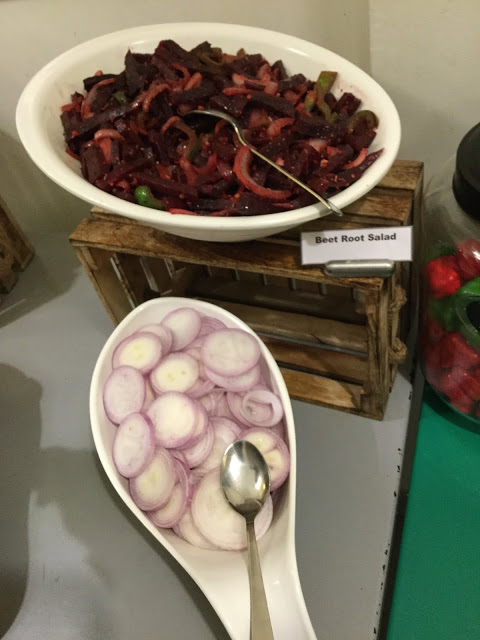
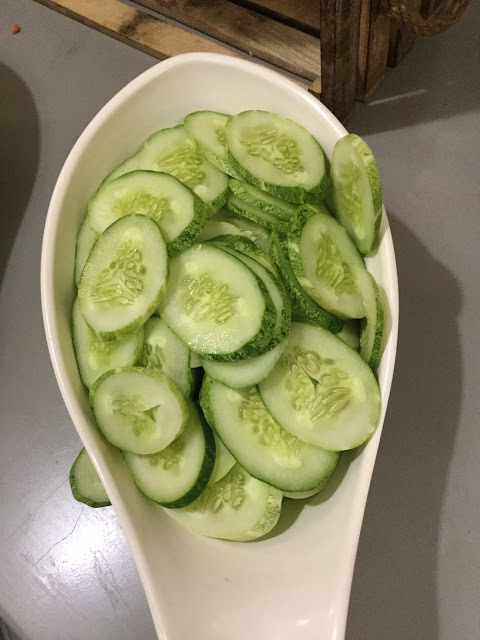
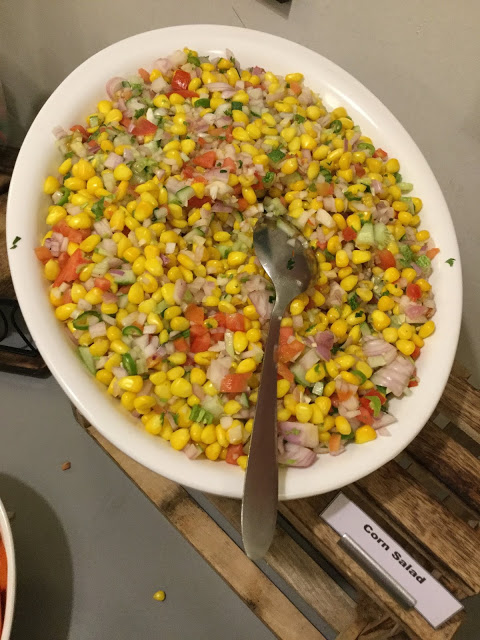
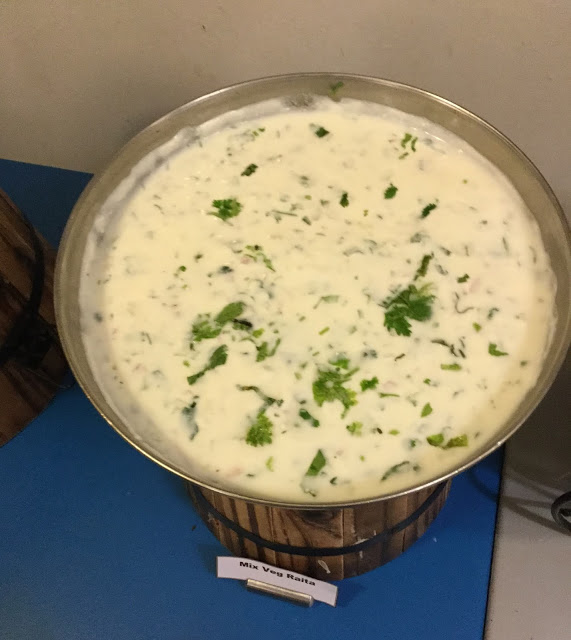
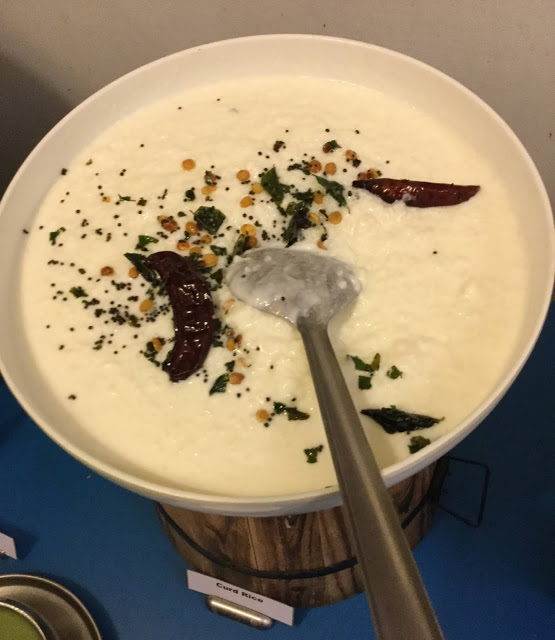
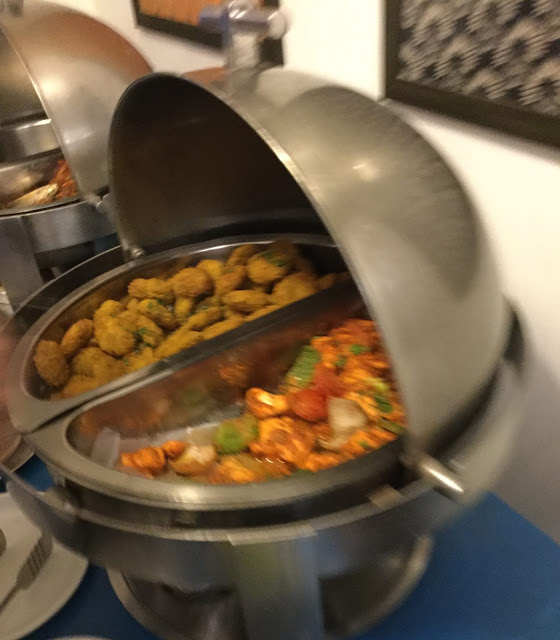
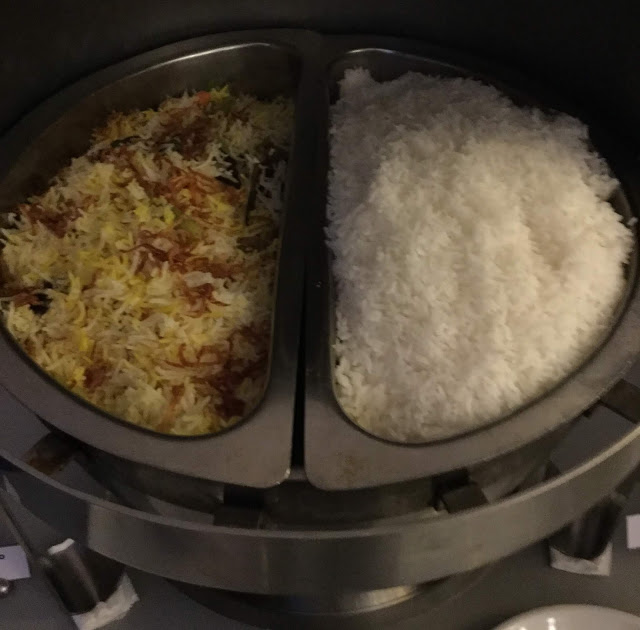
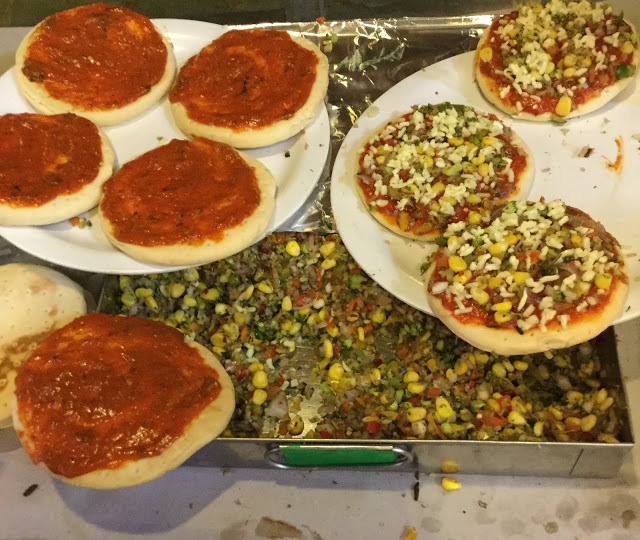
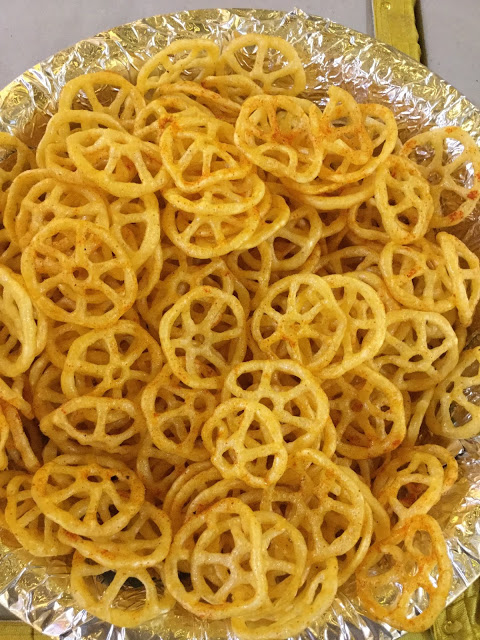
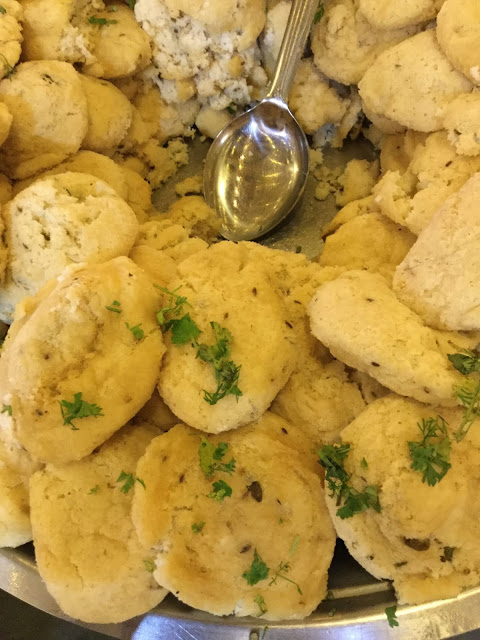
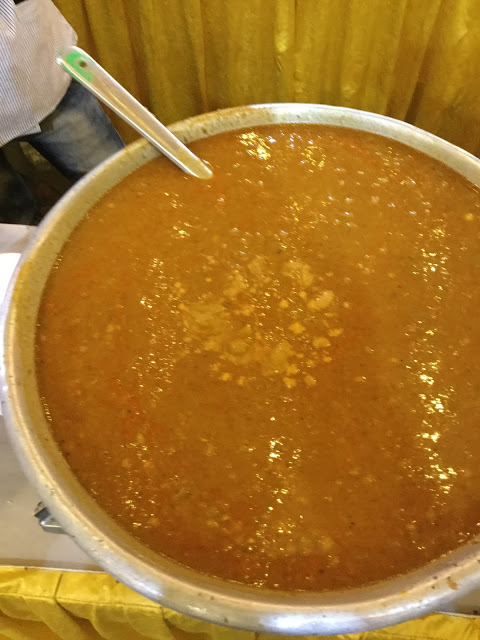
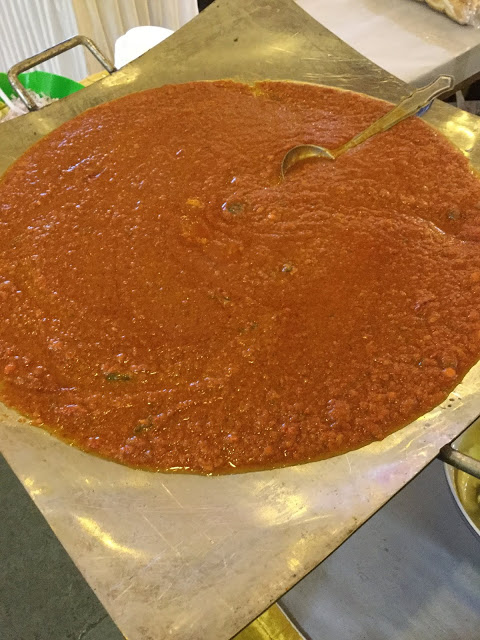
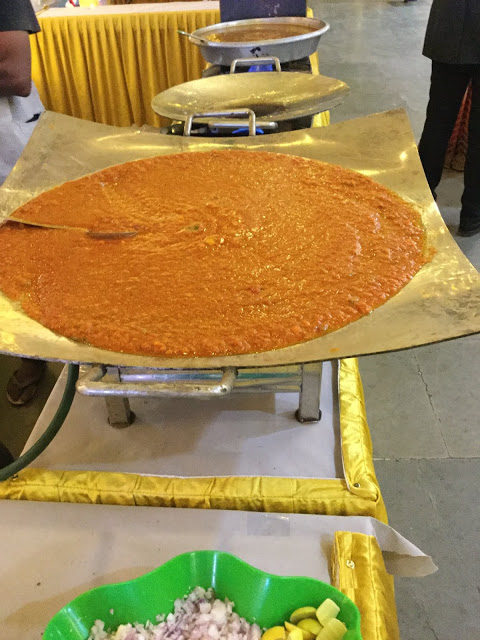
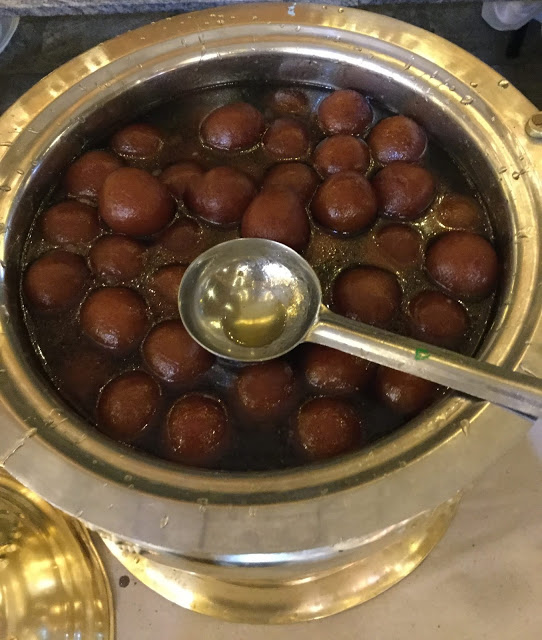
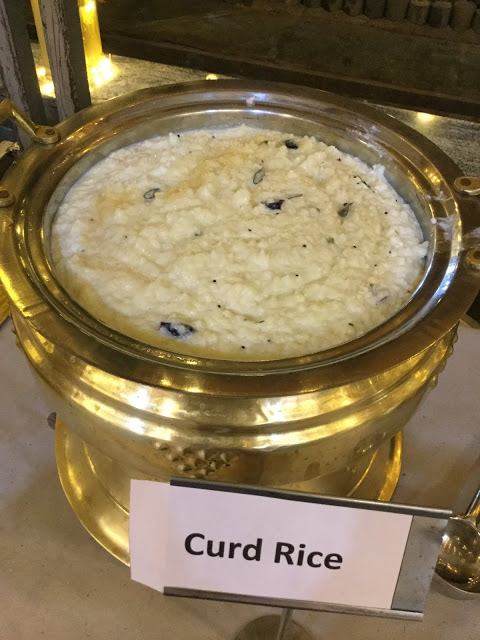
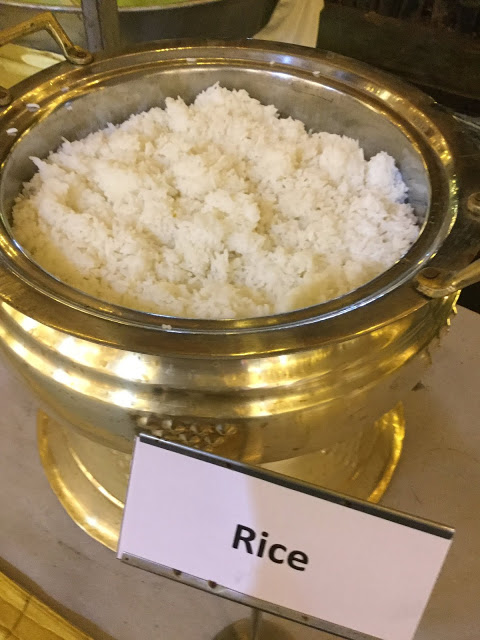
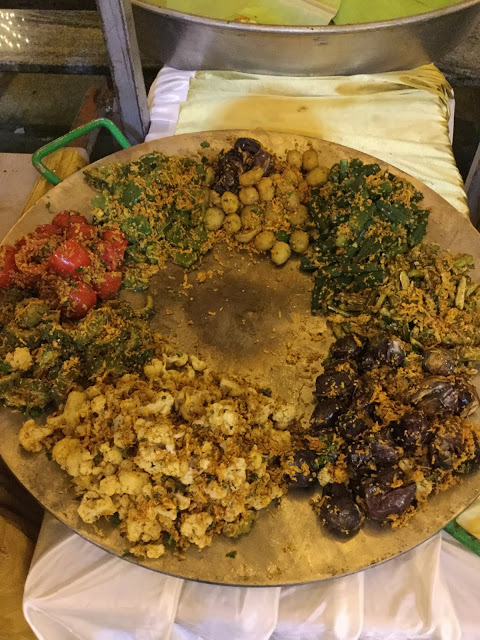
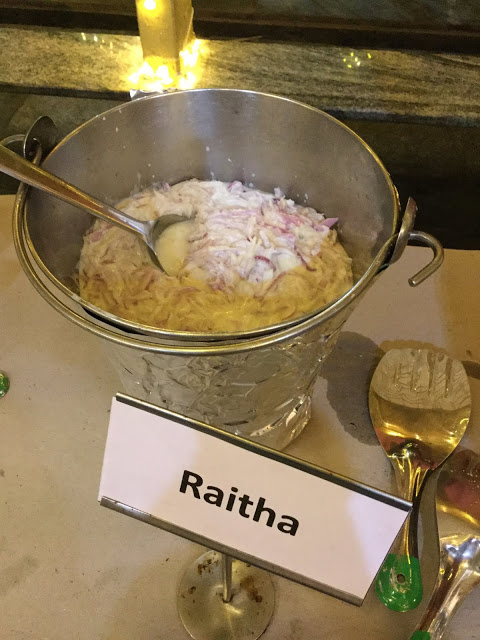
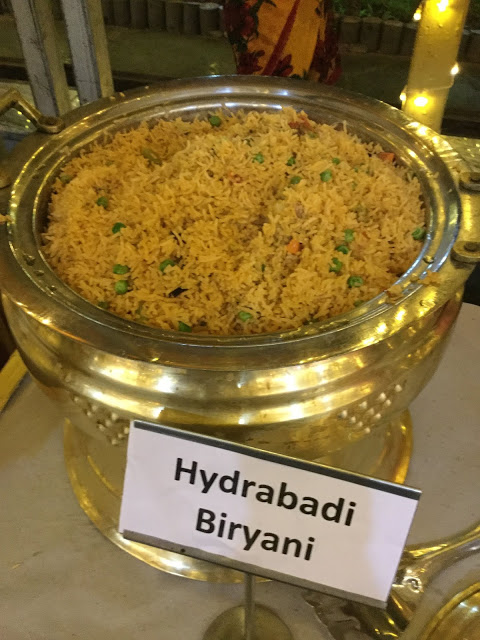
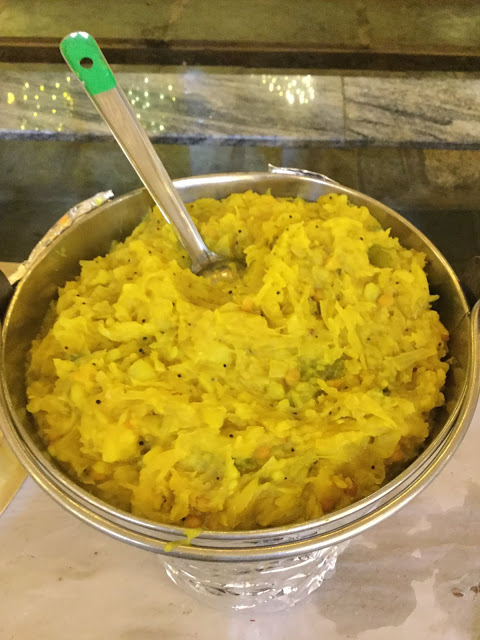
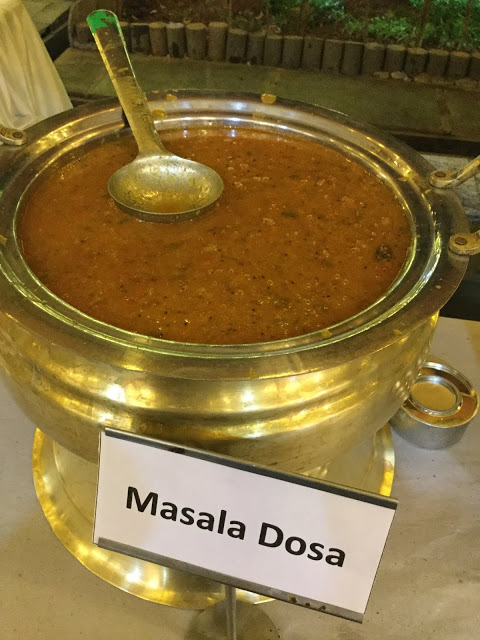
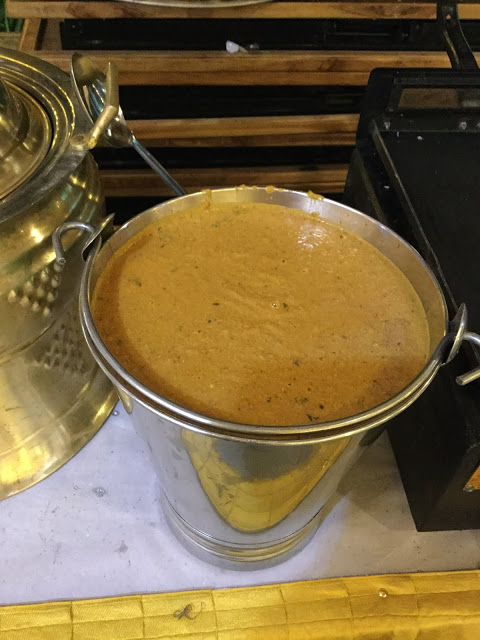
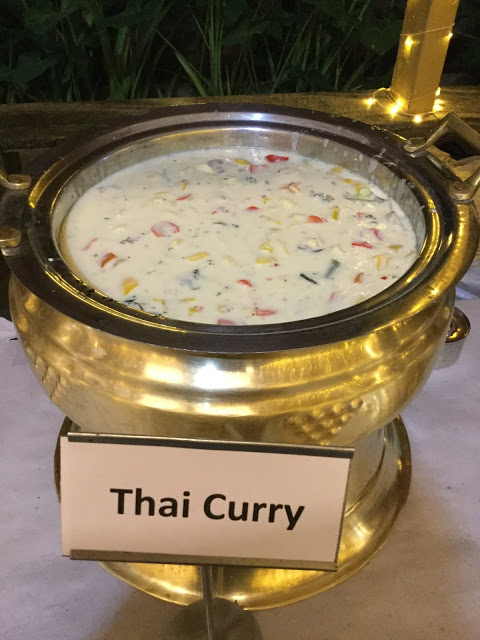
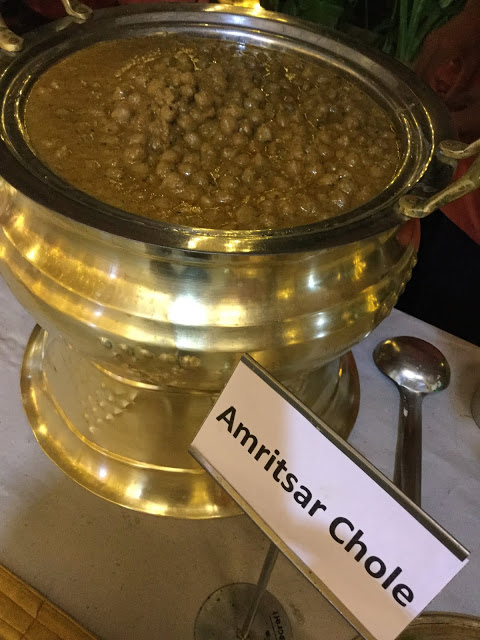
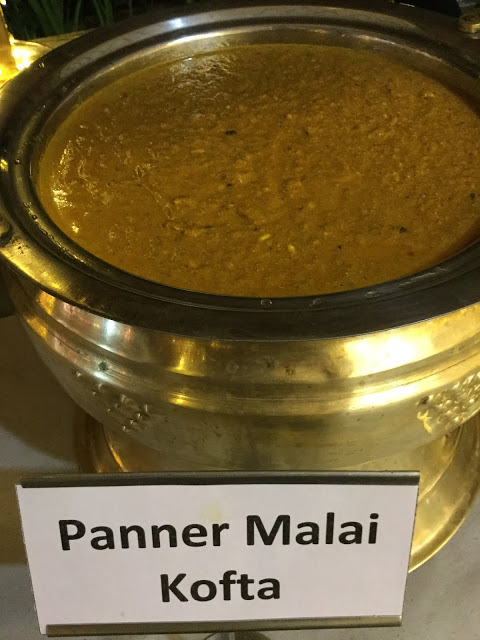
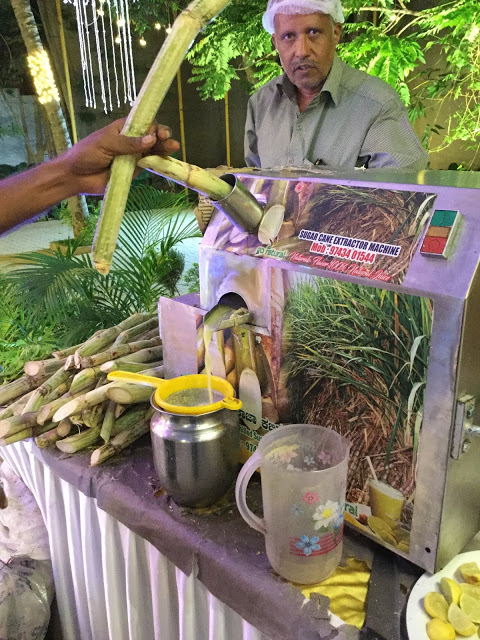
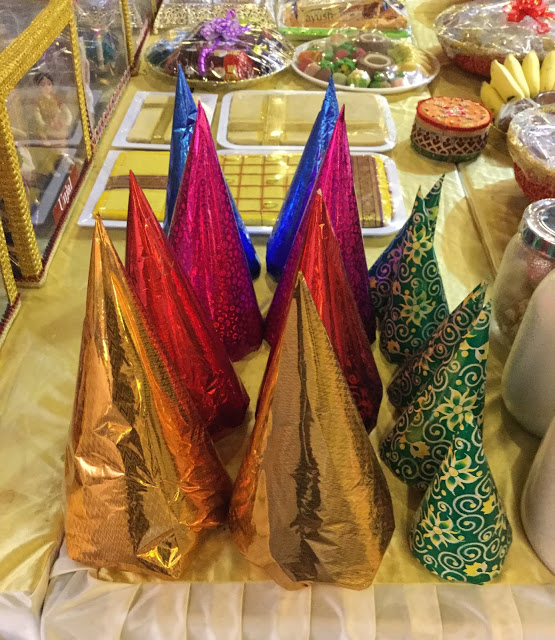
Recently (July 10 and 11, 2019) I went to Bangalore to attend a wedding. On two days I counted over 60 items, leave alone the desserts. Some mouth- watering dishes are pictured here (all pictures are taken with my poor I pad)—
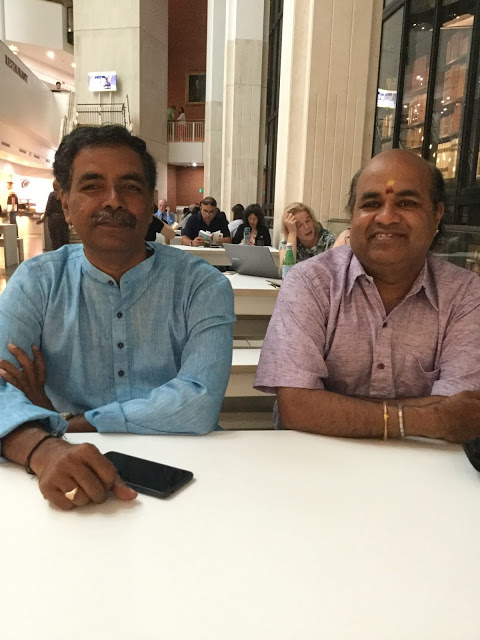
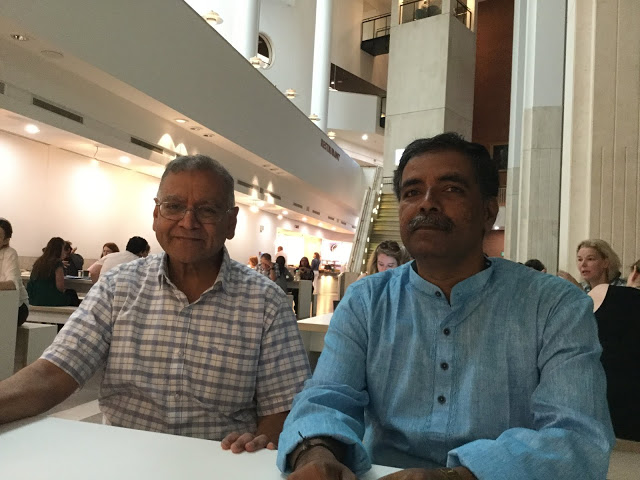
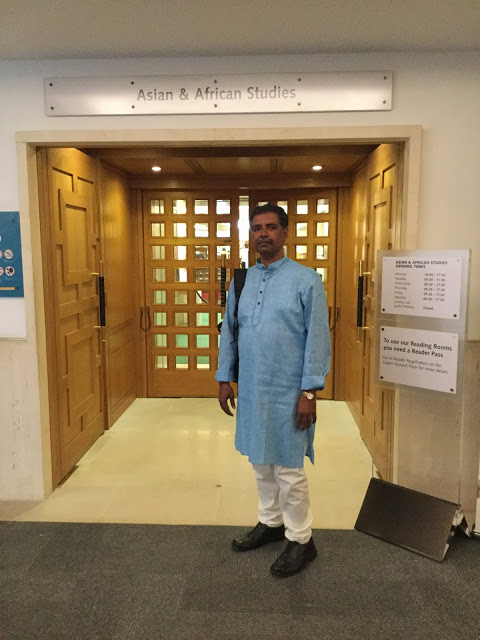
ஹாலந்தில் ஒரு கருத்தரங்கில் கலந்துகொண்டு விட்டு லண்டனில் நடைபெற்ற நூல் வெளியீட்டு விழாவுக்கு வருகை தந்த டாக்டர் ஆர். சத்ய நாராயணன் (Dr R Sathyanarayanan, Charge de Recherche, Sanskrit, Ecole Francaise D’extreme -Orient, Centre de Pondichery)அவர்களை லண்டன் பிரிட்டிஷ் லைப்ரரி வளாகத்தில் 22-7-2019 சந்தித்தேன். அவரும் அவரை அழைத்து வந்த கல்யாண சுந்தர சிவாச்சார்யாவும் பல அரிய விஷயங்களைச் சொன்னார்கள்.
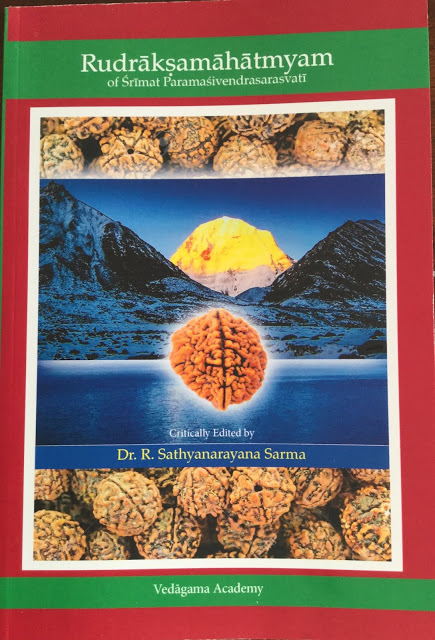
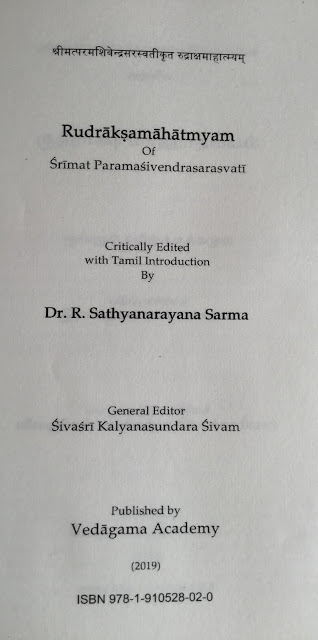
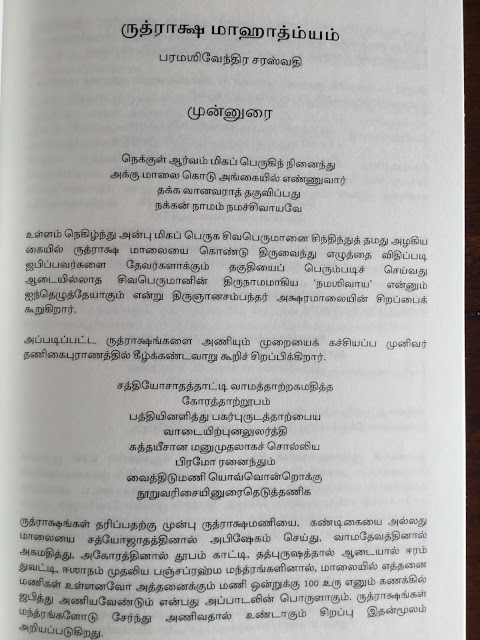
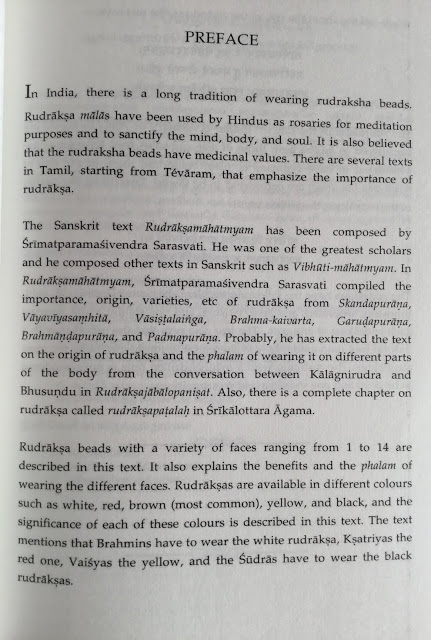
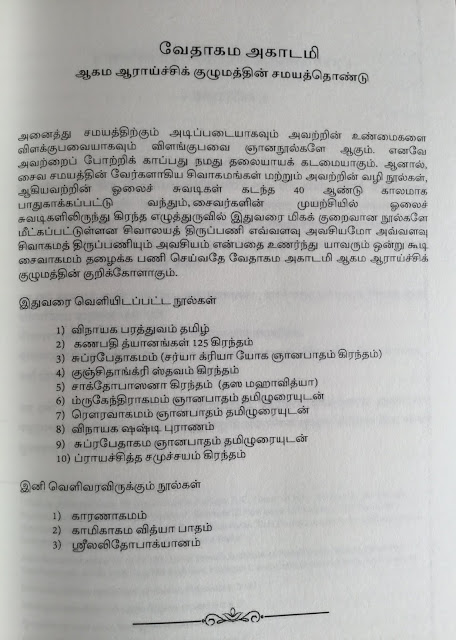
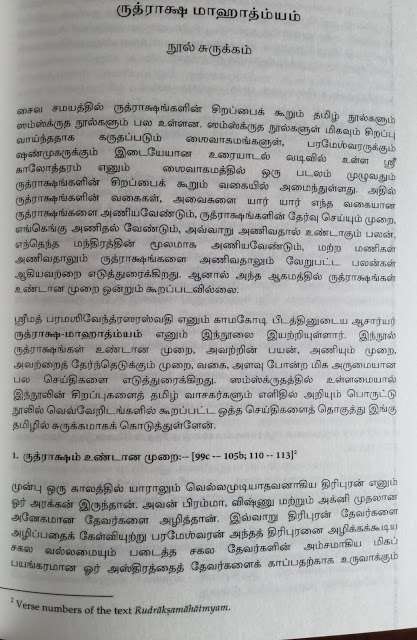
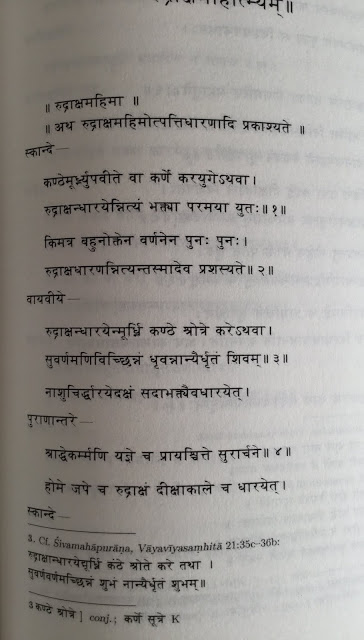
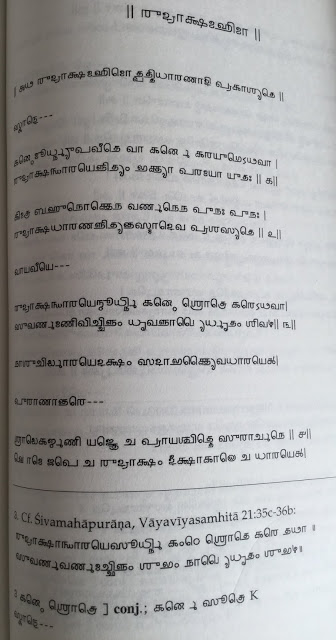
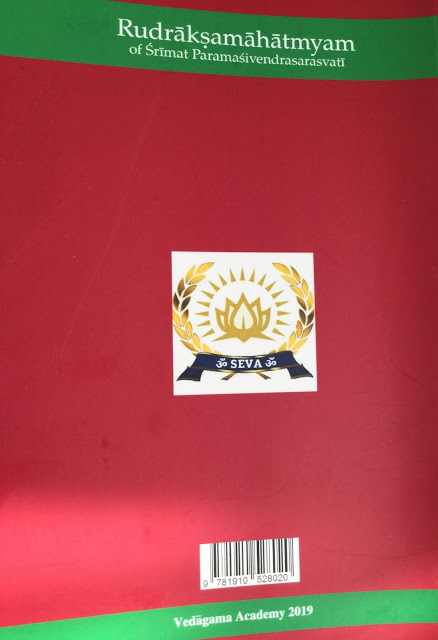
முதலில் நூல் வெளியீட்டு விழா பற்றிக் காண்போம். டாக்டர் ஆர்.சத்ய நாராயணன், பாண்டிச்சேரியிலுள்ள கீழ்திசை ஆராய்ச்சி நிலையத்தில் ஸம்ஸ்க்ருத ஆராய்ச்சித் துறைக்குப் பொறுப்பு வகிக்கிறார். அவர் பிரெஞ்சு ஆளுகைக்குட்பட்ட பல தென் கிழக்காசிய நாடுகளுக்கும் ஐரோப்பிய நாடுகளுக்கும் சென்று வந்தவர். பல நூல்க ளை இயற்றியுள்ளார். ஜூலை 21, 2019ல் லண்டனில் அவர் எழுதிய “ருத்ராக்ஷ மாஹாத்ம்யம்” வெளியிடப்பட்டது. இந்த நூல் பரமசிவேந்திர சரஸ்வதி அவர்களால் சில நூற்றாண்டுகளுக்கு முன்னர் எழுதப்பட்டது. அதை தமிழ் முன்னுரையுடன் கிரந்தத்திலும் தேவ நாகரி லிபியிலும் அப்படியே வெளிட்டுள்ளனர். பல சுவடிகளில் பல பிழைகள் இருப்பதால அவைகளை நீக்கி ஆராய்ச்சிப் பதிப்பாக வெளியிட்டுள்ளார் டாக்டர் சத்யநாராயண சர்மா. இது ஏற்கனவே 10 நூல்களை வெளியிட்ட லண்டன் வேதாகம அகாடமியின் பதிப்பாக வந்துள்ளது. சிவ ஸ்ரீ கல்யாண சுந்தர சிவம், நூலின் ஜெனரல் எடிட்டர் (General Editor).
இதில்
எத்தனை வகை ருத்ராக்ஷங்கள் உள்ளன, யார்
யார் எதை அணிய வேண்டும், அதன் பலன்கள் என்ன என்பன
வெளியிடப்பட்டுள்ளன. பேரூர்ப் புராணத்தில் காணப்படும் அரிய விஷயங்களும்
முன்னுரையில் உள.
பிளாக்குகள், பேஸ் புக், வாட்ஸ் அப் முதலியன வந்த பின்னர் யார்
வேண்டுமானாலும் என்ன வேண்டுமானாலும் எழுதி பொய்யுரைகளையும், பரபரப்பான விஷயங்களையும் பரப்பலாம்
என்ற நிலையில் எது உண்மை, எது பொய் என்பதே தெரியாத மயக்க நிலை
வந்துவிட்டது. இந்த சூழ்நிலையில் சுவடிகளில் இருந்து இப்படி அதிகாரபூர்வமாக
விஷயங்களை வெளியிடுவது இன்றியமையாதது; பாராட்டுக்குரியது. ஆயினும் கிரந்தம், நாகரி லிபியில் உள்ள முழு
விஷயங்களையும் மொழி பெயர்த்து வெளியிட்டால் பல்லாயிரக் கணக்கானோர் பயனடைவர்.
தற்போதைய
பதிப்பில் நூலின் சுருக்கம் இருக்கிறது.
டாக்டர்
சத்யநாராயணன் பேட்டியில் சொன்ன விஷயங்கள்:
பாண்டிச்சேரியில்
இரண்டு ஆராய்ச்சி நிறுவனக்கள் இருக்கின்றன. பிரெஞ்ச் இன்ஸ்டிட்யூட் மற்றும்
கீழ்திசை பிரெஞ்சு பள்ளி (கல்வி நிறுவனம்). இவை இரண்டும் 10,000-க்கும் மேலான ஓலைச் சுவடி அல்லது
எழுதப்பட்ட கட்டுகளை வைத்துள்ளன. ஒவ்வொரு சுவடிக்
கட்டிலும் ஒரு நூலும் இருக்கலாம்; பல நூல்களும் இருக்கலாம். கிடைத்த கட்டுகளை கிடைத்தது போலவே வைத்திருந்தால்
அவை ஆராய்ச்சியாளருக்கு பல விஷயங்களைச் சொல்லும். இவைகளை ஆராய்ச்சிப் பதிப்புகளக
வெயிட்டுவருவதால் இன்னும் வெளியாகாத பல விஷயங்கள் இருக்கின்றன. இவை சமயம், வரலாறு, தொல்பொருட்துறை, மருத்துவம் எனப்பல விஷயங்களைச்
சொல்பவை.
பிரான்ஸ்
தேசம் தென்கிழக்காசியா, ஆப்பிரிக்கா, இந்துமஹா சமுத்திரம் போன்ற பல பிரதேசங்களை ஆண்டதால் ஆங்காங்கே
கிடைத்த அரிய பொக்கிஷங்களை உலகம் முழுதுமுள்ள 18 இடங்களில் சேகரித்து வைத்துள்ளனர்.
பாண்டிச்சேரி இதற்கெல்லாம் திலகமாக, தலைமையகமாக உள்ளது.
டாக்டர்
சத்யநாராயனன் ஒரு சம்ஸ்க்ருத அறிஞர். அவர் ஏற்கனவே 3 நூல்களை எழுதியுள்ளார். அவர் சிவதர்ம, சிவாகமங்களில் அதிக ஈடுபாடுடையவர்.
அததகைய சுவடிகள், எழுத்துக்களை ஆராய்ச்சிப் பதிப்பாக வெளியிடுவதில் ஈடுபட்டுள்ளார்.
புதுவையிலுள்ள
இரண்டு ஆராய்ச்சி நிலையங்களும் சைவ, வைஷ்ணவ விஷயங்களைச் சேகரித்து
வைத்துள்ளன. ஒவ்வொன்றும் ஒன்றில் விசேஷ கவனம் செலுத்தும்; ஆகையால் சைவ விஷயங்கள் ஒரு ஆய்வுக்
கழகத்திலும் வைணவ விஷயங்கள் மற்றொரு இடத்திலும் இருக்கும்.
கிடைக்கும்
விஷயங்களை இப்பொழுது கம்யூட்டரில் ஏற்றி வருகின்றனர். யுனஸ்கோ (UNESCO) நிறுவனம் இதை அங்கீகரித்துள்ளது.
இந்த
இரண்டு நிறுவனங்களின் மிகப்பெரிய பொக்கிஷம் லட்சத்துக்கும்
அதிகமான புகைப்படங்களாகும். அந்தக் காலத்திலேயே அரிய, முற்போக்கு சிந்தனையுடன் தென்னிந்தியக்
கோவில்களையும் விக்கிரகங்களையும் படம்பிடித்து வைத்த
பிரமாண்டமான பொக்கிஷம் இங்கு உள்ளது.
சிலைத்
திருட்டுகளும் சிலைக் கடத்தல்களும் அன்றாடச் செய்தியாகிவிட்ட இந்தக் காலத்தில்
இந்த அரிய கறுப்பு- வெள்ளை புகைப்படங்கள் நியாயத்துக்கும் நேர்மைக்கும் துணையாக
நிற்கின்றன. பிரெஞ்சுக்கார்களின் இந்த அரிய சேவைக்கு ஆயிரம் நன்றிகள் சொல்ல
வேண்டும்.
புதிய
தர்மா ப்ராஜெக்ட் (Sivadharma Project)
ஐரோப்பிய
ஆராய்ச்சிக் கவுன்ஸில் (ERC) நிதியுதவியுடன் சிவதர்மா திட்டம் துவக்கப்பட்டுள்ளது. இதன் கீழ் சைவ சம்பந்தமான வரலாறு முழுதும் வெளியிடப்படும். கடந்த சில
நூற்றாண்டுகளில் மடங்கள், கோவில்கள், வழிபாட்டு முறைகள் ஆகியவற்றின் தோற்றம், வளர்ச்சி முதலியன அதிகாரபூர்வமாக, ஆதாரங்களுடன் எழுதப்படும். கல்வெட்டு, நூல்கள், சுவடிகளைக் கொண்டு எழுதப்படும் இவை
அனைத்தும் எல்லோருக்கும் எங்கும் கிடைக்கும் வண், ணம் நவீன தொழில்நுட்பத்தில்
வெளியாகும்.
அது
சரி! இவ்வளவு ஆராய்ச்சிப் பொக்கிஷங்கள் இருக்கின்றனவே/ இவை எங்களைப் போன்ர பொது
மக்களுக்குக் கிடைக்குமா? என்று வினவினேன்.
பொழுதைக்
கழிக்க வேண்டுமே என்று நூலகத்துக்குப் போவோருக்குக் கிடைக்காது. குறிப்பிட்ட
ஆராய்ச்சிக்காகச் செல்லும் எல்லோருக்கும் , இலவச அனுமதி உண்டு. அவர்கள் நூலகத்தில்
நுழைய ஏதேனும் ஐ.டி. (அடையாள அட்டை) இருந்தால் போதும் என்றார்.
சுருக்கமாகச்
சொன்னால், ஆராய்ச்சியில்
நாட்டம் உடையோருக்கான இடம் இது.
ஏற்கனவே ஏராளமான ஆராய்ச்சி நூல்களை வெளியிட்ட இந்த நிறுவனங்களிடம் இருந்து மேலும்
பல புதிய விஷயங்க ளை எதிர்பார்க்கலாம்.
ஆயினும் அவை அனைத்தும் ஆராய்ச்சிப் பதிப்புகள் என்பதால் பரபரப்பான பத்திரிகைகளில்
தலைப்புச் செய்திகளாக வராது. நம்மைப் போன்ற எவரேனும் ஒருவர் அதிலுள்ள
சுவையான விஷயங்களை எழுதி
மக்களின் கவனத்தை ஈர்க்க வேண்டும்.
தற்போதைய
ருத்ராக்ஷ மாகாத்மியம் புஸ்தகத்தில் ருத்ராக்ஷங்களின் அளவு, வகை, யார், எதை எப்போது அணியவேண்டும்
என்பனவெல்லாம் உளது. ஸம்ஸ்க்ருதம் தெரியாவிட்டாலும் 12 பக்க சுருக்காத் படித்தாலேயே போதும்
புஸ்தகத்தின் மஹிமை விளங்கிவிடும்.
The Śivadharma and the Making of
Regional Religious Traditions in Premodern South Asia
(Acronym: Shivadharma)
This
is a 5-year ERC Starting Grant Project (2018-2023) granted to Florinda De
Simini at the University of Naples “L’Orientale”. In this period of time, a
group of scholars active at the host institution, along with several other team
members working at partner institutions in Italy and India, will study the
immense wealth of materials related to the “Śivadharma” tradition, a successful
phenomenon that accompanied and influenced the regional spread of Śaivism in
South Asia from the Middle Ages up to modern times.
The Śivadharma Project will produce a variety of output, ranging
from the production of critical editions and translations into English of Sanskrit texts — notably the Śivadharmottara, the Umāmaheśvarasaṃvāda, the Umottarasaṃvāda, the Dharmaputrikā, and the Lalitavistara — to the first translations
of Tamil texts such
as the Civatarumōttaram and
its commentary, as well as the 18th century Tamil Talapurāṇas that are among
the research topics of the subproject “Tamil”. Critical work will also involve
other texts that are relevant for our project, such as the Haracaritacintāmaṇi, the Bṛhaddharmapurāṇa, the Devīpurāṇa, the Kālikāpurāṇa and the Ekāmrapurāṇa, of which the team will edit,
translate and study only selected chapters.
XXXX
The French Institute of
Pondicherry (IFP), UMIFRE 21 CNRS-MAEE, is a research institution under the
joint supervision of the French Ministry of Foreign Affairs and the French
National Centre for Scientific Research (CNRS). It is an integral part of the
network of 27 research centres connected to this Ministry. It is also part of
the Research Unit USR 3330 “Savoirs et Mondes Indiens” of the CNRS, along with
the Centre de Sciences Humaines (CSH) in New Delhi.
XXXX
École française d’Extrême-Orient: Pondicherry
Center Library
The Pondicherry Center library is
home to an exceptional collection, built thanks to materials from the various
programs carried out by the EFEO Pondicherry Research Center. Holdings
comprise11,400 printed volumes, 46 periodical titles and 1,633 palm-leaf
manuscripts, as well as the private collections of Marguerite Adiceam and
Françoise L’Hernault. The collection spans all branches of Indology: art,
archeology, epigraphy, grammar, linguistics, Sanskrit and Tamil literature,
traditional medicine, philosophy, religion, etc. EFEO researchers also benefit
from access to the IFP – French Institute of Pondicherry’s well-stocked
Indology Library, which it helped create, and housed up to 2002.
Library holdings include a collection
of plans and elevations of South Indian temples, Tamil and colonial houses,
maps of South-Indian towns and cities, and a unique collection of 1,633
palm-leaf manuscripts, most of which are devoted to Vaishnava texts in
Sanskrit, Tamil, and Manipravalam (a mixture of Sanskrit and Tamil).
The Library recently launched an
initiative to archive its digital data in via the SITA archive (South Indian
Temple Archives).




























 Tamil and Vedas