பார்ப்பனர் மாமிசம் சாப்பிடுவார்களா?

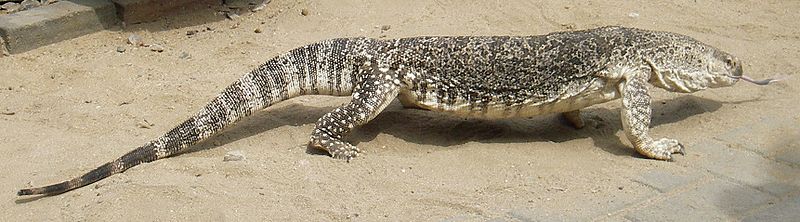
உடும்பின் படம் (varanus exanthematicus, garden lizard)

நான் சொல்லுவது பழந்தமிழகப் பிராமணர்களைப் பற்றியது. இப்பொழுதுள்ள பிராமணர்களைப் பற்றி அல்ல!!

புலன் அழுக்கற்ற அந்தணாளன் என்று கற்றோராலும் மற்றோராலும் புகழப்படும் கபிலர் பாடிய சில பாடல்களில் (புறம் 113, புறம் 14) மாமிச உணவு பற்றிய செய்திகள் வருகின்றன. இதனால் பழைய தமிழ் நாட்டில் பார்ப்பனர்கள் மாமிசம் (இறைச்சி) உண்டனரா என்ற கேள்விகள் எழுந்தன. உலகப் புகழ் காளிதாசனும் விதூஷகன் வாயிலாக வரும் வசனத்தில் மாமிசம் பற்றிப் பேசுவான். இதற்கெல்லாம் நீண்ட விவாதங்களுக்குப் பின்னர் ஆன்றோர்களும் சான்றோர்களும் பதில் கூறிவிட்டனர்.

அதாவது ஒருவன் இறைச்சி உணவு பற்றிப் பாடியதால் அவர்கள் உண்டதாகாது என்றும் பல தமிழ்ப் புலவர்கள் தங்களையே பாணர்கள் போல உருவகித்துப் பாடியபோதிலும் அவர்கள் பாணர் சாதியினர் அல்ல, அந்தணரே என்றும் விடை கூறி, எடுத்துக் காட்டுகள் தந்து சமாதானப் படுத்திவிட்டனர்.

பத்துப் பாட்டில் ஒன்றான பெரும்பாணாற்றுப் படையில் பார்ப்பார் வீட்டை கோழியும் நாயும் கூட நெருங்காது என்று அவர்கள் தூய்மை பெரிதும் போற்றப்படுகிறது. அதே நூல் வரிகள் 302-310 ஐயர் வீட்டில் என்ன என்ன கிடைக்கும் என்ற “மெனு” வையும் கொடுக்கிறது:

இராசன்னம் (அரிசிச் சோறு)

வெண்ணெயில் வெந்த கொம்மட்டி மாதுளைத் துண்டு

(மிளகு பொடியும் கருவேப்பிலையும் கலந்தது)

மாவடு

இதைப் பாடிய உருதிரங்கண்ணானார் ஒரு அந்தணரே.

இது இப்படி இருக்க, நீண்ட நாட்களாக எல்லா உரைகளிலும் வரும் பழமொழிப் பாட்டின் ஒரு வரி புதிராகவே இருக்கிறது:


கள்ளி அகிலும் கருங்காக்கைச் சொல்லும்போல்

எள்ளற்க யார்வாயின் நல்லுறையைத்—தெள்ளிதின்

ஆர்க்கும் அருவி மலை நாட ! நாய் கொண்டால்

பார்ப்பாரும் திண்பர் உடும்பு (பழமொழி நானூறு)

பொருள்: அருவி உடைய மலைநாடனே! பார்ப்பனரும் நாய் கவ்வியதாயினும் உடும்பின் தசையை அதன் உயர்வை எண்ணித் தின்பர். அதுபோல கள்ளியிடம் தோன்றும் அகிலையும் கரிய காக்கையின் சொல்லையும் அவை தோன்றிய இடத்தை எண்ணி இகழாது உயர்வாய்க் கருத வேண்டும்.


உடும்பு என்னும் பல்லி இனப் பிராணியை எந்த எந்த இனத்தினர் சாப்பிடுவர்? உடும்புக் கறிக்கு ஏதேனும் மருத்துவ சக்தி இருப்பதால் இப்படிச் சொன்னார்களா? அல்லது இதை அப்படியே பொருள் கொள்ளாது வேறு வகையில் பொருள் கொள்ள வேண்டுமா?

இது நீண்ட காலமாக விடை காணப்படாத ஒரு கேள்வி. விடை தெரிந்தால் எழுதுங்கள்.contact swami_48@yahoo.com

மாயா இன மக்கள், இந்திய நாகர்கள் !!!

(English translation of this article is already posted here)

மாயா நாகரீகம் மத்திய அமெரிக்க நாடுகளான மெக்ஸிகோ, ஹான்டுராஸ்

குவாடிமாலா, பெலிஸ் ஆகிய நாடுகளில் பரவியுள்ளது. யார் இந்த மாயா இன மக்கள்? இவர்கள் எங்கிருந்து வந்து தென் அமெரிக்காவில் நுழைந்தனர்? இது போன்ற பல கேள்விகளுக்கு இன்னும் எல்லோரும் ஏற்கக்கூடிய பதில்கள் கிடைக்கவில்லை. மாயா நாகரீகம் மர்மங்களும் புதிர்களும் நிறைந்ததாகவே நீடிக்கிறது. ஆனால் இந்துக்களின் கலியுகம் துவங்கும் ஆண்டை ஒட்டியே இவர்கள் ஆண்டும் துவங்குவதால் ஓரளவுக்கு புதிரை விடுவிக்க முடிகிறது. இவர்களுடைய தடயங்களும் சின்னங்களும் கி.மு.2600 முதல் கி.பி.1500 வரை கிடைக்கின்றன. ஆயினும் இவர்கள் காலக் கணக்கீடு கி.மு. ஆகஸ்ட் 11, 3114-ஆம் ஆண்டு துவங்குகிறது. நமது கலியுகம் கி.மு 3102 ல் துவங்குகிறது. உலகில் வேறு யாரும் இப்படி நெருக்கமாக ஆண்டுத் துவக்கத்தைச் சொல்லவில்லை!

அற்புதமான துல்லியமான காலண்டர்கள், வான சாத்திரக் கணக்குகள், பிரம்மாண்டமான கோவில்கள், தங்கம், பச்சைக் கல் நகைகள், புத்தகங்கள் ஆகியன இவர்களின் சிறப்பு அம்சங்கள். 1500ம் ஆண்டுகளில் இவர்களுடைய செல்வத்தைக் கொள்ளை அடித்து இவர்களை கிறிஸ்தவர்களாக்க முயன்ற ஸ்பெயின் தேசத்து ஆட்கள், மாயா இன மக்களை ஈவு இரக்கமின்றி படுகொலை செய்தனர். தங்கம், ஜேட் எனப்படும் பச்சைக் கல் நகைகளை ஸ்பெயினுக்குக் கொண்டு சென்றனர். அருமையான மாயா நூலகங்களைத் தீகிரையாக்கினர். நல்ல வேளையாக மாயா இனக் கோவில்கள் மிகப் பெரிய கோவில்கள் ஆதலால் அவைகளை ஒன்றும் செய்ய முடியவில்லை.

நாகா- கிருஷ்ண பரமாத்மா மோதல்

மஹா பாரத காலத்தில் அர்ஜுனனும் கிருஷ்ணனும் காடுகளை அழித்து நகரங்களை உண்டாக்கி மக்களைக் குடியமர்த்தும் நல்ல எண்ணத்தோடு பெரிய காடுகளை எரித்தனர். காடுகளில் வாழ்ந்த பழங்குடி நாகா இன மக்கள் இதற்கு எதிர்ப்பு தெரிவித்தனர். ஆயினும் அர்ஜுனனும் கண்ணனும் தன் போக்கில் காடுகளை எரிக்கவே நிறைய பேர் இறந்தனர். இது தவிர காளீயன் என்னும் நாகர் தலைவர் இருந்த இடத்தில் மாடு மேய்க்கச் சென்ற இடையர்களுக்கும் காளீயனுக்கும் மோதல் வலுக்கவே அவனையும் கண்ணன் கொன்றான். இந்த மேய்ச்சல் நிலத் தகராறை பிற்கால புராண ஆசிரியர்கள் காளீயன் என்னும் பாம்பைக் கொன்றான் என்று கதை கட்டி விட்டனர். உண்மையில் காளியனும் ஒரு மனிதனே. அவர்கள் நாகர்/ பாம்பு சின்னத்தை அணிந்ததால் நாகர்கள் எனப்பட்டனர். பழங்காலத்தில் மக்கள் தங்களை இனம் காண கரடி (ஜாம்பவான்), கழுகு (ஜடாயு), குரங்கு (ஹனுமான்), பாம்பு (நாகர்) சின்னங்களை அணிவது வழக்கம். காலப் போக்கில் புராணக் கதை சொல்லுவோர் சுவை ஊட்டுவதற்காக இப்படி மிருகங்களின் பெயர்களை உண்மை என்று சொல்லிவிட்டார்கள்.

யாதவர்கள் மீதும் பாண்டவர்கள் மீதும் கோபம் கொண்ட நாகர்கள் பழிவாங்குவதற்காக ஒரு தருணத்தை எதிர் பார்த்துக் காத்திருந்தனர். மய தானவன் என்ற ஒரு நாகர் தலைவன் மட்டும் அர்ஜுனன் கிருஷ்ணர் தரப்பில் இருந்தான்.அவனைக் கானகத் தீயிலிருந்து மீட்டதால் பாண்டவர்களுக்கு உலகம் வியக்கும் அரண்மணையைக் கட்டித் தந்தான். மஹாபாரத யுத்தம் முடிந்தபின், கிருஷ்ணன் ஒரு வேடனின் அம்புக்குப் பலியானான். பாண்டவ சகோதரர் ஐவரும் பழைய கால வழக்கப்படி வடக்கு நோக்கிச் சென்று பாத யாத்திரை செய்து உயிர்த் தியாகம் செய்தனர். அர்ஜுனனின் பெயரன் பரீக்ஷித் ஆட்சிக்கு வந்தான்.

பரீட்சித் மன்னன் காட்டுக்கு வேட்டை ஆடச் சென்றபோது சமீக என்ற முனிவரை அவமானப் படுத்தவே அவர் இன்னும் ஒரே வாரத்தில் நீ ஒரு நாகர் கையால் ( பாம்பு கடித்து ) இறப்பாய் என்று சாபமிட்டார். அவருடைய நாகா இன நண்பர் தட்சகனுக்கு இந்தப் பணியைக் கொடுத்தார். ஒரு வார காலத்துக்குள் எதுவும் நடந்துவிடக் கூடாது என்பதற்காக அரண்மனை “செக்யூரிட்டியை” அதிகப்படுத்தினார். ஆனால் தட்சகன் ஒரு பழக் கூடையில் ஒளிந்துகொண்டு அரண்மனைக்குள் புகுந்து பரீட்சித் மன்னனைப் படுகொலை செய்தான்.

மொகலாய சாம்ராஜ்யத்தில் அவுரங்கசீப்பினால் சிறைப் பிடிக்கப்பட்ட மாமன்னன் சிவாஜியும் இப்படி பழக்ககூடை மூலம்தான் சிறையிலிருந்து தப்பித்து இந்து சாம்ராஜ்யத்தை நிறுவினார்.

பரீட்சித் மன்னன் படுகொலை, பாண்டவ வம்சத்துக்கு ஒரு களங்கமாக அமைந்தது. உடனே மன்னனின் மகன் ஜனமேஜயன் நாகர்களைக் கண்ட இடத்தில் கொல்லுமாறு உத்தரவிட்டான். இந்திரா காந்தியை ஒரு சீக்கியர் கொன்றதற்காக டில்லியில் இரவோடிரவாக ஆயிரக் கணக்கான சீக்கியர்களைக் கொன்றது போல. இந்த நாகர் படுகொலை மக்களுக்கு பெரிய கவலையைத் தந்தது.

பிராமணர் சமாதான உடன்பாடு

அந்தக் காலத்தில் கலப்புத் திருமணம் நிறைய நடந்தது. ஜரத்காரு என்ற ஒரு பிராமண ரிஷி / முனிவர் ஒரு நாக இனப் பெண்ணை மணந்து கொண்டார். அகத்தியர் வழியில் பிறந்த பிற்கால அகத்திய ரிஷி கம்போடியாவில் உள்ள யசோவதி என்ற நாக மங்கையை மணந்தது போல. பீலிவளை என்னும் நாக இன அழகியை சோழன் கிள்ளி வளவன் மணந்தது போல.

அந்தப் பிராமண முனி ஜரத்காருவுக்கு ஆஸ்திக முனிவர் என்று ஒரு மகன் இருந்தார். அவருக்கு அரசாங்கத்தில் நல்ல செல்வாக்கு. ஆக அவரைத் தேர்ந்தெடுத்து சமாதான தூது அனுப்பினர். அவருடைய தூது வெற்றி பெற்றது. நாகர்கள் படுகொலை நிறுத்தப்பட்டது. அவர்களும் பாண்டவ வம்சத்தைத் தொடுவதில்லை என்று சபதம் செய்தனர்.

விந்தையிலும் விந்தை! 5000 ஆண்டுகளுக்கு முன்னால் ஏற்பட்ட இந்த சமாதான உடன்பாட்டை இன்றும் பிராமணர்கள் மூன்று வேளை சந்தியாவந்தனத்தில் ஒரு மந்திரமாக சொல்லுகிறார்கள் ( நர்மதாயை நம: என்னும் இந்த மந்திரம் நர்மதை நதிக்கரையில் நடந்த சர்ப்ப யாகத்தை நினைவு படுத்துகிறது) அந்த மந்திரத்தில் நாகர்கள், ஜரத்காரு, ஜனமேஜயன், ஆஸ்தீகர் ஆகிய அனைவரும் நினைவு கூறப்பட்டு புகழப் படுகின்றனர். உலகிலேயே மிகப் பழைய சமாதான உடன்பாடு இதுதான்!!

இதைத் தொடர்ந்து மாயா இன மக்கள் இந்தியாவிலிருந்து வெளியேறத் துவங்கினர். அவர்கள் புண்ய பாரத நாட்டை விட்டு வெளியேறிய தேதி ஆக்ஸ்ட் 11, கி.மு.3114 என்பதால் தான் அந்த தேதியை இன்றும் மத்திய அமெரிக்க கல்வெட்டுகளில் பொறிக்கின்றனர். இந்தியாவின் மீது அவ்வளவு நன்றி! ஜனமேஜயர் ஆட்சிக்கலத்தில் இது நடந்தது.

இந்துக்கள் கலியுகத்துக்கு முந்தைய காலம் பற்றித் தெளிவாகக் கூறுகின்றனர். ஆனால் மாயாக்கள் இதற்கு முன் எங்கேயிருந்தனர் என்பது பற்றி ஒன்றும் கூறவில்லை.

அதிசய நாகா ஆடைகள்

சங்கத் தமிழ் இலக்கியத்திலும் மஹாபாரதத்திலும் நாகர்கள் தயாரிக்கும் அதிசய உடுப்புகள் பற்றியும் இரண்டு குறிப்புகள் கிடைக்கின்றன. அதியமான் நெடுமான் அஞ்சிக்கு நீல நாகன் என்பவன் கொடுத்த அற்புதமான ஒரு ஆடையை அவன் தான் அணியாமல் சிவ பெருமானுக்குச் சூட்டியதாக புலவர்கள் (சிறுபாஅண். 96-99) பாடுகின்றனர். இதே போல நிஷத நாட்டு மன்னனான நளனுக்கு கார்க்கோடகன் என்ற நாகர் இனத் தலைவர் ஒரு ஆடையைக் கொடுத்து அவன் மனைவிக்கு அடையாளம் தெரிய அதைப் போட்டுக் கொண்டால் போதும் என்கிறான். அதாவது நளனுக்கும் அவன் மனைவி தமயந்திக்கும் அந்த ஆடை பாற்றி முன்னரே தெரியும்.

நாகர்கள் பாம்புத்தோல் போன்ற மெல்லிய ஆடைகளை அணியும் நெசவாளர்கள். சங்க இலக்கியம் பல இடங்களில் பாம்புத் தோல் போன்ற மெல்லிய ஆடைகளைப் பற்றி (பொருநர். வரிகள்82/83, புறம்383) பேசுகிறது.

(இத்துடன் நாகர்-மாயா அற்புத ஒற்றுமைகள் பற்றித் தொடர்ந்து வரும் இரண்டு கட்டுரைகளையும் படிக்கவும்).

************************************

நாகர்- மாயா இன அற்புத ஒற்றுமைகள்- பகுதி 1

( English translation is already posted in this blog )

  1. கலியுக துவக்கம் கி.மு 3102, மாயா ஆண்டு துவக்கம் கி.மு 3114.மாயா மக்களும்
  2. இந்தியாவின் மணிப்பூர், நாகாலாந்து ஆகிய வடகிழக்கு மாநில மக்களும் உருவத்தில் ஒரே மாதிரியாக இருப்பர்.
  3. பல்லவ, தென் கிழக்கு ஆசிய கட்டிடக்கலை அம்சங்களை தென், மத்திய அமெரிக்க மாயா கட்டிடங்களிலும் காணலாம்.
  4. நாகர்கள் தான் மாயாக்கள் என்பதைச் சொல்லாமல் சொல்லுகிறது மாயா கட்டிடங்களில் காணப்படும் பாம்பு உருவங்கள்.
  5. மயன் என்பவன் பெரிய கட்டிடக் கலை நிபுணன். இவன் பெயரில்தான் மாயா நாகரீகமே இருக்கிறது. பெயருக்கேற்றார் போல எங்கு நோகினும் கட்டிடம்தான்.
  6. மதுரை நாயகர் கட்டிய மீனாட்சி கோவில் போன்ற கோவில்களிலும் வேதத்திலும் ஆயிரம் கால் மண்டபம் பற்றிக் கேள்விப் படுகிறோம். மெக்சிகோவில் யோகஸ்தான் தீபகற்பத்தில் கிஷன் இட்சா என்னும் இடத்தில் ஆயிரம்கால் மண்டபம் உள்ளது.
  7. மாயாக்களும் இந்தியர்களும் ஒரே ஆடு புலி ஆட்டத்தை விளையாடுகின்றனர். இப்படி ஒரே விளையாட்டை இரண்டு இன மக்கள் தனித் தனியே கண்டுபிடிப்பது அபூர்வத்திலும் அபூர்வம்!
  8. மாயாகள் கட்டமரத்தில் பயணம் செய்திருக்கலாம். இன்றும் மெக்சிகோவில் தமிழ் சொல்லான கட்டமரம் அதே பொருளில் பயன்படுத்தப்படுகிறது. அந்தக் கலத்தில் நடுக்கடலில் செல்லாமல் கடலோரமாகவே பயணம் செய்வார்கள்.
  9. நாகர்கள் எந்தப் பாதையில் சென்றார்கள் என்பதும் தெளிவாகிவிட்டது. இலங்கை, தென்கிழக்கு ஆசிய நாடுகள்,மத்திய அமெரிக்கா என்று படிப்படியாகச் சென்றதால் இந்த நாடுகள் அனைத்தும் நாகலோகம், நாகத்தீவு என்று அழைக்கப்படுகின்றன. சிந்து நதி முகத் த்வாரத்தில் பாதாள என்ற துறைமுகம் இருந்ததை பழங்கால பயணிகள் எழுதிவைத்தனர். பலி முதலிய மன்னர்களை பாதாள லோகத்துக்கு அனுப்பியதாகக் கூறுவதன் போருள் அவர்கள் கடல் வழியாக நாடு கடத்தப் பட்டனர் என்பதாகும்.

10. நாகர்களை வேதமும் பழைய இனமாக (பஞ்சவிம்ச பிராமணம் -9-4) குறிப்பிடும்.

11. சங்க இலக்கியமும் மஹாபாரதமும் நாகர்கள் செய்யும் அரிய வேலைப்பாடமைந்த ஆடைகளைக் குறிப்பிடுகின்றன.

12. சங்க இலக்கியத்தில் மட்டுமே இருபதுக்கும் மேலான நாகர்கள் பாடல்களை எட்டுக்கட்டி இருக்கிறார்கள்.

13. மஹாபாரத காலத்தில் அர்ஜுனன் இரண்டு நாகர் இனப் பெண்களை திருமணம் செய்துகொண்டா: உலூபி, சித்திராங்கதை. (தமிழ்நாட்டில் இவளை அல்லி ராணி என்று பாடுகின்றனர்).

14. இந்துமத நூலகள் கிருஷ்ணனை நாகர்களின் எதிரியாகவும் இந்திரனை நாகர்களின் நண்பனாகவும் சித்தரிக்கின்றன.

15. நாகர் இனப் பெண்களை எல்லோரும் மணந்தனர். அகத்தியர் வழியில் வந்த பிற்கால அகத்தியர் கம்போடியாவில் யசோவதி என்ற பெண்ணைக் கல்யாணம் செய்தார்.

16. கிருஷ்ணர் இரண்டு முறை நாகர்களுடன் மோதினார்: காண்டவ வனத்தை எரித்தார், காளீயன் என்ற நாகர் இனத் தலவனைக் கொன்றார்.

17. அர்ஜுனனின் பெயரான பரீட்சித்தை நாகர்கள் படுகொலை செய்ததால் நாகர்கள் வெளிநாட்டில் குடியேற நேரிட்டது.

18. ஜனமேஜயன் துவக்கிய நாகர் ஒழிப்பு இயக்கத்தை ஆஸ்தீகர் என்ற பிராமண ரிஷி ஒரு சமாதான உடன்பாடு மூலம் நிறுத்தினார்.

19. நர்மதை நதிக் கரையில் மஹிஸ்மதி நகரில் நடந்த சர்ப்ப யாகத்தையும் (நாகர் படுகொலை) சமாதான உடன்பாட்டையும் இன்றுவரை பிராமணர்கள் தினசரி சந்தியாவந்தனத்தில் கூறிவருகிறார்கள். உலகிலேயே நீண்ட வரலாறு படைத்த சமாதான உடன்பாடு இதுதான்!

20. பத்மபுராணம் மேல் ஏழு உலகங்களையும் கீழ் ஏழு உலகங்களையும் நன்றாக வருணிக்கிறது. அதள,பாதாள, ரசாதள என்பது தானவர்கள் நாகர்கள் வசிக்கும் இடம் என்றும் சொல்லுகிறது.மாயா பெயர்களில் வரும் ஏ டி எல் என்ற எழுத்துக்கள் அதள, தள என்ற பின் ஒடு சொல்லாக இருக்கலாம்.

21. தமிழர்களும் தெலுங்கர்களும் விளையாடும் பரமபத சோபான படத்தில் இன்றும் தடசகன், கார்க்கோடகன் போன்ற நாகர்கள் நினைவு கூறப்படுகின்றனர். நாகர்களை மட்டப்படுத்தும் வகையில் கிருஷ்ணபக்தர்கள் இந்த ஆட்டத்தை அமைத்துள்ளனர். யார் பாம்புக் கட்டத்துக்கு வந்தாலும் அவர்கள் கீழே போய் விடுவார்கள்.

22. நாகர்கள் தங்கள் உடம்பில் பச்சைக் குத்திக் கொண்டதாகத் தெரிகிறது. சங்க இலக்கியத்தில் இவர்கள் ஓவியர்கள், அருவாளர்கள் என்றும் வடமொழியில் இவர்களுடைய பெயர்கள் சித்திர என்ற சொல்லுடனும் உள்ளன. கிரேக்க வரலாற்று ஆசிரியர்களும் ஒபைட்ஸ் ( ஒவியர்) என்பவர்களை நாகங்களை வழிபடும் இனம் என்று வருணிப்பர்.

23. பஞ்சவிம்ச பிராமணத்தில் சர்ப்பராக்ஞி ( பாம்பு ராணி) யும் அதர்வ வேதத்தில் அலிகி, விளிகி யும் குறிப்பிடப்படுகின்றனர். அலிகி, விளிகி சுமேரியாவிலும் வேறு பெயர்களில் இருக்கிறார்கள்.

24. அமரிக்காவில் ஸ்வாமி த்ரிபுராரி எழுதிய நூலில், மாயாக்களும் இந்தியர்களும் வெண்கொற்றக் குடையை அரசர்களுக்குப் பயன்படுத்துவதும் ,ஒரே ஆட்டத்தை விளையாடுவதும், ஒவ்வொரு திசைக்கும் ஒரு வர்ணத்தை ஒதுக்கியதும், ஒரே வான சாத்திரக் கதைகளைக் கூறுவதும் தன்னிச்சையாக ஏற்படக் கூடிய ஒற்றுமைகள் இல்லை. உலகில் இப்படி எங்காவது கண்டது உண்டா? என்று கேட்கிறார். புத்த மதத்தினர், சைவர்கள், மாயாக்கள் ஆகிய மூவரும் நான்கு திசைகளுக்கு நான்கு வர்ணங்களை ஒதுக்கியிருக்கின்றனர்.

25. மாயாக்கள் தொடர்பான பெயர்களில் பல சம்ஸ்கிருத சொற்கள்: க்வாடிமாலா நாடு= கேதுமால த்வீபம் அல்லது கவ்தம ஆலய, மிட்லா=மிதிலை, அஸ்டெக் நாகரீகம்= ஆஸ்தீக ரிஷி, மாயா= தேவலோக சிற்பி மயன்,டிகல் நகரம்=த்ரி கால/ சிவன்,தெவாதிஹுவசன்= தேவ தக்ஷன், ஒரிநாகோ= ஓரி நாகன், மச்சுபிச்சு= மச்ச புச்சம்/ மீன் வால். இதே பெயரில் இமயமலையிலும் பெரு நாட்டிலும் இடங்கள் உள்ளன. யூகடன் தீபகற்பம்=யோகஸ்தானம், துலா, யகடக்ளி=யக்ஷ தளி, யக்ச்சிலன்= யக்ஷ சீலன்.

26. நாகர்கள் எகிப்து வழியாகச் சென்றனரோ என்ற ஐயப்பாடும் உண்டு. எகிப்தில் 17 மன்னர்கள் ராம சேஷன் அல்லது ரமேசன் என்ற பெயரில் கி.மு 1500 முதல் ஆண்டார்கள். அவர்கள் அதலையில் சிவன் மாதிரி பாம்பு இருக்கும்.

27. மாயாக்களின் சிற்பங்களில் தாமரை, ஸ்வஸ்திகா, யானை முதலியன இருக்கும். இவைகளில் எதுவுமே அந்த இடத்தில் கிடையா.

28. மாயாக்களின் பிரதான தெய்வம் கொட்சகொட்ல (பறக்கும் பாம்பு). இது கருட சத்ரு என்பதன் திரிபாக இருக்கலாம்.

29. மாயாக்களின் ஒரு ராஜாவின் பெயர் தீயில் பிறந்தவன் (கி.பி 378). மகாபாரத கால திரவுபதி, ராஜஸ்தானிய சௌஹான் ஜாதியினர், சேர மன்னர்கள், வேளிர்கள் (கபிலர் புறநானூற்றில் தடவினில் தோன்றியவனே என்று வேளிரைப் பாடுகிறார்) ஆகியோர் தங்களை யாக குண்டத்தில் பிறந்தவர்கள் என்பர். அகத்தியர், வசிட்டர் போன்றோர் தங்களை குடத்தில் (கும்ப முனி) பிறந்தவர்கள் என்பர். இன்னொரு மாய மன்னரின் பெயர் கான் மாக்ஸ் (கி.பி700). இதன் பொருள் மகா நாகன். கான் என்றால் மாயா மொழியில் நாகம்/பாம்பு என்று பொருள். கான் என்பதைத் திருப்பிப் படித்தால் நாக என்று வரும். இதை மொழியியல் ஆய்வாளர்கள் மிர்ரர் இமேஜ் (கண்ணாடியில் பார்ப்பதைப் போல வட இடமாக)  என்பர். மக்ஸ் என்பது சம்ஸ்கிருத மஹா என்பதன் திரிபு.

30. மாயாக்களின் முக்கிய நகரங்களில் ஒன்று பளிங்கு. அங்கே பளிங்கு போன்ற கற்கோவில்கள் இருக்கின்றன. பளிங்கு என்பது கண்ணாடி, படிகம் என்ற பொருளில் தமிழில் புழங்கும் சொல். தமிழ் நாகர்களும் தென் அமெரிக்க சென்றனர் என்பது கட்டமரம், பல்லவ கிரந்தம், மருதன் இள நாகன் போன்ற சொற்களிலிருந்து புலனாகிறது. மாயாக்களின் எழுத்து பல்லவ கிரந்தம் போலவே சுழிவுகளுடன் இருக்கும், தென் கிழக்கு ஆசிய நாடுகள் பேஎசும் எல்லா மொழிகளுக்கும் பல்லவ கிரந்தமே மூல எழுத்து என்பது எல்லோருக்கும் தெரிந்த விஷயமே.

( பகுதி இரண்டில் மேலும் 30 ஒற்றுமைகளைப் படிக்கலாம்)

நாகர்- மாயா இன அற்புத ஒற்றுமைகள்- பகுதி 2

(English translation is already posted here)

(“மாயா இன மக்கள், இந்திய நாகர்கள்” என்ற கட்டுரையையும், நாகர்- மாயா இன அற்புத ஒற்றுமைகள்- பகுதி 1 என்ற கட்டுரையையும் படித்துவிட்டு இந்தக் கட்டுரையைப் படிக்கவும்)


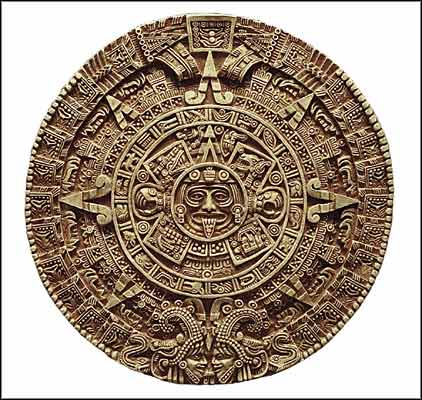
31. மாயாக்களுக்குப் பின்னர், அஸ்டெக், இன்கா இன மக்களும் தென் அமெரிக்க ,மத்திய அமெரிக்க பகுதிகளை ஆண்டனர். ஒலெமக் என்ற நாகரீகம் இதற்கு முன் இருந்தது. மெக்ஸிகோ நகரில் மிகப் பெரிய அஸ்டெக் காலண்டர் இருக்கிறது. அதில் இரண்டு பெரிய பாம்புகள் உள்ளன. இவைகளை இந்துக்கள் கால சர்ப்பம் என்று அழைப்பர். காளி என்ற பெயரில் பிரமிடும் கோவிலும் இருக்கின்றன.


32. மகன், மகள்களை தாத்தா, பாட்டி பெயர் கொண்டே (பெயரன்) அழைக்கின்றனர். பூ, பழம், பாம்பு,கருடன்- இவைகளைப் பெயராகச் சூட்டுகின்றனர். இந்தியாவிலும் இப்படி தாமரை, மல்லிகை மற்றும் பூ, பழம் பெயர்களையே அதிகம் சூட்டுகின்றனர். இந்துக்கள் அனுஷ்டிக்கும் நாமகரணம், புன்யாஹ வசனம், குருகுல வாசம் ஆகியன மாயாக்களிடமும் இருந்தன.

33. இந்தியாவில் படை வீரர்கள் நவ கண்டம் முதலியவற்றின் மூலம் உயிர்த் தியாகம் செய்தனர். கபிலர், குமாரில பட்டர் போன்றோர் தீயில் புகுந்து உயிர்வீட்டனர். மகாபரதத்திலும் அரவான் களபலி கொடுக்கப்பட்டான். இதை மாயாக்களும் செய்தனர்.


34. இந்திய மன்னர்கள் சிம்மாசனத்தைப் பயன்படுத்தினர். மாயாக்கள் சிங்கம் இல்லாததால் ஜாகுவார் புலி ஆசனத்தைப் பயன்படுத்தினர். சிங்கத்தைக் குறிக்கும் சிங் என்ற சொல்லும், கேசரி (சீசர்) என்ற சொல்லும் பல மொழிகளில் உள்ளன.

35.மாயாக்களும் உயரமான கோபுர வடிவக் கோவிலகளைக் கட்டினர். எகிப்தில் பிரமிடுகள் இப்படி இருந்தபோதிலும் அவைகள் சவ அடக்கம் செய்யப்பட்ட இடங்கள். மாயாக்களும் இந்திய ராஜாக்களைப் போலவே நகைகள் அணிந்தனர். எகிப்தியர் போல அல்ல. கிருஷ்ணர் மயிற்பீலி அணிந்தது போல மாயாக்களும் பறவை இறகை அணிந்தனர்.

36. வேத கால காலண்டரில் நாலைந்து வருடத்துக்கு ஒரு முறை மல மாதம் என்று விலக்கப்பட வேண்டிய தீட்டு மாதம் வரும். மாயாக்கள் ஒவ்வொரு மாதத்திலுமே 5 நாட்களை வேண்டாத நாட்களாக கருதினர்.


37. இந்துக்களைப் போலவே நிலவில் முயல் இருப்பதாகக் கருதினர். வேறு பண்பாடுகளில் இதைக் கிழவி, மன் என்றெல்லாம் சொல்லுவார்கள். ராகு கேது பாம்புகள் நிலவை விழுங்குவதே கிரகணம் என்று இந்துக்கள் சொல்வதைப்போல அவர்களும் நம்பினர்.

38. டிகால் என்னும் ஊரிலுள்ள கோவில் மதுரை மீனாட்சி கோவில் போல இருப்பதாக ஒப்பிடுவர். ஊர்ர்ப் பெயர் கூட த்ரிகால என்று சிவனின் பெயர் போல இருக்கிறது.

39. மாயாக்காளும் சப்பாத்தி உணவைச் சாப்பிட்டனர். ஆனால் கோதுமைக்குப் பதிலாக தென் அமெரிக்காவில் அதிகம் விளையும் சோள மாவில் அதைச் செய்தனர். அதன் பெயர் டோர்டியா.

40. சூரிய வழிபாடு இந்த நாகரீகத்திலும் உண்டு. அது 1500ஆம் ஆண்டு வரை நீடித்தது. கடைசியாக சூரியனை வழிபட்ட இன்கா இன மக்களின் பெயர் இனன் (சூரியன்) என்ற சம்ஸ்கிருத சொல்லிலிருந்து வந்தது என்பர்.


41.மாயா நாகரீகத்தில் உள்ள சில அம்சங்கள் பற்றி சில கேள்விகளைக் கேட்டால் அதற்கான பதிலில் அது இந்து நாகரீகம் என்று வந்துவிடும். அ) மாயாக்களுக்கு இந்துக்களுக்குத் தெரிந்த பூஜ்யம் என்பதை யார் சொல்லிக் கொடுத்தனர்? ஆ) அவர்களுக்கு யார் எழுதக் கற்றுக் கொடுத்தனர்? இ) யார் வான சாத்திரம் கற்பித்தனர்? ஈ) யார் அசோக மன்னன் போல கல்வெட்டில் பொறிக்கச் சொல்லிக் கொடுத்தனர்? உ) யார் மன்னர்களுக்குக் குடை பிடிக்கும் வழ்க்கத்தைக் கற்பித்தனர்? ஊ) சிவனின் 5 முகங்களுக்கும் ஐந்து வர்ணம் கூறுவது போல நாலு திசைகளுக்கும் மாயாக்கள் வர்ணம் ஒதுக்கினரே.இதைக் கற்பித்தது யார்? எ) கலியுகத்தை ஒட்டி ஆண்டு துவக்கியது ஏன்? ஏ) இந்துக் கோவில் போல உயரமான கோவில் கட்டக் கற்பித்தது யார்? ஐ) மாயாக்கள் எங்கிருந்து வந்தனர்? ஒ) இந்தியர் விளையாடும் அதே ஆடு புலி ஆட்டத்தை அவர்களும் ஆடுவது எப்படி? இவை எல்லாம் ஒரு தொடர்பும் இல்லாமல் தன்னிச்சையாகக் கண்டுபிடிக்கக் கூடியது அல்ல.


41.மாயாக்களுமிந்தியர் போல பச்சைக் கற்களையும் முத்துக்களையும் நகை செய்யப் பயன்படுத்தினர்.

42. நம்மைப் போலவே சகுனங்களில் நம்பிக்கை வைத்தனர்.

43. இந்துப் புராணக் கதை போலவே சில கடவுள் கதைகள் உள்ளன.

44. இந்துக்கள் அரச மரத்தை வழிபடுவது போல மாயாக்களும் ஆப்ரிக்க மக்களும் கரீபியன் தீவு மக்களும் செய்பா எனப்படும் இலவம் பஞ்சு மரத்தை ( சால்மலி) வழிபட்டனர். இந்து புராணங்களில் சால்மலித்வீபம் என்று ஒரு கண்டம் அழைக்கப்படும்.

45. இந்துக்கள் போல கால்களை மடித்து உட்காருகின்றனர். மன்னர்கள் பல்லக்குகளில் போகின்றனர். ஆனால் உலகில் பல நாகரீகங்களில் காணப்படும் சக்கரங்களைப் பயன்படுத்தாதது ஏன் என்று இன்று வரை தெரியவில்லை.

46.மாயாக்கள் இடையே ஜாதி முறை இருந்தது. மன்னர்களின் ஆட்சி ஆண்டுகளை சோழ பாண்டியர் போலவே கல்வெட்டுகளில் பதித்தனர்.

47. கற்பக விருட்சம், சொர்கம், அம்ருதம் ஆகியவற்றை நம்பினர்.


48. பந்து விளையாட்டைத் தமிழ்ச் சிறுமியர் கைகளால் விளையாடினர். மாயாக்கள் கால்களால் பந்து விளையாடினர்.

49. மத்திய அமெரிக்காவிலுள்ள முக்கிய தெய்வங்களில் ஒன்று வீரகொச்சா. பல்லவ மான்னர்களின் மூதாதையர் பெயரில் வீரகுர்ச்சா என்ற பெயருள்ளது.

50. பாம்புகளின் ஆதிக்கம் எல்லா மட்டங்களிலும் காணப்படுதால் இவர்கள் நாகர்களாக இருக்கக்கூடும்.

51. 1994 ல் மெக்ஸிகோவில் “சோழன் நாகா” புரட்சி வெடித்தது. சோழன் நாகர் தங்களை பழைய நாகரீகப் பிரதிநிதிகள் என்று கூறிக்கொள்கிறனர்.

52. பகல் என்ற மன்னர் 683-ல் ஆண்டார். அவர் சூரிய திலக என்று அழைக்கப்படுவார். நாமும் ராமர் முதாலான அரசர்களை சூரிய குல திலக அல்லது சூர்ய வம்ச ரத்ன என்றெல்லாம் புகழ்கிறோம்.


53.அஸ்டெக்குகளும் மாயாக்களும் கழுகு வாயில் பாம்பு இருக்கும் சின்னத்தைப் பயன்படுத்தினர். சேர சோழ, பாண்டியர் போல இவர்களுக்குள்ளும் பிரிவுகள் இருந்ததைக் காணமுடிகிறது

54.இந்துக்கள் தட்சசீலம், நாளந்தா பல்கழைக் கழகங்களில் புத்தகங்களை சேகரித்து வந்தது போல மாயாக்களும் அழகான புத்தகங்கள் வைத்திருந்தனர். ஸ்பானியர்கள் அவைகள் எல்லாவற்றையும் குவித்து தீவைத்து எரித்து, ஒன்று கூட விடாமல் எரித்தோம் என்று தம்பட்டம் அடித்துக் கொண்டனர். 1562 ஆம் ஆண்டில் டீகோ டெ லாண்டா என்பவர் எழுதிய கடிதத்தில் எல்லா புத்தகங்களையும் எரித்ததைப் பெருமையுடன் குறிப்பிடுகிறார். 1546ஆம் ஆண்டில் கிறிஸ்தவ மதத்தை ஏற்காதவர்களைக் கொன்றுகுவித்ததையும் எழுதி வைத்துள்ளனர்.


55. இந்து மத காபாலிகர்கள் போல சில சடங்குகளில் கறுப்பு உடை தரித்தனர் மாயாக்கள்.

57. குளத்தில் காணிக்கைகளைப் போடும் வழக்கமும் யோகாசன நிலையில் அமரும் வழக்கமும் இவர்களிடையேயும் இருந்தது.

58. குப்தர் காலம் போல குற்றங்களுக்குக் கடுமையான தண்டனைகளை வழங்கினர்.

59. தமிழ் செப்புச் சாசனங்களில் மன்னர்கள் நான்கு கடல்களின் நீரையோ அல்லது இரு பக்கமுள்ள கடல்களின் நீரையோ ஒரே பகலில் நீராடியதைப் பெருமையுடன் கூறுவர் ( நாற்கடல் நீரை ஒரு பகல் ஆடி). தங்களுடைய ஆதிக்கம் நாடுமுழுதும் இருந்தது என்பதை இது குறிக்கும். இதற்காக ரிலே ரேஸ்/ தொடர் ஓட்டம் ஓடும் ஆட்களை வேலைக்கு வைத்திருந்தனர். மாயாக்களும் இப்படி தொடர் ஓட்ட ஆட்கள் மூலம் பல செயல்களைச் செய்தனர். இதுவும் இந்திய வழக்கம்.

60. ரோமானியர்கள் போல இளம் சிவப்பு எனப்படும் பிங்க் கலர் மாயா உலகிலும் சிறப்பு வாய்ந்தது. இதை ஒரு வகை கடல் சிப்பியிலிருந்து எடுத்து ஏற்றுமதி செய்தது இந்தியர்களே.


61. “சாக்” எனப்படும் மழைத் தெய்வத்தை மாயர்கள் வழிபட்டனர். இது இந்திரன் என்றும் அவனுக்கு சக்ரன் என்று வடமொழியில் உள்ள பெயர் சாக் ஆனது என்றும் ஆராய்ச்சியாளர் சுட்டிக்காட்டுவர்.

62. தமிழ் நாட்டில் காணப்படும் அம்மியும் குழவியும் மாயா வீடுகளிலும் இருந்தன.

63. திரிலோக நாத் என்ற தெய்வத்தை அவர்கள் வழிபட்டதையும் அந்தப் பெயர் ஸ்பானியர்களால் உருத்தெரியாமல் மாற்றப்பட்டு எழுதப்பட்டதையும் மாயாக்களுடைய மந்திரங்கள் வேத மந்திரங்கள் போல இருப்பதையும் தாமரை, ஸ்வஸ்திகா சின்னம், யானை முதலியவற்றை அவர்கள் பயன்படுத்தியதையும் 75 ஆண்டுகளுக்கு முன்னரே “இந்து அமெரிக்கா” என்ற புத்தகத்தில் பிட்சு சமன்லால் எழுதிவிட்டார்.

64. மாயா கட்டிட வரைபடங்கள், கோவில் அமைப்புகள் பற்றி இப்பொழுது அமெரிக்கர்கள் புதிய புத்தகங்களை வெளியிட்டு இருக்கின்றனர். அவைகளை நமது வாஸ்து சாத்திரக் கோட்பாடுகளுடன் ஒப்பிட்டால் மேலும் பல புதிய உண்மைகள் வெளிப்படும்

65. மாயாக்கள் காதில் போட்டிருக்கும் வளையங்கள் குண்டலங்கள் நம் நகைகளைப் போலவே இருக்கும். மாயா மன்னர்களும் இந்திய மன்னர்களைப் போலவே அந்தப் புறத்தில் காமக்கிழத்திகளை வத்திருந்தனர். அவர்களை பள்ளா என்று அழைத்தனர். இந்தியில் பள்ளு என்பது புடவையின் மேல் தலைப்பு.

66. போனம்பாக் என்னும் இடத்தில் கிடைத்த படங்களில் நம் ஊர்க் கோவில்களில் சுவாமி ஊர்வலத்தில் இசைக் கலைஞர்கள் ஊர்வலம் போவது போல படங்கள் உள்ளன. குறவஞ்சி, கதகளி நடனம் போன்ற நாட்டியப் படங்களும் இருக்கின்றன.


67. இந்துக்கள் இறந்தோர் வாயில் வாக்கரிசி போடுவதைப் போல மாயர்கள் மக்காச் சோளத்தையும் ஜேட் எனப்படும் பச்சைக் கற்களையும் போட்டனர். இறந்த பின் மனிதன் உள்ள நிலை குறித்து இருவரும் ஒரே நம்பிக்கை வைத்திருந்ததை இது காட்டும்.

68. மற்றொரு புதிரிலும் அவர்கள் இந்தியரைப் போலவே இருக்கின்றனர். கல்ஹணர் எழுதிய ராஜ தரங்கிணி என்ற நூலில் கலியுகத்துக்கும் அவர் கூறும் கணக்கிற்கும் 600 ஆண்டுகள் வித்தியாசம் இருக்கிறது. இதே போல மாயாக்கள் கி.மு.3114 என்று காலண்டரைத் துவக்கினாலும் அவருடைய வரலாற்றுத் தடயங்கள் 2600 முதலே கிடைக்கின்றன. ஆக, இந்தியாவைப் போலவே அங்கும் இரு வகை ஆண்டுக் கணக்கு இருந்தததோ என்று எண்ணவேண்டி இருக்கிறது. இந்தப் புதிரை எதிர்கால ஆய்வுகள் தீர்க்கக்கூடும் !!


69. நாகர்கள் வட கிழக்கு இந்திய மாநிலமான நாகாலாந்து முதல் இலங்கையின் தென்கோடி வரை இருக்கிறார்கள். குப்தர்களின் கல்வெட்டுக்களிலும், இலங்கைத் தமிழ் கல்வெட்டுகளிலும் தமிழ் வடமொழி இலக்கியங்களிலும் ,மஹாவம்சத்திலும் குறிப்பிடப்படுவதால் இவர்கள் அமெரிக்கா வரை சென்று குடியேறினார்கள் என்று நம்புவதில் தவறில்லை.

*********


கிரேக்க மொழியில் தமிழ் சொற்கள்- பகுதி 3

Tamil-Greek Link- Part 3

மேலும் சில தமிழ்-கிரேக்க சொற்கள் ஒற்றுமை

Chaire= siri சிரி rejoice

Manual= பனுவல் panuval in Tamil. The English etymological dictionaries give a wrong derivation. It is actually a Tamil word. It happens according to M=P/B=V changes found in many of the languages.

Palli-ative- வலி நிவாரண (P=V)

Minoan Civilization = மீனவன் miinavan

Dorian= திரையன் thiraiyan (sea people)

Terra= தரை tharai , tharaNi (earth)

Terra cotta= தரை tharai + சுட்ட cotta/sutta= sutta tharai= சுடு மண் சிற்பம் sutuman sirpam

Ophis / ophites/ Oviya/ஓவியர் குடி (tamil word for Nagas)

Ophites in Gk is snake worshippers

Uros- uraka/snake ( Uragapuram, Alaway)

Tholoi (mycenean) = Thazi (Tam)- long mud urn

Patni = பத்தினி வழிபாடு

Poly=பல

Bottle=புட்டில் (ஓலைக் கூடை)

Pangaea=பங்கஜம்/ பங்கயம் (தாமரை) gaia=geo=jaya

Athlete=அடலர், Victory=வெற்றி

Greek greeting: Haritu-tay (May Hari Bless You) ஹரி தூ தே

Greek rulers and philosophers:

Pantikapaion= பாண்டிகாபயன் (மகாவம்சத்தில் பண்டுகாபயன் என்ற மன்னன்)

Agamemnon=அகமெம்னொன்=அஜ மன்னன்

Atreus=ஆத்ரேயஸ்= ஆத்ரேய (கோத்ரம்)

cybel= சிங்க ரதத்தில் ஸ்ரீ பலி (கேரள கோவில்களில் இப்போதும் ஸ்ரீ பலி வலம் வருதல் உண்டு)

Demerites= Deva Mitras= a friend/Bhakta of God= தேவ மித்ரன்

Socrates=Su Kruta=a man of meritorious conduct= சாக்ரடீஸ்/ சுக்ருத

Alexander=Laksyendra= the Lord of Gods= லக்ஷ்யேந்திர

Menander=Meena Indra=Lord of fishes (matsyavatara or Pandyan name)=மீனேந்திர

Aristotle=Arishta Tal= God as the averter of obstacles or calamites=அரிஸ்ட தள

Parthea= Partha’s Desa=Land of Partha/ Arjuna= பார்த்த தேச


கிரேக்கர் பெயரிடும் முறை

இந்தியாவைப் போல கிரேக்க நாட்டிலும் பெயரிட்டனர். தசரதன் பிள்ளையை தாசரதி (ராமன்) என்றும் காந்தார நாட்டுப் பெண்ணை காந்தாரி என்றும் மிதிலை நகரப் பெண்ணை மைதிலி என்றும் கேகய நாட்டுப் பெண்ணை கைகேயி என்றும் அழைப்பதைப் போலவே கிரேக்க நாட்டிலும் பெயரிட்டனர்.


காளை பிடித்தல்

தமிழ்நாட்டு ஜல்லிக் கட்டு போலவே கிரேக்க நாட்டிலும் நடந்தது. கி.மு.1500 தங்கக் கோப்பை ஒன்றில் காளை பிடிக்கும் காட்சிகள் புடைக்கப்பட்டுள்ளன. ஸ்பார்டா அருகில் ஒரு கல்லறையிலிருந்து கண்டு பிடிக்கப் பட்ட இந்தக்கோபை ஏதென்ஸ் தேசிய அருங்காடசியகத்தில் உள்ளது.


தந்தச் சிற்பம்

தலையில் கவசத்துடன் ஒரு வீரனின் தந்தச் சிற்பம் ஆர்டெமிஸ் கோவிலி கண்டு பிடிக்கப்பட்டது. இது டெலோஸ் என்னும் இடத்தில் மியூசியத்தில் உள்ளது. பொதுவாக தந்தச் சிற்பங்கள் தென் இந்தியாவிலிருந்தே உலகம் முழுதும் போயின. அவன் எண் எட்டு (8) வடிவில் ஒரு கேடயத்தையும் தூக்கிச் செல்கிறான். இதன் காலம் கி.மு.1400.


பாம்பு ராணி, சிங்க ராணி

சிந்து சமவெளியிலும் சுமேரியாவிலும் சீறிப் பாயும் இரண்டு மிருகங்களைச் சமாளிக்கும் முத்திரைகள் கிடைத்தன. இதே போல முத்திரைகள் கிரீஸிலும் கிடைத்துள்ளன. இவற்றின் காலம் கி.மு.1500. மைசீனிய நாகரீகத்தைச் சேர்ந்த இது ஏதென்ஸ் மியூசியத்தில் இருக்கிறது.

அதே மியூசியத்தில் கி.மு.1600ஐச் சேர்ந்த குதிரை ரதமும் காணப்படுகிறது.

ஒரு பெண் தெய்வத்தின் இரு புறத்திலும் இரு கைகளிலும் பாம்புகள் அல்லது சிங்கங்கள் இருக்கும். அவைகளை அவர் அடக்கி ஆள்வது போல காட்டப் பட்டிருக்கும். அதர்வ வேதத்தில் அலிகி, விளிகி என்று குறிப்பிடப்படும் இவர்கள், சுமேரிய இலக்கியத்திலும் வருகிறது. இந்த நாகர்களை ரிக் வேதம்மும் மறைமுகமாக குறிப்பிடுகிறது. சர்ப்பராக்ஞா/ சர்ப்பராணி என்று ரிக் வேதம் குறிப்பிடும்.


ஐம்பால் கூந்தல்

சங்கத் தமிழ் பாடல்களில் பெண்களின் ஐம்பால் கூந்தல் பற்றிப் படிக்கிறோம். கி.மு.ஆறாம் நூற்றாண்டைச் சேர்ந்த பெண் தெய்வம் இப்படி முடியுடன் காணப் படுகிறது. அவருக்கு அருகில் ஒரு ஆண் தெய்வமும் அவர்களுக்கு சேவல் காணிக்கை தரும் இரண்டு உருவங்களும் உள்ளன. அந்த தெய்வங்களின் நாற்காலிக்கு ஒரு பாம்பு குடை பிடிக்கிறது.


டெல்பி ஆரக்கிள்- சதுக்க பூதம்- யக்ஷப் ப்ரஸ்னம்- விக்ரம் வேதாளம்

டெல்பி என்னும் இடத்திலுள்ள கிரேக்க நாட்டு தெய்வம் அப்பலோவும் அங்கே சாமி ஆடி குறி சொல்லும் பெண்ணும் மிகவும் பிரசித்தமானவர்கள். 2700 ஆண்டுகளுக்கு முன் துவங்கிய இந்த குறி கேட்கும் வழக்கம் ஆயிரம் ஆண்டுகளுக்குத் தொடர்ந்து நடைபெற்றது. உலகப் புகழ் பெற்ற சாக்ரடீஸ், அரிஸ்டாடில், அலெக்ஸாண்டர், அவரது தந்தை பிலிப், ஹெரொடோட்டஸ் இன்னும் புகழ்பெற்ற அத்தனை கிரேக்க தலைவர்களும் ரோமானிய மன்னர்களும் கூட தங்கள் எதிர்காலத்தை அறிய குறி கேட்டுள்ளனர். இது நம் ஊரில் மாரியம்மன், காளியம்மன் கோவில் பூசாரிகள், பூசாரினிகள் இன்றும் கடைப் பிடிக்கும் வழக்கம். இது சிலப்பதிகாரத்தில் வரும் சதுக்க பூதம், மஹாபாரதத்தில் வரும் யக்ஷப் ப்ரஸ்னம், விக்ரமாதித்யன் கதையில் வரும் வேதாளம் ஆகியவற்றின் கேள்வி பதிலகளை நினைவு படுத்தும்.


பத்தினி வழிபாடு:

கிரீஸில் பத்தினி என்ற சொல் கி.மு.1600ல்பெண் தெய்வத்தின் பெயராக இருக்கிறது.

சிம்மாசனம்:

மினோவன் அரண்மனைக்குப் போகும் வழியில் இரண்டு பெரிய கல்லாலான சிங்கங்கள் இருக்கின்றன. இதுவும் இந்திய தொடர்பைக் கட்டுகின்றது. சிங்கத்தைக் கட்டுராஜாவாக பஞ்ச தந்திரக் கதையிலும் காளிதாசன் காவியங்களிலும் படிக்கிறோம். இறக்குமதியான ஒரு விஷயம் இப்படி நாடு தழுவிய அளவில் இருக்க முடியாது. ஆகவே இது நம்முடையதே.

கிரேக்க புராணக் கதைகள்:

ஹெர்குலீஸ் என்பவன்தான் கிரேக்க நாட்டின் மாபெரும் வீரன். இவனுடைய செயல்கள் (12 legendary labours of Hercules) எல்லாம் கிருஷ்ண பரமாத்மாவின் செயல்களை ஒத்து இருக்கும். ஹெர்குலீஸ் என்ற பெயரையே ஹரி குல ஈசன் என்று சொல்லுவோரும் உண்டு. இந்தக் கதைகள் எல்லாம் இந்தியப் புராணக் கதைகளின் சிதைந்த வடிவங்கள் என்று மாக்ஸ்முல்லர் கூறுவார். ஹெர்க்குலீசின் 12 வீரதீரச் செயல்கள் எல்லாம் கண்ணனின் வீரச்செயல் (லீலை) களைப் போல இருக்கின்றன.


கிரேக்க நூலில் கன்னடம்:

எகிப்து நாட்டில் கண்டுபிடிக்கப்பட்ட ஒரு கிரேக்க நாடகத்தில் கன்னட மொழிச் சொற்கள் இருக்கின்றன. இது இரண்டாவது நூற்றாண்டைச் சேர்ந்தது. ஒரு கிரேக்க அழகி கர்நாடக துறைமுகமான மால்பியின் நாயகனிடம் சிக்கும் நகைச்சுவை நாடகம் இது. அந்த கிரேக்க அழகியை நாயகன், சந்திரன் கோவிலுக்குக் காணிக்கையாக விடும்போது, கிரேக்க நாட்டிலிருந்து ஒரு குழு அவளைத் தேடி வருகிறது. அதில் ஒரு கோமாளியும் உண்டு. மால்பி நகர நாயகனுக்கு கிரேக்கர்கள் நிறைய மது பானத்தைக் கொடுக்கவே அவன் போதையில் விழுகிறான். அப்போது கிரேக்க அழகி தப்பி ஓடிவிடுகிறாள்.

அசுரர் பெயர்கள்

அசுரர் பெயர்கள்: நம் புரணக் கதைகளில் மஹிசாசுரன், தாரகாசுரன் என்று அசுரர் பெயர்கள் வருவது போல கிரேக்க நாட்டிலும் ‘அசுர்’ என்று அசுரர் பெயர்கள் முடியும் (Minotaur, Centaur).


(Ophites= Nagas/Oviyar in Tamil): ஓவியர்/நாகர்கள்

நாகர் இனத்தவருக்கு தமிழில் ஓவியர், அருவாளர், நாகர் என்று பல பெயர்கள் உள்ளன. ஒரு வேளை அவர்கள் அந்த இனத்திலுள்ள பல பிரிவினராக இருக்கலாம். ஒபைட்ஸ் என்பவர்களை கிரேக்க எழுத்தாளர்கள் பாம்பை வழிபடுவோர் என்பதிலிருந்து ஓவியர் என்ற நாகர்களையே அவர்கள் அப்படி அழைக்கின்றனர் என்பது தெளிவாகின்றது.

Ophir—Oviyar— Chitra—Painter– is another name of Nagas. Probably they wore Tattoos of snakes on their bodies. Ophites (snake worshippers) is mentioned in Greek literature. Hippolytus and Clement of Alexandria mention this sect.


கிரேக்க மொழி சிவலிங்க கல்வெட்டு

உத்தரப் பிரதேச மானில பதேபூர் மாவட்ட ரே நகரில் பிராமி எழுத்தில் பொறிக்கப்பட்ட கிரேக்க மொழிக் கல்வெட்டு கண்டுபிடிக்கப்பட்டது. இது ஒரு சிவலிங்கத்துடன் உள்ளது. அலெக்சாண்டருக்குப் பின்னர் வடமேற்கு இந்தியாவை ஆண்ட மெனாந்தர் (மீன இந்திரன்) கல்வெட்டு இது. “மஹாராஜச ராஜ ராஜச மகாம் தச திராதாரச காச ஜயந்தச காப்ர ஜதாச மினாந்தரச”– என்ற விருதுகளுடன் கல்வெட்டு துவங்குகிறது. இதன் பொருள்: மாமன்னன், மன்னாதி மன்னன், மாபெரும் பாது காவலன், மினாந்தரன். மேலும் இது அவனை வெற்றித் திருமகன், வெல்லமுடியாத மாவீரன் என்றும் வருணிக்கிறது (தினமணி செய்தி 11-04-1980).

கமலாதேவி கட்டுரை

Illustrated weekly of India 20 January 1980-My impressions of Greece by Kamaladevi Chattopadhyaya: கமலாதேவி சட்டோபாத்யாயா எழுதிய கட்டுரையில் கிரேக்க நாட்டில் ஒரு கிராமத்தில் 1980களில் கண்ட காட்சிகளை இந்தியாவுடன் ஒப்பிடுகிறார். பூக்குழி இறங்கல் (தீ மிதித்தல்), சாமிவந்து ஆடுதல், முகமூடி போட்டுக்கொண்டு ஆடுதல் (இமயமலைப் பகுதிகளில் இன்றும் நடக்கிறது, கேரள கதகளி ஆட்டத்திலும் உண்டு), இந்தியாவிலிருந்து வந்ததாகக் கருதப்படும் பாவாடை போட்டுக்கொண்டு ஆடுதல் ஆகியவற்றை மாசிடோனிய கிராமமான நவுச்சாவில் கண்டதை எழுதி இருக்கிறார். அந்த கிராம மக்களே அது இந்தியாவிலிருந்து ஆதிகாலத்தில் வந்தது என்று கூறியதாக எழுதுகிறார்.

டியோடரஸ் சிகுலஸ் (கி.மு 60) என்ற கிரேக்க வரலாற்று ஆசிரியர் ஹெர்குலீஸ் பற்றி பல அபூர்வமான தகவல்களைத் தருகிறார். ஹெர்குலீஸ் இந்தியாவில் பிறந்தவர் என்றும் இந்தியாவில் அவருடைய வாரிசுகள் ஆட்சி புரிவதாகவும் எகிப்திலும் அவர் வழிபடப் படுவதாகவும் அவர் இறந்தவுடன் வானத்தை வழிபடுவோரின் வழக்கத்துக்கிணங்க அவரை தகனம் செய்ததாகவும் எழுதியுள்ளார்.


சித்திர கவி தகடு

கிரீட் தீவில் பைஸ்டோஸ்  என்னும் இடத்தில் கிடைத்த ஒரு வட்டமான களிமண் தகட்டில் 242 சித்திர எழுத்துகள் (The Phaistos disk ,1700 BC) காணப்படுகின்றன. இதிலுள்ள விஷயம் இதுவரை படிக்கப்படவில்லை. ஆனால் இந்த எழுத்து தேவநாகரி லிபி போல கடைசியில் சில குறிகளுடன் முடிவதாகவும் முன்னொட்டு விஷயத்தில் சம்ஸ்கிருத மொழியை ஒத்திருப்பதாகவும் அறிஞர்கள் கூறுகின்றனர். ரப்பர் ஸ்டாம்ப் போல முதல் முதலாக ஒவ்வொரு எழுத்தையும் அச்சுப் பொறித்ததில் உலகில் வேறு எங்கும் காணமுடியவில்லை என்றும் அறிஞர்கள் கூறுகின்றனர் இது சித்திர கவி எழுதியது போல வட்டமாக எழுதப்பட்டுள்ளது.

கடல் நீராடல்

கடலில் நீராடுவதை மஹாபாரதம், சங்க இலக்கியம் முதலியன குறிப்பிடும். கிரேக்க நாட்டிலும் கடலில் நீராடுவது புனிதம் என கருதப் பட்டதை கிரேக்க மொழி முதல் நூலான இலியட்—டில் (1: 312-317) காணலாம்.


இந்திர விழா

சாக்ரடீஸுக்கு விஷம் கொடுத்துக் கொல்லுவதைத் தாமதப்படுத்தியதற்குக் காரணம் அருகில் தீவில் நடந்த கோவில் விழாவாகும். அந்த விழா துவங்கிவிட்டால் அது முடியும் வரை மரணதண்டனை முதலியன நடைபெறாது. நம் ஊர்க் க்கோவில்களில் கொடி ஏற்றிவிட்டால் எல்லா காரியங்களையும் வெளியூர் பயணத்தையும் ஒத்திவைப்பது போல இது.

மத்தியதரைக் கடலில் இந்திர விழா (Nzegna Festival) போல கடல் விழாவும் கொண்டாடினர். ஆண்டுதோறும் சாரா என்பவள் நினைவாக மே 24ஆம் தேதி ஜிப்சி நாடோடி மக்கள் ஆயிரககணக்கில் கூடி சாராவின் சிலையைக் கடலில் கரைப்பார்கள். நாம் வினாயகர் , காளி சிலைகளைக் கரைப்பது போல இது.

நாம் கடலைக் கடைந்தபோது தெய்வங்களும் புனிதப் பொருட்களும் வெளியேறியதாக நம்புவதைப் போல அவர்களும் அப்ரதிரதி என்பவள் கடலில் இருந்து வந்ததாக நம்புகின்றனர்.

யுதக்ஷன் (Eudoxus) என்ற கிரேக்கன் இரண்டு முறை செங்கடலில் இருந்து இந்தியாவுக்கு வந்து நிறைய வாசனைத் திரவியங்களை ஏற்றிவந்ததாகவும் குறிப்புகள் இருக்கின்றன.


வாஹனங்கள்

இந்திய கடவுளர் போலவே கிரேக்க தெய்வங்களும் வாகனங்களில் பவனி வருவதையும் சில பெண் தெய்வங்கள் கையில் பறவை வைத்திருப்பதும் உண்டு. ஆர்டெமிஸ் தேவி மான் வாகனத்திலும் அதீனா சிங்க நாற்கலியிலும், நைகி 4 குதிரை பூட்டிய ரதத்திலும், ஸ்ரீபலி சிங்க ரதத்திலும்,போவதைக் காணலாம். இந்த உருவங்களோடு பல நகைகள், மோதிரங்கள் செய்யப்பட்டன. (Artemis = Stag vahana Athena =Lion stool

Nike =Four horse chariot, Goddess Cyprus and Aphrodite with bird, Kamadhenu)


வேதகால தெய்வங்கள்

கிரேக்க தெய்வங்கள் பல வேத கால தெய்வங்களை ஒத்திருப்பதை ஏராளமான ஆய்வாளர்கள் ஒப்புக் கொள்கின்றனர். அவர்கள் ஹெர்குலீஸ் மிகப் பழங்காலத்தில் இந்தியாவிலிருந்து எகிப்து வழியாக கிரீட் தீவுக்குச் சென்று குடி ஏறியிருக்கலாம் என்று கருதுகின்றனர். காரணம் என்ன வென்றால் ஹெர்குலீசை சிங்கத்தோல் (சிவனின் புலித்தோல்) போற்றி கையில் முட்கள் உள்ள கதையை வைத்திருப்பதாகவே சித்தரிகின்றனர். இது நாகரீக உடைகள் பரவாததற்கு முன் இருந்த உடைகள். கிருஷ்ணரைப் போல சங்கு சக்ர பீதாம்பர தாரியாகக் காட்டுவதில்லை. ஆக கிருஷ்ணருக்கும் ஹெர்குலீசுக்கும் ஒரே இந்திய மூதாதையர்கள் என்பதால் ஹரி குல ஈச= ஹெர்குலீஸ் என்பதாகவும் கருதுகின்றனர்.

ஒரு காரணமும் இல்லாமல் ஏஎராளமான கிரேக்க அறிஞர்கள் இந்தியாவை சம்பந்தப் படுத்தமாட்டார்கள். மிகப் பழங்காலத்தில் இருந்த தொடர்புகளை தற்போதைய கிரேக்க நாகரீகத்துக்கும் முந்திய மைசீனிய மினோவன் நாகரீகத்திலும் காணமுடிகிறது. சிவலிங்க வழிபாடு, தேவி வழிபாடு,பத்தினி வழிபாடு ஆகியவற்றுக்கான எண்ணற்ற தடயங்கள் உள்ளன.

வருந்ததக்க விஷயம் என்னவென்றால் துண்டு துண்டாக பலவேறு இடங்களில் சிதறிக் கிடக்கும் விஷயங்களை அணமைக் காலத்தில் யாரும் தொகுக்கவில்லை. 100 அல்லது 150 ஆண்டுகளுக்கு முன் சில வெளி நாட்டுக்காரர்கள் எழுதியதுடன் நாமும் வாளாவிருந்து விட்டோம்.

பிக்ஷு சமன்லால் எழுதிய “இந்தியா-உலகின் தாய்” INDIA-MOTHER OF US ALL என்ற நூலில் இந்திய-கிரேக்க உறவு பற்றி மிகப் பழங்காலத்தில் எழுதியோர் பட்டியலை மட்டும் தருகிறேன்.

LIST OF SCHOLARS

Garbe says that the doctrines of Indian Sankhya philosophy exerted great influence on Greek thinkers like Heraclitus, Empedocles, Anaxagorus, Democritus and Epicurus.

Hussar says the Eleatic philosophers of Greece were profoundly influenced by the Upanishads.

Max Mueller and others say that Pythagoras had contact with Indian scholars in Persia from whom he learnt forty seventh theory of the Euclidean geometry, which is found in Sulva sutras of Baudhayana.

Colebrook holds that the Pythagorians were indebted to their Indian instructors.

Schrader declares that India is the birth place of Pythagorean ideas.

Both Plato and Aristotle had contact with India through Persia. Max Mueller says Brahmins from India were in Greece in fifth century BC.

Urwick is convinced that India is the birth place of many of the ideas of Plato.

Hopkins says Plato is full of Sankhyan thought worked out by him but taken from Pythagoras.

Erdmann says that Plotinus, the founder of neo Platonist school, had deep knowledge of Indian mysticism and himself led the life of a Yogi

Zenob, a fourth century historian of Armenia, relates how in the second century BC, two Indian princes settled in Taron, west of lake Van, and erected temples for the worship of Giasne (Krishna).

Scheling, Schopenhauer, Mansel Milman, Vincent Smith, Winternitz, Max Mueller, historian Mahaffy, A.A.Macdonnell explain how the Buddhist philosophy, Jataka tales, Lalita Vistara and Asoka’s emissaries influenced Christianity in Europe.

In Autobiography of a Yogi by Paramahamsa Yogananda, one can read about Alexander- Dandamis meeting, Alexander- Calanus (Kalyanji) meeting. Dandamis and Calanus are corrupted Hindu names.

*************************
Rs1000 Crore Indian Gem Wonder

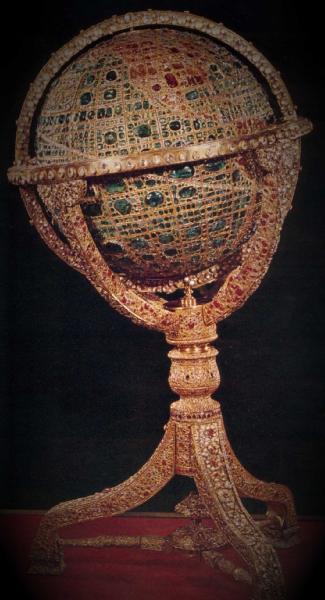
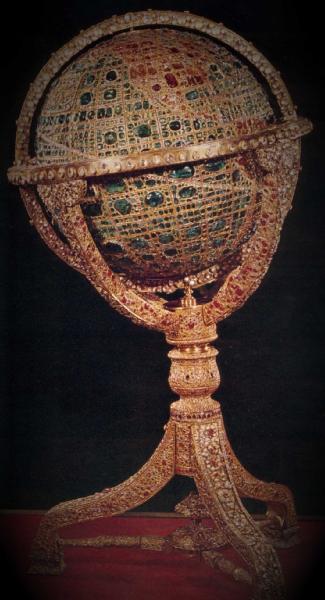
A gem studded globe of an Indian king is in Iran. The National Museum in Tehran has many Indian gem wonders. One of them is The Peacock Throne. The other one is a globe made of diamonds, emeralds, rubies and sapphires. 51,000 gem stones, mostly emeralds, are on the globe. The diameter of the globe is 18 inches and it is 44 inches tall. 35 kilo gold was used to make it. Emeralds are used to show the seas and rubies and spinels were used to show the land areas.

When the National Geographic Magazine published an article with a picture of the globe in 1990s it was valued Rs. 300 crores. Now it is valued above Rs.1000 crores or Rs 10,000 million!!

Persian king Nader Shah invaded India in 1739 just for gold and gems like Alexander and Mohmed of Gazni. He took lot of invaluable jewellery items to Persia (modern Iran). But it is believed that the Peacock Throne of Mogul emperor Shahjahan was broken into parts and shared by the commanders of his army. But there are different thrones in Tehran (capital city of Iran) museum taken from India. These are displayed items and there are many more items not displayed. The King of Iran who ruled before Khomeini’s Islamic revolution took lot of items with him when he left the country.

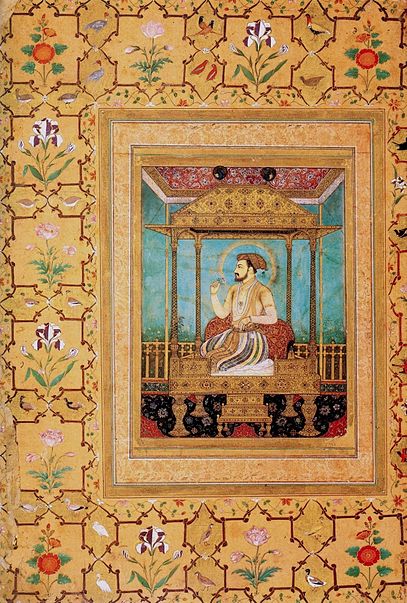
Peacock throne of Shajahan

But the original peacock throne was more valuable than this. It was made up of over 1100 kilo gold and 250 kilo gem stones. But the Peacock Throne in Tehran Museum is not the original one. Even the famous Kohinoor diamond was part of the throne. Two Peacocks made up of gems decorated the top of the throne. French traveller Jean Baptist Taveriner was an expert in jewellery. He had given full details in his report.

Iranian Crown jewellery is the largest royal collection in the world. The most important items were from India. Several crowns, golden thrones and chains are in the vault of Central bank of Tehran.

Persian King Nadir Shah invaded when a weak Mogul king Mohamed Shah was ruling Delhi. A rumour was spread that Nadir Shah was killed in the battle. Enraged by this rumour Nadir Shah ransacked Delhi and his soldiers killed 30,000 people in one night. Mogul king begged to him to leave Delhi promising him all the treasures in the world. Nadir Shah took the most valuable jewellery including the globe and the Peacock Throne. But he was killed by the Kurdish while returning to Persia. Immediately his soldiers and Kurdish enemies divided most of the booty.


Tippu’s Tiger

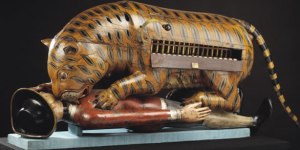
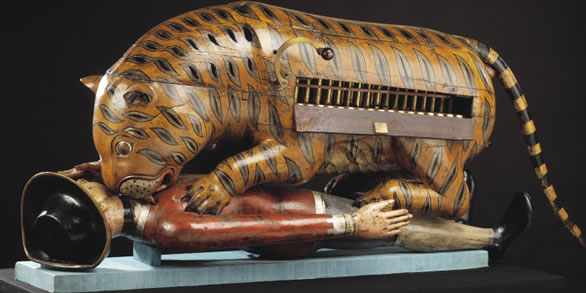
Tippu Sultan was the son of Haider Ali, King of Mysore. Haider Ali fought with the British rulers in India and was defeated. His son Tippu Sultan was the de facto ruler. He was very fond of tigers and believed that he would win like a tiger. He gave his soldiers tiger striped uniforms. He had lot of tiger artefacts in his collection. He made a mechanical wooden tiger toy with some clever mechanical and sound actions. The British took it from him in 1799 and now it is kept in London Victoria and Albert museum. Anyone who walks in to the museum can easily see it in a glass window. It is a life size toy prowling on an English soldier. It was made by French engineers who hated the British as much as Tippu Sultan.


The toy has a pipe organ like mechanism with a handle. When the toy is operated it makes noise like the growl of a tiger. The European soldier also cries in fear. The hand will move as if it is going to tear him to pieces. Tiger will try to devour the prostate European. The noise also varies according the movement of tiger’s mechanical hand. This is one of the main attractions of V & A museum. Nowadays they don’t operate the toy. But it is still in working order. India can be proud of such attractions displayed around the world.

ஆயிரம் கோடி ரூபாய் ரத்தின பூமி உருண்டை !

இந்தியா விலை மதிக்க முடியாத செல்வச் செழிப்புள்ள நாடு. இன்றும் இந்தியாதான் உலகிலேயே பணக்கார நாடு. இது பற்றி இந்தியாவே பணக்கார நாடு Indiahhhhh—-Richest country in the World  என்று ஆங்கிலத்தில் எழுதியுள்ள கட்டுரைகளையும் படிக்கவும். அலெக்சாண்டரையும் கஜினி முகமதுவையும் மேலும் பல படை எடுப்பாளர்களையும் இந்தியாவுக்கு இழுத்தது இந்தச் செல்வம்தான். உலகில் முதல் முதலில் நல்ல வைரங்களைத் தோண்டி எடுத்து உலக நாடுகளுக்கு அனுப்பியதும் நாம்தான். வட மொழி, தமிழ் மொழி இலக்கியம் முழுதும் தங்கம், ரத்தினம், தந்தம், முத்து, பவளம் பற்றிப் பேசாத புத்தகமோ பாடலோ இல்லை.


நம் நாட்டின் கோஹினூர் வைரம் உள்பட பல வைரங்கள் லண்டன் டவர் மியுசியத்தில் இருப்பதை பலரும் அறிவர். கோஹினூர் வைரம் போலவே புகழ் பெற்ற ஹோப் வைரம் (கிருஷ்ண பரமாத்மாவின் சியமந்தக மணி) அமெரிக்காவில் வாஷிங்டனில் ஸ்மித்சோனியன் அருங்காட்சியகத்தில் இருக்கிறது ( Is Krishna’s diamond in USA அல்லது கொலவெறி வைரம் கட்டுரையை படிக்கவும்)

இதை எல்லாம் விட உலகிலேயே மிகப் பெரிய ரத்தினக் குவியல் ஈரானில் இருக்கிறது. அந்நாட்டின் தலை நகரான டெஹ்ரான் மியூசியத்தில் வைக்கப்பட்டிருக்கும் ரத்தின சிம்மாசனங்களும், ரத்தின மணி மகுடங்களும், தங்க, ரத்தின ஆபரணங்களும் காண்போரை வியக்கச் செய்யும்.  பிரிட்டிஷ் ராஜ நகைகளை விட பன் மடங்கு மதிப்புடையன. இவைகளில் பெரும்பாலானவை இந்தியாவிலிருந்து சென்றவை !


உலகம் வியக்கக் கூடிய பூமி உருண்டை(குளோப்) டெஹ்ரான் மியூசியத்தில் உள்ளது. இதில் 51,000 ரத்தினக் கற்கள் இருக்கின்றன. அவைகளில் பெரும்பாலானவை மரகதக் கற்கள். மரகதம் பற்றி 1990களில் நேஷனல் ஜியாக்ரபிக் மாகசின் ஒரு பெரிய கட்டுரை வெளியிட்டது. அப்போது இந்த ரத்தின பூமி உருண்டை படத்தை வெளியிட்டு அதன் மதிப்பை 300 கோடி ரூபாய் என்றது. இப்போது குறைந்தது ஆயிரம் கோடி ரூபாய் மதிப்புக்கு உயர்ந்திருக்கும். அதில் 35 கிலோ தங்கம் வேறு இருக்கிறது. அதன் உயரம் கிட்டத்தட்ட நாலு அடி, விட்டம் ஒன்றரை அடி.

மயில் ஆசனம்

இன்று உலகில் இருந்தால் மிகப்பெரிய அதிசயமாக இருந்திருக்கக் கூடியது மொகலாய மன்னன் ஷாஜஹான் செய்து வைத்திருந்த மயில் ஆசனம் ஆகும். அவன் செய்த போது அதில் 1100 கிலோ தங்கமும் 250 கிலோ ரத்தினக் கற்களும் இருந்தன. உலகிலேயே மிகப்பெரிய தங்கக் காசும் ஷாஜஹானுடையதே. அதை பல ஆண்டுகளுக்கு முன் லண்டனில் ஏலம் விட்டார்கள். ஷாஜஹானுக்கு, தங்கம் என்பது தண்ணீர் பட்ட பாடு. கஜினி மொஹமது போன்றோர் கொள்ளை அடித்த பின்னரும் நம்மிடம் அவ்வளவு தங்கமும் வைரமும் இருந்தன.


சாஜஹான் மகனான அவுரங்கசீப்புக்குப் பின்னர் மொகலாய சாம்ராஜ்யம் பலவீனம் அடைந்தது. மொஹமது ஷா என்ற மன்னன் டில்லியை ஆண்டபோது பாரசீகத்திலிருந்து (தற்போது ஈரான் என்று பெயர) நாதிர் ஷா படை எடுத்து வந்தான். பெரிய கொடுங்கோலன். அவன் டில்லியில் இறந்துவிட்டான் என்று சிலர் வதந்தியைப் பரப்பியவுடன் அவனுக்குக் கடுங்கோபம் வந்தது. டில்லியை சூறையாடி ஒரே இரவில் 30,000 பேரைக் கொல்ல உத்தரவிட்டான். மன்னன் மகமது ஷா கொலை நடுங்கிப்போய் எல்லோரையும் உயிரோடு விட்டால் என்ன செல்வம் வேண்டுமானாலும் எடுத்துக் கொள்ளலாம் என்றான்.


நாதிர் ஷா மயில் ஆசனம், ரத்தின  பூமி உருண்டை உள்பட எல்லா செல்வங்கலையும் கொள்ளை அடித்து பாரசீகத்துக்குத் திரும்பிக் கொண்டிருந்தான். போகும் வழியில் குர்தீஷ் இன மக்களையும் ஒரு கை பார்க்கத் தீர்மானித்தான். ஆனால் அவர்கள் நாதிர்ஷாவை படுகொலை செய்தனர். அலெக்சாண்டருக்கு நேர்ந்ததுபோல இவனும் நாடு திரும்பாமல் பிணமானான். மயில் ஆசனத்தை அக்கு வேறு ஆணி வேறாகக் கழற்றி பங்கு போட்டுக் கொண்டார்கள் படைத் தலைவர்கள்!

இப்பொழுது டெஹ்ரானில் ஒரு மயில் ஆசனம் உள்ளது. அது உண்மையானது அல்ல என்றே கருதப்படுகிறது. ஆனாலும் உலகிலேயே அதிகமான ராஜ வம்ச பொக்கிஷங்கள் அங்கேதான் உள்ளன என்பதில் கருத்து வேறுபாடு கிடையாது. எல்லாம் இந்தியப் புதையல்கள்!


இந்தியாவுக்கு விஜயம் செய்த பிரெஞ்சுகாரரான ஜீன் பாப்டிஸ்ட் டவர்னியர் ஒரு ரத்தின பரிசோதகர். அவர் மயில் ஆசனம் முதலியவற்றை மதிப்பிட்டு எழுதி வைத்திருக்கிறார். விஜய நகர சாம்ராஜ்யத்தின் ரத்தினக் குவியலை மதிப்பிடும் ஆற்றல் தனக்கு இல்லை என்றும் எழுதிவைத்தார். மாலிக்காபூர் போன்ற படைத் தலைவர்கள் தென்னிந்தியாவை சூறையாடிய பின்னரும் அங்கே அத்தனை செல்வம். இப்போதும் திருப்பதி, மதுரை, ஸ்ரீரங்கம், திருவனந்தபுரம் அனந்த பத்மனாப சுவாமி கோவில் செல்வங்களைக் கணக்கில் கொண்டால் இந்தியாவைச் செல்வச் செழிப்பில் மிஞ்சுவதற்கு யாரும் இல்லை. இவைகளைக் கண் போலக் காப்பது நமது கடமை.


லண்டனில் திப்புவின் புலி

லண்டனில் விக்டோரியா ஆல்பர்ட் மியூசியத்தில் எல்லோர் கவனத்தையும் ஈர்க்கும் இன்னொரு அற்புதம் திப்புவின் புலி பொம்மை! ஒரு மியூசியத்தில் கோஹினூர் வைரம், இன்னொரு மியூசியத்தில் திப்பு சுல்தானின் புலி ! நமக்கு பாதுகாக்க வக்கு இல்லை, எல்லாம் வெளி நாட்டுக்கு ஓடிப் போயின. இப்பொதுழும் வாரம் தவறாமல் இந்தியச் செல்வங்கள் லண்டன், நியூயார்க் ஏல நிறுவனக்களில் ஏலம் போய்க் கொண்டுதான் இருக்கின்றன.

திப்புவின் புலி பிரெஞ்சுக்காரர்களால் செய்யப் பட்டது. திப்பு சுல்தானைப் போலவே பிரெஞ்சுக் காரர்களுக்கும் ஆங்கிலேயர் என்றால் வெறுப்புதான். இந்தப் புலி பொம்மை உண்மையான புலி அளவுக்குச் செய்யப்பட்டது. ஒரு ஆங்கிலேயனை கடித்துக் குதற வருவதுபோல வடிவமைக்கப் பட்டது. அதற்குள் ஒரு பைப் ஆர்கன் இசைக்கருவி போன்ற இயந்திர உறுப்புகள் இருக்கின்றன. வெளியே தெரியும் கைப்பிடியால் இந்த மரத்தால் ஆன பொம்மையை இயக்கலாம். அதன் ஒரு கை, கீழே விழுந்திருக்கும் ஆங்கிலேயனைக் கிழிக்கப் போவது போல நகரும். அப்போது புலியின் உறுமல் சத்தமும் கீழேயுள்ளவனின் அவலக் குரலும் கேட்கும். புலி அவனை விழுங்கிச் சாப்பிடத் தயாராக இருக்கும். இந்த பொம்மையை வெள்ளைக்காரர்கள் பத்திரமாக லண்டனுக்குக் கொண்டுவந்து கண்ணாடிப் பெட்டிக்குள் காட்சிக்கு வைத்திருக்கிறார்கள். ஏராளமானோர் இதைக் கண்டு அதிசயிக்கின்றனர்.


இதுதவிர மீனாட்சி கோவில் திரைச் சீலை போன்ற அயிட்டங்களும் உண்டு. ( The Wonder That is Madurai Meenakshi Temple கட்டுரையில் மேலும் பல அதிசயச் செய்திகளைப் படியுங்கள்)

**********************

India needs an Indiana Jones !

Indiana Jones and Temple of doom

Where are our Hindu treasures?

Indians lack historical sense. This is because our ultimate goal is to merge one with God, that is Moksha. So they did not bother much about recording everything with time and date according to modern western standards. Moreover, History begins for Westerners only when they get records, epigraphs, inscriptions, monuments or artefacts. But Hindus laugh at such things. Tamil and Sanskrit literature were very clear about the number of kings the world had seen. They say it is uncountable, innumerable, incredibly big equal to the number of stars in the heaven or the number of water drops in the rain or the number of sand particles on the sea shore. This simile was used 2000 years ago in Mahabharata, Ramayana, Kalidasa’s works and Sangam Tamil literature.


Even Ramkrishna Paramahamsa warned people, “Don’t waste your time by counting the number of leaves in a tree. Such a research won’t take you anywhere near your goal-Moksha”. But yet Hindus did research in Sex (vatsyayana), Medicine (Susruta, Saraka), Grammar (Linguistics/Panini), Astronomy (Varahamihira, Aryabhatta), Mathematics (Leelavati), Theory of Dilation of Time (Mahabharata), Acupuncture (Bheesma’s Arrow bed)–name any subject in the world, we were the first one to have contributed. Then the Greeks took the mantle from us.

The times have changed. We can’t sit idly when the whole world is using mass media to reinterpret their history and religion. Even Krishna’s Syamantaka diamond (now named Hope diamond in Smithsonian ,Washington DC) was used as a plot for Indiana Jone’s film—Indiana Jones and Temple of Doom. So we need an Indiana Jones type person to find out our lost treasures. Some of them have already been traced. Others may be in temple vaults, like the biggest treasure in History at Pathmanabha Swamy temple, Tiruvananthapuram, Kerala,India.


Hindus must create awareness about their treasures. They must know the value of their treasures and display them like the British Museum in London or famous American museums. They must use these plots for interesting feature films like Indiana Jones.

The great Chola king Rajaraja mentioned hundreds of gold items donated to Lord Shiva temple in Thanjavur. Now they are not there!! A lot of temple inscriptions mention thousands of gold items and gems. Now they are not found anywhere. Some temples like Tirupati and Madurai Meenakshi temple have some of the jewelleries. But there is a rumour that some were replaced with fake and artificial jewellery by the politicians. But we can check them with ultra modern scientific instruments.


There is an old Kadamba tree inside Madurai Meenakshi temple well protected with fence. We may do some research to find its age with carbon dating and other methods. Christians did such research on Turin shroud. Every temple had something historic. We have to do scientific research on such artefacts. This wouldn’t affect our faith in Hinduism. This will reinstate our faith in our religion and culture.

Where is Akshya Pathra, the Eternal Bowl, that Draupadi (Mahabharata) used to feed thousands of people? Where is it today?

Where is Amutha Surabhi, that Manimekalai used to feed all the poor in Tamil Nadu? Where is it today?

Where is the Peacock Throne, that is worth millions of dollars today? We knew it was used by Shajahan, the Moghul emperor? There is one Peacock throne in National Museum, Tehran, Iran. But they say the original was broken in to pieces by Nair Shah’s soldiers after he plundered Delhi.


Where is the original Peacock throne-(Mayil Asanam in Tamil)- today?

Where is the Sangam Board/Plank that allowed to Tiru Valluvar to launch his book Tirukkural? The plank that allowed only good and genuine authors. Where is it today?

Where is Syamantaka that produced gold? Is it the Hope diamond at Smithsonian Museum in Washington? Where is it today? ( I argued that it is Syamantaka in my article “ Is Krishna’s diamond in USA”? But a scientific study will prove my theory right or wrong)

Where is our famous  and lucky Kohinoor diamond? Where is it today? We Knew that it is in the Crown Jewellery collection in the Tower Museum. London.


Where is our Kamadhenu that produced food for thousands of people when Vashista was raising it? Where is it today?  If it is a real living animal it would be long dead. But it is magical. So I think it must survive. May be it is an instant cooking machine our ancients invented. Now we have machines that make 1000 chapatis or 1000 Idlis at one go!!

Where is the Karpaka Vruksham tree that fulfils all your wishes? Where is it today?

Where is the Vikramadityan Simhasanam (Lion Throne), the magical throne which will make even a fool the most intelligent man in the world? Where is it today?

Where is the golden throne used by the Pancha Pandava brothers? Where is it today? The Mysore Palace Golden Simhasana which is worth millions of rupees is described as Pancha Pandava throne. Can’t we do some tests to establish the fact?

Where is the blue sapphire that Nala donated? Where is it today? Where is it today?


(Please read my article “The Wonder that was Madurai Meenakshi Temple”. East India Company sent it to Queen Victoria for inspection)

Where is the magical blue cloth that was presented by Neela Nakan to Tamil King Ay which was presented to Lord Shiva (temple) ? Where is it today? Where is the magical blue cloth that Naga tribal leader Karkotakan presented to King Nala for identification? (Please read my article Are Mayas, Indian Nagas? for more details).

Where is Ulavakizi mentioned in Tamil Thiruvilayadal Puranam? Where is Ulava Kottai? It gave us unlimited supply of paddy and gold.


Now that we have discovered the greatest treasure trove on earth in the vaults of Pathmanabha Swamy Temple at Tiruvananthapuram, we must make an inventory of our treasures around the world.

For further information contact author at swami_48@yahoo.com

**************

Amazing Similarities:Mayans & Nagas– Part 2

( Please read Are Mayans, Indian Nagas? &  First part of Amazing similarities….. before reading this post).

30. Mayas were followed by Aztecs and Incas. There was another civilization called Olemec. All are related to one another. The famous gigantic 13 feet diameter Aztec stone calendar in Mexico city has got two serpents on it. Hindus describe it as Kala Sarpa. The round temple in Cali xtlahuaca is in the name of Kali. Teocalli is a pyramid meaning Deva Kali.

31. Maya temples and pyramids are similar to Hindu temples. They have towers, steps leading to higher place. Kings wore feather caps like Krishna. Their jewellery betrays their Indian origin. We see a lot of jewellery all over body like Indian kings. Even Egyptian kings won’t come this close to Indian kings in jewellery.

32. Boys were called after their fathers or grandfathers like Tamil community. Learning was by repetition like Hindu Veda Adhyayanam. Mayas had ceremonies like Namakaranam, Punyaha vachana and Gurukula. They named their children after flowers, eagle and snake. Indian Tamil and Sanskrit names are mostly flower names, particularly lotus and jasmine.

33. Indian soldiers sacrifice themselves before Kali before any war. This is called Navakandam or Kala Bali. This is in Sangam tamil literature and Mahabharata (story of Iravan).Self Immolation (Kumarila Bhatta, Kapila) was practised by Hindu saints. This was practised by Mayas as well.

33. Indian kings had Simhasana/ Lion throne. The very word Caesar is a Sanskrit word KESARI. Some called themselves as SING (lion). Romanians were calling themselves Carsars. But lion was absent in South America. So Mayas used Jaguar (black tiger) Asana.

34. Vedic calendar has a Mala Matha (impure month every five years). But Mayas had five impure days instead every month.

35. Mayas saw hare or rabbit in moon like Indians. They had their own Rahu and Ketu devouring moon (eclipse).

36. Tikal temple of Mayas is compared to Madurai Meenakshi Temple .Tikal may be Tri Kala ,Lord Shiva or Sri Kala.

37. Tortilla is made like our Chapati/Roti. Instead of wheat they made it with corn flour.

38. Sun Worship was prevalent in Maya countries. It continued until Inca days (Ina=Sun in Sanskrit)

39. If anyone asked oneself a few questions , the answers would reveal the relationship between Hindus-Mayas
a) Who taught the Mayas  the concept of Zero?

b) Who taught them to write?

c) Who taught them astronomy?

d) Who taught them to record everything on stone like Asoka?

e) Who taught them to use umbrella for kings like Indians?

f) Who taught them to give colours for four directions like colours for Shiva’s four faces?

g) Who taught them to begin the year nearer to Kaliyuga?

h) Who taught them to build temples like tall towers and big square yards and corridors?

i) Where did they come from?

All these can’t happen in isolation. The closest for all these customs is Hindus.

40. Mayas used green Jades and pearls like Indian women

41. Mayas believed in omens.

42. Maya mythology and Hindu mythology have similarities.


43. Tree worship: Salmali Tree (silk cotton tree) was worshipped by the Caribeans, Central American countries and West African countries. Mayas worshipped it as we worship some trees.It is called Ceiba.

44. Sitting Pasture and Palnquin show Indian connection. But one mystery Mayas never knew the wheel. This reminds a great mystery. If they knew any other culture in the world they would have used wheels and chariots. Why didn’t they use it? Future research may answer this question.

45. Caste system: They had caste system like India.

46. Like Indian kings they used regnal years in their inscriptions. This is very similar to Cholas and Pandyas.

47.  They believed in heaven and Karpaka Vriksha and Amrita (First tree of the world)

48. Tamil literature is replete with Ball Games, but Tamils used hands and Mayas used Foot (ball).

49. Viracocha is a God’s name in Central America. Virakurcha is Pallava’s ancestor.

50. All Hindu Gods have snakes or associated with snakes. Naga /Mayan sculptures are with snakes. Gods in other cultures such as Ariadne, Astarte, Ishtar, Wadjet, Potnia Theron, Ormugudinna and several Maya gods have snakes. Western authors have also noted that all the Pre Colombian civilizations are obsessed with serpents.

51.Cholan Maya: There was a rebellion as recently as 1994 in Southern Mexico and the people who led the rebellion were Cholan Maya, descendants of a nation that had once produced the greatest of all the Pre Colombian civilizations. Chola is one of the three ancient Tamil dynasties.

52. One of the famous Maya kings is Pacal who died in 683 AD. He is called Sun Lord like Indians call Lord Rama as Surya Kula Tilaka (Sun Clan famous).

53. Aztecs who followed Mayas had a symbol of eagle clutching a snake in its beak. So there is every possibility two rival groups existed in Central America. Even in Tamil Nadu Chera, Chola and Pandyas were Tamil Hindus, but yet they fought among themselves for over 1500 years.

54. Arson and Massacre: Spaniard Diego de Landa signed a decree in 1562 and all the Maya books were brought to town of Mani and burnt down. Large number of books were burnt ,boasted Mr Landa. In 1546 Maya tribes who refused the yoke of peace proposed by Roman Catholics were indiscriminately slaughtered. They stored books in libraries like Hindu stored books in Takshaseela and nalanda libraries.

55. Like Hindu Kapalikas, Mayas wore black dress in ceremonies.

56. They also put their offerings in Tanks like Hindus. They sat in Yoga pasture.

57. The punishments meted out for crimes were just like Hindus.

58. Like Tamil kings they had runners to bring messages or necessary religious or royal objects. Tamil kings boasts in heir epigraphs and copper plate inscriptions that they bathed with water that came from two seas of peninsular India.

59. Like Romans, pink colour derived from a mollusc was prized high by Mayas.. India exported this to ancient Rome 2000 years ago.

60. Chac was their rain god similar to Vedic Indra. Some believe that it was nothing but Chakra another name of Indra.


61. The grinding stone they used looked exactly like Tamil’s Ammi and Kuzavi.

62. Bikshu Chamanlal wrote a book “Hindu America”, 75 years ago which drew lot of publicity on this topic. Later he published a book “INDIA-MOTHER OF US ALL” in which he gave a summary of Hindu America. But more the discoveries made, newer and newer interpretations come. He says Ramayana, Mahabharata, Vedic hymns, Sacred thread ceremony and many more rituals were practised by Inca Ayers and Mayas. Everyone must read his original contribution in this field. He mentioned the lotus, elephant, swastika, Surya motifs, Indra, Triloknath (Tloque Nahuaque) and other gods, Hell etc in South American and Central American countries.

63. New books published in USA, give the Maya temple plans. Those who know Hindu temple Vastu Shastra must compare it with Hindu temples and do some research.”Chronicle of the Maya Kings and Queens” by Thames and Hudson will be useful for such a research.

64. Mayan  kings wore ear lobes like Hindu kings. Temple musicians are painted in Bonampak frieze. It is like Indian temple procession. The kings had a lot of concubines called Pallas (Pallu is a sari head in Indian languages)

66. We see Kuravanji (colomche) and Kathakali type of dances in the Maya world.

67. Like Hindus put rice at the mouth of  a dead body, Mayas put maize and jade beads.

68. Another puzzle: Kalhana who wrote the history of Kashmir kings (Raja Tarangini) differs from others on Kaliyuga. His calculation shows that Kaliyuga began around 2600 BC. Mayas also had such a difference. Their records show the year2600 BC. But the tradition says that their age begins at 3114 BC closer to Hindu’s Kaliyuga. This also shows their Indian link. We can conclude that there were two different calculations for Kaliyuga like Maya age.

For further details contact swami_48@yahoo.com

Quechua 

Sanskrit


akapana(clouds colored by sun)  aka (painting)
chani (price) jani (produce)
chinkat (jaguar) sinha (lion)
chirau (resplendent) sura (to shine)
huakra (horn) vakra (curved)
kakarpa (tent) k’arpara (parasol)
mita (time) mita (step passage of time)
muti (pounded corn) mut (to pound)
nana (sister) nanda (sister)
pakkni (to break) pike (to break)
paksa (the moon) paksa (the full moon)
pisi (small) pis (to break into small piece)
pitata (bedroom) pita (house, cottage)
simpa (cord) samb (to tie)
soro (spiritual liqour) sura (spiritual liquor)
sokta (six) s’as (six)


(Quecha is Inca language;source for this words table: The Ayar-Incas  By Miles Poindexter published by Horace Liveright New York volume 1-2. 1930 p. 211-215).

***


Are Mayas, Indian Nagas?

Mayas were a mysterious people. They ruled parts of Central America between 2600 BC and 1500 AD. Their relics are seen in Mexico, Belize Honduras and Guatemala. Though we have archaeological evidence from 2600 BC, their calendar begins from 11th August 3114 BC. They were famous for their accurate calendar, written language, astronomical and mathematical systems. But all these came to our attention only because of their big and beautiful buildings. They built massive structures. The ruthless Spaniards came in 1540 and massacred a lot of people and plundered their gold. The Spaniards destroyed Maya culture and language, but couldn’t do anything to the architectural wonders because they were so huge.

Maya calendar begins on 11th August 3114 BC. Indian calendar Kaliyuga begins in 3102 BC. But Hindu mythology is very clear about their existence long before Kali yuga. Kaliyuga is the last of the four yugas. But Mayas are silent about their existence before this date 3114 BC. The amazing co incidence between Hindus and Mayas, particularly their calendar years, was a puzzle. Now we have solved the puzzle with all the information available.

Mayas were Indian Nagas. They migrated after a big fight with Krishna and Arjuna. Both of them burnt the Khandava Vana (forest) for the sake of general public. But the tribal Naga people living inside the forest resented this act. It looks like lot of Nagas who resisted Arjuna and Krishna were killed. Indra was pro Nagas. But anti Naga Krishna had an earlier fight with another Naga leader called Kaliya. When he objected cowherds coming into his area Krishna went and killed Kaliya. Those who narrated the Puranic stories “Kaliya Mardhanam” slowly projected them as demons and snakes. But the fact of the matter is they were actually people who wore snake symbol (totem).

(Khandava Vana is called Gondwana land in geography lessons and the tribal Naga people are called Ghondus in anthropology lessons).

Following this clash, the enmity between the Nagas and Pandavas widened. Krishna died just before the Kaliyuga began. After all the Pandava brothers demise, the Nagas wanted to take a revenge on Arjuna’s grandson Parikshit. When they were waiting for an opportunity Parikshit was cursed by Shamika that he would die by “snake bite”. In reality the seer’s friend and tribal Naga leader Takshaka was given that task of “snake bite”. Takshaka challenged Parikshit and said that he would be assassinated within seven days. King Parikshit took all the precautions. But like Shivaji escaped in a fruit basket from the prison of mighty Moghul emperor Aurangazeb, Parikshit’s enemies entered Parikshit’s palace in a fruit basket and killed him. Puranas symbolically wrote that Parikshit was killed by “snake bite”.

Like Indira Gandhi’s assassination was followed by revenge attacks on Sikhs, Parikshit’s son Janamejayan went on a killing spree what was described symbolically as a Sarpa Yagna (snake sacrifice) on the banks of river Narmadha. A lot of Nagas were killed, actually massacred. The English word snake originated from Sanskrit word (s)naga.

Brahmin’s Peace Agreement

In those days mixed marriages existed and some Nagas were married to kings and Brahmins. One of them was a seer called Astika. He was asked to go as an emissary for peace talks, because his father Jaratkaru was married to a Naga woman. He was successful in his peace mission and stopped all the killings. Then started the Naga migration from a port called Patala . That is what Hindus called Patala loka (One of the seven worlds “below”the earth). The port was the gate way to Sri Lanka, South East Asia and South America. Hindu scriptures describe these lands as Naka Loka/ Naga Land. When Hindu mythologies said that  Bali and other demon kings were sent to Patala Loka what they meant was they were banished from the mainland. Port Patala at the estuary of Indus river was mentioned even by foreign travellers. Broach (Bharukacha) was another port on the banks of river Narmadha. Both these ports handled much of the foreign trade with the West in ancient India.

When Arjuna burnt the Khandava Vana, one leader was allowed to escape from the burning. His name was Maya Danava. He thanked Arjuna and Yadavas for this and he constructed the palace for the Pandavas as a token of gratitude. He led a massive migration to South East Asia and then to Central America and South America. The day he left the holy Bharat was gratefully remembered by the Mayas as 11th August 3114 BC. It coincided very well with the date of Janamejayan’s rule, Arjunas great grandson, around 3100 BC.

Brahmins are doing an amazing thing thrice a day. They recite the 5000 year old Peace Agreement during their daily ritual called Sandhyavandhanam. They praise the Nagas as Maha Yasa: (Great and famous people) and request them to keep away in the name of Astika and Jaratkaru. The mantra starts with Narmadhayai Nama: (Salute to river Narmadha!).

(Please read Brahmins deserve an entry into Guinness Book of Records)

Divine garments and Nagas:

Nagas were expert weavers. They had some special type of clothes which were so nice and looked exactly like snake skin. 2000 year old Sangam Tamil literature refers to this cloth in two places (Porunar. Lines 82-83;Puram.383).  In another place King Ay was praised by Nallur Nathaththanar for giving the rarest Naga cloth to Lord Shiva (Sirupan. Lines 96-99). It means that he adorned Shiva’s statue with the cloth. It was presented to Ay by Neela Nagan.

Sanskrit literature is also replete with such references. Karkotakan, Naga tribal leader, gave Nala a rare cloth to reveal his identity to his wife Damayanti when both were separated. So this is a rare type of cloth only certain people can afford to buy it. It is in Mahabharata (3/73-3).

(Please read Amazing similarities between Mayas and Hindus (Nagas)

*************