Gold! Gold! Yellow Metal in the Rig Veda! (Post No.4241)

Research Paper written by London Swaminathan


Date: 24 September 2017


Time uploaded in London-  14-26


Post No. 4241


Pictures are taken from various sources; thanks.
 

The Yellow metal – GOLD—figured in scores of hymns in the Rig Veda, the oldest religious book in the world. The Vedic seers talk about gold in big quantity. This shows that the Vedic society was a rich and civilized society. In Sangam Tamil literature, which came several thousand years later than the Rig Veda, we hear about poets getting lot of gold from the Chera (Kerala) Kings in the book Patitruppathu. In the post Sangam Silappadikaram we read about Tulabharam where gold was given to a Brahmin equal to the weight of mighty Chera king Senkuttuvan. We knew that the Roman gold poured into Tamil Nadu and they took black pepper and Indigo colour in exchange of gold coins. But several thousand years before this, where did the Vedic people get that much gold? It is a mystery.


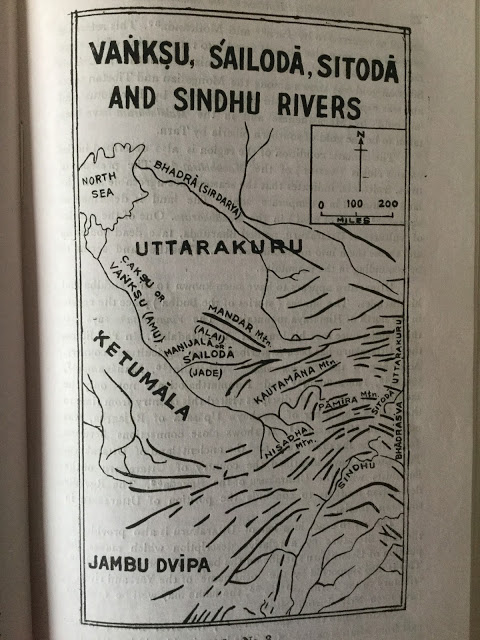
In the later Mahabharata and Puranas we read about a mysterious country called UTTARA KURU where Arjuna and Yuthisthira got gold. But in the Vedic times Hindus talk about gold in their Dhana (Donation Hymns) stuthis!


( I have written five articles here in this blog several years ago to prove the INDIA IS THE RICHEST COUNTRY IN THE WORLD even today.

The amount of gold with the Hindu women and  the amount of jewellery with the temples and Maharajas (ex) are huge.

Let me give some hymns where we see the Gold:-


1.HIRANYA

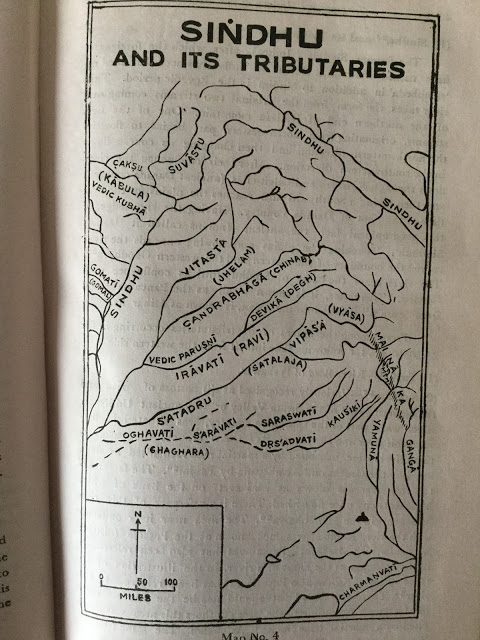
Hiranya in the Rig Veda and later denotes Gold. Perhaps they got it from the bed of rivers. Certain rivers are called Gold (Sone= swarna). Indus is also described as a golden stream. Extraction of gold and washing of gold are recorded in the Vedic literature!


Gold is the object of the wishes of the Vedic singer and golden treasures are mentioned as given by the patrons along with thousands of cows and horses!


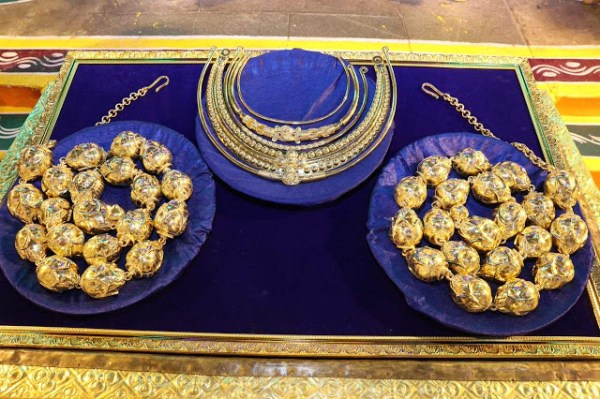
Gold was used for ornaments for neck and breast (Niska), for ear rings (Karna Sobhana) and even for CUPS!!!. Gold is always associated with the gods.


Gold in the RV: 1-43-5; 3-34-9, 4-10-6, 17, 11

Gold in the Atharva Veda:- 1-9-2; 2-36-7; 5-28-6; 4-38-2

Golden River Indus – RV 10-75-8; 6-61-7; 8-26-18


Extraction and Purification of gold: RV 1-117-5; AV 12-1-6, 26, 44 and Taittiriya Samhita and satapata Brahmana


Gold Ornaments: Taittiriya Samhita, Taittiriya Brahmana, Satapata Brahmana.
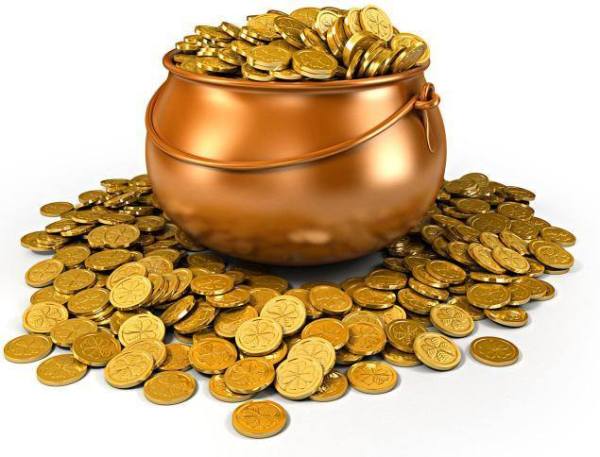
OLDEST GOLD CURRENCY IN THE WORLD!

A gold currency was known to Vedic people; definite weights of gold are mentioned (astaa-prud)- Taittiriya Samhita, Kathaka Samhita


Satamana =Weight of 100 Krishnalas (Gundu Mani in Tamil) is found in the Brahmanas and samhitas.


If we take the Vedic period to a time then mighty Sarasvati was flowing, then the oldest gold coin is from India.


Even today the Brahmin priests in all the weddings say in the mantra satamanam Bhavatu!

Rajata (silver) is also mentioned in the Vedas


Megasthanes bears testimony to the richness in gold of India in his time (see Diodorous Siculus 2-36; Strabo pp 703, 706.)

Hiranyakara is goldsmith and his work is mentioned in the Yajur Veda (Vajasaneyi Samhita 30-17; Taittiriya Brahmana 3-4-14-1


2.HARITA

Harita is also gold mentioned in the Atharva Veda (AV) 5-28-5-9; Kathaka Samhita- 8-5

3.SUVARNA

Suvarna ( Sona, Sone etc) is gold and used through out India even today. It is the name of the girls as well.

It is found in Taiitiriya Samhita, Atharva Veda and several Brahmanas.


Those who read foreigners’ accounts of describing Vedic Aryans as nomads, uncivilized, pastoral will know those writers were Pukka idiots and wrote with a motive of belittling Hinduism. Since Vedic society was a well advanced, civilized society, we read a lot about a good number of ornaments and gold coins and their weights.

Coinage is known to the civilised world only rom the sixth century BCE in Europe. If Vedic Niska is a coin then India is the first country to issue coinage. The word Satamanam (100) is used from Vedic days to date.
4.NISKA

Niska is frequently found in the RV (2-33-10;8-47-15 etc) and later (AV 5-14-3, 7-99-1, 20-131-8).

Kalidasa used coinage in the first century BCE


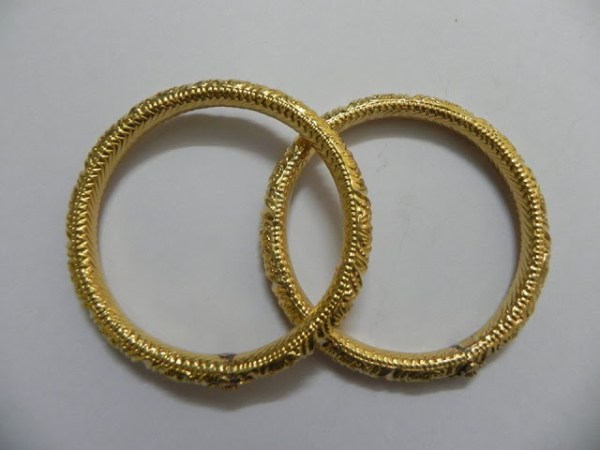
Niska is considered a neck ornament, may be made of coins (Kasu Mali in Tamil); even today women in South India is fond of Coin Necklace. So it might have meant both coin and necklace made up of coins.

Words such as niska-kantha, Niska-griva (having a gold ornament on the neck) are found in several places ( RV 5-19-3; AV 5-17-14) in the  Vedic books.

A Niska of silver is also mentioned in the Panchavimsa Brahmana.

As early as the Rig Veda traces are seen of the use of Niskas as a sort of currency, says Keith and Macdonell in the Vedic Index. A singer celebrates the receipt of 100 Niskas and a hundred steeds; he could hardly require the Niskas merely for the purpose of personal adornment. Later use of Niskas as currency is quite clear (AV 20-127-3)


This shows the Vedic society was an Economic Super Power. Several thousand years before he Greeks Hindus used he first coinage, that too, gold coinage!!!
5.CANDRA

Candra appears to denote gold in a certain number of passages from the Rig Veda onwards (RV 2-2-4; 3-31-5;AV 12-2-53).


The number of words in the Veda for gold also indicate that they were using this in enormous quantity.

6.JATARUPA
Jatarupa (possessing native beauty) is the name of gold in the later Brahmanas and sutras (Aitareya 8-13; Brahdaranyaka Upanishad 6-4-25) etc.

7.KRSNALA (Gundumani)= Abrus Precatorius

Krsnala denotes the berry of the Abrus precatorius, used as a weight according to the later authorities (Manu 8-134), one Maasa (bean) being equated to four Krsnalas. In the sense of a weight it occurs in the Taittiriya and other Samhitas and later.


This is another proof that they wieighed gold and valued. So it is possible that Niska is a proper gold currency.


One important factor is that gold occurs from the oldest portions of the Rig Veda Mandalas.
8.SIX DIFFERENT GOLD FEES (DAKSHINA)

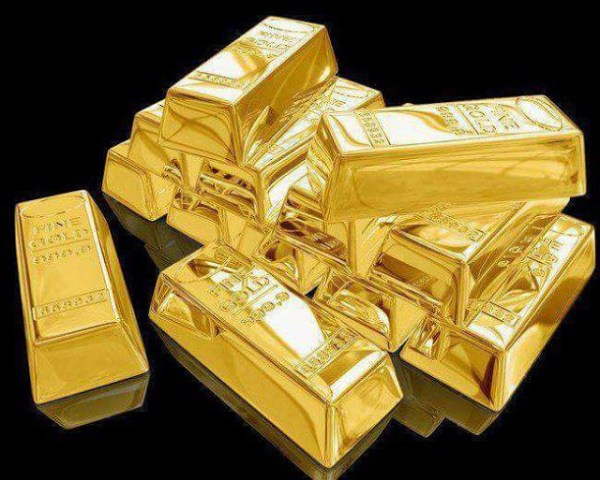
In the description of the observance of the catur-hotra fire ceremony given in the tait. Brah 3-12-5 (11, 12) ,as many as five or six different gold fees are described under the common name of dakshina, including perpetual fees, GOLD BRICKS, sugar mixed with clarified butter when gold is not forthcoming, and cows equal in number to the bricks.


With regard to a gold gift to the priest, it is in sata Bra 3-4-24/27

There are four kinds of sacrificial gifts
Gold- Thereby indeed he preserves his own life

Then the cow, thereby he preserves his own breath also is food

Then cloth, thereby he preserves his own skin

Then the Horse,  for the horse is thunderbolt; he therefore makes a leader……

9.ORIGIN OF GOLD

Agni is at one time cast his eye on the waters- May I pair with them, he thought.

He came together with them, and his seed became gold. For this reason, the latter shines like fire, it being Agni’s seed.

–Sata Br 2-1-1-5


In sat Br 2-2-3-28 the above is given as a  reason why the priests’ fee for a particular sacrifice is gold!
10.Danastutis ( Donation Hymns)

GOLDEN CHARIOT!!!

Brahmatithi says

As Kasu, Chedi’s son, gave me a hundred head of buffaloes, and ten thousand cows

He who hath given me for mine own ten kings like gold to look upon

No man, not any, goes upon the path on which the Chedis walk

No other prince, no folk is held more liberal of gifts than they.

RV 8-5- 37 to 39


The Rishi Vasa Asvya thus praises the liberality of Prithusravas, the son of Kanita:

Now let the godless man approach who hath received so great

As Vasa Asvya, when this light of morning dawned, received from Prithusravas, from Kanita’s son

Steeds 60,000 and 10000 kine and 20,000 camels I obtained

Ten hundred brown in hue and other ten red in three spots;

in all 10,000 cows

Ten browns that make my wealth increase, fleet steeds whose tails are long and fair

Turn with swift whirl my chariot wheel

The gifts which Prithusravas gave, Kanita’s son munificent

HE GAVE A CHARIOT WROUGHT OF GOLD; the prince was passing beautiful, and won himself lofty fame

And now to Vasa Asvya here this stately woman is led forth

ADORNED WIT ORNAMENTS OF GOLD

(Stately woman= probably the wife of the conquered king)
 

11.Golden Fort in Aitareya Brahmana (1-23)

The gods and demons were engaged in warfare

The evil demons, like to mighty kings

made these worlds castles, then they formed the earth

into an Iron citadel, the air

Into a silver fortress, and the sky

Into a fort of gold. Where at the gods

said to each other, Frame we other worlds

In opposition to these fortresses

Then they constructed sacrificial places

Where they performed, a triple burnt oblation.

By the first sacrifice they drove the demons

Out of their earthly fortresses, by the second

Out of the air, and by the third oblation

Out of the sky. Thus were the evil spirits

Chased by the gods in triumph from the worlds.


Monier Williams gave the above in metrical rendering from the Brahmana.

Perhaps this lead to the story of destruction of Tripura, hanging in the sky, in later Puranas.


There are lot more references to gold in the Vedas. This shows the richness of the society. They aimed high and thought about  only positive things.
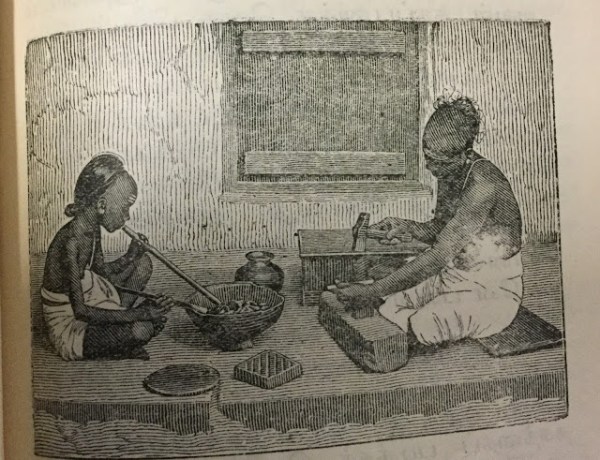
Reference: Vedic Index of Names and Subjects, Keith and Macdonell

The Vedas and Brahmanas, Caxton Publications

Rig Veda by Griffith
 

-Subham-


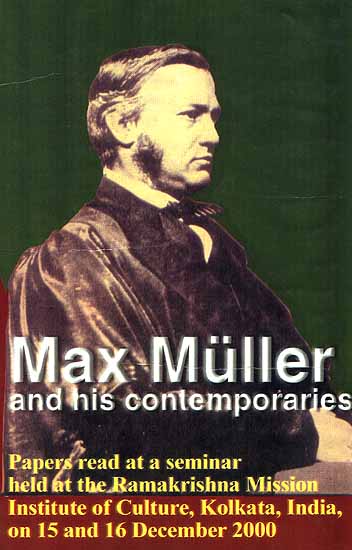
Max Muller Exposed! True Colours of Max Muller! (Post No.4224)

Written by London Swaminathan


Date: 18 September 2017


Time uploaded in London- 18-10


Post No. 4224


Pictures are taken from various sources; thanks.


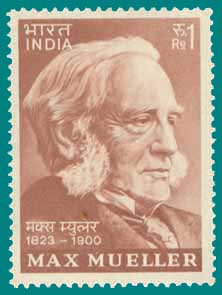
It is true that Friedrich Max Muller, the German born philologist and Orientalist, spent most of his life in studying the Vedas. It is also true that he edited and published 51 Volume Sacred Books of the East. But not many people knew that he was like a coolie worker who got the wages from East India Company and started translating the Vedas to denigrate them. As he matured, he changed his views a little. But even the professorship he held in the universities stipulated that he should uphold the Christian religion, which he did faithfully.


Like a snake he had split tongue. Sometimes he praised the Vedas and other times he scoffed at them. Why? Anyone who studies Max Muller’s writings can see one thing crystal clear. Whenever he praised the Vedas, he would show that the Aryans and Germans lived under one roof at one time and then the Aryans entered India. This is what he paid for by the East India Company and the universities. He and Caldwell distorted the history of India by giving a new meaning for the word Aryan. In the Vedas and Sangam Tamil literature it hasn’t got any racial connotation. But he deliberately gave a racial meaning and instead of using the word Vedic Hindus, throughout his writing he used Aryans. He and people like Caldwell created Hitler who was so obsessed with the word Arya and Hindu Swastika symbol. The atrocity Max Muller did against the Hindus and the Jews was immeasurable.

Here is a piece which shows his true colours, a paid coolie to show that India was full of migrants; this shows his wishful thinking: –

MY GREATEST DISCOVERY: MAX MULLER

“If I were asked what I consider the most important discovery which has been made during the nineteenth century, with respect to the ancient history of mankind, I should answer by the following short line

“Sanskrit DYAUSH PITAR= Greek ZEUS PATER = Latin JUPITER = Old Norse TYR”

“Think what this equation implies! It implies not only that own ancestors and the ancestors of Homer and Cicero (the Greeks and Romans) spoke the same language as the people of India – this is a discovery, which however incredible it sounded at first, has long ceased to cause any surprise – but it implies and proves that they all had once the same faith, and worshipped for a time the same supreme Deity under exactly the same name- a name which meant Heaven Father”.


Those simple hearted forefathers of ours, says Kinsley, “looked round upon the earth and said within themselves, ‘where is the All Father. If All Father there be? Not in this earth; for it will perish. Nor in the sun, moon or stars; for they all will perish too. Where is He who abideth for ever?

“Then they lifted up their eyes, and saw, as hey thought, beyond sun and moon, and stars and all which changes and will change, the clear blue sky, the boundless firmament of heaven.

“That never changed; that was always the same. The clouds and storm rolled far below it, and all the bustle of this noisy world; but there the sky was still, as bright and as clam as ever. The All father must be there, unchangeable in the unchanging heaven; bright and pure and be there and boundless like the heavens.; and like the heavens too, silent and far off.


And how, says Max Muller, did they call that All Father?


Five thousand years ago, it may be earlier, the Aryans speaking neither Sanskrit, Greek or Latin, called him Dyupatar- Heaven Father


Four thousand years ago, or it may be earlier, the Aryans who had travelled southward to the rivers of the Punjab called him Dyaush-Pita, Heaven father.


Three thousand years ago, or it may be earlier, the Aryans on the shores of the Hellespont, called him Zeus Pater, Heaven father

Two thousand years ago, the Aryans of Italy looked up to that bright heaven above, and called it Jupiter, Heaven father.

“And a thousand years ago the same Heaven Father and All father was invoked in the dark forests of Germany by the Teutonic Aryans, and his old name of Tiu or Zio was then heard perhaps for the last time.


“If we want a name for the invisible, the infinite, that surrounds us on every side, the unknown, the True Self of the world and true self ourselves – we, too, feeling once more like children, kneeling in a small dark room, can hardly find a better name than ‘Our Father which art in Heaven.”


There are clear traces in some of the hymns of the Rig Veda that at one time Dyaus, the sky, was the supreme deity.

At an early period, however, the earth under the name Prithvi, was associated with Dyaus. The Aitareya Brahmana mentions their marriage: The gods then brought the two (Heaven and Earth) together, and when they came together, they performed a wedding of the Gods


The ancient Greeks had the same idea. The earth is addressed as Mother of Gods, the wife of the Starry Heaven, Their marriage too is described


The Hindus thought their gods were much like themselves; so heaven and earth were called the father and mother of the Gods.


In the hymns there are various speculations about the origin of Dyaus and Prithvi. A Perplexed poet enquires, “Which of these was the first, and which the last? How they have been produced

? Sages, who knows?”


In the Vedas Dyaus is chiefly invoked in connection with the Earth. He is invoked by himself also, but he is a vanishing God, and his place is taken in most of the Vedic poems by the younger and more active God, Indra”.


MY COMMENTS:

Max Muller’s Lies!

Sanskrit and Sanskrit literature are older than Greek by several thousand years! Saraswati River research has proved that the Vedas existed before Harappa and Mohanjadaro. Atomic Isotopes and satellite images cannot lie.


Like the fanatic Tamils hide under the guise of Indus valley Civilization saying that they spoke Tamil, Europeans hide under a supposed language IE (Indo European); it was never proved. It was invented to support their false theories.


His Norse Tyr, Roma Jupiter, Greek Zeus were very Junior Gods compared to Dyaus Pater.


More over Dyaus Pater has only a passing remark in the Vedas where as Indra, Varuna and Agni command great respect and take thousands of Mantras.

Neither Max Muller nor any scholar has proved that the Dyaus Pita is in the oldest hymn of Rig Veda; once again it is Max Muller’s invention!


Thousands of things mentioned in the Vedas were not even found anywhere in Europe. Oldest Greek literature is from 800 BCE, whereas the Vedic literature is at least 5000 years old even according to Max Muller. He went back from his old theory of 1200 BCE (for RV) when he was attacked by other contemporary scholars. Tilak and Jacobi proved that the Rig Veda belonged to 4500 BCE or before. No one has challenged their astronomical proof until today. Marxist writers and foreign writers never even mentioned them.


Because Max Muller was paid a coolie he said that we all lived under one roof 5000 years ago outside India! This he tried to prove in his 51 volumes and miserably failed. The fact of the matter is Hindus went outside and spread their culture.


Sumerians, Babylonians and Egyptians say that they came from a far off land; but neither Sangam Tamil literature nor Vedas claim any outside origin. There is very clear indication to show that they have been living here for thousands of years. Bhimbetka caves and other places show that human beings lived here for thousands and thousands of years.

Max  Muller’s lies are exposed now. Faithful to the coolie he received, though out his writings he said that Hindus came from outside. He did not even use the word Hindus. He invented a new race called Aryans. He has done an immense damage to human history.


–SUBHAM–


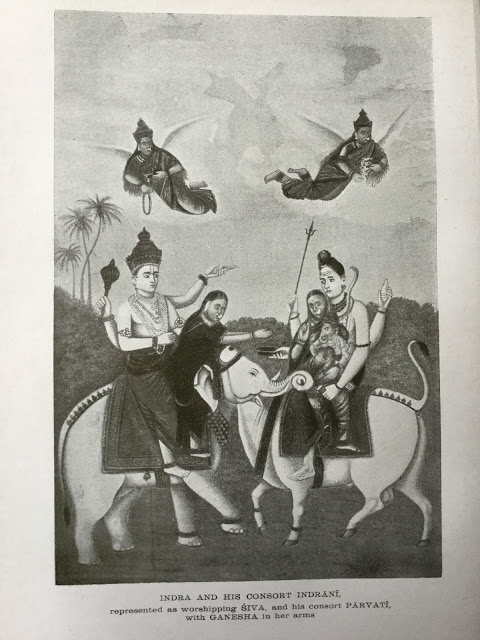
TWO STRANGE STORIES ABOUT INDRA AND HIS SON (Post No.4212)

Picture sent by Lalgudi Veda

Written by London Swaminathan


Date: 14 September 2017


Time uploaded in London- 14-54


Post No. 4212


Pictures are taken from various sources; thanks.


INDRA’S SON BECAME AN ASS!


The following is characteristic of the stories told of this god and his doings:


On a certain occasion, many of the gods were invited to an entertainment in Indra’s palace. To complete their happiness, several of the Apsaras, beautiful nymphs, danced before them. Gandharvasenu, son of Indra, was so fascinated with the charms of one of them and behaved so indelicately that that his father commanded him to descend to earth in the form of an ass. All the assembled gods beseeched him to modify this sentence, and ultimately Indra agreed that his son should be an ass by day, but a man by night. With this he dismissed him to wander about the earth. One day a Brahman  came to bathe at a pond near which the ass was wandering. The animal spoke to him and told him he was Indra’s son and asked him to speak to King Dharu to give him his daughter in marriage. The Brahman consented, and next day the king went with his counsellors and held a conversation with the ass, who related his story and the cause of his degradation. The king refused consent to the marriage unless the ass would perform some miracle to prove his descent. To this he agreed, and the following night he built a fort of iron, forty miles square and six high. Then the king was forced to yield, and appointed the day of marriage.


The day came, and with splendid show, dancing, and music the bride, adorned with jewels and the richest attire, was led into the iron fort to be married to the ass. The bridegroom on seeing her could not refrain from giving voice. Th guests on hearing the ass bray were filled with grief and astonishment. Some hid their faces with sorrow, some because of laughter. Others, more bold, went to the king and said “O King, is this the son of Indra O Monarch, you have found an excellent bridegroom. Don’t delay the wedding! we never saw so glorious a match. We have heard of a camel being married to an ass, when the ass, looking the camel said, “Bless me what a fine form and the camel, hearing the voice of the ass, said Dear me what sweet voice! In that wedding the bride and the bride groom were equal, but that your daughter should have such a bridegroom is truly wonderful!


Then the Brahmans said “Oh King at some weddings, as a sign of joy, the sacred conch shell is blown, but thou hast no need of that (alluding  to the braying of the ass).


The women then cried out, “O King, what is this? To give so angelic a damsel in marriage to an ass! The king felt ashamed and hung his head. At length Gandharvavenu reminded the king of his promise, and urged upon him that the body is merely a garment, that wise men never estimate the worth of a person by the clothes he wears, and, moreover, he was in this shape from the curse of his father, and during the night he would assume the form of a man.


The king then withdrew his objection and the man marriage was celebrated. By the time the guests were dismissed the night drew on, and a handsome man, suitably dressed, presented himself to the king. The king brought the bride in great state to the palace and gave her to her husband. The next day he gave jewels, horses, camels, and servants to her and dismissed the guests with suitable presents. Dharu, however, could not but feel anxious that his son-in- law should finally throw off his ass body. After a thousand contrivances, he said to himself Gandharvasenu is the son of Indra, therefore he can never die; at night he casts off his ass’s body, which lies like a dead body. I will burn it and so keep him always in the form of a man. This he did and the curse was removed.


xxx

STORY ABOUT INDRA


On one occasion Indra assumed the form of a shepherd boy so that he might more easily steal some pomegranate blossoms from a garden to deck the dark tresses of his consort Indrani.


The sequel is told in Sir William Jones’ charming hymn to him


“The reckless peasant, who these glowing flowers, Hopeful of rubied fruit has fostered long,

Seized and with cordage strong,

Shackled the god who gave him showers.

Straight from the seven winds immortal genii flew- Varuna green, whom foamy waves obey;

Bright Vahni, flaming with the lamp of day

Kuvera, sought by all, enjoyed by few;

Marut, who bids the wingéd breezes play

Stern Yama, ruthless judge! and Isa cold

With Narrit, mildly bold:

They, with the ruddy flash that points his thunder,

Rend his vain bands asunder.

Th’ exulting god resumes his thousand eyes,

Four arms divine, and robes of changing dyes.


These “robes of changing dyes” are of course the clouds, and the thousand eyes were the marks of the displeasure of the gods for his intrigue with Gautama’s wife.


SOURCE: The Gods of India by the Rev.E.Osborn Martin, London ,1914


–SUBHAM–


What did the Vedic Hindus pray for? (Post No. 4209)

Written by London Swaminathan


Date: 13 September 2017


Time uploaded in London- 16-14


Post No. 4209


Pictures are taken from various sources; thanks.


Vedic Hindus prayed for wealth, long life, good and heroic sons, cows and horses. They prayed to destroy internal enemies ( violent atheists- violent non believers). They always aimed high; they asked hundred fold and thousand fold of everything; they talk of gold; they were very well organised and organised ploughing ceremonies with golden plough. They were great agriculturalists. They talk of paddy, barley, sugar cane ,sesame seeds etc. They were sons of the soil. Most of the plants and herbs they mentioned are tropical plants. They did not come from cold places. Rice and sesame seeds were part of their ceremonies. They were great mathematicians who always used decimal system in their prayers. The wonder of wonder is that they always prayed for ‘us’ not ‘me’. They conducted group prayers. Highly intelligent, well organised and heroic people were the Vedic Hindus. Their prayers are echoed in simple Sanskrit and Tamil hymns of today.

They even fixed the human life span as 100 years! A healthy and prosperous people were they!


Their three great contributions to the human race are


Cows

Horses and

Decimal system


No other – Egyptian, Babylonian, Mayan, Chinese- ancient books have such clear cut, venerable references to the above three. All these happened between 1500 BCE and 6000 BCE. Rig Veda is the most wonderful book in the world.


Following are few examples from over 1000 hymns and 10,000 mantras of the Rig Veda.


PRAYER FOR WEALTH

Bring us the wealth for we long 8-45-42


O Soma drinker, ever true, utterly hopeless though we be,

Do thou, O Indra, give us hope of beauteous horses and of kine in thousands, O most wealthy one


O Lord of strength, whose  jaws are strong, great deeds are thine, the powerful;

Do thou, O Indra,

give us hope of beauteous horses and of kine in thousands, O most wealthy one 1-29


O Indu, Soma, send us now great opulence from everyside.

Pour on us treasurers thousand fold 9-40-40

Pour out on us abundant food, when thou art pressed, O Indu, wealth

In kine and gold and steeds and strength 9-41-4


will ye then, Maruts, grant us riches, durable, rich in defying onslaught

A hundred, thousand fold, ever increasing 1-64-15


Knowing our chief felicity, O Agni bring hither ample riches to our nobles 7-1-24


O wondrous Indra, bring us wondrous riches 7-20-7


At he commencement of Ploughing, the following verse was repeated with an offering of fire:


Auspicious sita, come thou near; we venerate and worship thee

That thou mayst bless and prosper us and bring us fruits in abundantly 6-57-6


A hymn to Varuna, in which deliverance from sin is sought ends with,

“King, may I never lack well-ordered riches 2-2-8

PARDON FOR SINS


Sons, long life, wealth and victory over enemies are  frequent requests of Vedic Hindus. There are, however, scattered prayers for spiritual blessings, especially in hymns to Varuna. The Rig-Veda, v. 85, contains the following


“If we have sinned against the man who loves us, have ever wronged a brother, friend, or comrade,

The neighbour ever with us, or a stranger, O Varuna, remove from us the trespass. 5-85-7


If we, as gamesters, cheat at play, have cheated, done wrong unwittingly or sinned of purpose,


Cast all these sins away like loosened fetters, and, Varuna, let us be thine own beloved.”


“Absolve us from the sins of our fathers, and from those which we committed with our own bodies, It was not our own will, O Varuna, but some seduction which led us astray–an intoxicating draught, passion, dice, thoughtlessness. The stronger perverts the weaker even sleep brings un- righteousness. (Rig-Veda, 7- 86.)


Prayers of this nature chiefly occur in the hymns to Varuna, the principal of which have been quoted. A few other extracts may be given.


Aditi, Mitra, Varuna, forgive us however we have erred and sinned against you. 2. 27.14.


Prolong our days of life (ye Asvins), wipe out our trespasses.1-157-4


Most, youthful god (Agni) whatever sin through folly, here in the world of men we have committed.


Before  great Aditi make thou us sinless remit entirely, Agni our offences. 4-12-4


Let us not suffer for the sins of others, nor do the deed which ye. O Vasus, punish.” 6, 51. 7.


“What secret sin or open stirs their (Maruts) anger, that we implore the swift to forgive us.7 58. 5.


That he, the bounteous god (Brihaspati) may find us sinless, who giveth at a distance like a father.” 7- 97, 2


“Save us (Visvedevas) from uncommitted and committed sin, preserve us from all sin to-day for happiness 10-63-8


FUTURE WORLD


The references to this are few, and chiefly found in the Ninth and Tenth Books the Rig Veda. The great desire of the Hindus was to enjoy the present life.


“The givers of rich meads are made immortal; the givers of rich fees prolong their life time.” I. 125, 6


“May I attain to that his well loved mansion when men devoted to the gods are happy


We pray for rain, your boon (Mitra varuna) and immortality.” 5-63-2


“When I and Indra mount high up to the bright one’s place and home

We, having drunk of Meath, will reach his seat whose friends are three times seven.” 8-38-7


We have drunk Soma and became immortal; we have attained the light, the gods discovered.” 8- 48- 3.


High up in heaven abide the guerdon-givers; they who give dwell with the Sun for ever. They who give gold are blest with life eternal: they who give robes protect their lives, o Soma. 10. 107, 2.


xxx

PRAYER FOR RAINS


Lift up the mighty vessel; pour down water, and let the liberated streams rush forward


Saturate both the earth and heaven with fatness, and for the cows let there be drink abundant. 5. 83. 8


XXX


Sons


The following are a few examples


“ Men yearn for children to prolong their line, and are not disappointed in their hope.1-68-4


May the wealth giver (Agni) grant us wealth with heroes (sons)

May the wealth giver grant us food with offspring.” I, 96, 8


Help us to wealth, exceeding good and glorious, abundant, rich in children and their progeny 2-2-12


To us be born a son and spreading offspring 1-96-8


Brihaspati, may we be lords of riches, with noble progeny, and store of heroes 4. 50. 6.

xxx


LONG LIFE


Hindus reckoned their years by winters Probably in later hymns autumns are substituted. ( Hindus are most scientific; even today in North India and European countries, old people die more during winter. So Hindus prayed that they must survive the hard and cold winter)


Grant unto us to see a hundred Antumns; ours be the happy life of our forefathers.” II, 27, 10


Long let our life, O Agni, be extended 4, 12, 6.


Accept, o Maruts, graciously this hymn of mine that we may live a hundred winters through its power 5- 54, 15


Be gracious, Indra, let my days be lengthened

6, 47, 10


xxx


Preservation from Danger.


Amidst constant wars with the atheists, this request frequently occurs in the hymns.

But safety is also sought from other dangers, as snake bites.


In thy kind grace (Indra) find favour may we still be strong to expose not to any foe’s  attack.


With manifold assistance guard and succour us, and bring us to felicity.” 8-3- 2.


May  weathy Indra as our good protector, Lord of all treasures, favour us with succour


Baffle our foes, and give us rest and safety.6. 47, 12.


Savitar, god, send far away all sorrows and calamities


And send us only what is good.” 5. 82, 5


Give us not up to any evil

creature, as spoil to wolf or she- wolf, O ye holy 6, 51,6


May they, Earth, Aditi, Indra, Bhaga, Pushan increase our land, increase the fivefold people.

Giving good help, good refuge, goodly guidance, be they our good deliverers, good protectors 6-51-11

Not to the fanged that bites,not

to the toothless give not us up, thou conqueror to the spoiler 1-190-5


xxx


DESTRUCTION OF ENEMIES


Next to wealth, this is one of the most frequent petitions; some prayers include all who are unfriendly; others single out individuals


Destroy this ass, O Indra, who in tones discordant b rays to thee


Slay each reviler, and destroy him who in secret injures us.” 1-29-5


0 Agni,radiant one, to whom the holy oil is poured, burn up enemies whom fiends protect.1-12-5


Cast thy dart knowing, thunderer, at the Dasyu I. 103, 3


Whatever mortal with the power of demons fain would injure us.


May be impetuous, suffer harm by his own deeds, 8. 18.3


Crunch up on  everyside the dogs who bark at us slay ye our foes, O Asvins. I. 182, 4.


Consume for ever all demons and sorcerers, consume thou each devouring fiend. I. 36, 20.


Drive from us with thy tongue, o god, the man who doeth evil deeds


The mortal who would strike us dead.” 6, 16, 32.


  1. Annihilate the fools, slay them and burn them up. Chase them away from us, pierce the voracious ones.
  2. Against the foe of prayer, devourer of raw flesh, the vile fiend, fierce of eye, keep ye perpetual hate.


  1. The fiend O Agni, who designs to injure the essence of our food, kine, steeds, of bodies,

May he, the adversary, thief, and robber, sink to destruction both himself and offspring.


  1. “May be he swept way, himself and children. May all the three earths press him down beneath them.


May his fair glory, O ye gods, be blighted, who in the day or night would fain destroy us. VII 104


Quotations have been given from Hymn 87 Book X. addressed to Agni, the Slayer of Rakshasas.


–SUBHAM–

Brahui Theory Incorrect? (Post No.4205)

Research Paper written by London Swaminathan


Date: 12 September 2017


Time uploaded in London- 12-09


Post No. 4205


Pictures are taken from various sources; thanks.


(This is the fourth and the last part)


From 1844, there is some incorrect information circulated among scholars about Brahui language and Dravidian invasion/migration of India via Afghanistan. Foreigners used this “Dravidian” Brahui to show the Dravidians entered India through the north west route. But all this information is not correct. Until today no KEY Tamil words are found in Brahui.


A language must have body parts, numbers, personal pronouns etc to show some affinity with another language. No such things are found except two numbers.


Andropov tried very hard to show some relationship with Dravidian languages. He found an escape route to justify his findings by using PROTO DRAVIDIAN. He used ‘may and might’ in his article which shows all these are just guesses

(ref. Notes on Brahui, M Andropov, Institute of Oriental Studies, Moscow; 6 page article appeared in Journal of Tamil Studies, Volume 1, October 1969)


I threw a challenge to a girl who studied lost languages to come with at leaest 10 Tamil words from Brahui speakers. No response until today. The fact of the matter is no one can even produce a few Tamil words!


Brahui speakers are not of Dravidian stock; they are of Indo-Aryan stock

no Dravidian word will have beginning ‘BRA’, which is Sanskrit.

Currently Brahui language is full of Indo Aryan words (Baluchi etc)

Even if we find two Tamil numbers, we can explain that Tamil businessmen were there at one time using these numbers. Tamils presence in North West and beyond is confirmed; but all those are just visits not from permanent settlements. Some fanatics tried to hide under the guise of Indus valley civilization.


What do others say?

The derivation of the word Brahui from personal name IBRAHIM frequently met with among Brahuis themselves, is nothing more than a popular etymology invented after the adoption of Islam. The Iranian etymology ‘borohi’ a mountaineer is dobted for many reasons- Andropov

So no one knows the origin of the word ‘Brahui’)!


xxx

Dictionary of languages by Andrew Dalby gives the following information:

BRAHUI

1500,000 speakers

Pakistan

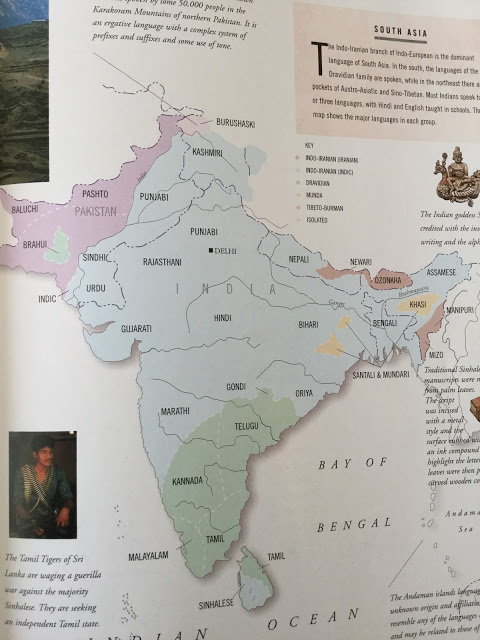
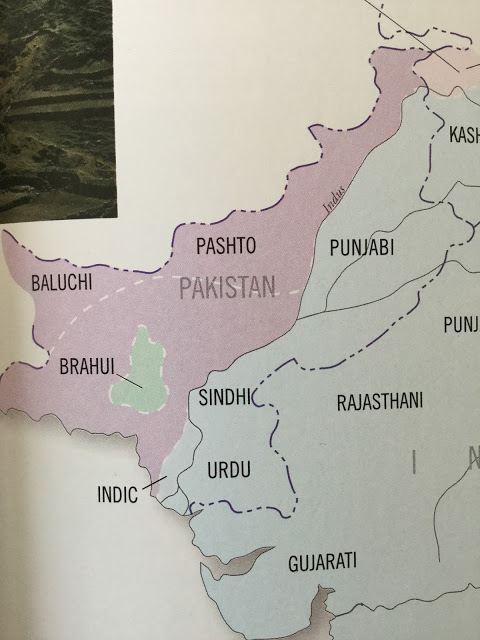
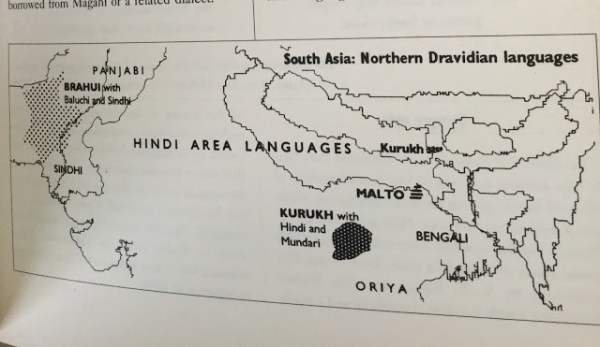
“Brahui, major language of western Pakistan, is an astonishing survival – utterly different from the Iranian languages that surround it. Most Brahui speakers are bilingual in Baluchi. There is no doubt that that Brahui belongs to the family of Dravidian languages of South India, though it is separated from the nearest of them by many hundreds of miles (see map at KURUKH).


The relationship was pointed out by German linguist Christian Lessen in 1844.


ONE COMMON GUESS IS THAT EARLY DRAVIDIAN SPEAKERS MIGRATED SOUTHWARDS IN TO INDIAN PNINSULA THOUSANDS OF YEARS AGO, AND THE BRAHUI (AND PERHAPS ELAMITE) REMAIN AS A CLUE TO SHOW THE ROUTE THEY FOLLOWED.

(MY COMMENTS: THE PEOPLE HAVE NO PHYSICAL SIMILARITY TO DRAVIDIANS. BRAHUIS ARE OF INDO-ARYAN STOCK!!!! FOREIGNERS WANTED TO SHOW ALL INDIANS CAME FROM OUTSIDE INDIA!!!!!!!!!!!!!)


But it cannot be as simple as this; Brahui shares some innovations with northern Dravidian languages such as KURUKH so must have separated from other Dravidian languages before they them themselves began to differentiate. IN REALITY THE EARLY HISTORY OF BRAHUI IS QUITE UNKNOWN.

(My comments: building sand castles as big as possible to be washed away by every wave! No single Tamil word found yet!!!)


It is at least certain that the speakers of Brahui and Baluchi have long lived side by side. Tradition tells of Hindu rule in medieval Kalat, the centre of Brahui and Baluchi culture, followed by a Brahui dynasty, followed by Mughal rule as elsewhere in India, followed by renewed Brahui domination. This last period contains a date 1660—the accession of Mir Ahmed as Khan of Kalat, ruling both Brahui and Baluchi tribes.


The pastoralist Brahuis traditionally migrate in large numbers in winter, the people called Sarraavaan to Kachi, the people called Jhalawaan to Sind, where they have hereditary winter quarters.

IT HAS BEEN SUGGESTED THAT THEIR NOMADIC ROUTES USED TO BE WESTWARDS TOWARDS AFGHANISTAN IN EARLIER CENTURIES AND THIS EXPLAINS WHY THER ARE SOME 20,000 BRAHUI SPEAKERS NOW SETTLED IN AFGHANISTAN WITH A FEW FURTHER NORTH IN TAJIKISTAN. AT ALL EVENTS, BRAHUI IS HEAVILY INFLUENCED BY BALUCHI AND SINDHI LANGUAGES IN WHICH MANY BRAHUI SPEAKERS ARE NECESSARILY BILINGUAL.

(My comments: There is no Brahui language; it is nothing but Sindhi and Baluchi for ever!!!)


BRAHUI NOW HAS RATHER FEW INHERITED DRAVIDIAN WORDS IN ITS LEXICON; Iranian and Baluchi words predominate. ITS SOUND PATTERN IS MOST LIKE THAT OF INDO ARYAN LANGUAGES SUCH AS SINDHI, WITHOUT THE SHORT E AND O AND THE MULTIPLE R SOUNDS TYPICAL OF DRAVIDIAN.

(My comments: There is no Brahui; it is just Indo-Aryan language; so far everything is guess; in reality everything is Baluchi and Sindhi—Indo-Aryan languages!!!!!!)

The first ten numerals in Brahui are

asit

irat

musit

chaar

panch

shash

haft

hasht

noh

dah

only 1 to 3 are Dravidian- the higher numbers are borrowed from Baluchi or Persian


(my comments: so all  these sand castles were built on Irat and musit!!!!!!!!!!!!!!!!!!!!!! is ASIT, Tamil???????)


O hilaarki daun e ki gingishk tuutaki = he is as fond of dates as a sparrow is of mulberries

CAN YOU FIND A SINGLE TAMIL WORD OR TAMIL SOUND IN THE BRAHUI SENTENCE?


So cunning linguist frauds have developed this Dravidian Brahui theory.


In fact Tamil has more similarity with English than Brahui:

One= ondru

Two= randu

Eight= Ettu


Let us compare it with Turkey (1400 BCE)!

Following is not a guess work or reconstruction like Brahui; It is based on inscriptions!

The oldest horse training manual found in Turkey has Sanskrit words for numbers!
The MItannian (Syria/Turkey) rulers’ names were in Sanskrit:
Biridaswa=Brhat Asva= possessing great horses
Sattawaza = Sapta Asva= Prize Winner in Seven horse races.
Kikkuli (1400 BCE) trained people on horses in Turkey and Syria. His manual used Sanskrit words:

KIKKULI SANSKRIT MEANING
Wartanna Vartana a turn
Aika Eka One turn
Tera Tri Three turns
Panza Panca Five turns

Satta Sapta Seven turns
Na (artanna) Nava Nine turns

Those who studied Tamil grammar wouldn’t be surprised to see Satta becoming Sapta. In Tamil also we follow the same rules to change Sanskrit sounds in to Tamil sounds. Raja becomes Arasan in Tamil. Rajaraja becomes Iraasa rasan in Tamil. Damayanthy in Sanskrit is written as Tamayanti, YogaRaja becoming Yokarasa in Tamil, Shakespeare changing to Sekappiriyar or seksupiyar, Homer changing to Omar and Harrypotter changing to Karipaattar!! There is no S or H or J or Sh or Ksha in pure Tami!!

 
In the same way Kikuli changed Sanskrit words to suit his students in the Hittite empire (Syria/Turkey)!
Maryannu is a word for warrior used by Kiikuli. This comes from the Sanskrit word Marya. Egyptians borrowed this Sanskrit word and Egyptianized like Tamils and wrote M(a)-ar-ya-na in 1470 BCE in Papyrus Anastasi I. They used this for Chariot warrior.

P= V
Asva in Sanskrit is written as Aspa by the Persians.
By 1500 BCE Sanskrit words were used from the Plains of River Ganges to the Plains of the River Nile and in between Mesopotamia!!!

Zend Avesta of Zoroastrians had Old Sanskrit or Persian words
Dravaspa =Devi Asva = Goddess for horses
Vist aspa (a king of Bactri) Visva Asva? = All powerful Horse?
Pourus Aspa = father of Zarathustra = one who possess many horses
Arbataspa =Master of war like horses
Huaspa =Su Asva= having good horses
Bactria’s capital was known as Zariaspa= land of golden horses! This is because they used gold coloured bronze coat.

Even when we have such proper evidence we did not build sand castles!


-subham–


Interesting Geographical Details in the Mahabharata-4 (Post No.4203)

Written by London Swaminathan


Date: 11 September 2017


Time uploaded in London- 14-48


Post No. 4203


Pictures are taken from various sources; thanks.


(This is the fourth and the last part)


My comments: The geographical details in the MBH gives lot of scope for research; it is amazing that Vyasa or his disciples have accumulated so much information in an epic. Modern approach will give a better picture. We can divide them into different categories such as 100% sure, 755 certain etc.

Janapadas of the East

1.ANDHAKA: Mathura area

2.ANGA: area between Videha and Magadha;modern Bihar

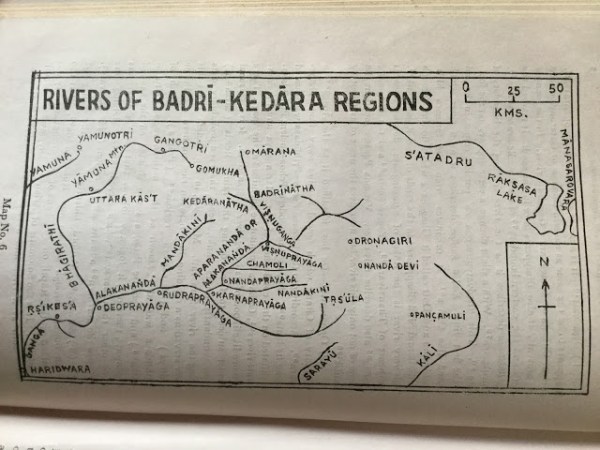
3.ANTARGIYA: Badri-Kedara region

4.ATREYA: Garwala region

5.BHADRA:Bhadranagara of Rajasthan

6.BHARGA: State of Vatsas; between Vaisali and Sravasti

7.BHARGAVA: West of Assam

8.GAYA: modern Bihar

9.KALAKUUTA:Kulinda region

10.KASI:Region between rivers Ganga and Gomati

11.KIRATA:Ladakh area

12.KUNTI: Gwalior area

13.KURU:Meerut area

14.KOSALA: Sarayu river area.

15.MATSYA:Bharatapura, Jaipura area

16.MALLA:Deoria district of UP

17.MAGADHA: Patna area; Bihar

18.MALADA: Malda of West Bengal

19.MAADHYAMIKA: Nagari area of Chittoor

20.MANAVARJAKA:Vardhamana in West Bengal

21.NAIMISA: Sitapura of UP

22.PATACCARA: Pataidi near Gugaon

23.PRAYAGA: Allahabad, Triveni Sangam

24.PANCALA:Punjab

25.PRAGJYOTISA: Gauhati in Assam area

26.PUNDRA: Rangpur, Rajasahi, Bogra in Bangladesh

27.STRI RAJYA: Western tip of the Buddhist Majjimadesa

28.SUHMA:Tamralipti and Medhinipura of Bangladesh

29.SASAKA: Murshidabad of West Bengla

30.Surasena: area around Mathura

31.TAMRALIPTA:Midnapur District of West Bengal

32.VANGA:Dacca and Mymensingh of Bangladesh

33.VATSA: Allahabad area

34.VAHIGIRYA:Mussori, Nainital areas

35.VIDEHA: Mithila area of Bihar


xxx


JANAPADAS OF THE WEST

1.APRAANTA:also Kuttapraanta Kalyana, Supara districts

2.ARBUDA: Abu mountain area

3.AANARTA:  Southern part of Ahmedabad, Baroda

4.AABHIRA: Ophir of the Bible; Averia of the Greeks;Sindhu delta

5.AARATTA: pancanada state

6.KAAKSA: Inner Narmada area; Bharukacca port

7.KUKKURA: western Vindhyas

8.KONKANA: Ratnagiri district

9.KOLVAGIRYA: Colaba area of Mumbai

10.KSUDRAKA:Montgomery area


11.GOPARAASTRA: area around Nasik

12.JANGALA: Bikaneer area

13.TUNDIKERA: Chindwada area of MP

14.TUMBUMA: Guna District of MP

15.DVAIPEYA: Island Diu

16.NAVARAASTRA: Maharashtra state

17.BRGHU: around ancient AAnarta

18.MARU BHUMI: Desert area of Jodhpur

19.MAAHEYA: river Mahi basin

20.SUUDRA: identified with State Abhira

21.LAATA: modern Gujarat

22.VITIHOTRA:  south of Avanti

23.SURASSTRA: Kathiawad region

24.SAMUPTA NIKUTA: island area of Kathiawada

25.SAARASWATA: river Saraswati basin, west of Ahmedabad

26.SINDHU: river Indus area

27.SAUVIRA modern Rodj in Pakistan


–Subham–

INTERESTING GEOGRAPHICAL DETAILS IN MAHABHARATA- PART 3 (Post No.4199)

Written by London Swaminathan


Date: 10 September 2017


Time uploaded in London- 10-41 am


Post No. 4199


Pictures are taken from various sources; thanks.


PREVIOUS TWO PARTS ARE PUBLISHED IN THE PAST TWO DAYS; THIS IS THE THIRD PART


JANAPADAS OF THE SOUTH

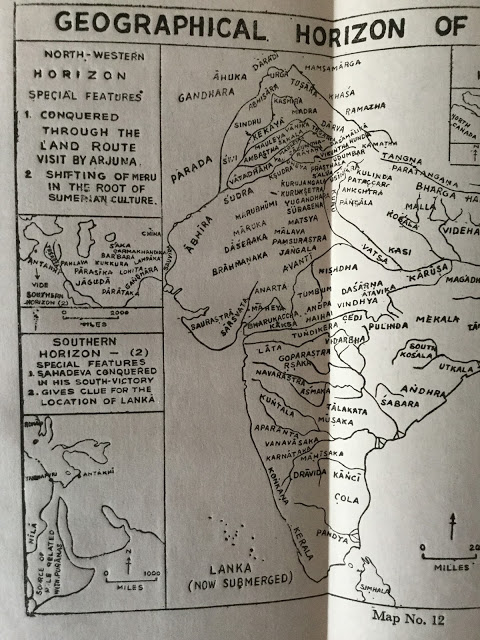
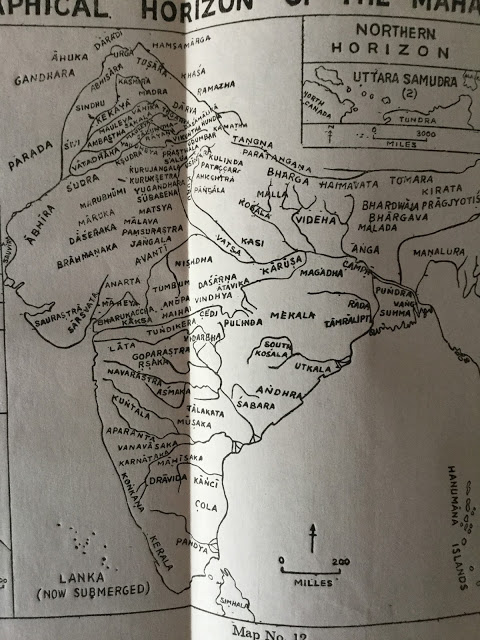
The countries of the Vindhya mountain region along with the south, south east and south west have been dealt in this chapter. The peculiar point is that Lanka has not been mentioned anywhere. It means the city of Lanka was submerged long before. But Simhala (Ceylon or Sri Lanka) is mentioned.


The second unique description is the knowledge of the western horizon up to the northern Atlanti ocean, Roma, Antioch and Yavananampuri according to Pande Syam Narayan, the author of the book


1.ANUPA: Nimar district; on the northern bank of Narmada; also known as Haihai country.


2.AVANTI: Malwa region; capital Ujjaini; Panini called it Ujna.


3.ASMAKA: District of Ahmednagar and Bodhan are of Andhrapradesh; capital Prathistanapura; Asmaka, son of Kalmasavad founded the city of Paudanya.

4.ANDHRA: Aitareya Brahmana refers to it; region between the mouths of Godavari and Krsna rivers.

5.BALIRASTRA: MBG mentioned only four countries with RASHTRA ending:Aadirashtra, Pamsurashtra, Goparashtra and Balirashtra.It is Bali island of Indonesia. Mahabharata mentioned that Rama spent ten years in this area.

6.BHOJA: modern Bhopal in Madhya Pradesh; Aitareya Brahmana mentioned title of Bhoja of the monarchs of the south.

7.COLA: districts of Thanjavur and Trichy; There was a king named Sagraaha Cola whose capital was Kanchi.


8.CUCUKA: Cecu near Hyderabad in Andhra.

9.DASAARNA: erastern part of Malwa country; capital- Vidhisa.


10.DANDAKA: East of Nasik up to Aurangabad districts of Maharashtra.Rama spent ten years here.


11.DRAVIDA: Sahadeva conquered this country according to MBH. region from Madras upto Rangapattam

and the peninsula of Kumari; another opinion country north of Kaveri up to Ailamalaya and Nilgris.

12.DEVAPRASTHA: region between Amarakantaka and Kanchipura

13.GANDAKA: Ahemedabadregion

14.HAIHAI: modern NIMADA; northern banks of Narmada

15.KARNATAKA:modern Karnataka

16.KAARUUSA: modern Baghelakand area

17.KUNTALA: Solapura and Bijapura area in river Bhima basin


18 and 19. KUMAARA and KUMAARIKAA: towards Kumari peninsula


20.KERALA: modern Kerala

21.MAHISAKA: modern Bellari, Citradurga and Shimoga;

22.MAALAVA:Nakula conquered the country during his dikvijay towards west.Greeks refereed to them Maloi; they lived on the baks of Ravi 2400 years ago.

23.MEKALA: region stretching from Riva to Khairagarha from where the rivers Narmada and Sona originate.

24MUSAKA: also known as Suutika and Musika. near Hyderabad on the river Musi.

25.NISHADA: modern Gwalior region

26.NALAKAANANA: Bellari-Anantpur regions

27.PANDYA: Ramnad, Madurai, Tirunelveli areas Sahadeva conquered it. There were Agastya and Kumari pilgrimages.

28.RSIKA: Khanadesa of Madhya Pradesh

29.SIMHALA: modern Sri Lanka

30.SABARA: Ganjam and Vizagapatnam districts on river Sabari.

31.TALAJANGHA: north of Narmada near Haihai country. Haihai wre divided into five groups: Talajangha,Tundikera,Vitihotras, Bhojas, Avantis

32.TALAKATA: western side of river Ganga

33.UDRA: modern Odisah(Orissa); Utkala, Kalinga

34.VANAVASAKA: modern Vanvasi; Kannada and Karwar areas on river Tungabadra

35.VIDARBHA: garuda, Vaidharna; region near origin of the tributaries of Godavari, tapti, Penganga; modern Vidharba

36.VINDHYA VIPULA: southern foothills of Vindhya- Satpura mountains; inhabitants were called Vindhya culika or culaka or muuliiya.


to be continued………………………….

INTERESTING GEOGRAPHICAL DATA IN MAHABHARATA- PART 2 (Post No.4196)

Written by London Swaminathan


Date: 9 September 2017


Time uploaded in London- 11-54 am


Post No. 4196


Pictures are taken from various sources; thanks.


PART FIRST WAS POSTED YESTERDAY


JANAPADAS IN THE NORTH

A verse quoted by Nagesa provided a clue for dividing the northern region from that of the eastern. The river Sarasvati is said to be the dividing line in that verse. Amarakosa has also given such direction. It included Kamboja North eastern Punjab the mountainous union or Parvatiya sang indicated by Panini. MBH describes them as Parvatiya (mountainous), Girigahvaravaasi (those living in the caves of the mountains). The following 62 janapadas have been identified in the group:

ABHISARA: south of Kasmira the PunchaRajanr; Greeks called the north western districts of Peshwar – abisaris

AMBASTA: Lower parts of the Chenab river; Panini mentioned Ambasta and AAmbasta; it corresponds with the Greek—Sambastai and Avastanoi

AAHUKA: Kabul basin in Afghanistan

AUDUMBURA: federal state of Udumbura

BARBARA:situated in Oxus valley; Panini named a pot named Barbarika near Karachi in Pakistan

BODHA:they are identified with Yaudheyas; Bayaanaa and Johiaakara region of Bharatapura


BHARADWAJA:Western part of Assam

CARMAMANDALA: may be Samarakhandika

CINA: Modern Sinkiang or Chiense Turkestan

DARADI: Dardistan area of Giljit

DAARVA: Daggar Jammu area

DASAMAALIKAA: area between River Jhelam and Bias (Vyas)

also Dasanaamika; Girivraja capital

DASERAKA:Marwara region of Rajasthan

GRAMANIIYAKA:Panini also mentioned them; they are militant. Cave dwellers organised under leader GRAMANI.

GANDHARA: It has been famous from Vedic days; region stretching from Taxila to River Kabul; modern Khandahar in Afghanistan; Pushkalavati Takshsheelam capitals


GIRIGAHVARAVAASINAH: militant race organised under Gramani. also known as Gauri. they are called Parvatiya (mountainous)

17.HAMSAMARGA: name of the Hunja region. janapada of the Parvatiya sanga ( unio of mountainous group)


18.HARAHUNA: Harmurtika, land of black grapes; janapada in Herat.

19.HAIMAVATAH: living in the Himalays; north of Sikkim

20.HUNA:the race shifted to one place to another.Kalidasa points them towards Persia; lived near Oxus and its tributaries


21.JAGUDA: Gazni area of Afghanistan

  1. KAMBOJA:Pamir region; they say sa va to go according to Mhabhasya;its used in Galcha dialect; Dwaraka capita. some identifies with Kashmir.
  2. KASMIRA: Sarada country; blessed by Goddess of learning city-Adhistana; present Kashmir.

24.KALATOYAKA- near Suleman hills

25.KEKAYA: associated with the country of Dasamalika; Ramayana locates it near Ghandhara

26.KHASA:Baltistan; mid-oxus

27.KULINDA:region in the Himalayas

28.KULUUTA: Bhima killed Ksemamuurti, King of Kuluutas; ii is in modern Kulu

29.KURUJANGALA: region between river Sarasvati and Ganga; Haryana

30.LOHITA: Rohela of Afghhanistan

31.LAMPAKA:North of Kabul Laghamanas attacked Satyaki in the Jarasadha Vadha; alinagar valley

32.MADRAKA: capital- sakala; modern Sialkot; associated with princess Savitri and Vedic teacher Sakalya

33.MADREYA:Madri is from this country; same as madraka; janapadas of noth Punjab

34.MAULEYA: modern Malwa region

35.PRASTHALA: near Patiala

36.PANCABHEDA: five rivers=Punjab

37.PAHLAVA: who came from the tail of Vasistha’scow; Parthian’s of Iran; samarkhand to Iran

38.PARATAKA:Hingula region of Pakistan

39.PAARASIIKAS: IRAN= Persia

40.PISACA: neighbours of Lampaka janapada; Pasai Kafirs were the inhabitants

41.PULINDA: Panini called them SAALVAAVAYANA. part of salva janapada

42.RAMATHA: near Ghazni in Afghanistan

43.SUKUTTA: Suket estate

44.SAIRANDHRA: Sirhind region

45.SAKA: Modern Seistan in Iran

46.SAAKALA: modern Sialkot; Panini referred to it.

47.SAATVAKA: Mandi on the northern bank of Sutlej

48.SALVA:Panini mentioned threeSaalva, Saalveya and Saalvaavayana. Near Matsyas

49.SIVI:Rik Veda mentioned them; country ath the confluence of Jhelam and Sindhu in Pakistan.

50.TANGADA PARATANGANA: country of Mleccas; Bhota country;Kullu Kangda region; mountainous

51.TRGARTA: Panini mentioned people of this country lived on arms. There was a union of six countries in Trgarta: Kaundiparatha, Dandika, Krautsika, Jaalamani, Brahmagupta and Jaanika

52.TUSAARA:Tokharistan (former USSR) They were present at Rajasuya Yajna of Yudhidthira

53.TOMARA:Tibetan region near Bhutan

54.UTSAVASANKETA: Ramapura, Basahara region of valley of Satluj

55.URAGA:Hazara district; between the Rivers Sindhu and Jhelum

56.VANAYU: Wana valley of Waziristan in Pakistan

57.VAATADHAANA: region east of Pancanada between Rivers Satluj and Ravi

58.VAAHLIKA: Balkh; Bactria of the Greeks; Skanda Purana mentioned this country out of 72 regions including 400,000 villages.

59.VAHIKA: according to Panini it is a synonym of Usinara; durin Panini’s times whole of Punjab was called Vahika.

60.VAIYAMAKA:identified near DARADI

61.YAVANA: The Greeks were called Yavanas with yellow coloured bodies; part of Jambudwipa; north west India

62.YUGANDHARA:Yugasila country near Dehradun of UP on the bank of River Yamuna


In the third and  part we will look at southern regions.

………………….to be continued


Interesting Geographical details in Mahabharata (Post No.4193)

Written by London Swaminathan

Date: 8 September 2017

Time uploaded in London- 17-04

Post No. 4193

Pictures are taken from various sources; thanks.

I was reading a book titled Geographical Horizon of the Mahabharata by Pande Syam Narayan published in 1980. Following are some interesting data:

The epic contains much of the geographical material relating to India and outside. There are 230 Janapadas (states) mentioned in the MBH. Out of these 230, 62 are towards the North, 35 towards the East, 27 towards the West and 36 towards the South.

(the author’s description of the seas and countries and their identification may not be correct; but it can be used a starting point)

He adds

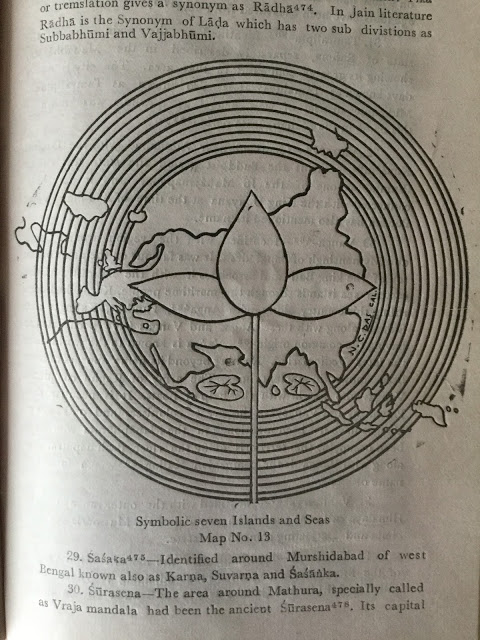
Janapadas of Sakadwipa

Udaivarsa (Malaya, Jalada)

Sukumaravarsa of Jalandhi mountain; it is the Komroi of the Greeks

Kaumaravarsa Or Narada mountain

Manicara or Anandaka Varsa; it has been identified as Mustag mentioned in the Zend Avesta

Mainaka varsa of the Ambikeya mountain

It seems the author of the Bhisma Parva and the Greeks had the similar knowledge

Janapada of Pushkala Dwipa

The MBH gives only one janapada by the name Saba having a quadrangular habitation divided into 33 divisions of mandala. Vamana, Airavata, Supratika and Anjana are said to be the guards of the four directions.

Janapadas of Kusadwipa

There is a great bush of Kusa or poa grass and there are the following seven varsas:

Umigada, Venumandala, Surathaakaara, Kambala, Dhrimana, Prabhaakara and Kapila

Janapadas of Krauncadwipa

There are seven varsas in the dwipa:

Kusala, Manonuga, Usna, Pravaraka, Andhakaraka Muniand Dundubhiswana

Janapadas of Jambudwipa

They are scattered in four directions. There is neither any sequence nor any classification; their identification becomes very difficult

Adhiraja

Aparaparjata

Asvaataka

Agneya

Aj-neya

Adhirastra

Averekah

Ahvaayaka

Aupakah

Aurasikah——10

Balitha

Carmakara

Civuka

Cicchila

Darsaka

Dasamiyaa

Dirgavenu

Drptaaksha

Govasana

Krakhadaah———— 20

Karabhanjakaah

Karavataah

Kuraka

Krmi

Karakaraah

Kayavya

Kaalaamukh

Kundamaana

Kusavindu

Kaisika—————- 30

Lalaataksa

Lalitya

Lohajanga

Manga (mrga)

Mandaka

Mandiika

Madaka

Majeeecha

Mavillakah

Mundaajh————– 40

Murucipatan

Modanaah

Maukaah

Nalakalaka

Naula

Natakeya

Pacakarpata

Panitaka

Pasu

Prakuttsakah——————- 50

Prakira

Pravrseya

Prahuta

Rajanya

Suukara

Sanjayanti

Sansthaanah

Sudesnu

Suparsva

Saivala—————— 60

Saubha

Tumbuna

Trayaksa

Trayainga

Taaratoyah

Uparyakah

Upaavrta

Ulluukha

Varmakah

Vanarasya———————– 70

In the second part I will give the Janapadas in the north, south and west where known places figure.

—–to be continued

கர்நாடக அதிசயங்கள்-1; 35,000 சிற்பங்கள்! (Post No.4167)

Written by London Swaminathan


Date: 27 August 2017


Time uploaded in London- 11-59 am


Post No. 4167

Pictures shown here are taken from various sources such as Facebook friends, Books, Google, Wikipedia and newspapers; thanks.


எனக்கு ரொம்பநாளாக ஒரு ஆசை! பேலூர், ஹளபீடு, சோமநாதபுரம் சிற்பங்களைப் படங்களில் பார்க்கையில் என்றவது ஒரு நாள் நேரில் போய்ப் பார்க்கவேண்டும் என்று.


நாங்கள் பெங்களூரிலிருந்து காரில் புறப்பட்டு சிருங்கேரி சென்றபோது கொல்லூர் மூகாம்பிகை, உடுப்பி கிருஷ்ணன் கோவில் செல்ல திட்டமிட்டோம். ஆனால் போகும் போதோ அல்லது வரும்போதோ பத்து மணி நேரத்துக்கு மேல் காரில் அமர வேண்டியிருக்கும் என்று டிரைவர் எச்சரித்தார். ஏற்கனவே மதுரை, மாயுரம், மதறாஸ் என்று காரில் நீண்ட பயணம் செய்ததால் அது வேண்டாம் என்று தீர்மானித்தோம். ஆனால் டிரைவர் ஒரு போனஸ் திட்டத்தை முன் வைத்தார்.


பேலூர், ஹளபீடு, அன்னபூர்னேஸ்வரி கோவில்களும் சிரவண பெலகோலாவும் வழியில் இருப்பதால் அவைகளுக்கு அழைத்துச் செ வதாகச் சொன்னார். பரம சந்தோஷம்; ‘கும்பிடப் போன தெய்வம் குறுக்கே வந்தது போல’ இருந்தது. ஆனால் சிருங்கேரியில் கொட்டிய மழையைப் பார்த்தவுடன் அன்ன பூர்னேஸ்வரி கோவிலை விட்டுவிட்டு மற்ற இடங்களுக்குச் சென்றோம்.


ஹளபீடு சிற்பங்களைப் ஆர்த்தவுடன் நான் மீனாட்சி கோவில் பற்றி பெருமை பேசியதெல்லாம் தவறோ என்ற எண்ணம் மேலிட்டது. எனது மதுரை மீனாட்சி கோவில் உலகப் புகழ்பெற்றதுதான். கல்லூரிப் படிப்பு படிக்கும் வரை, தடுக்கி விழுந்தால் மீனாட்சி கோவிலில்தான் விழுவேன். ஊருக்கு வரும் விருந்தாளிகளைப் பெருமையுடன் சுற்றிக் காண்பிப்பேன். அப்போதெல்லாம் இந்தக் கோவில் கோபுரங்களிலும், பிரகாரங்களிலும் 30,00-த்துக்கும் மேலான சுதைகள்- சிற்பங்கள் இருப்பதாகப் பெருமை அடித்துக் கொள்வேன். அவ்வளவும் உண்மையே!


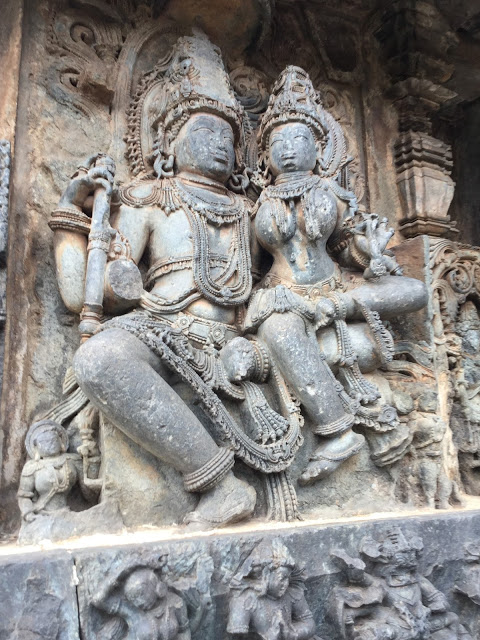
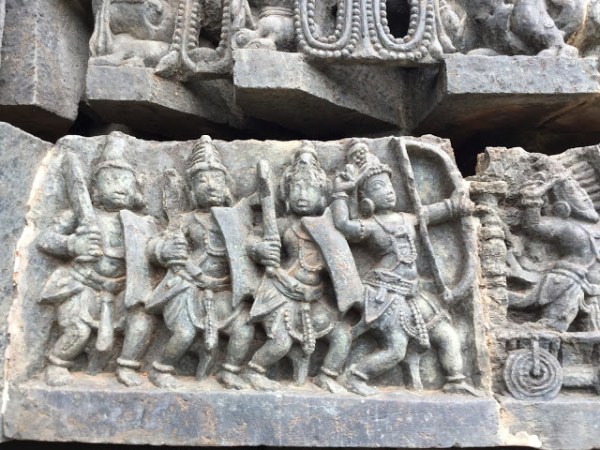
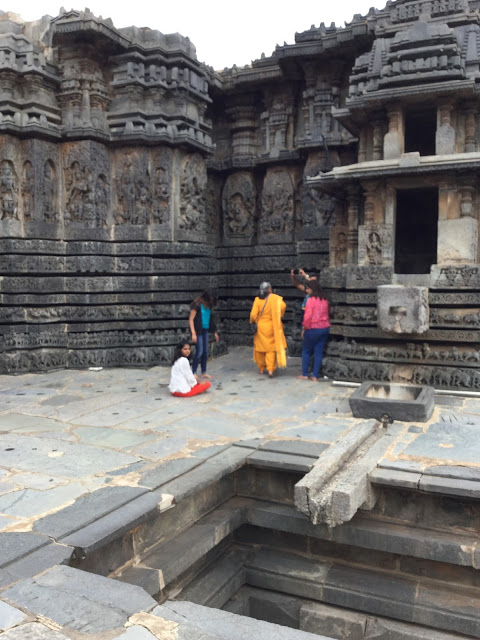
ஹளபீடு கோவிலில், கடுகு இடம் கூட வீணடிக்காமல் சிற்பங்களை அள்ளி வீசி விட்டார்கள் ஹோய்சாள வம்ச சிற்பிகள். சுமார் 1200 ஆண்டுப் பழமையான இந்தக் கோவிலில் வழிபாடு இல்லைதான். போய் தரிசிக்க கட்டணமும் இல்லை. ஒவ்வொரு சிற்பத்தையும் நன்றாகப் புகைப்படம் எடுத்தால் ஒவ்வொன்றும் போட்டோ போட்டியில் பரிசு பெறும்!


உலகிலேயே பணக்கார நாடு இந்தியா என்ற தலைப்பில் ஐந்து அல்லது ஆறு கட்டுரைகளை எழுதியபோது இதற்கு ஆதாரமாக ஒரு விஷயத்தைக் குறிப்பிட்டேன். அது என்ன வென்றால் இன்டிய சிற்பங்களில் காணப்படும் நகை நட்டுகள் போல உலகில் எந்த நாட்டிலும் காண முடியாது. கிரேக்க சிற்பங்களில் நகையே இராது. பாபிலோனிய, எகிப்திய, மாயன் நாகரீகங்களில் கொஞ்சம் நகைகள் இருக்கும். நமக்குக் கொஞ்சம் நெருங்கி வருவோர் எகிப்தியர்கள் மட்டுமே.

வேதங்களிலும் , ராமாயண மஹாபாரத இதிஹாசங்களிலும் ஏராளமான நகைகள் குறிப்பிடப்படுகின்றன. சீதையின் மோதிரமும் சகுந்தலையின் மோதிரமும் நம் இதிஹாசங்களில் முக்கியப் பங்காற்றுகின்றன. அது மட்டுமல்ல; சிந்துவெளி நடன மாது கழுத்தில் கூட நகை இருக்கும்; 2300 ஆண்டுகளுக்கு முந்தைய புத்தமத சிற்பங்களில் இருந்து இன்றுவரையுள்ள சிற்பங்களில் எண்ணற்ற நகைகளை காணலாம். இதில் என்ன அதிசயம் என்றால் பெண்களுக்குப் போட்டியாக, ஆண்கள் உடம்பிலும் ஏராளமான நகைகள் இருக்கும் இது உலகில் வேறு எங்கும் இல்லாத புதுமை.


ஹளபீடு சிற்பங்களில் யானை, குதிரை, மன்னர்கள், கடவுளர் அத்தனை பேருக்கும் நகைகள். ஒரு மனிதன் கற்பனையில் சில விஷயங்களை எழுத வேண்டுமானாலும், அது அந்தக் காலத்தில் இருந்தால்தான் எழுத முடியும், வரைய முடியும், செதுக்க முடியும்.


இது ஒரு புறமிருக்க சிற்பியின் கைவண்ணத்தை எப்படிப் புகழ்வது! இதை நேரில் சென்று பார்த்தால்தான் புரியும். நாங்கள் ஒரு மணி நேரம் கண்டு களித்தோம். ஆயினும் பல நாட்கள் தங்கி ஆராய்ந்தாலோ அ ல்லது புத்தகத்தை வைத்துப் படித்துக் கொண்டே பார்த்தாலோதான் எல்லாம் விளங்கும்.


உஙகளுக்கு ஹளபீடு செல்ல வாய்ப்புக் கிடைத்தால் நழுவ விடாதீர்கள்.


இனி சில புள்ளி விவரங்கள்:–


1.ஹோய்சாள மன்னர்களின் தலைநகர் இது. பழைய பெயர் துவாரசமுத்திரம். 1200 ஆண்டுப் பழமை உடைத்து


2.விஷ்ணுவர்த்தனின் மகனான இரண்டாம் வீர வல்லாளன் காலத்தில் புகழ் கொடிகட்டிப் பறந்தது. காவிரி நதி முதல் கிருஷ்ணா நதிவரை இடைப்பட்ட பிரதேசம் எல்லாம் அவன் வசப்பட்டது.


3.ஆயினும் 1311ல் டில்லித் துருக்கர் வசமானது. நல்லவேளை. முஸ்லிம்களின் அழிவுப்படை இந்தச் சிறபங்களில் கை வைக்கவில்லை. நாம் செய்த புண்ணியமே!


  1. துருக்கப் படைத் தளபதி, டன் கணக்கில் தங்கத்தையும் ரத்தினக் கற்களையும் மட்டும் எடுத்துச் சென்றான்.


5.ஹளபீடு என்றால் பழைய தலை நகர் என்று பொருள்; காரணம்- இதற்குப் பின்னர் புதிய தலைநகர் உருவானது.


150 அற்புதக் கோவில்கள்


6.ஹோய்சாலர்கள் கர்நாடகம் மாநிலம் முழுதும் 150 கோவில்களைக் கட்டினர். ஒவ்வொன்றும் சிற்பக் கலையின் அற்புதம்.


  1. இந்த ஊர், பெங்களூரில் இருந்து 214 கிலோமீட்டர் தொலைவில் இருக்கிறது


8.முக்கியக் கோவில் ஹோய்சாளேஸ்வரர் சிவன் கோவில். ஜேம்ஸ் பெர்குசன் இதை ஏதென்ஸின் பார்த்தினானுடன் ஒப்பிட்டுள்ளார். ஆனால் நான் சென்ற மாதம் பார்த்தினானைப் பார்த்து வந்ததால், ஹளபீடுக் க்கு 100 மார்க்கும் இன்றுள்ள பார்த்தினான் கோவிலுக்கு 35 மார்க்கும் கொடுப்பேன் (எல்லா சிலைகளையும் கிறிஸ்தவ, முஸ்லீம் படை எடுப்பாளர்கள் ஒழித்துக் கட்டி விட்டார்கள் ஏதென்ஸில்)


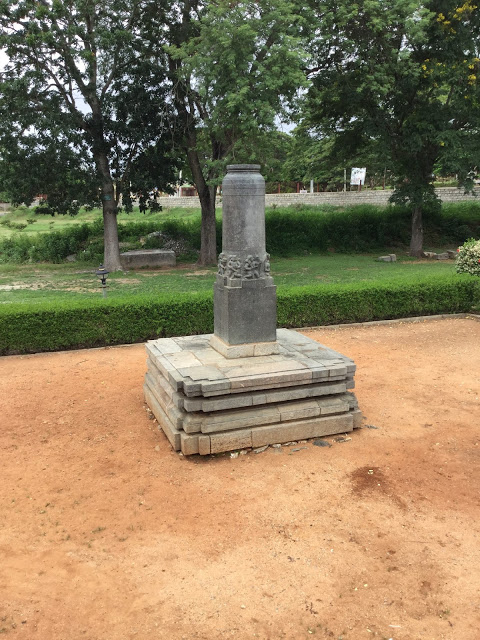
9.இரண்டு கோவில்கள் அருகருகே உள்ளன. ஒன்றில் பெரிய நந்தி. இது விஷ்ணுவர்த்தனின் அன்பு மனைவி சாந்தலாதேவியின் பெயர் சூட்டப்பட்ட கோவில்.


  1. என்ன என்ன சிற்பங்களைக் காணலாம்?

எல்லா வகை மிருகங்களோடு மகரம் , ஹம்சம் போன்ற கற்பனை உருவங்கள்;

எல்லா வகை தெய்வங்கள்

பால கிருஷ்ணனின் லீலைகள்

கர்ண– அர்ஜுனன் யுத்தம்

கோவர்தன மலையைத் தூக்கும் கிருஷ்ணன்

கஜேந்திர மோட்சம்

சிவ தாண்டவம்

சிவனின் ரிஷப வாஹன கோலம்

ராவணன் தூக்கும் கயிலை மலை

ராமாயணக் காட்சிகள்

சிவலிங்கம், நந்தி, மந்தாகினி என்னும் அழகிகள், ஏழு குதிரைகளுடன் சூரியனின் ரதம், வித விதமான தூண்கள், விஷ்ணுவின் அவதாரங்கள் என்று அடுக்கிக் கொண்டே போகலாம்.


35,000 சிற்பங்கள்!

மீனாட்சி கோவிலில் 14 கோபுரங்கள் 14 ஏக்கர் கோவில் பரப்பில் 30000 சுதைகளைக் காணலாம்; ஹலபீடிலோ அரை மணி நாரப் பார்வையில் கண் வீச்சில் 35000 சிற்பங்களைக் காணலாம்! அதனால்தான் பிரம்மாண்ட மீனாட்சி கோவிலைவிட இது சிறந்த வேலைப்பாடு உடைத்து என்கிறேன்.


‘கடுகைத்துளைத்து ஏழ் கடலைப் புகட்டி குறுகத் தறித்த குறள்’ என்று தி ருக்குறளை எப்படி பாராட்டினரோ அப்படி, குறுகி இடத்தில் 35000 சிற்பங்களை உருவாக்கிய காட்சி உலகில் வேறு எங்கும் இல்லை! இல்லவே இல்லை!!!


  1. காளிதாசி என்ற சிற்பி இதை உருவாக்கியதாகக் கல்வெட்டு சொல்கிறது


  1. உண்மையைச் சொல்லி விடுகிறேன்; எனது காமிரா பார்த்த அளவுக்கு என் கண்கள் காணவில்லை

வானிலுள்ள நடசத்திரங்களை பைனாகுலரும் , டெலஸ்கோப்பும் நன்கு காணும்; நமது ஊனக் கண்களோ மேம்போக்காகவே காணும்.


அருகிலுள்ள ஏனைய கோவில்களைக் காண நேரம் கிடைக்கவில்லை. அடுத்த முறை போகும்போது லண்டனில் நூலத்திலுள்ள புத்தகங்களைப் படித்துவிட்டுப் போவேன்!


வாழ்க ஹோய்சாளர்கள் (ஹோய்சாள = புலிகடிமால்);

வளர்க அவர்தம் கலைகள்!


–subam—