FLOATING STONE: RAMAYANA WONDER!!

(Based on News from Nakkiran magazine)

Translated by Swaminathan from Tamil

Post 1837 ;Date 30 April 2015; Time in London 5-23 am

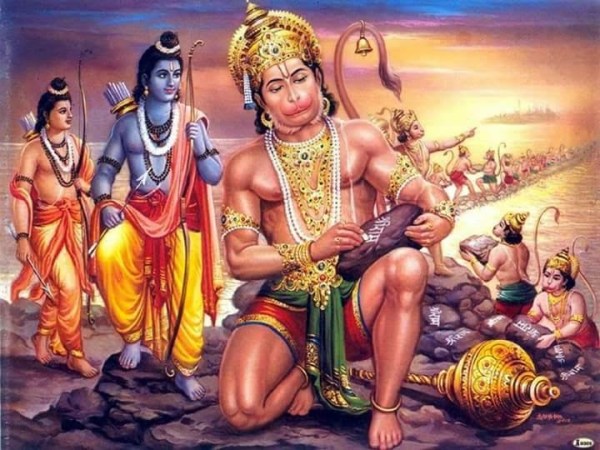
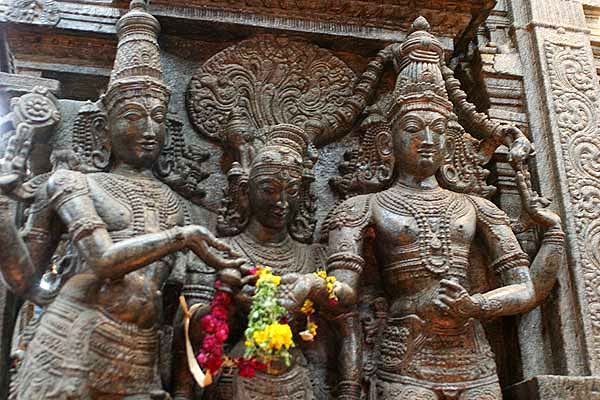
All of us know that when Hanuman wrote RAM on the stones, the stones started floating. Like army build pontoon bridges Rama built a pontoon bridge with the help of a Tamil engineer named NALAN. Now Ponnagaram fishermen have found out a fifteen kilo floating stone. Ponnagaram is near Manalmelkudi in Pudukkottai District of Tamil Nadu,India.

When the fishermen told the villagers about their stone in the fishing net which floats when put in water, they tried it at the temple tank at Adikesava Perumal Temple. When it was floating, hundreds of people came and watched it. I have already written about how Rama flew from Sri Lanka to Uttar Pradesh in a day based on a New Scientist Article. Please visit my blog tamilandvedas.com

மிதக்கும் கல்!

புதுக்கோட்டை மாவட்டம், மணமேல்குடி அருகே உள்ள மீனவர் கிராமத்தில் மீன் பிடிக்க கடலுக்குச் சென்றபோது மீனவர் வலையில் தண்ணீரில் மிதக்கும் 15 கிலோ எடை கொண்ட அதிசய கல் சிக்கியது. இந்த கல்லை பொதுமக்கள் ஏராளமானோர் அதிசயத்துடன் பார்த்துச் செல்கின்றனர்.

மணமேல்குடி அருகே உள்ளது பொன்னகரம் மீனவர் கிராமம். இங்கு தினசரி 500க்கும் மேற்பட்டோர் கடலுக்கு சென்று மீன்பிடித்து வருகின்றனர். நேற்று வழக்கம் போல் கடலுக்குச் சென்று மீன்பிடிப்பதற்காக வலையை கடலில் வீசிவிட்டு பின்பு வலையை எடுத்தபோது, அந்த வலையில் மீன்களுடன் ஒரு கல்லும் வந்தது. அந்த கல்லை எடுத்து அந்த மீனவர் தண்ணீரில் வீசியபோது அந்த கல் மிதந்தது. உடனே ஆச்சியப்பட்ட அந்த மீனவர் படகில் அந்த கல்லை தூக்கி போட்டுக் கொண்டு கரைக்கு வந்து பொதுமக்களிடம் இந்த அதிசயத்தை கூறினார். பின்னர் அந்த கல் அருகில் உள்ள ஆதிகேசவ பெருமாள் கோவில் வாசலில் உள்ள குளத்தில் போடப்பட்டது. குளத்தில் போடப்பட்ட அந்தக்கல் தண்ணீரில் மூழ்காமல் மிதந்தது. இந்த அதிசயத்தை கேள்விப்பட்ட சுற்றுவட்டார பொதுமக்கள் ஏராளமானோர் வந்து குளத்தில் மிதந்துக் கொண்டிருக்கும் அந்த கல்லை அதிசயத்துடன் பார்த்துச் செல்கின்றனர்.
(நன்றி -நக்கீரன் )

31 Beautiful Quotes on Virtue and Excellence

Compiled by London Swaminathan


Post No. 1834; Dated 28 April 2015.


Uploaded at London time  16-37

Calendar of Golden Sayings, May 2015

Important Days: May 1- May Day, May 4 & 25 Bank Holidays (UK),

5- Sri Annamacharya Jayanthi, 13: Sri Dattareya Jayanthi, Hanuman Jayanthi, Auspicious days: May 1, 6, 8, 10, 14, 15, 20, 22, 29


Ekathasi- May 14, 29; Amavasya – May 17; Pournami-  May 3 Chitra pournami


May 1 Friday

Of what use is beauty sans virtue. – Subhasitaratnabhandagara-3-260

Agunasya hatam ruupam


May 2 Saturday


It is impossible to recognise virtue. — Kahavatratnakar p29

Asakyaiva gunajnataa


May 3 Sunday

Virtues reside in the forthright.—Granthasthagathagaku

Rjuhrdayamadhivasanti gunaah


May 4 Monday

The lotus stem is high according to water depth. A man’s merit is the measure of his mental strength -Tirukkural in Tamil, couplet 595


May 5 Tuesday

Difficult to find one endowed with all virtues. —  Carudatta 2

Ekasmin durlabho guna vibhavah


May 6 Wednesday

Will the wicked ever have an inkling of what virtue is?

Kim jaanaatyaguno gunam


May 7 Thursday

There is not a single soul in whom all good qualities come together  –Hanumannataka 9

Kva nu punasvekatra sarve gnaah


May 8 Friday

All thought should be the thought of rising high though it fails; your aspirations keep you on higher plane -Tirukkural, couplet 596


May 9 Saturday

Goodness is the ornament of beauty. – Canakyaniti 3-4

Guno bhuusayate ruupam


May 10 Sunday

Virtues and wealth are hard to come by. Mrccakatika 2

Durlabhaa gunaa vibhavaasca


May 11 Monday

Can vices ever stir men whose hearts are stolen by virtues  –Subhasitavali

Dosaah kim naama kurvanti gunaapahrtaccetasah


May 12 Tuesday

The merits, even of foes are acceptable, and the demerits, even of friends, are contemptible.

Dvisatopi gunaah kaamyaah suhrdopi na durgunaah


May 13 Wednesday

The many merits of the virtuous do not get diminished by his silence.

Na maunena nyuuno  bhavanti gunabhaajaam gunagana


May 14 Thursday

Though wounded with arrows, the elephant stands firm in his greatness; he who has spirit never loses heart when he fails-Tirukkural in Tamil, couplet 597


May 15 Friday

The merit which destroys capability is no merit. –Hitopadesa

Na yogyataahaaryamapeksate gunam

Rarely does one find a person endowed with all good qualities


Ananthapura Lake Temple

May 16 Saturday

Good looks glow not without goodness.  Jatakamala

Na ruupasobhaa ramate vinaa hunaih


May 17 Sunday

A man’s deeds are the touchstone of his greatness and littleness —Tirukkural in Tamil, couplet 505


May 18 Monday

There is neither happiness nor good fortune in self glorification  –2-2 Subhasitaratnabhandagara

Na sukham na ca saubhaagyam svayam svagunavarnane


May 19 Tuesday

Where does one find the virtuous, devoid of even a single blemish –

Brhatkathamanjari

Niskalankaah kva vaa gunaah


May 20 Wednesday

Virtues set foot everywhere — Raguvamsa 3-62

Padam hi sarvatra gunairnidhiiyate


Kanchi Paramacharya Swamiji (1894-1994)

May 21 Thursday

The excellence of merit depends on receptacle – Kiratarjuniya 3-18

Prakarsamaadhaaravasam gunaanaam


May 22 Friday


Why go after form when merits abound –Brhatkathamanjari 1-14-674

Prakarsasced gunesvasti kimaakaarapariiksayaa


May 23 Saturday

Do not despise men for their forms; there are men like the axle of pin of a big rolling car (charit) –Tirukkural in Tamil, couplet 667

May 24 Sunday

The creator is averse to bringing together a totality of positives in a single soul —  Kumarasambhava 3-28

Praayena saamaryavidhau gunaanaam paraanmukhi visvasrjah pravrttih


May 25 Monday

The noble attain fame by virtue of their virtues. What has birth got to do with it Pancatantra 1-94

Praakaasyam svagunodayena gunino gaccanti kim janmanaa


May 26 Tuesday

Everyone is respectable on the basis of some merit  – sisupalavadha 15-1

Sarva eva samaveksya kamapi gunameti puujyataam


May 27 Wednesday

The world abounds in prettiness; goodness indeed is rare -Kiratarjuniya 11-11

Sulabhaa ramyataa loke durlabham hi gunaarjanam


May 28 Thursday


Merits outlive death  –Karnabhara 1.s17

Hartesu dehesu gunaa dharante


May 29 Friday

Pure speech and noble associations are the hallmark of the virtuous

Sphitaa vaacah sataam sangha laksanam  hi gunaisinaam

May 30 Saturday

Not appearance, but morality indeed leads one to nobility .

Prayaanti gurutaam hi gunaa na caakrtih


May 31 Sunday

All merits do not accumulate in one person. — Subhasitavali 3 – 847

Naikatra sarvo gunasannipaatah

Pictures are from my Face book friends; Quotations are from Suktisudha, Chinmaya International Foundation and Tirukkural; thanks. swami_48@yahoo.com  


Humility of Indian poets! Varahamihira, Kalidasa, Kamban & Purandaradasa

Bend it like Modi ( More you bow, More you Grow)

Written by London swaminathan

Research Article No: 1831

Date: 27 April 2015; Uploaded in London at 17-29

Sanskrit and Tamil poets were great poets and yet they were very humble. We may find several examples in our literature that show their humility. Let us look at a few examples:

VARAHAMIHIRA

Varahamihira who authored two encyclopaedic works’ Brhat Jataka’ and ‘Brhat Samhita’ among others, says in the concluding chapter of Brhat Samhita,

Jyotih sasstrasamudram pramathya matimandaraadrinaatha mayaa

Lokasyaalokakarah saastrasasaangkah samuthksipthah

“Having churned the ocean of astrology with the Mandara mountain of my intelligence, I have taken out the moon of science that affords light to the world.

Then in the next verse he says,

“I have not discarded the works of ancient seers while writing this scientific work. Hence, O ye good men, you may by all means compare mine with theirs, and accept whichever you like

He continues,

“Good men, on finding some excellence, though slender, in an ocean of faults, proclaim it, while the mean minded do the contrary. This is the nature of the good and the wicked

Durjanahutaasataptam kaavyasuvarnam visuddhimaayaati

Sraavayitavyam tasmaaddusta janasya prayatnena


“The gold of poetry being heated by the fire of wicked men gets purified. Hence, it should be read to the wicked by all means”.

KALIDASA

Kalidasa, the greatest of the Indian poets, in his Raguvamsa Kavya, says,

“The dynasty originated from Sun; with the meagre intellect of mine,  I am wishing to go across this unnavigable ocean called the solar dynasty by a small boat.

“Will I become the butt of ridicule if I were to covet the celebrity of an eminent poet, like a short fellow overstretching his arms for a fruit obtainable only by the tall, because I am still a dunce in this subject matter?

“But my course in depicting this dynasty might as well be easy through the gateway already crafted by the earlier poets, like a diamond bore holed by a diamond-edged tool for an easy passage of thread”.

In Malavikagnimitra, he says,

“Every old poem is not good simply because it is old; nor is a poem without charm, because it is new; sound critics favour the one or the other, after proper examination; while a blockhead is guided by another’s judgement”.

KAMBAN

Greatest of the middle age Tamil poets Kamban in his Tamil Ramayana says in Balakanda,

“I wanted to write the story of Rama. My desire is like a cat licking the milky ocean (thinking it could drink the full ocean).

“Are you people wondering at my endeavour of writing the great story done by Valmiki– full of penance? He wrote the story of great Rama who pierced the seven strong trees with a single arrow which never miss the target like the curse of great people.

“I know the world will ridicule me; but my intention is to highlight the greatness of Valmiki who wrote flawless divine poetry”.

PURANDARADASA

The famous Kannada saint and composer Purandaradasa says in one of his songs

“There ought to be traducers. Without them the glory of the virtuous would not gain celebrity. For example the paddy grain would be worthless without its slender thorn”.

Varahamihira  concludes by saying

“With my intellectual power blessed by the Divine Sun, the sages and my preceptor, as a result of my having made obeisance to their feet, I have only summarized this science. Hence I offer salutations to the ancient authors”.

Bowing Modi

“Gunaprakarso vinyaadavaapyate”

“All virtues are enhanced with humility” – Subhasita ratna bhandakaram 3-869

Octogenarian Manmohanji Namaskar!

Nakshatra Purusa: Worship of the Stellar Deity!

Written by London swaminathan

Research Article No: 1829

Date: 27 April 2015; Uploaded in London at 8-40 am

A lot of things about stars, planets and comets are in the Vedas and later literature. German scholar Jacobi and Indian Independence hero B G Tilak have studied them independently and arrived at the date of 4000 BCE or before for the Vedas. Both the Rig Veda and Atharva Veda have got special hymns on the stars.

The study of the Vedic Astronomy explodes the Aryan Dravidian Racist theory into pieces. Had the Vedic Hindus arrived from other areas as suggested by foreign “scholars”, the 27 star system and other Vedic Hindus’ beliefs must be there or at least the remnants would have been there. We have not seen anything like that anywhere else. This shows clearly the Vedic astronomy and astrology are independent of any other system. Westerners told us that we borrowed the planetary astrology from the Greeks. It cannot be correct because all the beliefs are here even before the Greeks started writing in their language. Those who study the four Vedas together would understand it. If we include the Brahmanas, Aranyakas and Upanishads, the subjects covered by them are amazing, though they are all religious books!!

In today’s article I will analyse what Varahamihira wrote 1500 years ago, in his Brhat Samhita.

Like we have Graha purusa and Vastu Purusa, Varahamihira gives us some information about Nakshatra Purusa:

The FEET of the stellar deity are represented by the star Mula

The LEGS by Rohini

The KNEES by Asvini

The THIGHS by two (Purva/Uttara) Asadas

The PRIVITIES by two Phalgunis (Purva/ Uttara)

The HIPS by Krittikas

The SIDES by Purva and Utthara) Bhadrapadas

The STOMACH by Revati

The BREAST by Anuradha

The BACK by Dhanista

The ARMS by Visakha

The HANDS by Hastha

The FINGERS by Punarvasu

The NAILS by Aslesa

The NECK by Jyeshata

The EARS by Sravana

The MOUTH by Pusya

The TEETH by Svati

LAUGHTER by Sathabishak

The NOSE by Magha

The EYES by Mrgasiras

The FOREHEAD by Chitra

The HEAD by Bharani and

The HAIR by Arudra

Hindus always describe Gods from Foot to Head and human beings from Head to Foot. It is seen in Sangam Tamil and more ancient Sanskrit literature.

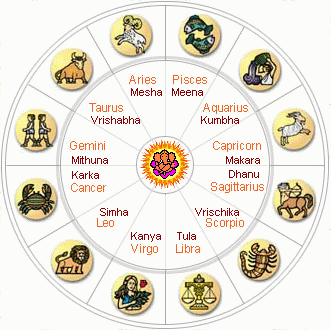
12 signs of zodiac (12 Rasis) represent Kalapurusa (Time in the form of a Person). Likewise the 27 Nakshatras are distributed among the limbs of the Nakshatra purusa.

One should worship Lord Vishnu and the Stellar Deity and then observe fast on the 8th of dark half (Krishna paksha Ashtami) of the Chitra month. After this verse Varahamihira explains various gifts to the Brahmins.

The benefits  one gets by the worship make interesting reading: a man who does this gets 1)long arms 2) broad, muscular breast 3)moon like face 4) white teeth 5)Gait of lordly elephants 6)Lotus like eyes 7) a personality that captivate the hears of damsels and a body verily that of Manmatha (Cupid).

This description gives an idea about what the Vedic civilization considered as the features of a handsome man.

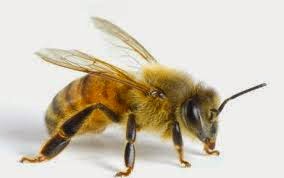
A woman who performs the Puja will get a face as bright and as lustrous as autumnal full moon, eyes like the petals of lotus, beautiful sparkling teeth, hair resembling the belly of the bees, a voice as sweet as that of an intoxicated cuckoo, red lips , hands and feet like as tender and charming like lotus petals, a slender waist bending under the weight of the bosoms, a navel with turns from left to right, thighs similar to banana trunks, fine buttock and excellent loins. She will win the love of her husband, and have well knit toes.

Belly of the bee: Golden hair?

This gives an idea of the concept of beauty in Indian literature. It is almost similar in ancient Sangam Tamil literature. The presence of such a concept from the Himalayas to Kanyakumari and the absence of such a concept in any other country explodes the Aryan Dravidian Racist theory.

Varahamihira , in his book, adds, “such a person, man or woman, will become a star and move with the stars in the sky, as long as the rows of stars move in the sky and illumine the world, till the end of the Creator’s Day i.e Kalpa. And when the universe is re-created, the person will become a monarch; and will be reborn in the world as a king or a rich Brahmana.

No other religion other than Hinduism (includes its offshoots like Jainism, Buddhism, Sikhism) accepts that Soul can neither be created nor destroyed. Hindus only have found out that the Soul is indestructible. It can only merge with the God at the end.

The scientists have not yet understood the cyclical nature of TIME. They will agree with the Hindus when they understand fully the nature of Black holes.

The twelve months beginning with Margasirsa are said to be presided by Kesava, Narayana, Madhava, Govinda, Visnu, Madhusudana, Trivikrama, Vamana, Sridhara, Rishikesa and Padmanabha respectively. This shows the calendar year started with Margasirsa at one time. This is a proof for the antiquity of the ancient Indian/Hindu civilization. The twelve names are the names of Vishnu.

Source: I have used the translation of Brhat Samhita by Mr M Ramakrishna Bhat and added my comments.

Pictures are used from various sources; thanks.

Milk and Yogurt in the Vedas!

Curd Rice

Written by London swaminathan

Research Article No: 1827

Date: 25 April 2015; Uploaded in London at 21-26

The vegan concept is unknown in ancient India. Vedic Hindus used milk and other dairy products without any hesitation. The definition of vegan is “a person who does not eat or use animal products”. Vegans don’t use honey or milk; but Vedic Hindus used madhuparka, a mixture of curd and honey. This was offered to honoured guests and distinguished visitors “rtviks, Acharya, bridegroom, king and someone who is dear to one. The references are available in Manava, (1-9-1),Baudayana (1-2-65) and  Asvalayana (1-24-5) Grhya sutras.

No book in the ancient world gave so much importance and respect to cow, bull and milk products. My view is that only the Vedic Hindus introduced the cow and its products to the world. Milk and honey are offered to gods until today during the ritual bathing of the idols every day. The ritual bathing is called Abhishek.

Milk (ksira), also called go or payas played a large part in the economy of the Vedic Hindus RV 1-109-3, 1-167-7, 8-2-9, 9-67-32; AV 2-26-4, 5-19-5, 8-3-15, 10-9-12). Later literature has got more references.

Milk was cooked with grain. They drank it fresh or in the form of curd or butter. Boiled milk and cream of boiled milk were in common use. They ate milk and rice (ksira odanam). Grain s the word sed here so it may even be the Payasa (sweet liquid). Hindus nowadays offer to God Payasa (sweet liquid made up of milk with vermicelli or rava or pounded rice/powa or rice ).

Payasam photo by T Suchasini

Goat’s milk was also used (TB 4-1-6-1; SB 14-1-2-13)

There were people who lived on milk alone (payavrata SB 9-5-1-1; KB 8-9). Ascetics in India survived just by drinking milk and eating fruits.

They used pieces of Putika creeper, bark of palasa tree or kuvala (jujube).

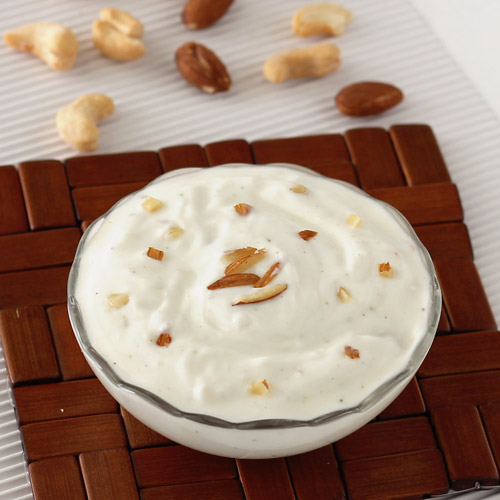
The term payasya in later samhitas and brahmanas denotes curds and hot or cold milk. I think this is what now we call Shrikhand, a sweet made up of Youghurt (curd).

Lord Krishna who lived 5100 years ago according to Hindus tradition is linked with the cows and all dairy products. He is known as Buttter Krishna (Navaneetha Krishna). Several Upanishad stories are spined around raising cows or making two cows into 1000 cows (Satyakama Jabala in Chandigya Upanishad and 1000 cows for Yajnavalkya in Brihadaranyaka Upanishad). All these 1000 cow stories as early as 900 BCE show the wealth of the Vedic Hindus.

Churning Curd

The process of churning with a churning stick was known from Rig Vedic times (1-28-4, BU 6-3-13).

The mixture of curds and minute globules of butter,when the latter have not been removed, was called prasadajya.

Two varieties of cheese – one with pores and the other without pores were mentioned in the RV6-48-18

A preparation of curds with boiled milk was very popular The solid part of the preparation was called amiiksa, while the liquid part was called vajina (lot of references in TS, M, VS, AV 10-9-13, SB, TA, CU, JU.

Butter was heated to make ghee. Butter was used to make apupas.

shrikhand-recipe

Shrikhand

Conclusion:

Vedic society was the one that showed the importance of cow and milk to the mankind.

Sweets like Rice Pudding and Shrikhand existed even during Vedic times.

Milk and honey were considered holy and they are offered to God until today.

Vegan concept is a modern, western concept, unknown in India.

What did Vedic Hindus Eat?

Famous tasty Apuupa (masaapuupa) South Indian Vada

Written by London swaminathan

Research Article No: 1825

Date: 23 April 2015; Uploaded in London at 20–43

It is very interesting to study the food items listed in the Vedas. It is a long list and it deserves a separate research book. I have not come across any book comparing the food items in the Vedas with the food items in the epics and the mythologies. But there are some articles on food items in the Vedas. Going through the Vedic food items will give us some idea about their life style. Rig Veda is the oldest book in the world, now dated between 1700 BCE and 6000 BCE.

Not all the Hindus were vegetarians. The Vedic society comprised of the fighting Kshatriyas and travelling Vaisyas along with the manual labourers called Shudras. No wonder meat was part of their menu. But the surprising thing is the mention of meat is very little compared to the vegetarian items.

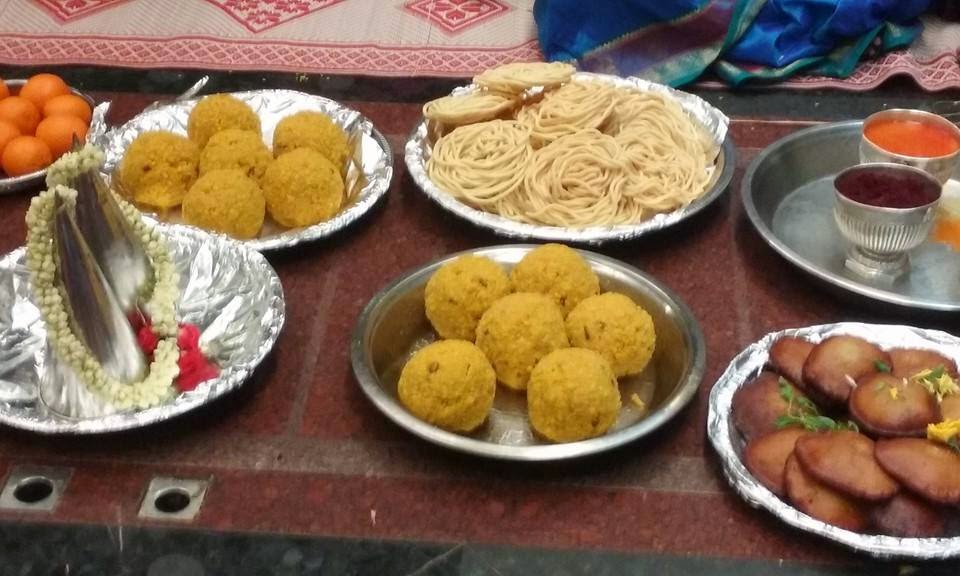
The most interesting item is Apuupa (RV 3-52-7; RV 10-45-9). Even today the Puja offering includes Mashapupa (Vada made of black gram or Urad Dhal). If rice flour is used with ghee and sugar/jaggery it becomes a sweet dish Appam. Tamils use both Appam and Vada today. It shows the food items did not change for at least 3700 years!

Apuupa is translated as a cake in the Vedic Index by Keith and Macdonell. It might be a dish made up of rice or barley mixed with ghee (clarified butter) according to them. It is mentioned in the Rig Veda (3-52-7; 10-45-9) and Satapatha Brahmana (2-2-3-12; 4-2-5-19)

Sweet Apuupa is at the right extreme.

Vedic seers were honoured with Madhuparka, a mixture of milk and honey. Both of them were available in the forests where their ashrams (dwellin places) or Parnaslas (Leafy huts) were constructed. They had gruels as well. Even today all the village temples in Tamil Nadu offer gruel during their festivals. This shows the continuity of the Vedic food or offering.

Here is a list of the food items:

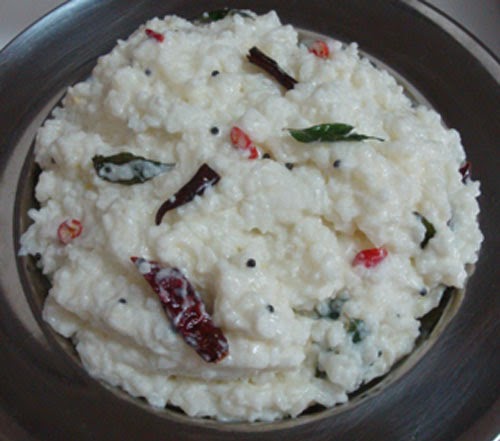
Odana – grains cooked with milk or other items. Like today they had different odanas such as dadhy odana (curd rice), ksiraudana (milk rice) mudgaudana bean rice, sesame audana, ghrtraudana( ghee rice) and meat rice( biriyani) . They are found in RV and AV in addition to the Upanishads and Satapatha Brahmana.

Pinda is a ball of rice offered to departed souls. This is mentioned with the same Sanskrit word in Sangam Tamil literature. The use of water, rice and sesame seeds shows that the Aryan Dravidian Racist Theory was unfounded. They are grown and used in tropical countries. All are found in Indus valley and the same Sanskrit words are used till the Southernmost Part of Tamil Nadu. Til= El, Vrihi= Arisi, Nara= Neer. Had the Hindus come from cold central Asia or Europe they would not have used water from birth to death in all the ceremonies. For auspicious events they used yellow rice and inauspicious they used white rice. It was even put into the mouth of dead body. All these show they were born and brought up here. All the customs originated here.

Savoury Apuupa (kuzi appam)

Kharambha – gruel

Aamiksa – clotted curds

Kiilaala/ parisruta/pana paanta/  – sweet drink

Go /Ksira/payas/pratiduh – milk

Dadhi/payasaa – – yogurt or curd

Navanita – butter

Pakti – cake

Pakva /Pacata – cooked food

Parivapa – fried rice

Piiyusaa – biestings

Pitu – food (This word is used in Tamil as well)

Pista – flour

Madhu – honey

Maamsa – meat

Madhya/ suraa – liquor

Yavaagu – baley

Vistarin – porridge

Soma rasa – not a food, but an offering or Prasad

Grains used by the Vedic Hindus: at least 25 different types of grains are mentioned. Ten types of fishes are also found in the Vedas but not as food items. In the Asvamedha Yajna more than 200 items are offered as offering from grains to animals. But we don’t know whether they are symbolic or actual.

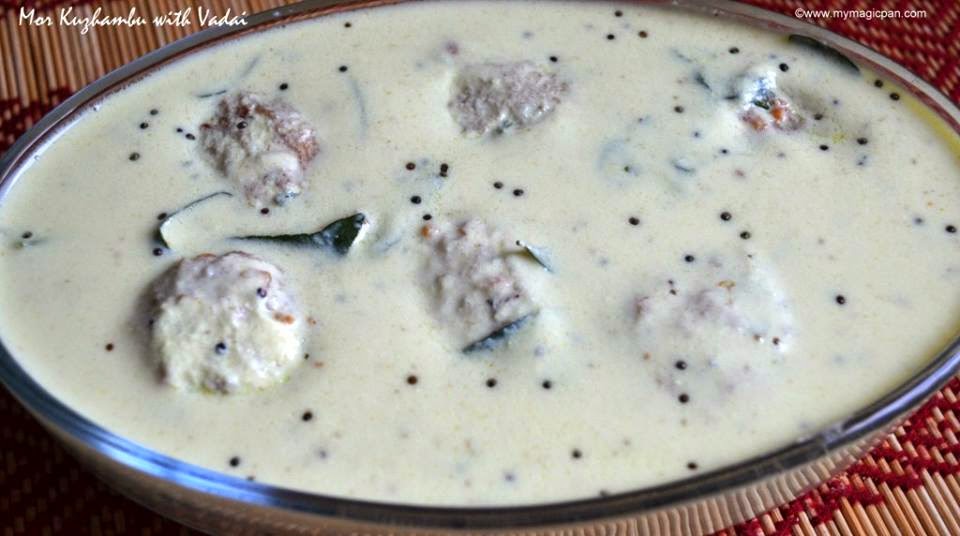
apuupa in yogurt (Dahi Vada)

Rice gets more mentions. Dairy products are referred to in hundreds of places. That deserves a separate article. This shows the Vedic Hindus were the one who introduced the cow to the mankind and it was worshipped as mother cow/ Go Matha. Water and rivers were worshipped as goddesses.

Swami_48@yahoo.com

Why did Rama marry Sita on Phalguni Uththiram Day?

Written by London swaminathan

Research Article No: 1823

Date: 23 April 2015; Uploaded in London at 19-21

“During the Muhurtha sacred to the sun, and when the moon was in conjunction with UTTARA PHALGUNI, such of her kinswomen as had their husbands and male children living, put decorations on her (Uma’s) body” – Kalidasa in Kumarasambhava, Chapter 7, Sloka 6

Choza Bronzes of Parvati- Paramasiva (Kalyanasundara);wikipedia picture.

Valmiki who lived thousands of years ago according to Hindu tradition, Kalidasa who lived before first century BCE and Kamban who lived in 12th century CE — all mention the star Uttar Phalguni as the most auspicious day for the wedding. Tamil saint Sambandhar of seventh century CE praised Panguni (Phalguni) uththaram in his Tevaram verse. All the Tamil temples have been celebrating this day as a great festival day for at least 2000 years. It is very interesting to see the same culture and belief from the Himalayas to Kanyakumari. The largest country in the world at that time.

In my research paper “Why did Sangam Tamils marry on Rohini star day?” posted by me on 20th May 2014, I have explained that the two Akananuru verses and Tamil epic Silappadikaram say that Tamils got married on the day Rohini was in conjunction with the moon. Tamils followed what their Northern brothers did, because the culture was same from the Himalayas to Kanyakumari even before two thousand years ago. I have quoted Kalidasa’s Shakuntalam verse on Rohini and said that it explodes Aryan Dravidan Racist theory. Sangam Tamil literature and Silappadikaram have umpteen references to Arundhati (Vedic seer Vasistha’s wife) as the chaste woman in the world. This also gives a severe blow to the racist theory. Now there is another blow to the Aryan Dravidian Racist theory from the Panguni Uththiram festival.

Valmiki and Kamban who adapted Valmiki Ramayana in Tamil are very clear about the wedding day. Vamiki Ramayana says,

Picture of Sita Kalyanam

“Let the four princesses give their hands to four valiant princes on the same day, O Great Ascetic. O Brahmin, the wise declare the nuptials should take place on the last day under the Phalguni star when Bhaga is in the ascendant”—Bala Kanda, Chapter 72


Kamban says in Tamil “Panguni Uththaram”. The moon is in the asterism of Uththiram (Balakandam, Kamba Ramayana, Kadimana Patalam)

The astronomical name of the star Utra Phalkuni  is Beta and 93 Leo (உத்தரம்)

This is a very auspicious day for the Hindus. Holi festival and Kama Dhahanam (Burning of Kama/Desire/Manmatha are celebrated in the North and the South on a grand scale. All the Vaishnavite and Saivaite temples in Tamil Nadu have their main festivals during that period. Most importantly the marriage of Shiva with Uma is celebrated in most of the temples. Rama who broke Shiva Dhanus got married on the day Shiva got married!

It is more auspicious for the devotees of Kartikeyan (Skanda/Murugan). In all the Tamil speaking parts of the world, Murugan temples do Chariot festivals and other events.

This is the day Lord Shiva married goddess Meenakshi in Madurai. Later the Nayak king merged three festivals of Madurai, Tirupparnkundram and Alakarkoil for the convenience of general public. Now it is called Chitra (full moon day) festival.

Picture of Meenakshi Kalyan from Madurai Temple

Lord Skanda married Deivanai, daughter of Indra on the day as well. Lord Muruga helped Indra to defeat the evil demons and he, as a token of gratitude, gave his daughter Deivanai in marriage to Lord Skanda/Murugan. All these stories are mythological and to bring the atmosphere of cheer and happiness these celestial weddings were celebrated. People chose those days to celebrate the weddings of their near and dear ones. In countries like Malaysia and Singapore they take Kavadis and pull chariots in the streets.

Hindus chose Full Moon Day (Purnima or Paournami) for most of their festivals. There were no electric lights before 1880. Celebrating festivals on or around full moon day made it easier for the pilgrims to travel from far off places. Even among the 12 full moon days they avoided rainy season for big festivals. So big festivals are held between Magh (Masi) and Vaishak (Vaikasi).

Ellora Caves: Siva – Uma

Stars Rohini and Uttaram are Hindus favourite stars!

-SUBHAM-

Vedic Hindus’ Hair Style

Compiled by London swaminathan

Date: 22 April 2015; Post No: 1821

Uploaded in London 22-08

Vedic literature is an encyclopaedia of the life of ancient Hindus. Though the Vedas are religious books, we have got lot of information about the normal secular life of people. We have got some interesting information about the Vedic hair style.

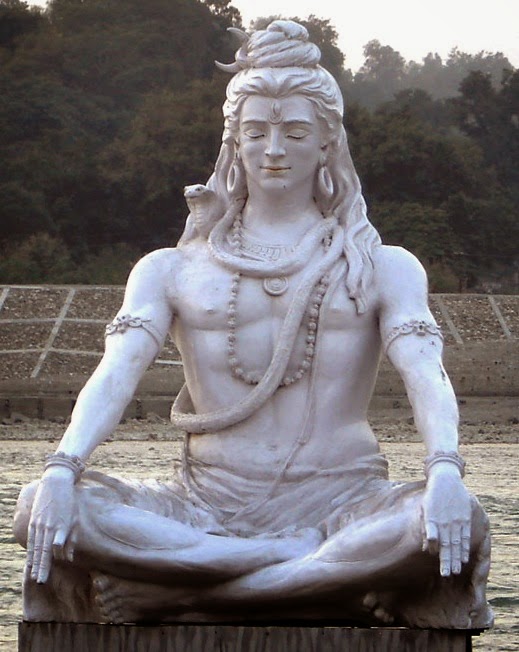
Shiva, One of the gods of Hindu Trinity, has a name due to his hair style. Kapardin is his name. It means matted locks. Even today lot of ascetics have this hair style. This name occurs in the Vedas. Rudra and Pusan wore their hair plaited or matted.

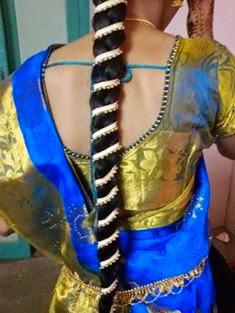
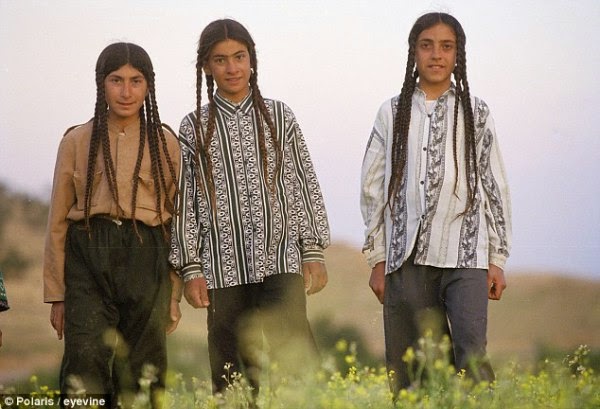
The use of the word ‘apasa’ indicates that plaits were worn by women in dressing the hair. There are undoubted references to the custom of wearing hair in braids or plaits. A maiden had her hair in four plaits (RV 10-104-3). It is very interesting to compare it with the plaited hair of Yazidis of Iraq. I have already explained in my two articles that they were ancient Hindus isolated in the hills of Iraq (Please read my articles “Hindu Vestiges in Iraq” and “Trikala Surya Upasana” ,posted on 12th and 23rd of August 2014 respectively).

The Yazidi youths wore a hair style as described in the Veda.

Yazidi boys of Iraq

Sangam Tamil literature described the Tamil women doing five types of hair styles (Aimpaal Kunthal in Tamil). This has been explained by the commentators as five different hair dos.

Kesa / hair is mentioned in the Atharva Veda (AV 5-19-3, 6-136-3), Vajasaneyi Samhita 20-5; 25-3and Satapatha Brahmana  2-5-2-48

In the hymns of Atharva Veda plenty full growth of hair is desired

Cutting and shaving of hair were in vogue. Scissors, razors and knives are mentioned in the Vedas.

Long hair was regarded womanly (SB 5-1-2-14). This shows women had long hair and they prayed for long hair. In the Mahabharata Draupadi vowed not to tie her hair until Dusshsana was killed and his blood is smeared in her hair. Women don’t dress their hair when their husbands were away.

When a woman was pregnant the ‘seemanta’ ceremony is done and lot of bangles are given to the woman. This seemanta means parting the hair. Kataka Samhita 23-1 mentioned this parting with the thorn of a porcupine – ‘salali’

Beautiful Hair style on a statue

Another term for hair style is ‘stuka’ which means a tuft of hair or wool RV 9-97-17; AV 7-74-2

The word ‘pulastin’ (KS 17-15) occurs in the sense of ‘wearer of plain hair’ as opposed to ‘kapardin’ ‘ wearer of braided /matted hair.

Locks were known as ‘sikhanda’, parting of hair ‘siman’ and top knot as ‘sikha’

We see top knot in Buddha statues. A sage had the name Pulastya, may be due to his hair style.

Rama’s hair style was described as Kaka Paksha in Ramayana (like the two wings of crow)

Siva Kapardin

Hair Treatment

Vedic Hindus were very keen to have good dense hair. In order to stop hair from falling, herbs were grown  in water and other selected places. In order to make the hair grow a paste of heated sirsa (vanquiena spinosa) and nuts of aksa (bellerica Terminalia) were applied to the head.

In short they cared much for healthy hair and they did decorate their hair with different styles. This shows that they were well advanced in fashion and style. That stood as a proof for their happy and prosperous life. Foreign “scholars” deliberately concealed all the positive things about the Vedic society and projected them as nomadic migrants.

GOLD in the Vedas!

Compiled by London swaminathan

Date: 21 April 2015; Post No: 1818

Uploaded in London 21-22

Vedic society was rich and prosperous. Vedic women wore gold and silver jewellery. We have references to gem stones as well. We read about their dance and music. Naturally the women would have dressed themselves for the occasion. Though Vedas are religious books, still we find lot of secular matters. Indian sculptures that are available from third century BCE show lot of different types of jewels. Every part of the sculpture has a jewel. When we look at Greek statues we see bare bodies. When we look at Sumerian and Babylonian statues we see scanty jewellery. Only the Egyptian women wore some jewellery like the Hindus. Probably they imported the jewellery or the idea from India.

1.Candra denotes gold in the Rig Veda (RV 2-2-4, 3-31-5, TS 1-2-7-1; KS 2-6; VS 4-26; SB 3-3-3-4) and other Vedic texts.

Jatarupa is also used to denote gold. Hiranya in the sense of gold is also frequently referred to in the RV and later texts.

2.The extraction of gold from earth (RV 1-117-5; AV 12-1-6; 12-1-26; 12-1-44) was known to Vedic people. Washing for gold is mentioned in the Taittiriya Samhita (TS 6-1-71-) and Satapatha Brahmana (SB 2-1-1-5). Gold is also recovered from the river beds and that is why the Indus was called Hiranmaya in the RV (10-75-8) The Sarasvati is also depicted as Hiranyavartani (AV 6-61-7)

3.Hiranya means ornaments in gold in the RV (1-122-2; VS 15-50)

4.A golden currency, weights of gold,’astaaprud’, is mentioned in the Kataka Samhita (11-1) and Taittiriya Samhita (3-4-1-4)

  1. A golden satamana means 100 krishnalas (Kunthumani in Tamil) in the Satapatha Brahmana (5-5-3-16)

Happy couple: husbands present lot of gold to make their wives happy.

6.Gold was obtained by smelting from ore (SB 6-1-3-5; 12-4-3-1)

7.Gold as a gift is also recorded in the RV(6-47-23) where we learn ten lumps of gold (dasa hiranya pindam) to a priest by Divodasa.

Brahadaranyaka Upanishad also mentioned about 1000 gold pieces tied to the horns of cows as a prize for the greatest scholar. Yajnavalkya got it. Giving thousand gold pieces continued until the Sangam period in Tamil Nadu.

My comments: The extraction of gold by smelting shows the advancement in metallurgy. The golden currency shows the wealth of the country. Unfortunately we get golden coins only from first century BCE now. Hindus recycle gold every now and then. King Divodasa giving ten bars of gold to a priest shows the enormous wealth of the country. If the gold currency is confirmed by some archaeological discovery then India will be the first currency to use golden currency.

Belief about Gold

8.The Atharva Veda refers to the belief of the people: one that dies of old age becomes who he wears it (gold …. For life time thee, for splendour thee and for force and strength  – that with brilliance of gold thou might shine out among the people.

  1. The terms Anja or Anji in the sense of ornaments is found in the RV (1-64-4) but the word alamkara occurs for the first time in satapata Brahmana (3-4-1-36; 13-8-4-7) and Chandogya Upanishad (8-8-5)

10.During marriage,  gold ornaments were gifted to the daughter by the father, as for example, niska in the RV (2-33-10) and kurira in the RV (10-85-8) means the head ornament, karnasobhana – ear rings (RV 8-78-3). The AV mentioned Tirita (8-6-7), parihasta (hand clap) and (amulet) in Kausika sutra (35—11)

11.The Atharva Veda refers to

Pravarta (ear ornament) 15-2-1

Golden amulets- 1-35

Niskariva (necklace of niska coins; Kasu Maalai in Tamil) –5-14-3

Kurira (head ornament) – 6-138-2

amman+gold.jpg (480×718)

  1. Vajasaneyi Samhita mentioned goldsmith (30-17) and jeweller (30-7) manikara. SB mentioned golden chain as rukma pasa (6-7-1-7)
  1. Rig Veda mentioned women wearing golden ornaments on breast (RV 1-166-10) vakshasu rukma

14.Indra is said to have worn golden bracelets in his arms. Maruts are also said to have worn golden ornaments like young suitors and sons of wealthy house ( RV 5-60-4; 8-5-28; 8-68-3). Asvins are invited to ascend a car with golden seats. Sankyayana Grhya sutra states that in ‘simantonayanna’ the wife is to sing merrily by wearing many gold ornaments (1-122-16)

There are many more references to golden ornaments, silver ornaments, gems (mani) in the Vedic literature.

  1. My Comments: The absence of cognate words ( for gold, jewels) in Indo European languages and the absence of such customs in Europe around 1700 BCE (Rig Vedic period) show that Vedic civilization originated in India. Presenting or gifting gold coins is also seen only in India. Vedic Hindus were not migrants. As I mentioned earlier we see very scanty jewels or no jewels at all in Europe. They were not able to make any golden gifts.

( I have already written  a five part article– @ India is the Richest country in the world’)

Kanchanam Hastha Lakshanam (Beauty of Hands lies in Gold)

Gem Stones in the Vedas

16.The word Mani figures in RV (1-33-8) and AV(1-29-1;2-4-1;8-5-1 which may be gems or jewels.) Mani occurs in Sangam Tamil literature over 400 times to denote gems. So we can take it as gems. Mani is also mentioned in TS (7-3-14-1), KS (35-15), AB (4-6) as an amulets for all kinds of evil.

17.It is evident that the mani could be strung on a thread (sutra), which is referred to in Panchavimsa Brahmana (PB 20-16-6) and elsewhere (JUB 1-18-8, 3-4-13, JB 2-248, SB 12-3-4-2).

(The simile sutra mani gana eva occurs in Bhagavad Gita and Sangam Tamil literature)

18.Mani is worn around neck : manigriva (RV 1-122-14)

Gold Standard

19.Gold weighing hundred grains (SB 12-7-2-13), four gold plates weighing hundred grains (SB 13-4-1-6) are found in SB.

SB mentioned a gift of 300 gold coins (SB 5-5-5-16). Satamana or measures of hundred mean weight of a hundred krishnalas (seeds of Abrus precatorius).

Even today the word ‘satamana’ is used in all the mantras where gifts are involved.

Tamils and other communities were using the Gunja seeds (krishnala) for weighing gold until the last century.

Mani in the Rig Veda denotes diamond or pearl according to scholars. Durga in his commentary on Nirukta says that it denotes Sun stone (crystal used as a burning glass)

Hiranya mani in Rig Veda may mean gem studded gold ornaments. Tamil and Sanskrit literature mentioned it in later day literature.

Advanced Grammar and Linguistics in Vedic India!

Research Article No.1812; Date: 19th April 2015

Written by London swaminathan

Uploaded from London at 21-24

When the sages formed the Speech with their mind

Straining it, as they strain flour with sieve

Therein have friends discovered bonds of friendship

Whose holy beauty lies hidden in that Speech.


With worship they followed the steps of the Speech

And found it installed in the hearts of sages

They acquired it and gave it at many places

And seven singers intone it together.


There is a man who sees but has not seen Vak

There is the man who hears but not has heard her

But to another she reveals her lovely form

Like a loving wife, finely robed, to her husband

—Rig Veda 10-71

One who studies Vedas ‘subject wise’ will be amazed to see the level of knowledge in all the faculties at such an early age. They have reached the highest level in Grammar and Linguistics. Nowhere in the world were grammar and etymology part of regular education in religious institutes. I am talking about a period between 1000 BCE and 1700 BCE. Max Muller said no one can date the Vedas under 1200 BCE. The latest research in Sarasvati River basin and History of Rig Veda show that it can be safely dated to at least 1700 BCE. For Brahmanas (not Brahmin caste, but literature) even if we accept Max Muller’s date it would be 1000 BCE.

Let us look at what  Vedic literature say about grammar, etymology, linguistics in general:-

Hindus were the first to write a grammar book. We have Panini’s Ashtadyayi dated to seventh century BCE by Goldstucker and other great Sanskrit scholars of India.

Hindus were the first in the world to do an Index. They compiled an index for the Vedas: Vedic Anukramani

Hindus were first in installing a chair for the study of words (Nirukta) in all Vedic Educational Institutes in ancient India.

1.The Rig Veda celebrates Vac ( personified speech) as a Goddess (RV 10—125). For the Hindus all that is good is feminine, as affectionate as a mother. So they named all the Vedic metres after women starting from Gayatri metre (24 syllables) and the speech as Vac or Sarasvati or Bharati. Some stanzas of the RV are capable of giving grammatical explanation. Expressions like ‘catvari srnga’ and ‘sapta sindhavah’ have been interpreted by Patanjali in terms of four parts of speech and seven cases.

2.There are speculations on letters, syllables and words in the Brahmanas as also terms like Aksara, Varna and Vibhakti which Panini has used without definition. In the Satapata Brahmana (SB 13-3-1-18) we meet with names for singular ad plural.

3.In the Chandogya Upanishad we find classification of letters and technical terms such as Svara (vowels), sparsa (consonants) and women (sibilants).

4.The next land mark was reached when  the Samhita texts were reduced to pada-patha where in each word is exhibited separately in its individual grammatical form followed by word signs like ‘iti’ and also symbols by avagraha etc. to distinguish case terminations to analyse compounds and to mark out a few special cases of accentuation.

5.Yaska (at least 8th century BCE) distinguishes a Northern and an Eastern school of grammarians and mentions nearly twenty predecessors such as Sakatayana, Pargya, Sakalya. The theory of verbal origin of nouns stressed by Yaska may be said to be the foundation of the whole system of Panini.

6.Yaska states that there are four parts of speech : naman (noun) akhyata (verb), upasarga (preposition) and nipata (particle)  — terms later used by Panini.

64 Grammarians before Panini!

7.Of the sixty four grammarians, referred to as the predecessors of Panini’s ,few must have belonged to the Vedic age (Cultural Heritage of India I (281 -283)

(My comments: Brahmanas themselves belong to 1000 BCE. Yaska mentioned 20 grammarians before 8th century BCE. Panini mentioned 64 grammarians before seventh century BCE. This big number of grammarians show that the civilization  has reached a very high standard during the Vedic times. Only when peace prevails, this is possible.

8.VAC:-Personified speech is celebrated in one hymn of the Rig Veda (10-12-5) in which she describes herself. She accompanies all the gods and supports Mita-Varuna, Indra-Agni and the Asvins. She bends Rudra’s bow against the unbeliever. Her place is in the waters, the sea. She encompasses all beings. In another passage she is called the queen of the gods and divine.

9.A legend of Vac frequently referred to in the Brahmanas is that of Soma being brought back from the Gandharvas at the price of Vac transformed into a woman. (AB 1-27).

My comments: It may be a symbolical story to convey certain thing. We do not know the meaning now.

Riddles in the Vedas

10.Riddle poetry was very popular with the Vedic Hindus. The Rig Veda contains a large number of riddles (RV. 1-114) such as ,seven harness a one wheeled cart; it is drawn by one horse with seven names; three naves have the immortal never-stopping wheel, on which all these beings stand’

11.In content, the Kuntapa hymns (AV20-127-36) are partly riddles and their solutions are partly obscene songs and coarse jokes.

12.The Vajasaneyi Samhita contains a number or riddles with which the priests amused themselves at the horse sacrifice. These riddle games form an equallay imporatant part of the prayers and sacrificial formulae.

13.The Vedic texts frequently assure us that gods wish to be not only fed but entertained as well as they take a particular pleasure in the mysterious and the enigmatic.

Spoken Language

  1. Spoken language was known as ‘Bhasa’. Vedic Sanskrit has grown out of the spoken tongue of the times as its root. The point is discussed by Yaska in the Nirukta (i-16). Those who do not speak a refined language are referred to in the Rig Veda as ‘mrdhravac’ 5-29-10; 5-32-8).

Even in the oldest Tamil book , ‘Kotun thamiz’ (rustic language) is referred to as the language spoken by some people. They were also Tamils living in border areas. When the same was said in the Vedas, they brought in the racist Aryan-Dravidian theory. Even the Greeks called other language speakers as barbarians. Sangam Tamil literature also describe the Yavanas (Greeks/Romans/Arabians) as speakers of a rude language. For any language speaker, another language is a Mrdhra vac. Even Telugus called Tamils Aravas. When such a thing existed in all parts of the world at all times, foreign scholars distorted the image of the Vedic society.

If we make a list of what one community called another community or their language, we will have a long list of insults. There is no race involved. I see lot of phrases about Irish, English, Scottish and Welsh in London.

15.The Satapata Brahmana (SB 3-2-1, 23-24) refers to barbarisms in speech which are to be avoided. Scholars think that it is a reference to Vratyas (please read my article on Vratyas), who are Hindus but did not practice the rituals, leading a nomadic life. We have parallels in Tamil Siddhas, who were high philosophers, but against the rituals.

16.Panchavimsa Brahmana (17-1-9) describes Vratyas as speaking the language of the initiated by the uninitiated people as they felt it difficult to utter.

Metrics

  1. In the Rig Veda (10-14-16), 10-130-4.5) we meet with several terms which later became well known as technical designations of metres.

Gayatri is said to born of Agni, Usnih of Savitr, Anutubh of Soma, Brahati of Brhaspati, and Virat of Mitra Varuna. Indra, the god praised most often, invented the Tristubh, the metre employed most often. The Visvedevas created Jagati.

A hymn in the eighth Kanda of Atharva Veda gives the number of syllables in these seven chief metres of Vedic poetry by increasing by four successively i.e. from 24 in Gayatri to 48 in Jagati. These seven metres are referred to in several hymns. Fascinated by the charming rhythm of metres, the authors of the Brahmanas ingeniously show that their harmony is, in some mystical and mysterious fashion the fundamental cause of the harmony of the world.

18.Among the five or six extant Indices (anukramanis), the chandonukramani enumerates the metres of the Rig Vedic hymns and states the number of verses in each metre.

These Indices, metres and the care with which they have compiled the statistics show that the civilization was very advanced in literature and mathematics. We don’t see such things in the contemporary Egyptian or Sumerian civilizations.

19.The Satapata Brahmana (8-1-1-2) tells us that metres, like other beings,  were created by Prajapati. In 3-9-4-10. It mentions gayatri as a mystical name of Agni who carries off Soma. Gayatri, in the form of a bird, fetches the Soma from heaven. In the Brahmana and Upanishadic speculations on the mystical significance of metres, numbers play a great part. The Brhadaranyaka Upanishad (5-15) says, “The word Bhumi, Antariksha and Dyu make up eight syllables; a gayatri pada (foot) contains eight syllables, therefore he knows the gayatri gains the three worlds

In other scriptures we have lot of things said about these metres. This shows their obsession with metres, prosody, their number and the mathematics behind it. The Vedic society was very scientific and much more advanced than Sumer and Egypt.

maheswara-sutrani.jpg (300×275)

Etymology

20.Nirukta of Yaska states, “without this science there can be no understanding of the Vedic mantras (1-15). However it is a commentary on an older list of Vedic words, called the Nighantu or Naighantuka, to each of which one of the more illustrative Vedic passages ought to be understood as attached. Yaska himself mentions earlier Niruktakaras. The Brahmanas, Aranyakas, Upanishads offer as many as 600 etymologised words, through proper etymologies, synonymous expression, explanation of one Vedic word by another and brief annotations of whole verses and hymns.

Yaskas borrowing from earlier works is quite evident though he was the first one to formulate general principles of etymology. When we consider that he lived around 850 BCE and many more etymologists lived before him, the science of etymology must have advanced to a high degree around 1000 BCE. This is a big difference from other civilisations. They did not advance in literature or its allied branches. Only a peaceful and prosperous society could make some progress in this area.
21.The Taiitiriya Samhita and Maitrayani Samhita have got the largest number etymologised  of the Rig Vedic words. Among the Brahmanas, satapata Brahmana and Aitareya Brahmana, and among the Aranyakas, the Aitareya is notable in this respect. Among the Upanishads Brhadaranyaka and Chandogya Upanishads occasionally take to etymologising on the basis of etymologising principles formulated by Yaska.

  1. Anecdotal etymologies are copious in Brahmana literature. Thus the etymologies of Agni, Asva, Udumbara, Vidyut, Prithivi etc., are connected with the legend of Prajapati; those of Ashada, Aparajita etc., with the legend of Devasura contest; and that of Puskara and Sakvari with the legend of Indra- Vritra fight in the Brahmanas.

23.Vedic language had become antique with obsolete words by the time of Yaska. He counts more than 400 words of which he did not know the meaning.  This shows the big gap between the time of Yaska and the Samhitas.

24.In the Atharva Veda (8-10-5), there is a reference to Vak on incantation for acquiring extraordinary charm of speech and manner. Social prestige through intelligent speech is vouchsafed in the Rig Veda (10-71-10). Success in assembly and triumph in debate, were greeted with joy by the friends of equal mind. At the later Vedic ae Hindus had even invented a prescription for procuring a son not only attending the assembly or conference, but also having naturally cultured speech as ‘susruta vak’ by learning in the lore’s, clearly noted in Brahadaranyaka Upanishad (6-4-17)

All the above quotes point out that the Vedic Hindus cared so much about their speech and such a thing is possible only in a civilized society.

Souce: Cultural History of India; A Cultural Index to Vedic Literature by N N Bhattacharya and Sri Aurobindo’s Vedic Glossary.

Swami_48@yahoo.com