DANCE in the Vedas!

IMG_2753

Written by London Swaminathan

Research Article No.1766;  Dated 1April 2015.

Uploaded at London time 21-22 (GMT 20-22)

Dance and music are mentioned in the Vedas in several places. It shows that the Vedic society was a happy and prosperous society. Scores of musical instruments are mentioned and scores of ornaments are also mentioned in the Vedic literature. Unless a society is content in the three basic needs Roti, Kapda aur Makan (Food, clothing and housing), no art form would have developed. Those who study the Vedas in full can see a developed society and advanced civilization. The marriage hymns show that they are an organised community. There were rules guiding a humans from birth to death. They had rules for everything. The existence of highly developed form of dance is confirmed by the dancing statue found in the Indus valley Civilization. Mention of agriculture shows that they cultivated the lands. So naturally there would be harvest season and celebrations following it.

The Vedic women had something like Garba or the Maypole dance. Dancing Gods are found in the Vedas. Indra has been thought of in the Rig Veda (1-130-7) as one who also made others to dance and delight (RV 2-22-4, 8-24-9, 8-24-12, 8-92-2)

IMG_2759

‘Nrtuh’ equals ‘nartayitaa’ in one of the epithets (RV 8-92-3). His close associates the Maruts and the Asvins, are also dancers. As the leaders of a troupe of dancers (RV 5-52-12, 8-20-22) the Maruts are extolled. Dancing and singing are also attributed to Asvins, who dance in association with Surya (RV6-63-5). Dancing is one of the accomplishments of these gods.

Gandharvas are praised as celestial singers. They are also associated with dance and music in later literature.

Dancing Nymphs

The concept of nymphs is closely related to the dancing gods. They are consorts of the Gandharvas (RV 10-123-5, 7-33-9, 7-33-12, 7-10-95, 10-132-6) but do not belong to the category of gods; they are the semi divine people. By the time of Atharva Veda, they became Indra’s favourite dancers.

Description of the Apsaras as dancing with the Gandharvas are found in abundance in AV (4-371, 4-37-4, 4-37-5). Men and women sang and danced even amidst the disease and pestilence they feared. They gathered in the assembly house (AV 7-12-2) ‘sabha’, which was meeting place for social entertainment including dance and music.

The hymn addressed to the Earth (AV. 12-1-1, 12-1-41) presents picture of joyous life, where the mortals sing and dance. Dancing Gandharvas and the Apsarasses help us visualize the picture of a society where dancing and music were regarded as an integral part of everyday life, whether in joy or in sorrow, as a profession or as an important communal activity.

IMG_2752

Source: A Cultural Index to Vedic Literature, Edited by N N Bhattacharya, Rabindra Bharat University, 2007

A B Keith and A A Macdonell adds in Vedic Index adds:–

Silpa in the Vedas means art, of which three kinds – nrtya/dance, gita/music and Vaadita/instrumental music, are enumerated in the Kausitaki Brahmana (29-5)

‘Nrti’ in one passage of the RV 3-514 means dancer in Ludwig’s translation

‘Nrtu’ occurs once in the RV denoting female dancer 1-92-4. Dancing is often referred to in the RV (1-10-1, 1-92-4).

Nrta-Gita (dance and song) are mentioned in the Jaiminiya Brahmana.

IMG_2758

If we put all the terms on Music, Musical Instruments, Dance, Jewellery and Ornaments in the four Vedas together, that will give us a beautiful picture of the Vedic society. No wonder Bharata wrote a beautiful treatise on dance in Sanskrit in the post-Vedic period.

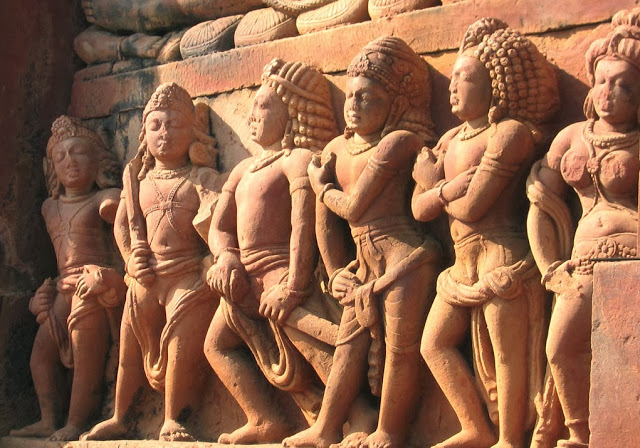
Pictures of dancing statues in Foreign museums.

Twenty Types of Temples in Ancient India!

meeenakshi

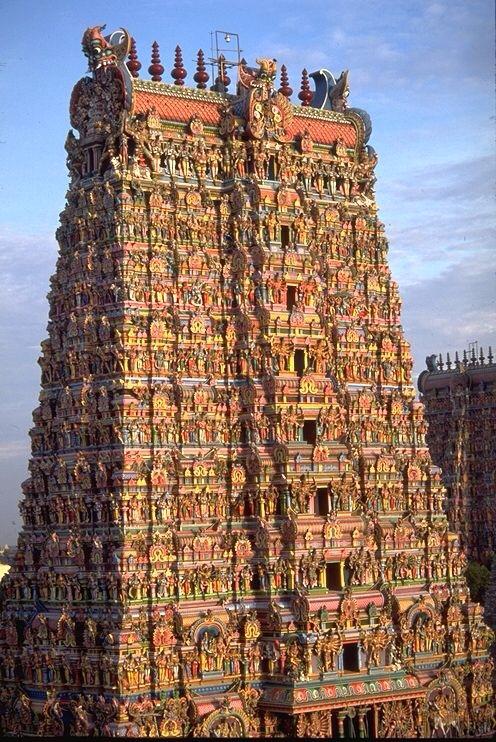
Madurai Meenakshi Temple

Written by London Swaminathan

Research Article No.1760;  Dated 30 March 2015.

Uploaded at London time 20-55 (GMT 19-55)

Varahamihira of sixth century CE and Tamil saint Appar of seventh century CE give us valuable information about the different types of temples that existed in ancient India. Though Earlier Sanskrit literature and Sangam Tamil literature give us lot of information about temples for different deities, we don’t know the structure or the types of temples (I have already listed all the temples form the Tamil epic Silappadikaram in one of my research articles)

Varahamihira has devoted one full chapter (56) in Brhat Samhita  for the description of temples. In the first verse he says that one should build a temple in order to enhance one’s fame and religious merit. He also insisted that there should be abundant supply of water through tanks and lakes and gardens around it. All the south Indian temples are with tanks and gardens. But in course of time the gardens were left uncared for.

tv malai

Tiruvannamalai Temple

He says that by building temples one gets the merits (Punya) of both performing sacrifices and sinking wells. He wrote it 1500 years before our time. That shows that building temples were very popular.  But Hindus used wood and brick (like we see in today’s Kerala temples) and they were destroyed by invading Muslims and weather. Later Hindus started building with stones. First they started by excavating rocks and then built with granite stones. Some of them are engineering marvels. In today’s costs they will cost us billions of rupees to build such a massive structure.

Appar alias Tirunavukkarasu, one of the Four Great  Saivite Tamil saints sings about

“If the seventy eight great temples of the Lord

Whose matted crest is adorned with the great flood

KARAKKOYIL, GNAAZHARKKOYIL  girt with well protected

Groves, the hill like KOKUDIKKOYIL of  Karuppariyal

ILANGKOYIL where with the chanting of the Rig Veda

The Brahmins hail and adore the lord MANIKKOYIL

AALAKKOYIL  and every TIRUKKOYIL where Siva abides

Are circumambulated and hailed in humble

Adoration, evil Karma will get annulled “

(Sixth Tirumurai, Adaivu Tiru Thandakam of Appar)

Translated by Dr T N Ramachandran

mamallapuram

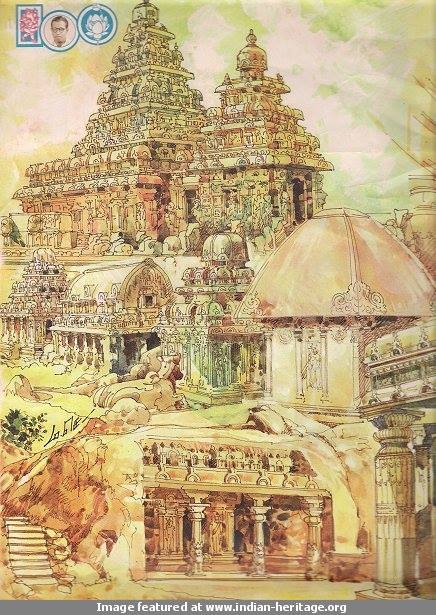
Mamallapuram Cave Temples

Eminent archaeologist and historian Dr R Nagasamy in his scholarly article ( Second World Tamil Conference Souvenir, 1968) on the development of temples has listed all the terms for temples in Tamil in addition to the above types (KOYIL=temple). He has also quoted the verse from Pingalandai Nikandu (Dictionary of Tamil Synonyms) the ten materials used for making temple sculptures and idols. Stone is just one of them. So ancient temples used other nine perishable materials 2000 years ago.

Varahamihira gives more information about the 20 types:

“Deities reside with pleasure in places which abound in water and gardens, whether natural or otherwise”. He gives a list of places of natural beauty where god prefers to reside.

Then he describes in detail the height, length and width of the temples. It shows how advanced was temple building around 500 CE.

28BG_HAMPI_2327026f

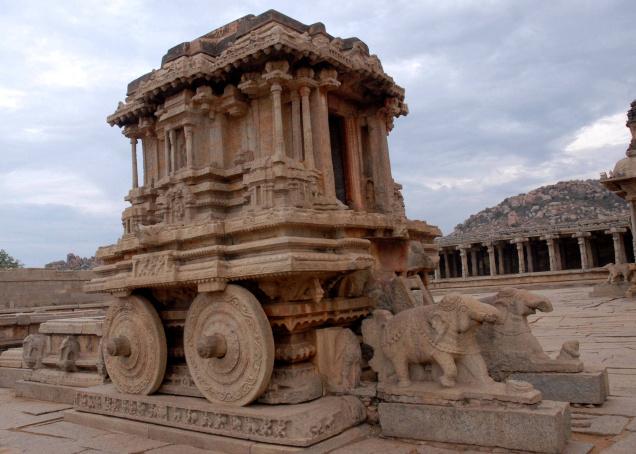
Hampi Temples

There are twenty types of temples enumerated here

Meru , Mandara, Kailasa, Vimanachchanda, Nandana, Samudga, Padma, Garuda, Nandhivardhana, Kunjara, Guharaja, Vrsa, Hamsa, Sarvatobhadraka, Ghata, Simha, Vrtta, Catuskona, Sodasari and Astasri.

Meru type has twelve storeys and hexangular in shape. The dimensions are – breadth 32 cubits, height 64 cubits, sanctum sanctorum 16 cubits. He gives the dimensions for all the 20 types and finishes the chapter with the following statement!!

“Thus I have briefly explained the characteristics of temples. All that had been expounded by sage Garga has been incorporated in this chapter”. He has also seen the large works of Manu and others on this subject.

One must compare this twenty types listed by Varahamihira with later works. It will give us some idea about the temples that were destroyed by the invaders and the monsoon weather.

gopura darsan

Kaliyuga and the Government!

360-good-bad-scale

Article No.1755; Date:- 28  March, 2015

Written by London Swaminathan

Uploaded at London time  19-22 (GMT)


What effect the current Kali Yuga will have on the government because it is ruling in the period of Kaliyuga (Dark Age)? There is an old Sanskrit sloka/verse about the effects of Kaliyuga on the rulers.

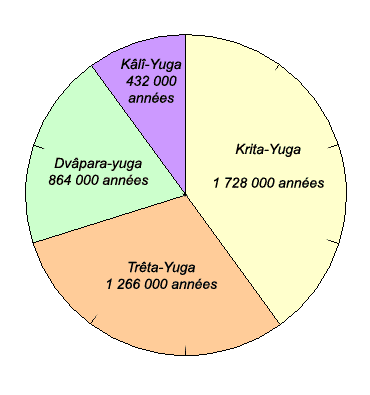
According to Hindu scriptures there are four Yugas/eras. They are cyclical.

What are the four Yugas?

Krta Yuga or Satya Yuga = Golden Age

Treat Yuga = Silver Age

Dwapara Yuga = Bronze Age

Kaliyuga = Iron Age

Another description is Dharma (Righteousness or Moral Code) is imagined as a holy cow which had four legs in Krta Yuga, three legs in Treta Yuga, two legs in Dwapara Yuga and only one leg in Kaliyuga!

Yugas

If you keep your food on a Four Legged Dining Table, you feel comfortable.

If one leg is shaky, you feel a bit uncomfortable.

If two legs are shaky, you would not ask your guests are sons to use it.

If three legs are shaky, even you would not dare to use it.

If all the four legs are shaky, that is dangerous. You won’t go near the table. That is Kaliyuga!

I can give you another analogy:

Two people start a business in partnership. In Krta Yuga, they make good profit and share it equally. They are very happy.

In Treta Yuga, they get less profit and suspect the other of mishandling. Some uncomfortable feeling.

Inn Dwapara Yuga, they lose business and openly blame the other of doing something wrong. Mentally perturbed and angry.

In the Kali Yuga, both of them defraud the other by doing fake transactions and the business goes down. Court cases follow; tension for both; lawyers take most of the money!

kaliyuga1

There are lots of stories in our Puranas (Mythology) about the behaviour of people in the Kaliyuga, but very few on the behaviour of the government or rulers. Here is one:–

Kali : prasupto bhavati sajagra Dwaparam Yugam

Karmasva abhyudyatas Treta vicharanstu Krtam Yugam

The ruler would not bother about what is good or what is bad (just or unjust) out of laziness (sleepy) in the Kaliyuga,

In the Dwapara, the ruler knows (wide awake) what is just or unjust, but does not conduct proper enquiry,

In the Treta Yuga, the ruler will try to do (Attempt) everything right, and

In the Krta Yuga, the ruler follow all the rules very strictly (make it happen) and make the people also to do the same.

We live in Kaliyuga; but yet we can make it Krta Yuga!

One Minute Mahabharata! One Minute Bhagavatha!!

IMG_2558

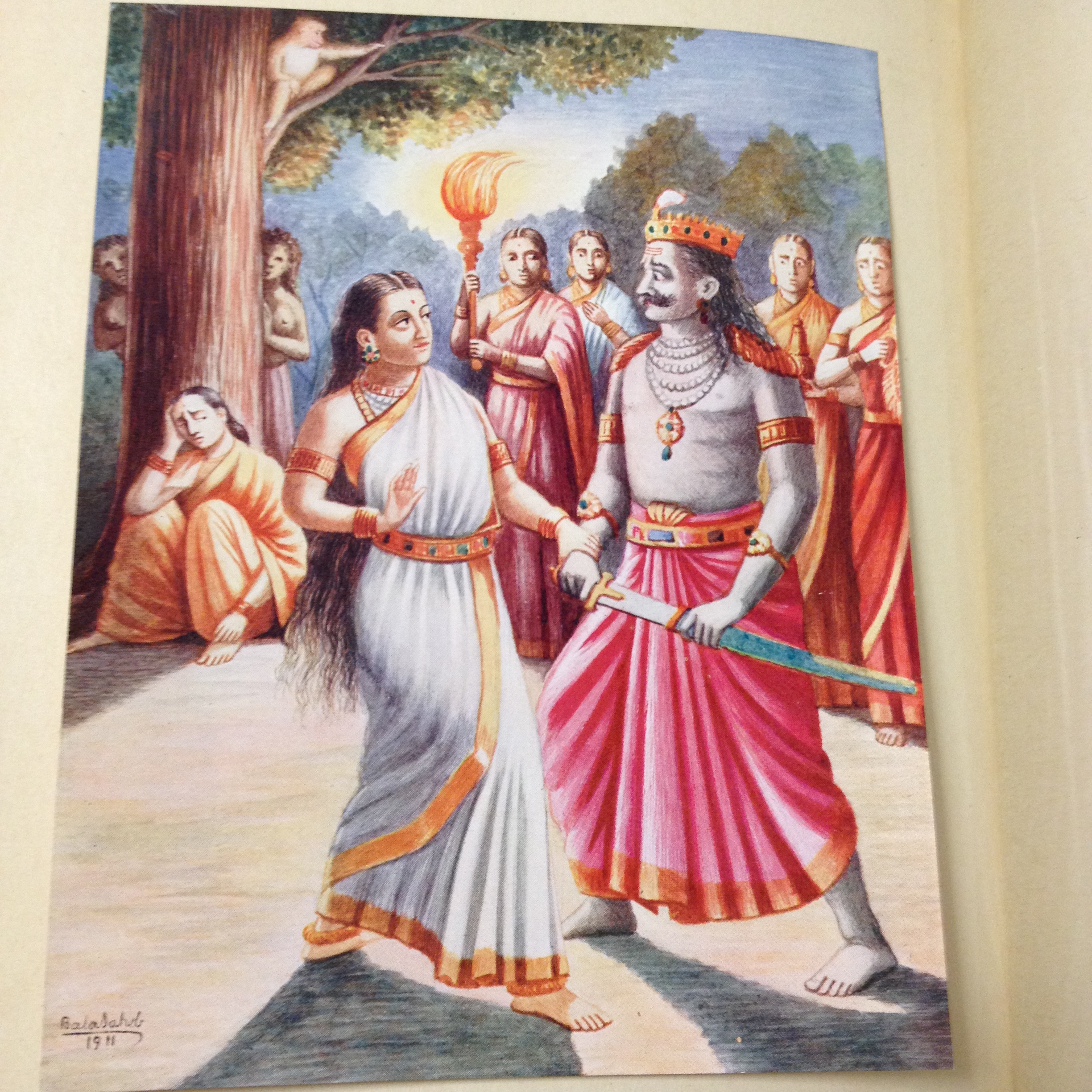
Ravana dragging Sita (from Picture Ramayana)

Article No.1753; Date:- 27  March, 2015

Written by London Swaminathan

Uploaded at London time  19-42 (GMT)

A few days ago we saw One Minute Ramayana. Ramayana in just four lines:

Here is One Minute (Eka Sloka) Ramayana in just four lines:–

Adhau Rama Tapovananaadhi gamanam, Hatva mrugam kaanchanam,

Vaidehi haranam, Jataayu maranam, Sugreeva sambaashanam

Vali nigrahanam, Samudra taranam, Lankaapuri Dahanam

Paschaad Raavana Kumbakarna hananam cha etat iti Raamaayanam 


hanuma crossing

In the beginning Rama went to the forest

He killed the Golden Deer

Sita/Vaidehi was kidnapped

Jatayu was killed

Sugreeva had talks with Rama

Vali was killed

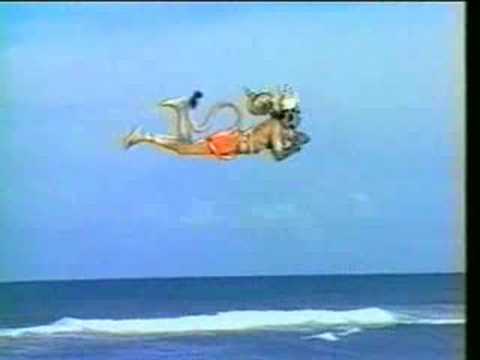
Sea was crossed (by Hanuman)

Lanka was burnt

Later Ravana and Kumbakarna were too killed

This is Ramayana!

ganesh writing

One Minute Mahaa Bhaaratham !

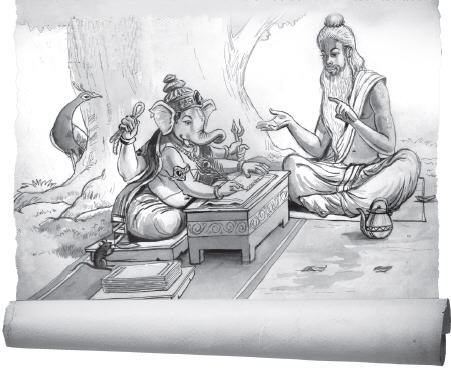
Let us look at another Sanskrit Sloka which summarises 200,000 line Mahabharata Epic in just FOUR lines!

Adhau Paandava Dhaartharaashtra Jananam Laaksha Grham Dhaahanam

Dyuute Sriharanam Vane vicharanam Maatsaalaye varthanam

Leelaa go grahanam Rane viharanam Sandhikriyaa jrubanam

Paschaad Bhisma suyodhanaadhi nidhanam hyetan Mahabhaaratam

pandavas

In the beginning,

Panadava , Dhrtaraashtras were born

House of Lac was burnt down

In the gambling the kingdom was lost

They roamed in the forest

In the Matsya Kingdom lived

Cattle were taken

In the battle field (Kauravas were) killed

Peace treaty was violated

Later Bhisma Duryodhanas died

This is mMhabahratam!

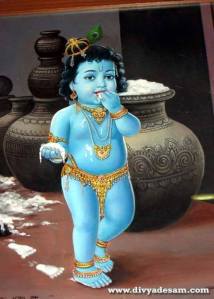
butter krishna

One Minute Bhagavatham !

Bhagavatha Purana is also available in one Sloka that gives the life story of Lord Krishna. The original Bhavata Purana is in 18,000 verses (36,000 lines). Now we can summarise it in four lines!

Adhau Devaki Devagarbha jananam Gopigrhe vardhanam

Maayaa Putana Jiivita apaharanam Govardhana Udhdhaaranam

Kamsa chedhanam Kauravaathi haranam Kuntisudhaa paalanam

Chaitat Bhaagavaham Puraana katitam Sri Krishna Leelaamrtam

36,000 lines summarised in four lines!

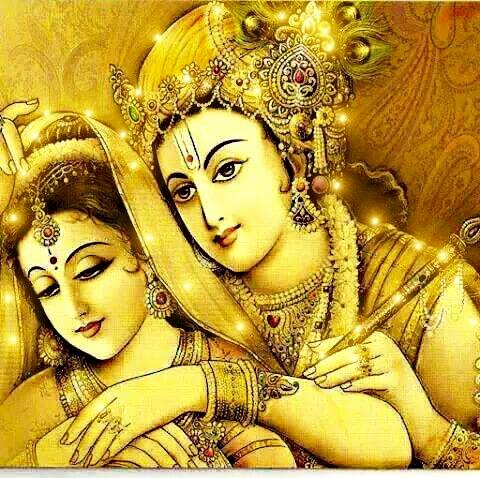
krishna yellow

In the beginning

Devaki gave birth (to Lord Krishna)

Was brought up in Gopi’s house

Demoness Putana’s life was taken

Gowvdhana Mountain was lifted

Kamsa was destroyed

Kauravas were killed

Kunti’s son was supported

This is Krishna’s great play

And is called Bhagavata Purana!

Children must be taught these hymns as nursery rhymes. That will imbed in their mind the stories for ever. It will create interest in them to read the scriptures in full. These Slokas or Verses are like newspaper story sub headings. They will kindle interest.

Hindu scriptures are vast like Pacific Ocean. No one can read all of them in one life time. Mahabharata has the summary of other stories as well. So one of the above three is enough to understand the Hindu religion.

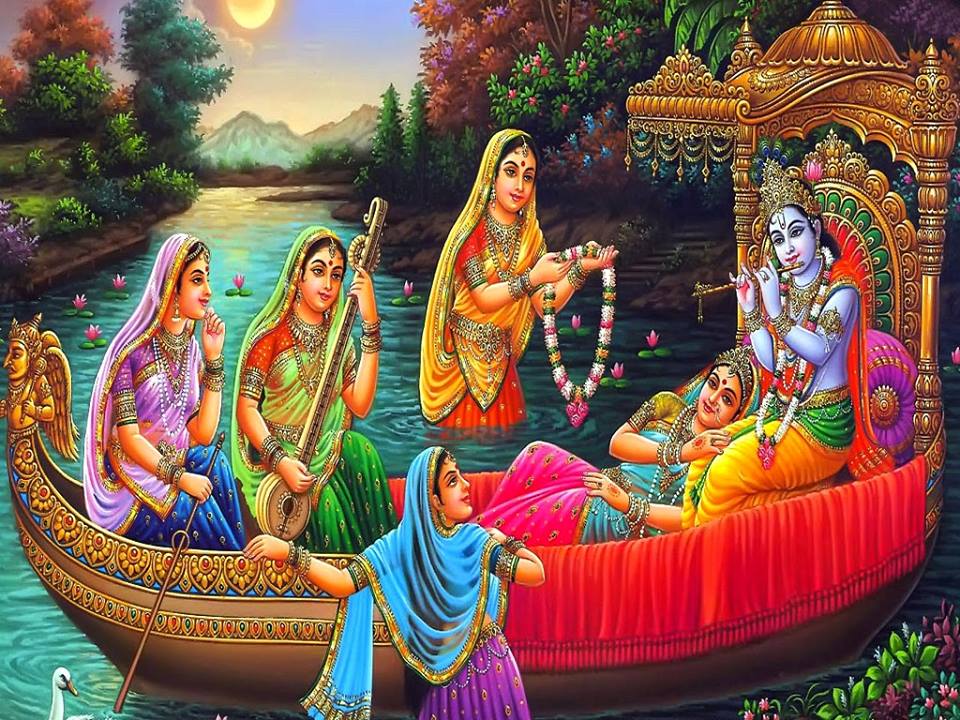
krishna boat

Rta, Mrta, Amrta, Pramruta, Satyanrta!

begging1

Article No.1751; Date:- 26  March, 2015

Written by London swaminathan

Uploaded at London time  21-20 GMT

Sanskrit is a beautiful language. By adding some prefix or letters before a root word the meaning can be changed. The rhythm makes it musical. Here is a couplet in Manusmrti about the five types of earnings a Brahmin can do. He warns that he should not do the work of a dog.

Rtaamrtaabhyaam jiivettu mrtena pramrutena vaa

Satyaanrtaabhyaamapi vaa na svavrtyaa kadaachana (Mamu 4-4)

Rta = lawful

Subsisting by merely gathering corn grains 9after a harvest)  is known as the lawful way of life

Amrta = immortal

Living off unsolicited gitfs is known as immortal way of life

Mrta = mortal

Begging for alms is mortal

Pramrta = deadly

Farming the land is known traditionally as the deadly mode of life (for Brahmins)

Satyanrta = good and unlawful

Trade is the simultaneously good and unlawful way of life, but one may make life even in this way. Servility is called the dog’s way of life. And therefore one should avoid it.

shankara begging

Begging Code for Three Castes!

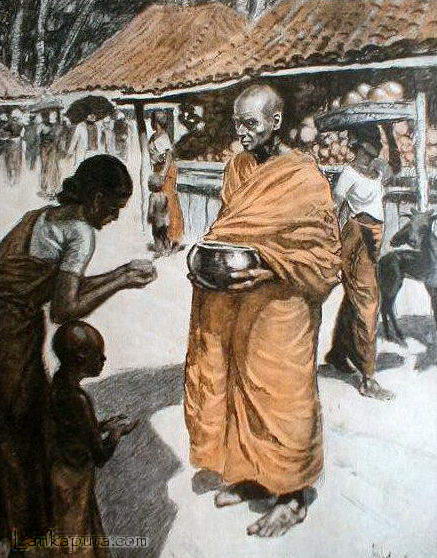
When a Brahmin who has been initiated goes begging, he should say

Sir or Madam at the beginning:

BHAVATI BHIKSHAAM DEHI

A Kshatriya should say

BHIKSHAAM BHAVATI DEHI

A Vaisya should say

DEHI BHIKSHAAM BHAVATI

shankara

One should beg first from his mother or his sister or from his own mother’s sister or from a woman who will nor refuse him (Manu 2-49).

The logic is that he should not get a negative answer in the very beginning and get frustrated. It is a simple rule OF psychology!

Buddhist-Priest-

Animals in Manu Smrti!

Heron_070067-717950

Research Article No.1747; Date:- 24  March, 2015

Written by London swaminathan

Uploaded at London time  20-22 GMT

Hindus are nature lovers. They observe nature very closely and use them appropriately in their scriptures. They use the animals to express some strong messages. We have already seen umpteen examples from Dattatreya to Vyasa from Bhagavatha and Mahabharata. Manu also never missed an opportunity to express some ethical principles or rules by using the animals. Here are a few interesting quotes from Manu Smrti, Law Book of the Hindus.

arjunas-penancecat

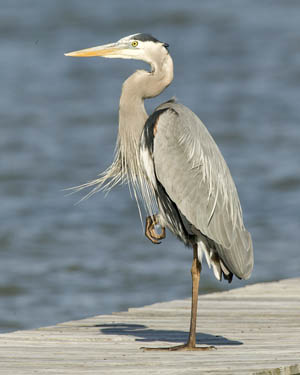
HERON is his most favourite bird. He used this bird in similes in 4-30, 4-192, 4196/7, 5-14, 7-106, 11-136, 12-66 (in at least eight places)

He advises Brahmins not to entertain hypocrites who act like cats or herons. The story of a hypocrite CAT is known to all Indians which is even sculpted in the Pallava bas relief in Mahabalipuram near Chennai . It is in all the Sanskrit fables – a hypocrite cat holding a Japamala/rosary made up of Rudrakshas.

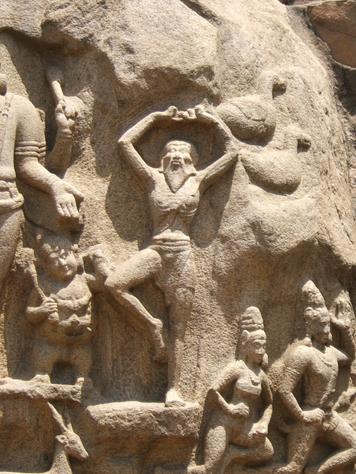
The example of heron is also in Panchatantra fables and ethical works like Tirukkural (Tamil). It waits very patiently on one foot for long like an ascetic till it sees the biggest fish of the day. Hindu ascetics are famous for penance standing on one leg which is again in the Pallava sculptures of Mahabalipuram.

survive-wolf-attack LionAttack

Manu says, “A man who knows the law should not offer even a little water to a twice born man who acts like a cat or to the evil man who acts like a heron or to someone who does not know the Vedas   4-192

He repeated this in several places.

When he was explaining the duties of a king (7-106 and 7-129 , he says, “His enemy should not find his weak spot, but he should find out his enemy’s weak spot. He should hide the members of the state as a TURTLE hides his limbs and he should guard his own vulnerable point.

Again this turtle and its limbs simile is popular in Hindu literature. We see this in the Bhagavad Gita and Tirukkural.

“The king should

plan his undertakings like a HERON,

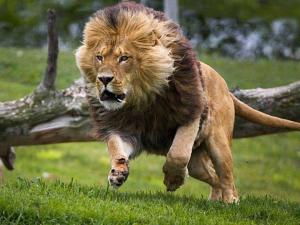
attack like a LION,

pounce on his prey like a WOLF and

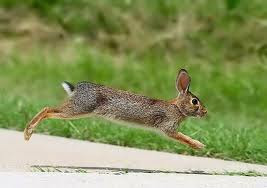
retreat like a RABBIT.’

rabbit Sucking_leech

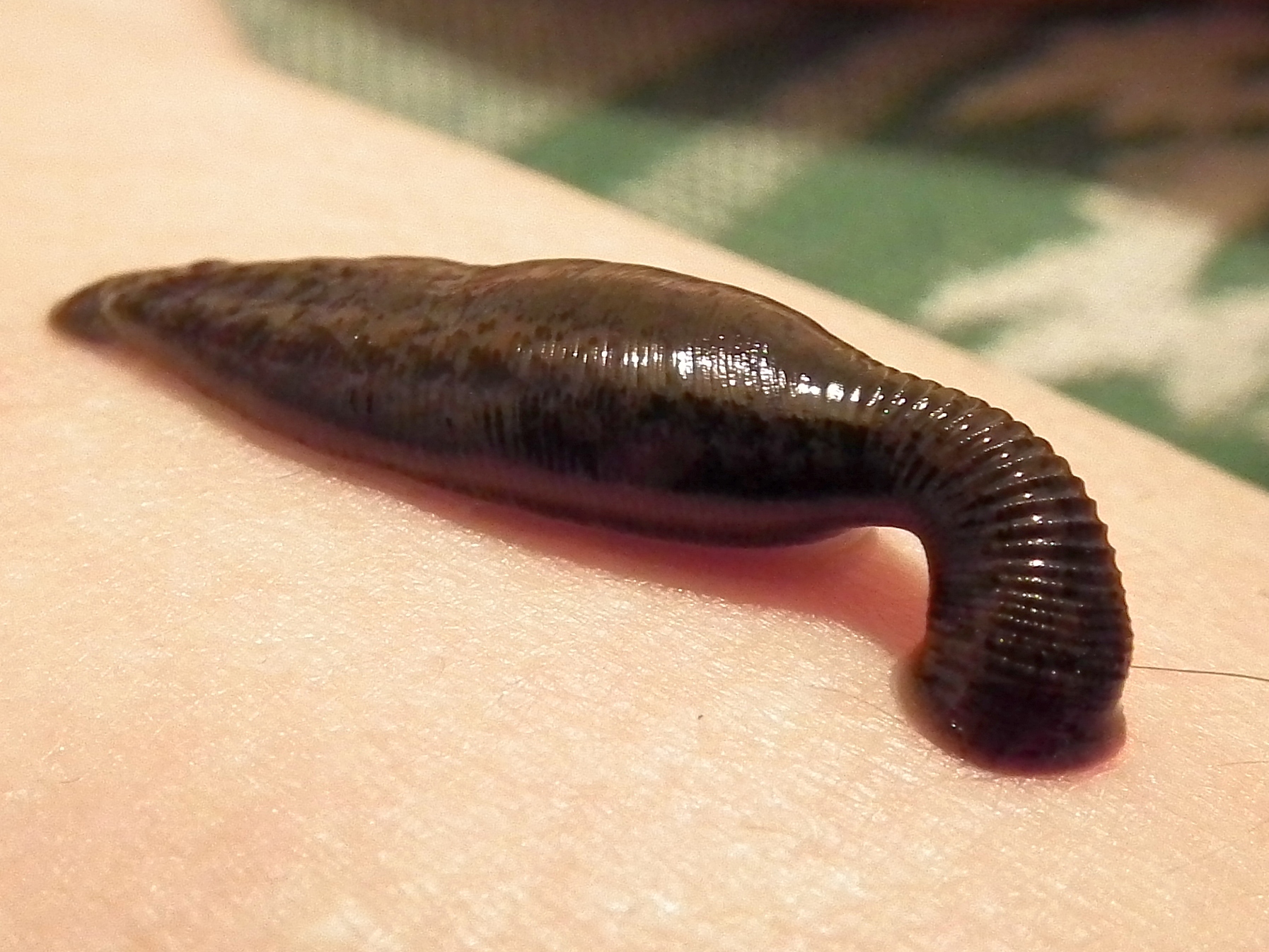
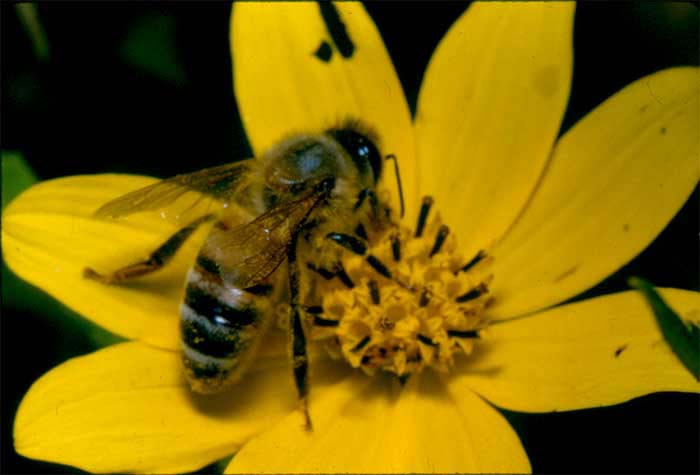
“The king should always establish the taxes in his kingdom after due consideration, in such a way that both the king and the man who does the work are rewarded. Just as the LEECH, the CALF, and the BEE eat their food little by little, so the king should take the yearly taxes from the kingdom little by little”.

A woman who is unfaithful to her husband is reborn in the womb of a JACKAL, says Manu 5-164

Wearing animal skins by the ascetics was also referred to in the Smrti.

He even advises feeding the dogs, crows and worms (3-92)

Lot of animals are mentioned in other contexts, but not as similes.

bee_with_flower

White Mustard Seeds to drive away the Ghosts!

Mustard-Seed

Research Article No.1743; Date:- 23  March, 2015

Written by London swaminathan

Uploaded at London time  20-21 pm

“Aa Setu Himachala Paryantam”—From the Himalayas to Kanya Kumari — is a phrase used very often in Hindu literature. Kanyakumari is also called Setu according to the Sankalpa mantra followed in the district. Hindus followed the same culture from land’s southernmost point to the Northern most Himalayas. I have already given umpteen examples from the oldest Tamil literature and the Vedas to prove this point.  Now I have found out that they followed the same technique to drive away the ghosts!

We have already seen exemplary chaste woman Arundhati, Holy Ganges, Holy Himalayas, Sages, Six Seasons, Four Divisions of Army, Rajasuya Yagna, Four Vedas, Dharma, Artha, Kama and Gods Indra, Varuna, Shiva, Vishnu, Rebirth, Karma Theory, astrology etc are followed or respected in the oldest part of Tamil literature as well as Sanskrit literature. It is the same culture with some regional peculiarities. And anthropologists and sociologists knew that such differences exist in all parts of the world. There is no exception.

white mustard

Picture of White Mustard

This uniform Hindu culture has bulldozed the Aryan- Dravidian Racist theory. To drive one more nail in the coffin here is the ghost busters from the Atharva Veda and Sangam Tamil Literature!

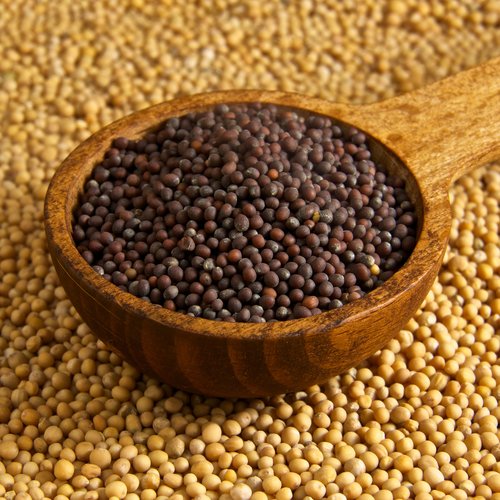
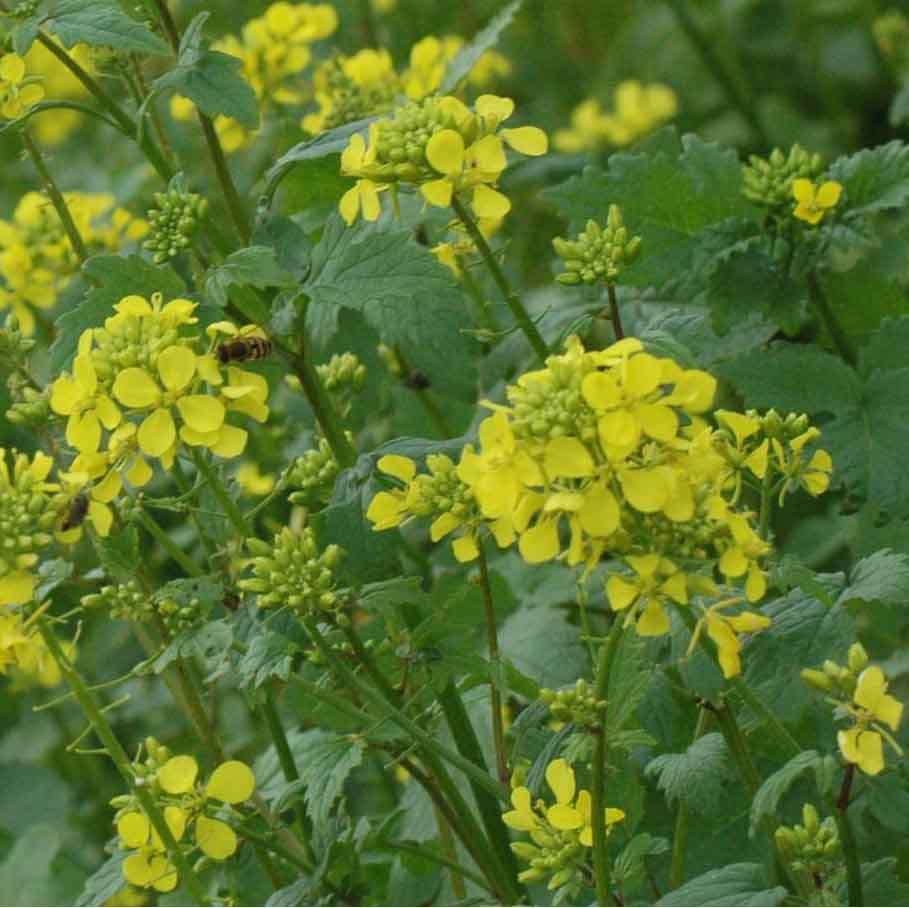
Sinapis alba or Brassica alba known as Baja or white mustard seeds (Aiyavi in Tamil) are used to protect wounded people, pregnant women and new born babies from the evil spirits according to Tamil Literature and the Atharva Veda. Atharva Veda is dated before 1000 BCE. Tamil Literature is dated the first few centuries of Common Era. So the same belief existed over a vast land of 1-5 million square miles for at least 1000 years!

In the Atharva veda various remedies are suggested to avoid miscarriage and abortion. One of them is an amulet with white or yellow mustard seeds. It is tied on the body of pregnant women to prevent the evil spirits attacking her ( Samething is practised in Tamil Nau!) These evil spirits are believed to cause abortion (AV 8-6-9) or pain in her hips (AV 8-6-13). They like to devour the embryo of the pregnant women (AV 8-6-23). They cause the child to die in the womb or immediately after birth (AV 8-6-18). The cure for such maladies is the white mustard. The mustard prevents problems like still birth, labour pain, bareness (8-6-26).

white-yellow-mustard-

Picture of Mustard Plant

The Atharva Veda (2-25-3) refers to the demons called Kanvas, who eat foetus. The plant prisniparni is the wonderful divine remedy against the vile tricks of Kanvas, in particular causing abortion.

Medical Research needed!

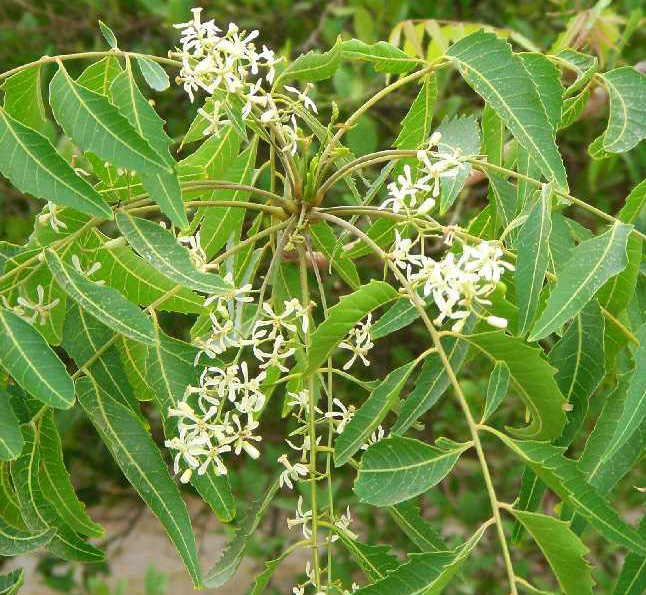
Since 2000 year old Tamil literature and at least 3000 year old Vedic literature talk of the same remedy, serious medical research is required regarding the efficacy of white mustards in protecting infants and the pregnant women. Probably it has anti- bacterial and anti- virus qualities. Tamils used it along with Neem leaves. Margosa or neem leaves are effective anti- virus medicines which are used in treating small pox.

Flowing are the references in Tamil literature—

Tiru murugatru padai – line 228

Maduraikanchi – line 287

Nedunalvadai – line 86

Natrinai verses -40 and 370

Purananuru – 98, 281, 296

Neem-flower

Picture of Neem Tree

Summary of the information from the above verses:

Wounded soldier’s wife says (Pura.281)

Come on, let us insert Neem leaves (Azadirachta indica) so that the ghosts won’t harm him. Let us sprinkle the white mustard seeds. Let us also ring the bells and play on Ambal pipes and lyre.

Just to prevent the ghosts, burn and make smoke of white mustard (Pura.296)

Chieftain Athiyaman is in ferocious in his attacks. Even when they burn and make smoke from white mustard,  the god of death is definitely going to take the lives of his enemies (Pura.98)

New born baby is just lying by the side of its mother. The lady has worn white mustard paste over her body (Natrinai 40)—just to avoid the evil spirits.

Another house with a new born baby is smeared with white mustard Natrinai 370

The two Natrinai verses show that new born babies and their mothers were protected with white mustard powder mixed in ghee (clarified butter). Long poems also talk about white mustard mixed with ghee is applied in some places. Commentators are very clear about it. They say that this practice is followed to drive away the evil spirits.

It is not a strange coincidence but an accepted practice that the Vedas and Tamil literature refer to. Both are speaking about the same protective measures to save the new born babies and pregnant mothers with white mustard.

Stri Rajya- Kingdom of Women in India!

Anushka-Rudramadevi

Queen Rudrama Devi

Research Article No.1741; Date:- 22  March, 2015

Written by London swaminathan

Uploaded at London time 17-30

56 Countries in Ancient India!

Whenever Hindu grandmas tell a story to their grandchildren about any event in ancient India, they will always tell them that “the kings from all the 56 counties were present there or were invited to the coronation or a Royal wedding or big Yaga or Yajna”. Like we have divided today’s India into several states and union territories, ancient India was divided into 56 smaller states or countries. Even when the countries came under one powerful ruler for some time the states or countries never forgot their identity.

During Buddha’s time there were 16 big political divisions known as 16 Mahajanapadas. But there were smaller divisions as well. In Tamil Nadu there were three big powers called Chera, Choza and Pandyas. At the same time there were smaller chieftains ruling their own territories paying tributes to the three kings.

Mahabharata mentioned at least 29 countries or divisions. Most of them took part in the great war, either supporting Kauravas or Pandavas.

16 janapadas

Studying those 56 countries gives us information about ancient India’s geography and history. Varahamihira, in his Brhat Samhita (Fifth Century CE) gives us some interesting information in this area—Geography of India:-

Since many countries were named after the tribal group, the same name may appear at more than one geographical location. If Kambojas live at different locations, all those countries will be called Kamboja. Sometimes the community as a whole migrates to a different region, then the geographical name of the country would change.

Another interesting thing is that people were named after their appearance: long faced, long haired, horse faced etc. We see a dominant group Lambakannas (Lamba Karna = Long eared) in Mahavamsa of Sri Lanka. In Brhat Jataka, we come across:

Vyagramukhas (Tiger faced), Danturakas (People with protruding teeth), Asvavadanas (Horse faced), Vyalagrivas (Serpent necked) Surpa karnas (ears like winnowing basket), Urdhvakanthas (High necked ones), Smasrudharas (the bearded ones), Mahagrivas (long necked ones), Sauvira (Sour gruel or Jujube Fruit or Antimony), Turagananas (Horse faced) Kesadharas (hairy ones), Cipitanaskikas (Flat nosed tribe), Svamukhas (dog faced people), bark clad people, Trinetras (three eyed people),Ekachara (one footed people) and Mlechas.

Mlechas, according to Kern, are foreigners or barbarians. In 2-15 of Brhat Samhita, the Greeks are spoken of as Mlechas. In Alberuni’s time, the term was used to denote the Arabs. ( I have already dealt with this word in two of my articles).

Varahamihira mentioned a kingdom by name Harahaura. It is mentioned very rarely. The Harahaura country is supposed to be the land lying between the Indus and the Jhelum and the Gandgarh Mountain and the salt range.

brooklyn museum

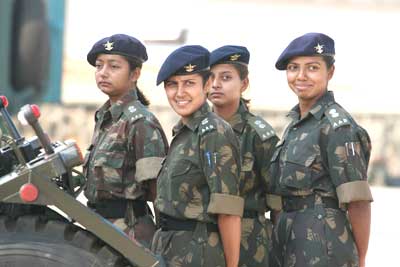
Women soldier, Brooklyn Museum, NY

When Varahamikhira says horse faced or tiger faced, they might have had some tattoos or masks with animal pictures. We need cross references to confirm it. Once we solve this puzzle, then we can understand the Hanumans, Jambavans and Jatayus of Ramayana. They are not monkeys, bears or eagles. They were as human as we are today, but named after those animals or birds for some reasons.


Rani-Lakshmi-Bai

Rani Lakshmi Bai

Kingdom of Women!

Varahamikhira included Stri Rajya in the North West division of India. Kingdom of Women called Stri Rajya was known to Chinese pilgrim Yuan Chwang as an Amazonian kingdom in the Himalayan valley of Sutlej. Dey states that it was a country in the Himalaya immediately on the north of Brahmaputra, which has been identified with Garhwal and Kumaun. Atkinson tells us that a woman named Pinchu ruled over the Nu Wang tribe in Eastern Tibet, and the people in each successive reign chose a woman for their Sovereign. Vatsyayana mentions a Stri Rajya (2-5-27), which Yasodhara places to the west of Vanga.

(Megasthenes mentioned the Pandya queen; it may be Goodees/ Queen Meenakshi of Madurai. Curtius mentioned women soldiers following Maurya Chandragupta’s Palanquin. Kaikeyi drove the chariot of Dasaratha in the battlefield and got two boons)

Divisions of the Globe (chapter 14 of Brhat Samhita)

Central region

Bhadra, Arimeda, Mandavya, Salva, Nipa, Ujjihana, Samkhyata, Marwar, Vatsa, Ghosa, Matsya, Madhyamika, Mathura, Upajyotisa, Dharmaranya, Surasena, Gauragriva, Uddehika, Pandu, Guda, Asvatta, Panchala, saketa, Kanka, Kuru, Kalakoti,  Kukkura, Udumbara, Kapisthala, Hastinapura

East

Vyagramukhas (Tigerfaced), Suhmas, Karvatas, Surpakarnas (whose ears resembled winnowing baskets), Khasas, Magadha, Mithila, Samatata, Orissa, Asvavadanas (Horse faced), Danturakas (People with protruding teeth), Pragjyotisa, Cannibals, Bhadras, Paundras, Gaudas, Utakal, Kasi, Ambasthas, one footed people.

Magadha was called Kikata in Vedic days and Bihar now.

jhansi

South East

Kosala, Kalinga, Vanga, Upavanga, Jatharanga, Sulika, Vidarbha, Vatsa, Andhra, Cedi, Urdhvakantas, Island of Vrsa, Nalkrera dvipa, Carmadvipa Vyagrivas, Mahagrivas, Kiskindha, Kantakasthala, Nisadas, Purikas, Dasarna, naked sabras, parna sabaras,


South

Lanka, Kalajinas, Saurikrsnas, Talikatas, Girinagara,

Malaya, Dardura, mahendra Malindya mountains

Bharukachas, kankatas, Kankanas, Vanavasis (banvasi in North Kanara)Sibikas, Phaniakaras, konkanas, Abhiras, Avartakas, Dasapura, Gonardas, Kerala, Karnataka, mahatavi (Great Forest), Citrakuta, Kollagiri, Nasik, Colas, Kraunca Islands, Jatadharas, Kaveri river, Rsyamuka, Dharmapattana, Ghanarajya, Velluru, Pisikas, Surpa mountain, Kusuma mount, Tumbavana, Karmaneyakas, Southern Ocean, Tapasasrama, Rsikas, Kanci,Marucipattana, Ceryarakas, Simhalas, Rsabas, Baladevapattanam, Dandaka forest, whale eater, Bhadras, Cutch, Elephant caves, Tampraparni river

South West

Pahlavas, Kambojas, Sindhu sauviras, Vadavamukhas, Aravas, Ambasthas, Kapilas, Narimukhas, Anartis, Yavanas, Margaras, Karnapraveyas, Parasavas, Sudrasm barnars, Kiratas, Khandas, Kravyadas, Abhiras, cankukas, Surastras, Badaras, Dravidas, Great ocean

West

Haihayas, Vokkanas, Punjab, Ramathas, Paratas, Taraksiti, Jrngas, Vaisyas, Kanakas, Scythians, Mlechas
 

chennamma

North West

Mandavyas, Tusaras ,Talas, Halas, Madras, Asmakas, Kulutas, Haladas, Stri rajya/Kingdom of women, Nrsimha forest, Khasthas, Phalgukukas, Guluhas, Marukuchas, Carmarangas, One eyed tribe /ekavilochana, Sulikas, Dirge griva /long necked ones, Dirge vasya / long faced, Dirgakesa / long haired


North

Uttarakuru , Ksudraminas, Kaikayas, Vasatis, Yamunas, Bhogaprastha, Arjunayanas, Agnidhras, Adarsas, Antardvipins, Trigarta, Turagananas /horse faced, Svamukhas / dog faced, Kesadharas / hairy ones, Cipitanasikas /flat nosed  tribe, Daserakas, Vatadhanas, Saradhanas, Taxila, Puskalavata, Kailavata, Kanthadhanas, Ambaravatas, Madrakas, Malwa, Pauravas, Kachcharas, Dandapingalaks, Manahalas, Huns, Kohalas, Sitakas, Mandavyas, Bhutapura, Gandhara, Yasovati, Hematalas, Ksatriyas, Khacaras, Gavyas, Yaudheyas Dasameyas, Syamakas, Ksemadhurtas

North East

Kira, Kashmir, Abhisaras, Daradas, Tanganas, Kulutas, Sairindhras, Varashtra, Brahmapura, Darvas, Damaras, Vanarajya, Kiratas, Cinas, Kaunindas, Bhallas, Patolas, Jatasuras, Kunatas, Khasas, Ghosas, Kucikas, One fotted men, /eka chara, Anuvidhdhas, Suvarnabhu, Vasudhana, Divisthas, Pauravas, Bark clad people, Trinetras/ three eyed people.

indian women

Commentators have identified these places and the communities. But there are some doubtful identifications or simple guesses. Amazing thing about Brhat Samhita is that he had full knowledge of all parts of India and the communities or tribes occupying those places.

RD parade rehearsal

Arjuna got a Surprise Gift! Krishna Angry!!

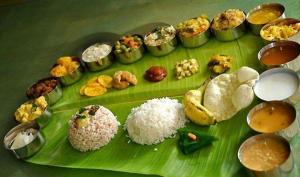
சாப்பாடு

Written by London swaminathan

Article no. 1720; dated 15  March 2015

Up loaded at 14-05 London time

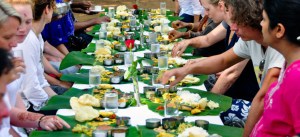
Freedom fighter Subrahmanya Siva gives excellent stories in his Tamil book ‘Moksha Sadhana Rahasya’ (location : British Library, London) to illustrate the great merits of Anna Dhana (Giving food to the needy people).

The advantages of Anna Dhana over other Dhanas are:

a)Helping the poor

b)No harm to others; “no bad side effects”!!

c)Even if there is one good saintly person among the takers that will bring good luck to the whole town. Tamil poem says “even if there is one good person in a town, the town will get copious rains” (nallaar oruvar ularel avar poruttu ellaarkkum peyyum mazai).

d)This is the only gift that everyone will say, “I have had enough; no more please”. For all other gifts they expect more from you.

Even if you serve ambrosia (Amrta), they will beg you to stop it, when their stomach is full. They will thank you whole heartedly, no, ‘whole stomachly’!! There is a saying in Tamil, Even if the mouth does not say Thanks, the stomach will thank him” (Vaay vaazththaavitaalum Vayiru vaazththum)

Now I give a rough translation of Arjuna story from Tamil:

Krishna and Arjuna were discussing future plans for the development of the country.  Suddenly a fisherman came there and submitted a big gold bar at the feet of Arjuna! Arjuna was surprised. Krishna looked suspiciously at Arjuna thinking that he had other “business ventures” without his knowledge. But Arjuna thought that as usual Krishna is playing a game or doing some mischiefs.

Arjuna asked Krishna,

What is this Krishna? Is it your game?

Krishna: I am also puzzled. Let us ask the fisherman.

Fisherman: Arjunji, you gave me one paisa (penny) long time ago. I bought a fishing net with that money. Your hand is a lucky one! From that time onwards I caught more and more fish and I bought more and more nets. Now I am a millionaire. I want to express my gratitude to you. Here is my offering, a few gold bars.

neelavannan

Krishna was furious on hearing this. As soon as the fisherman left, Krishna scolded Arjuna, “Dear friend, you have done a blunder. This fisherman had killed millions of fishes during his long career. Part of that sin would come to you”. Then Krishna gave him some ideas to off load the sins!

Giving this story Subrahmanya Siva, says that Anna Dhana would not have any “bad side effects”. It is always vegetarian food served at Annadhanas. Even at Sikh Gurdwaras in London and other places serve 24 hour Langar food that is vegetarian. But certain Dhanas osuch as giving money may have something bad attached to it. ( In western countries if we give money to beggars, most of them buy cigarettes, alcohol or narcotic drugs)

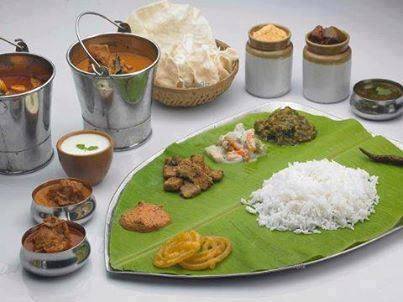
பந்தி போஜனம்

Anna Dhana (Food Charity) is the best Dhana!

Let us also follow it!!

Mystery of Thirst: Karna’s Question and Krishna’s Answer

karnanan-1-e13315594338311

Written by London swaminathan

Article no. 1714; dated 13 March 2015

Up loaded at 08-45 am London time

Freedom Fighter Subramanya Siva has written a voluminous book running to 830 pages on Hindu Traditions and the title of the book in Tamil is “Moksha Sadhana Rahasyam”. The rare book is in the British Library, London. He is narrating beautiful stories in simple Tamil and one of them is about the merits of doing Anna Dhana. I am giving a rough translation of this excellent story:–

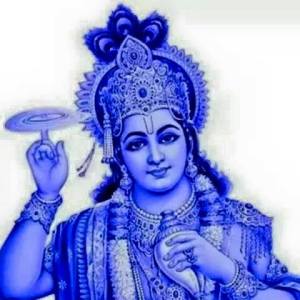
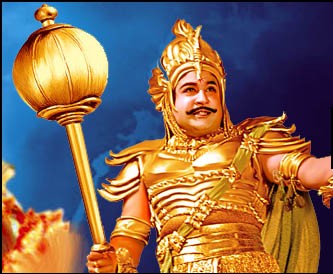
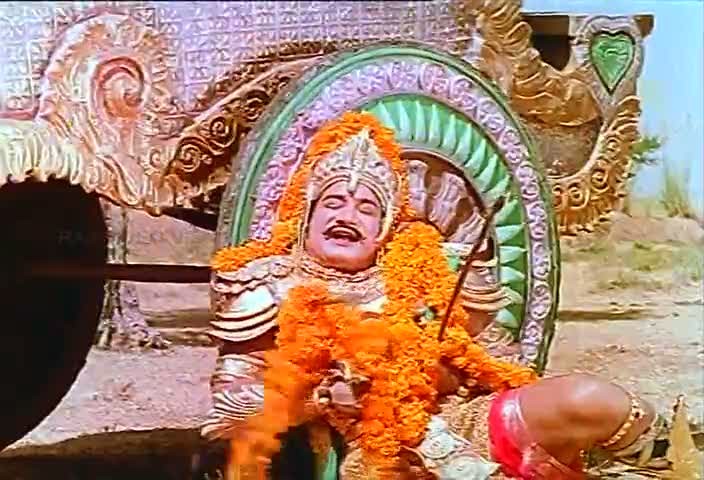
Karna was defeated in the Mahabharata war and had fallen down on the battle field. He was suffering from great thirst. No one was able to fetch him water. The all- powerful and all-knowing Krishna (omnipotent and omniscient) was passing by Karna. Krishna was smiling at Karna. Seeing Krishna there Karna begged him for water. Krishna said, “Is that all you want from me? No problem, here it is”

கர்ண

Water gushed out and fell on the hands of Karna. But wonder of wonders! The water turned into gold. How many times Krishna tried did not matter. All the water became gold. Karna was disappointed and Krishna was puzzled.

Karna looked at Krishna for an explanation.

Omniscient Krishna thought for a minute. He saw what went wrong through his Jnana Drushti  (Third Eye= Eye of Wisdom).

Krishna said,

“Dear Karna! You are one of the greatest philanthropists the earth has ever seen. You gave nothing but gold to all the people that came to you begging for some Dhaana! ( English word donation came from Sanskrit word Dhaana). But you denied food for a person. You showed him the Anna Chatra (choultry for food= Food Centre) nearby and asked him to go there. Don’t worry. It is not too late. Suck with your Index finger. Since you used your Index finger to point out the food centre, some merits (Punya) have stuck to your Index finger. That is enough for you to get the water at this last minute of your life”.

When he asked Karna to suck his index finger. And, behold, the water was pouring into his mouth!

கண்ண

Story of a Greedy Miser!

Long time after this happened a miser heard this story. He was very happy. He wondered, “Oh, My God! If one can earn this much merit (punya) with one finger, how much credits I can earn with my whole body!” At that time he heard a knock at the door. One beggar was standing there begging for food. He remembered what he planned to do. He wriggled his whole body and shown him the direction in which there was a food centre (Anna Chatra). The man went to the Anna Chatra. This miser was born as a wriggly earthworm in his next birth.

Action only won’t help you; good intention must be there!

Stories told by Subrahmanya Sivam, Freedom Fighter, in his Tamil book Moksha Sadhana rahasya.

swami_48@yhaoo.com