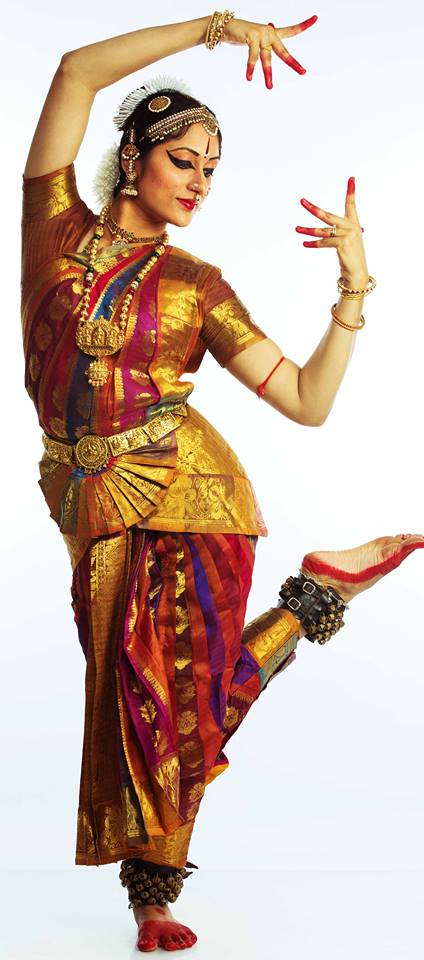
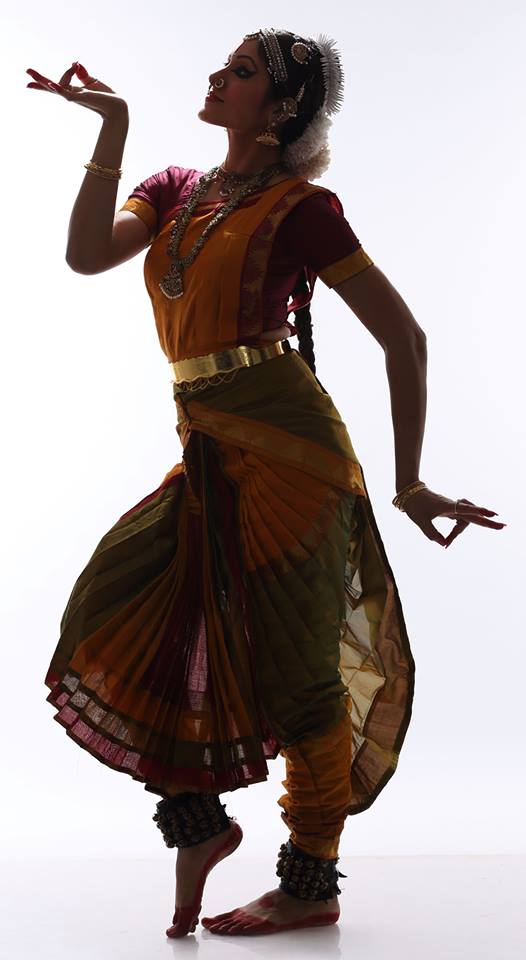
More about Bharatanatya in the Vedas!

IMG_2760

Research Paper No.1769; date 2nd April 2015

Written by London swaminathan

Uploaded at 21-42 London Time

Please read the first part of article posted yesterday under the title “Dance in the Vedas”.

Dr R Nagasamy, historian and former Director of Archaeology, Tamil Nadu delivered two lectures in the Shanmukananda Fine Arts, Sangeetha Sabha, Mumbai and Narada Gana Sabha, Chennai in 1989. He gives the references to dance in the Vedas:-

“I find that almost all forms of classical dances of India like Bharata Natyam, Kathak, Kathakali, Kuchipusdi, Manipuri, Mohini Attam etc are represented in this conference. It represents the essential unity of all classical dances of India, which from its recorded history has over 4000 years of continuous existence.

“In the earliest strata of India thought, represented by the Rig Veda, we find the classical form of dance mentioned frequently. The Maruts, said to dance in measured steps, are often referred to as dancers – Nrtavah.

“Oh ye dancers with golden ornaments on your chests, even a mortal comes to ask for your brotherhood. Take care of us”, says a Vedic hymn (RV 8-20-22)
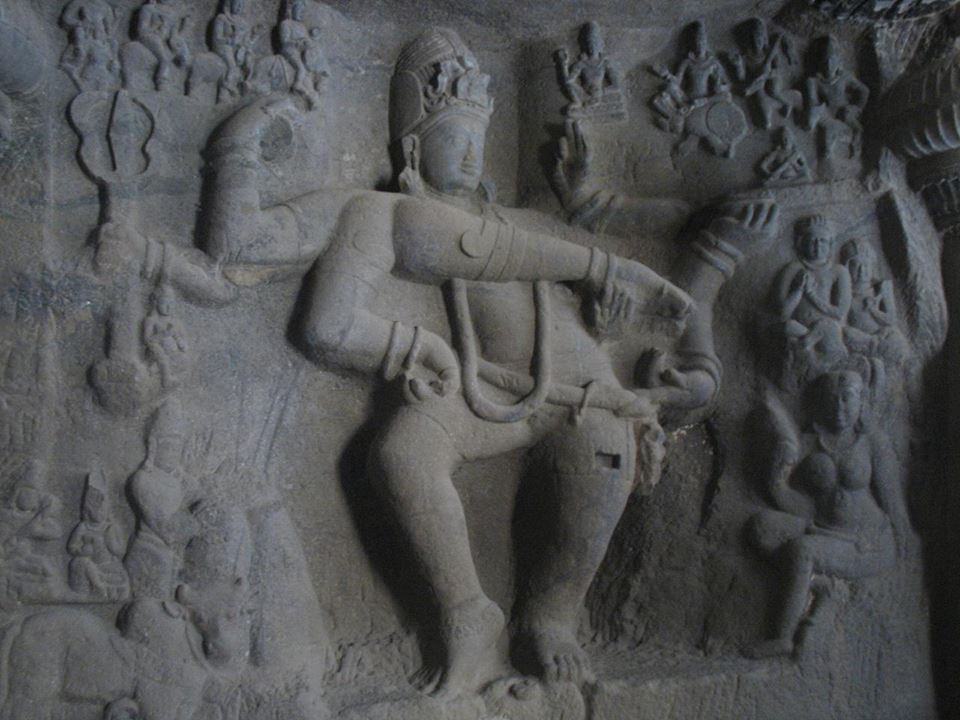
cave dance

The Maruts not only dance rhythmically but also sing, and are called the singers of heaven. While they are described as the male dancers, the most charming imagery of a dancing girl, is created in Ushas, the dawn, portrayed as a dancer decked in showy attire.

Adhi poshamsi vapate nrtoohu iva pornute vakshakaa

“As the dawn arrives, with her beautiful colour in the eastern horizon, it gladdens the heart of the living beings. The birds flutter, singing with their sweet voices. Men rise up from their sleep and busy themselves in activities. Ushas is a giver of joy and happiness like a beautiful dancer”.

“There are several passages in the Rig Veda, indicating the highly developed art of dance, to which many of nature’s phenomenon are compared. Soon we find the dancer occupying an important position in the society. All religious and auspicious rites, required her presence. For example the birth of sanctity and immortality is symbolised by the Purna Kumbha. Oh, fair damsel, bring hither to us the Purna Kumbha, filled with streams of clarified butter blend with nectar”.

Poornam naari prabhara kumbham etham drutasya

Dhaaram amrutena sambhrutam

Dr Nagasamy pointed out also that music and dance are part of Shodasopara (16 Upasaras).

The Amarakosa (Sanskrit Thesarus) lists different words used to denote dance:

Tandavam Natanam Natyam Lasyam Nrityamcha Narthane

Tanyathrikam Nritya geetha vadhyam natyam idam trayam


Bharata’s Natyasastra (The Treatise on Dance Drama) is the oldest surviving text of the theory of dance drama and dramatics.

IMG_2750

Maypole Dance/ Garba Dance

Chandra Rajan gives the following information in the introduction to Kalidasa:

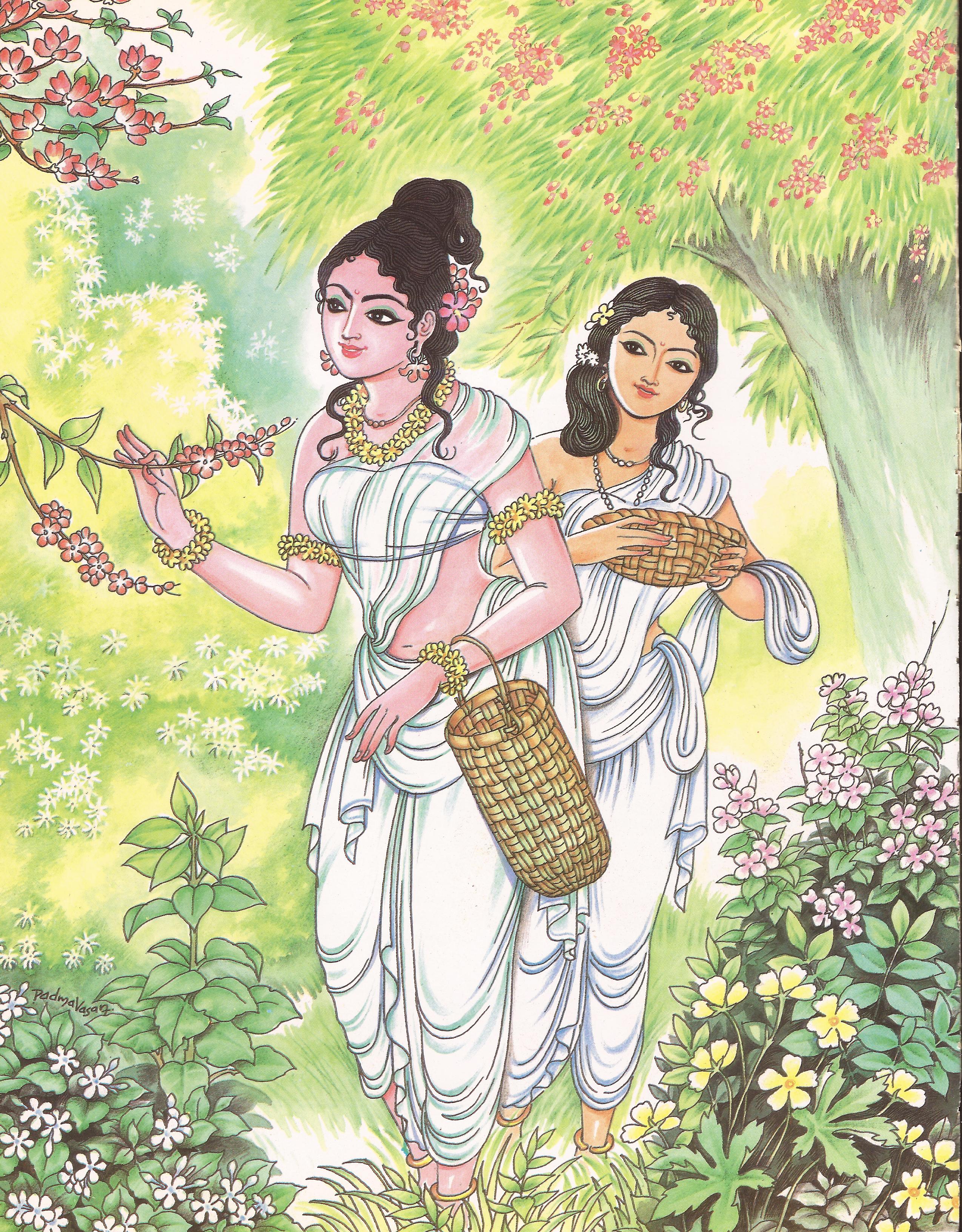
The Vedic hymns were chanted and sung by several voices and the refrain in some suggests a choral element. There is mention in the Vedic literature of maidens, beautifully dressed and jewelled, singing and dancing and circling the sacred altars with jars of holy water in their hands.

The refrain in RV 10-100 :- “For our boon we ask for felicity full and boundless. And in 10-134, The glorious mother gave you birth/ the blessed mother gave you birth”.

Indra is addressed as dancer in many hymns.

In RV 5-52 on Maruts we have the following

Hymn singing, seeking water, they, praising, have danced about the spring

In 6-63, Asvins are praised as dancing heroes.

krishnakaliya,trikoteeswara temple, AP

Krishna dancing on Kaliya

Dance in Kalidasa

Varahamihira in his Brhat Samhita mentioned dancing girls in three places to say how they will be affected by the planets or the eclipses.

Kalidasa (1st Century BCE) who lived at least 500 years before Varahamihira mentioned the Abhinaya (hand gestures) in several places. When he described the Spring season in Raguvamsa 9-33, he says the rustling of leaves of the mango trees in the breeze looked like they were trying to learn Abhinaya/gestures (Abhinayaan parichetum udhyataa iva). In the following verse he described the creepers dancing to the tunes of the beetles. In 19-36, he tells us about dance competition.

In the Megadutam (verse 58), he described the Dance of Siva:

The wind breathing through hollow bamboos makes sweet music;

Woodland nymphs sing with passion filled voicesof the victory over the trile city;

If your thunder rumbles in the glens like a drum

Would not the ensemble then be complete

For the Dance-Drama of the Lord of Beings?


Kalidasa’s description (Malavika 2-6) of a lady resting her left hand on her hip and right hand hanging loosely reminds us of the dancing figure discovered in in the Indus Valley. He says it is more attractive than her dancing.

Whenever Kalidasa saw some plants fluttering in the breeze, he was always reminded of dancing girls. We have more references to it in Vikramorvaseeiyam and Shakuntalam.

kaliya nardhana

DANCE in the Vedas!

IMG_2753

Written by London Swaminathan

Research Article No.1766;  Dated 1April 2015.

Uploaded at London time 21-22 (GMT 20-22)

Dance and music are mentioned in the Vedas in several places. It shows that the Vedic society was a happy and prosperous society. Scores of musical instruments are mentioned and scores of ornaments are also mentioned in the Vedic literature. Unless a society is content in the three basic needs Roti, Kapda aur Makan (Food, clothing and housing), no art form would have developed. Those who study the Vedas in full can see a developed society and advanced civilization. The marriage hymns show that they are an organised community. There were rules guiding a humans from birth to death. They had rules for everything. The existence of highly developed form of dance is confirmed by the dancing statue found in the Indus valley Civilization. Mention of agriculture shows that they cultivated the lands. So naturally there would be harvest season and celebrations following it.

The Vedic women had something like Garba or the Maypole dance. Dancing Gods are found in the Vedas. Indra has been thought of in the Rig Veda (1-130-7) as one who also made others to dance and delight (RV 2-22-4, 8-24-9, 8-24-12, 8-92-2)

IMG_2759

‘Nrtuh’ equals ‘nartayitaa’ in one of the epithets (RV 8-92-3). His close associates the Maruts and the Asvins, are also dancers. As the leaders of a troupe of dancers (RV 5-52-12, 8-20-22) the Maruts are extolled. Dancing and singing are also attributed to Asvins, who dance in association with Surya (RV6-63-5). Dancing is one of the accomplishments of these gods.

Gandharvas are praised as celestial singers. They are also associated with dance and music in later literature.

Dancing Nymphs

The concept of nymphs is closely related to the dancing gods. They are consorts of the Gandharvas (RV 10-123-5, 7-33-9, 7-33-12, 7-10-95, 10-132-6) but do not belong to the category of gods; they are the semi divine people. By the time of Atharva Veda, they became Indra’s favourite dancers.

Description of the Apsaras as dancing with the Gandharvas are found in abundance in AV (4-371, 4-37-4, 4-37-5). Men and women sang and danced even amidst the disease and pestilence they feared. They gathered in the assembly house (AV 7-12-2) ‘sabha’, which was meeting place for social entertainment including dance and music.

The hymn addressed to the Earth (AV. 12-1-1, 12-1-41) presents picture of joyous life, where the mortals sing and dance. Dancing Gandharvas and the Apsarasses help us visualize the picture of a society where dancing and music were regarded as an integral part of everyday life, whether in joy or in sorrow, as a profession or as an important communal activity.

IMG_2752

Source: A Cultural Index to Vedic Literature, Edited by N N Bhattacharya, Rabindra Bharat University, 2007

A B Keith and A A Macdonell adds in Vedic Index adds:–

Silpa in the Vedas means art, of which three kinds – nrtya/dance, gita/music and Vaadita/instrumental music, are enumerated in the Kausitaki Brahmana (29-5)

‘Nrti’ in one passage of the RV 3-514 means dancer in Ludwig’s translation

‘Nrtu’ occurs once in the RV denoting female dancer 1-92-4. Dancing is often referred to in the RV (1-10-1, 1-92-4).

Nrta-Gita (dance and song) are mentioned in the Jaiminiya Brahmana.

IMG_2758

If we put all the terms on Music, Musical Instruments, Dance, Jewellery and Ornaments in the four Vedas together, that will give us a beautiful picture of the Vedic society. No wonder Bharata wrote a beautiful treatise on dance in Sanskrit in the post-Vedic period.

Pictures of dancing statues in Foreign museums.

மிதிலையில் ராமன் கண்ட பரத நாட்டியம்!!

jan ren1

Dr Janaki Rangarajan, talented dancer from Tamil Nadu

கட்டுரையை எழுதியவர் :– லண்டன் சுவாமிநாதன்
ஆராய்ச்சிக் கட்டுரை எண்- 1487; தேதி 15 டிசம்பர், 2014.

நெய் திரள் நரம்பின் தந்த மழலையின் இயன்ற பாடல்,
தைவரு மகர வீணை தண்ணுமை தழுவித் தூங்க,
கை வழி நயனம் செல்ல, கண்வழி மனமும் செல்ல,
ஐய நுண் இடையார் ஆடும் ஆடக அரங்கு கண்டார்
—மிதிலை காட்சிப் படலம், கம்பராமாயணம்

यतो हस्तस्ततो दृष्टिर्यतो दृष्टिस्ततो मनः ।
यतो मनस्ततो भावो यतो भावस्ततो रसः ॥

yato hastastato dṛṣṭiryato dṛṣṭistato manaḥ
yato manastato bhāvo yato bhāvastato rasaḥa

பரத நாட்டியம் கற்றுக்கொள்ளச் செல்லும் எல்லோரும் அறிந்த சம்ஸ்கிருத ஸ்லோகம் :

யதோ ஹஸ்தஸ் ததோ த்ருஷ்டி, யதோ த்ருஷ்டி ததோ மன:
யதோ மனஸ் ததோ பாவோ, யதோ பாவஸ் ததோ ரஸ:

பொருள்:–அபிநயம் பிடிக்கும் கைகளை கண்கள் பார்த்துக் கொண்டிருக்க வேண்டும். கண் பார்வை எங்கே இருக்கிறதோ அதில் மனம் லயிக்க வேண்டும். அப்படி மனம் லயிக்கும் போது முகத்தில் பாவம் (சரியான உணர்ச்சியை வெளிப்படுத்தும் பாவம்) தோன்றும். அதன் வழியே ரஸம் ( நவரஸ உணர்ச்சிகள் ) அமையும்.

jakani mudra
Dr Janakai Rangarajan, a popular dancer, performing around the world.

மேற்கூறிய சம்ஸ்கிருத ஸ்லோகத்தை அப்படியே கம்பனும் சொல்லுவதைக் கண்போம்:
நெய் திரள் நரம்பின் தந்த மழலையின் இயன்ற பாடல்,
தைவரு மகர வீணை தண்ணுமை தழுவித் தூங்க,
கை வழி நயனம் செல்ல, கண்வழி மனமும் செல்ல,
ஐய நுண் இடையார் ஆடும் ஆடக அரங்கு கண்டார்

மகர யாழ் வாசிப்பதற்கு முன் அதன் நரம்பின் மீது நெய் பூசுவர். அது மழலைக் குரல் போன்ற இனிமையான ஓசை தரும். கை விரலினால் வீணையை மீட்க, அதற்கு அணுசரணையாக மத்தளம் முழங்கும் அதாவது எல்லாம் சரியாக சுருதி சேரும். இப்படிப்பட்ட அருமையான வாத்யக் குழு பாட, அங்கே நாட்டியம் ஆடவந்த மெல்லிடை அழகிகள் கைவழி (அபிநயம்) நயனம் (கண்கள்) செல்ல, கண்வழி மனமும் லயித்தது. இப்படிப்பட்ட அருமையான ஆட்டத்தை ராமனும் லெட்சுமணனும் கண்டனர். அவர்களை விசுவாமித்திர முனிவர் மிதிலா நகரத் தெருக்கள் வழியே நடத்திச் சென்றபோது இது நடந்தது.
இப்பொழுது மீண்டும் ஒரு முறை சம்ஸ்கிருத ஸ்லோகத்தைப் படித்தால் கம்பனின் சொற்களின் மகிமை நன்கு புரியும்.

பயிற்சி இல்லாதோர் ஆடினால் இதில் ஏதோ ஓரிடத்தில் தவறு நிகழும். முதல் கோணல் முற்றும் கோணலாக அமையும். கண் போன போக்கில் மனம் போகாமல், மனம் போன போக்கில் கண் போகும்!

(ஞாயிற்றுக் கிழமை காலையில் ‘’ஸ்கைப்’’ வழியாக கம்பராமாயண வகுப்பு நடத்திக் கொண்டிருந்தேன். அப்பொழுது கம்பனின் பாடலைப் படித்துப் பொருள் காண்பதற்குள், லண்டன் வாழ் திருச்சி கல்யாண சுந்தர குருக்கள் மேற்கூறிய சம்ஸ்கிருத ஸ்லோகத்தை நினைவு கூர்ந்தார்.)

contact swami_48@yahoo.com

சிந்து சமவெளி பாடகர்கள்: ஹாஹா, ஹூஹூ!!

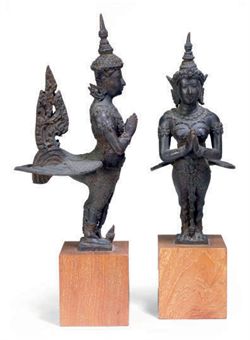
two_thai_bronze_kinnara_
Kinnaras in Thailand

கட்டுரையை எழுதியவர் :– லண்டன் சுவாமிநாதன்
ஆராய்ச்சிக் கட்டுரை எண்- 1375; தேதி அக்டோபர் 28, 2014.

உலகின் முதல் அகராதி / நிகண்டின் பெயர் அமரகோசம். இது சம்ஸ்கிருதத்தில் உள்ளது. இதை அமரசிம்மன் என்பவர் எழுதினார். இது விக்ரமாத்தித்தன் -(கி.மு.முதல் நூற்றாண்டு)– காலத்தில் எழுதப்பட்டதாக செவிவழி வந்த செய்திகள் கூறின. ஆனால் கட்டாயம் ஏழாம் நூற்றாண்டுக்கு முன் இது இருந்ததற்கான சான்றுகள் உள. சுமார் 2000 ஆண்டுப் பழமையுடையது என்று கொண்டால் தவறில்லை. உலகின் முதல் நிருக்தம் ( கி.மு 800 சொற் பிறப்பியல் நூல்), உலகின் முதல் இலக்கண நூல் ( கி.மு 700 பாணீனீயம்), உலகின் முதல் காம நூல் (காம சூத்ரம்), உலகம் வியக்கும் டெசிமல் சிஸ்டம் ( தசாம்ச முறையின் மிகப்பெரிய எண்கள்; கி.மு.1000 வேத கால பிராமணங்களில் உள ) – ஆகிய அனைத்தையும் உண்டாக்கியோருக்கு ‘அகராதி’ என்பது ஒரு எளிய பணியே.

சிறு குழந்தைகள் சம்ஸ்கிருத பள்ளிக்குப் போனவுடன் இலக்கண வாய்ப்பாட்டையும், நாம லிங்கானுசாசனம் எனப்படும் அமரகோசத்தையும் மனப்பாடம் செய்ய வைத்துவிடுவர். வாழ்நாள் முழுதும் இதை மறக்க முடியாது. நானே பள்ளிக்கூட வகுப்பு முடிந்தவுடன் மதுரை மேலச்சித்திரை வீதி ஆடிட்டர் வீட்டு நடையில், தரையில் உட்கார்ந்து இப்படிக் கற்றவன். உலகமே வியக்கும் அற்புதமான வகையில் சம்ஸ்கிருதம் கற்பிக்கப்படுகிறது. நிற்க. சொல்ல வந்த விஷயம் வேறு.
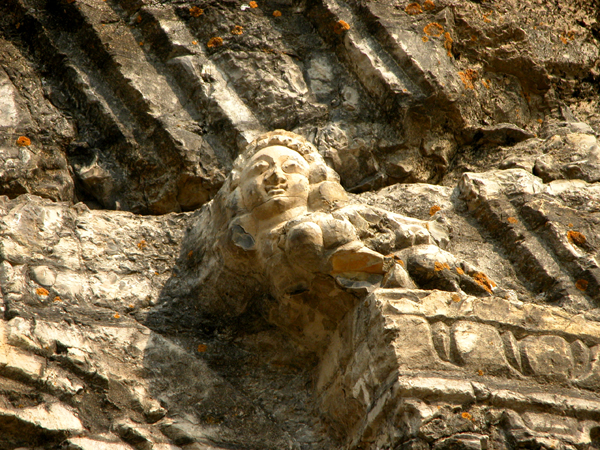
kashmir Kinnara_600x450
Kinnars in Avantipur, Kashmir

அமரகோஷத்தில் ஒவ்வொரு கடவுளருக்கும் சொல்லுக்கும் உள்ள பல பெயர்கள் இருக்கின்றன. இதற்கு வியாக்கியானம் செய்த உரைகார்கள் அற்புதமான விஷயங்களை நமக்கு அளிப்பர். அவைகளை ஒருவன் கற்றால் அறிவு ஒளிரும். லண்டனில் ஒரு சம்ஸ்கிருத ஆசிரியரை வீட்டிற்கு அழைத்து கற்றுக்கொண்ட சில விஷயங்களை ஏற்கனவே ஆங்கிலத்தில் கொடுத்தேன். இன்று அமரகோசம் குறிப்பிடும் கந்தர்வர்கள் “ஹாஹா ஹூஹூ” பற்றி பார்ப்போம்.

“கந்தர்வானாம் (அஹம்) சித்ரரத:”
— என்று பகவத் கீதையில் (10-26) கண்ண பிரான் கூறுகிறார்.

மஹாபாரதம் மூலம் சித்ரரதனை நமக்குத் தெரியும். ஆனால் ‘’ஹாஹா’’, ‘’ஹூஹூ’’ பற்றி எங்குமே தகவல் இல்லை. கந்தர்வர் பற்றி வரும் விஷயங்களை வைத்து நாம் ஊகிக்கத்தான் வேண்டும்.

celestials
Gandharvas in Mamallapuram

கந்தர்வர் பற்றிய ஆராய்ச்சி மிகவும் முக்கியமானது; ஏனெனில்
1.ராமாயணமும் மஹாபாரதமும் கந்தர்வர்களை சிந்து சமவெளியுடன் தொடர்பு படுத்துகின்றன. ஆகவே சிந்து சமவெளி நாகரீக ஆட்சியாளர் பற்றி அறிய உதவும்.

2.வெள்ளைக்காரர்கள் வந்து ஆரியர், திராவிடர், முண்டா என்று இந்தியர்களை 3 கூறு போடுவதற்கு முன் நம் வடமொழி, தமிழ் மொழி இலக்கியங்கள் இந்தியர்களை 18 கூறுகளாகப் போட்டன. ஆனால் எல்லோரும் ஒரு தாய் வயிற்றுப் பிள்ளைகள் என்றும் எழுதி வைத்தார்கள். அந்த 18 வகையினரில் கந்தர்வர் என்பவர் பாடகர்கள் — கின்னரர்கள் என்போர் வாத்யம் வாசிப்போர். துருக்கி வரை பல இசைக் கருவிகளுக்கு கின்னர, கின்னரி, தும்புரு, தம்புரா, டாம்போரின் என்று தான் பெயர்!!! ஆகவே வேத காலம் முதல் வழங்கும் கந்தர்வ என்னும் சொல் இசை ஆராய்ச்சி செய்வோருக்கு மிகவும் முக்கியம்.

chiron
Chirone from Greek mythology

சித்ரரதன் யார்?

மஹாபாரதத்தில் சித்ரரதன் பற்றி இரண்டு விஷயங்கள் வருகின்றன. இவன் கந்தர்வ இனத் தலைவன். இவன் தலைமையில் இருந்த படைகள் கௌரவர் படையைத் தாக்கவே கர்ணன் போன்ற பெருந் தலைவர்கள் உயிருக்குப் பயந்து ஓடி விட்டனர். துரியோதனனை கந்தர்வர்கள் கைது செய்தனர். அர்ஜுனன் போய் சமாதானம் பேசி மீட்டு வந்தான். ஏனெனில் சித்ரரதன் அர்ஜுனனின் நண்பன். அது என்ன கதை?

பஞ்சாப் (பாஞ்சாலம்) நோக்கி பாண்டவர்கள் சென்றபோது அவர்களை சித்ரரதன் தாக்கினான். அவனை அர்ஜுனன் கைது செய்து சிறைப் பிடித்தபோது, அவனது மனைவி கும்பிநாசி கெஞ்சவே, அவனை விடுதலை செய்தான். அவன் நன்றி பாராட்டும் முகத்தான் அர்ஜுனனுக்கு கந்தர்வ வகைப் போர்க்கலையை கற்றுக் கொடுத்தான். இருவரும் நண்பராயினர்.

கந்தர்வர்கள், ஒரு குறிப்பிட்டவகை போர்ப் பயிற்சியில் வல்லவர்கள். இசைக் கலையிலும் மன்னர்கள். அவர்களுடைய மனைவியரான அப்சரஸ் என்ன்னும் அழகிகள் நாட்டியக் கலையில் வல்லவர்கள் ஆகவே இந்தியாவில் இசை-நடனக் கலைக்குப் பெயர் கந்தர்வ வேதம். இது ஆய கலைகள் 64-இல் ஒன்று.

kinnari
Kinnari instrument

அர்ஜுனன், மாதலி ஓட்டி வந்த –ஸ்பேஸ் ஷட்டிலில்—விண்வெளிக் கப்பலில் — சென்று ஐந்து ஆண்டுக் காலத்துக்கு வேறு கிரகத்தில் வசித்தான். அப்போது சித்ர சேனன் என்னும் ஒரு கந்தர்வன் அவனுக்கு இசையையும் நடனத்தையும் பயிற்றுவித்தான். தேவலோக ஊர்வசி அர்ஜுனனைக் காதலித்து அங்கேயே இருக்கும்படி கெஞ்சினாள். அர்ஜுனன் மறுக்கவே ‘’நீ அலியாகப் போ’’ என்று சபித்தாள். சித்ர சேனன் இடைமறித்து சமாதான உடன்படிக்கை செய்தான். அதன்படி குறிப்பிட்ட காலம் மட்டுமே அவன் அலியாக முடிவு செய்யப்பட்டது .பிற்காலத்தில் அஞ்ஞாதவாச காலத்தில் அவன் அலியாகி– உத்தராவுக்கு நடனம் கற்பித்து கரந்துறை வாழ்வு நடத்த இது பயன்பட்டது.

இந்தக் கதையிலும் ராமாயணக் கதையிலும் பஞ்சாப், சிந்து மாகாணம் மட்டுமே கந்தர்வர்களுடன் தொடர்புபடுத்தப் படுகிறது. இப்போது ஒரு சந்தேகம் எழும். தேவ லோக கந்தர்வர்களுக்கும் பூலோக கந்தர்வர்க ளுக்கும் என்ன தொடர்பு? இதற்கு விடை என்னவென்றால் கந்தர்வர் என்னும் சொல்லும் கின்னரர் என்ற சொல்லும் பூவுலகில் வேறு பொருள் உடைத்து. இந்தியாவில் உள்ள எல்லா ஜாதிகளும், தாங்கள் கடவுள் அல்லது தேவர்களிடம் தோன்றியதாகக் கூறும். அதாவது தேவலோகம் வேறு, அவர்களுடன் தங்களை அடையாளம் காண விழையும் பூலோக வாசிகள் வேறு. இதனைப் புரிந்து கொண்டு இரு மட்டங்களில் – இரு வேறு தளங்களில் இந்தச் சொற்கள் பயன்படுத்தப்படுகின்றன என்பதைத் தெளிதல் வேண்டும்.

kinnara_1
Tumburu from Hindu Mythology

ராமாயணத்தில் பரதன் படையெடுத்து வென்ற இடம் சிந்து சமவெளி நகரங்கள் ஆகும்— இதை வருணிக்கும் வால்மீகி முனிவர் ‘’நன்கு கட்டப்பட்ட கட்டிடங்களும் நகரங்களும்’’ அங்கே இருப்பதாக வருணிக்கிறார். லாகூர் என்னும் பாகிஸ்தானிய நகரமும் லவன் – இராமனின் மகனால்- உருவாக்கப்பட்டது. ஆக கந்தர்வர் பற்றிப் பேசும் வடமொழி இலக்கியங்கள் மூன்று விஷயங்களைத் தெளிவு படுத்துகின்றன:–

1.பஞ்சாப், சிந்து மாகாணங்களில் கந்தர்வர் –கின்னரர் என்னும் ஒரு இனம் வசித்தது. (அங்குதான் மொஹஞ்சதாரோ, ஹரப்பா ஆகிய நகரங்கள் உள்ளன).

2.அவர்கள் கட்டிடக்கலை மன்னர்கள். இசை நாட்டியத்துறை நிபுணர்கள். சிந்துவெளியில் கிடைத்த நடன மாதுவின் வெண்கலச் சிலை இதற்குச் சான்று. அங்குள்ள செங்கல் வீடுகளும் மிகப்பெரிய குளமும், குதிர்களும் இதற்குச் சான்று.

3.அவர்கள் குறிப்பிட்ட போர்க்கலையில் வல்லவர்கள். பரதன், துரியோதனன், அர்ஜுனன் ஆகியோரை அவர்கள் தாக்கியதே இதற்குச் சான்று. கர்ணனையும் உயிருக்குப் பயந்து ஓட வைத்தவர்கள்!!

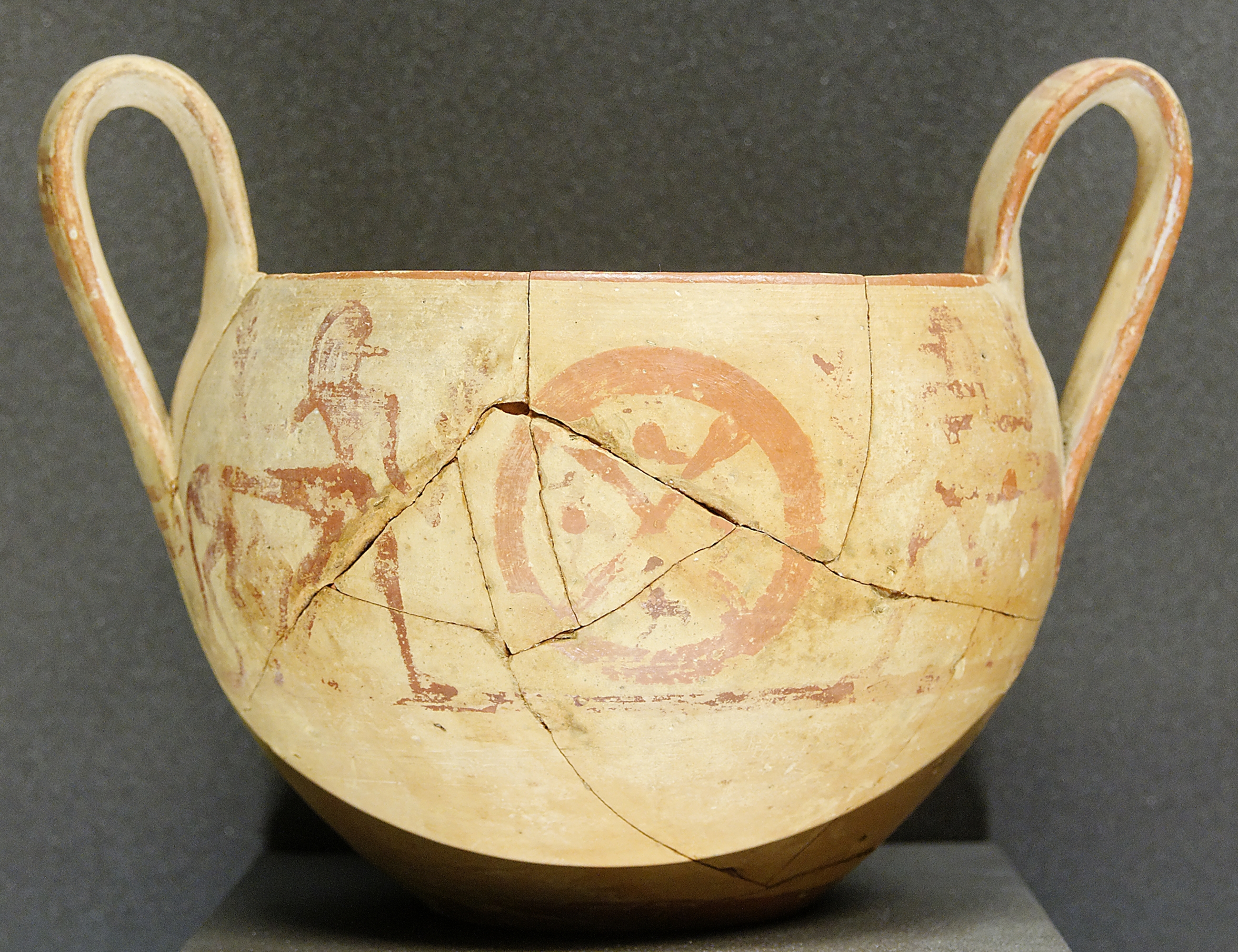
Cantharus_Stathatou_Louvre_CA1987

Mycenaean Cantharus (Gandharva) from Louvre Museum, France

வேத காலச் சான்றுகள்:–
ஊர்வசி என்னும் பெண், ரிக் வேத காலத்திலேயே பிரபலமானவள். தேவலோகப் பெண்கள், கந்தர்வர்களின் மனைவியராவர். இது தவிர, போதாயன ஸ்ரௌத சூத்திரத்தில் (20-25) பஞ்சாப் மாநிலத்தைச் சேர்ந்த காந்தர்வாய பாலேய அக்னிவேஷ்ய என்னும் பெயர் இருக்கிறது. ஆக கந்தர்வர், அப்சரஸ் ஆகியோர் ரிக்வேத காலத்தில் இருந்ததும், அவர்கள் பஞ்சாப் சிந்து பிரதேசத்தில் வசித்ததும், அவர்கள் வடமொழிப் பெயர்கள் வைத்திருந்ததையும் வேத கால இலக்கியங்கள் உறுதி செய்கின்றன.

ashmoloean
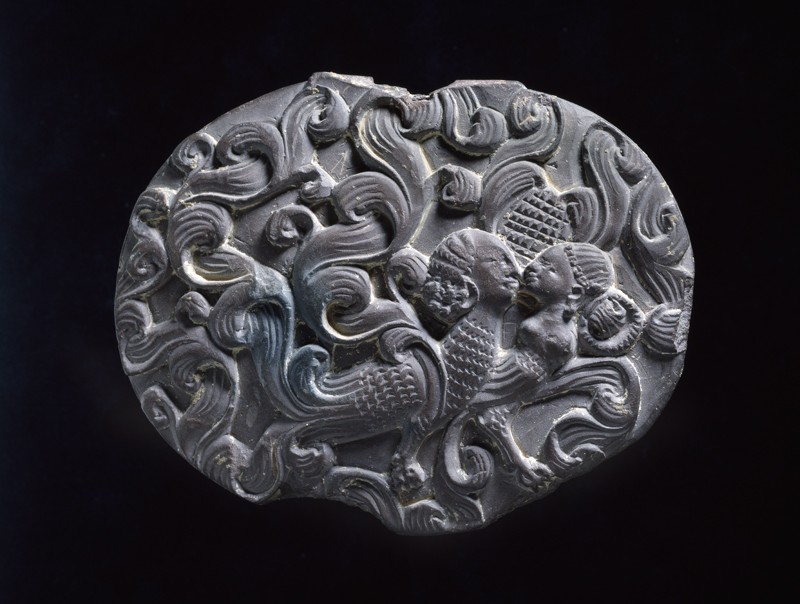
Box with Kinnara figures in Asmolean Museum, Oxford, UK

இசை மன்னர்கள்
கின்னரர் என்ற பக்க வாத்தியக்காரர்களின் பெயரில் பல்வேறு வகை இசைக் கருவிகள் துருக்கி வரை இருக்கின்றன. கின்னரர் தலைவன் தும்புரு என்பவர், நாரதருக்கே இசை கற்பித்தவர். அவருடைய பெயரில் தம்பூரா, டாம்போரின் முதலிய கருவிகளும் பல நாடுகளில் காணப்படும். ஆக இசை ஆய்வுக்கும் ‘’கின்னரர் ஆய்வு’’ உதவும். தும்புரு போலவே குதிரை முகமும் மனித உடலும் கொண்ட ‘சிரோன்’ என்ற கிரேக்க தேவனும் குறிப்பிடத்தக்கவர். கிரேக்க நாகரீகத்துக்கு முன்னர் அங்கே நிலவிய மைசீனிய நாகரீகத்தில் ‘காந்தரோஸ்’ (கந்தர்வோஸ்??) என்பவர் இப்படிக் குதிரை உடலுடன் காட்டப்பட்டுள்ளார். இந்து மதக் கதைகள் இப்படி வெளிநாடுகளை அடையும்போது உருச் சிதைவதும், காலப்போக்கில் பழைய உண்மைக் கதைகள் மறைந்து புதுக்கதைகள் எட்டுக்கட்டபடுவதும் ஆய்வளர்களுக்கு புதுமை அன்று.

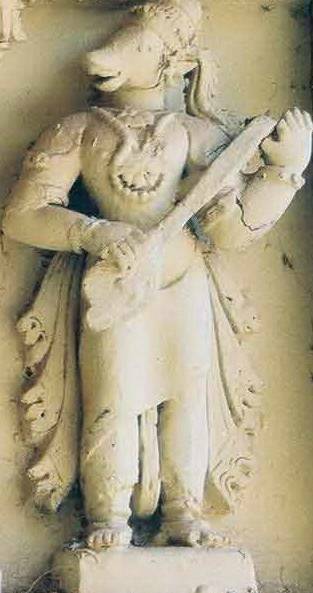
என்ன காரணத்தினாலோ கின்னரர்கள குதிரை உடல் அல்லது பறவை உடலுடன் சித்தரிக்கப் பட்டுள்ளனர். முகம் மட்டும் மனித முகம்!! இந்திய கின்னரர்- கந்தர்வர் உருவங்கள் தென்கிழக்காசியா முழுதும் பரவிக் கிடக்கின்றன. தாய்லாந்து நாட்டில் இது மிகவும் அதிகம். உலகிலேயே மிகப் பெரிய முஸ்லீம் நாடான இந்தோநேசியாவின் போரோபுதூர், கம்போடியாவின் அங்கோர்வட், ப்ராம்பனான், தாய்லாந்தின் பாங்காக் ஆகிய இடங்களில் இந்தியாவை விட அழகிய கந்தர்வர்- கின்னரர் உருவங்கள் இந்தியப் பண்பாட்டைப் பறை சாற்றி நிற்கின்றன.

kinnara in thailand musuem
Kinnara from Thailand Museum

தேவலோக கந்தர்வர் என்போரும் உண்மையே. ரமண மகரிஷிக்கு முந்திய, திருவண்ணாமலை ஸ்ரீ சேஷாத்ரி சுவாமிகள் பல அற்புதங்களைச் செய்து காட்டியவர். அவர் ஒரு இசைப் பிரியர். திடீரென வானத்தை உற்று நோக்கி இசைய ரசித்து மகிழ்வார். பக்தர்கள் கேட்டபோது வானுலக கந்தர்வர் பாடிக்கொண்டே போனதாகவும் அவர்கள் இசையைக் கேட்டு அதில் லயித்ததாகவும் கூறுவார். ஆக விண்ணுலக கந்தர்வர் என்றுமுளர். மண்ணுலக சிந்து சமவெளி கந்தர்வர் மண்ணில் கலந்துவிட்டனர் என்று கொள்வதில் தவறில்லை.

உலகம் முழுதும்— மைசீனிய நாகரீகம் வரை — கிடைக்கும் எல்லாத் தகவல்களையும், கின்னர, தும்புரு இசைகருவிகள் முதலியவற்றையும் இராமாயண, மஹாபாரத, சிந்து சமவெளி தகல்களுடன் ஒப்பிட்டால் மேலும் பல உண்மைகள் வெளியாகும். நான் முன்னர் எழுதியதுபோலவே சிந்து சமவெளி என்பது பல இன மக்கள்—பல வகை வழிபாட்டுடையோர்- ஒருங்கே வசித்த பூமி என்பதையும் நினைவிற் கொண்டால் பல புதிர்கள் விடுபட்டுப்போகும்!

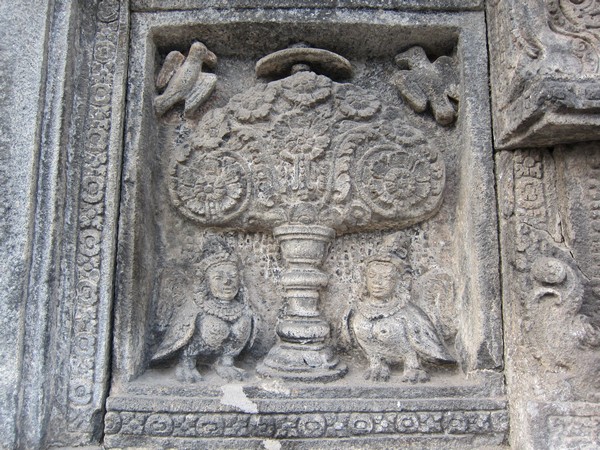
Prambanan-Kinnara-bas-relief
Kinnaras from Prambanan, Cambodia

-சுபம்-

Gandharvas-Elephants

contact swami_48@yahoo.com

Mysterious Buddha in Sweden!

viking buddha big
Buddha statue in Stockholm Museum

Written by London Swaminathan
Post No.1263; Dated 2nd September 2014.

Recently I wrote about the Sun Chariot (Surya Ratha) in Denmark. Two years ago I wrote about Gajalakshmi figure and Pasupati figure similar to Indus Valley in Gundestrup Cauldron, Denamrk. I visited Stockholm, Sweden for three days last week and found out about a mysterious Buddha statue in Sweden. Though it was discovered long ago the mystery of its journey to Sweden still remains a mystery!
A bronze statue of Buddha was brought more the 5000 miles from northern India to Helgo in Sweden. The statue is dated from about fifth century CE. The statue is now kept in the Swedish Museum of National Antiquities in Stockholm. Buddha’s statue has a tilak on its forehead, which is considered the third eye. He was sitting on a double lotus throne in meditative posture.

Helgo means holy place. It was a big Viking trading centre. Swedish traders might have brought it to Helgo. Other artefacts from Ireland, Egypt and Byzantine empires are also found. The Vikings or Norsemen were the inhabitants of Scandinavia in the period 800—1100 CE. They traded with, and raided, much of Europe, and often settled there. In their highly manoeuvrable long narrow ships, the Vikings penetrated far inland along rivers. They plundered for gold. They settled in various places from North America to Russia. They had their own literature called Sagas and Runic inscriptions. The kings were buried with their ships together with their possessions.

On the small island of Helgo, the remnants of a settlement were discovered just 60 years ago. The traders there maintained an extensive trade with Europe and the British isles. An enormous number and variety of articles were found at Helgo. One of the unique objects discovered there is the statue of Buddha. Later another centre developed near this place and it is known as Birka near Lake Malaren.

IMG_2168
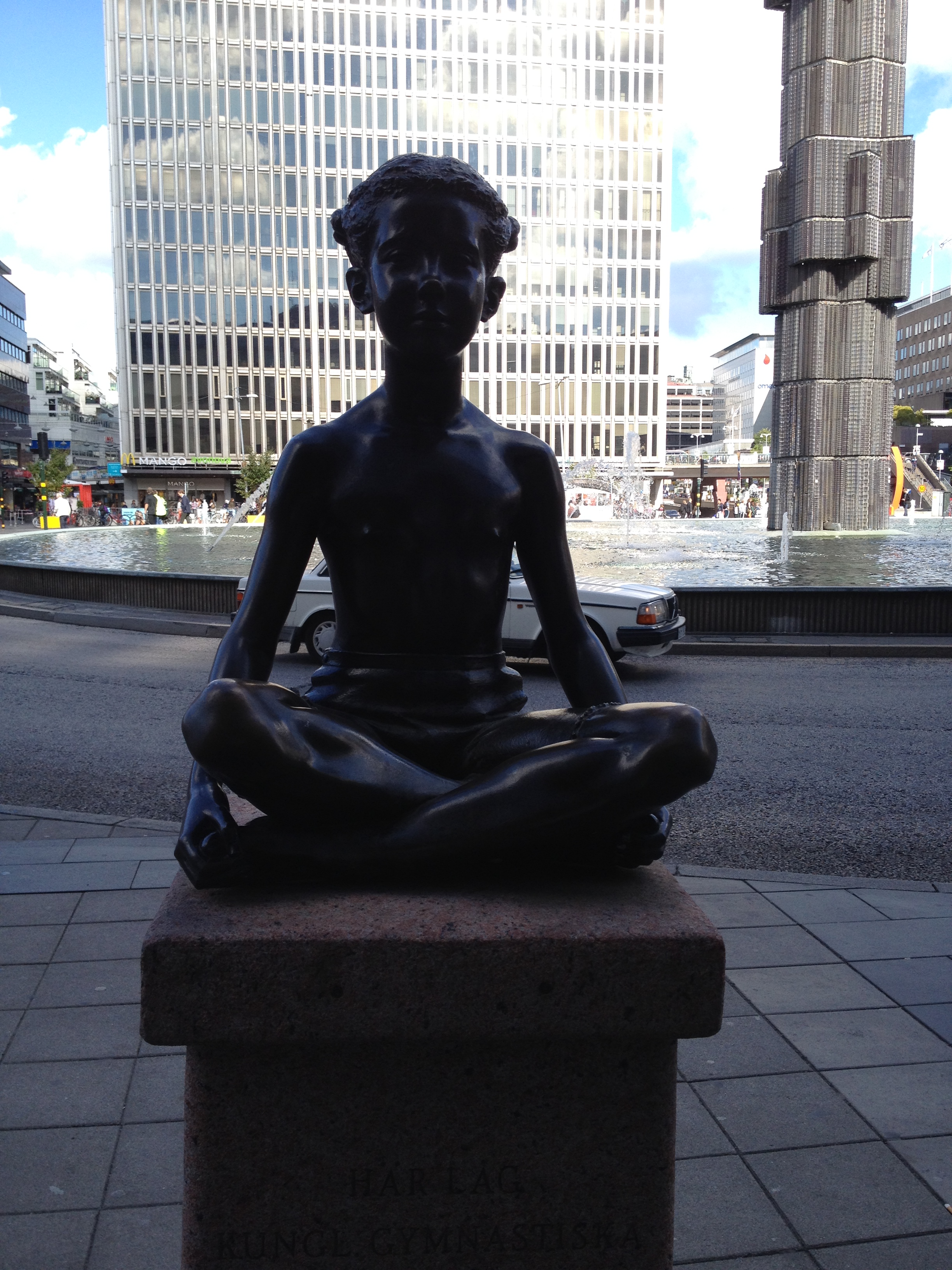
Statue at T Centralen in Stockholm

Documentary on the Vikings
I watched a documentary about the Vikings on 4th of April 1999 on Channel 4 (UK) in London. Immediately I wrote in my diary about Sati practised in India by all the Kshatrias from Mahabharata days to recent days. Even a Tamil Pandya queen committed Sati, says Sangam Tamil literature. In the same way when Viking kings died their wives, slave girls, her friend were also cremated or buried. Arabic writers wrote that Vikings cremated their wives or slave girls with the king.

IMG_2043
Baby like Krishna in The Royal Place,Stockhom; Hindus worship Krishna in banyan leaf.

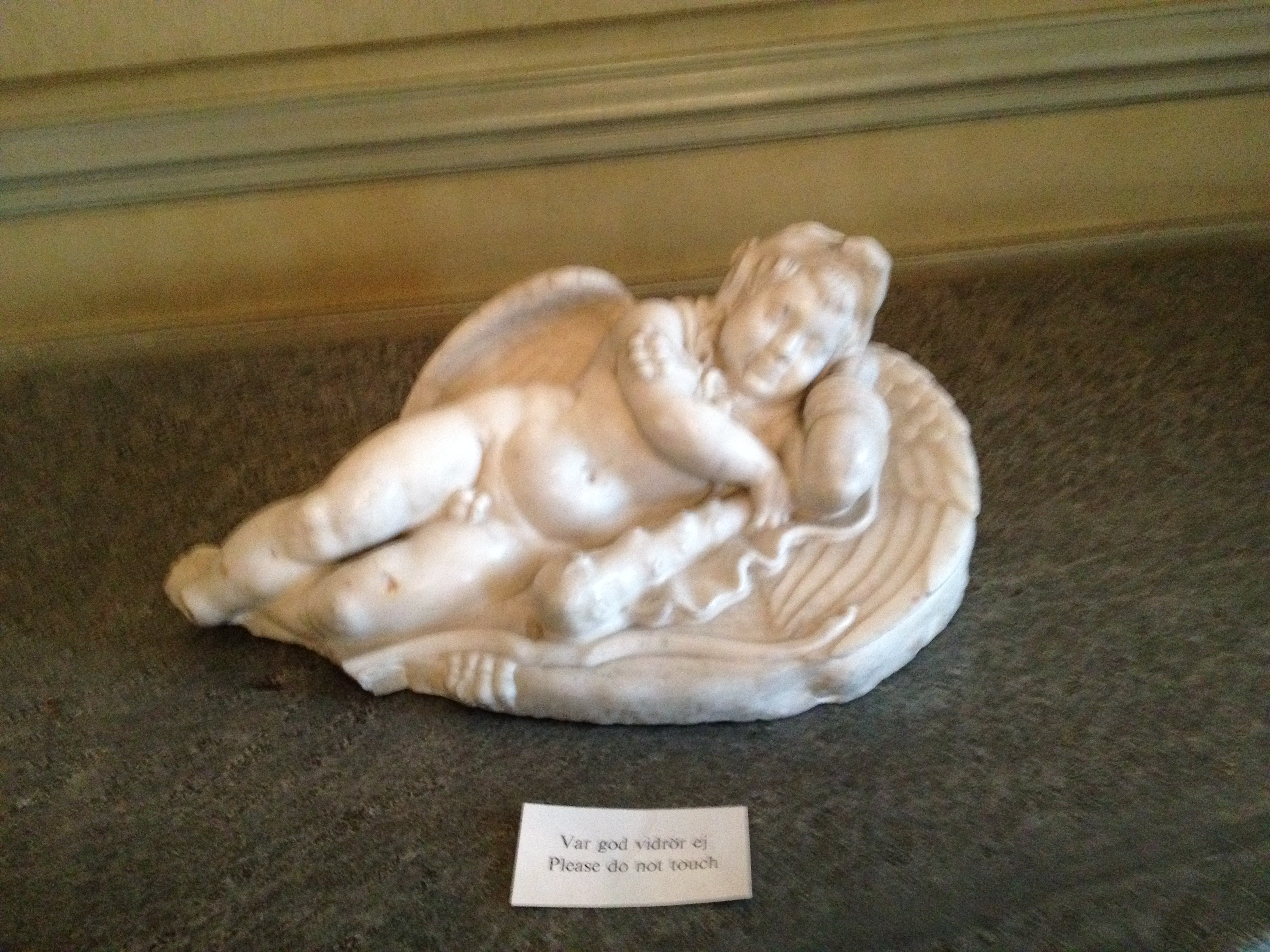
During my recent trip to Stockholm, I saw pictures sitting in Padmasana in T. Centralen and women are portrayed in The City Hall as we have sculpted them in our temples. But these are very of very recent origin. I noticed a statue in the Royal place looking like Lord Krishna. Probably it is a royal baby statue.

krishna on leaf
contact swami_48@yahoo.com

கேட்பது பெண்கள் குணம்; வாங்கிக் கொடுப்பது ஆண்கள் கடமை!!!

queen

ஆராய்ச்சிக் கட்டுரை எழுதியவர்:–லண்டன் சுவாமிநாதன்
கட்டுரை எண்:1245; தேதி 23 ஆகஸ்ட் 2014

மனு ஸ்மிருதி எழுதிய மனு கொஞ்சம் ஓரச் சார்புடையவர் போலத் தோன்றுகிறது!! பெண்கள் கேட்பதை எல்லாம் வாங்கிக் கொடுக்க வேண்டுமாம்!! அவை என்ன என்ன என்பதில் நகைகளையும், துணிமணிகளையும் சேர்த்துவிட்டார் மனு! இந்த சுவையான விஷயத்தை சிறிது ஆராய்ச்சி செய்து பார்ப்போம்.

ஓதாமல் ஒரு நாளும் இருக்க வேண்டாம்
ஒருவரையும் பொல்லாங்கு சொல்ல வேண்டாம்
மாதாவை ஒரு நாளும் மறக்கவேண்டாம்

என்று உலகநாதர் உலகநீதியில் சொன்னால் அது சரி என்று படுகிறது. ஏனெனில் மாதா, பிதா, குரு, தெய்வம் என்று வேதமே போற்றுகிறது. ஆனால் சகோதரியும், மனைவியும் கேட்பதை எல்லாம் வாங்கிக் கொடுக்கவேண்டும் என்று மனு தர்மம் கூறுகிறது. இது எந்த வகையில் நியாயம்?

ஒரு நாள் வைர நெக்லஸ், மறு நாள் டிசைனர் ஷூ, டிரஸ், குக்ஸி பை என்று விலை மதிப்பு மிக்க பொருட்களைக் கேட்டால்……………………………………………

இதோ மனு தர்ம சாஸ்திரம் எழுதிய மனு சொல்கிறார்:
யத்ர நார்யாத் பூஜ்யந்தே தத்ர ரமதே தேவதா
யத்ரைதஸ்து ந பூஜ்யந்தே சர்வதத்ரத் அபலா க்ரியா (மனு 3—56)

இதே ஸ்லோகம் மஹாபாரதத்திலும் உளது!

பொருள்: எங்கே பெண்கள் துதிக்கப் படுகிறார்களோ (வாழ்த்தப் படுகிறார்களோ) அங்கே இறைவன் மகிழ்கிறான். எங்கே பெண்கள் போற்றப் படவில்லையோ அங்கே புண்ய காரியங்கள் பலனளிக்காமல் போய்விடும்.

இத்தோடு நிறுத்திக்கொள்ளாமல் மனு மேலும் சொல்கிறார்:

எங்கே பெண்கள் துன்பப் படுகிறார்களோ அந்தக் குடும்பம் நாசமடையும்–(மனு 3—56)

அப்பாமார்கள், அண்ணன்மார்கள், கணவன்மார்கள், மைத்துனர்கள் ஆகியோருக்கு ஏதேனும் அதிர்ஷ்டம் அடிக்க வேண்டுமானால் அவர்கள் வீட்டுப் பெண்களை மதிக்க வேண்டும், போற்றவேண்டும்—-(மனு 3—55)

பெண்கள் சாபம் விழுந்த வீடுகள் அடியோடு அழியும் —-(மனு 3—58)

ஆகையால் ஆண்கள் நல்லபடி வாழ வேண்டுமானால் விழாக்காலத்திலும் வீட்டு விஷேச காலங்களிலும் எப்போதும் பெண்களை நகைகள், துணிமணிகள், உணவு வகைகள் மூலம் மகிழ்விக்கவேண்டும்—-(மனு 3—59)

ஒரு ஆசார்யார் (குரு), பத்து உபாத்யர்களுக்கு மேல்;
ஒரு தந்தை 100 ஆசார்யார்களுக்கு மேல் பெருமை உடையவர்;
ஒரு தாயோ ஆயிரம் தந்தைகளை விடப் பெருமை வாய்ந்தவள் —–மனு 2-145

love letter

பேரழகி ராஜகுமாரி லோபாமுத்திரை

இதற்கெல்லாம் மூல காரணம் உலகின் மிகப் பழமையான நூலான ரிக்வேதத்தில் உளது. அகஸ்தியர் என்பவர் மிகவும் குள்ளம். அவருக்கு விதர்ப்ப நாட்டு பேரழகி, இளவரசி லோபா முத்ராவின் மீது கொள்ளை ஆசை! கல்யாணத்துக்கு மனுப் போட்டார். அவளோ ராஜகுமாரி. ஐயன்மீர்! ராஜா போல உடை உடுத்திக் கொண்டு வாரும், அத்தோடு ஒரு ராஜகுமாரியை மகிழ்விக்கும் அளவுக்கு நகை நட்டுக்களையும் கொண்டுவாரும் என்று சொல்லிவிட்டாள். அகஸ்தியர் அரண்மனை தோறும் ஏறிஏறிப் பார்த்தார்; பலன் இல்லை. இல்வலன் என்ற அசுரனிடம் கேட்டார். அவன் தம்பி வாதாபியை “வாதாபி ஜீர்ணோ பவ” என்று சாப்பிட்டு ஏப்பம் விட்டதால் அவன் பயந்து கொண்டே பணத்தைக் கொடுத்து, ஐயா, இங்கே இருந்து போய் விடுங்கள் என்று அனுப்பிவைத்தான். அகஸ்தியர் ராஜா போல படுக்கை அறையுள் நுழைந்தார். லோபாமுத்திரை, அகஸ்தியர் மூலம் ததாஸ்யு என்ற பெறும் கவிஞரைப் பெற்றுக் கொடுத்தாள். இது மஹாபாரத வனபர்வத்தில் உள்ள கதை.

லோபாமுத்ராவின் மீது அகஸ்தியர் கண் ஏன் விழுந்தது? அது ஒரு தனிக் கதை. அகஸ்தியரின் முன்னோரின் ஆவிகள் ஒரு பாழுங் கிணற்றில் தலை கீழாகத் தொங்கிக் கொண்டிருந்தன. ஒரு புத்திரனைப் பெற்றால்தான் அவர்கள் கடைத்தேறுவார்கள் என்பதை அறிந்த அகஸ்தியர் உலகிலுள்ள எல்லா அழகிகளின் அம்சங்களை ஒன்று சேர்த்து விதர்ப்ப நாட்டு மஹாராணியின் குழந்தையாக ((லோபாமுத்ரா))) கருவுற, தனது தவ வலிமையால் வழிவகுத்தார்.

ஆண் குழந்தையைப் பெற்று அவர்கள் மூலம் பிதிர் காரியங்களைச் செய்யவேண்டும் என்பது (பிதிர் கார்யம்= நீத்தாருக்கு செலுத்தப்படும் நீர்க்கடன்) தொன்று தொட்டு நிலவும் நம்பிக்கை. ஐயன் வள்ளுவனும் இதற்குச் சான்று பகர்வான். சங்கதமிழ் புலவர்களும் இதை ஆதரித்துப் பாடி இருக்கிறார்கள் (காண்க புறம் 222, புறம் 9 பாடல்கள்).

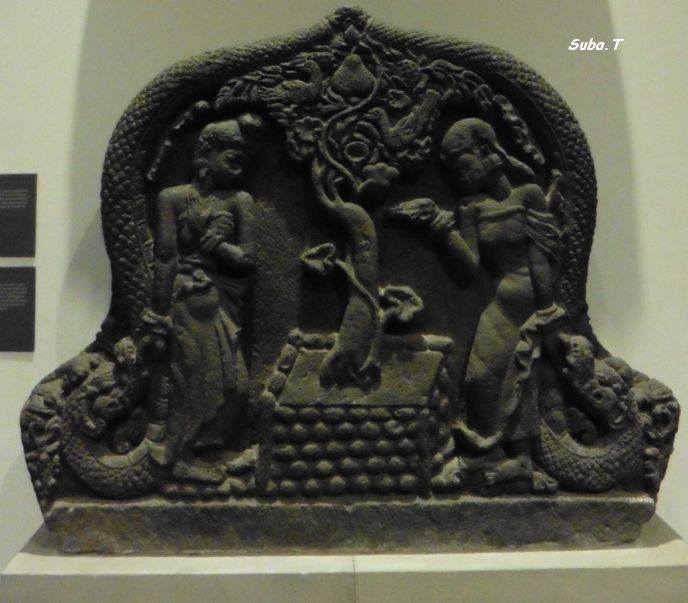
parijatha,V&A,By T Suba
Krishna bringing Parijatha, Statue from Indonesia at V & A MUseum, London;photo by T Subashini

சத்யபாமா, கைகேயி, சீதை

பாரிஜாத மலர் வேண்டும் என்று கேட்ட உடனே கிருஷ்ணர், சுவர்க்கலோகம் சென்று இந்திரனுடன் சண்டை போட்டு பாரிஜாத மலரைக் கொண்டு வந்ததும் பெண்களை மகிழ்விக்கவே!!
இதன் மூலம் மனிதகுலத்துக்குக் கிடைத்த நன்மை:– பாரிஜாத மரம்!!

கைகேயி சொன்னவுடன், ராம பிரான் காடேகியதும் பெண்ணின் வேண்டுகோள் அன்றோ! பொன் மானைப் பிடித்துக் கொண்டு வா என்று ராமனிடம் அடம்பிடித்த சீதையை மகிழ்விக்க ராமனும் ஓடவில்லையா?
இதன் மூலம் மனிதகுலத்துக்குக் கிடைத்த நன்மை:– சிவனுறை கயிலாயத்தையே பெயர்க்க முயன்ற அசுரன் ராவணன் வீழ்ந்துபட்டான்.

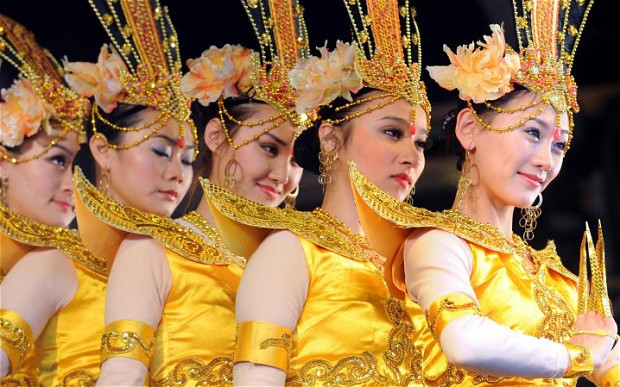
SOCIAL Chinese 165281A Chinese New Year

திரௌபதி கோரிக்கை

சௌகந்திக மலர் எனக்கு உடனே வேண்டும் என்று திரவுபதி ஒரு அன்புக் கட்டளை இட்டாள். ஓடினான், ஓடினான், பீமன்- காட்டின் ஓரத்திற்கே ஓடினான். வழியில் அவனுடைய அண்ணன் அனுமன் சண்டைக்கு அழைக்கவே அனுமன் பெருமை தெரிந்தது. மாபாரதப் போரில் கொடியில் உட்கார்ந்து கொண்டு உனக்கு வெற்றி தேடித் தருவேன் என்று அனுமன் வாக்குறுதி கொடுத்தான்.

சௌகந்திக மலர்ப்பொய்கையில், அதைக் காத்து நிற்கும் யக்ஷர்களைக் கொன்று குவித்து மலர் பறித்தான் பீமன். குபேரனுக்கு கொள்ளை மகிழ்ச்சி! ஏன்? யக்ஷர்கள் மீது அகஸ்தியர் இட்ட சாபம் அன்றோடு முடிந்தது

இதன் மூலம் மனிதகுலத்துக்குக் கிடைத்த நன்மை:– மாபாரதப் போரில் தர்மம் வென்றது. யக்ஷர்கள் மீதான சாபம் நீங்கியது.

மற்றொரு சமயம் தண்ணீர் வேண்டும் என்று திரவுபதி கேட்கவே, காட்டுக்குள் போன நான்கு சகோதர்களையும் ஏரிக்கரை பூதம் (யக்ஷன்) நாலு பேரையும் விழுத்தாட்டியது. இறுதியில் தர்மன் சென்று ஏரிக்கரைப் பேயின் கேள்விகளுக்குப் பதில் சொல்லி நான்கு சகோதர்களையும் உயிர்ப்பித்து மீட்டு வந்தான்.

இதன் மூலம் மனிதகுலத்துக்குக் கிடைத்த நன்மை: யக்ஷப் பிரஸ்னம் என்னும் பேயின் கேள்வி—பதில் தொகுப்பு. (இதுபற்றி ஏற்கனவே விரிவான கட்டுரைகளை எழுதி இருக்கிறேன். படித்து மகிழ்க)

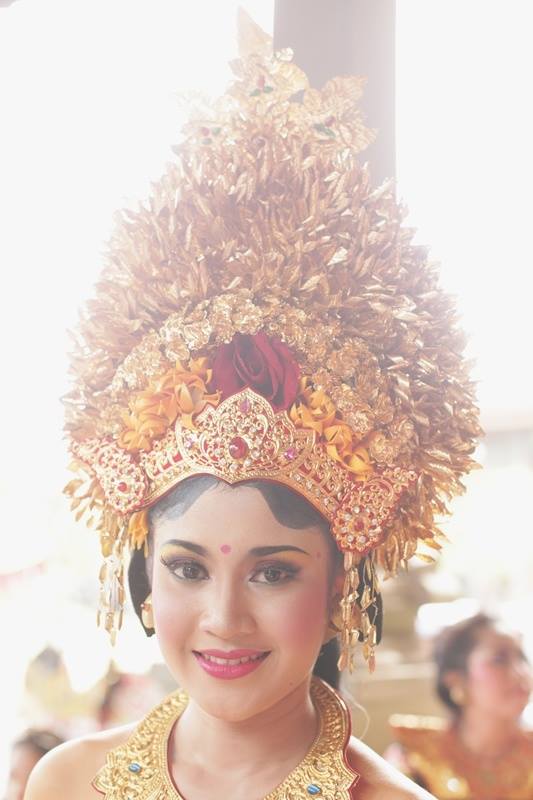
hindu girl, bali
Picture of Hindu Girl in Bali, Indonesia

மைத்ரேயி- காத்யாயனி கோரிக்கை
இரண்டு பெண்டாட்டிக்கார ரிஷி யாக்ஞவல்கியர், “பெண்களே, சொத்து சுகங்களைப் பிரித்துக் கொடுத்துவிட்டு காடேகப் போகிறேன். உங்களுக்கு யாது வேண்டும்?” — என்று கேட்க, மைத்ரேயி தத்துவ உபதேச விஷயங்களே தேவை என கோரிக்கை விடுத்தாள். காத்யாயனி செல்வம் முழுதும் பெற்றாள்.
இதன் மூலம் மனிதகுலத்துக்குக் கிடைத்த நன்மை: தத்துவ உபதேசம் (காண்க: பிருஹத் ஆரண்யக உபநிஷதம்)

பெண்கள் கோரிக்கை இத்தோடு நிற்கவில்லை: க்ஷத்ரிய குலப் பெண்களைத் திருமணம் செய்துகொள்வதற்காக, வில்லை முறித்தான் ராமன். வில்வித்தையில் வென்றான் அர்ஜுனன். ஆக பெண்கள் என்றால்= கோரிக்கைகள்!!!!

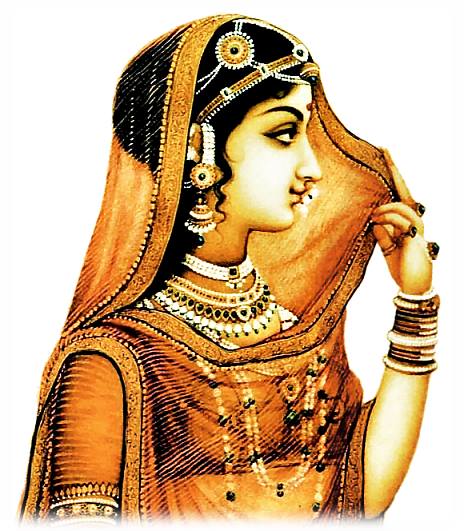
radha or queen

ஆனால் பெண்கள் போட்ட அததனை கோரிக்கை மனுக்களும் மனித குலத்துக்கு நன்மையே செய்ததால், மனு சொல்கிறான். அவர்கள் எதைக் கேட்டாலும் வாங்கிக் கொடுங்கள் என்று!!

மனு வாழ்க!! மனுதர்மம் போற்றும் பெண்கள் வாழ்க, வாழ்க!!!

woman

Pictures are taken from various websites;thanks.
this article has been published in English by me.
contact swami_48@yahoo.com

Why did 102 Dancers accompany a Tamil King during Invasion?

AssamBihu

Research paper written by London Swaminathan
Post No.1190; Dated 23rd July 2014.

Cheran Senguttuvan ( also written as Cenkuttuvan) was a powerful Tamil king who ruled western part of Tamil Nadu 1800 years ago. That part of South India is called Kerala now and Malayalam is spoken in the state. He was so powerful that he destroyed all the sea pirates in the Indian ocean and his father Netuncheralathan captured the Yavanas (Ionians or Arabians) and shaved the heads of Yavanas and poured oil on their heads. It is ancient punishment. He had good friendship with the mighty Brahmin rulers Satavahanas. When he wanted to go to the holy Himalaya to bring a stone for the statue of a Chaste woman (Patni) Kannaki, Satavahanas helped him. He was successful in his expedition. He bathed the stone in Holy River Ganga and sculpted a beautiful statue for Kannaki. He invited kings from all over India and Sri Lanka. Tamil Epic Silappadikaram says that the consecration of Kannaki Temple was attended by Gajabahu of Sri Lanka. So we knew his age for sure. This happened in the second century CE.

thillana1

The interesting detail from the Tamil epic is that Senguttuvan was accompanied by 102 dancers!
Senguttuvan was accompanied by
Chariots — 100
Elephants — 500
Horses — 10,000
Carts and carriages — 20,000
Kancukar (Police) — 1000
Dancing girls — 102
Musicians — 208
Jesters — 100

There is nothing new about dancers in the royal entourage. Raja Raja Choza, a mighty Tamil King whose rule extended up to Indonesia, had donated lands and houses for 400 dancers in Thanjavur. Their beautiful names in Tail and Sanskrit are found in the inscriptions in Thanjavur Big Temple.
The dancers entertained the kings and the general public during festivals and royal events.

group dance

Senguttuvan was an ardent devotee of Lord Shiva. Just before the Himalayan expedition he went round Sri Padmanabha swamy Temple at Trivandrum. At the same time the priests from the nearby Vishnu temple brought him some Prasad which he put on the shoulder and walked to show respect. His head bowed only to the gods, says the Tamil epic.

As soon as he reached the Himalayas he ordered his soldiers:
“Go and courteously assure our support to all those who uphold the Vedas in the northern region and who led holy lives by keeping alive sacrificial fires”.

Source : Tamil Epic Silappadikaram, Canto 26– Lines 128-140

Senguttuvan came back to his capital after spending two and a half year in his Himalayan invasion.

50 kilo+ Gold for a Brahmin

In the chapter 27 — the Nirpatu katai—there is another incident of donating 50 tula (Over 50 kilo) to a Brahmin called Matalan.

The great king and wielder of lance, wearing the Palmyra garland, became mightily pleased, and saying, “O Brahmana Matalan, please accept”,he honoured him with a gift of fifty tulams of pure gold equal to his own weight.

This means Senguttuvan weighed 50 Tulam. Tula bharam is an ancient ritual and considered one of the 16 supreme gifts enjoined on all and on the king particularly. It is clear from the Vijayanagara inscriptions that its kings performed these sixteen gifts.

Pictures are taken from other websites;thanks.

Contact swami _48 @yahoo.com

Paripādal : Suitable for Dance & Music

tamil puu parithal

Post No 862 Date: 24 February 2014

By Dr R Nagaswamy

Parpādal is a form poetry best suited as a musical composition mainly for dance along with another poetic form “Kali”. This is defined by “Tolkāppiyam ” in the chapter on “Ahattinai Iyal”, sutra 53.

According to the sutra, “the songs suited for enactment both in dance tradition and in worldly tradition ( Nātya dharmi and Loka dharmi) are to be either in Kali or Paripādal format, and this is applicable for Aham themes”. Naccinārkkiniyār, the commentator holds that these two formats ( Kali and Paripādal ) were meant for the five sub divisions of the Aham, ( Kuruncii, Mullai, Marutam, Neiḍal and Pālai) , may not come for other themes . They may be found in some rare instances in the “Kaikkilai” and “Peruntinai” songs which are also subdivisions of Aham. Kali format is confined to Aham themes but Pari pādal may be employed in songs on Gods and Aham themes. So the poems meant for “abhinaya” are found in songs of Kali and Parpādal form for Aham themes. This clearly indicates that all Kali songs are meant for dance.The other poetic formats like, Āciriyam, Venpā, and Vanci may be used for for both Aham and Puram themes.
There are two types of vocal accompaniment for dramatic enactment. One is prose dialogue and the other is vocal music. The first is generally delivered by the actor and the second is generally by background music. The first is generally worldly actions and the second includes both dance modes and worldly actions. The sutra here seems to be relating to the later especially with reference to the background of musical songs. This is evident from the usage in the sutra ” pādal cānra Pulaneri valakkam.” Pulaneri valakkam stands for abhinaya that relates both to visual and audio perceptions meaning dance traditions. ( dramatic art was a branch of dance tradition in ancient times.) So Pulaneri valakkam relates to both visual and vocal actions. Further this sutra says ” pādal cānra” meaning relating to music, in other words musically rendered actions. The sutra therefore relates to musical composition only and that too for dance recitals. In the sense Kali songs are exclusively suited for the five sub divisions of Aham and also for Kaikkilai and Peruntinai, for realizing Śringāra rasa. Paripādal is suited for Aham themes and can also be dedicated to praise of gods as prayer songs. However both the poetic formats are essentially musical compositions for dance -Nātaka valakku and Ulakiyal valakku.

This sutra would clearly demonstrate that both “Kalittokai” anthology and “Paripādal” anthology were dance compositions

Among the present Paripādal collections that have survived we have

5 songs on Vishnu,
9 songs on Murugan and the rest
8 are on Vaikai River.
The first 14 are therefore Devapāni songs falling under prayer songs and the rest are Aham poems on Śringāra.

The Vaikai songs nos 6, 7, 10′,11, 12, and 22 centre around dance accompanied by vocal and instrumental music like Yāz, flute, Mridangam , and Murasu or Mulavu forming a complete troupe of musicians for dance which indicate that they were meant to be danced. The other two poems on Vaikai also refer to dance or music but not with the whole troupe. Evidently all these Vaikai songs are clearly intended for dance. Further it is seen that even the other “Paripādal” poems, though are songs of prayers on gods especially the ones on Murugan, include Sringāra elements. These songs give at the beginning, and end praises of the god, his prowess, his grace etc. They introduce heroes, heroines, and public girls and their different amorous sports mainly with out mentioning the name of either the heroes or other women, in the spirit of Aham tradition and are essentially songs on “Kāmam” theme. So it is evident that the rules of Tolkāppiyam grammar have been followed by these surviving Paripādal songs.

It is well known that Kalittokai songs of sangam anthology were also meant for dance by the very first poems. These establish that the Sangam songs were connected with dance creations.

Dr R Nagaswamy has kindly permitted me to publish the above article. For more of his scholarly articles,
please visit http://www.tamilartsacademy.com

Recent Additions in tamilartsacademy.com

Wealth for world to go (Vol 30)
Porpū Vilaiyum nan Nādu
A king who performed two Velvis
Death is certain; so is rebirth
Don’t insult Brahmins
An analysis of ancient Tamil names
Vedic sacrifices performed by a Pāndya king

Tolkāppiyar on translation (Vol 29)
A Forest Dweller
சங்கப்புலவரின் துணிச்சல்
Ain-kurunuru; Five hundred small poems
தமிழில் முதற்பாட்டு
Praise of Veda by AvvaiyārKaḷa Vēḷvi

Sangam Literature
Srī Rudram – Śiva Śivā (Tamil Arts Vol 28)
Evidence on Dating Sangam Tamil Literature (Tamil Arts Vol 27)
Tamil Sangam (Tamil Arts Vol 27)
Kodunthirappalli (Palakkadu) Agraharam
Lakshmi Narayana Puram (Slide Show)
Brahma Deyam (New)
A Brahmadeya gift by Pāṇdya Arikesari (New)
Pandya Arikesari and Pandikkovai
(Related Article)Sakti Ratham –
A pilgrimage to a Dalit procession (Slideshow)
Dating Sri Bhagavata Puranam
Ernakulattu Appan temple,
Journal Vol 24
Learn Inscriptions
The Vedic Roots of Hindu Iconography
Mirror of Tamil and Sanskrit
Email: nagaswamy@tamilartsacademy.com

Saraswathi Statue in Washington DC, USA


Picture of  16 foot high Saraswathi Statue in Washington (From The Hindu News paper)

Indonesia, the country with the largest Muslim population in the world, has gifted an imposing 16-foot-high statue of Saraswati, the Hindu goddess of education and wisdom, to Washington DC.

The goddess’ statue, on top of a lotus, stands tall a block away from the Indian Embassy in front of a statue of Mahatma Gandhi.

Hindus constitute just three per cent of the Indonesian population. A little over a mile from the White House, the statue is yet to be formally inaugurated, but has already become an attraction for city residents and large number of tourists who visit the city every day.


“Devi Saraswati is one of the Goddesses in Hinduism, the primarily practised religion among Balinese people in Indonesia, which itself is the world’s biggest Muslim-majority country. Yet, her representation at the Indonesian Embassy was not decided out only of any religious grounds, but more on its symbolised values that parallel with several key principles of Indonesia-U.S. relations under comprehensive partnership, in particular education and people-to-people contact,” a spokesperson at the Indonesian Embassy told PTI.


The construction of the statue began in mid-April, and was built by five native Balinese sculptors led by I. Nyoman Sudarwa, who wrapped up the job in five weeks.

From The Hindu 10th June 2013


Read my earlier posts:

Sanskrit Inscriptions in strange places

Hindu Wonders in a Muslim Country

இந்திர விழா: வேதத்திலும் தமிழ் இலக்கியத்திலும்

(This article is available in English as well in my blogs: INDRA FESTIVAL IN THE VEDAS AND TAMIL EPICS: swami.)

தமிழில் இரட்டைக் காப்பியங்கள் என்று புகழப்படும் சிலப்பதிகாரத்திலும் மணிமேகலையிலும் இந்திர விழா மகவும் சிறப்பான இடத்தைப் பெறுகிறது. ஆனால் இதன் தோற்றம் வேதத்திலும் ராமாயண, மஹா பாரத இதிஹசங்களிலும் உள்ளது. இன்றும் நேபாள நாட்டில் பெரிய விழாவாகக் கொண்டாடப்பட்டு வருகிறது.


தமிழ் உலகம் செய்த தவப் பயனால் கிடைக்கப்பெற்ற பழந்தமிழ் நூல் “ஒல்காப் புகழ் தொல்காப்பியன்” எழுதிய தொல்காப்பியம் என்னும் இலக்கணப் பனுவல் ஆகும். அதன் காலம் கி.மு. முதல் நூற்றாண்டு. அதை எழுதியவர் த்ருணதூமாகினி என்னும் தொல்காப்பியன் ஆவார். இது “உச்சி மேற் புலவர் கொள் நச்சினார்க்கினியர்” தரும் தகவல். அதை ஒப்புக் கொள்ளாதோரும் “நான்மறை முற்றிய” அதங்கோட்டு ஆசான் தலைமையில் தொல்காப்பியம் அரங்கேறியதாக பனம்பாரனார் கூறியதை மறுக்கவில்லை. அதாவது தமிழ்நாட்டில் வேதங்களில் கரைகண்ட ஒரு பார்ப்பனன் இருந்தார், அவர்தான் தொல்காப்பியத்துக்கு நற்சான்றிதழ் வழங்கினார் என்பதை “தமிழ் கூறு நல்லுலகம்” ஒப்புக் கொள்கிறது.

வேதத்தில் இந்திர விழா

டாங்கே, மெயர் போன்ற வேத நூல் அறிஞர்கள் இந்திரவிழா பற்றிய குறிப்பு உலகின் மிகப் பழைய நூலான ரிக் வேதத்திலும், அதர்வ வேத்திலும் இருப்பதைச் சுட்டிக்காட்டியுள்ளனர். இந்திர த்வஜம் (இந்திரன் கொடி) பற்றி அதர்வ வேதம் பேசுகிறது. ரிக் வேதத்தில் மறை மொழியில் இதே விஷயம் உள்ளது. “மருத்துக்கு முன் இந்திரன் நடுங்கியதாக” ஒரு இடத்தில் வருகிறது. இதன் பொருள்—காற்றில் இந்திரன் கொடி படபடத்தது என்பதாகும். மருத் என்பது காற்றுக் கடவுள். அதிலிருந்தே அனுமனைக் குறிக்கும் மாருதி என்ற சொல் வந்தது. ரிக் வேதத்தில் இன்னும் ஒரு இடத்தில் , “ஏ இந்திரனே உன்னை புரோகிதர்கள் உயரே ஏற்றிவிட்டார்கள்” என்ற வரிகள் வருகின்றன. இது இந்திரன் கொடி ஏற்றப்பட்டுவிட்டது என்பதாகும்.

இந்திர விழா தோற்றம்

இந்திரன் விழாவில் முக்கிய அம்சம் கொடி ஏற்றம். அதற்கு முன் வள்ளுவன் பறை அறிவிப்பான். உடனே ஊர் முழுதும் அலங்கரிக்கப்படும். 28 நாட்களுக்கு நாடே விழாக்கோலம் பூணும். ஆடலும் பாடலும் புத்துயிர் பெறும். அதைக் கொண்டாடாவிடில் இயற்கையின் கோபத்துக்கு நாடு உள்ளகும். இறுதி நாளில் இந்திரன் கொடிக்கம்பம் வீழ்த்தப்படும். மணி மேகலையும் சிலப்பதிகாரமும் இது பற்றி நிறைய தகவல் தருகின்றன.

இதை அகத்திய முனிவரின் ஆலோசனையின் பேரில் தூங்கு எயில் எறிந்த தொடித்தோள் செம்பியன் துவக்கியதாக இரட்டைக் காப்பியங்கள் கூறும். ஆனால் உபரிசார வசு துவக்கியதாக மகா பாரதம் கூறும். செம்பியன் என்ற சொல்லே சிபிச் சக்ரவர்த்தியின் பெயரிலிருந்து வந்ததுதான். சிபியின் கதை சங்க இலக்கியத்தில், சிலப்பதிகாரத்தில் மற்றும் பல வட மொழி நூல்களில் இடம் பெற்றுள்ளது சோழ்ர்கள் கல்வெட்டுகளில் தங்கள் முன்னோர்கள் வடமேற்கு இந்தியாவை ஆண்டதாகக் கூறுவர். (சிபி= சைப்ய=செம்பிய)

உபரிசார வசு இந்திரனிடம் வாடாத் தாமரை மாலையும் ஒரு விமானத்தையும் பெற்ற பேரரசன். இந்தியாவின் பழங்கால எஞஜினீயர்களில் சிறப்பானவன். ஒரு மலையை உடைத்து புதிய நதியை உருவாக்கியவன். (வேத காலத்தின் முதல் எஞ்ஜினீயர் இந்திரன். அவன் மலையை உடைத்து விருத்திரனை, நமுசியை விழுத்தாட்டிய செய்திகளை வேதங்கள் பாடுகின்றன. இவைகள் மாபெரும் பொறி இயல் செய்திகள். என்னுடைய GREAT ENGINEERS OF ANCIENT INDIA ஆங்கிலக் கட்டுரையில் மேல் விவரம் காண்க).

உபரிசார வசுவின் மனைவி பெயர் கிரிகா. அவளுடன் படுத்து சுகம் அனுபவிப்பதற்குள் அவனை அவசரமாகக் காட்டில் வேட்டை ஆட அனுப்பினர். அங்கே மனைவியை நினைக்கவே விந்து வெளியாகி, அதை  ஒரு மீன் உண்ண, மத்ச்யா (சத்யவதி) பிறந்தாள். அவனுடைய குழந்தைகள் மூலம் இந்தியாவின் பழைய வம்சாவளிகள் தோன்றின என்பது மகாபாரதம் கூறும் செய்தி. (மீன்,  மனித விந்துவை சாப்பிட மனிதர்கள் பிறக்கும் என்பது எல்லாம் மறை மொழிகள். இதனுடைய சரியான பொருளை வேறு ஒரு கட்டுரையில் தருவேன்). இந்த உபரிசார வசுதான் இந்திர விழாவைத் துவக்கினார்.

சோழன் துவக்கியதும், உபரிசார வசு துவக்கியதும் சரியான தகவல்தான். ஒருவர் வட இந்தியாவிலும் ஒருவர் தென் இந்தியாவிலும் துவக்கினர் என்பது சாலப்பொருத்தமே.

ராமாயணத்தில் வால்மீகி முனிவர் நேரடியாக எந்தத் தகவலையும் தராமல் “அவன் இந்திரன் கொடிக் கம்பம் போல வீழ்ந்தான், சாய்ந்தான்” என்ற உவமையைப் பல இடங்களில் பயன்படுத்துகிறார்.

Picture: Indra in Nepal

தமிழனும் இந்திரனும்

தமிழில் மிகப் பழைய நூல் தொல்காப்பியம் என்பது எல்லோரும் ஒப்புக்கொண்ட உண்மை. அதில் தொல்காப்பியர், வேதங்கள் கூறும் கடவுள்களே தமிழர் கடவுள் என்று உறுதிபடக் கூறுகிறார். இந்திரன், வருணன், விஷ்ணு, ஸ்கந்தன் (முருகன்) ஆகிய நால்வரே தமிழ்க் கடவுள்கள். சிவன் அந்தப் பட்டியலில் இல்லை. உண்மையில் சிவன் என்ற சொல்லை முதல் முதலில் பயன்படுத்தியவர்கள் நாயன்மார்கள தான். ஆனால் சிவ பெருமானைக் குறிக்கும் ஏனைய சொற்கள் சங்கத் தமிழில் உண்டு.

இந்திரன் இடம்பெறாத தமிழ் நூல்களே இல்லை என்று சொல்லிவிடலாம். புறநானூற்றில் உண்டு. திருக்குறளில் உண்டு. ஐங்குறு நூற்றிலும் இருக்கிறது. தேவலோக அமிழ்தம், நிறைய இடங்களில் வருகிறது.

மிகவும் வியப்பான விஷயம்! பாபிலோனிய ஜில்காமேஷ் போன்றோர் உலக மியுசியங்களில் ஒளிந்து கொண்டுவிட்டனர். ஆனால் இந்திரனையோ இன்றும் பிராமணர்கள் முக்கால சந்தியாவந்தனத்தில் தினமும் வழிபடுகின்றனர். உலகம் முழுதும் உள்ள இந்துக் கோவில்களில் தினசரி பூஜைகளில் இந்திரனும் வருணனும் வழிபடப்படுகின்றனர். இந்திரன் பெயர் இல்லாத இனம் இந்தியாவில் எங்குமே இல்லை. இந்தியாவின் முதல் ஜனாதிபதியான ராஜேந்திர பிரசாத் முதல் தமிழ்நாட்டின் நாகேந்திரன், கண்ணாயிரம் வரை எல்லாம் இந்திரன் பெயர்கள்தான்.

இன்றும்கூட குச்சிப்புடி முதலிய நடனங்களில் மேடையில் இந்திரன் கொடி வைக்கப்படுகிறது. சிலப்பதிகார, மணிமேகலை புகழ் மாதவிக்குக் கொடுக்கப்பட்ட தலைக் கோல் இந்திரன் மகன் ஜயந்தனுடன் தொடர்புடையது.


நேபாளத்தில் இந்திர விழா

இன்றுவரை இந்திர விழாவை  பழந்தமிழ்நாடு போலக் கொண்டாடும் நாடு நேபாளம். அதன் தலை நகரமான காத்மண்டுவில் ஆண்டுதோறும் அரசாங்கத் திருவிழாவாக நடைபெறுகிறது. தமிழ் நாடு போலவே கொடி ஏற்றி ஆடல் பாடலுடன் இந்திர தேவன் ஊர்வலத்துடன் விழா நடைபெறுகிறது.

தாய்லாந்து, லாவோஸ், கம்போடியா, பர்மாவில் ஏப்ரல் மாத புத்தாண்டு தினத்தில் நடைபெறும் நீர் விழாவும், இன்று இந்தியா முழுதும் நடை பெறும் ரக்ஷா பந்தனும் (கையில் சகோதரிகள் கட்டிவிடும் காப்பு) இந்திரன் தொடர்புடைய விழக்களே.

பொங்கலுக்கு முதல் நாளன்று தமிழர்கள் கொண்டாடும் போகிப் பண்டிகை இந்திர விழாவின் ஒரு பகுதியே. போகி என்பது இந்திரனின் பெயர்களில் ஒன்று.

Elephant Dance in Indra Viza in Nepal

கண்ணன்—- இந்திரன் “மோதல்”

இந்தியாவிலும் வெளிநாட்டிலும் சில “அதிமேதாவிகள்” உண்டு. இந்திய மக்களையும் நாட்டையும் பிளவுபடுத்த ஏதேனும் ஆரிய மாயை ,திராவிட மாயை கிடைக்காதா என்று கண்ணில் விளக்கெண்ணயை ஊற்றிக் கொண்டு தேடுவார்கள். வெறும் வாயை மெல்லும் இந்த பரிதாப கேசுகளுக்கு அவல் கிடைதது போல பாகவதத்தில் ஒரு செய்தி வருகிறது. இந்திரன் விழாவை கண்ணன் நிறுத்தி தனக்கும் பாதி பங்கு கேட்டான் என்று. இதனால் இந்திரன் கோபம் கொண்டு பேய் மழை பெய்யச் செய்யவே கண்ணன் கோவர்த்தன மலையைத்தூக்கி தனது மக்களைக் காப்பாற்றினான் என்று. பாகவதத்தையே நம்பாதப் பரிதாபக் கேசுகள், கண்ணனின் பகவத் கீதையையே நம்பாதப் பரிதாபக் கேசுகள் இதை மட்டும் பிடித்துக் கொண்டு புது தியரிகள் எழுதி பி எச். டி வாங்கவும் முயலுவர்.

உண்மை என்னவென்றால் தமிழ் நாட்டைப் போலவே கிருஷ்ண பூமியிலும் இந்திர விழா நடைபெற்றது. சோழ மன்னன் அதை நிறுத்தியதால் காவிரிப் பூம்பட்டிணத்தைக் கடல் கொண்டது என்று மணிமேகலை கூறுகிறது. ஆக இந்திர விழாவை நிறுத்தினால் இயற்கைச் சீற்றம் ஏற்படும் என்பதை வட ,தென் இந்தியர்கள் ஒப்புக்கொண்டனர் என்பதே உண்மை.

தொல்காப்பியர் குறிப்பிட்ட இந்திர வழிபாட்டை,, வேதங்கள் குறிப்பிட்ட இந்திர வழிபாட்டை இன்றுவரை தமிழ் பிராமணர்கள் மற்றும் தமிழ் நாட்டுக் கோவில் பூசாரிகள், அர்ச்சகர்கள் பின்பற்றிவருவது 3500 ஆண்டுக்கும் மேற்பட்ட பாரம்பர்யத்தின் தொடர்ச்சி என்பதை அறியும்போது மெய்சிலிர்க்கிறது.


நிவேதிதாவும் இந்திரன் கொடியும்


இன்னொரு வெப்சைட்டில் படித்த ஒரு வியப்பான விஷயம் விவேகானந்தரரின் சிஷ்யைகளில் ஒருவர் உருவாக்கிய இந்திரன் கொடியாகும். அவர் பெயர் மர்கரெட் நோபிள். ஐரிஷ்காரியான அப்பெண் நிவேதிதா என்று பெயர்தாங்கி புகழ்பெற்றார். இந்துக்களுக்கான ஒரு கொடியை உருவாக்கும் பொறுப்பு அவருக்கு வழங்கப்பட்டபோது அவர் இந்திரனின் வஜ்ராயுதத்தைப் பொறித்து வங்காளி மொழியில் வந்தே மாதரம் (தாயை வணங்குவோம்) என்று எழுதிய கொடியை உருவாக்கினார். தமிழர்கள், நேபாளியர்கள் போல வங்காளிகளும் இந்திர விழா கொண்டாடுவர். இன்றும் கூட தென் கிழக்காசிய நாடுகளில் இந்திரனின் ஐராவதம் ( 3 அல்லது 4 தலை யானை ) கொடியிலோ, அரசாங்க சின்னங்களிலோ இடம்பெற்றிருக்கிறது. இந்திரனின் சிலைகள் இல்லாத மியூசியமே இல்லை என்றும் சொல்லலாம்.

வாழ்க இந்திரன் புகழ். வளர்க இந்து மதம்.

குறிப்புகள் வேண்டுவோருக்கு:

Silappadikaram  (5: 141-4) and Manimekalai (1:27-72, 2:1-3, 1:1-9, 24: 62-69, 25: 175-200). (Pura Nanuru 182 and 241, Ainkuru. 62, Tirumurugu. 155-59 ) and Amruta (ambrosia of Indraloka) in a lot of places.

In the Rig Veda it is said that Indra shook in the company of his followers. His companions Maruts were the wind god. Vedas also say, “ priests have raised you up on the high, O, Satakratu like a pole” (RV 1.X.1). Vedic poets used symbolic language to convey the message that the Indra flag was hoisted and it was fluttering in the wind. Meyer gives more evidence from Atharva Veda

*******