ஒரு வேளை உண்பான் யோகி

Greatest ascetic of this century, Kanchi Shankaracharya, who lived 100 years.


ஆமை போல நீண்ட காலம் வாழும் ரகசியம்

ஒரு மனிதனோ பிராணியோ நீண்ட காலம் வாழும் ரகசியம் என்ன? அது சாப்பிடும் உணவு காரணமா? மூச்சு விடும் வேகம் (அளவு) காரணமா? காம (செக்ஸ்) உணர்வுகள் காரணமா? சுத்தமான காற்று காரணமா? அதன் எடை காரணமா? மரபணுக்கள் காரணமா? இந்த ஆராய்ச்சிக்கு நேரடியான விடை கிடையாது. ஆயினும் உணவு, மூச்சு விடும் விகிதம் ஆகியன ஒருவரின் ஆயுள் குறையவோ கூடவோ காரணமாகிறது என்பது உண்மை.

நீதி வெண்பாவில் வரும் தமிழ் பாட்டு ஒன்று கூறுகிறது:


“ ஒருபோது யோகியே ஒண்டளிர்க்கை மாதே!

இருபோது போகியே யென்ப—திரிபோது

ரோகியே நான்குபோ துண்பா னுடல் விட்டுப்

போகியே யென்று புகல் உண்பான் ”

(ஒருவேளை உண்பான் யோகி, இருவேளை உண்பான் போகி
மூவேளை உண்பான் ரோகி  நான்குவேளை உண்பான் போகியே போகி (ஆள் அவுட்!) என்பது இதன் பொருள்).


இந்தப் பாடல் நமக்குக் கற்பிக்கும் விஷயம் என்ன? ஒருவன் அதிகம் உண்டால் ஆயுள் குறையும். அதுவும் ஆரோக்கியக் குறைவான உணவு உண்டால் இன்னும் ஆயுள் குறையும். இப்போது மருந்துகள் மூலம் ஆயுளை அதிகரிக்கச் செய்கிறார்கள் என்பது உண்மதான். ஆனால் அவர்களுடைய வாழ்வோ நரக வாழ்வு. இருந்தும் இறந்தவர்களுக்குச் சமம். சுருங்கச் சொன்னால் நடைப் பிணம்.

ஆமைகளை ஆயுளுடன் தொடர்பு படுத்தியும் யோகிகளுடன் தொடர்பு படுத்தியும் வரும் கீதை, குறள் பாடல்களை ஆங்கிலக் கட்டுரையில் கண்டோம் (காண்க: The Tortoise Mystery: Can we live for 300 years?)

ஒருமையுள் ஆமைபோல் ஐந்தடக்கல் ஆற்றின்

எழுமையும் ஏமாப்புடைத்து (குறள் 126)


வள்ளுவருக்கு முன்பாக இதை கீதையில் கண்ணனும்(2-58), மனுதர்ம சாஸ்திரத்தில்(7-105) மனுவும்,திவ்யப் பிரபந்தத்தில்(2360) ஆழ்வார்களும் சொல்லிவிட்டார்கள்.

“யதா சம்ஹரதே சாயம் கூர்ம அங்கானீவ ஸர்வச:

இந்த்ரீயாணி இந்த்ரியார்தேப்ய: தஸ்ய ப்ரக்ஞா ப்ரதிஷ்டிதா” (கீதை 2-58)

பொருள்: ஆமை தனது அங்கங்களைச் செய்வதுபோல எப்போது யோகியானவன் புலன்களை இந்திரிய விஷயங்களில் இருந்து எல்லா வகையிலும் உள்ளே இழுத்துக் கொள்கிறானோ அப்போது அவனுடைய ஞானம் உறுதியாகும்.

இது பிராணாயமத்தின் மகிமையைப் புலப்படுத்துகிறது. அதாவது மூச்சுவிடுவதை முறையாகக் கட்டுப்படுத்தினால் ஆயுள் அதிகரிப்பதோடு பல அற்புத சக்திகளும் உடலில் தோன்றும். அதைத் தவறாகப் பயன்படுத்தும்படி தேவதைகள் தூண்டும். அதற்குக் கீழ்படிபவர்கள் சில ஆனந்தாக்கள் (சாமியார்கள்) போல அதோகதிக்குப் போய்விடுவார்கள்.

திருமூலர் இவர்களுக்கு எல்லாம் ஒருபடி கூடுதலாகப் போய் ஆமையைவிட இன்னும் ஆயிரம் ஆண்டு கூடுதலாக வாழலாம் என்கிறார் (2264 & 2304)


A simple Yogi, Sri Ramana maharishi, who lived over 70 years


மனிதனும் செக்ஸும்

ஒரு மனிதன் பாலுறவில் ஈடுபடும்போது அவன் சுவாசம் இருமடங்காகிறது. அதாவது நிமிடத்துக்கு 30 முறை. ஒரு சராசரி மனிதன் தனது வாழ்நாளில் 5000 முறை உடலுறவு கொள்கிறான் அல்லது விந்துவை வெளிவிடுகிறான். . ஆனால் யோகிகள் 48 ஆண்டு வரை பிரம்மசர்யம் காக்கிறார்கள். இது வடமொழி நூல்களிலும் சங்கத் தமிழ் இலக்கியத்திலும் (திருமுருகாற்றுப்படை) வரும் செய்தி.

கடவுள் (பிரம்ம தேவன்) ஒவ்வொருவருக்கும் இவ்வளவு கோடி மூச்சு என்ற ‘பாங்க் பாலன்ஸுடன்’ (மூச்சு வங்கிக் கணக்குடன்) நம்மை பூமிக்கு அனுப்புகிறான். வேகமாகச் செலவிடுவோர் விரைவில் பரலோகம் சேருவர். மெதுவாக முச்சுக் காற்றை விடுவோர் நீண்ட காலம் வாழ்வார்கள். இதை முறையாகக் கற்றுக் கொடுப்பதுதான் தியானமும் பிராணாயாமமும். ஆனால் விஷயம் தெரிந்தவர்களிடம் இதைக் கற்கவேண்டும்.

ஒரு சுவையான கணக்குப் போட்டுப் பார்ப்போம்: வேதங்கள் மனிதனுடைய ஆயுள் 100 என்று சொல்லுகின்றன. பிராமணர்கள் தினசரி சந்தியாவந்தனத்தில் ‘பஸ்யேம சரதஸ் சதம்’ என்ற மந்திரத்தைச் சொல்லுகிறார்கள். கண்ணதாசன் இதை ஒரு சினிமாப் பாடலில் அழகாக மொழிபெயர்த்துள்ளார்: “ நூறாண்டுக் காலம் வாழ்க, நோய் நொடி இல்லாமல் வாழ்க” என்று.


நிமிடத்துக்கு 15 முறை சுவாசித்தால் 100 ஆண்டு வாழலாம்

நிமிடத்துக்கு 18 முறை சுவாசித்தால் 83 ஆண்டு வாழலாம்

நிமிடத்துக்கு 2 முறை சுவாசித்தால் 750 ஆண்டு வாழலாம்

நிமிடத்துக்கு ஒரு முறை சுவாசித்தால் 1500 ஆண்டு வாழலாம்.

ரிஷி, முனிவர்கள் இப்படிச் செய்ததாகவும் காட்டில் அவர்கள் மீது பாம்புப் புற்றுகள் வளர்ந்ததாகவும் படிக்கிறோம். திருமூலர் 3000 ஆண்டு வாழ்ந்ததாகவும் படிக்கிறோம். இப்போது லண்டன் பத்திரிகைகளில் மனிதனை 1000 ஆண்டு வாழச் செய்யும் ரகசியத்தைக் கண்டுபிடித்துவிட்டதாக மரபணு ஆராய்ச்சியாளர்கள் அறிவித்திருக்கிறார்கள்!
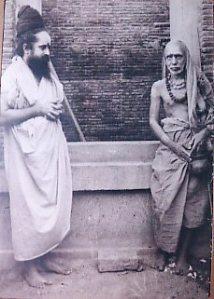
 

Sri Shanthananda who lived like a Rishi.


பிராணிகள் மூச்சு விடும் அளவு

ஒரு நிமிடத்துக்கு………

மனிதன் 15 முறை சுவாசிக்கிறான் –சராசரி ஆயுள் 100 வயது

ஆமை 5 முறை சுவாசிக்கிறது—150 ஆண்டு முதல் 300 ஆண்டு வரை

பாம்பு 8 முறை சுவாசிக்கிறது– 30 ஆண்டு (உணவு வேட்டை ஆடுகையில் 15 முறையாக அதிகரிக்கும்)

யானை 12 முறை சுவாசிக்கிறது—90 ஆண்டு

குதிரை 19 முறை சுவாசிக்கிறது— 50

பூனை 25 முறை சுவாசிக்கிறது—13 ஆண்டு

நாய் 29 முறை சுவாசிக்கிறது—14 ஆண்டு

புறா 37 முறை சுவாசிக்கிறது—9 ஆண்டு

முயல் 39 முறை சுவாசிக்கிறது–8 ஆண்டு

திமிங்கிலம் 6 முறை சுவாசிக்கிறது –111 ஆண்டு

யானை 4,5 (படுத்த நிலையில்) முறை சுவாசிக்கிறது —70 ஆண்டு

குதிரை 8-15 முறை சுவாசிக்கிறது —50 ஆண்டு

சிம்பன்சி குரங்கு -14 முறை சுவாசிக்கிறது -40 ஆண்டு

குரங்கு—32- முறை சுவாசிக்கிறது –18-23 ஆண்டு

மூஞ்சுறு—170 முறை சுவாசிக்கிறது — 1 ஆண்டு

வீட்டு எலி- 95-160 முறை சுவாசிக்கிறது—2 முதல் 3 ஆண்டு


பிராணிகளின் ஆயுட்காலம்

ஆப்பிரிக்க சாம்பல் கிளி— 50 ஆண்டு, அமேசான் கிளி—80 ஆண்டு,இந்திய கிளி—80 ஆண்டு, முதலை— 45 ஆண்டு, நீரில் மட்டும் வாழும் முதலை—68

அமெரிக்க பெட்டி ஆமை- 125, தவளை, தேரை -15

ராணி எறும்பு –3, வேலைக்கார எறும்பு- அரை ஆண்டு, வௌவால்—25, காண்டாமிருகம்—40, கரடி—40, ராணி தேனீ—5, வேலைக்கார தேனி—1, பாம்பு வகைகள்—20 முதல் 30, பசு மாடு—22, மான் –35, கழுதை—45, கழுகு—55, விலாங்கு மீன் –55, கேட் பிஷ் (மீன்) –60,ஆடு—15, ஆந்தை—68, கொரில்லா—20

சிம்பன்சி—40, குதிரை—40, குள்ள நரி—14, சிறுத்தை—17.சிங்கம்-35, கீரி—12

புறா-11, அணில்—16, புலி—22, அன்னம்—102, கங்காரு—9, கோவாலா—8

கலாபகாஸ் ஆமை–200

இந்தப் பட்டியலில் இருந்து ஒரு உண்மை புலப்படும். ராணித் தேனீயை விட வேலைக்காரத் தேனீயின் ஆயுள் மிக மிகக் குறைவு. ராணி எறும்பை விட வேலைக்காரத் எறும்பின் ஆயுள் மிக மிகக் குறைவு. வேகமாகச் செயல்படுவதால் இந்த இழப்பு. இதேபோலத்தான் வேகமாகப் பாயும் சிங்கம், புலி, சிறுத்தைகளின் ஆயுளும் குறைவு.

காய்கறி உணவையே மட்டும் சாப்பிடும் யானை, கிளி போன்றவை நீண்ட காலம் வாழ்கின்றன என்பதும் வியப்பான விஷயம். ஆனால் மூச்சு வேகம் மட்டுமோ, உணவு மட்டுமோ காரணம் என்று கருதிவிடக் கூடாது.

5000 ஆண்டுகள் உயிருடன் இருக்கும் மரம் பற்றியும் 450 ஆண்டுகள் கடலில் வாழும் கடல் மட்டி பற்றியும் நான் எழுதிய கட்டுரையையும் காண்க: Do Hindus believe in E.T.s and Alien Worlds? and Why Do Hindus Practise Homeopathy?


Contact swami_48@yahoo.com

*********
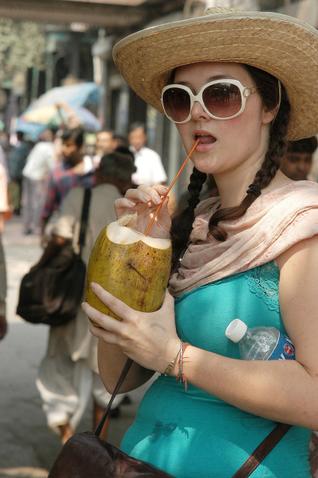
இளநீர் மகிமையும் தென்னையின் பெருமையும்

Picture : courtesy of  The Hindu

நன்றி ஒருவர்க்குச் செய்தக்கால் அந்நன்றி

என்று தரும் கொல்லென வேண்டா—நின்று

தளரா வளர் தெங்கு தாள் உண்ட நீரைத்

தலையாலே தான் தருதலால் ( வாக்குண்டாம் )

பொருள்: தென்னை மரம் நிலத்திலிருந்து குடித்த தண்ணீரை சுவையுடைய இளநீராக தலை வழியாகத் தருதல் போல, ஒருவர்க்கு உதவி செய்தால் தருணம் வரும்போது மிகுதியாகத் திருப்பிச் செய்வார். ஆகையால் ஒருவர்க்குச் செய்த உதவி எப்போது திருப்பிக் கிடைக்கும் என்று எண்ணத் தேவையே இல்லை.

இந்த அருமையான கருத்தை 1500 ஆண்டுகளுக்கு முன் வடமொழியில் நீதிசதகம் (ஸ்லோகம் : ப்ரதம வயசி ப்லுதம் தோயம்——) எழுதிய பர்த்ருஹரி என்ற புகழ்மிகு கவிஞனும் அழகாகப் பாடிவிட்டான்:

பொருள்: மரம் நட்ட சில ஆண்டுகளுக்கு மட்டுமே நீர் பாய்ச்சுகிறோம். அதற்கு நன்றிக் கடனாக வாழ் நாள் முழுதும் தன் தலையில் பெரிய பாரத்தைச் சுமந்து கொண்டு சுவையான இளநீரைத் தருகிறது தென்னை.

தென்னை மரத்துக்கும் இளநீருக்கும் இப்படி அறிமுகம் தேவை இல்லை. தேங்காய் என்பது கோவில்களிலும் பூஜைகளிலும் உணவிலும் தவிர்க்க முடியாத ஒன்று. இலை முதல் நார் வரை எல்லா பகுதிகளும் பயன் படுவதால் இந்த மரத்தை கற்பக விருட்சமாகக் கருதுவோரும் உண்டு.

தமிழ்நாட்டில் திருத் தெங்கூர், வட குரங்காடு துறை முதலிய கோவில்களில் தல விருட்சமாக விளங்குகிறது. சித்த, ஆயுர்வேத வைத்தியத்தில் தேங்காய் எண்ணை முதல் மரத்தின் பல பகுதிகளும் பயன்படுத்தப்படுகின்றன. கள், சர்க்கரை, கயிறு, கூடை, விசிறி, கட்டில், உத்தரம் என எல்லாம் தந்து மனிதனின் வாழ்க்கையுடன் பின்னிப் பிணைந்து விட்டது.

இளநீர் சூட்டைத் தவிர்க்கும் என்பது உலகறிந்த உண்மை. கோடை காலம் வந்து விட்டால் சாலை ஓரம் முழுதும் மலை போலக் குவித்து, பொழுது சாயும் வரை விறுவிறுப்பாக விற்கின்றனர். இதெல்லாம் பழைய கதை.

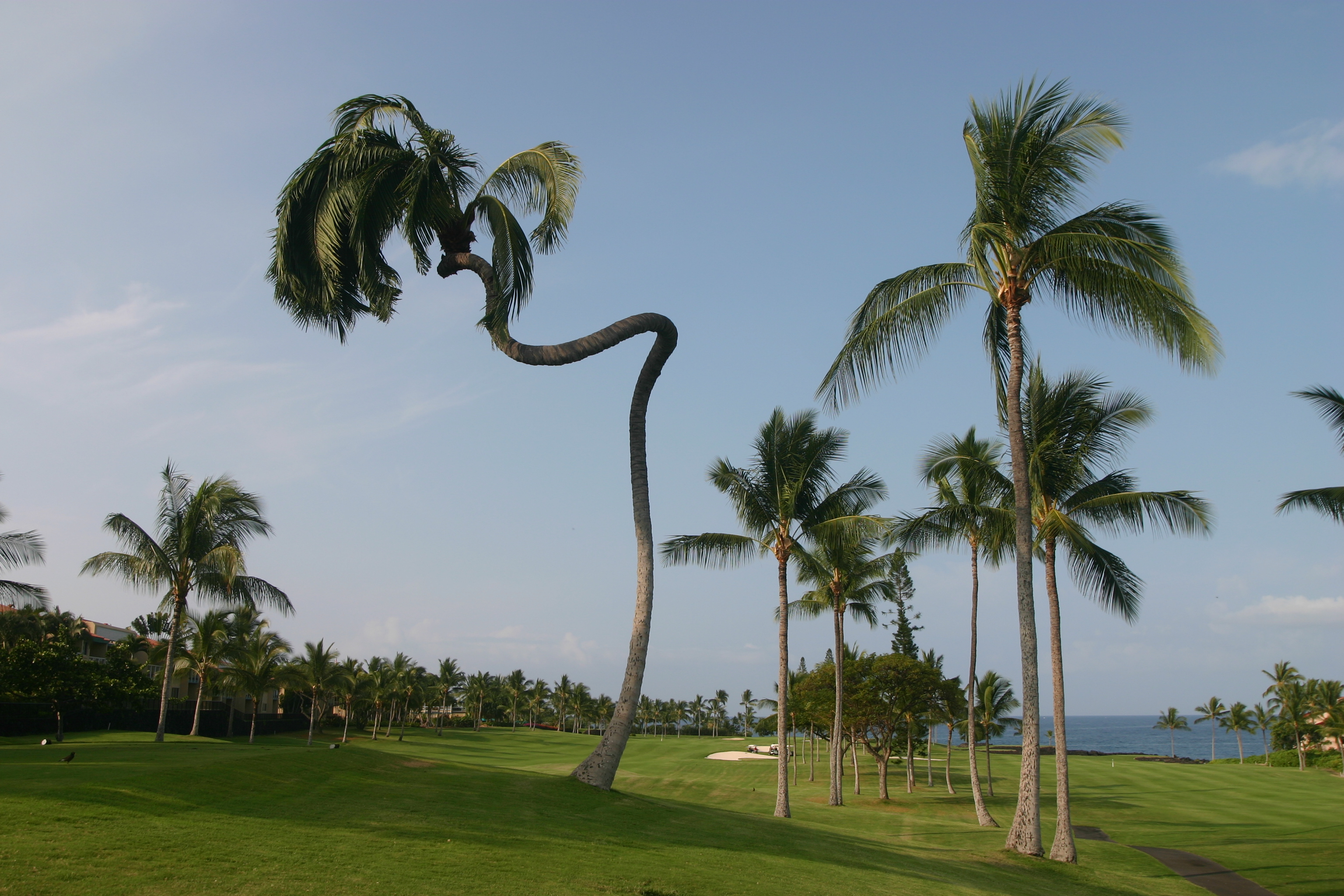
Picture: Coconut Tree in Hawai,USA

புதிய கதை என்னவென்றால் இதை அட்டை டப்பாவில் ( carton) அடைத்து ஜூஸ் போல அமெரிக்கவிலும் ஐரோப்பிய நாடுகளிலும் விற்கத் துவங்கி விட்டார்கள். இதன் காரணமாக இதற்கு புது கிராக்கி வந்துவிட்டது. கோகோஸ் ந்யூசிபெரா (cocos nucifera) என்ற தாவரவியல் பெயருடன் உலகின் பெரும்பாலான கடற்கரைகளை அழகுபடுத்தும் மரம் இது.

வெளிநாடுகளில் ஒரு பொருளை விற்கவேண்டும் என்றால் அதன் எடை, அது தயாரிக்கப்பட்ட நாள், எத்தனை நாள் வரை அதைப் பயன்படுத்தலாம், அதில் என்ன என்ன சத்துக்கள் எவ்வளவு இருக்கின்றன என்று எல்லா வற்றையும்  எழுத வேண்டும். இப்படி எழுதிய உடனே இளநீருக்கு புது “மவுசு” வந்து விட்டது.

இளநீரில் பொட்டாசியம் மக்னிசியம், சோடியம், கால்சியம், பாஸ்பரஸ், தாமிர, கந்தக, இரும்புச் சத்து, வைட்டமின்கள் உண்டு. வாழைப்பழத்தைப் போல இரண்டு மடங்கு பொட்டாசியம் இருக்கிறது. கொழுப்புச் சத்து அறவே இல்லை. சர்க்கரைச் சத்தோ ஆரஞ்சு பழரசம் போன்ற பழ ரசங்களை விட மிகக் குறைவு. வயிற்றிலுள்ள புழுக்களைக் கொல்லும். சிறு நீரகத்தைப் பாதுகாக்கும். சில வகை புரதச் சத்து பசும்பாலை விட அதிகம் கொண்டது. குழந்தைகள் முதல் பெரியோர் வரை யாருக்கும் கொடுக்கலாம். சிறு நீரக, குடல் தொற்று நோய்கள், வயிற்றுப் போக்கு எல்லாவற்றுக்கும் மருந்தும் ஆகும்.

தென்னை 5, 6 ஆண்டுகளில் பலன் தரும். பனை மரமோ பலன் தர 30 ஆண்டுகள் ஆகும்.

Hindu Wisdom: Copper kills bacteria!

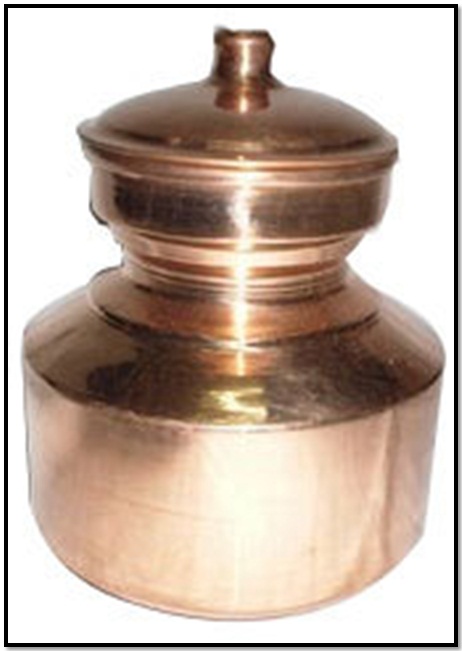
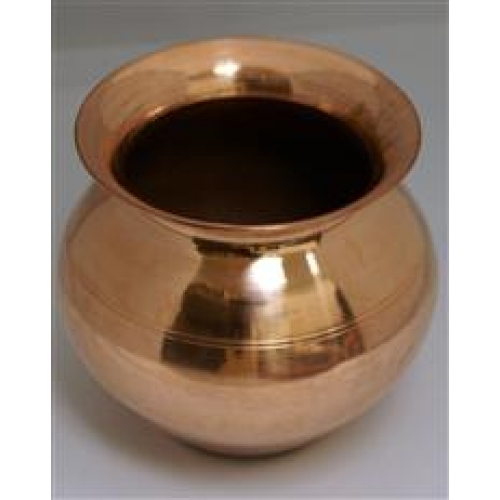
Hindu saints have been using copper vessels for thousands of years. They keep water in it for drinking purposes. When Aluminium vessels became cheaper and copper turned expensive people slowly moved away from copper. But Western countries are going back to copper. Hindus keep Ganga Jal (holy water from Ganges) for years in copper pots. They never go stale.

Read the latest news from British News Papers:

An Irish hospital is the first in the world to embrace the latest science by specifying hygienic copper door handles throughout in a bid to reduce healthcare associated infections such as MRSA, providing the best possible solid protection to its patients.

St Francis Private Hospital, a 140-bed facility located in Mullingar, County Westmeath, and its associated nursing home, St Clair’s, made the decision after examining the compelling evidence from the clinical trial at Selly Oak Hospital, Birmingham, which showed that copper surfaces such as taps, toilet seats and door push plates can reduce microbial contamination by 90-100%.

A hospital in Birmingham, Britain tried copper fittings and pens against MRSA (Medicine Resistant Staphylococcus Aureus). This bacterium Staphylococcus aureus can’t be killed by antibiotics.

About 80 percent of MRSA transmission comes through surface contacts so an 18 month trial found that replacing stainless steel fittings with copper can greatly cut infection. The clinical trial was conducted at Selly Oak hospital in Birmingham. Key surfaces such as door handles, push-plates, bath taps, toilet flush handles and grab rails were changed to copper. Even the pens used by the staff were of copper alloy.

MRASA lives for days on stainless steel but dies within 90 minutes on copper, tests at Southampton University found. Copper can also tackle the resistant bug Clostridium difficile and could even act as a defence against bird flu.

In Britain, 30 000 patients pick up infections in hospitals each year. At least 5000 are likely to die the cost to the NHS is estimated at £ 1 billion a year (Source : Metro News paper, London).

***************

நமக்கில்லை, இனி குறைவான ஆயுள் எல்லை!

.நாகராஜன்

ஷிகியாகி ஹினோஹரா என்பது அந்த ஜப்பானியரின் பெயர். அவருக்கு வயது 97 வருடம் 4 மாதங்கள். உலகையே அதிசயப்பட வைக்கும் இந்த அதிசய மனிதர்  “நமக்கில்லை குறைவான ஆயுள் எல்லை”  என்று  முழங்குகிறார். அவர் ஒரு டாக்டர். கல்வியைப் பரப்பும் கல்வியாளர்.
1941 ஆம் ஆண்டிலிருந்து டோக்கியோவில் உள்ள செயிண்ட் ல்யூக்ஸ் இண்டர்நேஷனல் ஹாஸ்பிடலில் அவர் பணி புரிந்து வருகிறார். செயிண்ட் ல்யூக்ஸ் காலேஜ் ஆ•ப் நர்ஸிங்கில் ஆசிரியராகவும் பணி புரிகிறார். இந்த இரு பெரும் நிறுவனங்களையும் நிறுவியவரே இவர் தான்! இரண்டாவது உலக மகா யுத்தத்திற்குப் பிறகு உலகில் அனைவராலும் பேசப்படும் விதத்தில் தரம் வாய்ந்த மருத்துவ மனை ஒன்றை டோக்கியோவில் அமைப்பது பற்றி அவர் யோசிக்க ஆரம்பித்தார்.அதை செயல் படுத்தவும் செய்தார்.
உறுதி வாய்ந்த மனம், எப்போதும் உற்சாகம்,சேவை புரியத் துடிக்கும் மனப்பான்மை,வணிகம் செய்வதில் திறமை எல்லாவற்றிற்கும் மேலாக மருத்துவம் செய்வதில் திறமை எல்லாமாகச் சேர்ந்து அவர் அமைத்த மருத்துவ மனையும் நர்ஸிங் கல்லூரியும் இன்று உலக அளவில் பேசப்படும் ஒன்றாக அமைந்து விட்டன.இந்த இரு நிறுவனங்களுக்கும் அவர் தான் சேர்மன்.
அவரது 75வது பிறந்த நாளிலிருந்து இன்று வரை 150 சிறந்த புத்தகங்களை அவர் எழுதியுள்ளார்.அதில் ஒரு புத்தகத்தின் பெயர் “லிவிங் லாங், லிவிங் குட்” (Living Long Living good) என்பது. இந்த நூல் இது வரை 12 லட்சம் பிரதிகள் விற்பனையாகி விட்டது. ‘புதிய மூத்தோர் இயக்கம்’ என்ற இயக்கத்தை நிறுவி மூத்த குடிமக்களிடம் நீண்ட நாள் வாழ்வது எப்படி, மகிழ்ச்சியாக வாழ்வது எப்படி என்பதைச் சொல்லி அவர்களுக்கு ஊக்கமூட்டுகிறார் அவர்.
நீண்ட நாள் வாழும் இந்த அதிசய அபூர்வ மனிதர் மனித குலத்திற்கு தன் வாழ்வைப் பற்றியும் நீண்ட நாள் வாழ்வதைப் பற்றியும் நல்ல செய்தி ஒன்றைத் தருகிறார்.
அதைப் பார்ப்போமா? அவரது செய்தி இது தான்:-
“நலமாக இருக்கிறோம் என்று உணர்வதிலிருந்தே சக்தி பிறக்கிறது; நன்கு சாப்பிடுவதாலோ அல்லது நீண்ட நேரம் உறங்குவதாலோ அல்ல! சிறு குழந்தைகளாக மகிழ்ச்சியுடன் விளையாடிய அந்த நாட்களில் நாம் சாப்பிடவோ தூங்கவோ எத்தனை நாட்கள் மறந்திருக்கிறோம்! இதே மனப்பான்மையை வயதானோரும் கடைப்பிடிக்கலாம் என்று நான் நம்புகிறேன். உணவு உண்ணும் நேரம் இது, தூங்கும் நேரம் இது என்று ஏராளமான விதிகளைப் போட்டுக் கொண்டு நம்மை நாமே களைப்படையச் செய்து கொள்ள வேண்டாமே!
எந்த தேசத்தைச் சேர்ந்தவராக இருந்தாலும் எந்த இனம், பால் என்று இருந்தாலும் சரி ஒரே ஒரு விஷயம் அனைவருக்கும் பொது. யாரும் அதிக எடையைக் கொண்டிருக்கக் கூடாது என்பது தான் அது! காலை உணவில் காப்பி, ஒரு கோப்பை பால், ஆரஞ்சு பழச்சாறு ஆகியவற்றை ஒரு ஸ்பூன் ஆலிவ் ஆயில் கலந்து நான் சாப்பிடுகிறேன். ஆலிவ் ஆயில் ரத்த நாளங்களுக்கும் தோலுக்கும் மிகவும் நல்லது. ஆரோக்கியமாக வைத்திருப்பது. மதிய உணவில் சில குக்கீஸ் மற்றும் பால் மட்டும் சாப்பிடுகிறேன்.மிகவும் வேலை இருந்தால் சாப்பிடவே மாட்டேன். வேலையிலேயே எப்போதும் கவனத்துடன் இருப்பதால் எனக்குப் பசி உணர்வே தோன்றுவதில்லை. இரவு உணவில் சில கறிகாய்கள், ஒரு துண்டு மீன், சிறிது சாதம் எடுத்துக் கொள்வேன். வாரம் இரு முறை 100 கிராம் இறைச்சி சாப்பிடுவதுண்டு.

எப்போதுமே முன்னாலேயே திட்டமிடுங்கள். 2014 வரை எனக்கு மருத்துவ மனை வேலைகள், விரிவுரை செய்வது என நிறைய வேலை இருக்கிறது. 2016ம் ஆண்டு வேண்டுமானால் சிறிது ஓய்வு எடுக்க முடியும்.அப்போது டோக்கியோ ஒலிம்பிக் பார்க்கலாமே!
ஓய்வு எடுப்பது அதாவது ரிடயர்மெண்ட் என்பதே அவசியம் இல்லை. ஆனால் ஒவ்வொருவரும் ஓய்வு பெற்றுத் தான் ஆக வேண்டுமென்றால் 65 வயதுக்கு பின்னரும் நீண்ட காலம் கழித்துத் தான் ஓய்வு எடுக்க வேண்டும். இப்போதைய ஓய்வு பெறும் வயது 65 என்ற நியதி ஐம்பது ஆண்டுகளுக்கு முன்னால் நிர்ணயிக்கப்பட்ட ஒன்று.அந்தக் காலத்தில் ஒருவன் வாழும் ஆயுள் 68 ஆக இருந்தது. அப்போது ஜப்பானில் நூறு வயதைத் தாண்டியவர்கள் 125 பேர் தான்! இன்றோ ஆயுளின் எல்லை அதாவது ஒருவரின் சராசரி வயது பெண்களுக்கு 86 ஆகவும் ஆண்களுக்கு 80 ஆகவும் உள்ளது. 36000 பேர் இன்று ஜப்பானில் நூறு வயதுக்கும் மேலாக வாழ்ந்து கொண்டிருக்கின்றனர்.இன்னும் இருபதே வருடங்களில் ஜப்பானில் இது 50000 என்ற எண்ணிக்கையைத் தாண்டப் போகிறது.
உங்களுக்குத் தெரிந்ததைப் பகிர்ந்து கொள்ளுங்கள். நான் ஒரு வருடத்திற்கு 150 சொற்பொழிவுகள் ஆற்றுகிறேன். சில ஆரம்ப நிலைப் பள்ளியில் படிக்கும் நூறு குழந்தைகளுக்காக. மற்றும் சில  வணிகத்தில் ஈடுபட்டிருக்கும் 4500 பேருக்காக! 60 முதல் 90 நிமிடங்கள் வரை நான் பேசுகிறேன். மிக்க வலிமையுடன் நின்று கொண்டே தான் பேசுகிறேன்.
ஒரு டாக்டர் உங்களை அறுவை சிகிச்சை செய்யுமாறோ அல்லது ஒரு சோதனையை எடுத்துக் கொள்ளுமாறோ ஆலோசனை சொல்லும் போது அவரிடம் அவரது மனைவிக்கோ அல்லது அவரது குழந்தைக்கோ இதை பரிந்துரை செய்வாரா என்று கேளுங்கள்.

அனைவரும் நம்பிக்கொண்டிருப்பதற்கு மாறாக உண்மை என்னவெனில் டாக்டர்கள் எல்லோரையும் குணப்படுத்தி விட  முடியாது.ஆகவே ஏன் அறுவை சிகிச்சை செய்து கொண்டு வலியுடன் அவதிப் படுகிறீர்கள். இசையும் அனிமல் தெராபியும் டாக்டர்கள் நினைப்பதை விட மேலான உதவியை அனைவருக்கும் செய்யும் என நான் நம்புகிறேன்.
ஆரோக்கியத்துடன் வாழ உங்கள் பொருள்களை நீங்களே எடுத்துக் கொண்டு மாடிப்படி மேல் ஏறிச் செல்லுங்கள். நான் இரண்டு இரண்டு படிகளாகத் தாவி ஏறுகிறேன்! எனது தசைகளுக்கு இயக்கம் வேண்டும் அல்லவா!
எனக்கு ஊக்கம் தரும் கவிதை ஒன்று உண்டு. ராபர்ட் ப்ரௌன் எழுதிய “Abt Vogler” என்ற கவிதை தான் அது! அதை எனது தந்தையார் எனக்குப் படித்துக் காண்பிப்பது வழக்கம், அது என்னைப் பெரிதாக நினைக்கச் செய்கிறது. சிறிய கிறுக்கல்களைச் செய்ய விடாமல் பெரிய ஓவியத்தை உருவாக்க ஊக்குவிக்கிறது.அந்தக் கவிதை, ‘வட்டத்தை வரையும் போது அதை நம் வாழ் நாளில் அதை முடிக்க முடியாத அளவு பெரிதாகப் போடு’ என்று சொல்கிறது! நாம் பார்ப்பது வட்டத்தின் ஒரு பகுதியான வில்லைத் தான்! மற்றது நமது காட்சிக்கு அப்பாற்பட்டது, ஆனால் அது தொலைவில் இருக்கிறது!

வலி என்பது ஒரு மர்மமான விஷயம். ஆனால் அதை மறப்பதற்கு விளையாடுவது ஒன்று தான் வழி. ஒரு குழந்தைக்கு பல் வலித்தது என்றால் அதனுடன் நீங்கள் சேர்ந்து விளையாடுகிறீர்கள். அது தன் வலியை மறக்கிறது.

மருத்துவ மனைகள் நோயாளிகளின் அடிப்படை வசதியை நன்கு பராமரிக்க வேண்டும். நம் அனைவருக்கும் வேடிக்கை விநோதம் அவசியம் தேவை. செயிண்ட் ல்யூக்ஸில் நாங்கள் இசை , ஓவிய வகுப்புகள் அனிமல் தெராபி ஆகிய அனைத்தையும் கொண்டிருக்கிறோம்.

உலோகாயதமான பொருள்களில் அதிக ஆசை கொண்டு அதைச் சேர்க்க முயலாதீர்கள்.ஒன்றை மட்டும் ஞாபகத்தில் வைத்துக் கொள்ளுங்கள்: உங்கள் நேரம் எப்போது முடியும் என்பது உங்களுக்குத் தெரியாது. “சேர்த்த பொருள்களை” “அடுத்த இடத்திற்குக்” கொண்டு செல்ல முடியாது.

மருத்துவ மனைகள் பேரழிவுகளை எதிர்கொள்ளும் வகையில் வடிவமைக்கப்பட வேண்டும். தங்கள் வாயிலில் வந்து நிற்கும் ஒவ்வொரு நோயாளியையும் வரவேற்க வேண்டும். செயிண்ட் ல்யூக்ஸை எப்படி வடிவமைத்திருக்கிறோம் தெரியுமா? ஆபரேஷனை எந்த இடத்தில் வேண்டுமானாலும் அங்கு செய்ய முடியும்! அடித்தளத்த்தில், நடை பாதையில், அறைகளில், எங்கு வேண்டுமானாலும்!
பேரபாயத்தை எதிர்கொள்ளும் என் கொள்கையைப் பற்றி தவறாகப் புரிந்து கொண்ட சிலர் என்னை ஒரு கிறுக்கன் என்று நினைத்தனர்.ஆனால் 1995 ஆம் ஆண்டு மார்ச் 20ஆம் தேதி  டோக்கியோ சப்வே ஒன்றில் ஆம் ஷின்ரிக்யூ மத அமைப்பைச் சார்ந்தவர்கள் ஒரு தீவிரவாத தாக்குதலைச் செய்த போது நான் சொன்னது சரி தான் என அனைவரும் உணர்ந்தனர்.அதில் பாதிக்கப்பட்ட 740 பேரை நாங்கள் அட்மிட் செய்து கொண்டோம். இரண்டே மணி நேரத்தில் அவர்கள் சரின் வாயுவால் பாதிக்கப்பட்டார்கள் என்பதைக் கண்டு பிடித்தோம். ஒரே ஒரு நோயாளியைத் தான் துரதிர்ஷ்டவசமாக இழக்க நேர்ந்தது. 739 பேரின் உயிர்களைக் காப்பாற்றி விட்டோம்!
அறிவியல் மட்டும் அனைவரையும் குணப்படுத்த முடியாது, அனைவருக்கும் உதவி செய்ய முடியாது!ஒவ்வொரு தனி மனிதனும் தனித்தன்மை வாய்ந்தவன். வியாதிகள் அவர்களது இதயத்தோடு தொடர்பு கொண்டவை. நோயைப் புரிந்து கொண்டு அவர்களுக்கு உதவி செய்ய, நமக்கு தாராளமான காட்சிக் கலைகள் (விஷ¤வல் ஆர்ட்ஸ்) வேண்டும், மருத்துவ சாதனங்கள் மட்டும் போதாது.

வாழ்க்கை என்பது சம்பவங்கள் நிறைந்த ஒன்று! 1970 ஆம் ஆண்டு மார்ச் 31ஆம் தேதி எனக்கு 59 வயது முடிந்தது. நான் டோக்கியோவிலிருந்து •ப்யூகுவோகா போவதற்காக யோயோகோவில் விமானத்தில் ஏறினேன். அருமையான இளவெயில் அடிக்கும் காலை நேரம் அது.மவுண்ட் ப்•யூஜி எங்களுக்கு முன்னால் வந்தது. திடீரென்று எங்கள் விமானத்தை ஜப்பனிய கம்யூனிஸ் லீக் – ரெட் ஆர்மி பிரிவினர் ஹைஜாக் செய்து விட்டனர்.அடுத்த நான்கு மணி நேரம் நான் 40 டிகிரி செல்ஸியஸ் உஷ்ணத்தில் என் இருக்கையில் விலங்கு போடப்பட்டு அவதிப்பட்டேன். அதை ஒரு சோதனையாக நான் எடுத்துக் கொண்டேன். என் உடல் அந்த அபாய நிலைமையில் எப்படி ஈடு கொடுக்கிறது என்பதை ஆச்சரியத்துடன் பார்த்தேன்!

 
ஒரு நல்ல ரோல் மாடலாக ஒருவரைக் கொள்ளுங்கள் அந்த ‘மாதிரி மனிதரை’ விட இன்னும் அதிகமாக சாதிக்க குறிக்கோளைக் கொள்ளுங்கள் என்னுடைய தந்தை 1900ஆம் ஆண்டில் அமெரிக்காவில் உள்ள நார்த் கரோலினாவில் ட்யூக் பல்கலைக் கழகத்தில் படிப்பதற்காகச் சென்றார்.அவர் ஒரு முன்னுதாரண புருஷர். எனது ஹீரோக்களில் ஒருவர். பின்னால் இன்னும் சில வாழ்க்கை வழிகாட்டிகளையும் நான் கண்டேன். ஒரு பிரச்சினையில் நான் சிக்கிக் கொள்ளும் போது இது போன்ற அபாயகரமான கட்டங்களில் அவர்கள் பிரச்சினையை எப்படிச் சமாளிப்பார்கள் என்ற் என்னை நானே கேட்டுக் கொள்வேன்.
நீண்ட காலம் வாழ்வது அற்புதமான விஷயம். 60 வயது முடிய ஒருவர் தன் குறிக்கோளை எய்த முயல்வதிலும் தன் குடும்பத்திற்காகப் பணி புரிவதிலும் உழைப்பது சுலபம். ஆனால் பின்னால் உள்ள வருஷங்களில்  சமூகத்திற்கு சேவை செய்ய முயல வேண்டும். 65ஆம் வயதிலிருந்து நான் ஒரு தன்னார்வத் தொண்டராக உழைக்கலானேன். வாரத்திற்கு ஏழு நாட்களும் நாள் ஒன்றுக்கு 18 மணி நேரம் உழைக்கிறேன். அதில் ஒவ்வொரு நிமிடத்தையும் நான் நேசிக்கிறேன்.”

 
ஒரு உன்னதமான மனிதரின் உள்ளத்திலிருந்து வரும் அற்புதமான அறிவுரையைத் தான் நாம் மேலே படித்தோம். அதன் படி வாழ்வது நம் கையில் தான் இருக்கிறது.
அப்படி வாழ்ந்தால் நமக்கில்லை இனி குறைவான ஆயுள் எல்லை!
ஹெல்த்கேர் மாத இதழில் ஏப்ரல் 2012 இதழில் வெளிவந்துள்ள கட்டுரை. இந்தக் கட்டுரையை விரும்புவோர் படிக்க விரும்பும் தொடர்புடைய கட்டுரை; வாழும்போதே தெரிந்து கொள்ள வேண்டிய ரகசியங்கள்! ஆசிரியரின் மின்னஞ்சல் முகவரி:snagarajans@gmail.com

*******************************

நெல்லிக்காய் மகிமை: அவ்வையாரும் ஆல்பிரூனியும் அருணகிரிநாதரும்

Statue of Al Biruni

அதியமான், அவ்வையார், ஆல்பிரூனி, அருணகிரிநாதர் ஆகிய நால்வருக்கும் நெல்லிக்காயுக்கும் இடையே சுவையான தொடர்பு உண்டு.


அதியமான் நெடுமான் அஞ்சி என்ற குறுநில மன்னன் 2000 ஆண்டுகளுக்கு முன்னர் தமிழ்நாட்டின் தகடூர் பகுதியை ஆண்டு வந்தான்.தமிழ்ப் புலவர்களை ஆதரித்த வள்ளல்களில் முதல் வரிசையில் நின்றவன். ஒரு முறை அவனை தமிழ் மூதாட்டி அவ்வையார் சந்திக்க வந்தார். நல்ல விருந்து கொடுத்து நிறைய பரிசுகளையும் கொடுத்தான். தமிழ் கூறு நல்லுலகில் அவ்வைக்குள்ள புகழழாலும் விரல் விட்டு எண்ணக்கூடிய பெண்பால் புலவர்களில் ஒருவர் என்பதாலும் அவரை விஷேசமாகக் கவனிக்க விரும்பினான் அதியமான்.


நெல்லிக்காய் ஆரோக்கியம் தரும் ஒரு அருமருந்து. பழங்களையுயும் மிஞ்சும் அளவுக்கு சத்து உடையது. ஆயுளை வளர்க்கச் செய்வது. வைட்டமின் சி சத்தும் புத்தியை வளர்க்கும் பாஸ்பரஸ் சத்தும் மிக்கது.


வட இந்தியாவில் ரத்த சுத்திக்குப் பயன்படுத்தும் திரிபலா சூர்ணத்திலும்  சியவனப் ப்ராஷிலும் நெல்லிக்காய் பயன்படுத்தப் படுகிறது. தென் இந்தியாவில் ஊறுகாய், துவையல்,பச்சிடியில் முக்கிய அங்கம் வகிப்பது.


இவ்வளவு புகழ் உடைய நெல்லிக்காயிலும் ஒரு அரிய வகை நெல்லிக்காய் மரம் அதியமான் ஊரில் இருந்தது. அது கரு நெல்லி மரம். அதில் நன்கு வளர்ந்து முற்றிய ஒரு நெல்லிக்காய் மன்னன் கைக்கு வந்தது. நாட்டில் ஏதேனும் அரிதாகக் கிடைத்தால் அதை ஓடோடி வந்து மன்னரிடம் ஒப்படைப்பது பழங்கால இந்திய வழக்கம். புதையல் ஆனாலும் சரி, பெரிய வைரமானாலும் சரி, அரிதான பொருள் எல்லாம் இறைவனுக்குச் சமமான மன்னனுக்கே உரியது. இப்படிக் கிடைத்த அரிய நெல்லிக்காயை மன்னன் சாப்பிட்டால் நீண்ட காலம் வாழ்ந்து எல்லோருக்கும் மேலும் மேலும் உதவுவான் என்று மக்கள் எண்ணினர்.


ஆனால் அதியமானோ தமிழின் மீது ஆராக் காதல் கொண்டவன். நான் சாப்பிடுவதை விட, வயதான அவ்வைப் பாட்டி சாப்பிட்டு இன்னும் நீண்ட காலம் உயிர்வாழ்ந்தால் தமிழ் மொழியும் வாழும் உலகமும் உய்வு பெறும் என்று எண்ணி அதை அவ்வையாரிடம் கொடுக்கிறான். என்ன அதிசயம் பாருங்கள். அவ்வையார் வாழ்ந்தாரோ இல்லையோ அது பற்றி ஒன்றும் இலக்கியச் சான்று இல்லை. ஆனால் ஈராயிரம் ஆண்டுகளாக அதியமானின் புகழ் வாழ்கிறது. இன்னும் ஈராயிரம் ஆண்டுகளுக்கு தமிழ் வாழும் வரை அவன் புகழும் வாழும். தங்கமும் வைரமும் சாதிக்காத பணியை நெல்லிக்காய் சாதித்தது என்றால் அது அதிசிய நெல்லிதானே! இது காலத்தால் அழியாத புறநானூற்றுக் கவிதையில் (91) இடம் பெற்றுவிட்டது.


நீல மணிமிடற்று ஒருவன் போல

மன்னுக பெரும நீயே! தொன்னிலைப்

பெருமலை விடர் அகத்து அருமிசை கொண்ட

சிறி இலை நெல்லி தீங்கினி குறியாது,

ஆதல் நின்னகத்து அடக்கிச்

சாதல் நீங்க எமக்கு ஈந்தனையே.

(அதியமான் நெடுமான் அஞ்சி மீது ஔவையார் பாடியது-புறம் 91)

பொருள்: மலைச் சரிவிலே கடு முயற்சியுடன் பெற்ற நெல்லியின் இனிய கனியைப் பெறுதற்கு அரிது என்றும் கருதாது, அதனால் விளயும் பலனையும் கூறாது, அதை உன் மனதில் மட்டும் வைத்துக் கொண்டு என் மரணத்தைத் தவிர்க்க எனக்குக் கொடுத்தாயே நீ சிவ பெருமான் போல நீண்ட புகழோடு வாழ்வாயாக.


இந்தியவியலின் தந்தை ஆல்பிரூனி


ஆல்பிருனி என்பவர் இஸ்லாமியர்களில் மாமேதை. லியார்னோ டா வின்சி போல அவர் பல் துறை வித்தகர். பன் மொழிப் புலவர். கணிதம், மருத்துவம் ,வான சாத்திரம், உயிரியல், மொழியியல் என்று எல்லா துறைகளிலும் புலமை பெற்றவர். ஒரு பாரசீக மன்னர், அவரை இந்தியாவுக்கு அனுப்பி இந்து மத சாத்திர ரகசியங்களை அறிந்துவர உத்தரவிட்டார். அவர் கி.பி.1017 முதல் இந்தியாவில 13 ஆண்டுகள் தங்கி இந்திய அறிவியல் ரகசியங்களை அராபியர் மூலம் உலகத்துக்கு அறிவித்தார். இந்தியவியல் (Father of Indology) படிப்பின் தந்தை என்று இன்று அவரை உலகம் பாராட்டுகிறது. அவர் இந்தியாவின் சரித்திரம் என்ற புத்தகம் எழுதியுள்ளர். கஜினி முகமது படை எடுப்பு பற்றியும் எழுதியுள்ளார். அவர் நெல்லிக்காய் மகிமையை இந்தியர்களிடமிருந்து அறிந்து தனது மருத்துவப் புத்தகத்தில் எழுதியுள்ளார். திரிபலா சூர்ணத்தில் பயன்படும் கடுக்காய் மகிமையையும் எழுதியுள்ளார். நெல்லிக்காய், புளி ஆகியவற்றுடன் தயாரிக்கும் சில பொருட்களை அவர் குறிப்பிடுகிறார்.


நெல்லிக்காய் நிற விஷ்ணு


அருணகிரிநாதர் திருப்புகழில் விஷ்ணுவை கரு நெல்லி நிறத்துடன் ஒப்பிடுவது வியப்பான ஒரு உவமை. ஒருவேளை நெல்லி போல விஷ்ணுவும் நமக்கு ஆரோக்கியம் அருள்வான் என்பதை அருணகிரி நாதர் நமக்குச் சொல்லாமல் சொல்ல நினைக்கிறாரோ!! (கரு நெல்லி நிறமுடைய அரியின் மருகன் நீ)


“மருமல்லி யார் குழலின்    மடமாதர்

மருளுள்ளி நாயடியன்       அலையாமல்

இருநல்ல வாகும் உனது    அடிபேண

இனவல்ல மான மனது     அருளாயோ

கரு நெல்லி மேனியரி         மருகோனே

கன வள்ளியார் கணவ           முருகேசா

திருவல்லிதாயம் அதில்     உறைவோனே

திகழ் வல்ல மாதவர்கள்    பெருமாளே.


நெல்லிக்காயின் மகிமை 2000 ஆண்டுகளாக எழுதப்பட்டாலும் அந்த ஏழைகளின் ஆப்பிளுக்கு தமிழர்களிடையே இன்னும்  சரியான புகழ் கிட்டவில்லை! வட இந்தியர்கள் இதை தங்க பஸ்பம் போல கருதி பயன்படுத்துகிறார்கள்.

***


The Tortoise Mystery: Can we live for 300 years?

By S Swaminathan

Giant Tortoise

The holy book of Hindus, the Bhagavad Gita and the Tamil ethics book, Tirukkural, both use the tortoise as an example of self control. Among the vertebrates that live on land, the tortoise is the longest living animal. Records speak of tortoises living for over 250 years. Unconfirmed reports say that they live for up to 350 years. But lower organisms in the sea like sponges and clams live for over 400 years.

Why did Lord Krishna and the Tamil poet Tiruvalluvar (author of Tirukkural) use the tortoise as an example? What is the message they wanted to convey through this example or simile?

Here is the sloka from the Gita:

“When, like the tortoise which withdraws its limbs on all sides, he (a sage) withdraws his senses from the sense-objects, then his wisdom becomes steady” (Chapter 2-58)

Here is the couplet from Tirukkural:

“If a man learns to control his five senses in one birth as the tortoise, that power will stand by him in his seven future births.”  (Kural 126)

Neither of these explicitly mentions long life but we may think that they used it to mean the outward shell and the limbs withdrawn in to it. Actually they knew the secret of the tortoise’s long life: its breathing rate. It breathes only three to four times every minute, whereas human beings breathe at least 15 times every minute.

Another Tamil saint Tirumular was very clear in saying that a person can live 1000 years – longer than a tortoise – by yogic practices. (Tirumantira 2264 & 2304).

Manu Smrithi (VII-105) and Vaishnavite Tamil Book Divya Prabandham (2360) also refer to the tortoise in this context. Our forefathers, who were keen observers of nature, knew very well that the tortoise is the longest living vertebrate. Otherwise they wouldn’t talk about seven births or living longer than a tortoise.

Tirumular who sang Tirumantiram was said to have lived for 3000 years. But we did not know whether he lived with his physical body or not.

Man’s life span is 100 years according to the Hindu Vedas. Brahmins recite the Vedas asking for 100 years of healthy life in their daily ritual called Sandhyavandhanam (Pasyema saradas satham, jeevema saradas satham,nandhama aradas satham etc.) When we were born, we were given a certain number of years, which can also be expressed as a certain number of breaths. The quicker we spend our breaths, the sooner we die. But the saints spend very little of their breath and live longer.

If a man breaths 15 times a minute (or 18 times as per the western calculation) he will breathe 900 times in an hour and 21,600 in a day.  If you slow down the breathing rate by yoga (Pranayama) techniques, you live longer. It is like our money deposited in a bank. The quicker you spend it, the sooner you become a pauper. Yoga technique teaches you to reduce the breathing rate. To emphasize this point, a Chola king put 21,600 golden tiles in the roof of the famous Chidambaram Nataraja Temple in Tamil Nadu. He used 72,000 nails to fix the golden tiles. Tirumular, the great Siddha, in his Tirumantiram explains this calculation clearly.

Look what Paramahamsa Yogananda (An Autobiography of a Yogi) says about breathing: “The restless monkey breathes at the rate of 32 times a minute, in contrast to man’s average 18 times. The elephant, tortoise, snake and other animals noted for their longevity have a respiratory rate which is less than man’s. The tortoise for instance, who may attain the age of 300 years, breathes only 4 times per minute.”

Dogs breathe 40 to 50 times per minute and live up to 25 years only.

Let us do an interesting sum before we finish:

We believe that we can live for 100 years by breathing 15 times a minute.

If one breathes 18 times a minute one’s age will decrease to 83 1/3 years.

If a person breathes only 2 times every minute one can live for 750 years.

If one breaths only once every minute, one can live for 1500 years.

If one stops breathing, and slows their metabolic activity, one can live longer. But this is only possible for Yogis. They did it by reciting the Pranava mantra AUM. We read about bears, rabbits and other animals going in to hibernation for six months during winter. In short they temporarily become “Yogis “. Our ancient literature talk about devas and demons doing penance for thousands of years. Though we may think that it was an exaggeration, we knew that ant hills grew around the saints during their meditation implying the passage of time. The famous saint who wrote the Ramayana was ‘Valmiki’ meaning ’ant hill’. There was another poet with the same name in Sangam Tamil literature.

Sex and the breathing

Modern research shows that a man spends 200 calories and breathes 30 times a minute during sex -twice the rate of normal breathing. An average man ejaculates semen 5000 times during his life time. But our Yogis, being celibate, saved energy on that count as well.  But Hinduism never prohibited sex for an ordinary man; only Yogis lived that way.  Sangam Tamil book Tirumurukatru patai speaks of priests who observed celibacy for 48 years. It is crystal clear that our forefathers knew the secret of longevity.

The tortoise is one of the ten avatars of Lord Vishnu. The Chinese, Mongolians, Koreans, Vietnamese and other South East Asians also respect the tortoise and the turtle for various other reasons.


Follow me on Twitter @Swami_48 and find me on Facebook.

Why Do Hindus Practise Homeopathy?

By S Swaminathan

Health is Wealth

Health is wealth is a popular saying in many Indian languages. The message is same, but they convey it in different ways. The Tamils developed a medical system called Siddha therapy 2000 years ago. Siddha is a person who has attained some extraordinary powers – both mental and physical. Siddha system is similar to Ayurveda – another old medical system of India. Like Ayurveda, Siddha also treats the imbalances of the three body humours called vatha/wind, pitha/bile and kapha/phlem. Siddha men used herbs and minerals to treat the sick patients.

Both Ayuerveda and Siddha believed in the principles of ‘a sound mind in a sound body’ and ‘prevention is better than cure’. The Hindu Upanishads say ‘the soul can’t be reached by a weak person’ (na ayamathma balaheenena labya – Mundakopanishad).

These indigenous systems create an awareness of diseases and emphasize the importance of healthy life. Unlike western medicines they guide you through your everyday life- literally from morning till night. They tell you what to eat and what not during a particular day or a particular time of the day. They tell you with what you should brush your teeth and which direction you should lay your head in the bed. The proverbs, similes, sayings and actual medical writings in Sanskrit and Tamil supply enough evidence for it.

Who gave the world Homeopathy?

We are told that Homeopathy was developed by the German physician Samuel Hahnemann (1755-1843).But Indians know the principle long ago and are practising it in their day to day life.

The basic principles of Homeopathy are:

(1) ‘Like cures Likes’;

(2) ‘Symptoms of diseases are body’s self healing processes’ and

(3) ‘If one is administered with very dilute dose of what causes the disease, one will be cured of the disease’

When Hindus go to a holy place, they won’t drink or bathe in the water at once. Even when they go to temple tanks or holy rivers they will take three sips of water and sprinkle it on their head. Then they will use it for washing their feet and hands ,bathing etc. This small dose of three sips of water (Brahmins call it Achamana) will help them to avoid all the diseases from that particular water source. In those days, water was the main source of diseases. The mineral contents, temperature, taste and quality of water were different from place to place. There was no chlorination or protected water supply for the public. Even today one can practise this ‘achamanam’ and avoid getting diseases from water. The diluted water-in small quantity- gives immunity to us from the germs and other impurities. So Hindus know the principle of Homeopathy ‘Like cures Likes’. No need to say that we should remeber other basic rules about hygiene.

The rule for doing ‘achamana’ (sipping of water) is that the amount of water you take should submerge only one black gram seed (Urad Dhal in Hindi and Masha in Sanskrit). So when you do it three times you would have taken water that submerges only three seeds-so little. When Hindus did it they recite Lord Vishnu’s names: 1.Achyutaya Namaha 2.Ananthaya Namaha 3.Govindaya Namaha

Tamil book Tirukkural 1102 and Natrinai 140 also talk about this principle but in the context of a love sick woman’s look. “For the disease caused by this beautiful maid, she herself is the cure”-says Tirukkural. Like cures Likes!

What is the secret of black hair? 

Stress triggers or complicates most of the diseases is a modern discovery. But a Tamil Cankam poet called Pisiranthaiyar who lived 2000 years ago gives the secret of his black hair at a ripe old age in a beautiful Tamil poem.

When Pisiranthaiyar went to see the great Chola king Kopperun cholan (who was starving himself to death following an ancient Tamil rite) all were amazed to see an old poet without any grey hair. When they asked about the secret of his black hair, he sang;

“How can it be you don’t have any grey hair, through you have lived for many years?

You have asked the question and I will give you an answer!

My children have gone far in learning. My wife is rich in her virtue!

My servants do what I wish and my king, who shuns corruption, protects us!

And in my city there are many noble men who through deep knowledge, have acquired calm, have become self controlled, and the choices they make in their lives are built on the quality of restraint.”

-(Purananuru 191 by Pisiranthaiyar)

To put it in a nutshell:

My son is well educated

My wife is very cooperative

My servants are obedient

My king is a good ruler

My town is full of scholars

If one has all these, one need not worry. If you lead a care free life, you won’t get stressed. You will be ever young like Markandeya. Modern science says that stress triggers blood pressure, heart diseases, cancer and diabetes .

You are what you eat is in all our scriptures. Lord Krishna speaks in detail about the three kinds of food (Bhagavad Gita –chapter 17) and what qualities one gets from those. There is a beautiful saying as well:

“One fourth of what you eat keeps you alive and three fourths of what you eat keeps your doctor alive”

(From an Egyptian Inscription)

1,2,3,4 Out! 

Similar to this, there is a very good poem in he Tamil book ‘Neethi Neri Vilakkam’:

If one eats once a day he is a YOGI.

If anyone eats twice a day, that person is a BOGI (enjoyer of life)

If one eats three times a day, that person is a ROGI (sick person)

If one eats four times a day, that person is a Pogi (Tamil word for gone for ever/dead)

We know very well that indigestion is the root cause of all problems. Too much food leads to indigestion or obesity. This leads to other complications.

Tirukkural written by Tiruvalluvar has a full chapter (Chapter 95-Medicine) on the basic principles of Tamil medical science.

Send comments and feedback to: swami_48@yahoo.com

Please visit my blogs: tamilandvedas.wordpress.com and swamiindology.blogspot.com


How Did a Pandya King Get a Golden Hand?

By S Swaminathan

It is a well known fact that the Ancient Indians made tremendous advancements in the field of medical sciences. The Ayurveda and Siddha medical systems were widely practised for the benefit of the general public. Charaka and Susrutha wrote great treatises. A lot of surgical instruments, surgeries like rhinoplasty (plastic surgery for nose), hundreds of medicinal plants and thousands of medicines were listed by them. They were not only appreciated in India but reached western world through Arabic translations nearly one thousand years ago. The old medical books in Sanskrit and Tamil run in to several thousand pages.

Though Charaka, Susrutha,Vagbhata and Agastya are known to many even in the western world, one important surgery went unnoticed by many scholars. There is a very interesting story about a Pandya king in ancient Tamil literature. The king lived two thousand years ago is known from the Tamil epic Silappathikaram (Ref.Mathurai Kandam-Katturai Kaathai) dated around second century AD. A Pandya king was fitted with an artificial hand made of gold; he was known only as the Golden Handed Pandya. Nobody knows his real name even today. One more old Tamil book refer to this story (Ref. Pazamozi Naanuru).

The Story:

The story according to the epic runs like this: a Pandya king was going through the streets of Madurai (the second largest city of Tamil Nadu in South India) in disguise during the night. In the olden days kings used to visit their subjects and observe the general public in disguise to feel the pulse of the populace. Though the ancient Arthashastra of Kautilya speaks of kings employing spies for this purpose, the monarchy always wanted to know what the people feel about them or the country directly.(Every Hindu knew what Rama did to Sita just because a washer man raised some doubts about the purest woman Sitadevi). So much importance was given to the opinion of general public – absolute democracy!

When the Pandya king was passing by a house the lights were on at the dead of night and he heard a conversation. A brahimn by name Keeranthai was consoling his crying wife with these words, ”Darling, don’t worry too much about your safety and security. I am only going to be away for a very short period. Our great king is there to protect all the citizens. Nothing will go wrong in this just place”. As soon as the king heard this conversation he felt some big responsibility fell on his shoulders. So he increased his ward rounds and kept an eye on that house. Months passed. To his surprise he saw light again in the same house at the dead of night. He heard someone talking. In a hurry he mistook that person for a stranger and knocked at the door to scare away the stranger. Alas, it was not a stranger. It was her own husband Keeranthai himself who had just returned from his tour. When Keeranthai shouted back, the king realised his mistake.

One stupid mistake will make you to do more stupid things to hide the first one. It is human nature. So the king knocked at all the houses in the brahmin street and ran away to his palace. Next day a battalion of brahmins went to the palace and complained about what happened the previous night. The king, after patiently listening to their complaints, said to them that the ‘thief’ was already caught. All his ministers were surprised to hear his statement. The king did not stop there. He asked the opinion of the complainants what should be the punishment for that ‘thief’. Everyone shouted in chorus to follow the Hammurabi law: a hand for hand, an eye for an eye. The hand that knocked on the doors must be cut off. Before a second lapsed the king drew his sword and cut off the hand with which he had knocked on the doors the previous night. When he narrated the incident, the whole world praised his justice. The royal physicians rushed for his help and attached a gold hand to his arm. He came to be known as a Gold Hand Pandya in Tamil “Por Kai Pandyan”.

This is a story to elucidate the justice that was followed in ancient Tamil Nadu. No medical information was given about fixing the artificial limb but it didn’t surprised any Indian (please read my article Why do British Judges follow a TamilKing?) because they practised either the Ayurveda or the Siddha medical system.

Send comments and feedback to: swami_48@yahoo.com.

Please visit my blogs:
swamiindology.blogspot.com and tamilandvedas.wordpress.com

Follow me on Twitter: @swami_48 and find me on Facebook.

Bhishma – First man to practise acupuncture

Bhishma, the great warrior of Mahabharata period was the first man to practise acupuncture. When he was shot by arrows in the battle field he did not die immediately. He had a boon to choose the day of his
death. So he decided to lie on a bed of arrows for 56 days. He wanted to die on an auspicious day. The bed of arrows was made by Arjuna.

This bed of arrows is nothing but acupuncture treatment. Dr B K Singh of Indian Acupuncture Centre also  pointed this out in one of his lectures thirty years ago. Bhishma kept himself in good health by using the
acupressure techniques. But it is true acupuncture was practised more widely in China and the world came to know about it through the wandering Buddhist monks.
We have more evidence to show that the Indians knew about acupressure and acupuncture. Hindus used to pierce ear of babies during the first birth anniversary. They knew that the children’s wisdom and knowledge will increase after piercing the ears with a golden needle. Girls will have nose piercing at a
later age in addition to the ear piercing. People who go to fields for ablutions in the olden
days used to wear a turban/towel around their head closing their ears. In those days people belonging to first three castes (Brahmins, Kshatriyas and Vaisyas) wore the sacred thread. They used to wear the thread tightly around their ears to give pressure. This helped them to clear their bowels well.
Wearing the tuft (kudumi in Tamil,choti in Hindi) has also some meaning in acupuncture. From time immemorial Indian Brahmins have kept a tuft of hair tied on their shaven heads at a particular point. Chinese called this point ‘bahue’ meaning blessing. Last but not the least Indian barbers also knew a
lot of acupressure points. When they visit home to perform their services, a common practise was to apply pressure to particular points of the body to prevent their customers from receiving an embarrassing involuntary erection.
Wrestling school teachers also practised Varma Kalai (art of varma); part of which is acupressure. It was not uncommon for barbers and wrestlers to treat patients in the absence of doctors in ancient India.