Pen is mightier than sword! (Post No. 2489)

pen sword2

Compiled by london swaminathan

Date: 29 January 2016


Post No. 2489


Time uploaded in London :–  15-41


( Thanks for the Pictures  ) 


DON’T REBLOG IT AT LEAST FOR A WEEK!  DON’T USE THE PICTURES; THEY ARE COPYRIGHTED BY SOMEONE.


(for old articles go to tamilandvedas.com OR swamiindology.blogspot.com; contact 


swami_48@yahoo.com)


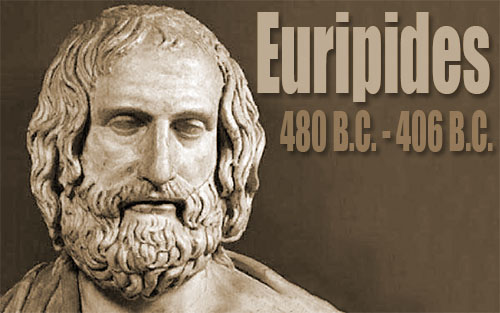
euripides

Words are more powerful than Swords!


The power of pen is excellently illustrated by an incident in the war between the ancient Greeks and Romans. A group of Athenians were seized and held captive at Syracuse. To help pass the time they enacted many scenes from the plays of Euripides (480 BCE) . Their captors were so favourably impressed by the beauty of the verses that instead of treating their prisoners cruelly as was their custom, they persuaded them to continue their play acting and held them as their as honorary guests.


Upon their return to Athens, the former captives went to the home of Euripides and informed him of the effect of his plays upon the supposedly heartless men of Syracuse. So great was their gratitude toward the great dramatist they treated him as though he had actually rescued them in combat on the field of the battle.


Xxxxx


Sophocles Freed!


sophocles

Sophocles (406 BCE) wrote tragedies to the end of his long life. On account of this zeal for writing he seemed to be neglecting his business affairs so his sons summoned him to court that a jury may pronounce him as incompetent to manage his estate on the ground of senility. Then the old man is said to have recited to his judges a play which he has just finished and had in his hands, the Oedipus at Colonous and to have asked whether the poem seemed the work of a man

In his dotage (old and weak period).  After his recitation he was freed by the vote of the jurors.


Lincoln-cent-sword-pen-2010-design

Xxx

–Subham-


English New Year is Hindu New Year! (Post No. 2445)

SL ganesh stamp

Research Article written by London swaminathan


Date: 31  December 2015


Post No. 2445


Time uploaded in London :– 12-56


( Thanks for the Pictures  ) 


DON’T REBLOG IT AT LEAST FOR A WEEK!  DON’T USE THE PICTURES; THEY ARE COPYRIGHTED BY SOMEONE.


This article is uploaded in TAMIL as well.


Every year we hear a debate, sometimes becoming a raging controversy, whether we can celebrate English New Year or not on 1st January. Actually there is more ‘Hinduism’ in English New Year than any other religion.

So please celebrate Hindu New Year on First January! But it should be a ‘no drinks’, no ‘hanky-panky’ celebration.

ganesh nepal

Calendars have been changed continuously from the dawn of history. Hindus have more calendar systems than any other culture in the world. The whole world is celebrating New Year based on one or the other of the Hindu calendars. Most of the countries follow either a New Year calendar as March or April as the first month.


January Ganapathy! Ganapathy January!!


January, the first month of English calendar is named after Lord Ganesh. Romans called Ganesh as Janus and worshipped him for 800 years between 400 BCE and 400 CE. Anyone who reads about Janus will find it is nothing but the corruption of Hindu God Ganesh! J and G are interchangeable.


Here are the similarities:

1.Romans worshipped him with two faces facing opposite direction, looking at future and past

2.They installed Janus temples on road sides, entrances and gates.

3.They named the first month after him.


4.Janus is connected with war.


5.Janus temples were constructed in square shapes.

gold ganesh

All these are based on Hindu beliefs. Hindus begin any work with the worship of Ganesh. That is why Romans made it as the first month after calendar reformation.

Hindus install Ganesh at the gates or entrances of the temples. Most of the Tamil Ganesh temples are on road sides and in square shaped buildings or platforms. Ganesh is in charge of our future and that is why he is worshipped first. Bhuta Ganas under the leadership of Ganesh serve the army of Lord Shiva.


Romans had Janus temples all over Italy and Nero and other kings issued coins with Janus temples pictures. Even today Janus is displayed in all the museums from Vatican to Louvre. Romans had a city in the name of Janus, ‘Janiculum’ on the banks of River Tiber. Even today, Hindus install Ganesh under a tree mostly on river banks.

So the reformed English calendar is actually Hindu calendar.

Janus-Vatican

Janus in Vatican City.

January 9th was celebrated as the Birth day of Janus/Ganesh in Italy 2000 years ago!

So we can even sing a Bhajan song in the name of January!


January Ganapathy, Ganapathy January Paahimaam

Ganapthay January, January Ganapathy Rakshamaam


(Paahimaam, Rakshamaam= Protect me, bless me)


Sesterce_temple_janus.JPGNERO

Janus Temple in a coin of Emperor Nero


Hindu Sanskrit Months in English!

Sapta = 7= September

Ashta = 8 = October

Nava = 9 = November

Dasa = 10 = December


Sanskrit words for 7, 8, 9, 10 are still used in the names of English months. The entire world was following Hindu calendar beginning in March at one time and so the names for 7,8,9, 10 for September, October, November and December. The latest calendar was called Julian calendar after his reformation. Romans also made lot of changes in the calendar naming certain months after the Roman emperors Julius (July) and Augustus (August) Caesars.

So long as we have these months we will be remembering the Sanskrit numbers.

Even today the Saka year of the Government of India begins around March.

janus

Hindus followed both solar (Tamil, Singhalese, Nepalese, Bengalis, South East Asian countries) and Lunar ( National year, Telugus, Kannadigas etc) calendars. Since it was the largest country in the ancient world each king or region followed different systems.


Hinduism is a religion which will digest everything alien to it and absorb or adapt it to suit it. Tamils have started going to temples like Tirupati, Tiruttani, Palani etc on Pada Yatra ( by foot ) on the English New Year day. This is a typical example how Hindus take everything to their advantage.


Muslim and Christian invaders were so ruthless and killed several thousand before converting them to their religion. They converted the whole of South America and most of Africa. But they could not do such a thing in India even after 1000 years! This is the secret of adaptation and absorption. Hindu religion is an ever changing religion. But it will never sacrifice its basic values such as Truth, Peace, Love, Kindness, Charity, fear of God, Respect for culture, Respect for Elders etc. They don’t bother about superficial forms. They digested and absorbed all that is good from the Greeks, Romans, Sakas and Huns. They boldly adapted certain systems from the Christians and Muslims. The world also took all that is useful from the Hindus such as the numbers, value of zero, domestication of cow and horse etc. Without these Hindu contributions the world would never have seen computers or space rockets! Or a civilization.

ijanus0001p1

ijanus0001p1

Let us celebrate “English” New Year as Hindu New Year on 1st January in addition to our traditional new years’ celebrations!

Wish you all a Very Happy New Year!

–subham-


Ancient Madurai and Old Delhi! Beautiful Description!!( Post No. 2409)

old-madurai-290x290

Compiled by London swaminathan

Date: 20 December 2015


Post No. 2409


Time uploaded in London:- 13-24

( Thanks for the Pictures  ) 


DON’T REBLOG IT AT LEAST FOR A WEEK!  DON’T USE THE PICTURES; THEY ARE COPYRIGHTED BY SOMEONE.

old mdu

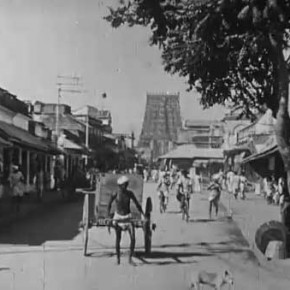
Here is a beautiful description of Madurai as seen by Mankudi Marudan, a poet who was in the court of a Pandya king who ruled South Tamil Nadu 2000 years ago:–

“The poet enters the city by its great gate, the posts of which are carved with images of the Goddess Lakshmi, and which is grimy with ghee, poured in oblation upon it to bring safety and prosperity to city it guards. It is a day of festival, and the city is gay with flags, some, presented by the king to celebrate to commemorate brave deeds, flying over the homes of captains, and others waving over the shops which sell the gladdening toddy.


The streets are broad rivers of people, folk of every race, buying and selling in the market place or singing to the music of wandering minstrels.


A drum beats and a royal procession passes down the street, with elephants leading to the sounds of conches. A refractory beast breaks his chain, and tosses like a ship in an angry sea until again he is brought to order. Chariots follow with prancing horses and fierce footmen.


Meanwhile stall keepers ply their trade, selling sweet-cakes, garlands of flowers, scented powder and betel quids. Old women go from house to house, selling nosegays and trinkets to the womenfolk.  Noblemen drive through the streets in their chariots, their gold-sheathed swords flashing, and wearing brightly-dyed garments and wreathes of flowers. From balconies and turrets the many jewels of the perfumed women who watch the festival flash in the sun light.


The people flock to the temples to worship to the sound of music, laying their flowers before the images and honouring the holy sages. Craftsmen work in their shops – men making bangles of conch shell, goldsmiths, cloth- dealers, coppersmiths, and flower sellers, vendors of sandal wood, painters and weavers. Food shops busily sell their wares – greens, jack fruits, mangoes, sugar candy, cooked rice and chunks of cooked meat.

madurai1904b

In the evenings the city prostitutes entertain their patrons with dancing and singing to the sound of the lute (Yaz), so that the streets are filled with music. Drunken villagers, up for the festival, reel in the roadways, while respectable women make evening visits to the temples with their children and friends, carrying lighted lamps as offerings. They dance in the temple courts, which are clamorous with their singing and chatter.


At last the city seeps—all but the goblins and ghosts who haunt the dark, and the bold housebreakers, armed with rope ladders, swords and chisels, to break through the walls of mud houses. But the watchmen are also vigilant, and the city passes the night in peace.

madurai 028

Mornings come with the sound of the Brahmins intoning their sacred verses. The wandering bards renew their singing, and the shopkeepers busy themselves opening their booths. The toddy-sellers again ply their trade for thirsty morning travellers. The drunkards reel to their feet and once more shout on the streets. All over the city is heard the sound of opening doors. Women sweep the faded flowers of the festival from their court yards. Thus the busy everyday life of the city is resumed.

–Maduraikanchi, Pattuppaattu.


delhi-and-agra-062

ANCIENT CITY OF DELHI

Ibn Batuta, Moroccan traveller who travelled from 1326 for 27 years, wrote about Asian countries and its peoples. Here is what he wrote about Delhi:–

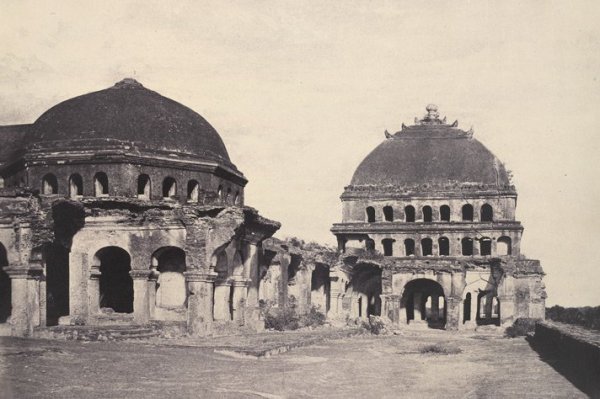
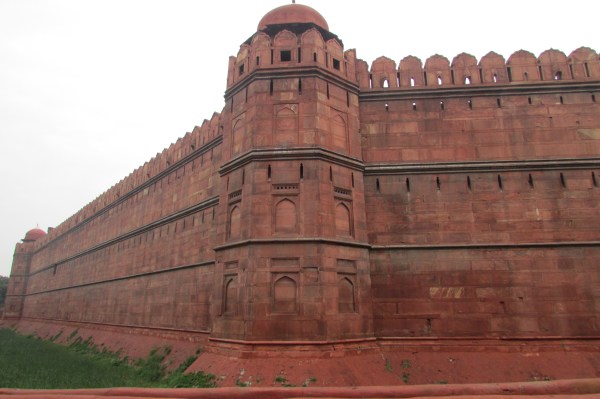
“We then proceeded on from Masud Abad till we came to Delhi, the capital of the empire. It is a most magnificent city, combining atone beauty and strength. Its walls are such as to have no equal in the whole world. This is the greatest city of Hindustan; and indeed of all Islam in the East. It now consist of four cities, which becoming contiguous have formed one. The city was conqured in the year of the Hejra 584 (1188 CE). The thickness of its walls is 11 cubits. They keep grain in this city for a very long time without undergoing any change whatever. I myself saw rice brought out of the treasury, which was quite black, nevertheless, had lost noe of the goodness of its taste.  The same was the case with the kodru, which had been in the treasury for ninety years, flowers, too, are in continual blossom in this place. Its mosque is very large; and in the beauty and extent of its building, it has no equal. Before the taking of Delhi, it had been a Hindoo temple, which the Hindoos call El Bur Khana (But Khana); but, after that event, it was used as a mosque. In its court-yard is a cell, to which there is no equal in the cities of the Muhammadeans; its height is such that men appear from the top of it like little children. In its court, too, there is an immense pillar, which they say, is composed of stones from seven quarries. In length it is 30 cubits; its circumference eight; which is truly miraculous. Without the city is a reservoir for the rain water; and out of this inhabitants have their water for drinking.  It is two miles in length, and one in width. About it are pleasure gardens to which the people resort.

Ibn Batuta in Arabic

OldDelhi_AP_Alkazi

—Subham–


King and Scholar: Who is Powerful? Post No. 2403

chin1

Compiled by London swaminathan

Date: 18 December 2015


Post No. 2403


Time uploaded in London: 19-41

( Thanks for the Pictures  ) 


DON’T REBLOG IT AT LEAST FOR A WEEK!  DON’T USE THE PICTURES; THEY ARE COPYRIGHTED BY SOMEONE.


Anecdote from China:


china-chin-large

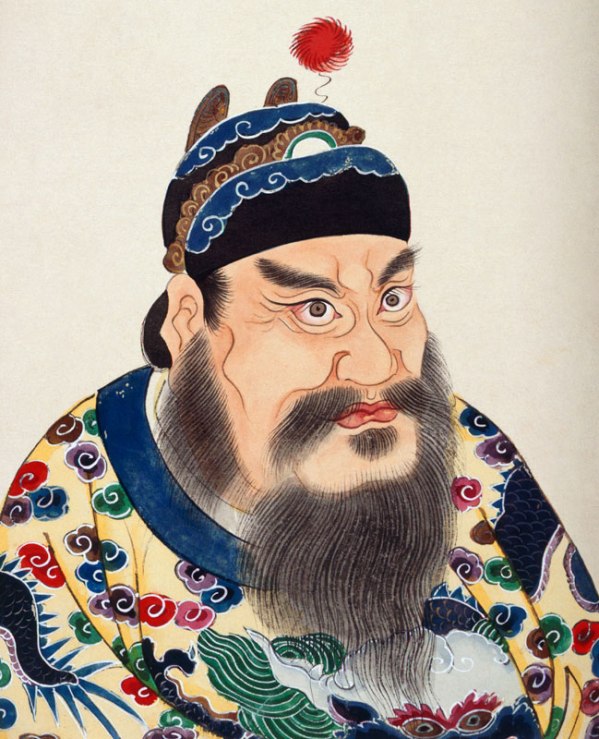
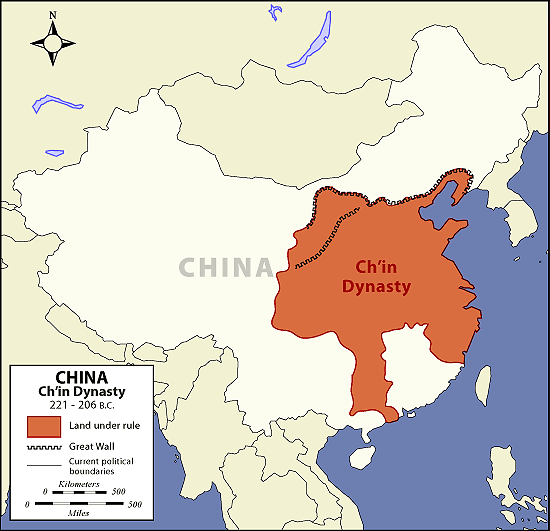
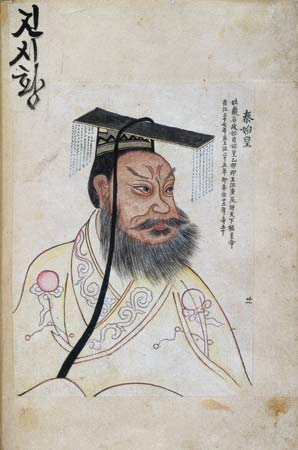
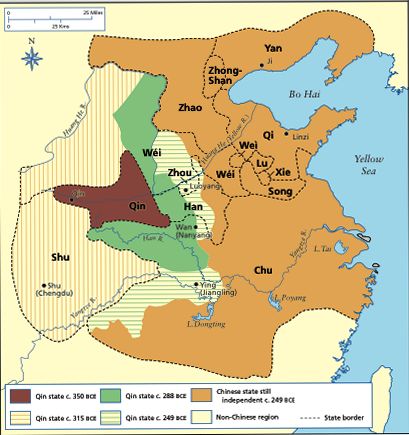
The famous First Emperor of the Chin Dynasty (221-206 BC) was snubbed by the scholarly envoy of a very small state. It happened in this way.


Chin having arbitrarily proposed to the small state to exchange a piece of territory, the latter being unwilling, commissioned an envoy to Chin to explain matters to the emperor who was at the height of his power.  At the audience, which seemed to be a tête-à-tête conference, the following incident took place:–


The emperor, suddenly losing his temper said, “Have you ever heard of anger of an emperor?”


“No, Your Majesty”, replied the envoy.


“When an emperor is in anger, said the emperor, there will be a million corpses lying about with blood flowing a thousand miles”.


“Has Your Majesty, asked the envoy, ever heard of the anger of a plain scholar?”


“The anger of the scholar, answered the emperor, can mean no more than taking off his hat and shoes, and knocking his head against the ground.”


“No Your Majesty, said the envoy, This is the anger only of a fool, not that of a scholar”.


After saying this, in highly poetical diction, he recited graphically three well known but not far distant historical instances where unworthy reigning princes were openly slain by scholars. At the end of the citation he calmly exclaimed,

chin2

“Now I am going to add my name as the fourth to the list. When a scholar is in anger, there will be only two corpses lying about with blood flowing within five steps. Today is the day when the whole Empire shall be in mourning”. Thereupon he rose with his sword in hand. The Emperor, visibly affected, forthwith knelt before his interlocutor saying,


“Please sit down, Master. Why should things be like this? I understand now. The fact that (larger states like) Haan and Wei have perished, while (a small state like) yours survives is merely because it has (men like) you, Master”.


dynasty-05-Qin

—–SUBHAM—–

xxxxx


மதப் பிரசாரம் கூடாது: இங்கிலாந்து ராஜாவுக்கு சீன ராஜா கடிதம்( Post No. 2401)

chien2

Compiled by London swaminathan

Date: 18 December 2015


Post No. 2401


Time uploaded in London :– காலை 6-20

( Thanks for the Pictures  ) 


DON’T REBLOG IT AT LEAST FOR A WEEK!  DON’T USE THE PICTURES; THEY ARE COPYRIGHTED BY SOMEONE.


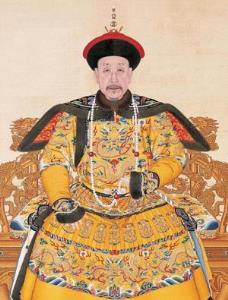
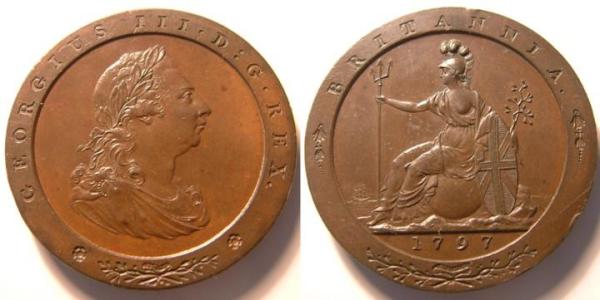
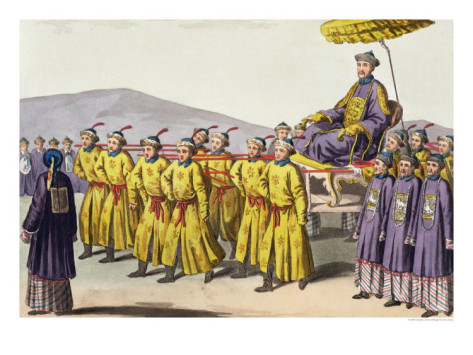
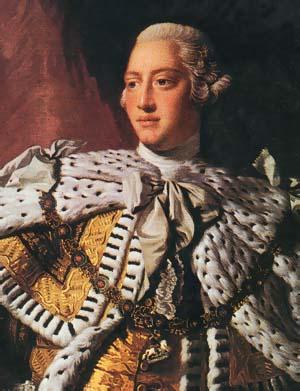
Chien lung’s (1711-1799) letter to George III (1760-1801).

சீனாவை ஆண்ட சியான் லங் என்பவர் இங்கிலாந்தின் மூன்றாம் ஜார்ஜ் மன்னருக்கு ஒரு அழகான கடிதம் எழுதியுள்ளார். அந்தக் காலத்தில் கடிதம் எழுதும் கலை எவ்வளவு சிறப்பாக இருந்தது என்பதற்கு இது ஒரு எடுத்துக் காட்டு. இதோ அந்தக் கடிதம்:_

“ பல கடல்களைத் தாண்டி தொலைவில் வசிக்கும் ஓ, மன்னவா! எங்கள் நாகரீக நன்மைகளைப் பகிர்ந்து கொள்ளும் ஆர்வம் உடையவரே! மரியாதைக்குரிய உமது கடிதத்துடன் உங்கள் நாட்டு தூதர் இங்கே வந்தார். நீங்கள் மரியாதையுடன் அனுப்பிய உங்கள் நாட்டுப் பரிசுப்பொருள்கள் கிடைக்கப் பெற்றோம்.

george3

எங்கள் சாம்ராஜ்யத்தின் மணம் இந்த சொர்கத்தின் கீழுள்ள எல்லா நாடுகளிலும் பரவி இருக்கிறது. இந்தப் பூவுலகில் எல்லா மன்னர்களும் எங்களுக்கு கடல் வழியாகவும், நிலம் வழியாகவும் கப்பம் செலுத்தி வருகின்றனர். எங்களிடம் எல்லாப் பொருட்களும் உளது. விநோதமான, விலையுயர்ந்த உங்கள் நாட்டுச் சரக்குகளில் எங்களுக்கு நாட்டம் இல்லை. தொலை தூரத்திலிருந்து மரியாதையுடன் அனுப்பியதாலேயே அவைகளை நாம் ஏற்றோம்.


உங்கள் கடிதத்தை நான் படித்தேன். உங்கள் பணிவும் அடக்கமும் அதில் பிரதிபலித்தது. உங்கள் நாட்டுத் தூதருக்கு நான் பல சலுகைகளை அளித்தேன். அவரைக் கௌரவித்துப் பல பரிசுப் பொருட்களையும் தந்தேன். மன்னவா, உமக்கும் நான் விலையுயந்த பரிசுப் பொருட்களை அனுப்புகிறேன். அவைகளின் பட்டியலையும் அனுப்புகிறேன். அவைகளை அன்புடன் ஏற்கவும். உன்பால் எனக்குள்ள பரிவும் பாசமும் அதில் புலப்படும்.


ch-ien-lung-

சொர்கம் போன்ற எனது அரசவையில் உமது நாட்டு தூதர் இருக்க விருப்பம் தெரிவித்தீர். அதை நாம் ஏற்பதற்கில்லை. பீகிங் மாநாகரில் வசிக்கும் எந்த ஐரோப்பியனும், வெளியே போக முடியாது; கடிதமும் எழுத முடியாது. ஆகையால் இங்கு உன்னாட்டு தூதரை அனுப்புவதில் யாதொரும் நன்மையும் விளையாது. மேலும் ஐரோப்பாவில் உம் நாட்டைப் போல பல நாடுகள் உள. அவ்வளவு ஆட்களும் எமது அரசவையில் அமர வேண்டுமென்று வேண்டுகோள் விடுத்தால் நாம் ஏற்பது எங்கனம்? நீங்கள் கேட்பதற்காக இந்த சாம்ராஜ்யம், அதனுடைய  பழக்க வழக்கங்களை (சம்ப்ரதாயங்களை)  மாற்றிக்கொள்ள முடியுமா?


காண்டன் நகரத்துக்கு வெளியேயும் உங்கள் நாட்டு சரக்குகளின் வியாபாரம் நடத்த அனுமதி வேண்டுமென்ற கோரிக்கையையும் உமது தூதர் தெரிவித்தார். வேறு எந்தத் துறைமுகத்திலும் வசதிகளுமில்லை; மொழிபெயர்ப்பாளர்களுமில்லை. ஆகையால் உன்னாட்டு வணிகர்கள் அங்கே வர்த்தகம் செய்ய இயலாது. கடந்தகாலத்திலும் சரி, எதிர்காலத்திலும் சரி உமது வேண்டுகோளை நிராகரிக்கிறேன். காண்டன் துறைமுகத்தில் மட்டும் நீவீர் வியாபாரம் நடத்தலாம்.


பீகிங் நகரில் வியாபாரம் செய்ய வேண்டும், சரக்குகளைச் சேமித்துவைக்க வசதிகள் வேண்டும் என்பது செயல்முறைக்கு ஏற்றதல்ல. எனது தலைநகரம் உலகிலுள்ள எல்லாம் வலம் வரும் அச்சுப் போன்றது. அதன் சட்டதிட்டங்கள் மிகவும் கடுமையானவை. இதுவரை எந்த வெளிநாட்டானுக்கும் அங்கே அனுமதி தந்ததில்லை. ஆகையால் உமது வேண்டுகோளை அனுமதிக்க மாட்டேன்.

GeorgeIII

உமது மதத்தைப் போதனை செய்யவும் உமது தூதர் அனுமதி கோரினார். வரலாறு தோன்றிய காலம் முதற்கொண்டு சீனாவின் அறிவு சால் மன்னர்களும் சாது,சந்யாசிகளும் ஒரு மதத்தை எங்களுக்கு அளித்துள்ளனர். அதைக் கோடிக்கணக்கான எமது பிரஜைகள் பின்பற்றி வருகின்றனர்.எங்களுக்கு வெளி நாட்டான் கற்பிக்க வேண்டிய தேவை இல்லை. உமது மதப் பிரசார கோரிக்கை சாரமற்றது.


எங்கள் நாகரீகத்தைப் பகிர்ந்து கொள்ளவிரும்பும் பல கப்பம் செலுத்தும் நாடுகளிடம் நாங்கள் பேரன்பு காட்டிவருகிறோம். ஓ, தொலைதூரத்தில் வசிக்கும் மன்னவா! உம்மிடத்தில் வேறு எவரையும் விட கூடுதலாகவே அன்பு காட்டினோம். ஆனால் உமது கோரிக்கைகளோவெனில் எம் நாட்டு பழக்க வழக்கங்களுக்கு மாறுபட்டுள்ளன. இதனால் எந்த நன்மையும் பயக்காது. ஆகையால்தான் நாம் சற்று விவரமாகவே பதில் தருகிறோம். எங்கள் உணர்ச்சிகளை நன்கு புரிந்துகொண்டு மரியாதையுடன் அவைகளுக்கு எக்காலத்திலும் கீழ்படிந்து நடத்தல் வேண்டும். உங்களுக்கு நல்ல அமைதி கிட்டுமாக!”


xxxx


Chinese Emperor’s “No” to Religious Propaganda! (Post No. 2400)

chien2

Compiled by London swaminathan
Date: 17 December 2015

Post No. 2400

Time uploaded in London :– 16-21
( Thanks for the Pictures )

DON’T REBLOG IT AT LEAST FOR A WEEK! DON’T USE THE PICTURES; THEY ARE COPYRIGHTED BY SOMEONE.
Chien Lung’s letter to a King Geaorge III
“You, O King, live in a distant region, far beyond the borders of many oceans, but, desiring humbly to share the blessings of our civilisation, you have sent an embassy respectfully bearing your letter. To show your devotion you have also sent offerings of your country’s produce.

Our dynasty’s majestic virtue has reached every country under Heaven and kings of all nations have sent their tribute by land and sea. We possess all things, we are not interested in strange and costly objects and we have no use of your country s products. I have accepted your tribute offerings only because of the devotion which made you send them so far.

I have read your letter, it shows a respectful humility on your part. I have shown great favour to your ambassador. I have entertained him and given him many gifts. I am sending you, O King, valuable presents of which I enclose a list. Receive them reverently and notice my tender good will towards you.


george3

As to your request to send an ambassador to live at my Heavenly Court, this request cannot possibly be granted. Any European living in Peking is forbidden to leave China or write to his own country, so that you would gain nothing by having an ambassador here. Besides there are many other nations in Europe beside your own. If all of them asked to come to our court, how could we possibly consent? Can our dynasty change all its ways and habits in order to do what you ask?

Your ambassador asks us to allow your ships to trade at other ports beside Canton. There are no hongs and no interpreters at any other port, so that your barbarian merchants could not carry on their business there. For the future, as well as the past, your request is refused. Trade may be carried on only at Canton.

The request that your merchants may store and trade their goods In Peking is also impracticable. My capital is the hub and centre around which all the quarters of the earth revolve. Its laws are very strict and no foreigner has ever been allowed to trade there. This request is also refused.

Your ambassador has asked permission to have your religion taught in China. Since the beginning of history, wise emperors and sages have given china a religion which has been followed by the millions of my subjects. We do not need any foreign teaching. The request is utterly unreasonable.

ch-ien-lung-
I have always shown the greatest kindness to tribute embassies from kingdoms which truly long for the blessings of civilisation. To you, O King, who live so far away, I have shown greater kindness than to any other nation. But your demands are contrary to the customs of our dynasty and would bring no good result. I have therefore answered them in detail, and it is your duty to understand my feelings and reverently obey to my instructions henceforth and for all time, so that you may enjoy the blessings of peace”.


GeorgeIII

Chien lung’s (1711-1799) letter to George III (1760-1801).

xxxxx

மாவீரர்கள் சத்ரபதி சிவாஜியும் அலெக்ஸாண்டரும் (Post No. 2382)

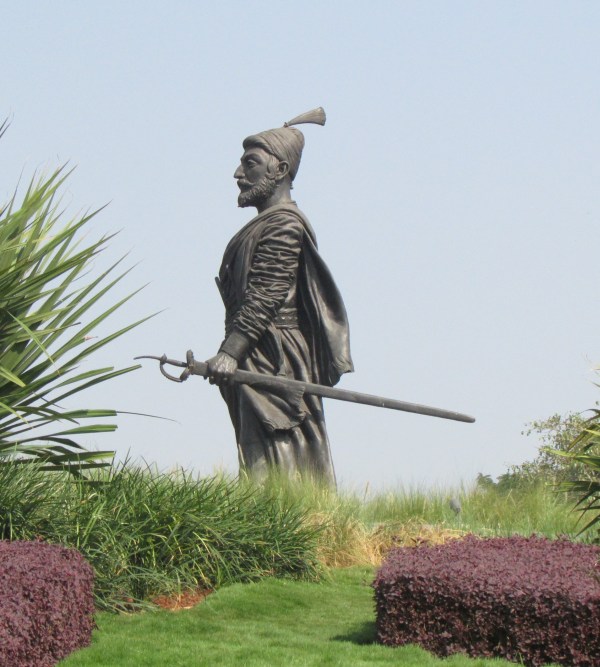
IMG_2814 (2)

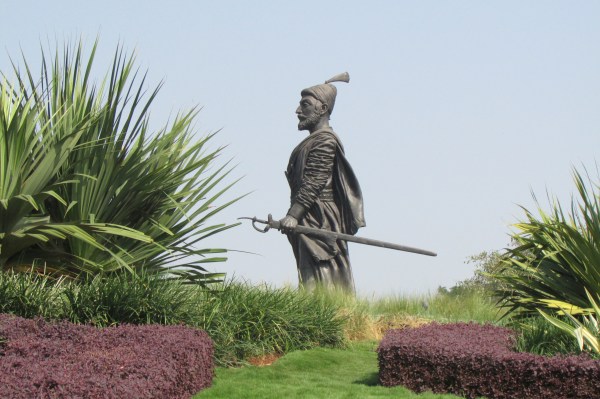
சிவாஜி புகைப்படம், பம்பாய் விமான நிலையம்; எடுத்தவர்- லண்டன் சுவாமிநாதன்

Written by S NAGARAJAN

Date: 12 December 2015

Post No. 2382


Time uploaded in London :– 5-40 AM

( Thanks for the Pictures  ) 


DON’T REBLOG IT AT LEAST FOR A WEEK!  

DON’T USE THE PICTURES; 

THEY ARE COPYRIGHTED BY SOMEONE.


ச.நாகராஜன்


IMG_2814

அன்னையின் மீது அன்பு


மாவீரன் சத்ரபதி சிவாஜிக்கும் மாவீரன் அலெக்ஸாண்டருக்கும் ஒரு பெரும் ஒற்றுமை உண்டு. இருவரும் பெரும் வீரர்கள் என்பது தானே ஒற்றுமை என எண்ணம் தோன்றும். ஆனால் இன்னொரு விஷயத்தில் இவர்களிடையே ஒற்றுமை உண்டு. அது தான் தன் தனது தாயை நேசிப்பது. இருவரும் அபாரமான அன்பு, மரியாதையைத் தாயின் மீது கொண்டிருந்தனர்.

சிவாஜி எதைச் செய்வதாக இருந்தாலும் தன் தாயின் ஆசியுடன் தான் தொடங்குவார். வெற்றிகளை தாய்க்கே சமர்ப்பிப்பார்.

அலெக்ஸாண்டரும் தன் தாயின் மீது அபாரமான பிரியத்தைக் கொண்டிருந்தார்.


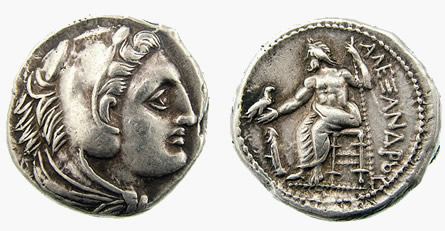
Alexander_lifetime

ஆயிரம் கடிதங்கள்

ஆனால் அவரது தாவரட்டும்யாரான ஒலிம்பியஸ் (Olympias) ஒரு முசுடு. எல்லோரிடமும் குறை காண்பவர்; எரிச்சலை மூட்டுபவர். ஆகவே அவரை எந்த வித அரசியல் விவகாரத்திலும் அலெக்ஸாண்டர் ஈடுபடுத்தவில்லை. என்றாலும் கூட தானாகவே அனைத்து விஷயங்களிலும் தலையை விட்டு ஒவ்வொருவரைப் பற்றியும் அலெக்ஸாண்டரிடம் அவர் புகார் கூறுவது வழக்கம்.

அலெக்ஸாண்டர் தனது அன்னை கூறும் ஒவ்வொரு சொல்லையும் அமைதியுடனும் பொறுமையுடனும் கேட்பார்.

ஒரு சமயம் அவரது தொந்தரவு தாங்காமல் ஐரோப்பாவில் அலெக்ஸாண்டரின் உதவி தளகர்த்தராக இருந்த ஆண்டிபேடர் (Antipater) அலெக்ஸாண்டருக்கு அவரது அன்னையைப் பற்றி ஒரு பெரிய புகார் கடிதத்தை எழுதினார்.

அதற்கு அலெக்ஸாண்டர் பதிலாக இப்படி எழுதி அனுப்பினார்:-“ நீ எழுதியது போன்ற ஆயிரம் கடிதங்களைக் கூட என் அன்னையின் ஒரு சொட்டுக் கண்ணீர் ஒதுக்கித் தள்ளி விடும்”


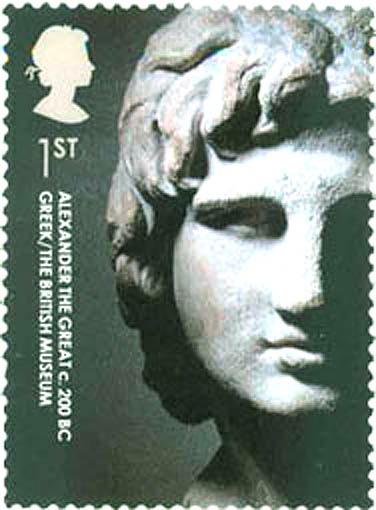
Stamp_UK_2003_1st

சப்பாத்தி தந்த போர்த் தந்திரம்


இதே போல சத்ரபதி சிவாஜியும் தன் அன்னையின் மீது உயிராக இருந்தார். ஆனால் ஒலிம்பியஸைப் போலன்றி அன்னை ஜீஜாபாய் அருமையான குணநலன்கள் கொண்டவர். ராஜாங்க காரியங்களில் அநாவசியமாகத் தலையிடாத தன்மை அவருக்கு இருந்தது. சிவாஜிக்கு ராமாயண மஹாபாரதம் போன்ற இதிஹாஸங்களையும் அறநெறிகளையும் அவர் இளமையிலிருந்தே ஊட்டி வந்தார். இதுவே சிவாஜியை ஹிந்து சாம்ராஜ்யத்தை ஸ்தாபிக்க அடி கோலியது.


ஒரு சமயம் சப்பாத்தியை சுடச் சுடத் தயாரித்து சிவாஜிக்கு பரிமாறிக் கொண்டிருந்தார் அன்னை ஜீஜாபாய்.

ஆனால் உணவில் கவனம் செலுத்தாமல் ஆழ்ந்த யோசனையில் இருந்தார் சத்ரபதி. பரந்த சாம்ராஜ்யத்தைக் கொண்டு பெரும் வலிமையுடன் இருக்கும் ஔரங்கசீப்பை வெல்வது எப்படி என்ற யோசனையில் தீவிரமாக ஆழ்ந்திருந்த அவருக்கு உண்வின் மீது எப்படிக் கவனம் இருக்கும். சூடாக இருந்த சப்பாத்தியின் நடுவில் கையை வைத்தார். அதிகமான சூட்டால் ஆ என்று அலறினார்.

அன்னை அவரை நோக்கினார்:”மகனே! அப்படி சாப்பிடக் கூடாது. சப்பாத்தியின் ஓரத்தை முதலில் கிள்ளிச் சாப்பிடு. அங்கு சூடு இருக்காது. அது ஆறி இருக்கும். பின்னர் மெதுவாக நடுப்பகுதியை எடு” என்றார்.

சிவாஜி உட்னே துள்ளிக் குதித்தார். அவருக்கு ஔரங்கசீப்பை வெல்லும் உபாயத்தை அன்னை கற்பித்து விட்டார் ஒரு நொடியில்!


வலுவான மையத்தோடு பரந்த சாம்ராஜ்யத்தைக் கொண்டிருந்த ஔரங்கசீப்பை நேரில் தாக்காமல் முதலில் சுற்றிவர இருக்கும் கோட்டைகளைக் கைப்பற்றி அவரை வலுவிழக்கச் செய்ய வேண்டும் என்பதை சப்பாத்தி அவருக்கு கற்பித்து விட்டது. சூடான மையப் பகுதி சுற்றி வர இருப்பதைக் கிள்ளிச் சா போது ஆறி விடும், இல்லையா!ப்பிடும்


சிவாஜி உடனே சுற்றி வர இருந்த கோட்டைகளை ஒன்றன்பின் ஒன்றாகக் கைப்பற்றினார். ஔரங்கசீப் வலுவிழந்தார். ஹிந்து சாம்ராஜ்யம் ஸ்தாபிக்கப்பட்டது.


ஆதி சங்கரர் முதல் விவேகானந்தர் வரை அனைவருமே அன்னையின் அன்புக்கு அடிமைகள்! மாவீரர்களான சத்ரபதி சிவாஜியும் அலெக்ஸாண்டரும் அன்னையைப் போற்றி வணங்கியதில் வியப்பில்லை தானே

*******


Socrates – A True Citizen of Athens!

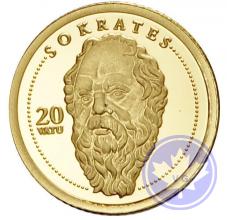
socrates

Compiled by London swaminathan

Post No.2223

Date: 7   October 2015

Time uploaded in London: 21-34

Thanks for the pictures.

Don’t use pictures. Don’t reblog for at least a week.

Greek philosopher Socrates lived in Athens. He was preaching his philosophy in Athens, which the rulers did not like. Therefore they brought up a false case against him. They accused him of poisoning the youth of Athens with his bad teachings. In the end he was imprisoned and sentenced to death.

Hearing of this, Plato, Creto and his other disciples were deeply grieved. Therefore some of them were planning to get him out of prison secretly. They even made arrangements to this effect. But they feared that Socrates would never agree to their plan. So they sent Creto to persuade him.

One early morning, Creto entered the prison. He saw that Socrates was sleeping soundly on a cot. Socrates knew that he had only forty eight hours to live. He seemed to be absolutely unconcerned about it. Creto did not want to disturb him and so he sat down in a corner.

After sometime Socrates woke a up and Creto conveyed his and other disciples’ wish. He told him that all were bent upon releasing him by breaking open the prison.

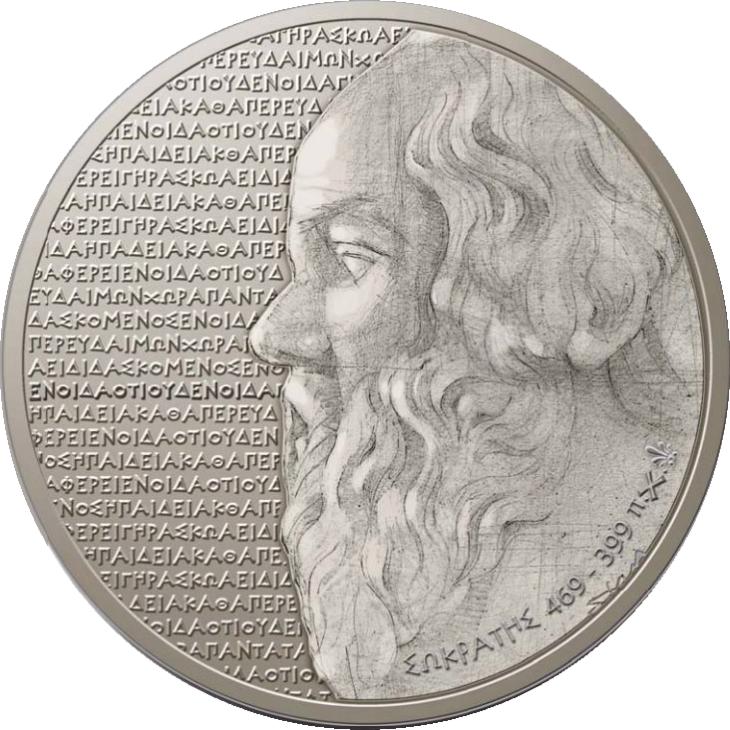
socrate3

But Socrates said no and continued, “The laws of Athens and the people of Athens may have done injustice to me. But for the reason we should also commit an injustice, is not proper. To counter lie with a lie and evil with an evil is not ethically right. Thus have I always held. It is therefore unworthy of me to escape from prison stealthily. I was brought up by the state, married according to her laws; nay, I even joined the army to defend her – all these things I did as part of the duty of a citizen. If I so wished I could have migrated to another state, for nobody can compel me to stay here. But by staying here I have accepted all the rights and responsibilities of a citizen. Today I may be guilty in the eyes of the people and that too, assuming for the sake of argument, unjustly. But I have been sentenced according to the laws of the State. Now if I accept your advice and run away, don’t you think that I shall be shaking the very foundation of laws of the land? And thereby will I not be harming the state and the citizens? Creto to act like this will be to return evil for evil”.

–Subham–

What is the Price of Gandhi Stamps?

IMG_6424

Research article written by London swaminathan

Post No.2206

Date: 1st October 2015

Time uploaded in London: 16-00

October 2 Gandhi Jayanthi

It is needless to say that the Gandhian values have down in India. But the surprising thing is that the value of Gandhi stamps are going up and up! Politicians use Gandhiji’s name as a popular brand name. Like corrupt Tamil politicians use the name of holy poet Tiruvalluvar, corrupt North Indian politicians use Gandhi’s name. Any way the new generation know neither Gandhi nor Tiruvalluvar. They read their names in text books for examination sake. As soon as they come out of the examination halls they forget both the names and their teachings.

IMG_6422 (2)

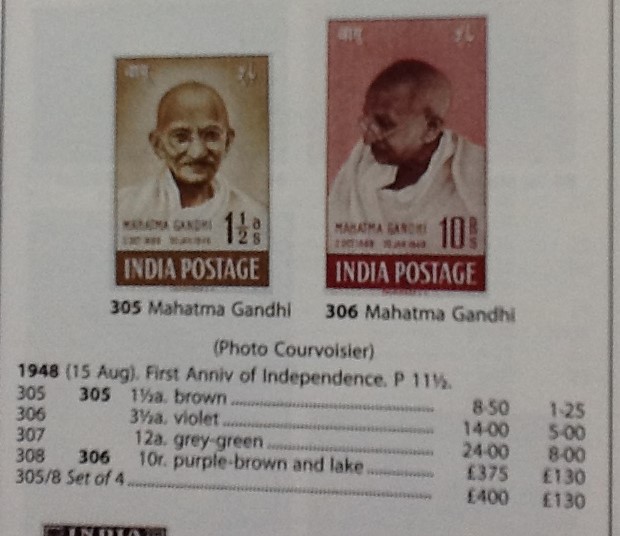
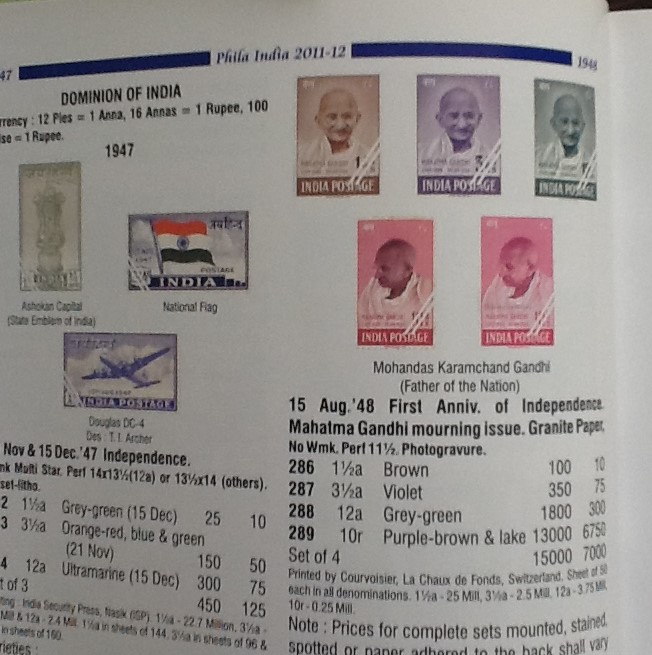
But as a stamp collector and possessor of Gandhi stamps issued by several countries, I am glad that the values of those stamps are going higher and higher. I very often pass by the Stanley Gibbon stamp shop at Strand in London. Their catalogue is the Veda for the stamp collectors and their headquarters is the Benares/Varanasi of stamp collectors. Today I looked at the latest Stanley Gibbon’s catalogue to compare the prices. I have given below the prices:

For mint stamps (Not used)

In 2006 the price of Rs10 Gandhi was 45 pounds (45×100=Rs.4500 in today’s currency rates)

In 2015 the price is 375 pounds (375×100= Rs 37,500)

For used Stamps

In 2006 it was 40 pounds (Rs.4000 in today’s currency rates)

In 2015 it was 130 pounds (Rs13,000)

IMG_6448 (2)

In 2011-12 Indian Stamp catalogue the price of Rs10 Gandhi stamp issued in 1948 was Rs.13,000 (mint) and Rs.6750 (used)

This is the price for the stamp in best condition.

For instance here the stamp dealers sell even Gandhi stamp for 60 pounds. But they have lost the gum in the back or browned due to weather. In India stamps change to brown very quickly because of the climatic conditions. But in temperate countries like Britain they are in good condition. All my old Indian stamps collected in Madurai are brownish. But after coming here, I bought Indian stamps from English dealers and they are in pristine condition.

If you have coins or stamps, please maintain them properly. Stamp dealers or the philatelic societies in all the Indian cities will advise you in this regard.

IMG_6432

( I am writing about Gandhi coins separately)

Long live Gandhi! Longer live Gandhi stamps!!!

What makes Madurai Unique in the World: Oswald J.Couldrey

temple big

DON’T REBLOG IT AT LEAST FOR A WEEK!  DON’T USE PICTURES; THEY ARE COPYRIGHTED BY SOMEONE.


Research Article: Written by London swaminathan

Date: 21 September 2015

Post No: 2178

Time uploaded in London :– 20-15

(Thanks  for the pictures) 

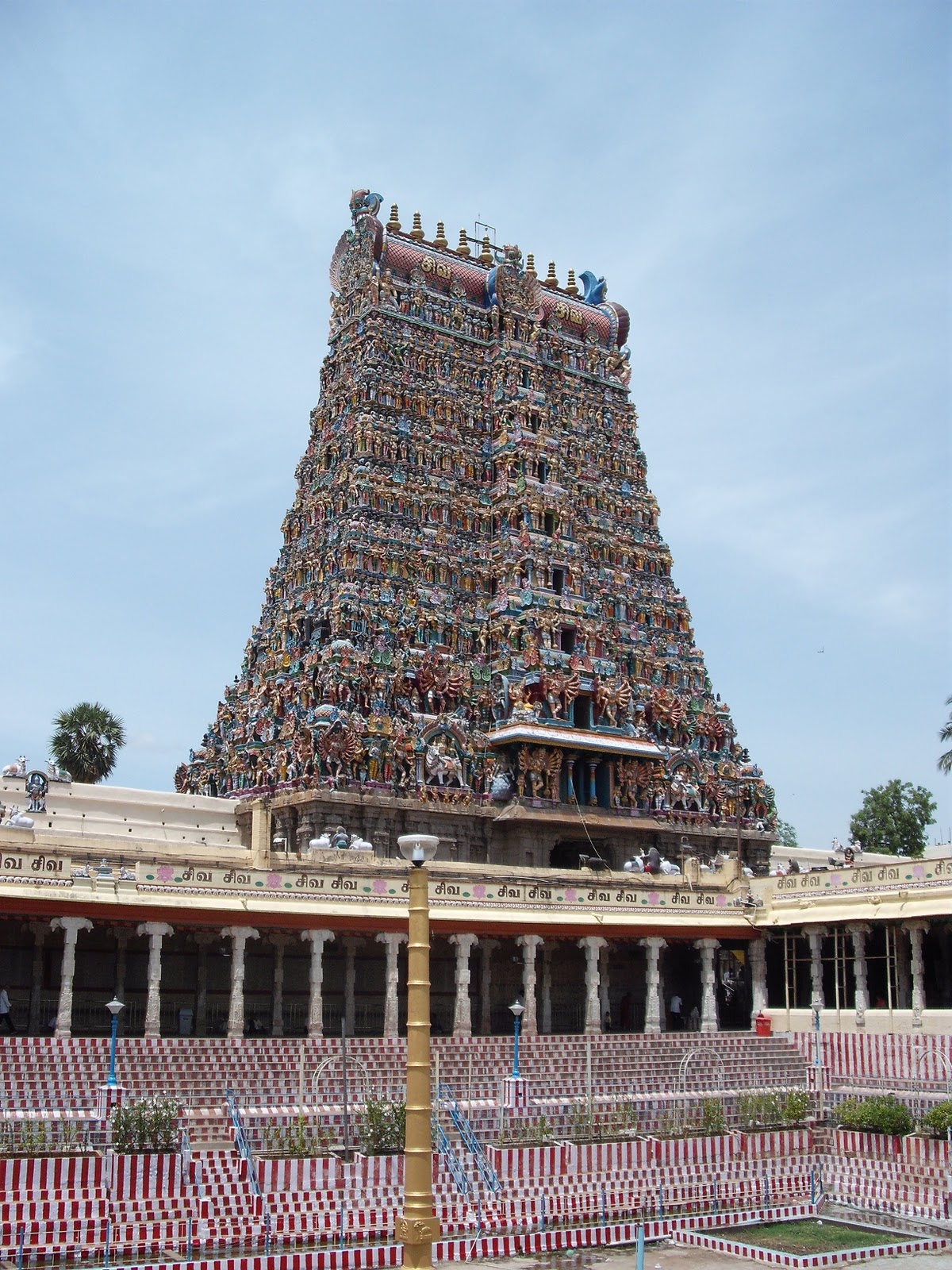
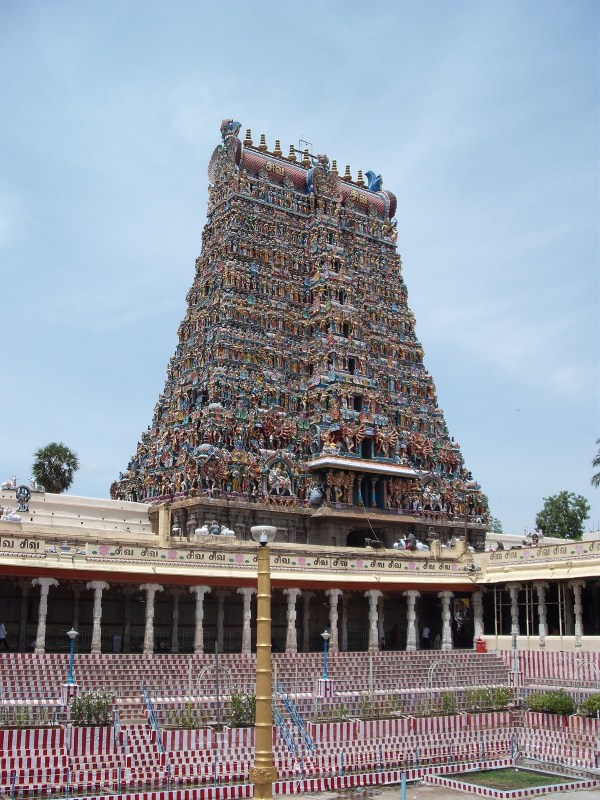
Please read my post “The Wonder that is Madurai Meenakshi Temple” posted by me here on 14th October 2011.

Following is excerpt from South Indian Hours by Oswald J.Couldrey, Year 1924

“Madura is a city in the far south, and very old. You will find her name recorded in Ptolemy’s Greek, MODOURA, which better represents the Tamil pronunciation than does the English form. Her ancient Pandya kings, who grew early rich upon the local pearl fisheries, and are mentioned in Asoka’s Edicts, were connected by the Greeks with King Pandion, by themselves and neighbours with the five legendary Pandavas, the heroes of the Mahabharata. Of that remote civilization there are now probably few material remains. The monuments of Madura chiefly refer to the seventeenth century Naiks, those powerful viceroys of the great Southern Hindu Empire of Vijayanagar, who rivalled and outlasted the splendour of their suzerain.

But what makes Madura almost unique among the cities of the world, wherein the past can be studied, is the fact that her antiquity generally, though having its roots far back in an almost Babylonish past, is also of the twentieth century. I speaks of no stagnation. Art and religion here were alive and growing with a vigour and direction imparted long ago. The life seen here today is sister to the life of ancient Shinar, a younger sister, and grown up in time.

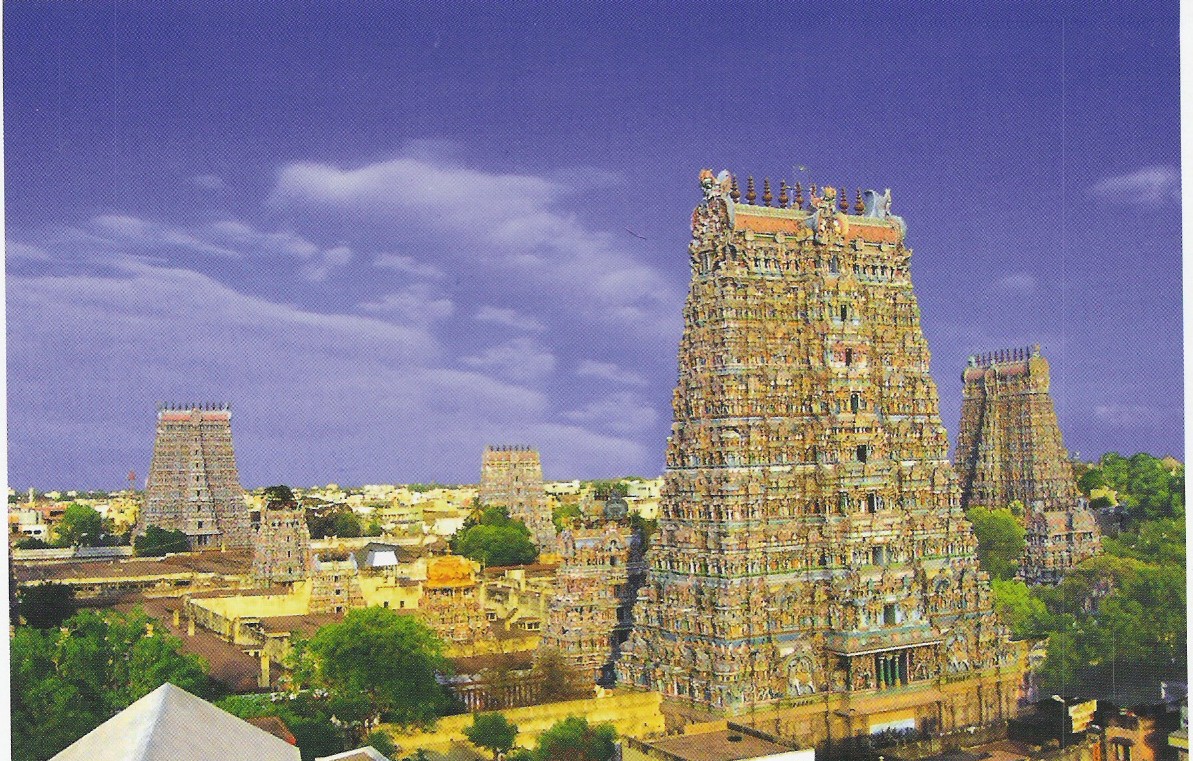
The glory and potential crown of Madura is the great double temple (but they stand within the same enclosure) of Siva and Minakshi. You hear more of the goddess, the Fish-Eyed, though her husband’s lodging is larger; and I suspect that she represents an older local cult, espoused later by the religion of the Brahmins. There are in India many temples far older, many holier than this, some more cunningly designed and adorned; few larger, grander and more intricate, none more crowded, busy, eloquent of the living past. For size, you could put all the temples of Benares within the Madura precinct, and have room to spare, in extent, variety, and occupation, it resembles a city rather than a temple, and a city where you will not quickly learn your way about.

The good people of Madura, which is large and flourishing town, spend much of their time in temple, like Anglo-Indians at a club, or Greeks in their agora, and so fill the place themselves, without the help of pilgrims and sight seers, f whom, however, there is no lack. I have been to the Madura temple several times, and know well the lie of its courts and edifices; but to explain it is another matter, and I shall attempt only a general description.

The temple is, four square, like the heavenly Jerusalem, and girt with a high wall.in the middle of each side is the pylon or gopuram, but far taller than usual, and all crusted with idols; four towers that crown the city like the tiaras upon the fourfold brows of Brahma.

M.Temple

The great pile of the gate head is plastered thick with images, which stand se before its innumerable storied, lessening cells, like an enormous and splendid swarms of bees; all the mystic and many weaponed persons of the Siva pantheon, infinitely multiplied and repeated and reduced, and carried in rising ranks, and receding tiers, up to the horns and scrolls of the topmost roof.

There, and yonder, he appears as Nataraja, the dancer, his polyp arms spread round him like an aureole, as he weaves the mystic dance of the worlds, the universal and eternal dance of life, which is the pastime of god. Near him, with arms as many, and a whole brigade of heads, Skanda, the War God, Siva’s first born, rides upon his peacock, a fine image of the pomp and circumstance of Asian war. Nor is the figure of his brother Ganapati, round bellied, elephant faced, the people’s darling fetish, less conspicuous and frequent along the ranks of his pyramid of idols, and plastic pandemonium.

Immediately within, and all about the eastern gates of the god and goddess, there is a gloomy labyrinth of arcades and corridors, solemn indeed and lofty, but choked with shops and stalls of food and fruit and sweets, garlands, toys and various glittering knacks whose nature and use I have forgotten, save that they seemed to have little to do with the temple worship. But sculptured saints stood with joined hands among the confectionery, hoar dragons guarded the trash of the toy shops, and cheap cutlery from Birmingham.

From this imposing den of thieves we pass into the outer court, which is here confined and crowded with various porches of similar architecture, but elsewhere spreads, uneventful and empty, between the sanctuaries and outer wall. We are now directly before the temple of god; we find ourselves within the cloister of the Golden Lily Pool, which lies opposite her ancient shrine.

The pool and its colonnade, and especially the chain of porticos before Minakshi’s shrine, are always the most crowded and lively portions of the temple. The steps and water are constantly thronged with bathers and visited of housewives bearing brazen pitchers; the cloisters full of naked, sleek and shaven Brahmins, lounging, chatting, meditating, waiting to minister, for a fee, to the spiritual needs of the pilgrims. One chants a spell for a pair of rustics, which seems chiefly concerned with the business of informing God, not only of the name, parentage and present address (in a geography no longer recognisable) of the persons on whose behalf it is recited, but also of the particular point and minute of eternity, the hour and year, and aeon (he species the Kaliyuga, as we perhaps might say, the iron age) in which the service is performed and reward expected; a formula crude perhaps in some respects, but calculated to a degree not often found, I cannot help thinking, in our own liturgies, to make a simple fellow realise his own littleness, and the metaphysical mystery of the universe.
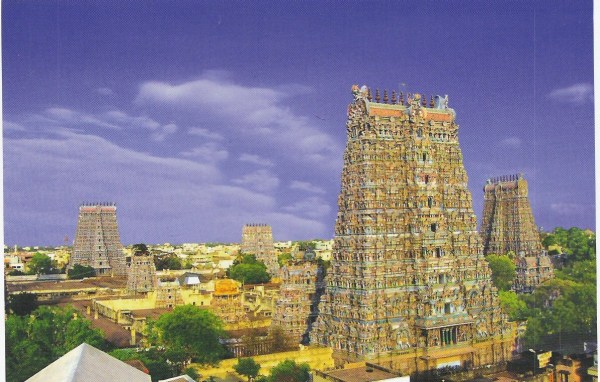
-images-city-134-Meenakshi temple

(His description continues for a few more pages; he describes Thousand Pillar Hall, Tirumalai Nayak Palace etc. and concludes with the following paragraph)
I am constrained to close upon a note of apprehension. You may buy little gods in the Madura bazaars, akin apparently to the temple sculpture, and steeped in odour of old sanctity. Too often nowadays they prove to be forgeries, new ware made rough, buried a while, dug up and kept for sale as old brass to the Americans. For these have discovered Madura before ourselves, who have lived there for a hundred years. Consequently, though there is still no city in South India, where you can to more advantage study the real religion of antiquity, there is none where you can more easily buy false god, or as some would say, gods doubly false (unless two wrongs should make a right) than in Madura, the city of Minakshi may it be long ere the dissolvent curiosity, or blasting disapproval of the West goes deeper”.

Year of Publication in London — 1924.