226 Kings from 13 more Dynasties!

250px-Gurjara_Pratihara_Empire,_India

Dictionary of 10,000 Indian Kings – Part 15

Rashtrakutas, Chalukyas, Kadamba, Pratihara,  Palas of Bengal, Kalachuris, Hoysalas,Alupas

Compiled by london swaminathan

Post No: 1640: Dated: 10 February 2015

160 Kings in Rig Veda published here on 23rd November 2014.

First part of the article –146 kings beginning with letter ‘A’.

Second part– 65 Pandya Kings of Madurai+ Puranic Kings

Third part — 122 kings beginning with letter ‘B’

Fourth Part- 43 Kings of Vijayanagara Empire + 34 Kings under letter C.

Fifth Part – 106 Kashmiri Hindu Kings

Sixth Part – 30 Satavahana  Kings  + 136 Kings underletter D.

Seventh Part –  35 Tamil Pandya Kings of Sangam Age.

Eighth Part – List of Chera (Kerala) 22 kings of Sangam Age+ Kings listed under E (3),G(37) & H(28)=68kings

Ninth Part- 39 Choza Kings of Tamil Nadu

Tenth Part- 104 kings from Cambodia, Champa, Sri Vjaya Kingdom of Indonesia and Pallava

11th part:Under ‘I’  13 kings+ Under ‘J’ 40 kings+ Under ‘K” 147 kings are listed.

12th Part:– 113 kings of various Indonesian kingdoms are listed.

13th Part –UNDER ‘L’ 14 + UNDER ‘M’ 72 + PANDYA II LIST 36=122 KINGS

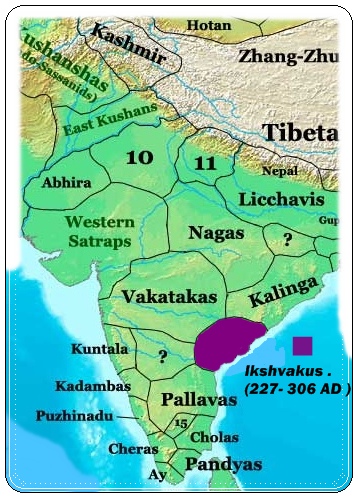
14TH PART:Dynasties of Vishnukundina (10), Vakataka (16),Salankayana (4),Andra Ikshvaku (4) and Names under “N”(60)=94 kings.

250px-Indian_Kadamba_Empire_map.svg

In this 15th Part:—-

Kadamba dynasty – 14 kings

Badami Chalukya -10 kings

Rashtrakuta dynasty kings- 16

Western Chalukya kings – 14

Kakatiya dynasty – 16

Eastern Chalukya kings – 33

Ganga vamsa – 16

Kalachuri dynasty- 14

Pala vamsa -21

Chandela dynasty 34

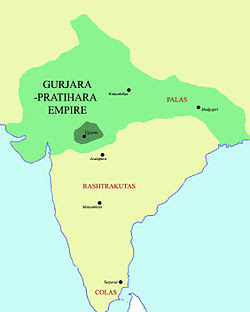
Gurjara Pratihara -17

Hoysala-13

Alupa – 32 kings are listed = Total 226 kings

So far we have listed 1875 kings!
Mayurasharma_Kadamba_Dynast

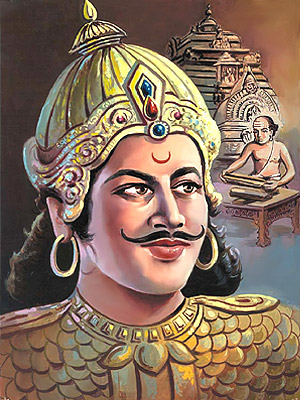
King Mayura Sharma of Kadamba Vamsa

KADAMBA VAMSA

Kadamba Kings (345–525CE) (Banavasi Kings)

Kad1)Mayurasharma(345–365CE)

Ka2)Kangavarma   (365–390)

Kad3)Bagiratha       (390–415)

Kad4)Raghu (415–435)

Kad5)Kakusthavarma       (435–455)

Kad6)Santivarma   (455 -460)

Kad7)Mrigeshavarma       (460–480)

Kad8)Shivamandhativarma        (480–485)

Kad9)Ravivarma     (485–519)

Kad10)rivarma       (519–525)

(Triparvatha Branch)

Kad11)Krishna Varma I    (455)

Kad12)Vishnuvarma

Kad13)Simhavarma

Kad14)Krishna Varma II

Pulakesi I

(Chalukya)    (543–566)

Konark_Sun_Temple_Front_view

Konark Sun Temple of Eastern Gangas

Badami Chalukya (543–753)

Bc1)Pulakesi I          (543–566)

Bc2)Kirtivarman I   (566–597)

Bc3)Mangalesa       (597–609)

Bc4)ulakesi II           (609–642)

Bc5)ikramaditya I   (655–680)

Bc6)Vinayaditya     (680 -696)

Bc7)Vijayaditya      (696–733)

Bc8)Vikramaditya II           (733–746)

Bc9)Kirtivarman II  (746–753)

Bc10)Dantidurga

(Rashtrakuta Empire)

rashtrakuta-dynasty

Rashtrakuta Emperors (753-982)

Rk1)Dantidurga      (735 – 756)

Rk2)Krishna I           (756 – 774)

Rk3)Govinda II        (774 – 780)

Rk4)Dhruva Dharavarsha            (780 – 793)

Rk5)Govinda III       (793 – 814)

Rk6)Amoghavarsha I        (814 – 878)

Rk7)Krishna II          (878 – 914)

Rk8)Indra III (914 -929)

Rk9)Amoghavarsha II       (929 – 930)

Rk10)Govinda IV    (930 – 936)

Rk11)Amoghavarsha III   (936 – 939)

Rk12)Krishna III      (939 – 967)

Rk13)Khottiga Amoghavarsha   (967 – 972)

Rk14)Karka II          (972 – 973)

Rk15)Indra IV          (973 – 982)

Rk16)Tailapa II

(Western Chalukyas)         (973-997)

Western Chalukya (973-1200)

Wc1)Tailapa II         (957 – 997)

Wc2)Satyasraya     (997 – 1008)

Wc3)Vikramaditya V         (1008 – 1015)

Wc4)Jayasimha II   (1015 – 1042)

Wc5)Somesvara I   (1042 – 1068)

Wc6)Somesvara II (1068 -1076)

Wc7)Vikramaditya VI       (1076 – 1126)

Wc8)Somesvara III            (1126 – 1138)

Wc9)Jagadhekamalla II    (1138 – 1151)

Wc10)Tailapa III     (1151 – 1164)

Wc11)Jagadhekamalla III (1163 – 1183)

Wc12)Somesvara IV         (1184 – 1200)

Veera Ballala II

(Hoysala Empire)    (1173 – 1220)

Wc13)Bhillama V

(Seuna Empire)       (1173 – 1192)

Wc14)Rudra

(Kakatiya dynasty) (11

2000px-Indian_Kanauj_triangle_map.svg

KAKATIYA DYNASTY

Kd1)Venna

Kd2)Gunda I

Kd3)Gunda II

Kd4)Gunda III

Kd5)Erra

Kd6)Gunda IV         c.956 – 995 CE

Kd7)Beta I    c.996 – 1051 CE

Kd8)Prola I   c.1052 – 1076 CE

Kd9)Beta II   c.1076 – 1108 CE

Kd10)Durgaraja     c.1108 – 1116 CE

Kd11)Prola II           c.1116 – 1157 CE

Kd12)Rudra Deva  c.1158 – 1195 CE

Kd13)Maha Deva   c.1195 – 1199 CE

Kd14)Ganapathi Deva      c.1199 – 1262 CE

Kd15)Rudrama Devi          1262 – 1289 CE

Kd16)Prataparudra           1289-1323 CE

CHANDELA TEMPLE, KHAJURAHO

Chandela’s famous Khajuraho Temple

List of Eastern Chalukya Kings


Ec1)Kubja Vishnu Vardhana I (624 – 641 C.E.)

Ec2)Jayasimha I (641 – 673 C.E.)

Ec3)Indra Bhattaraka (673 C.E.,seven days)

Ec4)Vishnu Vardhana II (673 – 682 C.E.)

Ec5)Mangey Yuvaraja (682 – 706 C.E.)

Ec6)Jayasimha II (706 – 718 C.E.)

Ec7)Kokkili (718-719 C.E., six months)

Ec8)Vishnu Vardhana III (719 – 755 C.E.)

Ec9)Vijaya Aditya I (755 – 772 C.E.)

Ec10)Vishnu Vardhana IV (772 – 808 C.E.)

Ec11)Vijay Aditya II (808 – 847 C.E.)

Ec12)Vishnu Vardhana V (847– 849 C.E.)

Ec13)Vijay Aditya III (849 – 892 C.E.)

with his two brothers : Vikram Aditya I and Yuddha

ec14)Malla I

ec15)Chalukya Bhima I (892 – 921 C.E.)

ec16)Vijay Aditya IV (921 C.E., six months)

ec17)Amma I and Vishnu Vardhana VI (921 – 927 C.E.)

ec18)Vijay Aditya V (927 C.E., fifteen days)

ec19)Tadapa (927 C.E., one month)

ec20)Vikram Aditya II (927 – 928 C.E.)

ec21)Chalukya Bhima II (928 – 929 C.E.)

ec22)Yuddha Malla II (929 – 935 C.E.)

ec23)Chalukya Bhima III and Vishnu Vardhana VII (935 – 947 C.E.)

ec24)Amma II (947 – 970 C.E.)

ec25)Danarnava (970 – 973 C.E.)

ec26)Jata Choda Bhima (973 – 999 C.E.)

ec27)Sakti Varman I (999 – 1011 C.E.)

ec28)Vimaladitya (1011 – 1018 C.E.)

ec29)Raja Raja I Narendra Vishnu Vardhana VIII (1018 – 1061 C.E.)

ec30)Sakti Varman II (1062 C.E.)

ec31)Vijay Aditya VI (1063 – 1068 C.E., 1072 – 1075 C.E.)

ec32)Raja Raja II (1075 – 1079)

ec33)Vira Chola Vishnu Vardhana IX (1079 – 1102)

ELLORA CAVES

Ellora caves of Rashtrakuta kings

EASTERN GANGAS

Eg1)Indravarman (?-893)

Eg2)Devendravarman IV (893-?)

Eg3)Vajrahasta Anantavarman (1038-?)

Eg4)Rajaraja I (?-1078)

Eg5)Anantavarman Chodaganga (1078–1147)

Eg6)Ananga Bhima Deva II (1178–1198)

Eg7)Rajaraja II (1198 – 1211)

Eg8)Ananga Bhima Deva III (1211–1238)

Eg9)Narasimha Deva I (1238–1264)

Eg10)Bhanu Deva I (1264–1279)

Eg11)Narasimha Deva II (1279–1306)

Eg12)Bhanu Deva II (1306–1328)

Eg13)Narasimha Deva III (1328–1352)

Eg14)Bhanu Deva III (1352–1378)

Eg15)Narasimha Deva IV (1378–1424)

Eg16)Bhanu Deva IV (1424–1434)

Kalachuri-Dynasty

The Kalachuri Clan (feudatory of Kalyani Chalukyas)

Kal1)Uchita

Kal2)Asaga

Kal3)Kannam

KaL4)Kiriyasaga

KAL5)Bijjala I

Kal6)Kannama

Kal7)Jogama

Kal8)Permadi

Kal9)Bijjala II (1130–1167): proclaimed independence in 1162.

Kal10)Sovideva (1168–1176)

Kal11)Mallugi –> overthrown by brother Sankama

Kal12)Sankama (1176–1180)

Kal13)Ahavamalla (1180–1183)

Kal14)Singhana (1183–1184)

palamap

List of Pala Rulers

Various historians estimate the Pala chronology as follows:

RC Majumdar, AM Chowdhury,            BP Sinha, DC Sircar

Pal1)Gopala I

Pal2)Dharmapala   770-810

Pal3)Devapala         810-c. 850

Pal4)Mahendrapala

Pal5)Shurapala I     850-853

Pal6)Vigrahapala I 858-60

Pal7)Narayanapala            854-908

Pal8)Rajyapala        908-940

Pal9)Gopala II         940-957

Pal10)Vigrahapala II          960-c. 986

Pal11)Mahipala I    988-c. 1036

Pal12)Nayapala      1038-1053

Pal13)Vigrahapala III        1054-1072

Pal14)Mahipala II   1072-1075

Pal15)Shurapala     1075-1077

Pal16)Ramapala     1077-1130

Pal17)Kumarapala 1130-1125

Pal18)Gopala III      1140-1144

Pal19)Madanapala            1144-1162

Pal20)Govindapala            1155-1159

Pal21)Palapala        1165-1199

DHARMAPALA

CHANDELA DYNASTY

List of rulers of Jejaka-bhukti

Ch1)Nannuka (Founder)

Ch2)Rahilya

Ch4)Harsa (900–925): built the Chausath Yogini — (“64 Yoginis”) and Lalguan Mahadeva temples

Ch5)Yasovarman or Lakshavarman (925–950) — built the Lakshman temple

Ch6)Dhanga (c. 950–1008) — built the Parsvanatha and Vishwanath temples

Ch7)Ganda (1002–1017) — built the Jagadambi and Chitragupta temples

Ch8)Vidyadhara (1017–29) — built the Kandariya Mahadeva temple

Ch9)Vijayapala (1035–1045) – moved his Capital to Mahoba

Ch20)Devavarman – was defeated by the Kalachuris

Ch21)Kirttivarman

Ch22)Sallaksanavarman

Ch23)Jayavarman

Ch24)Prthvivarman

Ch25)Madanavarman (1129–1162) – constructed the Madan Sagar lake

Ch26)Yasovarman

Ch27)Paramdidev – his generals Alha and Udal fought Prithviraj III Chauhan

ch28)Trailokyavarman

ch29)Viravarman

ch30Bhojavarman

ch31)Hammiravarman

ch32)Maharaja Keerat Pal Singh Chandel(father of Rani Durgavati) is the Emperor of the

ch33)Kalanjar (Banda, Uttar Pradesh, India).Chandel Dynasty is famous in the Indian history.

ch34)Maharaja keerat pal singh Chandel was like love for sculptures is shown in the world

250px-Gurjara_Pratihara_Empire,_India

GURJARA PRATIHARAS

Gurjara–Pratihara rulers

(650–1036 AD)

Gp1)Dadda I-II-III   (650–750)

Gp2)Nagabhata I    (750–780)

Gp)Vatsraja (780–800)

Gp4)Nagabhata II  (800–833)

Gp5)Ramabhadra  (833–836)

Gp6)Mihira Bhoja I            (836–890)

Gp7)Mahendrapala I        (890–910)

Gp8)Bhoja II            (910–913)

Gp9)Mahipala I       (913–944)

Gp10)Mahendrapala II     (944–948)

Gp11)Devpala         (948–954)

Gp12)Vinaykpala   (954–955)

Gp13)Mahipala II   (955–956)

Gp14)Vijaypala II   (956–960)

Gp15)Rajapala        (960–1018)

Gp16)Trilochanpala          (1018–1027)

Gp17)Jasapala (Yashpala)            (1024-1036)

 Hoysala_Empire_1026_–_1343_ad

HOYSALA

Hoysala Kings (1026–1343)

Hoy.1)Nripa Kama II         (1026–1047)

Hoy2)Hoysala Vinayaditya          (1047–1098)

Hoy3)Ereyanga       (1098–1102)

Hoy4)Veera Ballala I          (1102–1108)

Hoy5)Vishnuvardhana     (1108–1152)

Hoy6)Narasimha I  (1152–1173)

Hoy7)Veera Ballala II        (1173–1220)

Hoy8)Vira Narasimha II    (1220–1235)

Hoy9)Vira Someshwara   (1235–1254)

Hoy11)Narasimha III         (1254–1291)

Hoy12)Veera Ballala III     (1292–1343)

Hoy13)Harihara Raya

(Vijayanagara Empire)      (1342–1346)

 Alupa

Alupa Gold Coin

ALUPAS OF KARNATAKA

Al1)Pashupathi       450 CE

Al2)To be known    500 – 7th century CE

Al3)Aluvarasa I       Early 7th century   Father-in-law of Pulakesi II

Al4)Gunasagara      660–630 CE

Al5)Chitravahana   663–730 CE Brother-in-law of Chalukya Vijyaditya

Al6)Aluvarasa II                  Incurred the wrath of the Chalukyas

Al7Chitravahana II

Al8)Ranasagara

Al9)Pritvisagara

Al10)Marama

Al11)Vimaladitya

Al12)Alva Rananjaya

Al13)Dattalupa

Al14)Kundavarma 960–980 CE

Al15)Jayasimha      980–1010 CE

Al16)Bankideva Alupendra

Al17)Pattiyodeya

Al18)Pandya Pattiyodeya            1080–1110 CE

Al19)Kavi Alupendra CE

Al20)Pattiyodeya Kulashekara Alupendra      1160–1220 CE

Al21)Kundana         1220–1230 CE

Al22)Vallabhadeva Duttalupa

Al23)Virapandya    1250–1275 CE

Al24)Queen Ballamahadevi

Al25)and Nagadevarasa   1275–1285 CE

Al26)Bankideva II

Al27)Soyideva

Al28)Kulashekara   1335–1346 CE        Son of Hoysala Veera Ballala III

Al29)and Alupa princess Chikkayitayi

Al30)Bankideva III

Al31)Kulashekara III          1355–1390 CE

Al32)Virapandya II
coins_from_Kadamba_Dynasty_of_Goa

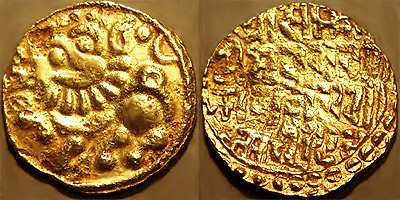
Kadamba gold coins

Source:Wikipedia

Contact swami_48@yahoo.com

Eight Types of Pearls: Varahamihira’s 1500 year Old Price List!

nose_ring_wikipedia

Nose ring (Wikipedia picture)

Research paper written by London swaminathan

Research Paper No. 1636; Dated 9th February 2015

In the past two days I have listed the 106 topics dealt with by Varahamihira in his encyclopaedic Brhat Samhita in Sanskrit and his treatise on Diamonds. Today I will give you some interesting information on pearls and compare it with Kalidasa and Sangam Tamil literature.

Tamils are very proud to say that both the words for Pearl came from their language: Muthu (mukta in Sanskrit) and Paral (Pearl in English). Though the Sanskrit word Pravala (coral) also sounds similar, ancient Hindus might have had similar sounding words for the Sea Gems. Strangely the animal products Pearl and Coral are among the famous Nine Gems of Hindu literature (Nava Ratna). Both pearls and corals come from sea creatures.

mthangi sevai

South Indian Temples, particularly Meenakshi Temple of Madurai, Sriranagam Vishnu Temple and Tirupati Balaji temple have got valuable pearl jewellery. Goddess Meenakshi  and Goddesses in several other temples have got full dress made up of thousands of pearls! It is called Muthu Angi.

The ancient Hindus believed that oysters in the sea open their mouth on the Swati Star (asterism) day and the rain drops that enter the oysters become pearls. Kalidasa, Bhartruhari and many poets have sung about it. I have written a research paper on it three years ago (see below for link)

Gem Stones in Kalidasa and Tamil Literature

13th February 2012

http://swamiindology.blogspot.co.uk/2012/02/gem-stones-in-kalidasa-tamil-literature.html

Pearls in the Vedas and Tamil Literature- posted by me on 17 May 2014

http://swamiindology.blogspot.co.uk/2014/05/pearls-in-vedas-and-tamil-literature.html

Varahamihira in Chapter 81 of Brhat Samhita gives the following details on pearls:

68-March-Pearl

Eight types of pearls are there:

Pearls come from Elephants, Serpents, Oysters, Conch Shells, Clouds, Bamboos, Whales and Hogs.

Oyster pearls and Conch shell pearls are known to biologists and the scientists. Other types of pearls are not known to gemmologist. But there are references to Cobra Jewel (Nagaratna), elephant pearl, bamboo pearl in Tamil and Sanskrit literature. Even Shakespeare mentioned Nagaratna in his play, but he wrote that it came from toads!! Read my earlier post on Nagaratna and Shakespeare.

Pearls come from eight sources:

Simhalaka (Sri Lanka), Paraloka (Travancore coast), Surashtra (Gujarat), Tampraparani River (in South Tamil Nadu), Parasava (Iran), a Nothern country, Pandya vataka and the Himalayas.

Kautilya’s Artha Shastra (Third Century BCE) mentioned Pandya Kavata pearl. Fahien (399-414 CE) mentioned Simhala/Sri Lankan pearls.

Paraloka is a confusing term. There is one river called Parali in Kerala and there is an island Parali in the Lakshadweep. But the interesting thing is that itself sounds pearl in Tamil (Paral in Tamil is pearl in English and this town name is Paral+i).

 muthangisrivaishnavism-site

Muthangi Seva, Srirangam

Deities and Pearls


Varahamihira listed the deities who preside over different types of diamonds in the previous chapter. Here in this chapter he gives the details of deities associated with the pearls:

Atasi flower coloured dark pearl – Vishnu

Ataasi flower is identified with Linum usitatissimum (Fiber plant Flax)

Moon like pearl – Indra

Bluish yellow pearl – Varuna

Pomegranate seed (red) –  Vayu

Dark pearl –Yama

Fire like or lotus coloured – Agni/ Fire god

pearl-large

One of the largest pearls auctioned.

Vrahamihira described the shape and colour of pearls obtained from the eight sources. Now let us look at the price list that is 1500 year old!

Pearls weighing Four Masakas= 53,000 Karsapana in silver

3 and half masaka= 3200 Karsapana in silver

3 masaka= 2000 Karsapana in silver

2 and half masaka = 1300 Karsapana in silver

2 masaka= 800 Karsapana in silver

1 and half masaka = 353 Karsapana in silver

Five Gunjas (Rattis or Krsnalas or Gundumani in Tamil) make one Masa. Tenth part of Pala is called a Dharana.

13 pearls weighing one Dharana= 325 karsapana silver

16 pearls= 200 karsapana

20 pearls= 170

25 pearls=130

30 pearls= 70

500 pearls weighing One Dharana= 4 silver pieces.

muthu angi

Muthu Angi

There is a link between the price and the size. Whether we can calculate the prices or not in today’s currency is immaterial. We have to look at the way the gem trade was run 1500 years ago. Varahamihira lived 800 years after Kautilya of Arthashastra. At least we have information about the value of pearls for thousands of years!

Tables

Five Gunjas = One Masa

16 Masas = 1 Suvarna

4 suvarnas= 1 Pala

Half Pla = 1 Dharna

Elephant Pearls:

Pearls are also obtained from the head and tusks of Bhadra class of elephants, says Varahamihira. But Varahamihira makes it clear that he repeats what the ancients believed about the elephant pearls. (This means they are not found even in Varahamihira days who lived around 510 CE)

He speaks about the pearls found in Boar tusk, Whales etc. Then he gives details about the pearls that are found in the seventh layer of winds. But the heaven dwellers will catch them before it falls on to earth!

Then he categorises Nagaratna as pearls. If the kings wear Nagaratna pearls enemies will be destroyed and his reputation will increase.

pearl-oyster

Pearl in Oyster

Benefits of wearing Pearls:

Those who wear pearls are bestowed with sons, wealth, and popularity; they destroy diseases and grief. Kings get the desired objects.

Varahamihira gives a long list of jewellery made up of pearls. He is justified in giving such a description, because we have proof in our 2500 year old sculptures and temple jewellery.

A pearl necklace consisting of 1008 strings and four cubit long it is called Inducchanda. It is worn by Gods

504 strings, 2 cubit long = Vijay chanda

108 strings, 2 cubit= Haara

81 strings= Devachanda

64 string= ardha hara

54 strings= Rasmikalapa

32 Strings= gucha

20=Ardha Gcha, 16= Manavaka, 12- Ardhamanavaka, 8= Mandra, 5=Haraphalaka.

Necklace containing 27 pearls= Naksatramala

Same with gold & gems=Manisopana

Catukara= with central piece as gem

Ekavat= any length

Varahamihira deals with pearls in 36 verses. He has not devoted so many verses to any other gems. If Hindus have decorated their gods with such great jewellery no wonder Mahmud of Gazni and Malikkaffur plundered all the temples on their way!!

For Goddess Meenakshi’s wonderful jewellery, please read my research article “ The Wonder that is Madurai Meenakshi Temple” posted here on 14th October 2011.

http://swamiindology.blogspot.co.uk/2011/10/wonder-that-is-madurai-meenakshi-temple.html

ஏசு கிறிஸ்து இந்தியாவுக்கு வந்தது ஏன்?- Part 1

most of the pictures Yogic white

ஆய்வுக் கட்டுரை எண்: 1630; தேதி : 7 பிப்ரவரி 2015

கட்டுரையாளர்: லண்டன் சுவாமிநாதன்

இந்து மதத்தின் மூன்று சிறப்புகள்:

1.உலகின் எந்தப் பகுதியிலும் சாது சந்யாசிகள், முனிவர்கள், மகான்கள், புனிதர்கள் தோன்ற முடியும். அவர்கள் அவதரித்துக் கொண்டே இருப்பார்கள் என்பதை இந்து மதம் ஒப்புக் கொள்கிறது

2.ஏனைய மதத்தினரை ‘காபிர்’ (KAFIR) என்றோ, ‘பேகன்’ (PAGAN) என்றோ ஏசுவதில்லை. எல்லோரையும் ‘அம்ருதஸ்ய புத்ராஹா’, ‘திவ்யாத்ம ஸ்வரூபலாலா’ (ஏ! இறைவனின் புதல்வர்களே) என்று அழைப்பர்.

3.உலகின் பழைய மதம் என்றாலும் பின்னர் வந்த தத்துவ ஞானிகள், இறைவனின் தூதர்கள், மத ஸ்தாபகர்கள் ஆகிய அனைவர் சொன்னதும் இந்து மத நூல்களில் ஏற்கனவே உள்ளன. இதன் காரணமாக யாரையும் மதம் மாற்றியதும் (PROSELYTISATION)  இல்லை; யாருடனும் மதம் தொடர்பாக “புனிதப் போர்” (CRUSADES, JIHADS) நடத்தியதும் இல்லை.

இந்து மத நூல்கள் கடல் போலப் பரந்து விரிந்தவை; அதில் இல்லாதது ஏதும் இல்லை.எகிப்திய, பாபிலோனிய, கிரேக்க, சுமேரிய பழங்கதைகளைப் படிப்போருக்கு, அட! நம்மைக் காப்பி அடித்து எழுதி இருக்கிறார்களே! –என்று நினைக்கத் தோன்றும். அத்தோடு அவ்விலக்கியங்களில் காண முடியாத உயரிய கருத்துக்களும் இந்துமத நூல்களில் இருக்கும். (உலகின் மிகப் பழைய நூலான ரிக் வேதத்தின் கடைசி பாடல் கருத்து பற்றி ஏற்கனவே எழுதிவிட்டேன்).

இன்ன பல சிறப்புகளால் 2000 ஆண்டுகளுக்கு முன்னால் ஏசு கிறிஸ்து இந்தியாவில் இமயமலைக்கு வந்து குருகுல வாசத்தில் அமர்ந்து உபநிஷதங்களைக் கற்று, ஆட்டு இடையர்களுக்கும், சடங்குகளை மட்டும் அர்த்தம் இன்றிப் பின்பற்றியோருக்கும் உபதேசம் செய்தார். அவர் பிறவியிலேயே ஞானி. இதற்குக் காரணம் அவர் பிறந்த யூதமதப் பிரிவான ஈசன்னியர் (ESSENES) பிரிவு இந்து மத யோகியர் போன்ற நடை,உடை,பாவனை உடையதொரு ஒரு பிரிவு (கட்டுரைக்குள் இவர்கள் பற்றிச் சுருக்கமாகச் சொல்லியுள்ளேன். மேல் விவரம் வேண்டுவோர் விக்கிபீடியா முதலிய கலைக்களஞ்சியங்களை நாடலாம்).

ஜீசஸ் கிரைஸ்ட் (JESUS CHRIST)  இந்தியா வந்தார் என்று 200 ஆண்டுகளாகப் பல வெளி நாட்டினரும், நம் நாட்டினரும் புத்தகங்கள் எழுதிவிட்டனர். அதற்கு சில மறுப்புரைகளும் வந்து விட்டன. ஆனால் அவர்கள் எடுத்துக் காட்டாத சில விஷயங்களை நான் தொகுத்து — “பைபிளில் சம்ஸ்கிருதம்” (SANSKRIT IN BIBLE, PART 1 AND PART2 ) என்ற இரண்டு பகுதி கட்டுரையை மூன்று ஆண்டுகளுக்கு முன் வெளியிட்டேன். சில நாட்களுக்கு முன் ஆங்கிலத்தில் ஜீசஸ் மிஸ்டரி (JESUS MYSTERY: DID HE LEARN AT HINDU GURUKULA?) என்று இன்னொரு கட்டுரையும் எழுதினேன். அதன் சுருக்கத்தை தமிழில் சிறு சிறு பகுதிகளாகத் தருகிறேன்.

ஏசுவின் இளமைக் காலம் பற்றி பைபிள் மவுனம் சாதிக்கிறது. மார்க், மாத்யூ, லூக், ஜான் (GOSPELS OF MARK, MATEW, LUKE AND JOHN) ஆகிய நால்வர் எழுதிய புதிய ஏற்பாடு (NEW TESTAMENT) நூல்களில் ஏசு 12 வயதில் சென்றார்- முப்பது வயதில் திரும்பிவந்தார் என்று மொட்டையாக எழுதி முடித்துவிட்டனர். இது பற்றி கிறிஸ்தவர்களே அவர்களுக்குள் தடை எழுப்பி விடை கண்ட பகுதிகளை கிறிஸ்தப் பிரசார நூல்களில் கண்டு கொள்க.

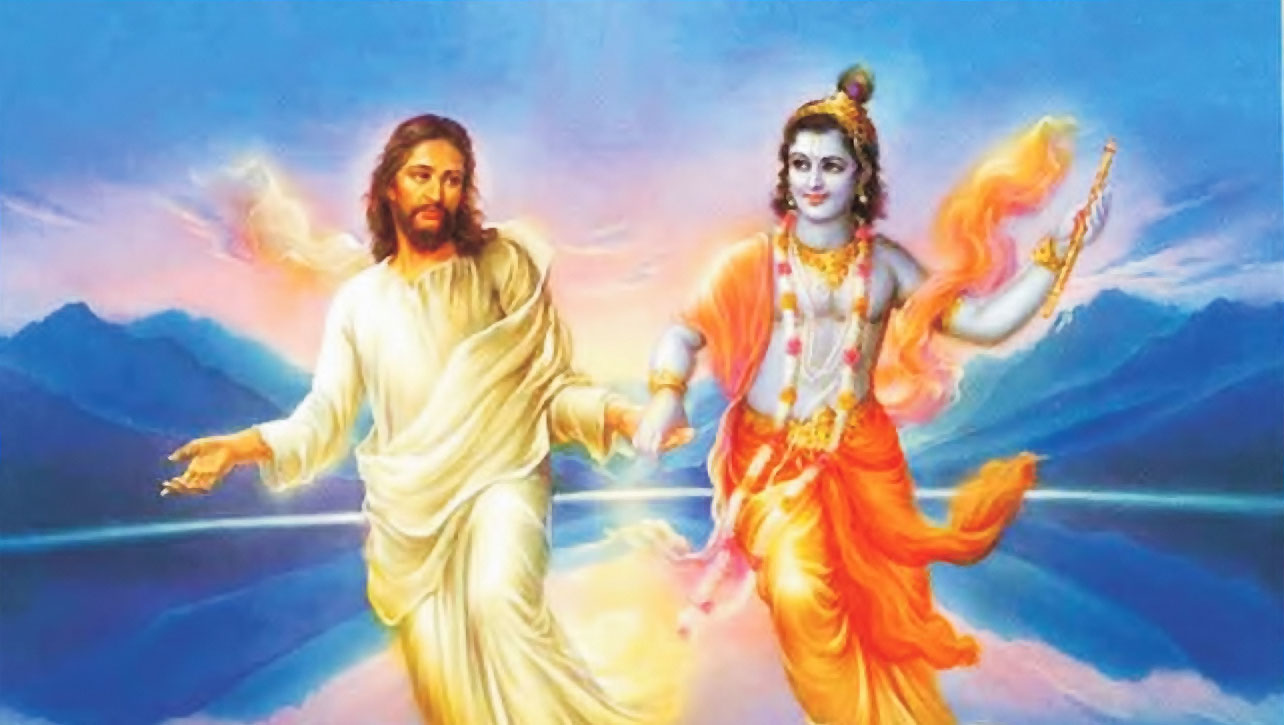
christ and krishna

ஒரு மனிதனின் இளமைக் காலம் அதிபயங்கர சக்தியுடன் எதையாவது புதுமையைப் படைக்கத் துடிக்கும் காலம். அந்த சக்தியை சரியான வழியில் திருப்பி விடாவிட்டால் அவர்களுடைய வாழ்நாள், வீழ் நாளாகவும் வீண் நாளாகவும் போகும். இதற்காக இந்துக்கள் ஒரு அற்புதமான வழியைக் கண்டு பிடித்தனர். வீட்டில் இருந்தால்தானே “அப்பா, அம்மா சொல்வதெல்லாம் தவறு- உலகம் தெரியாமல் உளறுகிறார்கள்” என்று எண்ணத் தோன்றுகிறது. வாத்தியார் வீட்டுக்கே போய் அவருக்கு உணவு படைத்து, துணி துவைத்து பாடத்தையும் படி — என்று குருகுல வாசம் செய்ய ஏழு வயதில் அனுப்பிவிட்டனர். பின்னர் 20 வயதில் வீட்டுக்குத் திரும்பி வந்தவுடன் கால்கட்டு (கல்யாணம்) போட்டுவிட்டனர். இதற்குப் பின் கெட்ட வழியில் செல்வது கடினம். மேலும் வாத்தியார் வீட்டில் 13 ஆண்டுகளுக்கு தினமும் மிலிட்டரி ட்ரில் (MILITARY DRILL)  போல செய்துவந்தது அதே நல்ல வழியில் செல்லவும் உதவியது. “தொட்டில் பழக்கம் சுடுகாடு மட்டும்” (HABITS DIE HARD) — என்பது தமிழ் பழமொழி. நல்லதானாலும் கெட்டதானாலும் சின்ன வயதில் படித்தது அவ்வளவு எளிதில் மாறாது.

அந்தக் காலத்தில் ஒரே குருவிடம் நூற்றுக் கணக்கான மாணவர்கள் இருந்தனர். அததகைய குருமார்களை குலபதி என்று பட்டம் கொடுத்து அழைப்பர். அது மட்டுமின்றி ஏசு பிறப்பதற்கு பல நூற்றாண்டுகளுக்கு முன்னரே, தட்சசீலம், நாளந்தா, காஞ்சீபுரம் ஆகிய இந்திய நகரங்களில் மாபெரும் பல்கலைக் கழகங்களும் நடந்துவந்தன.

இந்த குருகுலவாசம் பற்றி ஈசன்னிகளுக்குத் தெரியும். அதனால் ஏசுவை இங்கே அனுப்பிவைத்தனர்.ஈசன்னிகள் என்பது ஈச, ஈச்வர (இறைவன்) என்னும் மூலத்தில் இருந்து பிறந்த சொல் என்பது எனது துணிபு. இந்த யூதமதப் பிரிவு பற்றி பிளினி (கி.பி.70 PLINY THE ELDER), ஜோசபஸ் முதலியோர் கொஞ்சம் எழுதி வைத்துள்ளனர். அவர்கள் கூறுவதாவது: இந்தப் பிரிவினர் தினமும் குளிப்பார்கள் (இது பாலஸ்தீனத்தில் ஒரு அதிசயம்!!). இவர்கள் இறை நாட்டம் உடைய யோகியர். இவர்களில் பெரும்பாலோர் கல்யாணம் செய்து கொள்வதில்லை (பிரம்மசாரி). சுருக்கமாகச் சொல்லவேண்டுமானால் இந்து யோகிகள் பற்றி என்ன என்ன சொல்வோமோ அததனையும் ஈசன்னிகள் பற்றிச் சொல்லப் பட்டுள்ளன. இந்தக் குலத்தில் பிறந்தவர்தான் ஏசு. ஆகையால் அவர் குருகுல வாசத்துக்கு இமயமலைக்கு வந்ததில் வியப்பதற்கு ஒன்றுமிலை.

மேலும் காஷ்மீருக்கும் யூதர்களுக்கும் (JEWS) உள்ள தொடர்பு பற்றி பல ஆய்வுகள் உண்டு. கி.மு 1000 ஆண்டில் இருந்த சாலமன் (SOLOMON THE WISE) காஷ்மீருக்கு வந்ததாக செவிவழிக் கதைகள் உள்ளன. அவன் விக்ரமாதித்தன்போல பெரிய அறிவாளி. இது தவிர சிலுவையில் அறைபப்பட்ட மூன்றாம் நாள் ஏசு உயிர் பெற்று எழுந்து காஷ்மீருக்கு வந்து 120 வயது வரை யோகி போல வாழ்ந்தார் என்றும் காஷ்மீரில் அவரது சமாதி உள்ளது என்றும் ஒரு புத்தகம் வேறு வெளியாகி இருக்கிறது. யூதர்களின் 12 பிரிவுகளில் ஒன்று காஷ்மீருக்கு வந்தது என்ற ஐதீகமும் உண்டு.

Jesus-Christ-and-Krishna1

பைபிள்கள் பல விதம்! ஒவ்வொன்றும் ஒருவிதம்!!

இந்து மதப் புராணங்களில் எப்படிப் பல இருக்கின்றனவோ இப்படி ஏசு பற்றி புராணங்களும் ( மாறுபட்ட பைபிள் பதிப்புகள்) ஏராளமாக இருந்தன. துரு கியில் இருந்த கான்ஸ்டன் டைன் (EMPEROR CONSTATNTINE 272-337 CE) என்ற மன்னன் ஒரு பைபிள் மகாநாடு கூட்டி எல்லா பைபிள்களையும் எரித்துவிட்டு ஒரே பைபிள் மட்டும் வைத்துக் கொண்டார். அதனால் ஏசு 12 வயது முதல் 30 வயது வரை 18 ஆண்டுகள் என்ன செய்தார், எங்கே இருந்தார் என்பதெல்லாம் மாயமாய் மறைந்துவிட்டது. அது இப்பொழுதும் தூய ஏசுவின் வாழ்வில் ஒரு ஓட்டை போல, கறை போல பைபிளில் உள்ளது. பைபிளை யாரும் வீட்டில் வைத்திருக்கக்கூடாது, யாரும் மொழி பெயர்க்கக் கூடாது, வாரம்தோறும் சர்ச்சுக்கு வந்துதான் கேட்க வேண்டும் என்று அவர் உத்தரவு போட்டார். இதை மீறிய பலர் மரண தண்டணைக்குள்ளான சோக சம்பவங்களை பைபிளின் கதை என்ற (The Story of the Bible) புத்தகத்தில் காணலாம். எல்லாம் நூல் வடிவிலும் இந்தெர்நெட்டில் கட்டுரை வடிவிலும் உள்ளன.

இப்பொழுது பலவிதமான பைபிள்கள் கிடைத்து வருகின்றன. ஆனால் அவற்றை ஆராய்ச்சியாளர்கள் பூசி மெழுகிவருகின்றனர். சாக்கடல் பகுதியில் (Dead Sea Scrolls) கிடைத்த சுவடிகள் பற்றி பலவிதமான செய்திகள் வருகின்றன. லண்டன் பிரிட்டிஷ் நூலகத்திலும் மாஸ்கோ, ஜெர்மனி முதலான இடங்களிலும் துண்டு துண்டாக இருந்த கிரேக்க மொழி பைபிளை (Sinai Bible) அனைத்து நூலகங்களும் இணைந்து, துண்டுகளை ஒட்டுப்போட்டு இப்பொழுது இணைய தளத்தில் வெளியிட்டுவிட்டன. ஆனால் இது ஆங்கிலத்தில் மொழி பெயர்க்கப்பட வில்லை. சினாய் பைபிள் (Codex Sinaiticus)  என்ற இதை யார் வேண்டுமானாலும் கிரேக்க மொழியில் படிக்கலாம். இதற்கும் கிறிஸ்தவ பைபிளுக்கும் ஏராளமான வேறுபாடுகள் இருப்பதாக பைபிள் மோசடி (The Bible Fraud by Tony Bushby)  என்ற நூல் கூறுகிறது.

இனி வரும் கட்டுரையின் தொடர்ச்சியில் ஏசு கிறிஸ்து பற்றி விவேகாநந்தரின் விநோதக் கனவு, பைபிளில் அத்வைதம் எப்படி படிப்படியாக மலர்கிறது என்ற விவேகாநந்தரின் சொற்பொழிவு, ஏசுவின் ஒரு மண்டல கால விரதம், மாதா கோவில்களில் புத்தமத வழக்கங்கள், ஏசுவுக்கு மீன் பெயர் வந்தது ஏன்?, பகவத் கீதையும் பைபிளும், கிறிஸ்துவும் கிருஷ்ணரும், விதுர நீதியும் ஏசு உபதேசமும், உபநிஷத் கதைகளும் ஏசுவின் கதைகளும், ஏசு பக்தர்கள் போட்ட நமஸ்தேயும் நமஸ்காரமும், துரதிருஷ்ட எண் 13, ஏசு செய்த பாதபூஜை ஆகிய விஷயங்களைக் காண்போம்.

தொடரும்…………………………..

Kings of South India

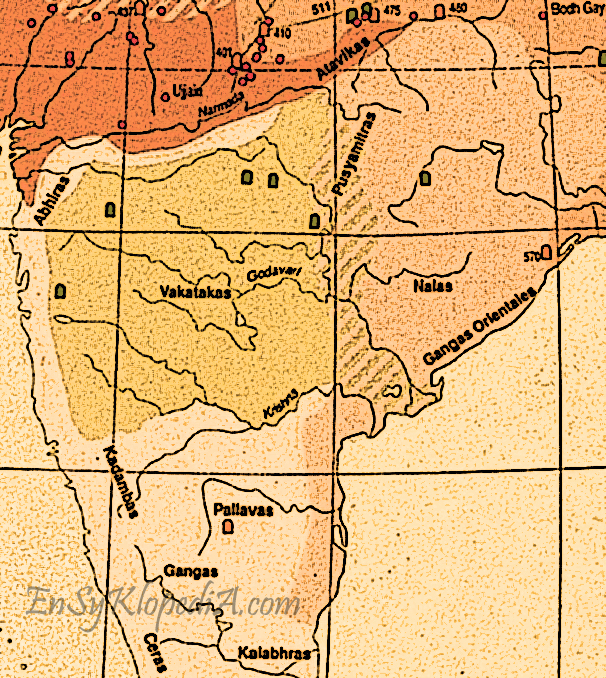
Vakataka-Kingdom-Map-Around-400-CE

Dictionary of 10,000 Indian Kings – Part 14

Compiled by london swaminathan

Post No: 1628: Dated 6 February 2015

160 Kings in Rig Veda published here on 23rd November 2014.

First part of the article –146 kings beginning with letter ‘A’.

Second part– 65 Pandya Kings of Madurai+ Puranic Kings

Third part — 122 kings beginning with letter ‘B’

Fourth Part- 43 Kings of Vijayanagara Empire + 34 Kings under letter C.

Fifth Part – 106 Kashmiri Hindu Kings

Sixth Part – 30 Satavahana  Kings  + 136 Kings underletter D.

Seventh Part –  35 Tamil Pandya Kings of Sangam Age.

Eighth Part – List of Chera (Kerala) 22 kings of Sangam Age+ Kings listed under E (3),G(37) & H(28)=68kings

Ninth Part- 39 Choza Kings of Tamil Nadu

Tenth Part- 104 kings from Cambodia, Champa, Sri Vjaya Kingdom of Indonesia and Pallava

11th part:Under ‘I’  13 kings+ Under ‘J’ 40 kings+ Under ‘K” 147 kings are listed.

12th Part:– 113 kings of various Indonesian kingdoms are listed.

13th Part let us look at the list of those kings listed

UNDER ‘L’ 14 + UNDER ‘M’ 72 + PANDYA II LIST 36=122 KINGS

14TH PART:Dynasties of Vishnukundina (10), Vakataka (16),Salankayana (4),Andra Ikshvaku (4) and Names under “N”(60)=94 kings

So far 1649 Kings were listed.

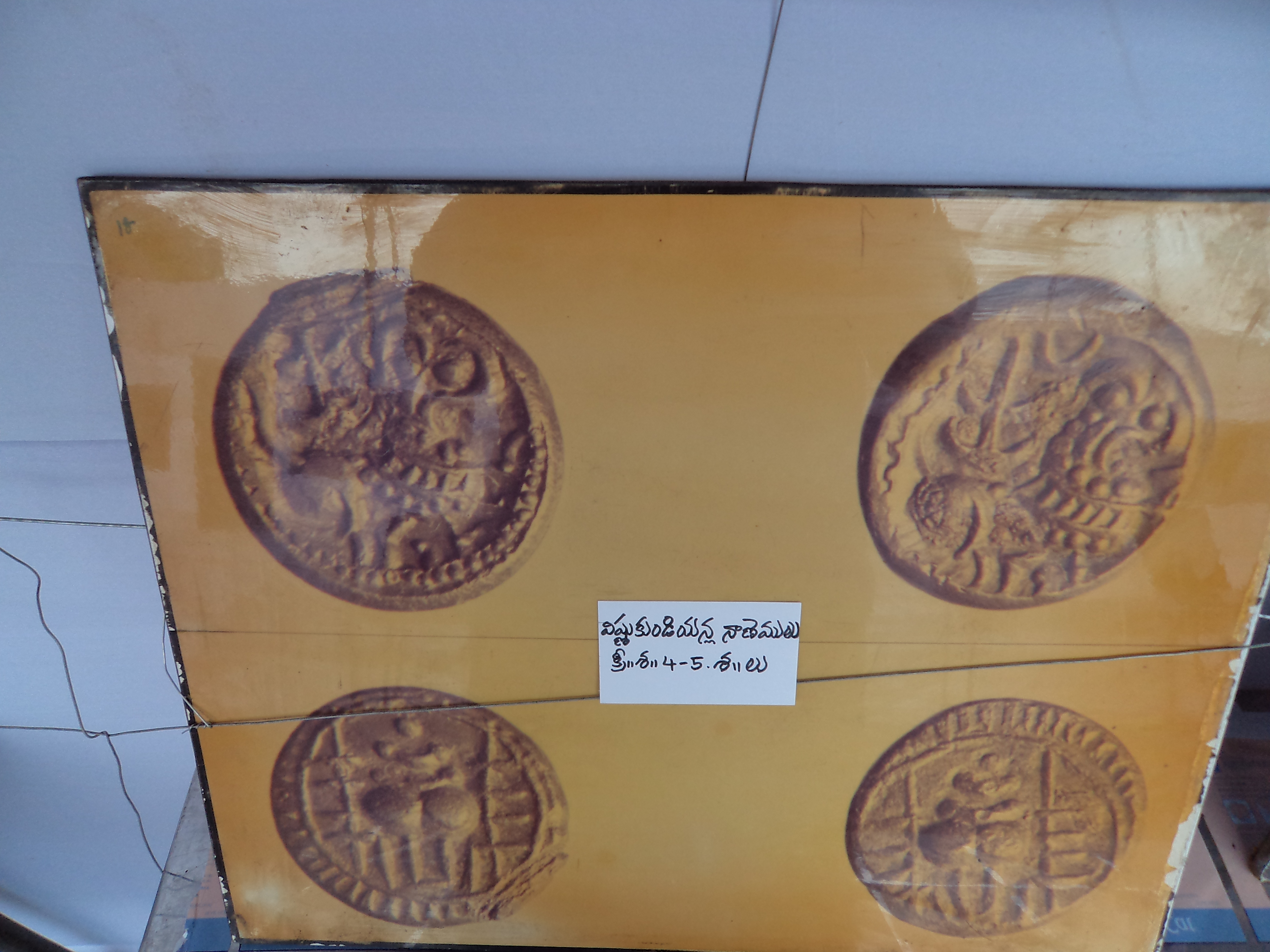
Coins, (Vishnu_Kundina_time)

Coins from Vishnukundina period.

Vishnukundina Dynasty of Andhra Pradesh

INDRA VARMA- 4TH CENTURY CE

MADHAVA VARMA- 4TH CENTURY

GOVINDA VARMA- 4TH CENTURY

MADHAVA VARMA II -5TH CENTURY

VIKRAMENDRA VARMA – 508 CE

INDRA BHATTARAKA VARMA – 528 CE

VIKRAMENDRA VARMA – II 555 CE

GOVINDA VARMA II –  573 – 621CE

MADHAVA VARMA IV-

MANCHANA BHATTARAKA – RULE ENDED IN 624

newsouthasia_ad1

VAKATAKA DYNASTY (DECCAN REGION)

VINDHYASAKTI – 250-270 CE

PRAVARASENA – 270-330

NANDHIVARDHANA BRANCH

RUDRASENA -330 -355

PRITHIVISENA -355

RUDRASENA-II  380

DIVAKARASENA -385

PRABHAVATIGUPTA (REGENT) -385

DAMODARASENA/ PRAVARASENA II – 400

NARENDRASENA-440

PRITHIVISENA II – 460-480 CE

VATSAGULMA BRANCH

SARVASENA -330

VINDHYASENA/ VIDHYASAKTI II- 355

PRAVARASENA- II 400

UNKNOWN KING -415

DEVASENA- 450-

HARISENA -475-500 CE

SALANKAYANA DYNASTY (BRAHMIN RULERS) OF TELENGANA/ANDHRA

HASTI VARMA – 300 CE

NADI VARMA

VIJAYADEVA VARMA

VIJAYANANDI VARMA – 440 CE

 Ikshwakus Kingdom

IKSHVAKU DYNASTY OF ANDHRA (GUNTUR AREA)

VASHISTIPUTRA SANTAMULA – SECOND CENTURY CE

VIRAPURUSHADATTA

EHLUVALA SANTAMULA II

RUDRAPURUSHADATTA– SECOND CENTURY CE

“N”

KINGS UNDER LETTER “N” FROM  R.MORTON SMITHA BOOK – DATES AND DYNASTIES IN EARLIEST INDIA:

N1)NABHAGA MANAVA -1470 BCE

N2)NABHAGA’S SON

N3)NABHANEDISHTA MANAVA

N4)NABHAS AIKSVAKAVA -1350 BCE

N5)NAGADARASAKA MAHANADIN 446 BCE

NAGANIKA, WIFE OF SIMUKA

N6)NAGARJUNA OF MADHYAMIKAS 150 CE

N7)NAGNASIT OF GANDHRA -1110

N8)NAGNASITI SATYA-

N9)NAHUSA AYAVA – 1820 BCE

N10)NAKULA PANDAVA-975 BCE

N11)NALA NAISADA- 1370

N12)NALA CANDANOKO DUNDUBHI-1090

N13)NALAYANA, FATHER IN LAW OF MUDGALA-1250

N14)NANDA OF MADIRA

N15)NANDA MAHAPADMA-431

ramayan

N16)NANDANA VAIDARBHA DEVANA- 970 BCE

N17)NADENDU CANDRAMASA

N18)NADHIVARDHANA- VAIDEHA -1460

N19)NADHIVARDHANA MAGADHA-467

N20)NADHIVARDHANA PRADYOTA- 385

N21)NADHIVARDHANA MAHAVIRA JINA -520 BCE

N22)NARA SAKA- 1400

N23)NARA BHARADVAJA BHARATA- 1200 BCE

N24)NARA BHANGAKARA -1101

N25)NARADA WITH PARVATA -1150

N26)NARAYNA OF MAGADHA-51

N27)NAREYA OF BHANGAKARA -1080

N28)NARISYANTA MANAVA-1470

NARMADA, WIFE OF PURUKUTSA/TRSADASYU-1470 BCE

N29)NASAMAUJAS YADAVA -1050 BCE

N30)NAVA AUSINARA ANAVA -1340

N31)NAVAKA

N32)NAVARATHA VAIDARBHA-1090

N33)NAYA VAISVAMITRA -1270

N34)NEMIKRSNA OF ARISTAKARNA

N35)NIDAGHA SATRUJIT-1075

N36)NIDATA DAIVASENI YADAVA -1100

N37)NIDHRUVA KASYAPA -1200 BCE

N38)NIGHNA NABHAGI- 1250 BCE

N39)NIGHNA YADAVA-1140 BCE

N40)NIKUMBHA AIKSVAKAVA-1580 BCE

N41)NILA YADADAVA -164

N42)NILA PANCALA -1330 BCE

NILINI, MOTHER OF NILA- 1350

N43)NIMI SAPYA AIKSVAKAVA-154

N44)NIMI VAIDHRBHA -1270

N45)NIMI -1180 BCEE

N46)NIPA -1240

N47)NIPA CARUDESNA-

N48)NIRAMITRA OF MAGADHA- 910

N49)NIRAMITRA VATSA- 400

N50)NIRAMITRA NAKULI PANDAVA – 950BCE

N51)NIRVRTI  VAIDARBHA- 1210

N52)NIRVRTI OF MAGADHA- 728

N53)NISADHA ATITHEYA- 1400 BCE

N54)NISATHA OF RAMA-1075

N55)NRCAKSAS VATSA 810 BCE

N56)NRCAKSAS VATSA II 705 BCE

N57)NRGA AUSINARA ANAVA 1340

N58)NRPANJAYA DVIMIDHA -970 BCE

N59)NRPANJAYA VATSA -600 BCE

N60)NYAGRODHA AUGRASAINYA 980 BCE

To be continued………………………….

Swami_48@yahoo.com

Sinhalese Wonder! A Riddle in Indo-Aryan Languages!

king batiya abhya 19 bce

King Batiya Abhaya inscription, 19 BCE

Compiled by London swaminathan

Article Number 1622; Dated 4th February 2015

Sinhalese language spoken in Sri Lanka is a puzzle for linguists. Vedic Scholar Shrikant G Talageri use this riddle to prove that Indians went out to different parts of the world and spread their language and not vice versa. The original settlers of Sri Lanka came from North West India- the present day Afghanistan, via Gujarat.

Read this interesting write up in Talagheri’s words ( From “THE RIG VEDA – A Historical Analysis” by Shrikant Talageri, Aditya Prakashan, New Delhi)

“The Sinhalese language of Sri Lanka is generally accepted as a regular, if long separated and isolated member of the “Indo Aryan” branch of Indo-European languages; and no linguist studying Sinhalese appears, so far, to have suggested any other status for the language.

“Wilhelm Geiger, in his preface to study of Sinhalese, points out that the phonology of the language is full of intricacies…. We sometimes meet with a long vowel when we expect a short one and vice versa, and further: ‘in morphology there are formations, chiefly in the verbal inflexion, which seem to be peculiar to Sinhalese and to have no parallels in other Indo Aryan dialects…. And I must frankly avow that I am unable to solve all the riddles arising out of the grammar of the Sinhalese language.’

 sri lanka

“The Sinhalese word watura, “water” is not only closely cognate to the Germanic words (which include English water) and Hittite watar, but it represents a form which is impossible to explain on the basis of Sanskrit or Indo Aryan etymologies. Geiger himself, elsewhere, rejects an attempt by an earlier scholar, Wickramasinghe, to derive the word from Sanskrit vartaruka as ‘improbable’; and although he accepts the suggestion of another scholar, B Gunasekara, that the original meaning is ‘spread, extension, flood (M.vithar).. Pk.vitthaara, Sk.vistara, he notes that ‘vocalism a.u. in vatura is irregular cf. vitura.

2M W S de Silva, in his detailed study of Sinhalese, points out that Indo Aryan (or Indic) research began with an effort devoted primarily to classifying the Indian languages and tracing their phonological antecedents historically back to Vedic and Classical Sanskrit… Early Sinhalese studies have followed the same tradition. However Sinhalese presents a  linguistic make up which for various reasons, distinguishes itself from the related languages in North India… there are features in Sinhalese which are not known in any other Indo Aryan language, but these features, which make the  story of Sinhalese all the more exciting, had not received much attention in the earlier studies.

6-Sinhala-ConsonantsS

Oluva, Bella, Kakula, Kalava

He also points out: Another area of uncertainty is the source of the small but high frequency segment of the Sinhalese vocabulary, especially words for parts of the body and the like: eg.Oluva ‘head’, bella ‘neck’, kakula ‘leg’ and ‘kalava’ thigh etc. which are neither Sanskritic nor Tamil in origin. The native grammarians of the past have recognised that three are three categories of words— a) loan words, b) historically derived words and c) indigenous words… No serious enquiry has been made into these so called indigenous words.

ancient inscription

“In his preface, e Silva notes that ‘there is a growing awareness of the significance of Sinhalese as a test case for the prevailing linguistic theories; more than one linguist has commented on the oddities that Sinhalese is unlikely any language I have seen. Further he quotes Geiger: it is extremely difficult, and perhaps impossible, to assign it a definite place among the modern Indo Aryan dialects.”

But, it did not strike to de Silva, any more than Geiger, the reason for all this confusion is among linguists could be their failure to recognise the possibility that Sinhalese is not an Indo Aryan language (in the sense in which the term is used) at all, but a descendant of another branch of  Indo European languages.

De Silva quotes Geiger as well as Paranavitana, and agrees with their view that the band of immigrants who gave their name Sinhala to the composite people, their language and the island, seems to have come from North western India… their original habitat was on the upper reaches of the Indus river … in what is now the borderland between Pakistan and Afghanistan, and quotes Paranavitana’s summary of the evidence, and his conclusion: “All this evidence goes to establish that the original Sinhalese migrated to Gujarat from the lands of the Upper Indus, and were settled in Lata for some time before they colonised Ceylon”.

A thorough examination, with an open mind, of the vocabulary and grammar of Sinhalese, will establish that Sinhalese represents a remnant of an archaic branch of Indo European languages.

pgss_sinhala_image1

The evidence of Bangaani and Sinhalese (the one word watura itself) constitutes a strong case for an Indian homeland since it clashes sharply with any theory of Indo Aryan migrations into India.”


I have shown in bold some sentences to emphasize my point that theold linguistic theories are false and Indians only went out and spread their language and culture and not vice versa: swami

inscription

Contact swami_48@yahoo.com
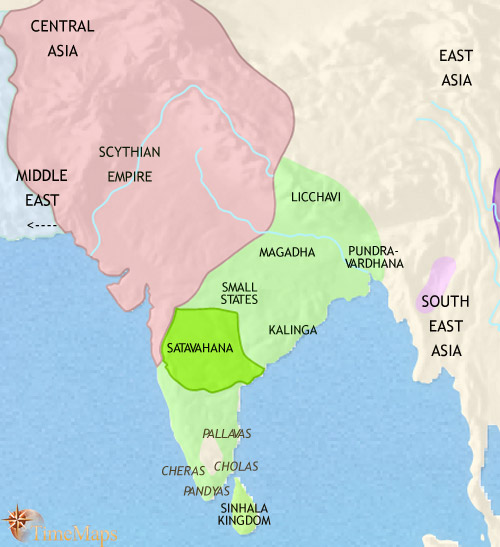
God performs Funeral Rites: Strange Custom in Tiruvannamalai

Hoysala_emblem

Hoysala means Lion Killer

Research Paper written by London swaminathan

Research article No. 1620; Date: 3rd February 2015

Veera Vallala also known as Ballalan III (1291-1343 CE) ruled the Hoysala kingdom for over half a century. But it was a turbulent period in South India. Sultan Alauddin Khilji from Delhi started attacking the south. His commander Malikafur came with a big force and pillaged all the temples and palaces along his way up to Madurai, the capital of Pandya Kingdom. It happened in 1311. Without knowing Malik Kafur’s invasion, Vallalan tried to take advantage of the infighting between the sons of Maravarman Kulasekara Pandya. When Vallala was not in the capital, Malik Kafur defeated the Hoysala army easily and advanced further south. In fact the Hoysalas were unaware and unprepared for the impending attack.

Hoysala kingdom was returned to Vallalan under some compromising formula. In 1327 CE, next Sultan of Delhi, Muhammed bin Tughluk attacked the Hoysalas. Vallala was a very powerful king at that time. He was assisted by Harihara and Bukka,two efficient commanders, who later established the Vijayanagar Empire. It drove the Muslim invaders back to Delhi and left the task to Veera Shivaji to finish them off.

King Vallalan was a great devotee of Lord Shiva and used to visit Tiruvannamalai, one of the Panchabhuta (five elements) Shrines. Tiruvannamalai represented Fire in the five elements. Vallala faced another attack from Madurai Sultan Alauddin Udauji in 1341. Udauji was killed in the battle field by a mysterious arrow. Then came another attack from Ghiasuddin Damghani. Now Vallala was caught by surprise and taken as a prisoner. He was beheaded and his head was hung from the walls of Madurai fort according to Ibn Batuda. The Arab traveller visited Madurai and saw it with his own eyes.

vallala

King Veera Vallala in Tiruvannamalai Temple

During his life time, King Vallala did a great service to the Tiruvannamalai and even today the main tower is known as Vallala Gopuram (tower built by Vallala). His statues in different styles are found in the temple. Flowers are offered to the great king every day. In addition to the tower, he built many buildings in the temple.  The temple still honours him through a strange ceremony. Vallala died in the month of Masi (February in English calendar). Every year on the king’s death anniversary, the priests gather there to announce the death of King Vallala. When they did it for the first time, when the king actually died, Lord Shiva announced that he would do the funeral rites

(It is said that since the king had no children, Lord Shiva promised him that he would do all his funeral ceremony. Some historians believe that he had sons.)

Every year when the priests announce the death of Veera Vallala, his image is taken in a procession and is taken to Pallikonda Pattu. That is where the king was buried. It is said that Shiva himself ordered to do this ceremony. Shiva performs the funeral rites. Nowadays the priests represent Lord Shiva. Ellappa Nayanar, a fourteenth century poet has written about the great devotion of Veera Vallalan in his Arunachaleswarar Puranam.

Nine inscriptions of Vallala are found in the temple. One interesting fact has come out of these inscriptions – that Tiruvannamalai was his Southern capital with the name of Aruna Samudra Vallala Pattana. Another inscription dated 1317 gives all the titles of the great king. It is written in Tamil and Sanskrit. King and the queen have given lot of gifts to the temple for proper maintenance of the temple. Wages to priests, food offering, repair works, construction of a temple wall were some of the items found in the inscription.

OLYMPUS DIGITAL CAMERA

Temple photo by Lalgudi C Vedanarayanan of London

Part of the inscription runs like this:

“The illustrious king Vallala Deva ruling over the whole earth and possessing physique like the killer of elephants, is victorious. This Vallala Deva possessing all auspicious things was staying at his capital which was distinguished by the name Aruna Samudra belonging to the Hoysala kingdom which was established with love by his father ………

hoysala king

Hoysala king with his queens

Lesson of Modesty

There is another interesting story about King Vallala. After constructing the tower he became very conceited and proud of his achievement. Lord Shiva wanted to teach him a lesson. When the ten day annual festival was held, the procession of statues could not leave through that tower gateway. So they had to take the ornate palanquin of God Shiva through a different gate. This happened every day for nine days during the ten day festival. The procession was using a different route. The king got distressed and prayed to Lord Siva for forgiveness. Immediately the temple workers found it easier to go through the tower gate built by Vallala. This custom is followed even now. Only on the tenth day of the festival, God’s procession use the Veera Vallalan Gate Way (Tiruvasal). God wants to teach us to be modest even after achieving great things in life!

These two strange customs are the special things about this temple. By performing funeral rites God acted as the son of king Vallala. By refusing to leave the temple through king’s tower, he taught him modesty.

Source Book: The Light of Arunachaleswarar written by Iswari Kamalabaskaran of London.

contact swami_48@yahoo.com
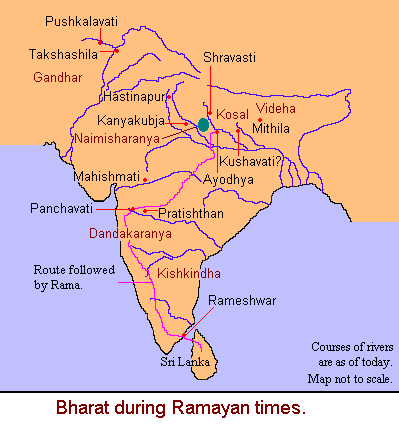
Pandya Kings: Second List

Moovendar

Dictionary of 10,000 Indian Kings – Part 13

Compiled by london swaminathan

Post No: 1618: Dated 2 February 2015

160 Kings in Rig Veda published here on 23rd November 2014.

First part of the article –146 kings beginning with letter ‘A’.

Second part– 65 Pandya Kings of Madurai+ Puranic Kings

Third part — 122 kings beginning with letter ‘B’

Fourth Part- 43 Kings of Vijayanagara Empire + 34 Kings under letter C.

Fifth Part – 106 Kashmiri Hindu Kings

Sixth Part – 30 Satavahana  Kings  + 136 Kings underletter D.

Seventh Part –  35 Tamil Pandya Kings of Sangam Age.

Eighth Part – List of Chera (Kerala) 22 kings of Sangam Age+ Kings listed under E (3),G(37) & H(28)=68kings

Ninth Part- 39 Choza Kings of Tamil Nadu

Tenth Part- 104 kings from Cambodia, Champa, Sri Vjaya Kingdom of Indonesia and Pallava

11th part:Under ‘I’  13 kings+ Under ‘J’ 40 kings+ Under ‘K” 147 kings are listed.

12th Part:– 113 kings of various Indonesian kingdoms are listed.

Here in this 13th Part let us look at the list of those kings listed

UNDER ‘L’ 14 + UNDER ‘M’ 72 + PANDYA II LIST 36=122 KINGS

So far 1555 Kings were listed.

king.260153741_std

KINGS UNDER “L”

L1)LAKSHMANA, BROTHER OF RAMA—1060 BCE

L2)LAKSHMANA JALAVASINI –

L3)LALITTHA

L4)LAMBODHARA – 76-58 CE

L5)LAUHAGANDHI GARGYA – 900 BCE

L6)LAUHI KAUSIKA – 1270 BCE

L7)LAUHITYA VISVAMITRA – 1250 BCE

L8)LAVA, SON OF RAMA – 1040 BCE

L9)LAVANA MADHAVA YADAVA –1290 BCE

L10)LESA KSATRAVRDHDHA – 1550 BCE

L11)LOHAGANDHA GARGYA – 900 BCE

L12)LOHITA OR LAUHIA -1270 BCE

L13)LOMAPADA DASARATHA – 1090 BCE

L14)LOMAPADA VAIDHARBA – 1260 BCE

LOPAMUDRA, WIFE OF AGASTYA – 1240 BCE

maharaja

M

M1)MADGU YADAVA – 1170

M2)MADHU VASRA -1310 BCE

M3)MADHU YADAVA PURUDVAHA – 1260 BCE

M4)MADHU RAKSASA –

M5)MADHUCCHANDAS VAISVAMITRA – 1260 BCE

M6)MADIRA, WIFE TO VASUDEVA – 1100 BCE

M7)MADRA, DAUGHTER OF BHADRASVA –

M8)MADRAVATI, WIFE TO PARIKSHIT – 955 BCE

MADRI, WIFE TO VRSNI –1190 BCE

MADRI SUSILA –

M9)MAHABHAUMA AVACINI PAURAVA – 1100BCE

M10)MAHABHISA OF MAHABHARATA – SHANTANU IN HIS PREVIOUS BIRTH

M11)MAHADHRTI VAIDEHA – 1180 BCE

M12)MAHAKOSALA SANJAYA –

M13)MAHAMANAS ANAVA – 1380 BCE

M14)MAHANANDIN OF MAGADHA – 446 BCE

M15)MAHANT PAURAVA DVIMIDHA – 1180 BCE

M16)MAHAROMAN VAIDEHA – 1140 BCE

M17)MAHASALA ANAVA – 1400 BCE

M18)MAHAUJAS VASUDEVA – 1000 BCE

MAHAVIRA JINA – 544 BCE

M19)MAHAVIRA OF AMAHIYU –1160 BCE

M20)MAHIMNARA DRHADHANUS

susani_kingdom.260164055_std

M21)MAHINETRA OF MAGADHA—650 BCE

M22)MAHISMANT YADAVA – 1460 BCE

M23)MALINI SAUCARAVI YADAVI – 880 BCE

MAMATA, MOTHER OF DIRGATAMAS – 1295 BCE

M24)MANASYU PAURAVA – 1700 BCE

M25)MANDAKA YADAVA – 1230 BCE

M26)MANKILA VATSAPRA –

M27)MANDHATR YAUVANASVA –1490 BCE

M28)MANTALAKA ANDHRA – 68-73 BCE

M29)MANU VAIVASVATA –

M30)MANU AIKSVAKAVA – 1200 BCE

MARICA, FATHER OF KASYAPA – 1275 BCE

MARISI, WIFE TO DEVAMILHUS — 1280 BCE

M31)MARU AIKSVAKAVA – 950 BCE

M32)MARUDEVA – 745 BCE

M33)MARU VAIDEHA – 1280 BCE

M34)MARUTASVA BHARADVAJA – 1230 BCE

M35)MARUTTA AVIKSITA -1280 BCE

M36)MARUTTA TURVASU -1290 BCE

M37)MARUTTA SAINEYAVA  YADAVA – 1400 BCE

MARYADA, WIFE TO AVACINA – 1120 BCE

MARYADA DEVATHITHI – 1040 BCE

M38)MATIVAJA OF MITANNI – 1400 BCE

M39)MATSYA VASAVA CAIDYA – 1165 BCE

M40)MAVELLA VASAVA CAIDYA – 1165 BCE

M41)MAYU AYAVA – 1600 BCE

M42)MEDHATITI KANVA – 1310 BCE

queen

M43)MEDHATITI KANVA – 114 BCE

M44)MEDHAVIN VATSA – 620 BCE

M45)MEGHASVATI ANDHRA – 46CE

MENAKA – 1290 BCE

M46)MENAKA VADHRYASVA – 1190 BCE

M47)MENANDER MILINDA – 158

M48)MINARATHA RAMARATHA

M49)MITADHVAJA JANAKA—1000 BCE

M50)MITHI SAPYA NAIMEYA – 1520 BCE

M51)MITRA, SON OF VASUDEVA –

M52)MITRABAHU NAGNAJITEYA –

M53)MITRAJYOTI

M54)MITRASAHA KAMMASHAPADA SAUDASA-1310 BCE

M55)MITRASENA

M56)MITRAVANT MAITRAVINDEYA

M57)MITRAVARCAS

M58)MITRAVARUNA VAISISTHA

MITRAVINDHA, BROTHER OF MITAVANT

M59)MITRAVINDA KALINDI

M60)MITRAYU PANCALA DAIVODASA – 1150 BCE

MOGALLIPUTTA TISSA – 329 BCE (MAUDGALYI PUTRA)

M61)MRDURA  ARIMEJAYA – 1050 BCE

M62)MRGAKETANA ANIRUDHDHA KARSNA – 910 BCE

MRGAVATI, WIFE TO SATANIKA -500 BCE

M63)MUCUKUNDA MANDHATARA – 1460 BCE

patiala maharaja Bhupinder Singh

M64)MUDGALA PANCALA – 1230 BCE

M65)MULAKA ASMAKI NABHAGI – 1270

M66)MUNDA NANDIVARDHANA

M67)MUNI RUCI VAIDEHA

M68)MUNI KURU – 1420 BCE

THE ABOVE LIST AND DATES ARE TAKEM FROM  DATES AND DYNASTIES IN EARLIEST INDIA BY R MORTON SMITH

I AM ADDING A FEW MORE FROM  WHO IS WHO IN THE MAHABHRATA:

M68)MALAYADVAJA PANDYA, FOUTH ON PANDAVA SIDE AND KILLED BY ASHWATTAMA

M69)MANDHATA, SON OF YAVANASHWA

M70)MARUTT – A PIOUS KING OF ANCIENT TIMES

M71)MAVEKALA, SON OF KING UPARICHARA AND QUEEN GIRIKA

M72)MEDHASANDHI- SON OF KING JARASANDHA’S SON SAHADEVA

tamil queen

HISTORICAL PANDYA KINGS OF LATER AGE (First Pandya King List with 35 Sangam age kings is in Part 7).This is Second list of Pandyas.

PAN36)MURTHY NAYANAR (Fifth Century CE)

PAN37)KADUNGON – 560 CE

PAN38)MARAVARMAN AVANI CULAMANI – 590

PAN39)SELZIYAN SENDAN – 620

PAN40)ARIKESARI MARAVARMAN NEDUMARAN – 670

PAN41)KOCHADAIYAN RANADHIRAN – 710

PAN42)ARIKESARI PARANKUSA MARAVARMAN RAJASIMHAN – 735

PAN43)PARANKUSA NEDUNJATAIYAN – 765

PAN44)RAJASIMHAN -790

PAN45)VARAGUNAN – 800

PAN46)SRIMARA SRIVALLABHAN – 830

PAN47)VARAGUNAVARMAN – 862

PAN48)PARANKUSA VIRA NARAYANAN – 80

PAN49)MARAVARMAN RAJASIMHAN – 900-920 CE

raja

AFTER CHOZA’S VICTORY, PADYAS WERE RULING UNDER THEM

PAN50)SUNDARA PANDYA

PAN51)VIRA PANDYA

PAN52VIRA PANDYA

PAN53)AMARABHUJANGA TIVRAKOPA

PAN54)JATAVARMAN SUNDARA CHOZA PANDYA

PAN55)MARAVARMAN VIKRAMACHOZA PANDYA

PAN56)MARAVARMAN PARAKRAMACHOZA PANDYA

PAN57)JATAVARMAN CHOZA PANDYA

PAN58)SRIVALLABHA MANAKULACALA (1101-1124)

PAN59)MARAVARMAN SRIVALLABHA- 1132-1161 CE

PAN60)PARAKRAMABAHU- 1161-62

PAN61)KULASEKARA PANDYA  III –

PAN62)VIRA PANDYA III

PAN63)JATAVARMA SRI VALABHA – 1175

PAN64)JATAVARMAKULASEKARA – 1190

PAN65)PARAKRAMABAHU OF SRI LANKA- 1212

PAN66)MARAVARMA SUNDARAPANDYA – 1216

PAN67)SUNDARAVARMA KULASEKARA – 1238

PAN68)MARAVARMA SUNDARAPANDYA – II – 1238-1251

PAN69)JATAVARMA SUNDARA PANDYA – 1251

PAN70)SUNDARA PANDYA IV – 1209

PAN71)VIRA PANDYA – 1309

THEN MUSLIM INVASION FROM DELHI

Madurai sultanate ruled till Kumara kampanna of Vijayanagara empire routed Muslims.

contact swami_48@yahoo.com

Emegir, Emesal of Sumer: Sanskrit, Prakrit of India!

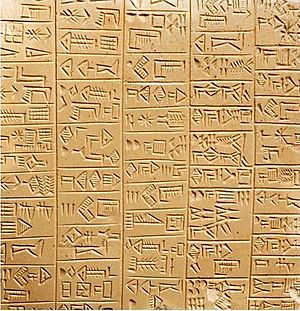
Sumerian_26th_c_Adab

Research Article by London swaminathan

Research Paper No 1616; Dated 1st February 2015

Sumerian language is the vernacular tongue of southern Babylonia until the end of third millennium BCE. The language died around 1650 BCE. We have clay tablets with cuneiform script from 3400 BCE. There were two varieties of Sumerian:  Emegir and Emesal.

Emegir is called men’s language and Emesal is called women’s language! It is very interesting to compare it with Sanskrit and Prakrit languages used in India. Like Sanskrit and Prakrit are two varieties of the same language Sumerians had two varieties.

Some examples:

EMEGIR

En= Lord; Mr

Nin= Madam; Mrs, Miss

Dug=good

EMESAL

Umun = Lord

Gashna= Queen, Madam

Zeb=good

sumer

There are 60,000 lines on clay tablets in Emegir dialect and another 60,000 lines may be in Emesal according to scholars in the field. Not all the materials are literature. Mostly we have bills, receipts and commercial transactions in Sumer. In India we have very few commercial materials in inscriptions or literature.

Emesal was used for certain religious literature, like Prakrit was used for Jain literature and Pali for Buddhist literature

Emesal was used by women like, Prakrit was used by women in Sanskrit dramas. In Sanskrit dramas women, comedians and village folk spoke Prakrit. Whereas the kings and government officials spoke Sanskrit. Sanskrit is like Emegir.

Indian languages are diglossic; spoken and written varieties are available. Even today in the Tamil and Hindi feature films, we have the heroes speaking posh, chaste language and the comedians and villagers using colloquial language, similar to Sanskrit and Prakrit or Emegir and Emesal.

In all the ancient languages like Sanskrit, Greek, Latin and Tamil we have literature in the form of poetry. Prose came very late, may be 500 to 700 years later In Tamil. It took at least 500 years after the Sangam age.

But in Sanskrit, the foreign “scholars” put prose immediately after the Rig Veda, i.e. within a few hundred years. It can’t correct. We need to compare the development of poetry and prose in all the ancient languages. In India Prakrit (poetry) literature came at least 1500 years after Sanskrit literature. Sanskrit prose must have come very late. It will push back the date of the Rig Veda. Scholars now accept a date around 1700 BCE for the Rig Veda. More research will prove that B G Tilak and Herman Jacobi are right in assigning a date around 4000 BCE to the Rig Veda. It is very interesting to know that both arrived at the date independently on the basis of Vedic astronomy. So they can’t be wrong.

Another factor is that only Vedic people produced huge volume of quality literature even before Homer and Moses were born. This also proves that they must have composed or “heard” (Sruti) Vedas long before the dawn of civilization in other parts of the world.

music sumerian

Primitive men would not have spoken in poetic language. they would have used only prose to communicate. But it was poetry which can be easily memorised and passed on to posterity. Other things would have been forgotten. So Prakrit or spoken Tamil would have existed before Sanskrit or chaste Tamil. It is applicable to every language in the world. If we keep this point in mind and compare the development of other languages then we can arrive at a reasonable date for the Vedas and other Indian literature.

Another interesting point to compare is the availability of inscriptions and epigraphs in India. From Asokan times, we have lengthy Prakrit inscriptions. But in Tamil we have very short inscriptions in the same Brahmi script for a very long time. Why?

In Tamil, colloquial language is used in the early stage (inscriptions) and the literary style is used very late. That too very few lines around Asokan times! Why? But Rudradaman (130 CE) suddenly burst into pure Sanskrit in his Junagarh inscription. He made Sanskrit court language wrote poems in Sanskrit.

Conclusion: There was one dialect for men and royal personalities and another dialect for women and villagers in India and Sumer.

Poetry came first and prose came very late in most of the ancient languages. Foreign scholars dating of the Rig Veda and the Sanskrit prose materials is wrong.

If we compare the development of prose and poetry in ancient languages, it will lead us to proper assessment of literature and correct assignment of dates to them.

contact swami_48@yahoo.com

எமெகிர், எமெசால்: சுமேரிய சம்ஸ்கிருதமும், சுமேரிய பிராக்ருதமும்!

Sumerian_26th_c_Adab

Sumerian Cuneiform (Wikipedia picture)

Research Paper written by london swaminathan

Research article No 1615; Dated 1 February 2015

இந்திய மொழிகள் எல்லாவற்றிலும் இரண்டு வகைகள் உண்டு. இதை ஆங்கிலத்தில் “ டை க்லாஸ்ஸியா” (Diglossia) என்பர். எழுத்து வழக்கில் இலக்கண சுத்தமாக எழுதுவோம். பேச்சு வழக்கில் இலக்கணம் பற்றிக் கவலைப் படாமல் கொச்சை மொழியாகப்  பேசுவோம். டைக்லோஸ்ஸியா (Diglossia) என்ற ஒரே மொழியில் இரண்டு வகை. சில மொழிகளில் இது இரண்டு வகையாக நன்கு கிளைவிட்டுப் போய் தனித் தனியாக வளரும். தமிழில் செந்தமிழ், கொடுந்தமிழ் என இரு வகை உண்டு. இதே போல சம்ஸ்கிருதத்தில் சம்ஸ்கிருதம், ப்ராக்ருதம் என்று இரு பிரிவுகள் உண்டு.


வடமொழி நாடகங்களில் இந்த இரண்டிலும் வசனங்கள் இருக்கும். அரசன், அமைச்சர் ஆகியோர் பேசுகையில் சம்ஸ்கிருதத்திலும் பெண்கள், நகைச் சுவை நடிகர்கள் ஆகியோர் பேசுகையில் ப்ராக்ருதத்திலும் வசனங்கள் இருக்கும். சம்ஸ்கிருதம் இப்போது புழக்கத்தில் உள்ள மொழிகளிலேயே மிக மிகப் பழையது. கிரேக்க, எபிரேய, சீன மொழிகளில் இலக்கியம் என்று ஒன்று தோன்றுவதற்கு முன் சம்ஸ்கிருதத்தில் உலகம் வியக்கும் வண்ணம் இலக்கியம் தோன்றிவிட்டது. இதற்கு 1500 ஆண்டுகளுக்குப் பின் தமிழிலும் பிராக்ருதத்திலும் இலக்கியங்கள் தோன்றின.


இந்திய மொழிகளில் சம்ஸ்கிருதத்தில் சம்ஸ்கிருதம் பிராக்ருதம் என்று இரண்டு கிளைகள் இருப்பது போல சுமேரியாவிலும் இரண்டு கிளைகள் உள்ளன. எமெகிர் (Emegir) என்பது ஆண்கள் மொழி, எமெசால் (Emesal)  என்பது பெண் மொழி. இந்தியாவிலும் சம்ஸ்கிருதம் ஆண்மொழி, ப்ராக்ருதம் பெண் மொழி. நாடகங்களில் மட்டும் இன்றி வீட்டிலும் பெண்கள் ப்ராக்ருதத்தில் பேசுவர்.

music sumerian

எமெகிர் பிரிவில் 60,000 வரிகள் வரை களிமண் பலகைகளில் கண்டு பிடிக்கப்பட்டுள்ளது. இதே போல எமெசால் பிரிவில் இன்னும் 60,000 வரிகள்  இருக்கலாம் என்று மதிப்பிடுகின்றனர்.ஆனால் எமெசால், எமெகிர் கிளைகளில் ஒரே பொருளுக்கு வெவ்வேறு சொற்களே உண்டு.

ஆண்கள் மொழியில்– அதாவது எமெகிர் கிளை மொழியில்–  “என்” என்ற முன் ஒட்டு (prefix) இருந்தால் அது திருவாளர் Mr என்பது போல. நின் என்ற முன் ஒட்டு(Prefix) இருந்தால் அது திருமதி Mrs / Miss என்பது போல!

பெண்கள் மொழியில் ‘என் – என்பது உமுன் என்றும் நின் — என்பது கஷன் என்றும் மாறும்.’ சம்ஸ்கிருதம்- பிராக்ருதத்திலோ, செந்தமிழ்- கொடுந்தமிழிலோ இந்த அளவுக்கு வேறுபாடு காண இயலாது. சுமேரியாவில் இந்தப் பிரிவினை 4000 ஆண்டுகளுக்கு முன்னரே (கி.மு2000) தோன்றியதாக அறிஞர்கள் நம்புகின்றனர். எமெசால்- எமெகிர் ஆகிய இரண்டில் , எந்த மொழியில் இருந்து எது வந்தது என்ற விவாதம் இன்னும் நீடிக்கிறது. இதை எழுதுவதற்குக் காரணம், இதே போல இந்திய மொழிகளிலும் இரு வகை இருப்பதே. ஒப்பிட்டுப் பார்ப்பது சுவையான, பொருள் படைத்த ஆய்வாக இருக்கும்.


சுமேரியாவில் 60,000 வரிகளும் பொருள் பொதிந்த இலக்கியம் அல்ல. பெரும்பாலானவை ரசீதுகள், பில்கள், வணிக பட்டுவாடா விஷயங்கள்!!! இந்திய இலக்கியங்களிலும், கல்வெட்டுகளிலும் வணிக விஷயஙகள் மிக மிகக் குறைவு.சிந்து சமவெளி முத்திரைகளில் உள்ளவை வணிகச் செய்திகள் என்று வாதிப்போரும் உண்டு. எழுத்துக்களைப் படித்தறியும் காலத்திலேயே அவற்றின் உண்மை புலப்படும். அதுவரை  —யாம் அறியோம் பராபரமே— என்ற நிலை நீடிக்கும்.

sumer

ஆதி மனிதன் கவிதையிலா பேசினான்?

எல்லா மொழிகளிலும் முதலில் கவிதைகளே (Poetry)  எழுதப்பட்டுள்ளன. அதற்கு நீண்ட நெடுங்காலத்துக்குப்  பின்னரே உரை நடை(Prose) தோன்றியது. ஆனால் சம்ஸ்கிருத மொழியில் மட்டும் ரிக்வேத கவிதைகளைத் தொடர்ந்து உடனே யஜுர் வேத உரை  நடைப் பகுதி, பிராமணங்கள், ஆரண்யங்களில் உள்ள உரை நடைப் பகுதிகள் வந்ததாக  வெளி  நாட்டினர் கூறுவர். இது சரியா என்றும் ஆராய வேண்டும். சரி இல்லை என்றே எனக்குத் தோன்றுகிறது. தமிழில் சங்க இலக்கியத்துக்கு  500 ஆண்டுகளுக்குப் பின்னரே உரை நடை நூல்கள் தோன்றின.

(தற்போது ரிக் வேத காலம் .கிமு.1700 என்று பலரும் ஒப்புக்கொள்ளத் துவங்கிவிட்டனர். மேலும் மேலும் ஆராய்ச்சி செய்தால் பால கங்காதர திலகரும் , ஜெர்மானியர்   ஹெர்மன் ஜாகோபியும் சொன்ன கி.மு 4000 என்பதை ஒப்புக்கொள்வர்)


இதே போல எல்லா மொழிகளிலும் நாட்டுப்புற இலக்கியம் (Folklore) , கதைகள் (Fiction)  போன்றவை மிகவும் பிற்காலத்தில்தான் எழுந்தன. அதாவது இலக்கியமாக எழுத்து வடிவம் பெற்றது பிற்காலத்தில் தான்.

தமிழிலும் பிராக்ருதம் போல இலக்கியங்கள் உண்டு. அதை நாம் நாட்டுப்புற இலக்கியம் என்போம். முதலில் மனிதர்கள் நாட்டுப் புற/ பேச்சு மொழியையத் தான் பேசி இருப்பார்கள். ஆனால் அதில் இலக்கியம் உருவாவது பிற்காலத்தில்தான். தமிழில் நாட்டுப்புற  இலக்கியம் மிகச் சமீப காலத்தில்தான் உருவானது.. இதே போல வட நாட்டிலும் வேதங்கள் தோன்றி 1500 ஆண்டுகளுக்குப் பின்னர்தான் ப்ராருத நூல்கள் தோன்றின. ஆனால் பேச்சு வழக்கில் இது சம்ஸ்கிருதத்துக்கும் முன்னர் இருந்திரு க்கலாம். ஏனெநில் எந்த மொழி மக்களும் அன்றாடம் கவிதை நடையில் பேசி இருக்க மாட்டார்கள். தமிழிலும் கூட கல்வெட்டு வாசகங்கள் இலக்கிய நடையில் இல்லாமல் கொச்சையாகவே இருக்கிறது. பிற்காலத்தில் மட்டுமே நல்ல கவிதை நடையில் அமைந்துள்ளது.


நிறைய பேர் இதைப் புரிந்து கொள்ளாமல் ஏதோ இரண்டு மொழிகள் இருந்ததாக நினைக்கின்றனர். சுருக்கமாகச் சொன்னால் சம்ஸ்கிருதம் இலக்கிய மொழி. பிராக்ருதம் பேச்சு மொழி. எப்படி தமிழ் சினிமாக்களில் கதா நாயகன் —-  ராஜா, அல்லது அமைச்சர் அல்லது அதிகாரி வேடத்தில் நடிக்கும் போது —– தூய இலக்கிய மொழியையும், கிராமத்தான் வேடத்தில் நடிக்கையில் கொச்சை மொழியிலும் பேசுகிறானோ அல்லது நகைச்சுவை நடிகன் கொச்சை மொழியில் பேசுகிறானோ அதே போல வடமொழி நாடகங்களில் எழுதப்பட்டுள்ளது.


கி.மு. முதல் மூன்று நூற்றாண்டுக் காலத்தைச் சேர்ந்த தமிழ் கல்வெட்டுகள், பிராமி லிபியில் ஓரிரு வரிகளில் கொச்சையான மொழியில் இருப்பதும் ஆய்வுக்குரியது. இதே காலத்தில் அசோகரோவெனில் நீண்ட வாசகம் உள்ள பெரிய கல்வெட்டுகளைப் பொறித்து விட்டார். தமிழில் ஏன் அப்படி இல்லை, அதே நீளம் உடைய கல்வெட்டுகள் தோன்ற எவ்வளவு காலம்  பிடித்தது என்பது வரலாற்று மாணவர்களுக்கு சுவையான பயிற்சியாக இருக்கும்.

சுமேரியவிலும் இப்படிஒரு நிலை இருப்பது நம்மவர்களுக்குத் தெரியாது. அங்கே பெண்கள் மொழியை அலியாக (ஆணும் இல்லை- பெண்ணும் இல்லை) இருந்த புரோகிதர்களும் உபயோகித்தனர். ஒரே மொழியில் கூட இவ்வளவு வேறுபாடா ,அதுவும் 4000 ஆண்டுகளுக்கு முன் என்பதை ஆராய்ந்தால் மொழிகள் பற்றிய புதிய கொள்கையை உருவாக்க முடியும்.

contact swami_48@yahoo.com

Books written by Wise Kings of India!

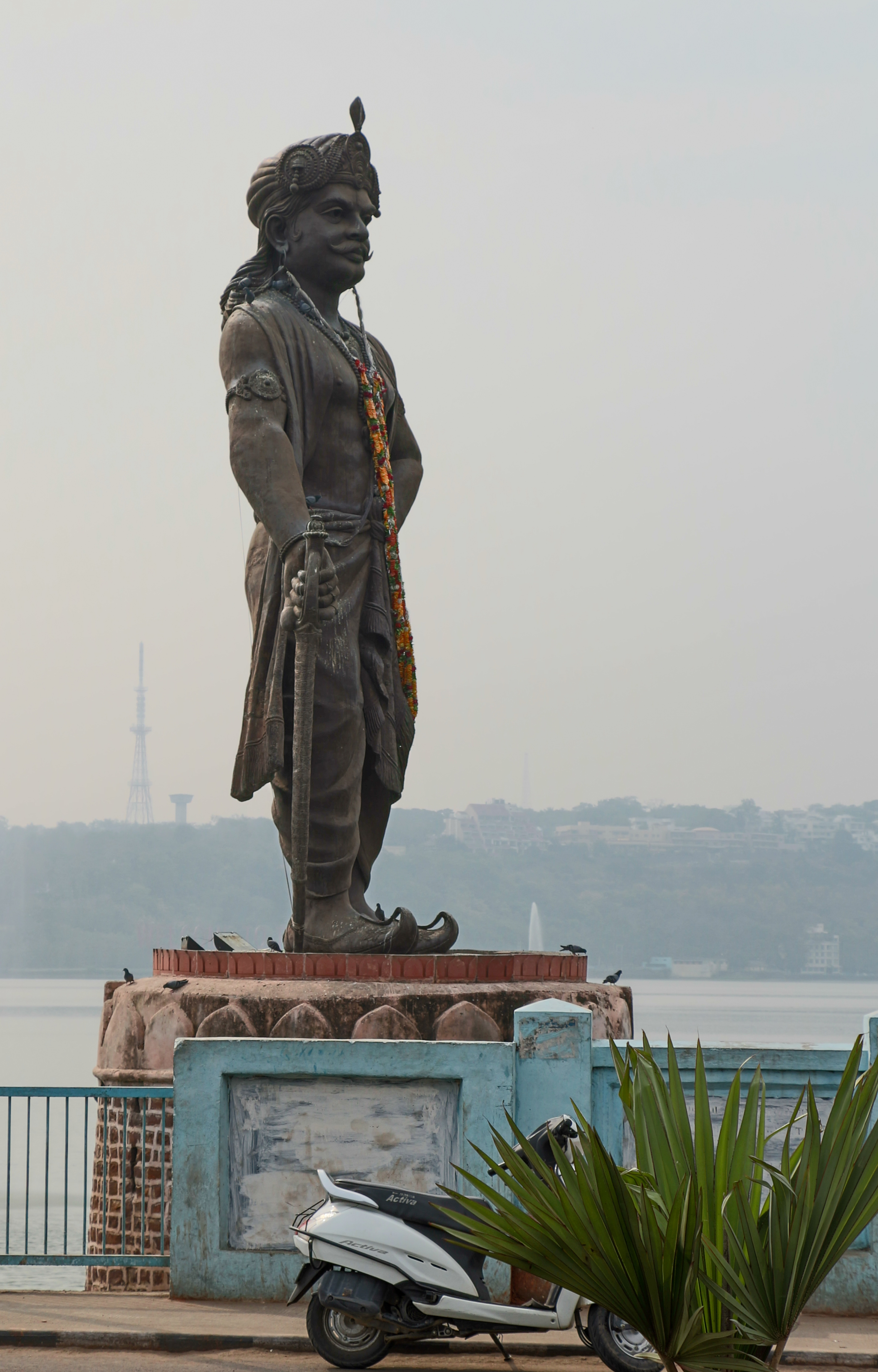
Statue_of_Raja_Bhoja_02

Bhoja statue in Bhopal: Bhoja wrote 84 books on all subjects beating Leonardo da Vinci

Research Paper written by london swaminathan


Research article No 1611; Dated 30th january 2015


King Viswamitra “composed” Vedic Hymns

King Manu wrote Manu Smrti

King Krishna gave Bhagavad Gita

King Harsha (590-647) wrote Nagananda, Ratnavali and Priyadarsika

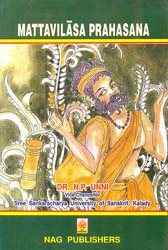
Emperor Mahendra Pallava (600-630 CE) wrote a comedy “Matta vilasa Prahasam”

Queen Ganga Devi(1357-1374 CE) wrote Madura Vijayam

King Krishna Deva Raya(1510-1529 CE) wrote Amuktamalyata in Telugu

King Bhoja (Tenth Century CE) wrote many poems and 84 books

Kashmir King Poet Matrugupta wrote Hayagrivavadha, commentary on Natyasastra (100 CE) etc.

vikram

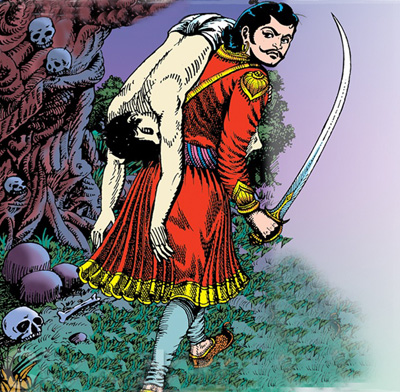
Emperor Vikramaditya (1st Century BCE) ‘wrote’ Vikram and Vetal

King Janaka (8th Century BCE)gave several passages in the Upanishads

Tamil Kings (1st to 3rd Century CE) composed several Tamil Sangam Poems

Asoka (Third Century BCE)made edicts with Buddha’s teachings


Other  Royal Authors who wrote books were:


Yasovarman 735 CE

Kalachuri Mayuraraja 800 CE

Vigraharajadeva 1153

Nepalese king Amogavarsa, 8th century

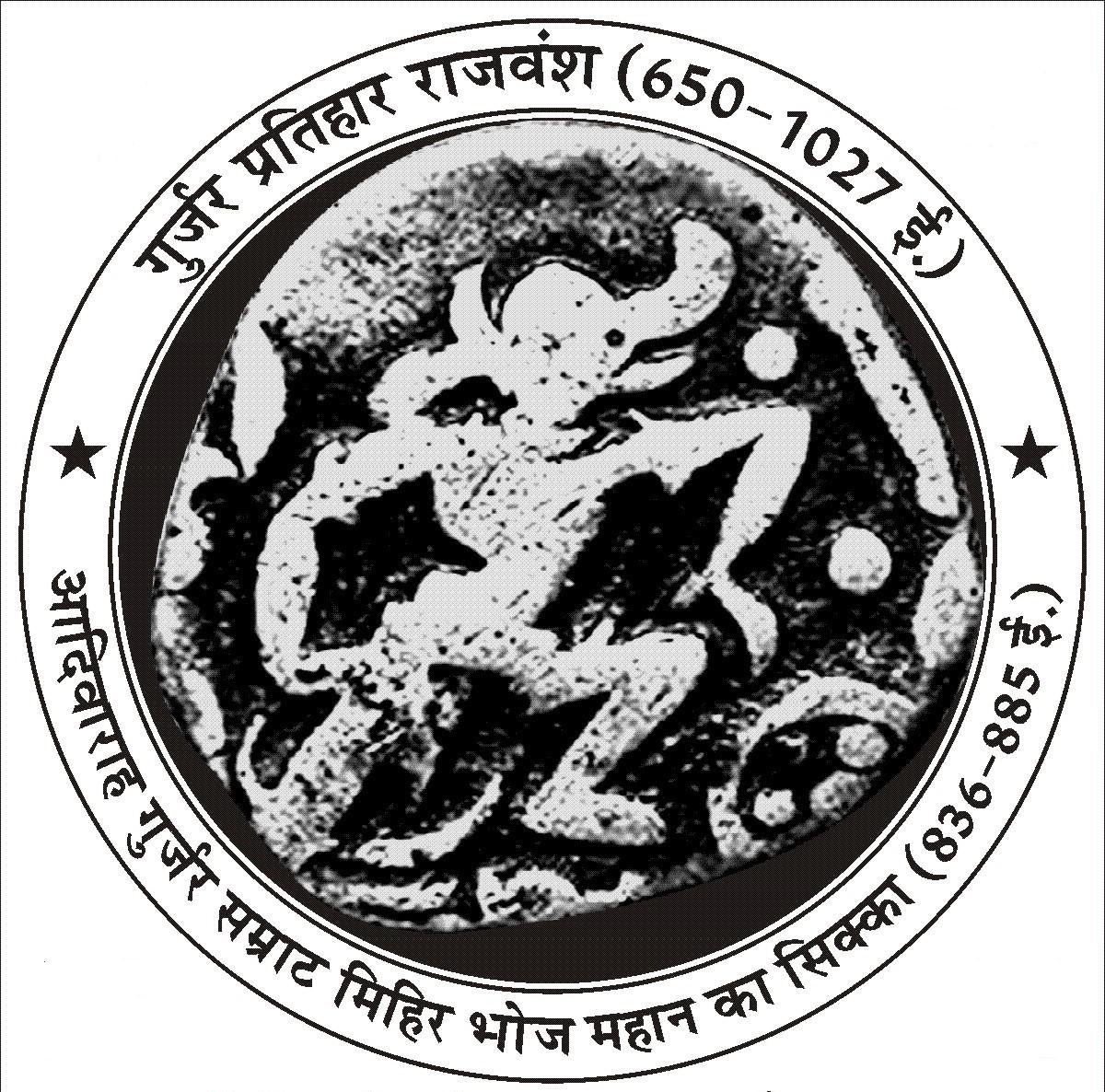
Mihir_Bhoja_the_Great_Coin

Every language in the world boasts of excellent books written by excellent writers. We read about Vyasa, Valmiki, Kalidasa, Homer, Virgil, Plato, Shakespeare, Ilango, Kamban and hundreds of other great authors. But we dont hear about many books written by kings. Why?


Because they spent most of the time in administration or wars or fun and festivals. But the picture is very different in ancient India.In spite of their hectic routine, the kings found time to write immortal works. This shows the high literacy amongst the Indian kings and the general public. India must have been the most literate country in the ancient world! Before Moses and Homer were born, India was the only one country in the world with a huge volume of literature. Sumer, Babylonia and Egypt  had written materials, not literature. (Sumer has 60,000 lines in Emegir dialect alone; scholars think that another dialect emesal may have another 60,000 lines! Egypt had huge volumes written in hieroglyphs). The Vedic literature was there well before other countries put something in writing. Hindus believe that it happened at least 6000 years ago. Westerners give them different dates between 4000 BCE (Jacobi) and 1500 BCE (Max Muller).

If Emperor Asoka writes big things on huge rocks in hundreds of places, it means the common man is literate and he can read every bit of it. If no one can read such things, Asoka would not have written it from the northern most point of Afghanistan to southern most Karnataka (unfortunately his edics at Kanchipuram in Tamil Nadu were destroyed in invasions). Brahmi script is found even in southern Sri Lanka. Probably India was the only country in the world with a common script that spread over 1.5 million square miles. I mean the ancient Akand Bharat (now the area is 1.22 million square miles).


Sanskrit and its spoken  form Prakrit were used throughout Indian sub continent. An incredibly vast geographical area! There is no comparison in the world.

amukta

The Sanskrit dramas of Bhasa,Kalidasa, Shudraka, Visaka datta, Harshavardhana, Mahendrapallava and others show that people were eager to watch and read. A South Indian can easily understand Sanskrit is proved by Pallva’s drama and Kovaln reading the Sanskrit letter in the streets of Pumpuhar (Vide.Silappadikaram). In those days India was the largest country in the world. The amazing thing about that vast land was all can read Brahmi script! It is found even in Tamil Nadu 2300 years ago! Brahmi means Sarasvati — Goddess of Knowledge!


Recently they have discovered a fifth century BCE Brahmi inscription with the Sanskrit word Vairam (diamond). According to Tamil Grammar rules, Vajra is written as Vaira (E.g.Jamam=Yamam, Jesus= Yesu, Jew=Yuudha, Jatra=Yatra etc).


Asoka just copied Buddha’s teachings. So it is not litearture. But Bhoja and Manu were ancient writers. Manu is mentioned in the Rig Veda, the oldest religious book in the world. King Bhoja was mentioned in the Vedic literature Aitareya Brahmana (VIII.8-12.14). A prince by name Bhoja was also mentioned in several places. We know from the Rig Veda that several Manus were there.


Bhoja was a popular name that every intelligent king in India chose as his own. Indian history has recorded many kings with Bhoja’s name. The greatest Indian poet and palywright Kalidasa was in the court of Emperor Vikramaditya of first century BCE. But Kalidasa’s name is associated with another king Bhoja. It may be another name of Vikramaditya or successor of Vikramaditya. In India we see the same poets singing about five or six kings. In Sangam Tamil litearture we come accross great poets Kabila and Parana singing about five or six kings. Poets outlive kings.


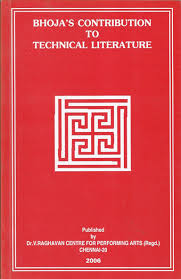
Bhoja of Dhara was a polymath and his knowledge is exhbited in a large variety of works including Ramayana campu,SARASVATI KHANDABHARANA, Yuktikalpataru, Calihotra, Canakyaniti etc. He wrote 84 books on several technical matters. He beat Learnado da Vinci!!


I have already written about the Sanskrit inscription of Bhoja found inside a mosque in Dhara, Madhya Pradesh. Please read the follwing link for further details:

bhoja

Old Sanskrit Inscriptions in Mosques and on Coins

Old Sanskrit Inscriptions in Mosques and on Coins


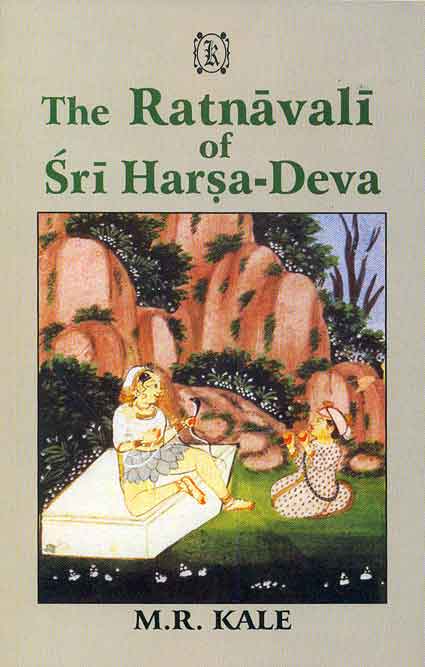
Harshavardhana who lived in the seventh century wrote three beautiful Sanskrti plays Nagananda, Ratnavali and Priyadarsika. He wrote many Buddhist works as well. Ratnavalai and Priyadarsika are love stories. Naganada was about the Jimutavahana and the Nagas. Though Harsa dealt with the same old Udayana-Vasavadatta love story he introduced some new elements. Moreover when people of the country come to know that its their own king who wrote the drama, they would gather in huge numbers to watch his dramas.

Mahendravaraman, Pallava king, wrote Mattavilasaprahasanam ( A Farce of Drunken Sport) , a satire on hypocritical saints. It pokes fun at Kapalikas, Buddhist and Jain saints.


Krisnadeva Raya’s (1510-1529) Amuktamalyada in Telugu describes the divine love of Andal towards the God of Sri Rangam.

ratnavali of harsa

Ganga Devi, the queen who accompanied her husnand Kumara Kampanna, described the condition of Madurai under Muslim rule in 14th century and her husband’s victory over them. This is the first live commenatry of a war time ‘correspondent’!


Kalhana in his Rajatarangini refers to Bhoja, King of Malawa,

Bhoja, son of Harsa and Bhoja son of Salhana.


First king Manu wrote Manu Smrti, the first law book in the world.Even if some argue that Hammurabi’s (1792 to 1750 BCE) laws were there before Manu, we know that it was not a “book”.

No where in the world we see so many kings composing poems, writing dramas and kavyas. This is uniqe to India.


Poems composed by Sangam age Pandya, Choza and Cera kings

are incorporated into sangam literature. They were great poets of 400+ poets and they themselves composed poems.

maduravijayam

Kings of India wrote those books in good faith that it would be read by generations to come. It is our duty to read and appreciate them.


Long live the Indian Kings and their immortal Kavyas!!


contact swami_48@yahoo.com

matta