Dictionary of 10,000 Indian Kings – Part 2

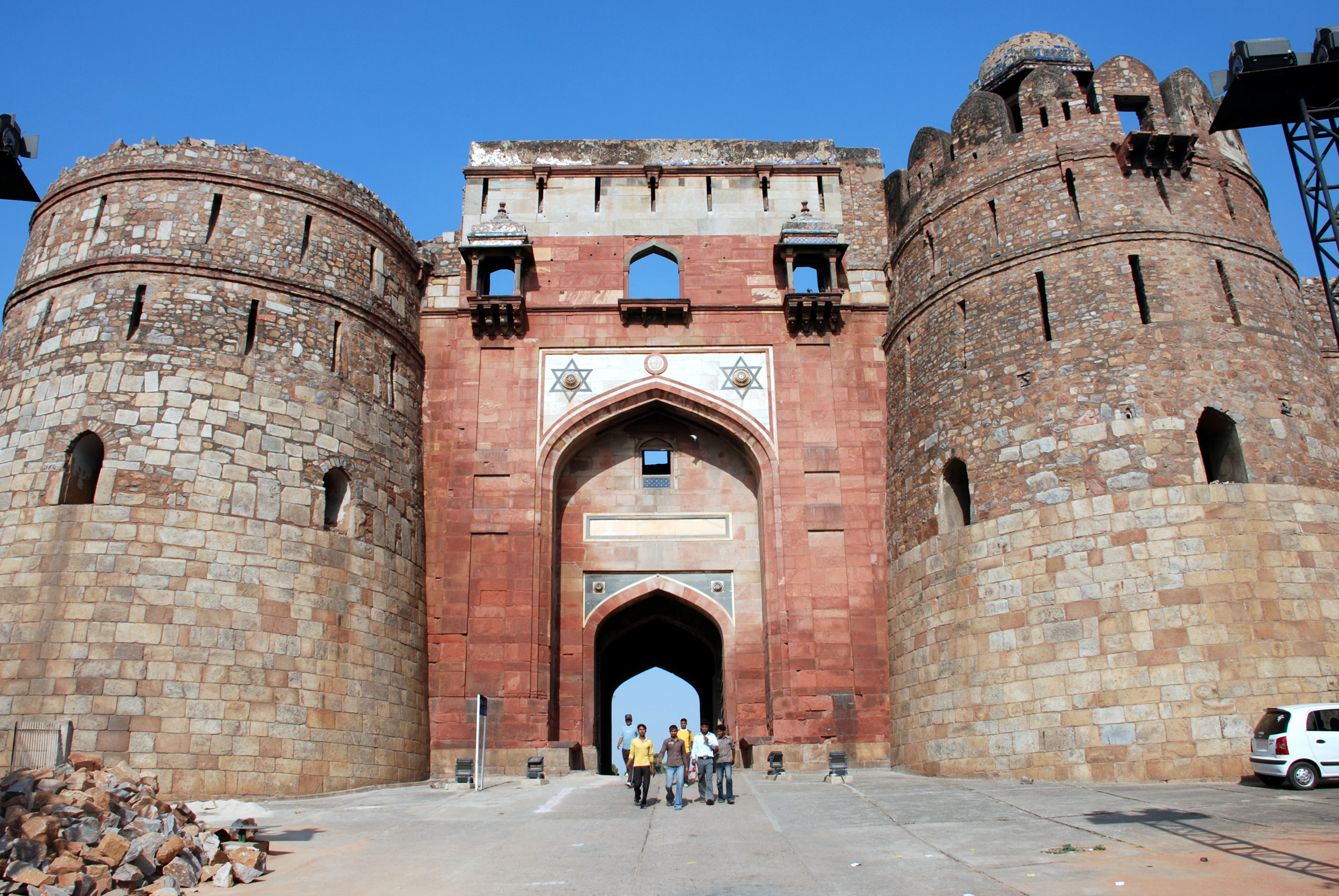
Purana_Quila_main_gate,

Old Fort, Delhi

Compiled by london swaminathan

Article No. 1567      Dated 12th january 2015


In the first part of the article  I gave the 146 names of the kings beginning with letter A. Before going to B, I wanted to give another list with different dates assigned to Hindu kings in the Puranas and the Vedas Mr S B Roy in his book the Date of Mahabharata War gives the follwoing list with dates.


The full list is not here. There will be some gaps in the lists of dynasties. This will serve as a contrast to the dates given by R Morton Smith in Part 1. My intention is to compile all the lists from Tamil sources such as Sangam Tamil literature and Tiruvilaiyadal Puranam and Sanskrit sources such as Katha Sarit Sagara and Panchatantra– both fictional and non fictional. Wherever possible I will differentiate the fictional from non fictional. Sangam Tamil literature lists lot of kings. A few only were  proved historical. Tiruvilaiyadal Puranam of Madurai gives names of scores of kings. All the legends are true but no one’s historicity is proved yet. So it becomes necessary to list them first  in draft form and carry out further research.


List as given by SB ROY in “The Date of Mahabharata War”

1.MANU VAIVASVATHA — 3167 BCE

2.NABHANEDISHTHA –3149

3.PURUVAS- 3131

4.AYU SVARBHANU 3113

ATRI’S RIG VEDIC HYMN ON SOLAR ECLIPSE CORRELATED WITH THI DATE


6.YAYATI -3077

7.PURU- 3069


21.MANDHATA YUVANASHVA-  2807


31.ARJUNA ,SON OF KARTAVIRYA- 2627, CONTEMPORARY OF RAVANA-I


32.TRISHANKU- 2609, CONTEMPORARY OF VISHWAMITRA I

  1. HARISCHANDRA -2591


34.ROHITA MADUCHANDAS SUNASCHEPA


41.SAGARA– 2447


44.BHARATA, SON OF DUSHYANTA – 2411
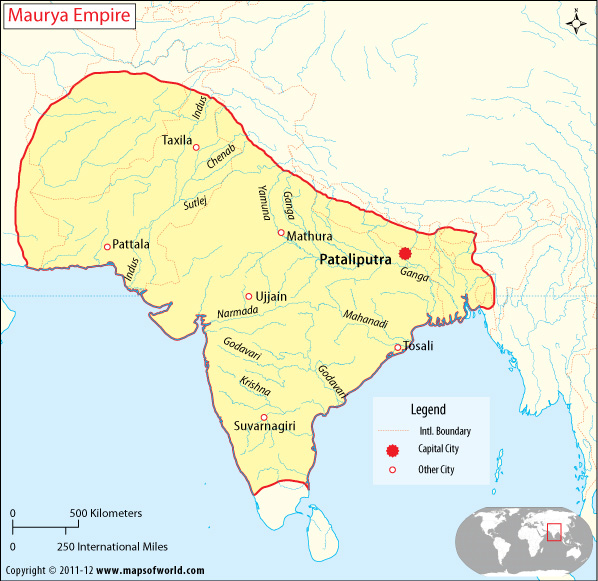
maurya-empire-final-map

Mauryan Empire

62.RAGHU -2069

63.DIVODASA- 2051

64.DASARATHA, CONTEMPORARY OF RAVANA II, 2033

AND INDROTA


65.RAMA — 2015


66.SRNJAYA -1997


68.SUDASA , CONTEMPORARY OF VASISTHA-1961


74.JANAMEJAYA-INDRA- 1833

92.UDAIST- 1508


94.YUDHISTRA – 1472

MAHABHARATA PERIOD


JANAKA-MAITREYI-GARHI OF UPANISHADS


96-PARIKSHIT

103.CITRARATHA

100 TO 125 – KINGS OF MAGADHA DYNASTY


126-130- PRADYOTAS

131-140- NAGA KINGS

141-142 – NANDHAS


143-154 – MAURYAS

150-156 – SUNGAS
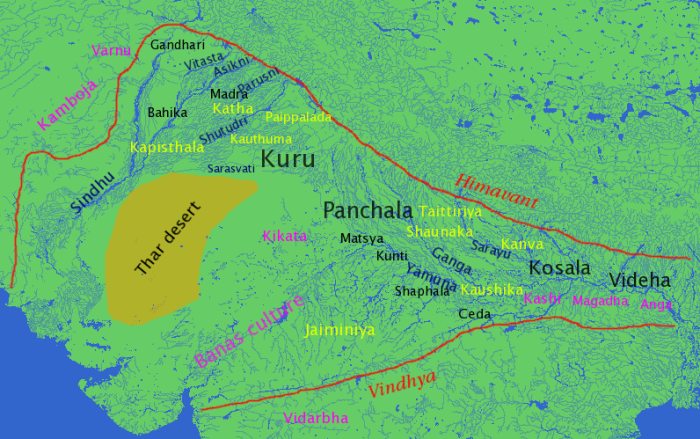

Vedic_India

Vedic period

DATES GIVEN BY PARGITER


68.SUDASA – 1961 BCE

69.SAMBARAVA/ SAHADEVA – 1943


70.SOMKA- 1925

71.KURU- 1907

72.PARIKSHIT I – 1889 BCE

73-INDROTA DEVAPI- 1871

74.JANAMEJAYA I – 1853 BCE

75.BHIMASENA-

76.VIDURATHA

77.SARVABHAUMA

78.JAYATSENA

79.ARADHIN

80.MAHABHAUMA – 1745 BCE

  1. AYUTAYUS

82.AKRODHANA

83.DEVATHATHI

84.RIKSHA

85.BHIMASENA

86.DILIPA

87.PRATIPA

89.RITISENA

90.SANJANYU/ SATYAVATI – 1550

91.BHISMA

92.VICITRAVIRYA

93.PANDU -1486 BCE

JANAMEJAYA II – 1406 BCE
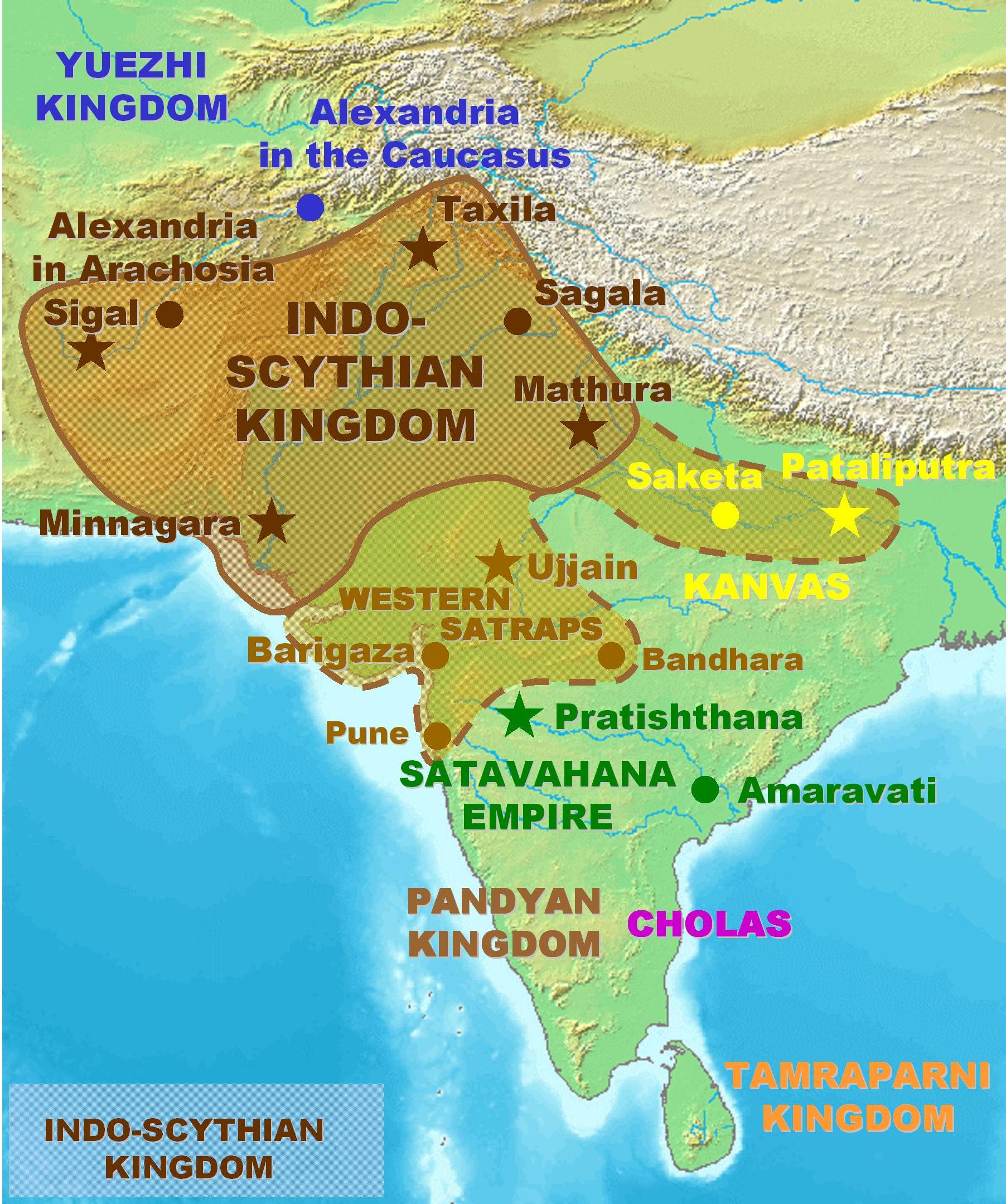

map2

RIG VEDA 1-126-4 MENTIONED DASARATHA


SB ROY’S COMPARISON OF RIG VEDIC NAMES WITH IRANIAN KINGS WAS GIVEN ALREADY IN AN ARTICLE POSTED BY ME.


HE COMPARED THE FOLLWING WITH IRANIAN KINGS

EMUSHA- RV.8-76,77,78

ISHTASHVA- VISTASPA – RV. 1-122-KAKSHIVAN AUSSIJA


INDROTA=INDATU; RV.8-68


DIVODASA WAS AN ALLY OF HUSHRAVA OF IRAN; IBBISEN WAS DEFEATED

IN SUSHINAR IS AN ARYAN TITLE

SUSHNA Vs DIVODASA

SUSHRAVAS = HUSHRAVA; RV. 1–53


S.B ROY SAYS BATTLE OF TEN KINGS MENTIONED IN THE RIG VEDA TOOK PLACE IN 1939 BCE


HE SAYS DIVODASA OF HELMUND, INDATU OF UR, HASHRAVA OF NORTH IRAN, EMISSUM OF LARSA (2005-1970 BCE) ARE MENTIONED IN THE RIG VEDA.


HE ADDS

IN THE SATAPATA BRAHMANA, WE FIND FOUR VAMSAS. THE MOST IMPORTANT OF THEM STANDS AT THE END OF THE WHOLE WORK AND CONSISTS OF 55 NAMES; THE LAST OF THE  HUMAN TEACHERS BEING AGAIN KASHYAPA WHO IS SUPPOSED TO HAVE RECEIVED HIS REVELATION FROM VACH, THE GODDESS OF SPEECH.

65 KINGS OF MADURAI !!

TIRUVILAIYADAL PURANA DESCRIBES THE 64 WONDERFUL LEELAS OF LORD SIVA IN MADURAI, TAMILNADU. IT WAS WRITTEN BY A GREAT SAINT NAMED PARANJOTHI MUNIVAR IN 16TH OR 17TH CENTURY. THERE ARE 3363 VERSES.


HISTORICITY OF FOLLOWING KINGS ARE NOT YET PROVED. BUT THERE IS PROOF FOR THE ANECDOTES. ALL THE KINGS NAMES ARE IN SANSKRIT IN  T V PURANA; STORIES ARE AVAILABLE IN ENGLISH.


tvp1)KULASEKARA


tvp2)MALAYADWAJA


tvp3)MEENAKSHI/ TADATHAKA , DAUGHTER OF MALAYADWAJA AND QUEEN KANCHANAMALA.


KANCHANAMALA WAS THE DAUGHTER OF KING SURASENA.

tvp4)SOMA SUNDARA PANDYA, WIFE OF MEENAKSHI, LORD SIVA IN HUMAN FORM


tvp5)UKRAKUMARA, HUSBAND OF KANTHIMATHY, DAUGHTER OF SOMASEKARAN


tvp6)VEERAPANDYA, KILLED BY TIGER


tvp7)ABHISHEKA PANDYA


tvp8)VIKRAMA PANDYA, CLASHED WITH CHOLA OF KANCHI


tvp9) RAJASEKARA PANDYA, CONTEMPORARY OF KARIKAL CHOZA

tvp10)KULOTHUNGA


tvp11)ANANTHAGUNA, JAIN INTERFERENCE


tvp12)KUBHUSHANA


tvp13)RAJENDRA, CONTEMPORARY OF KADUVETTINA CHOZA


tvp14)RAJASEKARA

tvp15)RAJAGAMBIRA

tvp16)VANGIYADEEPA

tvp17)PURANDARA SIDDHU

tvp18)YANGIYAPATHAKAN

tvp19)SUNDARESA PADASEKARA, CLASHED WITH CHOZA


tvp20)VARAGUNA PANDYA, HEMANATHA -BANABHADRA MUSIC CONTEST


tvp21)RAJARAJA – SRI LANKAN  SINGER CONTEST


tvp22)SUGUNA


FOLLOWED BY 22 PANDYA KINGS:


CHITRAVRATA, CHITARBHUSHANA,CHITRADWAJA, CHITRAVARMA, CHITRASENA, CHITRAVIKRAMA,RAJAMARTHANDA,RAJACHUDAMANI, RAJASARDULA, DWITARAJAKULOTHAMA, AYODHANAPRAVINA, RAJAKUNJARA, RAJABHYANGARA, UKRASENA, SATRUNJAYA, VEEMATHERMANNAN, VEERAPARAKRAMA, PRATHAPAMARTHANDA, VIKRAMAKANCHUKA, SAMARKOLAKALA, ATHULAVIKRAMA, ATULAKEERTHI,


tvp45)KIRTIBHUSHANA — TSUNAMI IN MADURAI

RECREATION AFTER GREAT FLOODS


tvp46)VANGIYASEKARA, CLASHED WITH VIKRAMACHOZA, WHO CAME WITH TURKS AND ODDIYAS


tvp47)VANGIYACHUDAMANI PANDYA- DHARMI-NAKKRA CLASH, PRE APPAR/SAMBANDHAR KING also known as SHENBAKA PANDYA


tvp 48 to 52)FIFTEEN KINGS FOLLOWED SHENBAGA PANDYA:PRATAPA SURYA, VANGISADWAJA, RIPUMARDHANA, SOZAVANGISANTHAKAN, SERAVANGISANTHAKAN, VANGISESAN, VANGILETHISASIROMANI, PANDEESWARAN, KULADWAJAN, VANGIBHUSANAN, SOMA SUDAMANI, KULASUDAMAN  , RAJSUDAMANA BHUPASUDAMAN  , KULESA PANDYA


tvp53)ARIMARDHANA- MANIKKAVASAGA PERIOD
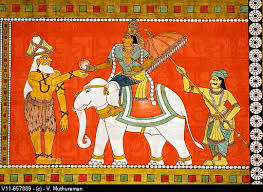

tvp2

T V Purana murals from Madurai Temple

tvp54)JAGANATHA

tvp55)VEERAAHU

tvp56)VIKRAMA BAHU,

tvp57)PARAKRAMABAHU,

tvp58)SUNDARA

59)VAHUVALAPANDYA

tvp60)KUNKUMAPANDYA

tvp61)KARPPURAPANDYA

tvp62)KARUNYAPANDYA

tvp63)PURUSHOTHAMAPANDYA

tvp64)SATRUSADANA PANDYA

tvp65)KUNPANDYA- NEDUMARA- MANGAYARKARASI- SAMBANDHAR PERIOD — 8000 JAINS IMPALED by PANDYA KING NEDUMARAN
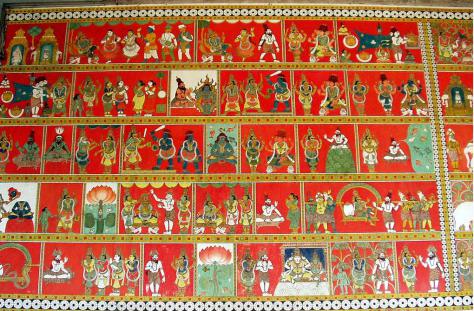
thiruvilayadalpurnam

TV Purana Murals

Apart from the Pandyas, we come accross some cholza kings such Choza of kanchi, Kaduvettina Choza. We have to give them separate numbers and identify them.

CONTACT swami_48@yahoo.com 
Dictionary of 10,000 Indian Kings- Part 1

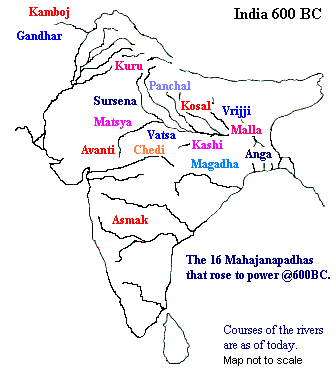
16 Janpadas

Research paper written by London Swaminathan

Research Article No. 1565; Dated 11th January 2015

India, that is Bharat, is an ancient country. Thosands and thousands of kings have ruled this holy land from time immemorial. Sanskrit and Tamil literature comapred the number of kings to sand particles on the sea shore or the stars in the sky. What they meant was the number of kings were innumerable, countless, uncountable and numberless. But the foreign writers began Indian history from the days of Buddha! Sixth Century BCE!! Even Buddhist history mentioned a lot of Buddha’s forefathers. Our Puranas give a clear list of kings of Solar and Lunar race. Indus Valley had kings from 2600 BCE!! Who are they? What are their names?


I am trying to list all the kings known to history and known to litearture. Sangam Tamil literature mentioned a lot of Tamil kings for whom we have no historical proof other than the literary references. Folk tales mention several kings. Temple Puranas, known as Sthala Puranas, mentioned several kings who made the temples or worshiped in those temples. Apart from the kings, there were local chieftains, who were more powerful than kings in their areas. Several demons, Asuras and Rakshasas were actually kings. Our Puranas (mythology) clearly mentioned the territory ruled by them. So we must carefully scrutinise them.


Many of the early writers missed a very imporatnt thing in history. The same name was used for several kings in different ages. But they counted him as one and confused Indian history. They took Indra as one person! They took Gotra names like Agastya as one person and confused everyone. We have to separate them. Now Tamil reaserch scholars know six Avvaiyars, most famous Tamil poetess.

Beyond India, we have records of hundreds of Hindu kings in Turkey-Syria region (Mitannian) and South East Asia. For over 1300 years Indians ruled most of the countries in South East Asia. I will list them separately.


Dates given for the kings are tentative. I have taken them from R Morton Smith’s book “Dates and Dynasties in Earliest India”. Though I dont agree with those dates, it will be useful as a starting point. Moreover it will show who came after who to some extent.

Our scriptures say that Manu was the first king of this Manvantara. Even if we go by known history, Indus Valley Civilization was there in 2600 BCE. So we must have 10,000 kings for the first 3500 years. During Buddha’s time there were 16 Mahajanapadas (16 big kingdoms with 16 emperors). Under them there were hundreds of kings. But during Mahabaharata war there were more than 16 kingdoms. We hear about at least 25 kingdoms. India must have more than Ten Thousand Kings. But the reason I gave the title 10,000 kings is that my hope for gathering at least ten thousand names from books, inscriptions, scriptures, folk tales and temple sthala puranas!!


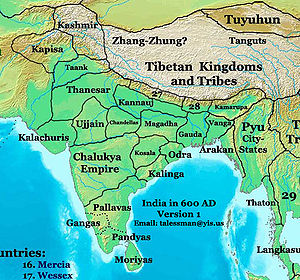
We must also remember that ancient India was divided into 56 countries (Desa). Later the number of countries increased or decreased due to wars and mergers. Every century had at least four for five kings in any country. But some kings ruled for a longer time. But the average was 20 years per king.

300px-India_600ad_v1

Here is a rough calculation:


five kings per century; until 1000 CE, it is 35 centuries

35X5=175 kings

India had at least 56 Desas or political divisions

56X175 = 9800 kings


After 1000 CE (1000 AD), we have full list of kings available for every area or region in our country, but no one has compiled them. Let us add another 200 with 9800 and it will be at least 10,000 kings.

Method of entry: I enter them alphabetically and give the numbers A1, A2, A3, B1, B2, B3. This is a draft. When all the ten thousand plus are listed,  I will publish the final list with few details for each king. Readers are also invited to send me the names of the kings they know:

List of Kings:


A


a1)ABHAYA (KUMARA BAIMBISARI) – 490 BCE


a2)ABHAYADA (MANASYAVA PAURAVA) – 1680 BCE


a3)ABHIBHU (VAIBHAVA KASYA) – 1120 BCE


a4)ABHIBHUTA (SON OF DURDAMA)- 1060 BCE


a5)ABHIJIT (NALYA YADAVA) — 1070 BCE


a6)ABHIMANYU ARJUNA PANDAVA — 992-75 BCE


(please note that I have already given my views on these dates; even conservative estimates put the date of Mahabharata war in 1500 BCE)


a7)ABHIPRATARIN KAKASENI — 880 BCE


a8)ABHIRAJA ABHISVATA — 1450 BCE (Mbh. 1-89)


a9)ABHITI KUMARA AUDAYANA – 465 BCE


a10)ADHIRATHA SATYAKARMANA ANAVA – 1000 BCE


a11)ABHISIMAKRNA PAURAVA VATSA — 873 BCE


a12)ADINA – SON OF SAHADEVA AND BROTHER OF KSATRADHARMANA – 1420 BCE


a13)AGAVAHA – SON OF VRKSADEVI – 1185 BCE


(aghamarshana maduchchandasa kausika- 1230 BCE — a rishi)


(agni aurva bhargava — 1370 BCE — a rishi)


a14)AGNIMITRA SUNGA —  149 BCE


a15)AGNISENA – 149 BCE


a16)AGNIVARNA AKISVAKA — 1000 BCE


(ahalya maitreya pancala –  1125 BCE)


(ahampaati samyatreya paurava -1600 BCE)

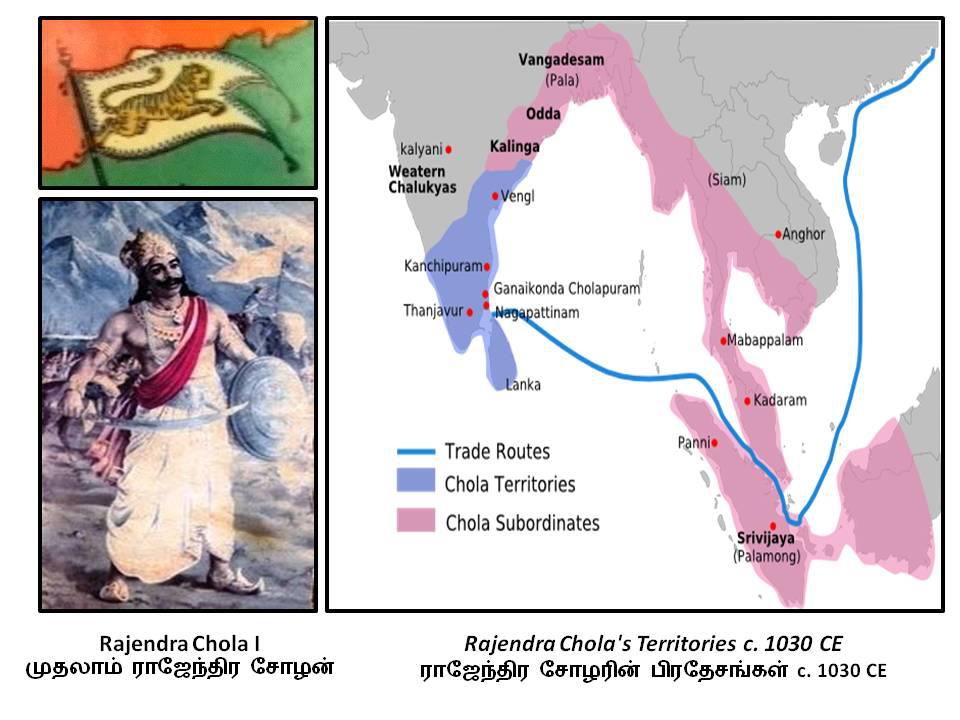
Chola dynasty

a17)AHINAGU AIKSUVAKAVA– 1260 BCE


a18)AHRITI BABHRAVA YADAVA- 1220 BCE


a19)AHUKAABHIJITA YADAVA – 1040 BCE


a20)AHUKI – 1040 BCE


a21)AINDROTA DRTI SAUNAKA– 1040 BCE


a22)AJAMIDHA SAUHOTRA – 1350 BCE


a23)AJAPALA DAILIPA DIRGHABAHU– 1140 BCE

a24)AJAPALA RAGHAVA P- 1100 BCE


a25)AJAPALA PALAKA PRADOYTA 480-456 BCE


a26)AJAPALA VAISAKHAYUPA 406-385 BCE


a27)AJAPALA AUGRASAINYA – 880 BCE


a28)AJAPARSVA SVAITAKARNA —  850 BCE

a29)AJATASATRU OF MAGADHA – 493-468 BCE


a30)AJATASATRU OF KASI – 840 BCE

a31)AJIGARTA SAUYAVANA — 1275 BCE


a32)AKRODHANA AYUTAYUSA PAURAVA — 1070 BCE


a33)AKRTASAVA RANASVA — 1070 BCE


a34)AKRURA SVAPHALKYA YADAVA — 1110 BCE


(ALAMBUSA  – MOTHER OF VISALA – 1280 BCE)


a35)ALAMBUSHA – A Kaurava king killed by Satyaki (Mbh 7-140)


a36)ALARA VATSYA 0F KASI

a37)AMAHIYUBHAUVAMANYAVA –1160 BCE


a38)AMARSA    AIKSVAKAVA — 875 BCE


a39)AMAVASU PAURURAVASA — 1560 BCE


(AMBA KASYA –1010 BCE)


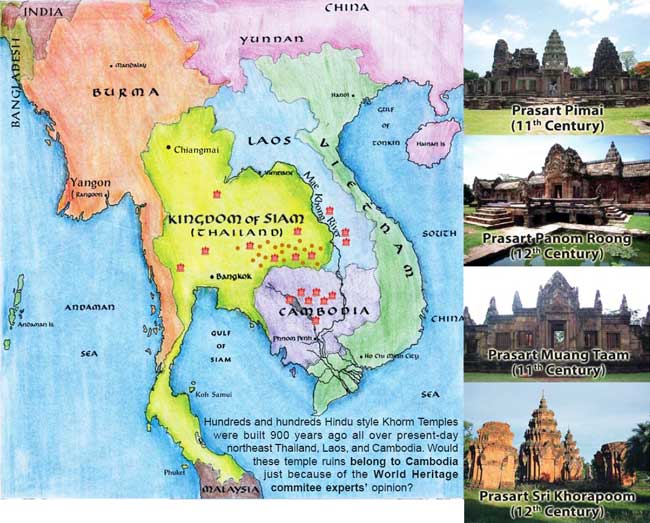
dinosaurs-siamese-thai_5-1

a40)AMBARISHA  SAUDYUMNA – 1250 BCE–


a41)AMBARISHA NABHAGI — 1430 BCE


a42)AMBARISHA  MANDHATA – 1460 BCE  Son of king Mandhata- clashed with Durvasa (Mbh 7-64)


a43)AMITRAJIT SUMITRA — 660 BCE


a44)AMITRAKARSANA DURJAYA–


(AMRTA MAGADHI — 1160 BCE– WIFE OF ARGUVANTA)


AMSU, BROTHER OF PURUDVAHA –


a45)AMSUMANT AIKSVAKAVA — 1125 BCE


a46)AMURTARAYAS KAUSIKA – 1360 BCE


a47)AMURTARAYAS KSATRAVRDDHA — 1510 BCE


a48)AMURTARAYAS, SON OF ANTINARA — 1510 BCE


a49)ANADHRSTI DAIVASRAVASA SAURA — 1200 BCE


a50)ANAGHA SAUDYUMNA AILINA — 1250 BCE


a51)ANALA LAUMAPADA YADAVA — 1120 BCE


a52)ANAMITRA NABHAGI — 1230 BCE


a53)ANAMITRA SUNAMITRA VARSNEYA –1165 BCE

a54)ANAMITRA SUMITRA — 1160 BCE

a55)ANAMITRA YAUDHAJITA YADAVA — 1140 BCE


a56)ANANTA VAITAHOTRA -1270 BCE


(ANANTA MADHAVI , WIFE OF JANAMEJAYA)


a57)ANAPANA, SON OF DADHIVAHANA ANGA– 1180 BCE


a58)ANARANYA – 1270 BCE


a59)ANARANYA SAMBHUTEYA AIKSVAKA– 1410 BCE


a60)ANARTA SARYATA 1420 BCE

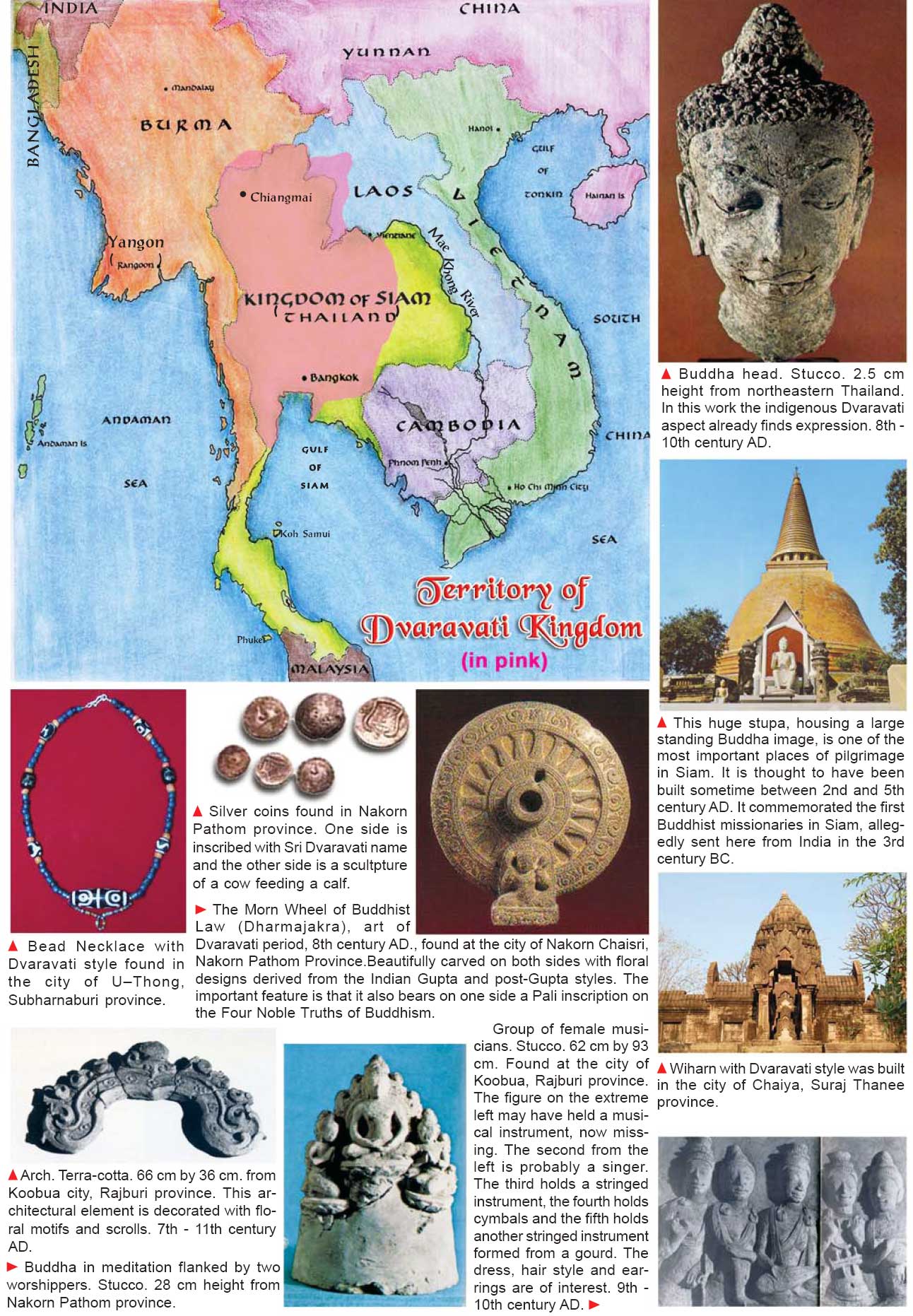
dinosaurs-siamese-thai_6-1

a61)ANARTA ANANTA 1420


a62)ANARTA FOR ABHIBHU -1420


a63)ANDHAKA SATVATA YADAVA — 1190 BCE


a64)ANDHAKA SUNGA VAJRAMITRA — 1190


a65)ANDIRA SARUTHA — 1200 BCE


a66)ANENAS ARINABHA/ARDRA — 1780 BCE


a67)ANENAS SUMANU VAIDEHA –(PARJITER)


a68)ANGA BALEYA ANAVA — 1215 BCE


a69)ANGA VAIROCANA —


a70)ANGADA LAKSMANYA –1030 BCE


a71)ANGADA PAURVADYA SAURA –1250


a72)ANGARA ARUDHYA – DRHYU — 1500/1700 BCE


a73)ANGIRA AIKSVAKA


a74)ANIRUDDHA PRADYUMNA KARSNA — 935 BCE


a75)ANJIKA YADAVA — 1640 BCE


a76)ANTARA PARTHASRAVASA YADAVA- 1480 BCE


a77)ANTARIKSA KOSALA AIKSVAKA –700 BCE


a78)ANTIALCIDAS — 100 BCE


a79)ANTIDEVA SAKRTYA — 1160 BCE


a80)ANTINARA PAURAVA– 1540 BCE


((ANTIOCHUS))


a81)ANU YAYATEYA –1540 BCE


a82)ANUHA NIPA — 1120 BCE


a83)ANURUDDHA NANDAVARDHANA/ MUNDA MAGADHA – 467 BCE


a84)ANUVINDA AVANTYA — 980 BCE

Prince of Avanti; Son of Kunti’s sister Rajadhi Devi.

a85)APAVA VASISTHA – 1300 BCE


a86)APILAKA ANDHRA — 58 BCE


a87)APANAVANA CYAVANA BHARGAVA – 1385 BCE


a88)APRATIPIN AYUTAYU — 1385 BCE


a89)APRATIRATHA TAMSU -1520 BCE


ARADHI AVACINA —


ARAVIN AVACINA


(ARCISMATI , DAUGHTER OF BALARAMA – 1080 BCE


elephant king

a90)ARDRA  QNENAS  — 1780 BCE


a91)ARDRA AIKSVAKAVA –1720 BCE


a92)ARIMARDANA, SON OF SATRUGNA- 980 BCE


a93)ARIMEJAYA MRDURA– 1050 BCE


a94)ARIMEJAYA KAURAVA — 1250 BCE


a95)ARINABHA ANENAS ARDRA — 1780 BCE


a96)ARISTAKARNA ANDHRA — 38-63 CE


a97)ARISTANEMI, FATHER IN LAW OF SAGARA –1310 BCE


a98)ARISTANEMI VAIDEHA —  858 BCE


a99)ARISTANEMI SUPARSVA – 1000 BCE


a100)ARISTANEMI TIRTHANKARA


a101)ARJUNA KARTAVIRYA — 1375 BCE


a102)ARJUNA PANDAVA — 975 BCE


a103)ARUGVANT  ARKSA KAURAVA — 1160 BCE


a104)ARUDHDHA SAITAVA DRUHYU — 1500/1700 BCE


a105)ASAMANJAS KAKUSTHA SAGARI — 1250 BCE


a106)ASAMANJAS PANCAVANA SAGARI — 1150 BCE


ASMANJASA- Son of King Sagara and Queen Shaibya. Since he gave troubles to people he was exiled. But his son Anshumana succeeded Sagara (Mbh 3-107)

a107)ASAMAUJAS KANAKA YADAVA — 1075 BCE


a108)ASANGA YAUYUDHANA YADAVA — 1075 BCE


a109)ASITA ASITABAHU – 1075 BCE


a110)ASITABAHU AIKSVAKAVA — 1320 BCE


a111)ASMAKA NABHAGI AIKSVAKAVA -1290 BCE


(ASMAKI  WIFE OR MOTHER TO ANADHRSTI- 1220 BCE


(ASMAKI  WIFE TO PRACINVANT)


(ASMAKI, WIFE TO SURA) – 1300 BCE


a112)ASOKA KAKAVARNIN – 421 BCE


a113)ASOKA MAURYA 294 BCE


a114)ASTAKA VAISVAMITRA — 1280 BCE


ASTARATHA


a115)ASTARATHA KASYA — 1400 BCE


a116)ASTADAMSTRA VAIRUPA – 1340 BCE


a117)ASVA, SON IN LAW TO YUDHISTRA — 970 BCE

அகம்3

a118)ASVABAHU CAITRAKA YADAVA — 1040 BCE


a119)ASVAGRIVA CAITRAKA YADAVA — 1060 BCE


a120)ASVAMEDHADATTA PAURAVA VATSA — 893 BCE

Grandson of King Jamamejaya His father was Shatanika

a121)ASVASENA, FATHER OF PARSVA — 840/1040 BCE


ASVASYA

ASVAVAHA


a122)ASVAVANT -1480 BCE


a123)ATITHI NABHAGI – 1020 BCE


a124)ATITHI AIKSVAKAVA –1440 BCE


a125)ATITHIGU BRAMISHTA


a126)ATREYA PRABHAKARA — 1560 BCE


a127)AVACINA PAURAVA JAYATSENA — 1120 BCE


a128)AVAHA YADAVA — 80 BCE


a129)AVANTIVARDHANA VISHAKAYUPA NANDHIVARDHANA


a130)AVIKSIT KHARANDHAMA — 1300 BCE


a131)AYATI NAHUSA


a132)AYU PAURURAVASA — 1840 BCE


(AYUTAJIT  BROTHER OF AYUTAYUS)

bharatmata (1)

a133)AYUTAJIT BHAJAMANA YADAVA — 1180 BCE


AYUTANAYIN


a134)AYUTAYUS OF MAGADHA —  952 BCE


a135)AYUTAYUS SAINDUDVIPA NABHAGI – 1390 BCE


a136)AYUTAYUS MAHABHAUMA PAURAVA –1080 BCE

Following are added from Mahabharata


a137)AJA- Grandfather of king Gadhi (Mbh 12-49)

a138)AKAMPANA- A king who lived in prehistoric times His son washarikumara who died in battle – Mbh 7,52


a139)AMBASHTHA-A Kaurava king killed by Arjuna (Mbh 7-93)

a140)AMURTARAYAS- Father of King Gaya who performed greatest Yagna in history (Mbh 3-95)


a141)ANIRUDHA – Grand son of Rukmini- Krishna, son of Rumavati and Pradyumna


a142)ANSHUMANA– Grandson of King Sahara (Mbh 3-107)

a143)ARJUNA – Son of Kunti and Indra, greatest of the archers of India, Krishna was his charioteer in the Mahabaharata war. Source:Mbh


He had many names: Bibhatsu, Dhananjaya, Jishnu, Krit, Krishna, Falguna, Savyasachi, shwehtavahaan, Vijaya.


a144)ASHWAKETU-  A Magadha prince

a145)ASHWAPATI– Father of  Savitri — King of Madradesa

a146)AVIKSHITA – A virtous king of ancient times; father of Marutt (Mbh 14-7)

Confusion over Date of Buddha: Why did they ‘Kill him 20 times’?

bbudhdha3

Research Paper written by london swaminathan

Research article No. 1563: dated 10th January 2015


The historicity of Buddha is accepted by all. But there is no unanimity of the date of his birth or death. We know that he lived for 80 years. Neither Megasthanese nor Sangam Tamil literarture mentioned his name.  Only after Asoka’s rule Buddha became popular. But the date of Asoka itself is a pure guess work. If any one can prove that the accepted date of Asoka is wrong, the whole Indian history must be rewritten with new dates. Max Muller used this fake date to decide the date of the Vedas with an imagined rule that a language changes every two hundred years. If we apply the same rule to Tamil and Greek literature, all the accepted dates will be thrown into dust bin!! As a student of Tamil for forty years, I am pretty sure that this rule would not hold good for Tamil.I have not heard from any other culture or language using Max Muller scale!


Max Muller arbitrarily decided on the date and it came very convenient for the supporters of Aryan-Dravidian theory. So they kept quiet without challenging him. No body dared to apply this to Tamil or any other Indian language. In the same way, foreign scholars “killed” Buddha twenty times!!!


Let us look at all the ”assassinations of the Buddha”:


In Sri Lanka, 483 BCE is accepted as the date of his nirvana (death)


In Burma, 544 is the date given to the nirvana.


In Tibet, it is beleived to be 835 BCE.


In China, 11th century BCE is the accepted date.


Buddha was an Indian. Hindu Puranas gave the date for nirvana a year between 1793 and 1807 BCE!!


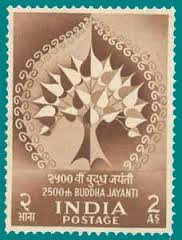
In India the government celebrated 2500th year of Buddha Jayanti in 1956 and issued specail postage stamps. That means according to Government of India, Buddha was born in 544 BCE and died in 464 BCE.


If you got to encyclopaedias they give you a wide range of dates between 400 and 484 BCE!!

Buddha_thumb[2]

Rajatarangini, History of Kashmir written by Kalhana, said that Kanishka ruled 150 years after Buddha’s death. This will give a new date for Buddha! No one has proved that there were more than one Kanishka.


Jain Tradition says that Mahavira died 15 years after Buddha i.e.2051 BCE. The same tradition gave Chandra Gupta Maurya a very early date!


Sri Lankan chronicle Mahavamsa gave a different date for Asoka i.e. 218 years after Buddha death. 70 year difference between the accepted date and Mahavamsa date. The scholars conveniently hid this under the earth!!


Asokan epigraph found in North West India gave some foreign names. Foreign scholars matched them wih some Turkish and Greek rulers and fixed the date of Asoka. All the names mentioned are not rulers’ names. Some are the names of countries or regions! Even when they said this was the king’s name Asokan mentioned those kings dates did not match with Asoka’s rule! The scholars hid the fact and quietly adjusted the dates!!! Max Muller knew that Chinese chronicles put Asoka in 850 BCE 0r 750 BCE.

buddha1

Can Fahien and Hiuen Tsang tell a lie?


Hiuen Tsang noted that in his days (640 CE) there were various dates about the death of Buddha, some authorities giving about 1200, 1300, 1500 and some only 900 and under 1000 — Earliest 860 BCE and the latest 260 BCE.


Max Muller gave 14 dates current in Tibetean chronology. They range between 2422 BCE and 546 BCE (Page 139 of A History of Ancient Sanskrit Literature). Thus we get more than 20 dates for Buddha’s death.


Cantonese dotted record shows 487 BCE. Modern scholars rejected all other dates except 543 or 487 BCE without any rhyme or reason.


Fa Hien says that at the time he wrote ,1497 years elapsed since the death of the Buddha. Fa Hien was in India between 405 and 411 CE. That means Buddha died in 1086 BCE!!


Theravada and Mahayana sects follow different dates for Buddha’s Parinirvana (death). Thailand belived in 545 BCE.

buddha2

What can we do now?


We have to scientifically examine Buddha’s relics to find out how old they are.


We can convene a conference of historians and decideon the basis of latest materials available. If there is no uniformity in opinion, we have to give the different views in the history book. We have to rewrite Indian History.


We cant allow our children to read lies in the history book. Everybody knew all these dates are cooked up dates or guessed dates.

For over hundred years scholars have been writing that Gupta Dynasty must be placed in the thrid century BCE and the Maurya Dynasty must be placed in seventh century BCE. We have to apply this and move the posts forward. Only foreigners fixed a pole in a circle and said that is the starting point. All the countries in the world have rewritten their history books. India is still following foreingers’ version which was written when they were ruling us.


A Tamil doesn’t read about Veera Shivaji and Rana Pratap Singh. A North Indian student never read about the great Karikal Choza, Raja Raja and Mudukudumi Peruvazuthi or Cheran Senguttuvan. In short there are more pages allocated to foreigners who subjugated us for over 1000 years. The greatest of the modern poets Subramanya Bharati who sang about Guru Gobind Singh and Veera Shivaji described the foreign rule as “Unkind ,Loveless 1000 year foreign rule”! in one of his poems.

contact swami_48@yahoo.com 

புத்தர் எப்போது இறந்தார்?

bbudhdha3

WRITTEN BY LONDON SWAMINATHAN

RESEARCH PAPER NO.1562; DATED 10TH JANUARY 2015


கட்டைப் பஞ்சாயத்து என்றால் என்ன என்று உங்கள் எல்லோருக்கும் தெரிந்திருக்கும். அடாவடியாக ஒரு தண்டனையையோ பழியையோ ஒருவர் மீது சுமத்துவது இது. அங்கே விவாதத்துக்கோ ஜனநாயகத்துக்கோ இடமே இல்லை. இப்படி இந்திய வரலற்றிலும் பல கட்டைப் பஞ்சாயத்துக்கள் உண்டு. அதில் ஒன்றுதான் புத்தர் இறந்த— நிர்வாணம் எய்திய ஆண்டு.

ஒவ்வொரு நாடும் ஒரு கணக்கு வைத்திருக்கிறது. புத்தருக்கு சம்பந்தமில்லாத வெளிநாட்டுக்காரர்கள் எழுதிய புத்தகத்தில் அவருக்கு ஒரு தேதி நிர்ணயித்து அந்த தேதியில் அவரைக் கொன்று விட்டார்கள்!!! அதாவது வெளிநாட்டினர் முத்திரை குத்திய நாளில் அவர் செத்தார்  என்று நம்மை நம்ப வைத்து விட்டார்கள்!!


இலங்கையர்கள் புத்தர் நிர்வாணம் எய்திய ஆண்டு கி.மு 483 என்பர்.


பர்மாவில் கி.மு. 544 என்பர்.


திபெத்தியர்கள் கி.மு. 835 என்பர்.


இந்து மத புராணங்கள் கி.மு 1793 முதல் கி.மு1807 வரை பல தேதிகளை முன்வைக்கும்.


இந்தியா 1956 ஆம் ஆண்டில் புத்தரின் 2500 ஆவது பிறந்த தின தபால்தலைகளை வெளியிட்டது. அதன்படி அவர் பிறந்த ஆண்டு கி.மு 544, இறந்த ஆண்டு கி.மு.464.

Buddha_thumb[2]

தேரவாத  கணக்குப்படி அவர் இறந்தது—  கி.மு.486


மஹாயான கணக்குப்படி அவர் இறந்தது — கி.மு. 383


ஆயினும் தேரவாத நாடுகளிலும் கூட கி.மு 544 ஐ நிர்வாணம் அடைந்த தேதியாக அனுஷ்டிக்கிறார்கள். தாய்லாந்து கி.மு 545 என்கிறது.


விக்கிபீடியா முதலிய என்சைக்ளோபீடீயவுக்குப் போனீர்களானால் அவர்கள் ஒரு நூறு ஆண்டு “ரேஞ்சு” கொடுத்திருப்பார்கள் இறந்த ஆண்டுக்கு!! நீங்கள் எந்த ஆண்டை வேண்டுமானாலும் ஊகித்துக் கொள்ளலாம்!!!!!

சுருக்கமாகச் சொன்னால் ஒரே குழப்பம்! இந்தக் குழப்பம் எப்படி வந்தது? உண்மை என்ன?


அசோகருக்கு வெள்ளைக்காரர்களாக ஒரு தேதியை முத்திரை குத்தினர். அதாவது வடமேற்கு இந்தியாவில் கண்டு பிடிக்கப்பட்ட ஒரு அசோகர் கல்வெட்டில் இருந்த சில பெயர்களை அரசர்கள் என்று எண்ணி அதற்கு தோராயமாக நெருங்கிவரும் சில பெயர்களைக் கொண்டு அதிலிருந்து கணக்குப் போட்டனர்.ஏனெனில் அசோகர் வரலாற்றில் எத்தனையாவது புத்தமத மகாநாடு , புத்தர் இறந்த பின்னர் எத்தனையாவது ஆண்டில் , கூட்டப்பட்டது என்று உள்ளது. ஆனால் அசோகர் ஆண்டே தகராறில் இருந்தால் இது எல்லாம் தப்பிப் போகும். அதாவது முதல் கோணல் முற்றும் கோணல்!


buddha1

யாராவது ஒருவர் புத்தர் பிறந்த ஆண்டையும் இறந்த ஆண்டையும் சரியாக நிரூபித்துவிட்டால் இந்திய வரலாற்றின் தேதி எல்லாம் மாறிப்போகும். ஏனெநில் ஊசலாடும் ஒரு ஒரு பெரிய பாறையின் மீது இது இருக்கிறது அந்தப் பாறையை உருட்டிவிட்டால் இந்திய வரலாற்றின் அஸ்திவாரம் சரிந்து போகும். வேதங்களுக்கு   மாக் ஸ் முல்லர் தேதி நிர்ணயித்ததும் இந்த ஆட்டம் காணும் அஸ்திவாரம் மீதுதான்!!

பாஹியான் சொல்வது என்ன?


கி.பி 405 முதல் 411 வரை இந்தியாவுக்கு வந்த சீன யாத்ரீகர் பாஹியான், புத்தர் இறந்து 1497 வருடங்கள் கழிந்துவிட்டன என்கிறார்!


அவருக்குப் பின்னர் வந்த யுவாங் சுவாங் என்ற சீன யாத்ரீகரும் புத்தர் இறந்த தேதி பற்றிப்  பலவேறு கருத்துக்கள் நிலவுவதாக 1500 ஆண்டுகளுக்கு முன்னரே எழுதி இருக்கிறார்.

சீனர்கள் கி.மு 638 அல்லது 639ல் புத்தர் இறந்ததாக நம்புகின்றனர்.

buddha2

பொதுவாக அவரது மரண தேதி (நிர்வாண நாள்) கி.மு. 860 முதல் கி.மு 260 வரை ஊசலாடுகிறது. உலகில் எந்த ஒரு மதத் தலைவரின் தேதியும் இவ்வளவு ஊசல் ஆடியது இல்லை.

மாக் ஸ் முல்லர் கொடுக்கும் 14 தேதிகள்!!!!!!!


திபெத்திய வரலாற்றில் கி.மு 2422 முதல் கி.மு 546 வரை உள்ள 14 ஆண்டுகளை

மாக் ஸ் முல்லர் கொடுத்துள்ளார் (புராதன சம்ஸ்கிருத இலக்கிய வரலாறு என்ற ஆங்கிலப் புத்தகத்தில் இதை எழுதியிருக்கிறார். ஆக எல்லாவற்றையும் கூட்டினால் புத்தர் இறந்த தேதி 20க்கும் மேலாக இருக்கின்றன.


சமண மத நூல்கள் புத்தர் இறந்த 15 ஆண்டுகளுக்குப் பின்ன மஹாவீரர் இறந்ததாக சொல்கின்றன.அதாவது கி.மு 2051.


புத்தர் இறந்த தேதி பற்றி ஒரு ஆய்வு  நடத்த வேண்டும். இது இந்திய வரலாற்றின் அடித்தளம் என்பதால் மிகவும் அவசியமான– அவசரமான பணி.

இந்திய வரலாற்றை மாற்றி எழுத வேண்டும் — அதாவது உண்மை  வரலாற்றை  எழுத வேண்டும்.


வாழ்க இந்தியா! வளர்க பாரதம்!!

contact swami_48@yahoo.com

Thousand Kings before Kalidas!

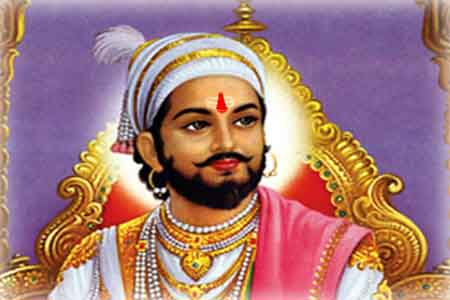
Shivaji

Veera Shivaji

Research paper written by London Swaminathan

Research article No.1546; Dated  4 January 2015.

Foreigners who wrote Indian history said that India had  kings only from sixth century BCE. But Vedic literature and later literature give the names of thousands of kings.  No one has listed all the kings until today. Hearsay reports and temple legends name hundreds of kings. Every country in the world had several kings with same names like Ramses,William, Napoleon, Louis etc. In India we had several Ramas and Dasarathas. No one has listed them like Dasaratha I, Dasaratha II etc.

Purananuru, a Sangam Tamil literature book, sings about “thousands of kings” lived before Sangam age.  Kalidasa, the greatest poet of the classical age also sang about “thousand kings” before the age of Raghu who was the  forefather of Lord Rama. This shows that they had a very clear idea of Indian history. I have already written in  my posts  How ancient is Indian Civilization about the Vamsavali (lineage) given in the Upanishads and the references to  Vamsavali in  Panini’s Ashtadyayi and Purananuru (verse 201 of Kabilan).

I give below two more such references from Kalidasa’ Raghuvamsa and Purananuru:

  1. The sky is full of stars and planets, but yet one moon gives more light than others in the night.

Likewise there are one thousand kings, but yet they say that this king of Magadha is the best

(Raghuvamsa 6-22).

This comparison of moon among stars shows that there are innumerable kings

like millions of stars. This is confirmed by the following Tamil verse that is over

2000 years old:

This big earth was ruled by countless kings like the sand particles on the sea shore.

They are all dead and gone. So, do something good before you die — is the message  given by the poet Siruventheraiyar (Puram 363) to his contemporary ruler.

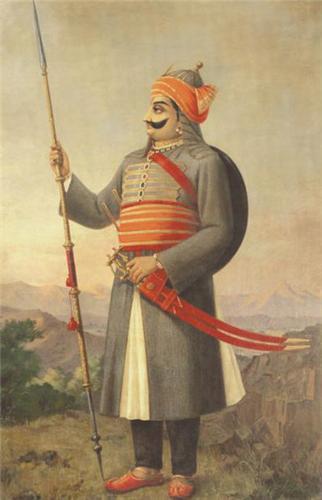
MaharanaPratap1

Maharana pratap

Once again it shows the historical sense of Tamil poets. They knew that there were thousands of kings before their period and so he aptly used the sand particle simile. There are more poems which sang about countless number of kings.

When Egypt, Sumeria and Israel listed their kings from very ancient times, Indians still stuck to the history written by foreigners. We knew Indus valley Civilization existed from 2600 BCE, but no one did try to find out the names of the kings.Even if we had five kings for every 100 years, we must have 130 kings for each area.  We had several names in the Mahabharata. One must list them chronologically and do more research.

We need a Dictionary of Kings, both historical and not historical. Local temple puranas, what are  known as Sthala Puranas in Tamil Nadu give more names of kings. Stories like Katha sarit Sagara and Vetal and Vikramditya give several names which may be fictional or no fictional. I am compiling a list of all the kings in my Dictionary of Indian Kings. Then there are categories like the kings

who did Aswamedha Yajna. Satapata Brahmana and other Vedic literature give a list of those people.  One has to do a patient research to find out the past history of ancient India.

contact swami_48@yahoo.com

தமிழ், சம்ஸ்கிருத இலக்கியத்தில் மோதிரங்கள்!

238ring3

கட்டுரையை எழுதியவர் :– London swaminathan

ஆராய்ச்சிக் கட்டுரை எண்- 1521; தேதி 27 டிசம்பர், 2014.

வால்மீகி ராமாயணத்தில் அனுமன் கொண்டுசென்ற மோதிரத்தை சீதையிடம் கொடுத்த காட்சி மிகவும் பிரசித்தமான காட்சி. இதே போல சாகுந்தலம் எனும் உலகப் பிரசித்தி பெற்ற நாடகத்தில் துஷ்யந்தன் கொடுத்த மோதிரமும் பலரும் அறிந்ததே. எந்தெந்த மொழிகளில் ராமாயணம் எழுதப்பட்டதோ அந்தந்த மொழிகளில் சீதை மோதிரம் பெற்ற காட்சி கட்டாயம் இருக்கும். காளிதாசனும் ரகுவம்சத்திலும் இதைக் குறிப்பிடுவான்.

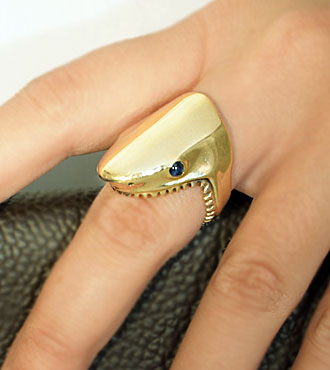
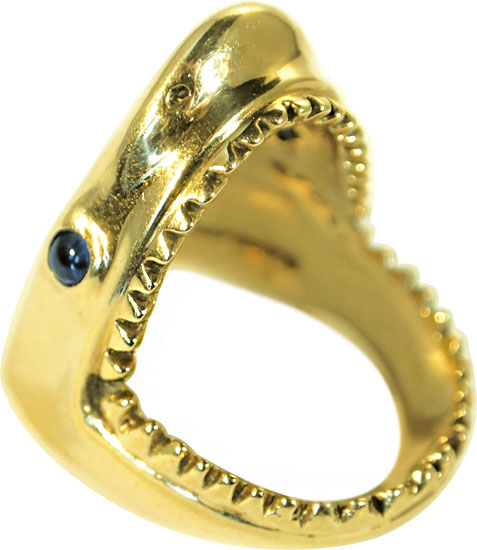
காளிதாசனின் மற்றொரு நாடகமான மாளவிகா அக்னிமித்ரத்திலும் பாம்பு மோதிரம் வருகிறது. சங்கத் தமிழ் இலக்கியத்தில் கலித்தொகையில் மருதன் இளநாகன் பாடிய மருதக் கலியில் சுறாமீன் மோதிரம் பற்றி வருகிறது. விசாகதத்தன் எழுதிய முத்ரா ராக்ஷசத்திலும் மோதிரம் முக்கியப் பங்கு ஆற்றுகிறது.

இலக்கிய நயத்தை ரசிப்பவர்களுக்கு மட்டுமின்றி மோதிர ஆராய்ச்சியில் ஈடுபடுவோருக்கும் இவற்றிலிருந்து பல செய்திகள் கிடைக்கின்றன:–

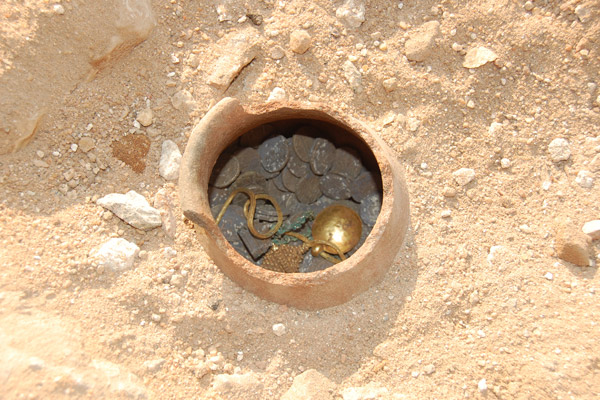
treasure_goldcoins_thazhi_1

Ring found near Karur in a  Perumal temple

1.மோதிரங்கள் அரசாங்க முத்திரைகளாக பயன்படுத்தப்பட்டன.

2.சகுந்தலைக்கு துஷ்யந்தன் கொடுத்த மோதிரத்திலும், சீதைக்கு ராமன் அனுப்பிய மோதிரத்திலும் அவரவர் பெயர்கள் இருந்தன. அதை அந்தப் பெண்மணிகள் படித்தனர். அந்தக் காலத்தில் பெண்களுக்கு எழுத்தறிவு இருந்ததை இது காட்டுகிறது.

3.மாளவிகாக்னிமித்ர நாடகத்தில் பாம்பு மோதிரம் மூலம் விஷம் இறக்கப்படுகிறது. மோதிரம் குறித்த நம்பிக்கைகளை இது காட்டுகிறது.

4.சகுந்தலையை மணம் புரிய விரும்பிய துஷ்யந்தன் நிச்சயதார்த்த மோதிரமாக அவளுக்குக் கொடுக்கிறான். இப்பொழுது வெளிநாடுகளில் “என்கேஜ்மென் ட் மோதிரம்” — என்பது மிகப்பெரிய விஷயம்- மிகப்பெரிய பிஸினசும் கூட. இந்த வழக்கத்தை உலகிற்குக் கற்பித்தவர்கள் இந்துக்களே.

roman-jewelry-seal-ring

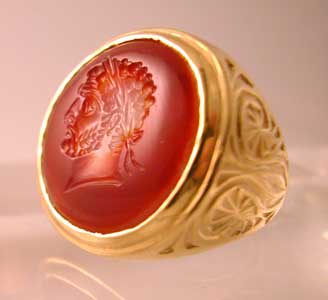
Romanian ring

5.ராமர், துஷ்யந்தன் மோதிரங்களில் அவரவர் பெயர் இருந்தது அந்த காலத்தில் இருந்த பெயர் எழுதும் வழக்கத்தையும் சிந்து சமவெளி நாகரீகத்துக்கு முன்னமேயே இப்படி பெயர்கள், எழுத்துக்கள் பயன்படுத்தப்பட்டதையும் காட்டுகிறது. சிந்துவெளி எழுத்து முத்திரைகளிலும் பெயர்கள், ஊர்கள் இருக்கலாம்.

6.கலித்தொகையில் பரத்தை வீட்டுக்குச் சென்ற தலைவனுக்கு ஒரு பரத்தை மோதிரம் கொடுத்ததும் அதில் சுறாமீன் படம் இருந்ததும் தெரியவருகிறது. பரத்தையிடம் எல்லோரும் பொருளை இழப்பர். ஆனால் இங்கோ பரத்தை அன்பின் மிகுதியால் ஒரு வாடிக்கையாளருக்கு மோதிரம் கொடுத்ததை அறிகிறோம்.

roam ring with name

Roman ring with their names

7.கலித்தொகை மோதிரக் காட்சியில் தலைவி கோபத்துடன் வசைமாரி பொழிவது தெரிகிறது. மன்மதனின் மகரக் கொடியில் உள்ள சுறாமீன் படத்தைக் காட்டி உன் இதயத்தை நிரந்தரமாக வசப்படுத்துகிறாளோ என்று தலைவனையும் விலைமாதரையும் குறை கூறுகிறாள்

8.வெளிநாடுகளில் மோதிரங்கள், கிரீடங்கள், நகைகள் ஆகியவற்றை காட்சிக்கு வைக்கின்றனர். இதனால் அவர்களுக்குப் பெரும்பொருள் கிடைக்கிறது. இந்தியர்களும் இவ்வாற் செய்யவேண்டும். நாம் அனைத்தையும் உருக்கி அழித்து விட்டோம் — ஆனால் இன்னும் கூட மன்னர்களின் அரண்மணைகளிலும், கோவில்களிலும் பொக்கிஷங்கள் உள்ளன. அவற்றிலும் ஆராய்ச்சி செய்யலாம்.

9.இந்திய செல்வங்கள் அனைத்தும் வெளிநாட்டு ஏல நிறுவனங்களுக்கு ரகசியமாக வந்து விடுகின்றன. இதைத் தடுக்க அரசும், சர்வ தேச  நிறுவனங்களும் ஏற்பாடு செய்ய வேண்டும்.

10.ரோமானிய மோதிரங்களை தமிழர்கள் இறக்குமதி செய்திருக்க வாய்ப்புகள் உண்டு. மீன் பொறித்த, டால்பின் பொறித்த மோதிரங்கள் கிரேக்க , ரோமாஇய கலாசாரங்களில் உள்ளன. கப்பல் ஓட்டி வரும் மாலுமிகள் அனதந்த நாட்டிலுள்ள விலைமாதர்களிடம் செல்வதும் செல்வங்களை இழப்பதும் உலகறிந்த விஷயம். பாலியல் நோய்களுக்கே கடலோடி நோய்/ மாலுமி நோய்கள் என்று பெயர்.

Tamil-Heritage-Foundation

Tamil heritage foundation later adopted this emblem from the ring that disppeared mysteriously from Tamil Nadu.

11.ரகுவம்ச காவியத்தில் காளிதாசன் ரத்ன அங்குலீயம் அணிந்த மன்னர்களைக் குறிப்பிடுவான். திருப்பதி, திருவனந்தபுரம் கோவிலகளிலும் மன்னர்களின் அரண்மனை கஜானாக்களிலும் இன்று அதுபோல மோதிரங்கள் இருக்கின்றன. அவைகளைக் காட்சிக்கு வைத்தால் பெரும்பொருள் கிடைக்கும்.

238ring22

இதோ கலித்தொகை மோதிரப்பாடல்:

சிறுபட்டி; ஏதிலார் கை எம்மை எள்ளுபு நீ தொட்ட

மோதிரம் யாவோ? யாம் காண்கு;

அவற்றுள் நறாவிதழ் கண்டன்ன  செவ்விரற்கு ஏற்பச்

சுறா ஏறு எழுதிய மோதிரம் தொட்டாள்

குறி அறிந்தேன்;  காமன் கொடி எழுதி என்றும்

செறியாப் பரத்தை இவன் தந்தை மார்பில்

பொறி ஒற்றிக்கொண்டு ஆள்வல் —–

( மருதக் கலி, கலித்தொகை)

museum ring 1

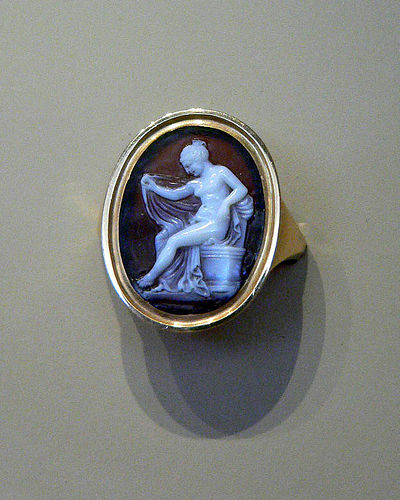
Romanian cameo ring

சீதைக்குக் கிடைத்த மோதிரம்

சுந்தர காண்டத்தில் சீதையிடம் அனுமன் மோதிரத்தைக் கொடுக்கவும் அதில் ராம என்னும் நாமத்தைக் கண்டு ஆனந்தக் கண்ணீர் விடுகிறாள் சீதா தேவி. அனுமன் மீது புதிய நம்பிக்கை பிறக்கிறது. அந்தக் காலத்தில் புதியோரிடம் இப்படி அடையாளப் பொருளைக் கொடுத்து அனுப்புவது வழக்கம் என்றும் தெரிகிறது

இதே போல துஷ்யந்தன் கொடுத்த மோதிரமே கடைசியாக சகுந்தலையை மன்னனிடம் இணைக்கும் சாட்சியாக / தடயமாக அமைகிறது. அதை அவள் சோம தீர்த்தம் என்னும் இடத்தில் புனித நீராடுகையில் தவற விடவே அதை ஒரு மீன் விழுங்குகிறது அதைப் பிடித்த செம்படவர்கள் அதை அரசனிடம் சேர்ப்பிக்கின்றனர். அது பழைய நினைவுகளைக் கொணரவே அவன் மீண்டும் சகுந்தலையை ஏற்கிறான். அதற்கு முன்னர் அவளை யார் என்று தெரியாது என்கிறான். அவன் கொடுத்த நிச்சயதார்த்த மோதிரத்தை அவனே மறந்து விடுகிறான்.

காளிதாசனின் மாளவிகா அக்னிமித்ர நாடகத்தில் வரும் பாம்பு மோதிரமும், ரகு வம்சத்தில் வரும் சீதை மோதிரக் காட்சியும், சாகுந்தலத்தில் வரும் மோதிரக் காட்சியும், விசாக தத்தன் நாடகத்தில் வரும் மந்திரி ராக்ஷசனின் மோதிரக் காட்சியும் வால்மீகி முனிவரால் தோற்றுவிக்கப்பட்ட கருவில் உருவானவையே என்பதில் ஐயமில்லை.

tiberius

கொடுங்கோலர்களான நந்த வம்சத்தினரின் ஆட்சியினை சாணக்கியன் என்னும் பார்ப்பனன் வேருடன் வீழ்த்திய முத்ரா ராகஷச வரலாற்று நாடகத்தில் நந்த வம்ச மன்னன் மந்திரி ராக்ஷசனின் மோதிரம் முக்கியப் பங்காற்றுகிறது.

ஆக மோதிரம் என்பது பழங்காலத்தில் முக்கிய அடையாளம், முத்திரை, அரசாங்கச் சின்னம் என்பதை அறிய இந்த இலக்கியக் குறிப்புகள் உதவும். மேலை நாடுகளில் மோதிரங்கள் பற்றிய தனி ஆராய்ச்சிப் புத்தககங்கள் கிடைக்கின்றன. கண்காட்சிகளில் மோதிரங்கள் பளிச்சிடுகின்றன. நாமும் மோதிர ஆரய்ச்சி செய்து இருக்கும் மோதிரங்களிலாவது கிடைக்கும் வரலாற்றுத் தடயங்களை அறிதல் வேண்டும்.

தமிழ் நாட்டில் கிடைத்த ஒரு அருமையான ரோமானிய மோதிரம் ஒரு சில நாட்களுக்குள் மாயமாய் மறைந்து பெரும்பரபரப்பை ஏற்படுத்தியது. அது இப்பொழுது வெளிநாட்டில் இருக்கும் என்பதும் அதைவிற்றவர் பல லட்சம் பெற்றிருப்பார் என்பதும் ஊகித்தறியக்கூடியதே.

contact swami_48@yahoo.com

Four Gold Rings in Ramayana and Kalidasa’s Works

museum ring 1

Roman cameo ring

Research paper written by London Swaminathan

Research article No.1520; Dated  26th   December 2014.

Gold Rings play an important part in Valmiki Ramayana and three of Kalidasa’s works in addition to Vishaka Datta’s Mudra Rakshasa.

Valmiki, the great Adi Kavi, inspired Kalidasa and Vishaka datta. All these are Sanskrit works. In Sangam Tamil literature we have one reference to a gold ring with shark picture on it. Such rings are found in Rome and Greece. Apart from their literary merits, there are lot of things for researchers.

1.Gold rings were used as seals. They were like government seals and emblems.

2.Gold rings have personal names inscribed on it. Rama’s name was there on his ring. Dushyanata’s name was inscribed on it.

3.Sita was able to recognise the letters RAMA and Shakuntala was able to read the letters. So women were literates and highly educated. Kalidasa tells us how many letters were in Dushyanta’s name and asked Shakuntala to count them so that she would know many days she had to wait.

tiberius

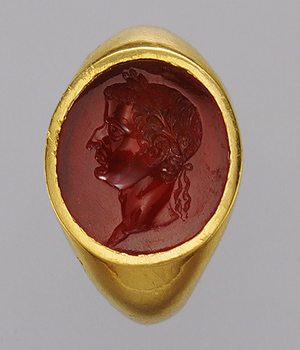
Tiberius ring

4.Tamil had rings with shark picture on them. They might have been imported from Rome. Roman gold coins are found in nook corner of Tamil Nadu and the vaults of Ananta Padmanabha Swami Temple of Tiruvanathapuram, Kerala.

5.Kalidasa gives information about  gem studded rings (Ratna Angukiyam) in Raghu Vamsa (6-18, 12-62, 12-65). In the Sakuntalam, he mentioned about giving engagement rings. Now it has become a big custom and big business in Western countries. Actually Hindus taught the world about giving Engagement Rings. Giving flowers is in Tamil literature.

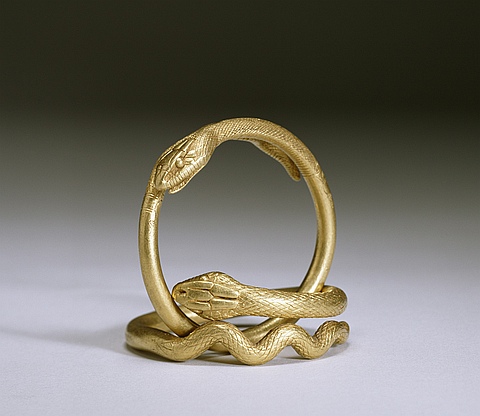
6.Kalidasa also gives information about ring with a snake picture on it in his drama Malavika Agnimitram.

7.In Kalidasa’s Abinjana Sakuntalam and in Vishaka Datta’s Mudra Rakshasa, the ring  plays an important part. Sanskrit scholar Chandra Rajan compared it with Shakespeare’s Othello (hand kerchief instead of ring in Othello).

snake ring

Snake ring

  1. Tamil Poet Maruthan Ilanakan used (Kali- 84) the ring in his Kalitokai verse. It is a gold ring given by a prostitute to the hero. It shows that prostitutes were very rich and they may even give rings to their customers if they fall in love with them. In other parts of the world, it is other way round; they only received, never donated.

9.Since Tamil ring has a Makara/shark, Romans might have brought them. Sailors used to visit prostitutes  the counties they visit and the VD or STD are called Sailor’s diseases. But the heroine actually said that it was Manmatha’s flag emblem, meaning that the prostitute wanted to rule over his heart for ever. Manamatha  is God of Love.

10.in Mudra Rakshasa, it is the signet ring of a minister. So, all the top government officials used their rings as signatures. Each one must have a different picture or personal name on it.

11.It is unfortunate that we have such rings only in the vaults of Maharajas now, which slowly find their way to auction houses in London and New York.

roman-jewelry-seal-ring

12.When I visited Stockholm I was able to see all the jewellery in the museums. In my city London, people queue to see the Royal jewellery including India’s Kohinoor diamond. I paid to enter Metropolitan Museum in New York. India can mint money by displaying her treasures properly. Government should set up a panel for this purpose with historians and archaeologists.

13.Indian government must ban legal or illegal “export” of all Indian jewellery to foreign auction houses. They must also make arrangements to display all the jewellery of temples such as Tirupati, Tiruvananthapuram and palaces of Maharajas. There are many more hidden gems lying in the dark rooms of India. I have written about our treasures in Tehran museum.

(Please Read my articles on “India needs an Indian Jones” and the Diamond studded Rs 1000 crore Globe in Tehran Museum)

238ring3

Gold Ring in Valmiki Ramayana (Sundara Kanda, Canto 36)

Sangam Tamil book Purananuru says that the monkeys did not know how to wear Sita’s jewellery! Sita threw them down from Ravana’s air plane. Hanuman took Sita’s jewellery back to Rama . Hanuman won Sita’s confidence when he gave her Rama’s ring. When she saw the ring with Rama’s name on it she believed that Hanuman was a real messenger from Lord Rama.

Here is the verse from Sundara Kanda

“O, Fortunate One, I am a monkey, the messenger of the sagacious Rama; behold this precious ring on which his name is engraved! O, Goddess, it was given to me by that magnanimous hero so that thou shouldst have faith in me”

“Janaki taking the jewel that had adorned her lord, was overcome with joy, as if he himself were present her gentle countenance with its large eyes sparkle with delight resembling the moon released from Rahu’s hold. Blushing with pleasure on receiving this token from her lord, that youthful woman, in her satisfaction, began to look on that great monkey as on a friend and paid tribute to him”.

From The Ramayana of Valmiki, Volume II, Translated by Hari Prasad Shastri

Here is the Gold Ring from Abhinjana sakuntalam:-

King : Then putting the ring on her finger, I said to her;

Madhavya: What did you say?

King: Count off each day one letter of my name

On the Ring; and when you come to the last,

An escort will present himself, my love,

To lead you to my Royal Apartments.

But in blank confusion I acted cruelly.

Mitrakesi: A charming arrangement, no doubt; only fate slipped in and broke it

Madhavya: How on earth did the ring enter the (fish) carp’s mouth as if it were a hook?

King: It slipped off your friend’s finger when she was worshipping the waters at Sasi’s pool (Soma Tirtha).

Act 6 of Sakuntalam (Chandra Rajan’s Translation in “Kalidasa-The Loom of Time”).

238ring22

Chandra Rajan compared it with Othello of Shakespeare:

“In Othello, proof of the heroine’s chastity and love is demanded. Desdemona’s chastity hangs on a hand kerchief; Sakuntala’s on a ring. Both heroines are blissfully unaware of the importance of the token. To them love is its own proof and a witness to their charity”

Snake ring in Malavikagnimitram

Act 4 of Malavikagnimitram says that the queen parted with her signet ring bearing a serpent seal, as it was required by the poison-doctor to effect a magical cure. He thus procures the freedom of Malavika.

Mudra Rakshasa

The meaning of the drama is “The Signet Ring of Rakshasa”, the Chief Minister of last Nanda King. Chanakya, installed Chandragupta Maurya as king, and dethroned the last Nanda king. Nanda king’s chief minister Rakshasa was made to switch sides through the clever plans of Chanakya.

16 Virtues of Great Kings

dasaratha

Dasaratha in painting

Research paper written by London Swaminathan

Research article No.1517; Dated  25  December 2014.

Kalidasa, the greatest Indian poet of classical age, begins his Raghuvamsa, with bombastic words in Sanskrit. But he was so humble that he compared himself to a dwarf trying to reach fruits on a tall tree with his tiny arms.

But in the very next verse he said that he can do it because the old poets had already pierced the diamond through their verses. Now his job is like sending a thread through that hole.

But those who knew Sanskrit felt that he excelled all other poets in the choice of words as well as the description of sixteen great virtues of the Raghukula, the clan of Lord Rama (Rama’s forefather was Raghu).

This is not only for those who look for literary gems but also for those who want to study what Hinduism stood for.

rajasthani_painting_HM45_l

1.Pure from their birth- Aajanma Sudhhaanaam

The kings were pure from their birth. No bad name for the family, all their forefathers were embodiments of great virtues

2.Who till they won success worked on – Aafalodaya karmaanaam

They worked very hard till they won the task.

Perseverance was one of their virtues, never stopped in the middle.

They tried like Bhageeratha, who brought Ganges from the heaven ( actually he was a great engineer and planned to divert Ganges towards Uttar Pradesh, Bihar and Bengal for irrigation. With great and long effort  he succeeded in the Himalayan engineering work)

3.Ruled Earth to the Sea – Aasamudra Kshithisaanaam

They did not rule small areas. From shore to shore they ruled. Kalidasa , who lived in the first century BCE, during the reign of Vikramaditya, knew what he was talking about. He routed all the foreign forces and drove them out of the vast Indian sub continent.

king4

4.Their Car track reached to heaven —  Aanaaka ratha varthmanaam

Their chariots had direct route to heaven; that meant they were so pure they go to heaven when the leave their bodies at will.

5.The altar fire they tended – Yathaavidhi Huthaagniinaam

They were very pious and did great Yagnas like Asvamedha, Rajasuya etc.

6.Suppliants all Most fully satisfied – Archithaarthinaam

All were satisfied; their needs were met.

7.Ill deeds they punished – Yathaaparaatha Dandaanaam

They punished according to the gravity of the crimes; neither too much nor too less.

indian-royal-procession-bi96_l

8.Nor were slothful in their rule –Yathaakaala Prabhodhinaam

They were never lazy.

9.Wealth they amassed to scatter – Thyaagaaya sambruthaarthaanaam

They accumulated wealth only to give it back to the poor

10.Sparing words they never spoke falsely- Sathyaaya Mithbahaasinaam

They spoke a few words fearing that they may tell something wrong by the slip of the tongue.

king2

11.Fame in war they sought- not gain – Yasasee Vijigishuunaam

They fought wars indeed, but all Dharma Yuddha, not for the booty, but for fame. This is a great concept seen nowhere in the world. Sangam Tamil literature and Sanskrit literature were crystal clear that innocents should not suffer during wars. All the old people, invalids, women, Brahmins, sick people, children were asked to vacate the place and the wars were fought outside the town.

When the king was killed or defeated they accepted the verdict. But after the foreign invasions, the picture changed completely. Since they did all the illegal and immoral things, Hindu rulers also fell in that grew.

12.Wedded  for noble seed – Prajaayai Gruhamedhinaam

They married and led a family life not for sexual pleasure, but for progeny.

13.Their children studied—Saisave abhyasthavidhyaanaam

They studied all through their life from childhood. They were lifelong students. They updated their knowledge now and then.

king_s_procession

  1. Youth pursued its decent pleasures – Yauvane Vishayaishinaam

They followed only decent pleasures even when they were young.

15.And in ripe old age they lived as ascetics – Vardhakee Munivriththinaam

They lead ascetic life when they became old

16.Relinquished their bodies in meditation- Ante Yogena Thanuthyajaam

They did not die without any purpose. They left the body at will meditating upon God like the great Bhishma Pitamaha.

Contact swami_48@yahoo.com

OM symbol in Europe (2000 BCE)!

220px-Om.svg

Research paper written by London Swaminathan
Research article No.1480; Dated 12th December 2014.

One need not be extraordinarily brilliant to see the link between AUM (Om) and Number three. Look at the pictures and read the description of Om in Hindu scriptures and then judge for yourself!

Om is the primal sound. This is the name of Brahman or God. It is the word from which everything came. Om has no beginning, no end. During cosmic dissolution, the universe is merged into Aum.

Of all the Mantras, the most powerful is the single syllable incantation called the Pranava, i.e. Om. Lord Krishna confirms it in the Bhagavad Gita. “of the incantations I am the single aksharam (Aum/Om)— (B.G.10-25)

All the Vedic recitations begin with Om. No mantra gets its power without Pranava. Only when it is added all the mantras get life force. That is why it is called Pranava. Om moves the Prana or the cosmic vital force.

Krishna says in Bhagavad Gita 8-13 that those who depart reach the highest goal if they recite the Pranava.
In the Gita sloka 17-24, he says

“Therefore with the utterance of Om the acts of sacrifice, gift and penance enjoined in the scriptures are always undertaken by the expounders of Brahman”.

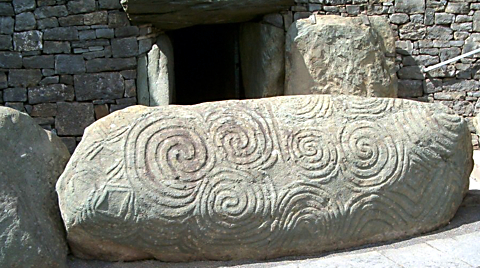
newgrange.jpg

Aum and Number 3
Aum stands for Brahma, Vishnu and Shiva (Trinity)
It stands for the world made up of tri gunas (triple manifestations of nature). They are Satva Guna/ tranquillity, Rajo Guna/ passionate activity, Tamo Guna/ inactivity.

Esoterically Om stands for of our physical, astral and casual bodies.

AUM is made up of three letters: A is guttural, U is middle and M is the labial. In short Om stands for all that is manifested and un manifested.

AUM = Three Letters A, U, M can be seen in Sanskrit AUM and Tamil AUM. Actually the three letters written jointly and that only forms the AUM symbol.

The efficacy of the Mantra “Aum” and the benefits of reciting Mantra Aum fall beyond the scope of this article. I will show how the same here forces are understood by all ancient cultures and wrote the symbol in the same way.

There are 207 entries under Number 3 in the Encyclopaedia of Numerals in Sanskrit literature. If I add Tamil entries it will add to another 100 at least! From other cultures I can add hundred more!

rockart
New Grange, Megalithic Spiral Art, Ireland
#

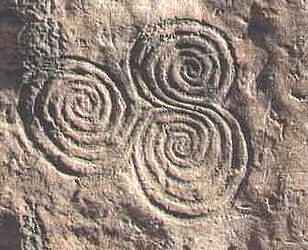
Three spirals at new grange
New grange is in Republic of Ireland. It is one of the most impressive megalithic tombs in Europe. The most remarkable example of megalithic art in Europe is the entrance stone at New Grange. Its three spirals are similar to found on Malta and Brittany in France. The spiral symbolised a natural force of which the builders were aware. It is dated around 2000 BCE.

Some of the spirals at New Grange have seven turns; but this is not usual; they do turn both clockwise and counter clock wise . It shows that it is more than a decoration. It indicates the builders’ awareness of the natural force or energy.
Omega_uc_lc.svg.hi
Omega of Greek alphabet.If we slightly turn it, it will match with Aum

OMEGA is Greek
“O – Mega” means Big O. That is the last letter of the Greek alphabet. Like Krishna, Jesus also said “I am the Alpha and the Omega” in the Bible (Revelation 22-13).
The Greek O was not only called Maga O that was placed as the last letter as well. This indicates how much they valued it. As we all know “O” is one of the vowels in all the major languages of the world.

Several cultures have got three hands or three legs as their emblem. But the three rounds, looking like Aum, is in the tombs in Ireland. This reminds of what Krishna said in Bhagavad Gita (8-13), who ever departs saying this letter will reach the highest goal. That is why we find this symbol in such places like passage graves.

triskailion
Triskelion in Celtic Art

Triskelion
Triskelion is a design that appears on pre historic earthenware. A circle is divided into three parts. This symbol adorns the wall of Irish megaliths.

There are also Triskelions formed from three human legs bent at the knee. We see it in the arms of Isle of Man with the motto/slogan –“It will stand erect wherever it is thrown”. The city of Fussen in Bavaria also has this emblem
isla of man
Isle of Man emblem of Three Legs

The form of three overlapping circles, are frequently found in the windows of Gothic Churches.
What is the purpose for these designs or emblems?

All these emblems demonstrate vital positive force going in clock wise direction, same like Hindu AUM.

0m-in-Various-Scripts
contact swami_48@yahoo.com

Jesus name in Bhagavad Gita! Tamil Fish symbol in Britain!!

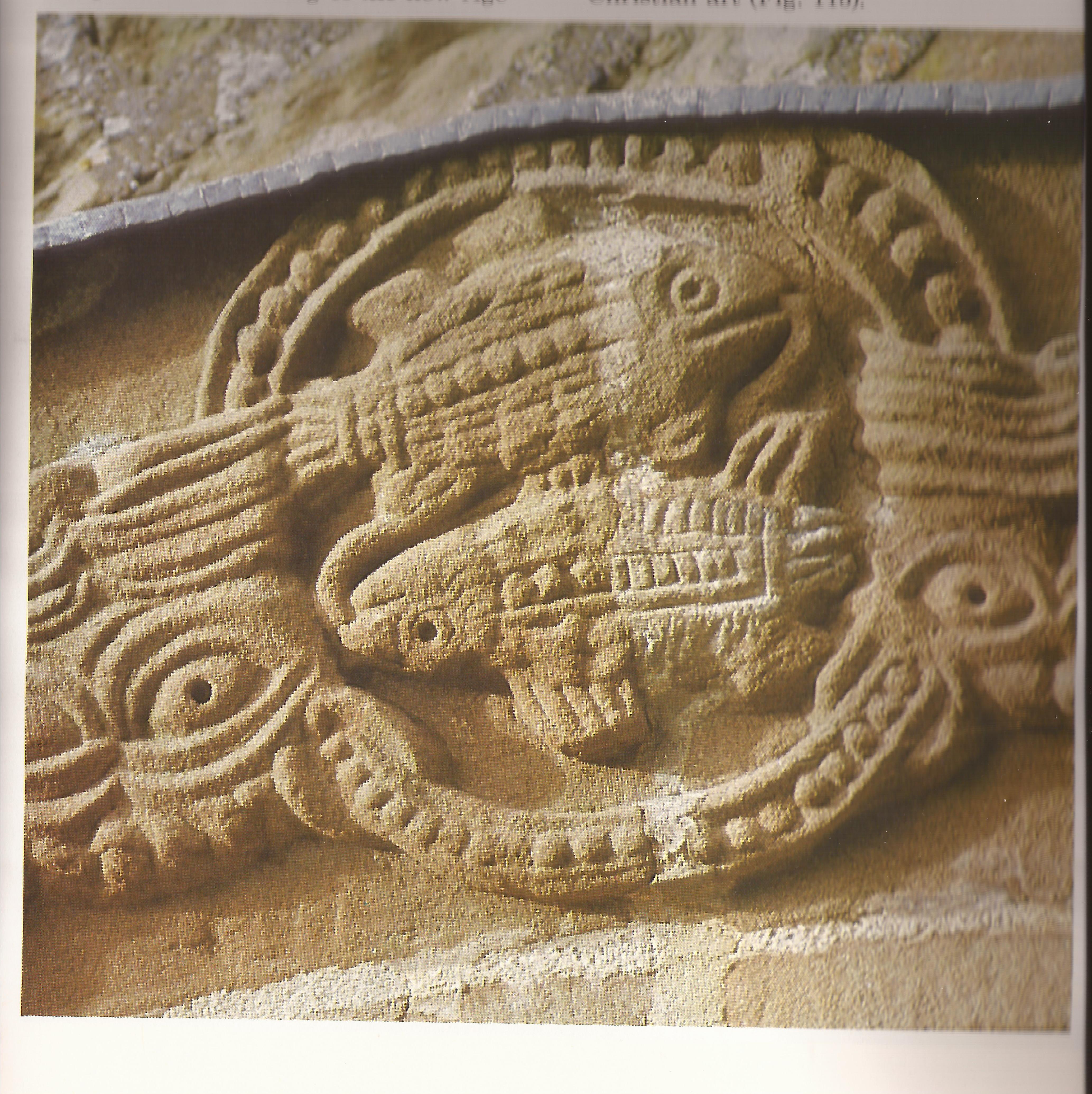
kilpeck church-2
Norman relief carving on the porch of Kilpeck Church, Herford and Worcester (Britain)

Research paper written by London Swaminathan
Research article No.1473; Dated 10th December 2014.

Two thousand years ago Tamil Kings of Pandya Kingdom have two fishes as their emblem. Indus valley civilization has God’s name in the fish icon. Lord Vishnu’s first avatar was Fish (Matsya). Vedas have a mysterious king by name Matsya Sammada. Jesus Christ was identified with Fish. Pandya’s emblem is found around the word.

Why did medieval people use the secret name Fish for Jesus?
Why did Pandya Kings use two fishes as their emblem?
Why do we have the fish emblem around the world?
Why does Manmatha, God of Love, kept Fish in his flag?
Why do we see saints associated with fish including the Sindhi saint?

I have already answered most of these questions in my article Fish God around the World. Now I have more evidence to show that Jesus’ name is a Sanskrit word found in Bhagavad Gita. Now I have evidence to show why Tamil twin fish was used around the world.

Jesus =Jasanam aham Makara: — Lord Krishna (Gita 10-31)

three fishes scan

Three fishes with the name of the fish in Greek Ixths in the Abbey Church, Hexam Priory, Northumberland

Scholars struggled very hard to justify why Jesus was identified with Fish symbol. At last they found out a circuitous route to explain it. They took him all the way to Greece and named him fish in Greek language! No one can see any logic in this strange link! In Greek “Ichtys” means fish and it was the acronym for” Iseous Christos Theou Hyos Soter” (Jesus Christ, Son of God, Saviour). This is a scholarly invention or concoction. It is like giving the meaning for the word ‘WIFE’ as “Worries Invited Fore Ever”! A senseless joke. The fact of the matter is that in the Bhagavad Gita, Hindus’ holy book, Lord Krishna says, “Jasaanaam makaras ca asmi”. The meaning is “Of the fishes I am Makara”. Makara is translated as shark or alligator or even big fish. Here the Sanskrit word for fish is Jasa. In course of time this sound was used for Isa (God), Yasa/s(fame) and names such as Jason etc.

In short, the Sanskrit word for fish and the name of Jesus sounded similar. But scholars struggled very hard to give umpteen interpretations for Jesus’ link with fish.

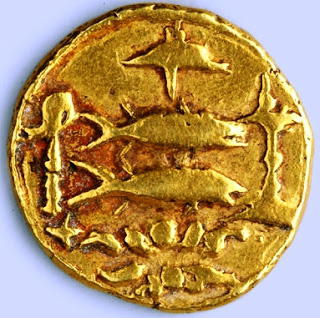
gold coin
Gold coin of Alupas, Karnataka Pandyas

The fish symbol stands for Gods and Devas in Indus seals according to several scholars which is corroborated by Vishnu’s first incarnation in the story of Great Floods. Even the Biblical name Nova is from the Sanskrit word Nava/Nova=ship. Nova simply meant shipman/boatman. English words Navy, Naval etc came from this Sanskrit word.

Kalidasa also compared fish with devas.
(For more information please read my tow part article Sanskrit in Bible)

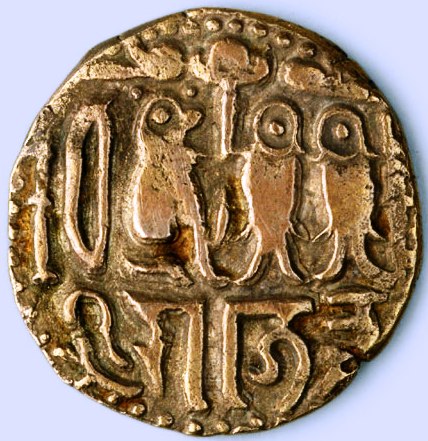
vira pandya
Vira Pandya and Sundara Pandya issued coins like this

Fish is a Lucky Symbol and a Love Symbol
Why do we find the Tamil symbol of Two Fishes around the world?
In ancient Egypt kings and priests could not eat fish, because they were considered sacred like the Hindu’s Holy Cow. The eel was sacred symbol of God of Heliopolis and the perch was to the Goddess Neith. In China, fish was the symbol of happiness and sexual pleasure.

In Hindu myth Vishnu as fish saved Manu, the ancestral father of the human race. Greek philosopher Aristotle ignorantly thought fishes were unisexual!

1.The Zodiacal sign Pisces has two fishes. Pandya coins and flags had the same symbol.
2.Norman relief carving on the porch of Kilpeck Church, Hertford and Worcester (U.K.) have the same emblem.
3.Of the Eight Auspicious symbols of Buddhism we have two fishes.

4.Mahavira’s mother had seen 16 auspicious things in her dream and one of them was two jumping fishes.
5.Three fishes were inscribed on several churches to mean Jesus+ 2 Fish
6.The fish on the choir wall of San Miniato al Monte, Florence (Italy) is lit by sun beam for a few seconds every year. It was built in 13th century.

7.Duomo Museum, Orvieto, Italy has two fish sculpture.

pandya-flags
Pandya Flag looked like this.

Conclusion
Emblem of Two fishes has been in use for several thousand years. Hindus, Buddhists and Jains used it even before Christ was born. Pandya kings used it for nearly 2000 years. They represent God Vishnu, Luck and Happiness.

contact swami_48@yahoo.com