Indra – Taranis – Thor in Indus Valley Civilization

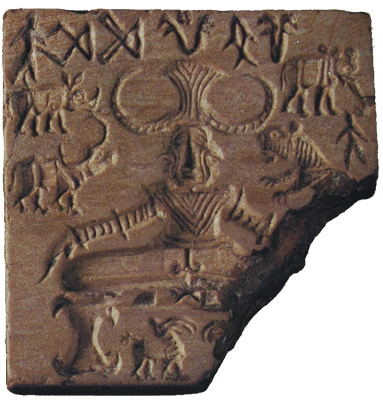
industablet2
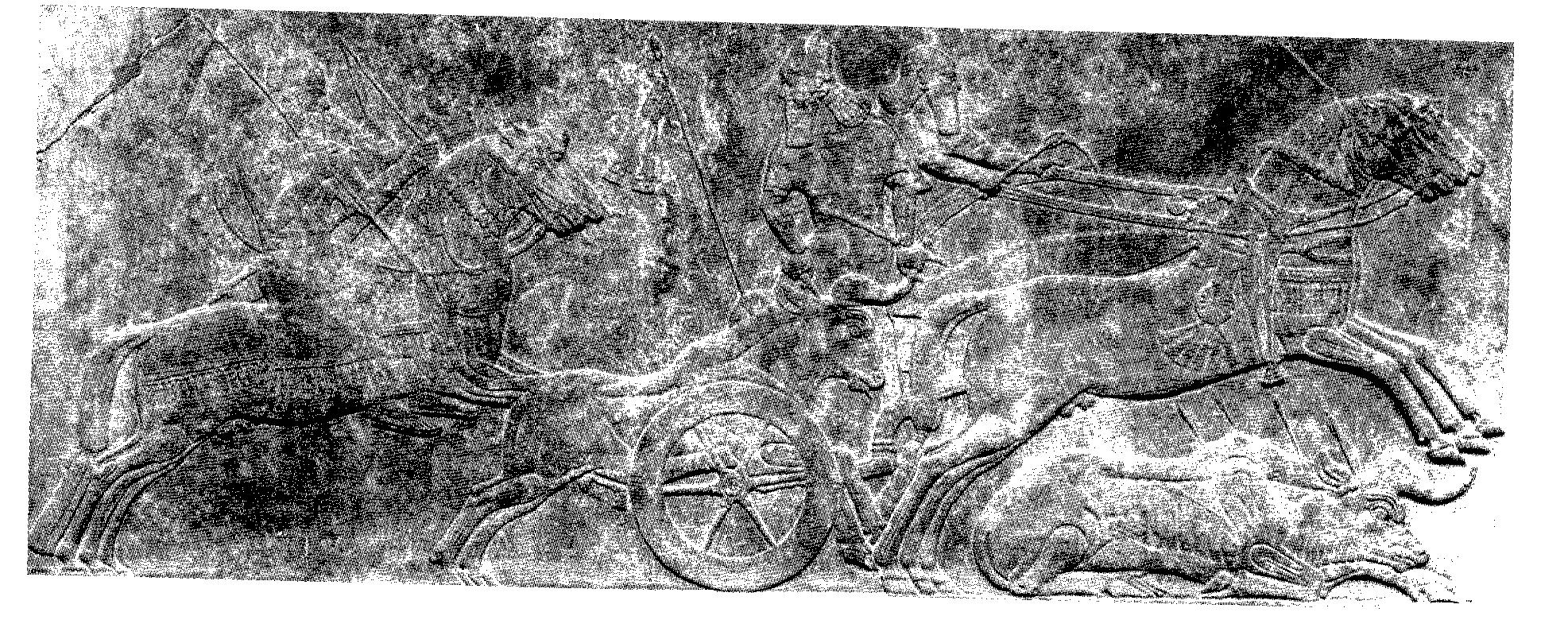
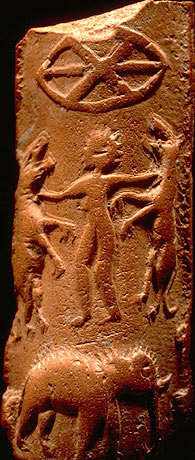
Indra in Indus Valley on Iravata with Chakra above

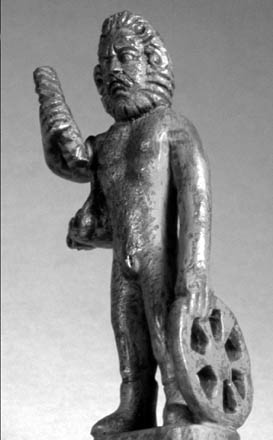
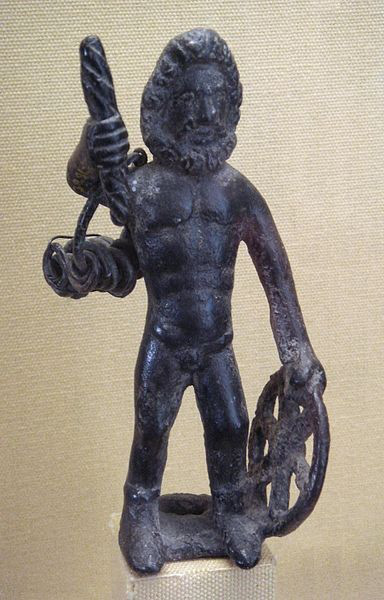
taranis,celtic indra
Celtic Indra Taranis with wheel

Research Paper written by London Swaminathan
Post No.1268;Dated 5th September 2014.

On 29 May 2011, I posted an article with the title “Indus Valley Civilization- New Approach required” in this blog. I have posted the picture of a tablet with elephant and a standing figure on it with a wheel above .I interpreted it as Indra on Airavata. Indra is called Sakra in Hindu and Buddhist scriptures. The sound Chakra means a wheel also powerful. Now I have more proof from the Celtic Gods and Norse Gods though there is a wide gap in the time.

The oldest Tamil book Tolkappiam described Indra and Varuna as Tamils’ Gods. Indra is called Venthan which means King. In Sanskrit also we have one word for the king and Indra. Kings are depicted with wheels in Indian literature. That wheel is glorified as blazing wheel meaning The Sun.

We have similar Gods in Celtic pantheon Taranis and Thor in Norse pantheon with all the attributes of Indra; because of the gap in time we can’t expect 100 percent similarity. I give below some points just for comparison:
taranis-statue1

Taranis (400 BCE to 400 CE)

Taranis means The Thunderer. He was the ancient Romano-Celtic god of Thunder (similar to Indra).
Statues of him depict a man with a wheel and lightning bolt (similar to Indus tablet: Sakra=wheel and Indra’s thunder bolt is Vajrayudha)
It has been suggested that the wheel represents sun (Hindu kings are called Sun (Aditya) and they are said to have derived from the Sun (Surya Vamsa=Solar race)
He was associated with the classical god Jupiter.
The wheel has been interpreted as a chariot wheel as well. All other thunder gods make the roar of thunder with the chariot wheels.
Taranis has his equivalents in the British Islands Leucetius and Taranuctus.

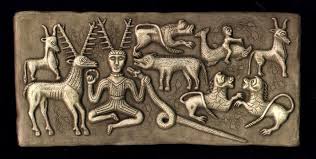
denmark pasupati
Denmark Pasupati (Gundestrup Cauldron)

IthyphallicProtoSiva
Indus Valley Pasupati

Thor ( worshipped between 700 CE to 1100 CE)

Thor was the Scandinavian god of the sky and thunder.
He was derived from earlier Germanic sky and thunder god Donar which means thunder.
Thursday was named after him (This is also similar to Hindu beliefs. Thursday is the Guruwar and Guru is planet Jupiter, who is associated with Taranis and Indra)
Thor’s weapon was a thunder looking like hammer.
He had tremendous power to shatter the mountains (Vedas describe Indra as powerful who broke the mountains to release water. He cut off the wings of flying mountains)
Thor was a popular deity in Norway and Iceland. He killed lot of monsters and demons (Indra also killed scores of demons and Ahi, the dragon)
Swastika derived from axe is associated with him (Hindu symbol Swastika is found in Indus Valley and associated with all kings).
He rides in a chariot drawn by two goats (Indra rides on Elephant Airavata, but goats are sacrificed to him in the Yagas).

gajalakshmi
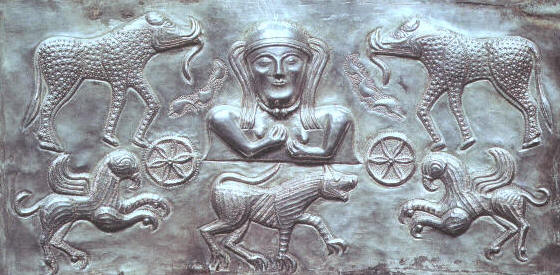
Denamark Gajalakshmi (Gundestrup Cauldron)

Gundestrup_C

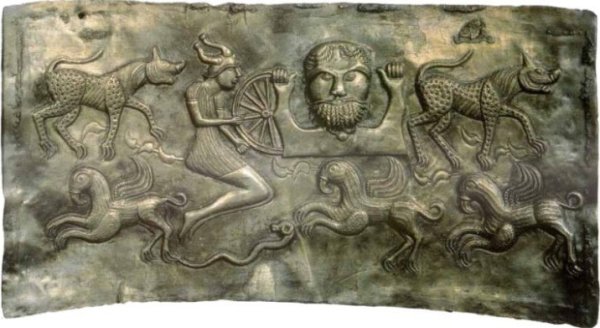
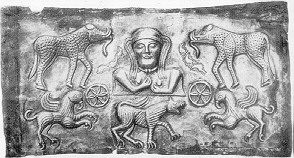
Denmark Indra/Taranis on Gundestrup cauldron

Conclusion
1.Taranis, Thor, Jupiter and Indra are one and the same god.
2.They are associated with the wheel and thunder.
3.Since Gundestrup cauldron found in Denmark has Pasupati figure, Hindu Gajalkshmi figure and Tarani’s (Indra) figure, it is reasonable to compare it with the Indus tablet on elephant. I confirm it as Indra with the wheel. Indra’s name in Sanskrit is Sakra, which means the wheel. Even if the spelling is different for Sakra=the powerful and Chakra= the wheel, in the olden days both might have been interchangeable.

Please read my 20+ articles on Indus Valley Civilization.

Contact swami_48@yahoo.com

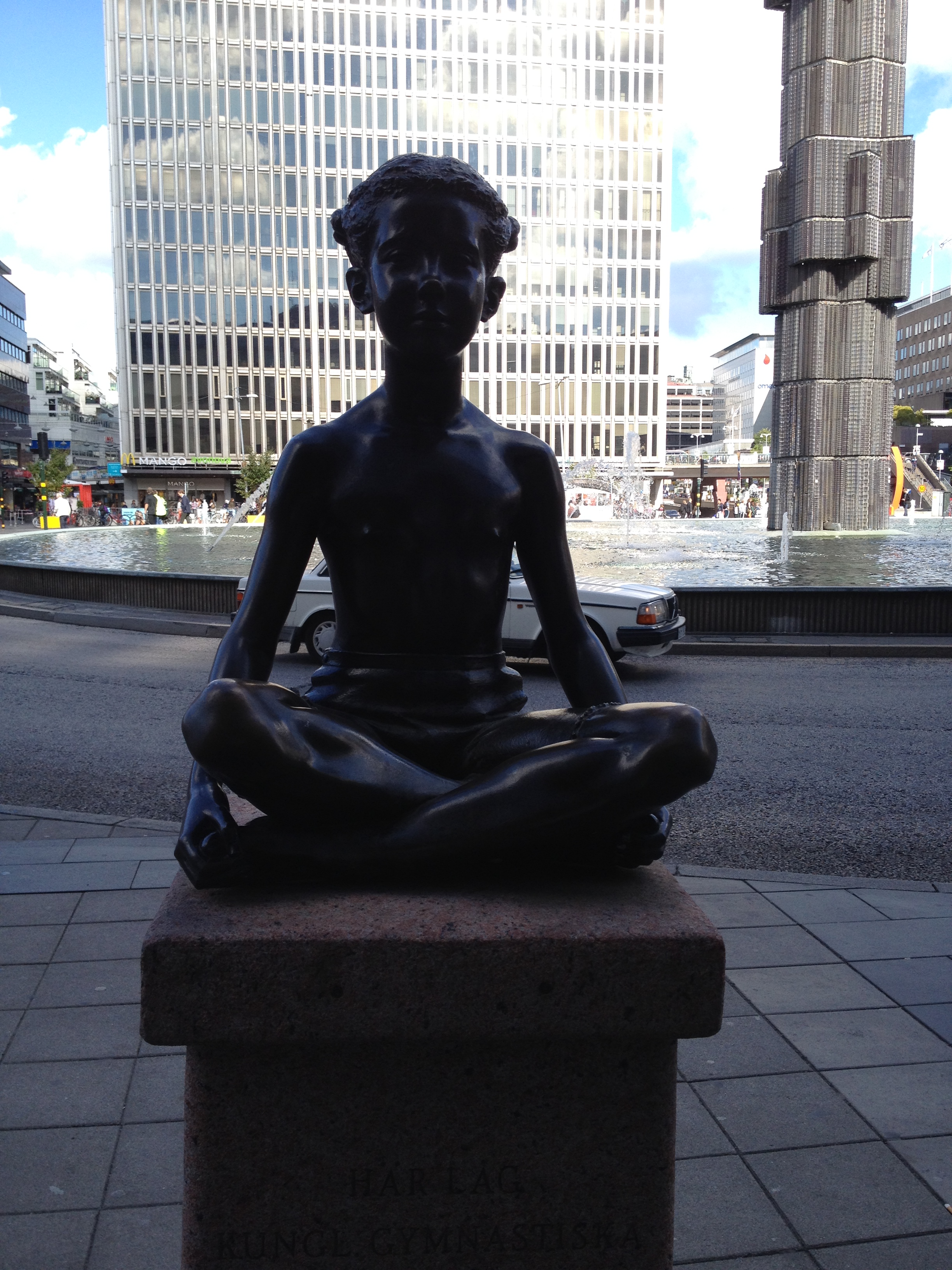
Mysterious Buddha in Sweden!

viking buddha big
Buddha statue in Stockholm Museum

Written by London Swaminathan
Post No.1263; Dated 2nd September 2014.

Recently I wrote about the Sun Chariot (Surya Ratha) in Denmark. Two years ago I wrote about Gajalakshmi figure and Pasupati figure similar to Indus Valley in Gundestrup Cauldron, Denamrk. I visited Stockholm, Sweden for three days last week and found out about a mysterious Buddha statue in Sweden. Though it was discovered long ago the mystery of its journey to Sweden still remains a mystery!
A bronze statue of Buddha was brought more the 5000 miles from northern India to Helgo in Sweden. The statue is dated from about fifth century CE. The statue is now kept in the Swedish Museum of National Antiquities in Stockholm. Buddha’s statue has a tilak on its forehead, which is considered the third eye. He was sitting on a double lotus throne in meditative posture.

Helgo means holy place. It was a big Viking trading centre. Swedish traders might have brought it to Helgo. Other artefacts from Ireland, Egypt and Byzantine empires are also found. The Vikings or Norsemen were the inhabitants of Scandinavia in the period 800—1100 CE. They traded with, and raided, much of Europe, and often settled there. In their highly manoeuvrable long narrow ships, the Vikings penetrated far inland along rivers. They plundered for gold. They settled in various places from North America to Russia. They had their own literature called Sagas and Runic inscriptions. The kings were buried with their ships together with their possessions.

On the small island of Helgo, the remnants of a settlement were discovered just 60 years ago. The traders there maintained an extensive trade with Europe and the British isles. An enormous number and variety of articles were found at Helgo. One of the unique objects discovered there is the statue of Buddha. Later another centre developed near this place and it is known as Birka near Lake Malaren.

IMG_2168
Statue at T Centralen in Stockholm

Documentary on the Vikings
I watched a documentary about the Vikings on 4th of April 1999 on Channel 4 (UK) in London. Immediately I wrote in my diary about Sati practised in India by all the Kshatrias from Mahabharata days to recent days. Even a Tamil Pandya queen committed Sati, says Sangam Tamil literature. In the same way when Viking kings died their wives, slave girls, her friend were also cremated or buried. Arabic writers wrote that Vikings cremated their wives or slave girls with the king.

IMG_2043
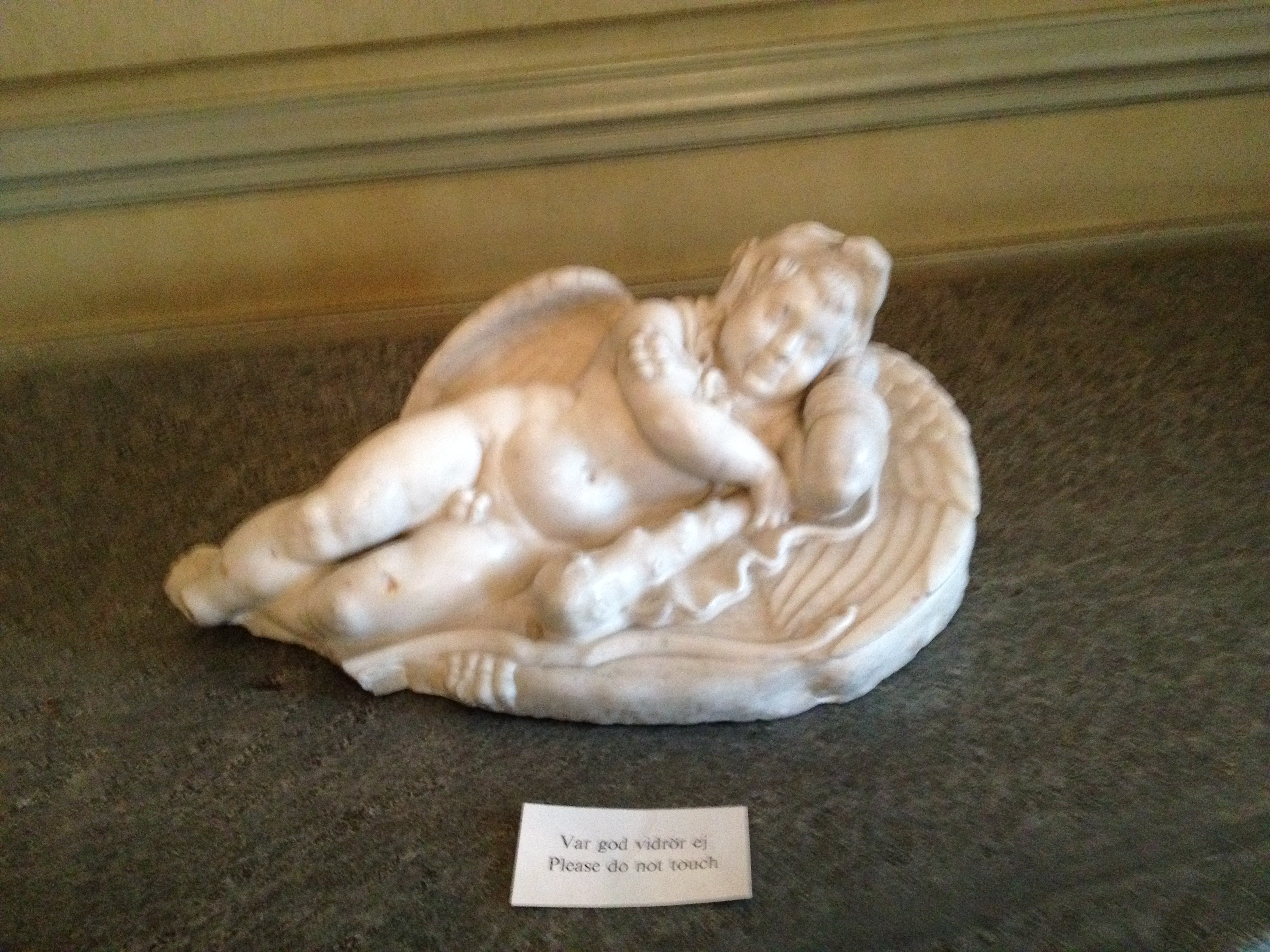
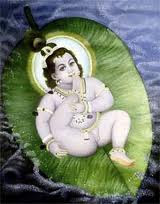
Baby like Krishna in The Royal Place,Stockhom; Hindus worship Krishna in banyan leaf.

During my recent trip to Stockholm, I saw pictures sitting in Padmasana in T. Centralen and women are portrayed in The City Hall as we have sculpted them in our temples. But these are very of very recent origin. I noticed a statue in the Royal place looking like Lord Krishna. Probably it is a royal baby statue.

krishna on leaf
contact swami_48@yahoo.com

Sun Chariot in Denmark: Hindu Calendar?

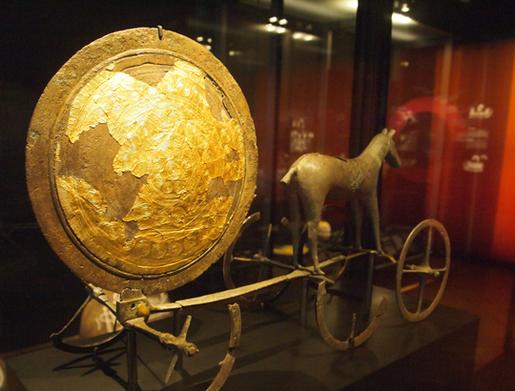
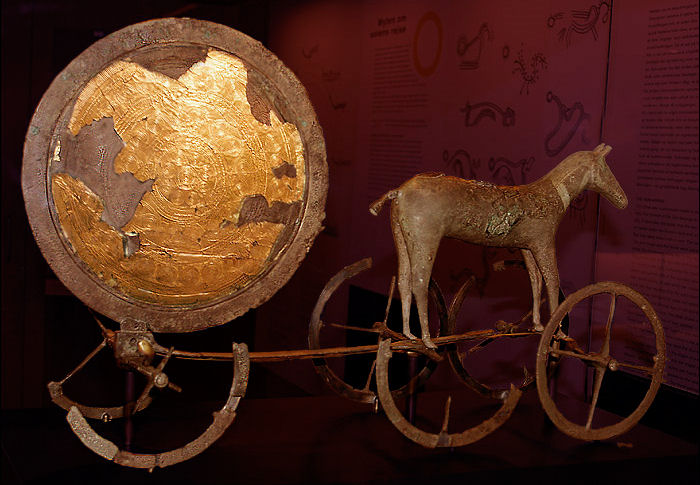
Sun chariot in Copenhagen Museum
Trundholm Sun Chariot

Research Paper written by London Swaminathan
Post No.1259; Dated 29th August 2014.

Denmark has got two “Hindu” artefacts 1)Gundestrup Cauldron and 2) Trundholm Sun Chariot. I wrote about the Gundestrup cauldron in one or two posts under the title:
Hindu Goddess’ march to Denmark (Posted by me on 2nd March 2012)
Vishnu Seal in Indus Valley Civilization (posted by me on 21 September 2011)

The first of the above two articles compares the Gajalakshmi motif in Indian monuments with that of the cauldron and the second article compares the Pasupati motif in the Indus Valley with the figure on the cauldron. Gundestrup cauldron was also found in a bog in Denamark.

I wanted to write about the other famous finding the Trundholm Sun Chariot for long. I bought a book in 1992 written by Miranda Green with the title “The Sun Gods of Ancient Europe”. What attracted me to buy the book is the Sun Chariot picture on the jacket of the Book! It struck me like a sacred Hindu object. Now that I have done some research on the topic, I shall present my views below.
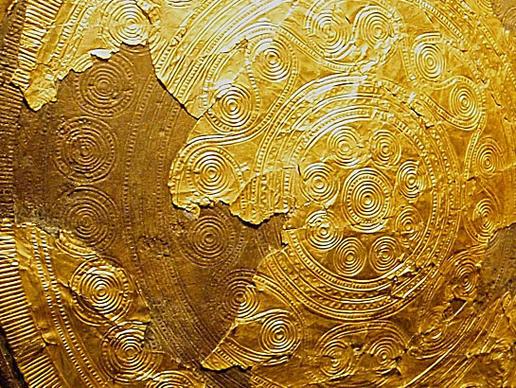
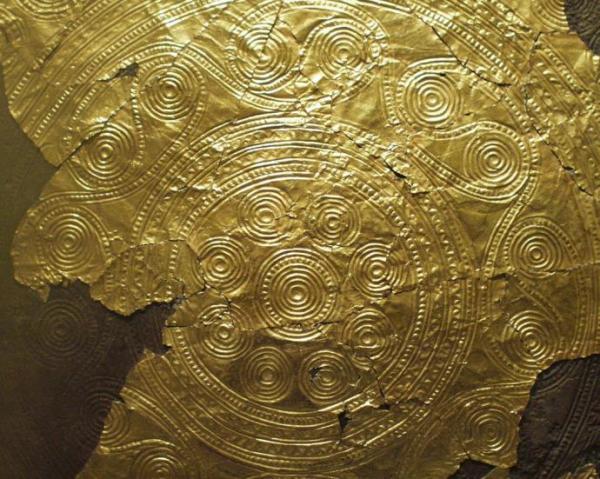
sund disc in sun chariot

First let me give some facts about the TRUNDHOLM SUN CHARIOT:
1.It was found in a bog (swamp, marsh land) in Denmark in 1902. Now it is kept in the National Museum in Copenhagen. It attracts a large crowd.

2.It is made up of bronze and covered on one side with gold. A horse is pulling a chariot of sun disc. It belongs to Nordic Bronze Age.

3.It is dated 1600 BCE to 500 BCE. I will take the date as 500 BCE because it suddenly appears from nowhere in Europe. Nordic sun legends are dated 13th century CE. There is a wide gap of 2800 years!
4.Whatever the age of the chariot, it is a very interesting object to come out of a marshland like the Gundestrup cauldron.

5.The width, height and depth of the chariot is 54X35X29 cms. It has got six wheels with four spokes on each.

6.There are two interpretations about this artefact. Some people thought that it may be a replica of that one which was actually taken in ceremonial processions. The second interpretation is that it was a calendar.
Two scholars who have already interpreted the artefact as calendars are:

1.Klaus Randsorg, Professor of Archaeology at the University of Copenhagen, Denmark
2.Amelia Carolina Sparavigna, Assistant Professor at the Department of Applied Science and Technology at the Turin Polytechnic/ University, Italy

If it is a calendar it may be a Hindu calendar. I am giving the reasons below. But we can definitely see some Hindu influence on the artefact, whether it is a calendar or not.
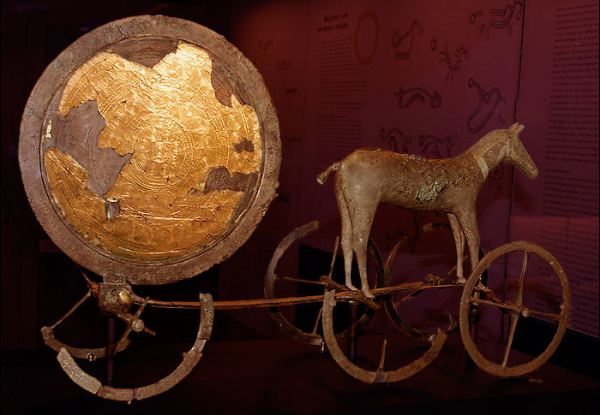
Trundholm Sun Chariot Photo 1
It is a Hindu artefact because

1)The oldest religious book in the world, the Rig Veda, describes Sun as a chariot driven God by two horses or seven horses. This is the oldest record to link the sun with horses and chariots. All other literature comes way behind:-

“Like a young man follows a girl, so does the sun Dawn (Ushas), refulgent goddess;
Where pious men extend their generations, before the auspicious one for happy fortune.
Auspicious are the sun’s bay coloured horses, bright, changing hues, meet for our shouts of triumph. (Rig Veda 1-115-2/3)

There are many more references in the RV:6-51-1;7-63-1;!0-85. There are references in the Atharva Veda and Yajur Veda as well linking the sun with horses and chariots.

2)Hindus are the only race in the world who worship sun every day until today. There are Sun temples all over India. Millions of Hindus do Surya Namaskar (Sun Worship) every day and as a Brahmin (living in London) I do sun worship every day. Brahmins are supposed to offer water oblations to the Sun God three times a day facing the sun. I do it at least once a day.

( A few days back I wrote another article comparing Iraq Yazidis’ sunworship with the Hindu Brahmin’s Sun Worship)

3.Hindus recite Vedic mantras daily in praise of the Sun God .It might have begun on the banks of River Sarasvati at least 5000 years ago. There are at least four Mantras (Chants) in my daily Sun Worship (Sandhya Vandhanam).

4. The word Solar, Helios etc are derived from the Sanskrit word “Surya” which is in the Rig Veda, the oldest religious book in the world.

5.The most powerful Mantra in the whole of the Vedas is known as the GAYATRI mantra. This is worshipping sun as a goddess of tremendous energy or Light. This is a feminine form of the Sun. Hindus are the only race in the world who worship sun as Man and Woman (God and Goddess) until today in their everyday worship as one of the Nava Graha or Gayatri.
(Nava Graha= Nine celestial Objects)
big disc

HINDU CALENDAR
Now I will explain why I consider this as a Hindu calendar:
a)Gundestrup cauldron found in Denmark has got Gaja Lakshmi and Pasupati figures which is acknowledged in all the encyclopaedias. So Trundholm Sun Chariot is not the first Hindu object.

b)The Sun Disc on the Trundholm chariot is gilded with gold on one side only. Vedas describe sun as golden in many places. Incas in South America had built a massive temple for Sun God with tons of gold. Inan (Inca) is the Sanskrit word for Sun, as pointed out by Kanchi Parmacharya (1894-1994) in his talk.

c)The Trundholm sun disc has got two sides, one not covered with gold. This is considered night by two scholars who interpreted it as calendar. But my interpretation is this is Dakshinayana ( six month southward journey of sun). Hindus consider this as darker side religiously. The other six month called Uttarayana is considered the most auspicious by the Hindus. Mahabharata character Bhisma lied on a bed of arrows for nearly two months waiting to die in the auspicious Uttarayana period.

The Aitareya Brahmana (3-44-4) presents a naïve conception of the course of the sun, which it regards as bright on one side only, and as returning from west to east by the same road, but the reverse side turned towards the earth, thus illuminating the stars in heaven.
The solar year is divided in to two halves – the Uttarayana, when the sun goes north and the Dakshinayana, when it goes south (satapata Brahmana 2-1-3)
(Source: Vedic Index of Names and Subjects by Keith and MacDonald)

d)The spirals and circles on the disc are explained by two scholars in two different ways. Unfortunately I am not in Denmark to count them exactly. But my counting from the pictures displayed here show one central circle and then 8 in the next ring and then 16 in the next. The most powerful Mantra in the whole of the Vedas is Gayatri which is made up of 24 (16+8) syllables. Then another circle had 20 spirals. Added together 24+20=44 is called Tristub meter.

Though it is part of Vedic prosody, Hindu Brahmins recite them three times a day: Grammar and prosody are part of their daily Sun worship; Every day I recite the mantra Gayatri (24), Usnuk(28), Anushtub(32),Brihati(36), Pankti (40), Tristubh (44), Jagati (48 syllables). Prosody in every day prayer!!!
We have to do more research to see whether it fits in to all the rings.

e) One of the interpreters says that on one side the days count come to 360 days in one method of calculation which is what the Vedas give for one year like the Egyptians. Another side of the disc adds up to 364 days which is also followed by the Hindus for solar year based festivals (Eg. Makara Sankranti, Pongal).
Gajalakshmi in Denmark

Gajalakshmi in Gundestrup Cauldron.

The sun as a maker of time determines the year of 360 days which is the civil year and the usual year of Vedic literature (RV 5-81-1)

f)Neither of the two scholars included the six wheels of the chariot in their interpretation. I think that the six wheels of the Sun Chariot represent six seasons. Hindus have divided the year in to six seasons from the Vedic days. It is followed until today from Kashmir to Kanyakumari (I have already written an article about six seasons). Six wheels X four spokes also add up to 24!

Number 24 is important in another calculation as well. We follow 24 hours of 60 minutes each hour in a full day in the Western System. It is otherway round in Hindu Calendar! Hindus follow 60 Nazikai of 24 minutes each in a full day. In other words 24 is the basic unit in Hindu time calculation. It is called Nazikai.
24 minutes of 60 Nazikai make one day.

Tamil Hindu daily sheet calendars and Hindu Panchangs list all these timings with the star of the day, moon’s position and sun’s position. It is a wonder that there is one community in the world who consider sun, moon and stars are important for their day to day activities!

Contact swami_48@yahoo.com
Horse headed Seer: Rig Veda Mystery No.1

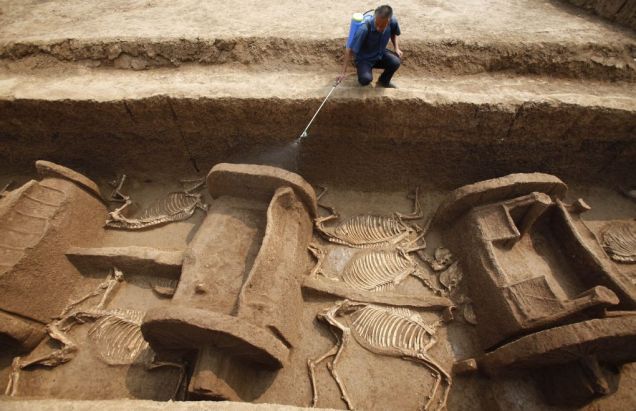
horse and chariot burial 3000 year Western Zhou dynasty 2011 Luoyang
3000 year old horse and chariot burial in China.

Research Paper written by London Swaminathan
Post No.1255; Dated 27th August 2014.

Rig Veda, the oldest record of religion and human history, is full of mysteries. Foreign “scholars” who translated it have added footnote at every other page, ‘the meaning is uncertain’, ‘the meaning is not clear’, ‘the meaning is obscure’, ‘Sayana says this, but it is vague’. Each of those “scholars” contradicts the other. For thirty three minor gods of the Rig Veda, they have written more than 33 different interpretations. If someone wants some entertainment or jokes, they can compare those interpretations. But I have to warn you that you may go crazy one day!!

Great scholars of India such as Adi Shankara or Sayana haven’t got any such doubts or confusion, because they believed in what the Veda says. It is like we believe in what our parents or teachers say. Moreover they know the overall underlying meaning, because they were born and brought up in this culture.

Some westerners cannot look above the waist. They look only below the waist and give sexual interpretations. Sri Ramakrishna Paramahama explained the seven stages of mind and said that the bad ones cant go above the third level. Some can’t look at the heart but only at words and give racial interpretations. They have never done it to any other religion except Hindu religion. They know that Hindus are simpletons who will believe anything they say without reading the original books. Thank god, now there is some awareness and they are slowly waking up and reading the originals! I know millions of Hindus who have never read just 700 couplets of Bhagavad Gita, but ask umpteen questions raised by non believers!!
God bless them!

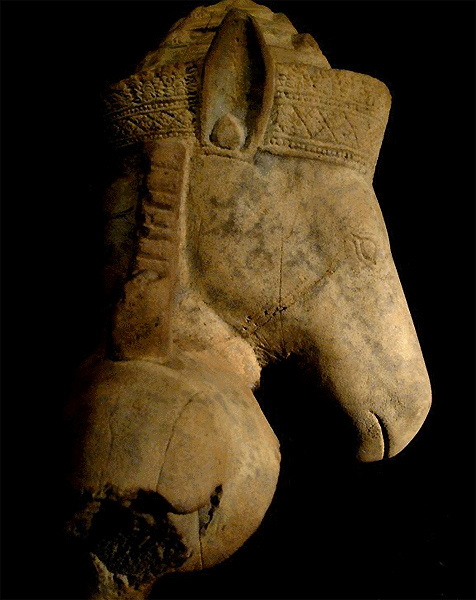
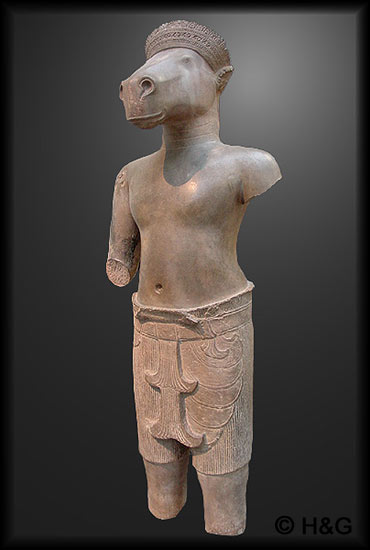
hayagriva2,khmer,940 ce
Hayagreeva from Khmer (Cambodia), 10th century CE

I will try to list the mysteries of R.V., one by one.

One of the mysteries of Rig Veda that puzzled the westerners is the Story of Dadhyanc Atharvan, a Rishi with a horse head. Until the year 2000, they wrote that they have discovered his grave in Potapovka near Samara in Russia. By 2010 they have changed their view!

Excavations of 1985-86 of a kurgan burial dated 2200 BCE at Potapovka revealed in grave shaft of kurgan no.3, a decapitated man with a horse skull replacing his head. In simple terms, the man’s head was removed and a horse head was fixed. They thought that it was the grave of Rig Vedic seer Dadhyanc. Later research showed that the skeleton of both the horse and the human being were not of male, but of female. They also found the horse head was fixed 1000 years after the human being’s death. This shows that we can’t jump to conclusion by listening to archaeologists! They only “interpret” it and confirm in what they have already believed. In this case they started talking Aryan migration from the Steppes.

Still some questions remain unanswered: Why did they put horse head there after 1000 years? Why did someone behead the man or woman?

But horse heads were used in Western countries in the graves, church buildings etc., for its mysterious powers until 300 years ago.

((If you google horse burials, chariot burials, you will get loads of matter)).
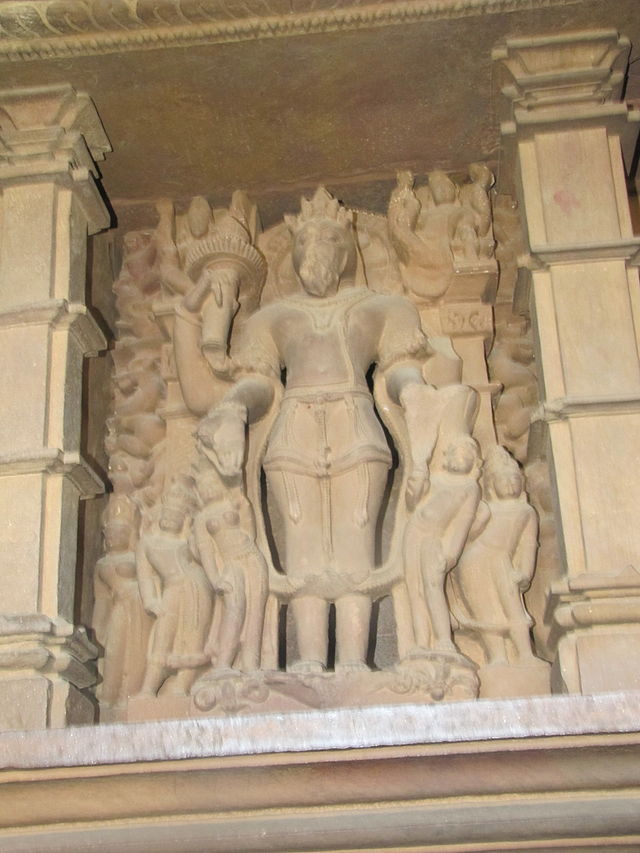
Khajuraho_India,_Lakshman_Temple,_Sculpture_12
Khajuraho Lakshmana Temple, 12th Century

Now let us look at the interesting story of the horse headed Dhayanc! His story is in RV 1-84-16; 1-116-12; 1-117-22; 10-48-8, Satapatha Brahmana 14-4-5-13; Brhad Aranyaka Upanishad 2-5; Bhagavatam 6-10 Adhyaya. His story is found in many places in the Vedas.

Dadhyanc was the son of Atharvan. He and his father were regarded as the founders of Vedic sacrifice. They knew a secret mantra known as Madhu Vidhya. Dadhyanc taught this to all his devoted students. Those who learn this vidhya gets free from all miseries of life. Indra also came to the seer and learnt the vidhya. But the seer warned him that he should lead a life worthy of it. Indra became angry at his advice and told him that he would cut off the Rishi’s head if he had taught it anyone else.

Later the Vedic twins Asvins came and asked the seer to teach them. When he told them about Indra’s curse, the Asvins cut his head off and preserved it in a safe place and learnt the Madhu Vidya. During that study, they fixed a horse’s head on Dadhyanc. Some people can interpret even this to show that head transplant surgery was common during Vedic days. But this is beyond the scope of this article.

When he finished teaching them, Indra’s thunderbolt came and cut off Dadhyanc’s head. Later Asvinikumaras fixed his original head.

Rishi Kakshivan has glorified Asvins in his Rig Vedic hymns. Asvins are attributed with mystical powers throughout the Vedas.
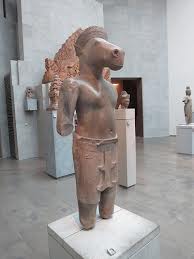
vajimukha,guimet,paris
Horse faced Vajimuka in Guimet Museum, France.

For Hindus, head replacement or transplant is nothing new. We have Lord Ganesh with elephant head, Hayagriva with horse head, Daksha with a goat’s head, lord Narasimha with lion’s head and vishnu’s avatars with fish, tortoise and pig forms. Horse headed Hyagreeva sculptures are available even in Cambodia.

Griffith has added the following the following foot note in his Rig-Veda translation:–Dadhyanc was called Dadhica later. With his bones or with the horse head bones, Indra made his thunderbolt weapon. Indra slew Vritra with this weapon. Vritra with held the rains. The Vedic legend which was modified and amplified in later times, appears to have been connected in its origin with that of Dadhikras, often mentioned in the Veda and described as a kind of divine horse, probably a personification of the morning sun in his rapid course. Dadhyac may be the old moon whose bones when he dies, become the stars with which Indra slays the fiends of darkness. (page 53 of The Rig Veda; foot note to RV 1-84-13 and again in 1-116-12).

horse head khmer cambodia, guimet
Hayagreeva in Paris

Many of the Vedic stories are symbolic. We can’t interpret them literally. But all the Hindu saints quote Dadhichi for his sacrifice. Indra made his Vajrayudha only with Dadhichi’s bones. That seer made a sacrifice for the welfare of the humanity, to destroy evil. Griffith says both Dadhichi and Dadhyanc are one and the same.

Vedic legends remain a mystery!
contact swami_48@yahoo.com

Origin of Horse Race and Chariot Race

Hyksos
Hyksos invading Egypt

Research paper written by London Swaminathan
Post. No.1251; Dated 25th August 2014.

“Keep the horses happy and you will win the stake. Make your chariot into the vehicle of good fortune. Drink at the fountain that has Soma- vats for buckets, a pressing stone for its vehicle, a consecrated goblet for its casting; this is the fountain where men drink” (Rig Veda 10-101-7)

Rig Veda, the oldest religious book in the world, has lots of references to Horses. But the surprising thing is that we don’t have horse pictures in the Indus valley civilization. Nearby countries in the Mesopotamia region and Egypt had horses and chariots at the same time. Some people interpret unicorn seals of Indus valley as horses. But the evidence for Indus horse is inconclusive.

The oldest horse training manual has Sanskrit words for numbers!
The MItannian (Syria/Turkey) rulers’ names were in Sanskrit:
Biridaswa=Brhat Asva= possessing great horses
Sattawaza = Sapta Asva= Prize Winner in Seven horse races
Kikkuli (1400 BCE) trained people on horses. His manual used Sanskrit words:
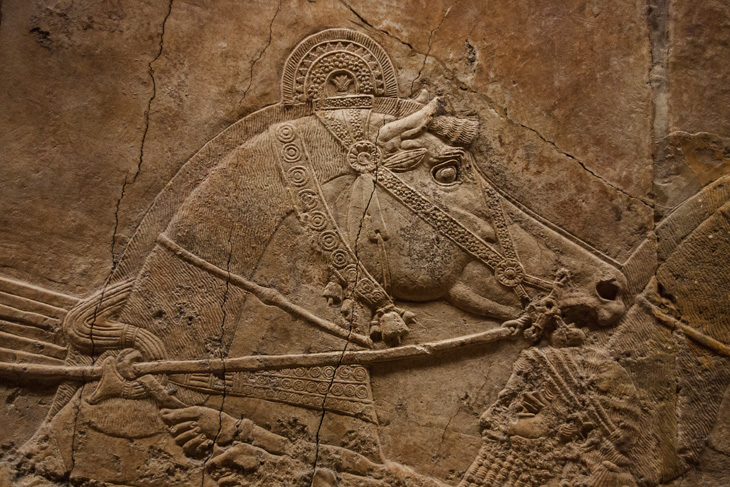
royal lion hunt
Royal Lion hunt in the Middle East

KIKKULI SANSKRIT MEANING
Wartanna Vartana a turn
Aika Eka One turn
Tera Tri Three turns
Panza Panca Five turns

Satta Sapta Seven turns
Na (artanna) Nava Nine turns

Those who studied Tamil grammar wouldn’t be surprised to see Satta becoming Sapta. In Tamil also we follow the same rules to change Sanskrit sounds in to Tamil sounds. Raja becomes Arasan in Tamil. Rajaraja becomes Iraasa rasan in Tamil. Damayanthy in Sanskrit is written as Tamayanti, YogaRaja becoming Yokarasa in Tamil, Shakespeare changing to Sekappiriyar or seksupiyar, Homer changing to Omar and Harrypotter changing to Karipaattar!! There is no S or H or J or Sh or Ksha in pure Tami!!
In the same way Kikuli changed Sanskrit words to suit his students in the Hittite empire!
Maryannu is a word for warrior used by Kiikuli. This comes from the Sanskrit word Marya. Egyptians borrowed this Sanskrit word and Egyptianized like Tamils and wrote M(a)-ar-ya-na in 1470 BCE in Papyrus Anastasi I. They used this for Chariot warrior.

P= V
Asva in Sanskritis written as Aspa by the Persians.
By 1500 BCE Sanskrit words were used from the Plains of River Ganges to the Plains of the River Nile and in between Mesopotamia!!!

Zend Avesta of Zoroastrians had Old Sanskrit or Persian words
Dravaspa =Devi Asva = Goddess for horses
Vist aspa (a king of Bactri) Visva Asva? = All powerful Horse?
Pourus Aspa = father of Zarathustra = one who possess many horses
Arbataspa =Master of war like horses
Huaspa =Su Asva= having good horses
Bactria’s capital was known as Zariaspa= land of golden horses! This is because they used gold coloured bronze coat.

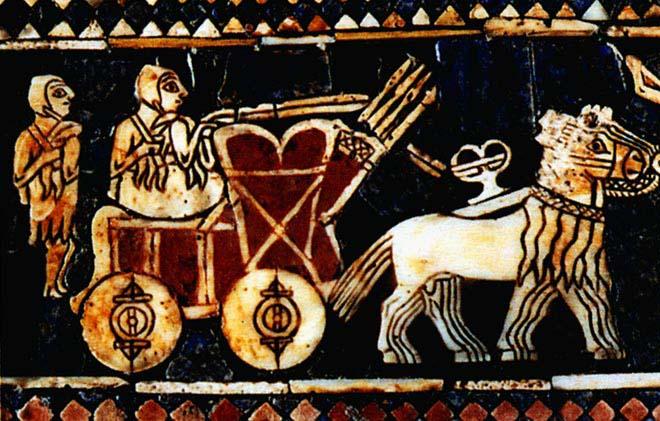
meso chariot horse, British-Museum-161
Mesopotamian Chariot Horse

Encyclopedias give wrong information about horse racing by saying that it originated in Greece. There is very clear proof to show that horse racing was a big sport in ancient India during Vedic times. When one looks at the innumerable references to horses and technical terms regarding horse races, one would conclude it originated in India. Horses appear in Egypt only after Egyptian kings marrying princesses of Indian origin from Turkey/Syria or coming into contact with the mainland Indians. The Asiatic Hyksos ( Hindu Yakshas?) seized control of Nile delta in 1750 BCE. Yakshas were ruling a vast territory from the Himalayan Tibet to Sri Lanka according to the Hindu Epics.

There were two types of races in the ancient world: 1)Horse Race 2) Chariot Race (driven by horses)

Sixty Parts of a Chariot!!
Vedic Index of names and subjects by AA MacDonnell and A B Keith has listed more than sixty terms for chariot and its parts alone. This shows that horse and chariot were part of Ancient Indian life. They might have done both horse race and chariot race. But gambling in such races was unknown. Prizes were given to the winners.

The racecourse called Kaasthaa (RV 8-80-8; AV 2-14-6) or Aaji (RV4-24-8;AV13-2-4) itself appears from the Atharvaveda to have been a quasi circular one to mark and back again. In the Rig-Veda the course is described as broad and the distance as measured out. Prizes were offered and eagerly competed for. Other words for victory and the prize are kaara (RV 5-29-8; 9-14-1)and bhara (RV 5-29-8; 10-16-5) and to run a race is described by the expressions aajim, dhaav. The person who instituted a race is referred to as aajisrt and Indra is called aaji krt and aajipati (RV 8-53-6 & 8-53-14).

horse meso
Use of Horse in Mesopotamia in 2400 BCE

Highly developed Veterinary Science!

The swift steeds (vaajin, atya) used for the races were often washed and adorned. According to Pischel the name of one swift mare is preserved – Vispalaa, whose broken leg was replaced by the Asvins in a race.

Geldner has also found a comic picture of a horse chariot race in the Mudgala hymn in the Rig-Veda. Pischel also seeks to show that races were run in honour of gods.
A former race, however, is a feature of the ritual of Rajasuya or royal consecration. Tamil Chozas also did Rajasuya Yajna, says Sangam Tamil literature.

Oldest Horse Training Manual
A few texts survive about horse training. The earliest comes from the Mitannian Kikkuli, who was employed by the Hittite empire. One thousand years after this, we had another book by the Greek author Xenophon (4th century BCE). Then came the Sanskrit work Arthasastra from the Hindu Brahmin author Chanakya alias Kautilya (324 BCE). This book is a political and military text with a large section on the training of war horses.
tutankhamun's fan with chariot 1
Tutakhamun’s Ostrich feather fan

In the early Hittite empire (modern Turkey), a city rebelling against King Anittas (1750 BCE) had fielded forty chariots; Hattulis I (1650- 1620 BCE) fielded eighty chariots at the siege of Urshu and by the Battle of Kadesh (1285 BCE), Hattusas fielded 2500 chariots under Muwatallis II (1306- 1282 BCE).
Anitta = Anirudh?
Hattuli = Sathyasila
Hattusas=Sathyaputra ( In Tamil it changed to Athiyaman)

A plaque from the reign of Tuthmose III (1479- 1425 BCE) show an Egyptian mounted warrior armed with mace and bow, his horse trampling a fallen foe. Before using the horses in war, Sumerian civilization used it for pulling the wagons. The artefacts date from 2800- 2500 BCE. Sumerian texts dated 2100 BCE talk about horses.

The earliest evidence for using horse meat come from the Dereivka remains in Ukraine, where 2412 horse bones were recovered. At Botai in Kazakhstan, ten tons of horse bones were recovered.

If one looks at the references to Horses, Chariots, Races, Prizes and Parts of Chariots, Veterinary Science of Asvini Devas in the Rig Veda, Hykso’s (Yaksha) Victory over Egypt (1780 BCE) and Mitannian Kikkuli’s (1400 BCE) horse manual, one can boldly say the science of horses and chariot races was the contribution of the Hindus to the world. If the Rig Veda is dated to 6000 BCE as proposed by Bala Gangadhara Tilak and the German scholar Jacobi, then the History of horse would turn topsy turvy. If we take Shrikant G.Talageri seriously who propose Rig Vedic hymns cover 2000 years of composition, history of horse would turn ‘ulta’!
Hyksos, who invaded Egypt, may be the Yakshas of India. We read about Kubera’s Yaksha army fighting with Ravana and Bhima (read my story about Saugandika lotus flower for Draupadi in my post “ARE WOMEN ALWAYS DEMANDNG?”)

Long Live Horses who took our culture to Egypt and Greece!!
Nimrud, northern iraq 880 BCE
Nimrud in Northern Iraq 880 BCE.

Books Used:
The Rig Veda (English Translation by Griffith)
Vedic Index by MacDonald and Keith
The Horse in the Ancient World (Ann Hyland)

northern iraq 850 BCE
Horse in Northern Iraq, 880 BCE

pictures are used from various sites fro non commercial use;thanks.
contact swami_48@yahoo.com

பாரிஸ் நகரில் காதல் பூட்டு! ‘’லவ் லாக்’’ மேலை நாட்டில் விநோதம்!!

lock1

கட்டுரை மன்னன்: லண்டன் சுவாமிநாதன்
கட்டுரை எண்:–1250; கட்டுரை தேதி:– 25 ஆகஸ்ட் 2014.

(என்னுடைய இரண்டு ‘’பிளாக்’’ குகளையும் படித்தோர் எண்ணிக்கை ஒரு மில்லியனைத் தாண்டி விட்டது! அனைவருக்கும் நன்றி)

சனீஸ்வரன் எள் விளக்கும், சர்ச் (மாதா கோவில்) விளக்கும்:

தமிழ் நாட்டுக் கோவில்களில் சனிக்கிழமைகளில் சனைச்சரன் (சனீஸ்வரன்) சந்நிதியில் எள் விளக்கு ஏற்றுவதைப் பார்த்திருப்பீர்கள். இதைக் காசு கொடுத்து வாங்க வேண்டும். இது போல மேலை நாட்டு கத்தோலிக்க கிறிஸ்தவ சர்ச்சுகளில் மெழுகுவர்த்தி ஏற்றும் வழக்கம் இருக்கிறது. பாரீஸ் நகரில் உள்ள புனித இருதய மாதாகோவிலில் 2 யூரோவுக்கு சின்ன மெழுகு திரியும், 10 யூரோவுக்கு பெரிய மெழுகு திரியும் விற்கிறார்கள். இதை கிறிஸ்துவ பக்தர்கள் வாங்கி ஏற்றுகிறார்கள்.

(( சனை: = மெதுவாக, சரன்= செல்பவன். இதை தவறுதலாக சனீஸ்வரன் என்று எழுதி வருகின்றனர் )).

candle1

24 ஆண்டுகளுக்குப் பின்னர் மீண்டும் ஒரு முறை பாரிசுக்குப் போயிருந்தேன் (ஆகஸ்ட் 19,20,21—2014). அப்போது சாக்ரெட் ஹார்ட் சர்ச்சுக்கும் சென்றேன். மெழுகுவர்த்தி பகுதியைத் தாண்டி ஒரு பெட்டியும், உறைகளும் வைத்திருந்தார்கள். சர்ச்சில் அவர்களின் பெயரில் பிரார்த்தனை செய்ய 17 யூரோ சார்ஜ் என்று அறிவிக்கப்படிருந்தது. இது நமது ஊரில் அர்ச்சனை சீட்டு வாங்கி அர்ச்சனை செய்வது போன்றது! சத்ய சாயி பாபாவிடம் பலர் கோரிக்கை எழுதப்பட்ட ‘’கவர்’’களை (உறை) கொடுப்பார்கள். அதை அவர் வாங்கிவிட்டால் அந்தக் காரியம் நிறைவேறும் என்று பக்தர்கள் நம்பினார்கள். இன்னும் சில இந்துக்கள் அனுமார் சிலயில் ராமநாமம் எழுதி காகித மாலை போடுவார்கள். இதை எல்லாம் நினைவுபடுத்தியது 17 யூரோ சர்ச் உறை!!

notredame cathedral

கத்தோலிக்க கிறிஸ்தவர்கள், இந்துக்களைப் போலவே பல பழக்க வழக்கங்களைக் கொண்டுள்ளனர். இரண்டு ஆண்டுகளுக்கு முன்னர் நான் எழுதிய ‘’பைபிளில் சம்ஸ்கிருதம்’’ என்ற நீண்ட ஆங்கிலக் கட்டுரையில் இது பற்றி ஒப்பிட்டு எழுதியுள்ளேன்.

பாரிஸில் உள்ள மற்றொரு புகழ்பெற்ற நாத்ர்தாம் கதீட்ரலுக்கும் சென்றேன்.அங்கு ஒரு மிஷினில் 2 யூரோ போட்டால் கோவிலின் படத்துடன் ‘மெடல்’ வெளியேவந்து விழும். இந்துமதக் கோவில்களும், சுற்றுலாத் தலங்களும் இந்த முறையைப் பின்பற்றலாமே!
sacred heart2

பாரீஸ் நகரில் உள்ள லூவ்ர் மியூசியம் மிகவும் புகழ்பெற்றது. இங்குதான் புகழ்பெற்ற மோனாலிஸா படம் உள்ளது. வெளியே ஒரு பெரிய ‘போஸ்டர்’ ஒட்டி இருந்தார்கள். அதில் ஒரு எகிப்திய எழுத்தர் யோகாசன நிலையில் அமர்ந்திருந்தார். ஏற்கனவே நான் இந்துமதத்தையும் எகிப்திய பழங்கால மதத்தையும் ஒப்பிட்டு பல கட்டுரைகள் எழுதி இருக்கிறேன். யோகாசன முறையில் அமர்ந்த அந்த படத்தைப் பார்த்தவுடன் நேராக அனத சிலை வைக்கப்பட்ட இடத்துக்கு விரைந்து சென்று புகைப்படம் எடுத்தேன்.
meditation2

அந்த எகிப்திய எழுத்தர் யோகாசன நிலையில் அமர்ந்திருப்பது நான் முன்னர் எழுதிய ஏழு கட்டுரைகளில் சொன்ன விஷயத்தை உறுதிப் படுத்தியது. சிந்து சமவெளியில் காணப்படும், நரபலி மற்றும் கொடி ஊர்வலம் இந்துமதத்தில் காணப்படும் முத்திரைகள், அதர்வ வேதத்தில் காணப்படும் ‘’செக்ஸ்’’ மந்திரங்கள், தாயத்துகள் முதலியன் எகிப்திலும் இருப்பதை ஒப்பிட்டு நான் எழுதியதை இந்தச் சிலையும் உறுதிப் படுத்தியது. எகிப்திய அரசர்கள் அணியும் பாம்புக் கிரீடம் சிவபெருமான் போல இருப்பதையும் பார்த்தமாத்திரத்திலேயே உணரலாம்.

ma n2
இளங்கோ அடிகள் சொன்ன மான் வாகனம்

சிலப்பதிகாரத்தில் கொற்றவைக்கு (துர்கா தேவி) மான் வாகனம் இருப்பதை இளங்கோ அடிகள் பல இடங்களில் ‘’கலையதூர்தி’’ என்று குறிப்பிடுவார் (கலை= மான், ஊர்தி=வாகனம்). பிற்கால சைவ இலக்கியங்களிலும் இச் சொல் பயிலப்படுகிறது. இது பற்றி வாகன ஆரய்ச்சிக் கட்டுரைகளில் விரிவாக எழுதிவிட்டேன். லூவ்ர் மியூசியத்தில் மானுடன் காட்சி தரும் வனதேவதை ஆர்டெமிஸ் சிலை இருந்தது. அதை விரைந்து சென்று புகைப்படம் எடுத்தேன். இந்துமத எச்ச சொச்சங்கள், மிச்சம் மீதிகள் உலகெங்கும் காணப்படுகிறது என்று காஞ்சி பரமாசார்ய சுவாமிகள் (1894-1994) தனது 1936 ஆம் ஆண்டு சென்னை உபந்யாசங்களில் கூறி இருப்பதையும் நினைவிற் கொண்டேன்.

love locks2

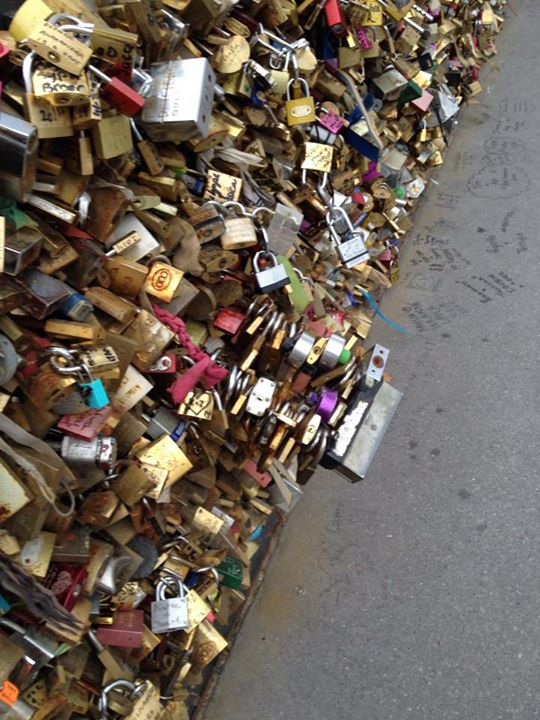
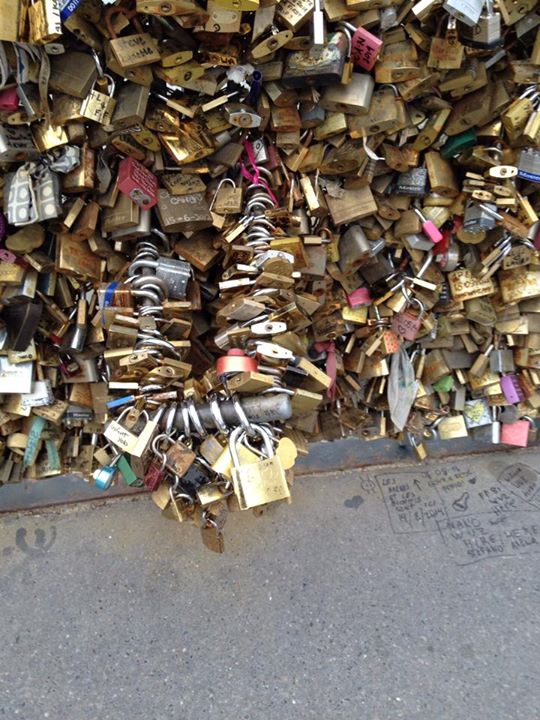
‘’லவ் லாக்’’– (காதல் பூட்டு)

பாரிஸ் நகர செய்ன் நதி, லண்டனில் உள்ள தேம்ஸ் நதியைவிட அழகானது. இரண்டு நதிகளிலும் இரண்டு முறை படகுப் பயணம் செய்துள்ளேன். பாரிஸில் கரை முழுதும் சிமென் ட் பூசி, கான்க்ரீட் போட்டு, படித்துறை அமைத்து, படிக்கட்டுகள் கட்டி இருப்பதால் மக்கள் ‘’ஜாலி’’யாக அமர்ந்து படிக்கிறர்கள். கல்லூரி மாணவிகள் ‘’லாப்டாப்’’ கப்யூட்ட்ர்களையும், வயதானவர்கள் நாவல்களையும் வைத்துக் கொண்டு பொழுதுபோக்குவதைக் கண்டேன்.

அந்த நதியின் பாலங்களில் ஆயிரக் கணக்கான காதலர் பூட்டுகளைக் கண்டு, பல கோணங்களில் நின்று, ஏழெட்டுப் புகைப்படம் எடுத்தேன். உலகில் மனிதர்கள் உருவ வழிபாட்டையோ, மூட நம்பிக்கைகளையோ ஒழிக்கவே முடியாது என்பதற்கு இது ஒரு உதாரணம். காதலர்கள் அவர்களுடைய பெயர்களை பூட்டுகளின் மீது எழுதி அந்தச் சாவியை நதியில் தூக்கி எறிந்து விடுவார்கள். அப்படிச் செய்தால் அந்தக் காதலை யாரும் காலாகாலத்துக்கு அழிக்க முடியாது என்று நம்புகின்றனர். ஆயினும் இப்படிக் காதலுக்கு பூட்டுப் போட்டவர்கள் கொஞ்சம் வருடங்களில் விவாக ரத்து (டைவர்ஸ்) செய்வதை புள்ளி விவரங்கள் காட்டுகின்றன!! ஆக, இது ஒரு மேலை நாட்டு நவீன மூட நம்பிக்கை என்று நாம் கொள்வதில் தவறில்லை. இந்த வழக்கம் 100 ஆண்டுகளுக்கு முன், முதல் உலகப்போரின்போது துவங்கியதாம்.
love locks3

செய்ன் நதிக்கரையில் நிறைய பழைய புத்தகக் கடைகளும் ஓவியக் கடைகளும் இருக்கின்றன. இரவு நேரத்தில் சாதாரண பூட்டுப் போட்டுவிட்டுப் போய்விடுவார்கள்!! யாரும் திருடமாட்டார்கள் என்றே நினைக்கிறேன்!!

பாரிஸில், லண்டன் சுறுசுறுப்பைக் காண முடியவில்லை. ஒருவேளை நாங்கள் போனபோது சம்மர் சீசன் என்பதால் எல்லோரும் வெளியே போய்விட்டார்கள் போலும்!! எங்கு பார்த்தாலும் ஜப்பானிய சுற்றுலாப் பயணிகள்!!
medal1

சிம்மாசனத்தை கண்டுபிடித்தது இந்துக்கள்

விக்ரமாதித்தன் சிம்மசனம் பற்றிய கதை 2000 ஆண்டுகளுக்கு முந்தையது. தமிழிலும் அரியாசனம் என்ற சொல் உண்டு. இது இந்தியாவில் இருந்து உலக்ம் முழுதும் சென்ற கொள்கை. மைசீனிய மற்றும் மத்திய கிழக்கு நாடுகளில் கோட்டை வாசல்களில் பெரிய சிங்கச் சிலைகள் இருப்பது இந்திய கலாசாரத்தின் தாக்கதைக் காட்டுகிறது. ஜூலியஸ் சீசர், அகஸ்டஸ் சீசர் என்ற பெயர்களில் உள்ள சீசர் என்பது கேசரி என்ற சம்ஸ்கிருதச் சொல்லின் மரூஉ. கேசரி என்றால் சிங்கம். இந்த மிருகம் ஆப்பிரிக்காவிலும் இந்தியாவிலும் மட்டுமே உண்டு.

பாரிஸ் லூவ்ர் மியூசியத்தில் இம்மசனம் , காமதேனு ஆசனம் கண்டு மகிழ்ந்தேன். காமதேனு ஆசனம் பற்றி ஆராய்ச்சி துவங்கியுள்ளேன். முடிவு தெரிந்தால் எழுதுவேன்.

simhasanam

kamadenu asanam

contact swami_48@yahoo.com

இராக்கில் பிராமணர்களின் ‘த்ரிகால சந்தியா வந்தனம்’!

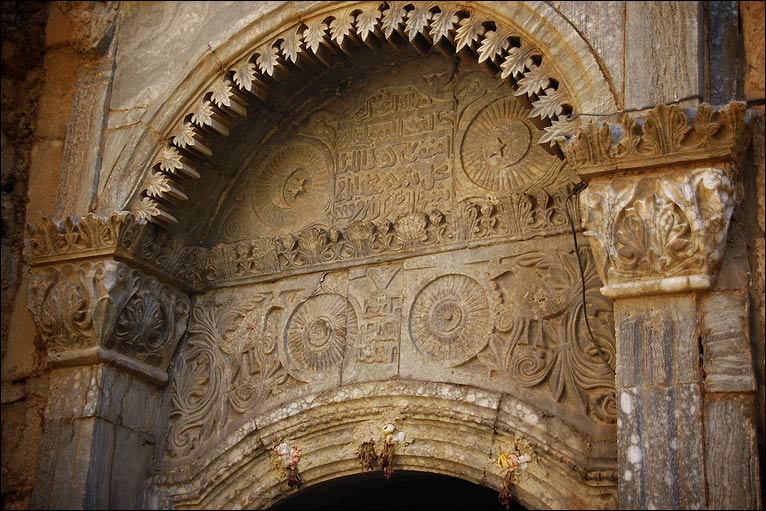
yazidi temple 2
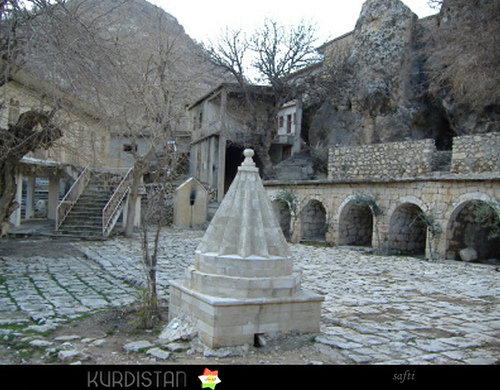
Yazidi Temple looks like Hindu Temple

ஆராய்ச்சிக் கட்டுரை எழுதியவர்:–லண்டன் சுவாமிநாதன்
கட்டுரை எண்: 1248; தேதி 23 ஆகஸ்ட் 2014

இந்தக் கட்டுரையின் முதல் பகுதி –– ‘’இராக் நாட்டில் இந்து மதம்: மயில் வாகனன் வழிபாடு’’ — என்ற தலைப்பில் ஆகஸ்ட் 14-ஆம் தேதி (கட்டுரை எண் 1232) வெளியாகியது. அதைப் படித்துவிட்டு இதைப் படிக்கவும்.

நான் முதல் கட்டுரையை லணடன் பத்திரிக்கை செய்திகளின் அடிப்படையில் எழுதினேன். அதற்குப் பின் லண்டனில் இருந்து வெளியாகும் ‘தி வீக்’ The Week என்னும் பத்திரிக்கை மேலும் பல சுவையான விஷயங்களை வெளியிட்டுள்ளது. அந்தச் செய்தியில் கிடைத்த புதிய செய்திகள் மேலும் வியப்பை ஊட்டுகின்றது!!

1.யாசிதி மக்கள் சூரியன் இருக்கும் திசையை நோக்கி தினமும் மூன்று முறை வழிபடுவர்:
இது இன்றும் பிராமணர்கள் செய்யும் சந்தியாவந்தன வழிபாட்டை நினைவுபடுத்தும். முஸ்லீம்களாக மதம் மாற மறுக்கும் யாசிதிக்கள் வேத கால பிராமனர்களாக் இருந்து பின்னர் கொஞ்சம் கொஞ்சமாக அந்தப் பிராந்திய வழக்கத்தில் மூழ்கி இருக்கலாம்.

2.யாசிதி மக்களில் மூன்று ஜாதிகள் உண்டு. முதல் இரண்டு ஜாதிக்கள் உயர் ஜாதி. மதம் நீதி போதனைகளை உபதேசிப்பது இவர்கள் தொழில்:
இது வேத கால ஜாதி முறை போன்றது. பிராமணர்கள் மட்டுமே முன்னர் ஆசிரியர் வேலை செய்து வந்தனர். பிரிட்டனிலும் கூட ஜாதி உண்டு. இன்று வரை ராஜ குடும்பத்தினர் மட்டுமே ராஜாவோ ராணியோ ஆகலாம். பிரபுக்கள் ஜாதியில் பிறந்தவர்களுக்கு பிறப்பு அடிப்படையில் பிரபு பதவி வழங்கப்படும்.

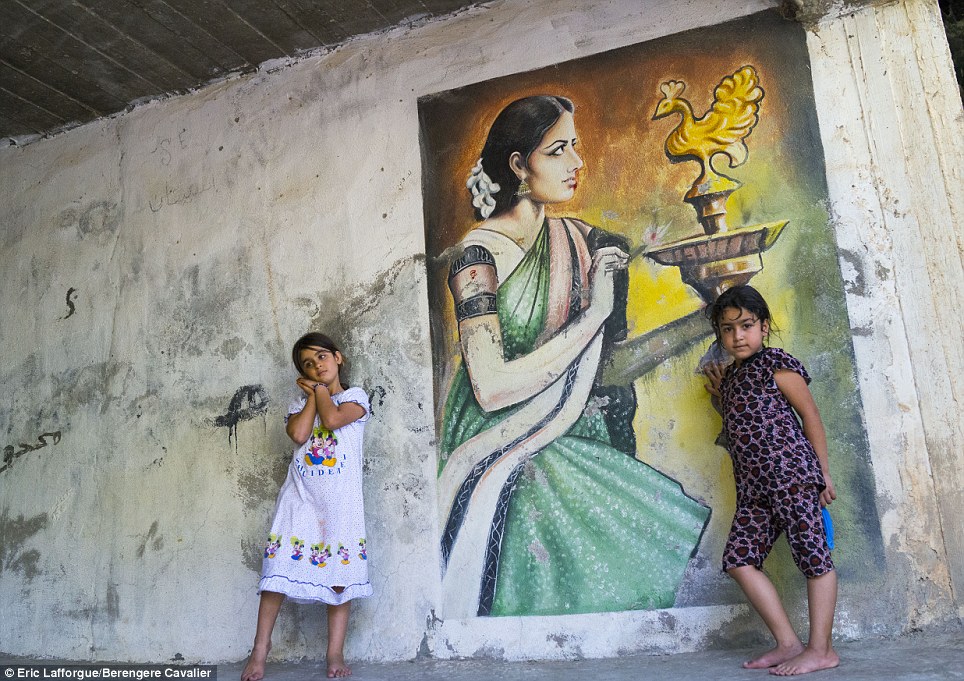
yazidi girls
Yazidi girls in front of a Yazidi lamp

3.யாசிதி மக்கள் நீல நிற ஆடை அணியமாட்டார்கள். இது புனித நிறம்:
இது பற்றி முதல் பகுதியில் எழுதிவிட்டேன். மயில் இவர்களுடைய புனித பறவை ஆதலால் அந்த நிறமும் புனிதம்!!

4.யாசிதி மக்களின் பல வழக்கங்கள் மிக மிக ரகசியமானவை. வெளி உலகம் பார்த்தே இராத வழக்கங்கள். லலிஷ் என்னும் கிராமம் வடக்கு இராக்கில் பசுமையான மலைப் பகுதியில் உள்ளது. அந்தப் புனிதத் தலத்துக்கு வாழ்க்கையில் ஒரு முறையாவது யாசிதி போகவேண்டும்:
இது இந்துக்கள் வாழ்க்கையில் ஒரு முறையாவது காசிக்குப் போய் கங்கையில் குளிக்க வேண்டும் என்பது போன்றது.

5.யாசிதி இன மக்களுக்கு ஞான ஸ்நானம் உண்டு. அவர்கள் இரண்டு புனித ஓடைகள் உள்ள இடத்தில் இதைச் செய்கிறார்கள்:
இந்துக்களைப் போன்று தண்ணிரை உபயோகிக்கும் இனம் உலகில் எங்கும் இல்லை. பிறந்தது முதல் இறக்கும் வரை உள்ள 40 சடங்குகளிலும் (சம்ஸ்காரம்) நீர் இன்றியமையாதது. பிராமணச் சிறுவர்கள் ஞான ஸ்நானம் செய்யும் (பூணூல் சடங்கு) நாளன்று பல முறை குளிக்க வேண்டும். பைபிளில் உள்ள ஏசுவின் காலைக் கழுவும் பாத பூஜை, ஞான ஸ்நானம் எல்லாம் இந்து மதச் சடங்குகளின் மிச்ச சொச்சமே என்று பைபிளில் சம்ஸ்கிருதம் என்ற நீண்ட ஆங்கில கட்டுரையில் ஏற்கனவே விளக்கி இருக்கிறேன். ஆக யாசிதி இன மக்கள் வேத கால பிராமணர்களாக இருந்து கொஞ்சம் கொஞ்சமாக கால, தேச, வர்த்தமனங்களுக்கு ஏற்ப மாறினார்கள் என்று எண்ண இடம் இருக்கிறது. இவர்கள் வேத மதத்தின் ஒரு பிரிவான ஜொராஸ்திரியர்களுக்கும் முன்னவர்கள் – 4000 ஆண்டு பழமையான இனம் என்பதெல்லாம் முதல் பகுதியில் விளக்கப் பட்டுவிட்டது.

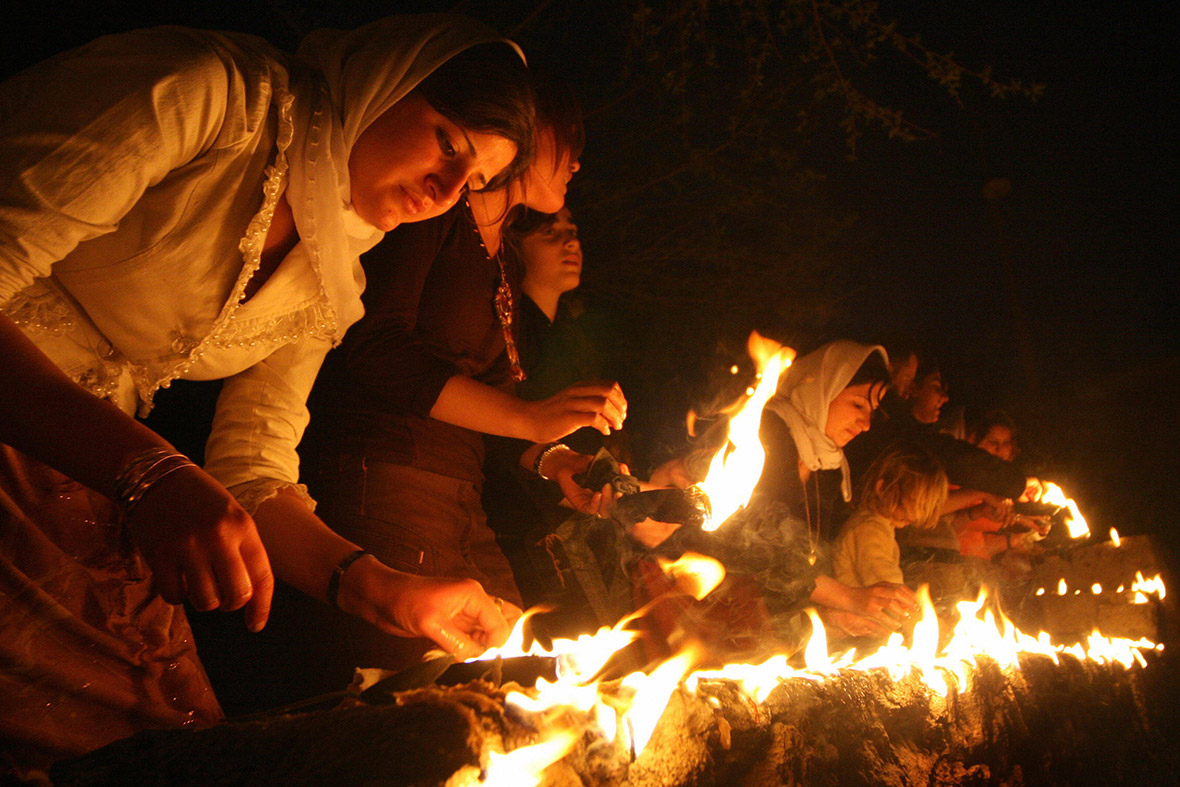
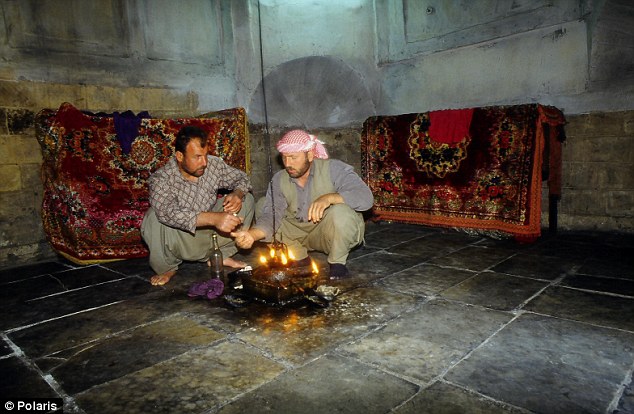
yazidi fire worship
Yazidi fire worship like Hindu Havan,Homam

6. மித்ர (சூரிய உபசனை) வழிபாடு:—- இவர்கள் மோசுல் (இராக்) பக்கத்தில் உள்ள சூரியன் கோவிலில் வழிபாடு செய்வர்:

மித்ரன் என்பது வேத கால தெய்வம். சூரியனின் மறு பெயர். சூரிய நமஸ்காரம் செய்வோர் முதலில் சொல்லி வணங்கும் மந்திரம் ‘’ஓம் மித்ராய நம:’’ பிற்காலத்தில் ரோமானியர்கள் இந்த மித்ர வழிபாட்டை எடுத்துக் கொண்டு காளையைப் பலி கொடுத்தனர். இது ரோமானியர்கள் புகுத்திய ஒரு பழக்கமாக இருக்கலாம். ஏனெனில் இந்துக்கள் காளை மாட்டையோ பசுமாட்டையோ கொல்ல மாட்டார்கள். சிவனின் வாகனமான காளை—தெய்வீக மிருகம் ஆகும்

7. யாசிதிக்கள் புத்தாண்டு கொண்டாடுவர். சூபி சந்யாசி இறந்த சமாதியில் வழிபடுவர்:
சூபி முஸ்லீம்கள், இந்துக்கள் போலவே நம்பிக்கை உடையவர்கள்.

8.யாசிதி இனம்மக்கள் பால்ய விவாஹம் செய்வர். இவர்கள் வசிக்கும் ஆர்மீனியா நாட்டில் திருமண வயதை 18ஆக உயர்த்த அரசு சட்டம் கொணர்ந்த போது யாசிதி இன மக்கள் கிளர்ச்சியில் குதித்தனர்.

இந்துக்களின் பால்ய விவாஹம் ஸ்ம்ருதிக்களிலும் தமிழ் சங்க இலக்கியத்திலும் உளது. அகம் பற்றிய சங்க இலக்கியத்தில் பெண்களை வருணிக்கும் போது அப்போதுதான் பூப்பெய்தியது போல உடல் வருணனை உளது. மேலும் கண்ணகிக்கு 12 வயது, கோவலனுக்கு 16 வயது ஆனபோது திருமணம் நடந்ததை சிலப்பதிகாரம் மிகத் தெளிவாகவே கூறுகிறது.

yazidi knots
Yazidis tie knots to make wishes

இந்தக் கட்டுரையின் ஆங்கில வடிவத்தில் ‘’தி வீக்’’ கட்டுரையின் ஆங்கில வாசகங்களும் அதற்கான எனது விமர்சனங்களும் உள. யாருக்கேனும் அந்தப் பத்திரிக்கைக் கட்டுரையின் ஆங்கில வாசகம் தேவை ஆனால் அதில் காணலாம்.

ஆர்மீனியா, துருக்கி, இராக் ஆகிய மூன்று நாடுகளில் யாசிதி இனம் வசித்தது. துருக்கியில் 1980 ஆம் ஆண்டில் நிலைமை மோசம் அடையவே யாசிதி இன மக்களுக்கு ஜெர்மனி அடைக்கலம் கொடுத்தது.

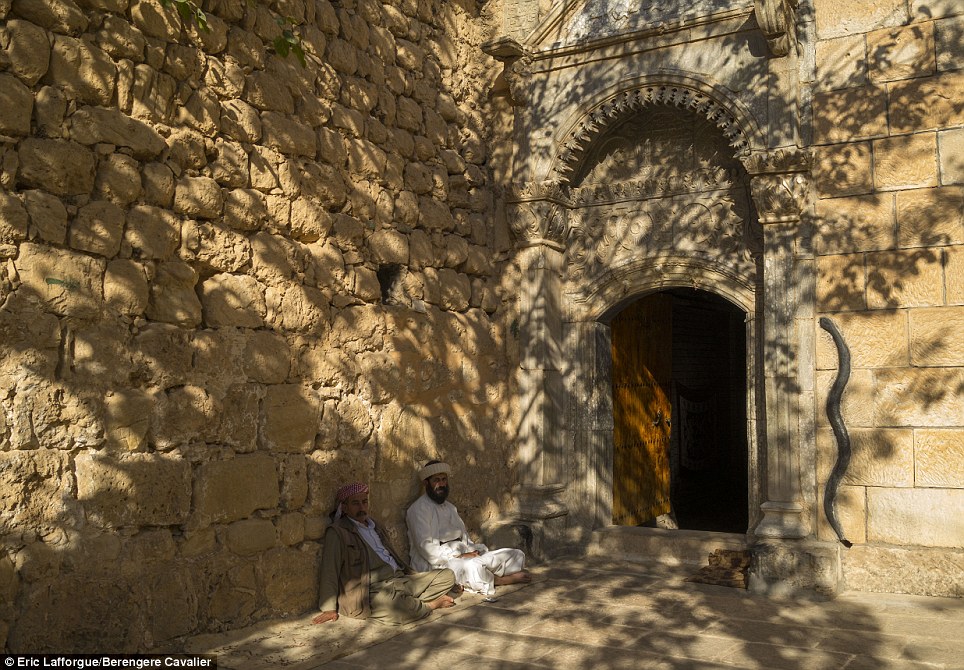
temple at Ladesh
Picture of Yazidi Temple

Contact swami_48@yahoo.com
Tri Kala Surya Upasana (Brahmin Custom) in Iraq!

yazidi girls
Yazidi girls in front of a worshipper (Picture from Daily mail on line)

The first Part of this Article was published under the title “HINDU VESTIGES IN IRAQ” on 12th August (Post No 1228)

Written by London Swaminathan
Post No. 1246; Dated 23rd August 2014

‘The Week’– magazine published from London (dated 16 August 2014) says

1.Yazidis lived in Armenia, Turkey and Iraq. Iraq is their homeland. When the situation became very bad in Turkey the entire community was given asylum in Germany.

2.Yazidis speak Kurmanji Kurdish, the Kurdish dialect spoken in Turkey.

3.What makes the Yazidis so interesting to anthropologists is that they are Kurds who, over the centuries, have resisted pressure to convert to Islam. There has been a long history of animosity between them and their Kurdish Muslim counterparts.
temple at Ladesh
Yazidi Temple at Lalish

4.Yazidism is a “syncretic” religion borrowing from many different traditions. Its true origins are almost as mysterious as the people themselves, but it is said to have its roots in Zoroastrianism, a monotheistic religion arising in ancient Persia around 1500 BC. However many scholars trace its origins to an even older faith: Mithraism. Mithras is the Roman name for the Indo-Iranian deity Mitra, a God of the Sun, Justice, Contract and War, whose origins lie in Pre –Zoroastrian Persia.; the Yazidis’ annual sacrifice of a bull near the Temple of Sun, some 60 kilometres north of Mosul, is thought to be a ritual derived from Mithraism.
(Mitra is a Vedic God; the first namaskar in Surya Namaskar is ‘Om Mitraya Nama:’ It looks like Romans introduced bull sacrifice in its worship. For Hindus cows and bulls are sacred animals. Shiva rides on a bull/Rishaba)

5.Many Yazidi traditions are shrouded in such secrecy that most have never been witnessed by outsiders. However they are known to pray three times a day, always facing the direction of the Sun.

yazidi fire worship
Yazidi Fire Worship resembles Hindu worship

6.Their most important festival, Cejna Cemaiya, the New Year “Feast of the Assembly”, takes place at Lalish, a small village in lush mountain valley in Northern Iraq, where Adi ibn Musafir, a member of wandering order of Sufi mystics has his tomb. It has become a sacred place of pilgrimage, and children are baptised in the waters of paradise that flow from two sacred springs, the White Spring and the Zem Zem (the same name as a stream in Mecca)—which rise there. Yazidis visit Lalish at least once in their life time.

(Hindus visit Kasi (also known as Varanasi and Benares), at least once in their life time take bath in the holy waters of River Ganga. Sfi mystics are very close to Hindu mystics in many respects).
yazidi knots
Yazidis tie knots when they make wishes

Caste System:

7)Yazidis are divided into three castes – Sheikhs, Pirs and Murids, the first two being clerical castes, the Murids forming the general public. The function of the Sheikhs, the highest caste, is to educate the rest of the faithful in their religion and teach them the moral precepts.

8)The Yazidis married their women still in their teens. When Armenia moved to revise its law on marriage raising the minimum age of marriage for boys and girls to 18, Yazidi community erupted in protest.

9) They don’t wear blue colour clothes because it is considered sacred ( I have already discussed the importance of sacred blue peacock of Peacock Angel Lord Skanda/Kartikeya in the first part of this article)

yazidi temple 2
Yazidi temple constructed like Hindu temple

My comments on Point 5 ,Point 6 point 7 and 8:
a)There is only one community in the whole wide world who do Sun Worship (Surya Upasana called Sandhya Vandhanam) three times a day facing sun using water oblation is the Hindu Brahmins. So Yazidis must have been Vedic Brahmins slowly mingling with others, yielding to pressures from other religions in the area. Vedic faith was older than Zoroastrianism.

b)There is only one community in the world who use water in every day worship — they are the Hindus. They can’t do any ritual without water.

c)The Hindus use Ganges water or any water in the name of Ganges. They use water to bathe themselves and Gods in over 100,000 temples in India every day. For the Hindu Brahmins the baptism is the sacred thread ceremony, on which day the boy has to bathe several times. Without water Hindus can’t do any ritual. From birth to death they use holy water in 40 rituals called Samskaras.

sacred spring at Lalish
Yazidi sacred spring at Lalish

d)The caste system in Yazidi community is prevalent only in Hindu religion until today. In the olden days every culture had it. In England even today Lordship and Kingship are decided by birth in higher caste. Not everyone can become a Lord or King or Queen in Britain! The Brahmins only were teachers until Buddisht period.

e)Balya Vivaha (Child marriage) is a Hindu custom practised throughout ancient India. Tamil Sangam literature hints at teenage marriage. Tamil Hindu heroine Kannaki was 12 and her husband was 16 when they got married. Hindu law books called Smritis also advocated this.

I have already listed other similarities in the first part of this article.

yazidism07
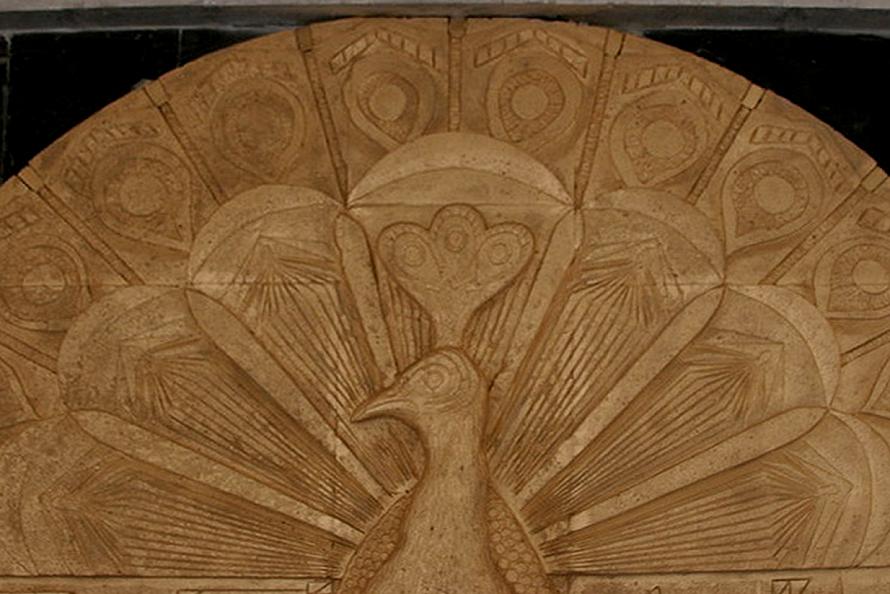
Yazidis sacred Peacock (Lord Skanda’s vehicle)

Please read the details in Fist Part of this article.
Contact swami_48@yahoo.com
இராக் நாட்டில் இந்துமதம்! மயில்வாகனன் வழிபாடு!!

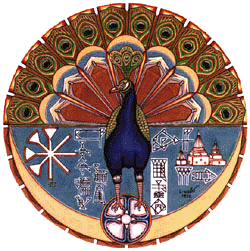
Yazidi_symbol
யாசிதி இன மக்களின் புனிதச் சின்னம்!

ஆராய்ச்சிக் கட்டுரையாளர் லண்டன் சுவாமிநாதன்
கட்டுரை எண்:1232; தேதி 14 ஆகஸ்ட் 2014.

English version of this article is published here on 12th August 2014.

இராக் நாடு முஸ்லீம் நாடு. ஒரு காலத்தில் பாபிலோனிய சுமேரிய நாகரீகங்கள் கொடிகட்டிப் பறந்த நாடு. இப்போது சுடுகாடு என்னும் அளவுக்குச் சண்டை, மண்டை உடைகிறது. இது பற்றி லண்டன் நாளேடுகளில் ஆகஸ்ட் 12ம் தேதி கொட்டை எழுத்துக்களில் செய்தி வெளியானது. ‘’500 பெண்களும் குழந்தைகளும் உயிருடன் புதைப்பு’’ —என்பதுதான் அந்தச் செய்தி. அதாவது முஸ்லீம் தீவிரவாதிகள், மதம் மாற மறுத்த 500 பழங்குடி மக்களை உயிருடன் புதைத்துவிட்டனர். இந்த விஷயத்தை உலகிற்கு அற்வித்தவர் இராக்கிய மந்திரி சுடானி ஆவார்.

புதைக்கப்பட்ட பழங்குடி மக்கள் யாசிதி இனத்தவர். இவர்களைப் பற்றிய செய்திக்கு அருகிலேயே இவர்கள் யார்? இவர்களுடைய நம்பிக்கைகள் என்ன என்ற வியப்பான செய்திகளும் வெளியாகின. அதைப் படித்த உடனே அவர்கள் இந்துக்கள் என்பது புரிந்தது! இதோ அவர்கள் பற்றி பத்திரிக்கைகள் மற்றும் பி.பி.சி. வெளியிட்ட செய்திகளும் அது பற்றிய எனது விளக்கங்களும்:–

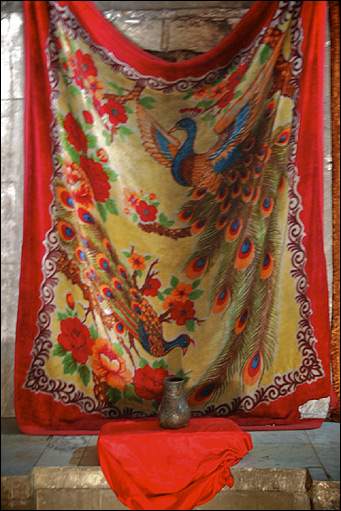
yazidi oil burning for saints

முனிவர்களுக்கு விளக்கு ஏற்றி வழிபாடு!!

யாசிதி இன மக்கள் 4000 ஆண்டுப் பழமையான இனம். இவர்கள் பாரசீக சொராஸ்ட்ரியன் மதம், பழங்கால இரானிய (வேத) மதம், கொஞ்சம் இஸ்லாமிய, கிறிஸ்தவ மத நம்பிக்கைகளை பின்பற்றுகின்றனர். இப்போது 1,60,00 பேர் மட்டுமே வடக்கு இரக் மலைப் பகுதிகளில் வாழ்கின்றனர். இவர்கள் குர்தீஷ் மொழி பேசுகின்றனர்.

கிறிஸ்தவர்களாக இருந்தால் ஜிஸியா வரி கொடுத்தால் வாழலாம் என்றும் யாசிதி இன மக்களாக இருந்தால் இஸ்லாமிய மதத்துக்கு மாற வேண்டும் என்றும் அல்லது படுகொலை செய்வோம் என்றும் ‘ஐஸிஸ்’ இஸ்லாமிய தீவிரவாதிகள் அறிவித்தனர். அதன்படி படுகொலை நீடிக்கிறது என்று லண்டன் ஆங்கிலப் பத்திரிக்கைகள் படங்களுடன் செய்திகள் வெளியிட்டுள்ளன. காரணம் இவர்கள் இந்து மதம் சொல்லும் எல்லா விஷயங்களையும் சொல்லுகிறார்கள். இதோ நீங்களே படித்து முடிவுக்கு வரலாம்:

1.யாசிதி இனமக்களுக்கு மறு பிறப்புக் கொள்கையில் நம்பிக்கை உண்டு: உலகில் மறு பிறப்பை நம்புவோர் இந்துக்களும் அதன் கிளை மதங்களான புத்த, சமண, சீக்கிய மதங்களும் தான். செமிட்டிக் மதங்களான கிறிஸ்தவ, யூத, இஸ்லாமிய மதங்களுக்கு மறுபிறப்பில் நம்பிக்கை இல்லை.

yazidi symbol2

மயிதேவதையைக் குறிக்கும் புனிதச் சின்னம்.

2.யாசிதி இனத்தினர் ஒரே கடவுளை நம்புகின்றனர்: இதுவும் இந்து மதத்தின் கொள்கையே. உலகின் மிகப் பழைய நூலான ரிக் வேதத்தில் —–ஏகம் சத் விப்ராஹா பஹூதா வதந்தி —- என்று சொல்லப்பட்டிருக்கிறது. அதாவது உண்மை ஒன்றே, அதை முனிவர்கள் பல பெயர்களால் அழைப்பர் என்பது இதன் பொருள்.

3.அந்த ஒரே கடவுள் ஏழு தேவதைகள் மூலம் உலகைப் படைத்தார்: இதுவும் இந்து மதக் கொள்கையே! சப்த ரிஷிக்கள் என்னும் அத்ரி, ப்ருகு, குத்ஸ, வசிஷ்ட, கௌதம, காஸ்யப, ஆங்கிரச ரிஷிக்கள் மனித இனத்தைப் படைத்ததை புராணங்கள் கூறும். பிராமணர்கள் நாள் தோறும் மூன்று முறை செய்யும் சந்தியா வந்தனத்தில் இந்த 7 பெயர்களையும் கூறுவர். சங்க இலக்கியமும் ‘’கை தொழு எழுவர்’’ என்று சப்தரிஷிக்களை விதந்து ஓதும். சப்த ரிஷிக்களில் வசிஷ்டர் என்னும் நட்சத்திரம் அருகில் வலம் வரும் அருந்ததி நட்சத்திரத்தை சங்க இலக்கியம் ஆறு, ஏழு இடங்களில் பாராட்டுவதோடு ஒவ்வொரு இந்து தம்பதியும் முதலிரவு அறைக்குள் போவதற்கு முன் அருந்ததியைக் காண வேண்டும் என்பதும் அனைவரும் அறிந்ததே.

4.இவர்கள் வணங்கும் முக்கியக் கடவுள் மாலக தாவூஸ். இவர் மயில் தேவதை என்று யாசிதிக்கள் கூறுவர்: உலகில் மயில்வாகனக் கடவுளான கார்த்திகேயனை (முருகனை) வணங்குவோர் இந்துக்கள் மட்டுமே என்பதைச் சொல்ல வேண்டியதில்லை. மாலக தாவூஸ் என்பதை நான் பால தேவன் என்றே படிப்பேன். ப— வ — ம—என்ற மூன்று எழுத்துக்களும் இடம் மாறும் என்பது மொழி நூலார் அறிந்த உண்மை.

5.அவர்களுக்கு மயில் புனிதச் சின்னம். இந்தியாவின் தேசியப் பறவையான மயில் சிந்து சமவெளிப் பானை ஓடுகளில் கண்டுபிடிக்கப்பட்டதோடு இந்தியாவில் இருந்து ஏற்றுமதி செய்யப்பட்டதை பைபிளும் கூடப் பகர்கிறது.

yazid boys plait like girls
இளைஞர்களும் பெண்களைப் போல பின்னல் முடி அணிவர்.

6.அவர்கள் தீயை வணங்குவர்: யாகத் தீயை பிராமணர்களும், பாரசீக மதத்தினரும் இன்றுவரை வணங்குவதை உலகம் அறியும். பிராமண பிரம்மச்சாரிகள் தினமும் தீ வளர்த்து சமிதாதானமும், கிருஹஸ்தர்கள் தீ வளர்த்து அக்னிஹோத்ரம்/ஔபாசனமும் செய்ய வேண்டும் என்பது விதி. ஆனால் விரல்விட்டு எண்ணக் கூடியவர்களே இன்று வரை இதைச் செய்கின்றனர். காலத்தின் கோலம்!!!

7.அவர்கள் சுன்னத்து செய்து கொள்வர், ஐந்து முறை தொழுவர்: இவை இரண்டும் இந்து வழக்கம் அல்ல. இது செமிட்டிக் இன மதங்களின் வழக்கம் அல்லது மத்திய கிழக்கில் செமிட்டிக் மதங்கள் தோன்றுவதற்கு முன்னரே இருந்த வழக்கம் என்று கொள்ளலாம்.

8.யாசிதி இனத்துக்கு அப்பெயர் வரக் காரணம் அவர்கள் யஸ்தான் என்னும் தேவனை வணங்குவதாகும். இது யது நந்தன் (யாதவ குல கிருஷ்ணனின் பெயர்) அல்லது யக்ஞ (யாகம்) என்பதன் மரூஉ — ஆக இருக்கும் என்பது என் ஊகம். வேதத்தில் யக்ஞ சேன, யாக்ஞவல்க்ய, யக்ஞேசு எனப் பல பெயர்கள் வருகின்றன. மேலும் பாரசீக மொழியில் இசட் என்பதன் பொருள் ‘’ஜோதி’’ (தீ/அக்னி) என்பதாகும். இவர்கள் வீடுகளில் விளக்கு ஏற்றி புனிதர்களை வணங்குகின்றனர். சுருங்கச் சொன்னால் இவர்கள் வாழும் இஸ்லாமிய நாட்டுக்கும் இவர்களின் நம்பிக்க்கைகளுக்கும் கொஞ்சமும் தொடர்பு இல்லை!!

9.யாசிதி இன மக்களின் மயில்தேவனான மாலக்தேவூஸை அராபிய மொழியில் சைத்தான் (பேய்) என்பர். முஸ்லீம்களும் கிறிஸ்தவர்களும் தங்கள் தெய்வங்களை ஏற்காதவர்களை சைத்தானை கும்பிடுவோர் (காபிர், பேகன்) என்று அழைப்பதை உலகமே அறியும்.

10.இராக்கில் இந்து மத வாகனங்கள் போல ஏழு கடவுள், வாகனங்களில் பவனி வருவது பற்றிய ஆங்கிலக் கட்டுரையை ஏற்கனவே எழுதி உள்ளேன். அந்தப் பிண்ணனியில் யாசிதி இன மக்களைக் காண்கையில் அவர்கள் இந்து மத எச்ச சொச்சங்களே என்பதில் எள்ளவுக்கும் ஐயம் இருக்காது.

11. இங்கு காஞ்சி பரமாசார்ய சுவாமிகள் (1894—1994) தனது சென்னைப் பிரசங்கத்தில் கூறியதை நினைகூறுதல் பொருத்தம். ஆஸ்திரேலியப் பழங்குடி மக்களின் சிவா நடனம் முதல் துருக்கியில் கண்டுபிடிக்கப்பட்ட கி.மு 1400 சம்ஸ்கிருதக் களிமன் படிவ கல்வெட்டு வரை பல விடயங்களைப் பிரஸ்தாபித்த பின்னர் அவர் ஒரு எச்சரிக்கை விடுக்கிறார்: “ இதை எல்லாம் கேட்டபின்னர் இந்துக்கள் அங்கெல்லாம் சென்று தங்கள் மதத்தைப் பரப்பினர் என்று எண்ணீ விடாதீர்கள். அங்கும் பழங்காலத்தில் இந்து மதமே இருந்தது. அதன் மிச்சம் மீதியைத்தான் நாம் இப்படிக் காண்கிறோம். அதனால்தான் நமது மதத்துக்கு சநாதன மதம் என்று பெயர்” என்றார்.
ஆக அவர் சொன்னதை நூற்றுக்கு நூறு உண்மை என்று நிரூபிக்கிறது இந்த வார இராக்கிய செய்திகள்!!!!

Hindu Vestiges in Iraq!

Yazidi_symbol
Yazidi Symbol

Research paper written by London swaminthan
Post No.1228; Dated 12h August 2014.

A shocking news item appeared in London newspapers under the title WOMEN AND CHILDREN BURIED ALIVE, Islamic extremists place 500 devil worshippers in mass graves in Iraq. (Please see Metro, Page 1 dated 11th August 2014). It was about burying 300 women and 200 children of Yazidi tribe who refused to convert to Islam. The news was reported by Mohamed Shia al-Sudani, a minister for the Iraqi government. This article is not written to condemn or criticize the ISIS extremists. This is about the Yazidi Tribe. The news papers have described who they were and what they believe in. Most of their customs and beliefs are from Hinduism!!!

yazidi oil burning for saints
Yazidis burn oil lamps for one the saints.

Kanchi Paramacharya (1894-1994) in his talk pointed out that lot of Hindu customs around the world from Shiva dance of Australian aborigines to Sanskrit Inscription in Turkey dated 1400 BCE with ht names of Vedic Gods are Hindu relics. He cautioned us with the following words: Don’t say that Hindus went there and spread their religion. It was the Hindu religion that existed in every part of the world. That is why this religion is called Sanatan Dharma. What you see is only the vestiges of Hindu religion”.

I strongly believe in his comments. He is 100 percent right. Following news item that is occupying more space in London News Papers is another proof:

Yazidis are part of an ancient religion. From 11th century they organised themselves as a religious group. But they are a pre Islamic community. They are 4000 year old community. They have beliefs borrowed from multi traditions including Zoroastrianism, ancient Iranian religion (Vedic Hindu!!), Christianity and Islam. They speak Kurdish. There are 700,000 Yazidis in the world and most of them live in Northern Iraq. Their heartland is the north western city of Sinjar ( Now they are driven out by the ISIS extremists).

1.The Yazidis believe in One Supreme Being: Rig Veda says “Ekam Sat Vipra: Bahuda Vadanti “, meaning Truth is one, sages call it by different names.

2.Yazidis say, “Supreme being Yasdan created the earth with the help of Seven Angels”: Hindus say that Brahma created the world with Seven Rishis (Sapta Rsis) who were the forefathers of human race. As a Brahmin I do worship Saptarisis every day in the ‘thrice a day Sandhya Vandhana’ (Tri Kla Sandhya Vandhana) ritual. I recite the mantra with the names of sevensages: Atri, Brhu, Kutsa, Vasishta, Gautham, Kasyapa and Angirasa.

The word Yasdan may be the corrupted form of Yadunandan (Yadava Krishna) or lot of Hindu names beginning with Yagna or Yajna. In the Vedas we find names like Yajna Vacas, Yajna Sena, Yahna Valkya, Yajnesu and many more.

yazid boys plait like girls
Yazidi boys plait hair like girls.

3. Most important of their gods is Peacock Angel. Hindus worship Kartikeya who rides on a Peacock. His names like Mayura Vahana, Mayil Vahana, Siki Vahana and several other names are associated with the Indian national Bird peacock. It is primarily an Indian bird exported to West Asia from Biblical days.

4.Yazidis believe in reincarnation: No Semitic religion believes in reincarnation. Only Hindus and its offshoots like Buddhism, Jainism and Sikhism believe in Reincarnation. This shows very clearly that Yazidis are Hindus.

5.Peacock angel is known as Malak Tawous. It may be the corrupted form of Palak= Bala Deva or Palaka Deva. P < M<V are interchangeable is well known to linguists.

6.They worship five times a day; they do circumcision: This is the local custom followed by ancient people in that region which is taken by other Semitic religions. Circumcision is not followed by the Hindus.

7. Malak Tawoo means “devil” in Arabic. All idol worshippers were called as Devil worshippers by Semitic religions. This is another proof to believe that they are Hindus.

yazidi symbol2
Peacock is sacred to them like Hindu devotees of Lord Skanda

8. Yazidi means Worshippers of God. They are fire worshippers like the Vedic Hindus and Iranians. They keep oil lamps burning at their homes for saints. This like Brahmins Three Fire worship at home (Three Fires: Dakshinagniyam, Gargapatyam and Ahavaniyam). Ized means God in Persian. Yazdis derived from this word, they believe. Ized arrived from Jyothi (Light/Fire), I believe.

9. Why they were buried alive? Metro Newspaper published from London added this on page 5: “Unlike Christians, who have been given the choice of paying a tax to the Islamic organisation – known as Jizya — the Yazdis have been given a stark choice: Convert to Islam or be murdered”.

The news is reported by the BBC, Reuters, Daily Mail and several other mass media in addition to Metro news paper quoted above.

One can find more information about Yazdis by googling.

Contact swami_48@yahoo.com

Pictures are taken from newspapers; thanks.