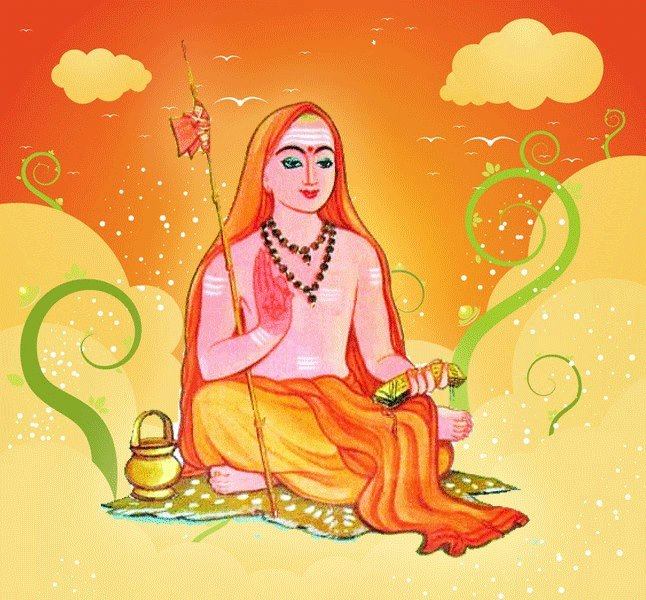
Adi Shankara & Mysterious Sundara Pandya !

adishankara drawing

Research Paper by London Swaminathan
Post No. 1210; Dated 2nd August 2014.

Age of Adi Shankara is shrouded in mystery. Most of the scholars have already concluded that he lived in the eighth century CE (788-820). There is no positive proof to support this date. The confusion in dating happened because of another Shankara who was a copy of Adi Shankara in all aspects. Abhinava Shankara, whose name roughly translated sounds like “Once Again A New Shankara”.

There have been lot of discussions on this topic and a lot have been written. Kanchi Paramacharya (1894—1994) had given a long explanation for dating him in fifth century BCE. I am not going to repeat his argument or the counter argument of people attached to Sringeri Mutt, who believes that Shankara lived around 788 CE.

My argument is based on Sangam Tamil literature and Sundara Pandya. I have written about it in Tamil and posted it in this blog on 21st March 2012.

1.Adi Shankara’s favourite simile is rope mistaken for a snake. He used this allusion umpteen times in all his works. No one has used this like him. Greek Philosopher and founder of scepticism Pyrroh 360-270 BCE used this simile. Famous historian K A Neelakanta Sastri has commented on it saying that it was unusual for a Greek philosopher to use it. I think that he copied it from Adi Shankara. The reason for my conclusion is that he accompanied Alexander the Great. All of us knew Alexander’s unquenchable thirst for Hindu Philosophy. Swami Vivekananda, Paramahamsa Yogananda and many scholars have dealt with this subject.

More over this simile is used by Uuttiyaar, a Sangam Age poet. He used this simile in Akananuru (verse 68).: “A thunderbolt struck the Asoka Tree mistaking the swing rope for a snake”. Another poet Kutavaayir Keerathanaar used a similar comparison in verse Akam.119. This is to show that it is a typical Indian analogy.

shankara with sloka

2. One of the great four Saivite saints is Appar alias Tirunavukkarasu, who lived in the middle of seventh century. He used the famous slogan “Jaya Jaya Sankara” in his Tamil Thevaram hymn followed by the word ADI. Though this Adi has nothing to do with Shankara, I honestly believe that the thought of Adi Shankara made him to say “Jaya Jaya Shankara”. In one another hymn he says that “Stotras sung by your devotees” (of Shiva). The very word “Stotras (Thoththirangal)” in a pure Tamil hymn came through his mouth because he knew the contribution of Shankara very well. Appar lived during the reign of Mahendra Pallava.

3. Another common belief is that Shankara rejuvenated Hinduism by eliminating 72 conflicting sects and establishing Shanmatha (Six Forms of Worship). He fought against Jainism and Buddhism is another popular belief. If he had lived in eighth century there was need for it because both the religions had very little following at that time. In the South, Saivite Nayanmars and Vaishnavite Alwars have already re-established Shaivam and Vsihnavam.

4. Maya (illusion) was used by Shankara umpteen times in his hymns. Ancient Sangam poets went to the extent of using this Sanskrit word boldly in their verses due to the impact of Adi Shankara. They used the word in the context of impermanence (instability) of the world like Adi Shankara (363, 366 Purananuru). Strangely names of the poets are in Sanskrit Gothamanar (Gauthama) and Siruventheraiayar (Manduka Rishi).

Sanskrit word Maya occurs in Puram 243, 363,366; Akam 226,256; Kali.2-3, 88-7, 90-1, 93-15, Narr.294; Pari. 3-70; Pathi.60-6.

Saivite saints Appar, Sambandhar, Manikkavasagar also mentioned Mayavatha. It may be due to Shankara’s propaganda.

shanakara face

History’s Mystery — Sundara Pandya

5. Last but not the least is Sundara Pandya, who was a great Sanskrit scholar who wrote about Advaita even before Adi Shankara. This is the strongest proof to show that Shankara lived long before the accepted date of 788 CE. The name sounds like a king of the Pandyan Kingdom. All the Sundara Pandyas known to history lived in 12th century CE of after. They had no connection to Shankara. The other Sundara Pandya was the husband of presiding deity of Madurai , Goddess Meenakshi. This queen was referred to by the Greek Ambassador Megasthenes as ‘Pandya queen’. Shankara’s Brahma Sutra commentary used Sundara Pandya’s verses.
PT Srinivasa Iyengar in his History of the Tamils gives the following information quoting various authorities:

a)Sundara Pandya was the person whose ‘varttika’ was quoted by Sankaracharya in his commentaries on Vedanta Sutra.
b) A book on ethics, called ‘Niti dvi sastika’, attributed to Sundaya pandya was discovered and printed.
c)As quotations from it occur in the Panchatantra and Janasrayi, it appears Acharya Sundara Pandya must have lived before sixth century.
d) Sundara Pandya being a well known name of several kings, there is a temptation to identify this Acharya with a king of Madurai. I cannot think of any Pandya king capable of writing such works. I think Sundara Pandya merely means Sundara of Pandya country.

PTS Iyengar is wrong in assuming that Pandya kings were not capable of writing Sanskrit works. Mukundamala was written by a Chera king/Alvar in Sanskrit. A North Indian King by name Bramadutt learnt Tamil from Sangam poet Kapila and wrote verses in Tamil 2000 years ago! Because it was a rare achievement we still talk about them. Mudukudumi Peruvazuthi, the mighty Pandya King, installed Yupa Pillars through his kingdom. He was a performer of great Yajnas including Asvamedha. Iyengar was ignorant of Pandya Copper Plates.

Prof. S Kuppuswami sastri identified Sundara Pandya with Kun Pandya (Nedumaran) of Sambandhar period. Three of his verses were cited by Shankara in his Brahmasutra Bhasya (Page 219 of Sanskrit -Tamil Contact)

abhinava vidya theertha
Sri Abhinava Vidya Theetha Swami of Sringeri Mutt

Dalawaipuram Copper Plates and Sinnamanur Copper plates of Pandya Kings praised Sundara Pandya as a great scholar. The wordings of the inscriptions give the impression that he lived long before the known kings. There is no mention of Sundara Pandya in the Sangam literature. But the inscriptions make it very clear that he was a king in the Pandya line. Sinnamanur plates say

“Imaam Kanchana Peedasyaam samethya kavayo Bhuvi
Aryaam Sundara Paandyasya snaapayanthivathimiva”,
Inanother Pandy copper plate
“Samastha Sastra Arnava Karnadharo yadudbhava Sundara Pandya nama”

Then the Rajasuya and Asvamedha Yagas performed by the Pandya kings were mentioned. So Sundara pandya must have lived in the first few centuries of BCE or CE. We know for sure the Sangam Age Pandyas and Chozas performing Asvamedha and Rajasuya Yajnas. From 570 CE, we have very clear record of Pandya kings and their activities. We don’t hear any big Yagas performed by them.

6.Shankara’s life is linked with Hala, Manukula Aditya, Purna Varman, Indra Varman (of Cambodia) in one way or other. If it is just one name one can reject it. Here the names mentioned were too many and those people lived long before the accepted date of Shankara 788 CE. Hala lived in first century AD in Andhra and another Hala in 4th century BCE. Manu kula Aditya was Manu Neethi Choza who lived around first century BCE. Even the age of Kumarila Bhatta connected with Shankara is debatable. Shankara’s fame would not have spread to far off Cambodia in such a short time if we are going to believe Adi Shankara’s disciple was Sivasoman (of Cambodia).
But Abhinava Shankara can be the Guru of Sivasoman.

kanchi for bath
Sri Kanchi Paramacharya of Kanchi Mutt.

UNKNOWN DRAVIDACHARYA
7. Dravidacharya of first century BCE was a great Advaita scholar. Shankara quoted him and praised him as ‘Agamavidh’, ‘Sampradhaya Vidh’ in his commentaries on Mandukya Upanishad and Brihad Aranyaka Upanishad. This shows that Tamil Nadu of first century BCE produced great Sanskrit scholars. Shankara quoted a story from Dravidacharya’s work:

A prince lost his way in the forest when he was a child. The hunters found him and raised him like a hunter. Several years after this incident the minister of the kingdom went for hunting and found this prince through his special body marks (moles etc). The minister told him “Na Tvam Vyadha, Amushya Rajna Putra” (You are not a hunter, you are a king’s son) and handed over him to the king. He became a king soon. Like this the soul realises it’s true form –Brahma Swarupa— then it enjoys bliss.

(The same story is presented differently in Vedic literature: A lion cub is raised like a sheep. When other lions attacked the flock of sheep, this cub was identified and taught to roar like a lion. Then it got its true form)

Ananda giri also quoted Dravidacharya in his work.

8. Another conflicting information is the number of Shankaracharyas in each of his five Mutts : Dwaraka Peeth 80, Kanchi 70,Puri over 140,Kudali 60, Sringeri 36. Why is it?
Shankara’s Guru was Gowdapatha and his book was translated in to Chinese in sixth century CE!

9.Later Saiva Siddhanta scriptures mention the five activities/tasks of Lord Shiva– creation, preservation, destruction, veiling and grace. But Adi Shankara and Tamil epic Silappadikaram mention only the first three. We may use this for drawing a boundary line in dating.

sringeri abishekam

Current Shankaracharya of Sri Sringeri Mutt

10.Dravidasisu reference: The reference to Dravida Sisu in Sowndarya Lahari of Shankara is not Tamil saint Sambandhar, but Shankara himself. Another possibility is that Abinava Shankara might have referred to Adi Shankara if we consider it as the work of Abhinava sankara. But in olden days the poets used to refer to themselves in their verses (Example: Manikkavasagar, Sambandhar)

11.There is a way to settle the controversy about the Age of Shankara or Kalidasa or Tamil saint Manikkavasagar. If we feed their works in to computers and analyse the word index, we may be able to decide their age through linguistics.

Contact swami_48@yahoo.com

Spies! Disguised as Ascetics!

The Spy Who Loved Me

Spies! Disguised as Ascetics!

Research paper written by London Swaminathan
Post No.1208; Dated 1st August 2014.

Very interesting information about spying is available from Sanskrit and Tamil literature. Most of us know that the Brahmin Kautilya (Chankaya) has dealt with spying in detail in his Arthasastra. But not many people know what Manu Smriti, Tirukkural, Tamil epic Silappadikaram and Sangam Tamil Literature say about spying. There are a few real life stories in Valmiki Ramayana and Sangam literature.

The most interesting detail comes from the great Tamil Poet Thiruvalluvar, whose Tirukkural is praised as Tamil Veda:

“Spies disguise themselves as ascetics to gather secrets; they do not betray secrets under any threat” (Kural 586)

How true it is even today!! Our Ashrams are infested with foreign spies. Religion is the easy way to gather secrets about the government and the general public. If a politician approaches a Sanyasi (ascetic), that means he or she is in big trouble! Ascetic’s devotees boast about what happened in the Ashram. The spies there as Junior ascetics send information to all his enemies and foreign countries. Beware of “Sanyasis” frequenting foreigners or foreign countries!!

In ancient India ascetics can travel anywhere in India without Visa or a permit. They can enter the royal courts at any time without waiting. But they never misused their powers. If any king delays them the king will be cursed!

The second easy route for spying is Universities and Educational institutions. In the guise of a researcher you can fool anyone!! In the guise of a scholar, you can have access to inaccessible places!!! Beware of “visiting scholars”.

The third route is party offices or meetings. We read about spying in the news papers every day.

THE-SPY-WHO-LOVED-ME-POSTER

Story 1 from Sangam Tamil Literature

Purananuru, which is 2000 year old, gives a very interesting story about spying! Ilandattan was a genuine poet. He visited the royal court of the Choza king Nedunkilli. Immediately he was arrested and the king passed death sentence on him! The only crime he committed was that the previous day he was in the court of another Choza named Nalankilli. Both are closely related but had big enmity between themselves like a snake and a mongoose. So Nedunkilli suspected him of spying for Nalankilli and was about to execute him.

In ancient India, poets have very good influence and authority over kings. They were next in rank to the ascetics. There was a wise Tamil poet by name Kovur Kizar who already saved young children from the slaughter house of a king. He came to the rescue of this poet. Earlier two young children were about to be beheaded by the elephant and Kovur Kizar persuaded the Choza king to release them unconditionally (Purananauru verse 46).

Kovur Kizar saved poet Ilam Duttan as well. He went to the king told him,
“Look ! these poor poets are like birds seeking fruit laden trees. They pass very hard routes just to praise philanthropists like you and get something for their stomach. The beauty is that they never save for tomorrow. Whatever they get they give it to their friends and relatives. They never harm anyone. They defeat any scholar by the war of words. People like you must support them and not oppose” (Purananuru verse).
Heeding to the advice of Kovur Kizar he released the poet immediately.

This episode throws some light on spying. They can come in the guise of a poet/scholar, like we have spies in universities today. The second thing is they get death sentence if they are caught. It is same even today. While I am writing this, here in my city London, there is a big case going about poisoning a spy to death. Many spies “die” in simple accidents in western countries.

mata hari executed in 1917
Most Famous Woman spy Mata Hari was executed in 1917 (World War 1)

Story 2 from Tamil epic Silappadikaram

There is another interesting story in the most famous Tamil Epic Silappadikaram. Two minor kings of North India ridiculed the Tamils. So the mighty Senguttuvan, wanted to teach them a lesson. Senguttuvan’s father caught the Yavanas (Greek or Romans or Arabians) and tied their hands at the back and poured oil on their heads. This is an ancient way of insulting enemies. In the Puranas, we read about King Sagara catching the Yavanas and shaving their heads off.

Senguttuvan ordered his commander in chief Alumpilvel to send the sealed letters to all the kings in the north. He made it clear that it was not an invasion, but a mission with a limited purpose, just to get a stone from the holy Himalayas, to bathe it in the holy Ganges, to make a statue for the holy woman Kannaki.

Immediately his commander told the king that there was no need to undergo such a trouble of putting the clay seal of Tiger, Fish and Bow (Cholza, Pandya, Chera emblems) on the letters and send them because his capital city Vanji has all the spies in the world. The minute something is tom-tommed in the capital the message will spread like wild fire though out India (Katchik Katai, Silappadikaram)

This episode reveals the fact that the capital city has spies of all the countries. We have spies in Delhi from all parts of the world!!

We taught the world about spying and ambassadors. No literature in the world has such detailed manuals on Embassies, Ambassadors and Spying like Sanskrit literature!!

220px-Noor_Inayat_Khan
Noor Inayat Khan, Muslim of Indian origin, born in Moscow, worked as a British agent, executed by Hitler (World War 2)

Story 3 from Tamil Epic Silappadikaram
I have given this story already in my earlier post “HOW DID A PANDYA KING GET A GOLDEN HAND?” posted on 22 October 2011.

An old Brahmin by name Keeranthai wanted to go on a pilgrimage. His wife got worried. He assured her nothing would go wrong in the Pandya kingdom. The king was listening to this conversation, who went in disguise to feel the pulse of his people. In other words he was spying on his own people just to ensure their safety and welfare. Later he paid special attention to that particular house and by mistake he knocked at the door one night. When the Brahmin street (Agraharam) reported the complaint next day he cut his hands off saying that he was the ‘’thief’’ who knocked at the door. Medical science had advanced to such an extent in those days that he was immediately operated upon and a new golden hand fixed. The reason for him knocking at the door of the Brahmin lady was that some noise he heard in the house. Actually it was her husband who came back late in the night from the pilgrimage!!

This episode shows that in ancient India, even kings went on spying in disguise.

asceticdog

Story No 4 from Tamil and Sanskrit Ramayanas

Valmiki Ramayana in Sanskrit and Kamba Ramayana in Tamil have a big chapter ( in Yuddha Kanda) on the spies sent by Ravana to estimate the strength of the monkey army of Lord Rama. They wore totem symbols like monkeys and pretended to be part of Rama’s army. But Vibhishana who came from Sri Lanka could easily identify the two spies Suka and Sara. They were caught red handed and presented before Rama. Rama deliberately gave them all the details of his army and pardoned them. Rama knew that they would report it back to Ravana.

Rama might have expected that it would unnerve Ravana and he would surrender and release Sita Devi. Alternately Rama did not bother about the spies because he knew the final result.
There are many more spy stories in Indian literature that would excel all the James Bond films.

spy next door

Manu on Spying
Manu Smrti gives rules on spying in chapters
7-122,153, 154, 223 and 9-256, 261, 298.

Manu says
1.King should appoint one officer for every city who must collect all the information through spies.
2.King should spend some time everyday to find out what is happening in the harem and the movements of his secret agents.
3.After performing Sandhya rituals he must get the reports of secret agents in the inner chamber.
4.Spies are king’s two eyes to find out the open and concealed thieves
5.Spies can be used to incite the criminals to commit crimes so that they can be booked easily.
6.King should use the spies to measure his own strength and his enemies strength.

Tamil Poet’s Sound Advice
Tiruvalluvar in his Tirukkural has got ten couplets on spying. The salient features of this chapter 59.DETECTIVES or ON INTELLIGENCE SERVICES are:

spying-really-help

1.The reports given by one spy must be tested and verified through another spy (couplet 588)
2.The spies must be sent one by one, apart. If three spies agree, the information shall be confirmed. They should not know one another (589).
3.The spy must not be rewarded publicly. That would expose the secret organisation (590).
In Western countries even their original identity is erased and new ID given. Very often they are located in a new area with a new name! They work for “some companies”.
4.Spies disguise themselves as ascetics to gather secrets; they do not betray secrets under any threat” (Kural 586)
5.He is a spy who can assume an unsuspecting disguise, be fearless of gaze, and capable of keeping a secret under all circumstances (585).

Tirvalluvar dealt with the need for spying, qualifications of a spy, his qualities and DOs and DONTs of spying in just 10 couplets! 20 lines!!
Brevity is the soul of wit!

6228-000541

Contact swami_48@yahoo.com

புத்தர் எப்படி, எப்போது இந்துவானார்?

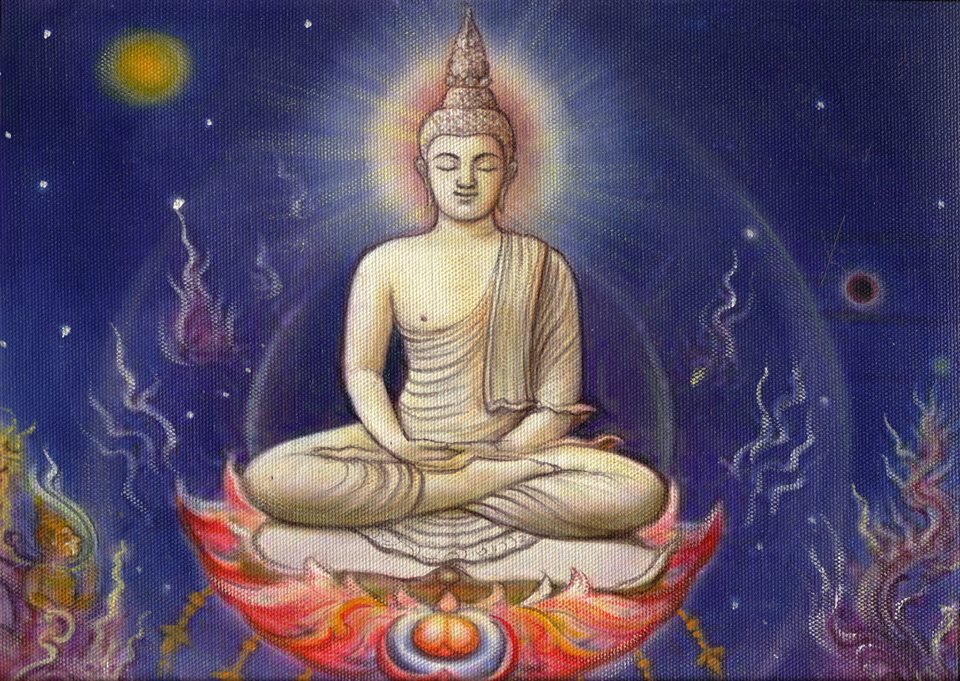
buddhacelestial

ஆராய்ச்சிக் கட்டுரையாளர்:- லண்டன் சுவாமிநாதன்
கட்டுரை எண்:- 1158; தேதி:- 8 ஜூலை 2014.

இந்துமதம் ஒரு சமுத்திரம். அதில் கலக்கும் நதிகள் நாம, ரூப, தேயங்ளை இழந்து ஒன்றாகி அதில் கலந்து விடும். புத்த மதம், சமண, சீக்கிய மதங்கள் ஆகியன இந்து மதத்தின் கிளைகள். அதாவது மறு பிறப்பு, பாவம், புண்ணியம், கர்மவினை முதலிய பல கொள்கைகளில் ஒன்றுபட்டு நிற்பவை. ஆகையால் முதலில் இருந்த நிலை மாறி மீண்டும் இந்துக்களின் எல்லா சடங்குகளையும் செய்துவருவதை இன்றும் காணலாம். இந்துமதத்தில் பெரிதும் போற்றப்படும் விஷ்ணுவின் பத்து அவதாரங்களில் புத்தரும் ஒருவர். அதாவது இந்துவாகப் பிறந்து, புத்த மதத்தை ஸ்தாபித்துவிட்டு மீண்டும் இந்துமதத்தில் ஒடுங்கிவிட்டவர். இது எப்படி, எப்போது, ஏன் நிகழ்ந்தது? என்பதே என் ஆவுக் கட்டுரையின் நோக்கம்.

புத்தர், இந்துமதத்தில் உள்ள எல்லாக் கொள்கைகளயும் ஏற்றுக் கொண்டவர். ஆனால் யாக யக்ஞங்களில் உயிர்ப்பலி கொடுப்பதை எதிர்த்தவர். அர்த்தமே இல்லாமல் வெறும் சடங்கு போல உயிர்வதை நிகழ்ந்தபோது எதிர்த்துக் குரல் கொடுத்தவர். ஆனால் அந்த மதம் பிறந்த இந்தியத் திருநாட்டிலும், பரவிய நாடுகளிலும் அவர் கொள்கை தோற்றுப்போனது. எல்லோரும் பாம்பு, மான் மாமிசம், தேள் எல்லாவற்றையும் விரும்பிச் சாப்பிடுவதை டெலிவிஷனில் பார்க்கிறோம்; பத்திரிக்கைகளில் படிக்கிறோம். புத்த பிட்சுக்கள், அரசியலில் கொடி பிடித்து ஆட்டம் போடுவதையும் படிக்கிறோம்.

bommai krishnan, fb

விஷ்ணுவின் 24 அவதாரங்கள்
எவ்வெப்பொழுது எல்லாம் விஷ்ணு தனது பக்தரின் குறை தீர்க்க பூமிக்கு இறங்கி வந்தாரோ அவ்வப்பொழுது எல்லாம் அவதாரம் என்று கணக்கு– அவதாரம் என்றால் — “இறங்கி வருதல்”— என்று பொருள்.

பாகவதத்தில் 22 அவதாரங்களைச் சொல்லிவிட்டு ஆங்காங்கே வேறு பல அவதாரங்களும் காட்டப் படுகின்றன. சீக்கிய மதத்தின் குரு கோவிந்த சிங் எழுதிய தசம கிரந்தத்தில் 24 அவதாரங்கள் கூறப்படுகின்றன. ஆனால் இந்தப் பட்டியலுக்கும் பாகவதப் புராணப் பட்டியலுக்கும் சில வேறு பாடுகள் உண்டு. பாகவதப் பட்டியலில் புத்தரும் விஷ்ணுவின் ஒரு அவதாரமாகச் சேர்க்கப்பட்டதற்கு யாரும் எதிர்ப்பு தெரிவிக்கவில்லை. ஏனெனில் டாக்டர் ராதாகிருஷ்ணன் சொல்வது போல “ இந்துமதத்தில் உள்ள சில கருத்துக்களை சரியான கண்ணோட்டத்தில் காட்ட வந்தவர் புத்தர். அவர் எதையும் அழிக்க வரவில்லை. பூரண நிலையை தோற்றுவிக்க வந்தவர்” என்பது மிகவும் சரி. புத்தருக்கு முன்னால், மஹாவீரர், அவருக்கு முந்திய தீர்த்தங்கரர்கள் ஆகியோரும் புரட்சிகர கருத்துக்களைத் தெரிவித்தனர்.

may sri ram bless you

வேதத்தில் அவதாரங்கள்
அவதாரக் கொள்கை உலகின் மிகப் பழைய நூலான ரிக் வேதத்திலேயே உள்ளது. ‘’ஓங்கி உலகளந்த உத்தமன்’’ வாமனன் பற்றிய குறிப்பு ரிக் வேதத்தில் இருக்கிறது. மூவடிகளால் தாவிய துதியை சாயனர் என்னும் உரைச் சக்ரவர்த்தி ‘வாமன அவதாரம்’ என்றே சொல்கிறார். வராக, மச்ச, கூர்மம் போன்ற வேறு அவதாரங்கள் சதபத பிராமணத்திலும் தைத்திரீய சம்ஹிதையிலும் வந்துவிடுகின்றன.
உலகில் எல்லாப் பழைய கலாசாரங்களிலும் காணப்படும் பிரளயம் பற்றிய கதை இந்தியாவில் இருந்தே உலகம் முழுதும் சென்றது. ஏனெனில் இந்தியக் கதைகளில் மட்டுமே முழு விவரங்களும் உள்ளன. மேலும் இந்திய புராணங்கள் அந்தக் கதை இந்திய மண்ணிலேயே நிகழ்ந்ததாகத் தெளிவாகக் குறிப்பிடும். ஏனையவை ஈரெட்டாகப் பேசுகின்றன. ரிக் வேதத்தில் குறிப்பிடப் படும் மனு, மத்ஸ்ய சம்மட ஆகியன மறைமுகமாக மத்ஸ்யாவதார கதையைச் சொல்வதாக நான் கருதுகிறேன்.

1200 ஆம் ஆண்டு வாக்கில் வாழ்ந்த ஜெயதேவர் எழுதிய அஷ்டபதி எல்லா சம்ப்ரதாய பஜனைகளிலும் பாடப்படும் பாடல்கள் ஆகும் — (நாங்கள் லண்டனில் மாதம்தோறும் நடத்தும் சம்பிரதாய பஜனையில் அஷ்டபதி பாடுகிறோம்) — அதில் பத்து அவதாரங்களையும் பட்டியலிடும் பாடலும் புத்தரைக் குறிப்பிடும் பாடலும் உண்டு. அவர் பாடல் எழுதிய காலத்தில் புத்தமதம் உயிருக்கு ஊசல் ஆடிக் கொண்டிருந்தது. அவருடைய அஷ்டபதி பாடல், புத்தமதத்துக்கு இந்தியாவில் இறுதி மணி அடித்தது. அத்தோடு புத்தர் இந்துமதத்தில் கலந்து ஜீரணிக்கப்பட்டார்.

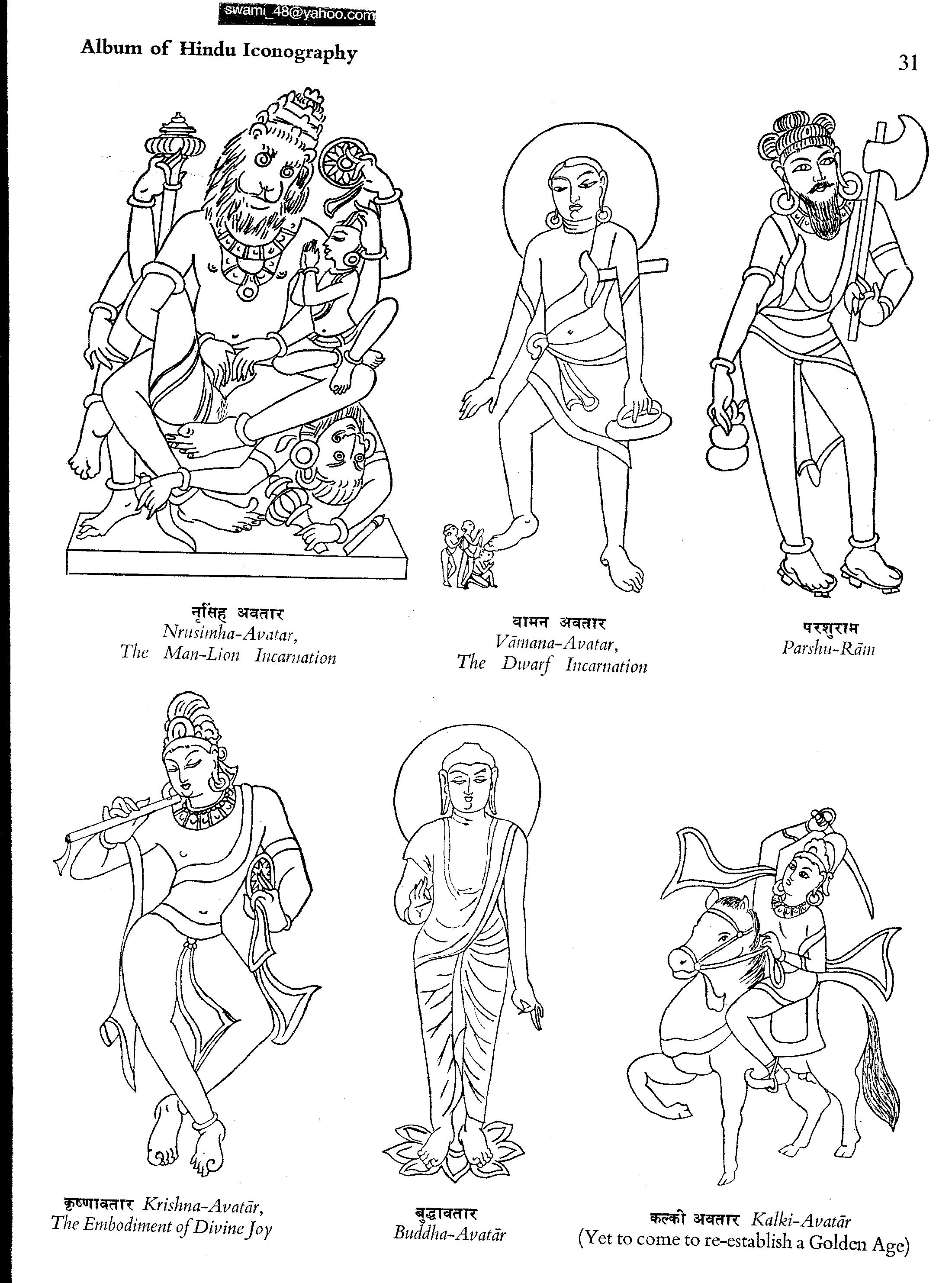
avatars6only

புத்தமதம் ‘திருடிய’ கொள்கை
அவதாரக் கொள்கை வேத, இதிஹாச, புராணத்தில் இருந்தது. அதை புத்த மதத்தினர் பயன்படுத்தினர். இந்துமத, பஞ்சதந்திரக் கதைகளை எல்லாம் எடுத்து அவை அனைத்தும் போதிசத்வரின் (புத்தரின்) பூர்வஜன்மம் என்று சொல்லி கி.மு.மூன்றாம் நூற்றாண்டில் கதைகள் எட்டுக் கட்டினர். சுமார் 600 கதைகள் ‘’ஜாதகக் கதைகள்’’ என்ற தொகுப்பாக வெளிவந்தது. அவர்கள் என்ன செய்தார்களோ அதையே இந்துக்கள் பாகவத புராணத்தில் திருப்பிச் செய்தனர்!!! புத்தரே எங்கள் அவதாரம்தான் என்று ஒரு போடு போட்டனர். பௌத்த மதத்தின் கதை முடிந்து போனது!!

24 அவதாரங்கள்
பாகவத புராணம் என்பது குப்தர் காலத்தில் –(3,4 ஆம் நூற்றாண்டு) –இப்போதைய வடிவை எட்டியது. அதில் உள்ள அவதாரப் பட்டியல்:

1.பிரம்மாவின் மானஸ புத்திரர் நால்வர் 2.வராக 3.நாரத 4.நர நாராயன 5.கபில 6.தத்தாத்ரேய 7. யக்ஞா 8.ரிஷப (இவர் 24 சமண தீர்த்தங்கரர்களில் ஒருவராக இருக்கக்கூடும்) 9.ப்ருது 10.மத்ஸ்ய 11.கூர்ம 12.தன்வந்திரி, 13.மோஹினி, 14.நரசிம்ம 15.வாமன 16.பரசுராம 17.ராம 18.வேதவியாச 19.கிருஷ்ண 20.பலராம 21.புத்த 22.கல்கி (இனிமேல் வரப் போகும் அவதாரம் கல்கி).
இதுதவிர ஹம்ச (அன்னம்) ஹயக்ரீவ (குதிரை முக) முதலிய அவதாரங்களும் காணப்படும்.
தசம கிரந்த (குருகோவிந்தர்) பட்டியலில், பிரம்மா, ருத்ரர், சூரியர், சந்திரர், மனு, சேஷசாயி, ஜலந்தர முதலிய புதுமுகங்கள் காணப்படுவர். வேறு சில பழைய அவதாரங்கள் விடுபட்டு இருக்கும்.

avatars10

புத்தர் மதித்த ஹிந்துமதம்
தனது மதம் ஆயிரம் ஆண்டுகள் வரை இருக்கும் என்று புத்தர் முதலில் நினைத்தார். ஆனால் அவரது பிரதம சீடன் ஆனந்தன், புத்த பிட்சுணிகளாக பெண்களையும் சேர்க்க வேண்டும் என்று அடம்பிடித்தவுடன், “ஐயய்யோ என் மதம் 500 ஆண்டு மட்டுமே இருக்கும்” என்று வருத்தப்பட்டார் (காண்க தத்துவப் பேராசிரியர், இந்திய ஜனாதிபதி டாக்டர் ராதாகிருஷ்ணன் எழுதிய தம்மபத முன்னுரை ). ஏழாம் நூற்றாண்டில் இந்தியாவுக்கு விஜயம் செய்த சீன யாத்ரீகர் யுவாங் சுவாங் எழுதிய யாத்திரைக் குறிப்புகள், தமிழ்நாட்டை ஆண்ட மாபெரும் பல்லவ மன்னன் மஹேந்திர பல்லவன் எழுதிய மத்தவிலாசப் பிரஹசன நாடகம் ஆகியவற்றில் புத்தமதம் சீரழிந்த காட்சிகளைக் காணலாம். நிற்க.

புத்தரும் அவர் வழி வந்த அசோகனும் பிராமணர்களைக்கு அடுத்தபடியகவே எப்போதும் சிரமணர்களைக் குறிப்பிட்டனர். புத்தர் இந்திரனையும் பிராமணர்களையும் புகழ்கிறார் (காண்க எனது முந்தைய கட்டுரை: பரிமேலழகர் உரையில் தவறு). தம்மபதத்தில் ஒரு அத்தியாயமே பிராமணர்களுக்கு ஒதுக்கி இருக்கிறார். ஆக, புத்தர் இந்துமதத்தை ‘’மிதிக்க’’ வந்தவர் என்று வெள்ளைக்காரன் எழுதியது எல்லாம் தவறு. அவர் இந்துமதத்தை ‘’மதிக்க’’ எழுந்தவர். அவரது போதனைகள் அனைத்தும் அற்புதமானவை. பின்னால் வந்த ஒழுக்கமற்ற சீடர்கள் அம்மதம் வீழ்ச்சியுறக் காரணம் ஆயினர். அவர் சம்ஸ்கிருதத்தைக் கைவிட்டு பாலி மொழியில் பேசியது பெரிய தவறு என்று சுவாமி விவேகாநந்தர் கூறியிருப்பதை முன் ஒரு கட்டுரையில் தந்துவிட்டேன். (சுருக்கமாகச் சொன்னால் வருடம்தோறும் ஆயிரக் கணக்கான ‘’திருடர்கள்’’ கருப்பு வேட்டி கட்டி ஐயப்பன் வேஷம் போடும் நிலையை, பழங்கால புத்தமத சீடர்களுக்கு ஒப்பிடலாம். இது எல்லா ஐயப்ப பக்தர்களையும் குறிப்பது ஆகாது!!!)

–சுபம்–

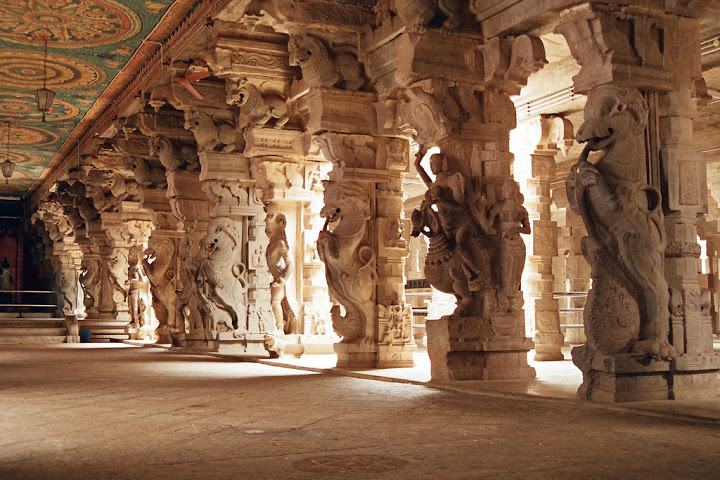
Vedic Origin of Thousand Pillar Halls in Indian and Mayan Culture!

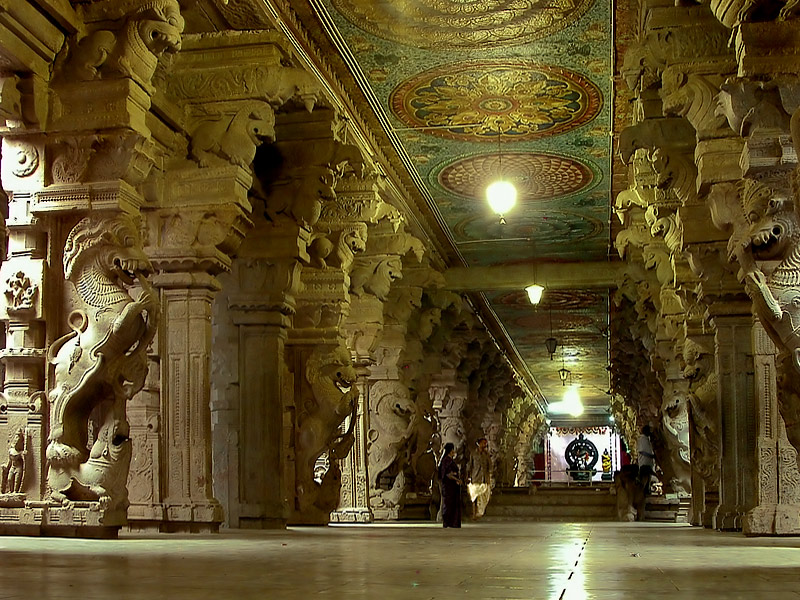
100 o madurai

Most magnificent Thousand Pillared Hall in Madurai.

Research paper written by London Swaminathan
Post No.1151; Dated 5th July 2014.

Decimal system was invented by the Hindus. We have got hundreds of references to decimal numbers such as 1000, 10,000, lakh and crore in the Vedic scriptures and post Vedic Hindu scriptures. One of the architectural wonders of the world is Thousand Pillar Mandap (hall) in South Indian Temples. It originated in the Rig Vedic period and went up to Central America.

All the thousand pillared halls in the South Indian temples are sculptural museums.

Madurai, Rameswaram, Srirangam, Tirunelveli, Tiruvannamalai, Chidambaram and several other temples of Nayak period have got huge stone halls called 1000 pillar Mandapas. The celebrated thousand pillar mandap/hall in Madurai has 985 pillars now. It was erected in 1569 by Aryanatha Mudaliyar, whose statue riding a horse is at the entrance. The hall is measuring 76.2 metres by 73 metres. There is a central shrine for lord Shiva in his dancing form. There are beautiful sculptures on every pillar. On ceiling near the entrance there is a wheel which gives the cycle of sixty years of the Tamil calendar. Aryanatha Mudaliyar who built this huge mandap was the minister for 71 years under four Nayak kings. Probably he was the minister who served the longest period in Indian history or world history. He served them between 1529 and 1600 CE.
Thousand-Pillar-Hall--
Glorious Hall of 1000 pillars in Madurai, Tamil Nadu.

The Madura hall is famous for its Kuravan-Kurathi statue (nomads) with a basket on Kurathi’s houlders. The workmanship of it is unparalleled. She has a child on her bac , one inside the basket and a third clinging on to her breasts. Kuravan is loaded with jewels according to the custom of his clan. Puranic King Harichandra and queen Chandramathi are sculpted in one pillar. Rati-Manmatha, Kannappa and Pandava brothers are also sculpted beautifully. There are 22 pillars in a corner which emit different musical notes when struck with a piece of stone or metal.

Ferguson in his “Indian and Eastern Architecture” says, “it is not the number of pillars but their marvellous elaboration that makes this hall the wonder of the place”.
Thousand pillar mandap in Srirangam is larger than Madurai mandap. Measuring 152 metres by 48.8 metres, it contains 953 granite pillars. As in Madurai each pillar has got beautiful sculptures and the pillars are monoliths.

1000_Pillar_Temple1hanamkonda
Warangal/Hanamakonda Thousand Pillar Hall Temple

Andhra Pradesh/Telengana

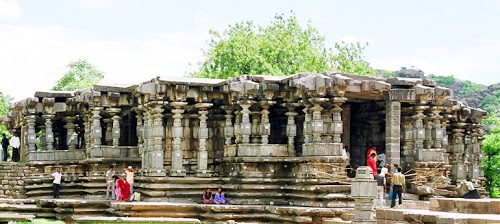
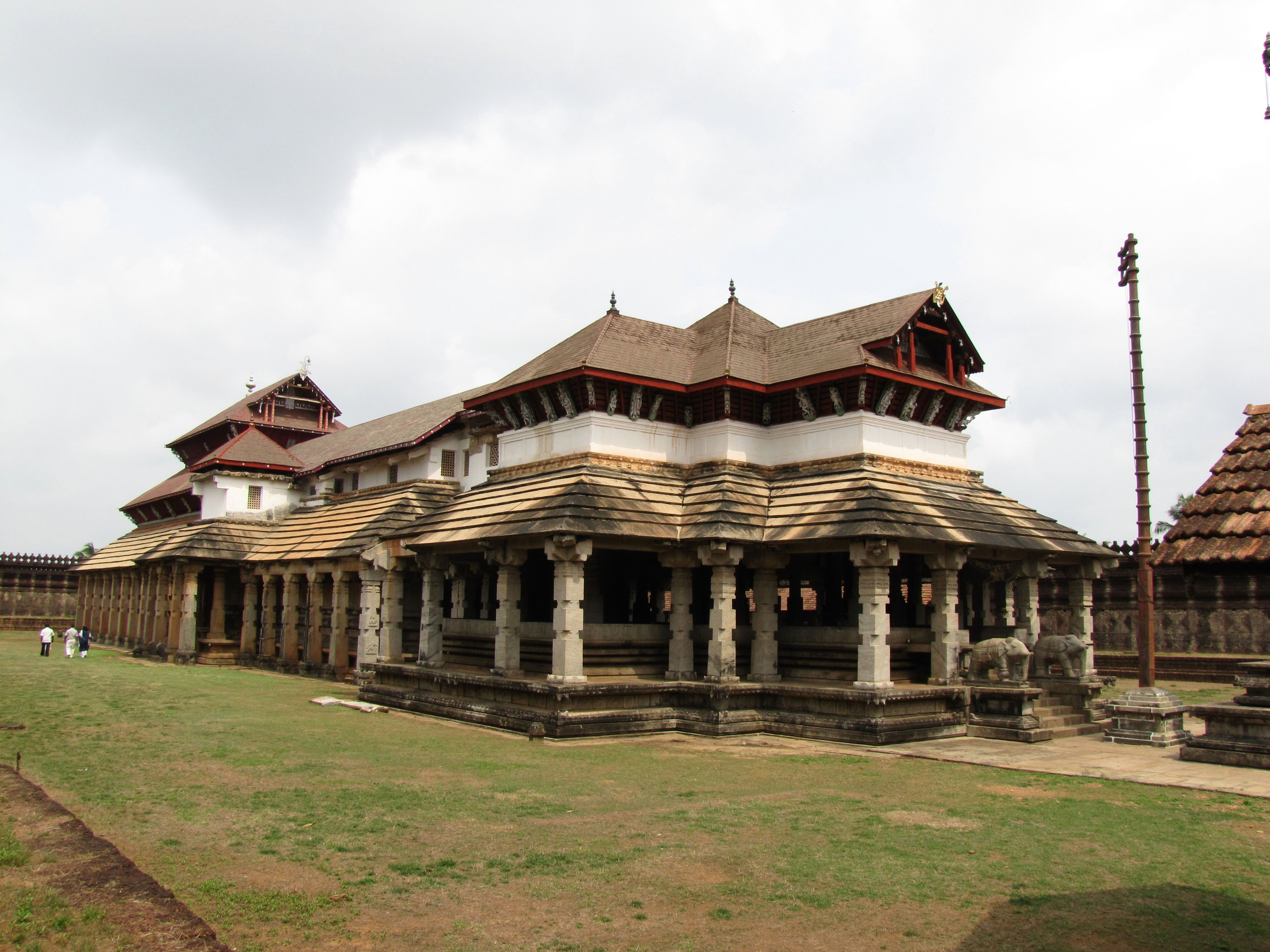
Andhra Pradesh and Telengana in South India have many temples with ‘1000 pillared’ halls. They are older than the Nayak halls of Tamil Nadu. Thousand pillared hall temple in Hanamakonda /Warangal was built during Chalukya period. The Kakathiya sculptors built it in 1163 under Rudhra Deva’s rule. During Muslim invasion some of the structures were damaged. Three hundred Pillars are fused with one another. In Karnataka Moodabidri, a Jain temple has also a mandap called ‘1000 pillar temple’. But only in Tamil Nadu we see at least 985 pillars plus the inside temple with more pillars making it to 1000. Other places though they call it “1000 pillar”, what they mean is a lot of pillars.

Rig Vedic Concept– Huge mansion of a 1000 columns:-
What is the origin of the 1000 pillared halls? Who conceived the idea?
It is in the Rig Veda, the oldest scripture in the world!!

RV 5-62-1 (Hymn to Mitra – Varuna)
“B y your high law, firm order is established there where they loose for Surya’s horses.
Ten hundred stood together; there I looked on this the most marvellous Deities’ one chief glory.

RV 5-62-6
With hands that shed no blood, guarding the pious, whom Varuna, you save amid oblations.
You two, together, kings of willing spirit, uphold dominion based on thousand pillars.
Probably this hymn inspired our sculptors to construct a thousand pillared halls.
chichenitza_s6
Chichen Itza, Mexico, Mayan/Toltec structure

Indian sculptors in Mayan lands
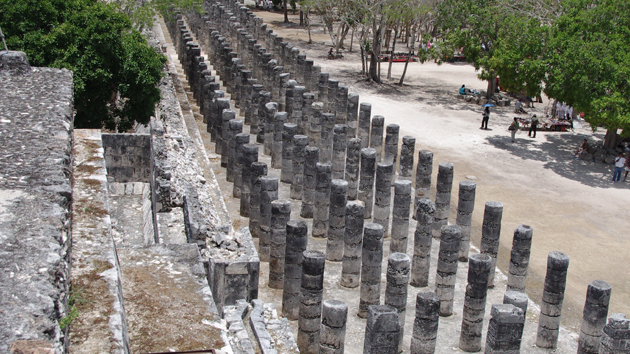
I have already written several articles about the connection between the Indian and Mayan civilizations. Hindus migrated to South America around 3100 BCE after the burning of Kandava Forest by Arjuna and Krishna. Maya Danava went to South America, who was the originator of Mayan culture. Now and then Indians visited Mayan cities via South East Asia. Around the eighth century CE, they went to Chichen Itza in Mexico and created one of the largest cities. They constructed ‘1000 pillared hall’ there. Now we see hundreds of columns in rows. It had roof over them long ago.

Chichen itza is remarkable for one thing. A lot of people of different races and countries visited it for trading. It had huge market complex. The 1000 columns of Chichen itza stood in front of the Temple of the Warriors which have sculptures of warriors and animals like we have in 1000 pillared halls of Hindu temples. This place occupied four and half acres. The columns supported carved wooden beams.
ch_warr1
Chichen Itza, Mexico

Concept of Thousand Pillared Halls has been there for over at least 3500 years. The halls in Madurai and Sirangam are shining in their full glory and splendour.

Please read my previous posts about Indian- Mayan Civilisation links:–
1.Are Mayas Indian Nagas? April 28, 2012.
2.Amazing Similarities between Mayas and Indian Nagas, Posted April 28, 2012
3.Part- 2 of Amazing Similarities between Mayas and Indian Nagas, Posted May 1, 2012.
4.Did Indians build Egyptian Pyramids?
Contact swami_48@yahoo.com
1000-Pillar-Temple-Moodbidri-Left-Side-View
Temple at Moodbidri in Karnataka.

Ravana – Pandya Peace Treaty! Kalidasa solves a Tamil Puzzle!

pandya-flags
Flags of the Pandyas

Written by London Swaminathan
Post No. 1128; dated 24th June 2014.

N.B. If you want to reproduce this article, please email me for permission. You must get written permission from me for each and every article separately. swami_48@yahoo.com

A ninth century Pandya copper plate said that Ravana, King of Sri Lanka made a peace agreement with a Pandya king. Most famous Tamil commentator of 13th century also said an interesting story about this treaty in his commentary on Maduraikanchi, part of 2000 year old Sangam Tamil literature. Many people were wondering whether it is just a story or an actual historical treaty. But Kalidasa, the greatest of the Indian poets, solved the problem by referring to the peace treaty in his Raghuvamsam (6-61 and 6-62).

Pathupattu in Tamil (Ten long poems) has ten books and one of them is Maduraikanchi. This very long poem has a reference to Ravana (lines 40-42). Nachinarkiniar, a Tamil commentator, was a prolific writer and well respected by one and all. He gives us an interesting story:-

Agastya
Statues of Agastya are found throughout South East Asian countries (Picture from Wikipedia)

Ravana was giving troubles in the southern part of the country. One day Agastya watched Ravana sitting in a part of Pothya hills (art of Tamil Nadu). Ravana was in deep contemplation. Agastya sensed some trouble from him. Immediately he started playing on his Veena. ((Both Ravana and Agastya were great instrumentalists. Ravana’s flag had Veena emblem)). As soon as Agastya played on the Veena, the rock melted and Ravana was stuck to the melting Rocks. He did not even notice it. Only when Agastya stopped and the rocks became solid again, he realised he was stuck to the rocks. He begged to Agastya to release him. Agastya put a condition that he should never ever do any mischief in the Pandya country. He agreed to the condition and “a peace treaty was signed between India and Sri Lanka”! He was released immediately.
We had this message repeated by Nachinarkiniar in his commentary on the oldest Tamil book Tolkappiam. But there was no secondary confirmation from any other source except Kalidasa. Not many scholars knew about this reference. Kalidasa says,

“Pandya wore pearl garlands and sandal paste. He was soaked in Avabrutha Snanam during Asvamedha yajna. Ravana was so scared that Pandya may attack and capture his Janasthana (in Dandakaranya), so he made a peace treaty with the Pandya king and then went to win Indraloka. Pandya was praised for receiving a weapon (Brahmsiras) from Lord Shiva.

mount_kailash_tibet_465065
Ravana lifting Kailash, Ellora Cave Sculptures

Kalidasa’s details are corroborated by some archaeological finds. A coin with Asvamedha horse was found and it had Peruvazuthi inscribed on it. Pandya king Mudukudumi Peruvazuthi did lot of Yagas and his country was full of Yupa poles, says the oldest part of Sangam literature.

I have written several articles in this blog to establish the date of Kalidasa as first century BCE. Tamil poets used 200 plus similes from Kalidasa’s 1000+ similes. I have followed several Sanskrit scholars and a Tamil scholar GU Pope in supporting this date. As soon as GU Pope (1828- 1920) read Tamil Kurinjipattu of Kabilar, he wrote, 100 years ago, that Kurinipattu, echoed Kalidasa. In fact Kabilar, a Brahmin poet, well versed in Sanskrit, composed Kurinjipattu just to show the greatness of Tamil to a North Indian King who ridiculed the Tamil language. Later that king became a Tamil enthusiast and wrote Tamil poems which were included in the Sangam corpus.

Kalidasa was the first tourist guide and travel writer in the world (better than Ulysseus). His Meghadutam is like a tourist guide. All the important places between the Vindhyas and the Himalayas are described. His knowledge about the geography is also amazing. He described the places and customs in countries from Iran to Indonesia. His remark about the Pandyas in six slokas (verses) in the sixth chapter of Raghuvamsam shows how much he knew about the Tamil history. Kalidasa also described the close relationship between Agastya and the Pandyas. All the Tamil inscriptions praise Agastya as the Kula Guru of Pandyas who play main part in the coronation ceremonies. Probably he met the Pandya king at one time. He even said that he was dark and drenched with the Avabrutha snanam (ritual bathing) during Asvamedha Yagas. Earlier in the fourth chapter of Raghuvamsam also he referred to Pandya and Agastya in consecutive verses.

_coin_of_the_Pandyas_Sri_Lanka_1st_century_CE
Pandy acoin found inSri Lanka, 1st Century CE

Other Tamil books and Tamil inscriptions say that Agastya was sent to the South by Lord Shiva to solve the population problem in the North ( I have already written a post about it describing the first population explosion in the world). Agastya was the one who codified a grammar to Tamil language. It was said that he brought Yadava tribes from Gujarat (Dwaraka).

Conclusion: Kalidasa and Nachinarkniar believed that Pandya kings ruled from time immemorial and the Pandya king who ruled during Ramayana period was a powerful king. Even Ravana was afraid of the mighty Pandya Empire. Pandyas were great Hindus who did Yagas a lot. Oldest section of Tamil Sangam poems corroborated it. Coins also confirmed it.

Pandya_territories
Mighty Pandya Empire.

XXXXXXXX—XXXXXXXXX–XXXXXXXXX

ராவணன் – பாண்டியர் சமாதான உடன்படிக்கை !

pandya-flags

Pandya Flags drawn by me.

தமிழ் இலக்கியத்தில் ஓர் அதிசயத் தகவல்!!

ஆராய்ச்சிக் கட்டுரை எழுதியவர்:– லண்டன் சுவாமிநாதன்
கட்டுரை எண்:- 1127; தேதி:- 24th June 2014.

N.B. If you want to reproduce this article, please email me for permission. Previously I gave blank cheque to some people. They have been uploading all the 1100 posts from my blogs which is not allowed from today. You must get written permission from me for each and every article separately. swami_48@yahoo.com

அகத்திய முனிவருடன் அமர்ந்து பாண்டியர்கள் தமிழ் ஆராய்ந்த செய்தி பாண்டியர் செப்பேடுகளில் வருகிறது. மற்றொரு புதுமையான செய்தியும் பாண்டியர் செப்பேடுகளில் காணப்படுகிறது.

“அகத்தியனோடு தமிழாய்ந்தும் மிகத் திறனுடைய வேந்தழித்து
தசவதனன் சார்பாகச் சந்து செய்துந் தார்தராஷ்ட்ரன்
படை முழுதுங் களத்தவிய பாரதத்து பகடோட்டியும்
……………………………………………….. “
இது பாண்டியன் பராந்தக வீரநாராயணனின் தளவாய்புரச் செப்பேடுகள் (ஒன்பதாம் நூற்றாண்டு) கூறும் செய்தி.
Pandya_territories
Mighty Pandyan Empire praised by Kalidasa

பாண்டியர்களின் குல குரு அகத்தியன் என்றும் அவர் மூலமாகவே பாண்டியர்கள் முடி சூட்டப்பட்டதாகவும் வேறு சில பாண்டியர் கல்வெட்டுகளும் செப்புகின்றன.
ஆயினும் –தசவதனன் சார்பாகச் சந்து செய்வித்தும் — என்பதற்கு இதுவரை சரியான விளக்கம் கிடைக்கவில்லை என்றே அறிஞர்கள் எழுதி வந்துள்ளனர்.

“ஒரு பாண்டியன் இராவணனைச் சமாதானம் செய்துகொள்ளும்படிச் செய்தான் என்று சாசனம் கூறுகிறது. இந்தப் புராணக் கதையின் விவரம் சரியாகத் தெரியவில்லை” – என்று பாண்டியர் செப்பேடுகள் பத்து ( தமிழ் வரலாற்றுக் கழக வெளியீடு, 1967 ) என்ற நூல் கூறும்.

‘உச்சி மேற் புலவர் கொள்’ நச்சினார்க்கினியர் எழுதிய உரையில் ஒரு சுவையான விஷயம் கூறுகிறார். இது உ.வே சாமிநாதைய்யர் பதிப்பித்த பத்துப் பாட்டு உரையில் சுருக்கமாக உள்ளது:–
“தென்னாட்டை ஆண்டு குடிகளைத் துன்புறுத்திவந்த இராவணனை, அகத்தியர் பொதியின் மலை உருகும்படி இசைபாடி இலங்கைக்குப் போக்கினரென்பது பண்டைய வரலாறு” – என்று சாமிநாதையர் குறித்துள்ளார்.
Agastya
Statue of Agastya found all over South East Asia.

“தென்னவற் பெயரிய துன் அரு துப்பின்
தொன்முது கடவுள் பின்னர் மேய
வரைத் தாழ் அருவி பொருப்பின் பொருந
– என்ற மதுரைக் காஞ்சி பாடல் வரிகளுக்கு (வரி 40-42) எழுதப்பட்ட உரை இது.

இதற்குப் பின் வேறு சில நூல்களிலும் மிகவும் அறியப்படாத செய்திகள் வருகின்றன. திருவாசகத்தில் மண்டோதரிக்காக சிவன் கடலில் நடந்த வரலாறு ஒன்றும் வருகிறது. உத்தரகோச மங்கை தல புராணம் இதை விரித்துரைக்கிறது. ஆக பாண்டியர்—அகத்தியர் உறவும், தமிழ்நாடு—இலங்கை தொடர்பும் இலக்கியத்தில் இடம் பெற்றுள்ளன.
mount_kailash_tibet_465065
Ravana lifting Kailash, Ellora Cave sculpture.

காளிதாசன் என்னும் உலக மஹா கவிஞன், அவனது ரகுவம்ச காவியத்தில் தரும் தகவலைக் கொண்டு ஆராய்கையில் பாண்டியன் – ராவணன் புதிருக்கு விடை கிடைக்கிறது.
நான் ஏற்கனவே எழுதிய பல ஆராய்ச்சிக் கட்டுரைகளில் காளிதாசன் காலம் கி.மு. முதல் நூற்றாண்டு என்றும் மாணிக்க வாசகரின் காலம், அப்பர்-சம்பந்தருக்குச் சற்று முந்தியது என்றும் ஆதாரங்களுடன் நிரூபித்துள்ளேன்.

ராவணன் அவ்வப்போது தென் இந்தியாவுக்குள் புகுந்து அட்டூழியம் செய்தது வேறு பல இடங்களிலும் வருகிறது. ராவணனை வென்று அவனை மடியில் கட்டிக் கொண்டு நாற்கடலில் நீராடி, வாலி, சந்தியா வந்தனம் செய்த செய்தி வால்மீகி ராமாயணத்தில் வருகிறது.

இராமாயண முனிவர்கள் என்ற அரிய நூலில் முத்தமிழ் வித்தகர் தி.வே. கோபாலய்யர் சொல்லும் கதை இதோ:–

அகத்திய முனிவர், தமிழிலும் இசையிலும் வல்லவர் என்பது தமிழ் இலக்கியத்தில் எண்ணற்ற இடங்களில் காணக்கிடக்கிறது. “பொதிய மலையின் கண் இருந்து அவர் ராவணனை, ஆங்கு இயங்காதவாறு, கந்தருவத்தால் (இசையால்) பிணித்தார் என்று தொல்காப்பிய பாயிர உரையில் நச்சினார்க்கினியர் சொல்கிறார்.

“ராவணன் ஒரு கால் பொதியமலையில் ஒரு பாறையில் அமர்ந்த வண்ணம் நீண்ட சிந்தனையில் ஈடுபட்டிருந்தான். அவன் அங்கு வந்திருந்ததனை அறிந்த அகத்தியர் அவனால் முனிவர்களுக்குத் தீங்கு நேரலாம் என்ற நினைப்போடு யாழினை இனிமையாக வாசிக்கவே இராவணன் தங்கியிருந்த பாறை உருக, இராவணனுடைய கை, கால்கள் உருகிய பாறைத் திரவத்தில் அமிழ்ந்தன.

இந்நிலையில் அகத்தியனார் தம் யாழ் எழுவுதலை நிறுத்தவே, பாறை மீண்டும் கெட்டிப்படத் தொடங்கியது. சற்று நேரத்தில் பண்டுபோல (முன்னைப் போல) உறுதி உடையதாயிற்று. சுற்றுச் சூழலில் ஏற்பட்ட மாறுதலை உணராது நினைப்பிலேயே நெடிதும் ஆழ்ந்திருந்த இராவணனுடைய கை, கால்கள் மீண்டும் வன்மையை அடைந்த பாறைக்குள் அகப்பட்டுக் கொள்ள அவனால் எழுந்திருக்க முடியவே இல்லை. அவன் அகத்தியரை வேண்ட, அவன் அவனிடம் அப்பொதிய மலைப் பகமே இனி அவன் வருவதில்லை என்ற உறுதி மொழியைப் பெற்ற பின்னரே, அகத்தியர் மீண்டும் யாழ் எழுவிப் பாறையை உருக்கி அவனை விடுதலை செய்தார் என்ற கதை ஒன்று வழங்கி வருகிறது” –

நச்சி. உரையின் பேரில் கோபாலய்யர் சொன்ன கதை இது. வீணைக் கொடியுடைய வேந்தன் ராவணனின் வீணையும் பாறையில் சிக்கியதாகவும், இருவருக்கும் நடந்த இசைப் போட்டியின்போது இச்சம்பவம் நடந்ததாக வேறு சிலரும் கூறுவர்.
ravana-lifting-kailash

இதற்கெல்லாம் ஆதாரம் வேண்டாமா?

காளிதாசன் தரும் அரிய தகவல்
புறநானூற்றின்மிகப் பழைய பாடலிலேயே (பாடல் 2, முரஞ்சியூர் முடிநாகராயர்= நாகபூஷணம்) பொதியம்- இமயம் ஒப்புமை வருவது அகத்தியர், வட இமயத்தில் இருந்து தென் பொதியத்துக்கு வந்ததைக் காட்டும்.

காளிதாசன் ரகுவம்ச காவியத்தில் இந்துமதி சுயம்வரத்தில் ஆறு ஸ்லோகங்களில் பாண்டியன் புகழ் பாடுகிறார். அதில் முக்கியமான செய்தி – அகத்தியர் – பாண்டியர் – இராவணன் தொடர்பு ஆகும். வேறு எங்கும் கிடைக்காத இந்தச் செய்தி காளிதாசன் மூலமே கிடைக்கிறது அதுமட்டுமல்ல யாகத்திற்காக செய்த அவப்ருத ஸ்நானத்தில் ( குளியல்) பாண்டிய மன்னர்கள் எந்நேரமும் இருப்பதையும் சொல்கிறார். புற நானூற்றில் பெரிதும் போற்றப்படும் பலயாகசாலை முது குடுமிப் பெருவழுதி கி.மு. முதல் நூற்றாண்டு என்பது நிரூபணமானால் காளிதாசன் குறிப்பிடும் பாண்டியன் அவன் என்ற வரலாற்றுச் செய்தியும் கிடைக்கும்.

பாண்டியன் புகழ் பாடும் முக்கிய ஸ்லோகம்:–
அஸ்த்ரம் ஹராதாப்தவதா துராபம் யேன இந்த்ரலோகாவ ஜயாய த்ருப்த:
புரா ஜனஸ்தான விமர்த்தசங்கீ சந்த்யாய லங்காதிபதி: ப்ரதஸ்தே (ரகு.6-62)

இதன் பொருள்:– தான் இல்லாத போது ஜனஸ்தானம் என்னும் இடத்தைப் பாண்டியர் அழித்துவிடுவரோ என்று பயந்த ராவணன், பரம சிவனைத் துதிபாடி பிரம்ம சிரஸ் என்ற அஸ்திரத்தைப் பெற்றுள்ள பாண்டியரோடு சமாதானம் செய்துகொண்டு இந்திரலோகத்தை வெற்றி கொள்ளப் புறப்பட்டான் (ரகுவம்சம் 6-62).

ராவணனும் பயப்படும் அளவுக்கு பாண்டியர்களின் பராக்ரமம் இருந்தது!!
_coin_of_the_Pandyas_Sri_Lanka_1st_century_CE
Pandya coin found in Sri Lanka, First Century CE

ரகுவம்சம் நாலாவது சர்க்கத்திலும் பாண்டியர்-அகத்தியர் புகழ் அடுத்தடுத்து வருகிறது. தமிழுக்கும் வெளியே இப்படி ஒரு அரிய சான்று கொடுப்பது காளிதாசனின் வடமொழிக் காப்பியம் ஒன்றே ஆகும்.
ஆக நச்சினார்க்கினியர், காளிதாசன் ஆகியோர் மூலம் பாண்டிய வம்சம் மிகப் பழமை உடையது என்பதும் ராமாயண கலத்திலேயே ராவணனை நடுங்கச் செய்தது பாண்டியர்களின் படைபலம் என்பதும் தெளிவாகிறது.

இனவெறி பரப்பும் ஆரிய—திராவிடக் கொள்கைக்கு காளிதாசனும், நச்சினார்க்கினியரும் கொடுக்கும் அடி இது, என்பதும் கவனத்திற் கொள்ளப்பட வேண்டியது. ராவணன், இலங்கையில் அரசும், தண்டகாரண்யப் பகுதியில் ஒரு ‘காலனி’யும் வைத்திருந்தான் என்பதும், அதைத் தளமாகக் கொண்டே இமயம் வரை சென்று சிவனின் கயிலாயத்தையும் அசைக்க முயற்சித்தான் என்பதும் இதனாற் பெறப்படும்!

–சுபம்–

‘கபிலர் கல்’ பற்றி டாக்டர் இரா. நாகசாமி

கட்டுரை எழுதியவர்:– டாக்டர் இரா நாகசாமி
கட்டுரை எண்:–1121; தேதி:– ஜூன் 21, 2014

சங்க காலத் தமிழகத்தில் தலை சிறந்த வள்ளல்களில் ஒருவனாகத் திகழ்ந்தவன் பறம்பு நாட்டின் தலைவன் பாரி. பாரிக்கு அங்கவை, சங்கவை என்று இரண்டு பெண்கள் இருந்தனர்.சங்கப் புலவர்களில் தலையாய புலவர் கபிலர், பாரியின் நெருங்கிய நண்பர். போரில் பாரி இறந்து போனான். ஆதரவற்ற இரு பெண்களையும் கபிலர் திருக்கோயிலூர் மலையமானுக்கு மணம் செய்து கொடுக்கிறார். அத்துடன் தனது வாழ்நாளின் குறிக்கோள் முடிந்துவிட்டது என, பாரியைப் பிரிந்து வாழ விரும்பாமல், திருக்கோயிலூரில், பெண்ணை ஆற்றங்கரையில், ஒரு குன்றன்ன பாறையில் தீப்பாய்ந்து இறந்துவிடுகிறார் கபிலர். அவர் இறந்த பாறை இன்றும் திருக்கோயிலூரில் இருக்கிறது. அதை ‘கபிலக் கல்’ என்று அழைக்கிறார்கள்.

சங்கப் பாடல்களில் தன் நண்பனுக்காக செயற்கரிய செயல் செய்து உயிர்நீத்த கபிலரின் வரலாற்றை நெஞ்சு நெகிழும் வண்ணம் புறநானூற்றில் பல பாடல்கள் கூறுகின்றன. கபிலருக்குப் பின் ஒரு ஆயிரம் ஆண்டுகளுக்குப் பின் வந்த இராஜராஜ சோழன், அக் கபிலக் கல்லை திருக்கோயிலூரில் வந்து காண்கிறான். அக்கல் பாரியையும், அவன் பெண்களையும், ஒப்பறிய புலவன் கபிலனையும் எடுத்துரைக்கிறது. வரலாற்றை எடுத்துரைக்கும் சின்னமாக அது தென்படுகிறது. அப்பெரும் புலவனின் புகழையும், பெயரையும் பாடலாகவே கல்வெட்டில் எழுதிவைத்திருக்கிறான் இராஜராஜ சோழன்.

சங்ககால வரலாற்றையே நம் கண்முன் நிறுத்தும் இராஜராஜனின் கல்வெட்டைப் பாருங்கள்,

‘முத்தமிழ் நான்மை
தெய்வக் கவிதை செஞ்சொல் கபிலன்
மூரிவன் தடக்கை பாரிதன் அடைக்கலப்
பெண்ணை மலையற்கு உதவி பெண்ணை
அலைபுனல் அழுவந்து அந்தரிக்ஷம் செல்ல
மினல்புகும் விசும்பின் வீடுபேறெண்ணி
கனல் புகும் கபிலக் கல் அது’

என்கிறான் இராஜராஜன். இங்கு கல் என்ற சொல் வெறும் பாறை, கருங்கல் என்ற பொருளில் இல்லாமல், கபிலனின் புகழையும், பாரியின் புகழையும் எடுத்துரைக்கும் மாபெரும் நினைவுச் சின்னம் என்னும் பொருளில் இடம்பெறுகிறது. இறந்துபட்ட பெருமக்கள் என்றென்றும் புகழொடு நிலைத்து நிற்கும் சின்னம் என்ற பொருளில் ‘கல்’ என்ற சொல் வரும்.

‘கல்’ என்ற சொல் இறந்துபட்டோரின் நினைவாக எடுக்கப்பட்ட சின்னம் என்ற பொருளில் பல பாடல்களில் வருவதைக் காணலாம்.

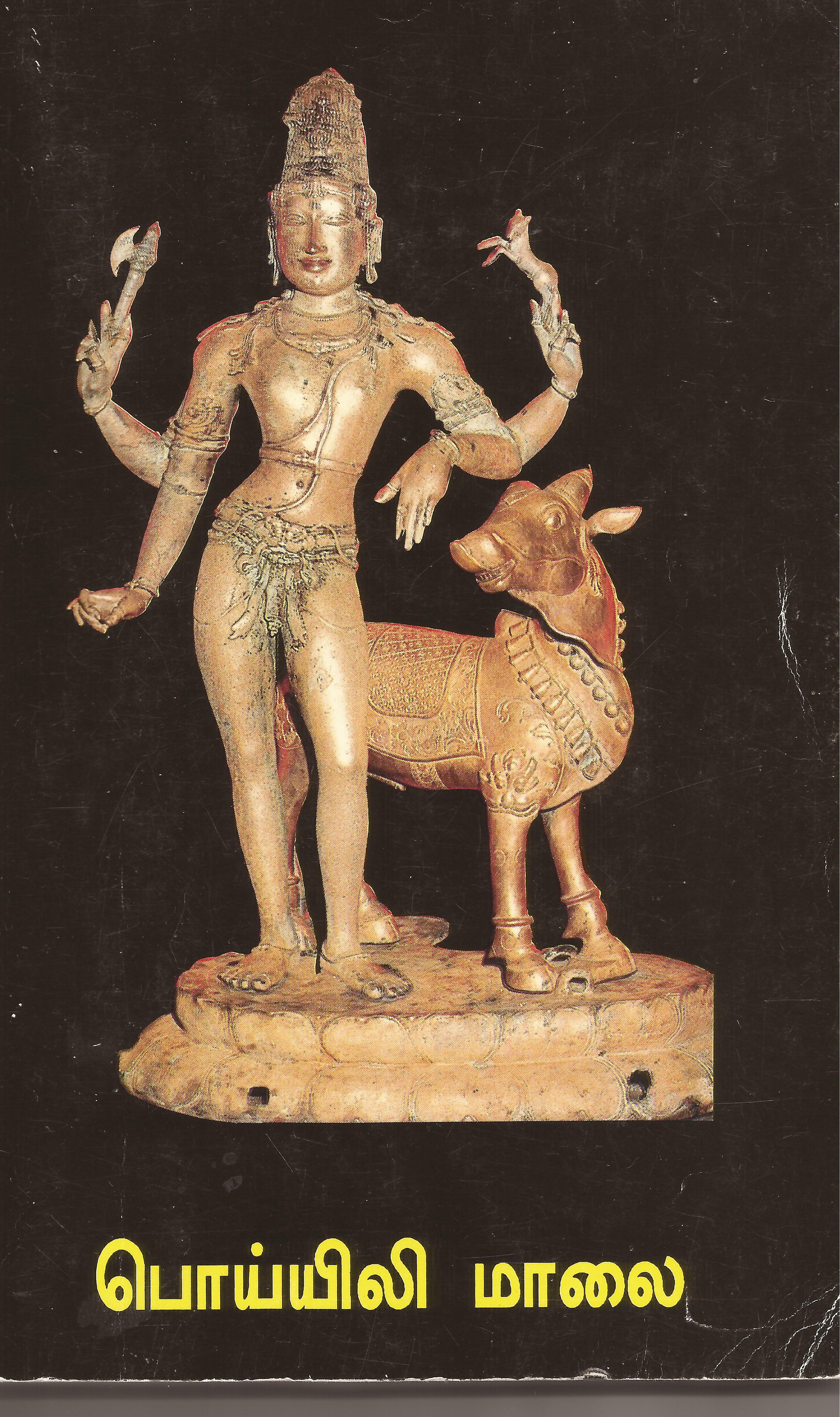
(( இது டாக்டர் இரா. நாகசாமி எழுதிய “தமிழ் பாமாலை” என்ற நூலிலிருந்து எடுக்கப்பட்ட கட்டுரை. கல் என்ற சொல் பற்றி மேலும் சில கட்டுரைகள் உள்பட 38 ஆராய்ச்சிக் கட்டுரைகள் அடங்கிய அரிய புத்தகம். அனைவரும் வாங்கிப் படித்துப், பாதுகாக்கவேண்டிய நூல். வெளியிட்டவர்: தமிழ் ஆர்ட்ஸ் அகெடமி, சென்னை- 600 090, ஆண்டு 2004. தொல்பொருத் துறையின் முன்னாள் இயக்குநரும், காஞ்சி பல்கலைக்கழகத்தின் முன்னாள் துணைவேந்தருமான டாக்டர் இரா.நாகசாமி இன்னும் தொடர்ந்து பல புதிய ஆய்வுக்கட்டுரைகளை தமிழ் கூறும் நல்லுலகிற்கு அளித்து வருகிறார். தமிழ் ஆர்ட்ஸ் அகெடெமி http://tamilartsacademy.com என்ற இணையதளத்தில் அவைகளைப் படிக்கலாம்.))
Agastya in Jataka Tales and Kalidasa

450px-Agastya,Prambanan,Indonesia
Agastya Statue from Prambanan, Indonesia.

Written by London Swaminathan
Post No.1105; Dated 13th June,2014.

The Jataka Tales is a collection of tales of the numerous births of Bodhisatva, who later became the Buddha. It is a record of very old folk tales adapted by the Buddhists to suit their needs. They were current among Indians from time immemorial. Buddhists did not hesitate to distort and twist all the old tales including the popular Hindu stories for their purpose. They even used Ramayana, Mahabharata , Puranas and Panchatantra stories and ‘’Buddhaized’’ the stories. One of such stories is the story of great Agastya whom the Tamil poets celebrated as the first patron of Tamil language. Tamil language came to Agastya through Shiva and his son Lord Skanda (Muruga in Tamil).

In the Akitti (Agastya) Jataka, Bodhisattva was born as Akitti as a son of a Brahmana mahasala (Brahmin scholar) Later he became an ascetic with his sister Yasavati. He went to Damila (Tamil country) from Kasi. Agastya lived in a garden in Kaveripattana. The reason for Agastya’s southward movement was the nuisance from his admirers. But he was pestered by his admirers in the South as well. Then he went to Karadipa also called Ahidipa (May be Nagadwipa; Ahi=snake, Naga). Nagadwipa was used for Sri Lanka as well as South East Asia. Agastya attained Moksha there.

Puranas say that Agastya drank ocean to convey the message symbolically that he crossed the ocean to go to South East Asia. His statues are found in different South East Asian countries. He was worshipped throughout South East Asia.

Kalidasa who lived in the first century BCE gives us very interesting details:-

agastya in London
Agastya Statue i London V&A Museum

Kalidasa’s Amazing knowledge about South India
Kalidasa in his Raghuvamsa Kavya confirmed that Agastya was closer to the Pandyas of the South. According to Tamil literature Agastya lived in the Podiya Hills ( a part of the Western Ghats inside the Tamil territory). Kalidasa’s knowledge about India was amazing. He was the first poet to give a clear and complete picture of India. Though Arjuna’s travel in the Mahabharata and Rama’s travel in the Ramayana described South India, a lot of things were vague—mixed with myths.

Kalidasa was the first Tourist guide in the world and he was the first Travel write in the world. Kalidasa’s Meghaduta described India from the Vindhya Hills up to the Northern Himalayas. His Raghu Vamsa Kavya described a vast area from Iran to South India.

During Indumati’s Swayamvara kings from different parts of India assembled to marry Indumati. Pandya king was also there. Kalidasa never mentioned other Tamil kings Choza or Chera. Pandyas were the oldest of the three kingdoms. Chozas came from North West India where Sibi ruled (Please read my article ‘’Sibi Story in Tamil literature’’ for more details)

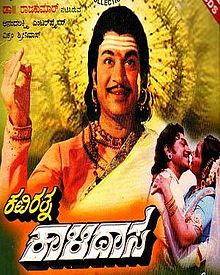
220px-Kaviratna_Kalidasa_poster

The Agastya story shows that the contact between South India and North India existed even before Buddha. According to the Puranas, Agastya was sent to the South by Lord Shiva to solve the population explosion in the north. Tamil commentators on a Purananuru verse (201 by Kabilar) also confirmed that he came with the Velir tribes to South India.

Following slokas from the Raghuvamsa are noteworthy:–
Raghuvamsa-4-21, 4-44,4-49; 6-60,6-61/65

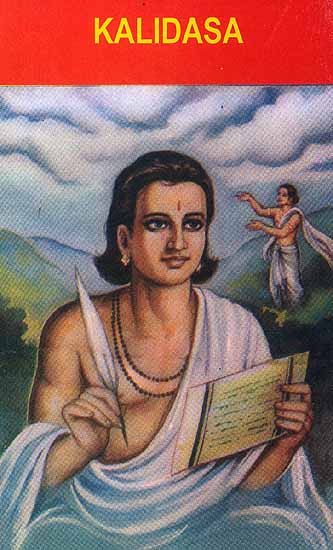
kalidasa_idk168
4-44 South is the direction of Agastya
4-46 Malaya (Pothiya) hills, Pepper plants, Parrots
4-47- Sandal wood
4-49 even sun shines less bright because of the might of the Pandyas
4-50 pearl fisheries where River Tambraparni meets the sea
4-53, 4-59 Parasurama land between Sahya hills and the sea (Kerala)
4-54 Beautiful Kerala girls and Cosmetics
6-61 Agastya –Pandya connection, Aswamedha yagna of Pandya
6-62 Ravana- Pandya peace treaty
6-64 Malaya hills (Podiya Hills)
6-65 Pandyas are black skinned
4-21 Agastya Star (Canopus)

Pandya kings copper plates, Purananuru verse 201 by Kapilar, Pura. 2 and commentaries on several other verses confirm the link between the Pandyas and Agastya, Podiya and Himalayas, Yagas performed by the Pandyas and Agastya.

Sage Agastya was inseparable from Tamil Nadu as Parasurama was
Inseparable from Kerala.

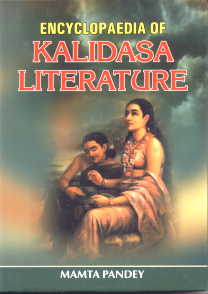
kalidas encyclopedia
Also read my earlier posts:
Is Brahmastra a Nuclear Weapon? Sept.7, 2011

Great Engineers of Ancient India Sep.10, 2011

Did Agastya drink Ocean? (Post No.931, Dated 25-3-14)

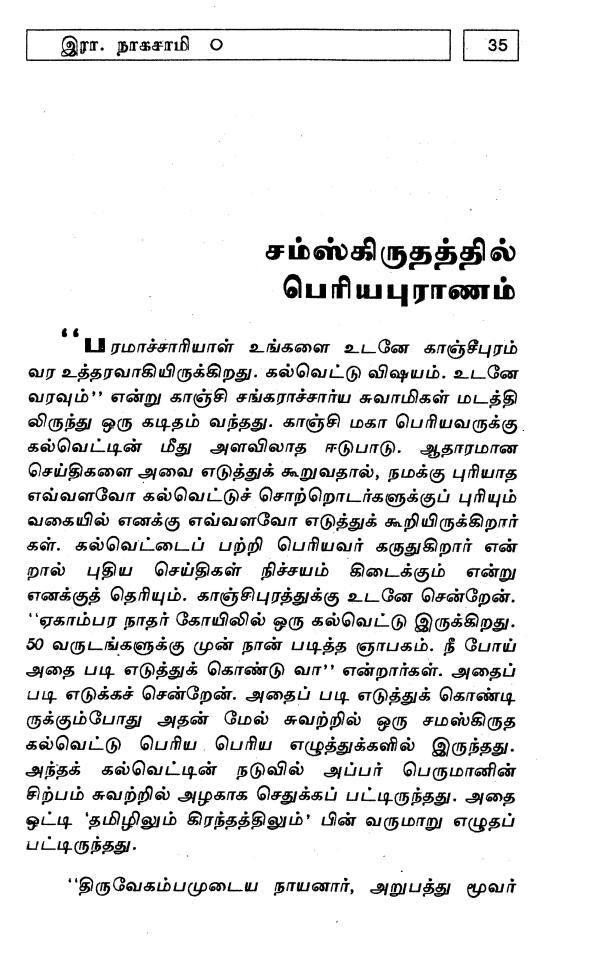
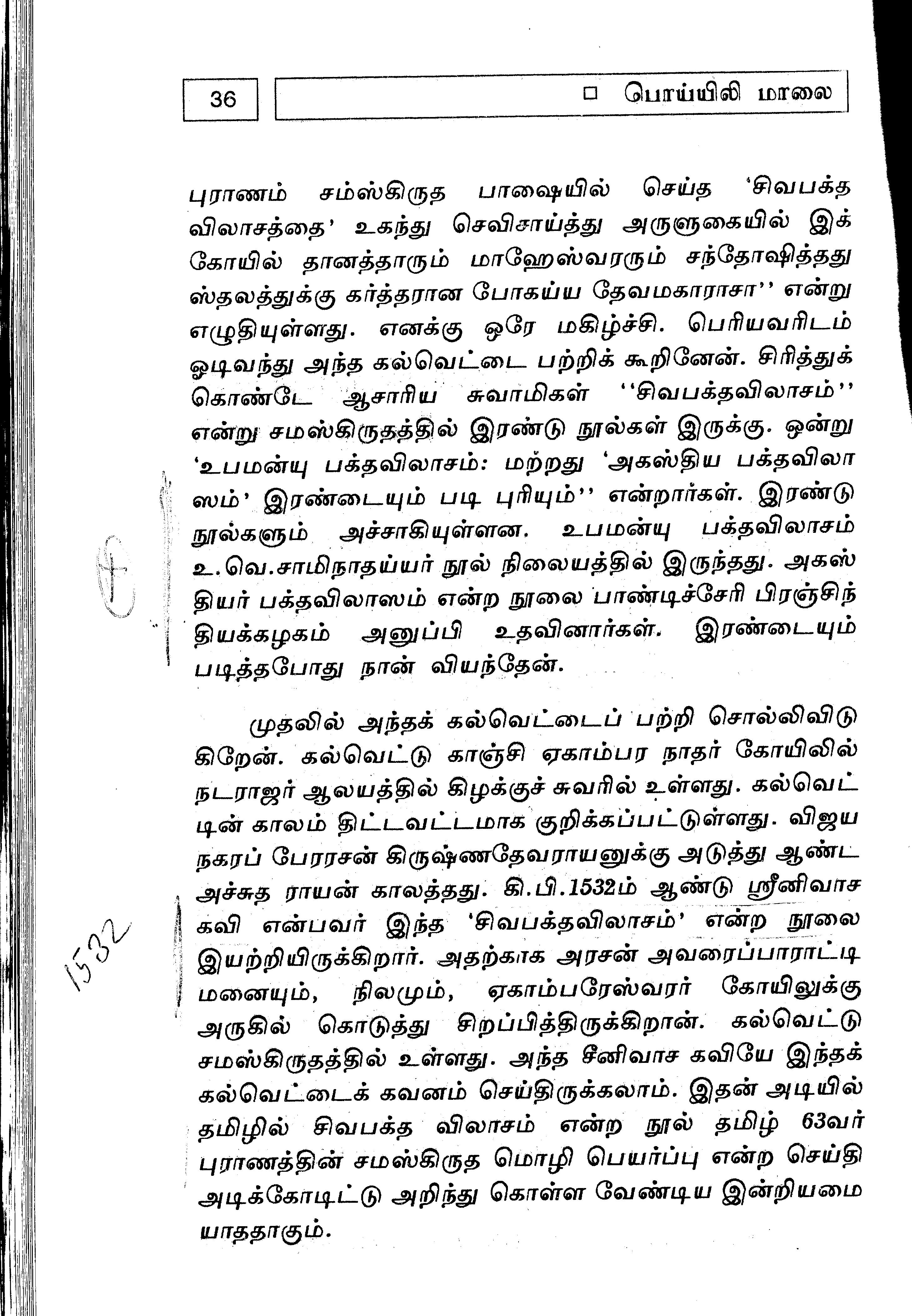
காஞ்சிப் பெரியவர் காட்டிய அற்புதக் கல்வெட்டு


poyyilimalai


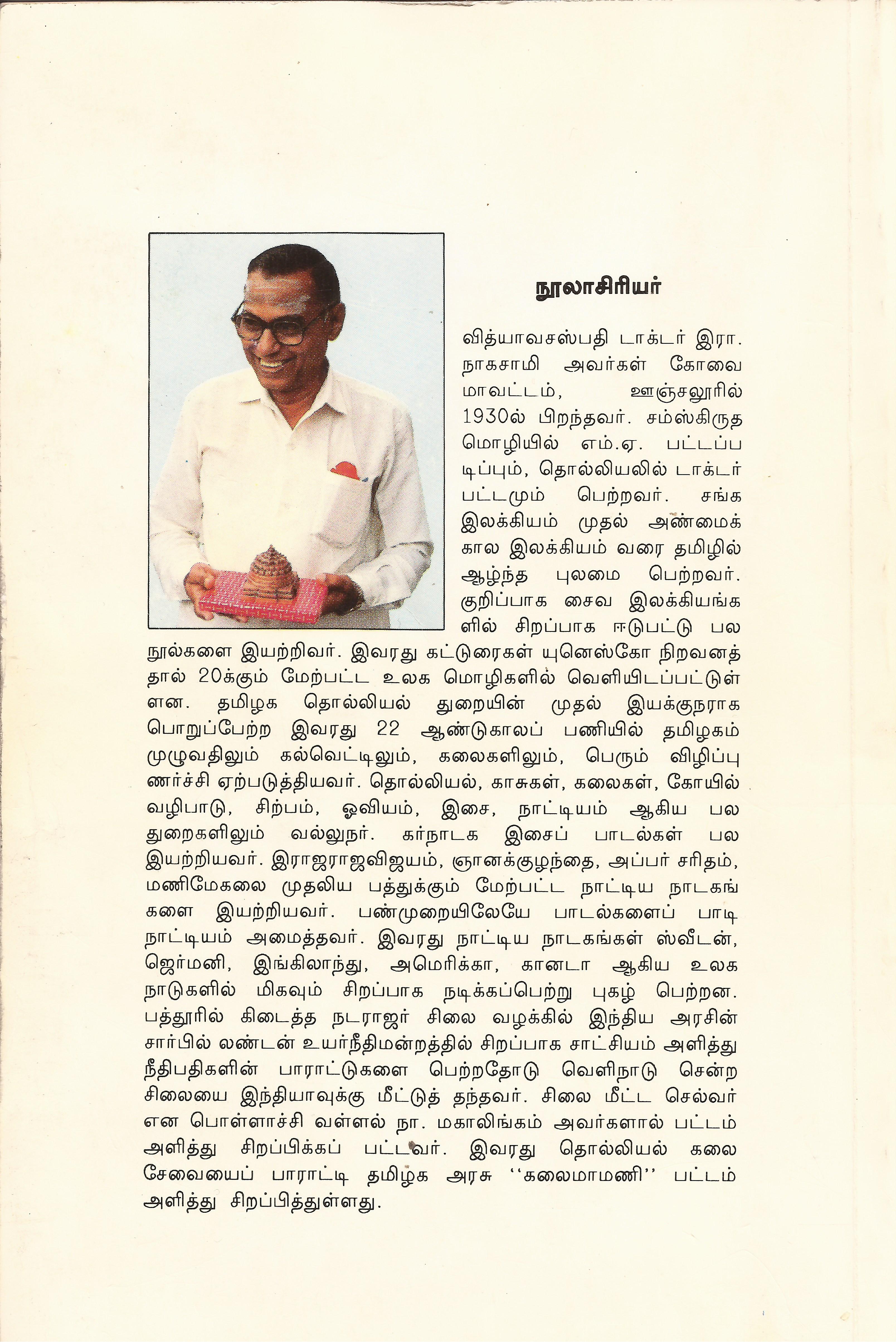
Nagasamy new 1

Nagasamy new 2


Tamil Arts Academy (Dr R Nagasamy’s website)


Aintinaikal (Five Land Divisions) in Veda. Dr. R.Nagaswamy 14-Jan-2013. The Camakam, hymns of the Kṛṣṇa Yajur Veda appearing as the seventh prapataka 


Dr R Nagasamy’s Tamil and English articles are available in his blog http://www.tamilartsacademy.com

poyyilimalai2


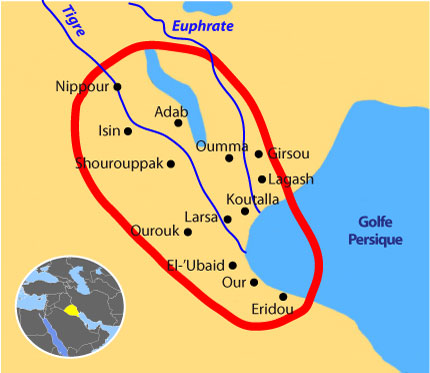
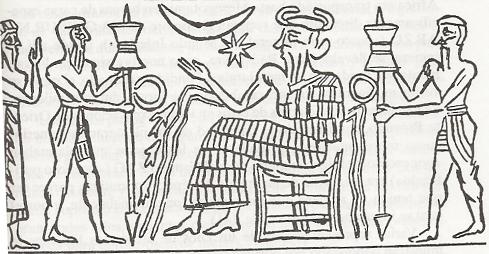
Cremation : Sumerian – Hindu similarities

Civilisation_Sumer

Written by London Swaminathan
Post No. 1042; Dated 14th May 2014.

Most of the Hindus cremated the bodies of the people who died during Vedic days. Even Hindus prefer cremation only. We see cremation in Indus Valley as well. Hindus practised burial in the case of ascetics and infants only. Among the Hindus, very few sects followed burial. Sumerians did cremation and their funeral rites have many similarities with the Hindus.

First let me give the cremation procedures in Sumerian civilization:
1.“In the ancient near east, cremation did not normally result in complete destruction of the body, and the burned bones were collected and buried, often in a pottery container.

2.It is sporadically attested in all areas from the sixth millennium BCE on. Isolated instances of cremation among the more usual inhumation (practice of burying) as sometimes interpreted as ’burials of foreign residents or individuals somehow distinguished from the rest of the population, for example prisoners, lepers or criminals.

sumi

3.Textual evidence hints at the cremation of the dead king in the Ur III period, and of the dead substitute king in the neo – Assyrian period.

4.Cremation was practised systematically by the Hittites in the second millennium BCE. At the cemetery of the Osmankayasi, the burned remains were put in vessels inside storage jars laid in pairs mouth to mouth, and placed in a grotto. Several Hittite cremation rituals describe the treatment of the royal corpses, the best preserved being a fourteen day ritual. This took place at the capital, Hattusas, and the royal dead were brought there even if they normally resided in the provinces and had died far away. The corpse was burned in a special location, and the burned bones were wrapped in a linen cloth and placed in a grave chamber, as part of the ritual, heads of horses and oxen, and picks, spades and ploughs were also burned and the ashes scattered.

5.Cremation remained common in Syria and Anatolia in the first half of the first millennium BCE, probably lingering to a Hittite tradition. It was also known in Palestine and especially Phoenicia, often practised alongside inhumation. However there was no uniformity in the treatment of the cremated remains, which ranged from burials in urns in built tombs to placement of burnt bodies in sandpits.

6.There were a range of beliefs and funerary customs in the ancient Near East.
They believed in afterlife. If food, drink and oil were not offered as part of funerary offerings the ghost would be forced to wander around and might haunt the living. If the body is not buried properly, the treatment will be different. In the under world there are horrifying demons. The dead live in utter darkness.

From “Dictionary of the Ancient Near East”, The British Museum, London .
(all underlining and bolding are mine: swami).

sumerios

My comments
Hittites in the Middle East followed lot of Hindu customs. If it is due to the influence of Hittites, then it is definitely Hindu influence.

Hindu ceremonies are almost the same. But it differs slightly from community to community and from area to area. It may be due to geographical conditions, climate and availability of priests and materials. Since India is a vast country, they always considered what is practical and feasible.

In places like Varanasi the half burnt bodies were thrown into the Ganges River because of the special qualities of its water. Bones and ashes were collected in other places and kept in vessels to be taken to holy rivers. South Indian Brahmins even buried the urn and erected a stone in the olden days. Now it is done only for saints. On top of the saints burials (‘’Samadhis’’), either a Shiva Linga installed or Holy Basil plants (Tulsi) grown. (Compare it with paragraph numbered 1).

Hindus also observe a fourteen day ritual. After the 13th day, they wear new clothes and go to temple, formally ending the mourning period. The polluted period also finishes on that day. Even the Indian government announce a period of mourning for thirteen days when a national leader dies (Compare paragraph numbered 4).

Sangam Tamil literature which is 2000 year old has references to burial urns and cremations. They were only Hindus. They performed all the Hindu ceremonies and believed in the Hindu customs which is evident from a number of poems (Compare Para 5)

Sangam Tamil literature references:
Cremations : Purananuru 231,240,245,246,363
Burial in urn : Purananuru 256,228

Hindus also believed in ghosts and funerary gifts (see para 6). Nearly hundred different types of gifts are prescribed in the scriptures.

If the ancient Near East can have so many types of cremations and burials, then a vast country like India should have more varieties.

Contact swami_48@yahoo.com