Ancient Indian Ambassadors

Murder of Two Brahmin Ambassadors

India is the first country in the world to frame rules regarding international ambassadors. India is the first country in the world that framed law regarding diplomatic immunity. This shows civilization has advanced to the highest level in ancient India, which has got no parallel. We have two episodes of peace missions in Ramayana and Mahabharata. Both the episodes describe the rules for ambassadors. Hanuman went on a mission to Sri Lanka to see Ravana. Krishna went on a peace mission to see the Kurus: Dhritarashtara  and Duryodhana. On both the occasions, when kings tried to ill treat the ambassadors, the ministers reminded the kings of the accepted norms and warned them not to do so.

Hanuman went to Lanka to see Ravana and demand return of Sita, whom he abducted. Enraged Ravana wanted to execute Hanuman, but Ravana’s brother Vibhishana reminded him that an ambassador cannot be ill treated.

Tamil Rules

Tamil Veda Tirukkural has an entire chapter about ambassadors. Brahmins were sent as ambassadors in the historical period. Brahmins can travel to any part of ancient India without any hurdles.  2300 year old Arthashastra of Chanakya says that Brahmins need not pay even ferry charges.

People of highest calibre only were appointed as ambassadors. Tirukkural has got ten couplets on this subject. Following three describe the qualities required for ambassadors:

“The faithful ambassador is pure in heart, obtains helpful alliance and is bold in presenting facts”.

“The proper messenger to a foreign court is he who is flawless in words, and brave in heart, but never loose in tongue”.

“The bold envoy, even at the cost of his life, assures the well being, safety and joy of his leader”. (Tirukkural 688- 690)
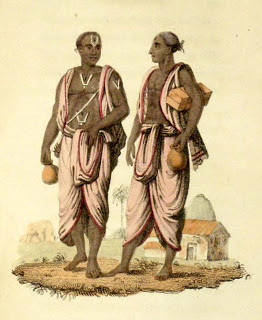
We see these virtues in Hanuman and Sri Krishna. Anjaneya (Hanuman  or Maruthi) was described as ‘Master of Words’.

We have two unfortunate reports of two Brahmin ambassadors’ murder in the historical period. Sangam Tamil literature narrates one incident where a Brahmin messenger was killed by illiterate robbers. The other murder is an atrocious betrayal by the ruthless Portuguese traveller Vasco da Gama.

2000 year old Akananuru (Sangam Anthology) verse 337 says:

A Brahmin was coming with a message in his hand. It was a message written on palm leaf and rolled. The robbers thought it was gold and killed the Brahmin messenger. When they realised that he was a poor Brahmin in rags, they regretted their action very much, says the poet Palai Padiya Perum Katunko.

Purananauru verse 305 by poet Madurai Velasan praises a Brahmin messenger for his quick and positive role. The slim and tired Brahmin came and went quickly in to the palace in the dark night. Next minute the king who got his message changed his mind and stopped the war fearing defeat. The poet adds the Brahmin spoke only few words but it was tremendously fruitful.

Evil Vasco da Gama

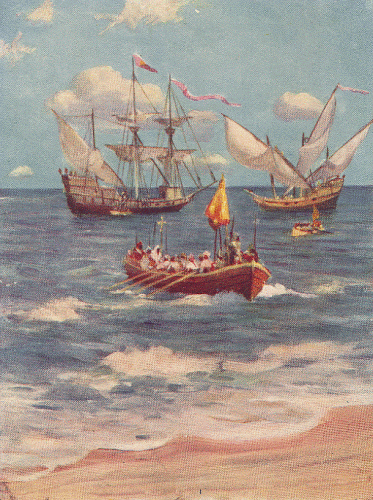
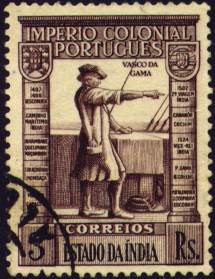
Portuguese sailor Vasco da Gama came to Calicut (Kozikodu) in Kerala in 1498. He met the Hindu king of Calicut and he was given a warm welcome. But relationship deteriorated in the next few years and 70 Portuguese workers were killed in Kerala. So he avenged their death by bombarding Calicut during his second voyage to India in 1502. He attacked a ship going to Mecca with 400 pilgrims and burnt them to death. He insulted the Nambudiri priest who came for negotiation. The priest’s ears and lips were cut and dog’s ears were sewed and sent back to Zamorin of Calicut. In fact he was the one who interpreted for him during his first voyage. On another occasion he killed the Brahmin messenger sent for negotiations.He cut him into pieces. Both the incidents took place in his ship. Portuguese destruction of all that is Hindu in Goa, Diu and Daman is a different story.
Krishna, the Divine Ambassador

Swami Krishnannda of Divine Life Society wrote a beautiful poem about Krishna’s Peace mission:

  1. Sri Krishna turned his gracious glance and spoke in soothing terms,
    “Well, what is past is past, of course, now further steps be thought.”
  2. “A messenger, learned in lore, be despatched quickly hence,
    To court of Kurus with a request that your share is due.”
  3. “Since errand sent with milder touch bore not a happy end,
    Methinks a stronger politic take up this task on hand.”
  4. “Whom shall we send, thou, all-knowing, may kindly suggest us,
    A person who would speak and explain facts of justice plain.”
  5. So wondered eldest of the brethren, good Yudhishthira,
    To which Sri Krishna thus replied in loving tender words.
  6. “I am here, king, ready am I to do this work of peace,
    As errand-man I go to Kurus and convey your views.”
  7. “No, nothing doing, thou shalt not, our heart and soul thou art,
    Thy single march to camp of foes I wholly disapprove.
  8. “Thou shalt not go, our life thou art, our life is in thy life,
    No, never, Master, I shall myself or my brothers go.”
  9. In loving kindness Krishna spoke to fear struck righteous king,
    “Fear not my life, I have the strength to protect myself safe;
  10. “Not all the kings, with all weapons can face me in battle,
    As herd of deer dare not stand before a lion’s rage.

—–Swami Krishnanada of DLS

Contact swami_48@yahoo.com

****
Birds for finding Direction: Sumerian to Tamil Nadu via Indus Valley

Birds for finding Direction: Sumerian to Tamil Nadu via Indus Valley

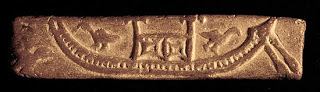
Birds were used by ancient mariners to find the land while they were in the mid seas. After the use of compasses, this was not practised. Very Interesting references are found in Sumerian culture, Indus valley, Biblical story, Viking expeditions and Tamil literature. Ramakrishna Paramahamsa and several other saints also used this bird as a simile in their religious discourses. We have an Indus Valley tablet containing a boat with two birds on either side. Tamil Vaishnavite saints used this simile in their poems. Let us look at Sumerian culture first.


Utnapishtim was the survivor of a great deluge sent by the gods to destroy the human race. Akkadian epic of Gilgamesh says that God Enlil was angry with humanity and decided to destroy them in a flood. Utnapishtim told Gilgamesh to build a boat. When the waters receded he sent a dove, a swallow and a raven to find land.


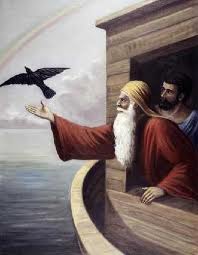
We have a similar story in the Bible. In the Flood story Noah sent a raven and then two doves to find the land.

Genesis 8:7-9 (Old Testament)

7:And he sent forth a raven, which went forth to and fro, until the waters were dried up from off the earth.

8:Also he sent forth a dove from him, to see if the waters were abated from off the face of the ground;


Indus Valley Tablet

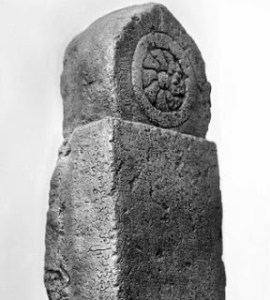
A three sided tablet was found in 1931 in the Indus valley excavations. This shows a flat bottomed boat with a central hut and two birds on the deck. The birds were used as aids in the navigation. When they were released, they would not come back if they find land.

Vikings were powerful mariners. They also kept birds to find new lands. Since birds have powerful eye sight they can see lands from a distance of hundred miles. If they see any land they will fly in that direction and the sailors would sail their ships towards the land. Vikings were even credited with discovering America, probably with the help of ravens.


Tamil Literature

Hindus look at this direction finding birds from a different angle. Kulasekara Alvar of ninth century sang a poem on Vishnu. He says that he also comes back to the lotus feet of the lord like a bird that couldn’t find the land. A strange coincidence is that he and other Tamil saints mention only crow as the bird for finding the direction. It is similar to the raven of Sumerian and Biblical stories.

Swami Sri Vedanta Desikan who lived around 1300 AD also sang a poem on Vishnu in Kanchipuram. He also used the same simile like Kulasekara. He compared himself to a crow of flying aimlessly in different directions and returning to the same place without finding a place to rest.

Ramkrishna Parmahamsa compared the disciples who move away from their Gurus and come back at last to the same Guru:

“A bird perching upon the masthead of a ship in mid ocean, gets tired of its position and flies away to discover a new place of rest; but failing to find any other place, it returns at last to the old roost, weary and exhausted. In the same manner an ordinary aspirant is disgusted with the monotony of of the task and discipline imposed upon him by his well wishing and thoroughly experienced Guru. He loses all his hopes as well as confidence in the Guru and so goes out in to the world with the belief that he can attain God with his self effort alone; but after much fruitless exertion he is sure to return to his old master for his blessing and grace at last”.

The bird on the masthead of the ship has been in the minds of Indians for thousands of years. This continuity made me believe that it was an Indian custom which was borrowed by the Sumerians and the Biblical Noah.


References for Tamil Readers:

‘’வெங்கண்திண் களிறு அடர்த்தாய்! வித்துவகோட்டம்மானே

எங்குப் போய் உய்கேன்? உன் இணையடியே அடையல் அல்லால்

எங்கும் போய்க் கரை காணாது எறிகடல்வாய் மீண்டு ஏயும்

வங்கத்தின் கூம்பு ஏறும் மாப் பறவை போன்றேனே’’

(பெருமாள் திருமொழி, குலசேகர ஆழ்வார்)


‘’பத்தி முதலாமவற்றில் பதியெனக்குக் கூடாமல்

எத்திசையும் உழன்றோடி இளைத்துவிழும் காகம் போல்

முத்திதரு நகரேழில் முக்கியமாம் கச்சிதன்னில்

அத்திகிரி அருளார்க்கு அடைக்கலம் நான் புகுந்தேனே’’

(அடைக்கலப் பத்து, சுவாமி ஸ்ரீ தேசிகன்)


இதேபோல பல தமிழ்ப் பழமொழிகளிலும் இக் கருத்து உளது.

contact: swami_48@yahoo.com


Tale of Two Cities: Complaint & Compliment

Tale of Two Cities: Complaint & Compliment

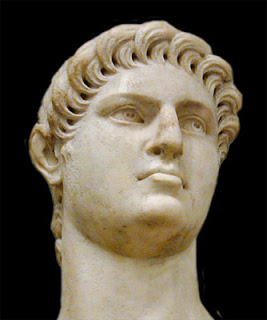
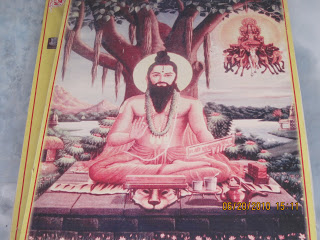
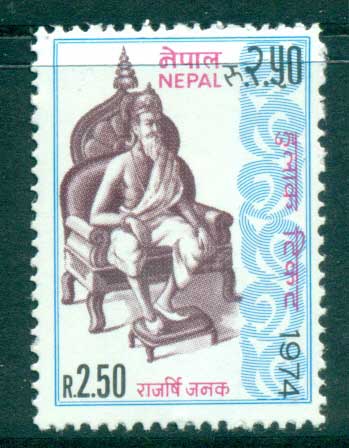
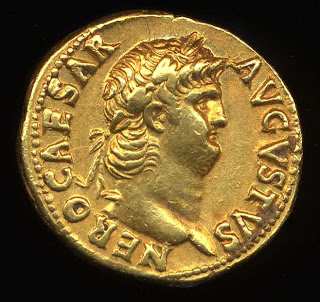
Rome burned, Nero fiddled; Mithila burned, Janaka Unperturbed.

Tale of Two ‘Burnt’ Cities indeed! Rome and Mithila!


Lord Krishna in Bhagavad Gita (III-20) praised Janaka as an illustrious king. Tamil poet Subramanya Bharathi praised him sky high for being unperturbed while his capital city Mithila burned. All compliments!!Mithila is identified with the modern Janakpur in Nepal. Janaka ruled the country of Videha with Mithila as its capital at least 2600 years ago.


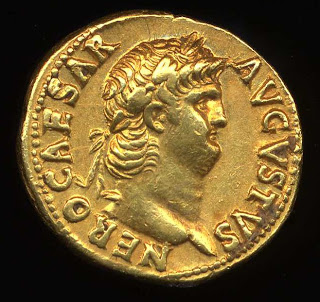
While Rome burned, Nero fiddled. This expression is used in English with a negative connotation. It is used for heedless and irresponsible behaviour in the midst of a crisis! All complaints!! Nero ruled Rome in the first century. Rome burned in 64 AD.

What is the logic? One king is accused of inaction and another was complimented for inaction .First, we must know the truth behind the anecdotes. Rome burned in 64 AD for six days. Nero took action to control the fire and to mitigate the miseries of the people according to Tacitus. There is no truth in the saying that he ‘’fiddled’’. Because there was no fiddle in the world at that time!! It was invented 1500 years after Nero. But he did play on some instrument. Cassius Dio said that Nero sang  “Sack of LLium’’ in the stage costume when the city burned. But Tacitus says it was a rumour that he played his lyre at that time. One thing is clear that he annoyed the people by doing something. There is no smoke without fire.

If someone doesn’t take decisive action to control the fire and avoid the miseries of people, one will be condemned. We hear this type of complaint even today during major fire accidents.

What about Janaka who ruled from Mithila? Let us hear the story in the words of Swami Sivananda:

Raja Janaka was a full-blown Jnani though he worked in the world. His Jnana was tested. He was in the Durbar hall when a messenger brought the news that there was fire in the city. Janaka said: “My wealth is unlimited, and yet I have nothing. Even if the whole of Mithila is burnt, yet nothing is lost to me.”

The name of Raja Janaka is always associated with Karma Yoga and Karma Nishtha. In the Gita also Lord Krishna speaks to Arjuna: ‘Janaka and others indeed attained perfection by action; then, having an eye to the welfare of the world also, thou should perform action. Whatever a great man does, that other men also do; the standard he sets up, by that the people go. Therefore, without attachment, constantly perform action which is duty, for by performing action without attachment, man verily reaches the Supreme.’ Ch. III- 19, 20, 21.

Another scholar Sri Chinmoy of Bengal narrated the same anecdote in the following words:

“Possession is no satisfaction, so long as ego breathes in us. The great King Janaka knew it. No wonder Janaka was loved by the Sage Yagnyavalka most. His Brahmin disciples felt that Janaka received preference just because he was king. It is obvious that God would not let the Sage Yagnyavalka suffer such foul criticism. So, what happened? Mithila, Janaka’s capital, began to burn in mounting and devouring flames. The disciples ran, left their preceptor, hurried to their respective cottages. What for? Just to save their loin-cloths. All fled save Janaka. He ignored his riches and treasures burning in the city. Janaka stayed with his guru, Yagnvavalka, listening to the sage’s ambrosial talk. “Mithilayam pradagdhayam namekincit pranasyati”.. “Nothing do I lose even though Mithila may be consumed to ashes.” Now the disciples came to learn why their Guru favoured Janaka most. This is the difference between a man of wisdom and a man of ignorance. An ignorant man knows that what has is the body. A man of wisdom knows that what he has and what he is the soul. Hence to him the soul’s needs are of paramount importance.

Sri Krishna disclosed to Arjuna the secret of Janaka’s attainment to Self-realisation and Salvation. Janaka acted with detachment. He acted for the sake of humanity, having been surcharged with the light and wisdom of divinity. Indeed, this is the path of the noble”.


Of course no loss of life was reported from both the fires. Officials in charge would have taken the necessary action. This shows the different approaches for the same problem. Even in the case of Nero, no one can blame him if he was as serene and calm as Janaka; as  detached as Janaka.


If one knows the background of Janaka, one can appreciate his approach more: “Raja Janaka once commanded a Brahmin who committed a serious crime to leave his dominion at once. The Brahmin said: “O Rajan, kindly tell me the extent of your dominion. Then I will leave your state and settle down in the dominion of another Rajan”. Janaka did not say anything in reply. He sobbed heavily. He reflected seriously. Then he swooned suddenly. He came back to his senses after fifteen minutes. He then said: “I have inherited the state of my father. It is under my control, but nothing belongs to me exclusively. I cannot find my exclusive dominion anywhere, not even in Mithila and in my own progeny. Now real wisdom has dawned in me. I am now under the impression that either I have no dominion at all or all is my dominion. Either this body is not mine or the whole world is mine, and similarly that of others too. O best of the twice-born! This is my firm conviction. Stay in my dominion as long as you like and enjoy.”

The Brahmin asked: “O king! What has made you regard this kingdom as not yours or all as yours? How have you renounced the feeling of ‘mine-ness’ in this kingdom of your ancestors, which you are ruling?” Janaka replied: “Everything is perishable on the physical plane. Life is evanescent. Everything passes away. I could lay my finger on nothing which I could call as mine. I remembered the Vedic text: ‘It was anybody’s property.’ I reflected in this manner and so I have given up the idea of ‘mine-ness’. Hearken carefully now as to how I see my dominion everywhere. I have no desire for the objects that give good smell: so I have conquered the earth. I have no desire for tasty things, beautiful forms, soft cushions or beds, or music: therefore I have conquered water, fire, air and ether. I do not desire anything for the mind, it is therefore under my perfect control. I do actions for the Devas, ancestors, for all beings and for those who come to my door.”


Then the Brahmin smiled and said: “O king! I am Dharma in disguise. I have come to learn something about you. You are the only person to turn this wheel, the name of which is Brahman, the spoke of which is reason, which never turns back and which is kept to its course by the quality of goodness as its circumference.” (Anugita: Ch. 17). (Excerpt is from Swami Sivananda)

******


ஜனகனுக்கு ஒரு நீதி! நீரோ மன்னனுக்கு வேறொரு நீதி?


ஜனகனுக்கு ஒரு நீதி! நீரோ மன்னனுக்கு வேறொரு நீதி?

ரோம் நகரமும் மிதிலை நகரமும் எரிந்தன!! வயலின் ஒலியும் வேத ஒலியும் கேட்டன!! நீரோவைத் திட்டினார்கள், ஜனக மஹாராஜாவைப் பாராட்டினார்கள்! இது என்ன நியாயம்?

இரட்டை நகரங்களின் கதையும் புரியாத புதிராக இருக்கிறதல்லவா? இதன் பின்னால் சுவையான பல விஷயங்கள் இருக்கின்றன. சுருக்கமாகத் தருகிறேன்.


மிதிலை எரிந்திட வேதப் பொருளை

வினவும் சனகன் மதி—தன்

மதியினிற் கொண்டதை நின்று முடிப்பது

வல்ல நம் அன்னை மதி       (சுப்ரமண்ய பாரதி)


‘’ஜனகன் முதலானோர் கர்மத்தாலேயே உயர்ந்த சித்தியை அடைந்தனர் அன்றோ! மேலும் உலகை நல்வழிப் படுத்தவும் கர்மத்தைச் செய்வதற்கே நீ உரியவன் ஆகிறாய்’’. (பகவத் கீதை ,அத்தியாயம் 3, ஸ்லோகம் 20).

கண்ணனும் பாரதியும் ஏன் இப்படி ஜனகனைப் புகழ்ந்தார்கள்?


நீரோ மன்னனின் கதை

ரோம் நகரை தலை நகராகக் கொண்டு நீரோ ஆட்சி செய்த நாளில், கி.பி.64ல், பெரிய தீ விபத்து நடந்தது. இந்தத் தீ ஆறு நாட்களுக்கு எரிந்ததாகவும் நீரோ மன்னன் வெளியூரில் இருந்து ரோம் நகருக்கு ஓடி வந்து தீ அணைப்பு வேலைகளைச் செய்ததாகவும் மக்களின் குறைகளைத் தீர்த்ததாகவும் டேசிட்டஸ் என்பவர் எழுதி வைத்துச் சென்றுள்ளார். மன்னர் யாழ் போன்ற ஒரு வாத்தியத்தை வாசித்துக் கொண்டிருந்ததாகச் சொல்வது தவறு, அது ஒரு வதந்தி என்றும் அவர் எழுதியுள்ளார். ஆனால் காசியஸ் டியோ என்பவர் அவர் பாட்டு பாடிக்கொண்டிருந்ததாக எழுதி இருக்கிறார்.

உண்மையில் அந்தக் காலத்தில் வயலின் (பிடில்) கண்டுபிடிக்கப்படவே இல்லை! ஆனால் யாழ் போன்ற ‘லைர்’ என்னும் வாத்தியம் இருந்தது. கிறிஸ்தவர்களுக்கு எதிராக அவர் நிறைய சட்ட திட்டங்களைக் கொண்டுவந்ததால் அவரை கொடுங்கோலனான சித்தரித்துவிட்டர்கள் என்பது ஒரு சாராரின் விளக்கம். எது எப்படியாகிலும் இன்று ஆங்கில மொழியில் ஒரு சொல்லடைவு இருக்கிறது. ஒருவர் நெருக்கடியான காலத்தில் பொறுப்பற்ற செயல்களைச் செய்தால் ‘’ரோம் பற்றி எரியும்போது நீரோ பிடில் வாசித்தத்து போல’’ என்று சொல்லுவர் (While Rome burned, Nero fiddled= heedless and irresponsible behaviour in the midst of a crisis).


ஜனகர் என்ன செய்தார்?

மிதிலாபுரியை தலைநகராக கொண்டு ஜனகர் என்னும் மன்னன் ஆண்டான். சீதா தேவியின் தந்தை பெயரும் ஜனகர் தான். ஆனால் பல ஜனக மன்னர்கள் இருந்தது ஆராய்ச்சியில் தெளிவாகத் தெரிகிறது. வேதகால ஜனகர் மாபெரும் தத்துவ ஞானி. ஜீவன் முக்தர். தாமரை இலைத் தண்ணீர் போல, பட்டும் படாமல், ஒட்டி உறவாடாமல் வாழ்க்கை நடத்திய அறிஞன். அவருடைய குரு யாக்ஞவக்யர் என்ற மஹரிஷி. ஜனகர் பால் பேரன்பு பூண்டவர்.

குருவின் அன்பில் சிலருக்கு சந்தேகம். ஜனகன் ஒரு மன்னன் என்பதால் அவருக்கு குரு அதிக சலுகை காட்டுவதாக அவர்களுக்கு ஒரு நினைப்பு. இதைப் பொய் என்று காட்ட ஒரு சம்பவம் நடந்தது. ஒரு நாள் பாடம் நடந்து கொண்டிருந்தபோது ஒரு சேவகன் ஓடோடி வந்து மிதிலை நகரம் தீப்பிடித்து எரிவதாகப் பதறினான். எல்லா சிஷ்யர்களும் மூட்டை முடிச்சை எடுத்துக்கொண்டு ஓடினார்கள். ஜனகர் அசையவில்லை. என்னுடைய உடைமை எதுவும் அங்கு இல்லை, இங்கும் இல்லை என்றார். அவர் ஆத்ம ஞானி என்பதால் பற்றறவராக இருந்தார்.

ரோம் விபத்திலும் சரி, மிதிலை விபத்திலும் சரி, உயிர்ச்சேதம் எதுவும் இல்லை. ஆனால் பொருட்சேதம் இருந்திருக்கும். அந்நாட்டு அதிகாரிகள் தக்க நடவடிக்கை எடுத்திருப்பர் என்பது கண்கூடு.

ஞானியானவர்கள் துக்கம் இன்பம் என்பவைகளைக் கடந்தவர்கள் ஆயினும் உலக நன்மைக்காக எப்போதும் செயல்பட்டுக் கொண்டிருப்பார்கள். அவரை முன் உதாரணமாகக் காட்டி செயலில் ஈடுபடு என்று அர்ஜுனனுக்கு அறிவுரை கூறுகிறான் கண்ணன்.

ஜனகரின் வாழ்வை முழுதும் அறியாமல் நாம் தீ விபத்து சம்பவத்தை மட்டும் வைத்துக்கொண்டு அவரை எடை போட்டுவிடக் கூடாது. அவர் வாழ்வில் மேலும் பல சுவையான சம்பவங்கள் உண்டு.

மேலும் 2 குட்டிக் கதைகள்

ஒருமுறை ஒரு பிராமணர் குற்றம் இழைத்ததற்காக அவரை நாட்டை விட்டு வெளியேறுமாறு ஜனகர் உத்தரவிட்டார். அந்தப் பிராமணர், மன்னா, முதலில் உன் ஆட்சி எல்லையைக் கூறு. பின்னர் நான் போகிறேன் என்றார். ஜனகனுக்கு மிகவும் பெரிய அதிர்ச்சி, வருத்தமும் கூட. சிந்திக்கத் துவங்கினார். கால் மணி நேரத்துக்குப் பின்னர் அறிஞரே! எமது உடைமை ராஜ்யம் என்று எதுவும் இல்லை. எல்லாம் பரம்பரைச் சொத்து. இந்த ஆத்ம ஞானம் என் மனதில் இப்போது உதித்துவிட்டது. நீர் இந்த நாட்டில் தொடர்ந்து இருக்கலாம் என்றார்.

ஆதிசங்கரரைப் பார்த்து நான்கு நாய்களுடன் வந்த புலையன் கேட்ட கேள்வி, அவருக்கு ஆன்ம ஞானம் கொடுத்த சம்பவத்தை இதனுடன் ஒப்பிடலாம்.

இதே போல ஒரு சந்யாசி ஜனகரை கபட வேடதாரி என்று குறைகூறினார். அவருக்குப் பாடம் புகட்ட விரும்பிய ஜனகர், அந்த சந்யாசிக்கு ஏழு நாட்களுக்குப் பின் தூக்கு தண்டனை என்று உத்தரவு போட்டார். மேலும் உப்பு சர்க்கரை இல்லாமல் எல்லா உணவுகளையும் படைக்கவும் உத்தரவிட்டார். ஏழு நாட்கள் சென்றன. சந்யாசியை அழைத்துவரச் சொன்னார். உப்பு சர்க்கரை முதலியவற்றுடன் சுவையான உணவு வகைகள் அவருக்குக் கொடுக்கப்பட்டன.

இப்போது எப்படி இருக்கிறது உணவின் ருசி? என்று ஜனகர் கேட்டார். நீங்கள் தூக்கு தண்டனை என்று சொன்னவுடன் நான் சாப்பிட்ட உணவின் ருசி அப்போதும் தெரியவில்லை, இப்போதும் தெரியவில்லை, என் சிந்தனை எல்லாம் தூக்கு தண்டணப் பற்றிய பயம் ஒன்றுதான் என்றார்.

ஜனகர் சொன்னார்: ஒரு ஆத்ம ஞானியின் நிலையும் இதுதான். அவர்கள் செயல்களைச் செய்தபோதும் அதில் பற்று அவர்களுக்கு இல்லை. உனக்கு எப்படி உணவு ருசி இல்லையோ அப்படியே அவர்களுக்கும் லோக ருசி கிடையாது. அவர்களின் சிந்தனை முழுதும் இறை அருள் ஒன்றே.

ஜனகரின் இந்த உபதேசம் சந்யாசியின் கண்களைத் திறந்தன. மஹாத்மா காந்தி வாழ்வில் நடந்த ஒரு சம்பவமும் இதைப் போன்றதே. ஐயா, காந்தியாரே! ஊருக்கு எல்லாம் உபதேசம் செய்கிறீரே, இரண்டு இளம் பெண்களின் தோளில் கையைப் போட்டவாறே தினமும் பிரார்த்தனைக் கூட்டத்துக்கு வருகிறீரே? இது என்ன நியாயம்? என்று ஒருவர் ரோட்டில் இடை மறித்துக் கேட்டார்.

காந்தி சொன்னார், ’’அன்பரே, உமது கேள்வி மிகவும் நியாயமானதே, நான் என்ன பதில் சொன்னாலும் உங்களுக்குத் திருப்தி தராது. என்னுடன்  ஆஸ்ரமத்துக்கு வாருங்கள். என்னுடன் சில காலம் தங்கி இருங்கள். அப்போது நீங்களே உண்மையை உணர்வீர்கள் என்று. ஆகவே ஜீவன் முக்தர்களின், ஆன்ம ஞானிகளின் வெளித் தோற்றத்தையோ, செயல்பாட்டையோ, செயலின்மையையோ வைத்து அவர்களை எடைபோடக் கூடாது.

*********


Philippines- A Tamil Hindu Colony?

The Pre Spanish history of Philippines was shrouded in mystery. Now the mist around the Philippines is clearing thanks to recent discoveries. The Spaniards, wherever they went, destroyed the local culture, plundered their gold and massacred the people. They spared those people who converted to Christianity.

The Philippines is a country of 7000 islands. Nobody asked or wondered what those places were called before they named it “ Philippines” just 400 years ago. They had their own names, their own culture, but they were ignored as primitive and uncivilized. Fortunately one inscription and one golden statue escaped the wrath of the religious fanatics.

One important Tamil inscription of Rajendra Chola was not properly explained. Half of the place names mentioned in the inscription is not properly identified. The East Indies were known to Kalidasa of 1st century BC. Parasurama was linked with Aparanta.  Kalidasa used to mention Indonesia and the islands beyond as Dwipantara.  Rajendra Cholas inscription mentioned Parasurama.

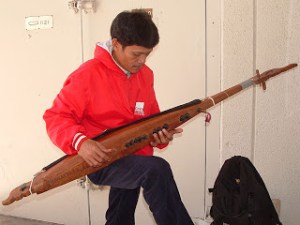
Hindu music instrument Kadjabi is still played in the Philippines. Hundreds of Sanskrit words are used in the islands even today.

Golden Statue

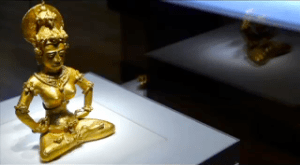
A  five and a half inch tall golden statue recovered from Mindanao in 1917 is kept in the Field Museum of Natural History in Chicago. Vishnu’s vehicle Garuda was found in Palawan. The gold statue is that of a Buddhist goddess known as Tara. It weighs 4 pounds (approximately 2 Kilos). It is dated 1200 to 1300 AD. It was found in Wawa River after heavy rains. Lot of gold was taken back to Spain and melted. Only a few escaped from the invaders.

Laguna Copper Plate inscription

Luzon in the Philippines was ruled by Lakans (local chieftains)  from 900 AD until 1571. An inscription found there known as Laguna copperplate inscription dated 900 AD contains Sanskrit words and place names. The inscription which was found in 1989 contains information about debts cleared by the ruler of Tondo. Namwaran along with his children Lady Angkatana and Buka were cleared of debts. It was written in Kawi script. Lord Minister Jayadewa issued the order. The inscription is kept in the National Museum of the Philippines  in Manila. A lot of Sanskrit words such as Swasti, Visaka,Chathurthi, Suwarna, Krishnapaksha, Somawara, Dewata, Jyotisa  are in the text. Full text and translation is available in Wikipedia.

Language

Wikipedia article says 25 percent of words in Philippines native language are from Sanskrit and Tamil. Look at the list given by Wikipedia:

From Tagalog:

* budhi “conscience” from the Sanskrit bodhi
* dukha “one who suffers” from the Sanskrit dukkha
* guro “teacher” from the Sanskrit guru
* sampalataya “faith” from the Sanskrit sampratyaya
* mukha “face” from the Sanskrit mukha
* laho “eclipse” from the Sanskrit rahu
* maharlika “noble” from Sanskrit mahardikka

From Kapampangan:

* kalma “fate” from the Sanskrit karma
* damla “divine law” from the Sanskrit dharma
* mantala -“magic formulas” from the Sanskrit mantra
* upaya “power” from the Sanskrit upaya
* lupa “face” from the Sanskrit rupa
* sabla “every” from the Sanskrit sarva
* lawu “eclipse” from the Sanskrit rahu
* Galura “giant eagle (a surname)” from the Sanskrit garuda
* Laksina -“south (a surname)” from the Sanskrit dakshin
* Laksamana/Lacsamana “admiral (a surname)” from the Sanskrit lakshmana

From Tausug:

* suarga “heaven”; compare “sorga” in modern Indonesian [1]
* neraka “hell”
* agama “religion”

Sanskrit and Sanskrit-derived words common to most Philippine languages:

* sutla “silk” from the Sanskrit sutra
* kapas “cotton” from the Sanskrit kerpas
* naga “dragon or serpent” from the Sanskrit naga

Ramayana in the islands

Ramayana and Mahabharata are popular in all the South East Asian countries. Philippines also have its own version of Ramayana. The Maranao version is Maharadia lawana ( Maharaja Ravana). Lam- Ang is the version of the Llocanos. Many verses of Hud Hud are from Ramyana and Mahabharata.

Musical Instruments

Several musical instruments of the Philippines are similar to Indian musical instruments and Kutiyapi is a corrupted word of Kadjabi, a Sanskrit word.

Rajendra Chola Inscription

Rajendra Chola, son of the Raja Raja won many countries in South East Asia. The inscription named all the countries and islands he won around 1025 AD. K.A.Nilakanta Sastri, the greatest authority on South Indian History has written about his conquests. But when he wrote about the Cholas 75 years ago Laguna inscription was not discovere. Only Rajendra’s Tamil inscription was known. Now we know Philippine islands were under Hindu rulers even before Rajendra invaded S.E. Asian countries.

Scholars identify the following places in the inscription:

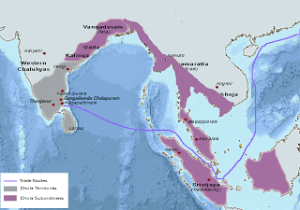
Sri Vijaya= Palembang, Pannai= North Sumatra, Malaiyur= Jambi, Mayirudingam= Thai-Malay peninsula, Ilangasokam= Langkasuka, Mappalam= Pegu, Mavimbangam= Isthumus of Ligor or Thai-Malay peninsula, Valaipanduru= Vietnam?, Talaitakkolam= Takoba, Madamalingam= Tambralinga, Ilamuridesam= Lamri in Aceh, Manakkavaram= Nicobar islands, Kadaram= Kedah.

Some of the above places are confirmed by secondary evidence. My research shows that the place names such as Mayirudingam, Mavimbangam are islands of Philippines. The reason for this is the trade roués to China went through these islands. During 1300 year rule, the countries established trade and political contacts with China which is confirmed by the Chinese writers. A patient decoding of Chinese transliterations may reveal more truths. Sanskrit and Tamil words are corrupted beyond recognition Eg. Liang Shu (Langkasoka).

Kaundinya from South India established the Hindu empire in the First century AD in Funan. Chinese writers have written about the rulers and their relationship with China. Agastya cult was deep rooted in Java, Sumatra and Bali islands. I have already written about it and Mulavarman’s Sanskrit inscription in Borneo.

More From History of Indian Culture by B.M.Luniy

“ Modern researchers have proved that the people of South India had established their colonies in the Philippines and they had considerably influenced all aspects of daily life. Handicrafts, coins, folk songs, traditions and many religious customs exhibit the Hindu influence there. The scripts of the people of Philippines bear striking resemblance with those of South India. In the realm of religious rites, rituals and assigning names, the natives of Philippines followed Indians closely. The names of the places on the Luzon coast and the shores of Manila bay indicate their Sanskrit origin. The discovery of Ganesh statue proves that the people followed Brahmanism. The hill tribes of Luzon worship early Vedic Gods even to this day.

The people of many islands in the Pacific Ocean have physical appearance similar to that of Indo Aryans. Their languages have resemblance with those of the pre Aryan Indians like Santhals. Their religious and social customs and beliefs betray traces of Hindu cultural influences. The Hula dance of Hawai islands and Shiva dance of Samoa are similar to the folk dances of Bengal


Their use of conch shell, nose flute, musical bones, staple food stuffs and animals reveal Indian origin. Many of their decorative designs, crafts, traditions, ideas of phallic symbolism and images are examples of old Polynesian cultural traits derived from the Brahmanical civilization”.

Please read my earlier posts

1.Pandya King who Ruled Vietnam 2.Ancient Sanskrit inscriptions in strange places 3.Sanskrit inscriptions in Mosques and on Coins 4.Sanskrit inscription and Magic Square on Tortoise 5.Ancient Tamil Dress 6.Pallankuzi (mancala) mystery 7.India- Madagascar Link 8.Is Brahmastra a Nuclear Weapon? 9.Great Engineers of Ancient India 10. The Mysterious Link between Karnataka and Cambodia

I have given below part of the text of Rajendra Chola’s inscription for the benefit of Tamil readers:

தொல்பெருங் காவற் பல்பழந் தீவும்

செருவிற் சினவி யிருபத் தொருகால்

அரசுகளை கட்ட பரசு ராமன்

மேவருஞ் சாந்திமத் தீவரண் கருதி

இருத்திய செம்பொற் றிருத்தகு முடியும் (20)

********

அலைகடல் நடுவுட் பலகலஞ் செலுத்திச்

சங்கிராம விசையோத் துங்க வர்ம

னாகிய கடாரத் தரசனை வாகையும்

பொருகடல் கும்பக் கரியொடு மகப்படுத் (50)

துரிமையிற் பிறக்கிய பருநிதிப் பிறக்கமும்

ஆர்த்தவ னகநகர்ப் போர்த்தொழில் வாசலில்

விச்சா திரத்தோ ரணமு மொய்த்தொளிர்

புனைமணிப் புதவமுங் கனமணிக் கதவமும்

நிறைசீர் விசயமுந் துறைநீர்ப் பண்ணையும்

வன்மலை யூரெயிற் றொன்மலை யூரும்

ஆழ்கட லகழ்சூழ் மாயிரு டிங்கமும்

கலங்கா வல்வினை இலங்கா சோகமும்

காப்புறு நிறைபுனல் மாப்பப் பாளமும்

காவலம் புரிசை மேவிலிம் பங்கமும் (60)

விளைப்பந் தூருடை வளைப்பந் தூரும்

கலைத்தக் கோர்புகழ் தலைத்தக் கோலமும்

தீதமர் பல்வினை மாதமா லிங்கமும்

கலாமுதிர் கடந்திற லிலாமுரி தேசமும்

தேனக்க வார்பொழில் மானக்க வாரமும் (65)

தொடுகடற் காவற் கடுமுரட் கடாரமும்

மாப்பொரு தண்டாற் கொண்ட கோப்பரகேசரி வன்மரான

உடையார் ஸ்ரீராசேந்திர சோழதேவர்க்கு யாண்டு…”

Contact for further details: swami_48@yahoo.com

Who is Dhananjayan?

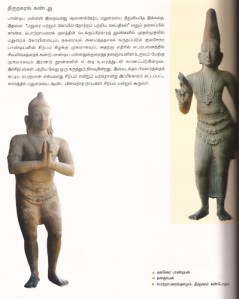
Picture: Dhananjayan with folded hands on left & Pandya king on the right.


I was fascinated by the name DHANANJAYAN when I found it in Mahabharata, Alupa coins, Cambodian folk tales, Vishnu Sahasranama, Nagas and history of Madurai Meenakshi temple. I also knew that Dhanajayans are famous names in Bharatanatyam. But I was provoked to do some research in to it when I read Dhanajayan under baby names it is the name of Murugan (Lord Skanda). I think it is wrong because I found no proof for that claim.


The most famous Dhanajayan was Arjuna. One of his ten names was Dhanajayan. If the roar of thunder is heard, Hindus used to recite the ten names of Arjuna to avoid thunder striking them. Arjuna got this name when he won the wealth (Dhanam= wealth, Jayan= victor) of Uttarakuru country in the north.


Bhagavad Gita Dhanajayan

The name Dhananjayan comes in Vishnu Sahasranama (couplet 70) as one of the names of Lord Vishnu. The meaning according to Sahasranama bhasyam is:

“Arjuna is called so because by his conquest of the kingdoms in the four quarters, he acquired great wealth (Dhanam). Arjuna is a Vibhuti, a glorious manifestation of the Lord, according to the statement of the Gita (10:57): Panadavanam dhananjaya:–among the Pandavas, I am Dhananjaya, says Krishna.”

Pandya Dhanajaya on Coins:

The Alupas, one of the very ancient dynasties of Karnataka, ruled for over a thousand years in the coastal tract of Karnataka. Even Ptolemy (79  to 168 AD) refers to the Alupas. They are referred to in the famous Halmidi (500 AD) inscription. The Alupas belonged to the lunar race and had fish as their royal emblem, exactly like the Pandyas of Madurai. Among the most important titles of the Alupas, were Pandita Pandya and Pandya Dhananjaya. This has been found on coins and inscriptions in Kannada. This shows Pandyas were very familiar with the name Dhanajaya. This takes us to the history of Madurai Meenakshi Temple.


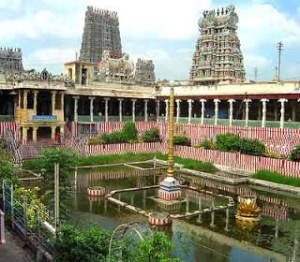
Picture of Golden Lotus tank in Madurai Temple


Dhanajaya statue in Madurai

The story of the world famous Madurai Meenakshi Temple begins with a merchant called Dhananjaya. (Please read my article THE WONDER THAT IS MADURAI MEENAKSHI TEMPLE in this blog). A merchant by this name travelled to a neighbouring town and returned to his home town Manavur through the thick forest of Kadamaba trees. Since the sun was already set he took rest under a tree. Suddenly he saw bright lights. He hid himself and watched Indra and other angels from the heaven came down to earth doing Puja to a Linga (formless Shiva). He was so excited and reported it to the Pandya king Kulasekara the very next morning. The king visited the place with all his retinue immediately and built a temple over the Shiva Lingam and a city slowly came up around this temple. Anyone can see Madurai as a well planned city in the shape of squares within squares round the temple. It is called lotus city.

The statue of Dhanjaya is in the Golden Lotus Tank pillar inside Maduari temple. This story is narrated in Thiru Vilayadal Puranam in Tamil.


Surprise from Cambodia

Mahabharata’s character Arjuna had good connection with the south of India by marrying Chitrangada. They had a son by name Babruvahana/bull vehicle which also links to Shiva whose vehicle is a bull. When we read that Dhananjaya Pandya in Karnataka and Dhannjaya’s early connection with Manalur, the previous capital of Pandya, we see a link between Arjuna-Pandya-Dhananjaya-fish symbol- Bull Vahana/vehicle etc. This calls for deeper research in to this area.


Picture of Halmidi Kannada inscription


The next surprise comes from Cambodia. If someone sees names like Rama, Krishna, Buddha in Cambodia one won’t be surprised because we have a history of Hindu rule in South East Asia for 1300 years. (Please read my article THE PANDYA KING WHO RULED VIETNAM). This Dhananjayan is neither a king nor a historical figure. But he was a jester in a folk tale. The famous stories of Tenali Rama are duplicated in Cambodia by replacing Tenali Rama’s name with Dhananjaya. How did his name travel that far from India and how did he become a jester or clown is a mystery. This calls for more research.

Judith Jacob in her book ‘Cambodian linguistics, literature and history’ says:

“Thmenh Chey (Dhmen Jay or Dhananjay) is a story known also in Burma and Thailand. Thmenh Jay is a poor boy who rise, first to be the servant of a rich man, then to upon to attend the king and finally to be the most eminent man in the land. All this he does by his wits and in particular by outwitting his current master in verbal adroitness”.

I have read some of the stories and they are very similar to stories of Tenali Rama.


Asvagosha’s Dhanajaya

Asvagosha was one of the great writers of ancient India. He lived in the period of Kushan emperor in first century AD. Unlike other Buddhist writers he wrote in Sanskrit. Many Kavyas and dramas are attributed to him. One of the characters in Asvagosha’s drama was Dhananjaya! Probably Cambodian’s followed this fictional character to create their jester.


More Dhananjayans

Dhananjayan is a famous name in Bharatnatyam in Chennai. The couple started their own school in their names. The ancient Djhanajayas include the son of Naga woman Kadru, a Jain author who wrote ‘Dhananjayam’ and a commander in Lord Muruga’s army. This is the only link with Muruga/Skanda. Dhanajayan is one of the names of Agni/fire. Since Vedas connect Agni to Lord Skanda/Murugan we may see some distant link to Murugan.

Mankind originated in Asia!


Hindu scriptures are very clear about the origin of mankind. They never talk about any migration to ‘India, that is Bharat’, from outside. Only the foreign scholars confused Indians by proposing Aryan- Dravidian migration theory. They wrote that Aryans came from Central Asia or Siberia and Dravidians came from The Mediterranean. But now scientists themselves are rewriting their theses. They started admitting their blunders. Slowly they will come to the conclusion that mankind originated in India. That is what the greatest of the Tamil poets, Bharathi, said about India:

When was our mother born?

Who can hazard a guess?

Not even the learned that discern

What happened in the days of yore.


Though our mother’s age

No one can compute

Alone on earth does she shine

For ever in virgin bloom

(Poem by Bharathi, Translation by Dr T N Ramachandran)


The famous Tamil quote “ Even before the stones became sand there came a race with swords in their hands, so old is this race!” also confirms it.

Now read the news item that was published in the latest edition of New Scientist magazine:

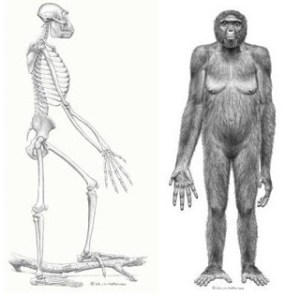
Picture: 3.2 million year old skeleton of Lucy, first woman, from Ethiopia


WE DIG ASIA

“ Move over Africa. It is where humanity began, where we took our first steps and grew big brains. But those interested In the latest cool stuff on the origins of our species should look to Asia instead.

Why so? It looks as if some early chapters in the human story, and significant chunks of its later ones too, took place under Asian skies.

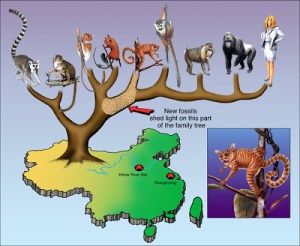
For starters, 37 million year old fossils from Burma are the best evidence yet that our branch of the primate tree originated in Asia rather than in Africa.

A great deal later, after the emergence of humans from Africa, some of our distant cousins set up shop in Asia, only to die out later. In 2012 anthropologists described for the first time human fossils unlike any others—ancient hominins dubbed the Red Deer Cave People who lived in what is now china recently as 15,000 years ago, then vanished without further trace.

The implications is that more long lost cousins remains to be found in south east Asia’s neglected fossil record. We know a little about the enigmatic Denisovans, for example. Their DNA was first discovered in 50,000 year old fossil fragments from a Siberian cave in 2010, and traces of the DNA live on in modern Indonesians. Not only does this show that the Denisovans interbred with our species, it also suggests they occupied a territory so large it took in South-East Asia as well as Siberia.

Yet the only evidence we have of their existence are a finger bone and a tooth. Too long have the vast plains and forests of Asia remained untouched by the trowels and brushes of palaeoanthropologists. Teams of them are champing at the bit to explore Asia’s rocks. Denisovans – and, hopefully, other ancestors, too – will not remain faceless for long”.


Read also my earlier posts:


1.முதல் திராவிட ராணி: கி.மு 1320,

2.சுமேரியாவில் தமிழ்ப் பறவை,

3.HOW OLD IS INDIAN CIVILIZATION?

4.Double Headed Eagle: The Sumerian Indian Connection,

5.Bull Fighting: Indus Valley to Spain via Tamil Nadu,

6.Naming a Country after a Man,

7.The Sugarcane Mystery: Indus Valley and the Ikshvahu Dynasty,

8.Pandya King Who Ruled Vietnam

Contact swami_48@yahoo.com or Swaminathan.santanam@gmail.com

வியப்பூட்டும் செய்தி: மனிதன் தோன்றியது பர்மாவில்!

வியப்பூட்டும் செய்தி: மனிதன் தோன்றியது பர்மாவில்!

(English version of this article is published separately:- swaminathan)

தொன்று நிகழ்ந்தது அனைத்தும் உணர்ந்திடும்

சூழ்கலை வாணர்களும்—இவள்

என்று பிறந்தவள் என்று உணராத

இயல்பினளாம் எங்கள் தாய் —-(பாரதத் தாய் பற்றி பாரதி பாடியது)


இந்தியாவில் மனித இனம் தோன்றியதாக நமது புராண இதிஹாசங்கள் சொல்லாமல் சொல்லுகின்றன. இதை இது நாள் வரை மறுத்துவந்த வெளி நாட்டினர் இப்போது அவர்களின் தவற்றை உணரத் துவங்கிவிட்டனர்.

“கல் தோன்றி மண் தோன்றாக் காலத்தே வாளொடு முன் தோன்றிய மூத்த குடி” என்று தமிழர்கள் சொன்னது உண்மையாகி வருகிறது.

“நியூ சைன்டிஸ்ட்” என்ற பிரபல வாரப் பத்திரிக்கை 2013ல் வரப்போகும் 10 வியத்தகு திடுக்கிடும் செய்திகளை வெளியிட்டிருக்கிறது. நவம்பர் மாதம் வரப்போகும் அதிகப் பிரகாச வால் நட்சத்திரம் அதில் ஒன்று. அது பற்றி விவரமாக தனியே எழுதிவிட்டேன். அதைவிட முக்கியமான செய்தி மனிதன் தோன்றியது ஆப்பிரிக்கா அல்ல. ஆசிய நாடாக இருக்கவேண்டும் என்று ஒரு செய்தி வெளியிட்டு இருக்கிறது. அதுவும் இந்தியாவுக்குப் பக்கத்தில்!

மனித குலம் ஆப்பிரிக்காவில், குரங்கிலிருந்து படிப் படியாக பரிணாம வளர்ச்சி பெற்று மனிதன் ஆனதாகவும் 60,000 ஆண்டுகளுக்கு முன் இந்தியா, ஆஸ்திரேலியா, முதலிய இடங்களுக்குச் சென்றதாகவும் இதுவரை கூறிவந்தனர். இப்போது அது தவறு, ஆசியாவில்தான் அவன் தோன்றினான் என்றும் இதற்கான சான்றுகள் பர்மா, சீனா, சைபீரியாவில் கிடைத்துள்ளன என்றும் “நியூ சைன்டிஸ்ட்” கூறுகிறது.

பர்மாவில் (மியன்மார்) 37 மில்லியன் ஆண்டு பழமையான மனித படிம அச்சுகள் (fஆஸ்ஸில்) கிடைத்துள்ளன. ஏற்கனவே போன வருஷம் சீனாவில் 15,000 ஆண்டுப் பழமையான சிவப்பு மான் குகை மனித எலும்புகள் கண்டுபிடிக்கப்பட்டன. அந்த மனித இனம் வேறு எங்கும் காணாமல் மறைந்தது மர்மமாக இருக்கிறது.

3.2 million year old skeleton of Lucy (first woman) in Ethiopia

இவ்வாறு விட்டுப்போன தொடர்ச்சி (மிஸ்ஸிங் லிங்க்) இந்தோநேஷியாவில் கிடைக்கலாம் என்று எதிர்பார்க்கிறார்கள். 2010ஆம் ஆண்டில் முதல் தடவையாக சைபீரியா ( ரஷ்யா ) குகையில் மனிதனின் மூதாதையரின் 50,000 ஆண்டுப் பழமையான எலும்பு கண்டுபிடிக்கப்பட்டது. அவைகளில் இருந்து டி என் ஏ எடுத்துப் பார்த்ததில் அதே டி என் ஏ தற்கால இந்தோநேசியர் ரத்தத்திலும் இருக்கிறது என்று தெரிந்தது. இவர்களை ஆராய்ச்சியாளர்கள் டெனிசோவன்ஸ் என்று அழைப்பர். இப்போதுள்ள பெரிய புதிர் சைபீரியா முதல் இந்தொநேசியா வரை மிகப்பெரிய பகுதியில் டெனிசோவன்ஸ் எப்படிப் பரவினர் என்பதாகும். இதற்கெல்லாம் முத்தாய்ப்பாக பர்மாவில் 3.7 கோடி ஆண்டுக்கு முந்தைய மனித எலும்புகள் கிடைத்திருக்கின்றன. ஆப்பிரிக்க மனிதத் தோற்றக் கொள்கை பொடித்து விழும் நாள் வெகு தூரத்தில் இல்லை!

ஆசியாவில் அதிக மக்கட்தொகை ஏற்பட்டு பல தடயங்கள் அழிக்கப்பட்டதாலும் முறையான ஆராய்ச்சிகள் செய்யப்படாததாலும் உண்மைகள் மறைக்கப்பட்டிருந்தன. அடுத்த திடுக்கிடும் செய்தி இந்தியாவில்தான் மனித இனம் தோன்றியது என்று வெளி நாட்டினரே அறிவிக்கும் செய்தியாக இருக்கும் என்பதில் ஐயம் இல்லை.


இது தொடர்பான எனது பழைய கட்டுரைகள்:

1.முதல் திராவிட ராணி: கி.மு 1320,

2.சுமேரியாவில் தமிழ்ப் பறவை,

3.HOW OLD IS INDIAN CIVILIZATION?

4.Double Headed Eagle: The Sumerian Indian Connection,

5.Bull Fighting: Indus Valley to Spain via Tamil Nadu,

6.Naming a Country after a Man,

7.The Sugarcane Mystery: Indus Valley and the Ikshvahu Dynasty,

8.Pandya King Who Ruled Vietnam

Contact swami_48@yahoo.com or Swaminathan.santanam@gmail.com

Vahanas on Coins and in Sculptures

(Please  read other articles on Vahanas  posted already: swami)

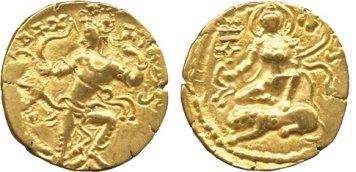
Picture: Gupta gold coin with goddess on lion.

Art Historian Sri Sivaramamurthi and others have done lot of research into Vahanas and sculptures. We have got Vahanas on coins from 3rd or 2nd century BC and beautiful sculptures from Gupta period. Gupta gold coins depict Vahanas. Following coins are well known specimens with Vahanas:

1.Shiva and Bull on coins issued by Wima Khadpises (95 AD)

2.Vasudeva also issued coins with Bull and Shiva (190 AD)

3.Samudra Gupta issued coins with Makara at the Goddess Ganga’s feet (335 AD)

4. Goddess seated on lion on coins issued by Chandra Gupta II and Kumara Gupta (380 and 455 AD)

Picture: Kushana gold coin with Kartikeya


5.Kartikeya is shown seated on peacock on a coin which is exclusive to Kumara Gupta (455 AD)

6. Mother or Earth Goddess seated on (Nana/ Nanna/ Nanasao) a lion on coins issued by Kanishka (127 AD).

7. Hamsa and Goddess on a coin issued by Samachara Deva (early 6th Century AD)

(The above information was furnished by Biswajeet  Rath in his publication Deities on Indian coins).

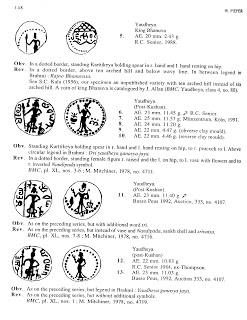
8. Yaudheya  Coins with Kartikeya on Peacock (2nd Century BC)

Yaudheya dynasty in North West India issued coins of Kartikeya with peacock vahans.

Gupta gold coin with Kartikeya and peacock


On sculptures:

Gupta period sculptures in the caves of Deogarh show several Gods on Vahanas. So Kalidasa must have lived well before this time. Anything that comes in literature takes the shape of coins or sculptures on a later date. This is finding of art historians and archaeologists. References in literature comes first, sculptures come next.

Following Vahanas are on stone scultures:

1.Shiva and Parvati on Bull: Dashavatara Temple, Deogarh, 5rh century AD

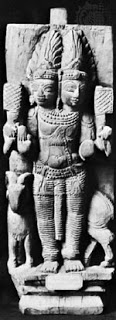
Picture: Agni on ram, Paris Museum

2.Agni on the Ram: Bhoganandiswara Temple, Nandi, 9th century AD

3.Figure on Fish  (Ascetic or Varuna?): Jalakandeswara Temple,16th Century

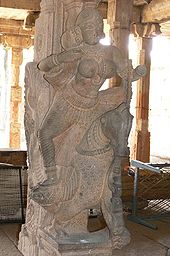
4.Rati on Parrot: Gwalior Museum, 9th Century AD


Yaudheya coin details with Skanda and peacock

5.Varuna on Makara: Delhi National Museum, 13th Century AD

6.Indra on Elephant: Nandi, 9th Century AD

7. Rati on swan: Meenakshi Temple,Madurai, 16th Century AD

8. Agni on Ram, 9th Century AD, Calcutta Archaeological gallery

The above only re examples of Vahana sculptures spanning over 1000 years. It is not a comprehensive list. Indra on elephant Airavata is found in many of the world including South East Asian countries. Vishnu on Garuda Vahana is also found from Gupta or earlier times.

 Rati on Anna Vahana

If we consider figures on coins and sculptures together, the Vahanas cover a period of 2200 years without a break! We see coins with Hindu gods on vahanas up to East India Company period. It disappeared completely from those things only after the “Secular Indian Government” started ruling India from 1947!

Next post will cover the mythological stories about Vahanas: swami.


*********************

The Great Scorpion Mystery in History


Picture: scorpion seal from Indus valley

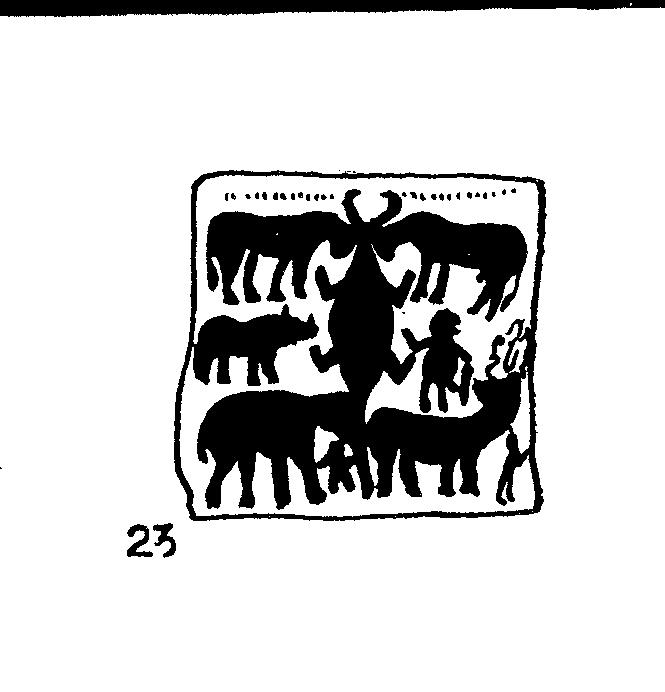
Seals with Scorpion images are discovered in Indus Valley, Dilmun (Bahrain), Middle East (Iran, Iraq) and a few other places. Scorpion God was worshipped in Egypt. Even today Scorpion goddess is worshipped in two places in India. Scorpio is one of the twelve zodiac signs. Scorpion is a symbol for sex. Scorpion is used as people’s names in Sanskrit (Vrischikan) and heaven is called ‘scorpion world’ (puth Thel Ulaku) in Tamil. Of the Tamil dances one of them is a dance by goddess on stilts to escape from scorpion demons. In spite of all these references, still the mystery about scorpion seals continues.

Why did ancient cultures use scorpion on seals? What is the meaning of those seals? Is it like snake goddess? We have lots of references about snake gods and goddesses. All Hindu Gods and goddesses have snake with them. But scorpion is a rare creature in the scriptures.

Vrischika/Scorpion in the Vedas

Scorpion appears in Rig Veda and Atharva Veda. Its poison was feared like that of serpents. It is described as lying torpid in the earth during winter (RV I.191.16; AV xii.1-46)

Urvasi Island in Assam

Urvasi Island also known as Peacock Island is in the middle of Brahmaputra river in Guwahati.  In the Shiva temple known as Umananda Temple, Devi is represented by an emblem of scorpion. People worship the emblem.

Playing with scorpions

Kandakoor village near Gulbarga in Karnataka has a strange goddess. The villagers celebrate Nagapanchami as Chelina Jatre (festival of scorpion). The villages worship an idol of scorpion goddess Kondammai and play with live scorpions as well. Children put the scorpions all over their bodies and the scorpions never harm them. The villagers queue up to climb the nearby hill where scorpions are found in plenty. Even the university zoology department is surprised at the behaviour of scorpions. Though they won’t sting unless provoked, they don’t even sting anyone when they are playing with them.


Picture shows a beauty with scorpion on her thigh, Khajuraho, MP.

Khajuraho in Madya Pradesh has beautiful temples with lot of erotic sculptures. A voluptuous beauty is sculpted with a scorpion on her thigh. No one knows why.

Madhavi, famous danseuse in the Tamil epic Silappadikaram did 11 types of dances. One of them is Marakkal (wooden legs) where goddess danced with stilts to avoid snakes and scorpions sent by the demons.

(Please read my Article in this blog Matavi’s 11 Types of  Classical dances, மாதவியின் 11 வகை நடனங்கள்)

Scorpion goddess Ishara

In Babylonia , two seals representing ritual marriage that takes place during the new year time show scorpions. The scorpion may symbolise goddess Ishara, the goddess of love.

Scorpion men are found in many Akkadian language myths including the Enuma Elish and  the Babylonian version of Epic of Gilgamesh. They were known as Aqrabuamelu and Girtablilu. They stand as guards in the temple of Shamash.

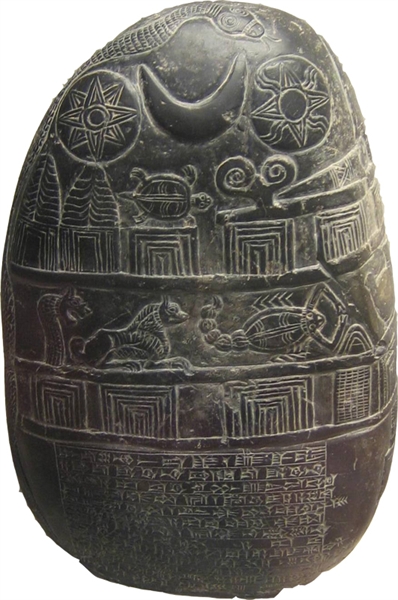
Kudurru stones in Sumerian culture have divine symbols including scorpion. These are documents that record land donations to loyal servants by kings. Though we hear about them from 3000 BC, the Kudurrus we have now are from Kassite kings from 1500 BC. Hindus have lots of similarities with Kassite kings.

Scorpion king of Egypt


Picture: Scorpion seal from Rehman Dehri 3000 BC

In Egypt Selket is the name of the old scorpion goddess who was depicted as a woman wearing on her head a scorpion, the animal sacred to her. She was also at times a scorpion with a woman’s head. She was the guardian of Conjugal union.

A king of ancient Egypt, ruling before Menes united the country and formed the first dynasty , was named Scorpion/ Selek (3000 BC) and the feminine form of the word selket named the patroness of magical healers.


The Egyptian mother goddess Isis/ Eset fleeing from Seth/ Sutech, the slayer of Osiris , took seven scorpions with her.

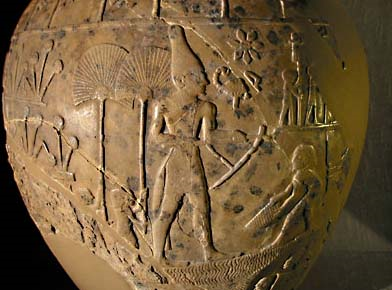
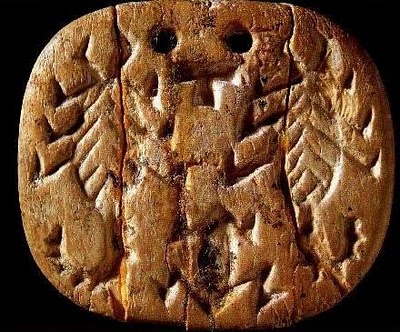
The scorpion had a powerful appeal to the ivory carvers of Hierakonpolis. We see scorpion symbol on large number of ivory artefacts. Thousand years later it appeared in the design of the Gulf seals.

Kannada word in Egypt!

Kannada word Chelina and Egyptian word Selek are similar in sounds, both mean scorpions. Both saw scorpion in the goddess form.

One of the Yoga poses is called Vrischika Asana (scorpion posture).


Picture shows Kudurru stone for Sumeria 1200 BC with scorpion

******