Bahrain (Dilmun) Mysteries

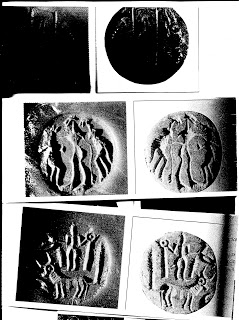
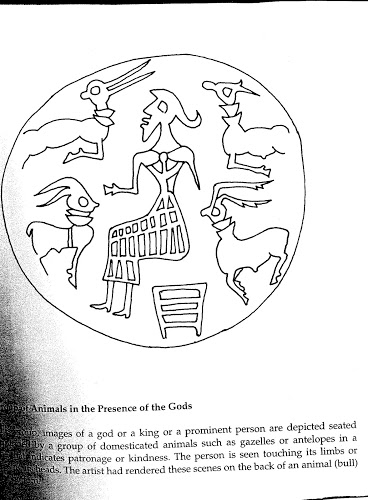
Middle East seal with Lord of the Animals (Pasupati)


(Tamil version of this article is uploaded already: swami)

 Bahrain was called Dilmun 3000 years ago. It had wider contacts with Indus Valley Civilization. Indus valley seals have been recovered from Gulf countries. Dilmun seals were discovered in Indus Valley as well. Ancient cuneiform tablets praise this land as holy and pure. One of the tablets says, “ In Dilmun no cry the raven utters, Nor does the bird of ill-omen foretell calamity. The lion kills not, nor does the ravening wolf snatch away the defenceless lamb. Unknown is the wild dog who tears the kid. The dove does not conceal its head. No one here says, ”My eyes are sick,” No one here says, ”My head is sick,” No one here says, ”I am an old woman,” No one here says, ”I am an old man.” The maiden walks here in innocence. No lustrations need to be poured. The somber death priest walks not here, By Dilmun’s walls he has no cause for lamentations”. These words come from one of the world’s oldest poems. It was first written down some 4,000 years ago in the ancient Sumerian city of Nippur near the Euphrates, using cuneiform wedge script on a clay tablet.


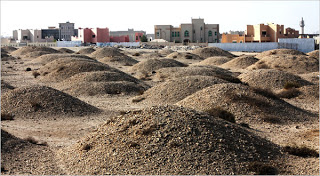
There are lot of strange things about Dilmun. There is unusually large number of graves. This is known as a land of dead people (Necropolis). Another mystery is the discovery of number of children graves. There are 350,000  graves or burial chambers, big and small. The children graves are at the rate of 1.6 children per family. Some scholars wonder whether it was due to the sacrifice of children. Bible and Jewish books refer to child sacrifice in several places. Phoenicians and Hebrews sacrificed children for their gods Tanit and Molek/Moloch.

Though many of the graves were plundered, still there are some which were untouched. This helps us to understand the life of people who lived 5000 years ago in the Gulf area. The biggest burial chamber is 4X9 metres.
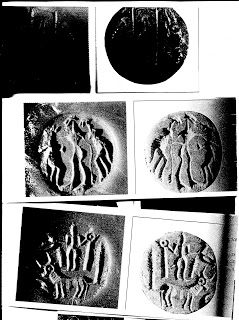
 

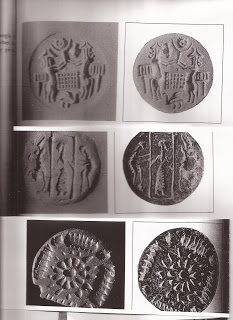
Picture of Dilmun seals: middle row: monkey figures, bottom row: Vahanas

Barabar in Bahrain has a temple of Sumerian Water god Enki. Most of  the artefacts recovered from Dilmun are displayed in the National Museum of Manama. Western scholars are showing great interest in studying them. Thousands of burial mounds have become a big tourist attraction.


Monkey Figures and Snake Burials

Throughout the Middle East and Gulf countries we see strange monkey figures on seals. No one could explain them correctly. Vedic scriptures speak about a monkey  god Vrshakapi. Hindu epic Ramayana talks about monkey god Hanuman. Strange snake burials are common feature in the Gulf. Why did they bury snakes? It is a big puzzle.

Greeks called Dilmun, Tylos. Another name for Dilmun is Awal, name of a god that was worshipped for thousands of years until Islam came to this country. Dilmun people worshipped a God with a bull head. Bahrain means Two Seas meaning both sweet water and salt water are available in the area. But I think the Sanskrit words Tyla, Til mean Sesame seeds, which Hindus use in the ceremonies for the departed souls. This must be the reason for Dilmun or Tylos. The country was also called land of ash and land of the dead. But why do we find lakhs of burial mounds only in Bahrain in the world? It remains a mystery.
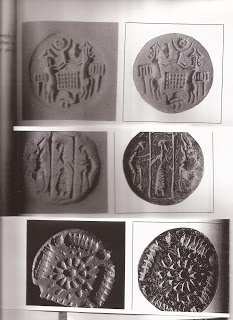
 

Picture of Dilmun seals: top:Bull Man, Middle: Monkey man, Bottom: Sri Chakra like designs

Like snakes, scorpions are also seen on various seals. Indus Valley also has got scorpion seals. Scorpion gods were worshiped in Egypt and Babylonia. These seals along with the figure of footprints are puzzles to scholars. Following is the list of seals found until recently:

Monkey-20, Scorpion-36, goat-27, Bull-90, Tortoise-6, Fish-6, Snake-15, Footprint-36, Crescent moon- 126, sun and star- 42, Flag and God-22, Bullman-8, Crab-6, Donkey-2, Peacock-1, Land-5

Like Indus valley a seal with a god surrounded by animals (Pasupati) is also is also excavated. We see several similarities with the Indus valley seals. These may help us to decipher the Indus script. Erotic scenes on seals are also common.

When I read the description about Dilmun, I am reminded of Hindu scriptures where India is described as a land of the PURE and HOLY souls. When I see the monkey figures on seals I am reminded of Ramayana and Hanuman. But further research is required before jumping into any conclusion.

For further research Contact London Swaminathan  swami_48@yahoo.com

**********
 

பஹ்ரைன் அதிசயங்கள்

Picture: Middle East Pasupati Seal


பஹ்ரைன் நாட்டின் பழங்காலப் பெயர் தில்முன். இதற்கும் சிந்து சமவெளி நாகரீகத்துக்கும் வணிகத் தொடர்புகள் இருந்ததன. சிந்துவெளி முத்திரைகள் பஹ்ரைன் பகுதியிலும் அவர்களுடைய முத்திரைகள் சிந்துவெளியிலும் கிடைத்துள்ளன. இன்று வளை குடா நாடுகளில் நமது இந்திய ஊழியர்கள் அதிகமானோர் வேலை செய்கின்றனர். இந்தத் தொடர்பு 4000 முதல் 5000 ஆண்டுகளுக்கு முன் துவங்கியது என்பதை அறிகையில் வியப்பு மேலிடுகிறது. முற்கால பஹ்ரைன் நாடு பல மர்மங்களையும் அதிசயங்களையும் உள்ளடக்கியது.


இந்த தில்முன் நிலப்பரப்பை புனித பூமி என்றும் தூய நிலப் பரப்பு என்றும் பழங்கால நூல்கள் வருணிக்கின்றன. இதற்குக் காரணம் தெரியவில்லை. ஆனால் இங்கு ஏராளமான புதைபொருட்கள் மீட்கப்பட்டுள்ளன. உலகின் பல நாட்டு ஆராய்ச்சியாளர்களும் இன்றும் ஆர்வத்தோடு மேலும் மேலும் ஆராய்ந்து வருகின்றனர். இது இந்தியாவுக்கு மிகவும் அவசியம். ஏனெனில் இதுவரை சிந்துவெளி முத்திரைகளை யாராலும் படிக்கமுடியவில்லை. ஒவ்வொருவரும் அந்த முத்திரைகளுக்கு மனம் போனபோக்கில் வியாக்கியானம் செய்து வருகின்றனர். ஆனால் ஒன்று தெளிவாகத் தெரிகிறது. அங்குள்ள படங்களுக்கும் பஹ்ரைன் படங்களுக்கும் பல ஒற்றுமைகள் உள்ளன.


உலக மஹா இடுகாடு

பஹரைனில் மிகவும் வியப்பான விஷயம் அங்குள்ள கல்லறைகள்தான். சுமார் 350,000 கல்லறைகள் இருகின்றன. உலகில் இவ்வளவு அதிகமான கல்லறைகள் வேறு எங்கும் இல்லை. இதில் பெரும்பாலானவற்றைத் தோண்டி உள்ளேயிருந்த பொருள்களைக் கொள்ளை அடித்துவிட்டனர். இருந்தபோதிலும் இன்னும் பல, யார் கையும் படாமல் இருப்பதால் 5000 ஆண்டுகளுக்கு முன் அங்கே வாழ்க்கை முறை எப்படி இருந்தது என்பதை அறிய முடிகிறது

கல்லறைகள் சிறிதும் பெரிதுமாக இருக்கின்றன. பெரியவை 4×9 மீட்டர் பரப்புடையவை

பார்பர் என்னும் இடத்தில் ஒரு பழைய கோவில் இருக்கிறது. இது சுமேரிய நீர்க் கடவுள் எங்கை (கங்கை) மற்றும் அவருடைய மனைவியுடையது.


குழந்தை சமாதிகள்

கல்லறைகளின் எண்ணிக்கையோடு வேறு ஒரு விஷயமும் ஆராய்ச்சியாளரை வியப்புக்கு உள்ளாக்கிவருகிறது. அது குழந்தை சமாதிகளின் எண்ணிக்கை ஆகும். ஒவ்வொரு குடும்பத்துக்கும்1.6. குழந்தை என்னும் விகிதத்தில் புதைக்கப்பட்டிருக்கின்றனர். இவ்வளவு குழந்தைகள் இறந்தது எப்படி? என்பதே கேள்வி. மத்தியக் கிழக்கில் குழந்தைகளைப் பலி கொடுக்கும் வழக்கம் இருந்ததை யூத மத நூல்களும் பைபிளும் பல இடங்களில் குறிப்பிடுகின்றன. பினீசியர்கள் மலிக் என்னும் தெய்வத்துக்கு நரபலி கொடுத்ததும் தெரியும் இந்தக் கல்லறைகள் நரபலியைக் குறிக்கின்றனவா?

Pictures: Bull Men, Monkey Gods, Sri Chakra like flowers?


பாம்பு புதையல் கல்லறை

மற்றொரு மர்மம் பாம்புக் கல்லறை ஆகும். பாம்புகளை அழகாகப் பதப் படுத்தி புதைத்துள்ளனர். இது தெய்வப் பாம்பா? எதற்காக இப்படிப் புதைத்தனர் என்பதும் தெரியவில்லை. தேள் பற்றிய விஷயங்களும் மர்மமாக உள்ளது. பல முத்திரைகளில் தேள் காணப் படுகிறது. இதே போல எகிப்திலும் சிந்து வெளியிலும் தேள் முத்திரைகள் கிடைத்தன. தேளுக்கும் பெண் தெய்வத்துக்கும் செக்ஸுக்கும் (பாலியல்) தொடர்பு உண்டு. இதுவும் ஆராய்ச்சியாளரின் கவனத்தை ஈர்த்தது.

குரங்கு மர்மம்

மத்தியக் கிழக்கு முழுதும் வாலுடன் நிமிர்ந்து நிற்கும் ஒரு குரங்கு உருவம் நம்மை அதிசயத்தில் ஆழ்த்தும். சில காட்சிகள் ராமயணத்தில் வரும் அனுமன் போல இருக்கிறது. ரிக்வேதத்திலும், மகாபாரதத்திலும் வ்ருஷகபி என்னும் குரங்குத் தெய்வம் வருகிறது. இந்தக் குரங்கு வ்ருஷகபியா? ராமாயண ஹனுமனா? ஆராயப்பட வேண்டிய விஷயம்.


வேறு பெயர்கள்

பஹ்ரைன் நாட்டின் வேறு பெயர்கள்: தைலோஸ்=இது கிரேக்கர்கள் சூட்டிய பெயர்;ஆர்ட்வஸ்=மயான பூமி, சாம்பல் பூமி; அவால்/அவல்= மாட்டுத் தலை உடைய ஒரு தெய்வத்தின் பெயர். ஏழாம் நூற்றாண்டில் இஸ்லாம் தோன்றும் வரை இதுவே பஹ்ரைனின் பெயர்; தற்காலப் பெயர் பஹ்ரைன்=இரு கடல்கள்

எனது கருத்து: தைலம், திலம் என்பதெல்லாம் எள், எண்ணெய் என்பதன் சம்ஸ்கிருதப் பெயர். இறந்தவர்களை எரித்துப் புதைத்து எள்ளும் நீரும் இரைத்த பூமி என்னும் பொருளில் இப்படி தில முனை என்று அழைத்தனரோ?

Picture: Monkey figures, Gods on Vahanas


பஹ்ரைன் நாட்டின் மனாமா தேசிய மியூசியத்தில் நிறைய தொல்பொருட் சின்னங்கள் பாதுகாத்து வைக்கப்பட்டுள்ளன. ஆனால் தீவிரவாத முஸ்லீம்கள் இதை எதிர்த்து வருகின்றனர். அவர்களுக்கு இஸ்லாம் தோன்றுவதற்கு முன் இருந்த கலாசாரத்தைப் பாதுகாத்து வைப்பது பிடிக்காது. ஆப்கானிஸ்தானத்தில் இருந்த உலகிலேயே மிகப் பெரிய புத்தர் சிலையை, 2200 ஆண்டு பழமையான சிலைகளை தீவிரவாதிகள் அழித்தது உங்களுக்கு நினைவிருக்கும். நல்ல வேளையாக பஹ்ரைனில் இதுவரை நிலவரம் கட்டுக்குள் இருக்கிறது.

தில்முன் (பஹ்ரைன்) பற்றி 4000 ஆண்டுப் பழமையான க்யுனிபார்ம் கல்வெட்டில் அந்த நாட்டின் புகழ் பாடப்பட்டிருக்கிறது: “ இது புண்ய பூமி. இது தூய பூமி. இங்கே அண்டங் காக்கைகள் கத்தாது. சகுனம் காட்டும் பரவைகள் தீய நிமித்தங்களைக் காட்டாது. சிங்கங்கள் கொல்லாது. அண்டங்காக்கைகள் ஆட்டுக் குட்டிகளைக் கொத்திக் கொண்டு போகா. குழந்தைகளைக் கிழித்துப் போடும் காட்டு நாய்களும் இல்லை. புறாக்கள் தலையை மறைக்காது. எனக்கு கண் வலி, தலை வலி என்று யாரும் சொல்லுவதில்லை. நான் ஒரு கிழவன், நான் ஒரு கிழவி என்று யாரும் சொல்லுவதில்லை. கன்னிப் பெண்கள் பாதுகாப்பாக நடந்து போகின்றனர். இறுதிச் சடங்கு செய்யும் புரோகிதர்கள் இல்லை. இந்த்ச் சுவர்கள் அழு குரலைக் கேட்பதில்லை”.


ஒரு அதிசயமான ஒற்றுமை என்ன என்றால் பாரத நாட்டைப் பற்றி வடமொழி இலக்கியங்களிலும் வெளிநாட்டு யாத்ரீகர்கள் எழுதிய குறிப்புகளிலும் இதே வாசகங்கள் இருக்கின்றன. கம்பன் கூட அயோத்தி நகரையும் கோசல நாட்டையும் இப்படிதான் வருணிக்கின்றான். ஒரு வேளை தில்முன் என்பது இந்தியாதானோ என்று நான் அடிக்கடி சந்தேகப்படுவதுண்டு. ஆனால் ஆராய்ச்சியாளர்களோவெனில் தில்முன் என்பது பஹ்ரைன் என்றும், பைலக்கா என்பது குவையத் என்றும் மெலுஹா என்பது சிந்துவெளி என்றும் அடித்துச் சொல்லுகின்றனர்.

Picture: Graves in the desert


பஹ்ரைனில் கிடைத்த முத்திரைகளின் பட்டியல்:

தேள்—36, ஆடு—27,குரங்கு—20,மாடு—90,ஆமை—6,மீன்-6,பாம்பு—15,

கால்சுவடு—36,சந்திரப் பிறை—126,சூரியன்+விண்மீன்—42,கடவுள்+கொடிமரம்—22

காளை மனிதன்—8,நண்டு—6, கழுதை—2, மயில்—1,நிலம்—5

ஒட்டகம், குதிரை, புலி, யானை, காண்டாமிருகம் ஆகிய முத்திரைகள் கிடைக்கவில்லை. அடையாளம் காணமுடியாத பறவைகள் முத்திரைகளில் இருக்கின்றன. நின்ற வடிவிலுள்ள குரங்கு, தேள், பாதச் சுவடு ஆகியன புரியாத புதிராக உள்ளன. சிந்து சமவெளி போல ‘செக்ஸ்’ காட்சிகளும் இருக்கின்றன.

சிந்துவெளி போல கடவுளைச் சுற்றி மிருகங்கள் (பசுபதி) இருப்பதை ஏற்கனவே எழுதியிருக்கிறேன்


Human Sacrifice in Indus Valley and Egypt

Picture shows a man’s head on the stool by the side of a kneeling person.

Human sacrifice was practised by various cultures at various levels. We have references to sacrifice of human beings in the Vedas and Tamil literature and sculptures. In fact there is no religious book which has not got a reference to it. There is no civilization where it was not practised. Historians only talk about Mayans nowadays. But it was practised on a large scale in the Middle East. We have unusually, disproportionately large number of children graves in Bahrain. It was practised in the early dynasties of Egypt. When the pharaoh died, lot of his servants, officials, queens were buried with him. They were administered with quick acting poison or a tranquilizing drug. They all did in an orderly manner. Bible and Jewish literature refers to it a number of places.


It is also known from Sumer, where the death pits of ur and kish contained rich burials of royal or sacred personages attended by dozens of retainers, guards and courtiers. Even during the death of Gilgamesh, his intimates were sacrificed around 2700 BC.

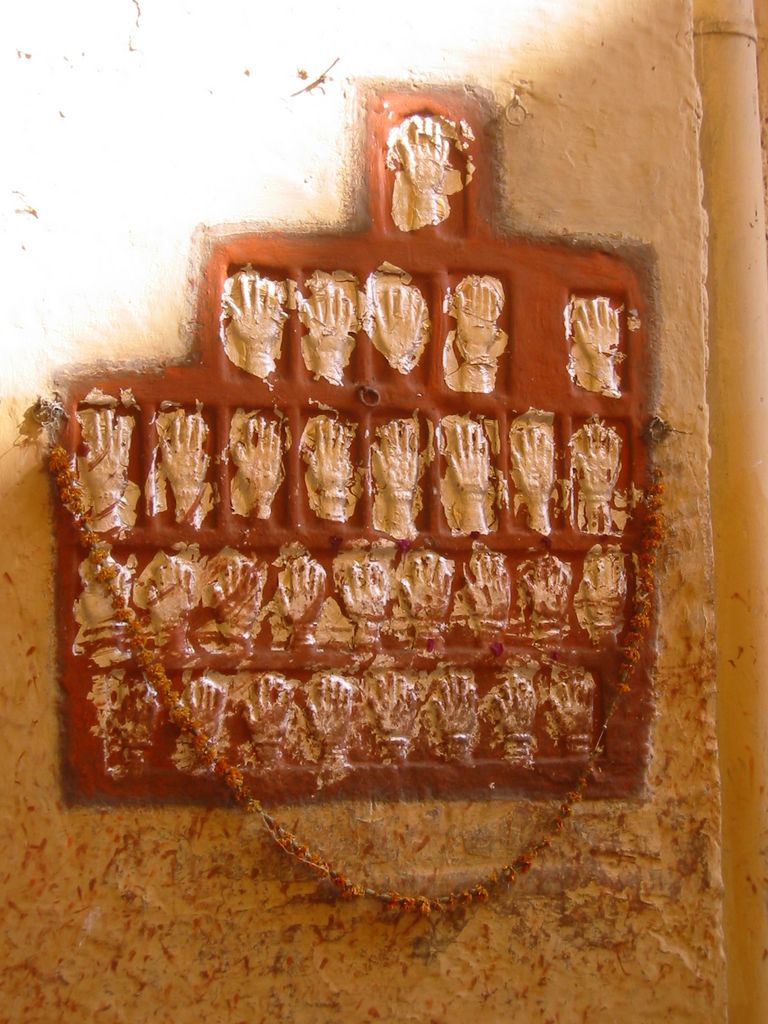
In some places, like Mayans, it was done ritually. Hindu Heroes sacrificed themselves to infuse heroism and patriotism before wars. They cut their heads by their own hands. We have sculptures depicting this scene. Hindu ladies threw themselves in husband’s pyre (called Sati) even when others stopped them. Sangam Tamil literature has a beautiful verse in Purananauru sung by the wife of Pandyan King. Bhutapandyan Devi simply ignored the requests of all the ministers and threw herself in the fire. But it was not compulsory. Even when the Pandava king Pandu died, his wife Kunti did not die by Sati. When Rama went in to the Sarayu River, thousands of his followers followed him into the river, says Ramayana. But we can see a clear dividing line between voluntary sacrifice and forced human sacrifice.

In Sri Lanka, Ravana’s sons Meghanada and Indrajit did human sacrifice in the cave of Nikhumbila according to Ramayana.

Picture shows Kalibhangan Spear Fight.

Same scene in Egypt and Indus

An ivory label from Djer’s reign has two figures facing each other. One seems to be plunging a knife into the other’s breast.;he holds ready a  vessel, of a typically elegant first dynasty form, in which presumably, he will catch his victims blood. It seems certain that what is shown here is a rite of human sacrifice (page 121, Egypt’s Making by Michael Rice).

Indus valley has two or three human sacrifice scenes. On a seal we see two warriors piercing each other’s body in front of a god, similar to scenes in Egypt. A cylinder seal from Kalibhangan shows two soldiers spear each other. They have their hair tied into double bun

In another seal we have a man bowing before a goddess with a big animal. In the fig deity seal of Mohanjo- daro (M1186) a human head was placed on the altar beneath the fig tree. The hair on this head is bound at the back into a double bun. This suggests that the human head on the fig deity seal belonged to a warrior.


Pictures of Navakandam from Tamil Nadu and Karnataka

Human Sacrifice in Mahabharata

Another type of human sacrifice is offering one’s life for the success in a war. This is first seen in Mahabharata and then in Tamil literature. Rajasthani flk literature also has got such tales. This is a self motivated sacrifice. No one puts anyone to death. Aravan also known as Irawan, son of Arjuna and Naga princess Ulupi offers his head for the success of Pandavas. This tradition is well known in South East Asia and Northern parts of Tamil Nadu. A lot of temples have Aravan’s head. In Rajathan the same story is told about Khatusyamji, also known as Barbarika (Belar Sen). In Nepal, he is known as Yalamabar. So we can conclude sacrificing one’s head for the success in war is as old as Mahabharata.


Navakandam (Nine Cuts) In Tamil Nadu

Navakandam means Nine Cuts. A heroic soldier ritually cuts himself in nine places and dies in front of Goddess Durga also known as Kotravai just before a war. He does it for the welfare and success of the king and kingdom. This was a great patriotic act. The people who have sacrificed their lives for sake of the country are honoured by the Tamils. They install statues  for them and do Puja. We have got beautiful sculptures depicting this heroic deed.

Jayamkondar, author of Kalingatuparani, wrote songs about this practice of Navakandam in 9th century AD. Oldest Tamil book Tolkappiam and Manimekalai, one of the five epics, also mention it. Maravars  of Tamilnadu and Nayars of Kerala practised this ritual.


Pictures of Hand Prints by women who committed Sati in Jodhpur Rajasthan & a Navakandam

Following are the places where Navakandam happened:

Thanjavur—for the success of a Choza king

Mahabalipuram fifth ratha of Kali—

Madurai Madapuram mariammn temple—Siththira sarithan & Vallabhan

Thenkarai village— Near Sholavandan

Mallal, Ilaiyangkudi—Prayer to Kali for the welfare of the king

Sathipattu near Panrutti—for ruler Athirajamangalyapuram

We have statues of the heroes in Navakandam pose.

Kundrakudi temple wall- For Durga

Mannarkottai—for the welfare of his master.

Tirupparankundram—to save the temple from invading army jumped from the tower. Strictly speaking it was not Navakandam, but a sort of ritual sacrifice.


Human Sacrifice in Sikhism

Different types of suicides or sacrifices are known through  historical documents. When the Sikh leader Guru Gobinda Simhan asked for five volunteers who can sacrifice their lives against foreign invaders, five people came forward. Though he did not kill them he pretended as if he had already sacrificed them by showing blood stained sword. All the five were declared as Sikh leaders. This shows that sacrifice for the country or religion existed in all parts of India. He asked them to come forward for sacrificed at the altar of Goddess. Tamil poet Bharathiyar has sung beautifylly about this under Guru Govindar.


Chittoor Rani Padmini entered fire with hundreds of her women colleagues to avoid molestation by foreign invaders.

Read my other posts on Indus and Egypt:

1.The Sugarcane Mystery: Indus Valley and the Ikshvaku Dynasty

2.Ghosts in Indus Seals and Indian Literature

3.Flags: Indus Valley- Egypt Similarity

4.Bull Fighting: Indus Valley to Spain via Tamil Nadu

5.Tiger Goddess of Indus Valley: Aryan or Dravidian?

6.Indra on Elephant Vahana in Indus Valley

7.Vishnu Seal in Indus Valley Civilization

8.Indus Script Deciphered

9.Tamil articles: சிந்து சமவெளியில் பேய் முத்திரை

10.சிந்து சமவெளியில் ஒரு புலிப் பெண்

11.கொடிகள்: சிந்து சமவெளி- எகிப்து இடையே அதிசய ஒற்றுமை


வாகனங்கள் தோன்றியது எங்கே? ஏன்? எப்போது?

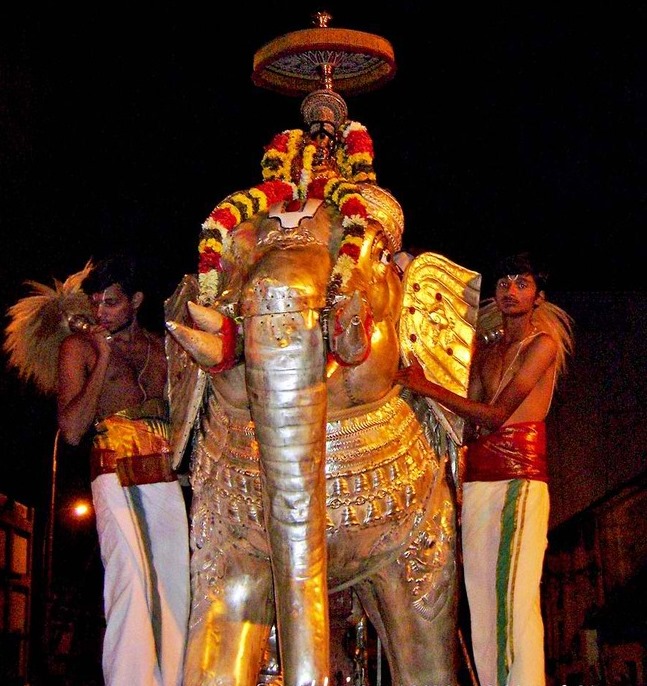
வேத காலம் முதல் இன்று வரை தெய்வங்களுக்கு வாகனங்களைப் பயன்படுத்தும் ஒரே மதம் இந்துமதம் தான். சிந்து சமவெளியிலும் யானை மேல் நிற்கும் உருவத்தைக் கண்டோம். சங்கத் தமிழ் நூல்களிலும் சம்ஸ்கிருத நுல்ல்களிலும் சிற்பங்களிலும், பழைய காசுகளிலும் வாகன உருவங்கள் காணப்படுகின்றன. காலக் கண்க்கீட்டின்படி பார்த்தால் சுமேரியாவில் கி.மு.3500 முதல் வாகனங்கள் இருக்கின்றன. ஆயினும் கலாசார தொடர்ச்சியைப் பார்க்கையில் இந்தியாதான் இதன் தாயகமாக இருந்திருக்க வேண்டும் என்று துணிய முடிகிறது.


வாகனங்கள் என்பது என்ன? இறவனைத் தூக்கிச் செல்லப் பயன்படுத்தும் உருவங்கள். பெரும்பாலும் மிருகங்கள் அல்லது பறவைகள் இந்தப் பணியைச் செய்கின்றன. தேர்கள், சப்பரங்கள், மலை, சூரியன் ,சந்திரன், ராவணன், அனுமன் போன்றோரையும் வாகனங்களாகக் காண்கிறோம். கொடிகள் தோன்றியது இந்தியாவில தான். இதை முன் ஒரு கட்டுரையில் விளக்கிவிட்டேன். முதலில் கொடிகளில் என்ன சின்னங்களைக் கண்டோமோ அதுவே பிற்காலத்தில் வாகனமாக மாற்றப்பட்டிருக்கிறது. இதற்கு ஒரு சில எடுத்துக்காட்டுகள் முருகனின் மயில் கொடி மயில் வாகனமாக மாறியதையும், விஷ்ணுவின் கருடக் கொடி, அவரது கருட வாகனமாக மாறியதையும் சிவனின் ரிஷபக் கொடி ரிஷப வாகனமாக மாறியதையும் காணலாம்.


பிற்காலத்தில் வாகனங்களுக்கு தத்துவ பூர்வ விளக்கங்களும் கூறப்பட்டுள்ளன. பிள்ளையார் போன்ற ஒரு கனமான உருவம் எலி மீது போக முடியுமா என்று கேட்கும் போது தீய சக்திகளை இறைவன் அடக்கி ஆள்வதையே இது காட்டுகிறது என்று விளக்கப்படுகிறது. இவை எல்லாம் பிற்காலத்தில் எழுந்த கதைகள்.


பல தெய்வங்களுக்கான காயத்ரி மந்திரங்களில் எதை நாம் இன்று வாகனமாகக் கருதுகிறோமோ அதை கொடியாகவே மந்திரம் சொல்லுகிறது. எடுத்துக் காட்டாக சனைச்வர காயத்ரி மந்திரத்தைப் பார்ப்போம். காகத்வஜாய (காக்கைக் கொடியோன்) என்று மந்திரத்தில் வருகிறது. ஆனால் காக்கை வாகனம் என்று நாம் சொல்லுவதோடு சிற்பங்களில் அப்படியே பார்க்கிறோம்.


வாகனங்களின் சின்னங்கள் எப்படித் தோன்றியது என்பதற்கு சிலர் ஆரிய திராவிட வாதத்தைப் புகுத்தி அபத்தமான விளக்கங்களைக் கொடுக்கின்றனர். பிராணிகள் அல்லது காலுக்கு அடியில் உள்ள அரக்கர்கள், திராவிடர்களை வசப்படுத்தி அடிமைப்படுத்தியதைக் காட்டுகிறது என்பது அவர்களது வாதம். இது உண்மையல்ல என்பதற்கு எனது கட்டுரையில் கொடுத்துள்ள வெளிநாட்டுத் தெய்வ வாகனங்களே சான்று. அங்கும் பிராணிகளைப் பார்க்கிறோம். ஆகவே இவை பொருந்தா வாதங்கள்.

முதல் கட்டத்தில் கொடிகளீல் இருந்த சின்னங்களே வாகனங்களாக மாறின. இரண்டாம் கட்டத்தில் அவைகளுக்கு தத்துவ விளக்கங்கள் கொடுக்கப்பட்டன என்பதே எனது துணிபு. ஆனால் வெளிநாட்டுத் தெய்வங்களுக்கு எப்படி சிம்ம வாகனம், மான் வாகனம், புலி வாகனம் என்பன வந்தது என்பது தெரியவில்லை. ஒருவேளை விலங்குகளையும் வசப்படுத்தும் சக்தி தெய்வங்களுக்கு உண்டு என்பதை இவை காட்டக்கூடும்.


இராக் நாட்டில் ஏழு கடவுளர் வாகனக்களில் பவனிவரும் காட்சியை விளக்கி படங்களையும் கொடுத்திருக்கிறேன் (ஆங்கிலக் கட்டுரையில்). துருக்கியில் எழிலிகாய என்னும் இடத்தில் 12 தெய்வங்கள் அணிவகுத்துப் போகின்றனர். இந்தப் படத்தையும் பிரசுரித்துள்ளேன். இவர்கள் துவாதச ஆதித்யர்களாக இருக்கலாம். இராக், துருக்கி, சிரியா ஆகிய முஸ்லீம் நாடுகள் கி.மு 1800 முதல் வேத கால தெய்வங்களின் வழிபாட்டுத் தலங்களாக இருந்ததை வெளிநாட்டு அறிஞர்கள்தான் முதலில் நமக்கே சொன்னார்கள். வேத கால தெய்வங்களைக் குறிப்பிடும் கி.மு.1400 கல்வெட்டு துருக்கி-சிரியா எல்லை பகுதியில் கண்டெடுக்கப்ப்பட்டது. அந்த பகுதியில் வாகனக் குறிப்புகள் கிடைப்பதாலும் சம்ஸ்கிருத மொழியில் குதிரைப் பயிற்சி நடைபெற்றதாலும் இந்துக்காளே வாகனங்களுக்கு காரண கர்த்தாக்கள் என்றால் மிகையாகா.


Please read my other articles on Vahanas in my blogs:

Iraq: 7 Gods Procession on Vahanas

Deer Chariot: Rig Veda to Santa Claus

Hindu Vahanas around the World

Vahanas in Kalidasa and Tamil Literature


உலகம் முழுதும் இந்து தெய்வ வாகனங்கள்

சங்கத் தமிழ் இலக்கியத்தில் வாகனங்கள்

வாகனங்கள் தோன்றியது எங்கே?ஏன்? எப்போது?


Hindu Mudras in Egyptian and Sumerian Statues


Picture: Egyptian Statue

What is a Mudra? Mudra is the hand gesture or the finger position. Gods or saintly persons who practise meditation or Yoga use Mudras. The Mudras are sacred, mysterious and magical. They can attract or distract people. They express lot of things. They are meaningful. They can give you certain powers.

The word Mudra is derived from two Sanskrit words: MODHANATH and DRAVANATH. The meaning is that which makes the Devas happy and that which gets rid of the sins. More over it fulfils the desires of the people who  practise them. The Sanskrit sloka says:

Modhanath sarva devanam

Dravanath papa santhathe:

Thasmath mudrethi sa kyatha

Sarva kamartha sadhani

Mudra Vidhanam, a book published by Ramakrishna Mutt lists 137 Mudras practised by the Hindus. Buddhists and Jains have added some more. So there are at least 150 recognised Mudras. But naturally the permutation and combination of hand and finger positions can give us hundreds of different Mudras. If one notices the hand and finger positions of Hindu Gods and Goddesses or the statues of the Buddha, one can easily learn about them.

Why did the Hindu Gods or the Buddha who was born a Hindu use them? The reason is they can give the practisers some power. Even in the modern culture, showing middle finger in western countries is rude. Recently a singer and a foot ball player were condemned for the rude gestures. So hand gestures are powerful.

Picture: Dharmachakra Mudra

In the classical dance called Bharatanatyam, there are lot of Mudras called Karanas. They are used to express feelings and give different messages. The books about Mudras are in Sanskrit. There are 108 different Mudras shown on the tower of Chidambaram temple where the Lord of Dance Nataraja/Shiva appears in his dancing form. The dance Mudras are different from Yoga Mudras. The Tantric Mudras are different from these two categories.

Mudras have been used by the Hindus for thousands of years. Egyptians and Sumerians have learnt them from the Hindus. The most famous Mudra is the Chin Mudra of Lord Dakshinamurthy (Shiva). Abhaya Mudra shown by all the Hindu Gods and saints is also famous. Chin Mudra gives one the divine wisdom. Abhaya Mudra gives us the message, “Why fear when I am here?”. Though Hindus invented them, Buddha was the one who mastered them. Every Buddha statue shows a different type of Mudra. Now the Buddhists have been talking about them in the meditation classes more than the Hindus.

Mudras in Egypt and Babylonia

If anyone has an eye for different gestures, one can notice the Egyptian and Sumerian Gods show different gestures. ( See the accompanying pictures).

Babylonian gods touches their shoulders with crossed hands. This is called Kavacham Mudra. This protects one like a shield. Other gods and goddesses show one hand touching the heart (chest). It is called Jnana Mudra. We are told that Lord Rama liked this very much.

Picture: Abu Temple Votive figures (Sumerian), 3000 BC

Lower hand facing up, usually on one lap is called Vara (boon) mudra. Hindu gods show Abhaya Mudra with one hand and Vara Mudra with another hand meaning “You don’t need to fear, I will give you the boons you ask for”.

Mudras affect the flow of energy in the body. By positioning the hands and fingers in a particular position one can channelize the energy. Jain Thirthankaras , Indus valley Statues and Egyptian Pharaohs keep their hanging hands straight. They resemble one another establishing some connection in the past. This Mudra is called Kayotsarga Mudra.


Picture: Egyptian Goddess Isis and god Horus


Hand on hand on the lap is called Buddha Mudra. We find it in Jain and Buddha statues.

Hindus use Mudras in the Puja, Meditation, Yoga Sadhana (Practice), Yagas (Fire Ceremonies) and Naivedhyam (food offerings). There are different types of Mudras for different Gods. Anna, a great Sanskrit scholar, has listed 137 Mudras under 12 different categories in his book Mudra Vidhanam (Ramakrishna Mutt Publication) .This is authentic. But several websites give us different types of Mudras with different interpretations without attributing the sources. So one wonders whether there is any basis for such interpretations.

Hindu Mudras in Egyptian and Sumerian Statues


Brahmins who do the daily ritual of Sandhyavandhana use Mudras and Nyasam. Brahmins do see the sun though the finger hole (not to damage the eye). Nyasam is touching different parts of body like head, mouth and heart with the right hand. Priests who do Siva Puja use lot of Mudras.  Those who want to learn about the Mudras should learn it from those who practise it instead of the websites and books. Websites and Books are only guides, and not Gurus.

Picture : Chidambaram temple 108 dance karanas

Contact: swami_48@yahoo.com or santanam.swaminathan@gmail.com

Pictures of Jain Tirthankara and the Buddha

*************
 

Sex Mantras and Talismans in Egypt and Atharva Veda

Picture: This is a symbol from Atharva Veda


This is Part 5 in Indo-Egyptian Connections. Please read

part 1. Did Indians build Egyptian Pyramids?

Part 2. Vedas and Egyptian Pyramid Texts

3. Vishnu in Egyptian Pyramids

4. Hindu Gods in Egyptian Pyramids

before reading this 5th part: London Swaminathan.


During Valentine Day and other occasions girls and women are sent cards with the picture of an arrow piercing the heart of a woman. Though many of us are familiar with such Greeting Cards, a lot of people don’t know this symbol has come from the Atharva Veda. Throughout Sanskrit literature we read Manmathan, God Of Love, shooting five arrows made up of flowers to pierce the heart of a lover. We see it first in the Vedas in the earliest time. The concept of Cupid’s arrow has travelled to different parts of the world from India.

Hindus scored many firsts in the world: First Grammar book in the world—Ashtadyaye of Panini, First Sex Manual—Kama Sutra of Vatsyayana, First Dictionary of Synonyms—Amarakosham of Amarasimhan, First religious Book- Rig Veda, First Maths Book with Pythagoras Theorem etc by Bodhayana, First Logic Book …………I can keep on adding over 100 Firsts. But that is beyond the scope of this article.

Read the Atharva Veda Mantra given below and note the words Heart, Arrow etc.


III, 25. Charm to arouse the passionate love of a woman.

1. May (love), the disquieter, disquiet thee; do not hold out upon thy bed! With the terrible arrow of Kâma (love) do I pierce thee in the heart.
2. The arrow, winged with longing, barbed with love, whose shaft is undeviating desire, with that, well-aimed, Kâma shall pierce thee in the heart!
3. With that well-aimed arrow of Kâma which parches the spleen, whose plume flies forward, which burns up, do I pierce thee in the heart.
4. Consumed by burning ardour, with parched mouth, do thou (woman) come to me, pliant, (thy) pride laid aside, mine alone, speaking sweetly and to me devoted!
5. I drive thee with a goad from thy mother and thy father, so that thou shalt be in my power, shalt come up to my wish.
6. All her thoughts do ye, O Mitra and Varuna, drive out of her! Then, having deprived her of her will put her into my power alone!

II, 30. Charm to secure the love of a woman.

1. As the wind tears this grass from the surface of the earth, thus do I tear thy soul, so that thou, woman, shalt love, shalt not be averse to me!
2. If ye, O two Asvins, shall unite and bring together the loving pair-united are the fortunes of, both of you (lovers), united the thoughts, united the purposes!
3. When birds desire to chirp, lustily desire to chirp, may my call go there, as an arrow-point upon the shaft!
4. What is within shall be without, what is without shall be within! Take captive, O herb, the, soul of the maidens endowed with every charm!
5. Longing for a husband this woman hath come, I have come longing for a wife, As a loudly neighing horse I have attained to my good fortune!

(Translation by Maurice Bloomfield, Year 1897).

Now read the Egyptian ‘Mantra’:

We have seen the attributes of Egyptian God Thoth in the Fifth part of this series. One other attribute of Thoth is his skill in magic. Thoth knew magic spells. It was known that he possessed spells such as this one, which was cast to ensure that one’s love was returned: “should she drink, eat or sleep with anyone else, I shall cast upon her ear, I shall cast a spell upon her breath, I shall cast a spell upon her three physical apertures; but in particular I shall cast a spell upon her vulva, which I wish to penetrate, until she comes to me and until I know what is in her heart, what she has been doing, what she is thinking of now, immediately, immediately’ (National Library, Paris, Greek Manuscript, IV 147-153).


Picture: T shirt with Manmatha’s arrow as described in Atharva Veda

AC Das View

A.C.Das showed that the Egyptian religion has a close similarity with the worship of gods –Siva, Kama and Kalaratri. He thought it is probable that the Egyptians had the knowledge of a god equivalent to Brahma ( AC Das –Rig Vedic India, Vol.II,Ch.XII). Das believed that the Egyptians migrated from Pandyan Kingdom in the transition from Vedic to Puranic periods.

Double statue of Amenemhet III (1844-1797 BC) has fish emblem like the Pandyas of Tamil Nadu.

Daksha -Shiva clash in Egypt

Indians are very familiar with the clash between Daksha and Lord Shiva. This story is also found in Egyptian literature in a slightly different way. Once when Daksha performed a big Yagna (Fire Sacrifice), Sati went to attend it uninvited. Daksha spoke to her rudely insulting her husband Shiva in front all those assembled. Sati (Parvati) was so upset that she jumped into fire rather than hearing the insults. Hearing this, Shiva became furious and destroyed the Yaga of Daksha. He carried his wife’s body on his shoulder like an insane person. Vishnu pacified his anger after cutting the body of Sati with his Sudarsana chakra (Boomerang used by Vishnu). Sati’s body parts fell in different parts of the country and those places became holy shrines of Goddess Shakti.

Egyptian Version:

Osiris was one of the oldest gods of Egypt. He was worshipped for 3400 years until 400 AD. He was compared with Lord Shiva. His parents were Geb and Nut. He was born with four siblings including his sister Isis, who became his consort. His adversary was Seth. Isis gave birth to god Horus by impregnating herself with the semen of Osiris after his death. Seth found Osiris body and cut into 14 pieces and scattered them along the Nile valley. But Seth missed Osris’ penis. Isis found all the parts and buried them at the sites of various sanctuaries. She restored the penis with replica which became the focus of Osirian cult. This is similar to our Shiva Linga worship.

Both the Shiva –Daksha clash and Osiris- Seth clash are symbolical stories. The scattering of the body parts was allegorized with the winnowing and scattering of grains in the fields.

Jain Statues and Egyptian Statues

Jain Thirtankara statues in India look like Egyptian Pharaoh’s statues. Both the figures with bare and broad shoulders stand straight. No one can miss the similarities. We don’t know how this came about. Of the 14 Jain Manus, one of them was Ksemenkara. We have one pharaoh with the name Menkaure.

Nemi was one of the Puranic kings who mummified his body like the Egyptians. He was one of the 24 Jain Thirtankaras.

Abyados was the first capital of ancient Egypt. Peribsen was one of the pharaohs. All these names are similar to Jain names. The pharaohs’ names end with Sen, Khet or Athen. We have all these suffixes in India as Sena, Ketu and Athan. Mahabharata Who’s Who? gives scores of names with Sena and Ketu. Tamil Chera kings have Athan, Kuttuvan suffixes in their names. According to Puranas, Chakora was ruled by Chandra Ketu. We have a big city Saqquara in Egypt. In the earlier parts, I have dealt with the maze (Chakra) in the city.

Contd…………………… contact swami_48@yahoo.com

**************


Hindu Gods in Egyptian Pyramids

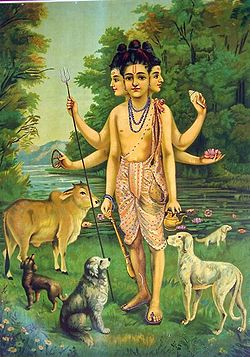
Picture: Hindu God Dattatreya with Four dogs representing Four Vedas

(Please part 1. Did Indians build Egyptian Pyramids? Part2. Vedas and Egyptian Pyramid Texts Part 3. Vishnu In Egyptian Pyramids before reading this part: London swaminathan)

“ Egyptian priests had come from the Nile to the Ganges and Yamuna to visit the Brahmins of India, as the Greeks visited them at a later time, rather acquire knowledge than to impart knowledge”-wrote a scholar centuries back.

There was a god in ancient Egypt who was called THOTH. If anyone reads the attributes of this God, every line will show one attribute of a Hindu god. Here are the amazing similarities:

“ The Egyptian god Thoth represented with a head of an Ibis (water bird) and surmounted by a crescent moon. As inventor of Hieroglyphs he was named LORD OF THE HOLY WORDS. He was said to have accomplished the work of Creation by the sound of his voice alone”.

The above passage is taken from an encyclopaedia. This is what we say about Brahma (represented by water bird Swan) in Hindu mythology. He created the world from sound (Aum=Sabda Brahmam).

“ The Egyptian Goddess of writing SESHAT was Thoth’s principal spouse”, says encyclopaedia. Seshat is nothing but SARASWATI of Hindus.

“Thoth authenticated decisions and legalised the name chosen for the pharaoh by writing it on the tree of history in temple. He checked the balance of the scales on the day of judgement of the dead. He was the Supreme scribe and the patron of human scribes”.

This we attribute to Brahma’s writing on our head and Chitragupta, Yama’s messenger, checking our balance of Papa and Punya (merits and demerits).

“ Thoth was master of the languages. The special offering made to him was a writing desk. He was the master of language and speech”.

This is attributed to Saraswati by the Hindus.

“ Thoth created what he desired simply by desiring it”—This is exactly what Hindus say about Brahma and his Manasa Putras= Sons created by Mind/thouught.

Upanishad Quotes

The Rosetta Stone (which helped us to decipher the Hieroglyphs) compares Egyptian God Thoth to the Greek God Hermes Trismegistus. My interpretation is this is nothing but Hindu God Dattareya. Read what the encyclopaedia says:

“He was the inventor of Arts and Sciences. And also the initiator of practices whose aim was to restrain the divinity and to give to initiate some sort of omnipotence by comparing him to God—YOU ARE I AND I AM YOU. The Hermeatic Body was regarded as having been written by him. He gathered together many dissimilar beliefs with different origins and was involved in magic, astrology and alchemy.”

The above passage is from encyclopaedia which says Thoth and Hermes Trismegistus are one and the same.

My interpretation: Trimegistus is three in one=Dattatreya. He was Brahma, Vishnu and Shiva according to Ramayana and Mahabaharata. And we see the Upansihad Vakyas: Tat Tvam Asi= You are That and Aham Brahma Asmi= I am God in the above description. So we can safely conclude Hindu’s Dattatreya (three headed ancient Hindu deity), Hermes Trismegistus of Greece and Thoth of Egypt are one and the same God. Temple of Thoth is in Khemnu in Egypt. Greeks called this Hermopolis. Tris in Greek means Three.

(Please read my post Let Nature be your Teacher: Dattatreya and Wordsworth)

Soul in the form of a Bird

In Indus valley civilization we see peacock in the funerary pots. This is the Atma/soul. In the Upanishad story two birds are symbolised as Jeev (Eve) atma and Parama Atma (Adam of Bible).

(Please read my post Three Apples That Changed the World for full details)

Egyptians represented soul (called BA) with a bird. A dead man’s soul is leaving the body was painted in the Ani papyrus of 19th Dynasty. It is in the British Museum. Tamil poet Tiruvalluvar in his Tirukkural (Tamil Veda) compares the Atma for a bird (Tirukkural 338).

Ankh and Pavithram

Ankh is a key like symbol carried by Egyptian Gods. This is what Wikipedia says about it: “The origin of the symbol remains a mystery to Egyptologists, and no single hypothesis has been widely accepted. One of the earliest suggestions is that of Thomas Inman, first published in 1869:[2]

It is by Egyptologists called the symbol of life. It is also called the “handled cross”, or crux ansata. It represents the male triad and the female unit, under a decent form. There are few symbols more commonly met with in Egyptian art. In some remarkable sculptures, where the sun’s rays are represented as terminating in hands, the offerings which these bring are many a crux ansata, emblematic of the truth that a fruitful union is a gift from the deity”.

My interpretation it is the PAVITHRAM of Hindus. Hindus, particularly Brahmins, wear this key like symbol ‘Pavithram’ made up of Dharba grass during every ritual or Puja. Like Egyptian Gods get or give energy with Ankh, Hindus get energy from the sun by wearing Pavitham. The above passage can be interpreted as Lingam and Yoni of Saivism as well.

Breaking the Vessels

Hindus break all the mud pots after using them in a funeral. They are made up of clay and painted red. Egyptians also broke all the red colour ceramic vessels at the end of the burial ritual. This was done to ensure that they were not reused.

Bhumi Puja  (Earth Ritual)

Hindus make offerings to Earth Goddess and other Gods before commencing any building work. We follow this custom until this day. Ancient Egyptians made offerings at important construction projects such as Pyramids. A few symbolic objects including certain sacrifices—so called foundation deposits—were usually laid in a hole in the foundation.

Muslim invaders who invaded India knew that Hindu temples had such foundation deposits of most expensive gems and gold in the world and plundered the Hindu temples after demolishing them. The best known example is the 17 time invasion of Mohmed of Gazni against Somanathpur Shiva Temple in Gujarat.

Western scholars have pointed out the following aspects that have got parallels in Hinduism:

1.Egyptians believed that all beings sprang from the tears of Sun God Ra. Hindus believed all the beings came from the tears of Prajapati.

2. Horus, like Brahma, was born of a Lotus petal. Lotus flower is a common feature in the architecture of Hindu and Egyptian temples.

3. In Egypt there were seven castes. In ancient India we had four castes.

4. According to Eusebius and Syncellus, some people from the River Indus settled in the neighbourhood of Egypt in the reign of Amenophis. Many Egyptians banned by their princes settled in other countries and went as far as India.

5. Both the Hindus and Egyptians had also the same division of time into weeks and they denominated each of the days by the name of the same planets.

6. Both believed that the souls of men existed in a prior state, and went into other bodies after death.

7. Several religious ideas and customs were common to both the countries. Egyptians represented the world under the figure of an egg, which came from the mouth of Cneph and this resembled the Brahmandam of Hindus.

8.Both of them had same belief about eclipses. Hindus believed Rahu and Ketu are swallowing the Sun and Moon and Egyptians ascribed it to Typhon.

9.Egyptians at certain festivals carried the images of heir gods in the procession. Herodotus says they drew one of them in a carriage with four wheels, and the same was done by the Hindus. Egyptians held cows in much greater veneration than any other animals. They were sacred to Isis and never sacrificed. Bull was also respected.

10.Eswara was adored as Osiris in Egypt and Bacchus in Greece. Diodorus said that the title of Thriambus was assumed by the Greek deity in his triumph after the conquest of India (Triambka is one of the names of Lord Shiva).

Sphinx and Chathuka Bhutham

I have already written about the Sphinx of Greece, Egypt and Chathukka Bhutam of Silppadikaram, the most famous Tamil epic. Please read my post:

1.கிரேக்க பூதமும் தமிழ் பூதமும், 2.டெல்பி ஆரூடமும் தமிழ்நாட்டு குறிசொல்வோரும்

Both the articles are in Tamil. It compares the Delphi Oracle with the Tamil Foretellers or Diviners. Another post compares the Ghosts (Chathukka Bhutham) that punished wrongdoers as described in the Tamil epic Silappadikaram. This ghost was in the City Squares in the Underground caves. The origin of Egyptian Sphinxes is mysterious, but Greeks acknowledge it came from Egypt. My interpretation is that it went from India to Egypt and Greece. We have proofs in Silappadikaram , Yaksha Prasna of  Mahabharatam and Vikram and Vetal stories in India. Yaksha Prasna means Questions /riddles of a ghost.

Next part will deal with SEX MANTRAS in Atharva Veda and Pyramids: swami.

Please contact swami_48@yahoo.com

பகுதி 5–தொல்காப்பியர் காலம் தவறு


Picture shows Yaalpaanan (Musician with Yaaz)

தொல்காப்பியர் பயன்படுத்திய மேலும் பல சொற்களைக் கீழே கொடுத்துள்ளேன். இவை சங்க இலக்கிய நூல்களைவிட பிற்கால நூல்களிலேயே அதிகம் வருகின்றன. சங்க இலக்கியச் சொல்லடைவு, தொல்காப்பியச் சொல்லடைவு, பதினெண்கீxக்கணக்கு நூல்களின் சொல்லடைவு ஆகியவற்றைக் கொண்டு ஒப்பிட்டால் நான் சொல்லுவது நன்கு விளங்கும் ஒரு சில சொற்களை வைத்து மட்டும் இப்படி முடிவு செய்யவில்லை. நூற்றுக் கணக்கான சொற்களை ஆராய்ந்தே இந்த முடிவுக்கு வந்தேன்.

முதல் நாலு பகுதிகளையும் படித்துவிட்டு இப்பகுதியைப் படிக்க வேண்டுகிறேன்.

அரில்தப (குற்றமற) : அரிஷ்ட என்ற சம்ஸ்கிருதச் சொல்லில் இருந்து வந்தது. இதைப் பாயிரத்திலும், நூலிலும் காணலாம்

உயிர்த்தல்: இச் சொல் தொல்.(1-33, 3-104-3, 14) தவிர, கலி.யில் (54-11) மட்டுமே வரும்.

என்பதனால்: இது தொல். (3-145-23), கலி.(39-5) மற்றும் நாலடியார், ஐந்திணை எழுபது போன்ற பிற்கால நூல்களில் மட்டுமே உள்ளன.

‘வை’ யில் முடியும் சொற்கள்: அனையவை, என்றவை, மறைந்தவை போன்ற சொற்கள் பிற்கால நூல்களில் மட்டுமே அதிகம் உள்ளன.

நூறாயிரம், நுனி, நுவலுக்காலை,புணருங்காலை,நீட்டம், நீட்டல் ஆகியனவும் பிற்கால வழக்கில் அதிகம்.

மை—இல் முடியும் சொற்கள்: இவ்வகைச் சொற்கள் குறளில் பரவலாக உள்ளன. புறநானூற்றில் ஓரிடத்தை தவிர தொல். (3-138-1) மற்றும் பிற்கால வழக்கில் அதிகம்.

முதலில், முடிவினது, முடிவு, முடிபு ஆகியனவும் இப்படிபட்டவை.

மானம்: இது தொல். இல் 3 அதிகாரங்களிலும் பரவலாக உள்ளது. இது தவிர பிற்கால நூல்களில் மட்டுமே காணமுடியும்.

மறுதலை, விழைவு, கொற்றவை நிலை, பல்லவை, பல்முறை, பல்வகை, புரிதல், புல்லா, புல்லாது, பெருநெறி, பாங்கன், மடிமை, மடன்மா, வரைதல், கொள்ப ஆகிய சொற்களையும் காண்க.


குறிலும் நெடிலும்

சங்க இலக்கியத்தில் குறில் ஒலியுடன் வரும் சொற்கள் நமது காலத்தில் நெடில் ஒலியுடன் வழக்கத்தில் உள்ளன. பழங்காலத்தில் வந்தனன், வந்தனர், வந்தனள் என்றால் இப்பொழுது நாம் வந்தான், வந்தார்கள், வந்தாள் என்று நீட்டு முழங்குவோம். அதாவது ஆன், ஆர், ஆள் விகுதி பிற்காலத்தில் அதிகம். இதை தொல். இல் நிறைய காணலாம்.

விழிப்ப, பொச்சாப்பு, பெருமிதம், மூவகை இவைகளும் தொல். இல் 3 அதிகாரங்களிலும் பரவலாக உள்ளன. இது தவிர பிற்கால நூல்களில் மட்டுமே காணமுடியும்.

சிவண: இந்த ஒலி தொல்காப்பியரின் முத்திரை. சிவணல், சிவணிய, சிவணி, சிவணாது, சிவணும் போன்று 20க்கும் மேலாக இருக்கின்றன. சங்க இலக்கியத்தில் 27000 வரிகளில் மூன்று இடத்தில் மட்டுமே காணலாம். ஆக மூன்று அதிகாரங்களும் ஒரே காலத்தவை அல்லது ஒரு கைப்பட எழுதியவை என்பதற்கு வேறு சான்றே தேவை இல்லை.

இதே போல காரணம், கருமம், வெறுப்பு, கல்வி போன்ற சொல் வழக்குகளும் குறளிலும் பிற்பட்ட நூல்களில்ம் மட்டுமே உள்ளதால் தொல்காப்பியரையும் அவர்களோடு வைத்தே காணவேண்டும்.

தொல். கூறும் ஔ, ஃ முதலியன சங்க இலக்கியத்திலும் பழைய கல்வெட்டிலும் இல்லை அல்லது குறைவு. இதுவும் அவரது காலத்தை கணக்கிட உதவும். தொடர்பு கொள்ள: swami_48@yahoo.com

BIGGEST BRAIN WASH IN THE WORLD!

Who ruled India from Indus Valley for 800 or 900 years?

No information in our History books!

Who ruled India from 1700 BC to 600 BC?

No information in our History books!!

Indian king list starts from Buddha’s (600 BC) time only. Why?

Indian History books were written by the British when they ruled India. We are following the same old syllabus till this day! All other country books written by them have been completely revised or completely dumped. Sumerian, Egyptian and Greek history have been updated with latest discoveries. Even though contradictions and overlapping were there in different Kings’ lists found in different places they have been reconciled. But the world’s biggest wonder is no Indian scholar raised any question about the big blunders or the big gaps in Indian history.

Google for any ancient country’s king lists you will get some names from 3000 BC. Google for Indian king list (except Wikipedia) you will get only from Buddha’s time. What is the question that should have come to our mind?

Sir,

You say that Indus Valley Civilisation existed between 2500 BC and 1700 BC. Who were the kings that ruled India from Mohenjo-Daro and Harappa? Like Tamil Nadu had three main kingdoms and several small kingdoms simultaneously Indus also might have had several kingdoms. Who were they? For 800 years, a minimum of 45 kings for one place alone must be there. If there were kings ruling different parts, then there must be at least 150 kings. In ancient Tamil Nadu we had two Chola kings, two Chera kings and two Pandya kings ruling at the same time. In the north, we had hundreds of kings ruling simultaneously.

If Nandha dynasty started in the fifth century BC, what happened for 1200 years before them? Another 60 to 80 kings must have ruled from one capital city alone. Ancient India had at least 16 Janapadas or 56 Desams. Thousands of kings must have ruled before Buddha’s period. Mahabharata and Tamil Sangam anthology ‘Purananuru’ compare the number of kings in the world (India) to ‘stars in the sky’ or the ‘sand particles on sea shore’ or the ‘rain drops’. That means innumerable, uncountable and numberless. What were their names? Can there be a vacuum for2000 years? Was India ruled by mysterious people?

No one has asked this question to his or her history teacher. No Indian scholar worth the name “scholar” has addressed this issue. If they can prepare a list for Sumerian and Egyptian cultures, why did not they do it for India?

The so called Indian scholars were ready to play second fiddle to Western scholars. The British were so clever they never raised this issue in their books. They made a big blackout for 1900 years (From 2500 BC to 600 BC= Buddha’s time). This is the BIGGEST BRAINWASH IN THE WORLD!

143 KINGS Ruled before Megasthanes

Greek Ambassador Megasthenes (350 BC to 290 BC) who visited India in 3rd century BC said that India was ruled by 143 generations before his time. That list is actually in the Puranas (Hindu mythology). But British and the ‘jaundice eyed’ Indian scholars turned a blind eye to it. Marxist scholars were happy in interpreting Mahabharata and Ramayana as “class wars”!

Like the contradictions in Puranas regarding kings, Sumerian and Egyptian lists also had lots of contradictions, pre historical matters giving each Sumerian king 30,000 or 25000 years rule. But yet the scholars reconciled all those data and made one list. But Indians accepted a list only from Buddhist time leaving 2000 years before him in the dark. This is due to a brainwash.

Not only British did blackout a big historical period but also said there were big clashes between Aryans and Dravidians. This has no proof in Tamil or Sanskrit literature. They interpreted everything in that angle and made Indians believe it. Indians also believed that the “barbaric Aryans defeated the coward Dravidians who ran helter-skelter and hid themselves in hills. The civilized Dravidians ran up to the land’s end Kanyakumari and forgot all their brick buildings and started living in caves like primitives”. The foreign scholars knew the pulse of our people and they knew how they can brainwash us. They did brainwash our scholars and laymen. They told us that the Tamils came from the Mediterranean areas. Otherwise we would have asked our History teachers a lot of questions about 2500 BC to 600 BC. Otherwise our famous historians would have written a long list of kings. Since they were brainwashed, they never told us what happened in the Indus Valley or elsewhere in India for more than 1500 years.

A few foreign scholars like Pargiter did some research into Puranic king lists and even dated them. But they were rejected as fiction! Only now we find such data in Wikipedia, but not in history books.

1340 BC Vedic Inscription

Max Muller’s (1823-1900) blunder was exposed when they discovered an inscription with Vedic Gods names in the same order as we see them in the Rig Vedic Mantra! It was discovered in Bogaz Koy in Syria. They never included it in the text book or corrected Max Muller’s wrong date. They discovered ten letters written by Dasaratha to an Egyptian Pharaoh. They never included it in our text book. By the time we discovered all, Max Muller was dead (1900). They have discovered a Sanskrit manual for training horses which was dated-1400 BC. They never included this fact in the history book.

If Vedic Gods were in the Hittite treaty in Syria in 1400 BC, the Vedas must have existed long before this date. Otherwise they wouldn’t have quoted them in the same order in a treaty, as we see it in Rig Veda.

Sanskrit inscriptions in hundreds were discovered throughout South East Asia from second century AD. Hindus ruled S E Asian countries for 1300 years. They never said anything in our history books. Had a person like Sardar Patel or Netaji Subash Chandra Bose ruled India they would have re written the history of India and all these facts would have found a place.

Harijan leader and Father of Indian constitution BR Ambedkar, Swami Vivekannda, Sri Aurobindo, Mahatma Gandhi and many others spoke against Aryan Dravidian divisions. There was not a word about it the text books. In short, no views that went against the old British view were included.


It is not too late to educate the ‘brainwashed’ Indians. We have to rewrite our History books. We have to include what the NASA scientists and Indian nuclear scientists have found about Saraswati River. We have to include Tilak’s view of the date of Rig Veda (6000 BC). We have to mention all the mysterious kings mentioned in the RV and the Vedic literature. There were hundreds of kings in the Vedic literature. Leave alone the Puranas and the epics.

Our children knew Shakespeare but not Kalidasa or Ilango. Our children knew Homer and Virgil but not Bhasa and Tamil poet Paranar. Our children knew Egyptian Pyramids and China’s Great Wall but not hundreds of Indian temple wonders. They knew more about Bible and Koran than Dhammapada or Upanishads. This is a shame on our scholars. At least one chapter or lesson must be added on all these subjects. Sanskrit and Tamil sources must be used to give them a bird’s eye view of our 2500 year old maritime trade. When we have found inscriptional evidence from 1400 BC in Syria for Vedic Gods we must have corrected the date of Vedas. Indian ‘scholars’ are still parroting Maxmuller’s date for the Vedas.

Please read my old posts:

1.Dravidian Queen 1320 BC  and  2. How old is Indian Civilization? Contact swami_48@yahoo.com


பகுதி4-தொல்காப்பியர் காலம் தவறு

Picture shows the greatest of the Choza Kings: Karikalan

தொல்காப்பியத்துக்கு முந்திய அகத்தியம், ஐந்திரம், காதந்திரம் ஆகியனவும் வடமொழி நிபுணர்களால் எழுதப்பட்டது என்பதை நினைவிற்கொண்டு தொல்காப்பியர் காலத்தைக் கணக்கிட வேண்டும்.

தொல்காப்பியத்தில் வடமொழி, மறை (வேதம்), ஐயர் முதலியன இருப்பதையும் கவனத்திற் கொள்ளவேண்டும். தமிழ் நாட்டில் வேத நெறி தழைத்தோங்கி இருந்ததால்தான் நான்மறை முற்றிய அதங்கோட்டு ஆசான் தலைமையில் காப்பியம் அரங்கேறியது.

தொல்காப்பியர் கடவுள் பற்றி நிறைய இடங்களில் குறிப்பிடுகிறார். ஒரு இலக்கண நூலில் இவ்வளவு இடங்களில் தெய்வம் பற்றிப் பேசியதையும் நோக்கவேண்டும் (கடவுள் பற்றி பொருள். 5, 88, 18, 57, 93, 115 சூத்திரங்களிலும் அறம் பொருள் இன்பம் பற்றி பொருள் 92, 418 சூத்திரங்களிலும் வருகிறது)

தொல்காப்பியத்தின் காலத்தைப் பின்போடுவதால் தமிழின் பெருமைக்கும் பழமைக்கும் எந்த இழுக்கும் வராது. தமிழ் மொழி தொல்காப்பியருக்கு குறைந்தது 500 முதல் 1000 ஆண்டுக்கு முன்  தமிழகத்தில் பேசப்பட்டிருக்கவேண்டும். இவர் இலக்கணம் வகுத்தவர் என்பதைவிட முன்னோரின் இலக்கணத்தைத் தொகுத்தவர் என்பதே சாலப் பொருந்தும்.

தொல்காப்பியர் 38 உவம உருபுகளைத் தருகிறார். இவற்றில் 14 சங்க இலக்கியத்தில் காணப்படவில்லை. ஆனால் வேறு 28 புதிய உவம உருபுகளை சங்கப் புலவர்கள் பயன்படுத்துகின்றனர். ஒரு சிலர் இதை வைத்தே கால இடைவெளி அதிகம் இருந்தால் தானே இப்படி நடக்கமுடியும், ஆகையால் தொல்காப்பியர் காலத்தால் முற்பட்டவர் என்று வாதாட முயல்வர். ஆனால் தொல்காப்பியர் தனக்கு முன்னால் இருந்த விதிகளை அப்படியே கிளிப்பிள்ளை போல ஒப்புவித்தார் என்றே சொல்லவேண்டி இருக்கிறது. இப்படி நான் சொல்லக் காரணம், அவர் பயன்படுத்திய சொற்கள் சிலப்பதிகாரத்திலும் பதினென்கீழ்க்கணக்கு நூல்களிலுமே அதிகம் காணப் படுகின்றன.

நாம் கம்ப்யூட்டர் யுகத்தில் வாழ்கிறோம்.  தொல்காப்பியர் பயன்படுத்திய சொற்களை கம்ப்யூட்டரில் போட்டு பிற்காலச் சொற்களுடன் ஒப்பிட்டால் உண்மை புலப்படும் கம்ப்யூட்டர் வசதி இல்லாத காலத்திலேயே வையாபுரிப் பிள்ளை போன்றோர் தக்க சான்றுகளுடன் காலத்தைக் கணித்தனர். ஆனால் நான் சொல்லும் முறை எல்லா சொற் பிரயோகத்தையும் ஆராய்ந்து விகிதாசாரக் கணக்கில் புள்ளி விவரங்களைக் கொடுத்துவிடும்.

அவர் பயன்படுத்தும் குற்றம், குடிமை, குன்றும் போன்ற சில சொற்களே இதை நிரூபித்துவிடும்

தமிழ் சுடர் மணிகள் என்ற நூலில் 40 பக்கங்களுக்கு தொல்காப்பியரையும் தொல்காப்பியத்தையும் திரு. வையாபுரிப்பிள்ளை அலசி ஆராய்ந்து விட்டார். அதற்கு வெள்ளைவாரனார், இலக்குவனார் போன்றோர் கொடுத்த பதிலகள் திருப்தியாக இல்லை. வ. சுப. மாணிக்கம் போன்றோர் தொல்காப்பியத்தின் புகழ் பாடுவதை நாம் ஏற்கலாம். ஆனால் காலக் கணக்கீடு என்று வரும்போது அவரை எங்கே வைப்பது என்பதை மறு பரிசீலனை செய்யவேண்டும் எனபதே கட்டுரையின் நோக்கம்.

இது காறும் நான் கொடுத்த எடுத்துக் காட்டுகள் காலத்தை உறுதி செய்கிறதோ இல்லையோ. ஆனால் மூன்று அதிகாரங்களையும் எழுதியவர் ஒருவரே அல்லது மூன்று அதிகாரங்களும் ஒரே கலத்தவையே என்பதை உறுதி செய்துவிட்டது. நேரம் கிடைக்கும்போது திரு. வையாபுரிப் பிள்ளையாரின் 40 பக்க வாதங்களைச் சுருக்கி வரைகிறேன்.

தொடர்பு கொள்ள: லண்டன் சுவாமிநாதன் swami_48@yahoo.com