Vahanas on Coins and in Sculptures

(Please  read other articles on Vahanas  posted already: swami)

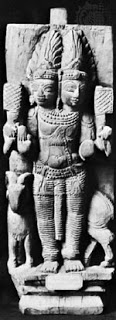
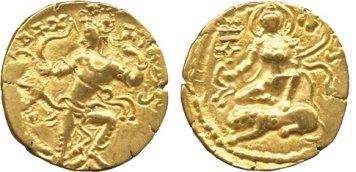
Picture: Gupta gold coin with goddess on lion.

Art Historian Sri Sivaramamurthi and others have done lot of research into Vahanas and sculptures. We have got Vahanas on coins from 3rd or 2nd century BC and beautiful sculptures from Gupta period. Gupta gold coins depict Vahanas. Following coins are well known specimens with Vahanas:

1.Shiva and Bull on coins issued by Wima Khadpises (95 AD)

2.Vasudeva also issued coins with Bull and Shiva (190 AD)

3.Samudra Gupta issued coins with Makara at the Goddess Ganga’s feet (335 AD)

4. Goddess seated on lion on coins issued by Chandra Gupta II and Kumara Gupta (380 and 455 AD)

Picture: Kushana gold coin with Kartikeya


5.Kartikeya is shown seated on peacock on a coin which is exclusive to Kumara Gupta (455 AD)

6. Mother or Earth Goddess seated on (Nana/ Nanna/ Nanasao) a lion on coins issued by Kanishka (127 AD).

7. Hamsa and Goddess on a coin issued by Samachara Deva (early 6th Century AD)

(The above information was furnished by Biswajeet  Rath in his publication Deities on Indian coins).

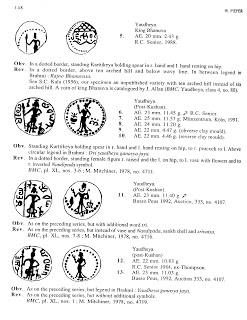
8. Yaudheya  Coins with Kartikeya on Peacock (2nd Century BC)

Yaudheya dynasty in North West India issued coins of Kartikeya with peacock vahans.

Gupta gold coin with Kartikeya and peacock


On sculptures:

Gupta period sculptures in the caves of Deogarh show several Gods on Vahanas. So Kalidasa must have lived well before this time. Anything that comes in literature takes the shape of coins or sculptures on a later date. This is finding of art historians and archaeologists. References in literature comes first, sculptures come next.

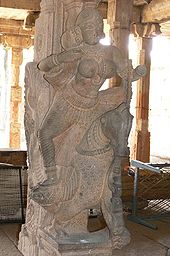
Following Vahanas are on stone scultures:

1.Shiva and Parvati on Bull: Dashavatara Temple, Deogarh, 5rh century AD

Picture: Agni on ram, Paris Museum

2.Agni on the Ram: Bhoganandiswara Temple, Nandi, 9th century AD

3.Figure on Fish  (Ascetic or Varuna?): Jalakandeswara Temple,16th Century

4.Rati on Parrot: Gwalior Museum, 9th Century AD


Yaudheya coin details with Skanda and peacock

5.Varuna on Makara: Delhi National Museum, 13th Century AD

6.Indra on Elephant: Nandi, 9th Century AD

7. Rati on swan: Meenakshi Temple,Madurai, 16th Century AD

8. Agni on Ram, 9th Century AD, Calcutta Archaeological gallery

The above only re examples of Vahana sculptures spanning over 1000 years. It is not a comprehensive list. Indra on elephant Airavata is found in many of the world including South East Asian countries. Vishnu on Garuda Vahana is also found from Gupta or earlier times.

 Rati on Anna Vahana

If we consider figures on coins and sculptures together, the Vahanas cover a period of 2200 years without a break! We see coins with Hindu gods on vahanas up to East India Company period. It disappeared completely from those things only after the “Secular Indian Government” started ruling India from 1947!

Next post will cover the mythological stories about Vahanas: swami.


*********************

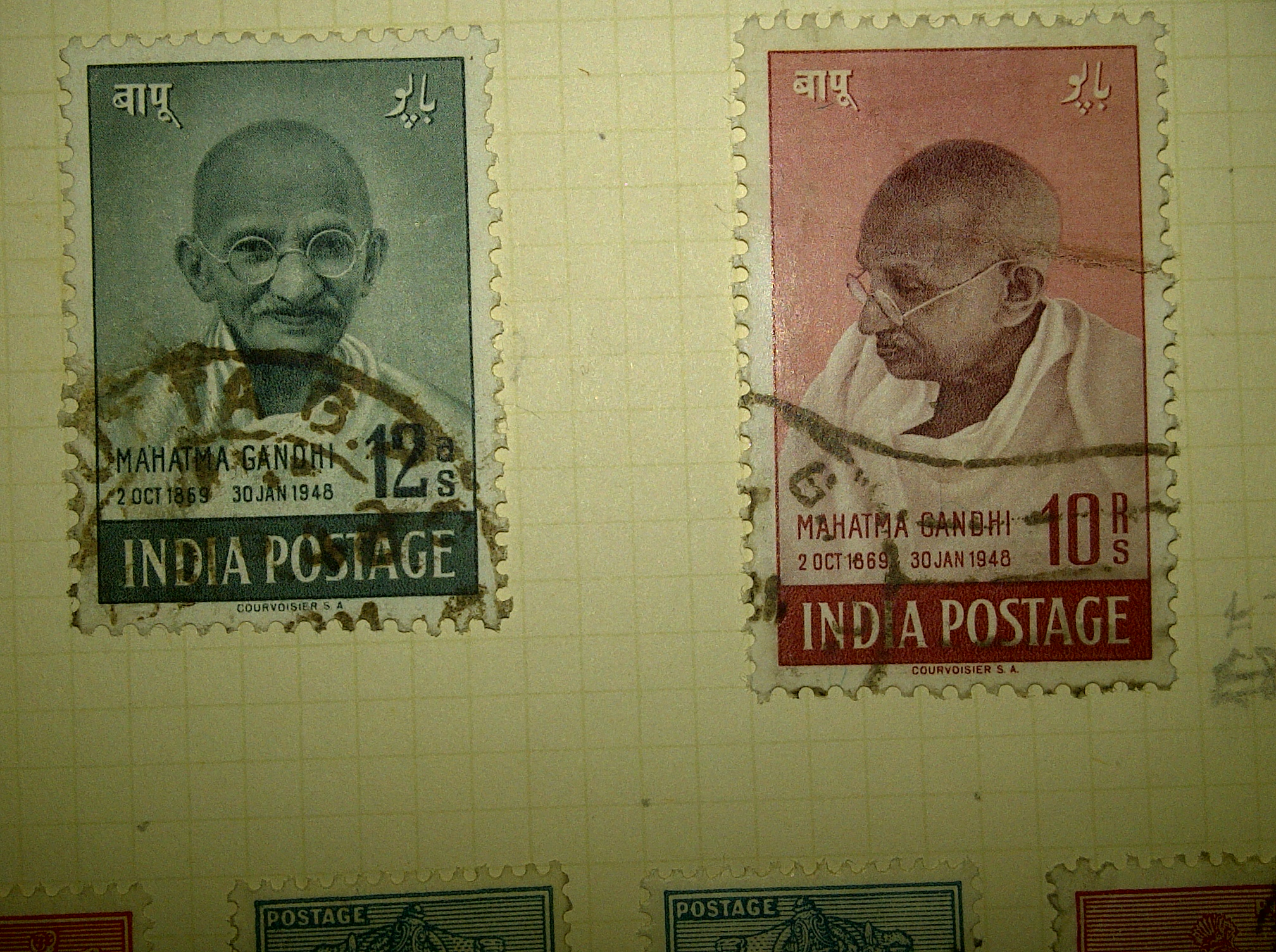
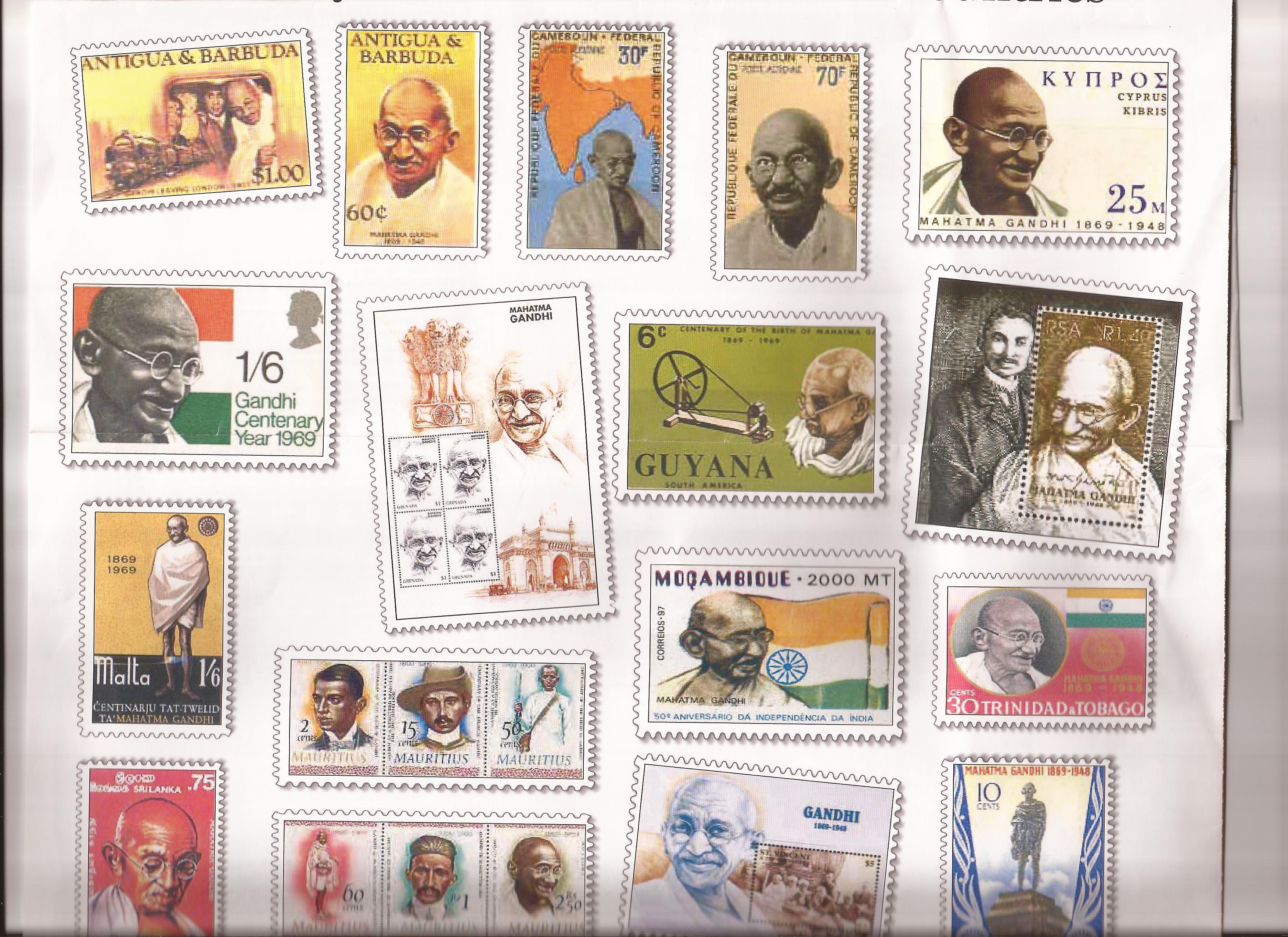
Rs10 Gandhi Stamp is Rs 14,000!

By London Swaminathan

If you have invested Rs10 in a mint postage stamp in the year1948, you would have made around Rs14,000 today. That is the price of Mahatma Gandhi’s ten rupees stamp today! Here in London the same stamp is sold for £140 if it is in very good condition. It should have the gum at the back, and the perforations intact. Scores of countries including, Russia, USA, Great Britain and almost all the Common Wealth countries have issued stamps to honour  Mahatma Gandhi.


I have been collecting stamps for the past forty years. I never miss the twice a year Stamp Exhibition (STAMPEX) held in London. Now there is even a rival, twice a year PHILATEX exhibition.

Stamps on Gandhiji have been increasing in value due to a big demand for Gandhi stamps. India itself has issued 15 to 20 different stamps on Gandhi. Now that Indians are becoming rich they have started investing in stamps, old coins, statues, paintings and anything with antique value. Indians come to London to buy stamps because the weather condition in western countries keeps the stamps in pristine condition. The humid condition in India and the lack of knowledge of preservation techniques spoil the stamps.


The reason I am writing this today is to create awareness about investment in stamps and coins. The world famous Stanley Gibbons in London has become a public company selling shares. Some of its stamps are sold in auction for millions of pounds.

Indians handle stamps and coins carelessly. As a result of this stamps and coins in good condition are becoming rarer and rarer. If you get a brand new coin, you may save at least one or two coins for future. If you stock too many, you would be blamed for hoarding! In one of my posts already published here, I mentioned I bought a ten rupee Gandhi coin for Rs 500 in Madurai. A lot of Indians don’t even know that there were scores of different Rs 2 coins. India issue commemorative coins in different denominations every year.

I have already written here about the increasing value of currencies like one rupee , two rupees , five rupees etc. Older the currency, higher is the value. But it must be in good condition. So, please start collecting coins and currencies and stamps in mint condition.


(To enlarge the picture click or zoom on it)

Every stamp is a miniature work of art. Every stamp tells you a history. Every stamp is a historical document. You derive good knowledge about history and geography of a country. Stamps like Swami Sivananda, Arunagirinathar have increased in value because of non availability. The Veda or the Bible for the stamp collectors is the Stamp catalogue published by the Stanley Gibbons. They have agents all over the world, who advise them about the rarity or availability of a stamp. They put the value for each stamp on the basis of information they collect. Indian stamps are increasing in value.


Another area is collecting paintings. Take for example the original paintings of Ravivarma. Even the Ravi Varma calendar pictures are sold for a big price. Most of us have thrown those old calendars into dustbin. When I went to an antique shop in Bangalore last year, I was amazed to see all those old calendars in one shop. Each calendar was priced between Rs 250 and Rs 500. Old and original Thanjavur paintings are priced between Rs 500 and Rs50,000 !

Value our heritage! Preserve our heritage! For our posterity.

Also read my post “Every old One Rupee Fetches Rs 2,000, Old 1,000 Rupees Gets You Rs 30,000

For more of the same, contact swami_48@yahoo.com or swaminathan.santanam@gmail.com


New York Ideas

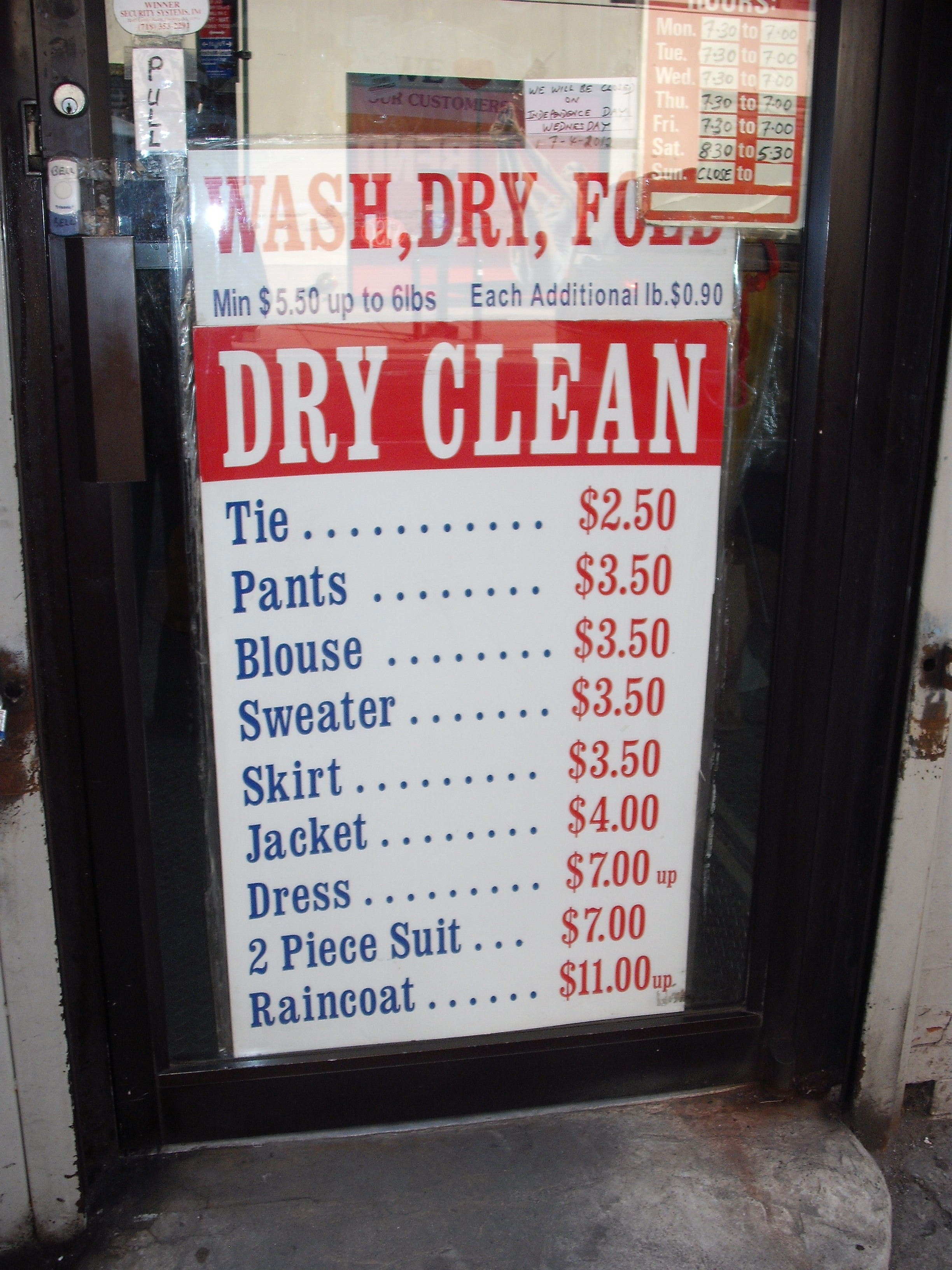
The picture shows the dry cleaning rates in New York, The Big Apple, as of 3rd July 2012. Indian are lucky. You can get it done for a cheaper price!!

We went to New York last week (July First Week 2012). Some of the things I saw there gave me some new ideas. Why don’t we follow it in India and other parts of the world?

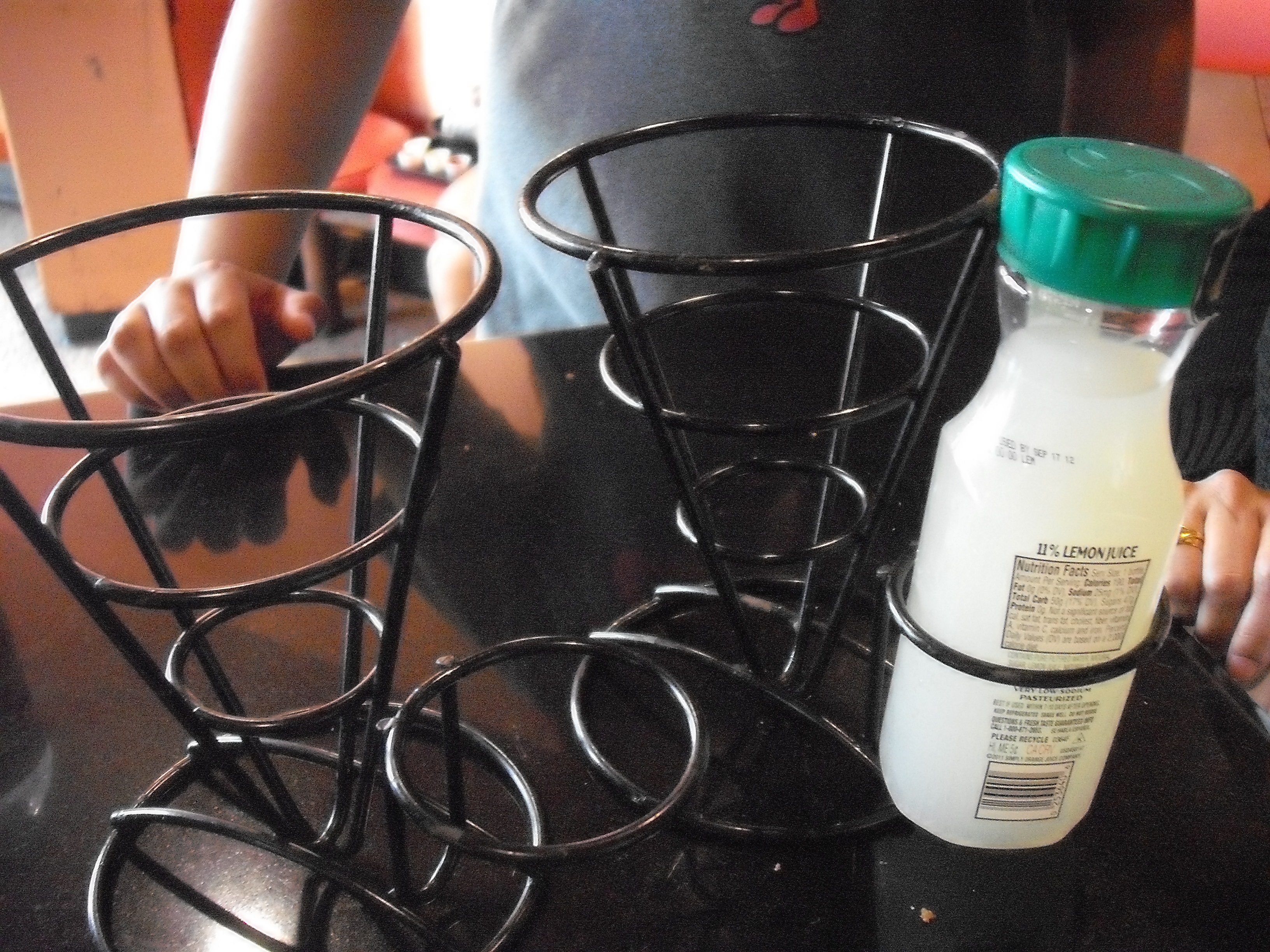
This will hold a juice bottle or a coffee cup and Chips or any solid food in the cone like area. They make paper cones and put Chips or Onion rings or Rolls in it and put it inside the metal holder. You can see extra space to hold tissue paper as well. I dont see such thing anywhere in London or India. This metal holder can be used again and again.

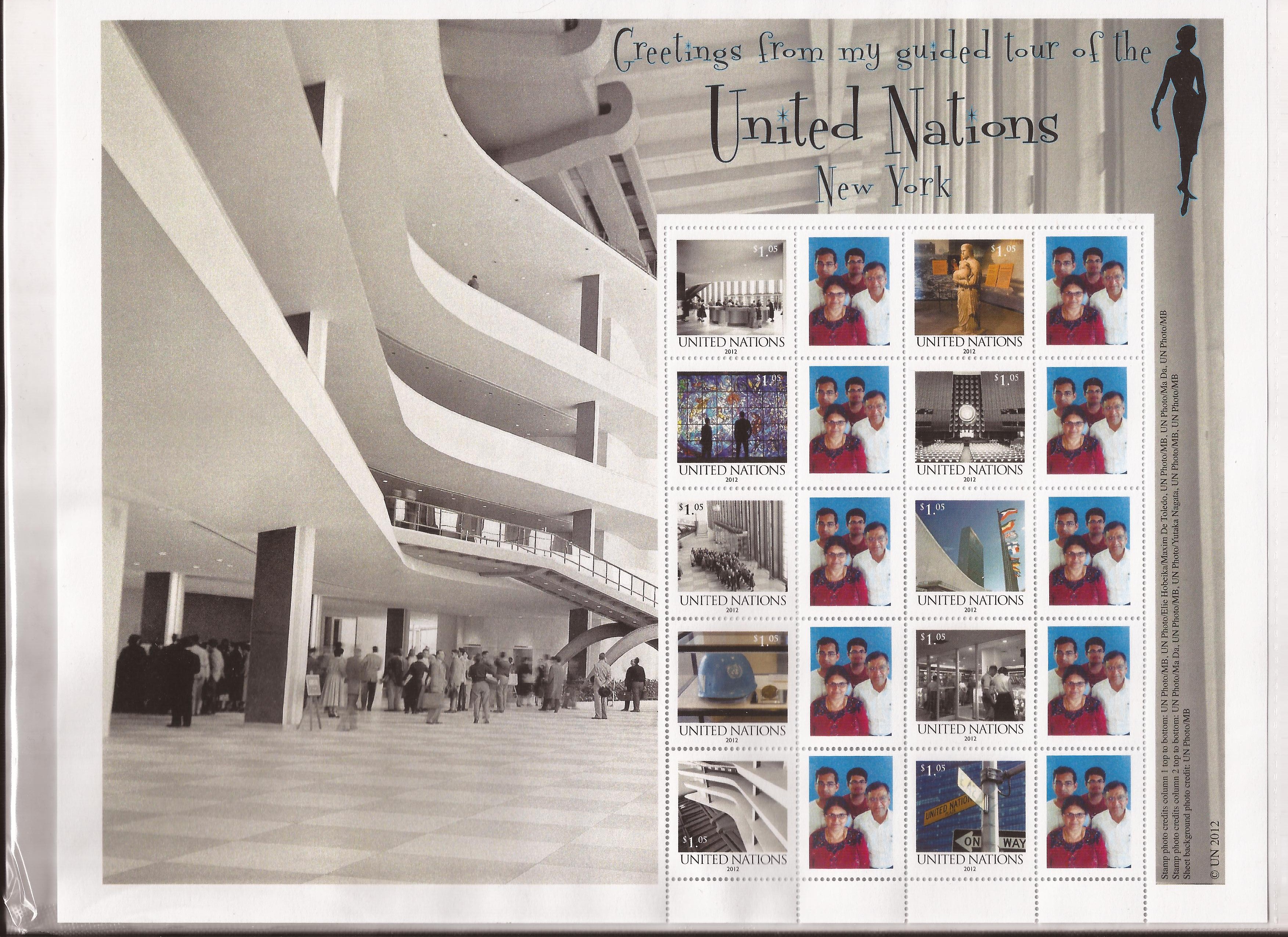
We went to United Nations building in New York. You can get a photograph of your self or your family and  it is attached to actual stamps which can be used inside the country. They do it in London. If we do it India in big tourist centres like Madurai, Agra, Mathura, Jodhpur, Kashmir we can make lot of money for the P and T Department.

This is my family. We four became stars just by giving fifteen dollars. We can use the stamps in New York for posting letters. But I bought it for my album.

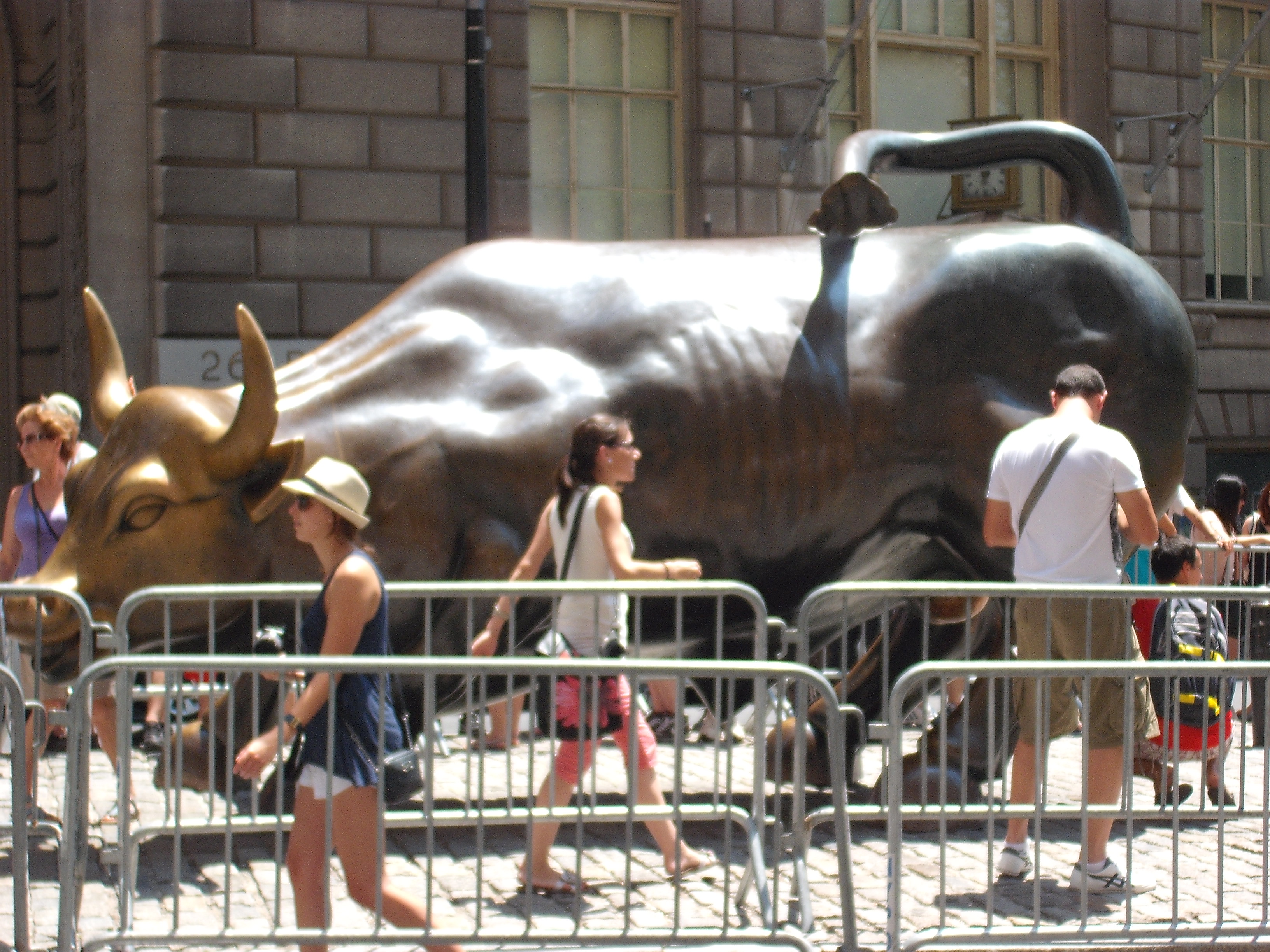
Just  before entering in to Wall Street, the financial capital of the world, they have installed a huge bull to mark the bullish trends in stock market. Hundreds of tourists throng this place every minute to get photographs with the Metal Bull. I thought if we install a BIG COW, we can spread the message of Go Rakshan (Cow Protection) which was an ideal supported by Mahatma Gandhi and the RSS.

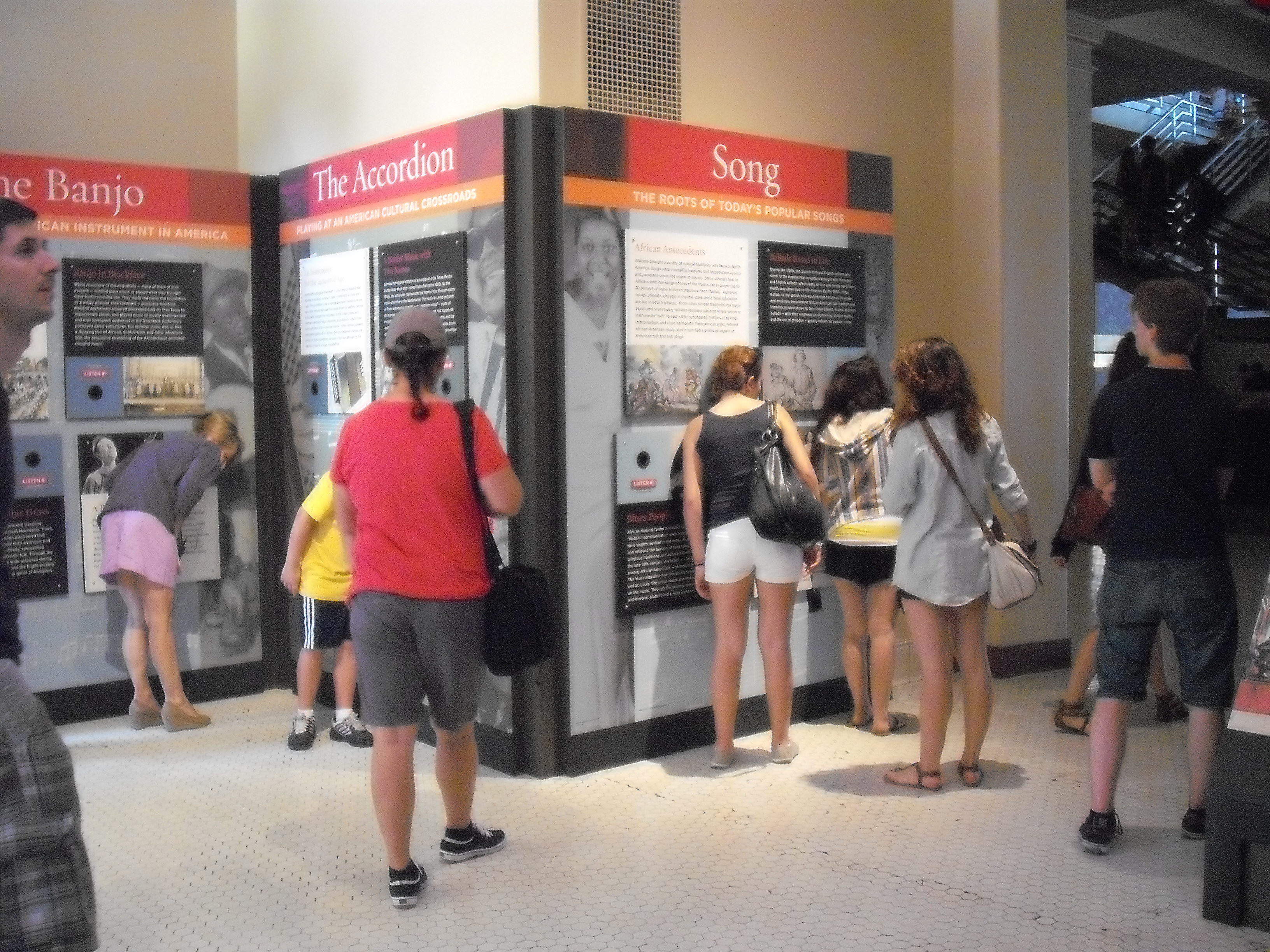
We went to Ellis Island on our way back from the statue of Liberty. They have a huge museum for immigration. They display lot of things to show how the immigrants suffered in the early days. The immigration which started in 1530, continue until today. The idea I liked there was an audio listening for every kind of music that the immigrants brought into the country. Young and old throng to the place to listen to Jazz, violin etc. Look at the picture. They put their ear close to the wall and press the button to get the audio recording. Why dont we in India start a Carnatic Music and Hindustani Music exhibition and install famous and old audio recordings. When you give old stuff in new forms people love it.

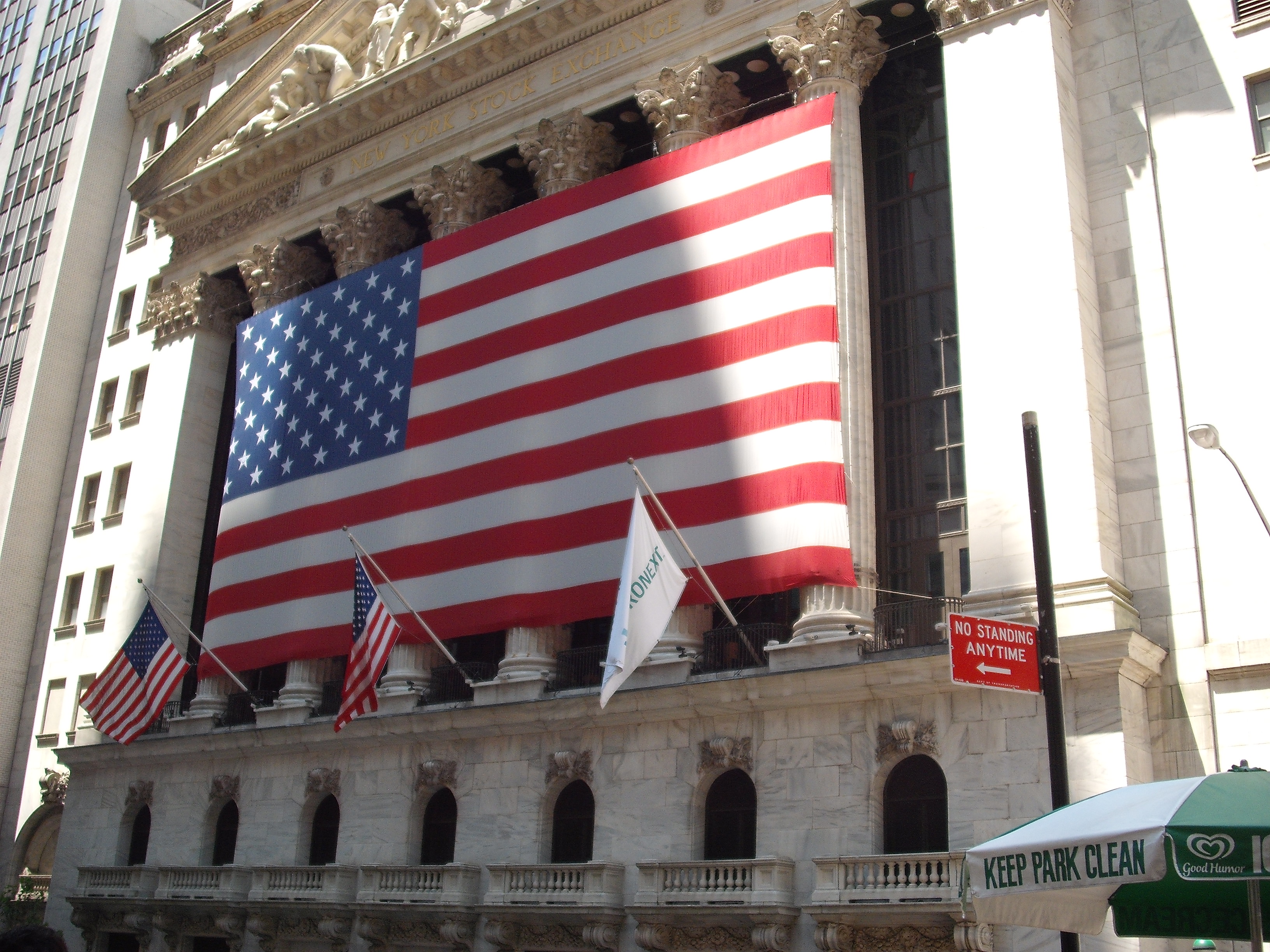
Americans show off their patriotic feeling in all forms. Every big and famous building has a big national flag. Why dont we in India fly our National flags in big tourist attractions without affecting the beauty of the place. I know the government buildings fly the national flags. I mean other big and famous land marks like Meenakshi Temple, Taj Mahal, Mysore Palace etc. It can be put on the walls, not at the top.Look at the picture below:

I will write about other ideas later.


Largest Gold Coin

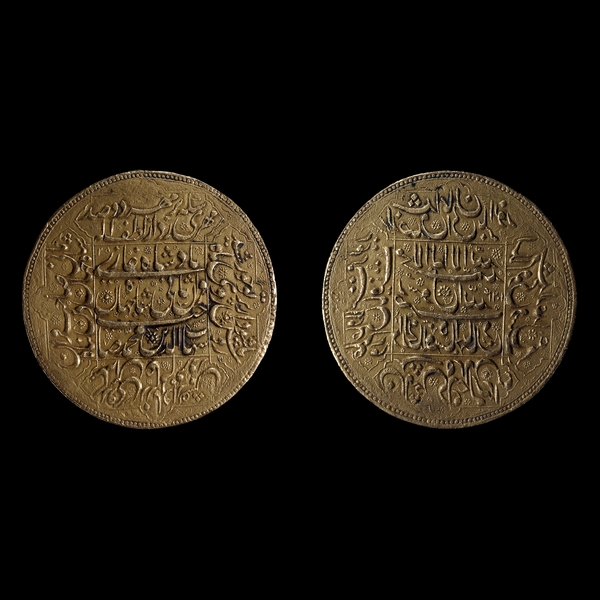
India was the richest country in the ancient world. Until 1987 the largest gold coin was an Indian coin issued by the Mogul emperor Jahangir. Seventeenth century Mogul ruler of India Jahangir recorded in his memoirs presenting a 1000 Mohur coin to Shah of Persia’s ambassador in 1612. That was the only reference to this gigantic coin. Probably one or two only were ever struck.

The coin’s diameter is seven inches, it weighs 27 pounds. The coin was embellished with poetic description of its image in Arabic and Persian. It was written by Jahangir’s court poet. The coin was auctioned in Geneva along with Shahjehan’s 100 mohur gold coin struck in 1639. The mystery owner of the largest coin was auctioned by Swiss auction firm Habsburg Feldman in 1987. Though the owner expected to sell it for ten million dollars he got only 8 million dollars (£4-47 million).

The existence of this coin was unknown, until rumours began to circulate in the market. It was suggested that the coin was removed from the Iranian Treasury by the late deposed Shah and came for sale from his family. The second largest gold coin issued by Shahjehan attracted a bid of £1.56 million. All these prices were 1987 prices. It must have multiplied in value by now.

Latest Gold coin

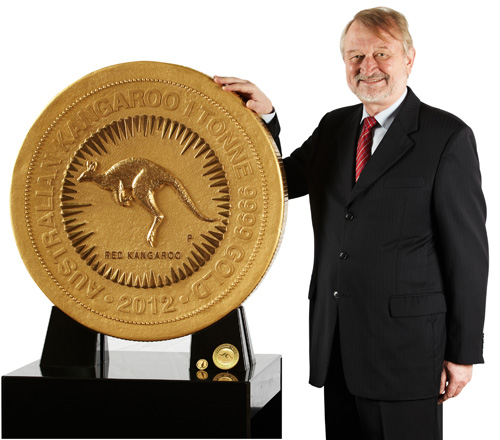
Recently Canada issued a 100 kilo gold coin. But in 2011 Australia made a 1000 kilo gold coin to celebrate Queen Elizabeth’s visit. The gold coin has queen on one side and a leaping Kangaroo on the other side. Its denomination is 1 million Australian dollars. But the actual worth of the coin is £35 million. It weighs 2213 lb, 31 inches wide (80 cm) and 4-7 inches (12 cm) thick. The Western Australian Perth mint took 18 months to make it.

The Australian gold coin is ten times heavier than the Canadian coin, which weighed 100 kilos. With all the modern technology they were able to produce such a big coin. But India led the world till 1987. Nobody produced any coin equal to the Moghul gold mohurs.
Museums and Private parties have India’s riches around the world. They are worth billions of dollars. Tehran Museum in iran is one of the richest museums in the world. A lot of Indian gems and jewelleries are displayed in Tehram museum.

Also read: Rs 1000 Crore Indian Gem Wonder

Indiahhhhh……. Richest Country in The World (Five Parts series)

உலக செஸ் சாம்பியன் ஆனந்த்

இந்தியர்கள் கணிதத்தில் வல்லவர்கள். இந்துக்களுடைய எல்லா நூல்களிலும் கோடி ,ஆயிரம் கோடி என்பன சர்வ சாதாரணமாகப் புழங்கும் எண்கள். சிறு குழந்தைகள் சொல்லும் சாதாரண ஸ்லோகங்களிலும் கூட கடவுளை சூர்ய கோடி சமப்ரபா என்று புகழ்வார்கள். வராஹமிஹிரர், ஆர்யபட்டர் எழுதிய வான சாத்திர நூல்களிலும் அதற்கு முந்தைய வேத கால கல்ப சூத்திரங்களிலும் நிறைய கணக்குகள் இருக்கின்றன. வேதத்தில் ஆயிரம் என்ற எண்ணும் அதன் மடங்குகளும் பல இடங்களில் வரும். வள்ளுவரும் கூட தனது குறட் பாக்களில் கோடி என்பதைப் பல இடங்களில் எடுத்தாள்கிறார். இந்த அபார கணிதத் திறன், சதுரங்கம் (செஸ்) என்னும் ஒரு விளையாட்டைக் கண்டுபிடிக்கவும் உதவியது.

சதுரங்கம் என்றால் படையின் நான்கு பிரிவுகள், அதாவது காலாட் படை, யானைப் படை, குதிரைப் படை, தேர்ப் படை. இவர்கள் ராஜா ராணியைக் காப்பாற்றுவார்கள். மந்திரி இவர்களுக்கு பக்க பலமாக இருப்பார். இவர்கள் அனைவரும் காய்களாக சதுரங்க அட்டையில் நகர்த்தப்படும். இதற்கான விதி முறைகளை அறிந்தவர்கள் இதை மணிக் கணக்கில், நாட்கணக்கில் கூட ஆடுவார்கள்.

சதுரங்கம் இந்தியர்களின் கண்டுபிடிப்பு என்பதை உலகமே ஒப்புக் கொள்கிறது. ஒருகாலத்தில் இந்தியர்கள் கொடிகட்டிப் பறந்த இந்த ஆட்டத்தில் பின்னர் ரஷ்யர்கள் கை ஓங்கி நின்றது. சிறிது காலத்துக்கு அமெரிக்கர்களும் சாம்பியன் பட்டத்தை வென்றனர். கடந்த பல ஆண்டுகளாக மீண்டும் இது இந்தியர்களின் கட்டுப்பாட்டிலேயே இருக்கிறது. அதிலும் தமிழ்நாட்டைச் சேர்ந்த ஆனந்த் விஸ்வநாதன் இதில் முன்னிலையில் இருக்கிறார். மீண்டும் ஒரு முறை உலக செஸ் சாம்பியன் பட்டத்தை வென்று நம் எல்லோருக்கும் மகிழ்ச்சியையும் பெருமையையும் அளித்திருக்கிறார்.

1500 ஆண்டுகளுக்கு முன்னரே பாரசீகம் (ஈரான்) வழியாக செஸ் மேலை நாடுகளுக்குச் சென்றுவிட்டது. முதலில் ராஜாக்களின் விளையாட்டாக இருந்த இந்த ஆட்டம் பின்னர் எல்லோரும் விளையாடும் ஆட்டமாக மாறிவிட்டது. இந்த விளையாட்டு கண்டுபிடிக்கப் பட்ட கதை மிகவும் சுவையானது; வியப்பானதும் கூட!

இந்தியாவில் அந்தக் காலத்தில் ஒரு மன்னன் இருந்தான். அவனுக்குப் பொழுது போக்குவதற்காக அந்த ஊரில் இருந்த ஒரு கணித மேதை சதுரங்கத்தை உருவாக்கி அதை மன்னனிடம் கொடுத்தார். மன்னனுக்கு மிகவும் மகிழ்ச்சி. அதை விளையாடத் துவங்கியவுடன் நேரம் போவதே தெரியவில்லை. அந்தக் கணித மேதைக்கு பரிசு கொடுக்கா வேண்டும் என்று தோன்றவே, ஐயா, நீங்கள் என்ன கேட்டாலும் தருகிறேன். எவ்வளவு தங்கக் காசுகள் வேண்டும்? என்றார்.

அதற்குப் பதில் கூறிய கணித மேதை ஒன்றும் தெரியாத அப்பாவி போல “இந்த சதுரங்க அட்டையில் 64 சதுரங்கள் இருக்கிறதல்லவா? முதல் சதுரத்தில் ஒரு கோதுமை தானியம் வையுங்கள். பின்னர் ஒவ்வோரு கட்டத்திலும் முந்தியதைப் போல இரண்டு மடங்கு தானியத்தை வையுங்கள் என்றார். முதல் கட்டத்தில் 1, இரண்டாம் கட்டதில் 2, மூன்றாம் கட்டதில் 4, பின்னர் 8, பின்னர் 16, 32, 64,128 இப்படியே 64 கட்டங்களுக்கும் வைத்தால் எனக்குப் போதும்” என்றார்.

மன்னருக்கோ ஒரே சிரிப்பு. பெரிய கணித மேதை என்று நினைத்தேன். சரியான முட்டாள் போல என்று எண்ணி சேவகர்களை அழைத்து, ஒரு கோதுமை மூட்டையைக் கொண்டுவரச் சொன்னார். அவர் கூறிய படியே தானிய மணிகளை வைக்க உத்தரவிட்டார். என்ன ஆச்சரியம். மூட்டை மூட்டையாக கோதுமைகளைக் கொண்டுவந்தபோதும் முதல் 32 கட்டங்களுக்குக் கூட கோதுமை தானியத்தை வைக்க முடியவில்லை.

இதைப் படிப்பவர்களும் ஒரு பேப்ப்ர், பேனாவை வைத்துக்கொண்டோ கால்குலேட்டரை வைத்துக் கொண்டோ கணக்குப் போட்டுப் பார்க்கலாம். ஒவ்வொரு கட்டத்திலும் இரண்டிரண்டு மடங்காக வைத்துக் கொண்டே போனால் 64 ஆவது கட்டத்தை நிரப்பிய பின் அதில் மட்டுமே  9,223,372,036,854,775,808 தானியங்கள் இருக்கும். செஸ் போர்டு முழுதுமுள்ள தானியங்களின் எடை 461,168,602,000 மெட்ரிக் டன்களாக இருக்கும். இதை உயரமாகக் குவித்து வைத்தால் எவரெஸ்ட் சிகரம் மறைந்து விடும். பிறகு மன்னர் தனது அறியாமையையும் கணித மேதையின் புலமையையும் ஒப்புக்கொண்டு அவருக்கு பெரும் பொருட் செல்வத்தைக் கொடுத்து அனுப்பினார்.

1260 ஆம் ஆண்டில் அப்பசித் பேரரசில் (ஈராக்) இருந்த இபின் கல்லிகான் என்பவர் எழுதிய கலைக் களஞ்சியத்தில் இந்தக் கதையை எழுதி இருக்கிறார். ஆனால் இந்திய மன்னரின் பெயரையும் கணித மேதையின் பெயரையும்  திரித்து எழுதியிருக்கிறார்.

சதுரங்கத்தின் ஒரு ஆட்டத்தில் உள்ள காய்கள் நிலையை, இன்னொரு ஆட்டத்தில் காண முடியாது. 64 கட்டங்களிலும் இரு தரப்பிலிருந்து 16+16=32 காய்களை நகர்த்தும் போது அவைகள் கோடிக்கணக்கான நிலைகளில் வர முடியும்.

***********************

சோதிட தபால்தலைகள் வாங்க போட்டாபோட்டி!!

கட்டுரை எழுதியவர்: எஸ். நாகராஜன்

சீனாவில் ஜோதிட தபால்தலைகள்

அதிகாலை 4 மணியிலிருந்தே மக்கள் கூட்டம் அஞ்சல் அலுவலகங்கள் வாசலில் தபால்தலை வாங்க கூடியது என்றால் நம்பக் கூடிய விஷயமா, என்ன? அதுவும் கம்யூனிஸ சீனாவில் ஜோதிட ஆண்டுகள் குறிக்கும் மிருகங்களின் தபால்தலைகளை வாங்க போட்டா போட்டி என்றால் மூக்கின் மீது விரலை வைக்கும் விஷயமாக அல்லவா இருக்கிறது. என்றாலும் இது உண்மை தான்.

சீனா சாந்திரமான அறுபது ஆண்டுகளைப் பின்பற்றி வரும் தேசம். ஒவ்வொரு ஆண்டிற்கும் ஒரு மிருகம் உண்டு. நீங்கள் முயலா, குரங்கா,நாயா. எருதா என்று கேட்டால் கோபப் படக் கூடாது! அதற்கு நீங்கள் முயல் ஆண்டில் பிறந்தவரா அல்லது குரங்கு ஆண்டில் பிறந்தவரா என்று அர்த்தம்? இல்லை நான் நாய் அல்லது எருது என்று பதில் கிடைத்தால் அந்த ஆண்டில் அவர் பிறந்தவர் என்று பொருள்.

சின்னஞ்சிறுவர்கள் கூட   முயல் தபால்தலை வாங்க அங்கே பெருங்கூட்டமாகத் திரண்டது தான் அதிசயம். சீனர்களின் அறுபது ஆண்டு சுழற்சி  இரு பிரிவுகளைக் கொண்டது. ஒன்று, மரம், தீ, மண், உலோகம். நீர் ஆகிய பஞ்ச பூதங்களின் அடிப்படையிலானது; அடுத்தது 12 ராசிகளுக்கான மிருகங்களைக் கொண்டுள்ளது. எலி, எருது, புலி,முயல், ட்ராகன்,பாம்பு, குதிரை.ஆடு.குரங்கு. சேவல்,. நாய் மற்றும் பன்றி ஆகிய 12 மிருகங்களே அவை. சீனரின் மூதாதையர்கள் மனிதர்களின் விதி ஜோதிட ராசிக்குரிய மிருகத்தினால் நிர்ணயிக்கப்படுகிறது என்று நம்பியதால் இன்றளவும் இந்த ஆண்டுகளுக்குரிய மிருகங்களின் மீது மக்கள் பெருமளவு மதிப்புக் கொண்டுள்ளனர். முயல் தபால் தலை வெளியிடப்பட்ட போது வரலாறு காணாத அளவில் மக்கள் அதை வாங்கி மகிழ்ந்தனர்.

இஸ்ரேலில் ஜோதிட தபால் தலைகள்

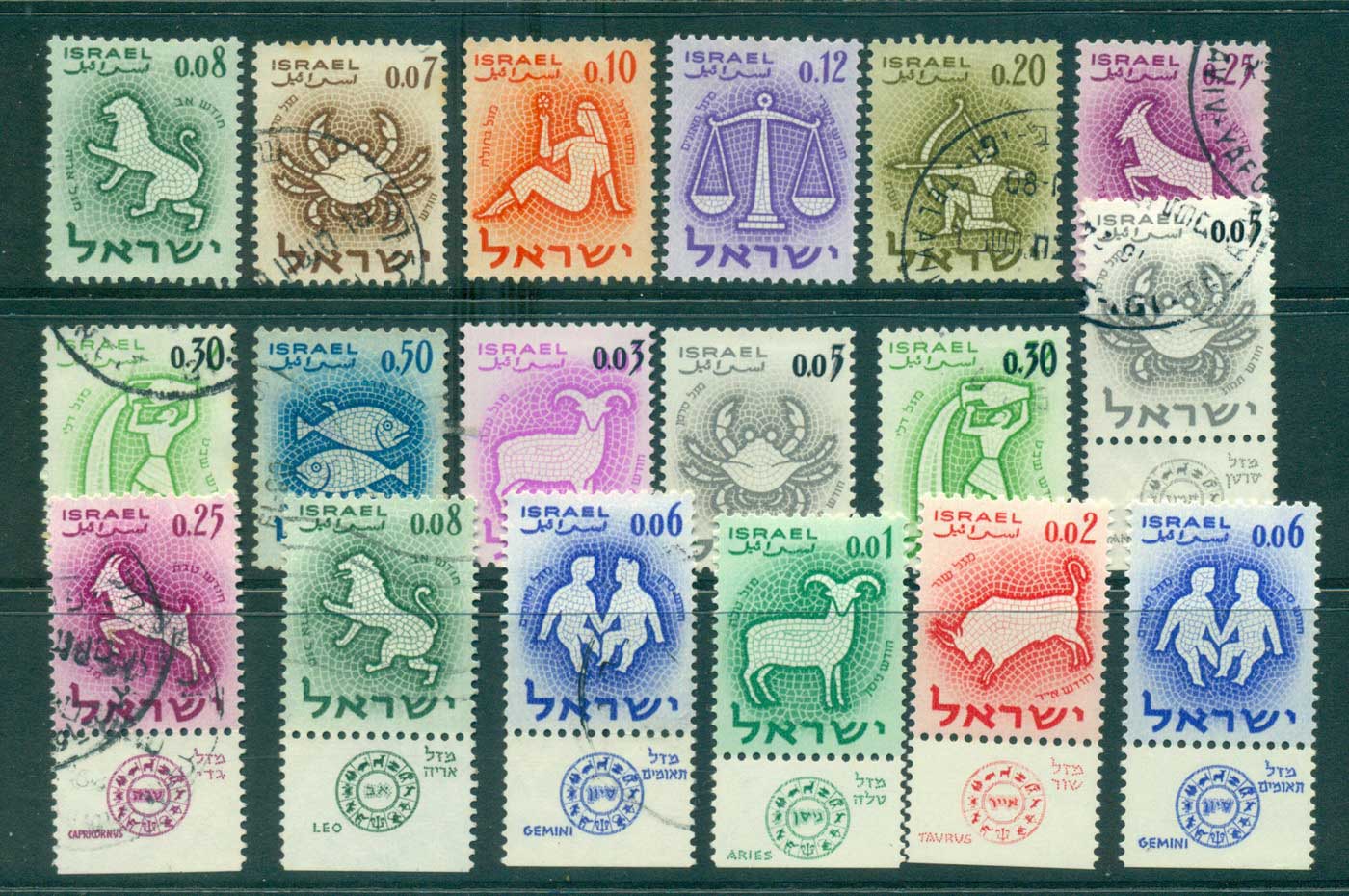
எங்கள் நாடு ஜோதிடத்தை நம்பாத நாடு என்று சொல்வதற்கு அநேகமாக எந்த நாட்டிற்குமே இன்று அருகதை இல்லை என்று சொல்லி விடலாம். எல்லா நாடுகளும் போட்டி போட்டுக் கொண்டு ஜோதிடம் காட்டும் 12 ராசிகளின் தபால் தலைகளையும் போட்டி போட்டுக் கொண்டு வெளியிடுகின்றன.இஸ்ரேல் 1961-62ல் வெளியிட்ட ராசிகளுக்குரிய தபால்தலைகளுக்கு இன்றளவும் பெரும் கிராக்கி உள்ளது.

இந்தியாவில் ஜோதிட தபால் தலைகள்

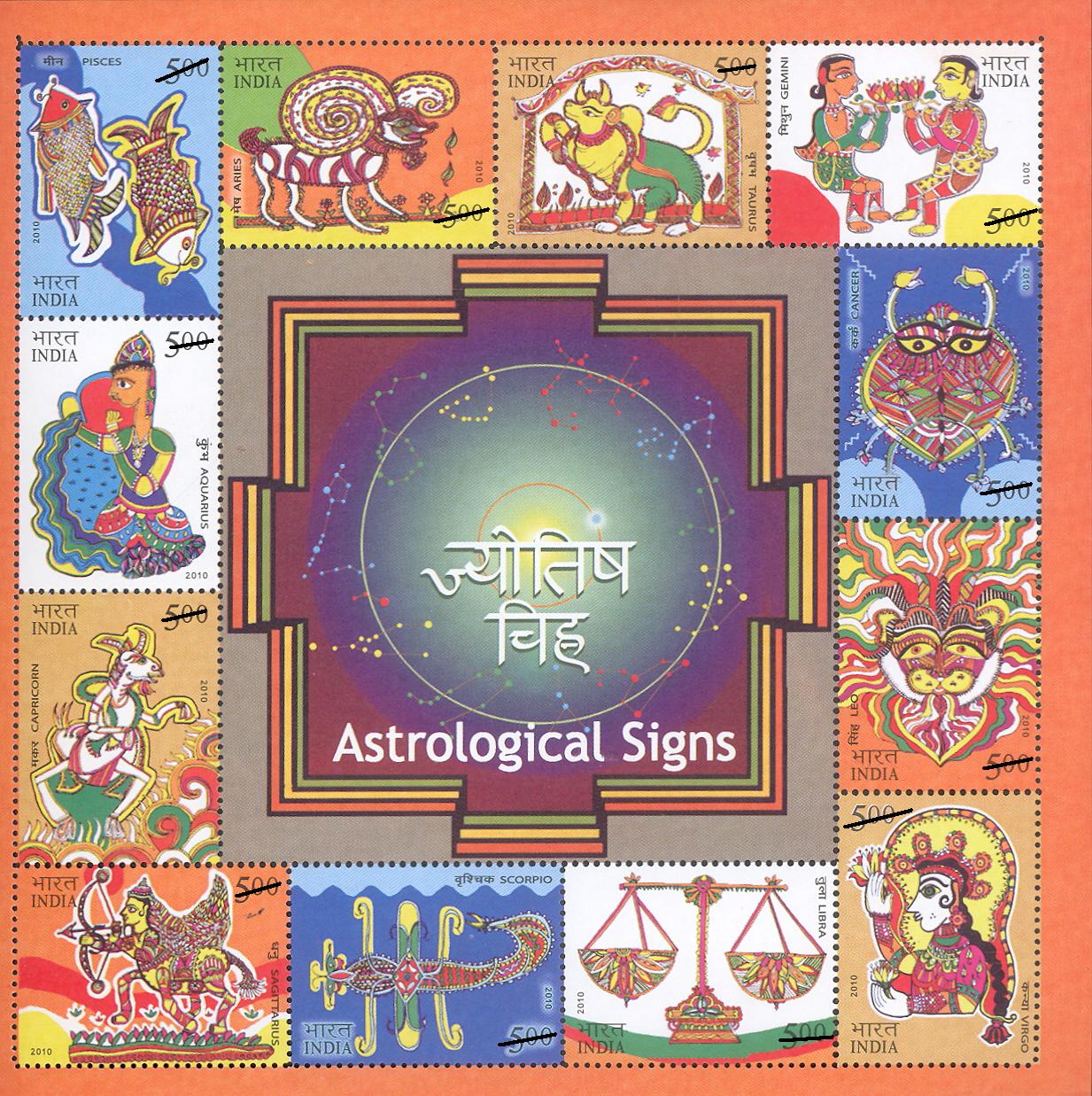
அடிமைத் தனத்திலேயே ஊறிப் போன இந்தியர்கள் நமது பழம் பெரும் பார்ம்பரிய ஜோதிடக் கலையை மதிப்பதற்குச் சற்று தயங்குபவர்கள். அதிலும் விஞ்ஞானிகள் என்றாலோ அவர்கள் ஜோதிடத்தை இகழ்வதை தங்களின் அந்தஸ்துக்கான ஒரு அடையாளமாகக்  கொண்டுள்ளனர். ஆனாலும் கூட சென்ற ஆண்டு இந்தியா 12 ராசிகளுக்கான தபால்தலைகளை வெளியிட்ட போது அதற்கு மக்களிடையே நல்ல வரவேற்பு இருந்தது. ஏனெனில் மக்கள் பாரம்பரிய ஜோதிடக் கலையின் பக்கம் திரும்பி வருவதற்கு இதுவும் ஒரு சான்று. அவரவர்க்குரிய ராசியின் தபால்தலைகளை ஏராளமாக வாங்கி உபயோகித்து வருகின்றனர்.

ஆஸ்திரேலியா, கனடாவின் தபால் தலைகள்

உலகின் பல நாடுகளும் போட்டி போட்டுக் கொண்டு இப்போது ஜோதிட சம்பந்தமான தபால்தலைகளை வெளியிட்டு வருகின்றன. இதற்கு இரண்டு காரணங்கள். முதலாவது ஜோதிட ஆர்வம் உலகெங்கும் பெருகிக் கொண்டே போகிறது.இந்த ஆர்வலர்களின் ஆசையைப் பூர்த்தி செய்வது அரசாங்கங்களின் கடமையாக ஆகிறது. பண்பாட்டைப் பல நாடுகளுக்கும் பரவச் செய்ய ஜோதிடத்தை ஒரு முக்கிய வழியாக பல நாடுகளும் பயன்படுத்த ஆரம்பித்து விட்டன. இரண்டாவது இப்படித் தபால்தலைகளை வெளியிடுவதன் மூலம் ஏராளமான வருவாய் அரசுக்குக் கிடைக்கிறது.வெளிநாட்டுச் செலாவணியும் கூடக் கிடைக்கிறது.

ஆஸ்திரேலியா 2007ல் 12 தபால்தலைகளை முதலில் வெளியிட்டது. இதற்குக் கிடைத்த பெரும் ஆதரவைத் தொடர்ந்து அடுத்து வந்த ஆண்டுகளில் 24 தபால்தலைகளை வெளியிட்டது.

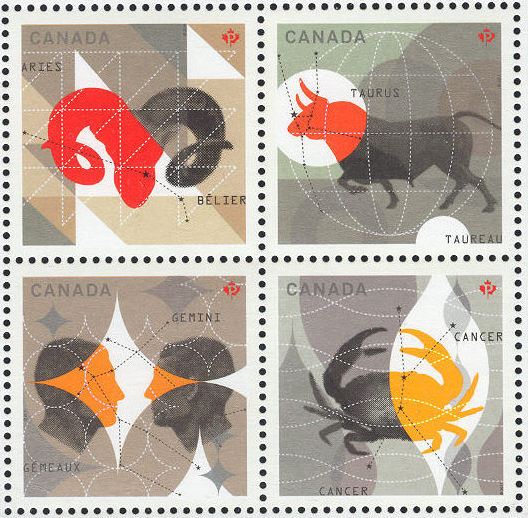
கனடா இந்த ஆண்டு ஏப்ரல்,மே,ஜூன் மாதங்களில் மூன்று தபால்தலைகளை வெளியிட்டது. மிதுன இரட்டையரை அதற்கு உரிய மே மாதத்தில் கனடா வெளியிட்டு தனது ஜோதிட ஆர்வத்தை நிரூபித்துக் கொண்டது.

ஒவ்வொரு தபால் தலையின் வடிவமைப்பும், வண்ண அமைப்பும் அனைவரது உள்ளங்களையும் கொள்ளை கொள்ளும் வண்ணம் உள்ளதால் இப்போது ஜோதிட தபால்தலைகளைச் சேர்ப்பது ஒரு பெரும் பொழுது போக்காக ஆகி விட்டது.

இந்தியா வெளியிட்டுள்ள ஜோதிட தபால்தலைகளை வாங்க உங்கள் அருகில் உள்ள தபால்தலை சேகரிப்பு அஞ்சல் மையத்தை அணுகலாம்.கிடைத்தால் உங்கள் ஜாதகப்படி  ஜோதிட தபால்தலைகளைச் சேகரிக்கும் ராசி உங்களுடையது என்பதை உறுதிப் படுத்துக் கொள்ளலாம்.

                             *********************

Did Olympics Originate in India?

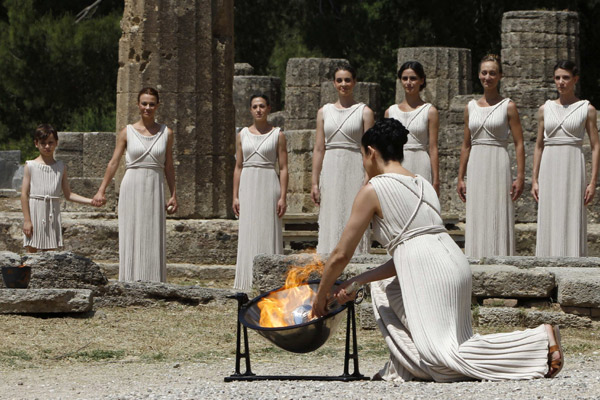
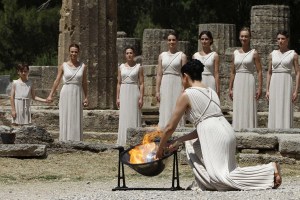
Picture shows Olympic Torch,Olympia,Greece, May 2012

Olympics originated in Olympia, Greece in 776 BC and were stopped after one thousand years. It was started again about one hundred years ago and held every four years in different cities. This is what we read in encyclopaedias. But not many people know that the ancient Olympics were completely different from the Modern Olympics. In the early stage very few games were held for a day and olive wreaths were given as prizes. But if we look at the prizes offered in India around the same time for winners, no one will have any doubt that India was the pioneer in this field. We gave gold coins and women as prizes. We have enough proof for this in Tamil and Sanskrit literature. When Janaka held a philosophical contest the prize he gave Yagnavalkya was gold coins tied to the horns of cows. When a poor Tamil poet Dharumi went for a poetry contest in the court of Pandya king he was given one thousand gold coins. When Krishna recovered the famous diamond Syamantaka by his heroic deeds he got two women Sathyabama and Jambavati. Yadhava Tamils won girls after bull fighting. So the prizes in ancient India were gold and women, not Olive branches!!

If all the Hindu mythological characters are alive today Krishna would have won gold medal in Discus throw, Parasurama and Kartikeya in Javelin throw, Hanuman in weight lifting, a Tamil in Bull fighting and Rama, Arjuna and Tamil chieftain Ori in Archery (in different Olympics), Bheema and Ghatotkacha in wrestling. Our literatures were very clear about who was good at what. Look at the following proofs and you decide whether we gave this idea of Olympics to the world or not.

  1. Contest in Mahabharata: Arjuna-Karna clash (1400 BC)

Mahabharata, the longest epic in the world wais very clear in describing the archery contest held at Indraprastha. A lot of people contested and when Karna came forward to challenge Arjuna it was declared that an ordinary man can’t challenge a prince. Immediately Duryodhana declared Karna as the ruler of Anga Desa. Karna was loyal to him forever for this face saving measure. We know from this episode contests were held in certain games where Kings from different countries participated. In ancient Greece also not all the men were allowed.

2. Discus throw of Krishna: Lord Krishna’s most famous discus was named as Sudarsana Chakra/ wheel. Unlike other discusses it will come back to him like a Boomerang. Probably Krishna only knew some tricks like googly balls (in Cricket). He beheaded Sishupala with his Boomerang when he made the 100th insult against Krishna. Krishna would have easily won discus gold medal.

3. Weight lifting by Krishna and Hanuman:

For weight lifting gold medal we have two contestants, but in two different Yugas. Hanuman would have lifted the gold in Treta Yuga for lifting Sanjeevi hill and Krishna would have got it in Dwapara Yuga for lifting Govardhana Giri.

Don’t think that all these are myths. They did something  great and so they were remembered. There may be some exaggeration.

4. Krishna’s wrestling with a Mallan

Krishna like Greek hero Hercules did win all the contests. He was to fight with a woman wrestler called  Bhutaki whom he crushed to death.


5. Bull fighting of Krishna

People of cowherd caste (Yadhavas) started this sport in ancient India. In Tamil it was clearly written two thousand years ago that the person who tackled the bull will be married to the daughter of the chieftain. Krishna also had to fight with a bull, which he threw away on a tree like a stone.

6. Bheema’s Gathyudha and Ghatotkachan

Mace fight was one of the sports practised in the ancient world. Bheema and his son Ghatotkacha were champions of this art.

7. Ram’s bow trick: seven trees at one go

When Sugreeva wanted to test the strength of Ram to see whether he was fit enough to fight his brother Vali, he asked him to pierce seven trees with his arrow. Rama did win the contest. This shows that in ancient days however big your name may be, they did test every one before entrusting a task. Contests were there in everyday life.

8. Rama’s javelin throw: Kakasura

Rama threw his javelin (spear) against an anti social element called Kakasura and he had to fall at the feet of Rama to escape from it.

9. Runners to bring sea water

Tamil inscriptions boast about Indian kings bathed in waters of two seas or four seas at the same time. They wanted to show that they have control over the land stretching from one end to another end. Great Gupta king Samudra Gupa also said in his inscription that he controlled the vast land in between two oceans. To get the water from two seas in the East and the West , they had hired runners. The runners did a relay race and brought the water from two seas for the king to bathe. Mayan civilisation also had some runners. They were like the Marathon runners.

10. Breaking the pot

During Krihna Leela celebrations though out India all the sports enthusiasts assemble and climb the oil smeared polls to get the money that was tied at the top. Then they go and break the pots with sticks. It was not an easy job. The people will lift the pots beyond their reach. Whoever wins at the end will get some gold coins or some money.

11. Chariot race: Rituparna

Chariot races were held in ancient India. Rituparana, father of Damayanti of Nishada country was a great charioteer. His chariot was faster than modern Formula one Race cars. Dasaratha was a great charioteer whose chariot can travel in dasa/ Ten directions. At one time Kaikeyi drove that chariot and won the war for him. Vedas mention chariot races.

12. Arya Panan visit to Tamilnadu

Tamil Nadu was a place where all arts and sports were supported. We have references to visiting musicians, gymnasts (Arya Kuthadi) and wrestlers (Arya Porunan) in Tamil literature. This is a very clear reference to travelling sportsmen from North India challenging everyone around the country.

13, Great wrestlers of Mahabharata period

Jarasandhan, Bheema and Ghatotkachan were great wrestlers of ancient India.

14. Wrestling schools in Maharashtra

Following the ancient tradition Maharashtra started wrestling schools in every town.

15. Horses and elephants riding

Kings and princes must learn horse riding and elephant riding. They gave special names for the royal horses and elephants which are in Tamil and Sanskrit books. Krishna’s horse was named Ucchaisravas and Indra’s elephant was named Airavata. More names are found in our Sanskrit and Tamil books.

16. Parasuraman’s javelin:

Parasuraman was a good javelin thrower. He threw his javelin against the sea and the sea went back in fear leaving him a new land called Kerala/ God’s own country. This was a symbolic language to say that he recovered vast lands or won a vast country with his javelin/ spear power.

17. Camel race

Camel race has been practised in Rajasthan deserts for ages.

18. Sanskrit Books on Games

Books on games are written in Sanskrit one thousand years ago. I don’t think any other language has such detailed books on games ( Manasollasam). Of the 64 arts ,one of them is about winning in the games. Chess, Gambling, Dice and such indoor games find a better place in Vedas and epics than out door games.

All these sports and the spirit behind it are equal to the motto of Modern Olympics.

TAMIL OLYMPICS

  1. Bull Fighting

Tamil book Kalitokai described the bull fighting in graphic details. It created lot of excitement among women watchers who will be marrying the winners. The bulls were groomed specially by the ladies for this purpose.

  1. Kabadi

Kabadi is a Tamil game which is included in modern Olympics. Tamils have been playing this game from time immemorial.

  1. Silambam

Silambam was stick fight, but its modern version Fencing / sword fight, is included in the Olympics.

  1. Kraunchabedanar: Javelin throw

Lord Kartikeya must have been an excellent javelin thrower. His spear broke the hill in to two and so he was called Krauncha Bedanar. The Krauncha pass ( also known as Niti pass in the Himalayas) is used by the migratory Krauncha birds from the Northern Siberia even today. Tamil and Sanskrit SKanda Purana praised him for this great task.


  1. Ori’s Bow Trick

Like Rama pierced seven trees at one go, Sangam Tamil literature described how Ori’s arrow pierced five different animals at one go. Paranar praised his great skill in archery. He shot an arrow that went through an elephant, a tiger, a deer ,a boar and a forest iguana!! He would have easily won gold medal for archery. Another great archer was Ekalaivan of Mahabharata period.


  1. Weight lifting: Idumban Kavadi

Weight lifting was done by Idumban, sage Agastya’s helper. Idumban was hired by sage Agastya to carry two hills and he laid them on the ground half way through his journey. When he tried to continue his journey Lord Skanda prevented him from carrying the hills and  Idumban was made the guard of the hills at Palani, a holy town in Tamil Nadu. (Kavadi is like a balance– a rod suspended on one’s shoulder which carried heavy things tied to both the ends of the rod–It is similar to weights in weight lifting on either side.)This story of Idumban is a land dispute between the locals and sage Agastya, but amicably settled in the end.


  1. Hand Ball by women

Foot ball was invented by Mayans of Central America. But hand balls were invented by Tamil women. We have innumerable references to Tamil women playing hand balls in groups (Orai Ayam).


  1. Water Sports: Pari Patal and Attanathi & Adimanthi

Water sports were described in great detail in ancient Tamil book Paripatal and Akananuru. A tragic incident was sung by two or three Sangam poets. Adi Manthi, daughter of great king Karikal Chola married a gymnast who was an expert in Gymnastic swimming. When he was displaying his skill in the river Kaveri during a festival ,something went wrong and he was washed away by the river. The entire crowd was in a great shock. His wife cried in pity and followed him along the river. At last he was saved by a Samaritan and he lost his life in the rescue attempt. This and Paripatal showed very clearly all the water sports like swimming and gymnastics were enjoyed by the Tamils .


  1. Arya Porunan  Vs Panan

Another tragic tale is about a wrestling contest. Panan, a wrestler from North India visited Tamil Nadu and challenged everyone for a contest. His friend Katti was also a North Indian. Tamil Nadu also had a great name in Wrestling –Kanaiyan. He was friendly with another northerner called Arya Porunan. At first Panan from the North challenged Arya Porunan, a migrant from north settled in Tamil country. Arya Porunan’s body was cut into two pieces. His friend Kanaiyan was shaking in fear and ran away from the scene. Now Panan became more arrogant and went to Uraiyur, the capital of Chola country to challenge Thithan Veliyan. Before entering the town he heard about big celebrations for Thithan Veliyan. People were praising his heroic acts. That gave Panan a big shock and now he was shaking in fear. Panan ran away without entering Uraiyur. Tamil poet Paranar made fun of him in his poems (please read my article The First Tamil Historian-Paranar)


  1. Runners: Tamil runners who brought sea water from the west and the east were mentioned in several copper plates. (Details are given above)


  1.  Wrestling School: Like in Maharashtra , Tamils had wrestling schools in every town in ancient Tamil Nadu. The teachers were respected like heroes and strict discipline was maintained throughout one’s learning. These people took the art of Karate to the Far Eastern countries. The Buddhist monks learnt it for their self defence.


  1. Horse riding:

Horse riding was part of a regular syllabus for kings and princes. Kari, the Tamil chieftain had named  his horse Kari as well. Lovers riding the chariots were mentioned in Tamil poems.


  1. Pandya king Javelin throw

Like Parasurama,  a Pandya king was also credited with acquiring a vast country by throwing his spear into the sea. Needless to say that it is a symbolic way of saying he won a country across the sea by his javelin/ spear power. What interests us here is they use Javelin throw as a phrase to bring out a message. My conclusion is Throwing a Javelin was a common sport. The Pandya was Nilam Tharu Thiru Vil Pandyan (Vadivel Erintha Pandya)


Was It Olympics?

How can we call these games Olympics?

We can call these games Olympics because 1. General public were allowed to participate and watch 2.Prizes were given at the end 3.The motto of the games were friendship and culture 4. We did not spill blood like the Romans where slaves were mauled to death by tigers and lions and the Roman kings and the public cheered the Gladiators.


***********************
கிரேக்க – தமிழ் மொழி தொடர்பு

உலகில் உள்ள பழைய மொழிகளில் கிரேக்க மொழியும் ஒன்று. தமிழை விட பழமையான நூலை உடையது. ஆனால் சம்ஸ்கிருதத்துக்கு மிகவும் இளைய தம்பி. தமிழில் கிடைக்கும் மிகவும் பழைய நூல் தொல்காப்பியம். அது கி.மு. முதல் நுற்றாண்டைச் சேர்ந்தது. கிரேக்க மொழியில் கிடைக்கும் பழமையான நூல்கள் ஹோமர் எழுதிய இலியட், ஆடிசி என்னும் இரண்டு இதிஹாசங்களாகும் அவை கி.மு. எட்டாம் நூற்றாண்டைச் சேர்ந்தவை. சம்ஸ்கிருதத்தில் கிடைக்கும் மிகவும் பழைய நூல் ரிக் வேதம். அதன் காலம் கி.மு. 1500.


கிரேக்க மொழி இந்தோ- ஐரோப்பிய மொழிக் குடும்பத்தைச் சேர்ந்தது. அதாவது சம்ஸ்கிருத மொழியுடன் நெருங்கிய தொடர்புடைது. தமிழோ அதற்குச் சிறிதும் தொடர்பில்லாத திராவிட மொழிக் குடும்பத்தைச் சேர்ந்தது. மஹா அலெக்சாண்டர் கி. மு.326-ல் இந்தியா மீது படை எடுத்த பின்னர்தான் கிரீஸ் நாட்டுக்கும் நமக்கும் தொடர்பு ஏற்பட்டதாக சிலர் எழுதிவைத்தனர். அது தவறு. அதற்கு முன்னரே தமிழ் சொற்கள் அந்த மொழியில் கலந்துவிட்டன. வட மொழிச் சொற்களும் உள்ளன. ஆனால் கிரேக்கமும் சம்ஸ்கிருதமும் ஒரே மொழிக் குடும்பத்தைச் சேர்ந்ததாக ஆராய்ச்சியாளர்கள் கூறுவதால் சம்ஸ்கிருதத்தை யாரும் பெரிது படுத்துவதில்லை.

மொழி ஒரு புறம் இருக்க, பழக்க வழக்கங்களிலும் இதிஹாசக் கதை விஷயங்களிலும் இந்தியா கிரேக்க ஒற்றுமை பலருடைய கவனத்தையும் ஈர்த்துள்ளது. முதலில் மொழித் தொடர்புகளைக் காண்போம். இவைகள் அலெக்ஸாண்டர் படை எடுப்புக்கு முன்னரே கிரேக்க மொழியில் உள்ள்வை. பல சொற்கள் இலியட், ஆடிசி நூல்களில் காணப்படுகின்றன.


இதற்கு கீழ்கண்டவாறு விளக்கங்கள் கூறலாம்:

  1. நாம் வட மொழி, தென் மொழி சொற்கள் என்று கருதுவன எல்லாம் ஒரே மூலத்திலிருந்து வந்தவை. அதனால்தான் கிரேக்க மொழியில் பழந்தமிழ் சொற்களும் பழைய சம்ஸ்கிருத சொற்களும் உள்ளன.
  2. அல்லது நாம் பழந்தமிழ் சொற்கள் என்று கருதுபவையும் சம்ஸ்கிருத சொற்களே. அதனால்தான் நீர் என்ற சொல் கூட ரிக் வேதத்திலும் கிரேக்க மொழியிலும் உள்ளது.
  3. அல்லது இரு வேறு மொழி பேசுவோர் வாணிபம் செய்யச் சென்றதால் அங்கே மொழிக் கலப்பு ஏற்பட்டிருக்கலாம்.

நான் முதலில் உள்ளதையே நம்புகிறேன். தமிழும் சம்ஸ்கிருதமும் ஒரே மூலத்திருந்து வந்தவையே. கிரேக்க நாட்டில் பல நாட்டு மக்கள் குடி ஏறி இருக்கிறார்கள் என்பதும் உண்மையே.


இந்திய-கிரேக்க உறவு, மொழியோடு மட்டும் நிற்கவில்லை என்பதை பல கோணங்களில் விளக்குவேன்.

PALEO: (Palaeo botany, Palaeontology ).இது பழைய என்ற பொருளில் பயன்படுத்தப்படுகிறது.

TELE: தொலை தூரம், தொலைக் காட்சி, தொலை பேசி என்பதெல்லாம் டெலி என்பதுடன் தொடர்புடையவை. டெலி என்பதை நாம் தொலை(வு) என்று சொல்கிறோம்.

NEREIDS: நெரைட்ஸ் என்பது நீர்த் தேவதைகளைக் குறிக்கும். நாராயணன் என்பவன் நீரில் மிதப்பதால் அப் பெயர் பெற்றான். விஷ்ணு ஆதிசேஷன் என்ற பாம்பின் மீது கடலில் மிதப்பதாக இந்து மத புராணங்களும் வேதமும் கூறும். நீர் என்னும் சொல் ரிக் வேதத்திலும் கிரேக்கத்திலும் உள்ளது. இதை தமிழிலிருந்து சம்ஸ்கிருதம் கடன் வாங்கியதாக சிலர் எழுதிவைத்தனர். அது தவறு.

தமிழும் சம்ஸ்கிருதமும் ஒரே மூலத்திருந்து வந்ததால் இரு மொழிகளில் மட்டும் இன்றி கிரேக்க மொழியிலும் நீர் உள்ளது. ஒரு சொல் கிரேக்கத்திலும் சம்ஸ்கிருதத்திலும் இருந்தால் அது இந்தோ ஐரோப்பிய மொழிக் குடும்பத்தைச் சேர்ந்தது என்று மொழிநூலார் முத்திரை குத்தி விடுவார்கள். இனி இதை திருத்தி எழுத வேண்டும்.

ORYZA SATIVA: அரிசியின் (botanical term) பெயர். இது அலெக்ஸாண்டர் காலத்துக்கு முன்னமே கிரேக்கத்தில் உள்ளது.

CLEPTO: க்லெப்டோ என்பது களவு என்றாகும். ப –வும் வ- வும் உலகிலுள்ள ஏராளமான மொழிகளில் இடம் மாறும். (இது பற்றி தமிழன் காதில் பூ என்ற கட்டுரையில் மேல் விவரம் காண்க.)

ODOMETER: ஓடு என்ற தமிழ் சொல்லுடன் தொடர்புடையது. எவ்வளவு தூரம் பயணம் செய்தது என்பதைக்காட்டும் மீட்டர்.

SYRINX: சுரங்கம் என்பதுடன் தொடர்புடைய சொல்.சுருங்கிய இடம்.

DOLIA (sthali-sanskrit)=தாழி= நீண்ட என்று பொருள். நீளமான ஜாடி.

PENELOPE: நப்பின்னை,Nappinnai= பின்னல் pinnal=பின்னு செஞ்சடையாள்

AMPHORAE: ampanam, அம்பணம் padi படி, barani பரணி, amparam அம்பாரம் போன்ற கொள்கலன்

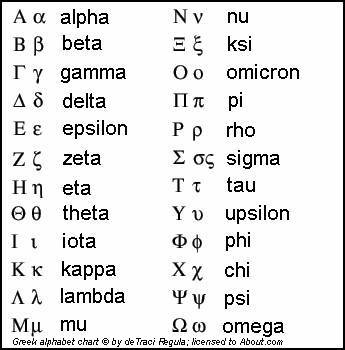
ALPHA: First letter of Greek Alphabet: AA (Cow) ஆ/ பசு (பழைய மொழிகளில்)

BETA: veedu வீடு (பழைய மொழிகளில்).


1954 ஆம் ஆண்டில் வெளியான ஒரு கட்டுரையிலிருந்து: I am adding a few more points from “Tamil Loan Words in Greek” by F.Legrand (Tamil Culture, Volume III, No 1, January 1954):

Oryza=oriza அரிசி (Latin) = Riz (French) = Rice (English) = Riso (Italian) = Arrez (Spanish)

PEPPER=பிப்பலி=pippali (Tamil)=Piperi (Greek)= Piper (Latin) ஆனால் இந்தச் சொல் சங்கத் தமிழில் கிடையாது. Milaku மிளகு and Kari கரி என்ற சொற்களே உண்டு.

GINGER = இஞ்சி வேர் inji+ver (Tamil)= Zinziberi (Greek)=Gingiber (Latin),

MALABATHRUM= மலபத்ரம் cinnamon leaf from Malabar is Malabathrum (Latin). (My opinion is it is a Sanskrit word Malabar/Malaya + Pathram) இது வடமொழிச் சொல்.

SANDAL = சாந்து Santalon (Greek)= Santhu சாந்து (Tamil)= Chandana (Sanskrit)

F.Legrand says that the Hebrew word Almug Trees (Old Testament, Bible) identified with Valgu வல்கு for Sandal is a Sanskrit word. எபிரேய மொழியில் அல்மக் மரம் என்பது வடமொழிச் சொல்லான வல்கு என்று லெக்ராந்த் சொல்லுகிறார்.

(He pointed out that the word Palais (Paleo) for old pazaiya in Tamil is found in Homer.

Legrand also pointed out that Nereus, God of the Sea, is found in Hesiod’s Theogony.)

TYRANNES (Powerful)=Thiran திறன்  (Tamil)

PATHOS (suffering)=படு Legrand compares it with Patu in Tamil. But I think it is a Sanskrit word similar to Vathai வதா/ வதை (vatha). But it is possible that both Tamil Patu and Sanskrit Vatha come from same source.

AROO (cultivate, plough)= அறு/ ஏரு Legrand says it is similar to Aru (cut, harvest). But I think it is closer to ERU (plough)

Legrand argues that Pagu, Paguthi, Pangu are all cognates of Pagos (greek) pagus (Latin). Probably he did not know that Pagam பாகம் is a Sanskrit word.

He argues Gynae<Gune for woman is Tamil. He points out it Pen பெண் in Tamil becomes Hennu ஹன்னு in Kannada and Gyne in European languages. But the linguists will see Kanya கன்யா / கன்னி in Sanskrit and Gynae closer.

ANTHROPOS = ANER (Greek)= aan ஆண் in Tamil (Anthropology= மானுடவியல்)

CHEIR (Gk) =kai கை in Tamil Kara கர in Sanskrit. Probably both have some common root.

PAIDI (Gk) =Boy=Page= paiyan பையன்

GALA = Gala காலா means milk. He argues that Halu ஹாலு in Kannada is similar to Pal பால் in Tamil. He says that if we understand G=H=P changes then we can trace many more words.

Megas= மஹா Great / Big. But it is Sanskrit (Maha). Tamil use Ma மா for big;May be from a common source.


மயிலை சீனி வேங்கடசாமியும் சில சொல் ஒற்றுமைகளை அவரது கட்டுரையில் எழுதியிருக்கிறார்:

மத்திகை= குதிரை ஓட்டும் சம்மட்டி, சுருங்கை=பாதாள சாக்கடை, கலம்=படகு, கன்னல் (கடிகாரம்)=க்ரோனோஸ், ஓரை/ஹோரை=Hour

எழினி=யவனிகா-எவினி=திரைச் சீலை

ட்ராய் (Troy) என்பது கிரேக்க இதிஹாசத்தில் முக்கியப் பங்கு வகிக்கும் நகரம். இது துறை என்பதன் மாற்று வடிவம்.


(பகுதி இரண்டில் பண்பாட்டு ஒற்றுமைகள் விளக்கப்படும்)

Animal Einsteins- Part 2

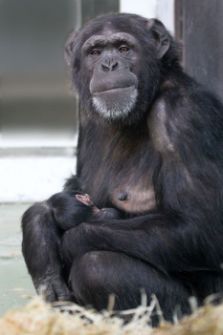
Picture of Grieving ape that lost it’s baby in Amsterdam Zoo

(This is Part-2. Please read the first part of the article under the title “Animal Einsteins in Sanskrit and Tamil Literature)

Animals are intelligent and they do think and act. They even learn new techniques according to the scientific advancements. Crows and other birds previously dropped nuts and other food items on rock from heights to break them. Now they use cars and trucks!! They simply drop the hard food items on roads and wait for the vehicles to pass. When they are broken by the vehicles, they come and eat them. How intelligent they are!!

Tool using animals

Animals using tools is a new subject for biologists (who study Evolutionary Anthropology) in western countries. But there are innumerable references in Tamil and Sanskrit literature to show we knew about it two thousand years ago. Following are among the many references in Tamil:

Narrinai 57: Pothumbil kizar presents an interesting scene where a female monkey gestures to its colleagues to keep quiet and milks a wild cow. It distributes the milk in the hands of its little ones. Though it is day light robbery, we can’t stop appreciating the robber monkey.

Animals know astrology!! Pandyan king Ukkira Peruvazuthu says that a porcupine on its new venture, after listening to the sound of a lizard, went back to its home because it was a bad omen to hear that sound from a lizard (Narrinai verse 98, also Akam 88). Tamils believed in omens based on lizards and birds.

Monkeys are playing with sticks: Ainkuru. 275-277 by Kapilar. Monkeys are breaking the water bubbles by beating with the sticks. We know children enjoy breaking air bubbles or water bubbles.

Narrinai 95: Kottampalavanar sings about an acrobat’s feats and monkeys playing on the sticks.

Monkeys are playing on the drums: Puram. 128 Mutamosiyar.

Sirupa.60-62: The salt vendors’ children play with the monkeys accompanying them. They go from town to town selling salt. The monkeys play with rattle.

Akam.8 by Perum kundrur kizar: A female elephant is helping her spouse to get out of the mud where it was trapped. The elephants use the broken tree branches to build some steps. This shows that they sympathize with the affected ones and help them as well. The Gajendra Moksha story in Hindu mythology is a typical example for animal love.

Animal love

Shakuntala, the heroine of Kalidasa’s  Shakuntalam, was very fond of plants and animals. She gave them special names. So when she departed from Kanva’s house (asram), they all were very sad and blocked her way. Kaliadasa says this through sage Kanva’s mouth:

“It is the little fawn,your adopted sun

Whom you fondly reared with handful of millet,

———————–

It is he who will not move out of your path (Shak. IV -14/16

Akam .59, 85; (also Thirukkovaiyar by Manikkavasagar): Maruthan Ilanagan (5) sings about the love between the male and female elephants. The heroine was convinced by her friend that her husband will abandon his business trip half way through as soon as he sees the male elephant caring for his spouse. Kuruntokai verse 37 also depicts the same scene. Kattur Kizar Kannan sings (85) about love and affection found in the elephant family (Also Kalidasa’s Ragu.16-16). We read about such things in Gath Sapta Sati and Pratima drama (I-5-25)

Puram. 320-Veerai veliyanar- says deers were mating when the husband who was a hunter was sleeping. His wife was so careful not to wake her husband or disturb the mating deers. So she stayed put. We can compare it to Kalidasa’s Shaknuthala . Shakunthala was very careful not to disturb the bird drinking water in the garden. She would always watch them from a distance.

Dasaratha did not kill deer because both male and female deer were together. (Ragu.9-56/57)

Kalitokai 11: Perunkatunko depicts a male dove relieving the sufferings of its mate in the scorching heat by gently fanning its soft wings over it.

Narrinai verses 383, 384: Just to satisfy the hunger of a female tiger, its mate attacks an elephant says Seziyanar. A pigeon brings food to its mate from a long distance.

Animals dream like human beings

Pathirru. 11: Kumattur Kannanar sings about the beautiful dream of deer. The deer dreamt of the grass it ate in the day time and the beautiful waterfalls where it was growing. So it must be a colourful dream.

Akam.170: Madurai Vennakanar describes a dream of a sea gull. It dreamt of eating tasty prawns.

Kurinji kali 13 describes a dream of an elephant. A tiger that stood against the attack of a tiger went to sleep. It dreamt of an attacking tiger and started attacking a Vengai tree. Vengai means both tiger and a kind of tree in Tamil. When the Vengai tree is in bloom it looks like a tiger.

Nar 87. sung by Nakkannaiyar  describes a bats’ dream:   The sharp teethed bat is imagined to dream in its sleep. The bat dreams of the sour taste of the gooseberry fruits (Nelli in Tamil).This theme of bat’s dream is repeated by other poets as well.

A beetle’s dream is portrayed in Akam. 132. It dreamt of elephants rut while sleeping in a bunch of Kantal flowers.

Pet Birds

We already saw the parrots kept as pet birds in Mandanamishra’s house and Tamil Perumpanatruppatai. Kalidasa speaks of pet birds, mostly parrots, in Megadutam.90, Vikrama Urvasiyam II-22, IV-17,Shakuntalam I-13,14,III-14. Peacocks were also raised V-13. People erected poles just for the peacocks to rest.

Akam.34,Maruthan Ilanakan sings about the stags and swans raised in the house and their love and affection. Nar. 376,Kapilar speaks of flocks of parrots coming to cultivated lands and the girl talking to them (so that her lover would hear it).

******************


BULL FIGHTING: Indus Valley to Spain via Tamil Nadu


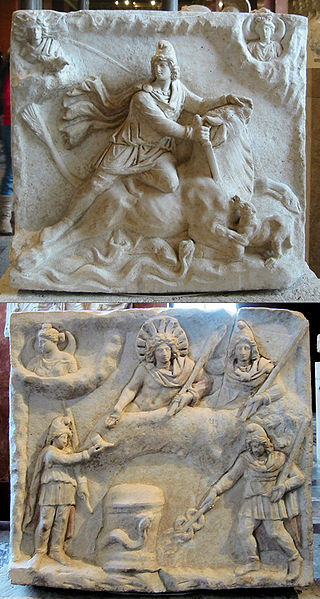
Bull fighting is practised till this day in two different parts of the world- Tamil Nadu in India and Spain in Europe. Both are poles apart culturally and geographically. Bull fighting in Europe is at least two thousand years old. It has its origin in Mithraism cult. They have 2000 year old Roman sculptures showing killing bulls. Mitra is a Vedic God of friendship. We have archaeological evidence about Vedic Mitra from the Bogakoy (Turkey) inscription dated to 1400 BC. All the important Vedic gods Indra, Mitra, Varuna and Ashwins find their place in the inscription of Hittite Friendship treaty with the Mittannis. But the Mithraic cult has nothing to do with the Vedic Mitra. It has come to Europe from Persian Mithra. We did not know how it got corrupted to killing bulls. In the Vedas, Indra was identified with the bull. Probably the Zoroastrians who opposed the Vedic hierarchy of gods and changed them upside down (Asura as Sura and Sura as Asura) might have done it to avenge Indra (bull).


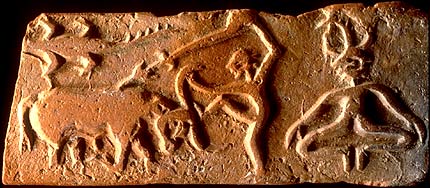
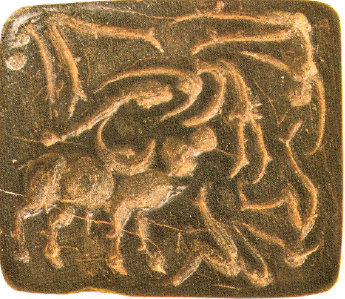
In India the earliest archaeological evidence comes from the Indus Valley seals according to some scholars. But it is doubtful. It looks like a ritual killing of a buffalo to satisfy a god or a goddess. Those who argued that it was the most ancient bull fighting figure did not put together all the available seals. Other available seals clearly show it was a ritual killing of a buffalo to a god or goddess(Please see the pictures) . Bengalis sacrifice buffaloes to goddess Durga during Durga Puja.


If we consider our Hindu mythology pre dates the Indus seals we have the earliest reference of a killing of buffalo in the story of Mahisasuramardhani. Probably this is the only reference to a woman killing a buffalo in the world. In Indus seals men kill buffaloes for the gods. In the story of Mahisasura, it was a demon that comes in the form of a buffalo and got killed by the goddess. There are beautiful sculptures portraying this episode from Mahabalipuram in Tamil Nadu to Ellora in the North.


Bull fighting in Spain started around 18th century. There are different versions of bull fighting. In Spain the bull is killed ,that too with a weapon like we see in the Indus seals. This type of bull fighting has spread to Latin America and Mexico when the Spanish culture was introduced.


Whether it is Tamil Nadu or Spain special kind of bulls are raised exclusively for this purpose with a special type of diet and special training. Tamils have practised this ancient sport for at least two thousand years. They call it Jalli kattu or Manju Virattu or Eru Thazuvuthal. It means chasing the bull or tackling the bull. In ancient Tamil Nadu the horns of the bulls were tied with coins, may be gold coins. Whoever tackled the bull took it and in some places the owner of the bull gave his daughter to the person who tackled the bull. They were considered heroes. Like the Kshatriyas practised Swayamvaram ( a princess choosing her own husband from among the kings and princes), the Yadava Chief’s girls (cowherd community) choose their husbands from among the heroic bull fighters.


Now the bull fighting is conducted every year in Alanganallur, Palamedu, Avaniapuram and several other places around Madurai. Huge crowds gather to watch such events. After protest from animal welfare groups the government has introduced new laws for the safety of the animas and the bull fighters.

Lord Krishna started Bull Fighting


We have lot of proof to believe that the Bull fighting was started by Lord Krishna who was the most popular cowherd (Yadava Kula Tilaka) in the world. Kaliyuga started in 3102 BC after the death of Krishna. But Mahabharata war took place between 1000 and 1500 BC according to majority of the scholars. Even if we go by this date, Krishna was the first one to have a fight with almost all the animals. He fought with an elephant, a bull, a python, a horse, a cran , a donkey and many more . All were set up by his uncle Kamsa according to Hindu mythology. These anecdotes have produced huge literature in Tamil and Sanskrit which has got no parallel in any part of the world. Krishna’s episodes are mentioned in film songs even today in almost all the Indian languages. The bull Krishna fought was Aristasura.


The proof for Krishna starting this comes from 2000 year old Sangam Tamil literature. Kalitokai is one of the eight anthologies of Sangam (Cankam) period. Nalluruthtiranar who sang Mullai Kali gave a graphic description of bull fighting. Justifying his name Shiva (Rudra), the poet mentioned Lord Siva in all his poems. Justifying that it was started during Mahabaharata days the poet gave lot of references to Mahabharata episodes. He said that it was practised by the Ayar community (cowherds)in the pastoral areas.


The poet mentioned how the bulls tear the bull fighters apart like the buffalo riding Yama, God of Death. The colourful bulls are described and compared to various personalities -white bull to Balarama and black bull to Krishna and so on. The Mullaik Kali has got 16 poems beautifully describing the pastoral culture of ancient Tamilnadu. Anyone who reads this Mullaik Kali will get a better picture of how it was practised in ancient Tamil Nadu. All the suspense, gossip, flirting, amorous desires of Ayar girls are dealt with in hundreds of lines- a feast to Tamil lovers.

*****************