பேய்கள் பற்றி பாரதி & விவேகானந்தர்


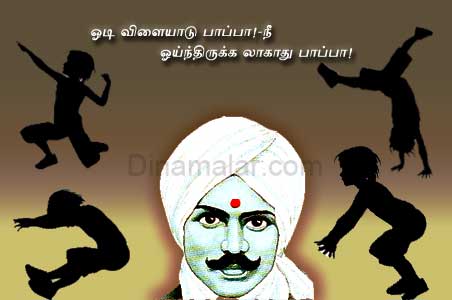
பயமே இல்லாத பாரதி!

(All Quotes in English are words of Swami Vivekananda. All quotes in Tamil are words of Subramanya Bharathi: Swami)

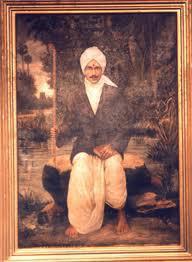
பாரதியின் தேசபக்திப் பாடல்களும் தமிழ் மொழி வாழ்த்துப் பாடல்களும் பிரபலமான அளவுக்கு அவருடைய தெய்வ பக்திப் பாடல்கள் பிரபலமாகவில்லை. கண்ணன் பற்றிய பாடல்கள் மட்டும் ஓரளவுக்குப் பரவின. அவர் ஞானம் பற்றியும் பயம் ஒழிப்புப் பற்றியும் பாடிய பாடல்கள் மிகவும் பொருள் பொதிந்தவை. இது பற்றி அதிகம் விளக்குவதற்குப் பதிலாக அவருடைய வரிகளைப் படித்தாலே புரியும். இதையே சுவாமி விவேகனந்தரின் வீர வசனங்களிலும் காணும்போது மெய்சிலிர்க்கிறது.

“அச்சமில்லை அச்சமில்லை அச்சமென்பதில்லையே

இச்சகத்துளோரெல்லாம் எதிர்த்து நின்றபோதிலும்

அச்சமில்லை அச்சமில்லை அச்சமென்பதில்லையே

உச்சிமீது வான் இடிந்து வீழுகின்றபோதினும்

அச்சமில்லை அச்சமில்லை அச்சமென்பதில்லையே.”


Fear is death, fear is sin, fear is hell,
fear is unrighteousness, fear is wrong life.
All the negative thoughts and ideas that are in
the world have proceeded from this evil spirit of fear.

—Swami Vivekananda

“அச்சம் தவிர்

ஆண்மை தவறேல்” (புதிய ஆத்திச்சூடி)

****


“பொய்,கயமை, சினம், சோம்பர்,கவலை, மயல்,

வீண்விருப்பம், புழுக்கம், அச்சம்,

ஐயமெனும் பேயையெல்லாம் ஞானம் என்னும்

வாளாலே அறுத்துத் தள்ளி”

Be a hero. Always say, “I have no fear.”
Tell this to everyone — “Have no fear.” –Swami Vivekananda


“இன்னும் ஒரு முறை சொல்வேன் பேதை நெஞ்சே

எதற்குமினி உலைவதிலே பயன் ஒன்றில்லை;

முன்னர் நமது இச்சையினாற் பிறந்தோம் இல்லை;

முதல் இறுதி இடை நமது வசத்தில் இல்லை;

மன்னும் ஒரு தெய்வத்தின் சக்தியாலே

வையத்தில் பொருள் எல்லாம் சலித்தல் கண்டாய்!”


“The earth is enjoyed by heroes”—this is the unfailing truth. Be a hero. Always say, “I have no fear.”– Swami Vivekananda


பேய்கள் பற்றி பாரதியும் விவேகானந்தரும்

“நெஞ்சு பொறுக்குகுதில்லையே—இந்த

நிலைகெட்ட மனிதரை நினைந்துவிட்டால்

அஞ்சிஅஞ்சிச் சாவார்—இவர்

அஞ்சாத பொருள் இல்லை அவனியிலே!

வஞ்சனைப் பேய்கள் என்பார் –இந்த

மரத்தில் என்பார் அந்தக் குளத்தில் என்பார்;

அஞ்சுது முகட்டில் என்பார்—மிகத்

துயர்ப்படுவார் எண்ணிப் பயப்படுவார்.”


Be strong! Don’t talk of ghosts and devils. We are the living devils. The sign of life is strength and growth. The sign of death is weakness. Whatever is weak, avoid! It is death. If it is strength, go down into hell and get hold of it! There is salvation only for the brave.—–Swami Vivekananda

“அச்சமும் பேடிமையும் அடிமைச் சிறுமதியும்

உச்சத்திற் கொண்டாரடீ—கிளியே

ஊமைச் சனங்களடி!

ஊக்கமும் உள்வலியும் உண்மையிற் பற்றும் இல்லா

மாக்களுக்கோர் கணமும்—கிளியே!

வாழத் தகுதி உண்டோ?”

****

பயம்தான் பேய்

“பயம் எனும் பேய்தனை அடித்தோம்—பொய்மைப்

பாம்பைப் பிளந்துயிர் குடித்தோம்;

வியன் உலகனைத்தையும் அமுதென நுகரும்

வேத வாழ்வினைக் கைப்பிடித்தோம்”


மரணம் பற்றி பாரதியும் விவேகானந்தரும்

“ஆன்ம ஒளிக்கடல் மூழ்கித் திளைப்பவர்க்கு

அச்சமும் உண்டோடா?—மனமே!

தேன் மடை இங்கு திறந்தது கண்டு

தேக்கித் திரிவமடா!”


“Many times I have been in the Jaws of death, starving, footsore, and weary; for days and days I had had no food, and often could walk no farther; I would sink down under a tree, and life would seem to be ebbing away. I could not speak, I could scarcely think, but at last the mind reverted to the idea: “I have no fear nor death; never was I born, never did I die; I never hunger or thirst. I am it! I am it! The whole nature cannot crush me; it is my servant. Assert thy strength, thou Lord of lords and God of gods! Regain thy lost empire! Arise and walk and stop not! ” And I would rise up, reinvigorated; and here I am today, living! Thus, whenever darkness comes, assert the reality, and everything adverse must vanish.

Fear not, and it is banished. Crush it, and it vanishes. Stamp upon it, and it dies.”

Swami Vivekananda


“அச்சத்தை வேட்கைதனை அழித்துவிட்டால்

அப்போது சாவுமங்கே அழிந்துபோகும்”

****

“சாகத் துணியிற் சமுத்திரம் எம்மட்டு

மாயையே—இந்தத்

தேகம் பொய் என்றுணர் தீரரை என்

செய்வாய்1—மாயையே”

****

“காலா! உனை நான் சிறு புல் என மதிக்கிறேன்; என்றன்

காலருகே வாடா—சற்றே உனை மிதிக்கிறேன்”

****

நிலவைப் பற்றிப் பாடும் பாடலில் கூட

“அச்சப் பேயைக் கொல்லும் படையாம்

வித்தைத் தேனில் விளயும் களியாய்

வாராய், நிலவே, வா” – என்று பாரதி பாடுகிறார்.


நீங்கள் பாரதிப் பித்தன் என்றால் கீழ்கண்ட தலைப்புகளையும் காண்க:

(1).சொல்லில் உயர்வு தமிழ்ச் சொல்லே (2).பாரதியுடன் 60 வினாடிகள் (3) பாரதி நினைவுகள் Go to nilacharal.com for items 2 and 3 (4) பாரதி பாட்டில் பழமொழிகள் (5) 60 second Interview with Swami Vivekananda

Pictures from Dinamalar and Facebook. Thanks. Contact: swami_48@yahoo.com

Famous Yogi Explains Miracles- Part 2

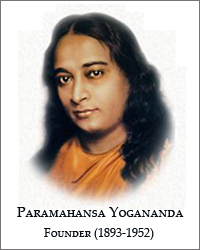
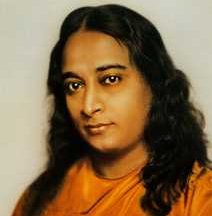
Please read the First Part of this post before reading this. ‘Master’- in the post refers to Sri Paramahamsa Yogananda (1893-1952)

7. Can You See Future?

Master, I am conscious only of the present life. Why have I no recollection of previous incarnations and no foreknowledge of a future existence? A disciple inquired. Paramahamsaji replied:

“Life is like a great chain in the ocean of God. When a portion of the chain is pulled out of the waters you see only that small part. The beginning and the end are hidden. In this incarnation you are viewing only one link in the chain of life. The past and the future, though invisible, remain in the deeps of God. He reveals the secrets to devotees that are in tune with Him.”

8. Space and Time

Does Creation really go through a process of evolution? A disciple asked.

“Evolution is a suggestion of God in the human mind, and is true in the world of relativity. Actually everything is taking place in the present. In Spirit there is no evolution, as there is no change in the beam of light through which all the transient scenes of cinema pictures are manifested. The Lord can turn the motion picture of creation backward or forward, but everything is happening in an eternal now.”


9. Is There a Place Called Heaven?

“ I have never been able to believe in heaven, Master, a new student remarked. Is there truly such a place?”

“Yes”, Paramahamsaji replied. “Those who love God and who put their trust in Him go there when they die. On that astral plane, one has power to materialize anything immediately by sheer thought. The astral body is made up of simmering light. In those realms, colours and sounds exist that earth knows nothing about. It is a beautiful and enjoyable world, but even the experience of heaven is not the highest state. Man attains final beatitude when he overpasses the phenomenal spheres and realizes God, and Himself, as Absolute Spirit”.

10. What Happens After Death?

A group of disciples were walking with the Master on the lawn of the Encinitas hermitage (California,USA), which overlooks the ocean. It was very foggy and dark. Someone remarked, “How cold and gloomy it is!”.

“It is something like the atmosphere that envelopes a materialistic person t the time of death”, the Master said. “He slips from this world into what seems to be a heavy mist. Nothing is clear to him; and for a time he feels lost and afraid. Then, in accordance with his karma, he either goes on to a bright astral world to learn spiritual lessons, or sinks in to a stupor until the right karmic moment arrives for him to be reborn on earth. The consciousness of a devotee, one that loves God, is not disturbed by the transition from this world to the next. He effortlessly enters realm of light, love and joy.”

11. You are all STARS!

Looking at the stars while strolling one evening with a group of disciples, the Master said,” Each of you is comprised of many tiny stars—stars of atoms! If your life force were released from the ego, you would find yourself aware of the whole universe. When great devotees die, they feel their consciousness spreading over infinite space. It is a beautiful experience”.

(My comment: When great people die they become light and visible to other saints. Those who read lives of saints such as Seshadri Swamikal would have come across such anecdotes. In Mahabharata when Matali took Arjuna to alien world (Indraloka) in his chariot, Arjuna asked about stars. Matali replied that these were all the good souls. Patrick More, Royal Astronomer,UK, commented in his Sky at Night programmes on the BBC, that we were all once part of stars!)

12. When will God come to me?

“Why should God surrender himself easily to you”, The Master said during a lecture. “You who work hard for money and so little for divine realization! The Hindu saints tell us if we would give so short a time as twenty four hours to continuous, uninterrupted prayer, the Lord would appear before us or make Himself known to us in some way. If we devote even one hour daily to deep meditation on Him, in time He will come to us”.

“God chooses those who choose Him”.

“Why be upset because God hasn’t shown Himself to you? Think of the long time you ignored Him!

“As a small cup cannot be a receptacle for the vast waters of an ocean, so the limited human mind cannot contain universal consciousness. But when, by meditation, one continues to enlarge his mind he finally attains omniscience. He becomes united with the Divine Intelligence that permeates the atom of creation.”


If you want to know more about MIRACLES, please read the following posts in my blogs:

1.Time Travel by Two Tamil Saints 2.Do Hindus believe in E.T.s and Alien Worlds? 3.Is Brahmastra a Nuclear Weapon? 4.Amazing Powers of Human Mind 5.Spaceships and Special Prayer Days 6.Miracles! You can do it! 7.Mysterious messengers for Ajanta, Angkor Wat and Sringeri 8.Mysterious disappearance of Great Hindu Saints 9.Two Mangoes that changed the Tamil World 10.Do Dreams have meaning? 11.Hindus’ Future Predictions 12.Mysterious Tamil Bird Man 13.மந்திரங்களுக்கு சக்தி உண்டு 14.விண்வெளி ராக்கெட்டும் விஷேச பிரார்த்தனையும் 15.அதிசய பறவைத் தமிழன் 16.When Animals worship God, Why not Men?

Famous Yogi Explains Miracles- Part 1


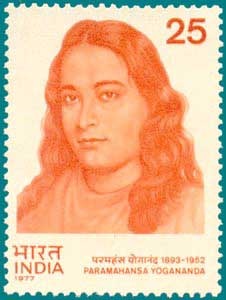
Paramahamsa Yogananda (1893-1952) is one of the greatest Yogis of modern India. He entered Mahasamadhi  in Los Angeles, California, USA on 7th March 1952. The great world teacher demonstrated the value of Yoga not only in life but also in death. Weeks after his departure his unchanged face shone with the divine lustre of incorruptibility: “ The absence of any visual signs of decay in the dead body of Paramahamsa Yogananda offers the most extraordinary case in our experience…….. No physical disintegration was visible in his body even twenty days after death…… No indication of mould was visible on his skin and no visible desiccation took place in the bodily tissue”, was the report of Mr Harry T. Rowe, Los Angeles Mortuary Director.

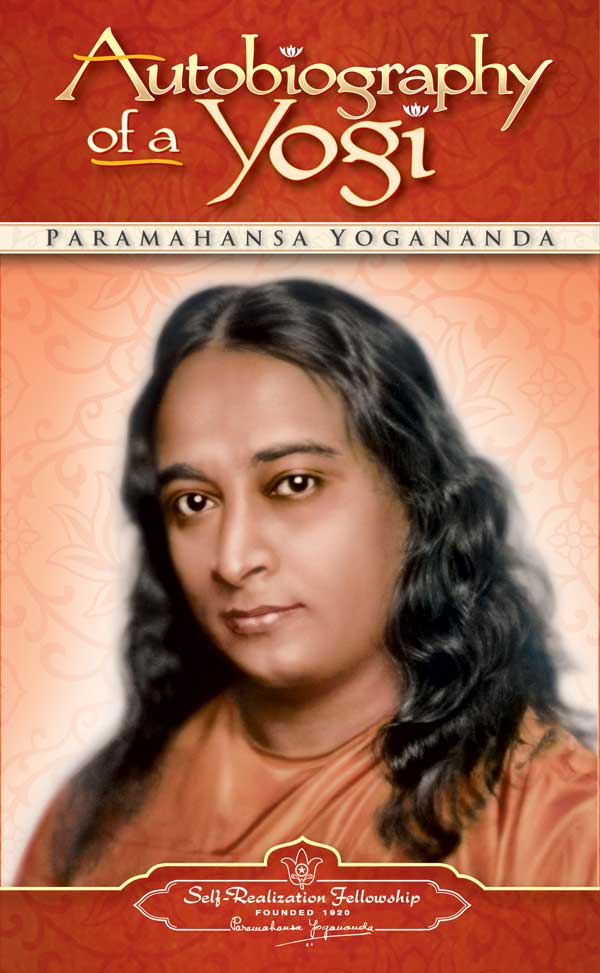
“An Autobiography of a Yogi” written by Paramahamsa Yogananda sold millions of copies in different languages. “The Master Said” was a book of his quotations and anecdotes. Following excerpts explain the miracles. Since he was a great Yogi he explains how miracles happen in simple terms.

(Sub headings only are mine, rest is from the book. I have selected only anecdotes where he dealt with the miracles.)


1.Why Gurus don’t cure disciples’ sickness?

“When a certain student became sick, Paramahamsaji asked her to see a doctor. A disciple asked:

Master why didn’t you heal her?

“Those that have received from God the power of healing use it only when He commands”, the Guru replied.  “The Lord knows that sometimes it is necessary for his children to undergo suffering. People who want divine healings should be ready to live in accordance with God’s laws. No permanent healing is possible if a person continues to make the same mistakes and thus invites the return of the disease. True healing is effected only through spiritual understanding. Man’s ignorance of his real nature or soul is the root cause of all other evils—physical, material and mental”, said the Master.


2.Did Jesus change water into wine?

Master, how could Jesus change water into wine? A disciple asked. Yoganadaji replied: “The universe is the result of a play of light—vibration of life energy. The motion pictures of creation, like scenes on a cinema screen, are projected and made visible through beams of light. Christ perceived the cosmical essence as light; in his eyes no essential difference existed between the light rays composing water and the light rays composing wine. Like God in the beginning of creation, Jesus was able to command the vibrations of life energy to assume different forms.

All men that overpass the delusory realms of relativity and duality enter the true world of Unity. They become one with Omnipotence, even as Christ said ‘He that believeth on me, the work that I do shall he do also: the greater works than these shall he do; because I go unto my Father (John 14-12).

3. Ancient Saints visit Earth

Yoganandaji and a group of disciples were taking their evening exercise on the lawn of the Encinitas hermitage. One of the young men inquired about a certain saint, whose name he did not know.

Sir, he said “it was the master who appared before you here some months ago”

“I don’t remember”, Paramahamsaji replied.

“it was out in the back garden, Sir”.

“ Many visit me there; I see some who have passed on, and some who are still on earth”.

“How wonderful, Sir”

“Wherever a devotee of God is, there His saints come”. The guru passed a minute or two while he did a few exercises. Then he said:

“ Yesterday, while I was meditating in my room, I wanted to know certain things about the life of a great master of ancient times. He materialized before me. We sat on my bed for a long time, side by side, holding hands.”

“Sir, did he tell you about his life?”

“Well, Yoganandaji answered, “in the interchange of vibratio I got the whole picture”.


4.Why do Great Saints “Suffer”?

With awe the disciples were discussing the sufferings gladly endured by the martyred saints of history. The Master said:

“ The fate of the body is wholly unimportant to a man of God realization. The physical form is like a plate that a devotee uses while he eats the wisdom-dinner of life. After his hunger has been eternally satisfied, of what worth is the plate? It may get broken, but the devotee hardly notices. He is absorbed in the Lord”.

“ The life of each Master follows a certain unseen pattern. St Francis was afflicted with diseases; the fully emancipated Christ allowed himself to be crucified. Other great personages such as St Thomas Aquinas and Lahiri Mahasaya passed their days without tremendous stress or tragedy. Saints attain final salvation from backgrounds vastly different. True sages demonstrate that, regardless of external conditions, they are able to reflect the Divine Image within them”.


5. Why some Yogis don’t use Miracles?

Paramahamsa Yogananda said to his disciples on one occasion, “Most people are interested in miracles and wish to see them. But my Master, Sri Yukteswarji, who had control over all natural forces, held very stern views on the subject. Just before I left India for lecture in America, he said to me, ‘Arouse in men the love of God. Don’t draw them to you by displays of unusual powers’. If I walked on fire and water, and filled every auditorium in the land with curiosity seekers, what good would come of it? See the stars, the clouds, and the ocean; see the mist on the grass. Can any miracle of man compare with these essentially inexplicable phenomena? Even so, few men are led through Nature to love God—the Miracle of all Miracles”.

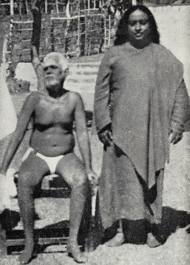
Picture: Sri Yogananda with Sri Ramana Maharishi


6. How do Gurus help save their disciples?

How may a saint take on himself the bad karma of others? A student asked. The Master replied:

“If you saw that someone was going to hit another, you could step in front of the intended victim and let the blow fall on you. That is what a great master does. He perceives, in the lives of his devotees, when unfavourable effects of their past bad karma are about to descend on them. If he thinks it wise, he employs a certain metaphysical method by which he transfers to himself the consequences of his disciple’s errors. The Law of Cause and Effect operates mechanically or mathematically; yogis understand how to switch its currents. Because saints are conscious of God as eternal being and Inexhaustible Energy, they are able to survive blows that would kill an ordinary man. Their minds are unaffected by physical disease or worldly misfortunes.”

Continued in Second Part…………………….. contact swami_48@yahoo.com

Head towards North is wrong

(Tamil version of this article was posted sometime ago in the blog: swami)

Hindu scriptures advise people not to keep their head in the northern direction while sleeping. They say it will reduce one’s life span. But lying in the bed with head in other directions is allowed. Is there any scientific reason for it? Yes, the latest research shows that there is some science behind this.

We know that the compass needle always point towards north because of earth’s strong magnetic force. Scientists were wondering why the grazing cows and deers face one particular direction in the field or in the forest. They were able to observe this strange behaviour of animals thanks to google earth maps. The animals face North- South direction only. But If the same animals come within a range of 30 metres of high voltage electric lines they scatter and move into different directions. Why is it?

Cattle, deers and bats have magnets (magnetite) in their nose areas. The polarity of the body magnets are affected when they come under high voltage electric lines. High voltage power lines emit extremely low-frequency magnetic fields (ELFMFs).

A student of geography could have noticed the land mass is more in Northern Hemisphere than Southern Hemisphere. Most of the areas of south are filled with waters of Indian, Pacific and Atlantic oceans. Millions of years ago the earth was one single land (Pangaea) mass. Then they started moving away from the centre. This is known as Continental Drift. Buy why did most of the land mass moved towards north? Nobody could answer this question. More over the land area narrows towards south. If we look at South America, Africa, India and Malayan peninsula—all the land areas are narrowing down towards south. This is a mysterious phenomenon. We can surmise there is more attraction from north because of the crowded landmass or the land mass moved towards north because of some unknown force.

People may wonder why did Hindus say Don’t lie down head towards (only) north? Is South OK? Probably we have less magnetic pull from the south. The earth is a big magnet. It has got two poles North and South. Students of physics know that “Like poles repel each other, unlike poles attract each other”. If we consider our body as a little magnet and the head (heavier than feet) is the North Pole, naturally earth will repel us if the head is in the north. If we keep our head in other directions it can be avoided.

Hindus must have noticed disturbed sleep or forest animals facing only one direction while grazing. Then they must have found out the evil effects of North.

North is Sacred

For Hindus North is sacred. We have lot of references in Tamil and Sanskrit literature about Fast unto Death by facing North. Tamil literature Purananauru speaks about choza king Kopperun Chozan and Poet Pisiranthaiyar fasting facing north. We have such references in Valmiki Ramayana. Hanuman says if he couldn’t find Sita he will do Mahaprasthanam. In Mahabharata, we have Pancha Pandavas walking towards North with a dog. It was called Mahaprasthanam. The holiest of the mountains Kailash is in the north. All the sacred rivers of India originate from the Northern Himalayan mountains. The  Pole Star in the north called Dhruva, the Sapta Rishi Mandala with the star Arundhati  (Ursa Major or Great Bear or Dipper constellation) are all in the North.

The axis of the earth also shifts slowly like a wobble of a top. It is called axial precession. It takes 26,000 years for one rotation. Hindu scriptures mention this as well. As people started newer and newer civilizations in the Northern Hemisphere on the banks of huge rivers they started observing the earth and the sky. They passed their knowledge to us.

******************

What is special about India?

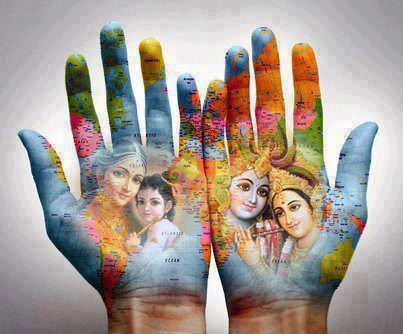
Picture: Divine Hands from face book


Gravity wobble puts 1 lb on you

 An interesting science news item appeared in London newspapers several years ago. It said that anyone wants to lose weight should travel to India.

Read it verbatim from London Metro News paper:

“If you want to lose weight without dieting, take a trip to India. A new map of earth shows that is where the force of gravity is weakest, so objects are lighter. It means you would weigh one percent less there—about 1.5 pound for an average person. The bad news is Britain is one of the places where the gravitational pull is strongest, so people appear to be relatively weighty.

The findings are presented in a new map, prepared to help NASA plan a five year satellite mission to measure the effects of gravity. It shows the planet is not spherical; it is lumpy, slightly flattened at the poles and bulges around the equator.

A fourteen stone man standing on top of Mount Cayambe, a 19,000 foot peak on the equator in Ecuador would be 2 pounds lighter than if he was standing on North Pole. The density of the ground also makes a difference.”

When I read the news item, I wondered whether this had got any connection to our spiritual inclination. So far no scientific experiment is done to determine this. But Bhagavatham and other Puranas say that Devas wanted to take birth in India. Great Tamil poet Bharathyar says that this is the place where Devas live and saints rush to live (Ref. Jaya Jaya Bhavani….. poem).

John Woodroffe (Arthur Avalon) says (page 117, Shakti and Shakta,1918),

“India remains still the most important country on earth for the student of religion. In India we meet with all forms of religious thought and feeling which we find on earth, and that not only at different times but also all together even today. Here we find the most primitive belief in ancestral Spirits, in Demons and Natural Deities with a primeval, imageless sacrificial cult. Here also is a polytheism passing all limits, with most riotous idolatry, temple cult, pilgrimages and so forth. And side by side with and beyond the  these crudest forms of religious life, we find what is deepest and most abstract of what religious thinkers of all times have ever thought about the Deity, the noblest pantheistic  and the purest monotheistic conceptions. In India we also find a priest craft as nowhere else on earth side by side with a religious tolerance which lets sect after sect, with the most wonderful saints, exist together. Here there were and still are forest recluses, ascetics and mendicant monks , to whom the renunciation of this world is really and truly a matter of  deepest sincerity , and together with them hosts of idle mendicant monks , vain fools and hypocrites , to whom religion is only a cloak for selfish pursuits  for the gratification of greed for money , of greed for fame or the hankering after power.


From India also a powerful stream of religious ideas had poured forth over the West and especially over the East, has flooded Central Asia, has spread over Tibet, China, Korea and Japan, and has trickled through the Further East down to the remotest islands of the East Indian Archipelago. And finally, in India as well as outside India Indian religions have often mixed with Christianity and with Islam now giving and now taking.”

“An examination of Indian Vedic doctrines shows that it is in tune with the most advanced scientific and philosophical thought of the West.”

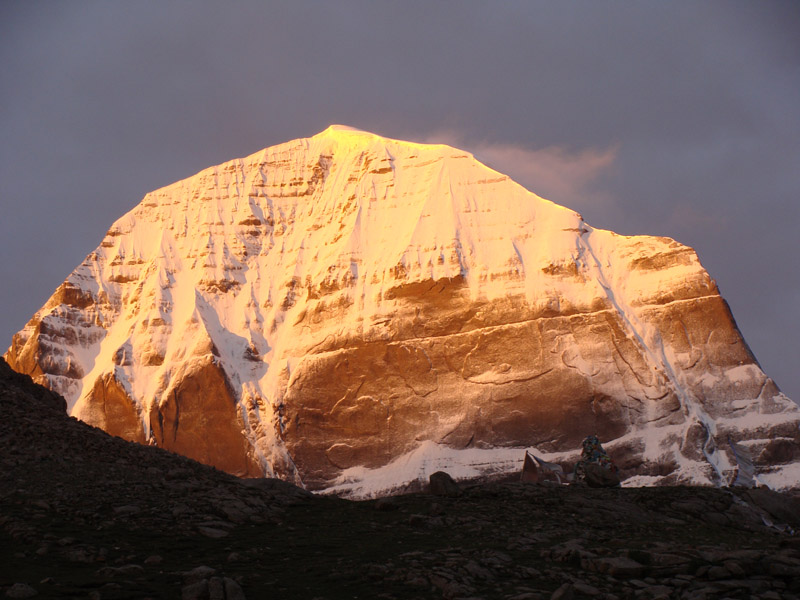
Picture: Kailash, Himalayas.

Let us compare it with what others said about India:

 Will Durant, American historian: “India was the motherland of our race, and Sanskrit the mother of Europe’s languages: she was the mother of our philosophy; mother, through the Arabs, of much of our mathematics; mother, through the Buddha, of the ideals embodied in Christianity; mother, through the village community, of self-government and democracy. Mother India is in many ways the mother of us all”.


Mark Twain, American author: “India is, the cradle of the human race, the birthplace of human speech, the mother of history, the grandmother of legend, and the great grand mother of tradition. Our most valuable and most instructive materials in the history of man are treasured up in India only.”

Albert Einstein, American scientist: “We owe a lot to the Indians, who taught us how to count, without which no worthwhile scientific discovery could have been made.”

Max Mueller, German scholar: If I were asked under what sky the human mind has most fully developed some of its choicest gifts, has most deeply pondered on the greatest problems of life, and has found solutions, I should point to India.

Romain Rolland, French scholar : “If there is one place on the face of earth where all the dreams of living men have found a home from the very earliest days when man began the dream of existence, it is India.”

(Quotes taken from hinduismabout.com)

When we read all these comments we feel how great India is!

*********************


Elephant Miracles


Picture shows Buddha taming ‘Nalagiri

Interesting stories about elephants are found in Indian literature. Like the Indian elephants that travelled up to Rome 2300 years ago, Indian story about six blind men’s encounter with an elephant also travelled to different parts of the world. John Godfrey Saxe (1878) wrote an English poem on it.

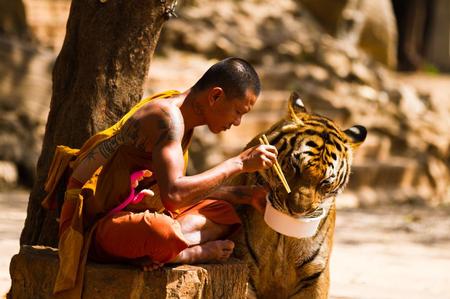
Ascetics have mysterious powers. They can control animals. Hindu literature is full of anecdotes about animal miracles. In the vicinity of ascetics both the tigers and deer (natural enemies) drink water from the same river undisturbed, say Sanskrit and Tamil literature. When a Hindu enters Sanyas Ashrama (ascetic life), he takes an oath standing in the water that he wouldn’t  harm any living being on earth. Hindus are always one step ahead of others. When they take the oath they say by word, deed and thought no harm will be done to anyone. If anyone does this that person develops miraculous powers.

We have several miracles of controlling mad elephants by Mantra, Tantra and heroism in Tamil and Sanskrit books.

1.Krishna’s Encounter with elephant

When Krishna was invited by Kamsa, along with his brother Balarama, to a wrestling bout, he arranged an intoxicated elephant at the gate of the arena. The two brothers saw the elephant at the gate, with the rider at the top; and the rider suddenly marched on to the brothers. Krishna, having accepted the challenge, broke the tusks of the elephant and hurled the elephant into the air. It was killed instantaneously. Its name was Kuvalaya Peetam.

2.Buddha’s encounter with a mad elephant:

Taming of an elephant called Nalagiri by the Buddha comes in Culavagga (VII-2-5). Devadatta sets upon the elephant against Buddha. This is very similar to Krishna’s taming of an elephant set upon by Kamsa. When Buddha  looked at the elephant with a fixed but calm gaze the elephant was calmed down. One can answer the question who copied whom? Easily. Since Buddhism was a proselytizing religion unlike Hinduism, Buddhists copied Ramayana Story, Mahabharata Story, Sibi Story and many more to attract the Hindus into its fold. They attributed all the Pre Buddha stories to the Buddha and told the people Buddha was born in these forms in his previous births.

3.Tamil Saint Appar’s encounter

Appar’s other names are Marulnikkiyar, Tirunavukkarasar and Vageesar. When he was converted to Jainism, he was named Dharmasenar. After his reconversion to Hinduism he was subjected to lot of ordeals by the Pallava king Mahendra Varman (600-630 AD). At the instigation of some jealous Jains he was thrown in to sea and a burning kiln, but he escaped unharmed. Lastly a mad elephant was sent to kill him.

Here are the words of Sekkizar in Periyapuranam about the elephant encounter: “At the king’s command an elephant the size of a mountain came rushing out. The elephant attacked and trampled upon everything on its way. It outdid even Yama, the God of Death. Knocking down walls and verandas in its path, it finally emerged into a wide open square. It was driven towards Appar. But quite unafraid he meditated on the golden feet of Lord Shiva. With heartfelt devotion he sang in praise of the Lord. The elephant walked reverently in a circle round him, then bowed before him to the ground in worship. When the mahouts tried again to drive it in the direction of Appar, it threw all of them to the ground and killed them by the score. The king was totally dismayed. At the end the king himself was reconverted to Hinduism. It happened around 600 AD in Tamil Nadu.

4. Udayana’s Taming of elephants

King Udayana of Vatsa Kingdom (6th Century BC) was fond of elephants. He was such an expert in playing the Veena that he can tame even wild elephants with his music! Lord Indra gifted him a divine elephant, which left him because of a mistake he committed. Shocked, he went in search of it. Meanwhile, he met a princess, Vasavadatta. The two fell in love and faced many problems. Both of them were separated like Rama and Sita and at the end they met again and lead a happy life. His elephant came to his rescue when he was in trouble.

Picture shows Sathya Sai Baba with elephant Sai Geetha

5.Tamil Woman’s Music tames elephants

Elephants are said to have keen ear for music and enjoy good songs. This fact has been mentioned in a number of classical works. In the Tamil anthology Akananuru 102, we have the following interesting line:

“ The Lord of the country, where, on hearing  the huntress who was drying her hair tresses sings the Kurinjippan ( a tune of hill country), the war loving young elephant stood motionless without eating the corn sheaves, closed its eyes and fell fast asleep”.

In Tamil Kalitogai (2), we have the following lines:

“Just as the turbulent king elephant that evades and does not mind the iron hook of the mahout voluntarily submits itself to the sweet sound of the lyre”.

In Perunkathai, a Tamil translation of Brhatkatha, we see how an elephant became a slave to Udayana’s lyre and came to his rescue when he was in trouble.

Ancient Indians were keen observers of animal behaviour. They studied animal psychology even before Freud and Jung and even wrote about animal dreams. I have dealt with these themes elsewhere in my posts.

6.Kanchi Sankaracharya’s encounter

Source:-A book on Paramacharya by name Ganni by Sri Sudarsananda-published by Sri Bhagavat Seva Ashramam,TriplicaneApril 1986.
Once when Periyava (Shankaracharya) was camping at a place PUCHAMALAIKKUPAM, the shed where the Mutt’s elephant was kept got fire and the elephant broke its chain and ran away. Next day morning the employees of the mutt noticed that the shed where the elephant was kept was burned down fully and the elephant was missing. Later it was found that the elephant was near a tank some five miles away and the mahout went there to fetch the elephant but the elephant refused to accompany him despite great efforts. Then Periyava went there and the elephant slowly got up from the tank and came near Swamiji and saluted him. There were few burns on the body of the elephant. Swamiji patted the elephant with HIS own hand and ordered that proper treatment for burns should be done.

On another occasion also, when the elephant refused to move, Swamiji was informed. He came patted the animal lovingly. The elephant acted normally from the minute Swamiji touched it. Others were too scared to go near the elephant.

7.Elephants choosing future kings by garlanding

It would interest here to note that in ancient times, the royal elephant was let loose in order to find a suitable successor for the throne that was rendered vacant by the death of a king who died without a heir. The story goes that Tamil kings Karikal Choza and Murthy Nayanar were elected as kings in the above manner. In the North we see elephant helping King Udayana this way.

Also read 200+ Tamil Proverbs on Elephant posted already in this blog.


**************

கடலில் தோன்றும் மர்மத் தீ-1

Picture shows Fire Tornado on land. It lasted for 40 minutes in Alice Springs, Australia.

(கடலில் தோன்றும் மர்மத் தீயை வடமுகாக்கனி, வடவா, படபா என்று வடமொழி நூல்களும் மடங்கல், ஊழித் தீ என்று சங்கத் தமிழ் நூல்களும் கூறுகின்றன. இந்த இரண்டு பகுதிகள் அடங்கிய கட்டுரைத் தொடரில் அது பற்றிய வியப்பான செய்திகளைத் தருகிறேன்- லண்டன் சுவாமிநாதன்)

கடலில் ஒளிந்திருந்த கனல் எழுந்து வந்தாற் போல்

உடலில் ஒளிந்த சிவம் ஒளி செய்வது எக்காலம்?—பத்திரகிரியார் பாடல்


“Siva’s fiery wrath must still burn in you

Like Fire smouldering deep in the ocean’s depths

Were it not so, how can you burn lovers like me,

When mere ashes is all that is left of you?” –Sakuntala of Kalidasa III-3


லண்டனில் இருந்து வெளியாகும் மெட்ரோ பத்திரிக்கையில் (செப்.18, 2012) ஒரு அதிசயப் படம் வெளியாகி இருக்கிறது. ஆஸ்திரேலியாவில் அலீஸ் ஸ்பிரிங்ஸ் என்னும் இடத்தில் ஒரு சூறாவளி தீயைக் கக்கிக்கொண்டு சீறிபாய்ந்து வந்ததை ஒருவர் படம் எடுத்திருக்கிறார். நீர்க்கம்பம் ஏற்படுவதைப் பலர் கடலில் பார்த்திருக்கின்றனர். ஆனால் தீக் கம்பம் ஏற்படுவது இயற்கையில் அபூர்வமாகத்தான் நிகழும். சாதாரணமாக இரண்டே நிமிடம் நீடிக்கும் இந்த இயற்கை அற்புதம் ஆஸ்திரேலியாவில் 40 நிமிடங்களுக்கு நீடித்தது.

1923ஆம் ஆண்டில் ஜப்பானில் ஏற்பட்ட கிரேட் காண்டோ பூகம்பத்தின் போது இப்படிப்பட்ட தீக்கம்பம் தோன்றி 15 நிமிடங்களுக்குள் 38,000 பேரைக் கொன்றது. இயற்கையின் சீற்றத்தைத் தடுக்க எவரால் முடியும்?

1977ஆம் ஆண்டில் ஆந்திரத்தில் ஏற்பட்ட புயலில் பல்லாயிரக் கணக்கான மக்கள் இறந்தனர். சுனாமி போல ராட்சத அலைகள் புகுந்ததில் ஆந்திரக் கடலோரமாக இருந்த பல கிராமங்கள் சுவடே இல்லாமல் அழிந்தன. அப்போது கடலில் பெரும் தீயைக் கண்ட மக்கள் அதை விவரித்தபோது விஞ்ஞானிகளும் வானிலை நிபுணர்களும் இது சாத்தியமில்லை என்று கூறினர். ஆனால் இப்போது உலகம் முழுதும் செய்திப் பறிமாற்றம் அதிகரித்துள்ளதால் நாமே ஒப்பிட்டுப் பார்த்து ஊகித்தறிய முடிகிறது.

இதோ 1977ம் ஆண்டு மதுரை தினமணியில் வெளியான செய்தி:

மலை அலையில் கண்ட பெருந் தீ!

பிழைத்தோர் கூறும் அதிசயத் தகவல்கள்!!

விஜயவாடா, நவ.29:- ஆந்திரப் பிரதேசத்தில் புயலின் விளைவாக திவி தாலுகாவில் மலை போன்ற அலைகள் கிளம்பியது நினைவிருக்கலாம். இந்த தாலுகாவில் மத்திய நிபுணர் குழு ஒன்று சுற்றுப் பயணம் செய்தபோது, வெள்ளத்தில் உயிர்தப்பிய பல மீனவர்களும், கிராம வாசிகளும் நிபுணர்களைச் சந்தித்து மலை மலையாக அலை கிளம்பிய சமயம் தீ ஏற்பட்டதாகவும், காது செவிடுபடும்படியான பெருத்த சப்தம் ஏற்பட்டதாகவும் அது வெடிச் சப்தம் போல இருந்ததாகவும் கூறினர். இது நிபுணர்களுக்குப் புரியாத புதிராக உள்ளது.

அலைகளில் இருந்து நெருப்பு ஜ்வாலை கிளம்பியதாகவும் அலைகள் மீது இந்த நெருப்பு தோன்றிய பின்னர்தான் அந்த பேரலைகள் தணிந்ததாகவும் கிராமவாசிகள் கூறினர்.

உஷ்ணமண்டலப் பகுதிகளில் புயல் வீசும்போது அதன்விளைவாக வெளியிடப்படும் சக்தி 200 ஹைட்ரஜன் குண்டுகள் வெடிப்பதால் ஏற்படும் சக்திக்குச் சமம் என்று குறிப்புகளில் காணப்படுவதாக மத்திய விஞ்ஞான தொழில்நுட்ப அமைச்சகத்தைச் சேர்ந்தவரும், மத்தியக் குழுவில் இடம்பெற்றவருமான என்.ஆர்.கிருஷ்ணன் கூறினார்.

ஆகவே மனிக்கு 200 கிலோ மீட்டர் வேகத்தில் ஆந்திராவைப் புயல் தாக்கியபோது உண்டான சக்தியால் தண்ணீர் ஆக்சிஜன், ஹைட்ரஜன் என்ற மூலகங்களாகச் சிதைந்து அதன் மூலம் நெருப்பு ஏற்பட்டிருக்கலாம் என்றும் கிருஷ்ணன் கூறினார். இது கடல் ஆய்வு நிபுணர்கள் ஆய்வு செய்யவேண்டிய விஷயம் என்றும் அவர் சொன்னார்.

1864ல் மச்சிலிப்படிணத்தைப் புயல் தாக்கியபோதும் இதேபோல அலைகளினூடே நெருப்பு தோன்றியதாக கிழக்கிந்தியக் கம்பெனி ரிகார்டுகளில் காணப்படுகிறது என மாநில அதிகாரி ஒருவர் கூறினார்.

இதைத் தொடர்ந்து ஆங்கிலப் பத்திரிக்கைகளில் ஆசிரியருக்குக் கடிதம் பகுதியில் வாதப் பிரதிவாதங்கள் எழுந்தன. 3-12- 1977 தினமணியில் வந்த செய்தி இதோ:-

கடலில் தோன்றிய மர்மத் தீ என்ன?

மின்சார நிகழ்ச்சியாக இருக்கலாம் என நிபுணர் கருத்து

புதுடில்லி, டிச.2:- ஆந்திராவில் புயல் தாக்கியபோது தரை மீது உருண்டுவந்த அலைகளின் மேல் தோன்றிய தீயைப் போல, வேறு நாடுகளிலும் தெரிந்தது உண்டு என தெரியவருகிறது. ஆனால் மத்திய அதிகாரி ஒருவர் கூறியது போல ஆக்சிஜன் ,ஹைட்ரஜன் என்று பிரிய வாய்ப்பு இல்லை என்று வானிலை நிபுணர்கள் கூறினார்கள்.

கடல் தீ என்பது மின்சாரத்தால் உண்டாகும் ஒரு நிகழ்ச்சியாக இருக்கலாம். ‘அட்லாண்டிக் கடல் புயல்கள்’—என்ற ஆங்கில நூலில், கோர்டண்டன் மற்றும் பானர் மில்லர் எழுதிய நூலில், இத்தகைய நிகழ்ச்சிகளுக்கு விளக்கம் உள்ளது.

பெருங்காற்றால் உந்தப்பட்டுப் பேரலைகள் கடற்கரையைத் தாக்கும்போது அலைகளின் மேல் பரப்பில் லட்சக் கணக்கான மின்மினிப் பூச்சிகள் போன்ற நீல நிறப் பொறிகள் தென்படும் என்றும் 1935ல் அமெரிக்காவில் ப்ளொரிடா மநிலத்தில் கீவெஸ்ட் கடலோரத்தைப் புயல் தாக்கியபோது மிகப் பரவலாக கடல் தீ காணப்பட்டது என்றும் அவர்கள் எழுதியுள்ளனர்.

இதோ 28-11-1977 தினமணி, மதுரைப் பரப்பில் வந்த மற்றுமொரு செய்தி.

அந்த எமன் அலை!

விஜயவாட, நவ.26:- சென்னையை பயமுறுத்திவிட்டு கடந்த 19ம் தேதியன்று ஆந்திராவைப் புயல் தாக்கியபோது, கிருஷ்ணா மாவட்ட திவி தாலுகாவை விழுங்க முற்பட்ட ராட்சதக் கடல் அலையின் அளவுபற்றி இப்பொழுது தெரியவரும் மதிப்பீட்டைப் பார்க்கும்போது அங்கு கிட்டத்டட்ட ஒரு பிரளயமே ஏற்பட்டதாகத் தோன்றுகிறது.

கடலில் இருந்து 27 ஆயிரம் கோடி கன அடி நீர் அப்படியே சுவர் போல மாபெரும் அலையாகக் கிளம்பியது. 50 மைல் நீளமும் 10 மைல் அகலமும் 19 அடி உயரமும் இருந்த இந்த அலை மணிக்கு 120 மைல் வேகத்தில் கரையைத் தாக்கியது

இந்த அலை தாக்கியபோது சுமார் 500 சதுர கிலோமீட்டர் பிராந்தியத்தில் 80 நிமிடத்துக்குள் கிட்டத்தட்ட 10,000 பேர் மடிந்தனர். ஒரு லட்சத்துக்கும் மேலான கால நடைகள் இறந்தன. சுமார் 150 கிராமங்களும் குக் கிராமங்களும் சுவடே இல்லாமல் அழிந்தன.

கடலில் இருந்து பத்து மைல் தூரத்துக்கு உள்ளே வந்து இரண்டு பக்கங்களிலும் இருந்த அனைத்தையும் இந்த அலை பந்தாடிவிட்டது.. எருமைகள், காளை மாடுகள் ஆகியவற்றின் சடலங்கள் 20 அடி உயரத்தில் இருந்த மரக் கிளைகள் மீது தொங்கிக் கொண்டிருந்தன. இதிலிருந்து அலைகளின் கோர தாண்டவத்தை அறிய முடிகிறது”.

இந்த தினமணிச் செய்திகளைப் படிக்கும்போது குதிரை முகம் கொண்ட வடமுகாக்னி என்னும் ஊழித்தீயும் இரண்டு தமிழ் சங்கங்கள் இருந்த தென் மதுரை, கபாட புரம் ஆகிய நகரங்களைக் அழித்த கடற்கோளும் நம் மனக் கண்முன் தோன்றுகின்றன.

கட்டுரையின் இரண்டாம் பகுதியில் ஊழித் தீ பற்றி தமிழ் நூல்களும் வடமொழி நூல்களும் கூறுவது என்ன? இந்துமதத்தில் இது பற்றிய நம்பிக்கை என்ன? என்பதைக் காண்போம்.

தொடரும்…………………..

Rare Conch- Dakshinavarta Shanka

By London Swaminathan; contact swami_48@yahoo.com

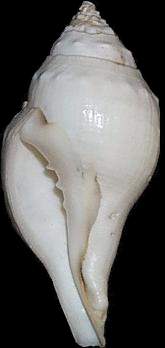
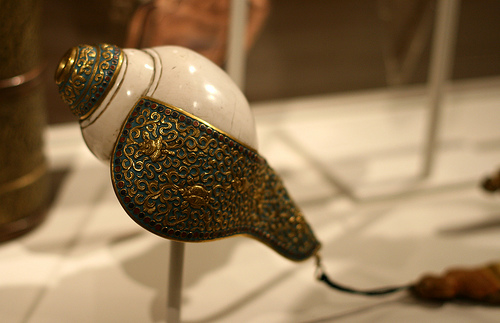
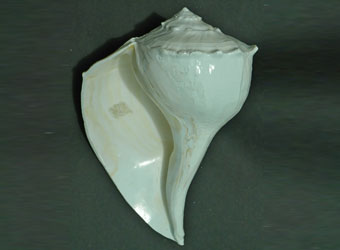
Conches (Shanka in Sanskrit) have been used by the Hindus for thousands of years as money, musical instrument, decorative art pieces and objects of worship. We get them from the sea. Most of the conches are anti clockwise. But very rarely we get clockwise conches and they are called Dakshinavarta Shanka ( In Tamil ‘Valampuri’). This means right whorl or clockwise whorl. They are more valuable and holier than the normal ones. The type of conches used by the Indians is ( Turbinella Pyram) coming from Indian Ocean. But cheaper varieties are available from South Africa.

English word conch came from the Sanskrit word ‘Shank’. It is used in all the temples for doing Abhisheka (bathing the Gods/statues ) with Ganges water or milk. During the month of Kartika, all the South Indian Shiva temples use 1008 Shanks for Abhisheka, which is a sight not to be missed. Hindus throng to the temples on Kartik Somwar (Monday) to see it. Conches are revered by Vaishnavites too for being in the hand of Vishnu.

Special Names in Bhagavad Gita

Ancient Hindus gave special names for the Shanks they used in the battle fields or royal palaces. Krishna’s conch was called Panchajanya. The five Pancha Pandavas had the following Shankas: Arjuna: Devadatta (Given by God), Bhima: Paundaram (Lion’s Roar), Dharma: Anantha Vijayam (Eternal Victory), Nahula and Sahadeva: Sugosham (Sweet Voice) and Mani Pushpakam (Jewel-Blossom). Following the play of Kaurava’s war drums, the Pandavas blew their famous Shanks and started the great Mahabharata war (Bhagavad Gita 1-15).

These sacred conches were on the flags of the Hindu Kings once. Travancore Maharaja had this on his flag. It is considered one of the Eight Auspicious symbols of Buddhists. Tibetans and Chinese keep them in the Buddhist Viharas. Many of them are covered with gems, gold and silver plates. Of late these have been auctioned by big Western auction houses for thousands of dollars. Museums around the world have acquired such conches.

Tamil and Sanskrit Literature

The Dakshinavarta (Right Whorl) conches were sought after by kings and religious leaders. Tamil Sangam literature mentioned this as Valampuri Sangu in several places. Following are some of the references: Akananuru 201, 350; Ainku.193; Kali 135;Thiru.23, 127;Nar.172;Nedu.142; Pathi.67-6; Pari.3-88, 13-44, 15-59; Pura.225, 397; Peru.35; Mullai.2

Varaha Purana, Skanda Purana and other mythologies speak about the greatness of these special Shankas. If anyone does Puja with these Shankas, one gets great merits. Since they believed that they have medicinal properties children were fed with conches and conch powder was used in Ayurvedic medicine.

Dakshinavarta Shanka is considered a lucky object. Hindus believe that they will attract money. So they spend a big amount to buy them. Indian Type Right Whorl conch is sold for lakhs of rupees depending upon their size. It is very rate to get in big size. Since they are holy, they never leave them on the floor. They make special stands with precious metals for the conches.

British Museum in London, Metropolitan Museum in New York and other famous museums display gold plated or handled conches.  Bengalis use bangles and other ornaments made up of white conches till this day. It plays a very important part in their wedding ceremonies. Father of the bride and the bridegroom family give conch bangles to the bride which she wears though out her life. If they are broken they are replaced immediately. Wearing broken conches or breaking them is considered inauspicious. Ancient excavations show big conch industries.

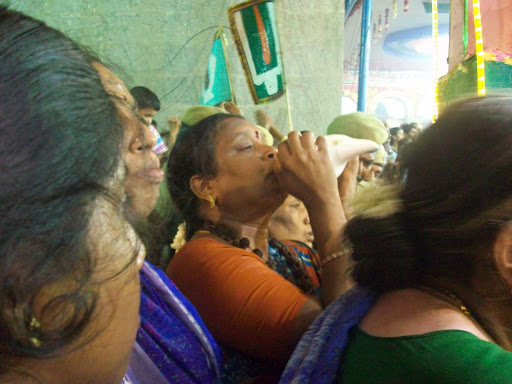
During Puja time, religious Hindus blow with conches. In the olden days, if anything valuable found anywhere, it was donated to the king and he in turn donated invaluable things to Gods in the temples. Thus temples were big depositories of rare and expensive objects.

Following letter is sent to me by e mail. I agree with him. Indians and Westerners look at it differently.

Valampuri Chank
I am Dr. Chandrashekhar Phadke from Poona, Maharashtra, India. I have gone through your blog on Dakshinavarty Shankh or Valampuri Shankh.
In your blog you have mentioned that it shows Clockwise rotations of whorls or sutures. It is not correct. In case of Valampuri the rotations are anticlockwise in nature. It is called as Sinistral Shell. In case of ordinary Left handed Conch (In Indian Context), the whorls are clockwise and the cavity opens on the left hand side. The conch is therefore called as Dextral Conch.
Position of the conch is important. The above description is applicable when conch head is facing towards the devotee and its tail is towards the God in altar. This is the Indian way. In western countries, tail is towards the devotee and the head is towards the God idols in altar.
Thanking you and with regards,
Yours sincerely,
Dr. Chandrashekhar Phadke

***************

அபூர்வ வலம்புரிச் சங்கு

Contact swami_48@yahoo.com for more details

சங்குகளில் இரண்டு வகைகள் உண்டு. இடப்பக்கம் சுழிந்து செல்லும் சங்குகள் உலகில் எளிதாகக் கிடைக்கும். வலது பக்கம் சுழியுடைய வலம்புரிச் சங்குகள் (clock wise whorls) அபூர்வமாகவே கிடைக்கும். வலம்புரிச் சங்குகளை இந்துக்கள் மிகவும் புனிதமாகக் கருதுகின்றனர். இரண்டு வகையும் கடலில் வாழும் சங்கு இனப் பிராணிகள்தான். ஆனால் இந்துக்கள் என்ன காரணத்தால் வலம்புரிச் சங்குகளைப் புனிதமாகக் கருதுகின்றனர் என்பதற்கு ஒரு அறிவியல்பூர்வ காரணமும் கிடைக்கவில்லை. இவைகள் அபூர்வமாகக் கிடைப்பதாலும் விஷ்ணுவின் கையில் இருப்பதாலும் தெய்வப் பட்டம் சூட்டினரா என்றும் தெரியவில்லை.

வலம்புரிச் சங்குகள் பற்றிச் சமய நூல்களில் நிறைய விஷயங்கள் கிடைக்கின்றன. கார்த்திகை மாத திங்கட்கிழமைகளில் சிவபெருமானுக்கு 1008 சங்குகளை வைத்து அபிஷேகம் செய்வது பல கோவில்களில் நடைபெறுகிறது.

சங்குகளின் பெயர்கள்

கோவில்களிலும் போர்க்களங்களிலும் அரசர் நிகழச்சிகளிலும் சங்கநாதம் முழங்கும். பஞ்ச பாண்டவர்கள் ஒவ்வொருவரும் ஒரு சிறப்பான சங்கை வைத்திருந்தனர். அதற்குத் தனியான பெயரும் உண்டு. கிருஷ்ணனின் சங்கின் பெயர் ‘பாஞ்சஜன்யம்’; பஞ்ச பாண்டவர்களின் சங்குகளின் பெயர்கள் பின்வருமாறு: தர்மன்- ‘அநந்த விஜயம்’ ,பீமன்- ‘பௌண்டரம்’ , அர்ஜுனன்-‘தேவதத்தம்’, நகுலன்- ‘சுகோஷம்’ , சகாதேவன்- ‘மணிபுஷ்பகம்’.

16-08-1978 தினமணிப் பத்திரிக்கையில் வெளியான ஒரு செய்தியின் தலைப்பு : அரைக் கிலோ வலம்புரிச் சங்கு

“ சென்னை, ஆக. 14:- வலம்புரிச் சங்குகள் கிடைப்பது அபூர்வம். பெரிய உருவமுள்ள வலம்புரிச் சங்குகள் கிடைப்பது அதைவிட அபூர்வம். 2 வாரங்களுக்கு முன் ராமநாதபுரம் ஜில்லாவிலுள்ள திருப்பாலக்குடிக்கு அருகில் கடற்கரையில் 485 கிராம் எடையுள்ள வலம்புரிச் சங்கு கண்டெடுக்கப்பட்டது. இது இப்பொழுது தமிழ்நாடு மீன்வள வளர்ச்சி வாரிய திட்டத்திடம் இருக்கிறது. இது 40,000 ரூபாய் இருக்கும் என்று மதிப்பிடுகிறார்கள். இதை கீழக்கரைவாசி ஒருவர் 20,000 ரூபாய்க்கு வாங்க முன்பணம் செலுத்தினார். ஆனால் சங்கு குளிப்பது அரசுடமை ஆக்கப்பட்டுவிட்டதால் அதை அரசிடம் ஒப்படைக்க நேரிட்டது. சாதாரண சங்குக்கு ஒரு ரூபாயும் வலம்புரிச் சங்குகளுக்கு ஆயிரம் ரூபாயும் அரசு தரும். இதற்கு முன் தமிழ்நாட்டுக் கடற்கரையில் 16 ஆண்டுகளுக்கு முன் வலம்புரிச் சங்கு கிடைத்தது.”

இந்தச் செய்தியைப் படிக்கையில் வலம்புரிச் சங்குகளின் அபூர்வத் தன்மை ஓரளவு புரிந்திருக்கும். அப்போது ரூ.40,000 என்பது இப்போது ரூ. 4 லட்சத்துக்கும் மேலாக இருக்கும்.

சங்க இலக்கியத்தில் வலம்புரிச் சங்கு

தமிழ்ச் சங்க இலக்கியத்தில் பல இடங்களில் வலம்புரிச் சங்கு பற்றிப் புலவர்கள் பாடுகின்றனர். அரண்மனைகளிலும் போர்க்களங்களிலும் எப்படி ஒலித்தது என்பதை பின்வரும் இடங்களில் படிக்கலாம்:

அக.201, 350; ஐங்குறு.193; கலி.135; திரு.23, 127; நெடு. 142, பதி. 67, பரி. 3-88, 13-44, 15-59; புற225, 397;பெரு.35; முல்லை.2

தருமி என்னும் ஏழைப் பிராமணப்  புலவருக்குச் சிவபெருமான் பாட்டு எழுதிக் கொடுத்து அவன் ஆயிரம் பொன் பரிசு பெறும் தருணத்தில் அதை பாண்டியப் பேரரசின்  தலமைப் புலவர் நக்கீரர் எதிர்த்தார். உடனே நக்கீரருக்கும் சிவபெருமானுக்கும் இடையே பெரிய வாக்குவாதம் வெடித்தது. அப்போது “சங்கு அறுப்பது எங்கள் குலம், சங்கரனார்க்கு ஏது குலம்?” என்று சிவபெருமானின் குலத்தையே கிண்டல் செய்தார் நக்கீரர். இதிலிருந்து வேளாப் பார்ப்பான் ( அக்கினி வளர்த்து யாகம் செய்யாத பார்ப்பனர்கள்) சங்கு வளையல் செய்து விற்றுவந்தது தெரிகிறது. இதற்குப் பின்னர் சிவன் நெற்றிக் கண்ணைத் திறந்து நக்கீரனை வாட்டிய போதும் “நெற்றிக் கண்ணைத் திறப்பினும் குற்றம் குற்றமே” என்று தமிழுக்காக வீர முழக்கம் செய்தார் சங்கு அறு தொழிலில் ஈடுபட்ட நக்கீரன்.

இவ்வளவு இடங்களில் வலம்புரிச் சங்கைக் குறித்துப் புலவர்கள் பாடுவதே அதன் மகிமையை உணர்த்தும்

திருமணத்தில் சங்கு

வங்காளிகள் இன்றும் கூட திருமணத்தில் சங்கு வளையல்கள் கொடுக்கின்றனர். வாழ்நாள் முழுதும் அணியும் புனிதப் பொருள் என்று கருதுகின்றனர். சங்குகளில் வளையல், மோதிரம், மாலை முதலியன செய்து அணிவது இந்துக்களிடையே அதிகம் காணப்படுகிறது

சிவஸ்ரீ பாலசுந்தரக்குருக்கள் எழுதிய கட்டுரை ஒன்றில் பின்வரும் விஷயங்களைத் தருகிறார்: சங்க ஒலி ஓம்கார ஒலியைக் குறிக்கும். வைதீக சைவர்கள் ஆத்மார்த்தமாகவோ பரமார்த்தமாகவோ செய்யும் பூஜைகளில் சங்கு பூஜை முக்கிய இடத்தைப் பெறுகிறது. நத்தார்படையின் மகிமை சொல்லுதற்கரியது. சங்குப் படைக்கு மத்தியில் அதன் அதி தேவதைகளான கங்கா தேவியும் வருணனும் வசிக்கின்றனர். சங்கின் முன்பாகத்தில் கங்கை, சரஸ்வதியும் பின்பாகத்தில் பிரஜாபதியும் வசிக்கின்றனர்.

“ ஏ, பாஞ்சஜன்யமே ! நீ முன்னர் திருப்பாற் கடலில் உதித்தனை. மஹாவிஷ்ணுவினால் கையில் தரிக்கப்பட்டு எல்லா தேவர்களாலும் பூஜிக்கப்பட்டனை. தேவர் தம் பகைவராகிய அசுரர்களின் மனைவியரின் கருக்களை எல்லாம் உன் பேரொலியினால் ஆயிரம் தூள் தூளாகினை. உனக்கு வணக்கம் “ என்ற மந்திரத்தினால் சங்கில் தீர்த்தத்தை நிரப்பவேண்டும்.

சங்கு, ஹரியின் இருப்பிடம். பணத்தைக் கொண்டுவரும். சங்கு தீர்த்தம் பற்றி பத்ம புராணம் விரிவாகக் கூறுகிறது. சங்கில் பாலை நிரப்பி இறைவனை நீராட்டினால் ஆயிரம் யாகங்கள் செய்த பலனை அடையலாம். கங்கை நீரை நிரப்பி அபிஷேகம் செய்தால் பிறவிப் பிணியை அறுக்கலாம் என்றும் புராணங்கள் கூறும்.”

தட்சிணாவர்த்த(வலம்புரிச் சங்கு) சங்கு கொண்டு அர்ச்சிப்போன் ஏழு பிறவிகளில் செய்த வினைகளயும் நீக்கலாம் என்று ஸ்காந்தம் கூறும்.

உலகின் பல மியூசியங்களில் தங்கக் கவசம் போடப்பட்ட சங்குகளை வைத்திருக்கின்றனர். இவை இந்தியக் கோவில்களில் இருந்து சென்றவை. பணக்கரர்கள் பல லட்சம் கொடுத்து வலம்புரிச் சங்கு வாங்குவதற்குக் காரணம் அவை அதிர்ஷ்டகரமானவை, நிறைய பணத்தைக் கொண்டு வருபவை என்று நம்புவதே.

தென் ஆப்பிரிக்கக் கடற்கரையில் கிடைக்கும் சில வகைச் சங்குகள் வலம்புரியாக இருந்தும் அவை இந்தியவகை போன்று புனிதமானவையோ விலை மதிப்புடையனவோ அல்ல.

பவுத்தர்களும் சங்கை புனிதமாகக் கருதுகின்றனர். அவர்களுடைய எட்டு மங்கலச் சின்னங்களில் இதுவும் ஒன்று. ஆயுர்வேதத்தில் சங்குப் பொடியைப் பயன்படுத்துகின்றனர். சீனவிலிருந்தும் திபெத்திலிருந்தும் வரும் தங்கப் பிடி போட்ட சங்குகள் வெளிநாட்டு ஏலக் கம்பெனிகளில் பல லட்சம் பவுன் அல்லது டாலர்களுக்கு ஏலம் விடப்படுகின்றன

லண்டனில்உள்ள பிரிட்டிஷ்மியூசியம், நியூயார்க்கிலுள்ள மெட்ரோபாலிடன் மியூசியம் முதலியவற்றில் அரிய சங்குகளைக் காட்சிக்கு வைத்துள்ளனர்.பூஜை செய்யும் சங்குகளைத் தரையில் வைக்ககூடாது என்பதால் அதற்கு வெள்ளி அல்லது தங்கத்தில் அழகான ‘ஸ்டான்ட்’ செய்துவைக்கின்றனர். திருவாங்கூர் மகாராஜா கொடியிலும் கூட சங்கு இடம்பெற்றது. Conch (சங்கு) என்னும் ஆங்கிலச் சொல் ‘சங்க’ என்ற சம்ஸ்கிருதச் சொல்லில் இருந்து வந்ததே!

முத்து, பவளம் ஆகியவும் கடலில் இருந்தே கிடைக்கின்றன. சோழிகளில் குறிப்பிட்ட வகையை ஒருகாலத்தில் பணமாகப் பயன்படுத்தினர். இவைகளும் கடல் தரும் செல்வங்களே.


Miracles do Happen !

By london swaminathan

List of Hindu Miracles

Swami Sivananda of Rishikesh has translated into English a poem by  Tamil saint Thayumanavar, who lived in southern India two hundred years ago. This gives an idea of the miracles done by Hindu saints, particularly Siddhars.

You can control a mad elephant

You can shut the mouth of bear or tiger

You can ride a lion

You can play with the cobra

You can make a living by alchemy

You can wander through the world incognito

You can make vassals of the gods

You can be ever youthful

You can walk on water

You can live in fire

You can achieve all Siddhis at home

But to control the mind is rare and difficult.

(*Tamil original is given at the end)

Controlling mind is harder than doing miracles. When a person starts doing severe penance he gets lots of temptations from the angels. (Kanchi Paramacharya says in one of his lectures that the angels hover around you and beg you to use them). Anyone who falls a prey to such temptation is trapped with women or gold or some strange desires such as building a new temple or starting a new movement or creating a Utopia. Those who ignore and go beyond that temptation will reach God. But there are some saints, who come back from that stage to awaken the mankind. Ramakrishna Paramahamsa said that knowing that there is a big ocean of ever bliss, they rush back to the world to announce: Please Believe me, Please come with me, Please Join me to merge with the Nithya Ananda=Bliss forever.


Some examples for each category:

You can control a mad elephant

Appar did it. Uthayanan did it. Kanchi Pramacharya did it when the Mutt elephant was in ruts.

When a raging mad bull came running through a narrow lane, everyone else ran helter-skelter. Swami Vivekananda stood still and it went back the way it came.

You can shut the mouth of bear or tiger

Ramana Maharishi did it. He lived with tigers. Sastha/Ayappan did it.

Autobiography of a Yogi by Paramahamsa Yogananda gives details about a Tiger Swami.

You can ride a lion

Goddess Durga did it. King Bharata (India is named after him) did it.

You can play with the cobra

All the Hindu Gods have cobra on their bodies. Hindu saints tamed cobras. They meditated in forest and anthills formed over them over the years. Cobras use ant hills as their home. A cobra entered saint Ramana’s ashram and went back when he stared at it.

You can make a living by alchemy

Adi Shankara brought rain of gold coins.

Vidyaranya got bars of gold established Hindu Empire through Harihara and Bukka.

Appar and Sambandhar got gold coins from nowhere.

You can wander through the world incognito

Krishna multiplied himself hundreds time to be with all the Gopikas at the same time. Narada travels to three different worlds incognito and suddenly appear before devotees.

You can be ever youthful

Markandeya was ever 16 years old (Is that why we call sweet sixteen?)

You can walk on water

Padma padacharya ( Lotus Footed) did it when Adi Shankara called him.

When he rushed to serve his Guru he walked on the river and lotus flowers came out to hold his feet.

You can live in fire

Adi Shankara did drink boiling iron to teach his disciples a lesson, who were blindly imitating everything he did.


List of Eight Types of Miracles (Ashta Ma Sddhis)

Hindus are the only race in the world to categorise the miracles and gave examples for every kind of miracle in the mythologies or in the life of hundreds of saints. Though we hear about miracles done by other religious leaders, Hindus divided them into eight crystal clear types. They took this branch of science more seriously than others.
Siddhar is one who attained Siddhi i.e. special psychic and supernatural powers, which has been defined to be eight fold in the science of yoga.


1.Anima :power of becoming the size of an atom and entering into smaalest life.

2.Mahima : power of becoming mighty and co-extensive with the universe.

3.Laghima : capacity to be light, though big in size

4.Garima : capacity to be heavy though seeming small in size

5.Prapthi : capacity to enter all the worlds from Brahmaloka to Pathalam

6.Prakasyam : power of disembodying and entering into other bodies and going to heaven and enjoying whatever one wants from one place

7.Isithvam :  having the creative power of God and control over the sun, the moon and the elements

8.Vasithvam : power of control over kings and Gods.


Miracles by Saints

William Joseph Jackson has beautifully summarised the Hindu miracles into several categories in his book “Thyagaraja: Life and Lyrics”. Following is the gist from his long introduction:

1. A miracle of origins: A god appears, often in a dream, and commands the parents to undertake an action or announces the imminent birth of a great soul. The musical trinity Sri Thyagaraja, Muthswami Dikshithar, Shyama Shastry and Vaishnava saint Vedanta Desikar, Telugu composer Kshetraya are also remembered as being announced in this way. ( in many saints’ life the dream plays a main role in the miracles either through the devotees or the saint himself). Mothers of Buddha, Mahavira and Adi Shankara had strange dreams.

2. Aid from an ascetic: Intervention by a long dead sanyasin (ascetic) or by a mythical figure. A holy man appears and gives a magical spell (Mantra) or gives his powers to the new person. Most of the saints see someone in dream or under a tree or in the guise of a devotee who they consider as people sent by god. Saint Ramanuja repeated Om Namo Narayana and became greater than his Guru. Manikkavasagar met someone under the tree and became his disciple. Mathurakavi did the same when he met Nammazvar under the greenwood Tamarind tree.

3. Learning from an extraordinary Guru: They receive education from some famous people or become the disciple of a great person. English educated atheist Swami Vivekananda was guided by Sri Ramakrishna Paramahamsa and Adi Shankara was taught by his guru Govinda Bhagavathpatha. It is like cutting raw diamonds to shape and polish them.

4. Trial and Vision: Even though they are guided by a famous or a mysterious Guru, they also do their own penance. Saint Thyagaraja did repeat Rama’s name 960 million times. Adi Shnakara did long penance/tapas and went to various holy shrines. Valmiki did penance till anthills grew over him.

5. Tests and Trouble: Before becoming famous they were tested by God in many ways. Either the king or someone in power gives them all the troubles, but yet they come out unscathed. Pallava King gave lot of troubles to Appar, a great Saivite saint. Many saints were thrown into prisons by the kings, but yet they came out as pure as gold. Bhadrachalam Ramdas, Saint Mirabhai and saint Thyagaraja went through such hassles.

6.Performing miracles: They show their influence on nature. They can control all the five elements. They can bring rains like Muthuswami Dikshitar or they can make the floods subside like Adi Shankara. Kulandhaiyananda Swamikal of Madurai stalled a train. Only when the British officer realised his greatness and apologised to him the train moved.

7. Recovery of lost Objects: They can recover long lost objects or create new things from nowhere. Adi Shankara recovered some Spatika lingas (Crystal Lingas) and installed them in temples. He made a shower of gold coins when he saw a poor lady. Several saints did this type of miracles.

8. Power of music: They pour out their feelings in poems. They are in thousands. Since there were no stenos or voice recorders in those days, out of the thousands of poems we have recovered only a few thousands. Whether it is Vedas or Thevaram or Thiruppugaz, or the songs of great composers what we have got today is only a fraction of their productions- tip of an iceberg.

9. Predicting Future: Saints knew when they are going to leave the mortal frame. They tell their close devotees or hint at it. They also predict future. We have several instances in every saint’s life. Lot of saints tell their near and dear devotees what is going to happen in future—but only good things.

We can see a pattern in all these miracles. I started listing the miracles of Hindu saints, but half way through, I realised it is going to be a never ending task. We need huge volumes of writings to list all the miracles. India was/is/will be full of miracle men. Every village or town had at least one great man in the past. The number of historically recognised or recorded saints itself will run into thousands. Let’s at least accept MIRACLES DO HAPPEN!

Please read my previous articles on Miracles in the blogs:

1.Time Travel by Two Tamil Saints 2.Saints who Entered Fire 3.Mysterious Tamil Birdman 4.Do Hindus Believe in ETs and Alien Worlds? 5.Do Our Dreams Have Meanings? 6.When Animals worship God, Why not Men? 6.Two Mangoes that Changed Tamil World 7. Mysterious Disappearance of Hindu Saints 8. Mysterious Messengers for Ajanta, Ellora, Angko Wat 9. Amazing Power of Human Mind 10.Miracles! You can do it.

Contact swami_48@yahoo.com  or  swaminathan.santanam@gmail.com

*Tamil Original of Thayumanavar song:

கந்துக மதக் கரியை வசமா நடத்தலாம்;

கரடி வெம்புலி வாயையுங் கட்டலாம்;

ஒரு சிங்கம் முதுகின் மேற் கொள்ளலாம்;

கட்செவி எடுத்தாட்டலாம்

வெந்தழலின்  இரதம் வைத்தைந்து லோகத்தையும்

வேதித்து விற்றுன்ண்ணலாம்;

வேறொருவர் கானாமல் உலத்துலாவரலாம்

விண்ணவரை ஏவல் கொள்ளலாம்;

சந்ததமும் இளமையோடிருக்கலாம்

மற்றொரு சரீரத்திலும் புகுதலாம்;

சலமேல் நடக்கலாம்; கனல் மேலிருக்கலாம்

தன்னிகரில் சித்தி பெறலாம்

சிந்தையை அடக்கியே சும்மா இருக்கின்ற திறமரிது.

********************