Sixty Stories about Ayers Rock!(Post No.2530)

IMG_9505 (2)

Written by london swaminathan


Post No. 2530

Date: 11th February 2016


Time uploaded in London  16-20

( Thanks for the Pictures  ) 


DON’T REBLOG IT AT LEAST FOR A WEEK!  DON’T USE THE PICTURES; THEY ARE COPYRIGHTED BY SOMEONE.


(for old articles go to tamilandvedas.com OR swamiindology.blogspot.com; contact 
 

swami_48@yahoo.com)

IMG_2401

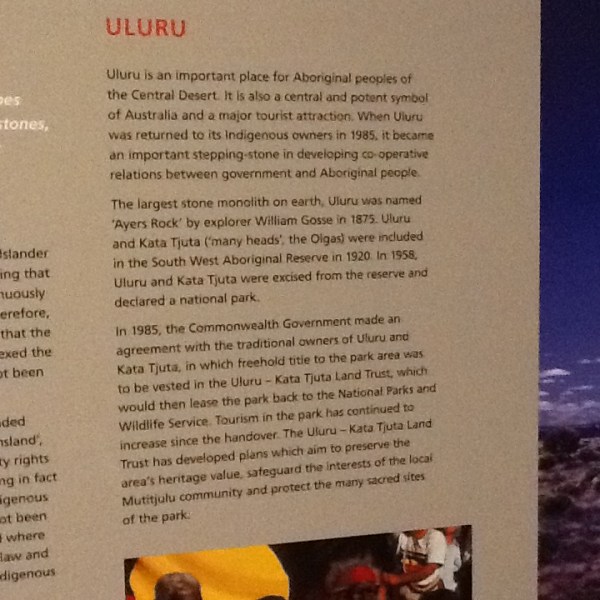
(During my trip to Australia in January 2016, I did not have time to travel to Uluru. But I had the opportunity to study it from the writings in Australian Museum in Sydney)


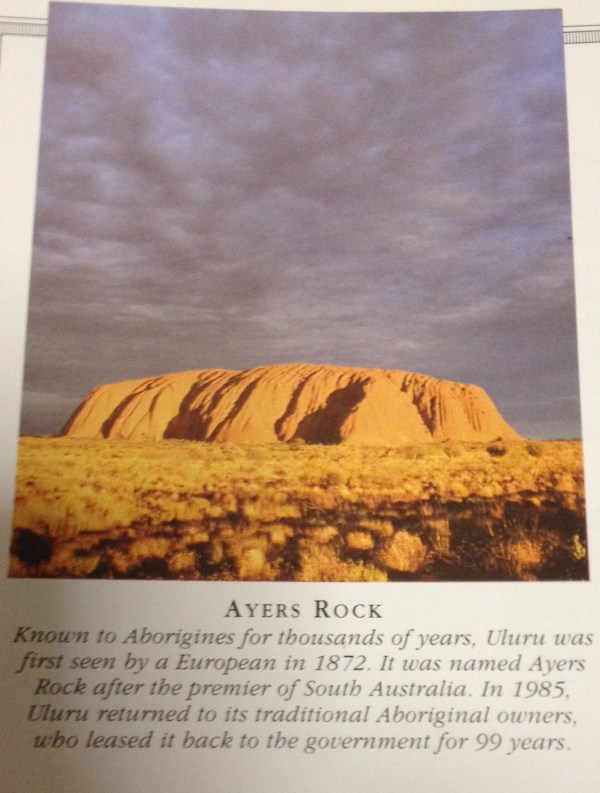
Ayers Rock is one of the wonders of the world. It is in the middle of Australia. It is the largest monolith made up of sandstone with a height of 1115 feet.

Its circumference is six miles. It is the holiest mountain for the aborigines of Australia like Mount Kailash is for the Hindus. Natives call this place Uluru. It was named Ayers Rock after Sir Henry Ayers, the premier of South Australia.

Aborigines of Australia call the creation period as dreamtime. They believe that two boys created this Uluru during the period of dreamtime. Dozens of paths travelled by their ancestors converge here. Those paths cover many sacred places.


Most of the stories around Uluru are about snake or snake people. One of them is that the dreamtime came to an end when Kuniya (Rock Python People) were attacked by Niru (Poisoned Snake Warriors). Now all these characters are identified in different shapes of rocks in the area.

The dreamtime is the aborigines’ description of a time when the earth was created by the spirit ancestors. They travelled across the landscape making its features and giving them  names in songs.  These spirits were responsible for different languages and customs. Their routes are called dreaming tracts.


Like the Vedic Hymns of Hindus, aboriginal people commit to memory by repeating or singing the hundreds of different associated tales. There are thousands of such stories and songs in Australia. Like the Vedic seers “hear” the hymns, the shamans have access to the world of the dreaming spirits. Aboriginal people take you to different places and then sing the associated tales in songs. Such routes are known as song lines.


Uluru has at least sixty stories associated with it. One story is about the western people, Windulka, growing angry with two peoples Kuniya and Mala (Sanskrit sound) who failed to arrive for an important ritual. This story has several tragic deaths.


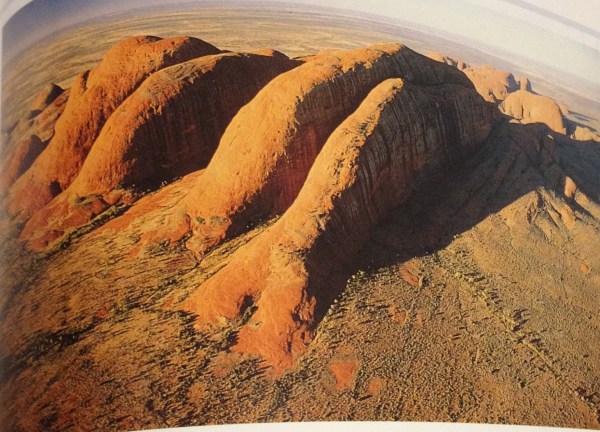
Kata Tjuta is 30 miles west of Uluru. This is regarded as a female sacred place. From a distance it resembles the body of a female. This is also similar to Hindu belief who believe that Goddess Parvati’s (Sati) parts fell on different parts of India and they became Sakti Kentras. Wanambi, a giant snake lives there, according to the aborigines’ legend.
IMG_9503 (2)

The caves around Uluru have the finest aboriginal paintings. They are several thousands of years old art works.


My interpretation

I guess that these are stories of infightings between the Naga tribes, who migrated from India. That is why they name several people as rainbow snake people, rock python people etc. The word Snake is derived from the word Naka/Nagas.


Hindus knew that there are seven worlds under and seven worlds upper. Underground worlds is the word for any place that is below the (India)  land’s southernmost tip – Kanyakumari. Hindus divided this area into Atala, Vitala, Sutala, Talatala, Mahatala,Rasatala and Patala (Nagaloka). Anyone living in this area is called Nagas and the women Nagakanyas.


Atala = Atlantic Ocean, Sutala = South


The words such as Atlantic Ocean and South are derived from Atala, Sutala. Even Kanchi Paramacharya was playing with these words in his 1932 lecture at Chennai and said Kapilaanya got corrupted in to California (Please read my article ‘Is California , Kapilaranya?’).


Like the white people sent the convicted people to Australia, Hindus also sent all the convicted or penalised people to the South. Rama, Lakshmana, Five Pandavas and Viswamitra’s sons travelled to south during the punishment period. Those who did not follow the Vedic ways were sent to the South and they became Dravidas according to Hindu scriptures. In the same way all the punished/ penalised people were banished to less populated southern hemisphere. People like Maha Bali were sent to Patala loka i.e. they were sent out of India, but was allowed to come back every year to see their kith and kin. Until this day it is celebrated as Onam festival.


Look at the following story I posted three years ago. This will make it clearer that the snake stories are about human beings.
IMG_9502 (2)

On 28 April 2012 I posted the following in my post titled “Are Mayas Indian Nagas?”

Maya calendar begins on 11th August 3114 BC. Indian calendar Kaliyuga begins in 3102 BC. But Hindu mythology is very clear about their existence long before Kali yuga. Kaliyuga is the last of the four yugas. But Mayas are silent about their existence before this date 3114 BC. The amazing co incidence between Hindus and Mayas, particularly their calendar years, was a puzzle. Now we have solved the puzzle with all the information available.

Mayas were Indian Nagas. They migrated after a big fight with Krishna and Arjuna. Both of them burnt the Khandava Vana (forest) for the sake of general public. But the tribal Naga people living inside the forest resented this act. It looks like lot of Nagas who resisted Arjuna and Krishna were killed. Indra was pro Nagas. But anti Naga Krishna had an earlier fight with another Naga leader called Kaliya. When he objected cowherds coming into his area Krishna went and killed Kaliya. Those who narrated the Puranic stories “Kaliya Mardhanam” slowly projected them as demons and snakes. But the fact of the matter is they were actually people who wore snake symbol (totem).

(Khandava Vana is called Gondwana land in geography lessons and the tribal Naga people are called Ghondus in anthropology lessons).

Following this clash, the enmity between the Nagas and Pandavas widened. Krishna died just before the Kaliyuga began. After all the Pandava brothers demise, the Nagas wanted to take a revenge on Arjuna’s grandson Parikshit. When they were waiting for an opportunity Parikshit was cursed by Shamika that he would die by “snake bite”. In reality the seer’s friend and tribal Naga leader Takshaka was given that task of “snake bite”. Takshaka challenged Parikshit and said that he would be assassinated within seven days. King Parikshit took all the precautions. But like Shivaji escaped in a fruit basket from the prison of mighty Moghul emperor Aurangazeb, Parikshit’s enemies entered Parikshit’s palace in a fruit basket and killed him. Puranas symbolically wrote that Parikshit was killed by “snake bite”.

Like Indira Gandhi’s assassination was followed by revenge attacks on Sikhs, Parikshit’s son Janamejayan went on a killing spree what was described symbolically as a Sarpa Yagna (snake sacrifice) on the banks of river Narmadha. A lot of Nagas were killed, actually massacred. The English word snake originated from Sanskrit word (s)naga.

Brahmin’s Peace Agreement

In those days mixed marriages existed and some Nagas were married to kings and Brahmins. One of them was a seer called Astika (Aztec Civilization was named after Astika) . He was asked to go as an emissary for peace talks, because his father Jaratkaru was married to a Naga woman. He was successful in his peace mission and stopped all the killings. Then started the Naga migration from a port called Patala . That is what Hindus called Patala loka (One of the seven worlds “below”the earth; Patala port may be the gate way to Patala). The port was the gate way to Sri Lanka, South East Asia and South America. Hindu scriptures describe these lands as Naka Loka/ Naga Land. When Hindu mythologies said that Bali and other demon kings were sent to Patala Loka what they meant was they were banished from the mainland. Port Patala at the estuary of Indus river was mentioned even by foreign travellers. Broach (Bharukacha) was another port on the banks of river Narmadha. Both these ports handled much of the foreign trade with the West in ancient India.

When Arjuna burnt the Khandava Vana, one leader was allowed to escape from the burning. His name was Maya Danava. He thanked Arjuna and Yadavas for this and he constructed the palace for the Pandavas as a token of gratitude. He led a massive migration to South East Asia and then to Central America and South America. The day he left the holy Bharat was gratefully remembered by the Mayas as 11th August 3114 BC. It coincided very well with the date of Janamejayan’s rule, Arjunas great grandson, around 3100 BC.


Brahmins are doing an amazing thing thrice a day. They recite the 5000 year old Peace Agreement during their daily ritual called  Sandhyavandhanam. They praise the Nagas as Maha Yasa: (Great and famous people) and request them to keep away in the name of Astika and Jaratkaru. The mantra starts with Narmadhayai Nama: (Salute to river Narmadha!).

(Please read my article Brahmins deserve an entry into Guinness Book of Records)
IMG_9501

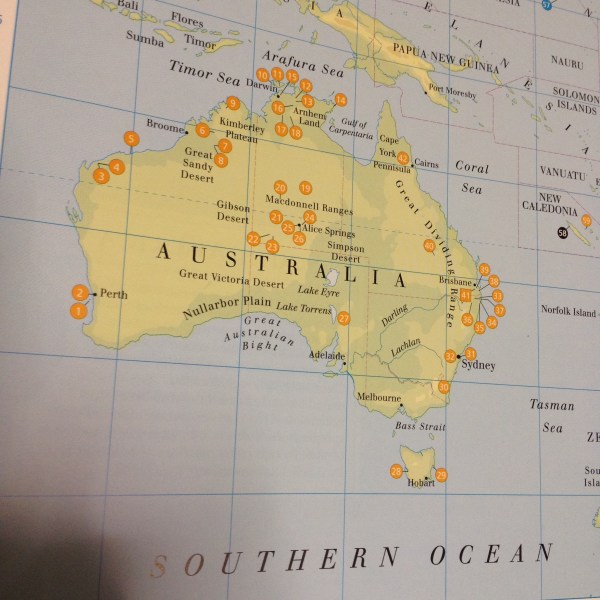
No. 22 Kata Tjuta and No.23 Uluru in this map.

–Subham–

ஆஸ்திரேலியாவில் கடலோர பொங்கு நீரூற்று (Post No 2512)

IMG_2594

Written by london swaminathan

Date: 6 February 2016


Post No. 2512


Time uploaded in London :– 4-57 AM


( Thanks for the Pictures  ) 


DON’T REBLOG IT AT LEAST FOR A WEEK!  DON’T USE THE PICTURES; THEY ARE COPYRIGHTED BY SOMEONE.


(for old articles go to tamilandvedas.com OR swamiindology.blogspot.com; contact 


swami_48@yahoo.com)

IMG_2597

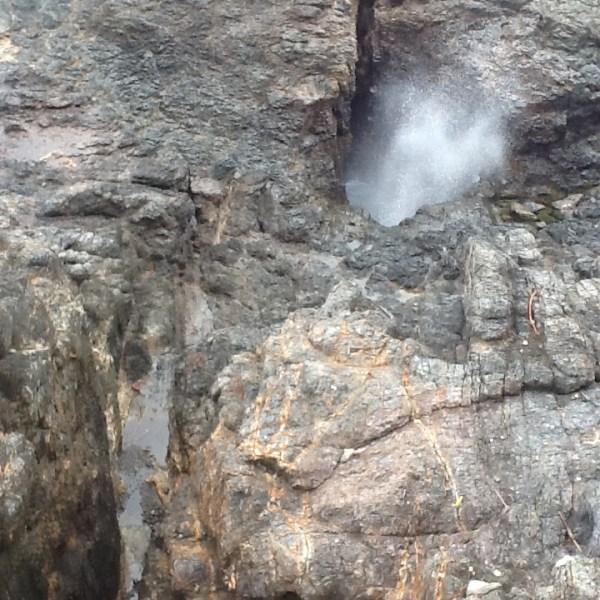
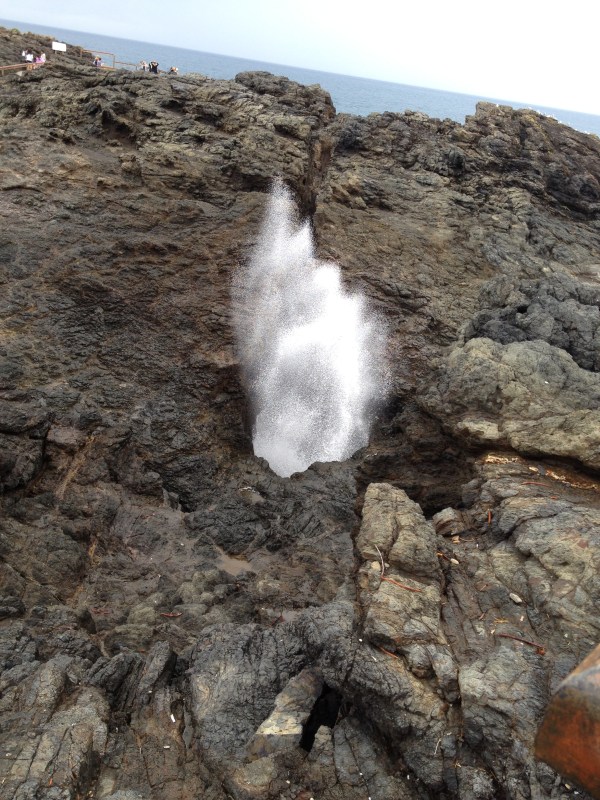
ஆஸ்திரேலியாவில் சிட்னி நகரிலிருந்து இரண்டு மணி நேர தொலைவில் – சுமார் 120 கிலோமீட்டர் தூரத்தில் – கடலோரமாகப் பொங்கும் நீரூற்று இருக்கிறது. இந்த ஊருக்கு கியாம என்று பெயர். இது ஒரு இயற்கை அதிசயம். கடலோரத்தில் குகைகள் இருந்து, அதன் ஒரு வாய் கடலிலும், மற்றொரு வாய் (திறப்பு) நிலத்திலும் இருக்கையில் இதுபோன்ற இயற்கை அதிசயம் உருவாகும் இதை BLOW HOLE என்பர்.


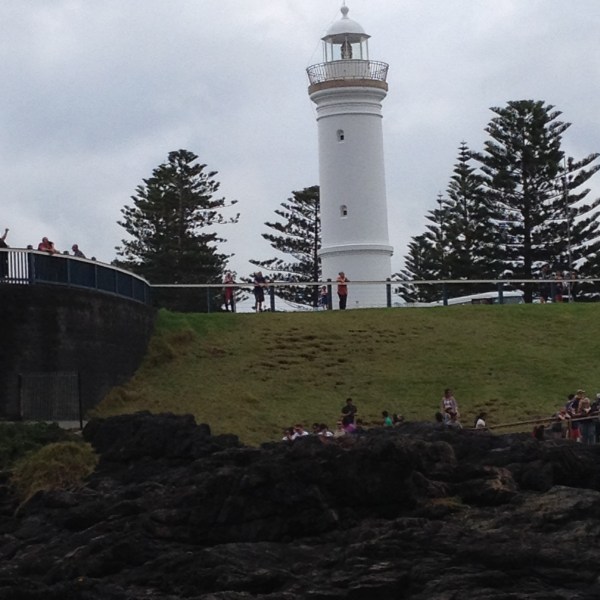
கடலின் அலை வீச்சு, காற்றோட்டம் முதலியவற்றைப் பொறுத்து சில நேரங்களில் 60 அடி உயரத்துக்கு வானில் நீர்த்திவலைகள் பீச்சி அடிக்கும். நாங்கள் சென்றபோது சுமார் 20 அடி உயரத்துக்கு மட்டுமே நீர் பொங்கியது. இது காணக் கண் கொள்ளாத காட்சி. அருகில் நின்றால், நம் மீது நீர்த்திவலைகள் பட்டு நம்மை நனைத்துவிடும். இதை இரவு நேரத்தில் வண்ண ஒலியில் காண மின் விளக்குகளும் போட்டிருக்கிறார்கள். அருகில் ஒரு அழகான கலங்கரை விளக்கு உள்ளது. ஆண்டுக்கு ஆறு லட்சம் சுற்றுலாப் பயணிகளைக் கவர்ந்திழுக்கும் இந்த இடத்தில் அழகான கடற்கரை, படகு சவாரி ஆகியனவும் உண்டு. தொலைதூர பாரைகளில் கடற்பறவைகள் அணிவகுத்து நிற்பதையும் கண்டு களிக்கலாம்.

IMG_2600


IMG_2595


IMG_9229


IMG_3099


IMG_2604


IMG_9224

(படங்கள்:- லண்டன் சுவாமிநாதன்)


உலகின் மிகப் பெரிய இயற்கை அதிசயம்! (Post No 2510)

IMG_2959

Written by london swaminathan

Date: 5 February 2016


Post No. 2510


Time uploaded in London :– 14-26


( Thanks for the Pictures  ) 


DON’T REBLOG IT AT LEAST FOR A WEEK!  DON’T USE THE PICTURES; THEY ARE COPYRIGHTED BY SOMEONE.


(for old articles go to tamilandvedas.com OR swamiindology.blogspot.com; contact 


swami_48@yahoo.com)

IMG_2960

உலகின் ஏழு இயற்கை அதிசயங்களில் ஒன்று பெரும் பவளத்திட்டு (Great Barrier Reef). இது ஆஸ்திரேலியாவில் இருக்கிறது. இதைக் காண வேண்டுமென்று 30 ஆண்டுகளாக இருந்த கனவு சமீபத்தில் நிறைவடைந்தது. ஆஸ்திரேலியாவுக்கு வருமாறு உறவினர்கள் அழைக்கவே, இந்த இடத்தைக் கட்டாயம் பார்க்கவேண்டுமென்று திட உறுதி பூண்டேன். ஏனெனில் பி.பி.சி.தமிழோசையில் வேலை பார்க்கும்போது “வினவுங்கள் விடை தருவோம்” என்ற கேள்வி பதில் நிகழ்ச்சியில் 25 ஆண்டுகளுக்கு முன்னர் இது பற்றி சொல்லியிருந்தேன். அப்போது டெலிவிஷன் டாக்குமெண்டரி (TV Documentary) பார்த்த அடிப்படையில் இது பற்றிப் பேசினேன். என்றாவது ஒரு நாள் இதைக்காண வாய்ப்பு கிட்டும் என்று தெரியும்.


நான் ஜனவரியில் சிட்னி (Sydney) நகருக்குப் பயணமானேன். அங்கு செல்வதற்கு முன்னாலேயே Great Barrier Reef கிரேட் பார்ரியர் ரீF எனப்படும் பெரும்பவளத் திட்டுகள் பற்றிய விவரங்களையும் சேகரித்தேன். சிட்னி நகரிலிருந்து 1300 மைல் தொலைவில் இருப்பதால் விமானத்தில் சென்றோம். அங்கு பல வீர தீரச் செயல்கள் செய்யும் வசதிகள் உள்ளன. ஆனால் வீட்டிலிருந்து வந்த இருவருக்கு சமுத்திரம் என்றால் அச்சம்.ஆகவே இந்த முறை கொஞ்சம் குறைத்து வாசிப்போம் என்ற பாணியில் சேவையை ஏற்பாடு செய்தோம். ஆகவே ஐந்து மணி நேர கப்பல் (Ferry) சவாரி மட்டும் போதும் என்று சொன்னோம்.


சிட்னியிலிருந்து 1300 மைல் தொலைவிலுள்ள Cairns கேர்ன்ஸ் என்னும் ஊரிலிருந்துதான் நிறைய படகு சேவை இருப்பதால் அங்கு விமானத்தில் போய்ச் சேர்ந்தோம். பெரும் பவளத்திட்டுகள் பவளப் பூச்சிகளால் உருவாக்கப்படுபவை. அது 1300 மைல் நீளத்துக்குப் பரவியிருந்தாலும் ஒரு சில ஊர்களிலிருந்து சென்று பார்க்கவே வசதி செய்யப்பட்டுள்ளது.

பசிபிக்  சாமா

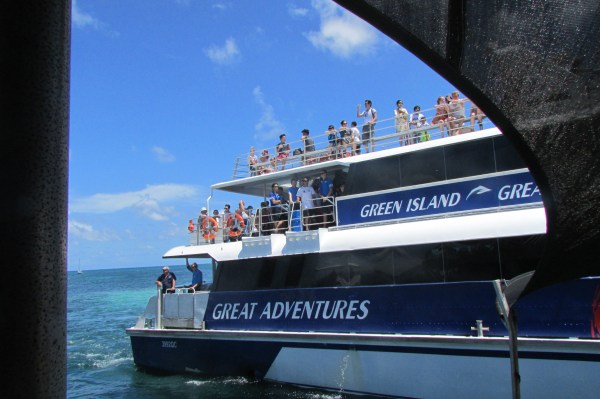
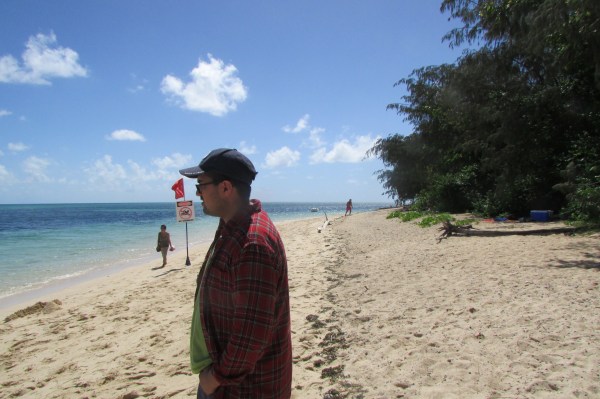
ஐந்து மணி நேர சேவையில் முதலில் பெரியகப்பலில் எல்லோரையும் ஏற்றிச்சென்று பசிபிக் மஹா சமுத்திரத்தில் (Pacific Ocean) 35 மைல் தொலைவிலுள்ள க்ரீன் ஐலண்ட் (Green Island) என்னும் பசுமைத் தீவில் இறக்கிவிடுவார்கள். உண்மையிலேயே பசுமையான மரங்களுண்டு. நிறைய கடைகளும் காப்பி விடுதிகளும், சின்ன மிருகக் காட்சி சாலையும் இருக்கின்றன. வெண்ணிற மணல் நிறைந்த கடற்கரைக்குச் சென்றால் பலரும் முகமூடி, சுவாசக் குழாய் அணிந்து கடலுக்குள் செல்லுவதைக் காணலாம். எல்லாவற்றிற்குமுதவி செய்ய ஆட்கள் இருக்கிறார்கள். முன்னமேயே இதற்கெல்லாம் கட்டணம் செலுத்திவிடுவதால், அவர்கள் நமக்காகக் காத்திருப்பர். நாங்கள் போனபோது நிறைய ஜப்பானிய, சீன பயணிகளைத் தான் கண்டோம்.


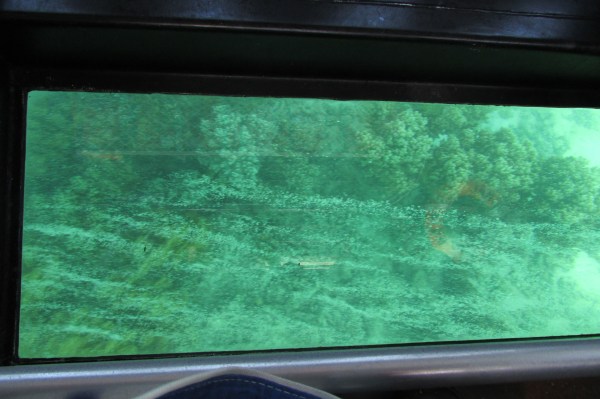
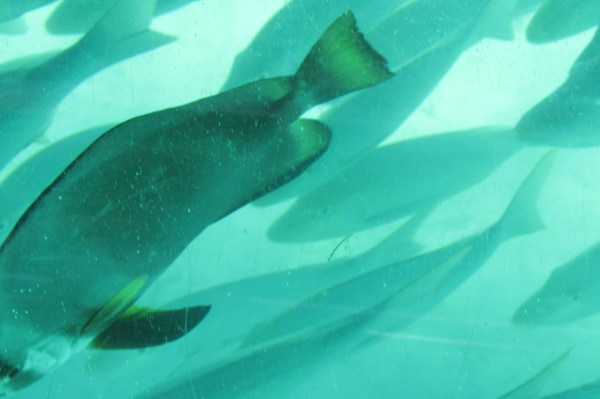
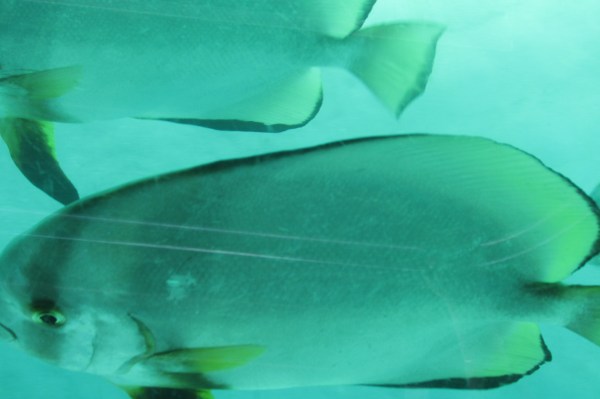
இந்த இடத்தில் மூச்சுக் குழல் (snorkelling) அணிந்து கடலில் மூழ்குவோர், கடலுக்கடியில் செல்லும் குட்டி நீர்மூழ்கியில் (Submersible vehicles) செல்லுவோர், கண்ணாடி ஜன்னல் பொறுத்தப்பட்ட படகில் (Glass Bottomed Boats) செல்லுவோர் என்று பயணிகளை வகைப்படுத்தி அதற்கான கப்பலில் ஏற்றுவர். நாங்கள் கண்ணாடி ஜன்னல் படகுக்குக் காசு கட்டி இருந்தோம். இது 45 நிமிட பயணம். ஒரு பெரிய படகில் எதிரும் புதிருமாக 20+20 = 40 பேர் அமர்ந்திருப்போம். எங்களுக்கு மூன்றடி கீழே படகின் அடிப்புறத்தில் பெரிய கண்ணாடி ஜன்னல்கள் இருக்கும். படகு புறப்பட்டவுடன் பெரும் பவளத் திட்டு புராணத்தை படகோட்டி சொல்லுவார். அந்த நேர்முக வருணனை நடக்கும் போதே நாம் கேமரா சகிதம் கீழே பார்த்துக் கொண்டிருக்க, பலவகையான பவளப் பாறைகள், கடல் பிராணிகள், தாவரங்கள், ஆமைகள், வண்ண வண்ண மீன்கள் என்று பார்த்துக் கொண்டே போகலாம். இடையிடையே அவர் மீன்களுக்கான இரையைக் கடலில் எறிவார். அதைச் சாப்பிட மீன்கள் துள்ளிக் கொண்டுவர, அந்த மீன்களைச் சாப்பிட பறவைகள் பறந்துவர எல்லாவற்றையும் கண்டு களிக்கலாம். நாங்கள் 20 வகை மீன்களையாவது பார்த்திருப்போம். சில மீன்கள் மிகப் பெரியவை.


இதையும் தாண்டிச் செல்லுவோரை Outer Reef அவுட்டர் ரீF க்கு அழைத்துச் செல்லுவர். அங்கு குட்டி நீர்மூழ்கி வாகனங்களில் ஏறினால் பெரிய ஜன்னல் வழியாக இன்னும் அதிக மீன் வகைகளையும், பெரிய பவளப் பாறைகளையும் காணலாம்.


IMG_2945

பவளத்திட்டு மகாத்மியம் அல்லது புராணம்

விண்வெளியில் பறக்கும் வீரர்களும் பவளத்திட்டு இருக்குமிடத்தை எளிதில் காணமுடிகிறதாம். கடலில் சூரிய வெளிச்சம் எந்த அளவுக்குப் போகுமோ அந்த அளவுக்கே பவளப் பூச்சிகள் வளரும். சுண்ணாம்பால் வீடுகட்டி அதில் வசிக்கும். அது இறந்தவுடன் அதன்மீது அடுத்த தலைமுறை வீடு கட்டும் இப்படி வளர்ந்து பல ஆயிரம் ஆண்டுகளில் 1300 மைல் வரை பரவிவிட்டது பெரும்பவளத் திட்டு. இத்தான் உலகின் மிகப்பெரிய உயிர்வாழும் பிராணி. ஆனால் ஒரு பிராணி அல்ல. பல்லாயிரம் பிராணிகள்.


இந்தியாவிலும் குஜராத் கடலோரம், தமிழ்நாட்டின் கடலோரத்தில் பவளப் பாறைகள் உண்டு.அவை சிறிய பரப்பளவில் இருப்பவை. மேலும் மீனவர்கள் அதை அழித்துச் சுருக்கிவிட்டனர்.


ஆஸ்திரேலியப் பெரும்பவளத்திட்டு வருடத்தில் ஒரு நாள் திடீரென முட்டைகளை வெளியிடும். அந்த நாளில் கடல் முழுவதும் தக்காளி சூப் போல மாறிவிடும். அந்த முட்டைகளைச் சாப்பிட ஏராளமான மீன் வகைகள் படையெடுக்கும். ஒவ்வொறு முட்டையும் பல மைல்கள் நீந்திச் சென்று குடியமரும். யார் இதையெல்லாம் அந்த வாயில்லா ஜீவன்களுக்குச் சொல்லிதந்தார்கள், ஏன் ஒரு குறிப்பிட்ட நாளன்று எல்லாம் கருவை வெளியேற்றுகின்றன, அவைகளைத் தூண்டிவிடுவது என்ன என்பதெலாம் இதுவரை விஞ்ஞானிகளுக்குத் தெரியாது. தொடர்ந்து ஆராய்ச்சிகள் நடைபெறுகின்றன. நான் சென்ற கேர்ன்ஸ் நகரில் பெரிய ஆராய்ச்சி நிலையங்கள் இருக்கின்றன.


IMG_2942

இந்தப் பெரும் பவளத்திட்டில்

600 வகையான பவளங்கள்

100 வகையான ஜெல்லி மீன்கள்

3000 வகையான கிழிஞ்சல்கள், சங்குகள், சோழிகள்

500 வகையான கடற்புழுக்கள்

1625 வகையான மீன்கள்

130 வகையான சுறாமீன்கள், மாண்டா ரேய்ஸ்

30 வகையான திமிங்கிலங்கள், டால்பின்கள் உள்ளன.

இந்து சாஸ்திரப்படி முத்தும், பவளமும் நவரத்தினங்களில் சேர்க்கை. இரண்டும் கடல் பிராணிகளால் உண்டாக்கப்படுபவை. செம்பவளம் என்பது ஒரு வகைப் பவளம். ஆனால் கருப்பு முதல் பல வண்ணங்களிலும் பவளங்கள் கிடைக்கும்!


மூன்றரை லட்சம் சதுர கிலோமீட்டர் பரப்புக்கு வியாபித்துள்ள இப்பவளத் திட்டு பல நாடுகளின் பரப்பளவுக்குச் சமம். ஐரோப்பாவில் பிரிட்டன், ஹாலந்து, சுவிட்சர்லாந்து ஆகிய மூன்று நாடுகளையும் இப்பவளத்திட்டில் அடக்கிவிடலாம்!

IMG_2961

இங்குள்ள ஜெல்லி மீன்களில் சில மிகவும் விஷம் வாய்ந்தவை. சில சுறாமீன்கள் மனிதர்களை வேட்டை ஆடக்கூடியவை. பெரிய ஆமைகளும் கடல் நண்டுகளும் இங்கே பவனி வரும். ஆஸ்திரேலிய அரசு இதைக் கண்ணும் கருத்துமாக காத்துவருகிறது. இது, அனைவரும் வாழ்நாளில் ஒரு முறையாவது பார்க்கவேண்டியத் இடம்.


நாங்கள் ஒரு தவறு செய்தோம். கேர்ன்ஸில் ஒர் இரவு ஹோட்டல் அறை ஏற்பாடு செய்துவிட்டு அடுத்த நாள் பிரிஸ்பேன் நகருக்குச் செல்ல விமான டிக்கெட் வாங்கி இருந்தோம். ஆனால் அங்கு போனவுடந்தான் தெரிந்தது அங்கு வேறு ஒரு அதிசயமும் பார்க்க இருக்கிறது என்பது. அங்கு பக்கத்திலுள்ள பெரிய மலையில் அடர்ந்த பசுமையான மழைவனக் காடுகள் இருக்கின்றன. இதற்கு ஒரு முழு நாள் தேவை. போகும் போது கேபிள் காரிலும் வரும்போது ரயிலிலும் அழைத்து வருவர். காடுகளையும் பெரிய நீர்வீழ்ச்சிகளையும் பார்த்து ரசிக்கலாம். அடுத்த முறை கடலில் நீர்மூழ்கி, வானில் கேபிள் கார் பவனி எல்லாவற்றையும் அனுபவிக்க திட்டமிட்டோம். எல்லாம் இறைவன் சித்தம் எப்படியோ அப்படியே!

IMG_2964


IMG_2975IMG_2979IMG_2983


யான் பெற்ற இன்பம் பெறுக இவ்வையகம்!

வாழ்க இயற்கை; வளர்க காடுகளும் பவளத் திட்டும்!


–சுபம்-


What can a Cock teach you? (Post 2335)

cock1

Compiled by London swaminathan
Date: 16 November 2015
POST No. 2335
Time uploaded in London :– 21-45
( Thanks for the Pictures )

DON’T REBLOG IT AT LEAST FOR A WEEK!
DON’T USE THE PICTURES;
THEY ARE COPYRIGHTED BY SOMEONE.

Sanskrit is a beautiful language. It has at least some couplets on every subject in the world. Here are two couplets about Cocks and Books.

Lessons from Cocks (Kukkutat Jnatavyaani )

Yuddham = Fighting

Praatarutthanam = Early rising

Bhojanam = Sharing food with relatives

Striiraksanam = Protecting females

Yuddham cha praatarutthaanam bhojanam Saha bandhubih
Striya maapadgathaam rakseschatuh sikseta kukkutaath

Subasita ratna bhandaagaaram 162.403


Books 2

Protection of Books (Pustaka Rasksanam)

The following four things will damage a book. So those who want to protect books.

Taila = oil
Jala = water

Sithila bandhah = improper binding
Murkhahastadaana = giving to an ignorant person

Tailaadrakshet jalaadrakshed sithila bandhanaat
Muurkahaste na daatavyamidam vadati pustakam

–Subham–
பல்லுயிர்ப் பெருக்கத்தைப் பாதுகாப்போம்!

biodiversity-of-india-1-638

Radio Talk written by S NAGARAJAN

Date: 13 November 2015

POST No. 2325


Time uploaded in London :– 13-15

( Thanks for the Pictures  ) 

DON’T REBLOG IT AT LEAST FOR A WEEK!  DON’T USE THE PICTURES; THEY ARE COPYRIGHTED BY SOMEONE.


சுற்றுப்புறச்சூழல் சிந்தனைகள்

(நான்காம் பாகம்)

ச.நாகராஜன்

சென்னை வானொலி நிலையம் அலைவரிசை A யில் காலையில் ஒலிபரப்பப்பட்ட சுற்றுப்புறச் சூழல் சிந்தனைகள்

Part 1 posted on 6th November 2015;Part 2 posted on 7th November 2015

Part 3 on 8th nov. Part 4 on 9th nov.15;part 5 on 11th Nov.’part-6 on 12th Nov.15

biodiversity (1)

7.பல்லுயிர்ப் பெருக்கத்தைப் பாதுகாப்போம்!


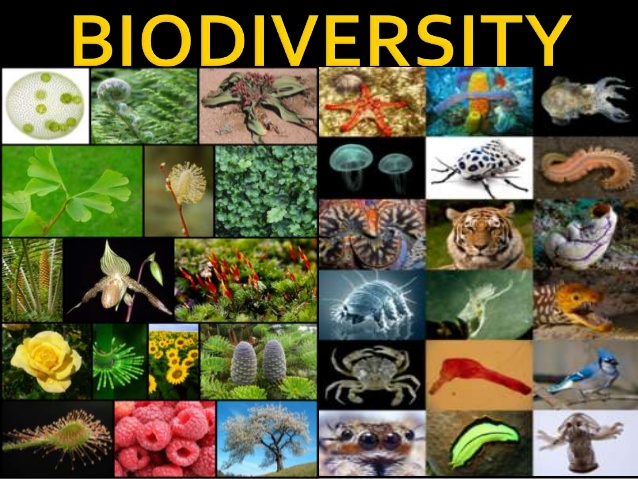
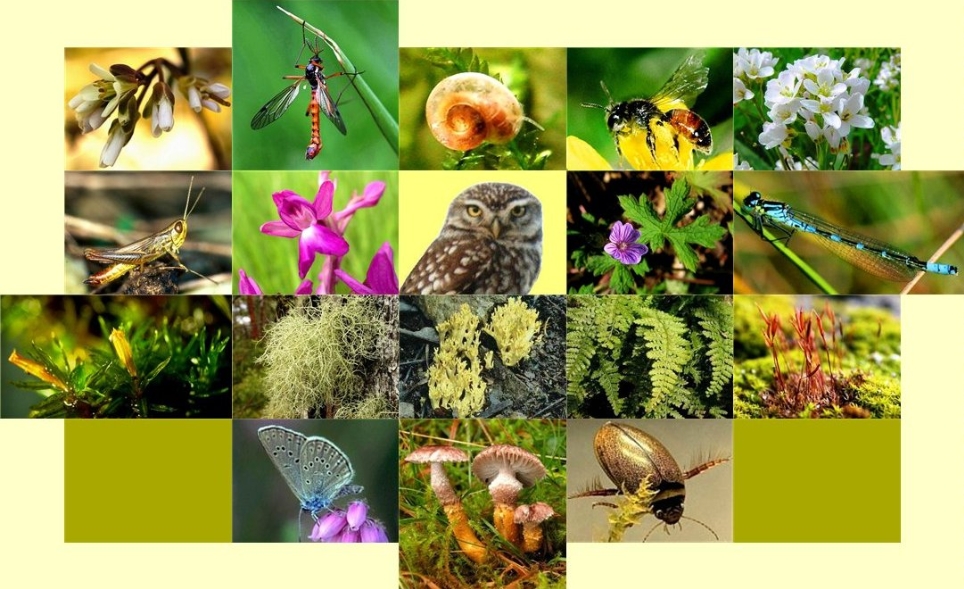
சுற்றுப்புறச்சூழலைப் பாதுகாக்க மனித குலம் எதிர்நோக்கியுள்ள பிரச்சினைகள் பல. அவற்றுள் முக்கியமான ஒன்று பயோடைவர்ஸிடி என்னும் பல்லுயிர்ப் பெருக்கத்தைப் பாதுகாப்பதாகும்.

பூமியில் ஒரு குறித்த பகுதியில் காணப்படும் உயிரினங்களின் வகைகள் மற்றும் எண்ணிக்கையில் பல்வகைமையைக் கொண்டிருப்பதையே பயோடைவர்ஸிடி அல்லது பல்லுயிர்ப் பெருக்கம் என்று கூறுகிறோம்.

ஒரு ஆரோக்கியமான பல்லுயிர்ப் பெருக்கம் ஏன் தேவை?

அது ஒவ்வொருவருக்கும் இயற்கை ஆதாரங்கள் பலவற்றை வழங்குகிறது என்பதால்!

பயோடைவர்ஸிடி அல்லது பல்லுயிர்ப்பெருக்கத்தினால் ஏற்படும் முக்கியமான நன்மைகளுள் சிலவற்றைப் பார்ப்போம்:

சுற்றுப்புறச்சூழல் மனித குலத்திற்குத் தரும், நீர் ஆதாரத்தை அது பாதுகாக்கிறது.

மணல் ஆதாரத்தை அது உருவாக்குகிறது; மற்றும் பாதுகாக்கிறது.

ஊட்டச் சத்துக்களை சேமித்து வைக்கிறது; மறு சுழற்சி செய்து தருகிறது.

சுற்றுப்புறச் சூழல் மாசுகளை தகர்க்கிறது; உறிஞ்சிக் கொள்கிறது.

உலகின் தட்பவெப்ப நிலையைச் சீராகப் பராமரிக்க உதவுகிறது.

சுற்றுப்புறச் சூழல் அமைப்புகளைப் பராமரிக்கிறது.

எதிர்பாராது எற்படும் இயற்கை நிகழ்வுகளிலிருந்து நம்மை மீட்கிறது.

உயிரிய ஆதாரங்களான  உணவு, மருத்துவ ஆதாரங்கள் மற்றும் மருந்து தயாரிக்க உதவும் செடிகள், மரச் சாமான்களைத் தயாரிக்க உதவும் மரங்கள், அலங்காரச் செடிகள் ஆகியவற்றைப் பாதுகாக்கிறது. பறவைகளுக்கான உணவு வகைகளைத் தருவதோடு  பல்வேறு வகை உயிரினங்களின் பாதுகாப்பு, மரபணு பாதுகாப்பு ஆகியவற்றிற்கும் உதவி செய்கிறது.

Biodiversity

இது தவிர சமூகத்திற்கு ஆதாயம் தரும் வகையில் பண்பாட்டைப் பாதுகாத்துப் பேணுகிறது; உல்லாச சுற்றுலா ஸ்தலங்களை உருவாக்கி மக்களை மகிழ்விக்கிறது. எதிர்காலத்திற்கான கல்வி மற்றும் ஆராய்ச்சிக்குப் பெரிதும் உதவுகிறது.

ஒரு செலவும் இல்லாமல் இயற்கை நமக்குத் தரும் இதைப் பாதுகாக்க வேண்டும் அல்லவா? இவற்றை நாமே அமைக்க முயன்றால் அதற்கு ஆகும் செலவு கோடானு கோடிகளைத் தாண்டும்.அதோடு இதை உருவாக்கப் பல்லாயிரம் பேர் பல்லாயிரம் ஆண்டுகள் முயற்சிக்க வேண்டும்.

ஆகவே அரிதாக நமக்கு இயற்கை அருளியுள்ள பயோடைவர்ஸிடி எனப்படும் பல்லுயிர்ப் பெருக்கத்தை அழிக்காமல் காத்து சுற்றுப்புறத்தைக் காப்பது நமது கடமை,அல்லவா!

******************

Sex Change: Science agrees with Saint Sambandhar

5000 year old yew tree

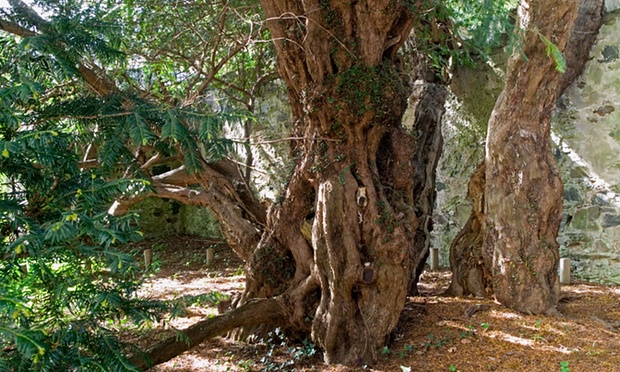
5000 year old Yew Tree (from The Guradian News paper)

Research Article Written by London swaminathan

Date: 3 November 2015

Post No:2297

Time uploaded in London :–  15-31

(Thanks  for the pictures) 


DON’T REBLOG IT AT LEAST FOR A WEEK!  DON’T USE THE PICTURES; THEY ARE COPYRIGHTED BY SOMEONE.

What a Tamil saint reported about sex change of trees 1300 years ago is confirmed by scientists today.

London newspapers have published an interesting news time this morning which featured a sex change by a Yew tree. Scientists have reported, probably for the first time, such a change. But we already know that certain lower organisms and a few fishes change sex. Here a 5000 year old Yew male tree became a female tree and started giving berries/fruits.

Here is the London Newspaper Story:–

The Fortingall Yew in Perthshire has always been recorded as male but has started sprouting berries – something only female yew trees do.

The UK’s oldest tree, thought to be up to 5,000 years old, is undergoing a “sex change”.

Records have always noted the Fortingall Yew in Perthshire as a male tree but it has recently started sprouting berries – something only female yew trees do.

Experts at the Royal Botanic Garden in Edinburgh spotted three berries on a high branch of the tree, located in the churchyard of the village of Fortingall, Perthshire, and have now taken them for analysis as part of a conservation project.

Dr Max Coleman, of the Royal Botanic Garden, said yew trees have been known to change sex before but discovering the process on “such a special tree is what makes this a special story”.

The Fortingall Yew is believed to be between 3,000 and 5,000 years old, and is one of the oldest living organisms in Europe.

It has survived the ravages of time and the attention of eager tourists, who in previous centuries took clippings from it as souvenirs.

The trunk changed shape many years ago and has lost its centre and one side, and the tree is now protected by a small wall.

Coleman said: “Yew trees are male or female usually and it is pretty easy to spot which is which in autumn – males have tiny things that produce pollen and females have bright red berries from autumn into winter.

“This process may have happened before but we know the Fortingall Yew has been classed as male for hundreds of years through records.

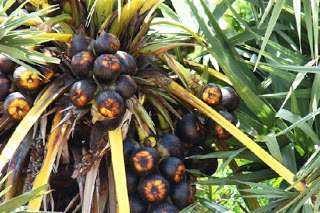
palmtree

My comments:

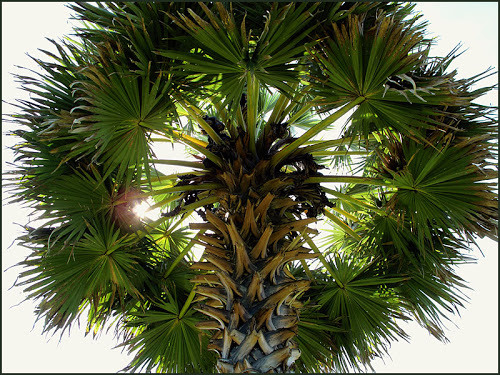
This is what the Boy Wonder of Tamil Nadu did 1300 years ago with a Palmyra tree (please see below). One may wonder how Sambandhar, the miracle boy, did it at once. Saints can alter time, interfere with time and go beyond the time. This I have explained in my previous post:

Time Travel by Two Tamil saints, posted on 14th February 2012.

Following is the Palmyra Tree Miracle Story:

From my old post: — “Tree Miracle and Statue Miracle of a Saivaite Saint”, posted on 4th March 2013


Thirugnana Sambandhar was a child prodigy. He started composing poems when he was three years old. We know many other child prodigies from different parts of the world who composed poems. But there is a big difference between Sambandhar and those poets. He composed devotional poems in different metres and genres. Though he did compose them 1300 years ago still they are used by millions of Tamil Hindus. His words had miraculous powers. Whatever he wanted to achieve, he achieved them through his verses. His poems led to a big moral and religious reformation. Above all, though we lost several thousands of his verses, we have more than 4000 of them today.

Hundreds of miracles happened during Sambandhar’s life.

When Sambandhar visited Tiruvothur he saw a devotee crying. The devotee raised some Palmyra trees so that he can use the income for his community service in the Shiva temple. By rare coincidence all the trees were male trees and did not yield fruits. Atheists were mocking at him and teased him asking when his god would yield him fruits. When Sambandhar asked him the reason for his sad face, he told him about the male only Palmyra trees. Later Sambandhar visited the Shiva temple and looked at the Palmyra trees and he sang ten verses in praise of the Lord and said the male trees will yield (Kurumpai Aan Panai Eenum in Tamil). Next minute all the trees bloomed and bore plenty of Palmyra fruits!

palmyra-palm-fruit

Dr R Nagasamy, renowned historian and archaeologist, has quoted the Sanskrit lines from the Upamanyu Bhakta Vilasam giving the same meaning: “Tala: pumamsa: sruthvai they bhavanthu paritha: palai:”


Once again it proved that what our scriptures say has scientific background.

—Subham—

2.Herbs, Trees, Flowers in Sanskrit Literature – Part 2

850_Lotus

Compiled by London swaminathan

Post No.2244

Date: 14 October 2015

Time uploaded in London: 19-22

Thanks for the pictures.

Don’t use pictures. Don’t reblog for at least a week.


download

1.Cupid’s Five Flower Arrows

Aravinda – Red Lotus

Asoka – Asoka flower (saraca asoka)

Cuutam – Mango Flowers

Navamallikaa – Jasmine Flowers

Niilotpala – Blue Lotus or Lily

Aravindamasokamcha chuutancha navamallikaa

Niilotpalamcha panchaite panchabaanasya  saayakaa:

–Amarakosa 1-1-27

xxx

Sita-Ashok_(Saraca_as

2.Pancha pallavam (Five Leaves) used for Puja

Jack fruite tree leaves

Amra/ Mango leaves

Asvattha/Pipal leaves

Vata/Banyan leaves

Bakula/Mimusops elengi leaves

Panasaamra tathaasvattham vatam bakulameva cha

Panchapallavamuktam cha munibhis tantra vedibhi:

—Sabda kalpa druma, 3-9

Xxx

852_Kadamba

3.Five Fragrant leaves

Amra- mango leaves

Jambu-rose apple

Kapittha- wood apple

Biijapuura- Guava

Bilva – Vilva (wood apple variety)

Amra jambu kapitthaanaam biijapuurabilvayo:

Gandhakarmani sarvatra  patraani pancha pallavam

Xxx

851_Rhododendron

4.Panchamuula (Five Roots)

Hrasva

Prsniparnii, Saalaparnii, Kantakaarikaa, Brhatii, Goksuraka

Jiivana

Sataavarii, Kaakolii, Jiivantii, Jiivaka, Rsabaka

Xxx

1142_Rose_Sugandha

5.Panchavati (Five Trees or Five trees at Panchavatii)

Asvattha/Pipal leaves

Vata/Banyan leaves

Bilva – Vilva (wood apple variety)

Dhaatrii = Myrobalan

Asoka – Saraca asoka

Asvatthabilva vrksancha vatadaatrii asokakam

Vatii panchamiyuktam (Sabda kalpa druma 3-14)

Xxx

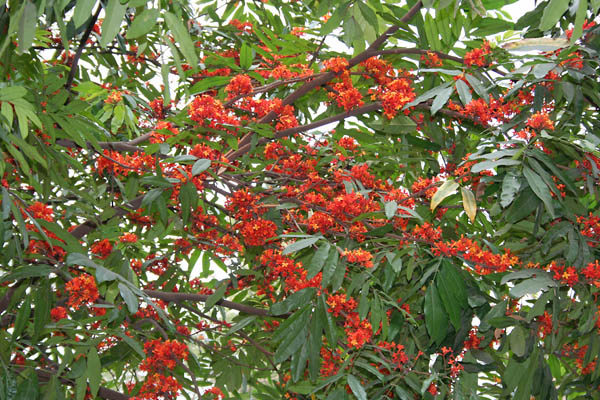
1993-Pride_of_India_Tr

6.Five Flowers for Puja

Campaka, Amra, Samii, Padma, Karaviira.

Champakaamrasamii Padma karaviiram  cha panchakam

–Subham–

Two Parrot Anecdotes!

parrot

Compiled by London swaminathan

Date : 5 September  2015

Post No. 2128

Time uploaded in London : – 20-05
A certain old maid had a parrot which swore vigorously. She was used to the bird, but was in the habit of covering every Sunday in order it remained silent on that day. It chanced on a Monday morning, after the cover had been removed, that the old lady saw the minister come up the walk to pay a call. Hastily she replaced the cover on the cage; hearing the parrot observe as she moved towards the door, “This has been a damn short week!”

parrot 2

Xxxxxx

In the days of luxurious trans-Atlantic travel, shipboard entertainments frequently drew upon the professional talents to be found in the passenger list. On one occasion, the program followed up the performance of a remarkable parrot with a brief demonstration by a travelling magician. The parrot’s cage had been shoved to the one side of the stage when the magician came on for his act. Holding up a pack of cards, the man covered it with a hand kerchief, waved his hand, and the pack of cards disappeared. The parrot, looking on from the wings, cocked its head to one side. Next the magician took a book, covered it with a scarf, waved his hand, and the book disappeared. The parrot meditatively scratched its head with its claw. Taking a cloak, the magician threw it over a chair, waved his hand, and the chair disappeared. The parrot hopped up and down on its perch in the growing excitement.

In the next moment the ship was struck by a submerged iceberg; split in two, the lights were extinguished, there were screams and cries, and shortly afterwards nothing was left on the black night sea save the parrot clinging  to a piece of driftwood, bobbing up and down on the waters. The bird looked about at the dreary scene for a moment, and then said, “Marvellous! Marvellous!”

–From Thesaurus of Anecdotes

பாரசீகக் கிளி செய்த தந்திரம்!

alexandrine_parrot_f

கிளி படங்கள் பல  இடங்களிலிருந்து எடுக்கப்பட்டன; நன்றி)

Article No. 2104

Written by London swaminathan (தமிழில் மொழி பெயர்ப்பு)
Date : 28 August  2015
Time uploaded in London :– 8-38 am

காஷ்மீரில் ஒரு பெரிய வணிகர் இருந்தார். அவர் ஆண்டுதோறும் பாரசீகத்துக்குச் சென்று வணிகம் செய்து வந்தார். (பாரசீகத்தின் தற்போதைய பெயர் ஈரான்). இந்திய சரக்குகளை அங்கே விற்றுவிட்டு ஈரானிய சரக்குகளைக் காஷ்மீருக்குக் கொண்டுவந்து விற்பது அவரது வழக்கம். ஒரு முறை பாரசீகத்தில் ஒரு அழகான கிளியைப் பார்த்தார். அது மனிதர்களைப் போலவே பேசுவது கண்டு வியப்படைந்தார். உடனே அந்தக் கிளியை ஒரு விலை பேசி வாங்கிவிட்டார்.

காஷ்மீருக்குத் திரும்பிவந்தவுடன் அழகான, பெரிய கூண்டு செய்து அதற்கு ராஜ உபசாரம் செய்துவந்தார். அவரது குடும்பத்தினரும் அக்கிளியைப் போற்றி வளர்த்தனர். தங்கக் கூண்டு ஆனாலும், கூண்டு என்பது சிறைவாசம்தானே! இருந்த போதிலும் கிளி அழகாகப் பேசி அவர்களை மகிழ்வித்து வந்தது.

ஒரு குறிப்பிட்ட ஆண்டில் காஷ்மீர் வணிகருக்கு உலல்நலம் சரியில்லை. உடனே அந்தரங்கக் காரியதரிசியை அழைத்து, “இந்த ஆண்டு நீ போய் பாரசீகத்திலிருந்து சரக்குகளை வாங்கி வா; எனக்கு உடம்பு சரியில்லை” என்றார். எஜமானர் போட்ட உத்தரவை சிரம் மேல் தாங்கி அவரும் பாரசீகத்துக்குப் புறப்படத் தயாரானார்.

எல்லோர் அன்புக்கும் பாத்திரமான கிளி, அவரை அழைத்து, “அன்பரே. நீர் பாரசீகத்துக்குச் செல்லும்போது எனக்கு ஒரு உதவி செய்ய வேண்டும். இங்கு எனக்கு ராஜபோக உபசாரம் கிடைத்தாலும் என் சொந்தக்காரர்களைப் பார்க்காமல் எனக்கு வருத்தமாக இருக்கிறது. அவர்களை நீங்கள் சந்தித்து நான் குசலம் (நலம்) விசாரித்ததாகக் கூறுங்கள். என் சொந்தக்கார கிளிகள் நீர் செல்லும் நகருக்குக் கிழக்கேயுள்ள தோட்டத்தில்தான் வசிக்கின்றன. மிகப் பெரிய கூட்டம் என்பதால் அந்தக் கிளிகளை நீவீர் எளிதில் இனம் காண முடியும். இடர்ப்பாடு ஏதும் இராது “ என்றது. கடைசியாக நான் அவர்களைப் பார்க்க வேண்டும். அதற்கு என்ன வழி என்றும் ஒரு கேள்வியைக் கேளும்; அவர்கள் சொல்லும் பதிலை என்னிடம் மறவாது செப்பும்” என்றும் கிளி பகன்றது. காரியதரிசியும் அதற்கு ஒப்புக்கொண்டார்.

330591-green-parrot

வணிகரின் செயலர் பாரசீகத்துக்குச் சென்று வணிகப் பணிகளை செவ்வனே செய்து முடித்தார். திடீரென காஷ்மீரிலுள்ள கிளி சொன்ன விஷயம் நினைவுக்கு வரவே நகருக்கு வெளியேயுள்ள தோட்டத்துச் சென்றார். அந்தக்கிளி சொன்னது போலவே எளிதில் சொந்தக் கார கிளிக்கூட்டத்தைக் கண்டு பிடித்தார். அவர்களுடைய சொந்தக்கார கிளி காஷ்மீரில் அடைபட்டிருப்பதையும் அது “நலம்தானா?” என்று வினவியதையும் செப்பிய பின்னர், ”ஒரு முக்கிய விஷயம் காஷ்மீர் கிளி உங்களை மீண்டும் பார்க்கவேண்டுமாம். நீங்கள்தான் வழி சொல்லவேண்டுமாம்” என்றார். அந்தக் கிளிகளோ கீச்சுக் கீச்சு என்று ஒலி எழுப்பியனவே அன்றி பதில் இறுக்கவில்ல. அவரும் மூன்று நான்கு முறை கேட்டுப் பார்த்தார். பலனில்லை. அவர் புறப்படும் முன் ஒரே ஒரு கிளி மட்டும்—வயதான கிளி—இறக்கையெல்லாம் பாதி இழந்துவிட்ட கிளி- தொப்பென்று மரத்திலிருந்து கீழே விழுந்தது. செத்துப்போன கிளி போல சிறகெல்லாம் விரிந்து, மல்லாந்து கிடந்தது. அதைப் பார்த்த செயலர், “ஐயோ பாவம்; தள்ளாத வயது போலும்” என்று சொல்லிக் கொண்டே வெளியேறினார்.

காஷ்மீருக்குத் திரும்பிவந்தவுடன் , எஜமானரிடம் – முதலாளியிடம் – வணிக விஷயங்களை ஒப்புவித்தார். அவருக்கும் மிக்க மகிழ்ச்சி. இதைப் பார்த்துக் கொண்டிருந்த கிளி மெதுவாக அவரை அழைத்து “நான் சொன்ன விஷயம் என்னவாயிற்று?” என்று கேட்டது. அவரும் நடந்ததை நடந்தபடியே சொல்லிவிட்டு கடைசியில் ஒரு கிளி மரத்திலிருந்து கீழே விழுந்து இறந்ததையும் கூறினார். இதைக் கேட்டுக்கொண்டே இருந்த கிளி திடீரென கூண்டின் உட்புறத்தில் நிற்கும் மரக்குச்சியில் இருந்து விழுந்தது. அது சிறகை விரித்து மல்லாந்து கிடந்ததைப் பார்த்துவிட்டு எஜமானரிடம் கிளி திடீரென்று இறந்துவிட்டது என்றார். அவரும் அதன் பரிதாபச் சாவைப் பார்த்துவிட்டு வேலைக்கரனைக் கூப்பிட்டு, ஊருக்கு வெளியேயுள்ள தோட்டத்தில் உரிய மரியாதையுடன் அடக்கம் செய்யச் சொன்னார்.

உடனே வேலைக்கரன் அந்தக் கிளியை மிகவும் மரியாதையுடன் எடுத்துக்கொண்டு ஊருக்கு வெளியே ஒரு இலைதழை படுக்கை செய்து அதன்மீது வைத்துவிட்டு, ஒரு குழிதோண்டத் துவங்கினான். இதுவரை இறந்ததுபோல பாவனை செய்த கிளி சிறகடித்துப் பறந்தோடிப் போய்விட்டது!!!

விடுதலை! விடுதலை!

சுவாமி ராமதாஸ் சொன்ன கதை இது.

Parrot_clay_lick

(கிளி ப்டம்: விக்கிபீடியா)

அவர் சொல்லுவார்: எப்படி அந்தக் கிளி தான் (நான்) என்னும் தன்மையை இழந்தவுடன் விடுதலை பெற்றதோ அது போல நாமும் அஹம்காரம் (யான், எனது என்னும் செருக்கு) என்பதை இழந்தோமானால் விடுதலை/ முக்தி/ மோக்ஷம் கிடைக்கும்.

தமிழில் மொழிபெயர்ப்பு- லண்டன் சுவாமிநாதன்

parrot group

What can a Parrot Teach You?

parrot 1

Research Article No. 2053

Written by London swaminathan

Swami_48@yahoo.com

Date : 8  August  2015

Time uploaded in London :– 16.27


There is a proverb in Sanskrit, “Bandanamaayaanti sukaah, yatheshta sanchaarinah Kaakaah”.

“The crows are flying freely, the parrots are caged”.

There is an equivalent proverb in Tamil, “It is the fruit laden tree that gets most hits (by stones).

The message is “if you have anything in excess, you are abused. In the olden days the talented poets were “slaves” of the kings. Very often there were conflicts between the kings and the scholars and they left the country in anger. We have plenty of stories in our literature.

parrot 3

Women are compared to parrots because of their beauty and sweet voice. A most beautiful woman was also a security risk. Alauddin Khilji wanted to take Chittoor Rani Padmini, the most beautiful Rajput princess, but she entered fire with her retinue before she was molested by the Muslim invaders.

Parrots were caged because of their ability of mimicry and its beauty.

Even brides are compared to parrots. Whenever a bride is married to an unsuitable man, then they used to say, Is it right to rear a parrot and then leave it to the claws of a cat? (Tamil Proverb)

parrot 6

Parrot and a Cheat

A merchant bought a parrot and taught the words NO DOUBT ABOUT IT to it. He used to prepare everything in advance to suit the answer ‘ no about it’ and then ask the question. One day he dug the ground and then buried some god coins without anybody’s knowledge. Then he called everyone and said that his parrot can even find treasures buried under the ground. He took the parrot to the place where he buried the gold coins and asked the question: “ Is there a treasure under the ground?” The parrot screeched “No doubt about it”. To the amazement of everyone he dug up the ground and took 1000 gold coins and showed to everyone.

A greedy person approached the merchant and bought the parrot for a higher price. He took it to some place where everyone  said that an old treasure has been there for a very long time. He asked the parrot, “Is there a reassure buried under the ground here?” The parrot said ,”No doubt about it”. He dug up the ground and nothing was there. The parrot repeated the words every time he asked the question. So he brought more men and dug up the ground deeper and deeper. At last he was disappointed. He shouted in anger, “Are you fooling me? Did you put dirt into my mouth?”

The parrot repeated the same words: No doubt about it.

Then only he realised that he was fooled by the merchant who sold the parrot to him.

No doubt, he sold it to another fool.

Tamil poets and saints used to sing apostrophes to birds and one of them is parrot.

mirror-parrot

Following two Stories are from my old articles:

Parrot and Mirror

The method by which a parrot is taught to speak is unique. The trainer places a big mirror in front of the newly caught parrot and talks to it from behind the mirror. The parrot thinks that another parrot is teaching it to talk and imitates the voice of the trainer. Trained in this manner, the parrot, picking up the language of the trainer, begins to talk fluently in the human language.

This is how a saint teaches his disciples. Apparently it is human being who is instructing them, but, verily, it is God hidden in the Guru that gives illuminating advice to the disciples. So, whenever the aspirant receives instructions from the Guru, he should consider that such instructions come from God himself. Truly, God and Guru are one.

Freedom is the Goal

In a war in Europe, a sailor was captured by the enemy and was put into prison. After fifteen years he was released, as the warring countries contracted an alliance through a treaty. On the day of release, a friend placed in his hands a purse containing £50/- When the sailor was passing through the streets, he saw a shop in which he saw various species of birds in cages kept for sale. He went up to the shop and bought all the cages from the money he possessed and, by opening the trap doors of the cages, set free the imprisoned birds one by one. The shop man was astounded at this. He asked why the sailor having bought the birds at such high prices, released them all.

caged-parrots2

The sailor replied, “You see, I alone know what it is to be in prison, being denied the privilege of freedom. For fifteen years I have suffered prison life. I could not bear to see these birds unhappy in their cages”.

Similarly, a saint having attained spiritual liberation himself is eager to release others from the bondage of ignorance.

–Subham–