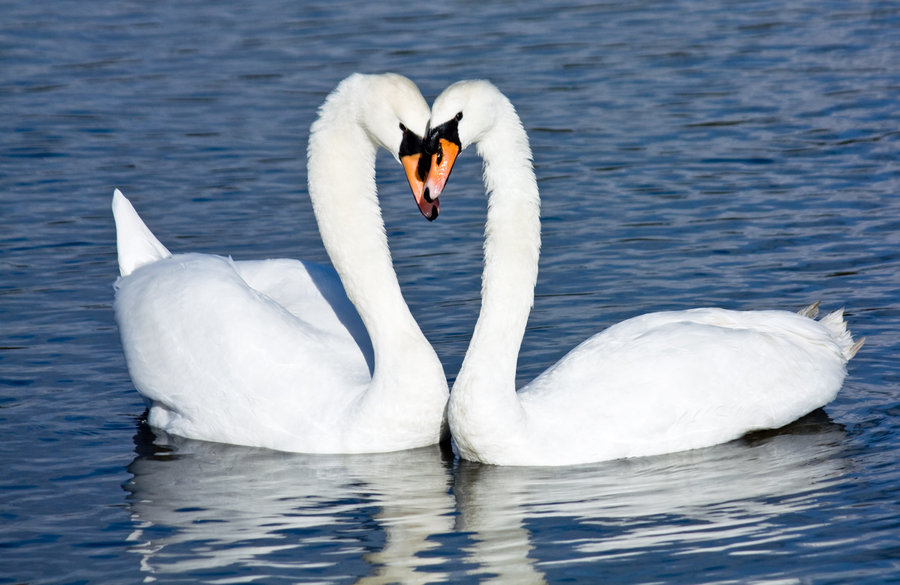
Mystery about Swan: Can it separate Milk from Water?

swans
Why Saints are called Paramahamsa?

Research paper written by London Swaminathan
Post No.1153; Dated 6th July 2014.

From the days of the Rig Veda and Chandogya Upanishad, swan is always associated with the bright sun and saints.

All the water birds close to swan are grouped under the Anatidae family. Hindu mythology understood the unity pervading the family. Their approach was very scientific when they dealt with swans, geese and ducks.

Hamsa Gayatri
Om Hamsaaya Vidmahe
Paramahamsaaya Dhimahi
Tanno Hamsha Pracodayaat

“May we realise Hamsa that is our own Self as Swan. Let us meditate on that Paramahamsa, the Supreme Self. May Hamsa illumine us.”

This one of the several popular Gayatri mantras.

Great saints are called Parama hamsa. It means Supreme Swan. We have great saints like Ramakrishna Paramahamsa (1836-1856) and Paramahamsa Yogananda (1893-1952) within the last two hundred years. Sadasiva Brahmendra composed short and sweet kritis in Sanskrit and had the ‘mudra’/signature “paramahmasa” in all his compositions.

When it used in the context of great Yogis (ascetics) it does not mean the bird Swan (Hamsa in Sanskrit). It is the combination of two words Aham + Sa= Hamsa. I am He. It is the essence of Advaita philosophy. God and Man are one at the highest level. All the famous Upanishads have this philosophy: Aham Brahmasmi/ I am Brahman, Tat Tvam Asi/ You are That etc.

When saints who are well versed in the Yogic techniques breathe in and out it sounds ‘Ham…… Sa…… ‘Ham…… Sa….’ leading to Soham+ He is I.

Chandogya Upanishad (4-7) included an instruction (advice) from a swan. Dattatreya learnt something good from everything in nature including a bird. Hindus used everything in nature for the spiritual advancement of man.

Is it true that swans can separate milk from water and drink only milk?
Another meaning at a different level:-

Hamsa is the vehicle of God Brahma and his consort Sarasvati. All are white in colour symbolising purity and knowledge. Hamsa is associated with Holy Ganges and holy lake Manasa Sarovar. It is one of the purest birds. Hamsa Gayatri confers the power of discretion on the person who recites it. Like that Hamsa separates the good things from the bad things, Water birds separate good water from the bad water. It has got a sieve like structure (lamellae) in its mouth which separates water from mud. Probably this is what lead to the belief that Swans can separate milk from water and drink only milk. In Sanskrit Ksheera means milk and pure water.

Whooper_Swan

Hamsa in the Vedas

Hamsa in the RIg Veda (1-65-5; 1-163-10;2-34-5;3-8-9;;AV 6-12-1 etc) and later literature denotes the bird gander. These birds are described as dark in colour on the back( RV 7-59-7), they fly in troops ((RV 3-8-9), swim in the water (RV 1-65-5), make loud noises (3-53-10), and are wakeful at night (AV 6-12-1) according to Vedic Index.

The Hamsa is credited with the power of separating Soma from water (as later milk from water) in the Yajur Veda (Kataka, Maitrayani, Vajasneyi Samhitas and Taitriya Brahmana).
The soma plant when crushed exudes the juice with a hissing sound. This is compared to the hissing of a swan when disturbed on the water (RV 1-65-5)

The Asvins are invited to the soma sacrifice like a pair of swans hastening to the water (RV 5-78-1).
It is also sacrificed in the Asvamedha Yajna along with two hundred other animals, birds, plants and other grains.
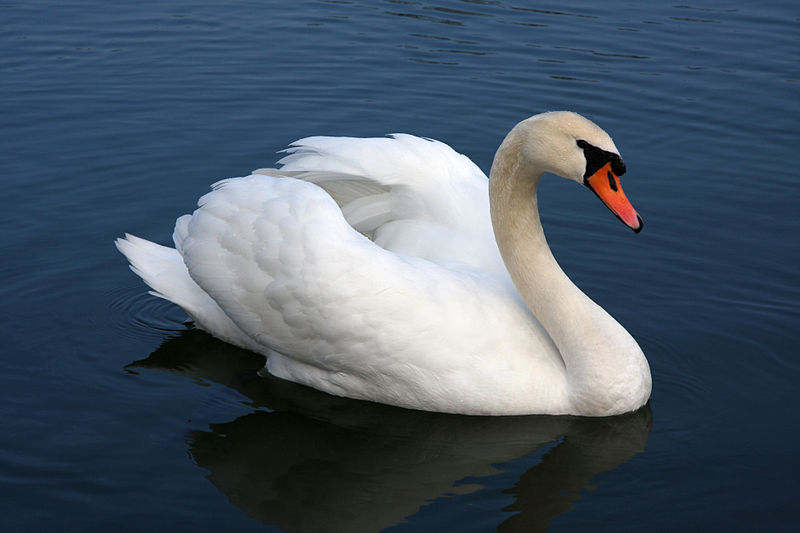
800px-Mute_swan_Vrhnika

Sun and Paramahmsa
The sun and the spiritually elevated man are compared with the wise swan in the Shivapurana (2-15-10).
The Mute Swans are known to go about in pairs and they are greatly devoted to each other. Even Buddhacharita of Asvagosha mentioned this in the context of appealing to Gautam Siddhartha to come back to his wife.
Ramayana described swan as god Varuna’s bird (7-18-28)

Nala Damayanti and Swan
The golden coloured swan (whooper) caught by Nala was mentioned in the Mahabharata (3-54-19). The bird promised to plead Nala’s cause with Damayanti and was thereupon released. He flew with his party to her place and allowed himself to be caught by her and then performed his mission.
rishi

Hamsavatara
One of the incarnations/Avatars of Lord Vishnu is Hamsavatar in the form of a swan. Apart from Dasavatar (ten incarnations) we have 11 more Avatars.

Kalidasa & Sangam Tamil Literature
I have already written about the Bird Migration in Kalidasa and Sangam Literature.
Kalidasa referred to the strange habit of swan ‘separating milk from water’ in Sakuntalam drama (Act 6-33). A Gatha Sapta Sati poet copied it. Naladiyar in Tamil also copied Kalidasa.
Paranar, a Brahmin poet of Sangam period used lot of similes from Kalidasa along with his colleague Kabilar. Paranar in his poem– Natrinai 356 — sang about a swan flying to the golden peaked Himalayas after feeding itself with fishes in the Southern Seas. Pisiranthaiyar said the same thing in Purananuru verse 67. All these are just echo Kalidasa’s poems.
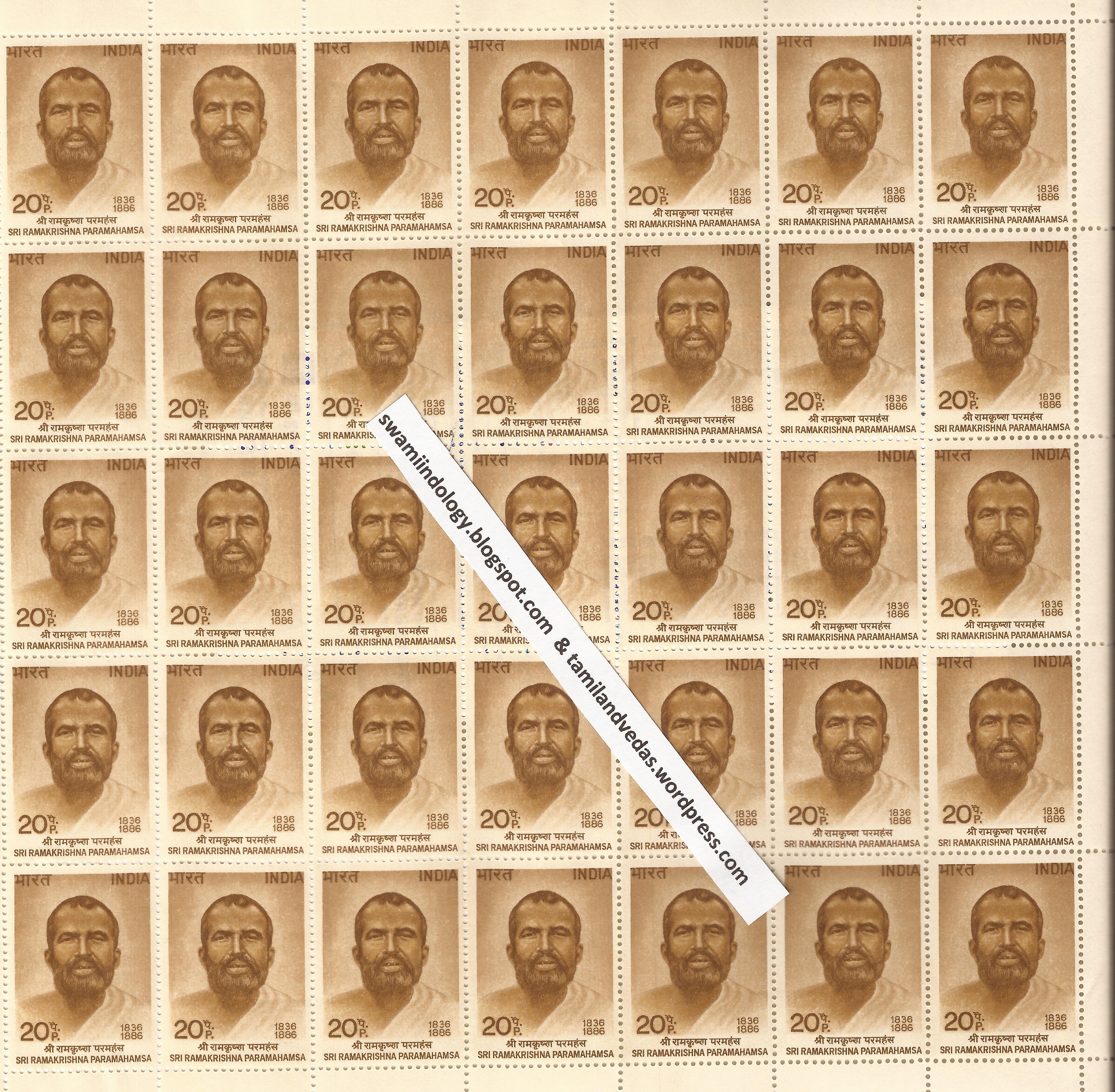
ramakrishna

Kalidasa’s Raghuvamsa and Meghaduta have got too many references to water birds such as swan and cranes, geese and ducks.

Pillows were stuffed with the feathers of swan in ancient India.

A woman’s gait is compared to the gait of a swan in Tamil (Aka.279) and Sanskrit literature.

The swans are remarkable for their stately flight very high in the sky and they seem to approach the sun, says Mankudi Kizar of Madurai Kanchi (385-38).

Different types of swans such as Raja Hamsa, Kala Hamsa, Maththa Hamsa, Maha Hamsa, Kshuta Hamsa and Kadamba Hamsa are found in Sanskrit literature.

yogananda

Ramayana and Mahabharata have interesting stories about swans. One of them is about the white colour of the swan (7-18-29/31). Varuna avoided Ravana by transforming himself to a swan and later gave a boon to the bird for his help and made him permanently white! Since Brahma has it as his Vahana the bird is also called Surapriya (Friend of the Devas). Swan is always associated with glory, purity, affection, love, majesty and divinity!!

Contact swami_48@yahoo.com

மஹாபாரதத்தில் ஒரு அதிசய பறவை

graphic-croc

(((தமிழ் அன்பர்களுக்கு ஒரு அன்பான வேண்டுகோள்! தமிழையும் தமிழினத்தையும் வாழ்விக்க ஒரு வழி இருக்கிறது. ரொம்ப எளிது! யாராவது ஏதாவது நல்ல கட்டுரை எழுதினால், அதில் எழுதியவன் பெயரை வெட்டிவிடாமல் fபேஸ்புக்கில் அல்லது உங்கள் பிளாக்கில் ‘’அனுமதி பெற்று’’ போடுங்கள். வருடம் முழுதும் ஆராய்ச்சி செய்தவன் பெயர் நிலைத்தால் தமிழர் வாழ்வர்!!! தமிழும் வாழும்))).

ஆராய்ச்சிக் கட்டுரை எழுதுபவர்—லண்டன் சுவாமிநாதன்
கட்டுரை எண்:–1141 தேதி:– ஜூலை 1, 2014.
English version of this article was published yesterday: ‘Strange Bird in Mahabharata’.

நான் இதற்கு முன் 1) வேதத்தில் காணப்படும் ஹோமா பறவை 2) தமிழ் இலக்கியத்திலும் சுமேரியாவிலும் காணப்படும் இருதலைப் பறவை (அண்டரண்ட பக்ஷி), 3) சங்கத் தமிழ் இலக்கியத்தில் பறவை மனிதன் 4) கபிஞ்சலா எனப்படும் சாதகப் பட்சி 5) பாரி- கபிலருக்கு நெல் மணிகள் கொண்டுவந்த கிளிகள் 6) வேதம் சொல்லும் கிளிகள் 7) முரசு சப்தம் கேட்டால் இறக்கும் அசுணமா முதலிய பல பறவை / மிருக அதிசயங்களை எழுதினேன். இப்பொழுது மேலும் ஒரு அதிசயப் பறவை பற்றி மஹாபாரதத்தில் இருந்து செய்தி கிடைத்துள்ளது. இந்தப் பறவையின் பெயர் பூலிங்கப் பறவை. பூமிக்குள் ஆழமாகக் குழி தோண்டி முட்டை இடுவதால் இந்தப் பெயர்.

இதோ சபாபர்வ ஸ்லோகங்கள்:–

பூலிங்கசகுனிர் நாம பார்ஸ்வே ஹிமவதப் பரே
பீஷ்ம! தஸ்யா: யதா வாச: ஸ்ரூயந்தே அர்தவகார்ஹிதா:

மா சாஹசமிதீதம் சா சததம் வாசதே கில
சாஹசம் ச ஆத்மனா அதீவ சரந்தி நா அவபுத்யதே

சா ஹி மாம்சர்களம் பீஷ்ம! முஹாத் சிம்ஹஸ்ய காதத:
தந்தாந்தரவிலக்னம் யத்ததாதத்தே அல்ப சேதனா
–மஹாபாரதம், சபா பர்வம் 2-41-19/21

இந்தப் பறவை பற்றி வியாசர் சொன்னது பலருக்கும் புரியவில்லை போலத் தோன்றுகிறது. ஆகையால் சுருக்கமான மஹாபாரதப் பதிப்புகளில் இது காணப்படுவதில்லை.
croc3

சபாபர்வத்தில் தர்மன் (யுதிஷ்ட்ர மஹாராஜா), ராஜசூய யக்ஞம் செய்யும் காட்சி வருகிறது. அங்கே கிருஷ்ணனுக்கு முதல் மரியாதை என்றவுடன் சிசுபாலன் பொங்கி எழுகிறான். எப்போதுமே கிருஷ்ணனைக் கண்டால் அவனுக்கு பாகற்காய் போல கசக்கும். ஆகையால் ஏசுவதே அவனது தொழில். ஆனால் கிருஷ்ணனோ, சிசுபாலனின் தாயாரிடம் ஒரு சத்தியம் செய்துள்ளான். உன் மகன் செய்யும் நூறு தவறுகளை பொறுத்துக் கொள்வேன், அவ்வளவுதான். அதற்கு மேல் எனக்கு எதிராக ஏதேனும் பேசினால் அவன் பெயர்—ரிப்பேர்—ஆகிவிடும்; அவனது மானம் – விமானத்தில் ஏறிவிடும்; அவனது கதி—சகதி ஆகிவிடும் என்கிறான்.

எவ்வளவு சொன்னல் என்ன? நாயைக் குளிப்பாட்டி நடு வீட்டில் வைத்தாலும், வாலைக் குழைத்துக் கொண்டு ——- தின்னதானே போகும். கிருஷ்ணரை கண்ட சுடு சொற்கள் பேசி ஏசுகிறான் —முறைதவறிப் பிறந்த பயலே- இடைப் பயலே- மடப்பயலே – என்று திட்டுகிறான். 101 ஆவது முறையில் கிருஷ்ணன் சுதர்சன சக்கரத்தை ஏவி — வாழைக்காய்-கத்தரிக்காய் பஜ்ஜிக்கு காய் வெட்டுவதுபோல அவனது தலையைச் சீவிவிடுகிறார். இதெல்லாம் உங்களுக்குத் தெரிந்த கதையே.

பீஷ்ம பிதாமஹர் – குருகுலத்தின் அன்புக்கும் பண்புக்கும் உரிய பெரியோய்—அவர் கிருஷ்ணனுக்குப் பரிந்து பேசவே அவரையும் ஏசுகிறான் சிசுபாலன். அப்போழுதுதான் பூலிங்கப் பறவை குறிப்பு வருகிறது.

ஓய், பீஷ்மரே, ஜால்ரா போடுவது, ஒத்து ஊதுவதுதான் உமக்கு வேலையா? அந்தத் திருட்டு இடையன் புகழைப் பாடுவதே உமக்குத் தொழில் ஆகிவிட்டது போலும், நீரே ஒழுக்கம் கெட்டவர்தானே. உமக்கு என்ன அருகதை இருக்கிறது. அமபையைத் தூக்கிவந்து விச்த்திரவீர்யனுக்கு கொடுத்தீர். நீர் ஆண்மை இல்லாத அலி. ஆகையால்தான் பிரம்மச்சாரி வேஷம் போடுகிறீர் என்றெல்லாம் ஏசினான்.

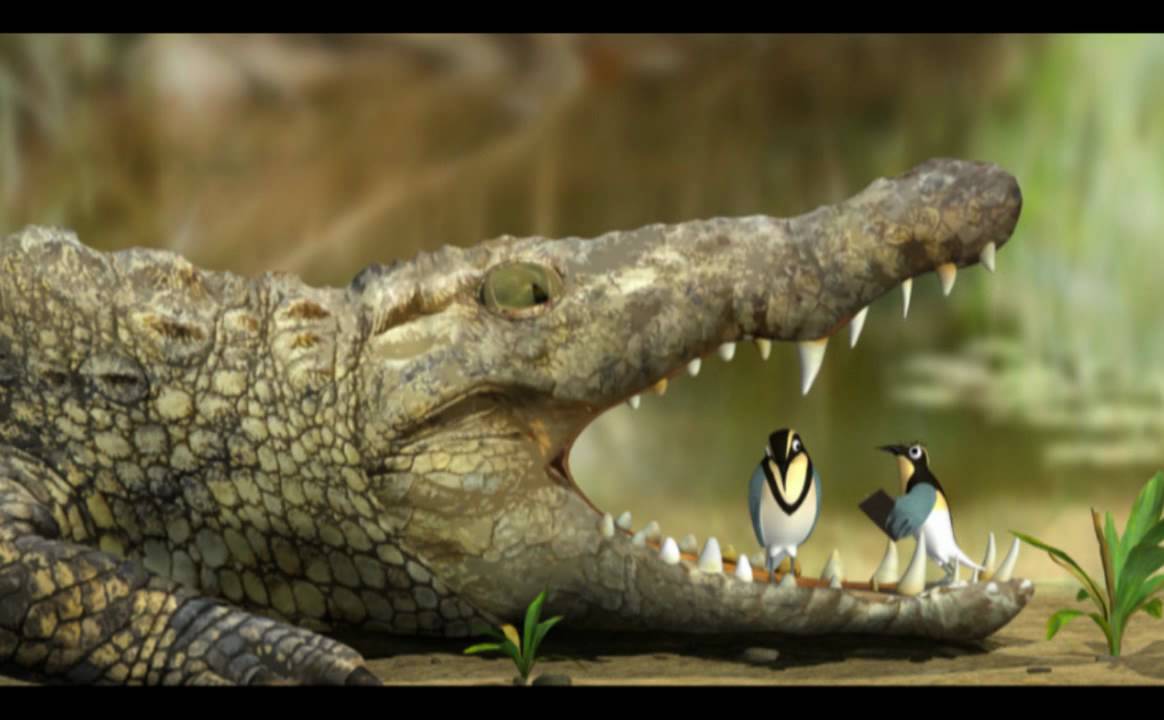
பீஷ்மருக்கு நன்றாகத் தெரிந்த உண்மை—அன்றோடு அவன் கதை முடியப்போகிறது என்பது. ஆகவே பேசாமல் இருக்கிறார். அப்படி ஏசுகையில் நீர் பூலிங்கப் பறவை மாதிரி முட்டாளாக இருக்கிறீரே! அதுதான் சிங்கத்தின் வாயில் உடகார்ந்து மாமிசத் துண்டுகளைப் பொறுக்கும். மற்றவர்களுக்குப் புத்திசொல்லிவிட்டு அந்தப் பறவையே மாமிசத்துக்கு ஆசைப்பட்டு சிங்கத்தின் வாயில் நுழையும் . அந்தப் பறவை இமயமலைக்கு அப்பால் உள்ளது என்கிறான் சிசுபாலன். இதெல்லாம் அவன் தலை சீவப்படுவதற்கு முன் உதிர்த்த பொன்மொழிகள்!!
lionmonkey

அவன் இப்படித் திட்டியதிலும் சில அறிவியல் விஷயங்கள் இருக்கின்றன. இந்துக்கள் இயற்கையோடு இயைந்த வாழ்வு நடத்தியதால் எப்போதும் பறவை, மிருகங்கள், பூக்கள் செடி,கொடி, மரங்கள் பற்றிய உவமைகளையே கையாளுவர். இதற்கு முந்தைய எனது கட்டுரைகளில் ஆதிசங்கரர் ஒரே ஸ்லோகத்தில் நாலு பறவைகள் பற்றிப் பாடியதையும், மரம் ஏறும் விதைகள் கொண்ட விநோத அங்கோல மரம் பற்றி அவர் பாடியதையும், தத்தாத்ரேயர் 13 பறவைகள், மிருகங்களீடம் பாடம் கற்றதையும் படித்தீர்கள்.

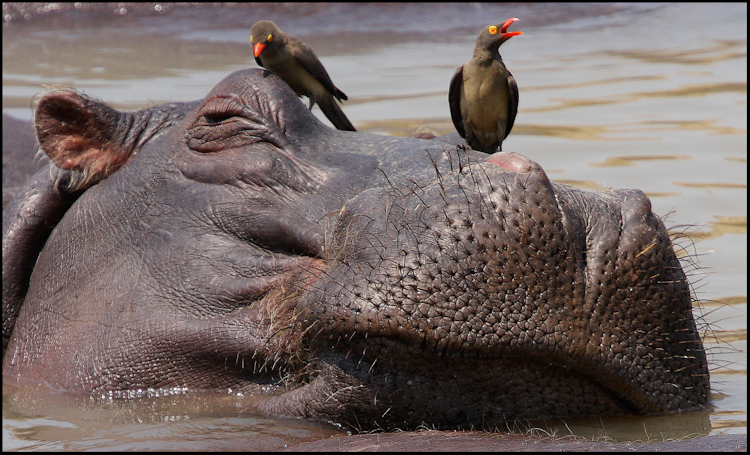
Hippo and Oxpeckers - Highly Commended - Paula Martin
இந்தப் பூலிங்க பறவை பற்றி கே. என். தவே (K N Dave) என்பவர் எழுதிய ‘’சம்ஸ்கிருத இலக்கியத்தில் பறவைகள்’’ (Birds in Sanskrit Literature) என்ற புத்தகத்தில் ஒரு குறிப்பு வருகிறது. அவர் சொல்கிறார்:–

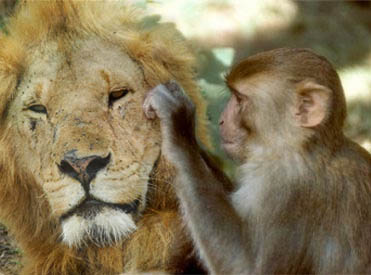
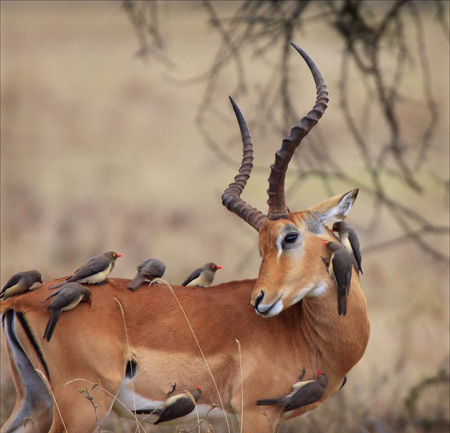
ஆப்பிரிக்காவில் நைல் நதியில் ப்லோவர் (Plover) இனப் பறவைகள் உண்டு. மாமிசத்தை உண்ணும் முதலைகளின் பற்களில் மாமிசத் துண்டுகள் சிக்கி அழுகிவிடும். ஆகையால் அவைகள் நதிக்கரையில் வந்து வாயைத் திறந்து கொண்டு உட்காரும். அப்பொழுது ப்லோவர் (Crocodile Bird) பறவைகள் தைரியமாக உள்ளே சென்று அந்த மாமிசத் துண்டுகளைத் தின்னும். இது முதலை—பறவை இனத்தில் மட்டுமின்றி நிறைய உயிரினங்களில் காணலாம். இதை ‘’சிம்பியாசிஸ்’’ (Symbiosis) என்று அழைப்பர். அதாவது இரண்டு உயிரினக்கள் இடையே உள்ள – இருவருக்கும் பயன் தரும் – ஒற்றுமை அல்லது ஒத்துழைப்பு.. சிங்கத்தின் உடலில் உள்ள பூச்சி புழுக்களை குரங்குகள் அகற்றும். காண்டமிருகத்தின் மேலுள்ள கிருமிகளை பறவைகள் அகற்றும்.

ஏன் சிசுபாலன் சிங்கத்தின் பெயரைச் சொன்னான்? இதற்கும் தவே விளக்கம் அளிக்கிறார். மனிதனில் வீரம் உடையவனை புலி, சிங்கம் என்று அழைப்பது போல நீரில் பலம் உடைய முதலைக்கும் சிங்கம் என்ற பெயர் உண்டு என்று சொல்கிறார். ராமனை, வால்மீகி முனிவர் ‘புலி’ என்றே அழைக்கிறார்.

வெங்கடேஸ்வர சுப்ரபாதத்தில் வரும் ‘’கௌசல்யா சுப்ரஜா’’ என்ற முதல் ஸ்லோகம் வால்மீகி ராமாயணத்தில் இருந்து எடுக்கப்பட ஸ்லோகம். அதில் வரும் ‘’நர்சார்தூல’’ என்ற சொல் மனிதருள் புலியே என்று இராம பிரானை புகழ்கின்றது.

birds_gazelle
தவே சொல்லக்கூடிய விளக்கம் நமக்கு இன்று ஓரளவு தகவல் தருகிறது. மஹாபாரத காலத்தில் ஒருவேளை, சிங்கத்தின் வாயில் இருக்கும் மாமிசத் துண்டுகளை எடுக்கும் பறவை இனம் இருந்திருக்கலாம். யார் அறிவார்?
-சுபம்–

MUNGOS MUNGO

கம்பனும் காளிதாசனும் சொன்ன அதிசயச் செய்திகள்

Waitomo-glow-worm-New-Zealand
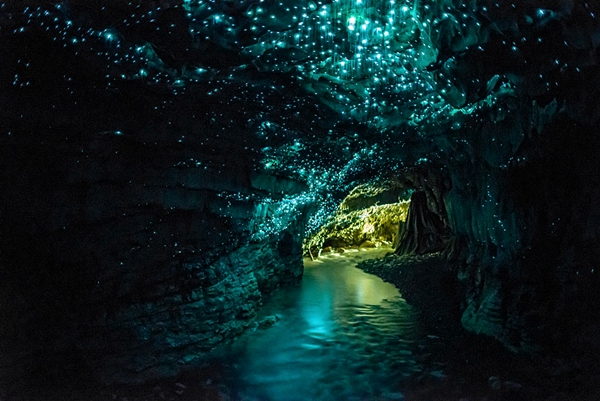
Glow worms in New Zealand Waitomo Caves

தமிழ் இலக்கியம், காளிதாசனில் மின்மினிப் பூச்சி

கட்டுரையாளர் லண்டன் சுவாமிநாதன்
கட்டுரை எண்:- 1110; தேதி 16 ஜூன் 2014.

கம்பனும் காளிதாசனும் புகழ் பெற்ற கவிஞர்கள். வடமொழியில் ஏழு நூல்கள் எழுதிய காளிதாசனின் புகழ் உலகெங்கும் பரவியுள்ளது. எப்படி சங்கத் தமிழ் நூல்களைக் கல்லாதோருக்கு, இந்திய கலாசாரம் பற்றிப் பேச அருகதை இல்லையோ அப்படிக் காளிதாசனைக் கல்லாதோரும் இந்தியப் பண்பாடு பற்றிப் பேச அருகதை இல்லாதோர் ஆகிவிடுகின்றனர். ஆயிரம் உவமைகளுக்கு மேலாக அள்ளித் தெளித்து அறுசுவை உண்டி – செவிக்கு உணவு—படைத்திருக்கிறார் காளிதாசர்!!

கம்பன் புகழைப் பாரதியார் பல இடங்களில் பாடிப் பரவியதில் இருந்து அவனுடைய மேன்மையை நாம் உணரலாம். கம்பனும் காளிதாசனும் ‘’மின்மினிப் பூச்சி’’ பற்றி சில அதிசயச் செய்திகளைக் கூறுகின்றனர். இது தவிர அகநானூற்றுப் புலவர்களும் நற்றிணைப் புலவர்களும் 2000 ஆண்டுகளுக்கு முன் எழுதிய சில பாடல்கள் காளிதாசன் சொல்லும் ரகசியப் புதிரை விடுவிக்கிறது. இயற்கை வரலாற்று நிபுணரும், பி பி சி டெலிவிஷன் படத் தயாரிப்பாளருமான டேவிட் அட்டன்பரோ காட்டிய சில காட்சிகளைப் பார்த்தோருக்கு காளிதாசன் சொன்னது இதுதானோ என்று வியக்கவும் செய்வர்.

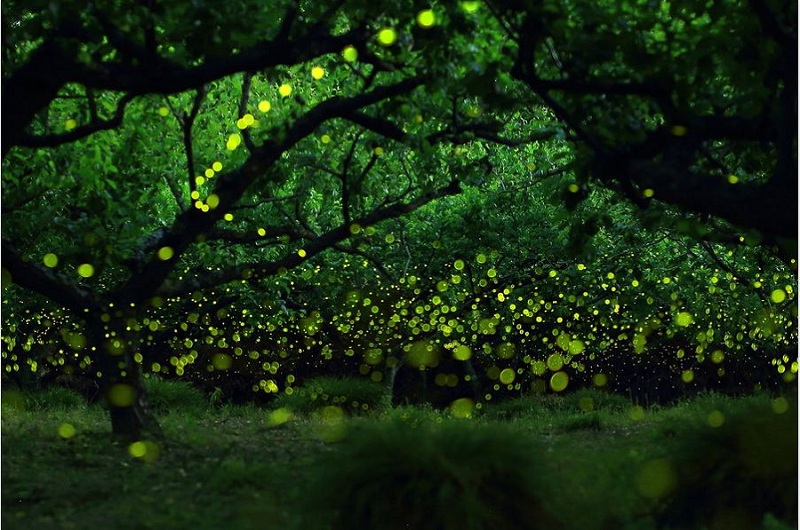
Fairies-nagoya city
Fireflies in Nagya City, Japan.

கம்பன் சொன்ன செய்தி
இந்திய கிராமப் புறங்களில் இரவு நேரத்தில் பயணம் செய்வோர் மின்மினிப் பூச்சிகளைக் கண்டிருப்பர். இந்த மின்மினிப் பூச்சிகளை, குருவிகள் பிடித்துச் சென்று தனது கூடுகளில் வைத்து மகிழும். கூடுகளுக்கு மின்சார விளக்குப்போடுவது போல இவைகள் வெளிச்சம் தருவதால் அவைகள் இப்படிச் செய்கின்றன போலும். இந்தக் காட்சியை கம்பன் பால காண்டத்தில் வருணிக்கிறான்:–

அயோத்தி மாநகரம் செல்வச் செழிப்பில் மிதக்கிறதாம். அங்கே கோழிகள் குப்பையைக் கிளறினால் கூட ரத்தினக் கற்கள்தான் வருமாம். அவை களைக் கண்ட குருவிகள் , மின்மினிப் பூச்சிகள் என்று எண்ணி அவை களைக் கூடுகளில் கொண்டு வைக்குமாம். இதோ அந்தப் பாடல்:–

சூட்டுடைத் தலைத் தூநிற வாரணம்
தாள் தனைக் குடைய தகைசால் மணி
மேட்டு இமைப்பன மின்மினி ஆம் எனக்
கூட்டின் உய்க்கும் குரீஇயின் குழாம் அரோ
(கம்ப ராமாயணம், பால காண்டம், பாடல் 59)

பொருள்: வாரணம்=கோழி, மணி= ரத்தினக் கற்கள், குரீஇ=குருவி.

_mycena_chlorophanos_33 species

Fungi with luminescence. 35 Fungal speecies emit light

காளிதாசன் சொன்ன செய்தி
காளிதாசன் அவனது பாடல்களில் ( குமார சம்பவம் 1-30; ரகு வம்சம் 9-70 ) பல இடங்களில் ஒளிவீசும் தாவரங்கள் (ஜோதிர்லதா) பற்றிப் பகருவான்.
தசரதர் ஒருமுறை வேட்டைக்குச் சென்றபோது காட்டில் தனியே தங்க நேரிட்டது என்றும் அப்பொழுது ஒளிவீசும் தாவரங்களே அவருக்கு விளக்குகளாக இருந்து உதவின என்றும் காளிதாசன் கூறுகிறான். (ரகு வம்சம் 9-70).

உமை அம்மை பற்றி வருணிக்கும் இடத்தில் குமார சம்பவத்தில் (1-30) மூலிகைகள் இரவு நேரத்தில் ஒளிவிடும் என்றும் சொல்கிறான்.

மேகதூத காவியத்தில் (பாடல் 80) மேகத்துக்கு வழங்கும் அறிவுரையில், “நீ மலைச் சிகரத்தில் குட்டி யானை அளவுக்கு உன் வடிவத்தைச் சுருக்கிக் கொள். மின்மினிப் பூச்சிகள் எந்த அளவுக்கு ஒளி சிந்துமோ அந்த அளவுக்கு ஒளி வீசி வீட்டிற்குள் எட்டிப் பார்” என்கிறான்.
கம்பனும் கூட “உம்பர் வானத்து நின்ற ஒளிவளர் தருவின்” – என்று தேவலோக ஒளி உமிழும் கற்பக தரு பற்றிப் பாடுகிறான் (பால காண்டம் 793)

glowing_plant_genetically engineered
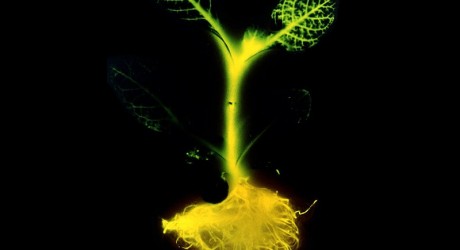
Light emitting tobacco plant.

விஞ்ஞானிகள் சொல்லும் செய்தி:-
சில வகை மீன்கள், பூச்சிகள், கடல் வாழ் ஜெல்லி மீன்கள், தாவரங்களில் காளான் வகைகள் ஆகியன மட்டுமே ஒளி வீசக்கூடியவை. பெரிய மரங்களோ, செடி கொடிகளோ ஒளி வீசக்கூடியவை அல்ல. தற்காலத்தில் செயற்கை முறையில் புகையிலைத் தாவரத்துக்கு ஒளி ஊட்டி செயற்கையாக ஒளிரச் செய்துள்ளனர். ஆனால் இயற்கையில் உள்ள சில அதிசயங்கள் டெலிவிஷன் மூலம் எல்லோருக்கும் தெரிய வந்துள்ளன. நியூசிலாந்தில் ஒரு குகை முழுதும் மின்மினிப் பூச்சி வகைகள் வாழ்கின்றன. இரவு நேரத்தில் அந்தக் குகை ஜெகஜ் ஜோதியாகச் ஜொலிக்கிறது. விழா நாட்களில் கட்டிடங்களில் அலங்கார விளக்கு போடுவது போல அவை அணைந்தும் ஒளிவீசியும் ஜாலவித்தைகள் செய்கின்றன. பி.பி.சி போன்ற சில இயற்கை பற்றி ஒளிபரப்பும் நிகழ்ச்சிகளைப் பார்த்தோருக்கு இது தெரியும்.

காளிதாசன் கம்பன், சொல்லும் ஒளிவிடும் தாவரங்கள், இது போல மின்மினிப் பூச்சிகளால் சூழப்பட்ட மரங்களாக இருக்கக்கூடும் அல்லது இபோது நாம் காணும் ஒளிவிடும் மீன்கள் போல அந்தக் காலத்தில் ஒளிவிடும் தாவரங்களும் இருந்திருக்கலாம்.
சங்கப் புலவர்கள் அகநானூற்றிலும் நற்றிணையிலும் (அகம். 67-16, 72-3, 202-7, 291-8; நற் 44-10)) வரும் சில பாடல்கள் மூலம் பலா மரம் முழுதும் மின்மினிப் பூச்சிகள் இருந்ததையும் குறவர்கள் இரவு நேரத்தில் மேகங்களைப் பார்க்க மின்மினிப் பூச்சிகள் விளக்காக இருந்து உதவி செய்வதையும் பாடிவைத்துள்ளனர்.

பாலை நில பருக்கைக் கற்கள், மின்மினிப் பூச்சிகள் போல இருப்பதாக நோய்பாடியார் என்னும் புலவர் கூறுகிறார் (அகம்.67)

எருமை வெளியனார் மகனார் கடலனார் பாடிய பாடலில் ஒரு அரிய உவமை தருகிறார். இரவு நேரத்தில் காட்டில், கரடிகள் பாம்புப் புற்றில் கையை விட்டுக் கறையான்களைப் பிடிக்கப் போகும்போது மின்மினிப் பூச்சிகள் பறக்கும் காட்சி கொல்லன் பட்டறையில் பறக்கும் தீப்பொறிகள் போல இருக்கும் என்கிறார். கரடியை இரும்புவேலை செய்யும் கொல்லனுக்கும் கறையான் புற்றுகளை பட்டறைக்கும் ஒப்பிட்டது ஒரு நல்ல உவமை. (அகம்.72)

ஆவூர்க் கிழார் மகனார் கண்ணகனார் பாடிய பாடலிலும் இதே கொல்லன் உலைக்கள உவமையைத் தருகிறார்.
நற்றிணைப் பாடல் (44) ஒன்றில் பெருங் கௌசிகனார் வேறு ஒரு காட்சியை வருணிக்கிறார்: குறவர்கள் இரவு நேரத்தில் மின்மினிப் பூச்சிகள் தரும் வெளிச்சத்தில் மேகத்தின் செயல்பாட்டைக் கவனிப்பர் என்கிறார்.

குடக்காய் ஆசினிப் படப்பை நீடிய
பல் மர உயர் சினை மின்மினி விளக்கத்து….

தமிழ் நிகண்டுகளில் மின்மினிப் பூச்சிக்குப் பல பெயர்கள் உள்ளன அவை:–நிசாமணி, ஞவல், நுளம்பு, கத்தியோதம், அலகு, கசோதம், அலத்தி.

இயற்கையோடியைந்த வாழ்க்கை நடத்திய நம் முன்னோர்கள், மின்மினிப் பூச்சி மூலம் வழங்கும் செய்திகள்தாம் எத்தனை எத்தனை !!
–சுபம் —

Fireflies in Sanskrit and Tamil Literature!

Waitomo-glow-worm-New-Zealand
Waitomo Glowworm Caves, New Zealand.

Written by London Swaminathan
Post No. 1109; Dated 15th June 2014.

Great poet Kalidasa is famous for his similes and descriptions of nature. His works abound in imageries. One of the imageries is about the fire flies. Fire-flies are seen in thousands in Indian villages during night time. No one would have missed them. But using them in poetry in appropriates places needs lot of literary skills. Tamil and Sanskrit poets are very keen observers of nature. They use it to the maximum in their poems to convey lot of messages. The fire fly imagery brings out another fact of the natural world.

Kamban who wrote Ramayana in Tamil gives us an interesting fact in Bala Kanda (Verse 59) of Kamba Ramayana. While describing the fields of Ayodhya, he describes how the sparrows mistook the gems for fireflies and took the gem stones lying on the ground to illuminate their nests. They thought that they were fireflies. He compared it to the sparrows’ natural habit of taking fireflies to their nests for lighting! Human beings, probably, got the idea of lighting from the sparrows!

Fairies-nagoya city
Fireflies in Nagoya City, Japan.

Kalidasa in his Meghaduta (verse 80) says,
“The flash of lightning of a very mild brilliancy is imagined to resemble the soft and twinkling light of a row of fireflies. The lovely and varying illumination with which these fireflies light up the roads at night gives quite an idea of enchantment”.

Three Tamil poets of Sangam age give us a similar picture:

“The bear thrusts its hand like front leg into the anthill raised by the termites and scoop out their comb for its food at midnight. A poor snake that had its abode in the anthill, was fatally wounded by the sharp claws of the beast.

The fireflies surrounding the ant-hill fly scattered and emit phosphorescent light”.
This scene is repeatedly pictured in many passages by different poets and compared to that of a smithy. The beast covered with thick black fur all over the body is likened to the blacksmith working in the smithy, the ant-hill to the raised structure of the furnace, the hard breath and action of the beast to the roar and action of the bellows, and fireflies flying and emitting light to the sparks of red hot iron beaten there — Akam.72,Akam 81,Nar 125.

_mycena_chlorophanos_33 species
Mycena chlorophenos, 33 species of fungi emit light.

Perumkausikanar, in one of his poems (Nar. 44), described the glow worms on a jack tree. The heroine looks at the dark sky and observes the movement of the clouds in the light emitted by the glow worms among the branches of a jack tree.

Kalidasa described the light emitting plant ‘Jyotirlatha’ (Raghuvamsa 9-70 & Kumara Sambhava 1-30) which is not known to any biologist. We know only lower organisms such as fungi, jelly fish, planktons and insects like fireflies with this light emitting quality. Probably lit is like the jack tree full of fireflies (Nar. 44).

glowing_plant_genetically engineered
Genetically engineered tobacco plant emitting light.

David Attenborough, in his nature series on the BBC, described a cave full of fireflies in New Zealand. They looked like the illumination in the amusement parks or the government buildings on National Holidays. They emit light on and off. Millions of fireflies living in a narrow area! Only when we know such natural wonders we can get a glimpse of what Kalidasa described as Jyotirlatha. Kamban also described light emitting Kalpalatha (Balakandam 793)

contact swami_48@yahoo.com

வேதத்தில் கபிஞ்ஜலா பறவை மர்மம்!

kapinjala2

Written by London Swaminathan
Post No 1061; Dated 24th May 2014.
(This article is posted in English already)

“ரிக் வேதத்தில் ஒரு பறவைப் பாட்டு” என்ற கட்டுரையை நேற்று வெளியிட்டேன். அதனுடைய இரண்டாவது பகுதி இது.

கபிஞ்ஜலா என்ற பறவையை சாதகப் பட்சி என்று பிற்கால இலக்கியங்கள் வருணித்தன. தமிழர்கள் இதை ‘துளி நசைப் புள்’ –(மழைத் துளிகளுக்காக ஏங்கும் பறவை)– என்று புறநானூற்றிலும் ஏனைய சங்க இலக்கிய நூல்களிலும் வருணித்து இருப்பதை முதல் பகுதியில் கண்டோம்.
இந்தப் பறவை பற்றி இரண்டு சுவையான கதைகள் பிற்கால இலக்கியத்தில் உள்ளன. அவைகளை அறிந்தால், உலகின் மிகப் பழைய மதப் புத்தகமான ரிக் வேதத்தில் இதை ஏன் இந்திரனுக்கு ஒப்பிட்டனர் என்பது விளங்கும்.

2400 ஆண்டுகளுக்கு முன்னர் பௌத்தர்கள் 547 ஜாதகக் கதைகளைத் தொகுத்தனர். இவை ஒவ்வொன்றிலும் போதிசத்வர் (புத்தர்) முன் ஜன்மத்தில்என்ன மிருகமாக, பறவையாக, அரசனாக, தொழிலாளியாகப் பிறந்தார் என்று கதை ரூபத்தில் இருக்கும். ஆனால் உண்மையில் இவை எல்லாம் இந்து மதக் கதைகள். பௌத்த மதத்தைப் பரப்புவதற்காக பஞ்ச தந்திரக் கதைகள், ராமாயண, மஹாபாரத, புராணக் கதைகள் முதலியவற்றை ‘’பவுத்தமயமாக்கி’’ வெளியிட்டனர். அதாவது கதையை கொஞ்சம் மாற்றி தந்திரமாக வெளியிட்டனர். அகத்தியர் வரலாற்றைக் கூட இதில் ‘’அகித்தி’’ என்று பெயரை மற்றி எழுதி வைத்துள்ளனர். இந்த ஜாதகக் கதைகளில் மேலும் கொஞ்சம் மாற்றம் செய்து திபெத்தியர்கள் வெளியிட்டனர்.

பூர்வ ஜாதகக் கதைகளில் தித்திரி ஜாதகம் என்று உள்ளதை திபெத்தியர்கள் கபிஞ்ஜலா ஜாதகம் என்பர். தித்திரி என்பதை தமிழில் தத்தை (கிளி) என்பர். கபிஞ்ஜலா என்பது சாதகப் பட்சி என்று நான் எழுதியுள்ளேன். இதற்கு காளிதாசன் படைத்த மேகதூதக் காவியத்தில் இருந்து சகுனம் (புள் நிமித்தம்) பற்றிய நம்பிக்கைகளை ரிக் வேதக் கவிதையுடன் (ரிக் 2-42, 2-43) ஒப்பிட்டும் காட்டினேன்.

இனி சுவையான திபெத்திய ஜாதகக் கதையைக் காண்போம்:
kapinjala

புத்த ஜாதகக் கதை

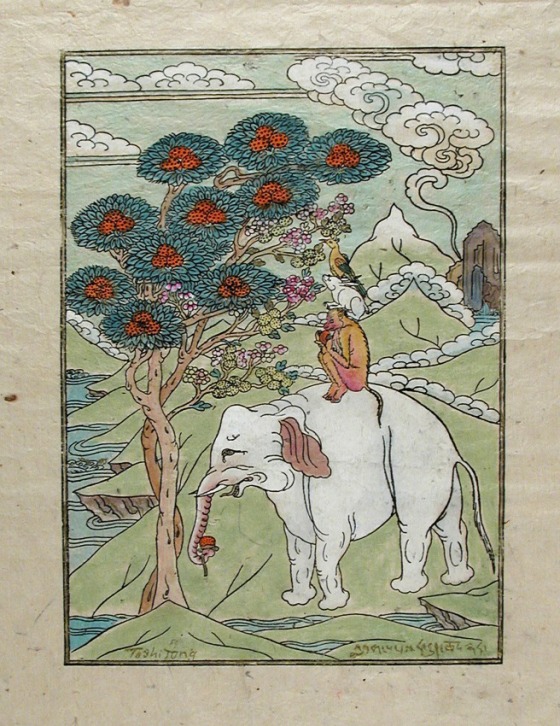
முன்னொரு காலத்தில் ஒரு காட்டில் பெரிய ஆலமரம் இருந்தது. ஒரு யானை வந்து அதன் இலைகளைத் தின்றுகொண்டு அதன் நிழலில் வசித்தது. அதற்குப் பின் அங்கே ஒரு குரங்கு வந்து தங்கியது. உடனே யானை எதிர்ப்பு தெரிவித்தது. நான் தான் முதலில் வந்தேன் என்று அதற்குக் காரணமும் சொன்னது. குரங்கு கேட்டது, ’இந்த மரத்தின் பழங்களை நீ பார்த்து இருக்கிறாயா?’. யானை நான் பார்த்ததில்லை என்று சொன்னது. அப்படியானால் நான் உனக்கு முன்னால் வந்தேன். அந்த பழங்களை எல்லாம் சாப்பிட்டேன். இப்போது இலை மட்டுமே எஞ்சியிருக்கிறது. உடனே யானை. ‘’குரங்காரே நீரே மூத்தவர். நாம் இருவரும் சேர்ந்து வாழ்வோம்’’ என்று சொன்னது.

கொஞ்ச நாள் கழித்து ஒரு முயல் வந்து அங்கே உட்கார்ந்தது. யானையும் குரங்கும் ஆட்சேபம் தெரிவித்தன. முயல் கேட்டது, ‘’நீங்கள் இந்த மரத்தின் கன்றைப் பார்த்தது உண்டா?’’ என்று. அவை இரண்டும் இல்லை என்று சொன்னவுடன், ‘’நான் வந்த போது மரக் கன்றுதான் இருந்தது. என் உயரம்தான் மரமே வளர்ந்து இருந்தது. ஆகையால் இந்த மரம் எனக்கே உரியது’’ என்றது. யானையும் குரங்கும் அதனை நண்பனாக ஏற்று நீயே, ‘சீனியர்’. நாங்கள் உன்னுடன் வாழ்கிறோம் என்றன.

இவர்கள் இப்படிப் பேசி முடிப்பதற்குள் மரத்தின் உச்சியில் இருந்து கபிஞ்ஜலா பறவை கூச்சல் போட்டது. ‘’நிறுத்துங்கள், உங்கள் பேச்சை. நான் பழம் தின்று ஒரு கொட்டையைத் துப்பினேன் அதுதான் இந்த மரமாக வளர்ந்தது’’ என்றவுடன் யானை, குரங்கு, முயல் ஆகிய மூன்றும் அந்தப் பறவையின் தலைமையை ஏற்றுக் கொண்டு சுகமாக நண்பர்களாக வாழ்ந்தன. ‘’இந்த நாலு பேரில் கபிஞ்ஜல பறவை என்பது புத்தரின் முந்தைய பிறப்பில் போதிசத்துவர்’’ — என்று கதை முடிகிறது.
ஆக கபிஞ்ஜல என்பது புத்தர். இப்படிப் பறவையை ஆன்மாவுக்கு ஒப்பிடுவது புத்தருக்கும் முந்தைய உபநிஷத்துகளிலேயே இருக்கிறது வள்ளுவனும் ஆத்மாவை பறவைக்கு ஒப்பிடுவான்:
குடம்பை தனித்து ஒழியப் புள் பறந்தற்றே
உடம்போடு உயிரிடை நட்பு (338)
(குடம்பை= கூடு, புள்=பறவை).

paint kapinjala

தேவிபாகவதக் கதை

தேவிபாகவதத்தில் ஆறாவது பகுதியில் விருத்ராசுரனை இந்திரன் வதை செய்த கதை உள்ளது. மூன்று தலைகளை உடைய விஸ்வரூபனை இந்திரன் கொன்றபோது ஒரு தலையில் இருந்து கபிஞ்ஜலப் பறவையும், மற்றொன்றிலிருந்து குருவிகளும், மூன்றாவது தலையில் இருந்து கிளிகளும் வந்ததாக தேவி பாகவதம் கூறும். இவைகள் சோம பானம், சுராபானம், அன்னம் ஆகியவற்றைச் சாப்பிட்ட மூன்று தலைகள் என்றும் அவை முறையே தேவர், அசுரர், மனிதர் ஆகியோரைக் குறிப்பதாகும் என்றும் அறிஞர்கள் விளக்கம் தருவர். இதற்குப் பின்னர் விருத்திராசுரனை அவனது தந்தை யாகத் தீயில் இருந்து உருவாக்கவே, விருத்திரனையும் இந்திரன் கொல்கிறான்.

ஆக இந்த இரண்டு கதைகளிலும் ஒரு ஒற்றுமையைக் காணலாம். கபிஞ்ஜல பறவை என்பது தேவர் (கடவுள்). அதுதான் உயர்ந்தது. இது க்ருத்சமடர் பாடிய ரிக்வேதப் பாடலில் உள்ள கருத்து. இந்த வேதக் கதையையே பிற்காலத்தில் பர்த்ருஹரி, காளிதாசன், சங்ககால தமிழ்ப் புலவர்கள், பௌத்தர்கள், தேவிபாகவதம், ஆதிசங்கரர், ராமகிருஷ்ண பரமஹம்சர் ஆகியோர் சாதகப் பட்சி என்ற பெயரில் பயன்படுத்தினர்.

ஆன்மீகத்தின் உச்சநிலையை நாடும் ஞானியைக் குறிக்கவோ, கடவுளைக் குறிக்கவோ கபிஞ்ஜல பறவையை உவமையாகப் பயன்படுத்தினர். இந்த நோக்கில் ரிக் வேதப் பாடலைப் பார்த்தோமானால் உண்மை புலப்படும். மேலோட்டமாகப் படித்தால் அது ஒரு அழகான பறவைப் பாட்டு!
பெரிய தத்துவங்களைப் போதிக்க இயற்கையில் உள்ள பறவைகள், மிருகங்கள், ஆறு, மலை முதலியவற்றைப் பயன்படுத்துவதை உபநிஷத காலத்தில் இருந்தே காண முடியும்.

இது தொடர்பாக முன்னர் வெளியான கட்டுரைகளையும் படிக்கவும்:
1.இயற்கை போதிக்கும் 13 பாடங்கள், 2.காடுகள் பற்றி கேள்வி- பதில், 3.சிந்துசமவெளியில் அரச மரம், 4. சோம பானமும் சுரா பானமும் 5. காளை வாகனம் எப்படிக் கிடைத்தது? 6.கா கா! கா கா!! 7.கழுதைக்குத் தெரியுமா கற்பூரவாசனை 8.சிந்து சமவெளியில் ஒரு புலிப் பெண் 9.தேள் தெய்வம் 10. எந்தக் கடவுளுக்கு என்ன வாகனம் 11. சங்க இலக்கியத்தில் வாகனங்கள் 12. உலகம் முழுதும் இந்து வாகனங்கள் 13. வாகனங்கள் தோன்றியது எங்கே? 14. நீண்டகாலம் வாழும் ரகசியம் 15.சுமேரியாவில் தமிழ் பறவை 16.அதிசய பறவைத் தமிழன் 17.மழை அற்புதங்கள் 18.பாம்புராணி 19.அருகம்புல் ரகசியங்கள் 20.சிட்டுக் குருவியிடம் பாரதி அற்ற பாடங்கள் 21.இளநீர் மகிமையும் தென்னையின் பெருமையும் 22.நாலு கடல் நீரில் ஒரே நாளில் குளிக்கமுடியுமா? 23.யானை பற்றி நூறு பழமொழிகள் 24.நல்லோர் அவைபுக்க நாகமும் சாகா 25.கிணற்றுத் தவளை: அப்பரும் விவேகாநந்தரும் சொன்ன கதைகள் 26.கொக்கைப்போல இருப்பான், கோழிபோல இருப்பான் 27. திருமூலர் சொன்ன யானைக் கதை 28. வேதத்தில் வெள்ளரிக்காய் 29.சப்தம் கேட்டால் இறந்துவிடும் அசுணமா
3 proportions

ஆங்கிலக் கட்டுரைகள்:
The connection between William Wordsworth and Dattatreya (posted 10 November 2011), 13 saints in nature (posted on 7 November 2013)
The Mysterious Vedic Homa Bird: Does it Exist? (posted on 10 December 2011), Can Birds Predict your Future?, Hindu Eagle Mystery Deepens (Posted on 16-2-2013), A Tamil bird in Sumerian Double headed Eagle in Sumeria, Double Headed Eagle: Sumerian- Indian Connection, Karikal Choza and Eagle Shaped Fire Altar, Bird Migration in Kalidasa and Tamil Lterature, Friends of Birds, Four Birds in One Sloka, Can Parrots recite Vedas?, Gods and Birds

Kapinjala Bird Mystery in Rig Veda

kapinjala

Written by London swaminathan
Post No.1060; dated 23rd May 2014.

This article is the second part of “Ode to Skylark: Shelley, Kalidasa and Rig Vedic Poet Grtsamada” that was posted yesterday.

I have made the following points in my article posted yesterday:
1.Grtsamada’s poems/hymns on Kapinjala in the Rig Veda (2-42,2-43) are the oldest Ode to a bird, at least 3500 years before Shelley’s ‘Ode to a Skylark’.

2.Kapinjala bird is not francolin partridge but Jacobin cuckoo which is identified with Cataka bird, that which longs for and drinks rain drops. Bhartruhari, Adi Shankara, Kalidasa, Sangam Tamil poets and others used it in their poems.

3.The hymn says it was sung in praise of Indra in the form of a Kapinjala bird. Since Vedic hymns have hidden meaning or allegorical or symbolic, it is possible that Supreme God (Indra) is compared with a bird.

4. Birds’ omens have been followed by our fore fathers from Vedic days. Kapinjala i.e. Cataka was used for this purpose according to Grtsamada and Kalidasa.

Two Interesting Stories

The soul is identified with a bird in the Upanishads. Tamil Veda Tirukkural also confirms it (Tirukkural 338).

There are two interesting stories about the Kapinjala bird and one of them is in the Sixth book of Devi Bhagavatham. When Indra killed Three headed Viswarupa, three groups of birds came from his three heads Kapinjala (who drinks water), Kalavingka (sparrows) and Tittiri (partridges). Birds are always used as symbols in Hindu mythology. Here, the Kapinjala stands for the soul that drinks the rays of spiritual sun. Three heads were drinking Soma ,Sura and Anna representing Devas, Asuras and Human beings respectively. So Kapinjala was associated with Indra in the Rig Veda.

kapinjala2

Buddha also identified himself with Kapinjala bird in one of the stories. This Jataka story has two versions one as Kapinjala and another as Partridge (Tittiri Jataka). The Tibetan version which is followed in Bhutan goes like this: once upon a time an elephant came to take rest under a banyan tree. After some time a monkey came to the tree. The elephant objected to monkey being there. Elephant argued that the tree belonged to it because it came first.

The monkey asked the elephant whether it had seen any fruits on the tree. When the elephant said it did not see any fruits, the monkey said when it came for the first time it ate the fruits of the tree and so the tree belongs to it. After some time a rabbit hopped and said it belonged to him because when it came the tree did not even have shoots and it was only a sapling. Then both the elephant and the monkey bowed to the rabbit saying it was their friend and a senior. Before they finished their conversation, a Kapinjala bird on top of the tree shouted that it belonged to it because the tree actually grew out of the seed that it spat a long time ago. Then all the three animals bowed to the bird accepting it as their Big Brother. All the four became friends and helped one another to get the fruits of the tree. The story finishes saying that the bird Kapinjala was Bhodisatva in its previous birth.

paint kapinjala

It is a known fact that the Buddhists around Fourth Century BCE wrote about 547 Jataka tales using all the ancient Hindu tales. All the Hindu characters or Hindu Kings or the Hindu fables were ‘’Bhuddaized’’ by them just to spread their religion. Even the Ramayana and Mahabharata stories were used by them by altering the stories. Agastya was turned into Akitti! Some of the stories were distorted so that no one could recognize them. So Bhodisatva here replaces the Supreme God of Hinduism. Ultimately Kapinjala means Supreme God or the Soul or the most intelligent spiritual aspirant.

Hindus always use Nature, particularly animals and birds, to teach higher values. We can see the swan in Chandogya Upanishad, numerous birds and animals in Adi Shankara’s poems and animate and inanimate things in the Dattatreya episode of Bhagavata. We have Taittiriya Upanishad in the name of Tittiri (Parrot or partridge) and the Buddha’s original Jataka was Tittiri Jataka which the Tibetans changed to Kapinjala.

3 proportions

Please read my earlier posts:
The connection between William Wordsworth and Dattatreya (posted 10 November 2011)
13 saints in nature (posted on 7 November 2013)
The Mysterious Vedic Homa Bird: Does it Exist? (posted on 10 December 2011)
Can Birds Predict your Future?
Hindu Eagle Mystery Deepens (Posted on 16-2-2013)
A Tamil bird in Sumerian Double headed Eagle in Sumeria
Double Headed Eagle: Sumerian- Indian Connection
Karikal Choza and Eagle Shaped Fire Altar
Bird Migration in Kalidasa and Tamil Lterature
Friends of Birds
Four Birds in One Sloka
Can Parrots recite Vedas?
Gods and Birds

Quiz on Holy Rivers and Seas

Lake Manasarovar
Himalayan Lake, source of four major river systems of Asia

By London Swaminathan
Post No.1025: Dated 6th May 2014.

1.Why is the holiest river Ganga is also called Bhagirathi?

2. What is the name of the holy lake in the Himalayas, which is the source of four big rivers?
3.What are the three rivers that meet at Triveni Sangam in Prayag?

4.What other big river ran through the areas of Indus River Valley Civilization?

5.On the banks of which river King Janamejaya did his Sarpa Yaga?

6.On the banks of which river is Sringeri Shankaracharya Mutt?

7.What river runs through Trayambakeswar, one of the 12 Jyotir Linga Shrines?

8.Where do you get Salagrama in the river Gandaki?

9. Sri Ragavendra’s Samadhi is on the banks of which river?

10.Sivasamudram Water Falls is part of the River…………………?

ganges4
Holy Ganga

11.What is the name of the Important Water Falls on River Sharavati?

12. What river runs through Ujjain?

13.Vaishnavite poetess Andal used a……….. to look at herself. Fill in the blank

14.What bird is associated with the origin of River Kaveri?

15.What River Lord Shiva created for Gundodaran (one of the Bhutaganas) in Madurai?

16.Why is the sea called Sagara?

17.Who drank the sea according to Hindu Mythology?

18.What is the major river that has a masculine name?

19.Where is the largest temple tank in Tamil Nadu?

20.What is the name of the tank in Kumbakonam where in every 12 year people bathe to get rid of their sins like Kumbhamela?

ganges3

ANSWERS:—
1. Since King Bhagiratha brought her down on the earth she is called Bhagirathi (Bhageeratha was a great engineer who diverted the river. Puranas explain it symbolically through a story) 2. Manasasarovar 3.Ganga, Yamuna, Sarasvati 4.Sarasvati 5.Narmada 6.Tungabadra 7. Godavari 8.Nepal 9.Tungabadra 10.Kaveri 11. Jerasappa or Jog Falls 12. Sipra 13. A Well in the temple 14. A crow overturned the vessel of Agastya 15. Vaigai River in Madurai 16. Sons of King Sagara dug out the ocean 17. Agastya Rishi; (symbolical interpretation of his crossing the sea over to South East Asia, where his staues are found even today) 18.Brahmaputra in Assam 19.Kamalalayam in Tiruvarur– Area occupied 25 acres; 20.Mahamakam Tank in Kumbakonam

Earlier Quiz posted by me:
(1&2)27 Star Quiz (In English and Tamil)
(3&4)Hindu Picture Quiz-1 (In English and Tamil)
5.தமிழ் தெரியுமா? Tamil Quiz—1
6.தமிழ் தெரியுமா? Tamil Quiz—2
7. தமிழ் தெரியுமா? Tamil Quiz—3
8.Hindu Tamil Quiz (in Tamil)
9.Hindu Tamil Quiz (in Tamil)-2
10.Hindu Tamil Quiz (in Tamil)-3

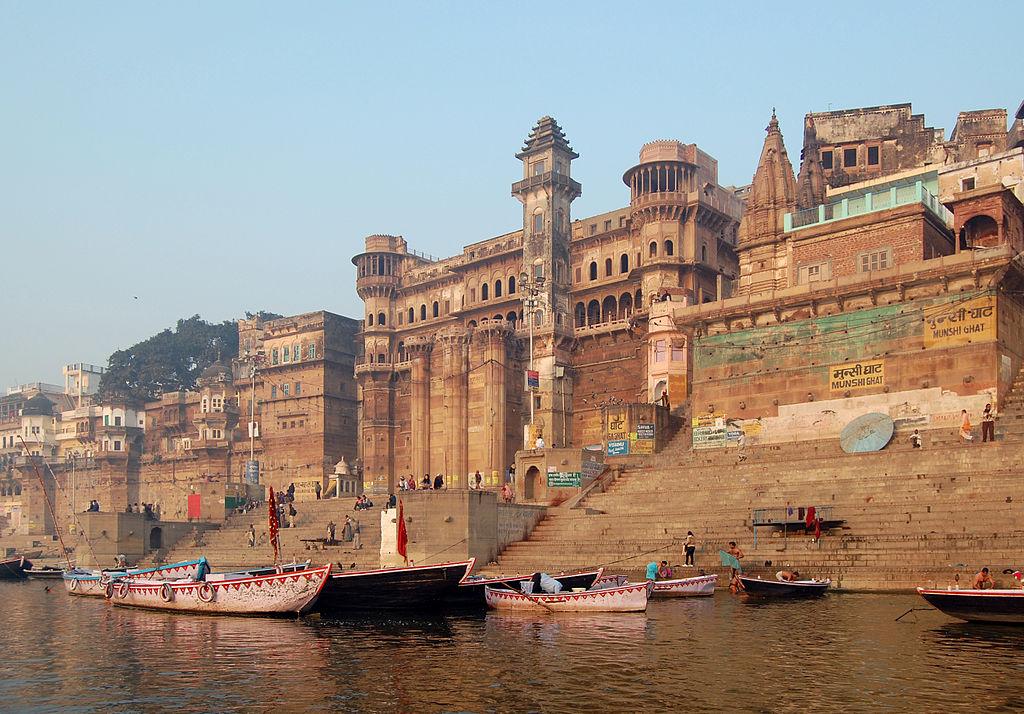
ganges 1
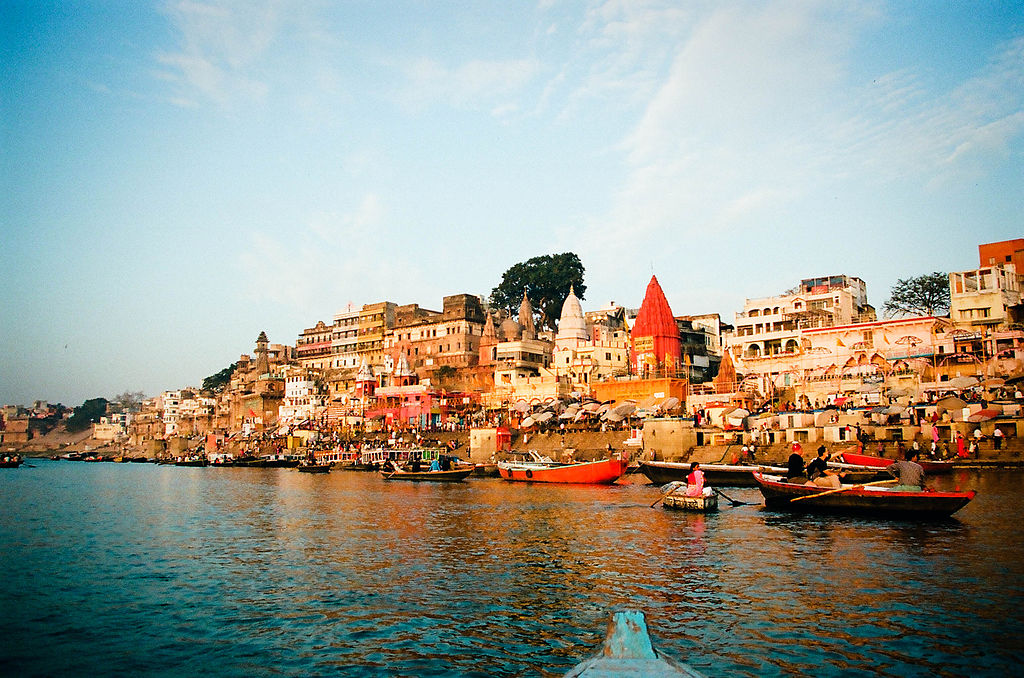
Holy City Varanasi on the banks of River Ganges.
11.Hindu Tamil Quiz (in Tamil)-4
12.Hindu Quiz–1
13.Hindu Quiz–2
14.Hindu Quiz–3
15.Hindu Quiz–4
16.Hindu Quiz on Holy Forests
17.காடுகள் பற்றி இந்து மதம்: கேள்வி பதில்
18.ராமாயண வினா விடை
19.பிள்ளையார் பற்றி வினா விடை
(20&21)Quiz on Saivaite Saints (Both Tamil and English)
22.சைவம் பற்றி வினா விடை
23 & 24) Quiz on Hindu Hymns in English and Tamil
25. Are you familiar with Number Four?
26. நீங்கள் நாலும் தெரிந்தவரா?
27. Post No.937. உங்களுக்கு வள்ளுவனையும் பாரதியையும் தெரியுமா? 27-3-14
28.Interesting Quiz on Logos ( 30 July 2012)
29. Answers for Interesting Quiz on Logos (31 July 2012)

Contact swami_48@yahoo.com
இராம பிரானும் தவளையும்

26fr_Prabhu_Kudanthai

Sri Ramaswami Temple, Kumbakonam ( photo from a news paper)

By London Swaminathan
Post No. 958 Dated 6th April 2014.

“ஸ்ரீ ராமசந்திரர் வனவாசம் பண்ணுகையில், ஒரு நாள் தனது வில்லையும் அம்பையும் தரையில் நிறுத்திவிட்டு, தாக சாந்தி செய்து கொள்வதற்காகப் பம்பா சரஸ் என்ற தடாகத்தில் இறங்கினார். மேலே ஏறி வந்து பார்க்கையில் தமது வில் ஒரு தவளையை ஊடுருவிச் சென்றதன் காரணமாக அந்தத் தவளை இரத்ததில் தோய்ந்திருப்பதைக் கண்டார்.

ஸ்ரீ ராமன் இதற்கு மிகவும் வருந்தி, ஏ, தவளையே நீ ஏதாவது சத்தம் போட்டிருக்கலாமே; அப்போது நீ இருப்பதை நான் தெரிந்து கொண்டிருப்பேனே. உனக்கு இந்தக் கதியும் நேர்ந்திராதே” என்றார்.

ராமா ! எனக்கு ஆபத்து நேரும்போது, “ராமா என்னைக் காப்பாற்று” என்று சொல்வேன். ஆனால் நீயே என்னைக் கொல்லும்போது, நான் யாரிடம் என் குறையைச் சொல்லி முறையிட்டுப் பிரார்த்திப்பது? என்று தவளை பதில் சொல்லிற்று”.

ஸ்ரீ ராமகிருஷ்ண பரமஹம்சர் சொன்ன கதை இது; உதவிய புத்தகம்:- ஸ்ரீ ராமகிருஷ்ணரின் உபதேச மொழிகள், ஸ்ரீ ராமகிருஷ்ண மடம், மயிலாப்புர், சென்னை 600 004.

(இந்த நூலில் 1121 உபதேசங்கள் இருக்கின்றன. இது ஒரு அற்புத மான தொகுப்பு. இந்து மதம் எனக்குப் புரியவில்லையே! ஜீவாத்மா, பரமாத்மா, க்ஷேத்ரக்ஞன் இந்த சொற்கள் எல்லாம் புரியவில்லையே!! என்பவருக்கு இந்த நூல்தான் அருமருந்து. எளிய உபதேசம் மூலம் அரிய பெரிய தத்துவங்களை விளக்கும் அற்புத நூல் இது.)

26fr_Prabhu_Kudantharama

Kumbakonam Sri Ramaswami Temple picture from a newspaper.

இந்தக் கதை சொல்லும் நீதி என்ன?

எறும்பு முதல் யானை வரை எல்லா ஜீவன்களுக்கும் பாதுகாப்பு கொடுக்கும் வல்லமையும் வள்ளன்மையும் படைத்தவன் இராமன்.
முறையாக அரசு செய்யும் மன்னவனை மக்கள் கடவுளாகக் கும்பிடுவார்கள் என்று வள்ளுவன் சொல்கிறான்:

முறை செய்து காப்பாற்றும் மன்னவன், மக்கட்கு
இறை என்று வைக்கப் படும் (குறள் 388)
– என்பது வள்ளுவன் வாக்கு.

எப்படி திருஞான சம்பந்தர் தனது திருமணம் முடிந்த அடுத்த நிமிடத்தில் அத்தனை பேரையும் கூண்டோடு கைலாசத்துக்கு அழைத்துச் சென்றாரோ– திருமணப் பந்தலில் தோன்றிய ஜோதியில் மறைந்தனரோ — அதே போல ராமனும் அயோத்திவாசிகள் அத்தனை பேரையும் மோட்சத்திற்கு அழைத்துச் சென்றான். அவனது காந்த சக்தி மக்கள் அனைவரையும் இழுத்தது. அவர்கள் அனைவரும் ராமனுடன் சரயு நதியில் இறங்கி மோட்சத்தை அடைந்தனர். இதை நம்மாழ்வார் பாடி இருக்கிறார்:–

கற்பார் இராம – பிரானை அல்லால், மற்றும் கற்பரோ
புல், பா முதலா, புல் எறும்பு ஆதி ஒன்று இன்றியே
நல் – பால் அயோத்தியில் வாழும் சராசரம் முற்றவும்
நல் – பாலுக்கு உய்த்தனன் – நான்முகனார் பெற்ற நாட்டுளே?

பொருள்: நான்முகன் படைத்த உலகில் வாழும் அசையும், அசையாப் பொருள்கள் ஆகிய பல உயிர்களையும், புல் பூண்டு முதலாக எறும்பு போன்ற அனைத்து உயிர்களையும், தன் அருளால் இராமன் சுவர்க்கத்துக்கு அழைத்துச் சென்றனன். இத்தகைய இராமனின் புகழைக் கற்காமல் மற்று எதையும் கற்பார்களோ!

sitarama_5kumbalpnam

வையத்துள் வாழ்வாங்கு வாழ்பவன் வான் உறையும்
தெய்வத்துள் வைக்கப்படும்

— என்ற வள்ளுவன் குறளைப் பார்க்கையில், இராம பிரானைக் கடவுள் நிலைக்கு உயர்த்தத்தான் அந்தக் குறளை எழுதினானோ என்று நாம் வியப்புறுவோம்!!.

2014 ஏப்ரல் 8 செவ்வாய்க் கிழமை இராம நவமி. இராமனின் புகழ் பாடி நாமும் நற்கதி அடைவோம்.

Contact swami_48@yahoo.com

Pictures are used from various sites; thanks.

Cucumber in the Rig Veda!

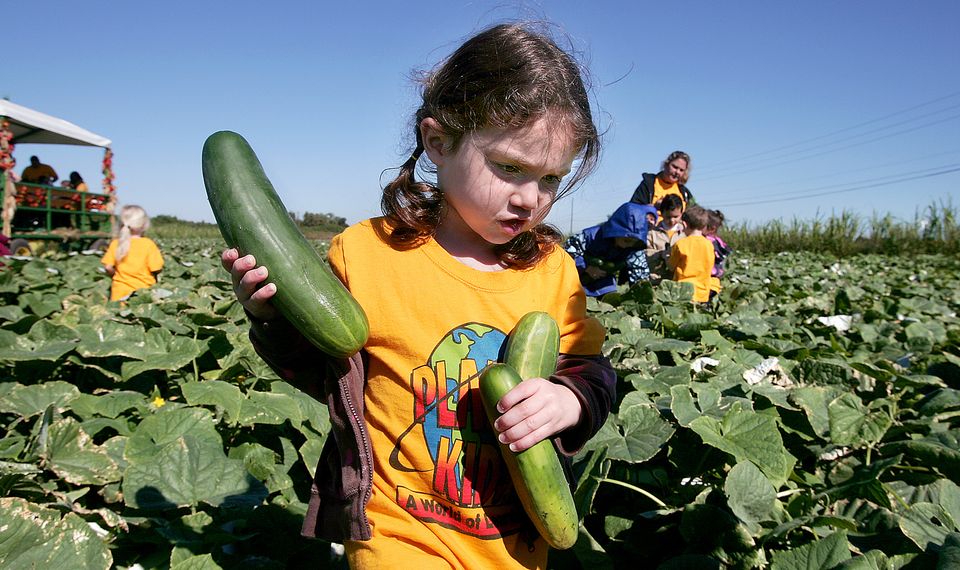
CUCUMBERFRUIT

By London Swaminathan
Post No. 950 Date 2nd April 2014.

Ancient Hindu saints loved nature. Hindu saints always used nature to illustrate great truths. They lived a simple life surrounded by beautiful flowering plants, lofty mountains, crystal clear running water and singing birds. Their life was as pure as gold. They composed lot of hymns with very positive thoughts to uplift the mankind. The hymns are universal; common to every human being irrespective of their faiths. The beauty lied in the apt similes they used in their hymns called ‘Mantras’ and’ Slokas’. One such mantra known as — MAHA MRUTYUNJAYA MANTRA–is in the oldest religious literature of the world, the Rig Veda. But the same mantra is in the Rudram-Chamakam hymn of the Yajur Veda as well. Since this Rudram is used every day in the temples and at homes of orthodox Hindus, the Mrutyunjaya mantra was popularised through Rudram.
golden cucumber

Sri Rudram has two parts ‘Namakam’ and ‘Chamakam’. Mrutyun Jaya Mantra comes in the Namakam. The most famous mantra NAMASIVAYA comes in the same Rudram for the first time in the Vedas. Following this Namasivaya, comes this short and sweet Maha Mrutyun Jaya Mantra. The meaning is Great Death Conquering Mantra.

(Maha means Great, Mrutyu means death. English words linked to death such as ‘mortal’ came from this root. Jaya means win, conquer. Mantra is a spell, a hymn or a prayer to god).

Hindus believe that mantras are ‘not composed’ but given by god. The seers ‘hear’ it as we hear certain radio stations when we fine tune to particular frequencies. When the Vedic seers fine tuned their minds after a great penance they ‘heard’ the mantras and passed on to us by word of mouth for thousands of years. So the Vedas are called Sruti = That which is ‘heard’. The seer or Rishi for this mantra is Markandeya.

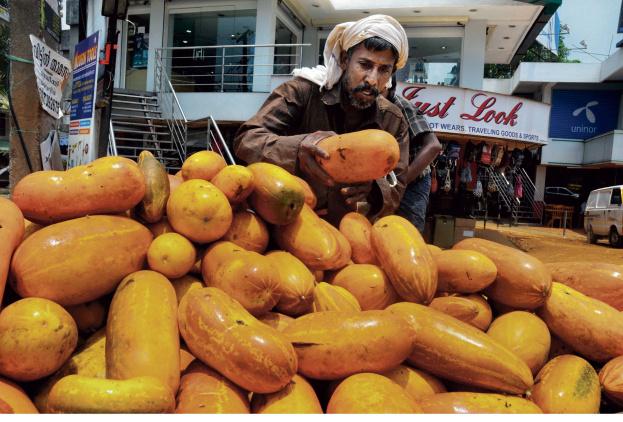
blonde_cucumber2

Mrutyun Jaya Mantra is very short. It runs as follows:

(Om) Trayamabakam Yajaamahe Sugandhim Pushtivardhanam
Urvaarukamiva Bhandhanaan Mrtyoor Mukshiiya Mamrutaat

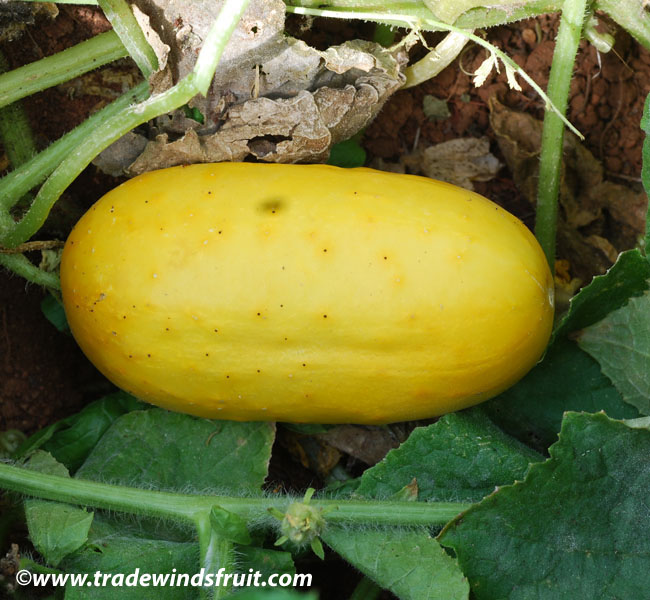
The meaning is very simple: We worship the Three Eyed Lord, who is fragrant, who nourishes all living beings. As the ripe cucumber is freed from its bondage (attachment to the plant), May He liberate us from death and give us immortality.

Key Words: Trayambakam= Three Eyed; Sugandhim= Fragrant; Pushtivardhanam= Nourishing; Urvaaruka = Cucumber Fruit; Maa Amrtaat = Give us immortality.

child cucumber
Why did Markandeya Rishi use Cucumber Fruit simile?

Most of the fruits are hanging in the upper part of a tree or a shrub. When it is ripe it falls due to the gravity of the earth. We know the impact of a falling fruit. It creates shock on the earth and if a coconut falls on our heads, it gives us ‘Kapala Moksha! (Straight death). But the beauty of Cucumber plant is, when the fruit is ripe, the stem loosens itself and detach without any impact or fuss! So we pray to god such a smooth detachment when our final minute comes. In the case of other fruits, the fruit is displaced; either it falls to the ground from the top or thrown away. In the case of a cucumber, the fruit never moves even an inch. It stays put.

Cucumber fruit stands for a full life as well. When a ninety or hundred year old person dies in the house, the relatives don’t cry. They know it is the law of nature. Whoever is born must die, but when a person dies after living a full life, we say ‘Good Bye and RIP’ to the departed soul. Cucumber fruit stands for such a ripe old person. Moreover, the way the fruit detaches itself from its stem stands for a peaceful detachment/death. Such a peaceful detachment will release one from the cycle of birth and death. So the prayer is to get released from the bondage of life and death smoothly, as smooth as like the cucumber fruit – stem detachment. The last few words clearly say give me Amrta = sweet nectar of immortality. Amrita in Vedic literature stands for immortality. Every spiritual aspirant knows the famous prayer from the Brihad Aranyaka (Big Forest) Upanishad “ Lead me from the unreal to the Real; Lead me from darkness to Light; Lead me from death to Immortality (Mrtyor Ma Amrtam Gamaya).

golden cucumber2

In the modern documentaries on Nature we see how a flower blooms or a how a pod ripens in slow motion. We enjoy the marvel at nature. In the olden days there was neither powerful camera nor slow motion display. But yet our ancient seers watched the cucumber detaching from its plant and feeling happiness in slow motion through their third eye or keen observation. The simile the seer chose for this occasion is very apt.

Mrutyunjaya is considered a panacea for all diseases by the Hindus. When they want to get rid of the fear of death they recite it. When they smear Vibhuti on their foreheads and at the start of a journey they recite it just to avoid untimely death. When they want to lengthen the life span of a person they recite it hundreds of times. They even do Homas (Fire Ceremonies) with this mantra. They give water or Vibhuti (holy ash) after reciting this mantra a number of times to ward off diseases. One can easily memorise it and say whenever one feels low or scared.

(Kanchi Paramacharya has dealt with this simile very briefly in in his Madras discourses between 1957 and 1959 )

blonde_cucumber

References to Cucumber in the Vedic Literature:

‘URVAARU’ (Cucumber plant or Cucumber or its fruit)
AV 6-14-2 (Plant)
RV 7-59-12; 14-1-17 (FRUIT)
MAITRAYANI SAMHITA 1-10-4
TAITTIRIYA SAMHITA 1-8-6-2
VAJASANEYI SAMHITA 3-60
PANCHAVIMSA BRAHMANA 9-2-19

swami_48@yahoo.com
Murder mystery is solved by A Parrot!

parrot-med

Post no 877 dated 1st March 2014

News Story from London Metro News paper:

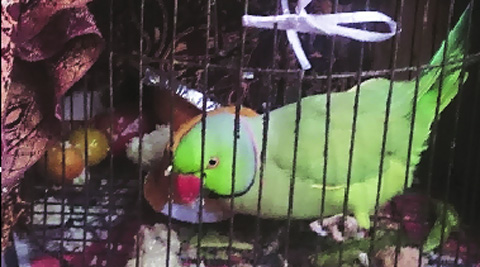
“ It looked like the perfect murder: a woman found dead in her home, no clues and no witnesses. Well, no human witnesses, at least.

But the killer of 45-year-old Neelam Sharma will end up doing some bird after all as the case was cracked by the victim’s pet parrot, nicknamed Hercule (Hira is the correct name. See below: swami).

The mystery started when journalist Vijay Sharma came home to find his wife and pet dog dead.
The only survivor was the parrot, who had been stunned into silence by what he saw at the home in Agra, in the north Indian state of Uttar Pradesh.

Mr Sharma thought he would never have justice… until a visit from his nephew Ashutosh, who seemed to ruffle a few feathers.

‘The parrot that was unusually quiet suddenly started shrieking and flapping around the cage,’ said Mr Sharma, editor of a Hindi daily newspaper.

‘It was clearly distressed about something and only calmed down when Ashutosh left. Then when I spoke to other people, every time I mentioned Ashutosh’s name the parrot would start screeching.
‘This made me really suspicious and I decided to call the police.’

The police, acting on parrot’s tip-off, checked on Ashutosh’s phone records before arresting him.
And before long, he was singing like a canary.
26-parrot1

‘He said that he had gone with a friend to his uncle’s house with the intention of stealing and was surprised by his aunt, who they had killed because they were worried she would have identified them to police,’ said Agra police spokesman Shalabh Mathur.

‘They had then robbed the place before fleeing.
‘He admitted he had also killed the dog, thinking it could be used in an identity parade against him, but had not thought about killing the parrot which had been silent in its cage.’

Metro News Paper, London 28th February 2014

(London news papers reported the Parrot’s name as Hercule, but it is actually Hira; I have given below the following clarification from an Indian news paper)

parrot (1)
London News papers compared this parrot with Hercule Poirot (Detective in Agatha Christie’s novel), punning with the words Parrot and Poirot, but later Indian newspapers clarified that the role of the parrot in this murder case is minor. More over the name of the parrot is not Hercule, (as reported in London news papers) but Hera. Any how he is a Hero now!

1st March, The Indian Express (India) adds

So where does Hira come in?

According to Sharma, his daughters, along with a local reporter, decided to “confirm” the police’s findings with the parrot. “My mother was very attached to Hira. He has been with us for over two decades. We took the names of all the people in the house in front of him, including my brother, the milkman, and my cousin Ashutosh. Hira started squawking when we took Ashutosh’s name,” Pallavi, one of Sharma’s daughters, said.

According to Sharma, the parrot’s contribution to the case was limited to only “reacting excitedly” to Ashutosh’s name. Pallavi, however, insisted that Hira “nodded when I took Ashu’s name”.

Please read the following stories posted earlier:

Post 813 மான் குட்டிக்குப் பால் கொடுத்த புலி ! Date 2-2-14
Post 814 Tigers and Deer—Friends in Hindu World ! Date 2-2-14

13 Saints in Nature!
இயற்கை போதிக்கும் 13 பாடங்கள்
Dogs at Sringeri and Kanchi Mutts

Hindu Eagle Mystery deepens
INDIAN CROW by Mark Twain
Can Humans communicate with Animals?
Birds for finding Direction: Sumer to Tamil Nadu via Indus Valley
Donkeys in Tamil and Sanskrit Literature

Amazing Andal: Where did she see the Lion?
Vedic Dog and Church Dog
The Great Scorpion Mystery in History-1
Who rides what Vahana (Animal or Bird)?

வேத நாயும் மாதா கோவில் நாயும்
தேள்— ஒரு மர்ம தெய்வம்!

Mysterious Messengers for Ajanta, Angkor Wat and Sringeri
The Mysterious Vedic Homa Bird: Does It Exist?
Gajalakshmi in Kalidasa and Tamil Literature
Bird Migration in Kalidasa and Sangam Tamil literature
Mysteriou Tamil Bird Man
Four Birds at One Sloka

அதிசயப் பறவைத் தமிழன்!!!
சிட்டுக்குருவியிடம் பாரதி கற்ற பாடம்
யானை பற்றிய நூறு பழமொழிகள்
கா! கா! கா! கா!

கழுதைக்குத் தெரியுமா கற்பூர வாசனை
தேள் தெய்வம்
வாகனங்கள் தோன்றியது எங்கே?
சுமேரியாவில் தமிழ்ப் பறவை

Double headed Eagle
Serpent Queen: Indus Valley to Sabarimalai
Can parrots predict your future?
When animals worship god why not men?
Animal Einsteins- Part 1
Animal Einsteins- Part 2

Contact swami_48@yahoo.com