The Great Scorpion Mystery in History


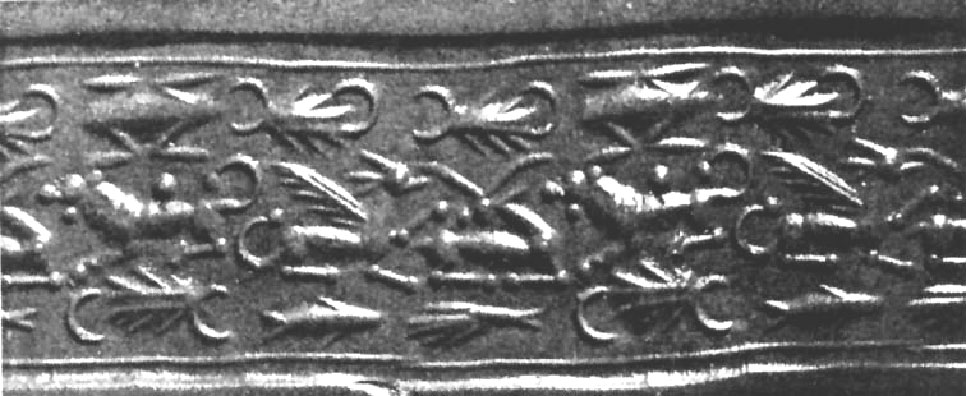
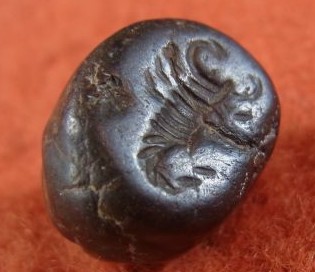
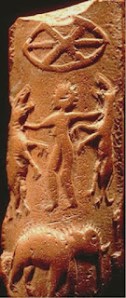
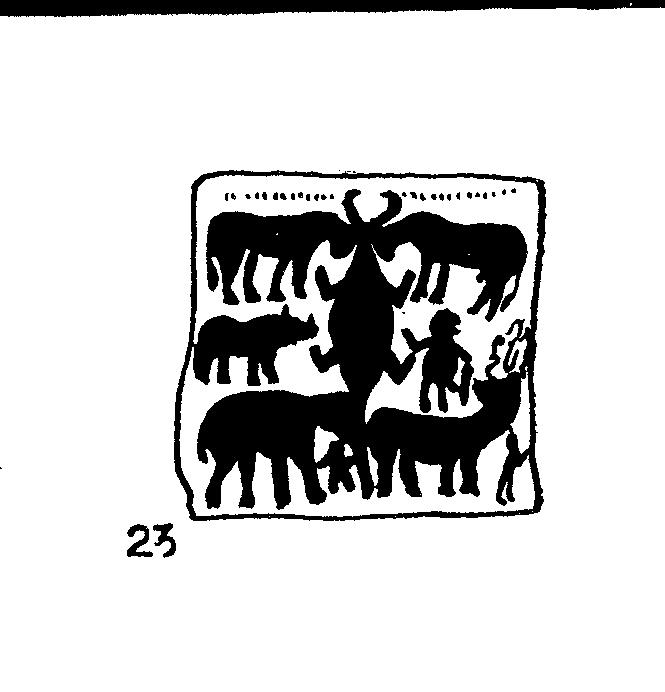
Picture: scorpion seal from Indus valley

Seals with Scorpion images are discovered in Indus Valley, Dilmun (Bahrain), Middle East (Iran, Iraq) and a few other places. Scorpion God was worshipped in Egypt. Even today Scorpion goddess is worshipped in two places in India. Scorpio is one of the twelve zodiac signs. Scorpion is a symbol for sex. Scorpion is used as people’s names in Sanskrit (Vrischikan) and heaven is called ‘scorpion world’ (puth Thel Ulaku) in Tamil. Of the Tamil dances one of them is a dance by goddess on stilts to escape from scorpion demons. In spite of all these references, still the mystery about scorpion seals continues.

Why did ancient cultures use scorpion on seals? What is the meaning of those seals? Is it like snake goddess? We have lots of references about snake gods and goddesses. All Hindu Gods and goddesses have snake with them. But scorpion is a rare creature in the scriptures.

Vrischika/Scorpion in the Vedas

Scorpion appears in Rig Veda and Atharva Veda. Its poison was feared like that of serpents. It is described as lying torpid in the earth during winter (RV I.191.16; AV xii.1-46)

Urvasi Island in Assam

Urvasi Island also known as Peacock Island is in the middle of Brahmaputra river in Guwahati.  In the Shiva temple known as Umananda Temple, Devi is represented by an emblem of scorpion. People worship the emblem.

Playing with scorpions

Kandakoor village near Gulbarga in Karnataka has a strange goddess. The villagers celebrate Nagapanchami as Chelina Jatre (festival of scorpion). The villages worship an idol of scorpion goddess Kondammai and play with live scorpions as well. Children put the scorpions all over their bodies and the scorpions never harm them. The villagers queue up to climb the nearby hill where scorpions are found in plenty. Even the university zoology department is surprised at the behaviour of scorpions. Though they won’t sting unless provoked, they don’t even sting anyone when they are playing with them.


Picture shows a beauty with scorpion on her thigh, Khajuraho, MP.

Khajuraho in Madya Pradesh has beautiful temples with lot of erotic sculptures. A voluptuous beauty is sculpted with a scorpion on her thigh. No one knows why.

Madhavi, famous danseuse in the Tamil epic Silappadikaram did 11 types of dances. One of them is Marakkal (wooden legs) where goddess danced with stilts to avoid snakes and scorpions sent by the demons.

(Please read my Article in this blog Matavi’s 11 Types of  Classical dances, மாதவியின் 11 வகை நடனங்கள்)

Scorpion goddess Ishara

In Babylonia , two seals representing ritual marriage that takes place during the new year time show scorpions. The scorpion may symbolise goddess Ishara, the goddess of love.

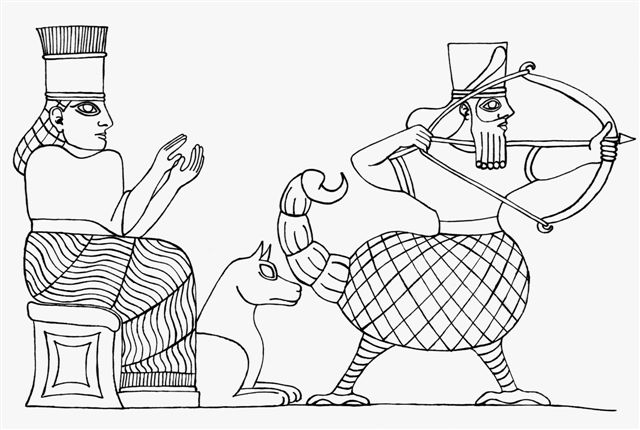
Scorpion men are found in many Akkadian language myths including the Enuma Elish and  the Babylonian version of Epic of Gilgamesh. They were known as Aqrabuamelu and Girtablilu. They stand as guards in the temple of Shamash.

Kudurru stones in Sumerian culture have divine symbols including scorpion. These are documents that record land donations to loyal servants by kings. Though we hear about them from 3000 BC, the Kudurrus we have now are from Kassite kings from 1500 BC. Hindus have lots of similarities with Kassite kings.
Scorpion king of Egypt
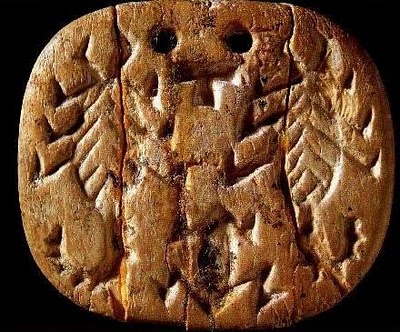
 

Picture: Scorpion seal from Rehman Dehri 3000 BC

In Egypt Selket is the name of the old scorpion goddess who was depicted as a woman wearing on her head a scorpion, the animal sacred to her. She was also at times a scorpion with a woman’s head. She was the guardian of Conjugal union.

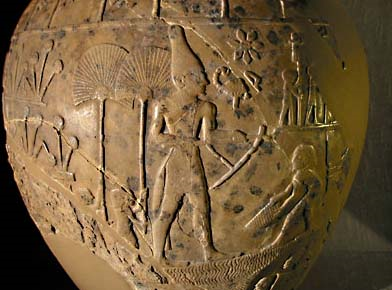
A king of ancient Egypt, ruling before Menes united the country and formed the first dynasty , was named Scorpion/ Selek (3000 BC) and the feminine form of the word selket named the patroness of magical healers.


The Egyptian mother goddess Isis/ Eset fleeing from Seth/ Sutech, the slayer of Osiris , took seven scorpions with her.

The scorpion had a powerful appeal to the ivory carvers of Hierakonpolis. We see scorpion symbol on large number of ivory artefacts. Thousand years later it appeared in the design of the Gulf seals.

Kannada word in Egypt!

Kannada word Chelina and Egyptian word Selek are similar in sounds, both mean scorpions. Both saw scorpion in the goddess form.

One of the Yoga poses is called Vrischika Asana (scorpion posture).
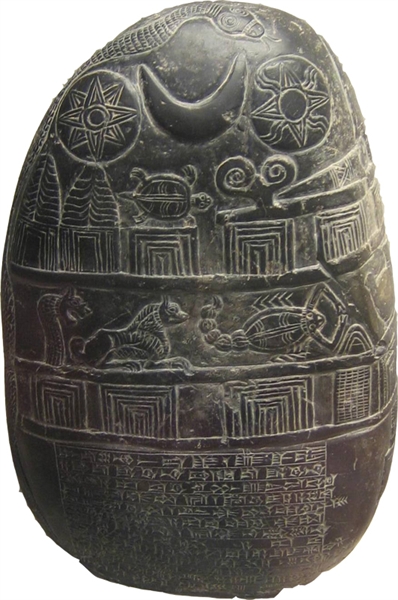
 

Picture shows Kudurru stone for Sumeria 1200 BC with scorpion

******
The Great Scorpion Mystery in History-2


Picture shows boundary stone with scorpion god,Sumerian.

This is part 2 of Scorpion mystery: swami

Persian prayers

Persians had a curious custom of charming scorpions like we see in today’s Karnataka. They believed that by making use of a prayer, a person gifted with certain powers can deprive the scorpion of its sting. To do this the charmer turned his face towards Scorpio in the heavens, repeating a special prayer, and at the conclusion of each sentence clapped his hands. Then he and his followers handled scorpions without any fear. Greeks and Romans believed the gem stone agate can cure stings of scorpions.

In astrology the zodiacal sign Scorpio is associated with all that is red. It was ruled by the red planet Mars and red star Antares. In Hindu astrology the symbol for Star Anusham (Anuradha) is scorpion.

According to Greek mythology the scorpion was placed in the heaven by Juno the queen of Gods because it carried out her wishes by stinging Orion, who had offended goddess by boasting he could outrun  and subdue the wildest and fiercest of the beasts. Orion died from the effects of the sting and scorpion was transferred to the heavens. Goddess Artemis sent scorpions to kill Orion. Actually what they meant by this story was when Scorpio rises in the horizon, Orion disappears from the sky.

Picture: scorpion seal from the Middle East


Dilmun seals

In Dilmun (Bahrain), scorpion is found on 36 seals. Historians think that it is one of the animals that have significance in the rites of Dilmun. In one of the seals interlocked squares are visible. They are surrounded by four scorpions with one on each side. This maze like fort is ‘protected’ by the scorpions. Stamp seals representing erotic scenes are discovered in Bahrain. One of the erotic seals has a scorpion behind a woman. There is an antelope behind the man who is involved in sexual act with the woman. Going by this seal we may conclude that woman is represented by scorpion and man is represented by antelope.


Mayan

In the religion of the Mayas the black god of war Ek-chuah was portrayed with the tail of a scorpion.

Tamil names

In Tamil ‘puththel ulaku’ (New Scorpion World) means Heaven or paradise.

Other names for scorpion in Tamil: Thel, alam, viruschikam, nalividam, therukkaal, thuttan, parappan, nail; also anusham or anuradha natachaththiram.

Please read my earlier posts:

1.Serpent Queen: From Indus Valley to Sabarimalai 2.The Sugarcane Mystery: Indus valley and Ikshvaku Dynasty 3. Vishnu seal In Indus Valley 4. Indus Valley –New Approach required 5.Indra in Indus valley seals+ Symbols for Vedic Gods and 6.Ghost in Indus seals and Indian literature7. Karnataka-Indus Valley Connection 8.Human sacrifice in Indus Valley and Egypt 9.Tiger Goddess of  Indus Valley: Aryan or Dravidian? 10.Flags: Indus valley –Egypt similarities 11. Fish God around the World 12.சிந்து சமவெளி-எகிப்தில் நரபலி 13.சிந்து சமவெளியில் ஒரு புலிப் பெண் 14. சிந்து சமவெளியில் பேய் முத்திரை 15. நாகராணி: சிந்து சமவெளி முதல் சபரிமலை வரை 16.கொடி ஊர்வலம்: சிந்துசமவெளி-எகிப்து அதிசய ஒற்றுமை. Contact London Swaminathan at swami_48@yahoo.com

Picture: Sassanian scorpion seal

Following is taken from Spoken Sanskrit website:

वृश्चिक vRzcika m. scorpio edit
वस्कराटिका vaskarATikA f. scorpion edit
खर्जूर kharjUra m. scorpion edit
अलि ali m. scorpion edit
अलिन् alin m. scorpion edit
आलि Ali m. scorpion edit
आलिन् Alin m. scorpion edit
कण्डोष kaNDoSa m. scorpion edit
कालक kAlaka m. scorpion edit
खर्जूरक kharjUraka m. scorpion edit
द्रुण druNa m. scorpion edit
द्रुत druta m. scorpion edit
द्रूण drUNa m. scorpion edit
द्रोण droNa m. scorpion edit
पुच्छकण्टक pucchakaNTaka m. scorpion edit
बलीन balIna m. scorpion edit
वृश्चन vRzcana m. scorpion edit
वृश्चिक vRzcika m. scorpion edit
शीतक zItaka m. scorpion edit
जलवृश्चिक jalavRzcika m. water-scorpion edit
वृश्चिकी vRzcikI f. female scorpion edit
शतघ्नी zataghnI f. female scorpion edit
स्वरु svaru m. kind of scorpion edit
वृश्चिकाली vRzcikAlI f. line of scorpions edit
लूम lUma n. sting of a scorpion edit
अजकाव ajakAva adj. centipede or scorpion edit
कीट kITa m. scorpion in the zodiac edit
मल mala n. tip of a scorpion’s tail edit
अल ala n. sting in the tail of a scorpion edit
विश्वम्भर vizvambhara adj. kind of scorpion or similar animal edit
विश्वम्भरक vizvambharaka m. kind of scorpion or similar animal edit
सर्पवृश्चिकरोमवत् sarpavRzcikaromavat adj. having snake and scorpions forhair edit
अलायुध alAyudha m. whose weapon is the sting from thetail of a scorpion


Who rides what Vahana (Animal or Bird)?


Following is the first list of Hindu Vahanas:

1.Ganesh/Vinayaka=Mouse

2.Kartikeya/Skanda/Murugan–Peacock

3.Shiva=Bull/ Nandhi

4.Raja Rajeswari= Lion

5.Vishnu= Garuda/Eagle

6.Bhairava=Dog

7.Sastha= Horse

8.Ayyappa= Tiger

9.Sani/Saturn= Crow

10.Kalki Avatar=Horse

11.Indra= Airavata/ Elephant

12.Lakshmi= Red Lotus, Owl

13.Sarasvati=White Lotus, Swan

14.Ganga Devi= Crocodile

15.Manamatha & Rathi= Parrot

16.Kubera= Man,Parrot or Horse

17.Vishnu= 7 headed Snake/ Sesha

18.Krishna=Banyan leaf

19.Brahma= Swan


20.Kartikeya=Rhino (Vietnam)

21.Chandi= Pig

22.Sindhi saint= Fish

23.Ganda Beranda Bird= Mannarkudi Rajagopalswamy

24.Varuna= Makara (Shark or Crcodile)

25.Agni / Fire= Ram

26.Durga= Antelope

27.Marut= Deer

28.Lakshmi in Nepal=Turtle, In Bengal=owl

29.Durga= Lion or Tiger

30.Chamundi- Owl

31.Asvini Devas= Donkey (also for Indra and Agni)

32.Dead Body= Niruthi

33.Sun= 7 Horse Chariot

34.Rahu/ Shasti= Cat

35.Rathi= Pigeon

Following Vahanas are used by different temples in Tamil Nadu

36.Surya Prabha (SUN)= Northern Districts of Tamil Nadu

37.Chandra Prabha (MOON)= Northern Districts of Tamil Nadu

38.Karpaka Vrksha= (Wish fulfilling Tree)

39.Kamadenu= Wish fulfilling Cow

40.Kailash Vahana= Siva

41.Bhupala Vahanam= Vishnu

42.Purusha Mrugam

43.Bhuta Vahanam= Shiva

44.Punnai Tree Vahana= krishna

45.Karampasu Vahanam (See Kamadhenu)

46.Goat Chariot=Pushan

47.7 Cow Chariot=Ushas

48.Kali= Yali (Yali is a mythical animal)

48.Snake= Manasa Devi

49.Seetala= Donkey

50.Viswakarma= Elephant


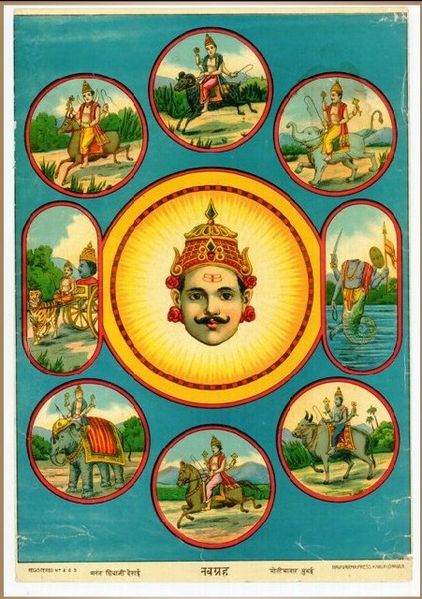
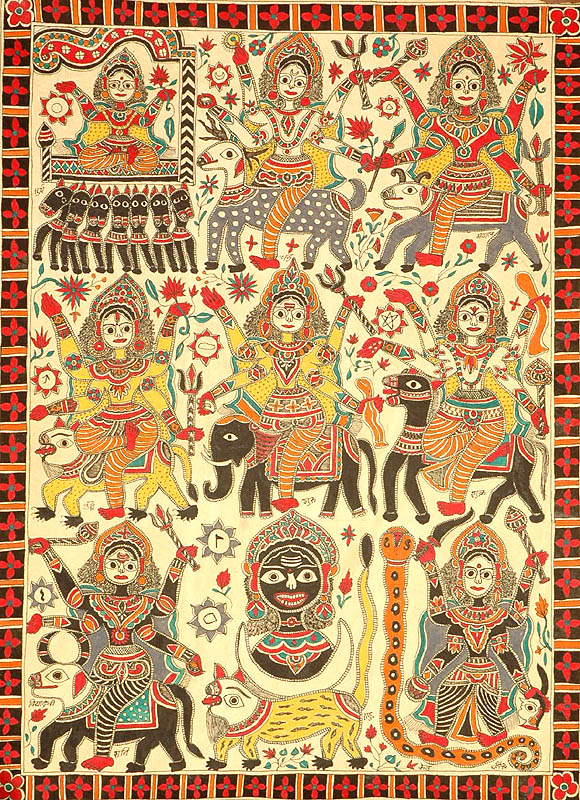
Nava Grahas (Nine Planets)

Sun=Chariot drawn by Seven Horses

Moon= Antelope chariot

Mars=Ram

Bhudan/ Mercury= Horse

Jupiter= Elephant

Venus= Horse/ Crocodile

Saturn / Saniswarea= Crow

Rahu= Lion/ Cat/Tiger

Ketu=Fish

In the next part we will see the Vahanas of Ashta Bhairav,Sapta Matha etc.…….Contd.

Other Vahana Articles written and posted by me:

Please read my other articles on Vahanas in my blogs:

1.Iraq: 7 Gods Procession on Vahanas,2.Deer Chariot: Rig Veda to Santa Claus,3.Hindu Vahanas around the World,4.Vahanas in Kalidasa and Tamil Literature, 5.Who Rides What Vahanas? Tamil articles: 6.உலகம் முழுதும் இந்து தெய்வ வாகனங்கள்,7.சங்கத் தமிழ் இலக்கியத்தில் வாகனங்கள்,8.வாகனங்கள் தோன்றியது எங்கே?ஏன்? எப்போது?,9.எந்தக் கடவுளுக்கு என்ன வாகனங்கள்?

***************


எந்தக் கடவுளுக்கு என்ன வாகனம்?

Picture: Gold Rishaba Vahana of Madurai Meenakshi Temple

இந்துக் கடவுளருக்கு வெவ்வேறு வாகனங்கள் இருக்கின்றன. ஒவ்வொரு கடவுளுக்கும் ஒவ்வொரு வாகனம் அமைந்தது எப்படி என்பது பற்றி சுவையான கதைகளும் இருக்கின்றன. பெரும்பாலும் இவைகள் தத்துவத்தின் பெயரில் அமைந்த கதைகள்தான். வேத காலம் முதல் இந்து மதத்தில் வாகனங்கள் உண்டு. சங்கத் தமிழ் இலக்கியத்திலும் வாகனக் குறிப்புகள் இருப்பதைத் தனிக் கட்டுரையில் கண்டோம். உலகம் முழுதும் இந்து வாகனங்கள் இருப்பதை சுமேரிய, பாபிலோனிய, எகிப்திய, கிரேக்க, ரோமானிய நாகரீகத்தில் கண்டோம்.


இப்போது எந்தக் கடவுளருக்கு என்ன வாகனங்கள என்று சைவ, வைணவ ஆகமங்கள் கூறுவதைக் காண்போம்:

1.ஸ்ரீ மஹா கணபதி—மூஞ்சுறு Ganesh/Vinayaka=Mouse

2.வேல் முருகன் —மயில்  Kartikeya/Skanda/Murugan–Peacock

3.சிவ பெருமான் காளை, நந்தி Shiva=Bull/ Nandhi

4.ராஜ ராஜேஸ்வரி—சிம்மம் Raja Rajeswari= Lion

5.மஹா விஷ்ணு— கருடன் Vishnu= Garuda/Eagle

6.பைரவர்— நாய் Bhairava=Dog

7.சாஸ்தா—குதிரை Sastha= Horse

8.அய்யப்பன்— புலி Ayyappa= Tiger

9.சனைச்சரன்–காகம் Sani/Saturn= Crow

10.கல்கி—- குதிரை Kalki Avatar=Horse


11.இந்திரன்—ஐராவதம் யானை Indra= Airavata/ Elephant

12.லெட்சுமி—செந்தாமரை, ஆந்தை Lakshmi= Red Lotus, Owl

13.சரஸ்வதி— வெண் தாமரை, அன்னம் Sarasvati=White Lotus, Swan

14.கங்காதேவி—மகரம்/முதலை Ganga Devi= Crocodile

15.மன்மதன், ரதி—கிளி Manamatha & Rathi= Parrot

16.குபேரன்—மனிதன், கிளி, குதிரை, கீரி Kubera= Man,Parrot or Horse

17.விஷ்ணு— சேஷ (பாம்பு) வாகனம் Vishnu= 7 headed Snake/ Sesha

18.கண்ணன் —ஆல இலை Krishna=Banyan leaf

19.பிரம்மா— அன்னம் Brahma= Swan

20.கார்த்திகேயன்- காண்டாமிருகம் (வியட்நாம்) Kartikeya=Rhino (Vietnam)


21.சண்டி தேவி—பன்றி/வராஹம் (சுஜனாகாட்) Chandi= Pig

22.சிந்தி இன மஹான்—மீன் Sindhi saint= Fish

23.கண்டபேரண்ட பட்சி— மன்னார்குடி ராஜகோபாலசுவாமி

Ganda Beranda Bird= Mannarkudi Rajagopalswamy

24. வருணன் — மகரம் Varuna= Makara (Shark or Crcodile)

25. அக்னி— ஆடு Agni / Fire= Ram

26.துர்க்கை—கலைமான் Durga= Antelope

27. மருத்— மான் Marut= Deer

28.நேபாளத்தில் லெட்சுமி— ஆமை, வங்காளத்தில் —ஆந்தை

Lakshmi in Nepal=Turtle, In Bengal=owl

29.tதுர்க்கை—புலி அல்லது சிங்கம் Durga= Lion or Tiger

30.சாமுண்டி—ஆந்தை Chamundi- Owl

Picture: Navagrahas with Vahanas

31.கழுதை—அஸ்வினிதேவர்கள், இந்திரா, அக்னி

Asvini Devas= Donkey (also for Indra and Agni)

32.பிண வாகனம்—நிருதி Dead Body= Niruthi

33. சூரியன்—ஏழு குதிரைகள் Sun= 7 Horse Chariot

34.ராகு, சஷ்டி— பூனை Rahu/ Shasti= Cat

35.ரதி- புறா Rathi= Pigeon

கீழ்கண்ட (36 to 43) வாகனங்கள் பொதுவாக கோவில்களில் எல்லா தெய்வங்களையும் உலா விடப் பயன்படுத்துகின்றனர்

36.சூரிய பிரபை—வட தமிழ்நாட்டு தெய்வங்கள்

Surya Prabha (SUN)= Northern Districts of Tamil Nadu

37.சந்திர பிரபை– வட தமிழ்நாட்டு தெய்வங்கள்

Chandra Prabha (MOON)= Northern Districts of Tamil Nadu

38. கற்பக விருட்சம் Karpaka Vrksha= (Wish fulfilling Tree)

39. காமதேனு Kamadenu= Wish fulfilling Cow


40. கைலாச வாகனம் Kailash Vahana= Siva

41.பூபால வாகனம் Bhupala Vahanam= Vishnu

42.புருஷாமிருக வாகனம் Purusha Mrugam

43.பூத வாகனம் Bhuta Vahanam= Shiva

44.புன்னைமர வாகனம் Punnai Tree Vahana= krishna

45.காராம்பசு வாகனம் Karampasu Vahanam (See Kamadhenu)

46.ஆடுகள் பூட்டிய ரதம்—பூஷன் Goat Chariot=Pushan

47.ஏழு பசுக்கள் பூட்டிய ரதம்—உஷஸ் 7 Cow Chariot=Ushas

48.காளி—யாளி Kali= Yali (Yali is a mythical animal)

48.பாம்பு—மானசா தேவி Snake= Manasa Devi

49.சீதளா தேவி– கழுதை Seetala= Donkey

50.விஸ்வகர்மா—யானை  Viswakarma= Elephant


நவக்ரஹ வாகனங்கள் (Nine Planets)

சூரியன்- ஏழு குதிரைகள் பூட்டிய ரதம் Sun=Horse Chaiot

சந்திரன்- மான்கள் பூட்டிய ரதம், Antelope chariot= Moon

செவ்வாய்—ஆட்டுக் கிடா/ Mars=Ram

புதன்- குதிரை Bhudan/ Mercury= Horse

வியாழன்/பிருஹஸ்பதி—யானை Jupiter= Elephant

சுக்ரன்/வெள்ளி—குதிரை/ முதலை Venus= Horse/ Crocodile

சனி—காகம் Saturn / Saniswarea= Crow

ராகு— சிங்கம் அல்லது பூனை அல்லது புலி Rahu= Lion/ Cat/Tiger

கேது— மீன் Ketu=Fish

இரண்டாவது பட்டியலில் சப்த மாதா, அஷ்ட பைரவ வாகனங்களைக் காண்போம்.

Other Vahana Articles written and posted by me

Please read my other articles on Vahanas in my blogs:

1.Iraq: 7 Gods Procession on Vahanas,2.Deer Chariot: Rig Veda to Santa Claus, 3.Hindu Vahanas around the World,4.Vahanas in Kalidasa and Tamil Literature, 5.Who Rides What Vahanas? Tamil Articles: 6.உலகம் முழுதும் இந்து தெய்வ வாகனங்கள்,7.சங்கத் தமிழ் இலக்கியத்தில் வாகனங்கள், 8.வாகனங்கள் தோன்றியது எங்கே?ஏன்? எப்போது?9.எந்தக் கடவுளுக்கு என்ன வாகனங்கள்?

Contact: swami_48@yahoo.com

****************

வியப்பூட்டும் அதிசய மரங்கள்

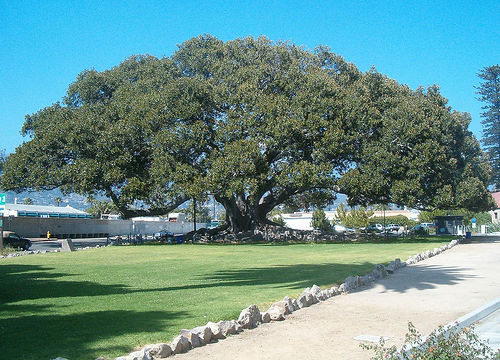
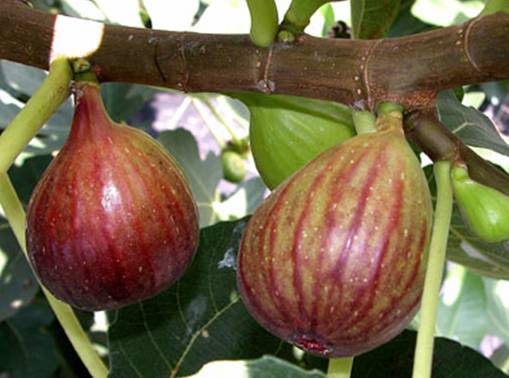
Picture shows Udumpara (Aththi in Tamil, Ficus glomerata, Ficus Racemosa)

உலகில் மரத்தின் பெயரை நாட்டின் பெயராகவுடைய நாடுகள் மிகச் சிலதான். பாரதம் அந்தப் பெருமையை உடைய நாடு. இதன் பழைய பெயர் ‘நாவலந்தீவு’. சம்ஸ்கிருதத்தில் ‘ஜம்புத்வீபம்’. இது சிலம்பு, மணிமேகலை காப்பியங்களிலும், வடமொழி நூல்களிலும் காணப்படுகிறது. பிராமணர்கள் கோவில்களிலும் வீட்டுப் பூஜைகளிலும் இந்தப் பெயரைத் தான் இந்தியாவுக்குப் பயன் படுத்துகின்றனர். அதாவது பாரதம், இந்தியா, இந்துஸ்தானம் ஆகிய பெயர்களுக்கு எல்லாம் முந்தியது ‘ஜம்புத்வீபம்’!

பகவத் கீதையில் ‘மரங்களில் நான் அஸ்வத்தம் என்னும் அரச மரம்’ என்கிறான் கண்ணன். விஷ்ணு சஹஸ்ரநாமத்தில் ஆலமரம் (ந்யக்ரோத), அரச மரம் (அஸ்வத்தம்), அத்திமரம் ஆகிய மூன்றும் விஷ்ணுவின் பெயர்களாக வருகின்றன. அதாவது மரமே கடவுள். மௌனத்தின் மூலம் மாபெரும் தத்துவத்தை உபதேசம் செய்யும் தட்சிணாமுர்த்தியொவெனில் ஆலமரத்தின் கீழே அமர்ந்திருக்கிறார். (இது குறித்து ‘இந்திய அதிசயம்:ஆலமரம்’ Indian Wonder: The Banyan Tree என்ற நீண்ட கட்டுரையில் ஏற்கனவே எழுதிவிட்டேன்).

தாவரவியல் என்பதும் மரங்களை இனம் வாரியாக, குடும்பம் வாரியாகப் பிரிப்பதும் 1735ஆம் ஆண்டு முதல்தான் லின்னேயஸ் என்பவரால் உண்டாக்கப்பட்டது. ஆனால் விஷ்ணு சஹஸ்ரநாமம் (மஹாபரதத்தின் ஒருபகுதி) 3000 ஆண்டுகளுக்கு முன்னரே இதைப் பின்பற்றிவிட்டது. விஷ்ணுவின் பெயராக வரும் ஆல், அரசு, அத்தி மூன்றும் மோரேசி என்னும் குடும்பத்தையும் பைகஸ் என்ற ஜீனஸ்—ஐயும் சேர்ந்தவை!! (Family Moraceae, Genus: Ficus)

புத்த கயாவில் புத்தர் நின்று போதித்த அரச மரம் உள்ளது. இதை போதி மரம் என்று அழைப்பர். கயாவில் அக்ஷய வடம் எனப்படும் அழியாத ஆலமரம் ஒன்றும் இருக்கிறது. இவ்விரு மரங்களையும் பக்தர்கள் பயபக்தியுடன் வணங்கிச் செல்வது வழக்கம்.

உலகிலேயே மரங்களை இன்றும் வழிபடும் ஒரே மதம் இந்து மதம்தான். ஆலமரம் அரசமரம், உடும்பரா எனப்படும் அத்திமரம் ஆகியனவற்றை புராணங்கள் முழுதும் போற்றுகின்றன. அரச மரத்தில் மும்மூர்த்திகளும் இருப்பதாக தர்ம சாத்திரங்கள் பகர்கின்றன.

வேதத்திலும் உபநிஷத்துக்களிலும் மரங்கள் பற்றிய குறிப்புகள் உண்டு. உபநிஷதத்தில் ஒரு ரிஷியின் பெயரே பிப்பலாடன் (அதாவது திருவாளர் அரசமரம்).

ஒவ்வொரு யாகத்துக்கும் அரச மரம், ஆலமரக் குச்சிகளுடன் வேறு பல மரக்குச்சிகளும் தீயில் ஆஹுதி செய்யப் படுகின்றன. சந்தன மரத்தின் பெருமையை தமிழ், வடமொழி இலக்கியங்கள் பக்கம் பக்கமாகப் புகழ்கின்றன.

மரத்தின் பெயரால் பிரதேசங்களை அழைக்கும் வழக்கம் தமிழிலும் புராணங்களிலும் உண்டு.(இதுபற்றி தமிழர்களின் பூக்கள் மோகம் Flowers in Tamil Culture என்ற கட்டுரையில் ஏற்கனவே எழுதிவிட்டேன்)

புனித ஆலமரம்

கண்ணன் பகவத் கீதையை உபதேசித்த குருக்ஷேத்திரத்தில் ஒரு பெரிய ஆலமரம் இருக்கிறது. இது 5000 ஆண்டு பழமையானது என்றும் கிருஷ்ணன் இங்கேதான் கீதோபதேசம் செய்தான் என்றும் மக்கள் நம்புகின்றனர். இதே போல புத்தர் தங்கி தியானம் புரிந்த போதி (அரச) மரத்தின் கிளைகள் இலங்கை முதலான நடுகளுக்கு அனுப்பப்பட்டது. ஒரிஜினல் ஆலமரமோ அரச மரமோ இன்று இல்லாவிட்டாலும் அவற்றின் கிளைகள், விதைகளில் இருந்து தழைத்த மரங்கள் இருக்க வாய்ப்பு உண்டு.

அத்திமர அதிசயம்

அத்திமரத்துக்கு அற்புத சக்தி இருப்பதாக அதர்வண வேதம் (AV.xix-31) கூறுகிறது. இதில் தாயத்து செய்து போட்டுக் கொண்டதாகவும், அரிச்சந்திர மகாராஜா இதிதான் கிரீடமும் சிம்மாசனமும் செய்துகொண்டார் என்றும் புராணங்கள் பேசுகின்றன.

தமிழ்நாட்டுக் கோவில்தோறும் ஸ்தல மரமும், மன்னர்களுக்கு காவல் மரமும் இருந்தன. இது பற்றியும் இலக்கியத்தில் நிறைய விஷ்யங்கள் உண்டு. திருஞான சம்பந்தப் எருமான் ஆன் பனையைப் பெண்பனையாக மாற்றி அற்புதம் செய்ததைத் தேவாரத்தில் காணலாம்.

அற்புத வில்வ மரம்

கடலாடி பர்வத மலையில் மல்லிகார்ஜுனர் கோவிலில் ஒன்பதும் பதினொன்றும் தளங்கள் (இலைகள்) உடைய மஹா வில்வ மரங்கள் இருக்கின்றன. இது அபூர்வமாகவே காணப்படும். சிவ பெருமானுக்கு மிகவும் விஷேசமானவை.மலை மீது வளரும் கல் மூங்கில்கள் காஞ்சி சங்கராசார்ய சுவாமிகளின் தண்டத்துக்காக (கையில் வைத்திருக்கும் கம்பு) வரவழைக்கப்படுகின்றன. மதுரையின் தல விருட்சம் கடம்ப மரம், காஞ்சியின் தல விருட்சம் மாமரம் (ஆம்ர) போன்று ஒவ்வொரு கோவிலும் ஒரு மரத்துக்கு ஆதாரமாக விளங்குகின்றன.


திருத்தணி கன்னிக் கோயிலில் 7 மரம்

(தினமணிக் கதிர், 7-8-1983)

திருத்தணியில் கன்னிக் கோயில் உள்ளது. இது சப்த கன்னிகையால் ஆதியில் பிரதிஸ்டை செய்யப்பட்ட ஆத்மசுத்தி பெற்ற மகா சித்தர்கள் வசித்த இடம் சித்தர்களின் ஞான கடாக்ஷத்தால ஞான சுத்தி பெறக்கூடிய மரங்களை பிரதிஷ்டை செய்து வளர்த்துள்ளனர். அவை இன்றும் உள்ளன. ஒரு பெரிய மரத்தையொட்டி வளர்ந்துள்ள ஏழு மூலிகை மரங்கள் பின்னிப் பிணைந்து ஒன்றாக இருக்கின்றன.

அவை 1.அரசு. 2.கல்லரசு 3.கரும்பிலி 4.தேவ ஆதண்டம் 5. இருளி 6.வேம்பு 7. கார்த்திகம்

இது எங்கும் காண இயலாத ஒரு அற்புதச் சேர்க்கை. இது தவிர ஏழு கன்னிகைகள் வழிபாடு நடக்கிறது. கடுங்கோடையிலும் வற்றாத ஏழு தீர்த்தங்கள் 1. தாமரை 2.தாழை 3.திருமஞ்சனம் 4. அல்லி 5. பஞ்சேந்திரம் 6. பொய்கை 7. கர்ப்பவர்த்தி இருக்கின்றன. (தினமணிக் கதிர் சுருக்கம்)

வற்கலையில் அதிசயம்

கேரளத்தில் உள்ள வற்கலை ஜனார்த்தனம் கோவிலில் ஐந்து ஸ்தல விருட்சங்கள் ஒன்றாகப் பின்னிப் பிணைந்துள்ளன. இவை வெவ்வேறு வகை மரங்களாகும் (ஞானபூமி ,ஏப்ரல் 1985)

யானைப் புளியன்கொட்டை மரம்

கிருஷ்ணகிரி மாவட்டத்தில் உள்ள உரிகம் என்னும் ஊரில் அதிசய புளியமரம் ஒன்றுள்ளது. அதன் காய்கள் மிகமிகப் பெரிதாக உள்ளது. அந்த வியப்பிற்குரிய மரத்தின் காய்களை பலர் எடுத்துச் சென்று அம்மாதிரி ரக புளியை வளர்க்க முயன்றுவந்தனர். ஓசூரில் நடந்த ஒரு பொருட் காட்சியில் இதன் காய்களை வேளண்மைத் துறையினர் காட்சிக்கு வைத்திருந்தனர். (மின் தமிழ் உறுப்பினர் நூ.த.லோ.சு.மயிலை தந்த தகவல்)

(இந்த மரத்தை ஆனைப் புளியங்கொட்டை மரம் என்று சொல்லுவார்கள். தாவரவியல் படிப்பவர்களுக்கு இதுபற்றித் தெரியும் ஏர்க்காடு பகுதியில் தாவரவியல் சுற்றுலாச் சென்றபோது பேராசிரியர்கள் இதைப் பறித்து எங்களுக்கு பாடம்சொல்லிக் கொடுத்தனர். மதுரைக் கல்லூரி தாவரவியல் சோதனைக் கூடத்தில் இது காட்சிக்கு வைக்கப்பட்டிருந்தது. இன்றும் இருக்கக் கூடும்: லண்டன் சுவாமிநாதன்).

வெள்ளை வேப்ப மரம்

நாகை மாவட்டம் திருவாவடுதுறையில் உள்ள வேப்ப மரம் ஒன்றின் இலைகள் முழுதும் வெள்ளையாகவே இருக்கின்றன. அதன் கீழே அமர்ந்துள்ள அம்மனும் வெள்ளை மாரியம்மன் என்றே அழைக்கப்படுகின்றார். திருவாவடுதுறையில் இருந்து வழிவிடும் விநாயகர் கோவிலை அடுத்து ஒரு பாதை செல்கின்றது. சிறிது தூரம் சென்றால் ஒரு ஆறு வரும். அந்த ஆற்றங்கரையில் அம்மன் வேப்பமரத்தின் அடியில் அமர்ந்திருப்பதைக் காணலாம். (இது மின் தமிழிலிருந்து எடுக்கப்பட்டது).

தினமலரில் வந்த செய்தி:

சேர்ந்தமரம்: சேர்ந்தமரம் அருகே வேப்பமரத்தில் பால் வடியும் அதிசயத்தால் பக்தர்கள் பரவசம் அடைந்தனர்.நெல்லை மாவட்டம் சேர்ந்தமரம் அருகே உள்ள வெள்ளாளன்குளத்தில் உள்ள நாகமலை பாலமுருகுன் கோவில் உள்ளது. மிகவும் பிரசித்தி பெற்ற இக்கோயில் அருகே மாரியம்மன் சிலை ஒன்றும் உள்ளது. இந்த சிலை அருகே சிறிய வேப்பமரம் உள்ளது. மரத்தின் அடிப்பாகத்தில் நேற்று முன்தினம் மாலை முதல் பால் வடிய துவங்கியது.  இதனையறிந்த அப்பகுதியை சேர்ந்த பொதுமக்கள், பக்தர்கள் பால்வடியும் வேப்பமரத்திற்கு பூஜை செய்து, கற்பூரம் ஏற்றி வழிபட்டனர்.Dinamalar 8th February 2012

மரங்களைப் பற்றிய நூற்றுக்கணக்கான அதிசயங்களில் சிலவற்றை மட்டுமே கண்டோம். தருணம் வரும்போது மேலும் பல அதிசயங்களைக் காண்போம்.


45 Words for Elephant!


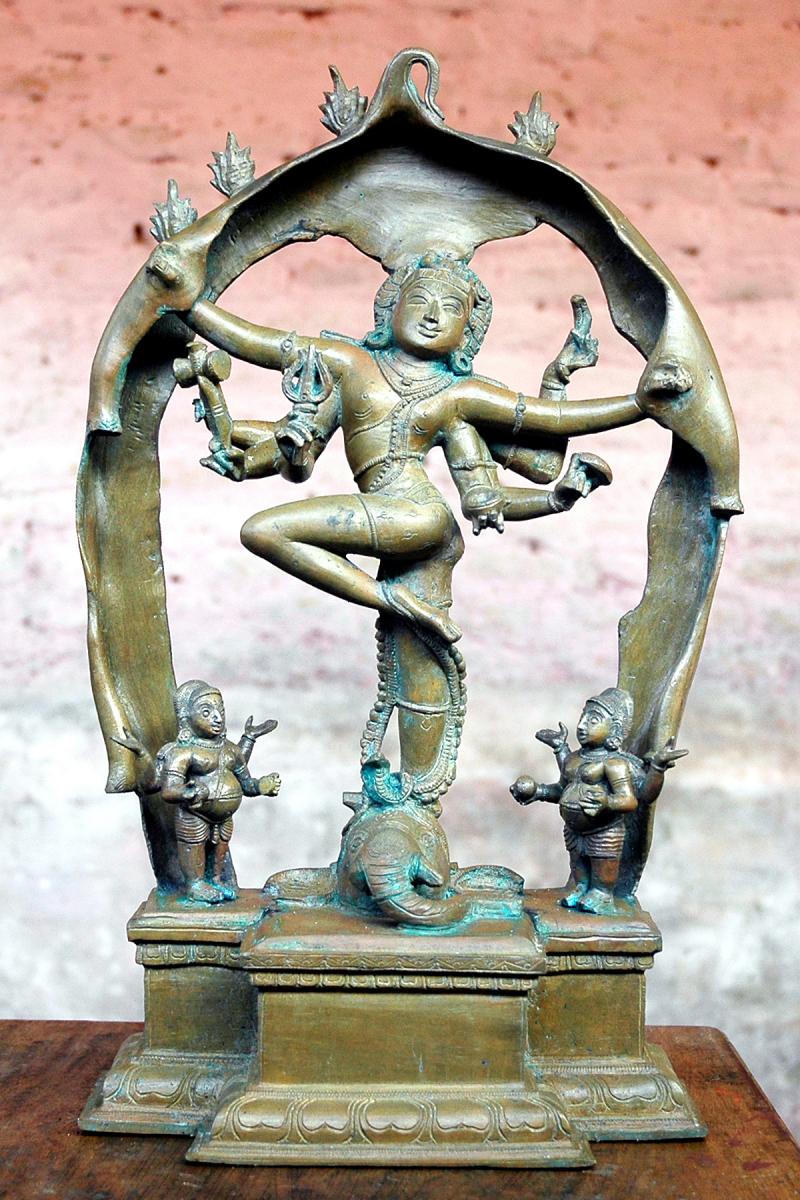
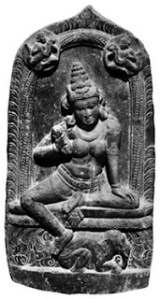
Picture shows Gaja Samhara Murthy (Shiva), Indrani and Indus Seal (Indra?)

Elephants are renowned for their long memories, so it’s probably not a good idea to make an enemy of one. But a boy in Kumbakonam (Tamil Nadu, India) made an elephant enemy. He gave the elephant a coconut shell without coconut but, with white colour lime. The elephant was taken through the same street for the same festival after a year. It identified the boy and took revenge upon him by hurling him through the air. He died on the spot.

Scientists in Africa have confirmed elephant’s long memory. They claim the mammals are capable of storing up grievances and wreaking their revenge on humans. Evidence is now emerging that they are capable of passing their grievances from mother to calf—ensuring that their anti human vendettas carry on for generations. Mr Joyce Poole of Amboseli Elephant research Project in Kenya has collected evidence for this.

U.Ve. Saminatha Iyer, the doyen of Tamil literature, has written some true stories about elephants in his collection of essays.

Earlier under the title ‘Indra in Indus Valley’, I posted Indra on his Vahana Airavata. Some scholars thought that the figure standing on the elephant is a woman. A Bangladesh statue shows even Indrani on elephant. So if it is not Indra, we may take it as Indrani. (Please see the pictures). A form of Lord Shiva is known as Gaja Samhara Murthy, also stands on an elephant.

Pallava Elephant Crown and N.W.kings

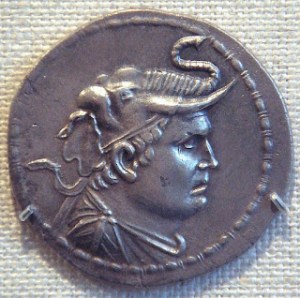
A Pallava  inscription in Kanchi Vaikunda Perumal Temple (Vide. Dr Nagasamy’s Tamil book Yavarum Kelir, page 30) says a crown looking like an elephant head puzzled Nandivarma Pallavan’s father. The ministers who brought it on a plate explained it as the crown of the Pallavas. Indo Greek Kings in North Western Part of India wore such elephant head shaped crowns.


Picture shows Coin of Indo-Greek King Demetrius (200 BC)

U.Ve.Sa’s elephant story: TEARS OF AN ELEPHANT

The following anecdote was narrated by U.Ve Saminath Iyer, Doyen of Tamil Literature, in his essays: The royal elephant of Pudukottai Samasthanam refused to eat any food for several days. When the Dewan Regent Seshayya Satrigal summoned the mahout, he told him he was appointed only recently after the death of old mahout. He told the regent that the elephant was in ruts and so he put chains in all it’s four legs. When the regent visited the elephant he gave him rice, sugarcane and jaggery. It refused to eat them and shed loads of tears. Suddenly the elephant extended its trunk towards a lady in the crowd which gathered there out of curiosity. That lady started crying loudly. When the Dewan Regent asked her the reason for her sorrow, she told him that her husband who died two weeks ago was the ex mahout. “I myself have fed this elephant umpteen times when my husband was alive. When people told me it had gone mad I wanted to see it as I raised it as my own son”.

When the dewan regent asked her to give the elephant a sugar cane she did it with utmost fear. But to everyone’s surprise the elephant patted its body with the sugarcane and started eating it. She gave more fodder and the elephant ate everything she gave. Now everybody knew that it was the sadness that made the elephant to shed tears. The lady continued feeding it for a long time till the new mahout was accepted by the elephant. Elephants were kinder and more grateful than human beings!

45 Names for Elephant

Following names are found in the ( தமிழ் நிகண்டு )Nighandu (poetical Lexicon) for elephant:

Tumbi=தும்பி, Karini=கரிணி, Tol=தோல், Sundali=சுண்டாலி, Kumbi=கும்பி, Karaiyadi=கறையடி, Kunjaram =குஞ்சரம், Pakadu=பகடு, Kaliru=களிறு, Putkai=பூட்கை, Kari=கரி, Matangam=மாதங்கம், Vazuvai=வழுவை, Vezam=வேழம், Varanam=வாரணம், Moy=மொய், Umbal=உம்பல், Erumbi=எறும்பி, Uva=உவா, Pongadi=பொங்கடி, Tanti=தந்தி, Atti=அத்தி Kadivai=கடிவை, Kayam=கயம்,Nagam-நாகம, , Sinduram=சிந்துரம், Tungal=தூங்கல், Nirumatam=நிருமதம், Pazaikkai=புழைக்கை, Val vilangu=வல் விலங்கு, Nalvay=நால்வாய், Pukarmukam=புகர்முகம், Matavalam=மதாவளம்,Dantavalam=தந்தாவளம், Marunma=மருண்மா, Kaima=கைம்மா, Vayama=பெருமா, Manthama= மதன்மா, Matakayam=மதகயம், Ambal=ஆம்பல், Ibam=இபம், Poakamபோதகம், Kalabham=களபம்

Female Elephants

Atttini=அத்தினி, Karini=கரிணி, Vadavai=வடவை, Piti=பிடி

Young ones

Kayantalai=கயந்தலை, Potakam=போதகம், Tudiyadi=துடியடி, Kalabham= களபம், Kayanmuni=கயமுனி

Special Names

Indra’s elephant Airavata இந்திரனின் யானை பெயர்=ஐராவதம், Mahabharat elephant name =Asvattama மகாபாரதத்தில் வரும் யானை பெயர்=அஸ்வத்தாமா, Elephant killed by Krishna =Kuvalayapeetam கிருஷ்ணன் கொன்ற யானை=குவலயாபீடம், Elephant tamed by Buddha= Nalagiri புத்தர் அடக்கிய யானை= நளகிரி, Lord Kartikeya’s elephant= Pini Mukam பிணிமுகம், சம்ஸ்கிருத இலக்கியத்தில் மற்றொரு யானையின் பெயர் சந்திரலேகா Chandraleka

Words for elephant in other languages came from the Sanskrit word Ibha= Ebur (Latin), Ephos (Greek), Ebu (Ehyptian).

Hindus believe that there are eight Sacred Elephants posted at Eight Cardinal Directions. So they are called Ashta Dik Gajas. They are : East- Airavata, South East—Pundarika, South—Vamanam, South West—Kumudam, West—Anjanam, North West—Pushpadantam, North—Sarvabhaumam, North East—Supra Deepam .(தமிழில் அஷ்ட திக்கஜங்கள்: ஐராவதம், புண்டரீகம், வாமனம், குமுதம், அஞ்சனம், புஷ்பதந்தம், சர்வபௌமம், சுப்ரதீபம்).

Also read 1)200+ Tamil Proverbs about elephants 2)Elephant Miracles and 3.Indra in Indus Valley.

Elephant Miracles


Picture shows Buddha taming ‘Nalagiri

Interesting stories about elephants are found in Indian literature. Like the Indian elephants that travelled up to Rome 2300 years ago, Indian story about six blind men’s encounter with an elephant also travelled to different parts of the world. John Godfrey Saxe (1878) wrote an English poem on it.

Ascetics have mysterious powers. They can control animals. Hindu literature is full of anecdotes about animal miracles. In the vicinity of ascetics both the tigers and deer (natural enemies) drink water from the same river undisturbed, say Sanskrit and Tamil literature. When a Hindu enters Sanyas Ashrama (ascetic life), he takes an oath standing in the water that he wouldn’t  harm any living being on earth. Hindus are always one step ahead of others. When they take the oath they say by word, deed and thought no harm will be done to anyone. If anyone does this that person develops miraculous powers.

We have several miracles of controlling mad elephants by Mantra, Tantra and heroism in Tamil and Sanskrit books.

1.Krishna’s Encounter with elephant

When Krishna was invited by Kamsa, along with his brother Balarama, to a wrestling bout, he arranged an intoxicated elephant at the gate of the arena. The two brothers saw the elephant at the gate, with the rider at the top; and the rider suddenly marched on to the brothers. Krishna, having accepted the challenge, broke the tusks of the elephant and hurled the elephant into the air. It was killed instantaneously. Its name was Kuvalaya Peetam.

2.Buddha’s encounter with a mad elephant:

Taming of an elephant called Nalagiri by the Buddha comes in Culavagga (VII-2-5). Devadatta sets upon the elephant against Buddha. This is very similar to Krishna’s taming of an elephant set upon by Kamsa. When Buddha  looked at the elephant with a fixed but calm gaze the elephant was calmed down. One can answer the question who copied whom? Easily. Since Buddhism was a proselytizing religion unlike Hinduism, Buddhists copied Ramayana Story, Mahabharata Story, Sibi Story and many more to attract the Hindus into its fold. They attributed all the Pre Buddha stories to the Buddha and told the people Buddha was born in these forms in his previous births.

3.Tamil Saint Appar’s encounter

Appar’s other names are Marulnikkiyar, Tirunavukkarasar and Vageesar. When he was converted to Jainism, he was named Dharmasenar. After his reconversion to Hinduism he was subjected to lot of ordeals by the Pallava king Mahendra Varman (600-630 AD). At the instigation of some jealous Jains he was thrown in to sea and a burning kiln, but he escaped unharmed. Lastly a mad elephant was sent to kill him.

Here are the words of Sekkizar in Periyapuranam about the elephant encounter: “At the king’s command an elephant the size of a mountain came rushing out. The elephant attacked and trampled upon everything on its way. It outdid even Yama, the God of Death. Knocking down walls and verandas in its path, it finally emerged into a wide open square. It was driven towards Appar. But quite unafraid he meditated on the golden feet of Lord Shiva. With heartfelt devotion he sang in praise of the Lord. The elephant walked reverently in a circle round him, then bowed before him to the ground in worship. When the mahouts tried again to drive it in the direction of Appar, it threw all of them to the ground and killed them by the score. The king was totally dismayed. At the end the king himself was reconverted to Hinduism. It happened around 600 AD in Tamil Nadu.

4. Udayana’s Taming of elephants

King Udayana of Vatsa Kingdom (6th Century BC) was fond of elephants. He was such an expert in playing the Veena that he can tame even wild elephants with his music! Lord Indra gifted him a divine elephant, which left him because of a mistake he committed. Shocked, he went in search of it. Meanwhile, he met a princess, Vasavadatta. The two fell in love and faced many problems. Both of them were separated like Rama and Sita and at the end they met again and lead a happy life. His elephant came to his rescue when he was in trouble.

Picture shows Sathya Sai Baba with elephant Sai Geetha

5.Tamil Woman’s Music tames elephants

Elephants are said to have keen ear for music and enjoy good songs. This fact has been mentioned in a number of classical works. In the Tamil anthology Akananuru 102, we have the following interesting line:

“ The Lord of the country, where, on hearing  the huntress who was drying her hair tresses sings the Kurinjippan ( a tune of hill country), the war loving young elephant stood motionless without eating the corn sheaves, closed its eyes and fell fast asleep”.

In Tamil Kalitogai (2), we have the following lines:

“Just as the turbulent king elephant that evades and does not mind the iron hook of the mahout voluntarily submits itself to the sweet sound of the lyre”.

In Perunkathai, a Tamil translation of Brhatkatha, we see how an elephant became a slave to Udayana’s lyre and came to his rescue when he was in trouble.

Ancient Indians were keen observers of animal behaviour. They studied animal psychology even before Freud and Jung and even wrote about animal dreams. I have dealt with these themes elsewhere in my posts.

6.Kanchi Sankaracharya’s encounter

Source:-A book on Paramacharya by name Ganni by Sri Sudarsananda-published by Sri Bhagavat Seva Ashramam,TriplicaneApril 1986.
Once when Periyava (Shankaracharya) was camping at a place PUCHAMALAIKKUPAM, the shed where the Mutt’s elephant was kept got fire and the elephant broke its chain and ran away. Next day morning the employees of the mutt noticed that the shed where the elephant was kept was burned down fully and the elephant was missing. Later it was found that the elephant was near a tank some five miles away and the mahout went there to fetch the elephant but the elephant refused to accompany him despite great efforts. Then Periyava went there and the elephant slowly got up from the tank and came near Swamiji and saluted him. There were few burns on the body of the elephant. Swamiji patted the elephant with HIS own hand and ordered that proper treatment for burns should be done.

On another occasion also, when the elephant refused to move, Swamiji was informed. He came patted the animal lovingly. The elephant acted normally from the minute Swamiji touched it. Others were too scared to go near the elephant.

7.Elephants choosing future kings by garlanding

It would interest here to note that in ancient times, the royal elephant was let loose in order to find a suitable successor for the throne that was rendered vacant by the death of a king who died without a heir. The story goes that Tamil kings Karikal Choza and Murthy Nayanar were elected as kings in the above manner. In the North we see elephant helping King Udayana this way.

Also read 200+ Tamil Proverbs on Elephant posted already in this blog.


**************

Rare Conch- Dakshinavarta Shanka

By London Swaminathan; contact swami_48@yahoo.com

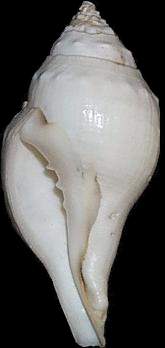
Conches (Shanka in Sanskrit) have been used by the Hindus for thousands of years as money, musical instrument, decorative art pieces and objects of worship. We get them from the sea. Most of the conches are anti clockwise. But very rarely we get clockwise conches and they are called Dakshinavarta Shanka ( In Tamil ‘Valampuri’). This means right whorl or clockwise whorl. They are more valuable and holier than the normal ones. The type of conches used by the Indians is ( Turbinella Pyram) coming from Indian Ocean. But cheaper varieties are available from South Africa.

English word conch came from the Sanskrit word ‘Shank’. It is used in all the temples for doing Abhisheka (bathing the Gods/statues ) with Ganges water or milk. During the month of Kartika, all the South Indian Shiva temples use 1008 Shanks for Abhisheka, which is a sight not to be missed. Hindus throng to the temples on Kartik Somwar (Monday) to see it. Conches are revered by Vaishnavites too for being in the hand of Vishnu.

Special Names in Bhagavad Gita

Ancient Hindus gave special names for the Shanks they used in the battle fields or royal palaces. Krishna’s conch was called Panchajanya. The five Pancha Pandavas had the following Shankas: Arjuna: Devadatta (Given by God), Bhima: Paundaram (Lion’s Roar), Dharma: Anantha Vijayam (Eternal Victory), Nahula and Sahadeva: Sugosham (Sweet Voice) and Mani Pushpakam (Jewel-Blossom). Following the play of Kaurava’s war drums, the Pandavas blew their famous Shanks and started the great Mahabharata war (Bhagavad Gita 1-15).

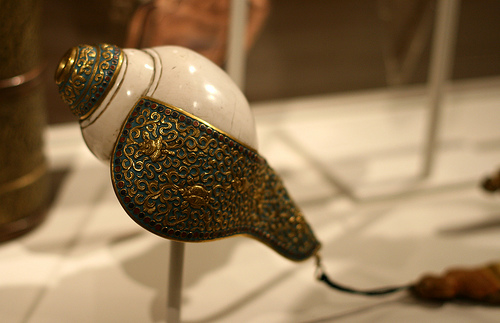
These sacred conches were on the flags of the Hindu Kings once. Travancore Maharaja had this on his flag. It is considered one of the Eight Auspicious symbols of Buddhists. Tibetans and Chinese keep them in the Buddhist Viharas. Many of them are covered with gems, gold and silver plates. Of late these have been auctioned by big Western auction houses for thousands of dollars. Museums around the world have acquired such conches.

Tamil and Sanskrit Literature

The Dakshinavarta (Right Whorl) conches were sought after by kings and religious leaders. Tamil Sangam literature mentioned this as Valampuri Sangu in several places. Following are some of the references: Akananuru 201, 350; Ainku.193; Kali 135;Thiru.23, 127;Nar.172;Nedu.142; Pathi.67-6; Pari.3-88, 13-44, 15-59; Pura.225, 397; Peru.35; Mullai.2

Varaha Purana, Skanda Purana and other mythologies speak about the greatness of these special Shankas. If anyone does Puja with these Shankas, one gets great merits. Since they believed that they have medicinal properties children were fed with conches and conch powder was used in Ayurvedic medicine.

Dakshinavarta Shanka is considered a lucky object. Hindus believe that they will attract money. So they spend a big amount to buy them. Indian Type Right Whorl conch is sold for lakhs of rupees depending upon their size. It is very rate to get in big size. Since they are holy, they never leave them on the floor. They make special stands with precious metals for the conches.

British Museum in London, Metropolitan Museum in New York and other famous museums display gold plated or handled conches.  Bengalis use bangles and other ornaments made up of white conches till this day. It plays a very important part in their wedding ceremonies. Father of the bride and the bridegroom family give conch bangles to the bride which she wears though out her life. If they are broken they are replaced immediately. Wearing broken conches or breaking them is considered inauspicious. Ancient excavations show big conch industries.

During Puja time, religious Hindus blow with conches. In the olden days, if anything valuable found anywhere, it was donated to the king and he in turn donated invaluable things to Gods in the temples. Thus temples were big depositories of rare and expensive objects.

Following letter is sent to me by e mail. I agree with him. Indians and Westerners look at it differently.

Valampuri Chank
I am Dr. Chandrashekhar Phadke from Poona, Maharashtra, India. I have gone through your blog on Dakshinavarty Shankh or Valampuri Shankh.
In your blog you have mentioned that it shows Clockwise rotations of whorls or sutures. It is not correct. In case of Valampuri the rotations are anticlockwise in nature. It is called as Sinistral Shell. In case of ordinary Left handed Conch (In Indian Context), the whorls are clockwise and the cavity opens on the left hand side. The conch is therefore called as Dextral Conch.
Position of the conch is important. The above description is applicable when conch head is facing towards the devotee and its tail is towards the God in altar. This is the Indian way. In western countries, tail is towards the devotee and the head is towards the God idols in altar.
Thanking you and with regards,
Yours sincerely,
Dr. Chandrashekhar Phadke

***************

FLOWERS IN TAMIL CULTURE

By London Swaminathan (swami_48@yahoo.com or Swaminathan.santanam@gmail.com)

Tamils are crazy about flowers. Travellers have noticed the passion of Tamil women for flowers.  Every temple and every bazaar(shopping area) has scores of flower vendors who make garlands and flower strings with fresh flowers. Half of the flowers go on the hair of women and the other half go to the Gods inside the temples. Half of the garlands go into the neck of Tamil politicians and the other half go in to the neck of gods’ statues.

This love for flowers is not a new fashion. The love story began at least two thousand years ago. We have several references of flower vendors in the Sangam Tamil literature (Narrinai verse 97,118,160 etc.)

Tamil’s custom of wearing lot of flowers on their heads was noticed by Valmiki in his Ramyana:Bharata says our soldiers are wearing lot of flowers on their heads like southerners and carry black coloured shields (ayodhya Kanda, Sarga 96)


Tamils are unique in one thing. The three powerful kingdoms of Tamil Nadu had separate flags, emblems and flowers. Like we choose a national flower of a county they chose one flower garland each. The Sangam works simply mention the particular flower garland to mention the king.In other words, the garlands were more popular than the dynasty name! Pandya kings wore Neem flower garlands, Chera Palmyra flower garlands and the Cholas Athi (fig) flower garlands.


Tamils divided their lands into five natural geographical areas add gave the name of dominant flowering tree/plant to each area. At least this custom has precedence in other parts of India. Sanskrit literature called India Jambu dwipa meaning land of Jamboo trees (Rose apple tree). It also divided the globe into seven different continents and named them after the predominant flowering tree of that area: Jambu (Rose apple),Plaksha (fig tree), Shalmali (Silk Cotton Tree), Kusha (Darba grass), Krauncha (water birds, may be some trees with the same name) Shaka and Pushkara (Lotus)

Five regions of Tamil Land

Mullai , a variety of Jasmine, stands for the forest area.

Kurinji, a mountain flower, stands for mountainous region.

Marutham, a tree with red flowers, stands for patoral region

Neytal, a water flower, stands for sandy sea shore

Palai, an ever green tree growing in arid areas, stands for arid lands.


Another unique feature of Tamil culture is they wore different flowers in the battlefield to denote different activities. No other culture wore flowers when they went to war. We know that Olympic winners in Greece received Olive branches. But Tamils took different flowers. For instance if they want to invade a country, soldiers will go in to the border areas and steal the cattle wearing VETCHI flowers. Though this practice of stealing cattle was  in Mahabharata days in the north of the country, the soldiers did not wear any particular flower. But Tamils wear a particular type of flowers during this raid which is not found anywhere in the world. For each and every military activity they allocated a flower. Following is the list of flowers and the corresponding activity:

  • Vetchi – the provocation of war through attack and cattle raids
  • Karanthai – defending against cattle raids
  • Vanchi – invasion of the enemy’s territory
  • Kanchi – transcience and change, the fragility of human life, against the backdrop of war
  • Uzhingai- attacking the fort
  • Nochchi – defence of the fort or territory
  • Thumpai – the frenzy of battle
  • Vaakai – victory
  • Paadaan – praise of a king’s heroism or generosity, asking for gifts

But this was not strictly followed. Tamil men and women wore flowers. Men had flowers in their ears. Women had it on their heads. Women continue to wear it even today. During weddings they spend a lot on flowers.

Pushpanchali (Flower Offering)

In Bhagavad Gita Krishna also spoke about offering flowers and leaves (Tulsi, Bilva) to God. Tamil poet Kapila has translated that sloka in Purananuru

Pushpanchali is an annual event in several South Indian temples. They heap hills of flowers on God on that day.

ANDAL MALAI/ GARLAND

Tamil Nadu is famous for its biggest flower garland called Andal Malai (Malai=Mala+ garland). This garland is a special one meant for Andal of Srivilliputtur, near Madurai. Andal, who lived 1300 years ago in Srivilliputur of Tamil Nadu, was a Vishnu devotee. This garland is normally 8 ft long made up of different flowers. It is heavy and expensive. Political heavy weights get this heavy garland, particularly after election victory.

Kapilar’s Guinnes Record-99 flowers

Sangam Tamil poet who lived 200 years ago would have entered Guinnes Book, has there been a category for reciting flower names. He recounted 99 flowers in his Kurinjipattu ( Lines 62-97). Though other books like Mahabharata, Valmiki Ramayana, Kalidasa have provided more flower names, no one poet had given them at one go.

“Tamil Nadu Assembly Speaker, K. Kalimuthu, who spoke on `Tamil and Tamilians in world arena,’ kept the audience spellbound for about 30 minutes. The audience was stunned when he repeated the names of 99 flowers from Kabilan’s Kurinji Pattu. All the students of Jamal Mohamed College (Trichy)who had occupied every inch of the auditorium maintained pin drop silence and heard his speech in rapt attention.” (The Hindu report on August 16, 2004).

Of the 99 flowers many of them have Sanskrit names and a few of them are unidentifiable.

Onam and Pukkolam

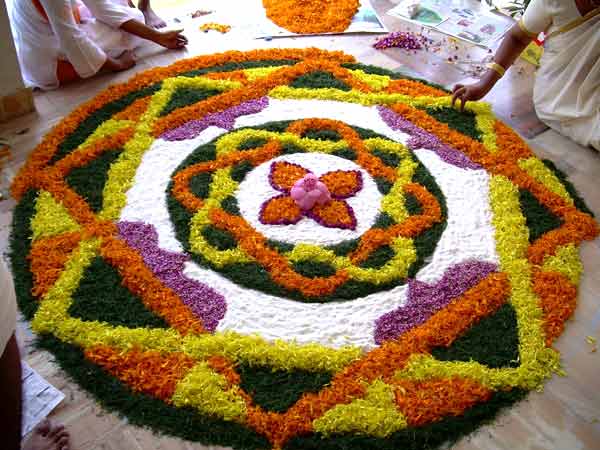
Onam is an old festival mentioned in Tamil Sangam literature (maduraikanji 590-591). Till this day it is celebrated in Kerala (Old Tamil Chera country) with gigantic flower decorations on the ground called Pukkolam.

Tamil classification

Even before Linnaeus classified the botanical kingdom, Tamils classified them in to four categories: Kottu Pu, Kodi Pu, Neer Pu, Nila Pu.

Kottu Pu=Kongu, Shenbakam Makiz etc.

Kodi Pu= Mallikai, Mullai (jasmine varieties) etc.

Neer Pu (water flowers)= Lotus, Water Lily etc.

Nila Pu ( Land flowers)= Thumbai, Sevanthi etc.

They talk about flowering plants and non flowering plants, flowers to give good fragrance to water (Pathiri Pu) etc.

21 leaves for Vinayaka

Ancient Tamils even knew all the plant names by heart. They allocated 21 leaves for Ganesh Puja. Such acts serve many purposes: 1. Spread of knowledge about plants 2.Herbs are used when someone falls sick 3. Naturala environment is protected. Following are the 21 plants: Masi pathram, Bruhati pathram,Bilva pathram, Durva pathram, Thuthura pathram, Badari pathram,Apamarga pathram, Tulsi pathram, Suta pathram, Kraveera pathram, Vishnugranthi pathram, Thadi pathram, Deva thaaru pathram, Maruva pathram, Sindhuvara pathram, Jaji pathram, Kandaki pathram, Samee pathram, Asva pathram, Arjuna pathram, Arka pathram.


Gajendra Moksha in Africa !!

Picture credit: Metro,London;taken at Kruger National Park, South Africa

By London swaminathan

Gajendra moksha is one of the most popular stories in India. This story of the crocodile and the elephant appears in Bhagavatha, the story of Vishnu. It has not only influenced literature but also arts. We have pictures and sculptures, idols and paintings from Gupta days to modern day. Calendars carry this picture. Children listen to this story with rapt attention. This is the story that tells us the moral that faith will bring God to your doorstep. Complete surrender to God will cure one of all the troubles.


We see it from Gupta period sculptures to paper drawings of Brooklyn Museum, USA. The story is very simple. Gajendra was the king of the elephants. One day he went to the forest lake to drink water. He was caught by a crocodile. He tried very hard to release himself from the grip of the crocodile. When he failed to get out of the water all his friends and relatives tried but in vain. At last, the king of the elephant cried for help by calling the name of Narayana (Vishnu). The all powerful God flew from heaven on his vehicle Garuda (eagle) and fired his Sudarchana Chakra.


Sudarsana chakra was the first Boomerang known to the world. Like the Australian aborigines Boomerang, it would hit the target and comeback to the person who fired it. So sudarsana wheel went and cut off the head of the crocodile and Gajendra thanked God by giving him lotus flowers.

Believe it or not it happened in Africa very recently. But the God was not involved in it. A baby elephant went for water in a marshy area. Suddenly a crocodile appeared from nowhere and caught  its trunk. Baby elephant struggled hard to release itself. While it was still struggling, all the elephants in the herd came for its help and drove the crocodile by trumpeting and stamping. After it was saved, all the elephants of the herd stayed around the baby elephant for a while  to make sure it was OK.

Picture credit: folknet

This elephant and crocodile story happened in the Kruger National Park in South Africa. The news papers in western countries published this story with pictures. They compared this incident to a story in Rudyard Kipling’s book which tells the tale of how the elephants got its trunk—a crocodile pulled it.


Crocodiles rarely attack elephants. But it is a familiar scene in Indian forests. Greatest of the Tamil poets Tiruvalluvar, who lived 1500 years ego sings about it. When he wrote a couplet about the strength of a crocodile and the elephants he must have thought Gajendra Moksha story. The meaning of the word Gajendra Moksha is Gaja=elephant, Indra= the leader or the king of, moksha=release/ liberation. Now read the couplet of Valluvar:

In deep waters the crocodile overpowers all; out of water, others overpower it (Kural 495).

A fierce elephant that has faced lancers, can be foiled by a fox, if it is stuck in a marshy ground (Kural 500)

The comparison between the strength of an elephant and a crocodile is in Panchatantra Stories as well.


Other animal stories by londonswaminathan:

Two Little animals that inspired Indians

Why do animals worship God?

Animal Einsteins

Tortoise mystery

Can parrot recite Vedas?

Can birds predict your future?

( The above posts are available in my blogs: swami)

Contact: swami_48@yahoo.com or swaminathan.santanam@gmail.com


***************