கடலை விரட்டிய தமிழ் மன்னன் ; தண்ணீர் மீது நடந்த அதிசயங்கள் (Post No.5035)

கடலை விரட்டிய தமிழ் மன்னன் ; தண்ணீர் மீது நடந்த அதிசயங்கள் (Post No.5035)
WRITTEN by London Swaminathan 

Date: 22 May 2018

Time uploaded in London – 7-30 am (British Summer Time)

Post No. 5035

Pictures shown here are taken from various sources such as Facebook friends, Books, Google and newspapers; thanks. Pictures may be subject to copyright laws.

WARNING: PLEASE SHARE MY ARTICLES; BUT DON’T SHARE IT WITHOUT AUTHOR’S NAME AND THE BLOG NAME. BE HONEST; OTHERS WILL BE HONEST WITH YOU


பழங்காலத்தில் கீழை நாடுகளில் ஒரு நம்பிக்கை இருந்தது. ஒருவர் சத்தியத்தின் பெயரில் சூளுரைத்து கடலை விரட்டலாம். தண்ணீர் மீது நடக்கலாம்; நதிகளை ஓடாமல் செய்யலாம் என்று நம்பினர். இந்தக் கதைகள் சிலப்பதிகாரம், திருவிளையாடல் புராணம், புத்த, ஜைனமத நூல்களில் உள்ளன. மோஸஸ் கடலைக் கடந்த கதை, ஜீஸஸ் சிஷ்யன் கடலைக் கடந்த கதை எல்லாவற்றுக்கும் மூலம் ரிக்வேதம் என்று முதல் கட்டுரையில் நேற்று காட்டினேன்.


தமிழர்களைப் போலவே சீனாவிலும் மன்னன் செய்த செயலைப் பார்க்கையில் இரு ஒரு பழங்காலச் சடங்கோ என்று எண்ணத் தோன்றுகிறது.


திருவிளையால் புராணத்தில் ஒரு கதை இருக்கிறது; அதன் தலைப்பு “கடல் சுவற வேல்விட்ட படலம்”. 96 அஸ்வமேத யாகம் செய்த உக்கிரகுமார பாண்டியன் மீது இந்திரன் பொறாமை அடைந்தான். ஏனெனில் எவரேனும் 100 அஸ்வமேத யாகம் செய்தால் இந்திரன் பதவி பறிபோய்விடும் இதனால் இந்திரன் மதுரை நகர் மீது கடல் தண்ணீர் பாயும்படி ஏவிவிட்டனன். இது தமிழ்ச் சங்கம் இருந்த தென் மதுரையாக இருக்கலாம்.  பாண்டிய மன்னன் சிவ பக்தன் என்பதால் சிவபெருமானே அவன் கனவில் தோன்றி கடலைக் கட்டுக்குள் வைக்க அனுப்பினான் என்பது கதை. உடனே அவன் இரவோடு இரவாக கடல் மீது வேல் ஒன்றை எறிய  அது பின்வாங்கியது.

உண்மை பேசுவோர், நியாயமான ஆட்சி நடத்துவோருக்கு இப்படிப் பட்ட அபூர்வ சக்திகள் இருந்ததாக மக்கள் நம்பினர். நல்லாட்சி நடக்கும் நாட்டில் பயிர்கள் தாமாகவே செழித்து வளரும் என்று வள்ளுவனும் செப்புவான்.

சீனாவில் நடந்த அதிசயம்

மிலிந்த பன்னா என்னும் நூலில் ஒரு கதை வருகிறது:–

“மன்னாதி மன்னா! சீனாவில் ஒரு மன்னன் நாலு மாதங்களுக்கு ஒரு முறை, கடலுக்குக் காணிக்கை செலுத்துவதற்காக சபதம் செய்கிறான். அவன் தேரில் ஏறி கடலுக்குள் ஒரு லீக் ( மூன்றரை மைல்) தொலைவு செல்வான் அவன் உள்ளே நுழைந்தவுடன் கடல் பின் வாங்கி விடும். அவன் தேர் வெளியே வந்தவுடன் கடல் அந்த இடத்தில் பாய்ந்து முழுகடித்துவிடும்”.

இது புத்தமத நூலில் உள்ள கதை. ஆக பரசுராமன் கோடரியை எறிந்து கேரள பூமியை மீட்ட கதை, மஹாவம்சம் எனும் இலங்கை நூலில் உள்ள கதை ஆகியன எல்லாம் ஸத்தியத்தின் மூலம் சபதம் செய்து தண்ணீரைக் கட்டுப்படுத்த முடியும் என்று காட்டுகின்றன; நிலம் தரு திருவில் பாண்டியன், கடல் சுவற வேல் விட்ட உக்கிரப் பெருவழுதி அல்லது உக்கிர குமாரன் அகியோர் பற்றிய குறிப்பு சிலப்பதிகாரத்திலும் உண்டு.


From my earlier post:–

மஹாவம்சக் கடல் கதை

சுனாமி/ கடல்கோள்
அத்தியாயம் 22-ல் ஒரு காதல் கதை வருகிறது. இது காகவனதீசன் மன்னன் காலத்தில் நடந்தது.
கல்யாணி என்னும் நகரில் தீசன் என்ற மன்னனின் மனைவிக்கு (ராணிக்கு) ஜய உதிகன் என்பவன் ஒரு காதல் கடிதத்தை புத்த பிக்கு போல வேடம் அணிந்த ஒருவர் மூலம் அனுப்புகிறான். அவன் ராஜா ராணி வரும் போது அதை ராணியின் முன்னால் போடுகிறான். சத்தம் கேட்டுத் திரும்பிய தீசன், ராணிக்கு வந்த காதல் கடிதத்தைப் படித்துவிட்டுக் கோபம் அடைகிறான். கோபத்தில் உண்மையான தேரரையும், தேரர் வேடத்தில் இருந்த போலியையும் வெட்டி வீழ்த்துகிறான். இதனால் கடல் (அரசன்) கோபம் கொண்டு பொங்கி நாட்டுக்குள் புகுந்தது. இது கி.மு 200க்கு முன் நடந்தது.

இது போன்ற சுனாமி தாக்குதல் கதைகள் பல தமிழ் இலக்கியத்திலும் உண்டு. கடல்மேல் வேல் எறிந்து கடலின் சீற்றத்தை அடக்கிய பாண்டியன் கதைகளை திருவிளையாடல் புராணத்தில் (கடல் சுவற வேல் எறிந்த உக்ர பாண்டியன்) காணலாம். ராமனும் கடல் பொங்கியவுடன் வருண பகவானுக்கு எதிராக கடலில் அம்புவிட்டதை ராமாயணத்தில் படிக்கிறோம்.

உடனே கடலின் சீற்றத்தை அடக்குவதற்காக, தீசன் தன் மகளை ஒரு தங்கக் கலசத்தில் வைத்து அனுப்புகிறான். அது கரை ஒதுங்கியபோது காகவனதீசன் அவளைக் கண்டு கல்யாணம் செய்துகொள்கிறான்.


இதில் நமக்கு வேண்டிய விஷயம் கடல் பொங்கிய (சுனாமி) விஷயமாகும். இதன் காலத்தை ஆராய்தல், முதல் இரு தமிழ்ச் சங்கங்களை விழுங்கிய கடற்கோள்களின் (சுனாமி) காலத்தை அறிய உதவலாம். சிலப்பதிகாரத்தில் ஒரு கடற்கோள் பற்றி நாம் படிக்கிறோம்.

வடிவேல் எறிந்த வான் பகை பொறாது
பஃறுளி ஆற்றுடன் பன்மலை அடுக்கத்துக்
குமரிக்கோடும் கொடுங்கடல் கொள்ள
வடதிசைக் கங்கையும் இமயமும் கொண்டு
தென் திசை ஆண்ட தென்னவன் வாழி!
-காடுகாண் காதை, சிலப்பதிகாரம்

இதை ஒப்பிட்டால் வடிம்பலம்ப நின்ற பாண்டியன் மற்றும் முதல் இரு தமிழ்ச் சங்கங்களில் ஒன்றின் காலம் ஆகியன உறுதிப்படலாம். இலங்கை கடற்கோள் நடந்தது கி.மு.200–க்கு முன்.


xxx
சம்பந்தர் செய்த அற்புதம்

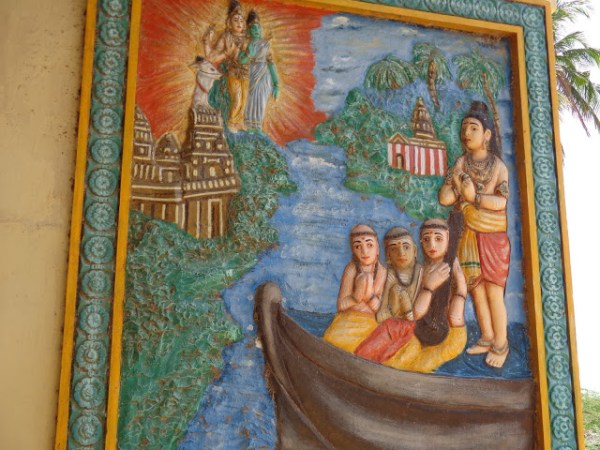
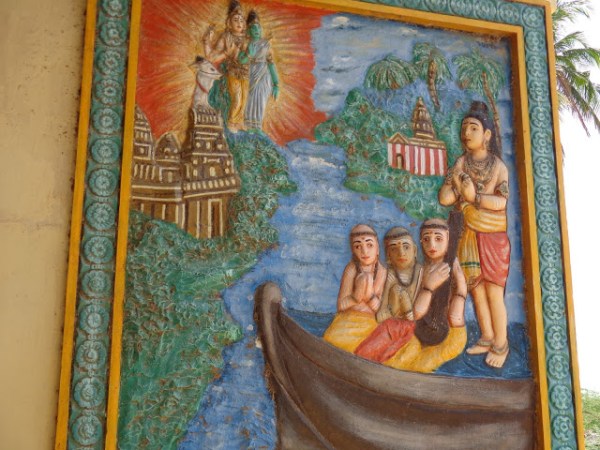
தேவாரம், திவ்யப் பிரபந்தம் போன்ற பாடலகளைப் பாடிய நாயன்மார்கள், ஆழ்வார்கள் மற்றுமுள்ள ஏனைய சிவனடியார்கள் வாழ்விலும் நதி நீர் , கடல் நீர் முதலியவற்றை அடக்கி ஆண்ட செய்திகள் உள. திருஞான சம்பந்தர் காவிரியில் வெள்ளம் கரை புரண்டு ஓடிய   போது   படகோட்டிகளும் பயந்து தயங்கி நின்றதாகவும் அவர் அடியார்களுடன் படகில் ஏறி தேவாரம் பாட, படகு அமைதியாக தவழ்ந்து மறு கரை சேர்ந்ததாகவும் ஸ்தல புராணங்கள் நுவலும். கொள்ளம்புதூரில் வெட்டாறு வெள்ளப் பெருக்கெடுத்தபோது சம்பந்தர் நதி கடந்த அதிசயம் சைவ வரலாற்றில் உள்ளது


கொள்ளம்புதூரில் ஆண்டுதோறும் ஓட (படகு) விழா நடப்பதோடு அந்த ஆற்றுக்கே ஓடம்போக்கி ஆறு என்றும் பெயர் வைத்துவிட்டனர்.

to be continued…………….

–subham–
MORE MIRACLES ABOUT WALKING ON THE WATER (Post No.5033)

WRITTEN by London Swaminathan 


Date: 21 May 2018


Time uploaded in London – 15-18  (British Summer Time)


Post No. 5033


Pictures shown here are taken from various sources such as Facebook friends, Books, Google and newspapers; thanks. Pictures may be subject to copyright laws.


WARNING: PLEASE SHARE MY ARTICLES; BUT DON’T SHARE IT WITHOUT AUTHOR’S NAME AND THE BLOG NAME. BE HONEST; OTHERS WILL BE HONEST WITH YOU


First part of the article “Walking on the Water: Indian Miracles” was posted here on 19th May, 2018. Following is the second part.


‘Milinda panhaa’, the Buddhist book, has an interesting story. The sage Nagasena tells king Milinda : “ Your Majesty! In the land of China there is a king who once every four months, desiring to make offerings to the great ocean, performs an Act of Truth, and then proceeds in his chariot of state a league’s distance into the great ocean. Before the chariot of the state the mighty mass of water rolls back, and, as he returns, it pours back again. 4-1-46”

Tamil Miracle

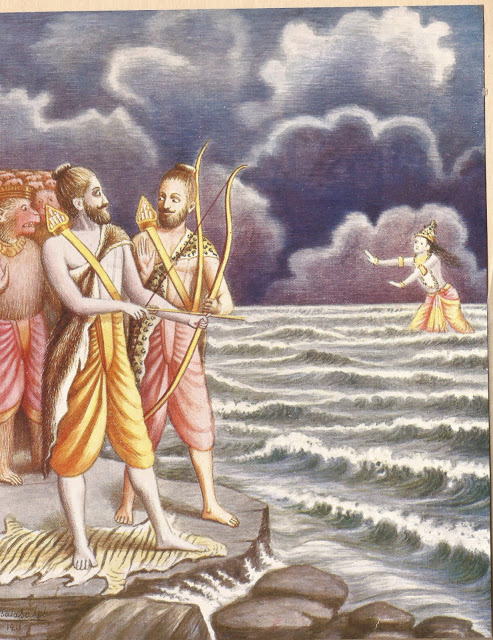
Tamils also has such miracles in their literature. There was a Pandya King who shot his arrow or spear and the sea rolled back. Parasurama, one of the Ten incarnations of Vishnu, reclaimed land from the sea. Rama was very angry when the sea refused to give him way. Then he threatened Varuna with severe punishment. And then Varuna came and subdued the sea.

Kollambudur Miracle from sakaravijayam,blogspot.com

When Tamil saint Thirugnanasambandar visited the place (Kollambudur) with his followers, the river Vettar was in floods. Nobody dared to operate the boats to cross the river. Divine Grace blessed Sambandar to perform a miracle at that time. He sang a Thevaram Padigam in praise of the Lord of Kollambudur and stood inside the boat with his followers. The boat crossed the waters automatically and brought them to the other bank of the river.


Act of Truth is the ‘Truth command’. If it is true let it…………………..happen- is the vow one makes


King and Queen Miracle

Buddhagosa’s commentary on Angutta Nikaya has another miracle. King Kappina is on his way to enter the religious life under Buddha. This is what happened—

“Now the king with his 1000 ministers, reached the banks of the River Ganges. But at this time the Ganges was full. When the king saw this he said,  The Ganges here is full and swarms with savage fish. Moreover, we have with us no slaves or men to make boats for us. But of this Teacher virtues extend from the Avici Hell beneath to the Peak of Existence above. If this Teacher be the Supremely Enlightened Buddha, may not the tips of the hoofs of these horses be wetted.

They caused the horses to spring forward on the surface of the water. Not a single horse’s tip of the hoof wetted.  On a king’s high way proceeding, they went to the far shore. Farther on they reached another river. There was needed no ‘Act of Truth’. By the same act of truth, the river also, did they cross over. Then they reached the third river, the mighty River Chandrabhaga. That river also, by the same ‘Act of Truth’, did they cross over.

In short, Pandya king Nilam Tharu Thiruvil Pandya, Kadal Suvara Vel vitta Pandya and Buddhist King Kappina – did water miracles.

They made the water to roll back!


Later Queen Anoja of King Kappina , surrounded by 1000 chariot,s also crossed the Ganges by th Act of Truth.


All these stories recall the legend of Rig Veda (3-33) (See my previous post).

Jain Miracle- Walking on the Water

There is a Jain story with paradoxical riddles. A Jain king’s brother by name Soma became an ascetic. When the king came to know that Soma was camping outside the city he went there to pay his respects. Queen also vowed to see that holy man and decided not to take food till she pays respects to him that evening. #


When she rode in her chariot, the river in the middle of the city was in spate. She came back and asked her husband what to do. He told her to go back and say, “O Goddess River! if my husband has practised chastity since he paid his brother in law respects (in the past), then promptly give me passage”. She did say it and the river parted in to two and gave her passage.


She got confused because she became pregnant through her husband after he started paying respects to his brother (several years ago). When she met Sage Soma she asked the sage to clarify. He told her that her husband was chaste in his mind. Then the queen asked how can she return if the river is still in floods. Sage Soma told her,

“You must say to River Goddess, If the sage since taking the vow, has steadily lived in fast (for several years), then give me passage”. She recited words and easily crossed the river.


She asked her husband to clarify Soma’s statement. He told her “Lofty minded sages are indifferent to eating and non- eating. Mind is the root, speech the crown, deed the branch expansion of the tree of religion: from the firm root of that tree everything springs forth”. Then the queen understood.


—–to be continued


–Subham–

WALKING ON THE WATER: INDIAN MIRACLES! (Post No.5026)

WRITTEN by London Swaminathan 


Date: 19 May 2018


Time uploaded in London – 16-43 (British Summer Time)


Post No. 5026


Pictures shown here are taken from various sources such as Facebook friends, Books, Google and newspapers; thanks. Pictures may be subject to copyright laws.


WARNING: PLEASE SHARE MY ARTICLES; BUT DON’T SHARE IT WITHOUT AUTHOR’S NAME AND THE BLOG NAME. BE HONEST; OTHERS WILL BE HONEST WITH YOU


Miracles in water or on the surface of water is in every religion. But the earliest miracles appear in the Rig Veda, the oldest book in the world.  Rig Veda is dated by various scholars from 6000 BCE to 1500 BCE. Buddhist literature followed it. Around 300 BCE we have some stories about Buddha flying over water to Sri Lanka or Buddhist disciples walking on water to reach the Buddha. Hebrews had the Miracle of Israelites crossing the Red Sea in the old testament of the Bible. New Testament has Peter crossing the waters on foot. Greek writers have story of Alexander doing some miraculous crossings.

Krishna was taken in the basket by Vasudeva across the River Yamuna and the river gave him the way. Adi Shankara’s disciple Padmapada (Mr.Lotus Feet) got the name because when his Guru called him he simply walked on the river and a lotus appeared at every step he took and he walked over it. Hinduism has so many stories like this. Hatayoga teaches one to walk on water.


Water miracles are of different types:


1.The water divides and one can walk in the dry area.

2.The water becomes shallow and one can easily cross it.

3.The water stays as such and one can simply walk on it.

4.Some factors like strong wind or a lotus or a board appear and one can cross the sea or river

5.One can levitate and fly over the surface like a hovercraft.

  1. A mixture of one or two features of the above list.


Let us first look at the Rig Vedic miracle which is the source for all water miracles:

William Norman Brown, who surveyed the ancient literature for water miracles says, “The earliest example of crossing water magically appears in the Rig Veda (3-33), where it is accomplished by means of a religious act. The hymn is famous, celebrating the crossing of the rivers Vipaas and Sutudri, the modern Beas (Vyasa) and Sutlej in Punjab. The hymn is in the form of a dialogue between the seer Visvamitra and the two Rivers”.


Probably this is the earliest such inter action with nature. There is a beautiful description of rivers running towards ocean. The sage uses several similes.

This hymn exploded the half- baked theories of Vedic Hindus’ ‘ ignorance’ about the seas. Apart from that, it is a beautiful poetry on Nature. This portrays rivers as mothers and sisters. There also it strikes a first. Later cultures followed this Vedic concept and described earth as Mother (Gaia in Greek)


Sayana, the most famous Vedic commentator, has a story about this hymn. Sage Visvamitra came with lot of treasures and asked the rivers to give him way. Then it allowed him to pass through the rivers. There is history as well. Sudas was helped by Indra to marchforward.


Now look at the beautiful similes:

3-33-1: Like a pair of racing horses you two rivers flow

Like two mother cows licking their calves, your waves lash the banks

3-33-2: you two rivers are like the wheels of a chariot

3-33-10 : Rivers say: Oh, seer! You have come far away with wagon and chariot. We will heed to your words “Low shall I bow like a blooming young woman; like a maiden to her lover”.


Visvamitra’s request to the rivers:

Pray listen sisters, to the bard;  he has come to you from afar with wagon and chariot; pray bow down yourselves; become easy to cross. O rivers be lower than the axles with your streams.

May your waves reach up to as far as the hubs, but O waters spare the reins; and let not the two innocents, faultless oxen come to harm.


Here we see some kindness towards animals. Let the oxen of the wagon be safe. They are innocent. In every aspect, it shows a highly civilized society.


Visvamitra’s penance made the rivers to subside and allowed the hosts to pass over.

When we compare other miracles attributed to Visvamitra we can be of sure about his powers.


The feat of crossing these rivers are also in 3-53-9, 7-18-5, 7-33.


Similar help in crossing rivers is given by Indra to Turviti and Vavya in RV 2-13-2 and 4-19-6, 1-61-11.

There are also others getting such help in 1-174-9 and 2-15-5.


So it is established that Indra as God of the Waters, miraculously renders them passable to his worshippers.

RV 10-136 also speaks of such a miracle.

There is a reference in the Mahabharata about the pious king Dilipa. His chariot did not sink in the water. Bhagavata Purana clearly says the River Yamuna gave passage to infant Krishna. Basha, one of the earliest playwrights, also refer to this in his drama Bala carita:

“VASUDEVA FLEES WITH INFANT Krishna; the darkness is impenetrable, but a marvellous light comes from the child and the Yamuna makes a dry path for him to cross”. All the above references are from BCE time.


—Subham–
NONE HAS GROWN RICHER BY ENVYING- A STORY (Post No.4744)

Date: 14 FEBRUARY 2018


Time uploaded in London- 21-39


Written by London swaminathan


Post No. 4744


PICTURES ARE TAKEN from various sources.


WARNING: PLEASE SHARE MY ARTICLES; BUT DON’T SHARE IT WITHOUT AUTHOR’S NAME AND THE BLOG NAME. BE HONEST; OTHERS WILL BE HONEST WITH YOU.


Tamil poet Thiruvalluvar has sung about Envy (jealousy) in his work Tirukkural, which was praised as Tamil Veda by his contemporaries.

Tiruvalluvar says,

‘’None has grown richer by envying

Ans no one has lost by not envying’’ (Kural 170)


In another couplet he says

‘’If an envious man accumulates wealth, and a virtuous man

Comes by misfortune, both these need scrutiny’’ – 169


‘He who is envious needs no enemies to ruin him’ – 165

‘The Goddess of Fortune shuns the envious’-  167

‘Envy destroys one’s wealth’ – Kural 168


Here is a story about envying told by C Hayavandana Rau in a book published 100 years ago. I have summarised it:


“A poor man with numerous children to support was daily begged by his wife to try his luck in a different town. At last he yielded to her request and started on a long trip. Overjoyed at his determination, his wife, who was a thoughtful woman, prepared him some dishes and packed them in a box.

Half way through his travel he wanted to take rest and so placed everything under a tree and went to wash his hands and feet in the nearby river. He suspended his meal box in a tree branch after looking around and making checks for monkeys and other animals.

Siva- Uma Rangoli by Mangalam srinivasan

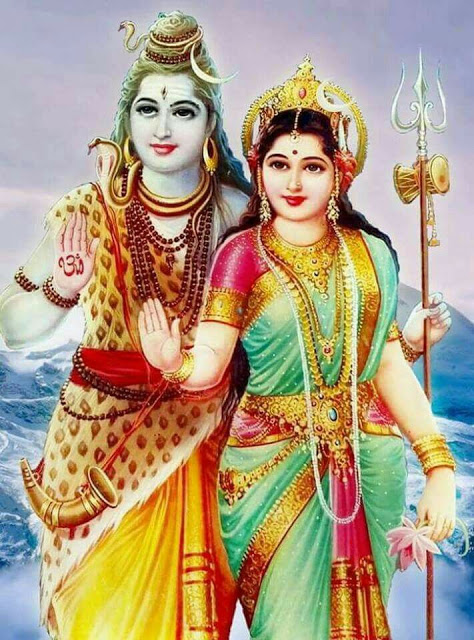
Since it was evening, Parvati and Parameswar were on their usual round. The soft breeze carried the sweet smell of the dishes to the gods. Parvati, being a woman wanted to taste the food and get the recipe. Parameswar (Siva) agreed.

Before the person came back they ate the food and replaced the bronze box with a golden box with magical powers.

When the person came back from the river he was very hungry and so spread the banana leaf and tried to empty the box. Nothing was inside but he noticed the box is a golden box now. And he turned it over on the leaf before him, and his plate (leaf) was full of the tastiest food in the world. Now he realised it was a gift with magic powers sent by the gods. He returned home hurriedly to tell his wife and others the story. Just to thank the deities who gave him the magic box husband and wife arranged a big party for the villagers.


Everybody heard the story about the bronze box becoming a golden box and it gave food for everyone and it never runs out. The word about miracle spread far and wide and he had a very jealous couple in the very next door. The jealous wife asked her husband to go on travel like him. She expected a bigger golden box. She also made pack lunch for him and asked to do everything the same way his neighbour did. He went on a trip and took rest like his neighbour. At that time a Brahma Rakshas ( Ghosts) couple were travelling along that path. When the jealous man went to take a bath the ghosts took his bronze box with food and left him a lead box with evil powers. When the jealous man saw the change in the bundle ran to his wife saying the box had changed. Without checking, his wife invited all the villagers for a lunch. When she emptied the box, the ghosts (brahma rakshas) appeared before everyone and cut off the persons’ nose.


The moral of the story is ‘Jealousy brings punishment in its train’.

–Subham-


ஸங்கீதப் பேய்; பிராமணப் பேய்! (Post No.4613)

Written by London Swaminathan 


Date: 13 JANUARY 2018


Time uploaded in London  6-54 AM


Post No. 4613

Pictures shown here are taken from various sources such as Facebook friends, Books, Google and newspapers; thanks.


WARNING: DON’T SHARE IT WITHOUT AUTHOR’S NAME AND  BLOG NAME. BE HONEST; OTHERS WILL BE HONEST WITH YOU.


திராவிடப் பூர்வகாலக் கதைகள் என்ற புத்தகததை 1886 ஆம் ஆண்டில் நடேச சாஸ்திரி என்பவர் வெளியிட்டார். அதில் 49 கதைகளை வெளியிட்டார். தான் கேட்ட கதைகளை தனது நினைவிலுள்ளபடி எழுதுவதாக வெளியிட்டார். அதில் சில கதைகளை நானும் சிறுவயதில் எங்கள் வீட்டில் சமையல் வேலை செய்துவந்த சுப்புலெட்சுமி அம்மாள் என்பவர் சொல்லக் கேட்டிருக்கிறேன். அந்தக் கதைகளை எனது சொற்களில் சுருக்கமாக வடிப்பேன்.


ஒரு ஊரில் ஒரு ப்ராஹ்மணன் இருந்தான். அவன் மிகவும் வறியவன்; வறுமையின் சின்னம்; வயிறு காய்ந்தது. ஏதேதோ செய்து பார்த்தும் காசு பணம் கிடைக்கவில்லை. சரி, போ! நாம் பூர்வஜன்மத்தில் செய்த பாபம் போலும்; நம் கர்மத்தைக் காசிக்குச் சென்று தொலைப்போம் என்று புறப்பட்டான. கட்டுச் சோறு கட்டிக் கொண்டான்; வழி நடந்தான்.


பாதி தூரத்தில் களைப்பு வந்தது; கண்டான் ஒரு தோப்பை; கொண்டான் ஆனந்தம்! அருகில் குளம்; தென்றல் வீசியது. கால் கை கழுவி விட்டு உண்போம் என்று குளத்தில் இறங்கினான். ‘கால் கை கழுவாதே’ என்று ஒரு குரல். ஓஹோ, களைப்பால் வந்த அலுப்பு! என்று சொல்லிவிட்டு கால், கைகளை அலம்பிவிட்டு சாப்பிட அமர்ந்தான். மீண்டும் ஒரு குரல்; ‘சாப்பிடாதே’ என்று;


இது ஏதெடா சிவ பூஜையில் கரடி புகுந்த கதை என்று சொல்லிவிட்டுச் சாப்பிட்டான். பின்னர் காசிக்குப் புறப்பட்டான். ‘போகாதே’ என்று ஒரு சப்தம்; இப்போது அவனுக்குக் கோபம் வந்தது. ஏய், யார் நீ? எங்கிருந்து குரல் கொடுக்கிறாய்? என்று கேட்டான்.

ஒரு பிரம்ம ராக்ஷஸன் அவன் முன் குதித்தான்; தன் பூர்வ ஜன்மக் கதைதனை உரைத்தான்.


பிரம்ம ராக்ஷஸ் என்றால் ‘ப்ராஹ்மணப் பேய்’ என்று பொருள்; தவறு செய்யும் ப்ராஹ்மணர்கள் அகால மரணம் அடைந்தால் பேய்—பிரம்ம ராக்ஷஸன் ஆகிவிடுவர்.


“நான் பூர்வ ஜன்மத்தில் நல்ல ஸங்கீத ஞானம் உள்ளவன்– என் இசை ஞானத்தை எவருக்கும் சொல்லிக் கொடுக்காமல் ஒளித்தேன்; மறைத்தேன்; ஆகையால்தான் இந்த கதி என்று சொல்லிவிட்டு எனக்கு ஒரு உபகாரம் செய்யேன் என்றது.


இந்த காட்டுக்கு வெளியே உள்ள ஒரு கோவிலில் ஒரு நாகஸ்வர வித்வான் இருக்கிறான். அவன் காலை, மதியம், மாலையில் அபஸ்வரத்துடன் வாசிக்கும் நாகஸ்வர இசை என் காதுகளில் ஈயத்தைப் பாய்ச்சியது போல இருக்கிறது; ஆகையால் என்னை இந்த நாகஸ்வர த்வனி கேட்காத தூரத்தில் கொண்டு போய் விடு; அது எனக்கு நீ செய்யும் பெரிய உதவி ஆகும் என்று பேய் சொன்னது.


அந்தப் ப்ராஹ்மணப் பேய் மீது கருணை கொண்ட இந்த ஏழைப் ப்ராஹ்மணன், அதற்கென்ன பேஷாய் உதவி செய்கிறேன். நீ எனக்கு எனக்கு என்ன பிரத்யுபகாரம் (பதில் உதவி) செய்வாய் என்று கேட்டான்.


அது சொன்னது: நீ காசிக்குப் போ. உன் கர்மத்தைத் தொலைத்துவிட்டு வா; அதற்குள் நான் மைசூர் மஹாராஜவின் மகளைப் போய் பிடித்துக் கொள்கிறேன் யார் வந்து பேய் ஓட்டினாலும் நான் அகல மாட்டேன். நீ வந்தவுடன் ஓடி விடுகிறேன்; மைசூர் மஹாராஜா உனக்கு பரிசு மழை பொழிவார் என்றது.


அந்தப் ப்ராஹ்மணனும் நல்ல ஐடியா  (IDEA) என்றான். ஆனால் ஒரு கண்டிஷன் (CONDITION) என்றது பிராஹ்மணப் பேய்.

அது என்ன நிபந்தனையோ என்று ப்ராஹ்மணன் வினவ, பேய் சொன்னது; நீ ஒரு முறை என்னை இப்படி விரட்டலாம் இரண்டாவது முறை எங்காவது என்னை விரட்ட வந்தால் உன் கதி ‘சகதி’ என்று எச்சரித்தது.

பிராஹ்மணன் காசிக்குச் சென்றுவிட்டுத் திரும்பினான். மைசூருக்கு வந்தான்; ஒரு கிழவி வீட்டில் தங்கினான்.

((தமிழ்த் திருடர்களுக்கு எச்சரிக்கை: உங்கள் குலம் வாழ வேண்டுமானால்தமிழ் வாழ வேண்டுமானால்இந்து மதம் வாழ வேண்டுமானால்எனது பிளாக் (blog)கில் உள்ள கட்டுரைகளப் பகிர்வோர்ப் எழுதியவர் பெயரையும் பிளாக்கின் பெயரையும் நீக்காமல் வெளியிடுக.

பாட்டி ஊரில் என்ன விசேஷம்? என்ன பார்க்கலாம்? என்றான்.

கிழவி சொன்னாள்: மகனே மஹாராஜாவின் மகளுக்குப் பேய் பிடித்துவிட்டது. அது பொல்லாத பிசாசு! யார் வந்தாலும் விரட்ட முடியவில்லை யாராவது விரட்டினால் பெரும்  தொகை கிடைக்கும் என்று மன்னன் அறிவித்துள்ளான் என்றாள்.


ப்ராஹ்மணன் மறு நாளைக்கு அரண்மனைக்குச் சென்று மஹாராஜாவிடம் பேய் ஓட்ட வந்ததாச் சொன்னான். முதலில் மன்னனுக்கு நம்பிக்கை இல்லை. பின்னர் முயன்று பார்ப்போமே என்று ப்ராஹ்மணனை  மகள் இருக்கும் அறைக்குள் அனுப்பினான்.

அவன் உள்ளே நுழைந்தவுடன், பிரம்ம ராக்ஷசஸ், அவனை அடையாளம் கண்டு ‘குட் பை’  (GOOD BYE) சொல்லிவிட்டுப் போனது போகும்போதே அது போட்ட ‘கண்டிஷனையும்’ நினைவுபடுத்தியது. இதற்கு மேல் என்னைத் தொடர்ந்து வந்தால் உன் கதி அதோகதி என்று சொல்லிவிட்டுப் போனது.


ப்ராஹ்மணன் பேய் ஓட்டிய செய்தி, மன்னனுக்குக் கிடைத்தது; அவனுக்கு அளவற்ற மகிழ்ச்சி; ப்ராஹ்மணனுக்கு ஏராளமான பரிசு; நிலபுலன்கள் கிடைத்தன.


சுகமாக ஊருக்குத் திரும்பி வாழ்ந்து வந்தான்; கல்யாணம் முடித்து குழந்தை குட்டிகளுடன் காலம் உருண்டோடியது.


ராமேஸ்வரம் போனாலும் சனீஸ்வரன் (சனைச் சரன்) விடாது என்பது பழமொழியல்லவா?


மைசூர் மஹாராஜாவிடம் இருந்து ஓடிய பேய் – ப்ரஹ்மராக்ஷஸ் – திருவனந் தபுரம் மஹாராஜாவின் மகளைப் போய் பீடித்தது. அவன் பெரிய பெரிய மலையாள மாந்த்ரீகர்களை எல்லாம் அழைத்துப் பேயை ஓட்ட முயன்றான்; பலிக்க வில்லை. அவனது ஒற்றர்கள் மூலம் மைசுர் மஹா ராஜா மகள் விஷயத்தை அறிந்து அந்த மந்திரவாதியைத் தமக்கும் அனுப்பிவைக்குமாறு ஓலை அனுப்பினான்.


திருவநந்தபுரம் மஹா ராஜா மீது  கருணை கொண்ட மைசூர் மன்னன், ‘நான் பெற்ற இன்பம் வையகமும் பெறுகவே’ என்று ப்ராஹ்மணனுக்குச் செய்தி அனுப்பினான். உடனே திருவனந்தபுரம் சென்று உதவக் கட்டளை இட்டான்.


ப்ராஹ்மணனுக்கு உதறல் எடுத்தது; இரண்டாம் தடவை அதே ப்ரஹ்மராக்ஷஸைச்  சந்தித்தால் தன் கதை முடிந்துவிடும் என்று தெரியும். இருந்தாலும் மன்னர் உத்தரவு என்பதால் திருவனந்தபுரத்துக்கு ஏகினான். பல்வேறு சாக்குப் போக்குகள்; நாள் நட்சத்திரங்களைச் சொல்லி பேய் ஓட்டுவதை ஆனமட்டிலும் தாமதித்தான்.

இந்தச் சாக்குப் போக்குகள் நீண்ட காலம் தாக்குப் பிடிக்கவில்லை. தனது சொத்து சுகங்களைப் பகிர்ந்து விட்டு சாகத் தயாராக அரனண்மனைக்குள் சென்றான்; மஹாராஜவின் மகளைப் பார்த்தான். அவளைப் பிடித்த பிரம்ம ராக்ஷஸும் ப்ராஹ்மனனைப் பார்த்தது. ஆத்திரம் கொண்டது; பெரிய உலக்கையைத் தூங்கிக் கொண்டு அவனை அடிக்க ஓடிவந்தது.


இதற்குள் பிராஹ்மனனின் அத்புத மூளை வேலை செய்தது. அந்தப் பேய் அருகில் வந்தவுடன் திருப்ம்பி ஓடுகிறாயா? அல்லது அபஸ்வர நாகஸ்வர வித்வானை உள்ளே வரச் சொல்லவா? இதோ அரண்மனை வாயிலின் அந்தப் பக்கத்தில் கோவில் நாகஸ்வர வித்வான் உன்னைப் பார்க்க காத்திருக்கிறான் என்று கத்தினான்.


இதை கேட்டவுடன் அந்த ஸங்கீதப் பேய் — ப்ராஹ்ம ராக்ஷஸ் — ஓட்டம் பிடித்தது.


தவறான ஸங்கீத ஒலிக்குப் பேயும் பயப்படும்!!!!!!!!!!!!!!!

((தமிழ்த் திருடர்களுக்கு எச்சரிக்கை: உங்கள் குலம் வாழ வேண்டுமானால்தமிழ் வாழ வேண்டுமானால்இந்து மதம் வாழ வேண்டுமானால்எனது பிளாக் (blog)கில் உள்ள கட்டுரைகளப் பகிர்வோர்ப் எழுதியவர் பெயரையும் பிளாக்கின் பெயரையும் நீக்காமல் வெளியிடுக. அல்லது சொல்ல நாக்கு கூசுகிறது…………………………. கடவுளே! என் நாவினால் ……………… சாபம் இட வேண்டாம்நீயே கவனித்துக்கொள்!))

–SUBHAM–

GHOST AND MUSIC STORY (Post No.4606)

Written by London Swaminathan 


Date: 11 JANUARY 2018


Time uploaded in London  8-31 AM


Post No. 4606

Pictures shown here are taken from various sources such as Facebook friends, Books, Google and newspapers; thanks.


WARNING: DON’T SHARE IT WITHOUT AUTHOR’S NAME AND  BLOG NAME. BE HONEST; OTHERS WILL BE HONEST WITH YOU.


India is a paradise for lovers of folk tales; all the Indian languages have hundreds of folk tales. Several people have collected them and published them for the benefit of the future generations. Natesa Sastri of Tamil Nadu has published some folk tales in Tamil and English. I am giving below my own translation of a folk tale about ghosts.

A poor Brahmin lived in a town in Tamil Nadu. He tried all the tricks in his bag to earn his livelihood but failed. So, he thought that it was his bad Karma (evil things he did) of the previous birth and it should be spent by going to Kasi—that is Varanasi, the holiest city for the Hindus. He started on his journey with some pack lunch.


In those days, people who go on pilgrimage or long journeys used to take packed lunch that will last at least for a few days. On his way he saw a shady tree and a tank. So he decided to take rest and have his lunch there. First he went to wash his hands and feet in the tank. But he heard a voice, “Don’t wash your hands and feet”. He ignored the warning and went ahead with his plans. When he was about to eat he heard the voice again warning him not to eat. But his hunger did not wait for anything and so he consumed his food. While he was about to leave the place, the third warning came saying not to proceed any further and to stop.


The poor Brahmin stopped and asked who the person was issuing such warnings. A Brahma Rakshas appeared before him and told him his story. Brahma Rakshas means a Brahmin Ghost. If a Brahmin does not do his duty and he meets with some untimely death, then that person will become a Brahmin ghost.

This Brahmin was very greedy and possessive and so he did not teach his music to anyone in the Purva janma/ previous birth and so he became a Brahmarakshas/ ghost. He continued his story saying that he was now tormented by the bad music of a Nagaswara Vidwan in a temple just outside the forest. The ghost requested the poor Brahmin to take it to another place where he cant hear music with any bad or discordant notes (Abaswara).


Nagaswara= traditional music pipes in Tamil Temples

Vidwan = a musician or a scholar


The poor Brahmin readily agreed and asked what he would get in turn. The ghost told him that it would enter the daughter of Mysore Maharaja, King of Mysore, and wait for the Brahmin to return from Kasi/Benares. As soon as he comes into the room of King’s daughter he would run away and the king would give him a big prize. The verbal agreement was done and executed. The ghost put one condition. The Brahmin should do the ghostbusting only once and if at all he tried for the second time he would be finished.


After a few months, the Brahmin returned from Kasi via Mysore. He stayed there in an old woman’s house. When he asked the lady the latest news in that part of the country, the lady told the Brahmin that the king’s daughter was possessed by a ghost and not even the biggest magician or sorcerer of the land could drive it away. And the king had announced a big reward for any one driving the ghost out.  Immediately the Brahmin planned his next move.

When he went to the king the next day, the king did not have much faith in him but allowed him to try ghost busting. As soon as the poor Brahmin entered the room of king’s daughter, the Brahmarakshas recognised the Brahmin and ran away reminding him the condition (that he should not try sorcery for the second time). When the king’s daughter became a normal woman, the king was very happy and gave the Brahmin several villages and a bag of gold coins.


The Brahmin went home and settled happily in life. As the time went by the Brahmarakshas went to the palace of king of Thiruvananthapuram (Kerala) and now his daughter was possessed with this Brahmarakshas. That king also tried all the sorcerers to drive it away. When all the attempts failed, he came to know that Mysore Maharaja tried one magician and succeeded. Somehow They found out the address of this Brahmin and contacted him through Mysore Maharaja. It gave him jitters.


The Brahmin had to go to Thiruvananthapuram under the orders of Mysore Maharaja. He went and dragged the matter for many months without visiting the palace citing bad omens. One day he made up his mind and arranged everything for the future of the family and boldly went into the palace. He thought that it was his last day on earth.


He entered the room where the possessed girl was sitting. As soon as he entered the room the Brahmarakshas- Brahmin ghost- recognised him and reminded its condition. It took a big iron rod and came running to attack the Brahmin. His body was shivering but his brain worked. He shouted

“If you come near me I will call the Nagaswara Vidwan’ (of discordant note) to come here. He is waiting just outside”. The minute the ghost heard the name of the Abaswara (discordant note, out of tune) Nagaswara musician it ran away from the palace itself! The daughter of the king became normal. The king was extremely happy and gave the Brahmin a big pot of gold coins and lot of villages.


Even ghosts hate music with discordant notes!

Sing well or Don’t sing at all!


–Subham–


கண்ணதாசனின் அதீத உளவியல் ஆற்றல்! -2 (Post No.4577)

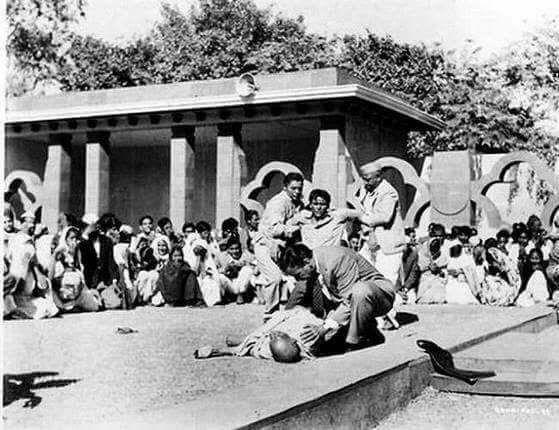
MAHATMA GANDHI SHOT DEAD

Date: 3 JANUARY 2018


Time uploaded in London- 6-50 am


Written by S NAGARAJAN


Post No. 4577

Pictures shown here are taken from various sources such as Facebook friends, Books, Google and newspapers; thanks. Pictures may not be related to the story. They are only representational.


முதல் கட்டுரை எண் 4551 – 27-12-2017 அன்று வெளியாகியுள்ளது. அதைப் படித்து விட்டு இங்கு தொடரவும்.


கண்ணதாசனின் ஈ.எஸ்.பி. பவர் (E.S.P.Power) – அதீத உளவியல் ஆற்றல்! -2


ச.நாகராஜன்

6

சேலத்தில் கவிஞர் வாழ்ந்த காலத்தில் ஒரு நாள். அவர் ‘அமைச்சர்’ என்ற இதழின் நிர்வாகியான அருணாசலம் என்ற அருணனிடமும் (அருணாசலம் பின்னாளில் அருணோதயம் பதிப்பாளர் ஆனார்), கவிஞரின் எழுத்துக்களைத் தொலைபேசி வாயிலாகக் கேட்டு அவர் சொல்லச் சொல்ல எழுதி வந்தவருமான கற்பூரபாண்டியனிடமும் தான் கண்ட கனவைத் துயரத்துடன் விவரிக்கிறார்.


“28-1-1947 அன்று இரவு பயங்கரமான கனவு ஒன்றைக் கண்டேன். மகாத்மா காந்தியை யாரோ சுட்டு விடுகிறார்கள்’ என்றார் கவிஞர்.

“அந்த மனிதருக்கா அப்படி ஆகும்” என்று அவர் கூற்றை மறுத்து இருவரும் கேலி செய்கிறார்கள்.

ஆனால் 30-1-1947 இரவு 7 மணி செய்தியில் வானொலி மகாத்மா காந்திஜியை கோட்ஸே சுட்டுக் கொன்றதை அறிவித்த போது அனைவரும் விக்கித்துப் போயினர்.


7

மழை இல்லாத காலத்தில் எல்லாம் கவிஞர் மழை பொழிக என்று சொன்னவுடன் மழை பெய்தது.

1972இல் வரலாறு காணாத வறட்சியைத் தமிழகம் கண்டது. ஏரி, குளம், ஆறு அனைத்தும் வறண்டன.

மக்கள் தவிதவித்துப் போயினர்.


கம்பன் விழாவில் கலந்து கொள்ள பாண்டிச்சேரி சென்றார் கவிஞர். உடன் சென்றவர் அவர் உதவியாளர் இராம. கண்ணப்பன்.


பாண்டிச்சேரியிலும் மழை இல்லை.ஒரே வறட்சி.

விழாவின் இறுதி நாளன்று பேசிய கவிஞர் சொன்னார்:” நான் கண்னனை வணங்குவது உண்மை எனில் புதுச்சேரி எல்லையைக் கடக்கு முன் மழை பெய்ய வேண்டும். பரந்தாமன் இங்கு நான் கொடுத்த வாக்கைக் காப்பாற்றுவான்.”

அவர் வாக்கு பொய்க்கவில்லை.

வருணன் அதைக் கேட்டான். ஓடி வந்தான்.

பேச்சை முடித்து கவிஞர் திண்டிவனம் வந்து சேர்ந்த போது புதுச்சேரி மழையில் மிதப்பதாக்ச் செய்தி வந்தது!

இன்னும் இரு சம்பவங்கள்.


ஒன்று மதுரை அன்பர் ஒருவர் குமுதம் இதழுக்கு ஒரு கடிதம் எழுதி கவிஞர் மதுரையில் மழை. பெய்யப் பாட வேண்டும்” என்றார்.


கவிஞரும் பாடினார்:


23 வரிகள் கொண்ட பாடல்.

அதில் முதல் ஆறு வரிகளையும் கடைசி ஆறு வரிகளையும் இங்கு தருகிறேன்:

ஞானம் தூங்கினால் நல்லறம் தூங்குமே

நலங்கள் தூங்கினால் நானிலம் தூங்குமே

கானம் தூங்கினால் கலைகளும் தூங்குமே

கலைகள் தூங்கினால் காவியம் ஏங்குமே

தானம் தூங்கினால் தவங்களும் தூங்குமே

தவங்கள் தூங்கினால் தருமமும் ஏங்குமே ….


வண்ணமாம் மின்னல்கள் வளரொளி நடனங்கள்

காணத் துடிக்கிறோம் கவின் மழை பொழிக நீ!

தேனின் துளிகளைத் தேசத்தில் ஊற்றுக.

சேரும் நதிகளில் திருப்புனல் காட்டுக

ஆனினம் உயிரினம் அனைத்தும் வாழவே

ஐய பெய்கவே, அம்மையே பெய்கவே!


ஏதோ வருணன் தனது உயிர் நண்பன் போலப் பாடலைப் பாடி விட்டார் கவிஞர்.

மழை பெய்யுமா? குமுதம் இதழைப் படித்த மக்கள் ஆவலுடன் எதிர்பார்த்தனர்.

பெயதது. கொட்டோ கொட்டு என்று மழை பெயதது.

வருணன் தன் உற்ற நண்பனைக் கைவிடவில்லை.

குமுதம் என்று மதுரையை அடைந்ததோ அன்றே மழை!

நண்பருக்கும் ஆச்சரியம், மக்களுக்கும் ஆச்சரியம்.

நன்றியை அனைவரும் தெரிவித்தனர்.

இதே போல சென்னையில் வானதி பதிப்பகத்தார் மயிலாப்பூர் கபாலீஸ்வரர் கோவிலில் மழை வேண்டி ஒரு விசேஷ கவியரங்கம் ஏற்பாடு செய்திருந்தனர்.

கவிஞரும் அதில் பங்கேற்றார்.


பனிரெண்டு அறுசீர் விருத்தச் செய்யுள்களை அங்கு அவர் பாடினார்.


வான் முட்டும் கோபுரங்கள்

வானுக்குச் செய்தி சொல்வீர்!

தேன்முட்டும் இதழாள் சக்தி

தேவியைத் துயிலெ ழுப்பீர்!

கான்முட்ட மழைபொழிந்து

காவிரி பெருகி ஓடி

மீன்முட்டும் வெள்ளக் காடாய்

வியன் நிலம் ஆவதாக!

என்று இறுதி விருத்தத்தை முடித்தார்.

கவியரங்கம் முடிந்தது. மயிலை கபாலீஸ்வரர் கோவிலிலிருந்து கிளம்பினார் கவிஞர். தியாகராய நகர் வருவத்ற்குள் அடை மழை கொட்டியது.

இப்படிப் பல சம்பவங்கள்!!


இந்தச் சம்பவங்கள் கட்டுக் கதை அல்ல! அவரது உதவியாளராக இருந்த இராம கண்ணப்பன், “கண்ணதாசனின் அர்த்தமுள்ள அனுபவங்கள்” என்ற நூலில் இவற்றைத் தெரிவிக்கிறார்.

(புத்தக வெளியீடு: கங்கை புத்தக நிலையம், தி.நகர், சென்னை – 17 – முதல் பதிப்பு டிசம்பர் – 1991 – 181 பக்கங்கள்)

நமது நன்றி இராம கண்ணப்பனுக்கு உரித்தாகுக!


8

குமுதம் இதழில் வாரம் ஒரு கவிதையை எழுதி வந்தார் கவிஞர்.

ஒரு இதழில் கவிதை ஒன்று வெளியானது.

தாலாட்டுக் கவிதை அது.

கவிஞரின் அண்ணனான ஏ.ஏல்.சீனிவாசனுக்கு பேரக்குழந்தை பிறந்தது.கவிஞருக்கும் பேரன் தானே! பாடினார்:


அவனை எழுப்பாதீர் அப்படியே தூங்கட்டும்

கண்ணை விழித்திந்த காசினியைப் பார்க்குங்கால்

என்ன துயர் வருமோ எங்கெங்கே அடி விழுமோ

மோதல் வருமோ முறைகெடுவார் துயர் வருமோ

இந்த வயதினிலே இப்பொழுதே தூங்குவதே

சுகமான தூக்கம், அவன் சுகமாகத் தூங்கட்டும்”


துரதிர்ஷ்டவசமாக ஒரே வாரத்தில் குழந்தை இறந்தது.

அப்படியே தூங்கட்டும்; அவனை எழுப்பாதீர் என்று எழுதியதில் அறம் வைத்துப் பாடி விட்டேனோ. சுகமாகத் தூங்கட்டும் என்று சொல்லிய போது ஒரே நீள் தூக்கமாகப் போயிற்றே!


கவிஞரின் மனம் சமாதானம் அடையவில்லைல். புலம்பினார்.

அவனை எழுப்பாதீர், அப்படியே உறங்கட்டும்

என்றே நான் எழுதியதன் ஈரம் உலரவில்லை

அறம்பாடி விட்டேனோ அறியேன் சிறுகுருவி

திறம்பாட முடியாமல் செத்த கதை பாடுகிறேன்”


கண்ணதாசனின் கதறலை அடுத்த இதழ் குமுதம் தாங்கி வந்தது. மக்களும் சேர்ந்து அழுதனர்; கவிஞனின் சொந்தத் துக்கத்தில் பங்கு கொண்டனர்.


9

கவிஞனின் வாக்குப் பொய்க்காது என்பது அவர் அடிக்கடி சொல்லும் ஒரு வரி.

அதை ஏனையோரும் ஏற்றனர்; அதன் நிரூபணத்தையும் அடிக்கடி பார்த்து வந்தனர்.

அவரது சக்தி அபூர்வமான ஒன்று. தமிழை அருவியெனக் கருத்து வெள்ளத்துடன் கொட்டியதில் மட்டும் விஞசவில்லை கண்ணதாசன்.


கண்ணனின் அருள் தாங்கி ஒரு அருள் சக்தியும் கொண்டு வாழ்ந்து வந்தார்.

சமீப காலத்தில் தமிழகம் கண்ட ஒரு “சக்தி” பெற்ற “கவிஞர்” அவர் என்பதுடன் இந்தத் தொடரை முடித்துக் கொள்வோம்.

***

எனது நன்றி : இராம கண்ணப்பன் அவர்களுக்கு – பல நல்ல விஷயங்களை அப்படியே காற்றோடு போக விடாமல் எழுத்திலே பதிவு செய்தமைக்காக!


(இந்த இரு கட்டுரைத் தொடர் முற்றும்)


கண்ணதாசனின் ஈ.எஸ்.பி. பவர் (E.S.P.Power)- Post No.4551

Date: 27  DECEMBER 2017


Time uploaded in London- 5-39 am


Written by S NAGARAJAN


Post No. 4551

Pictures shown here are taken from various sources such as Facebook friends, Books, Google and newspapers; thanks. Pictures may not be related to the story. They are only representational.


கண்ணதாசனின் ஈ.எஸ்.பி. பவர் (E.S.P.Power) – அதீத உளவியல் ஆற்றல்!

ச.நாகராஜன்


1

கவியரசு கண்ணதாசனுக்கு ஈ.எஸ்.பி. பவரா? இது என்ன புது தகவல் என்று வியக்க வேண்டாம்.

அதீத உளவியல் ஆற்றல் என்பது சில மனங்களுக்குக் கை கூடும்.

அந்த ஆற்றல் இருப்பதும் கூட சிலருக்குத் தெரிய வரும்.

சரி, கண்ணதாசன் தன்னைப் பற்றி இந்த விஷயத்தில் என்ன சொல்கிறார் என்று பார்ப்போம்.

2


ஞான ஸ்நானம் என்ற கட்டுரையில் ஒரு ப்குதி!


கண்ணதாசன் சொற்களை அப்படியே கீழே தருகிறோம்:


தோன்றாமல் தோன்றும் சுடரொளி ஒன்று அடிக்கடி என்னைக் காப்பாற்றுகிறது. அமைதியைத் தருகிறது.


என்ன நடக்கப் போகிறது என்பது கனவிலே வருகிறது.


பத்து நாட்களுக்கு முன்பு பெங்களூர் மண்டிப்பேட்டையில் ஒரு ஹோட்டலைத் திறந்து வைக்கச் சென்றேன்.


விமானம் போய் இறங்கியபோது மாலை மணி நான்கு. படுத்துத தூங்கிவிட்டேன்.

ஒரு கனவு. அற்புதமான கனவு.

கண்ணன் என் கனவிலே வந்தான். ஒரு சிறு குடிசையில் அவனுக்கு நான் அமுது படைத்தேன். அவன் என்னோடு பேசிக் கொண்டிருந்தான். என்னென்னவோ அவனிடம் பேசினேன். அவன் சொன்னது  மட்டும் நினைவிருக்கிறது. “எல்லாம் சரியாக நடக்கும், கவலைப்படாதே.”


மறுநாளைக்கு மறுநாள் என் வீட்டில் தூங்கிக் கொண்டிருந்தபோது ஒரு கனவு.

ஒரு பெருமாள் கோயில். ஒரு பட்டாச்சாரியார் எனக்குக் குங்குமம் வழங்குகிறார்.

இவை என்ன கனவுகள்?

நல்லவர்களுக்கும் ஞானிகளுக்கும் மட்டுமே வரும் கனவுகள். எனக்கும் அவை ஏன் வந்தன? பல்லாயிரம் ஆண்டுகளாக ஞானம் பிறந்த கதை இது தான்.

சிறைச்சாலை தீயவர்களுக்கு மட்டுமே.அறச்சாலை நல்லவர்களுக்கு மட்டுமே.

பரம்பொருளைப் பற்றிய சிந்தனை வளர வளர, கொடுமைகளைத் தாங்கிக் கொள்ள முடிகிறது..நல்லவனாக இருப்பது சுல்பமாகிறது.


இறைவன் கவனித்துக் கொண்டே இருக்கிறான். அளக்க வேண்டிய நேரத்தில் அளக்கிறான். இந்து தர்மம் பொய்த்ததே இல்லை.

அது சொல்லும் ஒவ்வொன்றும் நூற்றுக்கு நூறு உண்மை.

நான் ஓர் இந்துவாக இருப்பதில் பெருமைப்படுகிறேன்.


ஒரு நல்ல இந்து மற்றவர்களுக்குத் தீமை செய்ய மாட்டான்.

நான் யாருக்கும் தீங்கிழைத்ததில்லை.

ஒவ்வொரு நாளும் எனக்குத் தீங்கிழைத்த பாவிகளை என் கண்ணா, நீ மன்னித்து விடு.

*


1975ஆம் ஆண்டு கல்கி வார இதழில் கடைசிப் பக்கம் என்ற ஒரு தொடரை கண்ணதாசன் வழங்கி வந்தார்.

அருமையான தொடர் இது. இதில் தான் மேற்கண்டவாறு என்ன நடக்கப் போகிறது என்பது என் கனவிலே வருகிற்து என்று அவரே சொல்லியுள்ளார். (துரதிர்ஷ்டவசமாக் எந்த தேதியிட்ட இதழ் என்பதை நான் எனது தொகுப்பில் குறித்து வைக்க மறந்து விட்டேன்.)


விவரங்களை முழுதுமாக அவர் தரவில்லை. அது ஏன் என்பதும் புரிகிறது. பாவிகள் ஒவ்வொரு நாளும் இழைக்கும் தீங்குகளைப்  பட்டியல் இட முடியுமா? அதைச் சுட்டிக்காட்டும் இறைவனின் கருணையையும் தான் எழுதிக் கொண்டே இருக்க முடியுமா?

நமக்குப் புரிவது கண்ணதாசனுக்கு அபூர்வமான ஈ.எஸ்.பி. பவர் இருந்தது என்பதைத் தான்.

ஈ.எஸ்.பி பவர் என்றால் என்ன?

Extra Sensroy perception  என்பதன் சுருக்கமே  E.S.P. அதாவது புலன் கடந்த அறிவு. அதீத உளவியல் ஆற்றல் என்று இதைச் சொல்கிறோம்.

*

3

இனி இளையராஜா கூறும் ஒரு சம்பவத்தை அவர் சொற்களில் அப்படியே தருகிறேன்.

‘கவிஞர் என் கனவில் வந்தார்; பாடல் எழுதினார்’ என்ற கட்டுரையில் ஒரு பாரா இது:

கவிஞர் சரஸ்வதி தேவியின் அருள் பெற்றவர். அவருடைய வாக்குப் பொய்த்ததே இல்லை. அதற்கு எத்தனையோ பாடல்களை உதாரணமாகச் சொல்லலாம். ‘பாட மாட்டேன்!’ என்ற அடிகளைப் பாடியதால் தான், கே.ஆர். ராமசாமி அந்த்ப் பாடலுக்கப்புறம் பாடவே முடியவில்லை. இதெல்லாம் நீங்கள் அறிந்ததே.

**

4

கவிஞருடன் கூடவே இருந்த இராம. முத்தையா ‘தெய்வத்தை ந்ம்பி ‘ என்ற கட்டுரையில் கூறும் ஒரு வரி இது”

அவர் அடிக்கடி சொல்லிக் கொள்வது- “எனக்குள் ஏதோ ஒரு சக்தி  இருக்கிறது. அந்த சக்தியால் தான் நான் எதையும் செய்ய முடிகிறது!” என்று.

**

5

மேலே கூறியவற்றால், கவிஞருக்கு நடக்கப் போகும் பல நிகழ்ச்சிகள் பூடகமாகத் தெரிந்தன் என்றும். ஒரு அளப்பரிய சக்தி உதவியுடன் அவர் இயங்கினார் என்றும், அவரது கவிதா வாக்கு பொய்க்காமல் இருந்தது என்றும் அறிய முடிகிறது.

இன்னும் சில நிகழ்ச்சிகள் உள்ளன. அவை கவிஞரின் கவிதா சக்தியின் மேன்மையையும், அவரது அதீத உளவிய்ல் ஆற்றலையும் விளக்குபவை.

அவற்றை இன்னொரு கட்டுரையில் காண்போம்.

****


Miracles in the Life of Kerala King Kulasekara! (Post No.4416)

Written by London Swaminathan 


Date: 20 NOVEMBER 2017


Time uploaded in London- 18-49


Post No. 4416

Pictures shown here are taken from various sources such as Facebook friends, Books, Google and newspapers; thanks.

Alvars are Vaishnava saints of Tamil Nadu. They are 12 in number. They were the famous authors of Nalayira Divya Prabandham, a collection of 4000 divine poems praising Lord Vishnu. They stand on the same footing of sanctity as Tevaram of the three Tamil Saiva saints. Kulasekara was the king of Kerala and one of the 12 Alvars.


Though he discharged his duties as a king regularly he was deeply involved in practising the ancient customs. As part of it he used to listen to Ramayana every day from his Guru. When he was engaged in hearing the story, he came to the stage of Khara Vadha—Killing of demon Kharan by Rama single handily. When he came to know that Rama was fighting single all alone, he ordered his army to march to back up Rama. He also put on his armours and went forth to help Sri Ramachandra. Rama lived several thousand years before Kulasekara, but he travelled back in Time, only mentally.


There was another occasion when his Guru was narrating the portion of Ramayana where Rama began to cross the sea to Sri Lanka. Immediately he armed himself and went into the sea with his retinue of soldiers!

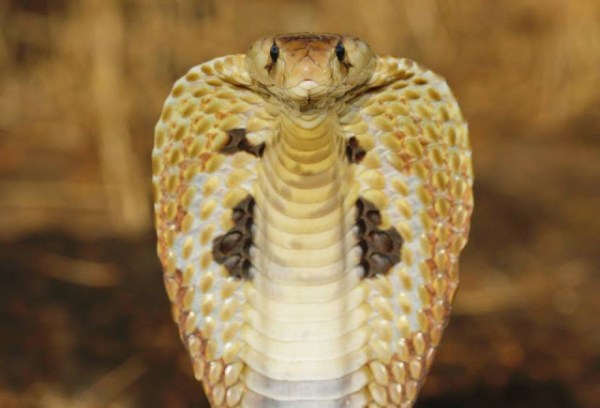
These incidents and his deep emotional involvement made the ministers to devise a plan to keep him away from the Vaishnava devotees. They want to get rid of them so that he would pay more attention to his royal duties. They deliberately removed the costly jewels from the deity he worshipped and attributed the theft to his Vaishnava devotees and the priest. But Kulasekara did not believe it because he had so much faith in them. He offered put his hand in a pot containing cobras. If the cobras did not bite, it was a monumental proof of the innocence of the Vaishnava devotees and the criminal offence of the ministers. The cobras did not harm him. The ministers realised his sincerity and begged for pardon.


Later he crowned his son as the king and retired to lead a life of penance and prayer. He made an extensive pilgrimage to all the Vaishnava temples in South India. When he reached Mannarkoil in Tirunelveli district his soul departed from his body. He is the one who composed the well known Mukundamala in Sanskrit in addition to his Tamil poems ‘Perumal Tirumozi’ in Divya Prabandham.

He was very fond of Tirupati Balaji known as Thiruvenkaathan or the Lord of the Venkata Hills. The Lord of the Seven Hills is known as Venkatachapathi. He made very strange requests to Him in a decad.

“Oh Lord, Make a fish in the stream of Venkata Hills. Change me in to a crane in the Holy Hills. Let me be a servant holding a plate for you. Or at least make me a bush, a pathway, a flower or anything in the hills. It was heart melting poems.


Hindus believe that the dust of devotees has more powers than the Lord himself. He wanted to be a part of the dust of millions of devotees marching to see the Lord up above the seven hills. He wanted to hear the reverberating slogans of ‘Govinda, Govinda’ from the devoted pilgrims. So he wanted to be an animate or inanimate thing on the hills. A novel idea! His intense devotion is expressed in the aptest and most beautiful words in his poems. Very often the Vaishnava singers sing his poems in public platforms and the listeners are visibly moved.

–Subham–

STRANGE VEDIC RITUALS AND MANTRAS TO OBTAIN RAIN (Post No.4298)

Written by London Swaminathan


Date:13 October 2017


Time uploaded in London- 18-42


Post No. 4298

Pictures shown here are taken from various sources such as Facebook friends, Books, Google and newspapers; thanks.


Vedic seers (rishis) believed in the extraordinary powers of the sound. They believed that certain intonations can do miracles. They were highly civilized and cultured and used metres in the poems to derive power. It is amazing to see such thinking before other civilizations never wrote poems following prosody or a set of grammar rules.

Following articles posted by me have the full details:

Vedic metrs | Tamil and Vedas

https://tamilandvedas.com/tag/vedic-metrs/

Translate this page

These are the Vedic metres, part of prosody (the study of versification, especially, the systematic study of metrical structure). Vedic Hindus paid so much attention …


Vedic grammar | Tamil and Vedas

https://tamilandvedas.com/tag/vedic-grammar/

So they named all the Vedic metres after women starting from Gayatrimetre (24 syllables) and the speech as Vac or Sarasvati or Bharati. Some stanzas of the …


Vedas and science | Tamil and Vedas

https://tamilandvedas.com/tag/vedas-and-science/

Posts about Vedas and science written by Tamil and Vedas. … The term ‘Chandas’ (metre) normally sets a limit to the number of words used in a ‘Rik’; at a …


Vedic riddle | Tamil and Vedas

https://tamilandvedas.com/tag/vedic-riddle/

Posts about Vedic riddle written by Tamil and Vedas. … Seven hands are explained as seven metres of the Vedas. Triple bonds are Mantra, Kalpa and …


Satapata Brahmana has very interesting information   regarding this. Unless we do proper scientific research, we would not know the full significance of it. Even though Sayana and several others before him tried to interpret Vedas, traditionalists never acknowledged it. They believed mantras have sound effect and there is no need to know the meaning.

Looking at the mantras in the Brahmana literature we would also think the same, because many of them have no meaning literally or the meaning would be ‘silly’.


Here are some passages from the Brahmanas:

“On account of the metres of the first three days being ascending, the fire blazes up, for the upper regions belong to fire. On account of the metres of the middle three days being crossed, the wind blows across. The wind moves across the other regions, and the waters flow also across; for the region which is across the others belong to the wind. On account of metres of the last three days being descending, that one (i.e. the sun) burns downwards, the rain falls down, and the constellations in the heaven sends their light down. For the region which goes down belongs to the sun”.


“The strength of the metres was exhausted by the gods, for it was by the metres that the gods attained the world of heaven.   And the response song is ecstasy – what ecstasy there in the Rik and that is there in the Saman, that is sap. This sap now he lays in the metres and thus makes the metres of restored strength, and with them of restored strength, they perform the sacrifices”—Satapata Br. 4-3-2-5


The science of the Vedas is most intimately connected with  the rhythm and metres of the Vedas. Vedic Hindus had great faith in the stupendous powers of different metres, employed in the several mantras  recited at the sacrifices, the number of feet in each, the variety of the feet, and the manner in which these occurred, as stated above, for example.

In the Aitareya Brahmana we have the following: –

“Which has its analogy in the fact that great people, when travelling to a distant place, yoke to their carriage at every station fresh horses or oxen which are not fatigued. Just in the same way the sacrificers travel to the celestial world by employing at every station fresh metres representing the horses or oxen which are not fatigued”.


Here is another way of obtaining rain: On the fourth day of the Dvadasa Sacrifice, the singers make ‘Nyunkha’ of the syllable ‘Vach’ by pronouncing it with a tremulous voice increasing and decreasing the tone. This serves to make the fourth day particularly important. Because the ‘Nyunkha’ (the special mode of intoning vach) produces food for the singers seeking a livelihood, wander about to make food grow by their singing for rain’- Aitareya Br. Haugh Vol. bii. P 323


Food and rain are thus produced by making Nyunkha. The power of Nyunkha to bring rain must be explored scientifically. I believe that the sound waves and water were used by the Vedic Hindus to give one a boon or throw a curse.

The power of Kusa/Dharba grass is also known only to Vedic Hindus. We must do scientific research.


–Subham–