“உலக அழிவு” பற்றி மகாபாரதம்

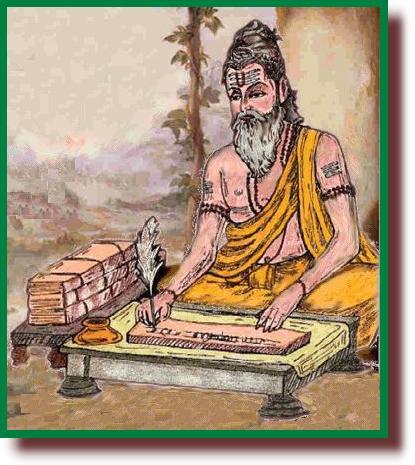
மகா பாரதத்தில் இல்லாதது எதுவும் இல்லை. “வ்யாச்சோசிஷ்டம் ஜகத் சர்வம்” என்பது பெரியோர் வாக்கு. அதாவது வியாச முனிவரின் எச்சில்தான் இந்த உலகம் முழுதும். அவர் வாயில் விழாத சப்ஜெக்ட் (விடயம்) இப்பூவுலகில் எதுவும் இல்லை. முன்னரே வெளி உலக வாசிகள் பற்றியும், பீஷ்மரின் ஊசி மருத்துவம் (அக்யுபன்க்சர்) பற்றியும் காலப் பயணம் பற்றியும் (டைம் ட்ராவல்) தனித் தனி கட்டுரைகள் எழுதிவிட்டேன்.

இப்பொழுது மாயன் காலண்டரில் உலக அழிவு பற்றி இருப்பதாக வதந்தி கிளம்பி இருப்பதால் எல்லோருக்கும் இதில் ஆர்வம் பிறந்திருக்கிறது. மகாபாரதம் கலியுக முடிவு பற்றி என்ன சொல்லி இருக்கிறது எனபதைச் சொல்லுகிறேன். பல இடங்களில் உலக முடிவு பற்றிப் பேசப்பட்டாலும் வன பர்வத்தில் கலியுகத்தின் இறுதிக் காலம் பற்றி விரிவாகக் காணலாம்.

நம்மைப் போலவே பாண்டவர்களில் மூத்தவரான தர்மருக்கும் இதில் ஆர்வம் இருந்திருக்கிறது. இது ஒரு அதிசயமான, ஆர்வமூட்டும் விஷயம் என்று பீடிகை போட்டுவிட்டு, மார்க்கண்டேய முனிவரிடம் கீழ்கண்ட கேள்விகளைக் கேட்கிறார் தர்மர்:

தர்மங்களும் நற்குணங்களும் அழிந்தபின்னர் என்ன நடக்கும்? அப்போது மனிதர்கள் என்ன உண்ணுவார்கள், எப்படிப் பொழுதைக் கழிப்பார்கள்?, அவர்கள் எந்த அளவுக்கு பலம் உடையவர்களாக இருப்பர்? கலியுகம் முடிந்த பின்னர் கிருத யுகம் துவங்குமா?

(தர்மரின் கேள்விகளை இந்தக் காலத்தில் படிக்கும்போது நம் முன்னோர்கள் எவ்வளவு தீர்க்க தரிசனம் படைத்தவர்கள் என்று எண்ணி வியக்க வேண்டியுள்ளது. அன்றாட உப்பு ,புளி, மிளகு பற்றிப் பேசாமல் இந்தப் பூவுலகின் தோற்றம், முன்னேற்றம், முடிவு குறித்து சிந்திப்பதை வேறு எங்கும் காண முடியாது. இந்துப் புராணங்களிலும் மகாபாரதத்திலும் மட்டுமே காண முடியும்)

மார்கண்டேய முனிவரின் பதிலில் உள்ள ‘பாயிண்டு’களை மட்டும் பார்ப்போம்:

1.கிருத (சத்திய) யுகத்தில் ஏமாற்று, மோசடி, பேராசை, பொய் கிடையாது. அப்போது தர்மம் என்னும் மாட்டுக்கு நான்கு கால்கள் இருந்தன. திரேதா யுகத்தில் பாவங்கள், ஒரு காலை வெட்டிவிட்டன. அடுத்த தூவாபர யுகத்தில் பாவங்கள் பெருகி அறம் அழியவே தர்மத்துக்கு இரண்டு கால்கள் மட்டுமே எஞ்சின. கலியுகத்திலோ இது ஒரே கால் ஆகிவிடும்.

2.ஒவ்வொரு யுகத்திலும் மனிதனின் உடல் பலம், ஆன்ம பலம், புத்தி ஆகியன குறைந்து கொண்டே வரும். கலியுகத்தில் நான்கு வருணத்தாரும் பொய்யாக ஆசார அனுஷடானங்களைப் பின்பற்றுவர். ஒருவரை ஒருவர் ஏமாற்றுவர். போலி அறிஞர்கள் பொய்மை வாதத்தால் உண்மையை மறைப்பர். ஆயுள் குறைவால அதிகம் கற்க முடியாது. கல்விக் குறைவால் விவேகம் வராது. பேராசை, காமம், கோபம், அறியாமை ஆகியவற்றால் ஒருவரை ஒருவர் வஞ்சிப்பர். முதல் மூன்று ஜாதியினர் நாலாவது ஜாதி அளவுக்கு தாழ்ந்து விடுவர்.

3.மீன், ஆடு முதலிய உணவு அதிகரிக்கும். பசுமாடுகள் குறைந்துவிடும். ஆசை காரணமாக ஒருவரை ஒருவர் கொல்லுவர். மனைவியர் நண்பர்கள் போல இருப்பார்கள். திருடர்கள், நாஸ்தீகர்கள் அதிகரிப்பர். தானியங்கள் விளையாமையால் ஆறுகளிலும் ஏரிகளிலும் இறங்கி பயிர் செய்வர். அப்படியும் வறண்ட பூமியாகவே இருக்கும்

4. அப்பன் , மகன் சொத்தையும், மகன் அப்பன் சொத்தையும் அபகரிப்பன். சாஸ்திர விதிகளுக்குப் புறம்பான விஷயங்களை அனுபவிப்பர். பிராமணர்கள் வேதங்களை நிந்திப்பர்.. ஹோமம் முதலியவற்றைப் பின்பற்றார்.

5.மிலேச்சர் போன்று நடக்கத் துவங்குவர். யாக யக்ஞங்கள் நடக்காது. மகிழ்ச்சி குறையும். பலமும் அறிவும் குறையும் ஒருவர் ஒருவருடன் வாதிடுவர். காக்கும் தொழிலில் உள்ளவர்கள் தண்டனை அளிப்பதில் மட்டும் கருத்தைச் செலுத்துவர். அவர்கள் நேர்மையான மக்களையும் அவர்களுடைய குழந்தைகள், மனைவிமார்களையும் அபகரிப்பர்.

6. மனைவிமார்கள், கணவனுக்கு பணிவிடை செய்யார். பார்லி, கோதுமை விளையும் நாடுகளை நோக்கி மக்கள் செல்லுவர். ஆண்களும் பெண்களும் ஒருவரை ஒருவர் மதியார். வருண வேறுபாடுகள் அகன்று எல்லோரும் ஒரே மாதிரி இருப்பர். தோட்டங்களையும் மரங்களையும் அழிப்பர்.ஐயோ போன்ற கதறல்கள் அதிகரிக்கும்.
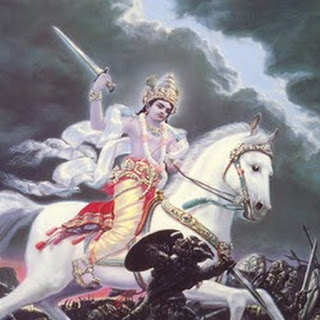
கல்கி அவதாரம்

7. சூரியன், சந்திரன், குரு மூவரும் புஷ்ய நட்சத்திரத்துடன் ஒரே ராசியில் பிரவேசிக்கையில் புதிய கிருத யுகம் துவங்கும். (பீஷ்ம பர்வத்தில் ஓரிடத்தில் யுக முடிவில் சந்திரனை ஐந்து கிரகங்கள் பீடிக்கும் என்று கூறப்பட்டுள்ளது. நிறைய கிரகங்கள் ஒரே ராசியில் சேருவது பொதுவாக நன்மை இல்லை என்பது கருத்து.)

இந்த நேரத்தில் சம்பல என்னும் ஊரில் ஒரு பிராமணர் குடும்பத்தில் கல்கி அவதரிப்பார். அவர் விஷ்ணுவின் புகழ் பாடுவார். தீயோரை அழித்து நல்லோரைக் காப்பாற்றுவார். அவர் பிறந்த பின்னர் பூமி எங்கும் மழையும் சுபிட்சமும் அமைதியும் நல்லாட்சியும் நிலைபெறும். அவர் கிருதயுகத்தைத் துவக்கிவைப்பார். அவர் துராசாரம் மிக்க மிலேச்சர்கள் அனைவரையும் ஒழிப்பார். அவர் மன்னர்களுக்கெல்லாம் மன்னராக விளங்குவார். அவர் நினைத்த மாத்திரத்தில் ஆயுதங்களும் படை பலமும் வந்து குவியும். கல்கி என்பவர் மகா பலவானாகவும், புத்திமானாகவும், குணவானாகவும், தேஜோமயமாகவும் ஜொலிப்பார். (வேறு சில புராணங்களில் அவர் வெண் புரவியில் (வெள்ளைக் குதிரை) பவனி வருவார் என்றும் சொல்லப்பட்டிருக்கிறது).


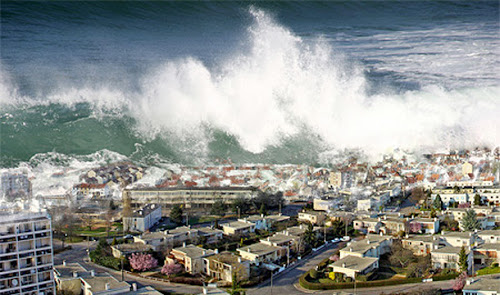
8. உலக அழிவின்போது ஏற்படும் இயற்கைச் சீற்ற வருணணைகளைப் படிக்கையில் பூகம்பம், கடல் சீற்றம், சுனாமி, பெருந்தீ, வறட்சி, வெள்ளம், எரிமலைச் சீற்றம், விண்கல் வீச்சு —ஆகிய எல்லாம் நினைவுக்கு வருகிறது. ஆக முன்னோர்களும் தர்மம் குன்றும் போது இயற்கையும் மாறுபடும் என்று எதிர்பார்க்கின்றனர்.

9. இவை எதுவும் நாளையே நடைபெறப் போவதில்லை. ஆனால் சில விஷயங்கள் இப்போதே நடப்பதை மறுப்பதற்குமில்லை. இன்னும் நூறு ஆண்டுகளுக்குப் பின் இதே வன பர்வத்தைப் படித்து புது அர்த்தம் ஏதேனும் புலப்படுகிறதா என்பதைப் பார்ப்போம்.

மண்ணில் நல்லவண்ணம் வாழலாம்; வைகலும்

எண்ணில் நல்ல கதிக்கு யாதும் ஓர் குறைவில்லை

-திரு ஞான சம்பந்தர்

சேல் பட்டு அழிந்தது செந்தூர் வயல் பொழில், தேன் கடம்பின்

மால் பட்டு அழிந்தது பூங்கொடியார் மனம்; மாமயிலோன்

வேல் பட்டு அழிந்தது வேலையும் சூரனும் வெற்பும்; அவன்

கால் பட்டு அழிந்தது இங்கு என் தலைமேல் அயன் கை எழுத்தே

-அருணகிரிநாதர்
சந்தானம் சுவாமிநாதன் எழுதிய இவைகளையும் காண்க:

(1)பழமொழியில் இந்துமதம் (2) Do Hindus Believe in E.T.s and Aliens? (3)Bhishma: First Man to Practise Acupuncture (4) Great Engineers of Ancient India 5) டிசம்பர் 21ம் தேதி உலகம் அழியுமா?

Who can read all 300 Ramayanas?

Picture: Rama on currency note issued by Maharishi Maheshyogi Organisation. It is accepted at many places in Nederland

Part 4– Ramayana wonders


Millions of Lines

Millions of Words

300 versions from India to South East Asia

Literature spanning over 3000 years

Conflicting versions; Interesting interpretations!

Ramayana has made a great impact in the life of Indians. No other EPIC story in the world has made such an impact on any other community in the world. No one can read all the 300 different versions in one’s lifetime. It is in every major language of India- from Assamese to Tamil. One must have proficiency in Sanskrit to read Valmiki, in Tamil to read Kamban and in Hindi to read Tulsidas, leave alone the Pali and Prakrit versions. South East Asian countries have their own versions of Ramayana.


A sloka (couplet) says, “Saritham Ragunathasya Sathakoti Pravistharam, Ekaikam Aksharam Proktham Mahapathaka Nasanam” (Rough translation: Rama’s history is in THOUSAND MILLION couplets. If anyone says even a single letter from it, all the sins will vanish).

Scholars have listed up to 300 different versions of Ramayana. If we take the references to Ramakatha in various scriptures it will be more than 300 versions. All the singers, composers, writers, saints have sung about Rama. Ram Charit Manas of Tulasidas (in Hindi) and Kamba Ramayana (in Tamil) are read by millions. Valmiki, Kamban and Tulasidas are household names in India.

Shri Ramadasa Gauda in his book Hindutva lists some of the Ramayana works:

1.Maha Ramayana:

It is part of a dialogue between Siva and Parvati. It describes 99 Rasa Lilas of Sri Rama.It proclaims complete divinity of Rama.

2.Samvrta Ramayana

Author of this work is Narada. It contains 24,000 slokas.

3.Lomasa Ramayana

Dasaratha and Kausalya are spoken of as King Kumuda and queen Viramati reborn.

4. Agastya Ramayana

It gives the stor ofBhanupratapa Arimardana. Here King Kuntala and Sindhumati are described reborn as Dasarath and Kausalya. It contains 16,000 slokas.

5.Manjula Ramayana

Author is Sutiksna. This also give the story of Bhanupratapa.

6.Sarupadya Ramayana

Author Atri gives the Pupavatika episode describing meeting of Rama with Sita.

7.Mahamala Ramayana

Bhusundi removes the infatuation ofGaruda.

8.Sauharda Ramayana

Author Sarabhanga refers to the cleverness of Rama and lakshmana in comprehending and conversing in the language of the monkeys

9. Maniratna Ramayana

Vashista and Arundhati are the authors. It gives the Vasantotsava celebrated by Rama in Mithila and Ayodhya.

10.Saurya Ramayana

Hanuman and Surya are the authors. It gives Suka’s life. Suka is reborn as a washer man whose gossip resulted in the banishment of Sita.

11.Candra Ramayana

It is a dialogue between Hanuman and Candra. It gives the story of previous birth of Kaivata

12.Mainda Ramayana

It is in the form of a dialogue between Mainda and Kaurava

13.Suvarchasa Ramayana

It is a dialogue between Sugreeva and Tara. It contains a dialogue between thw washerman and his wife.

14.Deva Ramayana

It is in the form of a dialogue between Indra and Jayanta.

15. Svayambhuva Ramayana

Dialogue between Brahma and Narada. Sita is described as a daughter of Mandodari

16.Subrahma Ramayana

Narada and Brahma debates

17.Sravana Ramayana

Dialogue between Indra and Jayanta Janaka also comes to Citrakuta when Bharata visited.

18.Duranta Ramayana

Bharata’s greatness is extolled in a dialogue between Vasista and Janaka.

19.Campu Ramayana

It is a Dialogue between Siva and Narada. Reference to swayamvara conducted by Silanidhi is found in it.

20.Ananda Ramayana

Ananda Ramayana has nine cantos divided into 109 chapters (sargams). It has 12,252 slokas/couplets. This is also attributed to Valmiki. But this Valmiki may not be the contemporary of Rama. It differs with the original Valmiki Ramayana in many places.

21. Bhusundi Ramayana

The original dialogue between Bharata and Atri is narrated by Bhusundi to Sandilya. Holy places around Citrakuta are mentioned in it.

22.Mantra Ramayana

It is conspicuous by the absence Ramakatha. It gives different Ramamantras

23.Vedanta Ramayana

This gives the story of Parasurama.

Picture: Indonesia released stamps with Ramayana characters during International Ramayana Conference

Rama’s name in Vedas

Rama’s name is in Rig Veda, Parisishta of Sama Veda and Patanjali’s Mahabhasya. Satapata Brahmana gives the list of performers of Asvamedha in which Rama’s name appeared. Following are other religious literature where Ramayana story is found:

1)Jaiminiya Asvameda 2)Mailravana Carita 3) Sahasramuka Ravanacaritam 4)Satyopakhyana 5) Hanumat samhita 6)Brhatkosalakhanda

Ramayana in Poetry

Ramayana is found in the poems of Kalidasa (Raghuvamsa), Pravarasena (Ravanavaho or Setubandha),  Bhatti (Ravanavadha), Kumaradasa (Janakiharana), Abhinanda (Ramacarita), Ksemendra ( Ramayana Manjari and Dasavatara Carita), Sakalyamalla (Udararaghava), Cakra Kavi (Janakiparinaya), Advaita Kavi (Ramalingamrta), Mohanaswami( Ramarahasya or Ramacarita) and the Dramas of Bhasa (Pratima and Abhiseka), Bhavabhuti ( Mahavira Carita and Uttararama Carita), Dinnaga (Kundamala), Murari( Anargharaghava), Rajasekhara (Balaramayana), Hanuman (Hanumannataka or Mahanataka), Saktibhadra ( Acaryacudamani), Yasovarman (Ramabyudaya), Mayuraja (Udattaraghava).

Ramayana in Dramas

Ramayana is in the dramas of Ksiraswami (Abhinavaraghava), Ramachandra (Raghuvilasa and Raghabyudaya), Jayadeva (Prasannaraghava), Hastimalla (Maithilikalyana)Subhata (Dutangada), Bhaskarabhatta (Unmattaraghava) Tryasamisradeva(Ramabdhyudaya), Mahadeva (Adbhutaramayana), Ramabhadra Dikshita (Janaki Parinaya).

Anonymous Ramayana Dramas : Chalita Ramayana, Krtya Ramayana, Mayapuspaka Ramayana and Svapnadarsana

Ramayana in Slesakavyas (Puns):

Dhanajaya (Raghavapandaviya), Madhavabhatta (Raghavapandaviya), Haradatta Suri (Raghava Naisadiya), Cidambara (Raghavapandaviya-Yadaviya), Gangadara mahadevakavi (Sankatanasana stotra).

Picture: Rama stamp issued by India

Ramayana in Vilomakavyas:

Suryadeva (Ramakrsna Vilomakavya), Venkatadhvari (Yadhavaraghaviya)

Ramayana in Citrakavyas

Krsnamohana( Ramalilamrta), Venkatesa (Citrabandha Ramayana)

Ramayana in Amorous Khandakavyas

Venkatadesika (Hamsasandesa or Hamsaduta), Rudravacaspati (Bhramaraduta), Vasudeva( Bhramara sandesa), Anonymous (Kapiduta), Venkatacarya( Kokilasandesa), Jayadeva (Rama Gitagovinda), Krsnacandra (Candraduta), Harisankara (Gitaraghava), Prabhakara ( Gitaraghava), Haryacarya( Janakigita), Harinatha (Ramavilasa), Visvanathasimha( Sangita raghunandana), Visvanatha (Raghavavilasa), Somesvara (Ramasataka)

Prose Romance and Campus

Ksemendra (Brhatkathamanjari), Somadeva (Kathasaritsagara), Bhoja (Campu Ramayana), Vasudeva (Ramakatha).

Ramayana in Regional languages and South East Asian languages are not listed here.

(Campu means Mixture of Prose and Poetry)


Continued in Part 5………………………………….

Please read other posts by Santanam Swaminathan about Rama: 1. Ram –the Best PR Man 2. தியாகராஜ சுவாமிகளுடன் 60 வினாடி பேட்டி 3.நாமும் அனுமார் ஆகலாம் 4.கம்பனுடன் 60 வினாடி பேட்டி 5.ராமாயண வினா-விடை (க்விஸ்) 5.Where is Rama Setu (Rama’s Bridge) ? 6.Did Sita Devi Die in Earth Quake? 7. Ramayana Wonders Part1 (8) . Ramayana Wonders Part2 :How many miles did Rama walk? (9) Ramayana Wonders Part 3 : Rama and Sanskrit G’ramma’r

Contact swami_48@yahoo.com


பாரதி பாட்டில் பகவத்கீதை

11th December is Bhrathy’s Birth Day

பாரதி படிக்காத நூல்களே இல்லை என்று தோன்றுகிறது. அவனே கம்பன், இளங்கோ, காளிதாசன் முதலிய பல பெரும் புலவர்களின் பெயர்களைச் சொல்லி பாராட்டுகிறான். பாணிணி, ஆதி சங்கரன், உ.வே.சா, தாகூர், பங்கிம் சந்திர சட்டர்ஜி மற்றும் ஆங்கிலப் புலவர்கள் ஷெல்லி, கீட்ஸ் ஆகிய புலவர்களும் அவனை ஆட்கொண்டனர். ஆழ்வார்கள், சைவப் பெரியார் நால்வர் ஆகியோர் செல்வாக்கும் அவனது பாடல்களில் உள்ளது. குறிப்பாக மாணிக்க வாசகரின் திருப்பள்ளி எழுச்சி போலவே பாரதமாதா திருப்பள்ளி எழுச்சி இருக்கிறது. சங்கப் புலவர்களின் செல்வாக்கு மிகவும் காணப்படுகிறது. ஆயினும் இவை எல்லாவற்றிற்கும் மேலாக பகவத் கீதையின் செல்வாக்குதான் பல பாடல்களில் தூக்கி நிற்கிறது. அது மட்டுமல்ல பிரெஞ்சு தேசிய கீதம், தாமஸ் மூரின் உடோபியா போன்ற துக்கடா மொழிபெயர்ப்புகளை விட்டு விட்டு, ஒரு நூல் என்று எடுத்தால் அவன் பகவத் கீதை மொழிபெயர்ப்பு ஒன்றுதான் மிஞ்சும்.

பாரதியின் பகவத் கீதை மொழிபெயர்ப்பில் இலக்கிய நயம் எதையும் பார்க்கமுடியாது. இது ஓரு புனித நூல். அதில் அவன் சொந்த சரக்கைச் சேர்க்க விரும்பவில்லை. ஆனால் பாரதி பாடல்களில் பகவத் கீதை மேற்கோள் வரும் இடமெல்லாம் இலக்கிய நயத்தைக் காணலாம். கண்ண பிரானைவிட அதே கருத்தை கொஞ்சம் ஆணித்தரமாகவே கூறுவான். இதோ சில இடங்கள்:

போர்க்களத்தே பர ஞானமெய்க் கீதை

புகன்றதெவருடைய வாய்? – பகை

தீர்க்கத் திறந்தரு பேரினள் பாரத

தேவி மலர்த்திரு வாய்.


இந்தியாவின் பணி

எல்லாரும் அமர நிலை எய்தும் நன்முறையை இந்தியா உலகிற்களிக்கும்

என்று அவன் கூறுவதே பகவத் கீதையை மனதிற்கொண்டுதான் என்பதை கீழ்கண்ட மேற்கோள் தெள்ளிதின் விளக்கும்:

“எல்லா உயிர்களிலும் நானே இருக்கிறேன்”

என்றுரைத்தான் கண்ணபெருமான்;

எல்லாரும் அமர நிலை எய்தும் நன்முறையை

இந்தியா உலகிற்களிக்கும் -–ஆம்

இந்தியா உலகிற்களிக்கும்– ஆம் ஆம்

இந்தியா உலகிற்களிக்கும் வாழ்க!”

கிருஷ்ணார்ஜுன தரிசனம்

ஆரிய தரிசனம் என்ற பாடலில் கிருஷ்ணார்ஜுன தரிசனம் என்ற தலைப்பில் கீதையின் சாரத்தைப் பிழிந்து தருகிறான்:

வில்லினை எடடா!—கையில்

வில்லினை எடடா!—அந்தப்

புல்லியர் கூட்டத்தைப் பூழ்தி செய்திடடா.

வாடி நில்லாதே– மனம்

வாடி நில்லாதே;–வெறும்

பேடியர் ஞானப் பிதற்றல் சொல்லாதே

“க்லைப்யம் மாஸ்மகம:” என்ற ஸ்லோகத்தின் பொருளைத் தருவதோடு அடுத்த சிலவரிகளில் ஆன்மா அழியவொண்ணாதது என்பதையும் கூறுகிறான். இதைப் படித்துப் பயனுறவேண்டும்.

ஞான வாள்

“பொய்,கயமை, சினம், சோம்பர்,கவலை, மயல்,

வீண்விருப்பம், புழுக்கம், அச்சம்,

ஐயமெனும் பேயையெல்லாம் ஞானம் என்னும்

வாளாலே அறுத்துத் தள்ளி”

இதுவும் பகவத் கீதை ஸ்லோகத்தின் மொழி பெயர்ப்பே. ஞான வாள்

என்பது கிருஷ்ணனின் சொல்.


சத்ரபதி சிவாஜி சைன்யத்திற்குக் கூறியது

இது ஒரு நீண்ட பாடல். ஆனால் ஒவ்வொரு மாணவனையும் சிறு வயதிலேயே மனப்படம் செய்யச் சொல்லவேண்டிய பாடல். இதில் கீதையின் சாரம் வருகிறது. உத்திஷ்ட! யசோ லப= எழுந்திரு! புகழடை! என்ற வீர வாசகம் வருகிறது. இது கண்ணன் கீதையில் இட்ட உத்தரவு. இதையே வள்ளுவனும் “தோன்றிற் புகழொடு தோன்றுக” என்று பாடினான்.

“முன்னையோர் பார்த்தன் முனைத்திசை நின்று
தன்னெதிர் நின்ற தளத்தினை நோக்கிட
மாதுலர் சோதரர் மைத்துனர் தாதையர்
காதலின் நண்பர் கலைதரு குரவரென்று

இன்னவர் இருத்தல்கண்டு, இதயம்நொந் தோனாய்த்
தன்னருந் தெய்விகச் சாரதி முன்னர்
ஐயனே! இவர்மீ தம்பையோ தொடுப்பேன்?
வையகத் தரசும் வானக ஆட்சியும்
போயினும் இவர்தமைப் போரினில் வீழ்த்தேன்.

மெய்யினில் நடுக்கம் மேவுகின் றதுவால்
கையினில் வில்லும் கழன்றுவீழ் கின்றது.
வாயுலர் கின்றது; மனம் பதைக்கின்றது,
ஓய்வுறுங் கால்கள், உலைந்தது சிரமமும்,
வெற்றியை விரும்பேன், மேன்மையை விரும்பேன்

சுற்றமிங் கறுத்துச் சுகம்பெறல் விரும்பேன்,
எனையிவர் கொல்லினும் இவரையான் தீண்டேன்,
சினையறுத் திட்டபின் செய்வதோ ஆட்சி?
எனப்பல கூறியவ் விந்திரன் புதல்வன்
கனப்படை வில்லைக் களத்தினில் எறிந்து

சோர்வோடு வீழ்ந்தனன், சுருதியின் முடிவாய்த்
தேர்வயின் நின்றநம் தெய்விகப் பெருமான்
வில்லெறிந் திருந்த வீரனை நோக்கி
புல்லிய அறிவொடு புலம்புகின் றனையால்
அறத்தினைப் பிரிந்த சுயோதனா தியரைச்

செறுத்தினி மாய்ப்பது தீமையென் கின்றாய்,
உண்மையை அறியாய் உறவையே கருதிப்
பெண்மைகொண் டேதோ பிதற்றிநிற் கின்றாய்
வஞ்சகர், தீயர், மனிதரை வருத்துவோர்,
நெஞ்சகத் தருக்குடை நீசர்கள்; இன்னோர்

தம்மொடு பிறந்த சகோதரராயினும்
வெம்மையோ டொறுத்தல் வீரர்தஞ் செயலாம்.
ஆரிய நீதிநீ அறிகிலை போலும்!
பூரியர் போல்மனம் புழுங்குற லாயினை
அரும்புகழ் தேய்ப்பதும் அனாரியத் தகைத்தும்

பெரும்பதத் தடையுமாம் பெண்மையெங் கெய்தினை?
பேடிமை யகற்று! நின் பெருமையை மறந்திடேல்! 
ஈடிலாப் புகழினாய்! எழுகவோ எழுக! என்று
 
மெய்ஞ் ஞானம்நம் இறையவர் கூறக்
குன்றெனும் வயிரக் கொற்றவான் புயத்தோன்

அறமே பெரிதென அறிந்திடு மனத்தனாய்
மறமே உருவுடை மாற்றலர் தம்மைச்
சுற்றமும் நோக்கான் தோழமை மதியான்
பற்றலர் தமையெலாம் பார்க்கிரை யாக்கினன்.
விசயனன் றிருந்த வியன்புகழ் நாட்டில் “

இப்படி எவ்வளவோ இடங்களில் பகவத் கீதையை நேரடியாகவும்  இன்னும் பல இடங்களில் மறைமுகமாகவும் போதிக்கிறான்.”பரித்ராணாய சாதூணாம் விநாசாய துஷ்க்ருதாம்: என்ற கருத்தை

“நல்லறம் நாடிய மன்னரை வாழ்த்தி

நயம்புரிவாள் எங்கள் தாய்—அவர்

அல்லவராயின் அவரை விழுங்கிப் பின்

ஆனந்தக் கூத்திடுவாள்”


பாரதி கீதையை மொழிபெயர்த்தபின் கீதை முன்னுரை என்ற கட்டுரையில் கீதை குறித்த தனது அணுகுமுறை என்ன என்று விளக்கினார். இறைவன் எங்கும் உளன், எல்லா உயிர்களிடத்திலும் அன்பு செலுத்தல் வேண்டும் என்பதே அவன்  கீதையில் கண்ட உண்மை.


இறுதியாக ‘கண்ணன் பாட்டிலும்’, ‘பாஞ்சாலி சபதத்திலும்’ பல இடங்களில் பகவத் கீதையைக் காண்கிறோம். அவைகளை வரி வரியாகப் படித்துச் சுவைத்துப் பயன் பெறுக.

Read also

நீங்கள் பாரதிப் பித்தன் என்றால் கீழ்கண்ட தலைப்புகளையும் காண்க:

(1).சொல்லில் உயர்வு தமிழ்ச் சொல்லே (2).பாரதியுடன் 60 வினாடிகள் (3) பாரதி நினைவுகள் Go to nilacharal.com for items 2 and 3 (4) பாரதி பாட்டில் பழமொழிகள் (5) 60 second Interview with Swami Vivekananda (6) பேய்கள் பற்றி பாரதி & விவேகாநந்தர் (7) சிட்டுக் குருவியிடம் பாரதி கற்ற பாடம்

Part 3-RAMA and Sanskrit G‘RAMMA’R!

Ramayana Wonders—Part 3

Sanskrit is a unique language in the world. Sanskrit teaching is more unique. It is the only language that teaches grammar in the first class of the primary school. And it is about RAMA! In the very first class students are asked to repeat after the Guru/teacher the case suffix table: Rama:–Ramau—Ramaa:, Ramam – Ramau– Ramaan………. It doesn’t stop there. In the very first class young children will be asked to repeat the first sloka of Raguvamsa—an epic about Rama’s Dynasty. It is equal to teaching Shakespeare for the English students in the primary school class. So Sanskrit teaching is unique and it is all about RAMA.


Rama in Thailand

Rama occupies an important position in Thailand. Kings of Thailand (Siam) are called Ramas and their capital was called Ayodhya. Ramayana has influenced the life of Thais so much. Postage stamps have been issued for Ramayana characters.


Around the World in 80 Days

Lot of you are already familiar with French writer Jules Verne’s fiction ‘Around the World in 80 Days’. Phileas Fogg struggled hard to finish the journey in 80 days and he was saved by gaining one day when he crossed the International Date Line. We all know the first man in space Yuri Gagarin circled the earth several times in his historical space flight. But no one knew this concept was evolved by Valmiki in his Ramayana. Jambavan circled the earth 21 times, says Valmiki. Even if you don’t believe it, at least you must agree he beat Jules Verne in writing a fiction of this type.

Jambavan says when Vishnu covered the world with three strides, I circled the earth with its mountains, forests and woods one and twenty times. Then commissioned by the Gods we gathered all the herbs which produced the nectar of immortality (Kishkinda Kanda 66-32).


Rama’s Ritual Suicide

When great people decide to leave the body they enter one of the five elements voluntarily at the appointed time on the appointed day. Mostly it is water or fire, they enter. For them leaving the body is like discarding old and worn out clothes. Physical body has no value for them when they accomplished what they wanted to accomplish. So we don’t call it a suicide. It is Jala Samadhi (Watery grave). When great people leave the earth they have the power of taking any one who is ready to accompany them. I have explained it in my post “Strange Facts about VIP deaths”.

It is like buying a direct flight ticket to heaven. So Rama was accompanied by several thousand people. They jumped in to River Sarayu along with Rama. Valmiki in Uttara Kanda (some believe it was not Valmiki’s work) gives graphic description about this scene:

“Then Rama, clothed in fine silk, invoking Brahma and reciting Vedic Mantras, taking Kusha grass in both his hands, set out for the Sarayu River, halting from time to time, silently making his way along the rough path. Radiant as the sun, he setout from his palace bare footed and on his right walked goddess Lakshmi with her lotus, on his left, was the great goddess Vyavasaya (Goddess of the Earth), and assuming human form , his innumerable arrows, marvellous bow and all the other weapons accompanied him. The Vedas, in the persons of Brahmins, the Holy Gayatri, Protector of the World, the sacred syllable AUM and the invocation “Vashat” followed in Rama’s train as also great souled Rishis,  and all the deities of the earth accompanied that hero to the open gates of heaven.”

“In his steps trod the women of inner apartments with the aged, the children, servants, eunuchs and personal assistants. The faithful Bharata with his wives accompanied by Shatrughna followed in Rama’s train. All the magnanimous sages with their wives and children joined the procession of virtuous Kakustha. Ministers, groups of servants with their offspring, their kinsmen and their flocks joyfully followed in the footsteps of their master. Not a single being, not even the least of them, was to be seen Ayodhya; even those born of animals followed in Rama’s wake”

“ When he had proceeded about six miles, the Pride of the Raghus, beheld the waters of Sarayu flowing westwards, eddying and rippling in their course, and he went on further to Goprataraka Ghata (Cows Ford), his subjects thronging him on all sides. He ascended to the heaven in aerial chariot to the accompaniment of musical instruments played by the Gandharvas”

At the request of Rama, all those who accompanied him were allowed to go to the region called Santanakas. Even the beasts that died meditating on his holy feet lived in the vicinity of Brahmaloka.

This beautiful description reminds some of the scenes of Piper of Hamlyn Story and the Egyptian funeral rituals.

Handshaking Custom

Lot of us think that shaking hands is a western custom. It is not. Sugreeva and Rama shook hands as soon as the Friendship Treaty was solemnised (signed). Sugreeva said to Rama, “This is a great fortune and greatest of gains for me, O Lord, that you desire to ally you in friendship with me, who is one of the Monkey Tribes. Should that friendship favour with you, then here is my hand, take it in to yours and let us bind ourselves fast with a vow”. Hearing Sugreeva’s sweet words, Rama with a joyful heart clasped his hand and happy in thought of the alliance they were about to conclude, embraced him warmly. (When we read this, we are reminded of international agreement signing ceremonies: Hand shaking, embracing etc.! Only difference is  both of them went round the fire and solemnised it instead of signing on papers with golden pens!

Contd………………… in Part 4

Source Materials: India in the Ramayana Age by Shantikumar Nanooram Vyas; The Ramyana of Valmiki- translated by Hari Prasad Shastri . Pictures are from Face Book and other websites. Thanks. Contact swami_48@yahoo.com


Please read other posts by Santanam Swaminathan about Rama: 1. Ram –the Best PR Man 2. தியாகராஜ சுவாமிகளுடன் 60 வினாடி பேட்டி 3.நாமும் அனுமார் ஆகலாம் 4.கம்பனுடன் 60 வினாடி பேட்டி 5.ராமாயண வினா-விடை (க்விஸ்) 5.Where is Rama Setu (Rama’s Bridge) ? 6.Did Sita Devi Die in Earth Quake? 7. Ramayana Wonders Parts 1,2,3.

How Many Miles Did Rama Walk?

Ramayana Wonders- Part 2

In the first part, I mentioned that over 200 plants and 185 weapons are mentioned in the Valmiki Ramayana. Bible mentioned only 110 plants. Those who want the lists of plants and weapons can get them from the glossary of Hari Prasad Shastri’s translation of Ramayana. I have also got the full list of weapons and plants mentioned in the Ramayana

How many miles did Rama walk?

Indians are the Ancient Marathon champions. No literature in the world talks about long walks. Only two ancient Indians walked long distance and beat all the world records. Rama walked over 2000 miles from Ayodhya to Sri Lanka. He did not walk in a straight line as the crow flies. He had to cross the thick tropical forest, Dandaka Aranya, and cross several rivers before he entered Karnataka (Kishkinda) where he met Hanuman and Sugreeva. Then he came to Rameswaram in Tamil Nadu and crossed the sea to go to Sri Lanka. He covered over 2000 miles. Adi Shankara who came several thousand years after Rama, walked all over India several times and established four centres in the four corners of India.

Some foreign scholars tried to belittle Rama’s grand travel by saying that the Lanka  that Valmiki mentioned was an island in the Godavari River. Those myths were exploded by the Sangam Tamil Works and Saivaite and Vaishnavaite references to Lanka in Thevaram and Divya Prabandham. Scholars who put forth those absurd theories did not know Tamil literature. One of the Sangam Tamil poets name is Valmiki!

ChineseRamayana

Buddhists took Ramayana to China in the first century AD. The names are distorted as Lomo (Rama), Poloto (Bharata), Loman (Lakshman),Naloyen (Narayan). The Pali Tripitaka was rendered in Chinese and compiled in the name of Taisho edition. Dasaratha Jataka and Story of Unnamed king were translated in 472 and 251 AD. Ravana was described as a wicked Naga King. Dasaratha Jataka has a verbatim Pali translation of Valmiki’s Sanskrit sloka!

Buddhists tried to enlist the national hero of India Rama on their side by transcribing his legend into their own in the Dasaratha Jataka.

Kush Vamsa in Ethiopia

Rama’s son ruled Kusha Dwipa. Ethiopian King considers himself as a descendant of Kush. According to P.N. OAK, swami Krisnananada was told by Haile Selaasie, King of Ethiopia that his dynasty came from Kush , son of Ham (Ram).

Niroshta (No Lip Touching) Ramayana

Of the 300 versions of Ramayana, Niroshta Ramayana,  is an interesting piece. When one reads it or recites it the lips won’t touch or close together. No labial letters are used. Hindus believe human saliva or spit is unclean, particularly when they do religious rituals. So they wanted to say Rama’s name without spit/saliva polluting it.

Saraswati Mahal Library in Thanjavur has got rare books. One of the books is Sabdarth Chintamani. This Sanskrit book was written by Chidambara Kavi sometime in the 15th or 16th century. If anyone reads the couplets from left to write, it is Ramayana story. If one reads it from right to left it is Mahabharata. Later he wrote Kathathreya including Ramayana, Mahabharata and Bhagavatha in the same verse. It is a Three in One Hindu scripture. Only Sanskrit language can do such wonders! Tamil has Poet Kalamegam’s puns, but that is entirely a different genre.

In Sanskrit Kalidasa dealt with the story of Rama in Raguvamsa, Bhavabhuti in Uttara Ramacharita, Bhojaraja in Ramayana Chambu and Ramachandra Dikshitar in Janaki Parinayam. In Tamil the great poet Kamban wrote the story of Ramayana in verse form, Arunachala Kavirayar in Drama. Number of references is in Bhasa’s dramas and Alvars hymns.

Ramayana in One Day

Rajatarangini of Kalhana says that Damodaran, predecessor of Kanishka heard the whole of Ramayana in one day to cure a curse.

Ramayana recitation and musical discourses are done in every language in all parts of India. When Chera King Kulasekara was listening to a musical discourse of Ramayana he got mesmerised by the talk. When the speaker described how Rama was fighting all alone with 14000 demons of Kara Dushana army, the king stood up and ordered his army to march to help Ramayana. He was so absorbed in the story he even forgot he was listening to a story. Then the embarrassed ministers sent some men to say to king that Rama defeated the Kara Dushanas.

Bodi Palace Ramayana Paintings

Not many people knew Tamil Nadu has beautiful Ramayana paintings on the walls of Ramanathapuram and Bodi palaces. Nayak kings made artists paint them on the walls at least four hundred years ago. Ramanathapuram palace paintings describe Ram’s history up to Sita Kalyanam (Sita’s wedding). Bodi palace has got more on this topic. All the colour paintings were done with herbs. Madurai Meenakshi temple and Alagarkoil also got some Nayak paintings on the same theme.


New Information in Sangam Tamil Literature

Ramayana, Mahabharata and Bhagavatham (Krishna’s life history) are very familiar in Tamil Nadu 2000 years ago. Tolkappiam, the oldest Tamil book refers to Baladevan’s Palmyra flag. Sangam literature speaks about river Yamuna and Gopika girls bathing with Krishna. But it gives some new information about Rama and Sita which was not found in Valmiki Ramayana. Rama consulted engineers under a banyan tree on the sea shore. Lot of birds were making a big noise. Rama asked them to keep quiet and all the birds fell into pin drop silence. This is in one of the verses. Another verse says that when Sita threw the jewels, the monkeys that picked up the jewels wore them in the wrong way. Likewise when a king gave the singers lot of jewels they did not know what to wear where. This is in Purananuru, Sangam Tamil anthology.

Lakshmana in GSS

Gatha Sapta Sati is an anthology of 700 sexy love poems in Prakrit language. One of the poems beautifully describes Lakshman’s chastity. Rama’s brother Lakshman was most famous for his character of observing a  vrata (vow) not to look at married women. He never saw Sita’s face after she got married to Rama. On the banks of River Godavari an amorous gentleman looks at his brother’s wife when his brother was away. The sister in law who was embarrassed showed him a painting on the wall where a Ramayana scene was painted. Painting showed Lakshmana looking at the earth or Sita’s feet in the company of Rama and Sita. This couplet speaks a lot: 1.There were Ramayana paintings in homes like we have calendars today 2.Chaste women were intelligent enough to give the message without mincing words.

Contd. In the third part………………………..

Source Materials: India in the Ramayana Age by Shantikumar Nanooram Vyas; The Ramyana of Valmiki- translated by Hari Prasad Shastri and Articles by PN Oak and CV Vaidya. Pictures are from Face Book and other websites. Thanks. Contact swami_48@yahoo.com

Please read other posts about Rama: 1. Ram –the Best PR Man 2. தியாகராஜ சுவாமிகளுடன் 60 வினாடி பேட்டி 3.நாமும் அனுமார் ஆகலாம் 4.கம்பனுடன் 60 வினாடி பேட்டி 5.ராமாயண வினா-விடை (க்விஸ்) 5.Ramayana Wonders Part 1


*****

Ramayana Wonders-1


Ramayana and Mahabharata are two great epics in Sanskrit language. Hindus consider these two epics as their sacred literature. They worship the books. They won’t even touch them with unclean hands or on unclean days. Though the illiterate Hindus do not read the books the story is known to every Hindu through hymns, songs, lullabies, nursery rhymes, proverbs, paintings, sculptures, dances and religious/musical discourses. There are lot of hidden gems in the Ramayana.

Valmiki Ramayana is the original Ramayana written by Valmiki in 24,000 couplets. It is considered Adi Kavyam= First Epic. 

300 Different Ramyanas

1.There are 300 different Ramayana versions in the world. It is written in all major Indian languages in the olden days. Now it has been translated into all major western languages in the world.

2. Gayatri mantra in the Rig Veda is the holiest mantra for Hindus. One of the 300 Ramyanas is called Gayatri Ramayana. It is formed from 24 couplets from Valmiki Ramayana. Each couplet starts with one letter of Gayatri which has got 24 letters. Whoever reads these 24 hymns will get the merits of reading the full Ramayana.

3. There are more than 200 different types of plants described by Valmiki. More than 185 weapons are described by Valmiki!

3. Divya Prabanda Pasura Ramayana: An ingenious Tamil Periyacvachan Pillay selected Tamil Hymns from 12 Vaishnavite saints (known as Alvars) and composed a Ramayana. It is called Divya Prabanda Ramayana after the book Divya Prabandam, which contains 4000 hymns of the Tamil Vaishnavite Saints.

4.Nama Ramayana: The English word Name came from the Sanskrit word ‘Nama’. So this Ramayana is full of Rama’s name at the end of each line. No one knew who composed this. But this has been repeated by thousands every day. In sixty simple Sanskrit lines it relates the whole story of Ramayana. It begins with the line ‘Sudha Brahma Parathpara Rama’ and ends with ‘Ragupati Ragava Rajaram- Patita Pavana Sita Rama’.

3462 Similes

5.Ramayana has Seven Cantos, 24,000 couplets. But the seventh canto is considered a later addition. It has got 500 chapters. Ramayana has 3462 similes. Kalidasa who is famous for his similes has used less than half of this number. Valmiki’s 3462 similes belong to 13 different types.

In Sundara Kanda, more than 30 similes are used in just 22 couplets. A heap of similes are in canto 19 of this Kanda.

6.Jain Ramayana: Padma Sarita (pavuma sariya) is a Prakrit language book containing 118 pervas/sections. This big book has been dated to 4th Century AD by the German Scholar Jacobi. This book analyses Ramayana in a logical way and says Ten Heads for Ravana, Six Month Sleep of Kumbakarna  etc are wrong.

No ‘Sati’, so older than Mahabharata

7.In Ramayana the custom of Sati is not mentioned anywhere. All the wives of Dasaratha and other characters did not die with their husbands in the funeral pyre. So it is definitely older than the Mahabharata where there are numerous references to sati.

8.Cremation was practised by everyone. Dasaratha, Vali, Jatayu, Ravana and Andhamuni were all cremated. So burial was unknown to Ramyana. Dasaratha’s body was preserved in oil till Bharata came from Iran-Afganistan border. His mother Kaikeyi was from Kekaya which was in the border of modern Iran-Afganistan. Eldest son was supposed to do the cremation, a custom followed by the Hindus until today. Since Rama was banished Bharata had to do it.


Announcing Three Times

9.Janaka, father of Sita, repeats three times the decision to give her to Rama in marriage. This custom is followed around the world in many ceremonies (In Judicial Courts, Muslim Talaqs/divorces, going round the temple etc).

King lists differ from the king lists in thirteen Puranas. But it is not uncommon. We have similar conflicting and contradicting king lists of Sumerians and Egyptians.

Tamil Festival Pongal

10.Tamils celebrate Pongal, a Harvest festival on Makara Sankranti Day. A harvest festival known as AGRAYANA is mentioned in Valmiki Ramayana (III-16-16)

Ramayana says Candalas wore blue clothes. Sangam Tamil Literatures says Roman Body Guards wore blue clothes. Sanskrit literature says that those who were sentenced to death wore Red clothes.

Pet Birds: Parrots and Peacocks

11.Parrots and pea cocks were raised as pet birds. We have numerous references to parrots in Tamil and Sanskrit literature (Please read my posts Can Birds Predict Future, Animal Einsteins and Lie Detectors in the Upanishads)

Pet Birds (VI-75-20, II-65-5), caged female parrots (V-13-13), sportive peacocks (V-6-38), Parrot-Myna (II-53-22), parrots in palace (II-88-7) are some of the references to pet birds.

Elephants are mentioned in a number of places. Even 60 year old elephant (ii-67-20) is mentioned.

Swastika Symbol

12.Hindu Mangala (Auspicious) emblem Swastika is found around the world from pre historic times. But it is considered Hindu because they have been using it from Vedic/ Indus Valley days until today. Swastika is found on Royal raft (II-89-2) and panegyrists (II-16-46).

1000 pillar mandap ( now seen in Nayak Temples of Madurai, Tiruvannamalai etc) is mentioned in Ramayana (V-15-16 and VI-39-22)

Contd. in second part…………………………

Source Materials: India in the Ramayana Age by Shantikumar Nanooram Vyas; The Ramyana of Valmiki- translated by Hari Prasad Shastri and JM Macfie; Stotramala by LIFCO. Pictures are from Face Book and other websites. Thanks. Contact swami_48@yahoo.com

Please read other posts about Rama: 1. Ram –the Best PR Man 2. தியாகராஜ சுவாமிகளுடன் 60 வினாடி பேட்டி 3.நாமும் அனுமார் ஆகலாம் 4.கம்பனுடன் 60 வினாடி பேட்டி 5.ராமாயண வினா-விடை (க்விஸ்)


ராமாயண வினா—விடை (க்விஸ்)

Ramayana Quiz in Tamil

இந்துக்களின் இரண்டு இதிஹாசங்கள் ராமயணமும் மஹா பாரதமும் ஆகும். ராமாயணத்தை ஆதிகாவியம் என்பர். வடமொழியில் இதை வால்மீகி எழுதினார். தமிழில் கம்பர் எழுதினார். உலகில் சுமார் 300 வெவ்வேறு ராமாயணங்கள் இருக்கின்றன. தென் கிழக்காசிய நாடுகளில் ராமனின் செல்வாக்கு அபாரமானது.

“ வையத்துள் வாழ்வாங்கு வாழ்பவன் வான் உறையும் தெய்வத்துள் வைக்கப்படும் ” என்று வள்ளுவர் கூறுவது ராம பிரானை மனதில் வைத்துத்தான் என்றே நான் கருதுகிறேன். மனிதர்களில் ‘சூப்பர்மேன்’ ராமன். கெட்டுப்போகவும் வழிதவறிப் போகவும் வாய்ப்பு கிடைத்தும்,அவன் கெட்ட வழியில் செல்லவில்லை. மாபெரும் பேரரசனின் மகனாகப் பிறந்தும் பாமர மனிதன் படும் துன்பம் எல்லாம் பட்டதோடு தன் மனைவியையும் படவைத்தான். அவனது இரண்டு தம்பிகளான பரதனும் லெட்சுமணனும் ராமனைவிட குணத்தில் ஒரு படி மேலே உயர்ந்துவிட்டனர் உங்களுக்கு எந்த அளவுக்கு ராமாயண விஷயங்கள் நினைவில் நின்றன என்பதைச் சோதித்துப் பாருங்களேன்:

30 க்கு 30=நீங்கள் ராமாயணப் புலி; 30 க்கு 20= ராமாயணப் பசு! 30க்கு 10= நீங்கள் ராமாயணப் பூனை! 30க்கு 5 மதிப்பெண்கள்= நீங்கள் ராமாயணப் “புளி”!!—இடித்த புளி!

1.ஜனக மகாராஜனுடைய மந்திரியின் பெயர் என்ன?

2.லெட்சுமனன், பரதன். சத்ருக்னன் ஆகியோரின் மனிவியர் பெயர் என்ன?

3.ராம சேது எனப்படும் கடல் பாலம் அமைத்த பெருமை யாரைச் சாரும்?

4.சீதை எந்த நாட்டு இளவரசி? அந்த நாட்டின் தலை நகரம் எது?

5.ராவணனுடைய தாய் தந்தையர் யார்?

6.ராவணனுடைய மந்திரிகள் பெயர் என்ன?

7.வாலி, சுக்ரீவர்களுடைய தந்தையின் பெயர் என்ன?

8.ராமாயணத்தில் சத்ருக்னனுக்கு எந்த இடத்தில் முக்கியத்துவம் கொடுத்திருக்கிறது?

9.சீதையைக் கண்டு பிடிப்பதர்காக சுக்ரீவனிடம் நட்புகொள்ள வேண்டிய அவசியத்தை ராமனுக்கு சுட்டிக்காட்டியவன் யார்?

10.வாலி, சுக்ரீவர் மனைவியர் பெயர்கள் என்ன?

11.வாலி, அர்ஜுனன் இருவருக்கும் உள்ள ஒற்றுமை என்ன?

12. லெட்சுமணனிடம் ஒருதலைக் காதல்கொண்ட ஒரு பெண் சூர்ப்பநகை. மற்றொரு பெண் யார்? எங்கே நடந்தது?

13.தசரதர் ஏற்பாடு செய்த புத்ர காமேஷ்டி யாகத்தை முன்னின்று நடத்தி வைத்த முனிவர் யார்?

14.ராம,லெட்சுமண பரத சத்ருக்னர் பிறந்த நட்சத்திரங்கள் எவை?

15. அவர்களுடைய லக்னங்கள் அல்லது ராசி என்ன?

16. ராமர் ஜாதகத்தில் எத்தனை கிரகங்கள் உச்சம்?

17.ராமர் வாழ்வில் எண் 2, 7, 14 ஆகியன மறக்க முடியாதவை .ஏன்?

தமிழ்பிராமின்.காம் திரு. சமரபுங்கவன் தொகுத்த மேலும் சில கேள்விகள் இதோ:-

18.வால்மீகியின் கூற்றுப்படி தசரதனுக்கு ஒரு பெண் உண்டு. அவள் பெயர் என்ன?

19.தண்டகாரண்யத்தில் ராமர் சந்தித்த அகத்திய முனிவரின் தம்பி பெயர் என்ன?

20.ஜடாயுவின் சகோதரர் பெயர் என்ன?

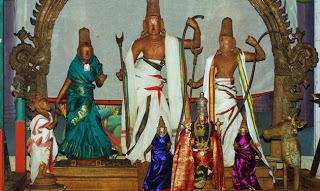
Paruthiyur Sri Rama Lakshmana Idols

21.அனுமனின் தந்தை யார்?

22.ராவணன் எந்த ரிஷியின் வம்சத்தில் வந்தவன்?

23. ரிஷ்யமுக பர்வதத்தில் வாலி நுழையமுடியாதபடி சாபம் இட்ட முனிவர் யார்?

24.கைகேயியின் தந்தை யார்?

25.ரிஷ்யஸ்ருங்கருக்கும் தசரதருக்கும் என்ன உறவு முறை?

26.வசிஷ்டரின் மகனிடம் சீதாதேவி எல்லா நகையையும் கொடுத்துவிட்டு கானகம் சென்றாள். யார் அந்த மகன்/ முனிவர்?

27.ராமர் கொடுத்த பாதுகைகளை பரதன் எங்கே வைத்து பூஜை செய்தான்?

28.ராமரிடம் காட்டும்படி அனுமனிடம் சீதை கொடுத்த நகை எது?

29.இந்திரஜித்தையும், கும்பகர்ணனையும் போரில் யார் கொன்றார்கள்?

30.வாலியின் மகன் பெயர் என்ன?

விடைகள்:

1.சதாநந்தர் 2. முறையே ஊர்மிளை, மாண்டவி, ஸ்ருகீர்த்தி 3. நளன் நீலன் ஆகிய வானர சகோதரர்களை 4.விதேஹ நாட்டின் இளவரசி, தலை நகர் மிதிலை 5.விஸ்ரவஸ் என்ற முனிவர், கைகசி என்ற அரக்கி 6.மகோதரன், மால்யவான் 7.ரிக்ஷராஜன் 8.மது என்ற அரக்கனின் மகனான லவணாசுரனைக் கொன்று அவனுடைய மதுராபுரியை ராமராஜ்யத்தில் சேர்த்தான் ராமன். பிறகு அதற்கு அரசனாக சத்ருனனை பட்டம் சூட்டினான்.9.கபந்தன் என்னும் அரக்கன் 10.தாரா, ருமா 11. இருவரும் தேவேந்திரனின் அருளால் பிறந்தவர்கள் 12.அயோமுகி என்னும் அரக்கி, மதங்க முனிவரின் ஆஸ்ரமத்தில் 13.ரிஷ்யஸ்ருங்கர் 14.ராமன்—புனர்வசு/ புனர்பூசம், லெட்சுமணன்—ஆயில்யம், பரதன்—பூசம், சத்ருக்னன்- ஆயில்யம் 15. ராமன்—கடக லக்னம், லெட்சுமணன்—சிம்ம ராசி , பரதன்—மீன லக்னம், சத்ருக்னன்- சிம்ம ராசி.16.ஐந்து கிரகங்கள் 17. இரண்டு வரங்கள் மூலம் காட்டுக்கு அனுப்பப்பட்டான், பரதன் ஆள்வதற்கு அனுமதித்தான், ஏழு மரா மரங்களைத் துளைக்கும் போட்டியில் வெற்றி பெற்றவுடனேயே வானரசேனை உதவி கிட்டியது, பதினான்கு ஆண்டு வனவாசம் 18. சாந்தி 19.சுதர்சனன் 20.சம்பாதி 21.கேசரி 22.புலஸ்த்ய ரிஷி 23.மதங்க முனிவர் 24. அஸ்வபதி 25.தசரதரின் மருமகன் ரிஷ்யஸ்ருங்கர் 26.சுயஜ்னன் 27.நந்திக்ராமம் 28.சூடாமணி 29.இந்திரஜித்- லெட்சுமணன், கும்பகர்ணன்- ராமன் 30.அங்கதன்

உங்களுக்கு மேலும் தமிழ் இலக்கியம் ,இந்துமதம் பற்றி வினா விடைகள் (க்விஸ்) வேண்டுமானால் என்னுடைய முந்தைய 13 பதிவுகளைக் காணுங்கள்:

(1).Lord Sri Rama- World’s Best PR Man (2).Quiz on Hymns in English and Tamil (3).27 star quiz (4).Hindu Picture Quiz (5,6,7,8). Hindu quiz parts 1,2,3,4 (9) Quiz on Saivaite Saints in Tamil (10,11,12) Tamil Quiz Parts 1,2,3 (13) Interesting Logo Quiz

Pictures are taken from Facebook and other websites. Thanks.

வானத்தில் ராமாயணக் காட்சிகள்!

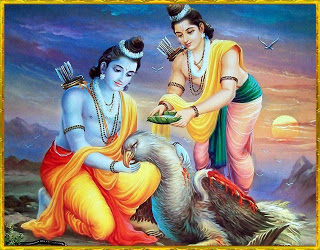
படத்தில் ஸபரியும் ராம லெட்சுமணரும்

வால்மீகி முனிவர் பெரிய ஜோதிட மேதை! ராமாயணம் முழுவதும் ஆங்காங்கே அவர் நட்சத்திர ரகசியங்களைச் சுட்டிக் காட்டுவதை அதை அறியும் நோக்குடன் படிப்பவருக்குப் புரியும்! வானத்தில் ராமாயணக் காட்சிகள் ஏராளம் உள்ளன. அவற்றில் சிலவற்றைப் பார்ப்போம்!

வானத்தில் ராமாயணக் காட்சிகள்!

By ச.நாகராஜன்


ராமாயணத்தில் ஜோதிடக் குறிப்புகள்


வால்மீகி முனிவர் பெரும் ஜோதிட மேதை. வால்மீகி ராமாயணத்தில் ஏராளமான ஜோதிடக் குறிப்புகளைக் காணலாம்.பாலகாண்டம் பதினெட்டாம் ஸர்க்கத்தில் ராமரின் ஜெனன ஜாதகம் பற்றி விரிவாகக் காணலாம்.இது போலவே பரத லக்ஷ்மண சத்ருக்னரின் ஜாதகங்களையும் காணலாம்.அதே போல ராமர் ஹனுமானிடம் போருக்கு இன்றே கிளம்பலாம் என வெற்றி தரும் உத்தர நட்சத்திரத்தைக் கணித்து சாதக தாராபலம் என்பதை உணர்ந்து கூறுகிறார். மறு நாள் ஹஸ்த நட்சத்திரம் தன் ஜென்ம நட்சத்திற்கு வதத் தாரை என்பதால் வெற்றி கிடைக்காது என்பதால் உடனே கிளம்புவதன் அவசியத்தை தாராபலம் சந்திர பலம் அடிப்படையில் நிர்ணயிக்கிறார்!


இதே போல தசரதன் ஆட்சியில் சனி ரோஹிணி நட்சத்திற்குள் புக இருக்கும் தருணத்தில் பெரும் தீங்கு ஏற்படும் என்பதை அறிந்த தசரதன் சனியை நோக்கி ஸ்தோத்ரம் செய்ய சனி தசரதனுக்கு அருள் பாலிப்பதை தசரதனின் சனி ஸ்தோத்திர வரலாறு அறிவிக்கிறது. இது போன்ற ஜோதிடக் குறிப்புகளை ராமாயணம் வாயிலாக அறிவது ஒரு புறம் இருக்க, வால்மீகியின் சுலோகங்கள் வாயிலாகவும் நட்சத்திரக் கலை மூலமாகவும் ராமாயணக் காட்சிகளையே வானில் நாம் பார்க்கவும் உணர்ந்து அறியவும் முடியும். சில காட்சிகளை இங்கு பார்க்கலாம்.


மூல ராவணனும் ராவணகங்கையும்


ஆகாய கங்கையின் ஒரு பகுதியே சீதா என அழைக்கப்படுகிறது.கோடி சூர்ய பிரகாசம் உடைய இந்த ஒளி மண்டலம் இருளின் அரசனான மூல ராவணனை வெல்வதையே ஆகாயக் காட்சி காண்பிக்கிறது,மூல நட்சத்திரத்திற்கு உரியவனான ராவணனைப் பற்றி வால்மீகி ராமாயணம் சொல்லாத ஒரு சம்பவத்தைப் பத்ம புராணம் சொல்கிறது. வானத்தின் அசுர பாகத்தில் அதாவது வானத்தின் தென் பிராந்தியத்தில் வானகங்கையின் ஒரு பகுதி மூல நட்சத்திரத்தின் வழியே செல்கிறது. இங்குள்ள சீதா ராவணனின் சித்திரத்தில் அமைந்திருப்பது போன்ற ஒரு தோற்றம் ஏற்படுவதை பத்ம புராணம் சுட்டிக் காட்டுகிறது. வான கங்கையின் மூல நட்சத்திரப் பகுதியை ராவண கங்கை என அனைவரும் இன்று வரை சொல்லி வருவது குறிப்பிடத் தகுந்தது!


27 நட்சத்திரங்களுள் 19 நட்சத்திரமாக அமையும் மூல நட்சத்திரத்தின் அதி தேவதை நிருதி. அழிவின் அதிபதி!தனது தீய செய்கையால் அரக்கர் குலத்திற்கே அழிவைத் தேடினான் ராவணன்.(என்றாலும் கூட மூல நட்சத்திரக்காரகளை பொதுவாக பயமுறுத்தாமல் அதற்குரிய பரிகாரங்கள், விதிவிலக்குகள் ஆகியவற்றையும் சேர்த்தே ஜோதிடம் அறிந்தோர் சொல்ல வேண்டும்). 27 நட்சத்திரங்களும் நல்ல நட்சத்திரங்களே; ஒவ்வொன்றிற்கு ஒவ்வொரு குணாதிசயம் என்ற அடிப்படையை ஜோதிட ஆர்வலர்கள் புரிந்து கொள்ள வேண்டும் என்று சுட்டிக் காட்டுவது இங்கு கடமை ஆகிறது)


பாவிகள் செல்ல ஒரு வழி அமைக்கவில்லையே!


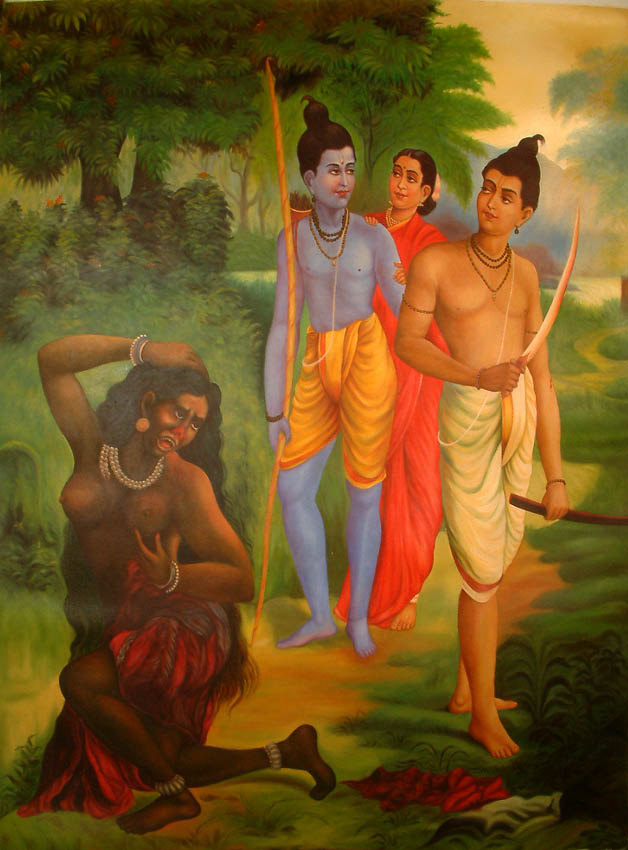
படத்தில் சூர்ப்பநகை மீது லெட்சுமணன் கோபம்

மேலை நாட்டு பைபிளில் மனிதர்கள் அனைவரும் சேர்ந்து விசித்திரமான ஒரு நகரை அமைத்து அதில் ஒரு உயரமான கோபுரம் அமைப்பதையும் அது சுவர்க்கத்தை எட்டும் படி அமைக்கப்பட்டதையும் அதன் பெயர் பேபல் என வைக்கப்பட்டதையும் படித்து விட்டு வங்காளத்தில் கீர்த்திவாஸர் தரும் ஒரு சித்திரத்தையும் பார்த்து மகிழலாம். வால்மீகியில் சித்தரிக்கப்படாத இந்தக் காட்சியில் ராவணன் இறக்கும் தருவாயில் புலம்புகிறான்.அடடா, பாவிகள் செல்லும்படியாக சுவர்க்கத்திற்கு ஒரு மாடிப்படிகள் உள்ள கோபுரத்தை நான் உயிருடன் இருக்கும் போதே கட்டத் தவறி விட்டேனே என அவன் புலம்புகிறான்.

சபரியின் பக்தி


வால்மீகி ராமாயணத்தில் ஆரண்ய காண்டத்தில் 74வது ஸர்க்கமாக 35 சுலோகங்களில் அமையும் சபரியின் சரித்திரம் புல்லரிக்க வைக்கும் சொற்களால் அமைக்கப்பட்டுள்ளது. ஆறு முதல் 35 சுலோகங்கள் முடிய படிப்பவர்க்குப் பல ரகசியங்கள் புலப்படும். “எனது குரு (சித்ர சிகண்டி மண்டலத்தில் உள்ள சப்தரிஷிகள்) தங்களது சுவர்க்க மாளிகைகளுக்கு ஒளிமயமான ரதங்களில் சென்ற போது தாங்கள் இங்கு வரும் வரை என்னைக் காத்திருக்கப் பணித்தனர்.” (ஆறாம் சுலோகம்)


பின்னர் சபரி கடித்து அவை சுவையான பழங்கள் தாம் என்பதை அறிந்து கொடுத்ததை ஏற்றுக் கொண்ட ராமர். “ நான் முறையாக கௌரவிக்கப்பட்டேன். நீ இனி உனக்கு சுகம் இடத்திற்குச் செல்லலாம்” என்கிறார் (சுலோகம் 31)

இதனைக் கேட்டு ஆனந்தித்த சபரி தன் உடலை ஜுவாலைக்கு இரையாக்கி வானை நோக்கி உயர்ந்து சென்றாள்! மின்னல் போல ஒளிரும் அவள் சப்தரிஷிகள் அருகே தனக்கு ஒரு இடத்தைப் பெற்றாள்.


இந்த ஸர்க்கத்தை விளக்க வந்த கோவிந்தராஜீயம் உள்ளிட்ட வியாக்கியானங்கள் பல பிரமிக்க வைக்கும் ரகசியங்களை நமக்குப் புலப்படுத்துகிறது. பம்பா போன்ற நதிகள் கடலைச் சேர்வது இயல்பு. இதற்கு மாறாக அனைத்து கடல்களும் பம்பாவை அடையும் அதிசயம் அங்கு நிகழ்கிறது. அந்த அளவிற்கு புனிதமான இடம் பம்பா. அங்கு சப்த ரிஷிகள் செய்த யாகங்களை சபரி விளக்கும் போதே வேத காலத்தில் தீண்டாமை என்பதே இல்லை என்ற அரிய உண்மையும் தெரிய வருகிறது. இப்படிப்பட்ட புண்யவதியான சபரிக்கு விஷ்ணுவிற்கு வெகு அருகிலேயே சப்தரிஷி மண்டலத்திற்கு அருகிலேயே ஒரு இடம் கிடைக்கிறது என்பதும் நமக்கு புலனாகிறது. வால்மீகி முனிவரின் அற்புத சொற்களை மனம் முழுவதும் நிறைத்துக் கொண்டு வானில் சப்தரிஷிகளையும் அவர்கள் அருகில் இடம் பெற்றுள்ள சபரியையும் வணங்கும் போது ஒரு புதிய உணர்வு தவறாது எழும்!


ராம பாணம்!


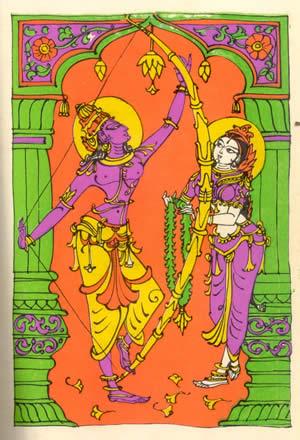
வைகுண்ட வாயில் அல்லது சுவர்க்க வாயிலை வால்மீகி சுட்டிக் காட்டும் விதமே தனி! மஹாபாரதம், பரசுராமர் ராமரை நோக்கி,”:இதோ இந்த வில்லை எடுத்துக் கொள்” என்று கூறுவதையும் அதற்கு ராமர் அதை எடுத்துக் கொண்டதாகவும் உடனே பரசுராமர் இதோ ஒரு வான அம்பைத் தந்து இதை நாண் பூட்டிக் காது வரை இழு” என்று சொன்னதையும் விரிவாகக் கூறுகிறது.(III -99-5o,51,54) வால்மீகியோ பாலகாண்டம் 76ம் ஸர்க்கத்தில் நடந்தது என்ன என்பதை விரிவாக விளக்குகிறார். தனது வீர்யத்தால் பரசுராமரை வென்று அம்பை எய்து பரசுராமரின் சுவர்க்க வழியை ராமர் தடுத்தார்.பரசுராமரோ. “எனக்கு அதை இழந்ததில் வருத்தமில்லை. ஏனெனில் எனக்கு தீர்க்க வேண்டிய ஆசைகள் எதுவுமில்லை” என்று ராமரிடம் கூறுகிறார்!பின்னர் வில்லை வருணனிடம் ராமர் தருகிறார்.

அர்ஜுனனுக்கு தன் விஸ்வரூப தரிசனத்தை கிருஷ்ணர் காண்பித்தது போல ராமர் தன் விஸ்வரூப தரிசனத்தை பரசுராமருக்கு இங்கே தான் காண்பிக்கிறார்!பிரம்ம மண்டலம் என்னும் பகுதியில் உள்ள பிரம்மஹ்ருதயம் என்று அழைக்கப்படும் மஞ்சள் நிற நட்சத்திரம் பரசு என்னும் கோடாலி போல உள்ளதையும்அதற்கு எதிரில் ‘தி கிட்ஸ்’ (The Kids) என்று மேலை நாட்டில் அழைக்கப்படும் ராம பாணம் போல உள்ள இரு நட்சத்திரங்களையும் வானில் கண்டு மகிழலாம்!


வானத்தில் 12 வீதிகளை அமைத்து அதில் ஒவ்வொரு நட்சத்திரத்தையும் தேவதையையும் நமக்குச் சுட்டிக் காட்டிய நம் முன்னோரின் வானவியல், ஜோதிட ஆன்மீக அறிவை எண்ணி பிரமிக்க வேறு எங்கும் போக வேண்டாம். சற்று தலையைத் தூக்கி வானத்தைப் பார்த்தாலே போதும்; அனைத்தும் புரிந்து விடும்!

வால்மீகி மாமுனிவர்

அடுத்து ராமாயணத்தின் முக்கிய பாத்திரமான அனுமனை பார்க்காமல் இருக்க முடியுமா என்ன? அவனை அடுத்து தரிசிப்போம்!


******************************


Great Secret from Mahabharata

Great Secret from Mahabharata: Bharatha Savitri

Santhanam Nagarajan

Mahabharata authored by the great maharishi Ved Vyasa is the greatest epic the world has ever seen. The original name of this ithihasa is Jaya which means victory. It consists of 18 parvas meaning 18 books or episodes. Ved Vyasa has composed Mahabharata in one lakh slokas (verses) and till this date  these verses are available.

The greatness of this great epic is narrated in the epic itself.

It is advised thus: “One should listen to the Bharata every day. One should proclaim the merits of the Bharata every day. One in whose house the Bharata occurs, has in his hands all those scriptures which are known by the name of Jaya. The Bharata is cleansing and sacred.”

As there are 18 parvas which consist of one lakh verses it would be difficult to read or recite all the slokas in a day. So Ved Vyas suggested to recite main four slokas composed by him. This is called as ‘Bharata Savitri’


The meaning of the four verses of Bharata Savitri is given below: Thousands of mothers and fathers, and hundreds of sons and wives arise in the world and depart from it. Others will (arise and) similarly depart.

There are thousands of occasions for joy and hundreds of occasions for fear. These affect only him that is ignorant but never him that is wise.

With uplifted arms I am crying aloud but nobody hears me. From Righteousness is Wealth as also Pleasure. Why should not Righteousness, therefore, be courted? For the sake neither of pleasure, nor of fear, nor of cupidity should any one cast off Righteousness.

Indeed, for the sake of even life one should not cast off  Righteousness. Righteousness is eternal. Pleasure and Pain are not eternal. Jiva is eternal. The cause, however, of Jiva’s being invested with a body is not so.

Good will triumph over evil is the main message given by Vyasa. Righteousness alone is eternal and one should at any cost follow it. The gist of Mahabharata explained in one lakh verses is given in the above four verses. And hence it is suggested to read at least these four verses daily so that one could have the benefit of reading all the one lakh verses.

The Mahabharata itself reveals this great secret thus in the Book 18-Svargarohanika Parava –“That man who, waking up at dawn, reads this Savittri of the Bharata, acquires all the rewards attached to a recitation of this history and ultimately attains to the highest Brahma.”

The secret of Mahabharata lies in Bharata Savitri!

Summary:

The great epic Mahabharata consists of one lakh slokas. It would be difficult to read all these verses daily and hence Ved Vyasa has himself composed four verses called Bharata Savitri for daily recitation, It reveals the eternal secrets. One should read the Bharata Savitri everyday.

( S. Nagarajan is a vehicle body engineer by profession. He has written more than 2000 articles in 16 magazines and published 18 books. He is revealing Eastern Secret Wisdom through T.V. Programmes, magazine articles, seminars, courses. His email address is: snagarajans@gmail.com. His articles on Yoga, laughter, efficacy of mantras and sound, Hypnotism, Tele Kinesis, Power of Prayer, Vastu and Feng Shui, Auto suggestion, Success Formula, Out of Body Experience etc are regularly appearing in EzineArticles.com.)

பகவத்கீதையின் ஒரு பதம்!


Written By ச. நாகராஜன்


பாபாவின் கேள்வி! 

ஷீர்டி சாயிபாபாவின் அணுக்க பக்தரான என்.ஜி.சந்தோர்கர் (நானா) ஒரு முறை பாபா மசூதியில் இருக்கையில் அவர் கால்களை அமுக்கியவாறே ஸ்லோகம் ஒன்றை முணுமுணுத்துக் கொண்டிருந்தார். சந்தோர்கர் சங்கராசார்யரின் கீதை பாஷ்யத்தை நன்கு பயின்றவர். சம்ஸ்கிருத இலக்கணத்தைத் தெரிந்து கொண்டு அதில் நல்ல புலமை பெற்றவர்.

பாபா அவரிடம் கேட்டார்: “நானா! என்ன முனகுகிறாய்?”

நானா: ஒரு சம்ஸ்க்ருத ஸ்லோகம்

பாபா: என்ன ஸ்லோகம்?

நானா: பகவத்கீதையிலிருந்து ஒரு ஸ்லோகம்

பாபா: தெளிவாகக் கேட்கும்படி உரக்கச் சொல்லு


ஒரே ஒரு ஸ்லோகமும் அதன் உண்மையான விளக்கமும்


நானா பகவத்கீதையில் நான்காம் அத்தியாயத்திலிருந்து 34ஆம் ஸ்லோகத்தை உரக்கக் கூறினார்.

“தத்வித்தி ப்ரணிபாதேந பரிப்ரஸ்னேன ஸேவயா I

உபதேக்ஷ்யந்தி தே ஜ்ஞாநம் ஜ்ஞாநிநஸ் தத்வதர்சிந:II”


பாபா; நானா, இதன் அர்த்தம் உனக்குப் புரிகிறதா?

நானா: புரிகிறது

பாபா; அப்படியானால் அதன் அர்த்தத்தைச் சொல்லு.


“சாஷ்டாங்க நமஸ்காரம் செய்து, குருவைக் கேள்வி கேட்டு, அவருக்குச் சேவை புரிந்து ஞானம் என்பதைக் கற்றுக் கொள்.பிறகு உண்மை அல்லது சத்வஸ்துவைப் பற்றித் தத்துவம் அறிந்த  ஞானிகள்  உனக்கு உபதேசம் செய்வார்கள்” என்று நானா இவ்வாறு ஸ்லோகத்தின் அர்த்தத்தைக் கூறினார்.

பாபா: நானா! பொதுவான அர்த்தத்தை நான் கேட்கவில்லை. இலக்கணவிதிகளின் படி எச்சம்,வேற்றுமை,காலம் ஆகியவற்றுடன் ஒவ்வொரு வார்த்தையாக விளக்கி அர்த்தத்தைக் கூறு,

பாபாவுக்கு சம்ஸ்க்ருத இலக்கணம் என்ன தெரியும் என்ற வியப்புடன் நானா அப்படியே விரிவாக விளக்கினார்.


பாபா:ப்ரணிபாதம் என்றால் என்ன?

நானா:நமஸ்காரம் செய்வது!

பாபா: பாதம் என்றால் என்ன?

நானா:அதே அர்த்தம் தான்!

பாபா; பாதத்திற்கும் ப்ரணிபாதத்திற்கும் ஒரே அர்த்தம் தான் என்றால் வியாஸர் அனாவசியமாக  தேவையற்று (‘ப்ரணி’ என்று) இரண்டு எழுத்துக்களைச் சேர்த்திருப்பாரா?

நானா: இரண்டுக்கும் என்ன வித்தியாசம் இருக்கக் கூடும் என்று எனக்குப் புரியவில்லை!


பாபா:சரி,ப்ரஸ்ன என்றால் என்ன?

நானா:கேள்வி கேட்பது

பாபா: பரிப்ரஸ்ன என்றால் என்ன?

நானா: அதே அர்த்தம் தான்!

பாபா: இரண்டு வார்த்தைகளும் ஒரே அர்த்தத்தைத் தான் தருகின்றன என்றால் வியாஸருக்கு என்ன பைத்தியமா பிடித்திருக்கிறது நீளமான வார்த்தையைப் போட?

நானா: எனக்கு என்னமோ இதற்கு மேல் என்ன அர்த்தம் இருக்கக்கூடும் என்று புரியவில்லை!


பாபா: சரி சேவா என்றால் என்ன?

நானா:சேவா என்றால் சேவை தான் இதோ கால் பிடிப்பதைப் போல!

பாபா:இதை விட வேறு ஒன்றும் இல்லையா?

நானா: இதற்கு மேல் இதில் என்ன அர்த்தம் இருக்கும் என்று எனக்குப் புரியவில்லை!


அந்த ஒரே ஸ்லோகத்தை மட்டுமே குறித்து பாபா தொடர்ந்து கேள்விகளைக் கேட்கலானார் –

ஞானமே ஒருவனது இயற்கை நிலை. அப்படிப்பட்ட இயற்கை நிலையான ஞானத்துடன் இருக்கும் ஜீவனான அர்ஜுனனுக்கு ஞானம் காட்டப்படும் என்று இரண்டாம் அடியில் ஏன் கிருஷ்ணர் சொல்ல வேண்டும்? என்று கேட்ட பாபா பின்னர் ஞானம் என்ற வார்த்தைக்கு முன்னால் ஒரு அவக்ரஹத்தைச்  (அதாவது ஒரு “அ” வைச்) சேர்க்கச் சொன்னார்


சங்கராசார்யர் பாஷ்யத்தில் இது இல்லையே என்றார் நானா பாபாவோ இப்போது பொருள் நன்றாகப் புரியும் பார் என்று விளக்கலானார்.அதிசயித்துப் போன சந்தோர்கர் ஒன்றும் தெரியாது என்று நினைத்த பாபாவின் விளக்கதைக் கேட்க ஆரம்பித்தார். அருகிலிருந்தோர் அனைவரும் பாபா அருகில் குழுமி விட்டனர்.

பாபா தொடர்ந்தார் :-


“இந்த ஸ்லோகம் எப்படி ஒரு சிஷ்யன் ‘மெய்யை” அனுபவத்தில் அறிய தன் குருவை அணுக வேண்டும் என்பதை விளக்குகிறது..ஒரு சிஷ்யன் தனது உடல்,மனம்,ஆன்மா ஆகிய மூன்றையும் முழுதுமாக அர்ப்பணித்து குருவை அணுக வேண்டும்.

இந்த முழு சமர்ப்பண நிலையுடன் நமஸ்காரம் செய்யப்பட வேண்டும். இதுவே ப்ரணிபாதம்!


அடுத்து குருவிடம் சாதாரணமாகக் கேள்வி கேட்பது மட்டும் போதாது.தேவையற்ற கேள்விகளைக் கேட்கக் கூடாது. வெறும் ஆர்வத்தினால் எழப்பட்ட கேள்விகளாக அவைகள் இருக்கக் கூடாது.தவறான அணுகுமுறை மூலம் அவை கேட்கப்படக் கூடாது. அவருடைய பதிலில் என்ன தவறுகளைக் கண்டுபிடிக்கலாம் என்ற முறையற்ற தூண்டுதல் இருக்கக் கூடாது. முன்னேற்றம் மற்றும் முக்தியை அடைவதற்காகக் கேள்வியின் நோக்கம் மிகத் தூய்மையாக இருக்க வேண்டும்.மேலும் கேள்விகள் மீண்டும் மீண்டும் முழுப் பொருளையும் உணரும் வரை கேட்கப்பட வேண்டும். (குடைந்து குடைந்து கேட்க வேண்டும்!) இதுவே பரிப்ரஸ்னம்!!


அடுத்து சேவை என்பது வெறும் தொண்டு மட்டுமல்ல. நல்ல விளைவை ஒருவன் பெற வேண்டுமானால் அவன் சேவையைச் செய்வதற்கும் அல்லது மறுப்பதற்கும் அலை பாயும் எண்ணத்துடன் இருக்கக் கூடாது.தனது உடலின் எஜமானன், தான் என்ற உணர்வு அவனுக்கு இருக்கக் கூடாது. அவனது உடல் குருவினுடையது. அவருக்குச் சேவை செய்வதற்கு மட்டுமே அது இருக்கிறது என்ற எண்ணம் அவனுக்கு இருக்க வேண்டும்.


அடுத்து ஞானம் என்பது அனுபூதி பெறுதலாகும். அது சத் வஸ்து.அதை வாக்காலோ அல்லது மனதாலோ அடைய முடியாது.ஆகவே குருவின் உபதேசம் கூட அஞ்ஞானம் தான்! என்றாலும் கூட முள்ளை முள்ளால் எடுப்பது போல இந்த குருவின் உபதேசம் என்னும் அஞ்ஞானம்  மற்ற எல்லா அஞ்ஞானத்தையும் போக்கித் திரையைத் தூக்கி ஆன்மாவைக் காண்பிக்கும் இது இலேசில் நடக்கக் கூடிய காரியமல்ல. நீண்ட நெடுங்காலம் அஞ்ஞானத்தில் மூழ்கி இருந்ததால் ஜென்ம ஜென்மம் தோறும் தொடர்ந்து வந்த அது (மிக்க முயற்சியினாலேயே) நீக்கப்பட வேண்டும்.


நீண்ட விளக்கத்தைக் கூறிய பாபா நிறுத்தினார். நானாவும் அங்கிருந்த இதரரும் விக்கித்துப் பிரமித்தனர். இதைத் தொடர்ந்து தினம்தோறும் பாபா பகவத்கீதையை நானாவிற்கும் மற்றவருக்கும் விளக்கலானார்.


பாபா எப்படிப்பட்ட மகோன்னதமான ஞானஸ்தர்,சம்ஸ்கிருத பாஷா விற்பன்னர் என்பதை அனைவரும் உணரும் வாய்ப்பாக இந்த சம்பவம் அமைந்தது. அத்தோடு சுமார் இருபது லட்சம் வார்த்தைகளைக் கொண்டுள்ள மஹாபாரதத்தில் வியாஸர்  இரண்டு அட்சரங்களைக் கூட வீணாகச் சேர்க்க மாட்டார் என்ற நம்பிக்கையைக் கொள்ள வேண்டும் என்று உலக மக்களுக்கு இந்தச் சம்பவம் விளக்கியது. கணபதியையே பொருள் தெரிந்து எழுத வேண்டும் என்று நிபந்தனை போட்ட வியாஸரின் சொற்கள் ஒவ்வொன்றும் ஆழமாயும் அர்த்தம் உள்ளதாயும் இருக்கும் என்பதை அனைவரும் அறிந்து கொள்ள பாபா செய்த அருள் நிகழ்ச்சி இது.


ராமரும் கிருஷ்ணரும் உண்மையில் வாழ்ந்தவர்களா?

ஒரு சமயம் அப்பா குல்கர்ணி என்ற பக்தர் பாபாவை அணுகி புராணங்கள் உண்மை தானா என்று கேட்டார்.”ஆம்” என்றார் பாபா. ராமரும் கிருஷ்ணரும் கூட உண்மையில் வாழ்ந்தவர்களா என்று மேலும் கேட்டார் அவர். ஆமாம்.அவர்கள் பெரும் மஹாத்மாக்கள்.அவர்களே கடவுள்.!அவதாரங்கள்!” என்று பதில் கூறி பக்தர்களுக்கு இருந்த கொஞ்ச நஞ்ச ஐயத்தையும் போக்கி அருளினார் அவர்.


விஷ்ணு சஹஸ்ரநாம மஹிமை

ஒரு முறை ஜுரத்தினால் பாபா அவஸ்தைப்படுவதைப் பார்த்த பக்தர்கள் திகைத்தனர்.விஷ்ணு சஹஸ்ரநாம புத்தகத்தைக் கொண்டு வரச் சொல்லி அதைத் தன் மார்பின் மீது பாபா வைத்துக் கொண்டார். சிறிது நேரத்தில் ஜூரம் போயிற்று. மஹாபாரதத்தில் இடம் பெறும் விஷ்ணுசஹஸ்ரநாம மஹிமையை உலகினருக்கு உணர்த்த அவர் செய்த அருள்விளையாடல் இது!


ப்ரணிபாதம், பரிப்ரஸ்னம், சேவை

ஒரே ஒரு கீதை வார்த்தைக்கே இப்படி ஆழ்ந்த பொருள் இருப்பதை மஹான்கள் விளக்கம் மூலமாக அறிய வேண்டி இருக்கிறது! முழு வேத,இதிஹாஸ புராணங்களையும் எப்படிப் புரிந்து கொள்வது என்ற கேள்வி எழுவது இயல்பே!


இந்தக் கேள்விக்கு விடை இந்த ஸ்லோகத்திலேயே இருக்கிறது.

ப்ரணிபாதம், பரிப்ரஸ்னம், சேவை மூலமாகத் தான்!

****************

ஞான ஆலயம் மாத இதழில் வெளிவந்த கட்டுரை. Written my brother Santanam Nagarajan