Four Maha Vakyas; Four Types of Devotees (Post No 2663)

4

Compiled by london swaminathan


Date: 25 March 2016


Post No. 2663


Time uploaded in London :–  15-37


( Thanks for the Pictures)


DON’T REBLOG IT AT LEAST FOR A WEEK!  DON’T USE THE PICTURES; THEY ARE COPYRIGHTED BY SOMEONE.


(for old articles go to tamilandvedas.com OR swamiindology.blogspot.com)


Mahavakyas (1)

Prajnaanam Brahma – Rig Veda
Knowledge is Brahman

Sham Brahmaasmi -Yajur Veda
I am Brahman

Tattvamasi- Sama Veda
You are That

Adam Atma Brahma-Atharva Veda
This Self is Brahman

Xxx


Four Disciples of Vyasa and Four Vedas

Veda Vyasa divided the Vedic hymns into four parts and entrusted the work to four of his disciples. He asked them to teach propagate it by oral transmission:

Rik Veda – Paila

Yajura Veda  – Vaisampayana

Sama Veda – Jaimini

Athrva Veda – Sumantu

veda_vyasa_idk490

XXX

Madhvacharya’s  4 Disciples

Four disciples of Madhvacarya

Padmanabha Tirtha
Narahari Tirtha
Madhava Tirtha
Aksobhya Tirtha

Xxx

Four Important Manus out of 14 Manus
Svaarochisa
Svayambhu
Raivata
Uttama

Maharsaya salta purve catvaro manavastata
Madhbhava manasa jata yes ham loka imaah prajaah
Bhagavad Gita 10-6
Srimad Bhagavatam 8-1 has the details of these four.

Xxx

green-number-4-hi

Four types of Devotees/Bhaktas

Caturvidha bajante mam Jonah sukrtinorjuna
Arta jignasu ratharthi jnani ca bharatarsba
Bhagavad Gita 7-16

Astra Distressed
Jijnaasu Enquirer
Arthaarthi Wealth seeker
Jnaani Wise man

Xxx


four

First Four Aphorisms of Vedanta
Brahmasutra catuh Sutri

Athaato Brahmajijnaasaa
Janmaadyasya yatah
Sastra yonivat
Tattu samavayaat

— Subham–

Positive thoughts help! (Post No 2655)

indra

Compiled by london swaminathan


Date: 22 March 2016


Post No. 2655


Time uploaded in London :– 17-20


(Thanks for the Pictures; they are taken from various sources)


DON’T REBLOG IT AT LEAST FOR A WEEK!  DON’T USE THE PICTURES; THEY ARE COPYRIGHTED BY SOMEONE.


(for old articles go to tamilandvedas.com OR swamiindology.blogspot.com)

indra in thailand

The God Indra, travelling one day through a forest, came upon a penitent who, during long terms of meditation and self-castigation, had almost changed himself into a tree stump.

(Penitent = a person who repents for his/her sins)

How long must I yet practise that I may be free, he asked the God SADLY.

Ten more years, said Indra.

Ten whole years? Sighed the sage, and for this complaint, was at once precipitated into hell.


Wandering on Indra came upon another penitent. This one was of slight spirituality and hoped to attain salvation by dancing around a tree. He asked the God the same question; but he asked them CHEERFULLY, in the midst of his dancing.


It will take you a hundred thousand years, said Indra smiling.

The foolish penitent gave a skip and hop

Only hundred thousand years!

And no sooner had the shout of joy left his lips than he rocketed up to heaven, a liberated soul.


Lord Krishna says in the Bhagavad Gita (6-5)

“Let a man lift himself by himself; let him not degrade himself; for the Self  (Atma) alone  is the friend of the self and the Self alone is the enemy of the self.”

–subham-


Hindu Welcome to Prince Harry in Nepal (Post No 2652)

panchakanya 3

Compiled by london swaminathan


Date: 21 March 2016


Post No. 2652


Time uploaded in London :– 18-40


(Thanks for the Pictures; they are taken from various sources)


DON’T REBLOG IT AT LEAST FOR A WEEK!  DON’T USE THE PICTURES; THEY ARE COPYRIGHTED BY SOMEONE.


(for old articles go to tamilandvedas.com OR swamiindology.blogspot.com)


panchakanya 2

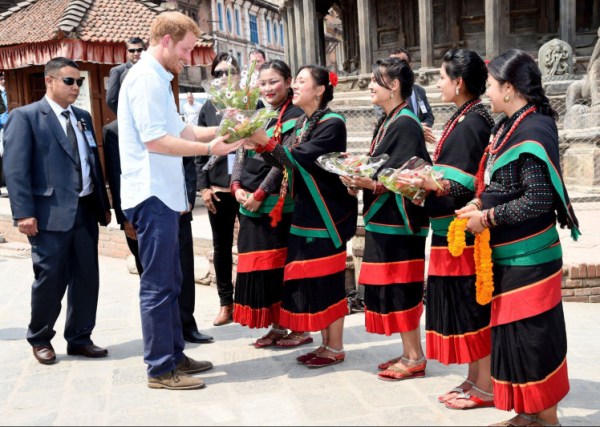
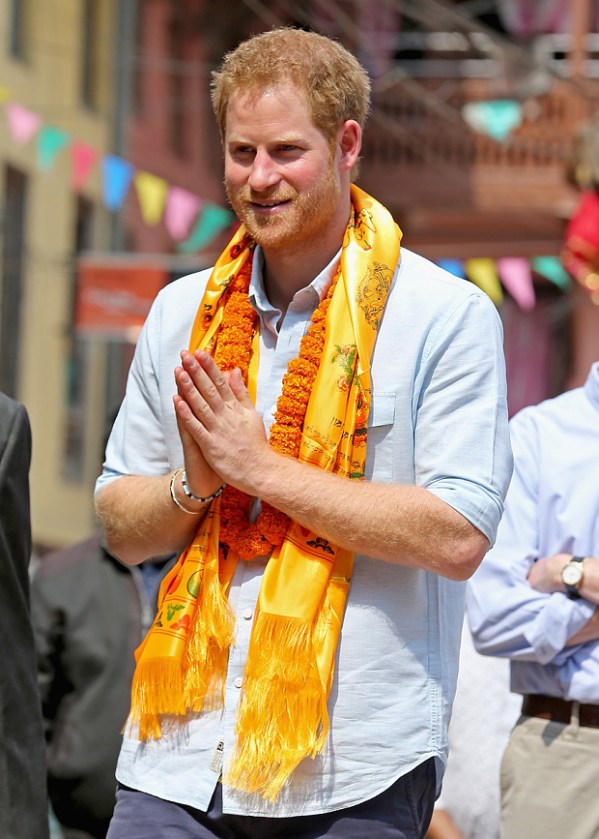
Prince Harry was given a traditional Nepalese welcome yesterday in Kathmandu, Capital of Nepal. Five Virgins, known as Pancha Kanya gave him the welcome by garlanding him. Till recently, Nepal was a Hindu Kingdom. Now they have dropped that claim when they framed a new constitution. Governments may change, constitutions may change. But people’s belief remains the same.

Hindu women remember Five Great Women every day in the morning. They recite a sloka/couplet in Sanskrit that contains the five names. This couplet itself is very significant because it explodes the Aryan- Dravidian myth to pieces. Though our scriptures clearly say that the Asuras or Rakshasas are cousins of Devas, jaundice eyed foreigners deliberately write that they belong to different races. This sloka also is a proof to show that good people are praised and remembered, irrespective of Rakshasa or Deva or Monkey race.


Five women praised in the Sanskrit couplet are Ahalya (wife of a seer, Gautama),Draupadi (Wife of Panadava brothers), Sita (wife of Rama), Tara (Wife of Monkey King Vali) and Mandodari (wife of Demon king Ravana).

All the five were featured in the great Hindu epics Mahabharata and Ramayana.
prince-harry-nepal_3597889b

In Nepal the Panchakanya are virgins or not married; but the above five were married. But here the virgin stands for their virgin minds – ever pure! For them sex was an act used for procreation and not for sexual gratification. That is why every Hindu woman remember them every morning. Those who don’t recite such a couplet also know the stories of five women and their contribution to Hindu culture.

Traditional Sanskrit couplet, part of Pratasmaran (Morning Prayer) runs like this:

Ahalyaa, Draupadii, Seetaa, Taaraa, Mandodari tathaa

Panchakanyaah smaren nityam sarva mahaapaataka nasanam


Meaning:

By remembering the Five Pure Women Ahalya, Draupadi, Sita, Tara and Mandodari all the great sins are wiped out or destroyed.

This sloka explains all that Hindu women stand for. Draupadi fought for her rights. Sita was ready to undergo all the hardships that her husband went for. Tara established her right by making her son Angada the next king of Kishkinda. Ahalya , a sinner, was reformed and proved that every sinner has a future. Mandodari, a chaste woman, but married to a demon Ravana advised him to send back Sita to Rama.
prince-harry-nepal_3597891b

Report from Nepal according to London Newspapers:

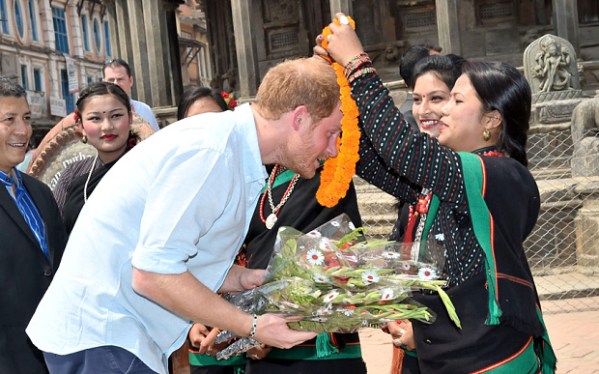
Prince Harry’s visit to Nepal began with a ceremony signifying luck and purity – a welcome from five virgins.

The young women greeted their special guest with gifts of flowers and placed a garland around his neck.

He was given flowers by Ujala Maharjan, 18, Alisha Awale, 18, Reju Maharjan, 19, and Nafisa Dangol, 17, before Maiya Maharjan, 25, put a garland or orange flowers around his neck.


The group of five young women – a lucky number in Nepalese culture – with their status as virgins representing purity, greeted their special guest with gifts of flowers and placed a garland of marigolds around his neck.


Harry was left in awe of the magnificent Hanuman Dhoka Palace complex, named in honour of the monkey god, Hanuman, with its impressive galleried courtyards, featuring beautiful carvings.


Much of the monument was built by King Pratap Malla in the 17th century but a 1934 earthquake which struck Nepal destroyed a large amount of the structure.
harry with kunkum

The prince lit a large candle, or lamp, in a metal cup and handed it to a priest guarding the icon at the 600-year-old Golden Temple. The offering of a burning lamp symbolises the impermanence of life.


When he arrived Harry was greeted by the temple’s chief abbot, 94-year-old Turtha Raj Shakya, who gave him a gift of an orange holy scarf decorated with eight auspicious symbols of Buddhism.


Already wearing a garland of orange flowers given to him by the five young women, the prince said: “Orange is the colour of the day.”


Golden Temple of Nepal


He was then taken into the tiny main courtyard of the temple, no bigger than half a tennis court, in which stood a large pagoda-style shrine as well as the shrine of the Buddha – covered in gold leaf, giving the temple its name.

As the prince stooped through a low doorway to enter the courtyard, he looked around him and said “Wow”.


Local conservationist Anil Chitraker showed him around the building, explaining the significance of prayer wheels, bronze statues of monkeys and elephants that relate to stories told by the Buddha, and the importance of the temple itself, which serves as a religious and community hub for 5,000 people.

After lighting the lamp, the prince gave it to Sujan Shakya, 32, one of two priests guarding the shrine of the Buddha.


The chief priest, or baphaca, in the temple is 10-year-old Sumit Shakya, who is serving one month as guardian of the shrine. Tradition dictates that the job must always be done by a boy aged under 12, who must not leave the temple for the month that he is in charge.


The temple was built in 1409 on the site of a 12th century Buddhist monastery, and only survived last year’s earthquake because of just-completed work to replace all of its rotting wooden beams.


Mr Chitraker said of the lamp-lighting ceremony: “In the Buddhist tradition, all this knowledge needs to spread, so when you light one lamp with the other lamp it symbolises how knowledge and wisdom spreads around the world.

“The butter that is being used to fuel the lamp ultimately runs out so it also symbolises the impermanence of life.”


He went on: “The earthquake was devastating, so between the palace he has seen and the Golden Temple, it shows how a 2,600-year-old institution established by Buddha comes to life when there is a disaster.


“The people pooled their food, they pooled their fuel, they cooked for 800 people at the same time and they took care of their houses. Five days after the earthquake some people were already moving back into their houses.”

–subham-

Holy Cow: Edwin Arnold (Post No 2650)

azakana madu, cowcow, HT photo

Compiled by london swaminathan


Date: 20 March 2016


Post No. 2650


Time uploaded in London :–  21-28


(Thanks for the Pictures; they are taken from various sources)


DON’T REBLOG IT AT LEAST FOR A WEEK!  DON’T USE THE PICTURES; THEY ARE COPYRIGHTED BY SOMEONE.


(for old articles go to tamilandvedas.com OR swamiindology.blogspot.com)


From the book ‘India Revisited’ by Edwin Arnold, published in 1886 in London


This comes immediately after his description of Bombay in 1885; please go to my earlier post Why I love Bombay by Edwin Arnold.


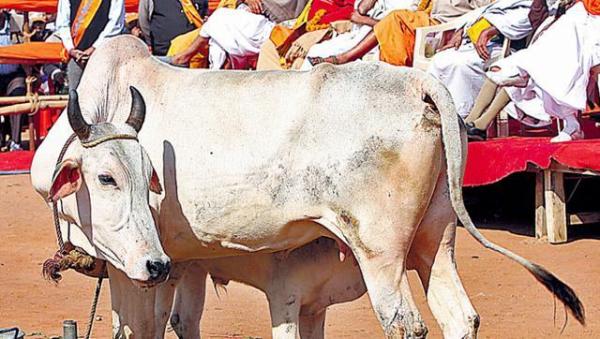
“one cannot be a day in this land without observing how the ancient worship of the cow still holds  the minds of the Hindoos. Those baskets of ‘bratties’ are the established fuel of the country, which everywhere burns the bois de vache. The banjaras are the only sect in British India which allow the cow to labour and good Brahmans will feed a cow before they take their own breakfast exclaiming,

“Daughter of Surabhi, formed of five elements, auspicious, pure, and holy, sprung from the sun, accept this food from me salutation and peace.”


Everything which comes from the cow is sacred and purifying, — the droppings are plastered with water over the floors and verandahs of all native huses, and upon the cooking places; the ashes of the same commodity are used, with colouring powders, to mark the foreheads, necks and the arms of the pious, and no punctilious Hindu would pass by a cow in the act of staling without catching the hallowed stream in his palm to bedew his forehead and breast. I have observed this morning my hamal reverently touch the compound cow as she passed him, when nobody was looking, and raise his hand to his mouth. He doubtless muttered the mantra,

“Hail O Cow! Mother of the Rudra, daughter of the Vasu, sister of the Aditya, thou who are the source of ambrosia”. India does not change.


-subham-

Mother Theresa is not so saintly: London Newspaper (Post No. 2643)

India-MotherTeresa

Written by london swaminathan


Date: 18 March 2016


Post No. 2643


Time uploaded in London :–  17-27


(Thanks for the Pictures; they are taken from various sources)


DON’T REBLOG IT AT LEAST FOR A WEEK!  DON’T USE THE PICTURES; THEY ARE COPYRIGHTED BY SOMEONE.


(for old articles go to tamilandvedas.com OR swamiindology.blogspot.com)


(India has released three postage stamps for Mother Theresa)

India-stamp5722mother-teressa


Evening Standard published from London published write up this evening (18th March 2016) about Mother Theresa; it is written by a regular columnist Dan Jones:-


Mother Theresa is not so saintly

“The Vatican says the late Mother Theresa will become a saint on September 4. No doubt this gives the catholic faithful great cheer. But not me, the two miracles ascribed to her are totally lame.

Back in the day,

Saints could turn walking sticks into trees (St Patrick),

Caused animals to speak in human voice (St Edmund the Martyr),

Blood from their stigmata (St Francis of Assisi and others),

Flew in the sky (St Joseph of Cuperinto),

Prophesised the future (St Malachy),

Dried wet things off without a towel (St Margaret of Scotland) etc.


Mother Theresa has two recognised miracles to her name: healing abdominal disease and a brain tumour. With all due respect, this is not magic, it is Homeopathy”.


Evening Standard, London, Page 15, dated 18th March 2016.

rs 20 theresa

10,000 Saints!

To make one a saint at least two miracles are required.

There are 10,000 saints in Roman Catholic religion. Sometimes they are made saints in bulk. Pope Francis made over 800 people of an Italian city saints at one stroke. They were all beheaded by Muslims when they refused to convert to Islam. Sometimes forty people were made saints. So the number is increasing.


Some of the miracles attributed to earlier saints were also challenged by the scientists and the general public.


–subham-


Fish and Guests smell in Three Days!(Post No.2608)

nam sappadu

Research article written by london swaminathan

Date: 7 March, 2016


Post No. 2608


Time uploaded in London :–  16-16


( Thanks for the Pictures  ) 


DON’T REBLOG IT AT LEAST FOR A WEEK!  DON’T USE THE PICTURES; THEY ARE COPYRIGHTED BY SOMEONE.


(for old articles go to tamilandvedas.com OR swamiindology.blogspot.com; 


Hindus consider guests as Gods. ‘Atithi Devo Bhava’ (Treat guest as god)  – is a Vedic dictum. It is in Taittirio Upanishad. Hospitality is a great virtue and Sanskrit and Tamil ethical literature have got lot of couplets and proverbs praising Hospitality. To illustrate their points they have lots of stories as well. But at the same no one is encouraged to abuse it. There are interesting proverbs in Tamil:

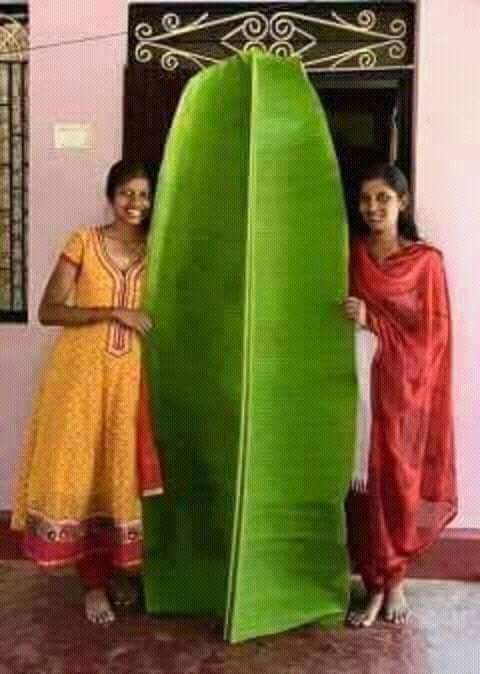
1.First day food is served in a big banana leaf (Talai Vaazai Ila)

Second day food is served in your hand (Kaiyila)

Third day food is served on the floor (Taraiyila)

You can note the Tamil rhyme ila, ila, ila at the end of each sentence.

banana leaf big

Long banana leaf called Talai Vaazai Ilai (in laws are given a feast on such leaves)

I am not surprised to see the same thought in an English proverb: Fish and guests smell in three days.

There are more proverbs to emphasize this point:

2.The first day a guest

The second day a guest

The third day a calamity (Indian Proverb)


3.Do not wear out your welcome

4.A constant guest is never welcome


5.Long visits bring short compliments (Chinese proverb)

6.The guest who outstays his fellow guests loses his overcoat (Chinese proverb)

There are some sayings on uninvited guests:-

7.An unbidden guest knows not where to sit.

8.An unbidden guest must bring his stool with him

9.Who comes uncalled, sits unserved.


Indian weddings are held in big halls (Kalyana Manadaps). I myself have seen some people pretend to be from the bride’s side or bridegroom’s side. But when the time for group photos come they simply slip out!

2 thinnai veedu

But in general, guests are most welcome in Hindu culture. In the olden days all the houses in Tamil Nadu, had sitting space (pial) in the front part of the house. The land lord will come out and call for the guests before he sits for dinner. But later it became a fake ritual. There are lot of humorous stories about the pretending land lords/house holders.

Following are the sayings in support of hospitality:

10.If a man receives no guests at home, when abroad he will have no hosts (Chinese proverb).

(This is based on Karma theory. If you do good someone will do you good).

11.Good will and welcome are your best cheer.

12.He that is welcome fares well.

13.Welcome is the best dish.

(It is very true. After cooking the best dishes, if you don’t show respect to the guests, all your work is a waste of time).

14.Such welcome, such fare well

15.It is a sin against hospitality, to open your doors and shut up your countenance.

bananaa leaf meals

Following article was posted in 2014.

Be a Guest in India!

Written by London swaminathan
Post No.1182; Dated 19th July 2014.

If you are a guest in India you will receive special treatment. Hospitality is the hallmark of a good householder. It is one of the Panchayajnas. Of the Pancha/five Yajnas/Duties, Manushya Yanja is one. This means feeding the fellow humans. Whether they are poor or rich, if they knock at your door you must not turn them down. In the olden days people used to go out to the street and look for guests at the lunch time. Then they will go for the dinner or lunch.

Ilango, author of Tamil epic Silappadikaram, says that the heroine Kannagi worried that she was not able to welcome the guests. Sita in Kamba Ramayana, also echoed the same feelings.

Great Tamil poet Tiruvalluvar says,

“The only purpose, of a family life of virtue and wealth,
Is to command the means of extending hospitality to the guests – (Kural 81)

“Even the nectar of immortality is not to be consumed
Without sharing with the guests waiting outside — (Kural 82)

“He who daily entertains the guests who go to him will never be ruined by poverty– (Kural 83)

Story from Mahabharata

A good story that illustrates the greatness of hospitality is in the Mahabharata. When Yudhistra performed the Rajasuya Yajna, thousands of people were fed. When everyone was satisfied there appeared a mongoose and challenged Yudhistra. Half of its body was in golden colour. It rolled on the leftovers of the guests. When Yudhistra asked the reason for it, the mongoose told him a story.

“A hungry man approached a poor man’s house for food. Though the poor man had prepared full meal after a very long time, he readily offered his food to the guest. When the guest was not satisfied, his wife and son offered their shares. When he left the hose I just rolled on the left over food and half of my body turned gold. From then onwards I had been visiting lot of places where food was donated. But my body never turned gold. I am greatly disappointed that even here my body did not turn into gold. This reduced the ego of Yudhistra.

Guests are welcome in any country. But in ancient India, they were considered Gods. This was true from the land’s southern most end Kanyakumari to northern most Kashmir. If anyone wants to be a guest one should be a guest in India — in ancient India! Tamil and Sanskrit literature have got a lot of proverbs or sayings about Atithih/Guest.

Following are the sayings in Sanskrit on the Guests from ‘’Suktisudha’’ (Chinmaya International Foundation Publication):

“A guest, though he be boorish, deserves to be welcomed by the discerning – Valmiki Ramayana 5-1-119

“Hail the guest as God (Atithi Devo Bhava, Taittiriya Upansishad 1-20)

“Even though it be a foe who has come home, appropriate hospitality to him is a must – Hitopadesha 1-50

“Hospitality bears no fruit in the hereafter, but verily in this life itself – Kathasaritsagara

“It is the duty of a householder to honour the guest according to his capacity — Kathasaritsagara

“It is befitting to receive the visitor with due honour — Pratinja Yaugandharayana of Bhasa

“For all, the guest is of paramount importance “– Canakyaniti 6- 45

–Subham–


Why do you praise me without knowing past and present? – Buddha (Post No.2549)

buddha

Compiled  by London swaminathan


Date: 17  February 2016


Post No. 2549


Time uploaded in London :–  8-14 AM


( Thanks for the Pictures  ) 


DON’T REBLOG IT AT LEAST FOR A WEEK!  DON’T USE THE PICTURES; THEY ARE COPYRIGHTED BY SOMEONE.


(for old articles go to tamilandvedas.com OR swamiindology.blogspot.com; contact swami_48@yahoo.com)


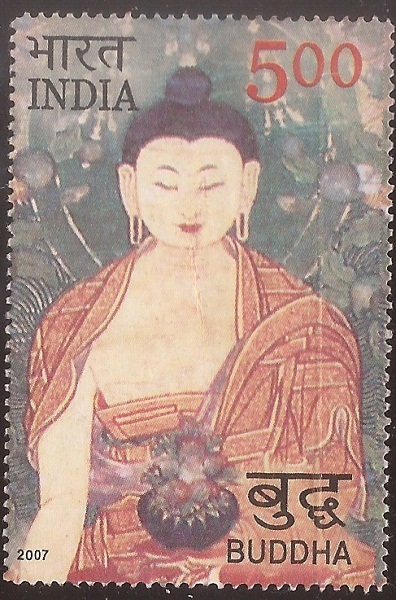
The venerable Sariputta came to the place where the Exalted One (Buddha), and having saluted him, took his seat respectfully at his side, and said:

“Lord, such faith I have in the Exalted One that methinks tere never has been, nor will there be, nor is there now, any other, whether Wanderer or Brahman, who is greater and wiser than the Exalted One … as regards the higher wisdom.


Grand and bold are the words of thy mouth, Sariputta, (answered the Master)

‘verily, thou hast burst forth into a song of ecstasy! Of course then thou hast known all the Exalted Ones of the past … comprehending their minds with yours, and aware what their conduct was, what their wisdom, …… and what the emancipation they attained to?


Not so, O Lord!

Of course, then thou hast perceived all the Exalted Ones  of the future, ……comprehending their whole mind with yours

Not so, O Lord!

But at least, then, O Sariputta, thou knowest me  … and hast penetrated my  mind?

Not even, O Lord!

You see ,then, Sariputta that you know not the hearts of the Able, Awakened Ones of the past and of the future. Why, therefore, are your words so grand and bold? Why do you burst forth into such a song of ecstasy?

–Dialogues of The Buddha

Xxx


stamp-china-lao-tzu-TN

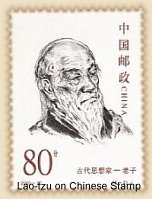
Founder of Taoism (Picture)

Can anyone have Tao?

SHUN asked Cheng, saying, can one get Tao so as to have it for himself?

(Tao means Road, Path, Principle in Chinese)

Your very body, replied Cheng, is not your own. How should Tao be?

If my body, said Shun, is not my own, pray who is it?


It is the delegated image of God, replied Cheng. Your life is not your own. It is the delegated harmony of God. Your individuality is not your own. It is the delegated adaptability of God. Your posterity is not your own. It is the delegated exuviate of God. You move, but know not how. You are at rest, but know not why. You taste, but know not the cause.  These are the operations of God’s laws. How then should you get Tao so as to have it for your own?


–Cheng Tzu (China)

The Big and the Small: Conversation between the River and the Ocean! (Post No. 2544)

IMG_2946

Compiled by London swaminathan


Date: 15  February 2016


Post No. 2544


Time uploaded in London :–  14-26


( Thanks for the Pictures  ) 


DON’T REBLOG IT AT LEAST FOR A WEEK!  DON’T USE THE PICTURES; THEY ARE COPYRIGHTED BY SOMEONE.


(for old articles go to tamilandvedas.com OR swamiindology.blogspot.com; contact  swami_48@yahoo.com)

IMG_9241

It was the time of autumn floods. Every stream poured into the river, which swelled in its turbid course. The banks grew so apart that it was impossible to tell a cow from a house.


The spirit of the river shouted for joy that beauty of all the earth was gathered to himself. Down with the stream he journeyed east until he reached the ocean. There looking eastward and seeing no limit to its waves, his face fell. And as he gazed over the expanse he said to the spirit of the ocean:

“A common proverb says that he who hears half the truth thinks no one is equal to himself. And so it is with me.  When formerly I heard people decrying the learning of Confucius or the heroism of Po, I did not believe, but now that I see your vastness – Ah, if I had not reached your dwelling I should have forever been a laughing stock to those who knew better!”


To this the ocean spirit replied:

“You cannot talk of the ocean to a frog in a well – the creature of narrow bounds. Nor of ice to summer flies – the ephemera of a day.  You cannot speak of the Law to a pedant. His limits are narrow. But now that you have emerged – that you have seen the great ocean, you know your narrowness, and I may speak of great principles.


Nothing beneath the heaven is greater than the ocean. All water flows into it, yet it does not overflow. It is drained yet does not empty. It knows no floods or droughts and thus greater than mere rivers and brooks – though I, its spirit, dare not boast, for I get my shape from the universe, my vital power from the negative and positive principles governing all. In the universe I am as a little stone or a bush on a vast mountain. And of all who inhabit the earth man is but one. Is not he compared with all creation as the tip of  a hair as small?”

IMG_3030

“By no means. Dimensions are limitless. Time has no bounds. Conditions vary. Terms are not final. How then can one say that the tip of a hair is the last word on littleness or the universe the last word on the vastness?”

—-Chuang Tzu (China)


Priest and the Emperor (Post No.2540)

chinese

Compiled by london swaminathan

Post No. 2540

Date: 14th February 2016


Time uploaded in London:- 17-10

( Thanks for the Pictures  ) 


DON’T REBLOG IT AT LEAST FOR A WEEK!  DON’T USE THE PICTURES; THEY ARE COPYRIGHTED BY SOMEONE.


(for old articles go to tamilandvedas.com OR swamiindology.blogspot.com; contact swami_48@yahoo.com)


Story from China

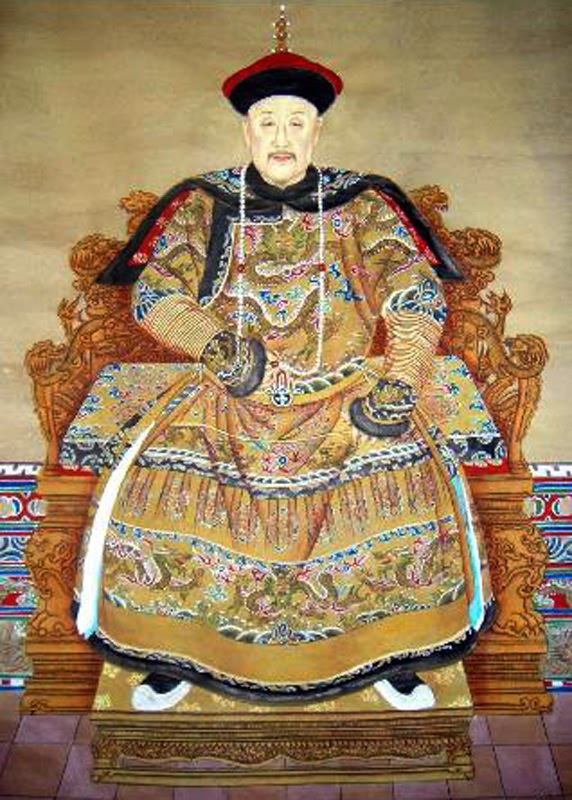
An old, lame priest was so renowned for his self-denying liberality that the Emperor Chien Lung himself paid him a visit. After some conversation the emperor presented him with a valuable pearl which the old man immediately bestowed on a beggar in the crowd.


His Majesty was somewhat taken aback at this act of rudeness and asked it was his habit to give everything away in the same manner. On receiving a reply in the affirmative, the Emperor added, “Even down to the crutch you lean upon”.


“Ah”, said the priest, “it is written that the superior man does not covet what his friend cannot spare”.

“But supposing”, said the Emperor, “he was not a superior man?”

“In that case”, answered the priest, “you could not expect me to be his friends.”


Xxx

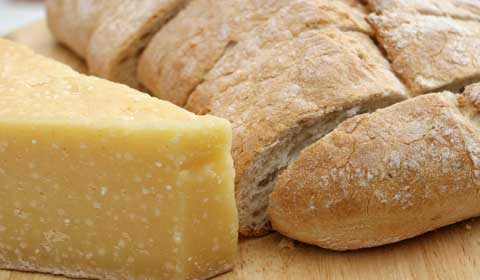
Cheese-Bread

God is the Provider, but he needs a nudge (story from Persia)


In other words, God helps those help themselves. Two friends were disputing, one of them maintaining that God would provide all one’s needs, the other arguing that one had to work for one’s living. At length to settle the matter, the first man went and sat in a corner of the mosque to wait his sustenance from god. Two days passed, and then three, and still nothing came from heaven or earth.


But on the evening of third day three villagers came into the mosque to eat their bread and cheese. As they were packing up the reminder of the food before leaving, our friend, seeing his last chance about to disappear, coughed gently. The villagers noticed him and taking pity on his haggard appearance, gave him the remains of their food. The man went back to his friend in all humility “God is indeed the Provider”, he admitted, “but he needs a nudge.”


Xxx


Earth-globe-with-people-Stock-Vector

World is God (Story from India)


A man living in this world was disgusted with life, and renouncing it, went to a solitary spot and dwelt in a cave praying God to give His Darshan. He fasted and prayed for a long period and just when he was despairing of seeing God, He appeared before him saying, “Lo, I am here”. What did the man see before him? God had come to him in the form of the world itself which he had renounced in search of Him. On having this vision the man returned to the world and saw God everywhere in it and ever remained filled with bliss and peace.


–Subham–


Fire/ Agni in Vedic and Aborigine Cultures (Post No. 2521)

IMG_2345

Research Article written by london swaminathan

Post No. 2521

Date: 8th February 2016

Time uploaded in London 16-48

( Thanks for the Pictures  ) 


DON’T REBLOG IT AT LEAST FOR A WEEK!  DON’T USE THE PICTURES; THEY ARE COPYRIGHTED BY SOMEONE.


(for old articles go to tamilandvedas.com OR swamiindology.blogspot.com; contact 


swami_48@yahoo.com)

IMG_8996

This is the third part in exploring the similarities between the Australian aborigines and the Hindus.


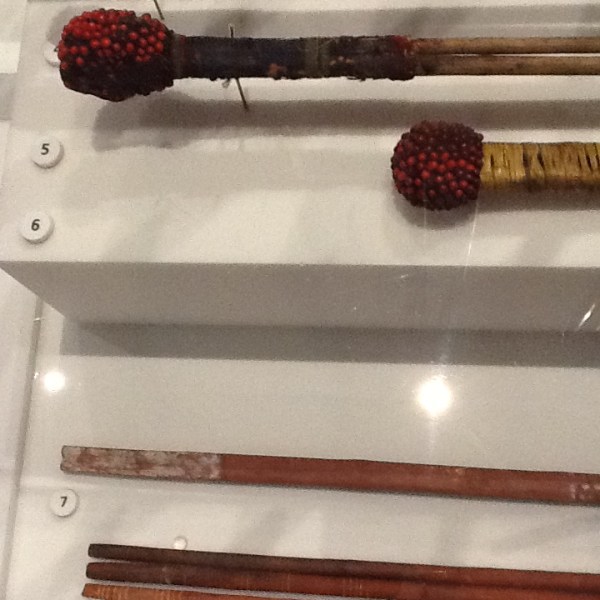
In the Vedic culture Fire ceremonies were part of their everyday life. They performed long Yajnas and Yagas at home and in the forest. They had special drill to produce fire. It was called Arani wood. They used one wooden stick to churn another wood to create fire. They had special mantras for this ceremony. Almost all ancient cultures followed the same techniques for making fire. Australian aborigines also used two wooden sticks to produce fire. They held fire in esteem. Like Hindus they also considered Fire as a sacred object. Australian aborigines had lot of sects and they lived in a vast area. So they used different types of sticks.


Ancient fire drill


IMG_2419

IMG_2413


Nothing should be wasted

Another principle upheld by the aborigines is “Nothing should be wasted”. This is also similar to the belief of Hindus. Hindus worshipped all the five elements. Even when they started ploughing a land or digging the earth for a well or house foundation, they always seek the permission of the Gods to do it. They prayed to gods for their forgiving. This type of reverence paid to natural forces made them to use the minimum or optimum resources. Whatever left over was given as donation to the needy.

IMG_9039

Look after the country


Hindus said Dharmo Rakshati Rakshita: meaning that those who protect the natural law will be protected by the law/ dharma. Australian aborigines has similar principle: Look after the country and the country will look after you. This ancestral law ,handed down through generations, teaxches us to harvest the resources sustainably,maintain the bio diversity, protect the right of all species and care for sacred sites.Wisdom is acting now for the future of our race – says the aborigines.

IMG_9041