Please click below for the article
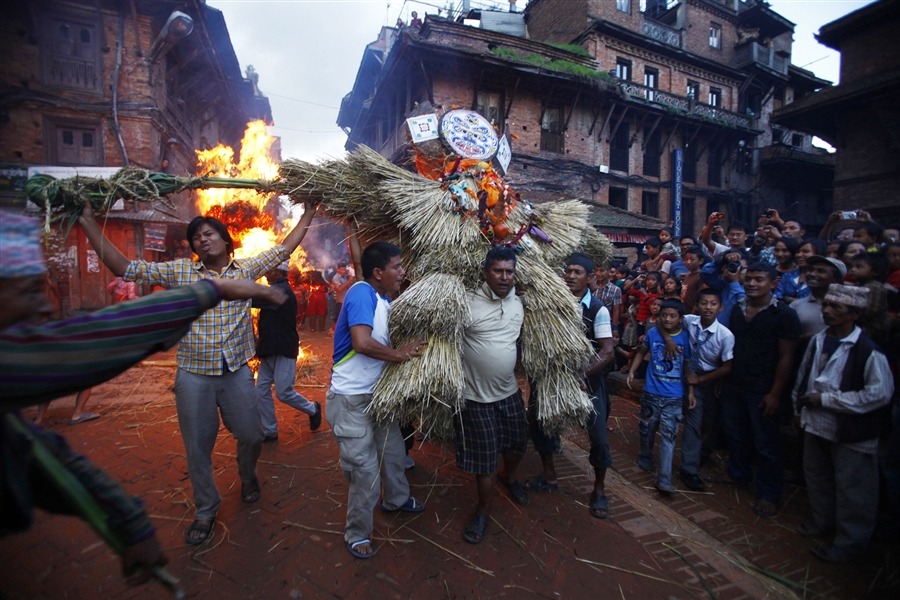
Picture of Nepalese burning Ghantakarnan effigy.

Picture of Sukarno with Nehru
Please click below for the article
Picture of Nepalese burning Ghantakarnan effigy.
Picture of Sukarno with Nehru
Posted by Tamil and Vedas on December 30, 2013
https://tamilandvedas.com/2013/12/30/1-%e0%ae%ae%e0%af%81%e0%ae%b8%e0%af%8d%e0%ae%b2%e0%af%80%e0%ae%ae%e0%af%8d-%e0%ae%95%e0%ae%b0%e0%af%8d%e0%ae%a3%e0%ae%a9%e0%af%8d-4-%e0%ae%87%e0%ae%a8%e0%af%8d%e0%ae%a4%e0%af%81-%e0%ae%95%e0%ae%b0/
Posted by Tamil and Vedas on December 27, 2013
https://tamilandvedas.com/2013/12/27/18-%e0%ae%87%e0%ae%a4%e0%af%8b-%e0%ae%92%e0%ae%b0%e0%af%81-%e0%ae%95%e0%af%8b%e0%ae%aa%e0%af%8d%e0%ae%aa%e0%af%88-%e0%ae%9f%e0%af%80-%e0%ae%8e%e0%ae%9f%e0%af%81%e0%ae%a4%e0%af%8d%e0%ae%a4%e0%af%81/
Posted by Tamil and Vedas on December 26, 2013
https://tamilandvedas.com/2013/12/26/%e0%ae%aa%e0%ae%be%e0%ae%b0%e0%af%8d%e0%ae%b8%e0%af%80-%e0%ae%ae%e0%ae%a4-%e0%ae%87%e0%ae%a8%e0%af%8d%e0%ae%a4%e0%af%81-%e0%ae%ae%e0%ae%a4-%e0%ae%92%e0%ae%b1%e0%af%8d%e0%ae%b1%e0%af%81%e0%ae%ae/
Posted by Tamil and Vedas on December 25, 2013
https://tamilandvedas.com/2013/12/25/who-was-zoroaster-why-did-parsees-return-to-gujarat/
Posted by Tamil and Vedas on December 25, 2013
https://tamilandvedas.com/2013/12/25/experiment/
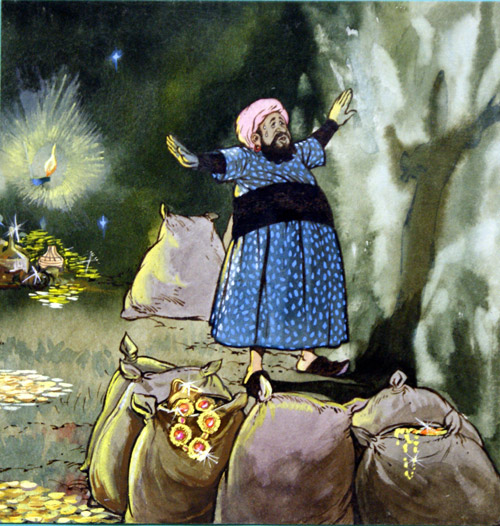
OPEN SESAME
By London swaminathan; Post No 756 dated 23rd December 2013
Encyclopaedias say that the origin of the famous phrase ‘OPEN SESAME’ from Alibaba and Forty Thieves is unclear. But my research shows that there is a story in Hindu mythology giving its origin. The interesting thing about this oil seed SESAME is that it is found in Vedic ceremonies and Indus Valley civilization. Hindus use them in their funeral rituals. Without sesame seeds there can be no funeral ceremonies or the monthly ceremonies for departed souls called Tila Tarpanam. (Tila =sesame seeds, sushma/sis mum=sesame).
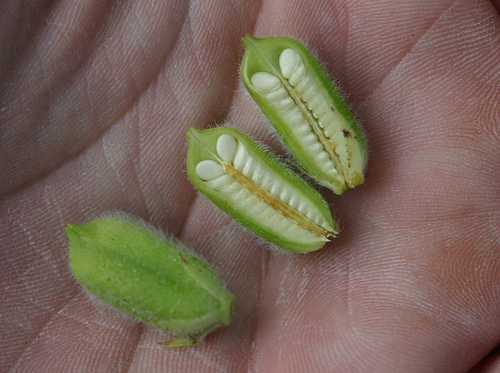
Though we find sesame seeds in Assyrian and Egyptian cultures, the origin of this seed must be India. Cotton, Sugarcane and sesame seeds, all the three ancient plants found in the Indus Valley, went to the Middle East from India (Please read my earlier post: The Sugarcane Mystery: from Ikshvaku Dynasty to Indus Valley). I don’t make sweeping statements without any proof.
Sesame seed is associated with Lord Vishnu and Sesame oil (Gingely oil) is associated with his consort Maha Lakshmi. Vedic literature such as Boudayana Dharmasutra and Grhya sutra, Jaiminiya Grhya sutra and mythologies such as Garuda Purana refer to the use of sesame seeds. (Other Grhyasutra references for researchers: Asva.GS 1-9-6; Sank GS 1-28-6; Pa GS 1-15-4. Panini also refers to it (Ashtadyayee V.2.4, V.i.7).
Taila, sesame oil, is mentioned in the Atharva Veda where reference is made to keeping such oil in jars. In the Sankhayana Aranyaka (RV), reference is made to anointing with sesame oil. Yajur Veda also has references to it.
There is another proof for the origin of sesame seeds in India, is from 2000 year old Sangam Tamil literature. There are too many references to list here. But the innumerable proverbs, verbs and nouns about sesame in Tamil show that it is known to Indians for thousands of years. Moreover the Tamil word used for sesame ‘El’ has no cognates in Semitic or Indo Aryan group of languages. But it is used in the same ways in religious rituals from the Himalayas to Kanyakumari.

OPEN SESAME & TARPANAM
Shatila Ekadasi may be the origin for this phrase. Hindus consider this sesame as a Password for Heaven. An old woman did not do any food donation (Anna Dhanam) in her life. When God came to test her she gave only a mud ball, but yet she went to the heaven. Lord sent her back to earth to complete her duties which includes donating food to the needy. (Another version of the same story: But causally she mixed the sesame seeds in cow dung and used it as fuel which led her to the heaven). Hindus consider this seed as the vehicle for the world of the departed. They just give water with this black sesame seeds every month for the departed souls and say three times ‘Be satisfied’ (‘Trpyata’ and so the ceremony is called Tarpanam). In the olden days Hindus were doing Tarpanam every day. Nowadays orthodox Hindus do it 96 times in a year where as others do it 12 times a year.
Shat+ Tila= Shatila Ekadasi shows that sesame seeds can be used in six (Shat) different ways: Oil Bathing, Oil Massaging, Food, Charity(donation) of Til, Putting Tila in fire known as Havan/Homam, Oblations to departed souls.
In South India, oil bath with the sesame oil is considered auspicious. On Deepavali (diwali) day the Hindus take oil bath so that Lakshmi, Goddess of Wealth, resides in them permanently. They cook all the dishes only with this oil for religious festivals.
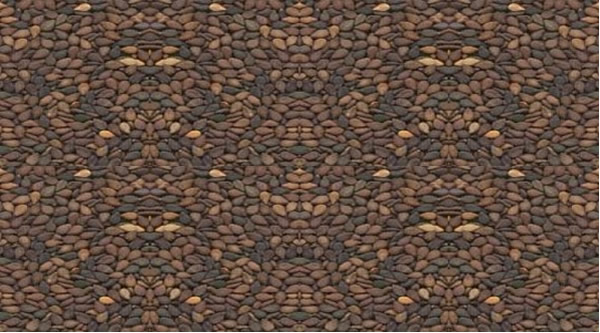
Makara Sankranti
Makara Sankaranti (Pongal Festival in Tamil) is one of the Hindu festivals associated with solar calendar. It is celebrated though out India. It is called Tila Sankaranti as well in Maharashtra because Tila Balls ( Tila Laddoos) are distributed on that day. Each family exchange Tila Laddoos saying ‘Forget the past and say sweet words’. It is a renewal of friendship. In Tamil Nadu it is the main festival for the Tamils. They celebrate it as Harvest Festival.
Sangam Tamil Literature
Ancient Tamils were ardent Hindus. They followed all the main Hindu rituals with some regional variations. India is a vast county with various climates. Every tenth line in their 30000 line Sangam corpus we see some reference to Hindu ideals. They also believed departed souls live in the South which I have explained in one of my posts. Wife of Bhootha Pandya went to commit ‘Sati’. All the elders in the Royal court of the Pandya Kingdom prevented her from jumping into the funeral pyre. But she ignored them and burnt herself with her husband’s body. She was well educated and the queen’s poem is part of Purananuru (verse 246). She listed the food items for a widow which includes sesame paste. The verbs with this El (sesame) are numerous. It may be compared to Iota in English (Not even an iota) mostly with negative connotations. One of the proverbs is ‘Like a sesame ball for a poor man’.
I have given more Tamil references in the Tamil version of my article.
Most famous Tamil poet Tiruvalluvar used this oil seed in his couplets (Kural 281, 470, 1298)
Sesamum indicum is the variety used by Indians. There are different wild varieties available in Africa. It is available in Black, White and Red colours. Sweets made up of sesame seeds are used in the Middle East and India.

Garuda Purana
Garuda Purana and Bhavishya Purana give some information about sesame. It is considered very pure because it came out as sweat from the body of Lord Vishnu. Hindus use ‘sweat’ ‘dirt’,’ soil’ so that a layman will understand. What they mean is it is part of God’s body. The use of sesame drives away the evil spirits and demons. Tamils also used white mustard seeds for the same purpose according to Sangam Tamil literature.
Black colour is always associated with death in Hinduism. I have written about it in my post about Yama, God of death. He is called black. His vehicle buffalo is also black. Sesame seeds used in funeral rituals is also black. Sesame powder mixed with rice is offered to planet Saturn on Saturdays which is also a black planet. Saturn’s vehicle crow is also black. So we see a reason for the use of the sesame seeds in death rituals. Sesame oil is also used in funeral rituals. All the family members of the departed person have to look at their faces reflected in the oil. The oil is collected by the funeral person and no one is allowed to look at him.
Tilaka (Dots on the foreheads) and drop of sweat look like a sesame seed. May be the origin of Tilak is also from the shape of sesame/Tila seed. If one looks at a sesame seed under a magnifying glass one can easily understand it.
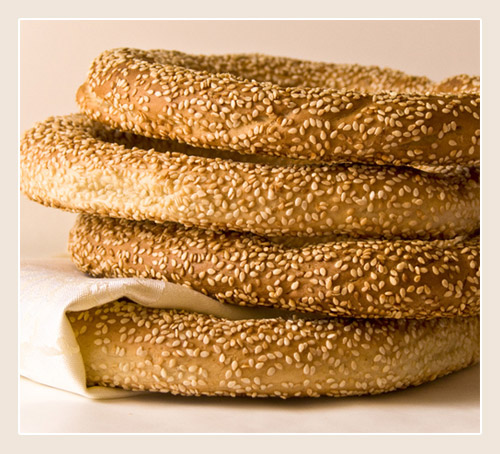
Bread with Seame
Kanchi Shankaracharya
Kanchi Paramacharya Swamikal (Shankaracharya Sri Chandrasekara Indra Sarasvati Swamikal) adds some interesting information in his talk in Chennai in 1932. Brahmins change their sacred thread (Punul) every year on Upakarma day (full moon in Sravana month). On that day they used to eat only Sesame seeds and starve for the whole day. Next day they do a Homam (Havan) with 1008 peepal (Ficus religiosa) sticks. Now no one follows this ancient ritual.
The usage of sesame in the ancient languages like Sanskrit and Tamil and Indus Valley points out that the Vedic civilization and Indus Valley civilization are not very different. They are one and the same.
Please read my earlier post The Sugarcane Mystery: Indus Valley and the Ikshvaku Dynasty. Contact swami_48@yahoo.com
Posted by Tamil and Vedas on December 23, 2013
https://tamilandvedas.com/2013/12/23/open-sesame-password-to-heaven/
By London swaminathan; Post No 755 dated 23rd December 2013
இந்துமத சடங்குகளில் பயன்படுத்தப்படும் எள், ரிக் வேதத்திலும், சிந்து சமவெளியிலும் காணப்படுகிறது. இதை வேத கால மக்கள் பயன்படுத்தி வந்ததால், சிந்து சமவெளி நாகரீகமும், வேதகால நாகரீகமும் வேறு வேறல்ல என்பதும் தெளிவாகின்றது.
இந்துமத நூல்கள், ‘எள்’ என்னும் தானியத்தை மஹா லெட்சுமியுடனும், மஹா விஷ்ணுவுடனும் தொடர்புபடுத்துகின்றன. தீபாவளி அன்று எண்ணை தேய்த்துக் குளிப்பத்தால் மஹாலெட்சுமி நம்மிடம் என்றும் வாசம் செய்வாள் (செல்வம் நிலையாகத் தங்கும்) என்ற நம்பிக்கையும் தென் இந்தியாவில் உண்டு.
போதாயன தர்மசூத்திரம், க்ருஹ்ய சூத்திரம், ஜைமினீய க்ருஹ்ய சூத்திரம் ஆகியவற்றில் எள் பற்றிய குறிப்புகள் வருகின்றன. தைலம் (எண்ணை) பற்றிய குறிப்புகள் அதர்வ வேதத்திலும், சாங்காயன ஆரண்யகத்திலும் காணப்படுகின்றன. ஜாடிகளில் எண்ணையைச் சேமித்து வைப்பது, எண்ணை தேய்த்துக் குளிப்பது ஆகியன பற்றி அவை பேசுகின்றன.(a few Grhyasutra references: Asva. GS1-9-6; Sanka. GS 1-28-6; Pa GS 1-15-4; there are many more in the same Grhyasutras; Panini in his Paniniyam V-2-4, V-i-7)
பிராமணர்கள் மாதந்தோறும் செய்யும் நீத்தார் கடன் ‘தில தர்ப்பணம்’ என்று அழைக்கப்படும். ‘திலம்’ என்றால் எள் என்று பொருள். இந்த சம்ஸ்கிருத சொல்லில் இருந்துதான் ‘தைலம்=எண்ணெய்’ என்ற சொல் வந்தது. இதேபோல தமிழிலும் எள்ளில் இருந்து எடுக்கப்படும் நெய் ‘எள்+நெய்’=எண்ணெய்=எண்ணை என்று ஆகியது. இந்த எள்ளை ஏன் இறந்து போனவர்களுக்குக் கொடுக்கிறோம்? எள்ளை ஏன் சனைஸ்வர பகவானுக்கு நைவேத்தியம் செய்கிறோம்? என்று ஆராய்வதே இக்கட்டுரையின் நோக்கம்.
(திலம் என்பதில் இருந்துதான் திலகம் (பொட்டு) என்பதும் வந்தது போலும்! ‘தில’த்தை பூதக்கண்ணாடியின் கீழே வைத்துப் பார்த்தால் திலகம் உருவத்தில் திகழும்!!)
எள் என்னும் எண்ணை வித்து வேதத்தில் இடம் பெறுகிறது. 3000 ஆண்டுகளுக்கு முன், சிந்து சமவெளியிலும் காணப்படுகிறது.. கறுப்பு, வெள்ளை, பழுப்பு நிறத்தில் இது கிடைக்கும். ஆப்பிரிக்காவிலும் மத்தியக் கிழக்கிலும் எள் காணப்படுகிறது. அசீரிய, எகிப்திய நாகரீகத்திலும் எள் பற்றிய குறிப்புகள் உள்ளன. ஆயினும் இந்தியாவில் காணப்படும் எள் தனி ரகம். இதன் தாவர இயல் பெயர். சிசேமம் இண்டிகம் Sesamum indicum.
Bread with sesame
எள் பற்றி கருட புராணத்தில் வரும் குறிப்பை அபிதான சிந்தாமணியில் காண்கிறோம்: “ இது ஒரு சிறு செடி. இதன் வித்தில் எண்ணெய் எடுப்பர். விஷ்ணுவின் வியர்வையில் உண்டானது ( பாமர மக்களுக்குப் புரிவதற்காக இப்படிச் சொல்லுவதுண்டு. அதன் உருவம் வியர்வைத் துளி போல தோன்றும்) ஆகையால் மிகத் தூய்மையானது. இதனைக் கண்டால் அசுரரும் பூதப்பிரேத பைசாச முதலியோரும் வெகுண்டு ஓடுவர். இந்த எள் கருப்பும் வெண்மயுமென இரு வகைத்து. எந்த நிறமுள்ள எள்ளையேனும் தானங்களோடு சேர்த்துக் கொடுப்பின் அதிகப் பயனுள்ளதாகும் சிரார்த்தத்தில் கறுப்பு எள்ளைச் சேர்த்தால் பிதுர்தேவர்கள் அதிகக் களிப்படைவர்—(கருடபுராணம்)
எள்ளும், சனைஸ்வர பகவானும், சனியின் வாகனமான காகமும் கறுப்பு நிறத்தவை. மரணத்துக்கு அதிபதியான எமனும் அவனது வாகனமான எருமையும் கறுப்பு நிறத்தவை. ஆக மரணத்துக்கும் கறுப்பு நிறத்துக்கும் உள்ள தொடர்பு காரணமாக நீத்தார் கடன்களில் எள் பயன்படுத்தப்படுகிறது என்றும் கொள்ளலாம். சனிக்கிழமைகளில் சனி பகவானுக்கு எள்ளுஞ் சாதம் படைக்கப்படுகிறது.
மனிதர்கள் நாகரீகம் அடைவதற்கு முன், இறந்தோருக்கு மாமிசத்தைப் படைத்து வந்தனர் என்றும் பிற்காலத்தில் மாமிசத்துக்குப் பதிலாக எள் கொடுக்கப்பட்டது என்று கூறுவாரும் உளர். உண்மையில் எள்ளில் தாவர வகை புரத்ச் சத்து அதிகம். எண்ணையில் கொழுப்பு சத்தும் அதிகம்.
காஞ்சி பரமாசார்ய ஸ்வாமிகள் உபந்யாசம் (16-11-1932, சென்னை)
“ ஆவணி அவிட்டத்தன்று எள்ளு மாத்திரம் சாப்பிட்டு அன்று முழுதும் பட்டினி இருந்து மறுநாள் 1008 ஸமித்தால் ஹோமம் பண்ணவேண்டும். அந்த ஹோமம் ஸ்வர வர்ண லோபங்களுக்காகச் செய்ய வேண்டும் அதை ஒவ்வொரு வருஷமும் பண்ணவேண்டும்”.
ஷட் தில ஏகாதசி:
மாசி மாத கிருஷ்ண பட்சத்தில் வரும் ஏகாதசி ஆறு எள் (ஷட் தில= ஷடில) ஏகாதசி என்று அழைக்கப்படும். அன்ன தானம் செய்யாத ஒரு பெண் எள் மட்டும் கொடுத்து சுவர்க்கம் புகுந்த கதை இந்த ஏகாதசிக்கு அடிப்படையாக அமைந்தது. அவரைச் சோதிக்க விஷ்ணு, ஒரு பிச்சைக்காரர் வேஷத்தில் வந்தார் என்றும் அப்போது அவர் மண் உருண்டை ஒன்றை மட்டுமே கலயத்தில் போட்டார் என்றும் கதை. அவர் சொர்க்கம் புகுந்தபோதும் தானம் என்ற ஒன்றைச் செய்யாததால் பூமிக்கு அனுப்பப்பட்டார். அவர் வறட்டி தட்டியதில் எள்ளும்கலந்ததாகவும் அது ஹோமத்தில் பயன்படுத்தப்பட்ட போது அந்தப் புண்ணியமே அவரைக் காப்பாற்றியது என்றும் கூறுவர்.
அன்றைய தினம் ஆறு விதத்தில் எள் பயன்படுத்தப்படுகிறது. ஆறு வகை உபயோகங்கள்: இறந்து போன உறவினருக்கு நீருடன் அளிப்பது, தானம் செய்வது, உணவில் சேர்ப்பது, எண்ணை தேய்த்து குளிப்பது, மசாஜ் செய்வது, யாகத்தில் பயன் படுத்துவது.
மகர சங்கராந்தி, சகட் சௌத் பண்டிகைகளில் எள் உருண்டை கொடுக்கும் பழக்கமும் மஹாராஷ்ட்ரம் முதலிய மாநிலங்களில் உண்டு. அவ்வாறு கொடுக்கும் போது “ இந்த எள் உருண்டையை ஏற்றுக் கொண்டு இனிய சொற்களைக் கூறுங்கள்” என்று சொல்லும் வழக்கமும் இருக்கிறது. அதாவது பழைய மோதல் சம்பவங்களை மறந்து நட்புடன் வாழத் துவங்குவோம் என்பது இதன் பொருள். இதனால் மகர சங்கராந்தியை தில (எள்) சங்கராந்தி என்றும் அழைப்பர்.
அலிபாபாவும் நாற்பது திருடர்களும் கதையில் “ஓப்பன் சிசேம்” என்று சொன்னவுடன் குகையின் வாயில் திறக்கும். இந்த சொற்றொடரை இப்போது ஆங்கிலத்தில் காணலாம். ஆனால் இதன் மூலமோ காரணமோ யாருக்கும் தெரியாது. ஒருவேளை இது இந்துமததில் இருந்து சென்றிருக்கலாம். ஏனெனில் சுவர்க்கத்தின் வாயில் திறக்கவும், இறந்தோர் வாழும் இடத்துக்கு நமது மதிப்பையும் மரியாதையையும் அனுப்பவும் எள் மட்டுமே பயன்படுத்தப்படுகிறது (ஷடில ஏகாதசி கதையில் விவரம் காண்க).
தென் இந்தியாவில் எல்லா சமயச் சடங்குகளிலும் நல்லஎண்ணைதான் பயன்படுத்தப்படுகிறது எள்ளில் ஏராளமான வகைச் சத்துகள் இருக்கின்றன. எள் செடியின் எல்லா பாகங்களும் மருத்துவத்தில் பயன்படுகின்றன. (விக்கிபீடியா முதலிய கலைக் களஞ்சியங்களில் கண்டு கொள்க)
சங்க இலக்கியத்தில் எள்
தமிழில் சங்க காலம் முதலே எள் பற்றிய குறிப்புகள் உண்டு. எள் பற்றிய வினைச் சொற்கள், பெயர்ச் சொற்கள், பழமொழிகள் ஆகியவற்றைப் பார்க்கையில் தமிழர்களின் வாழ்வில் எள் 2000 ஆண்டுகளுக்கு முன்னரே இரண்டறக்கலந்த ஒரு பண்டம் என்பதும் புலனாகிறது. கீழே விவரங்களைக் காண்க:
எள்ளல்= கேலி செய்தல், மட்டம் தட்டுதல்
எள்ளி நகையாடுதல்= நகைப்புரியவனாக்குதல், அவமானப்படுத்தல்
எள் அளவும் சந்தேகம் இல்லை= ஒரு துளியும் சந்தேகம் இல்லை
ஏழைக்கேற்ற எள்ளுருண்டை= மிகவும் மலிவான பொருள்
கூட்டத்தில் எள் போட இடம் இல்லை= நெருக்கமான கூட்டம், கொஞ்சமும் இதம் இல்லை
அவ்வளவு கூட்டம்! எள்ளுப் போட்டால் எண்ணெய் ஆகிவிடும்!= எள் நசுக்கப்படு எண்ணை வெளியேறும்.
இப்படி எத்தனையோ சொற்களும் சொற்றொடர்களும் இருப்பதைக் காண்கையில் இந்த தானியம் பாரத நாட்டிலேயே தோன்றியிருக்க வேண்டும் என்பதும் தெளிவாகிறது. ‘தில’ என்ற சம்ஸ்கிருத சொல் மூலமோ ‘எள்’ என்ற சொல்லின் மூலமோ வேறு மொழிகளில் இல்லாததால் வெளி தேசத்தின் செல்வாக்கு நம் மீது இல்லை; எள் என்பது இறக்குமதியான பொருள் இல்லை என்பதும் விளங்கும்.
பிராமணர் வீட்டு திதிகளிலும் எள்ளுருண்டை பயன்படுத்தப்படுகிறது மத்தியக் கிழக்கில் கிறிஸ்தவர்கள், முஸ்லீம்கள், யூதர்கள் ஆகியோர் எள்ளைக் கொண்டு செய்யப்படும் இனிப்பு முதலியவைகளைச் சாப்பிட்டாலும் இந்துமதம் ஒன்றில்தான் இது சமயச் சடங்குகளில் பயன்படுகிறது. பொதுவாக வேற்று நாட்டுச் சரக்குகள் சமயச் சடங்குகளில் இடம்பெறாது. பிராமணர்கள், திவசங்களில் மிளகாய் முதலிய இறக்குமதிப் பண்டங்களையோ, முட்டைக்கோசு, காலிபிளவர், முதலிய வெளிநாட்டுக் காய்கறிகளையோ இன்றுவரை திவசத்தில் சமைக்கமாட்டார்கள். ஆகவே எள் எனபதை இந்தியர்களுக்கு யாரும் அறிமுகப் படுத்தவில்லை. இந்தியர்கள்தான் மற்றவர்களுக்கு அறிமுகப் படுத்தினார்கள் என்றால் மிகை இல்லை.
சங்க இலக்கியத்தில் எள் :– அகம்-71, கலி-35-23, குறுந்த்- 112, புற—174, 246, 313, 321, மலை-562.. இதுதவிர, எள்ள, எள்ளப்படு, எள்ளல், எள்ளலன், எள்ளலான், எள்ளார், எள்ளி, எள்ளிய, எள்ளினும், எள்ளீயும், எள்ளு, எள்ளுக, எள்ளுதல், எள்ளுநர், எள்ளுபு, எள்ளும், எள்ளுமார், எள்ளுவாய், எள்ளுற்று என்று பல வினை சொற்களும் 2000 ஆண்டுகளுக்கு முன்னரே தமிழில் இருப்பதால் எள் என்பது இந்தியாவில் தோன்றி வெளிநாடுகளுக்குச் சென்றிருக்கவேண்டும் என்பது என் முடிவு. எள் என்பதில் இருந்தே எளிய, எளிமை முதலியன வந்ததா என்பதும் ஆய்வுக்குஇய விஷயங்கள்.
திருவள்ளுவரும் 281, 470, 1298 முதலிய குறள்களில் எள்ளைப் பயன்படுத்துகிறார்.
புறநானூற்றில் எள் துவையல்
பூதப் பாண்டியன் இறந்தவுடன் கணவனின் சிதைத் தீயில் பாய்ந்து உடன்கட்டை ஏறமுயன்ற கோப்பெருந்தேவியை (மஹா ராணியை) சான்றோர்கள் தடுத்து நிறுத்தமுயன்றனர். இதனால் மிகவும் கோபம் அடைந்த தேவியார் ஒரு அழகான பாட்டைப் பாடி அவர்களை நிந்தித்துவிட்டு தீயில் பாய்ந்தார். அந்தப் பாட்டில் “ என்னை நெய் இல்லாத தண்ணீரில் ஊறவைத்த சோறும், புளிச்ச கீரையும், எள்ளுத் துவையலும் சாப்பிடும் பெண் என்று நினத்துவிட்டீர்களா?” என்று சாடுகிறார். இதிலிருந்து அக்கால உணவுப் பழக்கங்களும் தெரியவருகிறது.
சூடாமணி நிகண்டு எள், நூ, எண் ஆகிய மூன்று பெயர்களை எள்ளுக்குத் தருகிறது. எள் என்ற சொல்லின் அடிப்படையில் பிறந்த எல்லா வினைச் சொற்களும் மட்டமான பொருளிலேயே (எ.கா. எள்ளி நகையாடுதல்) வரும். ஆனால் எள்ளின் மகிமை தெரிந்த பின்னர் இனிமேல் எள்ளை மதிப்புடன் நடத்துவோம்!!
Please read my earlier post The Sugarcane Mystery: Indus Valley and the Ikshvaku Dynasty. Contact swami_48@yahoo.com
Posted by Tamil and Vedas on December 23, 2013
https://tamilandvedas.com/2013/12/23/%e0%ae%8e%e0%ae%b3%e0%af%8d-%e0%ae%ae%e0%ae%b0%e0%af%8d%e0%ae%ae%e0%ae%ae%e0%af%8d-%e0%ae%b0%e0%ae%bf%e0%ae%95%e0%af%8d-%e0%ae%b5%e0%af%87%e0%ae%a4%e0%ae%ae%e0%af%8d-%e0%ae%ae/

By London Swaminathan; post No. 754 dated 21st December 2013.
Greatest philosopher of India, Adi Shankara, says,
“ Satsangatve nissangatvam
Nissangatve nirmohatvam
Nirmohatve nischalatattvam
Nischalatattve jeevanmuktih” –Bhajagovindam (9)
“Through the company of the good, there arises non-attachment; through non-attachment there arises freedom from delusion; through freedom from delusion there arises steadfastness; through steadfastness, there arises liberation in life”- Bhajagovindam
Bhagavan Ramana has rendered this verse into Tamil in his supplement to Ulladu Narpathu (supplement to Forty Verses on Existence)
Avvaiyar on the same theme
Tamil poetess Avvaiyar, who lived several centuries ago, says
“Sweet is solitude; sweeter is to meditate upon god. Sweeter still is the company of wise people (saints); and the sweetest is to think about the great people always, whether you are wide awake or sleeping. (i.e.to follow them is the sweetest thing in the world)”
In another verse in ‘Vakkundam’, she reemphasizes this point,
“It is good to see good people; good to listen to them, it is better to talk about their virtues and the best is to go along with them”.

Lord Krishna says in Bhagavad Gita
“When a man puts away all the desires of his mind, O, Partha, and when his spirit is content in itself, then is he called stable in intelligence” (2—55)
Negatively, the state is one of freedom from selfish desires and positively, it is one of concentration on the Supreme, according to Dr S Radhakrishnan.
Valluvar’s Advice
Tiruvalluvar, Tamil poet who lived at least 1500 years ago says in his Tirukkural:
“Weigh the worth and chose for friendship men of ripe wisdom who know the law (Kural 441)
“Cultivate amity and seek help from men who remove present ills and guard you from future ills (Kural 442)
“To please great men and make them one’s own is the rarest of all rare blessings (Kural 443)
Here we see Valluvar, Avvaiyar, Lord Krishna and Adi Shankara repeating the same thing about Association with the Good people. Great men and women think alike!

The Bible says
“ Wisdom flows from the mouth of the Righteous”—(Proverbs 10-31)
An ancient saying from the Middle East says:
He who knows not, and knows not that he knows not, is a fool. Shun him.
He who knows not, and knows that he knows not, is simple. Teach him.
He who knows, and knows not he knows , is asleep. Wake him.
He who knows, and knows that he knows is wise. Follow him.
The largest story collection in the world, Katha Sarit Sagara, has some beautiful quotes:
“Association with the good is a cause of exaltation” (Story of Parents of Udayana)
“Association with the good produces good manners” (Story of Parents of Udayana)
“Association with the great produces benefit” (Story of the Holy boar)
“Association with persons of virtuous conduct benefits everyone” (Story of Anangarati)
Even animals, if they are of a noble strain, do not desert a lord or friend in calamity, but rescue him from it (Story of Jackal that turned into an elephant).
Even the gods protect righteous men who do not, even in emergencies, desert their principles, and cause them to attain their objects (Story of Brahmana who became a Yaksa)
The good are easily melted with compassion, and show causeless friendship to all. (Introduction to KSS)
Good men will do everything for the sake of those that implore their aid (Vetala story 18)

Good people spare even a thief, though ordinarily he ought not to be spared, if they find that he is a benefactor (Story of Brahman, goat and the rogues)
Good men desire a life of retirement after they enjoyed their youth (Story of Alankaravati).
Let us be in the company of the good and the wise.
Katha Sarit Sagara quotes are taken from Dr Sternbach’s book.
contact swami_48@yahoo.com
************
Posted by Tamil and Vedas on December 21, 2013
https://tamilandvedas.com/2013/12/21/sath-sangathve-nissangathvam/
By London Swaminathan; post No. 753 dated 21st December 2013.
அவ்வையாரிடம், முருகப் பெருமான் ‘அம்மையே! இனியது எது?’ என்று கேட்டார்; அவ்வை சொன்னார்:
“இனியது கேட்கின் தனிநெடு வேலோய்!
இனிது! இனிது! ஏகாந்தம் இனிது !
அதனினும் இனிது ! ஆதியைத் தொழுதல்
அதனினும் இனிது ! அறிவினர் சேர்தல்
அதனினும் இனிது! அறிவுள்ளோரை
கனவிலும் நனவிலும் காண்பதுதானே!”
பொருள்: தனிமையில் இருப்பது இனிது. அதைவிட இனிது அந்தத் தனிமையிலும் இறைவனைத் தொழுவது இனிது. அதைவிட இனிது சத்சங்கம், அதாவது ஞானம் படைத்த நல்லோரைச் சேர்ந்து வாழ்வது. எல்லாவற்றையும் விட இனிது கனவிலும் நனவிலும் அந்த பெரியோரை நினைப்பதே! அதாவது அவர்களைப் பின்பற்றுவதே!
இதையே வாக்குண்டாம் என்ற பாடலில் மேலும் தெளிவாகச் சொல்கிறார்:
“நல்லாரைக் காண்பதுவும் நன்றே நலமிக்க
நல்லார் சொல் கேட்பதுவும் நன்றே—நல்லார்
குணங்கள் உரைப்பதுவும் நன்றே அவரோடு
இணங்கி இருப்பதுவும் நன்று” —-(வாக்குண்டாம்)
இந்த அவ்வையாருக்கு முன் வாழ்ந்த, பாரதத்தின் மிகப் பெரிய தத்துவ ஞானி ஆதி சங்கரர், அவருடைய ‘பஜ கோவிந்தம்’ என்னும் பாடல் நூலில் கூறுகிறார்:
சத் சங்கத்வே நிஸ்ஸங்கத்வம்
நிஸ்ஸங்கத்வே நிர்மோஹத்வம்
நிர்மோஹத்வே நிஸ்ஸலதத்வம்
நிஸ்ஸலதத்வே ஜீவன் முக்தி —— (பாடல் 9, ‘பஜ கோவிந்தம்’)
பொருள்; ஞானிகளின் சேர்க்கையினால், ஆசைகள் அறவே நீங்கும்; ஆசைகள் நீங்கினால் மோஹம் நீங்கும்; மோஹம் நீங்கினால் சஞ்சலமற்ற திடச் சித்தம் தோன்றும்; இந்த திடச் சித்தம் வந்துவிட்டால் முக்தி கிடைக்கும், அதாவது, உயிர்வாழும்போதே யோகிகள் ஆகிவிடுவோம்.
மேற்கூறிய நிலைக்கு எடுத்துக்காட்டாக, நமது காலத்தில் வாழ்ந்த காஞ்சி பரமாச்சார்ய சுவாமிகள், ரமண மகரிஷி, ராமகிருஷ்ண பரமஹம்சர் ஆகியோரைக் கூறலாம்.
பகவான் ரமணர் எழுதிய ‘உள்ளது நாற்பது’ நூலின் அனுபந்தத்தில் ஆதி சங்கரரின் மேற்கூறிய ஸ்லோகத்தைத் தமிழில் தந்துள்ளார்.
கண்ண பிரானும், பகவத் கீதையில், சொல்லுவார்:
பார்த்தா! எப்பொழுது மனத்தில் உள்ள ஆசைகள் அனைத்தையும் தூரத் தள்ளுகிறானோ, ஆத்மாவிடத்தில் ஆத்மாவினாலேயே அடைந்த மகிழ்ச்சி நிறைந்த அவன் அப்போது ஸ்திதப் ப்ரக்ஞன் என்று சொல்லப்படுகிறான் (கீதை 2—55)
ராமகிருஷ்ண பரமஹம்சர் இந்த நிலையை இன்னும் அழகாக விளக்குவார்: “நுனியில் பிளவு உடைய நூல் ஊசியின் காது வழியே செல்லாது. அதைப்போல ஆசைகள் அற்பம் இருந்தாலும் ஒருவன் ஈசுவர சந்நிதானத்தை அடையமாட்டான்”.
வள்ளுவர் அறிவுரை:
தமிழ் முனிவன், தெய்வப் புலவன் திருவள்ளுவரும் திருக்குறளில் பெரியாரைத் துணைக்கோடல், சிற்றினம் சேராமை எனப் பல அதிகாரங்களில் இந்தக் கருத்தை விளக்குவார்:
“ஒருவன் அடையும் பேறுகள் எல்லாவற்றிலும் அரிய பேறு எனப்படுவது தம்மைவிட மூத்த ஆறிவுடையோரப் போற்றித் தமக்கு சுற்றமாகக்கொள்ளும் செயலாகும் ( குறள் 443)
ஏறத்தாழ அவ்வையார், இனியது கேட்கின் தனிநெடு வேலோய் …பாடலில் சொன்ன கருத்தை ரத்தினச் சுருக்கமாகச் சொல்லிவிட்டார் வள்ளுவர் !
அறத்தின் கூறுபாடுகளை அறிந்த மூத்த அறிவுடையவர்களின் அரிய நட்பினைக் கொள்ளும் வகையினை ஆராய்ந்து அறிந்துகொள்ள வேண்டும் (குறள் 441)
உற்ற துன்பத்தை முதலில் நீக்கி, மீண்டும் அந்த துன்பம் வராமல் முன்கூட்டியே காக்கவல்ல பெரியோர்களை போற்றி நட்பாகக் கொள்ள வேண்டும் (442)
கதாசரித் சாகரம் என்ற உலகிலேயே மிகப் பெரிய கதை நூலிலும் அழகான மேற்கோள்கள் சம்ஸ்கிருதத்தில் உள்ளன. பெயர் தெரியாத ஒரு புலவர் எழுதிய விவேக சிந்தாமணி நூலில் அதற்கு இணையான மேறோள்கள் இருப்பதால் அந்தப் பாடல்களைத் தருகிறேன். எளிய தமிழ் என்பதால் பொழிப்புரையே தேவை இல்லை:
இம்மையில் சுவர்க்கம்
நற்குணன் உடைய வேந்தை
நயந்து சேவித்தல் ஒன்று;
பொற்பு உடை மகளிரொடு
பொருந்தியே வாழ்தல் ஒன்று;
பற்பலரோடு நன்னூல்
பகர்ந்து வாசித்தல் ஒன்று;
சொற்பெறும் இவைகள் மூன்றும்
இம்மையில் சுவர்க்கம் தானே! —(விவேக சிந்தாமணி)
மூன்று வகை சொர்க்கலோக இன்பங்களில் ‘வாசகர் வட்டமும்’ ஒன்று. அந்த வாசகர்கள் நன்னூலை வாசித்து , விவாதித்து பகிர்ந்து கொள்வராம்; அதாவது சத் சங்கம்!
அறிவுள்ளோர் தமக்கு நாளும்
அரசரும் தொழுது தாழ்வார்
நிறையொடு புவியில் உள்ளோர்
நேசமாய் வணக்கம் செய்வார்
அறிவுள்ளோர் தமக்கும் யாதோர்
அசடது வருமே யாகில்
வெறியர் என்று இகழார் என்றும்
மேதினி உள்ளோர் தாமே!
அறிவுள்ளோருக்கு அரசரும் பணிவர் என்பது சொல்லாமலே விளங்கும் !
அருட் பிரகாச வள்ளலார் ராமலிங்க சுவாமிகள்:
“ஒருமையுடன் நினது திருமலரடி நினைக்கின்ற
உத்தமர் தம் உறவு வேண்டும்
உள்ளொன்று வைத்து புறம்பொன்று பேசுவார்
உறவு கலவாமை வேண்டும்” என்று பாடுகிறார்.
சத் சங்கம் வேண்டும் என்பதை வள்ளலார் தூய தமிழில் கூறிவிட்டார்!
நாமும் ஞானிகளின் சந்நிதியில் நலம் பெறுவோம்!
சத் சங்க பஜனைகளில் பங்கு கொள்ளுவோம்!!
contact swami_48@yahoo.com
Posted by Tamil and Vedas on December 21, 2013
https://tamilandvedas.com/2013/12/21/%e0%ae%87%e0%ae%a9%e0%ae%bf%e0%ae%af%e0%ae%a4%e0%af%81-%e0%ae%95%e0%af%87%e0%ae%9f%e0%af%8d%e0%ae%95%e0%ae%bf%e0%ae%a9%e0%af%8d-%e0%ae%a4%e0%ae%a9%e0%ae%bf%e0%ae%a8%e0%af%86%e0%ae%9f%e0%af%81/
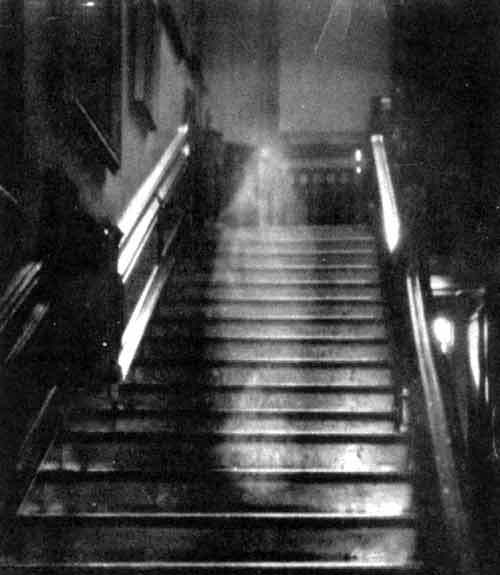
By London Swaminathan; Post No. 751 dated 19th December 2013.
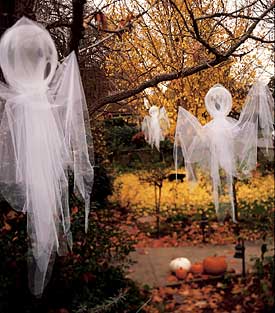
தமிழ் உலகம் அறிந்த மூதாட்டி ஔவை. சங்க காலம் முதல் 16, 17 ஆம் நூற்றாண்டு வரை பல ஔவையார்கள் தமிழ் நாட்டில் வாழ்ந்தது அவர்களின் மொழி நடையிலிருந்து தெள்ளத் தெளிவாகத் தெரிகிறது. குறைந்தது மூன்று முதல் ஆறு ஔவையார்கள் வரை வாழ்ந்ததாக ஆராய்ச்சியாளர் கருதுகிறார்கள். பேயால் மிரட்டப்பட்ட ஔவைப் பாட்டி சமீப காலத்தில் வாழ்ந்த புலவர் என்பது அவரது பாடல்களில் தெரிகிறது. ஒருவேளை அவர் காலத்தில் நடந்த நிகழ்ச்சிகளைப் பிற்காலப் புலவர்கள் ஔவையாரின் பெயரில் எழுதியிருந்தாலும் வியப்பதற்கில்லை.
எது எவ்வாறாகிலும் ‘நெருப்பு இல்லாமல் புகையாது’, ஏதோ ஒரு ஔவையார் பேயைக் கண்டதால்தான் இந்தக் கதை இன்றுவரை நீடிக்கிறது. மேலும் ஔவை என்று சொன்னவுடன் தமிழ் மொழிப்பற்றும், தெய்வ பக்தியும் பளிச்சென மின்னுவதையும் காண்கிறோம். ஏற்கனவே சிந்து சமவெளியில் சில முத்திரைகளில் பேய் இருப்பதையும், நீலி என்ற பெண்பேய் 72 தமிழர்களைக் கொன்றதையும், விவேகானந்தர், பேய்கள் பற்றி சொன்னதையும் தனித் தனியே எழுதிவிட்டேன். இதே பிளாக்—கில் நீங்கள் படித்திருப்பீர்கள்.
இதோ மற்றும் ஒரு சுவையான உண்மைக் கதை:
ஒரு ஊரில் ஒரு ராஜா இருந்தார். அவருக்குப் பிறந்த பிள்ளையோ மஹா மூடன். எவ்வளவோ வாத்தியார்கள் வந்தும் அவனுக்கு அரிச்சுவடி கூட கற்பிக்க முடியவில்லை ஆனால் உடல்வாகில் ஆண் அழகன். மனம் உடைந்த ராஜா, இவனிடம் அரசாட்சி போய்விடக்கூடாது என்று கருதி அவனை நாடு கடத்தினார்.
பக்கத்து நாட்டுக்குப் போன ராஜ குமாரன், தெருவில் சுற்றிக் கொண்டிருந்தான். அந்த நாட்டு இளவரசி ‘தமிழறியும் பெருமாள் ஏலவார்குழலி’ உப்பரிகையில் இருந்து வேடிக்கை பார்த்தபோது இந்த இளவரசன்- ஆண் அழகனைக் கண்டு காதல் வசப்பட்டாள். ஒரு ஓலையில் காதல் கடிதம் எழுதி அதை அவனிடம் சேர்ப்பிக்க தோழியை அனுப்பினாள். கடிதம் மூலம் இரவில் ஊரின் வடக்குப் புற சத்திரத்துக்கு வரும்படி அழைத்தாள்.
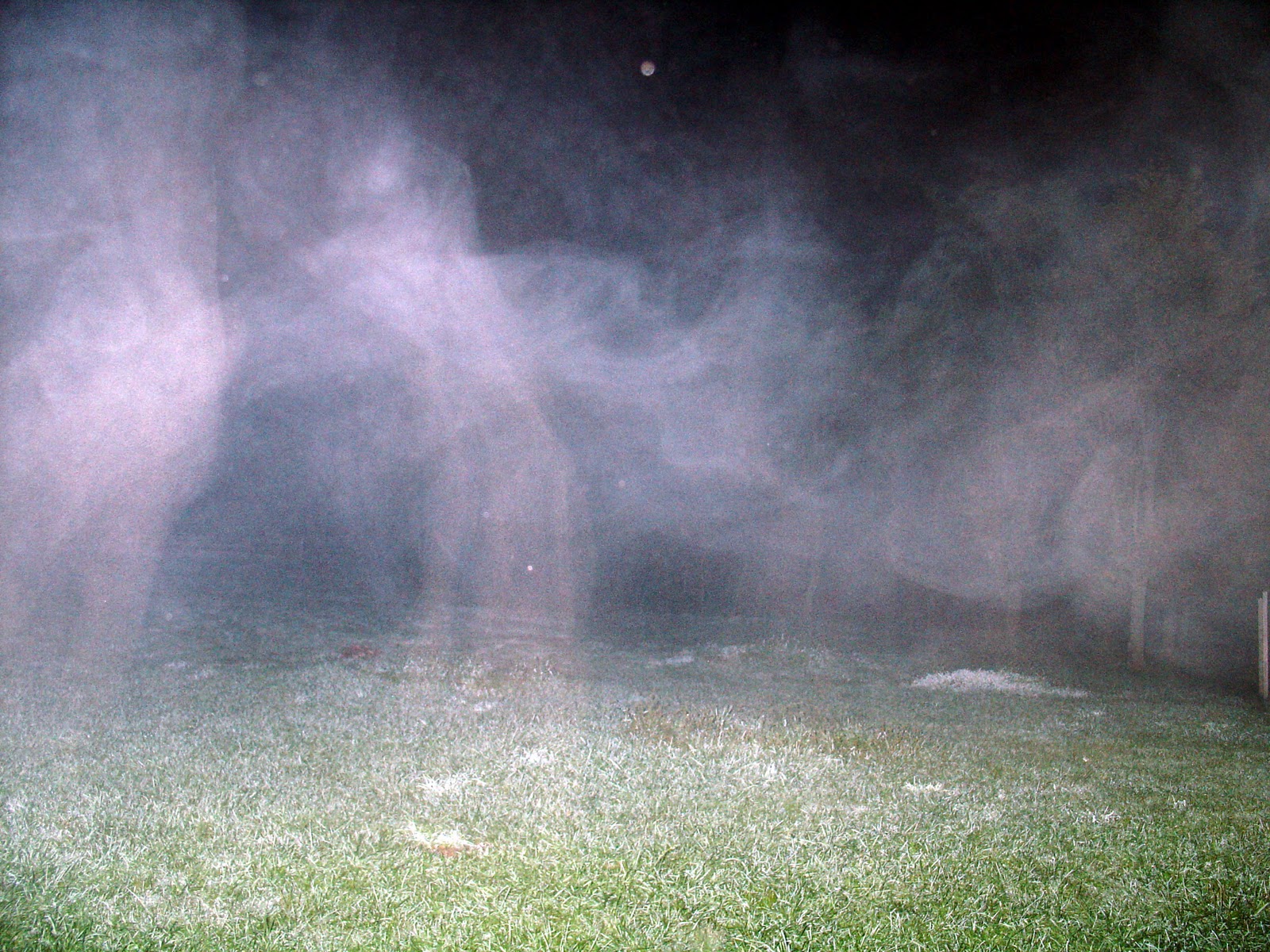
எழுதறிவில்லாத அந்த இளவரசன் ரோட்டில் பிச்சை எடுதுக் கொண்டிருந்த குஷ்டரோஹி ஒருவனிடம் ஓலையைக் காண்பித்தான். அவனுக்கு ரொம்ப சந்தோஷம். சரியான ஏமாளி என்பதை உணர்ந்து, அந்தக் கடித வாசகத்தை மாற்றிச் சொன்னான். அந்த இளவரசன் ஒரு குற்றவாளி என்று ராஜா கருதுவதால் அவன் உயிர்பிழைக்க உடனே தலைநகரை விட்டு வேறிடத்துக்குப் போகவேண்டும் என்று கடித ஓலையில் இருப்பதாகப் பொய் சொன்னான்.
இளவரசன் ஓலையை வாங்கிக் கொண்டு ஓட்டம் பிடித்தான். குஷ்டரோஹி அன்று இரவில் சத்திரத்துக்குச் சென்று இருட்டில் காத்திருந்தான். ராஜகுமாரி வந்தவுடன் அவளுடன் காதல் மொழி பேசிக் கட்டித் தழுவி இரவைக் கழித்தான். பொழுது புலர்ந்தது. உண்மையை அறிந்த ராஜகுமாரி மனம் உடைந்து அங்கேயே தற்கொலை செய்துகொண்டாள்.
இதற்குள் ராஜகுமாரன், வேறு ஒருவனிடம் ஓலையைக் காண்பிக்க, அவன உண்மையைக் கூறினான். இளவரசன் ஓடோடி சத்திரத்துக்கு வந்தான். ராஜகுமாரி சடலத்தைக் கண்டு அவனும் தற்கொலை செய்துகொண்டான். இருவரும் இளமையில் வாழ்க்கையை முடித்துக் கொண்டதால் பேயாகி சத்திரத்தில் அலைந்தார்கள். வருவோர் போவோருக்கு எல்லாம் தொல்லையும் கொடுத்தார்கள்.
ஒருநாள் நமது தமிழ் மூதாட்டி ஔவையாரும் அந்தப் பக்கம் வந்து சத்திரத்தில் இரவில் ஓய்வெடுக்கப் போனார். அதைப் பார்த்த பொது மக்கள் அங்கே அலையும் பேய்களின் சேட்டைகளை எடுத்துரைத்தனர். அவரோ ‘என்னை ஒரு பேயும் ஒன்றும் செய்யமுடியாது’ என்று துணிச்சலாக பாயை விரித்துப் படுத்தார்.
முதல் ஜாம முடிவில் ஒரு பெண் பேய் அலறிக்கொண்டு வந்தது. ஔவையாரை ‘எற்று எற்று’ என்று சொல்லிக்கொண்டு எற்ற வந்தது. ஔவையார் ஒரு வெண்பாப் பாடலைப் பாடியவுடன் அது ஓட்டம் பிடித்தது.
வெண்பா இருகாலிற் கல்லானை வெள்ளோலை
கண்பார்க்கக் கையால் எழுதானைப்—பெண்பாவி
பெற்றாளே பெற்றாள் பிறர் நகைக்கப் பெற்றாளே
எற்றோமற் றெற்றோமற் றெற்று
வெண்பாவை இரண்டுமுறை கற்றாலும் அறியாத மூடன், ஓலையில் எழுதமுடியாத பேதையை எல்லோரும் நகைக்கும்படி பெற்றாளே அவளைப் போய் எற்றி உதை என்பது முதல் பாட்டின் பொருள்.
மீண்டும் இரண்டாம் ஜாம முடிவில் இதே போல நடந்தது. ஔவையார் மீண்டும் ஒரு வெண்பா ஆயுதத்தைப் பிரயோகித்தார். பெண் பேய் ஒட்டம் பிடித்தது.
கருங்குளவி சூளுரைத்து ஈச்சங்கனி போல்
வருந்தினர்க் கொன்றீயாதான் வாழ்க்கை – அரும்பகலே
இச்சித் திருந்த பொருள் தாயத்தார் கொள்வரே
எற்றோமற் றெற்றோமற் றெற்று
விஷக் குளவி வசிக்கும் ஈச்ச மரம் யார்க்கும் உதவாதது போல, வருந்தியவர்களுக்கு தானம் செய்யாதவன் வைத்திருக்கும் பொருள், இறுதியில் சுற்றத்தார்க்குப் போய்ச் சேரும். அத்தகைய கருமிகளை எட்டி உதை என்பது இரண்டாம் பாட்டின் பொருள்.
மூன்றாம் ஜாம முடிவிலும் இதே கதை. மேலும் ஒரு வெண்பா குண்டு!! பேய் ஓட்டம்!!
வானம் உளதால் மழையுளதால் மண்ணூலகில்
தானம் உளதால் தயை உளதால்—ஆனபொழுது
எய்த்தோம் இளைத்தோம் என்றே ஏமாந்திருப்பாரை
எற்றோமற் றெற்றோமற் றெற்று
வானமும் தானமும், மழையும் இவ்வுலகில் உண்டு. இதனை எண்ணி சோம்பித் திரிவாரை எத்தி உதை என்பது மூன்றாம் பாட்டின் பொருள்.
நான்காம் ஜாம முடிவிலும் மேலும் ஒரு வெண்பாவை வீசவே பேய் அவர் காலில் விழுந்து விமோசனம் வேண்டவே, அடுத்த ஜன்மத்தில் நீ புலவனாகப் போவாய் என்று வாழ்த்தினார்.
எண்ணாயிரத்தாண்டு நீரில் கிடந்தாலும்
உண்ணீரம் பற்றாக் கிடையே போல் – பெண்ணாவாள்
பொற்றொடி மாதர் புணர்முலை மேல் சேராரை
எற்றோமற் றெற்றோமற் றெற்று
எட்டாயிரம் ஆண்டுகள் நீரில் கிடந்தாலும் ஈரப்பசையே ஏறாத நெட்டிமரம் போல சிலர் உள்ளனர். மாதர் இன்பம் என்பதையே அனுபவியாத அத்தகைய மரக்கட்டை போன்றோரை போய் எத்தி உதை என்று சொல்லவே, பேய் ஔவையார் காலில் விழுந்தது.

பேய்கள் எனது முந்தைய கட்டுரைகளையும் காண்க:
1.தமிழ்நாட்டை உலுக்கிய பேய்
2.சிந்து சமவெளியில் பேய் முத்திரை
3.வள்ளுவன் சொன்ன பேய்க்கதை
4.பேய்கள் பற்றி பாரதி & விவேகானந்தர்
எனது பிளாக்—கில் ஆங்கிலத்திலும் இக்கட்டுரைகள் கிடைக்கும்.
தொடர்பு முகவரி swami_48@yahoo.com
Posted by Tamil and Vedas on December 19, 2013
https://tamilandvedas.com/2013/12/19/%e0%ae%94%e0%ae%b5%e0%af%88%e0%ae%af%e0%ae%be%e0%ae%b0%e0%af%88-%e0%ae%ae%e0%ae%bf%e0%ae%b0%e0%ae%9f%e0%af%8d%e0%ae%9f%e0%ae%bf%e0%ae%af-%e0%ae%aa%e0%af%87%e0%ae%af%e0%af%8d/
 Tamil and Vedas
You must be logged in to post a comment.