எது சொர்க்கம்? எது நரகம்?

12_11_17_heaven_hell

Part 14 of History of Zen Buddhism in Tamil by Santanam Nagarajan

Part 14. அப்படியா?! By ச.நாகராஜன்

ஹகுயின் வாழ்க்கை சுவாரசியம் ததும்பிய ஒன்று. அதில் ஏராளமான சுவையான சம்பவங்களைப் பார்க்க முடியும். மிகவும் பிரபலமான இரு சம்பவங்களைப் பார்க்கலாம்:

ஜப்பானிய இளம் பெண் ஒருத்தியின் பெற்றோர்கள் ஹகுயின் வாழ்ந்த இடத்திற்கு அருகில் ஒரு உணவு விடுதியை நடத்தி வந்தனர். ஒரு நாள் தனது பெண் கர்ப்பமாக இருப்பதைக் கண்டு அவர்கள் திகைத்தனர். தங்கள் பெண்ணிடம் அவளது கர்ப்பத்திற்குக் காரணமானவன் யார் என்று கேட்டுக் குடைந்தனர். அவளோ லேசில் பதில் சொல்வதாயில்லை. பெரும் முயற்சிக்குப் பின்னர் அவள் ஹகுயினே இதற்குக் காரணம் என்று சொன்னாள். பெரும் கோபம் அடைந்த பெற்றோர் ஹகுயினிடம் வந்து நடந்ததைச் சொல்லிக் கத்தினர்.

“அப்படியா?” என்று மட்டும் சொன்னார் ஹகுயின்!

அவளுக்குக் குழந்தை பிறந்தது.அந்தக் குழந்தையை எடுத்து வந்த இளம் பெண்ணின் பெற்றோர் ஹகுயினிடம் தந்தனர். அதைச் செல்லமாகச் சீராட்டிப் பாராட்டி வளர்க்க ஆரம்பித்தார் ஹகுயின். இதற்குள் இந்தச் சம்பவம் ஊரெல்லாம் பரவி ஹகுயினின் பெயர் மிகவும் கெட்டு விட்டது. ஒரு வருடம் கழிந்தது. அந்தப் பெண்ணால் இனியும் பொறுக்க முடியவில்லை.தனது பெற்றோரிடம் அவள் உண்மையைக் கூறினாள்.அந்தக் குழந்தையின் நிஜமான தந்தை மீன் சந்தையில் இருக்கும் ஒரு இளைஞன் தான் என்று! உடனே அவளது பெற்றோர் ஹகுயினிடம் ஓடி வந்தனர். நடந்ததைச் சொல்லி மன்னிப்புக் கேட்டனர். குழந்தையைத் தங்களிடம் திருப்பித் தருமாறு வேண்டினர்.

எல்லாவற்றையும் கேட்ட ஹகுயின் “அப்படியா?” என்று மட்டும் சொன்னார். குழந்தையை அவர்களிடம் மனமுவந்து திருப்பிக் கொடுத்தார். இதனால் அவர் புகழ் எல்லா இடங்களிலும் பரவி எப்படிப்பட்ட உன்னதமான குரு அவர் என்று அவரைப் போற்றி அனைவரும் பேச ஆரம்பித்தனர்.

heaven-hell

இன்னொரு சம்பவம்:
ஒரு நாள் போர்வீரன் ஒருவன் ஹகுயினிடம் வந்தான். “உண்மையிலேயே நரகமும் சுவர்க்கமும் இருக்கிறதா?” என்று கேட்டான்.
“நீ யார்?” என்று கேட்டார் ஹகுயின்.
“நான் ஒரு சாமுராய்” என்றான் அந்தப் போர்வீரன்.
“நீ ஒரு சாமுராயா” என்று வியந்து கூவினார் ஹகுயின்.
“உன்னைக் காவலனாக எந்த மன்னன் தான் வைத்திருக்கிறானோ! உன்னுடைய முகம் பிச்சைக்காரன் போலத் தோற்றமளிக்கிறதே!” என்றார் ஹகுயின்.

இதைக் கேட்டு வெகுண்ட அவன் தன் வாளை உருவினான். ஆனால் ஹகுயினோ பயப்படவில்லை.தொடர்ந்து பேசலானார்.”ஓ! உன்னிடம் ஒரு கத்தி இருக்கிறதா! உன்னுடைய ஆயுதம் உன் புத்தியைப் போலவே மழுங்கி இருக்கிறது!”

அந்தப் போர்வீரன் வாளை ஓங்கவே, “இதோ நரகத்தின் வாயில் திறக்கிறது” என்று ஹகுயின் கூவினார்.

இதைக் கேட்ட மாத்திரத்தில் அவரது பெருமையையும் அவர் போதிக்கும் விதத்தையும் உணர்ந்த அந்த வீரன் தன் வாளை இடையில் செருகினான்.

“இதோ சொர்க்கத்தின் கதவு திறக்கிறது” என்று ஹகுயின் கூவினார்.
அந்த வீரனுக்கு எது சொர்க்கம், எது நரகம் என்று இப்போது புரிந்து விட்டது!ஹகுயினுக்குத் தலை வணங்கி அவன் விடை பெற்றுச் சென்றான்.

ஹகுயின் அதிகம் பேச மாட்டார்.சில சொற்களிலேயே சொல்ல வேண்டியதைச் சொல்லி விடுவார். மௌனமாக இருப்பதே அவரது இயல்பு. இதை விளக்கி ஓஷோ (முன்னாளில் ஆசார்ய ரஜனீஷ்) ஹகுயின் வாழ்க்கையில் நடந்த ஒரு சம்பவத்தை விளக்கியுள்ளார்.

hell-heaven

ஒரு முறை ஜப்பானிய மன்னன் ஹகுயினை ஒரு உபதேச உரை நிகழ்த்துவதற்காக அழைத்தான். ராணி, மன்னன், ராஜ குரு,மந்திரிகள் உள்ளிட்ட அனைவரும் அரசவையில் அவர் பேச்சைக் கேட்பதற்காக ஆவலுடன் குழுமினர். ஹகுயின் அங்கு வந்தார். ஒரு நிமிடம் நின்றார்.சபையிலிருந்தோரை சுற்றிப் பார்த்தார். பின்னர் சபா மண்டபத்தை விட்டு வெளியேறினார்.

மன்னன் மந்திரியிடம், “ இது என்ன? நாம் இவர் சொல்லப் போவதைக் கேட்பதற்காக வந்திருக்கிறோம். ஒன்றுமே பேசாமல் போகிறாரே!” என்றான்.

மந்திரி கூறினார்-””அரசே! நான் இதுவரை கேட்ட பிரசங்கங்களிலேயே இது தான் அற்புதமானது! நீங்கள் உபதேச உரை கேட்டீர்கள். அவர் அதைச் செய்து காண்பித்து விட்டார். அவர் மௌனமாக சில விநாடிகள் நின்றார். அவரே மௌனமாக ஆனார். ஒரே மௌனம்! உபதேசித்ததை விட்டு விட்டீர்கள். ஒன்றுமே சொல்லவில்லை என்கிறீர்களே”

மௌனத்தை எப்படி விளக்க முடியும்! மௌனத்தினாலே தான் விளக்க முடியும்!
அரசன் புரிந்து கொண்டான். எதையும் ஹகுயின் வாழ்ந்து காட்டிப் புரிய வைப்பார்.

பல்வேறு இடங்களுக்கும் பயணப்பட்ட ஹகுயின் 31ஆம் வயதில் ஷோயின்-ஜி மடாலயத்திற்குத் திரும்பி வந்தார். அங்கே தலைமை குருவாக ஆனார். முதல் குரு என்று பொருள் படும் தாய்-இசிஸா என்ற வார்த்தையால் அவர் மரியாதையுடன் அழைக்கப்பட்டார். ஹகுயின் என்ற அவரது பெயருக்கான அர்த்தம் ‘வெண்மையில் ஒளிக்கப்பட்டது’ என்பதாகும். 1768ஆம் ஆண்டுஜனவரி 18ஆம் தேதியன்று 83ஆம் வயதில் அவர் நிர்வாணம் அடைந்தார். பக்குவ நிலையுடன் ஞானம் அடைந்த 90 வாரிசுகளை அவர் உருவாக்கியது ஒன்றே அவர் எப்படிப்பட்ட மாபெரும் குருவாகத் திகழ்ந்தார் என்பதை உணர்த்தும்.

சின்ன உண்மை
ஹகுயின் தியானப் பாடல் ஒன்றைப் பாடியுள்ளார். மிகவும் பிரபலமான அந்தப் பாடலில் நீங்கள் ‘முழுமை’ அடைந்து விட்டால் கடவுளின் அருள் கிடைக்கும்.கடவுள் அங்கு இருப்பார் என்று சொல்லப்பட்டுள்ளது. இதைப் பாடியே ஜென் பிரிவினர் தியானத்தைச் செய்தல் மரபு.
-தொடரும்

Kanchi Jagadguru on ‘KARTHIGAI DEEPAM’

kanchi shiva

Kanchi Paramacharya, Jagadguru Sri Chandrasekarendra Saraswathi’s lecture in Chennai on 6th December 1957; Page 124 of Acharya’s Call: Madras Discourses (1957-1960),Part 1, BG Paul and Co, 1964)

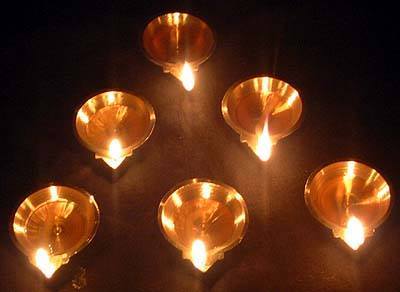
The Lighting of oil lamps (deepam), at sunset on the full moon day in the month of Karthigai (November-December), is an ancient practice which is in vogue throughout country from the Himalayas to Kanyakumari. It is prescribed in our Sastras (scriptures) that while lighting the deepam (lamp) on this day, we should mentally consecrate it as the abode of Sri Damodara and Sri Tripurantaka alaong with Sri Uma. This is done in the same way as we invoke the ‘sannidhyam’ (in-dwelling) of a chosen deity in a saligrama, linga, or sila(icon) or in a picture and invoke the grace of the Lord on us.

karthigai deepam, fb

The idea in lighting the deepam with such consecration is that every person who sees the light and every living creature, worm, insect, bird, beast or plant, on which the lustre of the deepam falls, will be suffused with the presence of God and will be blessed by Him. The following prayer is accordingly recited when lighting the Karthigai Deepam:

“Keetah pathangah masakascha vrikshah
Jale sthale ye nivasanti jeevah:
Drstva pradeepam nacha janmabhagina:
Bhavanti nityam svapachahi vipraa:”

( in Tamil கீடா: பதங்கா: மஸகாஸ்ச வ்ருக்ஷா:
ஜலே ஸ்தலே யே நிவசந்தி ஜீவா:
த்ருஷ்ட்வா ப்ரதீபம் நச ஜன்மபகின:
பவந்தி நித்யம் ஸ்வபசாஹி விப்ரா:)

karthikai

The prayer is in consonance with the Vedic invocation

“Sarve Janas Sukhino Bhavantu”

“May all the people of the world be Happy.”

(சர்வே ஜனாஸ் சுகினோ பவந்து)

We light bonfires (chokka panai), before temples on this night so that its blaze can be seen for a great distance around and God’s grace may descend on all those who behold it. Tha Annamalai deepam at Arunachala (Tiruvannamalai) is seen for miles around. It is significant that the Karthigai Deepam festival is observed in both Saivite and Vaishnavite temples, as there is the ‘avahana’ or indwelling in the light of both Damodara and Tripurantaka, illustrative of the non difference of Siva and Vishnu.

Our country abounds in ‘Punya Kshetras’ (holy temples) and ‘Punya Teerthas’ (holy bathing places) and ‘Punya Kalas’ (auspicious times). The temples and ‘Teerthas’ are places where sages of old had dedicated their ‘tapas’ (spiritual powers) so that erring mortals, who are incapable of observing the austerities necessary to gain spiritual powers and who are susceptible to sins, may be purified and blessed, when they make pilgrimages to these temples and take bath in the ‘teerthas’.

karthigai pori

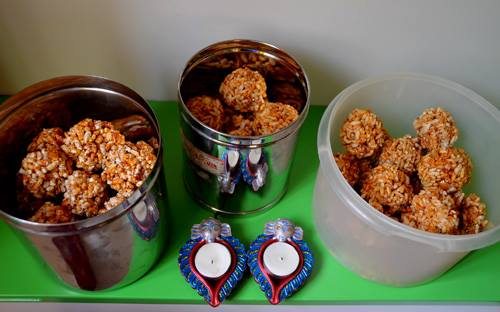
Picture of Special dishes made for Karthigai day (puffed rice+ meltedJaggery+spices)

Punya Kalas’ represent periods of planetary conjunction of a nature beneficent to the world and to the humanity. Karthigai Deepam is lighted on one such sacred conjunction of planets, namely, the conjunction of full moon and ‘kritika nakshatra’ (Star Pleiades), which occurs only once a year in the month of Karthigai.

Pictures are used from face book. Thanks.

(Please read london swaminathan’s the Great Lamp Festival and S. Nagarajan’s Tamil article on Karthigai Natchatram in this blog. contact swami_48@yahoo.com )

Departed Souls: Sringeri Shankaracharya’s Q & A

chandrasekara bharati & Abinava Bharati

Sringeri Acharyas: Sri Chandrasekara Bharati and Sri Abhinava Bharati swamijis

A disciple trained under the methods of modern education wanted to have some doubts cleared by His Holiness Sri Sachidanandasiva Abinava Narasimha Bharati Svaminah (33rd Jagadguru of Sringeri).

Disciple: According to our religion, the nature of next birth which one gets depends on his actions good or bad.
His Holiness: Certainly.

D : If so, he need not be born again as a human being but may be born as a bird or a beast.

HH: It is no doubt so.

D: If he is born as a bird or beast or even as a human being, how can any funeral oblations now offered to him by his son ever reach or benefit him?

HH: it is quite true that we do not know in what embodiment or in which world or in which state he is at present. But certainly God the omniscient is aware of all these details and can convey to him these oblations in a form that may be useful to him.

D: How can the oblations be changed into any other form when we actually see them before us on the ground quite unchanged or are eaten away by the Brahmanas who are propitiated on that occasion?

HH:- Take the ordinary example of a post office. If we want to send a money order to a relation at a distant place, we pay the money into the hands of the proper official. The money remains intact with him or is spent away by him for another purpose and yet we believe that the money will reach our relation. It will be paid to him not in the same form but in the form available in the office of delivery and, if the place happens to be a foreign country, it will be paid to him not in the coins familiar to us but in the currency of that country.

If man can arrange transit of money from one place to another, cannot the omniscient God provide for the transit of the oblations to any place in the universe and give them over to the proper recipient? Just as the postal department has got a large number of officials of several grades to attend carefully to this transit, so has God a galaxy of officials called Vasus, Rudras and Adityas to see that the oblations are transmitted properly.

Pinda_Daan_-kolkatta

D: If so, will it not suffice if I sincerely offer the oblations? Why need there be the various regulations as regards the wearing of the sacred thread, the posture of sitting, the direction to which we have to face, the persons to be chosen as the recipients, the specification of the Gotras and names of the departed souls, the Mantras to be pronounced, and so on?

HH: it is not proper to offer logical explanations for the Shastras. It may be useful, however, to point out analogies. Suppose the post office is a spacious building where several clerks are working. If you want to remit money, do you simply place it anywhere there you like and walk out or hand over the money to any of the clerks there?

Unless you pay it into the hands of the particular clerk who is authorised to deal with money orders and get a receipt from him, the postal department will not be responsible. Even for paying the money to that clerk, you have to await his office hours, fill up all the details in the prescribed money order form and then only he will receive it. If you find him ugly and shabbily dressed and are reluctant to part with your money into his untidy hands and prefer to hand it over to a handsome neat and well dressed person in the vicinity, the money will never reach its destination.

pitrapaksha1

Similarly the Shastras prescribe the times and places when and where oblations have to be made and also the persons into whose hands they must be placed if we are particular that those oblations should reach their proper destination. A secular feast ever so sumptuous, “in honour of a departed soul” will never inure for the benefit of a departed person. Just as we have faith in the Government and the post offices, we must have faith in God and in the efficacy of oblations. It is because of the faith (Sraddha), the ceremonies are called ‘Sraddhas’.

D: A man may have been the father of one particular person in a particular birth and may have been the father of a different persons in different births. Even in the same birth, he may have had several sons residing at places far apart from one another. How will those various offerings made by them reach him?

HH: Where is the difficulty here? Does not the same person receive remittances by money orders from several places and at several times?

D: If no Sraddha is performed, the loser is the departed soul. Why then is it insisted upon as a duty of the son or other relation?

HH: We can never repay the parents for the loving care with which they have brought us up. It is sheer sin not to be grateful to them. Ingratitude is a sin for which there is no expiation. Further when an act is prescribed by the Shastras, we must know that that it is necessarily for our benefit and that any omission on our part is sinful.

D: Anyhow the number of restrictions seem to be unnecessarily large.

HH: It will seem so long as we lack full faith in the Shastras. If we want a favour from another, we have to subject ourselves to very many restrictions as regards time ,place, dress, mode of approach , method of address and so on. If we march directly into his presence and ask him to do something for us, he will not be inclined at all to oblige us and we tamely submit to his whims and fancies.
The Pitru Devatas are certainly of a far higher order of beings and yet we chafe at and resent and even ridicule the rules prescribing the manner of approaching and propiating them. This is due to a lack of faith. In every act we do, the mind,the tongue and the body have to function in unison if we want it to be useful. Regulation therefore of thoughts, words and deeds is a necessary condition of any useful act. The same principle applies to all religious rites and particularly so to all rites which require special Sraddha (faith).

MA10RAMNAD-HOLY-DIP_159632g

D: Regulation may be necessary but why these particular restrictions prescribed in the Shastras?
HH: you forget the nature of the Shastras. It is not for us to substitute any other restrictions of our own making. Just as a soldier’s duty is to obey and not to question the propriety of any particular order or do anything in lieu of that order, so are we bound by the Shastras, the commands of the supreme commander of the universe, namely, God. We must have intense faith in His goodness and infallibility and carry out, as best as we can, His divine commands implicitly without any slightest doubt about their propriety.

( From ‘Golden Sayings’,1969 publication by Sri Jnanantha Grantha Prakasana Samiti, Thenkarai, Madurai District.)

Compiled by london swaminathan ;contact swami_48@yahoo.com

13. ஹகுயின் கோயன்கள்!

Daruma,_Hakuin_Ekaku_-
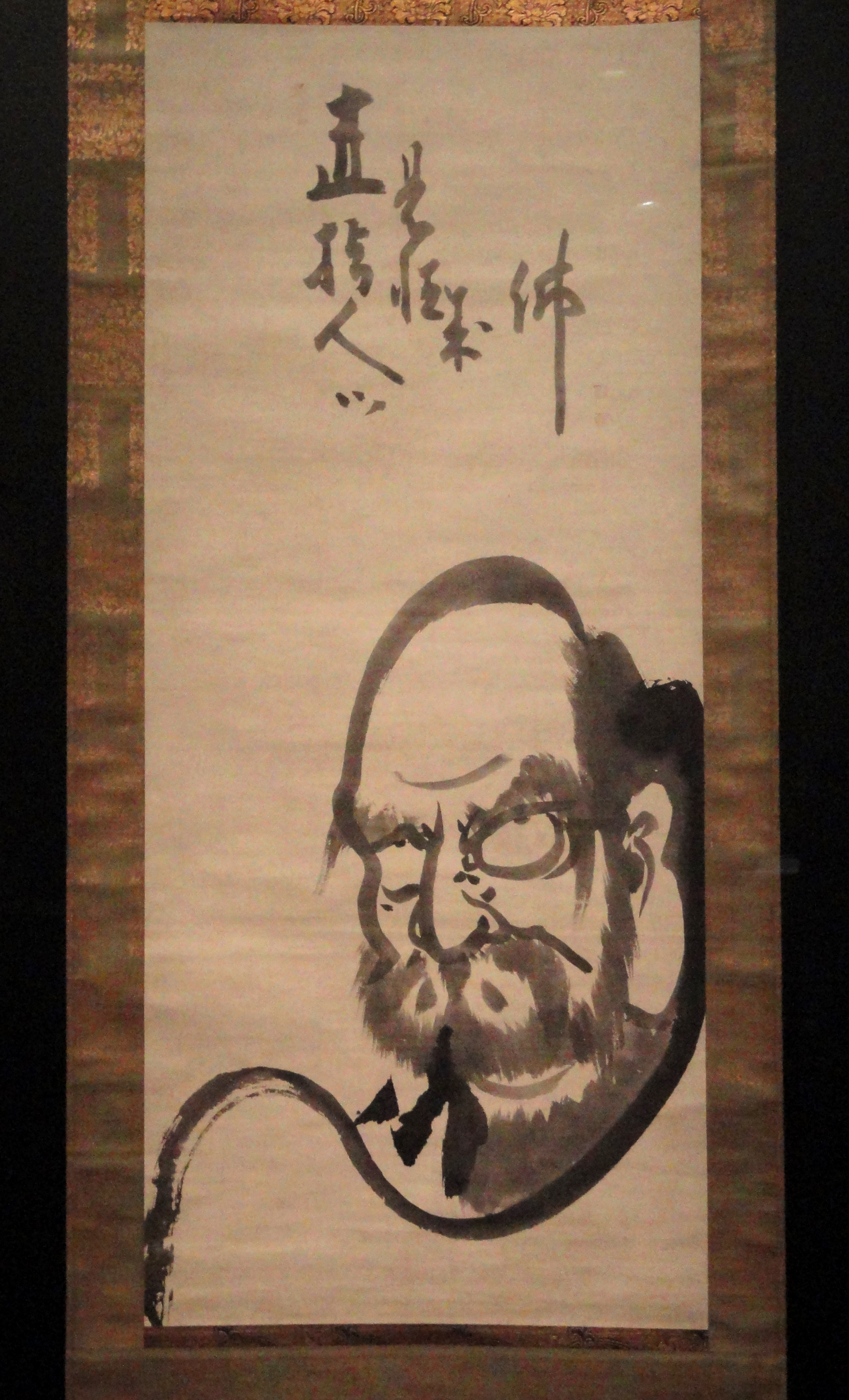
Picture of Hakuin Ekaku

Part 13 of Zen Buddhism by Santanam Nagarajan
13. ஹகுயின் கோயன்கள்!
ச.நாகராஜன்

சென்ற அத்தியாயத்தில் தரப்பட்டுள்ள கோயன்களுக்கான சரியான விடைகளைப் பார்க்கலாம்.

1) இப்போது ஒரு கையின் ஓசையைக் கேட்ட நீங்கள் அடுத்து என்ன செய்யப் போகிறீர்கள்?
விடை: நான் களையைப் பிடுங்குவேன். தரையைச் சுத்தம் செய்வேன். நீங்கள் களைத்திருக்கிறீர்கள் என்றால் உங்களுக்கு மசாஜ் செய்வேன்.
2) ஒரு கையின் ஓசையைக் கேட்பது அவ்வளவு எளிது என்றால் நானும் தான் அதைக் கேட்கிறேனே?
விடை:ஒரு பேச்சும் பேசாமல் மாஸ்டரின் முகத்தில் சிஷ்யர் அறைகிறார்!
3) ஆயிரம் மைலுக்கு அப்பால் உள்ள தீயை அணை!
விடை: விரல் நுனிகளால் சிஷ்யர் தீ ஜுவாலையின் வடிவத்தைச் செய்து காட்டுகிறார்.பிறகு அதை உஸ் என்று ஊதி அணைக்கிறார்.
4) உங்கள் கைகளைப் பயன்படுத்தாமல் என்னை நிற்க வை!
விடை: சிஷ்யர் எழுந்து நிற்கிறார்.இரண்டு மூன்று அடிகள் முன்னால் நடக்கிறார்.
5) வானம் எவ்வளவு உயரம்?
விடை: சிஷ்யர் அறையின் கூரையைச் சுட்டிக் காட்டி
இங்கிருந்து அது ஏழு அடி என்கிறார்.

ஹகுயின் இகாகு
கோயன்கள் வரலாற்றில் தலையாய இடத்தைப் பிடிப்பவர் மாஸ்டர் ஹகுயின் இகாகு. ஜப்பானில் ஹரா என்ற சிறிய கிராமத்தில் 1686ஆம் ஆண்டு ஜனவரி மாதம் 19ஆம் தேதி ஹகுயின் பிறந்தார்.அவர் பிறந்த காலத்தில் ஜென் பிரிவு தனது க்ஷீண தசையில் இருந்தது.அதை உன்னதமான நிலைக்கு ஏற்றி விட்டார் ஹகுயின். ரிஞ்ஜாய் பிரிவைச் சேர்ந்த அனைவரும் ஹகுயினையே பெரும் மாஸ்டராக இன்றளவும் போற்றி வருகின்றனர்.

குழந்தையாக இருந்த போது ஒரு நாள் ஹகுயின் துறவி ஒருவரின் சொற்பொழிவைக் கேட்கப் போனார். அந்தத் துறவி எட்டு கடும் நரகங்களைப் பற்றிப் பேச நரகம் பற்றிய பயம் ஹகுயினுக்கு ஏற்பட்டது. நரகத்திலிருந்து தப்பிக்க வேண்டுமென்றால் புத்த துறவியாக வேண்டும் என்ற எண்ணம் அவர் ஆழ் மனதில் பதியவே தனது 15ஆம் வயதில் பெற்றோரிடம் அனுமதி பெற்று ஷோயின்-ஜி மடத்தில் அவர் சேர்ந்தார்.அங்குள்ள தலைமை துறவிக்கு உடல் நலக் குறைவு ஏற்படவே அருகிலிருந்த டைஷோ-ஜி மடாலயத்தில் சேர்ந்தார்.தாமரை சூத்திரம் உள்ளிட்ட புத்த மத நூல்களைக் கசடறக் கற்றார்.

19ஆம் வயதில் அவர் பிரபல மாஸ்டரான யான்டோ க்வான்ஹோ பற்றிய கதையைப் படிக்க நேர்ந்தது. க்வான்ஹோவை கொள்ளையர்கள் கொன்றார்கள் என்பதைக் கேட்ட அவர் ஒரு துறவியாக இருந்தும் அவர்களிடமிருந்து கூடத் தப்பிக்க முடியவில்லை எனில் நரகத்திலிருந்து தப்பிப்பது எப்படி சாத்தியம் என்று எண்ணலானார். விளைவு, துறவியாகும் எண்ணத்தைக் கை விட்டு நாடெங்கும் சுற்றித் திரியலானார். ஒரு நாள் கவிஞரும் புத்த துறவியுமான போ என்பவரைச் சந்திக்க நேர்ந்தது.போவின் தொடர்பால் திரும்பவும் துறவியாகும் எண்ணம் அவருக்கு வலுப்பட்டது.
புத்த மடாலய முற்றத்தில் ஏராளமான சுவடிகள் இருப்பதைப் பார்த்த ஹகுயின் அவற்றை ஒவ்வொன்றாகப் படிக்கலானார். அதில் மிங் வம்சத்தில் உருவான ஜென் கதைகளைப் பற்றிய புத்தகம் ஒன்றும் இருந்தது. அதில் ஈர்க்கப்பட்ட ஹகுயின் ஜென் பிரிவு போதித்த சூக்ஷ்மங்களை ஆழ்ந்து கற்றார்.

பிறகு இரண்டு வருட காலம் சுற்றுப் பயணத்தை மேற்கொண்டு ஒரு நாள் ஐகன்-ஜி என்ற ஆலயத்திற்கு வந்து சேர்ந்தார்; அங்கு ஏழு நாட்கள் கடும் தவத்தை மேற்கொண்டார். ஆலய மணி ஓசை அடிப்பதைக் கேட்டவுடன் அங்கு அவருக்கு ஞானோதயம் ஏற்பட்டது.பின்னர் வாழ்நாள் முழுவதும் கோயென்களைப் பரப்பலானார்.
Hakuin.ClappingMonk
Picture of Hakuin Capping Monk

உள்ளுணர்வின் மூலம் ஆழ்ந்த அர்த்தங்களைப் பல கோயன்களுக்குத் அவர் தெரிந்து கொண்டார்.ஒரு முறை மழை கொட்டுகொட்டென்று கொட்ட முழங்கால் அளவு நீர் பெருகிய நிலையில் ஒரு சிறிய கோயனுக்கு உண்மையான அர்த்தத்தை அவர் தெரிந்து கொண்டார். இப்படிப் பல அனுபவங்கள் அவருக்கு ஏற்பட்டது.

திடீர் திடீரென இப்படி பல கோயன்களுக்கு அர்த்தங்கள் புரியும் போது அவர் சிரிப்பார். இப்படி அடிக்கடி சிரிப்பதைக் கண்ட அனைவரும் அவரை ஒரு பைத்தியக்காரர் என்று நினைத்தனர்.

தியானம் தான் மிகவும் முக்கியமானது என்பதே அவரது அடிப்படைக் கொள்கையாக இருந்தது.தியானமும் உயிர்த்துடிப்புள்ளதாக இருக்க வேண்டும் என்றார் அவர்.அமைதியாக ஓரிடத்தில் தியானம் செய்வதை விட அன்றாட உலக நடவடிக்கைகளுக்கு இடையே செய்யப்படும் தியானம் ஆயிரம் மடங்கு வலிமை வாய்ந்தது என்று வலியுறுத்தினார் அவர். ஏனெனில் தினசரி வாழ்க்கையில் அன்றாட பிரச்சினைகளுக்கு இடையே தியானத்தை மேற்கொள்வது ஒரு கஷ்டமான காரியம். அப்படிச் செய்யப்படும் தியானம் மேலான ஒரு உள்ளுணர்வைத் தரும் என்றார் ஹகுயின்.

அன்றாட உலகவாழ்க்கையில் ஈடுபடுவோர் பெரும் உள்ளுணர்வு எல்லாவற்றையும் துறந்து காடுகளிலோ அல்லது மடாலயங்களிலோ துறவிகள் செய்யும் தியானத்தினால் வரும் உள்ளுணர்வை விட மேம்பட்ட ஒன்றா என்று ஒருவர் கேள்வியை எழுப்பினார் அவரிடம். அதாவது இருவர் பெறும் ஞானோதயமும் ஒன்று தானே என்பதே அவரது கேள்வி.

இதற்கு ஹகுயின் பதில் அளித்தார் இப்படி:-“ நீ ஒரு துறவியாக இருந்தாலும் கூட உனது பயிற்சி உள்ளார்ந்த்தாக இல்லாவிடில், உனது நோக்கம் தூய்மையானதாக இல்லாவிடில் நீ சாமான்யனை விட எப்படி வேறானவனாக இருக்க முடியும்? சரி, நீ ஒரு சாமான்யனாக இருந்தால், உனது நோக்கம் தூய்மையானதாக இருந்து உனது பயிற்சியும் உள்ளார்ந்த தீவிரத்துடன் இருந்து, நீ பெரும் ஒழுக்கமுள்ளவனாக இருந்தால் அது தூய்மையான துறவியை விட எப்படி வேறானதாக இருக்க முடியும்?

தூய்மையும் நோக்கத்தில் உள்ளார்ந்த ஆர்வமும் ஒழுக்கமும் தான் முக்கியமே தவிர இருக்கும் இடம் எது என்பதில் பெரும் வேறுபாடு ஒன்றும் இல்லை என்பதே அவரின் பொருள் பொதிந்த பதில்!

சின்ன உண்மை
தனது அறுபதாம் வயதிற்குப் பின்னர் ஹகுயின் சித்திரக் கலையில் ஆர்வம் செலுத்தினார். 84 வயது வரை வாழ்ந்த அவர் சுமார் ஆயிரம் ஓவியங்களையும் சித்திர எழுத்துக்களையும் வாழ்வின் இறுதிக்குள் படைத்து விட்டார்
-தொடரும்
Part 13 of Zen Buddhism by Santanam Nagarajan

gautama-buddha

Black Genius of India

vyas

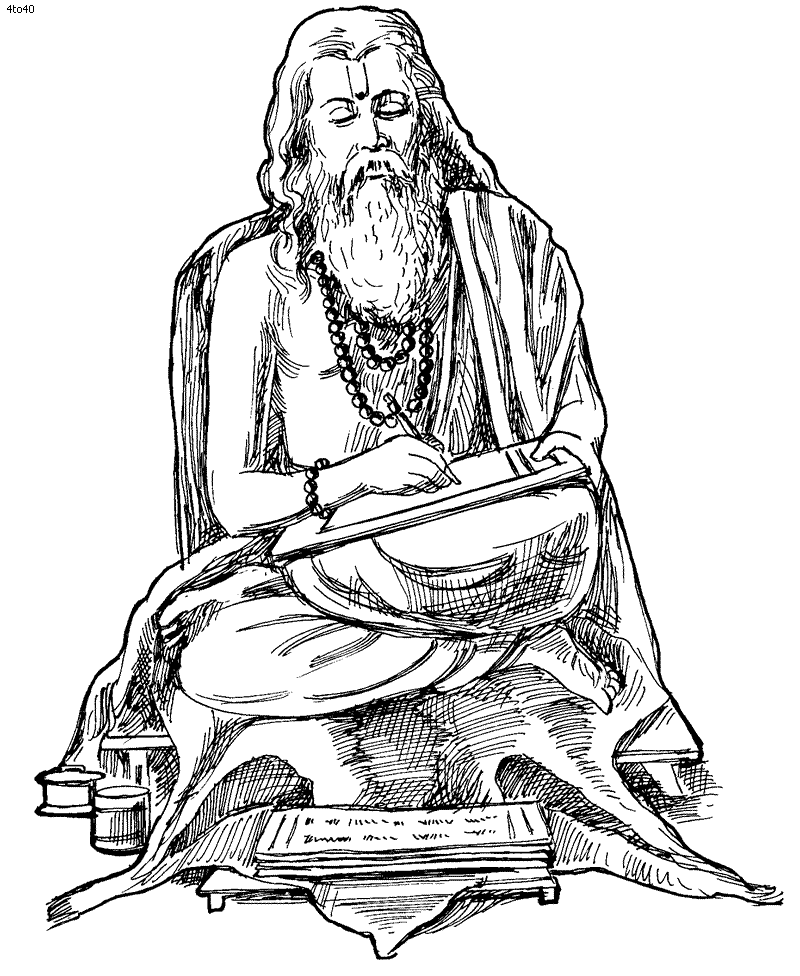
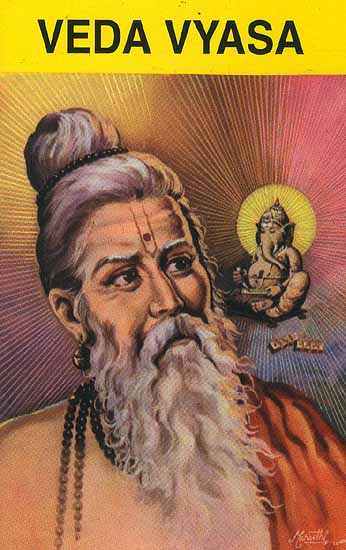
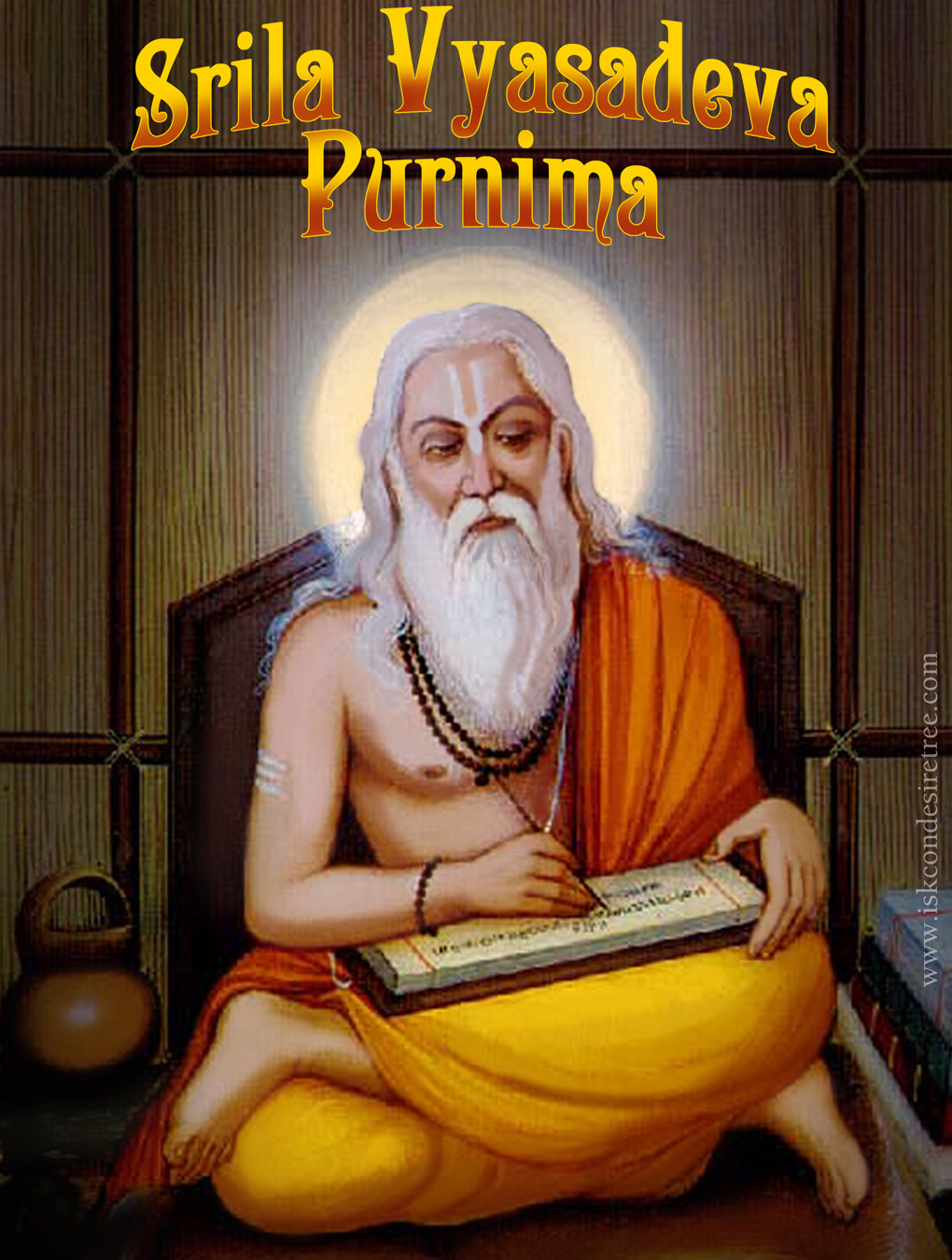
Aryan-Dravidian race theory is exploded by the presence of great black men of India in Hindu literature. From Dirghatamas in Rig Veda to Vyasa in Mahabharata we see great black skinned people in Hindu scriptures. Most popular black man of India is Mr Black (Lord Krishna; Krishna means black). The next popular person is Mr Black Islander or Blackman of Island (Krishna Dwaipayana). Since he compiled lot of things he is called Vyasa. (Vyasa means arranger, compiler, essayist). Other two black people were Lord Rama and Draupadi (She is called Krishnaa).She was also a black beauty.

Veda Vyasa was the son of Parasara and Satyavati. He was dark in colour and was born in an island in the River Yamuna. Hence he was called Krishna Dwaipayana (Blackman of Island).

No writer in the world can match Veda Vyasa. He spent his entire life in compiling Hindu scriptures and codifying them. By his time Vedas became unwieldy. Since he lived at the end of Dwapara Yuga and the beginning of Kali Yuka (black age), he felt it was important to protect Veda by dividing them in to four sections and give the responsibility of preaching and preserving them to four of his disciples. But for him Vedas would have disappeared. That is why people called him Veda Vyasa. And till today they remember him every year on Guru Purnima day in the month of Ashada, also known as Vyasa Purnima (Purnima means Full Moon).

Vyasa is praised equal to Vishnu and considered one of his Avatars.
Vyaasaaya Vishnu -Roopaaya, Vyaasa roopaaya Vishnave
Namo vai Brahma-nidhaye Vaasishtaaya Namo Namaha’ –says Vishnu Sahasranama.

“I salute Vyasa of Vashista’s lineage, who is the embodiment of Vishnu, nay, Vishnu Himself, who has realised all there is to realaise”.

young-black-genius-

His greatest work is Mahabharata. Till today no epic has beaten it in length or its content. With one hundred thousand couplets (200 000 lines) and one million words it stands unique in the world literature.
‘Vyachchosistam Jagath sarvam’ is a saying in Sanskrit. Whatever you see is nothing but the spit of Vyasa i.e. all the subjects are already dealt with by him.

Mahabharata is mentioned in a famous couplet: “Whatever is contained in other books is found here also and whatever is not found here does not exist elsewhere”. In other words, it is enough if one reads this one work. He compiled everything available at his time and included them in the epic and Puranas.
Sage Vyasa was born in Dwapara Yuga but described in great detail the conditions that prevailed in the earlier Krita and Treta Yugas. Then he proceeded to describe in equally graphic language what is to be the condition in the Kali Yuga. Literally he saw past, present and future.

veda_vyasa_idk490
Kanchi Paramacharya said in his talk on 14th October 1957:

“Sage Vyasa is known as Veda Vyasa who classified and compiled the vast body of Vedas or Mantras then existing. He classified the Vedas into four, namely, Rig, Yajur, Sama and Athrvana and taught them respectively to four great Rishis (seers) Sumantu, Vaisampayana, Jaimini and Paila.
“Sage Vyasa also composed 18 Puranas which contain the purport of the Veda and asked Soota, a sage revered for his knowledge and devotion, to teach them to the world.

“ The next great service that Sri Vyasa did was to write a compendium of the truth of the Vedas in aphoristic form known as Brahma Sutras.

“ We must remember with reverence and gratitude Sri Veda Vyasa, the Moola Purusha of our religion.”

Swami Chinmayananda says,

“ Vyasa is a great poet-philosopher and has become an institution representing the Hindu heritage. No scriptural study or Vedic chanting is ever begun without prostrations unto this greatest of seers. If we must attribute Hinduism to any single individual, there is none else to whom we can most appropriately attribute its present existence and past glories except to Veda Vyasa.”

VyasaPurnima05

“ It is believed that Vyasa was born as the son of a Brahmin Rishi and fisherwoman. The story need not be taken as a literal historical incident, but it may be considered symbolically significant. The father, a Brahmin , represents Satva, the creative wisdom born out of a life of study and contemplation, while the fisherwoman represents the daring adventurousness with which she has to sail forth day by day in her frail craft into the deep sea, where she captures the unseen food and hauls it to the shore, so dwellers can easily get their nourishment at their own door steps.”

“Similarly, on the ocean of Vedic knowledge, Vyasa sailed out to gather the best that it contained, and bring us the nutritive essence of Realization. He also had the spirit of adventure to serve his generation throughout his life. He was a revivalist who contributed the maximum to the Hindu renaissance of that critical era. In fact, he was the daring religious revolutionary that ever appeared on the horizon of Hindu cultural history.”

Swami Vivekananda on Vyasa

Vyasa says, “We find perfect men even beyond the pale of our caste and creed”.

Vyasa’s Favourite letter “S”
Vyasa is known as Sakaara kukshi in Sanskrit literature. Most of his couplets start with the letter “sa” and hence this name. Tamils do it quite opposite. No Tamil word can begin with Sa in Tamil according to the oldest Tamil book Tolkappaiam which is dated around 1st century BC i.e. 3000 years after Vyasa!
Vyasa is one of the seven great men who live eternally in name and fame (Chiranjeevi).

Hindus believe that Veda Vyasa lived before 3102 BC, when Kaliyuga began. Foreign scholars estimate the date of Mahabharata as 1500 BC. But they are wrong. Most of the foreign scholars put Rig Veda around 1200 BC contradicting them. So we have to go by the orthodox Hindu view.

Since Vyasa is a common noun (essayist), lot of others also had this title. Some scholars think that there were many Vyasas. But of all the Vyasa’s, Veda Vyasa’s works are recognised by everyone. He was the one who lived during Mahabharata times. There must have been a big time gap between him and the Vedic seers. By the time Vyasa started compiling these data, Vedas were in the decline.
Contact swami_48@yahoo.com

Most Amazing thing in the World!!

word_amazing

What is the most amazing in the world? Great men of India think alike!

Vyasa has answered this question through Dharma/Yudhistra in Mahabharata. This is one of the last four questions asked by the Yaksha (Spirit in the trees) in the Yaksha Prasna. Yudhistra answered:
Yudhisthira: The most amazing thing is that even though every day one sees countless living entities dying, he still acts and thinks as if he will live forever.

Great Tamil saint Tiruvalluvar also dealt with this subject (couplet 336):

The one, who was here yesterday, is no more today and
That is a matter of great wonderment, in this world

A man is here one day and is not here next day; that is the special significance of life on earth.

amazing 2
Lord Krishna talks about the wonderful thing in the spiritual world:

One looks upon Him as a marvel, another likewise speaks of Him as a marvel; another hears of Him as a marvel; and even after hearing no one whatsoever has known Him! (Bhagavad Gita 2-29)
Among thousands of men scarcely one strives for perfection and of those who strive and succeed, scarcely one knows Me in truth (Bhagavad Gita 7-3)

Kalidasa in Raghuvamsa (8-87)

Kalidas in Raghuvamsam says: For to the one that is born death is certain. Living is the unexpected one. If a living being lives for even a single second, that is a bonus!

Kanchi Paramacharya (Sri Chandrasekarendra Saraswati)

Kanchi Shankaracharya in his Madras talk on 15-10-1932 says: A great man has spoken about the wonder in the world. He says the most amazing in the world is the life breath inside one body. Even though there are nine holes to escape still the life is inside the body! Is there a more wonderful thing in the world?

Navadware sarire asmin ayu: vasathi santhatham
Jeevath adhiadbutham thathra gachathithi kimadbhutham

Amazing_Words

Please read my earlier posts:
1.மாநுடப் பிறவி அரிது! அரிது!!
2.‘Jantunam Narajanma Durlabatha:’ -Human Birth is difficult to obtain

Contact for the list of 700+ articles swami_48@yahoo.com

இயற்கை போதிக்கும் 13 பாடங்கள்

Mute_swan_Vrhnika

இயற்கையில் 13 ‘குரு’க்கள்

இந்து சந்யாசிகள் வாழ்நாள் முழுதும் பாடம் கற்கும் மாணவர்கள். அவர்கள் எதிலிருந்தும் பாடம் கற்பார்கள், எப்போழுதும் பாடம் கற்பார்கள். உயர்திணை, அஃறிணை என்று வேறுபாடு பார்க்காமல் மிருகங்கள், பறவைகள், ஜடப் பொருட்கள் ஆகிய எல்லாவற் றிலிருந்தும் போதனை பெறுவார்கள். எதையும் ஆக்கபூர்வமாகவே அணுகுவார்கள். இது இன்று நேற்று தோன்றியதல்ல. வேத காலத்திலேயே துவங்கிய வழக்கம் இது. உபநிஷத்தில் ஒரு அருமையான கதை உள்ளது.

தேவர்கள், அசுரர்கள், மனிதர்கள் மூவரும் உபதேசம் பெறச் சென்றார்கள். வானத்தில் இடி முழக்கம் கேட்டது. த…த….த… என்ற சப்தத்தோடு இடி உறுமியது. உடனே பிரஜாபதி, “என்ன? புரிந்து கொண்டீர்களா?” என்று தேவர்கள், அசுரர்கள், மனிதர்கள் ஆகிய மூன்று குழுக்களையும் கேட்டார். அவர்கள் “ஆமாம், ஆமாம் நன்றாகப் புரிகிறது” என்றனர். “த என்றால் தம்யத” என்றனர் தேவர்கள். எப்போதும் இன்பம் அனுபவிக்கும் அவர்களுக்குத் தேவையானது தன்னடக்கம் (தம்யத). “த என்றால் தானம்” என்றனர் மனிதர்கள். சுயநலமிக்க மனிதர்களுக்குத் தேவையானது கொடுக்கும் குணம். “த என்றால் தயை” என்றனர் அசுரர்கள். ஈவு இரக்கம் இல்லாத அசுரர்களுக்குத் தேவையானது தயை (கருணை). இந்தக் கதை 3000 ஆண்டுகளுக்கு முன் எழுந்த பிருஹத் ஆரண்யக உபநிஷத்தில் இருக்கிறது.

இதற்குப் பின்வந்த பாகவத புராணத்தில் தத்தாத்ரேய மஹரிஷி, இயற்கையில் காணும் பறவை, மிருகங்கள் ஆகியவற்றிலிருந்து தான் அறிந்த விஷயங்களை எழுதினார். இந்த இரண்டு கதைகளையும் ஆங்கிலத்தில் ஏற்கனவே எழுதியுள்ளேன். இதே போல, தமிழில் உள்ள விவேக சிந்தாமணி என்ற நூலில் பல பாடல்கள் உள்ளன. பர்த்ருஹரியின் நீதி சதகம் பாணியில் அமைந்த இந்த நூலை எழுதியது யார் என்று தெரியவில்லை. இந்த நூலில் உள்ள பெண்கள் எதிர்ப்புப் பாடல்கள் பலருக்கும் தெரிந்திருக்கும். தமிழ்த் திரைப்படம் ஒன்றில் “கோல மாமத யானையை நம்பலாம், சேலை கட்டிய மாதரை நம்பாதே” என்ற சினிமாப் பாடல் இந்த நூலில் உள்ளதுதான்.

மற்றொரு பாடலில் கீழ்கண்ட 13ம் புவியோர் போற்றும் ஈசனுக்கு இணையானது என்று பாடுகிறார். இதற்கு விளக்கம் என்ன என்று ஆசிரியர் கூறாவிட்டாலும், இலக்கிய விமர்சகர்கள் எழுதி வைத்துள்ளனர். இதோ அந்தப் பாடல்:

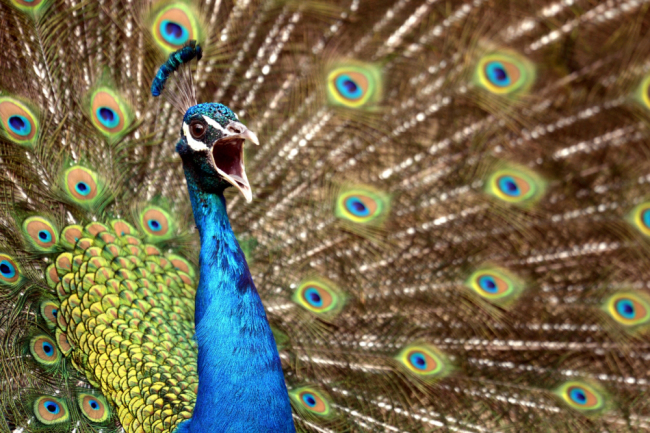
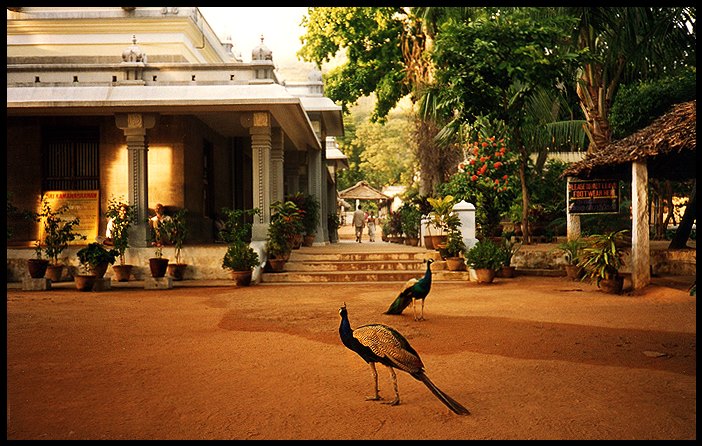
angry peacock,Duisberg, Germany

“மயில் குயில் செங்கால் அன்னம்
வண்டு கண்ணாடி பன்றி
அயில் எயிற்று அரவு திங்கள்
ஆதவன் ஆழி கொக்கோடு
உயரும் விண்கமலம் பன்மூன்று
உறுகுணம் உடையோர் தம்மை
இயலுறு புவியோர் போற்றும்
ஈசன் என்று எண்ணலாமே!

மயில்: நல்லவரை ஏற்று பொல்லாதவர்களை ஒதுக்கும் குணம்
குயில்: எப்போதும் இனிமையாகப் பேசல்
அன்னம்: பாலையும் தண்ணீரையும் வைத்தால் பாலை மட்டும் பிரித்தெடுப்பதுபோல நல்லவற்றைப் பகுத்து ஏற்றல் (தமிழ், வடமொழி இலக்கியங்களில் அன்னப் பட்சிக்கு இப்படி ஒரு அபூர்வ குணம் இருப்பதாக எழுதி வைத்துள்ளனர்)
வண்டு (தேனீ): மற்றவர்களுக்காக இடையறாது உழைக்கும் பண்பு
கண்ணாடி: முன்னால் உள்ள அனைத்தையும் கிரகிக்கும் தன்மை
பன்றி: சாக பட்சிணி (வெஜிட்டேரியன்)
B_Id_411194_manasa-goddess-1

பாம்பு: மகுடத்தில் ரத்தினம் உடைய பெருமை உடைத்து
சந்திரன்: எல்லோருக்கும், பலனை எதிர்பார்க்காமல், குளிர்ச்சியான கிரணங்களை வீசும் குணம்
சூரியன்: எல்லோருக்கும் சக்தியும் பாதுகாப்பும் கொடுக்கும் குணம்
கடல்: எங்கும் பரந்து விரிந்தது, பிரம்மாண்டமான தோற்றம்
கொக்கு: காரியத்தை அடையும் வரை பொறுமையுடன் காத்திருத்தல்
ஆகாயம்: எல்லாவற்றையும் தன்கீழ் வத்திருக்கும் பெருமை
தாமரை: பார்க்கத் தெவீட்டாத அழகு

?????????????????????????????

இப்பேற்பட்ட குணங்களை உடையவை என்பதால் இந்த 13-ஐயும் மக்கள் போற்றும் இறைவனுக்கு சமமானவை என்று அழைக்கலாம் என்கிறது விவேக சிந்தாமணி.

எதிலும் நல்லதையே காணும் ‘பாஸிட்டிவ்’ அணுகுமுறையை இப் பாட்டில் காணலாம்.
உபநிஷத்தும், பாகவதமும், விவேக சிந்தாமணியும் கூறும் கருத்தை 100 ஆண்டுகளுக்கு முன் வாழ்ந்த வோர்ட்ஸ்வொர்த் என்ற ஆங்கிலக் கவிஞனும் பாடியிருக்கிறான். “புத்தகங்களைத் தூக்கி எறிந்துவிட்டு வெளியே வந்து இயற்கை இன்பத்தை அனுபவியுங்கள். வானம் பாடியின் பாட்டைக் கேளுங்கள். எல்லா முனிவர்களும் போதிக்கும் விஷயங்களைவிட கூடுதலாக ஞானம் பெறுவீர்கள் என்பது அவர் தரும் செய்தியாகும்.

archduke joseph diamond

William Wordsworth echoes this in these lines:

“And hark! how blithe the throstle sings!
He, too, is no mean preacher:
Come forth into the light of things,
Let Nature be your teacher”
“One impulse from a vernal wood
May teach you more of man,
Of moral evil and of good,
Than all the sages can”.

சிட்டுக் குருவியிடம் பாரதி கற்ற பாடத்தையும் ஏற்கனவே ஒரு கட்டுரையில் எழுதியிருக்கிறேன்.
Read my earlier posts :

1.The connection between William Wordsworth and Dattatreya (posted on 10 November 2011).

2.G for Ganga…..Gayatri….Gita….. Govinda…….. (For Upanishad parable about Da..Da…da)

3.சிட்டுக்குருவி,சிட்டுக்குருவி சேதி தெரியுமா? (in Tamil)

700 கட்டுரைகள் பட்டியலுக்குத் தொடர்பு கொள்க: swami_48@yahoo.com

bees

13 Saints in Nature!

malar thamarai

By London Swaminathan

Hindu saints learn from everything. They learn good lessons from abstract and concrete things. They learn from birds and animals, from hills and rivers and insects and worms. This type of learning started in the Vedic days. I have already written about what the Devas, Demons and Humans learnt from the Da,Da,Da sound from the Thunder. It is a parable in the Upanishad. I have also written about the connection between Dattareya and William Wordsworth two years ago (Dattatreya episode is in Bhagavatham).

The motto is LET NATURE BE YOUR TEACHER.

Now I give below an interesting poem by an anonymous author. Sri Adi Shankara is the author of Viveka Chudamani in Sanskrit. He also gives lot of similes from Nature to elucidate Advaita. There is another book in Tamil titled ‘Viveka Chintamani’. We don’t know the author of Viveka Chintamani in Tamil. It is not a religious scripture; it is secular. It is modelled on the Bhartruhari Neeti Satakam. We read a lot of Anti Women verses in it. One song has become a famous Tamil film song: Selai kattiya maatharai nambaathe!= Don’t trust saree clad women!

Apart from the three or four anti women verses there are lots of words of wisdom in these verses. One such verse is about 13 Saints in Nature. The anonymous author had followed Bhagavatham (in Sanskrit) in it. Like Dattareya, he sees divinity in Nature. Immediately we are reminded of William Wordsworth’s poem “Up Up My Friend and quit your Books” where we come across his famous line “Let Nature Be Your Teacher”.
Now I quote the Tamil verse from Viveka Chintamani:

bees

“Those who have the virtues of the following thirteen can be regarded as the deities worshipped by the people”: (The author did not give any reason, but the commentators have given the virtues found in them:

1.Peacock:- Avoid those who give you trouble and accept only good.
2.Cuckoo:- Be always sweet
3.Swan:- Take that is useful and leave out the useless (swans are said to have the power of separating milk from water).
4.Bee:- work for others without stopping.
5.Mirror: -Whatever you see, grasp them in full.
6.Pig:-Be a vegetarian
7.Snake:-Keeping a crown jewel (Nagaratnam); keep valuable and feel proud
8.Moon:- Giving cool light to everyone without expecting nothing; selfless service
9.Sun:- Giving energy to the people of the world to protect them
10.Ocean:- Boundless glory
11.Heron:- Be patient and achieve your goal
12.Sky:- Omnipresent; keeping all under it
13Lotus:-A Thing of beauty is joy for ever.

kokku
William Wordsworth echoes this in these lines:

“And hark! how blithe the throstle sings!
He, too, is no mean preacher:
Come forth into the light of things,
Let Nature be your teacher”

“One impulse from a vernal wood
May teach you more of man,
Of moral evil and of good,
Than all the sages can”.

Read my earlier posts :
1.The connection between William Wordsworth and Dattatreya (posted on 10 November 2011).
2.G for Ganga…..Gayatri….Gita….. Govinda…….. (For Upanishad parable about Da..Da…da)

tiruvannamalai

The Viveka Chintamani verse In Tamil:

மயில் குயில் செங்கால் அன்னம்
வண்டு கண்ணாடி பன்றி
அயில் எயிற்று அரவு திங்கள்
ஆதவன் ஆழி கொக்கோடு
உயரும் விண்கமலம் பன்மூன்று
உறுகுணம் உடையோர் தம்மை
இயலுறு புவியோர் போற்றும்
ஈசன் என்று எண்ணலாமே!

Contact swami_48@yahoo.com

மந்திரங்களை யாரும் கற்கலாமா?

sri_sacchidananda_shivabhinava_nrisimha_bharati_mahaswamigal

மந்திரங்களை புத்தகத்திலிருந்து படிக்கலாமா?

–லண்டன் சுவாமிநாதன் தொகுப்பு

நம்முடைய பலருடைய மனதில் எழும் கேள்விகள்: மந்திரங்களை யாரும் கற்கலாமா? மந்திரங்களை புத்தகத்திலிருந்து படிக்கலாமா?—இந்தக் கேள்விகளுக்கு இப்போதைய சிருங்கேரி ஜகத்குருவுக்கு இரண்டு தலைமுறை முன்னால் இருந்த 33ஆவது சங்கராசார்யார் ஜகத்குரு ஸ்ரீ சச்சிதானதா சிவ அபிநவ நரசிம்ம பாரதி சுவாமிகள் ஒரு சுவையான கதை மூலம் பதில் தந்துள்ளார்.
(இதை நான் ஆங்கிலத்தில் இருந்து மொழிபெயர்த்துள்ளதால் தமிழ் சொற்கள் என்னுடையவை. பிழை இருந்தால் பொருத்தருள்க-லண்டன் சுவாமிநாதன்)

ஒரு பக்தர் இந்தக் கேள்வியைக் கேட்டார்.

பக்தர்: சுவாமிகளே! ஏன் சில மந்திரங்களை ஒரு சில வகுப்பினர் மட்டுமே கற்கலாம் என்று சொல்லுகிறீர்கள்? ஏன் ஒரு சில தகுதி அல்லது நிலையிலுள்ளவர்கள் மட்டுமே படிக்கலாம் என்று விதிமுறைகள் விதித்துள்ளனர்?

சுவாமிகள் பதில்: யாருக்காக ஒரு மந்திரம் உருவாக்கப்பட்டுள்ளதோ அவர் சொல்லும்போதுதான் அது மந்திரம். மற்றவர் சொன்னால் அது வெறும் சப்தங்களின் தொகுப்புதான்.
பக்தர்: அது எப்படி? மந்திரங்களும் சப்தங்களின் தொகுப்புதானே?

சுவாமிகள் பதில்: சப்தங்களின் தொகுப்பு எல்லாம் மந்திரம் ஆகிவிடாது. தகுதிபெற்றவர் ஒருவர் உச்சரிக்கும்போதுதான் அவை மந்திரம் ஆகும்.

பக்தர்: எனக்குப் புரியவில்லையே?

சுவாமிகள் பதில்: உங்கள் கேள்விக்கு ஒரு சம்பவம் மூலம் பதில் சொல்லுகிறேன். நாயக்க வம்சத்தைச் சேர்ந்த ஒரு குறுநில மன்னரிடம் ஒரு பிராமண மந்திரி வேலை பார்த்தார். அவர் மிகவும் புத்திசாலி. அவரது மேதாவிலாசத்துக்கு அவர் தினமும் சொல்லும் காயத்ரீ மந்திரமே காரணம் என்பதை மன்னர் அறிந்தார்.

தனக்கும் காயத்ரீ மந்திரத்தை உபதேசம் செய்யவேண்டும் என்று மந்திரியை மன்னர் நச்சரிக்கத் துவங்கினார். ஆனால் மந்திரி மறுத்துவிட்டார். அந்த மன்னரிடம் வேறு ஒரு பிராமணர் சமையல்காரராக வேலை பார்த்துவந்தார். அவரை மன்னர் அழைத்தபோது அவருக்கும் காயத்ரீ மந்திரம் தெரியும் என்பதை மன்னர் அறிந்தார். மிரட்டியோ லஞ்சம் கொடுத்தோ காயத்ரீ மந்திரத்தை அவரிடம் கற்றுத்தேர்ந்தார்.

ஒருநாள் அரசவையில் எல்லோருக்கும் முன்பாக மன்னர் தனக்கும் காயத்ரீ மந்திரம் தெரியும் என்று சொல்லவே மந்திரி வியப்புடன் அதைச் சொல்லும்படி மன்னரிடம் வேண்டினார். மன்னர் கம்பீரமாக மந்திர உச்சாடனம் செய்தார். மந்திரியோவெனில் அது காயத்ரீ மந்திரம் இல்லை என்று சொல்லிவிட்டார். மன்னர் உடனே சமையல்காரனை அழைத்து காயத்ரீயைச் சொல்லச் சொன்னார். இதுதான் காயத்ரீ என்று மந்திரி சொன்னார். அதைத் தானே நானும் சொன்னேன் என்று மன்னர் சொல்ல , அது காயத்ரீ மந்திரம் இல்லை என்று மந்திரி மீண்டும் கூறினார்.

மன்னருக்கு ஒரே ஆத்திரம். ஒரு வேளை மந்திரிக்கு மனக் கோளாறுபோல என்று எண்ணினார். மன்னரின் மனதில் என்ன எண்ணம் ஓடுகிறது என்பது மந்திரிக்குப் புரிந்தது. திடீரென்று மந்திரி சேவகனைப் பார்த்து, “ஏ! சேவகா மன்னர் கன்னத்தில் பளார் என்று இரண்டு அரை கொடு” என்றார். எல்லோரும் திகைத்து நின்றனர். மீண்டும் மந்திரி அதே குரலில் அதே உத்திரவைச் சொன்னார். சேவகன் ஒன்றும் செய்யவில்லை.

மந்திரிக்குப் பைத்தியம் பிடித்துவிட்டதென்று எண்ணியிருந்த மன்னர், கோபத்தில் “ஏ! சேவகா மந்திரி கன்னத்தில் பளார் என்று இரண்டு அரை கொடு” என்றார். சேவகன் ஒரு நொடி கூட தாமதிக்காமல், மந்திரியின் கன்னத்தில் இரண்டு அரை விட்டான்.

மன்னரே! இதுதான் வித்தியாசம்! நானும் ஒரே கட்டளையைத் தான் இட்டேன். நீரும் அதே கட்டளையைத் தான் இட்டீர். நீர் சொன்னவுடன் என் கன்னத்தில் இரண்டு அரை கிடைத்தது. நான் சொன்னபோது ஒன்றும் நடக்கவில்லை. சொல்லக் கூடாதவர் சொன்னதால் எனக்கு தண்டனை கிடைத்தது. இதுபோலத்தான் சில மந்திரங்களும் சொல்லக்கூடாதவர், சொல்லத் தகுதி இல்லாதவர் சொன்னால் எதிரிடை விளைவுகளை உண்டாக்கும்.

rigveda2
Picture of Rig Veda in printed form.

ஒரு மந்திரம் என்பது சப்தங்களின் தொகுப்புதான் என்றாலும் தகுதி உடைய ஒருவருக்கு, சாஸ்திர விதிகளின் படி, ஒரு குரு சொல்லும்போதுதான் அது மந்திர ரூபம் பெறுகிறது. இதனால்தான் புத்தகத்தில் இருந்து கற்கும் மந்திரங்கள் பலன் தருவதில்லை. இதை அறியாததால் மந்திரங்களைக் குறைத்து மதிப்பிடுகின்றனர்.

தகுதி உடைய ஒருவர்கூட சாஸ்திர விதிகளின்படி மந்திரங்களைச் சொன்னால்தான் பலன் கிடைக்கும்.அப்படி இருக்கையில் தகுதி இல்லாதோர் விதிமுறைகளைப் பின்பற்றாதவாறு மந்திரங்களைச் சொன்னால் நல்ல விளைவுகளைவிட எதிரிடை விளைவுகளைத்தான் எதிர்பார்க்கலாம். மந்திர விஷயங்களில் சாஸ்திரங்கள் சொல்லுவதைத்தான் நாம் பின்பற்றவேண்டும்.

(1969 ஆம் ஆண்டில் மதுரை ஜில்லா தென்கரையில் உள்ள ஸ்ரீ ஞானானந்த க்ரந்தப் ப்ரகாசன சமிதி வெளியிட்ட பொன்மொழிகள் என்ற ஆங்கிலப் என்ற புத்தகத்தில் இருந்து மொழி பெயர்க்கப்பட்டது)

contact swami_48@yahoo.com

Can We Learn Mantras from Printed Books?

sri_sacchidananda_shivabhinava_nrisimha_bharati_mahaswamigal
Picture of 33rd Jagadguru of Sringeri Mutt

Are the Mantras only for particular Castes?

A gentleman who accepted the efficacy of mantras in helping concentration of the mind had other doubts in the matter.

His Holiness Sachidananda Siva Abhinava Narasimha Bharati Svaminah(33rd Jagadguru) of Sringeri Mutt (from ‘Goden Sayings’) answered his questions:-

Gentleman: I do not understand why certain Mantras are allowed only for members of particular castes or persons in particular stages of life and are prohibited for others.

His Holiness: Only if a person for whom a particular Mantra is prescribed pronounces it, it is a Mantra; otherwise it is mere a sound.

Gent: How can that be? Is not a Mantra only a collection of sounds?

HH: A mere collection of sounds will not be a Mantra. It will be a Mantra only if pronounced by a person qualified to pronounce it.

G: How so?

HH: In answer to your question, I shall relate a story. In the days of old, a Naik Chief had a petty kingdom of his own and was guided by a Brahmana minister. He learnt that the high intelligence and capacity of the minister was due to his devoted repetition of the sacred Gayatri Mantra and felt impelled to ask him to initiate himself also in that Mantra. The minister however declined to do so. But there happened to be a poor Brahmana cook in the Royal establishment for the benefit of Brahmana guests and the King managed, by threats or bribing, to persuade him to impart to himself the Gayatri.

In a mood of exultation at his success, he proclaimed to the minister in the open court that he had learnt the Mantra. When the minister said that it was not possible, he repeated the words of the Mantra. The minister immediately denied it was the Gayatri. The King grew suspicious of the cook and sent for him and asked him to repeat it. He did so and the King at once pointed out that that was just what he himself pronounced. The minister however persisted in saying that it was not the same thing. The King naturally concluded that the minister was under some temporary mental aberration when he chose to deny a patent fact and attended to his other business.

After some time, the minister suddenly and in loud tones shouted to the bodyguard pointing to the King, “ Give him two slaps on his cheek”. This confirmed the king in his opinion about the mental condition of the minister, but when the latter repeated the same command more than once , the king became angry and said to the bodyguard, “ Give him two slaps on his cheek”.

The guard immediately gave a strong slap on the minister’s cheek. Then the minister said to the King, “This is the difference. I pronounced the same words as you did but they bore no effect but the same words from your lips had immediate effect and resulted in an injury to me. If a person like myself pronounces the same words, they not only do not amount to a command but have the contrary effect of bringing punishment on myself”.

rigveda2
Picture of Rig Vedic Mantras in printed format.

In the same way, a combination of sounds becomes a Mantra only when it is communicated by an authorised person to another qualified under the Shastras to get it. This explains incidentally why people who claim to have learnt Mantras from printed books are never benefited by them. On the other hand, such procedure has the decided effect of reducing the faith of ordinary people in the efficacy of Mantras. When even qualified recipients have to submit to various restrictions in the repetition of a Mantra, how can we expect any result, other than any undesirable, if it is resorted to by incompetent people in quite a light manner? The Shastras alone are our guide in such matters and must be strictly adhered to.

From ‘Golden Sayings’,1969 publication by Sri Jnanantha Grantha Prakasana Samiti, Thenkarai, Madurai District.

contact swami_48@yahoo.com