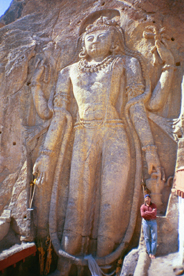
4.புத்தம் சரணம் கச்சாமி!

Bamiyan-buddha-mulbek1

Buddhs in Ladakh,Kashmir

ச.நாகராஜன்


புத்தம் சரணம் கச்சாமி

   ஆரம்ப காலத்தில் புத்தர் ஒரு நிலையான இடத்திலும் தங்கவில்லை. நாடு முழுவதும் சுற்றியவாறே தன்னைச் சூழ்ந்து இருந்தோரிடம் அவர் உபதேசிக்கத் தொடங்கவே அவரது கொள்கைகளால் ஈர்க்கப்பட்டவர்கள் அவருடன் அனைத்தையும் துறந்து சென்றனர். மரத்தடியில் படுக்கை, கிடைத்த இடத்தில் பிக்ஷை, இவற்றைக் கொண்டு அவர்கள் புத்தரின் போதனைகளை மனதில் கொண்டு அவற்றைப் பின்பற்றலாயினர்.


புத்தர் அனைவருமே புத்தராகலாம் என்றார். புத்தர் என்பது ஒரு நபரைக் குறிப்பதில்லை. புத்தத்வத்தைக் குறிப்பிடுகிறது. அந்த நிலையை அனைவரும் எய்தலாம் என்பதே புத்தரின் அருளுரை. புத்தரை ஆஸ்ரயமாக அண்டினோர் மூன்றை சரணடைந்து அவரை ஏற்றுக்கொண்டனர்.

புத்தம் சரணம் கச்சாமி!

புத்தரை சரணமாக அடைந்தனர்

தம்மம் சரணம் கச்சாமி

புத்தரின் போதனைகளான தர்ம நெறிகளைச் சரணமாக அடைந்தனர்.

சங்கம் சரணம் கச்சாமி

புத்தரின் கொள்கைகளைக் கடைப்பிடிப்போரின் சங்கத்தைச் சரணமாக அடைந்தனர்.


நாளாக நாளாக துறவிகளாக விரும்புவோரின் எண்ணிக்கை ஆயிரக்கணக்காகப் பெருகியது. அப்போது உண்மையாக புத்த நெறியில் நடக்க விரும்புபவர்களை மட்டுமே தேர்ந்தெடுக்கக் கடுமையான சட்ட திட்டங்கள் ஏற்படுத்த வேண்டிய அவசியம் ஏற்படவே அவை இயற்றப்பட்டன.


புத்தரின் மகத்தான இன்னொரு பணி பெண்களைப் பற்றியது.அவர்களும் இறை நிலையை அடைய முடியும் என்ற அவரது உபதேசம் பெண்களிடையே பெரும் வரவேற்பைப் பெற்றது. பிக்ஷுணிகள் ஆக பெண்களும் முன் வந்தனர். கடுமையான கட்டுப்பாடுகளை ஏற்றனர்.
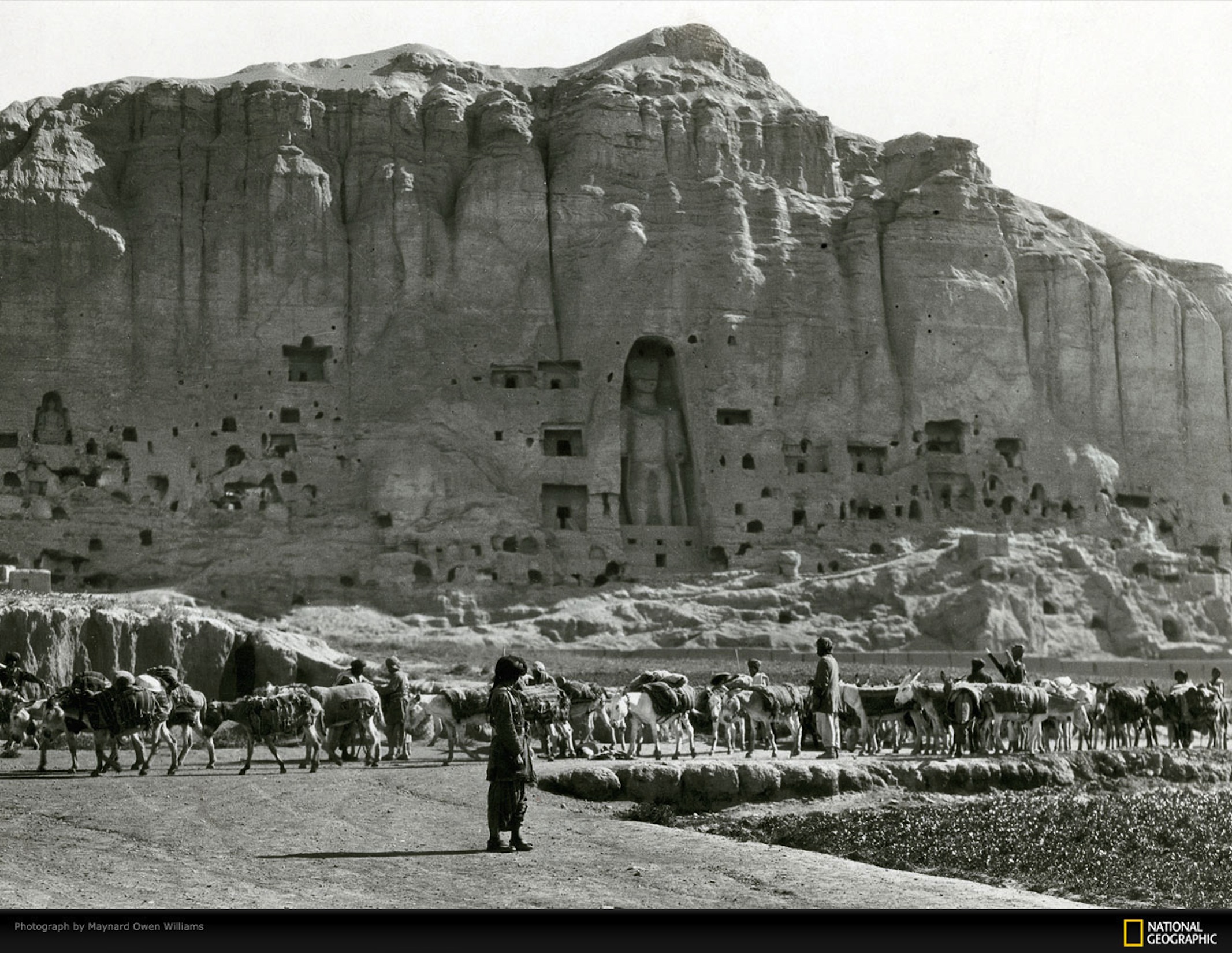
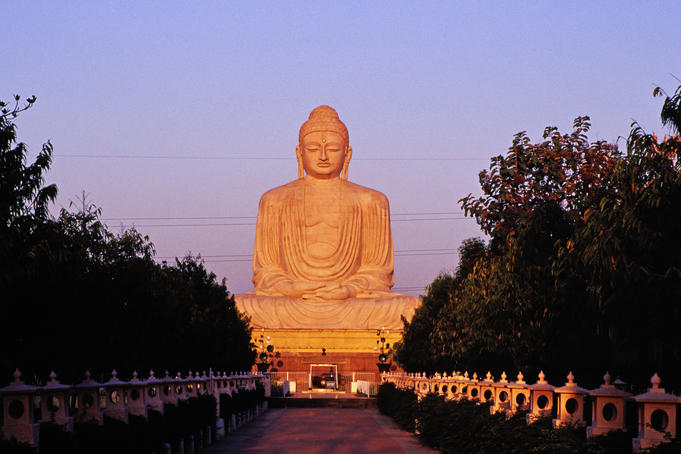
Bamiyan_Buddha

Picture of Buddha at bamiyan wich was destroyed by the Afgan terrorists.

ஒரு புத்த மடாலயத்தில் சேர்வது சுலபம் இல்லை என்ற நிலை உருவாகி அது இன்றளவும் கடைப்பிடிக்கப்பட்டு வருகிறது.

சென்றோம், மடத்தினுள் நுழைந்தோம், புத்த துறவியாகி விட்டோம் என்று எவராலும் ஒரு நாளும் சொல்லி விட முடியாது- இன்றளவும் கூட.


குருகுல வித்யா

வேத காலத்தில் குருகுலங்கள் இருந்தன. சிஷ்யர்களை குரு நன்கு பரிசோதிப்பார். தேர்ந்தெடுக்கப்பட்ட சீடர்கள் அவருக்கு சிக்ஷ்ருஷை எனப்படும் பணிவிடைகளைச் செய்வர். குருவின் வார்த்தைகளுக்குக் கட்டுப்பட்டு நடப்பர். வித்தையும் ஞானமும் அவர்களுக்குத் தானே வரும்!

மஹரிஷி ஆருணியின் வரலாறு

உதாரணத்திற்கு ஒரே ஒரு சம்பவத்தை மட்டும் இங்கே பார்க்கலாம்.

அயோத தௌம்யர் என்று ஒரு மஹரிஷி இருந்தார். அவருக்கு உபமன்யு,ஆருணி,வேதர் என்ற மூன்று சிஷ்யர்கள் இருந்தனர். ஒரு நாள் அயோத தௌம்யர் தனது சிஷ்யரான ஆருணியை நோக்கி,”ஆருணி, நீ போய் கழனிக்கு வருகிற வாய்க்கால் உடைப்பை அடை” என்று கட்டளையிட்டார்.

ஆருணியும் தனது ஆசார்யரின் கட்டளையை சிரமேற்கொண்டு கழனியை நோக்கிச் சென்றார்.அங்கே அவரால் உடைப்பை சாதாரண வழிகளின் மூலம் அடைக்க முடியவில்லை. குருவின் கட்டளையைச் செய்து முடிக்க வேண்டுமென்ற ஆதங்கமும் ஆர்வமும் சிரத்தையும் அவரை உந்தவே என்ன செய்வது என்று யோசிக்கலானார். கடைசியில் அவருக்கு ஒரு உபாயம் தோன்றியது.


உடைப்பு இருந்த இடத்தில் தன் உடலை அடைத்து இப்படியே இருப்பேன் உடைப்பு அடைபட்டுப் போயிற்று என்று சொல்லி அப்படியே இருக்கலானார்.


இதனால் தண்ணீர் வெளியேறாமல் மடை அடைபட்டது.

நேரம் சென்றது. அயோத தௌம்யருக்கு ஆருணியின் நினைவு வரவே, ஆருணி எங்கே என்று தன் சிஷ்யர்களை நோக்கிக் கேட்டார். அவர்கள், “குருவே! நீங்கள் தான் அவரை கழனியில் வாய்க்கால் உடைப்பை நிறுத்தும்படி அனுப்பி இருக்கிறீர்கள்” என்று கூறினர்.


தௌம்யருக்கு ஆருணியை அனுப்பியது ஞாபகத்திற்கு வரவே, “வாருங்கள், ஆருணி இருக்கும் இடத்திற்குப் போவோம்” என்று சிஷ்யர்களை அழைத்துக் கொண்டு வாய்க்காலை நோக்கிச் சென்றார். அங்கே சென்றதும் தௌம்யர், ‘குழந்தாய்,ஆருணி! நீ எங்கே இருக்கிறாய்’? இங்கே வா!”என்று கூவினார்,


“இதோ இங்கே இருக்கிறேன்” என்று பதில் சொன்ன ஆருணி மடையிலிருந்து வெளியே வந்தார்.”இதோ இந்த வாய்க்கால் உடைப்பை அடைப்பதற்காக இங்கே இருந்தேன். வேறு எந்த உபாயமும் எனக்குத் தெரியாததால் இங்கேயே இதில் பிரவேசித்து உடைப்பை அடைத்தேன்” என்றார் ஆருணி.


நடந்ததைப் புரிந்து கொண்ட அயோத தௌம்யர் ஆருணியை நோக்கி, “ நீ இவ்வாறு எழுந்ததிலிருந்து மடை திறக்கப்பட்டபடியால் உனக்கு இனிமேல் பிளக்கிறவன் என்ற பொருள் உடைய உத்தாலகர் என்ற பெயர் உண்டாகக் கடவது! அந்தப் பெயர் குருவாகிய என்னுடைய அனுக்ரஹத்தைப் பறை சாற்றும் ஒரு அடையாளமாக இருக்கட்டும்” என்று  மனமகிழ்ந்து கூறினார். மேலும்,” நீ என்னுடைய கட்டளையை சிரமேற்கொண்டு அதற்குக் கீழ்ப்படிந்து நடக்கிறபடியால் சர்வ மங்களத்தையும் அடைவாய். எல்லா வேதங்களும் அனைத்து சாஸ்திரங்களும் உன்னிடம் பிரகாசித்து விளங்கும்” என்று ஆசீர்வதித்தார்.


ஆருணி தவத்திலும் ஞானத்திலும் சிறந்த பெரும் மஹரிஷியானார்.


இது போன்ற குரு அனுக்ரஹத்தால் உயர்ந்த சிஷ்யர்களை வேத, இதிஹாஸ, புராணங்களில் காணலாம்.

இதே குரு – சிஷ்ய உறவு புத்தமதத்திலும் வேரூன்ற ஆரம்பித்தது.

இன்றளவும் தொடர்கிறது.

உதாரணத்திற்கு இன்று புத்தமதத்தில் தலை சிறந்து விளங்கும் ஒருவரது வரலாற்றைப் பார்ப்போம்.

இது அவராலேயே தீர்க்கமாக எழுதப்பட்ட ஒன்று. ஆர்வத்தைத் தூண்டி விழிகளை வியப்பால் விரிய வைக்கும் ஒன்று!


சின்ன உண்மை

பௌத்தர்கள் கோவிலுக்குத் தங்களால் முடிந்த எந்த நேரத்திலும் போகலாம். பௌர்ணமியில் சென்று வழிபடுவதைச் சிறப்பாகக் கொள்கின்றனர்.


இது புத்த மதம் தொடர்பான கட்டுரைகளில் நாலாவது கட்டுரை. ஏற்கனவே 3 பகுதிகள் வெளியாகின. நிலாசாரல்.காம்– இல் வெளியானது.

தொடரும்


Fasting: The Hindu Way!

fastingforweightloss

Fasting is observed by followers of all religions. But Hindu fasting is stricter than other fasting. Muslim fasting during Ramadan month is known to many. They fast between sunrise and sunset. Hindu fasting has no strict rules. But most of them starve from dawn to dusk. They don’t eat any cooked food in the morning. They have milk and fruits in the day time. Nowadays coffee and tea have replaced milk which has no religious sanction. Some people don’t take anything other than water. This is very different from Muslim and Christian fasting.


Even the Hindus who normally eat non-vegetarian dishes avoid such food during fasting days. They avoid garlic and onion as well. Though Hindus fast on different days of the week to worship different gods and goddesses, Ekadasi fasting is common for all the Hindus. Ekadasi means 11th day. It comes twice a month: 11th day from the new moon and 11th day from the full moon. Another famous fasting is Sankata Hara Chathurthy i.e. fourth day after the full moon. Hindus fast themselves till moon rise. They eat after seeing the crescent moon.


(Full Moon= Pournami; New Moon= Amavasya in Sanskrit)


Shaivaite Hindus fast on Pradosham, Shivaratri and Skanda Shasti. Sri Lankan Tamils observe Skanda Shasti nearer to Deepavali. Orthodox Tamil Hindus survive with just water and milk and fruits for a week! Every Hindu festival such as Navaratri, Ganesh Chathurthy, Durga Puja, Kartikai Vratham, Pradosham goes with fasting.


Ayyappa devotees/Bhaktas fast for forty days during the month of Karthikai with meagre meals. Generally speaking, Hindu fasting means skipping the big meal of the day and sticking to light food during night.


Ekadasi fasting and other fasting have got mythological stories behind them; there are many benefits when you observe fasting.


1.Skipping a meal and starving make us think about the poor people who struggle to have one square meal a day.

2.Keeping the stomach empty once a week or once a fortnight helps us to clean the system. To nullify the acidity developed during fasting, Hindus eat certain types of spinach (greens) the next day after fasting. Agati grandiflora or Sesbania grandiflora (Agati Keerai in Tamil and Agasti in Sanskrit) is the most common greens used after fasting.

3.Religious heads like Kanchi Shankaracharya asked his disciples to donate one meal a week to the poor. During Chinese aggression and Pakistan war, Indians skipped one meal and donated the food grains to the nation.

4.Fasting for religious reasons makes us to think about God throughout the fating period.

5.Fasting purifies mind and body. It strengthens one’s conviction. It teaches you self control.

6.We take our food for granted. Only after fasting we realise the value of food. We show more respect to food and avoid wastage.

fasting gandhi

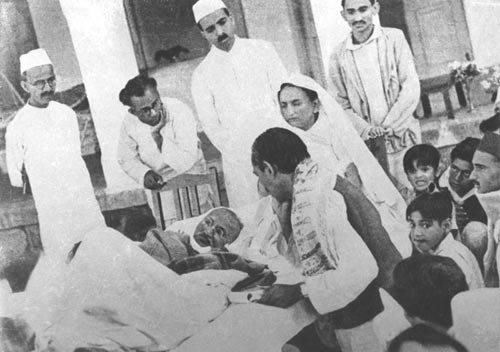
Indian leader Mahatma Gandhi used fasting as a political weapon.


Strange facts about fasting

Chandrayana fasting is observed y orthodox Hindus. Those who observe this type of fasting, reduce food day by day from full moon to new moon and increase it day by day from new moon to full moon. Whatever you eat normally is the basic food from which you reduce.

Andal, the famous Tamil Vaishnavite woman saint, says in her poem Thiruppavai: “ girls avoid butter and milk; girls don’t put make ups on those days; they don’t decorate their hair with flowers and they don’t tie their hair i.e. avoid hairdo etc. they do avoid gossips, but think only about god. In short it is a step towards god.

No Hindu eats non vegetarian food during fasting.

Milk is used by all the saints and temples. It is not considered non vegetarian. The vegan concept is unknown to ancient Indians. But Hindus make sure that only spare milk is used by the people after calves feeding. In western countries they don’t do it, but kill the cows for beef.


Mahabharata has many stories that illustrate the glories of fasting. A seer by name Mudkalar used to eat only on full moon day and new moon day. His family members also followed him. A guest came to them every time they were about to break fasting. But Mudkalar never hesitated to entertain him by giving their food. When it happened for the fifth time, the guest revealed his real form and blessed them. He was God of Dharma himself. Many folk tales also explain the merits of fasting and inspire everyone.

Hindu Women are keener observing fasting than men. Hindus have hundreds of types of fasting.

Famous Tamil speaker Krupananda Variar observed fasting on Shasti (sixth day from full moon) and Kartikai star day every month. He took either milk during the day or only one meal.


My Gujarati friends who do manual work in building industry take only one banana during day time on fasting days. My brother’s family members don’t eat during day time on Sankata Hara Chathurthy days. My wife fasts on Tuesdays. Hinduism is very catholic and it allows individuals to alter fasting according to their faith or rules stipulated by their Gurus. Hare Krishna Movement (ISKCON) followers observe Ekadasi fasting.

charkha and gandhi_thumb[3]

BBC reported in August 2012

“Scientists are uncovering evidence that short periods of fasting, if properly controlled, could achieve a number of health benefits, as well as potentially helping the overweight. One area of current research into diet is Alternate Day fasting (ADF), involving eating what you want one day, then a very restricted diet (fewer than 600 calories) the next, and most surprisingly, it does not seem to matter that much what you eat on non-fast days. Dr Krista Varady of the University of Illinois at Chicago carried out an eight-week trial comparing two groups of overweight patients on ADF”.

***** The End*****


Please visit Dr R Nagasamy’s blog to read research articles on Tamil and Sanskrit literature, history and archaeology.

http://www.tamilartsacademy.com/

3.தேரவாதம், மஹாயானம் தோன்றிய வரலாறு!

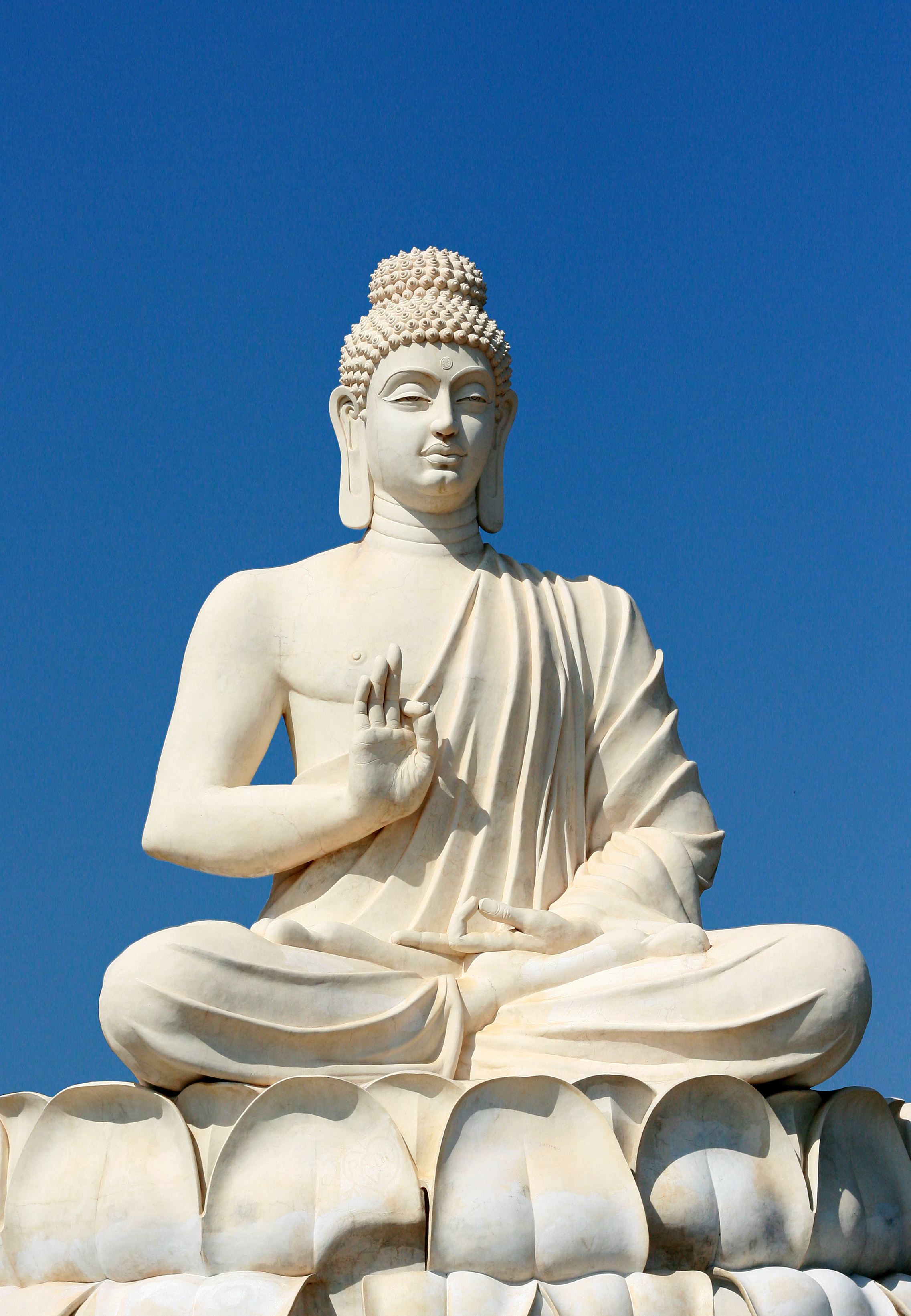
Buddha's_statue_near_Belum_Caves_Andhra_Pradesh_India

S.நாகராஜன்

அகாலிகம்  

புத்தரின் போதனைகள் எளிமையானவை. ஞானோதயம் பெற்ற மஹா உள்ளத்தின் ஆழத்திலிருந்து மனித குலம் உய்க்க வேண்டும் என்ற பெரும் அருள் நோக்கில் அருளப்பட்டவை. அவர் அருளியவற்றை அகாலிகம் என்பர். அதாவது அ-காலிகம் – காலத்தை வென்றவை என்று பொருள். எந்தக் காலத்திற்கும் பொருந்துபவற்றை அப்படித் தானே சொல்ல முடியும்!


தான, சீல, பாவனா 

புத்தரின் தத்துவம் ஒரு வறட்டு போதனை அல்ல, வாழ்ந்து காட்டிய ஒரு வழி முறை! அந்த வழி முறையை பாலி மொழியில் எளிய மூன்று சொற்களில் கூறி விடுவர்.

தானம். சீலம். பாவனை – இவையே அந்த மூன்று சொற்கள். கொடுக்கும் மனப்பான்மை இருந்தால் சேர்க்கும் மனப்பான்மையோ திருடும் மனப்பான்மையோ வராது. அதாவது ஆசைகள் அழியும்.

இரண்டாவது சீலம். வாழ்வாங்கு வாழ உண்டான அற நெறிகளே சீலம். கொல்லாமை, சத்யம். தயை உள்ளிட்ட அடிப்படையான அறப்பண்புகள்.


மூன்றாவது பாவனை. அதாவது தியானம். மனதைக் கட்டுப்படுத்தும் அற்புத சாதனை.மன சாந்தியை அனைவருக்கும் அளித்து துன்பமயமான உலகத்தை ஸ்வர்ண லோகமாக மாற்றும் வழி மனதைச் செம்மைப்படுத்துவதே!

அறிவால் அறி

இதையும் அவர் வற்புறுத்தி வலுக்கட்டாயமாக அனைவருக்கும் புகட்ட முற்படவில்லை. வந்து பார். ஆராய்ந்து ஏற்றுக் கொள் என்பதே அவர் அறிவுரை. இந்தப் பகுத்துப் பார்த்து ஏற்றுக் கொள்ளும் வழிமுறையை அவர் உபதேசித்ததாலேயே விஞ்ஞானிகள் உள்ளிட்ட அறிவால் அறியும் மனப்பான்மை கொண்டோர் புத்தமதத்தின் பால் வெகுவாக ஈர்க்கப்படுகின்றனர்.

கடவுள் என்றேனும் இந்தப் பூவுலகில் வந்தார் என்றால் அது புத்தரே


பேரறிஞர் அனடோல் பிரான்ஸ் தனது சுய சரிதத்தில் இப்படி எழுதுகிறார்: 1890ஆம் ஆண்டு மே மாதம் முதல் தேதி அன்று பாரிஸில் உள்ள மியூசியத்திற்குச் செல்லும் ஒரு வாய்ப்பு கிடைத்தது. ஆசிய கடவுளரின் மத்தியில் மோன மூர்த்தியாக எளிமையாக நின்று கொண்டிருந்த துன்புற்றலையும் மனித குலத்திற்கு புரிதலையும் தயையும் மேற்கொள்ள  வழிகாட்டும் புத்தரின் பால் என் பார்வை பதிந்தது. கடவுள் என்றேனும் இந்தப் பூவுலகில் நடந்திருந்தார் என்றால் அவர் இவரே என்று நான் உணர்கிறேன். கடவுளாக அவரைக் கொண்டு அவர் முன்னால் மண்டியிட்டு பிரார்த்திக்கத் தூண்டப்பட்டேன்.


புத்தர் எண்பது வயது வரை வாழ்ந்தார். தனது 35ஆம் வயதில் அவர் போதி மரத்தடியில் ஞானம் பெற்றார். தான் அறிந்த உண்மைகளை வெளிப்படையாக மன்னர்களுக்கும், ஆண்டிகளுக்கும், கற்றோருக்கும் மற்றோருக்கும் ஆண்களுக்கும் பெண்களுக்கும் எளிய மொழியில் கூறினார். அவர் பேசியது புத்த வாஸனா. அதாவது புத்த வாக்கியங்கள் எனப்படும்.

buddha's_statue

ராஜக்ருஹத்தில் கூடிய முதல் சபை

அவர் மஹா நிர்வாணம் அடைந்த பின்னர் மூன்று மாதங்கள் கழித்து இப்போது பீஹார் மாநிலத்தில் நாலந்தா மாவட்டத்தில் உள்ள ராஜ்கீரில் கூடினர். பழைய மகத தேசத்தின் தலை நகராக இருந்த அதன் முந்தைய பெயர் ராஜக்ருஹம். பாலி மொழியில் இதை ராஜகஹா என்பர்.


இந்த முதல் சபைக் கூட்டத்தில் புத்தர் அருளிய தம்மா அதாவது தர்மமும் வினயமும் ஓதப்பட்டன. தர்மம் பற்றி யாருக்கும் கருத்து வேறுபாடு இல்லை. ஆனால் வினயம் பற்றிய விதிகளில் ஏதேனும் மாற்ற வேண்டுமா என்று ஆலோசனை செய்தனர்.புத்தர் தனது பிரதான சீடரான ஆனந்தரிடம் சிறு விதிகளை தேவையெனில் மாற்றிக் கொள் என்று சொல்லி இருந்தார். ஆனால் புத்தர் தங்களை விட்டுப் பிரியப் போகிறாரே என்று கண்ணீர் விட்டுக் கலங்கிய ஆனந்தர் அந்த இறுதி நேரத்தில் எவை சிறிய விதிகள் (Minor Rules) என்று கேட்கவில்லை. ஆனால் இந்த விவாதத்தில் மன்னர் மஹா காஸ்யபர் குறுக்கிட்டு, “எதையும் மாற்ற வேண்டாம். அவர் மறைந்தவுடனேயே விதிகள் மாற்றப்பட்டன என்ற பழிப்பெயர் நமக்கு வேண்டாம்” என்றார். அனைவரும் அத ஏக மனதாக ஆமோதித்தனர்.

இரண்டாவது சபையில் தோன்றிய மஹா சங்கிகா

 அடுத்து நூறு ஆண்டுகளுக்குப் பின்னர் இரண்டாவது சபைக் கூட்டம் கூடியது. வினயத்தில் சில சிறு விதிகள் காலத்தின் தேவைக்கு ஏற்ப மாற்றலாமா என்று விவாதிக்கப்பட்ட து. சிலர் மாற்றலாம் என்றனர். சிலர் மாற்றக் கூடாது என்றனர். துறவிகளில் ஒரு பகுதியினர் தனியே பிரிந்து சென்று மஹா சங்கிகா- பெரும் சங்கம்- என்ற அமைப்பை உருவாக்கினர்.

அசோகர் காலத்தில் கூடிய மூன்றாவது சபை.

மூன்றாவது சபைக்கூட்டம் மாமன்னர் அசோகரின் காலத்தில் (கி.மு. மூன்றாம் நூற்றாண்டு) கூடியது. இதில் தர்மம் பற்றியும் வினயம் பற்றியும் விவாதிக்கப்பட்டது. சபைக்குத் தலைமை வகித்த மொக்கலிபுத்த திஸ்ஸா, கதா வாத்து என்ற புத்தகத்தைத் தொகுத்தார்.

இது தேரா வாதம் என்ற பெயரைக் கொண்டது.அசோகரின் மகனான மஹிந்தா இந்த சபையில் ஓதப்பட்ட திரிபிடகா மற்றும் உரைகள் ஆகிய அனைத்தையும் எடுத்துக் கொண்டு ஸ்ரீலங்கா வந்தார். அந்த ஏட்டுப் பிரதிகள் அனைத்தும் அப்படியே மாறாமல் ஸ்ரீலங்காவில் இன்றளவும் பாதுகாக்கப்பட்டு வருகின்றன.


மஹாயானம் உருவானது

 அடுத்த நானூறு ஆண்டுகளில் மாற்றங்கள் ஏற்பட்டன. மஹாயானம் உருவானது. இதற்கு மாறுபட்டது ஹீன யானம் என்று ஆனது.

மிகப்பெரும் மேதையான நாகார்ஜுனர் தோன்றி  மஹாயான கொள்கைகளை சரியான விதத்தில் விளக்கும் மத்யாமிக காரிகா என்ற நூலை எழுதினார்.

ஆக புத்த மதம் தனது தாயகமான பாரதத்திலிருது கிளம்பி, ஸ்ரீலங்கா, தாய்லாந்து, பர்மா, கம்போடியா,லாவோஸ், சீனா, ஜப்பான் என உலகெங்கும் பரவலாயிற்று.


இன்றோ அமெரிக்கா உள்ளிட்ட மேலை நாடுகளில் புத்த மதம் எதையெல்லாம் போற்றி வளர்த்ததோ அதையெல்லாம் கற்க ஆயிரக்கணக்கில் ஆர்வலர்கள் கூடுகின்றனர்.

அப்படி இந்த ஆர்வத்திற்கு என்ன காரணம்? வரும் வாரங்களில் புத்த மதம் பற்றிய வரலாற்று அற்புதங்களைப் பார்ப்போம்.

சின்ன உண்மை

 1950ஆம் ஆண்டு ஸ்ரீலங்காவில் கூடிய பௌத்தர்களின் அமைப்பு ஹீனயானம் என்ற வார்த்தையை ஒட்டு மொத்தமாக நீக்கி விடலாம் என்று முடிவெடுத்தது. ஆக இன்று இருப்பது ஒரே புத்த மதம் தான்!


-தொடரும்


Please visit Dr R Nagasamy’s following blog to read research articles on Tamil and Sanskrit literature, History and archaeology.


http://www.tamilartsacademy.com/

Unique Yogic Power Transfer

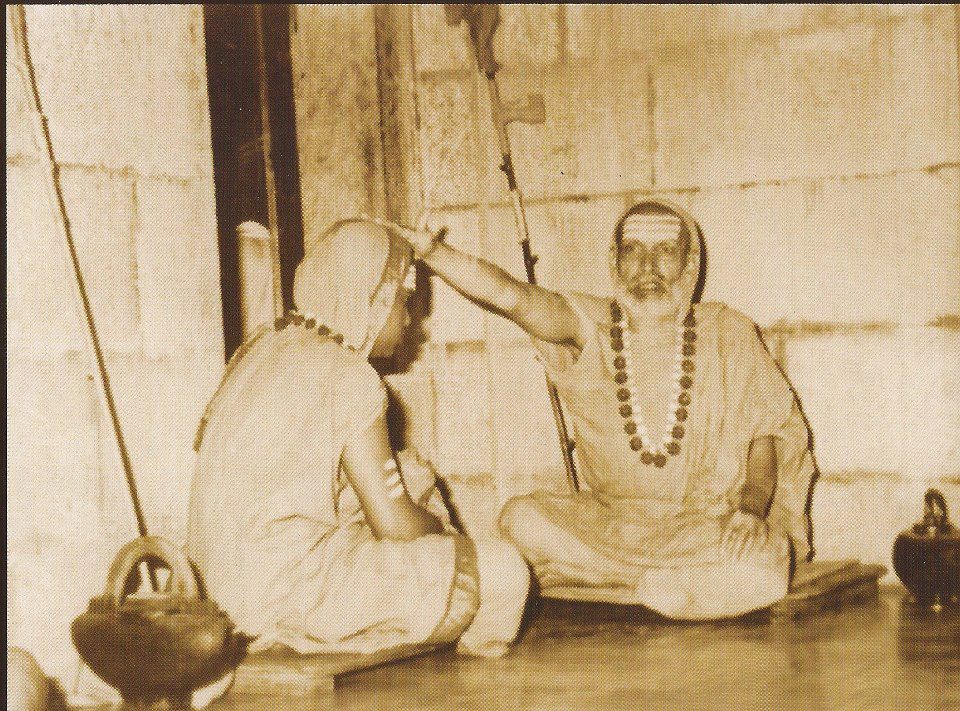
sringeri-mahasannidhanam

Sri Sringeri Mahasannidhanam blessing a disciple.

“At the time of initiation by a Guru, one’s deity or Ishta Devata, is chosen. Every person has worshipped some deity in previous lives; the impressions of this worship are imprinted in the subconscious mind. If one cannot discover his natural inclination, the Guru will choose the deity. Once the deity and appropriate mantra have been selected, and the aspirant has received initiation, he works with the mantra until reaching enlightenment. The mantra becomes his or her theme song.”—Swami Vishnu Devananda in ‘Meditation and Mantras’.


Hindu saints, Gurus and Yogis used a unique method of power transfer. It is like charging the spiritual battery of a disciple. There are different methods used by different saints. But they can be broadly classified in to Sparsa (Touching) Diksha, Nayana (looking) Diksha and Manasa Diksha (thinking). Hindus believe that a Mantra (incantation) initiated by the Guru will have more power. After initiation, all the mistakes done by the disciples are taken by the Guru i.e. nullified by the power of Guru.


Sparsa means touching; by touching the head of a disciple he transfers his power to the aspirant. Swami Vivekananda was initiated by Sri Ramakrishna Paramahamsa in this way. When young Narendra asked Ramkrishna to show him God, he touched Narendran’s head. He not only saw God, but also became a great saint with a new name swami Vivekananda. Amma of Kerala hugs everyone to transfer power.


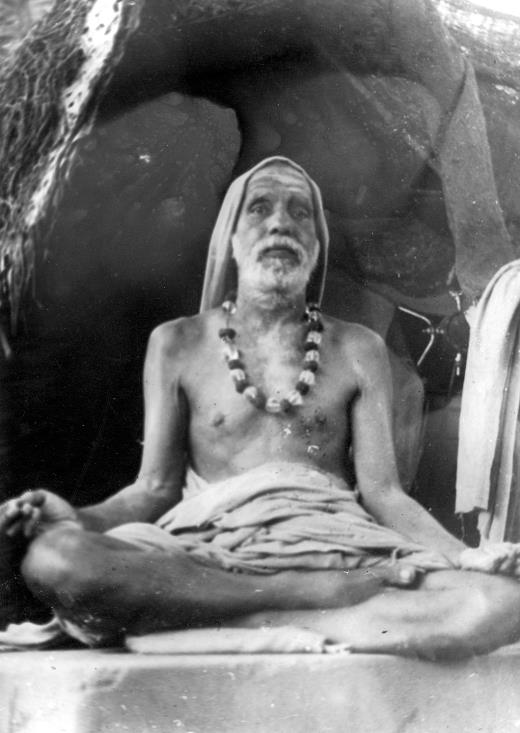
Nayana Diksha means looking. Nayana means eyes. Some Guru’s just look at their disciples and give their power. Saints like Ramana Maharishi and Sathya Sai Baba did this to many of their disciples. Saints like Kanchi Paramacharya rarely touched anyone. But his graceful look cleared the doubts of his disciples.Hindu Goddess is prayed by her devotees to look at them through the corner of her eyes. Even a side glance is enough to elevate her devotees. No one can withstand her full glance.


Manasa Diksha means Mind (thinking).Upamanyu gave this type of Diksha to Lord Krishna. Lord Dakshniamurthy gives wisdom to his disciples this way. Sanakar and other three saints received power in this way. When Drona refused to teach Ekalavya, he learnt it by considering Drona as his Guru in mind. Since Drona did not know this, Ekalavya had to give him a heavy price—his right thumb.

birdfishturtle

BIRD, FISH, TURTLE

Hindu scriptures used three different similes to illustrate these types. Sparsa Diksha is compared with birds. They incubate the eggs by touching.


Nayana ( Chakshu) Diksha is compared with fishes. Hindus believed that the look of fishes at their eggs made them to produce fish lings. Goddess Meenakshi of Madurai is praised as Fish eyed.


Manasa Diksha is compared with turtles. Sanskrit and Sangam Tamil Literature say that the turtles always think about the eggs after laying the eggs on the sea shore, and the baby turtles rush towards them as soon as they hatched.


The word Diksha means giving and destroying (Di= give, Ksha=destroy). This means that the Guru gives wisdom to destroy ignorance. Guru is like a philosopher’s stone. Legendary Philosopher’s stone can change base metals like lead and iron in to gold and silver. In Sanskrit they call it Sparsa vedi. Whatever it touches changes in to gold. Some gurus are sparsa vedis. There is another type of gurus who are called Darsa Vedis. Their very look will make any one an enlightened man.


The beauty of these types of Dikshas is that the Guru never loses anything by giving. The more he gives more he gets. It is like education. The more one teaches students, the more he gains. The following Vedic mantra can give some idea about this never depleting source:

Om
Purnamadah Purnamidam
Purnat Purnamudachyate
Purnasya Purnamadaya
Purnameva Vashishyate
Om shanti, shanti, shanti (Ishavasya Upanishad)

Meaning in English:

Om.
That is the absolute, this is the absolute;
from the absolute, the absolute becomes manifest;
when the absolute is added to or taken away from the absolute,
the absolute remains.
Om. Peace! Peace! Peace!

Even after giving, Guru’s power remains intact.


Initiation is very important in Hinduism. Brahmin boys receive the Gayatri Mantra from their fathers. On the day of Upanayana ceremony, father brings his son closer to him under a cover (usually silk Dhoti) and repeats the Gayati three times in to his ears. Shaivaites get the mantra Om Nama Sivaya from their Gurus. Vaishnavites receive the mantra Om Namo Narayana from their Acharyas. In certain sects of Hinduism they even get some Mudras/ symbols imprinted on their bodies. These are like tattooing religious symbols on their bodies.


Modern day saints have their own ways of initiation. It is interesting to study them. No one can question a Guru. If you believe in him, he protects you.

“Gurur Brahma Gurur Vishnu, Gurur devo Maheswara:”. Guru is Brahma, Vishnu and Shiva.


Contact swami_48@yahoo.com

Miracles in the life of Krupananda Variar

OrAraciyalKathai1

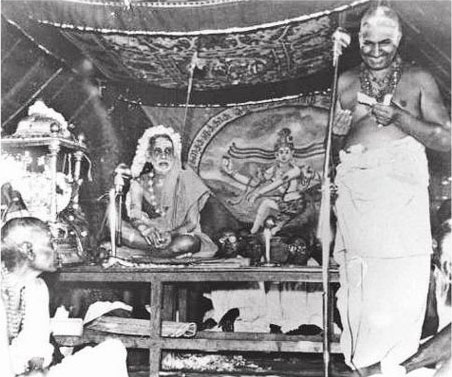
Picture of Variar Swamikal speaking in the prsence of Kanchi Paramacharya

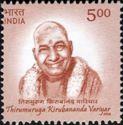
Thirumuruga Kirupananda Variar (1906-1993) did a great service to Hinduism through his discourses in Tamil. He spread Shaivism to nook and corner of Tamil Nadu and other Tamil speaking parts of the world such as Sri Lanka, Malaysia and Singapore. His talks attracted the educated class as well as neo literates and illiterates. He had a great sense of humour. His lectures were well attended. He was a great scholar in Tamil literature. He knew Sanskrit and music and created a new style in delivering discourses. He narrated two incidents that happened in his life in the question and answer section of the popular Tamil weekly Kumudham.


One of the readers asked whether Friday or Tuesday is suitable for Murugan (Lord Skanda or Subramanya) worship. Variar wrote: “ Tuesday is the most suitable day for Skanda/Murugan worship. Friday is common for the worship of Ganapathy, Murugan and Lakshmi. I was born in Kangeya Nallur on the banks of River Palaru near Katpadi. Special worship was done on Tuesdays for Lord Murugan (Skanda) in Kangeyanallur. There was a boy nicknamed Halwa ( a sweet made up of wheat).He looked like a dumb fellow. He lost his fatherand lived with his mother. A Chettiar (business man) of Vellore was in charge of Tuesday worship. He used the service of Halwa and his mother. Both of them used to carry the Puja materials from Vellore to Kangeyanallur. They were given Two Annas as wage (old coinage approximately equal to 12 and a half paise).


On a Monday, Halwa went to Chettiar’s house and took the Puja materials. In addition to his usual wage of two Annas, he asked for a quarter Anna as a bonus. The reason he gave him was that he would not come the following week. He smiled at him and gave a quarter Anna coin. He came home asked his mum a quarter Anna coin. She was and angry and scolded him for asking money. “Mum,I am not going to ask you tomorrow”, said the boy and went away.


The next day after all the special worship, the boy died suddenly. His body was ritually bathed in middle of the road. At that time three Garuda birds circled in the sky (Garuda- white necked eagle is considered holy because it was the vehicle of Lord Vishnu). I watched all the ceremony. This shows that he got the power of knowing his death in advance through Tuesday fasting.

Thirumuruga-Kirubanandapicture of Indian postage stamp of Variar.

Ever green in mind

Another reader asked Variar to narrate an incident which was ever green in his mind. Variar said: “I went to a town for giving discourses. During the morning Puja, the ring I wore slipped out and washed away with the Abhishek (ritual bathing) water. The ring was inscribed with Om Muruga. I never knew that I lost it. During the evening talk, casually I looked at the ring finger and found out it was missing. But within a fraction of a second, I composed myself and continued my talk. As soon as I finished my discourse a person rushed to the stage and gave me the missing ring. I was surprised and asked him how come he got it. He told me that he saw me looking at my finger. From my facial expression he guessed what happened and went to the place where I did the puja in the morning. After a good search he got it and returned it to me. I can’t forget this incident.”


Source: Kumudham Question and Answer in Tamil

ஸ்வர்ண புத்தர்!


Image

ச.நாகராஜன் 


   புத்த மதத்தில் சாந்தி ததும்பிய முகத்துடன் இருக்கும் புத்தரின் திரு உருவத்திற்கு பக்தி ததும்பிய தனி மதிப்பு உண்டு.


    ஏராளமான மோன நிலை புத்தர் சிலைகள் உலகினர் அனைவருக்கும் சாந்தியைத் தருவதற்கெனவே ஆங்காங்கே புத்த பிக்ஷுக்களால் பிரதிஷ்டை செய்யப்பட்டு வந்தன.


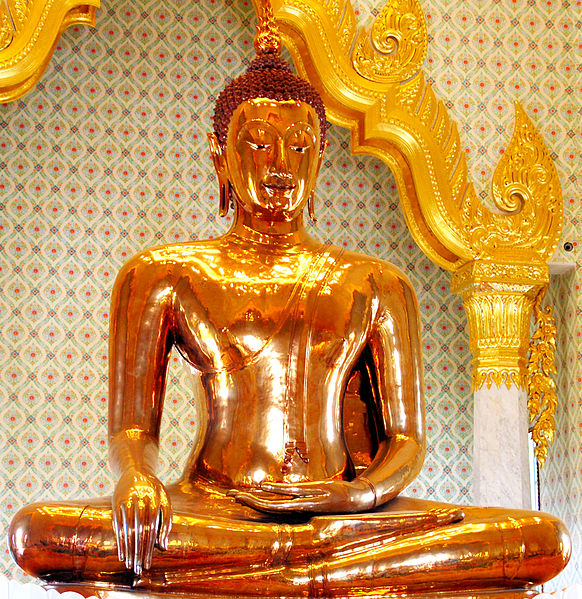
     அவற்றுள் ஒன்று தான் இன்று தாய்லாந்தில் உள்ள (அன்றைய சயாம்) ஸ்வர்ண புத்தரின் சிலை.


      250 வருடங்களுக்கு முன்பு பர்மா சயாமை ஆக்கிரமிக்க முடிவு செய்தது. சயாமில் இருந்த புத்த துறவிகள் அற்புதமான புத்தர் சிலை ஒன்றை வணங்கி வந்தனர். பர்மியர்களிடமிருந்து அந்தச் சிலையைக் காக்க துறவிகள் முடிவு செய்தனர். அதற்குரிய ஏற்பாட்டைச் செய்து முடித்த அவர்கள் 1767ஆம் ஆண்டு நடந்த பர்மிய படையெடுப்பில் கொல்லப்பட்டனர். அயுத்தயா சாம்ராஜ்ய சிதைவுகளில் களிமண்ணால் நன்கு மூடப்பட்டிருந்த புத்தர் சிலை யாரும் கவனிப்பாரின்றி ஓரிடத்தில் இருந்தது.


1801ஆம் ஆண்டு மன்னராக இருந்த புத்த யோட்ஃபா சுலாலோக் எனப்படும் மன்னர் முதலாம் ராமர் (ராமா- I) பாங்காக்கைப் புதிய தலைநகரமாக நிர்மாணித்து சிதிலமடைந்து இருக்கும் புத்த விஹாரங்களில்  உள்ள அனைத்து புத்தர் சிலைகளும் பாதுகாப்பாக பாங்காங்கிற்கு கொண்டு வரப்பட வேண்டும் என்று உத்தரவிட்டார். அயுத்தயாவில் கவனிப்பாரின்றிக் கிடந்த சிலை பாங்காக் நகரம் நோக்கி நகர்ந்தது.


   மன்னர் மூன்றாம் ராமர் (ராமா- III) காலத்தில் (1824-1851) பாங்காக்கில் வாட் சோட்நாராம் என்ற இடத்தில்  இருந்த சிலை காலக்கிரமத்தில் அது இருந்த இடம் சிதிலமடையவே 1935ஆம் ஆண்டு பாங்காக்கில் உள்ள வாட் டைமிட் என்ற இடத்தில் உள்ள சிறிய பகோடாவிற்குக் கொண்டு வரப்பட்டது. இருபது வருட காலம் ஒரு சின்ன கொட்டகையில் அந்தச் சிலை கொலு வீற்றிருந்தது.


    1954ஆம் ஆண்டு ஒரு புதிய விஹாரம் அங்கு எழுப்பப்படவே இந்த புத்தர் சிலையை அங்கு நிறுவி விடலாம் என்று தீர்மானிக்கப்பட்டது. 1955 மே மாதம் 25ஆம் தேதி புதிய இடத்தில் சிலை நிறுவப்பட்டது. ஆனால் ஒரு நள்ளிரவில் நடந்த சம்பவத்தால் அந்த புத்தரின் உண்மையான மதிப்பும் அழகும் தெரிய வந்தது. நடந்தது இது தான்:


சிலையைத் தூக்குவதற்காக துறவிகள் ஒரு கிரேனை ஏற்பாடு செய்திருந்தனர். கிரேன் சிலையைத் தூக்கிய போது எதிர்பார்த்ததை விட அது மிகவும் கனமானதாக இருந்தது. சிலையை பத்திரமாக புதிய இடத்திற்குக் கொண்டு போகவேண்டும் என்ற கவலையுடன் கிரேனை அப்படியே நிறுத்தச் செய்தனர் துறவிகள். அடுத்த நாள் இன்னும் அதிக சக்தி வாய்ந்த கிரேனைக் கொண்டு வர ஏற்பாடு செய்தனர். ஆனால் அன்று இரவோ பலத்த மழை பெய்ய ஆரம்பித்தது. சிலை பத்திரமாக இருக்கிறதா என்று பார்க்க விரும்பிய தலைமை பிக்ஷு ஒரு விளக்கை ஏந்தியவாறே சிலைக்கு அருகில் வந்தார். சிலையை நோக்கிய அவர் சிலையின் ஒரு இடம் மட்டும் பளபளப்பாக இருக்கவே ஆச்சரியமடைந்தார். அந்த இடத்தில் இருந்த களிமண் உதிர்ந்திருந்தது. பிக்ஷு சிலையை பத்திரமாக சுரண்ட ஆரம்பித்தார்.


    அவர் கண்டதை அவராலேயே நம்ப முடியவில்லை. அது ஒரு ஸ்வர்ண விக்கிரஹம். முழுவதும் தங்கம். பிரம்மாண்டமான தங்கச் சிலை அது! விஷயம் பரவியது. உலகமே வியந்தது. பத்திரிக்கைகள் தினந்தோறும் இந்தக் கண்டுபிடிப்பையும் இந்த புத்தரின் வரலாற்றையும் வெளியிட ஆரம்பித்தன. அன்று ஆரம்பித்த பரபரப்பு இன்று வரை நீங்கவில்லை.


    இந்த ஸ்வர்ண புத்தரை ஆண்டுதோறும் லட்சக்கணக்கானோர் தரிசித்து சாந்தி பெறுகின்றனர். புத்தர் மீது பூசப்பட்டிருந்த களிமண் பூச்சை அகற்றுவதை ஒவ்வொரு நிலையிலும் போட்டோ எடுத்தனர். அந்த போட்டோக்களும் சில களிமண் பூச்சுத் துண்டுகளும் இன்றும் அந்த விஹாரத்திற்கு  விஜயம் செய்வோரின் பார்வைக்காக வைக்கப்பட்டுள்ளது.


   இந்த தங்கச் சிலை ஒன்பது பாகங்களாக வடிவமைக்கப்பட்டுள்ளது. பூச்சை முழுவதுமாக நீக்கிய போது அதன் பீடத்தில் ஒரு சாவி இருந்தது கண்டுபிடிக்கப்பட்டது. அந்த சாவியே ஒன்பது பாகங்களைப் பிரிப்பதற்கும் பின்னர் பூட்டுவதற்குமான சாவியாகும்! சிலையின் ஒன்பது பாகங்களும் கச்சிதமாக ஒன்றுடன் ஒன்று பொருந்துமாறு இருப்பது சிற்பக் கலையின் உச்ச அதிசயம்! இந்த  ஒன்பது பாகங்களும் சிலையைச் செய்த இடத்திலிருந்து சயாம் கொண்டு வர எளிதாக இருப்பதற்காக அமைக்கப்பட்டிருக்கிறது.


    புராதன காலத்தில் அனைத்து புத்தர் சிலைகளும் பாரதத்திலேயே செய்யப்பட்டு உலகின் பல்வேறு நாடுகளுக்கும் கொண்டு செல்லப்பட்டன. ஆகவே தங்க புத்தர் வடிவமைக்கப்பட்ட இடம் பாரதமே!


   இதில் ஆச்சரியமான இன்னொரு விஷயம் களிமண் புத்தர் தன்னை ஸ்வர்ண புத்தராக வெளிப்படுத்திக் கொண்ட ஆண்டு புத்தர் மறைந்த 2500 ஆண்டு துவக்கத்தை ஒட்டி அமைந்தது தான்! இது புத்தர் செய்த அற்புதம் என்றே புத்த மதத்தினர் நம்புகின்றனர். 2010 இல் பிப்ரவரி 14ஆம் தேதி புதிய கட்டிடம் திறக்கப்பட்டது. இங்கு தான் இப்போது தங்க புத்தர் கோவில் கொண்டுள்ளார்.


     தங்க புத்தரின் சிலை மூன்று மீட்டர் உயரமுள்ளது (9அடி9 அங்குலம்) எடையோ ஐந்தரை டன்கள். அவ்வளவும் தங்கம்.12 அங்குல களிமண் பூச்சினால் ஓரமாக ஒதுங்கி இருந்த புத்தர் ஸ்வர்ணமயமாக ஆனவுடன் உலகின் கவனத்தைக் கவர்ந்து விட்டார்!


   சுகோதை சிலைகள் என்று கூறப்படும் இப்படிப்பட்ட சிலைகள் பீடத்தில் இருப்பது போல அமைக்கப்படும். இது ஆன்மீக சக்தி அலைகளைக் குறிப்பிடுகிறது. இந்தச் சிலை இருக்குமிடத்திலிருந்து ஆன்மீக அலைகள் பரவ ஆரம்பிக்கும்.

   சிலையின் அமைப்பை சிற்பிகளும் பக்தர்களும் வெகுவாக ஆராய்ந்துள்ளனர். உச்சி வகிடு ஆங்கில எழுத்தான ‘V’ போல அமைந்திருப்பதால் இது சிற்ப சாஸ்திரப்படி அமைக்கப்பட்ட ஆன்மீக அலைகளைக் கொண்ட புத்தர் என்று ஆய்வாளர்கள் கூறுகின்றனர். பரந்த மார்பும் கழுத்தில் உள்ள மூன்று மடிப்புகளும் காதுகளைத் தொடும் அகன்ற அழகிய வாயும் அவர் சித்தார்த்தராக இருந்த போதிருந்த இளவரசர் தோற்றத்திற்கான அடையாளம் என்பது ஆய்வாளர்களின் குறிப்பு!


   தங்க மயமான புத்தர் பரப்பும் அமைதி அலைகளை உலகினர் அனைவரும் ஏற்றுக் கொண்டால்  உலகமே ஸ்வர்ண லோகம் ஆகி விடும் அல்லவா!

சின்ன உண்மை

ஸ்வர்ண புத்தரின் இன்றைய மதிப்பு 2500 லட்சம் டாலர்கள்! ஒரு டாலர் 60 ரூபாய் என்று கொண்டால் இந்திய ரூபாய் மதிப்பில் இந்த ஸ்வர்ண புத்தரின் மதிப்பு 1500 கோடி ரூபாய்!


This article is written by my brother Santanam Nagarajan for nilacharal.com–swaminathan


How old are our Puranas?

puranas


‘’  If our religion has survived many vicissitudes in the past, it is because of our temples and the festivals associated with them. The spiritual, moral, and ethical principles expounded by the Vedas have survived and spread through the Puranas. They teach the basic truths in a manner, which appeal to the heart. Let us not, therefore, be indifferent to these great works of religious literature, but treasure them, study them, conduct researches in them, and thereby benefit ourselves and the world’’—Kanchi Shankaracharya on February 4, 1958. From ‘Acharya’s Call’, Madras Discourses 1957-1960.


Puranas (Hindu mythological stories) are dated to Gupta period by the scholars on the basis of the genealogical tables in them. Ancient scholars who wanted to update the Puranas included the latest kings which misled the scholars. Actually Puranas are older than Gupta period i.e. 4th century AD. Vishnu Purana is the oldest of the eighteen Puranas.


Manikkavasagar, one of the four famous Saivite saints, praised Lord Shiva as a God ‘’older than the oldest and newer than the newest’’. This epithet is applicable to Puranas as well. Purana means ‘Pura api Navam’ in Sanskrit . This means they are old but new. They are ever fresh and their morals are relevant to all the ages. We have many references to ‘Ithihasa-Purana ‘in Vedic literature. Ithihasa means ‘in this way it happened’. Ithihasa and Purana were always put together in Vedic literature. They are real stories of kings and seers.eBrihad Aranyaka Upansihad and other Brahmanas refer to Ithihasa-Purana. The Purana deals with five topics:


1.Thw Evolution of Universe from the Material Cause

2.Its recreation in each aeon

3.The genealogies of divinities an sages

4.Those of Royal Families

5.An account of groups of great ages


Not all the eighteen Puranas contain all the five elements. The genealogy of the Royal families is the ancient history of India but over enthusiastic patriots of each dynasty changed it according to their whims and fancies. Puranas contain geography as well. Once again it is confusing because different clans moved from one location to another in course of time. In those days people named their countries on the basis of its ethnic tribes. Yavanas, Huns, Kambojas and Sakas moved to different parts of India misleading many a scholar.

puranas (1)

Puranas are copious. It contains 400,000 slokas/couplets. They contain lot of interesting stories. All the ancient seers of India are listed there. Names like Agastya, Vishwamitra and Vashista also misled many a scholar because several seers had the same name. Since they are Gotra (clan or group) names, all the Rishis or seers born in the family were called with the same name. Those who do research into Puranas must take all the above factors into account. Pargiter tried a make a historical list of kings out of the Puranas ( Pargiter’s ‘Dynasties of the Kali Age’, 1913). Though his attempt was appreciated by later day scholars, his list was not without errors. But one may take it as a starting point and improve upon it.

Mahabharata contain almost all the Puranic stories. Puranas are broadly classified into Saivite and Vaishnavite Puranas i.e. those that glorify Shiva or Vishnu. Most of the Puranas are said to be narrated by the reciter of Mahabharata, Ugrasravas or his father, the suta Lomaharshana and Suka. The narrator of the Vishnu Purana was said to be Parasara, grandson of Vashishta. He narrated it at the court of Kuru king Parikshit. Puranas were recited in the courts of kings. In this context it is interesting to note that Tamil kings donated money to recite Mahabharata according to old Tamil inscriptions. One Chera king even ordered his army to march in support of Rama while he was listening to Ramayana. He was listening to the epic several thousand years after the Rama’s time!


Following are the 18 Puranas with the number of Slokas (couplets) they contain:

Agni                        16,000

Bhagavata              18,000

Bhavisya                 14,500

Brahma                  10,000

Brahmanda            12,000

Brahmavaivavarta18,000

Garuda                   18,000

Kurma                    18,000

Linga                       11,000

Markandeya          9000

Matsya                   14,000

Naradiya                25,000

Padma                    55,000

Skanda                   81,000

Vaman                    10,000

Varaha                    24,000

Vayu                       24,000

Vishnu                    23,000


Largest Purana: Skanda Purana

Shortest Purana: Makandya Purana

Oldest Purana: Vishnu Purana: (in the present form -300 AD)


Tatriya Aranyaka and Apastamba mention Puranas confirming their existence for at least 2500 years. Purana recitation is a popular ritual in India. People who have got wealth organise recital of Bhagavatham or Ramayana or Mahabharatam for 40 or 45 days. Bhavatha Sapataham i.e. reciting Bhagavatham (About Vishnu) for seven days continuously is another religious practice done until today by devoted Krsihna devotees. Several inscriptions tell us about the kings’ donation of land or gold coins for this recital. This had its own good and bad effects. It preserved our culture and even illiterates knew all the basic tenets of Hinduism. It has entered their folk songs and lullabies. Children were always compared to Krishna. The bad effect is Pauranikas—those who told the story to general public— added their own interpretations to make it more interesting. Though their intention was good, later day scholars were mislead by these additions.

Sukadev

Hundreds of books have come out about the History and Geography in the Puranas in addition to the philosophy in them. Linguists must study the style and language and classify them. A research institute for Puranic and Sthala Puranic Studies is long due.

Pictures are taken from other sites;thanks.


புராணங்களின் காலம் என்ன?

puranas (1)

வேத, இதிஹாச புராணங்களைப் படித்த வெள்ளைகாரர்கள் அவைகளுக்கு மனம் போன போக்கில் காலத்தை நிர்ணயித்துவிட்டனர். வெள்ளைக் காரர்கள் ஆட்சியில் இருந்ததால் அப்போதைய இந்து அறிஞர்களும் அவர்களைப் பின்பற்றி எழுதத்துவங்கினர். பர்ஜிட்டர் என்பவர் மட்டும் இதில் வரலாறு இருக்கிறது என்று எண்ணி 1913ல் ஒரு புத்தகம் எழுதினார். அதற்குப் பின் புராணங்களில் வரலாறு, பூகோளம், தத்துவம், கதைகள் எனப் பல நூல்கள் வெளியானபோதும் இன்னும் சரியான ஆராய்ச்சி நடைபெற்ற திருப்தி ஏற்படவில்லை. இதற்குக் காரணம் 18 புராணங்கள் சுமார் நாலு லட்சம் ஸ்லோகங்களைக் கொண்டவை. எட்டு லட்சம் வரிகள்—40 லட்சம் சொற்களைக் கொண்டவை! உலகில் இந்து மத நூல்கள் அளவுக்கு எந்த மதத்திலும் நூல்கள் இல்லை. தமிழ், வடமொழி சமய நூல்களைக் கணக்கில் எடுத்துக் கொண்டால் மற்ற மதங்கள் கொசு, இந்துமதம் இமய மலை!


கிரேக்கர்கள் புத்தகம் எழுதத் துவங்குவதற்கு முன்னர் இந்துமதத்தில் பிரம்மாண்டமான அளவுக்கு வேதங்கள், பிராமணங்கள், உபநிஷத்துகள் வந்துவிட்டன. இதிஹாசங்களான ராமாயண, மஹாபாரதமும் 18 புராணங்களும் இதற்குப் பின் வந்தவை என்பது ஆராய்ச்சியாளரின் துணிபு. உண்மையில் புராணக் கதைகள் எல்லாவற்றுக்கும் முந்தையவை. அவைகளைக் கடைசியாக எழுத்தில் வடித்த காலச் சான்றுகளைக் கொண்டு அவைகளுக்கு தவறாகக் காலம் கணிக்கப்பட்டுள்ளது.


உபநிஷத்துக்களில் பழையது பிருஹத் ஆரண்யக உபநிஷத். அதில் கூட இதிஹாச புராணக் குறிப்புகள் இருக்கிறது:

அஸ்ய மஹதோ பூதஸ்ய நிச்வசித்

மேதத் ருக்வேதோ யஜூர்வேதஸ்ஸாம

வேத சுதர்வாங்கிரச இதிஹாச

புராணம் வித்யா உபநிஷத் —என்று

பிருஹதாரண்யம் கூறுகிறது. இதை 2800 ஆண்டுகளுக்கு முந்தையது என்று எல்லோரும் ஒப்புக்கொள்கின்றனர்.

பொருள்: இருக்கு, யஜூர், சாமம், அதர்வணம், இதிஹாசம், புராணம், வித்தை, உபநிடதம் முதலியவை பரம்பொருளின் சுவாசம்.

puranas


இந்த ஒருகுறிப்பு மட்டுமல்ல. இதுபோல வேத இதிஹாசங்களில் பல குறிப்புகள் வருகின்றன.

புராணம் என்றால் பழைய கதைகள் என்று பொருள். அதாவது ‘’புரா அபி நவம்’’ என்று வடமொழியில் விளக்கம் தருவர். பழையது ஆனால் என்றும் புதியது. மாணிக்கவாசகர் சிவபெருமானைப் பாடுகையில் முன்னைப் பழமைக்கும் பழமையாய், பின்னைப் புதுமைக்கும் புதுமையாய்’ என்று புகழ்வார். அது புராணத்துக்கும் பொருந்தும்


புராணம் என்பது பூதக் கண்ணாடி

‘’புராணம் என்பது வேதத்துக்கு பூதக் கண்ணாடி. வேதத்தில் உள்ளது உத்திரவுகளாக இருக்கும்—ஸத்யம் வட=உண்மை பேசு என்று வேதம் சொல்லுகிறது அது நமக்கு நினைவுக்கு வராது. பல அத்தியாயங்களாகச் செய்யப்பட்ட அரிச்சந்திர புராணததை வாசித்தாதான் அது நினைவுக்கு வருகிறது. வாஸ்தவமான சரித்திரம் தான் புராணம். வேதம் கட்டளை இடுகிறது. அது பிரபு சம்மிதம். புராணம் சுஹ்ருத் சம்மிதம். நண்பனைப் போன்றது. காவியங்கள் காந்த சம்மிதம்.கற்பனை என்னும் காவிய ரசத்துடன் சேர்ந்தது’’—- காஞ்சி பரமாசார்ய சுவாமிகள் 24-101932 சென்னை உபந்யாசம்

புராணங்களில் ஐந்து பகுதிகள் இருக்கவேண்டும் என்பது மரபு:

1.சர்கம்: பிரபஞ்சத்தின் தோற்றம்

2.பிரதி சர்கம்: மற்ற உயிர்களின் தோற்றமும் மறைவும்

3.வம்சம்: ரிஷிகள், தேவர்களின் சரிதம்

4.மன்வந்தரம்: 14 மனுக்களின் காலம்

5.வம்சானுசரிதம்: சூரிய, சந்திர குல அரசர்களின் வரலாறு


புராணங்கள் சுகர், பராசரர் முதலியோரால் கூறப்பட்டவை. மஹாபாரத்தில் எல்லாக் கதைகளும் சுருக்கமாக உள்ளன. ஆகவே புராணம் என்பது மிகப் பழையது. அதில் பல ராஜ வம்சங்கள் போகப்போக சேர்க்கப்பட்டன. இதனால் அவைகளின் காலம் பின்னுக்குத் தள்ளப்பட்டுவிட்டன.


பழையகாலத்தில் ஒவ்வொரு குழுக்களும் வாழ்ந்த இடம் அவர்கள் பெயரால் அழைக்கப்பட்டன. இதுவும் வெள்ளைக்காரர் ம்மனதில் குழப்பத்தை விளைவித்தது. காம்போஜ இனம் வாழ்ந்த இடம் காம்போஜம் என்று அழைக்கப்படது. ஆனால் காலப்போக்கில் யவனர்கள், ஹூணர்கள், சகரர்கள், காம்போஜர்கள் இடம் பெயர்ந்தவுடன் அவர்கள் நாடுகளும் ‘’நகரத்துவங்கின’’.


காஞ்சி பராமாசார்ய சுவாமிகள் கூறியதுபோல இதில் நல்ல ஆராய்ச்சிசெய்து உண்மை வரலாற்றை அறிவது நமது கடமை. புராண, ஸ்தல புராண ஆராய்ச்சிக கழகத்தை நிறுவி விரிவான ஆய்வு செய்வது உடனடித் தேவை.

Pictures are taken from other sites;thanks

Adi Shankara & Alangium hexapetalum

Azhignchil_in_Jaffna

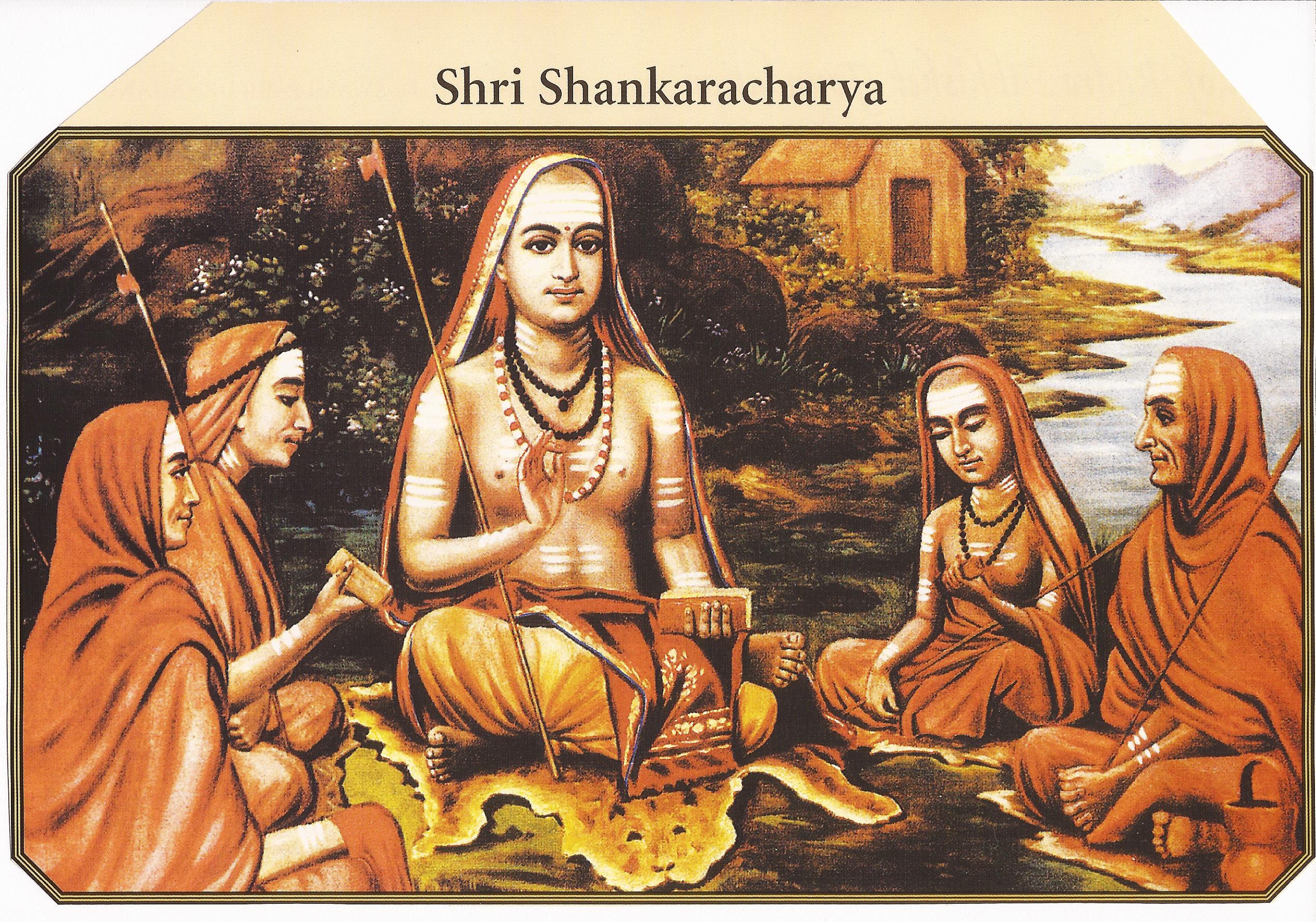
Adi Shankara, the greatest philosopher of India uses lot of similes from nature to illustrate Advaita philosophy. In one sloka he used four birds. I have written about it in my earlier post. One of his interesting observations is about a tree called Ankola in Sanskrit, Alinjil in Tamil and Alangium hexapetalum in botanical term. Its other variety is Alangium salvifolium.


‘’ True Bhakti or devotion is explained with the help of Ankola tree and magnet in Sivananda Lahari and Viveka Chudamani of Adi Shankara.

Ankolam nijabeejasanthathi syaskanthopalam suchika………… (Sivananda Lahari, verse 61)

Sri Shankara has explained what real Bhakti is. The relation between the devotee and Iswara(God) is explained with reference to five examples. They are the tree known as Ankolam and its seeds; the magnet and the needle; a chaste woman and her husband; a creeper and a tree; and a river and the ocean.


The ankola tree (Azinjil in Tamil) is found in the forest. It is said that when its fruits fall to the ground, the seeds, liberated from the fruit by some compelling force within, move close to the trunk of the tree, gradually climb up, and get inseparably attached to the tree. During my travels, I was shown this tree in a forest. I saw the seeds sticking o the trunk of the tree, though I was not able to observe the actual movement of the seeds from the ground to the tree. This example of the seeds which fall away from the tree struggling back and attaching themselves to the tree, is denoted by the words ‘’aankolam nija beeja santatih’’.

—- Kanchi Paramacharya’s Talk on February 8, 1958 in Madras (Page 90/91 ‘Acharya’s Call Part 2)


Later tamil literature Seevaka Chintamani refers to this tree. This tree and its parts have got medicinal properties. It has got anti microbial activity. It is traditionally used for tonic and treatment of haemorrhoids (Piles complaint).

Adi Shankara

Jesus Christ and Nardostachys jatamansi

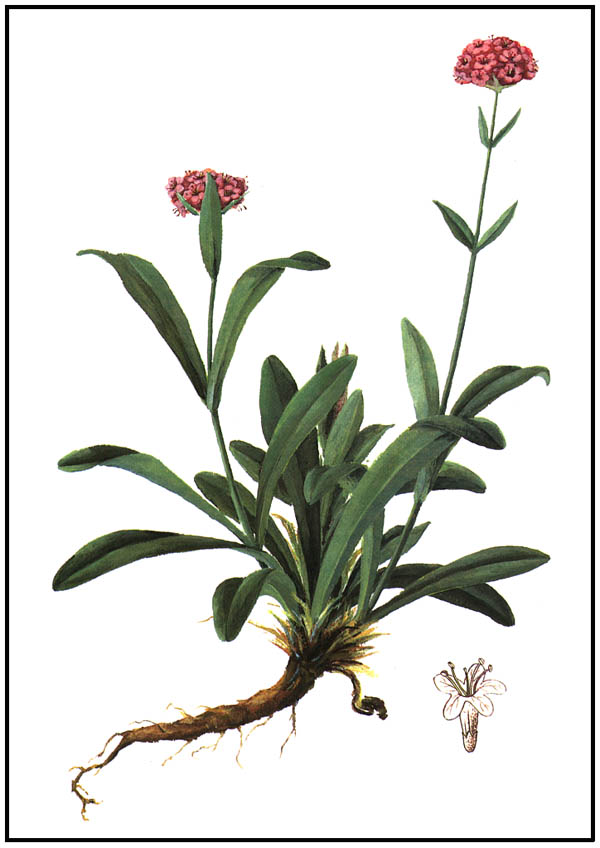
The trade name of the plant is Jatamansi. The botanical term is Nardostachys jatamansi. It has tonic, anti spasmodic  and stimulant properties; it is useful in treatment of certain types of fits, convulsions and palpitation of heart. This is known as Spikenard in English. A costly perfumed ointment is made from this plant.


Spikenard was important for religious ceremony amongst the Greeks, Romans and Egyptians. The term appears to have been used to refer to more one species of plant. Whilst spikenard has been identified as a perfume distilled from the desert camel grass (Cymbopogon schoenanthus) the ointment of spikenard Mary used to anoint Jesus feet before the Last Supper is thought to have been derived  from the stem of and  Nardostachys jatamansi, the perennial Himalayan plant.

—— Page 27, Plants for People

Jatamansi_flowering_plant

Please read the following articles written by me–நான் எழுதிய வேறு மருத்துவக் கட்டுரைகள்:

1.டாக்டர் முருகனும் பேஷன்ட் அருணகிரிநாதரும் 2.இளநீர் மகிமையும் தென்னையின் பெருமையும் 3.தக்காளி ரசத்தின் மகிமை 4.Why Do Hindus Practise Homeopathy? 5.Copper Kills Bacteria 6.Amazing Medical Knowledge of Tamils 7.நெல்லிக்காய் மகிமை: அவ்வையாரும் ஆல்பிரூனியும்,அருணகிரிநாதரும் 8.OM boosts Brain Power 9.Prayers Good for Hearts, says scientists 10.யானைக் காப்பி 11.ஒருவேளை உண்பான் யோகி 12.Tomatoes Prevent Cancer 13.Head towards North is Wrong 14.Miracles by the Blind and Oldest Organ Donation 15.The Tortoise Mystery: Can we live for 300 years? 16.Scientific Proof for Shamudrika Lakshnam 17.Bhishma: First man to practise Acupuncture 18.வடக்கே தலை வைக்காதே 19.How did a Pandya King get a Golden Hand? 20. அருகம்புல் ரகசியங்கள்+ 600 articles on other subjects.

Pictures are taken from other sites;thanks.


Dogs at Sringeri and Kanchi Mutts

sringeri mahasannidhanam

Picture of Sringeri Mahasannnidhanam

A dog used to be roaming about the Mutt (in Sringeri) and any attempt to take it to the other side of the river was not successful as it would swim across the river and come back to the Mutt. A servant who was with His Holiness (Sri Sringeri Shankaracharya) and known to be somewhat dishonest tried to drive it away when it came near His Holiness.

His Holiness, said, ‘’Do not disturb it. It was evidently a servant of the Mutt in its previous birth and still retains affection for it.’’ This seemingly casual remark of the sage made the servant behave better in future—From ‘Golden Sayings’ compiled by Shri Jannanda Bharati Swaminah,Tenkarai,1969

kanchi tapas

Picture of Sri Kanchi Paramacharya

Dog at Kanchi Mutt

From 1927 a dog was following Kanchi Paramacharya. It stayed near the camp wherever he pitched the camp. It wouldn’t touch anything impure. It was taking food that was given by the Mutt workers. It was guarding the property of the Mutt. Paramacharya used to ask every evening whether the dog was fed. Whenever Swamiji was travelling in the palanquin (Pallakku in Tamil) from one town to another town, it was walking under the palanquin. As soon as the palanquin stopped it would run away and stay at a distance like a humble servant. Sometimes it used to walk under the elephant of the Mutt. It never hurt any devotee but wagged its tail to show them its welcome or gratitude. It starved on the day it was not fed by the Mutt workers. One day a boy threw a stone at it and it came rushing towards him to bite. Mutt workers thought it was a danger to the devotees and took it 25 miles away from the camp and tied it to a pole. But it somehow escaped from that village and came running towards Shankaracharya’s camp. Even before the workers who took it to another village arrived at the camp, the dog was already there!! Till it met its death it was with Swamiji. No one hurt it. Devotees who came to see Swamiji were eager to see the dog as well.—From Sri Jagath Guru Divya Charithram in Tamil, 1959)

Who knows the secret behind its previous births?

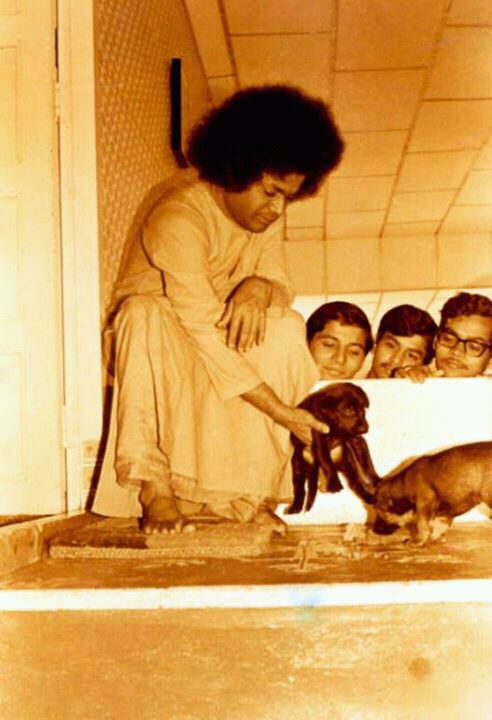
baba dog

Picture shows Sri Sathya Sai Baba with dogs.

For other Dog stories and animal miracles, please read my earlier posts:

1.Animal Einsteins (Part 1 and Part 2) 2. Can parrots recite Vedas? 3. Why do animals worship Gods? 4. Mysterious Messengers for Ajanta, Angkor Wat and Sringeri 5. Elephant Miracles 6). 45 Words for Elephant 7. Can Birds Predict your Future? 8. Two Little Animals That Inspired Indians 9. Three Wise Monkeys from India 10. Mysterious Tamil Bird Man 11.Vedic Dog and Church Dog 11. Deer Chariot:  Rig Veda to Santa Claus 12. Mysterious Fish Gods around the World 13.  Serpent  (Snake) Queen: Indus Valley to Sabarimalai 14.Who Rides What Vahanas (Animal or Bird)? 15. Vahanas in Kalidasa and Tamil Literature 16. Vahanas on coins and in sculptures 17. Gajendra Moksha in Africa 18. The Tortoise Mystery: Can We live for 300 years? 18.Gods and Birds 19.வேத நாயும் மாதா கோவில் நாயும் 20.கழுதைக்குத் தெரியுமா கற்பூர வாசனை 21.Bird Migration in Kalidasa and Tamil Lterature 22.Double Headed Eagle: Sumerian- Indian Connection 23.Karikal Choza and Eagle Shaped Fire Altar 24.Four Birds in One Sloka 25.Hindu Eagle Mystery Deepen 26.Multi lingual parrot mimics Hindi, Arabic and English Word 27.Indian Crow by Mark Twain 28.அதிசய பறவைத் தமிழன்

Pictures are taken from different sites;thanks

Contact swami_48@yahoo.com