தனிமையில் இனிமை:- அருணகிரிநாதர்

திருப்புகழ் ஆராய்ச்சிக் கட்டுரை-1

தனிமையில் இனிமை:- அருணகிரிநாதர்

அவ்வையாரிடம் இனியது எது என்று முருகப் பெருமான கேள்வி கேட்க அவர் கூறிய பதில் இது: ஏகாந்தமே இனிது என்று கூறிவிட்டு அதைவிட இனிது ‘சத் சங்கமே’ என்று கூறுகிறார். ஆதி சங்கரரும் பஜ கோவிந்தம் (சத் சங்கத்வே நிஸ் சங்கத்வம்…..) பாடலில் இந்தக் கருத்தை வலியுறுத்துகிறார்.


இனியது கேட்கின் தனிநெடு வேலோய்!
இனிது இனிது ஏகாந்தம் இனிது;
அதனினும் இனிது ஆதியைத் தொழுதல்;
அதனினும் இனிது அறிவினர்ச் சேருதல்;
அதனினும் இனிது அறிவுள்ளாரைக்
கனவினும் நனவினும் காண்பது தானே! (அவ்வையார்)

அருணகிரிநாதரும் திருப்புகழில் இதே கருத்தை ‘தனிமையில் இனிமை’ என்று வருணிக்கிறார்.


இனிமை தருமொரு தனிமையை மறைகளி

னிறுதி யறுதியி டவரிய பெறுதியை

இருமை யொருமையில் பெருமையை  வெளிபட மொழிவாயே

என்று பாடுகிறார்.


இதன் பொருள்: இன்பத்தை தருகின்ற ஒப்பற்ற தனி நிலையை, வேதங்களின் முடிவான பொருள்களும் முடிவுசெய்ய முடியாத இருமையில் ஒருமை என்ற கருத்தை அடியேனுக்கு உபதேசித்து அருளவேண்டும் (இருமையில் ஒருமை என்பது சக்தி, சிவம் என்ற பேதமற்ற தன்மை அல்லது அஹம் பிரம்மாஸ்மி= அவன் நானே என்ற அத்வைதப் பெரு நிலை)


இன்னொரு பாட்டிலும் ஏகாந்த மவுன நிலை பற்றிப் பாடுகிறார்:

பறவையான மெய்ஞ்ஞானிகள் மோனிகள்

அணுகொனா வகை நீடுமிராசிய

பவன பூரக வேகிக மாகிய விந்துநாதம்


இதில் பறவை மெய் ஞானிகள் என்பது பரமஹம்சர் என்பதன் மொழிபெயர்ப்பாகும். ராமகிருஷ்ண பரமஹம்சர் போன்ற ஞானிகள் இகலோகத்தில் இருந்தும் மெய்ஞ் ஞானத்தை அடைந்தவர்களாவர். எப்படி ஹம்சம் (அன்னப் பறவை) தண்ணீரும் பாலும் கலந்திருந்தாலும் பாலை மட்டும் எடுத்துக் கொள்ளுமோ அது போல ஞானிகள் நல்லதை மட்டும் எடுத்துக்கொள்ளும் பக்குவம் பெற்றவர்களாவர்.

மேலும் ஹம்சம் என்ற சொல் அஹம் ச: = அவன் நானே என்ற இருமையற்ற ஒருமை நிலையை (அத்வைத) உணர்த்துவதாகும். மூச்சு வெளியே போகும் போது ஹம் என்ற சப்தத்துடனும் உள்ளே வரும் போது ச என்ற சப்தத்துடனும் வருவதாக ஞானிகள் கூறுவர்.

வேறு ஒரு இடத்தில் உபநிஷதக் கருத்துக்களை அற்புதமாகப் பாடுகிறார்:


வாசித்துக் காணொ ணாதது

பூசித்துக் கூடொ ணாதது

வாய் விட்டுப் பேசொ ணாதது

மாசர்க்குத் தோணொ ணாதது

நேசர்க்குப் பேரொ ணாதது

மாயைக்குச் சூழொ ணாதது

என்று பாடி மெய்ஞ் ஞானம் அருள வேண்டுகிறார்.

பொருள்: நூல்களால் அறியமுடியாதது, பூஜை புனஸ்காரத்தால் அடைய முடியாதது, வார்த்தைகளால் வருணிக்க முடியாதது, குற்றமுடையோரால் உணர முடியாதது, அன்புடையோரிடமிருந்து விலக முடியாதது, மாயையினால் சூழ முடியாதது.

சொற்கள் எங்கு செல்லாவோ அங்குதான் மெய்ஞ் ஞானம் பிறக்கிறது என்பது உபநிஷத முடிபு. கடவுளைக் கண்டவர் அவனைப் பற்றிப் பேசமுடியாது. அவனைப் பற்றிப் பேசுபவர்கள் அவனைக் காணவில்லை என்றே அர்த்தம். இதைத்தான் தமிழில் கண்டவர் விண்டிலர், விண்டவர் கண்டிலர் என்பர்.


பேசா அநுபூதி

அருணகிரி நாதரே பேசா அநுபூதி பிறந்ததுவே என்றும் சும்மா இரு சொல் அற என்றும் கந்தர் அநுபூதியில் பாடுகிறார்.:

செம்மான் மகளைத் திருடும் திருடன்

பெம்மான் முருகன் பிறவான் இறவான்

சும்மா இரு சொல் அற என்றலுமே

அம்மா பொருள் ஒன்றும் அறிந்திலனே


தூசா மணியும் துகிலும் புனைவாள்

நேசா முருகா நினது அன்பு அருளால்

ஆசா நிகளம் துகளாயின பின்,

பேசா அநுபூதி பிறந்ததுவே


கடவுளைக் கண்டவர்கள் சும்மா இருப்பார்கள், மோனிகள் (மவுன நிலை) ஆகி சொல்லற்றுப் போய்விடுவார்கள். இதுதான் பேசா அநுபூதி.

ஆயினும் ராமகிருஷ்ண பரமஹம்சர் ஒரு ரகசியத்தை வெளியிட்டுள்ளார். சிலர் மட்டும் பிரம்ம சாகரத்தில்= பேரானந்தக் கடலில் குதித்து முத்தெடுக்கப் போகும் முன், “அடடா, இப்பேற்பட்ட பேருண்மையை மக்களுக்கும் சொல்லிவிட்டு வருவோம்” என்று ஓடிவந்து விடுவார்களாம். அப்படிப்பட்ட ஞானிகளில் பரமஹம்சரும் ஒருவர். ஆகையால்தான் நமக்கு இந்த ரஹசியம் தெரிந்தது. ஞானசம்பந்தர், விவேகானந்தர், மாணிக்கவாசகர் எல்லோரும் இளம் வயதிலேயே இறைவனை அடைந்துவிடுவதன் ரகசியமும் இதுவே. சில ஞானிகள் தன்னுடன் மற்றவர்களையும் அழைத்துச் செல்வர். ஞான சம்பந்தர், ராம பிரான் ஆகியோர் இப்படி தன்னுடன் இருந்தவர்களையும் முக்தி நிலைக்கு அழைத்துச் சென்றனர்.


கீதையில்

கீதையில் கண்னபிரானும் ஏகாந்தம் பற்றிப் பேசுகிறார் (6-10)

யோகி யுஞ்சீத சததம் ஆத்மானம் ரஹசி ஸ்தித:

ஏகாகி யதசித்தாத்மா நிராசீ: அபரிக்ரஹ:

பொருள்: எப்போதும் ஏகாந்தத்தில் (ரஹசி) இருக்க வேண்டும் தன்னந்தனியனாய் உடலையும் உள்ளத்தையும் கட்டுப் படுத்த வேண்டும். ஆசை இருக்கக் கூடாது. உடமைகள் எதுவும் இருக்கக் கூடாது. யோகியானவுடன் இப்படி உறுதிபெற வேண்டும்.

நாமும் தனிமையில் இனிமை காணும் பக்குவம் பெறுவோம்.

contact london swaminathan at swami_48@yahoo.com

1. சிவனுக்கு இணை இல்லை!

Picture of Ardhanareeswara (Shiva and Parvati 50+50)

சம்ஸ்கிருதச் செல்வம்-1 by S Nagarajan


  1. 1.  சிவனுக்கு இணை இல்லை!


சிறந்த சிவ பக்தர் ஒருவர். அவர் நல்ல கவிஞரும் கூட. சிவனை நினைத்தவுடன் வார்த்தைகள் பிரவாகமாகப் பொங்கி வருகின்றன. பாடுகிறார் இப்படி:


கிரீடே நிஷேஷோ லலாடே ஹுதாஷோ

புஜே போகிராஜோ கலே காலிமா ச I

தனௌ காமினீ யஸ்ய தத்துல்யதேவம்

ந ஜானே ந ஜானே ந ஜானே ந ஜானே II


கிரீடே நிஷேஷோ – அவனுடைய தலையிலே சந்திரன்!

லலாடே ஹுதாஷோ – நெற்றியில் தீ !


புஜே போகிராஜோ –புஜங்களைச் சுற்றி பாம்புகளின் ராஜா


கலே காலிமா – கழுத்தில் கறுப்பு வண்ணம்!

தனௌ காமினி யஸ்ய தத்துல்யதேவம் – அவனுடைய மனைவி அவனுடைய தேஹத்திலேயே!


இப்படிப்பட்டவனுக்கு நிகரான ஒரு தெய்வத்தை நான் அறிந்ததே இல்லை! (ந ஜானே)

Picture of Ardhanareeswara (Shiva and Parvati 50+50)


இவ்வளவு ஆச்சரியகரமான ஒரு அற்புத தெய்வத்தைக் கண்ட பரவசத்தில் அவர் இது போல ஒரு தெய்வத்தை நான் அறிந்த்தே இல்லை (கண்டதே இல்லை) என்று நான்கு முறை கூறி வியக்கிறார்.


நாமும் ‘ந ஜானே ந ஜானே ந ஜானே ந ஜானே’ என்று கூறி அவரைப் போல வியந்து சிவபிரானைத் தொழ வேண்டியது தான்!


கவிஞர் சிவபிரானைக் கண்ட வடிவம் அர்த்தநாரீஸ்வர வடிவம் என்பதால் ஆணுக்குப் பெண் சமம் என்ற அற்புத உண்மையையும் மனதில் கொள்கிறோம். சிவபிரானைத் தொழும் அதே சமயத்தில் தேவியையும் தொழுது வணங்குகிறோம்!


கவிஞரின் பக்திப் பரவசம் நம்மையும் தொற்றி விடுகிறது அவரது கவிதை மூலம்!

இது அமைந்துள்ள சந்தம் : புஜங்கப்ரயாதா என்ற சந்தம்!


***************


ஆன்மீக வாழ்க்கை மூளையில் ஏற்படுத்தும் அதிசய மாற்றங்கள்!

how god


ஞான ஆலயம் ஜனவரி 2013 இதழில் வெளியான சிறப்புக்கட்டுரை


உலகின் பிரபல நியூரோஸயின்டிஸ்டான (neuroscientist) ஆண்ட்ரூ நியூபெர்க்கை ஞான ஆலயம் வாசகர்களுக்காகத் தொடர்பு கொண்டோம். அவரது ஆராய்ச்சிகளைப் பற்றி எழுதவும் படங்களை வெளியிட அனுமதி வேண்டியும் அவரை வேண்டியபோது உடனே இசைவைத் தெரிவித்ததுடன் ஞான ஆலயம் வாசகர்களுக்குத் தன் வாழ்த்துக்களையும் தெரிவித்து தனது புகைப்படத்தையும் மகிழ்வுடன் அனுப்பி வைத்தார். உலகெங்கும் உள்ள ஆன்மீகவாதிகளுக்கு கடவுளை மூளை இயல் விஞ்ஞான அடிப்படையில் நிருபித்து பெரும் நம்பிக்கையை ஊட்டி வருபவர் அவர். மதம் கடந்த ஆன்மீகம் என்ற நிலையில் விஞ்ஞானம் கடவுளை அறிய முயன்று ஒரு சிறிது வெற்றியும் பெற்று ஆதாரங்களையும் அள்ளி வீசுகிறது. அவருக்கு ஞான ஆலயம் வாசகர்கள் சார்பில் நன்றி தெரிவித்து இந்தக் கட்டுரையை ஆங்கிலப் புத்தாண்டின் சிறப்புக் கட்டுரையாக அளிக்கிறோம்


ஆன்மீக வாழ்க்கை மூளையில் ஏற்படுத்தும் அதிசய மாற்றங்கள்!

ச.நாகராஜன்


விஞ்ஞானி ஆண்ட்ரூ நியூபெர்க்

உலகின் பிரபல மூளை இயல் நிபுணரும் விஞ்ஞானியுமான ஆண்ட்ரூ நியூபெர்க் தனது அதிசய ஆராய்ச்சிகளின் மூலம் ஆன்மீகவாதிகளுக்கு ஒரு அற்புதமான செய்தியை அளித்துள்ளார். இறை நினைவு ஏற்படும்போதெல்லாம் மூளையில் அதிசயத்தக்க    விதத்தில் மாறுதல்கள் ஏற்பட்டு பல நல்ல விளைவுகளை ஏற்படுத்துகிறது என்பது தான் அது!


ஆண்ட்ரூ நியூபெர்க் பல பிரமிக்க வைக்கும் புத்தகங்களைப் படைத்தவர். 150க்கும் மேற்பட்ட அரிய ஆய்வுக் கட்டுரைகளை அறிஞர்கள் வியக்கும்படி சமர்ப்பித்தவர். பென்சில்வேனியா பல்கலைக்கழகத்தில் ரேடியாலஜி பிரிவில் அசோசியேட் பேராசிரியராகப் பணியாற்றும் இவர் ஆன்மீகம் மற்றும் மன மையத்தின் இயக்குநராகவும் இருக்கிறார்.


புதிய அறிவியல் உத்தி தரும் மூளையின் படங்கள்
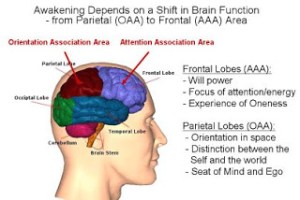
  

ஆன்மீக அனுபவங்களால் பல்வேறு நிலைகளை அடையும் ஏராளமானோரை அவர் தனது ஆய்வுக்கு உட்படுத்தினார். இதற்காக அவர் கையாளும் தொழில்நுட்ப உத்தியின் பெயர் சிங்கிள் போடான் எமிஷன் கம்ப்யூடட் டோமோகிராபி (single photon emission computed tomography). இந்த ஆய்வுக்கு உட்படுவோரின் உடல்களில் காமா கதிர்களை வெளிப்படுத்தும் ஒரு வித கெமிக்கல், ஊசி மூலம் செலுத்தப்படுகிறது. இந்த கதிர்கள் தரும் தகவல்களை ஒரு கணினி சேகரிக்கிறது. அதன் மூலம் அவர்களின் மூளையில் ரத்தம் பாயும் பகுதிகள் பற்றிய படம் சித்தரிக்கப்படுகிறது. எந்தப் பகுதியில் அதிகமாக ரத்தம் பாய்கிறதோ அங்கு மூளை அதிகமாகச் செயல்படுகிறது என்று அர்த்தம்.


ஆறு பகுதிகளில் ஏற்படும் அதிசய மாறுதல்கள்

செயிண்ட் பிரான்ஸிஸ் ஆஃப் அஸிஸியின்(St Franscis of Assisi) விதிமுறைகளைப் பின்பற்றுவோரை பிரான்ஸிஸ்கன் நன் என்று அழைப்பர். அவர்களையும் திபெத்திய யோகிகளையும் தனது ஆய்வுக்கு வருமாறு ஆண்ட்ரூ அழைத்தார். மகிழ்வுடன் அவர்களும் இசைந்தனர். சுமார் 15 ஆண்டுகாலம் பென்சில்வேனியாவில் இடையறாது தன் குழுவினருடன் ஆய்வை நடத்தி வந்த ஆண்ட்ரூ மூளையின் முக்கியமான ஆறு பகுதிகளில் இறை உணர்வால் பெரும் மாற்றங்கள் ஏற்படுவதைக் கண்டறிந்தார்.


அந்த ஆறு முக்கிய பகுதிகள் : 1) முன் மடல் (frontal lobe) 2)லிம்பிக் அமைப்பு (limbic system)3)ஆன்டீரியர் சிங்குலேட் (anterior cingulated) 4) அமிக்தலா (amygdale) 5) தாலமஸ்(thalamus) 6) சுவர் மடல்(parietal lobe)

தியானம் அல்லது ஆன்மீக உணர்வுகள் மேம்படும்போது மடல்கள் ஒரு வலிமை வாய்ந்த உணர்வை அனுபவிக்க வைக்கின்றன. ரத்த ஓட்டத்தினால் முன் மடல் மேலே செல்வதற்குப் பதிலாக கீழே செல்கிறது! இதன் மூலம் அவர்கள் கூறும் அல்லது அனுபவிக்கும் அற்புத அனுபவங்கள் உண்மையே என்பதைத் தெளிவாக அறிய முடிகிறது.


இறை நினைவு அனைத்து மதத்தினருக்கும் ஏற்றம் தரும்

ஆச்சரியமான விஷயம் என்னவெனில் இறைவனைப் பற்றி நினைக்க ஆரம்பிக்கும் போதே மூளையில் வெவ்வேறு சர்க்யூட்டுகள் உருவாகின்றன. ஹிந்து, புத்த, யூத, கிறிஸ்தவ, இஸ்லாம் மதத்தில் எந்த மதத்தைச் சேர்ந்தவராக இருந்தாலும் இது ஏற்படுகிறது.


அறிவியல் உணர்த்தும் ஐந்து பேருண்மைகள்


பிரான்ஸிஸ்கன் நன்கள் மற்றும் புத்த குருமார்களை நான்கு வருட காலம் சிறப்பாக ஆய்வுக்குட்படுத்திய பின் ஆண்ட்ரூ பின் வரும் உண்மைகளைக் கண்டறிந்தார்.

1)   மூளையின் ஒவ்வொரு பகுதியும் கடவுள் பற்றிய வெவ்வேறு கருத்தை அமைத்துக் கொள்கிறது. அதிகம் தியானிக்கத் தியானிக்க கடவுள் இன்னும் அதிக மர்ம புருஷராகிறார்!

(ஒப்பீடு:-சொல் பதம் கடந்த தொல்லோன் போற்றி-மாணிக்கவாசகர் திருவண்டப்பகுதியில்)

2)   கடவுள் பற்றிய அமைப்பை ஒவ்வொரு மனிதனும் வெவ்வேறு விதமாக அமைத்துக் கொள்வதோடு, கடவுளுக்கு வெவ்வேறு குணநலன்களையும், மதிப்பையும், அர்த்தத்தையும் கற்பித்துக் கொள்கிறான்.

(ஒப்பீடு:-அவரவர் தம தமது அறிவு அறி வகைவகை

அவரவர் இறையவர் என அடி உடையவர்கள்

அவரவர் இறையவர் குறைவிலர் – நம்மாழ்வார்)

3)   மத நம்பிக்கையே இல்லாவிட்டாலும் கூட ஆன்மீகப் பயிற்சிகளை ஒருவர் மேற்கொள்ளும்போது உடல் நலமும் உள்ளநலமும் மேம்படுகிறது.(ஒப்பீடு:-வல்லார்க்கும் மாட்டார்க்கும் வரமளிக்கும் வரமே – வள்ளலார்)

4)   நீண்ட கால தியானப் பயிற்சி மூளையின் அமைப்பையே முற்றிலுமாக மாற்றி விடுகிறது!இது மூட் எனப்படும் மனநிலையை சீராக ஒரே மாதிரி இருக்கும்படி செய்கிறது.ஆன்ம அறிவை ஏற்படுத்தி புலன் உணர்வுகளை நன்கு உருவாக்குகிறது.

(ஒப்பீடு: அடிமுடியும் நடுவும் அற்ற பரவெளிமேல் கொண்டால்

அத்வைத ஆனந்த சித்தம் உண்டாம்: நமது குடி முழுதும் பிழைக்கும்; ஒரு குறையும் இலை – தாயுமானவர்)

5)   சாந்தி, சமூகம் பற்றிய விழிப்புணர்வு. தயை ஆகியவற்றிற்கு ஆதாரமான  குறிப்பிட்ட மூளை சர்க்யூட்டை அதற்குரிய பகுதியில் வலிமைப்படுத்துகிறது. (தாயிற் சிறந்த தயா ஆன     தத்துவனே- மாணிக்கவாசகர் – சிவ புராணத்தில்)

கடவுளை இடைவிடாது நினைக்க நினைக்க அவர் உங்கள் மூளையை நிச்சயம் மாற்றிக்கொண்டே வருகிறார்.

இப்படி ஆழ்ந்த ஆன்மீக அனுபவத்தில் நம்பிக்கை கொண்டவர்களே அதிக நோபல் பரிசுகளை சமாதானத்திற்காகப் பெற்றதை ஆண்ட்ரூ சுட்டிக் காட்டுகிறார்.மார்ட்டின் லூதர் கிங்.,பிஷப் டெஸ்மாண்ட் டுடு. தலாய் லாமா, மதர் தெரஸா ஆகியோர் உலக அமைதிக்காகப் பாடுபட்டதற்கு அவர்கள் உலகின் பால் கொண்டுள்ள அதீத தயை உணர்ச்சியே ஆகும்!


நியூரோபிளாஸ்டிசிடி

நியூரான்கள் ஒரு கட்டத்தில் கற்பதை நிறுத்தி விடுகின்றன என்று மூளை இயல் நிபுணர்கள் இது வரை கருதி வந்தனர். ஆனால் நோபல் பரிசு பெற்ற விஞ்ஞானியான எரிக் காண்டல்,” மூளை நியூரான்கள் கற்பதை ஒருபோதும் நிறுத்துவதில்லை.உள்ளும் புறமும் ஏற்படும் ஒவ்வொரு மாறுதலுக்கும் ஏற்ப நரம்பு செல்கள் மாறுகின்றன.இது வயதானாலும் தொடர்கிறது” என்று கூறுகிறார். இப்படிப் பல கண்டுபிடிப்புகளை இன்று நமக்குத் தரும் புதிய துறையின் பெயர் நியூரோபிளாஸ்டிசிடி!


மூன்று ‘சி’க்களும் இரண்டு படங்களும்

ஆன்மீகவாதிகளுக்கு மூன்று ‘C’க்களில் அதிக திறன் ஏற்படுகிறது. Cognition. Communication creativity ஆகிய அறிவுத் திறன், தகவல் தொடர்புத் திறன், படைப்பாற்றல் திறன் மூன்றும் அபரிமிதமாக செழிக்கிறது.இறுதியாக ஆன்மாவை அறியச் செய்கிறது!

ஒழுங்கான முறையான விரதம், தியானம், பிரார்த்தனை, வழிபாடு, இதர மதச் சடங்குகள் ஆகியவற்றை மேற்கொள்ளும் போது இரண்டு விதமான படங்களை ஏற்படுத்துவதை மூளை காண்பிக்கிறது.


1)முதலாவது மேப் ஆழ்மனம் பற்றியது. அன்றாட உலகில் போட்டிக்கு ஈடு கொடுத்து உயிர் வாழ்ந்து வாழ்க்கையை நடத்துவது.உடலை ஆரோக்கியத்துடன் தக்க வைத்துக் கொள்வது ஆகியவற்றை காண்பிக்கிறது இந்தப் படம்!

2) இரண்டாவது மேப் பிரபஞ்சம் பற்றிய நமது பிரக்ஞையைச் சித்தரிக்கிறது.புலன்களுக்கும் உணர்ச்சிகளுக்கும் அப்பாற்பட்டது இது!


ஆன்மீகப் பயிற்சி தரும் அளப்பரிய நன்மைகள்


ஆகவே 1)உலகில் நிலை பெற்றிருக்கும் கடவுள். 2)அவரைப் பற்றிய ஆழ்மன நிலையில் நமது அறிவும் அனுபவமும், 3)வெளிப்படையாக அவரைப் பற்றிய நமது கருத்தினால் முன்மடல், பக்கமடல்,சுவர் மடல் ஆகிய மூளைப் பகுதிகளில் நாம் அமைத்துக் கொள்ளும் அமைப்பு ஆகிய மூன்று நிலைகளை நாம் கருத்தில் கொள்ள வேண்டியவர்களாக இருக்கிறோம்.

இதற்கு பிரார்த்தனை உள்ளிட்ட அனைத்தும் நமக்கு உதவி செய்து  வியக்கவைக்கும் சாந்தியை நமக்கு அளிக்கிறது.

தயை என்பது நமக்கு உயரிய ஆன்மீக அனுபவத்தைத் தருகிறது. இந்த தயை (பிற உயிர்களிடத்து இரக்கம்) உச்சநிலையை எட்டுவதற்கும் நமது ஆன்மீகப் பயிற்சியே அடித்தளமாக அமைகிறது.


மூளையை மாற்றும் இறைவன்

இவற்றையெல்லாம் தெள்ளத் தெளிவாக கடவுள் உங்கள் மூளையை எப்படி மாற்றுகிறார் (How God Changes Your Brain)  என்ற பல லட்சம் பிரதிகள் விற்பனையான தனது புத்தகத்தில் மார்க் ராபர்ட் வால்ட்மேன் என்பவருடன் இணைந்து எழுதியுள்ளார் ஆண்ட்ரூ!

இந்த அறிவியல் தரும் அற்புத ஆராய்ச்சியின் முடிவை நமது அருளாளர்கள் மிகத் தெளிவாக சில வார்த்தைகளிலேயே சொல்லியிருப்பது நம்மை பிரமிக்க வைக்கும் இன்னொரு விஷயம்;

நினைப்பவர் மனங் கோயிலாக் கொண்டவன் (அப்பர் –பனைக்கை என்று தொடங்கும் பாடலில்)

மனத்துள் நின்ற கருத்தானை – (அப்பர் வாயானை என்று தொடங்கும் பாடலில்)

உளன் கண்டாய் நன்னெஞ்சே! உத்தமன் என்றும்

உளன் கண்டாய்; உள்ளுவார் உள்ளத்து உளன் கண்டாய் –(பொய்கை ஆழ்வார் முதல் திருவந்தாதியில்)

என்ற வார்த்தைகளின் ஆழமான பொருள் அறிவியல் ஆராய்ச்சியால் அல்லவா இப்போது விளங்குகிறது.

அவன் அருளாலே அவன் தாள் வணங்குவோம்!!

**************

படங்களும் விளக்கங்களும்


திபெத்திய யோகிகள் தியானம் செய்யும் போது அதன் விளைவுகளை மூளையின் இந்தப் படங்களில் பார்க்கலாம்!

Frontal lobe (முன்மடல்)

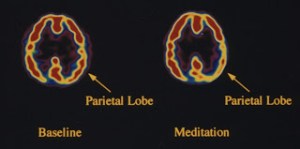
சிங்கிள் போடான் எமிஷன் கம்ப்யூடட் டோமோகிராபி (SPECT) என்ற தொழில்நுட்ப உத்தி மூலமாக யோகிகள் தியானம் செய்யும் போது மூளைப்பகுதியான ஃப்ரண்டல் லோப் எனப்படும் முன்மடலில் ஏற்படும் மாற்றங்கள் கண்டறியப்பட்டது. இரத்த ஓட்டம் அதிகரிப்பது அதிக செயலாற்றலை அந்தப் பகுதியில் காண்பிக்கிறது. இடது பக்கப் படம் மூளை சாதாரண நிலையையும் வலது பக்கப் படம் மூளை தியானத்தில் இருக்கும் நிலையையும் காண்பிக்கிறது. இதில் ஒருமுனைப்படுத்தும் பகுதிகள் அதிகமாக ஒளிர்வதைப் பார்க்கலாம்.
 

Parietal Lobes (சுவர் மடல்)

சுவர்மடலிலோ குறைந்த செயல்பாடே காண்பிக்கப்படுகிறது. இந்தப் பகுதி தான் இடம் மற்றும் காலம் பற்றிய உணர்வை நமக்குத் தெரிவிக்கிறது. இந்தப் பகுதியை முற்றிலுமாக அடைத்து விட்டோமானால் இடம் மற்றும் காலம் கடந்த நிலையை எய்தி விடலாம்.இது தியானத்தின் மூலமாக அடையப் படுகிறது. இது பற்றிய இன்னும் அதிகமான நுட்பமான படங்களும் ஏராளமாக எடுக்கப்பட்டுள்ளன. அவை தியானம் எல்லையற்ற பிரபஞ்சத்தில் லயமாகும் நிலையைத் தெரிவிக்கின்றன!

This article is written by my brother S Nagarajan, Engineer, Bangalore

contact: swami_48@yahoo.com


விநாயகரின் ரசாயன யுத்தம்


ரசாயனப் போர் முறை (Chemical warfare) மிகவும் சர்ச்சைக்குரிய விஷயம். ஐ.நா.சபையால் தடை செய்யப்பட்ட போர் முறை. ஆனால் எதிரிகள் முதலில் அதைப் ப்ரயோகித்தால் தற்காப்புக்காக அதைச் செய்வதில் தவறில்லை. இதைத் தான நாம் கும்பிடும் பிள்ளையாரும் செய்தார்.


விநாயகரின் 16 முக்கிய நாமாக்களில் ஒன்று தூமகேது. இந்த சம்ஸ்கிருதச் சொல்லுக்கு இரண்டு அர்த்தம் உண்டு: 1.வால் நட்சத்திரம், 2.விநாயகப் பெருமான். அவருக்கும் வால் நட்சத்திரத்துக்கும் (தூமகேது) ஒரு தொடர்பும் இல்லை.

விகுதி என்ற ஒரு அரசன் இந்திர பதவி மீது ஆசை கொண்டான். அதைப் பொறுக்காதோர் அவனைச் சபிக்கவே அவன் தூமாசுரன் என்ற புகை அசுரனாகப் பிறந்தான். தூமம் என்றால் புகை என்று பொருள். அவனிடம் விஷப் புகை ( Weapons of Mass Destruction) ஆயுதங்கள் இருந்தன. அதை அவன் ரிஷிகள் மீதும் நல்லோர் மீதும் பிரயோகித்தான். அவனைக் கொல்ல சுமுதை என்பவளுக்குப் பிறக்கப்போகும் குழந்தை உதவும் என்று ஒரு அசரீரி கேட்டது. ஆகவே சுமுதை கணவருடன் காட்டுக்குச் செல்ல, அங்கு விநாயகரே அவர்களுக்குக் குழந்தையாக வந்து அவரிடம் வளர்ந்தார்.

தூமாசுரன் செயல்களைக் கேள்வி கேட்கவே அவன் பிள்ளையார் மீதும் புகை ஆயுதங்களைப் பிரயோகித்தான். அவரோவெனில் அத்தனை புகையையும் உள்ளுக்கு இழுத்தார். தூமாசுரன் மீது அந்த விஷப் புகையைக் கக்கவே அவன் சேனைகளுடன் அழிந்தான். ஆகவே அவருக்கு தூம கேது என்று பெயர்.

How Many Miles Did Rama Walk?

Ramayana Wonders- Part 2

In the first part, I mentioned that over 200 plants and 185 weapons are mentioned in the Valmiki Ramayana. Bible mentioned only 110 plants. Those who want the lists of plants and weapons can get them from the glossary of Hari Prasad Shastri’s translation of Ramayana. I have also got the full list of weapons and plants mentioned in the Ramayana

How many miles did Rama walk?

Indians are the Ancient Marathon champions. No literature in the world talks about long walks. Only two ancient Indians walked long distance and beat all the world records. Rama walked over 2000 miles from Ayodhya to Sri Lanka. He did not walk in a straight line as the crow flies. He had to cross the thick tropical forest, Dandaka Aranya, and cross several rivers before he entered Karnataka (Kishkinda) where he met Hanuman and Sugreeva. Then he came to Rameswaram in Tamil Nadu and crossed the sea to go to Sri Lanka. He covered over 2000 miles. Adi Shankara who came several thousand years after Rama, walked all over India several times and established four centres in the four corners of India.

Some foreign scholars tried to belittle Rama’s grand travel by saying that the Lanka  that Valmiki mentioned was an island in the Godavari River. Those myths were exploded by the Sangam Tamil Works and Saivaite and Vaishnavaite references to Lanka in Thevaram and Divya Prabandham. Scholars who put forth those absurd theories did not know Tamil literature. One of the Sangam Tamil poets name is Valmiki!

ChineseRamayana

Buddhists took Ramayana to China in the first century AD. The names are distorted as Lomo (Rama), Poloto (Bharata), Loman (Lakshman),Naloyen (Narayan). The Pali Tripitaka was rendered in Chinese and compiled in the name of Taisho edition. Dasaratha Jataka and Story of Unnamed king were translated in 472 and 251 AD. Ravana was described as a wicked Naga King. Dasaratha Jataka has a verbatim Pali translation of Valmiki’s Sanskrit sloka!

Buddhists tried to enlist the national hero of India Rama on their side by transcribing his legend into their own in the Dasaratha Jataka.

Kush Vamsa in Ethiopia

Rama’s son ruled Kusha Dwipa. Ethiopian King considers himself as a descendant of Kush. According to P.N. OAK, swami Krisnananada was told by Haile Selaasie, King of Ethiopia that his dynasty came from Kush , son of Ham (Ram).

Niroshta (No Lip Touching) Ramayana

Of the 300 versions of Ramayana, Niroshta Ramayana,  is an interesting piece. When one reads it or recites it the lips won’t touch or close together. No labial letters are used. Hindus believe human saliva or spit is unclean, particularly when they do religious rituals. So they wanted to say Rama’s name without spit/saliva polluting it.

Saraswati Mahal Library in Thanjavur has got rare books. One of the books is Sabdarth Chintamani. This Sanskrit book was written by Chidambara Kavi sometime in the 15th or 16th century. If anyone reads the couplets from left to write, it is Ramayana story. If one reads it from right to left it is Mahabharata. Later he wrote Kathathreya including Ramayana, Mahabharata and Bhagavatha in the same verse. It is a Three in One Hindu scripture. Only Sanskrit language can do such wonders! Tamil has Poet Kalamegam’s puns, but that is entirely a different genre.

In Sanskrit Kalidasa dealt with the story of Rama in Raguvamsa, Bhavabhuti in Uttara Ramacharita, Bhojaraja in Ramayana Chambu and Ramachandra Dikshitar in Janaki Parinayam. In Tamil the great poet Kamban wrote the story of Ramayana in verse form, Arunachala Kavirayar in Drama. Number of references is in Bhasa’s dramas and Alvars hymns.

Ramayana in One Day

Rajatarangini of Kalhana says that Damodaran, predecessor of Kanishka heard the whole of Ramayana in one day to cure a curse.

Ramayana recitation and musical discourses are done in every language in all parts of India. When Chera King Kulasekara was listening to a musical discourse of Ramayana he got mesmerised by the talk. When the speaker described how Rama was fighting all alone with 14000 demons of Kara Dushana army, the king stood up and ordered his army to march to help Ramayana. He was so absorbed in the story he even forgot he was listening to a story. Then the embarrassed ministers sent some men to say to king that Rama defeated the Kara Dushanas.

Bodi Palace Ramayana Paintings

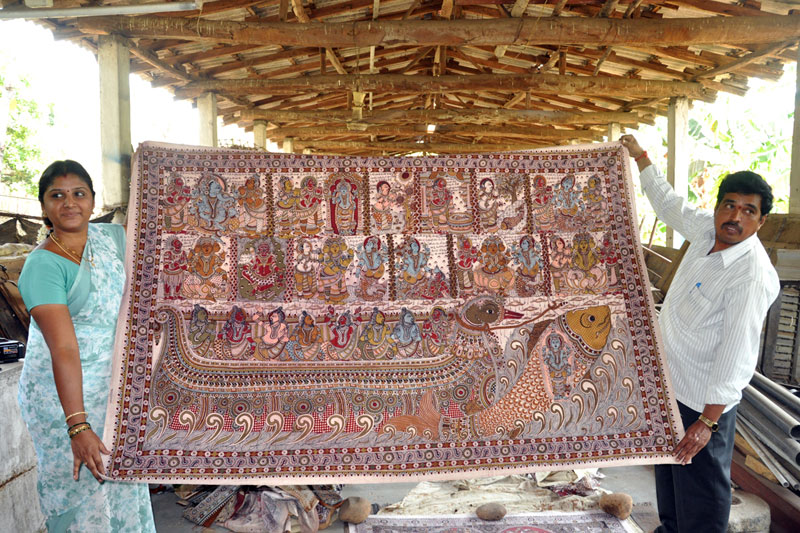
Not many people knew Tamil Nadu has beautiful Ramayana paintings on the walls of Ramanathapuram and Bodi palaces. Nayak kings made artists paint them on the walls at least four hundred years ago. Ramanathapuram palace paintings describe Ram’s history up to Sita Kalyanam (Sita’s wedding). Bodi palace has got more on this topic. All the colour paintings were done with herbs. Madurai Meenakshi temple and Alagarkoil also got some Nayak paintings on the same theme.


New Information in Sangam Tamil Literature

Ramayana, Mahabharata and Bhagavatham (Krishna’s life history) are very familiar in Tamil Nadu 2000 years ago. Tolkappiam, the oldest Tamil book refers to Baladevan’s Palmyra flag. Sangam literature speaks about river Yamuna and Gopika girls bathing with Krishna. But it gives some new information about Rama and Sita which was not found in Valmiki Ramayana. Rama consulted engineers under a banyan tree on the sea shore. Lot of birds were making a big noise. Rama asked them to keep quiet and all the birds fell into pin drop silence. This is in one of the verses. Another verse says that when Sita threw the jewels, the monkeys that picked up the jewels wore them in the wrong way. Likewise when a king gave the singers lot of jewels they did not know what to wear where. This is in Purananuru, Sangam Tamil anthology.

Lakshmana in GSS

Gatha Sapta Sati is an anthology of 700 sexy love poems in Prakrit language. One of the poems beautifully describes Lakshman’s chastity. Rama’s brother Lakshman was most famous for his character of observing a  vrata (vow) not to look at married women. He never saw Sita’s face after she got married to Rama. On the banks of River Godavari an amorous gentleman looks at his brother’s wife when his brother was away. The sister in law who was embarrassed showed him a painting on the wall where a Ramayana scene was painted. Painting showed Lakshmana looking at the earth or Sita’s feet in the company of Rama and Sita. This couplet speaks a lot: 1.There were Ramayana paintings in homes like we have calendars today 2.Chaste women were intelligent enough to give the message without mincing words.

Contd. In the third part………………………..

Source Materials: India in the Ramayana Age by Shantikumar Nanooram Vyas; The Ramyana of Valmiki- translated by Hari Prasad Shastri and Articles by PN Oak and CV Vaidya. Pictures are from Face Book and other websites. Thanks. Contact swami_48@yahoo.com
Please read other posts about Rama: 1. Ram –the Best PR Man 2. தியாகராஜ சுவாமிகளுடன் 60 வினாடி பேட்டி 3.நாமும் அனுமார் ஆகலாம் 4.கம்பனுடன் 60 வினாடி பேட்டி 5.ராமாயண வினா-விடை (க்விஸ்) 5.Ramayana Wonders Part 1


*****

The Great Lamp Festival- Karthikai Deepam

3500 kilos of Melted Butter Burnt!

1000 ft Wick!

10 Days continuous burning!

2 Million People See the Lamp!

40 Kilometres Visibility!

Celebrated for 2000 years without a Break!

Ten feet high Huge Cauldron with a diameter of 5 feet lamp

(27th November 2012 is Karthikai Deepam Festival in Tamil Nadu)

A wonderful festival known as KARTHIKAI DEEPAM is celebrated in Tiruvannamalai near Chennai, Tamil Nadu( India) every year. It is always held on the full moon day of the Hindu month Karthikai corresponding to November. One million people visit the town on that day to witness the lighting of the Maha Deepam (Great Lamp). Another million follow suit in the ten day Karthikai festival at the Arunachaleswar Temple which is considered one of the Pancha Bhuta Sthalas (Five Elements Centres). Lord Shiva is in the form of Fire in this temple.


The beauty of Karthikai festival is that it has a 2000 year continuous history. Sangam Tamil literature which is dated to first three centuries of Common Era has several references to this festival. Millions and millions of earthern lamps ( Ahal Vilakku in Tamil) are lighted throughout Tamil Nadu like Diwali in North India. Every hut, every bungalow, every temple light the mud lamps with a special type of medicinal oil called Iuppai Ennei and arrange them in rows. Around six pm nearer to sunset the whole of Tamil Nadu will be burning billions of lamps. Anyone who sees it once in his/her life time will never forget it. The culmination of the day’s festival is a big bonfire in front of the temples (Please read my post “Science Behind Deepavali” for the scientific reason for Bonfire Festivals around the World).

3500 Kilo Ghee!

At Tiruvannamalai, there is a hill which is considered Hill of Fire (Agni Hill). On top of the 2668 feet hill, a huge lamp is lit on the Karthikai deepa day. The lamp is burnt for 10 days and put off on the 11th day. This is visible up to 40 Kilometres day and night. People throng the place to see the light and wash (burn) their sins. They contribute money or oil to burn the lamp. Temple makes millions of rupees by selling the holy ingredients.1000 feet long wick is prepared for this huge lamp at Tiruppur. The wick is very thick. The brass cauldron which is used as the lamp is ten feet high and five feet wide! 3500 kilo ghee (melted butter over three tons) is sent from Madurai to Tiruvannamalai to burn the lamp. With great difficulty temple staff carries the heavy cauldron through a seven kilometre route to the top of the hill.

The temple priests light Barani Deepam in the early hours in the temple and the Maha Deepam (lamp) is lighted on top of the hills in the evening. (Barani and Karthikai are all part of the 27 stars of Hindu Zodiac)

What is Karthikai Festival?

There are two reasons to celebrate Karthikai Festival:

  1. Lord Shiva is worshipped as five elements in five different shrines in Tamil Nadu. He is worshipped as fire at Tiruvannamalai. When Vishnu and Brahma, the other two gods in the Trinity, wanted to find out the top and bottom (head and feet= end and beginning) of Shiva he appeared to them as flame which has no top or bottom.
  2. Lord Subramanya was raised by six Karthikai girls. The Pleiades constellation in the sky is a six star system according to Hindus and Seven Sisters according to the Greeks. With binoculars we can see seven stars. Still Hindus can interpret it as Lord Kartikeya + six women/foster mothers. Lighting the lamps is like offering prayers to Skanda= Subramanya=Kartikeya. Lord Subramanya (popularly known as Murugan in Tamil) is itself Fire that came out of the Third Eye of Lord Shiva.
  3. Though Saivaite colour is given to this festival now, Vishnu temples also celebrate it under the term Vishnu Deepam linking Mahavishnu-Mahabali episode. During Sangam Age every Tamil celebrated it irrespective of their sectarian affiliation.
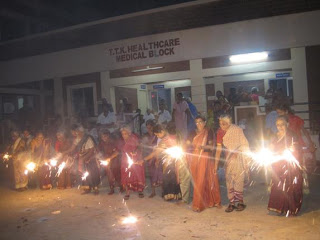
  4. Higher and lower castes celebrate it like Deepavali. Sisters and brothers exchange gifts. Women wear new clothes before lighting the lamps in their houses. Left over fire crackers from Deepavali are used to lit the sky.

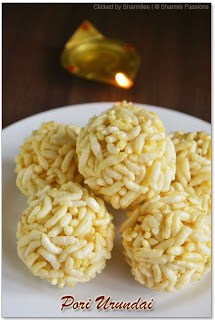
Like any other Hindu festival Karthikai is associated with its own special delicacies like Appam, Pori and Adai. Appam is a sweet cake made up of flour and fried. Pori Urunadi is sweet balls of puffed rice in jiggery. Adai is lentil pancake, like a thick Dosai. Plenty of Tamil and Sanskrit hymns are available on Lord Shiva to sing on this day.

If anyone can see Tamil Nadu from a low flying plane on Karthikai day, whole of Tamil Nadu will shine brilliantly with millions of lamps.

Of late Tiruvannamalai is becoming more popular for full moon day Giri Pradakshina. Every full moon day hundreds of thousands of people go round the hill all through the night. Several decades ago people were afraid to go round the hill even during day time for the fear of attacks by wild animals . Tigers and panthers were roaming the foothills at one time.

Tamil References to Karthikai:

Sangam Literature: Ahanananuru 141 describes how the lamps were lit in the evening of Karthikai Full Moon Day. Aham verse 185 compares the lamps to flowers on Silk cotton Tree. Natrinai 202 describes Karthikai as the month fit for good and charitable acts. We may take it as a reference to Karthikai Viratham (Fasting like Ayyappa devotees) and festival.

Post Sangam Literature: Kar Narpathu 63; Seevaka Sinthamani 256

Kar Narpathu says that the lamps were lit on Karthikai Full Moon Day evening; Seevaka Sinthamani says that the lamps were lit on top of the mountain.

Pictures are from Facebook, The Hindu and other websites.Thanks (contact: swami_48@yahoo.com)

***********

தீபாவளி ரகசியங்கள்


(The Englsih version of this article is already posted under Science Behind Deepavali in two parts. This is just a summary in Tamil: swami)

தீபாவளியை ஏன் கொண்டாடுகிறோம்? பலரும் கீழ்கண்ட காரணங்களைக் காட்டுவர். முதலில் அதைப் படித்துவிட்டு நான் கூறும் புதிய விஷயங்களையும் படியுங்கள்:

1.கிருஷ்ண பரமாத்மா, நரகாசுரன் என்ற அசுரனைக் கொன்ற நாளை நினைவுபடுத்தி தீபாவளையைக் கொண்டாடுகிறோம்.

2.தீபம் என்றால் ஒளி விளக்கு, ஆவளி என்றால் வரிசை. தீபங்களை வரிசையாக ஏற்றிவைத்துக் கொண்டாடுவதால் தீபாவளி.

3.தேவர்களும் அசுரர்களும் பாற்கடலைக் கடைந்தபோது லெட்சுமி தேவி வெளிவந்த நாள் இது.

4.ராமபிரான், ராவணனைக் கொன்று சீதையை மீட்டு அயோத்திக்குத் திரும்பிய நாள் இது.

5.பாண்டவர்கள் 12 ஆண்டு வனவாசத்தை முடித்த நாள் இது.

6.சமண தீர்த்தங்கரில் ஒருவரான வர்த்தமான மஹாவீரர் நிர்வாணம் எய்திய நாள். ஆகையால் சமணர்களுக்கும் புனித நாள் இது.

7.சீக்கியர்களின் பொற்கோயிலுக்கு அடிக்கல் நாட்டப்பட்ட நாள் இது. அனைவரும் குருவின் ஆசிர்வாதம் பெற வருமாறு குரு அமர்தாஸ் அறைகூவல் விடுத்த நாள் இது. ஆகையால் சீக்கியர்களுக்கும் புனித நாள்.

8.ஆர்ய சமாஜ ஸ்தாபகர் சுவாமி தயானந்த சரஸ்வதி சமாதி எய்திய நாள் இது.

9. இந்து மன்னர்களில் மிகவும் புகழ்பெற்ற விக்ரமாதித்தன் சிம்மாசனம் ஏறிய நாள் இது.

10.குஜராத்திகளுக்கும் வணிக சமூகத்தினருக்கும் புத்தாண்டும் புதுக் கணக்கு துவங்கும் நாளும் இது.

11. லெட்சுமி பூஜை குபேர பூஜை நடக்கும் நாள் இது.

இவ்வாறு பல காரணங்கள் கூறுகின்றனர். இவை அனைத்திலும் ஒரு உண்மை புலப்படும். இந்த எல்லா காரியங்களும் வெற்றி பெற ஒவ்வொருவரும் கடின உழைப்பைச் செய்தனர். ராமர் 14 ஆண்டுகளும் பாண்டவர்கள் 12+1 ஆண்டுகளும் வனவாசம் செய்த பின்னரே வெற்றி கிட்டியது. கடின உழைப்பின் மூலமே இருள் அகன்று ஒளி தோன்றும் என்பதே தீபாவளியின் கருத்து.

மத்தாப்பு, வெடி, சொக்கப் பனையின் காரணம்

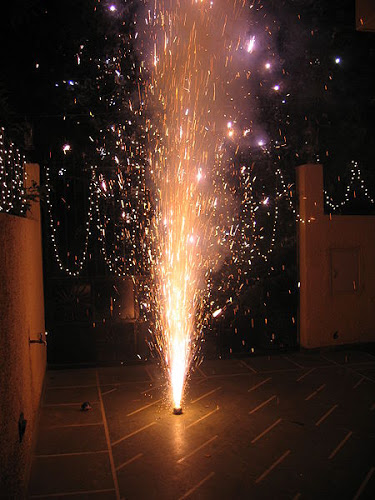
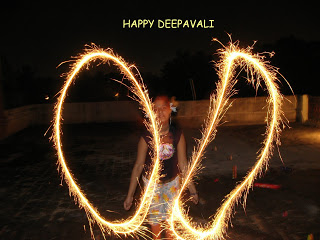
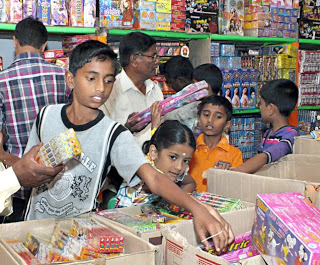
தீபாவளி என்றால் வெடி மத்தாப்பு கொளுத்துகிறோம். ஏன்? சமூகவியல் அறிஞர்கள் இதற்குக் கூறும் காரணம்: பல லட்சம் ஆண்டுகளுக்கு முன் ஆதி மனிதர்கள் குகையில் வாழ்ந்தபோது உணவு சமைக்கவும் மிருகங்களை அச்சுறுத்தி விரட்டவும், குளிர்காயவும் தீயே உதவியது. அது இன்னும் நமது மரபு அணுவில் இருக்கிறது. ஆகையால் தீ வைப்பதில் சிறுவர்களுக்கு எப்போதுமே ஆர்வம் இருக்கும். இதை ‘பைரோமேனியா’ என்று அழைப்பர். இதைக் கட்டுபடுத்தாவிடில் கடை அடைப்பு, ஹர்த்தால், பந்த் போன்றவற்றில் இளஞர்கள் ஈடுபட்டு பொதுச் சொத்துகளுக்கு தீவைப்பர். ஆகவே கட்டுக் கடங்காத இளைஞர்களின் அபார சக்தியை வழிப்படுத்தவே முறையாக சொக்கப் பனை கொளுத்தல், வெடி வெடித்தல் ஆகியவற்றை நம் முன்னோர்கள் ஏற்படுத்தினர்.

உலகம் முழுதும் நவம்பர் மாதத்தில் சொக்கப் பனை கொளுத்தும் வழக்கம் உண்டு. பிரிட்டனில் தீபாவளியை ஒட்டி ‘கை பாக்ஸ் டே’ என்று கொண்டாடுவார்கள். அப்போது சொக்கப்பனை, வாணவேடிக்கை உண்டு.

மேலும் நவம்பர் மாததில் பயிர்களை அழிக்கும் பூச்சிகள் பெருகும். சொக்கப்பனை, லட்சக் கணக்கில் தீபம் ஏற்றுதல் ஆகியன இப்பூச்சிகளை அழிக்க உதவும். பூச்சிகள் தாமாகவே ஒளியை நாடி தீயில் விழுந்து மாய்த்துக் கொள்ளும். ஆக உலகம் முழுதும் சொக்கப்பனை உண்டு.

அக்கினியின் பெருமையை அறிந்தே உலகின் மிகப் பழைய மத நூலான ரிக் வேதத்தை அக்னி (தீ) என்ற சொல்லில் துவங்கி அக்னி பகவான் பற்றிய பாடலுடன் முடிக்கின்றனர்.

இந்துக்களின் முக்கியப் பண்டிகைகள் முழு நிலவு நாளிலேயே வரும். தீபாவளி மட்டும், அமாவாசைக்கு முதல் நாள் துவங்கி 4 நாட்கள் நடப்பதால் விளக்கு ஏற்றுவதிலும் பொருள் இருக்கிறது. அதிலும் கூட மருத்துவ பயன் உடைய எண்ணெய்களையே பயன்படுத்துவர்.

கிறிஸ்துமஸ் மரம்

முன்காலத்தில் சாலைகளில் உள்ள மரங்களில் விளக்கு ஏற்றிவைத்து தீபாவளி கொண்டாடியதை கந்தபுராணம் விளக்குகிறது.. இதை மேல் நாட்டினர் இன்றும் கொண்டாடுகிறார்கள். கிறிஸ்துமஸ் காலத்தில் மரங்களை நட்டு அதில் விளக்கு ஏற்றுகின்றனர்.

பழைய கால தீபாவளி நான்கு நாட்களுக்குக் கொண்டாடப்பட்டது. சகோதரிகளுக்கு சகோதரர்கள் பரிசு கொடுக்கும் நாளாகவும், மஹாபலியை நினைவுபடுத்தும் நாளாகவும் எமதர்மராஜனைக் கொண்டாடும் நாளாகவும் நரக சதுர்த்தியாகவும் கொண்டாடப்பட்டது. இதுபற்றி காளிகாபுராணம், ஸ்கந்தபுராணம் முதலிய நூல்களில் காணலாம். இப்பொழுது கேரளத்தில் ஓணம் கொண்டாட என்ன காரணம் இருந்ததோ அது தீபாவளிக்குக் கொடுக்கப்பட்டது. காலப் போக்கில் தீபாவளி மாறிவிட்டது.

இனிப்புத் திருநாள்

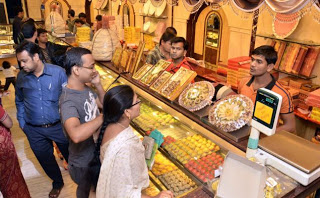
உலகிலேயே அதிகமான, சுவையான உணவு வகைகளையும், திண்பண்டங்களையும் உடைய நாடு இந்தியா. ஒவ்வொரு பண்டிகைக்கும் வெவ்வேறு வகை உணவு. ஒவ்வொரு கடவுளுக்கும் வெவ்வேறு வகை பிரசாதம்! இப்படி வகை வகையான இனிப்புகளை உடைய மதமோ நாடோ உலகில் இல்லை. 150 வகையான இனிப்புகளும், 25 வகை பாயசங்களும் சமையல் புத்தகத்தில் இருக்கின்றன! உலகில் சர்க்கரை நோய் அதிகம் உடைய நாடும் இந்தியாவே. ஆகையால் இனிப்புத் திருநாளில் இனிப்புகளை அளவோடு உண்டு வளமாக வாழ வேண்டும் அளவுக்கு மிஞசினால் அமிர்தமும் விஷமன்றோ.

தீபாவளியின் பொருளாதரத்தைக் கணக்கிற்கொண்டால் பல கோடிக் கணக்கான மக்களின் தொழிலுக்கும் பிழைப்புக்கும் ஆதாரமாக இருக்கிறது. அவ்வகையிலும் தீபாவளி பலருடைய இல்லங்களில் ஒளி விளக்கை ஏற்றுகிறது. அஞ்ஞான இருள் அகன்று ஞான ஒளி பிறக்கும் நன் னாள் இது. தீமை இருள் அகன்று நன்மை ஒளி பிறக்கும் நாள் இந்த இனிய தீபாவளி நாள். அனைவருக்கும் மனம் கனிந்த தீபாவளி வாழ்த்துக்கள்.

Pictures are taken from various websites and The Hindu. Thanks.

தேள்— ஒரு மர்ம தெய்வம்!


படம்: ரஹ்மான் தேரி தேள் முத்திரை; எகிப்திய தேள் மன்னன்

(This is a summary of my Two Part English article ‘The Great Scorpion Mystery in History’, posted already in this blog: swami)

உலகின் பல பழைய நாகரீகங்களில் பாம்பு வழிபாடு இருந்ததைக் கண்டோம். இந்துக் கடவுளர் எல்லோரிடமும் பாம்பு இருக்கிறது. ஆனால் தேள் என்பது சுமேரிய, எகிப்திய, சிந்துவெளி, மாயா, வளைகுடா நாகரீகங்களில் 2000, 3000 ஆண்டுகளுக்கு முன் இருந்தது. இப்போதும் இந்தியாவில் தேள் வழிபாடு இருக்கும் வியப்பான விஷயம் பலருக்கும் தெரியாது.


அஸ்ஸாமில் கௌஹாத்தி நகரில் பிரம்மபுத்ரா நதியின் நடுவில் ஊர்வசி தீவு என்ற தீவு இருக்கிறது. இதில் உமானந்தா கோவிலில் சிவனும் தேவியும் உண்டு. ஆனால் தேவியின் வடிவம் ஒரு தேளாகச் சித்தரிக்கப்பட்டுள்ளது. இதை மக்கள் வழிபட்டுச் செல்கின்றனர்.

கர்நாடகத்தில் குல்பர்கா பக்கத்தில் உள்ள கண்டாக்கூரில் நாகபஞ்சமி தினத்தன்று தேள் திருவிழா நடக்கிறது. அங்குள்ள தேள் அம்மனின் பெயர் கொண்டம்மை. அவளை வழிபட மக்கள் மலை ஏறிச் செல்வர். போகும் வழியில் எல்லாம் பாறை பொந்துகளில் நிறைய தேள்கள் வசிக்கின்றன. இதை மக்கள் பிடித்து விளையாடுகின்றனர்.  சிறுவர்கள் உடல் முழுவதிலும் தேள்களை விட்டுக் கொண்டாலும் அவைகள் கடிப்பதில்லை! இது அங்குள்ள விலங்கியல் பேராசிரியர்களுக்கும் வியப்பூட்டுகிறது. தொட்டாலோ மிதித்தாலோ தங்களைப் பாதுகாத்துக் கொள்வதற்காக தேள்கள் கொட்டும். ஆனால் கண்டாக்கூரில் இப்படிச் செய்வதில்லை.


தேள் திருவிழாவுக்கு ‘செலின யாத்ரா’ என்று பெயர். எகிப்திலும் தேளின் பெயர் இதே சப்தத்தில்தான் இருக்கிறது! எகிப்தில் தேள் தெய்வத்தின் பெயர் செல்கத். இந்த தெய்வத்தை குடும்ப உறவுக்கான (செக்ஸ்) தெய்வமாக கருதுவர்.

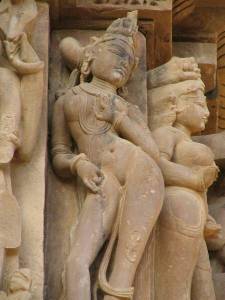
கஜுராஹோவில் காம சம்பந்தமான சிற்பங்கள் இருக்கின்றன. இதில் ஒரு அழகியின் தொடையில் ஒரு தேள் ஏறுவதாக சிற்பி செதுக்கி இருக்கிறான். ஏன் என்று காரணம் தெரியவில்லை. உலகின் பல கலாசாரங்களிலும் தேளை ‘செக்ஸ்’ சம்பந்தமான தெய்வமாகக் கருதுகின்றனர்.

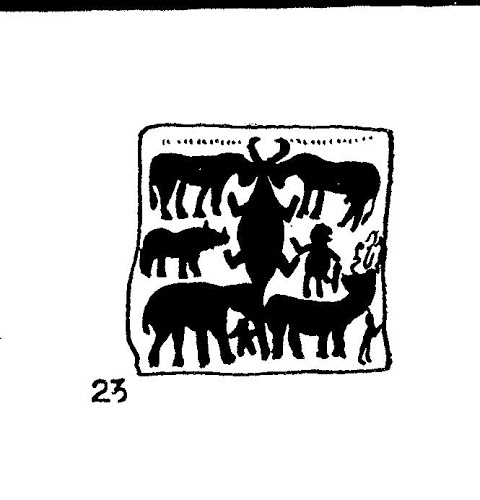
ரிக் வேதத்திலும் அதர்வ வேதத்திலும் தேள்கள் பற்றிய குறிப்புகள் உண்டு. அதன் விஷத்தைக் கண்டு மக்கள் பயப்பட்டனர். சிந்து சமவெளியில் தேள் முத்திரைகள் இருக்கின்றன. ஆனால் இதுவரை எழுத்துக்களை படிக்க முடியாததால் தேள் முத்திரை புதிராகவே இருக்கிறது.

மாதவி ஆடிய 11 வகை நடனம் பற்றி ஏற்கனவே கட்டுரை எழுதினேன். அதில் தேவி ஆடிய ஒரு நடனத்தின் பெயர் மரக்கால். அதாவது அவுணர்கள் பாம்பு, தேள் வடிவத்தில் வந்தபோது அவைகளிடம் இருந்து தப்பிக்க தேவி மரக் கால்களுடன் ந்டனம் ஆடியதாக தமிழர்கள் 2000 ஆண்டுகளுக்கு முன் ஒரு நாட்டியம் உண்டாக்கினர்.


படத்தில் குதுர் கற்கள்; கஜுராஹோ அழகி

27 நட்சத்திரங்களுக்கு சிறப்பான தமிழ்ப் பெயர்களும் சின்னங்களும் உண்டு. அனுஷம்/ அனுராதா நட்சத்திரத்துக்கு மற்றொரு பெயர் தேள். சின்னமும் அதுவே.

தேவர்கள் வாழும் இடத்தை புத்தேள் உலகு என்று தமில் இலக்கியம் பகரும். தமிழில் தேளுக்கு நளி, அலம், தெருக்கால், துட்டன், பறப்பன், விருச்சிகம் (சம்ஸ்கிருதம்), நளிவிடம் என்ற பெயர்கள் இருக்கின்றன. சம்ஸ்கிருதத்தில் 30 பெயர்கள் உண்டு (எனது ஆங்கிலக் கட்டுரையின் இறுதியில் பட்டியல் இணைக்கப்பட்டிருக்கிறது)

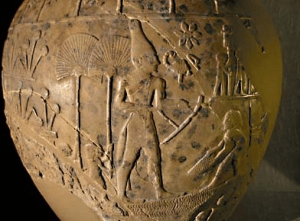
எகிப்தில் கி.மு.3100ல் ஆண்ட மன்னனின் பெயர் தேள். அவன் முத்திரையில் அவன் முகத்துக்கு நேராக தேள் படம் பொறிக்கப்ட்டு இருக்கிறது. தில்முன் எனப்படும் பஹ்ரைனில் மட்டும் 36 தேள் முத்திரைகள் கிடைத்திருக்கின்றன.

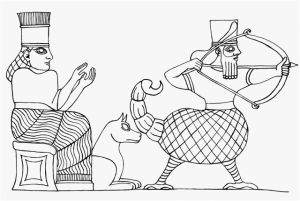
படத்தில் தேள் வீரன்


படத்தில் சிந்து சமவெளி தேள் முத்திரை

எகிப்திலும் கிரேக்க நாட்டிலும் தேள் பற்றி பல புராணக் கதைகள் சொல்லப்படுகின்றன. இவைகளில் சில வானியல் நிகழ்ச்சிகளைக் குறிப்பன.

இஷாரா என்னும் தெய்வம் தேளுடன் தொடர்புடையவள். கிரேக்கத்தில் ஆர்டெமிஸ், ஒரியன் ஆகிய கதைகளில் தேளின் பங்கு இருக்கிறது.

சுமேரியாவில் பிரளய கால வீரன் ஜில்காமேஷ் வாயிற்காப்போன் தேள் மனிதர்கள் என்றும் சூரியக் கடவுள் ஷமாஷின் காவலர்கள் தேள் தெய்வங்கள் என்றும் எழுதப்பட்டுள்ளன. இவை அனைத்தும் 5000 ஆண்டுப் பழமையானவை.

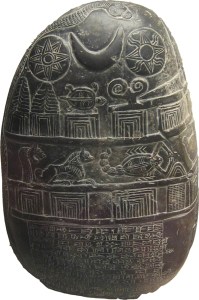
பாபிலோனியாவில் எல்லைகளில் நடும் கற்களிலும் நில தானம் செய்யும் கல்வெட்டுகளிலும் தேள் படம் இருக்கிறது. இவைகளை குதுர் கற்கள் என்பர். இவைகளை வெளியிட்ட காசைட் மன்னர்கள் வேத கால நாகரீகத்துடன் தொடர்புடையோர். மேலும் கல்வெட்டுகளில் வரும் வாசகங்களும் சாபங்களும் இந்திய கல்வெட்டுகளை நினைவு படுத்துகின்றன.


பாரசீகத்தில் தேள் தொடர்பான பிரார்த்தனைகள் உள்ளன.

For more details, see my English post: The Great Scorpion Mystery in History.

Other articles on Snake, Indus Valley etc:

1.Serpent Queen: From Indus Valley to Sabarimalai 2.The Sugarcane Mystery: Indus valley and Ikshvaku Dynasty 3. Vishnu seal In Indus Valley 4. Indus Valley –New Approach required 5.Indra in Indus valley seals+ Symbols for Vedic Gods and 6.Ghost in Indus seals and Indian literature7. Karnataka-Indus Valley Connection 8.Human sacrifice in Indus Valley and Egypt 9.Tiger Goddess of  Indus Valley: Aryan or Dravidian? 10.Flags: Indus valley –Egypt similarities 11. Fish God  around  the World 12.சிந்து சமவெளி-எகிப்தில் நரபலி 13.சிந்து சமவெளியில் ஒரு புலிப் பெண் 14. சிந்து சமவெளியில் பேய் முத்திரை 15. நாகராணி: சிந்து சமவெளி முதல் சபரிமலை வரை 16.கொடி ஊர்வலம்: சிந்துசமவெளி-எகிப்து அதிசய ஒற்றுமை. Contact London Swaminathan at swami_48@yahoo.com
Mysterious Fish Gods around the World


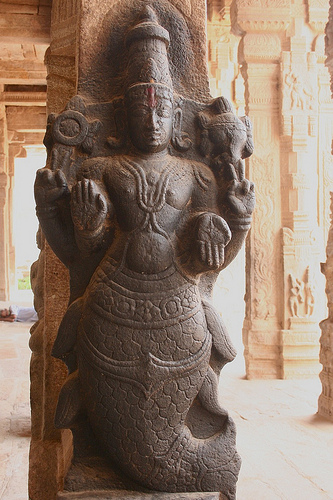
The Story of Floods is in every culture. The first incarnation of Hindu God  Vishnu known as Matsya Avatar (Fish Incarnation) has spread to different parts of the world. We read about it in Sumerian Atrahasis /Ziusudra/Gilgamesh, Biblical Nova and other cultures including Mayan culture. One fact is very clear in all these stories. There was a civilization before. That civilization was very good in Marine Engineering. They were able to build a big ship so as to accommodate all the species. The thought of preservation for the posterity was also there. So it must be an intelligent society. Otherwise they would have perished without trace. Now who was that intelligent person or god who instructed them to build a ship? That person must be a scientist and must have Tsunami monitoring equipments. Otherwise he couldn’t have forecast a catastrophic event. All fingers point to India. No one has that intelligence in maths or calculation in those times.

1. Every other culture stopped with fish and flood story. But Hindus developed it logically to Ten Incarnations of Lord Vishnu. From water born fish they took it to amphibian turtle. From Amphibian turtle, they took it to the next level of land animals- ‘pig’ avatar. Then half man half animal (Lion) Narasimha avatar, then humans with more and more intelligence. They beat Darwin by 2000 years in proposing the Theory of Evolution. That is why I said only a Hindu mind can do it. The mathematical (decimal) calculations in the Vedas and the invention of Game of Chess show that we could do it.

2. Hindus First in Biology

The Hindu classification of plants and animals as 84 lakhs is the closest to science. The latest count is 8.7 million (87 Lakhs) species of plants and animals on earth. Hindus had an amazing knowledge about this number, thousands of years before our time. It is a big puzzle to modern science. No wonder we were able to forecast a big rise in sea level—Great Floods.

In Hindu myth, Lord Vishnu took the form of a fish in order to save Manu, the ancestral father of the human race. Every Manvantara (Period of one Manu=306,720,000 years) will have a new Manu.

3. Sumerians, Mayans and Egyptians say that they did not belong to the land they lived. Either they said that they came from a far off place or someone from a far off place came and taught them civilization. Another strange thing about this Great Floods is that this happened in South India. Sanskrit and Tamil Books are unanimous in pointing the direction to south. Tirugnana Sambandha, a Saivaite saint who lived 1400 years ago, even called his own place Sirkazi as Thonipuram (Boat Town). He sang about the great floods and he praised Lord Shiva for making the town safe during the deluge.

4. The gradual development of Fish to fully fledged, civilized man show that the story started its circulation from Indian soil. The scriptures and sculptures stand as a proof. Hindus believed that TIME is cyclical. Civilizations start from Golden age (Krita Yuga) and deteriorate into Kali Yuga/Black age. So even before the Great Floods, there was civilization.

5. Fish Gods

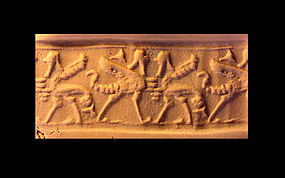
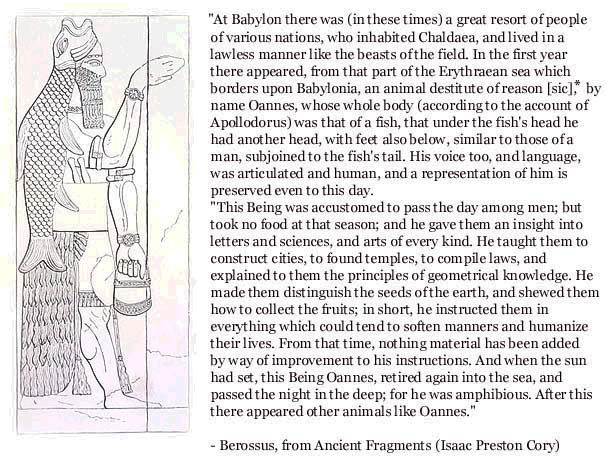
Apart from Matsya Avatar of Lord Vishnu, we hear about other Fish Gods such as Oannes, Dagon and Sindhi saint. Berossus (Vararuchi ?) was a scholar/priest who lived in Babylon in 3rd century BC. He wrote the history of Babylonia. He gave us the story of Oannes. Oannes was a mythical being who taught mankind wisdom. He had the body of fish, but underneath the figure of a man. He taught arts, science and writing. Oannes came from the Uanna, another name for Adapa. Akkadian connects this word to Um Manu. I guess this name as Indian Law Giver Manu. Adapa was a sage according to Sumerian legends. Going by this version I will take it as Manu or a sage from India who taught them Manu Dharma.

Berossus said that the half man-half fish creature was attended by other monsters called Apkallu. Apkallus are Sapta Rishis of India. The Sumerian legend says Seven Apkallus (sages) were created by Enki to establish culture and give civilization to mankind.

First King Narmer ( Nara Meru also knowns as Menes=Manu) was called Catfish Chisel. In other words he was also called a fish. Perch fish was sacred to Goddess Neith.

6.Dagan

He was called Dagon in the Bible. He was worshipped throughout the near east from 2500 BC. He was considered god of rain, corn and death. The kings of third dynasty of Ur established for Dagan an official state cult and a sanctuary to him was constructed at Nippur. From fourth century AD, he was considered a fish god.

7.Sindhi Saint on Fish

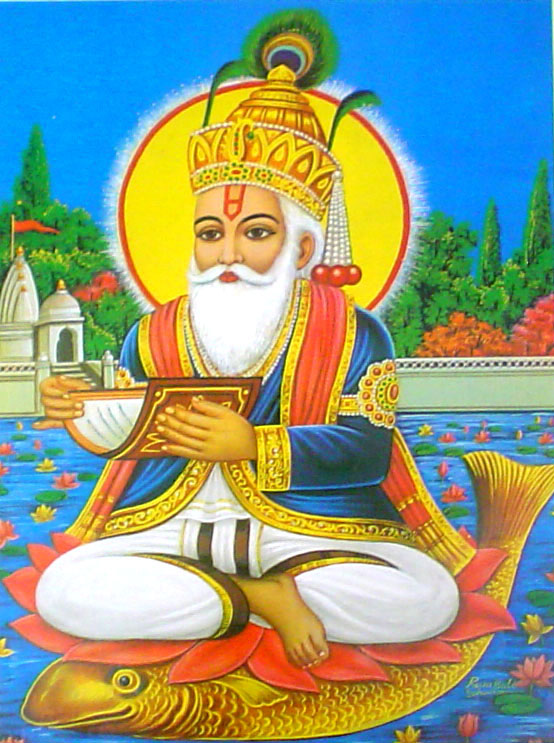
Sindhi saint Jhulelal is depicted riding a fish. He saved the Sindhi people from a tyrannical ruler called Mirkshah. He was considered a man sent by Vedic God Varuna. He convinced the ruler that God is one and he is common to everyone.


8.Turtle Gods

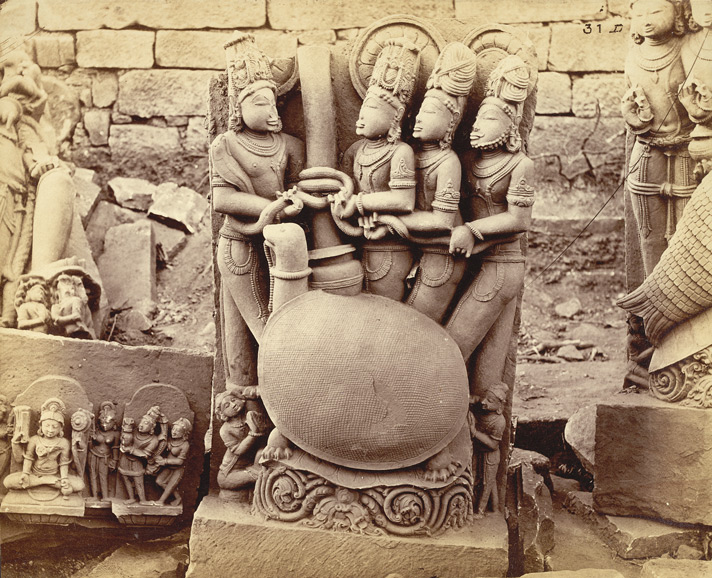
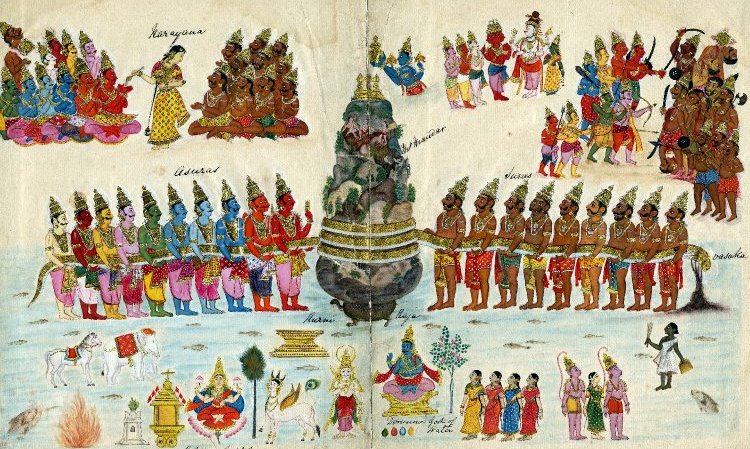
Following the fish come turtles in the Hindu myths. When the Devas and demons churned the ocean god took the form of a turtle (Kurma) and gave stability. He supported the mountain Mandara that acted as the churning rod while Vasuki the snake was used as the rope. This turtle also figured in the world of mythology in the names of Ao (China), Ataentsic (North America), Bedawang (Bali, Indonesia), Gong Gong (China), Sciron (Greece), Xbalanque and Hunaphu (Mayan Twins).

The Atlas like Mayan deity Pauahtun who supported the world on his shoulders is sometime depicted wearing a turtle shell on his head. Turtle shells are also associated with altars in some contexts, and the maize god is sometimes shown emerging from turtle shell.

9.I reproduce the following passages from my earlier post, ”SANSKRIT INSCRIPTION AND MAGIC SQUARE ON TORTOISE”:

Hindu Gods are associated with all the important birds and animals. They are associated with insects and reptiles as well. Take any animal whether it is elephant or rhino, snake or scorpion, fish or crocodile, eagle or crow, boar or tortoise —they are all associated with Hindu gods. We see it in the Vedas, in the Indus valley civilization and in the temple Vahanas. But when we read that even the Chinese, Mongolians and other cultures believed in such things we raise our brows. When we see Sanskrit inscription on a tortoise statue,that too in the remotest part of the world, we are wonder struck!!

Kurmavatar, the Tortoise incarnation of Vishnu is the oldest tortoise we know. But we have even Rishis (seers) in the name of frog (manduka)owl (Uluka) and tortoise (Kasyapa)in Vedic literature. Kasyapa is one of the Vedic Rishis. Kasyapa means tortoise. Kashmir is named after Kasyapa Rishi. Kumaon hills in the Himalayas is named after Kurma Avatar. If you read the history of Kashmir and Kumaon in Uttaranchal state you will find more surprising things. We have Kurmavatar statues in Kahajuraho Lakshman temple (M.P) and Osiyan temple in Rajasthan. One exclusive temple for Kurmavatar is near Srikakulam in Andhra Pradesh .


Three thousand years ago a Chinese king found a turtle with a magic square on its back. The magic square will add up to number fifteen whichever way you add the numbers. From that day it was considered a lucky square and people believe that they will get money etc. It is called Lo Shu. Hindus also believe this as money making square and call it Kubera Kolam. Egyptians and Hindus used the magic squares. Even the Vedic mathematics has magic squares.

Contact swami_48@yahoo.com
***************

Deer Chariot: Rig Veda to Santa Claus


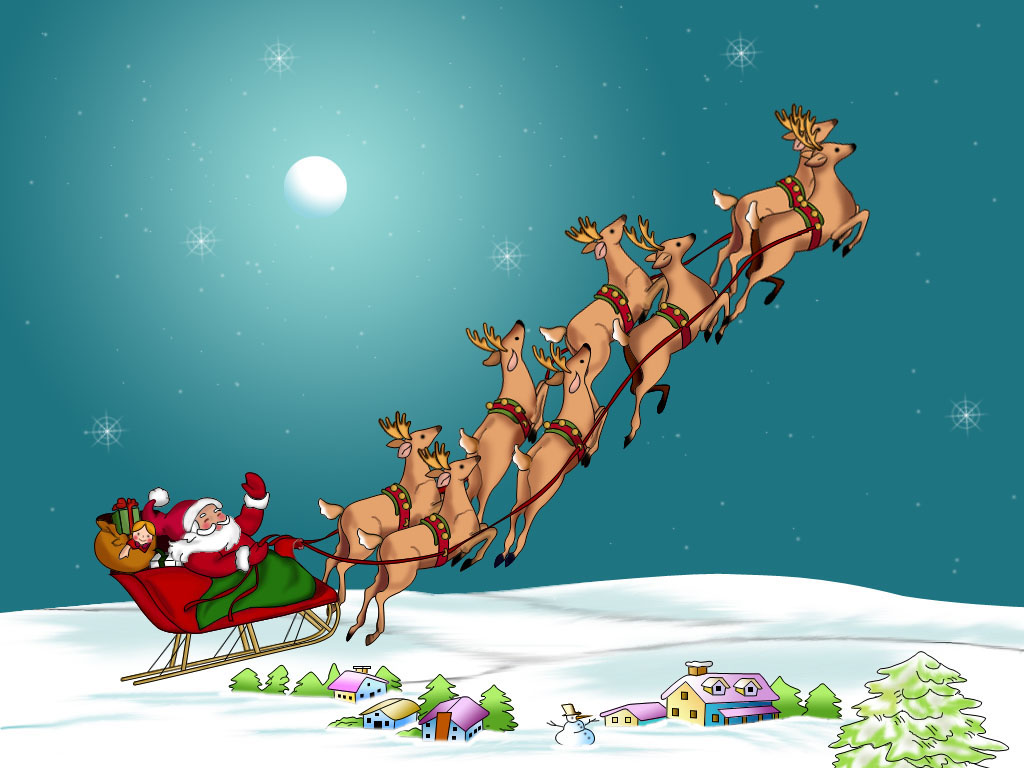
Picture shows Santa Claus on a Reindeer Chariot

(Tamil version of this article is also available: London swaminathan)

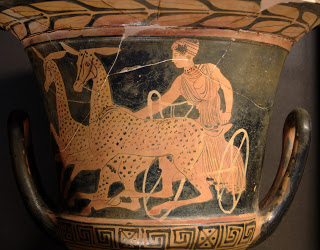
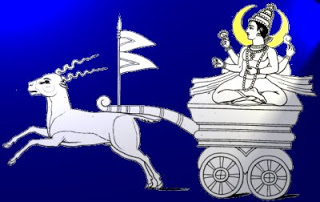
It is an amazing similarity that we have chariots/carts drawn by deer or Reindeers in Rig Veda and Santa Claus stories. Of the Navagrahas, Chandra’s (moon) chariot is also drawn by deer. Tamil Sangam and Sanskrit literature describe goddess is also mounted on a deer (Kalaiyathurthi  in Tamil). Greek Goddess is also drawn by or carried by a deer.

Deer and parrots are associated with Brahmins and seers in Ancient India. They raise parrots and deer in Ashrams (holy cottages). Manu, the Hindu law maker,  says that his law is applicable only to Aryavarta where the black antelope lives. Brahmin Brahmacharis (celibates) must wear the deer skin in their sacred thread.

Deer is found in Indus seals as well. In the so called Pasupati seal, a god or an ascetic is surrounded by four animals and a deer under the dais. Buddhist sculptures have deer because of Buddha’s association with deer.

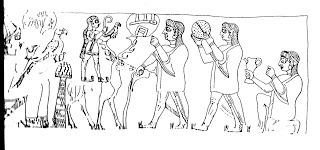
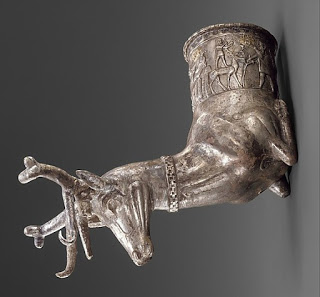
Picture of Hittite God on a deer from a silver cup (see below for cup)
 

Picture of Hittite god on a deer is etched at the ridge (enlarged drawing given above)

Deer Chariot in Rig Veda

Chariots drawn by antelopes are as old as Rig Veda. We have references to Marut (Marut=Maruti=Wind God=Hanuman) whose chariot was drawn by antelopes. Marutas are storm gods. They number from 27 to 36. Various origins are assigned to them. They are sons of Rudra, sons and brothers of Indra, sons of the ocean, sons of heaven or earth. They ride golden chariots drawn by ruddy horses or reindeers. They reside in the north. They are armed with lightning and thunderbolts Ramayana gives a different story and their number increases to 49.
Nordic god Thor whose chariot is drawn by goats is compared to Maruts of Vedas. He is attributed with the same qualities. He has massive red beards (like Santa Claus).It is said that a Minoan sarcophagus dated 1400 BC also shows a chariot drawn by goats (Hagia Triada sarcophagus)

RV I-85-4 (also RV I-39; I-146)

When mighty warriors, ye who glitter with your spears, overthrowing with your strength even what is never over thrown,

When, O Ye Maruts, ye the host that send rain , had harnessed to your cars the thought fleet spotted deer

When ye have harnessed to your cars the spotted deer urging thunderbolt ,O Maruts to the fray——

(Ralph T.H. Griffith’s translation of Rig Veda, year 1889)

Picture of Greek Goddess Artemis

When Ptolemy II became the king of Egypt in 285 BC, he organised a big procession of troops and chariots. The description goes like this , “An endless array of similar wonders followed; also a vast number of palace servants displaying the golden vessels of the king; twenty-four chariots drawn by four elephants each; the royal menagerie—twelve chariots drawn by antelopes, fifteen by buffaloes, eight by pairs of ostriches, eight by zebras; also many mules, camels, etc., and twenty-four lions.”

Picture of Roman goddess Diana

Tamil Reference

Goddess Durga has deer as her vahana. Tamil Thevara hymn (Pathikam 921) praised Durga has Kalaiyathurthi=one who rides a deer).

Metropolitam Museum of Art in New York has a cup in the shape of a deer on which a god riding a deer holding a bird in its hand is depicted. It was dated 1700 BC from Hittites in Syria/Tukey. Hittites belong to Vedic culture. It may be Vedic god Marut.

Picture shows Chandra, one of the Nava Grahas

Artemis, Greek goddess of animals was worshipped from 800 BC. Though she was called Mistress of Animals, she was portrayed with deer. Her Roman counterpart Diana, Roman moon goddess was also shown riding a deer.They can be compared with Hindu goddess Durga  and Aranyani and Rudrani, goddesses of Hindu Vedas. They are all connected with forest, hunting and animals.

Story of Santa Claus

Many of the customs followed by Christians such as Easter Egg, Christmas Tree, Santa Claus are the remnants of ancient religions. They have nothing to do with Christ or Christianity. Though they have found some modern explanations, they existed long before Christ. Santa Claus story is one of them. Encyclopaedias attribute various mythical, historical, legendary folk lore origins to Santa Claus. Modern figure of Santa with white beard and red coat was derived St Nicholas. He was a fourth century Greek saint. Neither he nor Christ has anything to do with North Pole or Reindeer chariots. Santa is always portrayed as travelling by Reindeer chariot in the icy regions of the North Pole. In short it is closer to Maruts of Vedas than to Christianity!

Vedic mantras are always associated with gifts, but gifts only for priests. We have several Dana Stutis in the Vedas giving a list of big gifts.

***********