சம்ஸ்கிருத எதுகை அகராதி!

சம்ஸ்கிருத எதுகை அகராதி!

Compiled by London swaminathan

Article No.1843 Date: 3 May 2015

Uploaded at London time: 23-47

ஊத்தங்கரை ஏ ஆர் அப்பாய் செட்டியாரின் தமிழ் எதுகை அகராதி பற்றி சின்னாட்களுக்கு முன் எழுதினேன். இதே போல பிரபல சங்கீத சாஹித்யகர்த்தா, பாடல் ஆசிரியர், நடிகர், இசை அமைப்பாளரான பாபநாசம் சிவன் அவர்களும் வடமொழிச் சொற்கடல் என்ற பெயரில் சம்ஸ்கிருத எதுகை அகராதி தயாரித்து வெளியிட்டார். இதை அவர் தயாரிக்க எட்டு ஆண்டுகள் ஆயின. இந்தப் புத்தகத்தின் முதல் பதிப்பு 1954-ல் வெளியானது.

சம்ஸ்கிருதம் கற்க விரும்போருக்கு ஆர்வத்தை ஏற்படுத்தும் வகையிலும் ஏற்கனவே சம்ஸ்கிருதம் அறிந்தோருக்கு அச்சொற்களைத் திறம்பட பயன்படுத்தும் வகையிலும் தொகுத்து வழங்கியுள்ளார். ஆனால் அவரோ தன்னடக்கத்துடன் பெரிய கடலை ஒரு சிறு கரண்டியால் அளக்க முயல்வதாக முகவுரையில் எழுதியுள்ளார். தான் எழுதியதைக் கட்டி ஆற்றில் எறிந்துவிடலாமா என்று எண்ணியிருந்த சமயம் டாக்டர் வீ ஆர் மூர்த்தி இதை வெளியிட உதவிசெய்ததாகவும் நன்றிப் பெருக்குடன் கூறியுள்ளார்.

அதில் ஓரெழுத்துக்கான சம்ஸ்கிருதப் பொருளை மட்டும் இன்று காண்போம்; இதில் சம்ஸ்கிருத நாகரி லிபியில் சொற்களும் அதற்கான பொருள் தமிழிலும் கொடுத்திருப்பது எல்லோருக்கும் பயன்  தரும்:

அ- மங்களகரமான முதல் எழுத்து; எதிர்மறை

உ- ஐயக்குறி, வினாக் குறி

கு- இழிவு, கொஞ்சம்

து- பிரித்தல்

ந – இல்லை

நி- இன்மை, மிகவும்

னு- ஐய வினா

வ- போல

வி-வெறுப்பு, விரோதம், விசேஷம்

சு-நன்மை, நன்றாக

ஹ-வியப்பு,துயரம்

ஹி-அல்லவா

(இவை யாவும் அவ்யயம் எனப்படும்)

ஆ-வியப்பு

ஓ-விளி,வியப்பு

கா-எவள்

ஜா-பிறந்தவள்

நா-மனிதன்

நோ-இல்லை

பா-ஒளி

போ-விளி

மா-தகாது, லெட்சுமி

மே-எனக்கு, ஆட்டின் குரல்

யா-யாதொருவன்

ரே-விளி

வா-அல்லது

வை-உறுதி

சா-அவள்

ஹா-ஐயோ

ஹீ-ஆச்சர்யம்

ஹே-விளி

ஜம்-காற்றொளி

டம்-நாணொலி

பம்-நட்சத்திரம்

சம்-நன்றாக

ஸம்-சுகம்

ஹும்-அச்சுறுத்தல்

அ:-பிரமன்,விஷ்ணு,சிவன்

இ:-இந்திரன்

உ:-சிவன்

க:-பிரமன்

க:-எவன்

கு:-பூமி

கி:-விழுங்குதல்

ஜ:-பிறவி

ய:எவனொருவன்

வி:-பறவை

ஸ:-அவன்

ஆ:-வியப்பு, வேதனை

ஊ: பெருக்கம்

கீ: சொல்

கௌ: பூமி, பசு

ஜூ: ஜுரம், வானம், பிசாசு,வாணி,வாயு

தூ: வேகம்

தீ: புத்தி

தூ: சுமை

பா: ரட்சிப்பவன்

பூ: பூமி

பீ: அச்சம்

மா: தடுத்தல்

மூ: மூர்ச்சை

ரா: ஐச்வர்யம், அக்னி

வா: ஜலம்.

“Jahan na Pahunche Ravi, Vahan Phunche Kavi”

Compiled by London swaminathan

Article No.1841 Date: 1 May  2015

Uploaded at London time: 21-25

“Where the Sun cannot reach, the poet will reach”

-Hindi saying

Kavayah kim na pasyanti – says Sanskrit book of golden sayings

“What is it that poets cannot envision?”

“Of the sages I am Vyasa and of the poets I am poet Usana” – says Lord Krishna in Bhagavad Gita (10-37)

Poetry in India has been so popular that even Lord Krishna could not miss it in the Bhagavad Gita. Rig Veda has the names of more than 400 poets who “saw” the mantras (Mantra drsta) and revealed them to the world. Of the 400 plus poets scores of them were poetesses. It is a literary wonder that we have over 400 poets around 1700 BCE. We couldn’t find such a galaxy of poets in the Babylonian or Egyptian civilisations. There was no book in any ancient civilisation except Hindu’s Rig Veda. A book must have a common theme, common purpose and common aims like the Rig Veda. We haven’t had any such book or anthology around 1700 BCE, the latest date accepted by the world for the Rig Veda.

Vedic poets dance and sing that the Gods love secret language:-

When Lord of our prayer, the first of speech and the foremost

The sages uttered, giving the unnamed a name,

Which was their best and their most stainless, then they

With love revealed the Divine secret in their souls

The Rig Veda contains true lyrics of which Ratri (Night) and Aranyani (The Spirit of the Forests) are notable. The hymns to Usas (Dawn) and the lovely marriage hymn Suryas Bridal are lyrical in tone. The Atharva Veda contains the beautiful Prithivi sukta (Ode to Earth).

((Ratri Sukta- RV 10-127; Aranyani Sukta 10-146; Surya’s Bridal 10-85; Ode to Earth/Prithivi Sukta AV 12-1))

What is Poetry? Valmiki’s Curse became a Verse!


It is highly impossible to define what poetry is. A host of definitions may come to our mind. But no definition can bring out its full range and import. Like God, it admits a variety of interpretations; but no interpretation can be wholly satisfactory.

In Hinduism Valmiki is considered the Adi Kavi, the first poet to write a Kavya. In his case the “Sloka (couplet) came out of his Soka”(sorrow):–

“Sokah slokathvamaagathah”

“Alokathvamaapadhyata yasya sokah” (Raguvamsa of Kalidas)

Sage Valmiki was one day going to the river Tamasa to bathe, when he saw a hunter shooting a bird which was innocently sporting with its mate beside the water. The poor bird with an arrow in its breast, fell dead at the feet of the saint. Immediately he cursed the hunter. Unconsciously the sage spoke the curse in a metre called ‘anushtubh’, for before that time metres were unknown in India, except those in the Vedas. When Valmiki returned to his abode lord Brahma appeared before him and persuaded him to write the Story of Rama in that very metre. He obeyed him and thus the Ramayana came to be written.

Mere metre perfection or verse form cannot constitute the essence and aroma of poetry. Medicine and astrology were written in verse, but they can never be called poetry in the truest sense of the term.  Poetry is an intuitive perception of the unseen. It is the arresting of the visitation of the divinity in man.

Kamban, the author of Ramayana in Tamil, compares the art of poetry to the majestic and easy flow of a great river. According to him, ideal poetry is to the poet, what a river is to a Naturalist, an object beautiful to look at, and pregnant with meaning.

Great Tamil poet Bharati has translated many of his experiences into beautiful poetry. His poetry is full of imagination and highly rhythmical.

Former President of India Dr Rajendra Prasad wrote: “ A poet interprets and lays bare the human heart and mind to his less gifted brothers and sisters , enabling them to see and know man’s finer self at close quarters. His words do not die and he is loved and lives in man’s memory. He makes tears flow and laughter ripple through his verses.

Bharati, in his invocation to Vani, the Muse of Poetry, virtually describes what he considers to be the indispensable requirements of great poetry:

“Great grasp of the subject matter; lucidity of expression; the power of providing for those who subject  the poem to deep study and thought, the higher imaginative pleasures  through its profundity  and suggestiveness; and powerful  emotion that can move the reader even to the point of tears”.

“No insight, No poetry” says the Subashita Ratna Bhandagaram, the Sanskrit Book of Sayings.

Poets may die but their poetry lives for ever!

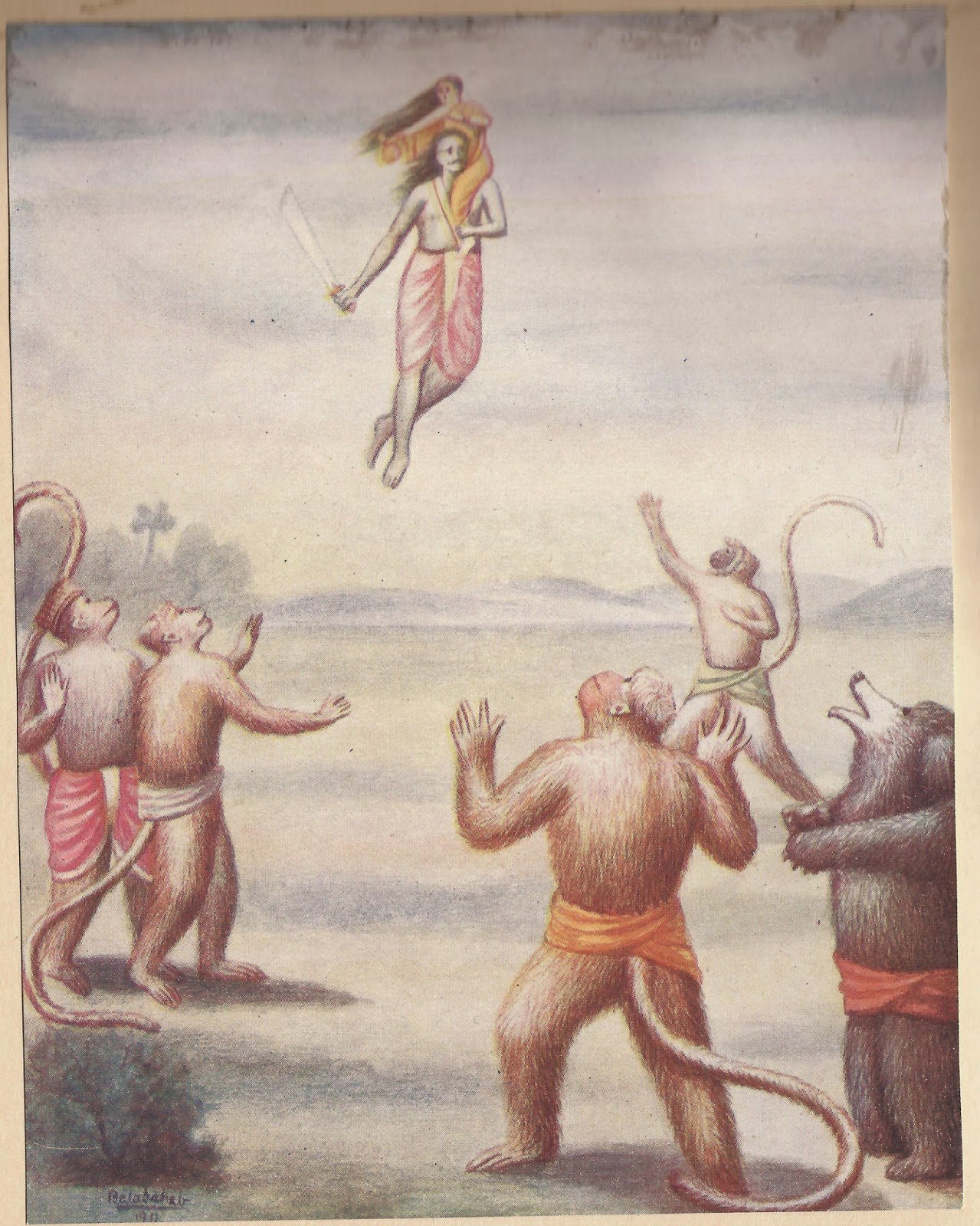
ஹா, ராம, ஹா, தேவர், தாத, மாதா!

ராவணன் சீதையை தூக்கிச் செல்லுதல்

Written by S NAGARAJAN

Research Article No: 1828

Date: 26 April 2015; Uploaded in London at  7-19 am


சம்ஸ்கிருதச் செல்வம்பாகம் 3

3. ஹா, ராம, ஹா, தேவர், தாத, மாதா!

.நாகராஜன்

கவிதைப் புதிர்களின் தொடர் வரிசையில் இன்னும் ஒரு பஹிர் ஆலாப வகை புதிர்:-


கே ப்ரவீணா: குதோ ஹீனம் ஜீர்ணம் வாசோம்ஷுமாஞ்ச்ச : I

நிராகரிஷ்னவோ பாஹ்யம் யோகாசாராச்ச கீத்ருஷா: II


இதன் பொருள் :- யார் புத்திசாலி? (விஞ்ஞானா: – படித்த மனிதர்கள்)

பழைய துணி எதில் குறைபாடுடையது? – (நவாத்புதியதில்)

யார் கிரணங்களைக் கொண்டுள்ளார்? – (இனா: – சூரியன்)

புத்த மத யோகசாரா பிரிவைச் சேர்ந்தோர் எப்படி இருப்பர்? (விஞ்ஞானவாதினபுத்தமத தத்துவத்தைச் சேர்ந்தோர் விஞ்ஞானவாதிகள் என அழைக்கப்படுகின்றனர்)

விஞ்ஞானவாதின: என்ற சொற்றொடரைப் பிரித்தால் விஞ்ஞானா:, நவாத், இனா, விஞ்ஞானவாதின: என்ற அனைத்துச் சொற்களும் கிடைப்பதைப் பார்க்கலாம். அனைத்துக் கேள்விகளுக்கும் இந்த ஒரே சொற்றொடர் விடையைத் தருகிறது. இதைக் கண்டு பிடிப்பது தான் கஷ்டம்!

இனி அந்தர் ஆலாப வகை புதிர் ஒன்று. இதில் பாடலுக்குள்ளேயே விடை இருப்பதால் புரிந்து கொள்வது சுலபம்.

கே பூஷயந்தி ஸ்தனமண்டலானி

கோத்ருஷ்யுமா சந்த்ரமச: குத: ஶ்ரீ:

கிமாஹ சீதா தசகண்டநீதா

ஹாராமஹாதேவர்தாதமாத:

கடைசி வரி புதிர்களுக்கு விடையாக அமைகிறது. ஆகவே புதிரை விடுவிப்பது வெகு சுலபம்.

இதன் பொருளைப் பார்ப்போம்:-

வட்டமான மார்பகங்களை எது அலங்கரிக்கிறதுஹாரம்

பார்வதி எப்படி இருக்கிறாள்? மஹாதேவனுடன் இணைந்து இருக்கிறாள் (மஹாதேவ)

சந்திரனின் பிரகாசம் எப்போது வருகிறது? – இருளிலிருந்து (ராத்)

சீதையை தசகண்ட ராவணன் தூக்கிச் செல்லும் போது அவள் என்ன கூறினாள்ஹா, ராம, ஹா, தேவர், தாத, மாத)

(ஹா, ராமா, ஹா, மைத்துனரே, அப்பா, அம்மா என்று சீதை அலறினாள்)

இது அமைந்துள்ள விருத்தம் உபஜாதி (இந்திரவ்ரஜா மற்றும் உபேந்திரவ்ரஜா) விருத்தமாகும்.

இப்படிப்பட்ட ஆயிரமாயிரம் புதிர்களை பதம் பதமாகப் பிரித்து அர்த்தம் கண்டு புதிர்களை அவிழ்த்து விடை கண்டு மகிழலாம்.

பொறுமையும், ஆவலும் இருந்தால் போதும்; புதிருக்கு விடை கண்ட மகிழ்ச்சி ஏற்படும்!

*************

Sanskrit Inscriptions in South East Asia!

Carte_Empire-Khmer

Compiled by London swaminathan

Post No. 1781; Date 6th April 2015

Uploaded from London at   20-15

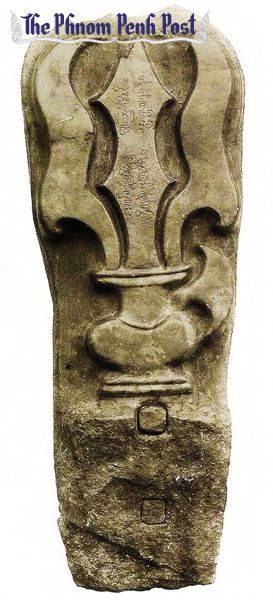
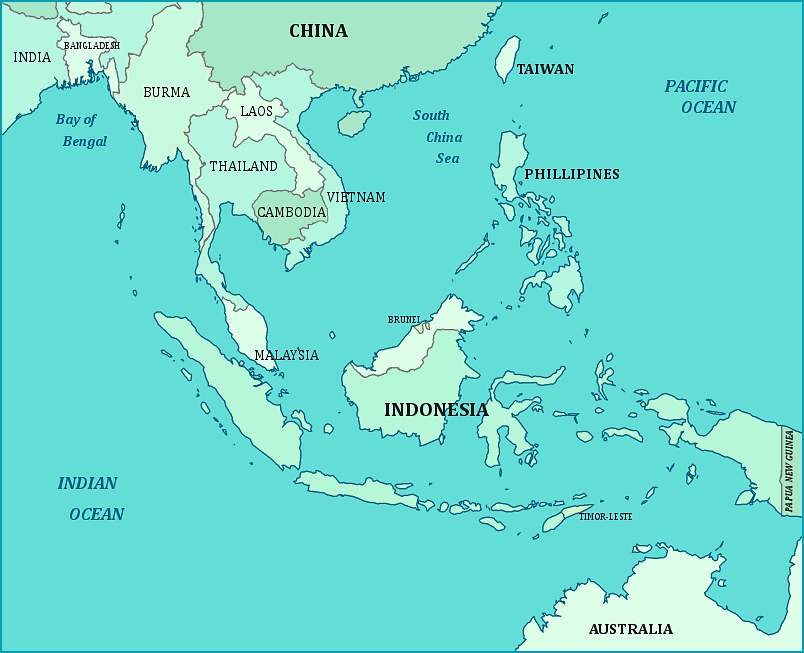
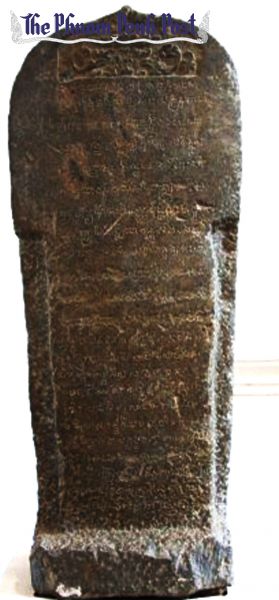
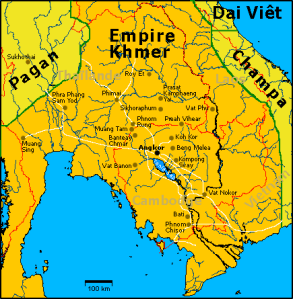
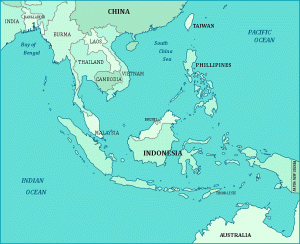
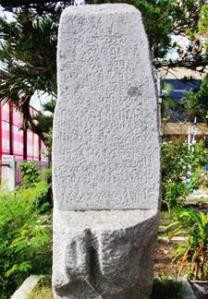
Over 1250 inscriptions are discovered so far in South East Asian countries. Majority of them are in Sanskrit language. Ancient Cambodia, known as Kingdom of Khmer covered most of the area in South East Asia. Champa, what is now known as Vietnam, has the oldest Sanskrit inscription. Since the name on the inscription is Sri Mara, I have interpreted it as the name of a Pandyan king in my research article “A Tamil king who ruled Vietnam” — posted here on  Sept 13 , 2011. This is what I wrote,

“The inscription is known as Vo-Chanh Inscription. It was inscribed on a rock as two parts. This is about the donation made by the family of the king Sri Maran. We have fifteen lines on one part of the rock and seven more lines on the other side. Of these only nine lines are readable. Scholars who took a copy of the inscription say the poetry part is in Vasantha Thilaka metre in Sanskrit and rest is in prose.

The king donated all his property to the people who were close to him and ordered that it should be honoured by the future kings. The inscription ends abruptly. But we could read the words ‘Sri Mara raja kula’ very clearly. Though we couldn’t get much information about this king from other sources, Chinese historians confirmed that the Hindu empire that existed in Vietnam, Laos and Cambodia started with Sri Maran”.

Over 800 Sanskrit inscriptions were found in S.E.Asia until fifty years ago. Now more and more inscriptions are discovered. Even a new underground city is discovered in 2013.
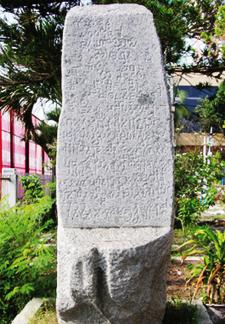
10_A-Shivait-Sanskrit-inscription

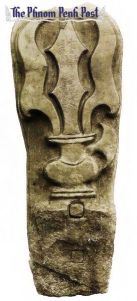
Saivite Sanskrit Inscription

Cambodia has made unique contributions to Sanskrit literature especially in poetry according to Dr M K Charan. He says, “The writers demonstrated full knowledge of various Indian sects. They mastered the rhetorical and literary conventions like puns, alliterations, similes etc. and virtually employed all the varied metres of Sanskrit poetics.

Cambodian epigraphy used both Sanskrit and old Khmer languages. They considered Sanskrit as a sacred language and so used it to record royal genealogies, panegyrics of the founders of monuments and donors, while old Khmer and Cambodian were used for the details which followed. Even in South India writers used Sanskrit and Tamil in the same way. Sanskrit verses praised the king and his Vamsavali (genealogy) whereas the Tamil section gave minute details of the donation, the extension of the land or the gifts to temples or the Brahmins.
south-east-asia-map

298 verses in one inscription!

Since the Cambodian inscriptions covers a vast area covering several modern S. E. Asian countries and period of 800 years from 7th century to 14th century CE, we can’t expect uniformity in the language of the inscriptions.

“We have positive evidence about the flourishing state of Sanskrit language during a span of more than 800 years. Verses composed during the period of Jayavarman and Yasovarman conform to Panini’s rules because the composers had a thorough knowledge of grammar”, says DR MK Charan. Many of the Sanskrit verses are so beautiful that we do not find their parallel in India. A new Kavya style named Manohara has been referred to in the Pre rup inscription.

Inscriptions are in beautiful and flawless Kavya style. They exhibit a thorough knowledge of different metres and most developed rues and conventions of rhetoric and prosody.
10_A-Buddhist-inscription

Buddhist Inscription

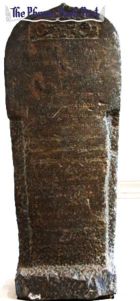
The oldest inscription found in Cambodia is of fifth century CE. Out of the five verses contained in this inscription, four are in sardulavikridita metre and one shows familiarity with Hindu mythology. Some of the inscriptions are very big compositions. The Prasusti of Rajendravarman which contains 298 verses excess all others in size.

J F Stall says, “The Vocañh inscription is written in regular Sanskrit prose, and most of the inscriptions from Cambodia are written in a more correct form of Sanskrit than that which is used in some of the inscriptions from India. The reason for this may be that the Cambodians learned Sanskrit from grammar books and not from native speakers. The Indian grammarian Panini is in fact honoured by being mentioned in these inscriptions; other linguistic works are referred to as well”.

Jean-Michel Filippi, Professor of Linguistics at Royal Phnom Penh University wrote in June 2013, “Cambodian inscriptions make you feel dizzy: new inscriptions are still regularly found and they are very far from having been translated and commented upon.

The implications of this fact are obvious: Cambodian general history may well be known, but there remains very many obscure points which will only be made clear when the inscriptions are deciphered. Thus there is a strong chance that a book about pre-Angkor or Angkor Cambodia written 20 years ago may be simply refuted by the discovery or the deciphering of an inscription”.
budhagupta inscription

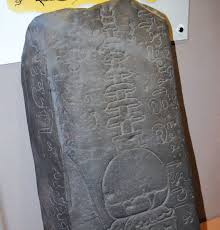
Pallava Grantha Script

Lakshminarayana dasa and Bhaktin Kaunteya of Iskcon, Cambodia, are writing about research in this area and add

“In the beginning of Christian era, Khmer language was only a spoken language. In other terms, at that time, the Khmer did not know how to write. The ancient Khmers borrowed the Indic script to record their own language. So the modern Khmer language is written in a script, which is borrowed from India. It is precisely the Grantha Brahmi script, which is the mother of modern Khmer script. Cambodia has also adopted the Devanagari script and Pallava Grantha script in order to develop its actual alphabets. In the present day Cambodian, about seventy percent words are borrowed from Sanskrit. Such common words as dhanagara (bank), durasabda (telephone),bhasa (language), etc are derived from Sanskrit.

Sanskrit was the court language of the Khmer Empire for more than thousand years. All the royal orders, land transactions, temple administration were recorded in Sanskrit. Slowly the Khmer language shared this role in course of centuries. So after seventh century we find inscriptions partly written in Sanskrit and partly in Khmer.

south_east_asia_map

About 1250 inscriptions have been discovered from the Ancient Angkor Empire. The majority is written in Sanskrit. The aim of the present research is to explore various aspects of cultural relations between India and Cambodia as presented in the epigraphic literature of this country”

Sources:–

Studies in Sanskrit Inscriptions of Ancient Cambodia by M K Charan, 1974

Articles by J F Stall, Jean-Michel Filiippi and Iskcon, Cambodia.
10_The-Vo-Canh-Inscription

Vo Canh Inscription in Vietnam (Champa)

செம்மறி ஆட்டுக் கூட்டம்!

aattu mandhai

சம்ஸ்கிருதச் செல்வம் – இரண்டாம் பாகம்

 Article No 1730; Date 19th March 2015

Written by S Nagarajan

லண்டன் நேரம் காலை 4-55 am


24. செம்மறி ஆட்டுக் கூட்டம்!

.நாகராஜன்

நியாயங்களின் வரிசைத் தொடரில் மேலும் சில நியாயங்களைப் பார்ப்போம்:

अपराह्नच्छायान्यायः

aparahnacchaya nyayah

அபராஹனச்சாயா நியாயம்

சாயாநிழல்

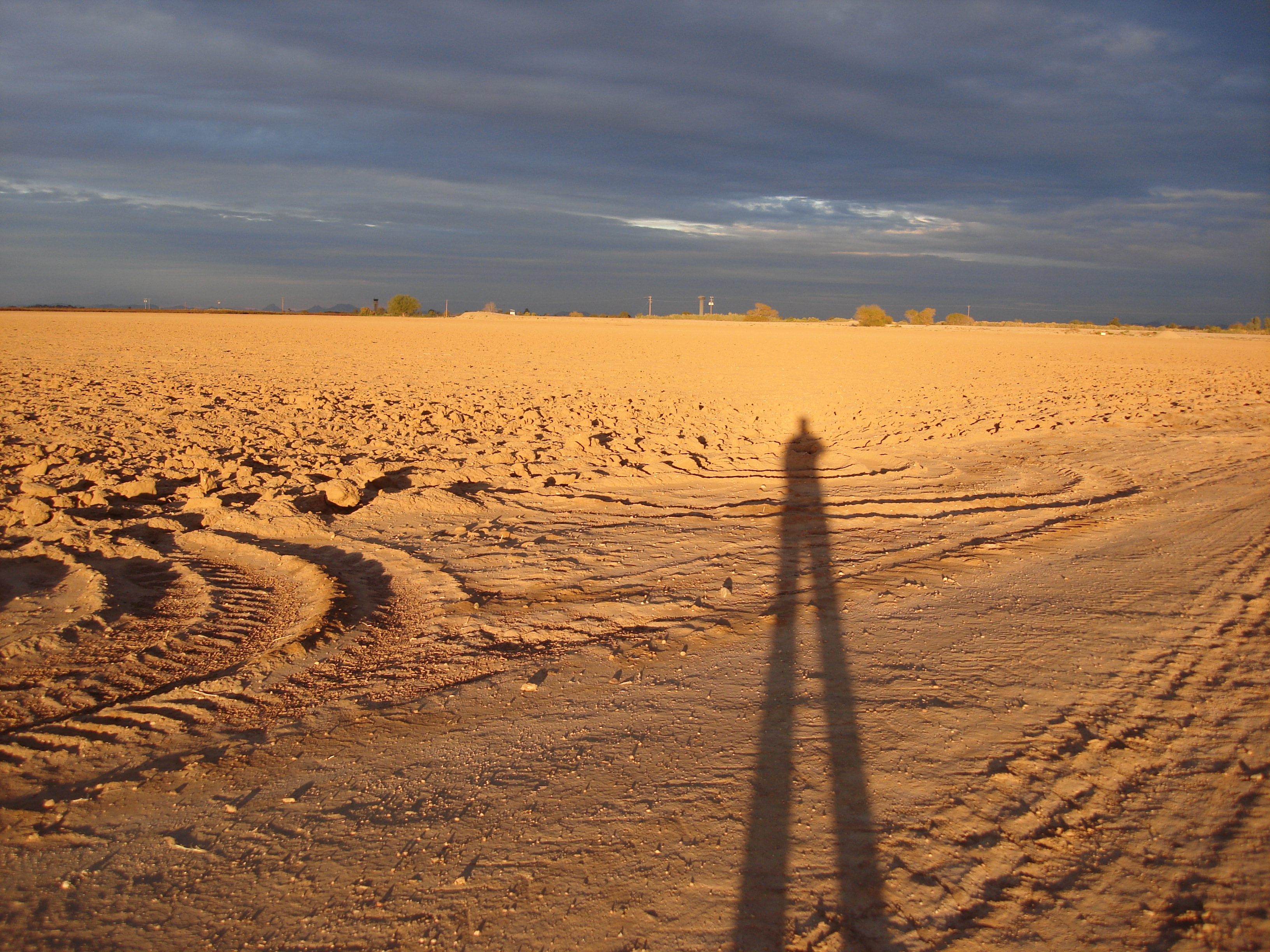
மாலை நேர நிழல் பற்றிய நியாயம் இது

ஒருவனின் வாழ்க்கையில் வளம் குன்றிக் கொண்டே போகிறது. அல்லது பாசத்தின் அடிப்படையிலான நெருக்கம் தேய்பிறை போலக் குறைந்து கொண்டே வருகிறது. அப்போது இந்த நியாயம் சுட்டிக் காட்டப்படும். மங்கும் செல்வம் அல்லது குறையும் உறவின் நெருக்கம் ஆகியவை மாலை நேர நிழலுக்கு ஒப்பிடப் படுகிறது. இருள் சூழும் போது நிழலும் இருக்காது. அது போல இன்னும் சிறிது காலத்தில் இப்போது இருப்பதும் போய் விடும்.

shadow-on-the-farm

इषुवेगक्षयन्यायः

ishuvegaksaya nyayah

இஷுவேகக்ஷய நியாயம்

வில்லிலிருந்து விடுபட்ட அம்பு பற்றிய நியாயம் இது.

வில்லிலிருந்து ஒரு அம்பு எய்யப்பட்டவுடன் அது இலக்கை நோக்கி வேகமாகச் செல்லும். அது தனது இலக்கைத் தாக்கும் வரை ஓயாது. அது போல ஒரு இலட்சியத்தைக் கொண்டுள்ள ஒரு மனிதன் தன் இலட்சியத்தை அடையும் வரை ஓயமாட்டான். தன் இலட்சியத்தை அடைந்தவுடன் எப்படி அம்பை எய்தவுடன் ஒருவன் வில்லைக் கீழே வைக்கிறானோ அதே போல அவனும் தன் கருவிகளைக் கீழே வைத்து விட்டு ஓய்வு எடுப்பான்.

கருமமே கண்ணான ஒருவன் பற்றிய செய்யுளை ஏற்கனவே பார்த்துள்ளோம்:-

குமரகுருபரர் இயற்றியுள்ள நீதிநெறி விளக்கம் நூலில் 52வது பாடலாக அமைந்துள்ளது இது.

மெய்வருத்தம் பாரார் பசி நோக்கார் கண் துஞ்சார்                              எவ்வெவர் தீமையும் மேற்கொள்ளார் – செவ்வி                             அருமையும் பாரார் அவமதிப்பும் கொள்ளார்                                       கருமமே கண்ணாயினார்

செவ்வி அருமை – காலத்தின் அருமை

aaddu

गड्डरिकाप्रवाहन्यायः

gaddarikapravaha nyayah

கட்டரிகா ப்ரவாஹ நியாயம்

தொடர்ந்த ப்ரவாஹத்தைக் குறிக்கும் நியாயம் இது.

நாம் அனைவரும் அறிந்த செம்மறியாட்டுக் கூட்டம் பற்றிய நியாயம் இது. ஒரு செம்மறி ஆட்டுக் கூட்டத்தில் ஒரு ஆடு கிணறில் தவறி வீழ்ந்து விட்டால், அனைத்து ஆடுகளும் கிணற்றில் விழும்.

ஒரு செயல் சரியா, தவறா என்பதையெல்லாம் பாராது, குருட்டுத்தனமாக ஒருவன் செய்யும் செயலையே அனைவரும் செய்ய ஆரம்பித்தால் செம்மறி ஆட்டுக் கூட்டம் போல என்ற இந்த நியாயம் சுட்டிக் காட்டப்படும். சாய்ஞ்சா சாயற பக்கமே சாயற செம்மறி ஆடுகளா என்று திரைப்படப் பாடல் ஒன்று கூட இதைச் சுட்டிக் காட்டுவதை நோக்கலாம்.

எறும்பு

घुणाक्षरन्यायः

ghunaksara nyayah

குணாக்ஷர நியாயம்

பூச்சி ஒன்று மரத்தில் எழுத்தைப் பொறித்தது பற்றிய நியாயம் இது. மரத்தில் பூச்சி ஊர்ந்து ஏற்படுத்தியவை எழுத்துக்கள் போல தற்செயலாக அமைந்திருப்பதைப் பார்த்து விட்டு வியக்கிறோம். பழைய புத்தகத்தைப் பிரித்துப் பார்க்கும் போது உள்ளே பூச்சி அரித்ததால் ஏற்பட்ட அரிப்பு எழுத்துப் போல இருப்பதைப் பார்த்து வியக்கிறோம்.

தற்செயலாக அல்லது அதிர்ஷ்டவசமாக ஏற்படுவனவற்றைச் சுட்டிக் காட்ட இந்த நியாயம் பயன்படும்.

oil pan

तदागमे हि तद दृश्यते

tadagame hi tad drisyate

ததாகமே ஹி தத் த்ரிஷ்யதே நியாயம்

ஒரு அரிய குணம் இயல்பாக வராமல் வேறு இடத்திலிருந்து அடையப்பட்டிருப்பதை இந்த நியாயம் சுட்டிக் காட்டும்.

தீ மூட்டப்பட்டு அதனால் ஏற்படும் வெப்பத்தின் காரணமாகவே எண்ணெய் கொதிக்கிறது. ஆகவே வெப்பம் என்பது எண்ணெயினால் ஏற்பட்ட ஒன்றில்லை; அது தீயினால் ஏற்பட்ட ஒன்று. இன்னொருவன் மூலம் அடையப்பட்ட குணத்தை அல்லது சக்தியை அல்லது ஒரு பேறை ஒருவனுக்குரியதாக எண்ணி விடக் கூடாது அடுத்தவனிடம் கடன் வாங்கிப் பெற்று மகுடம் சூடிக் கொள்வதை இந்த நியாயம் எடுத்துக் காட்டுகிறது.

*************

காக்கை உட்காரப் பனம்பழம் விழுந்த கதை!

crow

Article no.  1727; Date- 18th March 2015

Written by S Nagarajan

London Time- 5-10 am

சம்ஸ்கிருதச் செல்வம் – இரண்டாம் பாகம்

23. காக்கை உட்காரப் பனம்பழம் விழுந்த கதை!

.நாகராஜன்

நியாயங்களின் வரிசைத் தொடரில் மேலும் சில நியாயங்களைப் பார்ப்போம்:

काकतालीयन्यायः

kakataliya Nyayah

காக தாலீய நியாயம்

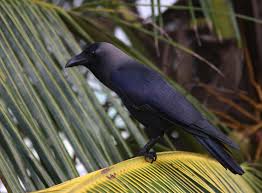
காக்கை உட்காரப் பனம் பழம் விழுந்தது போல என்ற நியாயம் அனைவரும் அறிந்த பிரசித்தி பெற்ற ஒரு நியாயம்.

காக்கை ஒன்று பனைமரக் கிளை ஒன்றில் உட்கார, அதே கணம் அதன் தலையில் பனம் பழம் ஒன்று விழுந்து அதைக் கொல்லப் பார்த்த சம்பவத்திலிருந்து இந்த நியாயம் சுட்டிக் காட்டப்படுகிறது. யதேச்சையாக நடந்த ஒரு சம்பவத்தை சுட்டிக் காட்டுகிறது இது.

காசிகாவிருத்தியில் பாணிணி பற்றிச் சொல்லும்போது இது எடுத்துக்காட்டப்படுவதாக டாக்டர் எக்கிலிங் (Dr Eggeling) சுட்டிக்காட்டுவதாக கர்னல் ஜி.ஏ.ஜாகோப் (Colonel G.A.Jacob – A Handful of Popular Maxmims- Current in Sanskrit Literature – Volume 1 page 17) எடுத்துக் காட்டுகிறார்.

நீலகண்ட கோவிந்தர் மஹாபாரதம் சாந்திபர்வத்தில் தனது விளக்கவுரையில் இந்த நியாயத்தைச் சுட்டிக் காட்டுகிறார்.

அவர் கூறுவது: காக்கை உட்காருவதும் பனம் பழம் விழுவதும் இரண்டு தனித் தனிச் செயல்கள். யதேச்சையாக ஒன்றுக்கு ஒன்று தொடர்பு இல்லாமல் நடந்தவை. ஆனால் காக்கை உட்கார்ந்ததால் தான் பனம் பழம் விழுந்ததாக எடுத்துக் கொள்வது போல இந்த நிகழ்வு அமைகிறது.

இந்தத் தொகுப்புகளை கர்னல் ஜாகோப் தொகுத்துக் காட்டுகிறார்.

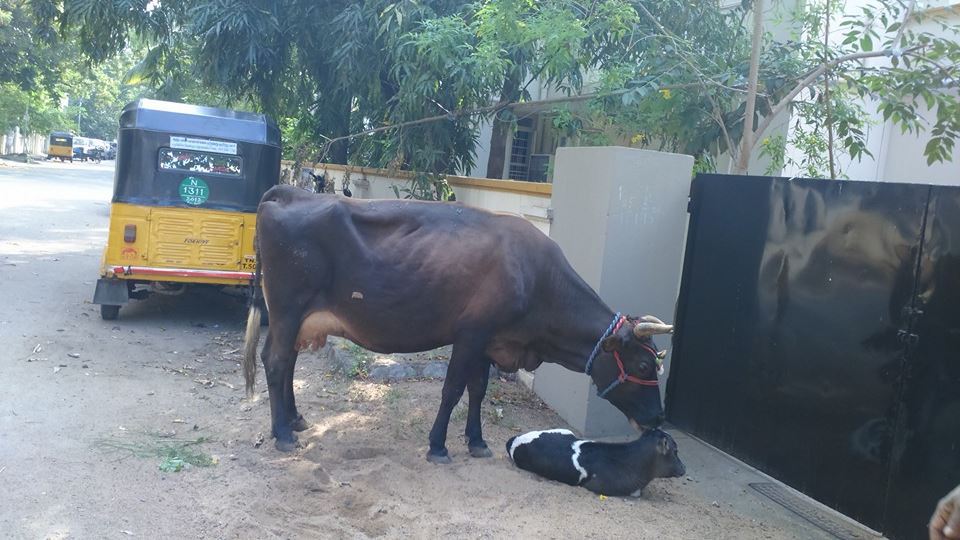
வழிபாடு

गोमयपायसीयन्यायः

gomayapayasiya nyayah

கோமயபாயசீய நியாயம்

கோமயமும் (பசுஞ்சாணி) பால் பாயசமும் பற்றிய நியாயம் இது.

முட்டாள் ஒருவன் சாணி, பசும்பாலினால் தான் ஆனது; ஏனெனில் அது பசுவிடமிருந்து தானே வருகிறது என்று வாதம் புரிந்தால் அவன் புத்தியை என்னவென்று சொல்வது? முட்டாள்தனமாக வாதம் புரிவதை –  விதண்டா வாதம் புரிவதைஇந்த நியாயம் எடுத்துக் காட்டுகிறது.

யோகசூத்திரத்தில் வியாசபாஷ்யத்தில் இந்த நியாயம் அழகுற எடுத்துக் காட்டப்படுகிறது.நியாயவார்திக தாத்பர்ய டீகாவிலும் இது எடுத்துக் காட்டப்படுகிறது.

புத்தரின் சர்வதர்சன சங்க்ரஹத்தில் இந்த நியாயம் பார்க்கப்படும் பொருள் மற்றும் பார்ப்பவன் பற்றி எடுத்துரைக்கும் போது சுட்டிக் காட்டப்படுகிறது.

இந்த விளக்கங்களை சம்ஸ்கிருத மேற்கோள்களுடன்  கர்னல் ஜி.ஏ.ஜாகோப் நூலில் படிக்கலாம். (Colonel G.A.Jacob – A Handful of Popular Maxmims- Current in Sanskrit Literature – Volume 1 page 25)

குறிப்பு: –

இத்துடன் இந்தத் தொடரில் இத்துடன் நூறு நியாயங்கள் விளக்கப்பட்டுள்ளன. நியாயம் பற்றி அதிகம் அறிந்து கொள்ளப் பலரும் விரும்புவர். ஆங்கில அறிவும் சம்ஸ்கிருத ஞானமும் கொண்டவர்கள் கர்னல் ஜி.ஏ,ஜாகோப் தொகுத்து எழுதியுள்ள A Handful of Popular Maxmims- Current in Sanskrit Literature நூலை இணையதளத்தில் படிக்கலாம்; இலவசமாக தரவிறக்கமும் செய்து கொள்ளலாம்.

vatsalyam

இனி, நூற்றியொன்றாவது நியாயம், தொடர்கிறது:-

कार्यनाशे कारणनाशः

karyanase karananasah

கார்யநாஷே காரண நாஷ நியாயம்

ஒரு காரணத்தினால் தான் ஒரு விளைவு ஏற்படுகிறது. விளைவைத் தடுக்க என்ன செய்வது? காரணத்தை அழித்து விட்டால் காரியம் அதாவது விளைவே ஏற்படாது. காரண நாசத்தினால் காரிய நாசம் ஏற்படும் இந்த நியாயம் பிரபலமான ஒன்று.

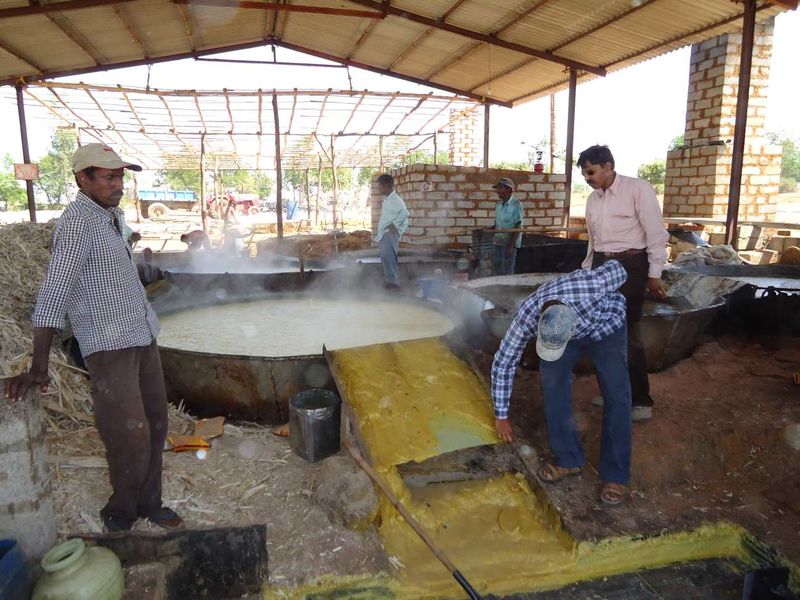
the-boiled-sugarcane-

गुडजिह्मिकान्यायः

gudajihmika nyayah

குடஜிஹ்மிகா நியாயம்

சர்க்கரைப் பாகும் வேம்பும் பற்றிய நியாயம் இது.


குழந்தையின் உடல் நலத்திற்காக வேப்பம்பழம் தர வேண்டிய அவசியம் ஏற்படுகிறது. கசப்பான வேம்பை குழந்தை எப்படி சாப்பிடும்? அதைச் சாப்பிட வைக்க முதலில் இனிப்பான கருப்பஞ்சாறை முதலில் கொடுத்து கூடவே வேம்பையும் தருவது உலக வழக்கம்.


ஒரு காரியத்தை நிறைவேற்ற முயலும் போது அதில் இருக்கும் கஷ்டங்களை நினைத்து ஒருவன் மலைத்து நிற்கையில் அவனுக்கு சுலபமான சில வேலைகளை முதலில் கொடுத்து விட்டுப் பிறகு அந்த கஷ்டமான வேலையைக் கொடுத்தால் அதைச் செய்வதற்கான மனப் பக்குவமும் திறமையும் அவனுக்கு வந்து சேரும்.


இது போன்ற சந்தர்ப்பங்களில் இந்த வேம்பும் கருப்பஞ்சாறும் பற்றிய நியாயம் சுட்டிக் காட்டப்படும்.

**********

PUN IN SANSKRIT LITERATURE

lang_tree

Picture of language tree

Written by S Nagarajan

Article no. 1721; dated 16  March 2015

Up loaded at 8-25 am London time


PUN IN SANSKRIT LITERATURE

By S.NAGARAJAN


The book under review titled Pun In Sanskrit Literature – A New Approach is a fantastic book.

All Sanskrit lovers and pun lovers should read this book without fail.

The book was first published by Mysore University, India in 1982. The author Gurupad K Hegde is a great scholar and has written this book after intense study of Sanskrit literature for many years.

The book has nine chapters.

sanskrit

The first chapter deals with the pun as alankara in Sanskrit literature.

The origin of pun starts with the first kavya (adi kavya) of the world written by the world’s first poet, sage Valmiki.

The origin of Ramayana is from a sloka of pun! The verse starts with ‘ma nisada’ is a curse on the hunter that he should never attain salvation for he killed the beautiful krauncha bird which was absorbed in love. And wonderfully, the verse also means that the great Lord Vishnu may attain a position for ever as he killed the demon Ravana and Vali.

The author describes in detail the root cause of the concept of fun, the nature of the words in pun and objects of the pun in the second chapter.

The author gives numerous examples to explain the figurative combinations in the great and beautiful language Sanskrit in chapter three.

Chapter four of the book deals with the role of pun in classical Sanskrit literature. The author indicates Shakespeare’s lines in Othello (III-2) The word ‘lies’ in the conversation of Desdemona and Clown is a witty use of pun to mean ‘lodging’ as well as telling a lie!
TREES

The great poets Sri Harsha, Bhavaputi, Asvaghosa, Bharavi, Magha, Dandin have used Slesha or pun in their works.

And it is to be noted that the only language which has kavyas where two or more stories are narrated throughout the full length of a poem is Sanskrit. Thus we have kavyas which describes Ramayana and Mahabharata in the same verse!

Needless to say that the author has dealt the Mahabharata kuta slokas which means the slokas with knots!

While the fifth chapter deals with functional pun and the sixth chapter deals with perceptional pun and the seventh with situational pun! The eighth chapter of the book deals with the impact of pun in iconography.

The author concludes in his concluding chapter that pun is everywhere starting from vedic literature to the modern literature which gives the experiences of day to day business of life.

Over three hundred selected verses are given as examples to understand the pun in Sanskrit literature.

On completing the book we are wonderstruck with the author’s deep reading as well as with the vastness of the wonderful t Sanskrit literature!

Index of subject and index of 300 verses will be useful to the readers.

Finally, we may pray that more such books should come to enlighten us!

*******************

எண்ணெய் இல்லாமல் விளக்கை எரிப்பது எப்படி?

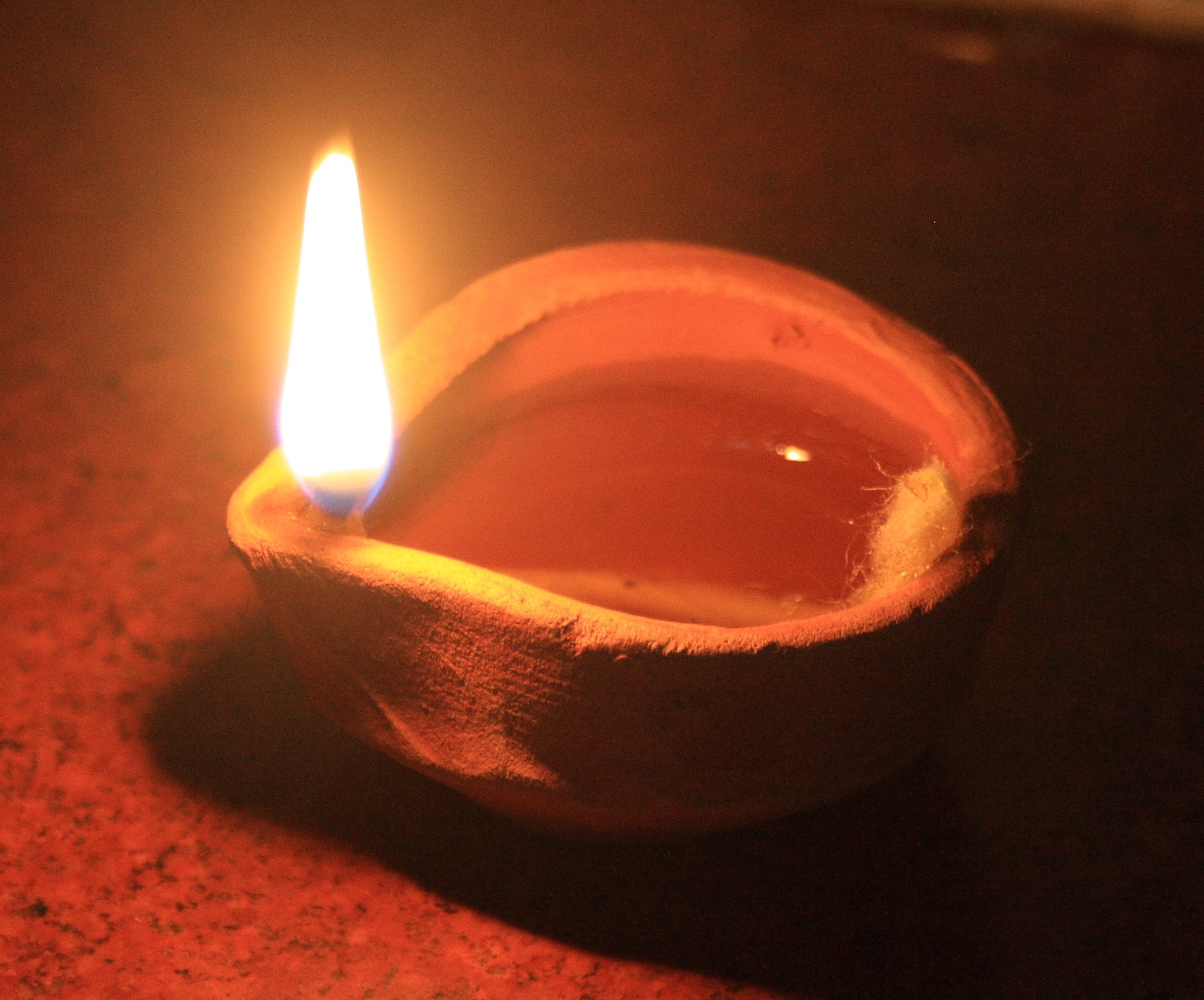
DiwaliOilLampCrop

Oil Lamp picture from Wikipedia

Written by S Nagarajan

Article No 1691; Date 5th March 2015

London Time: 6 am

சம்ஸ்கிருதச் செல்வம் – இரண்டாம் பாகம்

19. எண்ணெய் இல்லாமல் விளக்கை எரிப்பது எப்படி?

.நாகராஜன்

நியாயங்களின் வரிசைத் தொடரில் மேலும் சில நியாயங்களைப் பார்ப்போம்:

अन्तेरंडाविवाहश्चेदादावेव स कुतो न इति न्यायः

ante randavivahascedadaveva sa kuto na iti nyayah

அந்தே ரண்டாவிவாஹஷ்சேதாதாவேவ குதோ இதி நியாயம்

விதவையைக் கல்யாணம் செய்வது பற்றிய நியாயம் இது.

ஒரு விதவையைக் கல்யாணம் செய்து கொள்ள விரும்பினால் ஏன் அவள் மணம் புரிந்து கொண்டு விதவையான பின்னர் அவளை  மணம் புரிந்து கொள்ள விரும்ப வேண்டும்? அவள் கன்னியாக இருந்த போது அவளை மணம் முடித்திருக்கலாமே!

இந்த நியாயம் ஒரு காரியத்தை அது முடிக்க வேண்டிய உரிய காலத்தைக் கடந்து விட்ட பின்னர் முடிக்க நினைப்பதைக் குறிக்கிறது.

குறித்த பருவத்தில் செய்ய வேண்டிய காரியத்தை அந்தந்த காலத்தில் செய்து முடிக்க வேண்டும் என்பதை உணர்த்த வரும் நியாயம் இது.

calpping hands

Clapping hands

अन्धकवर्तकीयन्यायः

andhak vartakiya Nyayah

அந்தகவர்தகீய நியாயம்

கைகளைத் தட்டுபவனும் பறவையும் பற்றிய நியாயம் இது.

ஒருவன் தன் இரு கைகளையும் பலமாகத் தட்டிக் கொண்டே இருக்கிறான். அவன் கைகளில் பறவை உட்கார்ந்திருக்க முடியுமா?

அதன் உயிருக்கே அது ஆபத்தாக அல்லவா அது முடியும்!

இது நினைத்துப் பார்க்கவே முடியாத ஒன்று! ஆக இது போல நினைத்துப் பார்க்க முடியாத ஒரு காரியத்தைக் குறிக்க வரும் நியாயம் இது.

Nausea

Nausea/vomiting image

अन्यद्भुक्तमन्यद्वान्तमितिन्यायः

anyadbhuktam anyadvantamiti nyayah

அன்யத்புக்தம் அன்யத்வாந்தமிதி நியாயம்

சாப்பிட்டது ஒன்று; வாந்தி எடுத்தது இன்னொன்று என்பது பற்றிய நியாயம் இது!

எதையாவது ஒன்றை உண்ட பின்னர் வாந்தி எடுத்தால் உண்டது தானே வர வேண்டும்!

ஒரு கேள்வி கேட்கப்படும் போது அதற்கு விடை அளிக்காமல் வேறு எதையாவது பதிலாகச் சொல்லும் போது இந்த நியாயம் உரைக்கப்படும்.

கேள்வியையே தொடவில்லையே, எதையோ உளறுகிறாயே என்று சொல்ல இந்த நியாயம் பயன்படும்.

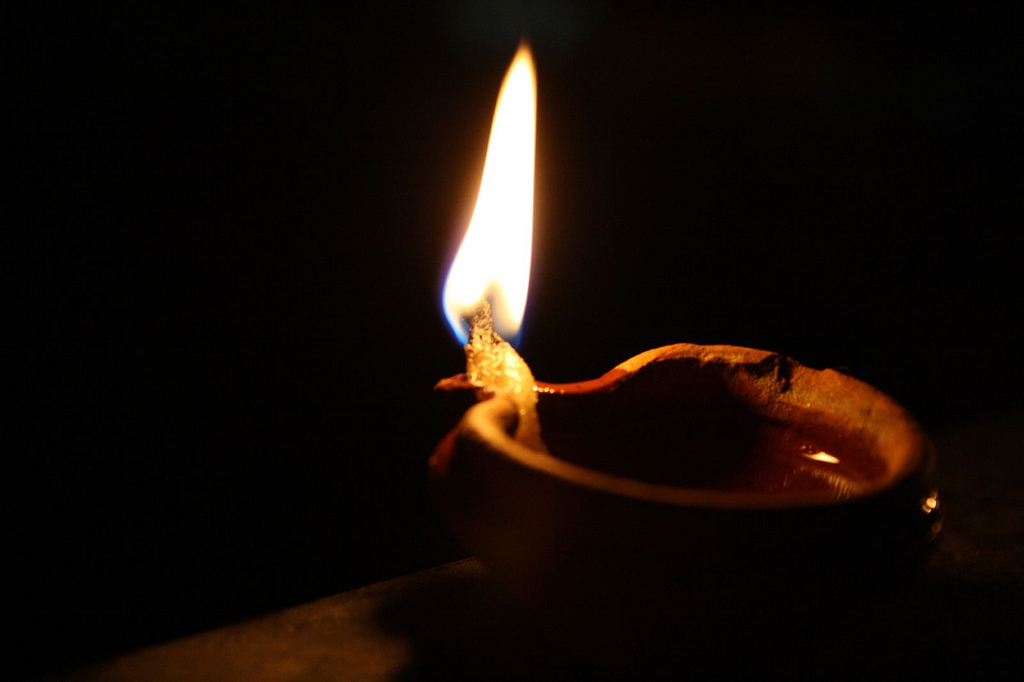
oil_lamp

अस्नेहदापनन्यायः

asnehadapana nyayah

அஸ்நேஹதாபன நியாயம்

எண்ணெய் இல்லாமல் எரிக்கப்படும் தீபம் பற்றிய நியாயம் இது!

இது பல இடங்களில் பயன்படுத்தப் படும் ஒன்று.

ஒரு மனிதன் தான் சம்பாதிப்பதை விட அதிகமாகச் செலவழிக்கும் போது எண்ணெயே இல்லாமல் எப்படி தீபம் எரியும்வரவு இல்லாமல் செலவழிப்பது எப்படி சாத்தியம்என்ற இந்த நியாயம் சுட்டிக் காட்டப்படும்.

அஸ்திவாரமே இல்லாமல் ஒருவன் கட்டிடம் எழுப்பினால் அது என்ன ஆகும்?

இயல்பான அழகே இல்லை; தன்னை அழகாக எப்படிக் காட்ட முடியும்?

உள்ளீடே இல்லை; பெரிதாக தன்னை எல்லாம் இருப்பது போல ஒருவன் எப்படிக் காட்ட முடியும்?

நிரந்தர நன்மையை நினைக்காமல் வந்து போகும் ஒன்றை விரும்பினால் அது நிலைக்குமா?

இப்படிப்பட்டப் பல்வேறு சூழ்நிலைகளில் இந்த நியாயம் சுட்டிக் காட்டப்படும்.

punching sky

Punching air picture

अकाशमुष्टिहननन्यायः

akasamushtihanana nyayah

ஆகாசமுஷ்டிஹனன நியாயம்

கைகளின் முஷ்டியினால் ஆகாயத்தை அடிப்பது பற்றிய நியாயம் இது!

ஆக்ரோஷமாக கைகளின் முஷ்டியினால் ஆகாயத்தை ஒருவன் அடிக்கத் தொடங்கினால் அவனை என்னவென்று சொல்வது!

முடியாத ஒன்றை ஒருவன் செய்யும் போது இந்த நியாயம் சுட்டிக் காட்டப்படும்!

???????????????????????????????????????????????????????????????????????????????????????????????????????????????????????

********

swami_48@yahoo.com

Water Purification Techniques in Ancient Indian Literature!

Strychnos_potatorum_5

Clearing nut (Strychnos potatorum = Thetraang Kottai in Tamil)

Written by London swaminathan

Research Article No. 1688; Dated 3 March 2015.

Water is a rare commodity in certain parts of India. There is a proverb in Tamil, “Treat Water as Precious” – “Neeraiyum Seeraadu”. Villagers have to walk miles together just to get some water for their day to day essential use. Even that water is murky or muddy. Indian literature is full of stories about mass migration because of big droughts. We read about the droughts and migration in Vedic literature and later Tamil literature. Indus valley civilization was also affected by acute drought. Mahabharata described the drought in Saraswati River basin and the Brahmins moved out of that area.  have collected all the references to drought in the Vedas and Tamil literature for my research.

Waterpurify

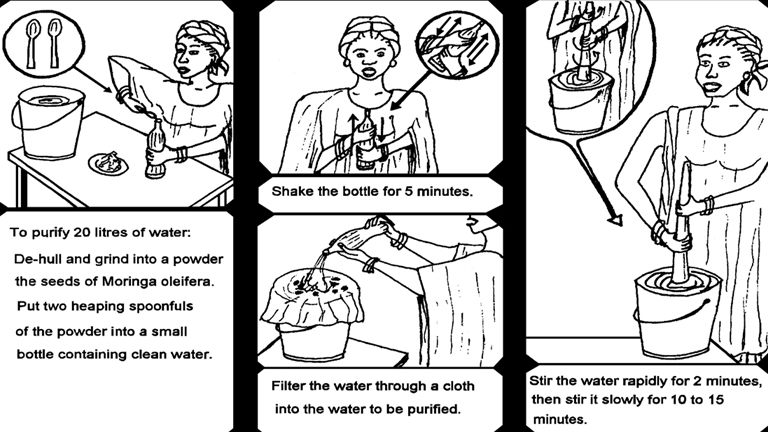
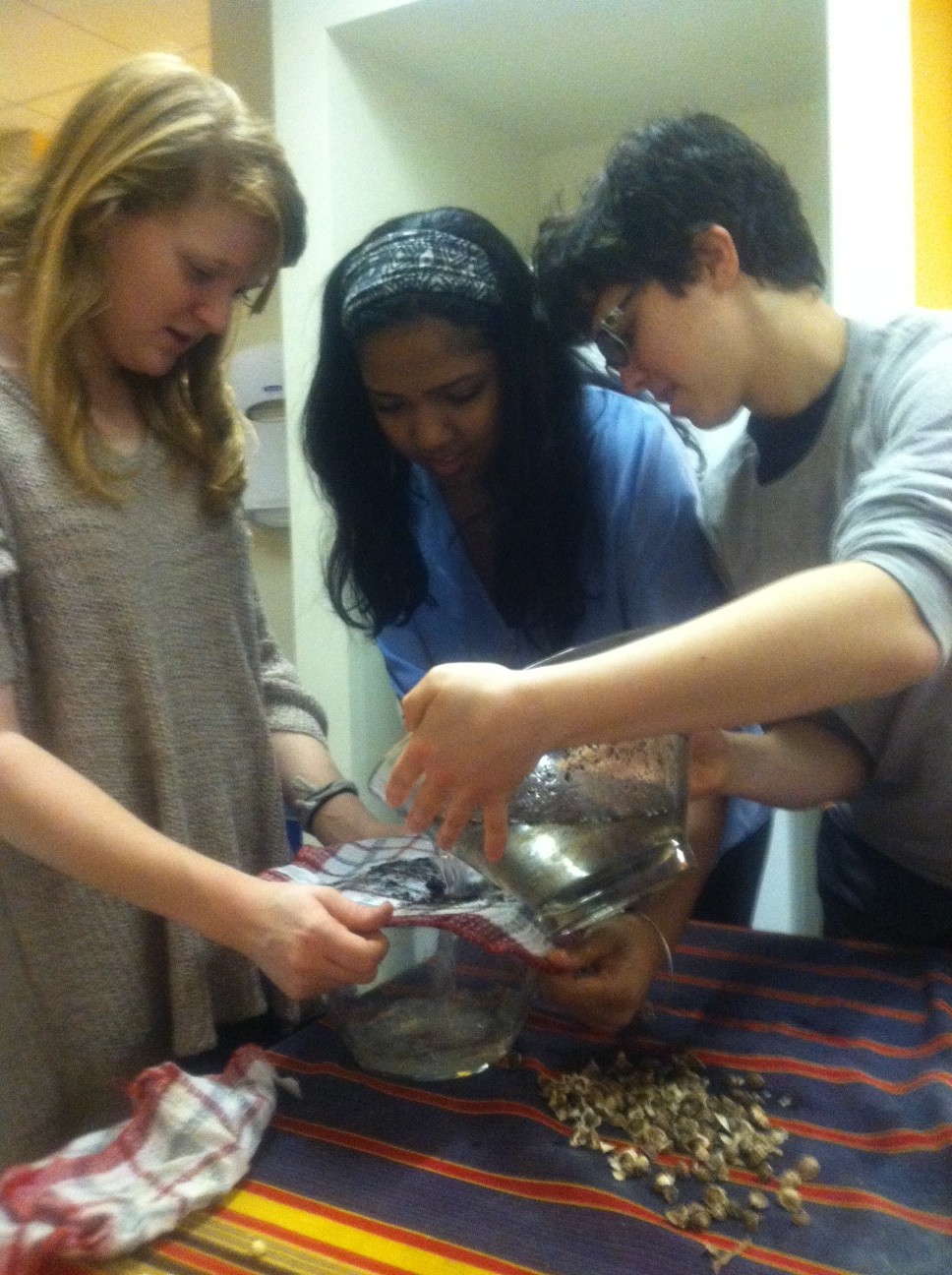
Water purification in African countries with drumstick tree

Even in the areas where water is available, there were certain periods of acute scarcity. So the ingenious people have found out some techniques for water purification. Usually they dugout water springs in the dry river beds or some places identified by the trees. Varahamihira has dealt with this in a separate chapter in his Brhat Samhita (Please read my earlier article on this topic: How to find water in the desert? Posted on 16th February 2015 in this blog)

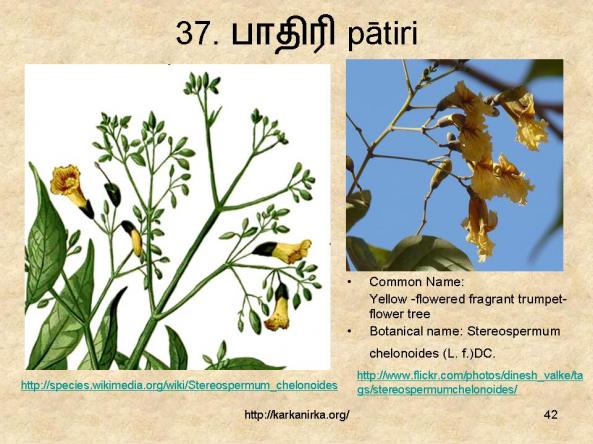
pathiri

Tamil Books on Water purification

Kalitokai is an anthology of Sangam Tamil period. It is dated to first three centuries CE. A confused woman who later became clear and composed is compared to the water that is purified by the clearing nuts (Kalitokai, Neithar Kali by Poet Nallanthuvanar):

“ How come she has become bright and composed now! As soon as she embraced that broad chested man, she has become clear like the water that has become crystal clear after adding the Thetraankottai (Clearing nuts)”

Naladiyar is an anthology of 400 verses in Tamil. It is dated to eighth century CE. One of the verses says about the unlearned people,

“Though they be unlearned, if they move in the society of the learned, the former will grow wise and learned just as the new earthen pot by its contact with the bright coloured “Paathiri” flower, imparts its fragrance to the water deposited in it”.

best water

जलकतकरेणुन्यायः

jalakatakarenu nyayah

Sanskrit language has got many Nyayas (analogies or similes) and one of them is jala katakarenu nyaya. The nyaya is used to illustrate that dirty things can be purified by mixing with good things. If you mix the kataka powder (Clearing nut powder), then the water gets purified-  is the message. This is used by great people like Sri Sathya Sai baba to bring out the sacrifice one makes in community service. He used to say, “bring out the good in the society and disappear like Kataka powder. Once it purifies the water it dissolves in the water and loses its shape. A social worker also should sacrifice his name, fame and identity when he serves the community like the kataka powder” — is the message, he gives.

KATAKA = Strychnos potatorum = clearing nut tree= Thetra maram in Tamil

It is a common sight in South Indian houses that a corner is allocated for a mud pot. There the mud pot is placed on a heap of river sand and in the water pot they put Vettiver or pathiri flower for fragrant and cool drinking water.

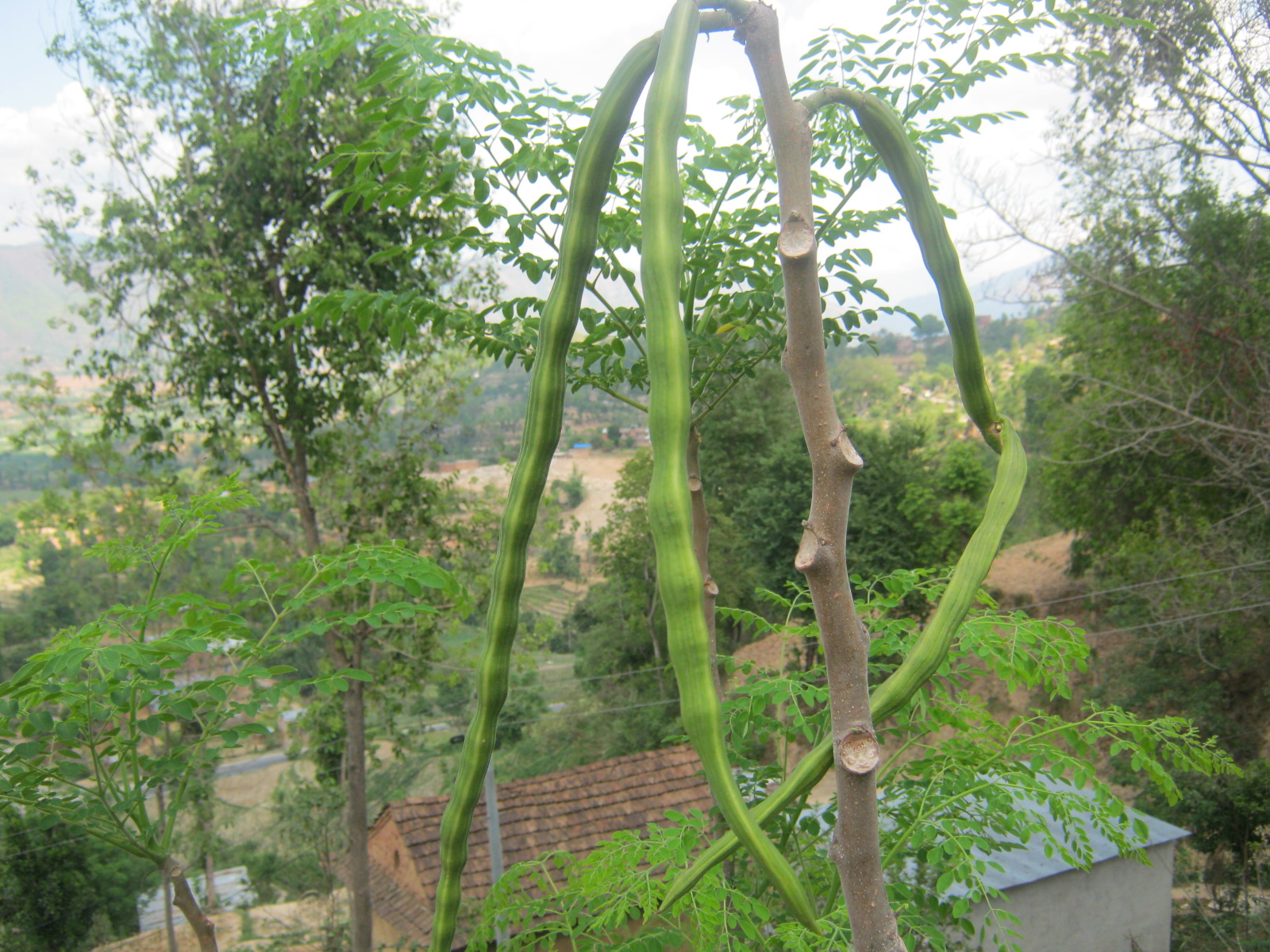
Moringa_oleifera_pods_NP

Drumstick tree is used in African countries for water purification.

Varahamihira on Water purification

Brhat Samhita – Chapter 54

“A mixture of antimony, and the powder of Bhadramusta ( a kind of grass) bullbs, andropogon, Rajakostaka and myrobalan combined with Kataka nuts should be dropped into a well.

Anjanasusthosariirai: saraajakosathakaamalakachurnai:

Kathakafalasamayukthairyoga kuupe pradhaatavya:

(Kataka = Strychnos potatorum- Clearing Nut tree. Cilliya mara , Tettamaram in Tamil and Malayalam;  Anjana is translated as antimony; but it has other meanings in Sanskrit).

Even the water that is muddy, bitter, saltish, bereft of good taste, and of bad odour, will become clear/pure, of good taste and good smell and endowed with other qualities”.

the-moringa-book

The villagers living in arid areas will be benefitted if they follow ancient scriptures. In African countries they use the seeds of Moringa oleifera, a common vegetable used in South India and Sri Lanka.

moringa-oleifera-powder2

Swami_48@yahoo.com

Navaratna Mystery in Sanskrit Literature!

nine

Written by London swaminathan

Research Article No. 1684; Dated 1st March 2015.

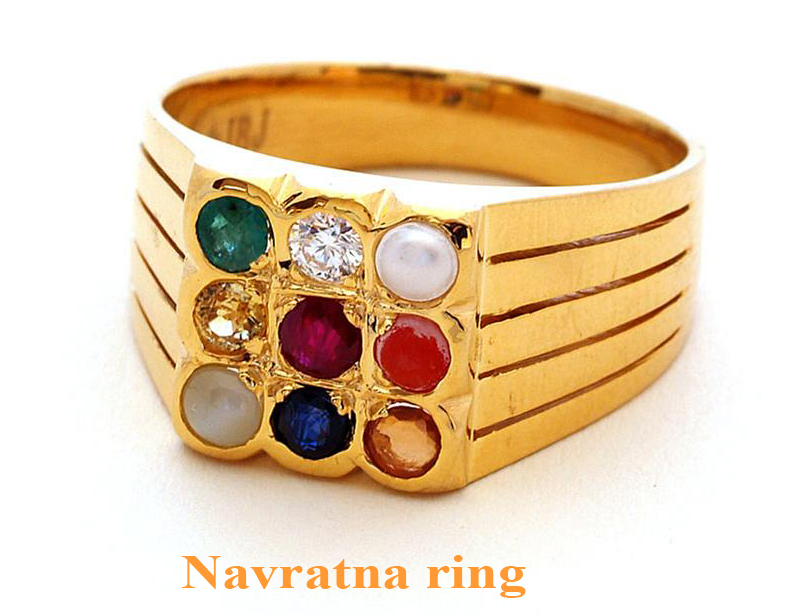
Navaratna means nine gems. This word is used in gemmology and in Sanskrit literature. In gemmology it means the nine gems Diamond (Vajra), Ruby (Manikya or Padmaraga), Emerald (Marakatha), Sapphire (Neelam), Topaz (Pushparaka), Pearl (Mukta), Coral (Pravala), Cat’s Eye (Vaidurya) and Gomedaka (garnet). But I am dealing with the Navaratna in Sanskrit literature. The mystery about nine gems or nine jewels in Sanskrit literature is not solved till this day. The reason being

Navaratna-setting-system

Yellow sapphire=Pushparaka; Hessonite=Gomedaka

1.The sloka about nine literary gems is a very late composition.

2.The Sanskrit verse mentioned nine people in the Royal court of Emperor Vikramaditya. The most famous Vikramaditya of Indian history lived in the first century BCE. We have one era known as Vikrama Samvat (56 BCE) in our calendar system. Because of his fame, for at least 1000 years, several other kings also called themselves Vikramaditya! But the nine literary gems lived in different ages. So they would not fit into his court!

3.Of the nine scholars, we did not know about four scholars except their names.

4.Kalidasa was the most famous scholar in the list. He could have lived in the first century BCE, renowned Sanskrit scholars believe so. (Please read my earlier articles on Kalidasa’s age through Sangam Tamil literature).

number_nine

The Sanskrit verse runs like this:

Danvantri Kshapanaka Amarasimha Shanku Vetalabhatta Ghatakarpar Kalidasa

Kyato Varahamihiro nrupate sabhayam ratnani vai Vararucir nava Vikramasya

This verse is found in “Jyotirvidbharana” of the sixteenth century. The nine jewels according to the verse are

Dhanvantri

Kshapanaka

Amarasimha

Sankhu

Vetalabhatta

Ghatakarpara

Kalidasa

Varahamihira

Vararuci

Navratna-ring-2

We knew for sure that Varahamihira of Brhat Samhita lived in the sixth century CE. Amarasimha, the author of 10,000 word dictionary Amarakosa lived around fourth century CE. Kshapanaka was a lexicographer but we don’t have his work. We don’t know anything about Kshapanaka , Ghatakarpara and Sankhu. Vetala Bhatta was the author of Vetala (Ghost) stories. Danvanatri was the author of several medical works.

Several great authors with the name Vararuci lived from fourth century BCE to 13th century CE. Most famous Vararuci was the author of Vartika who explained Panini’s Grammar. So we did not know which Vararuci is mentioned in the ‘navaratna’ verse.

Sankhu is represented by a few odd verses in later anthologies and Ghata karpara by collections of gnomic stanzas.

Everyone knew about the greatest of the Indian poets, Kalidasa, who was the author of at least seven works. Unless we can prove that all these people lived around first century BCE, we can’t place them in the court of Emperor Vikramaditya.

Problem with Indian literature is that there was constant updating. All the Puranas and important Sanskrit works were updated with latest information. Westerners interpreted it as interpolations or stamped it as a work of a later date. It happened with Adi Shankara as well. Several works of later Shankaracharyas were also attributed to Adi Shankara. Because of this Adi Shankara was dated to 732 CE which is wrong (Please read my article Shankar’s age through Tamil literature).

ratnaring

Whether the nine gems/jewels lived at the time of Vikramaditya or not, the great works of Danvantri, Kalidasa, Amarasimha, Vetalabhatta and Vararuci are real literary gems!

contact swami_48@yahoo.com