நாஸா (NASA) வியக்கும் சம்ஸ்கிருத மொழி!

ச.நாகராஜன்

கடவுளரின் மொழி!

வளர்ந்து வரும் விஞ்ஞானத் துறைகளுள் ஒன்று மொழியியல் துறை!

நாளுக்கு நாள் வளர்ந்து வரும் இந்தத் துறை புதுப் புதுக் கண்டுபிடிப்புகளை உலகினருக்கு அறிவித்து வருகிறது. இந்தக் கண்டுபிடிப்புகளுள் ஒன்று சம்ஸ்கிருத மொழியின் அதிசயம்!

கடவுளரின் மொழி என்றும் தேவ நாகரி என்றும் அழைக்கப்படும் சம்ஸ்கிருதம் என்றால் சம்பூர்ணமான மொழி – perfect language – என்று பொருள்!

ஒலி அதிர்வுகளின் மகிமையை உள்ளுணர்வாலும் தவத்தாலும் அறிந்த மகரிஷிகள் ஒலி ஆற்றலைப் பயன்படுத்த சம்ஸ்கிருதமே சிறந்த கருவி என்று கண்டறிந்தனர். “உண்மையைத் தேர்வோம்” என நினைத்த அவர்கள் பயன்படுத்தியது சம்ஸ்கிருத மந்திரங்களேயாகும்.உலகின் மிகப் பழமையான மொழிகளில் ஒன்று சம்ஸ்கிருதம்!


எளிமையானது, தூய்மையானது, கடவுளின் படைப்பின் மகிமையை உணர்த்துவது.ஜோஸப் காம்பெல் சொன்னது போல உலகின் ஆன்மிகக் களஞ்சியத்தைத் தன்னகத்தே கொண்டுள்ளது இது.


அல்பெரூனி வியந்த புராணம்

இந்தியா வந்த அல்பெரூனி இந்தியாவில் சம்ஸ்கிருதத்தில் இருக்கும் புராணங்களைக் கண்டு வியந்து “அதில் எல்லாம் இருக்கிறது” என்று அதிசயித்துக் கூறினான். 18 புராணங்களையும் வரிசையாகக் குறிப்பிட்டுள்ள அவன் தன்னால் மத்ஸ்ய, ஆதித்ய, வாயு புராணங்களின் சில பகுதிகளை மட்டும் பார்க்க முடிந்தது என்று ஆதங்கப்படுகிறான்.

ஐந்து லட்சத்து ஐம்பதினாயிரம் சுலோகங்களில் அனைத்தும் அடக்கம்!

இனி 18 புராணங்களில் உள்ள ஸ்லோக எண்ணிக்கையைப் பார்க்கலாம்:-


பிரம்ம புராணம் சுமார் 13000 ஸ்லோகங்கள்

பத்மம் சுமார் 55000 ஸ்லோகங்கள்

விஷ்ணு -சுமார் 23000 ஸ்லோகங்கள்

சிவ -சுமார் 24000 ஸ்லோகங்கள்

பாகவதம்- சுமார் 18000 ஸ்லோகங்கள்

பவிஷ்யம் -சுமார் 14500 ஸ்லோகங்கள்

மார்க்கண்டேயம் சுமார் 9000 ஸ்லோகங்கள்

ஆக்னேயம்- சுமார் 15000 ஸ்லோகங்கள்

நாரதீயம் – சுமார் 25000 ஸ்லோகங்கள்

பிரம்ம வைவர்த்தம் சுமார் 18000 ஸ்லோகங்கள்

லிங்கம் சுமார் 11000 ஸ்லோகங்கள்

வராஹம் சுமார் 24000 ஸ்லோகங்கள்

ஸ்காந்தம் சுமார் 81000 ஸ்லோகங்கள்

வாமனம் சுமார் 2400 ஸ்லோகங்கள்

கூர்ம சுமார் 5246 ஸ்லோகங்கள்

மத்ஸ்யம் சுமார் 1402 ஸ்லோகங்கள்

காருடம் சுமார் 19000 ஸ்லோகங்கள்

பிரம்மாண்டம் சுமார் 12000 ஸ்லோகங்கள்

ஆக சுமார் 370541 ஸ்லோகங்களுடன் தேவி பாகவதத்தில் உள்ள 18000 ஸ்லோகங்களையும் கணக்கிட்டால் 388548 ஸ்லோகங்கள் ஆகின்றன!


இது தவிர மஹாபாரதம் ஒரு லட்சம் சுலோகங்களாலும் வால்மீகி ராமாயணம் சுமார் 24000 ஸ்லோகங்களாலும் ஆகி இருப்பதை சேர்த்துக் கொண்டால் 512548 ஸ்லோகங்கள் ஆகின்றன.


நமக்குக் கிடைக்கக் கூடிய ஒரு சில பதிப்புகளை வைத்தே இந்த கணக்கீடு உள்ளது என்பதால் அனைத்துப் பதிப்புகளையும் நன்கு ஆராய்ந்தால் சில ஆயிரம் ஸ்லோகங்கள் கூடுதலாகவும் இருக்கலாம். ஆக சுமார் ஐந்து லட்சத்து ஐம்பதினாயிரம் ஸ்லோகங்களில் பிரபஞ்சம் பற்றிய மற்றும் பிரபஞ்சத்தில் உள்ள அனைத்து அறிவையும்  இவ்வுலக வாழ் நெறிகளையும் மோட்ச வாழ் நெறிகளையும் மோட்ச மார்க்கத்தையும் நம் முன்னோர்கள் சுட்டிக் காட்டி உள்ளனர்.இவற்றில் இல்லாதது வேறெங்கும் இருக்கப் போவதில்லை!

நாஸா(National Aeronautics and Space Administration) வியக்கும் சம்ஸ்கிருத மொழி! இப்படிப்பட்ட மொழிக்கும் விஞ்ஞான ஆராய்ச்சிக்கும் என்ன சம்பந்தம்?

எல்லா மொழிகளையும் தன் பயன்பாட்டிற்காக ஆராய்ந்த நாஸா சம்ஸ்கிருதம் ஒன்றே பூமியில் உள்ள ஒரே தெளிவான மொழி என்று கூறுகிறது. விஞ்ஞான ரீதியாகவும் சரியான அமைப்புள்ளதாகவும் உள்ள மொழி இது. நாஸாவைச் சேர்ந்த ரிக் ப்ரிக்ஸ் தனது நீண்ட கட்டுரையில் இதன் பெருமைகள் பற்றி விளக்கமாகக் கூறுகிறார்.

இதனுடைய இலக்கணம் பரிபூரணமானது. உலகெங்கும் உள்ள அறிஞர்களைத் தன் வசம் இழுத்துள்ளது.சமீபத்தில் கணிணி விஞ்ஞானிகள் கணிணி பயன்பாட்டிற்கான சிறந்த மொழி சம்ஸ்கிருதமே என்று அறிவித்துள்ளனர்.

வியக்க வைக்கும் மொழி அமைப்பு!

1984ம் ஆண்டு ஆர்டிபிஷியல் இன்டெலிஜென்ஸ் – AI- என்ற பத்திரிக்கை மெஷின் ட்ரான்ஸ்லேஷனுக்கு – இயந்திர மொழி பெயர்ப்பிற்கு சம்ஸ்கிருதம் சிறந்த இடை மொழியாக இருக்கிறது என்று அறிவித்தது. அதாவது ஜப்பானிய மொழியை ஆங்கிலத்திற்கு மொழி பெயர்க்க வேண்டுமென்றால் முதலில் ஜப்பானிய மொழியை முதலில் சம்ஸ்கிருதத்திற்கு மொழி பெயர்க்க வேண்டும்; பின்னர் அதை ஆங்கிலத்திற்கு மாற்ற வேண்டும்.இதற்கான காரணம் சம்ஸ்கிருத மொழியின் அமைப்பேயாகும். உதாரணத்திற்கு ஒரே ஒரு எளிமையான எடுத்துக்காட்டு.


லிஸா புஸ்தகம் படிக்கிறாள் என்பதை ஆங்கிலத்தில் எழுதினால்

லிஸா ரீட்ஸ் எ புக் (Lisa reads a book) என்று ஆகும்.

இதையே சம்ஸ்கிருதத்தில் கீழே கண்டபடி எப்படி வேண்டுமானாலும் எழுதினாலும் அர்த்தம் மாறுவதில்லை.

லிஸா புஸ்தகம் படதி

புஸ்தகம் லிஸா படதி

புஸ்தகம் படதி லிஸா

படதி புஸ்தகம் லிஸா

படதி லிஸா புஸ்தகம்

லிஸா படதி புஸ்தகம்


ஆறு விதமாக மேலே கண்டபடி எழுதினாலும் அர்த்தம் ஒன்று தான்.

ஆனால் ஆங்கிலத்தில் Lisa reads a book என்பதை

A book reads Lisa என்பது அர்த்தத்தை விபரீதம் ஆக்கி விடும். ஒரு புஸ்தகம் லிஸாவைப் படிக்கிறது என்றால் எப்படிப்பட்ட விபரீத அர்த்தம்?

ஆகவே சம்ஸ்கிருதத்தின் இந்த ஒரே அமைப்பே கணிணி மொழிகளில் ஏராளமான நன்மைகளைச் செய்யும் போது அதன் இதர அமைப்பு முறைகள் அதை ஒப்பற்ற மொழியாக ஆக்குகிறது.

4000 மூலச் சொற்களில் அனைத்தும் அடக்கம்!

லட்சக்கணக்கான சம்ஸ்கிருத சொற்கள் சுமார் 4000 மூலச் சொற்களிலிருந்தே பிறக்கின்றன என்றால் ஆச்சரியமாக இல்லை? இவையும் இரண்டு அல்லது அதற்கு மேற்பட்ட மூலங்களால் ஆனவை.


மூலத்தின் அர்த்தத்தை உணர்ந்து கொண்டு அதன் அடிப்படை மூலங்களைப் பிரித்தால் வார்த்தையின் அர்த்தம் தானாகத் தெரிய வரும். இதனால் சம்ஸ்கிருத அகராதி 4000 மூலச் சொற்களுக்குள் அடங்கி விடும் அற்புதத்தைக் காணலாம்!

இயந்திரத் தகவல் தொடர்புக்கு பொருத்தமான ஒரு மொழியை விஞ்ஞானிகள் தேட ஆரம்பித்தனர்.ஆங்கிலம் இதற்குப் பொருத்தமானதாக இல்லை என்பதை உணர்ந்த அவர்களின் கவனம் சம்ஸ்கிருதத்தின் பால் திரும்பியது. அதன் அமைப்பை உணர்ந்து அதிசயித்த அவர்கள் அதைப் பயன்படுத்த ஆரம்பித்து விட்டனர்.

ஒலி நுட்பம் உணர்ந்த பாணிணி!

வார்த்தையையும் அதன் ஒலியையும் ஆராய்ந்த பாணிணி அற்புதமாக சம்ஸ்கிருத இலக்கணத்தைச் செப்பனிட்டு உலகிற்கு ஈந்தார்.

யாக்ஞவல்ய ஸ்மிருதி வார்த்தையை உச்சரிக்கும் விதத்தை வர்ணிக்கும் போது எப்படி ஒரு புலி தன் குட்டியை வாயில் தூக்கிக் கொண்டு போகும் போது அதற்கு வலிக்காத படி அதைத் தூக்கிச் செல்கிறதோ அதே போல வார்த்தையை உச்சரிக்க வேண்டும் என்று அறிவுறுத்துகிறது!.


இந்த உச்சரிப்பை ஆராய்ந்தவர் டாக்டர் ஹான்ஸ் ஜென்னி.

சம்ஸ்கிருதத்தை நன்கு ஆராய்ந்த அவர் அது ஒரு பெர்•பெக்ட் லாங்வேஜ்- செம்மொழி என அறிவித்தார். அதன் ஒலியை ஆராய்ந்த போது எந்த எழுத்தை உச்சரிக்கிறோமோ அதே போல அதன் வடிவம் வருகிறது என்பதை நிரூபித்தார். அது மட்டுமின்றை சில சொல் சேர்க்கைகள் மண்டல அமைப்புகளைக் காட்டுவதையும் சுட்டிக் காட்டினார்.


உயிருள்ள மொழி!


சம்ஸ்கிருதம் இறந்த மொழி அல்ல. கர்நாடகத்தில் ஷிமோகாவிலிருந்து 4 கிலோமீட்டர் தூரத்தில் உள்ள மாத்தூரில் கிரிக்கட் மைதானத்தில் கூட சிறுவர்கள் சீக்ர தாவே (வேகமாக ஒடு) என்று சம்ஸ்கிருத மொழியில் பேசி விளையாடுவதைப் பார்க்கலாம்.

இங்குள்ள 5000 பேர் பேசுவது தாய் மொழியான சம்ஸ்கிருதத்தில் தான்!

இது மட்டுமின்றி மேலை நாடுகளில் ஏராளமான சம்ஸ்கிருத ஆராய்ச்சி மையங்கள் மூலம் சம்ஸ்கிருதம் பேசப்படுகிறது; பரப்பப் படுகிறது.

இந்நிலையில் மெய்ஞான மொழியான சம்ஸ்கிருதம் கணிணி விஞ்ஞானத்தால் ஆராயப்பட்டு தன் பழம் பெருமையை மீட்டு ஜொலிப்பதைப் பார்க்க ஆரம்பித்து விட்டோம்.

இதைப் பேணிக் காப்பது இதன் சொந்தக்காரர்களான நமது கடமை அல்லவா? இதைப் போற்றுவோம்; காப்போம்!

Article written by my brother S Nagarajan

********
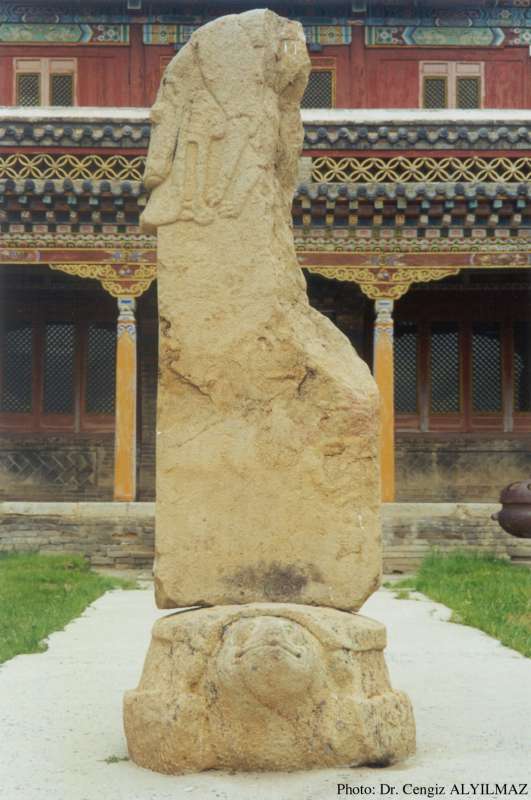
 

Sanskrit Inscription and Magic Square on Tortoise!!

Picture taken by Dr C Alyilmaz in  Mongolia (Bugut Inscription)

Hindu Gods are associated with all the important birds and animals. They are associated with insects and reptiles as well. Take any animal whether it is elephant or rhino, snake or scorpion, fish or crocodile, eagle or crow, boar or tortoise —they are all associated with Hindu gods. We see it in the Vedas, in the Indus valley civilization and in the temple Vahanas. But when we read that even the Chinese, Mongolians and other cultures believed in such things we raise our brows. When we see Sanskrit inscription on a tortoise statue,that too in the remotest part of the world, we are wonder struck!!

Kurmavatar, the Tortoise incarnation of Vishnu is the oldest tortoise we know. But we have even Rishis (seers) in the name of frogm(manduka)owl (Uluka) and tortoise (Kasyapa)in Vedic literature. Kasyapa is one of the Vedic Rishis. Kasyapa means tortoise. Kashmir is named after Kasyapa Rishi. Kumaon hills in the Himalayas is named after Kurma Avatar. If you read the history of Kashmir and Kumaon in Uttaranchal state you will find more surprising things. We have Kurmavatar statues in Kahajuraho Lakshman temple (M.P) and Osiyan temple in Rajasthan. One exclusive temple for Kurmavatar is near Srikakulam in Andhra Pradesh .

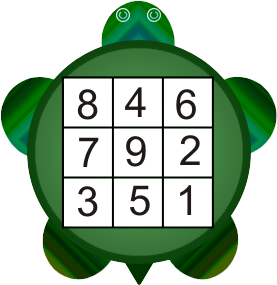
Three thousand years ago a Chinese king found a turtle with a magic square on its back. The magic square will add up to number fifteen whichever way you add the numbers. From that day it was considered a lucky square and people believe that they will get money etc. It is called Lo Shu. Hindus also believe this as money making square and call it Kubera Kolam. Egyptians and Hindus used the magic squares. Even the Vedic mathematics has magic squares.

Tortoise statues with stone tablet son their backs is a common sight in South East Asian and the Far Eastern countries. Nowadays they are used in mausoleums as memorial stones. But in olden days they were used as inscription tablets. The oldest Tortoise tablet has a Sanskrit inscription on its back along with other languages. It is dated around 500 AD. It is a wonder that this Sanskrit inscription was found in the remotest part of the world. Mongolia is a land locked country and even during the modern era the country is difficult to access. This country was known to the only because of its ruler ruthless Genghis Khan( 1162-1227 AD).

The tortoise tablet with Sanskrit inscription is known as Bugut inscription. It is an old Turkic inscription. It is found in Bugut mountain in Mongolia. The tablet on the back of the tortoise has Sogdian letters on three sides and Sanskrit letters on the fourth side. It is in Brahmi characters. The text contains an order to build a monument for king Mahan Tigin. But the inscription did not stop there. It throws lot of light on the Turkic beliefs, values and relations with others. It was dated 572 -580 AD. It is two and a half meter tall and it is preserved in Cecerleg Museum in Mongolia.

Sanskrit inscriptions are available throughout Asia from the remotest Mongolian mountains to tropical forests of Borneo. We see thousands of inscriptions in high literary style from 150 AD. Thousands of them were written in verses. This strengthens the belief that they were writing Sanskrit even earlier but on palm leaves and birch leaves. Another fact is that it was understood by everyone from Mongolia to Indonesia.

The Bugut inscription has beliefs similar to India. It considers the king as a representative of God on earth. Kings are called savers of the world. Kings lay their faith in God and thank him for everything. This is typical Indian.

BIXI

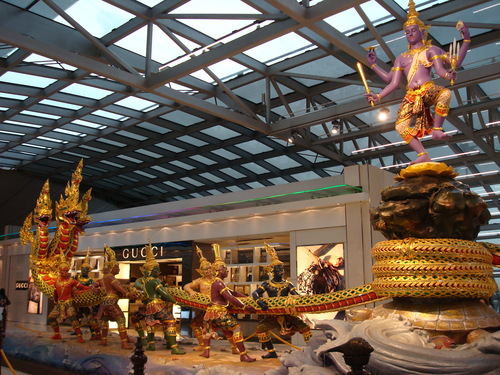
Picture: Kurmavatar in Bangkok (Thailand ) airport

In South East Asia and China they call these tortoise stone tablets Bixi. The Chinese word means strong or capable of withstanding any weight. It is similar to Kurmavatar tortoise. When Devas and Asuras churned the ocean to get Amrita (ambrosia) they used Mandara Mountain as the churning rod and the snake Vasuki as rope. But the mountain was not stable and started going to the bottom of the sea. Then Vishnu incarnated himself as a tortoise and held the mountain stable. So the idea of tortoise as a strong stabilising or fixing factor went from India to different parts of the world. We can safely conclude that Kurmavatar (Tortoise Incarnation of Vishnu) is the basis for all tortoise stories in the world. The idea migrated to China and South East Asia through the Buddhist monks.

Please read my posts: 1. Old Sanskrit Inscriptions in Mosques and on Coins 2. Ancient Sanskrit Inscriptions in Strange Places 3. The Tortoise Mystery: Can we live for 300 years? (contact swami_48@yahoo.com)

Hindu Wonders in a Muslim Country!


  1. Many of us know that Indonesia is the largest Muslim country in the world, but many of us do not know the fourth largest Hindu population is in Indonesia! This is the country which has highest number of Hindus outside Indian subcontinent (next to Nepal and Bangladesh). It is a country with 17,000 islands and 300 volcanoes.
  2. Bhagavad Gita statue in Bangkok

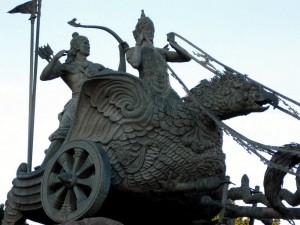
Knowing the popularity of Mahabharata and Bhagavad Gita, a statue of Krishnopadesam was erected in Jakarta, capital of Indonesia. Arjuna and Krishna are riding a chariot. When Suharto, President then, opened the statue he exhorted the people to follow Bagavad Gita’s main teaching: Work without expecting any benefits (selfless Service).

3. Sukarno=su+Karna

Indonesia’s great leader Sukarno was named after the famous Mahabharata character Karnan. Sukarno’s father was very much attracted by the characterisation of Karnan. But Karna supported the wrong side in the great war. So his father named his son as Su (good) Karna. Sukarno’s daughter was also given a Sanskrit name Meghavati Sukarno Puthri. She is the president of the country now.

4.Ramayana, Mahabharata dance drama and puppet show:

Throughout the year Ramayana and Mahabharata dance and puppet shows are staged. They are called Wayang Kulit and  Wayang Wong. We can’t see such a running show even in India, the land of Ramayana! Hanuman was in their military emblem/mascot!

Picture: Arjuna and Krishna in Jakarta

5.Lord Ganesh on Currency Note:

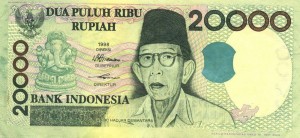
Lord Ganesh picture is inscribed on 20,000 rupee currency in Indonesia. Ganesh was worshipped in India even before Ganesh came to South India. Tamils have Ganesh statue from 6th century AD. But Indonesia has Ganesh statues from 1st century AD, discovered in in Panaitan islands. Lord Ganesh travelled faster by sea than on land in his Mushika (mouse) vahana! There is lot of scope for further research in this field. Ganesh was depicted as Bhuta Ganathipathi with skulls! Java is also known as Ganapathya Land, country where Ganesh is worshipped. A very big  Kapala / Skull Ganapathy is in Leiden Museum (Holland).

6. Ramayana, Mahabharata stamps:

Indonesia has issued many stamps on Ramayana and Mahabharata . All the characters are known to Indonesians, whether they are Muslims or Hindus. But the picture is changing very fast because of modern culture and extremists’ propaganda.

7. Ramayana Translation even before Kamban:

Ramayana was translated in to Kawi language of Java even before Kamban ‘s  most famous Tamil translation known as Kamba Ramayanam (1200 AD). Kakawin Ramayana in old Javanese language was translated in to 1200 verses in 870 Ad during the era of Medang Kingdom. There are more than 200 research works on Kakawin Ramayana.  Even awards in the name of RAMA, are given.

8. Bali Islands:

Bali Island has the biggest Hindu population in Indonesia. There are over 4,600 Hindu temples. But the Balinese follow some strange and ancient customs not known in India!

Saraswathy Puja/ Vijaya Dasami is a national holiday here. Temples with 11 tier towers are of Shiva, 9 tiers –Brahma and 7 tiers- Vishnu. Badara Guru, a form of Shiva, was typical Indonesian Hindu God.

9. Garuda Airlines and Kubera Bank:

The official airline of the country is named after Vishnu’s Vahana Garuda (eagle) and the National bank is named after the Hindu god of wealth Kubera. Serayu river in Java is named after Sarayu River of Ayodhya. Kings of Java bore the Sanskrit titles Bhupati,Arya and Adyaksha

10. Bhasa Indonesia:

Brahmi script is the basis for all the S E Asian languages.

Sanskrit words are found everywhere. Sumeru, Brahmo, Kaliya mardhan, Tharmasagara etc.

The language of Indonesia is Bahasa=Bhasha=language in Sanskrit. Thousands of Tamil and Sanskrit names are found in Indonesia, many of them in their corrupted forms because of distance in time and space. Kawi is the language of poetry in Indonesia. Kavi means poet in Sanskrit.

11. Pallankuzi (Mancala, Congklak):

The whole world agrees that the board games including Chess originated in India (British Musem in London has a display board). But the Pallangkuzi= a wooden board with 14 or 12 pits played with seeds or cowries is found in Africa and Indonesia. It is called Mancala in Africa. This shows that Tamils took their board games wherever they went. It is known as Congklakin Indonesia. Indonesian Hindus took their rice cultivation, Sanskrit language and Pallangkuzi to Madagascar and other places (Please read my article Madagascar-India Link via Indonesia).

12.Agastya statues:

Agastya whose name we find in Rig Veda, is associated with Tamil language  from the very beginning. He was the one who established land route to South India by crossing the Vindhyas and he was the first one to travel across the ocean for migration.(Please read my article “Is Bramastra a Nuclear Weapon?” for more details about Agastya drinking the ocean).

So Agastya statues are dug out in several places in South East Asia. Some are in Indonesian museums. A two meter tall Agastya idol was also discovered. Singasari and Yeh-Pulu were two places which gave us lot of Hindu statues and Idols.

13.Mulavarman Inscription in Jungle:

Please read my blog “Sanskrit Inscriptions in Strange Places”.

Picture: Agastya Statue


14.Indian Business Community:

A ninth century inscription in Central Jawa listed all the communities that frequented the island: Kalinga, Arya, Sinhalese, Pandiyas, Keralites, Dravidians, Chams, Khmers.


15. Borobudur

Borobudhur Buddhist temple is considered one of the 100 Wonders of the World. It is in Sri Chakra form. It is spread over ten kilometres. Hindu King Vishnu (775 AD) began the work on this temple. But it was stopped after his death in 785 AD. Another king of Sailendra Dynasty made it as a Buddhist temple in 11th century. Scenes from Dasavatara, Ramayana, Mahabharata were sculpted here. It is said that there are one million sculptures in the monument. All the Hindu Gods are found in it. Lot of materials are available on the websites about this wonder. The dimensions of the structure, its gigantic conception and its lavish decoration make it one of the most renowned monuments of the world.

16.Kalidasa, Manimegalai ,Ramayana references:

Indonesian islands, particularly Java and Sumatra, are known to Indians from time immemorial. Ramayana, Kalidasa’s works and Tamil epic Manimegalai refer to these islands as Yava Dwipa = Island of Barley and Suvarna Dweepa= Island of gold. They were famous for their spices and the Dutch named these islands as East Indies.

17. Mathura, Kaliyamardhana:

We see lot of names of Lord Krishna such as Mathura, Kalya Mardhan (Kalimanthan).  Borneo Island was named after Varuna. Baruna= Borneo=Varunasya Island. Omkara (Aum) is used in coronation ceremonies. Pranava (Aum) is in Javanese language.

18.Jakarta Museum wonders:

Statues of Ganesh, Agastya, Vishnu, Shiva and other Sanskrit inscriptions are kept in Jakarta Museum. A lot of sculptures were taken by foreigners and seen around the world in museums and private collections. Victoria and Albert Museum in London has an Agastya statue.


19.Volcano temple miracle

10300 feet high Mount Agung or Gunung Agung is a mountain in Bali  . There is an active volcano. The famous goddess Pura Besakih (Vaisaki Devi) temple is situated at 3000 feet on the slopes of a volcano. The volcano erupted in 1964 sending huge debris into the sky. Though lava overflowed for a few weeks, it missed the temple by a few yards. Balinese believed this was a miracle of the goddess. They call this mountain Meru. On top of the mountain there is a Shiva temple. Though there were massive volcanic explosions in 1980, the temple is still intact. Every hundred years Eka Dasa Rudra Makha Yagna is performed here. A crater with 10 mile diameter was formed in 1926 eruption.


20.Meaning of Indonesia:

The country’s name is Indus Land (country of Hindus)

21.1500 year Hindu empire:

Hindus established their cultural empire in Java 2000 years ago. Then they wielded some political power during the periods of Sailendra and Majapahit empires. They had their own kings. Mulawarman of fourth century AD was one of the famous kings. His Sanskrit inscriptions were found in the thick tropical forests of Borneo Island. Since they were written in Pallava grantha, their South Indian link is established beyond doubt. King Airalanga of 11th century was another famous king who translated lot of Sanskrit works.

22.Prambanan-largest Hindu temple

Borobudur was the largest Buddhist temple and Prambanan Shiva temple was the largest Hindu temple in Indonesia. Prambanan temple has a 140 feet tower and three corridors. Fa Hien (337-422 AD), the Chinese traveller of fourth century AD mentioned that there were many Shiva temples in Java.  A traveller of first century AD referred to Prambanan temple. The temple was rebuilt in 850 AD. But whether it is Hindu or Buddhist, the sculptures of all the Hindu gods Brahma, Vishnu, Shiva, Goddess Chandi and Ganesh are seen everywhere.


23.Cock fight:

Cock fight is an ancient sport which is mentioned in Sangam Tamil literature and Sanskrit dramas. Hindus of Bali islands use cock fighting in a strange way. They do it as religious practise to spill the evil out of people.

24. Bheema and Ghatotkachan statues

BJP leader LK Advani was invited to attend World Sindhi Conference in Indonesia. When he was driven in car in Denspar, capital of Bali he saw big statues of Ghatotkacha and his father Bheema (one of the five Pandava brothers). Shri LK Advani has written about his visit in his blogs.


26. Bali Yatra: People from East Coast of India went to Java and Sumatra islands for business two thousand years ago. Even today Bali Yatra is done symbolically from Paradeep  port of Odisha to Bali islands in Indonesia. Paradeep may be Para Dweepa=port for Islands beyond and Bali= named after the king Bali who was sent to Patala =islands below India , by Vishnu in his Vamana Avatar. If it is true this must have happened before 1500 BC. Vaman avatar is mentioned even in Rig Veda. Pallava Dynasty’s trade with the Indonesian islands is referred to in a Malay language History book.

27. Karaikal Ammaiyar:

The earliest Tamil saint Karaikal Mother (Ammaiyar) was known and worshipped throughout S E Asia. Statues and Idols of Karaikal Ammaiyar were discovered in Indonesia as well.

28. Music and Musical instruments: Indonesian musical instruments and the tunes/ ragas are very close to Indian classical music. A lot of scope for research awaits music scholars.

29. Balaputra Deva of Indonesia erected a monastery in Nalanda. It shows that the Mahayana Buddhists travelled to Nalanda University in Bihar 1600 years ago.


30.Recorded history takes us to 73 AD, when a Prince of Gujarat landed on Java Island. Tara daughter of Dharmapala, a king of Bengal introduced Mahayana Buddhism into the island around fifth century according to Dr Stutterheim, the Dutch archaeologist.

31.  The great Indian astronomer Aryabhatta (476 AD) calculated noon at Yavakoti (in Java) when it was midnight at the land of Romans. So these islands were known to all Indians by fifth century AD.


32. A legendary Indian called Aji Saka taught the Javanese their system of writing and chronology, and gave them their first social and political organisation.


சம்ஸ்கிருதம் என்னும் சமுத்திரம் !

சம்ஸ்கிருதத்தை மட்டம் தட்டி, மற்ற மொழிகளை உயர்த்திப் பேசுவது சிலருக்கு வாடிக்கையாகிவிட்டது. அவர்களுடைய அறியாமையை எண்ணி சிரிப்பதா அழுவதா என்று தெரியவில்லை. சம்ஸ்கிருதம் என்பது பெரிய சமுத்திரம். அதன் கரையைக் கண்டவர்கள் யாரும் இல்லை. ஏனைய பழைய மொழிகளில் உள்ள நூல்கள் எல்லாவற்றையும் பட்டியல் இட்டு விட்டார்கள். ஆனால் வட மொழி நூல்களைப் பட்டியல் இடுவதுகூட முடிந்தபாடில்லை. உலகம் முழுதுமுள்ள நூலகங்களில் அவ்வளவு சுவடிகள் உள்ளன.

பல நூல்களுக்கு மூல நூல் மறைந்து போயின. ஆனால் அவைகளின் மொழி பெயர்ப்புகள் சீன மொழி உள்பட பல மொழிகளில் இருக்கின்றன. மொழிபெயர்க்க ஆள் இல்லை. உலகம் முழுதும் சம்ஸ்கிருத கல்வெட்டுகள் பல்வேறு லிபிகளில் எழுதப்பட்டுள்ளன.

அசோகர் காலம் வரை பனை ஓலைகளிலும் மரப் பட்டைகளிலும் எழுதி வந்ததால் அவைகள் அழிந்துவிட்டன. கி.பி. இரண்டாம் நூற்றாண்டிலிருந்து உலகம் முழுதும் சம்ஸ்கிருத கல்வெட்டுகள் தோன்றிவிட்டன. நேபாளம் முதல் இந்தோநேஷியா வரை ஆயிரக் கணக்கான பாடல் வடிவக் கல்வெட்டுகள் கிடைத்துள்ளன. இதே காலத்தில் மற்ற மொழிகளில் உரைநடைக் கல்வெட்டுகள்தான் கிடைக்கின்றன.


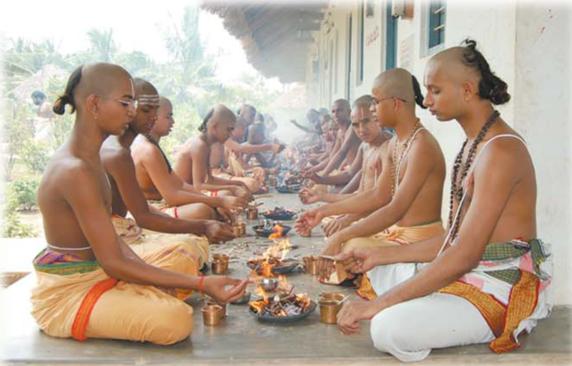
வேதங்களின் பெரும் பகுதி (சாகைகள்) அழிந்துவிட்டன. பிராமணர்கள் வாய் மொழியாக ஆசார அனுஷ்டானங்களுடன் அத்தியயனம் செய்துவந்ததால் எழுதிவைக்கவும் இல்லை. இப்போது இருக்கும் வேதங்களை டேப்புகளில் பதிவு செய்ததே 600 மணி நேரத்துக்கு வருகிறது. உலகில் வேறு எங்கும் இல்லாத புதுமை வேதப் படிப்பில் உண்டு. இடைச் செருகல் வந்து விடக் கூடாது என்பதற்காக வேதத்தில் இருக்கும் சொற்களை ஒன்றாகவும் இரண்டாகவும் மூன்றாகவும் கூட்டிக் கூட்டி சொல்லிக் கொண்டே பாராயணம் (கண பாடம், ஜடா பாராயணம்) செய்வார்கள். இதை எல்லாம் பதிவு செய்துவிட்டார்கள் ராஜஸ்தான் பலகலைக் கழகத்தினர்.

சம்ஸ்கிருதம் மாபெரும் சமுத்திரம். கரை காணாத அளவுக்கு பெருகியது. உலகில் இதுவரை அதிலுள்ள புத்தகப் பெயர் பட்டியல் அனைத்தையும் ஒரே வால்யூமாகக் கூட கொண்டுவர முடியாத அளவுக்குப் பெரியது. கிரேக்க நாடு, முதல் காவியத்தை எழுதுவதற்குள் சம்ஸ்கிருதத்தில் 4 வேதங்கள், பிராமணங்கள், ஆரண்யங்கள், உபநிஷத்துக்கள் எல்லாம் தோன்றிப் பெருகிவிட்டன.


3500 ஆண்டுக்கு முன் வந்த ரிக் வேதத்தில் மட்டும் சுமார் 450 கவிஞர்கள் பாடிய 1028 துதிகள். அவைகளில் 10,552 பாடல்கள். 39, 831 பதங்கள். இதில் 4,32,000 அசைகள் (சில்லபிள்) இருப்பதாக சதபத பிராமணம் கூறும். ஆயினும் இப்போதைய கணக்கில் 3,95,563 அசைகளே காணப்படுகிறது. யஜூர், சாம, அதர்வண வேதங்கள் இதற்குப் பின் வந்தன.


உலகிலேயே நீண்ட நூல் என்று இந்தியாவுக்கு வந்த கிரேக்க எழுத்தாளர் குறிப்பிட்ட மஹா பாரதத்தில் நூறாயிரம் ஸ்லோகங்கள்— 2 லட்சம் வரிகள்— சுமார் 10 லட்சம் சொற்கள் உள்ளன.

வால்மீகி ராமாயணத்தில் 24000 பாடல்கள் உள்ளன.

18 புராணங்களில் பல லட்சம் வரிகள் உள்ளன. உலகில் எந்த நாட்டு சமய இலக்கியமும் இதன் அருகில் கூட வரமுடியாது.


கி.மு 800 என்று ஒரு கோடு கிழித்தால், பக்கத்தில் பைபிளின் பழைய ஏற்பாடும் கொஞ்சம் சீன மொழிப் பாடல்களும் மட்டும் குட்டையாக நிற்கும். கிரேக்கம், லத்தீன், தமிழ் எல்லாம் அப்பொழுது பிறக்கக் கூட இல்லை (நூல்கள் வடிவில்).


கி.மு.800க்கு முன்னர் தோன்றிய சுருதி என்னும் வேதம் என்பதே பெரிய அளவு. அதற்குப் பின்வந்த ஸ்மிருதி எனப்படும் நீதி சாஸ்திரங்கள் வேறு.


பிரபல வரலாற்று ஆசிரியர் கே ஏ நீலகண்ட சாஸ்திரி கூறுவது: சீன மொழியில் 1700 சம்ஸ்கிருத நூல்கள் மொழி பெயர்க்கப் பட்டன. இவைகளில் 40 மில்லியன் சொற்கள் உள்ளன. இவை 2 முதல் 11 நூற்றாண்டு வரை எழுதப்பட்டவை.


சம்ஸ்கிருதத் தனிப்பாடல்கள் 

சுபாஷித ரத்ன கோஷ –1739 பாடல்கள்–223 கவிஞர்கள்

பிரசன்ன சாகித்ய ரத்னாகர–1428 பாடல்கள்,

சதுக்தி கர்ணாம்ருத 2370பாடல்கள்–485கவிஞர்கள்,

சூக்தி முக்தாவளி 2790பாடல்கள்,  240கவிஞர்கள்,

சரங்கதார பத்ததி 4689பாடல்கள்–282கவிஞர்கள்

ப்ருஹத் பத்ததி 7586பாடல்கள்,

வல்லப தேவ சுபாஷிதாவளி 3527பாடல்கள் 360கவிஞர்கள்


(இது தவிர சுபாஷித ரத்ன பாண்டாகாரம் என்னும் நூலில் 16,000 தனிப் பாடல்கள் இருப்பதாக அறிவேன். ஒருவேளை மேற்கண்ட நூல்களில் உள்ளவற்றைத் தொகுத்துக் கொடுத்தார்களா என்று எனக்குத் தெரியாது. தனிப் பாடல்கள் மட்டுமே இவ்வளவு என்றால்!!! )

இரண்டாம் நூற்றாண்டு முதல் 19ஆம் நூற்றாண்டு வரை சம்ஸ்கிருதத்தில் எழுதிய 872 ஆசிரியர்களின் பெயர்களை பி.வி.கானே தொகுத்துக் கொடுத்தார். சங்கரர் பெயரில் மட்டும் 272 துதிகள் இருக்கின்றன! ஸ்தல புராணங்கள், சம்ஸ்கிருத ஸ்லோகங்கள் எல்லாவற்றையும் யாரும் பட்டியல் இடவில்லை.


சம்ஸ்கிருதத்திலுள்ள அதிசயங்களை The Wonder That is Sanskrit (published by Sampad and Vijay, Sri Aurobindo Society,Pondichery) என்ற நூலில் படிக்கலாம். இந்த மொழியை பிராமணர்கள் கூட படிக்காமல் ஐரோப்பியர்களிடம் மட்டும் விட்டால், அவர்கள் சொன்னதே “வேதம்” என்றாகிவிடும்!!


கம்போடியா, வியட்நாம், லாவோஸ், தாய்லாந்து முதலிய தென் கிழக்கு ஆசிய நாடுகளில் மட்டும் 800 சம்ஸ்கிருத கல்வெட்டுகள் இருக்கின்றன. கி.மு. 1400 முதல் சம்ஸ்கிருத சொற்கள் கல்வெட்டுகளில் காணப்படுகின்றன. குதிரைப் பயிற்சி தொடர்பான களிமண் பலகை– கியூனிபார்ம் எழுத்துக்– கல்வெட்டுகளில் சம்ஸ்கிருத எண்கள் உள்ளன. கி.மு. 1400ல் மிட்டன்னி ராஜாக்களின்  உடன்பாட்டில் வேதகால தெய்வங்களின் பெயர்கள் இருக்கின்றன.


Please read Sanskrit Inscriptions in strange places and Sanskrit Inscriptions in Mosques and on coins in my blogs. ( Swami_48@yahoo.com )


பார்ப்பனிக்கு வடமொழிச் சீட்டு

சிலப்பதிகாரம் அடைக்கலக் காதையில் ஒரு முக்கியமான செய்தி வருகிறது. பஞ்சதந்திரக் கதைகளில் வரும் கீரி-பார்ப்பனி கதையைக் குறிப்பிட்டு பின்னர் நடந்ததை மாடல மறையவன் கூறுகிறான்.

ஒரு பார்ப்பனப் பெண் வீட்டில் கீரி வளர்ந்து வந்தது. அவள் தண்ணீர் பிடிக்கப் போனபோது ஒரு பாம்பு அவளுடைய குழந்தையைச் சீண்ட வந்தது. உடனே கீரி சீறிப் பாய்ந்து அந்தப் பாம்பைக் கொன்றது. வாய் முழுதும் ரத்தம். குழந்தையைக் காபாற்றிவிட்ட பெருமிதத்தோடு வாசலில் நின்றது. வீட்டை நோக்கி வந்த பார்ப்பனப் பெண் கீரிப் பிள்ளையின் வாயில் ரத்தத்தைப் பார்த்தவுடன் தனது குழந்தையைக் கொன்றுவிட்டதாக எண்ணி கீரியின் தலையில் குடத்தைப் போட்டு அதைக் கொன்றுவிடுகிறாள். அவசரப் பட்டோ ஆத்திரப் பட்டோ எதையும் செய்துவிடக் கூடாது என்பது இதன் நீதி.

இதற்குப் பின் பார்ப்பனப் பெண்ணுக்கு என்ன நேர்ந்தது என்பதை சிலப்பதிகாரத்தின் வாயிலாகக் காண்போம். மாடல மறையவன் கோவலனின் பல சிறப்புகளை எடுத்துரைக்கையில் இதையும் கூறுகிறான்: கீரிப் பிள்ளை இறந்த துயரம் பெரிதாக, அதனாற் கைவிடப்பட்ட மனைவியானவள் வருந்திப் பின்வர, வட திசை நோக்கிப் புறப்பட்ட பார்ப்பனன், நின் கையால் உணவுண்டு வாழும் வாழ்வு இனி முறையற்றது என்று கூறி “வடமொழி வாசகம் எழுதிய இந்த ஏட்டினைக் கடமை அறிந்த மாந்தர் கையிலே நீ கொடுப்பாயாக” என்று தந்து போயினன்.

பின்னர் அப்பெண் தெருத்தெருவாக அலைந்து உதவி கேட்டபோது கோவலன் வலியச் சென்று அவளை அழைத்து மறையவர் சொல்லிய நெறிப்படி அவளது பாவம் போக்க தர்மங்கள் பலவும் செய்து அவள் துன்பத்தைப் போக்கினான். அத்தோடு அவளது கணவனையும் தேடிப் பிடித்து அவர்களைச் சேர்த்துவைத்து பொருளும் கொடுத்து அனுப்பினான். கோவலனின் இந்த சமூகத் தொண்டை அவனிடமே மாடல மறையவன் கூறி உனக்கு ஏன் துன்பம் வந்தது என்று கேட்கிறான். உடனே கோவலன் தனக்கு ஏற்பட்ட கனவு பற்றிக் கூறுகிறான் என்று கதை தொடர்கிறது.

இதில் நாம் கவனிக்க வேண்டிய விஷயம் என்னவென்றால் “வடமொழி வாசகம் எழுதிய ஏடு” என்பதாகும். வடமொழி எழுதப் படவே இல்லை, பேசப்படவே இல்லை  என்று சொல்லுவோருக்கு இந்த ஏடு பதில் சொல்லுகிறது.

“கடவது அன்றுநின் கைத் தூஉண் வாழ்க்கை;

வடமொழி வாசகம் செய்த நல்லேடு

கடனறி மாந்தர் கைந்நீ கொடுக்க” என…..” (அடைக்கலக் காதை)

சிலப்பதிகார காலத்திலேயே (கி.பி.100) வடமொழியை ஏட்டில், எழுத்தில் எழுதினர். அதை கோவலன் வாழ்ந்த புகார் நகரிலே படித்துப் பொருள் உணர்ந்து தான தர்மம் செய்தனர் என்பதை இதன் வாயிலாக அறிகிறோம். அந்த ஏட்டை கோவலனே படித்தான் என்றும் நினைக்க இடமுண்டு. ஆனால் இது தெளிவாகச் சொல்லப்படவில்லை.

மாதவி கடிதம்

இதற்கு முன் புறஞ்சேரி இருத்த காதையில் மாதவி எழுதி அனுப்பிய ஓலை பற்றிய செய்தியும் வருகிறது. அவள் ஏன் என்னை விட்டுப் பிரிந்தீர் என்று வருத்தமுற்று எழுதிய கடிதம் அது. அவள் தமிழில்தான் எழுதி இருப்பாள். இதிலும் ஒரு விஷயம் புலப்படுகிறது. அந்தக் காலத்தில் கடிதம் எழுதும் கலை சிறப்பாக இருந்தது. பெண்களும் கடிதம் எழுதினர். அதை பார்ப்பன தூதர் மூலம் அனுப்பினர் என்று தெரிகிறது. கோசிகன் என்பவன் மூலம் வந்த அதே ஓலையை தன் பெற்றோரிடமும் காட்டும்படி கோவலன் திருப்பி அனுப்புகிறான்.

காதல் கடிதங்கள்

கி.மு. முதல் நூற்றாண்டில் வாழ்ந்த காளிதாசன் என்னும் மாபெரும் வடமொழிக் கவிஞன், அவனுடைய விக்ரமோர்வசீய நாடகத்தில் புரூருவஸ் என்னும் மன்னனுக்கு தேவ லோக அழகி ஊர்வசி, பூர்ஜ பத்திரத்தில் எழுதிய காதல் கடிதம் பற்றிக் குறிப்பிடுகிறான்.

விதர்ப நாட்டு இளவரசி ருக்மிணி எழுதிய காதல் கடிதம் இலக்கியத்தில் அழியாத இடம் பெற்றுவிட்டது. கண்ண பிரானுக்கு ருக்மிணி எழுதிய இக்கடிதம் சிசுபாலவதம் என்னும் சம்ஸ்கிருத காவியத்தில் இருக்கிறது.

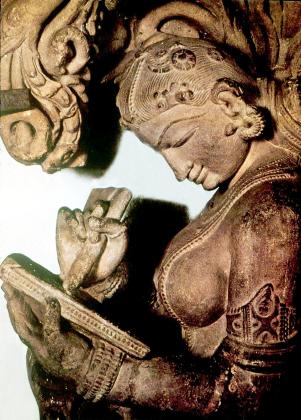
காதா சப்த சதி என்னும் பிராக்ருத கவிதைத் தொகுப்பில் அழகான காதல் கடிதக் கவிதைகள் உள்ளன. இது தவிர தமயந்தி தன் கணவன் நளனைக் கண்டுபிடிக்க கவிதை வடிவில் அனுப்பிய விடுகதைகள், கவிஞன் காளிதாசனைக் கண்டுபிடிக்க போஜ ராஜன் எழுதிய விடுகதைக் கவிதைகள் ஆகியனவும் கடித வடிவில் எழுதப்பட்டிருக்கலாம்.ஒரு பெண் காதல் கடிதம் எழுதும் அழகிய சிலை கஜுராஹோவில் இருக்கிறது.

சிவபெருமான் எழுதிய சிபாரிசுக் கடிதம்

அரசியல் தலைவர்களுக்குச் சிபாரிசுக் கடிதம் எழுதும் வழக்கம் இப்போது உள்ளது. இதைத் துவக்கிவைத்தவர் சிவ பெருமான் தானோ என்று எண்ண வேண்டியுள்ளது. சிவ பக்தரான பாணபத்திரர் வறுமையில் வாடவே அவருக்கு பணம் கொடுத்து உதவும்படி சேரமான் பெருமாள் நாயனாருக்கு எழுதிய சிபாரிசுக் கடிதம் அது. சித்தர் ஒருவர் மூலம் சிவன் இதை பாணருக்கு இதை அனுப்பினார். பாணபத்திரர்- ஏமநாதன் பாட்டுப்போட்டி கதை திருவிளையாடல் என்னும் திரைப்படம் மூலம் ஏற்கனவே பிரபலமான ஒன்று. ஆனால் இந்தக் கடிதம் பற்றி பலருக்கும் தெரியாது. கடிதம் எழுதியதோடு நில்லாமல், சேர மன்னன் கனவிலும் தோன்றி பாணபத்திரரை வரவேற்கவும் சிவன் உதவினார்.

மதிபுலி புரிசை மாடக் கூடல் என்னும் வரிகளுடன் இந்தத் திருமுகம்/ கடிதம் துவங்குகிறது.

மதிபுலி புரிசை மாடக் கூடற்

பதிமிசை நிலவும் பானிற வரிச்சிறை

யன்னம் பயில்மொழி லாலவாயின்

மன்னிய சிவன் யான் மொழிதரு மாற்றம்,

பருவக் கொண்மூஉப் படியென பாவலர்க்

குரிமயி னுரிமையி னுதவி யொளிதிகழ்

குருமா மதிபுரை குலவிய குடைகீழ்ச்

செருமா வுகைக்குஞ் சேரலன் காண்க.

பண்பால் யாழ் வல்ல பாணபத்திரன்

றன்போ லென்பா லன்பன் றன் பால்

காண்பது கருதிப் போத்தனன்

மாண்பொருள் கொடுத்து வரவிடுப் பதுவே

பொருள்: ஆலவாய் எனப்படும் மாடக் கூடலில் வசிக்கும் சிவன் எழுதும் கடிதம் இது. பருவ காலத்து மேகம் போல் வாரி வழங்கும் சேர மன்னனே இக் கடிதத்தைக் காண்க. உன்னைப் போலவே எனக்கு பாணபத்திரனும் அன்பன். அவனுக்குத் தேவையான பொருள்களைக் கொடுத்து அனுப்புவாயாக.

கடிதத்துடன் திருவஞ்சைக் களத்துக்குச் சென்ற பாணரை சேர மன்னனுடைய ஆட்கள் தேடிவந்து கண்டுபிடித்து அழைத்துச் செல்ல ,மன்னனும் பெரும்பொருள் கொடுத்து ஏழடி நடந்து வந்து அவரை வழி அனுப்பி வைத்தான்.( ஏழடி நடந்து வந்து வழி அனுப்புவது வேதத்திலும் திருமணத்திலும்/ சப்தபதி, பத்துப் பாட்டில் கரிகால் வளவன் பாடலிலும் இருப்பதை ஏற்கனவே எழுதி இருக்கிறேன்.)

********************************

SEA IN KALIDASA & TAMIL LITERATURE

(This is the sixth part in my series, which is part of my research thesis, to show that Kalidasa lived before the Sangam Tamil age i.e. around 1st century BC. Tamil poets who lived during the first three centuries of modern era used a lot of his similes and images. If it is just five or ten similarities any one can dismiss them as co incidences or pan Indian approach. But I have 260 titles under which we see more than a thousand Tamil usages. Kalidasa was the most famous poet when it comes to similes. He used more than one thousand similes. It is not the sheer number that gives Kalidasa a great name, it is the way he used these thousand + similes. He used the apt similes in his works. No one has excelled him in the use of similes in any part of the word literature until today)


Sea

Indians have noticed natural phenomena and wondered about them for ages. Thousands of rivers pour water in to the sea for thousands of years and yet it has never filled and crossed its limits. The rain clouds take the water from the sea and pour it down around the world and yet the sea has not gone dry. This wonderful balancing struck their mind. Kalidasa used this simile in an apt place. Others followed him.


Kaliadasa praised Lord Rama’s sons Kusa and Lava for all the good work they did for the people and said that they remained within their respective geographical boundaries like the ocean that never crossed its boundaries though the rivers poured water in to it (Raghuvamsam 16-2).


Tamil poet Paranar said the same thing when he sang that the sea neither shrinks because the clouds drink its waters, nor swells because the rivers flow in to it. (Pathitruppathu 45)

When the commentators wrote commentary to the Bhagavad Gita sloka 2-70 (Apuryamanam Achalaprathishtam samudra apa pravisanthi yathvathh——-), they also mentioned this fact of sea never crossing its limits.


Sea is used as a simile to express anything that is vast, big and huge. Kalidasa compared it to the vast powers of a king (Ragu 1-16), vast education (Ragu.3-28,30), big army (Ragu 7-54), powers of Ravana (Ragu 10-34),Knowledge (Ragu 18-4) and sea as a source of gems (Ragu 15-1, 15-55).


Tamil poets also used these similes in several places:

Love or amorous feelings and huge armies are compared to the sea. Ammuvan (Ainkuru.184; Akam 215;Puram 37,42,96,197,351,377) and Tiruvalluvar used this simile. Love as vast as sea says Valluvar (Kural 1137). His friendship is bigger than the sea says another poet (Nar.166, Akam 128), Kalidasa has sung about it in Raguvamsam when he described the great love of Rama towards Sita. (Ragu 12-66)

Tamil poets also used sea of tears, sea of army (Madu.180,Akam.204, Puram 42, Pathi.69).

The heroine feels that her love is so powerful and influential that it overcomes her self-control like the great floods in Ganges that over flows its banks and smashes the dams in its course in Narrinai 369 sung by Nal Vellaiayar.

This is nothing but an echo of Kumarasambhavam slokam 8-16: Just as the bride loved the bridegroom worthy of her, so too did he love her. For the Ganges does not leave the ocean, and the ocean too, finds the greatest delight in tasting her mouth. Unless this Kalidasa’s sloka influenced a Tamil poet he wouldn’t suddenly talked about the Himalayas and Ganges for the amorous feeling of a Tamil woman.


SEA CLAD EARTH

Saku. II-10 (bound by ocean),III-19 (sea clad earth), Ragu.3-9 (sea clothed earth),9-10 (Udhathi nemim medhinim),11-86,12-66,15-1 (Ratnakara mekalam prithvim) 15-83(Samudra rasana vasundhara),18-22

Tamil: Puram.19-1 (Kutapulaviyanar), Kuru.101(Pathumanar),300 (Siraikudi Anthaiyar)

Indians knew very well that the earth was round and their verses about earth in Tamil and Sanskrit literature mentions the round shape of the earth.

Puram. 362 (Siru Venteraiyar) describes the sea clad earth.

Restless sea- ain.172,107,Kuru.163


SAMSARA SAGARAM (Sea of birth and death)

Ragu 12-60 (maruti: sagaram thirna:, samsaramiva nirmama:);Kalidasa said that Anjaneya crossed the ocean as the ascetics crossed the ocean of Samsaram.

Bhagavad Gita about Samsara Sagaram :12-7

Tiru Valluvar who lived around fifth century AD echoed it in his Kural 10: None but those who have meditated constantly on the feet of God can cross the ocean of births.


FIRE IN THE SEA

Hindus believed that there is fire under the ocean. Now it is scientifically proved that there are lot of sub marine volcanoes under the sea. They constantly throw out tons of red hot earth. People who have watched (in TV Channels about Nature) volcanoes in Hawai (USA) and Iceland know very well about it.

Saku.III-3, Ragu 9-82,11-75,13-4,13-7 (sub marine fire)

Siva’s fiery wrath must still burn in you

Like fire smouldering deep in the ocean’s depths (Shaku.iii-3)

When Dasaratha killed the son of an ascetic by mistake during hunting, the ascetic cursed that Dasaratha sould also die due to agony on account of his son. This curse remained in his mind like submarine fire called Vatavagni (Ragu9-82)


Tamil References

Tamil :Kuru.373 (Kollan Pullan), Nar.201,, 289, Pathitru. 62 (Kapilar),72-8 (Arisil kizar), Puram.34-5,,Kali-105 (Naluruthiran).

Kapilar compared the Chera king Selakadunko Vaziyathan to “Vatamukagni”-horse shaped sub marine fire- that destroy the world (Pathiru.62); Arisil Kizar praised Peruncheral Irumporai in the same way (Pathr.72); Also Kali. 105 Nalluruththiran.

There is no need to say that the belief in sub marine fire came to south from the Sanskrit literature. Since the Brahmin poets Kapilar and Paranar used lot of similes or images from Kalidasa, we may conclude this Vatamukagni ( In Tamil Matangal, Vatavai or Uzi thee) also came from Kalidasa.

There are references to earth quakes which are always associated with the Armageddon in Tamil literature (Nar.201, 289; Kuru.373; Puram.34-4).


  1. மழைகொளக் குறையாது புனல் புக நிறையாது

விலங்கு வளி கடவும் துளங்கிருங் கமஞ்சூள் (பதிற்றுப் பத்து 45)

  1. ஐங்குறு.184 (அம்மூவன்): கடலினும் பெரிது அவருடைய (காதல்) நட்பு

ரகுவம்சம் 12-66ல் இதே கருத்து உள்ளது. சீதை மீது கொண்ட காதலால் கடலே அகழி ஆனது என்ற ஸ்லோகத்துக்கு கடலை விட பெரிய காதல் என்று உரைகாரர்கள் எழுதியுள்ளனர்.


இமயமலையிலிருந்து வரும் கங்கை நதி கரைககளை உடைத்துச் செல்வது போல காம வெள்ளம் பாய்வதகவும் நீந்த முடியாமல் தவிப்பதாகவும் மதுரை ஓலைக் கடையத்தார் நல் வெள்ளையார் பாடுகிறார்.(நற். 369)

ஞெமை ஓங்கு உயர்வரை இமயத்து உச்சி

வா அன் இழி தரும் வயங்கு வெள் அருவி

கங்கையம் பேர்யாற்றுக் கரையிறந்திழிதரும்

சிறையடு கடும் புனல் அன்னவென்

நிறையடு காமம் நீந்துமாறே (நற். 369)

*****

இருங்கடல் உடுத்த இப் பெருங் கண் மாநிலம்

உடையிலை நடுவனது இடை பிறர்க்கு இன்றி

தாமே ஆண்ட ஏமங் காவலர்

இடுதிரை மணலினும் பலரே: (புறம் 363,சிறு வெண்டேரையார்)

மருள் தீர்ந்து, மயக்கு ஒரீஇக்

கை பெய்த நீர் கடல் பரப்ப (புறம்.362,

சிறு வெண்டேரையார் )


(அந்தணர்க்கு அவன் ஈத்து வார்த்த நீர் கடல் போல இருக்கும்)

***

Tirukkural  திருக்குறள்

பிறவிப் பெருங்கடல் நீந்துவார் நீந்தார்

இறைவன் அடி சேராதார் –(குறள் 10)


கடலன்ன காமம் (குறள் 1137)


*********************************************************************


வேதத்தை “முழி பெயர்த்த” “அறிஞர்கள் !!!!

அறிஞர்கள் கையில் சிக்கி வேதங்கள் படும் பாடு உலகில் எல்லாவித கஷ்டங்களையும் விடப் பெரியது. பல வெளிநாட்டு அரைவேக்காடுகளின் கைகளில் மட்டுமின்றி நம் நாட்டு இடதுசாரிகளின் கைகளிலும் சிக்கி சித்திரைவதைக்குள்ளாகி வருகிறது புனித வேதங்கள். ஆனால் பிராமணர்ககளுக்கு தேவ பாஷையின் ஞானம் எல்லாம் போய்விட்டதால் அவர்களும் ஆங்கிலம் மூலமாக அதுவும் வெளிநாட்டார் மொழி பெயர்ப்புகள் மூலமாகவே படிக்க முடிகிறது. இவை எல்லாம் மொழி பெயர்ப்பு அல்ல,”முழி பெயர்ப்பு”. வேதங்களின் பொருளையே மாற்றி நம்மை எல்லாம் யானை பார்த்த குருடன் போல ஆக்கிவிட்டார்கள்.


இந்தி மொழி தெரிந்தவர்கள் நிலை கொஞ்சம் பரவாயில்லை. சில ஒரிஜினல் மொழிபெயர்ப்புகள் கிடைக்கின்றன. தமிழர்கள் நிலை பரிதாபம். இந்தியாவுக்கே வராத மாக்ஸ்முல்லரின் மொழி பெயர்ப்புதான் நமக்கெல்லாம் வேதம். உத்தரப் பிரதேச கிராமத்தான் ஒருவன் நியூயார்க்கே போகாமல் அமெரிக்கா பற்றி 20 வால்யூம்ஸ் எழுதினால் யாராவது படிப்பார்களா? ஆனால் நாம் மாக்ஸ்முல்லரைப் படிக்கிறோம்!!


சில அமெரிக்க “ப்ருஹஸ்பதிகள்” சமுத்திரம் என்று வேதத்தில் வந்தால் அது வெறும் நீர் நிலைதான் ,கடல் அல்ல என்றும் அயஸ் என்று வந்தால் அது இரும்பு என்றும் ஆகையால் கி.மு 1000 தான் அதன் காலம் என்றும் அஸ்வ என்றால் குதிரை என்றும் ஆகையால் கி.மு 1500க்கு முன் வேதம் உருவாகி இருக்க முடியாது என்றும் கதைக்கிறார்கள்.


க்ரிஃபித் என்பவரின் ரிக் வேத மொழிபெயர்ப்பை எடுத்தாலோ மூன்று  பக்கத்துக்கு ஒரு முறை The meaning is obscure  அர்த்தம் புரிபடவில்லை என்று எழுதியுள்ளார். நான் ஷேக்ஸ்பியரின் மாக்பெத் நாடகத்தை மொழிபெயர்த்துவிட்டு 3 பக்கத்துக்கு ஒரு முறை அர்த்தம் விளங்கவில்லை என்று எழுதினால் எனக்கு முட்டாள் பட்டம் கட்ட மாட்டீர்களா? இன்னொரு வெள்ளைக் கார பெண்மணி கையைத் தூகினால் செக்ஸ், காலைத் தூக்கினால் செக்ஸ் என்று மொழி பெயர்த்துள்ளார். மனம் போல மாங்கல்யம். அவர்கள் வாழும் நிலை, மன நிலையைப் பொறுத்து உரையும் மாறுகிறது.


வேதத்தின் பல சொற்களுக்கு அர்த்தம் புரியவில்லை என்று கி.மு 800ல் வாழ்ந்த யாசஸ்கரே திணறிப் போனார். வேதங்கள் ஏராளமாகப் போனதால்தானே வியாச பகவானே கவலைப் பட்டு அதை நான்காகப் பிரித்து 4 சீடர்களிடம் கொடுத்தார். நமக்கு 800 வருடங்களுக்கு முன் வாழ்ந்த சாயனர் இவை முஸ்லீம் படை எடுப்பில் அழிந்து விடக் கூடாதே என்ற நல்ல எண்ணத்தில் இதை எழுத்தில் வடித்ததோடு பாஷ்யமும் செய்தார். அவராலும் இதைச் சரியாகச் செய்ய முடியவில்லை. ஏனெனில் சொற்களுக்கு அப்படியே பொருள் செய்யக் கூடாது. மேலும் வேதம் என்பது ரகசிய சங்கேத மொழிகளில் எழுதப்பட்டதால் 2000 ஆண்டுக்கு முன்னரே தமிழ் அறிஞர்கள் அவைகளை நான் மறை (ரகசியம்) என்று அழகாக மொழி பெயர்த்தார்கள்.


உண்மையில் பழங்காலத்தில் சொற்களுக்கு பல பொருள்கள் உண்டு. சங்க இலக்கியத்தைக் கூட பாஷ்யக்காரர்கள்/ உரைகாரர்கள் இல்லாவிடில் நாம் புரிந்து கொள்ளமுடியாது. ஒரு சில எடுத்துக் காட்டுகள் கூறி விளக்க முயல்கிறேன். பொன் என்றால் தங்கம், இரும்பு, உலோகம் என்று மூன்று பொருள்கள் உண்டு. வள்ளுவர் “தூண்டிற் பொன் மீன் விழுங்கியற்று” என்று பாடுகையில் தூண்டிலில் உள்ள இரும்பு என்றும் “சுடச் சுட ஒளிரும் பொன் போல” என்று பாடும்போது தங்கம் என்றும் கோவிலில் “ஐம்பொன் சிலைகள்” என்னும்போது பஞ்ச உலோகங்கள் என்றும் பொருள் கொள்கிறோம். சங்கப் பாடலில் யானைக்கு பொன் சங்கிலி போட்டதாக வரும் இடத்தில் தங்கம் என்று உரைகாரர்கள் எழுதியுள்ளனர். நான் விதண்டா வாதத்துக்காக இல்லை இது இரும்பே என்றும் வாதாடலாம்.

பொன் என்பதை எப்படி மாற்றி மாற்றி மொழிபெயர்க்கிறோமோ அப்படித்தான் வேதத்தில் அயஸ் என்பதை செம்பு,இரும்பு இன்னும் பொதுவில் உலோகம் என்றெல்லாம் மொழிபெயர்க்கலாம். ஆனால் நாமாக வேதத்தின் காலம் கி.மு 1000 என்று கொண்டுவிட்டாலோ இரும்பு என்று மட்டும்தாம் மொழி பெயர்ப்போம். இப்படித்தான் காளிதாசரையும் குப்தர் காலம் என்று வெள்ளக்காரர்கள் முடிவு செய்து எழுதிவந்தார்கள். நான் சங்கப் பாடல்களைக் கொண்டு அவரது காலம் கி.மு.முதல் நூற்றாண்டு என்று நிரூபித்துள்ளேன்.


மா என்ற சொல்லுக்கு பல பொருள் உண்டு.பெரிய, கறுப்பு, மிருகம் இது போல நிறைய அர்த்தங்கள் உண்டு. அது வரும் இடத்தைப் பொருத்து எந்த மிருகத்தின் பெயரையும் அத்துடன் இணைக்கலாம். இது போலத்தான் அஸ்வ என்ற சொல்லும். வேகமாகச் செல்லும் எதற்கும் பொருந்தும். குதிரை என்று மட்டுமே பொருள் கொள்ள வேண்டியதில்லை.


தமிழ், வட மொழி இலக்கியங்களில் எங்குமே இல்லாத ஆரிய திராவிட வாதத்தைப் புகுத்தி அதற்கேற்றார் போல எல்லா விஷயங்களுக்கும் வியாக்கியானம் செய்து நம்மை எல்லாம் குருடன் ஆக்கிவிட்டார்கள். சிந்து சரஸ்வதி சமவெளி நாகரீகத்தை நாம் சரியாக அணுக முடியாதவாறு தடுத்துவிட்டார்கள்.


இந்திரன் என்ற சொல்லுக்கு இவர்கள் தவறாக அர்த்தம் செய்தது பெரிய தவறு. சிங்கத்தை ம்ருகேந்திரன், கருடனை ககேந்திரன், யானயில் சிறந்த யானையை கஜேந்திரன், மனிதர்களில் சிறந்தவரை நரேந்திரன், தேவர்களில் சிறந்தவரை தேவேந்திரன் ,அரசர்களில் சிறந்தவரை ராஜேந்திரன் என்று சொல்கிறோம். இந்த முன் ஒட்டு (ப்ரீ பிக்ஸ்) இல்லாவிடிலும் கூட இடத்தைப் பொருத்து நாம் அர்த்தம் கொள்ளமுடியும். மிருகமா, பறவையா, மனிதனா என்று சொல்ல வேண்டியதில்லை.இதை எல்லாம் வெள்ளைக்காரர்கள் தாறுமாறாக மொழி பெயர்த்து விட்டார்கள்.


இந்திரனை ஏறு (ரிஷபம்) என்று அழைப்பதைப் போலவே சங்கத்தமிழ் நூல்களில் மள்ளர் ஏறு (மன்னர்களில் உயர்ந்தோன்), குட்டுவர் ஏறு, புலவர் ஏறு (புலவர்களில் சிறந்தோன்), பரதவர் போர் ஏறு, புயல் ஏறு (பயங்கர மழை), உறுமின் ஏறு (பயங்கர இடி) என்று பதிற்றுப் பத்தில் பயன்படுத்தியுள்ளனர். வேதத்தை மொழிபெயர்த்தது போல ஏறு என்று வரும் இடமெல்லம் காளை மாடு என்று மொழி பெயர்த்தால் அர்த்தம் அனர்த்தம் ஆகிவிடும். வேதத்தை மொழி பெயர்த்த வெளிநாட்டார் இந்த சிதைக்கும் வேலையைச் செய்துள்ளனர். இப்பொழுது வேதம் பட்ட பாட்டை திருக்குறள் படுகிறது. பகுத்தறிவுகளின் கைகளில் அது சிக்கிவிட்டது!


இந்தியாவுக்கே வராத மாக்ஸ்முல்லரை நம்புவதைவிட உபன்யாசகர்களையும் சங்கராசார்யார்களையும் நம் ஊர் வேத பண்டிதர்களையும் நம்புவோமாக. சம்ஸ்கிருதத்தை ஓரளவாவது படித்து இந்த தீபத்தை வருங்கால சந்ததியினர்க்கு ஒளி ஊட்ட எடுத்துச் செல்வோமாக.


யூதர்கள் ஹீப்ரூ மொழியையும் யூத மதத்தையும் இஸ்ரேல் என்ற ஒரு நாட்டையும் நமது காலத்திலேயே புனருத்தாரணம் செய்திருப்பதை அறிந்தும் நாம் வாளாயிருப்பது நியாயமா?

Old Sanskrit Inscriptions in Mosques and on Coins

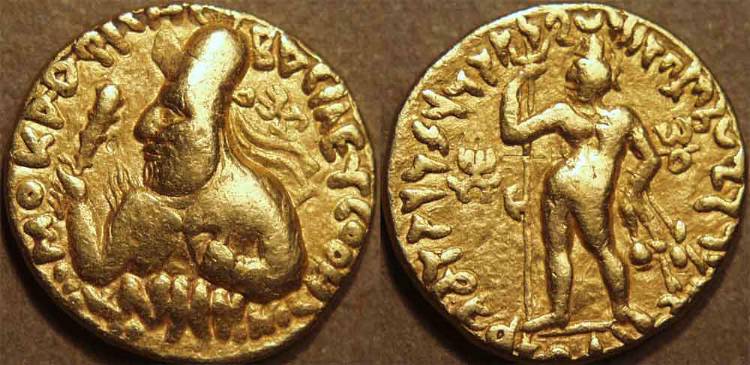
Vima Khadpises gold coin with Sanskrit inscription

(Second part of Sanskrit inscriptions in strange places. Please read the first part)

Sanskrit inscriptions older than Rudradaman (150 AD) are found on coins. A notable gold dinar coin of Vima Khadpises shows Lord Shiva with a Sanskrit inscription. It is written in Kharoshti script along with Greek script. The legend on the coin is: Maharajasa Rajadirajasa Sarvaloka Isvarasa Mahesvarasa Vima Kathphisasa Tratara. It is dated 112 AD. Vima Khadpises had issued coins with Shiva on bull (Rishaba) vahana as well.

In the mosque

Bhoja is a famous name in Sanskrit literature. There were several Bhojas and they were all great Sanskrit scholars. One such Bhoja lived during the times of Kalidasa in first century BC. But now we are looking at a Bhoja who ruled from Dhar in Madhya Pradesh. He built a temple for goddess Saraswathi. It was destroyed during Muslim invasion. The mosque had several parts of destructed temple. Fortunately one structure was left intact and that was the Sanskrit vyakarana (grammar) written as Chitra Kavi. It shows grammar in wheel shaped diagrams or pictures. This Bhoja ruled between 1010 AD and 1060 AD. He was a master of many arts and authored at least thirty books in Sanskrit ranging from astronomy to economics. One of the idols he installed is in British museum in London. But the vyakarana chakra (grammar slokas written in circular diagrams) is in the mosque itself. Now the archaeological survey has arranged for Hindus and Muslims worship on different days.

S E Asia

Most of the South East Asian Sanskrit inscriptions are written in Pallava Grantha script. We may surmise that the South Indian sculptors who travelled from the east coast must have inscribed them. It also shows South Indians were great Sanskrit scholars. South India had produced famous Sanskrit scholars like Adi Shankara,Patanjali,Nilakanta Dikshitar and they in turn wrote a lot of books until last century. In our own times Kanchi Shankaracharya’s Sanskrit composition for world peace was sung by MS Subbalakshmi in the United Nations which reverberated throughout the world.

Sanskrit can’t die as long as India and Hinduism survive. All our personal names and place names and Gods names are in Sanskrit. Even the motto of Government of India is in Sanskrit : Sathyameva Jayate-Truth alone triumphs from the Mundakopanishad. Not only the temple archanas (gods names) but also all the religious literature are in Sanskrit.

The most famous Mantra of the Hindus Gayatri (Rig Veda) has been recited by millions of Hindus for thousands of years without any break. The ancient seers (Rishis) started reciting this from 1500 BC according to Western “scholars”. But Hindus believe them s eternal sounds in the sky like radio waves. If you are at the same wavelength you can catch them like radio frequencies. So no one can call Sanskrit a dead language like Latin. Latin is used by Pope and his circle only. But Sanskrit names are used by millions of laymen. Indians can’t survive without Sanskrit. For instance if someone orders tomorrow that no Sanskrit word should be used for twenty four hours, Indians can’t function for twenty four hours. It is like ordering the entire country to stop using electricity for 24 hours. In short unlike Latin, Sanskrit has mixed with our life which no force in the world can separate for generations to come.

Anyone reading this piece, stop reading and think for a minute- think about your grandparents names, think about your friends’ names and think about your towns names and last but not the least your language. Everywhere you will find Sanskrit. This is true for all the South East Asians as well.

This divine language and its magical spell (mantra) will help India to survive for eons. When all the five big powers have gone India will survive because of it’s motto alone: Satyameva Jayate !

Ancient Sanskrit Inscriptions in Strange Places


Mulavarman’s inscription in Jakarta Museum


Old Sanskrit inscriptions are found around the world in strange places! Sanskrit is the only language in the world to have inscriptions around the world covering a vast geographical area and covering a long historical period. Rig Veda is dated around 1500 BC. This book is in Vedic Sanskrit like Sangam Tamil literature is in ancient Tamil. There are hundreds of Sanskrit inscriptions in Cambodia, Laos, Vietnam, Thailand, Burma, China, Russia, Indonesia and Malaysia. The inscriptions are in different scripts. In India we have Rudradaman’s inscription (150 AD) in Nagari script.

The inscriptions are not only in big cities but also in dark, thick tropical forests of Borneo and a Christian church in Malaysia as well. Mulavarman, a fourth century king did a Yagna and installed seven Yupa posts to commemorate it in Borneo island of Indonesia. It was discovered in an area covered by very thick forests. Egypt, Turkey, Syria, Iran and other Muslim countries have some written documents in the form of letters, manuals or inscriptions where in Sanskrit names or words figure prominently. Rama’s father was Dasaratha is a well known fact. But before him there were three or four Dasarathas and one of them ruled part of Syria ! He gave his daughters in marriage to an Egyptian pharaoh and wrote many letters to him!

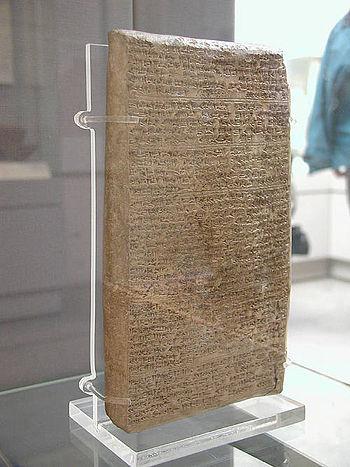
According to many scholars, Mahabharata war was fought on Indian soil in and around 1500 BC (Hindus believe it was before 3102 BC) .At the same time there was a Dasaratha (Spelt Thusratta) ruling Syria/Turkey area which are Muslim countries now. That kingdom was called Mittanni (Mitra is one of the names of Surya). We have the Mittanni kings name in Sanskrit. It shows that Sanskrit language existed from the eastern corner of India to Egypt in Africa 3500 years ago. Dasaratha’s letters are very interesting to read. His daughters name are in Sanskrit and they were married to Egyptian King Amenothep (may be Amana Devan ).

We have even recovered a Horse Training Manual written in 1350 BC with Sanskrit words! For thousands of years horses and elephants were trained using only Sanskrit words. Sangam Tamil book Mullaipaatu mentions that elephants were trained by using Sanskrit words in Tamilnadu (Mullaipattau lines 32-36)

The horse manual written by Kikkuli ( Aswa Sena) runs to 1080 lines on clay tablets. Though it is written in Hittite language the numerals Aika,Tera,Pancha, Satta, Nava vartaana (1,3,5,7,9 intervals) and words for colours are in Sanskrit.

Vedic Gods in Muslim country!

We have the Vedic Gods name in an agreement in Bogazkoy in Turkey . This agreement was written by Hittite King Suppililiuma  and Mittannian king Matiwaza (may be Mathi vachanan). The amazing thing about the agreement is the Vedic gods names Indra, Mitra, Varuna,  Nasatyas (Aswins ) all are in the same order as in Rig Veda. Not even the order was changed. It shows that Vedas were used from the plains of Ganges to the land of Syria and Turkey at the same time- 1380 BC!  In Vietnam (Champa in olden days) the Pandyan King’s name Sri Maran is found on an inscription. Sri Maran is a Sanskrit word for Thirumaran (We have one Muda Thiru Maran in Sangam Tamil literature). Please find more details in my article The Pandya King who ruled Vietnam.

In Karatepe ( In Turkey) we have found a long inscription which ended like Indian inscriptions. It is dated 850 BC. Those who deliver Indian religious discourses very often use a phrase, “so long as the sun and moon shines, this will survive——-“. Karatepe inscription finished with these lines which showed Indian influence.

13. Now, if a king among kings, or a prince among princes,
14. or any man who is a man of renown, gives
15. orders for the name of Azitiwada to be effaced from the statue
16. of this god, and puts up his own name, or more than that, if he
covets
17. this city and says, I will make
18. another statue and put my own name on it, and the
19. statue of the god which Azitiwada made, (that of)
20. Baal KRNTRYÅ , which is at the king’s entrance in(to)
25. ……….[Only may the name]
26. of Azitiwada last for ever like the name
27. of the sun and the moon!

Thusratta’s letter to Egyptian king in Cuneiform script

(The Egyptian King who installed only one God was called Aknaten (Eka Nathan= One God)! The Egyptian river Blue Nile was named after the Sanskrit colour Nila=blue! The word Syria is nothing but Surya (sun). Hurrian is also Suryan (sun). Iran is nothing but Aryan).

In Nepal Kings of Lichavi dynasty had issued more than 85 Sanskrit inscriptions between 463 AD to 770 AD. There were more than 3000 slokas in the inscriptions. In Rudradaman inscription we have beautiful slokas. It shows that people around the world, whether it is Cambodia or Indonesia or Nepal knew bombastic, stylish and ornamental Sanskrit language. All these inscriptions maintain high standards. Art Historian Sri C Sivaramamurti has shown how the greatest playwright Kalidasa had influenced these inscriptions from 2nd century AD.

Tamil inscriptions were also found in South East Asia. But whatever the language, if it is Indian language, it can’t be written without a Sanskrit word.

All the Asokan and all the Tamil inscriptions have Sanskrit words. Prakrit is the spoken form of Sanskrit. In Sanskrit dramas women and clowns speak in Prakrit. Kings, ministers and high ranking officials speak in Sanskrit. Dharma in Sanskrit will be Dhamma in Pali. I have already written that there is no ancient Tamil work without a Sanskrit word.

Sanskrit in Church!

Catholic pilgrims in Malaysia go on a pilgrimage to Bukit Mertajam in Penang. They send petitions and thanks giving at the church of St Anne on 26th July every year. Inside the church complex is the Cherok Tok Kun Inscription in Sanskrit. Unfortunately only a French historian copied it and published it in French. So we did not have the full text.

So called scholars of western countries were partial when they dealt with Sanskrit. They invented new theories like Indo European, Indo Iranian, Indo Aryan ,Ancient, Middle, Later and confused the people. They did not use it for Hebrew, Greek or Tamil. Old Testament or Old Hebrew literature, Iliad and Odyssey, Sangam Tamil Literature were all written in the ancient or archaic forms of the respective languages. No Tamil could understand Sangam literature without commentaries. The spellings for the same Tamil names are different in Sri Lanka, Tamil Nadu, Pondicherry and Mauritius even today. Dhamayanthy and Subramaniam are written with four different spellings by four different Tamil communities!! But they don’t call themselves different people. But if it is Sanskrit, there will be 100 theories about it!

B. B Lal (Former Director General of Archaeological Survey of India) has shown that Indians migrated to West Asia and established Kingdoms like Mittanni 3500 years ago. Baudayana Srautasutra (18.44) mentions it.  In the same way Agastya  and Kaundinya led another group of Indians to South East Asia to establish Hindu kingdoms (Please read my article Did Agastya Drink ocean? And How old is Indian Civilization? )

Baudhāyana Śrautasūtra (18.44) Reference:

Pra-n.a-yauh. pravavra-ja tasyaite Kuru–Pan~cha-la-h. Ka-śi- -Videha- ity etad A-yavam pravrājam. Pratyan. Ama-vasus tasyaite Ga-ndha-rayas Parśvo Ara-t.t.a– ity etad A-ma-vasavam

Tamil Reference:

தேம் படு கவுள சிறு கண் யானை
ஓங்கு நிலைக் கரும்பொடு, கதிர் மிடைந்து யாத்த,

வயல் விளை, இன் குளகு உண்ணாது, நுதல் துடைத்து,
அயில் நுனை மருப்பின் தம் கையிடைக் கொண்டென,
கவை முட் கருவியின், வடமொழி பயிற்றி – முல்லைப்பாட்டு (35- 36).

*********************


Ganges in Kalidasa & Sangam Tamil Literature

(This is the fourth in the series of Kalidasa and Sangam (Cankama) Tamil literature- part of my thesis proving that the Date of Kalidasa was around First Century BC-Pre Sangam period-S swaminathan)

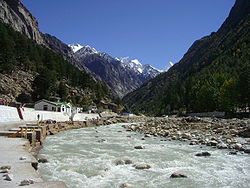
No river on earth commands so much respect and reverence as the Holy Ganga. We see this river in Rig Veda, the oldest religious scripture in the world, the great Hindu epics Ramayana and Mahabharata, Kalidasa’s works and in the ancient Sangam Tamil literature. The Tamils considered it the holiest river. Whenever they want to say something holy they always compared the Ganges. Just to exaggerate they used to say X or Y is holier than Ganga. All the rivers are considered mother in Hindu mythologies. But Ganga Matha( Mother Ganges)  has a very special place in the minds of Indians.

Ganges water was praised as the purest and cleanest water with miraculous properties even by the East India Company 300 years ago. When their ships were loaded with Ganges water for drinking purpose it never became stale (putrefy) even after several months where as other water loaded in different parts of the world went stale within a month. The Hindus knew its properties for thousands of years. The powerful Tamil kings went all the way to Himalayas and embossed their seals on the rocks there. When they came back they brought Ganges water after taking a holy dip. In the middle ages the Vaishnavite Alvars and the Saivite Nayanmars sang its praise in their hymns.

Cheran Senguttuvan of Sangam period brought stones from Himalayas twice for his mother Narchonai and another chaste woman Kannaki. Both the times he washed the stones in the Holy Ganges and made idols from them.

Even today Hindus fill in Ganges water in bottles and pots and bring them home to use it on special occasions. Even before bottling water became a roaring business, Ganges water was sold or distributed free of cost by the Hindu Charities. Everyday Madurai and Rameswaram temples use Ganges water for Abhishekam (bathing the gods). Truck loads of Ganges water come all the way from Himalayan destinations to these temples.

In Haridwar and Varanasi (Kasi), an evening Arthi is performed to Ganga Matha which is watched and worshipped by thousands of people. No river in the world has this type of daily worship. The world’s largest religious festival Kumbhamela attended by  twenty million people takes place every twelve years on the banks of river Ganges.

No wonder this mighty river finds a special place in every literary work of India. Kalidasa, the greatest of the secular Indian poets, even praises the Milky Way in the sky as Akasa Ganga (Ganges in the sky).

Hidden Treasure Under the Ganges

Tamil literature reveals some unknown, secret information about the Ganges. Poet Mamulanar in Akam 265 says that the Nanda Kings have hidden enormous treasure under the Ganges in Pataliputra (modern Patna in Bihar). He compares the mighty Himalayas and the enormous hidden treasure to the wealth the hero went after leaving the heroine all alone. Since there was no supporting information from other historical sources, the commentators also left us skeleton details only.

Kalidasa’s references to Ganges:

Mega 45, 65

Vikra. I -7 ,II 15, III-6, V-22

Kumara I-30, 54; VI 38, 57, 70; VII-41, 42;VIII-16

Ragu. II-26,IV 32, 36, 73,V 48, X 37, 63;XIII 20,54 to 57; XII-66;XIV-3, 52;XVI 33,34, 71;XVII 14

From Kumarasambhavam

“To her, those impressions were permanent, the lore  acquired in the past life, came at the time of instruction, as do the flocks of swans to the Ganges in autumn, or their own lustre to the medicinal herbs at the night” (1-30) I have already given the verse by Paranar (narri.356) where he sang about the Himalayas and the swans.

“O you, the most eminent of the twice born, I consider myself sanctified by these two only, by the fall of Ganges on my head, and water from your washed feet”(6-57)

“Just as Ganga is lauded by the foot of the supreme lord, so is she by you of lofty peaks, who are her second source” (6-70)

Ganga and Yamuna also, assuming visible forms and holding Chauries, served the god (7-42)

Mega. 51

The dark clouds at the top of the mountains look like dark elephants bathing in the Ganges.

The shadow of the dark clouds and the crystal clear Ganges water makes us think that river Yamuna mingles with the Ganges in a different place (Yamuna water is darker than Ganges).

Ragu 13-54 to 57

Kalidasa employs seven similes in this description of White Ganges and Dark Yamuna. The joining of the two rivers looks like a necklace of pearls and blue sapphires. Then it looks like a garland of white and blue flowers. In another place it is like white swans and black swans swimming together. In another place it likes the Rangoli on black agar wood with sandal paste. It also looks like the white moon light peeping through dark tree leaves. In another place it is like dark clouds floating in blue sky. Ganga and Yamuna together look like Shiva smeared with white ash with the snake around his neck (Ganges is Shiva and Yamuna is snake).

Paranar also follows Kalidasa and employs nine similes in Akam 178, but on a different theme.

Ragu 17-72

The clouds are praised for showering water on parched fields. But they are that generous only because of the sea. People forget the sea. King Athithi gave so much to the poets who in turn donated them to others. Though they were praised the original philanthropist Athithi was forgotten like the sea.

Tamil poets and Kalidasa knew that the sea was the source of clouds and rain. Kapilar in Puram 107 sings about it. People praise rain (Mari) when King Pari is more generous.

Tamil poets’ references to Ganges

Patti.190 (articles produced in the valleys of the Ganges and the Kavery)

Narr.369 (Nalvellaiyar);189 (Anonymous)

Puram 161 (Perunchittiranar)

Madu.696 Mankudi Maruthan (1000 branched Ganges)

Perum.429-431

Akam .265 (Mamulan)

Pari. 16-36

Post Sangam works: Silappadikaram mentions Ganges in 15 places; Manimegalai -4 places

Tamil literature uses Ganges as a simile for the generosity and philanthropy of kings and chieftains. They came to know about the river only from Kalidasa and other Sanskrit works.

Katiyalur  Uruttiran Kannanar (Perum. 429-431) says

As men who flee from peril slumber as they wait

For the boat that will ferry them across

The unfordable Ganga, scattering gold as it tears down

The lofty crest of the Himalaya where the gods dwell,

Lighting it up with its silvery billows (Perum. 429-431)

Vikramorvasiyam I-7 refers Ganges breaking its banks which is echoed by Tamil poet Perunchittiranar. He describes the mighty flow of Ganges in Puram. 161: the clouds raise from the sea, gather themselves, appear dark and huge like mountains in the sky, roar with thunder and pour the torrents; when such a rainy season is past and when the summer reigns supreme making the tanks and rivers everywhere dry, the Ganges flows full of water for the benefit of the whole of mankind. The poet compares Ganges to the generosity of Kumanan, a Tamil chieftain. The Ganges descending from the Himalayas is always overflowing its banks, he says.

Narrinai poet Madurai Nalvellaiyar (verse 369) used Ganges in a statement by a heroine. The heroine feels that her love is so powerful and influential that it over comes her self- control like the great floods in the Ganges that overflows the banks and smashes the dams in its course. Another anonymous poet says that the hero might have gone somewhere by a boat in the Ganges. Nal Velliyar just echoed Kumarasambhavam verse VIII-16 and Raguvamsam verse XII-66.

Tamils even knew that the Ganges branches into thousands of smaller streams just before entering into Bay of Bengal . Sangam poet Mankudi Maruthan compares the lively Madurai market to the Ganges. Saivite saint Appar also refers to it as thousand faced Ganges.

Milky Way

Milky Way is the galaxy that contains our Solar System. There are 200 to 400 billion stars. Astronomers estimate that there are ten billion habitable planets in the Milky Way galaxy. If the night sky is clear we can see this galaxy with a lot of stars with a background of white light patch. Kalidasa refers to it in several places. In Tamil we come across it in Paripatal (16-36).

Ka lidasa refers to the Milky Way as Chaya Patham, Vyoma Ganga, Thri Marga, Thri Divasa and Akasa Ganga in Ragu I-78, XII-85, XIII-2, Kuma. I-28, IV-37.

NB: The Ganges has become more polluted in recent years. So readers are warned not to drink water  without boiling it. This is because of the industrial wastes mixing into it along its 1500 mile route. The medicinal qualities are still maintained at the source or very near the source in the Himalayas.

Supporting information from another website

The Ganges is 2525 kilometres long. Along its course, 27 major towns dump 902 million litres of sewage into it each day. Added to this are all those human bodies consigned to this holy river, called the Ganga by the Indians. Despite this heavy burden of pollutants, the Ganges has for millennia been regarded as incorruptible. How can this be?

Several foreigners have recorded the effects of this river’s “magical” cleansing properties:

  1. Ganges water does not putrefy, even after long periods of storage. River water begins to putrefy when lack of oxygen promotes the growth of anaerobic bacteria, which produce the tell-tale smell of stale water.
  2. British physician, C.E. Nelson, observed that Ganga water taken from the Hooghly — one of its dirtiest mouths — by ships returning to England remained fresh throughout the voyage.
  3. In 1896, the British physician E. Hanbury Hankin reported in the French journal Annales de l’Institut Pasteur that cholera microbes died within three hours in Ganga water, but continued to thrive in distilled water even after 48 hours.
  4. A French scientist, Monsieur Herelle, was amazed to find “that only a few feet below the bodies of persons floating in the Ganga who had died of dysentery and cholera, where one would expect millions of germs, there were no germs at all.

More recently, D.S. Bhargava, an Indian environmental engineer measured the Ganges’ remarkable self-cleansing properties:

“Bhargava’s calculations, taken from an exhaustive three-year study of the Ganga, show that it is able to reduce BOD [biochemical oxygen demand] levels much faster than in other rivers.”

Quantitatively, the Ganges seems to clean up suspended wastes 15 to 20 times faster than other rivers.

(Kalshian, Rakesh; “Ganges Has Magical Cleaning Properties,” Geographic, 66:5, April 1994.)

From Science Frontiers #94, JUL-AUG 1994. © 1994-2000 William R. Corliss


Tamil References:

நாள் தர வந்த விழுக் கலம் அனைத்தும்

கங்கை அம் பேர் யாற் கடல் படர்ந்தா அங்கு

அளந்து கடை அறியா வளம் கெழு தாரமொடு

மாங்குடி மருதன் (மதுரைக் காஞ்சி 695-697

*************

இமையவர் உறையும் சிமையச் செவ்வரை

வெண் திரை கிழித்த விளங்கு சுடர் நெடுங்கோட்டுப்

பொன்கொழித்து இழிதரும் போக்கு அரும் கங்கைப்

பெரு நீர்ப் போகும் இரியல் மாக்கள் (பெரும்பா.429-432)

**************

“நீண்டொலி அழுவம் குறைபட முகந்துகொண்டு;

ஈண்டுசெலல் கொண்மூ வேண்டுவயின் குழீஇப்

பெருமலை யன்ன தோன்றல் சூன்முதிர்பு,

உருமுரறு கருவியொடு, பெயல் கடன் இறுத்து,

வளமழை மாறிய என்றூழ்க் காலை,

மன்பதை எல்லாம் சென்றுணக் கங்கைக்

கரைபொரு மலிநீர் நிறைந்து தோன்றியாங்கு,

எமக்கும் பிறர்க்கும் செம்மலை யாகலின்” (புறம் 161)

***************

மலர் மார்பிற் சோர்ந்த மலரிதழ் தா அய்

மீனாரம் பூத்த வியன் கங்கை நந்திய

வானம் பெயர்ந்த மருங்கொத்த லெஞ்ஞான்றும்

(பரிபாடல் 16-35/37 நல்லழிசியார்)

*************

ஞெமையோங்கு உயர்வரை இமயத்து உச்சி

வா அன் இழிதரும் வயங்கு வெள் அருவிக்

கங்கையம் பேர்யாற்றுக் கரையிறந் திழிதரும்

சிறையடு கடும் புனல் அன்னவென்

நிறையடு காமம் நீந்துமாறே (நற்றிணை 369)

***********

Appar :

நேர்ந்தொருத்தி ஒரு பாகத்து அடங்கக் கண்டு

நிலை தளர ஆயிரமா முகத்தினோடு

பாய்ந்தொருத்தி படர் சடை மேற் பயிலக் கண்டு

பட அரவும் பனி மதியும் வைத்த செல்வர் (அப்பர் தேவாரம்)

******************