அனைத்தும் பெற ஆறு கேள்விகள் !


சம்ஸ்கிருதச் செல்வம்-10


10. அனைத்தும் பெற ஆறு கேள்விகள் !


ச.நாகராஜன்

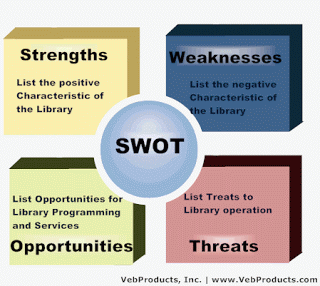
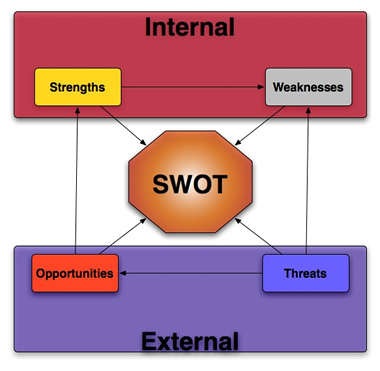
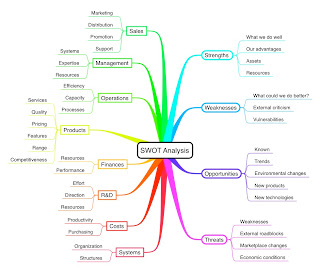
   வாழ்க்கையில் வெற்றி பெறவும் ஒரு திட்டத்தில் வெற்றி பெறவும் ஒரு பொருள் அல்லது இடம் அல்லது நிறுவனம் அல்லது ஒரு தனி நபர் பற்றி மதிப்பீடு செய்ய SWOT analysis என்ற உத்தியை நிபுணர்கள் இன்றைய நவீன உலகில் கடைப்பிடிக்கின்றனர். SWOT  என்றால்  Strengths, Weaknesses, Opportunities,Threats என்று அர்த்தம். பலம், பலஹீனம், வாய்ப்புகள், எதிர் வரும் அபாயங்கள் ஆகிய நான்கை நன்கு அலசி ஆராய்ந்தால் வெற்றி நிச்சயம் என்கிறது ஆல்பர்ட் ஹம்ப்ரி என்பவர் கண்டுபிடித்த ஸ்வாட் அனாலிஸிஸ்.


ஆனால் வெகு காலம் முன்பே நமது அறிஞர்கள் “ஆறு கேள்வி அனாலிஸிஸைக்” கண்டு பிடித்துள்ளனர். கவிஞர் அழகுற அதை இரண்டே வரிகளில் கூறுகிறார்:


க: கால: கானி மித்ராணி

    கோ தேஷ: கௌ வ்யயாகமௌ I

கோஹம் கா சைவ மே 

    ஷக்திரிதி சிந்தயம் முஹுர்முஹு: II


க: கால: – என்ன நேரம் இது? (What time is this?)

கானி மித்ராணி – எனது நண்பர்கள் யார் யார்? (Who are my friends?)

கோ தேஷ: – இது என்ன இடம்? (Which is this place?)

கௌ வ்யயாகமௌ – இதில் செலவுகள் என்ன? ஆதாயங்கள் என்ன? (What are expenses an gains?)

கோஹம் – நான் யார் (Who am I ?)

கா சைவ மே ஷக்திரிதி – எனது பலம் என்ன? (What is my strength?)


“ஒருவன் எப்போதுமே என்ன காலம் இது? எனது நண்பர்கள் யார், யார்? இது என்ன இடம்? இதில் செலவுகள் என்னென்ன, ஆதாயங்கள் என்னென்ன? நான் யார்? எனது பலம் என்ன? என்பனவற்றைச்  சிந்திக்க வேண்டும்.” என்பது இந்தச் செய்யுளின் பொருள்.


       இதில் நான் யார் (கோஹம்) என்று எப்போதும் சிந்திப்பது பெரிய சித்திகளை அருளி முக்திக்கே வழி வகுக்கும் என்பது பகவான் ரமணரின் அருளுரை.


ஆக இந்த ஆறு கேள்விகளை எப்போதும் சிந்திக்கும் எவருக்கும் அபாயம் ஒரு நாளும் இல்லை என்பதோடு வெற்றி நிச்சயம் என்பதில் சந்தேகமே இல்லை.


சிந்தனீயா ஹி விபதாம் ஆதாவேவ ப்ரதிக்ரியா I

ந கூபகனனம் யுக்தம் ப்ரதீப்தே வஹ்னினா க்ருஹே II


“ஒரு ஆபத்தான நிலையை அடையும் முன்னரே ஒருவன் முன்னெச்சரிக்கை நடவடிக்கைகளை எடுக்க வேண்டும்.வீடு தீப்பற்றி எரியும் போது கிணறு வெட்டும் வேலையை ஆரம்பிக்கக் கூடாது!” என்பது இந்த ஸ்லோகத்தின் பொருள்.


வீடு தீப்பற்றி எரியும் போது  கிணறு வெட்ட ஆரம்பிக்கும் மூடன் அழியாமல் இருப்பது எப்படி? எப்பொழுதும் முன் ஜாக்கிரதையுடன் அனைத்து விஷயங்களையும் அலசி ஆராய்ந்து வாழ்க்கைத் திட்டங்களை வகுக்க வேண்டும் என்பது கவிஞரின் அறிவுரை.


வெற்றி பெற வழி வகுக்கும் ஆறு கேள்விகளைக் கேட்டு பதிலைப் பெற்றுத் திட்டங்களை வகுத்தாலே வாழ்க்கையில் ஆபத்தே வராது வந்தாலும் அவற்றை “மா சம்பத்தாக” மாற்றி விடலாமே!


*************************************

உற்சாகமே பலம்!

8.ராமாயண வழிகாட்டி

அத்தியாயம் – 8

ச.நாகராஜன்


உற்சாகமே பலம்!


உத்ஸாஹோ பலவானார்ய

   நாஸ்த்யுத்ஸாஹாத்பரம் பலம் I

ஸோத்ஸாஹஸ்யாஸ்தி லோகேஸ்மின்ன 

   கிஞ்சித்தபி  துர்லபம் II


ஆர்ய – அண்ணா! (பண்பாடுடையவரே!)

உத்ஸாஹ: – உற்சாகமே ( எதற்கும் சலியாத விடாமுயற்சியே)

பலவான் – எதையும் அளிக்க வல்லது

பலம் – பலனை அளிக்க வல்லது

உத்ஸாஹாத் –  உற்சாகத்தை விட

பரம் – சிறந்ததாய் வேறொன்று

அஸ்தி ந – இல்லை

ஸோத்ஸாஹத்ய – உற்சாகம் உடைய ஒருவனுக்கு

அஸ்மின் – இந்த

லோகே – உலகில்

துர்லபம் – அடைய முடியாததென்பது

கிஞ்சித் அபி – ஒன்றுமே

ந அஸ்தி – இல்லை


உத்ஸாஹவந்த: புருஷா  நாவசீதந்தி கர்மஸு I

உத்ஸாஹமாத்ரமாஷ்ரித்ரிய சீதாம் ப்ரதிலபேமஹி II


உத்ஸாஹவந்த: – உற்சாகமுடைய

புருஷா- மனிதர்கள்

கர்மஸு – காரியங்களில்

அவசீதந்தி ந – மனச்சோர்வடைய மாட்டார்கள்

உத்ஸாஹமாத்ரம் – உற்சாகம் ஒன்றையே

ஆஷ்ரித்ரிய – மேற்கொண்டு

சீதாம் –சீதா தேவியை

ப்ரதிலபேமஹி –அடைவோம்


கிஷ்கிந்தா காண்ட்த்தில் முதல் ஸர்க்கத்தில் 140,141,142 ஸ்லோகங்களாக அமைபவை இவை. பம்பா சரஸைக் கண்ட ஸ்ரீராமர் விரக தாபத்தால் புலம்ப அவரைத் தேற்றும் விதமாக  இவற்றை லக்ஷ்மணர் ராமரிடம் கூறுகிறார்.


மனிதனுக்கு வாழ்வில் உற்சாகமே இன்றியமையாதது. உற்சாகமே பலம்.உற்சாகமே வெற்றியைத் தரும். இடைவிடா முயற்சிக்கு ஆதார அடிப்படை உற்சாகமே.


இந்த அரிய  குணத்தை உடையவன் தான் ராமன் என்றாலும் சீதை பால் கொண்ட அன்பின் அதிசயத்திற்குக் கட்டுப்பட்டு (காமவசம் ஆபன்ன: என்பது வால்மீகி மஹரிஷியின் வாக்கு) அவன் சீதையை நினைத்துப் புலம்பும் போது லக்ஷ்மணன் அவரை நோக்கிக் கூறும் இந்த உண்மை மனித குலம் அனைத்திற்கும் என்றும் பொருந்தும்.


உற்சாகத்தைப் பற்றிய எனது ஆங்கிலக் கட்டுரையைக் கீழே தந்துள்ளேன். படித்து மகிழலாம்.இந்த ஆங்கிலக் கட்டுரையில் குறிப்பிடப்பட்டுள்ள ஸ்லோகங்கள் ராமாயண வழிகாட்டி ஐந்தாம் அத்தியாயத்தில் விவரிக்கப்பட்டுள்ளன.


The One Word That Makes the Difference between Success and Failure!

The difference between Success and Failure is determined by just one MAGIC WORD!

Yes, just by one word!

What is that?

Walter Chrysler, when asked to give the secret of success, listed the various qualities, such as ability, capacity, energy, but added that the real secret was enthusiasm.

“Yes, more than enthusiasm,” said Chrysler, “I would say excitement; I like to see men get excited.”

In the great epic Ramayana, Maharishi Valmiki is giving an interesting picture.

When Hanuman, the monkey God was not able to trace out the location of Sita, He was very much distressed.

He lamented, “How could I meet my colleagues at the other end of the ocean without finding out Sita!”

As He is the embodiment of Success, He immediately found out the required quality and uttered two verses (12th chapter verses 10 and 11).

In Sundara Kandam, the best part of Ramayana, He says, “Enthusiasm is the cause for getting wealth; enthusiasm is the greatest comfort; Enthusiasm makes one to do his best always, in all matters. Enthusiasm makes human effort fruitful. Hence I am going to do my best induced by enthusiasm.” Needless to say, Hanuman found Sita in Asokavanam. This is the turning point in the great epic. Rama went to Lanka and killed Ravana.

Norman Vincent Peale has written a book titled, “Enthusiasm Makes the Difference”. He points out that


Enthusiasm never runs down

Enthusiasm cancels fear and worry

Enthusiasm reduces stress and tension

Enthusiasm works miracles in problems

Enthusiasm is a powerful motivation which makes things happen

Enthusiasm builds power under your difficulties

Enthusiasm makes the difference- it leads everybody from failure to success.

The word enthusiasm from the Greek entheos means ‘God in you’ or ‘full of God’. In other words enthusiasm is a “Godly Quality”.

Emerson wrote:”Nothing great was ever achieved without enthusiasm.” God helps to those who work with great enthusiasm. So instead of blaming others or the environment, we have to work hard enthusiastically aiming at our goal.

This one word will definitely take us to success from failure!

«««««««

உற்சாகமே உயிர்!

5.ராமாயண வழிகாட்டி

அத்தியாயம் – 5 By ச.நாகராஜன்


உற்சாகமே உயிர்!


ராமாயணத்தில் அற்புதமான கதாபாத்திரமாக மிளிர்பவர் அனுமான்.

இறைபக்திக்கும், செயல் திறமைக்கும், மதியூகத்திற்கும், சீலத்திற்கும், அர்ப்பணிப்பு மனப்பான்மைக்கும் இன்ன பிற அனைத்து தெய்வீக குணங்களுக்கும் ஒரு எடுத்துக்காட்டாகத் திகழ்பவர் அனுமான். அவர் வாய் வழியே வரும் கருத்துக்கள் அனைத்துமே சிறப்பானவை.


சீதையைத் தேடச் சென்ற அனுமனின் வாயிலாக ஒரு அற்புதமான வாழ்வியல் கருத்தைச் சுந்தர காண்டத்தில் காண்கிறோம்.

இலங்கையில் சீதையை மாளிகைகளிலும் சித்திர வீடுகளிலும் பூங்கொடி வீடுகளிலும் காணாமல் அனுமான் மனம் கலங்குகிறார்.”ஆஹா, சீதையைக் காணவில்லை என்றால் அனைவரும் நிச்சயமாய் பட்டினி கிடந்து அல்லவா உயிர் துறப்பார்கள்” என்று அவர் வேதனைப் படுகிறார்.


ஆனால் நல்ல ஒரு செயல் வீரன் மனம் தளர்ந்தால், அவன் எப்படி வெற்றி பெற முடியும்? ஆகவே அவர் அற்புதமான இரண்டு ஸ்லோகங்களைக் கூறி தன்னைத் தானே ஊக்குவித்துக் கொள்கிறார்.


அனிர்வேத: ஸ்ரியோ மூல மனிர்வேத: பரம் ஸுகம் I

அனிர்வேதோ ஹி ஸததம் ஸர்வார்த்தேஷு ப்ரவர்த்தக: II


கரோதி ஸபலம் ஜந்தோ: கர்ம யத்தத் கரோதி ஸ: I

தஸ்மாதனிர்வேதக்ருதம் யத்னம் சேஷ்டேஹமுத்தமம் II

சுந்தரகாண்டம் பன்னிரண்டாவது ஸர்க்கம் 10,11 ஸ்லோகங்கள்


அனிர்வேத: – மனம் தளராமையே

ஸ்ரியோ – செல்வத்திற்குக்

மூலம் – காரணம்

அனிர்வேத: – மனம் தளராமையே

பரம் ஸுகம் – மேலான சுகம்

ஸததம் – எப்பொழுதும்

ஸர்வார்த்தேஷு – எல்லா விஷயங்களிலும்

ப்ரவர்த்தக: – முயலும்படி செய்வது

அனிர்வேத: ஹி – மனம் தளராமையே


ஜந்தோ: – மானிடரின்

கர்ம – காரியத்தை

ஸபலம் –பயனுடையதாக

யத் – எது

கரோதி – செய்கிறதோ

த த் – அதை

ஸ: – அது (மனம் தளராமை)

கரோதி – செய்கிறது

தஸ்மாத் – ஆகையால்

அஹம் – நான்

அனிர்வேதக்ருதம் – உற்சாகத்தினால் ஏற்பட்ட

உத்தம்ம் – உத்தம மான

யத்னம் – முயற்சியை

சேஷ்டே – மேற்கொள்கிறேன்.


அனிர்வேதம் என்ற சொல்லுக்கு உற்சாகம், மனம் தளராமை என்ற பொருள் உண்டு.அனுமான் உற்சாகம் மனிதனுக்கு எவ்வளவு இன்றியமையாதது என்பதைத் தனக்குத் தானே சொல்லி தன்னைத் தானே ஊக்கப்படுத்திக் கொள்கிறார். முயற்சியைத் தொடர்கிறார். வெற்றியும் பெறுகிறார்.


செல்வத்திற்கும் அனைத்து காரியங்களிலும் வெற்றிக்கும் மூலம் உற்சாகமே என்ற அற்புத வெற்றி சூத்திரத்தை அனுமார் விளக்கும் இடமும் பொருத்தமாக அமைகிறது.


வால்மீகி இந்த காண்டத்தில் ஒரு அற்புதமான உண்மையைப் பொதிந்து வைத்திருக்கிறார்.

உற்சாகத்துடன் தேடும் பணியைத் தொடர்ந்த அனுமான் அதுவும் பயன்பெறாத நிலையில் பின்னர் இறைவன் அருளை வேண்டுவது தான் அது.


மனித யத்தனமும் இறை அருளும் இருந்தால் தான் ஒரு காரியம் வெற்றி பெறும் என்பதை சுந்தர காண்டம் சுட்டிக் காட்டுகிறது.

வாழ்க்கையில் வெற்றி பெற உன்னதமான சூத்திரத்தைச் சுட்டிக் காட்டும் சுந்தர காண்டத்திற்கு ஈடு இணை இல்லை!


(இந்தக் கட்டுரையைப் படித்தோர் ஆசிரியரின் வெற்றிக்கலை நூலில் உள்ள ‘உற்சாகமே உயிர்’ என்ற அத்தியாயத்தையும் அனுமானின் உற்சாகத்தையும் ராம பக்தியையும் விளக்கும் சுந்தரகாண்டம் பற்றிய கட்டுரையையும் படித்துப் பயன் பெறலாம்)


************

சங்கீத ரகசியம்: இளமையில் கல்

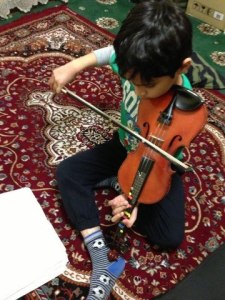
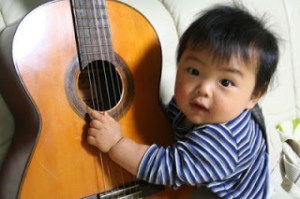
Picture: My Friend Violinist Nagaraju’s son

சங்கீத ரகசியம்: இளமையில் கல்


தேர்வில் நல்ல மதிப்பெண்கள் பெற வேண்டுமா? சங்கீதம் கற்றுக் கொள்ளுங்கள்.

ஞாபக சக்தி வளர வேண்டுமா? சங்கீதம் கற்றுக் கொள்ளுங்கள்.

வயதான போதும் இளமை திரும்ப வேண்டுமா? சங்கீதம் கற்றுக் கொள்ளுங்கள்.

அதுவும் இளமையில் இசையைக் கற்கவேண்டும்!!!

பிரிட்டனில் இருந்து வெளியாகும் ‘நியூ சை ன்டிஸ்ட்’ New Scientist பத்திரிக்கை ஒரு நல்ல சுவையான செய்தியை வெளியிட்டிருக்கிறது. இதற்கு முன்பாக ‘சைன் டிFபிக் அமெரிக்கன்’, ‘நேச்சர்’ Nature, Scientific American ஆகிய பத்திரிக்கைகளிலும் நியுரோ சை ன்டிஸ்ட்’ பத்திரிக்கைகளிலும் இதே கருத்து வெளியாகி இருக்கிறது.

பார்ப்பனச் சிறுவர்களை ஐந்து வயதிலேயே வேதத்தின் ஒரு ஷாகையயும் வேதத்தின் ஆறு அங்கங்களையும் (ஷட்+ அங்கம்= சடங்கு) கற்க அனுப்பியதால், அவர்கள் பெரிய அறிவாளிகளாக விளங்கினர். நீண்ட ஆயுளுடனும் நல்ல ஞாபக சக்தியுடனும் விளங்கினர். இதே முறையை சங்கீதப் பயிற்சிக்கும் பின்பற்றினர். வேதமும் இசையை அடிப்படையாக உடையது. இரண்டும் பய பக்தி கலந்த, மரியாதை மிக்க குரு குல வாச முறையில் பயிலப் பட்டன.

பள்ளிக்கூடத்தில் சேர வருவோருக்கு கணிதமும் சங்கீதமும் தெரிந்திருக்க வேண்டும் என்று கிரேக்க அறிஞர் பிளாட்டோ வலியுறுத்தினார்.

இசை என்பது காதோடு மட்டும் நிற்பதல்ல. இசையின் நுண்ணலைகள் நம்முள் பெரிய மாற்றங்களை ஏற்படுத்தும் வல்லமை படைத்ததவை.

முதலில் புதிய செய்தியைப் பார்ப்போம்:

சங்கீதத்தில் புகழ்பெற்ற, திறமைமிக்க 36 பேர்களைத் தேர்ந்தெடுத்தனர். அவர்களில் பாதிப்பேர் ஏழு வயதுக்கு முன்னரே இசையைக் கற்கத் துவங்கினர். மீதி பாதிப்பேர் ஏழு வயதுக்குப் பின்னர் இசையைக் கற்கத் துவங்கினர். எல்லோரையும் எம்.ஆர். ஐ. ஸ்கேன் (Magnetic Resonance Imaging Scan) செய்து பார்த்தனர். ஒரு அதிசயமான உண்மை அம்பலத்துக்கு வந்தது.

மனிதர்களின் மூளையில் இரண்டு பிரிவுகள் உள்ளன. இதை இணைக்கும் வெள்ளைத் திசுவுக்கு கார்ப்பஸ் கல்லோசம் என்று பெயர். நாம் ரேடியோ அல்லது கம்ப்யூட்டர் ஆகியவற்றைப் பிரித்துப் பார்த்தால் பினபக்கத்தில் ஏராளமான இணைப்புகளைப் பார்க்கலாம். அது போல முளையின் இரண்டு பகுதிகளை இணக்கும் பகுதியே கார்பஸ் கல்லோசம். யார் சின்ன வயதிலேயே இசையைக் கற்கச் சென்றார்களோ அவர்களுக்கு இந்தப் பகுதி நன்றாக வளர்ச்சி பெற்று இருக்கிறது. ஏழு வயதுக்குப் பின்னர் பயின்றவர்களுக்கு இசைப் பயிற்சி இல்லாதவர்களின் அளவுக்கு இந்த வெண்ணிறப் பகுதி இருக்கிறது.

இந்த வெண்ணிறப் பகுதியின் வளர்ச்சி எதைக் காட்டுகிறது? இடது கையும் வலது கையும் ஒருங்கிணைந்து செயல்படுவதைக் காட்டுகிறது. சங்கீதம் கற்பவர்கள் ஒரு கருவியைக் கற்கவோ கைகளால் தாளம் போடவோ இது மிகவும் அவசியம்

இதை ஜெர்மனியில் லைப்சிக் நகரில் இருக்கும் மூளை, மனித அறிவு ஆராய்ச்சி நிலையம் வெளியிட்டுள்ளது. இதை கிறிஸ்டோபர் ஸ்டீல்,

( மாக்ஸ் பிளன்க் நிறுவனம் Max Planck Institute for Human Cognitive and Brain Sciences, Leipzig, Germany) அறிவித்தார். இளமையில் சங்கீதம் கற்போர் மற்றவர்களை விஞ்சிவிடுவர் என்பது இந்த ஆய்வின் துணிபு.

நம் முன்னோர்கள் “இளமையில் கல்” என்றும் “ஐந்தில் வளையாதது ஐம்பதில் வளையாது” என்றும் சொன்னது எவ்வளவு உண்மை?

****

இசையும் செயல்பாடும்

இதோ இன்னொரு செய்தி:

வெளிநாடுகளில் இருந்து மூன்று பிரபல விஞ்ஞானப் பத்திரிக்கைகள் வருகின்றன.: New Scientist, Nature, Scientific American. இந்த மூன்று பத்திரிக்கைகளில் வெளியாகும் செய்திகளுக்கு தனி மதிப்பு உண்டு.

பாட்டுக் கேட்டாலே போதும். மூளை வளர்ச்சி பெறும் என்று இந்த செய்தி கூறுகிறது! சங்கீதம் கற்போருக்கு பல மொழிகளைக் கற்கும் திறன் அதிகரிக்கும் என்றும் பெரும் இரைச்சலில் இருந்து சொற்களைப் பிரித்தெடுக்கும் சக்தி அதிகம் என்றும் இந்த ஆய்வுகள் காட்டின. 45 பேரைத் தேர்ந்தெடுத்து  பல உரையாடல்களை பயங்கர இரைச்சலுக்கு இடையே ஒலிபரப்பினர். சங்கீதம் கற்றோர் மற்றவர்களை விட உரையாடல்களை நன்கு கேட்க முடிந்தது.  Journal of Neuroscience இந்தச் செய்தியை வெளியிட்டது.

பிரபல இசை மேதை மோசார்ட்டின் இசையை ரசிப்போருக்கு சில விஷயங்களில் அறிவும் திறமையும் கூடுதலாக இருப்பதாக 1993ல் நேச்சர் பத்திரிக்கை ஒரு ஆய்வை வெளியிட்டது. இளம் வயதில் சிறிது இசைப் பயிற்சி பெற்றாலும் வயதான பின்னரும் அவர்களின் கேள்வி ஞானம் சிறப்பாக இருக்கிறது என்று நார்த் வெஸ்டர்ன் பல்கலைக்கழகம் (அமெரிக்கா) 2012ல் இதை உறுதி செய்துள்ளது. (A Little Music Training Goes a Long Way: Practicing Music for Only Few Years in Childhood Helps Improve Adult Brain)


வயது ஆக ஆக ஆக மூளையின் செயல்பாடு குறையும் என்பது பொது விதி. ஆனால் சங்கீதம் கற்றுத் தொடர்ந்து பயிற்சி செய்வோரிடம் இந்த தேய்மானம் அந்த வேகத்தில் இல்லை. ஞாபக சக்தித் தேர்விலும், வேகமாக எதையும் புரிந்து கொள்ளும் தேர்விலும் சங்கீதக்காரர்கள் அதிகம் மதிப்பெண் பெறுகிறார்கள் (ஆதாரம்: 2012 July issue of Frontiers in Human Neuroscience).

*****

இதை எழுதும்போது, எனக்கு 1960களில் என் பெரிய அண்ணன் செய்த ஒரு செயல் நினைவுக்கு வருகிறது. மதியம் ஒலிபரப்பாகும் ‘விவித் பாரதி’ ஹிந்தி பாட்டுகளைக் கேட்டுகொண்டேதான் பாடங்களைப் படிப்பான். அவன் ஏமாற்றுவதாக அம்மாவும் சகோதரர்களும் அவனைக் கேலி செய்வோம். இப்போது நிறைய பேர் காதில் ‘இயர் போனை’ வைத்து பாட்டுக் கேட்டுக்கொண்டு பாடப் புத்தகங்களைப் படிப்பதைப் பார்க்கிறோம். இதிலும் பலன் உண்டு என்றே சொல்லத் தோன்றுகிறது!

மோட்சார்ட் இசையைக் கேட்ட பின்னர் புத்திசாலித்தன (ஐ.க்யூ) சோதனைய்ல் மானவர்கள் அதிகம் மதிப்பெண் பெற்றதாக முதலில் கலிபோர்னியா பல்கலைகழகம் செய்தி வெளியிட்டது ஆனால் பின்னர் மற்ற பல்கலைகழகங்கள் இதே சோதனையைச் செய்து பார்த்தபோது அந்தப் பல்ன்கள் கிடைக்கவில்லை . ஆகவே இந்த சோதனை ஒத்துக்கொள்ளப் படவில்லை.

*****

இசையும் பிராணிகளும்

25/05/1983ல் ஹிந்து நாளேடு வெளியிட்ட செய்தி என் கோப்பில் இருக்கிறது. அதில் பக்திப் பாடல்கலைக் கேட்ட பசு மாடுகள் அதிகம் பால் சுரந்ததாக ஆராய்ச்சி முடிவு வெளியானது. இன்று வரை அது நடக்கிறதா என்று தெரியவில்லை. அன்னமாசார்யா கீர்த்தனைகள், வெங்கடேஸ்வர சுப்ரபாதம் ஆகியன பாடப்பட்டபோது பால் உற்பத்தி அதிகரித்தது.

சங்க இலக்கியத்தில் தினைப்புனத்தை மேயவந்த யானை கூட இசைக்குக் கட்டுபட்டு நின்ற செய்தி உளது. பிருந்தாவனத்தில் ஆநிரைகள் கண்ணனின் புல்லாங்குழலுக்குக் கட்டுப்பட்டு மெய்மறந்து நின்றதையும் நினைவு கூறுவோமாக.

Contact London Swaminathan at swami_48@yahoo.com

கண்ணன் வழி , தனி வழி !

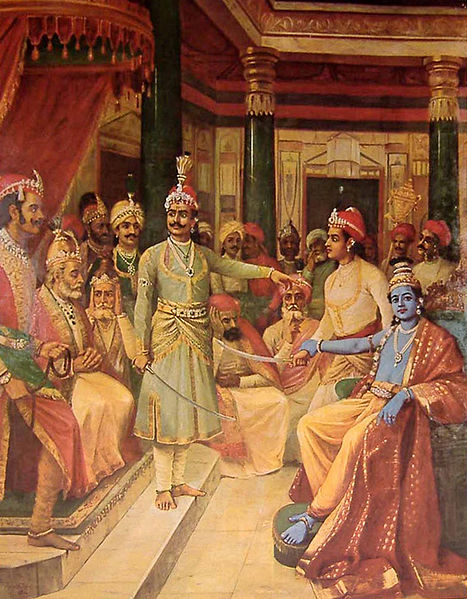
Raja Ravi Varma picture: Krishna and Sathyaki in Kaurava court

( நாமும் அனுமார் ஆகலாம் என்ற கட்டுரையின் இரண்டாவது பகுதி இது. அனுமார், அவருக்கு வந்த இடையூறுகளை எவ்வாறு களைந்தார் என்பது முதல் பகுதியில் விளக்கப்பட்டது. இதோ கண்ணன் வழி )

சோதனைகள், பிரச்சினைகள், இடையூறுகள் வந்தால் அவைகளைக் கண்ணன் தீர்க்கும் வழி தனி வழி. மகாபாரதக் கதைகளை கேட்டவர்களுக்கு நூற்றுக் கணக்கான உதாரணக் கதைகள் நினைவுக்கு வரும். இது கண்ணன் பற்றிய ஒரு பாகவதக் கதை.

கண்ணனும் சாத்யகியும் இணை பிரியா நண்பர்கள். இருவரும் யாதவ குல திலகங்கள். ஹஸ்தினாபுரத்துக்கு தூது சென்றபோதும், யுதிஷ்டிரனின் ராஜசூய யாகத்துக்குச் சென்றபோதும் கண்ணனுடன் சென்றவன் சாத்யகி. மாபாரதப் போரில் 18 நாட்களும் போரிட்டவன். பாண்டவர்களின் ஏழு படைப் பிரிவுகளில் ஒரு படைக்கு தளபதி.

ஒரு நாள் கண்ணனும் சாத்யகியும் தொலைதூரப் பயணம் சென்றனர். பாதி வழியில் இருட்டிவிட்டது. இருவரும் நடுக் காட்டில் கூடாரம் அடித்துத் தங்கினர். யார் பாதுகாவல் காப்பர்கள் என்று ஒரு ஒப்பந்தம் செய்துகொண்டனர். நாலு ஜாமம் கொண்ட இரவில் மாறி மாறி ஒவ்வொரு ஜாமத்தையும் ஒருவர் காப்பது என்று உடன்பாடு ஆயிற்று.

முதல் ஜாமத்தில் சாத்யகி காவல் காத்தார். அப்போது ஒரு பூதம் அவனைத் தாக்க வந்தது. சாத்யகி மாவீரன். கோபமும் வீரமும் கொந்தளிக்க பூதத்தைத் தாக்கினான். இவன் தாக்கத் தாக்க பூதம் மேலும் பலம் அடைந்தது, உருவத்தில் பெரிதாகிக் கொண்டே வந்தது. இதற்குள் முதல் ஜாமம் முடியவே, கண்ணன் காவல் காக்க வெளியே வந்தான்.

ஒன்றுமே நடக்காதது போல பாவனை செய்துகொண்டு சாத்யகி தூங்கப் போய்விட்டான். அதே பூதம் கண்ணனுடன் மோதியது. கண்ணன் கோபத்தையும் வீரத்தையும் காட்டாமல் அன்பே, ஆருயிரே, என் செல்லமே என்று பூதத்தைத் தட்டிக் கொடுத்தான். கண்ணன் அன்போடு தட்டத் தட்ட பூதம் சுருங்கிக் கொண்டே போயிற்று. இதற்குள் மூன்றாம் ஜாமம். உடனே சாத்யகி மீண்டும் காவல் காக்க வந்தான். கண்ணனை ஏற இறங்கப் பார்த்தான். அடி வாங்கிய சுவடே இல்லை. வாரிய தலை கூட கண்ணனுக்குக் கலையவில்லை. விஷமக் கார கண்ணன் முதல் ஜாமத்தில் நடந்தது என்ன என்று ஊகித்தறிந்தான்.

கண்ணன் தூங்கபோன உடனே பூதம் வந்தது, மீண்டும் சண்டை, அடி தடி, குத்து, வெட்டுதான். சாத்யகிக்கு செமை அடி. அவன் தாக்கத் தாக்க பூதம் பெரிதாகியது. சாத்யகிக்கு மேல் மூச்சு, கீழ் மூச்சு வாங்கியது. கண்ணனை உதவிக்கு அழைத்தால் அவமானம்.. நல்ல வேளையாக அந்த ஜாமம் முடிவுக்கு வரவே கண்ணன் காவல் காக்க வந்தான். எல்லாம் பழைய கதைதான். பூதத்தைப் புகழ்ந்து புகழ்ந்து தட்டிக் கொடுத்தான். கண்ணன் அன்போடு தட்டத் தட்ட பூதம் சுருங்கிக் கொண்டே போயிற்று அவன் அதைப் பிடித்து வேட்டியில் ஒரு ஓரத்தில் கட்டிக் கொண்டு முடிச்சுப் போட்டுவைத்தான். உள்ளே போய், “சாத்யகி விடிந்துவிட்டது. நாம் பயணத்தைத் துவங்கவேண்டும்” என்று கூறினான்.

சாத்யகிக்கு ஒரே ஆச்சர்யம். இது என்ன? அந்த பூதம் என்னிடம் மட்டும்தான் வாலாட்டியதா? கண்ணனிடம் வரவே இல்லையா? என்று நினைத்துக் கொண்டு மெதுவாக கண்ணனிடம் பேச்சுக் கொடுத்தான். “கண்ணா, இரவில் ஏதேனும் நடந்ததா? காவல் காப்பதில் ஏதேனும் பிரச்சினை இருந்ததா?” என்றான் மெதுவாக.

கண்ணனுக்குதான் சுற்றிவளைத்துப் பேசத் தெரியாதே! “ஓ, நீ பூதம் பற்றிக் கேட்கிறாயா? இதோ பார் இதுதான் என்கூட இரவில் சண்டைக்கு வந்தது என்று வேட்டியின் முடிச்சை அவிழ்த்து பூதத்தைக் காட்டினான். சாத்யகியுடன் சண்டை போட்ட அதே பூதம்! சாத்யகிக்கு ஆச்சர்யம் எல்லை கடந்துபோனது. அவன் கேள்வி கேட்பதற்கு முன்னர் கண்ணனே பதில் கூறிவிட்டான்.

“இதோ பார் சாத்யகி, ஒரு பிரச்சினை அல்லது கோபம் வரும்போது அதைப் பெரிதாக்குவது நாம்தான். அதையே நினைத்து நினைத்து ,அதனுடன் மோத மோத அது பெரிதாகிவிடும். அதே கோபத்தையோ பிரச்சினையையோ ஆற அமர சிந்தித்து ஆத்திரப் படாமல் சிந்தித்தால் பிரச்சினை சிறிதாகிவிடுமென்று சொல்லிக் கொண்டே கண்ணன் அந்த குட்டி பூதத்தைக் காட்டுக்குள் தூக்கி எறிந்தான். அது உருண்டு ஓடி விட்டது.

ஆங்கிலத்தில் பூதத்தை உண்டாக்கி சண்டை போடுவது என்ற சொற்றொடரே (Creating a Phantom and fighting with it) இருக்கிறது. ஆக பிரச்சினையோ சோதனையோ வந்தால் அமைதியாகத் தட்டிக் கொடுங்கள். அது உங்களுக்கு ஒரு கும்பிடு போட்டுவிட்டு ஓடிப்போய்விடும்.

*************************

Hindu Wonders in a Muslim Country!


  1. Many of us know that Indonesia is the largest Muslim country in the world, but many of us do not know the fourth largest Hindu population is in Indonesia! This is the country which has highest number of Hindus outside Indian subcontinent (next to Nepal and Bangladesh). It is a country with 17,000 islands and 300 volcanoes.
  2. Bhagavad Gita statue in Bangkok

Knowing the popularity of Mahabharata and Bhagavad Gita, a statue of Krishnopadesam was erected in Jakarta, capital of Indonesia. Arjuna and Krishna are riding a chariot. When Suharto, President then, opened the statue he exhorted the people to follow Bagavad Gita’s main teaching: Work without expecting any benefits (selfless Service).

3. Sukarno=su+Karna

Indonesia’s great leader Sukarno was named after the famous Mahabharata character Karnan. Sukarno’s father was very much attracted by the characterisation of Karnan. But Karna supported the wrong side in the great war. So his father named his son as Su (good) Karna. Sukarno’s daughter was also given a Sanskrit name Meghavati Sukarno Puthri. She is the president of the country now.

4.Ramayana, Mahabharata dance drama and puppet show:

Throughout the year Ramayana and Mahabharata dance and puppet shows are staged. They are called Wayang Kulit and  Wayang Wong. We can’t see such a running show even in India, the land of Ramayana! Hanuman was in their military emblem/mascot!
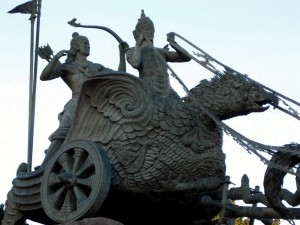
Picture: Arjuna and Krishna in Jakarta

5.Lord Ganesh on Currency Note:

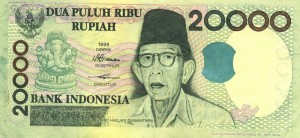
Lord Ganesh picture is inscribed on 20,000 rupee currency in Indonesia. Ganesh was worshipped in India even before Ganesh came to South India. Tamils have Ganesh statue from 6th century AD. But Indonesia has Ganesh statues from 1st century AD, discovered in in Panaitan islands. Lord Ganesh travelled faster by sea than on land in his Mushika (mouse) vahana! There is lot of scope for further research in this field. Ganesh was depicted as Bhuta Ganathipathi with skulls! Java is also known as Ganapathya Land, country where Ganesh is worshipped. A very big  Kapala / Skull Ganapathy is in Leiden Museum (Holland).

6. Ramayana, Mahabharata stamps:

Indonesia has issued many stamps on Ramayana and Mahabharata . All the characters are known to Indonesians, whether they are Muslims or Hindus. But the picture is changing very fast because of modern culture and extremists’ propaganda.

7. Ramayana Translation even before Kamban:

Ramayana was translated in to Kawi language of Java even before Kamban ‘s  most famous Tamil translation known as Kamba Ramayanam (1200 AD). Kakawin Ramayana in old Javanese language was translated in to 1200 verses in 870 Ad during the era of Medang Kingdom. There are more than 200 research works on Kakawin Ramayana.  Even awards in the name of RAMA, are given.

8. Bali Islands:

Bali Island has the biggest Hindu population in Indonesia. There are over 4,600 Hindu temples. But the Balinese follow some strange and ancient customs not known in India!

Saraswathy Puja/ Vijaya Dasami is a national holiday here. Temples with 11 tier towers are of Shiva, 9 tiers –Brahma and 7 tiers- Vishnu. Badara Guru, a form of Shiva, was typical Indonesian Hindu God.

9. Garuda Airlines and Kubera Bank:

The official airline of the country is named after Vishnu’s Vahana Garuda (eagle) and the National bank is named after the Hindu god of wealth Kubera. Serayu river in Java is named after Sarayu River of Ayodhya. Kings of Java bore the Sanskrit titles Bhupati,Arya and Adyaksha

10. Bhasa Indonesia:

Brahmi script is the basis for all the S E Asian languages.

Sanskrit words are found everywhere. Sumeru, Brahmo, Kaliya mardhan, Tharmasagara etc.

The language of Indonesia is Bahasa=Bhasha=language in Sanskrit. Thousands of Tamil and Sanskrit names are found in Indonesia, many of them in their corrupted forms because of distance in time and space. Kawi is the language of poetry in Indonesia. Kavi means poet in Sanskrit.

11. Pallankuzi (Mancala, Congklak):

The whole world agrees that the board games including Chess originated in India (British Musem in London has a display board). But the Pallangkuzi= a wooden board with 14 or 12 pits played with seeds or cowries is found in Africa and Indonesia. It is called Mancala in Africa. This shows that Tamils took their board games wherever they went. It is known as Congklakin Indonesia. Indonesian Hindus took their rice cultivation, Sanskrit language and Pallangkuzi to Madagascar and other places (Please read my article Madagascar-India Link via Indonesia).

12.Agastya statues:

Agastya whose name we find in Rig Veda, is associated with Tamil language  from the very beginning. He was the one who established land route to South India by crossing the Vindhyas and he was the first one to travel across the ocean for migration.(Please read my article “Is Bramastra a Nuclear Weapon?” for more details about Agastya drinking the ocean).

So Agastya statues are dug out in several places in South East Asia. Some are in Indonesian museums. A two meter tall Agastya idol was also discovered. Singasari and Yeh-Pulu were two places which gave us lot of Hindu statues and Idols.

13.Mulavarman Inscription in Jungle:

Please read my blog “Sanskrit Inscriptions in Strange Places”.
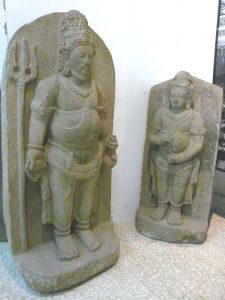
Picture: Agastya Statue


14.Indian Business Community:

A ninth century inscription in Central Jawa listed all the communities that frequented the island: Kalinga, Arya, Sinhalese, Pandiyas, Keralites, Dravidians, Chams, Khmers.


15. Borobudur

Borobudhur Buddhist temple is considered one of the 100 Wonders of the World. It is in Sri Chakra form. It is spread over ten kilometres. Hindu King Vishnu (775 AD) began the work on this temple. But it was stopped after his death in 785 AD. Another king of Sailendra Dynasty made it as a Buddhist temple in 11th century. Scenes from Dasavatara, Ramayana, Mahabharata were sculpted here. It is said that there are one million sculptures in the monument. All the Hindu Gods are found in it. Lot of materials are available on the websites about this wonder. The dimensions of the structure, its gigantic conception and its lavish decoration make it one of the most renowned monuments of the world.

16.Kalidasa, Manimegalai ,Ramayana references:

Indonesian islands, particularly Java and Sumatra, are known to Indians from time immemorial. Ramayana, Kalidasa’s works and Tamil epic Manimegalai refer to these islands as Yava Dwipa = Island of Barley and Suvarna Dweepa= Island of gold. They were famous for their spices and the Dutch named these islands as East Indies.

17. Mathura, Kaliyamardhana:

We see lot of names of Lord Krishna such as Mathura, Kalya Mardhan (Kalimanthan).  Borneo Island was named after Varuna. Baruna= Borneo=Varunasya Island. Omkara (Aum) is used in coronation ceremonies. Pranava (Aum) is in Javanese language.

18.Jakarta Museum wonders:

Statues of Ganesh, Agastya, Vishnu, Shiva and other Sanskrit inscriptions are kept in Jakarta Museum. A lot of sculptures were taken by foreigners and seen around the world in museums and private collections. Victoria and Albert Museum in London has an Agastya statue.


19.Volcano temple miracle

10300 feet high Mount Agung or Gunung Agung is a mountain in Bali  . There is an active volcano. The famous goddess Pura Besakih (Vaisaki Devi) temple is situated at 3000 feet on the slopes of a volcano. The volcano erupted in 1964 sending huge debris into the sky. Though lava overflowed for a few weeks, it missed the temple by a few yards. Balinese believed this was a miracle of the goddess. They call this mountain Meru. On top of the mountain there is a Shiva temple. Though there were massive volcanic explosions in 1980, the temple is still intact. Every hundred years Eka Dasa Rudra Makha Yagna is performed here. A crater with 10 mile diameter was formed in 1926 eruption.


20.Meaning of Indonesia:

The country’s name is Indus Land (country of Hindus)

21.1500 year Hindu empire:

Hindus established their cultural empire in Java 2000 years ago. Then they wielded some political power during the periods of Sailendra and Majapahit empires. They had their own kings. Mulawarman of fourth century AD was one of the famous kings. His Sanskrit inscriptions were found in the thick tropical forests of Borneo Island. Since they were written in Pallava grantha, their South Indian link is established beyond doubt. King Airalanga of 11th century was another famous king who translated lot of Sanskrit works.

22.Prambanan-largest Hindu temple

Borobudur was the largest Buddhist temple and Prambanan Shiva temple was the largest Hindu temple in Indonesia. Prambanan temple has a 140 feet tower and three corridors. Fa Hien (337-422 AD), the Chinese traveller of fourth century AD mentioned that there were many Shiva temples in Java.  A traveller of first century AD referred to Prambanan temple. The temple was rebuilt in 850 AD. But whether it is Hindu or Buddhist, the sculptures of all the Hindu gods Brahma, Vishnu, Shiva, Goddess Chandi and Ganesh are seen everywhere.


23.Cock fight:

Cock fight is an ancient sport which is mentioned in Sangam Tamil literature and Sanskrit dramas. Hindus of Bali islands use cock fighting in a strange way. They do it as religious practise to spill the evil out of people.

24. Bheema and Ghatotkachan statues

BJP leader LK Advani was invited to attend World Sindhi Conference in Indonesia. When he was driven in car in Denspar, capital of Bali he saw big statues of Ghatotkacha and his father Bheema (one of the five Pandava brothers). Shri LK Advani has written about his visit in his blogs.


26. Bali Yatra: People from East Coast of India went to Java and Sumatra islands for business two thousand years ago. Even today Bali Yatra is done symbolically from Paradeep  port of Odisha to Bali islands in Indonesia. Paradeep may be Para Dweepa=port for Islands beyond and Bali= named after the king Bali who was sent to Patala =islands below India , by Vishnu in his Vamana Avatar. If it is true this must have happened before 1500 BC. Vaman avatar is mentioned even in Rig Veda. Pallava Dynasty’s trade with the Indonesian islands is referred to in a Malay language History book.

27. Karaikal Ammaiyar:

The earliest Tamil saint Karaikal Mother (Ammaiyar) was known and worshipped throughout S E Asia. Statues and Idols of Karaikal Ammaiyar were discovered in Indonesia as well.

28. Music and Musical instruments: Indonesian musical instruments and the tunes/ ragas are very close to Indian classical music. A lot of scope for research awaits music scholars.

29. Balaputra Deva of Indonesia erected a monastery in Nalanda. It shows that the Mahayana Buddhists travelled to Nalanda University in Bihar 1600 years ago.


30.Recorded history takes us to 73 AD, when a Prince of Gujarat landed on Java Island. Tara daughter of Dharmapala, a king of Bengal introduced Mahayana Buddhism into the island around fifth century according to Dr Stutterheim, the Dutch archaeologist.

31.  The great Indian astronomer Aryabhatta (476 AD) calculated noon at Yavakoti (in Java) when it was midnight at the land of Romans. So these islands were known to all Indians by fifth century AD.


32. A legendary Indian called Aji Saka taught the Javanese their system of writing and chronology, and gave them their first social and political organisation.


“Three Apples that Changed the World”

3 Apples are said to have changed the world - can you guess which?


By S .Swaminathan

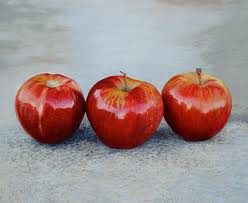
Steve Jobs’ death deeply affected many people and triggered a media frenzy. One of the most interesting comments made was: “Three Apples That Changed the World”. But not many people knew that there is an interesting story behind each of the three apples:

  • Eve’s apple
  • Newton’s apple
  • Steve Jobs’ Apple

No doubt they changed the world to a great extent.

Biblical Adam and Eve ate the forbidden fruit and committed the original sin. They fell from the grace of God and all the sufferings started from that day onwards. Not only Christians but also Jews and Muslims believe in the story.

Adam and Eve’s apple story is actually a Hindu Upanishad story. Wise people of the ancient world made up a lot of mythology to help the layman understand high philosophy. If philosophy was given directly it would have been rejected by many as a bitter medicine. So they gave it as a sweet coated capsule – called mythology. Unfortunately in the course of thousands of years, people forgot the principles behind the stories and stuck to the literal meaning. For a student of science or astronomy all these mythologies would appear as superstition or absolute stupidity.

There are lot of striking similarities between Hindu and Christian scriptures. They cannot be discounted as coincidences because the sheer number. There are good proofs to show that they are borrowed from common sources.

The Bible begins with a story from the Upanishads. It is the story of two birds eating the fruits, but instead of two birds, the Bible has Adam and Eve.

The very name reveals the Hindu origin of the story.  In the Upanishads the two birds are the symbolic representation of Atma (atam) and the Jeevatma (Jeev – Eve). Any student of linguistics can easily recognise the transformation of Atma into Adam And Jeeva into Eve. This parallel has been pointed out by Sri Chandrasekarendra Saraswathy, Sankaracharya of Kanchi Kamakoti Peetam in his lectures in Chennai in the 1930s. The story of the two birds is in the oldest religious record of human beings – the Rig Veda (RV 1-164-20) – and it is repeated in the Mundaka Upanishad and Svetasvatara Upanishad.


Mundaka Upanishad:

“Two birds, beautiful of wings, close companions, cling to one common tree: of the two, one eats the sweet fruit of the tree; the other eats not but watches his fellow” – Mundaka Upanishad.


The bird that eats the fruits is Jeevatma (ourselves-human beings). The bird that enjoys without eating the fruit is the Paramatma (the Supreme being).

The Bible says that Eve (Jeev-atma) ate the apple in the Garden of Eden and this was the cause for the fall of humanity. This is nothing but the above Upanishad story with some changes. The Upanishads say that it was a fig tree.

The Bible says Eve was created from Adam’s rib. This is once again the Hindu story of Uma/Parvathy forming the left part of Shiva. Nowadays we call our wives and husbands our ‘other half’. It is very interesting to note that this expression has come from the Vedas. Kalidas and other Sanskrit poets also use this expression freely. In all Shiva temples of Tamilnadu one can see Ardhanareeswara (half female and half male –Parvathi Parameswara) proving men and women are equal.

Another interesting fact is Bible never mentioned the word apple. Genesis of Bible says that Eve ate the fruit of the tree of knowledge of good and evil. The word for evil in Latin is ‘malum’. The same word is used for apple in Latin.

When we call a married woman by name we put the woman’s name first followed by her husband’s name Eg. Michelle Obama, Samantha Cameron. This was also started by Indians. We worship our gods in similar pairings – SITAram, RADHAkrishna and so on. When the greatest Sanskrit poet wrote his epic Raghuvamsa two thousand years ago he prayed to Parvathy-Parameswara in the very first couplet. Ladies first, again. There are too many similarities to mention in this short article.


Sir Isaac Newton(1642-1727)

Newton is considered the most influential scientist who ever lived. He described universal gravitation and the three laws of motion. We are only able to send vehicles into space because of his discoveries. It is said that he discovered the law of gravitation when an apple fell onto his head. Though the apple analogy is partly correct, the fact was it did not ‘fall on his head’. But cartoons drawn after some time showed apple hitting his head. Buddha attained wisdom simply by sitting under the pipal tree. However, nothing hit his head to allow wisdom to dawn upon him. In both the cases, it was actually meditation on a particular subject that helped them to acquire such wisdom.


Steve Jobs (February 24, 1955 –October5, 2011)

Steve was co-founder, chairman and chief executive of Apple Incorporated until his death. Apple’s iPod, iTunes, iPhone and iPad changed the entire world. Now no-one can think a world without these gadgets. We will feel handicapped without these equipments. Steve was the force behind these technological innovations. 

But what was the cause of his charming and composed personality?  If the idea that Apple changed the world is not an exaggeration, then we can boldly say that India changed Steve Jobs! Steve Jobs was greatly influenced by the Beatles. Like the Beatles, he also took a spiritual retreat in India. He became a Buddhist and his wedding was done according to Buddhist custom. Like monks he used to walk bare footed in his neighbourhood and in the office. His sober views of life reflected his beliefs in rebirth and karma. He took his terminal pancreatic cancer like a Hindu saint.