Role of Dreams in Tamil Saivite Literature

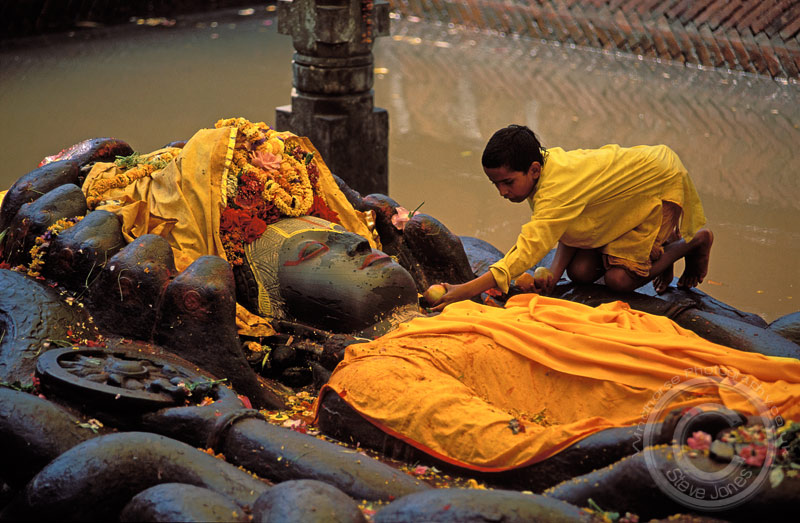
sleeping vishnu,Nepal

Picture of Sleeping Vishnu in Nepal.

Lord Shiva has played a very active role in the dreams of Saivite saints and Saivite devotees. Those who believe in such dreams will not accept the western interpretation of dreams.

Hindus are the only race in the world who give importance to dreams and good sleep. I have strong proof for my sweeping statement. In the famous Rudram and Chamakam of Yajur Veda, the devotee prays for good sleep (Sayanam Cha Me, Su Dhinam Cha me)! Brahmins are supposed to do Sandhaya Vandhanam (Water oblation and Gayatri Mantra recitation) three times a day in which they pray for the destruction of nightmares (Dus Swapna Nasanam).

Hindus knew about the REM sleep and dream patterns. They even categorised the dreams as good and bad. The traditional Panchangam (calendar) gives good dreams and bad dreams. Through their scriptures we read the epic characters’ good and bad dreams.

Girls’ names like Swapna, Sapna, English words like Somnambulism, all came from the Sanskrit word for dream: swapna.

In my earlier article on dreams that was posted on 29 December 2011 under the heading ‘’DO OUR DREAMS HAVE MEANING?’’ I have explained how Hindus differ from Western Psychoanalyst Sigmund Freud and Jung. I have given the Hindu view through the words of Swami Sivananda. I have explained the mysterious dreams of mothers of Gautama Buddha, Mahavira, Swami Vivekananda and famous people such as scientists Kukule, Otto Lowei, mathematician Ramanujan, politician Abraham Lincoln, authors Mary Shelly, Stephen King and singer Paul Mc Cartney. I have also explained the animal dreams mentioned in Sangam Tamil Literature and Swami Vivekananda’s strange dream about Jesus Christ.

Now I write about the role of dream in Tamil Saivite Literature Periapuranam. I have used the English translation of Swami Sivananda of Divine Life Society. But the interpretations are mine.

In Tamil Sangam Literature over 40 dreams of humans are reported. In the Tamil epic Silappadikaram, we read about the bad dreams of Kannaki just before the execution of her beloved husband Kovalan ( Gopalan). In Tamil Periyapuranam also we come across several dreams in the stories of Nayanars. Periapuranam is a book written in poetry form by poet Sekkizar in 11th century detailing the life history of 63 Saivite saints called Nayanars.

Sleeping-Beauty-disney-princess-203546_794_615

Sweet Dreams

Sundarar was one of the four important Saivite saints. After marrying Paravaiyar, he fell in love with another girl Sangiliyar. She used to make garlands and bring them to the temple. Sundrar prayed to Lord Shiva to make this marriage happen. Lord Shiva appeared in the dreams of Miss Sangiliyar and asked her to marry saint Sundarar. Though Lord fulfils devotees’ requests, it is up to the devotees to bear all the consequences.  Sundarar’s life also took some unexpected turns.

Another important dream is found in Kannappa Nayanar story. He was the first one who did eye transplant ‘operation’ 1500 years ago! Read my earlier post for the full story of Kannappa Nayanar in ‘’MIRACLES BY THE BLIND & OLDEST ORGAN DONATION’’ posted on 25th February 2013.When the Brahmin priest who did traditional rituals was very upset with the unconventional rustic puja of Kannappan, Lord Shiva appeared in the dream of priest Sivagochariar and asked him to watch Kannappan the next day from a hiding place.

In the story of Tiru Nalai Povar alias Nandanar, Siva appeared in the dreams of two opposing parties and coordinated his temple visit.  Tiru Nalai Povar (literal translation– Mr Tomorrow), who belonged to a lower caste wanted to enter the most sacred shrine of Tamil Saivites—Chidambaram Temple. Lord made a compromise by appearing in the dreams of ‘’Thillai 3000’’ Priests and Mr Tomorrow. He asked Mr Tomorrow to undergo a Fire bath like Sita Devi to prove that he was pure. He appeared in the dream of Thillai Priests to arrange a Fire Walking ceremony and then bring him inside the temple. This shows how the fire walking ceremony was started by Sita Devi and spread to Tamil Nadu and practised till today.

Appar and Sambandhar

In the story of Appar, Lord Shiva appeared in the dream of his sister Tilakavathy. Shiva convinced her that her brother would return home and reconvert himself to Hinduism. When Appar started a fast against the removal of Shivalinga by the Jains in Vadathalai temple, Lord Shiva appeared in King’s dream and ordered him to restore order. In the story of Nami Nandi Adikal also we see a similar dream.

Tiru Jnana Sambandar, the boy wonder of Saivism, was given pearl palanquin by the Lord. He revealed the location of the palanquin in the dreams of the town people. Same dream came simultaneously to the devotees. This type of episode cannot be explained by science or psychoanalysts.
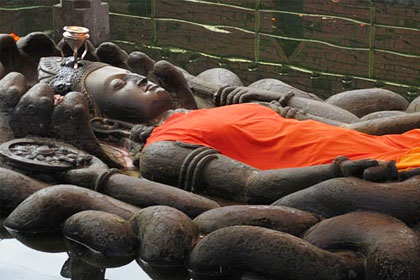
1357198084_0!!-!!sleeping bishnu

In the story of Pusal Nayanar we read about the construction of a temple by two methods. Pusal Nayanar did build a temple mentally. Pallava king built a temple physically. Both of them fixed the same auspicious day for consecration. But God appeared in the dream of Pallava King and asked him to postpone it.

In another story about Tiruneelakanta Yazpanar , God appeared in several peoples’ dreams and asked them to bring him inside the temple so that Lord can hear his sweet songs.

Though it is not an exhaustive list of all dreams, still one can see a pattern in them.1) Hindu approach to dreams is entirely different from Western analysts 2) No one can deny a place for the Hindu interpretation of dreams 3)Personally I feel the western interpretation of dreams is incomplete. Their interpretation could not be applied for all the dreams.4) In the olden days ASARIRI (anonymous voice) was heard more. Later it was replaced by dreams. Like we change methods of communication from cable phones to mobile phones God also changed his method of communication from Asariri to dreams.5)If one devotee dreams and it comes true we may consider it a coincidence or a dream come true by luck. But we read in Saivite literature that God appeared simultaneously in several people’s dreams. This is unique.6) Hindus take dreams seriously. In the olden days, they did what they were instructed to do. Even now they remember them and they approach their close relatives and friends and ask for explanation/interpretation of the dreams. 7) In the above episodes, we see two kings had dreams. They took them seriously and acted accordingly.

Have Sweet Dreams: Sayanam Cha me, Su dhinam Cha me!

Swami_48@yahoo.com; pictures are taken from various sources.

Valmiki in Tamil Sangam Literature

Sangam Tamil Literature has several poets with Sanskrit names. Mostly they are Hindu God names. The British rulers who followed the policy of divide and rule coined some artificial words like Dravidian and Aryan. Of these two words Aryan is known from the days of Rig Veda and Dravidian from very late stages of Indian literary history. But both the words had no racial meaning in which the scholars use them today. The scholars only have given them racial connotation. Because of this distorted picture, everything in history was written with a bias. But those who read Sanskrit and Tamil literature will find more similarities than differences in the Indian culture.


Every country, every culture has regional differences which are normal and superficial. There is no place in the world without such differences. Tamils of ancient Tamil Nadu had so many differences in the five different land divisions known as Kurinji, Mullai, Marutham, Neithal and Palai. These were natural. The three kingdoms fought among themselves for 2000 years without stopping. But nobody interpreted them as enemies of one race or another.


Hindu customs, Sanskrit words, Hindu Gods, Sanskrit proper names are in every ancient Tamil book. Kanchi Paramacharya has pointed out the unity in thought beautifully well in one of his lectures. He pointed out that there are very pure Tamil words for all the Sanskrit words from very ancient times : (Yagam= Velvi, Brahmin=Anthanar, Veda= Marai, River Jamuna= Thozunai etc.). So there is no wonder that there were poets with Sanskrit names in ancient Tamil Nadu. I have pointed out that Brahmins contributed one third of Sangam Literature in my post ‘’NO BRAHMINS, NO TAMIL’’.


Sanskrit names found in the Sangam Tamil literature sound very interesting. When they give the name of a Brahmin poet they give the Gotra name as well. We can understand the reason for it. Same name is used by many poets and to differentiate them either town name or the Gotra name was used.


Following are some of the SANSKRIT names of Tamil Poets:

Damodaran, Kesavan, Vishnu Dasan (Vinnanthayan), Kamakshi (Kamak Kanni), Maha Devan (Maathevanar), Kausika (Kosikan), Kapila (very pouplar Rishi’s name), Parana (Parana is a Gotra name),Nagaraja (Mudinaagaraayar),Maha Sastha (Maasaaththan), Lochana(ulochanar), Bhutapandya, Krishna (Kannan), Arudra (Aththirai), Kumara (kumaranar), Gauthama (Gothamanar), Sanga Varunan, Rudra (Nalluruththiranar), Nagas (at least 20 names with Naga as surname)Brahma (piramanar), Brahma Dutt ( Yaz piramathaththan), Uthra (Uththiraiyar), Maha Chitra (perumsiththiranar), Maha Padma (perumpathumanar), Atreya, Kavya (kappiynaar) Yagna Acharya (Velaasaan), Beri Sastha. (This is not an exhaustive list. This is only a sample. More in my post  ‘’No Brahmins, No Tamil’’.


Tamil kings performed Rajasuya, Asvamedha and Soamyaga (Avvaiyar attended the Rajasuya Yagna and praised the Tamil unity which was very rare. Kalidasa praised Pandyan king’s (probably Mudukudumi Peru Vazuthi’s ) Asvamedha Yangna indirectly by referring to Avabrudha Snana. Peruvazuthi coins have been discovered with Yupa pillar and horse/Asva.


Tamil Epic Silappadikaram has Gopalan (Kovalan), Madhavi, Maha Nayak (Maanayakan), Maha Shastha (Maasaaththan),Parasaran, Dakshinamoorthy etc.

Of these names, the word Valmiki (written as Vanmeekanar) raised the eye brows of many a scholar. The most famous Valmiki was the author of Ramayana in Sanskrit. From Sanskrit poet Kalidas to Tamil poet Kamban, all praised him as the Adi Kavi (meaning the original poet, the first poet). He gave the most interesting epic Ramayana in the simplest language. Many people learnt Sanskrit just by studying Valmiki Ramayana.


Hindus knew the story of original Valmiki- the hunter turned poet-saint. The best example for the English saying ‘’every sinner has a future and every saint had a past’’. But who is this Tamil Valmiki (Vanmeekan) mentioned in the oldest part of Sangam literature? He was the author of verse 358 in Pura Nanauru which is a collection of 400 verses.  Purananuru is like an encyclopaedia of Tamil culture. We knew a lot about the Tamil life 2000 years ago through the commentaries on the 400 verses (a few verses were lost).


Who was Tamil Valmiki?

Vanmikam in Sanskrit means ant hill. This hunter turned saint did penance for a long time and ant hill grew over him and he got the name Valmiki. His original name was Prachedas. We have this name associated with several saints with the same experience of long penance and ants building a hill over them. Gods in several Shiva temples had his name in Tamil Nadu. Vanmeekanathar is found in Tiruvarur, Sankarankoil, Kudavasal, Kancheepuram, Thiruvetriyur and Valmiki Samadhi (grave) in Ettukkudi. Every temple had its own story of that particular Valmiki. Slowly priests and tourist guides or Sthala Puranas (Local Temple History) identified them with the most famous Valmiki.


My research shows that Valmiki was a Gotra (clan) name like Agastya, Kausika, Kavya, Atreya  and other seers. Research scholars report 20+ Vyasas, 6 Avvaiyars, 2 or 3 Kapilas, Paranas etc. It is not uncommon. We find kings names in plenty like Ramses, Alexander, Vikramaditya, Rajendra, Ptolemy, Sri Maran, Veera Pandya, Vikrama Pandya. These names were repeated umpteen times in history.

Valmiki Gotra

The following note was copied by me on 5th May 2002 from the book ‘’Retrieval of History from Puranic Myths’’ by P.L.Bhargava (available at SOAS Library, University of London):

“Pravaradhyaya of the ancient Baudhayana Srauta Sutra (800 to 400 BC) mentions Valmiki as a Gotra in the Vatsa Paksha of the family of Bhrgu. This name thus could be borne by other persons of this gotra and this is proved by the fact that we learn from the Taitriya Pratisakhya of a Phoenician Valmiki who was different from the famous poet Valmiki.’’


So I think the author of Puram 358 verse was a seer cum poet of this Gotra. He was very religious and he praised penance sky high. Penance or ascetic life is greater than house holder’s life. He adds that Goddess Sri (Lakshmi) always stays with those who sacrificed everything. She would not stick to those who have desires. The wealth he is talking about is the spiritual wealth. Talking about the impermanence of the world, he said that this earth had seven kings within a single day.

The name Valmiki always commands respect.  Now the riddle of Tamil Valmiki is solved.

Pictures are taken from various other blogs. Thanks.

அதிசயத் தமிழ் முனிவர் / புலவர் வால்மீகி

சங்க இலக்கியத்தில் பல புரியாத புதிர்கள் உண்டு. உ.வே.சாமிநாத அய்யராலும் விடை காண முடியாத புதிர்களுக்கு இப்போது விடை கிடைத்துவிட்டது. சங்க இலக்கியத்தில் இந்து மதக் கடவுள் பெயர் இல்லாத நூலெதுவும் இல்லை. சங்க இலக்கியத்தில் சம்ஸ்கிருத சொல் இல்லாத நூல் எதுவும் இல்லை. சங்க இலக்கியப் புலவர்களுக்கு சிந்து சமவெளி என்பது தெரியாது, சிந்து நதி தெரியாது. ஆனால் கங்கையையும் இமயமலையையும் புனித நதி, மலை என்று போற்றிப் புகழ்ந்து தள்ளி இருக்கிறார்கள். சேரன் செங்குட்டுவன் இரண்டு முறை கங்கை நதிக்குச் சென்றான். ஒரு முறை கண்ணகி சிலைக்கு அபிஷேகம் செய்யவும் அதற்கு முன் அவனுடைய அம்மா சொர்ணாவை புனித நீராட்டவும் சென்றான்.


சங்க இலக்கியத்தில் திராவிட என்ற சொல்லே கிடையாது. ஆரிய என்ற சொல் உயர் பொருளில் பயன்படுத்தப்பட்டுள்ளது. இனத்தைச் சுட்டும் எந்த ‘விஷ’மும் ‘விஷம’மும் கிடையாது. ஆனால் நாட்டைப் பிரித்தாள வந்தோரும் மதத்தைப் பரப்பி நாட்டைச் சீர்குலைக்க சதி செய்தோரும் பரப்பிய ‘’ஆரிய திராவிட’’ வாதத்தால் பல உண்மைகள் மறைக்கப்பட்டன. முழுப் பூசணிக்காயை சோற்றில் மறைக்கவும் முடியாது. முழுச் சூரியனை மேகங்கள் மறைக்கவும் இயலாது.


சங்க இலக்கியத்தில் மூன்றில் ஒரு பங்கு பாடல்களை இயற்றியோர் கபிலர், பரணர் போன்ற எண்ணற்ற பிராமணப் புலவர்கள் என்பதை முன்னரே எழுதிய நீண்ட ஆங்கிலக் கட்டுரையில் ‘’நோ பிராமின்ஸ், நோ டமில்ஸ்’’ ‘’NO BRAHMINS, NO TAMIL’’=இல் காணவும்.


தமிழ் கலாசாரம் வேறு, வடக்கத்திய கலாசாரம் வேறு என்று பிரசாரம் செய்தவர்களுக்கு காஞ்சி பரமாசார்ய சுவாமிகள், அவருக்கே உரித்தான எளிய நடையில் ,அன்பான மொழியில், அழகான தமிழில் பதில் கூறியுள்ளார்: தமிழில் உள்ள மிகப்பழைய சொற்களான வேள்வி, அந்தணர், மறை போன்ற சொற்கள்– இவை எல்லாம் நீண்ட காலமாக இந்த மண்ணிலேயே நிலைத்து நின்றதை அவர் சுட்டிக்காட்டியுள்ளார். யமுனை நதிக்கு தொழுனை என்ற பெயர் இருப்பது, தமிழ் மன்னர்கள் ராஜ சூயம், அஸ்வமேதம், சோமயாகம் செய்தது ஆகியனவும் குறிப்பிடத் தக்கது.


(காளிதாசனும் சங்கத் தமிழ் இலக்கியமும் என்ற பொருளில் நான் எழுதிய ஆறு ஏழு கட்டுரைகளிலும் வாகனங்கள் பற்றி எழுதிய பத்து ஆராய்ச்சிக் கட்டுரைகளிலும் சிந்து சமவெளி பற்றிய எனது பல கட்டுரைகளிலும் இவைகளைச் சுட்டிக் கட்டியுள்ளேன்).


இந்திய கலசாரம் இமயம் முதல் குமரி வரை 2000 ஆண்டுகளாக ஒன்றே. வான் புகழ் வள்ளுவன், முதல் குறளிலேயே அகரம், உலகம், ஆதி, பகவன் என்று பல சம்ஸ்கிருத சொற்களைப் பயன்படுத்துவதையும் அதிகாரத்துக்கு அதிகாரம் சம்ஸ்கிருத சொற்களை விடாமல் பயன்படுத்துவதையும் ‘’வள்ளுவன் ஒரு சம்ஸ்ருத அறிஞன்’’ என்ற கட்டுரையில் எழுதிவிட்டேன்.

தமிழ் மன்னர்கள் மூன்று பேரும் 2000 ஆண்டுகளாக இடைவிடாமல் சண்டை போட்டு சாதனைப் புத்தகத்தில் இடம் பெற்றுவிட்டார்கள். இதற்காக இவர்களை வேறு வேறு இனம் என்று யாரும் சொல்லவில்லையே!! குறிஞ்சி முதலான ஐவகை நிலங்களுக்கும் வெவ்வேறு ஜாதி, கடவுள் பெயரைச் சொல்லி இருக்கிறோம், இதனால் வெவ்வேறு இனம் ஆகிவிட முடியாதே. கோவில்பட்டி கடலை மிட்டாய், மணப்பாறை முறுக்கு, திருநெல்வேலி பெட்டி வெல்லம், அல்வா, மதுரை மல்லிகை போல நாடு முழுதும் ஒரு சில இடங்களில் ஒரு சில சிறப்புகள் இருக்கும். ரிக்வேதத்தில் போர் இருந்தால் அதெல்லாம் இனச் சண்டை, தமிழ் இலக்கியத்தில் போர் இருந்தால் அதெல்லாம் உள்வீட்டுச் சண்டை என்றெல்லாம் எழுதி நம் எல்லோரையும் முட்டாளாக்கிவிட்டார்கள் ‘’அறிஞர்கள்’’!


நான் வாழும் பிரிட்டன் ஆந்திர பிரதேசம் அளவுடையதே. அங்கும் ஐரீஷ், ஸ்காட்டிஷ், வெல்ஷ், இங்கிலீஷ் என்று நாலு கலாசாரங்கள் இருக்கின்றன. இவர்களில் திராவிட, ஆரிய வாதத்தை யாரும் புகுத்தவில்லையே. மேம்போக்கான வேறுபாடுகள் உலகில் இல்லாத இடம் இல்லை. இல்லவே இல்லை!!!


சங்கப் புலவர் பெயர்களில் பலருடைய பெயர்கள் சம்ஸ்கிருதப் பெயர்கள்: தாமோதரன், கேசவன், விஷ்ணு தாசன் (விண்ணந்தாயன்), உத்தரா, ஆருத்ரா, ருத்ரன், கௌசிகன், ஆத்ரேயன், பிரம்மா, சங்க வருணன், காமாக்ஷி (காமக்கண்ணி), மஹாதேவன் (மாதேவன்), தேவன் ,ஸாஸ்தா (சாத்தன்), மஹா சித்ரன் (பெருஞ்சித்திரனார்), மஹாபத்மன் (பெரும்பதுமனார்), கபிலர், பரணர், பூதப்பண்டியன், மஹா தேவி (பெருந்தேவி), பிரம்ம தத் (யாழ் பிரமதத்தன்)— இப்படி ஏராளமான பெயர்கள் உள்ளன. அத்தனையும் கொடுக்க இடம்போதா. எனது முந்தைய கட்டுரைகளைக் காண்க.


பிராமணர் கோத்ரங்களான கௌசிக, ஆத்ரேய, கவுண்டின்ய, காவ்ய (காப்பியனார், தொல் காப்பியனார்) ஆகியனவும் இருக்கின்றன. கோபாலன் (கோவலன்), மாதவி, மஹா (தண்ட) நாயகன் (மாநாய்க்கன்), மஹா சாஸ்தா (மாசாத்தன்), பராசரன், தட்சிணாமுர்த்தி ஆகிய பெயர்களை சிலப்பதிகாரதில் பார்க்கிறோம். மணிமேகலையில் முழுக்க முழுக்க சம்ஸ்கிருத பெயர்களே.


வால்மீகி மர்மம்

சங்க இலக்கியத்தில் மிகவும் பழைய பகுதி புறநானூறு. இதில் 358–ஆவது பாடலை இயற்றியவர் வால்மீகி (வன்மீகனார், வான்மீகனார் என்று எழுதப்பட்டுள்ளது). யார் இந்த வால்மீகி என்று தெரியாமலேயே இருந்தது. இவரும் உலகப் புகழ்பெற்ற ராமாயணப் புகழ் வால்மீகி போலவே தவத்தின் பெருமையைப் பாடி இருக்கிறார். துறவறமே பெரிது, இல்லறம் அதற்குப் பக்கத்தில் கூட வரமுடியாது. யார் வேண்டாம் என்று சொல்லி ஒதுங்குவார்களோ அவளிடம் தான் லெட்சுமி தேவி ஒட்டிக்கொள்வாள். யார் பற்று வைத்திருக்கிறார்களோ அவர்கள் மீது லெட்சுமி தேவிக்குப் பற்று இராது. உலகம் நிலயற்றது. ஒரே நாளில் ஏழு மன்னர்களைக் கண்டது இந்த உலகம் என்று தத்துவ விஷயங்களைக் கூறியுள்ளார். இவர் ராமாயண வால்மீகியாக இருக்கலாம் என்று கூட சில அறிஞர்கள் கருதினர். அனால் உண்மையில் வால்மீகி என்பது ஒரு கோத்திரப் பெயர்.

வால்மீகி கோத்திரத்தில் பிறந்த எல்லோரும் அப்பெயரைவைத்துக் கொள்ளமுடியும். இது போதாயன ஸ்ரௌத சூத்திரத்தில் உள்ளதை பி.எல்.பார்கவா எழுதிய ‘’புராணத்தில் வரலாற்றுச் செய்திகள்’’ என்ற நூலில் எழுதியிருக்கிறார். கீழே ஆங்கிலப் பகுதியில்  இருப்பது அவருடைய வாசகம்:


The following note was copied by me on 5th May 2002 from the book ‘’Retrieval of History from Puranic Myths’’ by P.L.Bhargava (available at SOAS LiBrary, University of London):


Pravaradhyaya of the ancient Baudhayana Srauta Sutra (800 to 400 BC) mentions Valmiki as a Gotra in the Vatsa Paksha of the family of Bhrgu. This name thus could be borne by other persons of this gotra and this is proved by tha fact that we learn from the Taitriya Pratisakhya of a Phoenician Valmiki who was different from the famous poet Valmiki.’’


ராமாயணம் எழுதிய வால்மீகி கொள்ளைக்காரனாக இருந்து—முனிவராகவும், உலக மஹா கவிஞராகவும் மாறினார். அவர் ராம ராம என்று செபித்து தவம் செய்த காலத்தில் அவர் மீது புற்று வளர்ந்தது. கறையான் புற்றுக்கு வன்மீகம் என்று சம்ஸ்கிருதத்தில் பெயர். அதன் காரணமாக அவர் வால்மீகி என்று பெயர் பெற்றார். ஆனால் புறநானூற்று வால்மீகி அவர் பிறந்த குலம், கோத்திரம் காரணமாகப் பெயர் பெற்றார்.


பிற்காலத்தில் பல முனிவர்களும் சித்தர்களும் இதே பெயரில் இருந்து சித்தி அடைந்திருக்கிறார்கள். எட்டுகுடியில் ஒரு வால்மீகியின் சமாதி இருக்கிறது. அவர்கள் எழுதிய பாடல்களே அவர்களைப் பிற்காலத்தியவர் என்று காட்டிக் கொடுத்துவிடுகிறது. திருவாரூர், சங்கரன்கோவில், குடவாசல், திருவெற்றியூர், காஞ்சீபுரம் இப்படிப் பல கோவில்களில் வன்மீகநாதர் சந்நிதியும், திரு உருவங்களும் உண்டு. இவை எல்லாம் வன்மீகர் என்பது எவ்வளவு பொதுவாகப் புழங்கப்பட்ட பெயர்கள் என்பதற்குச் சான்று பகரும். ஒருவேளை ராமாயண வால்மீகியின் மீது அன்பு கொண்டு அவர் பெயரையே பலரும் சூட்டிக் கொண்டிருந்தாலும் ஆச்சரியப்படுவதற்கில்லை.


படங்கள் வெவ்வேறு பிளாக்குகளில் இருந்து எடுக்கப்பட்டன.நன்றி.

அலெக்ஸாண்டரும் பட்டினத்தாரும்

அலெக்ஸாண்டர் மாமன்னன். 2300 ஆண்டுகளுக்கு முன் மாசிடோனியாவில் இருந்து புறப்பட்டு இந்தியா வரை வந்து உலகின் பல நாடுகலை வென்ற பெரு வீரன். இந்து மதக் கருத்துக்களில் பெரும் ஈடுபாடுகொண்டவன் என்பதை நிர்வாண சாமியார்களுடன் அலெக்ஸாண்டர் என்ற கட்டுரையில் எழுதியுள்ளேன். நிலையாமை பற்றி இந்து மதம் சொல்லும் கருத்தை அவன் வியப்பான ஒரு செயல் மூலம் உலகிற்கு உணர்த்திச் சென்றான்.


சாகும் தருவாயில் அவனுக்கு ஞானோதயம் வந்தது. தன்னுடைய அமைச் சர்களை அழைத்தான். நான் இறந்த பின்னர் என்னுடைய உடலை அடக்கம் செய்யுங்கள். ஆனால் என்னுடைய உடல் முழுவதையும் மூடிவிட்டு இரண்டு கைகளும் திறந்த நிலையில் வெளியே தெரியும்படி விட்டுவிடுங்கள் என்றான். அவன் உலகிற்கு அளிக்க விரும்பிய செய்தி இதுதான்: வரும்போது எதையும் கொண்டுவரவில்லை. போகும்போது எவ்வளவு பெரிய மன்னனாலும் வெறும் கைகளோடுதான் போக வேண்டும்.


அலெக்ஸாண்டர் கூறியபடியே அவரது சடலம் புதைக்கப்பட்டது. அலெக்ஸாண்ட்ரியா நகரில் தங்க சவப்பெட்டியில் அவன் சடலம் புதைக்கப்பட்டது. அலெக்ஸாண்டர் எதை செயலில் செய்து கட்டினானோ அதை பட்டினத்தார் பாடலில் பாடிவிட்டார்.


பட்டினத்தார் சோழ நாட்டின் காவிரிபூம்பட்டினத்தில் பெரும் வணிகர் குலத்தில் பிறந்தார். கொடிகட்டிப் பறந்தும் அவருக்கு குழந்தைகுட்டி இல்லை. திருவிடைமருதூர் தோட்டத்தில் கண்டு எடுக்கப்பட்ட ஒரு பிள்ளையை வளர்ப்பு மகனாக வளர்த்தார். ஒரு நாள் அந்தப் பையன் ஒரு சிறிப பெட்டியை அம்மாவிடம் கொடுத்துவிட்டு மாயமாய் மறைந்தான். அதில் காதற்ற ஊசியுடன் ஒரு புதிரையும் எழுதிவிட்டுச் சென்றான். அது பட்டினத்தாரின் கண்களைத் திறந்தது. சிவபெருமானே அந்தப் பையன் உருவில் தன் மகனாக வளர்ந்தான் என்று அவர் எண்ணினார். அவர் பாடிய திரு ஏகம்ப மாலையில் வரும் பாடல் அலெக்ஸாண்டரின்  கருத்தை அப்படியே பிரதிபலிக்கிறது. இதோ 2 பாடல்கள்:

Countries conquered by Alexander the Great.


பிறக்கும்பொழுது கொடுவந்ததில்லை பிறந்து மண்மேல்

இறக்கும்பொழுது கொடுபோவதில்லை இடை நடுவில்

குறிக்கும் இச்செல்வம் சிவன் தந்ததென்று கொடுக்கறியா

திறக்கும் குலாமருக்கு என் சொல்லுவேன்கச்சி ஏகம்பனே


முடிசார்ந்த மன்னரும் மற்றுமுள்ளோரும் முடிவில் ஒரு

பிடி சாம்பராய் வெந்து மண்ணவதுங் கண்டு பின்னும் இந்தப்

படிசார்ந்த வாழ்வை நினைப்பதல்லால்  பொன்னின் அம்பலவர்

அடிசார்ந்து நாம் உய்யவேண்டும் என்றே அறிவாரில்லையே.


(பட்டினத்தார் பாடல் கருத்துக்களை நான் முன்னர் எழுதி வெளியிட்ட “பட்டினத்தாருடன் 60 வினாடி பேட்டி” என்ற கட்டுரையில் காண்க.)

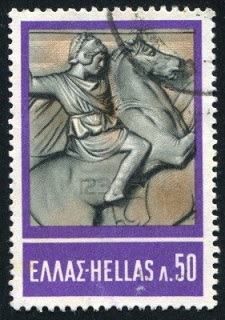
Stamp for Alexander, Greece, year 1968

(இலக்கியத் திருடர்களுக்கு அன்பான வேண்டுகோள்: நான் 20 தலைப்புகளில் எழுதிய “60 வினாடி பேட்டிகள்” பல பிளாக்-குகளில் என் பெயரும் (லண்டன் சுவாமிநாதன்), பிளாக் பெயரும் இல்லாமல் அவர்களே எழுதியது போல வெளியாகி இருக்கிறது. தமிழ்த் தாய்க்கும் தமிழ் எழுத்தாளர்களுக்கும் மதிப்பு கொடுங்கள்)

Indra in the oldest Tamil Book

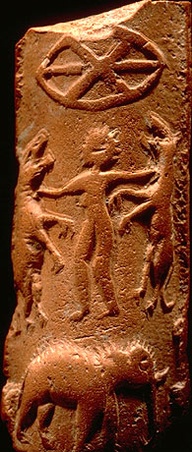
indus elephant


I think this INDUS seal portrays Indra on Airavata.

Indra is the most popular Vedic God. Indra is the most popular Tamil God according to the oldest Tamil book Tolkappiam. Tolkappiar wrote this grammatical treatise around 1st century BC. He lists all the four important Vedic Gods INDRA, VARUNA, VISHNU and SKANDA (another form of AGNI) as Gods of four Tamil Lands. Tolkaapiam was launched in the assembly of a Pandya king and Acharya of Athankodu gave the seal of approval according to Panamparanar, disciple of Agastya & Tolkappiar. Acharya of Athankodu was praised as a great scholar in all the four Vedas.


Tolkappiar was not the only one who praised Indra. We see Indra throughout Tamil literature. Sangam Tamil literature mentions his name in several places and the heaven under Indra is mentioned in innumerable places. Pura Nanauru, Tirukkural and Tamil epics did not miss his name.


People who don’t know Tamil or Tamil literature think Tamils had a different culture which is not true. There are some special aspects of Tamil culture and it is same with every nook and corner of the country. Britain, where I live is a small country; exactly the area of one state in India (Andhra Pradesh) and it has got almost similar population of Andhra Pradesh. But there are four cultures English, Welsh, Irish and Scottish. Irish and Scottish are fighting for separate countries. No wonder India which is the seventh largest country in the world, with the second highest population in the world, show different aspects in different parts.

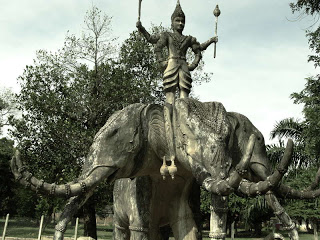
6d92c-indra_riding_airavatakazyhiker-com


Indra riding Airavata, Laos

Indra was out and out an Indian god. Throughout Indian literature he is depicted as riding an elephant. Elephant is an Indian animal and tropical animal. But people, who claimed themselves “scholars”, spread all sorts of lies about Indra to confuse and divide Indians.


Tamil are very fond of Indra. Even today they have Indra’s name such as Rajendra, Mahendra, Balendra,Gajendra,Vijayendra etc.

As a matter of fact from the northern most Kashmir to the southernmost Kandy in Sri Lanka, we see Indra’s name everywhere.


Following references from the Tamil books will prove my argument:

Tol.Porul.1 to 5 says

The land of forests desired by Mayon (Vishnu), The land of hills desired by Seyon (Reddish Skanda), the land of sweet waters desired by the King (Indra) and the land of wide sand desired by Varunan. The land divisions are respectively called Mullai, Kurinji, Marutham and Neithal. Indra was the God of cultivated lands and irrigated fields. Indra is always associated with water in the Vedas. He was the one who released water by killing Vritra. Tolkappiar was a genius and he translated Indra as King (Venthan in Tamil). There are innumerable Indras in the Hindu scriptures. But some people falsely attributed all these things to one Indra. Tolkappiar used the common noun king.


Purananuru verse 182

Ilamperu Vazuthi sings about the great qualities of Tamils in Puram verse 182. He says that even if Indra’s Amrita is offered one would not eat alone. This is a clar reflection of Bhagavad Gita verse 3-13. I have already given this in my post Bhagavad Gita in Purananuru in Tamil. So Indra’s Amrita was known to every Tamil.

Puram 241

Tamils and other Hindus believed that soldiers who sacrifice their lives defending the country will go straight to heaven under the rule of Indra. This is also in Bhagavad Giat which I have already explained in my post. Enicheri Mudamosiyar sings about Chieftain’s Ay’s death. Indra is waiting to welcome the hero to his world, says the poet. I have a feeling that Ay’s real name is AYendran or Ajendran. His name Andiran is cognate with Indira in Sanskrit and Andrew in English.


Indra-Ahalya Painting!

Another beautiful verse gives very interesting details about a painting of Indra in the disguise of a cat when he came to molest Gautama Rishi’s wife Ahalya. Paripatal verse 19 describes this story with three Sanskrit names Indra, Gautama and Ahalya. This painting in Tirupparankundram near Madurai attracted a big crowd and the poet overheard the conversation and put it in his poem! Indra’s stories were so popular in Tamil Nadu 2000 years ago. The Indra festival is described in minute details in the great epic Silappadikaram.


Paripatal verses and Tirumurukatrup patai verse gives a variety of mythological stories by one or two lines.

Tituvalluvar uses the story Indra and Ahalya to illustrate that seers are greater than Indra when it comes to the control of senses (Kural 25)

In 2000 year old Sangam Tamil literature we come across Sanskrit word Amruta (ambrosia) in many places which is available in Indra loka (heaven of Indra). The Sanskrit word Amrita is used in more than thirty verses in Sangam literature.


Rainbow is known as Indra Dhanush (Indra’s bow) in Tamil and Sanskrit literature.

Vashista’s wife Arundhati, Amrita, Indra and Four Vedas were used by Tamil poets in hundreds of places. Tamils were thorough with the Hindu Mythology. Tripura Dhanam of Shiva, destruction of buffalo demon by the goddess, Shiva’s poison episode etc were household things in ancient Tamil Nadu. In short there is no Tamil book without a Sanskrit word—from Tolkappiam to Bharathiar of our time. There is no Tamil work without a reference to Hindu god or mythology. I can quote from every book.

(Those who want to reproduce the article must give the name of the blog or the author London Swaminathan. Pictures are not mine)


Read my earlier posts:

Indra Festival in the Vedas and Tamil Epics

Veera Matha in the Vedas and Tamil Literature

Vahanas in Kalidasa and Tamil Literature


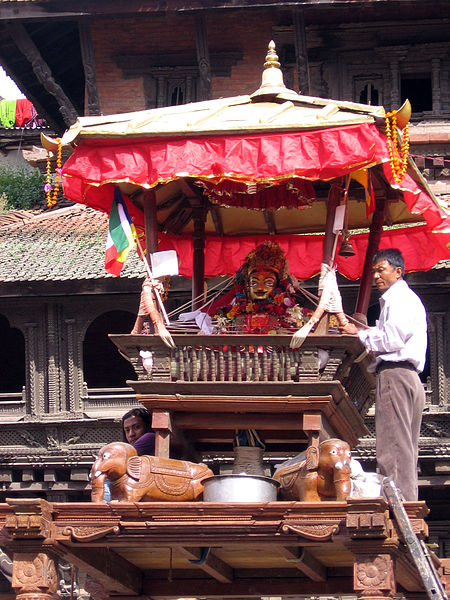
Picture of Indra festival in Nepal.

தொல்காப்பியத்தில் இந்திரன்

Indra statue in Bali, Indonesia (tripholiday.net)


நாடு பிடிக்க வந்தவர்களும் மதத்தைப் பரப்ப வந்தவர்களும் பரப்பிவிட்ட பெரிய புரளி—தமிழ் கலாசாரம் வேறு, வடக்கத்திய கலாசாரம் வேறு என்ற புரளிதான். ஆனால் நாடு முழுதும் ஒரே கலாசாரம், ஒரே மதம் என்பதற்கு நூற்றுக் கணக்கான சான்றுகள் 2000 ஆண்டுகளுக்கு முன்னெழுதப்பட்ட தமிழ் நூல்களில் பளிச்செனத் தெரிகின்றன.


சங்க இலக்கியத்தின் 27,000 வரிகளைப் படித்தவர்களுக்கு சம்ஸ்கிருதச் சொல் இல்லாத தமிழ் நூல் இல்லை, இந்து மதக் கடவுள் பெயர் இல்லாத தமிழ் நூல் இல்லவே இல்லை என்பது சட்டென விளங்கும். தொல்காப்பியர் முதல் திருவள்ளுவர் வரை எல்லோரும் இப்படி இந்து மதக் கருத்துக்களை விளக்கியுள்ளனர்.


தமிழ் நூல்களில் மிகப் பழையது தொல்காப்பியம். கி.மு. முதல் நூற்றாண்டு அல்லது அதற்குப் பின்னர் எழுந்தது என்று அறிஞர்கள் கூறுகின்றனர். எனது கருத்தை காரண காரியங்களுடன் ‘தொல்காப்பியர் காலம் தவறு’ என்ற 5 பகுதிக் கட்டுரையில் எழுதியுள்ளேன். வேதத்தில் கூறப்பட்ட நாலு கடவுளர்களை தொல்காப்பியர் தமிழர் கடவுளாகக் காட்டியுள்ளார். அவரது தொல்காப்பியமே நான்கு வேதங்களையும் கரைத்துக் குடித்த மஹா மேதையான அதங்கோட்டு ஆசார்யர் முன்னிலையில் அரங்கேறியது என்று பனம்பாரனார் பகருவார்.


மாயோன் (மஹா விஷ்ணு), சேயோன் (சிவப்பு நிற கந்தன்= அக்னி தேவனின் இன்னொரு அம்சம்), வேந்தன் (இந்திரன்), வருணன் ஆகிய நால்வரும் முறையே முல்லை, குறிஞ்சி, மருதம், நெய்தல் ஆகிய நிலங்களுக்குரிய தெய்வம் என்று பொருளதிகாரத்தில் தெளிவாகக் கூறிவிட்டார்.

தொல்காப்பியர் மஹா அறிஞர். இந்திரன் என்பது அரசன் என்ற பொதுப் பெயராகும். அந்தப் பதவியில் அமருவோருக்கு அந்தப் பெயர். வெளி நாட்டு ‘அறிஞர்கள்’, இந்திரன் என்று ஏதோ ஒருவர் இருந்தது போல ஆங்கிலத்தில் எழுதிவிட்டனர். இந்திரன் ஒரு பாரதீயன் என்பதற்கு இன்னும் ஒரு சான்று அவனது யானை வாகனமாகும். யானை ஐரோப்பாவிலோ மத்திய ஆசியாவிலோ கிடையாது. ஆக இந்திர வழிபாட்டுக்காரர்கள் வெளி நாட்டினர் எனபதும் புரளி என்பது புரிகிறது.


இந்திரனை தீம் புனல் (இனிப்பான நீர்) உலகத்துக்கு, அதாவது வயலும் வயல் சார்ந்த இடத்துக்கும் அதிபதி என்கிறார் தொல்காப்பியர். இதே கருத்துதான் வேதத்திலும் புராணத்திலும் உள்ளது. இந்திரன் தான் விருத்திரனைக் கொன்று தண்ணீரை விடுவிக்கிறான். மழைக்கு முன்னும் பின்னும் தோன்றும் வானவில்லுக்கும் கூட இந்திரவில் என்றுதான் தமிழிலும் சம்ஸ்கிருதத்திலும் பெயர்.


இந்திரனுடைய உலகத்தில் கிடைக்கும் அமிர்தம் (சம்ஸ்க்ருத சொல்) சங்க இலக்கியத்தில் முப்பதுக்கும் மேலான இடங்களில் பயன் படுத்தப்படுகிறது. கடலுள் மாய்ந்த இளம் பெரு வழுதி பாடிய புறம் 182-ல் இந்திரனுடைய அமிர்தமே கிடைத்தாலும் தனியாக உண்பவர் இல்லை என்கிறார். இதே கருத்து பகவத் கீதையில் இருப்பதை புறநானூற்றில் பகவத் கீதை (3-13) என்ற கட்டுரையில் ஏற்கனவே கொடுத்துவிட்டேன்.


புறம் 241-ல் ஏணிச்சேரி முடமோசியார் பாடிய பாடலில் ஆய் அண்டிரனை வரவேற்க இந்திரன் காத்திருந்ததாகப் பாடுகிறார். போரில் இறந்தால் வீர சுவர்க்கம் கிடைக்கும் என்ற இந்தக் கருத்து பகவத் கீதையில் இருப்பதை எழுதி இருக்கிறேன். ஆய் அண்டிரன் எனபதே அஜேந்திரன் என்ற பெயரோ என்று எனக்கு ஒரு ஐயப்பாடு உண்டு. இந்திரன், அண்டிரன், ஆண்ட்ரூ ஆகியன ஒரே மூலம் கொண்ட சொல்.

Indra riding Airavata, Laos (lazyhiker.com)

அருமையான இந்திரன் ஓவியம்

தமிழ்நாட்டில் இந்திரன் கதைகள், அமிர்தம் ஆகியன எவ்வளவு பிரசித்தம் என்பதை மேற்கூறிய விஷயங்கள் விளக்குகின்றன. இதைவிட வியப்பான விஷயம் 2000 ஆண்டுக்கு முன் திருப்பரங்குன்றத்தில் இருந்த ஓவியமாகும். பரிபாடல்-19 இதை அருமையாகச் சித்தரிக்கிறது. கூட்டம் கூட்டமாக அந்த ஓவியத்தைப் பார்ப்போர் ‘இதோ பார் பூனை வடிவில் இந்திரன்’, ‘அதோ பார் அகல்யை’, ‘இதோ கவுதம மகரிஷி’ என்றெல்லாம் பேசிக்கொள்வதை அப்படியே படம் பிடித்துக் காட்டுகிறார் பரிபாடல் கவிஞர். இந்து மதக் கதைகள் அவ்வளவு பிரபலம்!


வள்ளுவன் கிண்டல்

வள்ளுவனும் இந்திரனை விடவில்லை. ‘இந்திரனே சாலும் கரி’ என்று அஹல்யை கதையை உதாரணமாகக் கூறி (குறள் 25) புலன் அடக்கம் இல்லாத இந்திரனுக்கு நேர்ந்த கதியை எடுத்துக் காட்டுகிறார்.

இந்திரனுடைய தேவலோகம் பற்றி நிறைய குறிப்புகள் வருகின்றன. இந்திரனுடைய எல்லா அம்சங்களும் பரிபாடல், திருமுருகாற்றுபடையில் காணக்கிடக்கின்றன.


கரிகாலன் காலத்தில் கொண்டாடப்பட்ட மாபெரும் இந்திர விழாவை நெஞ்சை அள்ளும் சிலப்பதிகாரம் அழகாகச் சித்தரிக்கிறது. இது பற்றி எனது இந்திர விழா கட்டுரையில் காண்க.

காஷ்மீர் முதல் கண்டி வரை இன்றும் தமிழர்கள் இந்திரன் பெயரைச் சூடுகின்றனர். ராஜேந்திரன், மஹேந்திரன், பாலேந்திரன், கஜேந்திரன், விஜயேந்திரன் என்ற பெயர்கள் குடும்பத்துக்குக் குடும்பம் காணப்படுகிறது.


அருந்ததி கதை, முப்புர தகனம், மகிஷாசுரவதம், சிவ பெருமான் விஷம் உண்டது முதலிய கதைகள் பழந்தமிழருக்கு அத்துபடி! சம்ஸ்கிருத சொல் இல்லாத சங்க இலக்கிய நூலோ, இந்து மதக் கதை, குறிப்பு இல்லாத சங்க நூலோ கிடையாது என்பது 27,000 வரிகளையும் படித்தவருக்கு தெள்ளிதின் விளங்கும். கடுரையாளர் (லண்டன் சாமிநாதன்) சங்கத் தமிழ் இலக்கியத்தைப் பன்முறை படித்து ரசித்தவர்.

எனது முந்தைய கட்டுரைகளையும் படிக்கவும்:

1.Indra Festival in the Vedas and Tamil Epics 2.Veera Matha in the Vedas and Tamil Literature 3.சங்க இலக்கியத்தில் வாகனங்கள் 4.வீரத்தாயும் வீரமாதாவும்  5.வள்ளுவன் ஒரு சம்ஸ்கிருத அறிஞன்  6—10.தொல்காப்பியர் காலம் தவறு ( ஐந்து பகுதி கட்டுரை ) 11.Flags of Ancient Indian Kings 12.Hindu Vahanas in Kalidasa and Tamil Literature 13.இந்திர விழா: வேதத்திலும் தமிழ் இலக்கியத்திலும் 14. ஐங்குறு நூறில் வேதக் கருத்துகள்

(இலக்கியத் திருடர்களுக்கு அன்பான வேண்டுகோள்: இந்தக் கட்டுரையை வேறு இடத்தில் பயன்படுத்துவதானால் ‘பிளாக்’-கின் பெயரையோ கட்டுரையாளர் (லண்டன் சுவாமிநாதன்) பெயரையோ வெளியிடுங்கள். பெயர் இல்லாமல் தங்கள் கட்டுரை போல வெளியிடுவது–தமிழுக்கும், தமிழ் எழுத்தாளர்களுக்கும் செய்யும் துரோகம் ஆகும்)

ஒரு தாய், ஆயிரம் தந்தைகளை விடப் பெரியவள்

Krishna and Balarama paying respect to their parents

(இலக்கியத் திருடர்களுக்கு ஒரு வேண்டுகோள்: என்னுடைய கட்டுரைகளை அப்படியே திருடி தங்கள் பெயரில் தாங்கள் எழுதியது போல வெளியிடுவதைக் கண்டு மனம் வருந்துகிறது. தமிழுக்கும் தமிழ் எழுத்தாளர்களுக்கும் துரோகம் செய்யாதபடி யார் எழுதியது, எந்த வெப்சைட்டில் எடுக்கப்பட்டது என்பதை தயவு செய்து வெளியிடுங்கள்)


ஒரு தாய், ஆயிரம் தந்தைகளை விடப் பெரியவள்

உலகிலேயே அதிக புத்திசாலியான பெண்கள் இந்தியாவில்தான் உள்ளனர். இன்று அமெரிக்காவிலும் இந்தியாவிலும் பெரிய பதவிகளில் இந்தியர்கள் இருப்பது வேத காலத்திலேயே துவங்கியது. அப்போது உலகில் பெரும்பாலான மக்களுக்கு நாகரீகம் என்றாலே என்ன என்று தெரியாது. பெண்களை அடக்கி வைத்திருந்தனர். இந்தியாவில் 3500 ஆண்டுகளுக்கு முன்னரே பெண்கள் கொடிகட்டிப் பறந்தனர். ஐயா, இதற்கெல்லாம் அதாரம் எங்கே என்று கேட்பவர்கள் தொடர்ந்து படியுங்கள்:


1.ஜனகர் கூட்டிய அறிஞர்கள் சபையில் ஆத்மா, பிரம்மம் ஆகியன பற்றி ஒரு பட்டிமண்டபம் நடத்தினார். அதில் வெற்றி பெறுவோருக்கு ஆயிரம் பொற்கிழிகள் கொடுக்கப்படும் என்று அறிவித்தார். அப்போது மிகவும் புகழ் பெற்ற யாக்ஞவல்கியர் என்ற அறிஞர் (ரிஷி) எனக்கே இந்த கேள்விக்கு விடை தெரியும் என்று சொல்லி, “ஏ சிஷ்யா, பசு மாடுகளை எனது ஆஸ்ரமத்துக்கு ஓட்டிச் செல்”’ என்று உத்தரவிட்டார். சபையே பேசாமல் இருந்தது. செல்வி கார்க்கி வாசக்னவி என்ற பெண் எழுந்து நின்று, ‘நிறுத்துங்கள்’, என்று தடுத்து யாக்ஞவல்கியர் உடன் வாதம் புரிந்தாள். இதில் தெரிவது என்ன? பெண்கள் சுதந்திரமாக ‘அசெம்பிளி’களுக்கு வரலாம். விவாதத்தில் பங்கு கொள்ளலாம்.

2.கி.மு1500 வாக்கில் எழுதப்பட்ட ரிக்வேதத்தில் 450-க்கும் மேலான கவிஞர்கள் “இயற்றிய” பாடல்கள் உள்ளன. இவைகளை அவர்கள் காதில் கேட்டு எழுதியதால் வேதத்தை ‘ஸ்ருதி’ (கேட்கப்பட்டவை) என்பர். இதில் 27 பெண் கவிஞர்கள் உள்ளனர்! இது உலக மகா அதிசயம்! உலகின் பழமையான பெண் கவிஞர்கள் இவர்கள் தான்!!


3.இதற்கு 1500 ஆண்டுகளுக்குப் பின்னர் 450 க்கும் மேலான தமிழ்க் கவிஞர்கள் பாட்டுக்களை எட்டுக்கட்டினர். அவைகளை அற்புதமான, படிக்கப் படிக்கத் தெவிட்டாத, பத்துப் பாட்டிலும் எட்டுத் தொகையிலும் படிக்கலாம். அவர்களில் 40-க்கும் அதிகமான பெண் கவிஞர்கள் இருக்கிறார்கள். உலகில் இப்படிப்பட்ட எண்ணிக்கையில் கிரேக்க, இலத்தீன், எபிரேய, சீன மொழிகளில் கூட இல்லை, இல்லவே இல்லை.


4.வேதகாலம் முதல் தமிழ் சங்க காலம் வரை எடுத்துக்கொண்டால் இந்தியப் பெண்களை மிஞ்ச உலகில் யாரும் இல்லை, இல்லவே இல்லை, முன்னர் கூறிய யாக்ஞவல்கிய மஹரிஷிக்கு இரண்டு மனைவியர். ‘அன்பே, ஆருயிரே! என் சொத்து சுகங்களைப் பிரிக்கும் காலம் வந்துவிட்டது, யாருக்கு என்ன வேண்டும்? சொல்லுங்கள் என்று இரண்டு ‘டார்லிங்’குகளிடம் சொன்னார். காத்யாயனி என்ற மனைவி சொத்து சுகங்களை வாங்கிக் கொண்டாள். மைத்ரேயி என்ற மனைவி, எனக்கு முக்தி தரும் விஷயங்களே போதும் என்று ஒதுங்கிக் கொண்டாள். இத்தகைய பெண்களை பிரம்ம வாதினிகள் என்பர். தமிழிலும் ஆறு அவ்வையார்கள்= பிரம்மவாதினிகள் உண்டு. சங்க காலம் முதல்16, 17ஆம் நூற்றாண்டுகள் வரை ஏகப்பட்ட அவ்வையார்கள் வாழ்ந்தனர். இவர்கள் எல்லோரும் இறைவனை/ தர்மத்தை நாடிய பிரம்மவாதினிகள்.


5.உலகில் இந்தியப் பெண்களுக்கு இருந்த சுதந்திரம் எங்கும் கண்டதில்லை! எட்டு வகையான திருமண வாய்ப்புகள் (ஆப்ஷன்ஸ்) கொடுக்கப்பட்டன. காதல் திருமணம் முதல் கடத்தல் திருமணம் வரை எட்டுவகையான திருமணங்கள் அனுமதிக்கப்பட்டன. மனுதர்ம சாத்திரத்தில் கூறிய இந்த எட்டுவகைகளை தமிழில் முதல் நூல் எழுதிய தொல்காப்பியரும் அப்படியே ஏற்றுக் கொண்டார். வேதத்தில் குறிப்பிடும் இந்திரன், வருணன், விஷ்ணு, ஸ்கந்தன் ஆகிய நால்வரையும் தமிழர் தெய்வங்களாக முதல் முதலில் பிரகடனப் படுத்திய புண்ணியவான் தொல்காப்பியர் /த்ருணதூமாக்கினி என்ற அந்தணர் என்பதை “தொல்காப்பியர் காலம் என்ன?’ என்ற ஆய்வுகட்டுரைகளில் எழுதியுள்ளேன்.

6.ஆரிய-திராவிட வாதம்புரிவோருக்கு மேற்கூறிய விஷயங்கள் செமையடி கொடுக்கும். அதுமட்டுமல்ல. ஸ்வயம்வரம் என்ற சுதந்திர திருமண முறை இந்திய க்ஷத்திரியர் இடையே மட்டு இருந்தது. மஹா பாரதம், பாகவதம், இராமாயணத்தில் எட்டுவகைத் திருமணங்களுக்கும் உதாரணங்கள் உண்டு. அவைகளைத் தனிக் கட்டுரையில் தருகிறேன். ஆரியர்கள் வெளியே இருந்துவந்தவர்கள் என்று கூறும் வெளிநாட்டு அறிஞர்கள (!?!?) ஜாதி முறை, திருமண முறை, யாக யக்ஞங்கள், எதற்கெடுத்தாலும் தண்ணீரை பயன்படுத்தல் ஆகியவைகளை விளக்க முடியாமல் முழி பிதுங்கித் தவிக்கிறார்கள். பாதி “அறிஞர்கள்”, இந்தப் பழி பாவங்களை திராவிடர்கள் என்று ஒரு இனத்தைக் கற்பித்து அவர்கள் மீது ஏற்றிவிட்டார்கள்!


7.மனு தர்ம சாத்திரத்தை எள்ளி நகையாடுவது வெளி நாட்டு அறிஞர்களுக்கு கைவந்த கலை! ஆனால் மனுநீதிச் சோழன் முதல் 16ஆம் நூற்றாண்டு வரை– கல்வெட்டுகள் ,செப்புப் பட்டயங்கள் வரை– கம்பராமாயணம் முதலான கவிதைகள் வரை– ஆயிரக் கணக்கான இடங்களில் தமிழர்கள் “மனு நீதி தவறாது வாழ்ந்தார்கள், ஆட்சி செய்தார்கள்” என்று எழுதி இருக்கிறது.  பெண்களைப் பற்றி மிகவும் உயர்வாக கூறுகிறார் மனு:


8.” எங்கே பெண்கள் பெருமைப் படுத்தப்படுகிறார்களோ அங்கேதான் இறைவன் மகிழ்ச்சி அடைகிறான். எங்கே பெண்கள் பெருமைப் படுத்தப்படவில்லையோ அங்கே நடைபெறும் பூஜைகள் வீணாகப் போகும்”—மனு 3-56, மஹா பாரதம் 13-4-5


9. ஒரு குரு (ஆசார்யா), பத்து ஆசிரியர்களை (உபாத்யாயா) விடச் சிறந்தவர்; ஒரு தந்தை நூறு குருக்களை விட சிறந்தவர்; ஆனால் ஒரு தாயோ ஆயிரம் தந்தையரை விடச் சிறந்தவள்—மனு 2-145

10. ஒரு பெண்ணுக்கு சிறு வயதில் தந்தை பாதுகாப்பு வழங்குகிறார் ; இளம் வயதில் கணவன் பாதுகாப்பு வழங்குகிறார்; முதிய வயதில் மகன் பாதுகாப்பு வழங்குகிறார்; எப்போதுமே அவர் பாதுகாப்பு இன்றி இருப்பதில்லை—மனு 9-9


11. மாத்ரு தேவோ பவ= அன்னை என்பவள் கடவுள் என்றும் மனைவி என்பவள் ‘கணவனில் பாதி’ என்றும் வேதம் கூறுகிறது. சிவனுக்கு வாம/ இடது பாகத்தில் இருப்பதை அர்த்தநாரீஸ்வரர் என்று இந்துக்கள் வழிபடுவர். இதை பைபிளும் இடது எலும்பு மூலம் ஆடம் என்ற ஆண்மகன் ஈவ் (ஏவாள்) என்ற பெண்மணியை உருவாக்கினான் என்று சொல்லும். உபநிஷத்திலும் இக்கதை உள்ளதை காஞ்சி மஹாஸ்வாமிகள் தனது உபந்யாசத்தில் விளக்கியுள்ளார். ( Read my posts in this blog THREE APPLES THAT CHANGED THE WORLD & SANSKRIத் IN THE BIBLE)


12.வேதத்தில் உள்ள கல்யாண மந்திரங்கள் தற்கால சினிமா காதல் கவிதைகளை விட மிகவும் சுவையானவை; சப்த சதி மந்திரத்தில் துர்க்கையை மணக்க விரும்பும் அசுரர்களிடத்தில் துர்க்கை கூறுகிறாள்: “ யார் என்னை போரில் வெல்கிறார்களோ, எனது கர்வத்தை அடக்குகிறார்களோ, எனக்கு சமமானவர்களோ அவர்களே எனது கணவராகத் தகுதி உடையோர்” என்கிறார். வேத காலப் பெண்கள் என்ன எதிர்பார்த்தார்கள் என்பது இதில் தெளிவாகிறது. கைகேயி போன்றோர் யுத்தகளத்தில் ரதங்களை ஓட்டி வரம் பெற்ற கதைகளை நாம் அறிவோம். ‘வேத மாதாவும் வீர அன்னையும்’ என்ற கட்டுரையில் இது பற்றி எழுதிவிட்டேன்.


13.காளிதாசன் காவ்யங்களிலும் ராஜசேகரன் நூல்களிலும் பெண்கள் புகழப்படுகின்றனர். சம்ஸ்கிருத மொழியில் எல்லா நற்குணங்களும் பெண்பால் சொற்களாகவே இருக்கும்.. பகவத் கீதையில் விபூதியோகத்தில் தனது சிறப்புகளை எடுத்தோதும் கிருஷ்ண பரமாத்மா (கீதை 10-34):

பெண்களுக்குள் நான் ஸ்ரீ (லெட்சுமி) ஆகவும் வாக் (சரஸ்வதி) ஆகவும், கீர்த்தி( புகழ்) ஆகவும் ஸ்ம்ருதி (நினைவாற்றல்) ஆகவும் மேதா ஆகவும் (அறிவு/ ஞானம்) த்ருதி (திட உறுதி)  ஆகவும் க்ஷமா (பொறுமை) ஆகவும் விளங்குகிறேன் என்கிறார். இந்தியா முழுதும் பெண்கள் பெயர்கள் பெரும்பாலும் நல்ல குணங்கள் பற்றிய சொற்களாகவே இருக்கும்.


(முன்னாள் முதலமைச்சர் திரு கருணாநிதி வீட்டில் கருணா (நிதி), தயா (ளுஅம்மாள்), கனி (மொழி), தயா (நிதிமாறன்) கலா (நிதிமாறன்) முதலிய சம்ஸ்கிருத சொற்களைக் காணலாம்!!!


14.தமிழ் நாட்டு கிராமங்களில் வழிபடப்படும் ராக்காயீ, மூக்காயீ, மகமாயீ எல்லாம் வேதத்தில் குறிப்பிடப்படும் ராகா, மூகா, மஹா மாயா என்று காஞ்சி மஹாஸ்வாமிகள் தனது சொற்பொழிவுகளில் அழகாக, அற்புதமாக விளக்கியுள்ளார்.

பெண்கள் வாழ்க! பெண்கள் வெல்க!!

Pictures are taken from other sites;Thanks.

999 Prisoners + One Poet

Eight Anthologies (Ettu Tokai) and Ten Long Poems (Pathu Pattu) were composed during Tamil Sangam period. These 18 books are collectively known as Sangam Literature. Sangam poets lived in the first few centuries of modern era. Sangam poetry is predominantly secular in character but consists of lot of references to Hindu epics and mythologies. Of the Ten Long Poems known as Pathu Pattu in Tamil, Tiru-muragatrup-padai is a religious work. It is attributed to poet Nakkirar who headed the Third Tamil Sangam (Tamil Academy). He had composed a secular poem ‘Nedunal Vaadai’ in the Ten Long Poems.


Nakkirar was the most controversial poet of the period. There are many legends which project him as a revolutionary poet. He challenged Lord Shiva at one time according to a popular legend. The story behind this Long Poem Tiru Murugatrup Padai is also equally interesting. It is a story of a demon who imprisoned 999 people and was looking for the last one to offer them in a big sacrifice. The source for this story is a passing reference in Tiruppugaz composed by poet Arunagirinathar of fifteenth century. But Nakkirar lived at least 1200 years before him.


One day Nakkirar was doing Shiva Puja (offering to Lord Shiva). A strange incident distracted him from the Puja. A leaf from the nearby tree fell into water and half of the leaf was in the water and the other half was on land. The water half became a fish and the land half became a bird and each one was pulling the other. Nakkirar stopped the Puja and watched this. At that time a demon appeared and caught hold of Nakkirar for violating the rules of the Siva Puja. The demon took him to a cave, where he saw 999 detainees. They started crying as soon as they saw Nakkirar. The poet was puzzled. Then the detainees in the cave explained to him that that they were happy inside the cave because the demon fed them very well until today. But they were told that the day the prisoner’s strength goes up to 1000 they will be sacrificed and eaten. Nakkirar was the thousandth prisoner.

Nakkirar was upset when he heard the story. He thought Lord Skanda/ Murugan can alone save them at times like this. So he composed Tirumurukatruppadai in praise of Lord Skanda/Murugan. When he recited this poem Lord Skanda appeared before them and killed the demon. All the 999 prisoners were released and they were very happy. This story is authenticated by Tiruppugaz.


We have one such story in Mahabharata about a squirrel with half of its body gold and the other half normal grey. It appeared at Dharmaputra’s Yagna (Fire sacrifice) to test the effect of the Yagna. Probably this episode gave birth to the story of half fish and half bird. Tiru Murugatrup Padai is a beautiful poem running to 317 lines. It describes the beauty and sanctity of six famous centres of Skanda/Murukan worship in Tamil Nadu. Atruppadai poems belong to a particular genre, where in one poet who has received voluminous gifts from a patron, guides another poet to him. But in the Tiru Murukatru Padai, the poet guides others to Lord Murukan.


The poem is regarded as part of canonical literature of Saivism. It is included in the Eleventh Tirumurai. Devotees of Lord Murukan or Skanda  recite this poem with great reverence and devotion.


Tamil Reference for the story from Tiruppugaz:

மலைமுகம் சுமந்த புலவர் செஞ்சொல் கொண்டு

வழி திறந்த செங்கை வடிவேலா:

Contact: swami_48@yahoo.com


கா…கா…கா…!!! கா..கா..கா..!!!

என் பெயர் புலவர் நக்கீரன். கா ..கா…கா…… என்ற தலைப்பில் பேச வந்திருக்கும் உங்கள் அனைவர்க்கும் முதல் கண் நன்றி கலந்த வணக்கங்கள். சென்ற 4 வாரங்களில் ‘மன்னிக்க வேண்டுகிறேன்”, “ரொம்ப நாளாக எனக்கு ஒரு ஆசை”, ‘’கறுப்புதான் எனக்கு பிடிச்ச கலரு” “சொல்லத்தான் நினைக்கிறேன் முடியவில்லை, அதைச் சொன்னாலும் கேட்பவர்க்கு புரியவில்லை’’ என்ற தலைப்புகளில் பேசினீர்கள். இன்று காகம் பற்றிய பாடல்கள், பழமொழிகளைக் காண்போம்.அடுத்த வாரத் தலைப்பையும் இப்போதே சொல்லிவிடுகிறேன்: ‘’இன்பம் எங்கே, இன்பம் எங்கே என்று தேடு, அது எங்கிருந்த போதிலும் அதை நாடி ஓடு’’


நான் முதலில் பேசுகிறேன். என் பெயர் வள்ளுவன். காகத்தின் அருமையான குணங்களில் உன்று பகுத்துண்டு உண்ணுதல். அதை நான் தான் அழகாக இரண்டே வரிகளில் சொல்லிவிட்டேன்:

காக்கை கரவா கரைந்துண்ணும் ஆக்கமும்

அன்ன நீரார்க்கே உள (குறள் 527)


அது மட்டுமா? பஞ்ச தந்திரக் கதையில் வரும் காகம் ஆந்தை மோதலையும் இரண்டே வரிகளில் சொல்லிவிட்டேன்:

பகல் வெல்லும் கூகையைக் காக்கை இகல் வெல்லும்

வேந்தர்க்கு வேண்டும் பொழுது (குறள் 481).


என் பெயர் ஓதல் ஆந்தையார். நான் சங்க காலத்திலேயே இதைச் சொல்லிவிட்டேனே:

மறுவில் தூவிச் சிறுகருங் காக்கை

அன்புடை மரபின் கிளையோடாரப்

பச்சூன் பெய்த பைந்நிண வல்சி

பொலம்புனை கலத்தில் தருகுவன் மாதோ

வெஞ்சின விறல் வேற் காளையோ

டஞ்சி லோதியை வரக்கரைந்தீமே (ஐங்குறுநூறு 391)

(காக்கை கரைவதை விருந்தினர் வருவதற்கு நிமித்தமாகக்கொள்ளுவர்).

என் பெயர் பெருவாயின் முள்ளியார். என் ஆசாரக்கோவையில் கூட எறும்பு, தூக்கணம் குருவி, காகம் ஆகிய மூன்றின் அரிய குணங்களைப் பாடி இருக்கிறேன். எறும்பு திட்டமிட்டு மழைக் காலத்துக்கு உணவைச் சேமிக்கிறது. குருவி எந்தக் காலத்திலும் சேதமடையாத அழகான கூட்டைக் கட்டுகிறது. காகம் எல்லோரையும் அழைத்து பகிர்ந்து சாப்பிடுகிறது.

நந்து எறும்பு தூக்கணம் புள் காக்கை என்றிவை போல்

தங்கரு நல்ல கடைப் பிடித்து……….. (ஆசாரக்கோவை)


என் பெயர் முன்றுரை அரையனார். காகத்தின் சொல்லை எள்ளி நகையாடக்கூடாது என்று பாடி இருக்கிறேன்:

கள்ளி அகிலும் கருங் காக்கைச் சொல்லும்போல

எள்ளற்க யார் வாயின் நல்லுரையை—பழமொழி

பாரதி

பாரதி: நான் பல பாடல்களில் காகத்தின் பெருமைதனைப் பேசி இருக்கிறேன். காகத்தை மனித ஜாதியுடன் இணைத்துப் பாடிவிட்டேன். சிறுவர் பாட்டில்கூட காகத்துக்கு இரக்கம் காட்டச் சொன்னேன்:

காக்கை குருவி எங்கள் ஜாதி—நீள்

கடலும் மலையும் எங்கள் கூட்டம்.

!!!

ஓடி விளையாடு பாப்பா……….

எத்தித் திருடும் அந்த காக்கை—அதற்கு

இரக்கப் படவேணும் பாப்பா

!!!

காக்கைச் சிறகினிலே நந்தலாலா—நின்றன்

கரிய நிறம் தோன்றுதையா நந்தலாலா

!!!

பாரசக்தி திரைப்படம்

என் பெயர் உடுமலை நாராயண கவி.நான் பாரசக்தி திரைப்படப் படத்தி பாடிய பாடல் 60 ஆண்டுகாலமாகப் பட்டி தொட்டிகளில் எல்லாம் ஒலித்துக்கொண்டிருக்கிறது:

கா கா கா
கா கா கா

ஆகாரம் உண்ண எல்லோரும் ஒன்றாக அன்போடி ஓடி வாங்க

ஆகாரம் உண்ண எல்லோரும் ஒன்றாக அன்போடி ஓடி வாங்க

என்ற அனுபவப் பொருள் விளங்க

அந்த அனுபவப் பொருள் விளங்க

காக்கை அண்ணாவே நீங்கள்

அழகான வாயால் பண்ணாக பாடுவீங்க

காக்கை அண்ணாவே நீங்கள்

அழகான வாயால் பண்ணாக பாடுவீங்க

கா கா கா என்று தினம் ஒன்னாக கூடுவீங்க

வாங்க.. கா கா கா

சாப்பாடில்லாம தவிக்கிதுங்க ஜனம்

கூப்பாடு போட்டு மனம் குமுறுதுங்க
சாப்பாடில்லாம தவிக்கிதுங்க ஜனம்

கூப்பாடு போட்டு மனம் குமுறுதுங்க

உயிர் காப்பாத்த கஞ்சி தண்ணீ ஊத்துங்க—என்றால்

தாழ்ப்பாள போடுறாங்க பாருங்க

அந்த சண்டாளர் ஏங்கவே தன் நலமும் நீங்கவே

தாரணி மீதிலே பாடுங்க

ராகம்…. கா கா கா

எச்சிலை தனிலே எரியும் சோத்துக்கு

பிச்சைக்காரர் சண்டை ரோட்டிலே

பிச்சைக்காரர் சண்டை ரோட்டிலே

இளைத்தவன் வலுத்தவன் இனச் சண்டை பணச் சண்டை
எத்தனையோ இந்த நாட்டிலே

எத்தனையோ இந்த நாட்டிலே

படிக்காத நீங்க எங்க பக்த்தறிவாளர பாக்காதீங்க

படிக்காத நீங்க எங்க பக்த்தறிவாளர பாக்காதீங்க

பாசமாய் இருங்க பகிர்ந்துண்டு வாழுங்க

பாசமாய் இருங்க பகிர்ந்துண்டு வாழுங்க

பழக்கத்தை மாத்தாதீங்க

எங்க பாடுங்க… கா கா கா (பாராசக்தி திரைப்படப் பாடல்)

!!!!!!

காகம் பற்றிய பழமொழிகள்:

நாங்கள் பட்டிக்காட்டு ஜனங்கள்தான் .எழுதப் படிக்கத் தெரியாதவர்கள் ஆனால் நாங்கள் புழக்கத்தில் விடும் பழமொழிகள் நிறைய விஷயங்கள் உடைய பொக்கிஷம்.ஈதோ பாருங்கள்:

காக்கைக்கும் தன் குஞ்சு பொன் கொஞ்சு

காக்கா கறுப்பு

காகத்திலே வெள்ளை உண்டா?

காகம் இருக்க பழம் விழுந்தது போல

காகம் இல்லாத ஊர் சோணகன் இல்லாத ஊர்

காகம் இல்லாத ஊர் பாவி இல்லாத ஊர்

காகம் ஏறி பனம் காய் உதிருமா?

காகம் கழுத்து கறுத்து என்ன?வெளுத்து என்ன?

காகம் கர் என்றால் கணவனை அப்பா என்று கட்டிக் கொள்வாளாம்

காகம் கொக்கு கன கிளி யனுமான் குடியர் குணம்

காகம் வலமானால் ஆயுசு விருத்தியாகும்

காக்கனுக்கும் பூக்கனுக்கும் பூத்தனையோ புன்னை,

கண்ணாளன் வருந்தனையும் பொறுக்கலையோ புன்னை?

காக்காயினும் கன சிவப்பு

காக்காயின் கண்ணுக்கு பீர்க்கம் பூ பொன்னிறம்

காக்காய் கூட்டம் போல கட்டுக் கோப்பு

காக்காய் (கால் கை) பிடிக்கிறவனுக்கு காலம்

காக்கை இருந்த கொம்பு அசையாது

காக்கை ஏறினதும் பனம்பழம் விழுந்தது

காக்கை கரிச் சட்டியைப் பழித்ததாம்

காக்கை குருவி மூக்காலே கொறிக்கிறது போல

கக்கைக்கு அஞ்சு குணம்

காக்கையிற் கரிது களாம் பழம்

காக்கையின் கழுத்தில் பனங்காயைக் கட்டினதுபோல

காக்காயும் கத்திப் போகிறது, கருவாடும் உலர்ந்து போகிறது

காக்கையும் காற்றும் போகு உண்டானால் வரும்

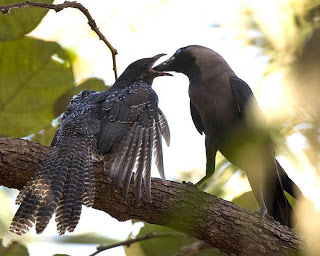
காக்கையும் குயிற்குஞ்சை தன் குஞ்சு போல வளர்க்கும்

காக்கையைக் கண்டு அஞ்சுவாள், கரடியைப் பிடித்துக் கட்டுவாளாம்


காக்கைபாடினியார்:

காக்கைபாடினியார்: என்பெயர் காக்கை பாடினியார். நான் சங்க காலத்திலேயே காக்கை பற்றிப் பாடியவள். காக்கையின் பெயரை உடைய ஒரே புலவன். என் பெயரில் காக்கைபாடினீயம் என்ற நூலும் உள்ளது.

நாங்கள் சங்கப் புலவர்கள். பாருங்கள் எத்தனை பாடல்களில் காகம் பலிச் சோற்றை உண்ணுவது பற்றிப் பாடீருக்கிறோம். பெண்களின் கரிய விழிகளைக் காகத்தின் கரிய நிறத்துக்கு ஒப்பிட்டுள்ளோம்:

பொருநராற்றுப்படை (முடத்தாமக்கண்ணியார்)

செஞ்சோற்ற பலி மாந்திய

கருங்காக்கை கலவு முனையின்

விருந்துவரக் கரைந்த காக்கையது பலியே (குறுந்210) 246 ,313, 334;

நற்றிணை 31, 231, 258, 272, 281, 343, 345, 358. 367; புறம் 238, 342, 362


படிக்கவேண்டிய எனது பழைய கட்டுரைகள்:1.இந்துமதம் பற்றி 200 பழமொழிகள் 2.இருபதாயிரம் தமிழ் பழமொழிகள் 3.யானை பற்றிய நூறு பழமொழிகள் 4.பெண்கள் பற்றி 300 பழமொழிகள் 5.பாரதி பாட்டில் பழமொழிகள் 6.பழமொழியில் இந்துமதம்7.Indian Crow by Mark Twain


தமிழ் சிறைச்சாலையில் சமூக சேவை

Inmates in Mumbai Prison

தமிழ் சிறைச்சாலையில் சமூக சேவை

சமூக சேவை என்பது இந்தியாவுக்கு புதிதல்ல. தாதியர்/ நர்ஸ்கள் என்றால் உடனே ப்ளரன்ஸ் நைட்டிங்கேலை நினைக்கிறோம். குற்றம் புரிந்தோரை நல்ல மனிதர் ஆக்கியவர் என்றால் மணிமேகலையை நினைக்க வேண்டும். யார் அந்தப்பெண்மணீ?

சிறைச் சாலையில் சமூக சேவை செய்து கைதிகளைத் திருத்தி நற்குடி மக்களாக மாற்றும் புரட்சிகர கருத்தை முன்வைத்தவர் மணிமேகலை என்றால் மிகையாகா. ஈராயிரம் ஆண்டுகளுக்கு முன் புத்த மதக் கருத்துக்களை முன்வைத்து எழுதப்பட்டது மணிமேகலை. ‘’நெஞ்சை அள்ளும் சிலப்பதிகார’’த்துடன் இரட்டைக் காப்பியங்களகத் தொன்றியது இந்நூல். சீழ்தலைச் சாத்தனாரின் கைவண்ணத்தில் மிளிர்ந்த மணிமேகலையின் காவியத்தலைவி–,கதாநாயகி மணிமேகலை என்னும் இளம் பெண் ஆவார்.

மாதவியின் மகளாக அவதரித்துப் பேரெழிலுடன் விளங்கிய மணி, ஒரு கட்டத்தில் சிறைச் சாளைக்கு விஜயம் செய்து அங்குள்ள கைதிகளைச் சந்திக்கிறார். அமுதசுரபி என்னும் வற்றாத உணவளிக்கும் அற்புத பாத்திரம் மூலம் அங்குள்ள கைதிகளுக்கு அறுசுவை உணவு படைக்கிறார். வயிற்றுக்குச் சோறிட்டதோடு நில்லாமல் மனதுக்கும் ஆறுதல் தரும் அன்பு மொழிகளையும்  நல்ல வாழ்க்கை நடத்தத் தேவையான அறிவுரைகளையும் வழங்குகிறார். அற்புதம்! அனைவரும் மனம் மாற்றம் அடைந்துவிடுகின்றனர். இதை அறிந்த சோழ மன்னன் அவளை அரண்மனைக்கு அழைக்கிறார். சிறைக் கைதிகளை உடனே விடுவிக்கும் படியும் சிறச்சாலைகளை சாது சந்யாசிகள தங்கும் திரு மடங்களாக மாற்றவும் ஆலோசனை வழங்குகிறார். மன்னனும் அதை ஏற்று செயல் படுத்துகிறான்.

சிறைக் கைதிகள் சீர்திருத்தம் Prisoners rehabilitation என்பது மேலை நாட்டில் புதிதாகப் பின்பற்றப்படும் கருத்து. இதை 2000 ஆண்டுகளுக்கு முன்பு செயல்படுத்திக் காட்டியவர் மணிமேகலை!

பெரிய புராண, மஹா பாரத தண்ணீர் பந்தல் கதைகள்

12 ஆண்டுக்கு ஒரு முறை வரும் வறட்சி பற்றி வேதங்கள் முதல் திருவிளையாடல் புராணம் வரை பிரஸ்தாபிகின்றன. அத்தகைய காலங்களில் அக்ஷய பாத்திரம், அமுதசுரபி, காமதேனு, கற்பக விருக்ஷம், உலவாக்கிழி என்ற அற்புத கலயங்களும் சின்னங்களும் இந்திய மக்களைக் காப்பாற்றி வந்துள்ளன. இதை நம்பாதோரும் கூட கஷ்ட காலங்களில் மனிதர்களைக் காப்பாற்றவேண்டும் என்ற சிந்தனை மலர்ந்த பூமி இப் புனித பாரதம் என்பதையாவது ஒப்புக் கொள்ளவேண்டும்.

பெரியபுராணத்தில் வரும் அப்பூதி அடிகள் கதையும் மஹாபாரதத்தில் வரும் சல்லியன் கதையும் நாம் அறிந்ததே. அப்பர் என்னும் திருநாவுக்கரசர் நால்வரில் ஒருவர். சம்பந்தராலும் போற்றப்பட்ட புனிதர். ஆனால் அந்தணர் அல்ல. அவர் திங்களுர் சென்றபோது அவர் பெயரில் திருமடங்களும் தண்ணிர் பந்தலகளும் இருந்ததைக் கண்டு வியந்தார். யார் என்று வினவியபோது அப்பூதி அடிகள் என்னும் அந்தணர் இவ்வாறு செய்ததை அறிந்தார். அவரிடமே சென்று ஏனைய்யா இப்படி அப்பர் பெயரை வைத்தீர்? அவர் என்ன சாதனை செய்து கிழித்துவிட்டார் என்று வினவ, அப்பூதி அடிகள் புலி எனச் சீறி அப்பர் தம் பெருமையை விளக்கி வந்தவரை விரட்டப் பார்த்தார். தாம்தான் அப்பர் என்று அவர் தம்மையே அறிமுகப் படுத்தியபோது அப்பூதி அடைந்த ஆனந்தத்துக்கு அளவே இல்லை. நாம் இங்கே கவனிக்கவேண்டியது தாகம் தீர்க்கும் தண்ணீர் பந்தல் 1300 ஆண்டுகளாக இன்றும் தமிழகத்தில் நீடித்திருக்கும் ஒரு சமூகப் பணி என்பதாகும்.

இதற்கு பல ஆயிரம் ஆண்டுகளுக்கு முன்னர் மஹாபாரத காலத்தில் இப்படி ஒரு கதை வருவதைப் பார்த்தால் இமயம் முதல் குமரி வரை 5000 ஆண்டுகளாக இப்படி நற்பணி நடந்திருப்பது உள்ளங்கை நெல்லிக்கனி என விளங்கும். பாண்டவ சகோதரர் நகுலன் சகாதேவனின் மாமன் மாத்ர தேச அதிபதி சல்லியன். மாபாரத போருக்கு முன் இவனை தம் பக்கத்தில் இழுத்துக் கொள்ளவேண்டும் என்று பாண்டவர்களும் கவுரவர்களும் முனைப்புக் காட்டினர். கள்ளத்தனத்தில் கெட்டிக்காரன் துரியோதணன். சல்லியன் வரும் வழியில் தண்ணீர் பந்தல்கள் வைத்து அவன் தாக சாந்தி செய்யவே அவனிடம் உதவி கேட்டனர். உண்டி கொடுத்தோர் உயிர் கொடுத்தோரல்லவா? அவனும் அப்படியே உதவி தருவதாக வாக்களித்தான். கர்ணனின் தேரோட்டியாக அமர்ந்த சல்லியன், 18ஆம் நாளில் உயிர் துறக்கிறான். வாக்கிற்குக் கட்டுப்பட்ட சத்திய சீலன்!

ஆக தண்ணிர் பந்தல், அன்ன தானம் என்பன பாரதீய வாழ்வில் இரண்டறக் கலந்த அம்சங்கள். வட இந்தியாவில் காளி கம்பளவாலா சத்திரங்கள் என்று வழி நெடுகிலும் உண்டு. அந்தக் காலத்தில் இமய மலையின் புனிததலங்களுக்குச் செல்லுவோருக்கு கம்பளி ஆடைகளை கொடுத்துதவிய ஒரு தர்மாத்மாவின் பெயரில் அமைந்த சத்திரங்கள் அவை. நம் தமிழ் நாட்டிலும் வழி நெடுகிலும் அன்ன சத்திரங்கள் இருந்த காலம் ஒன்று உண்டு.

எறும்புக்கும் கொசுவுக்கும் கூடத் தீங்கு செய்யாத சமண சமயத்தினர் பறவைகளுக்கும் மிருகங்களுக்கும் மருத்துவ மனை நடத்திய நாடு இது!

Prisoners in Amritsar Women’s Prison

சிறுகுடிக் கிழான் பண்ணன்

பிராமணர்களுக்கும் கோவில்களுக்கும் நிலம் தானம் கொடுத்த ஆயிரக் கணக்கான கல்வெட்டுகள் தமிழ் நாட்டில் உள்ளன. புலவர்களுக்கு பொற்காசுகளையும் உணவையும் கொடுத்த சங்க கால மன்னர்களையும் வள்ளல்களையும் நாம் அறிவோம். இவை சமூக சேவை ஆகா. பலனை எதிர்பார்த்தோ, துதி பாடலை எதிர்பார்த்தோ செய்யப்பட்ட உதவி இவை. ஆயினும் ஜாதி மதம் இனம் , குலம் கோத்திரம் என்று பாராது உணவு படைதோரும் உண்டு. சோழமன்னன் கிள்ளிவளவனும் போற்றிய ஒரு வள்ளல் சிறுகுடிக் கிழான் பண்ணன். புறநானூறு 173ஆம் செய்யுளில் எறும்பு முட்டை கொண்டு சாரை சாரையாக செல்லுவது போல பண்ணன் வீட்டை நோக்கிமக்கள் செல்லுவதைப் படித்து இன்புறலாம்.

விருந்தோம்பல், தேவதானம், புலவரை ஆதரித்தல் என்பது வேறு. சமூக சேவை என்பது வேறு. தண்ணீர் பந்தல் கதைகளும் மணிமேகலை சிறைச் சாலைச் சேவைகளும் தனி ரகம். பாரதத்தின் வழி தனி வழி. எல்லோருக்கும் முன் உதாரணமாகத் திகழும் தனி வழி!

Contact swami_48@yahoo.com