காளை வாகனம் எப்படிக் கிடைத்தது?

காளை வாகனம் எப்படிக் கிடைத்தது?

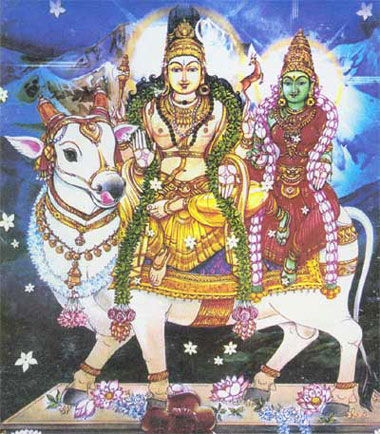
சிவனுக்குக் காளை வாகனம் எப்படிக் கிடைத்தது? என்று அருணகிரிநாதர் திருப்புகழிலும் மாணிக்கவாசகர் திருவாசகத்திலும் பாடுகின்றனர்:


“காமபாண மட்டனத கோடிமாதரைப் புணர்ந்த

காளியேறு கர்த்தனெந்தை அருள்பாலா” (திருப்புகழ்)

“தட மதிகள் அவை மூன்றும்டழல் எரித்த அந்நாளில்

இடபமதாய்த் தாங்கினான் திருமால் காண் சாழ்லோ” (திருவாசகம்)


முப்புரத்தை எரிக்க சிவன் புறப்பட்டார். தேவர்களும் அவருக்கு உதவியாக வந்தனர். ஒவ்வொருவரும் தன்னுடைய பலத்தாலதான் சிவன் முப்புரங்களையும் எரிக்கப்போகிறார் என்று ஆணவம் கொண்டனர். இதை அறிந்த சிவ பெருமான் தனது தேரை சிறிது கீழே அழுத்தினார். தேர் ஒடிந்துபோனது. தேவர்கள் பயந்தனர். இனி சிவபெருமான் எப்படி பயணம் செய்வார் என்று கலங்கி நின்றனர். இச் சமயத்தில் திருமால் களையாக வன்ஹு அவரைத் தான்கிச் சென்றார்.

ஆட்டு வாகனம் எப்படி வந்தது?

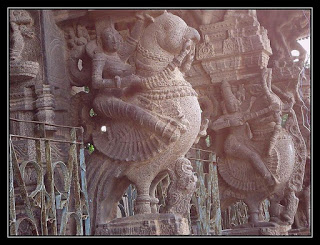
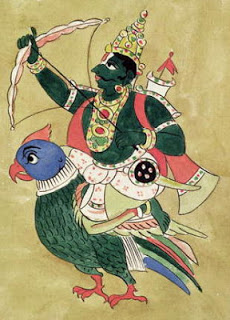
இந்தப் பூவுலகில் நாரதர் ஒரு வேள்வி செய்தார். அதில் இருந்து முரட்டு ஆட்டுக் கிடா புறப்பட்டது. அதைக் கண்டு தேவர்கள் பயந்தோடினர். நாரதரும் கயிலயை நோக்கி ஒடினார். சிவனுக்குச் செய்தி அனுப்ப முருகனிடம் முறையிட்டனர். முருகனோ தனது படைத்தலைவர் வீரவாகு தேவருக்கு உத்தரவு இட்டார். அவர் ஓடிப் போய் ஆட்டைப் பிடித்துவந்தார். நாரத்ர் முதலியோரின் வேண்டுகோளுக்கிணங்க ஆட்டை தனது வாகனமாக்கினார் முருகப் பெருமான் (ஆதாரம்: கந்தபுராணம்).


பெருச்சாளி வாகனம் எப்படி உண்டானது?

தேவர்களுக்கும் முனிவர்களுக்கும் மிகப் பெரிய தொல்லைகள் கொடுத்தவன் கஜமுகாசுரன். அவனை எப்படியாகிலும் ஒழித்துவிடும்படி பிள்ளையாரை வேண்டினான் இந்திரன்.

கணபதியும் அவர்களுடைய வேண்டுக்கோளுக்கிணங்க அவனைச் சம்ஹாரம் செய்யப் புறப்பட்டார். கடுமயான சண்டையில் விநாயகப் பெருமான், தனது ஒரு தந்தத்தை ஒடித்து கஜமுகாசுரன் மீது எறிந்தார். கீழே விழுந்து இறந்தவன் போல நடித்த அவன, திடீரெனப் பெருச்சாளி ரூபம் எடுத்து கணேசர் மீது பாய்ந்தான். பிளையார் அவன் மீது தாவி ஏறி அமர்ந்தார். இனி எப்போதும் இதுபோலவே என்னைச் சுமக்கக்கடவாயாக என்றும் ‘ஆசிர்வத்திதார்’.

“கசமுகத்தவுணனைக் கடியானை” (ஆதாரம்: புராணம்)

சிவன் வாகனம் எலி!!

யஜுர் வேதத்தின் மிக முக்கியமான பகுதி ருத்ரம். அதில் சிவனை கணபதி, சேனானி (மக்கள் தலைவன், படைகளின் தலைவன்,) என்று ரிஷிக்கள் வருணிக்கின்றனர். இதுவே பிற்காலத்தில் கணபதியாகவும், முருகனாகவும் தனி தெய்வங்களாக உருப்பெற்றன என்பது ஆராய்ச்சியாஅரின் துணிபு. இதற்கு ஒரு ஆதாரமும் உளது. ருத்ரனின் வாகனம் ஆகு, அதாவது எலி. சதபத பிராமணமும், தைத்ரீய பிராமணமும் (S.B.2-6-2-10, T.B.1-6-10-2) ருத்திரனின் வாகனமாகக்க் கூறும் எலி, புராண காலத்தில் விநாயகரின் வாகனமாக மாறிவிட்டது. பல கொள்கைகளையும் தத்துவங்களையும் விளக்குவதற்காகக் கூறப்பட்ட கதைகள், உவமைகள் பிற்காலத்தில் பல தெய்வங்களையும் வாகனங்களையும் உருவாக்கிவிட்டன. கடவுளரின் சின்னங்களாக எழுந்த கொடிகள் பிற்காலத்தில் வாகனங்களாக உருப்பெற்றன.

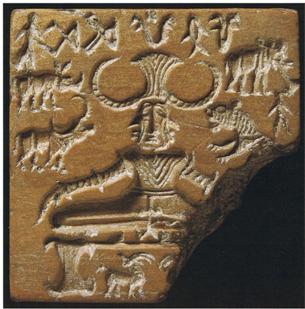
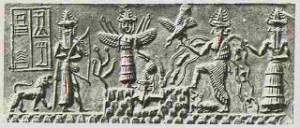
Picture  shows Indra’s Airavata vahana in Indus valley seal. Indra’s other name is Chakra which is inscribed over his head.

அந்தகக் கவி வீரராகவனார் வாகனப் பாட்டு

அந்தகக் கவி வீரராகவ முதலியார் தன்னுடைய இல்லாளுடன் கோபித்துக் கொண்டு நண்பர் வீட்டில் போய்ச் சாப்பிட்டார். அவர் கொஞ்சம் கட்டுச் சோற்றைக் கட்டிக் கொடுத்டு வழி அனுப்பினார். முதலியார் தன்னுடைய சீடர் ஒருவருடன் வழிபயணத்தைத் தொடர்ந்தார். வழியில் சீடன், கட்டுச் சோற்று மூட்டையை வைத்துவிட்டு, தண்ணிர் எடுக்க அருகிலுள்ள குளத்தில் இறங்கினான். ஒரு நாய் வந்து அந்த சோற்று மூடையைக் கவ்விக் கொண்டு கற்றய்ப் பறந்துவிட்டது. அப்போது அவர் பாடிய பாடல்:


“சீராடையற்ற வயிரவன் வாகனம் சேரவந்து

பாராரும் நான்முகன் வாகனம் தன்னை முன் பற்றிக்கொண்டு

நாராயணனுயர் வாகன மாயிற்று நம்மை முகம்

பாரான் மை வாகனன் வந்தே வயிற்றினிற் பற்றினனே”


வயிரவன் வாகனம்=நாய், நான்முகன் வாகனம்= அன்னம், நாராயணன் வாகனம்= கருடன், மை வாகனன் = அக்னி பகவான். கட்டுச் சோற்று மூட்டையை நாய் தூக்கிக்கொண்டு போனதால் பசித் தீ வயிற்றில் பற்றிக்கொண்டது என்று பொருள்பட பாடினார். அன்னம் என்பது சோற்றையும் அன்னப் பறவையையும் குறிக்கும்.


My Articles on VAHANAS (Mounts of GODS):

வாகனங்கள் தோன்றியது எங்கே?

எந்தக் கடவுளுக்கு என்ன வாகனம்?

Vahanas in Kalidasa and Ancient Tamil Literature

Hindu Vahanas Around the World

Hindu Vahanas in Italy and Greece

Vahanas on Coins and in Sculptures

Interesting Facts About Vahanas

Seven Gods Procession on Vahanas

Who Rides on What Vahana (Animal or Bird)?


தொடர்பு முகவரி: swami_48@yahoo.com
Hindu Gods and Animals

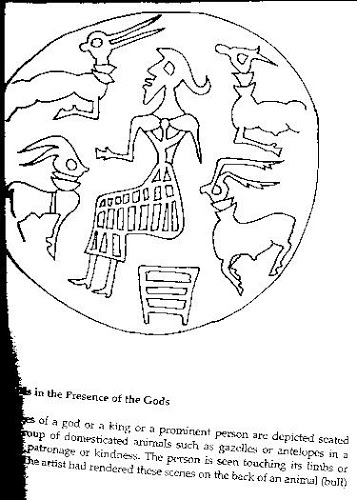
Picture of Lord of Animals seal from Dilmun (Bahrain)

Hindu Gods and Animals

Muthuswami Dikshitar, one of the Musical Trinity of Tamil Nadu, rightly praised Lord Shiva as the one who blessed even the animals, birds and insects along with the saints. Dikshitar, in his composition ‘Thyagarajasya’ in Bekata raga, says it in the line ‘Muni, Pakshi, Mruga, Kidathi mukti pradha’.

In two other places he refers to two mythological stories where Vishnu helped the trees and a garden lizard.

King Nruka donated a cow which was already donated and so was cursed to be born as a garden lizard. He was released from that lizard form by Lord Krishna. Muthuswami Dikshitar sang about it in his composition Govindarajam in Mukari Raga. The line of reference to this is ‘ Nruka rajasya  grukalasa Janmapaham’.

He sang about Kubera’s sons Nalakuparan and Manigreevan who became trees (Marutha Maram in Tamil) by the curse of Narada and got released by Krishna in the tree/Mortar episode.

Gajendra Moksha episode is linked with many shrines including Tirumohur near Madurai. Lord Vishnu saved the elephant Gajendra from the mouth of a crocodile. Please see my earlier posts for the full story.

The spider and elephant story of Tiruanaikkaval near Trichy is very popular.

Madurai is the place associated with Shiva’s 64 ‘leelas’ (Divine games). Shiva helped pigs, swallow, heron and even a plant Mulli (in Tamil). Following is the list of towns that link animals with Lord Shiva:

Animals associated with Lord Shiva (Place names indicate where the temples are situated)

Elephant :Madurai, Trukkanapper, Tirukkurraalam, Tiruanaikka, Kalahasthi

Karivalam vantha nallur

Lion – Tirunallur ( Vishnu: Narasingam near Madurai, Sholingar,Hampi in A.P.)

Tiger –Perumpuliyur, Puliyur/ Chidambaram Vyagrapureeswarar

Horse – Ayavanthi

Cow  — Thirukkondeeswaram, Tiruaduthurai, Karuvur, Avur ,Patteeswaram , Tiruamathur

Goats – Tiruadanai

Bull/ eru—Tiruvaiyaru

Monkey – Kurankaduthurai, Kurankanimuttam, Kurankukaa, Kurankuth thali, Valikandapuram

Pig –sivapuram ,Pandrimalai, Madurai

Donkey – Karaveeram

Rabbit—Tiruppathiripuliyur

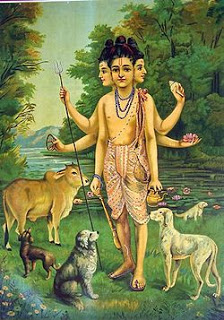
Picture of God Dattatreya with animals

Birds

Crow — Kurankanimuttam, Tirunallaru (as Vahana of Tirunallaru Saneeswaran)

Heron – Naraiyur ,Madurai

Kari kuruvi– Valivalam  ,Madurai

Eagle/ falcon /Garudan—Sirukudi, Tirukkazuku kundram, Vaitheeswaran kovil

(Parrots: Madurai, Srivillliputtur, Kanchipuram )

Beetle – Srisailam, Tiruvendurai, Valoliputhur

Amphibians and water living creatures

Frog –Utrathur

Crab –Tirunthuthevankudi

Turtle –Tirumanamcheri

Fish – Tiruchelur

Indus Seal of Lord of Animals (Pasupati)

Reptiles and small insects

Fly – Eengoimalai, Tiruchitremam

Ant – Tiruerumpur, Erumpiiswaram

Snake –Kalahasthi, Tiruppampuram, Kutanthai keelkottam, Tirunageswaram, Tirunagaikaronam, Nagarkoil,  Sankarankoil

Spider –Kalahasthi, tTruanaika

Squirrel – Kurankanimuttam

Iguana/Udumpu – Tirumakaral

Tirumakaral  is near Kanchipuram. King Rajendra Choza built a temple for lord Shiva 1000 years ago at Tirumakaral. The king saw a golden colour iguana in a shrub. When he ordered his servants to catch it, they cut the plants in the bush. When they accidentally cut the tail of the animals, blood gushed out. On seeing it,the king fainted an heard a voice from the sky that he should build a temple there.

Every town has at least one animal story. This shows what that they believed in. As a result of such beliefs they respected the animals particularly, the cows the monkeys and the elephants. All the temples do regular Pujas (worship) to Cow and Elephant known as Go Puja and Gaja Puja.

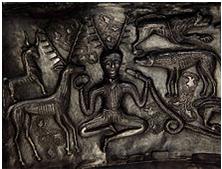
Picture of Denmark seal with Lord of animals

50 Articles on Animals and Birds written &  posted by me:

To get my articles just google the title and add “in tamilandvedas.wordpress.com” or “in swamiindology.blogspot.com” .They are also posted in tamilbrahmins.com and The Speaking Tree.

Did Humans Communicate with Animals?

The Great Scorpion Mystery Part 1 and Part 2

The Story of Hypocritical Cat

Deer Chariot: Rig Veda to Santa Claus

45 Words for Elephant

Elephant Miracles

Gajendra Moksha in Africa

Do Animals Have Feelings?

Vishnu in Indus Valley

Serpent Queen: From Indus Valley to Sabarimalai

Bull Fighting: From Indus Valley to Spain via Tamil Nadu

Vedic Dog and Church Dog

Tiger Goddess of Indus Valley

Donkeys in Tamil and Sanskrit Literature

Four Birds in One Sloka

Animal Einsteins in Ancient Sanskrit and Tamil Literature

Animal Einsteins –Part 2

Vedic Homa Bird

Double Headed Eagle: Sumerian-Indian Connection

When Animals worship God, Why Not Men?

Eagle Shaped Fire Altar of Karikal Choza

Two Little Animals that Inspired Indians

Three Wise Monkeys from India

Mysterious Fish Gods around the World

Gods and Birds

Hindu Eagle Mystery Deepens

Can Parrots Recite Vedas?

Can Birds Predict your Future?

Multi Lingual Parrot mimics Arabic, Urdu and English Words

Mysterious Tamil Birdman

Birds for Finding Direction: Sumer to Tamil Nadu

Articles on VAHANAS (Mounts of GODS):

Vahanas in Kalidasa and Ancient Tamil Literature

Hindu Vahanas around the World

Hindu Vahanas in Italy and Greece

Vahanas on Coins and in Sculptures

Interesting Facts about Vahanas

Seven Gods Procession on Vahanas

Who Rides on What Vahana (Animal or Bird)?

Indian Crow by Mark Twain

Tamil Articles தமிழ் கட்டுரைகள்

அதிசய பறவைத் தமிழன்

கா.. கா.. கா..கா!!

கரிகால் சோழனின் பருந்து வடிவ யாக குண்டம்

வாகனங்கள் தோன்றியது எங்கே?

எந்தக் கடவுளுக்கு என்ன வாகனம்?

சுமேரியாவில் தமிழ் பறவை

தேள் தெய்வம்

பாம்பு ராணி

வேத நாயும் மாதா கோவில் நாயும்

கழுதைக்குத் தெரியுமா கற்பூர வாசனை

சிந்து சமவெளியில் ஒரு புலிப் பெண்

யானை பற்றிய நூறு பழமொழிகள்

Contact : swami_48@yahoo.com
காஞ்சீபுரம் கோவில்கள்

LIST OF KANCHIPURAM TEMPLES

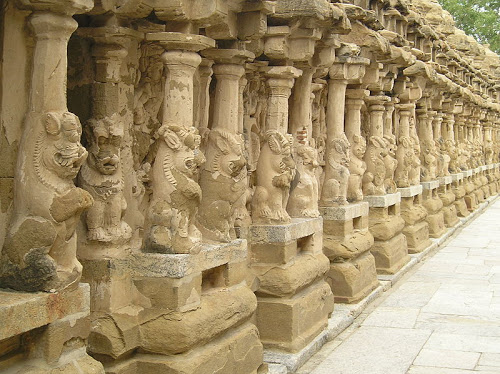
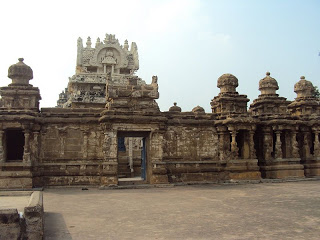
Picture of Kailasanathar temple (Pictures from Wikipedia)

“ புஷ்பேசு ஜாதி, புருஷேசு விஷ்ணு

நாரீஷு ரம்பா நகரேஷு காஞ்சி “


என்று சம்ஸ்கிருதத்தில் ஒரு ஸ்லோகம் உண்டு. புஷ்பங்களில் ஜாதி முல்லை/மல்லிகை சிறந்தது, புருஷர்களில் பெரியவர் விஷ்ணு, பெண்களில் சிறந்தவர் ரம்பா, நகரங்களில் சிறந்தது காஞ்சீபுரம். இதை காளிதாசர் செய்ததாகச் சொல்லுவர்.


காஞ்சீபுரம் மஹாபாரத காலம் முதல் இன்றுவரை சீரும் சிறப்புடனும் திகழ்கிறது. சங்க இலக்கியம் பெரும்பாணாற்றுப்படை முதல் பல்லவர் கல்வெட்டுகள் வரை அனைத்தும் காஞ்சியின் புகழ் பாடுகின்றன. காஞ்சியை வெற்றிகொண்ட சாளுக்கிய மன்னன் ஆறாம் விக்ரமாதித்தன் அதன் அழகைக் கண்டு வியந்து இந்த நகரை அழிக்கவேண்டாம் என்று உத்தரவிட்டான். அந்தக் காலத்தில் ஒரு மன்னன் வெற்றிகொண்ட மாற்றான் நாட்டு நகரங்களைத் தீக்கிரையாக்குவது வழக்கம். காஞ்சிபுரம் மட்டும் தப்பியது என்றால் பார்த்துக் கொள்ளுங்களேன்!


பதஞ்சலி மகரிஷி, போதிசத்துவர், ஆதிசங்கரர், பல்லவ மன்னர்கள், கச்சியப்ப சிவாச்சாரியார் மற்றும் பட்டுப் புடவைகள் மூலம் காஞ்சி உலக வரை படத்தில் அழியா இடம் பெற்றுவிட்டது. இந்தக் காட்டுரை காஞ்சியில் உள்ள நூற்றுக்கும் மேலான கோவில்களில் முக்கிய 83 கோவில்களைப் பட்டியல் இடுகிறது.

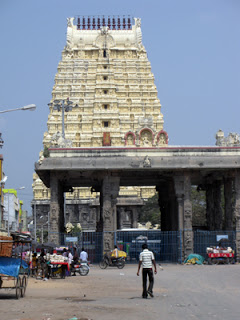
Picture of Ekampareswarar Temple

1.அகஸ்தீஸ்வரர் கோவில் 2.அபிராமீஸ்வரர் கோவில் 3.அமரேஸ்வரர் கோவில் 4.அஷ்டபுஜர் கோவில் 5.ஆலடிப்பிள்ளையார் கோவில் 6.இராமேஸ்வரர் கோவில் 7.இலட்சுமணேஸ்வரர் கோவில் 8.இறவாஸ்தாணீஸ்வரர் கோவில் 9.ஈயகோஷ்டேஸ்வரர் கோவில் 10.ஈஸ்வரர் கோவில்

11.உருத்ரகோடீஸ்வரர் கோவில் 12.உலகளந்த பெருமாள் கோவில் 13.ஏகாம்பரேஸ்வரர் கோவில் 14.ஐராவதேஸ்வரர் கோவில் 15.ஓணகாந்தேஸ்வர கோவில் 16.கங்கணேஸ்வரர் கோவில் 17.கங்காதேஸ்வரர் கோவில (ஒக்கப்பிறந்தான் கோவில குளக்கரை) 18. கங்காதேஸ்வரர் கோவில் (சர்வதீர்த்த குளக்கரை) 19.கச்சபேஸ்வரர் கோவில் 20.கடகேஸ்வரர் கோவில்


21.கயிலாயநாதர் கோவில் 22. காசி விசுவநாதர் கோவில் 23.காஞ்சி காமாட்சி கோவில் 24.காயாரோஹணேஸ்வரர் கோவில் 25.காளிகாம்பாள் கோவில் 26.குமரகோட்டம் கோவில் 27.சங்குபாணிப் பிள்ளையார் கோவில் 28.சதுர்புஜ ஆஞ்சநேயர் கோயில் கோவில் 29.சித்தீஸ்வரர் கோவில் 30.சித்ரகுபத் சுவாமி கோவில்

31.சிவாஸ்தானம் கோவில் 32.சீதேஸ்வரர் கோவில் 33.தவளேஸ்வரர் கோவில் 34.தாந்தோன்றீச்வரர் கோயில 35.திருக்கச்சி அநேக தங்காவதம் கோவில் 36. திருக்கச்சி மயானம் கோவில் 37.திருக் காஞ்சீஸ்வரர் கோவில் 38.திருக்காளீஸ்வரர் கோவில் 39.திருமேற்றளி கோவில் 40.திருவெட்டானீஸ்வரர் கோவில்

Picture of Kailasanathar temple

41.தீபப்ரகாசர் கோவில் 42.தீர்த்தேஸ்வரர் கோவில் 43.திரிகால ஞானேஸ்வரர் கோவில் 44.நகரீஸ்வரர் கோவில் 45.நசிம்மஸ்வாமி கோவில் 46.பச்சைவண்ணர் கோவில் 47.பவழவண்ணர் கோவில் 48.பணாதரேஸ்வரர் கோவில் 49.பாகீஸ்வரர் கோவில் 50.பாண்டவப்பெருமாள் கோவில்


51.பிறவாஸ்தானீஸ்வரர் கோவில் 52.புண்யகோடீஸ்வரர் கோவில் 53.பெருமாள் (செவிலிமேடு) கோவில் 54.மச்சேஸ்வரர் கோவில் 55.மணிகண்டேஸ்வரர் கோவில் 56.மதங்கேஸ்வரர் கோவில் 57.மல்லிகார்ஜுனன் கோவில் 58.மன்மதேஸ்வரர் கோவில் 59.மாண்டகன்னீஸ்வரர் கோவில் 60.முக்தீஸ்வரர் கோவில (அடிசன் பேட்டை காந்தி ரோடு)

61. முக்தீஸ்வரர் கோவில் ( கீழண்டை ராஜ வீதி) 62.யதோத்காரி கோவில் 63.வரதராஜர் கோவில் 64.வரதராஜர் சந்நிதி ஆஞ்சநேயர் கோவில் 65.வளத்தீஸ்வரர் கோவில் 66.வியாச சாந்தலீஸ்வரர் கோவில் 67.விருபாட்சீஸ்வர கோவில் 68.வைகுண்டப் பெருமாள் கோவில் 69.வைரவேஸ்வரர் கோவில் 70.ஜூரஹரேஸ்வரர் கோவில்

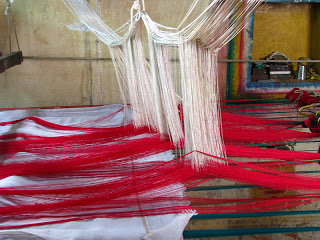
Picture of silk sari weaveing

71.ஹிரண்யேஸ்வரர் கோவில் (நன்றி: காஞ்சீபுரம் மலர், மார்ச் 1979, பக்கம் 32) 72.வீற்றிருந்த லட்சுமண பெருமாள் கோவில் 73.அழகியசிங்கர் கோவில்(திருவெஃகா 74.ஜகதீஸ்வரர் கோவில் 75.ஆதிவாரஹப் பெருமாள் கோவில் 76.ஸ்ரீ சத்யநாதீஸ்வர கோவில் 77.ஸ்ரீ கருணாகரப் பெருமாள் கோவில் 78.கூரன் ஆதிகேசவப் பெருமாள் கோவில் 79.ஸ்ரீ விஜயராகவ பெருமாள் கோவில்

80.ஆதிகாமாட்சி கோவில் 81. கல்யாண வரதராஜப் பெருமாள் கோவில் 82.கோனேரிபுரம் கனகதுர்கா கோவில் 83..திருபருத்திகுன்றம் ஜைனர் கோவில் கோவில்.


List of Temples dedicated to Lord Vishnu (Source:- SCSVMV University)
• Varadharaja Perumal Temple
• Ashtabujakaram – Sri Adhikesava Perumal Temple
• Tiruvekkaa – Sri Yathothkari Temple
• Tiruththanka – Sri Deepa prakasa Perumal Temple
• Tiruvelukkai – Sri Azhagiya Singar Temple
• Neervalur – Sri Veetrirunda Lakshmi Narayana Perumal Temple
• Tirukalvanoor – Sri Adi Varaha Swami Temple
• Tiruoorakam – Sri Ulaganatha Swami Temple
• Tiruneeragam – Sri Jagadeeshwarar Temple
• Tirukaaragam – Sri Karunagara Perumal Temple
• Tirukaarvaanam – Sri Tirukaarvarnar Temple
• Tiruparamechura Vinnagaram – Sri Vaikunda Perumal Temple
• Tirupavalavannam – Sri Pavala Vanar Temple
• Tirupaadagam – Sri Pandava Thoodar Temple
• Tirunilaaththingalthundam – Sri Nilathingal Thundathan Perumal Temple
• Tirupputkuzhi – Sri Vijaya Raghava Perumal Temple
• Parithiyur-Kalyana Varadharaja Perumal Temple
• Sri Aadhi Kesava Perumal – Kooran [about 8 to 9 km from Kanchipuram]

List of Temples dedicated to Lord Shiva

• Kailasnatha Temple
• Ekambareswarar Temple
• Kachi Metrali
• Onakanthan Tali
• Kachi Anekatangapadam
• Kachi Nerikkaaraikkadu
• Kuranganilmuttam
• Tiru Maakaral
• Tiruvothur
• Panankattur
• Sangupani Vinayakar Temple
• Vazhakarutheeswarar Temple
• Thirumetrali Temple
• Satyanadeeswara Temple
• Adhi Kamakshi Temple
• Kanaka Durga Temple, Koneri Kuppam
• Thiruparruthikundram – Jaina Temple

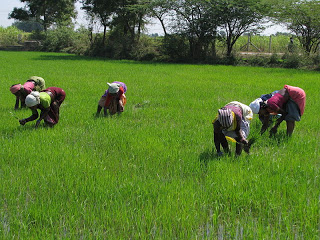
Picture of Kanchipuram Paddy fields.

Contact swami_48@yahoo.com
TWO MILLION GODS IN INDIA


TWO MILLION GODS IN INDIA by Mark Twain

Mark Twain (1835- 1910) was an American author. His real name was Samuel Langhorne Clemens. His famous works include The Adventures of Tom Sawyer, Adventures of Huckleberry Finn. His essays are popular and his sense of humour is enjoyed by everyone. His essays on the Indian Crow and India are quoted very often.


This is indeed India; the land of dreams and romance, of fabulous wealth and fabulous poverty, of splendor and rags, of palaces and hovels, of famine and pestilence, of genii and giants and Aladdin lamps, of tigers and elephants, the cobra and the jungle, the country of a thousand nations and a hundred tongues, of a thousand religions and two million gods, cradle of the human race, birthplace of human speech, mother of history, grandmother of legend, great-grandmother of tradition, whose yesterdays bear date with the moldering antiquities of the rest of the nations—the one sole country under the sun that is endowed with an imperishable interest for alien prince and alien peasant, for lettered and ignorant, wise and fool, rich and poor, bond and free, the one land that all men desire to see, and having seen once, by even a glimpse, would not give that glimpse for the shows of all the rest of the globe combined.

India has two million gods, and worships them all. In religion all other countries are paupers; India is the only millionaire. 

“India is the cradle of the human race, the birthplace of human speech, the mother of history, the grandmother of legend, and the great grand mother of tradition. Our most valuable and most instructive materials in the history of man are treasured up in India only.” In India, ‘cold weather’ is merely a conventional phrase and has come into use through the necessity of having some way to distinguish between weather which will melt a brass door-knob and weather which will only make it mushy. India had the start of the whole world in the beginning of things. She had the first civilization; she had the first accumulation of material wealth; she was populous with deep thinkers and subtle intellects; she had mines, and woods, and a fruitful soil. It would seem as if she should have kept the lead, and should be to-day not the meek dependent of an alien master, but mistress of the world, and delivering law and command to every tribe and nation in it. But, in truth, there was never any possibility of such supremacy for her. If there had been but one India and one language–but there were eighty of them! Where there are eighty nations and several hundred governments, fighting and quarreling must be the common business of life; unity of purpose and policy are impossible; out of such elements supremacy in the world cannot come. Even caste itself could have had the defeating effect of a multiplicity of tongues, no doubt; for it separates a people into layers, and layers, and still other layers, that have no community of feeling with each other; and in such a condition of things as that, patriotism can have no healthy growth.


GODS AND BIRDS

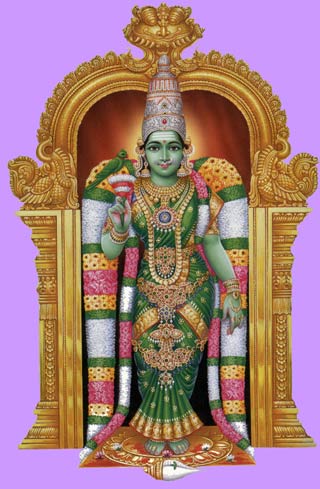
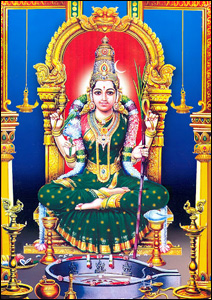
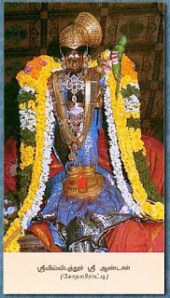
Pictures of Goddess Meenakshi, Kamakshi and Andal


“ I suppose he (the crow) has no enemies among men. The whites and Mohammedans never seemed to molest him; and the Hindoos, because of their religion, never take the life of any creature, but spare even the snakes and tigers and fleas and rats”

–Mark Twain writing on Indian Crows

Hindus are great lovers of animals. They show kindness and respect to birds and animals. Hundreds, maybe thousands, of towns are named after birds and animals in the whole of India. From ant, snake to elephant, every animal is honoured. Each town has a long story about them, mostly connected to Gods. Birds and Gods are close. We have several Hindu gods carrying a bird in their hands. Why? What is the significance?

Meenakshi, Goddess of Madurai, carries a parrot on her right shoulder, so do Andal of Srivilliputur near Madurai  and Kamakshi of Kanheepuram (Tamil Nadu,India). Lord Muruga/Skanda  has  a cock in his hand or flag with cock.

Meenakshi Navaratna Mala, a Sanskrit hymn praises her in the very first verse as the carrier of a parrot. Such is the importance of parrot in her life:

“Meenakshim ,Madhureswareem, Sukhatharam Sri Pandya Baalaam Bhaje” =Salutations to Goddess Meenakshi, goddess of Madurai, who has a parrot in her hand, who is the daughter of Pandya king.

Madurai Meenakshi has got a parrot made of pearls. ( Please read about her amazing jewellery collection in my THE WONDER THAT IS MADURAI MEENAKSHI TEMPLE ).

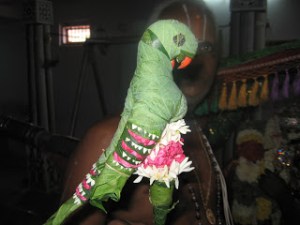
Picture of Parrot made with leaves in Srivilliputtur, Tamil Nadu


When we were children we used to go to Meenakshi temple very often. There was a big cage near the sanctum sanctorum of goddess Meenakshi where 20 to 30 parrots were kept. If we call Rama  they will repeat RAMA. If we call  Meenakshi, they will echo MEENAKSHI. I have already explained in three or four posts the relationship of Brahmins and parrots. The parrots simply repeated the VEDAS, says the Indian literature.

Now we know the reason. All good things we say are repeated. Hindu devotees believed that our requests and prayers are also repeated to Goddess even after we leave the temple. Birds’ link to omens has been already explained in my post “Can Birds Predict Your Future?” Tamils, Etruscans and other Hindus strongly believed in such omens.

In Srivilliputtur, a parrot is made every day with leaves and kept In the left hand of goddess Andal. At the end of the day, It is given to devotees who believed it would bring good luck to them.

‘ Kili viDu Thuthu’  is a genre in Tamil. The meaning is sending parrot as a messenger to a loveror beloved. Andal is said to have sent the parrot to Lord Vishnu to give the message of her love. More over wherever parrot is there it is velieved Sukhabrahmam is repeating the mythologies.

In the story of Skanda/Kartikeya the cock was a subdued demon. It symbolises that our demonic thoughts would be subdued ‘in the hands of God. Hindu goddess Lakshmi and Sarawati have owl and swan as their respective vehicles (vahanas). Crow is the vahana of planet Saturn and Garuda/eagle of God Vishnu (Please read my articles on Vahans for more details).


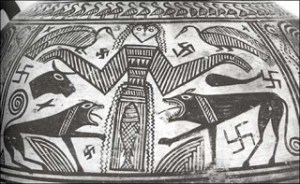
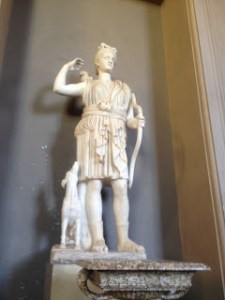
Picture of Greek Goddess Artemis with birds and Hindu Swastika symbol, 700 BC

Parrot Upanishad= Taitriya Upanishad.

Upanishads are the highest philosophical treatise in Hinduism. One of the 18 main Upanishads is Taitriya Upanishad. Thiththi and Thaththai are words for parrot in Sanskrit and Tamil. The story of Taitriya Upanishad is interesting. Yagnavalkya’s teacher was offended and asked him to return the Veda. He “vomited it and the parrots ate it”. Even a child can understand the symbolic story. When Yagnavalkya’s Guru asked him not to repeat it, he gave it to his disciples (What he threw out was taken/eaten by others).

Once again this story proves the significance of parrots in Vedas and Gods hands/shoulders. The message is, repetition of good things, is essential. Taitriya Upanishad is a beautiful Upanishad with instructions for students, saints as well as laymen. Be a parrot and repeat God’s names or good principles!

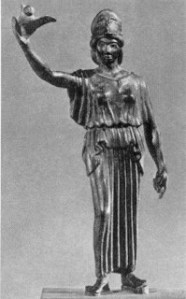
Picture of Greek Goddess Athena with an owl

Vyasa’s Son ‘Parrot Saint’ = Sukha Brahmam

Vyasa’s son Sukha Brahmam was the one who recited all the Puranas (Hindu Mythologies). Hindu mythologies are voluminous running to millions of lines. This monumental work was done by Sukha (literally parrot). Needless to explain the symbolism behind it. Sukha’s dad Vyasa did another great task of compiling and dividing Vedas into four sections and entrusting them to four of his disciples. Nowhere in the world we see such immense task carried out by any human being. Till this day no one on earth has beaten Vyasa or his parrot son in compiling lost works. Humanly impossible task was done by both. When we talk about Vyasa and Sukha we can use only superlatives!

Sumerian and Greece

Gods in Sumerian culture also carried birds. Greek Goddess Athena carried an owl in her hand. Owl is considered a bird of wisdom. The Greek word for owl is Glaukos. It is derived from Sanskrit word Uluka=owl. In India also owl was considerd wise and Uluka, Kausika were used by Rishis. In Sumerian culturecertain gods and goddesses carried birds. There are lots of other stories about owls as well.

Contact London Swaminathan : swami_48@yahoo.com

Picture of Hindu Saint Ganapathi Sachidananda with a live parrot


Earlier related posts:

1. Animal Einsteins (Part 1 and Part 2) 2. Can parrots recite Vedas? 3. Why do animals worship Gods? 4. Mysterious Messengers for Ajanta, Angkor Wat and Sringeri 5. Elephant Miracles 6). 45 Words for Elephant 7. Can Birds Predict your Future? 8. Two Little Animals That Inspired Indians 9. Three Wise Monkeys from India 10. Mysterious Tamil Bird Man 11.Vedic Dog and Church Dog 11. Deer Chariot:  Rig Veda to Santa Claus 12. Mysterious Fish Gods around the World 13.  Serpent  (Snake) Queen: Indus Valley to Sabarimalai 14.Who Rides What Vahanas (Animal or Bird)? 15. Vahanas in Kalidasa and Tamil Literature 16. Vahanas on coins and in sculptures

Pictures of Greek and Sumerian Gods

The Great Lamp Festival- Karthikai Deepam

3500 kilos of Melted Butter Burnt!

1000 ft Wick!

10 Days continuous burning!

2 Million People See the Lamp!

40 Kilometres Visibility!

Celebrated for 2000 years without a Break!

Ten feet high Huge Cauldron with a diameter of 5 feet lamp

(27th November 2012 is Karthikai Deepam Festival in Tamil Nadu)

A wonderful festival known as KARTHIKAI DEEPAM is celebrated in Tiruvannamalai near Chennai, Tamil Nadu( India) every year. It is always held on the full moon day of the Hindu month Karthikai corresponding to November. One million people visit the town on that day to witness the lighting of the Maha Deepam (Great Lamp). Another million follow suit in the ten day Karthikai festival at the Arunachaleswar Temple which is considered one of the Pancha Bhuta Sthalas (Five Elements Centres). Lord Shiva is in the form of Fire in this temple.


The beauty of Karthikai festival is that it has a 2000 year continuous history. Sangam Tamil literature which is dated to first three centuries of Common Era has several references to this festival. Millions and millions of earthern lamps ( Ahal Vilakku in Tamil) are lighted throughout Tamil Nadu like Diwali in North India. Every hut, every bungalow, every temple light the mud lamps with a special type of medicinal oil called Iuppai Ennei and arrange them in rows. Around six pm nearer to sunset the whole of Tamil Nadu will be burning billions of lamps. Anyone who sees it once in his/her life time will never forget it. The culmination of the day’s festival is a big bonfire in front of the temples (Please read my post “Science Behind Deepavali” for the scientific reason for Bonfire Festivals around the World).

3500 Kilo Ghee!

At Tiruvannamalai, there is a hill which is considered Hill of Fire (Agni Hill). On top of the 2668 feet hill, a huge lamp is lit on the Karthikai deepa day. The lamp is burnt for 10 days and put off on the 11th day. This is visible up to 40 Kilometres day and night. People throng the place to see the light and wash (burn) their sins. They contribute money or oil to burn the lamp. Temple makes millions of rupees by selling the holy ingredients.1000 feet long wick is prepared for this huge lamp at Tiruppur. The wick is very thick. The brass cauldron which is used as the lamp is ten feet high and five feet wide! 3500 kilo ghee (melted butter over three tons) is sent from Madurai to Tiruvannamalai to burn the lamp. With great difficulty temple staff carries the heavy cauldron through a seven kilometre route to the top of the hill.

The temple priests light Barani Deepam in the early hours in the temple and the Maha Deepam (lamp) is lighted on top of the hills in the evening. (Barani and Karthikai are all part of the 27 stars of Hindu Zodiac)

What is Karthikai Festival?

There are two reasons to celebrate Karthikai Festival:

  1. Lord Shiva is worshipped as five elements in five different shrines in Tamil Nadu. He is worshipped as fire at Tiruvannamalai. When Vishnu and Brahma, the other two gods in the Trinity, wanted to find out the top and bottom (head and feet= end and beginning) of Shiva he appeared to them as flame which has no top or bottom.
  2. Lord Subramanya was raised by six Karthikai girls. The Pleiades constellation in the sky is a six star system according to Hindus and Seven Sisters according to the Greeks. With binoculars we can see seven stars. Still Hindus can interpret it as Lord Kartikeya + six women/foster mothers. Lighting the lamps is like offering prayers to Skanda= Subramanya=Kartikeya. Lord Subramanya (popularly known as Murugan in Tamil) is itself Fire that came out of the Third Eye of Lord Shiva.
  3. Though Saivaite colour is given to this festival now, Vishnu temples also celebrate it under the term Vishnu Deepam linking Mahavishnu-Mahabali episode. During Sangam Age every Tamil celebrated it irrespective of their sectarian affiliation.
  4. Higher and lower castes celebrate it like Deepavali. Sisters and brothers exchange gifts. Women wear new clothes before lighting the lamps in their houses. Left over fire crackers from Deepavali are used to lit the sky.

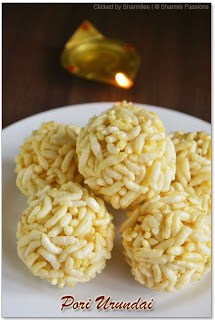
Like any other Hindu festival Karthikai is associated with its own special delicacies like Appam, Pori and Adai. Appam is a sweet cake made up of flour and fried. Pori Urunadi is sweet balls of puffed rice in jiggery. Adai is lentil pancake, like a thick Dosai. Plenty of Tamil and Sanskrit hymns are available on Lord Shiva to sing on this day.

If anyone can see Tamil Nadu from a low flying plane on Karthikai day, whole of Tamil Nadu will shine brilliantly with millions of lamps.

Of late Tiruvannamalai is becoming more popular for full moon day Giri Pradakshina. Every full moon day hundreds of thousands of people go round the hill all through the night. Several decades ago people were afraid to go round the hill even during day time for the fear of attacks by wild animals . Tigers and panthers were roaming the foothills at one time.

Tamil References to Karthikai:

Sangam Literature: Ahanananuru 141 describes how the lamps were lit in the evening of Karthikai Full Moon Day. Aham verse 185 compares the lamps to flowers on Silk cotton Tree. Natrinai 202 describes Karthikai as the month fit for good and charitable acts. We may take it as a reference to Karthikai Viratham (Fasting like Ayyappa devotees) and festival.

Post Sangam Literature: Kar Narpathu 63; Seevaka Sinthamani 256

Kar Narpathu says that the lamps were lit on Karthikai Full Moon Day evening; Seevaka Sinthamani says that the lamps were lit on top of the mountain.

Pictures are from Facebook, The Hindu and other websites.Thanks (contact: swami_48@yahoo.com)

***********

Vahanas on Coins and in Sculptures

(Please  read other articles on Vahanas  posted already: swami)

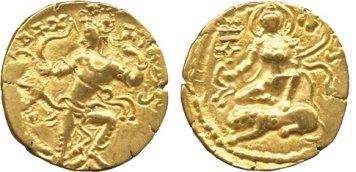
Picture: Gupta gold coin with goddess on lion.

Art Historian Sri Sivaramamurthi and others have done lot of research into Vahanas and sculptures. We have got Vahanas on coins from 3rd or 2nd century BC and beautiful sculptures from Gupta period. Gupta gold coins depict Vahanas. Following coins are well known specimens with Vahanas:

1.Shiva and Bull on coins issued by Wima Khadpises (95 AD)

2.Vasudeva also issued coins with Bull and Shiva (190 AD)

3.Samudra Gupta issued coins with Makara at the Goddess Ganga’s feet (335 AD)

4. Goddess seated on lion on coins issued by Chandra Gupta II and Kumara Gupta (380 and 455 AD)

Picture: Kushana gold coin with Kartikeya


5.Kartikeya is shown seated on peacock on a coin which is exclusive to Kumara Gupta (455 AD)

6. Mother or Earth Goddess seated on (Nana/ Nanna/ Nanasao) a lion on coins issued by Kanishka (127 AD).

7. Hamsa and Goddess on a coin issued by Samachara Deva (early 6th Century AD)

(The above information was furnished by Biswajeet  Rath in his publication Deities on Indian coins).

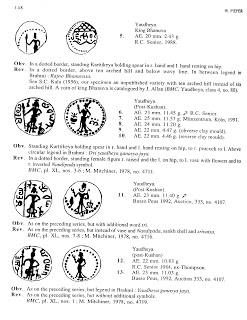
8. Yaudheya  Coins with Kartikeya on Peacock (2nd Century BC)

Yaudheya dynasty in North West India issued coins of Kartikeya with peacock vahans.

Gupta gold coin with Kartikeya and peacock


On sculptures:

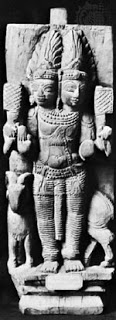
Gupta period sculptures in the caves of Deogarh show several Gods on Vahanas. So Kalidasa must have lived well before this time. Anything that comes in literature takes the shape of coins or sculptures on a later date. This is finding of art historians and archaeologists. References in literature comes first, sculptures come next.

Following Vahanas are on stone scultures:

1.Shiva and Parvati on Bull: Dashavatara Temple, Deogarh, 5rh century AD

Picture: Agni on ram, Paris Museum

2.Agni on the Ram: Bhoganandiswara Temple, Nandi, 9th century AD

3.Figure on Fish  (Ascetic or Varuna?): Jalakandeswara Temple,16th Century

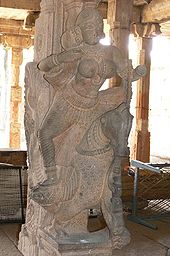
4.Rati on Parrot: Gwalior Museum, 9th Century AD


Yaudheya coin details with Skanda and peacock

5.Varuna on Makara: Delhi National Museum, 13th Century AD

6.Indra on Elephant: Nandi, 9th Century AD

7. Rati on swan: Meenakshi Temple,Madurai, 16th Century AD

8. Agni on Ram, 9th Century AD, Calcutta Archaeological gallery

The above only re examples of Vahana sculptures spanning over 1000 years. It is not a comprehensive list. Indra on elephant Airavata is found in many of the world including South East Asian countries. Vishnu on Garuda Vahana is also found from Gupta or earlier times.

 Rati on Anna Vahana

If we consider figures on coins and sculptures together, the Vahanas cover a period of 2200 years without a break! We see coins with Hindu gods on vahanas up to East India Company period. It disappeared completely from those things only after the “Secular Indian Government” started ruling India from 1947!

Next post will cover the mythological stories about Vahanas: swami.


*********************

Hindu Vahanas in Italy and Greece


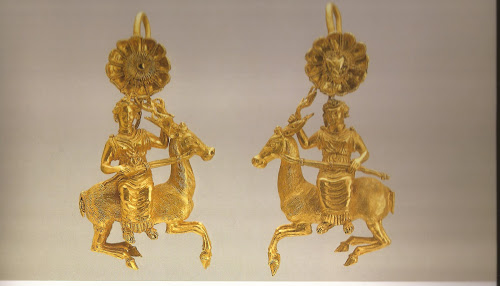
Picture shows Greek Ear Rings with Artemis on Stag

By Santanam Swaminathan; contact swami_48@yahoo.com or Swaminathan.santanam@gmail.com

Hindu Vahanas (Mounts of Gods) are found in different parts of the world. We have already seen them in Afghanistan, Iraq, Syria, Iran, Egypt, Turkey and other places. Since the Middle Eastern countries were under the Kassites, Hittites and Mitanni from 1800 BC, who followed  Vedic Religions, we see the Vahanas of gods there in sculptures and inscriptions. I have given the proofs in my earlier articles. Now I furnish more details about how the European countries adapted Hindu Gods’ vahanas with new stories.

We have sculptures showing Hindu Vahanas in Rome (Italy) and various parts of Greece or in the countries where Romans and Greeks extended their rule. Most of these sculptures were from First few centuries before Christ.

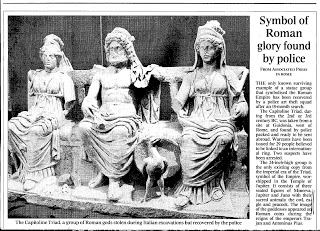
Times News Paper published a story on 23the February 1994 (see the picture in the paper cutting which I have preserving for 20 years in my file) detailing the symbols of three Roman Gods: “It consists of three seated figures of Minerva, Jupiter and Juno with their sacred animals the owl, eagle and peacock. The image of the goddesses appeared on Roman coins during the reigns of the emperors Trajan and Antonius Pius.” The statues belong to 3rd century BC. It shows that before the spread of Christianity and Islam, people worshipped different forms Gods like the Hindus of today.

In course three thousand long years, all the Gods and Goddesses got mixed up in their forms and interpretations. Any one opening the Encyclopaedias of Gods and Goddesses ( I have four different books on Gods and three different books on Symbols) will get confused when  they say this  god was worshipped as XXXX in this country, this god may be from XXXX country etc. The scholars are more confused than the people who worshipped them!

All the tales of ancient heroes and gods are full of violence, one killing another, cutting the body into many pieces and throwing them into different areas. Most of them may be interpreted as some natural phenomenon or astronomical events. We see it in Rig Veda from the story of Indra slaying Vritra etc. So called scholars with motive interpret them as Aryan-Dravidian fight. We know them as absurd theories because such fights are found in every ancient culture. There is no religious book or ancient literature without such clashes. Only in India the so called scholars deliberately mislead the general public for political gains.


Aphrodite (Greek and Cypriot)

Aphrodite on Hamsa Vahana and Hindu Anna Vahana of Sarsvati

Aphrodite is goddess of sexual love, worshipped from 1300 BC. She is equated with Ishtar (Akkadian), Astarte (Syrian), Astoreth (Phoenician), Dione, Cytherea, Venus (roman). She came from the foam of the ocean. In fact it was a distorted story of Hindu Samudra Marthan (Churning of the ocean) where Goddess Lakshmi, Heavenly nymph Apasaras and Jyeshta come out of the ocean. Aphrodite is shown as riding a swan, like goddess Saraswati. Egyptian Goddess Neith also emerged from the primeval ocean to create the world. She was depicted as the great celestial cow, like Hindu Kamadhenu. Neith is the goddess of weavers. I have already explained Neith–al means ‘weaving’ in Tamil in my earlier posts.

Hindu God Brahma and goddess Saraswati are shown riding swan.


Apollo (Greece and Rome)

Apollo was god of light, music and medicine. He was the son of the Titan Leto and the god Zeus (Latona and Jupiter to Romans) and the twin brother of the goddess Artemis (the Roman Diana). Apollo was often depicted with a lyre riding a swan. Known period of worship is circa 1300 BC. He is drawn as a god of hunters carrying a bow and arrow and associated with a stag. He is also pictured with lions. Apollo is strongly associated with the mystical number seven. Artemis rides a stag like Hindu Goddess Durga.


Hephaistos: Donkey Vahana In Atharva Veda (A.V.)

Picture: Hindu Goddess and Greek God on Donkeys

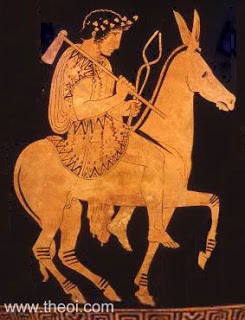
Hephaistos is an Olympian God in Greece. He rides a donkey. Donkey is Vahana for Hindu Gods and Goddesses as well:

Donkey Vahana for Indra: A.V. 9-6-4

Donkey vahana for Agni: Aitareya Brahmana 4-9-1

Donkey Vahana for other Gods: AV 8-8-22

Jyeshta or Muthevi or Seetala Devi have donkey has her Vahana.


Henrich Zimmer (1890-1943) wrong!

German Scholar, like most foreign Indologists misled the world by mixing the poison of Aryan –Dravidian theory in his interpretation of Vahanas. He said,

“ Animal symbol carrying the human is the duplicate representation of the energy, character of that god. They are the tutelary deities of the Indian household derived from the pre-Aryan aboriginal tradition and playing a considerable role in the Hindu and Early Buddhist lore”. Those who read about Vahanas from 3000 BC in Sumerian culture to 3rd BC in Greek culture can see the absurdity in Zimmer’s theory. If Indian Vahanas are pre Aryan, what about the Vahanas of other cultures? Moreover we see Vahanas as negative forces that is controlled by the Gods, not duplicate as Zimmer described.

Foreign scholars caused a big havoc by poisoning the Indian history with their own invented theories of Aryan-Dravidian divide wherever possible. Tamil Kings Chera ,Choza and Pandyas  fought for 1500 years without any break! They deserve a place in Guinness Book of Records for the longest fight in the world. But nobody saw any Aryan-Dravidian division in those fights. But if there was a fight between a Northern kingdom and Southern Kingdom, immediately they described it as Aryan-Dravidian clashes. If two kings or kingdoms fought during Vedic period, immediately they described it as Aryan-Dravidian!! But we see such clashes in Greece, Rome and Egypt.

Rati and Manmatha on Parrot Vahana

Also read my earlier posts:

1.Iraq: 7 Gods Procession on Vahanas, 2.Deer Chariot: Rig Veda to Santa Claus, 3.Hindu Vahanas around the World,4.Vahanas in Kalidasa and Tamil Literature,5.Who Rides What Vahanas?,6.உலகம் முழுதும் இந்து தெய்வ வாகனங்கள்,7.சங்கத் தமிழ் இலக்கியத்தில் வாகனங்கள், 8.வாகனங்கள் தோன்றியது எங்கே?ஏன்? எப்போது?, 9.எந்தக் கடவுளுக்கு என்ன வாகனங்கள்? 10.Interesting Facts on Vahanas,11.Hindu Vahanas In Italy and Greece


Interesting Facts about Vahanas

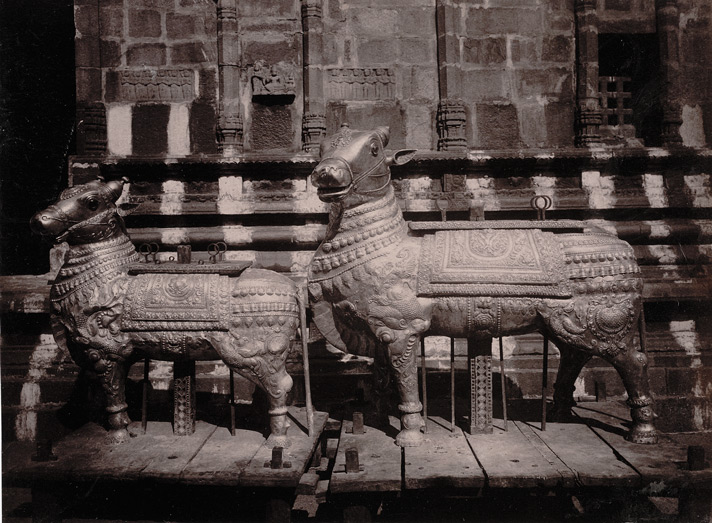
Picture: Silver Rishaba Vahanas

Here is the Second List of Vahanas:

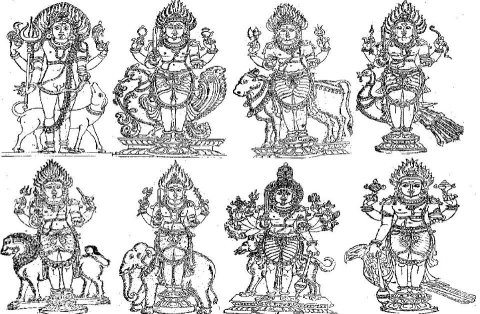
1.Vahanas for Ashta Bhairav:

Ashitanga Bhairav—Swan, Guru Bhairav—Bull, Krotha Bhairav—Garuda, Unmatha Bhairav—Horse, Kapala Bhairav—Elephant, Bitchana Bhairav—Pretha, Chanda  Bhairav—Peacock, Samhara Bhairav—Lion

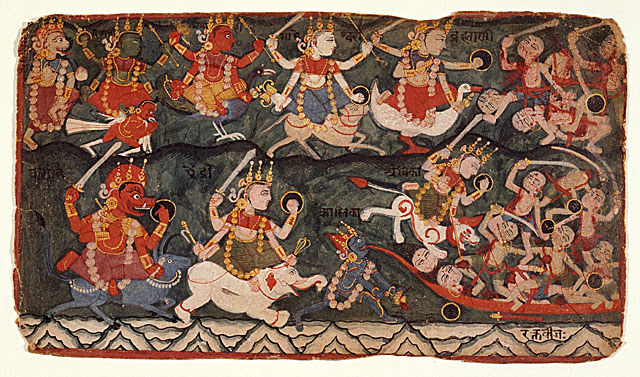
2.Vahanas for Sapta Matha:

Sapta Mathas: Maheswari—Rishaba/Bull, Kali—Mahisha, Indrani—Elephant, Varahi—Pig, Narayani—Garuda/Eagle, Kaumari—Peacock/Mayura, Brahmi—Swan/Anna

Picture: Vahanas of Ashta Bhairav

3.Vahana Order in Temples: 6th Day=Gaja, 8th Day=Horse Vahana

Temple Vahanas are taken out in a particular order. The Agama Shastras have stipulated some rules regarding this. For instance Ani Thirumanjana Festival at Chidamabaram Shiva Temple is celebrated in the following order:

First Day: Dwaja Arohanam (Flag Hoisting),In the night Pancha murthy procession in Manjam

Second day: Silver ChandraPrabha Vahana

Third day: Gold Surya Prabha Vahana

Fourth day: Silver Bhutavahana

Fifth Day: Silver Rishaba Vahana

Sixth day: Silver Elephant Gaja Vahana

Seventh day: Gold Kailash Vahana

Eighth day: Bhikshadanar in Gold Chariot

Ninth Day: Rathothsavam (Ratham= Big Chariot)

Tenth day: Maha Abhishekam

Eleventh day: Muthu Pallakku ( Pearl Palanquin)

Saivaite temples do elephant vahana on the sixth day of festival.

Tirupati-Tirumala Brahmorchavam Calendar:

First Day-Dwajarohan: Flag of Eagle hoisted, Pedda Sesha Vanam/many headed snake vahana;

2n day: Chinna Sesha Vahana/five headed snake, evening Hamsa/swan Vahana;

3rd day: Simha/lion Vhana, evening Pearl Palanquin;

4th day: Karpaka Vrksha/wish fulfilling tree, Evening Bhoopala Vahana/lord of the world vahana;

5th day: Mohini Avatar, evening Garuda/eagle vahana;

6th day:Hanumantha vahana, evening Gaja/elephant vahana;

7th day: Surya Prabha vahana/under the sun vahana, evening Chandra Prabha vahana/under the moon vahana;

8th day: Rathotsavam/chariot festival, evening Horse/Aswa vahana;

9th day: Chakra snanam/lord’s disc is immersed in the tank and flag is lowered.

This is typical of North Tamil Nadu and Andhra temples. Surya and Chandra Prabha vahanas are absent in Southern Tamil Nadu. They replace it with other Vahanas. But 8th day is allocated for Kuthirai/Aswa/Horse vahana.


Picture of Agni Deva on Ram

Madurai Meenakshi Temple Festival Calendar

1st day:Dwara Arohanam;2nd day-Bhutha Vahanam, Anna Vahanam;3rd day-Golden Palnquin;4th day- Kuthirai/horse vahana, 5th day-Vrshaba Vahana;6th day-Nandhikeswara and Yali Vahana;7th day: Silver Simhasana/Lion Throne;8th day-Indra Vimanam;9th day- Gaja/Yanai Vahanam,Pushpa Pallaku;10th day-Ther/Chariot,11th day-Rishaba Vahana

4.Vahana in Amarakosha

Amarasimhan’s Amarakosha (First Dictionary of Synonyms in the World) gives Vahana names as other names for Gods. This shows people were very familiar with all Vahanas and flags 2000 years ago.

Hamsa Vahana means Brahma (Swan Vehicle)

Garudadwaja means Vishnu (Eagle Flag)

Vishnuratha means Garuda (chariot of Vishnu)

Vrushadwaja means Shiva (Bull Flag)

Siki Vahana means Lord Kartikeya (Peacock Vehicle)

Megha Vahana means Indra (Cloud as Vehicle)

Havya Vahana means Agni (Fire takes all Havis/food in Yagas)

Picture of Ashta Matrika with Vahanas


5.Unusual Vahanas

Some temples have lotus (India’s national flower) as vahana for goddess Devi. Tulsi (Holy Basil plant) also used as a Vahana. Alwartirunagari near Tirunelveli in Tamil Nadu, has a strange vahana –Tamarind Tree (Imli in Hindi). This is used for one of the twelve Alvars known as Nammalvar. He attained wisdom under a tamarind tree. Another unusual vahana associated with this town is Parangi Narkali (Foreign Chair).The origin of this vahana is shrouded in mystery.

Chandi Devi in Sujanaghat has got varaha (pig) as vahana which is unusual.

6.Vahanas  of Ganesh

Dhumaketu (kaliyuga): Horse Vahana

Vinayakar (Kritayuga):Simha Vahana

Mayuresar (Treta yUga):Mayura Vahana

Gajananar (Dwapara Yuga): Mushika Vahana

7.Buddhist Vahanas

Buddists also have vahanas for their gods:

Vairochana- Dragon Vahana

Ratna Sambhava- Lion/simha

Amitabha—Mayura/peacock

Amoka siddhi-Eagle

Ashosabya-Elephant

8.Strange Vahanas of Temples

Several temples have unusual vahanas. It is a long list of strange things. Let us look at a few:

Pancha muka Heramba ganapathy-Simha vahana,Nagai Neelayathakshi; Mayura vahana ganapathy:Tiruanaikka,Aruppukottai,Puduvai Mankkula Vinayakar temple paintings; Horse vahana vinayakar-Chennapanayakkan palayam,Koyamputhur; Rishaba vahana ganapathy-Nellai Kanthimathi, Sucheendrum Temples; Elephant vahana Ganapathy-Tiruchendur, Sriviliputtur temples.

Pinna Kili, Gaja Lakshmi,Tulasi Brunda-Karur temple; Sarabha vahana-Tiruchendur Ambal; Kubera vahana-Kumbheswarar temple, Idumba vahana-Swamimalai Murugan; Kalaiman kida/antelope-Valliyur Murugan; Adhikara Nandhi_-Arunachaleswar temple.

In the next part we will look at the Vahanas on ancient Indian coins.


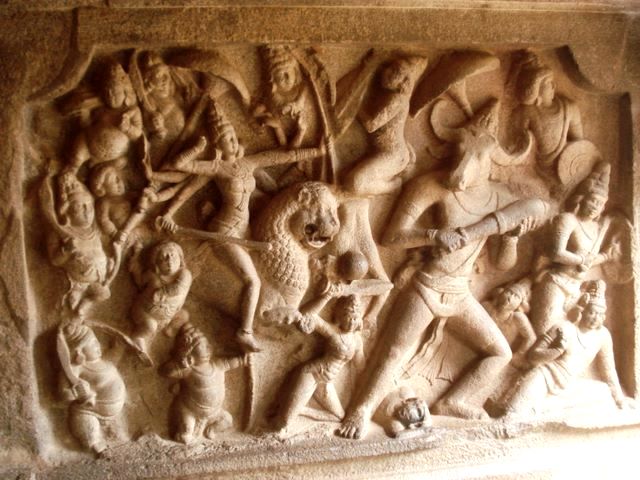
Picture Of Mahisasura Mardhani on Lion ,Mahabalipuram Caves

Also read my earlier posts:

1.Iraq: 7 Gods Procession on Vahanas

2.Deer Chariot: Rig Veda to Santa Claus

3.Hindu Vahanas around the World

4.Vahanas in Kalidasa and Tamil Literature

5.Who Rides What Vahanas?

6.உலகம் முழுதும் இந்து தெய்வ வாகனங்கள்

7.சங்கத் தமிழ் இலக்கியத்தில் வாகனங்கள்

8.வாகனங்கள் தோன்றியது எங்கே?ஏன்? எப்போது?

9.எந்தக் கடவுளுக்கு என்ன வாகனங்கள்?

10.Interesting Facts on Vahanas

Contact: swami_48@yahoo.com or swaminathan.santanam@gmail.com

Who rides what Vahana (Animal or Bird)?


Following is the first list of Hindu Vahanas:

1.Ganesh/Vinayaka=Mouse

2.Kartikeya/Skanda/Murugan–Peacock

3.Shiva=Bull/ Nandhi

4.Raja Rajeswari= Lion

5.Vishnu= Garuda/Eagle

6.Bhairava=Dog

7.Sastha= Horse

8.Ayyappa= Tiger

9.Sani/Saturn= Crow

10.Kalki Avatar=Horse

11.Indra= Airavata/ Elephant

12.Lakshmi= Red Lotus, Owl

13.Sarasvati=White Lotus, Swan

14.Ganga Devi= Crocodile

15.Manamatha & Rathi= Parrot

16.Kubera= Man,Parrot or Horse

17.Vishnu= 7 headed Snake/ Sesha

18.Krishna=Banyan leaf

19.Brahma= Swan


20.Kartikeya=Rhino (Vietnam)

21.Chandi= Pig

22.Sindhi saint= Fish

23.Ganda Beranda Bird= Mannarkudi Rajagopalswamy

24.Varuna= Makara (Shark or Crcodile)

25.Agni / Fire= Ram

26.Durga= Antelope

27.Marut= Deer

28.Lakshmi in Nepal=Turtle, In Bengal=owl

29.Durga= Lion or Tiger

30.Chamundi- Owl

31.Asvini Devas= Donkey (also for Indra and Agni)

32.Dead Body= Niruthi

33.Sun= 7 Horse Chariot

34.Rahu/ Shasti= Cat

35.Rathi= Pigeon

Following Vahanas are used by different temples in Tamil Nadu

36.Surya Prabha (SUN)= Northern Districts of Tamil Nadu

37.Chandra Prabha (MOON)= Northern Districts of Tamil Nadu

38.Karpaka Vrksha= (Wish fulfilling Tree)

39.Kamadenu= Wish fulfilling Cow

40.Kailash Vahana= Siva

41.Bhupala Vahanam= Vishnu

42.Purusha Mrugam

43.Bhuta Vahanam= Shiva

44.Punnai Tree Vahana= krishna

45.Karampasu Vahanam (See Kamadhenu)

46.Goat Chariot=Pushan

47.7 Cow Chariot=Ushas

48.Kali= Yali (Yali is a mythical animal)

48.Snake= Manasa Devi

49.Seetala= Donkey

50.Viswakarma= Elephant


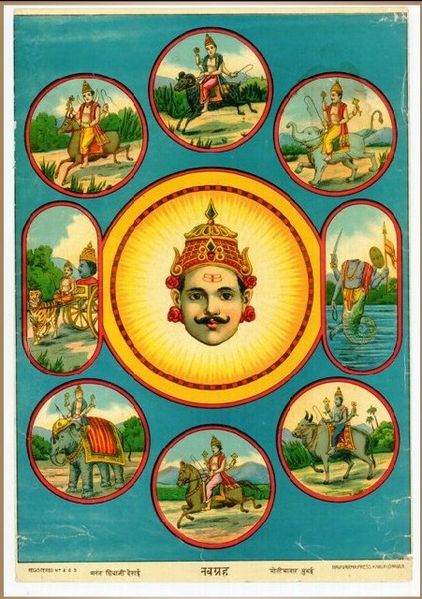
Nava Grahas (Nine Planets)

Sun=Chariot drawn by Seven Horses

Moon= Antelope chariot

Mars=Ram

Bhudan/ Mercury= Horse

Jupiter= Elephant

Venus= Horse/ Crocodile

Saturn / Saniswarea= Crow

Rahu= Lion/ Cat/Tiger

Ketu=Fish

In the next part we will see the Vahanas of Ashta Bhairav,Sapta Matha etc.…….Contd.

Other Vahana Articles written and posted by me:

Please read my other articles on Vahanas in my blogs:

1.Iraq: 7 Gods Procession on Vahanas,2.Deer Chariot: Rig Veda to Santa Claus,3.Hindu Vahanas around the World,4.Vahanas in Kalidasa and Tamil Literature, 5.Who Rides What Vahanas? Tamil articles: 6.உலகம் முழுதும் இந்து தெய்வ வாகனங்கள்,7.சங்கத் தமிழ் இலக்கியத்தில் வாகனங்கள்,8.வாகனங்கள் தோன்றியது எங்கே?ஏன்? எப்போது?,9.எந்தக் கடவுளுக்கு என்ன வாகனங்கள்?

***************