கொலைகாரன்,கொள்ளைக்காரன் கஜினி (Post No.4114)- Part 2

Written by S NAGARAJAN


Date: 26 July 2017


Time uploaded in London:- 5-33 am


Post No.4114


Pictures are taken from different sources such as Face book, Wikipedia, Newspapers etc; thanks. 


ராட்ஸசன் கஜினி


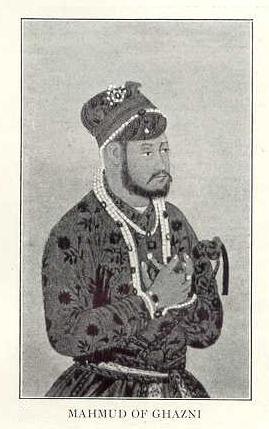
கொலைகாரன்,கொள்ளைக்காரன் கஜினி முகமதுவின் கொடூரச் செயல்கள் – 2

by ச.நாகராஜன்


கஜினியின் பத்தாம் படையெடுப்பு கி.பி.1022ஆம் ஆண்டு நிகழ்ந்தது.


கனௌஜ் ராஜாவுடன் கூட்டுச் சேர்ந்து அவன் லாகூரை ஆண்ட மன்னன் இரண்டாம் ஜெயபாலைத் தோற்கடித்தான்.

லாகூரை தனது ராஜ்யத்துடன் இணைத்துக் கொண்டான்.

அங்கு தன் சார்பில் ஒரு கவர்னரை நியமித்தான்.

இது தான் முகலாய சாம்ராஜ்யம் இந்தியாவில் தோன்ற வழி வகுத்தது.


கஜினியின் பதினொன்றாம் படையெடுப்பு 1023ஆம் ஆண்டில் நிகழ்ந்தது. ஆனால் அவன் இதில் வழக்கம் போல கொள்ளையடிக்க முடியவில்லை.


அடுத்த ஆண்டு பால்க் நோக்கிப் படையெடுத்த அவன் அங்கு தன்னை எதிர்த்து கலகம் செய்த சுல்தானை அடக்கினான்.

ஆனால் அந்த மஹா பாவிக்கு – பாப ராட்ஸசனுக்கு – இந்தப் பன்னிரெண்டாம் படையெடுப்பு ஹிந்துக்களின் புனித பூமியான சோமநாத்தின் மீது பார்வை பதிய உதவியது.

மஹா பிரம்மாண்டமான சோம்நாத் ஆலயம் ஹிந்துக்க்ளின் உயிர்.


அரபிக் கடலின் அலைகள் தழுவி பூஜை செய்த ஆலயம் சோமநாதர் ஆலயம்.

பக்தர்கள் மிகுந்த பக்தியுடன் பூஜை செய்து வழிபட்ட தலம் அது.

1024ஆம் ஆண்டு அக்டோபர் மாதம்.


முல்தான் நகரை அடைந்தான் கஜினி. சிந்து பாலைவனத்தின் ஊடே ஆஜ்மீர் நகர் நோக்கிச் செல்ல ஆயத்தமானது அவனது சேனை.


மூன்று நாட்கள் நீடித்தது யுத்தம்.


ஆலயத்தை முகமதின் சேனை அணுகக் கூட முடியவில்லை. திடீரென்று கஜினி சேனாவீரர்கள் அனைவரும் பார்க்கும்படி தரையில் வீழ்ந்தான். வெற்றி பெற வேண்டும் என்று பிரார்த்தனை செய்தான். உடனே மூர்க்கத்தனமாக வெறி கொண்ட அவனது சேனை போருக்கு ஆயத்தமானது.


உக்கிரமான போரில் சோமநாதர் ஆலயத்தைப் பாதுகாத்த படை பின் வாங்கியது. 5000 பேர் பிணமாகக் கிடந்தார்கள்.

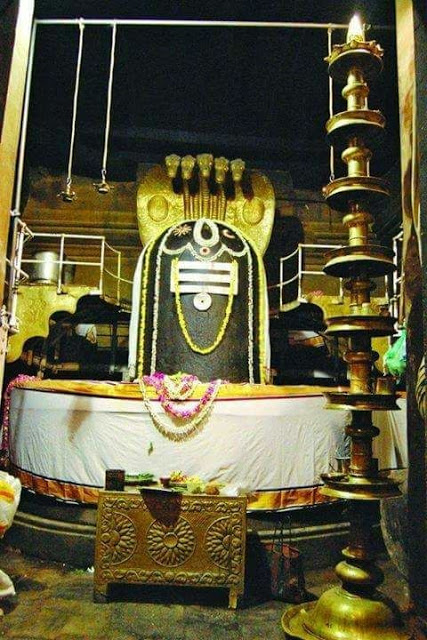
சோமநாதர் ஆலயத்தின் பிரம்மாண்டமான மண்டபத்தை அடைந்தான் பாப ராட்ஸசன்.


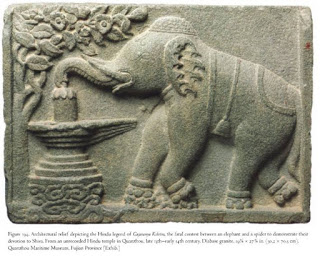
பிறகு கர்பகிரஹத்தினுள் நுழைந்தான். பின்னர் தான் போரில் பயன்படுத்தும் தனது கோடாலியாலேயே விக்ரஹத்தை அடித்து நொறுக்கினான்.
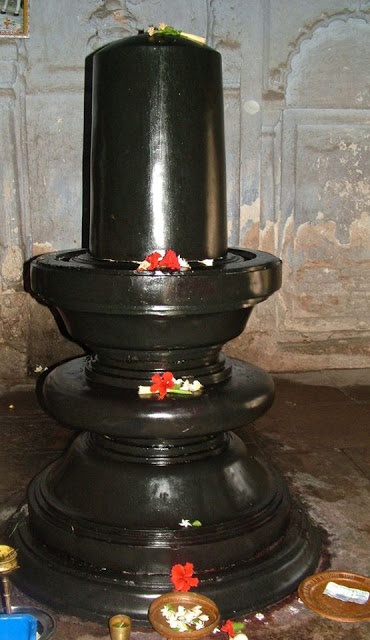
விக்ரஹத்தின் இரு துண்டுகளை எடுத்து கஜினிக்கு அனைவரின் பார்வைக்காகவும் அனுப்பினான்.

சுமார் 600 ஆண்டுகள் அந்தத் துண்டுகள் பார்வையாளர்களின் பார்வைக்கு வைக்கப்பட்டிருந்தது.


1612ஆம் ஆண்டு இந்த வரலாற்றையெல்லாம் எழுதிய ஃபெரிஷ்டா (Ferishta)  தான் அவற்றைப் பார்த்ததாக எழுதியுள்ளார்.

ஆலயத்தினுள் இருந்த பிராமணர்கள் கஜினி முகமதிடம் விக்ரஹத்தை மட்டும் சேதப்படுத்த வேண்டாம் என்று கெஞ்சினர். அதற்கு ஈடாக ஒரு பெரும் செல்வத்தைத் தருவதாகச் சொல்லி மன்றாடினர்.


அவர்களிடம் ஆணவத்துடன் கஜினி முகமது,” வரலாற்றில், அழிப்பவன் முகமது என்று இருக்க வேண்டுமே அல்லாது சிலைகளை விற்பவன் முகமது” என்று இருக்கக் கூடாது” என்று கூறினான்.


அவன் சிலையை உடைத்து பெயர்த்தெடுத்த  போது அதனடியில் எழுத்தினால் விளக்க முடியாத பெரும் செல்வமும் ரத்தினக்கற்களும் கிடைத்தன.


சோமநாதர் என்ற பிரம்மாண்டமான ஆலயத்தில் 2000 பிராமணர்கள் பணி புரிந்தனர். 500 நாட்டியமாடும் நங்கையர் இருந்தனர்.300 பாடகர்களும் 300 நாவிதர்களும் இருந்தனர்.

நாவிதர்கள் வரும் பக்தர்கள் கர்பகிரஹம் செல்வதற்கு முன் அவர்களுக்கு மொட்டை அடிப்பது வழக்கம்.


நெஹ்ர்வாலா ராஜாவைத் தோற்கடித்த பின்னர் முகமது குஜராத்தின் தலைநகரில் சிறிது காலம் ஓய்வெடுத்தான்.

குஜராத் அவனுக்கு மிகவும் பிடித்து விட்டது. அதையே தனது தலைநகராமாக ஆக்கிக் கொள்ளலாமா என்று யோசித்தான்.

அங்கிருந்து சிலோன் மீதும் பெகு மீதும் படையெடுக்கலாம் என்றும் ஆலோசித்தான்.


பின்னர் தனது பிரதிநிதியை அங்கு நியமிப்பது என்ற முடிவுக்கு வந்தான்.


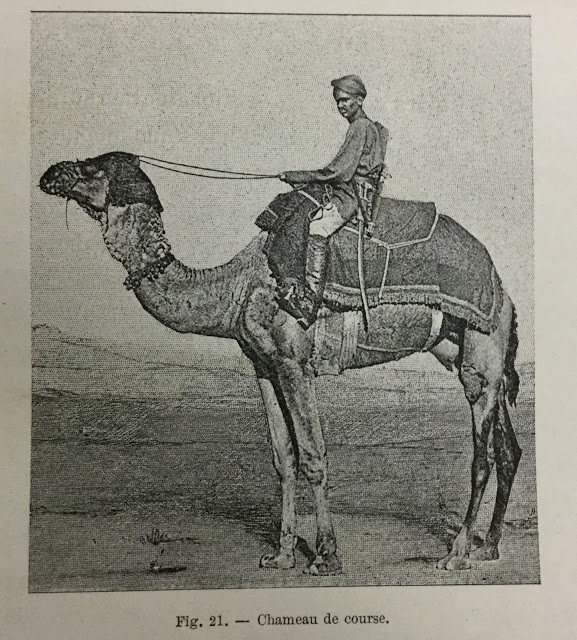
முல்தான் நோக்கிச் செல்ல முயன்ற அவன் பாலைவனத்தினூடே செல்ல வேண்டியிருந்தது. அவனுக்கு வழிகாட்டியாக அமைந்த ஹிந்துக்கள் தவறாக அவனை வழி நடத்தவே சொல்ல முடியாத சித்திரவதைக்கு ஆளானான்.


வெப்பம் ஒரு பக்கம்; தாகம் ஒரு பக்கம், அவன் தவித்தான்.

தனக்கு வழிகாட்டியவர்களை அவன் சித்திரவதை செய்ய ஆரம்பித்தான்.
ஒரு புனிதமான தலத்தைச் சின்னாபின்னமாக்கிய அவனுக்குத் தகுந்த பாடம் கற்பிக்க வேண்டுமென்றும் பழி வாங்க வேண்டும் என்றும் எண்ணியே அவனுக்கு அப்படித் தவறுதலாக வழிகாட்டியதாக அவர்கள் ஒப்புக் கொண்டனர்.


ஒரு வழியாக 1026ஆம் ஆண்டு கஜினியை அவன் அடைந்தான்.

குஜராத்தில் அவன் நியமித்த வைசிராயான இளவரசன் அவனிடம் தன் எதிரியைத் தன்னிடம் தருமாறு வேண்டினான். கஜினியை அடைந்தவுடன் அவன் பெற்ற முதல் பெடிஷன் அது.

வைசிராயின் வேண்டுகோளுக்கு இணங்கி அவன் எதிரியை அவனிடமே ஒப்படைக்க இணங்கினான் கஜினி.


ராட்ஸசனான அந்த வைசிராய் தனது சிம்மாசனத்தின் கீழே ஒரு குழியைத் தோண்டச் சொன்னான். அதில் அவனை உயிருடன் புதைப்பது அவன் திட்டம்.


ஆனால் தலைநகர் நோக்கிச் சென்ற வைசிராய் வழியில் ஒரு மரத்தின் அடியே இளைப்பாறுவதற்காகப் படுத்தான்.

தனது  முகத்தில் ஒரு சிவப்புத் துண்டைப் போட்டு மூடி அவன் உறங்க ஆரம்பித்தான்.


பெரிய பருந்து ஒன்று அந்த சிவப்புத் துண்டை ரத்தம் சொட்டும் இறைச்சித் துண்டு என்று நினைத்து பாய்ந்து கவ்வ, அவன் கண்கள் இரண்டும் பருந்தால் பிடுங்கப்பட்டன.

குருடனான அவன் ஆட்சி செய்யத் தகுதியற்றவன் ஆனான்.

எந்தக் குழியில் எதிரியைப் புதைக்க வேண்டும் என்று எண்ணினானோ அந்தக் குழியில் அவன் போடப்பட்டான்.

கஜினி முகமதின் கடைசியும் பதிமூன்றாவதுமான படையெடுப்பு பஞ்சாபில் இருந்த் ஜட் இனத்தவரை “புனிதமாக்கி” இஸ்லாமுக்கு மதமாற்றம் செய்வதற்காக எடுக்கப்பட்டது.


சோமநாதர் ஆலயத்தை அவன் அழிக்க முயன்ற போது ஜட்கள் அவனுக்கு எதிராக இருந்தனர்.


சிந்து நதியில் ஒரு கப்பல் போரில் கஜினி அவர்களைத் தோற்கடித்தான். எந்த இடத்தில் அலெக்ஸாண்டர் 1300 ஆண்டுகளுக்கு முன்னர் தனது நாட்டிற்கு திரும்பத் தீர்மானித்தானோ அதே இடம் தான் அது!
இத்துடன் கஜினியின் இந்தியப் படையெடுப்பு வரலாறு முடிகிறது.

பின்னால் அவன் செல்ஜுக் துருக்கர்கள் உள்ளிட்டவர்க்ளுடன் போரிட்டான்.அந்த வரலாறு தனி வரலாறு.

1030ஆம் ஆண்டு ஏப்ரல் மாதம் 29ஆம் நாள் கஜினியில் அவன் மரணமடைந்தான்.


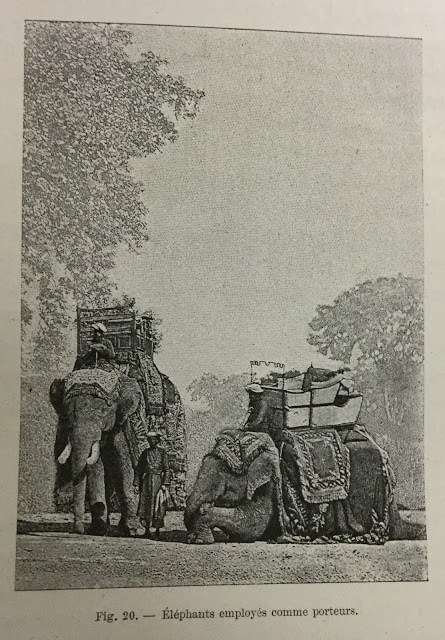
அவன் மரணமடைவதற்கு இரு தினங்களுக்கு முன் அவன் மரணப்படுக்கையில் இருக்க, அவன் கொள்ளையடித்த செல்வம் அனைத்தும் வரிசையாக  அவன் முன்னர் எடுத்துச் செல்லப்பட்டது. அந்த ஊர்வலத்தில் அவனது குதிரைகள், ஒட்டகங்கள், யானைகள், ரதங்கள் பிரம்மாணடமான ஆர்ப்பாட்டத்துடன் அணி வகுத்துச் சென்றன.

தான் இறப்பதை நினைத்து அவன் கலங்கிக் கண்ணீர் விட்டான்.

ஒரு வழியாக பாப ராட்ஸசனின் பூவுலக வாசம் ஒரு முடிவுக்கு வந்தது.


மனித இனத்தில் கோரமான கொலைகளை மதம் மற்றும்  இனம் ஆகியவற்றின் பேரால் செய்தவர் இருவர்.

ஒருவன் கஜினி முகமது.இன்னொருவன் ஹிட்லர்.

இஸ்லாத்தின் பெயரால் லட்சக்கணக்கானோரைக் கொன்று குவித்த மாபாவி கஜினி முகமது.


யூத இனத்தை அழிப்பேன் என்று கங்கணம் கட்டி லட்சக்கணக்கான யூதர்களைக் கொன்று குவித்தவன் ஹிட்லர்.

ஹிட்லருக்கு ஆன்மாவே கிடையாது என்று கூறியிருக்கிறார் மஹரிஷி அரவிந்தர். அவன் ஒரு கோரமான அபூர்வப் படைப்பு என்று இதற்குப் பொருள்.


அப்படியானால் அவனுடன் போட்டி போட்டுக் கொண்டு அவனுடன் சம எடை இருக்கும் கஜினிக்கும் ஆன்மா கிடையாதோ! அவனும் ஒரு கோரமான அபூர்வப் படைப்பு தானோ!!


ஒவ்வொரு ஹிந்துவும் சோமநாதர் ஆலயம் மீண்டும் எழுப்பப்பட்ட வரலாற்றைப் படித்து கஜினி அழிக்க முயன்றாலும் அழிக்க முடியாத மாபெரும் ஹிந்து சக்தியைப் பற்றி எண்ணிப் பெருமிதம் கொள்ள வேண்டும். அழியாத ஒரு தொடர்ச்சியான பாரம்பரியத்தைச் சேர்ந்தவர்கள் நாம் என்பதை உணர்ந்து அதைக் காக்க உறுதி பூண்டு பணியாற்ற வேண்டும்.


***                                                         வரலாறு தெரியாமல் ஹிந்துக்கள் இருக்கக் கூடாது என்பதற்காகவே பாப ராட்ஸனைப் பற்றி எழுத நேர்ந்தது.அபூர்வ தியாகிகளாக அமைந்த ஹிந்து ராஜாக்களைப் பற்றித் தெரிந்து கொண்டு அவர்களைப் போற்றிப் புகழ வேண்டுமல்லவா!


***                                                             கஜினி பற்றிய் கட்டுரை முடிகிறது.

ஆனால் இதன் தொடர்ச்சியாக ஹிட்லரையும் கஜினியையும் இணைத்து இன்னொரு கட்டுரை விரைவில் மலரும்.

***                                                            இந்தக் கட்டுரைத் தொடரில் உள்ள வரலாறுக்கு ஆதாரமாக அமையும் நூல் The Muslim Epoch.

எழுதியவர் : J.D.Rees I.C.S.

முதல் பதிப்பு வெளியான ஆண்டு 1894


Sleeping and Drinking Anecdotes (Post No.4113)

Compiled  by London Swaminathan
Date: 25 July 2017
Time uploaded in London-18-02
Post No. 4113
Pictures shown here are taken from various sources such as Facebook friends, Books, Google and newspapers; thanks.


Stephen Leacock says, “I often think this ‘insomnia’ business is about 90 percent nonsense. When I was a yong man living in boarding house in Toronto, my brother George came to visit me, and since there was no spare room, we had to share my bed. In the morning, after day light, I said to George,

“Did you get much sleep?”

“Not a damn minute”, said he.

Neither did I, I rejoined. “I could hear every sound all night.”

“Then we put our heads up from the bed clothes and the bed was coveed with plaster. The ceiling had fallen on us in the night. But we hadn’t noticed it. We had ‘insomnia’.


xxx

The old light house keeper had been at his post continuously for thirty ears. During that entire period he had been accustomed to a gun going off, practically under his nose, every six minutes, day and night This was the method followed for warning the ships Naturally, he grew hardened to this periodic explosion, and paid no attention to it. Then, one night, in his 31st year at his post, the gun failed to go off. The old man awoke from a sound slumber.

“What was that?” he cried in alarm.

xxx


Drinking Anecdotes

One day Dr Johnson was conversing with Mrs Williams, ablind friend of his. She was telling him where she had dined the day before, “There were several gentlemen there”, said she, “and I found that there had been a good deal of hard drinking”. She closed this observation with a tite moral reflection: I wonder what pleasure men can take in making beasts of themselves!”

Dr Johnson replied, “I wonder madam that you have not the penetration to see that he who makes a beast of himself gets rid of the pain of being a man.”


xxx

A lady once asked Secretary of State Evarts if drinking so many different wines did not make him seedy (unwell) the next day.

“No madam, he repied, It is the indifferent wines that produce that result”.

xxx

All teetotellers should be as gracious in their excuses as the Irish poet, George Russel, better known as A.E.

When declining a drink, he would murmur, “No, thank you. You see…………. I was born intoxicated”.


xxx

Sir Campbell Bannerman M.P. was once asked his opinion on the liquor traffic. He replied, “The liquor traffic is a large subject, and I can hardly enter on it here. There is an old story of a Highlander who was asked if whisky was not a bad thing. ‘Yes’, said he, ‘very bad—especially bad whiskey.”

–Subham–


துன்முகனுக்கு உண்டோ சுகம்? (Post No.4112)

Written by London Swaminathan
Date: 25 July 2017
Time uploaded in London-17-21
Post No. 4112
Pictures shown here are taken from various sources such as Facebook friends, Books, Google and newspapers; thanks.


‘இடும்பைக்கு  இடும்பை படுப்பர்’ — துன்பத்துக்கு துன்பம் செய்வர் என்று வள்ளுவனும் நெப்போலியனும் சொன்னார்கள். அதாவது அறிவில் சிறந்தவர்கள் துன்பத்தையே திணறடித்துவிடுவார்கள்; அது பயந்துகொண்டு ஓடிவிடும்!


நீதி வெண்பா என்னும் நூலில் ஒரு அழகான செய்யுள்:-


தூய அறிவினர் முன் சூழ்துன்ப மில்லையாம்

காயும் விடங்கருடற் கில்லையாம் — ஆயுங்காற்

பன்முகஞ்சேர் தீமுன் பயில் சீத மில்லையாம்

துன்முகனுக்  குண்டோ சுகம்


பொருள்:-

ஆயுங்கால் = ஆராய்ந்து பார்க்குமிடத்து

காயும் விடம் கருடற்கு இல்லை = கொல்லுகின்ற விஷம் கருடனுக்கு ஒன்றும் செய்வதில்லை

(அது போல)

தூய அறிவினர் முன் சூழ் துன்பம் இல்லை = நல்ல அறிவினர்க்கு வரும் துன்பம் அவருக்கு ஒரு தீங்கும் செய்யாது

பன் முகம் சேர் தீ முன் = நாலா பக்கங்களிலும் பற்றி எரியும் தீக்கு முன்னால்

பயில் சீதம் இல்லை = குளிர் என்பது நெருங்காது.

(அது போல)

துன்முகனுக்கு உண்டோ சுகம் = தீயோருக்கு சுகம் என்பது உண்டோ (கட்டாயம் இல்லை)


திருக்குறளில் இடுக்கண் அழியாமை என்னும் அதிகாரத்தில் திருவள்ளுவர் அழகான பத்து குறள்களை அமைத்து இருக்கிறார்.

இடுக்கண் வருங்கால் நகுக (621)

இடும்பை அறிவுடையான் உள்ளத்தின் உள்ளக் கெடும் (622)

இடும்பைக்கு இடும்பை படுப்பர் இடும்பைக்கு

இடும்பை படா அதவர் (623)

இப்படி அடுக்கிக் கொண்டே போவார்.

சுருக்கமாகச் சொன்னால் அறிவுடையோர் துன்பத்துக்கே துன்பம் செய்வர்!


பகவான் கிருஷ்ணர் பகவத் கீதையில் ஞானிகளை இன்பமும் துன்பமும் ஒன்றும் செய்யாது  என்பார். இதைப் பல இடங்களில் திரும்பத் திரும்ப உரைப்பார்.


ஆத்திச் சூடி பாடிய அவ்வையோ மனந்தடுமாறேல், “துன்பத்திற்கிடங்கொடேல் என்கிறார்.


கேட்டிலுறுதி கூட்டுமுடைமை — என்று கொன்றை வேந்தன் செப்பும்


கேட்டில் உறுதி = கைப்பொருளை இழந்த காலத்தில் மனம் தளராமல் இருப்பது

உடைமை கூட்டும் = இழந்த அப்பொருளை உண்டாக்கும் அல்லது ஈடு செய்யும். அதாவது அதை இழந்த உணர்வே இல்லாமற் செய்துவிடும்.


போனால் போகட்டும் போடா’— என்ற தத்துவ உணர்வு பிறந்து விடும்!

துன்பம் வெய்யோர்க்கு இன்பம் எளிது என்று முதுமொழிக் காஞ்சி சொல்லும்

துன்பம் வெய்யோர்க்கு = துன்பத்தை விரும்பி பொறுத்துக் கொள்ளுவோருக்கு

இன்பம் எளிது = இன்பம் எளிதாகும்


ஒரு காரியத்தைச் செய்வோருக்கு அப்படிச் செய்யும்போது வரும் துன்பங்களை விரும்பி ஏற்கும் பக்குவம் வந்துவிட்டால் அந்தக் காரியம் எளிதில் முடியும்; சந்தோஷமும் ஏற்படும் என்பது பொருளாம்.

TAGS:–துன்பம், இடும்பை, குறள், அவ்வை, இன்பம்


–SUBHAM–

கொலைகாரன்,கொள்ளைக்காரன் கஜினி!- Part 1 (Post No.4111)

Written by S NAGARAJAN


Date: 25 July 2017


Time uploaded in London:- 6-57 am


Post No.4111


Pictures are taken from different sources such as Face book, Wikipedia, Newspapers etc; thanks. 


ராட்ஸசன் கஜினி


கொலைகாரன்,கொள்ளைக்காரன் கஜினி முகமதுவின் கொடூரச் செயல்கள்

ச.நாகராஜன்


தனது நீண்ட நெடும் வரலாற்றில் ஹிந்துஸ்தானம் பார்த்த கொடூரன்களில் கஜினி முகமது ஒரு பாப ராட்ஸசன்.


அவன் செய்த கொடுமைகளை எழுதக் கூடாது என்று செகுலரிஸம் பெயரால் சொல்வது நியாயமில்லை.

வரலாறு மறைக்கப்படக் கூடாது. ஒரு வேளை மறக்கப்பட்டாலும் கூட!

அந்தப் பாவி இஸ்லாமின் பெயரால் ஹிந்துஸ்தானத்தில் செயத அக்கிரமங்களை எழுதவே கை நடுங்கும்.


கி.பி 1002ஆம் ஆண்டு அவன் ஹிந்துஸ்தானத்தின் மீது முதல் முறையாகப் படையெடுத்த பின் திரும்பிக் கொண்டிருந்தான்.

அந்த முதலாவது படையெடுப்பில் அவனை எதிர்த்து வீரத்துடன் போரிட்டவன் லாகூரை ஆண்ட ராஜா ஜெயபால்.

அவனை வென்ற கஜினி முகமது 16 நெக்லெஸ்கள் உட்பட ஏராள செல்வத்தைக் கொள்ளையடித்தான். ஒர் நெக்லஸின் மதிப்பு மட்டும் 80000 ஸ்டர்லிங் பவுண்ட் மதிப்பு என்கிறார்  The Muslim Epoh என்ற நூலை எழுதிய ஜே.டி.ரீஸ்.( J.D.Rees I.C.S -First published in 1894)


ஹிந்து மன்னனான ஜெயபால் கஜினி முகமது மற்றும் அவனது புதல்வனால் தோற்கடிக்கப்பட்டவுடன் இந்தத் தோல்விக்கான முழுப் பொறுப்பையும் தானே ஏற்றான்.

ஆனந்த் பால் என்ற தன் மகனிடம் அரசுப் பொறுப்பை ஒப்படைத்தான்.


பின்னர், ஒரு பெரிய சிதையைத் தயார் செய்து அதில் புகுந்து தனக்குத் தானே சிதைய்ல் தீ மூட்டிக் கொண்டு உயிர்த் தியாகம் செய்தான்.


அற்புதமான இந்த உயிர்த் தியாகம் பற்றி இதுவரை ஹிந்து மக்கள் அறிந்திருக்கின்றனரா என்பது கேள்விக் குறி.

ஹிந்து தியாகங்களையும் இந்த தேசத்தைத் தற்காத்துப் போரிட்ட வீரச் செம்மல்களையும் பற்றி  பாடப் புத்தகங்களிலோ அல்லது இதர விதமாகவோ எழுத செகுலர் அரசு இடம் தரவில்லை.


ஜெயபாலின் சிதை பற்றிச்  சொல்பவர் ஃபெரிஷ்டா (Ferishta) என்ற யாத்ரீகர். வரலாற்று ஆசிரியர்.

காளிகட்டைச் சேர்ந்த ஜமீந்தார்கள் கூட இதே போல தங்கள் தொண்டையைத் தாங்களே அறுத்துக் கொண்டு தங்கள் வாரிசுகளிடம் பொறுப்பை ஒப்படைத்தார்களாம். இதை பயணம் செய்த பயணிகள் எழுதி வைத்துள்ளார்கள்.

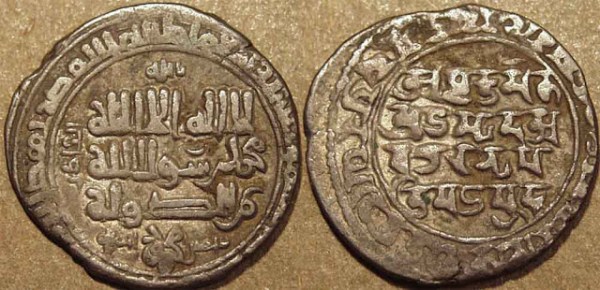
Sanskrit in Gazni Mohammed Coins!


இரண்டு வருடம் கழித்து பாடியாவைச் சேர்ந்த ராஜாவைக் குறி வைத்தான் கஜினி. அவனை மதமாற்றுவதே அவன் முக்கியக் குறிக்கோள்.


ஆனால் தீரமிக்க ராஜா மூன்று நாட்கள் இடைவிடாமல் போரிட்டான்.


நான்காம் நாள் இரண்டு படை வீரர்களும் செய் அல்லது செத்து மடி என்ற விரதத்துடன் ஒருவரை ஒருவர் எதிர் கொண்டனர்.

திடீரென்று மெக்காவை நோக்கி விழுந்து வணங்கிய கஜினி முகமது” முன்னேறுங்கள்; கடவுள் நம் பக்கம் இருக்கிறார்” என்று கூவினான்.


தீவிரமான தாக்குதலை எதிர் கொண்ட ஹிந்து ராஜா தன் கோட்டையை விட்டு வெளியேறி காட்டை அடைந்து தன் வாளால் தன்னை முடித்துக் கொண்டான்.

முதல் மற்றும் இரண்டாம் படையெடுப்பில் அடித்த கொள்ளையைப் பார்த்த கஜினிக்கு ஆச்சரியமாக இருந்தது.

இவ்வளவு செல்வமா?


தனது மூன்றாம் படையெடுப்புக்கு ஒரு வருடம் கழித்து ஆசையுடன் ஆயத்தமானான்.


ஆனந்த் பாலுடன் போரிட்ட அபுல் ஃபட்டா லோடி ஆனந்த் பால் தோற்கவே, கஜினியிடம் சமாதானம் பேசினான். சமாதானம் உடனே ஏற்கப்பட்டது. ஏனெனில் காஸ்கர் அரசன் கோரஸ்ஸானின் தலை நகரான ஹெராத் என்ற நகரின் மீது படையெடுத்தான்.


மிகுந்த தந்திரசாலியான கஜினி இந்த அவசர நிலையில் தனது வெற்றிகளை எல்லாம் ஒரு இந்திய பிரதிநிதியிடம் ஒப்படைத்தான்.


அவனது முதல் வேலை ஹிந்துக்கள் அனைவரையும் மதமாற்றம் செய்ய வேண்டும், முகமதியர்களைப் பாதுகாக்க வேண்டும் என்பது தான்.


தன் தேச மக்களுக்கு எதிராகத் தானே துரோகம் இழைக்க வேண்டிய நிலை அவனுக்கு ஏற்பட்டது.

1006இல் கஜினி நோக்கிச் சென்ற முகமது, பல்க் என்ற இடம் அருகே நடந்த பெரும் போரில் எலிக் கான் என்பவனை எதிர்த்தான்.


போரைப் பற்றி எழுதிய வரலாற்று ஆசிரியர்கள் குதிரைகளின் ஓலமும் வீரர்களின் கைகலப்பு சத்தமும் வானை எட்டியது என்று எழுதியுள்ளனர்.


1008இல் லாகூர் மன்னனான ஆனந்த் பாலை ஒரேயடியாக அழிப்பது என்று கஜினி முகமது கங்கணம் பூண்டான்.

ஆனந்த் பாலோ முகமதியர்களை நாட்டை விட்டு விரட்ட வேண்டும் என்ற ஒரே நோக்கத்தில் அனைத்து ஹிந்து மன்னர்களின் உதவியையும் நாடினான். அனைவரும் உடன் பட்டனர்.


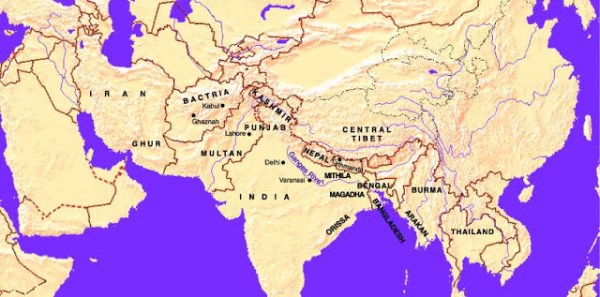
Ghazni in modern Afghanistan

வரலாறு காணாத அளவில் மிக பிரம்மாண்டமான ஹிந்து சேனை ஒன்று உருவானது.

இந்த சேனையின் பிரம்மாண்டம் எவ்வளவு பெரியது என்றால் பெஷாவர் அருகே அது கஜினி முகமதை நாற்பது நாட்கள் எதிர் கொண்டு போரிட்டது.


ஆனால் தந்திரக்காரனான முகமது மன்னனின் யானையைத் துரத்திக் கொண்டே செல்லவே ஹிந்து வீரர்கள் தலைவன் இல்லாத நிலையில் கலங்கி அசந்து நின்றனர்.இந்தத் தருணத்தைப் பயன்படுத்திக் கொண்ட முகமதுவின் சேனை ஹிந்து வீரர்களை கொன்று குவித்தது.


இருபதினாயிரம் பேர் போர்க்களத்திலிருந்து ஓடினர்.

அடுத்து, அமிர்த்ஸருக்கு வடகிழக்கில் இருந்த இமயமலை அடிவார நகரான நாகர்கோட்டின் மீது கஜினி முகமது பார்வையைச் செலுத்தினான்.


அங்கிருந்து தங்கம், விலை மதிப்புள்ள ரத்தினக்கற்கள், வெள்ளி உள்ளிட்ட ஏராளமான செல்வத்தைக் கொள்ளையடித்தான்.

அந்தக் கால மதிப்பின் படி இது 313,333 ஸ்டர்லிங் பவுண்ட் மதிப்புடையதாகும்.


கஜினிக்குத் திரும்பிய முகமது தனது நகருக்கு வெளியே ஒரு பெரிய மைதானத்தைத் தேர்ந்தெடுத்தான்.

அங்கு தான் கொள்ளையடித்த அனைத்தையும் கண்காட்சியாக வைத்தான்.


தன் சேனையில் இருந்த படைப்பிரிவு தலைவர்களுக்கு பரிசுகளையும் வீர விருதுகளையும் அளித்தான்.

மக்களுக்கோ ஒரே விருந்து!


1011இல் டெல்லிக்கு மேற்குப் பக்கம் 30 மைல் தொலைவில் இருந்த தாணேஸ்வரத்தை நோக்கித் தனது ஆறாம் படையெடுப்பை எடுத்தான்.

புனிதமான யமுனை நதியோ அருகில் இருந்தது. மன்னன் ஆனந்த் பால் தனது சகோதரனை அனுப்பினான்.


தாணேஸ்வரத்தை விட்டு விடுவதாயிருந்தால் அந்தப் படையெடுப்பில் கொள்ளை அடிக்கும் கொள்ளைக்காரனான கஜினி முகமது வழக்கமாக எதிர் பார்க்கும் கொள்ளையைத் தந்து விடுவதாக சொல்லி அனுப்பினான்.


ஆனால் கோவில் சிலைகளை உடைப்பதையே நோக்கமாகக் கொண்ட கஜினி முகமது அந்த கோரிக்கையை நிராகரித்தான்.

கோவில்கள் இடிக்கப்பட்டன. சிலைகள் உடைக்கப்பட்டன.

இரண்டு லட்சம் பேரை அடிமைகளாகப் பிடித்துக் கொண்டு ஊர் திரும்பினான்.


இதனால் ஒவ்வொரு முகமதிய வீரனுக்கும் ஏராளமான அடிமைகள் கிடைத்தனர்.


தனது ஏழாம் படையெடுப்பில் அந்தப் பாவி எதிர் கொண்டது ஆனந்த் பாலை அடுத்து அரியணை ஏறிய இரண்டாம் ஜெய்பாலை! காஷ்மீரில் இருந்த அனைவரையும் முஸ்லீம்களாக மாறக் கட்டாயப் படுத்தினான்.


மாற மறுத்த ஹிந்துக்களைக் கொன்று குவித்தான்.

அவனது எட்டாம் படையெடுப்பும் காஷ்மீரின் மீது தான்.

தன்னை எதிர்த்த படைத்தலைவர்களைத் தண்டிப்பதே இந்தப் படையெடுப்பின் நோக்கமாக அவன் கொண்டிருந்தான்.

கங்கைக் கரையில் அமைந்திருந்த கனௌஜ் நகரின் மீது அவன் பார்வை விழுந்தது.


அந்த அழகிய நகரம் செல்வச் செழிப்பிற்கு பெயர் பெற்றது. உலக அளவில் அது ஒரு உன்னதமான நகரம்.

ஒரே ஒரு உதாரணம் சொல்ல வேண்டுமென்றால் அங்கிருந்த வெற்றிலைபாக்கு கடைகள் மட்டும் 30000 என்ற எண்ணிக்கையைத் தொட்டதாம்.


அந்த நாட்களில் உலகின் எந்த நாட்டிலும் இந்த எண்ணிக்கையில் வெற்றிலை பாக்கு கடைகள் இல்லை என்றால் இதர கடைகளைப் பற்றியும் கனௌஜின் செல்வச் செழிப்பையும் யாரும் எளிதாக ஊகித்துக் கொள்ளலாம்.

கஜினியின் படையில் ஒரு லட்சம் குதிரைகள் இருந்தன. 20000 போர் வீரர்கள் இருந்தனர்.


ஆனால் ராஜாவோ எதிர்ப்பே தெரிவிக்காமல் தோல்வியை ஒப்புக் கொண்டான்.

மதுராவில் அடித்த கொள்ளை சொல்லத்தரமன்று. அனைத்துக் கோவில்களும் இடிக்கப்பட்டன. சிலைகள் உடைக்கப்பட்டன.

தப்பியது மதுரா கோவில் மட்டுமே. ஏன்? அது அவ்வளவு வலுவாக உறுதியாகக் கட்டப்பட்டிருந்தது.


அதை கஜினி முகமதாலும் கூட இடிக்க முடியவில்லை.

மஹாபன் ராஜா கஜினி தன் மக்களை கொன்று குவிக்கும் கோரத்தைப் பார்த்து கண்ணீர் விட்டான்.


தன் மனைவி மக்களுடன் நதியினுள் சென்றான்.

இதே போல ரஜபுதன ராஜாவும் தங்கள் மனைவி மகன்களுடன் தீயை எரியூட்டி அதில் விழுந்து உயிர் துறந்தனர்.

தோல்வியை ஏற்க அவர்கள் மனம் ஒப்பவில்லை.

இப்போது கஜினி அடித்த கொள்ளையின் மதிப்பு அந்தக் கால பண மதிப்பீட்டில் 416000 ஸ்டர்லிங் பவுண்டாகும்!!


5300 அடிமைகள், 350 யானைகள் , இது தவிர சிலைகளின் கண்களில் இருந்த விலையே மதிக்க முடியாத மாணிக்கக் கற்கள், முத்துக்கள் பதித்த நெக்லேஸ்கள், நீலக்கற்கள் ஆகியவையும் கொள்ளையில் அடக்கம்.


இந்தக் கொள்ளையால் மகிழ்ச்சி அடைந்த கஜினி  ஊருக்குத் திரும்பியவுடன் அங்கு சலவைக் கற்களால் ஒரு பெரிய மசூதியைக் கட்டினான். அதில் இருந்த கம்பளங்களில் விதவிதமான நவரத்தினக் கற்களை இழைத்தான்.


அவன் செய்த கொள்ளையையும் கொலையையும் நினைத்தாலே நெஞ்சம் நடுங்கும்.


அந்த பாப ராட்ஸசன் செய்த இன்னும் பல கொடுமைகளை இன்னொரு கட்டுரையில் காணலாம்


– அடுத்த கட்டுரையுடன் முடியும்.


31 Vedic Gods (Post No.4110)

AUGUST 2017 CALENDAR (Post No.4110)

Compiled by London Swaminathan
Date: 24 July 2017
Time uploaded in London-22-07
Post No. 4110
Pictures shown here are taken from various sources such as Facebook friends, Books, Google and newspapers; thanks.


Festival days:- – Adi Perukku -August 3; Varalakshmi Vrata—August 4; Raksha Bandhan—7; Gayathri Japa—8;  Janmashtami—14 & 15;  Ganesh Chaturthi—25; Rishi Panchami- 26.

Indian Independence Day – 15 August


Auspicious Days:- August 31

Ekadasi Fasting Day:-  3, 18

Full Moon Day- August 7

New Moon Day- August 21

August 1 Tuesday

Indra:- One of the most important Vedic deities. Also used as a title for Kings. He is praised as a weather god; he oversees governing, Eastern direction and rains. Documented in the Bogazkoy inscription of 1350 BCE. The warrior king of the gods and the head of the early Vedic pantheon. Indra fought against the evil forces who were represented by Asuras.

August 2 Wednesday

Dyaus :–Dyaus pitr is one of the important gods. He is known in Greek (Zeus Pater) Old Norse (Tyr) and Roman (Jupiter) cultures. He is the sky god and Prithvi is the earth god.  The gods brought the Heaven and Earth together says Aitareya Brahmana.

August 3 Thursday

Agni:–Agni is the messenger of Gods. He takes the food to them from the people who perform Fire sacrifices (Yaga, Homa, Havan, Yajna). Hindus use Agni as a witness to seal agreements, wedding and death. One of the important Vedic Gods. His wife is Swaha


August 4 Friday

Ushas:–Goddess of the dawn in the Vedas. She is the all seeing eye of the gods. An auspicious deity heralding Surya and drives away darkness. Rig Veda describes her as a beautiful virginal figure who rides in a hundred chariots. She inspired the finest lyrical hymns in the Rig Veda. Ushas is beautiful, fresh and ever young, dressed in a red garment awakens creatures and send them off to their respective duties.


August 5 Saturday

Mitra:–He who is protected by Mitra is neither slain nor conquered, says the Vedas– A Vedic God associated with light, friendship and positive force. He is always paired with Varuna. Mitra as several meanings: Sun, Friend, Vedic God, Positive force and Roman God. Mitra rules the day and Varuna rules the night.

August 6 Sunday

Varuna:–One of the important Vedic gods. He maintains the order in the world. He punishes who ever violates the world order. He oversees the water sources such as ocean, sea, lakes, river and tanks. During drought Vedic pundits do Varuna Japa (prayer) to get rains.


August 7 Monday

Aditi:–Aditi means boundless, infinity, eternal. Aditi is regarded as personification of universal, all embracing nature. Mother Goddess in the Rig Veda. Mother of 12 Adityas. Sometimes identified with Cow. guardian goddess who brings prosperity and who can free her devotees from problems.


August 8 Tuesday

Vayu:– Vedic god of the Winds. In some texts he is described as the chariot driver for the God Agni. It means wind helps Fire to spread and glow. The Vedic Vayu combines the concept of life sustaining principle together with the might of a gusty wind. He is said to have sprung from the Purusha (the cosmic god). He is also called the son in law of Tvastri


August 9 Wednesday


Parjanya:–Parjanya is also a weather god. Slightly less distinct wind god; also a harbinger of the monsoon showers.


August 10 Thursday

Yama:–Vedic God of death. He takes the lives of the people and Yami’s brother. Son of Surya and Sanjna. Yama was the first of the mortals to die. He is benign guardian of the departed souls with whom he carouses in cool, shady spots in the next world.

August 11 Friday

Surya:–Son of Aditi and Dyaus. Personification of the Sun. Head of the 12 Adityas. He rides in a one wheeled chariot drawn by seven horses. Pushan goes as his messenger with his golden ships, which sail in the aerial ocean. Surya is the preserve and soul of all that moving and stationary; enlivened by him men perform their work; he is far-seeing, all-seeing, beholds all creatures and the good and the bad deeds of the mortals.


August 12 Saturday

Rudra:–Another name for Shiva. He controls the gales and storms. Because of this he is called howler. Rudra lives in the mountains. Prayers to Rudra describe a god whose harmful darts  are dreaded, but otherwise he is like any beneficial Rig Veda God, riding a chariot (later bull), wearing a gold necklace, armed with bow and arrows.

August 13 Sunday

Vishnu:-Vishnu means omnipresent. One of the trinities Brahma, Vishnu and Siva/Rudra. Vishnu oversees preservation. He is a  mighty mountain dwelling god in the Veda. He is famous for his three strides (Vamana= Tri Vikrama Avatar)


August 14 Monday

Prajapati:–Also known as Brahma; he is in charge of creation He is reciting four Vedas from his four mouths. At  the end of each deluge a new Brahma is created. Prajapati means Lord of the Creatures.He is invoked as bestowing progeny. He is described as Hiranyagarbha, the golden germ/egg


August 15 Tuesday

Asvin:–Twins in the Vedas riding horses or birds. They are Nasatya and Dasra. They are famous for saving people from shipwrecks. They travel in the sea. They also figure in the Turkish inscription around 1350 BCE. Their name and fame went up to Turkey and Syria before 1400 BCE. They rescue people from disasters and heal people.

August 16 Wednesday

Brihaspati and Brahmanaspati:–In the Rig Veda the two names are equivalent. He is a deity in whom the action of the worshipper upon the gods is personified. He is the suppliant, the sacrifice, the priest who intercedes with the gods on behalf of men and protects,them from the wicked. He represents the priests and the priestly order. He is also designated as the purohita of the gods. He is the lord and protector of prayer. In the Rig Veda he is described as the Father of the Gods; to have blown forth the birth of the gods like a blacksmith.


August 17 Thursday


Ribhus :–Meaning is skilful; identified in the Rig Veda as the craftsmen of the gods and linked with the Maruts. They are led by Indra. The Ribhus are said to be three sons of Sudhanwan, a descendent of Angiras. They fashioned the Indra’s chariots and horses, and made their parents young again. By command of the gods, and with a promise of exaltation to divine honours, they made a sacrificial cup fashioned by Tvashtri into four. They are also spoken of as supporters of the sky.


August 18 Friday

Nirriti:–Goddess of darkness and destruction; associated with pain, misfortune and death; she wears dark dress in charge of south western quarters.


August 19 Saturday

Brahman:-Supreme God. Very often confused with the Brahmanas (caste) and the Brahmanas (part of Vedic literature)

August 20 Sunday

Ila:-Vedic Goddess. She is invoked to appear on the sacrificial field before a ritual. Usually associated with the goddess Sarasvati. Ila is linked with the sacred cow and her epithets include butter-handed and butter toothed.

August 20 Sunday

Apamnapat:–God of fresh water; he is described golden in appearance.


August 21 Monday

Apah:–Apah means water. The atmospheric waters are doubtless the imaginary reservoir of the rain water in the sky. The waters are sometimes described as dwelling in the highest heavens and sometimes, also in the atmosphere from where they descend refreshing , fertilizing showers which ensures crops and good harvests.

August 22 Tuesday

Gayatri:–Goddess of light. It has got two meanings: Vedic metre of 24 syllables. Most powerful mantra received by Viswamitra. Billions of Hindus recite this mantra which prays for knowledge and wisdom.

August 23 Wednesday

Pushan:–Pushan means nourisher. One of the sons of Aditi, i.e. Adityas. He is the charioteer of the Sun and a guardian deities of pathways and journeys. In domestic ritual Pusan has the morning and evening offerings placed for him on the threshold. His primary function is to ensure the well being of cattle and their fertility. Pusan is described as glowing.

August 24 Thursday

Marut:–Maruts means smashers. They are Storm Gods. Vedic poets describe him approaching with golden helmets, with spotted skins on their shoulders, brandishing golden spears, whirling their axes, shooting fiery arrows and cracking their whips , amidst thunder and lightning

August 25 Friday

Sarasvati:–It is the name of a river as well as mother goddess. seers had long sessions on the banks of River Sarasvati. She is the goddess of Knowledge and wisdom. she is identified with Vach (word or speech) in some places in the Veda. There is beautiful description of the mighty river Sarasvati in the Vedas. It is equally applicable to goddess.


August 26 Saturday

Soma:–Most wonderful herb in the world is the Soma herb. The whole ninth Mandala of the Rig Veda and the later literature praise it sky high. It has got miraculous effects. Soma  was the famous plant used by the Vedic priests to make juice for the fire sacrifice. The whole of Ninth Mandala of Rig Veda (RV) is devoted to its praise. We have more references in other Mandalas too. The seers described Soma as the King of Herbs. They attributed divinity to it. Soma also meant Moon.


August 27 Sunday

Visvedvas:–

Many hymns are addressed to Visvedvas in the gods. it means all gods. the seers might have meant the entire pantheon collectively .


August 28 Monday

Aryaman

Another Solar God

August 29 Tuesday

Aum/om

Primordial sound; represent God. Vedas begin with Om and ends with Om. It is in Buddhist, Jain, Sikh books. In other religions, it is in the form of Amen. Represents God in sound form.


August 30 Wednesday

Urvasi

Divine woman. The dialogue between Urvasi and her husband Pururuvas is famous in the Rig Veda.

August 31 Thursday

Uma

Consort of Lord Shiva; first seen in the Upanishads.


–Subham–


சந்திரனை எட்ட எத்தனை வால்கள் வேண்டும்? (Post No.4109)

Written by S NAGARAJAN


Date: 24 July 2017


Time uploaded in London:- 5-58 am


Post No.4109


Pictures are taken from different sources such as Face book, Wikipedia, Newspapers etc; thanks. 


பாக்யா 14-7-2017 இதழில் அறிவியல் துளிகள் தொடரில் வெளியாகியுள்ள கட்டுரை


சந்திரனை எட்ட எத்தனை காளைகளின் வால்கள் வேண்டும்?


ச.நாகராஜன்


‘ஆயிரக்கணக்கான மேதைகள் பிறருக்குத் தெரியாமலேயே வாழ்கின்றனர்; இறக்கின்றனர்! – மார்க் ட்வெய்ன்


         காலம் தோறும் இள வயதில் மகா மேதைகளாக விளங்கியோர் ஏராளம் உண்டு. இந்த மேதைகளில் சிறு வயதிலேயே அபாரமாக கணக்குகளை மின்னல் வேகத்தில் செய்தோரும் ஏராளம் உண்டு.


அவர்களில் குறிப்பிடத் தகுந்த ஒரு இள வயது மேதை ஜார்ஜ் பார்க்கர் பிட்டர் (George Parker Bidder) (பிறப்பு :13-6-1806; மறைவு 20-9-1878)


இங்கிலாந்தில் மாரிடன் ஹாம்ஸ்டெட்டில் தேவன்ஷைரில் 1806ஆம் ஆண்டு பிறந்தார் பிட்டர். ஆறாம் வயதிலேயே நூறு வரை எண்ணுவதற்கு அவருக்குத் தெரிந்தது.


ஏழு வயதாகும் போது அவரது அண்டை வீட்டார் இருவருக்கு இடையே ஒரு தகராறு எழுந்தது.ஏதோ ஒரு பொருளை வாங்கும் போது அதன் சரியான விலையைக் குறித்துத் தான் தகராறு. இருவர் கூறுவதும் தவறு என்று கூறிய பிட்டர் சரியான விலையைத் தானே கூறி தகராறைத் தீர்த்து வைத்தார். அனைவரும் வியந்தனர்.

அவருக்கு ஒன்பது வயதான போது அவரது தந்தைக்கு அவரது அரிய கணிதத் திறமை தெரிய வந்தது. அதை ஊரெங்கும் காட்டினால் நல்ல பணம் சம்பாதிக்க முடியும் என்று அவர் எண்ணினார்.


விளைவு – அவரை பல ஊர்களுக்கும் அழைத்துச் சென்று அவரது கணிதத் திறமையை அரங்கங்களில் நிகழ்த்த ஆரம்பித்தார். நல்ல வருமானமும் வந்தது.

அவரது திறமையைப் பார்த்த பல அறிஞர்களும் நலம்விரும்பிகளும் அவரை எடின்பரோ பல்கலைக்கழகத்தில் சேர்த்தனர். சிவில் எஞ்சினியரிங் படிப்பில் சேர்ந்தார். பெரும் புகழும் பெற்றார்.


நாளடைவில் மிகப் பெரும் எண்களின் வர்க்க மூலம், கன மூலம் (Square root and Cube root) ஆகியவற்றை பிட்டர் சொல்லி பார்வையாளர்களை அசத்தினார்.


பென்சிலோ பேப்பரோ இல்லாமல் 1815இலிருந்து 1819 முடிய அவர் பார்வையாளர்கள் கேட்ட கேள்விகளுக்கு அளித்த பதில்கள் பெரும் புத்தக அளவில் வெளியிட வேண்டியிருக்கும்.

சில சுவையான கேள்விகளையும் அதற்கு அவர் அளித்த பதில்களையும் இங்கு காணலாம்:


பூமியிலிருந்து சந்திரன் 1,23,256 மைல் தூரத்தில் இருக்கும் நிலையில், ஒரு நிமிடத்திற்கு நான்கு மைல்கள் என்ற வேகத்தில் ஒலி அலைகள் பயணப்பட்டால் அது எப்போது சந்திரனைச் சேரும்?


ஒரு நிமிடத்திற்குள் ஒன்பது வயதுச் சிறுவனான பிட்டர் இதற்கு அளித்த விடை: 21 நாட்கள் 9 மணி 34 நிமிடங்கள்.

பத்து வயதான போது பிட்டரிடம் கேட்கப்பட்ட ஒரு கேள்வி:

11,1111 ஸ்டர்லிங் பவுண்டிற்கு 5 சதவிகித வட்டியை 11,111 நாட்களுக்குக் கணக்கிட்டுச் சொல்.


ஒரு நிமிடத்திற்குள் சொல்லப்பட்ட விடை : 16911 ஸ்டர்லிங் பவுண்டுகளும் 11 சென்ட்டுகளும்


ஒரு வண்டியினுடைய சக்கரத்தின் சுற்றளவு ஐந்து அடி பத்து அங்குலம். எண்பது கோடி மைல்கள் அந்த வண்டி போனால் அந்தச் சக்கரம் எத்தனை முறை சுழலும்?


50 விநாடிகளில் சொல்லப்பட்ட விடை: 724114285704 முறை சுழலும். பாக்கி இருபது அங்குலம் இருக்கும்.

119550669121 என்ற எண்ணின் வர்க்கமூலம் என்ன?

30 விநாடிகளில் சொல்லப்பட்ட விடை: 345761


அடுத்த ஒரு கஷ்டமான கேள்வியை பிரபல வானியல் ஆராய்ச்சியாளரான சர் வில்லியம் ஹெர்ஷல் கேட்டார்.

கேள்வி இது தான்: சூரியனிலிருந்து ஒளியானது பூமியை அடைய எட்டு நிமிடங்கள் ஆகிறது. சூரியன் 98,000,000 மைல் தூரத்தில் உள்ளது. பூமிக்கு அருகில் நிலையாக உள்ள ஒரு நட்சத்திரத்திலிருந்து ஒளியானது ஆறு வருடம் நான்கு  மாதம் பயணப்பட்டால் அந்த நட்சத்திரம் பூமியிலிருந்து எவ்வளவு தூரத்தில் இருக்கிறது. ஒரு வருடத்திற்கு 365 நாட்கள் ஆறு மணி நேரம்; ஒரு மாதத்திற்கு 28 நாட்கள் என்ற அடிப்படையில் இந்த விடையைத் தர வேண்டும்.


உடனடியாகத் தரப்பட்ட விடை: 40,643,740,000,000 மைல்கள் தூரத்தில் அந்த நட்சத்திரம் உள்ளது.


சர் வில்லியம் ஹெர்ஷல் இந்த விடையைக் கேட்டு பிரமித்துப் போனார்!

இது போன்ற வித விதமான ஏராளமான கேள்விகளை அறிவியல் அறிஞர்களும், சாமானியர்களும் மனம் போனபடி கேட்க ஆரம்பித்தனர். விடை உடனே சொல்லப்பட்டது என்றாலும், அதை சரி பார்க்க கேள்வி கேட்டவர்களுக்கு நெடு நேரம் ஆனது.


ஆனால் ஒவ்வொரு முறையும் விடை சரியாக இருக்கவே பிட்டரின் புகழ் எல்லா இடங்களிலும் பரவ ஆரம்பித்தது.

ஆனால் மனதிற்குத் தோன்றியபடி கேள்விகள் கேட்பதை யாரும் நிறுத்தவே இல்லை.


1818ஆம் ஆண்டு அவருக்கு 12 வயது ஆகியிருந்த போது ஒரு முறை ஒருவர் மிகவும் இடக்காக, “சந்திரனை எட்டி அடைவதற்கு எத்தனை காளைகளின் வால்கள் வேண்டும்? என்று கேட்டார்.


சிரித்துக் கொண்டே பிட்டர், போதுமான நீளம் இருந்தால் ஒரு காளையின் வாலே போதுமே என்று பதில் கூறினார். அரங்கமே சிரிப்பொலியால் அதிர்ந்தது.


பிட்டரின் அண்ணன்களும் நினைவாற்றலில் மேதைகளே. ஒருவருக்கு பைபிள் முழுவதும் மனப்பாடம் இன்னொருவரோ, ஒரு முறை தீவிபத்தில் எரிந்து போன பெரிய புத்தகம் ஒன்றை தன் நினைவாற்றலின் மூலமாக அப்படியே எழுத்துக்கு எழுத்து எழுதி விட்டார். ஆனால் ஆறு மாத காலத்தில் அவர் இதை எழுதிய பின்னர் மூளைக் காய்ச்சல் வந்து அவர் இறந்து போனார்.


பிட்டரின் மூத்த மகன் ஒரு பிரபலமான வக்கீலாகத் திகழ்ந்தார். அவரும் கூட 15 இலக்கம் கொண்ட ஒரு எண்ணை இன்னொரு 15 இலக்க எண்ணால் பெருக்கச் சொன்னால் உடனே விடை தருவார்.

பிட்டர் தன்னால் எப்படி இந்தக் கணித வித்தையைச் செய்ய முடிகிறது என்பதை விவரமாக கட்டுரைகள் மூலம் தெரிவித்திருக்கிறார்.


எந்த கணக்கையும் அவர் செய்யும் போது அது அவருக்கு அப்படியே காட்சி ரூபமாகத் தெரிகிறதாம்! இதைத் தவிர பேப்பர் பேனா வைத்து எழுதிப் பார்க்கும் எந்த முறையையும் நான் கையாண்டதே இல்லை; அந்த முறைகள் எனக்குத் தெரியாது என்று இப்படி அவர் தன் இரகசியத்தைச் சொல்லி இருக்கிறார்.


  கணிதத்தை மின்னல் வேகத்தில் செய்து உலகினரை பிரமிக்க வைத்த மேதைகளில் பிட்டருக்குச் சிறப்பான தனி இடம் தரப்படுகிறது.


அறிவியல் அறிஞர் வாழ்வில்


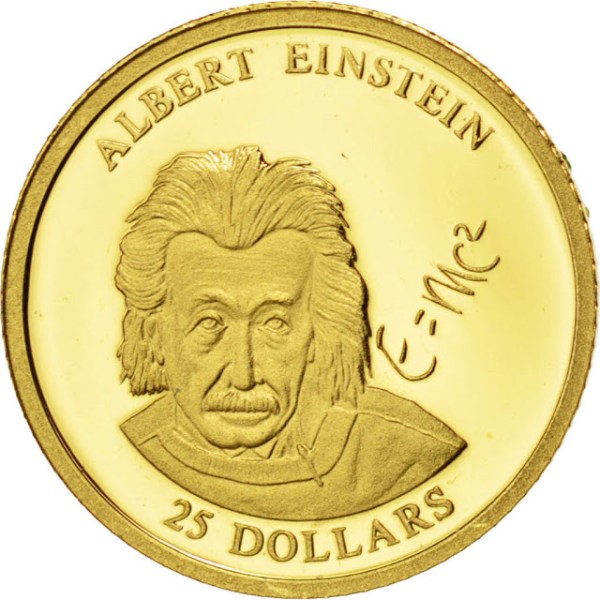
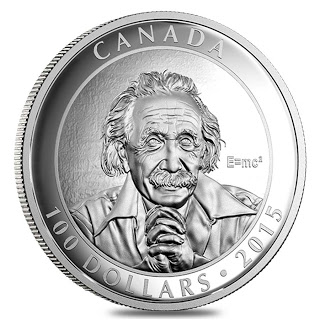
பிரபல விஞ்ஞானியான் ஆல்பர்ட் ஐன்ஸ்டீன் ஆயிரத்து தொள்ளாயிரத்து இருபதுகளில் ஒரு முறை சிகாகோவிற்குச் சென்றிருந்தார். விஞ்ஞானப் படிப்பு படிக்கும் சில மாணவர்கள் தங்களின் சோதனைகள் சிலவற்றை வந்து பார்க்குமாறு அவருக்கு அழைப்பு விடுத்தனர்.ஐன்ஸ்டீன் அதற்கு இணங்கி அந்த மாணவர்களின் சோதனைகளைப் பார்க்கப் போனார்.

அந்த சோதனைகளில் ஒன்றிற்கு ஐன்ஸ்டீன் சில யோசனைகளைச் சொல்லி அதைச் சிறிது மாற்றி  இன்னொரு விதத்தில் செய்யலாம் என்று கூறினார்.


முடியவே முடியாது என்று ஆவேசமாகக் கூறினார் அந்த சோதனையை செய்து வரும் மாணவர்.

ஏன் ஐன்ஸ்டீனின் யோசனையை நடைமுறைப் படுத்த முடியாது என்று மூன்று நிமிடங்களில் ஒரு குட்டிச் சொற்பொழிவையே அவர் ஆற்றி விட்டார்.


அதை மௌனமாகக் கேட்ட ஐன்ஸ்டீன்என்னுடைய யோசனைகள் என்றுமே உருப்படியானவையாக இருந்ததில்லை என்று பெருமூச்சு விட்டுக் கொண்டே சொன்னார்.


மேதைக்கு வந்த சோதனை – சோதனையைப் பார்க்கப் போய்!

தேவையா இது அவருக்கு! அவர் நொந்து போய் பெருமூச்சு விட்டது சரி தானே!

 xxx  subham xxx


‘நல்லவை எல்லாம் தீயவாம் தீயவும் நல்லவாம்’ (Post No.4108)

Written by London Swaminathan


Date: 23 July 2017


Time uploaded in London- 19-58


Post No. 4108


Pictures shown here are taken from various sources such as Facebook friends, Books, Google and newspapers; thanks.


நல்லவை எல்லாஅந் தீயவாம் தீயவும்

நல்லவாம்  செல்வம் செயற்கு (குறள் 375)

பொருள்

செல்வத்தை ஈட்டும் பணியில் (பிஸினஸில்) , கெட்ட காலம் இருந்தால் நல்லன எல்லாம் தீயதாகவே முடியும். நல்ல காலம் இருந்தாலோ கெட்டதும் கூட நல்ல பலன்களைத் தரும்.

திருவள்ளுவரின் திருக்குறளில் ஊழ் என்னும் அதிகாரத்தில் பத்து பாடல்களில் தீவினையின் சக்தியை விதந்து ஓதுகிறார். மேலும் சில குறள்களிலும் நல்வினை தீவினை பற்றிச் செப்புகிறார்.

பரியினும் ஆகாவாம் பாலல்ல உய்த்துச்

சொரியினும் போகாதம (குறள் 376)


இறைவனுடைய அருள் இல்லாவிடில் கோடிகோடியாய்ப் பொருள் வந்தாலும் அதைக் காப்பாற்ற முடியாது. எவ்வளவுதான் காப்பாற்ற முயன்றாலும் தனக்கு வினைப்படி உரியன அல்லாதவை நிற்காது. உரிய பொருளை வேண்டாமென்று தூக்கி எறிந்தாலும், அதே வினைப்படி, அது அவரிடமே திரும்பி வந்துவிடும்.


திருவள்ளுவரின் நெருங்கிய நண்பரான ஏலேல சிங்கன், திருவள்ளுவர் சொற்படி தான, தருமம் செய்துவிட்டு மிச்சத்தைத் தங்கக் கட்டிகளாக மாற்றி கடலில் எறிந்தபோதும், சுறாமீன் வயிற்றில் ஏலேல சிங்கன் முத்திரைகளுடன் அதைப் பார்த்த மீனவர்கள் அவரிடமே திருப்பிக் கொடுத்தனர்.


வித்யாரண்யர் தங்கம் வேண்டி தவம் செய்த போது லெட்சுமி அவர் முன்னால் தோன்றி இந்த ஜன்மத்தில் உனக்குச் செல்வம் வரும் நல்வினை இல்லை என்றவுடன் அவர் சந்யாசம் வாங்கினார். சந்யாசம் வாங்கினால் அது அடுத்த ஜன்மம் எடுத்ததாகிவிடும். அப் போதுதான் அவருக்குத் தெரிந்தது — உண்மையான சந்யாசி தங்கத்தைத் தொட முடியாது என்று. உடனே அதை ஆடு மேய்க்கும் இடையர்களிடம் கொடுத்து மாபெரும் விஜயநகர சாம்ராஜ்யத்தைத் தாபித்து முஸ்லீம்களை தென்னாட்டை விட்டு விரட்டினார்.


ஆகவே ஒருவரின் வினைப்படிதான் செல்வம் ‘’வரும்- போகும்’’ என்பது துணிபு. ஆனால் இந்த ஜன்ம நல்வினையால் மேலும் செல்வம் பெறலாம். அதிக தவம் செய்து வினையையும் வெல்லலாம்.


இதே கருத்தை விளக்கும் வேறு சில பாடல்களைக் காண்போம்


நீதிவெண்பாவில் ஒரு பாடல் உள்ளது:

தானே புரிவினையாற் சாரு மிருபயனுந்

தானே யனுபவித்தல் தப்பாது – தானூறு

கோடி கற்பஞ் சென்றாலுங் கோதையே செய்தவினை

நாடிநிற்கு மென்றார் நயந்து

பொருள்:

பெண்ணே! அளவற்ற கோடி கோடி கற்பங்கள் கடந்துவிட்டாலும், ஒருவனை அவன் செய்த வினைகள் எப்படியும் வந்து சேரும் என்று பெரியோர் சொல்லுவர்.  ஒருவன் தானே செய்த வினையினால் வந்து சேரக் கூடிய இரண்டு பயன்களும் (நல்லதும், தீயதும்), செய்தவன் அனுபவித்துத்தான் ஆகவேண்டும். அது தப்பவே தப்பாது


கற்பம்= பிரம்மாவின் ஆயுட்காலம், ஒரு ஊழி

‘நல்வழி’யும் இதையே சொல்லும்:


தாந்தாமுன் செய்தவினை தாமே அனுபவிப்பார்

பூந்தாமரையோன் பொறிவழியே – வேந்தே

ஒறுத்தாரை என்செயலாம் ஊரெல்லாம் ஒன்றாய்

வெறுத்தாலும் போமோ விதி

நல்வழி 60


நாலடியார் செய்யுளும் இதை உறுதி செய்யும்:

பல்லாவுள் உய்த்து விடினும் குழக்கன்று

வல்லதாம் தாய்நாடிக் கோடலைத் – தொல்லைப்

பழவினையும் அன்ன தகைத்தே தற்செய்த

கிழவனை நாடிக்கொளற்கு


ஒரே கருத்தைப் பல புலவர்கள் சொல்லுவது படித்து ரசிக்கத்தக்கது.

TAGS: நல்வினை, தீவினை, குறள், நல்வழி, நீதிவெண்பா

—சுபம்—


Part 2 of Hindu Accounts of The Origin of the Vedas (Post No.4107)

Written by London Swaminathan


Date: 23 July 2017


Time uploaded in London- 12-52 am


Post No. 4107


Pictures shown here are taken from various sources such as Facebook friends, Books, Google and newspapers; thanks.


First part of this article was posted yesterday in this blog.

  1. The Vedas issued from the Mouth of Brahma

The Bhagavata Purana (3-12-34 and 37) says,

“Kadachit dyaayatah srastura vedaah aasamsa chaturmukhaat

katham srakshyaam aham lokaan samavetaan yathaapuraa


… rg yajush saamaatharvaakyaan vedaan puurvaardhibir mukhaih

sastram ijyaam stutistomam praayachchittam vyadhaat kramaat”


“Once the Vedas sprung from the four faced Creator, as he was meditating how shall I create the aggregate words as before? – He formed from his eastern and other mouths the Vedas called Rich, Yajush, Saman, Atharvan, together with praise, sacrifice, hymns and expiation”.


The Vishnu Purana gives the same expalanation.


12.The Vedas were produced from the Gayatri, Harivamsa Verse 11516

“Tato asrujad vai tripataam gayatrim vedamaataram

akaroch chaiva chaturo vedaan gaayatri sambhavaan”


“After creating the world, Brahma next created the Gayatri of three lines, Mother of the Vedas, and also the four Vedas which sprung from the Gayatri”

13.Sarasvati is the Mother of the Vedas, Mahabharata, Santi Parva, verses 12-920

“Vedaanaam maataram pasya matsthaam Deviim Sarasvatiim”

“Behold, Sarasvati, Mother of the Vedas, abiding in me”.


  1. The Vedas are Vishnu, Vishnu Purana 3-3-19

“He is composed of the Rich, of the Saman, of the Yajush; he is the soul, consisting of the essence of the Rich, Yajush and Saman, he is the soul of the embodied spirits”.


Opinions of the Seers

The names of the Mantra Drstaas ( who saw the mantras = who heard the Mantras) are preserved in the Anukramani or Explanatory Table of the Contents, which has been handed down with the Vedas itself. The names of the fathers of those seers are also given.


My comments:

This shows that the Hindus were the first in the world to produce Index, Contents, Anthology etc. This means they were highly literate and nowhere in the world we have an index or contents or an anthology around that time (1500 BCE according to foreigners and 3100 BCE according to the Hindus) except India.

In some of the verses, the names of the seers who pray are mentioned. Foreigners interpreted it as proof for ‘’authorshp’, ‘composing by humans’ etc. They took the literal meaning. If someone refers to me saying “Please listen to London swaminathan who is praying with this mantra” that does not mean I composed the mantra. I may be saying mantras composed or heard by some seers.

There are some passages which mislead the foreigners: –

“the mantras are made like a carpenter make a car”.


“The Kanvas make a prayer to you” (RV 1-47-2)

“Thus O Indra, Yoker of steeds, have the Gotamas made hymns for you efficaciously”- RV 1-64-61

“These magnifying prayer hymns, O Asvins, the Gristamadas have made for you” – RV 3-39-8


Wherever the verb ‘to make” is used, foreigners took it literally and interpreted as the hymns were ‘composed’ or ‘made’.


If we read the Vedas in full we understand the meaning correctly. Moreover, there are hundreds of references in Tamil and Sanskrit which make it very clear that they were not man made. 2000 year old Sangam Tamil Literature refer to it as ‘unwritten word’ in many places. So we don’t need a certificate from a foreigner. We believe that they were ‘seen’, ‘discovered’, ‘heard’ by the Rishis/seers.


Mahabharata says “Those who sell the Vedas, and those who write them, those also defile them, they shall go to hell”.


Professor Whitney attributed commercial reason for it. Foreigners are business men. They plundered the whole world. They took all the gold and diamonds to their own countries by destroying Mayan, Aztec, Red Indian, Hindu, Egyptian and Babylonian civilizations. They thought Brahmins also did not allow others to write it down so that they can make money. People who have lower thoughts can only interpret it that way!

–subham–


சந்தோஷம் அடைய உதவும் நான்கு விஷயங்கள்! (Post No.4106)

Written by S NAGARAJAN


Date: 23 July 2017


Time uploaded in London:- 5-31 am


Post No.4106


Pictures are taken from different sources such as Face book, Wikipedia, Newspapers etc; thanks. 


புத்த போதனை


சந்தோஷம் அடைய உதவும் நான்கு விஷயங்கள்!

ச.நாகராஜன்


புத்த மதத்தின் கொள்கைகளை உள்ளது உள்ளபடியும் புத்தரின் போதனைகளை விளக்கமாகவும் சொல்ல மலேசியாவில் 1964இல் புத்த தர்ம பிரசாரகர் ஸ்ரீ கே. ஸ்ரீ தம்மானந்தா அருமையான சொற்பொழிவுகளை ஆற்றினார். ஏராளமானோர் அவற்றில் பங்கு கொண்டு தங்கள் சந்தேகங்களைக் கேட்டு விளக்கமும் பெற்றனர்.

சந்தோஷம அடைய உதவும் வழிகளைப் பற்றி புத்த பகவான் கூறியதைப் பற்றி அவர் ஒரு உபந்யாசத்தில் கூறியதன் சாராம்சத்தை இங்கே பார்க்கலாம்.


    ஒரு சமயம் திக்ஹஜானு என்ற ஒருவன் புத்தரைத் தரிசித்தான். “ஐயனே!நாங்கள் எல்லாம் சாமானியர்கள். குடும்பம், மனைவி, மக்கள் என்று வாழ்ந்து வருபவர்கள். எங்களைப் போன்றோருக்கு இந்த உலகத்திலும் அதற்குப் பின்னரும் சந்தோஷத்தைத் தரும் விஷயங்கள் என்னென்ன என்பதைச் சொல்லி அருள வேண்டுகிறேன் என்று இறைஞ்சினான்.


புத்தர் கருணை கூர்ந்து அவனை நோக்கி இப்படி அருளினார்:

இந்த உலகத்தில் சந்தோஷத்தை அடைவதற்கு நான்கு விஷயங்கள் உள்ளன.


முதலாவது உத்தான சம்பதம்.


ஒரு மனிதனானவன் திறமை வாய்ந்தவனாகவும், தொழில் நேர்த்தி கொண்டவனாகவும் ஆர்வம் உடையவனாகவும், மிகுந்த சக்தி வாய்ந்தவனாகவும் இருக்க வேண்டும். இது தான் உத்தான சம்பதம்.


இரண்டாவது அர்த்த சம்பதம்.

தர்மமான வழியில் தான் சம்பாதித்த பணத்தை அவன் நன்கு நெற்றியில் வியர்வை சிந்த அதைப் பாதுகாக்க வேண்டும். இது தான் அர்த்த சம்பதம்.


மூன்றாவ்து கல்யாண மித்தம்.

அவன் நல்ல நண்பர்களைக் கொண்டிருத்தல் வேண்டும். நல்ல விசுவாசமான, சம்பாதிக்கின்ற, நல்ல காரியங்களைச் செய்யும், தாராள மனதைக் கொண்டிருக்கும் புத்தி கூர்மை மிக்க நண்பர்களை அவன் கொண்டிருத்தல் வேண்டும். அப்படிப்பட்ட நண்பர்கள் தீமையான வழியில் அவனைச் செல்ல விடாமல் நல்ல வழியில் நடத்திச் செல்பவர்களாக இருத்தல் வேண்டும்.


நான்காவது சம ஜீவிகதம்.

அவன் தனது வருவாய்க்குத் தக்க விதத்தில் நியாயமான வழியில் செலவழிக்க வேண்டும்.அதிகமாகவும் செலவழிக்கக் கூடாது; குறைவாகவும் செலவழிக்கக் கூடாது. பேராசையுடன் செல்வத்தைச் சேமித்து வைக்கக் கூடாது; ஊதாரியாக இஷ்டப்படி செலவழிக்கவும் கூடாது. அதாவது தன் வருவாய்க்குத் தக்க விதத்தில் வாழ வேண்டும். இதுவே சம ஜீவிகதம்.


இந்த நான்குமே சந்தோஷத்தை அடைவதறகான விஷயங்கள்.

இதன் படி நடந்தால் சந்தோஷமே நீடித்து நிலைக்கும்.

புத்தரின் அருளுரை திக்ஹஜானுக்கு மட்டும் கூறப்படவில்லை. மனித குலத்தில் சந்தோஷம் அடைய விரும்பும் அனைவருக்காகவுமே உபதேசிக்கப்பட்டது.

அத்துடன் இந்த உலகத்திற்குப் பின்னாலும் சந்தோஷமாக இருக்க நான்கு விஷயங்களைக் கடைப்பிடிக்க வேண்டும் என்றும் புத்த பிரான் அருளினார்.


முதலாவது சிரத்தை.


ஒழுக்கம், ஆன்மீகம் மற்றும் அறிவு ஆகியவற்றில் அவன் நம்பிக்கையும் விசுவாசமும் கொண்டிருக்க வேண்டும். இதுவே சிரத்தை.


அடுத்தது சீலம்.


வாழ்க்கையைக் கெடுக்கும் பேரபாயங்களான திருடுதல், ஏமாற்றுதல்,அடுத்தவன் மனைவி மீது ஆசை வைப்பது, தவறான வழிகளில் இறங்குவது, மதியைக் கெடுக்கும் குடி போதையில் இறங்குவது ஆகியவற்றிலிருந்து அவன் விலகி இருக்க வேண்டும். இதுவே சீலம் எனும் நல்லொழுக்கம்.


அடுத்து மூன்றாவது ககா.


அவன் தர்ம சிந்தையுடன் இருத்தல் வேண்டும். பணத்தின் மீது பற்று வைக்காமல் தயாள மனதுடன் நடந்து கொள்ள வேண்டும். இதுவே ககா.


அடுத்து நான்காவது பன்னா.


துன்பத்தை ஒரேயடியாக ஒழிக்கும் ஞானத்தை அவன் விருத்தி செய்து கொள்ள வேண்டும். அதுவே நிர்வாணத்திற்கு வழி வகுக்கும்.


இதுவே பன்னா.


ஆக சிரத்தா, சீலம், ககா, பன்னா ஆகிய நான்கையும் கடைப்பிடித்தால் இந்த வாழ்விற்குப் பின்னாலும் சந்தோஷம் கிடைக்கும் என்று புத்தர் அருளினார்.


வருவாயை எந்த விதத்தில் பயன்படுத்த வேண்டும் என்ற நுணுக்கமான விவரங்களைக் கூட அவர் விளக்கினார்.

சிகலா என்ற பெயருடைய வணிகன் புத்தரிடம் இது பற்றிக் கேட்க புத்த பகவான், வருவாயில் நான்கில் ஒரு பங்கை அன்றாட வாழ்விற்கும், நான்கில் இரண்டு பங்கை அவன் வணிக முதலீட்டிற்காகவும், நான்கில் ஒரு பங்கை ஆபத்துக் காலத் தேவைக்கான சேமிப்பிற்காகவும் பயன்படுத்த வேண்டும் என்று அருளினார்.


அனதபிண்டிகா என்ற ஒரு சீடர் புத்தரின் மீது பக்தி கொண்ட அணுக்க பக்தர். அவர் தான் சவத்தி என்ற இடத்தில் ஜேதவான மடாலயம் என்ற மடாலயத்தை அமைத்தவர். பெரும் வணிகரான அவரிடம் ஒரு சமயம் புத்த பிரான் கூறினார்: “சாதாரணமான வாழ்க்கையை வாழ்ந்து வரும் ஒரு சாமானியனுக்கு இந்த உலகத்தில் நான்கு விதமான சுகங்கள் உள்ளன.


முதலாவது ஆர்த்தி சுகம்.

நியாயமான வழியில் சம்பாதித்த பணத்தைக் கொண்டு பொருளாதார ரீதியில் கஷ்டமில்லாமல் பணம் இருக்கும் பாதுகாப்பினால் வரும் சுகம்.


இரண்டாவது போக சுகம்

தான் சம்பாதித்த பணத்தை தனக்காகவும், தன் குடும்பத்திற்காகவும், தனது உறவினர் மற்றும் நண்பர்களுக்காகவும் அத்துடன் பல நல்ல காரியங்களுக்காகவும் செலவழிப்பதனல் வரும் சுகம் போக சுகம் ஆகும்.


அடுத்து மூன்றாவது அனான சுகம்.

எந்த வித கடனும் இல்லாமல் கடன் தொல்லையின்றி இருப்பது அனான சுகம்.


நான்காவது அனாவஜ்ஜ சுகம்.

ஒரு வித தப்பும் இல்லாத, எண்ணத்திலும் சொல்லிலும் செயலிலும் தீமையைக் கொண்டிராத, தூய்மையான வாழ்க்கையை வாழ்வதினால் வரும் சுகம் அனாவஜ்ஜ சுகம்.


புத்தரின் அருளுரையில் அவர் கூறிய முதல் மூன்று சுகங்கள் பொருளாதார மற்றும் உலோகாயத ரீதியிலான சுகங்கள்.

நான்காவது சுகமோ தூய்மையான வாழ்வினால் கிடைக்கும் ஆன்மீக சுகம் ஆகும்.


புத்தரின் போதனைகள் இப்படித் தெளிவாயும் சுருக்கமாயும், அமைந்திருந்தன. அவரை அண்டியோர் புத்த வ்ட்டத்திற்குள் இழுக்கப்பட்டு நல் வாழ்வை மேற்கொண்டு சுகத்தையும் சந்தோஷத்தையும் அடைந்தனர்.


காலம் காலமாக நிரூபிக்கப்பட்ட இந்த போதனைகள் இன்றைக்கும் என்றைக்கும் பொருந்தும்!

***


HINDU ACCOUNTS OF THE ORIGIN OF THE VEDAS (Post No. 4105)

Written by London Swaminathan


Date: 22 July 2017


Time uploaded in London- 17-24


Post No. 4105


Pictures shown here are taken from various sources such as Facebook friends, Books, Google and newspapers; thanks.


The Hindu sacred books are called the Vedas. They are divided into four books: Rig, Yajur, Sama and Atharva Vedas. Hindus believe that Veda Vyasa classified them into four around 3100 BCE. They existed even before him. But he was the one who arranged them into four and gave to four of his best students the responsibility  of spreading them (through the word of mouth to generations to come). Now it is considered the Literary Wonder of the World.

Many of the seven wonders of the world disappeared. But the Vedas which came even before the Seven Wonders of the World are still alive. It is recited in one hundred thousand temples in India. It is recited by millions of Hindus every day. As a Brahmin I recite the names of Indra, Mitra, Varuna, Yama, Surya, Vayu every day. They are in the Bogazkoy inscription of Turkey dated 1350 BCE.


Vedic Gods are the oldest Gods documented by an archaeological inscription. Other Gods have gone into museums.

There are beautiful descriptions about the origin of Vedas. For foreigners and Non-Hindus they may appear contradictory, but Hindus don’t find any contradiction in it. Foreigners selected some passages and looked at them superficially and misinterpreted them. But the authors of great Hindu epics Vyasa and Valmiki did not see any contradiction or confusion.


Vedas are not composed by poets. They are heard like radio frequencies. They will be in the air after every deluge. They are eternal truths in sound form. When the world is recreated, another Brahma will appear and reveal it through his four heads/mouths. Enlightened souls can hear them and pass it to others.


The Vedic mantras are in Sanskrit language. Some of the passages are considered amazing revelations. Lot of scientific information, higher thoughts are reflected in the hymns. Whatever we find in the UNO charter such as world peace, brotherhood of human beings are there in the tenth mandala of the Rig Veda. The literary level is so high that no ancient language in the world has reached that level. They talk lot about prosody, grammar, hidden meaning, double entendre etc.


Youngsters were taught linguistics, astronomy, grammar etc along with the Vedic hymns when they were only seven years old! It is a literary marvel.

Tamils of Sangam Age praised them sky high. When one of their poets composed Tirukkural with 1330 couplets five contemporary poets praised it as Tamil Veda. Another Tamil poet said that all over the world kings get up after hearing cock a- doodle-doo but Pandyan Kings get up by listening to the Vedas. Kalidasa who lived in the first century BCE said in his Raghuvamsa that Pandyan Kings always looked like they are coming out of Vedic sacred bath (Avabrta Snanam done during fire sacrifices)

Let us look at some of the Hymns:

1.The Vedas sprung from the mystical sacrifice of the Purusha

The hymn Pursuha Sukta of the Rig Veda (10-90) says the following:-

Tasmaad yajnaat sarvahutah rchah saamaani jagniree

chandaamsi jagniree tasmaad yajus tasmaad ajaayata

“From that universal sacrifice sprung the Rich and Saman verses; the metres sprung from it; from it the yajush arose”.


2.The Vedas were cut or scraped off from Skambha as being his hair and his mouth

The Atharva Veda (10-7-20) says,

Yasmaad rcho apatakshan yajur yasmaad apaakashan

saamaani yasya lomaani atharvaangiraso mukham

skambha tam bruuhi iktatamah svida eva sah


“Declare who is that Skamnbha (the Supporting Principle) from who they cut off the Rich verses; from whom they scraped off the Yajush, of whom eth Sama verses are the hairs, and the verses of the Atharva and Angiras the mouth.”

  1. The Vedas sprung from Indra and he sprung from them (AV 13-4-38) says,

sa vai rgbhyo ajaayata thasmaad rcho ajaayanta

“Indra sprung from the Rich verses; the Rich verses sprung from him”.


4.The Vedas sprung from Time (AV 19-54-3)

Kaalad rchah sambhavan yajuh kaalaad ajaayata

“From Time the Rich verses sprung; the Yajush sprung from Time

5,The Vedas sprung from the leavings of Sacrifice (AV 11-7-24)

Rchah samaani chandaamsi puraanam yajushaa saha

uchchshtaaj jajniree sarve divi devaah divi sritaah

“From the leavings of the sacrifice sprung the Rich and the Saman verses, the metres, the Purana with the Yajush, and all the gods who dwell in the sky”

My comments:

This is a very interesting verse. The Puranam is mentioned in the Atharva Veda. In any culture mythology is the oldest part. So even before the Vedas the Puranas were there. But they were constantly updated with the names of the latest kings. Like they write the names of the Winners of Wimbledon Title every year under the previous winners, newer materials were constantly added. Foreigners took the latest reference and interpreted them as modern. Same with the Mahabharat. Vyasa added all that available to it at his time.

Another interesting point is that we believed Vyasa ‘divided’ the Vedas into four. Then how come there is reference about all the four Vedas in some hymns? Is it not contradicting what we believe?

No contradiction. Rich Yajush, Saman,Atarva are parts of the Vedas. Vyasa arranged them in a particular order and since it is humanly impossible to learn and pass them to future generations. He selected four of his most intelligent students and allocated some portions of it to each one. The very name Vyas means one who arranges, organises, essay writer. His actual name was Krishna Dvaipayana= Black Islander. He was black and was born in an island.

If you take the meaning literally you will be as confused as a foreigner.

The simple equation so far is

Vedas = God/Indra= sacrifice = Time

  1. The Vedas were Produced from Agni, Vayu, Surya- says the Chandogya Upanishad

“Prajapatir lookaan abhyatapat………………. iti saamabhyah”

“Prajapati infused warmth into the worlds, and from them so heated he drew forth their essences, viz, the Agni from the earth

Vayu from the air

and Surya from the sky.

He infused warmth into these three deities

and from them so heated he drew forth their essences—

from Agni the Rich verses

from Vayu the the Yajush verses

and from Surya the Saman verses.

He then infused heat into this triple science from it, so heated he drew forth its essences—

from Rich verses the syllable Bhuh

from Yajush verses, Bhuvah

and from Saman verses Svar”

Heat = tapas

  1. The Vedas are the breathing of the Great being – Satapata Brahmana (14-5-4-10)

“sa yathaa aardredhaagrer abhyaahitaan………………nisvasitaani”

“As from a fire made of moist wood various modifications of smoke proceed, so is the breathing of this great being the Rig Veda, the Yajur Veda, the Sama veda, the Athrvangirases,the Ithihasas, Puranas, science, the Upanishads, slokas, aphorisms, comments of different kinds – all these his breathings”

My comments

This is another proof for the existence of Puranas, Ithihasas (Mytology and Epics), Upanishads, Sutras, Slokas, Science (Vidhyaa) –  by the time of Satapata Brahmana. Even the jaundice eyed, biased foreigners date this SB to 850 BCE. But we knew that it existed from the Vedic days i.e, several thousand years ago. Even if we go by foreigner’s dating one must admit that we had History (Ithihas/epics), mythology etc. by that time.


Poor foreign ignoramuses say ‘this portion of Vedas is later, this portion is older, this portion of Mahabharat is added to Jaya, the original epic. All these are absurdities because till this day no one is able to show what is added ‘later’, and ‘when’ it is added!!

And the foreigners try to cramp the largest volume of ancient literature into 400 year period! Not even the modern society can achieve such intellectual growth within that short period! If they are right they must show us another ancient culture that achieved so many things within 400 years!


When we compare the Vedic literature with other religious literature, they are like mosquitoes and the Vedic literature is like the Himalayas. No one is able to study all these in one life time. Even Max Muller studied it for over fifty years! And yet he could not attain full maturity!  He did not even get the maturity of a Vedic school boy! His bookish knowledge in Vedas was great, but his wisdom- just pass mark!

Any one who reads his comments on Vedic hymns, would agree with me.


  1. The Vedas were dug by the gods out of the Mind Ocean (SB 7-5-2-52)

“Mind is the ocean; from the mind ocean, with speech for a shovel, the gods dug out the triple Vedas; may the brilliant deity today know where they placed that offering which the gods dug out with sharp shovels. Mind is the ocean; speech is the sharp shovel—Satapata Brahmana”


This shows Vedas were received by the Rishis after deep meditation. What a beautiful way of describing the Vedas! Poetic in description!

  1. Vedas are the hair of Prajapati’s beard (Taittiriya Brahmana 3-39-1)

(it means it is recited by Brahma)

  1. Vach is called the Mother of the Vedas (TB 2-8-85);

(it means the word is god)

“Vach (word) is an imperishable thing and the first born of the ceremonial, the mother of the Vedas, and the centre point of immortality”

My Comments

Some foreigners used to bluff that Hindus don’t know about immortality, rebirth etc. during the Vedic time. They draw their own line in the Vedic literature, they fix their own dating for each and every section and bluff this way; and even in that bluffing, fifty foreigners say fifty different things! In the book about Asuras written by a foreigner he listed over 40 different definitions or interpretations on the word Asura!

(I will give the quotations on Vedas from the Puranas and Mahabharata, in another article.)

–Subham–