Pictures are taken from various sources for spreading knowledge; this is a non- commercial blog.
A moving example of deserted genius was the poet, Heinrich Heine . When the great German lyricist lay on his mattress death bed in a poverty ridden Parisian garret, all had forsaken him except his friend Hector Berlioz (controversial French composer). Moved by this sole demonstration of loyalty, the dying poet commented bitterly,
“I always thought you were an original, Berlioz”.
Xxx
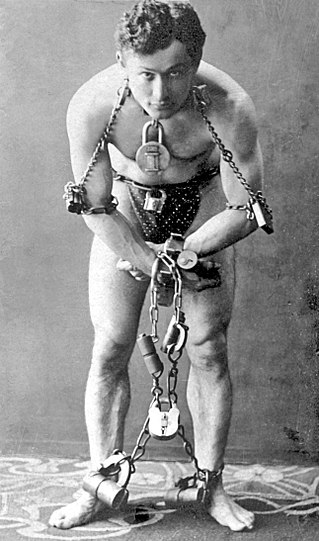
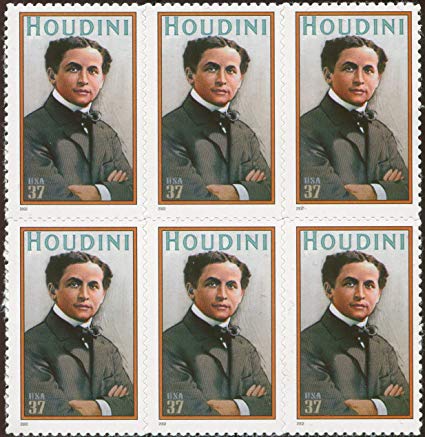
Houdini Magic
Charles Dillingham and Florence Ziegfeld, both eminent producers and both now deceased, were the pall bearers at the funeral of the great escape artist, Houdini (died in 1926) . As they lifted the beautiful and heavy casket to their shoulders, Dillingham whispered to Ziegfeld,
Suppose he isn’t here?
Xxx
Chinese Tit for Tat !
A Chinese servant asked permission of his master to attend the funeral of a friend, also Chinese. The man gave his permission and jokingly added
I suppose you will follow the old Chinese custom of putting food on the grave.
Yes,sir, was the answer.
And,still laughing the man said, when do you suppose the food will be eaten?
The man was somewhat shaken out of his Occidental complacency when his servant replied,
As soon as, sir, as the friend you buried last week will smell the flowers you put on his grave.
Xxx
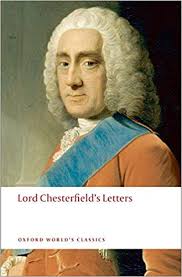
Lord Chesterfield
Lord Chesterfield, before his death, was so infirm, whenever he went out in his coach the horses were generally led step by step. In this situation he was one morning met by an acquaintance, who congratulated his lordship on being able to take the air.
I thank you kindly sir, says his lordship but I do not come out so much for the air, as for the benefit of rehearsing my funeral.
Pictures are taken from various sources for spreading knowledge; this is a non- commercial blog.
இறுதியில் வரும் எனது ஆராய்ச்சியினை படிக்கத் தவறாதீர்கள்
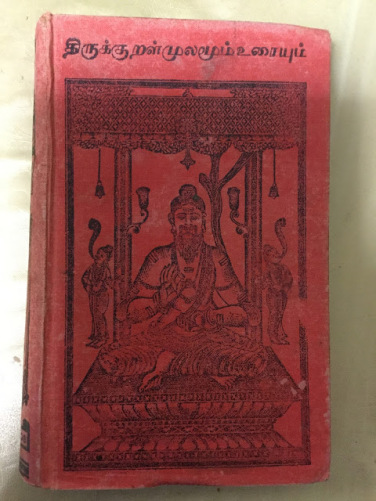
அகர முதல எழுத்து எல்லாம் ஆதி பகவன் முதற்றே உலகு — என்று வான் புகழ் வள்ளுவன் மட்டுமா சொன்னார் ? ஏசு கிறிஸ்துவும் சொன்னார்;
அது எப்படி? எப்படியென்றால் இருவருக்கும் பகவத் கீதை மனப்படமாகத் தெரியும்.
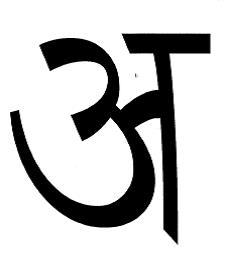
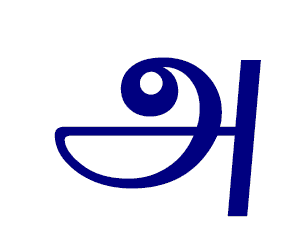
எழுத்துக்கெல்லாம் முதலாவது நிற்பது ‘அ’ என்னும் எழுத்து ; அது போல உலகிற்கெல்லாம் மூல முதல்வன் இறைவனே! என்பது வள்ளுவனின் முதல் குறள் .அப்படிச் சொல்ல வந்ததையும் முதல் குறளாக வைத்தது வள்ளுவன் ஒரு ஜீனியஸ் — மஹா மேதாவி — என்பதைக் காட்டுகிறது .
Jesus Christ said in the Bible,
‘I am Alpha and Omega, the beginning and the end, the first and the last’- Revelation 22-13
ஏசு கிறிஸ்து நானே ‘ஆல்பா’வும் ‘ஒமேகா’வும் என்று புதிய ஏற்பாட்டில் செப்பினார் . ஆல்பா என்பது கிரேக்க மொழியின் முதல் எழுத்து ஒமேகா என்பது கடைசி எழுத்து. கிறிஸ்துவுக்கு கிரேக்க மொழி தெரியாது ; பைபிளை ஆங்கிலத்தில் மொழி பெயர்த்தவனுக்கு தமிழும் தெரியாது; சம்ஸ்கிருதமும் தெரியாது; அந்த இரண்டு மொழிகளும் ஜீசசுக்கும் மோசஸுக்கும் முந்திய மொழிகள் என்பதும் தெரியாது.ஏசு பிரானோ எபிரேய/ஹீப்ரு மொழியில் உபன்யாசம் செய்தார்.
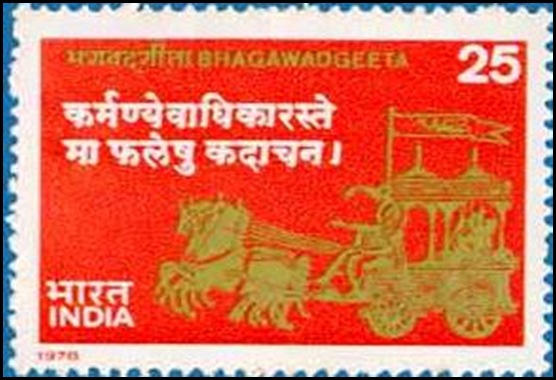
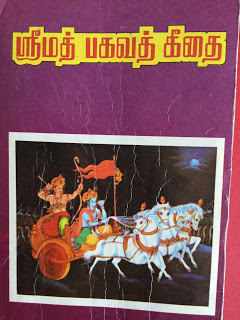
வள்ளுவரும் ஏசுவும் இதுபற்றி கதைப்பதற்கு சில ஆயிரம் ஆண்டுகளுக்கு முன்னர் கிருஷ்ண பகவான் பகவத் கீதையில் ‘அக்ஷராணா ம் அகாரோஸ்மி’ (ப.கீ .10-33)- எழுத்துக்களில் நான் ‘அ’ -காரம் என்று சொன்னார் ; அவர் சொல்லுவது மேற் கூறிய இருவர் செப்பியதைவிட இன்னும் பொருத்தமாக உள்ளது . உலகிலுள்ள உயிருள்ள பொருட்களும் உயிரற்ற பொருட்களும் இறைவனின் அம்சமே என்று அர்ஜுனனுக்கு விளக்கும்போது ஒவ்வொரு வகையிலும் முதன்மையான சிறந்த பொருளை விளக்குகையில் “காலங்களில் நான் வசந்தம் ,மாதங்களில் நான் மார்கழி , எழுத்துக்களில் நான் ‘அ’ என்று……….. நிறைய சொல்லிக்கொண்டே போகிறார் . இதற்கு மூலம், உபநிஷத்துக்களில் இருப்பதை சுவாமி சின்மயானந்தா , அவரது பகவத் கீதை பாஷ்யத்தில் எழுதியுள்ளார் .
சுவாமி சின்மயானந்தா மேலும் விளக்குகையில், சம்ஸ்கிருதம் இனிமையான மொழியாக இருப்பதற்கு பெரும்பாலான சொற்களில் ‘அ’ இருப்பத்தைச் சுட்டிக்காட்டுகிறார். ஒரு சொல்லை உச்சரிக்க அதில் உயிர் எழுத்து இருப்பது அவசியம் என்பது எல்லா மொழிகளுக்கும் பொது என்றாலும் சம்ஸ்கிருதத்தில் நிறைய சொற்கள் ‘அ’காரத்தில் முடிவது இனிமை சேர்ப்பதோடு சொல்வதற்கும் கேட்பதற்கும் நன்றாக இருக்கிறது என்கிறார் ; ஒரு ஹாலில் / மண்டபத்தில் சம்ஸ்க்ருத பாடல் அல்லது துதிகள் முழங்கியவுடன் மன அமைதியும் சாந்தமும் ஏற்படுவதை எடுத்துக் காட்டுகிறார்.
வள்ளுவர் ஒரு ‘பக்கா’ ஹிந்து என்று சொல்லும் போலீஸ் இன்ஸ்பெக்டர் ஜெனரல் (Inspector General of Police) , தமிழ் அறிஞர் டாக்டர் எஸ் .எம் . டயஸும் (Dr S M Diaz) பகவத் கீதை , பைபிள் , திருமந்திரம் ஆகியவற்றில் ‘அ’ -கரத்தின் பெருமை வருவதை எடுத்துரைத்து மேலை நாட்டு அறிஞர்களும் கூட இந்தப் பிரபஞ்சம் இயங்கவும் நிலை பெறவும் இறைவனே காரணம் என்பதை புகன்றதை எடுத்துக் காட்டியுள்ளார் . சேக்கிழார் அடிப்பொடி டாக்டர் டி.என் ராமச்சந்திரன் (Dr T N Ramachandran) , அப்பர் பெருமானும் தேவாரத்தில் இதை பாடியிருப்பதை எடுத்துக் காட்டியுள்ளார்.
“ஆனத்து முன் எழுத்தாய் நின்றார் போலும்” – அப்பர் தேவாரம்
உலகம் என்னிடம் தோன்றி என்னிடமே முடிகிறது என்று கீதையில் பகவான் சொன்னதையும் (ப.கீ.7-6) டாக்டர் எஸ்.எம் டயஸ் பொருத்தமாகக் காட்டியுள்ளார்.
“அஹம் கருத்னஸ்ய ஜகத: ப்ரபவ: பிரளயஸ் ததா” (BIG BANG THEORY AND BIG CRUNCH THEORY) (BG.7-6)
xxx
என்னுடைய 50 ஆண்டுக்கால ஆராய்ச்சி
எனக்கு வயது 72 ஆகப்போகிறது. அந்தக் காலத்தில் காஞ்சி பரமாசார்ய (1894-1994) சுவாமிகளின் உபன்யாசங்களை காமகோடி மடத்தினரே வெளியிட்டனர். அதில் அவர் சொற்கள் பற்றி ஆற்றிய சொப்பொழிவைப் படித்த காலத்தில் இருந்து ஆராயத் தொடங்கி 50 ஆண்டுகளில் சில முடிவுகளைக் கண்டேன்.
உலகிலேயே பழமையான நூல் ரிக்வேதம். அதன் முதல் துதியில் முதல் மந்திரம் ‘அக்நி மீளே’ என்று அ–கரத்தில்தான் துவங்குகிறது; அதே போல இறுதி மந்திரமும் அக்கினி பகவானுக்கே!! .
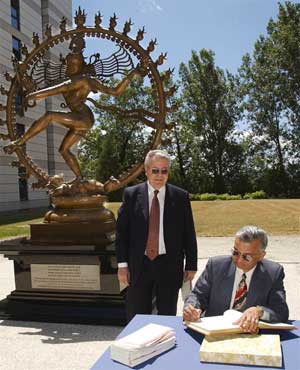
உலகில் தோன்றிய முதல் இலக்கண நூல் பாணினி எழுதிய ‘அஷ்டாத்யாயி’ ; அதன் ஒரு பகுதியான மகேஸ்வர சூத்திரத்தில் சிவன் உடுக்கையில் எழுந்த முதல் ஒலி ‘அ’ – தான்
சம்ஸ்கிருதத்தில் ஒரு ஸ்லோகம் உள்ளது ; அதில் தமிழ் மொழியில் உள்ளதை போல ஒரு விதி உளது.
அதாவது ஒரு நூலை மங்களச் சொல்லுடன்தான் துவங்க வேண்டும் ; அதனால்தான் ரிக் வேதமும் திருக்குறளும் ‘அ’ என்னும் எழுத்தில் துவங்குகிறது. சம்ஸ்கிருத ஸ்லோகத்தில் ‘அத’ என்றோ ‘ஓம்’ என்றோ நூலைத் துவக்க வேண்டும் என்று சொல்லப்பட்டுள்ளது .
வேத மந்திரங்கள் அனைத்தும் ‘ஓம்’ என்ற பிரணவ மந்திரத்துடன் துவங்குவதாகக் கொண்டாலும் ‘ஓம்’ என்பது ‘அ +உ +ம’ என்பதன் வடிவமே என்பதை இரு மொழியினரும் ஒப்புக்கொள்வர் . ஆக இந்தக் கோணத்திலிருந்து நோக்கினாலும் ‘அ’ என்பதே முதல் எழுத்து என்பதை ரிக் வேத காலம் முதல் காண்கிறோம்
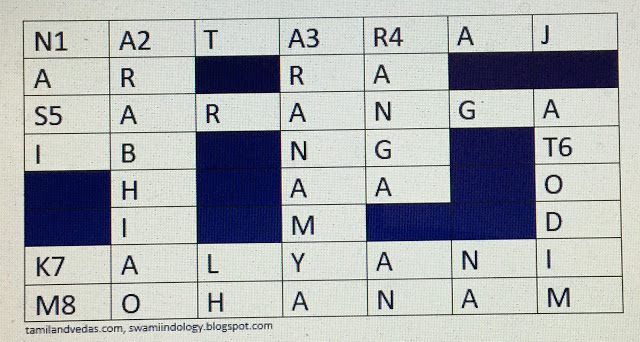
சம்ஸ்கிருதம் கற்கப் போகும் ஐந்து வயது மாணவனுக்கு பாடசாலையில் கற்பிக்கப்படும் முதல் இலக்கணம் ‘அகாரந்த புள்ளிங்கஹ ராம சப்தஹ’ — என்று ‘அ’ வில் துவங்கும். இதற்குப்பின்னர் உலகில் தோன்றிய முதல் நிகண்டான அமர கோசத்தை மனப்பாடம் செய்ய வைப்பர் ; அதை எழுதியவர் ‘அ’மரஸிம்மன் ; நூலின் பெயர் ‘அ’மர கோஸம் ; இரண்டும் ‘அ’ – வில் துவங்கும் பெயர்கள்!!
வேறு யாரும் செய்யாத ஒரு ஆராய்ச்சியினை நான் செய்து சில ஆண்டுகளுக்கு முன்னர் இங்கும் எழுதினேன்.அதாவது தமிழுக்கு மிக நெருங்கிய மொழி என்பது சம்ஸ்கிருதம் ஒன்றுதான். திராவிட மொழிக் குடும்பம் என்பது சம்ஸ்கிருதம் எந்த மூலத்திலிருந்து வந்ததோ அதே மூலத்தில் இருந்து வந்ததுதான். சிவனின் உடுக்கையின் ஒரு பகுதியிலிருந்து சம்ஸ்கிருதமும் மற்ற ஒரு பகுதியிலிருந்து தமிழும் வந்ததென ஆன்றோரும் செப்புவார்கள் . இதனால்தான் வடக்கே இமய மலையில் இருந்த அகத்தியனை தமிழுக்கு இலக்கணம் செய்ய சிவபெருமான் அனுப்பி வைத்தார். இதை பாரதியார் வரை எல்லாக் கவிஞர்களும் பாடிவைத்தனர். புறநானுற்றில் ஒரே பாட்டில் ‘பொதியமும் இமயமும்’ என்ற சொற்றோடர் வருவதற்கும் இதுவே காரணம் . ஒவ்வொரு நூலின் பாடற் முதல் குறிப்பு பகுதியைப் பார்த்தபோது எனக்கு ஒரு வியப்பான உண்மை புலப்பட்டது. அதாவது ‘அ’ என்னும் குறில் (short vowel) எழுத்தில் அதிகமான பாடல்கள் இருக்கும். அடுத்துவரும் ‘ஆ’ என்னும் எழுத்தில் (long vowel) குறைவான பாடல்களே வரும் . ஐ , அவ் (Diphthongs I and Au) என்னும் எழுத்துக்களில் பாடல்கள் துவங்காது அல்லது மிகக் குறைவாக இருக்கும். இதுதவிர உயிர் எழுத்துக்களில் (Vowels) துவங்கும் பாடல்களே அதிகம் இருக்கும் . இதன விகிதாசாரம் கூட தமிழிலும் சம்ஸ்க்ருதத்திலும் ஒரே மாதிரி இருக்கும் .இத்தோடு சந்தி இலக்கணம் இன்றுவரையுள்ள இரண்டே பழைய மொழிகள் சம்ஸ்கிருதமும் தமிழும் என்பதையும் நோக்கும்கால் திராவிட மொழிக்கு குடும்பம்- ஆரிய மொழிக் குடும்பம் என்று சொல்வது தவறு . என்பது உள்ளங்கை நெல்லிக்கனி என விளங்கும்; ஏறத் தாழ 2500 ஆண்டுகளுக்கு முன்னர் ஒரே மூலத்தில் இருந்து இரு மொழிகளும் தனித்தனியே வளர்ந்தன; ஆயினும் அதன் கட்டமைப்பு (Morphological and anatomical structure) ஒன்றே. கீழேயுள்ள கீதை , குறள் துவக்க வரிகளை மட்டும் பாருங்கள். கிருஷ்ணரிடமோ வள்ளுவரிடமோ யாரும் போய் நீங்கள் ‘அ’ என்று துவங்கும் பாடல் இவ்வளவு பாடுங்கள் ‘ஆ’ என்று துவங்கும் பாடல் இவ்வளவு பாடுங்கள்! என்று சொல்லவில்லை .ஒரே மூலத்தில் பிறந்த மொழிகள் என்பதால் அது இயல்பாகவே அமைகிறது . ‘சந்தி’ இலக்கணமும் இன்று வரை இவ்விரு மொழிகள் மட்டும் கடைப்பிடிப்பதற்கும் அதற்கென்றே இலக்கணப் புஸ்தகத்தில் விதிகள் இருப்பதும் நான் சொல்வதை நிரூபிக்கும்.
ஆராய்ச்சி முடிவு-
திராவிட, ஆரிய மொழிக்கு குடும்பங்கள் என்ற பிரிவினை தவறு; இந்திய மொழிக்குடும்பம் என்பதன் இரு பிரிவுகளே தமிழும் சம்ஸ்கிருதமும் . இரு மொழிக் குடும்பத்தினரும் அருகருகே வசித்ததால் ஒன்றின் தாக்கம் (Proximity) மறறொன்றின் மீது வரும் என்ற வாதம் இங்கே பொருந்தாது.
காரணம் ?
மொழியின் உள் அமைப்புக்குள் (internal structure) உள்ள , கட்டமைப்புக்குள் உள்ள ஒற்றுமைகள் இவை !!
எனது இரண்டாவது ஆராய்ச்சி முடிவு!
இதுவரையும் யாராலும் படித்தறிய முடியாத (Undeciphered Indus Script) சிந்து- சரஸ்வதி நதி தீர நாகரீக எழுத்துக்களை எவரேனும் படித்து, உலகமே அதை ஒப்புக்கொண்டுவிட்டது என்று வைத்துக் கொள்ளவோம் . அப்போது நான் மேலே கண்டபடி ‘அ ‘- காரத்தில் துவங்கும் சொற்களோ ஒலியோதான் அதிகம் இருக்கும் . ‘ஆ’ என்னும் நெடிலில் துவங்குவது குறைவாக இருக்கும் . நான் சொல்லும் அணுகு முறைப்படி அணுகினால் சிந்துவெளி முத்திரைகளில் அதிக எண்ணிக்கையில் காணப்படும் வடிவை ‘அ’ என்ற எழுத்தாகவோ (letter or sound) ஒலியாகவோ உச்சரிக்கலாம் .
இனி எழுதும் புத்தகங்களில் ஆரிய – திராவிட மொழிக் குடும்பம் என்பதை நீக்கிவிட்டு இந்திய மொழிக் குடும்பத்தின் இரு பிரிவுகள் தமிழும் சம்ஸ்கிருதமும் என்று காட்ட வேண்டும் . உலகம் முழுதும் சென்ற இந்தியர்கள் மொழியையும் நாகரிகத்தையும் பரப்பினர் என்றே கொள்ள வேண்டும்
மனிதர்கள் தோன்றியது ஆப்பிரிக்க கண்டம் என ஒப்புக்கொண்டாலும் நாகரீகம் தோன்றியது பாரத பூமியே என்பதை நிரூபிக்கலாம் .
‘பாரத பூமி பழம்பெரும் பூமி’, ‘பாரத நாடு பார்க்கெலாம் திலகம்’ என்று பாரதியார் சொன்னது வெறும் புகழுரை அல்ல; என்றும் அழியாத மஹத்தான உண்மை !
கம்ப ராமாயணத்திலும் இதைக் காணலாம்; காளிதாஸனிலும் இதைக் காணலாம் ; திவ்யப் பிரபந்தத்திலும் இதைக் காணலாம் ; தேவாரத்திலும் இதைக் காணலாம்!!
ஒரு அற்புதமான (wonderful pattern) பாணியைக் காண்கிறோம் .
குறில் என்றால் அதிகம்;
நெடில் என்றால் குறைவு .
உலகில் பழைய மொழிகளில் வேறு எங்கும் காண முடியாது .
அது மட்டுமா ? பழங்கால மொழிகளில் நம்மைப் போல அ ஆ இ ஈ ……………. க ச ட த ப ற …………. ய ர ல வ ………… வரிசையும் கிடையாது. அப்படி அகர வரிசையோ கொஞ்சம் சந்தியோ இருந்தால், அவை நமக்குப் பின்னால் பிறந்த அல்லது நமது செல்வாக்கிற்கு உட்பட்ட மொழியாக இருக்கும்!!
Pictures are taken from various sources for spreading knowledge; this is a non- commercial blog.
Swami Ramathirtha’s Parables – 3
ஸ்வாமி ராமதீர்த்தரின் குட்டிக் கதைகள் – 3
ச.நாகராஜன்
குறிப்பு : – ராமதீர்த்தர் தன்னை எப்போதும் ராமா என்று அழைத்துக் கொண்டே பேசுவார். (நான் என்று ஒரு போதும் அவர் பேசுவதில்லை.) அதை மனதில் கொண்டு அவரது உரைகளைப் படிக்க வேண்டும்.
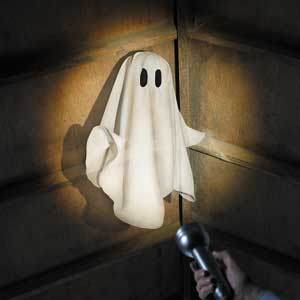
ராமா ஒரு சமயம் இம்யமலையில் உள்ள ஒரு குகையில் வசித்து வpiந்தார். அது பிசாசுகள் நடமாடும் இடம். அதன் அருகில் உள்ள கிராமங்களில் வசித்து வந்தோர் பல துறவிகள் அந்தக் குகையில் ஒரு இரவு இருந்தே இற்ந்து விட்டதாகச் சொன்னார்கள். அங்கு சென்றோர் பயந்து போய் மயக்கமடைந்ததாகச் சொன்னார்கள். ராமா அங்கு வசிக்க விரும்புவதாகச் சொன்னபோது எல்லோரும் ஆச்சரியப்பட்டார்கள். ராமா அந்தக் குகையில் பல மாதம் வசித்தார். ஒரு பிசாசோ அதன் நிழலோ கூட அங்கு தெரியவில்லை. அவை எல்லாம் பறந்து போய் விட்டன போலும். அங்கு பாம்புகள், தேள்கள் குகையின் உள்ளே இருந்தன; புலிகள் குகைக்கு வெளியே இருந்தன. அங்கிருந்து அவை வெளியே கிளம்பவில்லை. ராமாவின் உடலுக்கு ஒரு தீங்கையும் அவை விளைவிக்கவில்லை. பற்றற்ற ஆன்மாக்கள் அல்லது ஜீவன் முக்தர்கள் மரணத்தையோ அல்லது பிசாசுகளையோ நினைத்து வாழ்வதில்லை என்பதை வேதாந்தம் நிரூபித்திருக்கிறது.
அவர்களது சொந்த உண்மையற்ற பூதத்தின் அடிமைகளே பிசாசாகவோ அல்லது ஆவிகளாகவோ உருவெடுக்கும். அந்த நிழலான வடிவங்களில் கட்டுப்பட ஆன்மாக்களே தளைப்படுத்தப்படுகின்றன.
நீதி : பிசாசுகள் கட்டுப்பட்ட ஆன்மாக்கள், ஆகவே அவை ஜீவன் முகதரின் எத்ரில் நிற்க முடியாது, ஆகவே அவருக்கு எந்த ஒரு தீங்கையும் விளைவிக்க முடியாது.
தொகுதி 2 (பக்கம் 44-45)
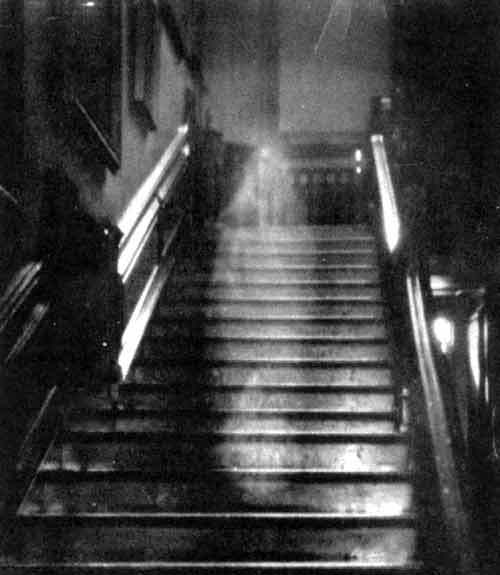
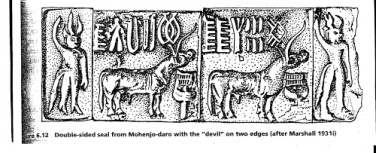
ghosts in Indus Valley Seals
பெரிய வளைவுப்பாலம் பெரும் புயலைத் தன் அடியில் சீறிக் கொண்டு போக விடுகிறது. பல டன்கள் பாரமுள்ள புகைவண்டிகளை ஓடச் செய்கிறது. அந்த வளைவு கீழே உள்ள காலியாக இருக்கும் பாகத்தால் வலிவுள்ளதாக ஆகிறது.
அதேபோல,
ஒரு பேரறிஞன் வலிமையுள்ளவனாக ஆகிறான்; தன்னைக் காலியாக்கிக் கொள்வதன் மூலம் வெல்ல முடியாதவனாக ஆகிறான்.
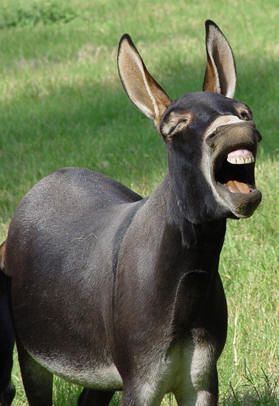
அவர் ஒரு சிங்கத்தை வேட்டையாடுகிறார், அதன் தோலை உரிக்கிறார், ஒரு கழுதையின் மேல் அந்தத் தோலைப் போர்த்தித் தைக்கிறார். அதை நகர் நோக்கிச் செல்ல விடுகிறார். மக்கள் பயத்தால் பதறி ஓடுகின்றனர். கழுதை மற்ற கழுதைகளைப் பார்த்து காள், காள் என்று கத்துகிறது. மக்கள் தாங்கள் ஏமாற்றப்பட்டதை கண்டு பிடித்து அந்த கழுதையைக் கொல்கின்றனர்.
பாடம் : நீங்கள் சிங்கத்தின் தோலை அணிய விரும்பினால் நீங்கள் உங்களது பழைய ஜாதி மற்றும் சம்பிரதாயங்களை முழுதுமாக மறக்க வேண்டும், பழைய கழுதைக் கத்தல்களையும் மொத்தமாக விட்டு விட வேண்டும்.
*
1. ஒரு இரும்புத் துண்டானது வடக்கு-தெற்கு திசையை நோக்கி வைக்கப்படும் போது அந்த காந்தசக்தியை அடைகிறது. மனிதன் ஏன் ஸத்தியம் – அன்பு ஆகியவற்றை ஒருமிக்கும் போது அடையக் கூடாது?
2. நீராவியுடனான ஒரு பாய்லர் எஞ்சினை இயங்க வைக்கிறது, மனிதன் ஏன் உணர்ச்சிகளால் இயங்க வைக்க முடியாது?
3. தகடு அதிர்வால் அதிரட்டும், மண் அற்புதமான உருவங்களாக உருவாகட்டும். அதே போல சித்தத்தின் அதிர்விற்கு விதிகள் கீழ்ப்படியும்.
Rama lived at one time in a cave in the Himalayas, which was noted for being haunted by ghosts. The people who lived in the neighbouring villages spoke of several monks having died by remaining inside that cave for a night. Some of the visitors were said to have been frightened to swooning. When Rama expressed a desire to live in that cave, everybody was amazed. Rama lived in that cave, for several months, and not a single ghost or shade appeared. It seems that they all fled. There were snakes and scorpions inside the cave and tigers outside it. They did not leave the neighbourhood but never did any harm to Rama’s body.
It is proved by Vedanta that free souls or the jiwan-muktas never live after death as ghosts; it is only the slaves of their own phantoms that have to assume the garb of ghosts or spirits. It is only the bound souls that are enchained in those shadowy shapes.
MORAL:—Ghosts are bound souls, hence they 79
Parables of Rama
cannot withstand the presence of a free soul (jiwan-mukta) and can therefore cause him no harm. Vol. 2 (44-45)
*
The great arch lets storm rage under it and trains lead their heavy tonnage over it, and the arch is strong by virtue of the hollowness underneath, and a wise man becomes strong and invincible by emptying himself.
*
Guru Govind Singh
He hunts a lion, flays him, sews the skin on the body of an ass, and sends the donkey to the town. People run away in fear. The donkey brays on seeing other donkeys. People discovered the cheat, and killed the animal.
Lesson : If ye want to wear the sinha-garb (lion-skin) you must forget in toto all about your old castes and creeds, must give up entirely the previous braying habits.
*
1. When an iron-bar is kept North-South it is magnetized. Why not man when in unison with Truth and Love?
2. A boiler with steam works engines. Why not Man with Feeling?
3. Let the plate vibrate, and the sand shapes itself in fantastic figures. So the Laws obey the vibrations fo Chitha.
**
Tags ராமதீர்த்தர் ,குட்டிக் கதைகள் – 3, குரு கோவிந்தசிங், பிசாசுகள்
Pictures are taken from various sources for spreading knowledge; this is a non- commercial blog.
வாழும்போது எவ்வளவோ விசித்திரமான விஷயங்கள் நடக்கின்றன. ஆனால் சாகும்போதும் அப்படி நடப்பது மிகவும் அபூர்வமே. இதோ சில விந்தையான சம்பவங்கள்—
சாகும்போது Good Bye குட் பை!
அமெரிக்க சுப்ரீம் கோர்ட்டின் நீதிபதி ஜான் மார்ஷல் ஹார்லன் (John Marshal Harlan) படுத்த படுக்கையாகக் கிடந்தார். சாவதற்கு சற்று முன் கண் விழித்தார். அரை குறை நினைவுடன் பேசினார். “உங்களை எல்லோரையும் நீண்ட நாட்கள் காக்க வைத்தமைக்கு வருந்துகிறேன். குட் பை Good Bye “என்று சொல்லிவிட்டு கண்ணை மூடி இறுதியாத்திரைக்கு தயாரானார்.
Xxxx
சாகும்போது வரைந்தவர் யார்?
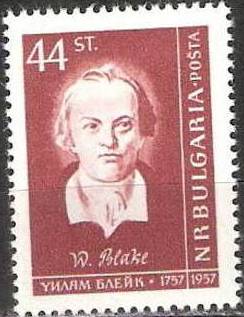
வில்லியம் பிளேக் (William Blake 1757-1827) என்பவர் புகழ்பெற்ற ஆங்கில ஓவியர், கவிஞர். ஆனால் அவர் வாழ்ந்த காலத்தில் அவர் போற்றப்படவில்லை. இறப்பதற்கு மூன்றே நாட்கள் இருந்தன. அவர் கடைசியாக எடுத்துக்கொண்ட ஒரு ஓவியத்தை வரைவதற்காக படுக்கையைக் கொஞ்சம் தலைமாட்டில் உயர்த்தும்படி செய்தார். தனக்குப் பிடித்த வண்ணங்களை தீட்டினார். திடீரென தூக்கி எறி ந்து, அவ்வளவுதான்; இதற்கு மேல் செய்வதற்கு ஒன்றுமில்லை என்று சொன்னார்.
இதைப் பார்த்துக் கொண்டிருந்த அவருடைய மனைவியின் கண்களில் இருந்து கண்ணீர் தாரை தாரையாக வழிந்தது.
“ஹே கேதி (Kate) ! அப்படியே அசையாமல் நில்.
வழக்கம் போல் தோன்று .நீ வாழ்நாள் முழுதும் என்னைக் காத்த தேவதை. நான் உன்னை வரையப்போகிறேன். அசையாது அழகாக நில்”– என்று கட்டளையிட்டுவிட்டு மனைவியின் ஓவியத்தை வரைந்தார். பின்னர் இறந்தார். அதுதான் அவருடைய கடைசி ஓவியம்!
Xxx
சாகும்போது பாடியவர் யார் ?
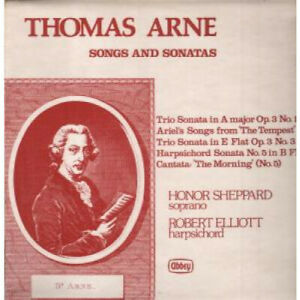
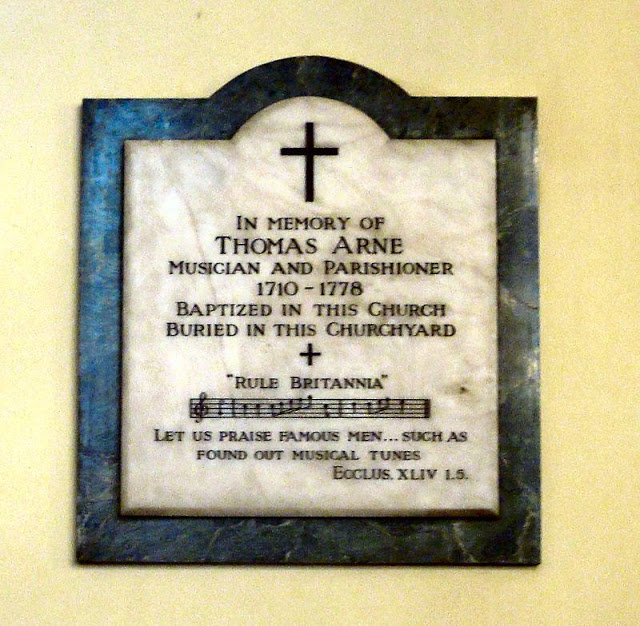
தாமஸ் ஆர்ன் ( Thomas Arne) என்பவர் பதினெட்டாம் நூற்றாண்டின் இசை மேதை. அவர் எப்படி வாழ்ந்தாரோ அப்படியே கடைசி மூச்சு உள்ளவரை வாழ்ந்ததாக அவருடைய நெருங்கிய நண்பர் வெர்னன் (Vernon) கூறு கிறார் :-
நான் அவருடன் பேசிக்கொண்டிருந்தேன். அவர் கடைசியாக தான் இயற்றிய சாகித்யத்தின் சிறப்பை எடுத்துக் காட்டி அதை மெல்லிய குரலில் பாடியும் காட்ட துவங்கினார். பாடிக்கொண்டே இருந்த அவரது குரல் மேலும் மேலும் சன்னமாகிக் கொண்டே வந்தது. பாடியவாறே கடைசி மூச்சை விட்டார். பிரிட்டனின் தேசீய கீதத்தின் ஒரு பகுதி அவர் இயற்றியதாகும்
அன்னப் பட்சி சாவதற்கு முன்னர் பாடும் (Swan Song) என்பது மேலை நாட்டு கவிகள் சொல்லும் மரபு. நமது இந்துக் கவிகள் பாலையும் தண்ணீரையும் சேர்த்துவைத்தால் அன்னப்பறவை பாலை மட்டும் பிரித்து உண்ணும் சக்தி படைத்தது என்று சொல்லுவது போல இதுவும் ஒரு நம்பிக்கை ; க்ஷேக்ஸ்பியர் கூட சாகும் அன்னப் பறவையின் கீதம் என்று உவமை காட்டுவார் . அதுபோல சாகும் அன்னப்பறவையாக ஆர்ன் உயிர்துறந்தார்.
Pictures are taken from various sources for spreading knowledge; this is a non- commercial blog.
Jesus Christ said in the Bible,
‘I am Alpha and Omega, the beginning and the end, the first and the last’
Revelation 22-13
Appar alias Tirunavukkarasar (Sixth Century CE) also said,
‘Aanaththu mun ezuththaai ninraar polum’ (in Tamil)
That is a, the first letter in Tamil alphabet
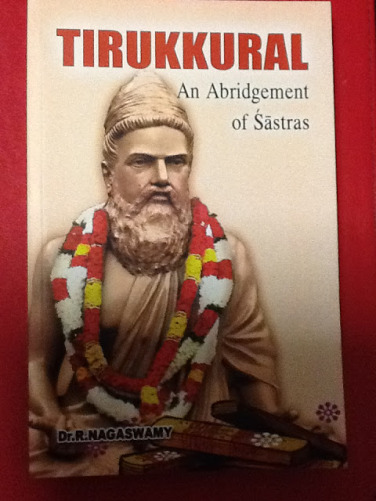
Tiruvalluvar, author of Tamil Tirukkural also said,
In his very first couplet,
The alphabet begins with A;
So does the Universe with God (Akara mudala Ezuthu ellam….. in Tamil)
All these people echoed what Lord Krishna said in the Bhagavad Gita,
“Of letters I am A” (Krishna in Bhagavad Gita – Aksharaanaam Akaarosmi……in Sanskrit) – B G 10-33
When Krishna explained to Arjuna that God is in all the living beings and non-living things in the world, he mentioned the best in every category. There he mentioned He is A among letters (BG 10-33). This is a very interesting linguistic matter.
God is the origin and sustenance of all universe.
Dr S M Diaz in his commentary on the Tirukkural couplet says,
“In this particular couplet (very first Kural) , there is more in the comparison of god to the first letter of the alphabet, than is obvious in the ordinary context. Linguists would realise that the sound of the letter ‘A’ is that which energises all other letters and is the indispensable origin and source of utterance for all letters of the alphabet of most languages. In this way the letter ‘A’ and its sound not only form the starting point for all the letters of the language, but also give life and integrity to all other sounds and letters. In the same way God is the fountain head and source of all life and activity in this universe. Perhaps that is the reason most invocations to god begin with Om. It is interesting to note also that Thirumanthiram (written by Tiru Mular) refers to God as
Akara muthalaa yanaithumai nirkum , 1753 1751 (in Tamil)
That is why Spinoza called God the first cause in his philosophic discourse on Ethics.
So does Thomas Aquinas, and from a more rational angle, De Cartes.”
—Tirukkural, Volume 1 Dr SM Diaz
Swami Chinmayananda says in his comment on the Bhagavad Gita sloka/couplet,
“Of the alphabet, I am the letter A” (10-33)
It is very well known that, without the help of the vowels, words cannot be pronounced. Of all languages, Sanskrit is particularly sweet because of the preponderance of the A sound in it. In fact, every letter in its combination is to be pronounced in Sanskrit with the sound of A added to it to lengthen it to its full sweetness. This, as it were, lubricates the words, and consequently the language has no backfiring of disturbances of rattling nuisance or disgusting hoarseness. Because of the smooth run of the A sound in every letter, there is a melody even between words and a lingering echo between sentences.
In fact, after a long chanting of a Sanskrit text in a hall, there is, for the sensitive, a perceptible atmosphere of soothing music in the air that can lull all the agitations of the human mind.
The sound A is not only the essence in each letter of a word— not only does it transcend, or overflow the sentences and flood the very atmosphere — but it has itself the first place among the alphabets in all the languages. Realising these implications, the Upanishads declare that A sound is the essence in all speech. (Karma phalasya vidhata)
MY RESEARCH ON LETTER ‘A’
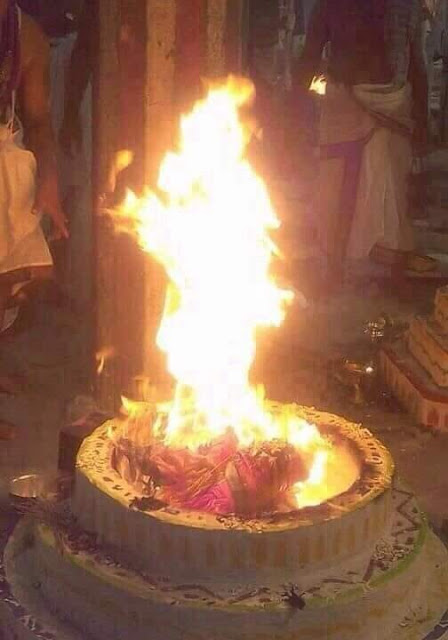
1.Rig Veda begins with the mantra ‘ agni meele prohitam ‘.i.e with Agni and ends with a verse on Agni. Thus we see ‘ A’ for Agni there. It is said that all Vedic mantras begin with ‘Aum’. Even if we take Aum as the first word in the Vedas, it is the combination of A+U+M according to Hindu commentators. Again we see ‘A’ as the first letter.
2.And there is a rule in Sanskrit and Tamil that a book or any literary work should begin with auspicious words where we can see ‘A’ words. Several Sanskrit books begin with ‘Atha’. There is a sloka which explains it:-
The sounds ‘Om’ and ‘Atha’ came first from the mouth of Brahma. So both these are considered auspicious words.
3.Tamil can be compared only with Sanskrit because both came from the same source i.e Lord Shiva according to Tamil literature.
And Agastya, the Rishi from northern Himalayas, only did a Grammar for Tamil. All these facts are in Tamil literature. If both are completely different from one another, Agastya would not have agreed for the huge assignment.
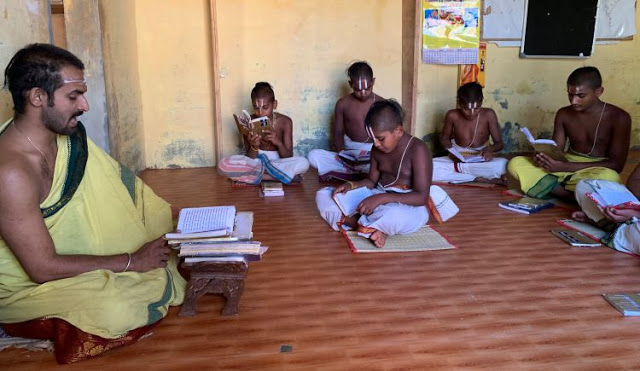
Very interestingly, the Agastya’s name also begins with ‘A’.
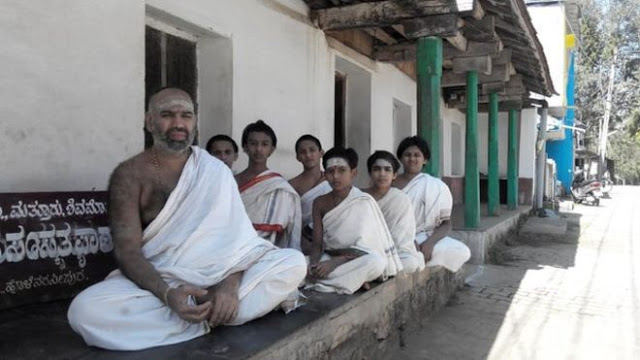
4.When a five year old boy goes to Sanskrit school, he is taught in the very first class,
‘Akaarantha pullingah Rama Sabdah’
That is the students have to memorise everything when the teacher says it. I myself learnt Sanskrit that way. We begin with Akaara………
5.Then we are asked to memorise the world’s first dictionary cum thesaurus Amara Kosa written by Amara Simha. Though it begins with Yasya……… the name of the book and the name of the author begins with ‘A’.
5.Panini’s Mahesvara Sutra, which came from the kettle drum of Lord Siva begins with ‘A’.
6.My long research over 50 years have shown that Sanskrit and its sister language Tamil have unique structure. Unlike other language dictionaries the Sanskrit and Tamil dictionaries are arranged in the same alphabetical order. Short vowel and Long Vowel will follow one another (A, aa, E, ee, U, uu………………..). Then the consonants also follow the same order in the dictionary (Ka, Ca, Ta, Tha, Pa, Ra; Ya Ra La, Va etc).
But here I will only talk about letter A.
The wonder of wonders in Tamil and Sanskrit is
‘A’ words will be more than ‘AA’ (long vowel)
‘I’ words will be more than ‘ii’ words
‘U’ words will be more than ‘UU’ words
In short long vowel words will be less than short vowel words.
Strangely diphthongs Ai and Au won’t be there.
In my previous research paper written years ago, I have given the comparative chart. Since this article is about vowel A, I will just show only the vowels from two most famous books of Hindus in Sanskrit and Tamil:-
Slokas beginning with letter Aa in Bhagavad Gita – 17
Slokas beginning with letter ‘ i’ in Bhagavad Gita – 21
Slokas beginning with letter ‘ii’ in Bhagavad Gita – 1
Slokas beginning with letter U in Bhagavad Gita – 9
Slokas beginning with letter Uu in Bhagavad Gita – 2
You can see short vowel sound letter slokas are more than long vowel sound slokas
This amazing structure can be seen in Tamil Veda Tirukkural as well :-
TIRUKKURAL in TAMIL by Tiru Valluvar
Tirukkural has 1330 Kural couplets
Kural couplets beginning with letter A – 157
Kural couplets beginning with letter Aa – 23
Kural couplets beginning with letter i – 114
Kural couplets beginning with letter ii – 8
Kural couplets beginning with letter U– 81
Kural couplets beginning with letter Uu – 21
The pattern is same in both the languages. Even the proportion of all vowel related verses or words is same.
No one can impose a condition on poets that you must compose these many poems with A and these many verses with Aa. And yet we see this amazing feature through out ancient Sanskrit and Tamil literature. These morphological and anatomical (sandhi rules) features of both these languages explode Aryan-Dravidian language family theories. I have given more information about Sandhi rules in another article.
So, when Krishna said that He is A among letters and when Valluvar said A is the first letter in alphabet they meant more than what you read superficially.
7.Let us Decipher Indus Script
I have been proposing for long that if at all one cracks the code of Indus- Sarasvati River basin civilization language seals, then you will
See ‘A’ words (or sounds) more than ‘Aa’, I words (or sounds) more than ‘Ii’ and that will prove it is typical Indian language which would be the basis of Sanskrit and Tamil. In short, there will be no Aryan Family of languages or Dravidian Family of languages. There we will see a common root!
“ ஆப்டிகல் இல்லூஷன் (Optical Illusion) எனப்படும் ஒளியியல் கண்மாயத்தைக் கொண்ட பல படங்கள் பற்றி நான் கேள்விப்பட்டிருக்கிறேன், பார்த்தும் இருக்கிறேன். ஒரு படத்தில், வலது பக்கத்திலிருந்து பார்த்தால் ஒரு அரசன் யானை மீது அமர்ந்திருப்பதைப் பார்க்கலாம். அதே படத்தை இடது பக்கத்திலிருந்து பார்த்தால் ஒரு குதிரை வீரன் குதிரையின் கடிவாளத்தைக் கையில் பிடித்துக் கொண்டிருப்பதைப் பார்க்கலாம். படம் ஒன்று தான்!
இன்னொரு படம் ஒரு அறையில் சுவரில் மாட்டப்பட்ட ஒன்று. அறையின் எந்தப் பக்கத்திலிருந்து அந்தப் படத்தைப் பார்த்தாலும் அந்தப் படம் உங்களை நோக்கியே உற்றுப் பார்த்துக் கொண்டிருக்கும்; நீங்கள் அறையில் எங்கு நகர்ந்தாலும் சரி, அதன் கண்கள் உங்களோடு நகர்ந்து வந்து கொண்டே இருக்கும்.
ஆனால் ஒரு ஆங்கில நாளிதழின் விளம்பரத்தில் “Here is the Bohemian with his family, where is the cat? – “இதோ பொஹிமியன் தன் குடும்பத்துடன் இருக்கிறார், பூனை எங்கே?” – என்ற விசித்திரமான படத்தைப் பார்த்தேன். (பொஹிமியன் என்றால் பொஹிமியா நாட்டைச் சேர்ந்தவர்)
அந்தப் படம் ஒரு சுவாரசியமான படம். சாதாரணமாக ஒரு பார்வை பார்த்தால், அந்தப் படமானது பொஹிமியனையும், அவரது மனைவி, குழந்தைகள், அவரது வயல்வெளி, கலப்பை, பாரசீகச் சக்கரம், மரங்கள், பறவைகள், விலங்குகள், மற்றும் இதர பல டஜன் பொருள்களையும் காண்பிக்கும், ஆனால் அதில் பூனை மட்டும் இருக்காது!
எவ்வளவு உன்னிப்பாக ஜாக்கிரதையாக அந்தப் படத்தைப் பார்த்தாலும் கூட அதில் உங்களால் பூனையைக் கண்டுபிடிக்கவே முடியாது.
அந்தப் படத்தைத் தூக்கிப் போடுங்கள், ஆஹா!, அந்த கான்வாஸ் முழுவதும் பூனையே நிரம்பி இருக்கும், பொஹிமியன், அவர் குடும்பம் அனைத்தும் மறைந்து விடும்!
“நான் இருந்த போது, நீ இல்லை, இப்போது, நீ இருக்கிறாய், நான் இல்லை!”
இந்தப் படம் சுக்ல யஜுர் வேதத்தின் 40வது அத்தியாயத்தில் வரும் கீழ்க்கண்ட மந்திரத்தின் பொருத்தமான விளக்கப்படமாக அமைகிறது :
“ஈஸாவாஸ்யம் இதம் சர்வம் யத் கிஞ்ச ஜகத்யாம் ஜகத் |
தேன த்யக்தேன புஞ்ஜீதா மாக்ருத: கஸ்யஸ்வித்தனம் ||”
“உலகில் உள்ள அனைத்துமே கடவுளால் நிறைந்திருக்கிறது. நாமங்களையும் உருவங்களையும் துறந்து விட்டு, இப்படி கடவுளை எங்கும் பார்த்து ஆனந்தத்தை அனுபவி. ஆகையால், அனைத்துமே கடவுள் அல்லது கடவுளுடையது என்னும்போது, உலக செல்வத்தின் மீது கொண்ட ஆசையிலிருந்து விலகி விடு.”
பொஹிமியன் படத்தில் உள்ள பூனையைப் போல, உலகத்தில் ஒருவன் சந்தோஷத்தைக் காணவே முடியாது.
இப்படி கஷ்டமான ஈஸாவாஸ்ய உபநிடதத்தின் முதல் ஸ்லோகத்திற்குப் புரியும் வகையில் எளிய உதாரணத்தைக் குட்டிக் கதையாகக் கூறி விளக்குகிறார் ஸ்வாமி ராமதீர்த்தர்.
இது அவரது தனிப் பாணி!
*
இதன் ஆங்கில மூலத்தைப் படிக்க விரும்புவோருக்காக மூலம் கீழே தரப்படுகிறது. படித்து மகிழ்க; உணர்க!
An Optical Illusion
I have seen and heard of many pictures containing optical illusions. In one picture, looking from the right, you see a king riding on an elephant, from the left, a groom standing with the reins of a horst in his hand. But the picture is one and the same.
Another picture is hanging in a room on the wall, you may look at it from any side of the room, you will find the picture staring at you, wherever you move, its eyes move with you.
But I read in some English newspaper the advertisement of a strange picture, entitled, “Here is the Bohemian with his family, where is the cat?”
The picture was very interesting, a casual glance disclosed the Bohemian, his wife and children, his fields and plough and Persian wheel, trees, birds and beasts and dozens of other objects but not a trace of the cat. Look at it as carefully as you may, you find no cat. You throw away the picture, and lo! The whole canvas is covered with the cat, the Bohemian, his family and the whole paraphernalia disappear.
“When I was, Thou was not, now Thou art and I am not.”
This picture is an apt illustration of the following Mantra of Chapter 40 of Shukla Yajurveda :-
isavasyam-idagm sarvam yat-kinca jagatyam jagat, tena tyaktena bhunjitha ma grdhah kasya svid dhanam
All in the world is coverable by God. After thus renouncing the names and forms, do enjoy the bliss by seeing God everywhere. Hence refrain from the greediness of the worldly wealth when everything is God or God’s.
One can find no happiness in the world, like the cat in the Bohemian picture.
Pictures are taken from various sources for spreading knowledge; this is a non- commercial blog.
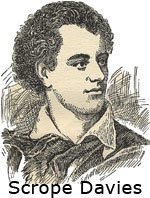
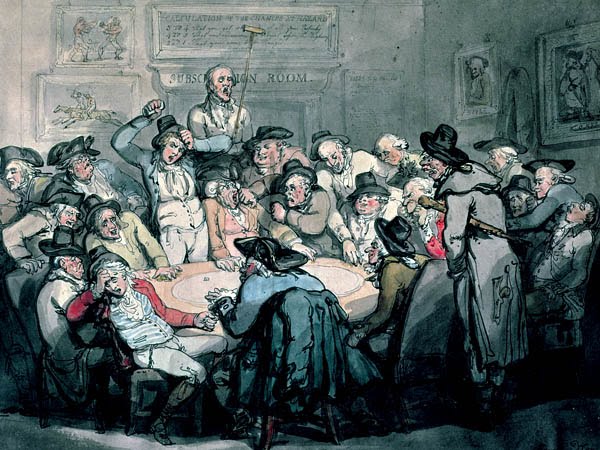
Scrope Davies, the witty gambler and friend of Byron, was lying on his death bed. He had seriously taken leave of his physician who told him that he could not live beyond eight O clock next morning . Exerting the small strength left to him he called the doctor back. Doctor, he whispered, “I will bet you five guineas I live till nine”.
Xxx
No Conundrum, Please!
A clergyman came to a man near to death and said,
Dear friend, do you know who died to save you?
O, meenister, meenister, said the dying man, is this a time for conundrums?
Xxx
Beautiful Crucifix
Alonzo Cano , a Spanish artist, when a presented to him a crucifix badly executed , turned his eyes away and refused to look at it , but when one of good workmanship was brought to him, he devoutly embraced it and expired.
Xxxx
wikipedia picure
Voice of War while Dying
When the chieftain Rob Rroy Mac Gregor was on his death bed, a gentleman whom he had reason to consider as an enemy came to see him. On being requested to admit the visitor to his bed side he said,
No enemy shall see Rob Roy in the posture of defeat, raise me up, put on my clothes, buckle in my arms, then admit him. He was obeyed: the guest was received with cold civility by the dying man, and in short time departed.
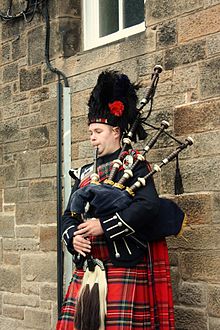
Now, said Rob Roy— now help me to bed, and call in the piper.
The piper appeared; Rob Roy shook hands with him, and desired him to play
“Cha tuile mi tuile adgh” and not to cease while he continued to breathe. He soon expired,with the voice of war pealing around him.
Pictures are taken from various sources for spreading knowledge; this is a non- commercial blog.
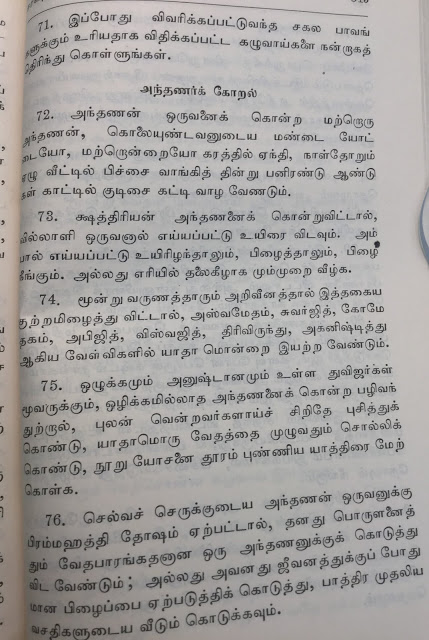
மநு நீதி நூல் – பகுதி48
மானவ தர்ம சாஸ்திரம் என்னும் மனு நீதி நூலில் வெற்றிகரமாக பத்து அத்தியாயங்களை முடித்து 11ஆவது அத்தியாயத்தில் நுழைகிறோம். முதல் நூறு ஸ்லோகங்களைக் காண்போம். இந்த அத்தியாயம் பிராயச்சித்தம் என்னும் கழுவாய் பற்றிப் பேசுகிறது. முக்கியமான விஷயம் இதில் பெரும்பாலனவை பிராமணர்களுக்கானது .
முதலில் சுவையான விஷயங்கள் புல்லட் (bullet points) பாயிண்டுகளில் :–
ஸ்லோகம் 11-76 TO 78
சரஸ்வதி நதியில் நீரோட்டத்துக்கு எதிராக நதி உற்பத்தியாகும் இடம் வரை நடக்கவேண்டும் என்பது ஒரு தண்டனை/ பிராயச் சித்தம். இதிலிருந்து இவர் சிந்து- சரஸ்வதி நாகரீக காலத்தவர் அல்லது அதற்கு முந்தியவர் என்பது தெளிவாகிறது. ஆகவே இவர் பாபிலோனிய ஹமுராபிக்கும் முந்தையவர். உலகத்தில் முதல் முழு நீள சட்டப் புஸ்தகத்தை எழுதிய நிபுணர். ஆனால் எல்லா புராணங்களையும் அப்டேட் UDATE செய்தது போலவே மனு நீதியையும் புதுப்பித்திருக்கின்றனர். வேதம் சொல்லிக்கொண்டே நுறு யோஜனை / 1000 மைல் நடக்க வேண்டும் என்பது இன்னும் ஒரு பிராயச் சித்தம். இவை அனைத்தும் பிரமணர்களுக்கான கடும் தண்டனைகள். tamilandvedas.com, swamiindology.blogspot.com
தீவிர பிராமண ஆதரவு சுங்க வம்சம் (Sunga Dynasty) வரை அப்டேட் UPDATE ஆனதால் பிராமண ஆதரவு ஸ்லோகங்களையும் காண முடிகிறது.
ஸ்லோகம் 11-91/99
குடிகார பிராமணர்களுக்கு கடும் தண் டனை விதிக்கிறார் மநு .
ஸ்லோகம் 11-33
பிராமணர்களின் ஆயுதம் வாக்கு தான் ; அவர்கள் அதர்வ வேதத்தைக் கொண்டு எதிரிகளை விழுத்தட்டலாம் என்கிறார் . எதிரிகளை ஒழிக்க அதர்வண வேதத்தைப் பயன்படுத்து என்று அறிவுறுத்துகிறார்.
ஸ்லோகம் 11-65 & 11-69
மரங்களை வெட்டுவது தவறு; ஒட்டகம் கழுதை போன்ற பிராணிகளைக் கொல்வது தவறு என்கிறார். இதிலிருந்து 3000 ஆண்டுகளுக்கு முன்னரே புறச் சூழல் பற்றி கவலைப்பட்டதும், அஹிம்சையைப் பின்பற்றுவதே நல்லது என்ற உணர்வும் இருந்ததை அறியலாம்.
ஸ்லோகம் 11-15
திருவள்ளுவர் சொல்லுவது (குறள் 1077, 1078) போல மனுவும் கருமிகளின் கையை முறுக்கி முகவாய்க் கட்டையில் குத்து விட்டுப் பொருட்களை பறித்து நல்ல பணிகளுக்கு கொடுப்பதில் தவறு இல்லை என்கிறார் . அதாவது பணக்கரர்களைக் கொள்ளையிட்டு ஏழைகளுக்கு கொடுத்த ராபின்ஹுட் (Robin Hood) ஆக மாறலாம் என்பார் tamilandvedas.com, swamiindology.blogspot.com
.
பாவ மன்னிப்பு (Confession) ஓ.கே. என்று ஆதரவு தருகிறார். பலர் முன்னிலையிலும் தவற்றை ஒப்புக்கொண்டு மன்னிப்பு கேட்டால் விட்டுவிடலாம் என்பது மனுவின் மனிதாபிமாதைக் காட்டுகிறது.
ஸ்லோகம் 11-1/2 ஒன்பது விதமான பிராமணர் களுக்கு உதவி செய்யவேண்டும் என்று ஆதரவு தருகிறார்.
ஸ்லோகம் 11-55 பஞ்ச மஹா பாதகங்கள் என்ன என்பதை விளக்குகிறார்.
ஸ்லோகம் 11-49 to 11-54 என்னென்ன பாவங்களுக்கு என்னென்ன நோய்கள் வரும் என்று பட்டியல் தருகிறார். தற்கால டாக்டர்கள் இதை ஒப்புக்கொள்ள மாட்டார்கள். இது சரஸ்வதி நதி தீர நாகரீக நம்பிக்கை என்பதை நாம் நினைவிற்கொள்ள வேண்டும்.
பசுவைக் (11-60) கொன்றால் , பிரமணனைக் (11-55) கொன்றால், தங்கத்தைத் திருடினால் (11-49) , தகாத முறையில் பாலியல் உறவு கொண்டால் என்ன தண்டனை என்றும் விளம்புகிறார் . ஒரு தண்டனை 12 ஆண்டுகள் வனவாசம் செய்ய வேண்டும் மண்டை ஓட்டுக்(11-73) கொடியுடன்!
11-36 யாருக்குப் புரோகிதம் செய்யும் தகுதி உண்டு என்றும் வரையறுக்கிறார். tamilandvedas.com, swamiindology.blogspot.com
11-25 பிராமணன் யாகத்துக்கான பொருளுதவியைத் தவறாகப் பயன்படுத்தினால் பிணம் தின்னும் கழுகாகவோ காகமாகவோ பிறப்பான் என்று எச்சரிக்கிறார்













 Tamil and Vedas