புத்தரும் அற்புதங்களும்! (Post No.5178)

Written by S NAGARAJAN


Date: 4 JULY 2018


Time uploaded in London –   5-23 AM (British Summer Time)


Post No. 5178


Pictures shown here are taken from various sources such as Facebook friends, Wikipedia, Books, Google and newspapers; thanks. Pictures may be subject to copyright laws.


புத்த தரிசனம்

புத்தரும் அற்புதங்களும்!


ச.நாகராஜன்
புத்தர் அற்புதங்களுக்கு என்றுமே மதிப்பு கொடுத்ததில்லை. ஆனால் மக்களோவெனில் அற்புதங்களைக் கண்டு வியந்தனர்.

அதைச் செய்பவர்களைப் போற்றி வணங்கினர்.

புத்தர் பெறுதற்கரிய பெரும் ஞானத்தை அடைந்தவர். விபாசனம் (உள்ளொளி) கண்டவர். நிர்வாணத்தை அடைந்தவர். அவருக்கு அற்புதங்கள் ஒரு பொருட்டல்ல.

மந்திரவாதியாக இருந்து மாயாஜாலங்களை மக்களுக்கு முன்னே நிகழ்த்துவதை அவர் அறவே வெறுத்தார். அற்புதங்கள் உள்ளொளியைக் காண உதவாது என்பதை அவர் அறிந்தார்.

பிந்தோல பாரத்வாஜர் என்பவர் செய்த அற்புதங்களை அவர் விரும்பவில்லை. அது தவறு என்று சொன்னார்.

ஒரு நாள் நாலந்தா நகருக்கு அருகில் இருந்த மாந்தோப்பான பாவாரிகாவில் அவர் தங்கியிருந்தார். கேவத்தா என்ற பெயருடைய ஒரு இல்லறத்தான் புத்தரை அங்கு வந்து தரிசித்தார்.

அவரது பக்கத்தில் நின்று அவரை வணங்கியவாறே கேவத்தா கூறினார் :”ஐயனே! நாலந்தா இப்போது பெரிய நகரமாக வளர்ந்து விட்டது. வளம் வாய்ந்ததாக இருக்கிறது. அங்குள்ள மக்கள் தங்களை மிகவும் மதித்துப் போற்றுகின்றனர். ஆகவே, இப்போது உங்களின் சீடர்களில் யாரேனும் ஒருவர் நாலந்தா நகரில் மக்கள் பார்க்கும் படி அற்புதங்களைச் செய்தால் அவர்கள் இன்னும் அதிகமாக உங்களை வியந்து போற்றி வணங்குவர். உங்கள் சீடர்களில் ஒருவரை அப்படிச் செய்யும் படி தாங்கள் சொல்வீர்களா?”

புத்தர் கேவத்தாவைப் பார்த்துக் கூறினார் :”கேவத்தா! எனது சீடர்கள் யாரையும் மனித ஆற்றலை மிஞ்சிய அபூர்வ சக்திகளைக் காட்டி சாமான்ய மக்களின் நன்மைக்காக அற்புதங்கள் செய்யப் பணித்ததில்லை. பணிக்கமாட்டேன்.”

கேவத்தா பணிவுடன் மூன்று முறை தனது வேண்டுகோளை திருப்பித் திருப்பிச் சொன்னார்.புத்தர் மூன்று முறையும் அவரது வேண்டுகோளை நிராகரித்தார்.

புத்தரின் வாழ்வில் இன்னொரு சுவையான நிகழ்ச்சியும் நடந்தது.
 

நதிக்கரையோரம் ஒரு சமயம் புத்தர் தன் சீடர்களுடன் தங்கி இருந்தார். படகோட்டி அக்கரையிலிருந்து இக்கரைக்கு பயணிகளை ஏற்றி வந்து கொண்டிருந்தான்.

அப்போது ஜடாமுனியுடன் இருந்த ஒரு துறவி புத்தருக்கு முன்னால் வந்தார். அவரைச் சற்று ஏளனமாகப் பார்த்தார்.

பின்னர் அனைவரும் பார்க்கும்படி ஆற்று நீரின் மேல் தனது பாதங்களை வைத்து நடக்க ஆரம்பித்தார். அனைவரும் பிரமிப்புடன் பார்த்தவாறு இருக்க அவர் அக்கரை சென்று சேர்ந்தார்.

இதைப் பார்த்த சீடர்களில் ஒருவர்,” ஐயனே! அதோ அந்த துறவி போல நீங்களும் இப்படிச் செய்ய வேண்டும் என நாங்கள் விரும்புகிறோம்” என்றார்.

புத்தர், “அட! என்ன நீ சொல்கிறாய்? இது மதிப்பே இல்லாத ஒரு விஷயம். பொறு! இப்போதே உனக்கு இதன் மதிப்பு எவ்வளவு என்று காண்பிக்கிறேன்” என்றார்.

அந்தச் சமயம் இக்கரைக்கு வந்து பயணிகளை இறக்கி விட்ட படகோட்டியை அவர் அழைத்தார்.

அவரை நோக்கி புத்தர்,” அக்கரைக்குப் பயணியை ஏற்றிச் சென்றாயே! அவர் உனக்கு எவ்வளவு கொடுத்தார்?” என்று வினவினார்.

“அவர் அரை மஸாகா (அரை பைசா)கொடுத்தார்” என்றார் படகோட்டி.

புத்தர் தன் சீடரை நோக்கினார்:”பார்த்தாயா! அந்த துறவி ஆற்றைக் கடந்தாரே அது அரை பைசா மதிப்பைத் தான் கொண்டது. ஆனால் இந்த யோக சித்தியை அடைய அவர் நெடுங்காலம் தன் உடலை வருத்தி இருக்க வேண்டும். மக்களின் நலனுக்காகச் செலவழிக்க வேண்டிய எனது நேரத்தைப் பயன்படுத்தி அரை பைசாவில் செய்து முடிக்கக் கூடிய இந்தக் காரியத்தை நான் ஏன் செய்ய வேண்டும்?”


பொதுவாக மக்கள் தங்களைச் சுற்றி இருப்பவர்களின் உண்மையான மதிப்பை எப்போதுமே அறிவதில்லை.

மலினமான பரபரப்பான அற்புதங்கள் போன்றவற்றிற்கு பெரிய மதிப்புத் தருகின்றனர். அற்புதங்களைச் செய்பவர்களை அதீத மனிதராகக் கருதுகின்றனர்.

ஆனால் புத்தரோ தனது ஞானத்தாலும் உள்ளொலியாலும் உயரிய நிர்வாணத் தன்மையாலும் மக்களுக்கு உண்மையைப் போதித்தார். அற்புதங்கள் ஆற்றுவதை அவர் விரும்பவில்லை.

பெரிய உளவியல் நிபுணர் போல மக்களின் நாடித் துடிப்பை அறிந்து அவர்களை எப்போது மக்கள் சேவையில் பணியாற்றத் தயாராக இருக்குமாறு செய்தார்.

புத்த தரிசனம் ஒன்றே அவர்களை நல்வழிப் படுத்தியது!

***
HOW DID SHIVA GET TIGER SKIN? (Post No.5177)

Compiled by London swaminathan


Date: 3 JULY 2018


Time uploaded in London –   18-52 (British Summer Time)


Post No. 5177


Pictures shown here are taken from various sources such as Facebook friends, Wikipedia, Books, Google and newspapers; thanks. Pictures may be subject to copyright laws.

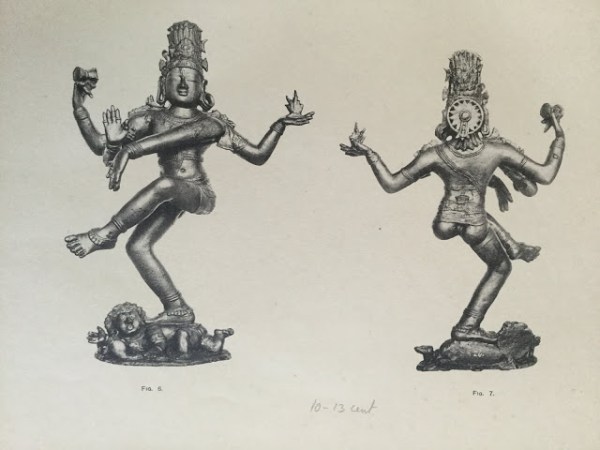
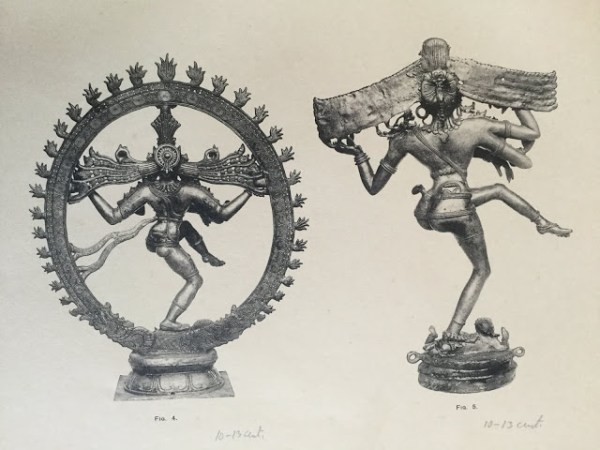
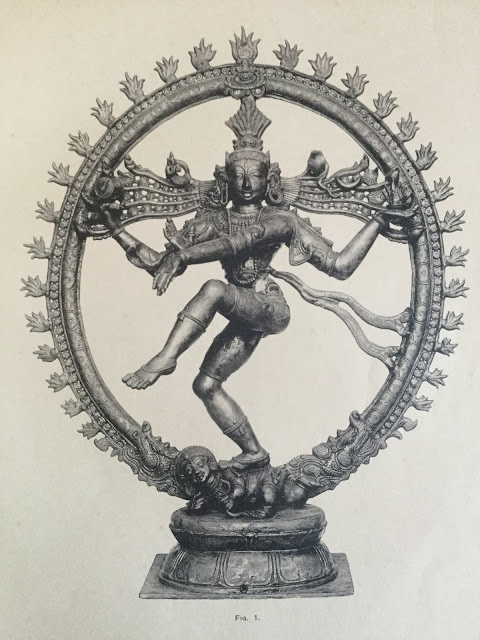
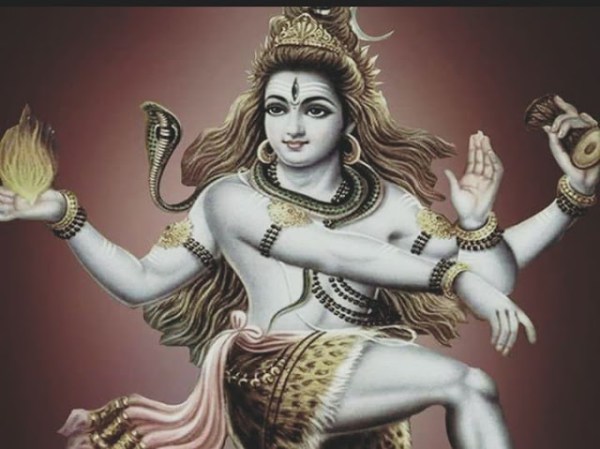
NATARAJA is the cosmic dancer. Shiva is represented in dancing form. He is four armed and has flowery braided locks ending in tight curls and whirling in the dance.


On the proper right side, In the flying hair, is a figure of Ganga represented as a ‘nagini’, on the left a cobra and the crescent moon. The head dress contains a skull and terminates in a fan of cassia leaves.; a pearl fillet encircles the forehead. a man’s earring is worn on the proper side and a woman’s on the left.


Of the four hands the rear right holds a drum (udukkai), the rear left a flame in a dish. The front right is in ‘Abaya mudra’ (do not fear gesture), the front left hand points to the lifted foot. Amongst the many ornaments are small bells tied round the calf of the leg. The whole figure is enclosed in a fiery arch (tiruvaasi), arising from the mouths of a pair of addorsed makaras, established on a lotus pedestal (padmasna).

Why?

“A legend is told in explanation of this dance (in the Tamil Peria Puranam) as follows:

In the forest of Taaragam there dwelt multitudes of heretical rishis, followers of the Mimaamsa. Siva proceeded there to confute them, accompanied by Vishnu disguised as a beautiful woman, and by Vishnu’s servant Aati Sesan, the naga Ananta.


The sages were at first led to dispute amongst themselves, but their anger was soon directed against Lord Siva, and they endeavoured to destroy Him by incantations
A fierce tiger was produced in the magic fires, and rushed upon Him. But he seized it in his hand stripped off its skin with the nail of his little finger, and wrapped it himself about as a garment.


The sages renewed their offerings , and produced a monstrous serpent , which Siva took in His hands and wreathed about his neck like a garland. Then he began to dance, but there rushed upon Him a last monster in the shape of a malignant dwarf, Muyalaka. Upon him the god pressed his the tip of his foot, and broke the creatures back, so that it writhed upon the ground, then he resumed the dance, beheld of God’s and Rishis.
On this occasion. Ati sesan obtained the boon to behold the dance again in Tillai, sacred Chidambaram, the centre of the universe.”
Symbolic Representation


More significant than the details of this legend, are the interpretations constantly referred to in the Saiva hymns. The dance called ‘Naadaanta’, represents the movement of energy within the universe. It is Siva’s Five Activities, ‘Creation, Preservation, Destruction, Embodiment and Release’. The drum is for Creation, through sound which for Hindus has always a moulding force on the material environment, the flame for Destruction by fire. The dwarf is Illusion, Plural Perception , the fetters of Time, Space and Casuality, the sense of Egoity, in general ‘Avidya’.


–Ananda Coomaswamy about the Museum pieces in Colombo Museum, Year 1914.


–Subham–

Dullness Anecdotes (Post No.5176)

Compiled by London swaminathan


Date: 3 JULY 2018


Time uploaded in London –   12-11 (British Summer Time)


Post No. 5176


Pictures shown here are taken from various sources such as Facebook friends, Wikipedia, Books, Google and newspapers; thanks. Pictures may be subject to copyright laws.


Lincoln was told of a profound historian.
“It may be doubted whether any man of our generation has plunged more deeply into the sacred fount of learning”
“Yes or come up drier”, said Lincoln.
Xxx

Great Bore!

One day one of the greatest bores of the Players Club said to Oliver Hereford,
“Oliver, I have been grossly insulted. Just as I passed that group over there I over heard someone say he would give me fifty dollars to resign from the club”.
“Hold out for a hundred, counselled Mr. Herford, you will get it.”

Xxx


JOHNSON READY TO WAIT

A gentleman who introduced his brother to Dr Johnson was desirous of recommending him to his notice; which he did by saying,
When we sat together sometime, you will find my brother growing very interesting.”
Sir. Said Dr Johnson
“I can wait”.
Xxx

PIN Without Head or Point

To a very thin man who had been boring him, Douglas Jerold said,
“Sir,you are like a pin, but without either it’s head or it’s point.”
Xxx


ARISTOTLE AND CHATTERBOX
An impertinent chatterbox, entertaining Aristotle, the philosopher, with a tedious discourse and observing that he did not much regard him, made an apology, that he was afraid he had interrupted him.

‘No really’, replied the philosopher, ‘you have not interrupted me at all , for I have not minded one word you said’.
Xxx

TIRESOME

Talleyrand was asked if a certain authoress whom he had long since known, but who had belonged rather to the last ag , was not, a little tiresome.
‘Not at all, said he, she was perfectly tiresome’.

Xxx

SLEEPY NOVELS

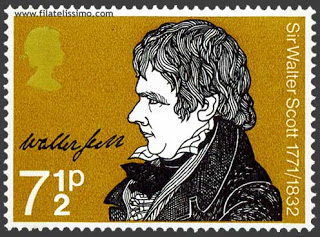
Sir Walter Scott’s faithful servant Tom said to him one day,
Them are fine novels of yours; they are invaluable to me. When I come home very tired, and take up , one of them , I am asleep directly.

Xxxx


Only One Idea!

Speaking of a dull, tiresome fellow whom he chanced to meet, DrJohnson said,
“That fellow seems to possess but one idea, and that is a wrong one”.

Xxx
The modest Joseph Addition was accused by a lady of being dull and heavy in conversation.
Madam, he replied, with great dignity, I have only nine pence in my pocket, but I can draw for a thousand pounds.
Xxxxx  SUBHAM xxx

விஞ்ஞான விளக்கம்- பிரம்ம முகூர்த்தம்-2 (Post No.5175)

Written by London swaminathan


Date: 3 JULY 2018


Time uploaded in London –   11-19 am (British Summer Time)


Post No. 5175


Pictures shown here are taken from various sources such as Facebook friends, Wikipedia, Books, Google and newspapers; thanks. Pictures may be subject to copyright laws.


பொழுது புலர்ந்தது யாம் செய்த தவத்தால்

புன்மை இருட்கணம் போயின யாவும்

எழுபசும் பொற்சுடர் எங்கனும் பரவி

எழுந்து விளங்கியது அறிவெனும் இரவி


பாரதியாரின் திருப்பள்ளி எழுச்சி

நேற்றைய கட்டுரையில் பிரம்ம முஹூர்த்தம் பற்றிய தமிழ்ப் பாடல்களைக் கொடுத்தேன். இன்று சில ஸம்ஸ்க்ருத பாடல்களையும் காண்போம்.


எல்லா சங்கராச்சார்ய, சாது, சந்யாஸி மடங்களில் அனைவரும் அதிகாலை4-30 மணிக்கு எழுந்து அனுஷ்டானங்களைத் தொடர்கின்றனர். நாடு முழுக்க ஆர். எஸ்.எஸ் காரர்கள் நடத்தும் முகாம்களில் எல்லோரையும் 4-30 மணிக்கு எழுப்பி விடுகிறார்கள். இந்த நேரத்தில் மனம் மிகத் தெளிவாக இருக்கும். படித்ததும், செய்யும் பயிற்சியும் பன்மடங்கு பலன் தரும்.

விஹாங்க யோகம் என்பதை பரப்பிவரும் சத்குரு தரம் சந்திர தேவ்ஜி, அதிகாலையில் எழுந்திருப்பதோடு பிரஹ்ம முஹூர்த்தத்தின் சிறப்பையும் எடுத்துக்காட்டியுள்ளார் அமிர்த வேளை எனப்படும் நேரத்தில் மனதும் தூய்மையாக இருக்கிறது. வெளியிலுள்ள புறச்சூழலும் தூய்மையாக இருக்கிறது; இதனால் புத்துணர்வு பிறக்கிறது. எதையும் எளிதாகச் செய்ய முடிகிறது என்கிறார்.


இதை அறிவியலும் ஒப்புக்கொள்கிறது.

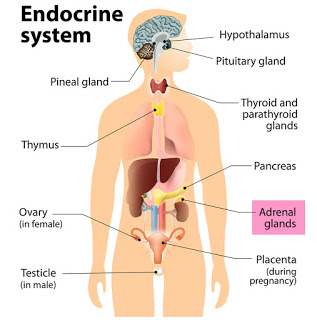
மனிதர்கள் நல்ல ஆரோக்கியமாக வாழ உடலிலுள்ள நாளமில்லாச் சுரப்பிகள் சில வகை ஹார்மோன்களைச் சுரக்கின்றன. இதில் ஒன்று பிளாஸ்மா கார்டிசால் (PLASMA CORTISOL). இது மன உளைச்சல், மன வடு ஆகியவற்றிலிருந்து விடுபட உதவி செய்கிறது ஏ.ஸி.டி.எச். (ACTH) என்பதன் செல்வாக்கில் ADRENAL அ ட் ரினல் கார்டெக்ஸிலிருந்து இது சுரக்கும். இந்த ஏ.ஸி.டி.எச். காலையில் அதிகமும் மாலையில் குறைவாகவும் சுரப்பது ஆராய்ச்சியில் நிரூபிக்கப்பட்டுள்ளது. ஆகையால் காலையில் படிக்கக்கூடிய விஷயங்களை அதிகம் நினைவு வைத்துக் கொள்ள முடியும்.


ஆயுர்வேத கணக்குப்படி காலை நேரம் வாத கட்டுப்பாட்டிலுள்ள நேரம் (வாதம், பித்தம், கபம் என்பன மூன்று வகை தோஷங்கள் அல்லது குணங்கள்)


சுவாமி நித்யானஎந்தாவும் பிரஹ்ம முஹூர்த்த்தின் சிறப்பை விதந்து ஓதுகிறார்.


பிரஹ்ம முஹுர்த்தே உத்திஷ்டதேத் ஸ்வஸ்தே ரக்ஷார்த்தம் ஆயுஷே

தத்ர ஸர்வதா சாந்த்யர்த்தம் ஸ்மரேச்ச மதுசூதனம்

-அஷ்டாங்க ஹ்ருதயம்


பொருள்; ஒவ்வொருவரும் பிரஹ்ம  முஹூர்த்தத்தில் எழுந்திருப்பதானால் நீண்ட ஆயுளையும் ஆரோக்கியமான வாழ்வையும் அமைதியையும் பெறலாம். மது சூதனனையும் சிந்திப்பாயாக

ஆயுர்வேத கணக்குப்படி

மாலை 6 மணி முதல் இரவு 10 மணிவரை- கப ஆதிக்கம்

இரவு 10 மணி முதல் இரவு 2 மணிவரை- பித்த ஆதிக்கம்

இரவு 2 மணி முதல் காலை 6 மணிவரை- வாத ஆதிக்கம்

வாதத்தின் ஆதிக்க காலமே யோகப் பயிற்சிகளுக்குச் சிறந்தது.


சீக்கியர்களும் பௌத்தர்களும்


சீக்கியர்கள் ஒரு நாளை எட்டு, ‘மூன்று மணிக்கூறு’களாக (8×3 = 24) பிரித்து அதி காலை மூன்று மணி நேரமே சிறந்தது என்பர்.

பௌத்தர்கள் இந்து தர்மம் சொன்ன யோகத்தையே பின்பற்றுவதால் அதிகாலையில் எழுந்தே பயிற்சி செய்வர்.

இஸ்லாமும் முதல் பிரார்த்தனை அறைகூவலை சூர்யோதயத்துக்கு முன்பாகவே செய்கிறது.


இந்துக்களின் கணக்குப்படி

ஒரு நாழிகை என்பது 24 நிமிஷம்;

ஒரு நாளில் 60 நாழிகைகள்;

ஒரு முஹூர்த்தம் என்பது 48 நிமிஷங்கள்.


கட்டுரையாளர்,—- ஆயக்குடி சுவாமிஜி கிருஷ்ணா அவர்கள் செய்துவந்த கணபதி ஹோமங்களுக்குச் செல்வதுண்டு. அவர் வாழ்நாள் முழுதும் சூர்யோதயத்துக்கு முன்னால் – கிட்டத்தட்ட காலை 5 மணி அளவில் ஹோமத்தை முடித்து விடுவார். அந்த நெய்ப்புகை மணம் காற்று ம

ண்டலத்தையும் மனதையும் தூய்மைப் படுத்தும்


இவ்வாறு பல பலன்களைத் தரும் பிரஹ்ம முஹூர்த்ததில் படிப்பது மாணவர்களுக்கு நன்மை பயக்கும். இதற்கு முதல் படியாக இரவு ஒன்பது மணிக்குத் தூங்கச் செல்ல வேண்டும். அதற்கு முதல் படியாக டெலிவிஷன், மொபைல் போனை அணைத்துவிட்டு புஸ்தகம் வாசிக்கத் துவங்க வேண்டும். நித்திரை தேவி நம்மை ஆட்கொள்வது நிச்சயம். காலை 4 மணிக்கு படுக்கையிலிருந்து துள்ளி எழலாம்! இது எனது 20, 30 ஆண்டு அனுபவம். இரவுச் சாப்பாட்டை இரவு 7 மணிக்குள் முடித்தால்தான் தூக்கமும் வரும்; நேரம் கழித்துச் சாப்பிட்டு உடனே உறங்கப் போனால் ‘துக்கம்’ வரும் தூக்கம் வராது; அனுபவ உண்மை.

பிரஹ்ம முஹூர்த்தம் வாழ்க!

Previous Article:

பிரம்ம முகூர்த்தம்- வைகறை துயில் எழு- அவ்வையார் -Part 1(Post No.5172)


–சுபம்–

ஐந்து ஐந்தாக உள்ள விஷயங்கள்! – 1 (Post No.5174)

Written by S NAGARAJAN


Date: 3 JULY 2018


Time uploaded in London –   5-49 AM (British Summer Time)


Post No. 5174


Pictures shown here are taken from various sources such as Facebook friends, Wikipedia, Books, Google and newspapers; thanks. Pictures may be subject to copyright laws.


சம்ஸ்கிருத செல்வம்


ஐந்து ஐந்தாக உள்ள விஷயங்கள்! – 1


ச.நாகராஜன்


சம்ஸ்கிருதத்தில் உள்ள லட்சக்கணக்கான பாடல்களில் உள்ள ஒரு சிறப்பு பல விஷயங்களை எளிதாக மனனம் செய்யுமளவு அவை அடுக்கடுக்காக சொல்லப்பட்டிருக்கும் ஸ்லோகங்கள் நிறைய இருப்பது தான்!


இப்படி இரண்டு, மூன்று, நான்கு, ஐந்து போன்ற எண்ணிக்கையில் உள்ளவற்றை வரிசையாக சொல்லப்பட்டிருக்கும் ஸ்லோகங்கள் தனியே தொகுக்கப்பட்டுள்ளன.


இங்கு ஐந்து ஐந்தாக உள்ள சில விஷயங்களைப் பார்க்கலாம்.

அக்ஷய நிதி 5

அழியாத செல்வங்கள் ஐந்து. அவை எவை?

சீலம் – ஒழுக்கம்

சௌர்யம் – வீரம்

அனாலஸ்யம் – சுறுசுறுப்பு

பாண்டித்யம் – சிறந்த மேதையாக இருக்கும் படிப்பு

மித்ர சங்க்ரஹம் – நல்ல நண்பர்களின் இணக்கம்

Conduct, Valour, Briskness, Scholarship, Association of friends -இந்த ஐந்தும் அழியாத செல்வங்கள். அக்ஷய நிதி.


சீலம் சௌர்யமனாலஸ்யம் பாண்டித்யம் மித்ரசங்க்ரஹம்|

அசோரஹரணீ யானி பஞ்சைதான்யக்ஷயோ நிதி||

– சுபாஷித ரத்னாகர பாண்டாகாரம்  158/243

துதிக்க வேண்டிய அக்னி 5

பிதா – தந்தை

மாதா – தாய்

அக்னி – தீ

ஆத்மா – ஆத்மா

குரு – ஆசான்

இந்த ஐவரும் வணங்கப்பட வேண்டியவர்கள்.


பஞ்சாக்னயோ மனுஷ்யேன பரிசார்யா: ப்ரயத்னத: |

பிதா மாதாக்னிராத்மா ச குருச்ச பரதர்ஷப: ||

  • விதுரநீதி 1 -179

மீமாஸத்தின் அங்கங்கள் (பிரிவுகள்)

விஷயா – பொருள்

விஷய – சந்தேகம்

பூர்வபக்ஷம் – முதல் நோக்கில் தெரிவது

உத்தரபக்ஷம் – பதில்

சித்தாந்தம் – முடிவு

Topic, Doubt,Prima Facie, Reply, Conclusion -ஆகிய இந்த ஐந்துமே மீமாஸ்த்தின் அங்கங்கள்


விஷயோவிஷயச்சைவ பூர்வபக்ஷச்தயோத்தரம் |

நிர்ணயச்சேதி பஞ்சாங்க: சாஸ்த்ரேதிகரணம் ஸ்ம்ருதம் ||

சர்வதர்ஷன் கௌமுதி


யாகம்

தேவா – கடவுள்

ஹவிர்த்ரவ்யம் – யாகத்தின் திரவியங்கள்

மந்த்ரம் – மந்திரம் (ரிக், யஜுர், சாமம்)

ரித்விக் – குருக்கள்

தக்ஷிணா – தக்ஷிணை


தேவானாம் த்ரவ்ய ஹவிஷாம்ருக்சாமயஜுஷாம் ததா|

ருக்த்விஜாம் தக்ஷிணானாம் ச சம்யோகே யக்ஞ உச்யதே ||

பஞ்சாங்கம் (காலண்டர்)

திதி – நாள்

வாரம் – வாரம்

நக்ஷத்ரம் – நக்ஷத்ரம்

யோகம் – இரு நக்ஷத்ரங்களின் கூட்டில் உள்ள காலம்

கரணம் – கரணம்


திதி வார நக்ஷத்ரம் யோக: கரணமேவ ச |

தத்பஞ்சாங்கமிதி  ப்ரோக்தம் ||

-சப்தகல்பத்ரும:

உணர்ச்சியை வெளிப்படுத்தும் உடல் அங்கங்கள்

சித்தம்  – மனம்

அக்ஷி    – கண்கள்

ப்ரு       – கண் இமைகள்

ஹஸ்தம் – கைகள்

பாதம்   – கால்கள்

Mind,Eyes,Eyebrows,Hand, Feet  ஆகிய இந்த ஐந்து உடல் பாகங்களும் உணர்ச்சிகளை வெளிப்படுத்திக் காட்டுபவை.


சித்தாக்ஷிப்ரூஹஸ்தபாதைரங்கசேஷ்டாதி சாப்யத: |

பாத்ராத்யவஸ்தாகரணம் பஞ்சாங்கோபினயோ மத: || –

மாளவிகாக்னிமித்ரத்திற்கு காதயவேமா எழுதிய பாஷ்யம் 1.6/7


ஐந்து ஐந்தாக இப்படித் தொகுத்துக் கூறும் பாடல்கள் ஏராளம் உள்ளன. மேலும் சிலவற்றை அடுத்துப் பார்ப்போம்.

***

எலிச் செட்டியார் கதை! (Post No.5173)

Written by London swaminathan


Date: 2 JULY 2018


Time uploaded in London –   14-53 (British Summer Time)


Post No. 5173


Pictures shown here are taken from various sources such as Facebook friends, Wikipedia, Books, Google and newspapers; thanks. Pictures may be subject to copyright laws.


“வணிகர்க்கழகு வளர் பொருளீட்டல்” என்று வெற்றி வேற்கையில் அதிவீர ராம பாண்டியன் கூறுகிறார்.


கதாசரித் சாகரம் என்னும் உலகின் முதல் பெரிய கதைத் தொகுப்பு நூல் ஒரு சுவையான கதையைச் சொல்கிறது இது ஒரு ஸம்ஸ்க்ருத நூல்; கதைக் கடல் என்ற பெயரில் தமிழிலும் கிடைக்கும்.


வர்த்தகர்கள் கிடைக்கும் சிறு லாபத்தையும் மேலும் மேலும் முதலீடு செய்து வணிகத்தையும் லாபத்தையும் வளர்ப்பார்கள்.


பாடலிபுத்ரம் (பாட்னா, பீஹார்) நகரில் முன்னொரு காலத்திலொரு ஏழைச் செட்டி மகன் இருந்தான். அவன் பிழைக்க வழி ஏது என்று கருதிக் கொண்டிருந்தபோது ஒரு செத்துப் போன எலியைக் கண்டான். அதைக் கையில் தூக்கிக் கொண்டு போனபோது ஒருவன் பூனையைக் கையில் வைத்துக் கொண்டிருப்பதைக்  கண்டான். பூனைக்கு எலி மாமிசம் பிடிக்குமே விலைக்கு வேண்டுமா? என்று வினவினான். உடனே அவன் என்னிடம் இரண்டு உழக்கு பச்சைக் கடலை மட்டுமே உளது என்றான்.


அதற்கென்ன, ரொம்ப பேஷ்! இந்தா எலி என்று பண்டம் மாற்று செய்தான். அதைச் சுண்டல் சுண்டி ஒரு சாலை ஓரத்தில் கடை விரித்தான்.

அருகில் ஒரு தண்ணீர் பானையும் வைத்தான். சாலையில் விறகு சுமந்து செல்லுபவர்கள், “அப்பா, சுண்டல் என்ன விலை?” என்று வினவ, “அவன் பணம் ஏதும் வேண்டாம்’ ஆளுக்கு இரண்டு விறகு கொடுங்கள் போதும்” என்று சுண்டலைப் பொட்டலம் போட்டுக் கொடுத்தான். அத்தோடு இன்னும் கொஞ்சம் சுள்ளிகளைப் பொறுக்கிச் சேர்த்து நாலணாவுக்கு விற்றான். பின்னர் அதற்குச் சுண்டல் கடலை வாங்கி பொட்டலம் போட்டு விற்கவே ஒரு மாதத்தில் ஏழரை ரூபாய் கிடைத்தது.


பிறகு விறகு வியாபாரத்தை ஒரு வருஷம் செய்யவே 300 ரூபாய் கிடைத்தது. பிறகு கடையை பெரிதாக்கி ஐந்தே வருஷங்களில் ஆயிரம் ரூபாய் லாபம் சம்பாதித்தான். பிறகு அதை முதலீடு செய்து மளிகைக் கடை வைத்தான். பத்தே வருஷங்களில் ஊரே மதிக்கும் படி பணக்காரச் செட்டியானான் இருபது வருஷத்துக்குள் மிகப் பெரிய பணக்காரனானவுடன் அரசன் கூட அவனிடம் கடன் வாங்க வந்து நின்றான். அவன் எலியின் மூலம் இவ்வளவு பணம் சம்பாதித்ததால் அவன் பெயரே ‘எலிச் செட்டியார்’ என்று பிரபலமானது.

இது சில ஆயிரம் ஆண்டுகளுக்கு முன், ஸம்ஸ்க்ருதத்தில்

எழுதப்பட்ட நூல். ‘சிறு துளி பெருவெள்ளம்’ என்ற பழமொழிக்கு எடுத்துக் காட்டு


இந்தக் காலத்திலும் கூட உலகின் மிகப் பெரிய பணக்காரர்       களில் ஒருவரான மித்தல் (Lakshmi Mittal) கதை இப்படித்தான்; பழைய இரும்புகளை வாங்கி விற்றவர், மூடப் போகும் இரும்பு ஆலைகளை வாங்கி லாபம் சம்பாதித்தார். பின்னர் பெரிய இரும்பு வணிகர் ஆனார். இன்று உலகின் பெரிய பணக்காரர்   பட்டியலில் அவர் பெயர் உள்ளது.

‘முயற்சி திருவினை ஆக்கும்’ ( திரு = ஸ்ரீ= செல்வம்)


சுபம்.

பிரம்ம முகூர்த்தம்- வைகறை துயில் எழு- அவ்வையார்- Part 1 (Post No.5172)

Written by London swaminathan


Date: 2 JULY 2018


Time uploaded in London –   10-49 am (British Summer Time)


Post No. 5172


Pictures shown here are taken from various sources such as Facebook friends, Wikipedia, Books, Google and newspapers; thanks. Pictures may be subject to copyright laws.


சூரிய உதயத்திற்கு முன்னருள்ள சுமார் இரண்டு மணி நேரம் பிரம்ம முஹூர்த்தம் என்னும் காலமாகும். ஆன்றோர்களும், சான்றோர்களும், சாதுக்களும், மஹான்களும், சந்யாசிகளும் சங்கராச்சார்யார்களும் எழுந்து இறைவனை வழிபடும் புனித நேரம் இது. விஞ்ஞானத்தாலும் போற்றப்படும் காலம் இது. தமிழ், ஸம்ஸ்க்ருத இலக்கியங்களில் இது வெகுவாகப் போற்றப்படுகிறது.


மஹா ப்ரெடெரிக் மன்னர், அக்பர் போன்றோர் பின்பற்றிய நெறிமுறை இது. “வைகறைத் துயில் எழு”– அவ்வையார் நமக்கு ஆத்திச்சூடி மூலம் கொடுத்த கட்டளை இது.


புத்தியதற்குப் பொருந்து தெளிவாக்கும்;

சுத்தநரம்பினாற் தூய்மையுறும்- பித்தொழியும்

தாலவழி வாத பித்தம் தத்தநிலை மன்னும்; அதி

காலைவிழிப்பின் குணத்தைக் காண்

என்று ஒரு புலவர் பாடிச் சிறப்பித்த காலம் இது.


ஆசாரக் கோவை என்னும் நூலும் இதைப் போற்றும்:-

வைகறை யாமம் துயிலெழுந்து தான்செய்யும்

நல்லறமும் ஒண்பொருளும் சிந்தித்து வாய்வதின்

தந்தையும் தாயும் தொழுதெழுக என்பதே

முந்தையார் கண்ட முறை

(ஆசாரக்கோவை– 41)


புலவர்கள் கூறும் கருத்து யாது?


புத்தி, சிந்தனை தெளிவாக இருக்கும்

நமது உடல் தூய்மையாக இருக்கும்

வாத பித்த, கபம் ஆகிய மூன்றும் சம நிலையில் இருக்கும்

இவை அதிகாலையில் விழித்தெழுவதன் பயன்களாம்.


ஆசாரக் கோவை சொல்கிறது

அதிகாலைப் பொழுதில் எழுந்து பெற்றோர்களை வணங்கி அன்றைய தினம் செய்யவேண்டிய செயல்களைப் பட்டியலிட்டு, அதற்கான வழிமுறைகளை தயாரிப்பது முன்னோர்கள் பினபற்றிய முறை.

ஒரு கட்டுரையாளர் ஒரு கணக்குப்போட்டு வைத்துள்ளார்:–

ஒருவன் நாள்தோறும் 5 மணிக்கும் மற்றொருவன் 7 மணிக்கும் எழுந்திருப்பதாக வைத்துக்கொள்வோம்; இவ்வாறு அவன் 40 ஆண்டுகள் செய்து வந்தால் 5 மணிக்காரனுக்கு 29,000 மணி நேரம் கூடுதலாக கிடைக்கும்!! எட்டு மணிக் காரனுடன் ஒபீட்டால் 43,500 மணி நேரம் கூடுதலாகக் கிடைக்கும். சிலர் இதை எதிர்த்தும் வாதிட முடியும். அதாவது இரவு படுக்கச் செல்லும் நேரத்தைத் தாமதித்தால் இந்த நேரத்தை ஈடுகட்டலாம் அல்லது கூடுதலாக வேண்டுமானாலும் பெறலாமே என்று.


ஆனால் நம் முன்னோர்கள் அதை ஏற்க வில்லை; காரணம் வெளிப்படை; ஒருவன் உறங்கி எழுந்தவுடன் இருக்கும் புத்துணர்ச்சி இரவில் படுக்கைக்குச் செல்லும் முன் இராது; கொட்டாவிகளும், நாள் முழுதும் நடந்த கெட்ட விஷயங்களின் சிந்தனையுமே அதிகரிக்கும்.

பறவைகளின் இனிய சங்கீதமும் குளிர்ந்த காற்றும் நம்மை நற் சிந்தனையில் ஆழ்த்தும் நேரம் பிரம்ம முகூர்த்தம் ஆகும்.


‘ஐயினி அக்பரி’ எழுதிய அபுல் பாசல், மாமன்னர் அக்பர் அதிகாலையில் துயில் எழுவதைக் குறிப்பிட்டுள்ளார். பாரதத்தின் முதல் பிரதமர் ஜவஹர்லால் நேரு காலை நாலு மணிக்கு எழுந்து சிரசாஸனம் செய்து வந்ததால் இறுதிவரை இளமைப் பொழிவுடன் வாழ்ந்தார். தற்போதைய பாரதப் பிரதமர் நரேந்திர மோடியும் அதிகாலை எழுந்து பணிகளைக் கவனிப்பதை அனைவரும் அறிவர்.

மஹா ப்ரெடெரிக் (Frederic the Great)

பிரஷ்யா (ஜெர்மனி அதைச் சுற்றியுள்ள பகுதிகள்) தேசத்தை ஆண்ட மஹா ப்ரெடெரிக் நமக்கு சுமார் 250 ஆண்டுகளுக்கு முன் வாழ்ந்தவர். அவர் வாழ்வில் நடந்த ஒரு சுவையான சம்பவம் இதோ:


“நான் மிகவும் தாமதமாக எழுந்திருப்பது நல்லதல்ல;

அதிகாலை நாலரை மணிக்கு என்னை எழுப்பி விடு என்று வேலைக்காரனுக்குக் கட்டளையிட்டார். மறுநாள் மன்னரின் கட்டளையை சிரமேற்கோண்டு அவனும் முயற்சி செய்தா ன் அவர் எழுந்திருக்கவில்லை. அது மட்டுமல்ல; இன்னும் பத்து நிமிஷம் மட்டும் தூங்குகிறேன் என்று சொல்லி தட்டிக்கழித்துக் கொண்டே இருந்தார். வேலைக்கரன் துணிவுடன் அவரைத் தட்டி எழுப்பினான். அப்போதும் அவர் கும்பகர்ணனாகவே இருந்தார். இறுதியில் அவர் முன்னரே சொன்ன படி ஒரு ஈரத்துணியை மன்னர் முகத்தில் போட்டான். மன்னர் கோபத்துடன் எழுந்து ஒரு முறை முறைத்தார்.

“மன்னாதி மன்னா; தங்கள் கட்டளையையே நான் நிறை வேற்றினேன் இவ்வாறு செய்யாவிடில் என்னைத் தண்டித்திருப்பீர்களே” என்றான்.

மன்னரும் நிதானித் து சிந்தித்து

“அன்பனே நீ செய்தது சரியே” என்று அவனைப் பாராட்டினார்.


இதே போல நாமும் பரீட்சை நேரங்களில் நம்முடைய பெற்றோர்களிடம் அதிகாலையில் எழுப்பச் சொல்வோம்; அவர்கள் எழுப்ப முனைஅயும் போது எரிந்து விழுவோம். பரீக்ஷையில் நல்ல மதிப்பெண்களோடு ‘பாஸ்’ ஆகும்போது அவர்களுக்கு மனதார நன்றி சொல்லுவோம். இல்லையா?


கட்டுரையின் அடுத்த பகுதியில் விஞ்ஞான விளக்கங்களைக் காண்போம்.


-தொடரும்……………

More Eccentricity Anecdotes (Post No.5171)

Compiled by London swaminathan


Date: 2 JULY 2018


Time uploaded in London –   7-10 AM (British Summer Time)


Post No. 5171


Pictures shown here are taken from various sources such as Facebook friends, Wikipedia, Books, Google and newspapers; thanks. Pictures may be subject to copyright laws.
A story of Isadora Duncan’s:-
At the hotel Trianon D’ Annuncio had a gold fish which he loved. It was in a wonderful crystal bowl and D’Annunzio used to feed it and talk to it. The gold fish would agitate it’s fins and open and shut its mouth as though to answer him.

One day when i was staying at Trianon I said to the maitre d’hotel
Where is the gold fish of D’ Annunzio.?

Ah, Madam, sorrowful story!
D’Annuncio went to Italy and told us to take care of it.
The gold fish, he said, is so near to my heart. It is a symbol of my happiness! And he kept telegraphing
How is my beloved Adolphus?

One day Adolphus swam a little slowly round the bowl and ceased ask for D’Annuncio. I took it and threw it out of window. But there came a telegram from D’Annunzio
“Feel Adolphus is not well”.
I wired back Adolphus dead; died last night.
D’Annuncio  replied ‘Bury him in the garden. Arrange his grave’.
So I took a sardine and wrapped it in silver paper and buried it in the garden and put a cross
Here lies Adolphus

D’Annuncio  returned ‘Where is the grave of my Adolphus?
I showed him the grave in the garden and he brought many flowers to it and stood for a long time weeping tears upon it

((General Gabriele D’Annunzio, Prince of Montenevoso, Duke of Gallese OMS CMG MVM(Italian pronunciation: [ɡabriˈɛːle danˈnuntsjo]; 12 March 1863 – 1 March 1938), sometimes spelled d’Annunzio,[2] was an Italian writer, poet, journalist, playwright and soldier during World War I. He occupied a prominent place in Italian literature from 1889 to 1910 and later political life from 1914 to 1924. He was often referred to under the epithets Il Vate (“the Poet”)[3] or Il Profeta (“the Prophet”).))

Xxx

Edward W.Bok told :-
“I was asked to come to a breakfast at Oscar Wilde’s house, and noticed as I sat down that next to me, at my left had been placed a man instead of the usual rotation. I turned to my left to find my neighbor had pushed his chair back from the table about three feet, and buried his chin in his shirt bosom and was reaching forth for his eatable s and practically eating them from his lap, his cup resting upon on his knee. There was something familiar about the features of my neighbor who was eating in the most grotesque fashion I ever saw and yet I couldn’t place him. I looked for his place card, but I could see none. So I shoved back my chair and tried to engage him in conversation. But I was not rewarded by even a glance. When I asked a question I received either no answer at all or a grunt. After a few heroic efforts, I gave up the struggle.

At the close of the breakfast I asked Wilde,
Who in the world was that chap on my left?
I know, returned Wilde, I saw your valiant struggle. He gets that way once in a while, and this morning happened to be one of those whiles. That was Whistler!

((James Abbott McNeill Whistler (/ˈwɪslər/; July 10, 1834[1][2][3][4][5] – July 17, 1903) was an American artist, active during the American Gilded Age and based primarily in the United Kingdom. He was averse to sentimentality and moral allusion in painting, and was a leading proponent of the credo “art for art’s sake“. His famous signature for his paintings was in the shape of a stylized butterfly possessing a long stinger for a tail.))

Xxx

Alexander Pope said,

“Dean Swift has an old blunt way that is mistaken by strangers for ill nature: it is so odd that there is no describing it but by facts. I will tell you one that first comes into my head.
One evening John Gay and I went to see him. You know how intimately we were all acquainted. On our coming in, “Heyday , gentleman “ (says the doctor) what is the meaning of this visit?

How come you two to  leave all the great lads that you are so fond of, to come here to see a poor dean?
Because we would rather see you than any of them.
Aye, anyone that did not know you so well so well as I do might believe you. But since you have come, I must get some supper for you, I suppose.

No doctor, we have supped already
Supped already? Why it’s not eight o clock yet . That is very strange, but if you had not supped, I must have got something for you. Let me see what should i have had?
A couple of lobsters? Ay that would have done very well, two shillings, tarts a shilling. But you will drink a glass of wine with me, though you supped so much before your usual time, only to spare my pocket.
No we had rather talk with you than drink with you ,
But if you had supped with me, as in all reason you ought to have done, you must then have drank with me. A bottle of wine, two shillings. Two and two is four, and one is five. Just two and six pence a piece
There Pope, there is a half a crown for you, and there is another for you, Gay,

sir, for I won’t save anything by you I am determined

This was all said and done with his usual seriousness on such occasions and in spite of everything we could say to contrary, he actually obliged us to take the money.”

((Jonathan Swift (30 November 1667 – 19 October 1745) was an Anglo-Irish[1] satirist, essayist, political pamphleteer (first for the Whigs, then for the Tories), poet and cleric who became Dean of St Patrick’s Cathedral, Dublin.[2]

Swift is remembered for works such as A Tale of a Tub (1704), An Argument Against Abolishing Christianity (1712), Gulliver’s Travels (1726), and A Modest Proposal (1729). He is regarded by the Encyclopædia Britannica as the foremost prose satirist in the English language,[1] and is less well known for his poetry.))

Xxx SUBHAM xxx

‘பாட்டும் சபதமும்’- பாரதியார் பற்றிய நூல்கள் – 52 (Post No.5170)

Written by S NAGARAJAN


Date: 2 JULY 2018


Time uploaded in London –   6-24 AM (British Summer Time)


Post No. 5170


Pictures shown here are taken from various sources such as Facebook friends, Wikipedia, Books, Google and newspapers; thanks. Pictures may be subject to copyright laws.


பாரதி இயல்


மஹாகவி பாரதியார் பற்றிய நூல்கள் – 52

மது.ச.விமலானந்தம் அவர்களின் ‘பாட்டும் சபதமும்


ச.நாகராஜன்


பாரதி ஆர்வலர் மது.ச.விமலானந்தம் அவர்களின் பாரதி சபதம் நூலைப் பற்றி சென்ற கட்டுரையில் பார்த்தோம். அந்த நூலுக்கு முன்னால் பாட்டும் சபதமும் நூல் வெளியிடப்பட்டது. அவர் குயில் பாட்டை ஆய்வு செய்து எழுதிய நூல் இது. முதற் பதிப்பு 1962ஆம் ஆண்டு அக்டோபர் மாதம் தஞ்சவூர் பைந்தமிழ்ப் பண்ணை வெளியீடாக வெளி வந்தது. 72 பக்கங்கள் கொண்ட ஆய்வு நூல் இது.

மகாகவி பாரதியார் தாம் சொந்தமாகவே –  புதுவதாகவே படைத்தும் உள்ளார்; இருந்த ஒன்றைச் சிறந்த ஒன்றாகச் சமைத்தும் இருக்கிறார். முன்னதற்குச் சான்றாக அமைவது குயில் பாட்டு: பின்னதற்குச் சான்றாக விளங்குவது பாஞ்சாலி சபதம் என்று கூறும் நூலாசிரியர், குயில் பாட்டை,

பாரதியின் குயில் பாட்டு கதையின் புதையல்,கற்பனை ஊற்று; காதற் சுவையின் கருவூலம், கவிதைக் களஞ்சியம்; வேதாந்தத்தின் வித்து; வித்தகர் தம் சொத்து.பாரதி பாடிய கதை தழுவிய பாட்டுகதைப் பாட்டு இஃதொன்றே எனலாம்.பாரதியார் தேசீயம், தோத்திரம், வேதாந்தம், காப்பியம், சிறுகதை,கட்டுரை போன்றன பல இயற்றியிருப்பினும், இஃதொன்றே பாரதியின் புதுவது புனைந்த புதுமைப் படைப்பாகும் என்று புகழ்கிறார்.

கற்பனையே யானாலும் வேதாந்தமாக விரித்துப் பொருளுரைக்க யாதானும் சற்றே இடமிருந்தாற் கூறீரோஎன்று பாரதியார் புதிராக ஒரு கேள்வியைப் போட்டாலும் போட்டார் அதைப் பற்றிய ஏராளமான விளக்கங்கள் இன்று வரை தோன்றிக் கொண்டே இருக்கின்றன.

மது .விமலானந்தம் தனது ஆய்வின் படி பல்வேறு விதமாகப் பொருளுரைக்கிறார்.

அவற்றில் சில பகுதிகள் இதோ:

குயிலியைப் பசுவாகவும், சேர இளவரசனைப் பதியாகவும் கொண்டு, மாடன் நெட்டைக் குரங்கன் இருவரையும் எண்ணி நிற்பது பாசவுணர்ச்சியாகவும்; அது போன்றே இப்பிறப்பில்  குயிலைப் பசுவாகவும் (ஆன்மாவாகவும்) பாரதியைப் பதியாகவும்,குரங்குமாடு இரண்டையும் நாடுவதைப் பாசமாகவும் கொண்டால்; பசுவாகிய ஆன்மா,பதியாகிய இறைவனை அடைய விரும்புங்காலை, உலகப் பற்றும் பந்தமுமாகிய பாசம் தடைப்படுத்துகின்றது என்ற வேதாந்தக் கருத்து நன்கு விளங்கும்

உலகம் பொய்; வாழ்வு நிலையற்றது, பார்ப்பன அனைத்தும் பொய்;பரம்பொருளே மெய், உலகம்  ஒரு கனவுக் காட்சி, கனவு முடிந்த பின் கனவுப் பொருள் உண்மையல்ல என்றுணர்வது போன்றே, வாழ்வு முடிந்த பின் உலகப் பொருள் எல்லாம் உலையும் தன்மையன என்கிறது அத்வைதம்இதனைத் தான் பாரதி குயில் பாட்டின் இறுதியில் வைத்து உலகியல் உறுதியாக உணர்த்தியுள்ளாரோ என்று தோன்றுகிறது.

சமூகத்தில் உள்ள குற்றங் குறைகளை மக்கள் இனம் கொண்டே எடுத்தோதி நிறை செய்யும் சமூகச் சிறுகாப்பியமாகவும் இக்குயில் பாட்டினைக் கொள்வர்.


அடுத்து அழகு தமிழ்க்குயில் பாட்டின் அருமை பெருமைகளை வகை வகையாகப் பிரித்து விளக்குகிறார் இந்த நூலாசிரியர்.

வர்ணனை, கற்பனை,காதல், இயற்கை போன்ற பல தலைப்புகளில் குயில்பாட்டின் சிறப்புகள் விளக்கப்படுகின்றன.

   கானக்குயிலும் கவிக்குயிலும் என்ற தலைப்பில் மேலை நாட்டுக் கவிஞர்கள் Cuckoo, Skylark, Nightingale போன்ற பறவைகளைப் பாடியதை விரிவாக விளக்கும் நூலாசிரியர் அக்கவிஞர்கள், அவர்கள் பாடிய கவிதைகள் ஆகியவற்றின் பட்டியலையும் தருகிறார்.

வோர்ட்ஸ்வொர்த், ஷெல்லி, கீட்ஸ், மில்டன், எஸ்.டி.கூல்ட் ரிஜ், ஜில் வின்செண்ட், ட் ரம்மண்ட், ஜான் கெபிள், க்ராஷா, ஜான் லோகன்,லாம்ப்ஸன், ராபர்ட் ப்ரிட்ஜஸ்,லேடி வின்சில்சீ ஆகியோரின் படைப்புகளைப் பார்க்கிறோம்; பாரதியின் சிறப்புகளையும் பார்க்கிறோம்.

காதல் காதல் காதல்;

காதல் போயிற் காதல் போயிற்

சாதல் சாதல் சாதல்

என்ற பாரதியின் வரிகளில் அவர் கூறுவது என்ன?

“காதலை உயரியதாகவும், தெய்வ நிலையதாகவும், அதனையே வாழ்வின் ஒளி நெறியாகவும் கருதுபவர் கவி பாரதி; இதனை, “காதல் புரிவீர் செகத்தீரே!, காதலித்துக் கூடிக் களியுடனே வாழாமோ,காதலிருவர் கைப்பிடித்தே.., “காதலினால் மானுடர்க்குக் கலவியுண்டாம், கலவியிலே மானுடர்க்குக் கவலை தீரும்; காதலினால் மானுடர்க்குக் கவிதையுண்டாம், ‘பாட்டினிலே நான் பாட வேண்டி, “ என்று இப்படி பாரதியின் சொற்றொடர்களைத் தொகுத்துக் காட்டி,  வரிசையாக இன்னும் பல மேற்கோள்களைத் தரும் நூலாசிரியர்,

“அத்தகு காதலை நாடுகிறது குயில்.அக்காதல் இன்றேல் முடிவு சாதலே என்கின்றது குயில் என்கிறார்.

பாரதியில் தோய்ந்து, அவரது குயில் பாட்டில் மூழ்கி அதைத் திறம்பட ஆய்வு செய்யும் சிறு நூலாக அமைகிறது இந்த நூல்.

குயில் பாட்டில் மகாகவி விடுத்திருக்கும் புதிரை அவிழ்க்கும் முயற்சியில் இந்த நூல் ஈடுபட்டுப் பல கருத்துக்களை நம் முன் வைக்கிறது.

குயில் பாட்டையும் படித்து, இந்த ஆய்வு நூலையும் படித்தால் நமக்கு அரிய பல கருத்துக்கள் தோன்றும்.

நூலாசிரியர் பாராட்டுக்குரியவர். பாரதியில் தோய்ந்திருக்கும் அன்பர்களுக்கு இந்த நூல் இனிக்கும்.

***


GURUR BRAHMA, GURUR VISHNU STORY (Post No.5168)

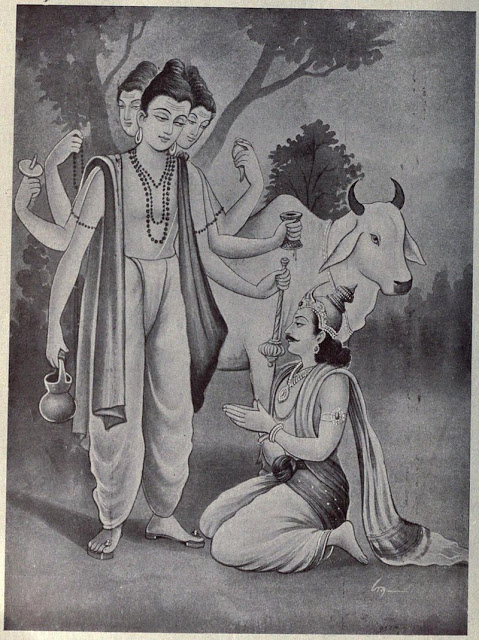
Dattatreya blessing Kartaveerya Arjuna

Written by London swaminathan


Date: 1 JULY 2018


Time uploaded in London –   7-02 AM (British Summer Time)


Post No. 5168


Pictures shown here are taken from various sources such as Facebook friends, Wikipedia, Books, Google and newspapers; thanks. Pictures may be subject to copyright laws.


Hindus revere and respect the teacher as God. Whether it is archery or Atma Jnana lessons, dance or music lessons, same respect is given to the teachers, known in Sanskrit as Guru or Acharya. There is a story in Bhagavatha Purana about a great king of India who gained the strength of 1000 hands by serving his Guru.


Karatavirya Arjuna who is also known as Sahasrabahu- a man with 1000 hands—has good and bad qualities. Every coin has got two sides. He was the son of Krita Virya and his name was Arjuna. Just to differentiate between the Arjuna of Mahabharata and this man he was named Karta Veerya Arjuna. He ruled Haihaya Kingdom, the modern Madhya Pradesh. His capital was Mahismati on the banks of River Narmada.


Bhagavatha Purana narrates a story about his good deeds. He was a great disciple of Dattareya. He learnt all the scriptures—Vedas and Shastras—from him. It was a custom in ancient India to massage the feet of Guru when he goes to bed. Guru gives his full blessings when he is happy. He worshipped Dattatreya with the ancient sloka,


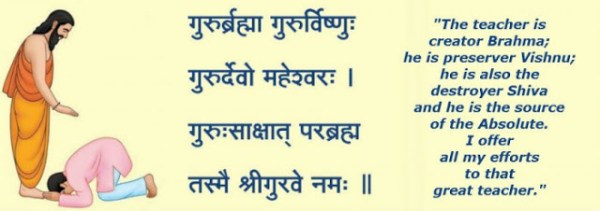
“Gurur Brahma, Gurur Vishnuh, Gurur Devo Mahesvarah

Guru Saakshaat Parabrahma Tasmai Sri Gurave Namah”

(Guru is Brahma, Vishnu, Shiva, Para brahma whom I worship)

Once Kartaveerya Arjuna was massaging the feet of his Guru Dattatreya. He got some burning sensation in his palms. but yet he continued his service. Slowly it went up to his arms and he was wriggling in pain. The Guru woke up he saw his distress and found out what happened. When he was told that his hands were burning, he took Kartaveerya’s hands and stroked them and told him that “from today onwards you will have the strength of one thousand hands and no one could defeat you on earth”. Thus he gained the name of Sahasra Bahu- man with 1000 hands — (actually strength of 1000 hands; thousand did not mean 1000 literally; it means great strength).


Power corrupts, absolute power corrupts absolutely.

So with all the great power he became very arrogant. When Ravana from Sri Lanka came to Narmada River area, Kartaveerya was bathing with his wives. When Ravana, who is fond of all beauties, eyed on his wives, Kartaveerya caught him like a bird and thrashed him. He imprisoned Ravana and placed him in the corner of Mahismati City as an exhibit. Then Ravana’s maternal Grandfather Pulastya used his influence and obtained the release of Ravana. He promised him not to come to his country in his life time.


When Kartaveerya became more arrogant he went to the Ashram (hermitage) of sage Jamadagni and his wife received him with all the honours fit for a king. But he made an ill return for her hospitality and carried off the divine milch cow. Jamadagni’s son Parasurama got angry and cut off his hands and killed him. Kartaveerya’s sons killed Jamadagni in a revenge attack. Then Parasurama vowed to kill all the Kshatria Kings whoever dared to oppose him. Thus Parasurama killed 21Kings.

About Kartaveerya, Hindu mythologies (Puranas) say,

“Having worshipped a portion of divine being called Dattatreya, sprung from the race of Atri, he sought and obtained these boons—

a thousand arms,

a golden chariot that went wheresoever he willed it to go,

the power of restraining wrong by justice,

the conquest of the earth and the disposition to rule it righteously,

invincibility by enemies and

death at the hands of a man renowned over the whole world”.


By him the earth was perfectly governed. It is said that the moment someone thought of doing wrong there he appeared and stopped it.

Another mythology praised him,

“ No other king shall ever equal Kartaveerya in regard to sacrifices, liberality, austerities, courtesy and self restraint”

Thus he ruled for 85 years with unbroken health, prosperity, strength and valour.”

In another place we read,

“When the demon king Ravana came in the course of his campaign of conquest to Mahismati, he was captured without difficulty, and was confined like a wild beast in a corner of his city Mahismati”

Only Vayu Purana differs slightly by saying Karta veerya invaded Lana and there took Ravana as prisoner.


(It may look like contradictory; but I think that both may be correct and could have happened at different times of his 85 year rule)


–Subham–