காசி விஸ்வநாதர் கோவிலுக்கும் கங்கைக்கும் இடையே தாழ்வாரம்! (Post No.5189)

Written by S NAGARAJAN


Date: 7 JULY 2018


Time uploaded in London –   5-47 AM (British Summer Time)


Post No. 5189


Pictures shown here are taken from various sources such as Facebook friends, Wikipedia, Books, Google and newspapers; thanks. Pictures may be subject to copyright laws.


காசி விஸ்வநாதர் கோவிலுக்கும் கங்கைக்கும் இடையே தாழ்வாரம்!


ச.நாகராஜன்


சொந்த நாட்டில் பரர்க்கடிமை செய்தே துஞ்சிடோம்

இனி அஞ்சிடோம்  – மகாகவி பாரதியார்


ஹிந்துக்களின் புனித பூமி

அயோத்யா

மதுரா

காசி

அயோத்யாவில் ராமர் பிறந்தார். ராம ஜென்ம பூமி அது.

மதுரா கிருஷ்ணனின் பூமி. கிருஷ்ண பூமி அது.

காசி விசுவநாதர் ஹிந்துக்களின் புனித தெய்வம். கங்கையோ பாவங்களைப் போக்கும் நதி. விசுவநாத கங்கா பூமி அது.

இந்த மூன்றிலும் இருந்த் ஹிந்து பாரம்பரிய சின்னங்களை முகலாய ஆட்சி தரைமட்டமாக்கியது. அத்தோடு நிற்கவில்லை, அங்கு மசூதிகளை அமைத்தது.

பாபர் மசூதியை அகற்றி அயோத்யாவில் ராமர் கோவில் அமைப்பதையும், காசி விசுவநாதர் சொத்தை காசி கோவிலுக்கு கொடுப்பதையும், மதுராவில் உள்ள மசூதியை அகற்றி அங்கு கிருஷ்ணர் கோவில் அமைப்பதையும் நியாயமாக இஸ்லாமியர் ஏற்று நடவடிக்க எடுத்திருந்தால் அவர்கள் பாராட்டுக்குரியவர்களாக அமைந்திருப்பர். முன்னோர்கள் செய்த இழிசெயலை நீக்கிய புண்ணியம் அவர்களுக்குக் கிடைத்திருக்கும்.

ஆனால் நிலைமை அப்படியில்லை.

வழக்கு.

வழக்குக்கு மேல் வழக்கு.

போகட்டும், நியாயம் ஜெயிக்கும்.


இப்போது காசி விசுவநாதர் ஆலயத்திற்கும் கங்கைக்கும் இடையே பிரம்மாண்ட்மான ஒரு நடையை அமைக்க 600 கோடி ரூபாய் செலவில் ஒரு திட்டம் உருவாகி இருக்கிறது.
 

வரவேற்க வேண்டிய திட்டம் இது.

நடை அல்லது தாழ்வாரம் 56 மீட்டர் – அதாவது சுமார் 183 அடி அகலம் கொண்டது. நீளம் சுமார் 400  மீட்டர் – 1308 அடி.

இங்குள்ள சுமார் 166 வீடுகளை இதற்காக அகற்ற வேண்டியிருக்கிறது.

இதில் 56 பேர்கள் உடனடியாக சம்மதித்து விட்டனர். இன்னும் 60 பேரிடம் அவர்கள் இடத்தை வாங்க அரசு நடவடிக்கை எடுத்து வருகிறது. நியாயமான உரிய இழப்பீட்டை அரசு வழங்க முன் வந்திருக்கிறது.

ஆனால் இதற்கு சிலர் எதிர்ப்பு தெரிவித்துள்ளனர். சுமார் 400 ஆண்டு பழமையான அமிர்தேஷ்வர் மஹாதேவரின் கோவில் ஒரு வீட்டின் உள்ளே இருக்கிறது.

இன்னும் பெரிய மற்றும் குட்டி கோவிலக்ள் 46 அகற்றி வேறு இடத்தில் ஸ்தாபிதம் செய்யப்பட்டால் தான் இந்தத் திட்டம் நிறைவேறும்.

பொதுவாக அரசிற்கு மக்களின் ஆதரவு உள்ளது. பிரதமர் நரேந்திர மோடி அவர்களின் தொகுதி இது.

ஆகவே அரசியல்வாதிகள் உள்ளே நுழைந்து குழப்பம் விளைவிக்க முயல்வது இயற்கையே!

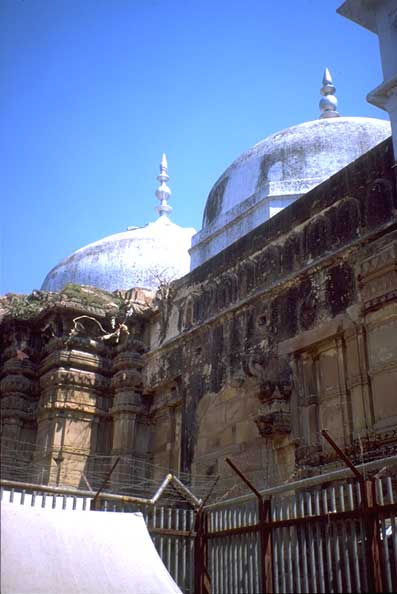
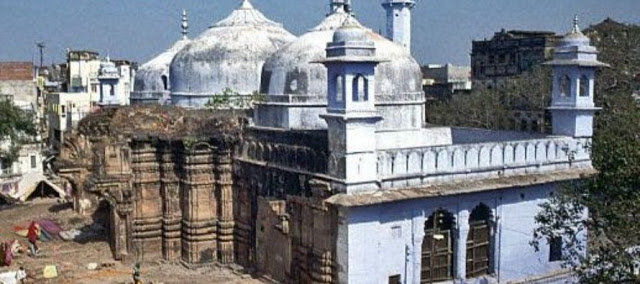
1669ஆம் ஆண்டு ஔரங்கசீப் காசி விசுவநாதர் ஆலயத்தை இடித்தான். அங்கு க்யான்வாபி மசூதியைக் கட்டினான்.

அஹல்யாபாய் ஹோல்க்ர் ம்சூதியை அகற்றி விட்டு காசி விசுவநாதர் கோவிலை அமைக்க எவ்வளவோ முயன்றார். அது முடியவில்லை. ஆகவே மசூதிக்கு அடுத்தாற்போல் புதிய இடத்தில் காசி விசுவநாதர் ஆலயத்தை 17870இல் நிறுவினார்.


இப்போதைய கங்கா தர்ஷன் திட்டத்தின் கீழ் இந்த தாழ்வாரம் வரவேற்கப்பட வேண்டிய ஒன்று. இங்குள்ள ஜனநெரிசலையும் இதர பல பிரச்சினைகளையும் இந்த கோவில் நடை தீர்க்கும்.

இதை வரவேற்போம்.

இதைப் பற்றிய தனது கருத்தை ஆங்கில வார இதழான ‘ட்ரூத்’ தனது 29-6-2018 இதழில் தந்துள்ளது.

அது அப்படியே கீழே தரப்பட்டுள்ளது:-


  1. The ndtv and National Herald channels both shaded under typical secular minority

politics have now expressed concern over  secular sentiments associated with the recent

Government move to bring in certain changes  for betterment in the environment and

restoration approach to the pristine Kashi  Viswanath temple, the abode of Lord Shiva

in Varanasi. The very old temples on the approach road with encroachment or no

encroachment, built in the past have also been  regarded as sacred places of worship since decades or centuries, and deserve to be honoured and protected through mutual  agreement between the developing  authorities and the temple owners keeping in mind that– SANTHIMITTE VARAM THYAGA: for some great purpose often sacrifice must fetch higher priority. While some reports reveal that many of the house owners are happy with the deal, those having private temples disagree to the plan. The Authorities are reported  to have assured that they will only get rid of the encroachments and ensured rehabilitation of the shrines and idols that fall along the route. This need to be honourably and diligently pursued.

  1. As per PTI reports from Allahabad, the Kashi Vishwanath Mandir Trust had filed a suit in 1991 claiming that a temple was constructed by Maharaja Vikramaditya more than 2,000 years ago on the site, where the mosque had been later erected.

Alleging that the temple was demolished by Mughal emperor Aurangzeb in 1669 and a mosque constructed on a part of the land with the remains of the razed place of worship, the Trust has sought removal of the Gyanvapi Masjid from the site and possession of the entire piece of land.

In its application before ADJ Varanasi, the Anjuman Intazamia Masjid had contended that a “Mandir-Masjid dispute” could not be adjudicated by a civil court as it was “barred by law” and demanded that the trust’s petition be dismissed at the outset.

However the lower court dismissed the application. The Sunni Waqf Board had moved the court challenging the ADJ Varanasi’s orders turning down its request for being made a party to the civil suit. Initially,both parties had challenged the lower court orders filing petitions under Article 226 (power of High Courts to issue certain writs) of the Constitution.

Upon the high court’s advice, Anjuman Intazamia Masjid had filed an amendment application under Article 227 dealing with power of superintendence over all courts by the high court, which was allowed. The Sunni Waqf Board could not come up with the same and, hence, was granted one week’s time. Justice Chandra directed that the petitions be placed before the bench having the requisite jurisdiction.

  1. Non-Hindu perpetrators unashamedly feel pride on the existence of their super imposed monuments on Hindu shrines as a mark of their past victory and dominance, and the pseudo- secularists join them. May good sense dawn upon Hindus, now victims of induced divisionism, and all others concerned, to usher in the victory of Truth and glory to the All-merciful Lord Kashi Viswanath.

நன்றி : TRUTH VOLUME 86 ISSUE 11 –   29-6-2018


***


RARE PAINTINGS AND RARE SCULPTURES (Post No.5188)

COMPILED  by London swaminathan


Date: 6 JULY 2018


Time uploaded in London –   13-58

 (British Summer Time)


Post No. 5188


Pictures shown here are taken from various sources such as Facebook friends, Wikipedia, Books, Google and newspapers; thanks. Pictures may be subject to copyright laws.


A KRISHNA WITH A LION AND ELEPHANT IN TWO HANDS IN THAILAND PRASART MUSEUM. PALLAVA PAITINGS OF SITHTHANNAVASAL (TAMIL NADU) ARE IN 1926 BOOK. KRISHNA’S ADVENTURE OF LIFTING GOVARDHANA HILL IS IN GUJARAT. SOME RARE PIECES FROM VERY OLD BOOK ARE GIVEN BELOW:


MAHADEVA- PALLAVA PERIOD

GANDHARVA

APSARA

MUSIC PARTY- BAGH FRESCO

KRISHNA LIFTING GOVARDHANA HILL

RAMA’S DEPARTURE FROM AYODHYA

DAANA LILA


WOMAN IN THE KITCHEN

INDRA AND MAHA KALA (BHAIRAVA)

KRISHNA LIFTING A LION AND AN ELEPHANT

–SUBHAM–

சங்க இலக்கியத்தில் யூபம்- பகுதி 2 (Post No.5187)

RESEARCH ARTICLE by London swaminathan


Date: 6 JULY 2018


Time uploaded in London –   7-26 am

 (British Summer Time)


Post No. 5187


Pictures shown here are taken from various sources such as Facebook friends, Wikipedia, Books, Google and newspapers; thanks. Pictures may be subject to copyright laws.


நேற்றைய கட்டுரையில் புறநானூறு, அகநானூறு, பெரும்பாணாற்றுபடை முதலிய சங்ல நூல்களில் காணப்படும் யூபம் எனும் வேள்வித் தூண் பற்றிய செய்திகளைக் கண்டோம். ரிக் வேத ஸம்ஸ்க்ருதச் சொல்லை புறநானூற்றுப் புலவர்கள் தயக்கமின்றி தமிழ் பாக்களில் அள்ளித் தெளித்திருப்பதையும் சுவைத்தோம். இன்று எண்-17 க்கும் யூபத்துக்கும் உள்ள தொடர்பையும் ராவணன் மகன் மேகநாதன் நூற்றுக் கணக்கில் யூபங்கள் நட்டதையும் காண்போம்.


முதுகுடுமிப் பெருவழுதியைப் பாராட்டிய நெட்டிமையார், “நீ வென்ற பகைவர்கள் எண்ணிக்கை அதிகமா? அல்லது நீ செய்த யாகங்களும், அதன் காரணமாக நட்ட யூபத் தூண்களும் அதிகமா? என்று வியந்தார். அவனுக்குப் போட்டி ராவணன் மகன் மேக நாதன். அவனூடைய யாக பூமியில் நூற்றுக் கணக்கான யூப ஸ்தம்பங்கள் இருந்ததாக வால்மீகி ராமாயணத்தின் உத்தரகாண்டம் செப்பும்.

யூபம் என்பது இருவகைப்படும் ஒன்று அலங்காரத்துக்காக யாகப் பந்தல்களில் நடப்படும் தூண்கள். மற்றொன்று வேள்விக்காக நடப்படும் யூபம். இது 17 முழம் அளவு உடையது.

ஏன் 17 முழம்?

இது ஒரு மர்மமான எண்; வேதத்தில் பல இடங்களில் இது காணப்படுகிறது. வாஜபேய யாகத்தில் 17 குதிரை ரதங்களின் போட்டி நடைபெறும் ஏனெனில் 17 என்பது பிரஜாபதியின் எண் என்றெல்லாம் விளக்கப்படுகிறது (எனது முந்தைய கட்டுரைகளில் விளக்கம் உளது)

அது மட்டுமல்ல இந்த 17-க்கும் அடி முதல் நுனி முடிய 17 பெயர்களும் இருக்கின்றன. (எனது ஆங்கிலக் கட்டுரையில் பெயர்கள் உள; கண்டு மகிழ்க)


பால காண்டத்திலும் (14-22) யூபம் பற்றிய சுவையான செய்திகள் உண்டு.

பால காண்டத்தில் அஸ்வமேத யாகம் பற்றிய செய்திகளில் 21 கம்பங்கள் நடப்பட்டதாக வால்மீகி பாடுகிறார். அதன் உயரம் 21 முழம் என்பார்.


ஏன் 21?

பிராஹ்மணர்கள் முத்தீ வழிபடுவோர். அதாவது ஆஹவனீயம், கார்கபத்யம், தக்ஷிணாக்னி என்ற முத்தீயை வழிபடுவதால் ஒவ்வொன்றுக்கும் ஏழு ரிஷிகள் வீதம் (ஸப்த ரிஷி 3×7= 21) 21 நடப்பட்டதாம்.

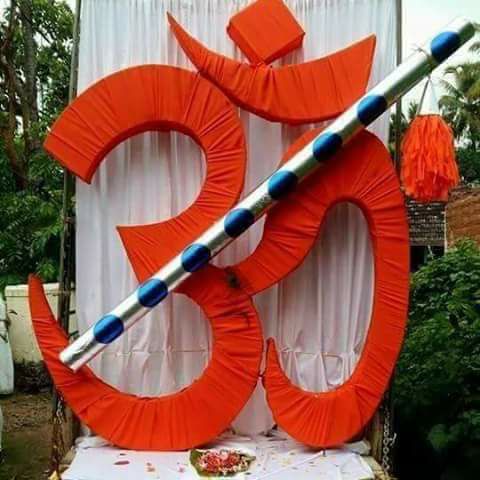
யூபஸ்தம்பத்தை– வேள்வித்தூணை– புத்தாடை கட்டி அலங்கரித்து அதன் மேல் பழக்குலைகள், இலை தழை தோரணங்கள் கட்டுவராம். யூப ஸ்தம்பத்தின் இடை, நடு, அடி, முடி ஆகியவற்றுக்குப் பிரத்யேக மான ஸம்ஸ்க்ருதப் பெயர்கள் சூட்டப்பட்டுள்ளன.


முதல் கட்டுரையில் யூபம் நட்ட தமிழ் மன்னர்களின் பெயர்களைக் கண்டோம். இந்தோநேஷியவில் மூலவர்மன், அஸ்வ வர்மன், குண்டுங்கா பெயர்களைக் கண்டோம். ராஜஸ்தான், உத்தரப் பிரதேச யூபங்களில் குஷாண, மாளவ, மோகாரி அரச குடும்பங்களின் பெயர்களும் விக்ரம, குஷாண, க்ருத யுக ஆண்டுகளின் பெயர்களும் காணப்படுகின்றன.


பொது ஆண்டு 102 முதல் மூல வர்மனின் பொ.ஆ.400 வரை ஆண்டுகளும் குறிப்பிடப்பட்டுள்ளன. இது இந்துக்களின் வரலாற்று உணர்வைக் காட்டும்.


இதில் பிராஹ்மணர்களுக்குக் கொடுத்த தக்ஷிணையும் இடம்பெறுகிறது. இந்தோநேஷியா நாட்டில் மூல வர்மன் நடத்திய யாகத்தின் பெயர் பஹுசுவர்ணகம். இதில் ஐயர்களுக்கு தங்கம் தரப்படும்.


இது வால்மீகி ராமாயணம் பால காண்டத்திலும் (1-95) உளது; ஆக வால்மிகீ ராமாயணம் சொல்வதும் கல்வெட்டு சொல்வதும் வரலாற்று உண்மைகளே!


யூபம் என்ற சொல்லை யாதவ ப்ரகாஸரின் ‘வைஜயந்தி’ எனும் ஸம்ஸ்க்ருத அகராதி நன்கு விளக்குகிறது.

யூபம் பற்றிய அலங்காரம், தோற்றம், எண்ணிக்கை, அதன் தாத்பர்யங்கள் ஆகியவற்றைக் காண்கையில் இது யாக பலிக்கான தூண் அல்ல, பெரிய தத்துவங்களை விளக்க வந்த வேள்வித்தூண் என்பது குன்றிலிட்ட விளக்கு போல விளங்கும். பலிக்கான மிருகம் தூணிலிருந்து அவிழ்த்து விடப்பட்ட பின்னரே யாகம் நடந்ததையும் மாவு ரூபத்தில் மிருக பொம்மைகள் யாகத்தீயில் இடப்பட்டதையும் வியாக்யானங்கள் விளக்குகின்றன.


அவையனத்தையும் மெய்ப்பிக்கிறது 17, 21 முதலான மர்ம எண்கள். வெறும் பலிக்கு ஒரு தூண் என்றால் இவ்வளவு விளக்கம் வந்திராது.


காஞ்சி சுவாமிகள் 400 வகை யாகங்கள் இருப்பதாக்ச் சொன்ன விஷயத்தை தனிக் கட்டுரையில் முன்னர் தந்தேன். இதோ மேகநாதன் செய்த 7 யாகங்கள்:

அக்னிஷ்டோம

அஸ்வமேத

பஹுஸுவர்ணக

ராஜசூய

கோமேத

வைஷ்ணவ

மஹேஸ்வர

(வால்மீகி ராமாயணம், உத்தரகாண்டம் 25-8)

வாழ்க யூப ஸ்தம்பம்! வளர்க தமிழ்!!

OLD ARTICLE

Mysterious Number 17 in the Vedas! (Post No.3916) | Tamil and …

tamilandvedas.com/2017/05/17/mysterious-number…


  1. 400 Types of Yagas (Fire Ceremonies) | Tamil and Vedas

tamilandvedas.com/2014/03/06/400-types-of-yagas…

Prince Charles and Camilla Parker with Swami Chidananda Saraswati at Rishikesh taking part in a Yajna. “The Brahmin spoiled himself and spoiled others. By …


  1. Pancha Maha Yajnas | Tamil and Vedas

tamilandvedas.com/tag/pancha-maha-yajnas

Posts about Pancha Maha Yajnas written by Tamil and Vedas. about; … Prince Charles doing Yajna in … called also Veda-yajnah,Sacrifice to Brahman or the Vedas.


–சுபம்–


YUPA- SACRIFICIAL POST- PART 2 (Post No.5186)

RESEARCH ARTICLE by London swaminathan


Date: 6 JULY 2018


Time uploaded in London –   5-53 am

 (British Summer Time)


Post No. 5186


Pictures shown here are taken from various sources such as Facebook friends, Wikipedia, Books, Google and newspapers; thanks. Pictures may be subject to copyright laws.


We have already seen the references to Yupa, the sacrificial post, in the Rig Veda, Tamil Sangam Literature and 19 Yupa inscriptions found in India and Indonesia.


An interesting nomenclature concerning Yupa is found in Brahmana Adhyaya of the Bhumiknda of Yadhavaprakasa’s Vaijayanti, a well known Sanskrit lexicon.

While Yupa is a consecrated sacrificial post, Homayupa is one that is set up at sacrifices only for the decoration. The two Yupas that flank every fire at sacrifices are known by the name Upastha. Whatever, Yupa and the like, stands in front of the fire, is called Agnishta. The middle and the top of Yupa are called Samaadaana and Tarman respectively. The ring near the top is called Chasthaala. The rough unhewn bottom part of a Yupa is called Tuupara. Its girdle is known as Parivyaana, and wrappings Kumbaa.


Number 17

If the Yupa is seventeen cubits long, these seventeen cubits, from bottom upwards are designated, Methika, Uttraasa, Svarumochana, Anjana, Vaiyathita, Kshaalana, Savasiirshaka, Sudhanva, Rathagaruta, Saikhaalika, Karanjaka, Vaasava, Vaishnava, Tvaashtra, Saumya, Maadhura and  Vejana respectively.

During the Vajapeya Yaga, a race of 17 chariots was held.

Prajapati is represented by Number 17.

Number 17 is a mysterious number in the Hindu Vedas. I have already explained it  in my article (see below)

Mysterious Number 17 in the Vedas! (Post No.3916) | Tamil and …

tamilandvedas.com/2017/05/17/mysterious-number…

Research article Written by London Swaminathan Date: 17 May 2017 Time uploaded in London: 19-46 Post No. 3916 Pictures are taken from various sources such as Face …


From the above description, we come to know that there was one post for symbolically tying the victim and other posts to decorate the Yajna Bhumi.

An idea of the picturesque view of the Yajna Bhumi can be gathered from the Asvamedha Sacrifice scene in Valmiki Ramayana (Bala Kanda 14-22/27):–


We are told that 21 Yupas were erected and every one of them was octagonal and 21 cubits long. They are draped each in a cloth and adorned with fruits, foliage and flowers. The 21 Yupas were likened to  the Seven Rishis (Sapta Rsi= Ursa Major Constellation). The idea is that each of the sacrificial fires, ie. Gaarhapatya, Aahavaniiya and Dakshinaagni was allotted seven posts. There were thus three groups of seven each.


The elaborate descriptions, exact size and naming of the different parts show they were not pillars or posts for animal sacrifice or tying of the victim of the Yaga. All these explain the philosophy, some of which is already lost, behind the Yupa.


Ravana’s son Meghanaada is credited with a number of sacrifices. His sacrificial grove is described in the Ramayana to be bristling with hundreds of Yupas. The vast number only denotes their decorative role (Uttarakanda 25-3)


Regarding the inscriptions on Yupas, all are dated and this shows the historical sense of Hindus that existed 2000 year ago. We find Vikrama era, Kushana era and Krita era.

I have already given the names of Sangam Age Tamil kings and the Indonesian Kings in the first part. In North Indian Yupa inscriptions we come across:

Kushana

Maalava

Mokhari.

The Yagas performed were

Dvaadasa raatra,

Sapta soma samsthaa

Ekashasti raatra

Tri raatra,

aptoryaaman,

Pundariika etc.


Another interesting information available from the Indonesian Mulavarman’s Yupa is that he did ‘Bahusuvarnaka Yaga’.

It is also known as Bahu Hiranya (lot of gold)

Bahusuvarnaka is mentioned in Valmiki Ramayana (Balakanda 1-95).

Now we know from Uttarakanda that Meganada did the following seven sacrifices:

agnishtoma

Asvamedha

Bahu suvarnaka

Rajasuuya

Gomedha

Vaishnava

Mahesvara.


Thus Mulavarman proved tht Ramayana gives historical information and Ramyana proved that Mulavarman did a sacrifice which was famous from the Ramayana days.

In other words Ramayana and Sanskrit inscriptions corroborate the details of Yagas.

( I have given lot of Yaga names in my article about ‘400 types of Yagas’. We may add the details found here as well.)

Source: Ramayana, Sangam Tamil Literature, Rig Veda and ‘Indian Antiqua, Kern Institute, Leyden, 1947’.

–Subham–


இகிகை – நீண்ட நாள் வாழ ஜப்பானிய ரகசியம்! – 2 (Post No.5185)

Written by S NAGARAJAN


Date: 6 JULY 2018


Time uploaded in London –   5-09 AM (British Summer Time)


Post No. 5185


Pictures shown here are taken from various sources such as Facebook friends, Wikipedia, Books, Google and newspapers; thanks. Pictures may be subject to copyright laws.


பாக்யா 6-7-18 இதழில் அறிவியல் துளிகள் தொடரில் வெளியா எட்டாம் ஆண்டு பதினெட்டாம் கட்டுரை

இகிகை – நீண்ட நாள் வாழ ஜப்பானிய ரகசியம்! – 2

.நாகராஜன்


இகிகை கொள்கையைக் கடைப்பிடித்து ஏராளமானோர் தங்கள் வாழ்வின் அர்த்தத்தைக் கண்டுபிடித்து வளமாக வாழ்ந்து வருகின்றனர். எடுத்துக்காட்டாக ஜப்பானைச் சேர்ந்த  விளையாட்டு வீரரான தடை ஓட்ட சாம்பியன் டாய் தமேசுவைக் (Dai Tamesue) கூறலாம்.  1978இல் ஹிரோஷிமாவில் பிறந்த அவர் வோர்ல்ட் சாம்பியன்ஷிப் தொடரில் 400 மீட்டர் தடை ஓட்டத்தில் 2001,2005ஆம் ஆண்டுகளில் வெங்கல மெடலைப் பெற்றார். தொடர்ந்து சிட்னி, ஏதன்ஸ், பீஜிங்கில் நடந்த ஒலிம்பிக் போட்டிகளில் ஜப்பானின் சார்பாகக் கலந்து கொண்டார். 2012இல் அவர் விளையாட்டிலிருந்து ஓய்வு பெற்றார்.

இப்போது என்ன செய்வது என்ற கேள்வி அவரை திகைக்க வைத்தது. அப்போது தான் அவருக்கு இகிகை ஞாபகத்திற்கு வந்தது.


தான் சிறந்து விளங்கும் விளையாட்டுத் துறையில் ஈடுபட நினைத்த அவர் விளையாட்டுத் துறை சம்பந்தமான அனைத்து சங்கங்களிலும் ஈடுபட்டு சமுதாயத்தில் விளையாட்டுத் துறையின் மதிப்பை அதிகரிக்கத் தன்னால் ஆனதைச் செய்ய முன்வந்து தன் வாழ்க்கைக்கான அர்த்தத்தைக் கண்டு பிடித்தார். இப்போது அவருக்கும் மன நிம்மதி.சமுதாயத்திற்கும் பலன்!

“விளையாட்டு பற்றிய மக்களின் பார்வையை நேராக்குவது தான் என் நோக்கம். அதற்கு இகிகை உதவுகிறது” என்கிறார் அவர்.


பணி ஓய்வுபெறும் அனைவருக்கும் இகிகை ஒரு பெரிய உதவும் சாதனம்.


சரி, பணியில் இருப்பவர்களுக்கு? அவர்களுக்கும் இகிகை பெரிய அளவில் உதவுகிறது. வேலையில் ஈடுபட்டு கடினமாகவும் நீண்ட நேரமும் உழைக்க வேண்டும் என்று இகிகை கூறுவதில்லை.

மாறாக, பணியில் நீங்கள் எந்த உணர்வை உணர்கிறீர்கள் என்பதைக் கண்டுபிடிக்கச் செய்வதே இகிகை.

ஜப்பானில் மாதத்திற்கு சுமார் 80 மணி நேரம் ஓவர் டைம் பார்த்து உழைப்பவர்களில் கரோஷியால் பாதிக்கப்படுகின்றனர்.

கரோஷி என்றால் அதிக நேரம் வேலை செய்வதால் மரணத்தை அடைவது என்று பொருள்.இப்படி ஓவர் டைம் பார்த்து உழைத்து உழைத்து  வருடத்திற்கு ஜப்பானில் 2000 பேர் இறக்கின்றனர் என்கிறது ஒரு ஆய்வு.

மிச்சிகன் பல்கலைக் கழகம் ஒரு சோதனையைச் செய்தது. அதன் படி போனில் பேசி ஸ்காலர்ஷிப்பிற்காக நிதி திரட்ட உதவ முயற்சித்தவர்களை விட,  மாணவர்களுக்கு உதவ இருப்பவரை நேரில் சந்திப்பதன் மூலம் 171 சதவிகிதம் அதிக நிதியைத் திரட்டினர்.


வாழ்க்கையில் எல்லா அம்சங்களிலும் இகிகை உதவும். பெரிதாகத் திட்டம் போட வேண்டாம்; உலகத்தின் பசியைத் தீர்க்க முனைவதற்குப் பதிலாக உங்கள் பகுதியில் பசியோடு வாடுவோரின் பசியைத் தீர்க்க உதவலாம் என்கிறது இகிகை.


உங்களின் இகிகை பற்றி நீங்கள் அறிந்து விட்டால் மட்டும் போதாது; உடனே செயலில் இறங்க வேண்டும்.

92 வயதான பெண்மணியான டோமி மேனகாவிற்கு KBG84 டான்ஸ் குழுவில் பாடி ஆடுவது  தான்  இகிகை.

யோகோ டகாடோ என்ற பெண்மணி பெரிய தலைமை நிர்வாகிகளைத் தேர்ந்தெடுப்பவர். அவர் தனது அனுபவத்தால் கூறுவது இது தான்: “மிக அதிகமான தகுதி படைத்த உயர் அதிகாரிகளுக்கு உள்ள பொதுவான ஒரு அம்சம் பணியை இகிகையாகக் கருதுகின்றனர். அவர்களுக்கு வேலை செய்வதில் அதிக உந்துதல் இருக்கிறது; உடனடியாக எதிலும் அவர்கள் செயலில் இறங்குவர்.”


மேலை நாடுகளில் இப்போது இகிகை பற்றிய ஆர்வம் மிகவும் பெருகி இருப்பதால் அது பற்றிய புத்தகங்கள் ஏராளம் வெளி வந்துள்ளன. நேரடியாகப் பார்ப்பதற்காக எழுத்தாளர்களும் ஆய்வாளர்களும் ஜப்பானிலுள்ள ஒகினாவா நோக்கிச் செல்கின்றனர்.

அங்கு அவர்கள் பார்ப்பது அவர்களை ஆச்சரியத்திற்குள்ளாக்குகிறது. ஒகினாவாவில் (Okinawa) 102 வயதான கராத்தே மாஸ்டர் தனது இகிகையினால் கராத்தே பயிற்சியை தனது மாணவர்களுக்குச் சொல்லித் தருகிறார். 100 வயதான மீனவர் ஒருவர் கடலில் சென்று மீன்களைப்பிடித்து வந்து தனது குடும்பத்திற்கு அவற்றைச் சந்தோஷமாக வழங்குகிறார்.


ஒகினாவாவில் வாழ்பவர்களுக்கு சராசரி வயது: ஆண்களுக்கு 81; பெண்களுக்கு 87. இதைத் தாண்டி விட்டால் அவர்கள் நூறு வயது வாழ்வது நிச்சயம்.ஜப்பானில் உள்ள நூறு வயது தாண்டியோரை எடுத்துக் கொண்டால் அந்த எண்ணிக்கையைப் போல ஐந்து மடங்கு அதிகம் பேர் ஒகினாவாவில் வாழ்கின்றனர். கான்ஸர், மாரடைப்பு, மனச்சோர்வு, இதர பயங்கர வியாதிகள் எதுவும் ஒகினாவா மக்களுக்கு ஏற்படுவதில்லை.

காரணம் – இகிகை.


பரபரப்பான வாழ்க்கை இல்லாமல் நிதானமாக வாழ்க்கையை அணு அணுவாக – சூடான இட்லியை விண்டு விண்டு சட்னி சாம்பாருடன் மெதுவாகச் சுவைத்துச் சாப்பிட்டு பசியைத் தணிப்பது போல – அவர்கள் வாழ்கின்றனர். அவர்கள் ஜிம் போன்ற உடற்பயிற்சி கழகங்களுக்குச் செல்வதில்லை.மாறாக தங்கள் தோட்டத்தில் தோட்ட வேலையில் ஈடுபடுகின்றனர்.தாய் -சி பயிற்சிகளைச் செய்கின்றனர்; சைக்கிள் ஓட்டுகின்றனர்.

அளவோடு சாப்பிடுகின்றனர்.

ஆக இந்த ஜப்பானிய உத்தியைக் கையாண்டு நாமும் வாழலாம் – நூறு ஆண்டுகள்.

இகிகை – இயற்கை மனிதர்கள் நூறாண்டு வாழ ‘உதவும் கை’!


அறிவியல் அறிஞர் வாழ்வில் .. ..


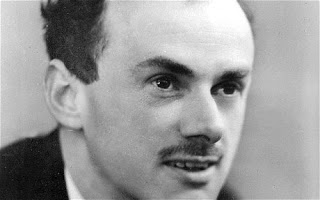
பிரபல பிரிட்டிஷ் விஞ்ஞானியான பால் டிராக் (Paul Dirac) ஒரு முறை  அவரது நண்பர் ஒருவரின் வீட்டிற்குச் சென்றிருந்தார். அவரது மனைவி அன்யா (Anya) அப்போது பின்னல் வேலையில் (kinitting) ஈடுபட்டிருந்தார். அவரது கைகள் லாவகமாகவும் வேகமாகவும் சுழன்று பின்னுவதைப் பார்த்த பால் டிராக் அசந்து போனார்.

அவர் கிளம்பிச் சென்ற சில மணி நேரங்களில் மீண்டும் நண்பர் வீட்டிற்கு வந்தார்.


அவரது நண்பரின் மனைவியைப் பார்த்து, “இதை இன்னொரு விதமாகவும் செய்யலா

﷽﷽﷽﷽﷽﷽﷽﷽﷽﷽﷽﷽﷽﷽﷽﷽﷽﷽﷽﷽﷽﷽﷽﷽ppy Life)  – The Long and Happy Life)ho’ம்” என்று கூறித் தான் ‘கண்டுபிடித்த’ தனது புது முறையை அவர் அன்யாவுக்குச் செய்து காண்பித்தார்.

மௌனமாக அவர் செய்வதைப் பார்த்துக் கொண்டிருந்த அன்யா கடைசியில் அவர் நிறுத்தியவுடன், “இது பல நூற்றாண்டுகளாக பெண்களால் கடைப்பிடிக்கப்பட்டு வருகிறதே! இதன் பெயர் பர்லிங் (purling) – பின்னல் வேலையில் நேர் மாறாகச் செய்யும் முறை – என்றார்.

பால் டிராக்கிற்கு நிட்டிங்கும் புதுமையாக இருந்தது; பர்லிங்கும் புதுமையாக இருந்தது!

***

 

AMAZING RIG VEDIC YUPA IN SANGAM TAMIL LITERATURE (Post No.5183)

RESEARCH ARTICLE by London swaminathan


Date: 5 JULY 2018


Time uploaded in London –   2-09 (British Summer Time)


Post No. 5183


Pictures shown here are taken from various sources such as Facebook friends, Wikipedia, Books, Google and newspapers; thanks. Pictures may be subject to copyright laws.


AMAZING RIG VEDIC YUPA IN SANGAM TAMIL LITERATURE (Post No.5183)

Sangam Tamil Literature is at least 2000 years old; Rig Veda came several thousand years before that. Vyasa divided them into four Vedas 5100 years before our time according to tradition.


Rig Veda has used Yupa in two meanings

Sacrificial post-5-2-7

A pillar or a post-1-51-14

2000-year-old Tamil Literature used the same Sanskrit word in several places in two meanings; sacrificial pot or just a post.

Let me explain the places where it is used in the meaning of a sacrificial post; in addition to the Sanskrit word Yupa, it has beautiful translated it as Velvi Thun in a few other verses. Velvi = Yaga and Thun= post or pillar.


Tamil kings are well versed in Yagas and Yajnas. Under the guidance of able Brahmins, they did Rajasuyam and Asvamedham.


Sangam Literature consists of 18 books. Of them Purananuru is the encyclopedia of Tamil community.

Following are the very important references of YUPA:-

Purananuru  verse 224- line 1

Purananuru  15-21

Velvi Thun (Yaga Post)- Purananuru verse 400

Perumpanatruppadai- Lines 315-318

Akananuru – Velvi Nedunthun -220

Purananuru- 400

In addition to the above verses, we come across a reference to Rajasuyam in Purananuru verse 367. The Rajasuyam was performed by the Choza king Perunarkilli and attended by Ukkra Peruvazuth and Chera king Mari Venko. Avvaiyar, the mst famou Tamil poetess was over the moon to see all the three kings in unity. Tamils were notorious fighters who fought with one another for 1500 years continuously. That was the reason for Avvaiyar’s great jubilation.

From the above Yupa or Velvi Thun references we come to know that the kings who did Yaga and ereced Yupa post were:

1.Greatest of the Choza kings Karikalan

2.Greatest of the Pandya Kings Mudu Kudumi Peruvazuthi

3.Choza Nalamkilli

4.Sellur Kosar Community

5.Thondaiman Ilanthiraiyan

6.perhaps Rajasuyam performer PerunaR Killi


Some interesting details about them are:

Kadiyalur uruttiran Kannan (Rudraksha of Kadiyalur) sings about King Thondaiman Ilanthiraiyan—

“A king fisher coloured like a  sapphire seeking for prey took the jewel of  in its bill, and instead of going to the leaf of the Palmyra tree filled with birds, sat on the YUPA at which learned finished their sacrifice; it looked like a swan lamp on the mast of the boat of the Yavanas and twinkled like Venus which heralds dawn” (Perum Panatruppatai)


In the Puram verse 15, poet Nettimaiyar is wondering about the powerful Pandya Mudukudumi , whether his enemies are more in number or the Yupa post more in number. The emperor as performed so many yagas.

Kalidasa also confirms it in his Raguvamsa Kaya. When the Panady king was introduced to Indumati, her maid says this king always appear in wet cloth worn during Asvamedha Yajna (actual verse mentioned only Avabruda Snana done during Asvameda). Recent discoveries include the kings name in Tamil on a coin with Ava/horse image.


Before going into the details available in Hindu scriptures about the appearance and significance of Yupa, let me list the famous 19 Yupa posts discovered so far:-

1.Isapur, Mathura in Uttarpraesh, dated 102 CE

2.Kosam, Prayag, U.P. – 125 CE

  1. and 4.Naandsaa, Udaipur, Rajas. – 225 CE

5.Barnaala, Jaipur, Rajs.- 227 CE

6-9.- Badvaa- Kotah, Rajas.- 238 CE

10.Nagar, Jaipur, Rajas.- 264 CE

11.Barnaala, Jaipur- 278 CE

  1. Bijayagarh, Bharatpur, Rajas.- 71 CE

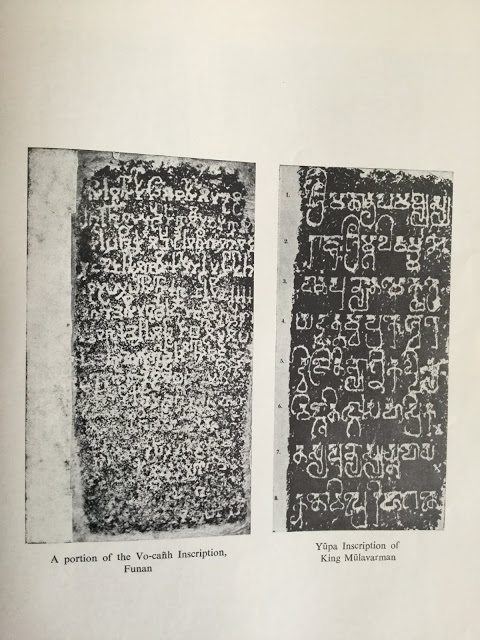
13-19- Kotei, Borneo, Indonesia- Seven Sanskrit Inscriptions on Yupa Stone Pillars- King Mulavarman 400 CE.

( This is not a comprehensive list)

Yupa inscriptions in Sanskrit


In Borneo scattered undated materias are found near Kapuas, Rata and the Mahkam rivers or in isolated pockets, the earliest epigraphic data from the island refer to Kotei at Muarakaman, on the Mahakam river in Borneo dated 400 CE.

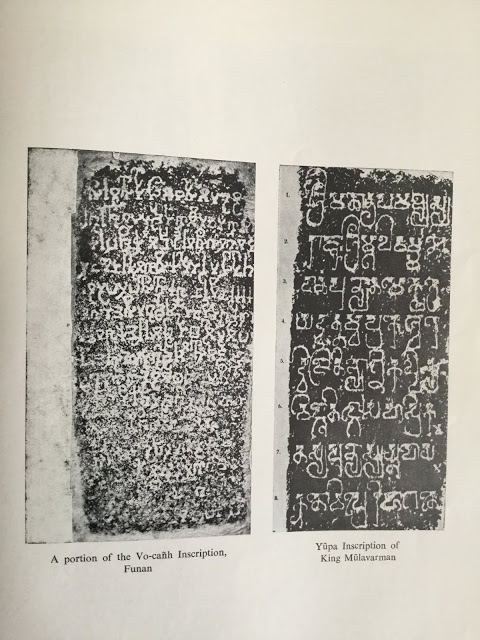
The Kutei inscriptions are seven in number, of which four were found in 1879 and the rest in 1940. The inscriptions belong to Mulavarman, son of Asvavarman and grandson of Kundungga.

The inscriptions engraved on stone Yupas or sacrificial posts, refer to the performance of certain rituals and offerings of various kinds.

Mulavarman Sanskrit Inscription in Bangkok Museum.

In the second part let us look at the appearance of Yupa.


–to be continued…………………….


ஹிந்து மாநாடு – அட்வகேட்கள் உரை (Post No.5182)

Written by S NAGARAJAN


Date: 5 JULY 2018


Time uploaded in London –   8-53 AM (British Summer Time)


Post No. 5182


Pictures shown here are taken from various sources such as Facebook friends, Wikipedia, Books, Google and newspapers; thanks. Pictures may be subject to copyright laws.


ஏழாவது அகில இந்திய ஹிந்து மாநாடு – அட்வகேட்கள் உரை!

ச.நாகராஜன்


மிக அருமையாக நடந்து முடிந்த ஏழாவது அகில இந்திய ஹிந்து மாநாட்டில் பல அறிஞர்கள் தங்களது சிறப்பான கருத்துக்களை முன் வைத்தனர். இதில் அட்வகேட்களின் பங்கு முக்கியமானது.அவர்கள் கூறியவை சட்டம் பற்றியது.

ஒவ்வொரு ஹிந்துவும் சிந்திக்க வேண்டிய முக்கியமான கருத்துக்கள் இவை.

இவற்றின் சாரத்தைச் சுருக்கமாகத் தமிழிலும் மூலத்தை ஆங்கிலத்திலும் காணலாம்.

நாள் : 3-6-2018

வக்கீல்களின் கூட்டம்


அ.ராம்நதி (கோவா) :- அரசியல் சட்டத்தை செகுலராக மாற்றுவது ஊழலில் ஒரு வழியாகும். செகுலரிஸம் என்ற வார்த்தை அரசியல் சட்டத்தில் சேர்க்கப்பட்டது. அந்தக் கணத்திலிருந்து அரசியல் சட்டத்திற்கும் ஆன்மீகத்திற்கும் இடையே ஒரு ஆழமான பள்ளம் ஏற்பட்டு விட்டது. இப்போது இந்த ஊழல் நீதித்துறைக்குள்ளும் ஊடுருவி விட்டதால், நமது தேசமும்,சமுதாயமும் ஒரு அபாயகரமான சூழ்நிலையை எதிர்நோக்கியுள்ளது. இதில் மிக முக்கியமான தரமும் தேசியமும் புறக்கணிக்கப்பட்டுள்ளன. இன்று நீதிபதிகள் எப்படி நியமனம் செய்யப்படுகிறார்கள் என்பது தெளிவாக இல்லை. இன்றைய நடைமுறையில் நியமனங்கள் அனைத்துமே தகுதியின் அடிப்படையில் அல்லாமல் பரிந்துரைகளினால் மட்டுமே செய்யப்படுவதால், நீதித்துறை சரியல்லாத நடத்தையுள்ள புதிராக ஆகி விட்டது. இந்த நிலை மாற வேண்டுமானால், மாற்ற வேண்டும் என்கிற உறுதியா சக்தி வேண்டும். செயல்திறன் என்னும் சக்தி வேண்டும். அனறிவு என்கின்ற சக்தி வேண்டும்.இவை அனைத்தும் தர்மத்தின் மூலமாகத்தான் கிடைக்கும். ஆகவே பயபக்தியுள்ள குடிமக்களே “இலட்சிய நீதித்துறையை” உருவாக்க முடியும்; அதை செயல்படுத்த முடியும். இந்த நோக்கங்களுக்காக, பயபக்தியுள்ள வக்கீல்கள் முயற்சிகளை எடுக்க வேண்டும்.


இவ்வாறு அரசு ஆலோசகரான கேரளாவைச் சேர்ந்த அட்வகேட் கோவிந்த் கே.பரதன் ஏழாவது அகில இந்திய ஹிந்து மாநாட்டின்  அட்வகேட் கூட்டத்தின் முடிவு நாளன்று, 3-6-2018 அன்று அட்வகேட் கூட்டத்தின் இரண்டாவது தினத்தில், பேசினார்.

“நீதித்துறையில் ஊழலை ஒழிக்க எடுக்க வேண்டிய உரிய நடவடிக்கைகள்” என்ற பொருள் பற்றி வழிகாட்டுதல் உரையை அவர் நிகழ்த்தினார். கூட்டத்திற்கு அட்வகேட்கள் சேஷநாராயண் பாண்டே, ஹிந்து ஃப்ரண்ட் ஃபார் ஜஸ்டிஸை சேர்ந்த ஹரிசங்கர் ஜெயின், ஹிந்து வித்யார்த்தி பரிஷத்தை சேர்ந்த நிலேஷ் சங்கோல்கர் ஆகியோர் வருகை தந்தனர்.

ஆ.இலட்சிய நீதித்துறைக்காக வக்கீல்கள் முயற்சி எடுக்க வேண்டும் : நிலேஷ் சங்கோல்கர்

இப்போதைய நீதித்துறை பிரிட்டிஷ் நடைமுறையைக் கொண்டது. இதில் ஏற்படும் தாமதம் நியாயமற்ற ஒன்று. ஆகவே வக்கீல்கள் இந்தக் குறையைக் களைய முன் வர வேண்டும். இலட்சிய நீதித்துறையை உருவாக்க அதில் உள்ள ஊழலை வெளிப்படுத்துவது நமது பொறுப்பாகும். இன்றைய சட்ட அடிப்படையில் அநீதிக்குள்ளானவர்களுக்கு நீதி வழங்க நாம் முயற்சிகளை எடுக்க வேண்டும்.குற்றமிழைக்காதவர்கள் மீது பொய்யான வழக்குகளைப் பதிவு செய்யும் போலீஸ்காரர்கள் மீது சட்டபூர்வமான நடவடிக்க எடுப்பதை உறுதி செய்ய வேண்டும்.


. தேசீய ஆதாரவளங்கள் மீது முதல் உரிமை ஹிந்த்துகளுக்கே! – அட்வகேட் ஹரி சங்கர் ஜெயின்


சுதந்திரத்திற்குப் பின் இஷ்டத்திற்குத் தக பல முறை அரசியல் சட்டம் மாற்றப்பட்டிருக்கிறது. சில செகுலர் விதிகள், “முஸ்லீம்களுக்கே தேசிய ஆதாரவளங்களில் முன்னுரிமை உண்டு என்று சொல்கின்றன. என்றபோதிலும் இந்த தேசம் கடவுளுக்கும், ஹிந்து தர்மத்திற்கும், ஹிந்துக் குடிமக்களுக்கும் உரியது. ஆகவே,  இந்த தேசத்தின் நிலப்பரப்பும் ஆதார வளங்களும் முதலில் ஹிந்துக்களுக்கு உரியன. மைனாரிட்டிகள் அதற்கு உரிமை கொண்டாட முடியாது.

கூட்டத்தின் முடிவில் ஹிந்து ஜனஜாக்ருதி சமிதியின் தேசிய வழிகாட்டி டாக்டர் சாருதத்த பிங்களேஹிந்து ராஷ்டிரத்திற்கு வக்கீல்களின் பங்களிப்பு  ‘எதிர்காலத்தில் ஒன்றுபட்ட முயற்சிகள் எடுக்கப்படவேண்டும் என்பன போன்ற பொருள்கள் பற்றி வழிகாட்டினார்.


 நன்றி : TRUTH VOL.86 NO. 10


***

மேற்கண்ட தமிழ் உரைகளின் மூல ஆங்கில வடிவம் முழுமையாகக் கீழே தரப்பட்டுள்ளது.


*‘Advocates’ Convention’ under the aegis of the 7th All India Hindu Convention*

  1. *To turn the Constitution secular is also corruption ! – Adv. Govind K. Bharatan, Kerala*


*Ramnathi (Goa)* – The corruption does not merely means monetary exchange; however, to turn the Constitution secular is also a way of corruption. The word ‘Secularism’ was included in the Constitution, and from that moment only, a chasm has been created between Constitution and Spirituality. Presently, since the corruption

has penetrated the judiciary, the Nation and society are facing grave situation. Today, it is not clear how the judges are getting appointed. In this process, important components such as quality and nationalism are overlooked. At present, since the appointments are made more on the basis of recommendations rather than qualifications, the judiciary is riddled with inappropriate conduct. If such a situation needs to be changed, energy of will, energy of action and energy of Knowledge are required, and these can be obtained only from Dharma. Therefore, only devout civilians can create ‘Ideal judiciary’ and make it work. For this purpose, devout advocates should make efforts, stated Government counsel Adv. Govind K. Bharatan from Kerala. He was speaking on the concluding day, on 3rd June, of 2-day ‘Advocates Convention’ under the aegis of 7th All India Hindu Convention being held at Shri Vidyadhiraj Meeting Hall in Shri Ramnath Temple. He guided on the topic ‘Appropriate actions to be taken against corruption being practised in the judiciary’. On this occasion, Adv. Sheshnarayan Pandey, Adv. Hari Shankar Jain of ‘Hindu Front for Justice’, Adv. Nilesh Sangolkar of Hindu Vidhidnya Parishad and other dignitaries were present.


  1. *Advocates need to make efforts for the ideal judiciary ! – Adv. Nilesh Sangolkar*

Present judiciary is based on British system. The delay caused in it is unjust. Therefore,

advocates should try to remove this shortcoming. To create ideal judiciary by people by exposing the corruption in the judiciary is our responsibility. We should make efforts to extend justice to the victims of injustice by using prevalent laws and ensure that a legal action is taken against the Policemen who register false offences against innocents.


  1. *Hindus have the first right on the national resources ! – Adv. Hari Shankar Jain*

After Independence, the rulers have altered the Constitution as per their will several times. Some secular rulers said, ‘Muslims have the first right on the national resources.’ However, this nation belongs to God, Hindu Dharma and aboriginal Hindus. Therefore, the land and resources of the country belong first to Hindus; minorities cannot claim any right on them.

At the conclusion of the Convention, National guide of Hindu Janajagruti Samiti Sadguru (Dr.) Charudatta Pingale guided on ‘The Contribution of advocates for the ‘Hindu Nation’, ‘United efforts to be made in the future’ etc.[- Yours Truly, Ramesh Shinde, National Spokesperson, Hindu Janajagruti Samiti, Contact No. 09987966666]


Source : TRUTH VOL.86 NO. 10

***

 

மேலே உள்ளவற்றில் பல உண்மைகள் சட்டம் பற்றி முழுமையாக அறிய வாய்ப்பில்லாத ஹிந்துக்கள் பலருக்கும் தெரியாதவை. சட்டத்தில் மைனாரிட்டிகளுக்கு உள்ள உரிமைகளும் ஹிந்துக்களுக்கு மறுக்கப்பட்ட உண்மைகளும் நிறைய உள்ளன. இவற்றை அட்வகேட்கள் ஒன்று கூடி களைய முன்வந்திருப்பது அனைவருக்குமான நற்செய்தி.


ஒன்றுபடுவோம்; உரிமைகளைப் பெறுவோம்; இந்தக் கருத்துக்களுக்கு மொத்த சமுதாயத்தின் ஆதரவைத் திரட்டுவோம்!

***
 

Diligence and Discretion Anecdotes (Post No.5181)

Compiled by London swaminathan


Date: 4 JULY 2018


Time uploaded in London –   11-24 am (British Summer Time)


Post No. 5181


Pictures shown here are taken from various sources such as Facebook friends, Wikipedia, Books, Google and newspapers; thanks. Pictures may be subject to copyright laws.

 
Abe Lincoln’s father was never at a loss for an answer. An old neighbor of Thomas Lincoln was passing the Lincoln farm one day when he saw Abe’s father grubbing some hazelnut bushes and said to him,
“Why, grand pop, I thought you wanted to sell your farm?”

“And so I do”, he replied,” but I am not going to let my farm know it.”

Xxx


Clarence Darrow was a hard -working and energetic man. His clothes were often dishevelled. Once he was ragged about this by a group of reporters. He silenced them by saying,
“I go to a better tailor than any of you and pay more money for my clothes. The only difference between us is that you probably don’t sleep in yours”.

Xxxx

Discretion Anecdotes

Pray, said a facetious lady,
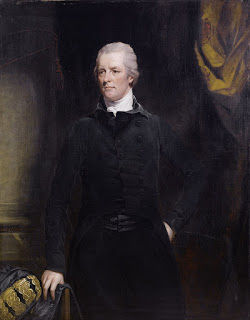
Mr Pitt, as you know everything that is moving in the political world tell me some news.
“I am sorry Madam”, said the discreet premier,
“I have not read the newspaper of the day”.
Xxx

Can You Keep a Secret?

Secretary of the Navy Knox, was asked by an old friend some casual question about the movement of certain ships in Atlantic waters. The question was thoughtless and Knox leaned over with an air of confidence and said,
“Look Here, can you keep a secret?”
“Of Course of course” , replied the friend eagerly
“Well, said Knox, so can I”

Xxx

மந்திரிக்கழகு? தந்திரிக்கழகு? 2 கதைகள் (Post No.5180)

Compiled by London swaminathan


Date: 4 JULY 2018


Time uploaded in London –   7-45 am (British Summer Time)


Post No. 5180


Pictures shown here are taken from various sources such as Facebook friends, Wikipedia, Books, Google and newspapers; thanks. Pictures may be subject to copyright laws.


மந்திரிக்கு அழகு வரும் பொருள் உரைத்தல்

தந்திரிக்கு அழகு தறுகண் ஆண்மை

வெற்றி வேற்கை/ நறுந்தொகை (அதிவீரராம பாண்டியன்)


மந்திரிக்கு அழகு என்ன?

இனி நடக்கப்போவதை அறிந்து மன்னனுக்கு அறிவுறுத்த வேண்டும்.

அறிகொன்று அறியான் எனினும் உறுதி

உழையிருந்தான் கூறல் கடன் – குறள் 638

பொருள்-

அறிந்து கூறுவோர் இல்லாமல் மன்னன் தானே அறியும் ஆற்றல் அற்றவன்; அவன் மதிக்காவிட்டாலும் அமைச்சனின் கடமை– நன்மை தருவனவற்றை எடுத்துரைத்தலாம்.


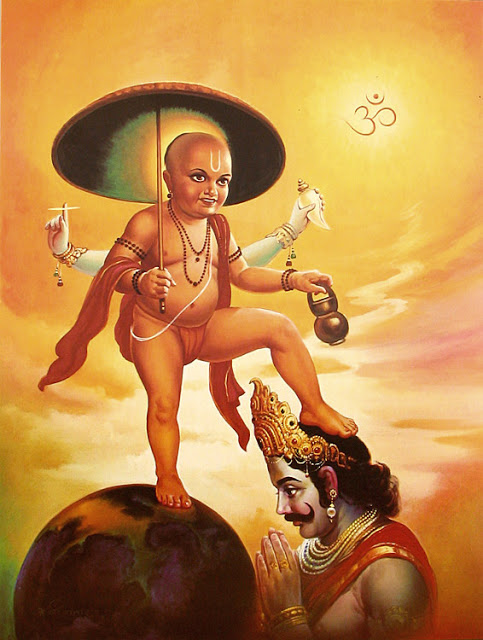
மன்னன் மஹாபலி மிகவும் தயாள குணம் உடையவன். ஆயினும் அரக்கர் குலத்தவன். அவனுடைய ஆற்றல் பெருகினால் ஆபத்து விளையும் என்று கருதி, திருமால் குள்ளன் வடிவத்தில்– வாமனன் வடிவத்தில்- பிராமண கோலத்தில் யாசிக்கச் சென்றார். யாசகம் கேட்டு வந்தவன் சாதாரண பிராஹ்மணன் அல்ல என்பதை அசுர குருவான சுக்ராச்சார்யார் அறிவார்.


ஆகையால் மஹாபலி சக்ரவர்த்தியை எச்சரித்தார். இந்த ஆள் சாதாரணமானவர் அல்ல. அவன் கேட்பதை எல்லாம் தந்து விடாதே. உ னது ராஜ்யத்தில் ஒரு பகுதி மட்டும் கொடுத்து திருப்பி அன்னுப்பிவிடு என்றார். ஆனால் ‘விநாஸ காலே விபரீத புத்தி’ வரும் அல்லவா. விதி கெட்டுப்போனால் மதி கெட்டுப் போகும் அல்லவா?  மன்னன், மந்திரியின் சொல்லைக் காற்றில் பறக்கவிட்டான்.

ஐயரே, யாது வேண்டும் ? என்றான்

ஒன்றும் அதிகம் வேண்டாம்; மூன்று அடி மண் போதும் என்றான்.

அரசனோ சிரித்துக் கொண்டே எடுத்துக் கொள் என்றான்

வந்திருந்த வாமனனோ  ‘ஓங்கி உலகு அளந்த உத்தமனாக’ வடிவு எடுத்து பூமியை ஒரு காலடியாலாலும் ஆகாய த்தை ஒரு காலடியாலும் அளந்து விட்டு, அன்பனே, மூன்றாவது அடிக்கு எங்கே வைப்பது? என்று வினவ, மன்னனும் என் தலையில் வைக்க என்றான்.

அவனுக்கும் ஒரே கல்லில் இரண்டு மாங்காய் கிடைத்தது. தானம் கொடுத்த பலன் ஒன்று; விஷ்ணுவின் காலடி பெற்ற புண்ணியம் இரண்டு.


மன்னன் மஹாபலி ஒன்றும் தவறிழைக்காதவன் என்பதால் நீ ஆண்டுதோறும் எனது நட்சத்திரமான ஓணம் அன்று இதே பூமிக்கு விஜயம் செய்து மக்களின் வாழ்த்துக்களைப் பெறு என்றான். அதுவே ஓணம் பண்டிகை ஆயிற்று.


தந்திரிக்கு அழகு தறுகண் ஆண்மை


தந்திரிக்கு– அதாவது சேனைத் தலை வனுக்கு– அழகு என்ன?

போரில் அஞ்சாது ஆண்மையோடு இருத்தல்.


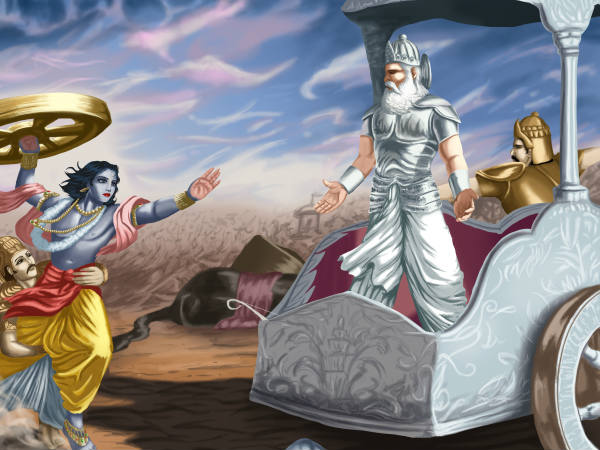
மஹாபரதக் கதை எல்லோருக்கும் தெரியும். துரியோதணனுக்கு எவ்வளவோ நல்ல புத்திமதி சொல்லி நல்வழிப்படுத்த முயன்றார் பீஷ்மர். ஆனால் அவன் கேட்ட பாடில்லை. அது மட்டுமல்ல. மஹாபாரதப் போரில் அவரை படைத் தளபதியாக நியமித்தான்; கட்டாயம் அதர்மம் தோற்கும் என்பதை அறிந்தும் அஞ்சாது போரிட்டு மடிந்தார்; உண்ட வீட்டுக்கு இரண்டகம் நினையாது உப்பிட்டவரை உள்ளளவும் நினைந்து உயிர் நீத்தார் பீஷ்மர். போரில் ஆயுதம் ஏந்த மாட்டேன் என்று சொன்ன கிருஷ்ணனையும் இரண்டாம் நாள் போரில் சக்ர ஆயுதம் ஏந்த வைத்தார். போரெனில் இது போர்; புண்ணி யத்திருப்போர் என்று போற்றும் வ கையில் செயல்பட்டார். இது போல் தமிழ் நாட்டில் சிறுத்தொண்டர் ஆற்றிய சேவையையும் சொல்லலாம்.


-SUBHAM-

INDIAN HISTORY BEGINS BEFORE 2,50,000 YEARS; NEW CHRONOLOGY (Post No.5179)

Compiled by London swaminathan


Date: 4 JULY 2018


Time uploaded in London –   6-39 am (British Summer Time)


Post No. 5179


Pictures shown here are taken from various sources such as Facebook friends, Wikipedia, Books, Google and newspapers; thanks. Pictures may be subject to copyright laws.


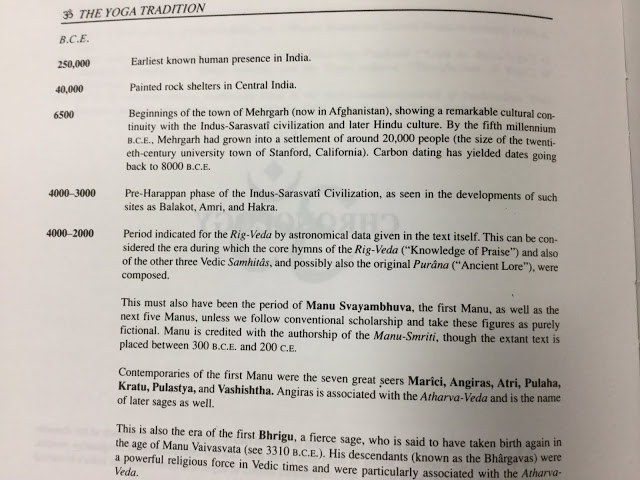
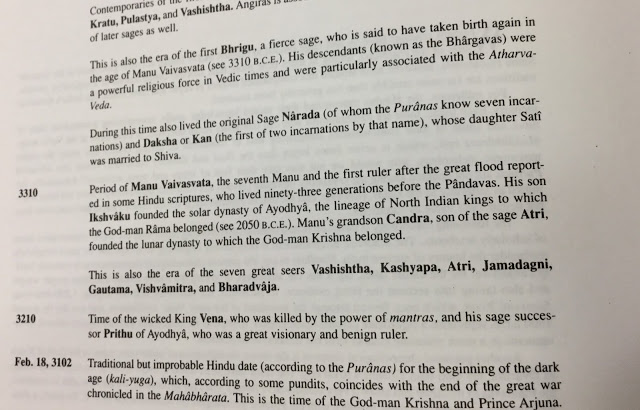
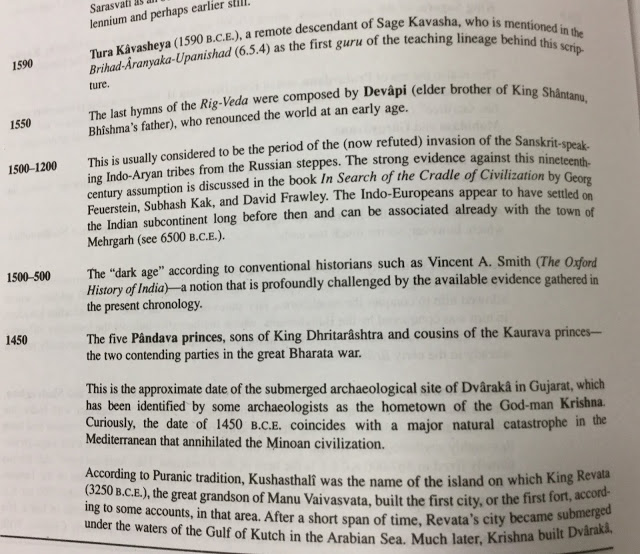
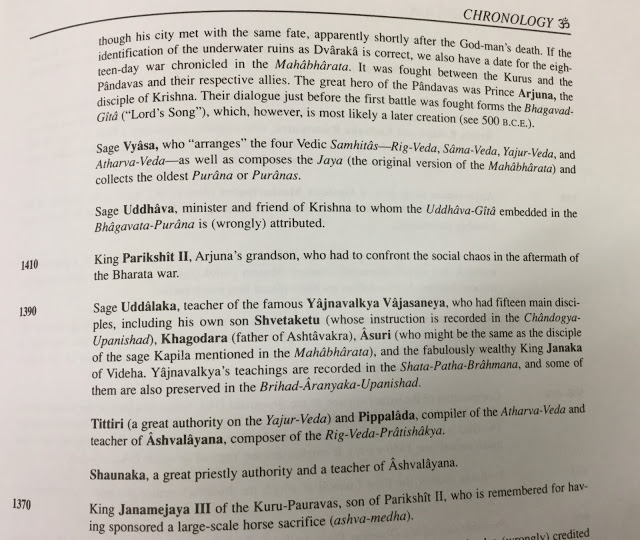
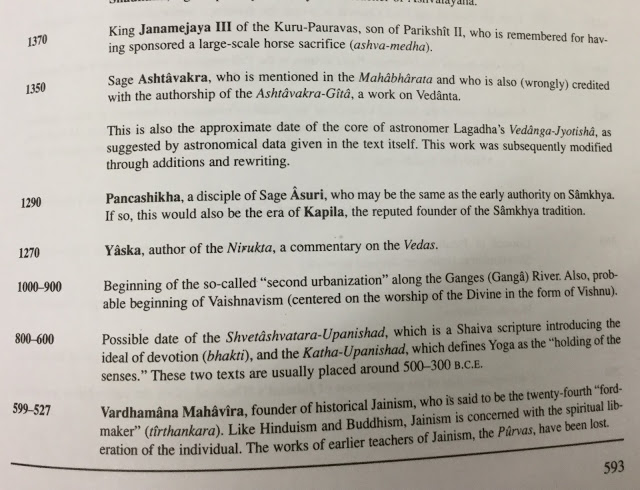
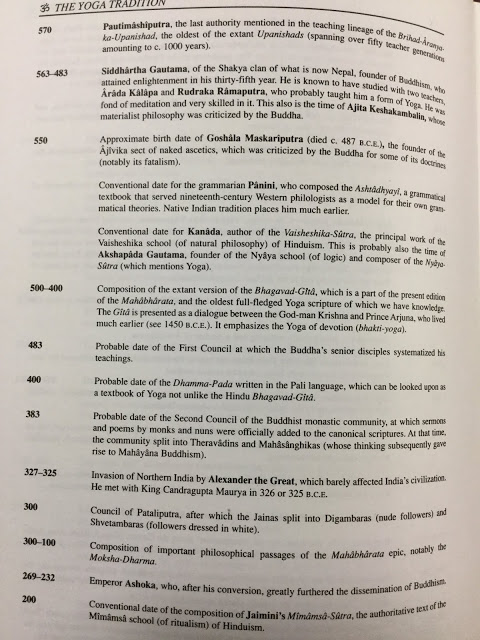
Latest research shows that Indian history begins in 250,000 BCE. Bhimbetka caves in Madhya Pradesh has 40,000 year old paintings. If human beings live in the heart of India amidst thick forest, deep inside India, far from the sea coast, they must have been there several thousand years before that date. it raises a question about the popular belief that human beings slowly migrated from Africa about 60,000 years ago. We have older evidence to prove that the theory is wrong.


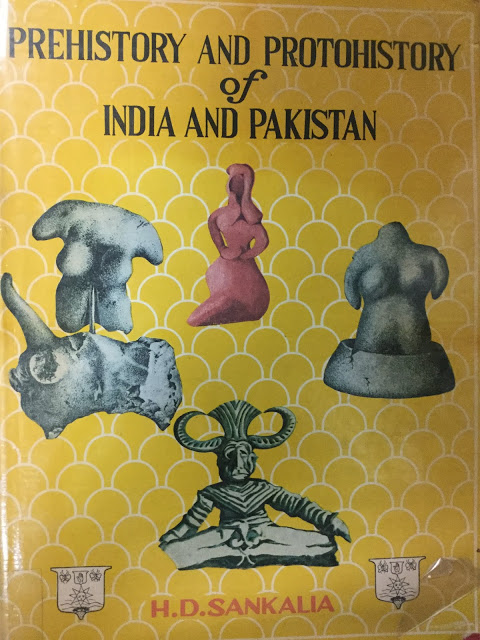
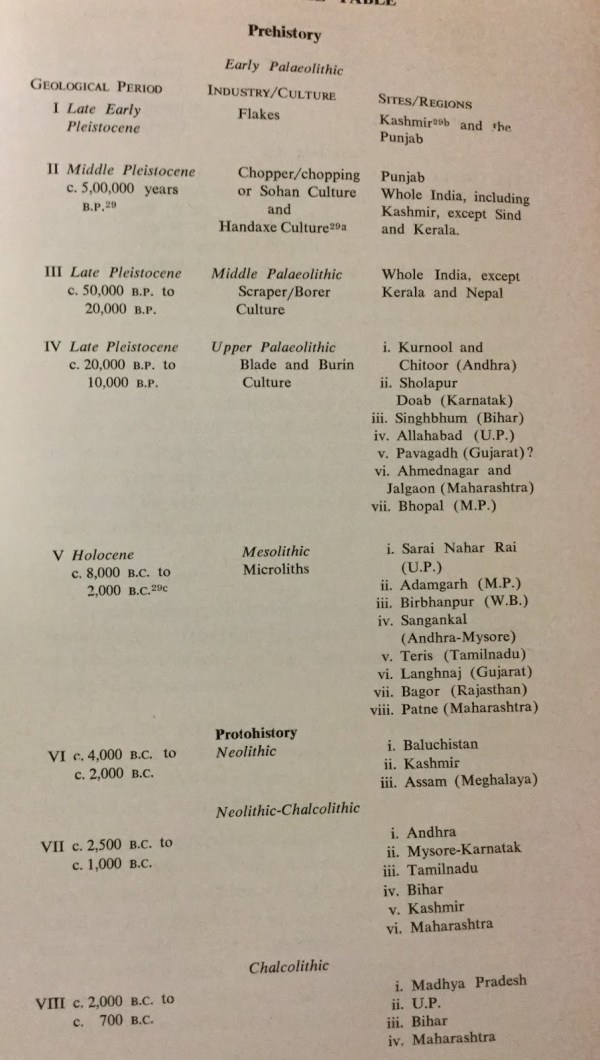
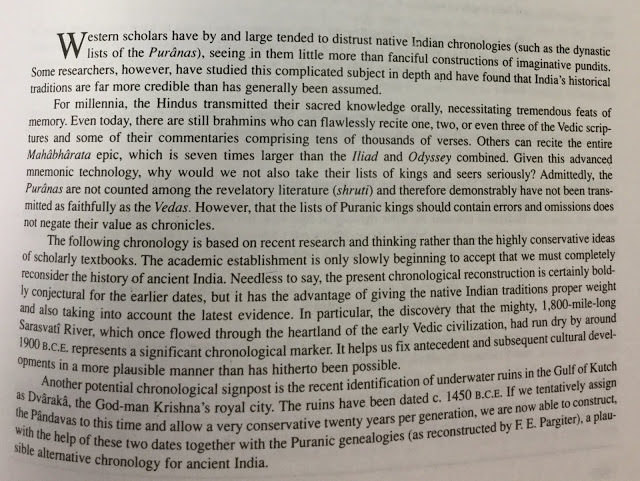
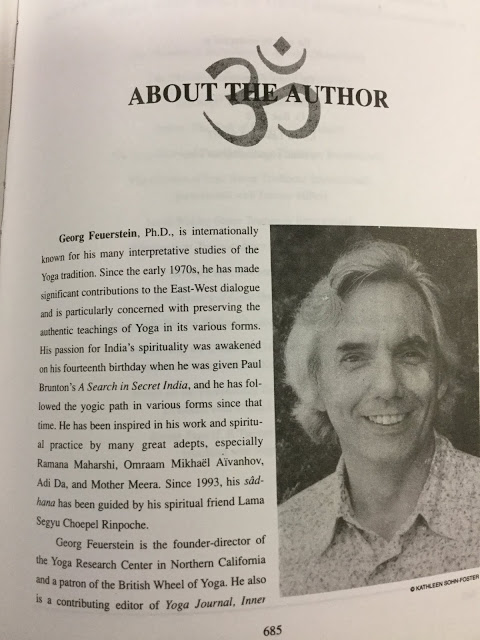
The Yoga Tradition author Georg Feurstein gives the New Chronology of India. It shows that the India is the oldest country with human occupation. Famous archaeologist H D Sankalia in 1974 has shown the paleo lithic and neo lithic stone cultures with dates. But current discoveries take us to very early periods. Indian history must be rewritten immediately. All the history books written by British and Marxist historians must be dumped into Indian ocean.

I have given below the chronological tables from Georg and Sankalia:–

NEW CHRONOLOGY


–SUBHAM–