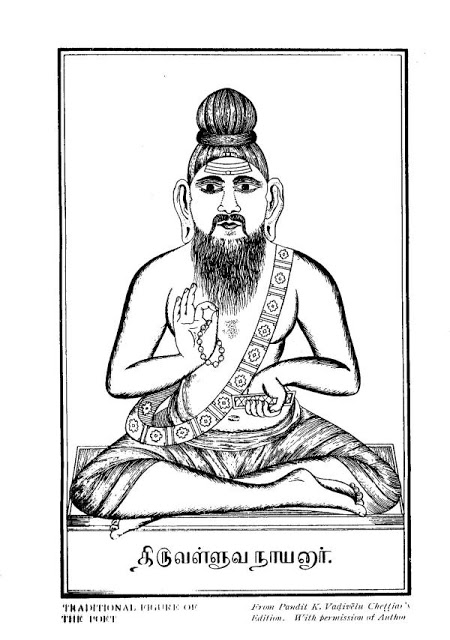
வள்ளுவருக்கு ஏன் 11 பெயர்கள்? (Post No.3624)

Written by London swaminathan


Date: 10 FEBRUARY 2017


Time uploaded in London:- 20-56


Post No. 3624


Pictures are taken from different sources; thanks.


contact; swami_48@yahoo.com


திருவள்ளுவரின் பழைய வரலாறு மறைக்கப்பட்டுவிட்டது போலவே அவருடைய பெயர்களும், திருவள்ளுவ மாலையில் உள்ள 50-க்கும் மேலான செய்யுட்களும் மறைக்கப்பட்டு விட்டன; மறக்கப்பட்டும் விட்டன. இன்று அவருடைய 11 பெயர்களை மட்டும் ஆராய்வோம்.


அவருடைய 11 பெயர்கள்


திருவள்ளுவர்

தேவர்

முதற்பாவலர்

மாதாநுபங்கி

தெய்வப்புலவர்

செந்நாப்போதார்

பெருநாவலர்

நான்முகனார்

புலவர்

பொய்யில் புலவர்

நாயனார்


இனி இதன் விளக்கங்களைக் காண்போம்


1.திருவள்ளுவர்

வள்ளுவர் என்பது ஒரு ஜாதியின் பெயர் என்றும் அந்த ஜாதியினர் அரசனின் ஆணைகளை யானை மீது சென்று பறையறிவித்து பிரகடனம் செய்வர் என்றும் கூறுவர்.

மற்றொரு பொருள்:- திரு என்பது உயர்வைக் குறிக்கும்; வள்ளுவர் என்பது வண்மையுடையவர் எனப் பொருள்படும்.


வேத சாஸ்திரங்களில் இலை மறை காய்போல இருந்த அரிய பெரிய விஷயங்களைச் சுருங்கச் சொல்லி தமிழ் வேதம் எனப்படும் திருக்குறளை எழுதியதால் இப்பெயர் பெற்றார் என்பாரும் உளர்.

வள்ளுவர்- வண்மையென்னும் பண்பினடியாய்ப் பிறந்த பெயர்; உ-சாரியை


2.தேவர்

தெய்வத்தனமையை உடையவர். மனிதனுக்கும் மேலாக தேவர் என்னும் நிலையில் வைத்துக் கொண்டாடப்படுபவர்; முனிவர் போல ஆசார அனுஷ்டானங்களைக் கடைப்பிடித்தவர். திருவள்ளுவ மாலையில் உறையூர் முதுகூற்றனார், “தேவிற் சிறந்த திருவள்ளுவர் என்று கூறுவது, இதை உறுதி செய்கிறது.


3.முதற்பாவலர்

முதன்மையுடைய பாவலர்; இதன் பொருள் கவிகளில் சிறந்தவர். காளிதாசனை “கவி குல குரு” என்பது போல.பாவலர்= பாடல் பாட வல்லவர். பலவகை வெண்பாக்களுள் குறள்பா முதன்மையானது; அதில் பாடியவர். மேலும் அந்தண ஜாதியிற் பிறந்ததால் முதல் பாவலர் என்பாரும் உளர்.

4.மாதாநுபங்கி

திருவள்ளுவ மாலையில் மாதாநுபங்கி என்ற பெயரையும் செந்நாப்போதார் என்ற பெயரையும் நல்கூர் வேள்வியார் பயன்படுத்தியுள்ளார்; தாய் போல சாலப் பரிந்து அன்பு செலுத்தியவர். தாயெனத்தக்கவர்.

உப்பக்கம் நோக்கி உபகேசி தோள்மணந்தான்

உத்தர மாமதுரைக் கச்சென்ப – இப்பக்கம்

மாதாநுபங்கி மறுவில் புலச்செந்நாப்

போதார் புனற்கூடற்கச்சு
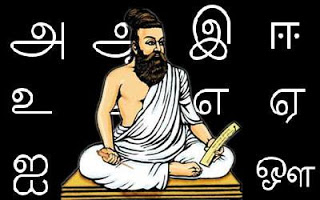
 

5.தெய்வப் புலவர்

கிரேக்க மொழியின் முதல் கவிஞர் ஹோமரையும் சம்ஸ்கிருத இலக்கணம் எழுதிய பாணினியையும் Divine Homer டிவைன் ஹோமர், பகவான் பாணினி என்பர். அதுபோலத் தெய்வீகத் தன்மையுடைய திருக்குறளை எழுதியதால் தெய்வப் புலவர் என பெயர் பெற்றார். அதுமட்டுமல்ல, மதுரைத் தமிழ்ச் சங்கத்தில் இவரையும் வணிகர் மரபில் தோன்றிய ருத்திரசர்மர் என்பவரை யும் மட்டுமே சங்கப் பலகையில் அமர கடவுள் அனுமதித்தார். மற்றவர் எல்லோரையும் மீனாட்சி கோவில் பொற்றாமரைக் குளத்தில் விழவைத்தது என்பது செவிவழிச் செய்தி. அப்போது ஆகாயவாணி (அசரீரி) இவரது திருக்குறளை அங்கீகரித்ததால் இப்பெயர். அதுமட்டுமல்ல. சேனாவரையர், நச்சினார்க்கினியர் ஆகியோர் எழுதிய தொல்காப்பிய உரை முதலியவற்றில் தெய்வப்புலவன் திருவள்ளுவன் என்று போற்றியுள்ளானர்.


6.செந்நாப்போதார்

செவ்விய நாவாகிய மலரையுடையவர்; “என்றும் புலராது”   என்ற இறையனார் பாசுரத்தில், திருவள்ளுவர் வாய்ச் சொற்குக் கற்பகத் திருமலர் உவமை கூறப்பட்டுள்ளது. போது=மலர். மலர்மேல் அமரும் சரஸ்வதி தேவி, அவரது நாவில் வசிக்கிறாள்; செவ்விய மதுரஞ்சேர்ந்த நற்பொருளிற் சீரிய கூரிய தீஞ்சொல், வவ்விய கவிகளாகிய தேனைச் சொரிகிற நாக்கை உடையவர்.


7.பெருநாவலர்

பெருமையுடைய புலவர்; நாவலருட் பெரியவர் என்க.

நாவலர்= கவந சக்தியும், பிரசங்க சக்தியும், போதனா சக்தியும் படைத்த நாவன்மை உடையவர். திருவள்ளூவ மாலையில் தொடித்தலை விழுத்தண்டினார் இப்பெயரைப் பயன்படுத்தியுள்ளார்.


8.நான்முகனார்

பிரம்மதேவனின் அம்சத்துடன் பிறந்தவர்; திருவள்ளுவ மாலையில், உக்கிரப் பெருவழுதியும், காவிரிப் பூம்பட்டினத்துக் காரிக்கண்ணனாரும் கூறியதைக் காண்க:-

நான்மறையின் மெய்ப்பொருளை முப்பொருளா நான்முகத்தோன், தான் மறைந்து வள்ளுவானய்த் தந்துரைத்த நூன்முறையை…..”


ஐயாறு நூறு மதிகார மூன்றுமா, மெய்யாய வேதப்பொருள் விளங்கப் பொய்யாது, தந்தானுலகிற்குத்தான் வள்ளுவனாகி, அந்தாமரைமேலயன்

9.புலவர்

புலம் அல்லது புலமை உடையவர் (புலம்= தேர்ந்த அறிவு; புலமை=கல்வித் தேர்ச்சி) நூலறிவு; பாண்டித்தியம் உடைமை.

சைவர்களுக்கு கோவில் என்றால் சிதம்பரம்

வைணவர்களுக்கு கோவில் என்றால் திருவரங்கம்

அது போல   தமிழில் புலவர் என்றால் வள்ளுவர்


திருவள்ளுவ மாலையில் புலவர் திருவள்ளுவரன்றிப் பூமேற்- சிலவர் புலவரெனச் செப்பல் – என்று மதுரை தமிழாசிரியர் செங்குன்றூர்க் கிழார் கூறியதால் அறிக.
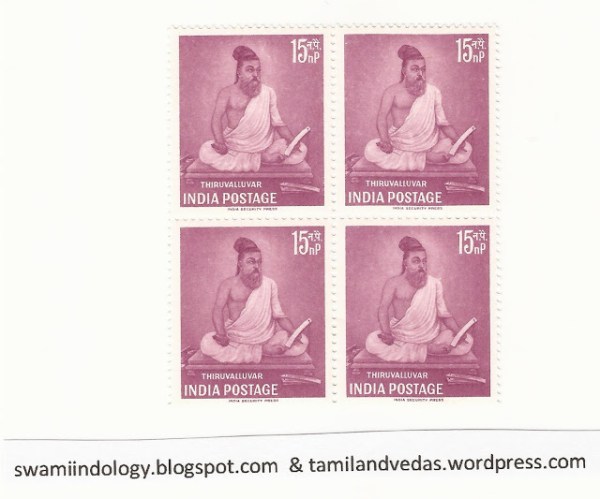
 

10.பொய்யில் புலவர்


பொய்மையில்லாத புலவர்; பொருள்களை உள்ளபடி உணரவும், உணர்ந்தபடி உரைக்கவும் வல்ல அறிவை உடையவரென்றபடி. சீத்தலைச் சாத்தனார், மணிமேகலையில், பொய்யில் புலவன் பொருளுரை  தேறாய் – என்றனர்.


11.நாயனார்

இப்பெயரை நச்சினார்க்கினியர், தன் உரையில் பயின்றுள்ளார்.


சுபம்-

Love Poems in Sanskrit Literature (Post No.3623)

Written by S NAGARAJAN


Date: 10 February 2017


Time uploaded in London:-  5-54 am


Post No.3623


Pictures are taken from different sources; thanks.


contact: swami_48@yahoo.com


Santhanan Nagarajan


Remember Sir Walter Scott’s Brignall Banks? ‘A maiden on the castle wall, Was singing merrily,-,“O, Brignall banks are fresh and fair, And Greta woods are green; I‘d rather rove with Edmund there, Than reign our English queen.”

What a beautiful sentiment is being expressed there? Similar poems are available in hundreds in English Literature. But if you come across Sanskrit and Tamil literature thousands of Love poems will take you to a greater level.

Every single movement of a lover becomes a great epic! The poets left no stone unturned. In order to read all the poems and absorb the meaning we may need hundreds of years.


The love poems are analyzed threadbare by the great scholars and in these poems the sentiment or ‘rasa’ reigns supreme.

The emotion of love is inborn in human heart. But it will come to prominence once it finds an object for its activity.

Take a case of a charming youth. He happens to see a beautiful young girl. His emotion of love is aroused. He begins to think of her. Fortunately if he meets her in a secluded place and the mutual love is fully developed, they enjoy the ‘rasa’.


But in the poetry the ‘rasa’ even though developed in the characters in the poem, they are not enjoying or tasting it, but the readers are enjoying it.

The secret of the good poetry is to give that ‘rasa’ or sentiment to the reader.

Sanskrit love poems are always successful in giving this beautiful sentiment.

If you go in deep, the literature gives various aspects of love. Coding system is not a modern one. In ancient times, the lovers used this system. Only the lovers will understand their language. This has been described in love poems in detail. Also there is a sign language. The gestures gives different meanings. Meeting place, meeting time etc. will be communicated through this sign language. If there are some family members present in the gathering, the girl will communicate to her lover using this language. Their world is unique and there is no place for others.


In Sangam literature of Tamil, which is very old, there is a beautiful poem:

The lover asks his beloved, who is your mother and who is my mother? How your father and my father are related? When the rain drops on a red sand it merges with the sand. Likewise the hearts filled with love melts and merges.


The people of Tamilnadu had given equal importance to the valour and love.  And hence we may find poems related to these two aspects of life.

The same is true in general with all other kingdoms of ancient India. There were 56 kingdoms in all. Poets like Kalidasa, Harsha, Bharavi, Dandi, Rajasekara composed poem of high order.


One would be surprised to note that in the ancient Vedas there is a famous love story of Nala and Damayanthi. Damayanthi, the great queen married Nala overcoming many obstacles. The Nala story is very famous and almost in all languages of India the poets have sung the glory of love between Nala and Damayanthi.


Given below is one sample poem of poet Bhavaka Devi:

Her breasts are brother kings, equal in nobility,

Reared together till they have reached the same altitude of fame;

And from their border warfare these monarchs of vast provinces

Have gained a cursed hardness.


One more poem:

With your large eyes having curved and sportive eye-brows which great men, however immovable by emotions, have you not, oh! Lady with charming limbs, brought to the state of emotional disturbance?

Think for a moment, if one could read the above poems in Sanskrit itself, how much ‘rasa’ and joy it will bring!

In this life, one should read some good poems every day to elevate our minds!

***

நலம் தரும் சொல்: திருமங்கை ஆழ்வார் கண்டுபிடிப்பு! (Post No.3622)

Written by London swaminathan


Date: 9 FEBRUARY 2017


Time uploaded in London:- 20-45


Post No. 3622


Pictures are taken from different sources; thanks.


contact; swami_48@yahoo.com


நாராயணா  என்னும் நாமத்தின் சிறப்பை எப்படிக் கண்டுகொண்டார் என்பதை திருமங்கை ஆழ்வார் விளக்கும்  விதமே தனி அழகு!  அவர் சொல்லுவதை பெரிய திருமொழியில்   படித்து ரசிக்க வேண்டும்.


குலம் தரும்; செல்வம் தந்திடும்; அடியார்

படுதுயர் ஆயின எல்லாம்

நிலம் தரும் செய்யும்; நீள் விசும்பு அருளும்;

அருளொடு பெரு நிலம் அளிக்கும்;

வலம் தரும்; மற்றும் தந்திடும்; பெற்ற

தாயினும் ஆயின செய்யும்;

நலம் தரும் சொல்லை நான் கண்டுகொண்டேன்

நாராயணா என்னும் நாமம்


நாராயணா என்னும் நாமத்தின் மூலம் என்ன , என்ன கிடைக்கும்?

உயர்ந்த மேன்மை (குலம்)

செல்வம்

துயர்களைத் துடைக்கும்

நிலம் தரும்

பகவானின் அருளைத் தரும்

சுவர்கம்- வீடுபேறு தரும்

பலம் தரும்

தாயினும் மிஞ்சிய அன்பும் தரும்


இவ்வளவு சிறப்புடைய சொல், நாமம் நாராயணா என்பதைக் கண்டுவிட்டேன்.

இதை கம்பன் பாடலுடனும் அபிராமி பட்டர் பாடலுடனும் ஒப்பிடலாம்:

தனம் தரும், கல்வி தரும், ஒருநாளும் தளர்வறியா

மனம் தரும்; தெய்வ வடிவும் தரும்- நெஞ்சில் வஞ்சமில்லா

இனம் தரும்; நல்லனவெல்லாம் தரும் அனபர் என்பவர்க்கே

கனம்தரும் பூங்குழலாள் அபிராமி கடைக்கண்களே

–அபிராமி அந்தாதி

கம்பன் இதையே இராம நாமத்தினால் கிடைக்கும் என்பான்:-

பால காண்டத்தில் கம்பன் :-


நன்மையும் செல்வமும் நாளும் நல்குமே

தின்மையும் பாவமும் சிதைந்து தேயுமே

சென்மமும் மரணமும் இன்றித் தீருமே

இம்மையே இராம என்ற இரண்டெழுத்தினால்.


நாடிய பொருள் கைகூடும் ஞானமும் புகழும் உண்டாம்

வீ டியல் வழியதாக்கும் வேரியம் கமலை நோக்கும்

நீடிய அரக்கர் சேனை நீறு பட்டழிய வாகை

சூடிய சிலையிராமன் தோள்வலி கூறுவார்க்கே.


ஊமை கண்ட கனவு!

திருமங்கை ஆழ்வாரின் பத்து பாடல்களில் ஒரு பாடல்தான் “குலம் தரும்”…………….. ஏனைய பாடல்களில் அவர் கூறும் நல்ல வாசகங்கள்:


சேமமே வேண்டி தீவினை பெருக்கி

தெரிவைமார் உருவமே மருவி

ஊமனார் கண்ட கனவிலும் பழுது ஆய்

ஒழிந்தன கழிந்த அந்நாள்கள்


பொருள்: நனமையே பெற வேண்டும் என்று எண்ணி அதனைப் பெற நல் வினை செய்யாமல் தீவினையே செய்து பெண்களின் அழகையே நாடிக் கழித்த நாட்கள் ஊமை கண்ட கனவினைப் போல வீணாயின.


தஞ்சை கோயில், குடந்தை கோயில் ஆகியனவற்றைப் பாடிவிட்டு பத்தாவது பாடலை அவர் முடிக்கும் அழகே தனி அழகுதான்!


துஞ்சும் போது அழைமின்; துயர்வரில் நினைமின்

துயர் இலீர் சொல்லினும் நன்றாம்

நஞ்சுதான் கண்டீர் நம்முடை வினைக்கு


-திவ்வியப் பிரபந்தம், பெரிய திருமொழி, பெரிய திருமந்திரத்தின் மகிமை

–subham–


Elections Anecdotes (Post No.3621)


Compiled by London swaminathan


Date: 9 FEBRUARY 2017


Time uploaded in London:- 18-06


Post No. 3621


Pictures are taken from different sources; thanks.


contact; swami_48@yahoo.com


My Vote for You!

There is the story of a Yankee farmer who promised his vote to the Democratic candidate for Selectman and ten minutes later promised it to the Republican nominee. To his wife’s rebuke he replied cannily,

“Did you notice how pleased each of the candidates were?”

“Yes”

“Well, I pleased them both, and on Election Day I will please myself, and then we shall all be pleased together”.


Xxxx

Public offices anecdotes 


The typically parliamentary mind suffers considerably from the necessity of departing from orderly procedure. This was clearly demonstrated in the meeting of the Town Council of a small city on the West coast of USA. The session was interrupted by a mild earthquake shock, and all present hastened out of the building to safety.

The clerk found himself severely perplexed by the problem of concluding his formal minutes of the meeting in the proper manner. After mulling over the problem for a considerable length of time, he was inspired to the following conclusion:

“On motion of the City Hall, the Council adjourned”.


Xxx


I am ready to walk: Lincoln

Lincoln was once asked if he did not find the office of the presidency with all its attendant ceremonies rather tiresome at times.

Lincoln replied, “Yes, sometimes. In fact I feel sometimes like a man who was ridden out of town on a rail and said “If it wasn’t for the honour of the thing, I would rather walk”.


Xxx


God and Abraham Lincoln!

John Bach McMaster , the historian, told this story of Abraham Lincoln.

When he was a very small boy he was taken to a reception at the White House . The guests were lined up and led past the president under the watchful eyes of the ushers. No one was allowed to come very close or shake his hand. One old man who had come a long distance just for this occasion was very disappointed at not having shaken hands with  the President.

Just before leaving the line the old timer waved his hat at the president and shouted, “Mr President, I am from up in York state where we believe that God Almighty and Abraham Lincoln are going to save the country”.

Jovially the president waved back at him ,”My friend, you are half right, was his reply”.

Xxx

Lincoln’s Knowledge of History!

Jefferson Davis insisted on being recognised by his official title as commander or President in the regular negotiations with the US Government. This Mr Lincoln would not consent to.

Mr Hunte there upon referred to the correspondence between King Charles the first and his parliament as a precedent for a negotiation between a constitutional government and rebels. Mr Lincoln’s face then wore that indescribable expression which generally preceded his hardest hits, and he remarked ,”Upon questions of history, I must refer you to Mr Seward for he is posted on such things and I don’t profess to be; but my only distinct recollection of the matter is that Charles lost his head”.

–Subham–


அரசன் என்பவன் தந்தை: தமிழ், சம்ஸ்கிருதப் புலவர்கள் பொன்மொழி (Post No.3620)

Written by London swaminathan


Date: 9 FEBRUARY 2017


Time uploaded in London:- 10-48 am


Post No. 3620


Pictures are taken from different sources; thanks.


contact; swami_48@yahoo.com


இறைவனை “அம்மையே! அப்பா!” என்றும் “தந்தையும் நீ, தாயும் நீ!” என்றும் ஆழ்வார்களும் நயன்மார்களும் பாடிப் பரவியுள்ளனர். குருவை “நீயே மாதா, நீயே பிதா! (த்வமேவ மாதா ச பிதா த்வமேவ)” என்று சிஷ்யர்கள் விதந்தோதினர். “அம்மாவும் நீயே, அப்பாவும் நீயே, அன்புடனே ஆதரிக்கும் தெய்வமும் நீயே”– என்று சினிமாப் பாடல்களைக் கேட்டிருக்கிறோம். புறநானூற்றுப் புலவர்களும் இப்படிப் பாடியிருப்பது பலருக்கும் தெரியாது.


பழங்காலத்தில் அரசன் என்பவனை தந்தை போலக் கருதினர் என்று புறநானூற்றுப் புலவர்கள் வாய்மொழி மூலமும், காளிதாசனின் கவிகள் மூலமும் அறிய முடிகிறது. 2000 ஆண்டுகளுக்கு முன்னர் இதே கருத்தை இமயம் முதல் குமரி வரையுள்ள கவிஞர்கள் பாடியிருப்பது பாரத கலாசாரம் ஒன்றே என்பதையும் இம்மண்ணில் பிறந்தோர் ஒரு வழியில்தான் சிந்திக்க முடியும் என்பதையும் காட்டும். கல்வெட்டுகளிலும், சாசனங்களிலும் கூட இக்கருத்து எதிரொலிக்கிறது!


தாயில்லார்க்குத் தாயாகவும், தந்தையில்லார்க்குத் தந்தையாகவும் இருப்பவன் ஆட்சிசெய்வோன்தான் என்று மனுவும், சாணக்கியனும் சங்க காலப் புலவர்களும் நவின்றனர். இது போன்ற கருத்துக்களை வேறு எந்த நாட்டு இலக்கியத்திலும் இவ்வளவு பெரிய நிலப்பரப்பில் காணமுடியாது. இது இந்திய நிலப்பரப்பின் தனித் தன்மையைக் காட்டுகிறது.


மன்னன் உயிர்த்தே மலர்தலை உலகம் என்று மோசிகீரனார் பாடுவார் (புறம்.186)


சேரமான் கருவூர் ஏறிய ஒள்வாட் கோப்பெருஞ் சேரல் இரும்பொறையைக் கண்ட ஞான்று, நரிவெரூ உத்தலையார் (புறநானூறு-5) பாடிய பாடலில்,

“அருளும் அன்பும் இல்லாதோர் செல்லும் நரகம் பக்கம் போய்விடாதே! நீ காக்கும் நாட்டை குழந்தை வளர்ப்பவர் போல் காப்பாயாக– என்பார்

நிரயம் கொள்பவரோடு ஒன்றாது காவல்

குழவி கொள்பவரின் ஓம்புமதி


(நிரயம்= நரகம், குழவி= குழந்தை, ஓம்புமதி= காப்பாயாக)


வாட்டாற்று எழினியாதனைப் பாடிய மாங்குடிக் கிழார்


கேள் இலோர்க்குக் கேள் ஆகுவன் (புறம் 396)

உறவினர் இல்லாதோருக்கு அவன் உறவினன் – என்பார்.

கனியன் பூங்குன்றனோவெனில் உலகமே சொந்தம் “யாவரும் கேளிர்” என்பார் (பாடல்192)

மருதன் இளநாகனும் மருதக்கலியில் (கலித்தொகை 99), குழந்தைக்கு பால் தரும் தாய் போலவும், உலகத்துக்கு உதவும் மழை போலவும் நல்லாட்சி  நடத்தும் அரசன் எனப் பாராட்டுவார்:


குழவியைப் பார்த்து உறூஉம் தாய் போல், உலகத்து

மழை சுரந்து அளித்து ஓம்பும் நல் ஊழி யாவர்க்கும்

பிழையாது வருதல் நின் செம்மையின் தர……….


இதே கருத்தைக் கல்வெட்டிலும் காண்க:-


தந்தையிலோர்க்குத் தந்தையாகியுந்தா யிலார்க்குத் தாயாகியு

மைந்தரிலோர்க்கு மைந்தராகியு மன்னுயிர்கட்கு யிராகியும்


இரண்டாம் இராசராச சோழனின் மெய்கீர்த்தி


ஒரு தந்தை மகனைக் காப்பது போல அரசன் காக்க வேண்டும் என்று மனு சொல்வான் (7-135)


ரகு வம்சத்தில் காளிதாசன் சொல்வான்:

திலீபன் தனது குடிமக்களுக்கு கல்வி அளித்தான்; ஆபத்திலிருந்து காப்பாற்றினான்; உணவு கொடுத்து வளர்த்தான். அவன் தந்தை போல எல்லாவற்றையும் செய்தான்; இதனால் பெற்றவர்கள், பெயரளவுக்குத்தான் தாய்-தந்தை என்ற பெயர் தாங்கினர் (1-24)


நீ தந்தை போல பிரஜைகளை ரக்ஷிப்பாய் (2-48)


அஜன், புது மணப்பெண்ணை, கணவன் அன்புடன் நடத்துவது போல குடிமக்களைக் காத்தான். சமுத்திரத்தில் கலக்கும் பெரியநதியும் சின்ன நதியும் தானே கணவனுக்குப் பிரியமானவள் என்று கருதுவது போல அனைத்து மக்களும் எண்ணினர் (சமுத்திரம்= கணவன்  )8-8


எவன் ஒருவன் உறவினனை இழந்தாலும் அந்த இடத்தை நான் (துஷ்யந்தன்) ஈடு செய்வேன் என்று மக்களிடம் பிரகடனம் செய்யுங்கள் (சாகுந்தலம் 6-25)


இதோ மன்னன் வந்துவிட்டார்: யார் தன் குடிமக்களைக் குழந்தைகள் போல கவனிக்கிறாரோ அவர்……… (5-3)

அர்த்தசாஸ்திரம்- 4-3, 7-16   இதே கருத்தைக் காணலாம்.


–subahm–


Who is a Poet? Hundreds of Definitions! All are beautiful! (Post No.3619)

Written by S NAGARAJAN


Date: 9 February 2017


Time uploaded in London:-  5-13 am


Post No.3619


Pictures are taken from different sources; thanks.


contact: swami_48@yahoo.com


by Santhanam Nagarajan


Who is a Poet? If you want to know, there are hundreds of definitions. Also you may find a number of explanations regarding their works, attitudes and poetic imaginations.


The great Tamil poet Kamban says a poem must have three qualities. First it must have brightness. Brightness to drive away the darkness from the heart of the reader and he must be enlightened. Second it must have a lucid style with beautiful words attracting the reciter. And by its contents and meaning it must take the reader to a new height. He must float in the seventh heaven!

Another Tamil Poet Desikavinayakam Pillai says, any poem should come from the heart. It should take a pleasurable form. And in a lucid style it must have beautiful Tamil words. G.Bottomly agrees with this view saying that poetry is founded on the hearts of man.


The great poet Subramanya Bharathiyar says his profession is ‘Poem’. And he wants to flood the nation with his poems without wasting even a second to elevate all the blind who are, sleeping closing their eyes, mind and heart, not able to love their Motherland.


According the Emerson, The poet is not any permissive potentate, but is emperor in his own right. He also says there was never poet who had not the heart in the right place.

Whatever comes from their heart that is very valuable. Plato gives the reason for this. Plato says that Poets utter great and wise things which they do not themselves understand.


Shelley declares that the Poets are the unacknowledged legislators of the world.

Dillon says that True poets are the guardians of the state.


Thomas Carlyle opines that Poet is a heroic figure belonging to all ages. J.E.Flecker says that the poet’s business is not to save the soul of man but to make it worth saving.

Emerson gives a glorious tribute to all the poets saying that Poets are liberating Gods and the poets who have lives in cities have been hermits still.


When Isaak says that a poet is the painter of the soul, E.H.Charpin declares that the true poet is very near the oracle.

Great poets inspired their people by their songs. Bankim Chandra Chattobadyaya’s poem ‘Vandematharam’ echoed every nook and corner of India. All the thirty crore Indians united together opposed British rule singing this song. They got their freedom also.


Wordsworth did not know at first what would the poem ‘Daffodils’ bring to him. But later on he realized that ‘For oft when on my couch I lie, In vacant or in pensive mood, They flash upon that inward eye, Which is the bliss of solitude, And then my heart with pleasure fills, And dances with the Daffodils’.


Oh! The pleasure a poem brings to us is incomparable and could not be even equated to the pleasures of heaven!

****

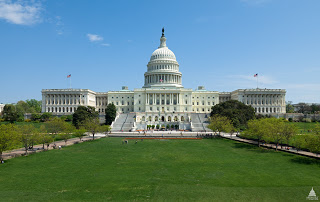
Parliament/American Congress Anecdotes (Post No.3618)

Compiled by London swaminathan


Date: 8 FEBRUARY 2017


Time uploaded in London:- 18-59


Post No. 3618


Pictures are taken from different sources; thanks.


contact; swami_48@yahoo.com


The late Senator Henry Cabot Lodge was talking about the ineffectiveness of the most Congressional (Parliament) Investigating committees.

Some of them, he observed, remind me of Si Hoskins. Si got a job at shooting muskrats, for muskrats overran a mill owner’s dam .There in the lovely Spring weather, Si sat on the grassy bank, his gun on his knee. Finding him one morning, I said,

“What are you doing, Sir?”

“I am paid to shoot the muskrats, sir. They are undermining the dam.”

“There goes one now, said I, shoot man! Why don’t you shoot?”

Si puffed a tranquil cloud from his pipe and said,

“Do you think I want to lose my job?”

Xxx


Once the House was making an effort to secure a quorum, and, as is usually done in such cases, telegrams were sent to members who were absent. One man, who was delayed by a flood on the railroad, telegraphed Thomas B Reed, Speaker of the House saying,

“Washout on line, can’t come”.

Reed telegraphed back, “Buy another shirt and come on next train”.


Xxxx

Strange Parliament!


Congress is so strange, commented Boris Marshalov, a Russian actor and dramatic coach, after a visit to the spectators gallery of the House of Representatives,

“A man gets up to speak and says nothing. Nobody listens — and then everybody disagrees.”


Xxx

Uni Cameral and Bi Cameral Systems

Laboulaye said, in one of his lectures, that Jefferson, who had become so completely imbued with French ideas as even to admire the unicameral system of legislation, one day visited Washington at Mount Vernon , and in course of the conversation that ensued, the comparative excellence came up for consideration. After much had been said on both sides, finally, at the tea-table , of the two systems

Washington turning sharply to Jefferson, said,

“You, sir, have just demonstrated the superior excellence of the bicameral system, by your own hand”.

“I! How is that?”, said Jefferson

“You have poured your tea from your cup out into the saucer to cool. We want the bicameral system to cool things. A measure originates in one house, and in heat is passed. The other house will serve as a wonderful cooler; and by the time it is debated and modified by various amendments there, it is much more likely to become an equitable law! No, we can’t get along without the saucer in our system”.


Xxxx

Tension Headaches!

The nervous condition resulting from high tension in our national capital in war time is indicated by the case of the weary Congress man who paused in the drug store of his hotel and asked for a box of aspirin tablets.

“Sorry, sir, said the clerk. We are all out of everything for headaches”.


Xxx

Ward Lamon told this story of President Lincoln, whom he found one day in a particularly gloomy frame of mind. Lamon said,

The president remarked, as I came in, “I fear I have made senator Wade of Ohio my enemy for life”.

“How?”,I asked.

“Well, continued the President, Wade was here just now urging me to dismiss Grant and in response to something he said, I remarked: Senator that reminds me of a story

“What did Wade say? Inquired Lamon of the President.

“He said in a petulant way, the President responded: “It is with you, sir, all story, story! You are the father of every military blunder that has been made during the war. You are on your road to HELL, sir, with this government, by your obstinacy, and you are not a mile off this minute”.

“What did you say then?

I good naturedly said to him, the President responded,

“Senator, that is just about from here to the CAPITOL (Building of American Congress), is it not?”

He was very angry, grabbed up his hat and cane and went away.


–Subham–


நிலமகள் ஏன் அழுதாள்? புறநானூற்றில் ஒரு புதிர்! (Post No.3617)

Written by London swaminathan


Date: 8 FEBRUARY 2017


Time uploaded in London:- 9-28 am


Post No. 3617


Pictures are taken from different sources; thanks.


contact; swami_48@yahoo.com


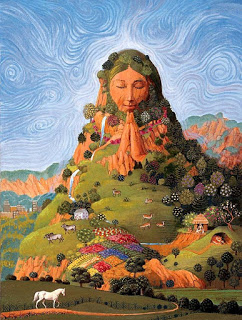
புறநானூற்றிலும் ஏனைய சங்க இலக்கிய நூல்களிலும் நிறைய புலவர்களுக்கு சம்ஸ்கிருதப் பெயர்கள்! அவர்களில் ஒருவர் பெயர் மார்க்கண்டேயனார். அவர் பாடிய பாடல் எண் 365. அவர் ஒரு விநோதச் செய்தியைச் சொல்கிறார். பூமா தேவி அழுதாளாம். ஏன் அழுதாள்? நான் ஒரு விலைமாது போல இருக்கிறேனே! எல்லா அரசர்களும் என்னிடம் வந்து போகின்றனரே! ஒருவரும் நிலைப்பதில்லையே!


பூமாதேவிக்கு மகளும் கிடையாது! இது ஏன்? இந்தப் புதிருக்கு வால்மீகி ராமாய ணத்தில் பதில் உள்ளது!


முதலில் புறநானூற்றுப் பாடலையும் அதன் பொருளையும் காண்போம்; பின்னர் வால்மீகியின் பதிலைக் காண்போம்; இந்தப் பாடல் ஆரிய-திராவிட வாதம் பேசும் புரட்டர்களுக்கும் பேதிலிகளுக்கும் செமை அடி கொடுக்கும் பாடல்!

மயங்கு இருங்கவிய விசும்பு முகன் ஆக,

இயங்கிய இருசுடர்க்கண் என, பெயரிய

வளி இடை வழங்கா வழக்கு அரு நீத்தம்,

வயிரக் குறட்டின் வயங்கு மணி ஆரத்துப்

பொன் அம் திகிரி முன் சமத்து உருட்டி

பொருநர்க் காணாச் செருமிகு முன்பின்

முன்னோர் செல்லவும், செல்லாது, இன்னும்

விலைநலப் பெண்டிரின் பலர் மீக்குற

உள்ளேன் வாழியர், யான்’ எனப் பல் மாண்

நிலமகள் அழுத காஞ்சியும்

உண்டு உரைப்பரால், உணர்ந்திசினோரே

—பாடல் 365, மார்க்கண்டேயனார்


பொருள்:-

“வான்முகத்திலே சூரியனும் சந்திரனும் இரண்டு கண்களாகக் கொண்டு, இடையே காற்று நிலவும் இந்த நிலமகளாகிய (பூமாதேவி) என்னை விட்டுவிட்டு, மணி ஆரம் பொருந்திய, வெற்றியில் சிறந்த பல அரசர்களும் போய்விட்டார்கள். நானோ அவர்களுடன் போகாது, மற்றவர்கள் எல்லோரும் என்னை இகழ்ந்து பேசுமாறு விலைமாதர் போல வாழ்கின்றேனே என்று பூமாதேவியும் அழுகின்றாள். இது உலக வாழ்க்கையின் நிலையாமையை உணர்ந்தோரின் கூற்று. ஆகையால் தலைவனே! புகழ்தரும் செயல்களைள மட்டும் செய்வாயாக!”


பாடலை எழுதியவர் பெயரும் சம்ஸ்கிருதம்; பாடலில் உள்ள சொற்கள் பலவும் சம்ஸ்கிருதம்; படலின் பொருளும் புராணக் கருத்துகள்!


சூரியனும் சந்திரனும் கண்கள் என்பதும், பூமியைத் தாய் என்று சொல்வதும், அரசர்கள்ப அவர்களுடைய கணவர்கள் என்பதும்  புராணத்தில் உள்ள கருத்துகள்.


அடுத்ததாக நிலமகள் ஏன் இப்படி அழுதாள் என்பதும் வால்மீகி ராமாயணத்தில் உள்ள விஷயமாகும்.


வால்மீகி ராமாயணத்தில், பால காண்டத்தில் 36-ஆவது அத்தியாயத்தில் கீழ்கண்ட கதை உள்ளது:-

விஸ்வாமித்திரர் சொல்கிறார்: உமாவும் மஹாதேவனும் திருமணம் ஆகி நீண்ட காலமாகியும் குழந்தை பிறக்கவில்லை. தேவர்கள், பிரம்மாவின் தலைமையில் சென்று, மஹாதேவனை (சிவன்) வேண்ட, அவருடைய விந்து பூமியில் விழுந்தது. பூமி தனியாக, அதைத் தாங்க மாட்டாமையால் அக்னி தேவனும் வாயு தேவனும் ‘சர’ என்ற வனத்தையும் ‘ஸ்வேதா’ என்ற மலையையும் உருவாக்கி அதில் விந்துவை விழச் செய்தனர். அதிலிருந்து ‘சர’ வணன் என்னும் கார்த்திகேயன் தோன்றினான்.


உமாவுக்குக் கோபம் வந்தது. என் மூலம் குழந்தை உருவாகாமல் ‘சர’  ‘வன’த்தில் தோன்றச் செய்ததால், தேவர்களே உங்களுக்குக் குழந்தைகளே பிறக்காது. பூமாதேவியே நீயும் உதவியதால் உனக்கு கணவர்களாக அரசர்கள் வந்து செல்வார்கள். ஆனால் உனக்கும் மகன் என்று எவனும் இருக்க மாட்டான்.”


இந்த வால்மீகி ராமயணக் கதையையே புறநானூற்றுப் புலவர் குறிப்பிடுகிறார்.

புறநானூற்றின் மிகப்பழைய பாடல் என்று கருதப்படும் இப்பாடலில் இவ்வளவு புராண விஷயங்களும் சம்ஸ்கிருதச் சொற்களும் இருக்குமானால் சங்க காலத்தில் மக்கள் எந்த அளவுக்கு இந்துமதத்தில் பற்றுக் கொண்டிருந்தனர் என்பது விளங்கும். அது மட்டுமல்ல உலகின் மிகப்பெரிய நாடாக விளங்கிய பாரதத்தின் 15 லட்சம் சதுர மைல் பரப்பில் இக்கருத்து நிலவியது என்றால் ஆரிய- திராவிடம் பேசுவோர் இந்திய விரோதிகள், இந்து மதத் துரோகிகள் என்பதில் இனியும் ஐயப்பாடு உளதோ?


-Subahm–

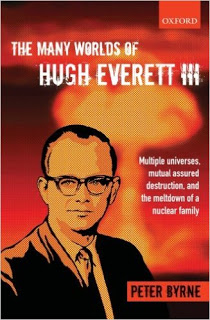
Hugh Everett and his Path Breaking new theory of Parallel Universe!(Post No.3616)


Written by S NAGARAJAN


Date: 8 February 2017


Time uploaded in London:-  5-53 am


Post No.3616


Pictures are taken from different sources; thanks.


contact: swami_48@yahoo.com


Santhanam Nagarajan

It was the American Physicist Hugh Everett III (Birth 11-11-1930 Death: 19-7-1982) who proposed the new path breaking theory of Parallel Universe. He said that the quantum effects cause the universe to constantly split and proposed many-worlds interpretation of quantum mechanics.

Including Niels Bohr laughed at the ‘stupid idea’ proposed by him.

It was in 1963 that the great scientist J.B.S. Haldane said that “Theories have four stages of acceptance: 1) this is worthless nonsense; 2) this is an interesting, but perverse, point of view 3) this is true, but quite unimportant 4) I always said so.”

Arthur Schopenhauer also echoed the same view and said that “All truth passes through three stages: First, it is ridiculed; second, it is violently opposed; and third, it is accepted as self-evident.”

The same thing happened to the Parallel Universe theory. It was ridiculed and opposed by one and all then. And accepted now!

Everett was dejected and altogether he left the Physics and joined Pentagon and did some worthless job!

Later the theory got momentum and scientists like Max Tegmark, Alexander Vilenkin have written their papers in support of Many Worlds Theory.

The brilliant physicist Everett’s tapes have been found in the basement of his rock star son’s flat. These were thought lost first and later was found out by his son Mark Everett during the making of a TV documentary.

Picture of Hugh from Wikipedia.

Everett developed this idea at the age of 24. His work tackled one of the most puzzling mysteries to emerge from the field of quantum mechanics. One consequence of the theory is that tiny particles such as electrons can behave in a curious way that allows them to be in two places at once. In one universe the particle appears in one place, while in a second it appears in the other.

Bohr has remarked, “Anyone who is not shocked by quantum theory has not understood it.”

Yes, true! Everett rightly understood and interpreted that we are living in a multiverse of countless universes, full of copies of each of us.

It is very interesting to note that Everett has written a letter to Einstein at the age of twelve. He just challenged the highest authority in physics and got a reply also from him. It is learnt that in his letter Everett attempted to solve the paradox of what happens when an unstoppable force meets an immovable object.

This theory ultimately leads to the idea that everyone is immortal. In one universe or other each one of us is living.

Tegmark says even now he is being ridiculed for supporting this idea. He is pointing out the popular joke: “You passed your exam in many parallel universe – but not this one.”

But jokes apart, he says surprisingly this idea may be tested. Those who so far said that this could not be tested are baffled now. Time will prove the existence of multiverse.

Perhaps the Xerox of you might have read this article and wondered as to why should one test it when it is real!

***


Number Seven in Kalidasa and Kamba Ramayana! (Post No 3615)

5ec28-n4iiwfj

Written by London swaminathan


Date: 7 FEBRUARY 2017


Time uploaded in London:- 18-51


Post No. 3615


Pictures are taken from different sources; thanks.


contact; swami_48@yahoo.com


I have already explained the significance of Number 7 in my two articles as given in the Vedas, Indus valley Seals and verses of Vaishnavite saints known as Alvars. Please read the details in the following two articles:

1).Mystic No.7 in Music!! posted on 13th April 2014

2).Number Seven: Rig Vedic link to Indus Culture, posted on 21 November 2014


Now let us look at some verses of Kalidasa and Kamban. Kamban wrote the Ramayana in Tamil.


Kalidasa says in the Tenth sarga (Chapter) of Raghuvamsa Kavya; it is in praise of Lord Vishnu:-


सप्तसामोपगीतम् त्वाम् सप्तार्णवजलेशयम्।
सप्तार्चिमुखमाचख्युः सप्तलोकैकसम्श्रयम्॥ १०-२१

saptasāmopagītam tvām saptārṇavajaleśayam।
saptārcimukhamācakhyuḥ saptalokaikasamśrayam || 10-21


They have praised Thee who hast been glorified by seven hymns; a recliner on the waters of seven seas; having seven-flames for thy mouth and as a Being the only support of the seven worlds… [10-21]


The seven hymns: gAyatra, rathantara, vAmadevya, bR^ihatsAma, vairUpa, vairAja, shakvarI.


Seven seas: lavaNa, ikshu, surA, sarpis, dadhi, kshIra, jala – sAgarAH.


Seven tongues of fire: karAli, dhUmini, shveta, lohita, nIla-lohita,

suvarNa, padma-rAga – through which offertories are received in Vedic-rituals.

Seven worlds: bhU, bhuvar, suvar, maharloka, jana, tapo, satya – lokAH.

cbb9b-number-7-c

Valmiki’s Description of Seven Trees Test


Valmiki briefly describes how Rama pierced the Seven Trees:-


“Hearing Sugriva’s gracious speech, Rama, in order to inspire him with confidence, took up his bow and a formidable arrow, and taking him, pierced the Sala trees, filling the firmament with the sound”.

“Loosed by that mighty warrior, the arrow, decorated with gold, passed through the seven Sala trees and entering the mountain, buried itself in the earth. In the twinkling of an eye that shaft with the speed of lightening, having pierced the seven trees with extreme velocity, returned to Rama’s quiver”.

Chapter 12 of Kishkinda Kanda of Valmiki.

(I have already explained in another article that Hindus were the inventors of Boomerang. Krishna’s Sudarsana chakra and Rama’s arrows come back after hitting the target. They were scientifically designed to come back to its original position. They were angled like boomerangs of Australian aborigines.)

09ad3-number7-3

Kamba Ramayana in Tamil

Kamban has some beautiful imagination in Kishkinda Kanda. His imagination runs riot:-


“Rama’s arrow pierced the seven trees then went through the seven worlds underneath. Since there was nothing with the suffix number seven under the earth it came back to Rama. If it sees anything with SEVEN, it will definitely pierce them; it would not leave them”


“Seven seas, seven ascetics (Sapta Rsis), seven worlds above the earth, seven mountains, seven horses in the Chariot of Lord Sun, Seven Virgins (sapta mata) – all these were shivering and shaking because they all had seven as a suffix in their names!”


“But yet they calmed themselves saying that Rama is the embodiment of Righteousness; so he wouldn’t harm us.”


—from Kamba Ramayana


Hindus believed that Seven is the most sacred number. So they have classified the seas, mountains, upper worlds, lower worlds, ascetics, virgins, clouds and many more things into  groups of seven.

Source: Valmiki Ramayana by Hariprasad Shastri

Raghuvamsa: Sanskritdocuments.org

–subham–