சாஸ்தா மலையின் அடியில் மர்ம சித்தர்கள் வசிக்கிறார்களா? (Post 3634)

Written by S NAGARAJAN


Date: 14 February 2017


Time uploaded in London:-  6-20 am


Post No.3634


Pictures are taken from different sources; thanks.


contact: swami_48@yahoo.com


பாக்யா இதழில் அறிவியல் துளிகள் தொடரில் வெளியாகியுள்ள கட்டுரை                                                            


சாஸ்தா மலையின் அடியில் மர்ம சித்தர்கள் வசிக்கிறார்களா?

.நாகராஜன்

t

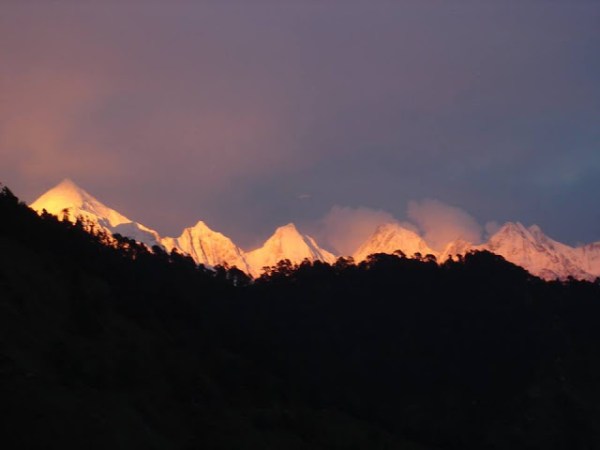
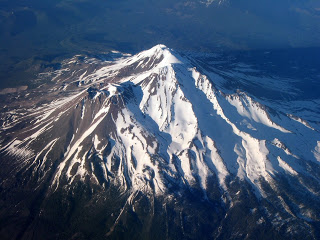
“14179 அடி உயரமுள்ள மவுண்ட் சாஸ்தா மிகப் புனிதமான மலையாகக் கருதப்படுகிறது.”

                                –    மவுண்ட் சாஸ்தா பற்றிய இணையதளத் தகவல்


     நாம் வாழும் இந்த பூமியில் சாஸ்தா மலையின் அடியில் உள்ள ஒரு பிரம்மாண்டமான நகரில் பிரபஞ்ச சக்தி இருக்கிறது என்றும் அங்கு வாழும் மர்ம சித்தர்கள் மனித குலத்திற்குத் தங்களின் அபூர்வ ஆற்றலின்  மூலம் உதவி புரிந்து வருகின்றனர் என்றும் சொன்னால் அதிசயமாகத் தானே இருக்கிறது.


         அமெரிக்காவில் வடக்கு  கலிபோர்னியாவில் உள்ள இந்த மவுண்ட் சாஸ்தா காலம் காலமாக மிகப் புனிதமான ஒன்றாகவும் பல மர்ம சித்தர்கள் வசிக்கும் இடமாகவும் கருதப்பட்டு வருகிறது. இங்குள்ள விண்டு என்ற பழங்குடியினர் சாஸ்தா பற்றிய பல அதிசய சம்பவங்களைக் கூறுகின்றனர். பழங்காலத் தமிழ் நாட்டுடன் தொடர்பு கொண்ட லெமூரியா அனைவருக்கும் நினைவிருக்கும்.


     இந்த மலையில் லெமூரியன்களைப் பார்ப்பதாக பலரும் சொல்கின்றனர். அவர்கள் ஏழு அடி உயரம் இருப்பதாகவும் தங்கக் கட்டிகளை கையில் ஏந்திச் செல்வதாகவும் அந்தப் பழங்குடி மக்கள் கூறுகின்றனர். மலையின் உள்ளே தங்கம் கட்டி கட்டியாக இருப்பதாக ஒரு நம்பிக்கை நிலவுகிறது.


     வழிவழியாக வழங்கி வரும் செய்திகளை ஆராயத் துணிந்தார் ஒரு அமெரிக்கர். அவர் பெயர் கை வாரன்  பெல்லார்ட்.(Guy Warren Ballard) ஆயிரத்தி தொள்ளாயிரத்து  முப்பதாம் வருடம் ஆகஸ்ட் மாதம் சாஸ்தா மலையை ஆராய அந்த மலையின் உட்பகுதிகளில் காடுகளின் உள்ளே அவர் சென்றார். பசிபிக் பெருங்கடலிலிருந்து வந்த ஒரு படகு கரையில் ஒதுங்கிப் பின்னர் பறக்க ஆரம்பித்து சாஸ்தா மலையில் இறங்கியதைக் கண்டதாக அவர் கூறினார்.

மலையின் காட்டுப் பகுதியில் ஒரு நீரூற்று அருகே பெல்லார்ட் சென்ற போது தாகம் எடுக்கவே சிறிது நீரை எடுத்துப் பருகினார். உடனே மின்சாரம் பாய்வது போல அபரிமிதமான சக்தி அவர் உடலில் பாய்ந்தது.


அப்போது இருபது வயது மதிக்கத் தக்க ஒரு இளைஞர் பெல்லார்ட் முன் தோன்றினார். 1784இல் இறந்த புனிதர் ஜெர்மெய்ன் தான் அவர் என்பதை அறிந்து  கொண்ட பெல்லார்ட் அடிக்கடி அவரைச் சந்திக்க ஆரம்பித்தார். ஐ ஆம் ஃபவுண்டேஷன் (I Am Foundation) என்ற ஒரு இயக்கத்தை ஆரம்பித்து மலை பற்றியும் அங்கு வாழும் சித்தர்களைப் பற்றியும் ஏராளமான இரகசியங்களைச் சொல்ல ஆரம்பித்தார்.

அவர் கூறிய செய்திகள் சுவாரஸ்யமானவை. தலையில் கருவி ஒன்றை மாட்டிக் கொண்டிருக்கும் அவர்களுக்கு உலகில் எந்த மூலையில் யார் பேசினாலும் கேட்க நினைத்தால் கேட்க  முடியுமாம்!


புனிதர் ஜெர்மெய்ன் பெல்லார்டிடம் ஒரு கோப்பை திரவம் ஒன்றைக் குடித்து குடிக்கச் சொல்ல அதைக் குடித்த பெல்லார்ட் உடலை வீட்டு நீங்கி ககன மார்க்கத்தில் உலவ ஆரம்பித்தாராம். அந்தப் புனிதர் வான மார்க்கமாக அவரைப் ப்ல இடங்களுக்கும் அழைத்துச் சென்றாராம். டெக்டான் தொடர் வரிசையில் உள்ள ஒரு மலைக் குகையில் சீலிடப்பட்ட ஒரு குகை இருக்கிறதாம். அதன் உள்ளே சென்றால் ஒரு ந்கரம் இருக்கிறதாம். அங்கு விசாலமான ஹால்கள், பாதாள அறைகள் ஏராளம் உள்ளதாம். ஒவ்வொரு சுவரிலும் அனைத்தையும் பார்க்கும் கண்கள்” (அமெரிக்க ஒரு டாலரில் உள்ள கண்கள்) வரையப்பட்டிருக்கிறதாம்.


12 அடி விட்டமுள்ள ஒரு இயந்திரத்தை அங்கு பார்த்த பெல்லார்ட் அதில் தான் அங்குள்ள சித்தர்கள் பெருமளவு அளப்பரிய ஆற்றலைச் சேமித்து வைத்து அங்கிருந்தே மனித குலத்தை உயர்த்த உதவி செய்கிறார்கள் என்று உணர்ந்து கொண்டாராம்.


மிகப் பெரும் பிரபஞ்ச சித்தர்கள் என்று அவர்களைக் குறிப்பிடும் பெல்லார்ட் அவர்கள் மூலம் அந்த சக்தி மனித உடலில் உள்ள ஏழு ஆதாரங்களுக்கு வருவதாகத் தெரிந்து கொண்டார். தாவரங்களுக்கும் மிருகங்கள் உள்ளிட்ட ஜீவராசிகளுக்கும் அவர்கள் ஆற்றலை வழங்குவதைக் க்ண்ட அவர், இதைத் தன் அமைப்பின் மூலம் உலக மக்களுக்குத் தெரிவிக்க ஆரம்பித்தார்.
 

சமீப காலத்தில் மிக பிரம்மாண்டமான இயந்திரங்களிலிருந்து கதிரியக்கத்தை வெளியிடச் செய்து சோவியத் யூனியன் மனிதர்களின் நடத்தையில் ஒரு மாறுதலைச் செய்ய அறிவியல் ரீதியாக முயற்சித்தது. அதே போல அந்த மலையில் உள்ள விசேஷ இயந்திரங்கள் கதிரியக்க ஆற்றலைப் பாய்ச்சி மனிதர்களின் நடத்தையில் ஒரு நல்ல மாறுதலை ஏற்படுத்தப் போகிறார்களாம்.


பெல்லார்ட் கூறிய அனைத்தையும் நம்பிய லட்சக் கணக்கானோர் ஆன்மீக முன்னேற்றம் காண்பதற்காக அவர் இயக்கத்தில் இணைந்தனர். பெல்லார்டின் மறைவுக்குப் பின்னர் அவர் மனைவி எட்னா அதை முன்னின்று நடத்தினார்.

இன்றும் இயங்கி வரும் அந்த இரகசிய இயக்கம் சாஸ்தா மலையே ஆற்றலின் இருப்பிடம் என்று கூறி வருகிறது.


இது சரிதானா என்பதை ஆராயப் பலரும் அங்கு செல்ல ஆரம்பித்துள்ளனர். பிரபலமாகி வரும் அந்த இடத்திற்கு வருகை புரிவோரின் எண்ணிக்கை வருடத்திற்கு இருபத்தாறாயிரம் என்ற எண்ணிக்கையை அடைந்து விட்டது. நாளுக்கு நாள் இங்கு புத்துணர்வு பெற்று வியாதிகளை குணப்படுத்திக் கொள்வோரின் தொகையும் அதிகரித்துக் கொண்டே போகிறது. இங்கு அடிக்கடி விசேஷ முகாம்கள் வேறு நடைபெறுகின்றன!.

அறிவியல் அறிஞர்கள் அதை ஆராய ஆரம்பித்தால் அங்குள்ள சிறப்பு ஆற்றல் என்ன என்பது உலகிற்குத் தெரியும்!


அறிவியல் அறிஞர் வாழ்வில் ..

கெர்ஹார்ட் டோமக் (Gerhard Domagk 1895-1964)   என்பவர் ஜெர்மனியைச் சேர்ந்த விஞ்ஞானி.  மருத்துவத்திற்கான 1939ஆம் ஆண்டின் நோபல் பரிசு இவருக்குத் தருவதாக அறிவிக்கப்பட்டது. ஸல்போனமைட் என்ற ஆன்டிபாக்டீரியா மருந்தின் கண்டுபிடிப்புக்காக இந்த நோபல் அங்கீகாரம் அவருக்குக் கிடைத்தது. பரிசு பற்றிய் அதிகாரபூர்வமான அறிவிப்பை நோபல் பரிசுக் குழுவினர் 1939 நவம்பரில் அறிவித்தனர்.  இரண்டாம் உலக மகா யுத்தம் ஆரம்பித்து இரண்டு மாதங்களே ஆகியிருந்தன. பரிசு அறிவிப்பு கிடைத்தவுடன் கெர்ஹார்ட் நன்றி தெரிவித்து நோபல் பரிசுக் குழுவின் சேர்மனுக்குக் கடிதம் ஒன்றை அனுப்பினார்.     


         இரண்டு வாரங்கள் கழித்து  ஜெர்மானிய ரகசிய போலீஸ் அவரை கைது செய்தது. ஜெர்மானிய ரகசிய போலீஸான கெஸ்டாபோவின் தலைமையகத்தில் பெரிய விசாரணை மேற்கொள்ளப்பட்டது. ஜெர்மானிய அரசின் கொள்கையின் படி ஒரு ஜெர்மானியர் அயல்நாடுகள் தரும் எந்த ஒரு விருதையும் பெறக் கூடாது. விசாரணையின் போது உணவு சாப்பிட விஞ்ஞானி மறுத்து விட்டார். ஒரு வாரம் கழித்து அவர் விடுதலை செய்யப்பட்டார். வற்புறுத்தலின் பேரில் நோபல் பரிசை தான் ஜெர்மனிக்கு விசுவாசமான குடிமகன் என்பதால் பெற முடியாது என்று கடிதம் ஒன்றை நோபல் கமிட்டிக்கு அவர் அனுப்பினார்.

   இரண்டாம் உலகப் போர் நடைபெற்ற காலம் முழுவதும் அவரையும் அவரது குடும்பத்தினரையும்  ஜெர்மானிய ரகசிய போலீஸ் கண்காணித்துக் கொண்டிருந்தது. சில சமயம் அவரை தலமையகத்திற்குக் கூப்பிட்டு விசாரணை செய்வதும் தொடர்ந்தது.     
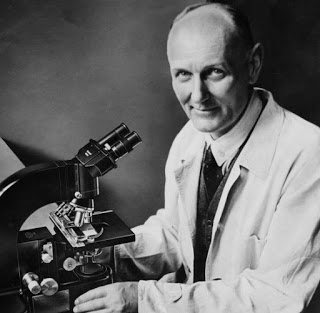
 

         ஆனாலும் கூட எல்லா நாடுகளும்  ஸல்போனமைடைப் பயன்படுத்த ஆரம்பித்தன. ஜெர்மனியில் மட்டும் அது பயன்படுத்தத் தடை விதிக்கப்பட்டது. 1945ஆம் ஆண்டு உலகப் போர் முடிவிற்கு வந்தது.

     1947ஆம் ஆண்டு ஸ்டாக்ஹோமில் நடந்த விழாவிற்கு கெர்ஹார்ட்  அழைக்கப்பட்டார். 1939இல் அறிவிக்கப்பட்ட பரிசிற்கான தங்க மெடல், டோக்கன் அதற்கான டிப்ளமா ஆகிய அனைத்தையும் அவர் பெற்றார். ஆனால் பரிசுத் தொகை  மட்டும் அவருக்கு வழங்கப்படவில்லை. ஏனெனில் நோபல் தனது உயிலில் பரிசை யார் ஒருவர் பத்து மாதங்களுக்குள் பெறவில்லையோ அவர்களுக்கு ரொக்கப் பணம் தரப்படக்கூடாது என்று எழுதி வைத்திருந்தார்.

இப்படி பல அரிய விஞ்ஞானிகளை ஹிட்லரின் அரசு சித்திரவதை செய்து வந்தது. உலகப் போர் முடிந்த பின்னரே இவர்களுக்கெல்லாம் அங்கீகாரம் கிடைத்தது!

****************
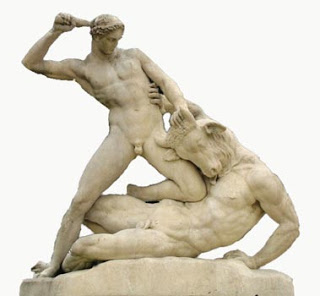


Picture of Theseus killing Minotaur

Written by London swaminathan


Date: 13 FEBRUARY 2017


Time uploaded in London:- 9-44 am


Post No. 3633


Pictures are taken from various sources; thanks.


contact; swami_48@yahoo.com


Vedic Hindus’ great discoveries include the decimal system, domestication of cow, bull, horse, the use of wheel, the concept of time, marine trade, divinity of man and arts. The proof lies in the 10,000 hymns of the Four Vedas. They are considered the oldest records of religious experience of human beings. Jacobi and BG Tilak dated them 6000 BCE. Others dated them 2000-1500 BCE.


Cows and bulls have more references in the Vedas than any other religious literature in the world. They gave them a holy status. They used them as similes for the affection and heroism. Indra is praised as bull among the humans in the Vedas. Later bull was made the vehicle of Lord Shiva. Every temple of Shiva has a big bull statue (Nandhi) in front of him. Though we have references to the bull in other civilizations, if we accept the date of the Vedas as 6000 BCE, then that is the oldest literary record.


“There were bulls which had massive strength, youthful and intoxicated bull, a bull with a steady gait, a vagabond and a forest bull, a fleeting bull, billowing bull in search of a mate. Indra is compared to a massive bull.” (Animals in Sanskrit Literature by Dr M K Sridhar)

Vrsabha (Bull) is referred to in the Rig Veda 1-116-12; 2-5-6;1-94-10; 1-160-3; 6-46-4;7-101-1;2-16-5;


Valmiki in his Ramayana aslo called Rama, a bull among men.

In Sangam Tamil literature which is 2000 year old, we see at least 70 references. Kings and heroes were addressed as Bulls.

In Kalidasa

Kalidasa used bull as a simile to the heroism or force of a leader in Raghuvamsam.


“He who has a befitting physique for his heroic deeds in kingship, with a sizable chest, bullish shoulders, tallish stature like a sala tree, and with dextrous arms, abided as a personification of the devoir and valour of kshatriya-s. [1-13]


As a calf attains the build of an impetuous bull, or a calf of elephant donning the build of an impulsive young elephant, raghu steadily attained a majestic and pleasing build when his adolescence is bested by his youthfulness. [3-32]

Oh, curvaceous lady, this chitrakUTa mountain with its mouth of a valley sending forth gurgling sounds of rapids, mud-like rainclouds attached to its horn-like apices, thus resembling a proudish bull whose cavern mouth sends forth a continuous bellowing and the tips of whose horns are smeared with mud dug up while indulging in butting against the side of a mountain, rivets my sight. [13-47]


“I have a wife, young girl; you may therefore resort to my younger brother…” Thus bull-shouldered Rama directed that lustful sUrpaNakha.(12-34)”

6b63d-bull-seal_0

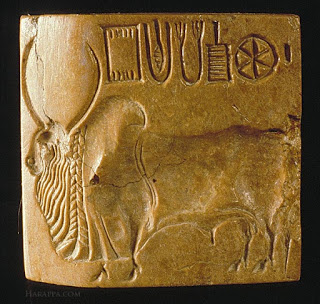
Bull in Indus Valley

We have excavated more seals with bull figure in Indus valley than other animals. Surprisingly no seal with cow or no figure of cow is discovered in the valley. This shows the reverence they gave to the cow.

Sumerian Bull

Cattle evolved from the now extinct aurochs; water buffaloes are common in the seals of third millennium BCE Mesopotamia and it has been argued that they were imports from India.


0c090-ibni-sharrum-seal

Egyptian Bull

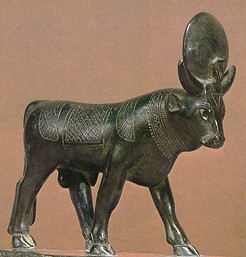
In Egypt, the king was hailed a s a Mighty Bull and his people were The Cattle of God.

Apis was the bull god worshiped as symbol of natural forces.


One of the most ancient of all the evidences of funerary cults comes from the very distant past in the extreme south, from Tushka in Lower Nubia, where burials have been excavated from the twelfth millennium BCE which were surmounted by the skulls of the wild bull, the aurochs, Bos primigenius, which roamed the valley until it was exterminated by the kings of the New Kingdom, ten thousand years later.

In Mithraic religion in Rome, a bull was killed.


Cretan ritual had the artistic leaping dances in which the humans imitated the bulls. The bull faced demon Minotaur of ancient Crete was killed by the hero Theseus.


In astrology, the bull is represented in the zodiacal sign of Taurus.


Bull in Tamil Literature

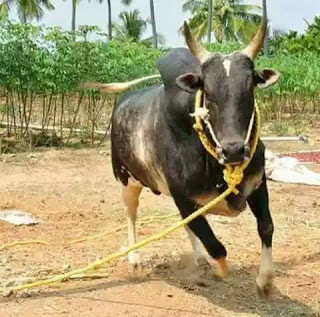
The primeval bull must have been a powerfully impressive symbol of vitality and masculine strength. The bull is of particular importance in the history of religion; bulls were worshiped in various cultures. There were symbolic rites in which a bull is defeated or sacrificed. Lord Krishna defeated seven bulls according to Hindu mythology. Tamils have the heroic game of Bull Fighting known as Jallikkattau or Manju Virattu. Unlike the Spanish bull fighting, here the bull is not killed but only tamed.

a09b5-bull2bsand

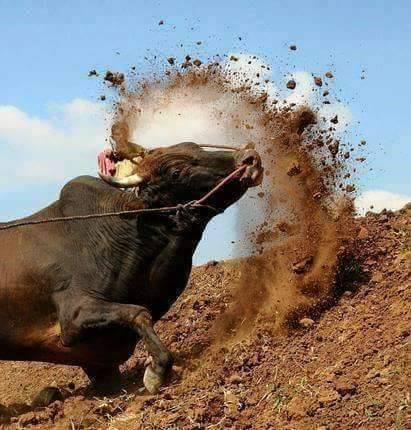
Tamil poets describe the bulls goring the wet ant hills with their horns and with mud on the horns accompanying the cows (Akananuru 64)


A fish caught in the fishing rod fights like a bull tied to ropes (Akam.36)


The tall black bull with white legs looked like a mountain with waterfalls.

The white bull with dots over its body resembles the twilight sky with shining stars.

The red with its curved horns appears like the God Siva wearing the crescent moon on his head. (Kali 103)


The bells on the horns of the reddish black bull are like the bees humming over the Naravu flower buds. (Kali 105)


Sources:

The Treatment of Nature in Sangam Literature, M.Varadarajan, 1969

Dictionary of Symbolism, Hans Biedermann, 1992

Who is Who in Ancient Egypt, Michael Rice, 1999

The Imagery of Kalidasa, Dr(Mrs) Vinod Aggarwal, 1985

Dictionary of the Ancient Near Eas, British Museum, 2000

sanscritdocuments.org

4e4b2-apis

Picture of Apis of Egypt

–Subham–


Thousand Pillar Hall – An Acoustic Marvel in Madurai Meenakshi Temple(Post No.3632)

Written by S NAGARAJAN


Date: 13 February 2017


Time uploaded in London:-  5-27 am


Post No.3632


Pictures are taken from different sources; thanks.


contact: swami_48@yahoo.com


  1. Nagarajan

India is very famous for its temples. Thousands and thousands of temples were built and maintained from time immemorial. The sculptures and the building techniques will speak itself the glory of the great tradition.

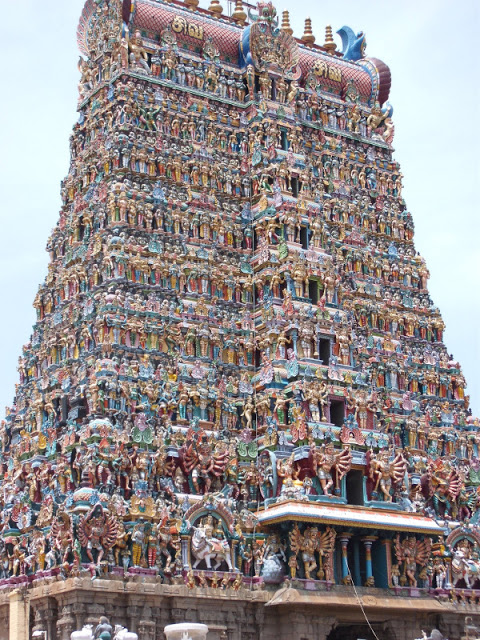
Madurai is situated at 462 kilometers south of Chennai (Madras as it was known in earlier times). The famous Meenakshi Amman Temple is located in the centre of the city. Inside the temple there are famous halls like Marriage Hall, Thousand Pillar Hall etc.

The Thousand Pillar Hall is very famous for its beautiful construction.

The hall, even though called as thousand pillar hall, it has only 985 pillars. The pillars are erected in such a way as to fall in line from any angle we view. .

In the year 1983, an expert team from audiology department went in to the hall and carried out an extensive study. They have used latest scientific gadgets and found that there is absolutely no echo in any part of the temple even with all the crowd around the sound level seldom exceed 80 dB (decibel)

Naturally the noise level in a quiet surrounding will be 40 dB, in a crowded street about 80-85 dB and at the airport when a jet aircraft takes off, it will be about 100 dB.

According to the team headed by Dr Kameswaran, an ENT specialist, there appears to be a built in mechanism in the precincts of Madurai temple for containing the echo. The total noise does not exceed a specific level which would make it unpleasant to the visitors.

The temple is an acoustic marvel, observed the experts. Near the road there is one Ashta Shakti Hall. There the noise level is only 40 dB.


The team members said that with this ambient noise it is possible for a person to contemplate and meditate the Divinity.

Roughly about 5000 to 6000 people visit the temple daily. And the sound level recorded during the peak hours is of the order of 70 dB to 80 dB.

It implies that the artisans were aware of the basic principles of acoustics. The huge icons on the unpolished pillars, the distribution of vents, the allocation of open space all around, are all mechanisms to contain the noise level. The arrangements are so made that is not crude but there is an artistic planning combining utility with beauty. This arrangement strangely contrasts with arrangement made in certain modern buildings where instruments for breaking noise and absorbing sound are hung from the roof in a very clumsy and unartistic manner.

This hall is a classic example of perfect sound engineering technique. The average height of each pillar is about 12 feet. The pillars depicts four kinds of motifs, one consisting of moulded squares, the other with rampant dragon, the third with a figure of a deity and the fourth that of a donor or his family. The unpolished pillars of exactly of same size and shape are placed at mathematically accurate positions. These aspects have made the hall echo resistant.

In addition, the pillars are so peculiarly arranges that anyone sitting at a specific spot could view a central figure without any obstruction in any position. At any position inside the hall, in consequence to the arrangement of the pillars, there open up around us 16 colonnades of varying width and such length of each side that the perspective afforded by them is simply marvelous.

The expert team rightly described the thousand pillar hall as an acoustic marvel.

Thousands of such intricate wonders are hidden in these Indian temples.

***

எகிப்திய, சுமேரிய, இந்திய நாகரீகத்தில் காளை மாடு (Post No.3631)

Picture of Indus Bull Seal


Written by London swaminathan


Date: 12 FEBRUARY 2017


Time uploaded in London:- 21-02


Post No. 3631


Pictures are taken from various sources; thanks.


contact; swami_48@yahoo.com


உலகில் காளை மாடு முத்திரை இல்லாத பழைய நாகரீகம் இல்லை. காளை மாட்டின் படத்தையோ முத்திரையையோ பொம்மையையோ எல்லா நாகரீகங்களிலும் காணமுடிகிறது.


காளை விஷயத்தில் எல்லா நாகரீகங்களிலும் ஒரு ஒற்றுமை காணப்படுகிறது. அரசனும் தலைவர்களும் காளை என்று அழைக்கப்பட்டனர்.


வேதத்தில் காளை


ரிக்வேதத்தில் இந்திரனை காளை என்றும் காளை போல பலம் வாய்ந்தவன் என்றும் வருணிக்கின்றனர்.

வேதங்களில் ஏனைய தெய்வங்களும்  காளை என்று போற்றப்படுகின்றன. பிற்காலத்தில் காளையே சிவனின் வாஹனமாகப் போற்றப்படுகிறது. திமில் உடைய நந்தி எல்லாக் கோவில்களிலும் சிவன் சந்நிதியில் இடம்பெறுகிறது.

சிந்து சமவெளியில் அதிக முத்திரைகள் காளை மாட்டு படத்துடன் உள்ளன. வேதத்தில் இந்திரன் காளை என்று புகழப்படுகிறான். வால்மீகி ராமயணத்தில் ராமனை, காளை என்று வருணிக்கின்றனர்.


சிந்து சமவெளியில் காளை மாடு படம் தாங்கிய முத்திரை அதிக அளவில் காணப்பட்டாலும், ஒரு பசு மாட்டின் படம் கூடக் காணப்படாதது வியப்பூட்டுகிறது.

பசு மாடு புனிதமானது என்பதால் இப்படி விட்டனரோ என்று எண்ணுவாரும் உளர்.


சுமேரிய நாகரீகம்

சுமேரியாவில் 5000 ஆண்டுகளுக்கு முன்னரே (Water Buffaloes) நீர் எருமைகளை முத்திரைகளில் பொறித்துள்ளனர். ஆயினும் இவை இந்தியாவிலிருந்து இறக்குமதியான மிருகங்கள் என்று அறிஞர்கள் சொல்லுகின்றனர்.


இதே போல யானைகளின் எலும்பும் தந்தமும் ஆங்காங்கே தோண்டும் போது கிடைக்கின்றன. இவைகளை சிரியன் (சிரியா நாட்டு) யானை என்று வகைப்படுத்தினாலும், ஆசியாவிலிருந்து இறக்குமதி செய்யப்பட்டு அங்கே வளர்க்கப்பட்டதாகவே அறிஞர்கள் கருதுவர்.

ஆதிகாலத்திலேயே இந்தியாவுக்கும் மெசபொடோமியா (இராக்) பகுதிக்கும் தொடர்பு இருந்ததை நீர் எருமைகளும், யானை எலும்பு-தந்தங்களும் நிரூபிக்கின்றன.


எகிப்திய நாகரீகம்

எகிப்தில் அரசனை “பலம் பொருந்திய காளை” (Mighty Bull) என்ற பட்டத்துடன் அழைத்தனர். மக்களை கடவுளின் மேய்ப்புக்குட்பட்ட காலநடைகள் (Cattle of the God) என்று அழைத்தனர்.  நூபியா (Nubia) பகுதியில் துஷ்கா என்னுமிடத்தில் 14,000 ஆண்டுப் பழமையான கல்லறைகளில் காட்டு (Wild Bulls) காளை மாடுகளின் மண்டை ஓடுகளும் புதைக்கப்பட்டுள்ளன. இதற்குப் பத்தாயிரம் ஆண்டுகளுக்குப் பின்னர் எகிப்தின் புதிய ராஜ்யத்தின் அரசர்கள் அந்தக் காட்டுமாடுகளை  வேட்டையாடி, அடியோடு அழித்துவிட்டனர்.


எகிப்தில் ஏபிஸ் (Apis) என்ற காளை தெய்வமாக வழிபட்டது. பல இடங்களில் புதையலில் காளையும் மம்மி போல பதனிடப்பட்டு புதைக்கப்பட்டுள்ளது.


கிரீட் (Crete) தீவில் காளை மாடு நடனம் பயிலப்பட்டது.

மித்ராயிஸ (Mithraism) சடங்குகளில் காளை மாடு கொல்லப்பட்டது/ பலியிடப்பட்டது.

இந்துக்கள் பிற்காலத்தில் காளை பிடித்தல்/ மஞ்சுவிரட்டு/ ஜல்லிக்கட்டு ஆகிய வீர விளையாட்டுகளில் காளை மாடுகளைக் கொல்லவில்லை. கிருஷ்ணன் ஏழு காளைகளை அடக்கிய செய்தி பாகவதத்தில் கிடைக்கிறது. இதுவே பிற்காலத்தில் ஜல்லிக்கட்டாக உருவாயிருக்கலாம்.


(எனது ஜல்லிக்கட்டுக் கட்டுரையில் இது பற்றிக் கூறியுள்ளேன்)


காளிதாசனில்


காளிதாசனும் காளைமாட்டு உவமைகளைப் பயன்படுத்துகிறார். ரகுவம்ச காவியத்தில் மன்னன் திலீபனின் புஜபலம், (1-13) காளைமட்டின் வலிமை உடையன என்பார். இதே போல ராமபிரானின் புஜபலமும் பேசப்படுகிறது (12-34)


சித்ரகூட மலையும் அதன் குகைகளும் நீர்வீழ்ச்சிகளின் ஒலியும் கோபமடைந்த காளை மாட்டுடன் உவமிக்கப்படுகின்றன.(13-47)


இளம் கன்று காளையானது போல, ரகு பருவம் எய்தினான் என்கிறார்(3-32)

தமிழிலும் ஏறு, அடலேறு என்பன சங்க காலத்திலேயே 70 இடங்களுக்கும் மேலாகப் பயன்படுத்தப்பட்டுள்ளன.

கலித்தொகை 103-108, அகம்.36, 64 முதலியன சில எடுத்துக் காட்டுகள்.


–subham–

வள்ளுவனுக்கும் கம்பனுக்கும் பிடித்த அவதாரம்! (Post No.3630)

Written by London swaminathan


Date: 12 FEBRUARY 2017


Time uploaded in London:- 14-12


Post No. 3630


Pictures are taken from various sources; thanks.


contact; swami_48@yahoo.com


காலினால்  உலகை அளந்தான் விஷ்ணு!

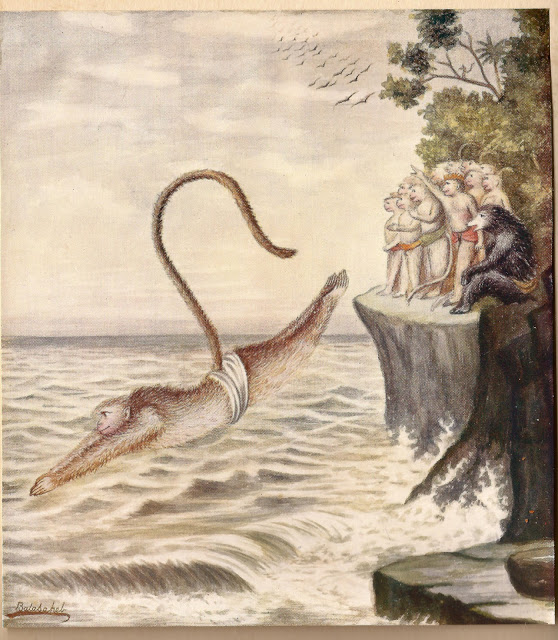
வாலினால் உலகை அளந்தான் அனுமன்!

கம்பன் புகழ் மாலை


திருமாலின்  பத்து அவதாரங்களில் வாமனாவதாரத்தை வள்ளுவன் பாடி இருக்கிறான் (குறள் 610). வேதங்களில் கூட இந்த “மூன்றடியால் உலகளந்த கதை” உள்ளது. கம்பனோவெனில் வாய்ப்பு கிடைத்த போதெல்லாம் வாமன/ த்ரிவிக்ரம அவதாரத்தைப் பாடி விடுகிறான்.


விஷ்ணு எடுத்த 24 அவதாரங்களை பாகவதம் முதலியன குறிப்பிடுகின்றன. பர்த்ருஹரி என்பவர் 1500 ஆண்டுகளுக்கு முன்னரே, தசாவதாரத்தைக் குறிப்பிடுகிறார். அவருக்குப் பின்னர் வந்த ஜெயதேவர், கீத கோவிதம் என்னும் நூலில் பத்து அவதாரங்களில் புத்தரையும் ஒருவராகச் சேர்த்து ஒரு புரட்சி செய்தார். அதாவது புத்தமதத்தை, இந்துமதம் ஜீரணம் செய்ய, கபளீகரம் செய்ய உதவினார்.


மடிஇலா மன்னவன் எய்தும் அடிஅளந்தான்

தாஅய தெல்லாம் ஒருங்கு (610)


“தன் அடியினால் உலகத்தை அளந்த இறைவன் தாவிய

நிலப்பரப்பு முழுவதையும், சோம்பல் இல்லாத மன்னன் ஒரு சேர அடைதல் கூடும்.”


ஆழ்வார்கள் பல இடங்களில் வாமனனை, த்ரிவிக்ரமனைப் பாடினாலும் கம்பன் பாடும் இடம் இன்னும் பொருத்தமாகவும், அழகாகவும் இருக்கிறது.


திருமாலின் காலும் அனுமானின் வாலும்


நாலினொடு உலகம் மூன்றும் நடுக்கற அடுக்கி நாகர்

மேலின்மேல் நின்ற காறும் சென்ற கூலத்தின், “விண்டு

காலினால் அளந்த வான முகட்டையும் கடக்கக்கால

வாலினால் அளந்தான்” என்று வானவர் மருளச் சென்றான்

–கடல்தாவு படலம், சுந்தர காண்டம்


பொருள்:-

தேவர்களுடைய, ஒன்றின் மேல் ஒன்றாக அடுக்கப்பட்ட உலகங்களின் எல்லையை, திருமால் தனது ஒற்றைக் காலினால் அளந்த வான்முகட்டை,  7 உலகங்களும் அஞ்சி நடுங்கும்படி அனுமான் தனது வாலினால் அளந்துவிட்டான் என்று தேவர்கள் வியப்படைந்தனர். அனுமனின் வால், எமனுடைய பாசக் கயிறு போல இருந்தது. வானத்தின் மீது வாலைத் தூக்கிக்கொண்டு ஆஞ்சநேயன் பறந்தான்.


கிஷ்கிந்தா காண்டத்தில், மயேந்திரப் படலத்திலும் இதுபற்றிக் கம்பன் பேசுவான்:


பொருவரு வேலை தாவும் புந்தியான் புவனம் தாய

பெருவடிவு உயர்ந்த மாயோன் மேக்கு உறப் பெயர்ந்த தாள் போல்

உரு வறி வடிவின் உம்பர் ஓங்கினன் உவமையாலும்

திருவடி என்னும் தன்மை யாவர்க்கும் தெரிய நின்றான்


பொருள்:-

ஒப்புவமை இல்லாத கடலைத் தாண்டும் எண்ணம் கொண்ட அனுமன், மூன்று உலகங்களையும் தாண்டிய, வியக்கத்தக்க குணம், செயல்களை உடைய திருமாலின் திருவடியைப் போல, வானளாவ உயர்ந்தான். இதனால் உவமையாலும் திருவடி என்கின்ற தனது திருநாமத்தின் இயல்பும் யாவர்க்கும் விளங்க நின்றனன் அனுமன்.

ரிக்வேதத்திலும் (1-22-17;1-155-40) இக்கதை குறிப்பால் உணர்த்தப்படுகிறது.


திருமால் உலகளந்த கதையை சைவப் பெரியார்களும் பாடிப்பரவி இருக்கின்றனர்.

மண்ணும் விண்ணும் தாய அடி அளந்தான் (சம்பந்தர் தேவாரம். தூங்கானை மாடம் 9)


தாள்பரப்பி மண் தாவிய ஈசனை (திருவாய் மொழி 3-3-11)


ஓங்கி உலகளந்த உத்தமன் பேர்பாடி (ஆண்டாள் திருப்பாவை 3)


–Subham–

Pigeons in Amarnath and Eagles at Thirukkazukkundram – A Miracle ! (Post No.3629)

Picture taken by C. Vedanarayanan


Written by S NAGARAJAN


Date: 12 February 2017


Time uploaded in London:-  6-40 am


Post No.3629


Pictures are taken from different sources; thanks.


contact: swami_48@yahoo.com


  1. Nagarajan

Holy Himalayas. The World’s highest peak Everest is here. The entire area is called as Holy land or Punya Bhoomi. It is a sacred duty for a Hindu to visit Amarnath, Kedarnath and Badrinath at least once in his life time.

The distance from Jammu to Pahalgam is 363 Km. Pahalgam is 96 Km from Srinagar. From Jammu the Holy Cave of Amarnath is situated at about 410 Kms. From Pahalkam it is 47 kms.

The trekking in the Himalayas would be a mind blowing experience. As if walking in the heaven, the devotees usually feel the divinity around them.

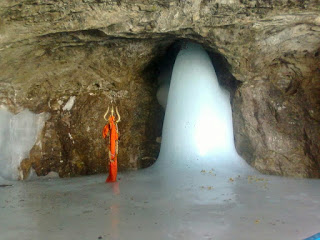
Amarnath means deathless. It is also the name of Shiva. The cave was found by one Muslim Boy called Buta Malik some 400 years ago. One day while he was grazing his cattle in the Himalayas, he met a sage. The sage gave him a bowl full of coal. The boy carried it with him to his home. On reaching home, in the evening, when he took the bowl, it was full of Gold. Immediately he went back in search of the sage. At that time he found out the Holy Amarnath Cave. Even today part of the offerings paid to Lord Shiva at Amarnath Cave by the devotees goes to the heirs of Buta Malik. This cave is a fine example for Hindu-Muslim Unity.

The ice formation inside the cave gradually grows to form a very big Shiva Linga. At full moon day the Lingam attains its maximum height. The height of the Shiva Linga is about 24 feet from new moon day to the full moon day.


Exactly on the full moon day two pigeons appear in the cave symbolizing Lord Shiva and His consort Parvathi, the daughter of Himalayas.

The Legend goes like this. When Shiva was revealing the secrets of the creation of the universe to Parvathi, a pair of pigeons appeared there and overheard the conversation. Every year on the same full moon day these two pigeons appear in the cave without fail.

Even a hard core skeptic will be persuaded to believe the divine sports happens here every year. How could two pigeons appear exactly on the same full moon day at the exact spot! And how could  the ice attains its maximum height on the full moon day and gradually reduces, but never disappears fully.

The holy cave is situated at a height of 12792 feet.  The cave is a symbol of sublimity, serenity and strength. The length, width and height of this natural holy cave is 60,30 and 15 feet respectively.

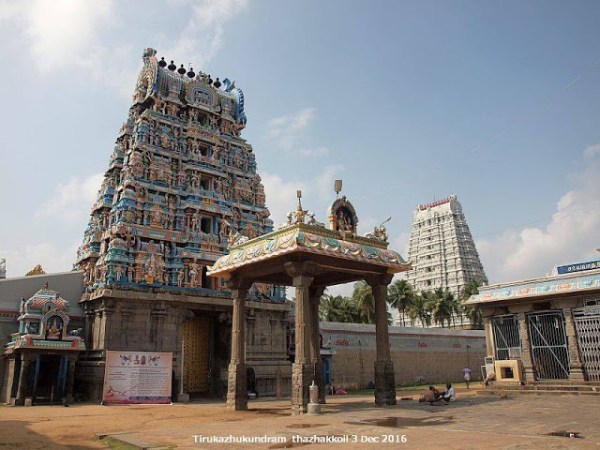
Coming to down south we have one Thirukazhukundram, 68 km from Chennai, where two sacred eagles are appearing every day over the temple to worship  Lord Shiva. A large number of visitors used to wait there to watch this miraculous event every day. The two eagles used to come down to a rock where the sweet rice is offered as food.

It is said that these two eagles were actually two risihis namely Pusha and Vidhadha. After circling the sacred mountain they used to come near the priest walking. Balls of rice is being offered to the eagles. They eat the balls of rice and after cleaning their beaks in the water kept in a small vessel nearby, take off circle around the temple tower again and fly off. Every day, day after day, the event repeats. This is happening for the past several centuries.

One has to see these things to believe. Hinduism lives from Cape Comorin to the great Himalayas. There are thousands of miracles happen every day, even today in the Hindu Land!


***


அகஸ்தியர் கொடுத்த அற்புத ஆயுதங்கள்: கம்பன், வால்மீகி தகவல் (Post No.3628)

Written by London swaminathan


Date: 11 FEBRUARY 2017


Time uploaded in London:- 19-59


Post No. 3628


Pictures are taken from various sources; thanks.


contact; swami_48@yahoo.com


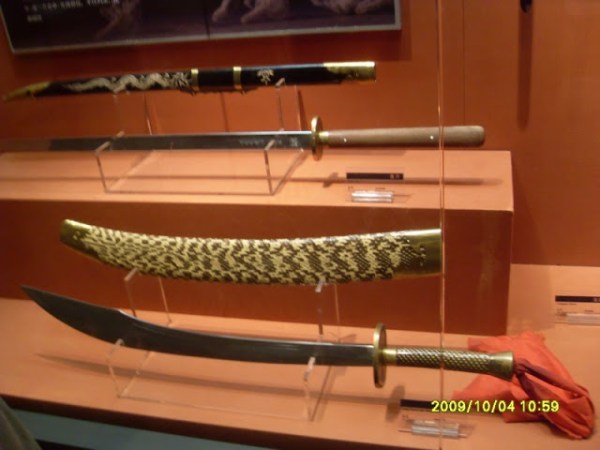
இராம பிரானுக்கு அகஸ்தியர் என்ன, என்ன ஆயுதங்களை அளித்தார் என்று வால்மீகி ராமாயணத்திலும், கம்ப ராமாயணத்திலும் தகவல்கள் உள்ளன. வால்மீகி விஷ்ணுவின் ஆயுதங்களை மட்டும் சொல்கிறார். கம்பன் அத்தோடு சிவபெருமான் ஆயுதங்களையும் சேர்த்துச் சொல்கிறார். கம்பன் சொல்லும் தராசு உவமை படிக்க இன்பம் தருகிறது.


ஏற்கனவே விஸ்வாமித்ரர் கொடுத்த ஆயுதங்களின் பட்டியலை, பால காண்டத்தில் (அத்தியயம் 27, 28)  வால்மீகி கொடுத்துள்ளார்.


ஆரண்ய காண்டத்தில் (அத்தியயம் 12)  வால்மீகி கொடுக்கும் தகவல் இதோ:-


“இதுதான் விஷ்ணுவுக்குச் சொந்தமான சக்திவாய்ந்த தெய்வீக வில். இது விஸ்வகர்மாவினால் உருவாக்கப்பட்டது. தங்கமும் வைரமும் பதிக்கப்பட்டது.

இதோ, இது பிரம்மதத்த அம்பு. தவறாமல் தாக்கவல்லது; சூரியன் போன்றது. எனக்கு இதை இந்திரன் அளித்தான். இதோ கூரான அம்புகள் உடைய, எடுக்க எடுக்கக் குறையாத அம்பறாத்தூணி. தீப்போல ஜ்வலிக்கக்கூடியவை. இதோ வெள்ளி உறையும், அதிலுள்ள தங்க வேலைப்பாடுமிக்க வாளும்”.

“ஏற்கனவே அசுரர்களை அழிக்க விஷ்ணு பயன்படுத்திய அம்பு இது. இவை அனைத்தும் உனக்கு வெற்றியைத் தரும்” – என்று சொல்லி அகஸ்தியர் ஆயுதங்களைக் கொடுத்தார்.


இனி கம்பன் என்ன சொல்கிறான் என்று காண்போம்:-


அகஸ்தியர் கொடுத்த வாளினை ஒரு தராசுத் தட்டில் வைத்து மறுதட்டில் பூலோகம் முழுவதையும் வைத்தாலும் அந்த வாளுக்கு இணையாகாதாம். இது தவிர மேரு மலையை வில்லாக வளைத்து வானில் தொங்கிக் கொண்டிருந்த திரிபுரங்களையும் ( மூன்று பறக்கும் கோட்டைகள்) அழிக்க சிவபெருமான் பயன்படுத்திய வலிய அம்பையும் முனிவன் அளித்தானாம்.

இப்புவனம் முற்றும் ஒரு தட்டினிடை இட்டால்

ஒப்பு வரவிற்று என உரைப்ப அரிய வாளும்

வெப்பு உருவு பெற்ற அரன் மேரு வரை வில்லாய்

முப்புரம் எரித்த தனி மொய்க் கணையும் நல்கா

–அகத்தியப் படலம்


இதற்கு முன் கம்பன் கூறுவான்:

விழுமியது சொற்றனை இவ்வில் இவண்மேல் நாள்

முழுமுதல்வன் வைத்துளது மூ உலகும் யானும்

வழிபட இருப்பது இது தன்னை வடி வாளில்

குழு வழு இல் புட்டிலொடு கோடி என நல்கி


பொருள்:-


அகஸ்தியன் சொன்னது: சிறந்த கருத்தினைச் சொன்னாய் இராமா! இங்குள்ள இந்தவில் முற்காலத்தில், முழு முதல்வனான திருமால் வைத்திருந்தது. மூன்று உலகங்களும் நானும் வணங்கும் சிறப்பு பெற்றது  இவ்வில்லை, குறையாமல் நிறைந்திருக்கும் புட்டிலொடு (அமபறாத்தூணி) பெற்றுக் கொள்க.


வால்மீகியும் கம்பனும் தரும் ஆயுதங்களை மட்டும் எடுத்துக்கொண்டு ஒரு ஆராய்ச்சியே செய்யலாம். ஆரணிய காண்ட உரையில் இராவணன் பயன்படுத்திய ஆயுதங்களின் தகவலும் கிடைக்கிறது. அவனுடைய வாளின் பெயர் பெயர் சந்திரஹாசம்!


பாலகாண்டம் 27, 28 ஆம் அத்தியாயங்களில் வால்மீகி தரும் ஐம்பதுக்கும் மேலான ஆயுதங்களின் பெயர்கள் வியப்பூட்டும்! குறிஞ்சிப் பாட்டில் கபிலர் 99 பூக்களின் பெயர்களை அடுக்குவதுபோல வால்மீகி 50-க்கும் மேலான ஆயுதங்களின் பட்டியலைக் கொடுத்து அசத்திவிட்டார்.


சுபம்


Why did Mother Earth Cry? Sangam Tamils and Valmiki explain! (Post No.3627)

Written by London swaminathan


Date: 11 FEBRUARY 2017


Time uploaded in London:- 13-25


Post No. 3627


Pictures are taken from various sources; thanks.


contact; swami_48@yahoo.com


Sangam Tamil literature has got many poets with Sanskrit names such as Valmiki, Damodraran, Kesavan, Rudraksha, Kamakshi, Markanedyan etc. Most of the poems in Purananuru, oldest part of Sangam Tamil Literature, is full of Hindu themes, stories, similes, imageries, thoughts and views. In fact, there is no poem without one of these ideas. over 20 poets have Nagan as suffix in their names! This explodes the Aryan-Dravidian Racist theories.


There is a very interesting poem sung by Marakandeyanar (verse 365); when he was explaining the instability of the world, he said that the Mother Earth cried saying that she was like a courtesan; all the kings come and ‘enjoy’ her and go. one wouldn’t understand the meaning of this poem unless one reads Valamiki Ramayana.


The story of Mother Earth is in 36th Chapter of Bala Kanda in Ramayana:


Vishvamitra narrated the Story of Uma to Rama and Lakshmana. In the ancient times, Mahadeva married Uma and spent his time happily. But the Devas were worried that they had no issue for a long time. Devas wanted a powerful youth to get rid of the Asuras/demons. So they went to Shiva’s abode under the leadership of Brahma and told him their concern. Then Lord Shiva shed his semen which fell on earth. It covered the hills and forests. When the earth could bear no more, Devas asked the fire god Agni and Wind god Vayu to take it. They created a mountain called Shveta and a forest called Shara. Kartikeya was born from this Shara Vana (Vana= forest).

6c1ef-mother-earth

Though all the Devas were happy, Uma wan’t. Since she was bypassed in this matter she cursed Devas that they would remain childless. She cursed Mother Earth for accepting Shiva’s seeds, that she would never bear a son, but would have countless masters (Kings). This is the reason for Mother Earth’s crying.


Earth is considered Mother in Tamil and Sanskrit literature. Greeks borrowed this idea from the Hindus. The poet in the verse used other Puranic imageries such as Sun and Moon as eyes, sky as face, Diamond tool etc.


–Subham–


Ruler is Father and Mother: Hindu Concept in Tamil and Sanskrit Literature! (Post No.3626)

50b32-shivaji2bwalking2bpose

Written by London swaminathan


Date: 11 FEBRUARY 2017


Time uploaded in London:- 8-22 am


Post No. 3626


Pictures are taken from various sources; thanks.


contact; swami_48@yahoo.com


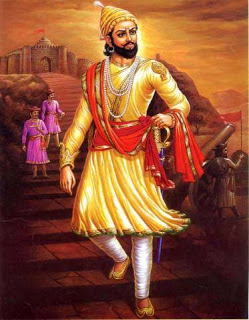
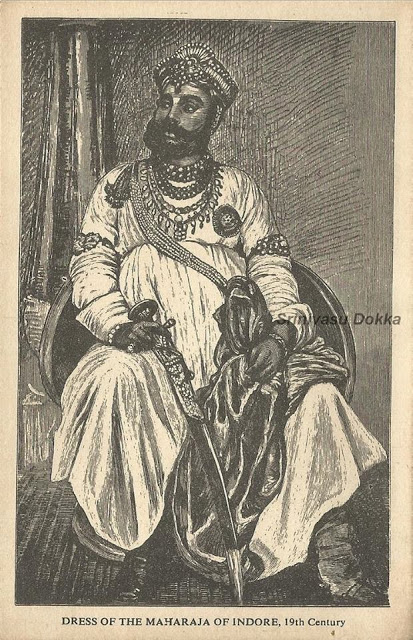
Hindus considered the Rulers as their father and mother. Generally, Guru and God are praised as father and mother by the Hindus in their hymns. But considering a ruler as a close relative is unique to Tamil and Sanskrit literature. Such a concept existed in ancient India at least 2000 years ago! We have got evidence for this in Tamil and Sanskrit literature. Though we have numerous references I will just give some proofs from both the literatures.


Following slokas (couplets) are from Raghuvamsa of Kalidasa (Source:sanskritdocuments.org)


प्रजानां विनयाधानाद्रक्षणाद्भरणादपि।
स पिता पितरस्तासां केवलं जन्महेतवः॥ १-२४

prajānāṁ vinayādhānādrakṣaṇādbharaṇādapi |
sa pitā pitarastāsāṁ kevalaṁ janmahetavaḥ || 1-24


Orienting his subjects in good conduct, protecting them from fears or dangers, according succour with welfare facilities, king DilIpa became their de facto father while their actual parents remained parents de jure. [1-24]


भूतानुकम्पा तव चेदियं गौरेका भवेत्स्वस्तिमती त्वदन्ते।
जीवन्पुनः शश्वदुपप्लवेभ्यः प्रजाः प्रजानाथ पितेव पासि॥ २-४८

bhūtānukampā tava cediyaṁ gaurekā bhavetsvastimatī tvadante|
jīvanpunaḥ śaśvadupaplavebhyaḥ prajāḥ prajānātha piteva pāsi || 2-48

“If, however, this be thy compassion for living beings, this cow will be the single one rendered happy by your death: on the other hand if alive, oh thou refuge of the people, thou canst like a father always guard thy subjects from calamities…  [2-48]


तेनार्थवान् लोभपराङ्मुखेन
तेन घ्नता विघ्नभयम् क्रियावान्।
तेनास लोकः पितृमान्विनेत्रा
तेनैव शोकापनुदेव पुत्री ॥ १४-२३

tenārthavān lobhaparāṅmukhena
tena ghnatā vighnabhayam kriyāvān |
tenāsa lokaḥ pitṛmānvinetrā
tenaiva śokāpanudeva putrī  || 14-23


On account of his being disinclined to avarice, his subjects became rich; on account of his removing the fear of obstacles they carried on their religious ceremonies; on account of his being their leader they had a father in him; and on account of all grief being removed by him they were, as if, blessed with a good son. [14-23]

2949d-indore2bmaharaja

In Sakuntalam drama of Kalidasa:


Chamberlain:

“Here is His Majesty

Wearined caring for his subjects

as if they were his own children” (5-3)


King

On the other hand, what does it matter whether there is an heir or not;

Proclaim thus to my subjects; Whosoever

suffers the loss of one dearly loved

shall find in Dudhyanta one to take his place

in all relations deemed lawful and holy (7-25)


Kautilya in his Arthasastra also says the same (4-3; 7-16)


MANU SMRTI says

  1. Having ascertained his learning in the Veda and (the purity of) his conduct, the king shall provide for him means of subsistence in accordance with the sacred law, and shall protect him in every way, as a father (protects) the lawful son of his body.


TAMIL INSCRIPTIONS AND LITERATURE


We find the same lines in a Tamil inscription of Raja Raja II

“Father for those who have no fathers, Mother for those who lost mothers

Sons for those who have no issues, life of all the living beings”


SANGAM LITERATURE


Mankudi kizar (verse 396) says that the ruler Vataatru Eziniyaathan is the relative of every citizen who has no relations.


“Most quoted Tamil verse in Purananuru (192) of Kaniyan Punkundran says

Every town is my home town; everyone is my kinsman”


Nari Veruuththalaiyar (verse 5) praises the king as father and his subjects as his children.


Marudan Ilangan (Kalitokai verse 99) praises the king as Mother to everyone.


Mosikeeranaar of verse 186 (Purananuru) says that the world depends upon the king for everything.


Another strange coincidence is the word for people in Tamil and Sanskrit are Makkal and Prajaah respectively. Both meant people and children both the languages!


All these references show that Ancient India had one culture and all the arguments that Aryans and Dravidians came to India from outside are false.


–Subham–


பாரதத்தின் ஒருமைப்பாடு: சங்க இலக்கியச் சான்றுகள்! (Post No.3625)

Written by S NAGARAJAN


Date: 11 February 2017


Time uploaded in London:-  6-24 am


Post No.3625


Pictures are taken from various sources; thanks.


contact: swami_48@yahoo.com


சங்க இலக்கிய ஆய்வு – கட்டுரை எண் 21

இரண்டாம் பாகம் – முதல் கட்டுரை

இந்தக் கட்டுரை சுமார் 42 ஆண்டுகளுக்கு முன்னர் 2-12-1973 தினமணி சுடர் இதழில் வெளியான எனது கட்டுரை.


பாரதத்தின் பழம்பெரும் ஒருமைப்பாடு: சங்க இலக்கியச் சான்றுகள்!


                       by ச.நாகராஜன்


மனிதர்கள் கூட்டமைப்பாக ஓரிடத்திலே தங்கி வாழ்ந்து தமக்கெனச் சிறப்பான பழக்க வழக்கங்களையும், பண்பாட்டையும் என்று ஏற்படுத்திக் கொண்டார்களோ, அன்றே தேசம் பிறந்தது. இயற்கையான எல்லைகளைக் கொண்டு, பொதுவான இலக்கியம், பண்பாடு, பழக்க வழக்கங்கள், வழிபாட்டு முறைகள், கருத்துக்கள் ஆகியவற்றைக் கொண்ட மனிதத் தொகுதியையே தேசம் என்று ஹோலி காம்ப் (Hole Combe) பர்கெஸ் (Burgess), கெட்டல் (Gettell) போன்ற மேனாட்டறிஞர் உரைப்பர். பூகோள எல்லையை வெறும் உடலாகவும், பழம் பெரும் பண்பாடு, மரபு, பழக்க வழக்கங்களை ஆன்மாகவும் உருவ்கப்படுத்துகிறார் சர் எர்னஸ்ட் பார்கர் (Sir Ernest Barrmer) என்ற தற்கால அறிஞர்.

இந்த நோக்கில் பாரதம் ஒன்றுபட்ட தனிப்பெரும் நாடாக பண்டு தொட்டு இலங்கி வந்திருக்கிறது. இதற்கான சான்றுகளை சங்க இலக்கியத்தில் பரக்கக் காணலாம்.

நாட்டு எல்லைகள்

இமயம் முதல் குமரி வரை பரவியுள்ள பூமியே பாரதம் என்று விஷ்ணு புராணம், மகாபாரதம், பாகவதம் ஆகிய நூல்கள் கூறுகின்றன. சங்க நூல்களிலும் நம் எல்லை பற்றிய இத் தெளிவான கருத்தைப் பல இடங்களில் காண்லாம்.

தென் குமரி, வட பெருங்கல்

 குண குட கடலா எல்லை”  (புறம் 17)


வடா அது பனிபடு நெடுவரை வடக்கும்

தெனா அது உருகெழு குமரியின் தெற்கும்

குணா அது க்ரைபொரு தொடுகடற் குணக்கும்

குடா அது தொன்று முதிர் பௌவத்தின் குடக்கும் (புறம் 5)

என்று புறநானூற்று அடிகளும்,

“ஆரியர் துவன்றிய பேரிசை இமயம்

தென்னங்  குமரியொ யாயிடை” (பதிற்றுப்பத்து 11)

“நெடுவரை

வடதிசை எல்லை இமயமாகத்

தென்னங் குமரியொடு ஆயிடை அரசர் (பதி-43)

என்ற பதிற்றுப்பத்து அடிகளாலும், பண்டாட்டால் ஒன்று பட்டிருந்த நாடு, பல அரசர்களால் ஆளப்பட்டதென்றாலும், அதை ஒவ்வொரு அரசனும் தன் ஆளுகைக்குக் கீழ்க் கொணர முயற்சித்து வெற்றி பெருவதைப் பெருமையாகக் கொள்வது வழக்கம் என்றும் அறிகிறோம்.

இலக்கிய ஒருமை

தேசம் முழுவதெற்கும் பொதுவான இலக்கியமெனத் திகழும் இராமாயண, மகாபாரதக் கதை நிகழ்ச்சிகள் சங்க இலக்கியம் முழுதும் காணப்படுகின்றன.

பீமன் அரக்கு மாளிகைத் தீயிலிருந்து பாண்டவர்களைக் காப்பாற்றியது (கல்-25), பீமன் துரியோதனன் தொடையை முறித்தது (கலி-52), துச்சாதனன் திரௌபதியின் கூந்தலைப் பற்றி இழுத்தது (கலி 101) ஆகிய பாரதக் கதை நிகழ்ச்சிகளையும் சீதையின் ஆபரணங்களைக் குரங்குகள் அணிந்தது, சீதையை இராவணன் தூக்கிச் சென்றது (புறம் 378), தனுஷ்கோடியில் இராமன் தன் கை கவித்துப் பறவைகளின் ஒலியை அடக்கியது (அகம் 70) ஆகிய இராமாயணக் கதை நிகழ்ச்சிகளையும் சங்க இலக்கியம் கூறுவதிலிருந்து இந்தப் பொதுவான இலக்கியம் பற்றிய உணர்வு பழங் காலத்திலேயே இருந்தது என்று தெரிகிறது..சுமார் நூற்றிற்கும் மேற்பட்ட புராணச் செய்திகளை சங்க இலக்கியம் கூறுகிறது.


பண்பாட்டு ஒருமை

பாரதப் பண்பாடு வலியுறுத்தும் உருவ வழிபாடு, இம்மை, மறுமை பற்றிய எண்ணம், மறுபிறப்பில் நம்பிக்கை, கங்கை, காவிரி, இமயம் போன்ற ஆறு, மலைகளைப் பற்றிய புனித உணர்வு, கற்பிற்கு அருந்ததியைக் காட்டல், வேள்வி இயற்றல் போன்றவற்றை சங்க இலக்கியத்தில் காண்கிறோம்.

திருமுருகாற்றுப்படையில் ஆறு முகங்களைப் பற்றி வரும் அருமையான விளக்கமும், பதிற்றுப்பத்தில் வரும் ‘க்டவுள் பத்தினிக் கற்கோள் வேண்டி’ (5ஆம் பதிகம்) என்ற வரியும் உருவ வழிபாட்டைச் சங்க கால மக்கள் ஏற்றிருந்தமையை வலியுறுத்துகின்றன. மேலும் க்டவுளை வாழ்த்தல், கடவுளுக்குப் பலி கொடுத்தல், கோவில் அமைத்தல் முதலானவற்றைப் பெரும்பாணாற்றுப்படை (வரி 39), நற்றிணை (358), பட்டினப்பாலை (வரி 286-287) ஆகியவற்றில் காண்கிறோம்.

தவறான வழியில் ஈட்டும் பொருள் இம்மைக்கும், மறுமைக்கும் பகையாக இருக்கும் என்ற நம்பிக்கையைக் கலித்தொகை (14) கூறுகிறது.

“இம்மை உலகத்து இசையொடும் விளங்கி

மறுமை உலகமும் மறு இன்றி எய்துப”

என்ற அகநானூற்று (66) அடிகள் சங்க கால மக்களின் மறு உலக நம்பிக்கையை வலியுறுத்துகிறது.

“தேய்தல் உண்மையும் பெருகல் உண்மையும்

   மாய்தல் உண்மையும் பிறத்தல் உண்மையும்:” (புறம் 27)

  “உயர்ந்த வேட்டத்து  உயர்ந்தி சினோர்க்கு

   செய்வினை மருங்கின் எய்தல் உண்டு எனின்

   தொய்யா உலகத்து நுகர்ச்சியும் கூடும்

   தொய்யா உலகத்து நுகர்ச்சி இல் எனின்

   மாறிப் பிறப்பின் இன்மையுங் கூடும்” (புறம் 214)

என்கின்ற புறநானூற்று அடிகளால் சங்க காலத்தில் பாரதப் பண்பாட்டின் அடிப்படையான மறுபிறப்பு நம்பிக்கையையும், வினைப்பயன் பற்றிய எண்ணமும் இருந்தது என்பது விளங்குகிறது.

சிவன் உறைந்திருப்பதால் புனிதம் பெற்ற இமயம் என்ற பொருளில் ‘கடவுள் உறைய கல்லோங்கு நெடுவரை’என்ற அடியைப் பதிற்றுப் பத்தில் காண்கிறோம். பத்தினித் தெய்வமான கண்ணகிக்கு இமயத்தில் கல் எடுத்து புனிதமான் கங்கையிலே நீராட்டலை ‘ பேரிசை இன்பல் அருவிக் கங்கை மண்ணி; என்று பதிற்றுப்பத்து (பதிகம் 5) குறிப்பிடுகிறது.


‘வடமீன் புரையும் கற்பின் மடமொழி’ என்று புறநானூறும் (122), ’வட்மீன் போல் தொழுதேத்தும் வயங்கிய கற்பினாள்’ என்று கலித்தொகையும் (2) கற்பிற்கு எடுத்துக்காட்டாக அருந்ததியைக் கூறுகின்றன.

பாரதம் முழுதும் வேள்வி இயற்றல் பண்டைக் காலத்தில் பரவி இருந்தது. பல்யாகசாலை முதுகுடுமிப் பெருவழுதி  என்ற பாண்டிய மன்னம் பெயராலும், சோழன் இராசசூயம் வேட்ட பெருநற்கிள்ளி என்ற சோழன் பெயராலும் சங்ககால் மன்னர்கள்  வேள்வி இயற்றிய செய்தியை உணரலாம்.

பிணத்தைப் பாடையில் கொண்டு செல்லல் (புறம் 286) போன்ற பழக்க வழக்கங்களும் இறந்த கணவனுக்குக் காதலி பிண்டம் வைத்தல் போன்ற ச்டங்குகளும் நாடு முழுவ்தற்கும் பொதுவானவையாக இருந்தவை தான்.


ஒரே நாடு பாரதம்

இப்படி இயற்கையான பூகோள எல்லையால் பொதுவான உடலையும், ஒரே பண்பாடு, மரபு, பழக்க வழக்கங்கள் ஆகியவற்றால் பொதுவான ஆன்மாவையும் பாரதம் கொண்டிருந்தது என்பது சங்க இலக்கியம் கூறும் உண்மை. அதாவது ஒரே தேசம் என்ற எண்ணம் சங்க இலக்கியம் எவ்வளவு பழமையானதோ அவ்வளவு பழமையானதாகும்.

****