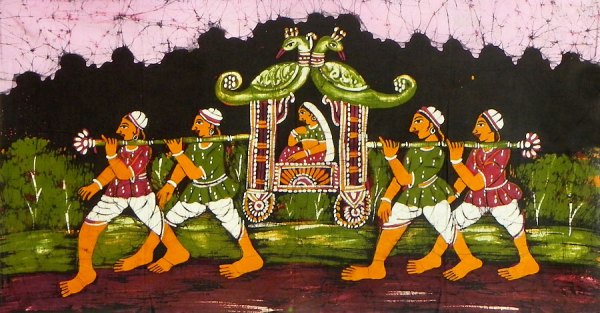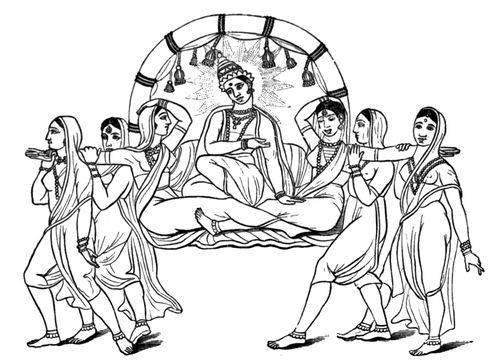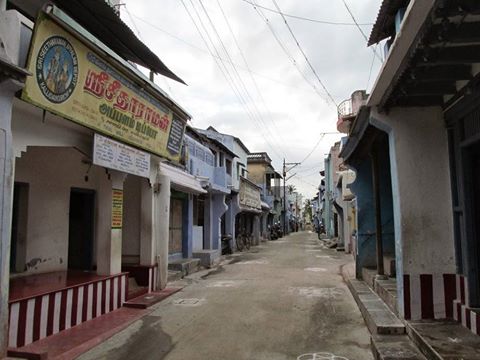
திருக்குறளில் அந்தணரும் வேதமும் ! (Post No.3296)

img_8188

Written by S. NAGARAJAN


Date: 28 October 2016


Time uploaded in London: 5-38 AM


Post No.3296


Pictures are taken from various sources; thanks. Pictures are representational; may not have direct connection to the article below.


Contact :– swami_48@yahoo.com


சங்க இலக்கிய ஆய்வு – கட்டுரை எண் 1


திருக்குறளில் அந்தணரும் வேதமும் !


                      ச.நாகராஜன்  

இந்த ஆய்வில் சங்க இலக்கியம் மட்டுமே இடம் பெறுகிறது. சங்க இலக்கியம் என்பது : –                               எட்டுத் தொகை நூல்கள்,

பத்துப்பாட்டு  நூல்கள்,

பதினெண்கணக்கு நூல்கள் ஆகியவையே.


அந்தணர் என்போர் அறவோர்மற் றெவ்வுயிர்க்கும்    

செந்தண்மை பூண்டொழுகலான்   (குறள் 30)


எவ்வுயிர்க்கும் செந்தண்மை பூண்டு ஒழுகலான் அந்தணர் என்போர் அறவோர்.

இனிய நீர்மையும் கருணையும் கொண்டவர் ஆதலின் அந்தணர் அறவோர் ஆவர்.

ஈர நெஞ்சத்து அந்தணர் (பரிபாடல் 14) என்பதால் கருணை உள்ளம் கொண்டவர் அந்தணர் என்பது பெறப்படுகிறது

அறவாழி அந்தணன் (குறள் 8)

இமயவில் வாங்கிய ஈர்ஞ்சடை அந்தணன் (கலி 88) என்ற இடங்களில் இறைவனை அந்தணன் என்ற சொல் குறிக்கிறது.


மறப்பினும் ஓத்துக் கொளலாகும் பார்ப்பான்

பிறப்பொழுக்கம் குன்றக் கெடும்   (குறள் 134)

ஓத்துக் கொளல் என்பது வேதம் ஓதுதல்.

ஒருவேளை வேத்ம ஓதுவதை மறந்தாலும் கூடத் திருப்பி ஓதிக் கொள்ளலாம். ஆனால் ஒழுக்கத்தை இழந்தால் பார்ப்பான் உயர்வு ஒழிந்து இழிவான்.

மறப்பினும் என்று உம் போட்டுச் சொல்லப்படுவதால் வேதம் ஓதுவதை அந்தணன் ஒருபோதும் மறக்க மாட்டான் என்பதை அவர் குறிப்பிடுகிறார்..

மிகக் கடினமான பயிற்சியை மேற்கொண்டிருக்க வேண்டியிருப்பதாலும் தொடர்ந்து தினசரி அதை ஓத வேண்டியிருப்பதாலும் வேதத்தை மாற்றவும் முடியாது. மறக்கவும் முடியாது.

ஜட பாடம், கன பாடம் என்பது எல்லாம் சிக்கல் நிறைந்த ஓதல் பயிற்சிகள். கனபாடத்தில் தேர்ந்தவர்களே கனபாடிகள் ஆவர். ஆனால் இந்த வேதம் ஓதுதல் மறந்தாலும் கூட ஒருவேளை திரும்பப் பெறக்கூடும். ஆனால் ஒழுக்கம் இழந்தாலோ, பிறப்பே கெடும் என அறிவுறுத்துகிறார் வள்ளுவர்.

வேதியர்க்கு அழகு வேதமும் ஒழுக்கமும் என்று இந்த இரண்டையும் இணைத்துப் பின்னாலே வந்த நறுந்தொகை கூறுகிறது.

பார்ப்பான் என்பது மெய்ப்பொருள் அல்லது பிரம்மத்தைப் பார்ப்பான் என்பதைக் குறிக்கும்.


நிறைமொழி மாந்தர் பெருமை நிலத்து

மறைமொழி காட்டி விடும்    (குறள் 28)


நிறைமொழி மாந்தர் ஆணையில் கிளந்த

மறைமொழி தானே மந்திரம் என்ப என்ற தொல்காப்பிய வரிகளை இங்கு நோக்கினால் அர்த்தம் எளிதாகப் புரியும்.


தவமும் தெய்வத்திருவருளும் அறிவும் உடையோரின் சொல்லே மந்திரம் ஆகிறது. அதையே மறைமொழி என்று இங்குக் காண்கிறோம்.


அந்தணர் நூற்கும் அறத்திற்கும் ஆதியாய்                    

நின்றது மன்னவன் கோல்         (குறள் 543)

அந்தணர் நூல் வேதமாகும். அதற்கும் அறத்திற்கும் ஆதியாய் நிற்பது மன்னவனால் செலுத்தப்படும் செங்கோல்.

ஆகவே அறத்தை அடிப்படையாகக் கொண்டு வேத நூலைப் போற்ற மன்னவன் கோல் செங்கோலாக அமைதல் வேண்டும்.


அருமறை சோரும் அறிவிலான் செய்யும்                          

பெருமிறை தானே தனக்கு        (குறள் 847)


அரிய மறைப்பொருளை உணர்ந்து அதன் வழி நடக்காமல் இருக்கும் அறிவிலாதவர் தனக்குத் தானே பெரும் தீங்கினை இழைத்துக் கொள்வர்.

இங்கு உபதேசம் குறிப்பிடப்படுகிறது. கேட்ட மறைப் பொருளை – உபதேசப் பொருளை உட்கொள்ளாதவன் அறியாமையால் தனக்குத் தானே தீங்கு இழைத்துக் கொள்வதை இந்தக் குறள் நன்கு உணர்த்துகிறது.


செவியுணவிற் கேள்வி யுடையார் அவியுணவின்               

ஆன்றாரோ டொப்பர் நிலத்து   (குறள் 413)

செவியுணவு என்பது கேள்வி.

வேள்வியில் ஆகுதியாக்கப்படும் அவி உணவு தேவருக்கான உணவு.  செவி உணவாகிய கேள்வியில் மிக்கார் இங்கு நிலவுலகில் இருப்பினும் கூட அவி உணவைக் கொள்ளும் தேவரோடு ஒப்பாவார்.

கேள்வியையும் வேள்வியையும் வள்ளுவர் கையாளும் பாங்கு நம்மை பிரமிக்க வைக்கிறது.


அவி சொரிந்து ஆயிரம் வேட்டலின் ஒன்றன்

உயிர் செகுத்து உண்ணாமை நன்று  (குறள் 259)

இந்தக் குறளில் மாபெரும் அறப் பண்பை வள்ளுவர் வலியுறுத்துகிறார்.

ஹவிஸ் என்பது தமிழில் அவி ஆயிற்று. நெய்யை ஆகுதியாக ஹவிஸாகக் கொடுத்து ஆயிரம் வேள்விகளைச் செய்வதைக் காட்டிலும் ஒரு விலங்கின் உயிரைப் போக்கி அதன் ஊனை உண்ணாமை நன்று என்கிறார் வள்ளுவர்.

ஆக, –

அந்தணர் அறவோர் எனப்படுவதும் அவர்கள் வேதம் ஓதுதலைச் செய்யும் ஒழுக்கம் உடையவர் என்பதும், இந்த அந்தணர், வேதம், அறம் இவை செழித்திருக்க மன்னவன் செங்கோல் சரியாக இருக்க வேண்டும் என்பதும் வள்ளுவரின் கூற்று.

மறைப்பொருளை உணராமல் இருப்பவன் தனக்குத் தானே கெடுதி செய்து கொள்கிறான் என்பதை வலியுறுத்திய வள்ளுவர் அவி உணவை உட்கொள்ளும் தேவரோடு கேள்விச் செல்வத்தில் மேம்பட்டவர் ஒப்பாவார் என்றும் அவி சொரிந்து ஆயிரம் யாகங்களைச் செய்வதை விட ஒரு உயிரைக் கொன்று அதன் மாமிசத்தை உண்ணாமல் இருப்பது நன்று என்றும் கூறுகிறார்.

வேதம், பார்ப்பான், ஹவிஸ், தேவர், மன்னவன் கோல், அறம் ஆகிய அனைத்தும் சரியான விகிதத்தில் இணைக்கப்பட்ட அறச் சாறை சில குறள்களிலேயே அள்ளித் தருகிறார் வள்ளுவர்.

மிக உயரிய நூலாக வேதம் கருதப்படுவதையும், அதை ஓதுபவர் அறவோர் என்பதையும், அதைக் காப்பதே மன்னவன் கடமை என்பதையும் வள்ளுவர் குறள்களில் நிலை நிறுத்திக் காண்பிக்கிறார்.

இதுவே வேதம் மற்றும் அந்தணர் பற்றிய வள்ளுவர் கொள்கை!


பின்னாலே எழுந்த ஏராளமான தமிழ் இலக்கிய நூல்களில் இந்தக் குறள்களை அடியொட்டிய ஏராளமான பாக்களைப் பார்க்கலாம். அதன் அடியொட்டிய அற்புத வரலாறுகளையும் படிக்கலாம்.

******

சங்க இலக்கியம் குறிக்கும் தெய்வங்களைப் பற்றிய எனது முந்தைய கட்டுரையைப் படித்த தமிழ் ஆர்வலரின் மடலே இந்தக் கட்டுரைத் தொடரை ஆரம்பிக்கக் காரணம். (அவரது மடலைக் கட்டுரையின் விமரிசனப் பகுதியில் காண்க)

பல ஆண்டுகளாக எழுத வேண்டும் என்று நினைத்திருந்த இந்தத் தொடருக்குப் பிள்ளையார் சுழி போட வைத்த அன்பருக்கு நன்றி. சங்க இலக்கியங்களைத் தாமே பயின்றால் இன்று நமக்கு போலியாக ஊட்டப்படும் பல பொய்க்கருத்துக்கள் போகும்; தமிழ்ச் சமுதாயம் மேம்படும்.

Patriotic Americans: Soldiers and Sailors Anecdotes (Post No.3294)

Army_US_Post_FLAG.jpg

Compiled by London Swaminathan


Date: 27 October 2016


Time uploaded in London: 17-22


Post No.3294


Pictures are taken from various sources; thanks


Vice President Henry A Wallace, in his famous speech on “The Century of the Common Man “, told the following story of heroism and courage


The American people always had guts and always will have. You know the story of the bomber pilot Dixon and radio man Gene Aldrich and ordnance man Tony Pastula -the story which Ameicans will be telling their children for generations to illustrate man’s ability to master any fate. These men lived for 34 days on the open sea in a rubber life raft, 8 feet by 4 feet, with no food but that which they took from the sea and the air with one pocket knife and a pistol. And yet they lived it through and came at last to the beach of an island they did not know. Despite their suffering and weakness, they stood like men, with no weapon to protect themselves and no shoes on their feet or clothes on their backs and walked in military file because, they said, “if there were Japs, we didn’t want to be crawling.”


Xxx

Any Volunteer Please!

During the heroic defence of the Bataan Peninsula, one of the commanding officers lined up a company of his men and asked for a volunteer for a mission of the utmost peril. Anyone willing to serve was instructed to step forward two paces from the line.


He glanced for a moment at a memorandum in his hand and, looking up, was shocked and disappointed to see the ranks unbroken.

“What, he said unbelievingly, ” not a single man!”

” You do not understand, sir, said an aide at his elbow , the whole line stepped forward Roy two paces “.

(It reminds the story of Great Sikh Guru — Guru Gobind Singh who asked for five volunteers)

ussoldies

Xxx

Philosophy of Life!

A profound philosophy of life is reflected in the reply of the sailor who, when he was asked what he done with his pay , said, Part went for liquor and part went for women. The rest I spent foolishly.


Xxx


Shortly after the Revolutionary War, Benedict Arnold was presented at Court in London. While the King was conversing with him , Lord Balcarass, a stately old noble, who had fought under General Burgoyne in the campaigns of America, was presented. The King introduced them with Lord Barcarass and General Arnold


What sir, said the haughty old earl drawing up his lofty form, the traitor Arnold!” and refused to give him his hand.


The consequence was a challenge from Arnold . They met and it was arranged that the parties should fire together. At the signal Arnold fired. Lord Balcarass, however, throwing down his pistol, turned on his heel, and was walking away, when Arnold called after him,

Why don’t you fire my Lord?

Sire, said the earl, ” I will leave that to the executioner “.


—SUBHAM–


வளமான வாழ்விற்கு உதவுவது எது? (Post No.3293)

joyner-lecture_2

Picture: Joyner is speaking.


Written by S. NAGARAJAN


Date: 27 October 2016


Time uploaded in London: 6-24 AM


Post No.3293


Pictures are taken from various sources; thanks. Pictures are representational; may not have direct connection to the article below.


Contact :– swami_48@yahoo.com


திருநெல்வேலியிலிருந்து திரு ஆர்.சி. ராஜா அவர்களை ஆசிரியராகக் கொண்டு மாதம் தோறும் வெளி வருகிறது ஹெல்த்கேர் பத்திரிகை. அதில் செப்டம்பர் 2016 இதழில் வெளி வந்துள்ள கட்டுரை


விளம்பரங்களைக் கண்டு ஏமாற வேண்டாம், அதில் வரும் மர்மமான பெயர்களைக் கொண்ட ஊட்டச் சத்தால் பயனொன்றுமில்லை என்கின்றனர் நிபுணர்கள்!


கட்டுரையைப் படியுங்கள், உடற்பயிற்சியும் ஆரோக்கிய உணவும் இருந்தாலேயே போதும் என்னும் உண்மை புரியும்!


வளமான வாழ்விற்கு உதவுவது எது?

                  By ச.நாகராஜன்


ஆரோக்கியமான வாழ்விற்கு உடற்பயிற்சி தேவை – தசைகளில் வலுவேற்ற, எடையைக் குறைக்க, பருமனைக் குறைக்க, மன நிலையைச் சீராக வைக்க – இப்படி ஏதோ ஒரு காரணத்திற்காக உடற்பயிற்சியைச் செய்பவர்களின் எண்ணிக்கை அதிகரித்துக் கொண்டே போகிறது.


ஆனால் நமது செயல்திறனை மிகப் பிரமாதமான அளவிற்கு உயர்த்த ஏதேனும் உணவுத்திட்டம் – அது தான் டயட் இருக்கிறதா?

பல விஞ்ஞானிகளிடம் இந்தக் கேள்வியை முன் வைத்த போது பல நல்ல தகவல்கள் கிடைத்துள்ளன.


உடற்பயிற்சி செய்பவர்கள் ஒரு குறிப்பிட்ட உணவு வகையை மட்டுமே சாப்பிட வேண்டும் என்பதில்லை


உடற்பயிற்சியை மேற்கொள்ளும் ஆயிரக்கணக்கான பேர்கள் தங்கள் உடற்பயிற்சியில் நல்ல விளைவைப் பெற ஒரு குறிப்பிட்ட உணவு வகை எதையும் சாப்பிடுவதில்லை என்று நிபுணர்கள் கூறுகின்றனர் யாரேனும் ஒருவர் உங்களிடம் வந்து ஒரு மாஜிக் உணவுத் திட்டம் இருக்கிறது என்று கூறினால் அது மூட நம்பிக்கை என்பதை அறிந்து கொள்ளுங்கள் என்கிறார் டாக்டர் மைக்கேல் ஜாய்னெர். இவர் மின்னஸோட்டாவில் ரோசெஸ்டரில் உள்ள மயோ கிளினிக்கில் உடற்பயிற்சி உளவியலாளராகப் பணி புரியும் ஒரு நிபுணர். தினமும் ஒரு மணி நேரத்திற்கும் குறைவாக உடற்பயிற்சியைச் செய்யும் ஒருவருக்கு உணவுத் திட்டம் என்பது எந்த வித மாறுபாட்டையும் தருவதில்லை என்கிறார் அவர்.


ஆனால் தினமும் பல மணி நேரம் பயிற்சியில் ஈடுபடும் விளையாட்டு வீரர்களுக்கு ஊட்டச் சத்து உணவு தேவை என்கிறது ஒரு ஆய்வு.


வாரத்திற்கு இரு முறை யோகா பயிற்சி செய்பவர்கள், வாரத்தில் சில மணி நேரங்கள் ஓடுவதை வழக்கமாக வைத்திருப்பவர்கள், அல்லது ஜிம்மில் ஒரு மணி நேரமாவது வெயிட் மெஷினில் பயிற்சியைச் செய்பவர்கள் ஆகிய இவர்கள் அனைவரும் ஒரு குறிப்பிட்ட விகிதத்தில் தான் கார்போஹைட்ரேட்டுகள், புரோட்டீன்கள், கொழுப்புப் பதார்த்தங்கள் ஆகியவற்றை உண்ண வேண்டுமென்பதில்லை.


இந்தப் பயிற்சியில் ஈடுபட்டவர்கள் அதில் இழந்த கலோரிகளுக்கு ஈடுகட்டி சக்தியை ஈட்ட அதற்காகவென்றே  உணவை உண்ண வேண்டுமென்பதில்லை, என்கிறார் ஜாய்னெர்.


இருந்தபோதிலும் சிறந்த விளையாட்டு வீரர்களும் மிக கடினமான ஏரோபிக் பயிற்சியை மேற்கொள்பவர்கள் தங்களின் தசை இழப்பைத் தடுத்து ஆற்றலை  மேமபடுத்த கார்போஹைட்ரேட், புரோட்டீன் ஆகியவற்றை அதிகப்படுத்திக் கொள்ள வேண்டும் என்பது நிபுணர்களின் கருத்து.

எவ்வளவு புரோட்டீன், கார்போஹைட்ரேட் என்று க்ணக்கிடுவதை விட, எது ஆரோக்கியமான உணவு என்பதில் கவனம் செலுத்தினாலே போதும் என்கிறார் விளையாட்டு வீரர்களுக்கான ஊட்டச் சத்து நிபுணர் நான்சி க்ளார்க்.

nancy-clarks-book

இவர் எழுதிய நான்சி க்ளார்க்ஸ் ஸ்போர்ட்ஸ் நியூட்ரிஷன் கைட்புக் என்பது மிகவும் பிரசித்தி பெற்ற ஒரு வழிகாட்டும் நூல்.


உணவுத் திட்டத்தில் உணவானது 85 சதவிகிதம் ஊட்டச் சத்தைக் கொண்டிருந்து 15 சதவிகிதம் பதப்படுத்தப்பட்ட உணவைக் கொண்டிருந்தால் நீங்கள் பயப்படத் தேவையே இல்லை என்கிறார் நான்சி


உடற்பயிற்சியை மேற்கொள்பவர்கள் தாங்கள் உணவருந்தும் நேரத்திற்கு அதிக முக்கியத்துவம் கொடுத்தல் இன்றியமையாதது. இது அவர்களுக்கு உடற்பயிற்சியால் ஏற்படும் நல்ல விளைவுகளை அதிகரிக்கும்..


எவ்வளவு நேரம் தீவிர உடற்பயிற்சியை மேற்கொள்கிறீர்கள் என்பதைப் பொருத்து துணை உணவு தேவைதானா என்பது நிர்ணயிக்கப்படுகிறது. துணை உணவு என்று சொல்லி சந்தையில் விற்கப்படும் பொருள்களில் மர்மமான பெயர்களைக் கொண்ட பொருள்கள் கலக்கப்படுகின்றன. அதை ஆராய்ந்ததில் சொல்லிக் கொள்ளக் கூடிய விதத்தில் பயனொன்றும் இல்லை.


பெரும்பாலானோர் உடலின் எடையைக் குறைக்கவே உடற்பயிற்சியை விரும்பிச் செய்கின்றனர். இதில் உணவுத் திட்டத்தைப் பின்பற்றுவது என்பது எச்சரிக்கையுடன் செய்ய வேண்டிய ஒரு விஷயம்.


ஆக மொத்தத்தில் சுருக்கமாக சொல்லப் போனால் உடற்பயிற்சியை மேற்கொள்வோர் சாதாரணமான் ஆரோக்கிய உணவை மேற்கொண்டாலேயே போதும்.

விளம்பரங்கள் சுட்டிக் காட்டும் இன்னதென்று சொல்ல முடியாத மர்மமான பொருள்கள் க்லந்து விற்கப்படும் எதையும் வாங்க வேண்டிய அவசியமில்லை.

மேலும் அதிக விவரங்களை வேண்டுவோர் நான்சியின் வழிகாட்டும் புத்தகத்தைப் படித்துப் பயன்பெறலாம்.


நன்றி: லைவ் ஸயின்ஸ் பத்திரிகை


–Subham-

மாப்பிள்ளைக்கும் பெண்ணுக்கும் வழிவிடுங்கள்: மனு கட்டளை (Post No.3292)

manu-book-3

Written by London Swaminathan


Date: 26 October 2016


Time uploaded in London: 20-23


Post No.3292


Pictures are taken from various sources;thanks


மனு தர்ம சாத்திரத்தில் ஏராளமான சுவையான விஷயங்கள் இருக்கின்றன.

manu-book-1

முன்னொரு கட்டுரையில் மனிதனுக்கு கிருத யுகத்தில் 400 வயது, பெண்ணின் வாய் எப்போதுமே சுத்தமானது, பெரிய ரிஷிகளைப் பார்த்து ஒருவர் என்னருமை சின்னப் பையன்களா என்று சொன்னது சரிதான், 36 ஆண்டு, 18 ஆண்டு பிரம்மச்சர்யம், திதியில் மாமிசம் சேர்ப்பது, பெண்களை நன்றாகக் கவனிக்காவிடில் அந்தக் குடும்பம் வேருடன் அழியும் , கீழ்ஜாதிக்காரன் படித்திருந்தால் அவனிடம் கைகட்டி வாய்பொத்தி கல்வி கற்க வேண்டும், ஆயிரம் தந்தைக்கு ஒரு தாய் சமம் — முதலிய பல விஷயங்களைக் கொடுத்திருந்தேன். அவைகளை இந்த பிளாக்கில் படிக்கலாம். இப்போது வேறு சில சுவையான  விஷயங்களைச் சொல்லுகிறேன்.


யார் யாருக்கு விலகி வழிவிட வேண்டும் என்று மனு சொல்லுகிறார்:-


ஒருவனுடன் 10 ஆண்டு வசித்தால் அவனை நண்பனாகக் கருத வேண்டும்.

ஒரு கலைஞனுடன் 5 ஆண்டு வசித்தால் அவனை நண்பனாகக் கருத வேண்டும்.

வேதம் அறிந்த ஒருவனுடன் 3 ஆண்டு வசித்தால் அவனை நண்பனாகக் கருத வேண்டும்.

சொந்தக்காரர்களை சிறிது காலத்துக்குள்ளேயே நண்பனாகக் கருத வேண்டும்.


ஒருவனுக்கு மரியாதை கொடுக்க பின்வரும் விஷயங்களை கருத்திற்கொள்க:-பணமுள்ளவனுக்கு மரியாதை கொடு; அதைவிட நண்பனுக்கும்,அதைவிட வயதுக்கும், அதைவிட நல்ல பணிசெய்பவனுக்கும்,   அதைவிட கல்விகற்றவனுக்கும் மரியாதை கொடுக்க வேண்டும்.


வேலைக்கரன் ஆனாலும் 90 வயதைக் கடந்து விட்டால் மரியாதை கொடுக்க வேண்டும்.


எதிரே வண்டியில் வருபவர்களுக்கும், 90 வயதைக் கடந்தவர்களுக்கும், நோயாளிக்கும், சுமை  தூக்குவோருக்கும், பெண்களுக்கும், வேத பண்டிதனுக்கும், மாப்பிள்ளைக்கும், அரசனுக்கும் விலகி நின்று வழிவிட வேண்டும். இவர்கள் எல்லோரும் வந்தால், அரசனுக்கும் வேத பண்டிதனுக்குமே முதல் மரியாதை.


அரசனும் வேத பண்டிதனும் ஒரே நேரத்தில் எதிரே வந்து விட்டால், வேத பண்டிதனுக்கே முதலில் வழிவிட வேண்டும்.


பெண்களுக்கும் வயதானோருக்கும் ஜாதி வேறு பாடின்றி மரியாதை கொடுக்கப்படுவது அந்தக்காலத்தில் பெண்களுக்கும் வயதுக்கும் இருந்த மரியாதையைக் காட்டுகிறது. மனு எவ்வளவு அளவு மனிதபிமானம் உடையவர், நல்ல சிந்தனை உடையவர் என்பதை இந்த இரண்டாம் அத்தியாய ஸ்லோகங்கள் (133- 139) காட்டுகின்றன.

manu-book-2


வீட்டிற்கு வந்த விருந்தாளிகள் வைஸ்யர்கள், சூத்திரகளாக இருந்தாலும் அவர்களை விருந்தினராக கருதி உணவளிக்க வேண்டும்


நண்பர்கள் வந்தால் மனையுடன் உட்கார்ந்து சாப்பிடலாம். விருந்தினர்கள் சாப்பிட்டவுடன் கர்ப்பிணிப் பெண்களையும், சிறு பெண்களையும் , புதுமணத் தம்பதிகளையும், நோயாளிகளையும் சாப்பிடச் சொல்ல வேண்டும்.

குடும்பத்திலுள்ள அத்தனை பேரும் சாப்பிட்ட பின்னரே கணவனும் மனைவியும் சாப்பிடலாம். (Manu 3- 111 to 118)


கர்ப்பிணிப் பெண்கள், கன்யாப் பெண்கள் மீது மனுவுக்கு எவ்வளவு மதிப்பு பாருங்கள்.


–Subham–


Three Kinds of Gifts/Dhanam/Donation (Post No.3291)

krishnan-barbeque

Compiled by London Swaminathan


Date: 26 October 2016


Time uploaded in London: 6-06 AM


Post No.3291


Pictures are taken from various sources;thanks


Gifts to the poor not only help the poor but help the givers. He who gives receives.


English word Donate is derived from the Sanskrit word Dhana.


Liberality is a virtue that has been placed by Hinduism in the very first rank.


Gift, has always been an essential part of every sacrifice, and the feeding and supporting of the poor and the true and learned Brahmanas has been no less essential.


By these rules men were trained to sacrifice part of their wealth for the benefit of others, and thus were led onwards to a true understanding and acceptance of the great Law of Sacrifice.


Manu says: “Let him diligently offer sacrifices and oblations with faith; these, if performed with faith and with rightly earned wealth, become unperishing.


“Let him always observe the duty of charity, connected with sacrifices and oblations with a contented mind, having sought with diligence a worthy recipient.


“Something verily ought to be given ungrudgingly by him who has been asked, for a worthy recipient will surely arise who will save him from all (sins).” Manu  iv. 226-22.

 
The way in which charity should be done is laid down by Shri Krishna, who divides gifts, according to their nature, into sattvic, rajasic and tamasic.


The gift given to one who does nothing in return,saying, ‘It ought to be given’ at right place and time and to a worthy recipient, that gift is accounted sattvic (Good).


“That verily which is given for the sake of receiving in return or again with a view to fruit, or grudgingly, that gift is accounted rajasic (Not so good).


“That gift which is given at unfit place and time and to unworthy recipients, disrespectful and contemptuously, that is declared tamasic.”(Bad)

Bhagavad. Gita, xvii. 20-22.

That charity should be done with courtesy and gentle kindliness is a rule on which much stress is laid. We often read in the Itihasa directions to show careful respect in the making of gifts; charity should ever be gracious, for even a trace of contempt or disrespect makes it, as above said, tamasic.


The idea of showing to weakness the same courtesy that is extended to rank and superiority, a tender deference and consideration, comes out strongly in the following shloka:


“Way should be made for a man in a carriage, for one who is above ninety years old, for a sick person, for one who carries a burden, for a woman, a Snataka, a king and a bridegroom.” Similarly we find, when directions are being laid down as to the giving of food to people in the due order of their position, preference over all is given to the weak

Manusmriti, ii .138.
“Let him without making distinctions, feed newly-married women, young maidens, the sick, and pregnant women, even before his guests.”

Manusmriti iii. 114.


Source: An Advanced Text Book of Hindu Religion and Ethics, Benares, Year 1905


–Subham–

சிவிகையில் அமர்ந்த சீரிய குறள்! – 2 (Post No.3290)

pallakku-tiruvaiyaru

Written by S. NAGARAJAN

Date: 26 October 2016

Time uploaded in London: 4-54 AM

Post No.3290

Pictures are taken from various sources; thanks. Pictures are representational; may not have direct connection to the article below.


Contact :– swami_48@yahoo.com


திருக்குறள்  பெருமை


சிவிகையில் அமர்ந்த சீரிய குறள்! – 2


                       By ச.நாகராஜன்


               alum-pallaku-4                         

செகவீரபாண்டியனாரின் உரை தொடர்கிறது:


முற்பெரிய நல்வினை முட்டின்றிச் செய்யாதார்        

  பிற்பெரிய செல்வம் பெறுபவோ – வைப்போ                  

  டிகலிப் பொருள்செய்ய எண்ணியக்கால் என்னாம்                          

முதலிலார்க்கு ஊதியம் இல   (பழமொழி)


செய்தீவினை யிருக்கத் தெய்வத்தை நொந்தக்கால்                 எயத வருமோ இருநிதியம்  – வையத்து                     அறும்பாவம் என்ன அறிந் தன்றிடார்க்கு                  வெறும்பானை பொங்குமோ மேல்   (நல்வழி 17)


அறம் செய்யாதவர் அல்லல் உறுவர் என இவை குறித்துள்ளன. உவமைகள் கூர்ந்து ஓர்ந்து உணர வுரியன.


செய்குவம் கொல்லோ நல்வினை எனவே                    

ஐயம் அறாஅர் கசடீண்டு  காட்சி                                

நீங்கா நெஞ்சத்துத் துணிவில் லோரே                    

 யானை வேட்டுவன் யானையும் பெறுமே                        

 குறும்பூழ் வேட்டுவன்  வறுங்கையும் வருமே               

அதனால் உயர்ந்த வேட்டத்து உயர்ந்திசினோரே                

 செய்வினை  மருங்கின் எய்தல் உண்டெனின்                       

செய்யா உலகத்து நுகர்ச்சியும் கூடும்                           

செய்யா உலகத்து நுகர்ச்சி இல் லெனின்                           

மாறிப் பிறப்பின் இன்மையும் கூடும்                            

மாறிப் பிறவார் ஆயினும் இமயத்துக்                                

 கோடுயர்ந் தன்ன தம்மிசை நட்டுத்                                    

 தீதில் யாக்கையொடு மாய்தல் தவத் தலையே (புறநானூறு  214)


நல்வினையால் எல்லா இன்ப நலங்களும் உளவாம்; அதனை எவ்வழியும் செவ்வையாச் செய்ய வேண்டும் என ஒரு சோழ மன்னன் இன்னவாறு அறத்தைப் புகழ்ந்து கூறியிருக்கிறான்.


செல்வ வளங்களை அடைந்து ஒருவன் சுகபோகமாய் வாழ்வது புண்ணியத்தினாலேயாம்;  அந்த இன்ப வகைகளுள் சிவிகை ஒன்று. ஆதலால் அது இங்கே நன்கு காண வந்தது.


சிவிகை = தண்டிகை, பல்லக்கு


மனிதனை மனிதர் சுமந்து  கொண்டு போவது உயர்வையும் இழிவையும் ஒருங்கே வரைந்து காட்டியது. ஒரு சிவிகையைச் சுமப்பவர் எண்மர் ஆதலால் பொறுத்தார் என்று பன்மையில் குறித்திருக்க வேண்டும். ஒருமையைக் கொண்டே அவருடைய சிறுமையைத் தனித் தனி நுனித்து உணர்ந்து  கொள்ள நின்றது.


பொறுத்தான் என்ற உரைக்குறிப்பால்  அல்லல்களைச் சகித்துக் கொண்டு சுமையைப் பொறுமையோடு தாங்கிப் போகும் பாங்கு தெரிய வ்ந்தது.

”நான் என்ன பாவம் செய்தேனோ இப்படிக் கழுதைப் பொதி சும்க்கிறேன்” என்று சுமையாளர் நெஞ்சு நொந்து பேசுவதையும்  உலகம் கேட்டு வருகிறது.


இன்ப நிலையில் ஒருவன் இனிது வீற்றிருக்கிறான்; துன்பம் தோய்ந்து ப்லர் அவனைச் சுமந்து போகின்றார். அதனை நேரே கண்ட தேவர் புண்ணியத்தின் பயனையும், அதனை இழந்து நின்றவர் பின்பு உழந்துபடும் துயரையும் நினைந்து வியந்து நெஞ்சம் வருந்தினார். அவ்வாறு உள்ளம் ப்ரிந்து இரங்கியபோது பாடிய பாட்டே அறத்தை ஈண்டு இவ்வாறு எடுத்துக் காட்டியது.


ஊர்ந்தான் இடை வேண்டா என்றது அங்கே அறத்தின் பெருமித இன்பத்தையும், மறத்தின் சிறுமையான துன்பத்தையும் நேரே காண்கின்ற நீங்களே நன்கு தெளிந்து கொள்ளலாம்;  வேறே நான் யாதும் கூற வேண்டியதில்லை என்று கூறாமல் கூறியருளினார். இது கூர்மையுற மொழிந்த படியாம்.


அறத்தா றிதுவென வேண்டா சிவிகை                    

பொறுத்தானோ டூர்ந்தா னிடையை – ம்றுத்தார்சம்                       

பந்தன் சிவிகை பரித்தார் திரிகுவர்மற்                               

றுந்தும் சிவிகையினை யூர்ந்து   (நால்வர் நான்மணி மாலை, 33)

pallakkil-perumal

திருஞான சம்பந்தர் சமய போதனை செய்யச் சிவிகை யூர்ந்து சென்றார். அவர் முருகப் பெருமான் அவதாரம் ஆதலால் அவரது சிவிகையைத் தாங்கினவர் பின்பு அமரர் ஆய்ச் சிவிகையூர் நேர்ந்தார். அதனை வித்தக வினோதமாயச் சிவப்பிரகாசர் இப்படி விளக்கியிருக்கிறார். இந்த அருமைத் திருக்குறள் அந்தக் கவிஞர் உள்ளத்தைக் கவர்ந்துள்ள நிலையை இதனால் நாம் உணர்ந்து கொள்கிறோம். அறம் புரிபவன் தருமவானாய்ப் பெருமையுறுகிறான்.


தருமத்தை உரிமையாச் செய்து கொள்ளுங்கள்; அது உங்களுக்குப் பெருமகிமைகளை அருளும்; அதனை இழந்து நின்றால் இழிந்த துயரங்களை அடைய நேரும் என்று அறிவுறுத்தியுள்ளார். புண்ணியம் புரிந்து கண்ணியம் பெறுக.


உயர்ந்த நீதியும் சிறந்த அரச இன்பமும் அறத்தால் பெறலாம். இவ்வுண்மையை மூர்த்தி நாயனார் உணர்த்தி நின்றார்.


சரிதம்

இவர் பாண்டி நாட்டிலே மதுரையம்பதியில்  இருந்தவர். வணிகர் மரபினர். சிவபெருமான்பால் பேரன்புடையவர். நறும் சந்தனம் அரைத்து நாளும் சிவபூசைக்குக் கொடுத்து வருவது இவரிடம் வழக்காமாயிருந்தது. உல்கப் பாசம் இன்றிப் பிரம்ச்சாரியாய்த் துறவி நிலையில் இருந்த இவர் யாண்டும் அறவினையே ஆற்றி வந்தார். அவ்வாறு வருங்கால் கருநடன் என்னும் மறுபுலத்து அர்சன் இந்நாட்டின் மேல் படை எடுத்து வந்து அரசைக் கவர்ந்து கொண்டான். அவன் சமண சமயத்தவன் ஆதலால் இவருடைய சிவபூசைக்கு இடர்கள் பல செய்தான். இடையூறுகளைப் பொறுத்து வந்தார்; ஒருநாள் பொறுக்க முடியாமல் இறைவனை நினைந்து இவர் உருகி அழுதார்; மறுநாள் கருநடன் இறந்து போனான். அரசு இல்லையானால் நாடு கேடாம் என்று அமைச்சர் யாவரும் ஆலோசித்து முடிவில் பட்டத்து யானையை அலங்கரித்துக் கண்ணைக் கட்டி வெளியே விட்டார்.

“இந்த  மதயானை யாரை  மதித்து எடுத்து வருமோ அவரே அரசர்” என உறுதி செய்து உய்த்தார். வேழம் விரைந்து நடந்தது. கோவில் முகப்பில் இளம் துறவியாய் ஒதுங்கியிருந்த இவரை உவந்து எடுத்து முதுகில் வைத்துக் கொண்டு வீர கம்பீரமாய் மீண்டு வந்தது; வரவே யாவரும் இவரைத் தொழுது வணங்கி அரியணையில் அமர்த்தி அரசுமுடி சூட்டிப் பரசி நின்றனர்.

(இங்கு செகவீர பாண்டியனார் பெரிய புராணம் ,மூர்த்தி நாயனார் வரலாறில் உள்ள 35,36,37 செய்யுள்களை மேற்கோள் காட்டுகிறார்)


இங்ஙனம் அரசன் ஆனபின் நீதிநெறியோடு நாட்டை இவர் பாதுகாத்து வந்தார். இவரது சிவிகையைக் கருநடனது உறவினரே தாங்கி வர நேர்ந்தனர். பல்லக்குப் போகிகள் என அவர்  ஒரு தொகையினராய்  அரசுக்கு ஊழியம் செய்து வந்தனர். அறம் புரிந்தவர் சிவிகை ஊர்வர்; அது புரியாதவர் குவிகையராய் ஊழியம் புரிவர் என்பதை உலகம் இவர் பால் உணர்ந்து நின்றது.


ஆண்டவனாய் நின்றறவோன் ஆள்வான் அஃதில்லான்     பூண்டடிமை யாவன் புகுந்து


அறம் அரசன் ஆக்கும்.


என்று இவ்வாறு தன் உரையை முடிக்கிறார்.


pallakku-thuukki

என்ன ஒரு அற்புதமான உரை. இப்படி விளக்கத்தைப் படித்தால் திருக்குறளின் மாண்பு புரியும்.

ஆனால் நாத்திகரின் உரையைப் படித்தால் இருக்கும் நல்லதும் நம்மிடமிருந்து போய் விடும் அல்லவா!

செகவீரபாண்டியனாரின் புத்தகத்தை வாங்கிப் படித்தால் திருக்குறளின் உண்மைப் பொருள் விளங்கும். எப்பொருள் எத்தன்மைத்தாயினும் மெய்ப்பொருள் காண்பது தானே அறிவு.

அதை விட்டு விட்டு பகுத்தறிவுச் சிங்கங்கள் எழுதும் பசப்பல் மொழிகளையும் பொய்யுரைகளையும் படிக்கக் கூடாது என்பதற்கு இந்த சிவிகைக் குறளே சீரிய உதாரணம் ஆகிறது!

********* ( இந்தக் கட்டுரைத் தொடர் முற்றும்)

 pallakku

குறிப்பு : (1-1-1957 இல் வெளியிடப்பட்ட மூன்றாம் பதிப்பு) திருக்குறட் குமரேச வெண்பா நூலிலிருந்து செகவீரபாண்டியனாரின் அருமையான விளக்கம் மேலே கொடுக்கப்பட்டுள்ளது.


MORE RARE HINDUISM PICTURES FROM TWO OLD BOOKS (Post No.3289)

img_5733

Written by London Swaminathan


Date: 25 October 2016


Time uploaded in London: 20-46


Post No.3289


I have already posted two sets of pictures and line drawings. Here are some more pictures: –


img_5728

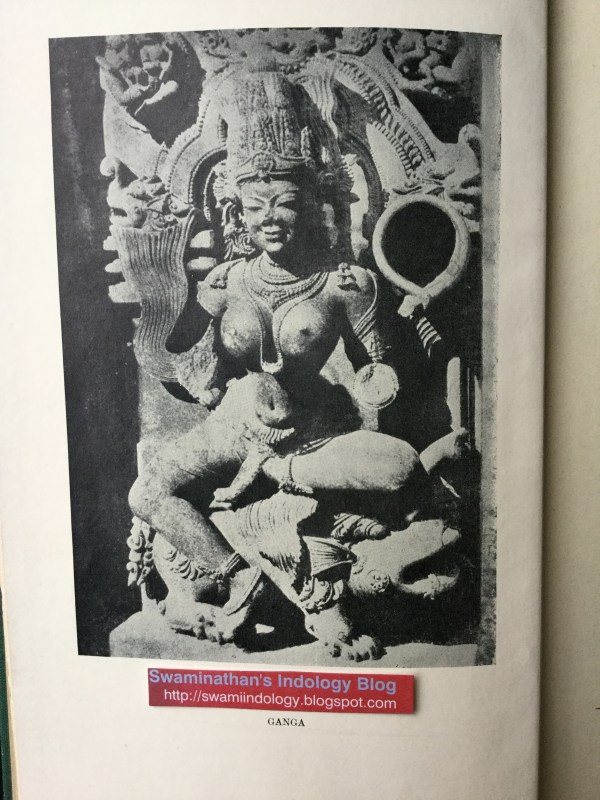
Picture of Ganga Devi

img_5739

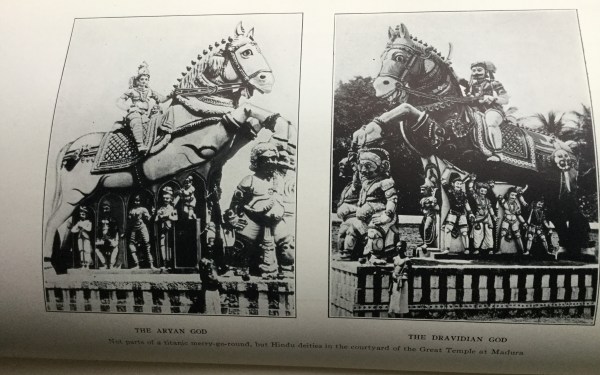
Both are Ayyanar=Sastha; he dubbed one as Aryan and another as Dravidian! This is how foreigners did the Divide and Rule (the world)


img_5742

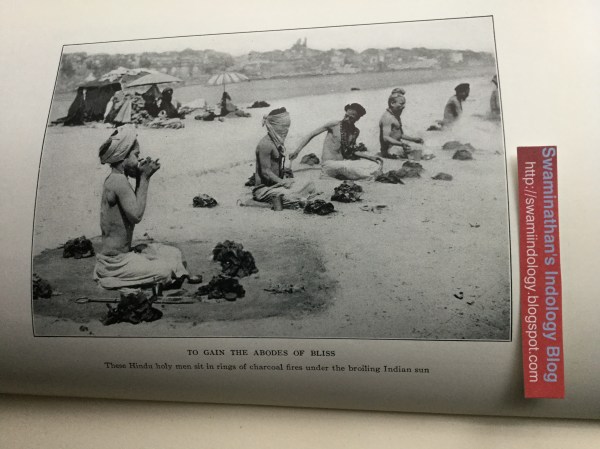
Panchagni Yajna picture (Doing penance by sitting sorrounded by Five Fires; sun is the fire above our head. Hidnu Yogis do this. Parvati did this according to Kalidasa’s Kumara Sambhava.


img_5741

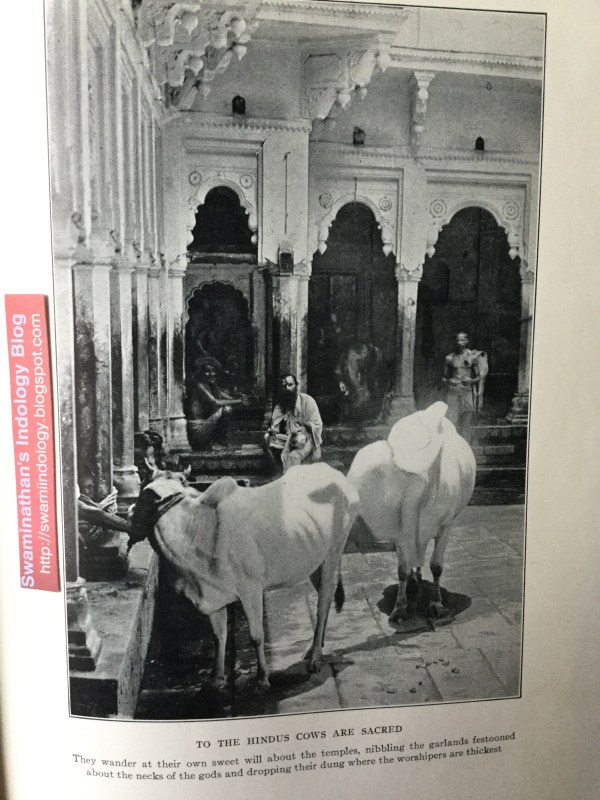
Sacred Cows


img_5750

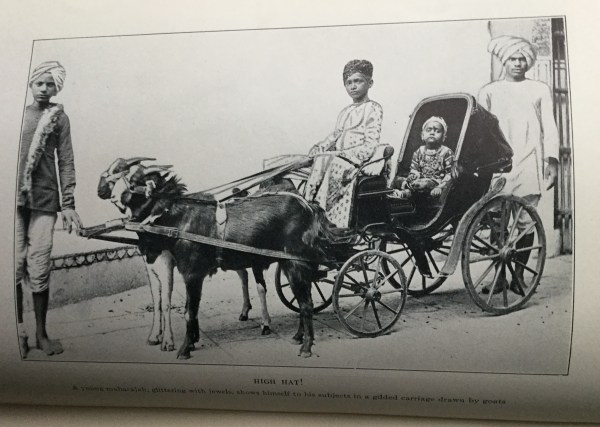
Maharani (Princess) on the cart

img_5755

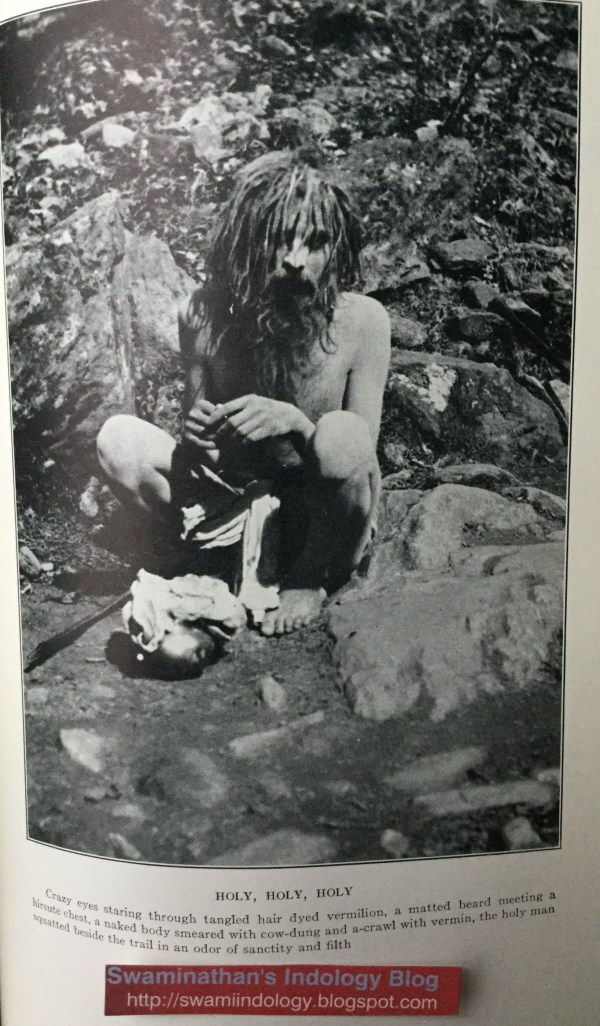
Hindu Yogi

img_5748

img_5747


img_5744

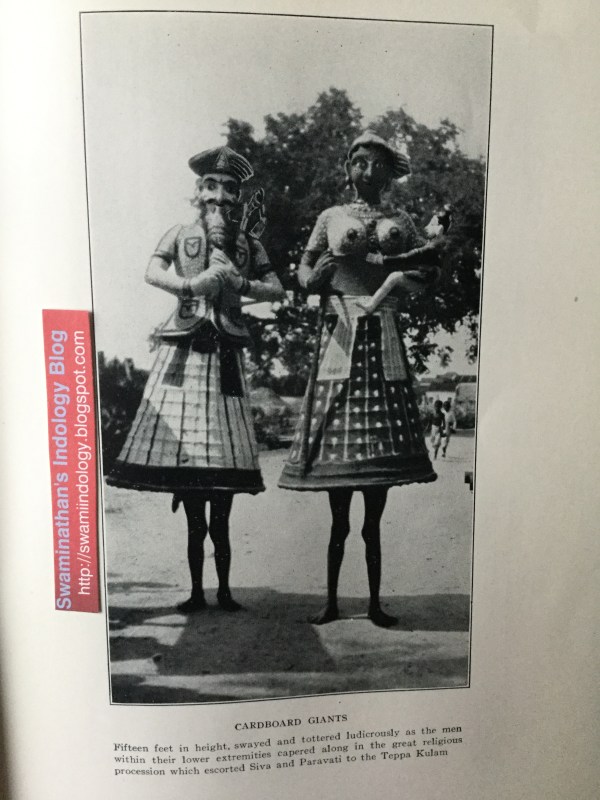
Picture of Madurai Teppakulam Festival (below)

img_5738

img_5736

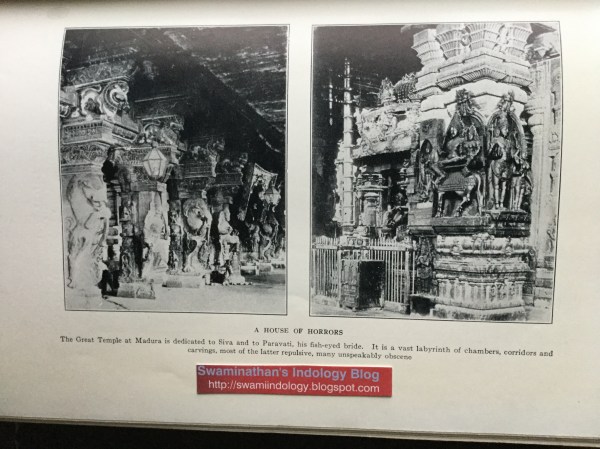
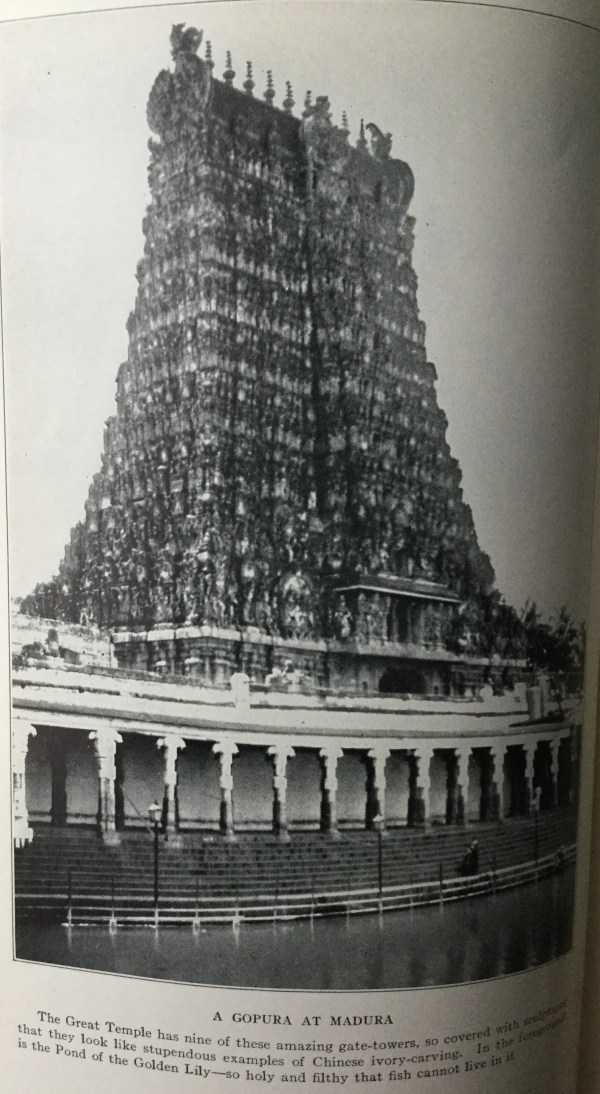
E.Alexander Powell in his book The Last Home of Mystery (Year 1929) was very critical of Madurai Temple. He described it as House of Horrors and he described the Golden Lily tank filthy. When the whole world praised the temple, he criticised it; this shows his immaturity.

img_5737

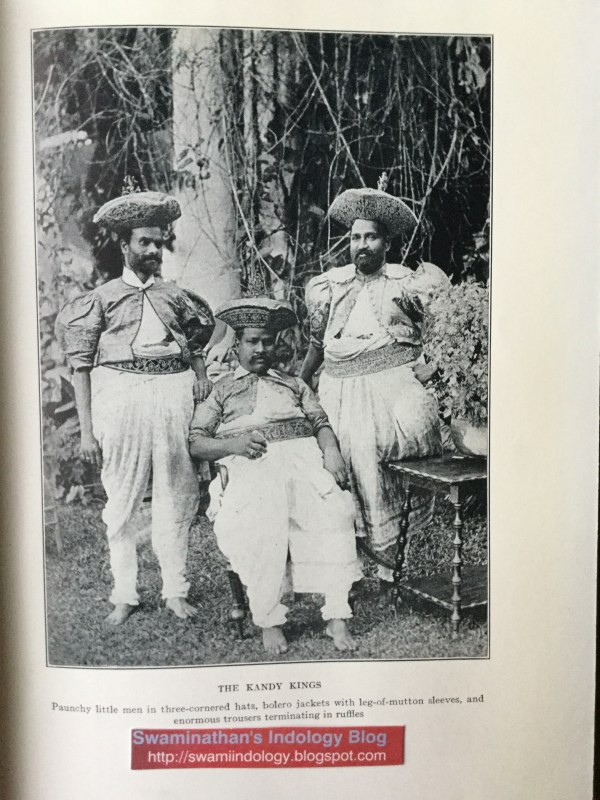
Picture of Kandy Kings (See below)img_5734

பாரி மகள் போட்ட தங்க சோறு! தமிழர் வளம்!! (Post No.3288)

gold

Written by London Swaminathan


Date: 25 October 2016


Time uploaded in London: 19-32


Post No.3288


Pictures are taken from various sources; thanks. They are used for representational purpose. They may not have direct connection to the article below.


தயிர் சாதம், புளியஞ் சாதம், சாம்பார் சாதம் — எல்லாம் கேள்விப்பட்டிருக்கிறோம். தங்க (Gold) சாதம், தங்க சோறு கேள்விப் பட்டிருக்கிறீர்களா?


செல்வம் கொழிக்கும் நாட்டில் மட்டுமே இது சாத்தியம் ஆகும். பாரி வள்ளல் ஆண்ட தமிழகத்தில் தங்கத்துக்குப் (Gold) பஞ்சமில்லை!


பாரி வள்ளல் இறந்த பின்னர் ஒரு நாள் பாரியின் மகளிர் சங்கவை, அங்கவை ஆகியோர் இருந்த இடத்துக்கு பாணர் குல மகளிர் பாடிக்கொண்டு வந்தனர். அப்படி வருவோருக்கு உணவும், உடையும், பொன்னும் கொடுப்பது பாரி கடைப்பிடித்த நடைமுறை.


ஆனால் பாரி மகளிர் வீட்டில் அரிசியும் இல்லை, பொங்குவதற்குப் பானையும் இல்லை.

ஏனெனில் வறட்சி நிலவிய காலம் அது.

பெண் என்றால் ஏதாவது தங்க நகை அணிந்திருப்பார்கள் அல்லவா? அதுவும் பாரி மன்னனின் மகள்கள் என்றால் நகை இல்லாமலா போகும்?


தாங்கள் அணிந்திருந்த பொன் நகைகளை அப்படியே உலையில் இட்டு அதையே சோறாக இலையில் போட்டார்கள் பாரி மகளிர். இல்லை என்ற சொல்லை அகராதியில் காணாத குடும்பம் பாரி மன்னன் குடும்பம்.


இந்தச் செய்திக்கு ஆதாரம் என்ன?

1200 ஆண்டுகளுக்கு முன் எழுந்த பழமொழி 400 என்னும் நூலில் அருமையான ஒரு பாடல் இந்தச் செய்தியைக் கூறுகிறது:–


மாரியொன்றின்றி வறந்திருந்த காலத்தும்

பாரி மடமகள் பாண்மகற்கு – நீருலையுள்

பொன்றிறந்து கொண்டு புகாவாக நல்கினாள்

ஒன்றுறா முனிறிலோ வில் – பழமொழி


pot-of-gold-psd87858

இன்னொரு பாடலில் கோழியை விரட்ட ஒரு பெண் தன் காதில் அணிந்த தங்க குண்டலங்களை எறிந்ததாக உள்ளது. இதை மிகைப்படுத்தப்பட்டக் கற்பனை என்று யாராவது நினைத்தாலும், அந்தக் கற்பனையும் கூட தங்கம் செழிக்கும் நாட்டில்தான் வர முடியும். பிச்சைக்காரகள் உள்ள சமுதாயத்தில் கல்லும் மண்ணாங்கட்டியும்தான் உவமையாக வரும்!


Hindu House Warming- Gruha Pravesa-Part 2 (Post No.3287)

kallidaikurichi-agraharam

Compiled  by London Swaminathan


Date: 25 October 2016


Time uploaded in London: 9-43 AM


Post No.3287


Pictures are taken from various sources; thanks. They are used for representational purpose. They may not have direct connection to the article below.


Contact swami_48@yahoo.com


Yesterday I gave an excerpt from Arthur Miles’ book. Today I give a detailed description of Gruha Pravesa from  Rev. J E Padfield’s book The Hindu At Home, Year 1908

Good Period to occupy a House

“I shall now proceed to state the considerations necessary, from a religious point of view, before the householder venture to occupy the house which he is supposed to have built. The first thing that has to be considered is the proper time of year for taking up residence in the new abode. On this point there is a little difference of opinion amongst Hindu authorities.


According to some persons, if a house is newly occupied in Vaishakham, the owner will be blessed with many sons; if in Jyéshtam, he will have abundance of joyous festivities, such as marriages and the like if the house is newly occupied in Phalgunam, the owner will be blessed with wealth. if in Magham he will have good crops and much happiness. On the other hand, there are those who maintain that, although all the other months in the vernal equinox (Uttarayanam) during which the sun is north of the equator, are good for newly entering into a house, Magham is not a propitious month. This difference of opinion is chiefly between the Tamils, who reckon by the solar system, and the Telugus, who go according to the lunar. All, however, are agreed that it is most un propitious to enter a new abode for the first time during any month of the second half of the year.
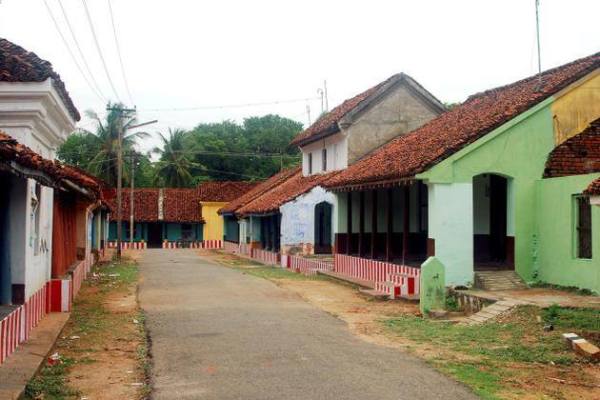
 udayalur-agraharam

Decoration of the House

A suitable day for entering having been duly fixed upon, the house is adorned in various ways, chiefly by smearing saffron and kunkuma on the lintels and door posts of all the doors in the house, and tying over them a garland of flowers and leaves of the mango or of the neredu tree (eugenia jambos/rose apple tree). A company assembles consisting of the members of the family relatives, friends and a number of Brahmin pundits, band of native musicians and a group of dancing girls may also be in attendance, all of course in proportion to the means of the householder. A procession is formed from the house then inhabited by the owner to his new abode. As the company passes along, the band plays and every now and then the company will stop before the house of a friend or that of some great person, when the dancing women will go through their performance of dancing and singing to the sound of a kind of harp and cymbals, and beating of the tom-tom. The thing is so arranged that the procession arrives at the house at the propitious moment, before fixed upon, when they all enter walking over grain that has been spread in the door way and all along to the western side of the central portion of the house.


Worship is then performed to Ganésha, Vastu- purusha, Venkatéshvara and other gods, after which the family priest makes the following declaration in the name of the house-owner, concluding with a prayer The declaration is:


On an auspicious day, under a lucky star,

At a fortunate moment of time, (He must enter) his new and beautiful home, (It being) decorated with flowers and tender leaves.

He must enter accompanied by relatives, Brahmins and others,

(And worship) Vignésh vara and all other gods, With hymns of praise.”

Sudine suba nakshatre suba lagne subamsake

Nutane svagruhe ramie pushpapallavaranjite

Praviset bandhu mitrascaiva brahmane parivaritah

Vignesam sarvadevamsca svasti vachanapurvakam


The prayer is


“O God of gods! O great God Be gracious unto us, o supreme God!

Preserve us, O preserve us,

Lord of the universe!

Yea ever more preserve us

Home happiness and domestic joys

Do thou ever increase unto us


Devadeva Mahadeva prasida paramesvara

Raksha Raksha jagannatha savanasmanirantaram

Gruhasaukyam kutumbasya mamavardhaya sampratam


After this is over, presents of cloths and jewels, a cording to the ability of the house-owner are given to the chief workmen who have been engaged in the erection of the building. It is now quite a custom in India for chief workmen to be thus rewarded, and even some Europeans follow the ideas of the country so far as to give a jewel or two to the chief workmen after any important building work is finished. The ceremonies of the day are concluded with a blessing after the following manner. A metal dish with coloured rice is produced, and some of the attendant Brahmins take a handful of this and having repeated mantrams, cast the rice into the cloth of the house-owner who holds up a corner of it for the purpose. This blessing consisting of quotations from the Vedas is a very long one. The concluding portion only is here given. The translation, in this case, is a rather free one :

May thy life continue for a hundred years, and may thy mental and physical powers remain perfect for a hundred years.

Satamanam bhavati. Satayuh purushah. Satendriya. Ayushyevendriye. Pratishtati.


The family priest then takes the rice, by handfuls, and pours it on the heads of the house-owner, his wife his children and any relatives who may be present. On the following day there is a feast in the new house and, if the guests are numerous, an awning may be put up in the yard to accommodate them. When the owner is not a Brahmin, his Brahmin guests will receive their portion of the feast in an uncooked form, and this they will take away with them to cook in their own houses.

on an occasion of this kind, all castes,even Brahmins, will give food to all sorts of people, but the principal guests are relatives and friends. With this feasting the house-warming is concluded.


There are various things that cause a house to become defiled. Some of these are only trifling, such as bees settling in the house, or an owl, or a certain kind of kite settling upon it or flying into it, or any fungus growing anywhere inside. These necessitate a minor kind of purification. The great defilement is caused by death. If any other than one of the chief members of the family is at the point of death, his relatives carry him out of the house into the outer verandah, or some such place. The reason for this may be seen from the following idea. There are twenty-seven lunar mansions (nakshatram), of which fourteen are disastrous and thirteen auspicious. Should a person die inside the house during any one of the fourteen inauspicious periods, the house must be abandoned by the whole family and left vacant for two, three, or six months, according to the particular star then in the ascendant. If, however, the death takes place outside the house, in the outer verandah for instance, only that portion must be divided off and abandoned for the set period. If the death takes place during any of the auspicious periods, the house only has the ordinary contamination of the family and is, with them, purified on the eleventh day after the death It will be thus seen that it is a very risky thing for anyone to die inside a house, as the good or bad periods are only known though in the case of the heads of the household the risk is usually run, sometimes the dying patient will ask to be taken outside to avoid possible trouble to the family.

agraharamuthamadanapura 

Defilement and Purification

After any defilement the house is purified in the following manner, portions of the ceremony or the whole being performed according to its relative importance.


The most important purification is when, after temporary abandonment, the family again comes into residence. The house is thoroughly cleaned up and probably white washed. The family assemble, with their family priest and several other Brahmins or friends. Ganésha, under the name of Vighnesha, is worshipped. Water is poured into a vessel (kalasam), which is adorned with flowers, sandal, and the like, and this having been worshipped and all the gods having been invoked, the water is sprinkled by the priest over the various parts of the house and over the people present.


Food is then cooked and partaken of by the company. The following are specimens of the slokas or verses repeated by the priest in the worship of the kalasam; they are a declaration and a prayer.

The declaration is

“This puny havachanam rite Is holy and destroys sin.

It is for the purification of a house, the body and other things

And also for that of the mind

The Ganges with all other holy rivers,

And all the gods, rishis, and ancients,

Also the Vedas and sacrifices

Having been invoked into these vessels (now before us),

Which is having adorned and worshipped

With sandal flowers and coloured rice.

He must pray to the supreme God

That all his desires may be fulfilled


Punyahavachanam karma pavitram papanasanam

Gruhadehadi sudhyartham atmasudhyarthameva ca

Gangadi punyatirthani devan sarvan rsin pitrun

Avahya kalasamgresu vedan yajnan visodhakan

Gandhapushpakshatairevam alankrutya prapujya ca

Prarthayetparamatmanam sarvabhista palaptaye

The prayer is

I am a sinner ;all my deeds are sinful.

I am of a sinful mind; I am born in sin.

O God in mercy save me!

Thou who art merciful to those who flee to thee

There is no sinner equal to me:

There is no deliverer like unto thee.

Ever knowing me to be a sinner,

As is thy pleasure, so do.

Papoham papakarmaham papatma papasambavah

Trahimam krupaya deva saranagatavatsala

Matsama patako nasti tvatsamo nasti mocakah

Papinam mam sada njatva yatheccasi tatha kuru


A purification ceremony is gone through if the well becomes ceremonially contaminated

There are various other occasions calling for purification. A robber might break into a house and go into the kitchen, and as he would probably be a low caste man, the full purification ceremony would be

Necessary. If a dog or any other unclean animal were to die in or near the house, the place must be purified by sprinkling water mixed with cow dung, or with cow’s urine. This is a minor purification which is often resorted to for lesser defilements.


Doubtless home life, true domestic happiness, is much influenced by the immediate surroundings; but, after all, habit and custom are much if not everything in such matters, and certainly many an Indian home is happy in spite of what may seem to us its dullness and monotony.


The old English proverb which says that “Home is home be it ever so homely” expresses a truth that can be applied in many ways it is the hearts that make the home. What must be deplored, however, is the hard bondage to superstition that is so evident in every page of this description.

–subham–


சிவிகையில் அமர்ந்த சீரிய குறள்! -1 (Post No.3286)

palanquin1

Written by S. NAGARAJAN

Date: 25 October 2016

Time uploaded in London: 5-51 AM

Post No.3286

Pictures are taken from various sources; thanks. Pictures are representational; may not have direct connection to the article below.


Contact :– swami_48@yahoo.com


திருக்குறள்  பெருமை


சிவிகையில் அமர்ந்த சீரிய குறள்! -1


                      ச.நாகராஜன்  

 pallaku-2

நல்லனவற்றைச் சிவிகையில் வைத்து ஊர்வலமாக எடுத்துக் கொண்டு சென்று போற்றுவது நமது பழைய மரபு. அந்த வகையில் ஒவ்வொரு குறளுமே சிவிகைக் குறள் தான்! என்றாலும் சிவிகையைத் தன்னுள்ளே கொண்டுள்ள இந்தக் குறள் அறத்தின் மாண்பை சிறப்பாக எடுத்துக் கூறுவதால் இது அறக் குறள் ஆகிறது. அறம் வெல்லும். பாவம் தோற்கும். இது பாரதம் வாழ் அனைவரும் ஏற்றுக் கொண்ட அறக் கொள்கை.

குறளுக்கு வருவோம்.


அறத்தா றிதுவென வேண்டா சிவிகை                                 பொறுத்தானோ டூர்ந்தா னிடை    (குறள் 37)


அறத்தின் பயன் இது போன்றது என்பதை காட்சி அளவையால் உணர்க.. பல்லக்கைச் சுமப்பவனோடு அதில் ஏறிச் செல்பவனின் காட்சி அளவையால் அது அறியப்படும்.


பரிமேலழகரின் இந்தத் தெளிவுரை காலம் காலமாக ஏற்றுக் கொள்ளப்பட்டு வந்துள்ளது.


(ஏப்ரல் 1968இல் வெளி வந்துள்ள திருக்குறள் உரைக் களஞ்சியம் நூலில்) வித்துவான் ஆர் கன்னியப்ப நாயக்கர் பரிமேலழகர் வழியே சென்று, இன்னும் தெளிவாக “அறத்தின் பயன் இதுவென்று யாம் ஆகம அளவையான் உணர்த்தல் வேண்டா.சிவிகையைக் காவுவானோடு செலுத்துவானிடைக் காட்சியளவை தன்னுளே உணரப்படும்.” என்று விளக்கம் தருகிறார்.


ஆனால் நாத்திகவாதிகளுக்கு இந்தக் குறளை வழக்கம் போலத் திரித்தால் தானே மனம் ஆறுதல் அடையும்! சமுதாயத்தைத் திசை திருப்ப முடியும்.


ஆகவே சென்ற நூற்றாண்டின் பிற்பாதியில் புதிய உரைகள் தோன்றலாயின.


பல்லக்கில் ஏறி பவனி வருபவனையும் அதைச் சுமந்து செல்பவனையும் பார்த்து அறத்தின் இயல்பு இது என்று விளம்ப வேண்டாம். பல்லக்கில் ஏறியவர் நல்வினை செய்தவர், அதைத் தூக்குபவர் தீவினை இயற்றியோர் என்று கூற வேண்டாம். இதைப் பார்த்து அறத்தின் இயல்பு இது என்று கூறுதல் வேண்டாம்.


இதுவே புதிய உரை.

pallaku4

ஆயிரக் கணக்கான சொற்களை இடம் பார்த்து ஆழ்ந்த பொருளுடன் தரும் வள்ளுவர் இப்படி ஒரு எடுத்துக்காட்டைக் காட்டி இதைப் பார்த்து அறத்தை எடை போடாதே என்று சொல்வாரா?


சரி, ஒரு குறளைத் தனியே பார்த்து இப்படிப் பொருள் சொல்லும் பகுத்தறிவுவாதிகள் குறளில் வரும் இரு வினை (குறள்

5),நல்வினை (குறள் 335), தீ வினை (குறள் 201,209,210, 319) போன்றவற்றிற்கு எப்படிப் பொருள் கொள்வார்கள்?

“தீவினை செய்தால் பிற்பகல் தாமே எப்படி வரும்? தீவினை ஏதாவது ஏஜன்ஸி ஒன்று வைத்திருக்கிறதா? பகுத்தறிவுக்கும் தர்க்கத்திற்கும் ஒத்ததாக இல்லையே!” என்றல்லவா பகுத்தறிவுச் செல்வங்கள் கூற வேண்டி வரும். அப்போது திருவள்ளுவரை அவர்கள் என்ன செய்வது? ஓரங்கட்டுவதா?

ஆகவே பகுத்தறிவு என்ற பெயரில் எவ்வளவு பசப்பினாலும் திருக்குறள் அவர்களின் ஏமாற்று  மொழிகளுக்கு அப்பாற்பட்டது. அனைத்துக் குறள்களையும் ஒருசேரப் படித்தவுடன் இயைபு நன்கு புரியும்.


சரி ஒரு பக்கம் சற்றே தெளிவாக இல்லாத் மயங்க வைக்கும் பரிமேலழகர் உரை! (காட்சி அளவையான் என்று அவர் முடித்து விடுகிறார்), இன்னொரு பக்கம் கார் எஜமானரையும் அதை ஓட்டுபவரையும் பார்த்து அறத்தின் பயன் இது என்று சொல்லாதே என்று சொல்லும் நாத்திகச் செல்வங்கள்…


எப்படி இந்தக் குறளின் பொருளைத் தெளிவாக விளங்கிக் கொள்வது?


இங்கு தான் நமக்குக் கைகொடுத்து உதவுகிறார் கவிராஜ பண்டித செகவீரபாண்டியனார்.


மதுரையில் வாழ்ந்த முதுபெரும் புலவர். தமிழை ஆய்ந்து கற்று உணர்ந்தவர். இவ்ரது திருக்குறட் குமரேச வெண்பா திருக்குறளை நன்கு விளக்குவதோடு அதற்கு எடுத்துக்காட்டாக முதல் இரு அடிகளில் ஒரு வர்லாறையும் முன் வைக்கும்.

அதில் அவர் இப்படிக் கூறுகிறார்:


உற்ற மணிச்சிவிகை யூர்ந்தாரேன் மூர்த்தியார்      கொற்றவனேன் தாழ்ந்தான் குமரேசா – பற்றும்           அறத்தா றிதுவென வேண்டா சிவிகை                      பொறுத்தானோ டூர்ந்தா னிடை


குமரேசா! அறம் புரிந்த மூர்த்தி நாயனார் சிவிகையூர்ந்து சென்றார். அதனைத் துறந்து நின்ற அரசன் ஏன் தாழ்ந்தான்? எனின், அறத்து ஆறு இது என வேண்டா; சிவிகை பொறுத்தானோடு ஊர்ந்தான் இடை ஓர்ந்து உணர்ந்து கொள்ளலாம்.


செகவீரபாண்டியனாரின் உரையில் சில முக்கியக் குறிப்புகளை மட்டும் கீழே காணலாம்:

palanquin_psf

பல்லக்கில் அமர்ந்திருப்பவனும் அதனைச் சுமந்து செல்ப்வனும் ஆகிய இந்த இருவரிடையே புண்ணிய பாவங்களின் பலனை முறையே தெளிவாகத் தெரிந்து கொள்ளுக என்பதாம்.

சிவிகையை ஊர்ந்து செல்பவன் அறம் செய்தவன்; அதனைச் சுமந்து போகின்றவன் பாவம் செய்தவன் என்பதை யூகமா உணர்ந்து கொள்கின்றோம். ஒத்த பிறப்பினையுடைய மக்களுள் ஒருவன் சுகமாய் உயர்ந்திருப்பதையும், மற்று ஒருவன் இளிவாய்த் தாழ்ந்து நிற்பதையும் உலகில் பல இடங்களில் காண்கின்றோம். இதற்குக் காரணம் என்ன? முன்னவன் ஏதோ நல்ல புண்ணியம் செய்துள்ளான்; பின்னவன் அவ்வாறு செய்யாமல் அயர்ந்து நின்றுள்ளான் என இன்னவாறு  அனுமானமாய் நாம் துணிந்து  கொள்கின்றோம். நேரே  கண்ட காட்சியிலிருந்து யூகமாகக் கருதிக் கொள்வது உறுதியான விவேகமாய் வந்தது. அனுமானம், ஆகமம், அருந்தாபத்தி முதலிய பிரமாணங்கள் எல்லாம் காட்சியளவைக்கு இன்மா மாட்சி புரிகின்றன.


உலகெலாம் காக்கும் ஒருவ்ன் ஒருவன்                    உலகெலாம் காலால் உழன்றும் – விலையுண்டாங்கு          ஆராது நல்கூரும் என்றால் அறம்பாவம்                 பாராதது என்னோஇப் பார்   (பாரதம்)


ஒருவன் தலைமையான அரசனாய் உலகம் முழுவதும் ஆளுகிறான்; ஒருவன் விலை அடிமையாய் உண்ண உணவும் இன்றி வருந்துகிறான். இந்த உயர்வு தாழ்வுகளை நேரே பார்த்திருந்தும் புண்ணிய பாவங்களின் பல்ன்களை உணர்ந்து கொள்ளாமல் விழி கண் குருடராய் மக்கள் இழிந்து உழலுகின்றார்களே! என்று பெருந்தேவனார் இங்ஙனம் பரிந்து இரங்கியிருக்கிறார்.


– அடுத்த பகுதியுடன் கட்டுரை முடியும்