Rama ,Balarama & Parasurama in Ancient Tamil Literature

baladevakrishna

Krishna and Baladeva on Indo-Greek Coins (Picture from Wikipedia)

Written by London Swaminathan
Post No.1078; Dated 1st June 2014.

Tamil politicians who called themselves Dravidians and atheists have propagated false information about Tamil culture for long. This was initially put forward by Christian missionaries and foreigners with a motive to stabilize their rule and spread their religion. They were spreading Aryan- Dravidian racist theory and said Hindu gods were introduced to Tamils who were without a religion. Those who studied history and religion knew that human beings believed in some supernatural force from the very early times.

Knowledgeable Tamils who have studied approximately 2500 poems of ancient Tamils know that the Vedas, Brahmins, Hindu Gods, Hindu beliefs about birth and death, Rebirth, Karma theory, Vegetarianism, Seven Stars (Saparishi), Six Stars (Pleiades= Skanda), Pole Star (Druva), Arundhati (Alcor), Amrita (ambrosia), Heaven and Hell, Astrology, Epics and Puranas are all mentioned in innumerable places in Sangam Tamil literature, which is at least 2000 years old.

800px-Heliodorus-Pillar2
Besnagar aruda Pillar of Indo -Greek King Heliodorus

I give below some references to Hindu deities from Purananuru and Agananuru. Both these books with 400 poems each in the anthology give us a picture of Tamil society that existed 2000 year ago in Tamil Nadu. They had the same beliefs like their northern counter parts about most of the things. Like any other society we see some minor changes in different areas. A language changes every 200 years and a culture changes every 200 miles, say the scholars. Why can’t people have different beliefs, customs in a vast country like India which is equal to 20+ European countries? In a country like United Kingdom, just the size of Andhra Pradesh in India, we see four different cultures and numerous English dialects. So it is no wonder we had minor differences in the long history of India.

azakaana sivan
Lord Siva in his dancing pose.

Lord Siva
Lord Siva is referred to in a lot of places in the Sangam Tamil Poems. One reference is to His helping the Devas to by shooting the Three Forts of Asuras with a single arrow, having a serpent as the bow string and hill as the bow, and He is described as blue throated, wearing the crescent on his fair head and with an eye shining on his fore head—Puram 55, Marudan Ilanagan (contemporary of Nakkiran) on Pandyan Nanmaran.
Nanmaran was also sung by Nakkiran, son of Madurai Kanakkayanar.

The other references are to
Lord Siva’s three eyes:– Puram 6 by Kari kizar on Mudukudumi Peruvazuthi .
His matted locks:– Puram 6 by Kari kizar on Mudukudumi Peruvazuthi
His blue throat:– Puram 56 by Nakkirar, 91 by Avvaiyar on Adiyaman Anji.

Puram 56 by Nakkirar gives the following information:–
Nakkirar, in this poem, has given a beautiful description of all the Gods worshipped in ancient Tamil Nadu two thousand years ago. In one stanza he praised Siva, Balarama, Krishna and Skanda (Subramanya or Murugan in Tamil).

“He who is riding on a strong bull, has matted locks like blazing fire, the invincible battle axe and a throat like the blue gem, and He whose body is the colour of the chank (conch) from the sea and who wields the death desiring plough and has the Palmyra flag and He whose body is the colour of the well washed sapphire and who raises aloft to the sky the bird flag and desires victory, and He who holds up the gem like peacock flag, who is always victorious, rides the peacock (or the elephant) and is bright red.
This is the most informative poem about Hindu faith in Sangam period. Hindu religion was the main religion and all the Hindu Gods were very familiar to the Tamils. The beauty of the poem is that it gives all the flags or Vahanas of the Hindu Gods. When we see that the same concept existed in the North around the same period or earlier we are wonder struck with the impact of Hinduism in a vast geographical area—the largest in the ancient world.

Approximately at the same time in the North, Kanishka of first century BC issued a coin with Lord Shiva. Yaudheya coins have Subramanya. Balarama and Krsihna are seen on Bactrian coins of Agathocles (180 BCE)*. Garuda emblem was on the Besnagar Pillar of a Greek King Heliodorous (113 BCE). From Afghanistan to Tamil Nadu in the southern most part of India it was the same gods, same religion, same flags and same Vahanas!!!
(For more information read Balarama and Krishna in Bactrian coins by Dr R Nagaswamy in http://www.tamilartsacademy.com)

avatars6only
Parsurama and Krishna avatar.

Lord Krishna & Balarama

Palmyra flag of Balarama is also referred to in the oldest Tamil book Tolkappiam and in Puram 58 by Karikannan on Pandya and Choza kings. Karikannanar compared the unity of Choza and Pandya to Balarama and Krishna. In those days Hindus considered kings as gods.

There are more references to Krishna in other poems:

Puram 57 of Karikannanar
A Pandya is described as full of fame like Mayon (Krishna or Vishnu), “famous
for his power of teaching” (Reference to Gitopadesam of Bhagavad Gita).

And “the crescent moon on his head”– in verse 91 by Avvaiyar on Adiyaman Anji.
“The Ancient Lord of long, stiff matted locks”– in Puram 166 by Avur Mulankizar on Punchatrur Brahmin Kaundinya Vinnanthayan /Vishnudasan)

In Puram 198, Vadama vannakan Peri Sathan on Nanamaran (this poet is a contemporary of Nakkiran and Marudan Ilanagan. Both these poets praised Pandya Namaran):–
The God under the banyan tree (Some commentators say it was Vishnu who sat on a Banyan leaf and some others points out that is Siva who sat under a Banyan tree.
An incident in the life of Krishna is also described in the Puram verse 174:-
When the terrible Asuras swarmed and concealed the sun who hone in the sky and disappeared, (men) could not see on account of darkness. To relieve the distress of the round world, the collyrium coloured one of great strength brought the sun back and raised him in the sky. (It may be the Jayadratha episode in the Majhabharata).

aghora and agni veerabhadra
Agni and Agora Veerabadrar, forms of Siva

Agam references on Siva:–
“He who has a head shining with milk like crescent moon and throat like sapphire”- Agam 181by Paranar, contemporary of Kapilar.

Paranar and Kapilar are like Twin Poets and belonged to first century CE.
In the same poem Paranar refers to Four Vedas (Nan Marai), Lord Skanda (Murugu) as well.
“The three eyed Lord whom the sweet toned Four Vedas which spread good to the world (sing about) embellished beautifully the yard where the banyan trees grows”.

Krishna Leela in Agam
Agam stanza 59 refers to Krishna’s bending the branches of the tree, that the cowherdess may wear the cool leaves for the cloth.
There is one more reference to Krishna in Agam 175:–
“Like the garland of the wide, all conquering chest of the discus whose bright spokes are well arranges, was the rain bow”.

Ramayana In Sangam Literature:–
Lord Rama is alluded once in Puram and once in Agam. Both these episodes are not found in any of the major Ramayanas of India. Kamban, a 12 th century Tamil poet mentioned three Ramayanas and said that he followed Valmiki. So these may be from Baudayana or Vashista Ramayana.

Puram 378 by Unpothi Pasungkudaiyar
It is said that monkeys picked up Sita ’s ornaments which she dropped when Ravana carried her in his aerial car and wore them topsy-turvy.
“As the jewels sparkled on the red-faced relations of the monkey that saw the bright ornaments dropped on the ground by Sita, the wife of Rama of the strong car, when she was forcibly carried away by the powerful Rakshasa”.

19.-Marichi-Vadh,Large-Vishnu-temple,-Janjgir
Maricha Vadha from Ramayana

Agam 70 by Madurai Thamizkuthanar Kaduvan Mallanar
In Agam 70, the following simile occurs. “As was silenced the banyan tree with many aerial roots (the sound of whose birds disturbed) the thoughts of victorious Rama near the shore of the roaring sea at the ancient Kodi (Dhanuskodi) which belongs to the Pandiyas of the conquering spear”.

Parasurama
Parasurama is allured to once in Agam:- Parasurama is associated with the West coast of India from very early times. All their written and oral history begins with Parasurama, one of the Ten Incarnations of Lord Vishnu. Yaga (Fire Sacrifice) performed by Parasurama is found in a simile in Agam 220 by Marudan Ilanagan. “Like the long pole (yupa) well guarded, beautiful to see and tied with roperound its middle, at which (the inclination of Vishnu who wielded the battle axe and destroyed the Kshatriyas dynasties, performed the yaga with great effort”.

Tamil culture is Vedic culture is established from the above poems. Wherever religious references occur, we see only Hindu Gods and beliefs as tamil beliefs. I have already given in my posts that the oldest book Tolkappiam referred to Indra, Varuna, Agni and Durga as Gods of the tamil people.

There are many more references to Yagas, Karma Theory, Rebirth, Svarga, Burial and cremation rites, three references to Sati custom (wife dying in the funeral pyre of her husband) and Vedas and Brahmins. I will write about them in another article.
Contact swami_48@yahoo.com
அபூர்வ நினைவாற்றல், அபார ஞாபக சக்தி

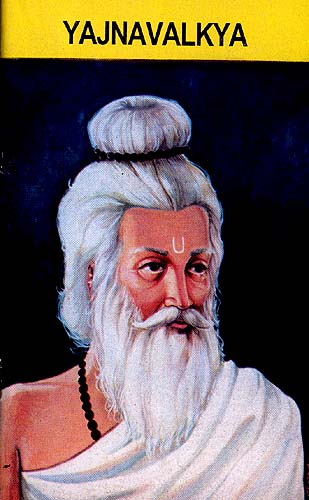
yajnavalkya_idh111

கட்டுரை எழுதியவர்- லண்டன் சுவாமிநாதன்
கட்டுரை எண். 1077; தேதி:– 1 ஜூன் 2014

பழங்கால இந்தியாவில், இந்துக்களுக்கு இருந்த நினைவாற்றல் பற்றி பல சுவையான கதைகள், சம்பவங்கள் உண்டு. யஜூர் வேதத்தின் ஒரு பிரிவான சுக்ல யஜூர் வேதம் தோன்றியது எப்படி என்று அக்கதை விளக்குகிறது. படிப்பதற்கு கொஞ்சம் அருவருப்பாக இருக்கும். ஆனால் அதன் ஆழமான கருத்தைப் புரிந்து கொண்டால் மூக்கில் விரலை வைத்து வியக்கத் தோன்றும்.

புராதன இந்தியாவின் பெரிய அறிவாளி யாக்ஞவல்கிய மஹரிஷி. இந்த முனிவருடன் மோதிய உலகின் முதல் பெண் அறிவாளி கார்கி பற்றி ஏற்கனவே எழுதிவிட்டேன். எப்போதுமே சர்ச்சையில் அடிபடும் யாக்ஞவல்கியர், இந்தக் கதையிலும் அப்படித்தான்! வேத வியாசர் என்னும் முனிவர் வேதங்கள் கட்டுக்கடங்காமல் போனதால் அதை நான்காகப் பிரித்து யஜூர் வேதத்தைப் பரப்பும் பொறுப்பை வைசம்பாயனரிடம் ஒப்படைத்தார்.

வைசம்பாயனரிடம் பயின்ற பல மாணவர்களில் யாக்ஞவல்கியரும் ஒருவர். ஒரு நாள் அவருக்கும் ஆசிரியருக்கும் இடையே காரசார விவாதம். நான் வெளியே போகிறேன் என்றார். உடனே குரு வைசம்பாயானர், ஒரு உத்தரவு போட்டார். என்னிடம் கற்றதை எல்லாம் ‘கக்கு’ என்றார். உடனே அவர் கற்றதை எல்லாம் ‘வாந்தி’ எடுத்தார். அங்கிருந்த சக மாணவர்கள் எல்லோரும் தித்திரிப் பறவைகளாக மாறி அந்த ‘’வாந்தியைக் கொத்தித்’’ தின்றனர். பின்னர் யாக்ஞவல்கியர் வெளியேறி சூரிய தேவனை நோக்கித் தவம் இருந்து புதிய –சுக்ல—யஜூர் வேதத்தை உண்டாக்கினார். பழைய வேதத்துக்கு கிருஷ்ண யஜூர் வேதம் என்று பெயர்.

prashna20upanishad

கதையைப் படித்தால் கொஞ்சம் அருவருப்பாகத்தான் இருக்கும். மற்றவரின் வாந்தியைச் சாப்பிடுவதா? ஆனால் உண்மையில் இதன் பொருள் ஆழமானது. இருவருக்கும் கருத்து வேறுபாடு வந்தவுடனோ அல்லது யாக்ஞவல்கியர் தவம் செய்ய விரும்பியதாலோ ஆசிரியர் ஒரு உத்தரவு போட்டிருப்பார். அது என்ன? ‘’ யாக்ஞவல்கியரே நீர் போகலாம். ஆனால் சக மாணவர்களுக்குச் சொல்லிக் கொடுத்துவிட்டுப் போங்கள்”. அவர் உடனே ‘’சிஷ்யர்களே! எனக்கு அதிக நேரம் கைவசம் இல்லை. ஒரு முறை எனக்குத் தெரிந்த எல்லாவற்றையும் ( வாந்தி எடுக்கிறேன்) சொல்கிறேன். நினைவிற் கொள்ளுங்கள்’’ என்று சொல்லி இருப்பார். வேதத்தை வாய்மொழியாகவே கற்க வேண்டும் என்ற விதி இன்றுவரை பின்பற்றப் படுவதால் மாணவர்கள் (தித்திரி) கிளிகளாக மாறி முடிந்ததைக் கற்றனர் (வாந்தியைச் சாப்பிட்டனர்).

இதுதான் உண்மையில் நடந்தது. மாணவர்கள் அவர் சொன்னதை அப்படியே கிரகித்துக் கொண்டனர்! ஏன் கிளிகளைச் சொன்னார்கள்? சொன்னதைத் திருப்பிச் சொல்லும் அபூர்வ சக்தி கிளிகளுக்கு உண்டு என்பதால் மாணவர்கள் கிளிகளாக மாறியதாக சங்கேத மொழியில் சொன்னார்கள். கிளிகளுக்கும் பிராமணர்களுக்கும் உள்ள தொடர்பை ஏற்கனவே கட்டுரையாகக் கொடுத்துள்ளேன். பிராமணர் வீட்டில் கிளிகள் இருப்பதை சங்கத் தமிழ் நூல்களும், சம்பந்தர் தேவாரமும், ஆதிசங்கரர்- மண்டன மிஸ்ரர் வாக்குவாத நிகழ்ச்சியும் காட்டுவதை ஏற்கனவே எழுதி இருக்கிறேன். ‘தித்திரி’ என்ற சொல் தமிழில் ‘தத்தை’ (கிளி) என்று மருவியது.
ganapathy sachi
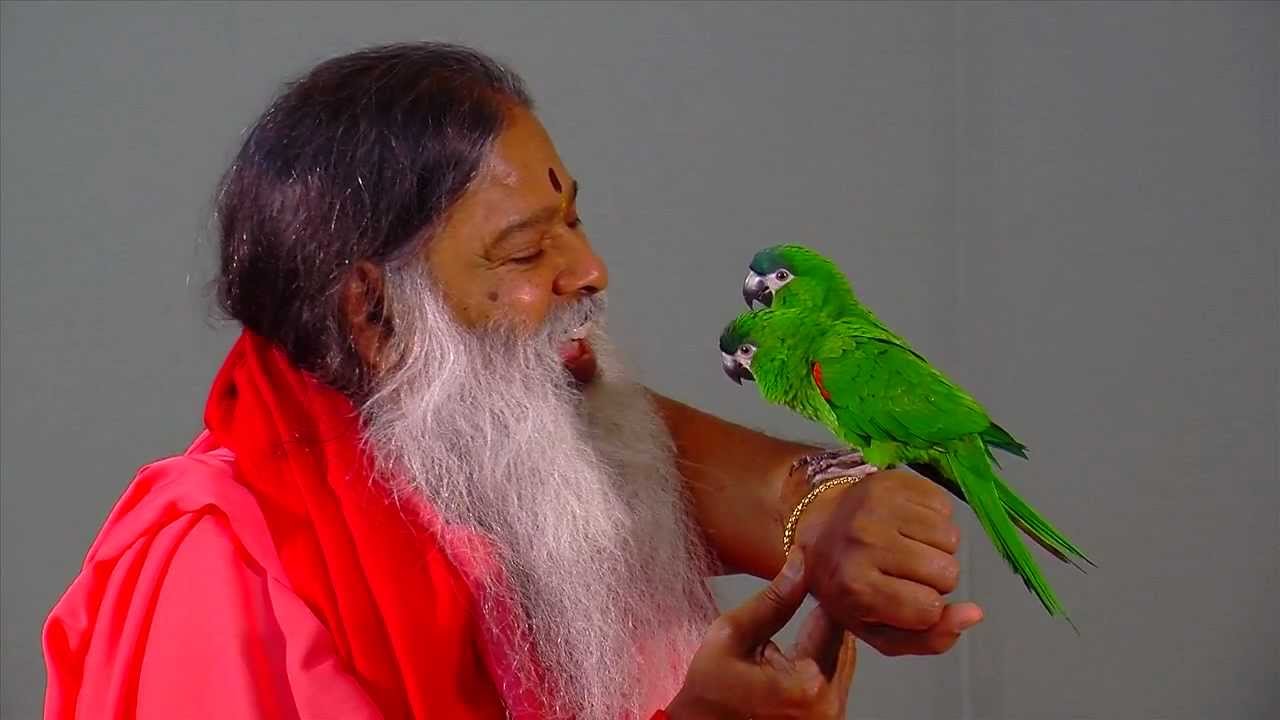
Swami Ganapathy Sachidananda with a parrot.

((நல்ல வேளை ! ஆரிய- திராவிட இன வாதம் பேசும் வெளிநாட்டு, வெள்ளைக்கார ‘ அறிஞர்களும்’ அதற்கு ஆமாம்சாமி போடும் நம்மூர்க் கோமாளிகளும் இந்தக் கதையில் இதுவரை ‘’கை வைக்க’’வில்லை. கிருஷ்ண என்றால் கருப்பு, சுக்ல என்றால் வெள்ளை!– “கருப்பு யஜூர் வேதத்தை திராவிடர்கள் உடையது என்றும் வெள்ளை (சுக்ல) யஜூர் வேதத்தை ஆரியர்களுடையது என்றும் இது ஆரியர்-திராவிடர் மோதலின் விளைவே”– என்றும் எழுதி இருப்பார்கள் அந்தக் கோமாளிகள். இது வரை ஏனோ அவர்களின் ‘’தீய பார்வை’’ இதன் மீது விழவில்லை!!))

நியாய சாஸ்திரம் பற்றி ஒரு கதை

வாசுதேவ சர்வபௌமன் என்ற பண்டிதர் நியாய (லாஜிக்) சாஸ்திர நிபுணர். ஆனால் இதைக் கற்க மிகவும் கஷ்டப்பட்டார். காரணம்? அந்தக் காலத்தில் பீஹாரில் உள்ள மிதிலா (சீதையின் ஊர்) நகரத்தில் ஒரே ஒருவர்தான் இதைக் கற்றுக் கொடுத்தார். வாசுதேவ சர்வ பௌமன் அவரிடம் சென்றார். ஆனால் அவர் எந்தப் புத்தகத்தையும் நகல் எடுக்கக் கூடாது என்றும் வேண்டுமானால் தங்கிக் கற்கலாம் என்றும் சொல்லிவிட்டார்.
ganapathy2

வாசுதேவர், இதற்காகவே அங்கு தங்கி, முழுப் புத்தகத்தையும் மனப்பாடமாகக் கற்றார். பின்னர் மேற்கு வங்கத்தில் நவத்வீபம் என்னும் இடத்தில் தானே ஒரு கல்லூரி துவங்கி எல்லோருக்கும் சொல்லிக் கொடுத்தார்.. அவ்வளவு நினைவாற்றல் அவருக்கு!

Wife’s three Tests to her Husband! Story from Yoga Vasishta

yoga_vasistha3

Written by London Swaminathan
Post No. 1076; Dated 31st May 2014.

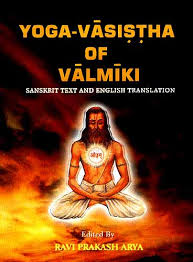
There is a beautiful story in Yoga Vasishta about a queen and a king which has got deeper meaning. The wife puts three tests to her husband and he passes all the three tests. What are they?

Before reading the story, many may wonder what Yoga Vasishta is. It is a book written by sage Valmiki in Sanskrit. It has got 32,000 verses, one of the longest books in Sanskrit, probably occupying a place next to Maha Bharata and Katha Sarit Sagara. It has got a lot of Hindu stories that are not found elsewhere.

Sikidwaja was the prince of Malava in ancient India. Sikidwaja means a king with peacock flag. His queen was Chudala from Saurashtra country in ancient India (now part of Gujarat state). She was very beautiful and extremely intelligent.

When Sikidwaja was 18 years old, he married Chudala. As young royal couple they enjoyed all the pleasures available for a queen and a king. Sikidwaja’s father transferred his authority to the prince and retired into the forest. They passed many years and suddenly found out that life was boring and monotonous. They both resolved to turn over a new leaf in their lives.

Chudala spent all her time in studying about the Self. She progressed very quickly in the realm of spiritual matters. A great serenity came upon her and a new lustre shone in her face. Sikidwaja was struck by the change in her and asked her about it. She explained to him that though she did not notice any change in her face, she knew more about inner self. She told him that it gave her a lot of inner peace and joy. She explained it in detail. But Sikidwaja could not understand everything she said. He also decided to pursue the path of self illumination.

Sikidwaja proved a good and conscientious king and ruled his subjects justly, but his spiritual development was stunted, and that made Chudala sad. She performed all her duties as a wife correctly. One day he suddenly last his complacency. He couldn’t meditate anymore because of the perennial cravings of the physical self. When all his efforts to bridge the gap failed he decided to go to the forest. Chudala said to him , “What you cannot attain here, you will never attain in a forest”. Finally one morning, waking up, she found his half of the bed vacant; he was gone. In the king’s absence Chudala ruled the country.

She had mastered the art of assuming any form she chose, and presently she took the shape of a young male ascetic and appeared before her wandering husband in the forest. When he asked her who she was she introduced herself as Khumba. She told him that she knew the reason for his restlessness and ready to teach him. Khumba explained to him that renunciation of external possessions alone would not help. One had also to cultivate perfect detachment. Then she left him to meditate and went on the pretext of going somewhere. Actually she went back to the kingdom to attend to state duties.
When she came back to the forest after a few days her husband (Sikidwaja) was in Samadhi. She went back to the capital and came back after a few days. When she saw him still in Samadhi and she created Simhanada (roar of a lion) with her Yogic powers. He was undisturbed. She left her own body and transmigrated into his and awoke him from within. Khumba (chudala) asked him, “Do you feel assured that you will never more be affected by Kama (passion), Krodha (anger) and Moha (attraction). He told Khumba that he was above all passions and felt very confident now.
yoga-vasistha2

First Test
Now Khumba left Sikidwaja on the pretext of visiting Indraloka. When he came back he had a sad face. Sikidwaja asked the reason for his sadness. Since he cracked a joke at Durvasa on his way back, he cursed him to become a woman during night and that made him sad. Sikidwaja told him that he wouldn’t mind even if he became woman during night time. The night came and he went behind a curtain and started describing all the changes in his body. Khumba said to him that now his name was Madanika. She came out like a beautiful woman. As the night advanced she came closer to Sikidwaja and said to him, “Let us spend the night as husband and wife”. She found that the king, though responsive, remained untouched by any experience. He took no initiative at any stage although he never denied her anything when she made a demand on him as a wife. Chudala (Khumba/Madanika) felt very happy that her husband had come through the first test successfully.

Second test
Now Chudala wanted to put him through a second test. She created an illusory Indra with her magical powers and set him to tempt Sikidwaja. Indra invited him to visit Indra loka (heaven) to enjoy all the pleasures. The king looked at Indra with amusement and asked, “Does one have to go so far to seek happiness? There is no need for one to go in search of anything”. Indra disappeared at once. Chudala felt triumphant that her husband had come successfully through the second test also.
yv1

Third test
She had tested his passion and attitude to pleasure in the first and second tests. She planned a third test to find whether he had mastered Krodha/anger. Chudala converted herself into Madanika and created a handsome man out of thin air. She embraced him tightly. When Sikidwaja saw her in intimate contact with another man, he said nothing. When she explained the reason for her fickle mindedness, he told her that she had followed her inclination and he had no voice in it. When she promised him that she would not do it again and asked him to accept her as his wife Madanika again, he told her that there was no need for husband and wife relationship anymore, but she can still stay with him as his friend Khumba in the daytime and Madanika in the night.

Then Chudala felt very happy to see that her husband passed the third and final test as well. Now she assumed her original form as Chudala and told her husband Sikidwaja,“I have tried you in every way to see if you have attained ripeness and maturity. You have attained the stability of a rock, you are a Jivan Mukta (living saint). You have surpassed me in a hundred ways. Let me become your humble wife”.

YogaVasisthaTitleFinal

When Sikidwaja suggested total renunciation, she told him that he should return to his worldly duties as a king. A second coronation was held in the capital in grand style. It is recorded that Sikidwaja ruled happily for ten thousand years!

Source: summarised from R K Narayan’s Gods, Demons and others.

(I have explained elsewhere that the numbers 10,000 years, 60,000 years are all phrases in Sanskrit and they simply mean ‘for a very long time.’)
Contact swami_48@yahoo.com
மன்னனை வென்ற புத்திசாலிப் புலவன்

memory

கட்டுரையாளர் லண்டன் சுவாமிநாதன்
கட்டுரை எண்.1075; தேதி:- 31/5/14
(This is already published in English under Three Amazing Stories on Memory Power)

அபாரமான, அபூர்வமான நினைவாற்றல் பற்றி சில கதைகள் எழுதினேன். இதோ மேலும் ஒரு சுவையான நிகழ்ச்சி. இது திருவிளையாடல் புராண தருமி கதை போன்றது.

ஒரு மன்னனுக்கு கவிதை என்றால் மிகவும் பிடிக்கும். ஒரு நாள் மிகவும் சந்தோஷமாக இருக்கையில் “பொருள் புதிது, சுவை புதிது, சோதி மிக்க நவ (புது) கவிதை” எழுதி வரும் புலவனுக்கு ஆயிரம் பொற்காசுகள் என்று அறிவித்தார்.. அவருடைய அரசவையில் ஏழு புலவர்கள் இருந்தனர். அவர்களுக்கு அபார நினைவாற்றல் உண்டு. யாரோ ஒரு புலவன் ஒரே கவிதை மட்டும் எழுதி இவ்வளவு காசு பெறுவது அவர்களுக்குப் பிடிக்கவில்லை. சொல்லப் போனால் பொறாமைதான்.

ஏழு பேரும் கூடி திட்டம் வகுத்தனர். அவர்களில் ஒருவர் ஏகாக்ரஹி. அதாவது எதையாவது ஒரு முறை கேட்டால் போதும், அதை அப்படியே சொல்லும் அபூர்வ நினைவாற்றல் உடையவர். மற்றவர் இரண்டு முறை கேட்டால் சொல்லி விடுவார். இப்படியே ஒருவர், மூன்று முறை கேட்டால் இன்னொருவர் 4 முறை கேட்டால் திருப்பிச் சொல்லும் ஆற்றல் இருந்தது.

karikalan

ஒவ்வொரு புலவரும் புதுக் கவிதை எழுதி வாசித்த போதெல்லாம், ஏகாக்ரஹி எழுந்து இது புதுக் கவிதை அல்லவே, எனக்கு முன்னமே தெரியும், இதோ சொல்கிறேன் என்று சொல்லிவிடுவார்! இப்படியே இரண்டாமவர் எழுந்து, ஆமாம் முதல் புலவர் சொன்னது முற்றிலும் உண்மை எனக்கும் தெரியும் என்று சொல்லி அவரும் ஒப்பித்து விடுவார். அதற்கு மேல் மூன்றாவது புலவருக்கு வேலையே இருக்காது. வந்த புலவர் குழம்பிப் போய் வெளியே போய்விடுவார். அவைப் புலவர்களின் அபூர்வ நினைவாற்றலால் இதைச் சாதிக்க முடிந்தது.

இப்படி ஒவ்வொரு புலவரின் புதுக் கவிதையும் பரிசு பெறாமல் போனதுடன் புலவர்களுக்கு எல்லாம் தலையில் குழப்பம், கிறுக்கே பிடித்துவிடும் போல இருந்தது. அந்த ஊரில் இருந்த ஒரு புத்திசாலிப் புலவனுக்கு ராஜ சபையில் இருந்த புலவர்களின் திருட்டுத்தனம் புரிந்தது. அவர் கள்ளனுக்கும் குள்ளன்! அவைப் புலவர்கள் எட்டு அடி பாய்ந்தால் இவர் 16-அடி பாயும் புலமைப் புலி. ஒரு அருமையான கவியுடன் அவைக்குச் சென்றார்.

மன்னர் வழக்கம் போல ஏழு அவைப் புலவர் புடை சூழ கவிதையை ரசிக்கத் தயாரானார்.’ மன்னாதி மன்னா! உன்னப்பன் என்னப்பனிடம் கடன் வாங்கிய பத்தாயிரம் பொற்காசுகளை இன்னும் தராமல் காலம் கழிப்பது ஏனோ? இது நீதியா? நியாயமா? தருமமா? என்று பொருள் தொனிக்கும் கவிதையைப் பொழிந்தார். மன்னருக்கு ஒரே ஆத்திரம். நிறுத்துங்கள், புலவரே. அப்படி என்னப்பன் கடன் வாங்கி இருந்தால் இந்தப் புலவர்களுக்குத் தெரியாமல் இராது. இவர்கள் என்னப்பன் ராஜாவாக இருந்த காலத்தில் இருந்து அவைப் புலவர்களாக் இருக்கின்றனர் என்றான் மன்னன்.

வழக்கமாக வந்த புலவரின் புதுக் கவிதைகளை மனனம் செய்தும் அவைப் புலவர்கள் ஒருவரை ஒருவர் பார்த்து விழித்தனர். திருட்டு முழி முழித்தனர். உண்மை என்று சொல்லி புதுக் கவிதையை மீண்டும் சொல்ல முடியவில்லை! சொன்னால் தலை போய்விடும். புதுக் கவிதை வாசித்த புலவருக்கு ஒரே மகிழ்ச்சி. மன்னா! நான் புதுக் கவிதைக்காக அப்படிச் சொன்னேன். உன் தந்தை உன்னைவிட கொடையாளி. அவன் கை ”கொடுத்தே அறியும், வாங்கி அறியாது” என்றவுடன் மன்னனுக்கு மகிழ்ச்சி. பன்மடங்கு கூடுதலாகப் பரிசு வழங்கி புலவரை அனுப்பிவைத்தான். அவைப் புலவர்களின் கொட்டம் ஒடுங்கியது!

நினைவாற்றல் பாராட்டத்தக்கதே, அதைத் தீய வழியில் பயன்படுதினால் ஆய்ந்தவிந்து அடங்கிய கொள்கைச் சான்றோர் பொறுப்பரோ? பொறார்!!

contact swami_48@yahoo.com

Musician who pledged a Raga!

singer

Compiled by London Swaminathan
Post No. 1074; Dated 30th May 2014.

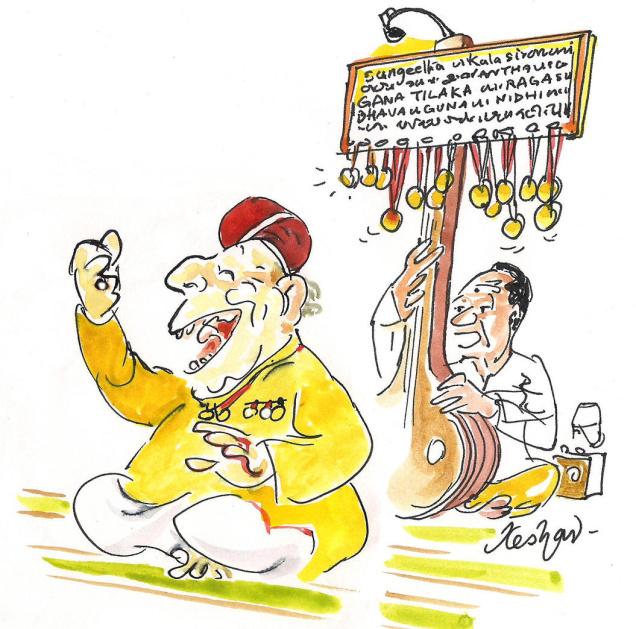
An interesting story has been told of Todi Sitaramiah who was a court musician in Thanjavur in Tamil Nadu. He was a great favourite of the king; his rendering the raga Todi was considered to be unrivalled. Sitaramiah was a spendthrift and in spite of all the favour showered on him by the king he was always in want. Once he was badly in need of money. He had pledged all his belongings for various debts incurred by him and so he could not again approach his creditors for money.

There was a money lender in Thanjavur who was somewhat like a Shylock and so people went to him as the last resource. Sitaramiah had to go to him for a loan. The moneylender offered to give him the loan on a suitable security. Sitaramiah pleaded that he pledged all his properties and there was nothing left over to pledge as security. The shrewd moneylender had a brain wave. The moneylender’s eyes twinkled and said, “ Your Todi Raga is still yours; you may pledge it and take the loan, and when you return the loan you can have it back”.

singer 2

Sitaramiah was nonplussed, but he had no choice and so pledged his Todi raga and got the loan. One day the king asked him to sing Todi raga for which he was hungering. Sitaramiah was in a fix; he was gulping in his throat and wringing his hands. On the king’s demanding an explanation the truth came out. The king appreciated the shrewdness of the moneylender, cleared the loan taken by Sitaramiah and redeemed his favourite Todi Raga.

vene

Music anecdotes in Epics and Purana

1.We find in one of the legendary stories of Mangal Kavya that Sati Behula of ancient days could bring back the life of her beloved husband by means of her divine music and exquisite dance which pleased the gods.

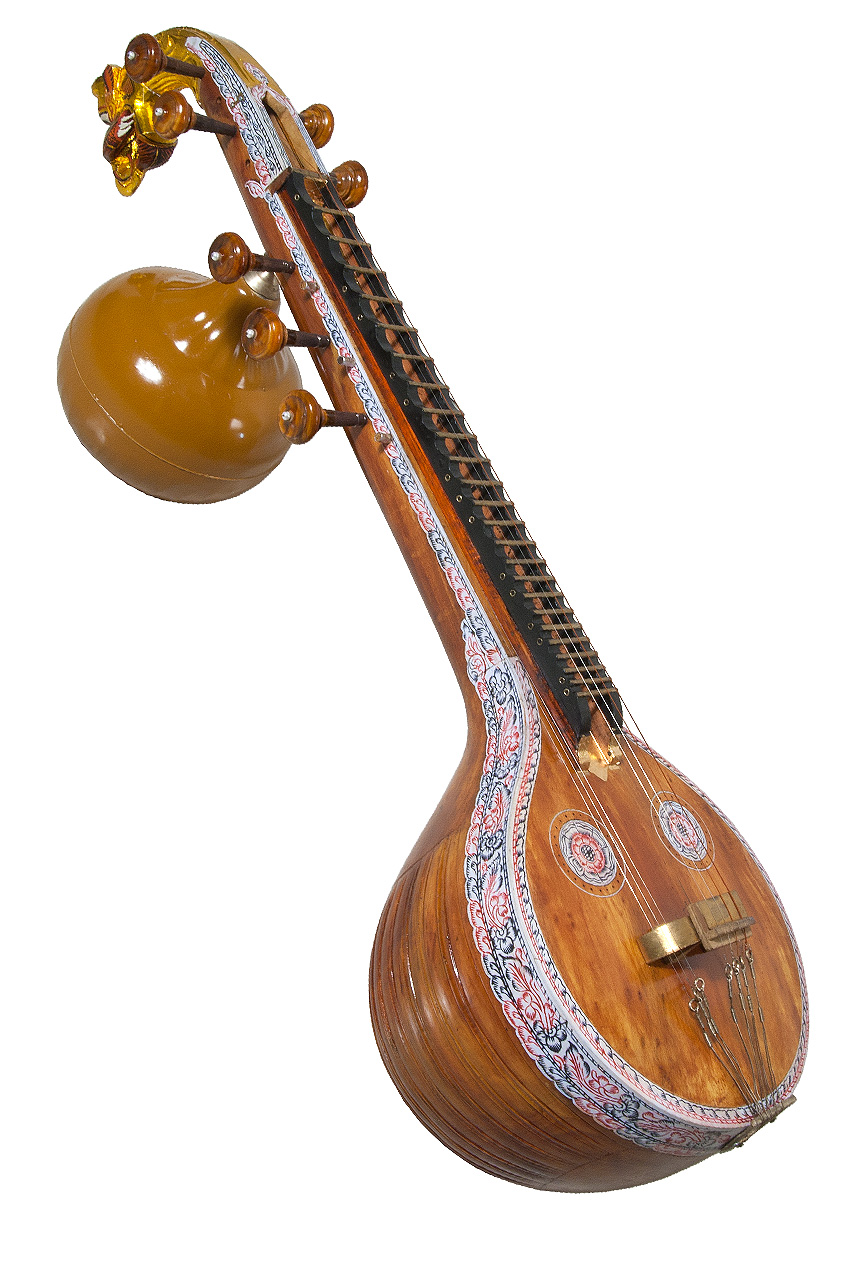
2.We learn from the great epic Ramayana that Kumbhakarna, the younger brother of king Ravana, was a great singer. He is also believed to have left some literature concerning music. Ravana had a Veena emblem in his flag.

3.There are other stories about some kings who soothed mad elephants with enchanting music. We learn from the remarkable Sanskrit work Svapna Vasavadatta that king Udayana soothed a terribly furious and mad elephant by playing on his Veena.

4.In one of the Puranas, we find how a young girl was askd to mind her brother who had fainted with fatigue till the father went to fetch water. Meanwhile a hungry beast happened to come on the scene, when this girl, out of fear, demonstrated the vocal recital of a beautiful raga. The beast was enchanted with the song and forgot to pounce upon its prey and stood hypnotised. So potent was the effect of music produced by the young girl even in fear.

5.We all know how the Ramayana was recited by Lava and Kusa (Rama’s twin sons) in the most melodious style with jatis, etc. I the court of Rama, as it is recited today.

6.The first exponent of this divine art, according to some legends, is believed to be Lord Siva Himself. The most important traditionof music and dance in India is that of Nataraja, that is Siva, Lord of Kailasa, who danced his famous Tandava Nrtya, the dance of destruction.

7.We also know how Hanuman sang the glories of Rama in the form of Kirtanas.
carnatic

8.Lord Krishna, the Divine Cowherd,in His Leelas always attracted the Gopis and His cowherds with the sweet, melodious music of Hid flute.

9.The Five Brothers, the Pandavas, during their banishment or Ajnata Vasa (period of living incognito) happened to stay at the palace of King Virata. Arjuna used to give music and dance lessons to Princess Uttara in the palace. Arjuna has assumed the name of Brihannala (a female name) as a music cum dance teacher.

These anecdotes from our ancient scriptures show that music had attained a very standard even in those early days.

( I have already given the episodes from Sangam Tamil literature separately where an elephant listened to the music of a girl and stood spellbound in the paddy field ; also about the strange creature ASUNAM that dies when it hears any loud sound and rain by the music of Muthuswami Dikshitar.)

Source Books: Facets of Indian Culture by R Srinivasan and Sixty Four Arts by A B Ganguly

Please read my earlier articles on Music

True Art is Never Made to Order, post No.1066, 26-5-14
Acoustic Marvel of Madurai Temple 13-5-13
Superstition in the World of Music 12-4-14 (Post No.975)
Musical Pillars in Hindu Temples
Interesting Anecdotes from the World of Music (29 May 2014;Post No.1072)
Saint who went to Heaven with a Flute in Hand (16 April 14,Post No 983)
How did Rare Indian Animal Asunam become extinct? (15 April 14,Post No 981)
Rain Miracles: Rain by Fire and Music (7 January 2012)

மழை அற்புதங்கள் (7 ஜனவரி 2012)
இசைத் தமிழ் அதிசயங்கள் 31-1-2013
சங்கீதம் தோன்றிய வரலாறு- ஒரு புராணக் கதை 13-4-14 (976)
சப்தம் கேட்டால் இறந்துவிடும் அசுணமா? 15-4-14 (980)
கையில் புல்லாங்குழலுடன் சுவர்க்கத்துக்குப் போன மனிதர் 16-4-14 (982)
ஸ்ரீராமர் மீது முத்துசுவாமி தீட்சிதர் கிருதிகள் 8-4-14 (963)

சிந்தனைச் சிற்பிகள் காலண்டர் (ஜய- ஜூன் 2014)

tamil puu parithal

Post No. 1073; Date: 30 May 2014.
தயாரித்தவர்: லண்டன் சுவாமிநாதன் (C)

புறநானூற்றுப்பாடல்களில் இருந்து எடுக்கப்பட்ட 30 அருமையான மேற்கோள்கள் இந்த மாத காலண்டரை அலங்கரிக்கின்றன. சுருக்கமான பொருள் கொடுக்கப்பட்டுள்ளது.

ஜூன் மாத முக்கிய நாட்கள்: ஜூன் 11 (புதன்) —வைகாசி விசாகம்;
பௌர்ணமி:– 13, ஏகாதசி:–9 & 23, அமாவாசை:– 26 சுபமுகூர்த்த நாட்கள்:– 2,8,18,30.

ஜூன் 1 ஞாயிற்றுக் கிழமை
நிலம் பெயரினும் நின்சொற் பெயரல் (உண்மையே கொள்கை – இரும்பிடர்த்தலையார், புறம் 3).

ஜூன் 2 திங்கட்கிழமை
அருளும் அன்பும் நீக்கி, நீங்கா
நிரயம் கொள்பவரோடு ஒன்றாது, காவல்
குழவி கொள்பவரின் ஓம்புமதி
– — (கெட்டவருடன் சேராதே; நரிவெரூஉத் தலையார், புறம் 5)

ஜூன் 3 செவ்வாய்க் கிழமை
நீரின்றமையா யாக்கைக் கெல்லாம்
உண்டி கொடுத்தோர் உயிர் கொடுத்தோரே – (அன்னதானமே சிறந்தது; குடபுலவியனார், புறம் 18).

ஜூன் 4 புதன் கிழமை
இகழுநர் இசையொடு மாயப்
புகழொடு விளங்கிப் பூக்கநின் வேலே – (ஊனை மதியாதோர் வீழ்க; நீ வாழ்க; ஐயூர் மூலங்கிழார். புறம் 21.)

ஜூன் 5 வியாழக் கிழமை
வல்லுநர் வாழ்ந்தோர் என்ப – (வல்லவரே வாழ்வர்; மாங்குடி கிழார், புறம் 24)

ஜூன் 6 வெள்ளிக்கிழமை
புலவர் பாடும் புகழுடையோர் விசும்பின்
வலவன் ஏவா வானவூர்தி
எய்துப,என்ப (புகழுடையோர் சுவர்க்கம் புகுவர்; முதுகண்ணன் சாத்தனார், புறம் 27)

ஜூன் 7 சனிக்கிழமை
தேய்தல் உண்மையும் பெருகல் உண்மையும்
மாய்தல் உண்மையும் , பிறத்தல் உண்மையும்
அறியாதோரை அறியக்காட்டி – (ஜனன,மரண சுழற்சியை விளக்குவாய்; முதுகண்ணன் சாத்தனார் புறம் 27)
karikalan

ஜூன் 8
வல்லார் ஆயினும் வல்லுநர் ஆயினும்
வருந்தி வந்தோர் மருங்கு நோக்கி
அருள வல்லை ஆகுமதி — (எவர் வந்தாலும் உபசரி; உறையூர் முதுகண்ணன் சாத்தனார், புறம் 27)

ஜூன் 9
அதனால் அறமும் பொருளும் இன்பமும் மூன்றும்
ஆற்றும் பெருமநின் செல்வம் – (தர்ம, அர்த்த, காம ஆகிய மூன்றில் நிற்பவன் நீ; முதுகண்ணன் சாத்தனார், புறம் 28)

ஜூன் 10
சிறப்புடை மரபிற் பொருளும் இன்பமும்
அறத்து வழிப்படூஉம் – (தர்ம, அர்த்த, காம ஆகிய மூன்றில் தர்மமே பெரிது; கோவூர் கிழார், புறம் 31)

ஜூன் 11
நிலம்புடை பெயர்வதாயினும், ஒருவன்
செய்தி கொன்றோர்க்கு உய்தி இல் – (நன்றி மறக்காதே; ஆலத்தூர் கிழார், புறம் 34)

ஜூன் 12
வருபடை தாங்கிப் பெயர்புறத் தார்த்துப்
பொருபடை தரூஉங் கொற்றமும் உழுபடை
ஊன்றுசால் மருங்கின் ஈன்றதன் பயனே! – (உழவே பெரிது; வெள்ளைக்குடி நாகனார், புறம் 35)

ஜூன் 13
என்றும் இன்சொல் எண்பதத்தை ஆகுமதி! – (இன்சொல் பேசு; ஆவூர் மூலங்கிழார் புறம் 40)

ஜூன் 14
நல்லது செய்தல் ஆற்றீர் ஆயினும்
அல்லது செய்தல் ஓம்புமின்; அதுதான்
எல்லாரும் உவப்பது; அன்றியும்,
நல்லாற்றுப் படூஉம் நெறியுமார் அதுவே –( நன்றே செய்க; நரிவெரூஉத் தலையார், புறம் 195)

ஜூன் 15
அறநெறி முதற்றே அரசின் கொற்றம்
அதனால் நமரெனக் கோல் கோடாது
பிறரெனக் குணங்கொல்லாது – – (தர்மமே முக்கியம்; மருதன் இளநாகனார், புறம் 55)

tamil veeran

ஜூன் 16
புலிசேர்ந்து போகிய கள்ளலை போல
ஈன்ற வயிரோ இதுவே,
தோன்றுவன் மாதோ, போர்க்களத்தானே! – (நான் வீரத் தாய்; காவற்பெண்டு, புறம் 86)

ஜூன் 17
—-தந்தயர்க்கு
அருள் வந்தனவால் புதல்வர்தம் மழலை! – (குழந்தை மழலை கடவுள் அருளியது; ஔவையார், புறம் 92)

ஜூன் 18
புல்லிலை எருக்கம் ஆயினும், உடையவை
கடவுள் பேணேம் என்னா – (பத்ரம், புஷ்பம் எதையும் கடவுள் ஏற்பார்; கபிலர், புறம் 106)

ஜூன் 19
இம்மைச் செய்தது மறுமைக்கு ஆம் எனும்
அறநிலை வாணிகன் ஆய் அல்லன்! – ( மறு ஜன்மத்தில் பலனை எதிர்பார்த்து அல்ல; முடமோசியார், புறம் 134)

ஜூன் 20
வாழ்தல் வேண்டிப்
பொய் கூறேன்; மெய் கூறுவல்! – (சோற்றுக்காக பொய் சொல்லேன்; மருதன் இளநாகனார், புறம் 139)

ஜூன் 21
‘எத்துணை ஆயினும் ஈதல் நன்று’ என,
மறுமை நோக்கின்றோ அன்றே
பிறர் வறுமை நோக்கின்று, அவன் கைவண்மையே—
(மறு ஜன்மத்தில் பலனை எதிர்பார்த்து அல்ல; பரணர், புறம் 141)

ஜூன் 22
யாதும் ஊரே, யாவரும் கேளிர்
தீதும் நன்றும் பிறர்தர வாரா!
பெரியோரை விஅய்த்தும் இலமே
சிறியோரை இகழ்தல் அதனினும் இலமே !
– எல்லோரும் சகோதரர்; கணியன் பூங்குன்றனார், புறம் 192

tamil curiosity

ஜூன் 23
உண்டால் அம்ம, இவ்வுலகம்; இந்திரர்
அமிழ்தம் இயைவதாயினும், இனிது எனத்
தமியர் உண்டலும் இலரே;
– (இந்திர லோக அமிர்தம் கிடைத்தாலும் பகுத்து உண்பர்; கடலுள் மாய்ந்த இளம்பெருவழுதி, புறம் 182)

ஜூன் 24
–பிறர் அஞ்சுவதஞ்சிப்
புகழெனின் உயிரும் கொடுக்குவர்; பழியெனின்
உலகுடன் பெறினும் கொள்ளலர்; அயர்விலர்
–( பழி என்றால் அதை வெறுப்பர்; கடலுள் மாய்ந்த இளம்பெருவழுதி, புறம் 182)

ஜூன் 25
அன்ன மாட்சி அனையராகித்
தமக்கென முயலா நோந்தாள்
பிறர்க்கென முயலுநர் உண்மையானே !
–( பிறருக்காக் உழைப்பவர் உள்ளதால் உலகம் நிலைத்து இருக்கிறது; கடலுள் மாய்ந்த இளம்பெருவழுதி, புறம் 182)

ஜூன் 26
உற்றுழி உதவியும் உறுபொருள் கொடுத்தும்
பிற்றை நிலை முனியாது கற்றல் நன்றே!
– (கல்வி கற்பது மிக முக்கியம்; ஆரியப்படை கடந்த நெடுஞ்செழியன், – புறம் 183).

ஜூன் 27
நெல்லும் உயிரன்றே; நீரும் உயிரன்றே;
மன்னன் உயிர்த்தே மலர்தலை உலகம்! – (நல்லாட்சி மிகவும் முக்கியம்; மோசிகீரனார், புறம் 186).

ஜூன் 28
நாடா கொன்றோ காடா கொன்றோ
அவலா கொன்றோ மிசையா கொன்றோ
எவ்வழி நல்லவர் ஆடவர்;
அவ்வழி நல்லை வாழிய நிலனே! – (ராமன் இருக்கும் இடம் அயோத்தி; அவ்வையார், புறம் 187)

ஜூன் 29
உண்பது நாழி உடுப்பவை இரண்டே
பிறவும் எல்லாம் ஓரொக்கும்மே ! (அடிப்படைத் தேவை; நக்கீரர், புறம் 189)

ஜூன் 30
செல்வத்துப் பயனே ஈதல்;
துய்ப்பேம் எனினே, தப்புந பலவே – (தானமே சிறந்தது; நக்கீரர், புறம் 189).

contact swami _ 48@yahoo.com
Interesting Anecdotes from the World of Music

Mvsivan
Ari Maha Vaidyanatha Iyer

Compiled by London Swaminathan
Post no. 1072; Dated 29th May 2014.

Our musicians are very interesting people; they are intensely human and will do anything for the sake of friendship. They have a lively sense of humour too. At a performance by one of top ranking musicians two friends in front of him, were counting the number of times the artist was using snuff. The musician noticed and bided his time. When he was about to use the snuff again he turned to the gentlemen in front and said (in a loud voice so that all could her), “Sirs, this is the ninth time using snuff; take note and check with your previous counting and verify”. The whole house burst into boisterous laughter.

King who ate the chaff leaving the grain

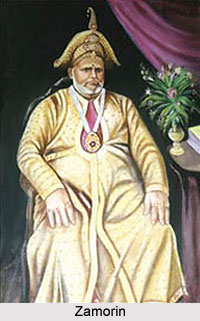
There was a Zomorin in Calicut ( Zomorin is the hereditary royal title of Hindu rulers of Kozhikode in Kerala) who was fond of music and had also a good knowledge of the art. He used to patronise deserving musicians and give them rich presents. Once a great Pallavi vidwan (singer) happened to go to Calicut; the private secretary to the Zomorin arranged for a concert by the singer at the palace.
(Pallavi is the thematic line of a song. It is repeated a few times to help the percussionist to get an idea of Tala/beat)

The Zomorin had one weakness; he would ask the artist to give beforehand the wording of the song the singer proposed to sing. When he asked the singer he got wild. The Zomorin also got angry and the singer went away from the palace. The private secretary, who himself a fan of music, was a tactful man; he pacified the two and arranged a concert the next day. Zomorin also told him that he would not insist for the wording of the song. The musician sang beautifully well and got extra presents.

Zamorin
Zomorin of Calicut

When the artist was about to leave, the Zomorin asked him to give the wording of the pallavi. The singer said to him, “ I am ready to give you the pallavi of the song on condition that you will not get angry”.
The Zomorin agreed to the condition and the singer gave him the song and ran away from the palace. When the Zomorin looked at the paper where he wrote the song, it was written in Malayalam , “Zomorin ate the chaff”, the implication being that instead of enjoying the pure art of music, the Zomorin was after the words which especially in a pallavi was as insignificant as compared to the grain!

Morning Raga Bhupala
Certain ragas are considered appropriate to certain hours: for example, Bhupalam in the early morning, Saveri and Dhanyasi in the early afternoon, Poorva Kalyani in the evening, Kamboji and Nilambari in the night are considered suitable.
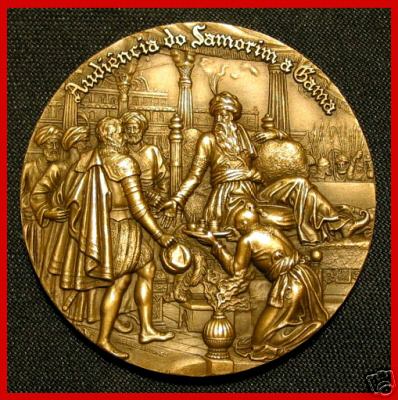
zomorin coin
Portugese meeting Zomorin

Pachampetta Nataraja Iyer was a great patron of music in Trichy District of Tamil Nadu. Whenever musicians passed that way they used to stay with him for a while and spend musically fruitful time in his company. Once the famous musician Maha Vaidyanatha Iyer (1844- 1893) happened to stay for a night with Nataraja Iyer. After supper Maha Vaidyanatha Iyer started singing. Nataraja Iyer wanted him to sing Bhupala, which ought to be sung only in the early morning hours. For a moment Vaidyanatha Iyer hesitated, and then said,”Certainly, I shall sing a Sloka as Ragamalika and include Bhupala also in the string of Ragas”.

He then started singing the Sloka and kept the listeners spell bound so that they lost count of time. Then he sang Bhupala raga also. When he sang that part of the song it was just dawn. In those days musicians used to sing a Raga for hours, and for even days without repetition. They were capable of such originality and creative expression.
Source : Facets of Indian Culture by R Srinivasan

Previous posts related to Music:–
True Art is Never Made to Order, post No.1066, 26-5-14
Acoustic Marvel of Madurai Temple 13-5-13
Superstition in the World of Music 12-4-14 (Post No.975)
Musical Pillars in Hindu Temples
இசைத் தமிழ் அதிசயங்கள் 31-1-2013
சங்கீதம் தோன்றிய வரலாறு- ஒரு புராணக் கதை 13-4-14 (976)
சப்தம் கேட்டால் இறந்துவிடும் அசுணமா? 15-4-14 (980)
கையில் புல்லாங்குழலுடன் சுவர்க்கத்துக்குப் போன மனிதர் 16-4-14 (982)
ஸ்ரீராமர் மீது முத்துசுவாமி தீட்சிதர் கிருதிகள் 8-4-14 (963)

பிராமணர்களை இந்திரன் கொலை செய்தது ஏன்?

Indra (1)

கட்டுரையாளர்:– லண்டன் சுவாமிநாதன்
கட்டுரை எண்:- 1071; தேதி:- 29 May 2014.
(இக் கட்டுரை ஏற்கனவே ஆங்கிலத்தில் என்னால் வெளியிடப்பட்டது)

வெற்றி எட்டு திக்கும் எட்ட கொட்டு முரசே
வேதம் என்றும் வாழ்க என்று கொட்டு முரசே — பாரதியார்

உலகின் மிகப் பழைய நூலான ரிக்வேதத்தில் இந்திரனின் சாகச் செயல்கள்தான் அதிக இடத்தைப் பிடிக்கின்றன. நாலில் ஒரு பகுதி துதிகள் இந்திரனைப் (250 துதிகள்) பற்றியதே. தமிழினத்தின் மிகப் பழைய நூலான தொல்காப்பியமும் இந்திரனை , தமிழர் கடவுளாகப் போற்றுகிறது. கரிகால் சோழன் நடத்திய பெரிய விழா இந்திர விழா! ஆனால் சங்க இலக்கிய த்தின் 18 நூல்களில்– 27,000 வரிகளில்— இல்லாத ஒரு அபாண்டப் பொய்யை வெள்ளைக்காரகள் சொன்னதை இன்றுவரை பல தமிழக அறிவிலிகள் பரப்பி வருகின்னர்.

இந்திரன் என்பவன் ஆரிய இனத் தலைவன் என்றும் அவன் தஸ்யூக்கள் என்னும் கருப்பர்களைக் கொன்றதாகவும் வெளி நாட்டு ‘’அறிஞர்கள்’’ எழுதிவருகின்றனர். உலகிலேயே அதிகமான பழைய நூல்களைக் கொண்டது சம்ஸ்கிருத மொழி. தமிழைப் போல பன்மடங்கு இலக்கியம் உடைய, சம்ஸ்கிருத மொழியில் ஒரு நூலிலும் ஆரிய ,திராவிட இனவாதக் கொள்கை இல்லை.தமிழிலும் இல்லை.

வெளிநாட்டுக்காரர்கள் எழுதியதற்கு நேர் மாறான விஷயங்கள்தான் நம் இலக்கியத்தில் இருக்கின்றன.
1.அசுரர்களுக்கும், தேவர்களுக்கும் பிராமணர்களாகிய பிருஹஸ்பதியும் சுக்ராசார்யாரும்தான் ஆசிரியர்கள். இதை சங்க இலக்கியப் பாடல்களும் உறுதி செய்வதை ஏற்கனவே கொடுத்துவிட்டேன்.

2.அசுரர், தேவர், நாகர் முதலிய யாவரும் ஒரு தாய் வயிற்றுப் புதல்வர்கள்.
3.தஸ்யூகளைக் கொன்ற இந்திரன் பிராமணர்களையும் கொன்றான். அவன் இப்படிப் பிராமணர்களைக் கொன்றதை, இந்தியா முழுதும் உள்ள ஸ்தல புராணங்களும் ,ராமாயண மஹாபாரத, புராணங்களும் பக்கம் பக்கமாக எழுதி இருக்கின்றன. முப்பதுக்கும் மேலான அசுரர்களைக் கொன்ற இந்திரனின் மிகப் பெரிய வெற்றி– விருத்திராசுரனைக் கொன்றதுதான். அவன் ஒரு பிராமணன். அவனது அண்ணன் திரிசிரஸ் இந்திரனால் கொல்லப்பட்டான். அவனும் ஒரு பிராமணன்.

4.இந்திரனால் மானபங்கப்படுத்தப்பட்ட அஹல்யையும் பாப்பாத்தி.! இந்திரனால் எத்தி உதயப்பட்ட முனிவன் அகத்தியனும் பார்ப்பனன். இந்திரனைப் பிடித்துக்கொண்ட மிகப்பெரிய பாவம்—பிரம்மஹத்தி. அதாவது பிராமணனைக் கொன்றால் வரும் பாபம். இதற்காக அவன் இந்தியா முழுதும் சென்ற கோவில் குளம், ஆறு, மலை, ஏரி பற்றி உள்ள ஸ்தல புராணங்கள் ஆயிரம் ஆயிரம்!!

18 Banteay Srei Indra on Airavata, photograph by Anandajoti Bhikkhu
Indra in Cambodia

இவ்வளவு ஆதாரங்கள் இருக்கையில் வெள்ளைக்கார, வெளிநாட்டுக்கார ‘’அறிஞர்கள்’’ எப்படி முழுப் பூசணிக்காயைச் சோற்றில் மறைத்தார்கள்? அவர்களுக்கு ஒரு உண்மை தெரியும். இந்து மத நூல்கள் கடல் போலப் பெருகியவை. மற்ற மத நூல்களையோ ஒரே மூச்சில் சில மணி நேரத்தில் படித்து முடித்து விடலாம். அவை எல்லாம் நேற்று வந்தவை. ஆனால் காலத்தைக் கடந்து நிற்கும் இந்து மதத்திற்கோ பல்லாயிரம் நூல்கள். ஆங்கிலம் படித்த ‘அரைவேக்காடு’கள், இந்துமத ராமாயணத்தையோ, மஹாபாரதத்தையோ ‘’ஒரிஜினலில் ‘’முழுக்க படித்ததே இல்லை. அவர்கள் படிப்பதெல்லாம் ஆங்கிலத்தில் எதிர்மறையில் எழுதப்பட்ட கட்டுரைகள் அல்லது வெற்று வேட்டுப் பட்டிமன்றங்கள்தான். மாதா, பிதா, குரு ஆகியவர்களை விட அதிகம் மதிக்கப்பட வேண்டியவர்கள் ஆங்கிலத்தில் எழுதப்படும் கட்டுரை யாளர்களே என்பது அந்த அறிவிலிகளின் ஏகோபித்த முடிவு.

இந்த பலவீனங்களை அறிந்த வேற்று மத, வெளிநாட்டு ‘’அறிஞர்கள்’’ இந்து மதத்தில் எந்தப் புத்தகத்தில் எந்த வரியை வேண்டுமானலும் எடுத்து எப்படி வேண்ண்டுமானாலும் ஒட்டுப்போட்டு என்ன வேண்டுமானாலும் எழுதி நம்மிடமே பி.எச்டி. பட்டம் வாங்க முடியும் என்பதையும் தெரிந்து கொண்டார்கள். பிரபல வெளிநாட்டுப் புத்தக பதிப்பாளர்கள் மூலம் கோடிக் கணக்கில் பணம் பெற முடியும் என்றும் தெரியும். அவர்கள் வேற்று மதங்களைப் பற்றி இப்படிப் புத்தகம் எழுதுவதும் இல்லை. எழுதினாலும் விற்காது. இந்து ஒருவன் தான் ஏமாந்த சோணகிரி! ஊருக்கு இளத்தவ பிள்ளையார் கோவில் ஆண்டி!!

நம்முடைய இலக்கியம், இலக்கிய கர்த்தாக்கள் ஆகியவர்களுக்கு அவர்களே பொய்மையான ஒரு காலத்தையும் எழுதி– ‘இது முதல், அது பின்னது’– என்று சொல்லவும் கற்றனர். நமது சங்கத் தமிழ் இலக்கியத்தையோ, தேவார திருவாசக, திவ்வியப் பிரபந்தங்களையோ வாழ்நாளில் தொட்டுப் பார்க்காத தமிழ் அஞ்ஞானிகள், கேள்விகளை மட்டுமே கேட்கப் பழகிக்கொண்டார்கள். இதனால் இந்திரன், பிராமணர்களைக் கொன்றதையோ, இராம பிரான் ராவணன் என்னும் பிராமணனைக் கொன்றதையோ பெரிது படுத்தாமல், இதற்கு எதிர்மறையான கருத்துக்களை மட்டும் பிரபலப்படுத்தினர்.

Bangkok_Indra_Erawan
Indra in Thailand

திரிசிரஸ், விருத்திரன் கொலை
த்வஷ்டா என்ற முனிவருக்கு திரிசிரஸ் என்ற மூன்று தலை உடைய முனிவர் பிறந்தார். அவர் ஒரு தவ சீலர், மகா முனிவர். தனது பதவிக்கு ஆபத்து வரும் என்று அஞ்சிய இந்திரன் அவரைக் கொன்றான். அவன் தந்தை கோபம் அடைந்து, விருத்திரன் என்பவனை யாகத்தீயில் உண்டாக்கினான். அவனைக் ‘’கடல் நுரை’’ மூலம் இந்திரன் கொன்றான். இதுதான் சுருக்கமான கதை. இருவரும் பிராமணர்கள். அவனைப் ப்ரம்மஹத்தி பற்றிக்கொண்டது.

வேதங்களில் பல விஷயங்கள் ரகசிய, சங்கேத மொழியில் சொல்லப்பட்டிருப்பதால் தமிழர்கள் வேதங்களுக்கு ‘’மறை’’ என்று அழகான பெயர் வைத்தனர். இங்கே விருத்திரன் என்பது மனிதனா, இயற்கை நிகழ்ச்சியா (வறட்சி) என்று பல அறிஞர்களுக்குக் குழப்பம். வேத, இதிஹாசபுராணம் முழுதும் வரும் இந்திரன் ஒருவரா? பலரா? என்பதிலும் எல்லோருக்கும் குழப்பம்.

இந்திரன் என்பது ஒரு ஆள் அல்ல, அது ஒரு ‘’டைட்டில்’’—அதாவது பிரதமர், ஜனாதிபதி, சக்ரவர்த்தி, மன்னர், தலாய் லாமா, சங்கராச்சார்யார், போப்பாண்டவர் என்பது போல அவ்வப்போது பதவிக்கு வருவோர் பெறும் பட்டமா என்பதும் விளக்கப்படவில்லை. மேலும் வேதம் முழுதும் ஆங்கிலத்தில் மொழிபெயர்த்த வெள்ளைக்காரர்கள் அவன் எப்போது வாழ்ந்தான் என்பதிலும் குழப்பம் அடைந்ததால் பேசாமல் இருந்து விட்டனர். அப்படி ஒரே இந்திரன் தான் என்று யாராவது நினைத்தால் உலகிலேயே அதிகமாக இலக்கியத்தில் அடிபட்ட பெருமை இந்திரன் ஒருவனுக்கே கிட்டும்!!

ஒரே இந்திரன் இவ்வளவு பாடல்களுக்கு முதற்பொருளாக அமைந்திருக்க முடியாது. இந்திரன் என்பது பல பொருள்களில் பயன்படுத்தப்பட்டிருக் கலாம் அல்லது இந்திரன் என்பது மன்னன் போன்ற ஒரு பட்டம். ஆகையால் யார் அந்தப் பதவிக்கு வருகிறார்களோ அவர் இந்திரன் என்றும் கொள்ளலாம்.

மூன்றுதலை திரிசிரஸ் என்பதெல்லாம் சில தத்துவங்களை விளக்கும் சொற்களாக இருக்கலாம். உண்மையில் இப்படிப்பட்ட விளக்கங்களை சாயனர், சங்கராசார்யார், பட்டபாஸ்கரர், அண்மைக் காலத்தில் ஆரிய சமாஜ ஸ்தாபகர் தயானந்த சரஸ்வதி ஆகியோர் கொடுத்துள்ளனர். வேதம் முழுதும் உள்ள விஷயங்களைக் கூறவே தேவாரமும் திருவாசகமும், திவ்வியப் பிரபந்தமும் பாடப்பட்டதாக அவற்றை யாத்தவர்களே திருவாய் மலர்ந்திருக்கின்றனர்.. இதற்குப் பின்னரும் வீம்பு பிடித்து நான் பிடித்த முயலுக்கு மூன்றே கால்தான், நான் ஆரிய திராவிடச் சகதியில்— பன்றியைப் போல தொடர்ந்து உழல்வேன்— என்பவரை இறைவனே வந்தாலும் கரையேற்ற முடியாது!!
indra_td58
Indra in painting

Also read my other posts:-
Brahmins deserve an entry into Guinness Book of Records (Jan.26, 2012)

No Brahmins, No Tamil!! (Jan. 14, 2012)
Foreign Travel Banned for Brahmins! (26 Nov.2013)
Fall of Brahmin Kingdoms in Pakistan & Afghanistan (23 Mar.2014)
Indus valley –Brahmins connection (10th May 2014 ,Post No.1034)

Why did Indra kill Brahmins? (25th May 2014,Post No.1064)

உலகம் கெட்டுப்போனதற்கு பிராமணர்களே காரணம்? 4-3-2014 (885)
சிந்துசமவெளி—பிராமணர் தொடர்பு 10-5-14 ( 1033)
1500 ஆண்டு பிராமணர் ஆட்சியின் வீழ்ச்சி 24-3-14
பிராமணர்களை இந்திரன் கொன்றது ஏன்? 29-5-14 (1071)

Three Stories on Amazing Memory Power

memory

Written by London Swaminathan
Post No:–1070; Dated 28th May 2014.

A strange story about Yajur Veda is repeated like parrots by all the scholars. Nobody has explained the meaning behind it. Yajnavalkya and his Guru Vaisampayana had difference of opinion. As a result of a quarrel, Vaisampayana ordered him to return whatever he learnt from him. Immediately Yajnavalkya “vomited out” the knowledge he possessed. Other students who were present there became Tittiris (parrots) and “ate all the vomit”. Then Yajnavalkya prayed to the Sun God and received a new Yajur Veda what is known as Shukla Yajur Veda. After giving this story, all the scholars proceed to explain the great philosophy in the Upanishads. Nobody explained the meaning of the story. Probably they thought the meaning is obvious and there is no need to explain. Actually it is a story of an amazing memory feat.

Vaisamapayana and Yajnavalkya had an argument. Yajnavalkya decided to leave his Guru. Guru asked him to teach his fellow students before he left. But Yajnavalkya would have told him that he had no time for it, but ready to recite only once .This would allow anyone to pick up whatever possible, if one has an amazing memory. In the Vedic days students had an amazing memory power. That is what happened. When Yajnavalkya recited it for the last time all the students became parrots and grasped it (Tittiri= parrots, vomit= recitation, ate the vomit= grasped and memorised.). So this must have been the greatest memory feat in the ancient India.
yajnavalkya_idh111

Parrots are famous for learning human voice. We have many stories of parrots reciting Vedas in Brahmins’ houses in the history of Adi Shankara and Tamil saint Tirujnana Sambanda. So the Vedic story of Tittiri eating the vomit of Yajnavalkya is nothing but memorising it as and when the Veda is recited! Such people are known as Ekata or Ekagrahi.
ganapathy2
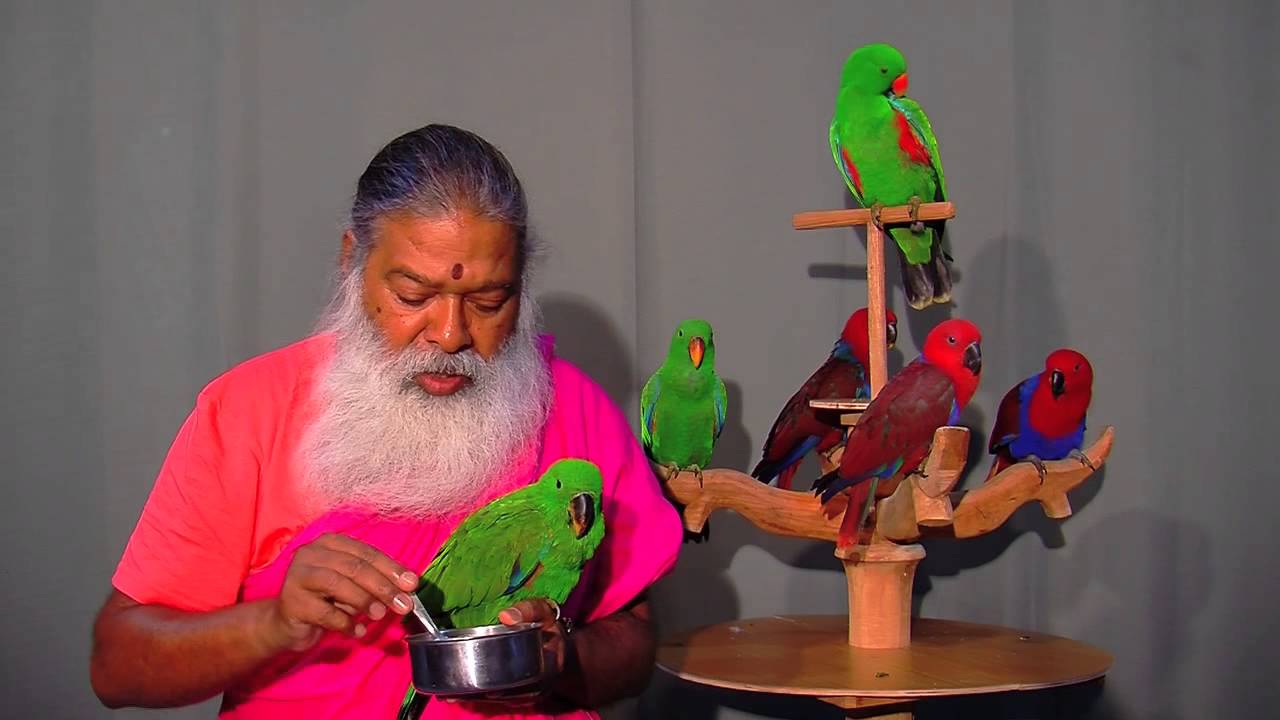
Sri Ganapathy Sachidananda Swamy with hsi parrots.

Hindus in ancient India, learnt by rote a lot of things. Vedas are taught and learnt by word of mouth until today. Ancient scholars were famous for their superhuman memory. In Tamil Nadu there were scholars who can remember eight or ten tasks done at the same time. They were known as Ashtavadanis or Dasavadanis.

Second Story : Nyaya Sastra
Pandit Vasudeva Sarvabhauman who wanted to get mastery over Nyaya Sastra approached the top most people in the field. Mithila was a great centre of Nyaya Studies (Logic). The professor who had the best logic book there did not allow anyone to copy it. So Pandit Vasudeva went there and learned the whole text book by heart and started his own institution in Navadweepa to teach logic.

prashna20upanishad

Third Story: Intelligent Poet
Dharana matrka is one of the ancient arts of India. Dharana means to remember. To make everything easy to remember, Hindu saints gave most of the science in Sutra (aphorism) form or in verses. There is an interesting story about it. A king had announced a reward of thousand gold coins to the poet who would satisfy him with a new, self composed verse. He had in his court seven scholars who were masters of memory. The first could reproduce anything on hearing it only once, the second twice, and the third thrice and so on. When any poet came to the royal court with his newly composed verse and recited it aloud, the first pundit stood up, challenged its originality and reproduced the whole verse himself. The second pundit then stood up, challenged and reproduced for he had already heard it twice; then the third and the fourth and so on. All the poets who came to the court left the court without getting any reward and they were utterly confused as well.

ganapathy sachi

One day a poet came and recited a verse which meant that the king’s father had borrowed hundred thousand gold coins from his father. The king was completely taken aback and asked his pundits if they knew anything about it. Then the poet smiled and said, “You must admit that this is an original verse, though the purport is not true. Now give me the promised amount”. The king was highly satisfied and gave him the reward.

Contact: — swami_48 @yahoo.com

வித்தியாசமான விஞ்ஞானி யுங்! -5

synchronicity

ச.நாகராஜன்
Post no 1069; Dated 28th May 2014

(கார்ல் ஜங் என்று ஆங்கிலத்தில் இருப்பதை கார்ல் யுங் என்று உச்சரிக்க வேண்டும்)

52 சீட்டுகள் உள்ள ஒரு சீட்டுக்கட்டில் 13 கார்டுகளை ஒருவர் தான் நினைத்த வரிசைப்படி எடுக்க வேண்டுமெனில் 635,000,000,000 தடவைகளில் ஒரே ஒரு முறை தான் இப்படி வர வாய்ப்பு உண்டு என்கிறது புள்ளி இயல் துறை அறிவியல். ஒரே ஒரு முறை ஒருவர் சீட்டுக்கட்டைக் குலுக்கிப் போட்டுத் தான் நினைத்த 13 சீட்டுகளை எடுத்து நம்மிடம் காட்டினால் வியப்பினால் விழிகள் பிதுங்கி விடும் இல்லையா!

இப்படி நம்ப முடியாத விஷயங்கள் திடீரென்று ஓரிடத்தில் நடந்தால் அதை வெறும் தற்செயலான ஒற்றுமை சம்பவம் என்று ஒதுக்கி விட முடியாது என்று யுங் கூறிய சிங்க்ரானிசிடி தத்துவத்தை ஒப்புக் கொண்ட ஏராளமானோர் இதை ஆராயத் தொடங்கினர். இதன் விளைவாக ஆயிரக்கணக்கான சிங்க்ரானிசிடி சம்பவங்கள்

அதிகாரபூர்வமாக சரிபார்க்கப்பட்டு இப்போது பதிவு செய்யப்பட்டுள்ளன.

பிரபல கணித மேதையான வாரன் வீவர் தான் எழுதியுள்ள லேடி லக்: தி தியரி ஆஃப் ப்ராபபலிடி என்ற நூலில் ’லைஃப்’ இதழில் வெளியான ஒரு சம்பவத்தைக் குறிப்பிடுகிறார்.

நெப்ராஸ்காவில் பீட்ரிஸ் என்ற இடத்தில் உள்ள ஒரு சர்ச்சில் தேவாலய இசைப்பாடல் ஒத்திகைக்காக 15 பேர் குழுமத் திட்டமிட்டனர். 1950ஆம் ஆண்டு மார்ச் முதல் தேதியன்று மாலை ஏழு மணி இருபது நிமிடங்களுக்கு அவர்கள் அங்கு வர வேண்டும் என்று தீர்மானிக்கப்பட்ட்து. அங்கு வர வேண்டிய 15 பேரும் சற்று தாமதமாக வந்தனர். பாதிரியாரும் அவரது மனைவி மற்றும் மகளும் தாமதமாக வந்த்தற்கான காரணம் பாதிரியாரின் பெண்ணின் உடையை அயர்ன் செய்ய பாதிரியாரின் மனைவி சிறிது நேரம் கூட எடுத்துக் கொண்டார் என்பது தான்.

dreams

வரவேண்டியவர்களுள் ஒரு பெண் தன் ஜாமெட்ரி வரைபடத்தை முடிக்கச் சிறிது நேரம் ஆனது. இன்னொருவரின் கார் ஸ்டார்ட் ஆக தாமதமாகி விட்டது. இரண்டு பேர் அவர்களுக்குப் பிடித்த ரேடியோ புரோகிராமில் லயித்து ஈடுபட்டு அது முடிந்தவுடன் வந்தனர்.

ஒரு தாய் தன் மகளை குட்டித் தூக்கத்திலிருந்து எழுப்ப நேரமாகவே இருவரும் கிளம்பி வரச் சற்று தாமதமானது. இப்படியே ஒவ்வொருவருக்கும் ஒவ்வொரு சின்னக் காரணம் அவர்கள் வருகையை தாமதப்படுத்தியது.

அவர்கள் எழு மணி இருபது நிமிடங்களுக்கு வருவதற்குப் பதிலாக ஐந்து நிமிடங்கள் தாமதமாக ஏழு மணி இருபத்தைந்து நிமிடங்களுக்கு சர்ச்சுக்கு வந்து சேர்ந்தனர். அப்போது ஒரு பெரிய வெடி விபத்து ஏற்பட்டு சர்ச் இடிந்து விழுந்தது. அனைவரும் அதிசயமாக உயிர் தப்பினர். ஒவ்வொரு சின்னக் காரணத்தை வைத்துத் தங்களை தாமதப் படுத்தியது கடவுளே என்று அவர்கள் நம்பினர்..

இந்தச் சம்பவத்தைத் தன் நூலில் குறிப்பிட்ட வாரன் வீவர் அறிவியல் ரீதியாகப் பார்த்தால் பத்து லட்சத்தில் ஒரு தரமே அனைவரும் தாமதமாக வரக்கூடிய இப்படிப்பட்ட சம்பவம் நடைபெறக் கூடும் என்று வியந்து எழுதினார்.

jung_redbook02
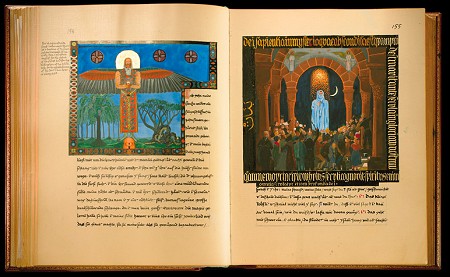
Carl Jung’s Red Book

உலகில் உள்ள அனைத்துமே பிரபஞ்சத்துடன் ஒன்றி இருப்பதால் மட்டுமே இப்படிப்பட்ட தற்செயல் ஒற்றுமைகள் ஏற்படுகின்றன என்பது ஜங்கின் முடிவு. பிரபஞ்சத்தில் அனைத்தும் ஒன்றை ஒன்று சார்ந்து இருக்கின்றன என்று ஜங் நம்பினார். இதைத் தொடர்ந்து சீன முறையான் ‘ஐ சிங்’கை ஆராய்ந்த அவர் துல்லியமாக அனைத்தையும் இறுதி வினாடி வரை கணித்து செயல்களை உள்ளது உள்ளபடி ‘ஐ சிங்’ விளக்குகிறது என்றார்.

ஜோஸப் ஐனர் என்பவர் ஆஸ்திரியாவில் 19ஆம் நூற்றாண்டில் வாழ்ந்த புகழ் பெற்ற ஓவியராவார். தனது வாழ்க்கையில் ஏற்பட்ட கசப்பான அனுபவங்கள் காரணமாக அவர் பலமுறை தற்கொலை செய்து கொள்ள முயன்றார். 18 வயது ஆன போது அவர் முதன்முறையாக தூக்குப் போட்டுக் கொண்டு தற்கொலை செய்து கொள்ள முயன்றார். ஆனால் அப்போது கத்தோலிக்க சர்ச்சை சேர்ந்த கபுசின் மாங்க் என்ற பிரிவிலிருந்து வந்த ஒரு மர்மமான துறவி அவர் முன் தோன்றி அவரைத் தடுத்து விட்டார். இருபத்தியிரண்டாம் வயதில் மீண்டும் அவர் தற்கொலை செய்ய முயன்ற போது அதே துறவி மீண்டும் தோன்றி அவரை மறுபடியும் தடுத்து விட்டார். எட்டு வருடங்கள் கழித்து அவரது அரசியல் நடவடிக்கைகள் காரணமாக அவருக்குத் தூக்கு தண்டனை விதிக்கப்பட்ட்து. அப்போதும் அதே துறவி வந்து அதைத் தடுத்தார். கடைசியாக அவரது 68ஆம் வயதில் தனது கைத்துப்பாக்கி மூலம் சுட்டுக் கொண்டு அவர் இறந்தார்.அவரது இறுதிச் சடங்குகளை அதே துறவி வந்து நட்த்தினார். ஜோஸப் ஐனருக்கு அந்தத் துறவி யாரென்றே தெரியாது!!

ஆயிரத்தி தொள்ளாயிரத்து முப்பதுகளில் ஜோஸப் பிக்லாக் என்பார் ஒரு தெரு வழியே நடந்து சென்று கொண்டிருந்தார். அப்போது மாடி வீடுகளில் ஒன்றின் ஜன்னலிலிருந்து ஒரு குழந்தை தவறிக் கீழே விழுந்தது. சரியாக அந்த விநாடியில் அங்கு வந்த பிக்லாக் அந்தக் குழந்தையைக் கையில் ஏந்திப் பிடித்துக் கொண்டார்.குழந்தை அதிர்ஷ்டவசமாக உயிர் தப்பியது. இதில் இன்னொரு அதிசயமும் உள்ளது. ஒரு வருடம் கழித்து அதே பிக்லாக் அதே தெருவில் நடந்த போது அதே மாடிவீட்டிலிருந்து அதே ஜன்னலிலிருந்து அதே குழந்தை மீண்டும் கீழே விழுந்த்து.பிக்லாக் இந்த முறையும் குழந்தையைப் பிடித்துக் கொண்டார். குழந்தை மீண்டும் ஒரு முறை உயிர் தப்பியது.

இதே போல ஏராளமான இரட்டையர்கள் வாழ்வில் சம்பவங்கள் ஒரே விதமாக இருந்த்தையும் அவர்கள் மரணம் ஒரே சமயத்தில் நிகழ்ந்ததையும் ஆய்வாளர்கள் பதிவு செய்துள்ளனர்.
scheme-jung

யுங் தனது வாழ்க்கை வரலாற்றில் இப்படிப்பட்ட அமானுஷ்யமான சம்பவங்கள் ஒருவர் வாழ்வில் நிகழவில்லை என்றால் அவர் நிச்சயமாக ஏதோ ஒன்றை இழந்து விட்டார் என்று தான் அர்த்தம் என்கிறார். ஒரு மர்மமான உலகத்தில் நாம் வாழ்ந்து வருகிறோம் என்பதை அனைவரும் உணர வேண்டும் என்று கூறும் ஜங் தான் வாழ்ந்த வாழ்க்கையும் வாழ்ந்த விதமும் திருப்திகரமான ஒன்று என்று கூறித் தன் நூலை முடிக்கிறார்.

வியப்பான பல நூறு சம்பவங்கள் அடங்கிய வித்தியாசமான விஞ்ஞானி யுங்கின் சுயசரிதை அனைவரையும் நிச்சயம் ஆச்சரியத்தில் ஆழ்த்தி விடும் ஒன்று!

I Ching Theory
Picture of I Ching and Synchronicity

சின்ன உண்மை!
தனது பேரன், பேத்திகளுடன் வாழ்ந்து வந்த யுங்கின் வீட்டின் வாயில் கதவில் பொறிக்கப்பட்டிருந்த லத்தீன் மொழி வாசகங்கள் இவை:- VOCATUS ATQUA NON VOCATUS DEUS ADERIT. இதன் பொருள் :-கூப்பிட்டாலும் சரி, கூப்பிடாவிட்டாலும் சரி கடவுள் இருக்கிறார்.

அறிவியல் அறிஞர் வாழ்வில் .. ..

பிரபல விஞ்ஞானியான பாஸ்கலுக்கு வேடிக்கையான சோதனைகளை அனைவருக்கும் முன்னால் நிகழ்த்திக் காட்டி அவர்களை வியப்படைய வைப்பதில் அலாதி பிரியம்.ஒரு நாள் முந்நூறு லிட்டர் கொண்ட ஒரு பீப்பாயில் அனைவரின் முன்னாலும் நீரை நிரப்பினார். பின்னர் அதை மூடி, மூடியில் ஒரு சதுர சென்டிமீட்டர் குறுக்களவுள்ள ஒரு துவாரத்தைப் போட்டார்.பின்னர் 10 மீட்டர் நீளமுள்ள குழாயைச் செருகி அதில் நீரை நிரப்பினார். குழாயில் நீர் முழுவதுமாக நிரப்பப்பட்ட போது அதிக அழுத்தம் தாளாமல் பீப்பாய் வெடித்துச் சிதறியது. அனைவரும் அதிசயத்துடன் அலறினர்.

பாஸ்கலின் தந்தையான எடியனுக்குக் கல்வி கற்பிப்பதில் விநோதமான கொள்கைகள் உண்டு. 15 வயதுக்கு முன்னால் யாருக்கும் கணிதம் சொல்லித் தரக் கூடாது என்பதும் அவரது கொள்கைகளில் ஒன்று. பாஸ்கல் கணிதத்தை முன்னதாகவே கற்றுவிடக் கூடாது என்ற நோக்கத்தில் வீட்டில் இருந்த கணிதப் புத்தகங்களை அவர் மிகவும் கவனமாக அகற்றினார். ஆனால் அபார அறிவு படைத்த பாஸ்கல் தன் தகுதியை அவரிடம் காண்பிக்கவே அவர் அசந்து போனார். கணிதத்தைக் கற்க அவருக்கு அனுமதியும் தந்தார்.