Ode to Sky Lark: Shelley, Kalidasa and Vedic Poet Grtsamada

cataka 1

Written by London Swaminathan
Post No. 1058; Dated 22nd May 2014.

It is very interesting to study and compare the poems on birds by Rig Vedic sage Grtsamada, India’s greatest Sanskrit poet Kalidasa, Sangam Tamil poets and English poet P.B Shelley. Among these poets, Shelly is always associated with the sky lark. But singing odes to birds started several thousand years before Shelly, that too on the banks of River Saraswati. The author of Second Mandala of the Rig Veda is sage Grtsamada. This Mandala is considered one of the oldest Mandalas of the Veda. Some scholars dated it to 1700 BCE. Life of Grtsamada is itself mysterious. He is said to belong to two Gotras. His poem about a bird called Kapinjala is more mysterious. I will discuss the mystery of Kapinjala separately. But in the following article I will simply compare Kapainjala with sky lark and Cataka bird.

Nearly 2000 years after Grtsamada, Kalidasa, Adi shanakara and the Sangam Age Tamil poets sang about the sky lark. Nearly 1500 years after these poets, PB Shelley came on the scene to sing about the same bird.
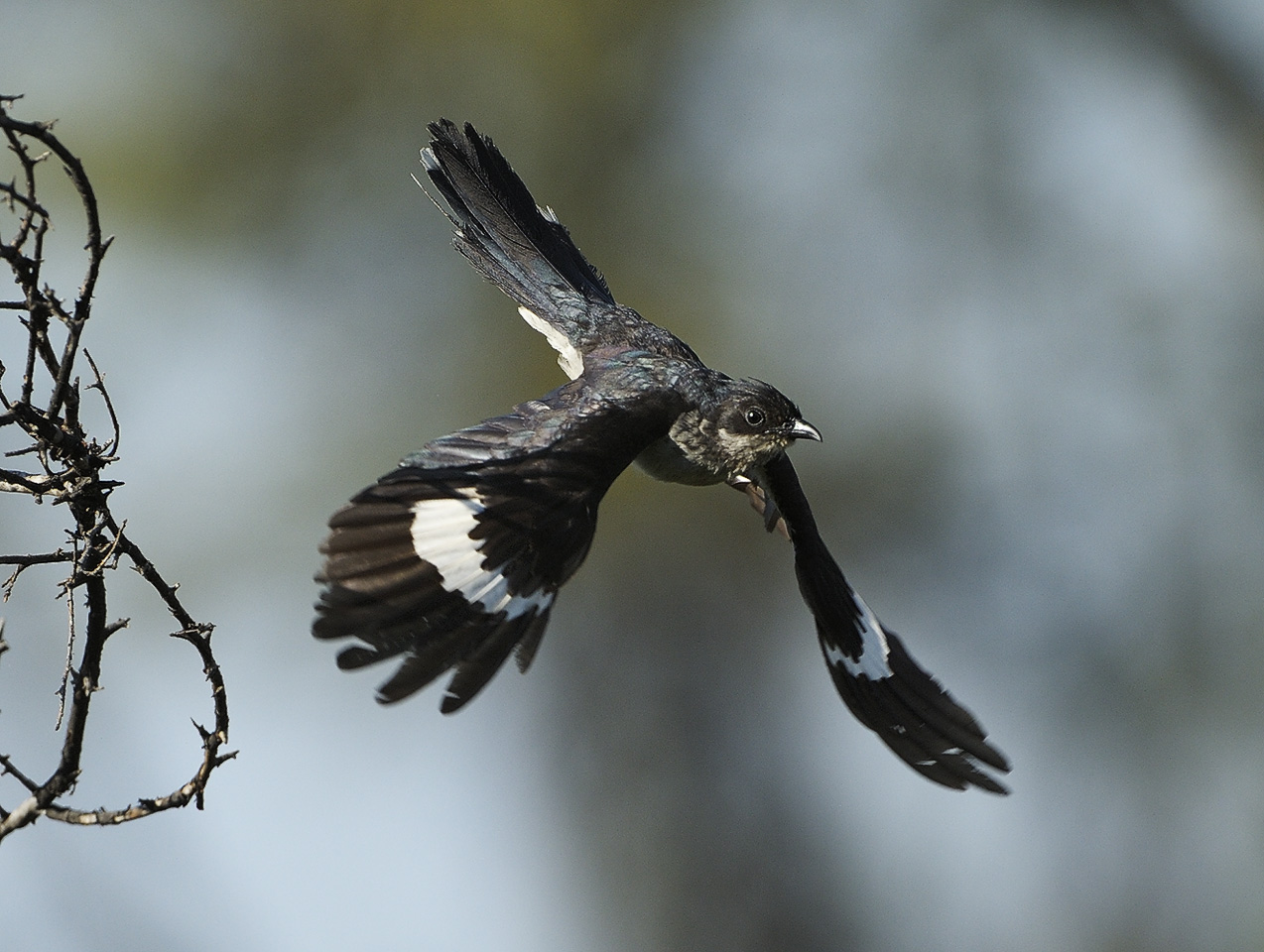
04-willem-jacobin-cuckoo
Picture of Jacobin Cuckoo (cataka bird)

Is Kapinjala of R.V. a sky lark?
What is Kapinjala? It is a bird identified by early scholars as francolin partridge. I don’t agree with this identification. Going by the words and description, it is the Cataka bird of Sanskrit and Tamil literature. Kapinjala means that which drinks water.

Cataka : “Some people identify it with the Jacobin cuckoo (Family- Cuculidae, Genus-Clamator). Because of its persistent and peculiar call, it is also known as the brain fever bird. The cataka is believed to subsist only on rain drops; as it disdains to drink any other water, it has become a symbol in literature of pride and self respect; it is associated with clouds and rain; to see a cataka on the left is a good omen; in stanza 9 of Maghadutam, three good omens are listed: the cataka bird on the left, a gentle breeze and hen cranes eager for mating.” (from Kalidasa -The Loom of Time by Chandra Rajan)

Meghadutam of Kalidasa :–

“as you loiter along, and here on your left
The cataka in its pride sings sweetly” (verse 9)

“Siddhas watching catakas
Skilled catching falling rain drops” (verse 23)

“Without a sound you offer catakas
The water they crave” (verse 113)

Implored by catakas tormented by great thirst
And hanging low weighed down by large loads of water (Rtusamharam 2-3)
There many more references in sakuntalam , Raghuvamsam and Vikramorvasiyam)

01-chatakpakshi2
Picture of Chataka Pakshi (Kapinjala)

The Kapinjala is also associated with water and omens. So it is not francolin partridge, but it is Cataka.

What is the Mystery?
The second part of this article will deal with the mystery of this bird. Why Indra is called a Kapinjala? Why Buddha was called a Kapinjala in the Jataka story? Why Devi Bhagavatham Purana says that Kapinjala came from the head of Vritrasura? Was astrology (Bird predictions) practised in the Vedic period?

First, let us read the poem from the R.V.
“The hymn is addressed to Indra in the form of a Kapinjala, the bird which we call the Francoline partridge”: Ralph T H Griffith in book The Rig Veda
vedabhasya
Mandala 2, Hymn 42
1.Telling his race aloud with cries repeated, he sends his voice as his boat a steersman.
O Bird, be ominous of happy fortune; from no side may calamity befall thee.
Let not the falcon kill thee, nor the eagle; let not the arrow bearing archer reach thee.
Still crying in the region of the fathers, speak here auspicious, bearing joyful tidings.
3.Bringing good tidings, Bird of happy omen, call thou out loudly southward of our dwellings,
So that no thief, no sinner may oppress us, Loud may we speak, with heroes in assembly.

Mandala 2, Hymn 43

1.Here on the right sing forth chanters of hymns of praise, even the winged birds that in due season speak.
He, like a Sama chanter utters both the notes, skilled in the mode of Trstup and of Gayatri.

2.Thou like the chanter priest chantest the Sama,Bird; though singest at libations like a Brahman’s son.
Even as a vigorous horse when he comes near the mare, announce to us good fortune, Bird, on every side, proclaim in all directions happy luck, O Bird.

3.When singing here O Bird, announce good luck to us, and when thou at sittest still think on us with kind thoughts

When flying off thou singest thou art like a lute. With brave sons in assembly may we speak aloud.

From the above hymn three things are clear:
1.It is a song bird 2.It is a bird of omen 3)It is in the region of fathers (sky)
When we compare this with cataka of Kalidasa it is matched without any difficulty. The very name Kapinjala makes it clear that it longs for water. Sangam Tamil literature copied Kalidasa in several places. Following are the descriptions of Cataka in Tamil literature:

jacobin-cuckoo_

Skylark in Sangam Tamil Literature
A bard awaiting with hopes the kind of munificence of a benefactor compares himself to the skylark that longs for drops of rain – Puram 198 sung by Vatamavannakkan Perisatan

The skylark sings while soaring in the sky longing for rain – Kali 46
It suffers in the absence of seasonal rain – Aink. Line 418

There is a reference to the skylark that longs for rain and the poet mentions it as “tuli nasai pul”( puram 198 vatamavannakkan perisatan)
Aink-418, aka.67, kali 46, pura 196, Patina-3/4

So far I have made it clear that Grtsamada,Kalidasa and Sangam Tamil poets sing about the same bird Kapinjala=Sataka= Thuli Nasai Pul in Tamil.

Now compare it with the beautiful poem by P B Shelley:

Ode to a Skylark by Percy Bysshe Shelley (1792-1822)
Sky lark is a different bird, but the approach of the poet to the bird is same as Grtsamada’s Kapinjala. So we can boldly say that Grtsamada started this genre:

Hail to thee, blithe Spirit!
Bird thou never wert-
That from Heaven, or near it,
Pourest thy full heart
In profuse strains of unpremeditated art.

Higher still and higher
From the earth thou springest
Like a cloud of fire;
The blue deep thou wingest,
And singing still dost soar, and soaring ever singest.
Skylark 08 (Shay Connolly)

In the golden lightning
Of the sunken sun,
O’er which clouds are brightening,
Thou dost float and run,
Like an unbodied joy whose race is just begun.

The pale purple even
Melts around thy flight;
Like a star of Heaven,
In the broad day-light
Thou art unseen, but yet I hear thy shrill delight–

Keen as are the arrows
Of that silver sphere,
Whose intense lamp narrows
In the white dawn clear
Until we hardly see, we feel that it is there.

All the earth and air
With thy voice is loud,
As, when night is bare,
From one lonely cloud
The moon rains out her beams, and Heaven is overflowed.

What thou art we know not;
What is most like thee?
From rainbow clouds there flow not
Drops so bright to see
As from thy presence showers a rain of melody:-

Like a poet hidden
In the light of thought,
Singing hymns unbidden,
Till the world is wrought
To sympathy with hopes and fears it heeded not:

Like a high-born maiden
In a palace-tower,
Soothing her love-laden
Soul in secret hour
With music sweet as love, which overflows her bower:
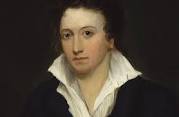
shelley
Picture of P B Shelley

Like a glow-worm golden
In a dell of dew,
Scattering unbeholden
Its aerial hue
Among the flowers and grass, which screen it from the view:

Like a rose embowered
In its own green leaves,
By warm winds deflowered,
Till the scent it gives
Makes faint with too much sweet those heavy-winged thieves:

Sound of vernal showers
On the twinkling grass,
Rain-awakened flowers,
All that ever was
Joyous, and clear, and fresh, thy music doth surpass.

Teach us, Sprite or Bird,
What sweet thoughts are thine:
I have never heard
Praise of love or wine
That panted forth a flood of rapture so divine.

Chorus hymeneal,
Or triumphal chant,
Match’d with thine would be all
But an empty vaunt,
A thing wherein we feel there is some hidden want.

What objects are the fountains
Of thy happy strain?
What fields, or waves, or mountains?
What shapes of sky or plain?
What love of thine own kind? what ignorance of pain?

With thy clear keen joyance
Languor cannot be:
Shadow of annoyance
Never came near thee:
Thou lovest: but ne’er knew love’s sad satiety.

Waking or asleep,
Thou of death must deem
Things more true and deep
Than we mortals dream,
Or how could thy notes flow in such a crystal stream?

We look before and after,
And pine for what is not:
Our sincerest laughter
With some pain is fraught;
Our sweetest songs are those that tell of saddest thought.

Yet if we could scorn
Hate, and pride, and fear;
If we were things born
Not to shed a tear,
I know not how thy joy we ever should come near.

Better than all measures
Of delightful sound,
Better than all treasures
That in books are found,
Thy skill to poet were, thou scorner of the ground!

Teach me half the gladness
That thy brain must know,
Such harmonious madness
From my lips would flow
The world should listen then, as I am listening now—P B Shelley

yaham

Please read my earlier posts:

The Mysterious Vedic Homa Bird: Does it Exist? (posted on 10 December 2011)
Can Birds Predict your Future?
Hindu Eagle Mystery Deepens (Posted on 16-2-2013)
A Tamil bird in Sumerian Double headed Eagle in Sumeria
Double Headed Eagle: Sumerian- Indian Connection
Karikal Choza and Eagle Shaped Fire Altar
Bird Migration in Kalidasa and Tamil Lterature
Friends of Birds
Four Birds in One Sloka
Can Parrots recite Vedas?
Gods and Birds

வித்தியாசமான விஞ்ஞானி யுங்! -3

jung

Post No.1057; Dated: 22 May 2014.
ஐந்து பகுதிகள் கொண்ட கட்டுரையில் இது பகுதி

((குறிப்பு: ஆங்கிலத்தில் ஜங் என்று எழுதியபோதிலும் சரியான உச்சரிப்பு யுங்)).

வித்தியாசமான விஞ்ஞானி யுங்! -3
ச.நாகராஜன்

பிற்பகல் நேரம். நல்ல சூரிய ஒளியில் யுங் ஒரு பள்ளத்தாக்கில் நடந்து கொண்டிருக்கிறார். அருகே ஒரு செங்குத்தான மலை. அந்த மலையின் மீது ஒரு கோட்டை. அந்தக் கோட்டையின் மேலிருந்த உயரமான கோபுரம் ஒன்றில் ஒரு பெண்மணி சுவர் தடுப்பின் அருகில் அமர்ந்து கொண்டிருக்கிறார். அவரைப் பார்ப்பதற்காக ஜங் கழுத்தைப் பின்னால் மிக நீட்டிப் பார்க்க வேண்டி இருக்கிறது. ஜங் கழுத்தை நீட்டிய போது……

க்ரிக் என்ற சத்தம் கழுத்தில் கேட்க யுங் உறக்கம் கலைந்து எழுந்தார். தன் கனவில் பார்த்த பெண்மணி மறு நாள் பேச நிச்சயித்திருந்த அதே பெண்மணி தான். ஜங்கிற்கு இப்போது விஷயம் புரிந்து விட்டது. அவரை அவ்வளவு தூரம் கழுத்தை நீட்டிப் பார்க்க வேண்டி இருக்கிறதென்றால்…..

யுங் மறுநாள் தன் கனவை அந்தப் பெண்மணியிடம் அப்படியே சொன்னார். அபாரமான புத்திசாலியான அந்தப் பெண்மணியும் தான் உள்ளபடியே விஷயங்களைச் சொல்லாமல் மறைப்பதை ஜங் கண்டு பிடித்து விட்டார் என்பதைப் புரிந்து கொண்டார். அந்தக் கணத்திலிருந்து அனைத்தையும் ஒழுங்காகச் சொல்ல ஆரம்பித்தார். சிகிச்சை நல்ல முறையில் தொடங்கியது.

நனவு நிலைக்கும் கனவுகளுக்கும் நெருங்கிய தொடர்பு உண்டு. ஒரு நோயாளி ஒரு கனவைச் சொல்கிறார் என்றால் அது எப்படி தன்னைப் பாதிக்கிறது என்று பார்ப்பார் ஜங். பாதிப்பே இல்லை என்றால் ஏதோ ஒரு தவறு இருக்கிறது என்று அர்த்தம். ‘காயப்பட்ட டாக்டர் தான் சரியான சிகிச்சை தர முடியும்’ என்ற பொருள் பொதிந்த வாக்கியத்தை உளவியல் சிகிச்சையாளரான யுங் அடிக்கடி சொல்வார்!

உளவியல் டாக்டராக இருந்தாலும் ஜங்கிற்கு ஏராளமான அமானுஷ்யமான அனுபவங்களும் எதிர்காலத்தைச் சுட்டிக்காட்டும் அபூர்வமான கனவுகளும் அடிக்கடி வந்தன.

1913ஆம் ஆண்டு அக்டோபர் மாதம் ஒரு நாள் யுங் தனியாக பயணித்துக் கொண்டிருந்தார். அப்போது திடீரென்று அவருக்கு ஒரு காட்சி தோன்றியது. வட கடலுக்கும் ஆல்ப்ஸ் மலைக்கும் இடையில் உள்ள பகுதியில் பிரம்மாண்டமான வெள்ளம் வடக்குப் பகுதியில் உள்ள தாழ்வான நிலப்பகுதியில் பிரவாகமாகப் பாய்வது போன்ற காட்சியை அவர் கண்டார். அது ஸ்விட்சர்லாந்தை நோக்கி நகர்ந்து வரும் போது தனது நாட்டைக் காப்பாற்றுவதற்காக அங்கிருந்த மலை உயரமாக வளர்ந்து கொண்டே போவதையும் அவர் பார்த்தார். ஒரு பேரபாயம் நிச்சயமாக வரப் போகிறது என்பதை யுங் உணர்ந்தார்.

மஞ்சள் அலைகளில் அடித்துச் செல்லப்பட்ட சடலங்களின் எண்ணிக்கை ஆயிரக்கணக்கில் இருந்தது. பிறகு வட கடல் முழுவதும் இரத்தமாக ஆனது. இந்தக் காட்சி ஒரு மணி நேரம் வரை நீடித்தது. யுங் குழம்பிப் போய் மயக்கமடைந்தார்.
இரண்டு வாரங்கள் கழித்து அதே காட்சி திரும்பவும் தோன்றியது. இப்போது காட்சி மிகவும் தெளிவாக இருந்தது, அவருக்குள் ஒரு குரல் தெளிவாகப் பேசியது:” இதோ பார் இது நிச்சயமான உண்மை, இப்படித் தான் நடக்கப் போகிறது. நீ சந்தேகப்படாதே!

அந்த ஆண்டு குளிர் காலத்தில் ஒருவர், ‘சமீப காலத்தில் உலகின் அரசியல் நிலவரம் எப்படி இருக்கும்’ என்று யுங்கிடம் கேட்டார்,”தனக்கு அது பற்றி ஒன்றும் தோன்றவில்லை என்றும் ஆனால் ரத்த ஆறு ஓடுவதைப் பார்ப்பதாகவும்” ஜங் பதில் கூறினார்,

தான் கண்ட காட்சி ஒரு புரட்சியைக் குறிக்கிறதோ என்று சந்தேகப்பட்ட யுங் அப்படி எல்லாம் ஒன்றும் நடக்காது என்று தனக்குத் தானே சொல்லிக் கொண்டார்.

இதே போல 1914ஆம் ஆண்டு கோடை காலத்திலும், வசந்த காலத்திலும் ஆர்க்டிக்கில் குளிர் அலை அடித்து நிலமெல்லாம் பனிப்பாறைகளாக ஆவதாக அவர் மூன்று முறை கனவு கண்டார்.
இப்படி எல்லாம் கனவுகள் வருகிறதே, ஒரு வேளை தனக்கு சைக்கோஸிஸ் வியாதி வந்து விட்டதோ என்று கூடஅவர் எண்ணலானார்.

ஆனால் நடந்தது என்ன? பல்லாயிரக்கணக்கான உயிர்களை பலி கொண்ட முதலாம் உலகப் போர் அந்த ஆண்டே ஆகஸ்ட் முதல் தேதி அன்று தொடங்கியது.

இப்படித் தமது கனவுகள் எல்லாம் பலிப்பதைக் கண்ட அவர் தீவிர ஆராய்ச்சியை மேற்கொண்டு அவற்றின் மூலம் பல்வேறு உண்மைகளைக் கண்டார்.

கனவுகளுக்கும் நனவு நிலைக்கும் ஒரு நெருங்கிய தொடர்பு இருக்கிறது என்பதைக் கண்ட அவர், நோயாளிகளைக் குணப்படுத்த அவர்களின் கனவுகளைக் கேட்டு அதற்கு உரிய உண்மைப் பொருளை அவர்களிடம் விண்டுரைத்து அவர்களைக் குணப்படுத்தினார்.

carl-jung-four-functions

கள்ளம் கபடமற்ற எளியவர்களை அவரால் சுலபமாகக் குணப்படுத்த முடிந்தது, அவரே ஒரு முறை கூறினார் இப்படி:” எனது நோயாளிகளிலேயே நன்றி கெட்டவர்களும் குணப்படுத்துவதில் மிகுந்த கஷ்டங்களைத் தந்தவர்களும் (வழக்கமாகப் பொய் சொல்பவர்களைத் தவிர அவர்களுக்கு அடுத்ததாக உள்ள) புத்திசாலிகள் தாம்! அவர்களின் ஒரு கை என்ன செய்கிறது என்று அடுத்த கைக்குக் கூடத் தெரியாது!”

அவர்களிடம் ஒரு “கம்பார்ட்மெண்ட் சைக்காலஜி” இருப்பதை அவர் அனுபவரீதியாக உணர்ந்தார். எதையும் அறிவு ரீதியாகச் சமாளிக்க முடியும் என்று நம்பும் அவர்கள் உணர்ச்சி கைமீறிப் போகும் சமயத்தில் மிகவும் கஷ்டப்படுகின்றனர் என அவர் கண்டார்.

எளிதில் மனதில் எந்த எண்ணம் ஓடுகிறது என்பதைக் கண்டுபிடிக்க அரிய முறை ஒன்றை யுங் வகுத்தார். நூறு வார்த்தைகளை அவர் சொன்னவுடன் எதிரில் இருப்பவர் உடனடியாக அந்த வார்த்தைகளுடன் தொடர்பு கொண்ட தனக்குத் தோன்றும் வார்த்தைகளைச் சொல்ல வேண்டும். பதில் சொல்ல எடுத்துக் கொண்ட நேரம், சொன்ன வார்த்தை இவற்றின் மூலமாக எதிரில் இருப்பவரின் உண்மையான எண்ணம் என்ன என்பதை ஜங்கால் கண்டுபிடிக்க முடிந்தது. இன்று பரவலாக நடைமுறைக்கு வந்து விட்ட இந்த ‘வோர்ட் அசோசியேஷன் டெஸ்டை’ முதலில் வகுத்தவர் ஜங் தான்!

ஜோதிடத்தையும் ஆவிகளோடு பேசும் மீடியத்தையும் கூட அவர் விடவில்லை. அந்த ஆராய்ச்சியிலும் இறங்கினார்……

சின்ன உண்மை!
மனதிற்கு நான்கு முக்கிய பண்புகள் உண்டு என்பதை முதலில்
சொன்னவர் யுங் தான்! ஐம்புலன்கள் முலமாகச் சுற்றுப்புறத்தை
அறிதல் (SENSING), சிந்தித்தல்(THINKING), உணர்தல்(FEELING),
உள்ளுணர்வு மூலமாக ஆழ்மன ரீதியாக விஷயங்களைப் பகுத்துப்
பார்த்தல் (INTUITING) ஆகிய நான்கு பண்புகள் மனதிற்கு உண்டு
என்பதை அவர் வலியுறுத்தினார்.

அறிவியல் அறிஞர் வாழ்வில் .. ..

மாமன்னன் அலெக்ஸாண்டரின் குருவான அரிஸ்டாடில் பல கேள்விகளுக்கு “எனக்குத் தெரியாது” என்று விடை கூறுவது வழக்கம். இதனால் எரிச்சல் அடைந்த சிலர் அவரை நோக்கி, “எதற்கெடுத்தாலும் எனக்குத் தெரியாது, எனக்குத் தெரியாது என்று பதில் சொன்னால் என்ன அர்த்தம்! இதற்குத் தானா மன்னர் உங்களுக்கு இவ்வளவு பணம் கொடுக்க வேண்டி இருக்கிறது?” என்று ஏளனமாகக் கேட்டனர். அதற்கு அரிஸ்டாடில் உடனே,” எனக்கு என்ன தெரியுமோ அதற்குத் தான் மன்னர் பணம் அளிக்கிறார். எனக்குத் தெரியாததற்கெல்லாம் அவர் பணம் கொடுக்க வேண்டும் என்றால் அவர் கஜானா காலி ஆகி விடும்” என்று பதில் சொன்னர்.கேள்வி கேட்டவர்கள் அரண்டு போய் நகர்ந்தனர்.
அலெக்ஸாண்டர் இசையில் மிக்க ஆர்வம் கொண்டவர். அவர் லைர் என்ற நரம்பிசைக் கருவியை வாசிப்பதைக் கேட்ட அரிஸ்டாடில் அவரை நோக்கி,” இன்னமும் நன்கு பயிற்சி செய்யலாமே” என்றார்.
நன்கு பயிற்சி செய்தால் அதில் நிபுணன் ஆகி விடுவேன் என்று பயந்து தான் அதை நன்கு பயிற்சி செய்யவில்லை” என்று பதில் சொன்னார் அலெக்ஸாண்டர். விஞ்ஞானியின் கேள்விக்கு ஏற்ற மாமன்னனின் பதில் இது!

உலகத்தை வெல்ல ஆசைப்பட்டவர் லைர் இசைக்கருவியின் எல்லைக்குள் தன்னை அடக்கிக் கொள்ள முடியுமா என்ன?
***********************

contact: swami _ 48 @ yahoo.com

Vedic Poet Medhathithi’s Quotations

rveda

Post No:- 1056; Dated 21st May, 2014.

Rig Veda, the oldest religious scripture in the world, is full of mysteries. Even the foreign “scholars” who tried to translate the hymns very often added in the foot note, “the meaning is not clear”, “the meaning is obscure” etc. Some deliberately misinterpreted the hymns to suit their fanciful Aryan-Dravidian Race theories and sex fantasies. One must always read what Indian saints like Shankaracharya, Dayananda Saraswati, Sayana and Bhatta Baskara say about Vedas. We must respect our mother, father, Guru and what they have believed in the past thousands of years. The Vedic sages said they love to speak in mysterious language. Some hymns may be allegorical, some may be symbolic, some may be open statements and others may be in coded language.

The hymns 12 to 23 in the First Mandala are ascribed to sage Medhathithi, Son of Kanva. Following are some of the quotations from his hymns:

1.Fire kindles fire and so does poetry, youth and home life (RV 1-12-6 & 1-14-7)

2.The Valiant perishes not (1-18-4)

3.He is longing to send fortune to those who deserve (1-17-6)

4.The works of Gods are mysterious (1-18-6)

5.Not verily is there a God nor a man to know all your great wisdom and deeds. Supreme is your glory (1-19-2)

6.Noble causes on which wealth may be spent (1-17-6)
7.Fight against sin, ignorance, illness (1-18-2)

8.Ribhus: young and elderly (matured), who have truth in their thoughts and straightforwardness in their actions (1-20-4)

9. Asvins: Beautiful combination of honey and truth (1-22-3)
(This reminds us of Truth and Beauty sung by Keats and Sweetness and Light sung by Mathew Arnold; also Satyam, Sivam, Sundaram by Hindi poet Jai Shankar Prasad, great poet of Bengal Rabindranath Tagore; and in the recent days propagated by Sri Sathya Sai Baba)

Source: Rig Veda- A Scientific and Intellectual Analysis of the Hymns by Dr J.K.Trikha.

four vedas

Manu even went to the extent of saying Vedas contain that was needed in the past, and for present and future. We have to wait for a great intellectual –a new Adi Shankara– to tell us what is going to happen in future with the help of the Vedas.

contact swami_48@yahoo.com

ரோகிணி நட்சத்திர மர்மம்! தமிழர் திருமணம் நடத்தியது ஏன்?

Taurus_constellation
படம்: ரிஷப ராசி, ரோகிணி நட்சத்திரம்

கட்டுரையாளர்- லண்டன் சுவாமிநாதன்
கட்டுரை எண்:-1055; தேதி:– மே 21, 2014.

தமிழர்கள் ரோகிணி நட்சத்திர நாளில் திருமணம் செய்ததாக அகநானூற்றில் இரண்டு பாடல்களும் கண்ணகி- கோவலன் திருமணம் ரோகிணி நட்சத்திரத்தில் நடந்ததாக சிலப்பதிகாரமும் கூறும். ரோகிணி நட்சத்திரத்தில் திருமணம் ஏன்?

தமிழர்களுக்கு சோதிடத்திலும் பல்லி சொல்லும் பலனிலும், புள் (பட்சி) நிமித்தத்திலும், தும்மல்,கண் துடிப்பு விஷயத்திலும், அபார நம்பிக்கை இருந்ததை சங்க இலக்கியத்தில் நூற்றுக்கணக்கான இடங்களில் காண முடிகிறது. இந்த ரோகிணி நட்சத்திர நம்பிக்கை வட இந்தியாவிலும் உண்டு. தமிழ் இலக்கியத்தில் இது இடம்பெறும் 500, 600 ஆண்டுகளுக்கு முன்னரே இது சம்ஸ்கிருத இலக்கியத்தில் இருக்கிறது.

இந்துக்கள் வட இமயம் முதல் தென் குமரி வரை (‘ஆ சேது ஹிமாசலம்’) — ஒரே நம்பிக்கை வைத்திருந்ததை இது காட்டுகிறது. அது மட்டுமல்ல, ஆரிய – திராவிட இனவாதம் பேசி நாட்டைப் பிரிக்க, இந்து மதத்தை ஒழிக்க முற்பட்டோரின் பொய்மை வாதத்தையும் வெளிச்சம் போட்டுக் காட்டுகிறது.

போதாயன கிருஹ்ய சூத்திரம், மனுதர்ம சாஸ்திரம், வால்மீகி ராமாயணம், காளிதாசனின் படைப்புகள் முதலியன நிலவு- ரோகிணி நெருக்கத்தைப் புகழ்ந்து உரைக்கின்றன. கணவன் – மனைவி, காதலன் – காதலி அன்புக்கு உவமையாகப் பயன்படுவது ‘’நிலவு – ரோகிணி’’ நெருக்கம்தான். சங்க இலக்கியத்திலும் இந்த நெருக்கம் பல இடங்களில் உவமையாகப் பயன்படுத்தப்படுகிறது.
அகநானூற்றில் இரண்டு கல்யாணப் பாடல்கள் இருக்கின்றன. இரண்டும் தமிழர் திருமண முறையைப் படம்பிடித்துக் காட்டுகின்றன. இதை விட்டால் அடுத்தபடியாக சிலப்பதிகாரத்தில்தான் கல்யாணக் காட்சி. அதையும் விட்டால் ஆண்டாளின் வாரணம் ஆயிரத்தில்தான் அடுத்த கல்யாணக் காட்சி வருகிறது.

taurus-constellation-new-3
ஆல்டிபாரன் என்பது ரோகிணியின் அராபிய பெயர்

அகநானூறு 86 (நல்லாவூர்க் கிழார்) பாடிய பாடலில்

“கனை இருள் அகன்ற கவின்பெறுகாலை
கோள்கால் நீங்கிய கொடுவெண் திங்கள்
கேடுஇல் விழுப்புகழ் நாள் தலைவந்தென……….”
பொருள்:- வெண்மையான சந்திரனை குற்றமில்லாத சிறந்த புகழினை உடைய உரோகிணி என்ற நாள் (நட்சத்திரம்) அடைந்தது…………………………

அகநானூறு 136 (விற்றூற்று மூதெயினனார் பாடிய பாடல்)
“மைப்பு அறப்புழுக்கின் நெய்க்கனி வெண்சோறு
வரையா வண்மையொடு புரையோர்ப்பேணி
புள்ளுப் புணர்ந்து இனிய ஆக, தெள் ஒளி
அம்கண் இருவிசும்பு விளங்கத் திங்கட்
சகடம் மண்டிய துகள்தீர் கூட்டத்து………………”
(திங்கள்=சந்திரன், சகடம்=ரோகிணி நட்சத்திரம்)

இந்த இரண்டு பாடல்களும் தரும் பொருளின் சுருக்கம்: கல்யாணம் என்பது சந்திரன் ரோகிணி நட்சத்திரத்தை அடைந்த நாளில் நடைபெறும். அந்த வீட்டில் ‘’வெஜிட்டேரியன்’’ சாப்பாடு (வெண்சோறு+ நெய் அல்லது உளுந்து கலந்த பொங்கல்) கிடைக்கும். சுமங்கலிகள் கூடி நின்று மங்கள முழக்கம் செய்வர். வீடு பந்தல் போட்டு, மணல் தூவி அலங்கரிக்கப்பட்டிருக்கும். சுவற்றில் தெய்வ ஓவியங்கள் இருக்கும்.புத்தாடைகள் உடுத்தி இருப்பர் முதலிய பல விஷயங்களை நீண்ட பாடலில் காணலாம்.

taurus_constellation_map

வால்மீகி ராமயணத்தில் பல இடங்களில் சந்திரனைச் சேர்ந்த ரோகிணி போல என்ற உவமை வருகிறது. காளிதாசனும் விக்ரம ஊர்வசீயம், சாகுந்தலம் நாடகங்களிலும், ரகுவம்ச காவியத்திலும் இந்த உவமைகலைப் பயன்படுத்துகிறான். ஆனால் இவைகளுக்கெல்லாம் முன்னர் படைக்கப்பட்ட போதாயன க்ருஹ்ய சூத்திரத்திலும், மனு தர்ம சாஸ்திரத்திலும் ரோகிணி நட்சத்திர நாள் திருமணத்துக்கு உரிய நாள் என்று தெளிவாகவே எழுதப்பட்டுள்ளது. அதை இளங்கோவும் நல்லாவூர்க் கிழாரும் விற்றூற்று மூதெயினனாரும் பின்னொட்டிச் செல்வது பாரதீய கலாசாரத்தின் செல்வாக்கைக் காட்டுவதாக அமைந்துள்ளது.

தமிழ் இலக்கியத்தில் மணநாள் குறிப்பு தவிர, பொதுவாக ரோகிணி-நிலவு உறவு பற்றிக் கூறும் செய்யுள்கள்: திருமுருகாற்றுப்படை வரி 87/ 88, நெடுநல்வாடை-163, புறம் 60, 160 பாடல்கள்.

சம்ஸ்கிருத இலக்கியத்தில்:- ஐதரேய பிராமணம், சதபத பிராமணம் மற்றும் போதாயன, மானவ க்ருஹ்ய சூத்திரங்கள்; வால்மீகி ராமாயணம்(5-33-7;5-24-10;5-37-24;5-15-22 etc). காளிதாசனின் விக்ரம ஊர்வசீயம்3-4, 3-12
சாகுந்தலம் 7-22; ரகு வம்சம்-14-40.

புராணக் கதை

தக்ஷன் என்ற ரிஷியுனுடைய 27 பெண்களை சந்திரன் திருமணம் செய்துகொண்டார். அவர்களில் ரோகிணியிடம் மட்டும் அதிகம் அன்பு செலுத்தவே பற்ற மனைவியர் தந்தையிடம் முறையிட்டனர். அவர் சந்திரன் தேய்ந்து அழியட்டும் என்று சாபமிட்டார். எல்லா மனைவியரும் அவ்வளவு கடுமையான சாபம் வேண்டாம் என்று மன்றாடினர்.

இந்துமதத்தில் கடவுளேயானாலும் ஒரு வரமோ சாபமோ கொடுத்துவிட்டால் அதைத் திரும்பி எடுக்கவே முடியாது ஏனெனில் இது சத்தியத்தின் அடிப்படையில் அமைந்த மதம். ஆனால் குறைக்கவோ, கூட்டவோ முடியும். உடனே நிலவு என்பது 15 நாள் தேய்ந்து (கிருஷ்ண பட்சம்) அடுத்த 15 நாள் வளரட்டும் என்றார் தக்ஷன்.

உண்மையில் இது வான சாஸ்திர உண்மை. அந்தக் காலத்தில் விஞ்ஞானப் பாடங்களை இப்படிக் கதையாகச் சொல்வது மரபு. ஆக நிலவின் சுக்ல பட்சம், கிருஷ்ண பட்சம் பற்றி விளக்க இப்படிக் கற்பனைக் கதை உற்பத்தி செய்தனர்.

ஆயினும் ரோகிணிக்கு அதிக அன்பு காட்டியது என்ன விஞ்ஞான நிகழ்ச்சி என்று இப்போது சொல்ல முடியவில்லை. ஒருவேளை முன்னொரு காலத்தில் நிலவு ரோகிணிக்கு மிக அருகில் வந்திருக்கலாம். அல்லது அந்த இடத்தைக் கடக்க கூடுதல் நாட்கள் எடுத்திருக்கலாம். இப்போது நிலவு 29 நாட்களுக்கு ஒருமுறை பூமியைச் சுற்றுகிறது.

Taurus web

இதே போல பூமியே நடுங்கும்படியான ஒரு நிகழ்ச்சிக்குப் பின்னர் புதன் பிறந்ததாகவும் இன்னொரு புராணக் கதை கூறுகிறது. இதில் பிருஹஸ்பதியும் சம்பந்தப்படுவதால் இதுவும் ஒரு விண்வெளி விஞ்ஞானக் கதையே. பூமி, நிலவு மோதலால் அல்லது குரு (வியாழன் கிரக ஈர்ப்பால்) ஈர்ப்பால் புதன் உருவாகி இருக்கலாம். எதிர்காலத்தில் புதன் கிரகம் பற்றி புதிய தகவல் வரும்போது நம் புராணக் கதைகள் விஞ்ஞானக் கதைகளாகக் கருதப்படும்.

கிரகணம் பற்றி நாம் நன்கு அறிந்து, அதைக் கணக்கிட்டு பஞ்சாங்கத்தில் குறித்தபோதும் பாமர மக்களுக்கு இதெல்லாம் விளங்காது என்பதால் சந்திரனை பாம்பு விழுங்குகிறது என்று கதை சொல்லுவது போலத்தான் நிலவு- ரோகிணி கதையும்.

நிலவு பூமியை ஒரு முறை வலம் வர 27 நாட்கள் ஆகும். பூமியும் சூரியனைச் சுற்றுவதால் 27 நாட்களுக்குள் பூமி இரண்டரை நாள் தூரம் முன்னேறி இருக்கும். இதனால் நிலவு ஒரு முறை பூமியை வலம் வர ஆகும் நாட்கள் 29-5 (இருபத்தொன்பதரை) நாட்கள். இதை ஒரு சாந்திர மாதம் என்பர். நிலவு போகும் பாதையில் தெரியும் 27 நட்சத்திரங்களை அவனது மனைவியர் என்று பாமர மக்களுக்காக கதை சொன்னார்கள்.

நிலவுக்கு ‘’அருகில்’’ ரோகிணி நட்சத்திரம் வருகிறது என்பதெலாம் மாயத்தோற்றமே. ஏனெனில் நட்சத்திரங்கள் கோடி கோடி மைல்கள் அப்பால் இருக்கின்றன. நிலவு அவைகளைக் கடந்து போவது போலத் தோன்றினாலும் நிலவுக்கும் அவைகளுக்கும் இடையில் கோடானு கோடி மைல்கள் இருக்கின்றன.

பாலகங்காதர திலகர் என்ற சுதந்திரப் போராட்ட வீரர் ரிக் வேதத்தில் உள்ள வான சாத்திரக் குறிப்புகளை வைத்து அதன் காலம் கி.மு.6000 என்று கணித்தார். இவர் ஆராய்வது தெரியாமல், தனியாக ஆராய்ந்த ஜெர்மானிய அறிஞர் ஜாகோபியும் வான சாஸ்திரத்தை வைத்து ரிக் வேதம் கி.மு.4500 என்று கூறினார்.

பகவத் கீதையில் கண்ணன்– ‘’மாதங்களில் நான் மார்கழி’’– என்று கூறுவது போல கி.மு.ஏழாம் நூற்றாண்டில் வாழ்ந்த பாணினியும் மார்கழியே வருடத்தின் முதல் மாதம் என்கிறார். அப்போதைய கோள் நிலை கொண்டு கணிக்கப்பட்ட கணக்கில் ரோகிணி, கார்த்திகை நட்சத்திரங்களுக்கு அதிக முக்கியத்துவம் இருப்பது தெரிகிறது. எதிர்காலத்தில் தமிழர்களும் வடவர்களும் ஏன் ரோகிணியில் கல்யாணம் செய்தார்கள் என்பது தெரியவரலாம்.

contact swami _48@yahoo.com

Why did Sangam Tamils marry on Rohini Star day?

taurus_constellation_map
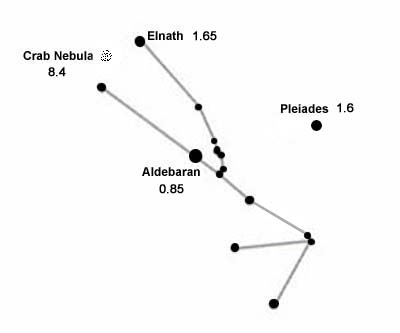
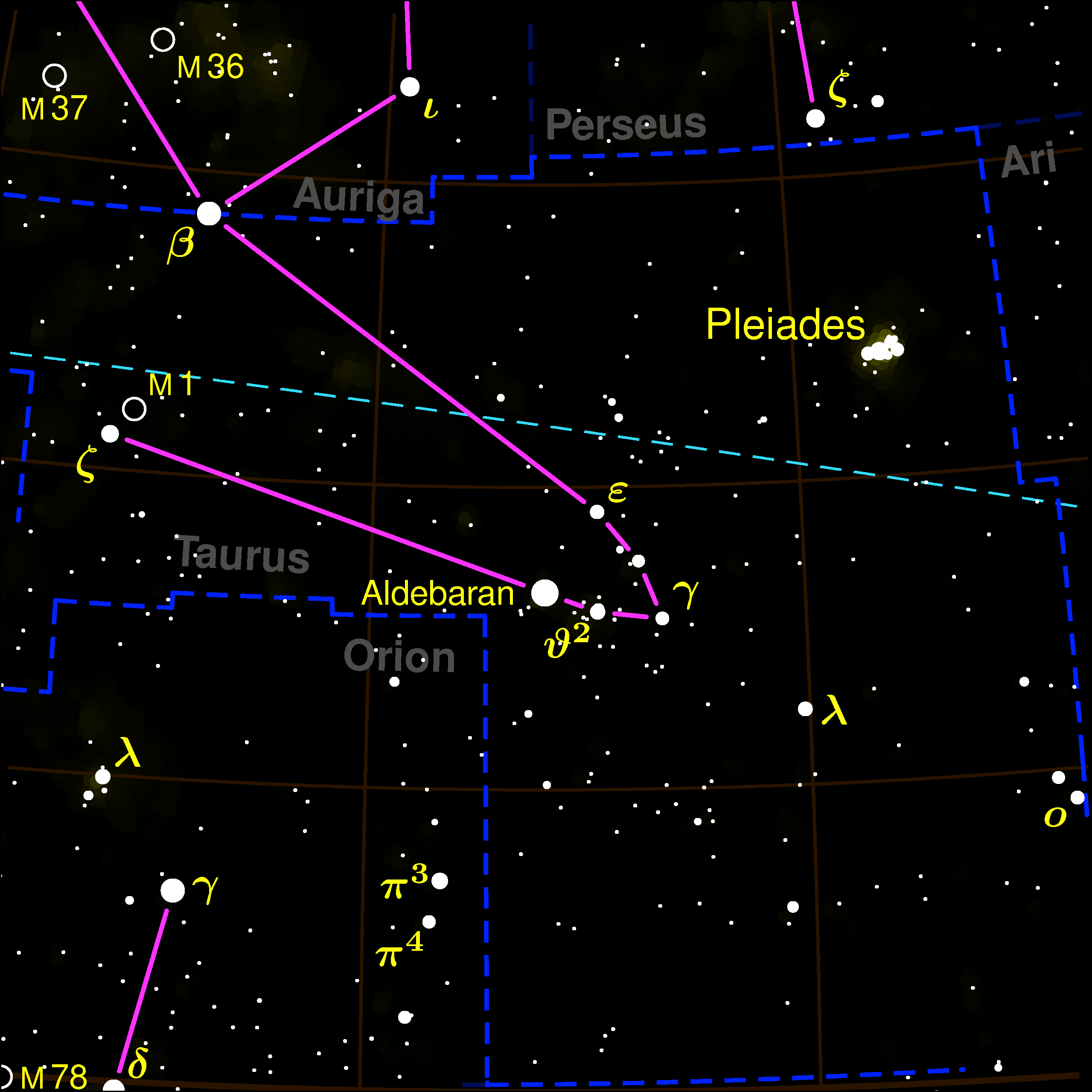
ALDEBARAN= ROHINI

Written by London Swaminathan
Post No.1054; Dated-20th May 2014.

Tamil Sangam Literature which is 2000 year old is full of Hindu stories and Hindu beliefs. Even if all the Sanskrit scriptures disappear overnight, Tamil Sangam literature with over 2000 poems by 400+ poets is enough to give all the Vedic and Upanishidic thoughts. The oldest anthology Purananuru is full of Hindu customs. But we have more Tamil anthologies on sex and family life than war and day today life. One among them is Akananuru which has got two beautiful poems on ancient Tamil weddings.

Akananuru verses say that the Tamil marriages were celebrated on Rohini star (Star Aldebaran in conjunction with the moon) days. Tamils strongly believed in astrology and Hindu mythology. This belief is found in Vedic literature, Valmiki Ramayana and dramas of Kalidasa. This also debunks the Aryan-Dravidian Race theory. Indian culture has been the same from the Himalayas to the southernmost Kanyakumari from time immemorial!

Tamils might have borrowed it from the works of Kaliadsa who lived in the first century BCE. (See my earlier six posts on the topic of Kalidasa and Tamil literature).

Moon goes around earth and completes one full circle in 27 days. Ancient Hindu astronomers noticed that there are 27 star clusters in its path. Just to explain it to laymen they told some allegorical stories. They told that the moon has 27 wives meaning 27 ‘nakshatras’ i.e star clusters or constellations. Whenever the moon is “near a star” (not in real terms; it looks like it is near a particular star) we call that is the asterism of the day. Rohini is one of the 27 stars.

Though the moon takes only 27 days for one circle, we must remember that the earth is also going around sun and it goes forward by two and half days in that period. So it takes 29.5306 days what we call a lunar month. We have divided this period into two parts as Krishna/black Paksha and Sukla/white paksha.
Taurus web

Rohini is called Alpha tauri or Aldebaran. It is very bright red in colour. It can be seen near the Pleiades constellation. Pleiades is Krittika nakshatra with six stars. No one can miss it. Rohini is called the dearest wife of moon in Hindu mythology. Today we can’t see why it was called the dearest. But at one time in the past, probably the paths of the earth and the moon in the backdrop of the fixed stars in the heavens were such that the time taken by the moon to cross the “home of Rohini” (constellation) used to take a little more time or it might have come “very close to Rohini”.

In Vedic times the sky looked differently. Balagangadhara Tilak has explained it in detail in his book ‘’The Arctic Home in the Vedas’’ and said that the Vedas were composed sometime in 6000 BCE. According to the ancient writers like Panini, the month Markazi/Margasheersa was the first month of the year at one time.
(Stars are billions and billions of miles away from the earth and the moon. What we describe is the way it ‘appears’ when we look up in the night time)

Hindus have another story about why the moon is increasing and decreasing in size every fifteen days (Sukla Paksha and Krishna Paksha). The gods were angry with the moon for being partial to Rohini and cursed the moon would wax for 15 days and wane for 15 days (actually it is 29 and half days). Hindus teach all astronomy lessons through allegorical stories such as Rahu devouring moon (eclipse) etc. This is their way of teaching science. (I have already explained it in “Is Brahmastra a Nuclear Weapon?” and “Ancient Engineers of India”).

Taurus_constellation
TAURUS= RISHABHA RASI

ROHINI in Valmiki Ramayana and Kalidasa
Rohini, as an auspicious star for weddings, is already in the Vedic literature: Bodhayana Grhyasutra and Manava Grhyasutra. Aithareya and Satapata Brahmana mention Rohini asterism (Vedi Index Vol.1,page 415). Valmiki Ramayana has many similes such as ‘Rohini sasinam yatha’ and ‘Chandramso Rohini’ in several places (5-33-7;5-24-10;5-37-24;5-15-22 etc).

Kalidasa also mentions the conjunction of Rohini with moon in several places:
“By Fortune’s grace, you now stand before me,
O,Lady of the most gracious face!
Like Rohini in conjunction with the Moon
Appearing at the end of an eclipse” (Sakuntala, 7-22)
Other references are in Ragu14-40, Vikrama Urvasiyam 3-4, 3-12
Tamils have reference to Rohini with the moon in Tirumurugu-7/88; Nedu.163; Puram60 and 160)

Tamil Weddings ( I give below an excerpt from my previous post)
Two thousand year old Sangam Tamil literature describes Tamil Hindu weddings in two beautiful verses in Akananauru (verses 86 and 136). The poets bring the wedding ceremony in front of our eyes. Anyone who reads those poems can visualise that day. It is like a live running commentary.

In the first verse (86), poet Nallavur Kizar describes the food and the dress. There was a huge heap of rice cooked with black gram (Pongal). There was a wooden shed (pandal) with fresh sand from the river banks spread. Since they believed in astrology and auspicious days, it was celebrated on the day when Rohini star was with the moon. Since they were orthodox Hindus they lighted lamps even though it was celebrated in the day time. Bridegroom and bride were adorned with flower garlands. Some women were carrying the pots on their head, others bearing new, broad bowls, handed them one after another, while fair elderly dames were making noise. Mothers of sons, with bellies marked with beauty spots, wearing beautiful ornaments, poured water on the bride, so that her black hair shone bright with cool petals of flowers and rice grains (probably yellow rice called Akshatai). They blessed her saying ,’do not swerve from the path of chastity, be serviceable in various ways to your husband who loves you and live with him as his wife. They greeted her ‘Dirgha Sumangali Bhava: in Tamil– Per Il Kizaththi Aguka’–.On the night after the marriage ceremony was over, the neighbouring ladies assembled and sent her to the arms of her lover, to which she went with trepidation ( This is the Shanti Muhurtham alias First Night).
taurus-constellation-new-3

Aldebaran= Alpha tauri = Rohini

In another verse136, poet Vitrutru Mutheyinanar says, white rice well cooked with plenty of ghee was served generously to the elders. Since Tamils believed in astrology, the poet remarks, the omens shown by the birds were propitious. It was a bright morning. The moon was in faultless conjunction with the Rohini star. The marriage house was decorated. They worshiped God. The big drums sounded with wedding tunes. Excited women were peeping without a wink with their flower like eyes at the bride who had been bathed. The image (to be worshiped) was made of big flower petals. Clear like a gem that has been well washed, was placed on the soft Vagai flower with the double leaf and the Arukam grass. It was decked with cool, sweet flower buds and white thread clothed with holy cloth, so as to look grand. The bride was seated on the fresh sand under the Pandal ( A thatched shed made over a row of wooden poles). The bride was perspiring with loads of ornaments. They fanned her to dry the wet.( I have used the translations given in History of the Tamils by PT Srinivasa Iyengar).

What is very clear in the above two Sangam Tamil verses is the Tamils believed in God and astrology. They used lot of vegetarian food and flowers during weddings. Ornaments and decorations, respect for elders are all like modern day weddings. The bride wore a thread (protective Kaappu) and new dress after a shower. Music was part of Tamil Hindu weddings.

Tamil epic Silappadikaram says that the marriage of Kannanki and Kovalan took place on the day moon approaching Rohini(Mankala vazthu patal).

Please read my earlier posts:
Kannaki and Andal Weddings (Posted on Sept2, 2012)
Three beautiful Tamil Hindu Weddings (Sept.2, 2012)

வித்தியாசமான விஞ்ஞானி யுங்! -2

jung-red-book

Post No.1053; Dated: 20 May 2014.
ஐந்து பகுதிகள் கொண்ட கட்டுரையில் இது இரண்டாம் பகுதி
((குறிப்பு: ஆங்கிலத்தில் ஜங் என்று எழுதியபோதிலும் சரியான உச்சரிப்பு யுங்)).

வித்தியாசமான விஞ்ஞானி யுங்! -2
ச.நாகராஜன்

நிறை வாழ்வு வாழ்ந்தவரான யுங் 1957ஆம் ஆண்டு வசந்த காலத்தில் ஒரு நாள் தனது வாழ்க்கை வரலாற்றை தனது சகா ஒருவரிடமும் அனீலா ஜஃபே என்ற பெண்மணியிடமும் சொல்லலானார். சில சமயம் சில அத்தியாயங்களை அவரே தன் கைப்பட எழுதிக் கொடுத்தார். அவர் 1961ஆம் ஆண்டு ஜூன் மாதம் 6ஆம் தேதி மரணமடைந்தார். அது வரை தனது வாழ்க்கையில் நடந்த அனைத்தையும் சொல்லி வந்தார். மிக சுவாரசியமான சம்பவங்கள் அடங்கிய அவரது வரலாறு மெமொரீஸ், ட்ரீம்ஸ், ரெஃப்ளக் ஷன்ஸ் (Memories Dreams Reflections ) என்ற பெயரில் புத்தகமாக வெளியிடப்பட்டது.

யுங் தனது ஹிப்நாடிஸ மருத்துவ முறையை ஆரம்பித்த காலத்தில் நடந்தது இது;
ஒரு நாள் 58 வயதான பெண்மணி ஒருத்தி ஊன்று கோலை ஊன்றிக் கொண்டு அவரிடம் சிகிச்சைக்காக வந்து சேர்ந்தார். அவருக்குக் கடந்த 17 வருடங்களாக பக்க வாதம். இடது காலை அசைக்கக் கூட முடியாது. யுங் அவரை வசதியாக ஒரு நாற்காலியில் அமர வைத்தார்.

அவரிடம் என்ன விஷயம் என்று மெதுவாக விசாரித்தார். அவ்வளவு தான், அந்தப் பெண்மணி கடகடவென்று நிறுத்தாமல் பேச ஆரம்பித்தார். தனது நோயைப் பற்றிப் புலம்பினார். ஜங்,”போதும். நான் இப்போது உங்களை ஹிப்நாடைஸ் செய்ய்யப் போகிறேன்”, என்றார். அவர் சொல்லியவுடன் அந்தப் பெண்மணி கண்களை மூடினார். யுங் ஒன்றும் செய்யாமலேயே ஆழ்ந்த ஹிப்நாடிஸ நிலைக்குச் சென்று விட்டார். அத்தோடு தனது கனவுகளை விவரிக்க ஆரம்பித்தார். அப்போது யுங்கிற்கு அதன் அர்த்தம் புரியவில்லை.பின்னால் பல ஆண்டுகள் கழித்து அவருக்கு அந்தப் பெண்மணி சொன்ன கனவுகள் புரிந்தன. அப்போது அந்தப் பெண்மணி ஏதோ உளறுகிறார் என்று நினைத்துக் கொண்டார்.

சற்று நேரம் கழிந்தது. நிலைமை சற்று தர்மசங்கடமாக ஆனது. ஏனெனில் ஜங் என்ன செய்கிறார் என்பதை அங்கிருந்த இருபது மாணவர்கள் கவனித்துக் கொண்டிருந்தனர்..அரை மணி நேரம் கழிந்தது. மாணவர்கள் முன்னர் தனது நடுக்கத்தைக் காண்பிக்காமல் யுங் அந்தப் பெண்மணியை எழுப்ப ஆரம்பித்தார். பத்து நிமிடங்கள் கழிந்தன. திடீரென்று விழிப்பு நிலைக்கு வந்த அந்தப் பெண்மணி பெரிதாகக் கத்த ஆரம்பித்தார்.

“ஆஹா! இப்போது என் வியாதி குணமாகி விட்டது”! என்று கூவிய அவர் ஊன்றுகோல்களைத் தூக்கி எறிந்தார். நடக்க ஆரம்பித்தார். அங்கிருந்த அனைவரும் அசந்து போய் பிரமித்து விட்டனர்!
“பார்த்தீர்களா! இது தான் ஹிப்நாடிஸம் ஏற்படுத்தும் நல்ல விளைவு “ என்று மாணவர்களை நோக்கிக் கூறிய ஜங் உள்ளுக்குள் குழம்பினார். தான் ஒன்றுமே செய்யாமல் இருந்த போது எப்படி அந்தப் பெண்மணி குணமானார்? அவருக்குப் புரியவே இல்லை.

“சரி, இது நீடித்து நிலைக்காது. சீக்கிரமே அவர் பழைய நிலைக்குச் சென்று விடுவார்” என்று நினைத்தார் யுங். ஆனால் அந்தப் பெண்மணி குணமானது நிலைத்திருந்தது.அடுத்த ஆண்டு கோடைக்கால லெக்சர்களை ஜங் ஆரம்பித்தார். அதற்கான அறிவிப்புகள் செய்தித் தாள்களில் வெளியாயின.

முதல் லெக்சர் ஆரம்பிக்கும் நாளன்று அந்தப் பெண்மணி மீண்டும் வந்து யுங்கைப் பார்த்தார். தனக்கு முதுகு வலி என்றார். வலி தாளவில்லை என்று அலறிய அவரைப் பார்த்த ஜங் எப்போது எப்படி அந்த வலி ஆரம்பித்தது என்று கேட்டார். அவருக்கு இப்போது நன்கு புரிந்து விட்டது. தனது லெக்சர் ஆரம்பம் என்று செய்தித் தாளில் படித்த அந்தக் கணம் தான் அவருக்கு வலி ஆரம்பித்திருந்தது.

“சரி,உங்களை ஹிப்நாடைஸ் செய்கிறேன்” என்று சொன்ன அந்தக் கணமே அந்தப் பெண்மணி ஆழ்ந்த உறக்க நிலைக்குத் தானாகவே சென்று விட்டார்! சிறிது நேரத்தில் அவரது வலி போயே போய் விட்டது.

அவரைப் பற்றிய செய்திகளைச் சேகரிக்க ஆரம்பித்தார் யுங்.

ஜங்கின் பிரிவிலேயே அந்தப் பெண்மணியின் மனவளர்ச்சி குன்றிய மகன் சிகிச்சைக்காக அனுமதிக்கப்பட்டிருந்தான். பெண்மணியின் முதல் கணவனுக்குப் பிறந்திருந்ததால் அவனது பெயரை இந்தப் பெண்மணியின் பெயருடன் சேர்த்துப் பார்க்க முடியாமல் இருந்தது. அவனைப் பெரிய ஹீரோவாக ஆக்க நினைத்திருந்த அந்தப் பெண்மணி அது முடியாமல் போனதால் ஜங்கைத் தன் அபிமான புத்திரனாக எண்ணிக் கொண்டாள். அவரைப் பார்த்தவுடன் அவருக்கு 17 வருட வியாதி குணமாகி விட்டது! அதை ஊர் முழுவதும் பரப்பி யுங்கிற்குப் பெரும் புகழை அவர் சேர்த்து விட்டார்.

carl jung

யுங் பின்னால் சொன்னார் இப்படி:” எனது உளவியல் சிகிச்சையின் முதல் கேஸ் இப்படி ஆச்சரியகரமாக் அமைந்தது.தனது தாய்ப்பாசத்தால் தன் மனவளர்ச்சி குன்றிய மகனுக்குப் பதில் என்னை தன் மகனாக பாவித்து தத்து எடுத்துக் கொண்டதால் அந்தப் பெண்மணி குணம் அடைந்தாள்”

யுங் ஹிப்நாடிஸ சிகிச்சை செய்வதைப் பின்னர் விட்டு விட்டார். ஏனெனில் அந்த சிகிச்சை தரும் குணம் எத்தனை காலம் நீடித்திருக்கும் என்பதை அவரால் உறுதி செய்ய முடியவில்லை.

.
பின்னர் யுங் கனவுகளைப் பற்றித் தீவிரமாக ஆராய ஆரம்பித்தார். ஏராளமான சுவாரசியமான கேஸ்களை அன்றாடம் அவர் சந்திக்க வேண்டி இருந்தது. ஒரு சுவையான கேஸ் இது:

ஒரு பெண்மணி அவரிடம் சிகிச்சைக்காக வந்தார். அபாரமான புத்திசாலிப் பெண் அவர்.தனது கனவுகளை யுங்கிடம் விவரிக்க ஆரம்பித்தார். அவற்றை எல்லாம் பொறுமையாகக் கேட்டார் ஜங்.
ஆனால் அவரிடம் பேசுவதிலிருந்து உருப்படியாக ஒன்றையும் அவரால் தெரிந்து கொள்ள முடியவில்லை. அவர் கனவுகளுக்கு அவரால் விளக்கமும் கண்டு பிடிக்க முடியவில்லை. ‘சம்திங் ராங்.ஒரு வெறுமை இருக்கிறது’ என்பதை அவர் புரிந்து கொண்டார். ஜங் இப்படிப் புரிந்து கொண்டதை அந்தப் புத்திசாலிப் பெண்மணியும் புரிந்து கொண்டார்.

இதைப் பற்றிப் பேசி விட வேண்டியது தான் என்று யுங் தீர்மானித்தார். பேச வேண்டிய தினத்திற்கு முந்தைய நாள் அவர் ஒரு கனவு கண்டார். அந்தக் கனவு ……

சின்ன உண்மை!
உளவியல் ரீதியாக மனிதரில் இரு வகை உண்டு என்பதை முதலில் சொன்னவர் யுங் தான்! தன்னைப் பற்றியும் தன் உணர்சிகளைப் பற்றியுமே சிந்தித்துக் கொண்டிருக்கும் உள்முகச் சிந்தனையாளர்
(introvert) ஒரு வகை. பரந்த மனம் கொண்டவர் (extrovert) இன்னொரு
வகை. இவை இரண்டும் கலந்தே மனிதர்கள் இருந்தாலும் ஒரு வகை
அவ்வப்பொழுது அவர்களிடம் வெளிப்படுகிறது. Introvert, Extrovert ஆகிய
இரு வார்த்தைகளை முதலில் உருவாக்கியவர் யுங் தான்!

அறிவியல் அறிஞர் வாழ்வில் .. ..

பிரான்ஸ் நாட்டைச் சேர்ந்த கணித மேதையான பாஸ்கல் (1623-1662)
ஹைட்ராலிக் ப்ரஸ்ஸைக் கண்டு பிடித்தவர். குறைந்த விசை மூலம் அதிக கனமான பொருள்களைத் தூக்க வழி வகுத்தவர் அவர். அழுத்தம் பற்றிய அளவீடான பாஸ்கல் அவர் பெயரால் தான்
அழைக்கப்படுகிறது.

ஒரு நாள் இரவு வெகு நேரம் கழித்துத் தன் வீட்டிற்கு வந்த பாஸ்கல் கதவைத் தட்டினார். அரைத் தூக்கத்தில் இருந்த அவரது பணியாளர் கதவைத் திறந்து தூக்கக் கலக்கத்தில் பாஸ்கலை நோக்கி,’ நீங்கள் யாரைப் பார்க்க வேண்டும்?” என்று கேட்டார்.

மறதி மன்னரான பாஸ்கல்,”மிஸ்டர் பாஸ்கலைப் பார்க்க வேண்டும்!” என்றார்.

“அவர் இல்லையே! வெளியே போயிருக்கிறார்” என்றார் பணியாளர்.
“சரி, அப்புறம் வந்து பார்த்துக் கொள்கிறேன்” என்று கூறிவிட்டு பாஸ்கல் நடையைக் கட்டினார்.

விஞ்ஞானிகளுக்கும் மறதிக்கும் நெருங்கிய சம்பந்தம் உண்டு போலும்!

contact swami _ 48 @yahoo.com
*****

133 Beautiful Quotations of Bhasa – Part 2

vidusaka
Vidusaka in Sanskrit drama

Post No. 1052; Dated 19th May 2014
(First part was posted yesterday 18th May 2014.)

DHARMA
76.Dharma is the foundation of universe.
77.Who in this world can ultimately survive his own misdeeds?
78.A deed of shame destroys one’s hard earned reputation as a forest fire does an ancient forest.
79.As fire dies out for lack of fuel, so does charity for lack of means.
80.Only a fool prays for hereditary poverty.

SERVICE
81.A good man considers his body as given to him for service to others (Paropakaram Idam Sariram).
82. A generous man is like a banyan tree or papal tree which harbours all the birds of the air, and animals and even reptiles.

BELLY
83.Many a man becomes criminal to fill his belly.
84.We do many things only for the sake of the belly.
85.This one span belly controls the other seven spans of our body.
86.The belly adjusts itself according the means of its owner.
87.An overfilled belly, rolling like a cuckoo’s eye, is generally filled by others.

pusani, sundaikay
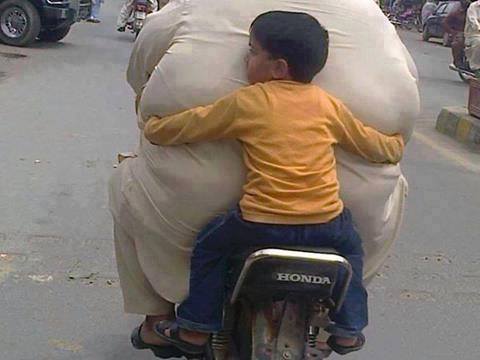
Picture shows man with a big belly

PROSPERITY
88.In prosperity people invite us; in adversity we invite ourselves.
89.When a rich man becomes poor, his light is put out; when a poor man become’s rich, the darkness of his life is relieved by light.
90.A poor man is like a dried up well, a tree struck by lightning, aruined house, a walking corpse.
91.A poor man’s kindness and magnanimity pass unnoticed. His friends leave him without any fault of his. People attribute to him the crimes and evil deeds of others.
92. A rich man becoming poor by his charity deserves honour like a tank by becoming empty by irrigating fields and by slaking men’s thirsts.
93.We esteem or hate as our interests dictate.

SICKMAN & MEDICINE
94.Which sick man will reject a sure remedy for his disease, in whatever system of medicine or incantation it is found?
95.As our strength decreases, the strength of disease and old age increases.
96.The consumptives spit out phlegm as trees drop dry leaves in autumn.
97.Taking care of the ward is the most difficult of things.
98.Sleep creeps over us unconsciously, like old age, and is on us before we are aware of it.
99.A man who pretends sleep cannot face a powerful light.

SamskritaBalakendram

SAGES & HERMITAGE
100.A hermitage is like one’s own house to everyone.
101.Breaking into a stranger’s house at night is a risky thing.
102.A man understands his own thoughts first; others only next.
103.Sages retire to the forest to avoid the noise and bustle of the towns.
104.Imitate a tortoise withdrawing its limbs into its shell by withdrawing your senses into the mind.
105.A sage should be learned but not pedantic, dignified but not aloof, charming but not conscious of his charm, piercing but not polite, calm and collected and easy to please. He should readily forget injuries done to him, but should remember for all his life the smallest benefit.

ASTROLOGY
106.Astrologers predict by looking at one star, forgetting the rest. They predict events of this world by looking at the other world. What wonder if they go wrong?
107.People are afraid of the unknown.

sanplayb1
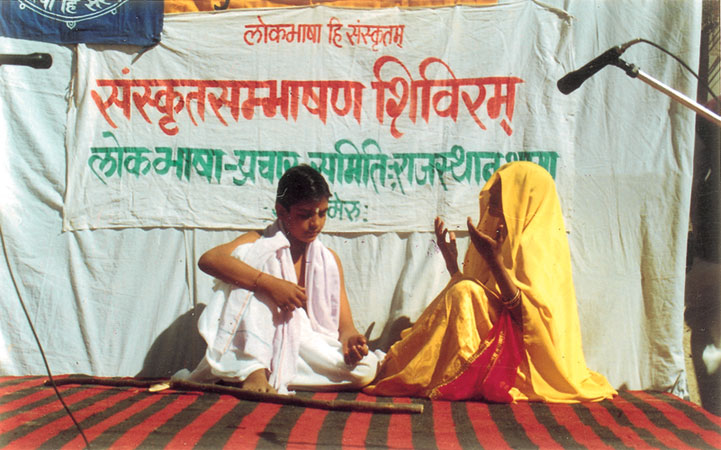
A scene from a Sanskrit play

FATE
108.Men cannot defeat fate, be he ever so vigilant.
109.Most things attributed to fate can be conquered by rightly-directed efforts. Even a rock can be made to yields water and a barren field beautiful crops.

HEAVEN & HELL
110.Heaven is not a distant world; it is here, in this world, for us to make good by work for universal welfare. Hell is not a distant world; it is here, in this world, if we do not make good by work for universal welfare.

LEADERSHIP

111.Leadership is acquired by half by hereditary talents and half by effort, and half by fate.
112.Hard words break no bones.

TRAINING
113.Even elephants and horses get their full skill and speed only by training. How much more so man?
114.Break bad news gently.
vasantasena
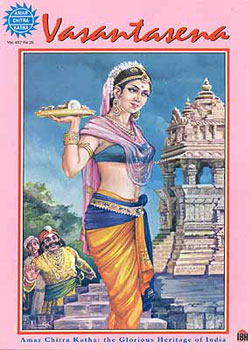
Vasantasena in Charudatta drama

GOOD & BAD PEOPLE
115.Don’t grind what is already ground.
116.Discharge your duties as if death comes tomorrow.
117.Life is sapless without good health, good food and affectionate relatives and friends.
118.Leave a difficult task to an honest expert.
119.Politicians bow to each other insincerely like peacocks.
120.The bricks fall from a decaying wall and power from nerveless fingers.
121.The most precious possession of a man is happy and contented mind.
122.Great ones shower favour on the needy without counting them.
123.Men of the frontier tracts are troublesome, turbulent and lawless and change their sovereigns according to convenience.

MOTHER EARTH & NATURE
124.Mother Earth protects those who protect her children.
125.How infinitely beautiful is the world! The beauty of the sunset, the moon and the star-vaulted sky is spiritual and ennobles us.
126.Give like the sun and rain, without expecting anything in return.

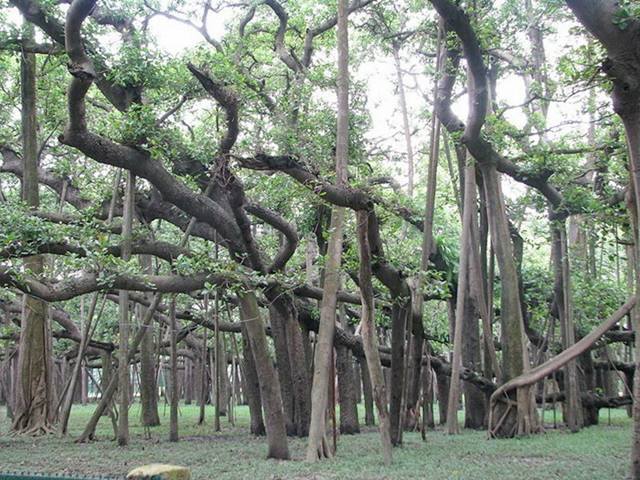
alamaram
Picture of a Banyan Tree.
TREES
127.The trees we plant soon outgrow us.
128.The twilight is the Siva in his Ardhanareeswara form (half man, half woman) half day, half night.
129.If you cut the trunk, the branches will fall off by themselves.
130.If you cut all the branches of a tree, you cannot expect it to give you shade from the heat of the sun.
131.Some men make the forest as noisy as a city by their presence.
132.A sandal wood tree is as rare among trees as a good man among men.
133.Trees are beautiful and flowers even more so; but the fruits are more useful.
Source: Bhasa – A study by A D Pusalker and Bhasa by A S Panchapakesa Ayyar, Madras, 1957

Contact swami_48@yahoo.com

தமிழ் இந்து இளங்கோ!

kannaki cooking
Kannaki cooking for Kovalan (Picture from World Tamil Conference Souvenir)

எழுதியவர் லண்டன் சுவாமிநாதன்
கட்டுரை எண்-1051 ; தேதி -19 May 2014.

தமிழில் ஐம்பெரும் காப்பியங்கள் உண்டு. நெஞ்சை அள்ளும் சிலப்பதிகாரம், மணிமேகலை, சீவக சிந்தாமணி, குண்டலகேசி, வளையாபதி என்பன அவை. முதல் மூன்று காப்பியங்களும் முழுதாகக் கிடைத்தது நம் தவப் பயனே. இமூன்றில் சிலப்பதிகாரம் தனிப் பெரும் இடத்தை வகிக்கிறது. தமிழர்களுக்கு உரிய ஒரே கதை கண்ணகி கதை ஒன்றுதான். இதை எழுதிய இளங்கோ அடிகள் சேரன் செங்குட்டுவனின் தம்பி என்றும் அவர் துறவியானதாகவும் பல கதைகள் உண்டு. ஆனால் ஒன்றுக்கும் மறுக்க முடியாத ஆதாரம் எதுவும் இல்லை. சிலர் அவரை சமணத் துறவி என்பர். அதை நிரூபிக்கக் கிடைக்கும் சான்றுகளைவிட அவர் இந்து என்று சொல்லச் செய்யும் சான்றுகளே அவரது காப்பியத்தில் அதிகம் இருக்கின்றன. இதை வாசகர்களே முடிவு செய்ய போதுமான சான்றுகள் உதவும்.

முதலாவது சமணர்களுக்கு தெய்வம் இல்லை. ஆனால் இளங்கோவோ :”தெய்வம் தெளிமின்”- என்று அறிவுரை புகல்கிறார்.
இரண்டாவதாக “நாராயணனை ஏற்றாத நாவென்ன நாவே” என்று பாடுகிறார். இராம பிரானைப் புகழ்கிறார். சிவனுடைய நடனங்களையும் காளிக்கூத்தையும் நமக்குத் தருகிறார். கொற்றவையின் புகழ் பாடுகிறார். செங்குட்டுவன் தலைமேல் சிவபெருமானின் பாதங்களைச் சுமந்து சென்றதாகச் சொல்கிறார். தெய்வமே வழிபடாத புத்த, சமண வழக்கங்களை ஒதுக்கித் தள்:ளிவிட்டு, இந்துமத முறையில் கண்ணகியைப் பத்தினித் தெய்வமாக வழிபட வைக்கிறார். முதல் முதலில் பிராமணர் களைக் கொண்டு நடத்திய கல்யாணத்தை கண்ணகி, கோவலன் கல்யாணத்தில் நமக்குப் படம் பிடித்துக் காட்டுகிறார். தீ வலம் வந்து கல்யாணம் முடித்ததை தமிழில் முதல் முறையாக அவர்தான் நமக்குக் கூறுகிறார். கரிகாலன் நல்ல நாள் பார்த்து, ‘’புண்ணிய’’ திசையான வடதிசை போகியது இப்படித் தடுக்கி விழுந்த இடமெல்லாம் சிலம்பு முழுதும் இந்துமதம்!!

இந்துக்களின் புனித நதியான கங்கையையும் புனித மலையான இமயத்தையும் போற்றுகிறார். புண்ய இமயத்தில் கல் எடுத்து புண்ய கங்கையில் நீராட்டி கோவில் சமைத்ததைக் காட்டுகிறார். காவிரியை ‘’தெய்வ’’க் காவிரி என்று துதிக்கிறார். இப்படி மலையையும் நதியையும் தெய்வமாகக் கும்பிடுவது இந்துக்களால் மட்டுமே முடியும். புத்தரும் மஹாவீரரும் தெய்வம் பற்றியே பேசவில்லை.. கண்ணகி, கோவலன் இருவருக்கும் உண்மையிலேயே கவுந்தி அடிகள், வழிகாட்டித் துணையாக இருந்ததற்கு நன்றிக் கடனாக அவரது அருகதேவனையும் போற்றினார்.

கதை போகும் போக்கில் வேதம் சொல்லும் பார்ப்பனச் சிறுவர்கள், புனித யாத்திரை செய்யும் பார்ப்பனன், நாரதரின் வீணை, பூரண கும்பம், இந்துக்களின் 64 கலைகள், ஜம்புத்வீபம் (நாவலம் தண்பொழில்) திருவிளையாடல் புராணக் கதைகள், சிபிச் சக்கரவர்த்தி கதை, பஞ்ச தந்திரக் கதைகள் என ஏராளமான விஷயங்களைத் தருகிறார். ஆனால் கவுந்தி அடிகள் என்பவர் வாயிலாக சமணர்களின் பெருமையையும் பாடுகிறார். அந்த ஒரு காரணத்திற்காக இளங்கோ மீது சமணர் என்று முத்திரை குத்திவிட முடியாது.

அர்த்தநாரீஸ்வரர், மஹிஷாசுரமர்த்தனி, வாலகீய மகரிஷிகள், மும்முறை வலம் வருதல், விமானத்தில் கோவலன் வந்து கண்ணகியை அழைத்துச் செல்லல், இந்துக் கடவுளரின் வாகனங்கள், திருப்பதி, ஸ்ரீரங்கம், திருமாலிருஞ்சோலை மகிமை – இப்படி சிலப்பதிகாரம் முழுதும் இந்துமதக் கலைக்களஞ்சியமாக விளங்குகிறது!!!

இளங்கோ என்பவர் தமிழ் இந்துவா? தமிழ் சமணரா? என்று பட்டிமன்றம் நடத்தினால் இந்து என்ற கட்சி எளிதில் வெற்றி பெரும் அளவுக்கு இந்து மதக் கருத்துக்களை அள்ளித் தெளித்திருக்கிறார் இளங்கோ.

kannaki
Kannaki giving her anklet to Kovalan.

உலகில் ஒரு இந்து மட்டுமே மற்ற கடவுள்களைப் புகழ்வான். ராமகிருஷ்ண பரமஹம்சர், சுவாமி விவேகாநந்தர், மஹாத்மா காந்தி போன்றோர் பிற சமயக் கடவுளையும் போற்றினர். இந்துவைத் தவிர உலகில் வேறு எந்த மதத் தலைவரும் இப்படிச் செய்ததில்லை. வேறு எந்த மத நூல்களிலும் இந்துக் கடவுள்களைப் புகழ்ந்ததைக் கண்டதும் இல்லை, கேட்டதும் இல்லை, படித்ததும் இல்லை. அப்படியே உவமைக்காக இந்துக் கடவுளரை ‘வம்புக்கு இழுத்தாலும்’ தங்களுடைய சமயக் கருத்துக்கு முரணான விஷயங்களைப் போதிக்க மாட்டார்கள்.

இளங்கோ சொல்லும் ‘விதி மிகவும் வலியது’ என்ற கருத்தும் இந்துக்களின் கர்ம வினைக் கொள்கைதான். வடமொழி நாடகங்களிலும் மஹாபாரதத்திலும் விதி பற்றி நூற்றுக்கணக்கான மேற்கோள்கள் உண்டு. ஆக அந்தக் கொள்கை காரணமாகவும் இளங்கோவுக்கு சமண மத முத்திரை குத்த முடியாது. இதோ இளங்கோவின் வாசகங்கள்:–

“பரிவும் இடுக்கணும், பாங்குற நீங்குமின்
தெய்வம் தெளிமின்; தெளிந்தோர்ப் பேணுமின்;
பொய்யுரை அஞ்சுமின்; புறஞ்சொல் போற்றுமின்;
ஊனூண் துறமின்; உயிர்க்கொலை நீங்குமின்;
தானம் செய்மின்; தவம்பல தாங்குமின்
செய்நன்றி கொல்லன்மின், தீ நட்பு இகழ்மின்
பொய்க்கரி போகன்மின், பொருள்மொழி நீங்கன்மின்
அறவோர் அவைக்களம் அகலாது அணுகுமின்
பிறவோர் அவைக்களம் பிழைத்தும் பெயர்மின்
பிறமனை அஞ்சுமின், பிழையுயிர் ஓம்புமின்
அறமனை காமின், அல்லவை கடிமின்
கள்ளும் களவும் காமமும் பொய்யும்
வெள்ளைக் கோட்டியும் விரகினில் ஒழிமின்
இளமையும் செல்வமும் யாக்கையும் நிலையா
உளநாள் வரையாது ஒல்லுவது ஒழியாது
செல்லும் தேஎத்துக்கு உறுதுணை தேடுமின்
மல்லன் மாஞாலத்து வாழ்வீர் ஈங்கென்”
(வரந்தரு காதை)

தானம், தவம் போன்ற பகவத் கீதை சொற்களை வள்ளுவனும் இரண்டு இடங்களில் பயன் படுத்தியதை ‘வள்ளுவன் ஒரு சம்ஸ்கிருத அறிஞன் என்ற கட்டுரையில் ஏற்கனவே காட்டியுள்ளேன். இளங்கோவும் ‘’வெஜிட்டேரியன்’’ உணவு சாப்பிடுதல், கள் குடிப்பதைக் கைவிடல், மறுமைக்காக இப்போதே தருமம், புண்ணியம் செய்தல் ஆகியவற்றை வலியுறுத்துகிறார்.

இவ்வளவு சொன்ன பிறகும், யாராவது தனக்கு தப்பான முத்திரை குத்திவிடப் போகிறார்களே என்று பயந்து பகிரங்கமாக ராமனையும் கிருஷ்ணனையும் புகழ்ந்து தள்ளுகிறார்:–

“வடவரையை மத்தாக்கி, வாசுகியை நாணாக்கி
கடல் வண்ணன்! பண்டொரு நாள் கடல் வயிறு கலக்கினையே;
—————————–
மூ உலகும் ஈரடியால் முறைநிரம்பா வகைமுடியத்
தாவியசே வடிசேப்பத் தம்பியொடும் கான் போந்து,
சோ அரணும் போர்மடியத் தொல் இலங்கைக் கட்டழித்த
சேவகன் சீர் கேளாத செவியென்ன செவியே!
திருமால் சீர் கேளாத செவியென்ன செவியே!

பெரியவனை மாயவனைப் பேர் உலகம் எல்லாம்
விரிகமல உந்தியுடை விண்ணவனைக் கண்ணும்
திருவடியும் கையும் திருவாயும் செய்ய
கரியவனைக் காணாத கண்ணென்ன கண்ணே
கண்ணிமைத்துக் காண்பார் – தம் கண்ணென்ன கண்ணே?

மடந்தாழும் நெஞ்சத்துக் கஞ்சனார் வஞ்சம்
கடந்தானை நூற்றுவர் பால் நாற்றிசையும் போற்றப்
படர்ந்தாரணம் முழங்கப் பஞ்சவர்க்குத் தூது
நடந்தானை ஏத்தாத நாவென்ன நாவே?
நாராயணா என்னா நாவென்ன நாவே?”
–சிலப்பதிகாரம், ஆய்ச்சியர் குரவை, இளங்கோ அடிகள்.
tamil makal
Tamil queen in Sangam age.

பொருள்: மூன்று உலகங்களையும் இரண்டே அடிகளில் முடித்தான் (வாமன அவதாரம்). அந்த அடிகள் சிவக்குமாறு தம்பியுடன் காட்டுக்குப் போனான் ‘சோ’ என்னும் அரணை அழித்ததைவிட பழமைமிகு இலங்கையின் காவலை அழித்தான். இந்த சேவகன் புகழைக் கேட்காத காதுகளும் காதுகள் என்று சொல்லத் தகுதி உண்டா?

எல்லோர்க்கும் மூத்தவன் — உலகம் எல்லாம் அவன் உந்தியிடத்தில் தோன்றிய தாமரையில் விரிந்தது — கண்கள், கைகள், வாய். காலடிகள் ஆகியன சிவந்து தோன்றும் அந்தக் கருப்பனை (கிருஷ்ணனை) காணாத கண்களை யாராவது கண் என்று அழைப்பார்களா! அவனைக் கண்கொட்டாமல் பார்க்கவேண்டும். அதை மீறி கண்களை இமைத்தால் அவைகள் கண்களே இல்லை!

அறியாமையின் ஒட்டுமொத்த வடிவம் கம்சன். அவனுடைய வஞ்சனை எல்லாவற்றையும் கண்ணன் சமாளித்தான். பாண்டவர்க்காக அவன் கௌரவர்கள் இடத்தில் தூது சென்றபோது வேதங்கள் எல்லாம் அவனோடு சென்றன. அத்தகையவனின் பெருமையைச் சொல்லாத நாக்கும் ஒரு நாக்கா? நாராயணா என்று சொல்லாத நாக்கை எவரேனும் நாக்கு என்று சொல்ல முடியுமா?

மதுரை பற்றி வியப்பான தகவல்!

மதுரையில் மன்னவனிடம் குறைகளை முறையிட அடிக்கப்படும் ஆராய்ச்சிமணி ஒலித்ததே இல்லை என்றும் பிராமணர்களின் வேத ஒலி மட்டுமே ஒலிக்கும் என்றும் சொல்கிறார்:-
“மறை நாஓசை அல்லது; யாவதும்
மணி நாஓசை கேட்டதும் இலனே”

பிராமணர்களை எரிக்காதே!!
மதுரைக்கு தீயூட்ட விரும்பிய கண்ணகி ஒரு முலையைத் திருகி வீசவே அக்னி தேவன் அவள் முன் தோன்றுகிறான். உடனே யார், யாரை எரிக்கக் கூடாது என்று சொன்னதில் பிராமணர்களை எரிக்காதே என்று உத்தரவிடுவதாக இளங்கோ பாடுகிறார்:–
“பார்ப்பார், அறவோர், பசு, பத்தினிப் பெண்டிர்
மூத்தோர், குழவி, எனும் இவரைக் கைவிட்டுத்
தீத்திறத்தார் பக்கமே சேர்க”— (அழற்படு காதை)

என்று உத்தரவு போடுகிறாள். புத்த மதத்தை உலகம் முழுதும் பரப்பிய அசோகன் கல்வெட்டிலும் பிராமணர் பெயருக்கு அடுத்தே சிரமணர்கள் பெயர் வரும்.இளங்கோவும் காவியம் முழுதும் பிராமணர்களையும் வேதங்களையும் புகழ்கிறார்.

ஆய்ச்சியர் குறவையில் கண்ண பிரானின் லீலைகள் எல்லாவற்றையும் தொகுத்துத் தருகிறார். பாற்கடல் கடைந்தது, கன்றால் விளா எறிந்தது, யமுனையில் விளையாடியது, கதிரவனை சுதர்சன சக்கரத்தால் மறைத்த மாபாரதக் கதை இப்படிப் பல.

விருந்தினரை உபசரித்தல் இந்துக்கள் நாள்தோறும் கடைப்பிடிக்கும் பஞ்ச மஹாயக்ஞங்களில் ஒன்று. அது பற்றியும் கண்ணகியின் வாயிலாகக் கருத்துரைக்கிறார்:

“அறவோர்க்களித்தலும் அந்தணர் ஓம்பலும்
துறவோர்க்கு எதிர்தலும்,
தொல்லோர் சிறப்பின் விருந்தெதிர் கோடலும் இழந்த என்னை” (கொலைக்களக் காதை)

–என்று கண்ணகி வருத்தப்படுவதைக் காட்டுகிறார். அறவோர், துறவியர், அந்தணர், விருந்தினர் என்று குறிப்பிடுதல் காண்க.

சிலப்பதிகாரம், தொல்காப்பியம், திருக்குறள் ஆகிய மூன்றும் ஐந்தாம் நூற்றாண்டைச் சேர்ந்தவை என்று தக்க காரணங்களுடன் ஏற்கனவே எழுதி இருக்கிறேன். சிலம்பில்தான் முதல்முதல் யாழ் மறைந்து வீணை தோன்றுகிறது. ஏராளமான வடமொழிச் சொற்கள், புராண, இதிஹாசக் கதைகள் வருகின்றன. தொல்காப்பிய விதிகள் பழமையானவை. அதை நூல் வடிவில் தந்தவர் ஐந்தாம் நூற்றாண்டில் வாழ்ந்ததை சொல் வழக்குகளே (அதிகாரம்) காட்டிவிடுகின்றன.

தமிழில் உள்ள எல்லா சமய நூல்களும் மறைந்தாலும் சிலப்பதிகாரம் ஒன்றில் இருந்தே சைவ வைணவப் பெருமைகளை அறியமுடியும். சுருங்க்ச் சொன்னால் சிலப்பதிகாரம், ஒரு இந்து மதக் கலைக் களஞ்சியம் ( என்சைக் ளோபீடியா). கையில் ஒரு பென்சில் அல்லது ஹைலைட்டர் பேனாவை வைத்துக் கொண்டு சிலப்பதிகாரத்தில் இந்துமதம் பற்றிய விஷயங்கள் வரும்போதெல்லாம் அடிக்கோடு இடுங்கள். புத்தகம் முழுதும் கோடு மயம்தான்!!!

வாழ்க இளங்கோ! வாழ்க தமிழ் இந்து இளங்கோ!

contact swami _48 @yahoo.com

133 Beautiful Quotations of Playwright Bhasa – Part 1

sanskrit_drama

133 Beautiful Quotations (Subhashitas) of Playwright Bhasa – Part 1
Post No. 1050; Dated 18th May 2014

(Earlier on 18th April 2014, I posted under the title “Beautiful quotations from a Great Playwright”; Post No. 987. Following post is more comprehensive and 133 quotations are arranged subject wise.)

Bhasa was one of the greatest playwrights of India. Even Kalidasa, the greatest playwright and poet of India praised him. He has written 13 Sanskrit dramas and Svapna vasavadatta is his best. He lived during the period of Nanda dynasty around fifth century BCE.

Following are his thirteen dramas of Bhasa: Abhiseka Nataka, Avi maraca, Urubhanga, Karnabhara, Carudatta, Duta Katotkaca, Duta Vakya, Panca Ratra, Pratijna Yugandharayana, Pratima Nataka, Bala Carita, Madhyama or Haidimba Vaidagya and Svapna Vasavadatta.

In all these plays the poet has employed nearly 230 characters, male and female, besides many others that are only mentioned.

There are 23 different metres and the total number of verses is 1092. There are thirteen Prakrit verses in these plays in six different metres. His dramas are in Sanskrit prose.

Following quotations (Wise Sayings) are compiled by A S Panchapakesa Ayyar in his book on Bhasa published in 1957. When we know that all these were said 2400 years ago, we admire it more. This is our age old Sanskrit Wisdom:–

kuchi
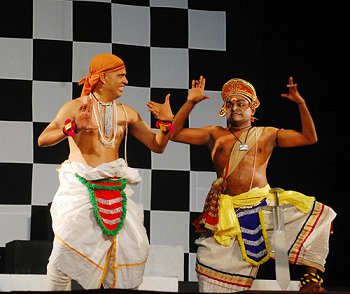
Picture of Sanskrit drama in Russia.

GOD
1.God owns everything in the universe, but keeps nothing for himself; He is the supreme renouncer.
2.God is our soul refuge, there is no other refuge. He is the plot, the prologue and the epilogue of the ceaseless drama of the universe and the stage manager too. His scenes are ever changing in the background of Eternity.
3.Do everything to please Him and nothing to please the thousand tongued world.
4.First rate men please God; second rate men please the world; third rate men please neither.
5.God’s best form is that of the Babe; the next best is that of the Beloved; and the next best is that of the Friend. We need not bother about His other forms.
6.God is seen constantly by the wise and never by fools.
7.He is the meanest and most ungrateful of men who will not salute God, who has given him everything, including his life.
8.Virtue enables us to shed our illusion by His Grace; Vice keeps the veil tighter and tighter.
9.We should all realise that the body will die one day, but the soul never, and act accordingly.
10.Effort alone is your concern; leave the result to Him.

kalidasa sakuntala
Picture of Kalidasa’s Sakuntala drama.

KING /RULER
11.When the moon rises, the stars are there too.
12.Kingship never goes a begging.
13.The king must rule or abdicate.
14.A just king makes the deer sleep in peace in the midst of tigers and lions.
15.A ruler must go by the laws, eternal and manmade.
16.A king should honour the sages, eradicate poverty, and protect his people and prefer their welfare to his.
17.A king should guard his life carefully in peace but risk his life fearlessly in war.
18.A palace garden becomes a bed of weeds when the king is dethroned.
19.Money can work wonders in palaces and ministries.
20.There are kings among men, and demons among kings.
21.A minister without a spirit of sacrifice is a disgrace to himself and the country.
22.Death has no terrors for him who has discharged all his duties.

SUICIDE
23.To live on braving dangers and troubles for the sake of others is far better than to commit suicide to escape troubles and worries for oneself.
24.When we are dead, we cannot thin or speak or act, So we must make the most of life.
25.He is a fool who will sell his liberty for reaches.

skt drama

BEAUTY
26.Beauty captivates the minds of one and all, whether it is physical, mental or spiritual beauty.
27.The ideal to be aimed at is Beauty in Woman, Bravery in Man, Honesty in Both.
28.Beauty is its own adornment; but adorned beauty looks even better.

WAR
29.A loveless army is useless in war as a loveless wife at home
30.War is a gamble with human lives at stake
31.The victor by force of arms will one day become the vanquished by arms.
32.A brave man requires only his courage and two arms to fight any foe.
33.A warrior’s fame is judged by what his enemies say of him.
34.Words do not go too far in a fight.

ENMITY
35.By waxing of mutual enmity, the race perishes and becomes but a name.
36.The enmity of elders should not extend to children.
37.With the signing of peace between warring nations, the cruel deeds of both the sides in war are forgotten.

Koodiyattam,_Kalamandalam_Sindhu
Picture of Kalamandalm Koodiyattam

FRAUDS & THIEFS
38.Fraud will be met by fraud, whatever the moralists say.
39.So long as life lasts, Hope lasts.
40.Troubles come in shoals.
41.He who handcuffs others everyday will feel it most when he is himself handcuffed one day.
42. A prisoner feels humiliated whether he is well treated or ill-treated
43.The valour of a robber disappears when he is arrested.
44.A man’s guilt makes him fear detection at any time.
45.Drinks make a poor wretch forget his worries for a time.
46.Traders and workers operate during the day; lovers and burglars during the night.
47.The snatching arms of a robber are a better sight than the folded arms of servility of a beggar.
48.Death comes to the wicked suddenly and unexpectedly.
49.Service rendered to a rascal is wasted like the eyes in pitch darkness or like books lent to the blind.
50.There may be assemblies of various kinds, for instance, of learned men in the Hall of a University and of rogues in the Rogues’ Hall.
51.Court news is first known in the market place, and then alone to the ministers and people.
52.A merchant robs his customers in daylight while the burglar robs his customers only at nights.
53.The rich man avoids a beggar as much as he avoids a robber.
54.Policemen discover a crime only after others have discovered it for them.
55.Clothed with brief authority, petty official of government want to display it insolently on the people.
56.A magician enters the society of the learned like a well dressed rogue the company of householders.

skt keith

MARRIAGE & WIFE
57.Love comes as easily to a man in rags as to a kng on his throne. The fire of love is peculiar; it burns fiercer in the absence of the loved one. Marriages are of five kinds, namely, union of souls, union of minds, union of bodies, union of lusts and union of things.
58.Fate settles marriages.
59.Marriages are best arranged with many doors open.
60.A happy marriage makes the earth a heaven, and an unhappy marriage makes the earth hell itself.
61.An unmarried daughter of marriageable age is a sure sign of her mother’s defeat.
62.A rebellious wife unhappily married, brings down the reputation of her parent’s house and her husband’s house as a river in flood destroys both the banks.
63.Beauty makes for the buds and blossoms of marriage; but it is duty which keeps the roots firm.
64.A bridegroom must be handsome and of a noble family and must have a better heart; but, above all, he must be able to maintain and protect his wife.
65.A man is indeed blessed when he has a devoted wife who will follow him to the ends of the world, and stick to him whatever his fortune.
66.No honest man should love a woman without an intention to marry her.
67.However careful is the choice in a marriage, a lot depends on fate.
68.A woman of exemplary chastity is a priceless asset.

natyasastra

69.A rake is a beast in human form.
70.A rake’s lust burns like a bit of old leather fallen on fire.
71.Even a cad feels a pang of regret at doing injustice to his virtuous wife.
72.A true wife feels lonely when her husband is not by her side.
73.We should make the most of the charming period of our youth.
74.Premature widowhood is like a flower nipped in the bud.
75.Celestial nymphs can never give the same satisfaction as human maidens.

Contact swami_48@yahoo.com

(Part two contains quotations on Dharma, Service, Belly, Prosperity, Sick man and Medicine, Hermitages and Sages, Astrology, Fate, Good and Bad People, Leadership, Training etc.)

வித்தியாசமான விஞ்ஞானி யுங்! Carl Jung -Part 1

Carl-Gustav-Jung

Post No.1049 ; Dated 18th May 2014.

எனது சகோதரர் ச. நாகராஜன் எழுதிய ஐந்து பகுதிகள் கொண்ட கட்டுரையில் இது முதல் பகுதி

((குறிப்பு: ஆங்கிலத்தில் ஜங் என்று எழுதியபோதிலும் சரியான உச்சரிப்பு யுங்)).

வித்தியாசமான விஞ்ஞானி யுங்! Carl Jung -1
By ச.நாகராஜன்

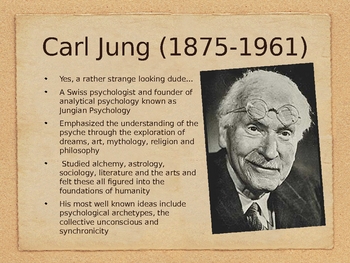
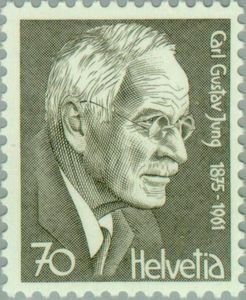
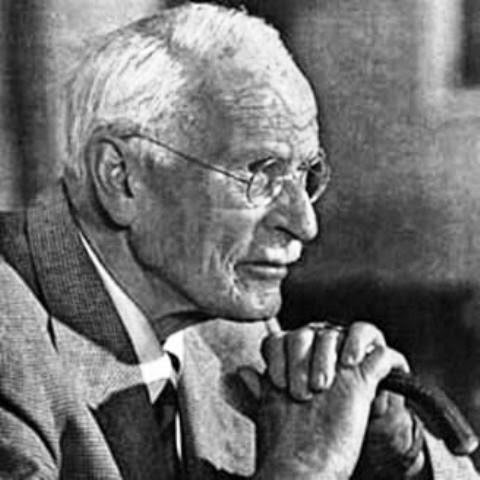
விஞ்ஞான உலகில் ஏராளமானோர் விதவிதமான ஆராய்ச்சிகளில் ஈடுபட்டுள்ளனர்.இன்றும் ஈடுபட்டு வருகின்றனர். ஆனால் இந்த விஞ்ஞான உலகில் சற்று வித்தியாசமான விஞ்ஞானியாக கார்ல் யுங் Carl Jung (பிறப்பு:1875 மறைவு:1961) திகழ்கிறார்.

ஒரு நவீன விஞ்ஞானி முகத்தைச் சுளிக்கும் விஷயங்களை எல்லாம் அலாதி ஈடுபாட்டுடன் ஆராய்ந்து அதில் தன் முத்திரையைப் பதித்தவர் இவர்! ஜோதிடத்தில் இவருக்கு அபார ஈடுபாடு உண்டு. ஆன்மீக இயலில் இவரது கண்டுபிடிப்புகள் ஏராளம்! டெலிபதி, டெலிகைனஸிஸ், மீடியம், புலன் கடந்த அதீத உளவியல், இரகசிய ஆற்றல்கள்,கனவுகள் என விலாவாரியாக அறிவியல் பூர்வமாக இவர் ஆராயாத வித்தியாசமான துறைகளே இல்லை.மற்ற விஞ்ஞானிகளை யெல்லாம் பற்றி இவர் துளிக்கூடக் கவலைப் படவில்லை. தனது ஆராய்ச்சியில் முழு ஈடுபாட்டுடன் இறுதி வரை இருந்தார் மாபெரும் மேதை யுங்!

இவர் புதிதாகத் தோற்றுவித்த அறிவியல் துறைகள் இரண்டு!
ஒன்று சிங்க்ரானிசிடி எனப்படும் ‘அர்த்தமுள்ள தற்செயல் ஒற்றுமைகள்’! இரண்டாவது ‘கலெக்டிவ் அன்கான்ஸியஸ்’ எனப்படும் கூட்டு நனவிலி நிலை அதாவது மக்கள் கூட்டம் மொத்தமாகக் கொண்டிருக்கும் ஒரு நனவிலி நிலை ஆகும்.

யுங்கின் வாழ்க்கையில் நிகழ்ந்த ஏராளமான சம்பவங்கள் அவரை அதி தீவிரமாக பல்வேறு விஷயங்களைப் பற்றி ஆராய உத்வேகப்படுத்தின.

Time jung-carl-

எடுத்துக்காட்டாக சிங்க்ரானிசிடி எனப்படும் “அர்த்தமுள்ள தற்செயல் ஒற்றுமை” பற்றிய ஒரு முக்கிய சம்பவத்தைக் குறிப்பிடலாம். ஒரு நாள் ஜங்கிடம் சிகிச்சை பெற வந்த ஒரு பெண்மணி தான் கண்ட கனவை உணர்ச்சி பொங்க விவரித்துக் கொண்டிருந்தார். அந்தக் கனவில் அவருக்கு மிகவும் விலை மதிப்புள்ள ஒரு நகை தரப்பட்டிருந்தது. அந்த நகை வண்டு போல செய்யப்பட்ட ஒரு அணிகின்ற கல்! இதை அந்தப் பெண்மணி விவரித்துக் கொண்டிருந்த சமயம் யுங்கின் ஜன்னலை யாரோ தட்டிக் கொண்டே இருப்பது போன்ற ஒலி எழுந்தது. இந்த ஒலியால் ஈர்க்கப்பட்ட ஜங் ஜன்னலை நோக்கி விரைந்தார். ஜன்னலைத் திறந்தார். ஜன்னலின் வெளியிலிருந்து பறந்து வந்த ஒரு பொன் வண்டு அவர் கையில் வந்து உட்கார்ந்தது. அதைக் கையில் பிடித்துக் கொண்ட ஜங் தன் கனவை விவரித்துக் கொண்டிருந்த பெண்மணியிடம் அதைக் காட்டி,”இதோ இருக்கிறது உங்களின் பொன்வண்டு” என்று கூறி விட்டு வண்டை அவர் கையில் கொடுத்தார். இதனால் அசந்து போன அந்தப் பெண்மணிக்கு ஆச்சரியம் தாங்க முடியவில்லை. மிகுந்த புத்திசாலி அவர். நன்கு படித்தவரும் கூட. தன் உணர்ச்சிகளை அவரால் கட்டுப்படுத்தவே முடியவில்லை.

இந்த வண்டு சம்பவத்திற்குப் பின்னர் அந்தப் பெண்மணி மிக வேகமாகக் குணமடைந்தார்.

பிரபஞ்சத்தில் உள்ள ஏதோ ஒரு சக்தி அர்த்தமுள்ள ஒரு தற்செயல் சம்பவத்தின் மூலம் அவரைப் பூரண குணம் அடைய வைத்தது.
தன் கனவை அந்தப் பெண்மணி சொல்லிக்கொண்டிருந்த போது ஜன்னலில் ஏன் வண்டு வந்து மோதி ஒலியை எழுப்பி ஜங்கின் கவனத்தை ஈர்க்க வேண்டும்? அந்த வண்டும் சாதாரணமாகக் காணப்படக்கூடிய வண்டு அல்ல. வண்டு இனத்திலேயே அபூர்வமாகக் காணப்படும் வண்டு அது!

jung

அந்தப் பெண்மணியின் மனம் போராட்டத்தின் உச்சியில் எழுப்பிய கூக்குரல் பிரபஞ்ச மனத்தை உலுக்கி அந்த வண்டை அந்த நொடியில் ஜங்கின் ஜன்னலுக்கு வரவழைத்ததா? இந்த சிறிய அற்புதச் செயலின் மூலமாக அந்தப்பெண்மணி பூரண குணம் அடைய வேண்டும் என்று இருந்ததா? அவரது கூக்குரலுக்கு பிரபஞ்சத்தின் விடையா அது?யுங் ஆராய ஆரம்பித்தார்.

இந்த வண்டு விஷயம் இத்தோடு நிற்கவில்லை.

பிலிப் கஸினோ என்ற ஒரு எழுத்தாளர் இப்படிப்பட்ட அர்த்தமுள்ள தற்செயல் ஒற்றுமைச் சம்பவங்களைத் தொகுத்து தன்னிடம் நட்பு கொண்டிருந்த ஒரு பெண்மணிக்கு அனுப்பினார். அவர் யோகாவைக் கற்பிப்பவர். ‘அர்த்தமுள்ள தற்செயல் ஒற்றுமையை’ இந்த பொன்வண்டு சம்பவம் விளக்குகிறதா என்று குழம்பியவாறே யோசித்தவண்ணம் இருந்தார் அவர். தனது வாழ்க்கையில் இப்படி சம்பவம் ஏதேனும் நிகழ்ந்துள்ளதா என அவர் நினைவுபடுத்திப் பார்த்தார்.

அன்று முற்பகலில் தனக்கு ஏதேனும் கடிதங்கள் வந்துள்ளனவா என்று பார்க்க வாசலில் இருந்த தோட்டப்பகுதியை நோக்கி நடந்தார். என்ன ஆச்சரியம்! அங்குள்ள செடிகளின் மீதும் அதன் சுற்றுப்புறத்திலும் நூற்றுக்கணக்கான நீல நிற வண்டுகள் ஹூங்காரமிட்டுப் பறந்து கொண்டிருந்தன! அவற்றின் நீல வண்ணம் சூரிய ஒளியில் பட்டு பிரகாசமாக புது வண்ணமாக மின்னிக் கொண்டிருந்தது! ‘என்ன நான் கனவு காண்கிறேனா’ என்று வியந்த அவரால் தான் கண்ட காட்சியை நம்பவே முடியவில்லை! 36 மணிநேரம் அங்கேயே பறந்து கொண்டிருந்த வண்டுகள் திடீரென இடத்தை விட்டுப் பறந்து மாயமாயின!

உடனே அவர் பிலிப் கஸினோவுக்கு இதைப் பற்றி எழுதி,”ஒருவேளை அர்த்தமுள்ள தற்செயல் ஒற்றுமை தொடர்ந்து நீரோட்டம் போன்ற ஒரு தொடர் ஓட்டத்தையும் விளைவித்துக் கொண்டு இருக்குமோ “ என்று வியந்தார்! ஒவ்வொருவருக்கும் அவரவர் வாழ்வில் இப்படி அர்த்தமுள்ள தற்செயல் ஒற்றுமைகள் நிகழ்ந்து கொண்டே இருக்கின்றன. அவற்றை யாரும் கூர்ந்து கவனிப்பதுமில்லை. அது சொல்லும் செய்திகளை அறிந்து கொள்வதும் இல்லை என்பது தான் உண்மை!

Carl-Jung-Emma-Jung-e1345143082354

Carl Jung with his wife Emma Jung

பகுப்பாய்வு உளவியலைக் கண்ட மேதையான கார்ல் யுங் சிக்மண்ட் ப்ராய்ட், ஆல்பர்ட் ஐன்ஸ்டீன்,உல்ப்கேங் பாலி,வில்லியம் ஜேம்ஸ் போன்ற பிரபல விஞ்ஞானிகளுடன் நெருங்கிய தொடர்பு கொண்டிருந்தார். ஸ்விட்சர்லாந்தை சேர்ந்த விஞ்ஞானியான ஜங்கின் வாழ்க்கையில் நடந்த சில அபூர்வமான சம்பவங்களைத் தொடர்ந்து பார்க்கலாம்.

சின்ன உண்மை!
2011ஆம் ஆண்டு வெளியான ‘எ டேஞ்சரஸ் மெதேட்’ (A Dangerous Method) என்ற ஹாலிவுட் திரைப்படம் யுங்கிற்கும் சிக்மண்ட் ஃப்ராய்டுக்கும் இடையே உள்ள தொடர்பைச் சித்தரிக்கிறது. ஜங்கிடம் சிகிச்சை பெற வந்து அவரை ஈர்த்த கவர்ச்சிப் பெண்மணியான சபீனா ஸ்பீல்ரெய்னுடன் அவர் கொண்டிருந்த உறவையும் இப்படம் விவரிக்கிறது!

131.பாக்யா வார இதழில் 30-8-2013 இதழில் தொடங்கி ஐந்து இதழ்களில் பிரசுரிக்கப்பட்ட யுங் பற்றிய கட்டுரைகளுள் முதலாவது கட்டுரை இது.

contact swami_ 48@yahoo .com